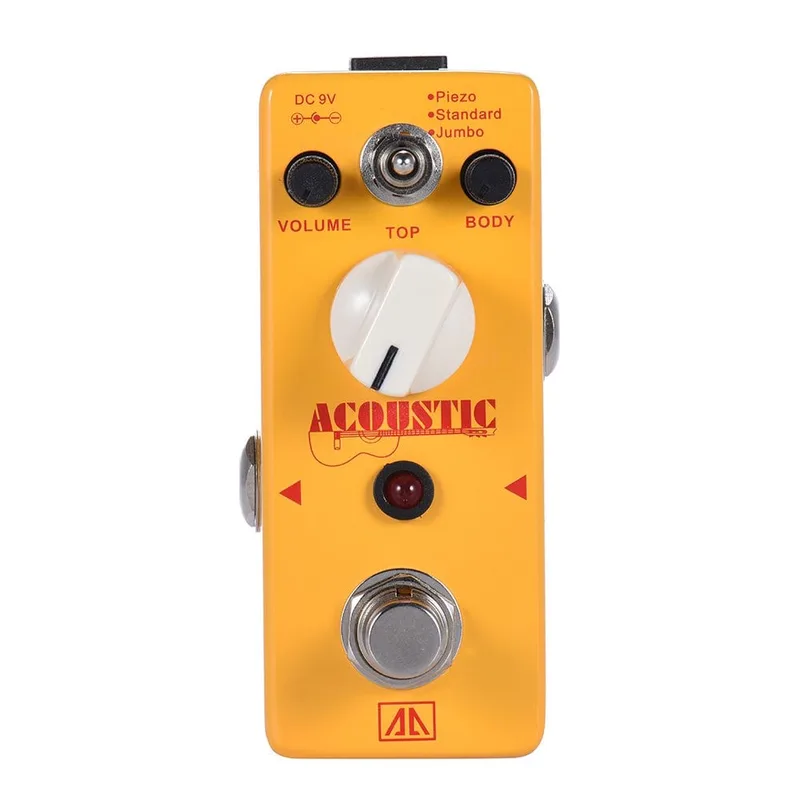
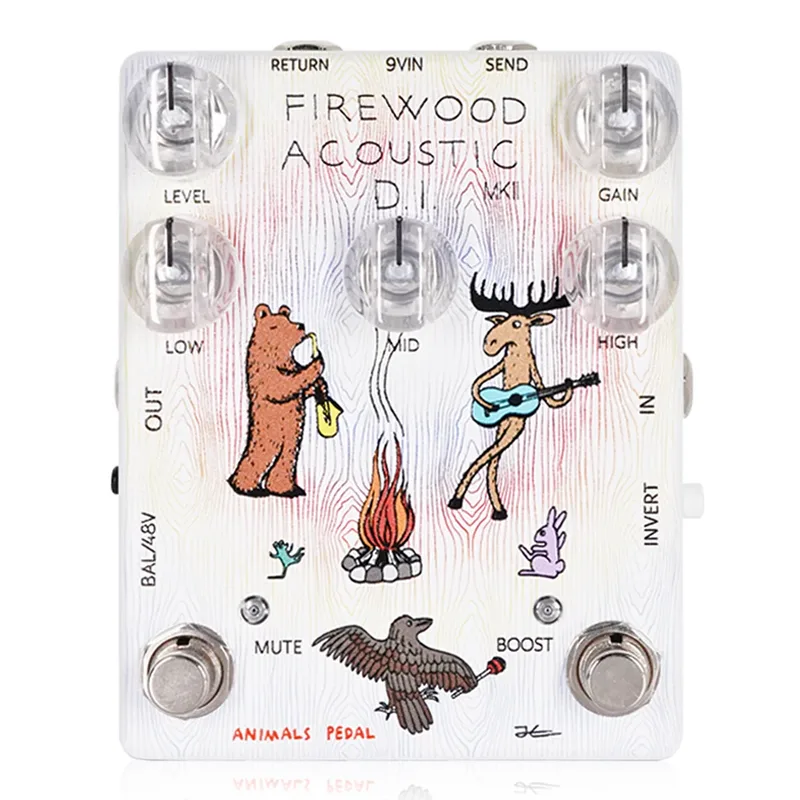
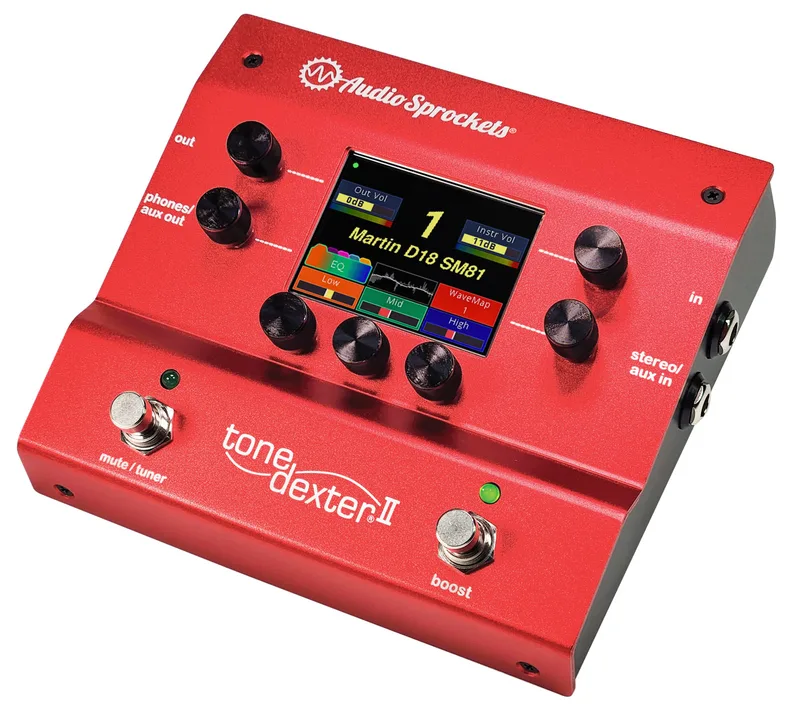
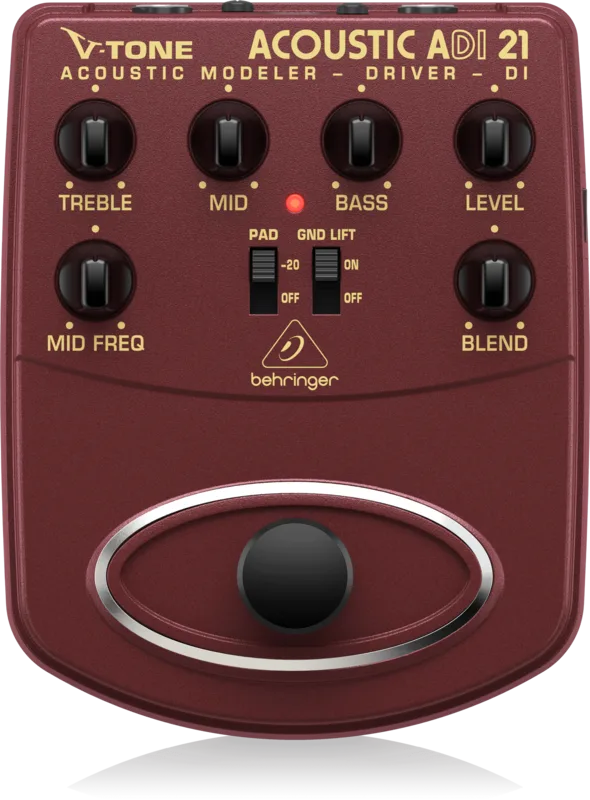
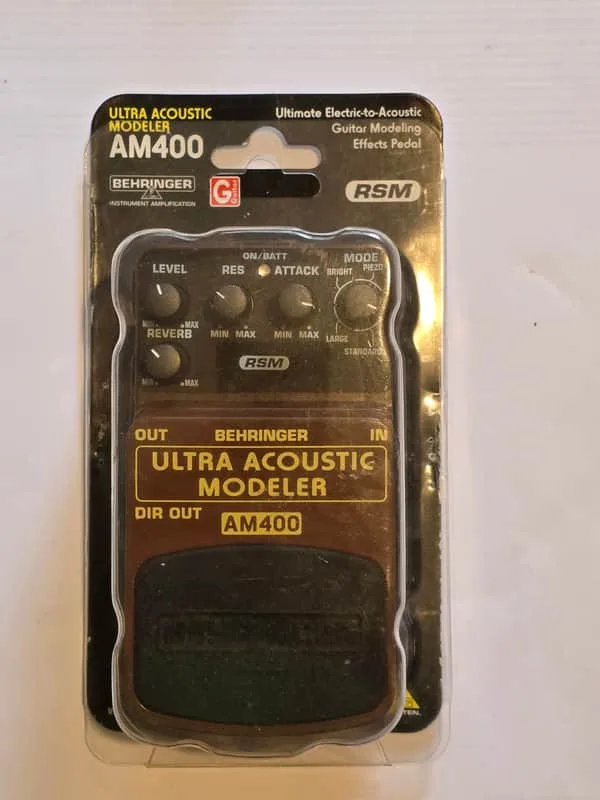
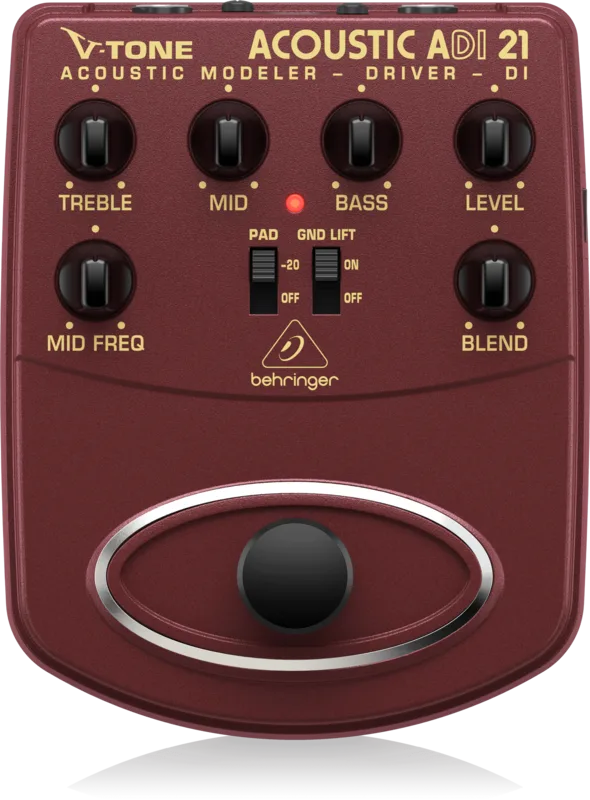
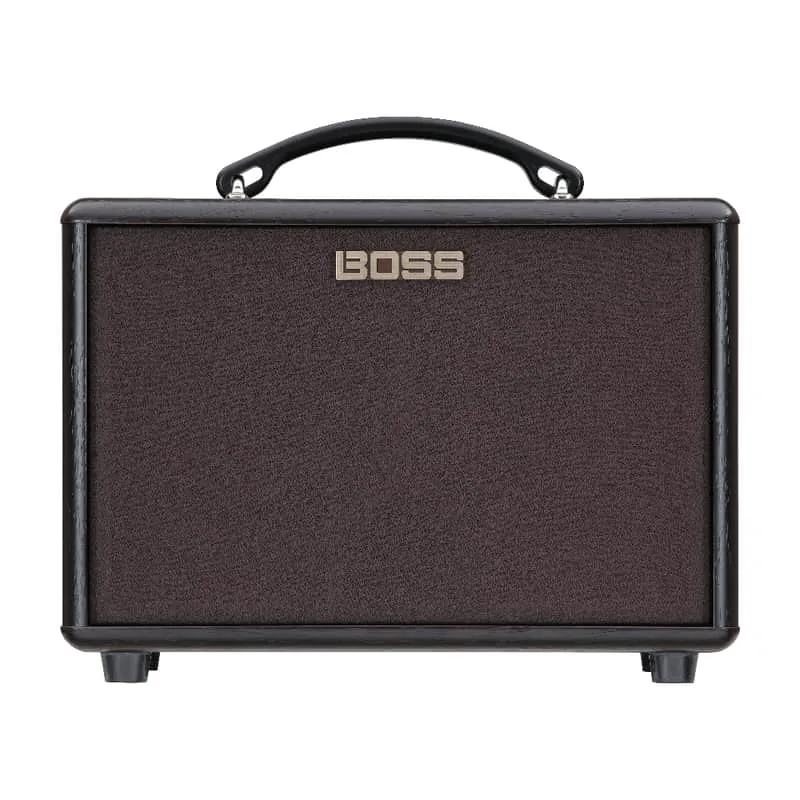
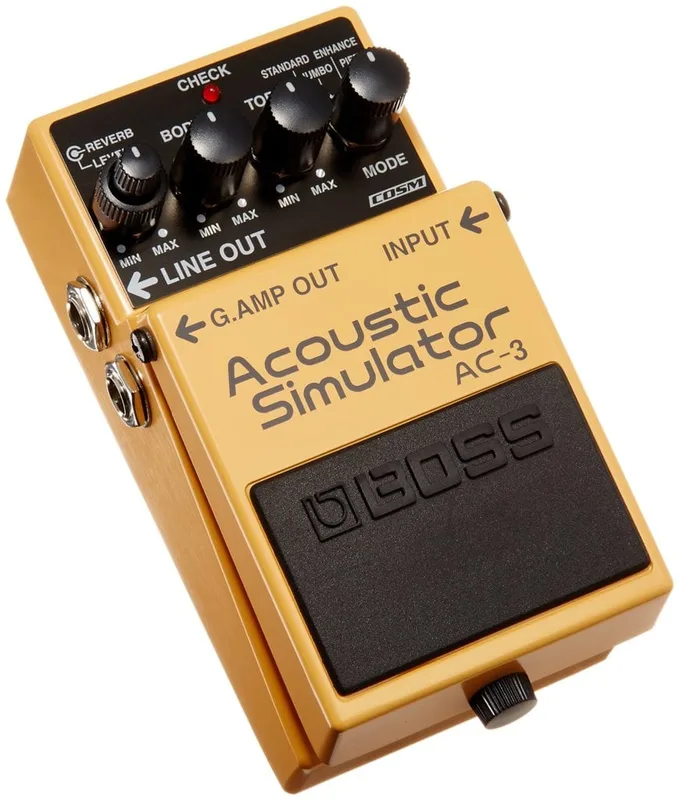
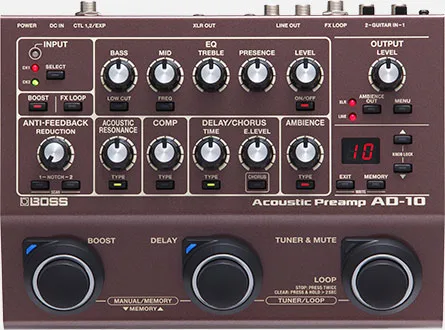
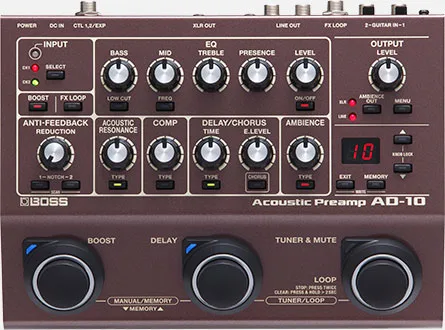
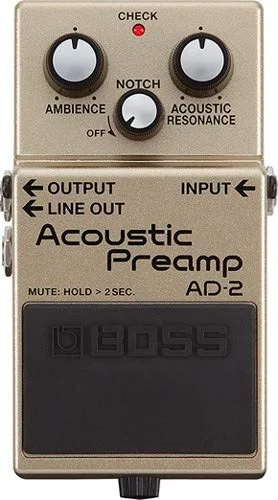
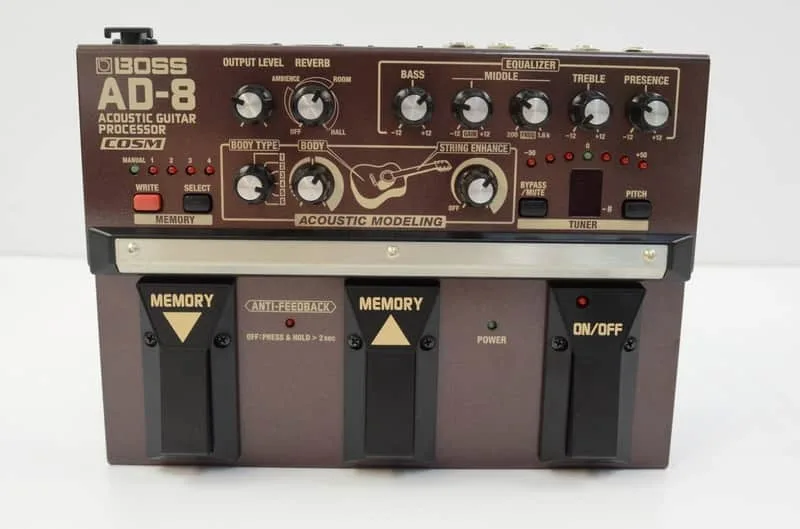
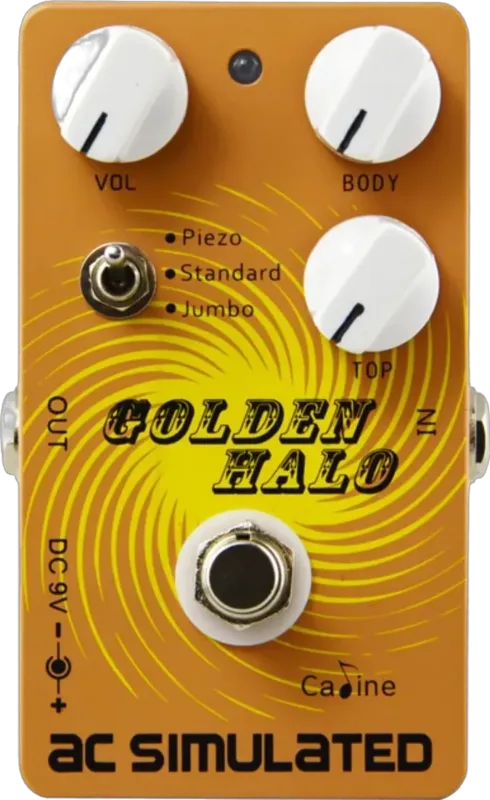
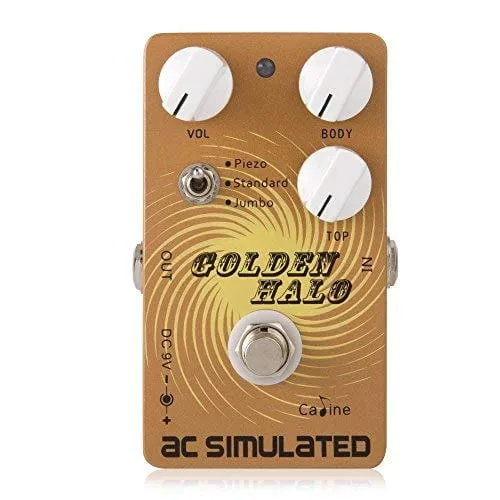
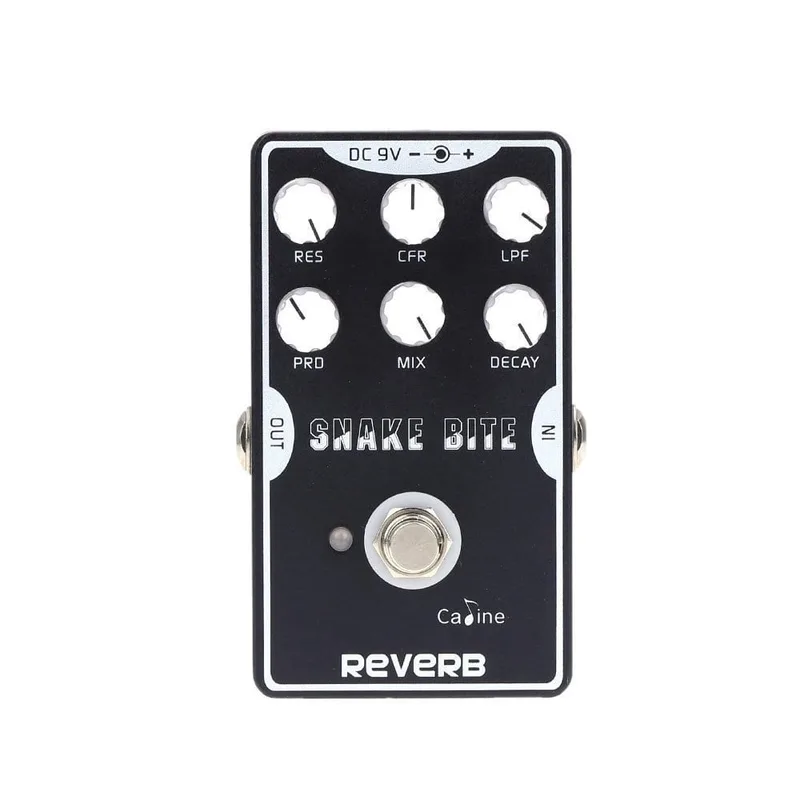
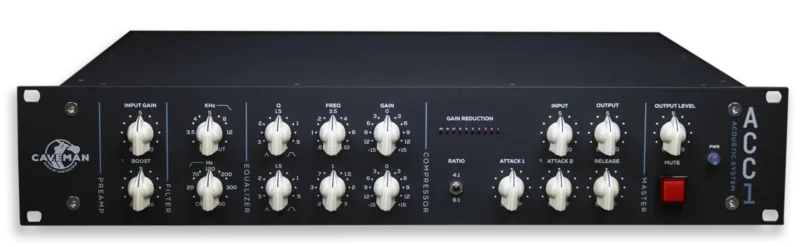
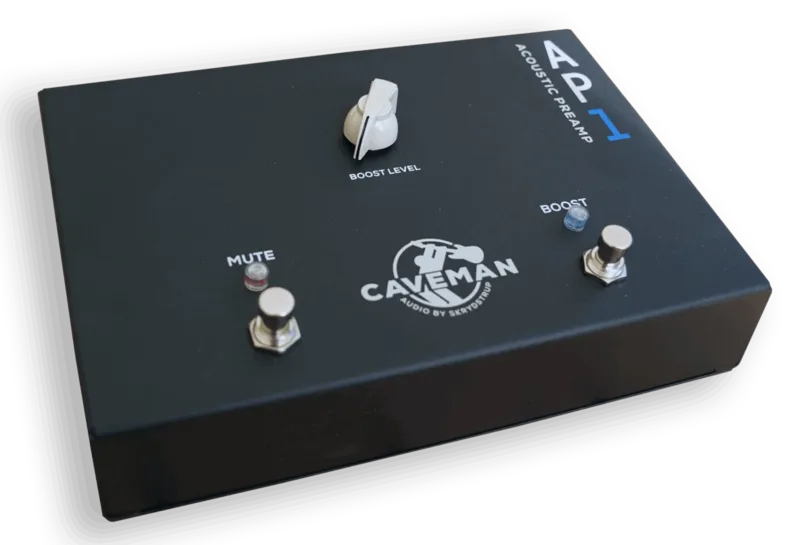
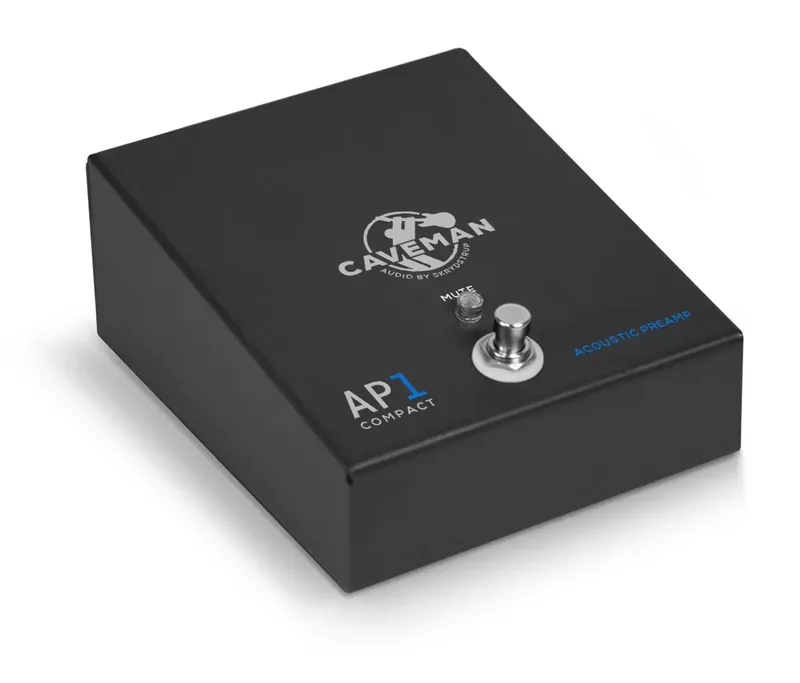
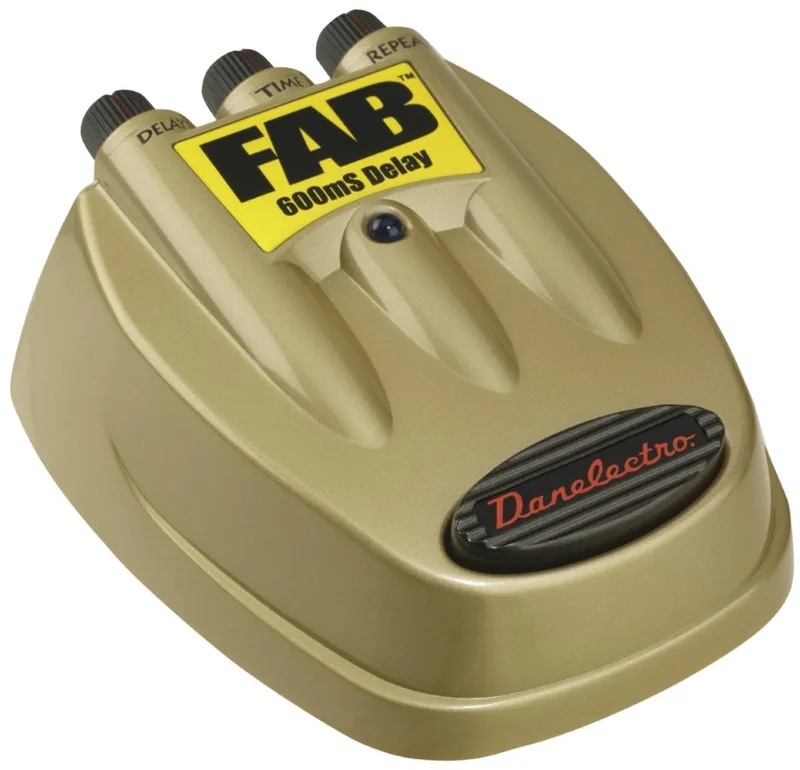
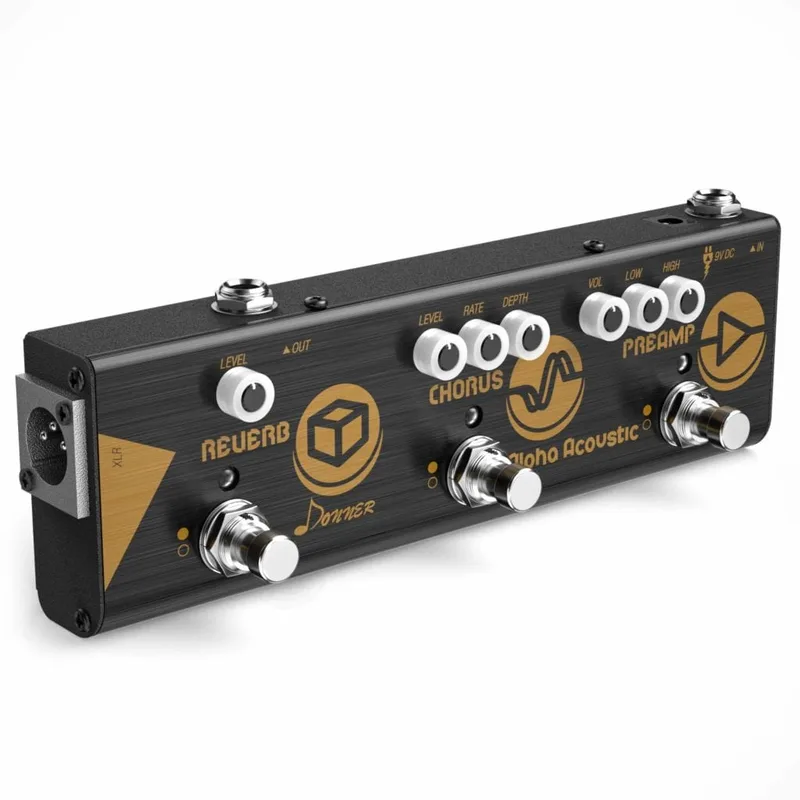
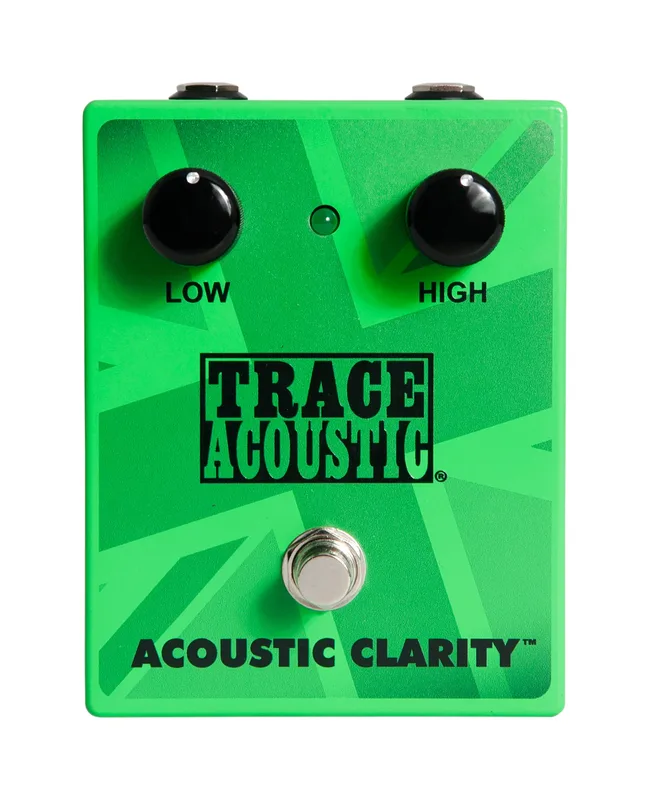
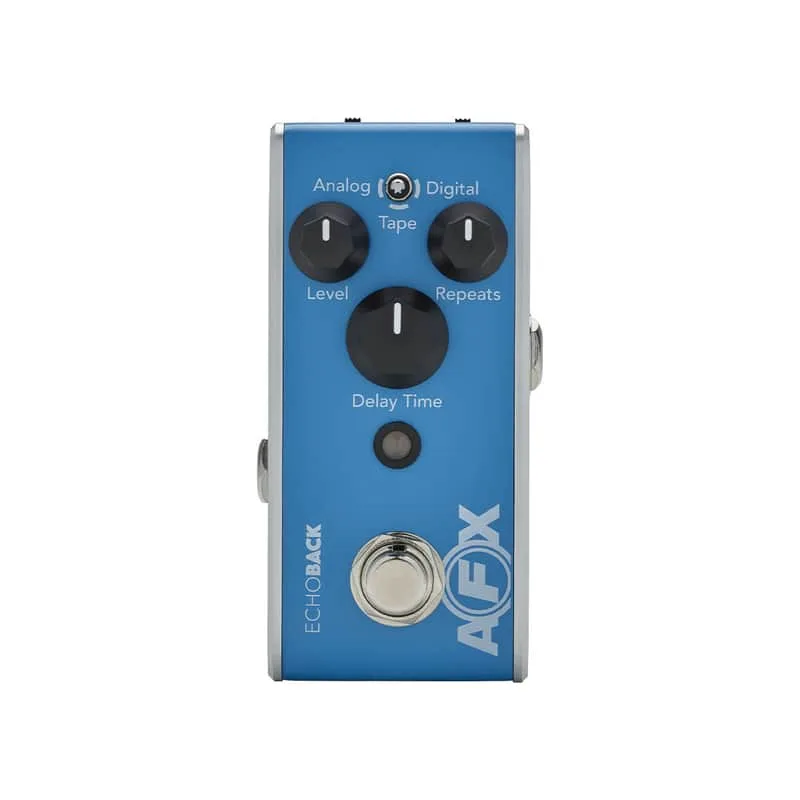
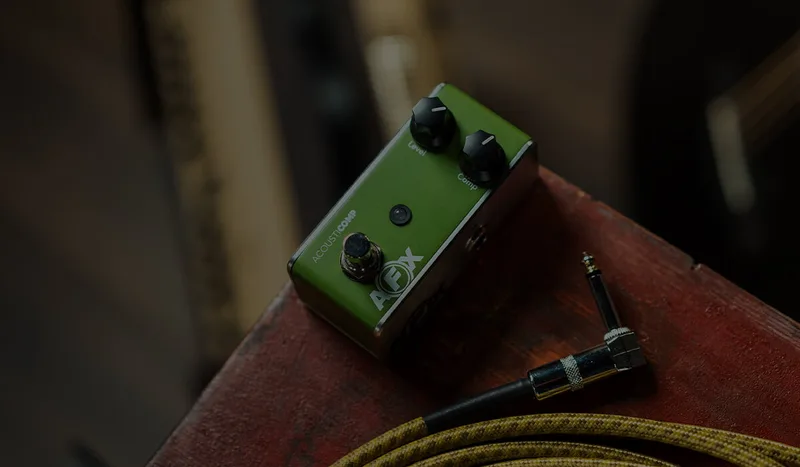
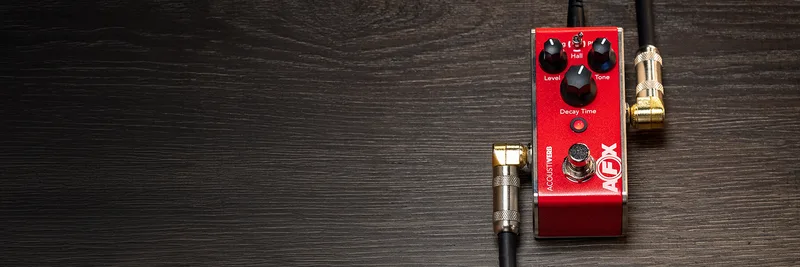
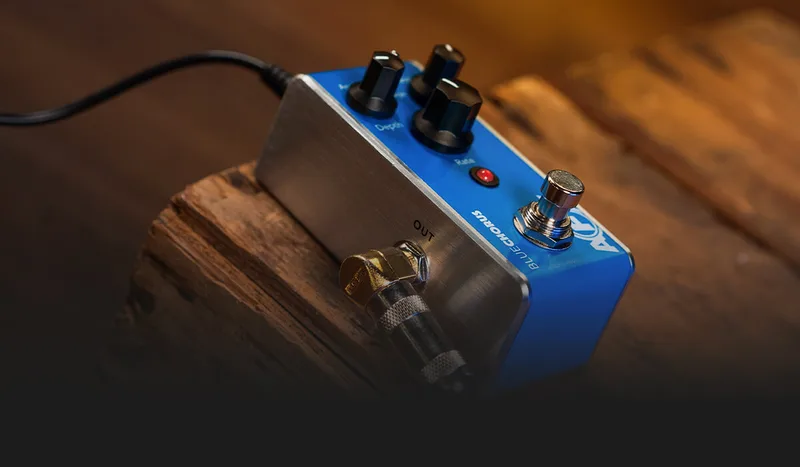
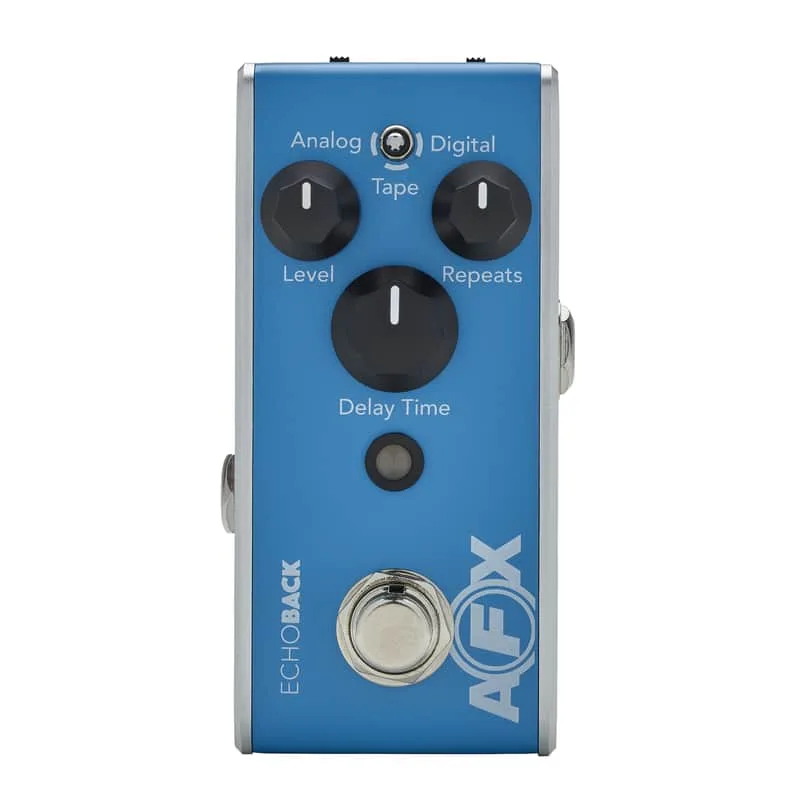
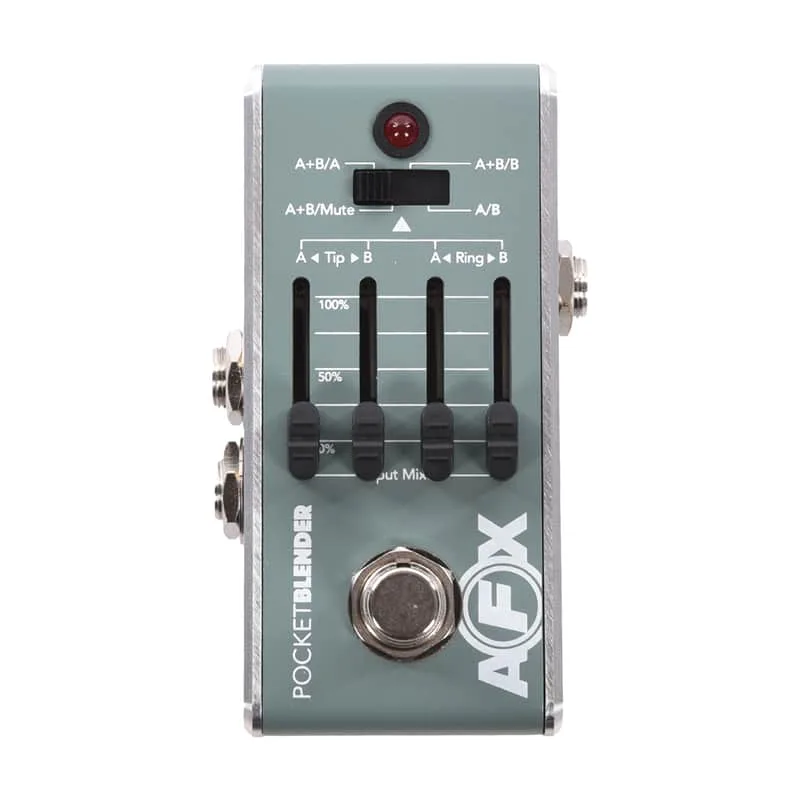
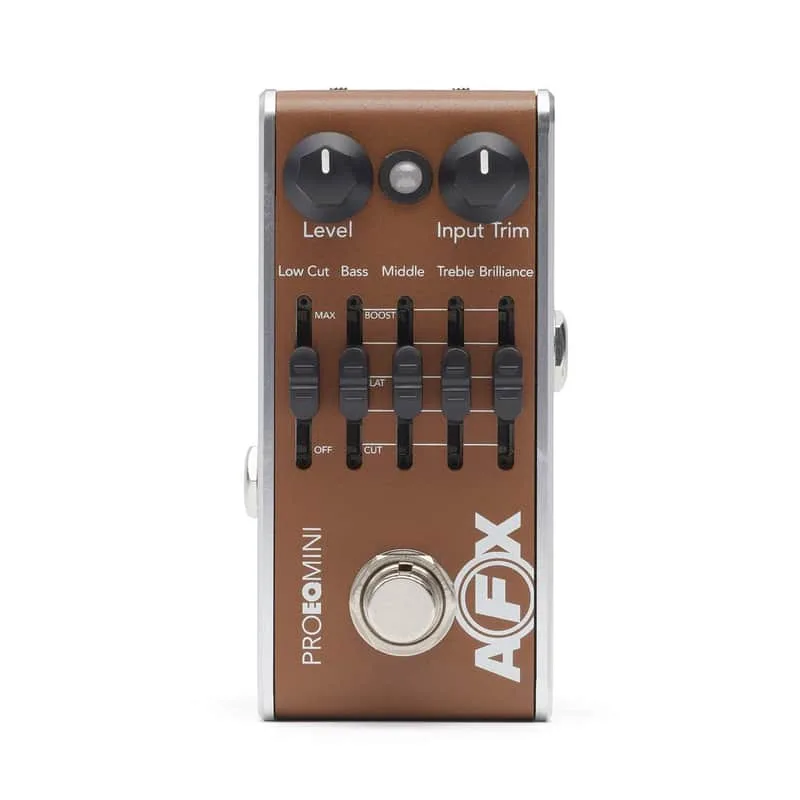
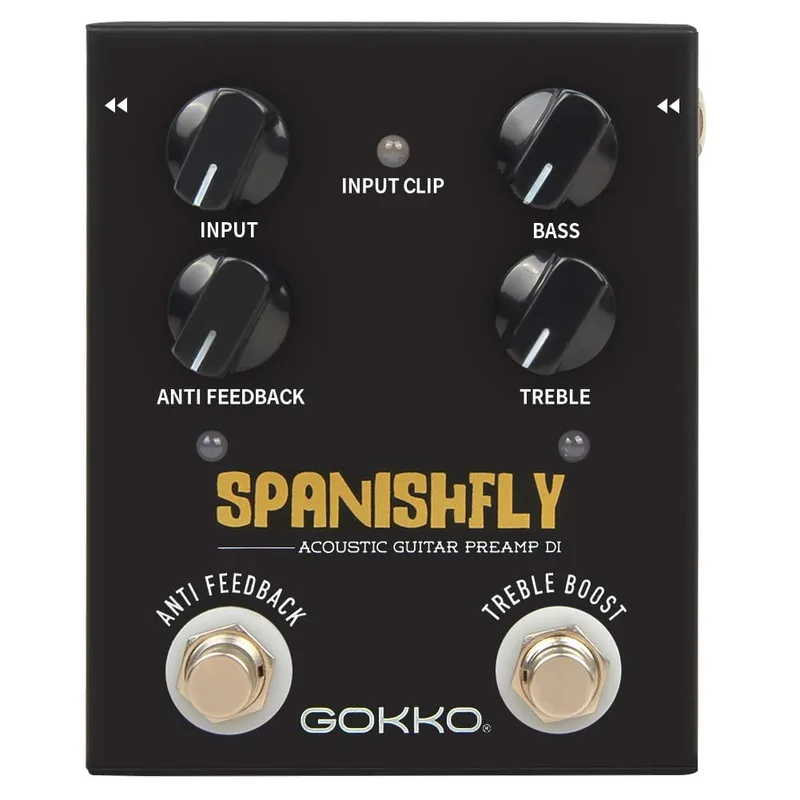
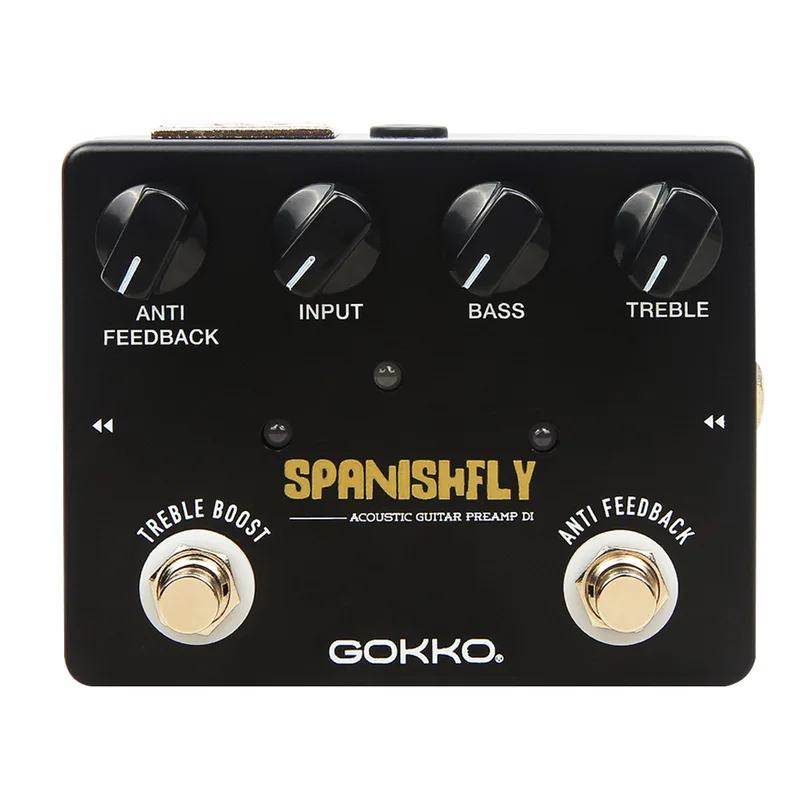
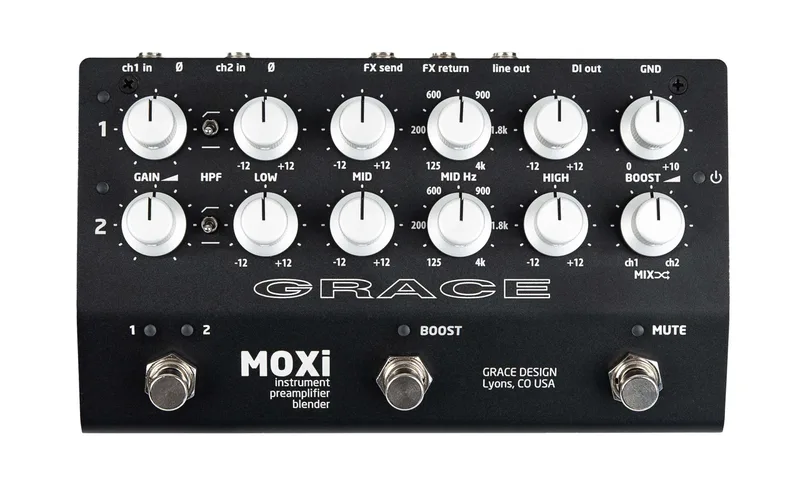
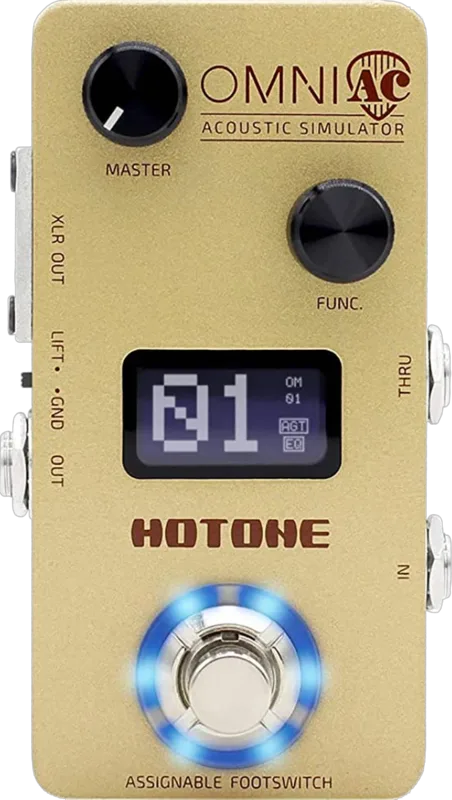
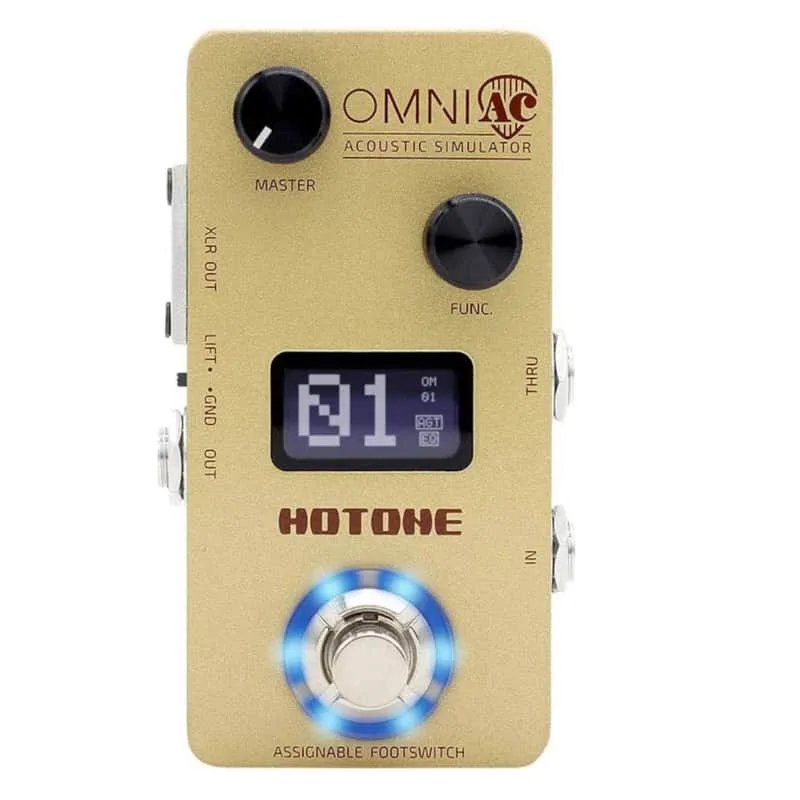
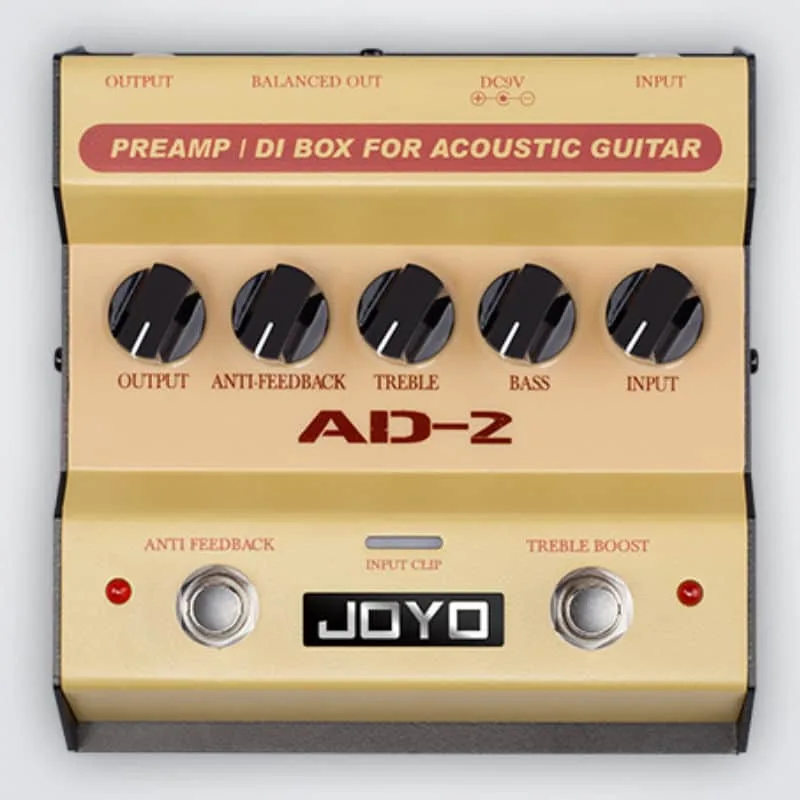
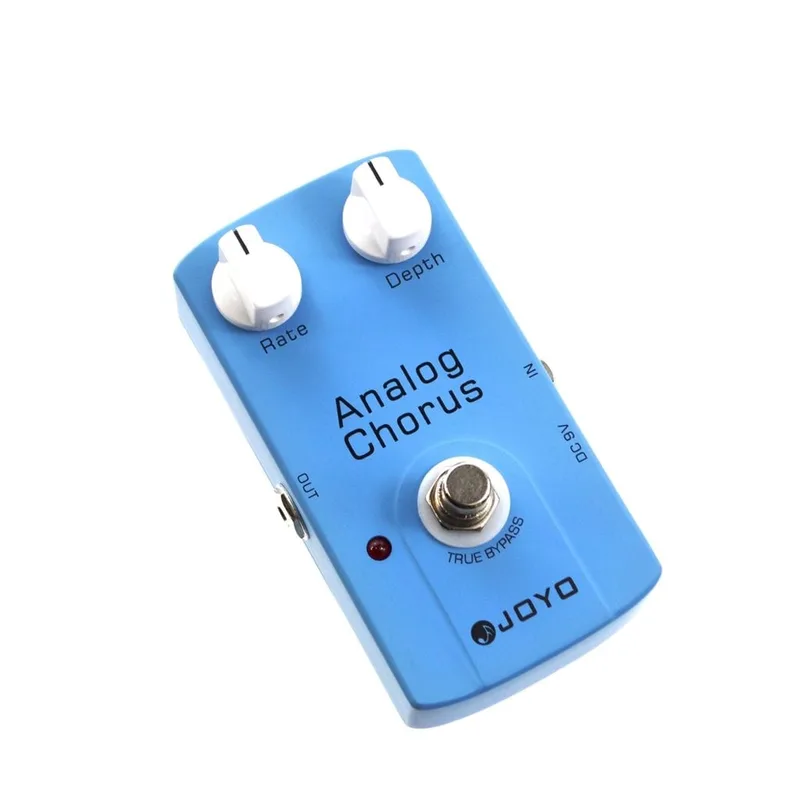
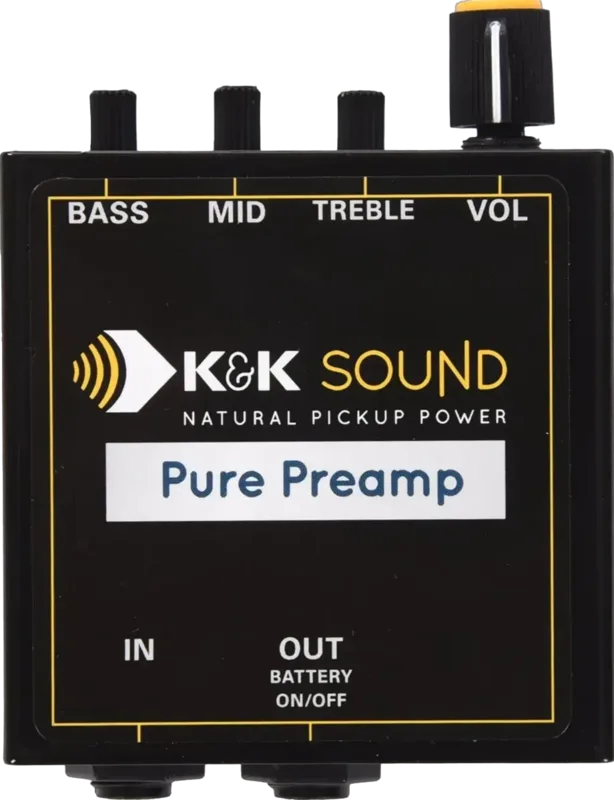
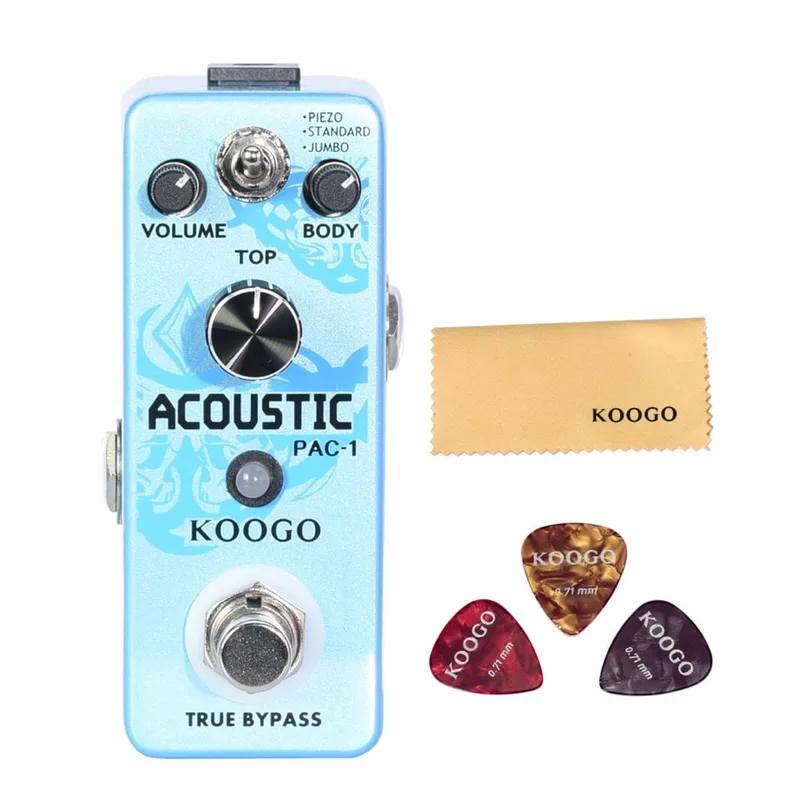
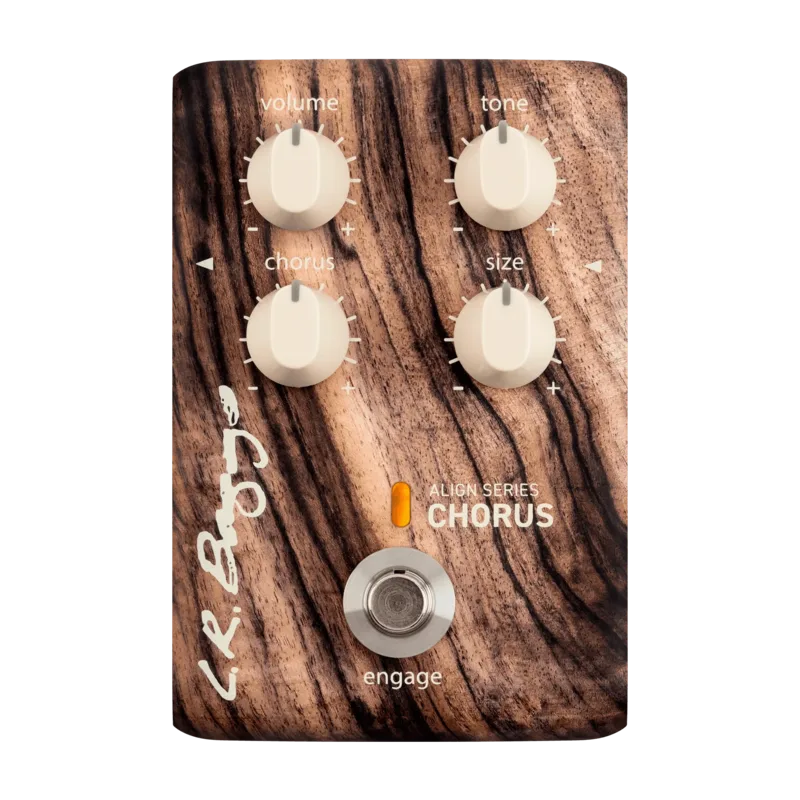
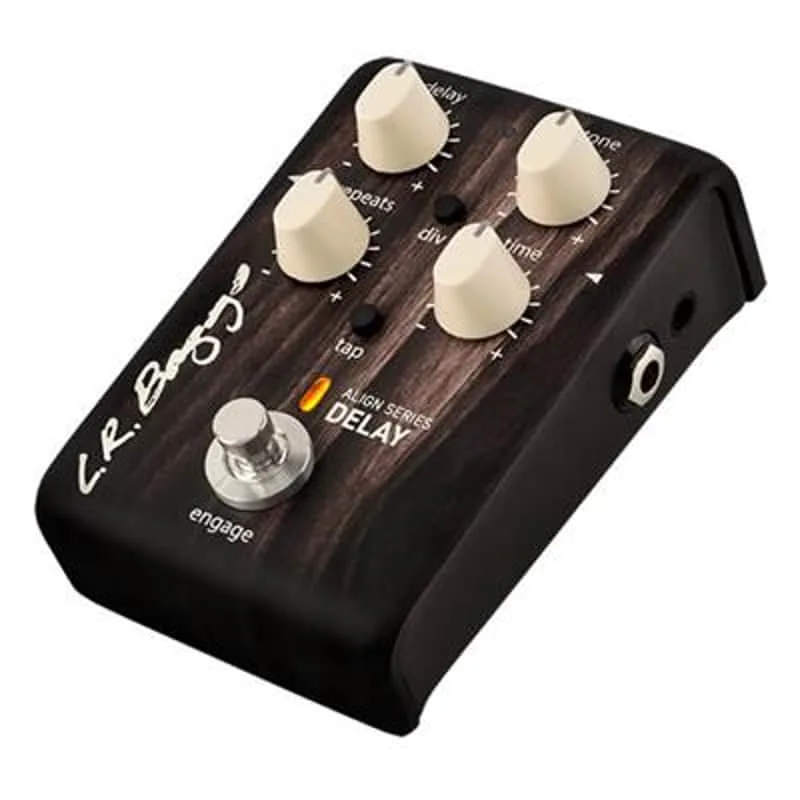
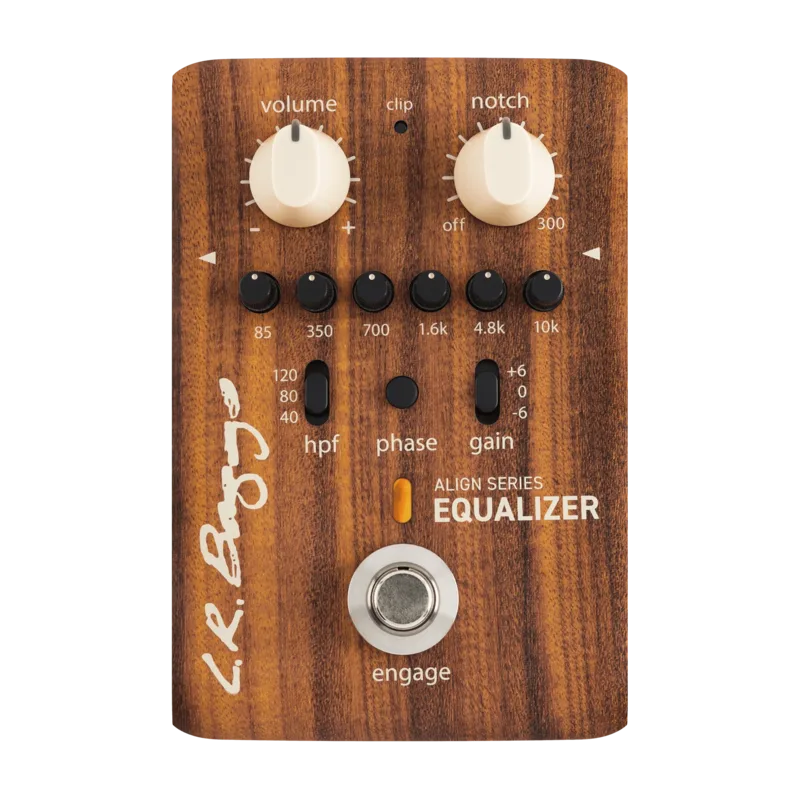
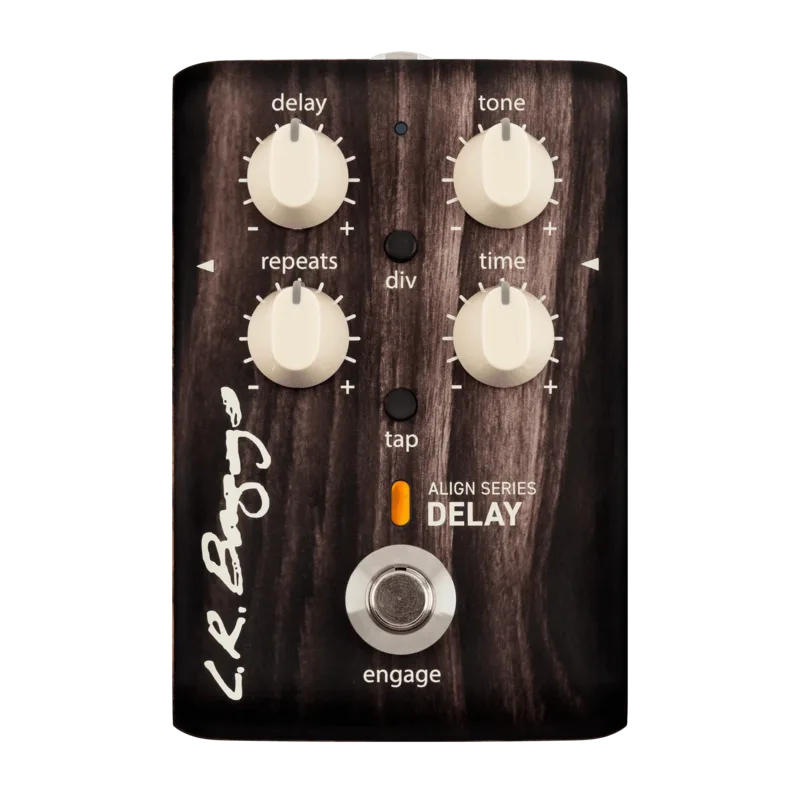
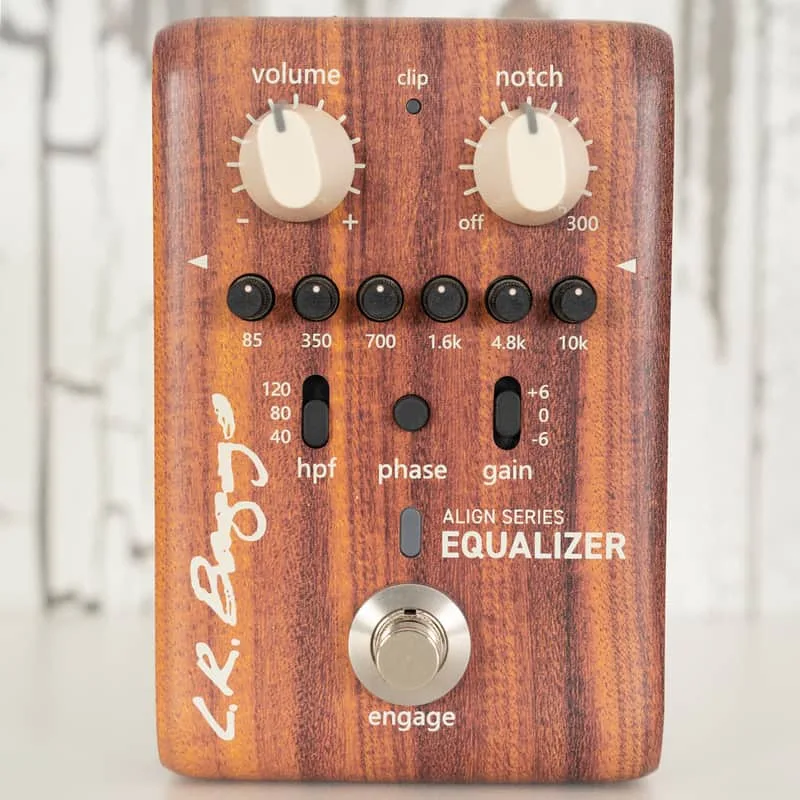
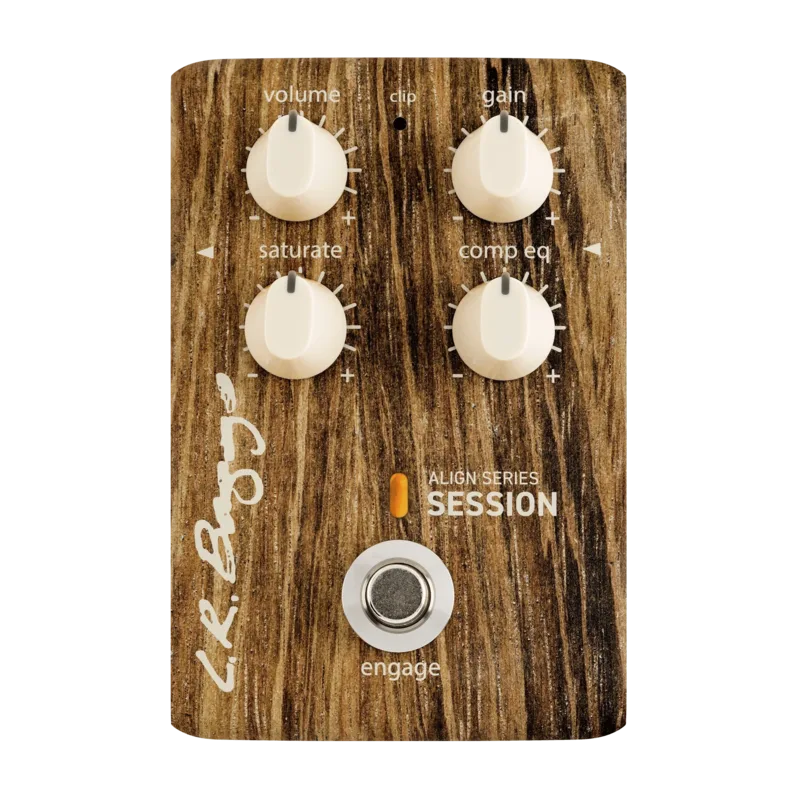
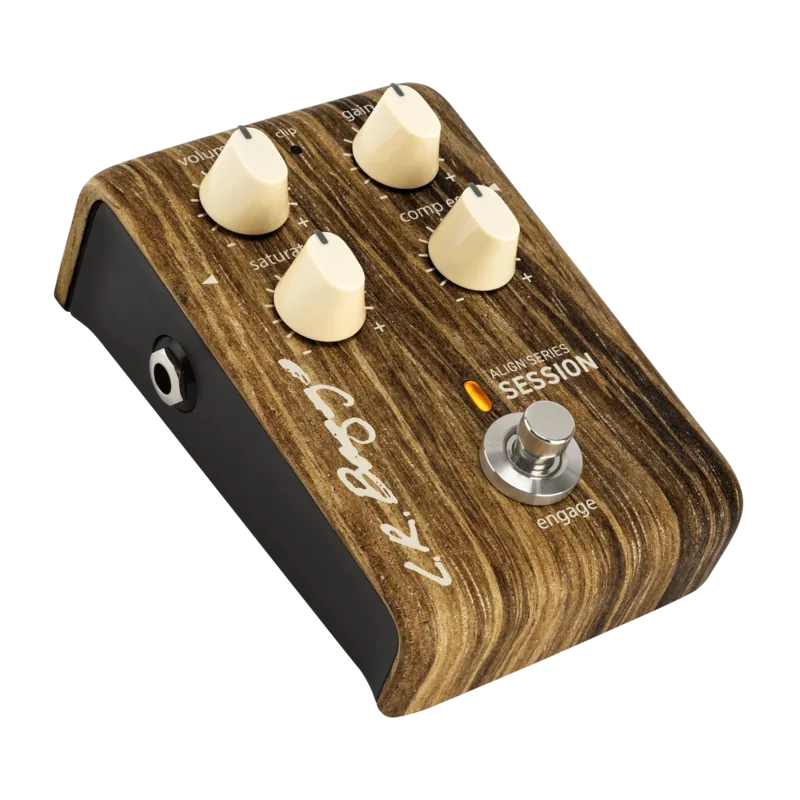
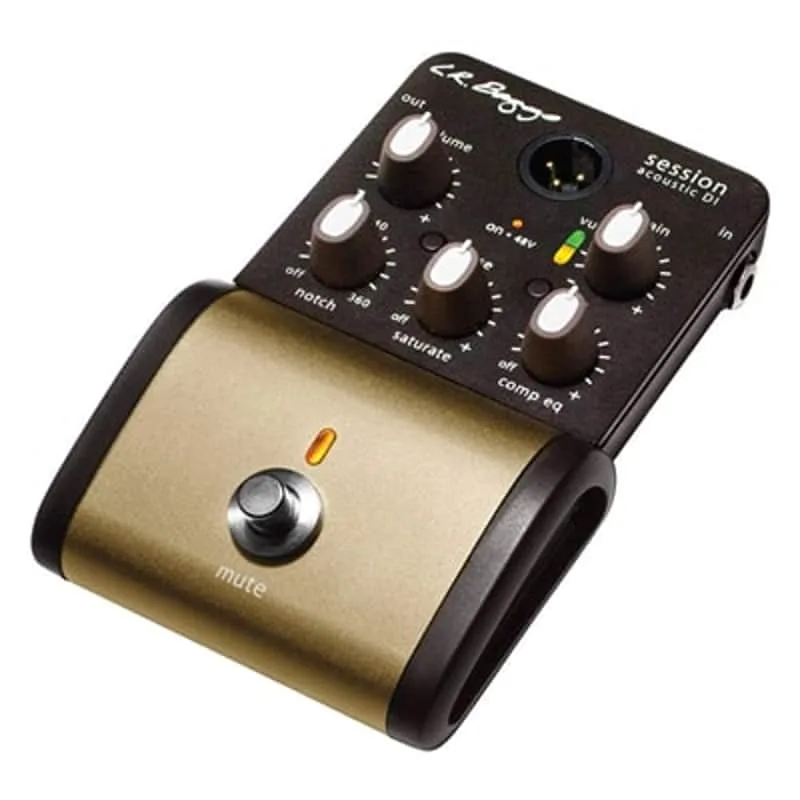
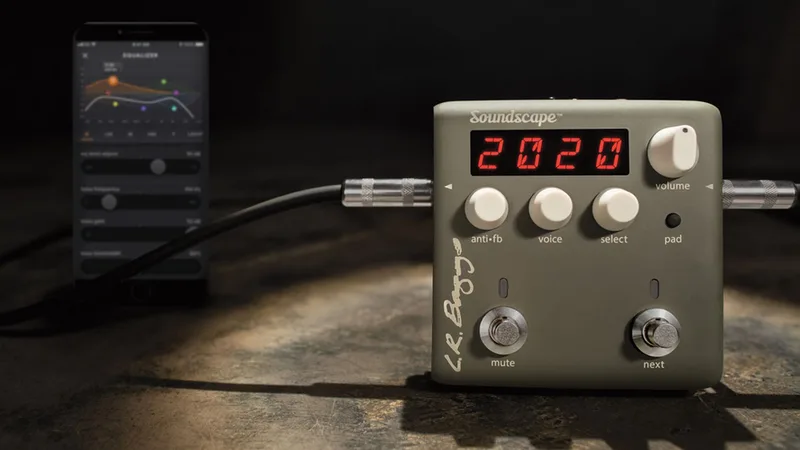
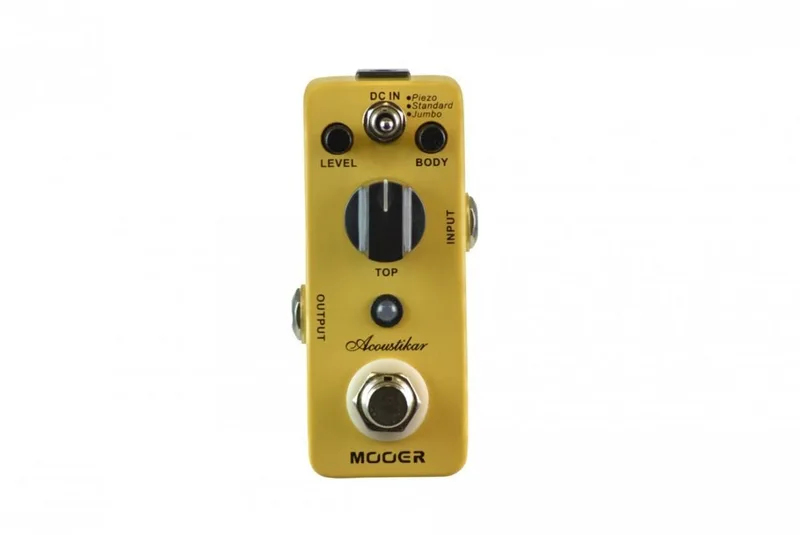
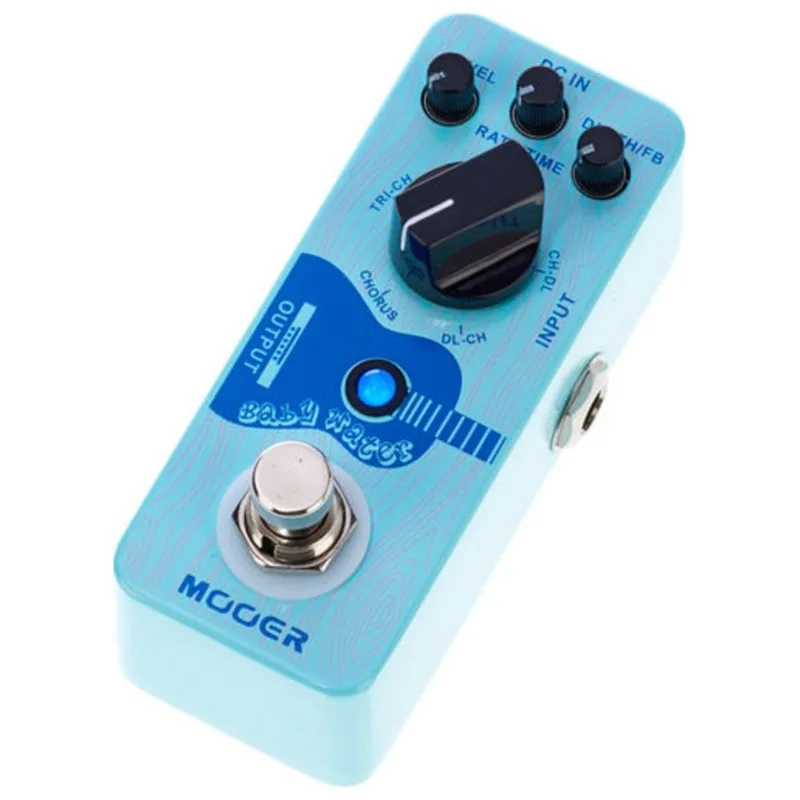
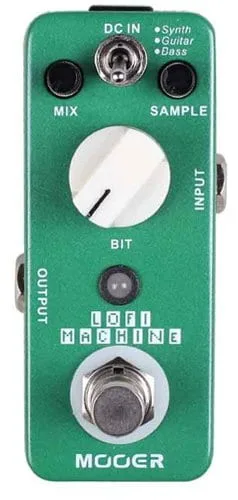
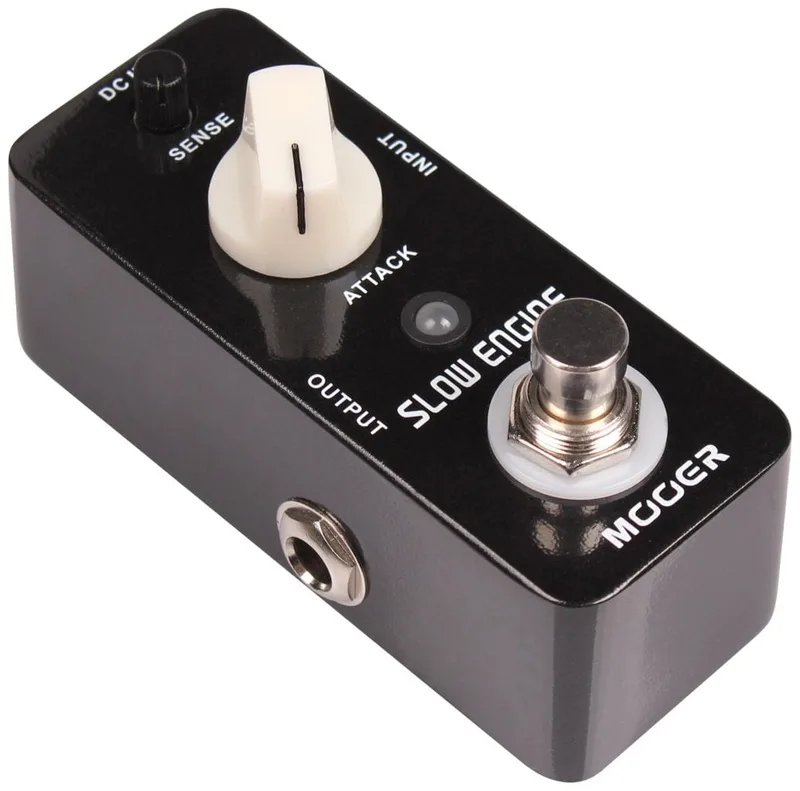
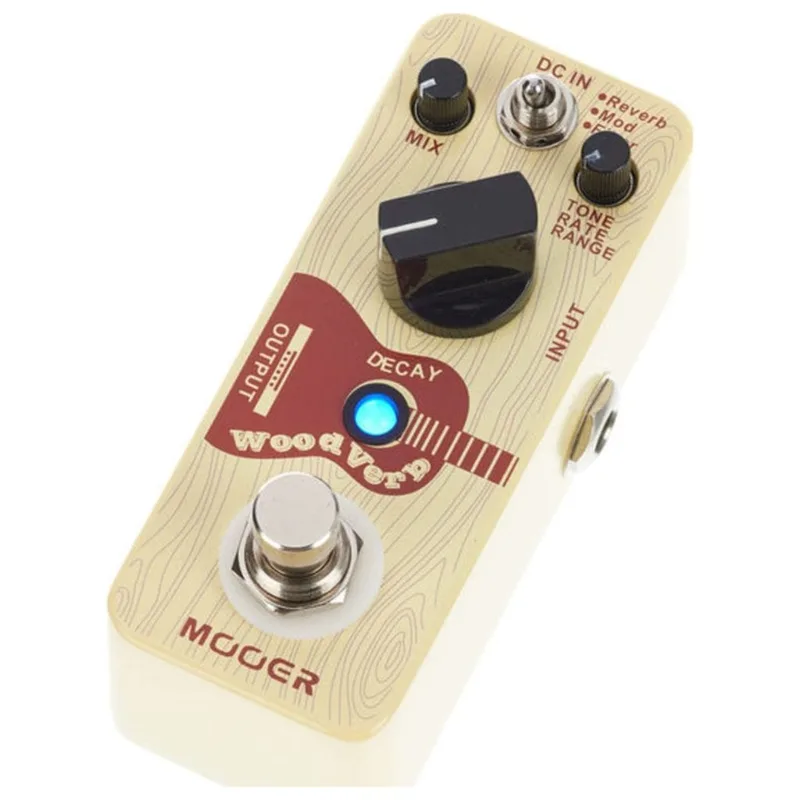
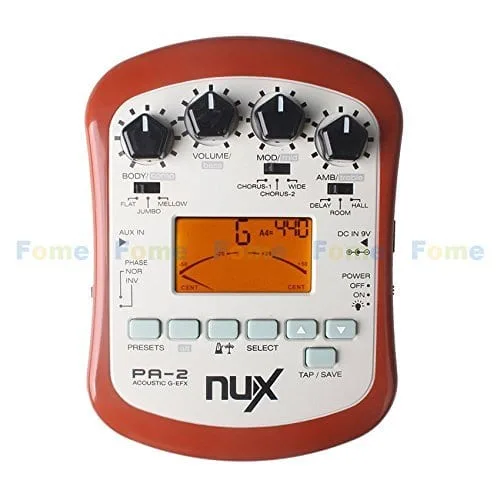
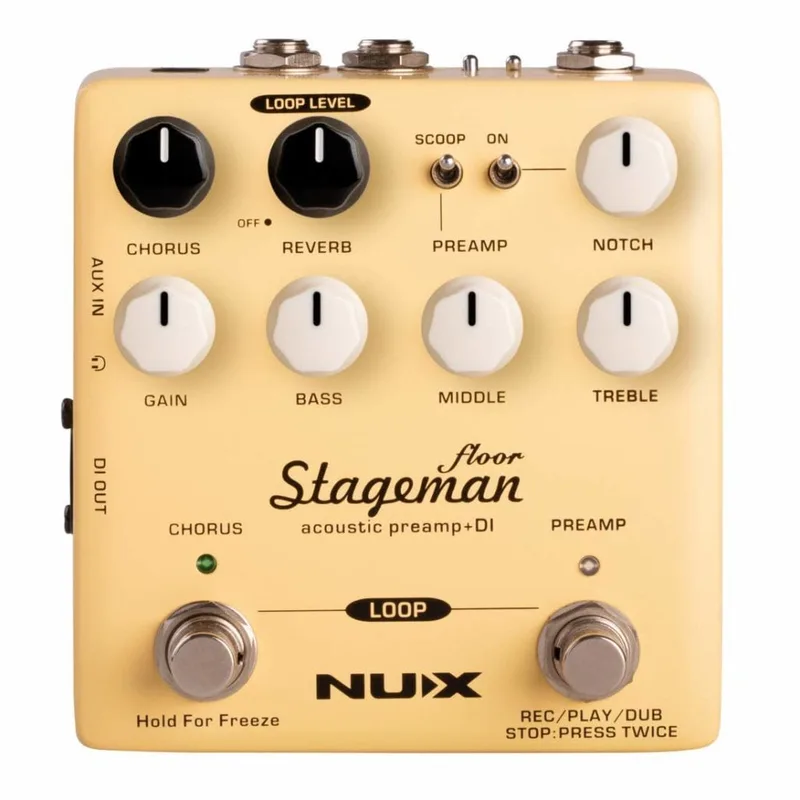
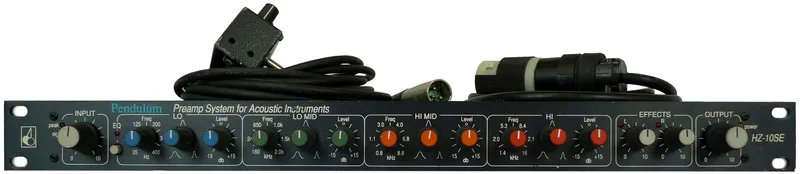
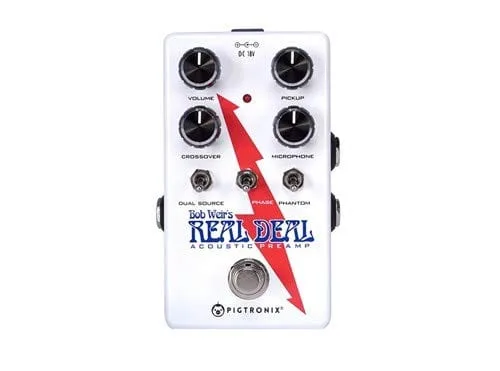
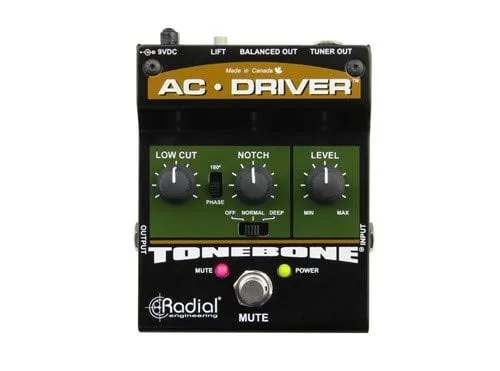
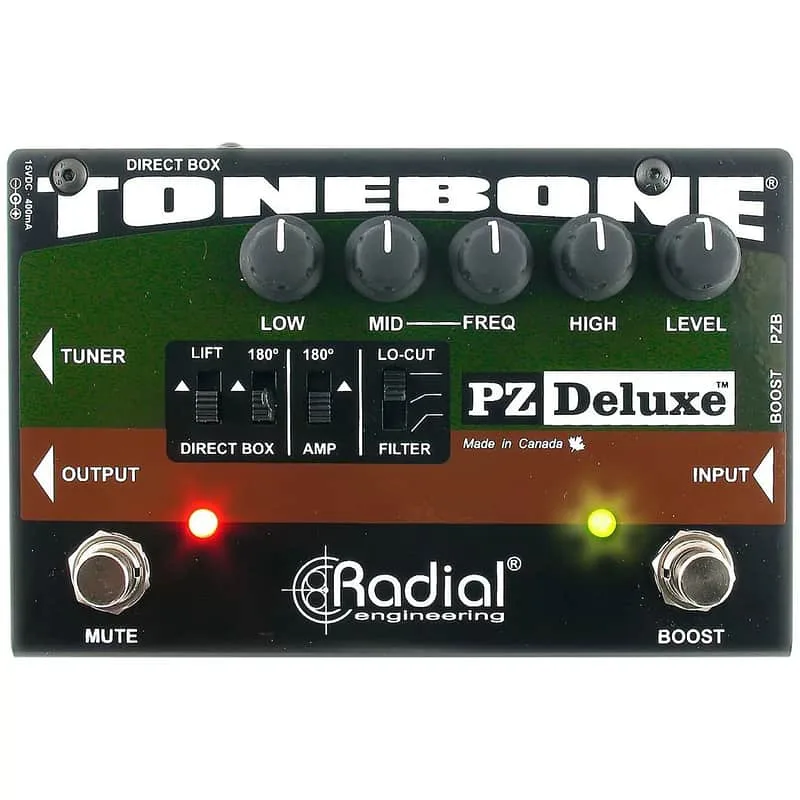
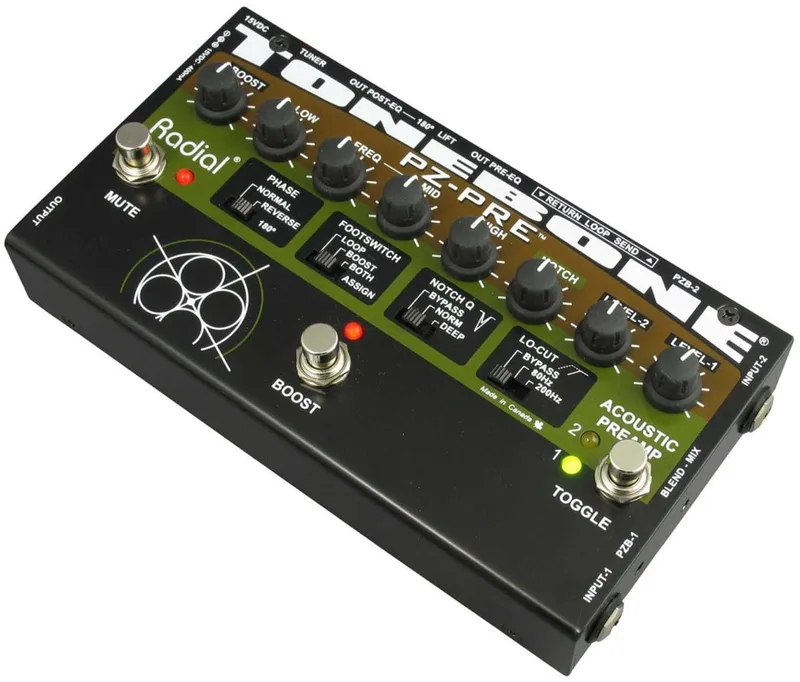
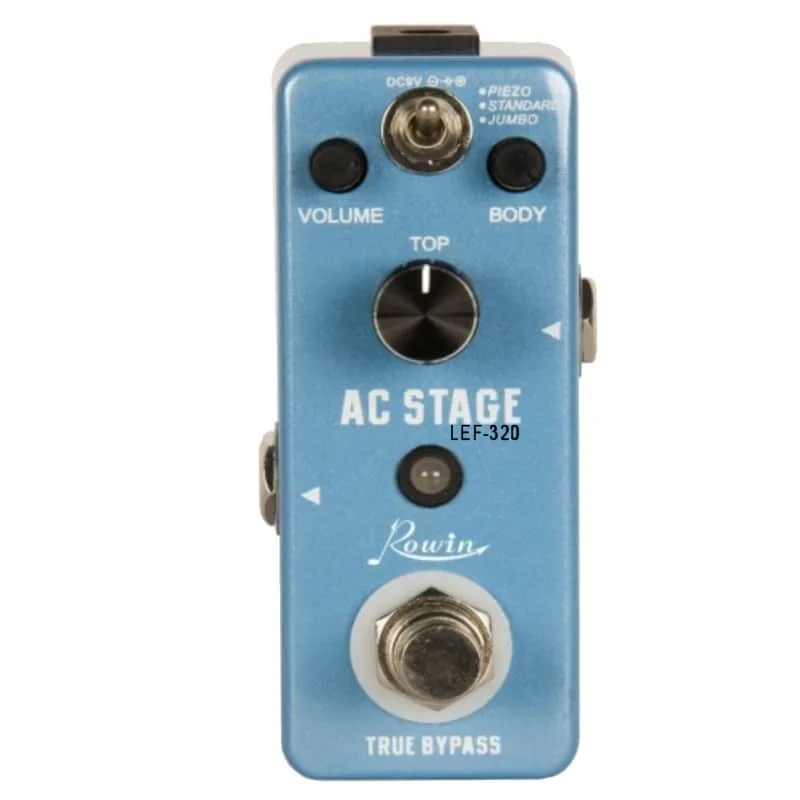
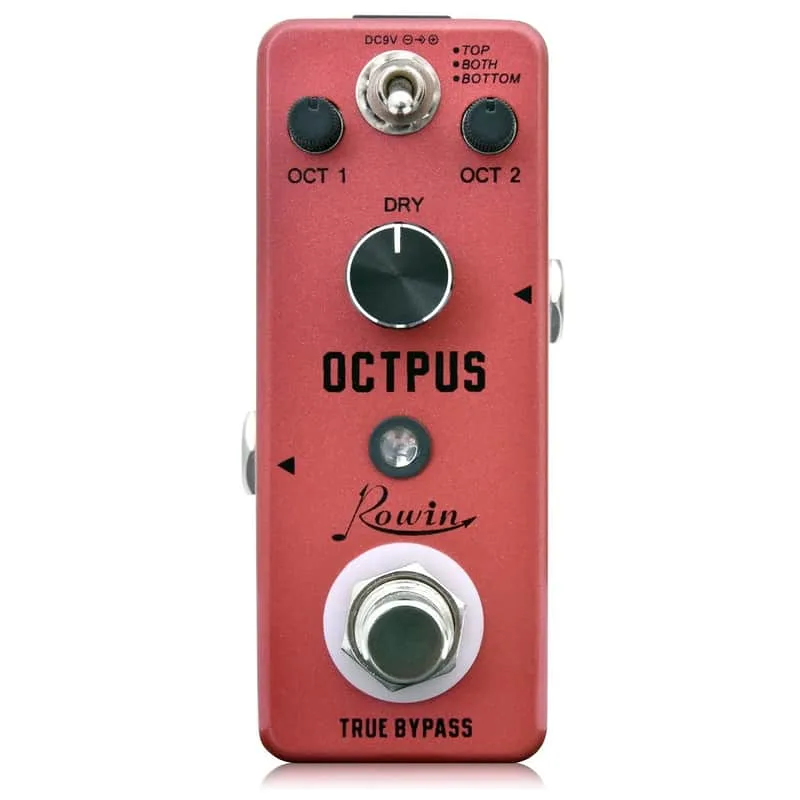
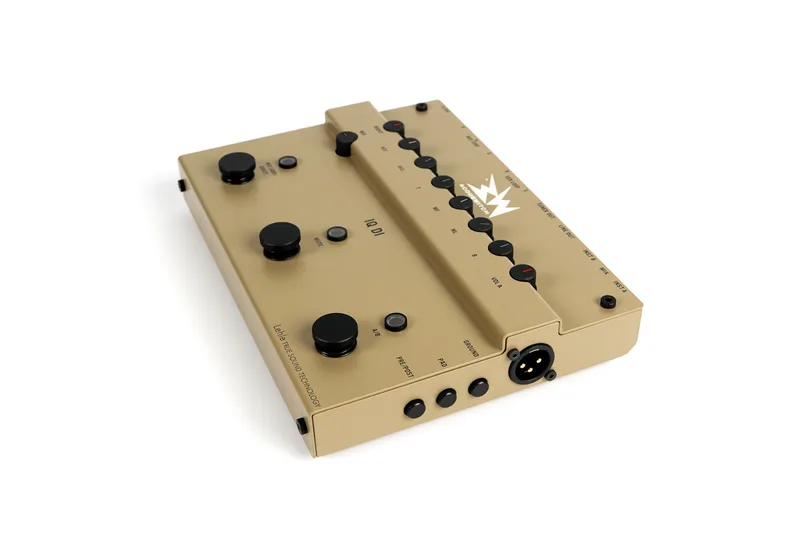
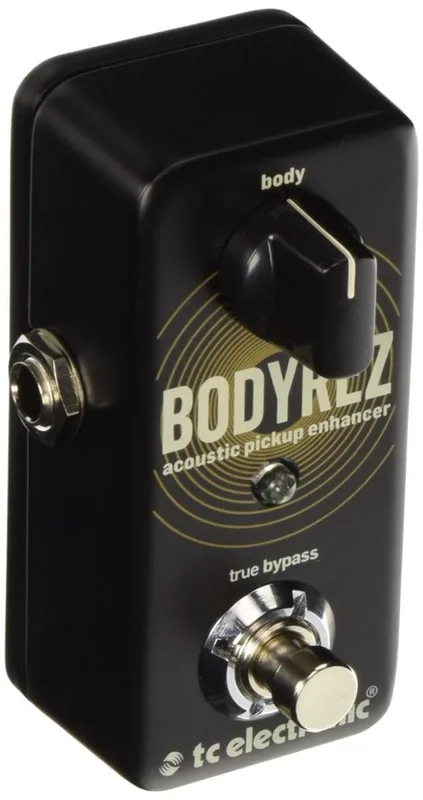
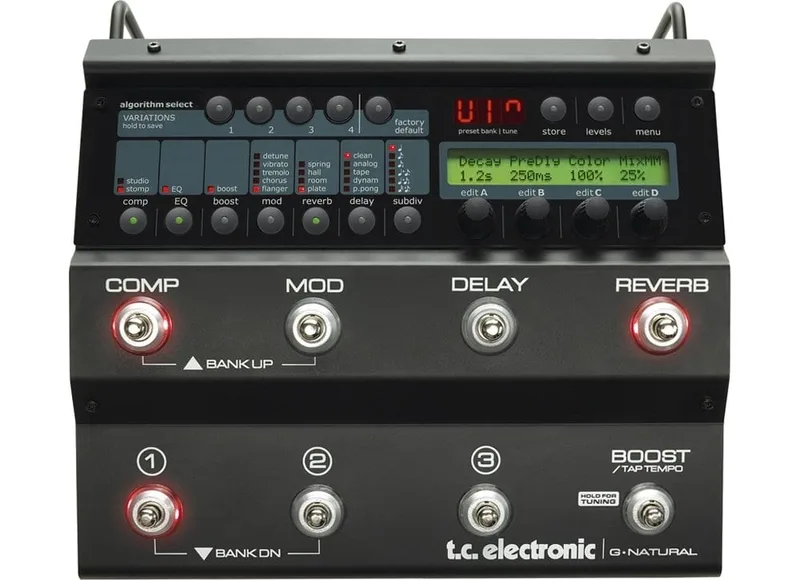
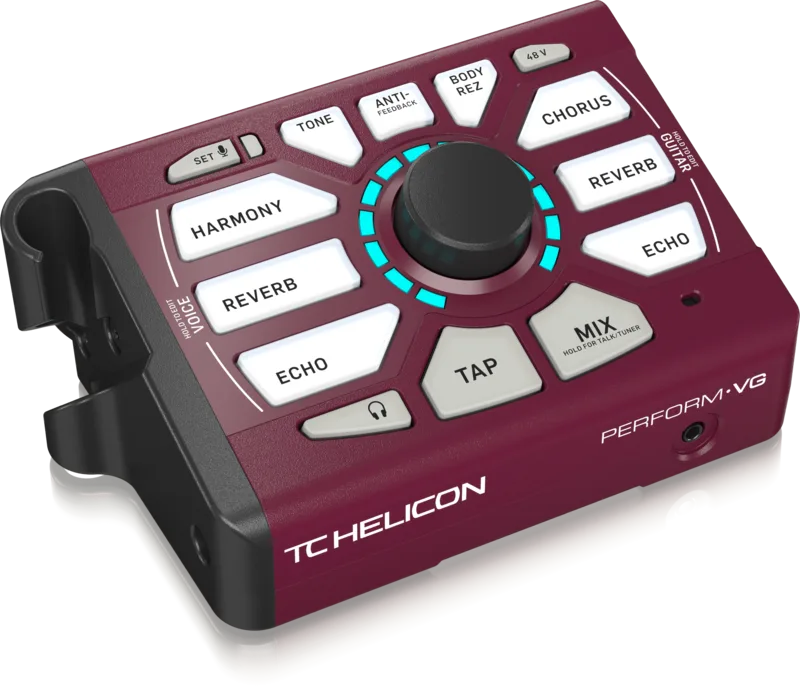
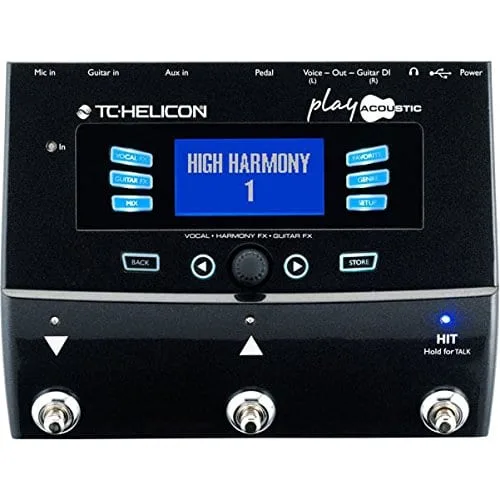
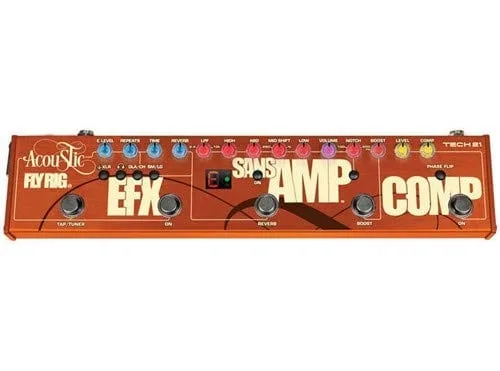
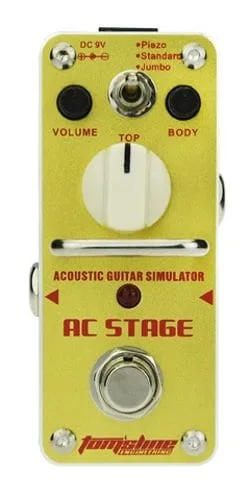
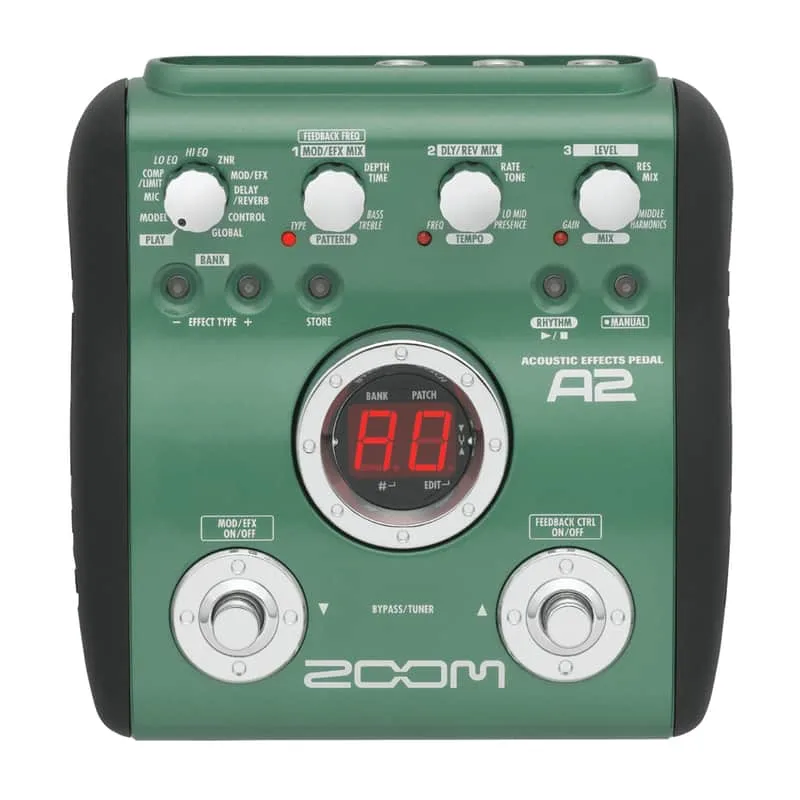
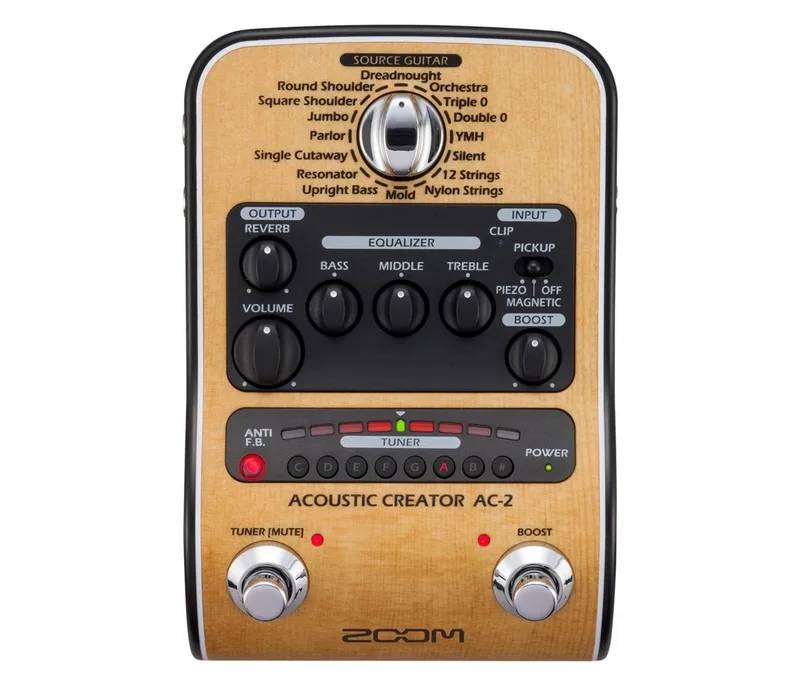
Acoustic pedals are effects and preamps built for acoustic instruments rather than electric guitar. Where a standard overdrive or fuzz assumes a hot, low-impedance signal from magnetic pickups, an acoustic pedal starts from the reality of the acoustic-electric world: under-saddle piezo pickups, sound-hole magnetic pickups and contact transducers that each need different treatment before they sound like a wooden guitar through a PA. The category covers preamps, DI boxes, EQ and feedback controls, and effects like reverb, chorus and delay voiced for the wider, more natural frequency range of an acoustic instrument12.
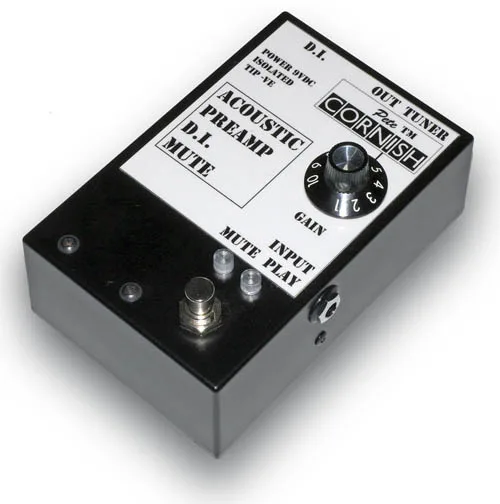
The core problem these pedals solve is impedance and tone. Pete Cornish, whose Acoustic Preamp/DI/Mute has served professional players for years, describes the root cause plainly: a frequent cause of poor amplified acoustic sound is the mismatch of level and impedance in the electrical circuit between the pickup and the amplifier34. An acoustic pedal fixes that mismatch, then adds the stage tools a plugged-in acoustic player needs: EQ to shape the tone, a notch filter to kill feedback, a phase switch, and a balanced DI output for the desk.
What acoustic pedals are
The family breaks into a few overlapping groups:
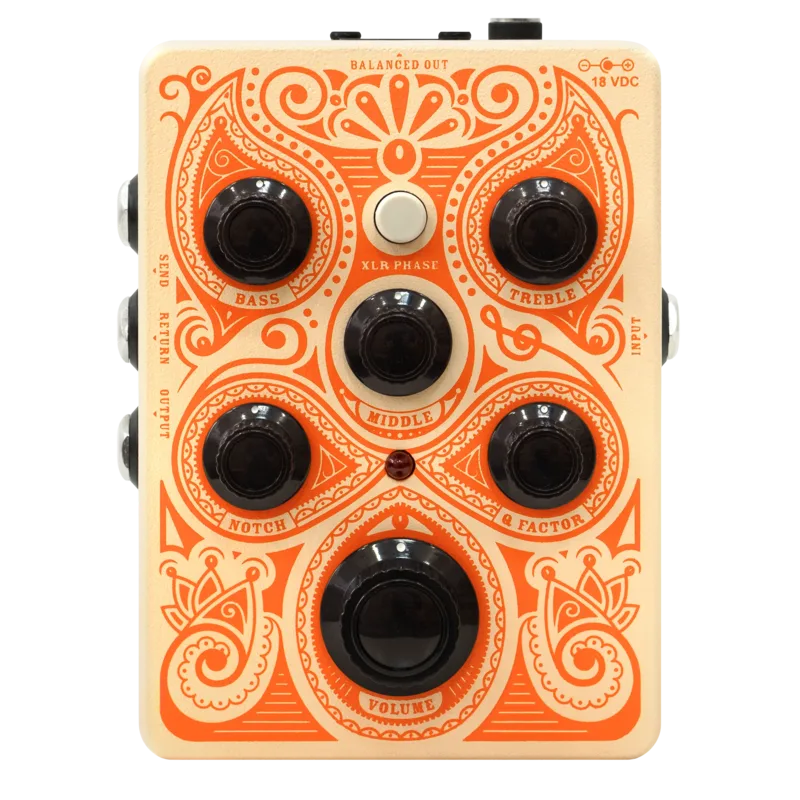
- Preamp pedals that boost, buffer and EQ the pickup signal, like the Orange Acoustic, which Orange describes as combining "a transparent preamp, precise EQ, and professional DI features into a single pedalboard-friendly unit"5.
- DI pedals that add a balanced XLR output for running straight to a PA or interface.
- Feedback and tone tools, including notch filters, phase switches and impedance correction.
- Acoustic effects: reverbs, choruses, delays and compressors voiced for acoustic instruments, such as the Fishman AFX AcoustiVerb, "a reverb pedal designed from the ground up for the acoustic-electric guitarist"2.
- Acoustic simulators that make an electric guitar sound like an acoustic, a separate job covered below.
An "acoustic pedal" can mean two different things: a pedal for an acoustic guitar, or a pedal that makes an electric guitar sound acoustic. Both live in this category, and the site covers both, but they solve opposite problems.
How acoustic preamps and DIs work
A preamp's first job is impedance matching. A piezo or ceramic transducer has a very high output impedance; plugged straight into a normal guitar amp or long cable, it loses top end and body. Pete Cornish's acoustic preamp is designed specifically to eliminate that mismatch for instruments with ceramic transducers, and the maker notes that players of acoustic double bass find it fixes lack of low frequencies, poor arco sound, poor response to double stopping and poor DI sound34.
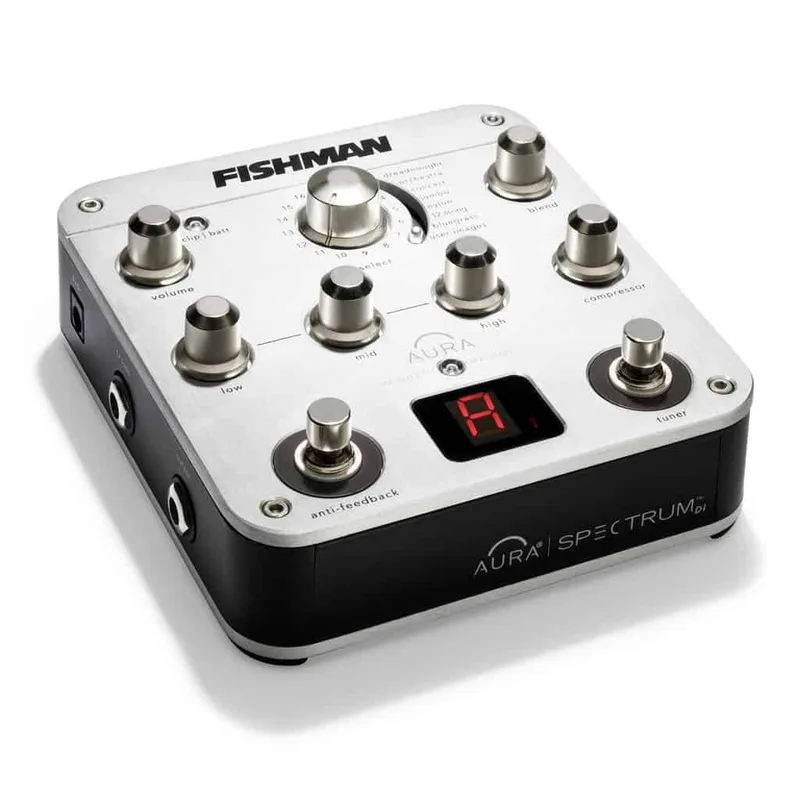
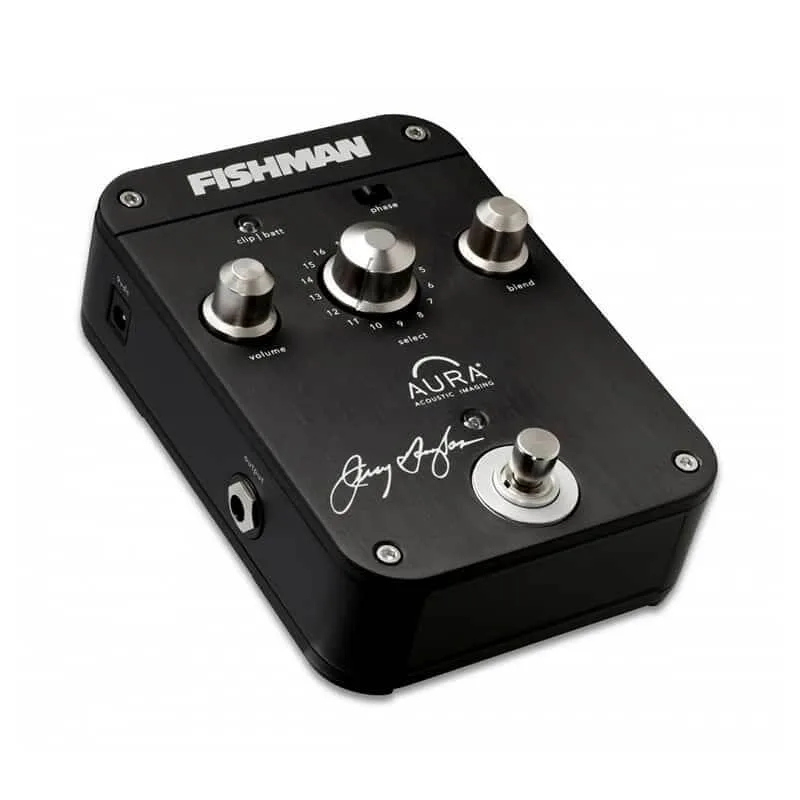
A DI stage then converts the preamped signal to a balanced, low-impedance output. That is what lets you run a long XLR cable to the front-of-house desk without noise or tone loss. Many pedals combine the two stages: the Orange Acoustic is a preamp, EQ and DI in one box5, and Fishman's Aura Spectrum DI Preamp is likewise an acoustic preamp and DI pedal in a single unit6.
The pickup type matters. Radial Engineering notes that most pickups that fit in the sound hole of an acoustic guitar are magnetic, and that they benefit from impedance correction by "sounding warmer and richer"7. Radial also warns that its impedance-correcting Dragster is not needed with battery-powered acoustic guitars, because the built-in preamp inside the acoustic already buffers the signal7. That is a useful rule of thumb for the whole category: if your guitar has an onboard battery preamp, some of the work is already done.
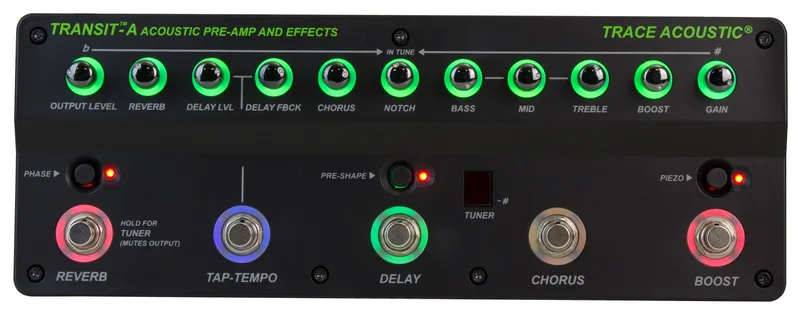
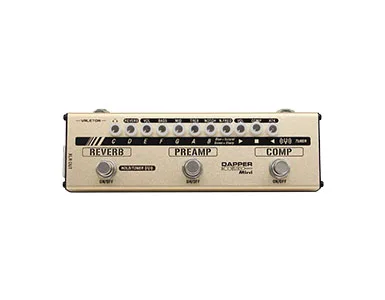
Some acoustic preamps go further and add a full effects section. Carl Martin's Acoustic GiG is an all-in-one acoustic guitar preamp and effects unit designed for performing or recording with acoustic-electric guitars8. Peavey's Trace Elliot Transit A packs compression, a notch filter, pre-shape, EQ, boost, chorus, delay and reverb into one preamp pedal, which Peavey describes as including "the right features for a professional acoustic guitar player without over burdening the user with extra controls"9.
History and landmark acoustic pedals
The acoustic pedal category has grown from a niche of pro-grade DI boxes into a full effects market, and the last few years show the pace.
Styles: preamps, DIs, simulators and acoustic effects
Preamp and DI pedals
These are the workhorses. Examples in the category include the Orange Acoustic (preamp, EQ and DI)1036, the Pete Cornish Acoustic Preamp/DI/Mute3, and Fishman's Aura Spectrum DI Preamp6. The bass world runs on the same idea: Ampeg's SGT-DI is a bass preamp and DI pedal that the maker calls "an entire rig in a single stompbox"11, Aguilar's AG Preamp Pedal is an ultra-clean preamp with a highly flexible 4-band EQ and DI12, and BOSS describes its BB-1X as a bass effects pedal that "functions more like a preamp and DI that enhances and refines your entire sound"13. NUX's MLD Bass Preamp + DI shows the control set typical of the style, with a volume knob that adjusts the overall output of the pedal and also controls the DI output volume14.
Multi-effects and all-in-one units
Acoustic simulators
Amp and cab simulation
Some acoustic and bass preamps include speaker cabinet simulation so you can go straight to a PA or interface. AMT Electronics' Bricks A-Bass features Gain, Low, Mid, High and Level controls plus a built-in speaker cabinet simulation15. MOD Audio describes an amplifier simulator pedal as "basically a drive pedal with sound characteristics and equalizers that reproduce the sound of a complete amplifier, including preamp, poweramp and cabinet," and notes it can also be used like any drive pedal into the front of an amp16. Vox's Mystic Edge takes the idea further with three output modes: STANDARD, PREAMP and CAB-SIM, allowing use as a standard pedal, a line-level preamp, or a direct amp-sim into a PA17. Master Effects shrinks preamp circuitry from high-end tube amps into pedalboard-friendly preamp simulators with custom color graphics18. Thermion's SE2 System extends the concept into recording: plug a Thermion pedal into an audio interface, open a DAW and load impulse responses designed for the preamplifier pedals19.
What the usual controls do
| Control | What it does |
|---|---|
| Gain / Volume | Sets input gain and overall output; on the NUX MLD, the volume knob also controls the DI output volume14 |
| Low / Mid / High EQ | Shapes the frequency balance; AMT's Bricks A-Bass carries Gain, Low, Mid, High and Level15 |
| Notch filter | Cuts a narrow band to remove feedback; on the EAE 0xEAE Bass Driver it is centered at 750Hz and disabled by default20 |
| Phase switch | Inverts the signal 180 degrees to help cancel feedback; Carl Martin's Acoustic GiG includes one8 |
| Pre-shape | A preset EQ curve for the pickup, as on the Trace Elliot Transit A9 |
| DI output | Balanced XLR out to the mixing desk56 |
The notch filter deserves a word of explanation for players new to amplified acoustic. Feedback on an acoustic-electric usually concentrates at one resonant frequency of the guitar body. A notch filter removes just that narrow band, leaving the rest of the tone intact. Electronic Audio Experiments built one into its 0xEAE Bass Driver as an internal switch, centered at 750Hz, useful for ampless setups or running direct into a power amp20. Trace Elliot puts a notch filter alongside compression and pre-shape on the Transit A9.
Phase invert solves the other half of the feedback problem. When the signal from your guitar and the sound from a monitor or speaker interact, they can reinforce one frequency and howl. Flipping the phase 180 degrees changes that interaction. Carl Martin's Acoustic GiG includes a phase switch "to invert phase 180° to help cancel feedback when needed"8, and de Lisle's ABY pedal includes a phase switch to keep multiple amps or separate channels in phase21.
Signal chain and power needs
Placement follows the same logic as an electric board, with the preamp first. BOSS's effects ordering guide advises placing a compression pedal close to the guitar, because these units work best with an even-volume signal, and putting amp and cabinet simulator pedals at the end of the chain, where the signal is then routed to a PA system, audio interface or headphones22. For an acoustic board, that means preamp and EQ up front, time effects like reverb and delay later, and the DI or cab-sim output last.
Power follows the same rules as any pedalboard. Temple Audio's setup guidance is that it generally works to daisy chain analog pedals (compressors, overdrives, distortions), but digital pedals (reverbs, delays, modelers) generally want their own isolated output23. Some acoustic units help with this: Carl Martin's Acoustic GiG provides a 9 to 12V DC output to power an extra pedal off its own supply, meaning you might not need a separate supply8.
If your acoustic guitar has a battery-powered onboard preamp, an impedance-correcting device in front of it is redundant: the built-in preamp already buffers the signal7.
Volume pedals on an acoustic board come in active and passive types. Goodrich Sound Company explains the trade-off: active volume pedals use onboard buffering and active circuitry to maintain signal strength and clarity, while a passive volume pedal is prized for its simplicity, natural feel and direct connection to the instrument24. For a piezo-equipped acoustic, the buffering of an active pedal is often the safer match.
Questions to ask when choosing an acoustic pedal
- What pickup are you running? A sound-hole magnetic pickup benefits from impedance correction and will sound warmer and richer for it7; a battery-powered onboard preamp already buffers the signal7.
- Do you play stages or record at home? A feedback fighter with notch and phase controls matters most live; Carl Martin's Acoustic GiG and the Trace Elliot Transit A both build them in89.
- Do you need a DI output? If you plug into a PA, yes. The Orange Acoustic and Fishman Aura Spectrum both include professional DI outputs56.
- Do you want effects voiced for acoustic? Fishman's AFX line is designed from the ground up for the acoustic-electric guitarist225, and JangleBox's Acousticomp is a compressor voiced specifically for acoustic guitar26.
- Do you want everything in one box? All-in-one units like the Acoustic GiG and Transit A trade flexibility for a simpler board89.
- How will you power it? Check whether the unit offers a power output for other pedals, as the Acoustic GiG does8, and whether your digital effects need isolated power23.
Questions
Do I need a preamp for an acoustic guitar with a pickup?
Usually, yes. Most under-saddle piezo pickups put out a weak, high-impedance signal that needs buffering and gain before it reaches a PA or pedalboard. A maker like Pete Cornish describes the job as eliminating the mismatch of level and impedance between pickup and amplifier. If your guitar already has a battery-powered onboard preamp, that buffering is partly done for you.
What is the difference between an acoustic DI and a preamp?
A preamp shapes and boosts the pickup signal with EQ and gain. A DI (direct injection) box converts that signal to a balanced, low-impedance output that runs long cables to a mixing desk without noise. Many acoustic pedals combine both, like the Orange Acoustic, which puts a preamp, EQ and DI in one stage-ready box.
Can I use regular guitar pedals with an acoustic guitar?
You can, but choose carefully. Effects voiced for electric guitar, especially drives, can sound harsh with a piezo pickup. Compression placed close to the guitar works well, and Fishman's Aura Spectrum DI includes an effects loop so you can integrate acoustic effects while keeping the core tone unprocessed.
What does a notch filter do on an acoustic preamp?
A notch filter cuts a very narrow band of frequencies to remove feedback. On the Electronic Audio Experiments 0xEAE Bass Driver, the notch is centered at 750Hz and switched internally. On stage, you find the frequency that howls when the guitar faces the amp and notch it out, leaving the rest of the tone untouched.
What does phase invert do on an acoustic DI?
Phase invert flips the signal 180 degrees. When your guitar's signal and the sound coming back from a speaker or monitor are out of phase, certain frequencies cancel and feedback gets worse. Carl Martin's Acoustic GiG includes a phase switch specifically to help cancel feedback when needed.
Do acoustic pedals need phantom power?
Most acoustic pedals run on 9V DC like any other stompbox, so phantom power is not required. Some DI boxes and rack preamps accept 48V phantom from a mixing desk, but check the manual first, because sending phantom power to a pedal that does not expect it can cause damage.
Sources (26)
- Acoustic Pedal by Orange, RockBoard PedalPedia, 2026
- AFX AcoustiVerb by Fishman, RockBoard PedalPedia, 2026
- Pete Cornish Acoustic Preamp/DI/Mute, Pete Cornish, 2014
- Pete Cornish Acoustic Preamp/DI/Mute, Pete Cornish, 2016
- Acoustic Preamp and EQ Pedal, Orange Music Electronic Co Ltd
- Aura Spectrum DI Preamp, fishman.com
- Dragster FAQ, Radial Engineering, 2018-05-14
- Support - Carl Martin, Carl Martin (carlmartin.com), 2026
- Trace Elliot Acoustic® Transit™ A Acoustic Pre-amp & Effects Pedal, Peavey (peavey.com)
- Acoustic Preamp and EQ Pedal, Orange Music Electronic Co Ltd
- Ampeg | SGT-DI :: Premium Bass Preamps and DI Pedal, Ampeg
- AG Preamp Pedal, Aguilar Shop (aguilaramp.com)
- BOSS - BB-1X | Bass Driver, BOSS (boss.info)
- MLD Bass Preamp + DI, NUX Audio, 2025-08-21
- Bricks A-Bass by AMT Electronics, RockBoard (PedalPedia), 2026
- Amp simulator: is it worth using this feature?, MOD Audio, 2021-03-24
- MYSTIC EDGE, Vox Amps, 2026-06-25
- Master Effects Pedals, Master Effects Pedals
- SE2 System, Thermion
- 0xEAE Bass Driver Archive, Electronic Audio Experiments
- de Lisle ABY Isolated Amp Selector Switch, de Lisle Guitar Co.
- The Ultimate Guide to Guitar Effects Pedal Order and Signal Chain, BOSS (articles.boss.info), 2023-03-01
- Hi5MOD Setup v4, Temple Audio, 2026
- active-vs-passive-volume-pedals, Goodrich Sound Company, 2026-05-14
- Fishman AFX Acoustic Guitar Pedals, Fishman
- The JangleBox Acousticomp pedal adds sustain and clarity to your acoustic sound, Acoustic Guitar, 2024-12-25