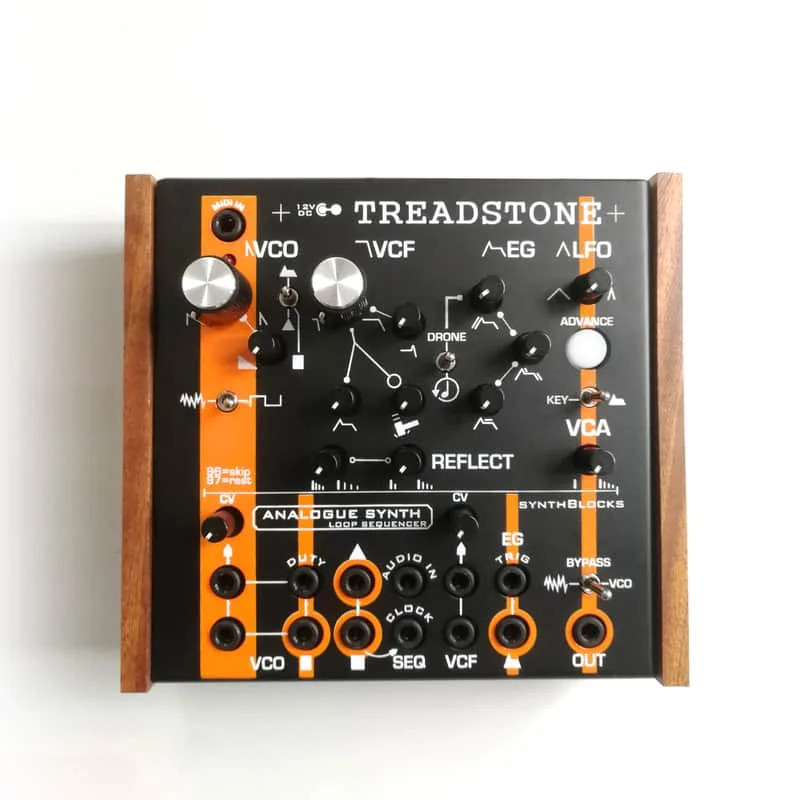
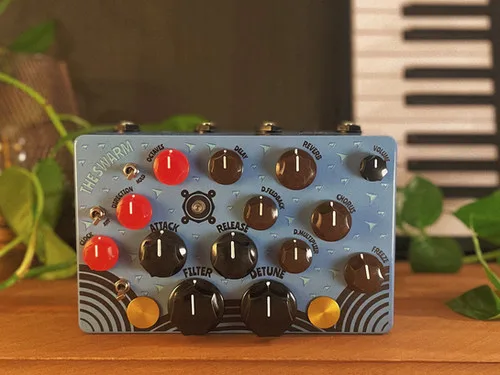
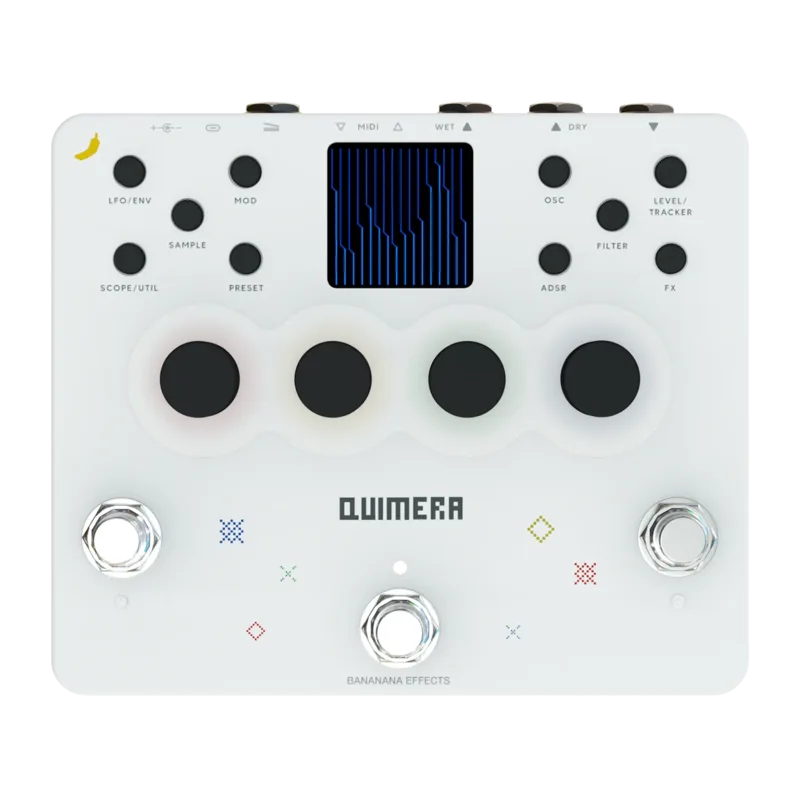
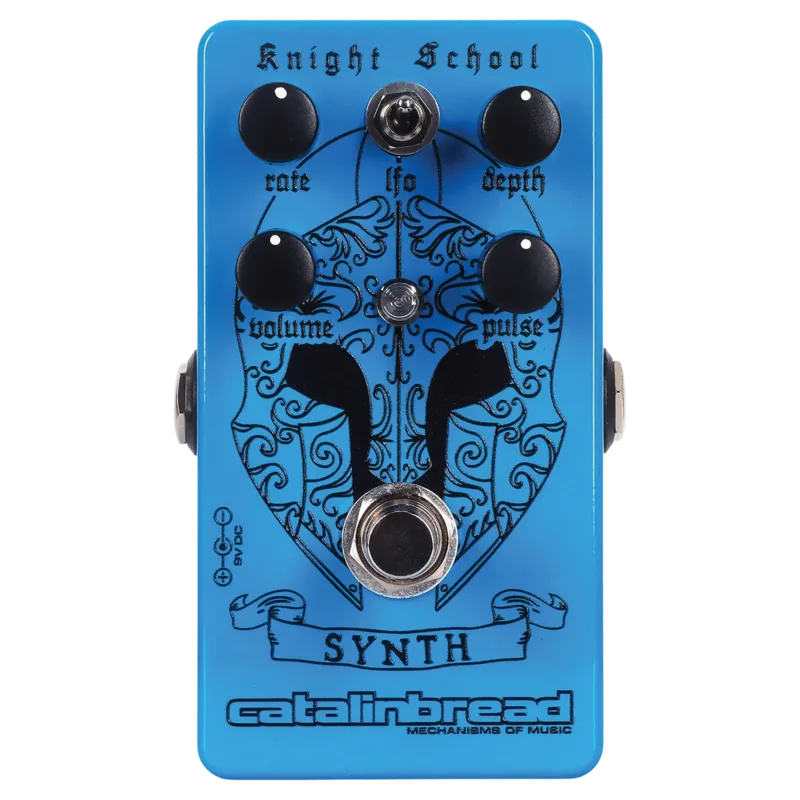
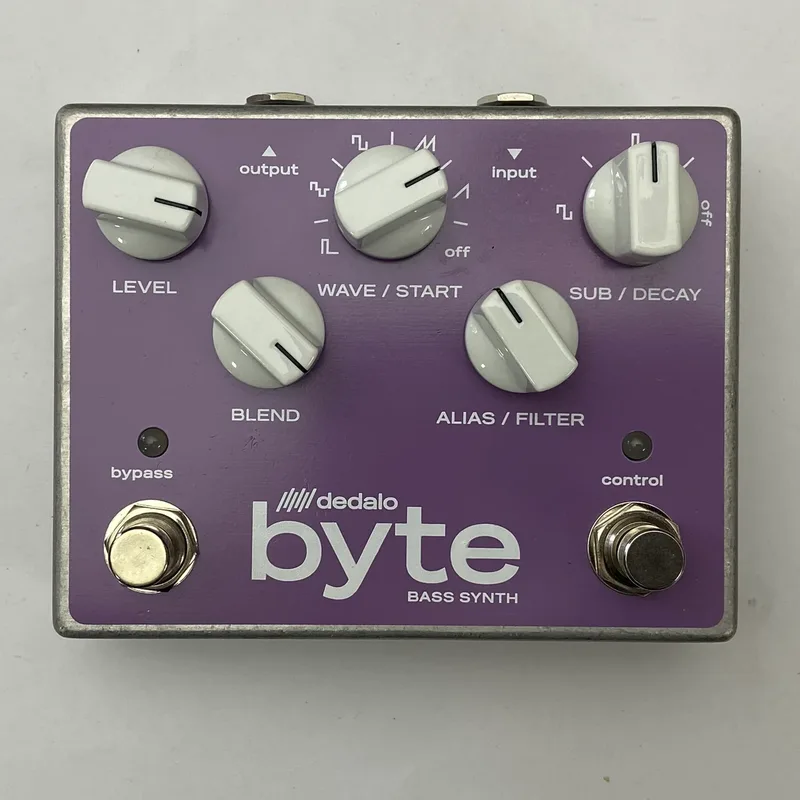
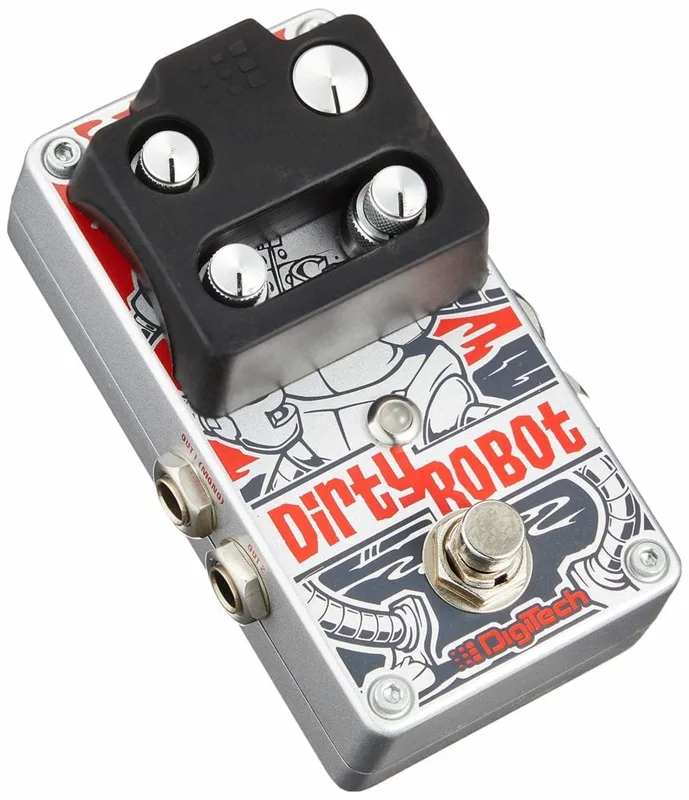
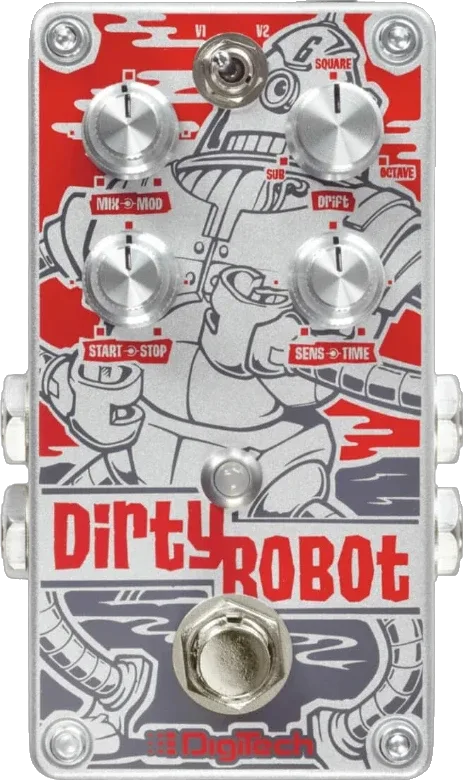
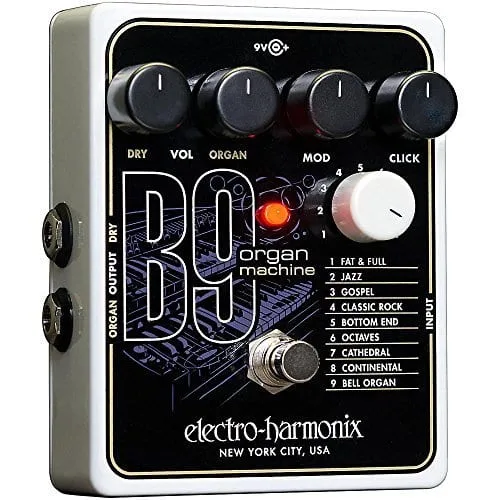
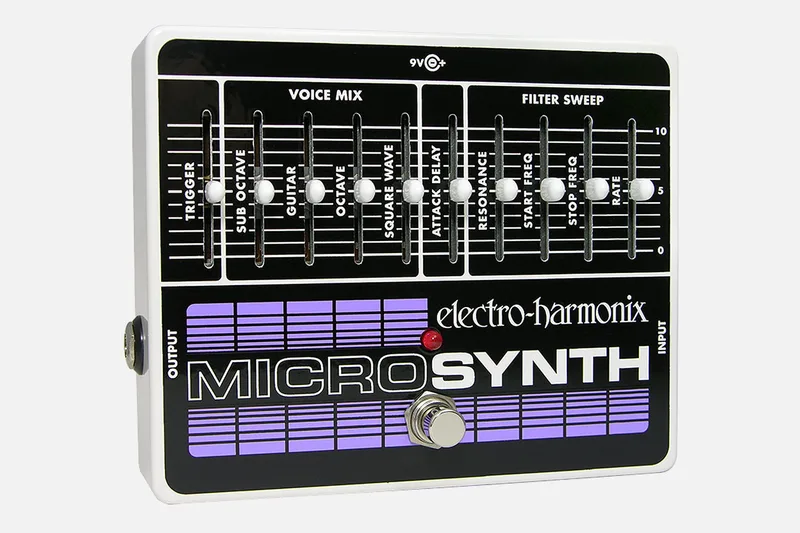
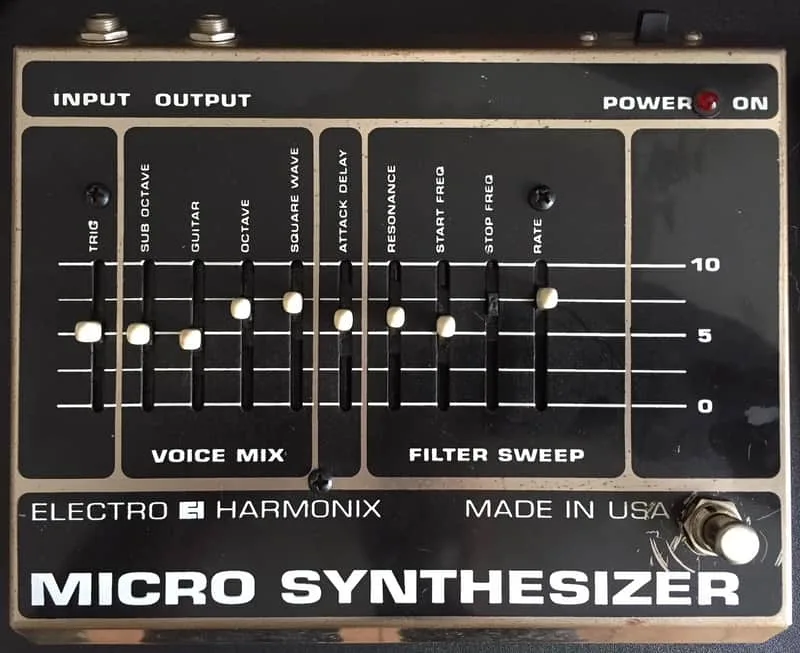
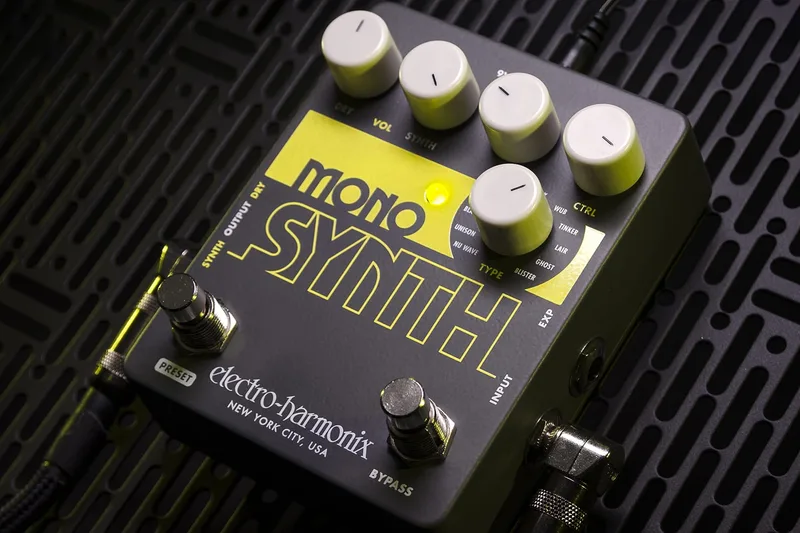
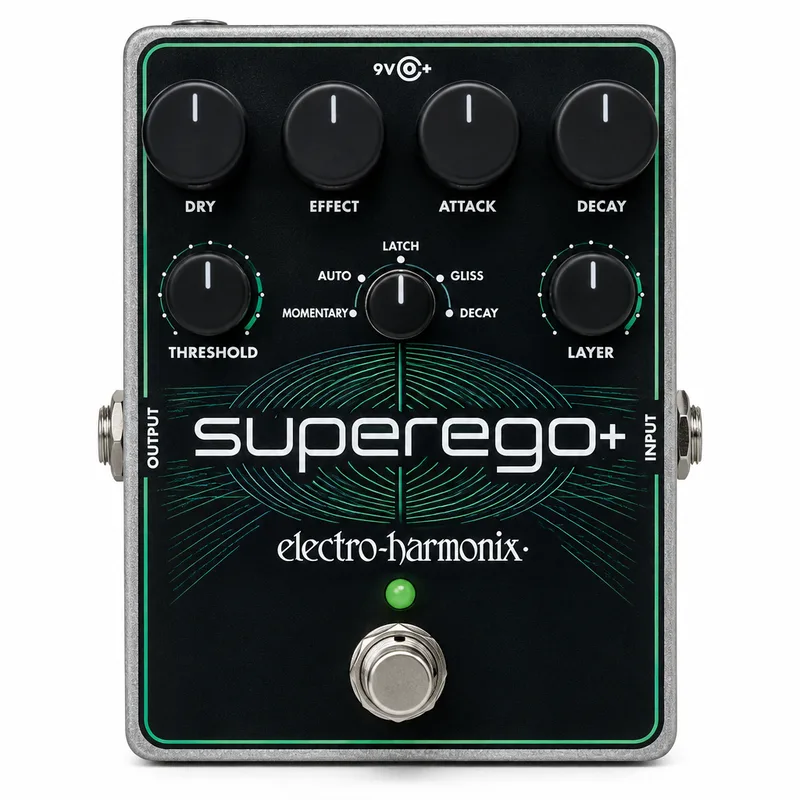
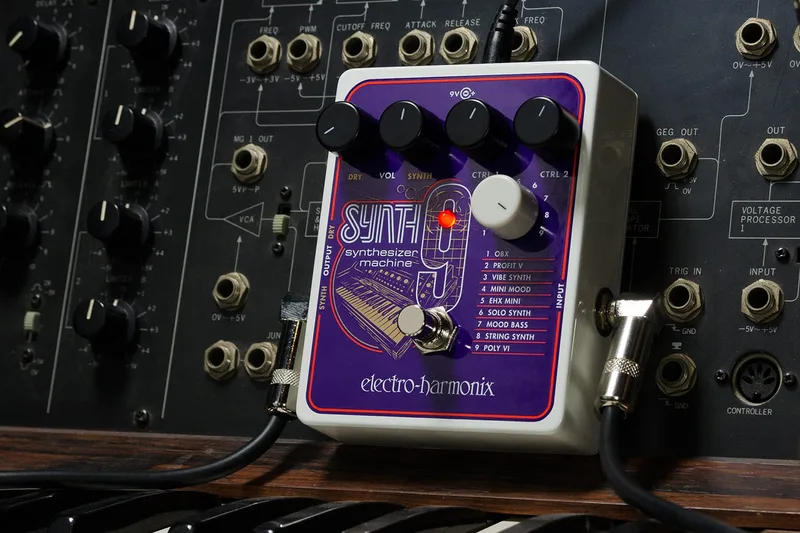
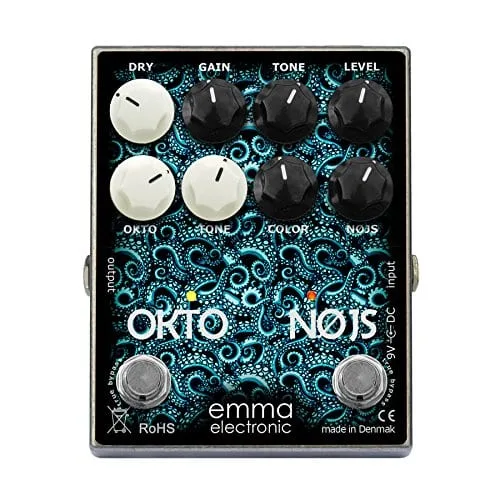
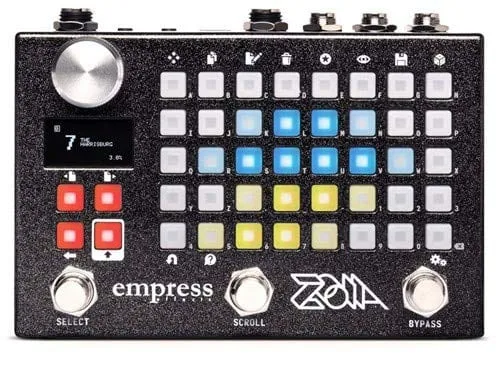
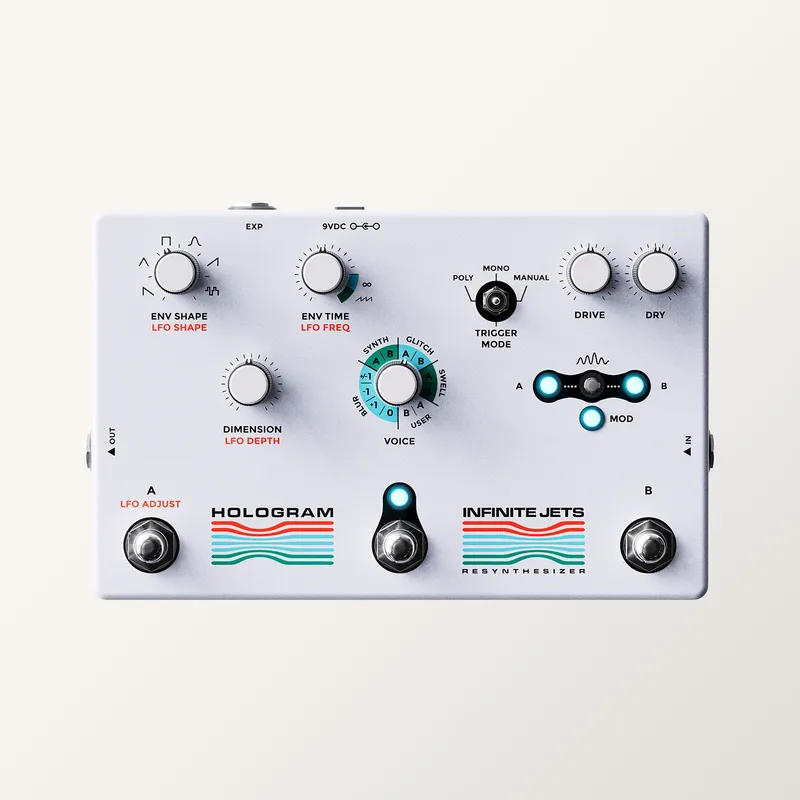
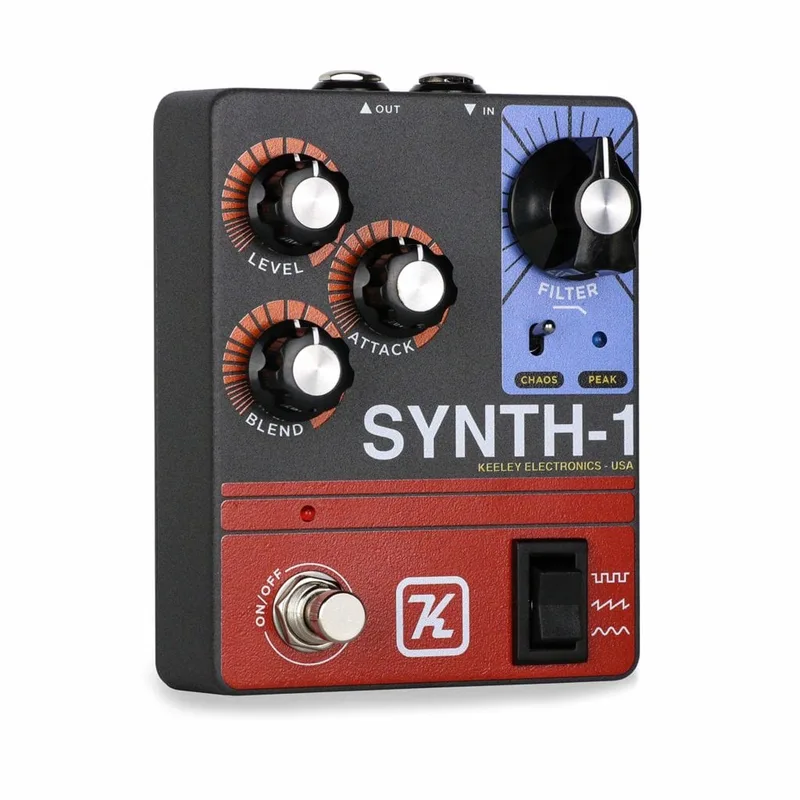
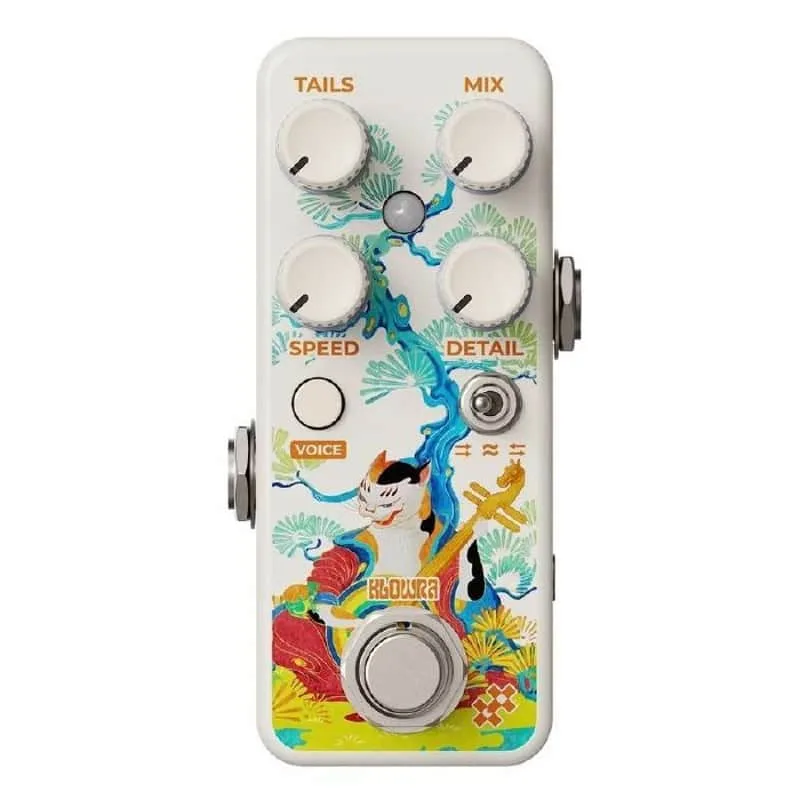
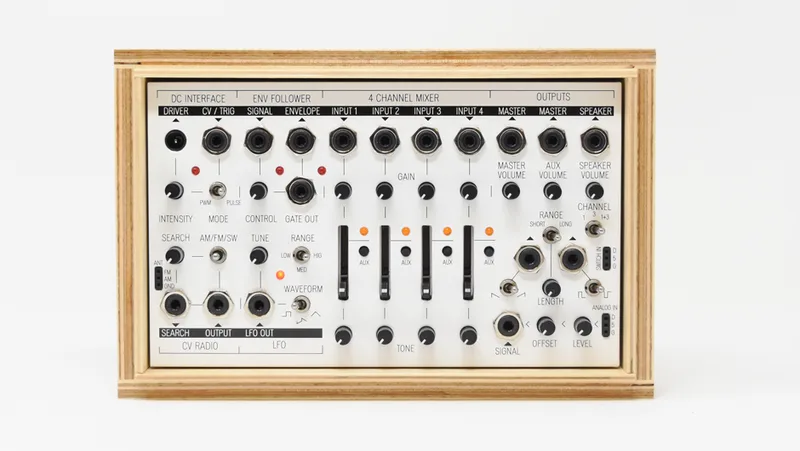
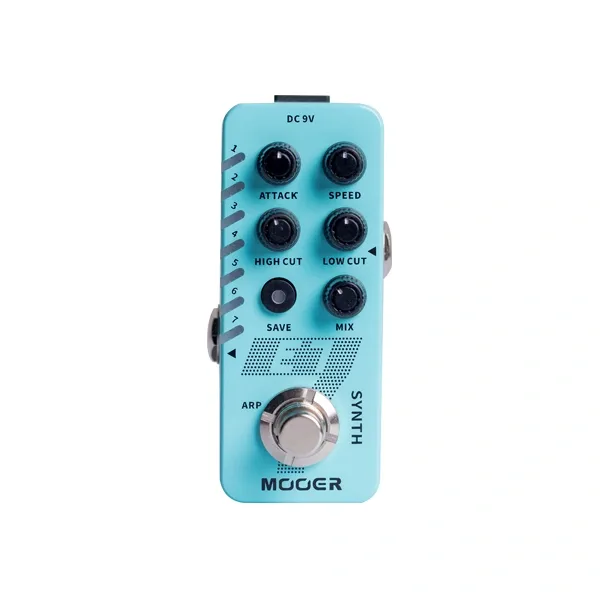
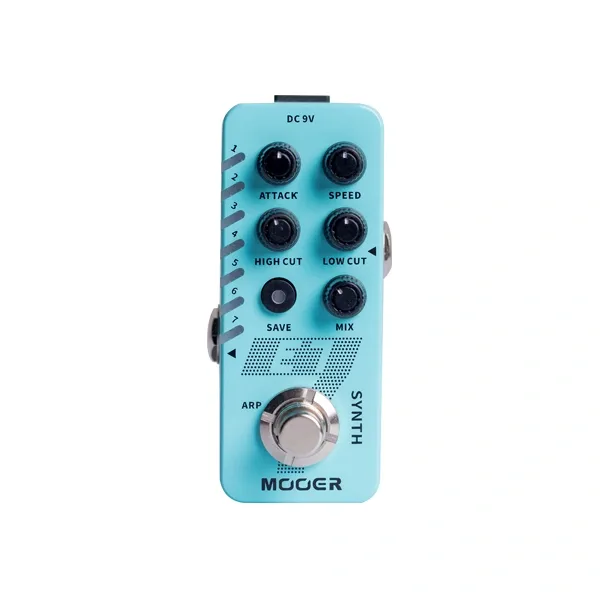
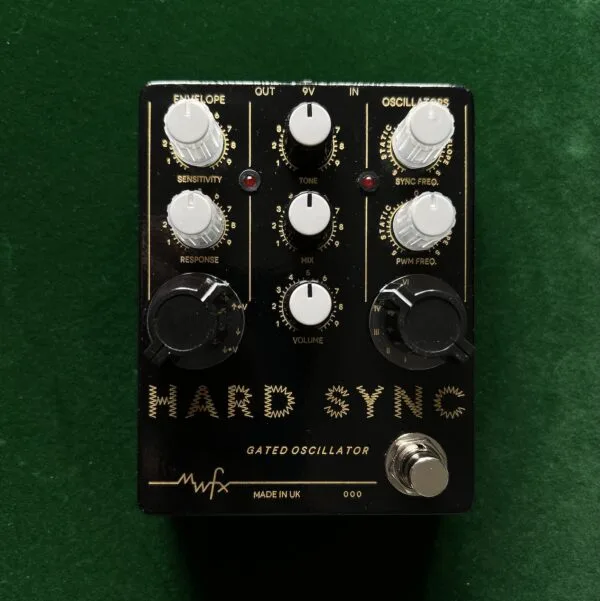
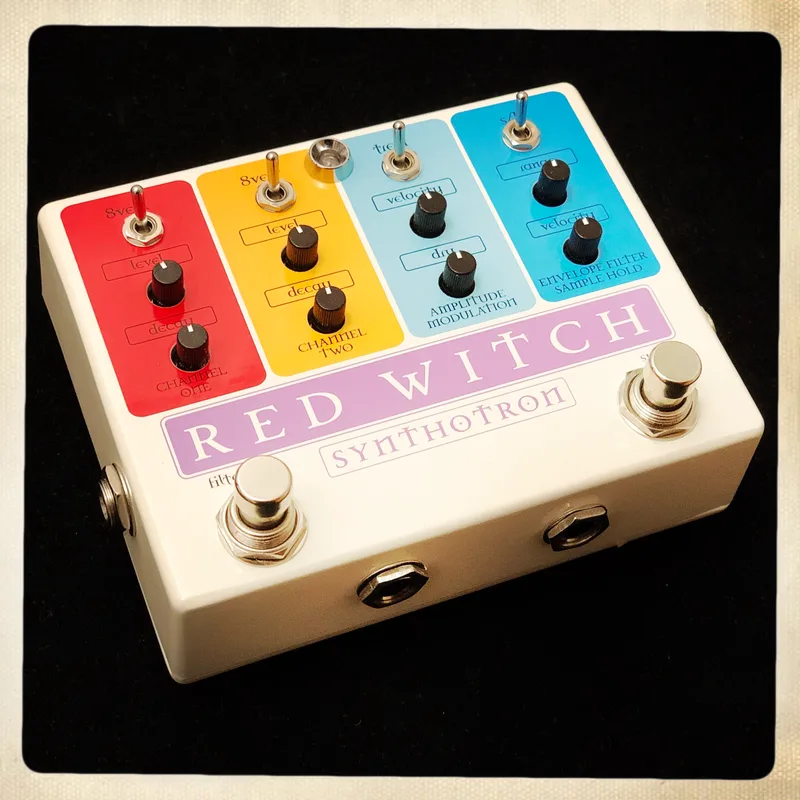
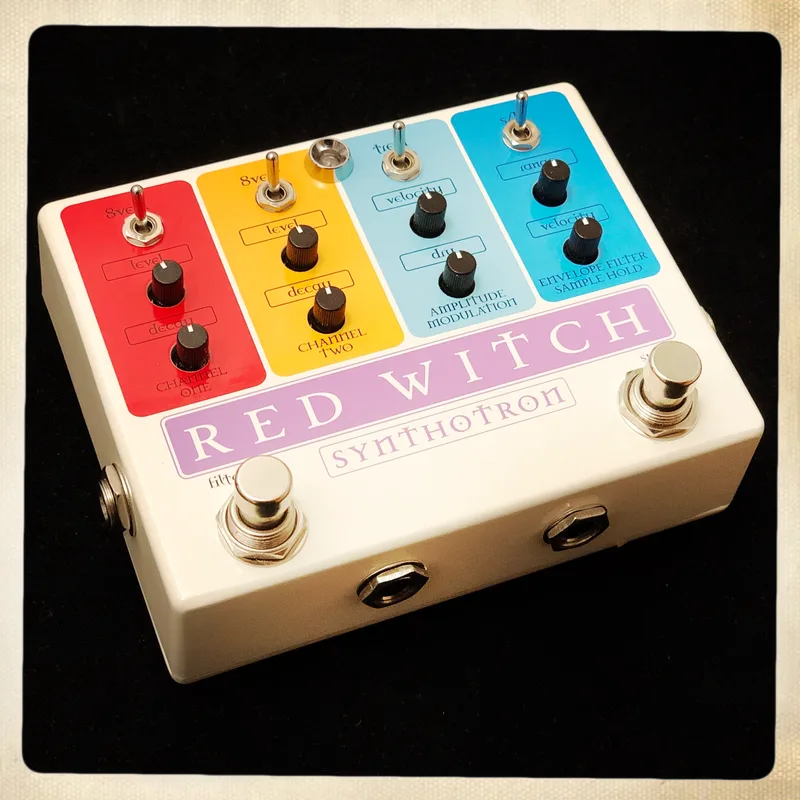
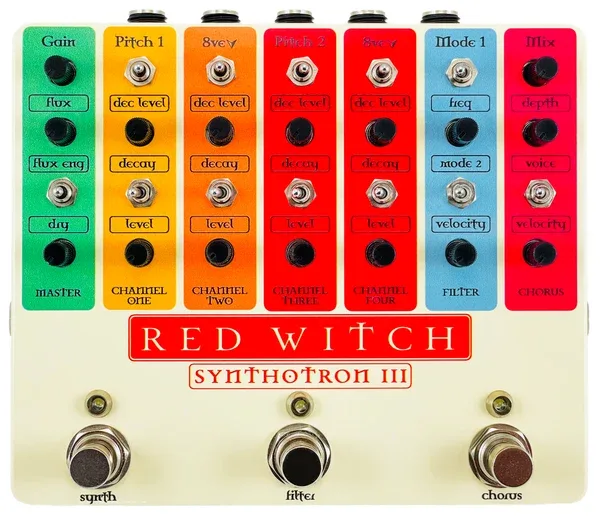
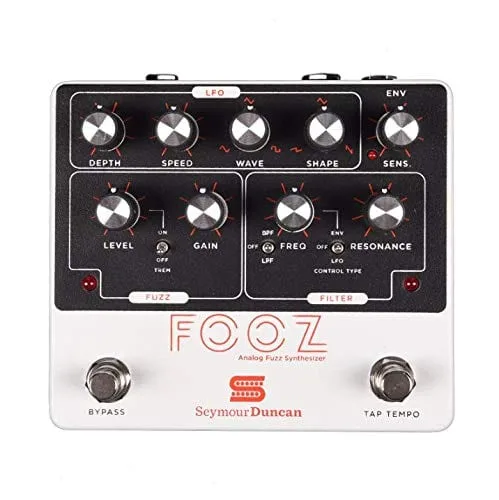
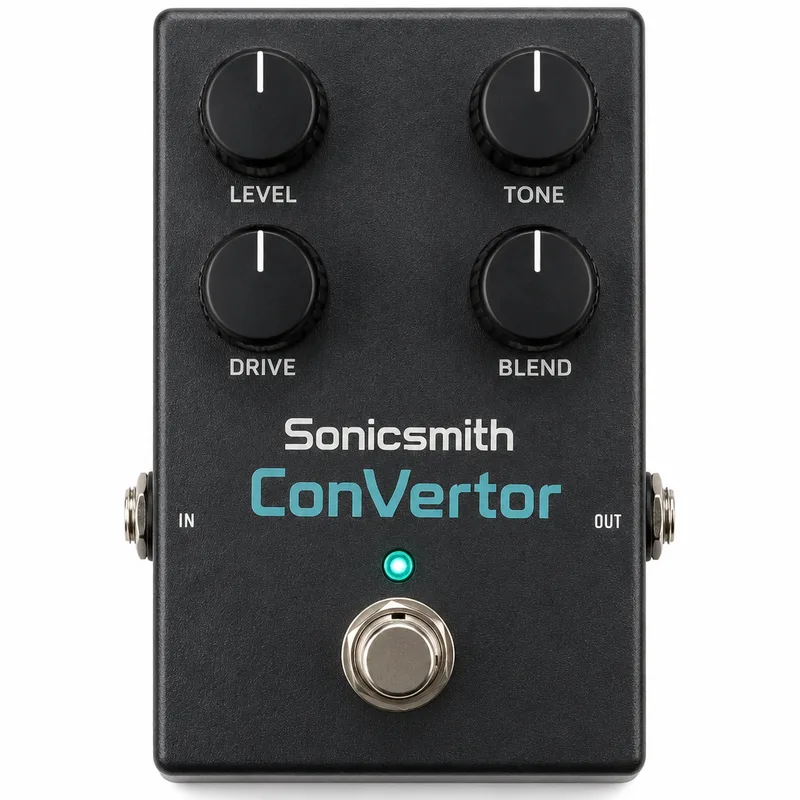
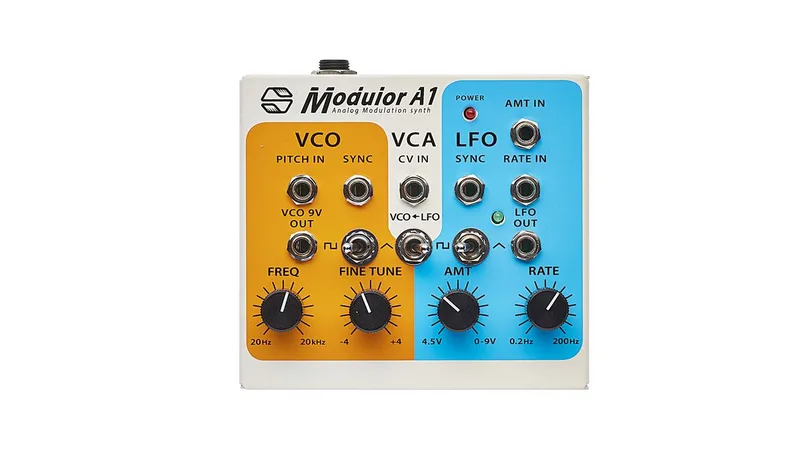
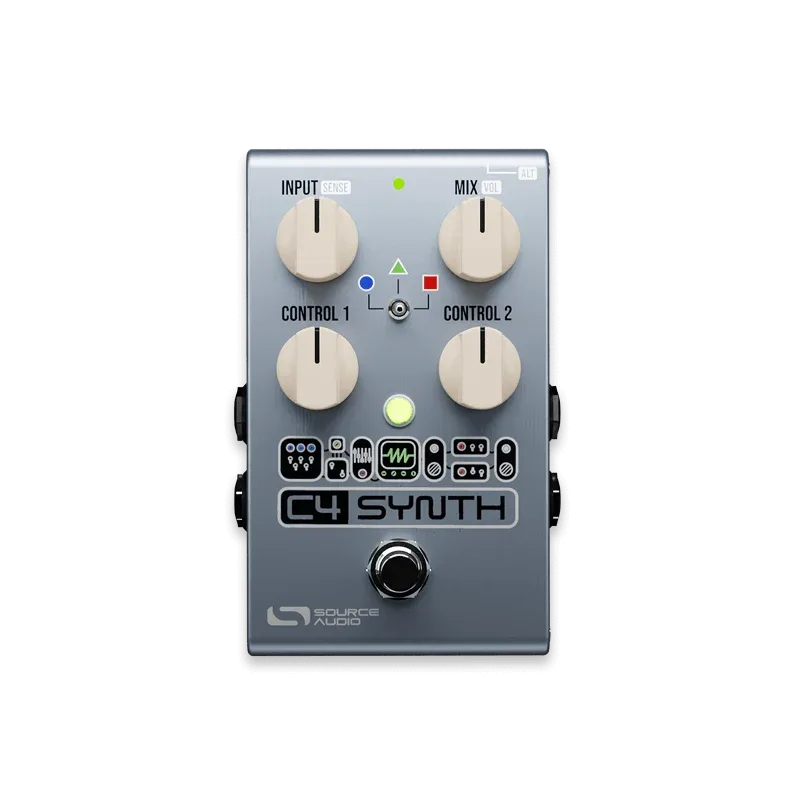
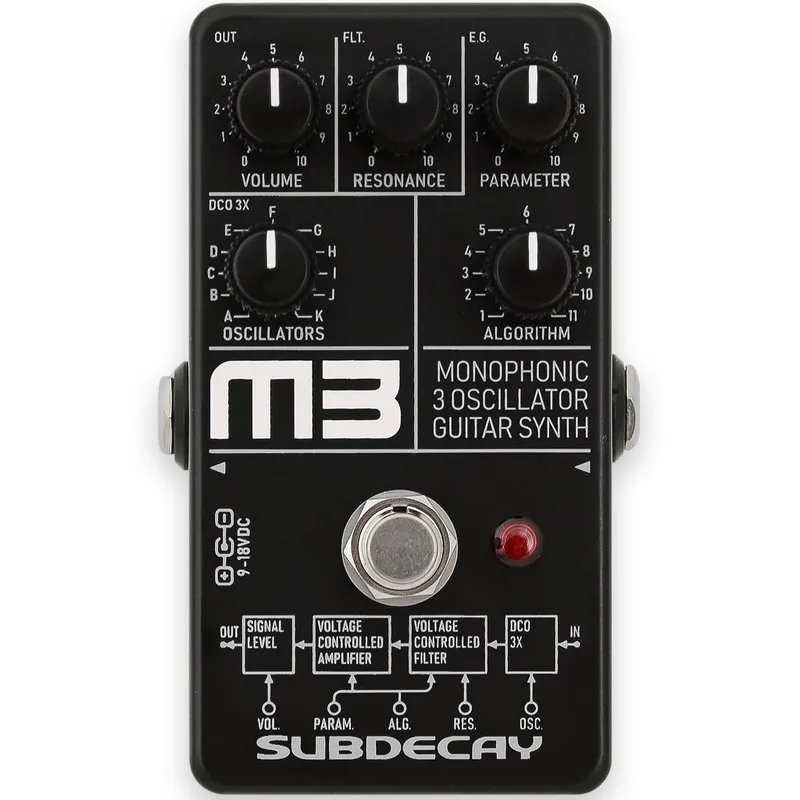
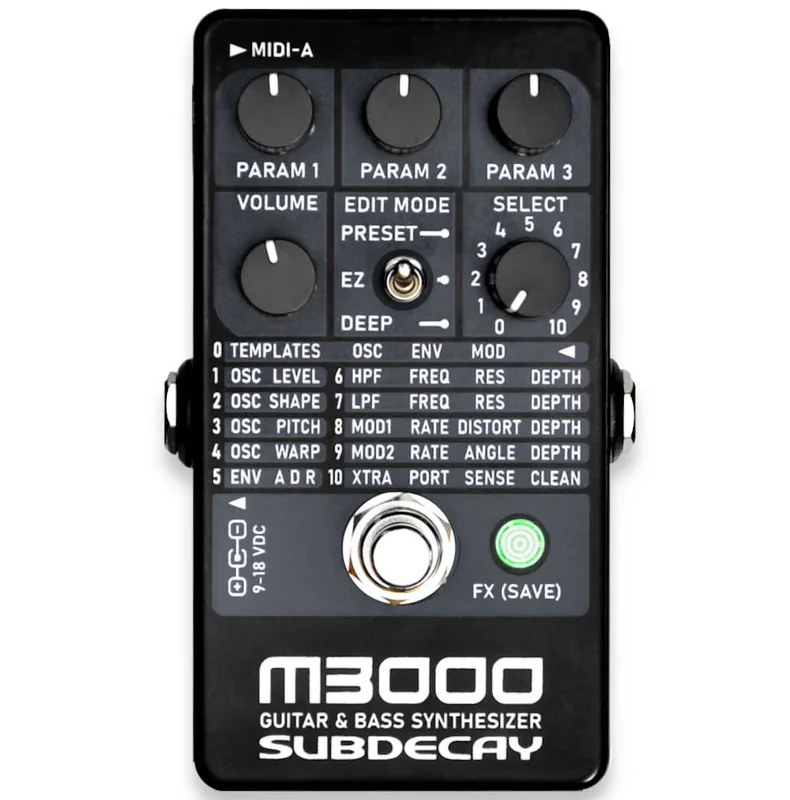
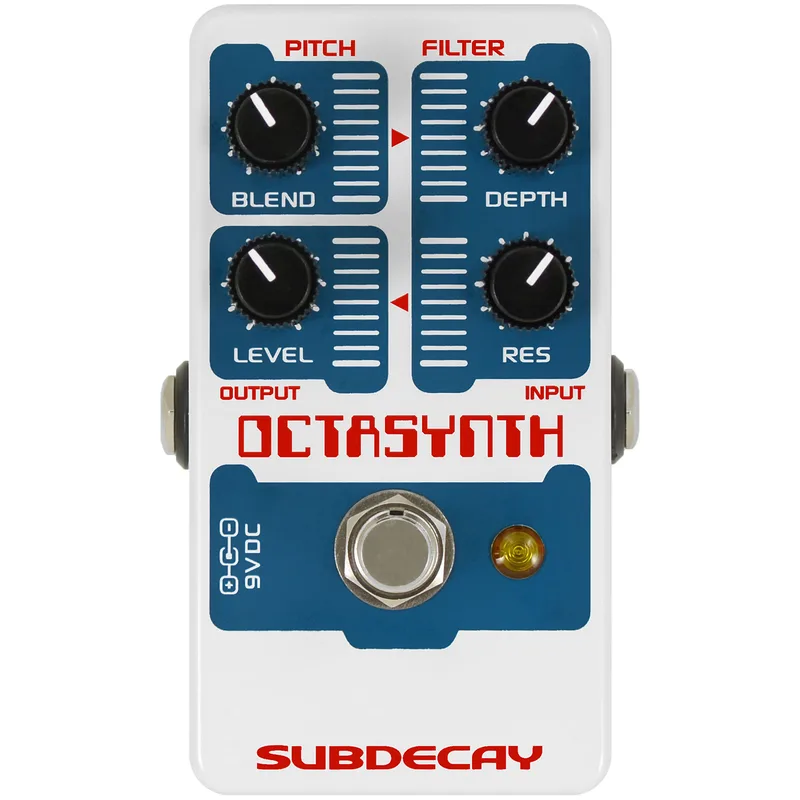
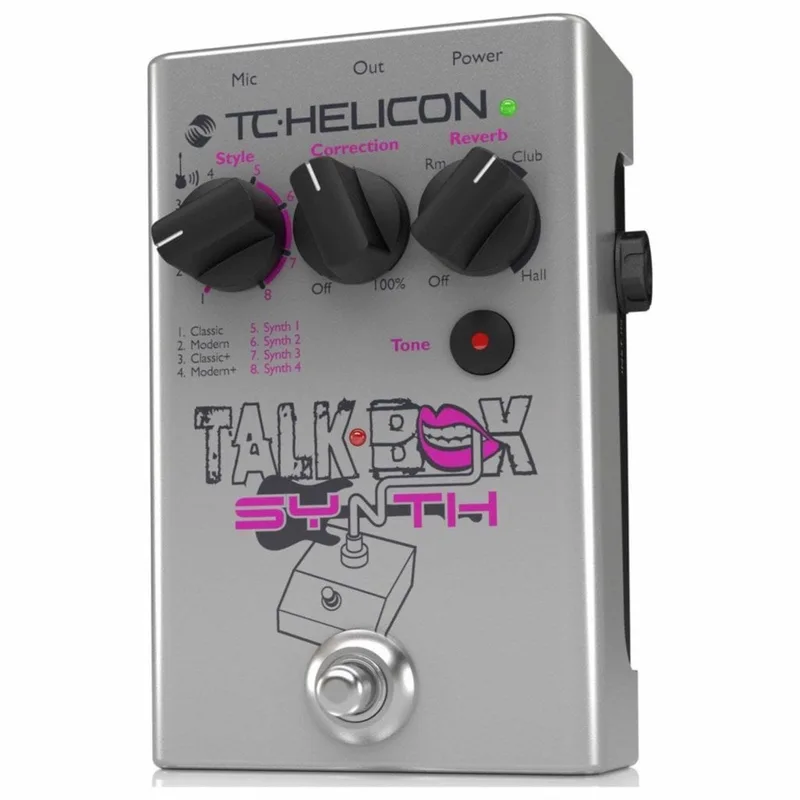
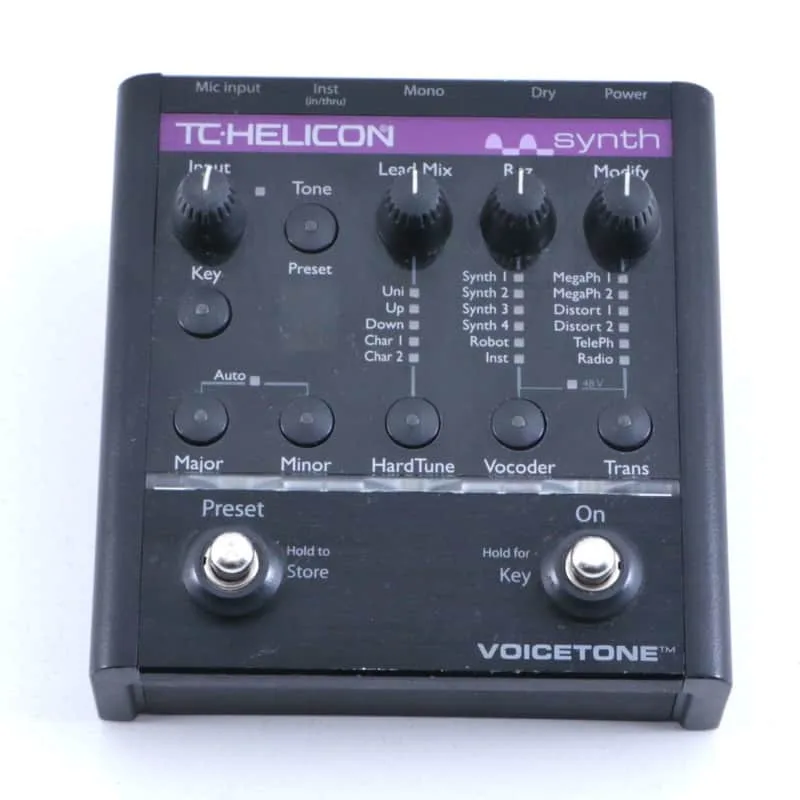
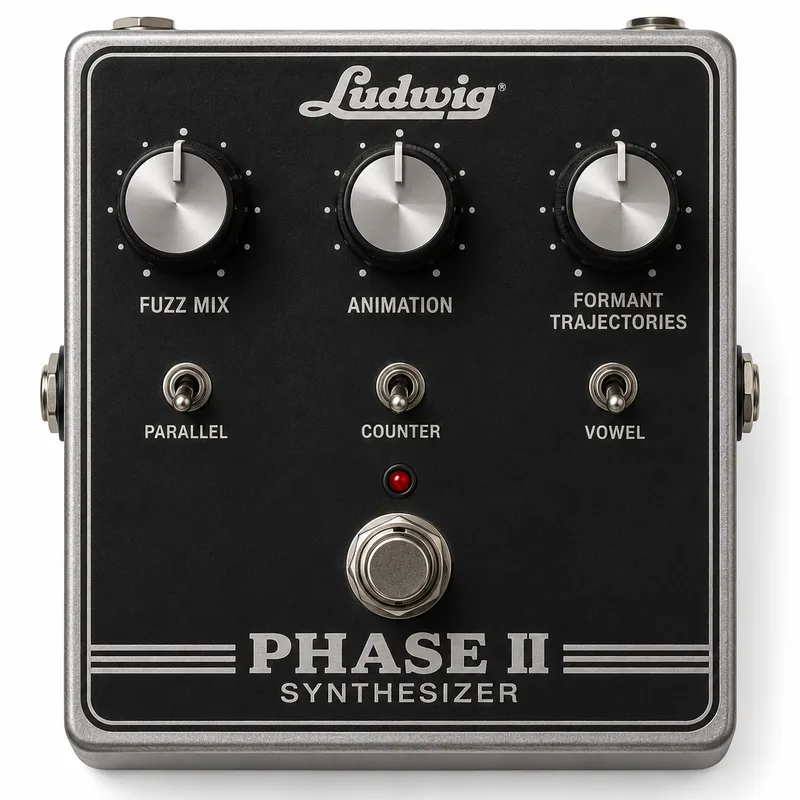
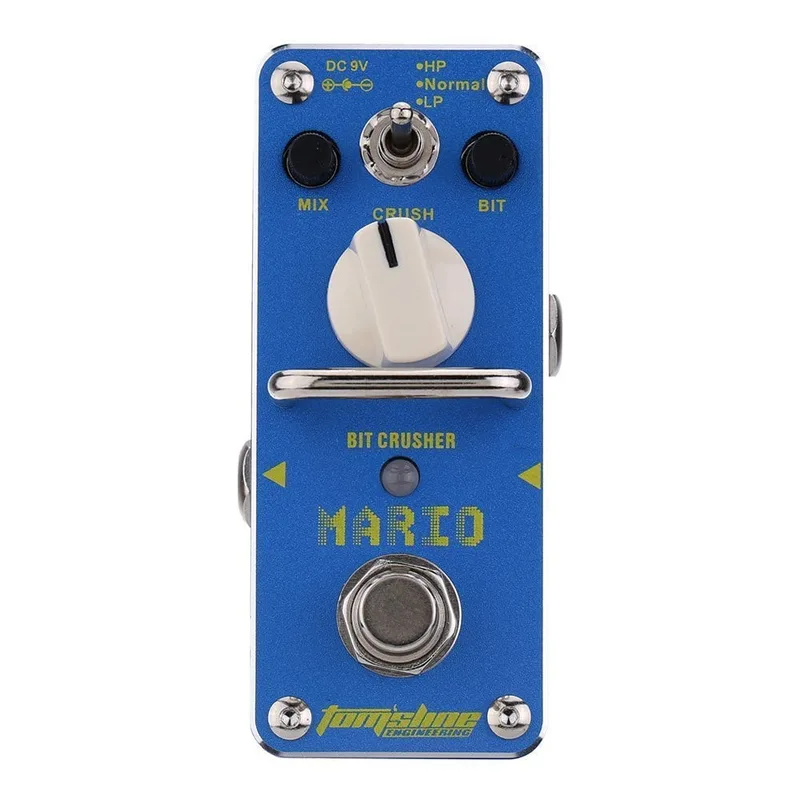
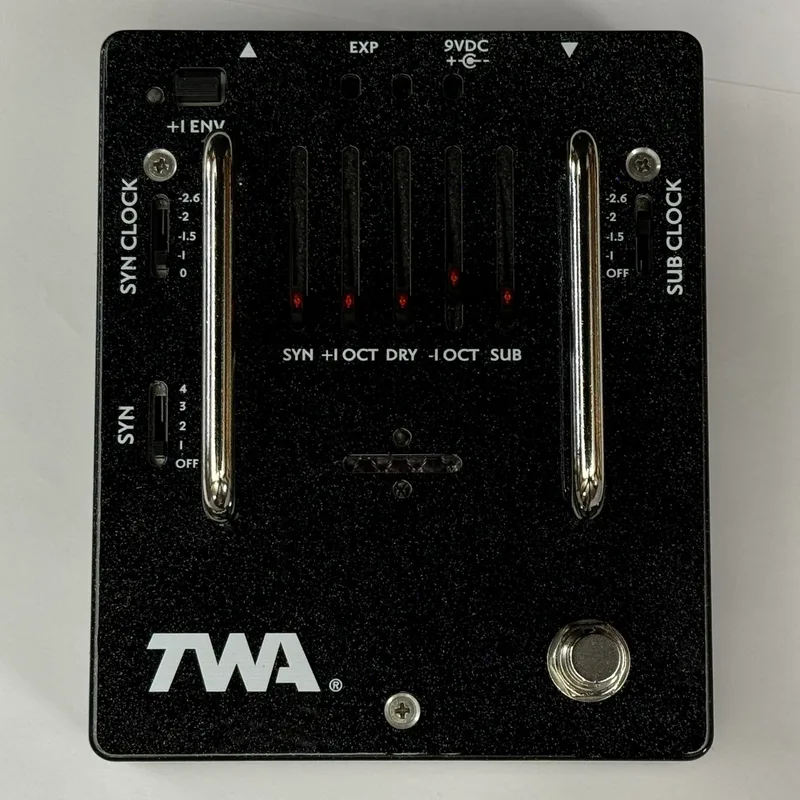
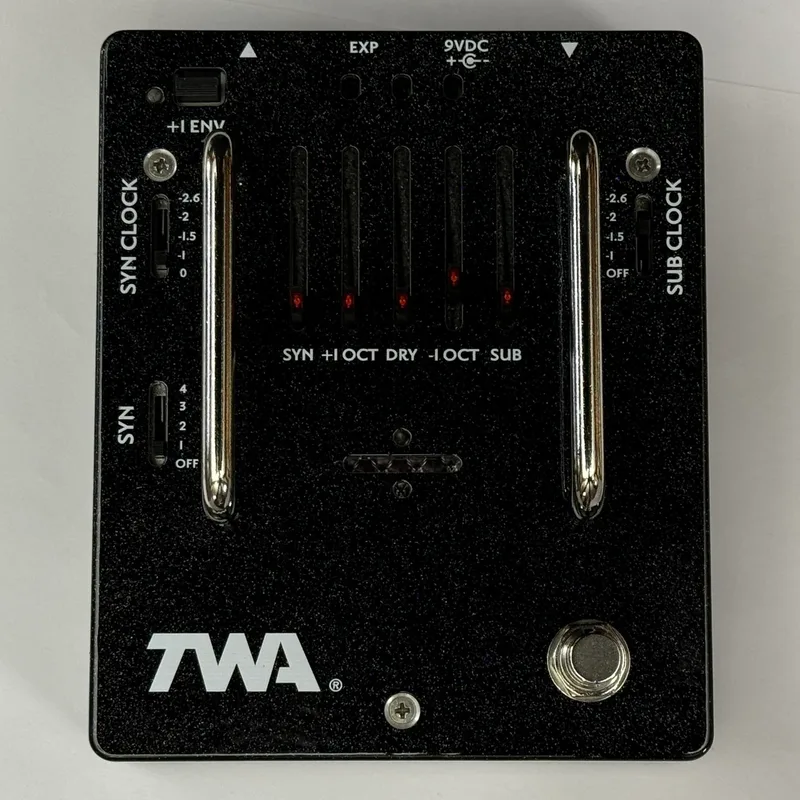
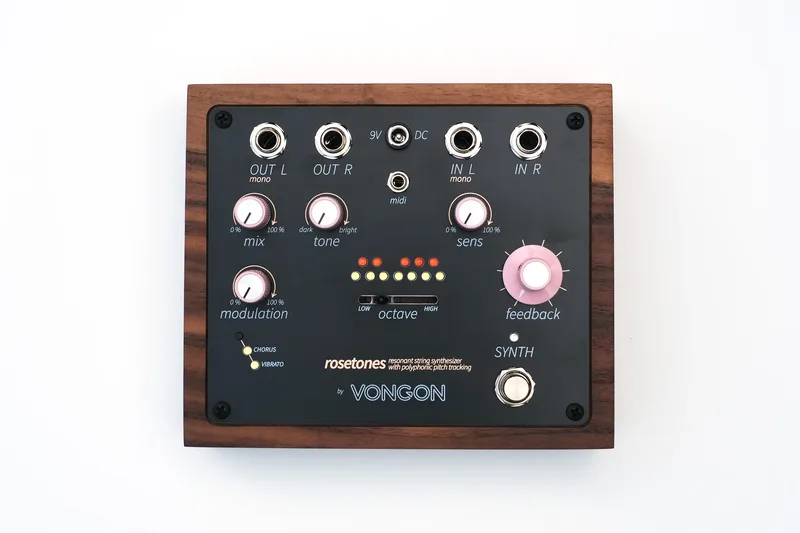
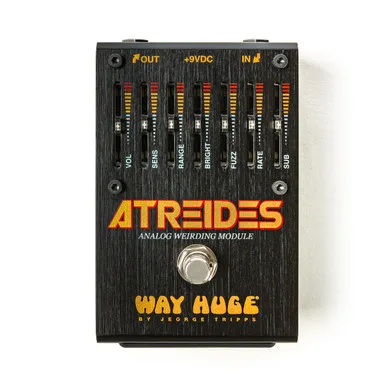
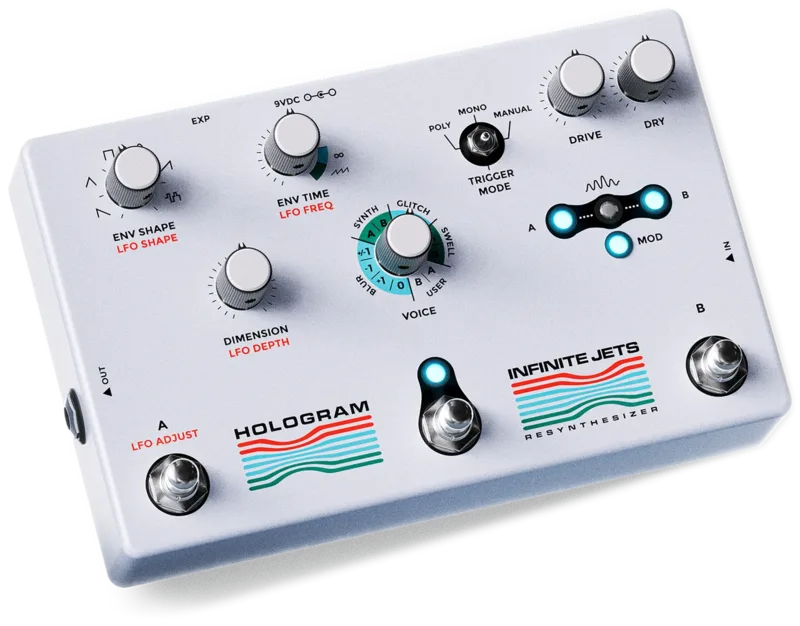
A synth pedal takes the signal from your guitar or bass and turns it into something a keyboard synthesizer might make: a fat monophonic lead, a swirling organ, a squelchy filter sweep, or a glitchy cloud of sound. Some do it by pitch-tracking your notes and driving internal oscillator voices, some by mangling the signal itself, and some by sampling what you play and rebuilding it from scratch. The Hologram Electronics Infinite Jets is described by its maker as "a multi-voice synth pedal that resynthesizes individual notes/chords into new sounds using two independent sampling channels"1. Older and simpler designs, like the DigiTech Synth Wah, lean on filters: RockBoard's entry for it lists "7 different synth effects including envelope filters, synth tones, filter sweeps, and more"2.
What unites the category is that the pedal is doing something more radical than overdrive or delay. A fuzz changes your tone; a synth pedal replaces it. That makes these pedals some of the most expressive and some of the pickiest on a board, because how well one tracks your playing decides whether it sings or stutters.
What a synth pedal is
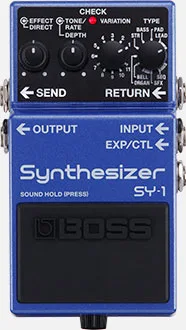
A synth pedal is a stompbox whose output is a synthesized sound rather than a processed version of your original tone. The family is broad. At one end sit pedals that generate classic synth voices, like the Boss SY-1, which packs a synth engine into a standard compact box and includes a Hold function: "Pressing and holding the pedal switch sustains the last-played synth sound, allowing you to jam with regular guitar over" it6. At the other end sit pedals that barely sound like synths at all in the keyboard sense, like bitcrushers, which deliberately degrade your signal into lo-fi grit.
Some makers lean into the strangeness. Godlyke's page for the Dytone Guitar Synth, a distortion pedal with synth behavior, describes it plainly: "The Guitar Synth is a great and crazy effect pedal. This box is nothing you have heared before. The Guitar Syth makes a crazy wild sound"7. That kind of character is the point for many players: a synth pedal is usually bought for a specific sound, not as a general-purpose upgrade.
The category also overlaps with keyboard and drum gear. Some pedals in this family are designed to sit alongside synths in a rig as much as in front of an amp, accepting line-level as well as guitar-level signals, and some players use them to process keyboards, drum machines or vocals. If you already use a synth, a pedal that accepts line level can serve both instruments.
How synth pedals work
There are three main approaches, and knowing which one a pedal uses tells you a lot about how it will behave.
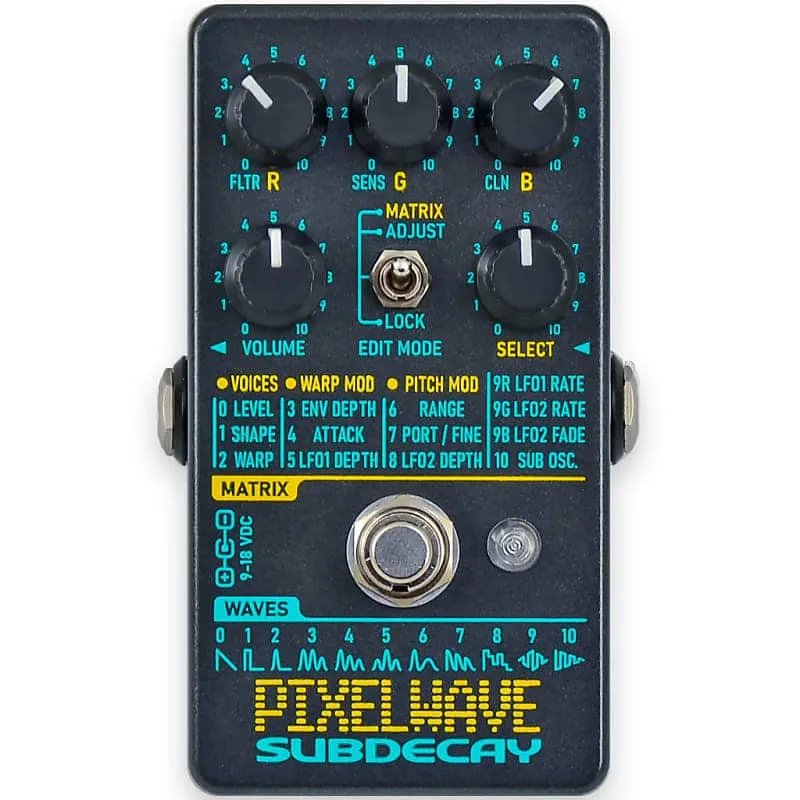
Pitch tracking into oscillator voices. The pedal analyzes the pitch of your note and drives its own oscillators at that pitch. This is how the classic monophonic synth pedal works, and it is why chords are a problem: the tracker hears several notes at once and cannot decide which to follow. Subdecay's Brian Marshall is direct about this in the company's buying guide: "All of our synth pedals are monophonic"3. The trade-off is that a monophonic pedal usually gives you the strongest, most synth-like voice, because the pedal is generating the sound rather than filtering yours.
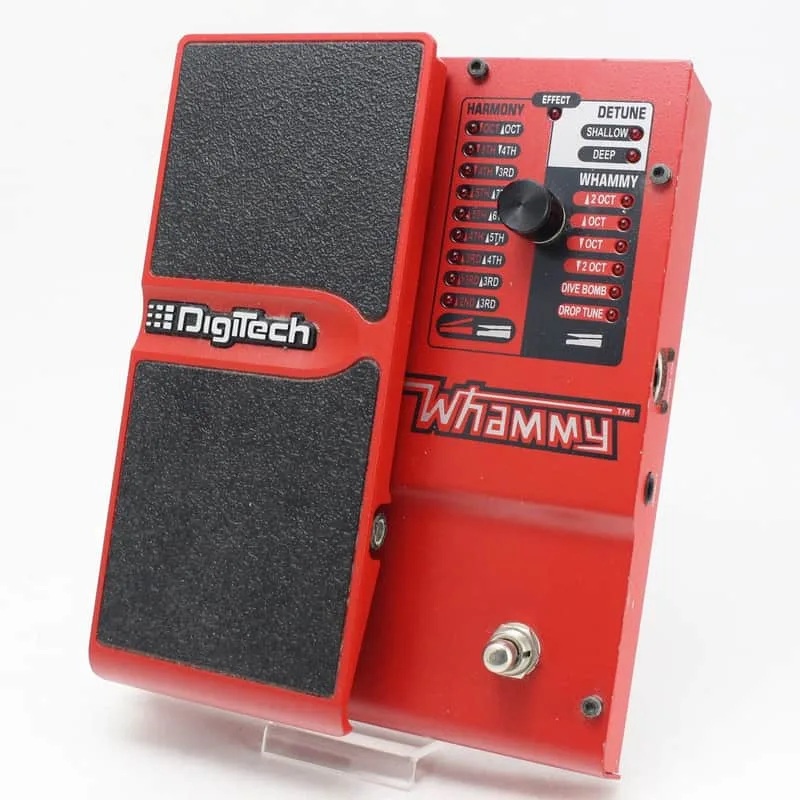
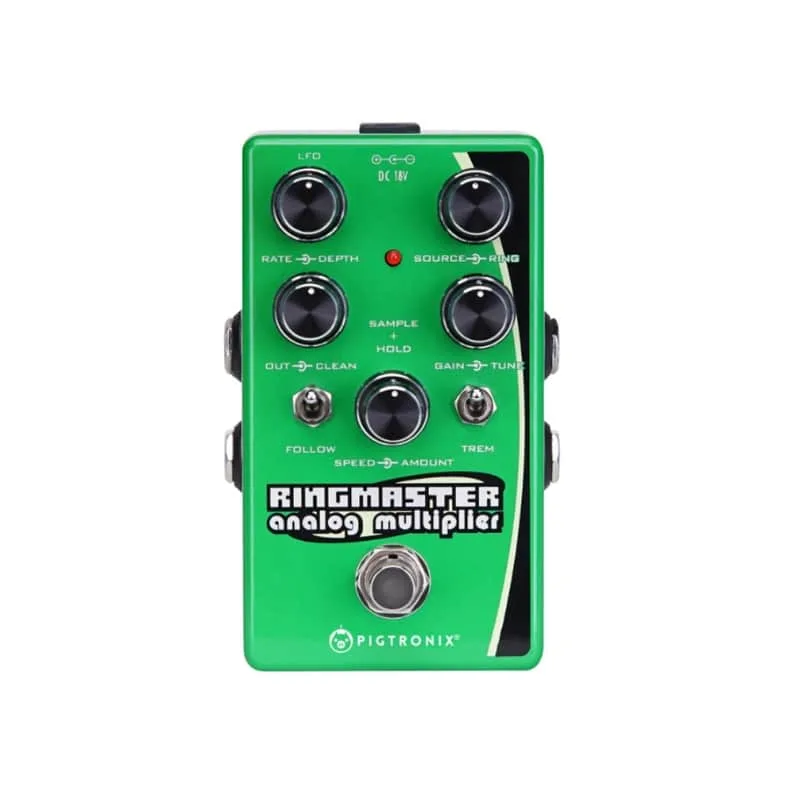
Signal mangling. Instead of tracking pitch, the pedal reshapes the signal itself: multiplying it into octaves and harmonies, ring-modulating it, or crushing its digital resolution. EarthQuaker Devices notes that pitch-shifting pedals "can be used as octave pedals but are more versatile because you can add harmonies, and many are polyphonic"8. Ring modulators and PLL (phase-locked loop) circuits fall in this group too, producing metallic or aggressive tones from the raw signal.
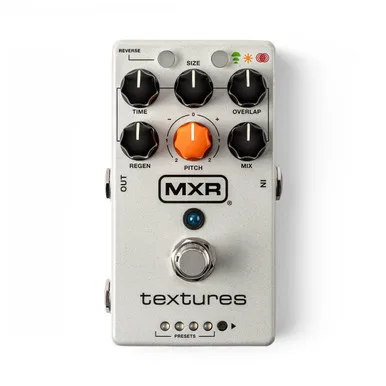
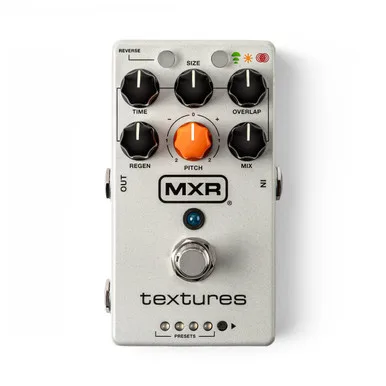
Sampling and resynthesis. The pedal records what you play and rebuilds it. The Infinite Jets does this with two independent sampling channels, resynthesizing notes or chords into new sounds1. Granular pedals take this further, chopping the sound into tiny grains and rearranging them. MXR describes its Textures Granular Synth Engine in exactly these terms: it "pulls your sound apart and weaves it into wondrous new forms"9.
A useful comparison is the humble chorus pedal. As Joki Schaller explains on the Lehle blog, a chorus "doubles the signal, but delays the copy for a few milliseconds, pitches it up and down a few cents and merges them back together"10. A synth pedal takes that same idea of copying and re-pitching your signal and pushes it much further, from a subtle shimmer to a completely new voice.
History and landmark synth pedals
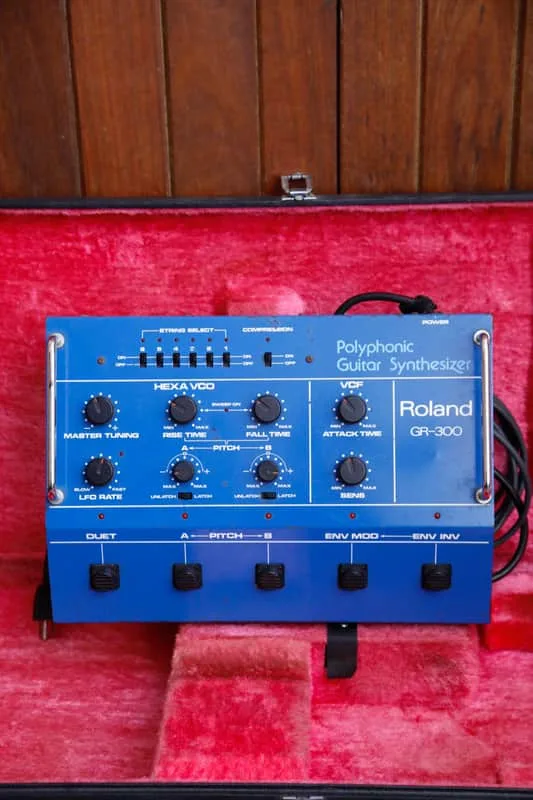
Guitar players have wanted synthesizer sounds since the 1970s. Early dedicated systems included the Roland GR-300 and the EMS Synthi Hi-Fli, units that treated the guitar as a controller for a separate synth engine. The stompbox approach came later, and the category has kept evolving in the last few years.
A few recent releases show the range:
Styles: guitar synths, pitch-multiplier synths, bitcrushers and granular pedals
Guitar synth pedals
Pitch-multiplier synths
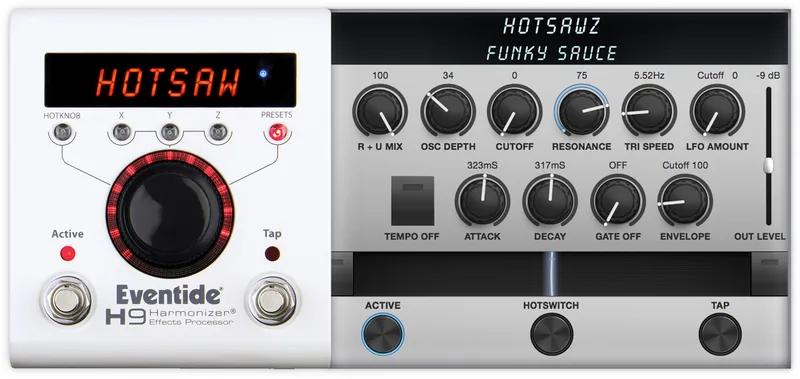
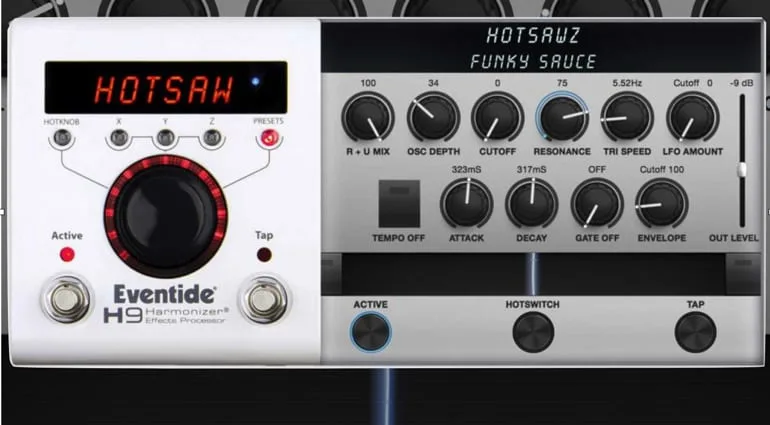
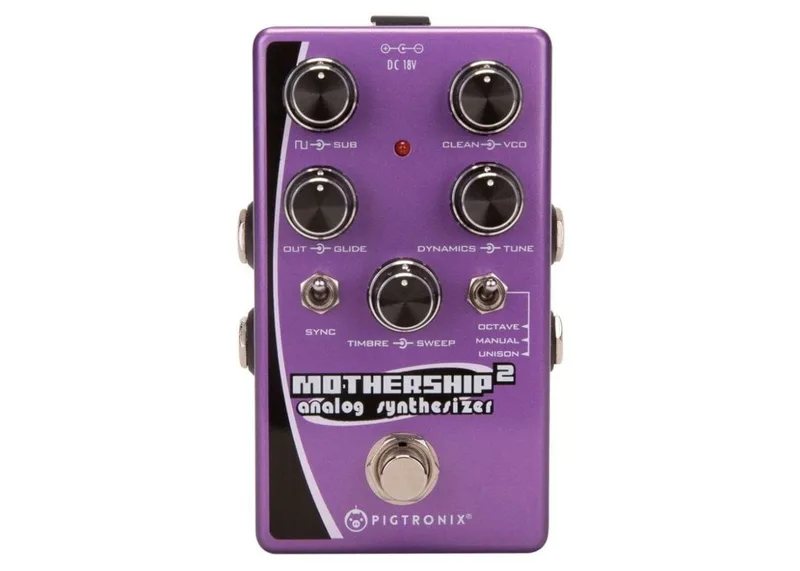
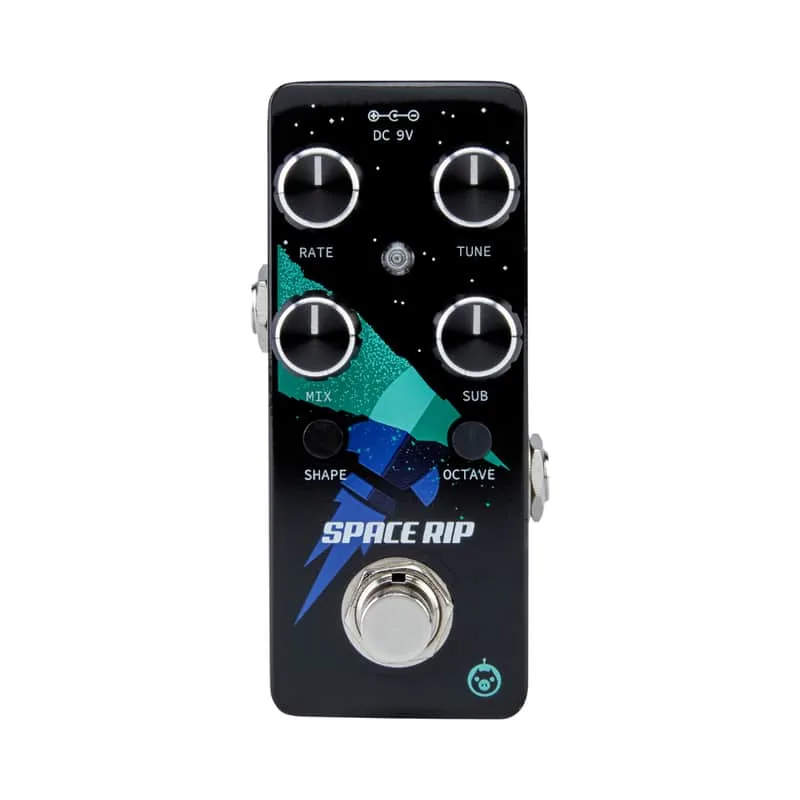
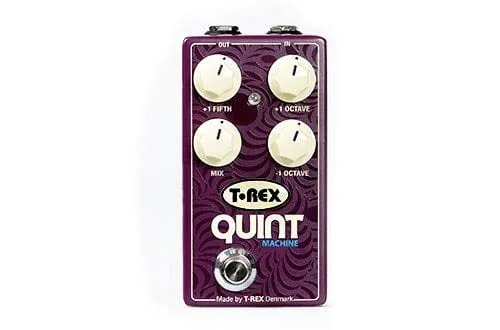
These pedals multiply your signal into octaves, fifths and harmonies rather than replacing it. EarthQuaker Devices groups them with octave pedals but notes they are more versatile because you can add harmonies, and many are polyphonic8. Examples include the Pigtronix Mothership2, the Pigtronix Space Rip, and the Eventide HotSawz, which stacks sawtooth voices on your playing. Because they work from your own signal, they tend to track better and handle chords more gracefully than oscillator-based designs.
Bitcrushers
Granular pedals
What the usual controls do
Synth pedals vary widely in layout, but a few control schemes recur.
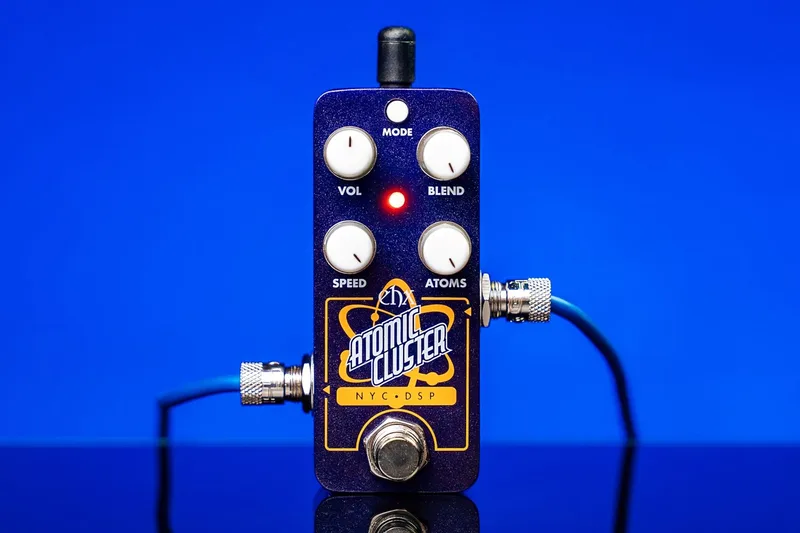
The JHS 3 Series Bitcrusher is a good example of the simple end: "three simple controls and one toggle that offer a wide range of sounds, perfect for beginners and professionals"11. At the other end, granular pedals like the MXR Textures carry mode switches, preset selectors and secondary parameter layers9, and the Electro-Harmonix Atomic Cluster spreads its functions across Atoms, Speed, Mode, Volume and Blend knobs12.
| Control | What it typically does |
|---|---|
| Blend or Mix | Balances your dry guitar signal against the synth sound |
| Mode | Selects between synth voices or engine behaviors |
| Sensitivity or Tracking | Sets how hard the pedal listens for your notes |
| Tone | Shapes the brightness of the synthesized voice |
| Hold or Freeze | Latches the current sound so you can play over it |
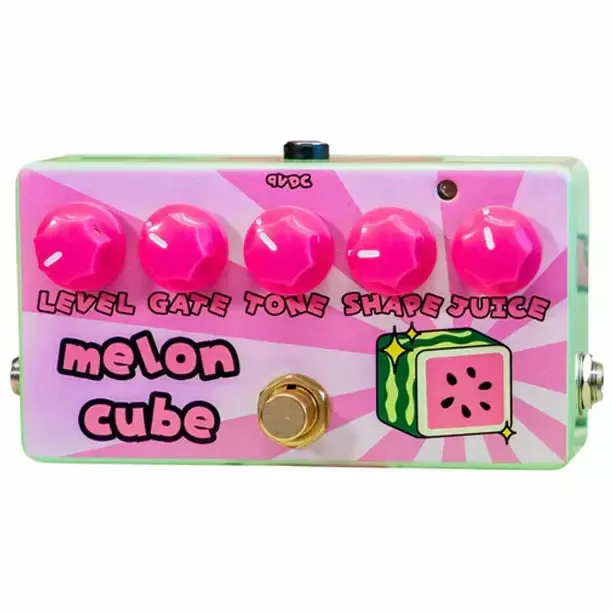
The Hold function on the Boss SY-1 is worth knowing about as a category feature: press and hold the switch and the last synth note sustains while you play regular guitar over it6. Reviewers of the FruitFX Melon Cube praised its Gate, Shape, Juice and Tone controls, which shape the pulse-width modulation at the heart of that pedal13. On fuzz-adjacent designs, the control set looks more like a drive pedal: Wilson Effects describes its Lusus Naturae as having "four standard controls, output, tone, gain and clipping"14.
Signal chain placement and power
Where in the chain
Boss's effects-order guide gives a chain that works well for synth pedals: tuner first, then pitch-based effects, then compression, then wah and filter effects, then drive, then modulation, with amp and cabinet simulators at the end feeding a PA, interface or headphones4. The logic for putting a synth pedal early is simple: it wants the cleanest, strongest version of your signal to track, before drive pedals add harmonics that confuse the tracker.
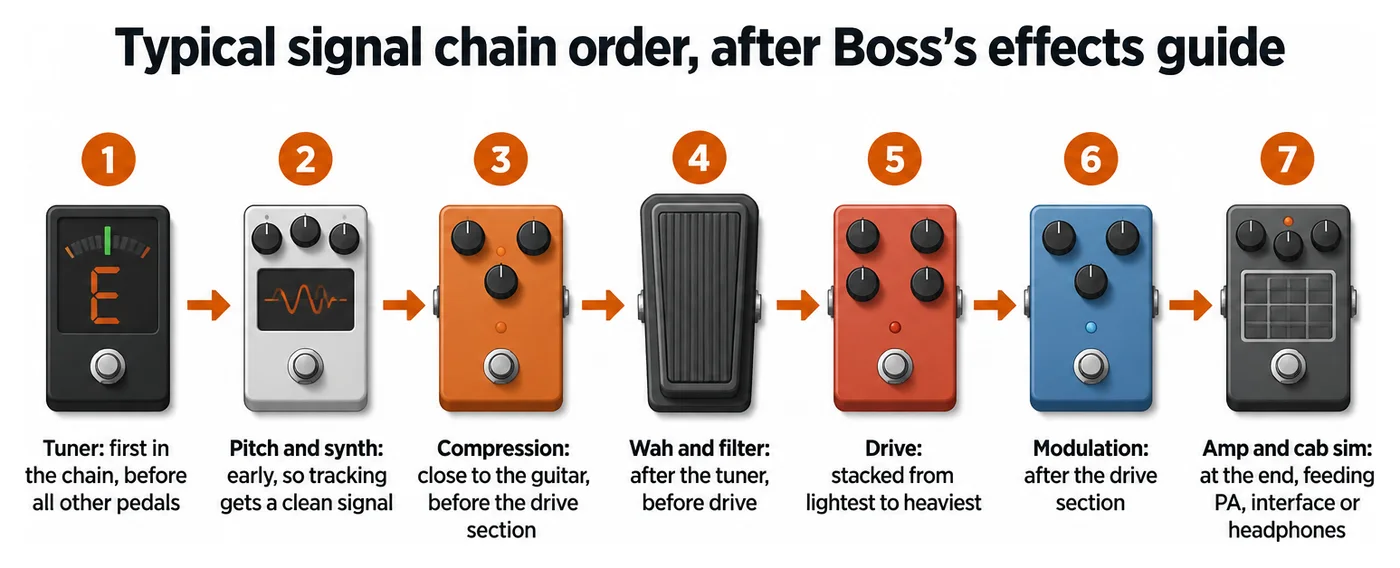
The same principle applies to filter-style pedals. The GuitarPCB SWAH V4 manual insists that "Pedal Placement is critical just as it is with a Standard Wah pedal and should be placed closest to your Guitar in the effects chain"15. A synth pedal with a strong filter character behaves the same way.
Power
Most synth pedals are digital, and digital pedals are the ones that cause trouble on shared power. Truetone notes that "analog pedals and single-effect digital pedals work together quietly on a daisy-chain, but digital multi-effects and modelers" cause noise when sharing power5. Voodoo Lab explains why: daisy chains "force every pedal in your rig to share a single electrical path. That means they share the same ground and" the same noise floor16. A granular pedal or a multi-voice synth engine is exactly the kind of hungry digital circuit you want on its own isolated output.
Check the power requirements before you buy. A digital synth pedal drawing significant current, or one that shares a supply with analog dirt pedals, is a common source of whine and hum. Isolated outputs on a dedicated supply avoid the problem.
Questions to ask when choosing a synth pedal
Other questions worth asking:
Sine Effect describes designing pedals "using both my own experience as a musician and input from hundreds of artists who have" tried them over the years17. Maker pedigree and artist feedback are worth weighing, but the deciding factor is always whether the pedal makes the one sound you are chasing.
Questions
Do synth pedals need a special pickup?
Most current synth pedals plug straight into a normal guitar output and need no special pickup. The classic divide was between hexaphonic pickup systems and plain stompboxes, but modern pitch-tracking pedals such as the Boss SY-1 work with any instrument. Special hardware only comes up in niche cases, for example MAS Effects sells a pickup simulator as an add-on sub-kit that advanced builders can turn into a standalone pedal.
Can a synth pedal play chords?
It depends on the pedal. Many analog-style synth pedals are monophonic and track one note at a time, so chords confuse them. Subdecay states that all of its synth pedals are monophonic. Polyphonic designs exist too: the Bananana Effects QUIMERA is a polyphonic synthesizer sampler with real-time pitch tracking, and the Hologram Electronics Infinite Jets resynthesizes individual notes and chords into new sounds.
What is the difference between a synth pedal and a guitar synthesizer?
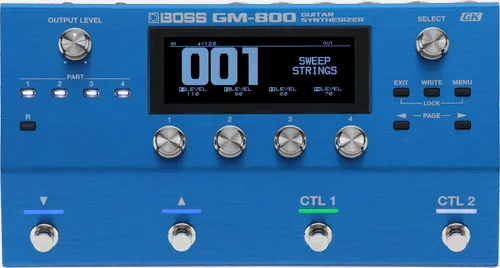
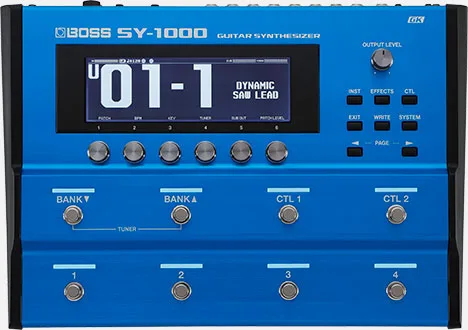
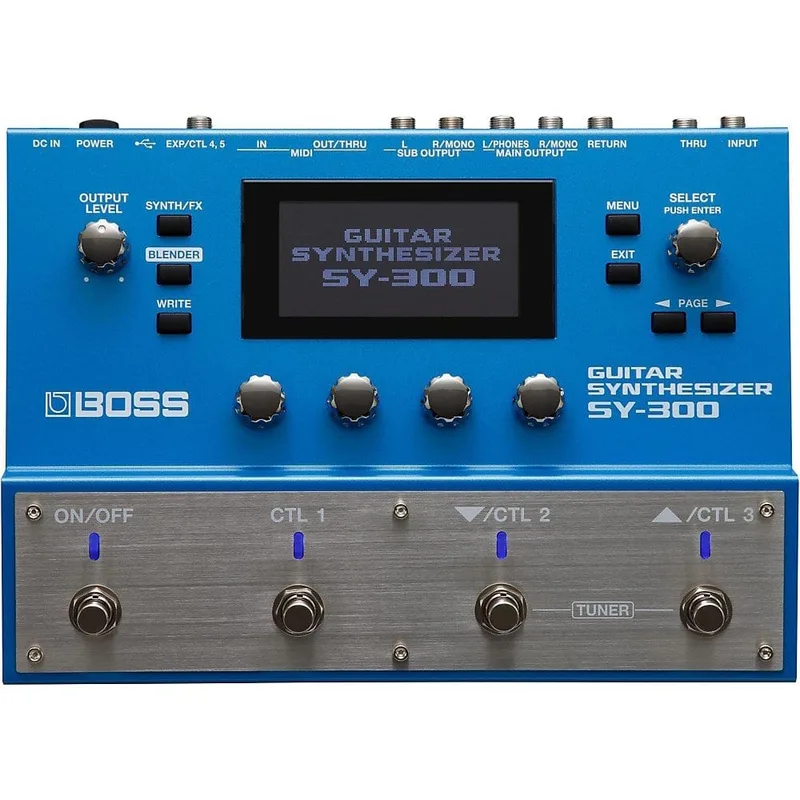
A synth pedal is a stompbox that transforms your guitar signal into synth-like sounds while you keep playing your normal rig. A guitar synthesizer is a larger, dedicated unit, closer to a keyboard synth with a guitar front end, such as the Boss SY-300, SY-1000 or GM-800. The line blurs, since compact pedals like the Boss SY-1 pack a full synth engine into a standard box.
Do synth pedals work with bass?
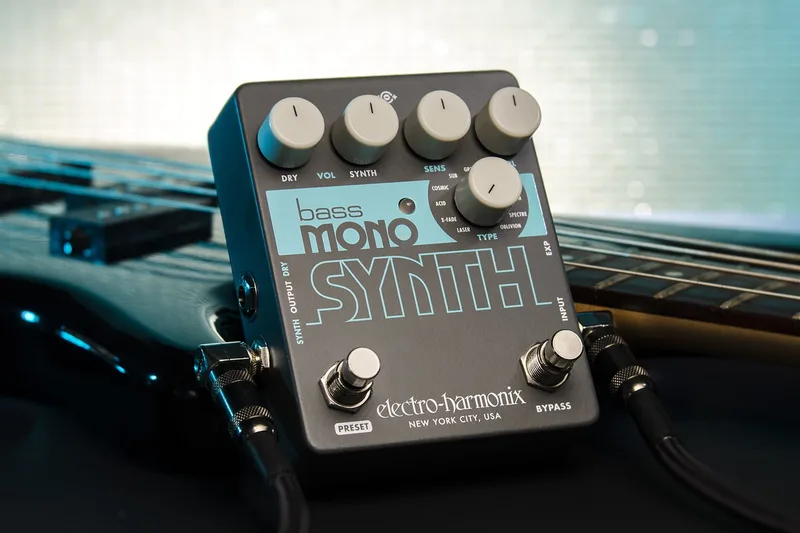
Yes. Some are built for bass first, like the Bananana Effects MATRYOSHKA, an 8-mode bass synth that reviewers note also works well on guitar, and the Electro-Harmonix Bass Mono Synth. General-purpose synth pedals usually track bass notes, though very low notes and chords are where monophonic designs struggle most.
What is a bitcrusher pedal?
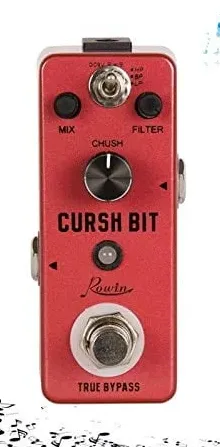
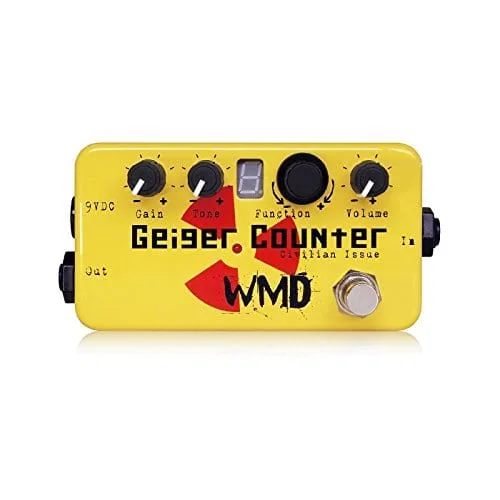
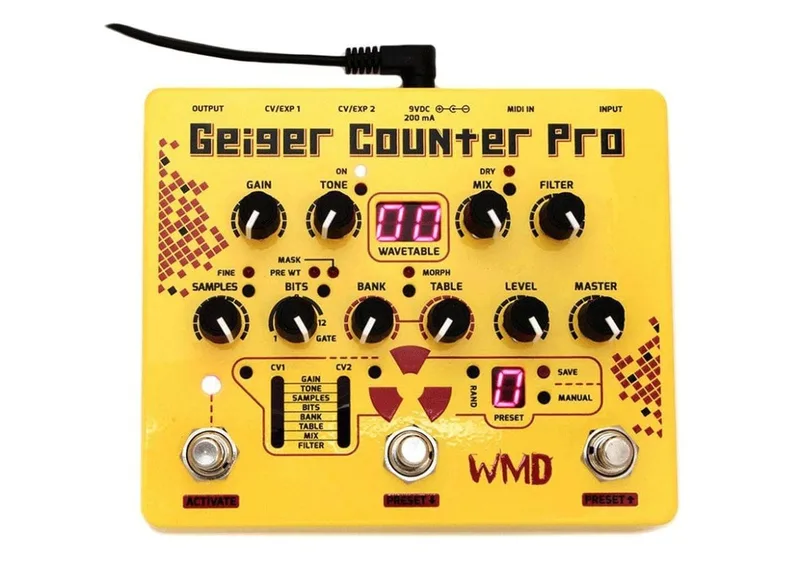
A bitcrusher deliberately lowers the digital quality of your signal, reducing bit depth and sample rate so the sound breaks up into grainy, lo-fi, video-game-like tones. The JHS 3 Series Bitcrusher is built to do exactly those two things with precision, using three controls and one toggle. Examples in this family include the WMD Geiger Counter and the Rowin Cursh Bit.
Where should a synth pedal go on a pedalboard?
Most players put a synth pedal early, close to the guitar, so it receives a clean, strong signal for pitch tracking, often right after the tuner and before drive. Boss's guide puts pitch-based units in the early chain and drive after them. Power matters too: digital synth pedals are best on isolated power rather than shared with analog pedals on a daisy chain.
Sources (17)
- Infinite Jets, Hologram Electronics
- Synth Wah by DigiTech, RockBoard PedalPedia, 2026
- Which Synth Pedal is for Me?, Subdecay, 2024-08-15
- The Ultimate Guide to Guitar Effects Pedal Order and Signal Chain, BOSS (articles.boss.info), 2023-03-01
- 1 SPOT® | Truetone, Truetone, 2026
- BOSS - SY-1 | Synthesizer, BOSS (boss.info)
- DYTONE Guitar Synth distortion pedal, Godlyke Distributing, Inc.
- Octave And Pitch, EarthQuaker Devices, 2022-07-18
- M310.pdf, Jim Dunlop (jimdunlop.com), 2026
- Dual Amping, Stereo, Phasing and its challenges, blog.lehle.com, 2017-08-18
- 3 SERIES BIT CRUSHER, JHS Pedals
- New Pedal: Electro-Harmonix Atomic Cluster, Delicious Audio, 2025-12-19
- FruitFX Pedals Melon Cube Synth Fuzz, Pedal of the Day, 2025-12-13
- Lusus Naturae, Wilson Effects
- SWAH v4, GuitarPCB.com, 2023
- The Complete Guide to Powering Your Pedalboard, Voodoo Lab, 2026-06-24
- Wee D.I - active D.I box, Sine Effect Store (sineeffect.com)