
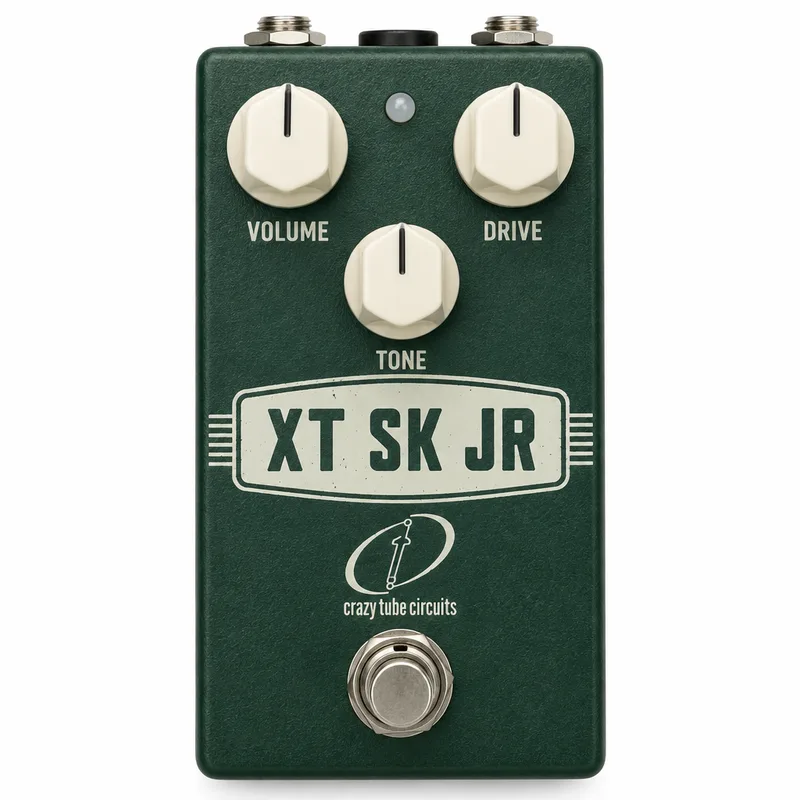
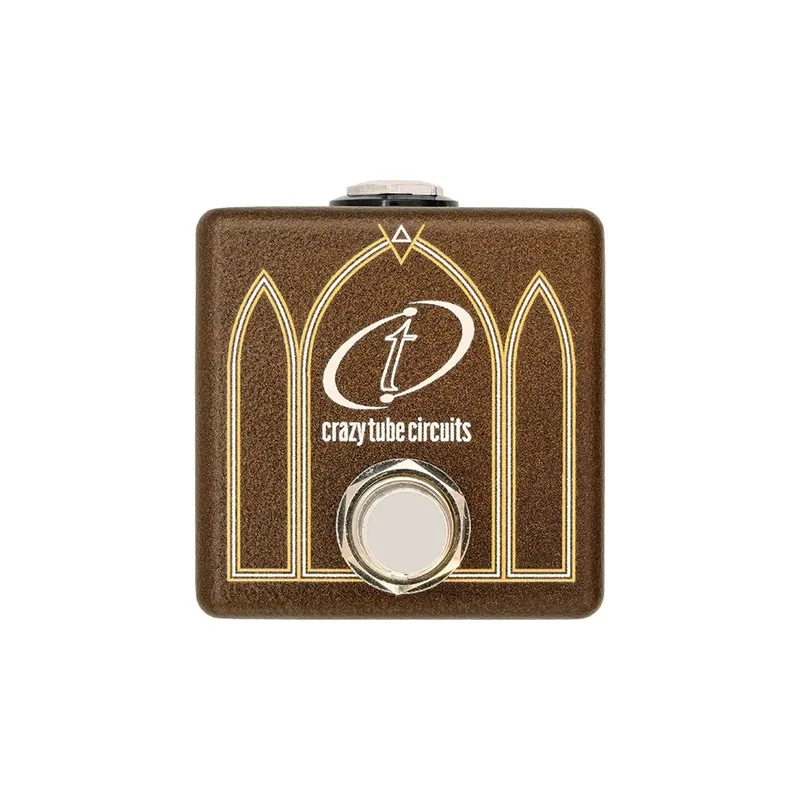
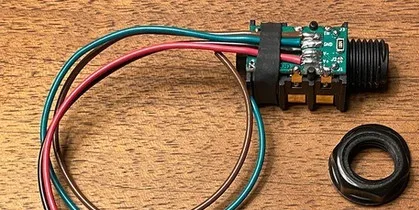
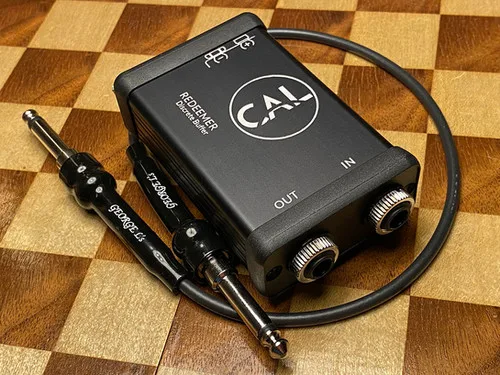
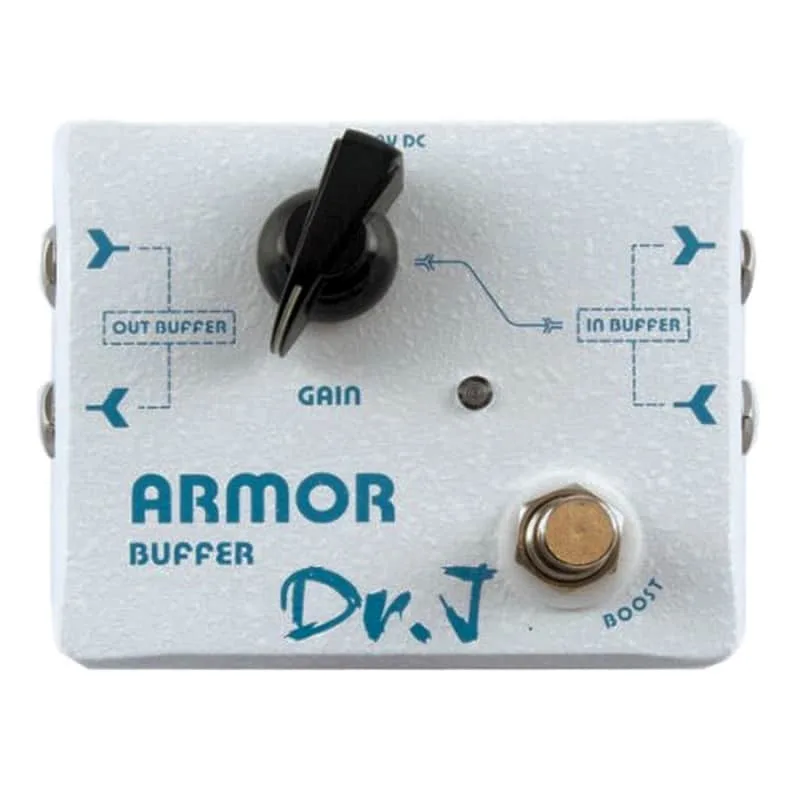
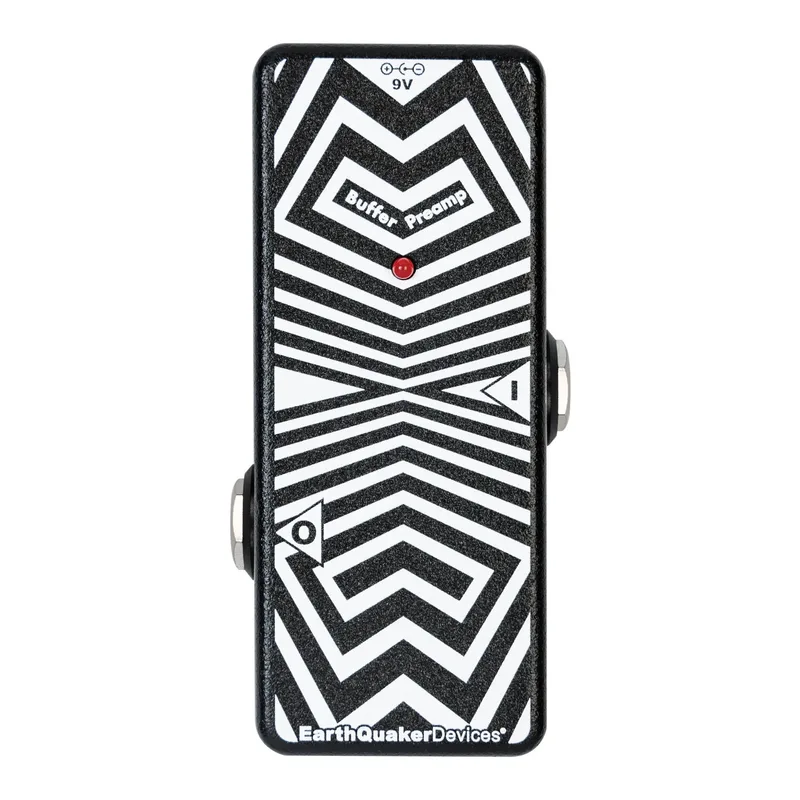
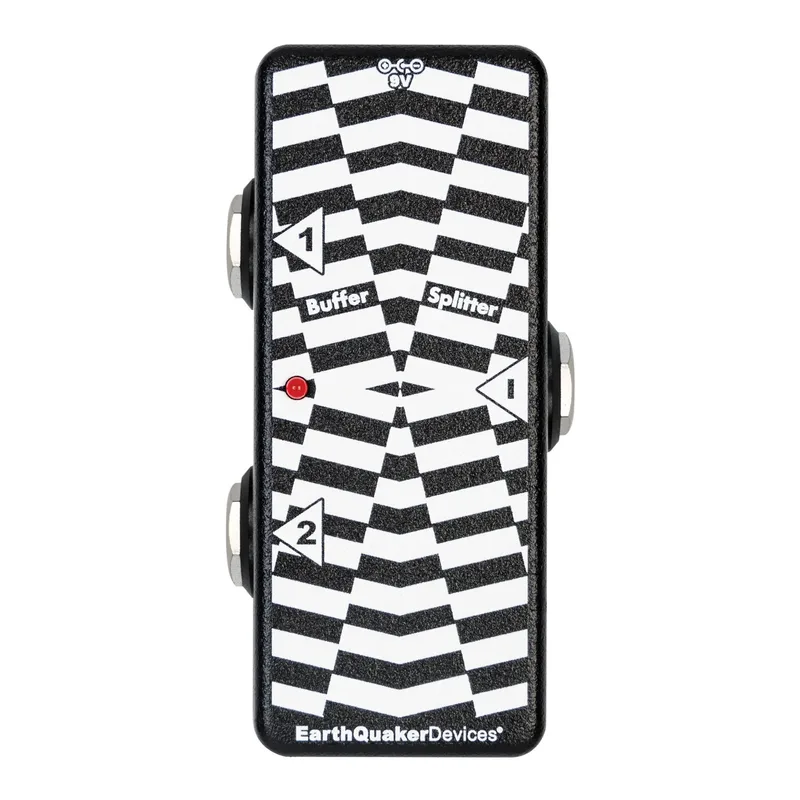
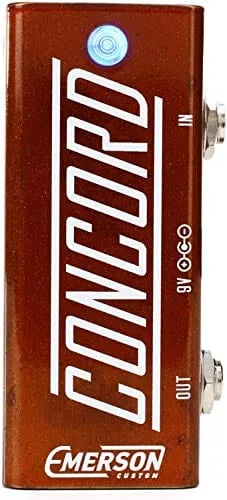
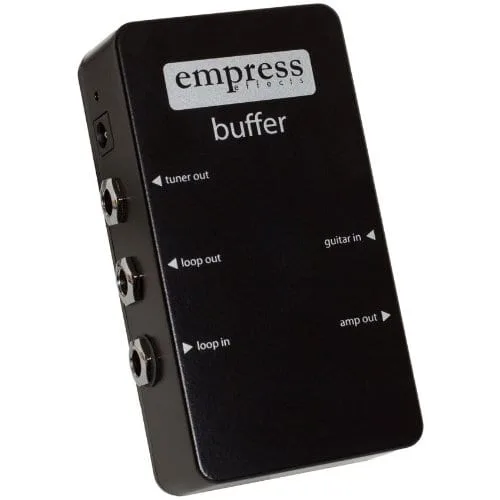
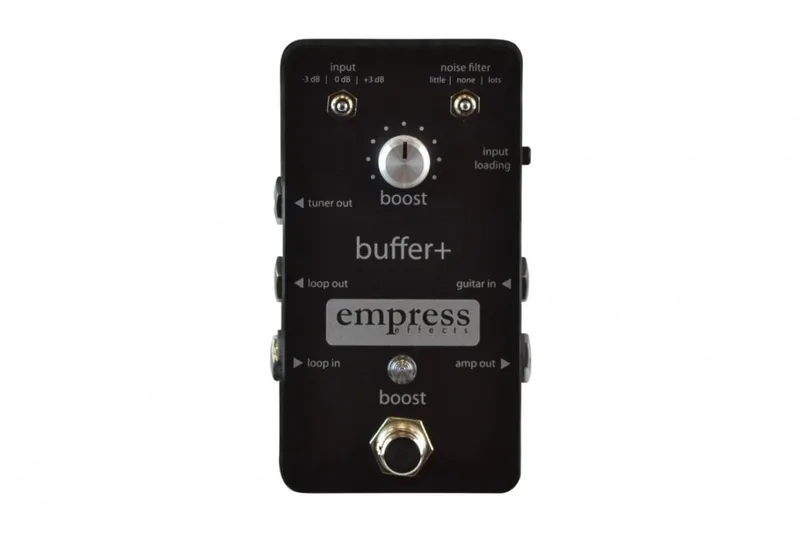
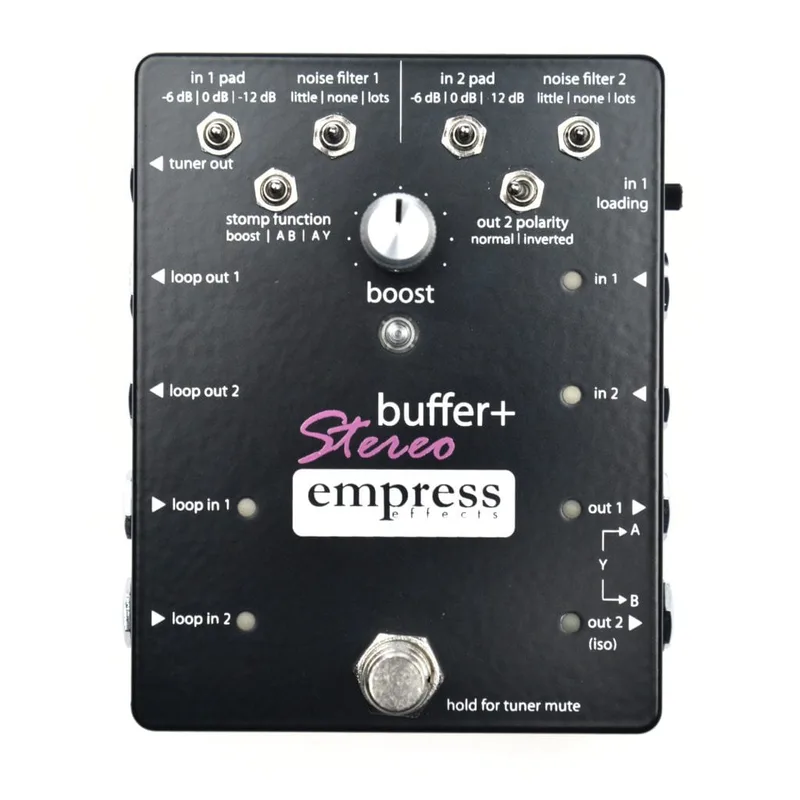
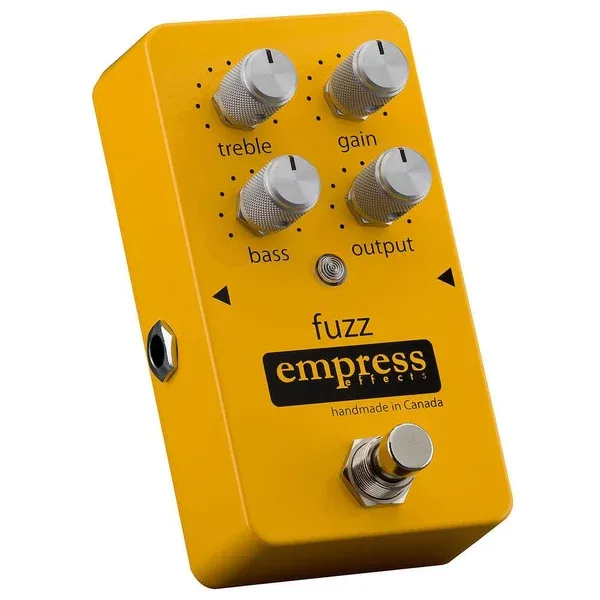
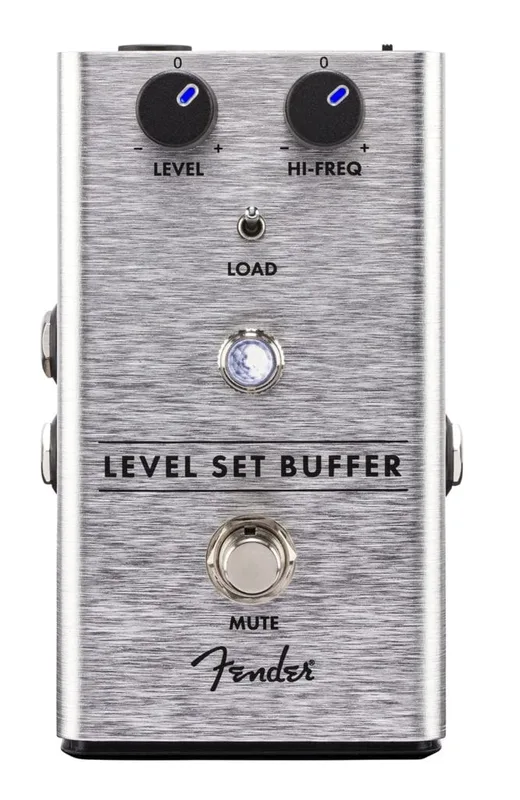
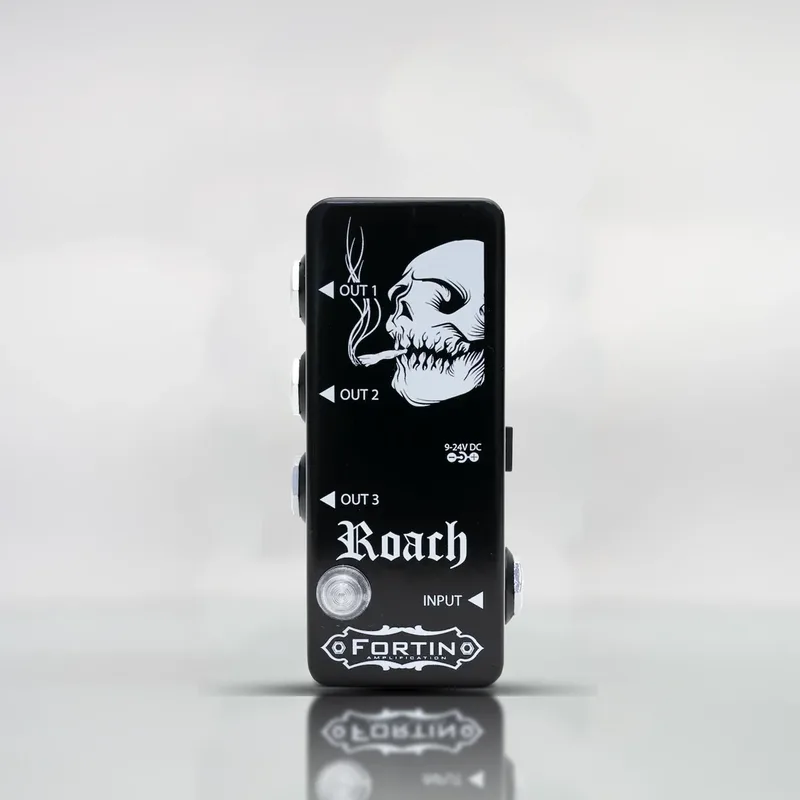
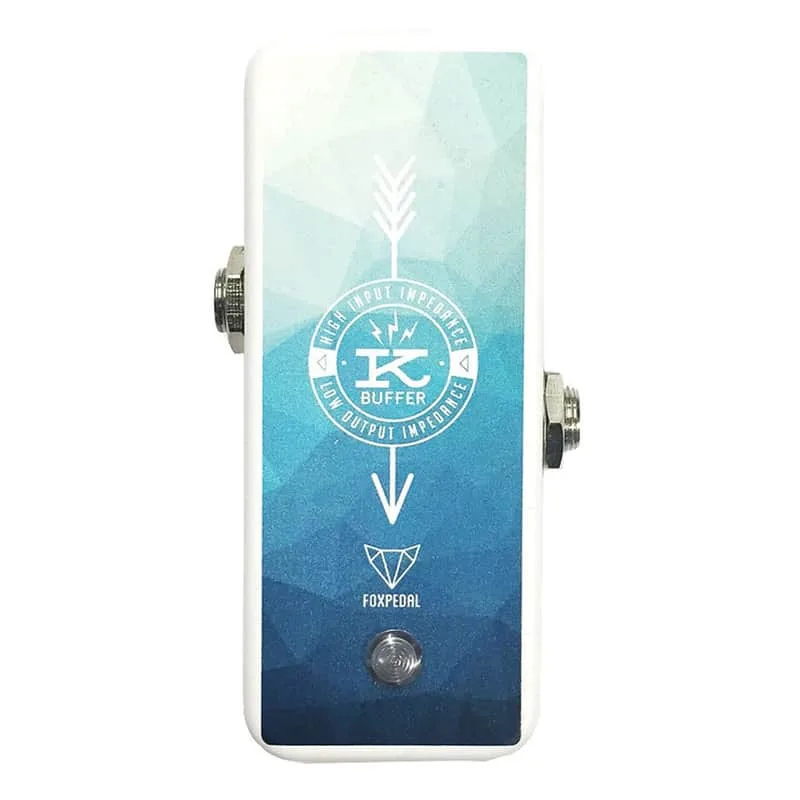
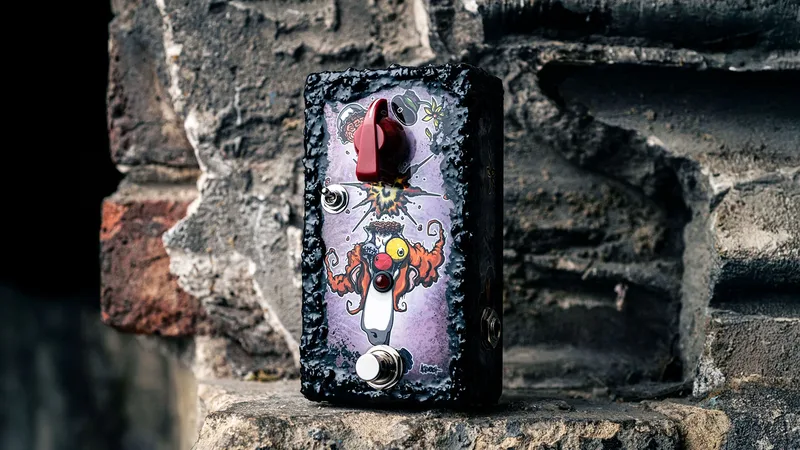
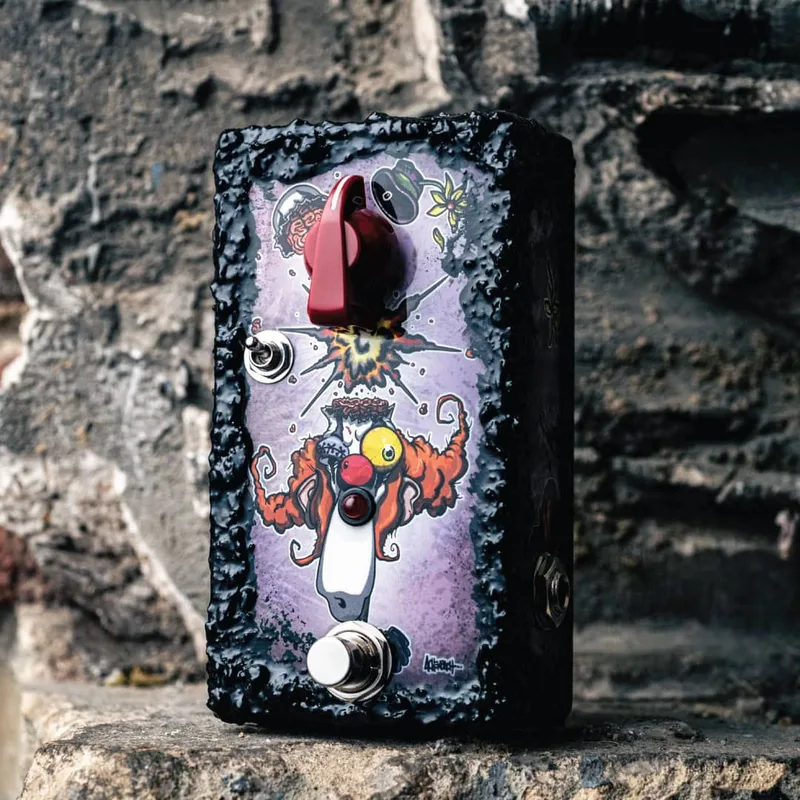
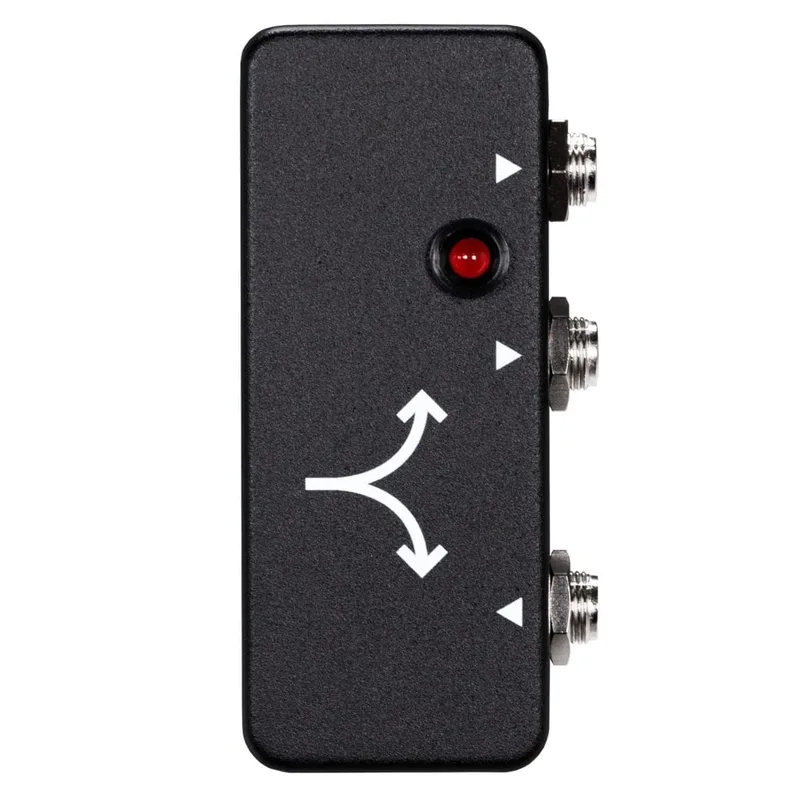
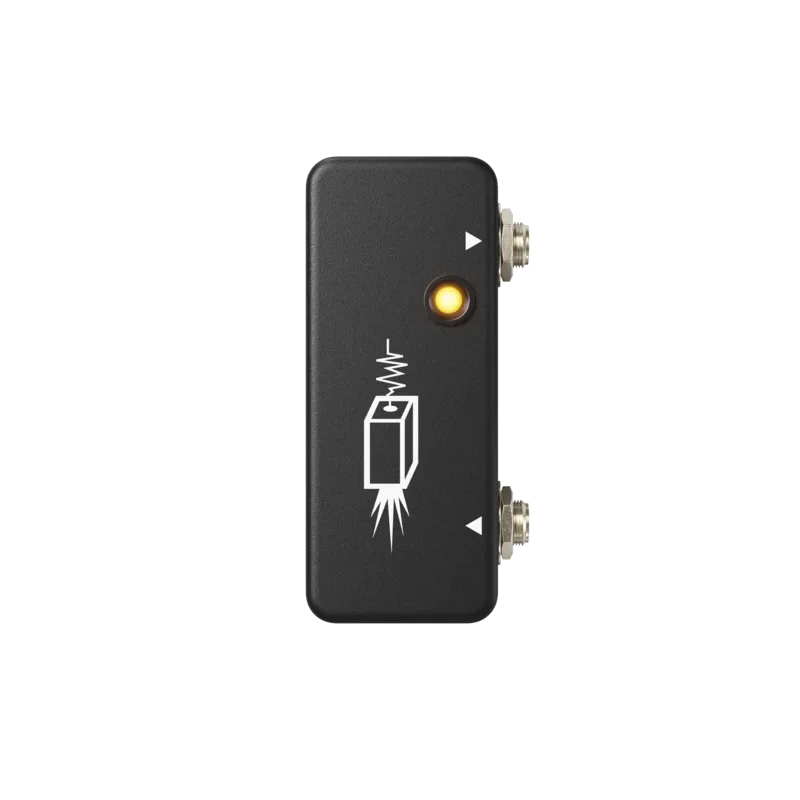
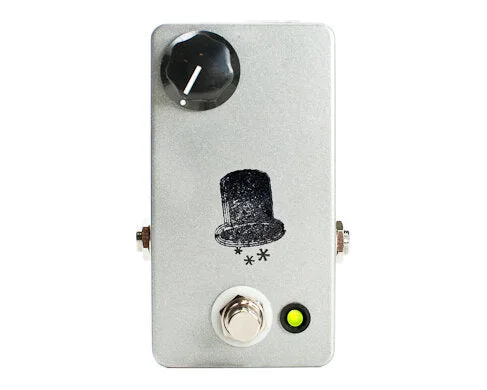
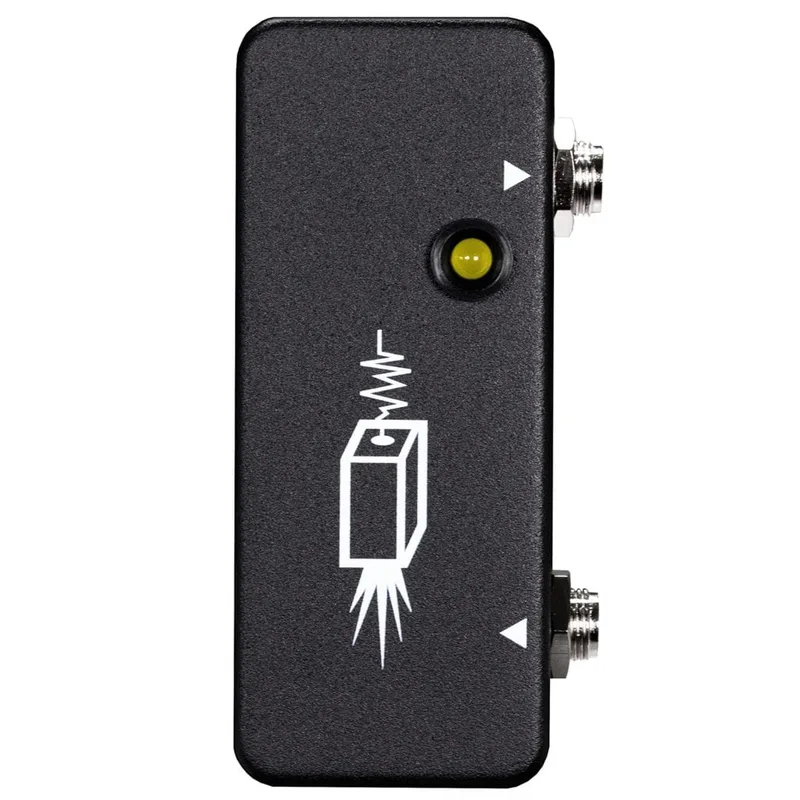
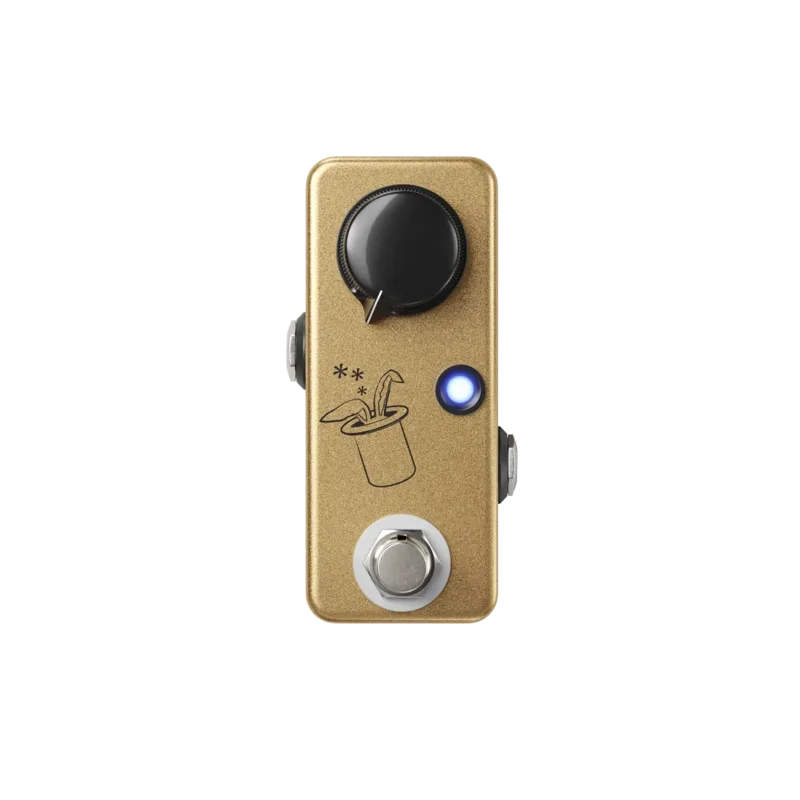
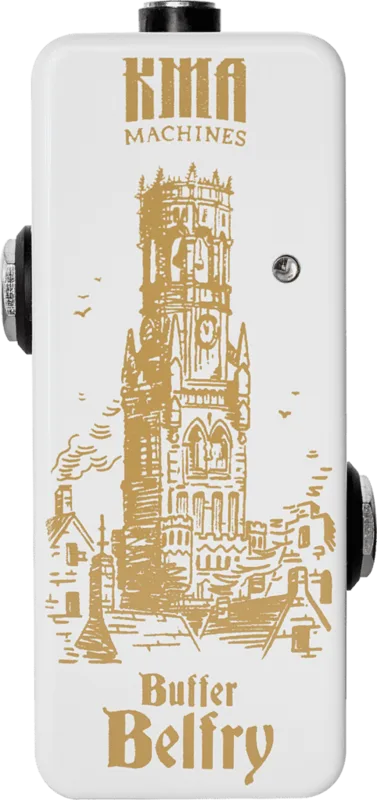
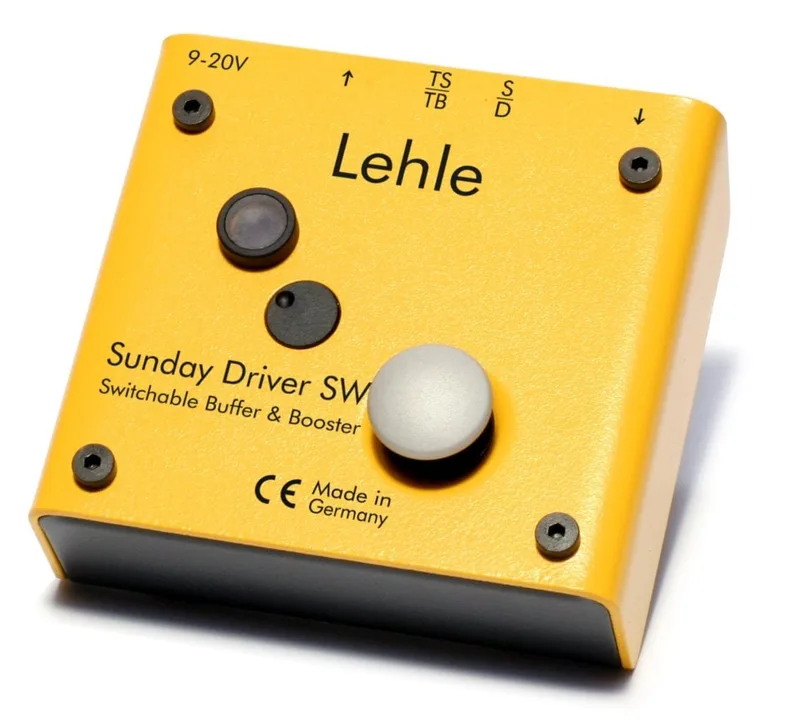
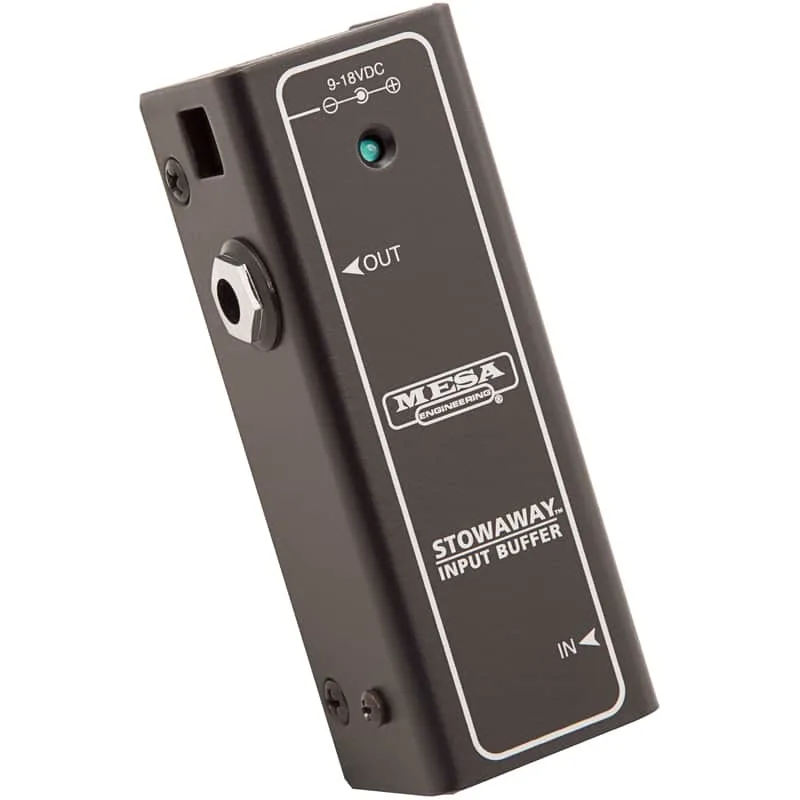
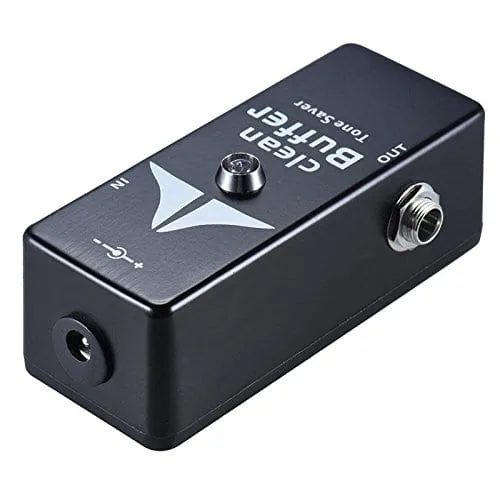
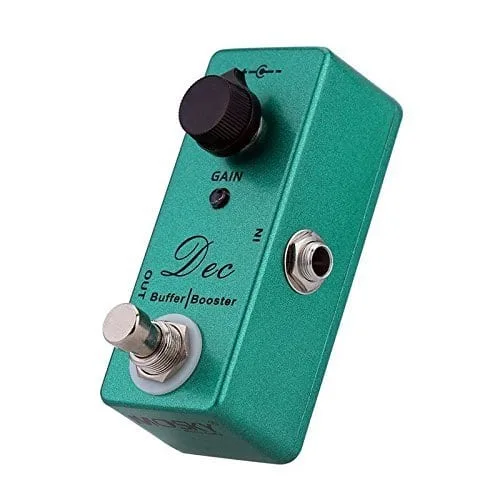
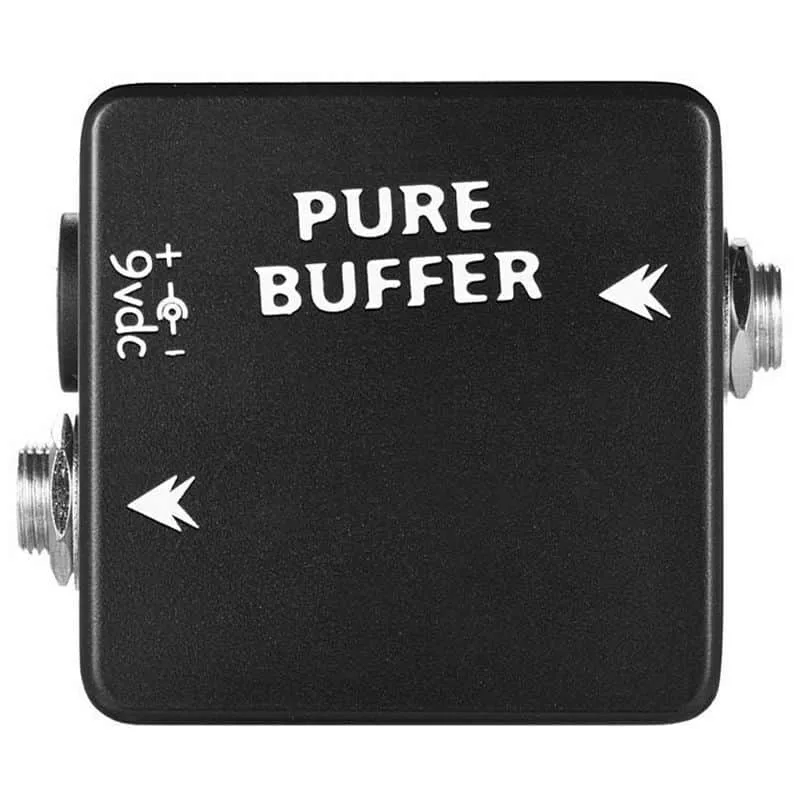
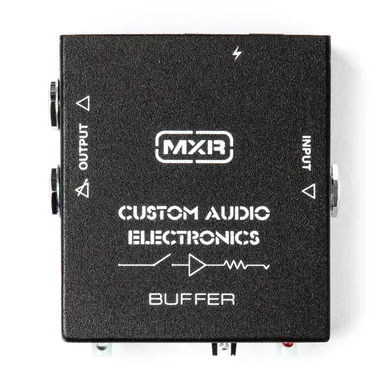
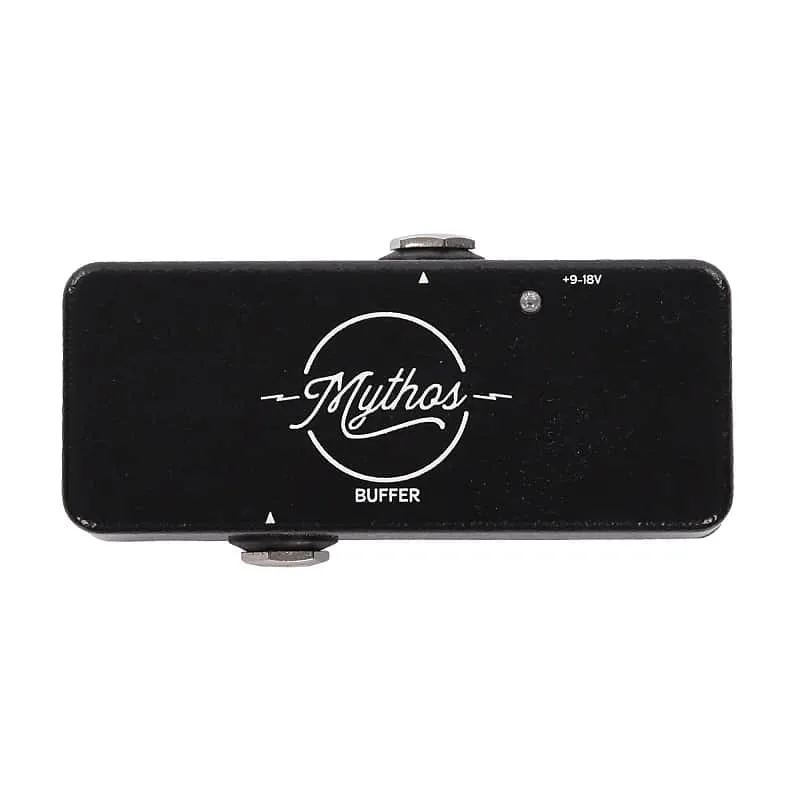
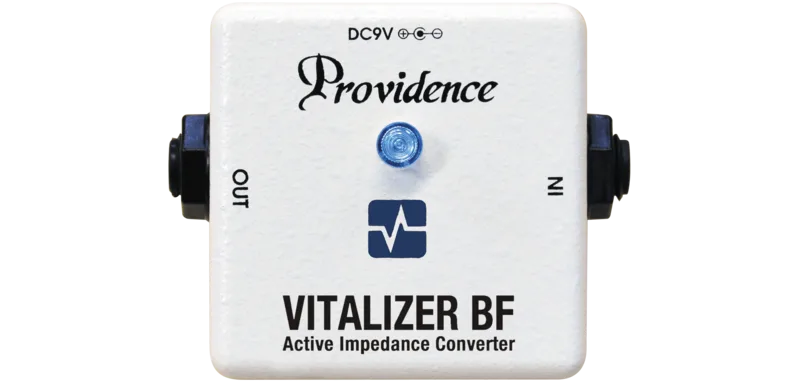
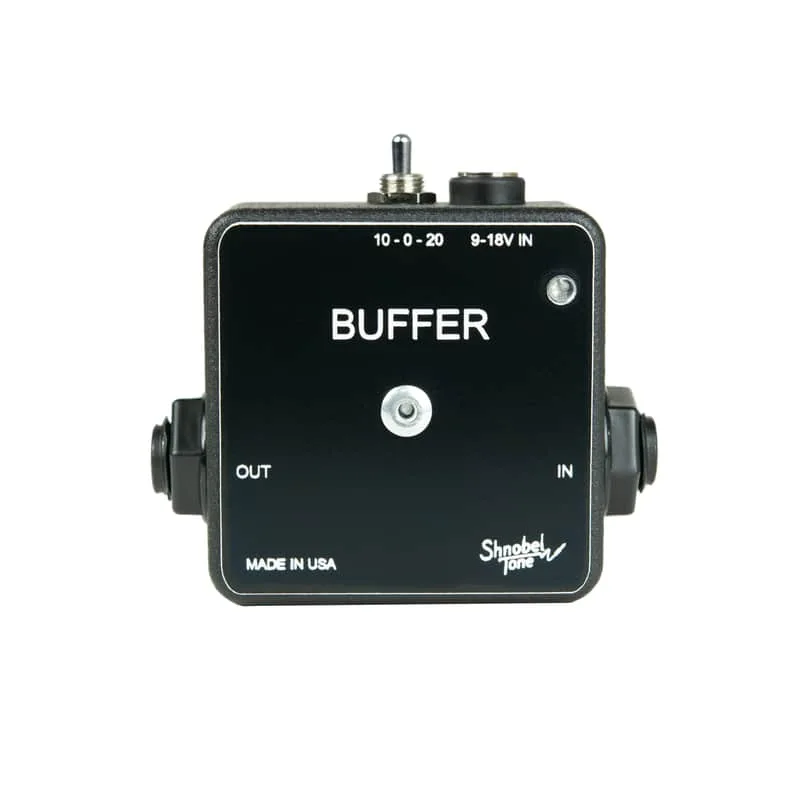
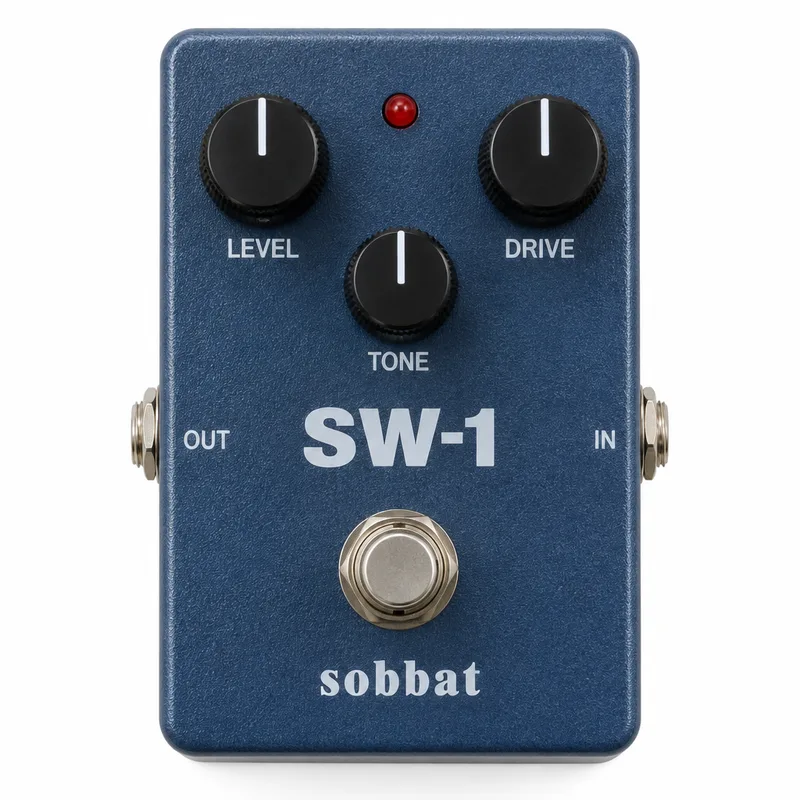
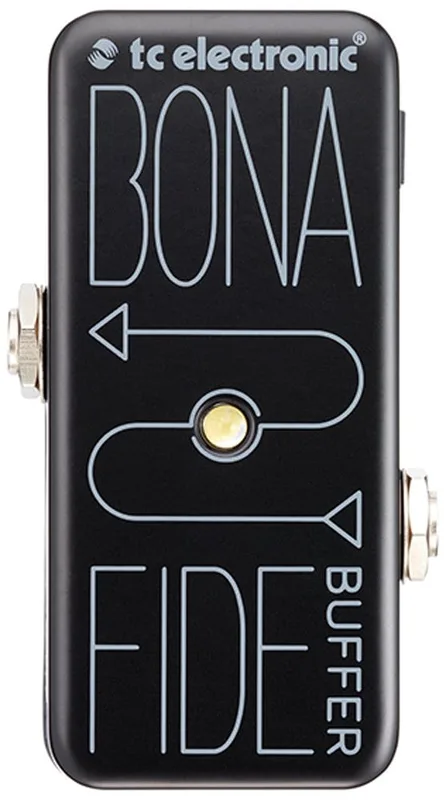
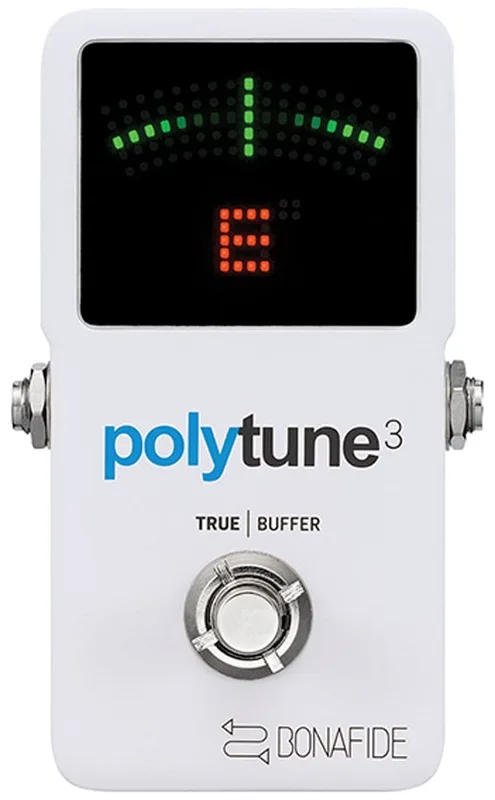
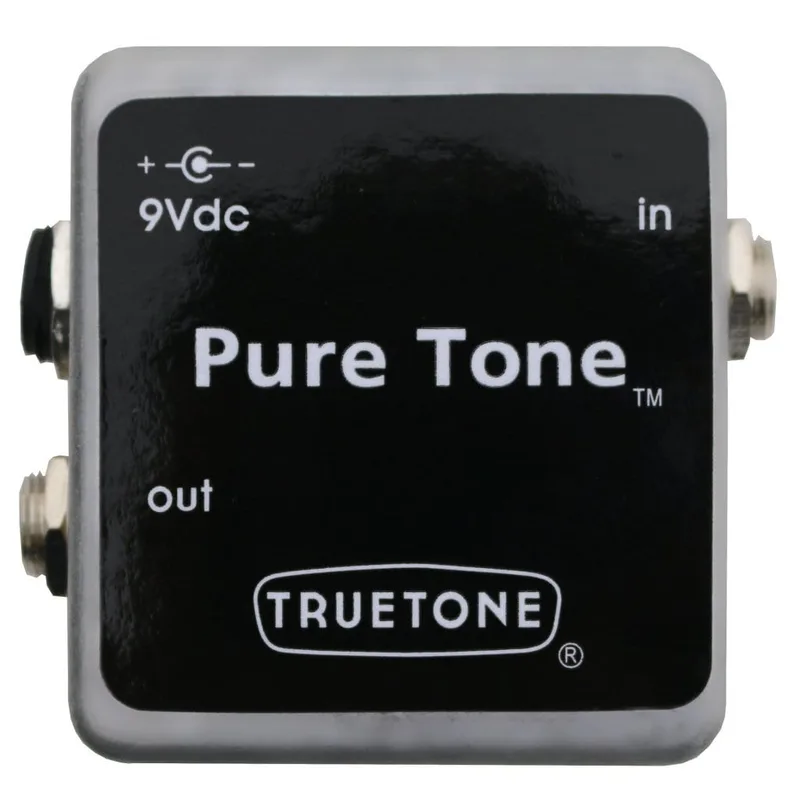
A buffer pedal is a small utility box whose whole job is to protect your tone. A guitar pickup puts out a weak, high impedance signal, and every foot of cable and every bypassed pedal in its path drags on that signal, dulling the treble and softening the response. A buffer, short for buffer amplifier, steps in and converts that weak signal into a strong, low impedance one that can travel the rest of the way to your amp without being weighed down1. BOSS puts it plainly: a buffer "lowers the output impedance, strengthening the weak high-impedance guitar signal" so it can run over longer cable lengths with no tone degradation1.
For a player, that means the difference between a guitar that sounds dull and distant at the end of a big pedalboard and one that sounds, in Truetone's words, "as direct and alive as a short cable plugged straight into an amplifier" no matter how many pedals and how much cable follow2. Buffers are not glamorous and most have no knobs at all, but they solve one of the most common complaints on larger boards: tone suck.
What a buffer pedal does
A buffer does one thing: it takes the fragile signal coming out of your guitar and re-issues it as a robust one. EarthQuaker Devices explains that in effects pedals, buffers "are most often used to convert your instrument's HIGH IMPEDANCE signal to a LOW IMPEDANCE signal," protecting it from being weighed down by the rest of the circuit3. Once that conversion happens, everything downstream of the buffer is automatically low impedance, regardless of what pedals come after, and that change is permanent for the rest of the chain3.
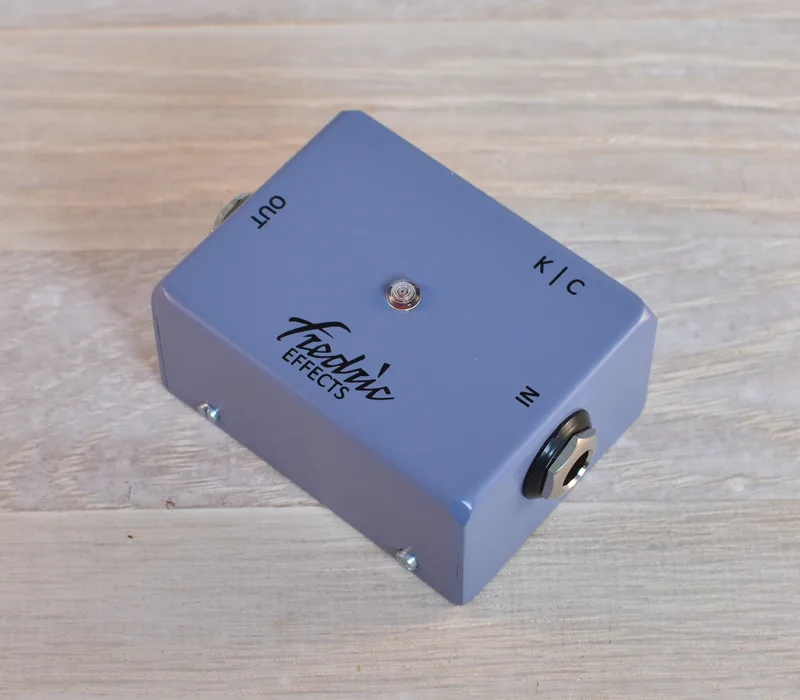
The audible symptom a buffer addresses is loss of treble as a signal chain grows. General Guitar Gadgets describes it from the player's side: as you add more stompboxes and patch cables, "you may start to notice a loss of treble"4. Fredric Effects sells its KC Buffer on exactly this point, saying its buffers "prevent treble loss caused by long cable runs and true bypass effects"10. JOYO makes the same claim for its JF-19 Buffer Tune, addressing "tone loss due to multiple pedals... connected in series"11.
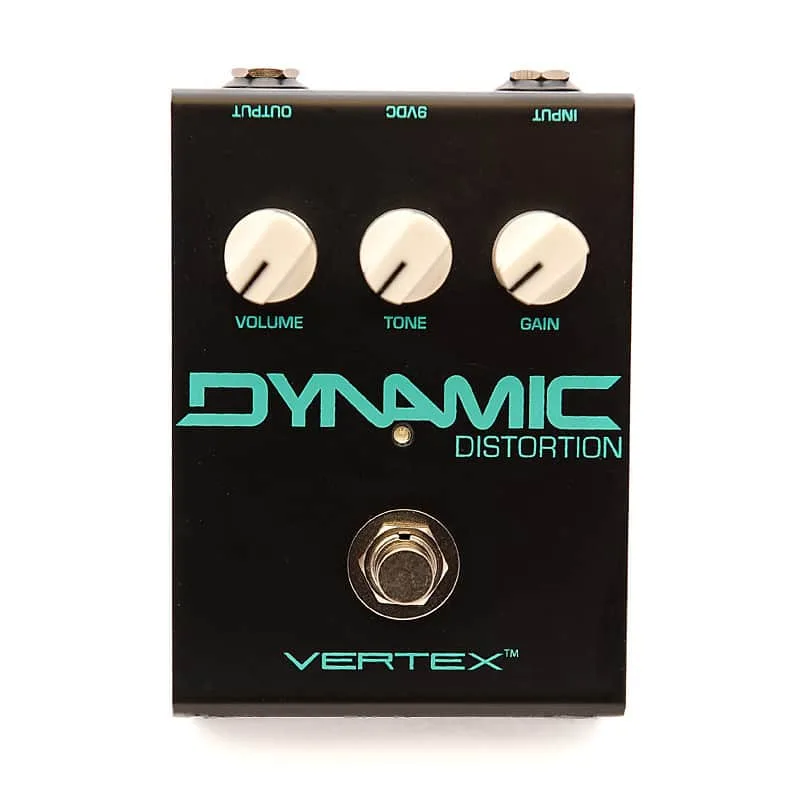
What a buffer does not do is change your tone in a creative sense. It is not an effect. Lehle's Joki Schaller describes the result as a signal that is "strong and nearly untouchable"12. A good buffer is meant to be transparent, and makers of standalone buffers compete on exactly that: Vertex describes the buffer in its Boost as "an ultra-linear buffer" with "ZERO tonal coloration, even with dozens of pedals in the chain"13.
How a buffer works: impedance and cable load
To understand buffering you need two ideas: impedance and cable capacitance. A passive guitar pickup is a high impedance source. High impedance signals are easily loaded down by capacitance, and every cable acts as a small capacitor. The longer the cable, the more capacitance, and the more the high frequencies get shunted to ground. That is why a guitar plugged straight into an amp with a short lead sounds brighter than the same guitar at the end of 30 feet of cable and a dozen patch cords.
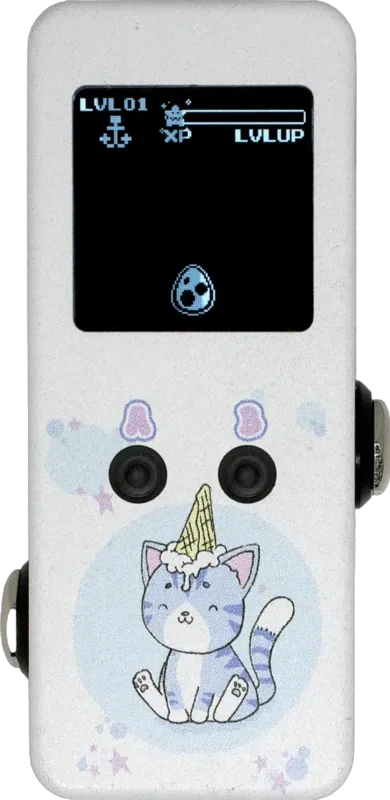
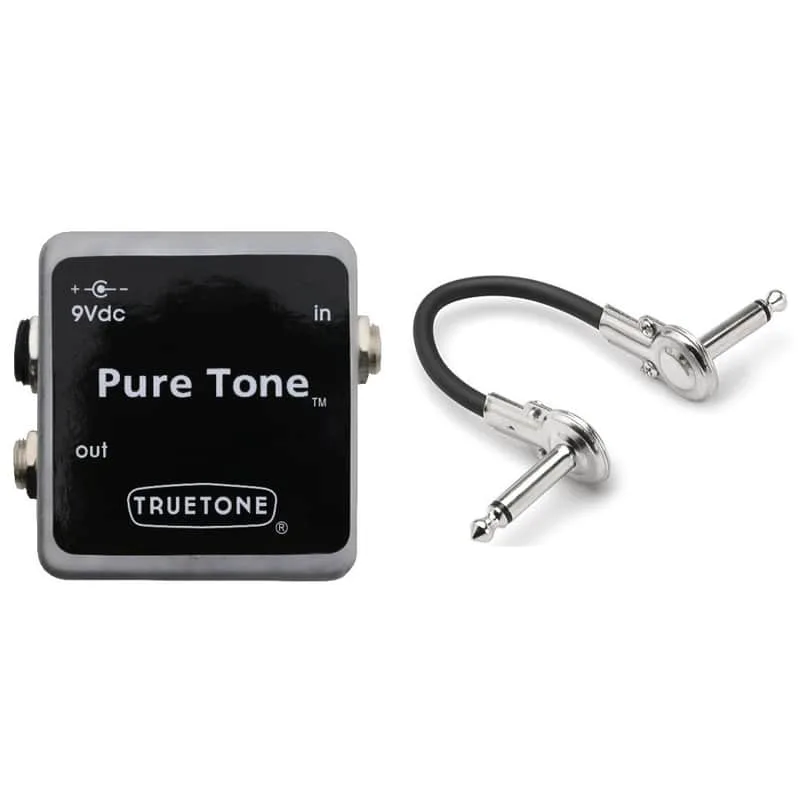
A buffer breaks that problem in half. Its input presents a very high impedance to the guitar, so the pickup barely sees any load, and its output presents a very low impedance to everything after it, so the cable capacitance no longer matters. Bright Onion Pedals publishes typical numbers for the switchable buffer in its AB Pedal with Loop, Buffer and Tuner Mute: a 1M ohm input impedance and a 1K ohm output impedance7. Truetone's Pure Tone Buffer goes further, with a 50 ohm output impedance that the maker says "drives long cable runs and multiple pedals without loss"2.
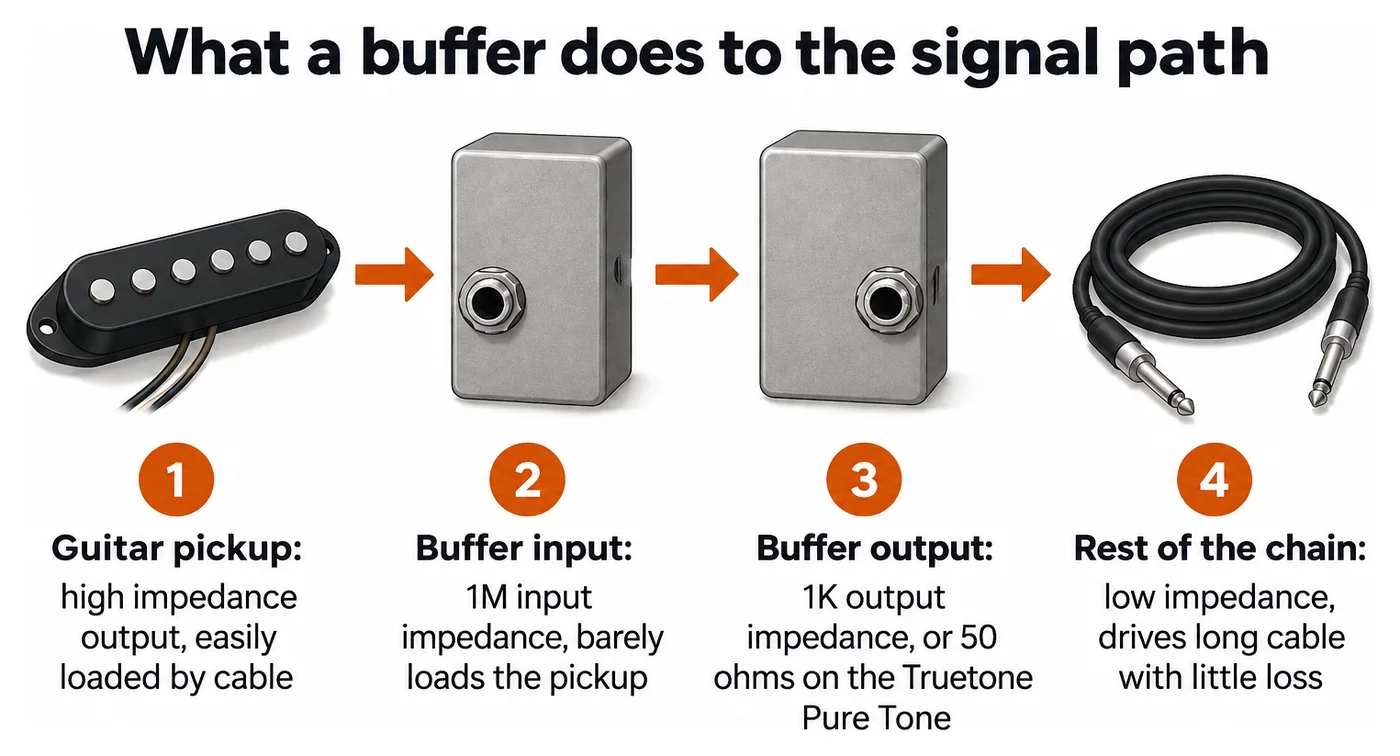
The payoff in reach is large. BOSS states that after a buffer you can run "usually as much as 100 feet" of cable with little to no signal loss1. Area 51 makes the same claim for its The Box buffer, which "can drive very long cables, due to it's low output impedance"8.
Buffering also shows up in bypass design. In a buffered bypass pedal, EarthQuaker Devices explains, "the pedal's input goes into an electronic buffer, and the output of that buffer is sent to the output jack" when the effect is off3. Strymon's Deco offers a Buffered Bypass mode that "helps maintain signal levels when the pedal is both bypassed and engaged" when there is an impedance mismatch between the pedal's output and the connected device15.
History and landmark buffer pedals
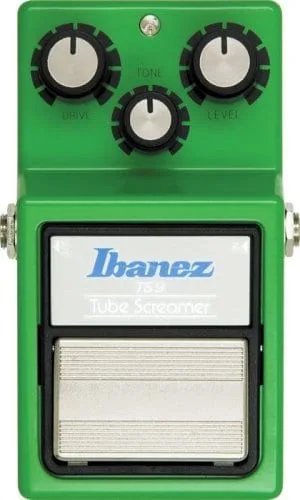
Buffers were around long before anyone sold a box labeled "buffer." The classic overdrives and pedals of the 1980s carried them internally: Anasounds notes that the Tube Screamer "integrates an input and output buffer, whose only purpose is to adapt the impedance, without providing any sound treatment"16. General Guitar Gadgets points out that "most Boss, Ibanez (and some other commercial pedals) use non-bypassed buffers," meaning a Boss pedal sitting in bypass mode already has buffers in the signal path4. BOSS confirms the policy from the maker's side: "all BOSS pedals include buffer circuits"1. JHS Pedals names Boss and Eventide as the common buffered bypass pedals players encounter5.
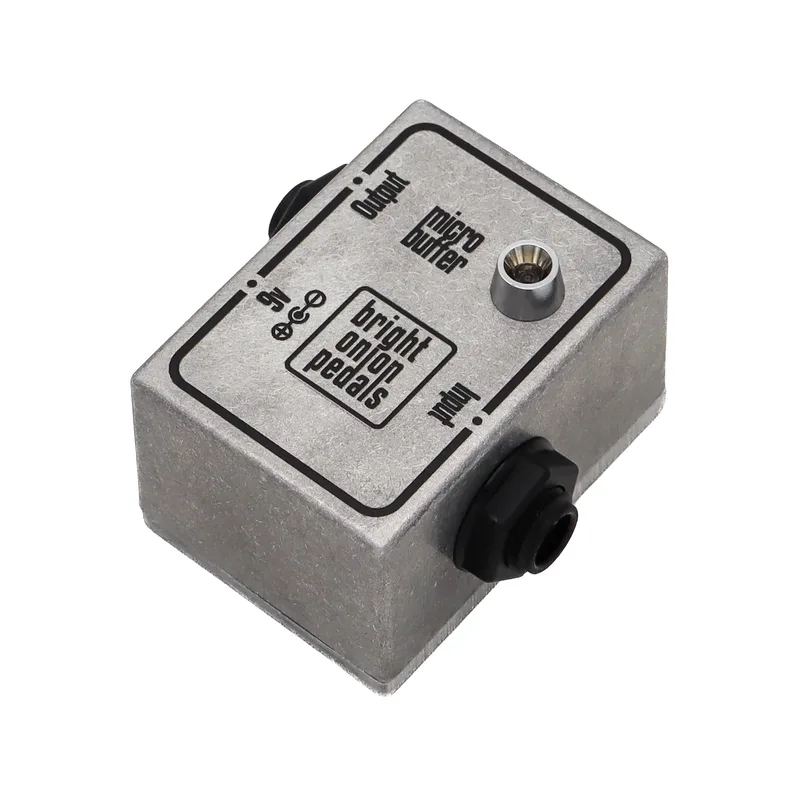
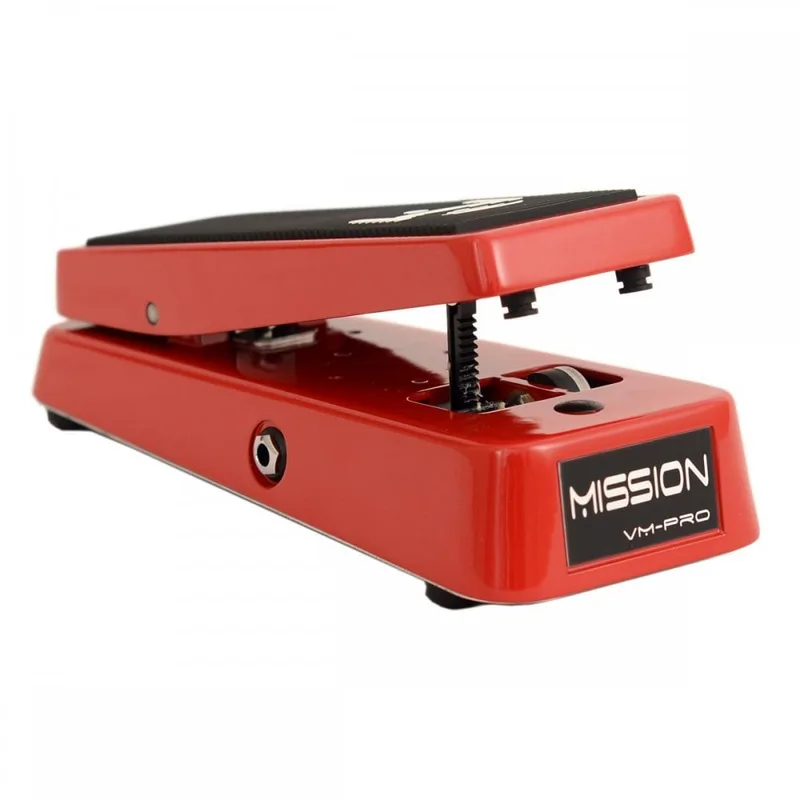
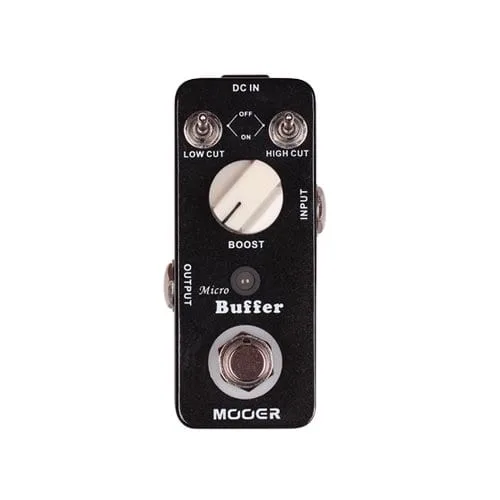
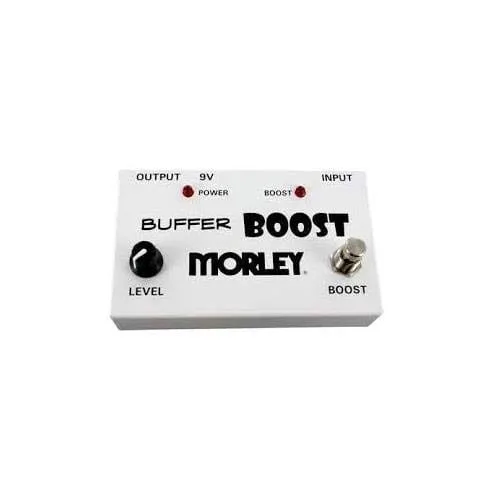
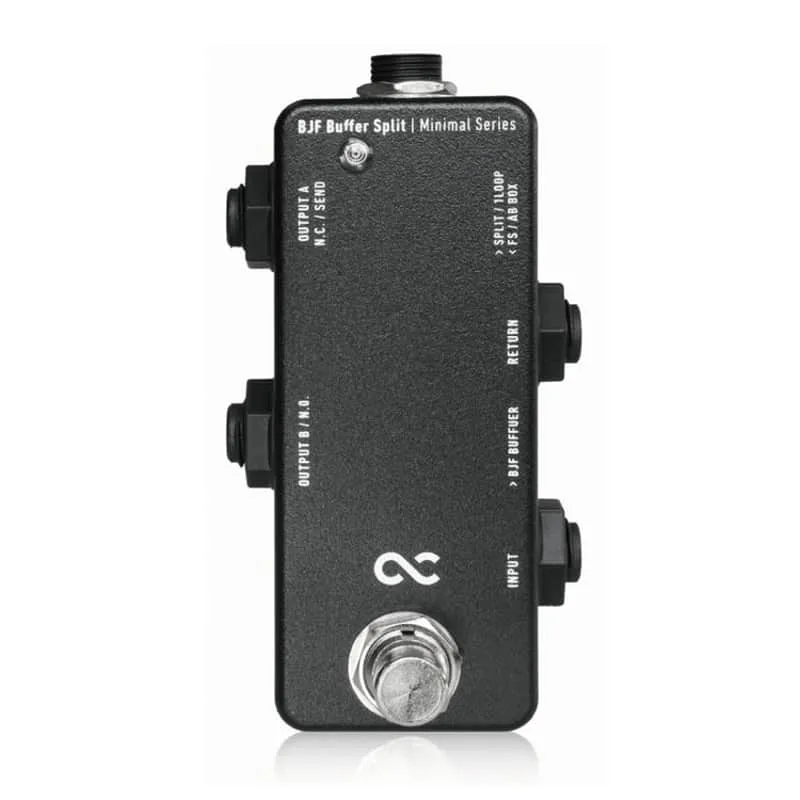
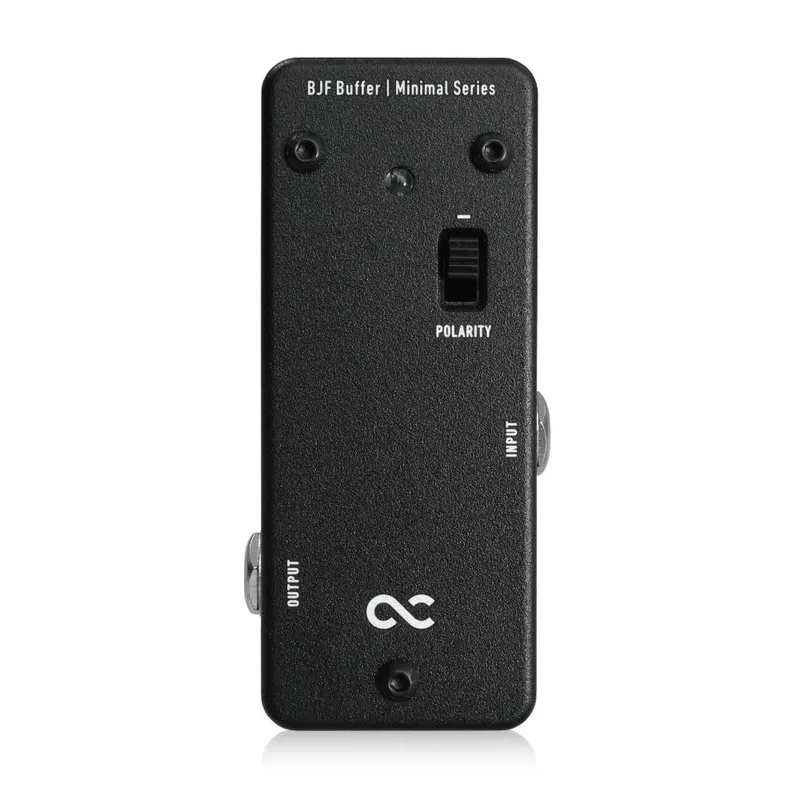
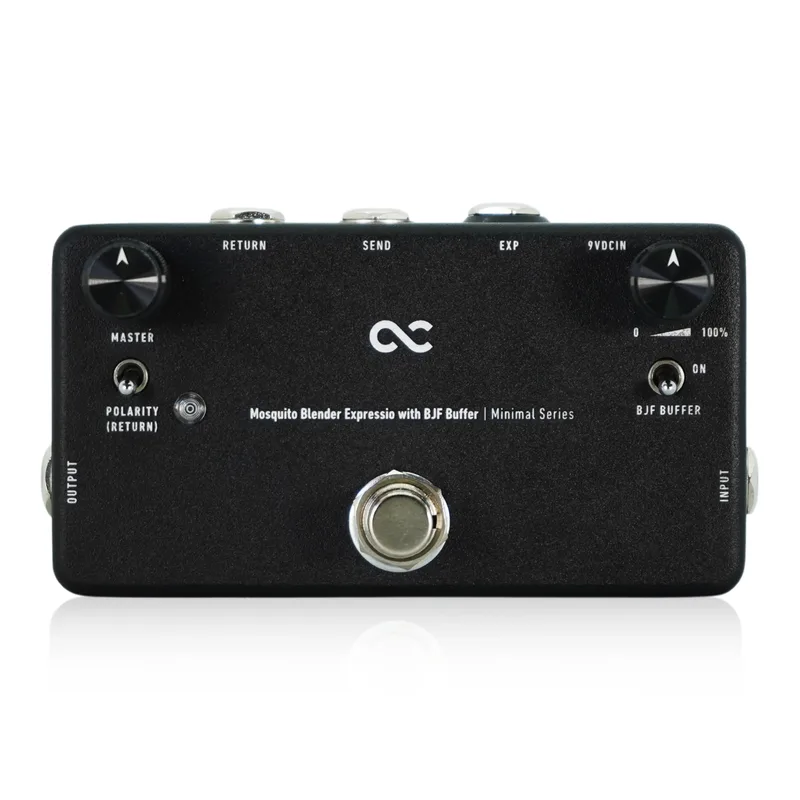
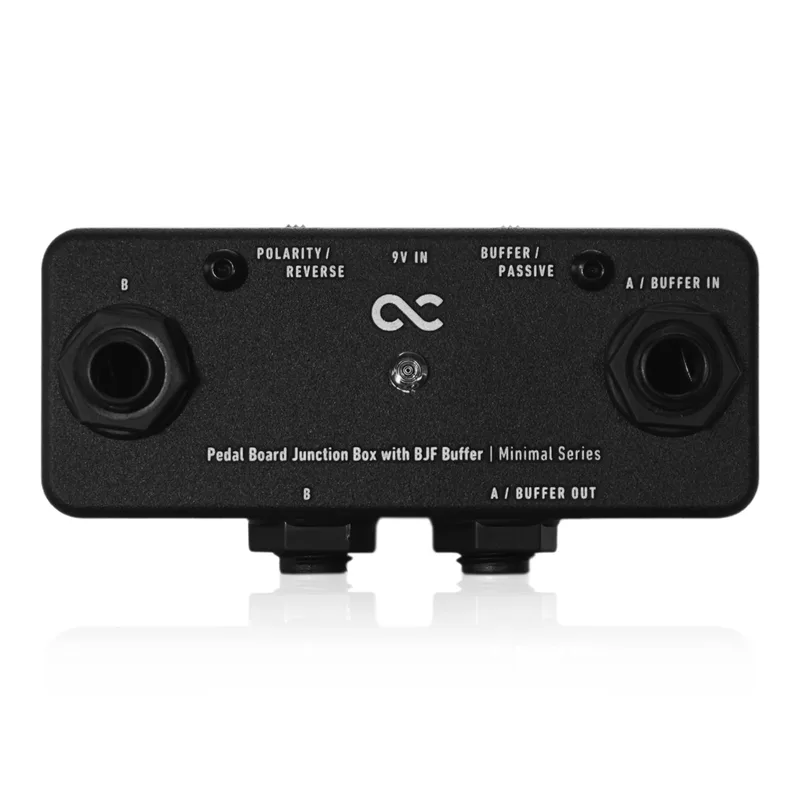
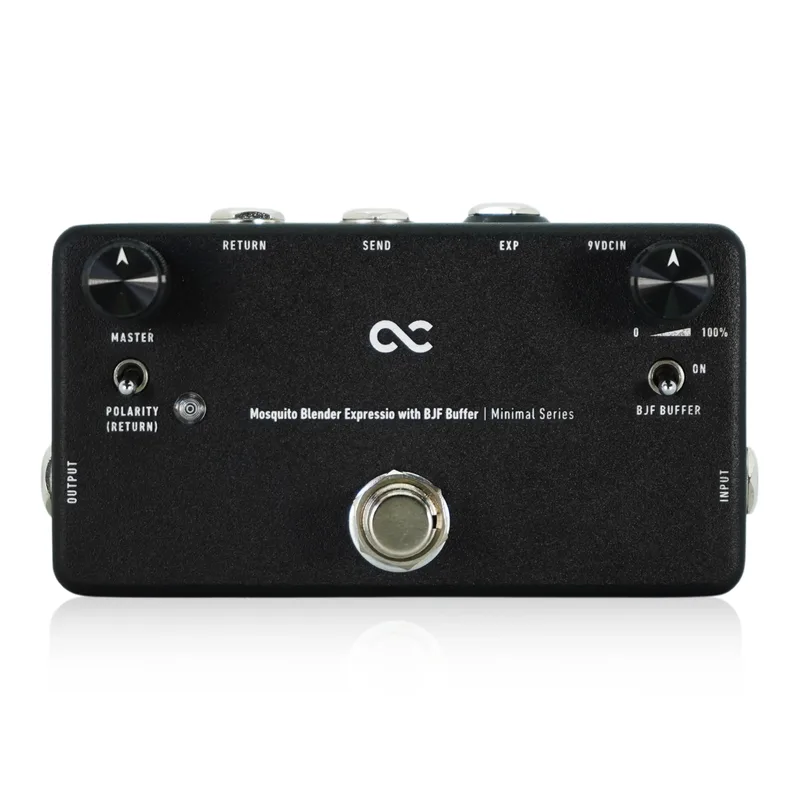
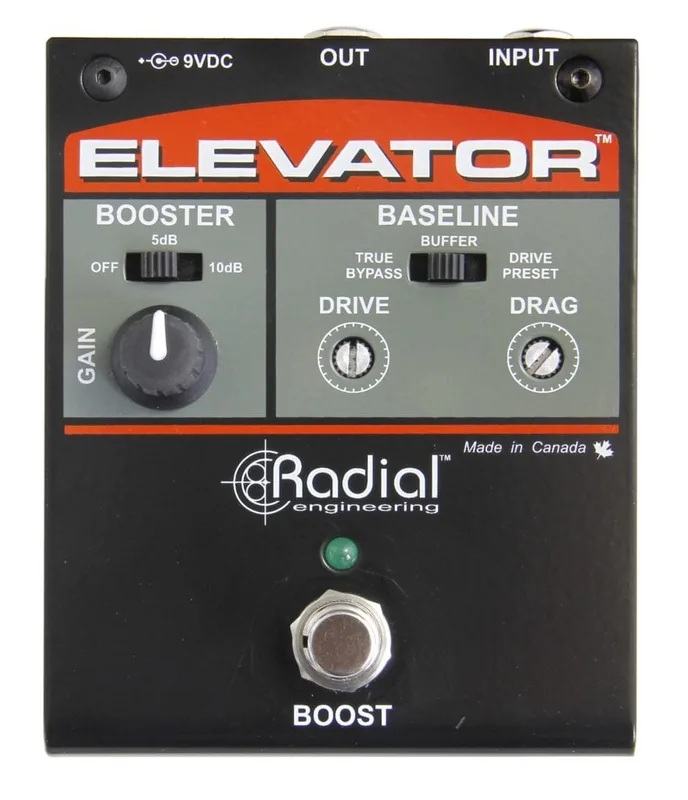
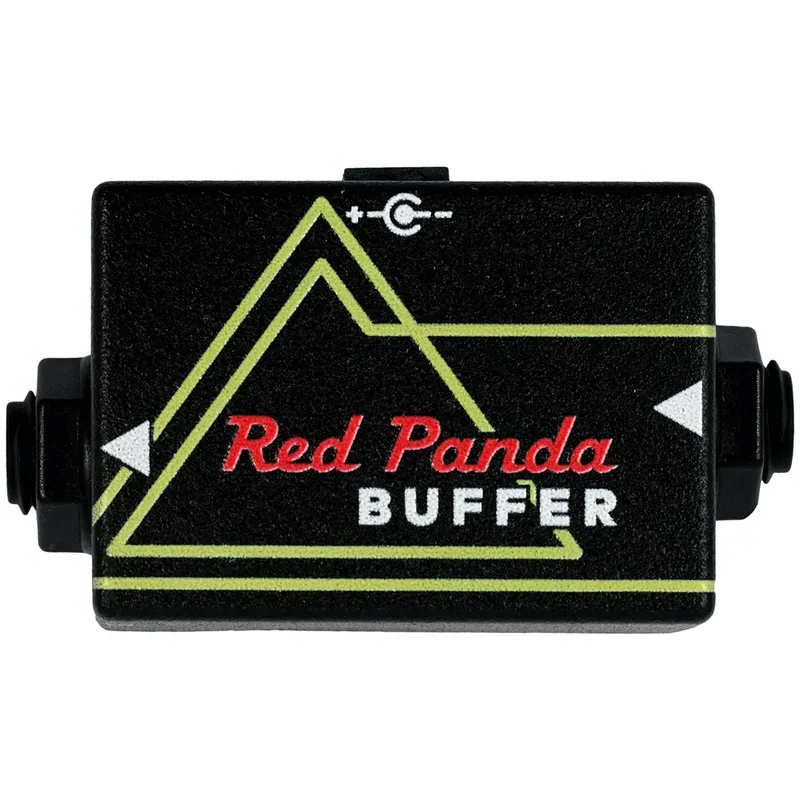
Standalone buffers came later as boards grew and true bypass became the selling point it is today. Area 51 Tube Audio Designs has sold its The Box buffer pedal since at least 20158. Radial Engineering's Classic-V9 combines a Class-A buffer "to reject noise & drive multiple pedals"17. Morley began building a buffer into its 20/20 line of wah pedals in 2019, with the maker promising "no volume loss from chain or long cables"18. More recently, makers have folded buffers into every corner of the utility category, from tiny boxes like the Bright Onion Micro Buffer19 and the One Control Minimal Series BJF Buffer, designed by Björn Juhl of BJFe to handle "varied cable lengths and true bypass pedals in the signal chain"20, to the Mythos Pedals Mythos Buffer21.
Styles of buffer: standalone, boost/buffer and buffered utilities
Buffers come in three broad shapes, and knowing which you are looking at answers most shopping questions.
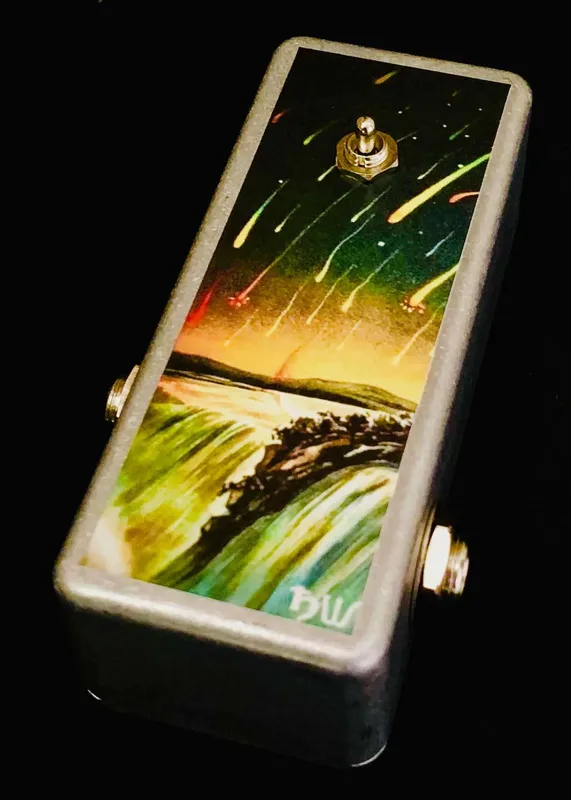
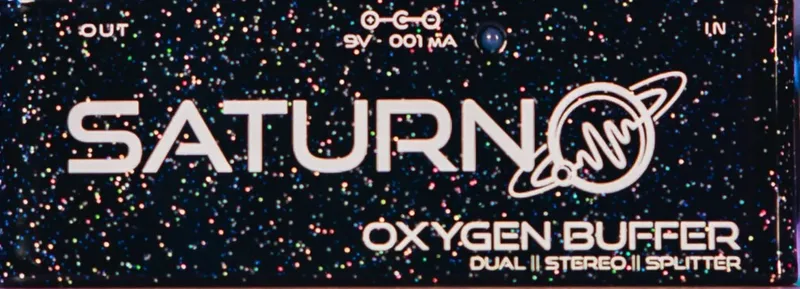
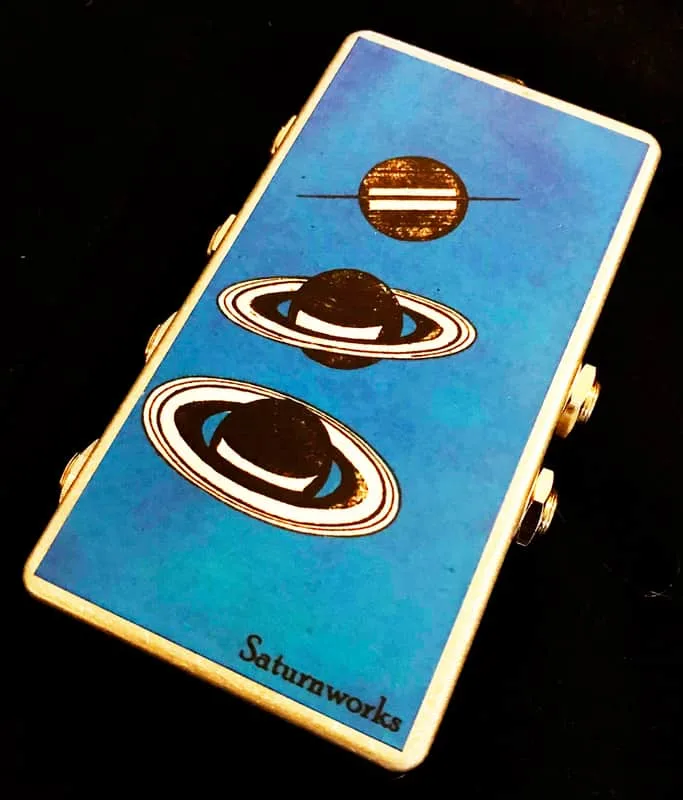
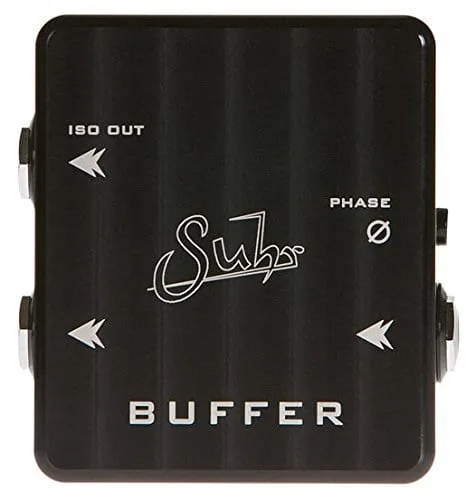
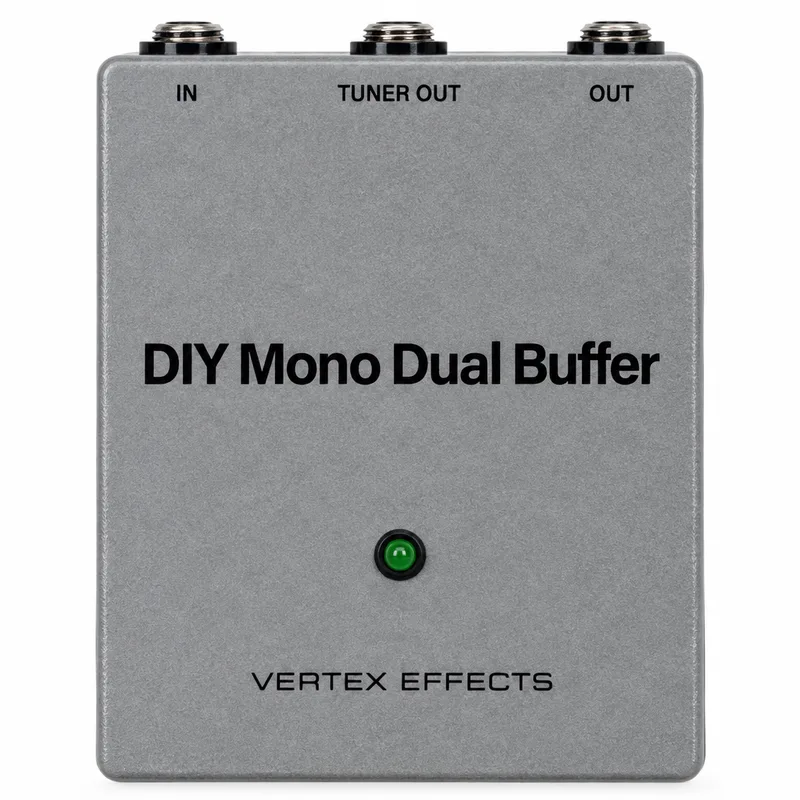
Standalone buffers do nothing but buffer. Examples include the Truetone Pure Tone2, Saturnworks buffer pedals, which the maker says "keep your guitar's tone strong and clear over long cable runs"22, the Mythos Buffer22210, Fredric Effects' KC Buffer10, and Area 51's The Box22210. These are usually tiny, often knobless, and meant to sit on a board permanently.
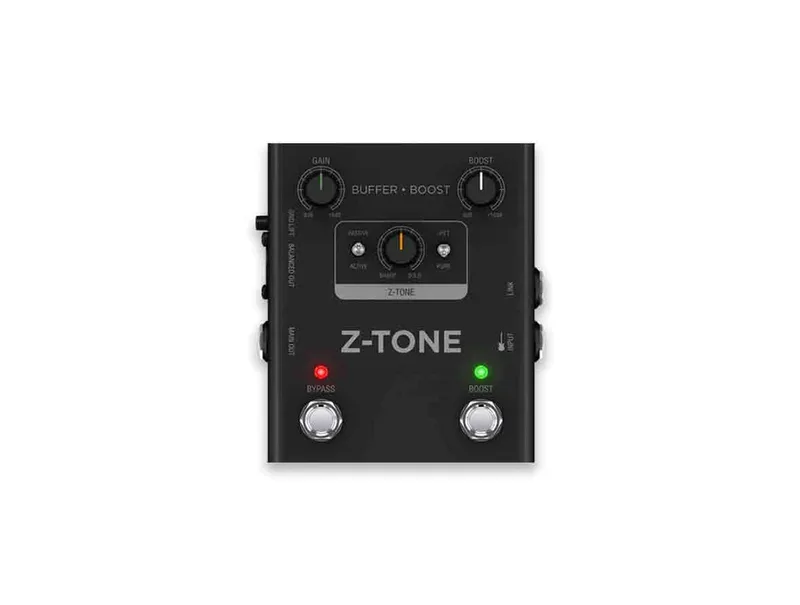
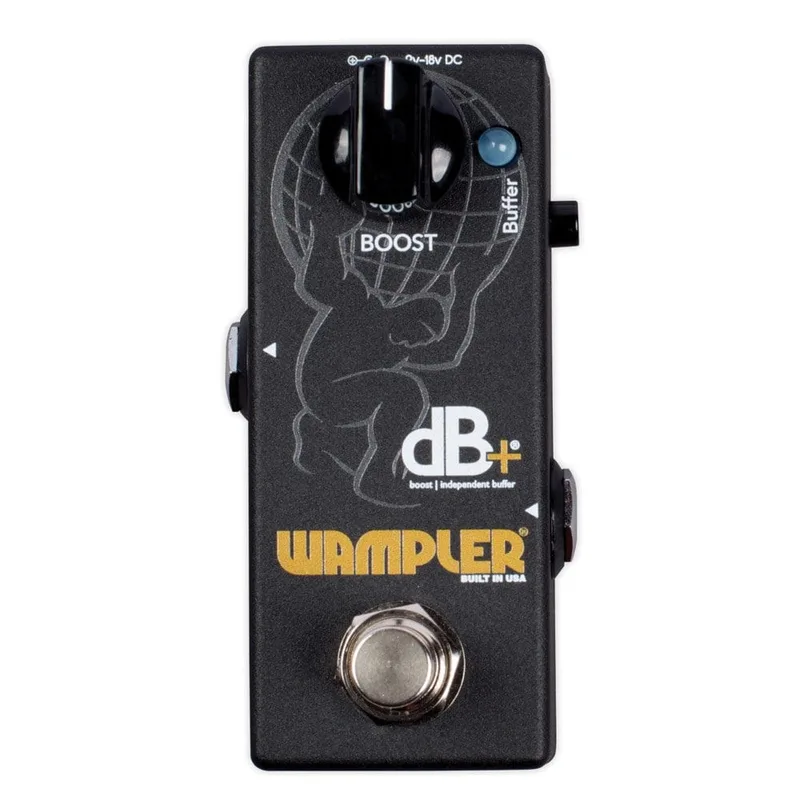
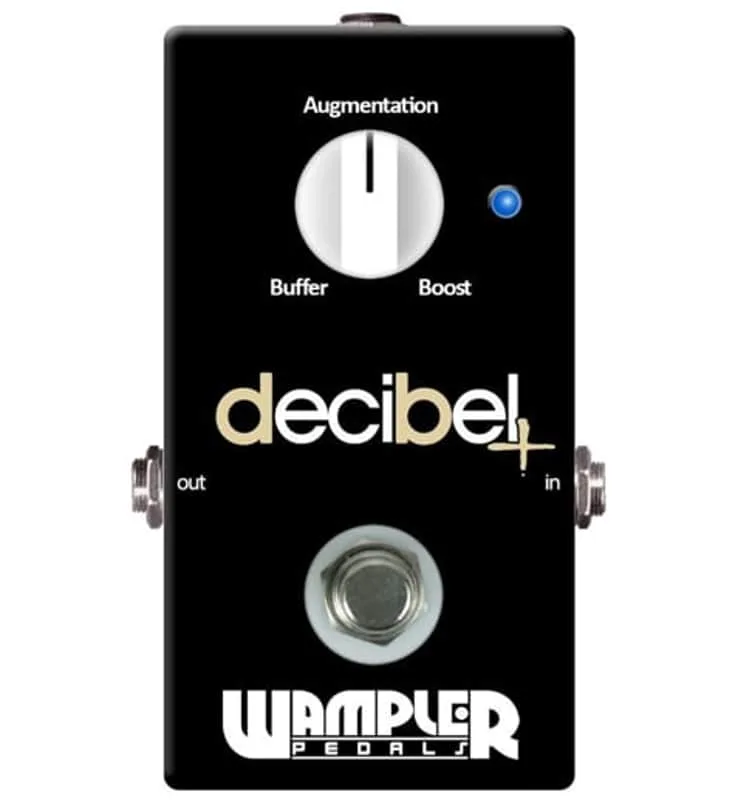
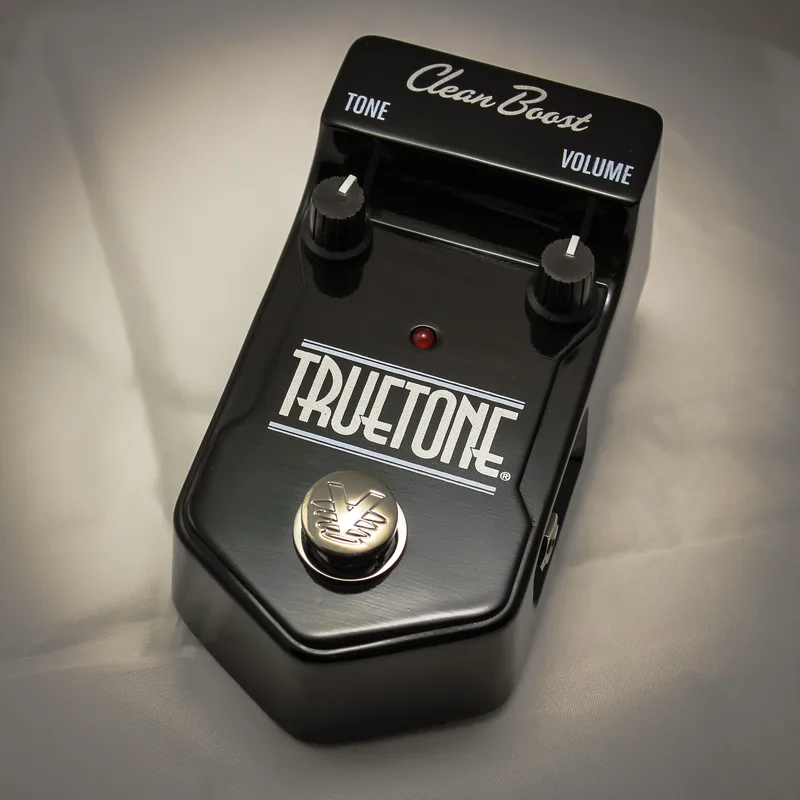
Boost/buffer pedals combine the utility with gain. The Vertex Boost is "a clean boost, buffer and volume pedal in one"13. Truetone's Clean Boost carries "the same buffer circuit found in every Truetone pedal," maintaining signal integrity regardless of cable run or chain length14. Wilson Effects' Boost is true bypass but can be used "as an always on buffer"23. The IK Multimedia Z-TONE Buffer Boost goes furthest, combining "professional tone shaping, buffering, DI and clean boost in one compact pedal"2425, and Mastro Valvola's Attila is a "dual-purpose pedal: buffer and boost"25. Fender's Engager Boost is a clean boost with a 3-band EQ that offers "true and buffered bypass modes" so it "plays nicely in any rig"26.
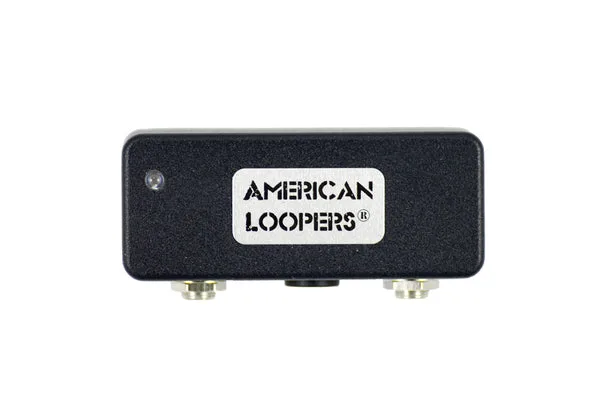
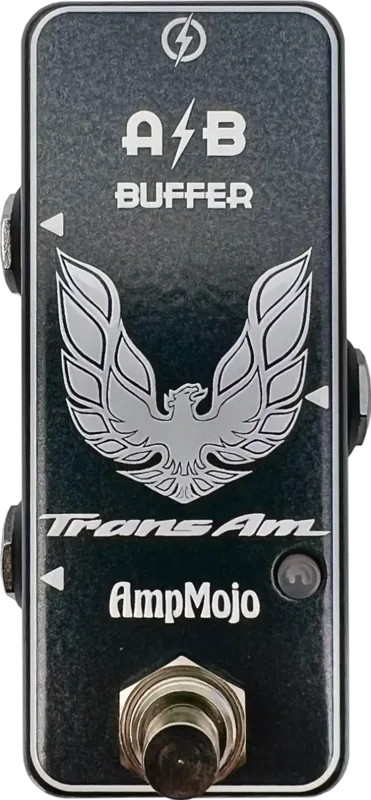
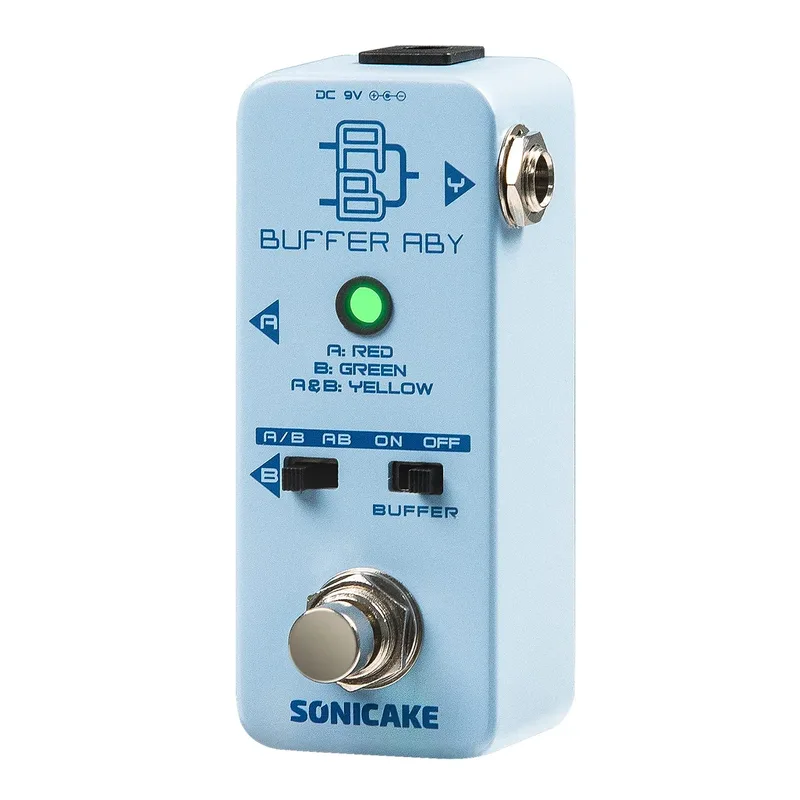
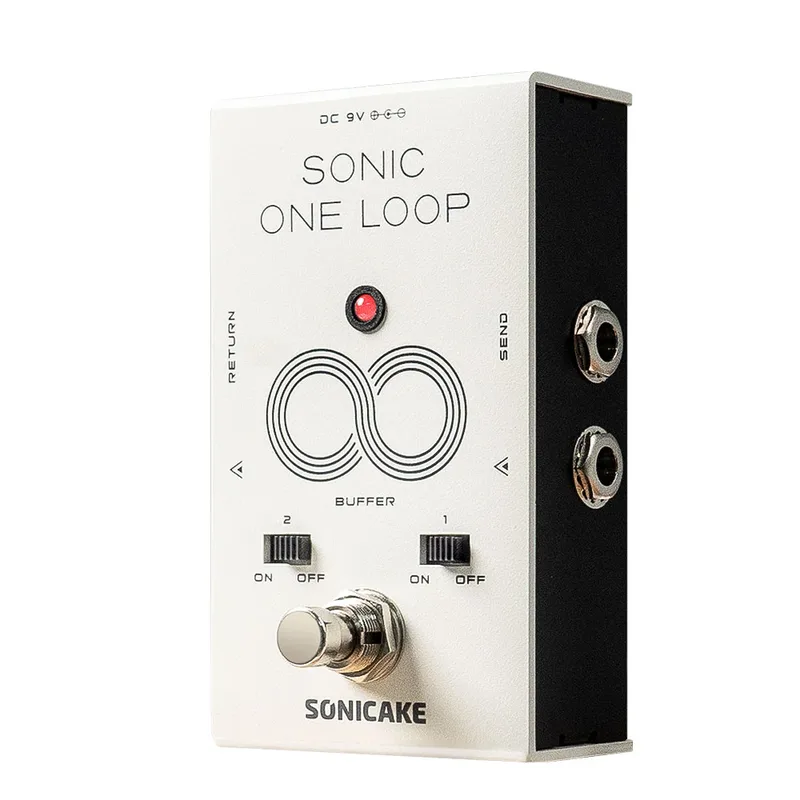
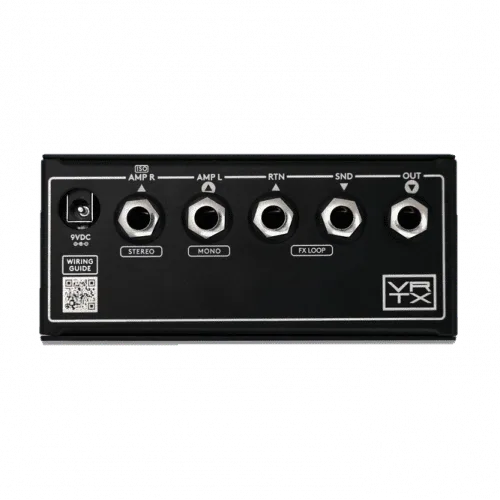
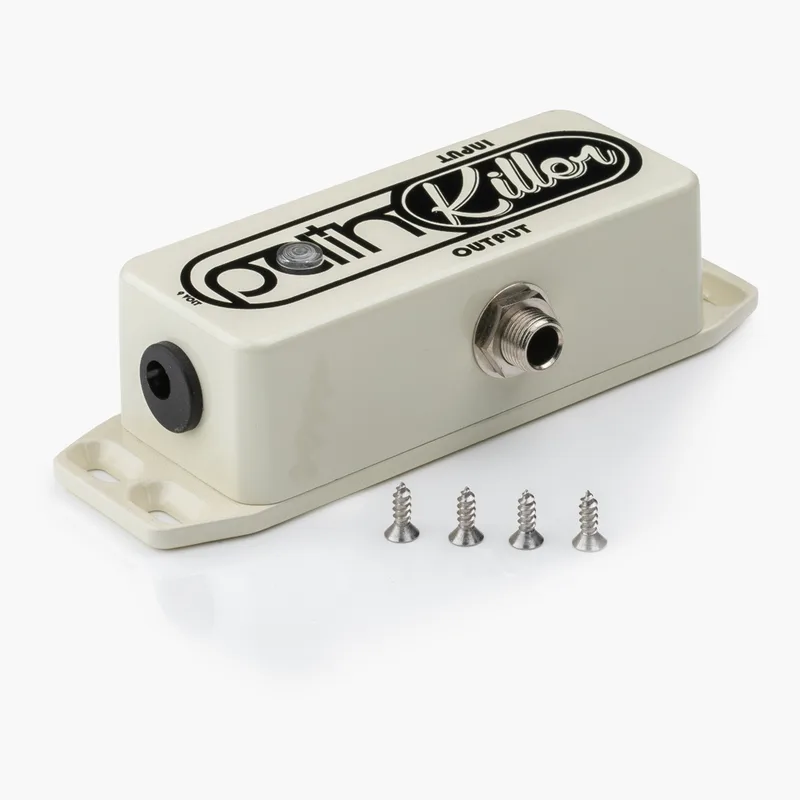
Buffered utilities fold buffering into switching and routing gear. Cusack Music's Double Buffer is "a utility pedal for stereo, mono, or dual mono setups"27. AmpMojo's Trans Am is "an A/B pedal with a high quality buffer circuit"28. Jed's Pedals' Maybe bABY is a buffered AB/Y pedal that can also run unbuffered29. Bright Onion Pedals builds several, including a true bypass looper with an AB input selector, tuner mute and a switchable buffer7, and a mini buffer with a phase reverse toggle for fixing phase issues when running two amps9. Morley's buffered wahs show the same idea inside an effect pedal18.
| Style | What it does | Examples from makers' pages |
|---|---|---|
| Standalone buffer | Converts impedance only, no gain | Truetone Pure Tone2, Saturnworks22, Mythos21, Area 51 The Box22221 |
| Boost/buffer | Buffer plus clean gain, sometimes EQ or DI | Vertex Boost13, Truetone Clean Boost14, IK Z-TONE Buffer Boost131424, Mastro Valvola Attila131424 |
| Buffered utility | Buffering inside an AB/Y, looper, splitter or wah | Cusack Double Buffer27, AmpMojo Trans Am28, Jed's Maybe bABY29, Morley 20/20 wahs272829 |
The usual controls
Most buffers have no controls at all, which is part of the point: they are set-and-forget. Where controls appear, they are practical rather than tonal.
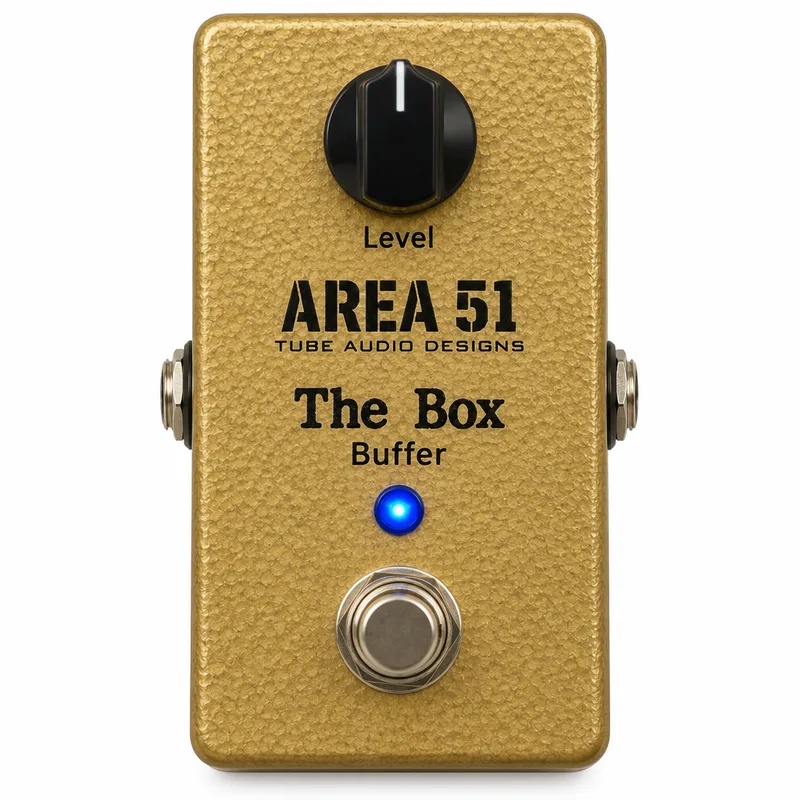
- Level: Area 51's The Box has a single Level control, used to set the desired cleanliness as a clean tone pedal, or to adjust wah response when placed after a wah and before a fuzz8.
- Phase reverse: Bright Onion's Mini Buffer adds a phase reverse toggle, useful with two amp setups where one signal arrives out of phase9.
- Buffer on/off: Bright Onion's AB Pedal with Loop, Buffer and Tuner Mute makes its buffer switchable7, and EarthQuaker Devices notes that some pedals have "a switchable internal buffer that you can activate or deactivate based on your needs"3.
- Bypass mode: Suhr's Koji Comp compressor offers a Buffered Bypass option, with the manual advising it "if you use long lengths of cable between your pedals and your amplifier, or employ a long chain of pedals"30. BOSS 500 series pedals feature selectable buffers "so you can experiment with turning them on and off"1.
- Jack layout: Saturnworks' dual buffer defaults to two inputs on the right and two outputs on the left, and the maker says this can be customized22.
Where a buffer goes in the signal chain
Placement is where most buffer questions live, and the rules are consistent across makers.
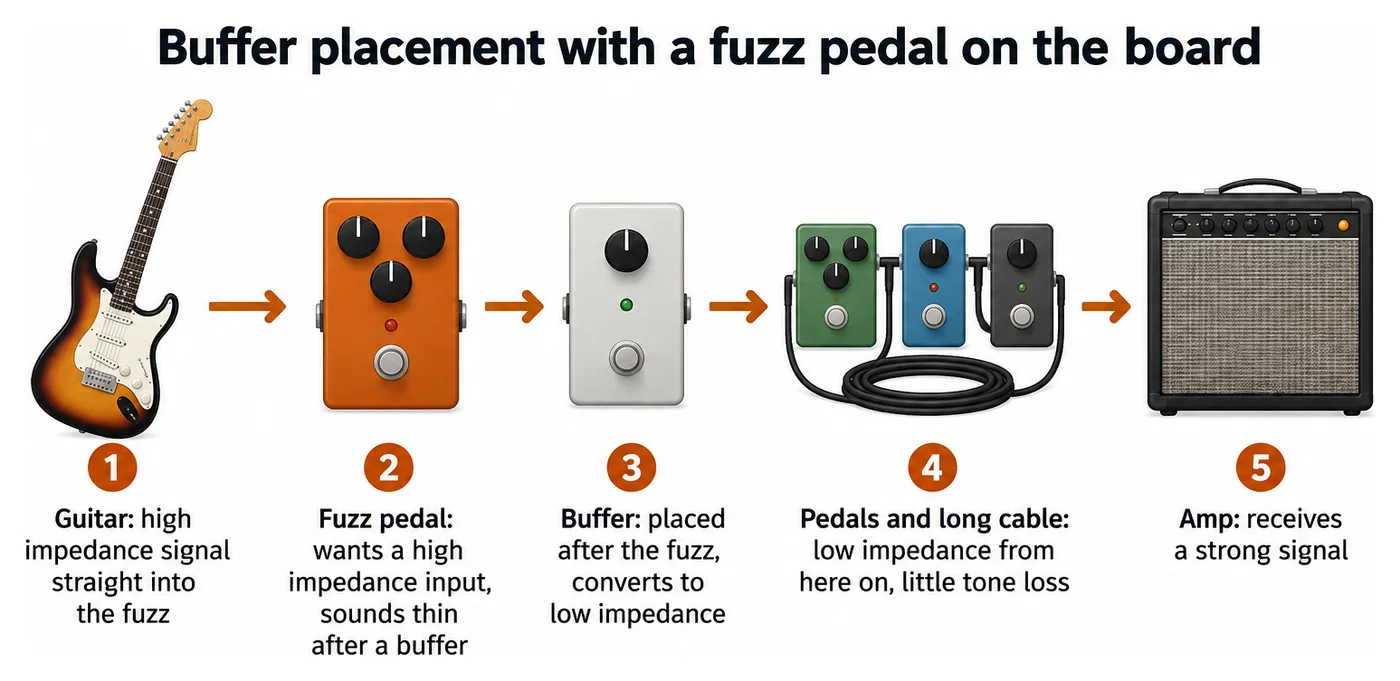
The basic rule: if most of your pedals are true bypass, put a buffered pedal first in the chain to drop the signal impedance, and optionally another buffered pedal at the end to restore tone lost on the way out31. Tech 21's Andrew Barta makes the same point from the bypass side: "You can overcome the sonic shortcomings of the true bypass switch by buffering your guitar's pickups," which can be as simple as placing a pedal with a buffered bypass between the guitar and the mechanical bypass pedal32.
The fuzz exception: fuzz pedals want to see the guitar first. JHS Pedals' guidance is that "it's generally best to place buffers or buffered-bypass pedals after fuzz pedals in your signal chain," because a buffer in front of a fuzz "will cause the fuzz to sound thin or weak" as fuzzes need a high impedance signal at the input5. R2R Electric says its fuzz pedals "do not work well with buffers or buffered bypass pedals" feeding their input33. BOSS adds that vintage style fuzz pedals using germanium transistors usually sound their best with the guitar plugged straight into them, so a buffered pedal belongs in the middle or end of the chain instead1. Revival Engineering's instruction for its Glory Buffer is simply "Place after any fuzz pedals"6. Lehle widens the exception: most fuzz pedals, treble boosters and wah pedals "don't like a buffered (low impedance) signal" and should sit before the buffer12.
Tuners and the front of the board: BOSS's pedal order guide recommends putting the tuner first and using buffered bypass pedals to protect tone down the line34. If the tuner is not true bypass and you run fuzz, the same guide suggests placing the fuzz before the tuner and switching the fuzz off while tuning34.
One more placement note from BOSS's guide: amp and cabinet simulator pedals most commonly go at the end of the chain, feeding a PA, interface or headphones34, which is exactly the long-cable scenario where a buffer at the end of the board helps.
Power and practical notes
Power details for buffers are pedal specific rather than shared across the class, so each product page gives its own figures. What the makers do agree on is that a buffer is an active circuit: it needs power to do its job, unlike a true bypass pedal that passes signal with the supply removed. That difference is also a handy test. Lehle's Schaller suggests checking whether a pedal is true bypass by removing the power supply or battery: "if there's any signal going through," it is almost certainly true bypass12.
Can you have too many buffers?
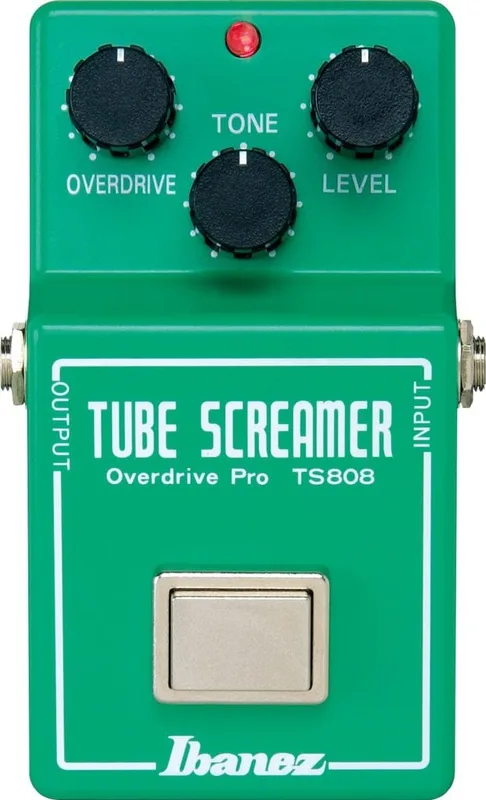
Yes, and this is the flip side of the story. Nearly every active pedal buffers as a side effect of its active circuit, as Schaller notes12, so a big board may already contain several buffers without you choosing any of them. The Tube Screamer's input and output buffers are a classic example16.
Stacking them has costs. Anasounds warns that several buffered pedals in series "can cause a slight noise, which will be stronger the more" buffered pedals there are16. Aclam Guitars puts it in tonal terms: "when you link several pedals with input/output buffers, you chain up these losses and modifications of your instrument's" signal, losing volume and dynamics31. JHS Pedals draws the practical line: "you may need more than one buffer, but this is generally only for rigs with 10+ pedals that are true-bypass"5.
This is also why switchable buffers exist. BOSS's 500 series pedals let you turn buffers on and off to find what sounds best in your rig1, and EarthQuaker Devices highlights pedals with a switchable internal buffer you can activate or deactivate as needed3.
Questions to ask when choosing a buffer
- How long is your cable run? Revival Engineering points to runs over 20ft from board or guitar to amp as the territory where its Glory Buffer matters6. Short cable, few pedals, and you may not need one at all.
- What else on your board already buffers? A Boss pedal anywhere in the chain is already buffering14. Lehle's rule that nearly every active pedal buffers12 means your overdrives and delays may be doing the job already.
- Do you run fuzz, treble boosters or wah first? Those pedals want the guitar's raw high impedance signal, so plan the buffer after them512.
- Do you need stereo or dual mono? A utility like Cusack's Double Buffer covers stereo, mono or dual mono setups27.
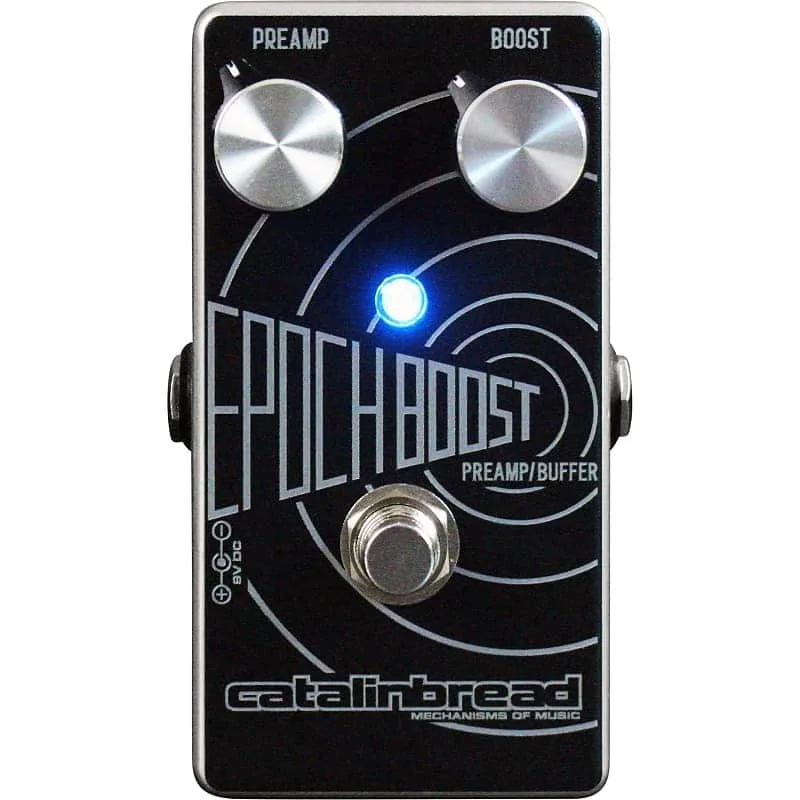
- Do you want gain with it? A boost/buffer pedal like the Vertex Boost, Truetone Clean Boost or IK Z-TONE Buffer Boost does double duty141335.
- Do you want to switch it off? Look for a switchable buffer, as on Bright Onion's AB pedal7 or BOSS's 500 series pedals1.
Questions
Do I need a buffer pedal if all my pedals are true bypass?
A board of all true bypass pedals is exactly the case where a standalone buffer helps most. With everything bypassed, your guitar's weak high impedance signal has to drive every foot of cable on its own, and treble fades as the chain grows. Aclam Guitars advises placing a buffered pedal first in the chain, and optionally another at the end, when most of your pedals are true bypass. If you already own a Boss or similar buffered pedal, you may already be covered.
What is the difference between a buffer and a clean boost?
A buffer's job is impedance conversion: it turns the guitar's high impedance output into a strong low impedance one so long cable runs do not dull the tone, and it adds no volume of its own. A clean boost adds gain to make the signal louder. The two often share a box: Truetone's Clean Boost and the Vertex Boost each build a buffer circuit into a boost pedal, and IK Multimedia's Z-TONE Buffer Boost combines buffering, DI and clean boost.
Should a buffer go before or after a fuzz pedal?
After. JHS Pedals' guidance is that buffers or buffered bypass pedals generally belong after fuzz in the signal chain, because a buffer in front of a fuzz makes it sound thin or weak. Fuzz circuits want to see the high impedance signal straight from the guitar. R2R Electric says the same about its fuzz pedals, and Lehle adds that most treble boosters and wah pedals also prefer to sit before any buffer.
How long does a guitar cable have to be before tone loss is noticeable?
There is no single threshold, but makers point to runs over about 20 feet as where a buffer earns its place. Revival Engineering describes its Glory Buffer as aimed at cable runs over 20ft from a board or guitar to an amp. The loss also depends on how many pedals and patch cables sit in the path, not just total length, since each true bypass pedal and cable adds load to the signal.
Can you have too many buffers on a pedalboard?
Yes. Anasounds notes that several buffered pedals in series can cause a slight noise that gets stronger with each one, and Aclam Guitars warns that chaining pedals with input and output buffers accumulates losses and EQ changes that cost volume and dynamics. JHS Pedals says more than one standalone buffer is generally only needed on rigs with 10 or more true bypass pedals.
Does a tuner pedal act as a buffer?
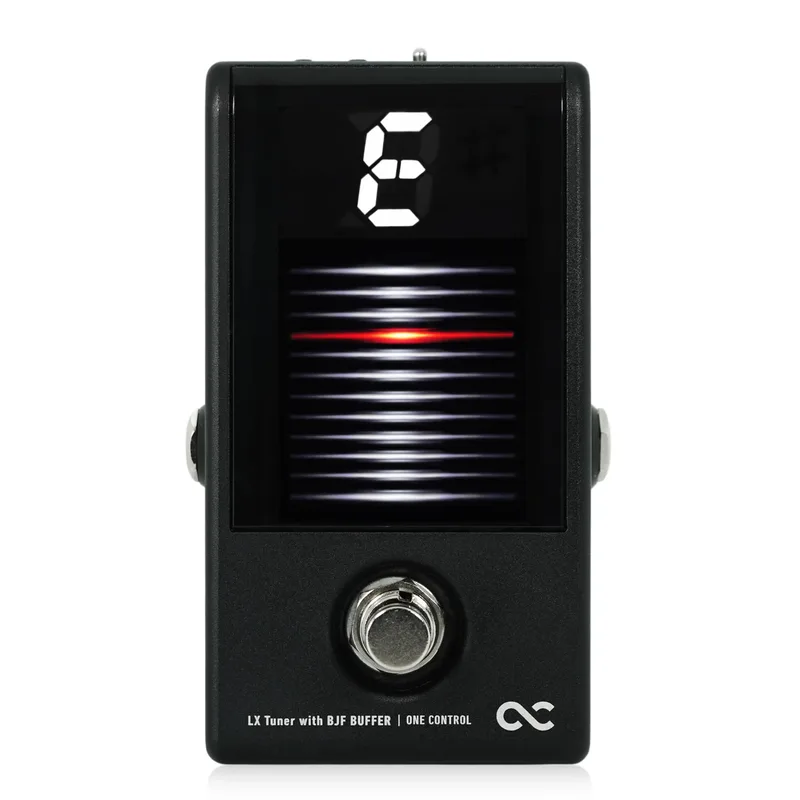
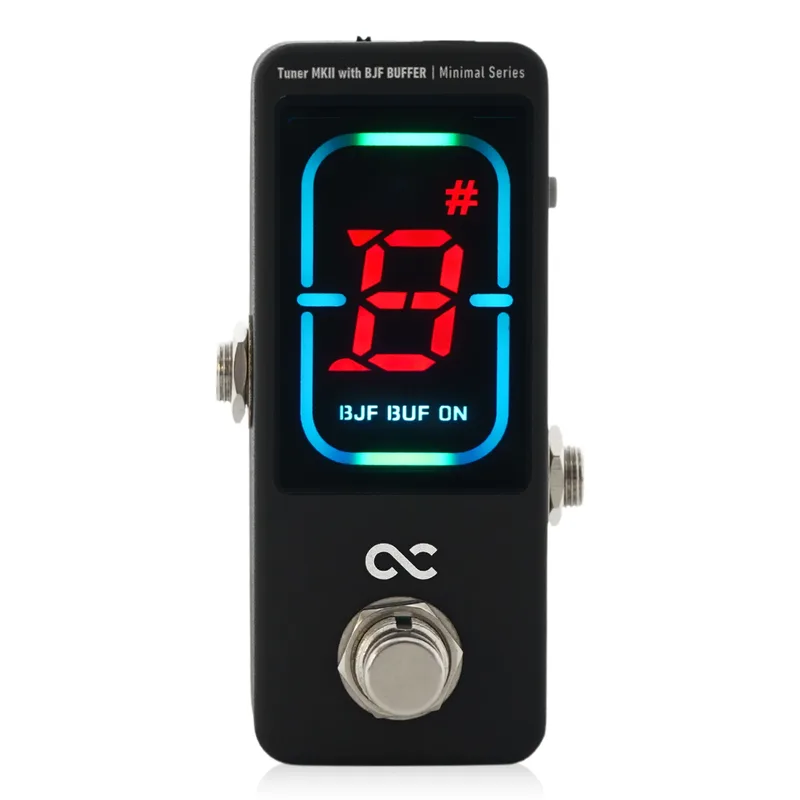
Often, yes. BOSS notes that using a TU-3 at the front of a pedalboard buffers the signal to the pedals that follow, keeping it clear and strong, and all BOSS pedals include buffer circuits. Dedicated buffer plus tuner boxes exist too, such as the JOYO JF-19 Buffer Tune and One Control's LX Tuner with a switchable BJF Buffer. If your tuner is true bypass, it does not buffer anything.
Sources (35)
- Why Buffers are Important for Great Tone, BOSS (articles.boss.info), 2024-02-05
- Pure Tone Buffer, Truetone, 2026
- The Four Most Common Bypass Types, Impedances, Buffers, and You, EarthQuaker Devices, 2022-06-06
- Discrete Buffer for Guitar Pedals: JFET & BJT Schematic, generalguitargadgets.com, 2014-05-12
- UNDERSTANDING BUFFERS, JHS Pedals
- Glory Buffer, Revival Engineering (throneroompedals.com)
- True Bypass Looper, Bright Onion Pedals
- Buffer pedal, Area 51 Tube Audio Designs, 2015
- Mini Buffer Pedal With Phase Reverse, Bright Onion Pedals
- Kl*n Buffer, Fredric Effects
- JF-19 BUFFER TUNE_JOYO, JOYO
- Do I need a buffer?, blog.lehle.com, 2017-06-14
- Vertex Boost, www.vertexeffects.com
- V2 Truetone Clean Boost, Truetone, 2026
- How do I change the bypass mode on Deco?, Strymon
- Vintage pedals: how to connect and use them correctly?, Anasounds, 2023-02-08
- Classic-V9, Radial Engineering, 2021-03-17
- 20/20 Pedals Press Release, Morley, 2019-08
- Micro Buffer Pedal, Bright Onion Pedals
- Minimal Series BJF Buffer (OC-M-BUF), One Control USA
- Buffer - Mythos Pedals, Mythos Pedals
- Buffer Pedals for Guitar or Bass, Saturnworks Pedals, 2026-08-08
- Boost | Wilson Effects, Wilson Effects
- TONEX Capture, IK Multimedia
- Mastro Valvola pedals, Mastro Valvola, 2022-03-04
- Engager Boost by Fender, RockBoard PedalPedia, 2026
- Double Buffer Stereo Buffer Pedal, Cusack Music
- Trans Am A/B Buffer by AmpMojo, RockBoard PedalPedia, 2026
- Maybe bABY, Jed's Pedals (jedspeds.co.uk)
- Koji Manual, Suhr (JS Technologies, Inc.), 2022
- Buffered vs True Bypass, Aclam Guitars, 2018-12-01
- The Truth About True Bypass, Tech 21 NYC, 2006-10-30
- Fuzz | R2R Electric, R2R Electric
- The Ultimate Guide to Guitar Effects Pedal Order and Signal Chain, BOSS (articles.boss.info), 2023-03-01
- Z-TONE Buffer Boost, IK Multimedia