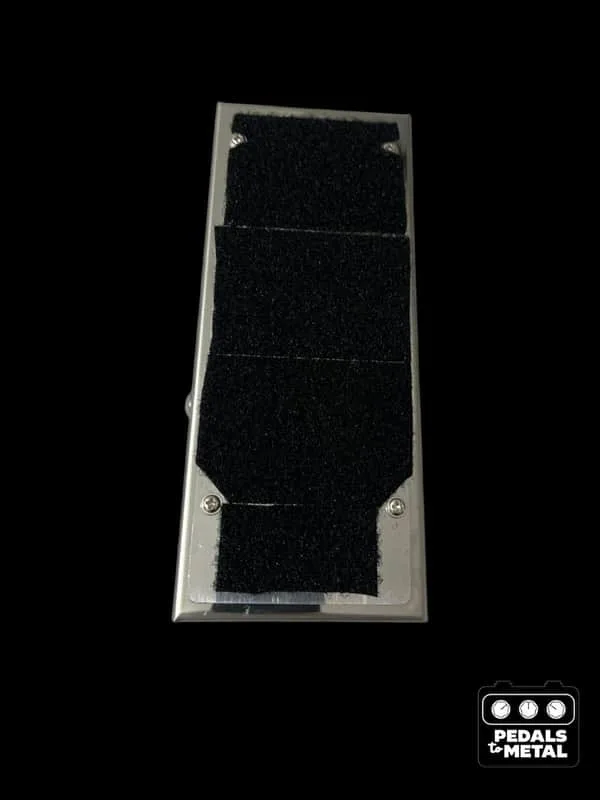
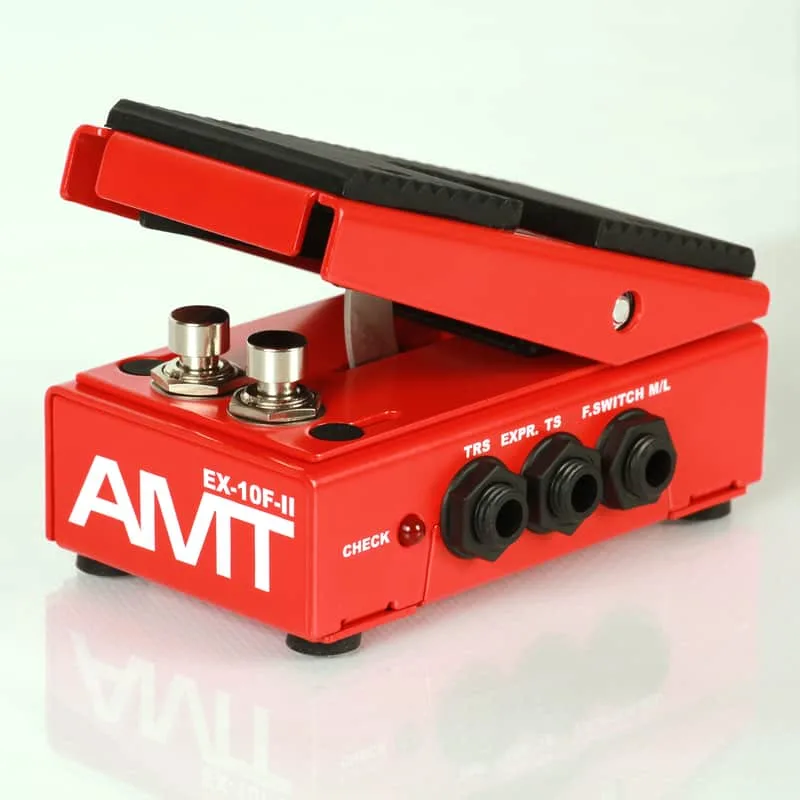
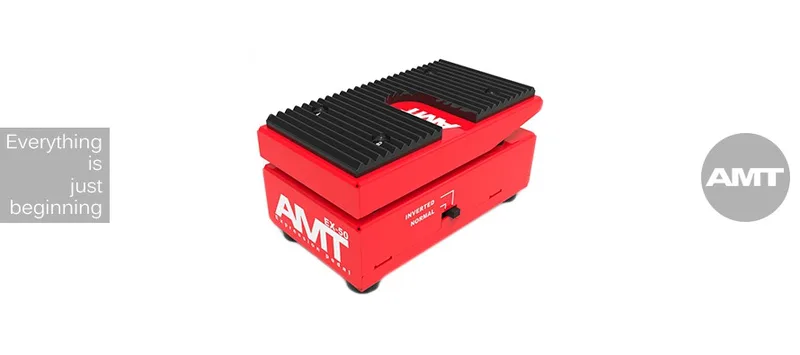
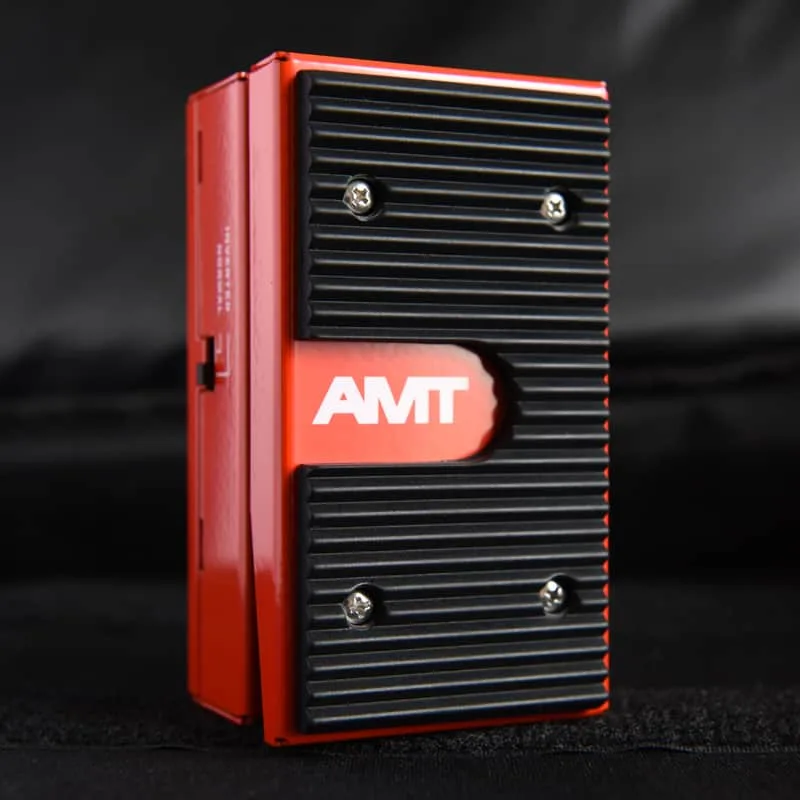
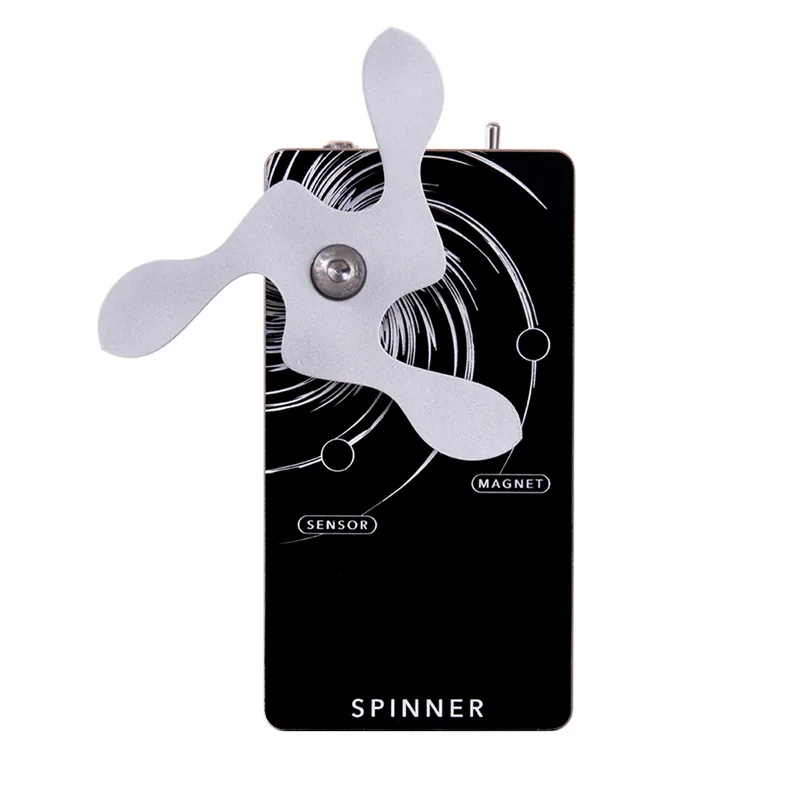
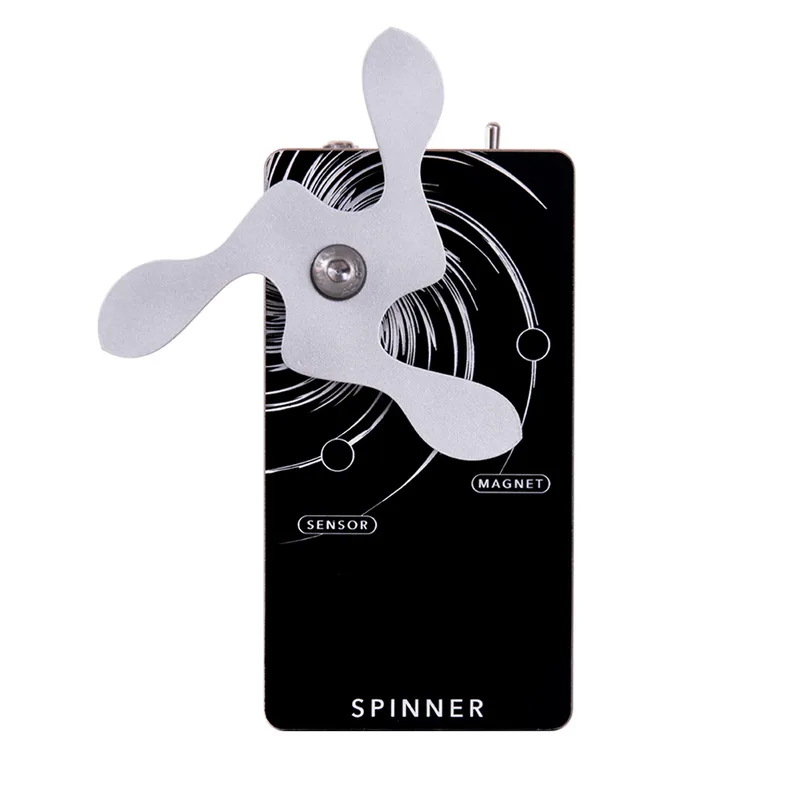
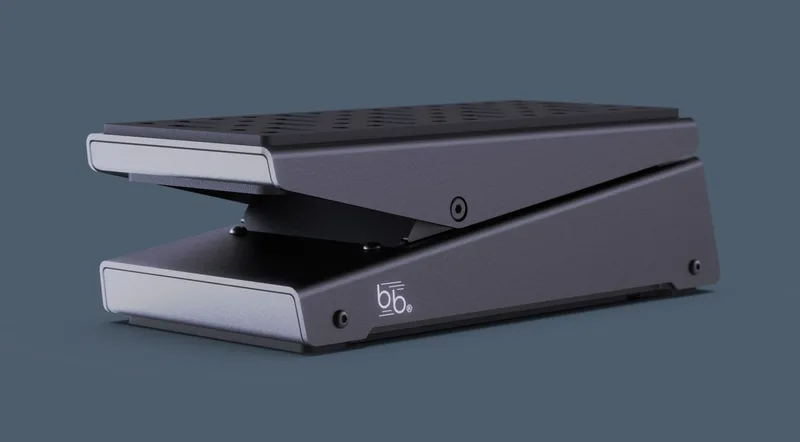
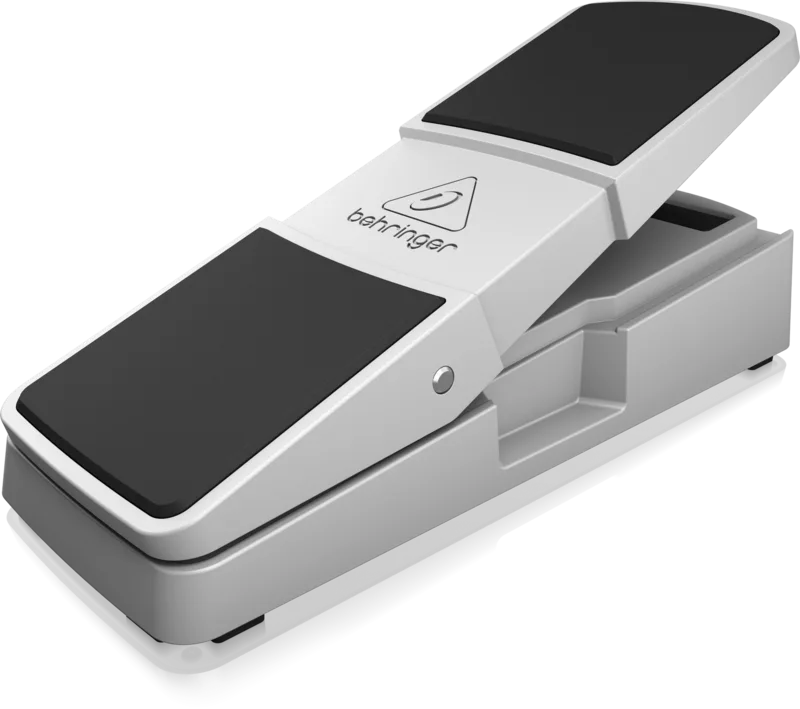
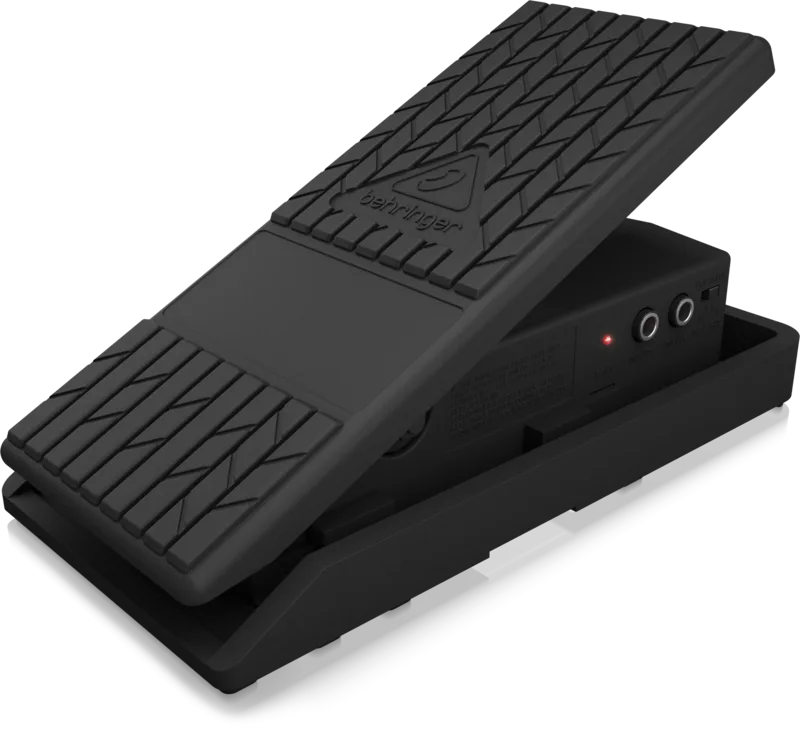
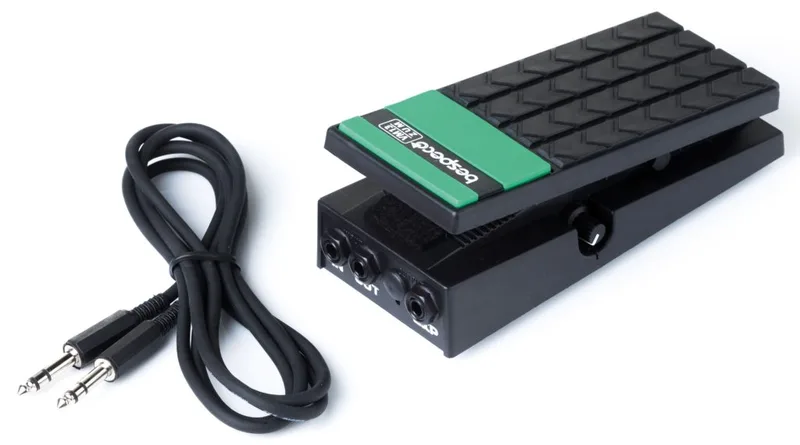
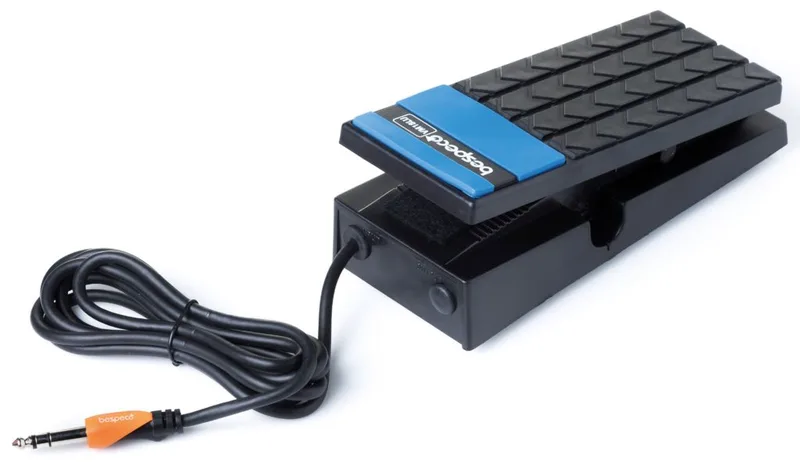
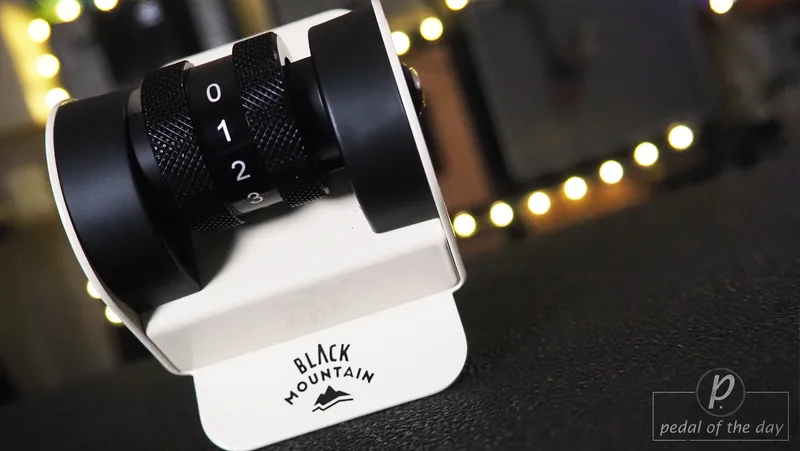
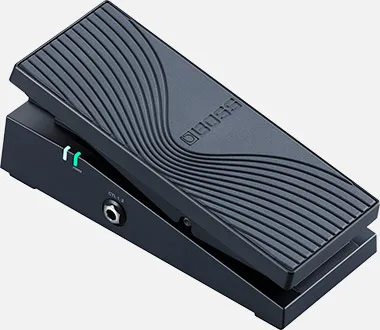
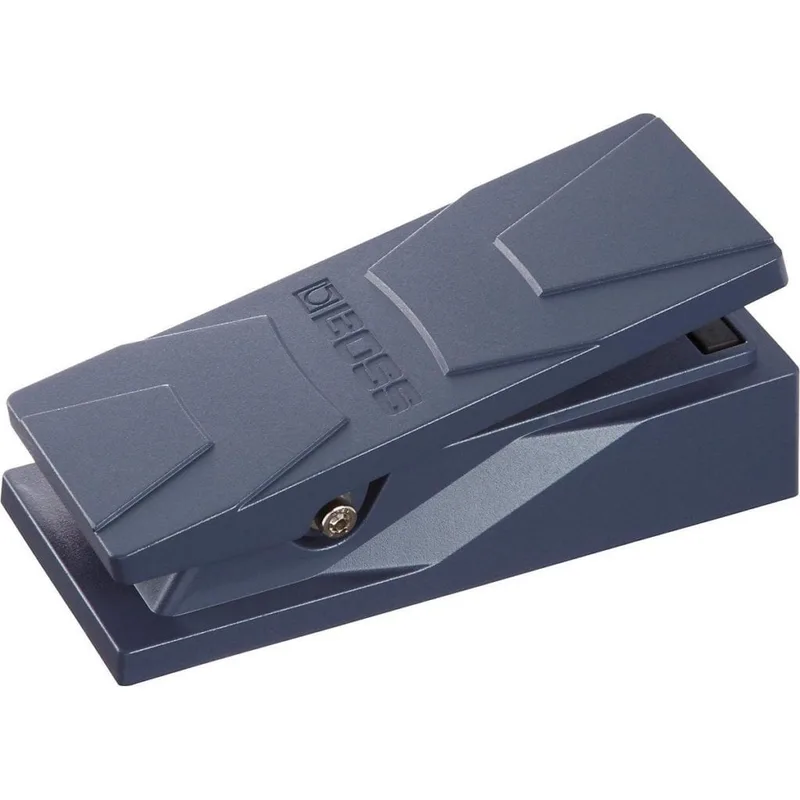
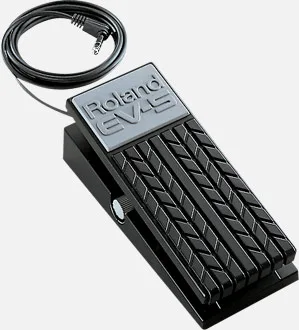
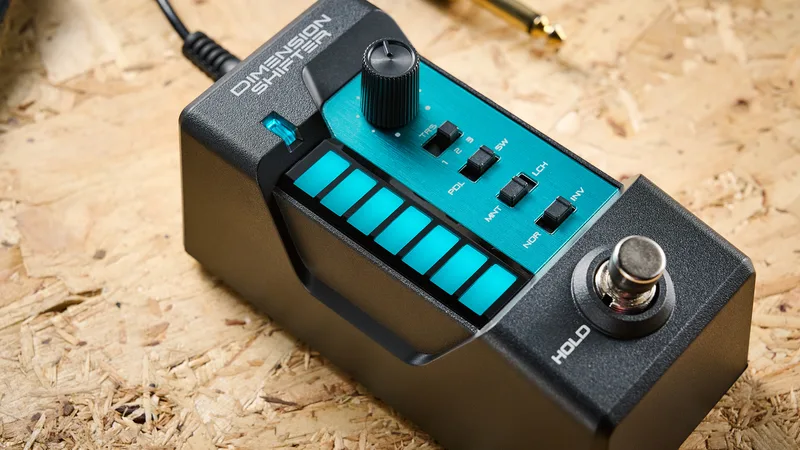
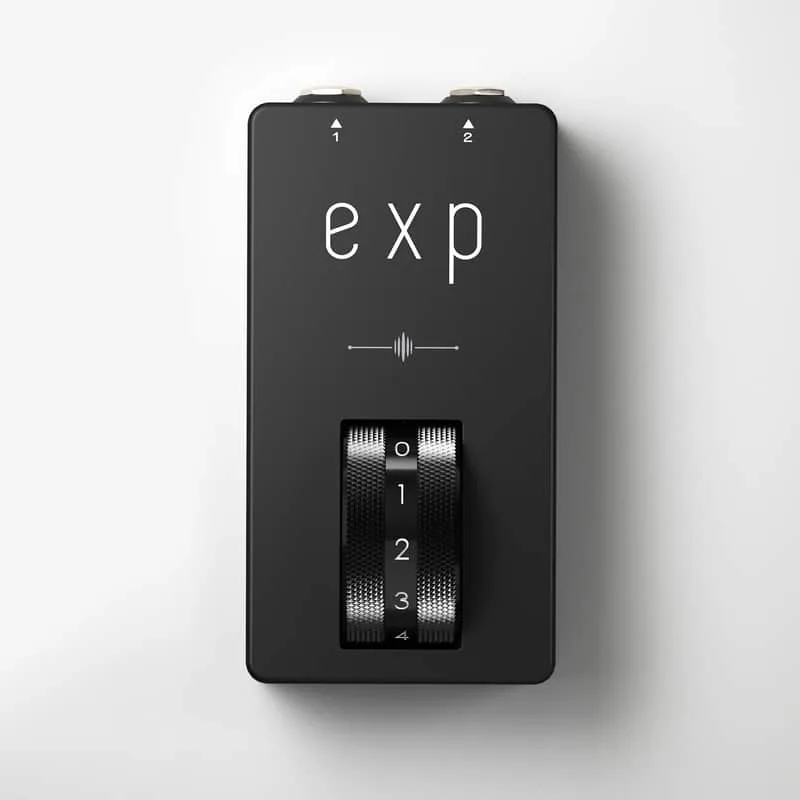
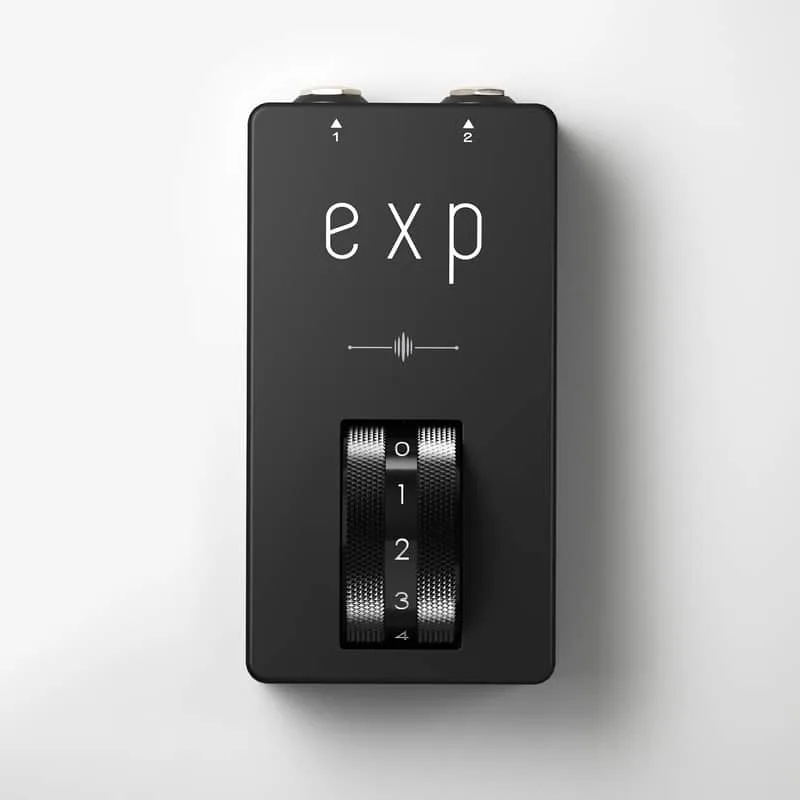
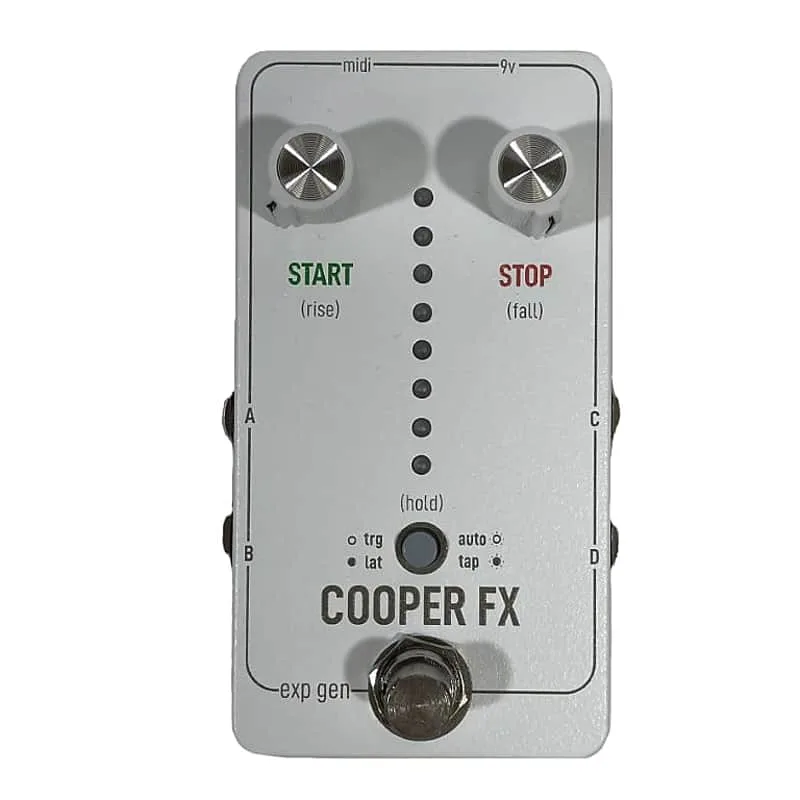
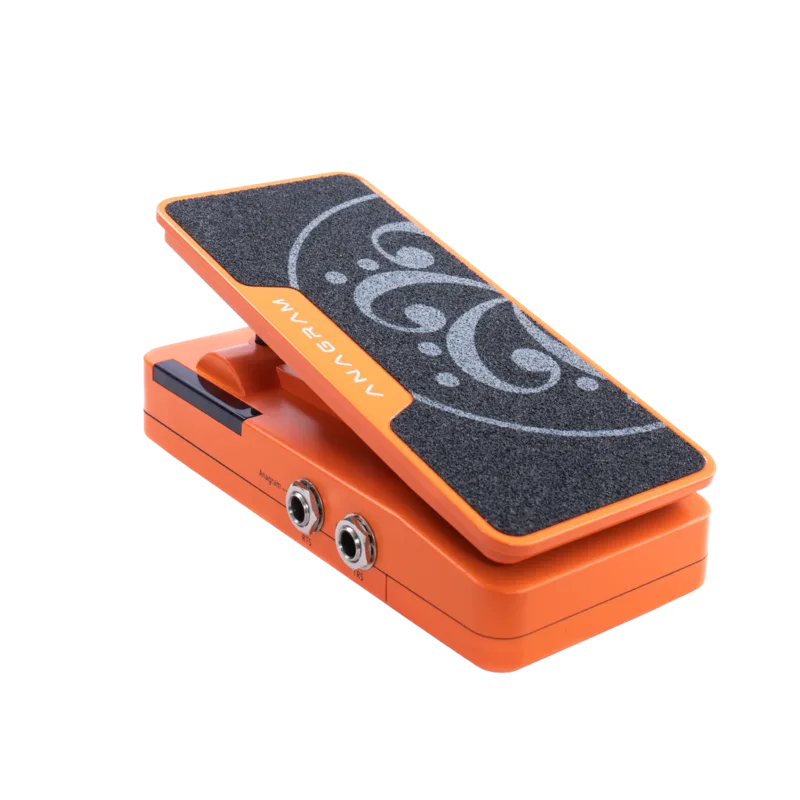
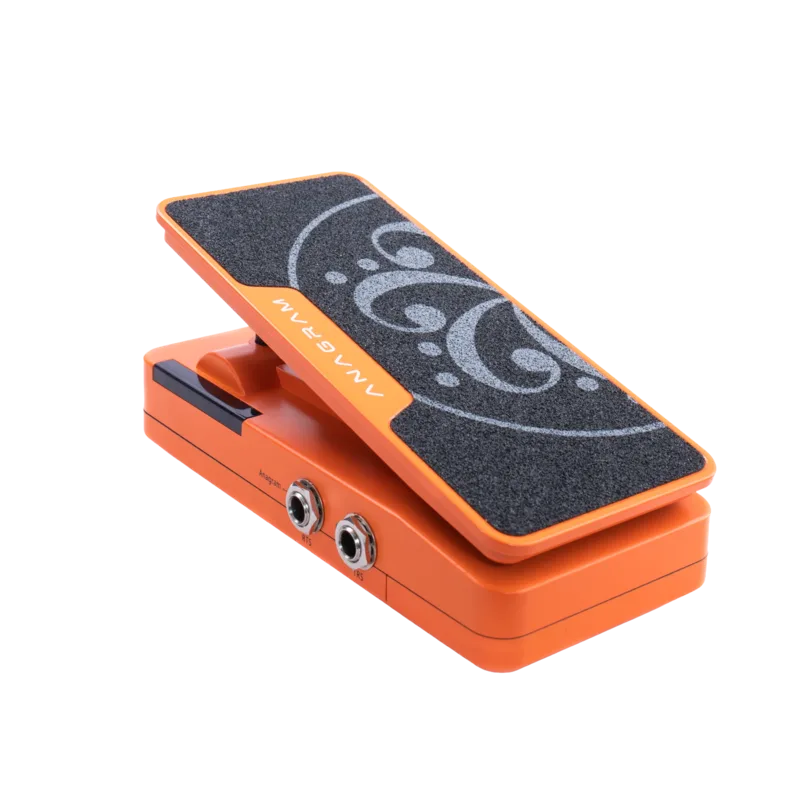
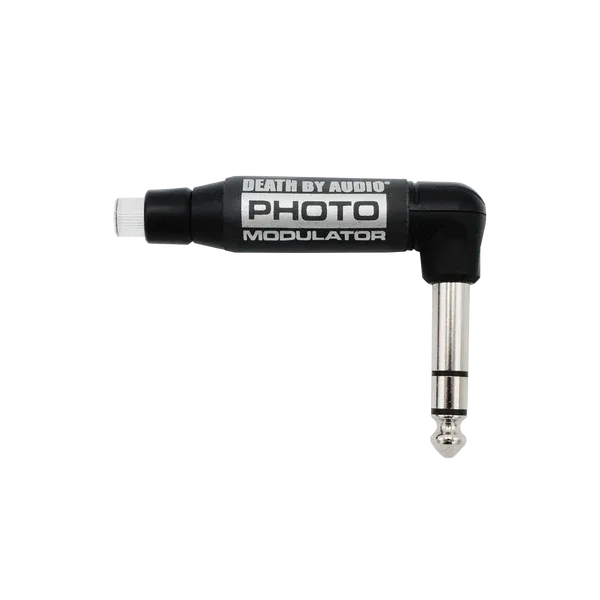
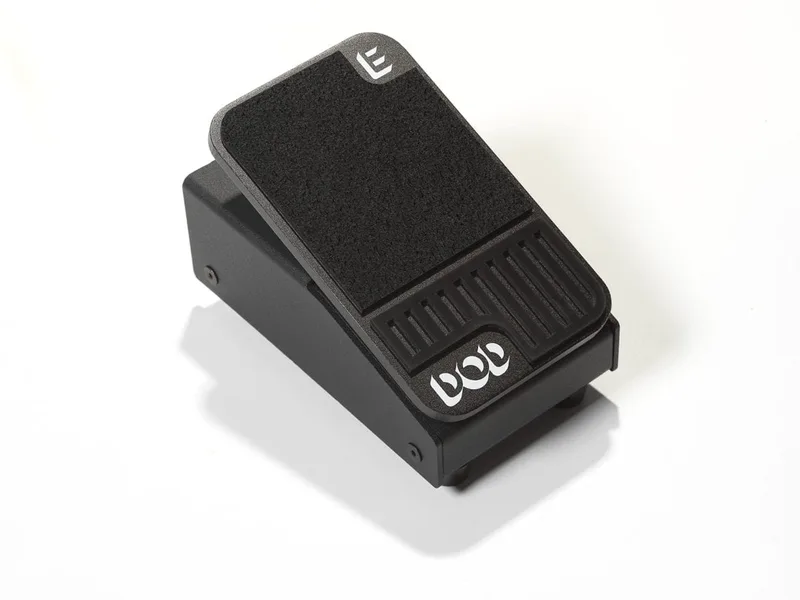
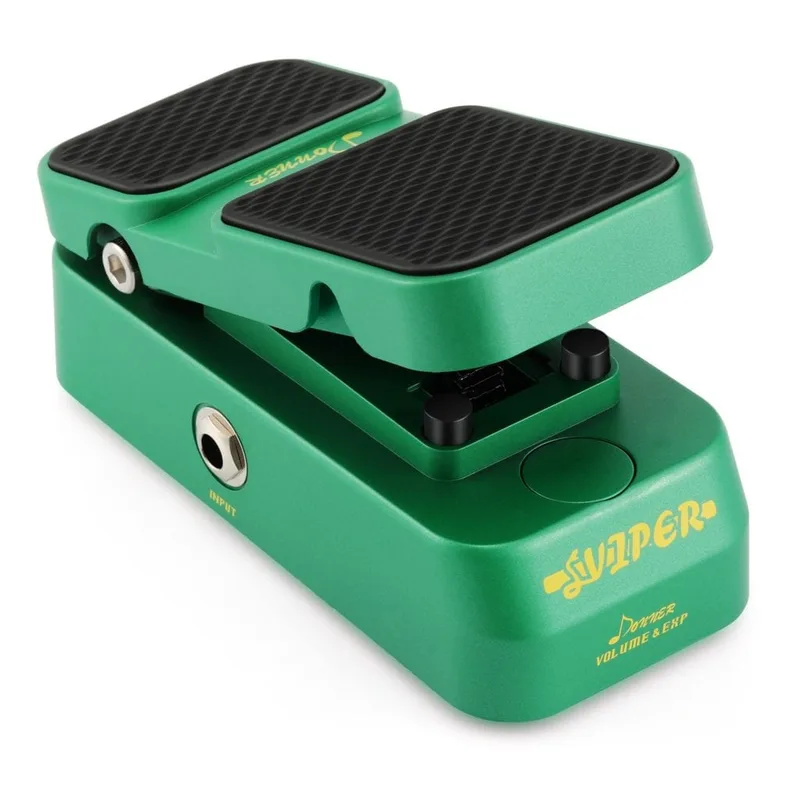
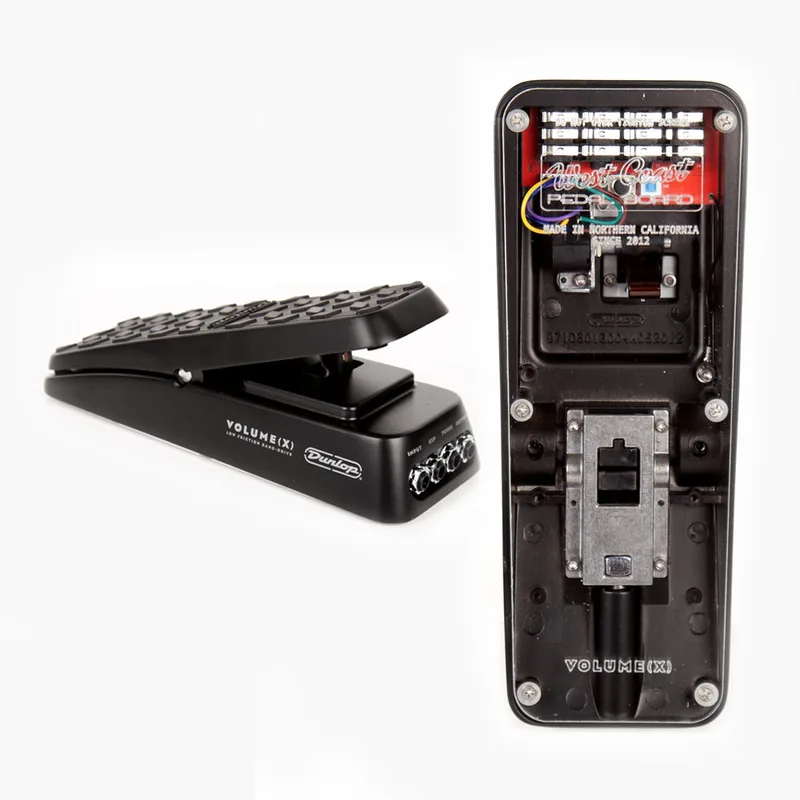
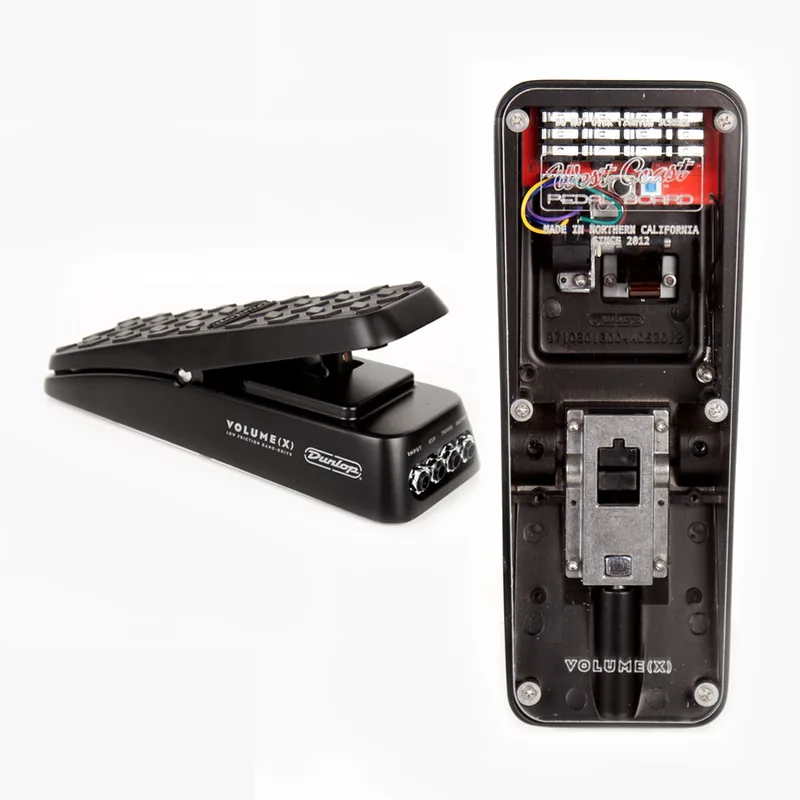
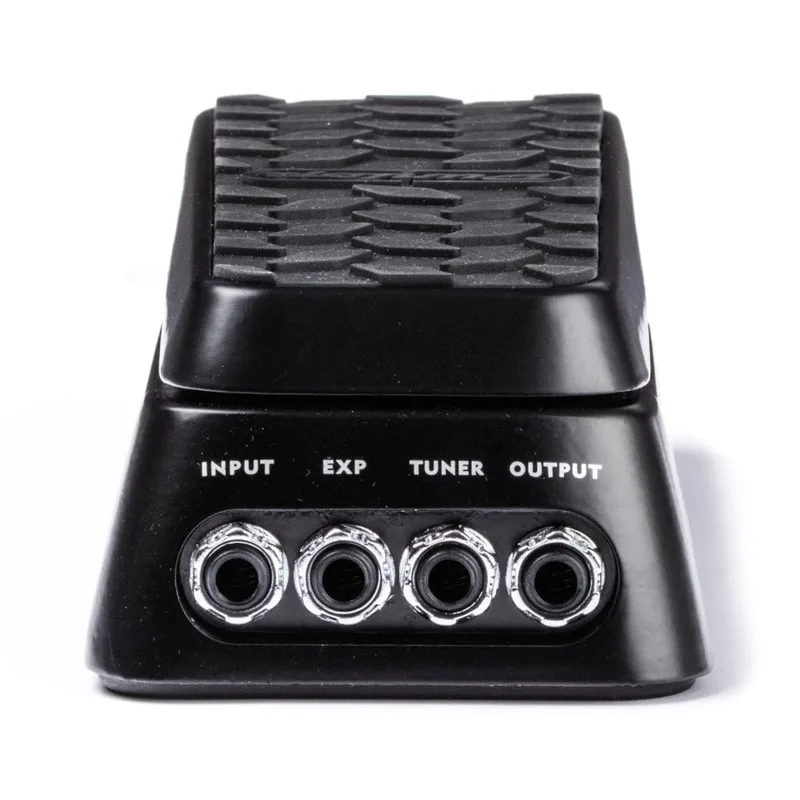
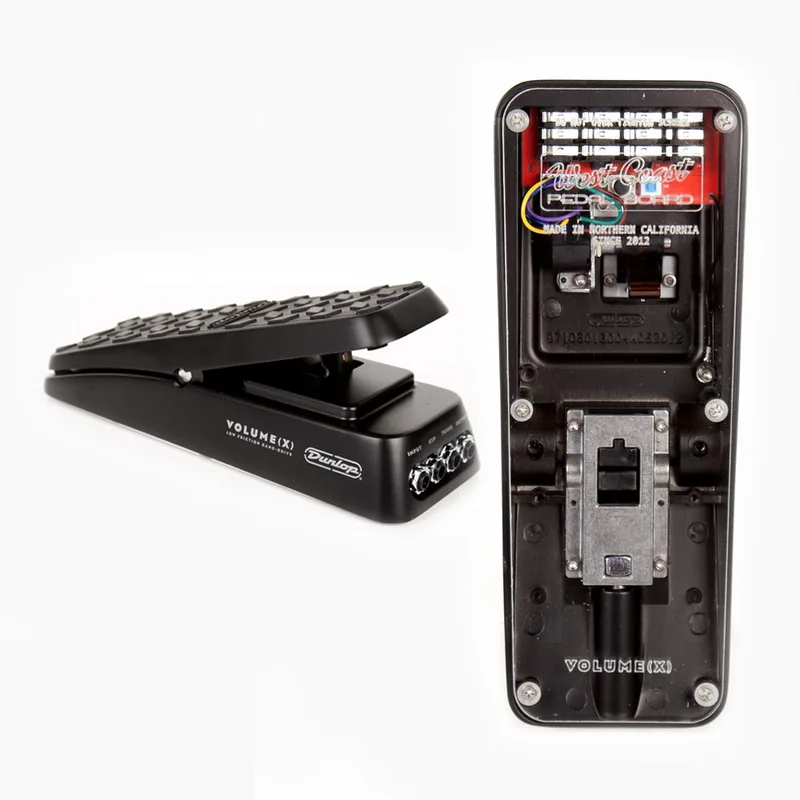
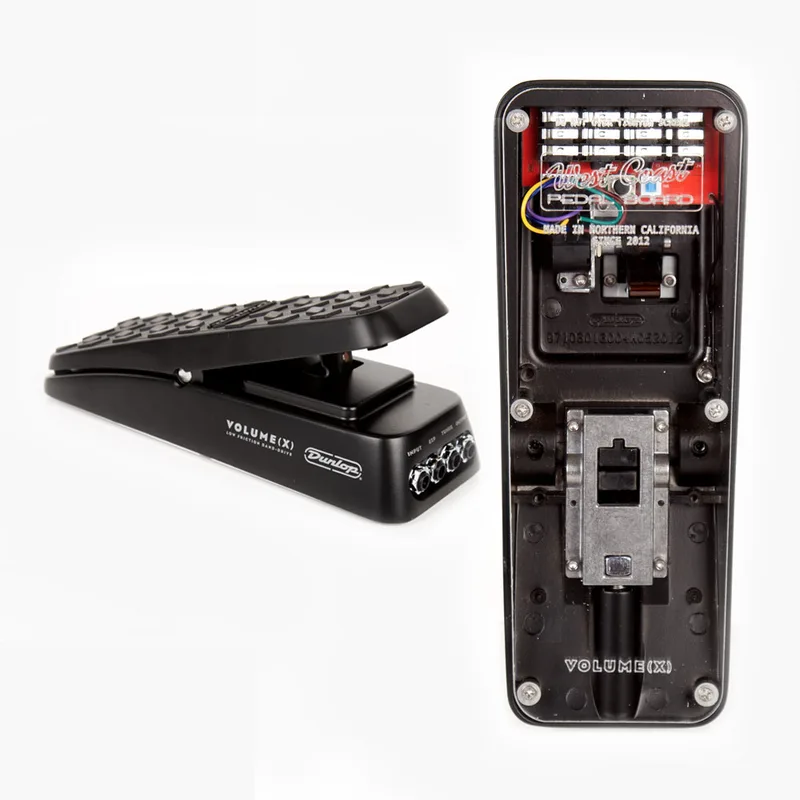
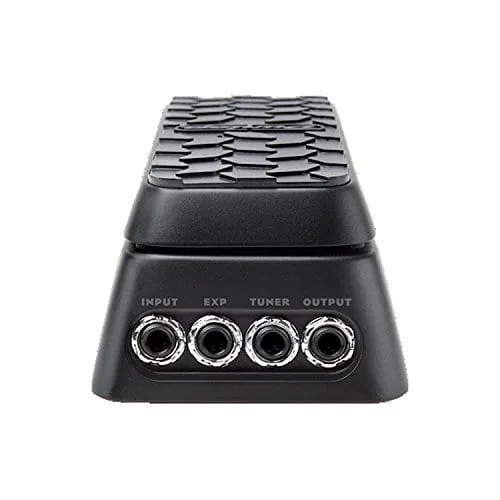
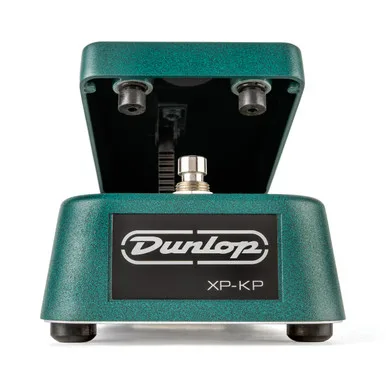
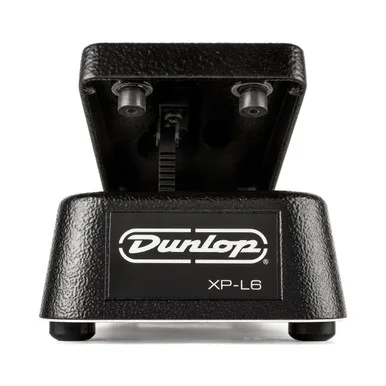
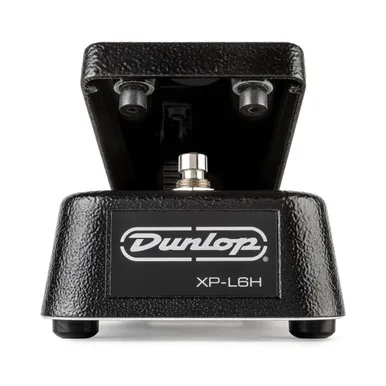
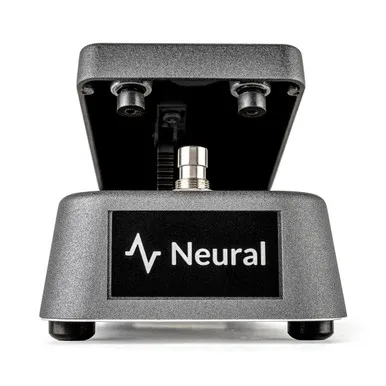
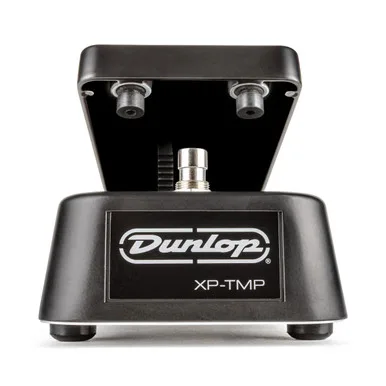
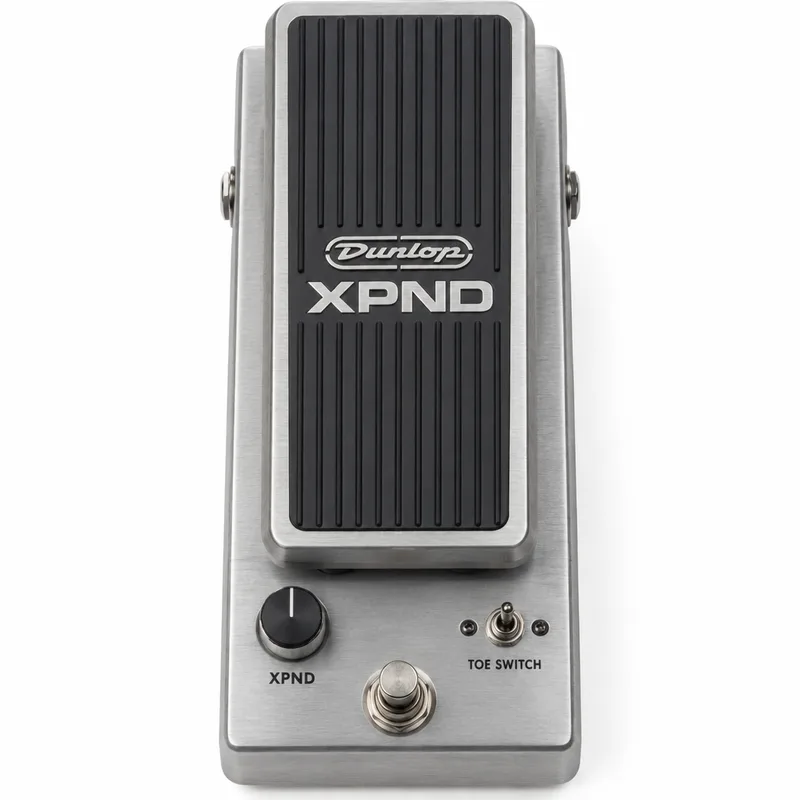
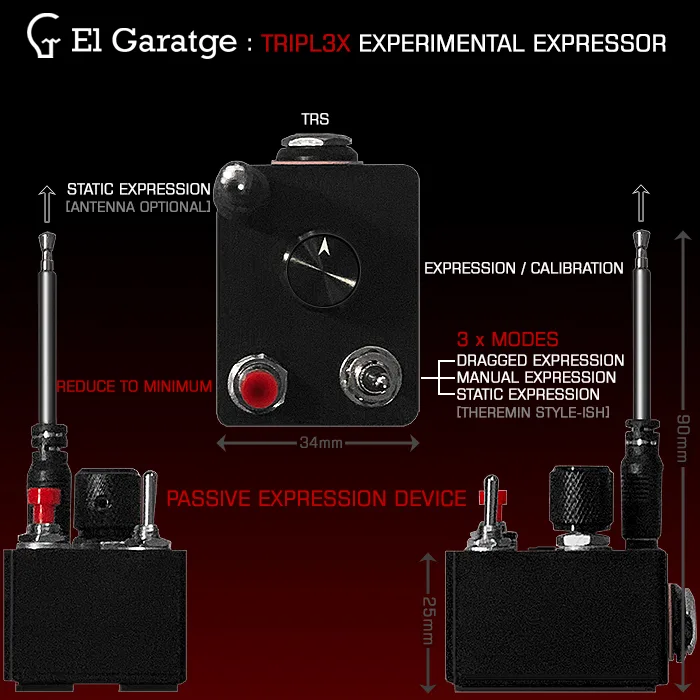
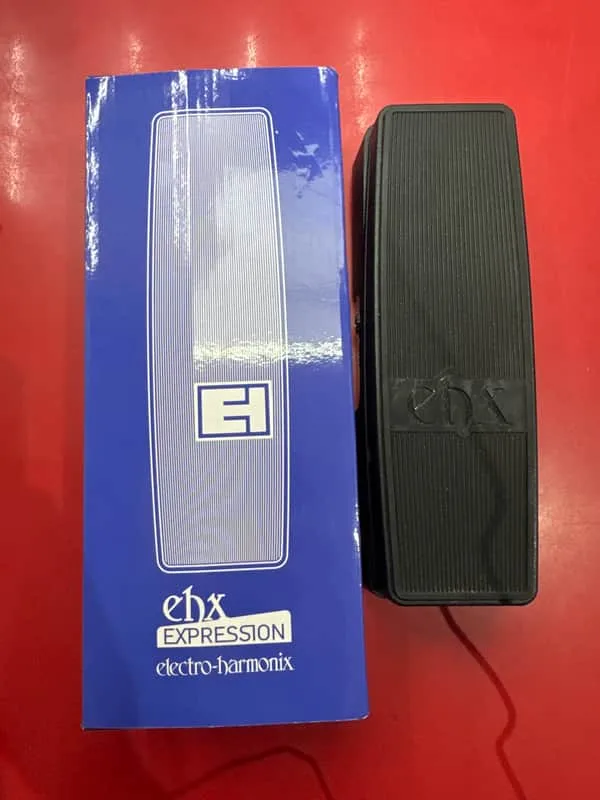
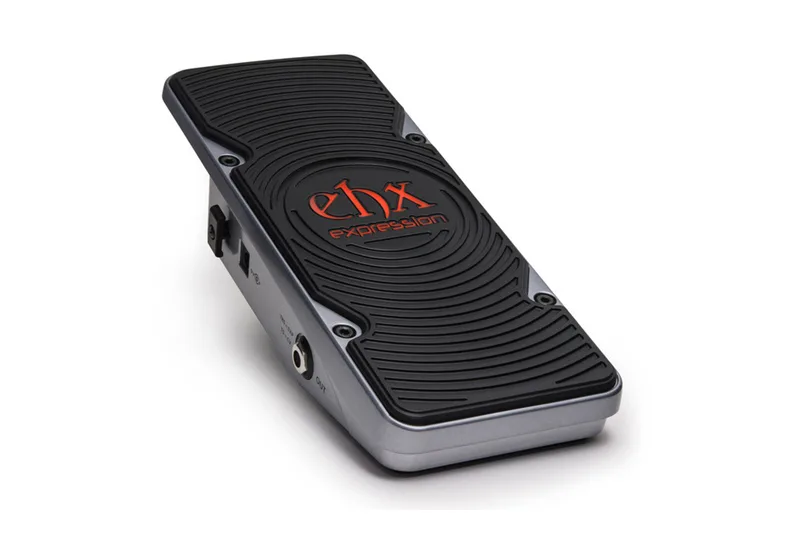
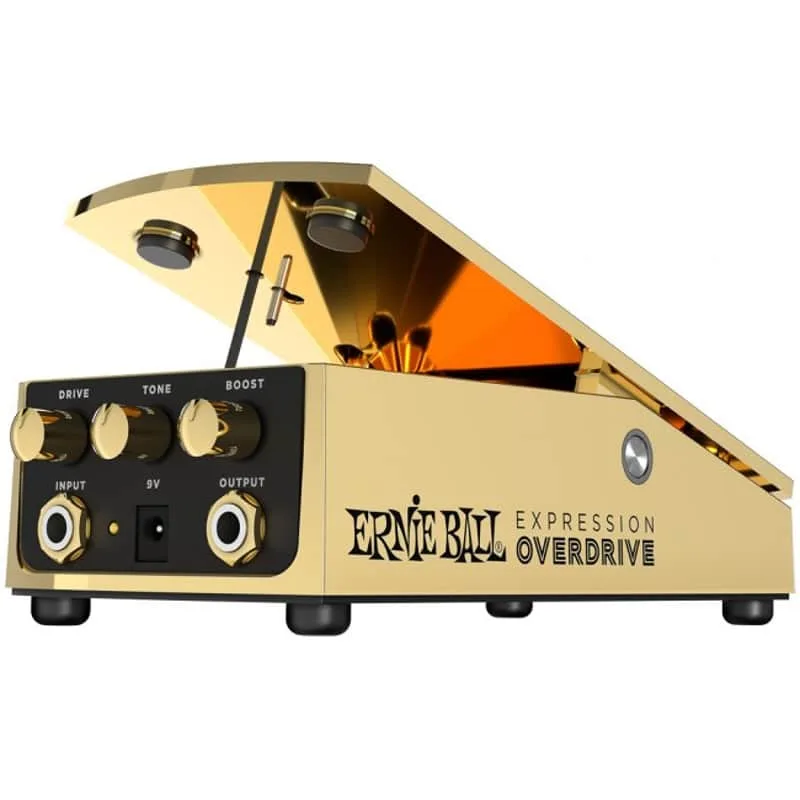
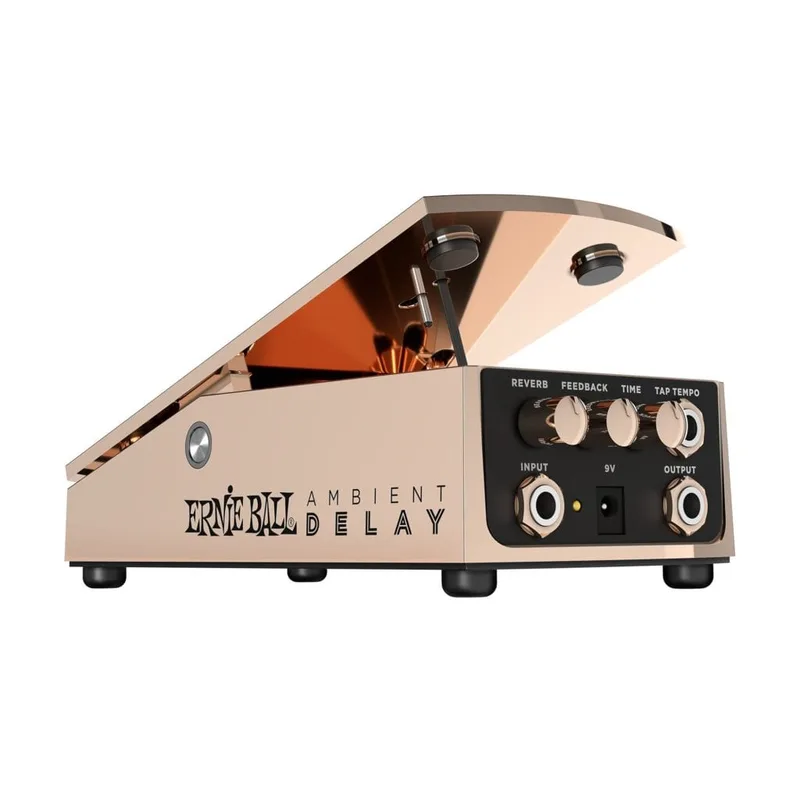
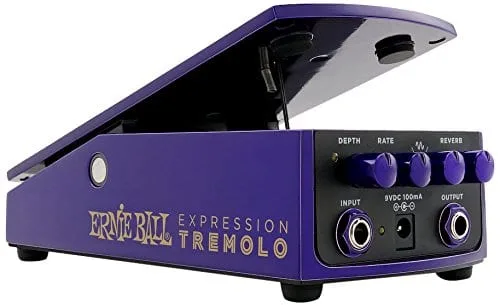
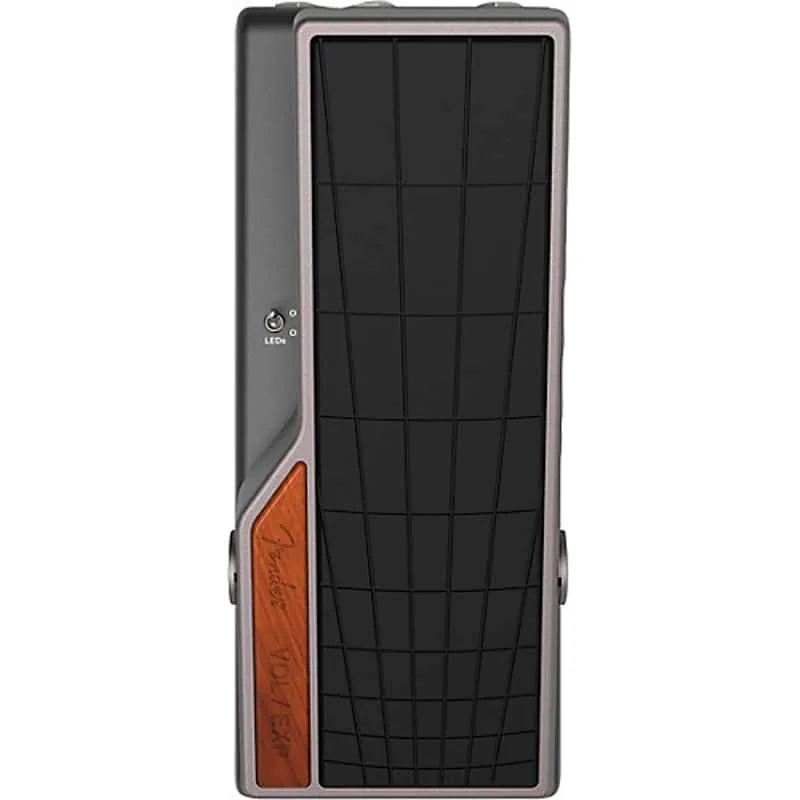
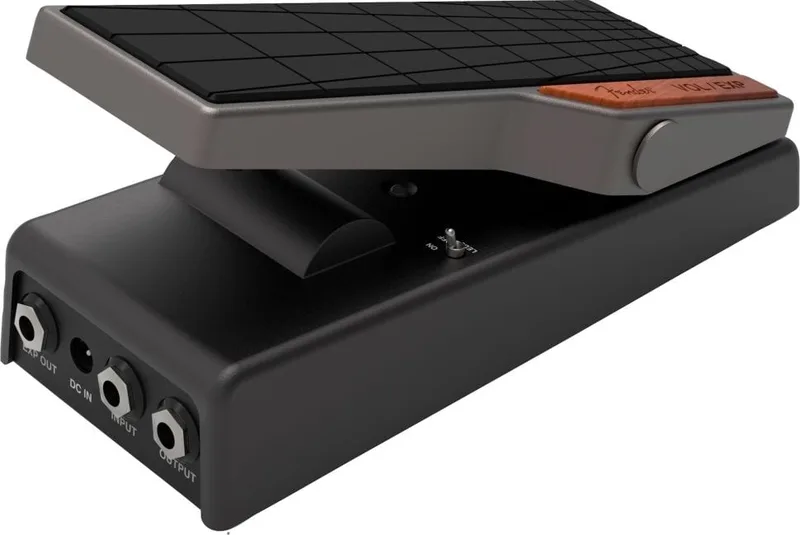
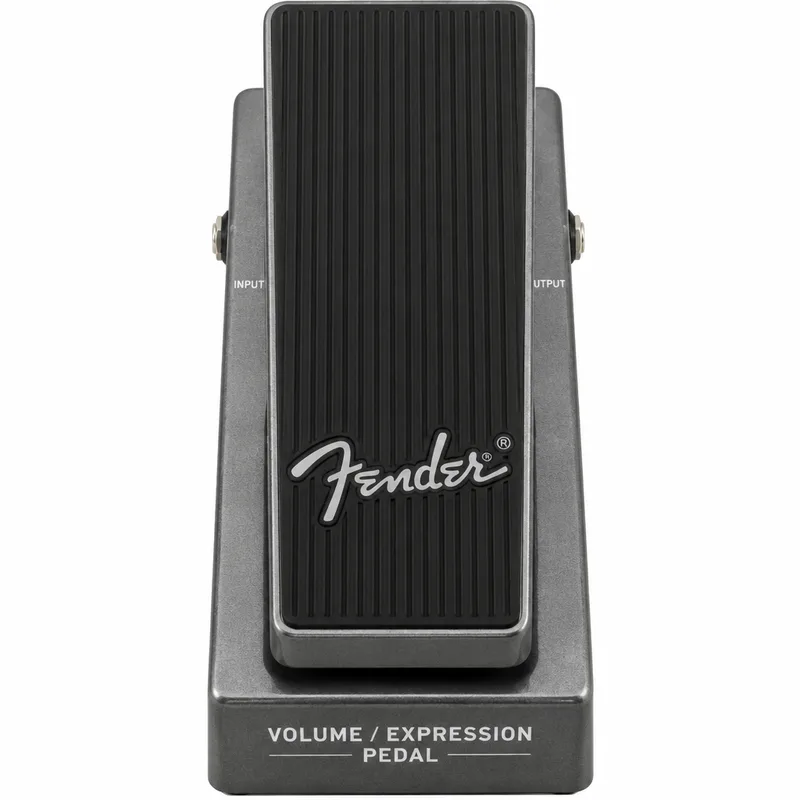
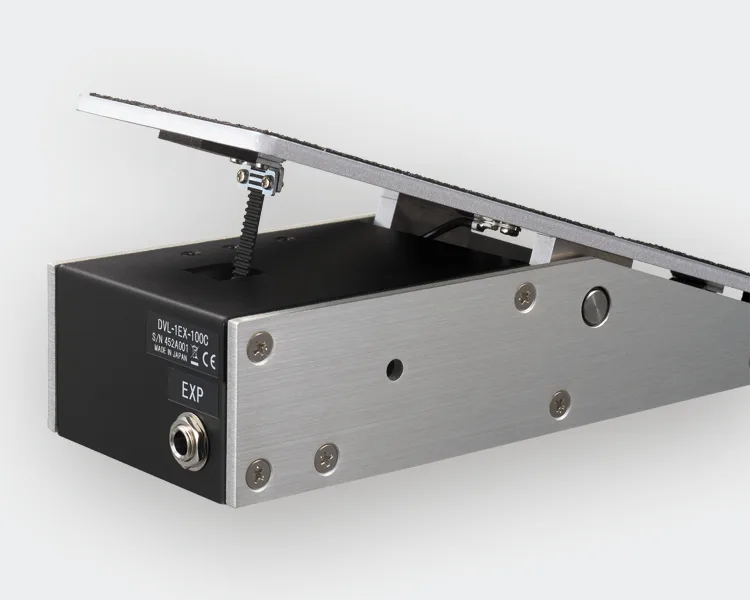
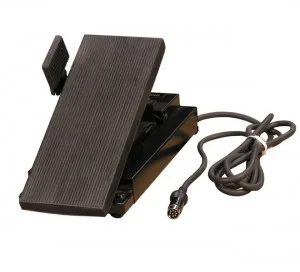
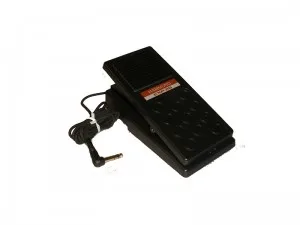
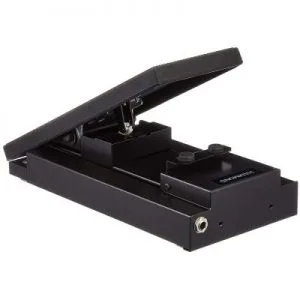
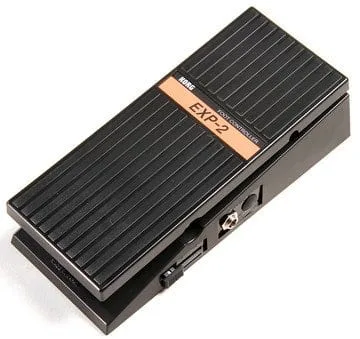
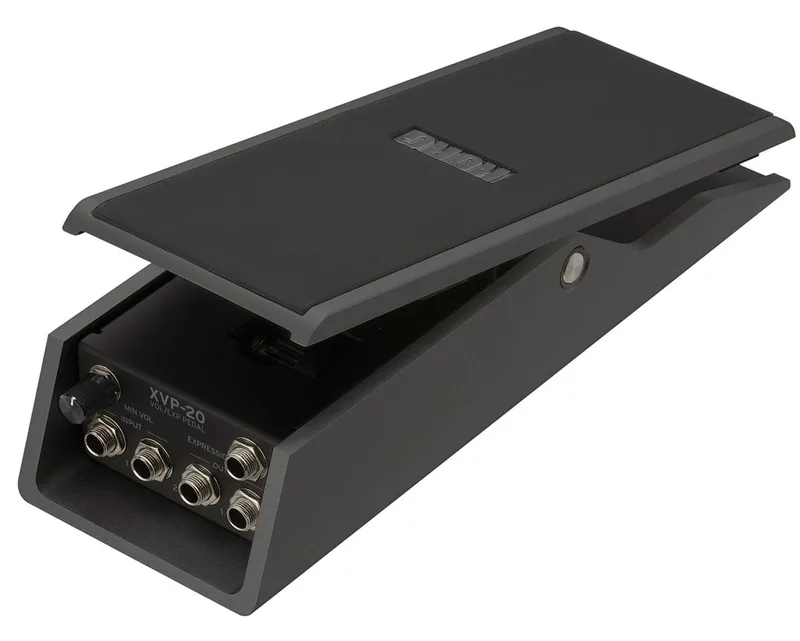
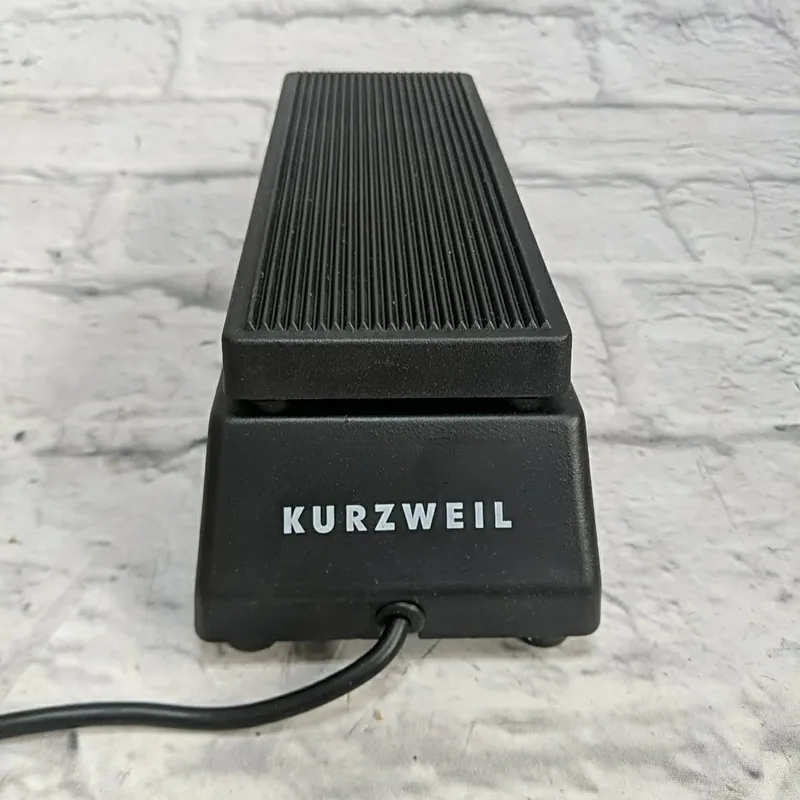
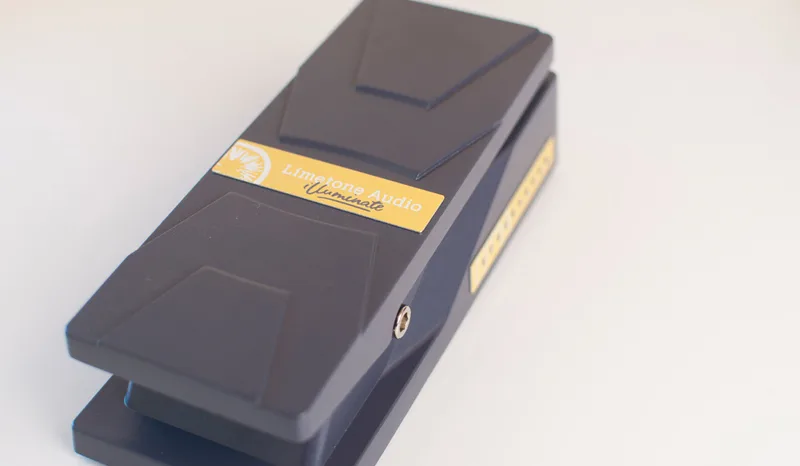
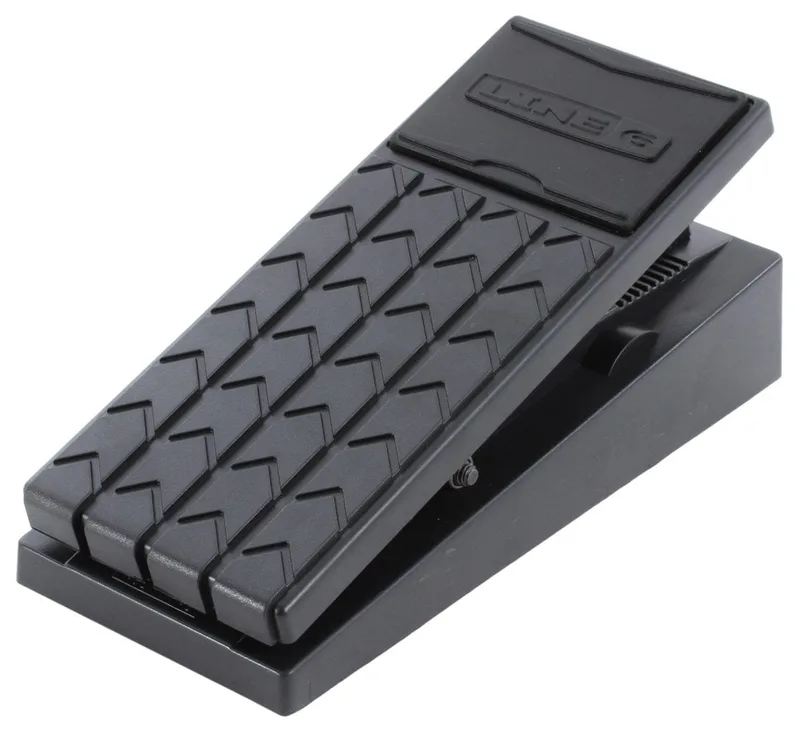
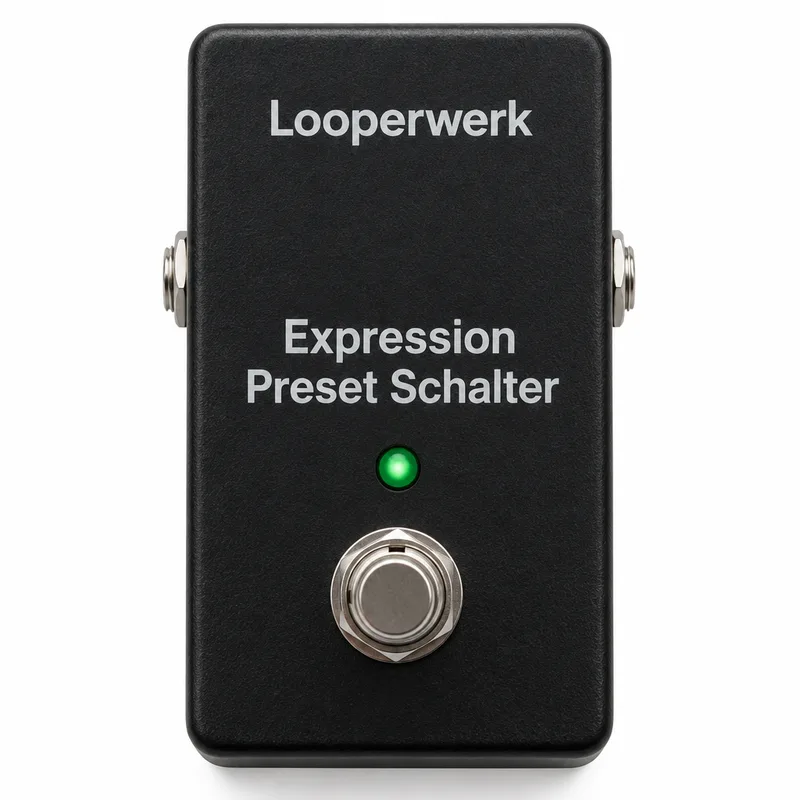
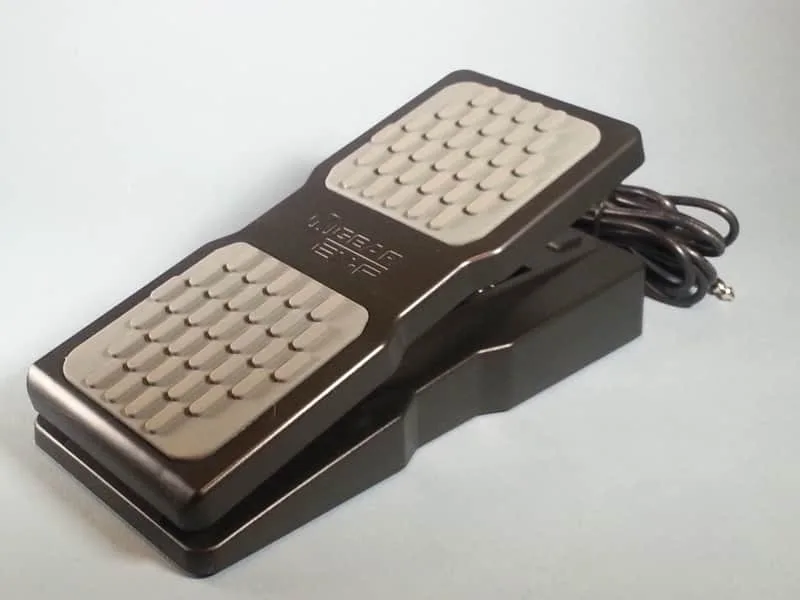
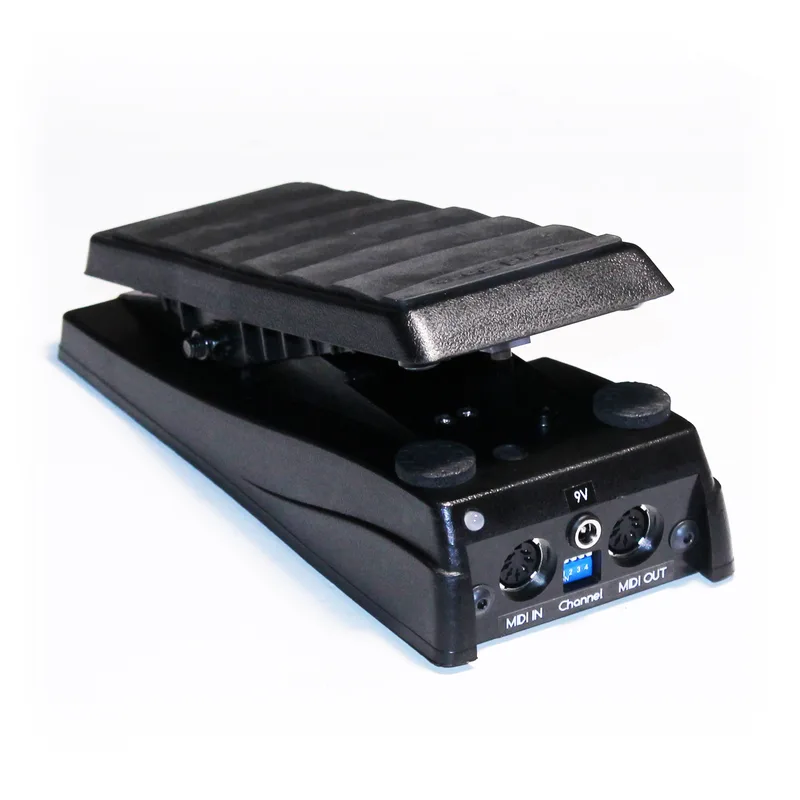
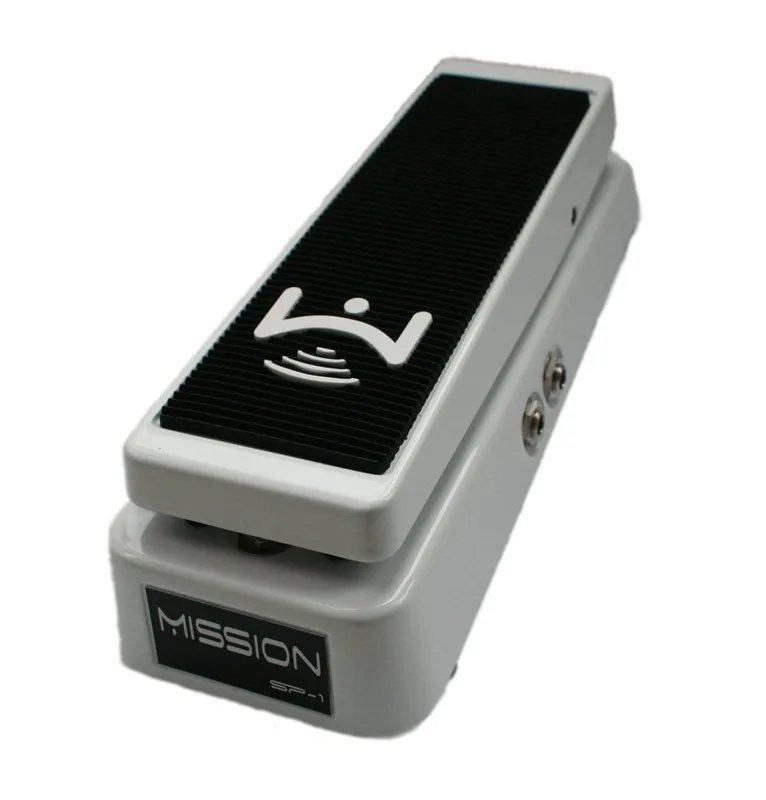
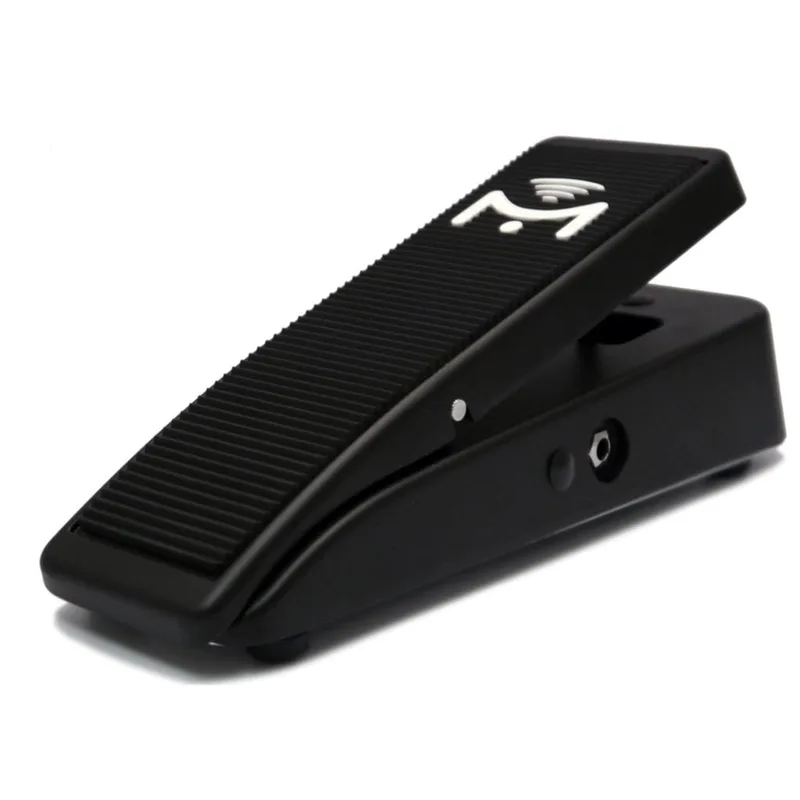
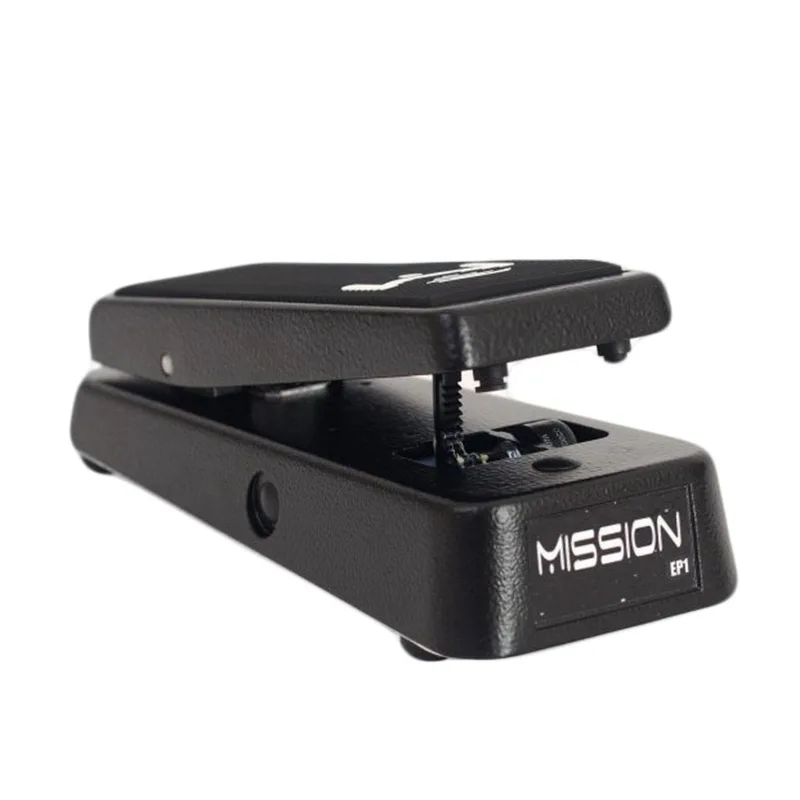
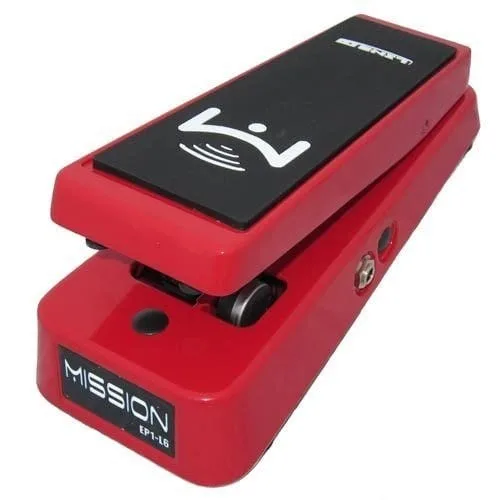
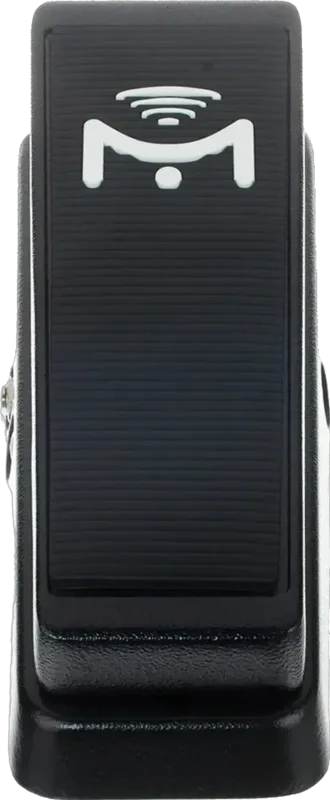
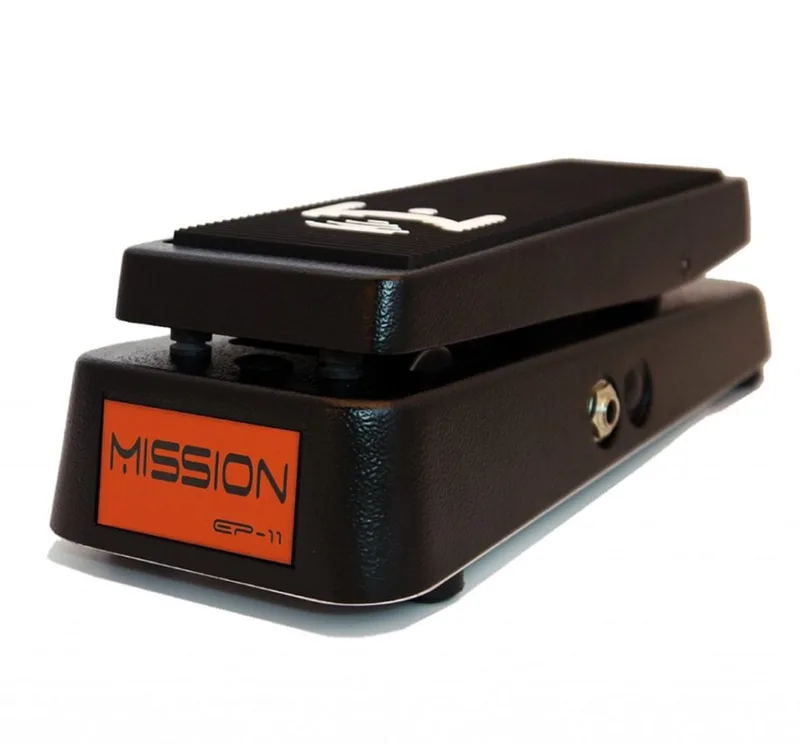
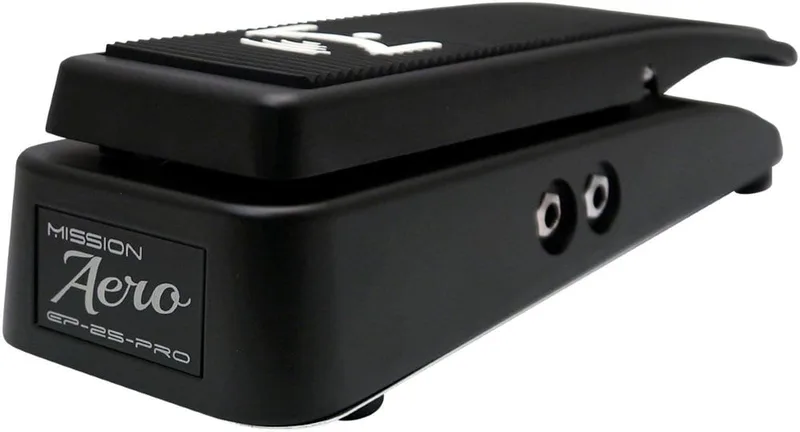
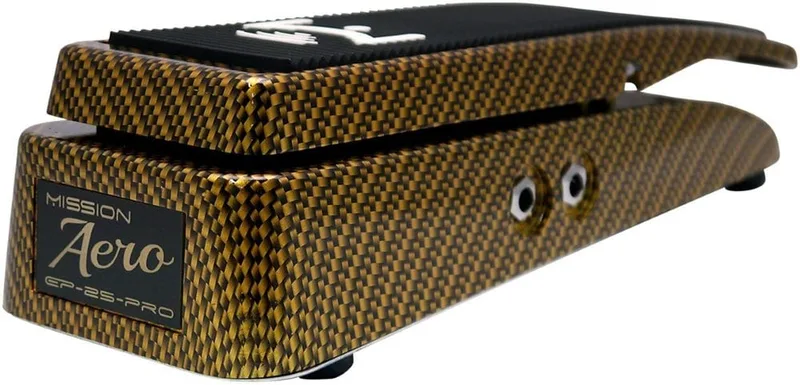
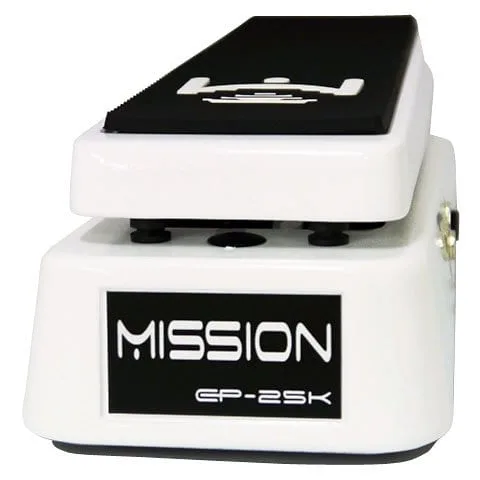
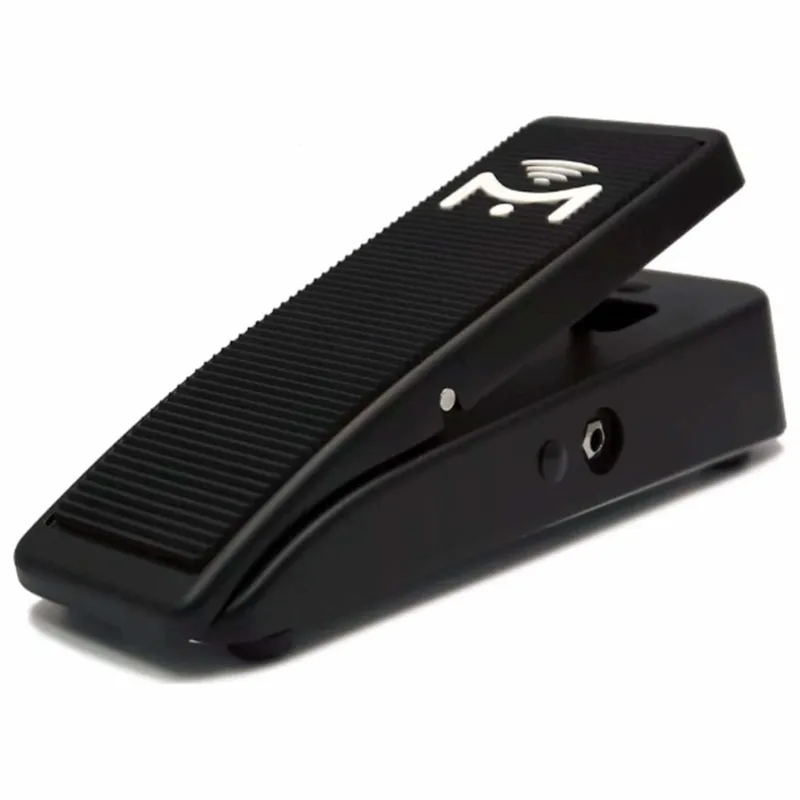
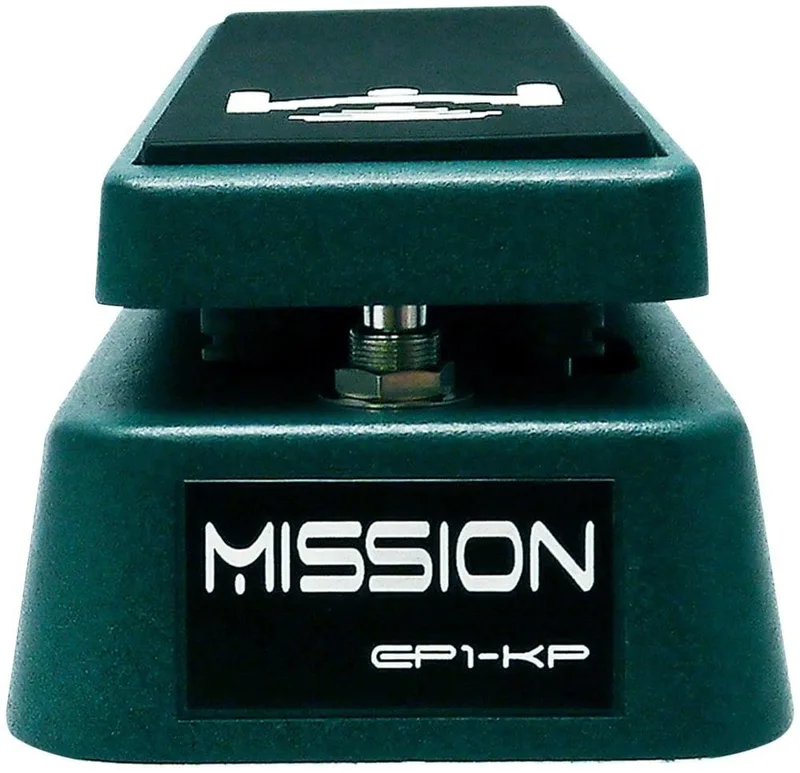
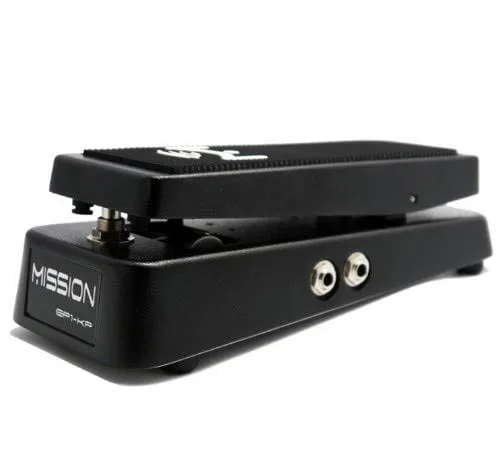
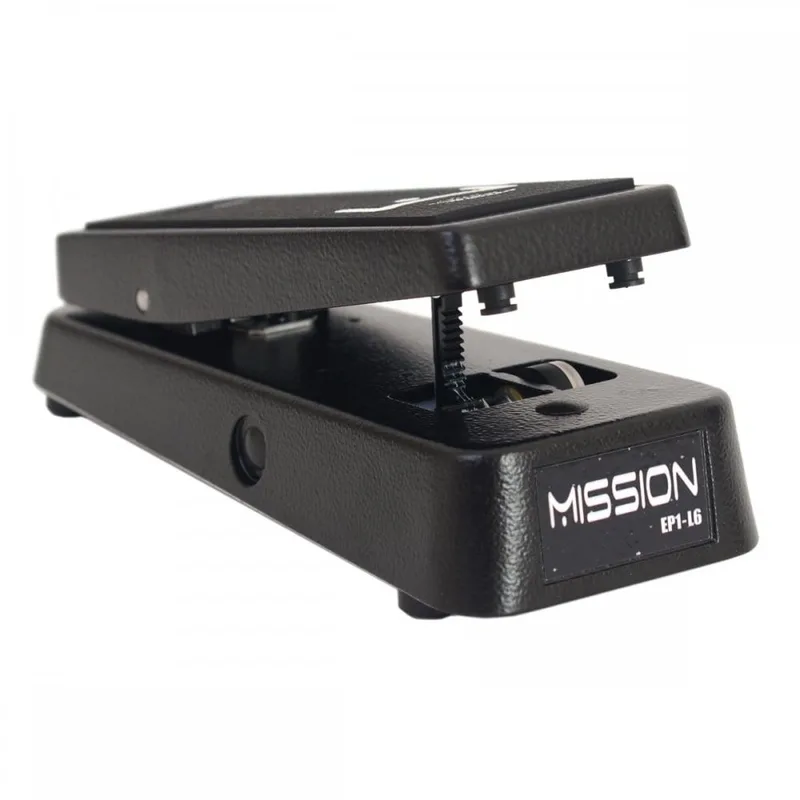
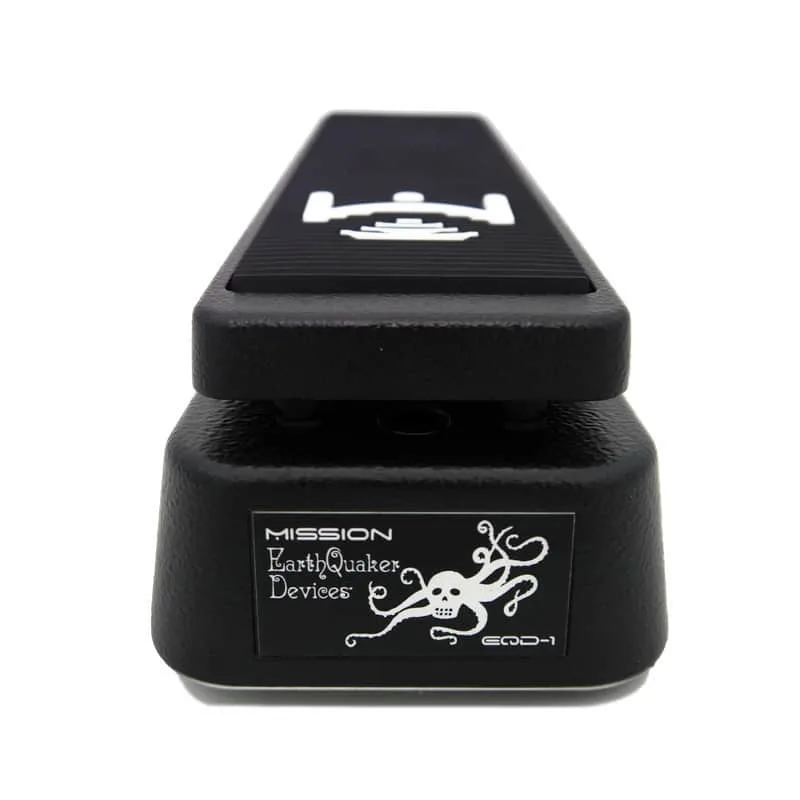
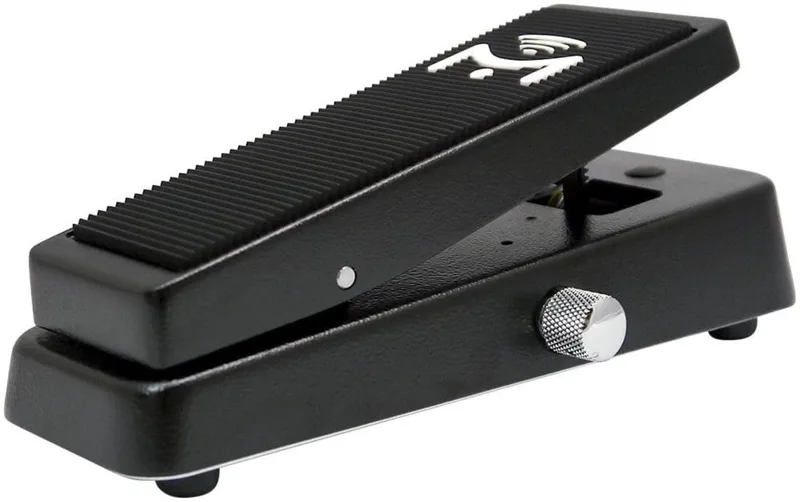
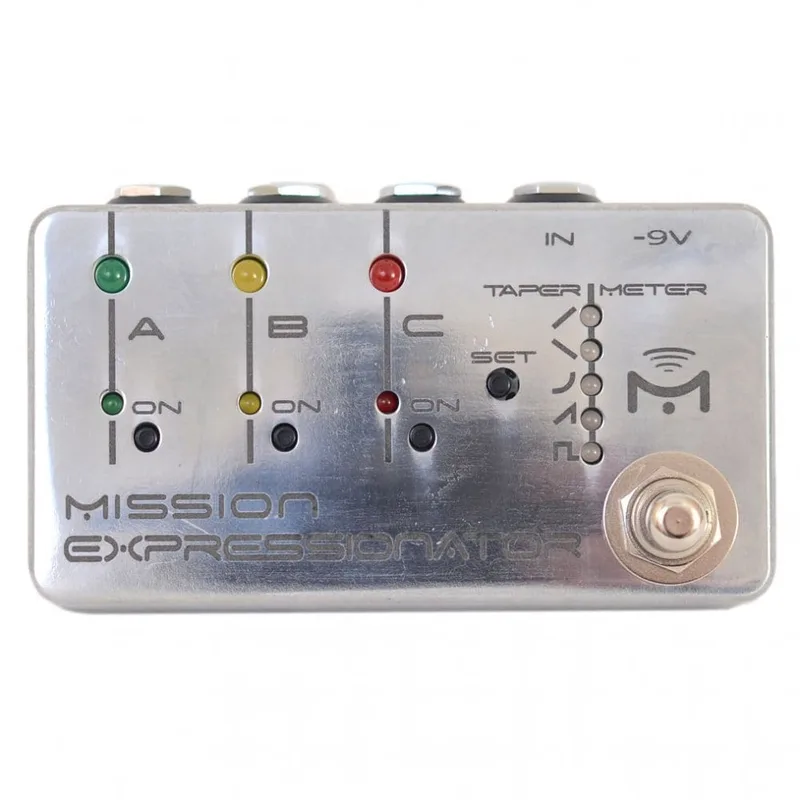
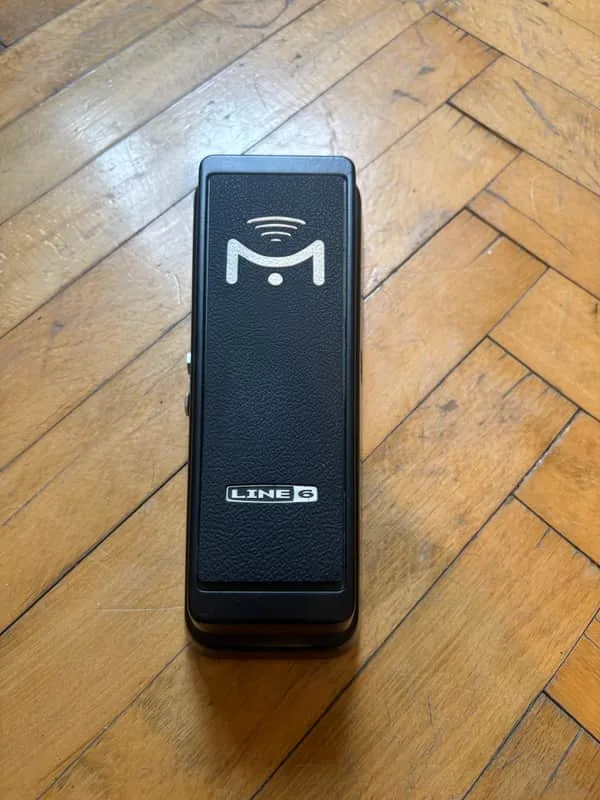
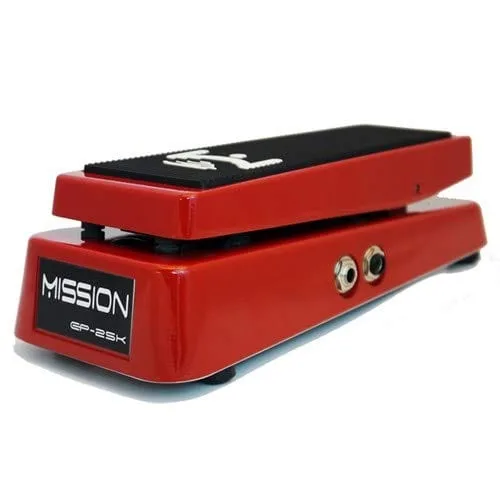
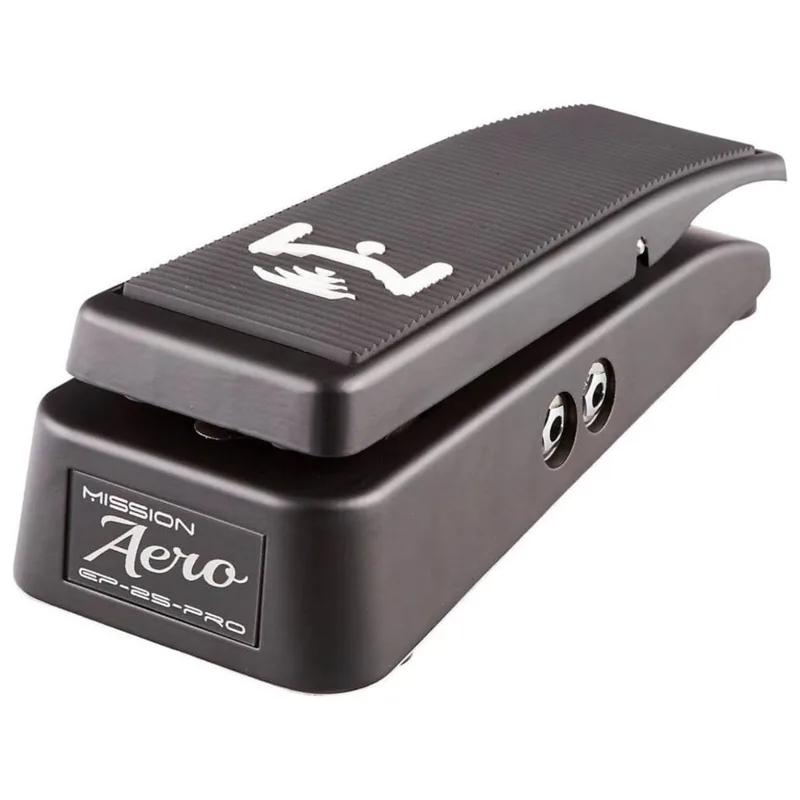
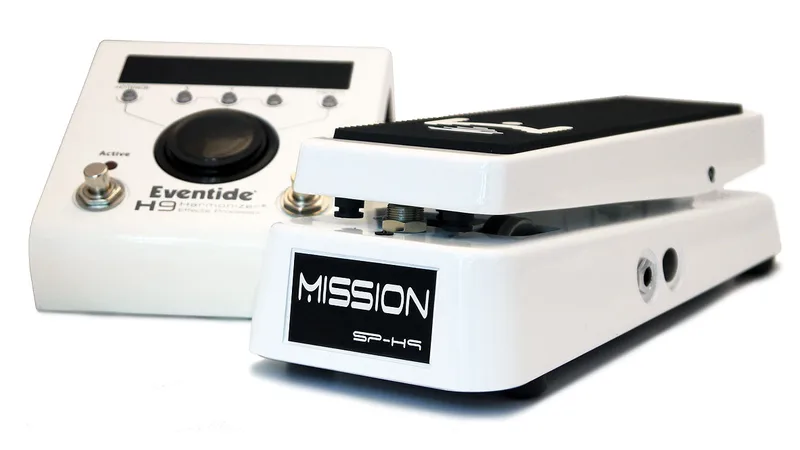
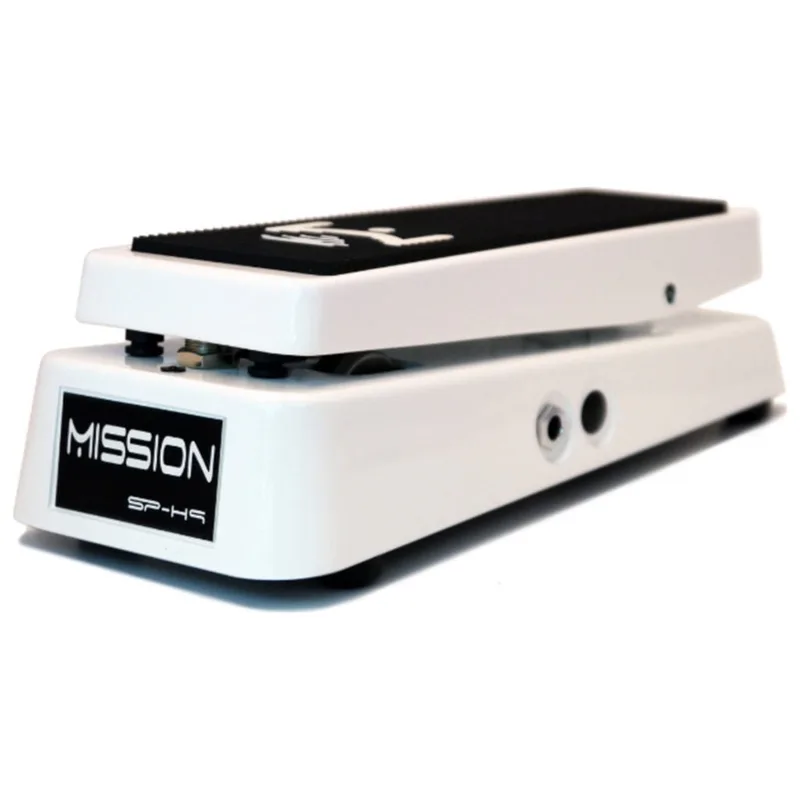
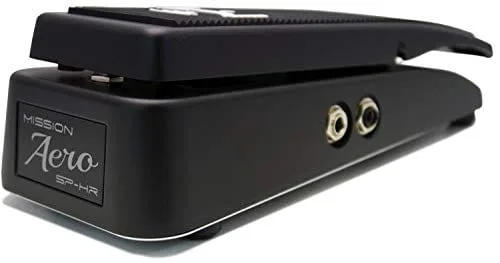
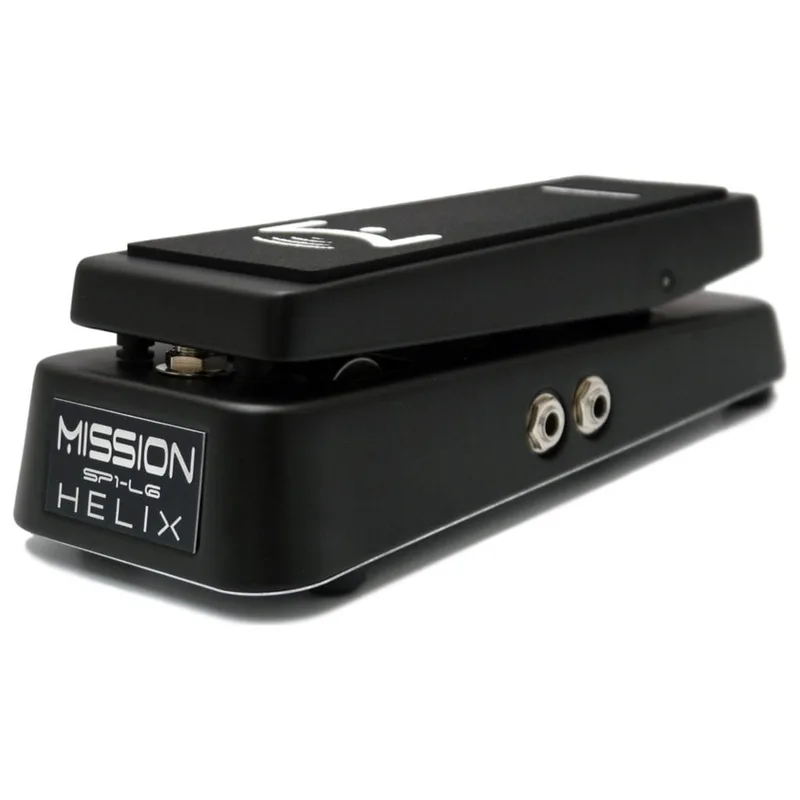
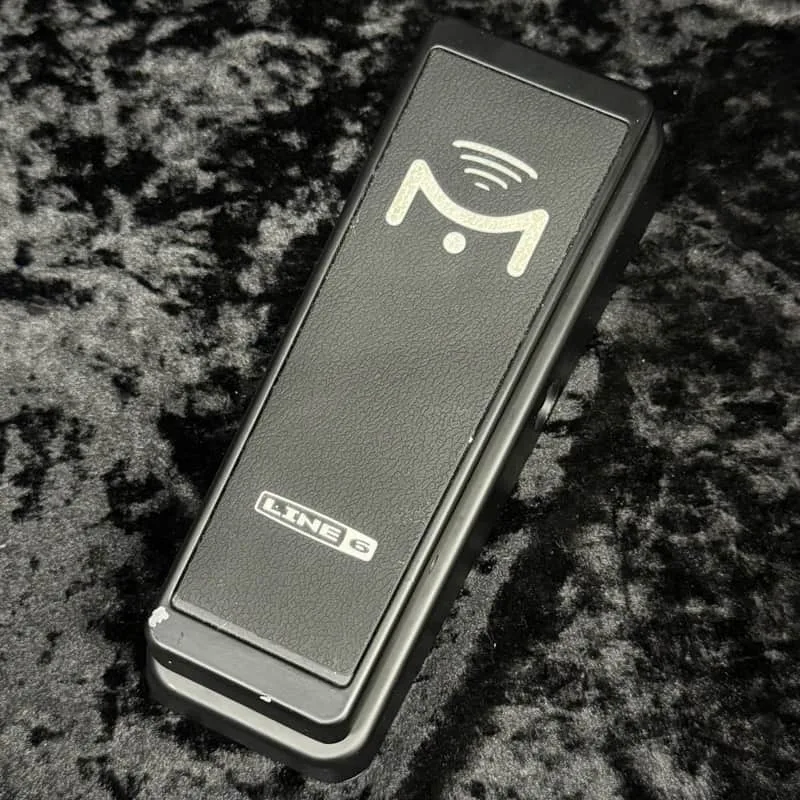
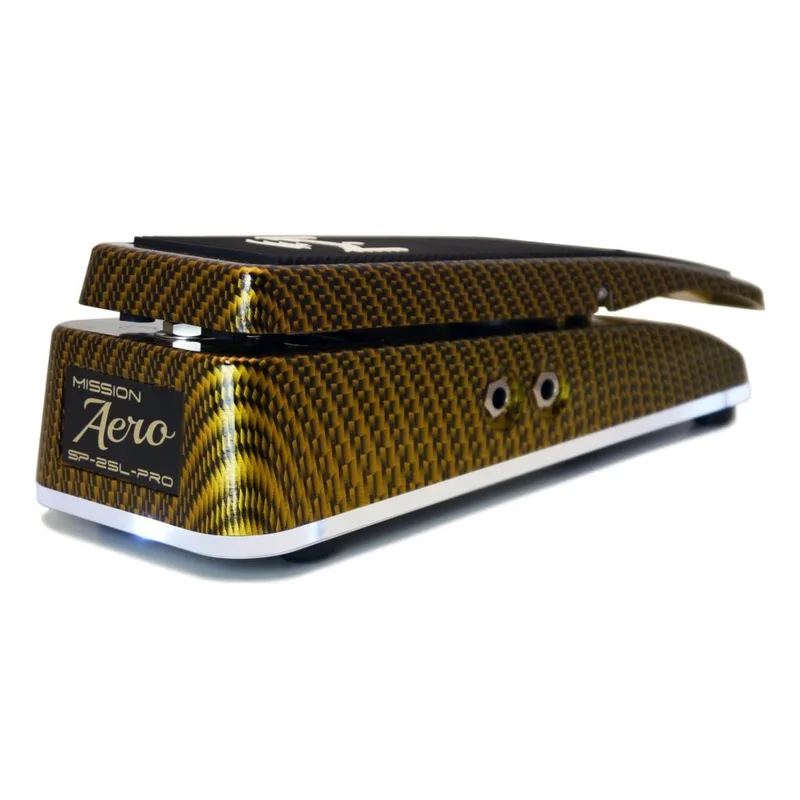
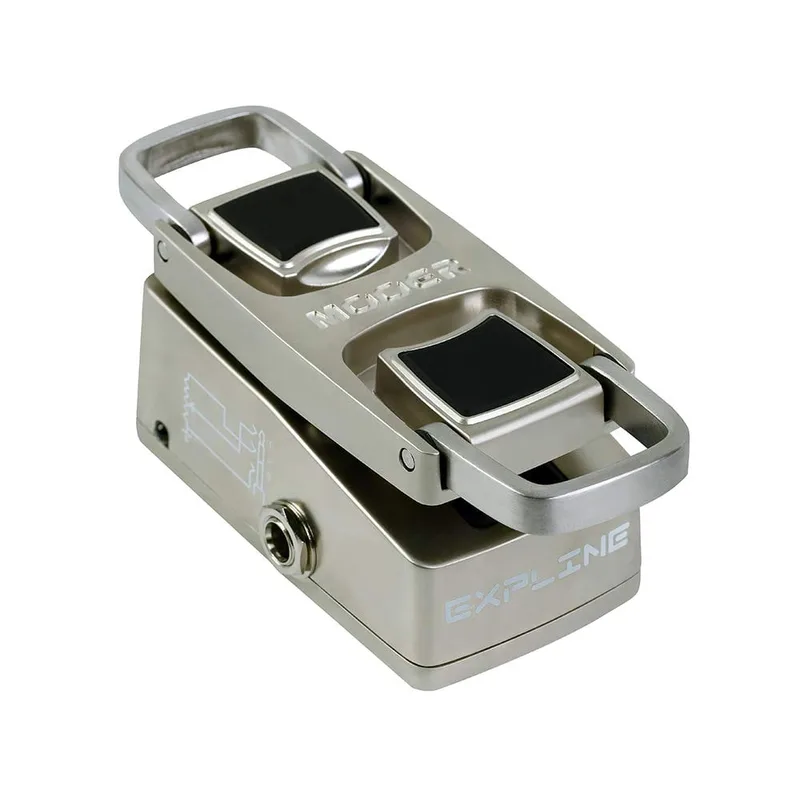
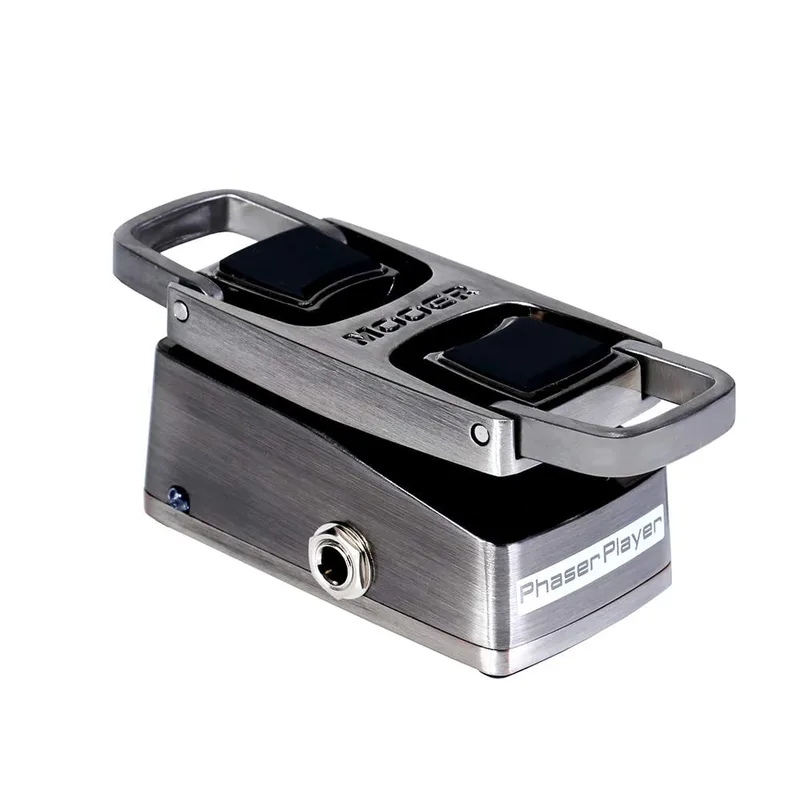
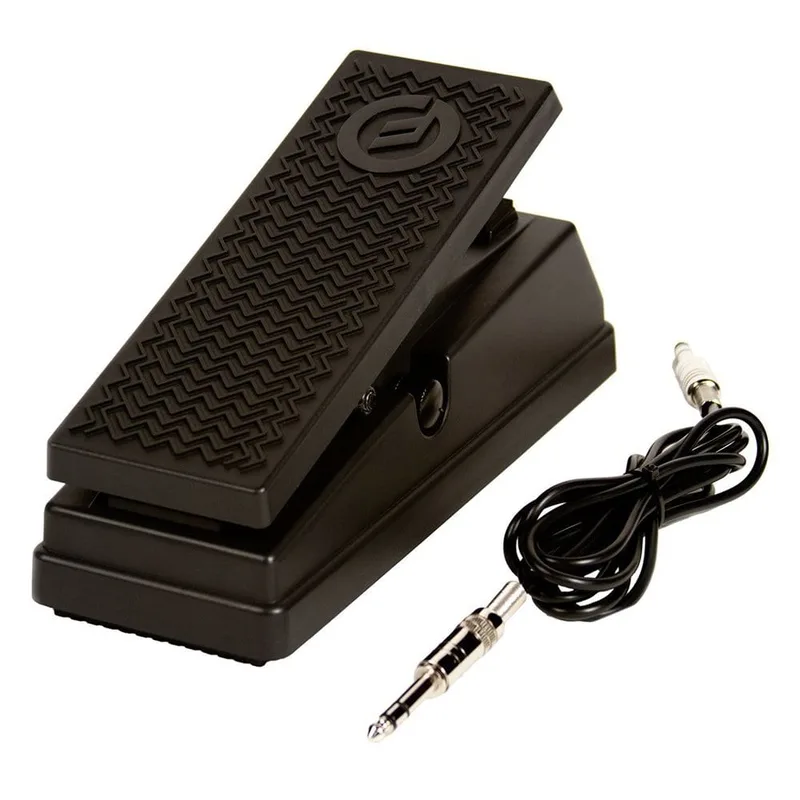
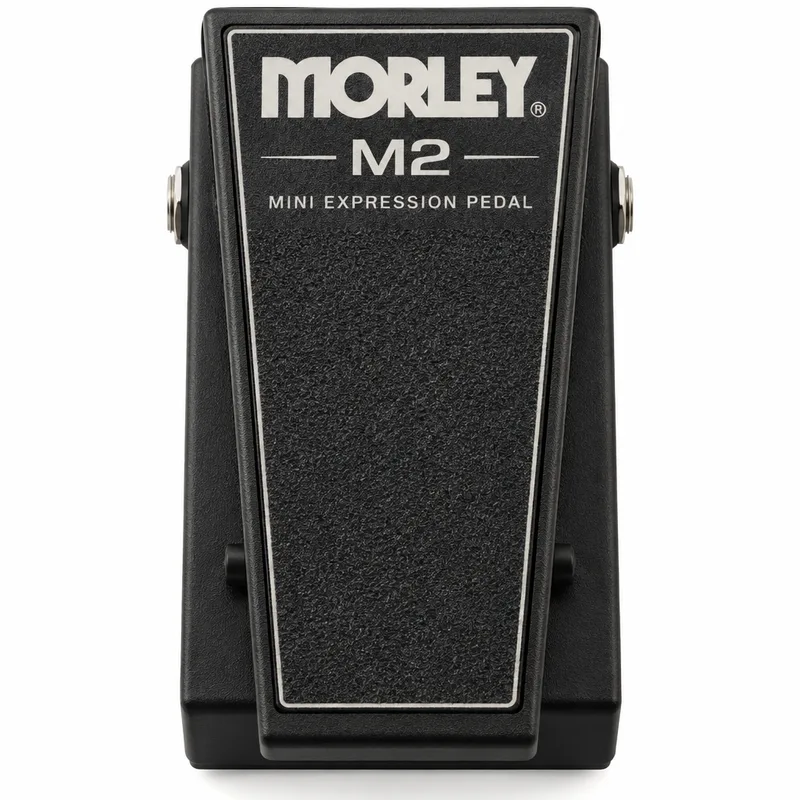
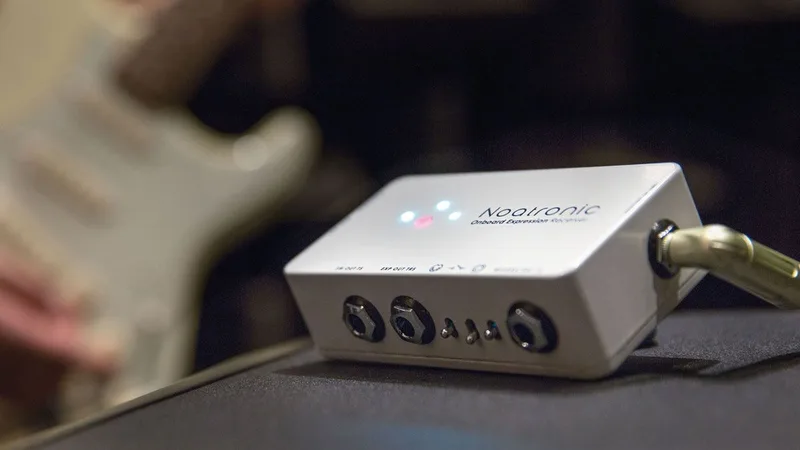
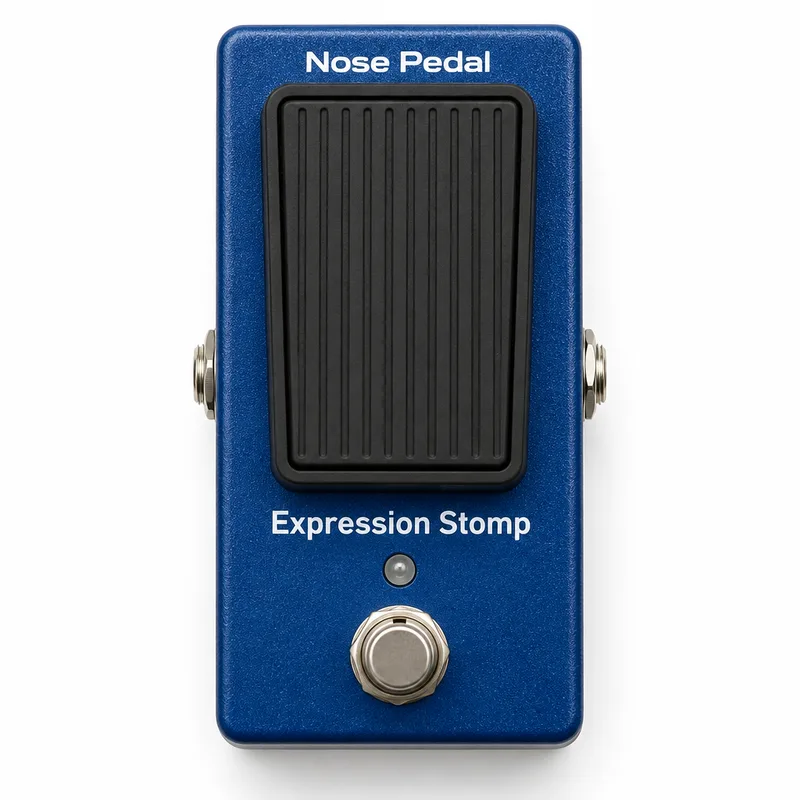
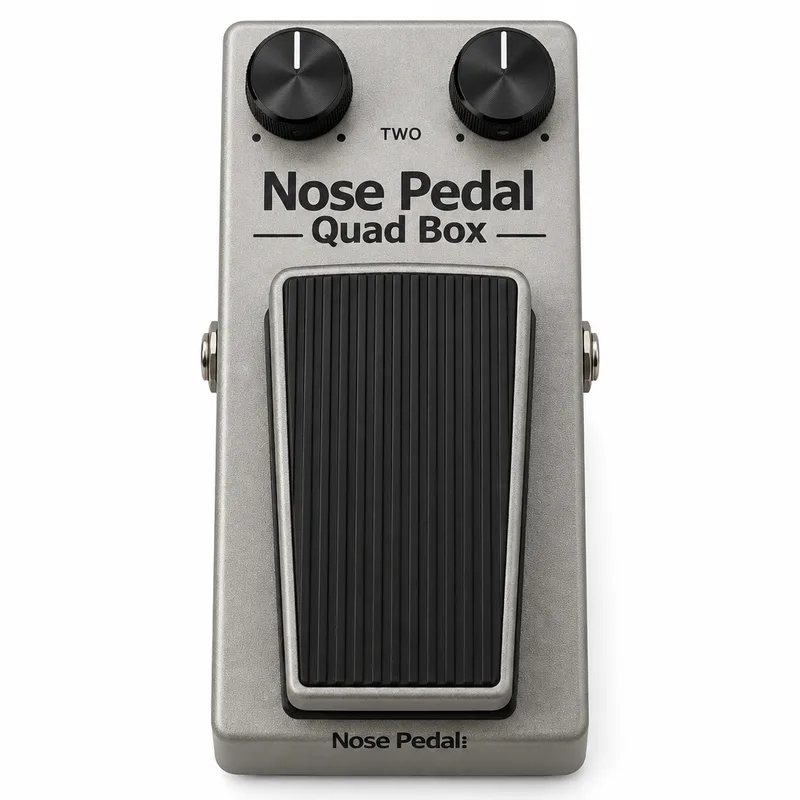
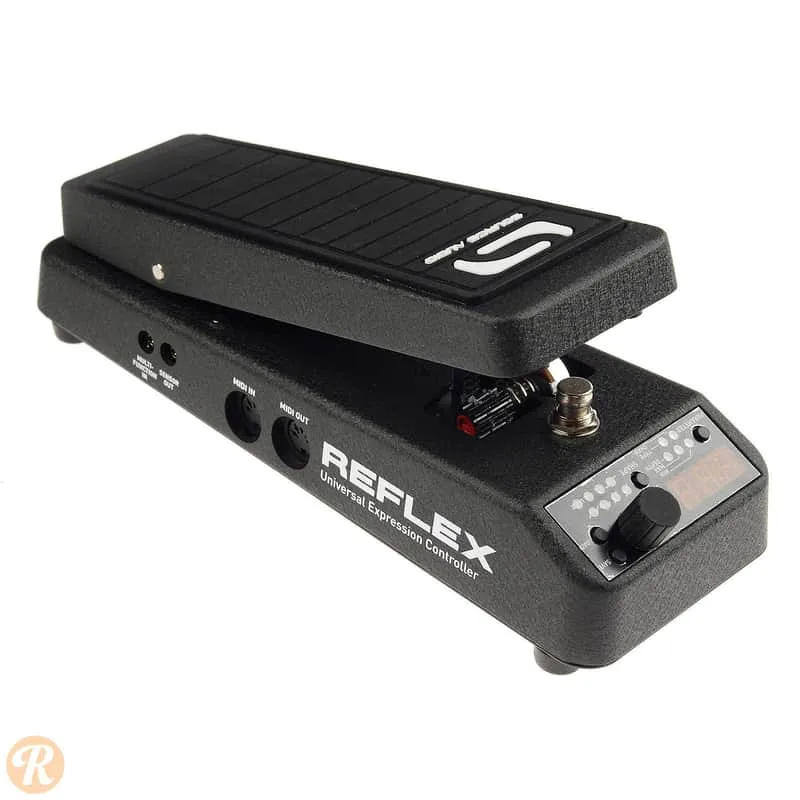
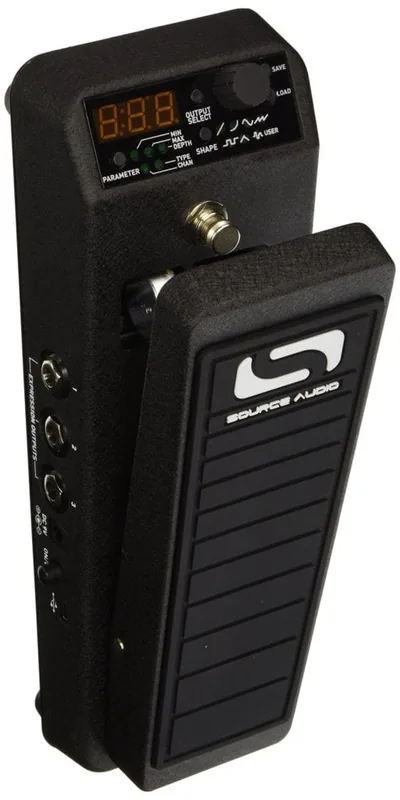
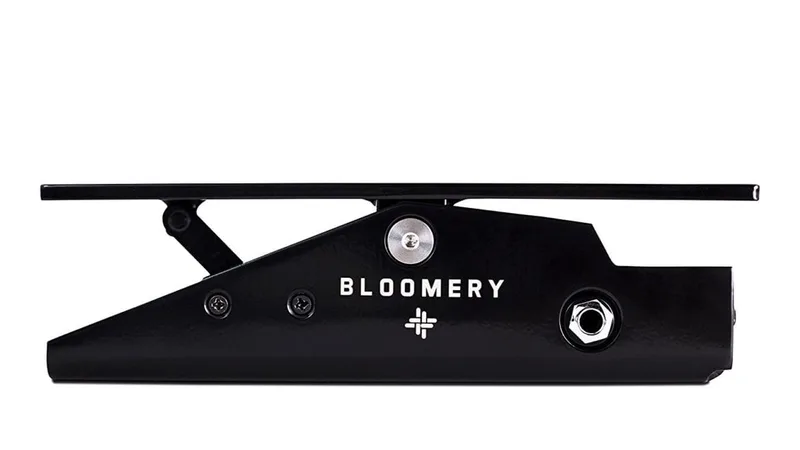
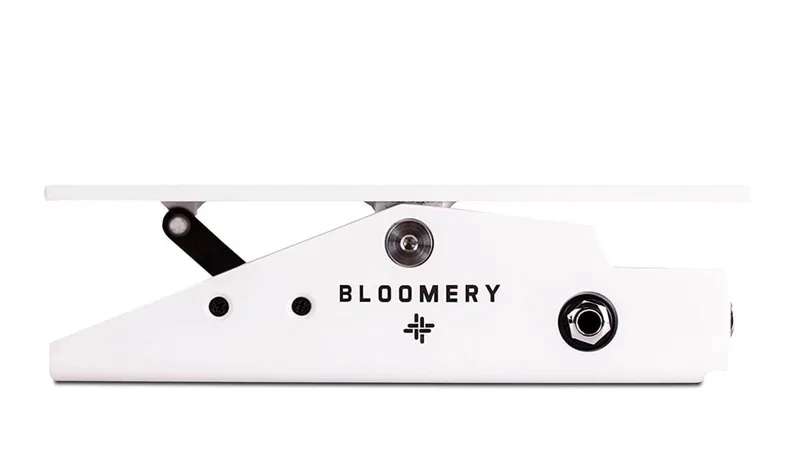
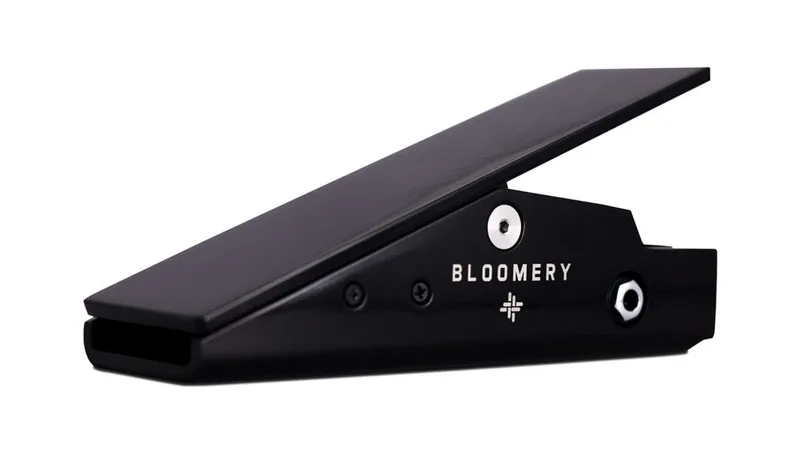
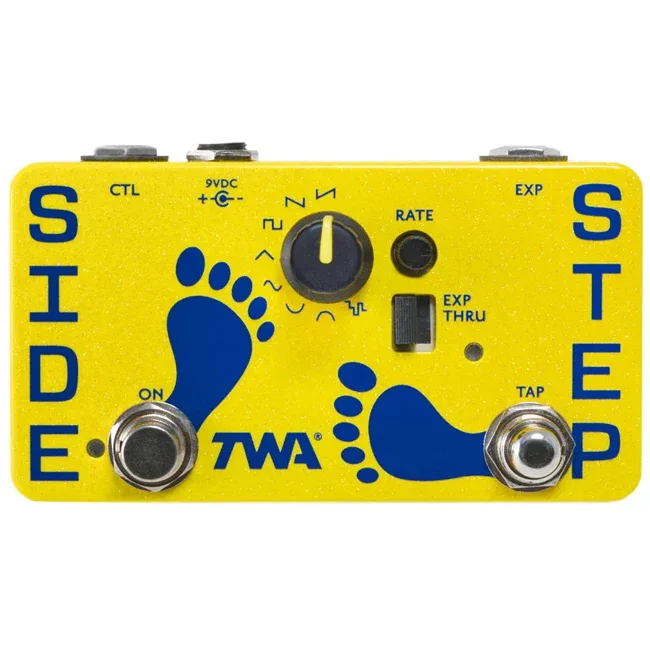
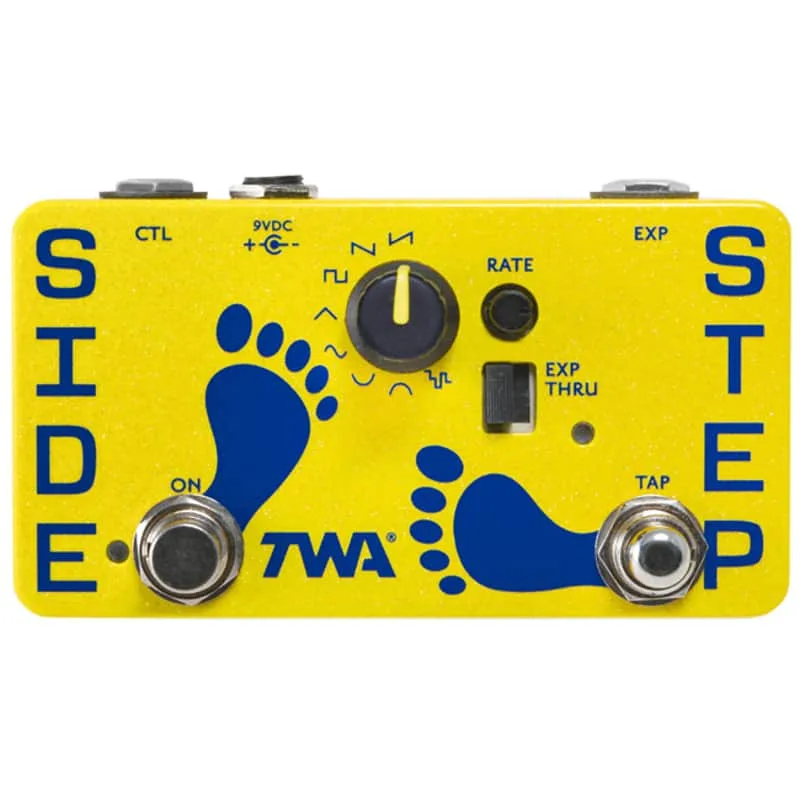
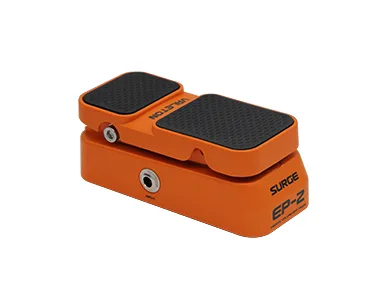
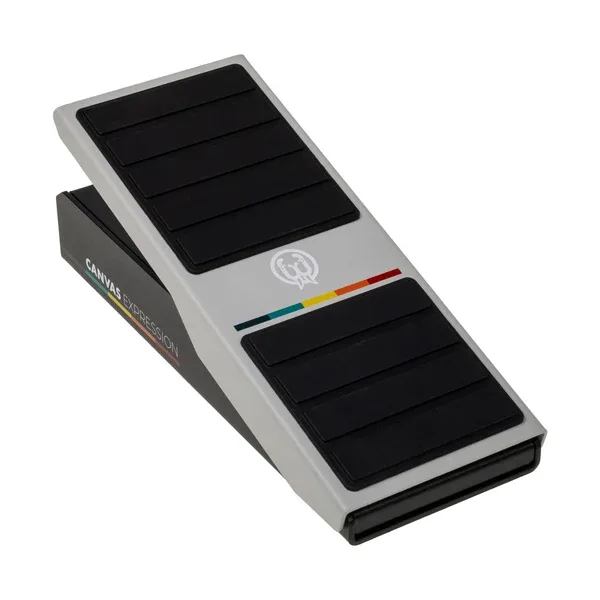
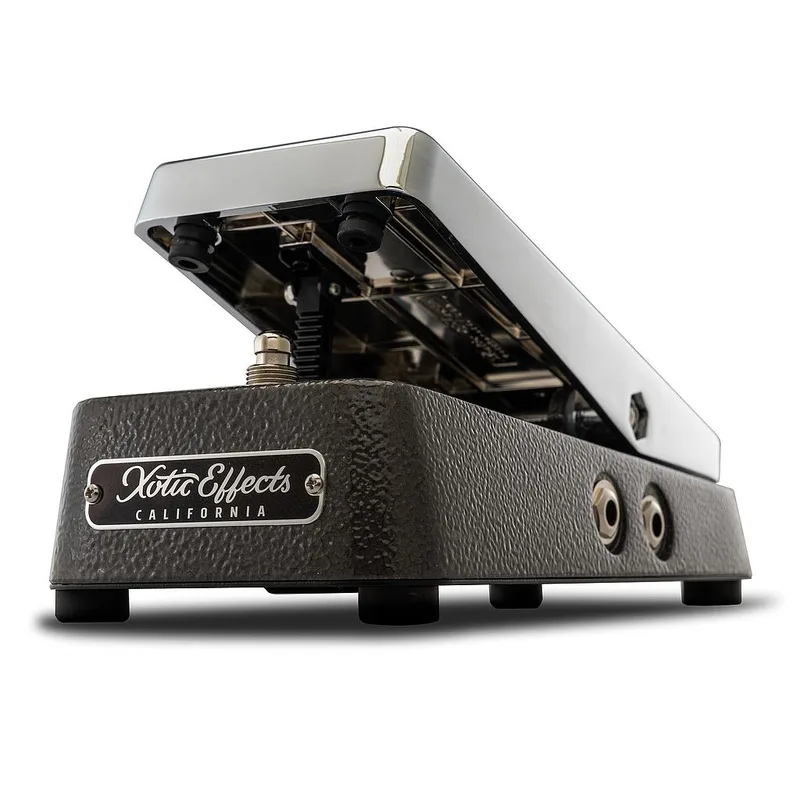
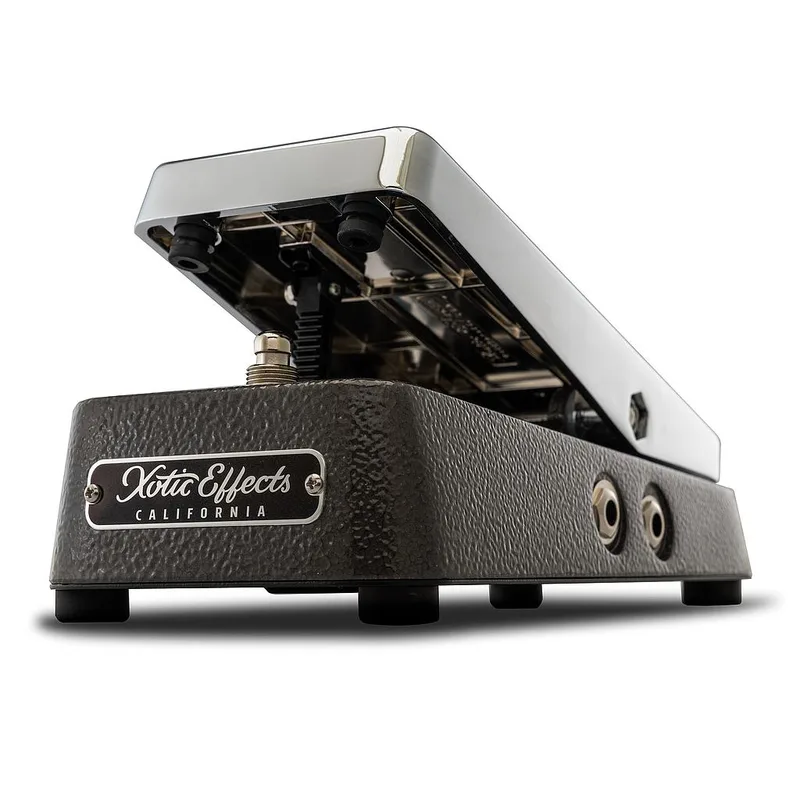
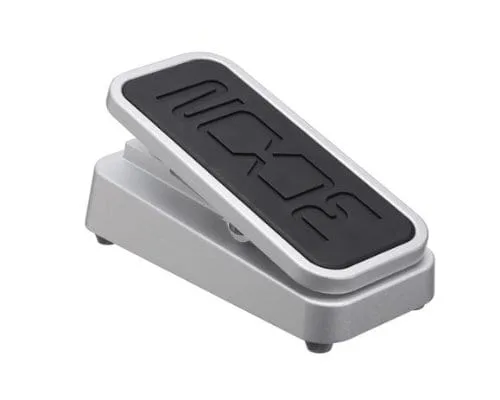
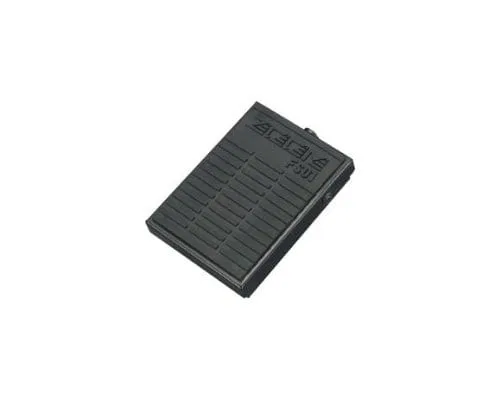
An expression pedal is a foot-operated controller that moves a parameter on another piece of gear while you play. Instead of sitting in your signal chain like a volume pedal or a wah, it plugs into a dedicated expression jack on a pedal, amplifier or multi-effects unit and sweeps one of that device's controls, hands free. Lehle's manual puts it plainly: "An expression pedal usually controls a specific value of an effects device"1. What that value is depends entirely on the device it is plugged into: filter frequency, delay time, reverb level, pitch, tremolo speed, or simply volume.
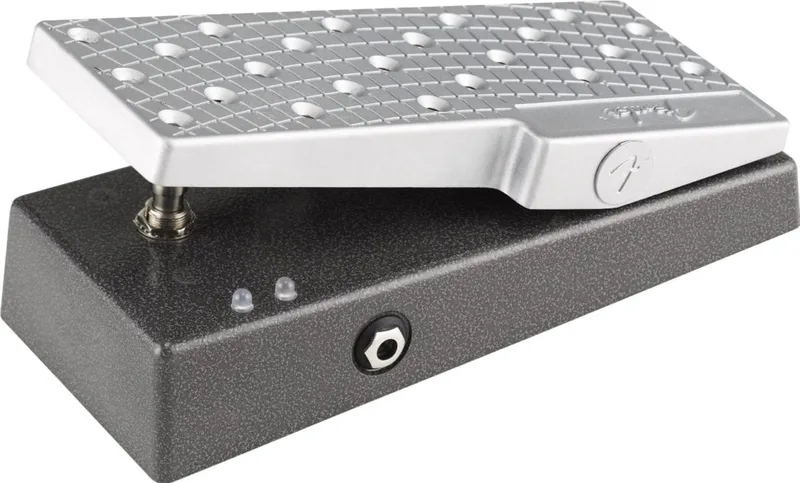
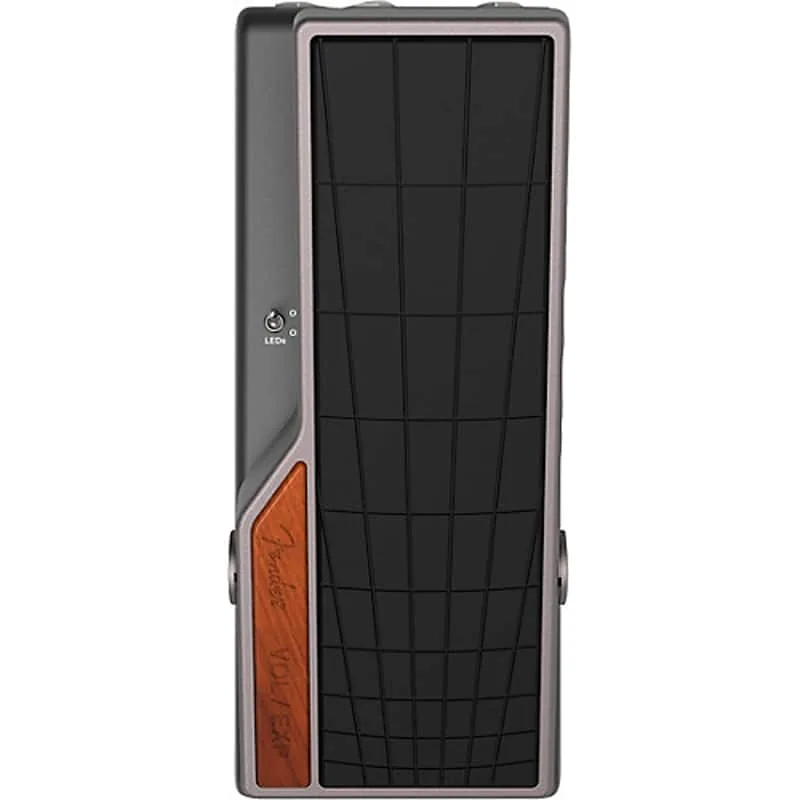
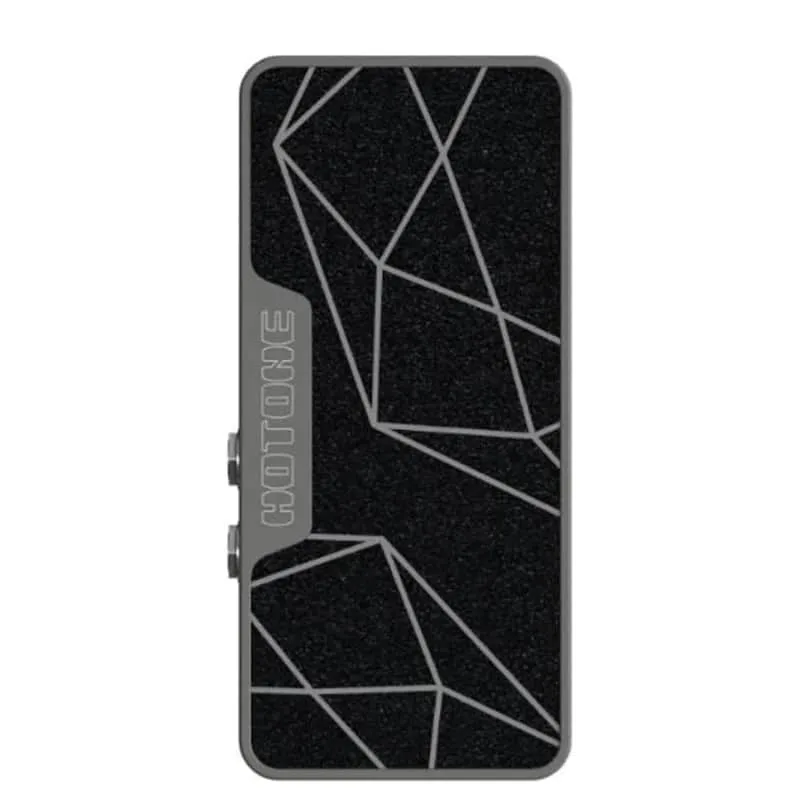
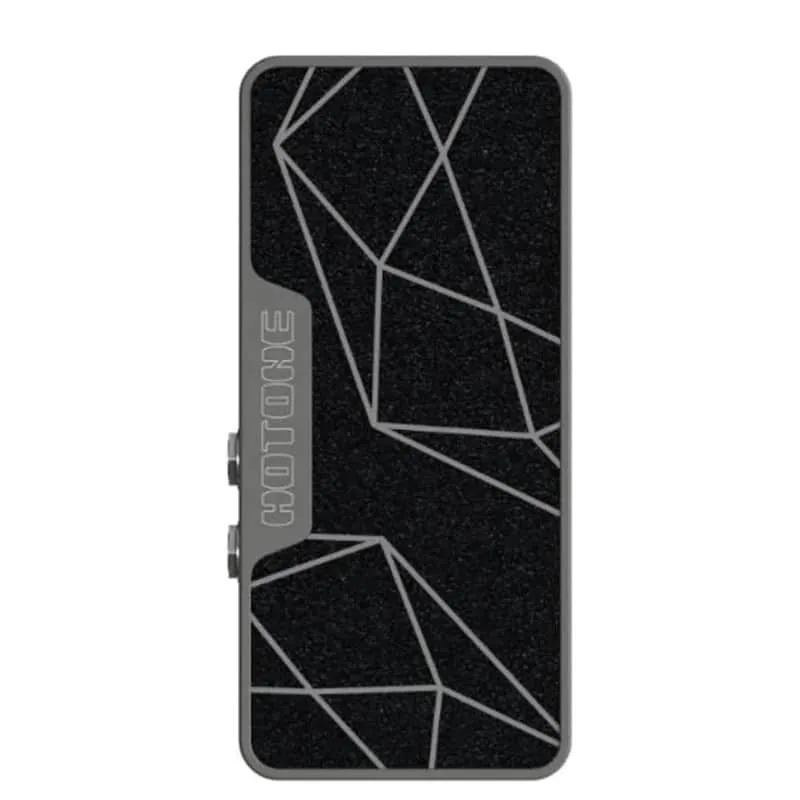
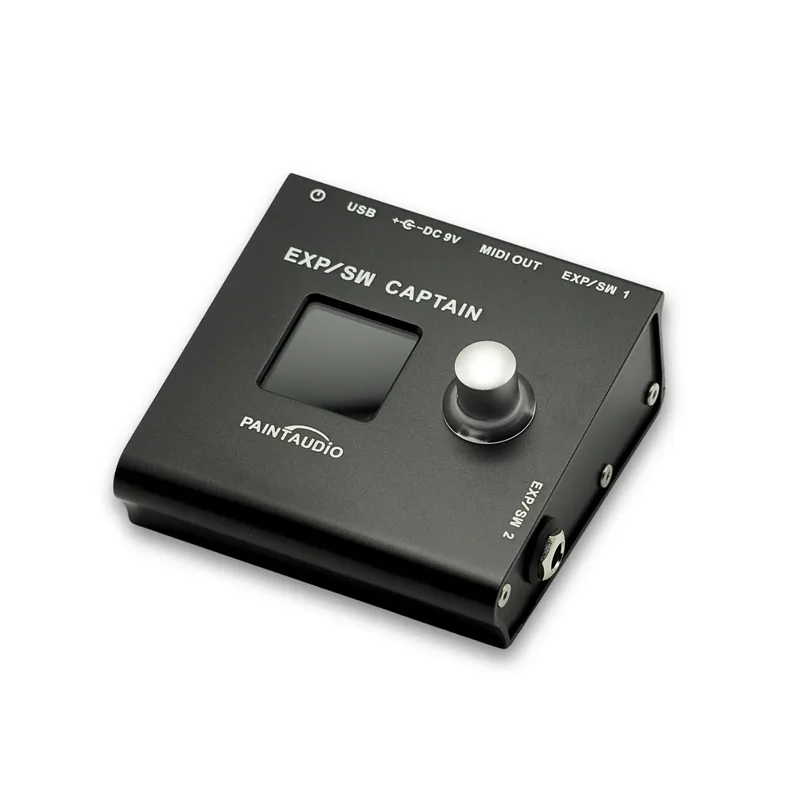
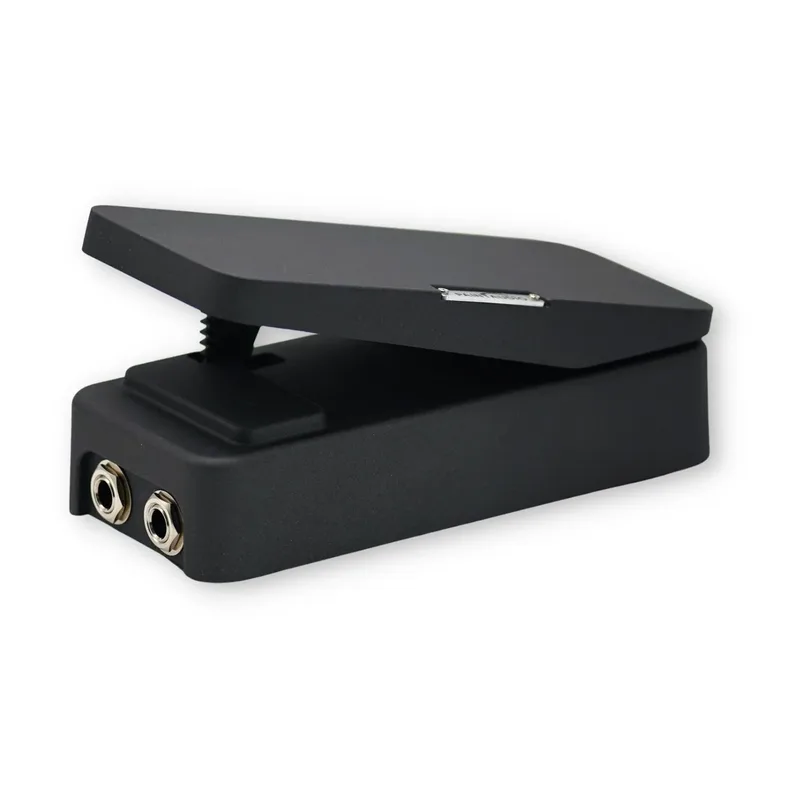
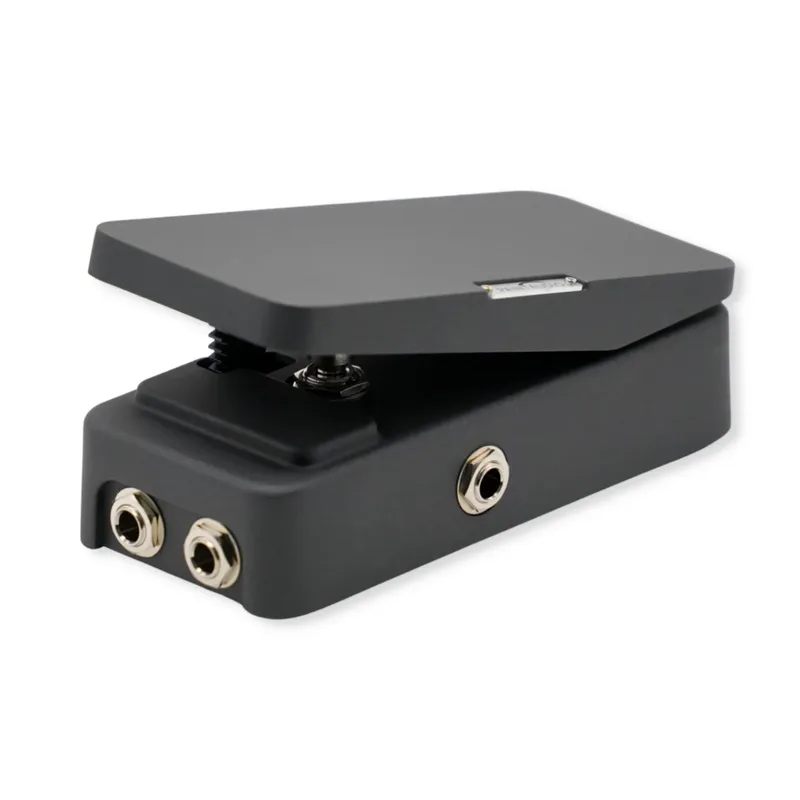
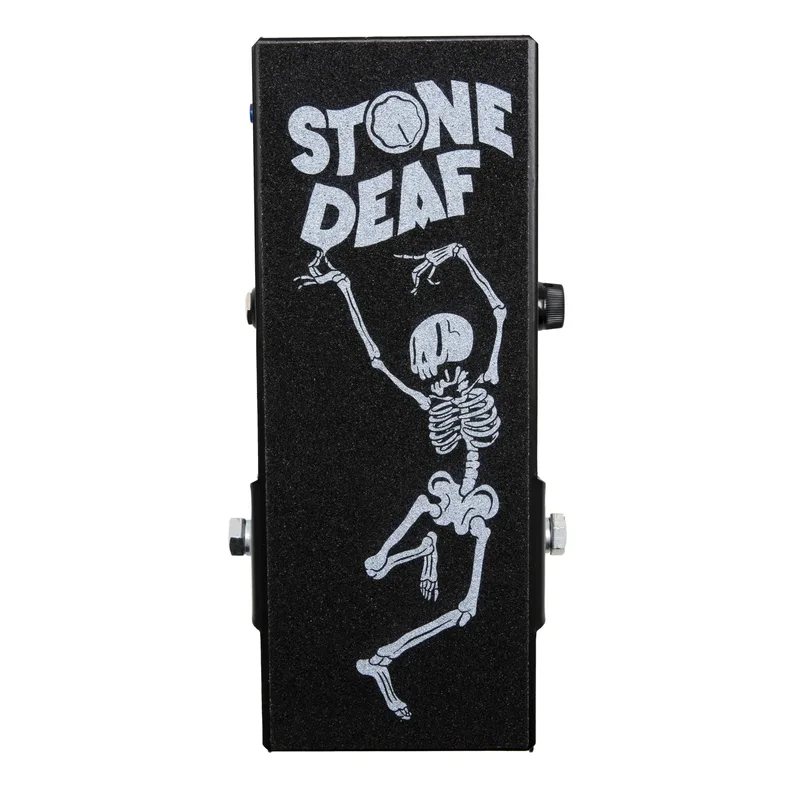
The category is broad. The Fender EXP-1 Expression Pedal is a dual-mode digital pedal that switches between volume and expression functions2. The PaintAudio Foot Captain Expression Pedal is a compact controller built for foot feel3. Hammond sells the EXP-100f for organ players4, and Stone Deaf builds the EP-1 as a proprietary expression pedal designed specifically for its own products5. What they all share is the job: your foot turns a knob somewhere else.
What an expression pedal does
The point of an expression pedal is real-time control of a sound-shaping parameter without taking your hands off the strings. Makers decide which parameters they expose, and the range is wide:
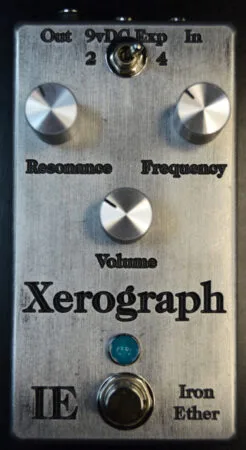
- Filter frequency: the Iron Ether Xerograph has an expression jack so a passive expression pedal "allows you to control the frequency of the filter with your feet"6.
- Reverb amplitude: Beautiful Noise Effects' When The Sun Explodes has an EXP input that "modulates the amplitude of the reverb signal," with a 10k to 50k expression pedal specified7.
- Any control on the pedal: the EarthQuaker Devices Ledges ships with its expression jack mapped to the Damping control, and an expression pedal can be mapped to any of the other controls instead8.
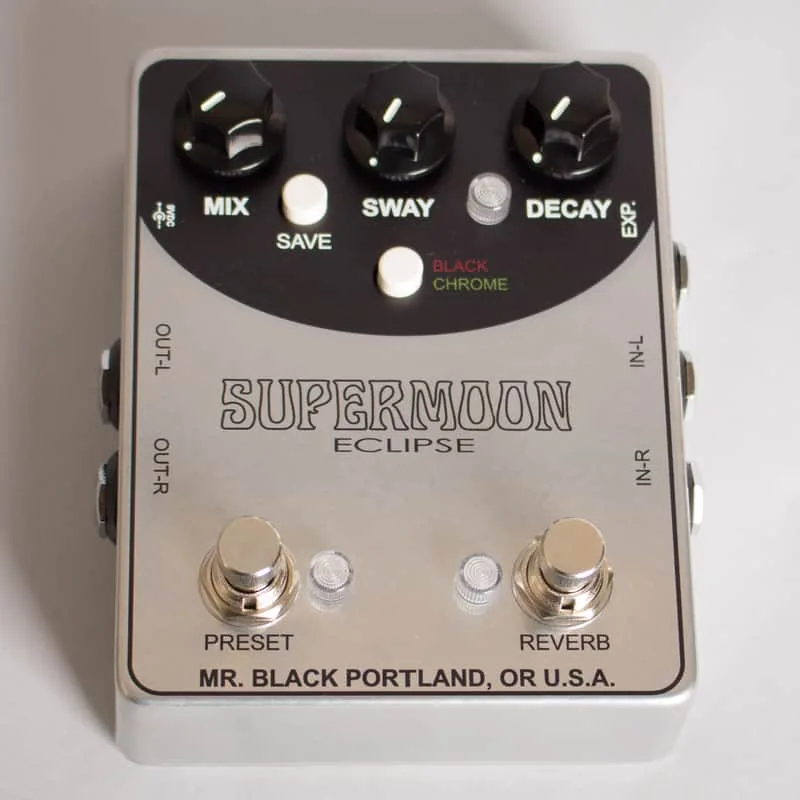
- On-the-fly knob assignment: on the Mr. Black SuperMoon Eclipse, "an expression pedal can be assigned to any, or all, of the control knobs on the fly by simply connecting a standard expression pedal" and turning the desired control all the way up9.
- Volume, wah and effect parameters: on the Boss GT-1 multi-effects unit, the built-in expression pedal and toe switch "are assignable to volume, wah, and various effects parameters"10.
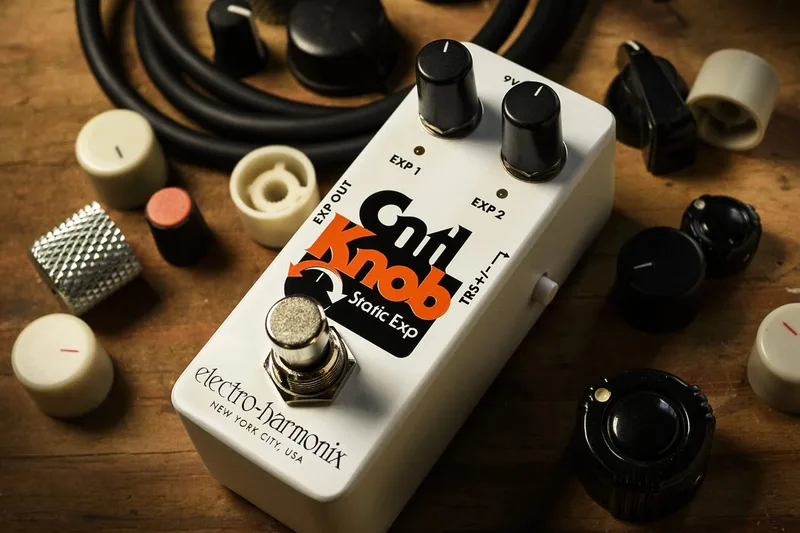
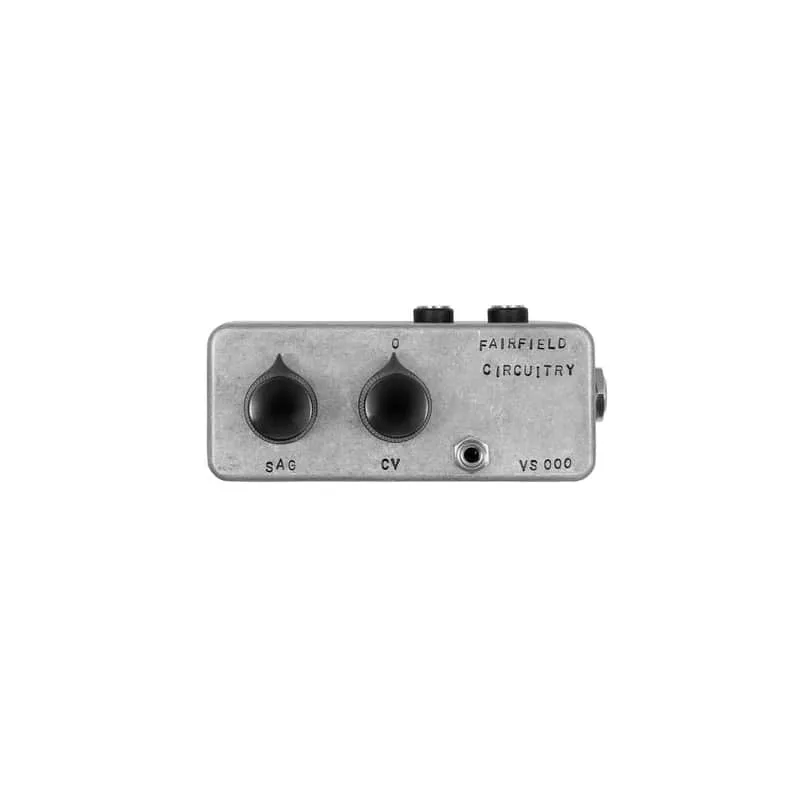
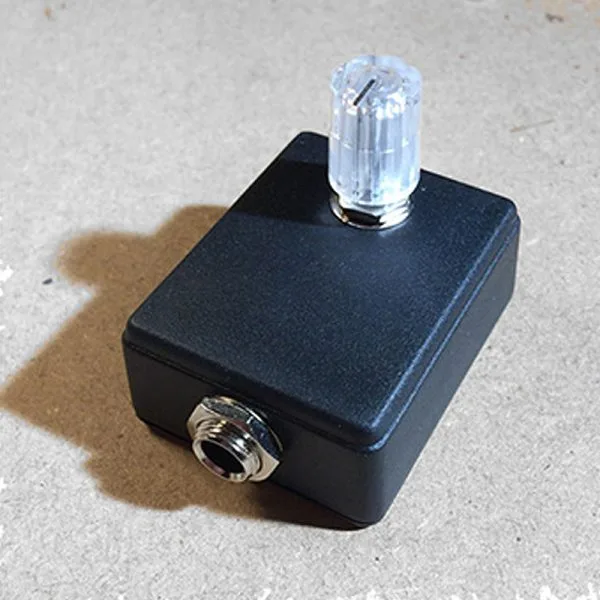
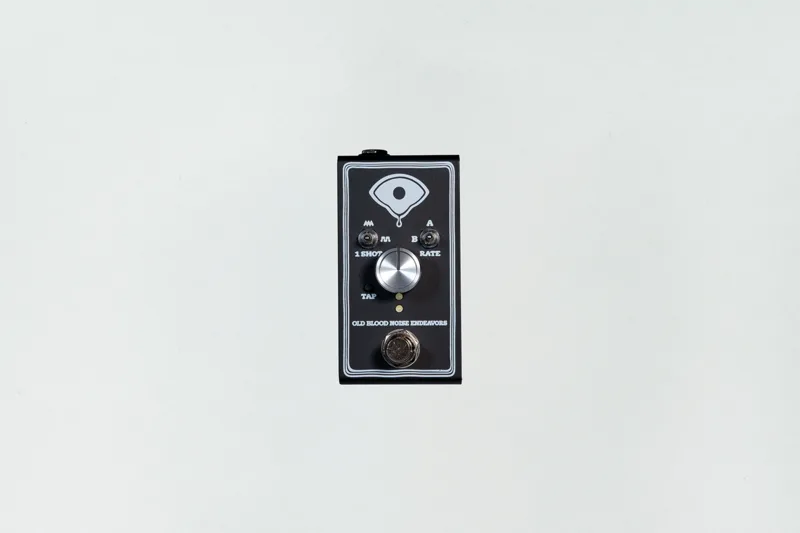
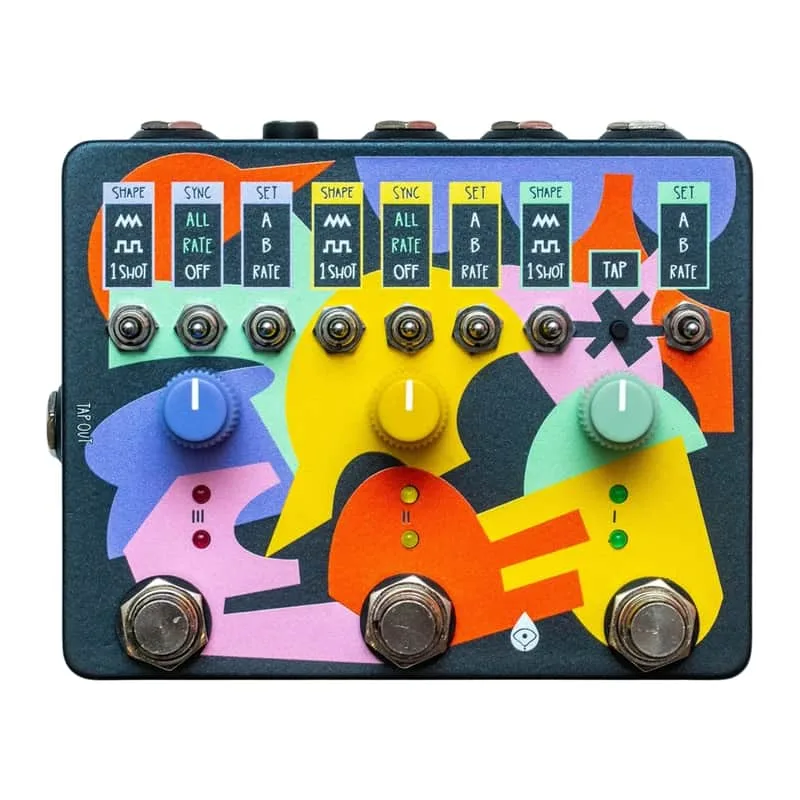
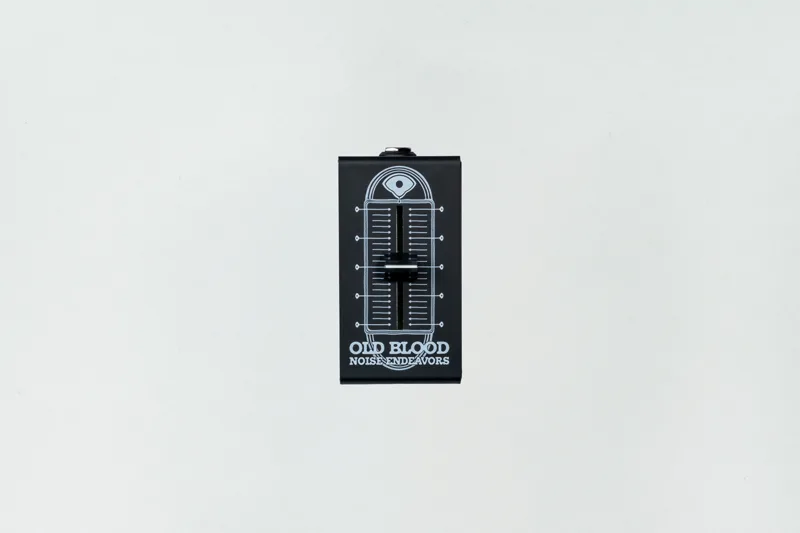
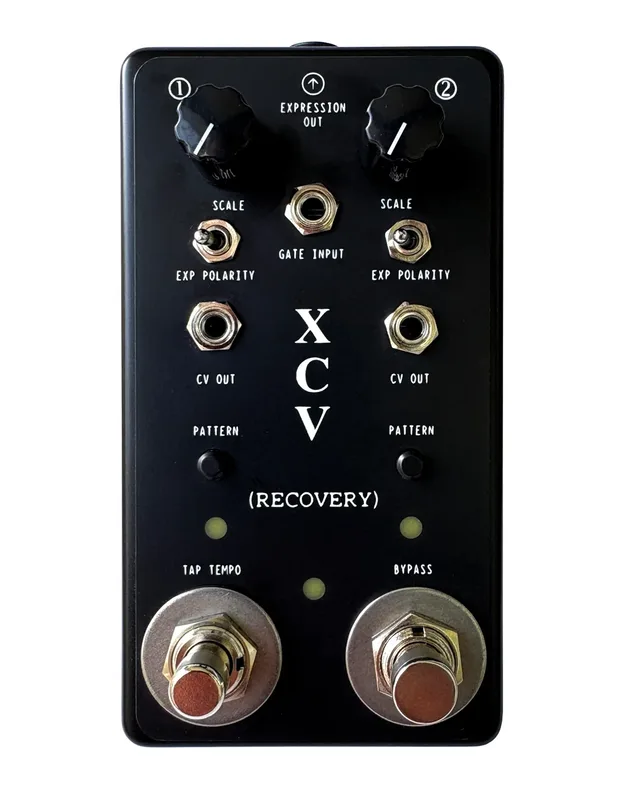
Some devices take the idea further than a simple sweep. The Old Blood Noise Endeavors Expression Ramper is an expression controller for pedals with an expression input that lets you "pick two expression settings (A and B) and move between them, either in one motion or as" a repeating ramp11. JHS sells an Expression Knob Install that "puts the expression function on top of the pedal, removing the need for a bulky expression pedal"12.
How an expression pedal works
An expression pedal is, at heart, a potentiometer (a variable resistor) attached to a rocker. The controlled device does the electrical work. Lehle's manual explains the mechanism: pedals typically send a voltage of 3.3 V or 5 V to the potentiometer of the expression pedal, which routes a part of that voltage back as a control voltage1. Rocking the pedal changes how much voltage comes back, and the device reads that change as a knob being turned.
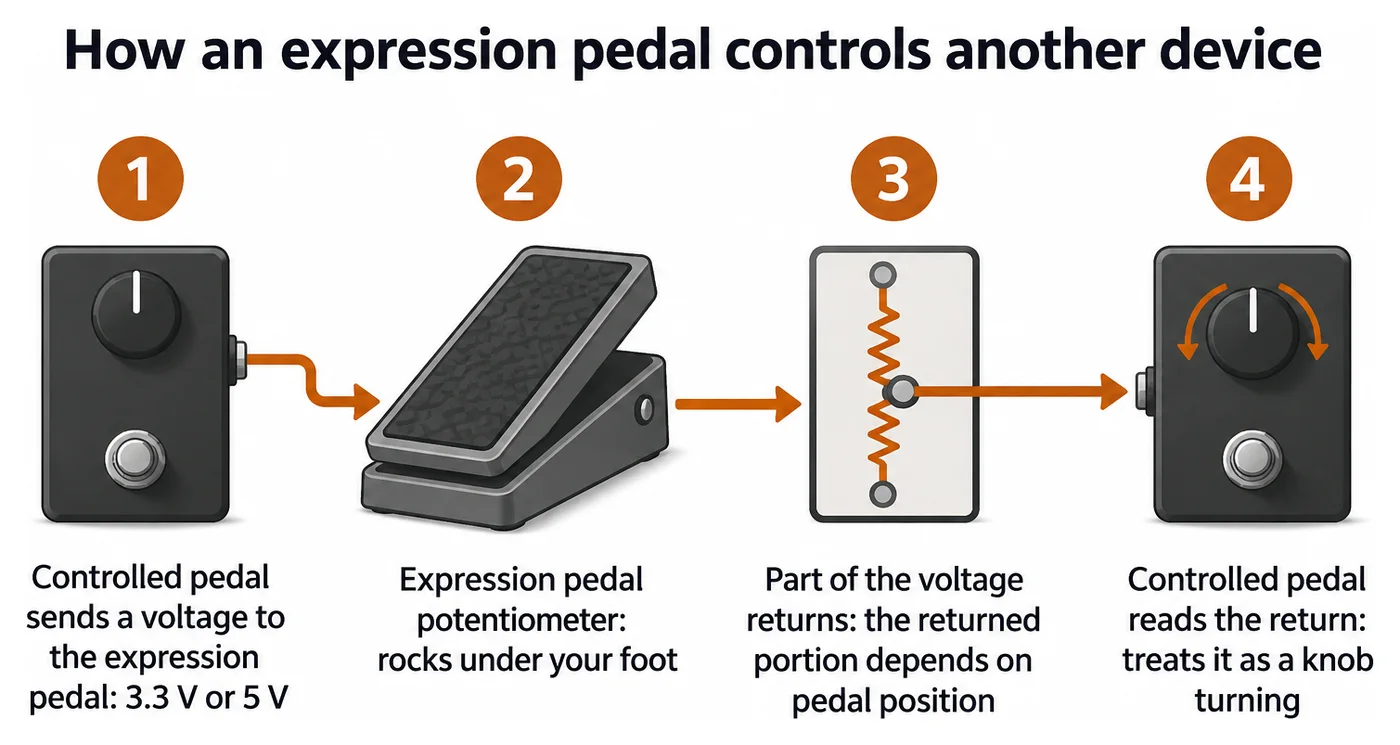
Because the mechanism is just a pot and a cable, most expression pedals are passive. Electro-Harmonix lists both its Single Expression Pedal and Dual Expression Pedal as requiring no power1314.
The same principle explains why some makers let you add an expression jack to a pedal that never had one. Griffin Effects documents a procedure for wiring a jack in parallel with an existing potentiometer, which works because both the knob and the expression pedal are doing the same job15:
- Remove the potentiometer from the PCB that you want to also control with an expression pedal.
- Wire that pot to the new jack.
- Connect new wires from the PCB to the other legs of the jack.
Griffin Effects also notes a grounding trap for anyone attempting this: if none of the connections are a ground connection, the nut on the inside jack must not make contact with the sleeve connection inside the jack15.
From volume and tone foot controllers to expression pedals
Foot control of guitar sound long predates the expression jack: volume pedals and wah pedals put a rocker under the player's foot in the signal chain. An expression pedal looks the same but works differently, and several products make the distinction explicit by doing both jobs.
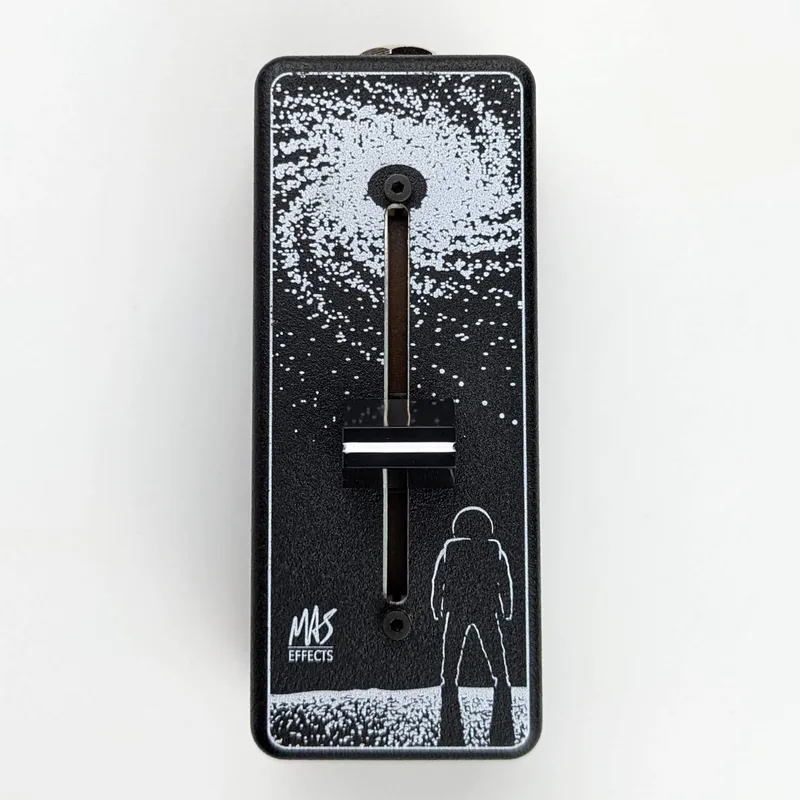
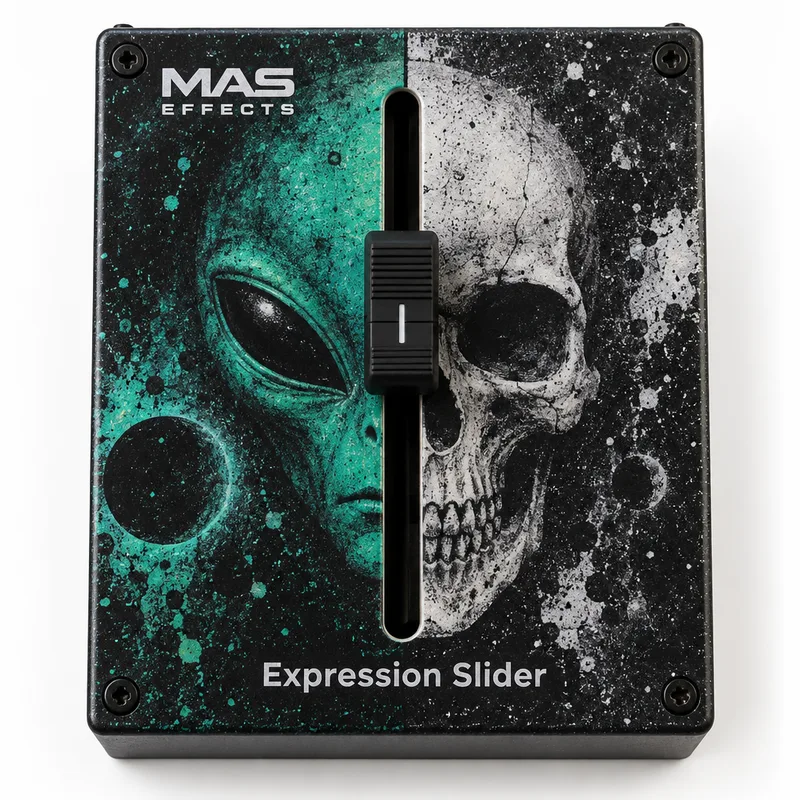
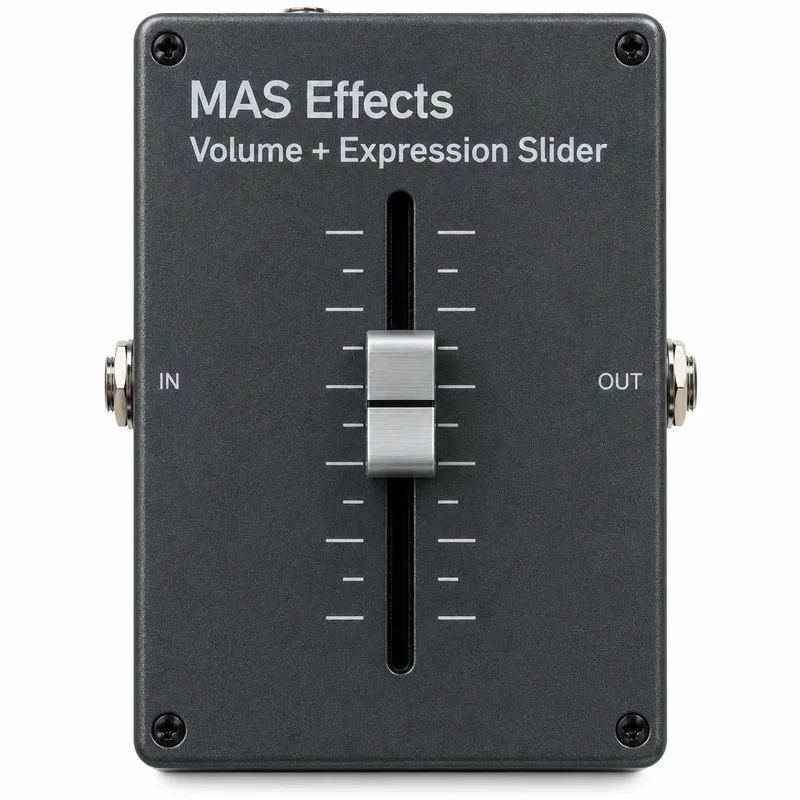
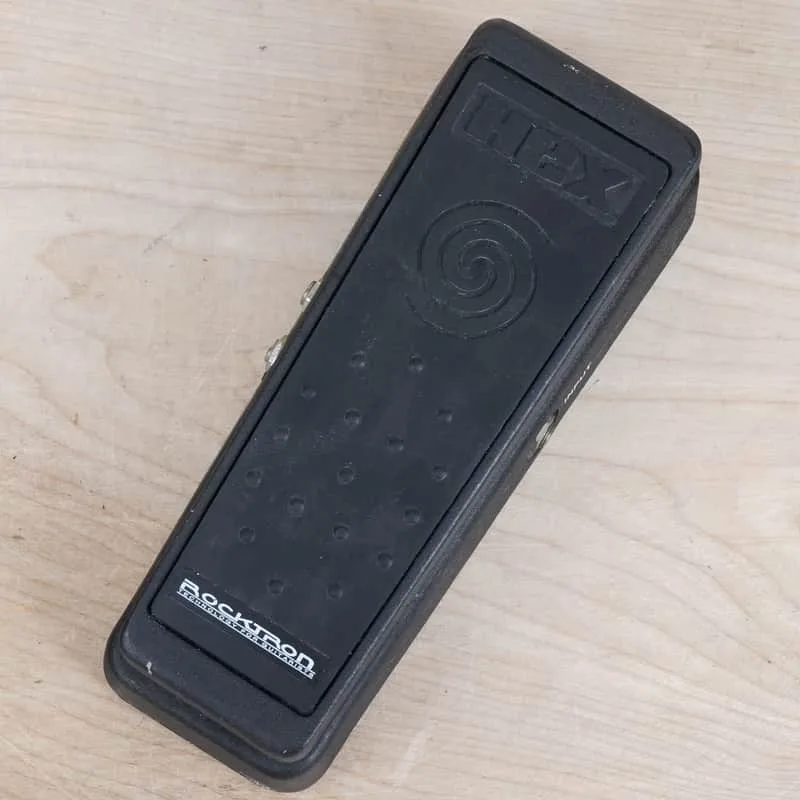
The Rocktron Hex Expression/Volume Pedal is a multi-function, high-impedance 250K ohm pedal "that can be used both as a volume pedal" and as an expression pedal16. The Fender EXP-1 switches between Volume and Expression modes "by stepping on the toe-end of the pedal"2. MAS Effects sells a slider-format controller that can be used "as either an expression pedal or volume pedal, from the convenience of your desktop, mic stand, or anywhere" you can mount it17, and a combo version that works as either, though not simultaneously18.
The practical difference for a player:
| Volume pedal | Expression pedal | |
|---|---|---|
| Signal path | Guitar signal passes through it | Guitar signal never passes through it |
| What it controls | Loudness only | Any parameter the device exposes |
| Power | Passive or active | Usually passive |
| Connection | Instrument cables in and out | One TRS cable to an expression jack |
Multi-effects units and modeling amps have blurred the line further by building expression pedals in. The Boss GT-1 has one built in10, and the Line 6 POD Express Guitar and Bass both accept an optional external expression pedal for volume control, with their VOLUME and FS3/4 jack doubling as a multi-purpose input for footswitches1920.
Single, multi-output and built-in expression pedals
Expression pedals come in several formats, and the choice affects how many devices you can reach.
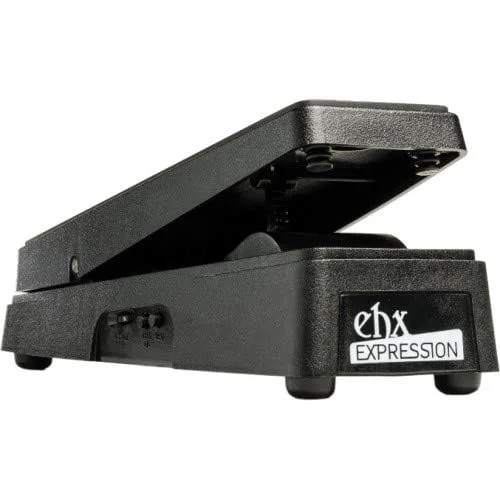
Single-output pedals are the standard form: one TRS output, one controlled device. Electro-Harmonix describes its Single Expression Pedal as "a single-output pedal that's versatile enough to control virtually any device with an EXP input"13.
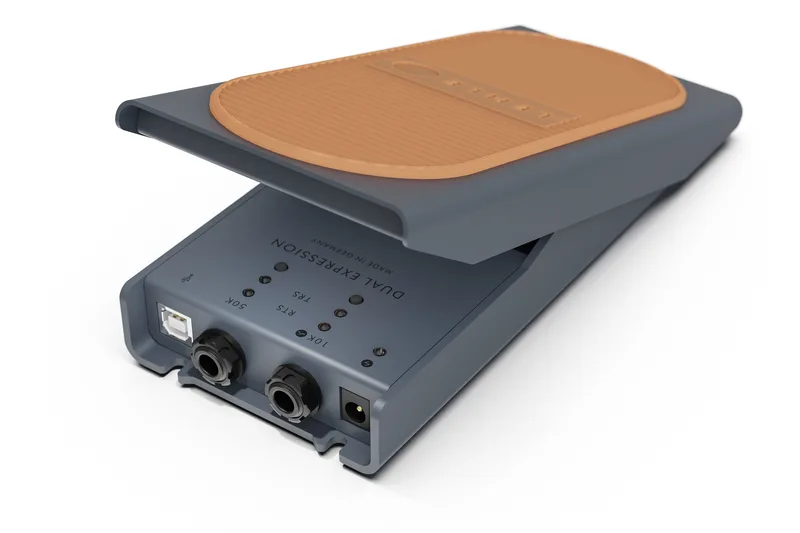
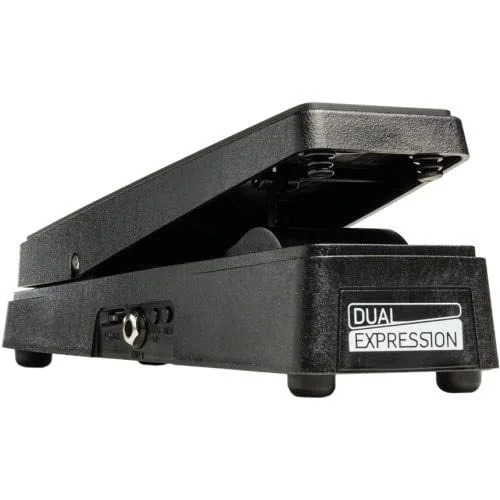
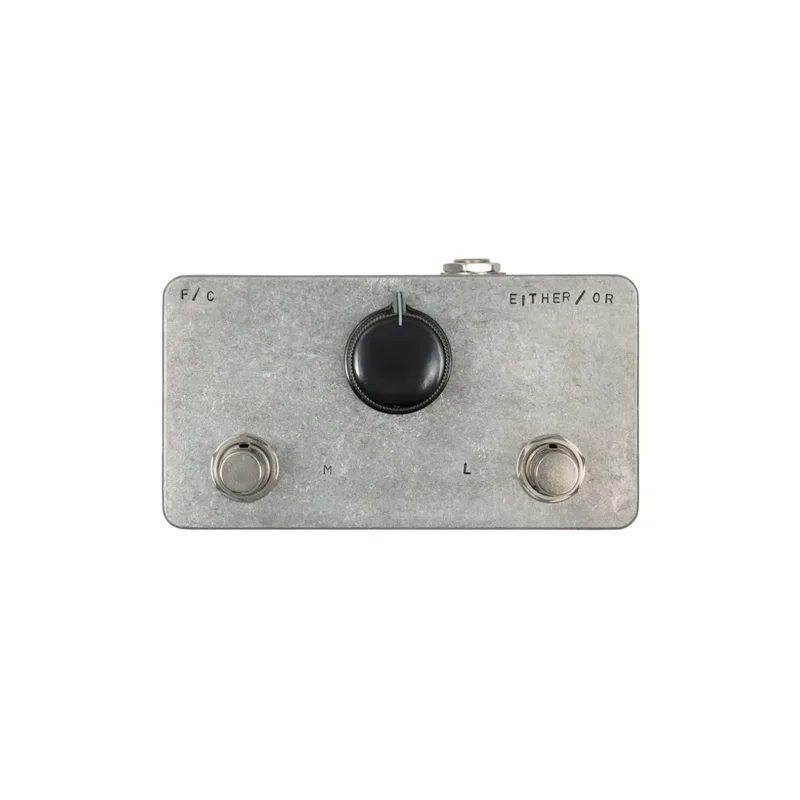
Multi-output pedals feed more than one device. The Electro-Harmonix Dual Expression Pedal has two expression outputs with independent Range, Direction and Polarity controls for each14. The LEHLE Dual Expression lists its typical uses as a classic expression pedal for the Kemper Profiler, multi-effects pedals, effect pedals, amplifier channel switching, synthesizers, CV regulation for modular synthesizers, and MIDI-USB expression control21. Saturnworks takes a different route: its Expression Control Switch "allows you to use a single expression pedal to control up to three different devices"22.
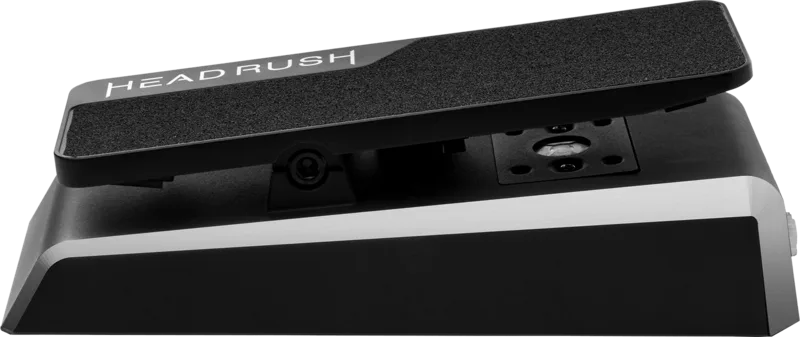
Built-in pedals live inside multi-effects units. The Boss GT-1's expression pedal and toe switch are assignable to volume, wah and effect parameters10. The HeadRush Pedalboard goes further: connecting the HeadRush Expression Pedal "enables users to have a second expression pedal working simultaneously with Pedalboard's built-in expression pedal," for control of up to 8 FX parameters at once23.
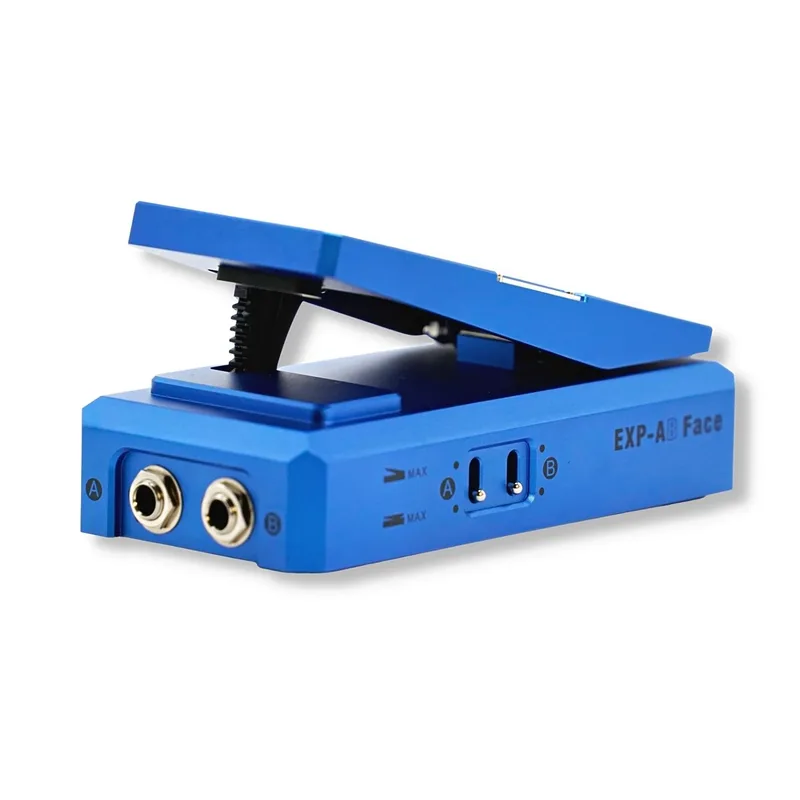
Format variations abound. The DigiTech Mini Expression Pedal shrinks the rocker down for small boards24. Microdesignum builds MIDI expression pedals with a built-in MIDI mod and a toe switch, made for the Line 6 M1325. PaintAudio's EXP-AB Face is "a unique dual-channel expression pedal with switchable polarity for toe and heel"26. And the Old Blood Noise Expression Ramper replaces the continuous sweep with movement between two stored settings11.
Polarity, taper and range controls
This is where expression pedals get technical, and where compatibility problems come from.
Polarity. An expression pedal connects with a stereo TRS cable, but makers do not all wire the tip and ring the same way. If the wiring does not match the controlled device, the pedal may sweep backwards or barely respond. Many pedals include a fix: both Electro-Harmonix expression pedals have a TRS +/- button that "reverses the polarity of the TRS jack for expanded compatibility with other devices"1314. The DigiTech Mini Expression Pedal has a three-position selector, TRS (25kΩ), TS (10kΩ) or RTS (25kΩ), "making it flexible to work with most gear" with expression inputs24.
TS versus TRS. Some devices prefer a mono connection. Shift-Line's manuals for the Prism III and Octaves state that expression pedals with 10 to 25kOhm resistance and a TS mono connection "are the preferable option," and that TRS connections may result in non-linear response2728. The Prism III has an expression pedal type parameter, set to 0 for a TS mono connection or 1 for a TRS stereo connection27.
Range and direction. Beyond polarity switches, some devices calibrate the expression range themselves. On the Shift Line Octaves, the expression range parameters use values in the 0 to 1023 range set by calibration, and swapping the two values reverses the pedal's direction28. The Electro-Harmonix Dual Expression Pedal gives each output its own Range and Direction controls alongside polarity14.
Taper and value. The potentiometer value matters for linearity and compatibility, covered below under choosing.
Where it connects and whether it needs power
An expression pedal connects to a dedicated expression or EXP jack on the controlled device, normally with a single TRS cable. The HeadRush Expression Pedal's 1/4" (6.35mm) TRS expression output "connects to any HeadRush product equipped with an expression pedal input"23. Rocktron notes the Hex's expression connection "allows you to use a simple stereo to stereo cable," minimizing cable use on stage16. Saturnworks' switchable pedal uses two jacks: your compatible device goes to the "device" TRS jack and a standard TRS expression pedal to the "expression" jack22.
Not every device wants the same cable, though. The Line 6 HX One's EXP PEDAL / FS 3/4 jack accepts an expression pedal using a TS cable, or a dual footswitch with a TRS connector29. Its expression pedal is automatically assigned to relevant effects parameters when connected29.
Power is the simple part: most expression pedals need none. Electro-Harmonix states "no power required" for both its expression pedals1314. The voltage in the circuit comes from the controlled device, not the pedal. Exceptions exist among active and MIDI designs, so check the maker's specifications for any model with onboard electronics.
Questions to ask when choosing an expression pedal
Before buying, work through the compatibility questions in order.
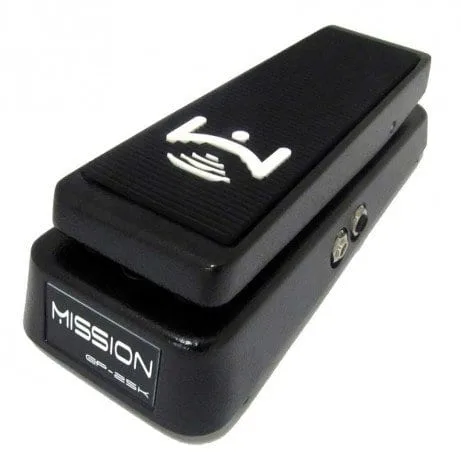
What potentiometer value does your device want? Strymon recommends "using expression pedals that have a minimum 25k ohm or higher potentiometer," naming the Moog EP-3 and Mission Engineering EP-25k30. Dawner Prince specifies any expression pedal with a 10 Kohm potentiometer, such as the Roland EV-5, M-Audio EX-P or Mission EP-1, for its Viberator31. Shift-Line's manuals point to 10 to 25kOhm pedals2728.
Has the maker tested your combination? Strymon has tested the Moog EP-2, EP-3 and Mission Engineering EP-25K, which "will all work with our pedals to varying degrees," and notes other untested pedals may also work32. Saturnworks states its expression controllers work with devices from EHX, Moog, Boss, Strymon, Line 6, Eventide "and many more"22.
Does the device tolerate any pedal? Some pedals are built to be forgiving. On the Iron Ether Nimbus SE, "just about any expression pedal can be used" because the Exp knob attenuates the maximum expression value, and the Exp switch acts as an on/off for the expression pedal33.
How do you assign the parameter? Assignment methods differ. Strymon pedals accept an expression pedal on the EXP input to control parameters, assigned through the pedal's own controls34. On the EarthQuaker Devices Ledges, you reassign by inserting the expression pedal, placing it toe down, turning the desired control, then placing it heel down8.
Do you need polarity and range adjustments? If you will use one expression pedal across several devices, a polarity switch and range controls, as on the Electro-Harmonix Dual Expression Pedal14 or the PaintAudio EXP-AB Face26, save frustration.
Do you want a sweep at all? The Expression Ramper's two-setting approach11 and JHS's knob-top expression install12 both answer "no" in different ways.
Questions
Do expression pedals need a power supply?
Most expression pedals are passive and need no power at all. Electro-Harmonix lists its Single and Dual Expression pedals as requiring no power, and a passive pedal works by returning part of a voltage the controlled device sends it. Some designs add active electronics, MIDI or USB, and those do need power, so check the maker's page for the specific model.
Will any expression pedal work with my pedal?
Not always. Compatibility comes down to the potentiometer value and the wiring of the TRS jack, which differ between makers. Strymon recommends pedals with a 25k ohm or higher potentiometer and has tested the Moog EP-2, EP-3 and Mission Engineering EP-25K. Some pedals, like the Iron Ether Nimbus SE, attenuate the incoming signal so almost any expression pedal works.
What is the difference between an expression pedal and a volume pedal?
A volume pedal sits in your signal chain and physically attenuates the guitar signal passing through it. An expression pedal sits outside the signal chain and remotely turns a control knob on another device. Some pedals, like the Fender EXP-1 and the Rocktron Hex, do both, switching between volume and expression modes.
What is TRS polarity on an expression pedal?
An expression pedal connects with a stereo TRS cable carrying the control voltage, ground and the returned signal. Different makers wire the tip and ring differently, so a pedal that works with one device may sweep backwards or not at all with another. Many expression pedals have a polarity switch, sometimes called TRS plus/minus, to match the controlled device.
Can one expression pedal control more than one effect?
Yes. Dual-output pedals like the Electro-Harmonix Dual Expression and the Lehle Dual Expression feed two devices at once, and the Saturnworks Expression Control Switch lets a single pedal control up to three devices. Some multi-effects units also accept a second external expression pedal alongside their built-in one.
Can I use an expression pedal with my amp or multi-effects unit?
Yes, if the unit has an expression input. The Fender EXP-1 controls parameters on Mustang GTX, GT and Mustang Floor amplifiers, the Boss GT-1 has a built-in expression pedal assignable to volume, wah and effect parameters, and the Line 6 POD Express and HX One both accept an optional external expression pedal.
Sources (34)
- LEHLE DUAL EXPRESSION, Lehle
- Exp-1 by Fender, RockBoard PedalPedia, 2026
- Foot Captain Expression Pedal by PaintAudio, RockBoard PedalPedia, 2026
- EXP100f - Hammond Organ, Hammond Organ
- EP-1 Expression, Stone Deaf FX
- Xerograph, Iron Ether
- WHEN THE SUN EXPLODES, Beautiful Noise Effects
- Ledges Tri-Dimensional Reverberation Machine, EarthQuaker Devices
- SuperMoon Eclipse B-stock, Mr. Black
- BOSS - GT-1 | Guitar Effects Processor, BOSS
- Old Blood Noise Endeavors, Old Blood Noise Endeavors
- LINE6 MM4 MOD, JHS Pedals
- Single Expression Pedal, Electro-Harmonix (ehx.com)
- Dual Expression Pedal, Electro-Harmonix
- Add A Expression Pedal Jack, Griffin Effects
- Hex Expression/Volume Pedal, Rocktron, 2024-08-28
- Slider Expression and Volume Pedal by MAS Effects, MAS Effects
- Expression and Volume Slider Pedal, MAS Effects
- Line 6 | POD Express | Lightweight Guitar Amp and Effects Processor, Line 6
- Line 6 | POD Express | Lightweight Bass Amp and Effects Processor, Line 6
- LEHLE DUAL EXPRESSION, Lehle (support.lehle.com)
- Expression Pedal, Saturnworks Pedals, 2026-06-27
- Guitar Pedal, HeadRush, 2026
- DigiTech Mini Expression Pedal, DigiTech, 2025-05-26
- Expression pedal with MIDI toe switch for Line6 M13, Microdesignum
- PaintAudio MIDI Captain Foot Controller (BLUE), PaintAudio
- Prism III, shift-line.com, 2026
- Shift Line Octaves, Shift Line, 2026
- Line 6 | HX One | Stereo Effect Pedal, Line 6
- What expression pedal can I use?, Strymon
- FAQs - Dawner Prince Electronics, Dawner Prince Electronics
- What expression pedal can I use?, Strymon, 2022-07-12
- Nimbus SE, Iron Ether
- How do I assign parameters to control with my expression pedal in Nixie?, Strymon (www.strymon.net), 2021-07-26