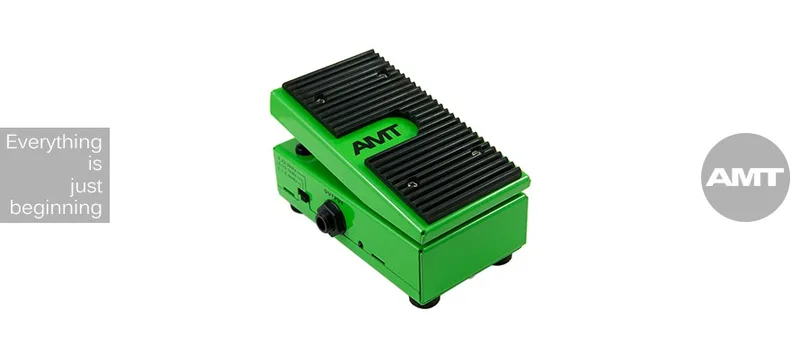
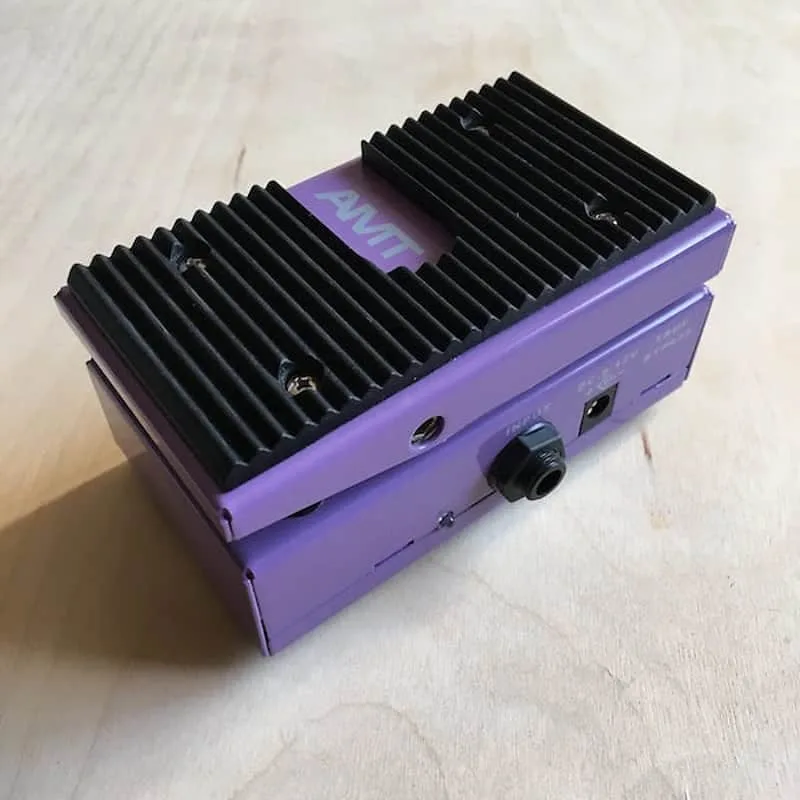
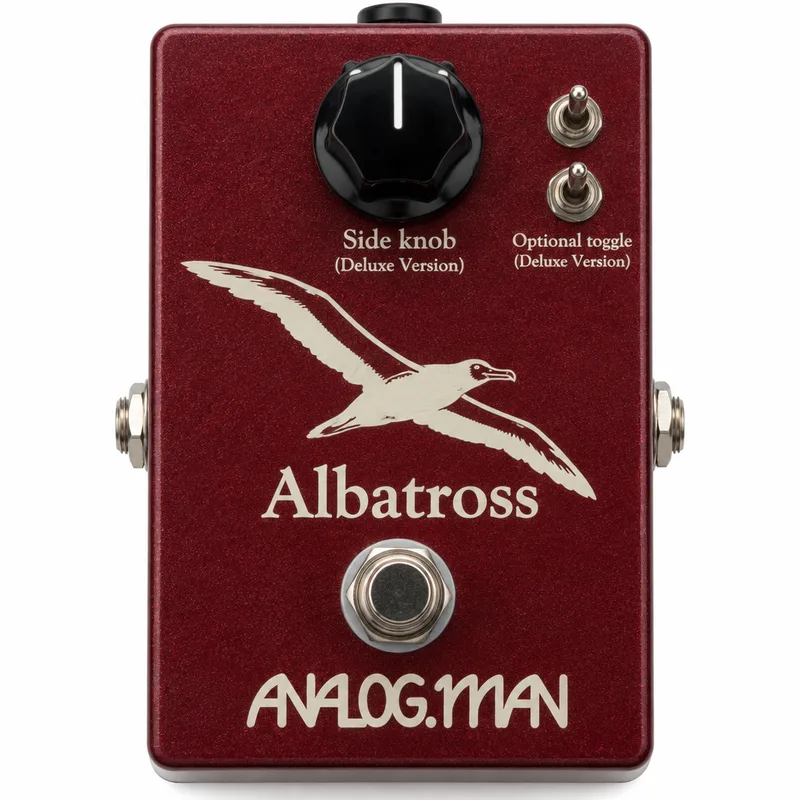
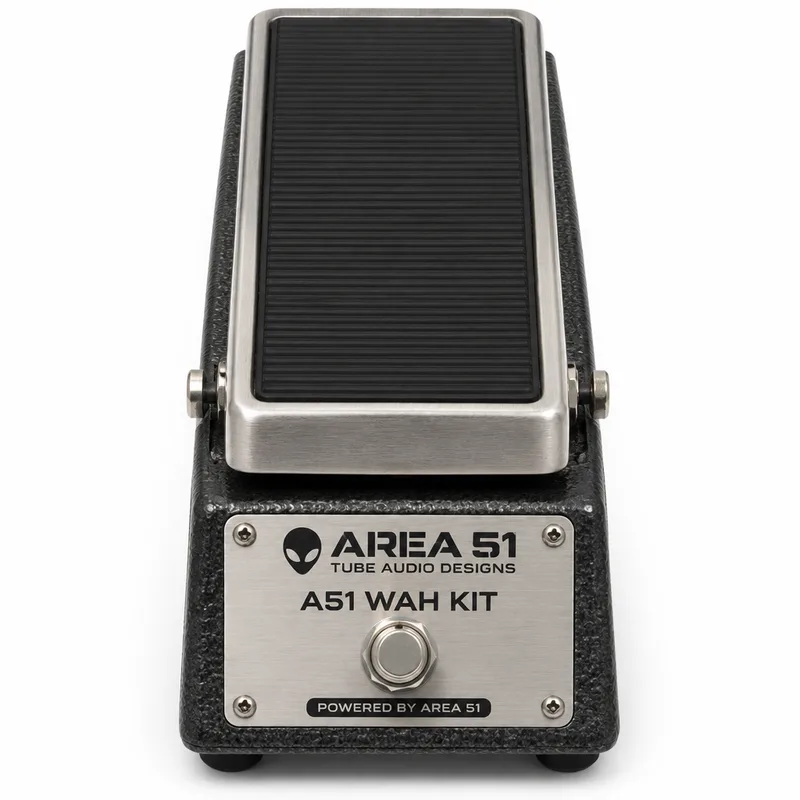
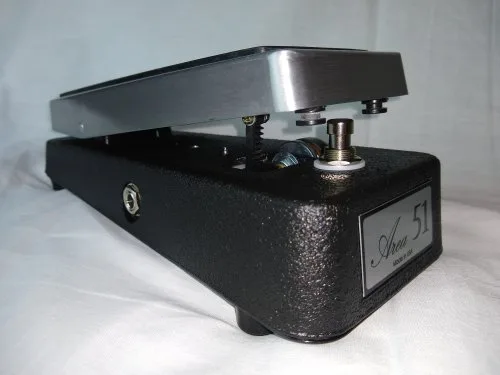
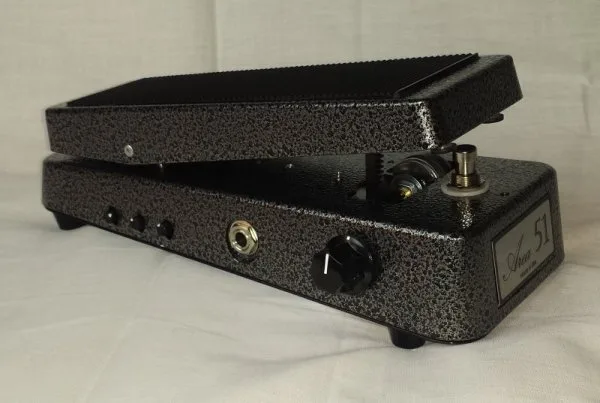
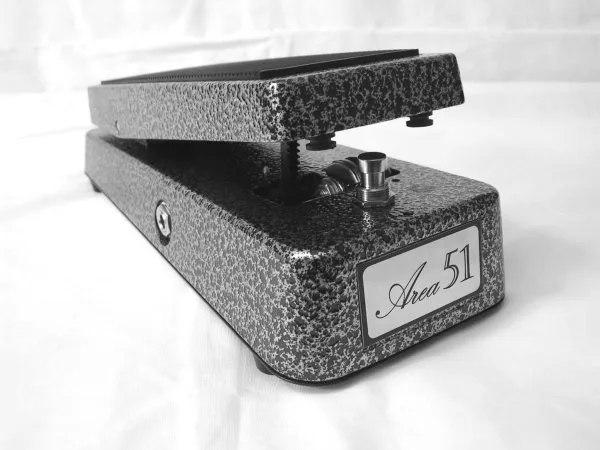
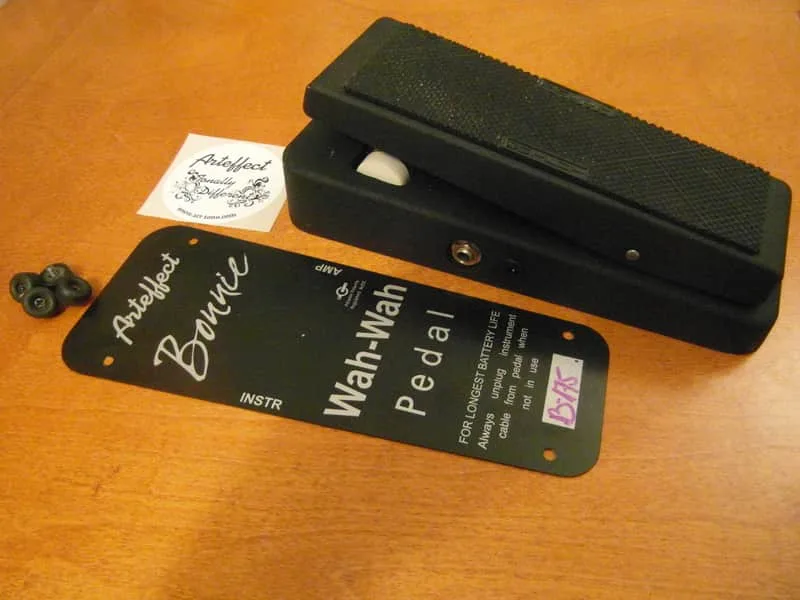
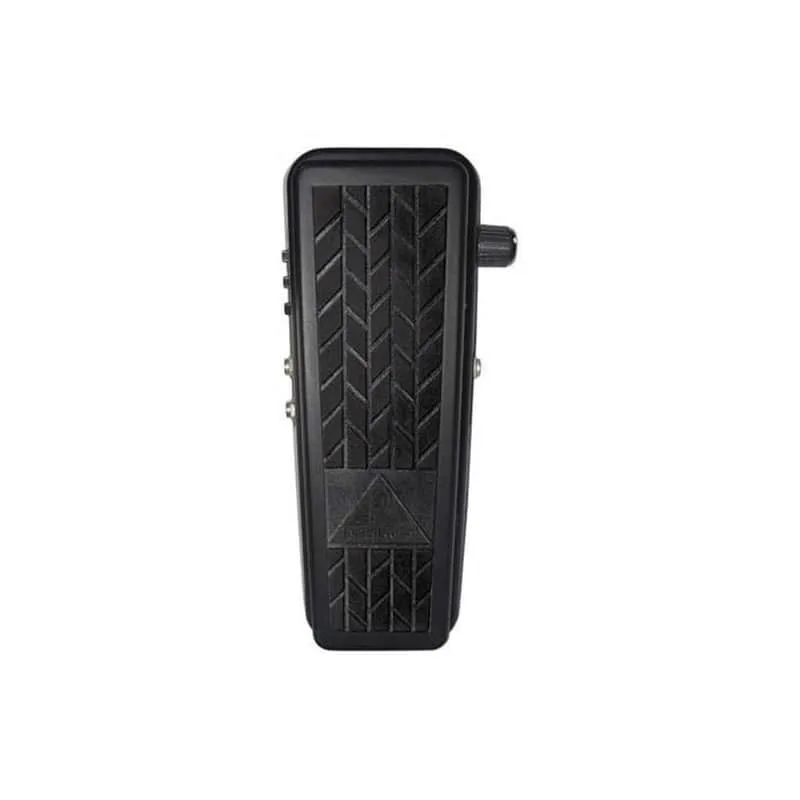
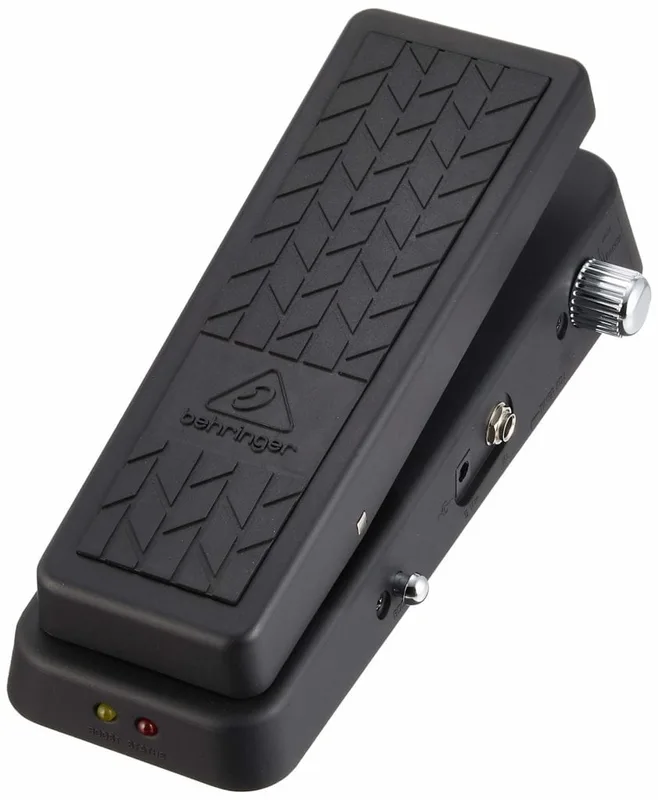
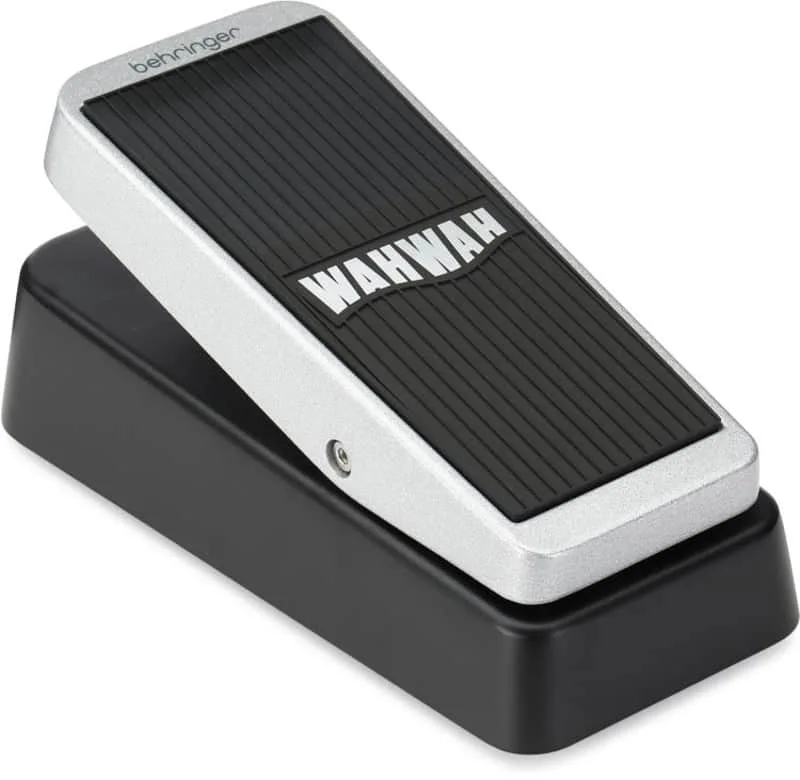
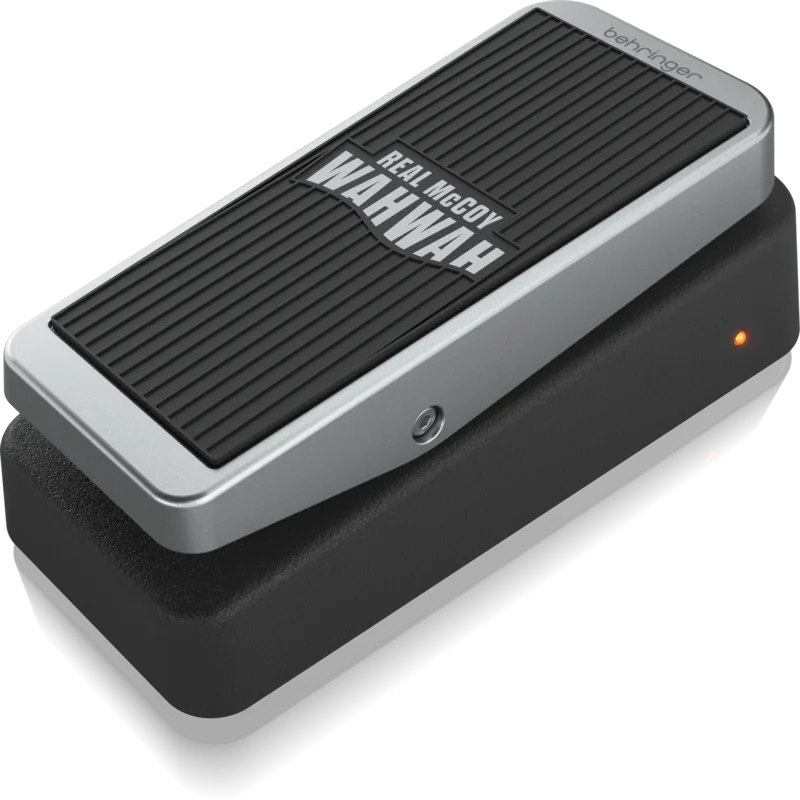
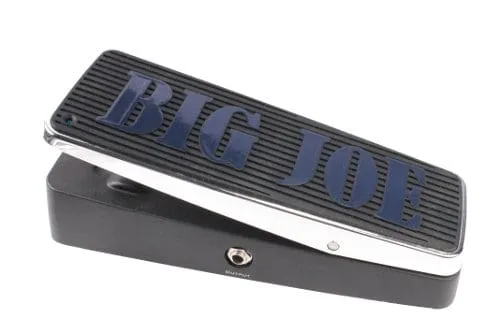
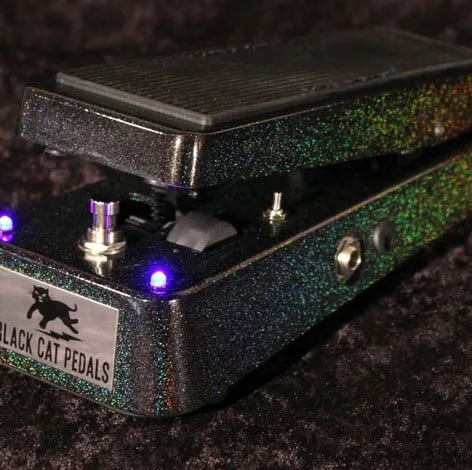
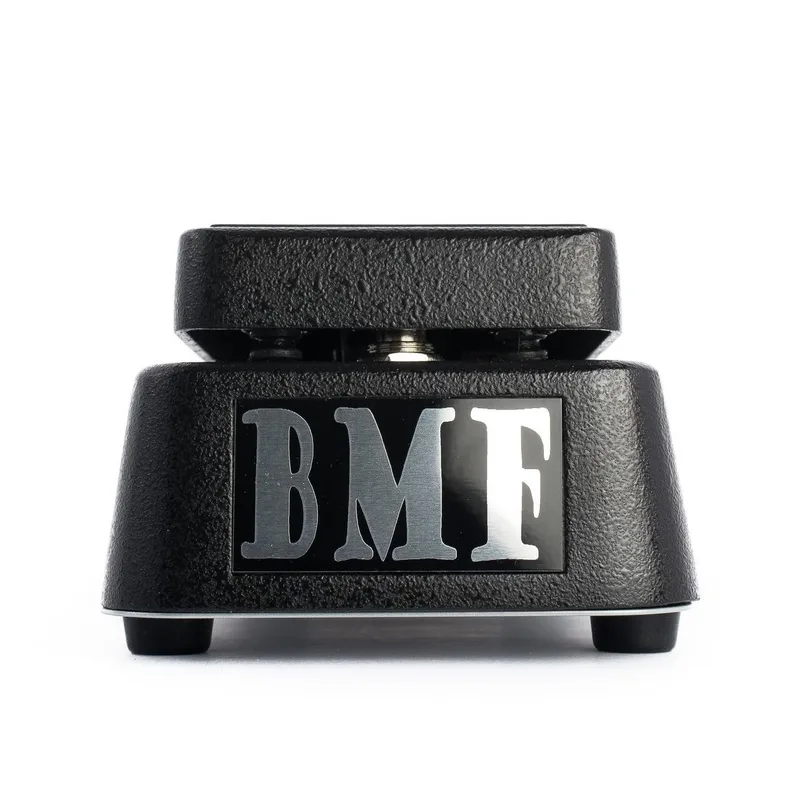
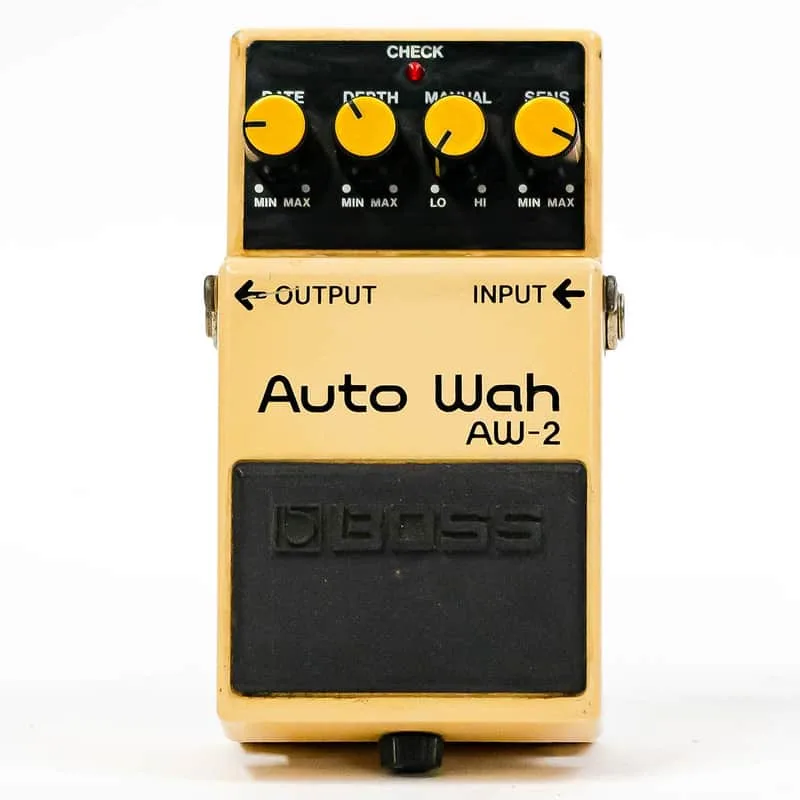
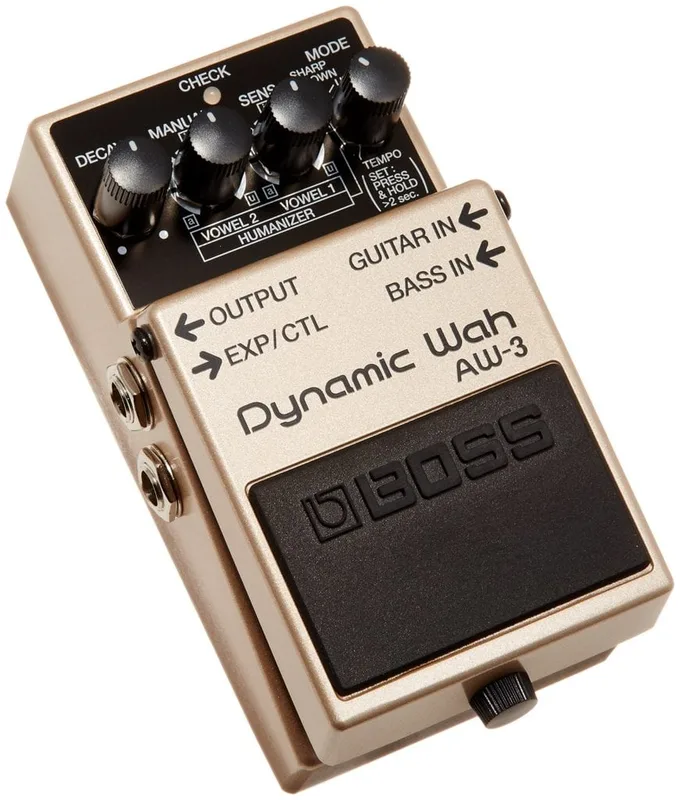
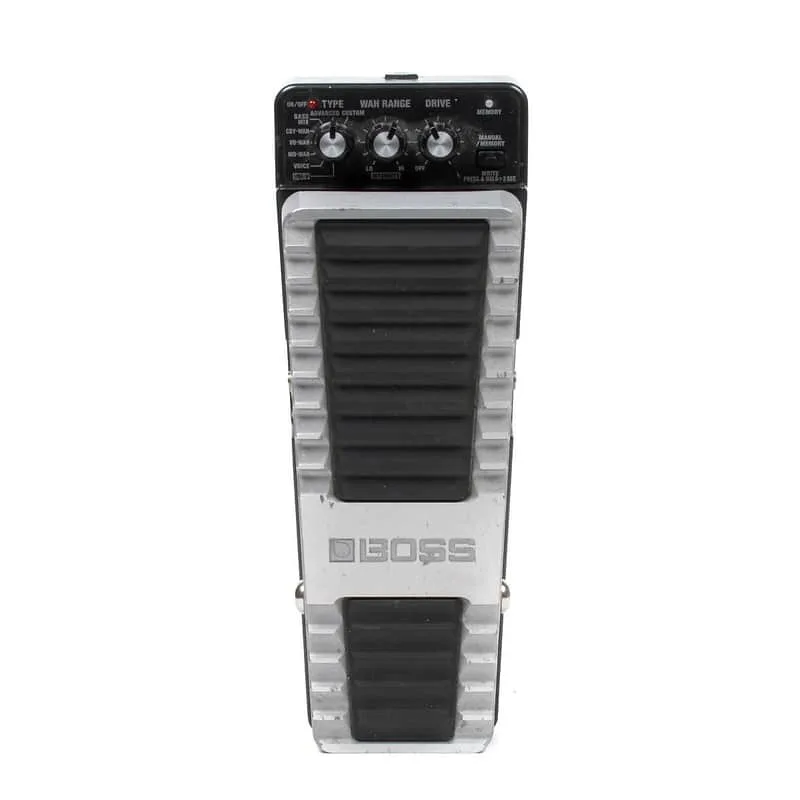
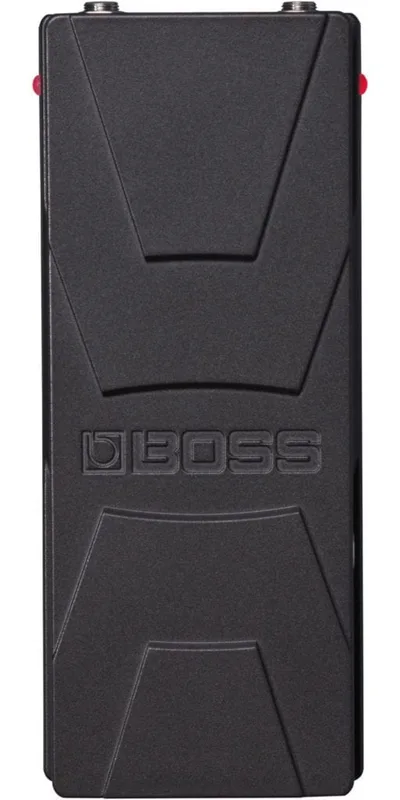
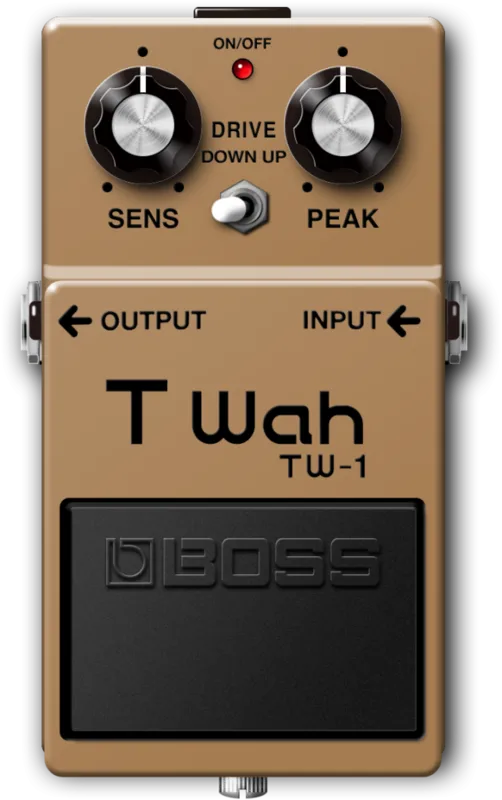
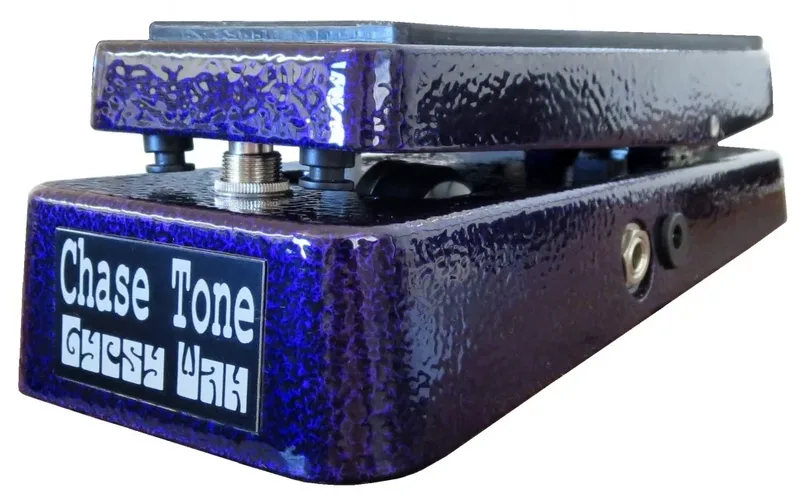
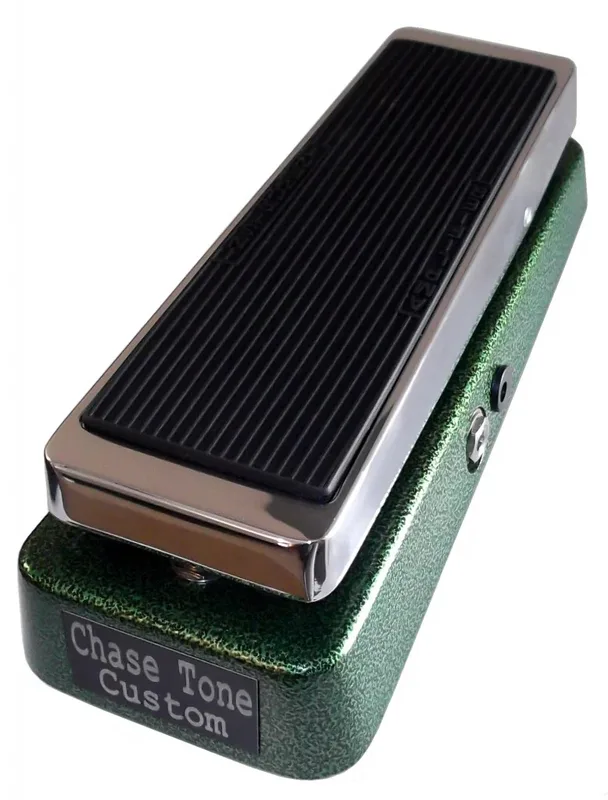
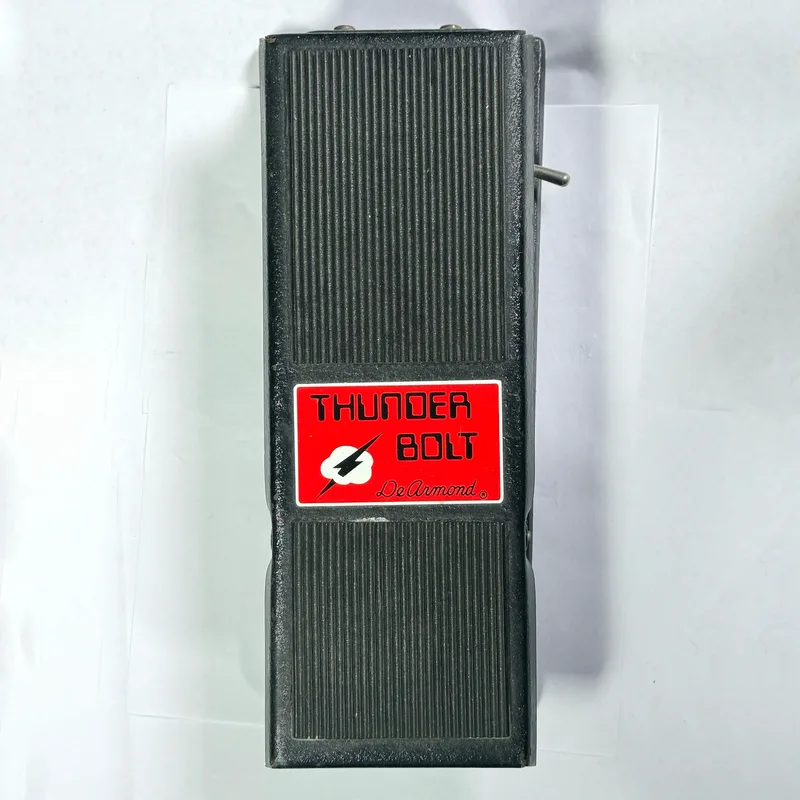

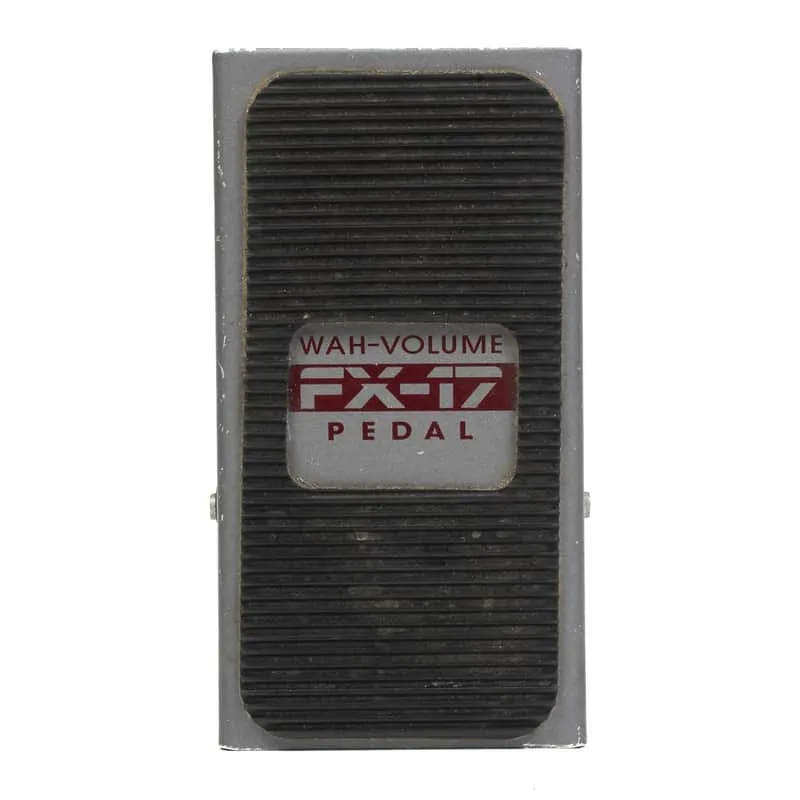
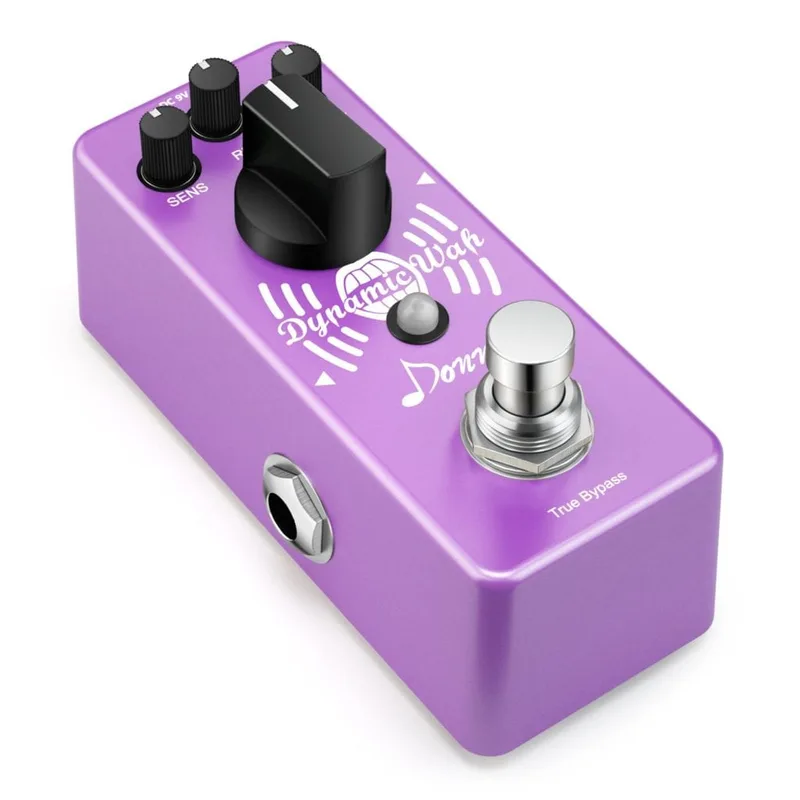
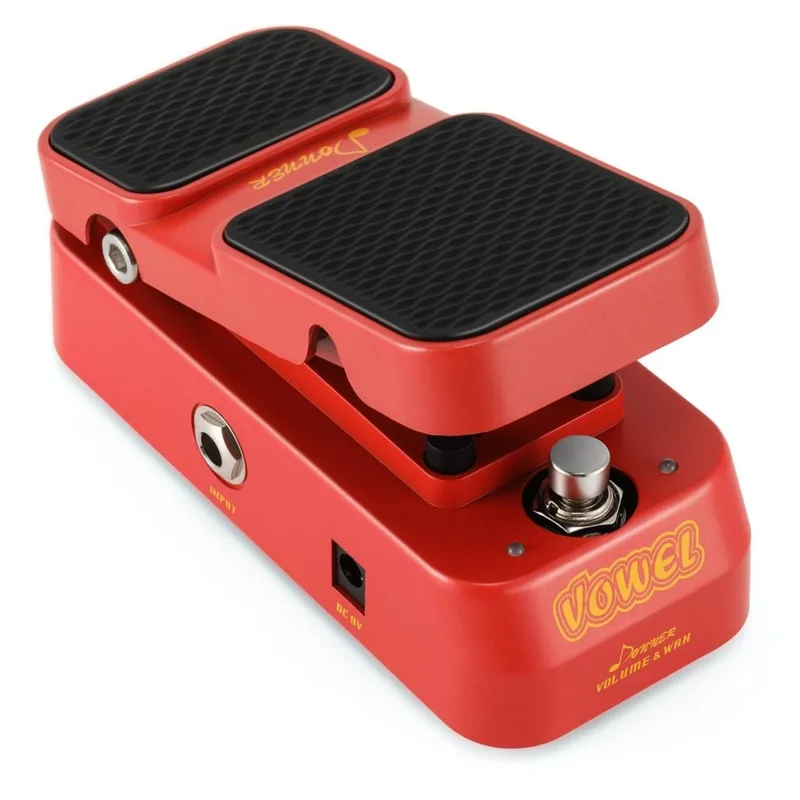
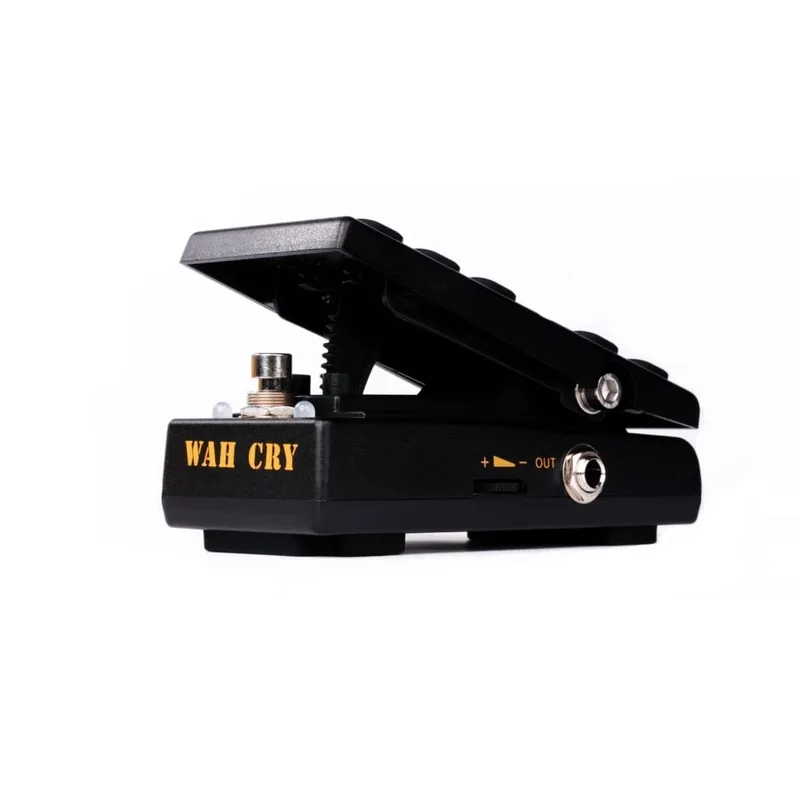
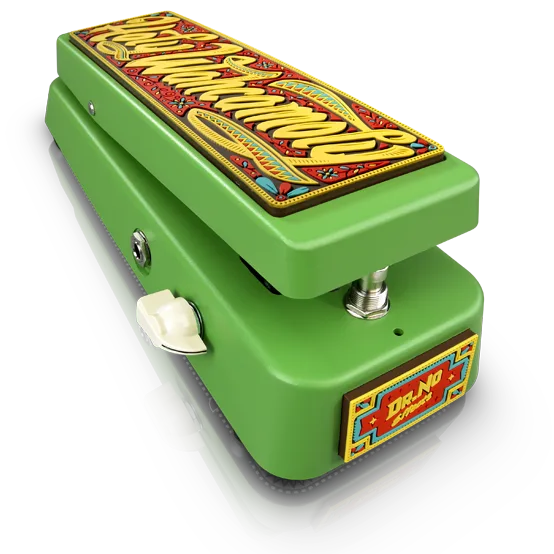
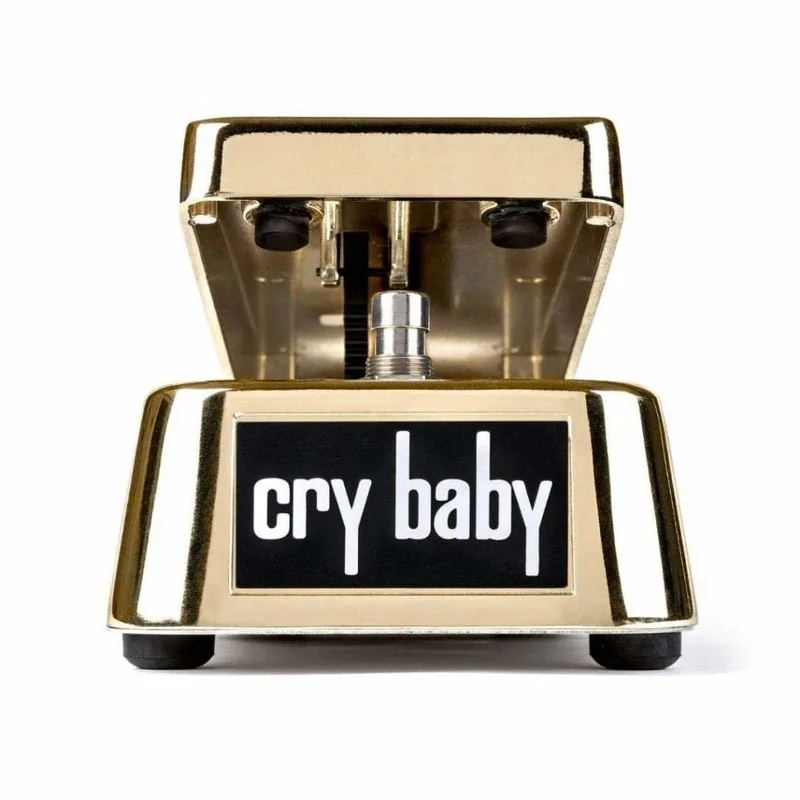
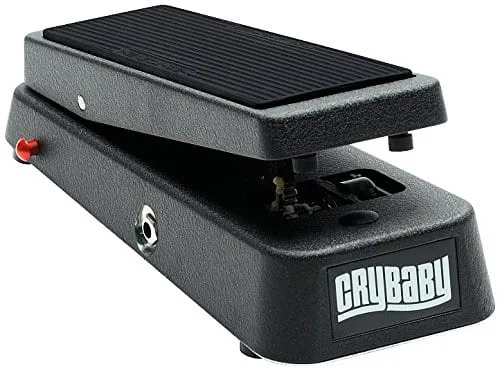
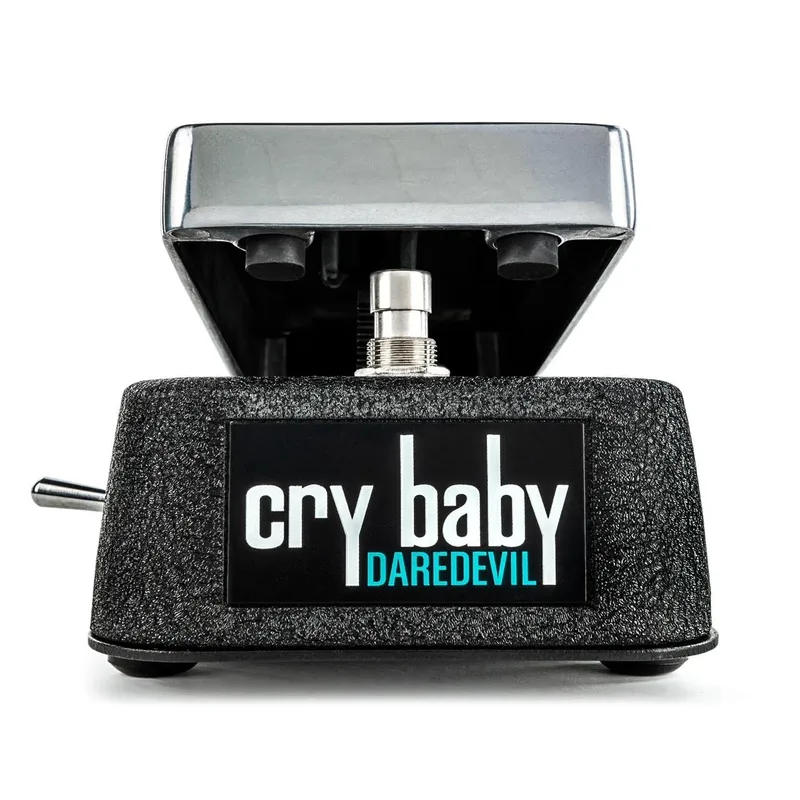
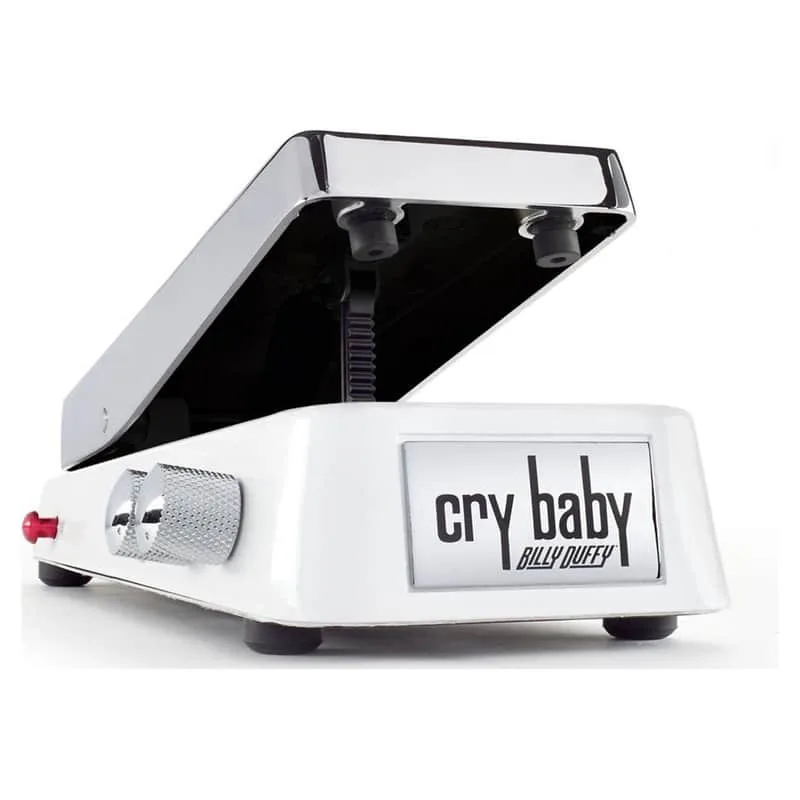
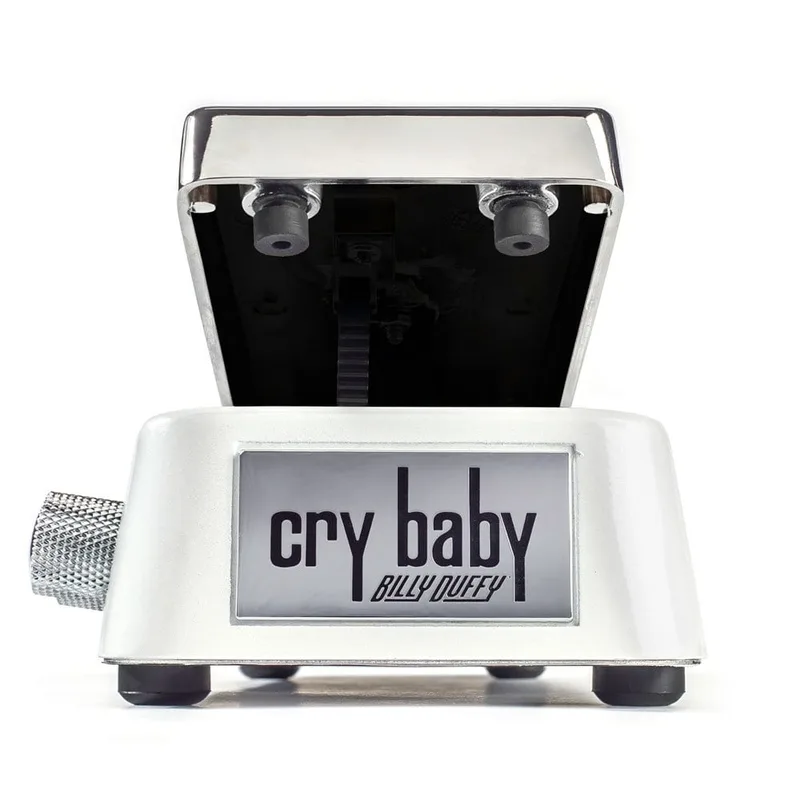
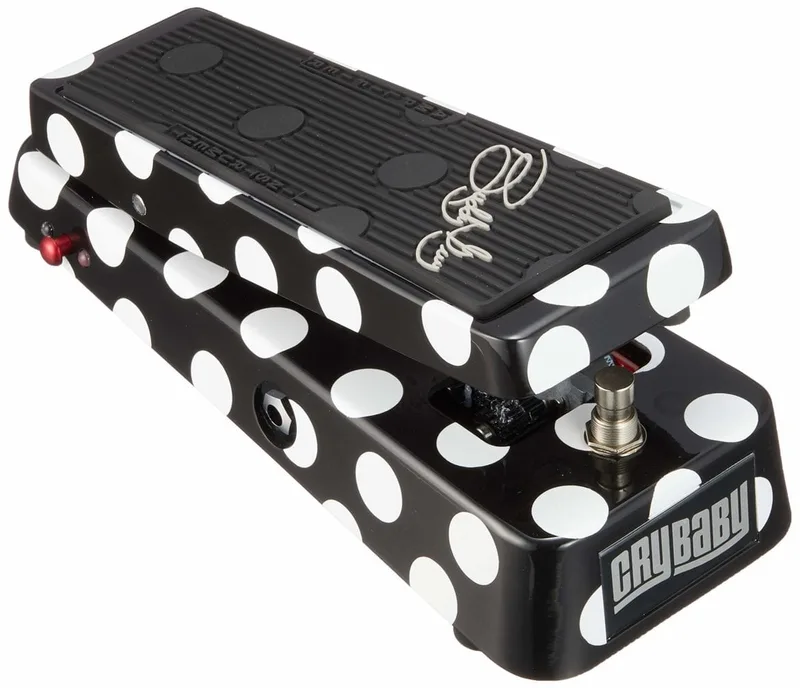
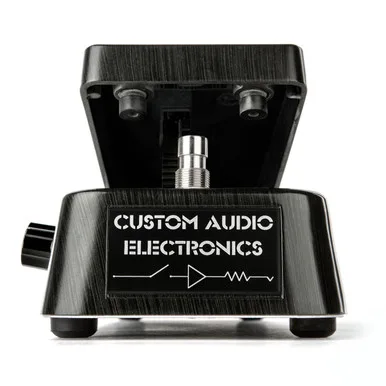
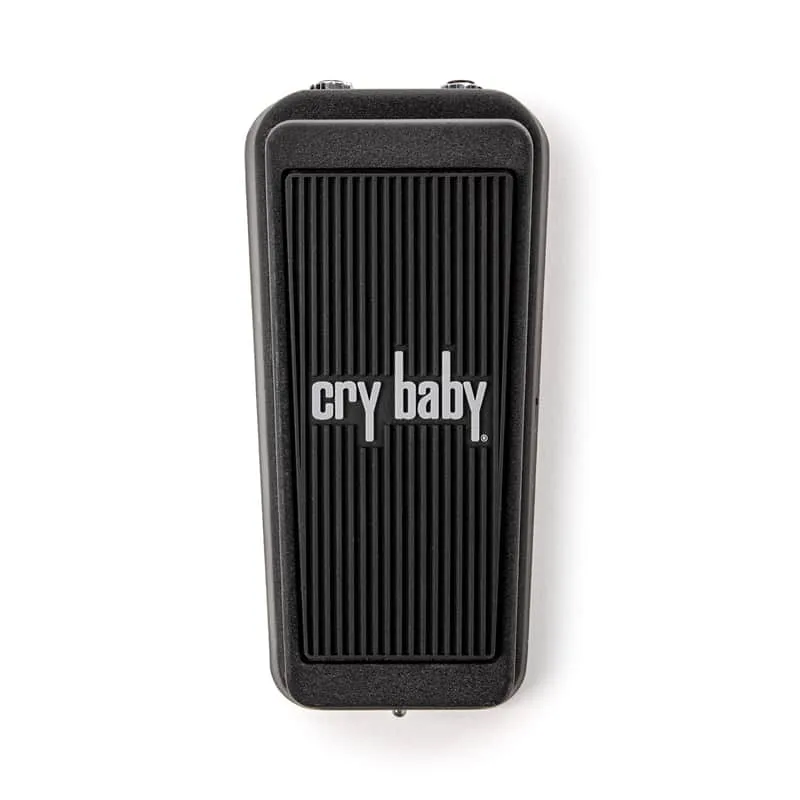
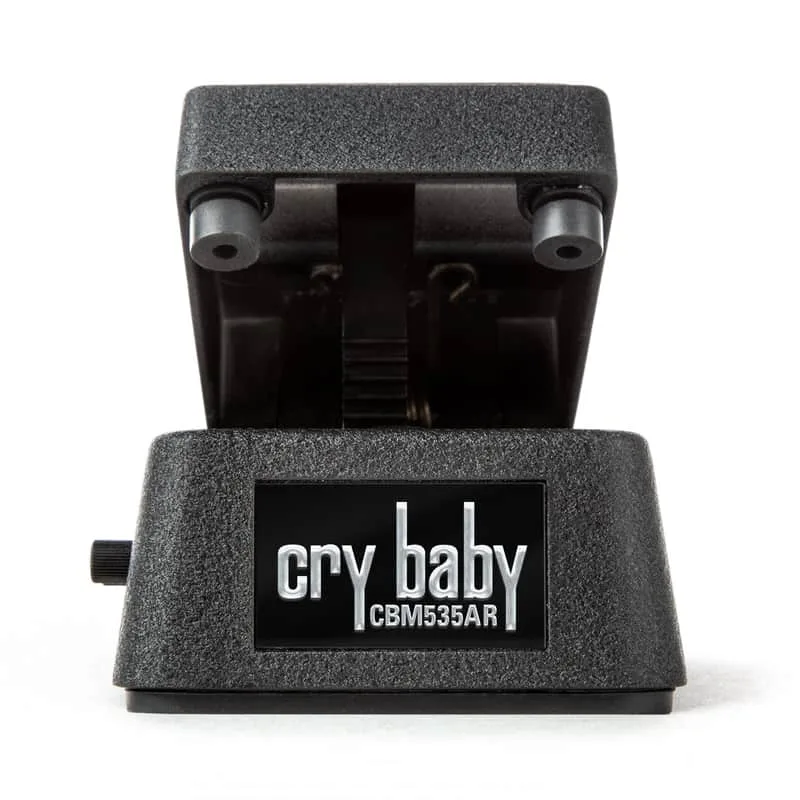

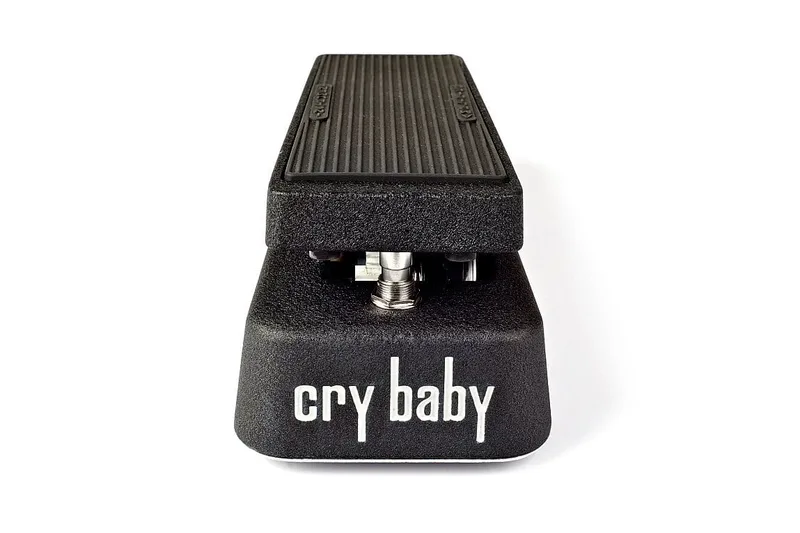
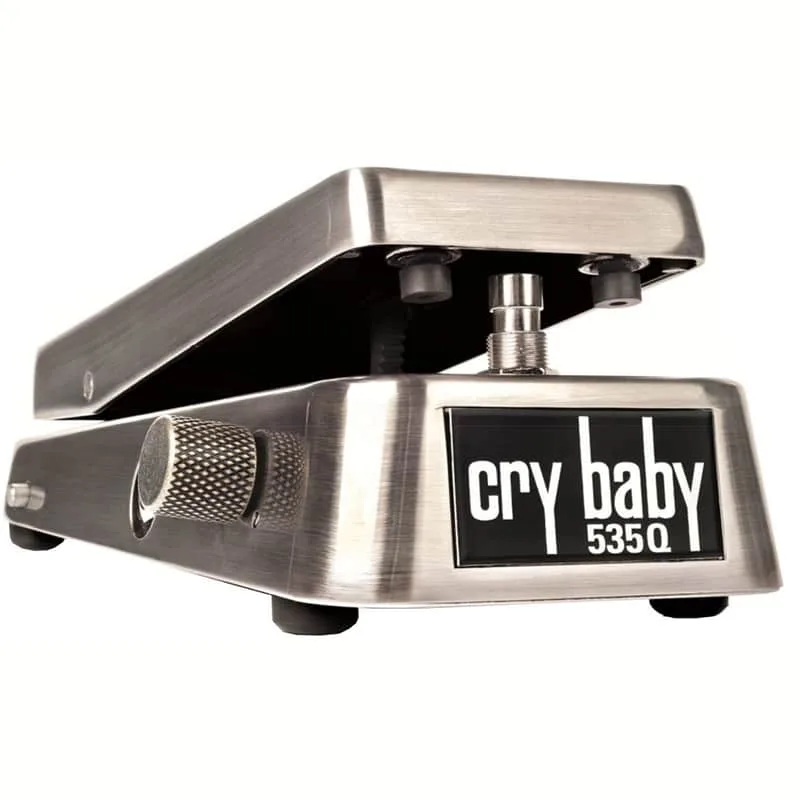
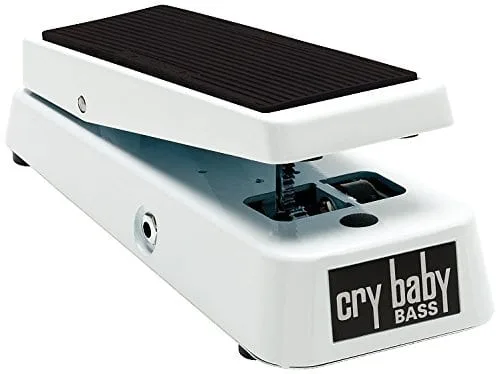
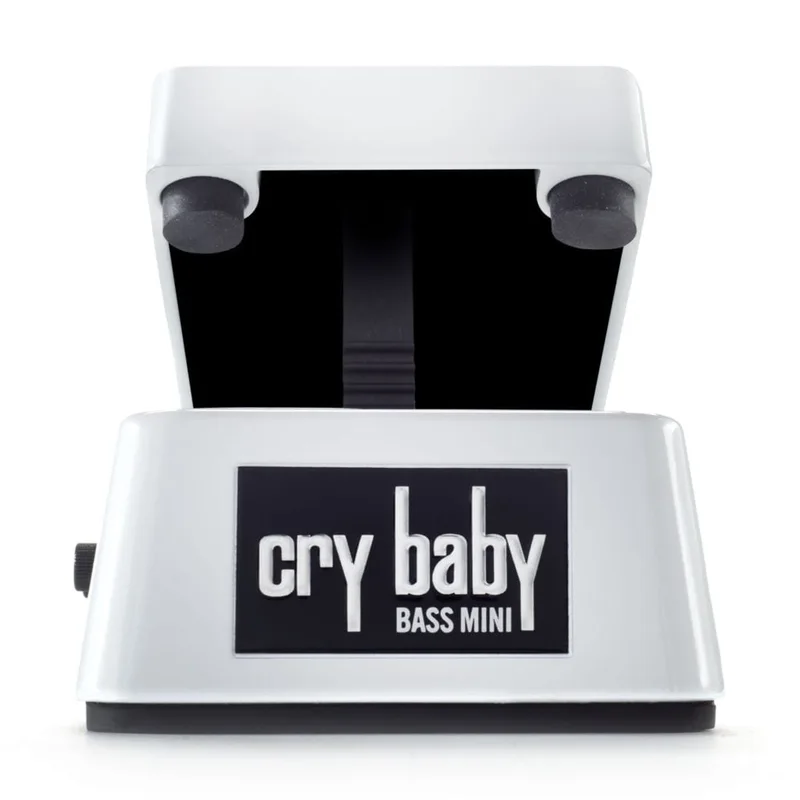
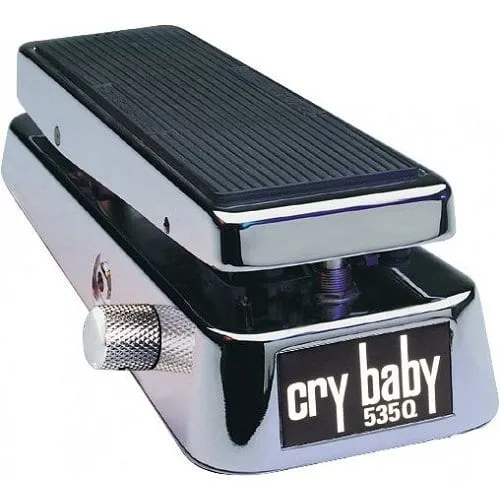
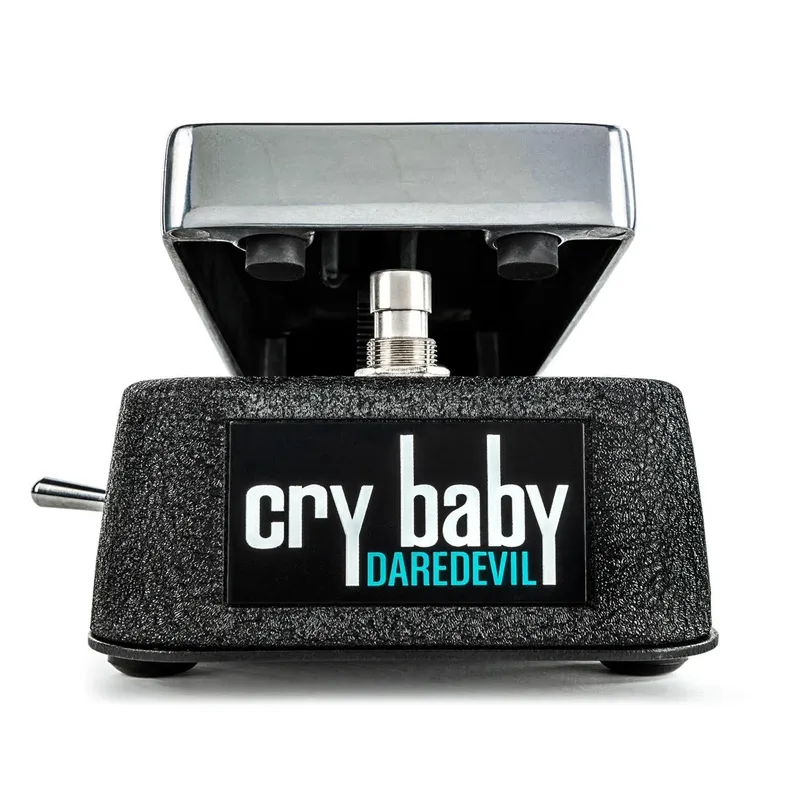
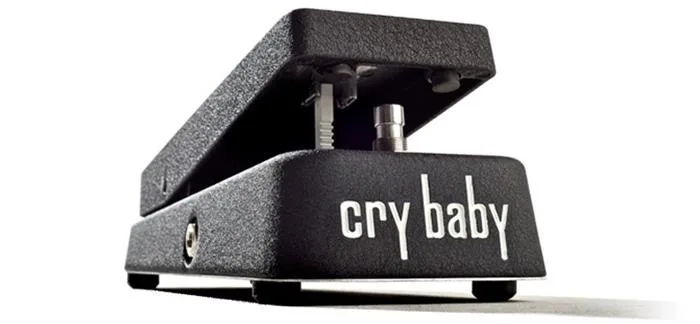
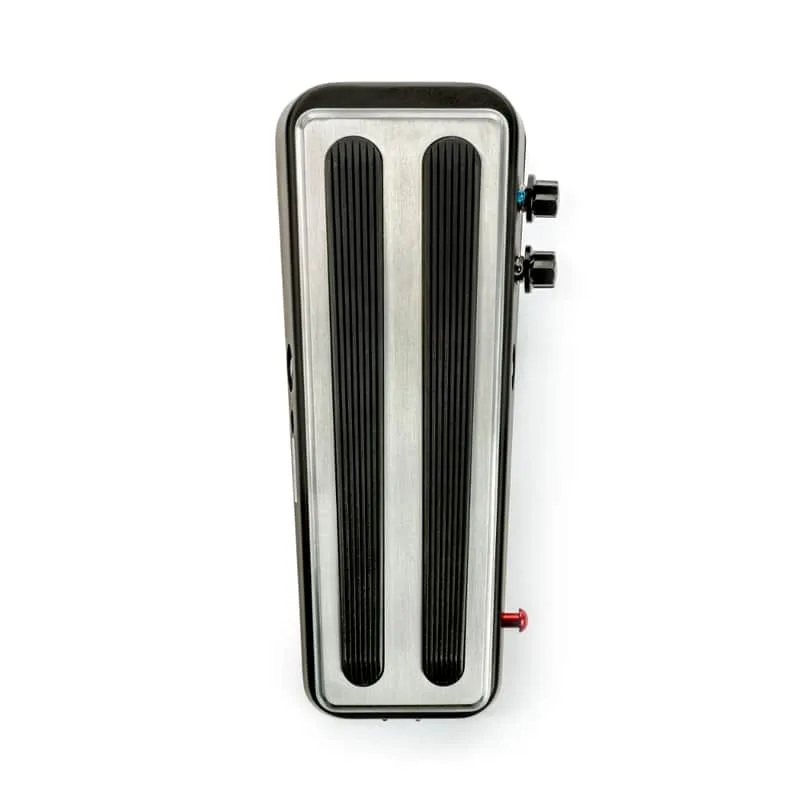
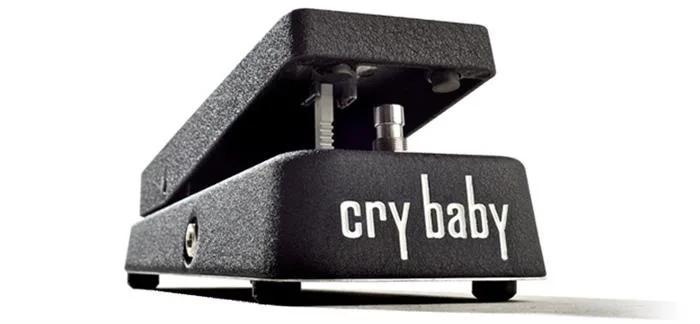
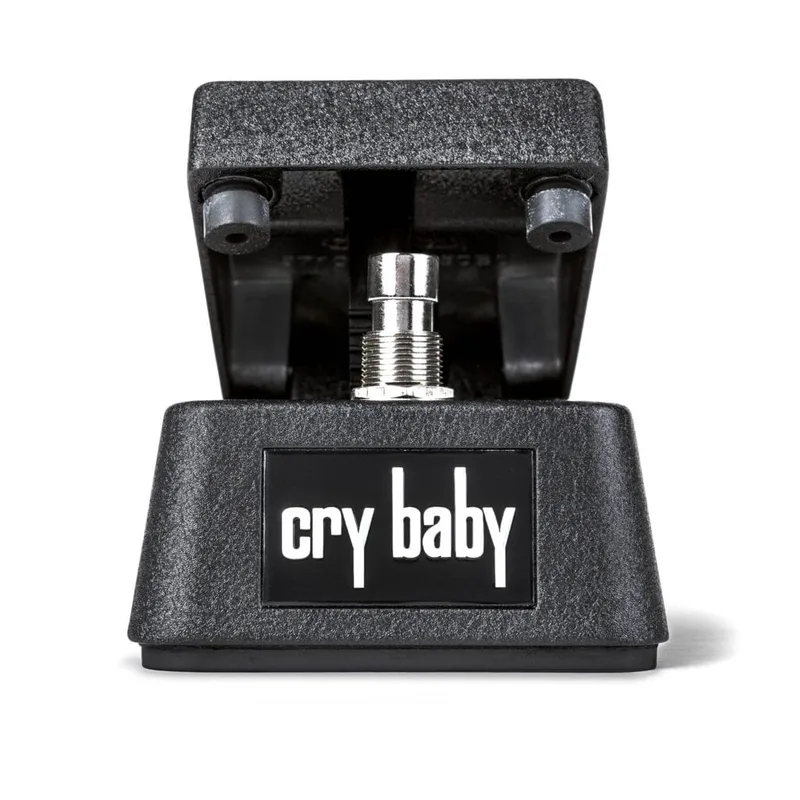
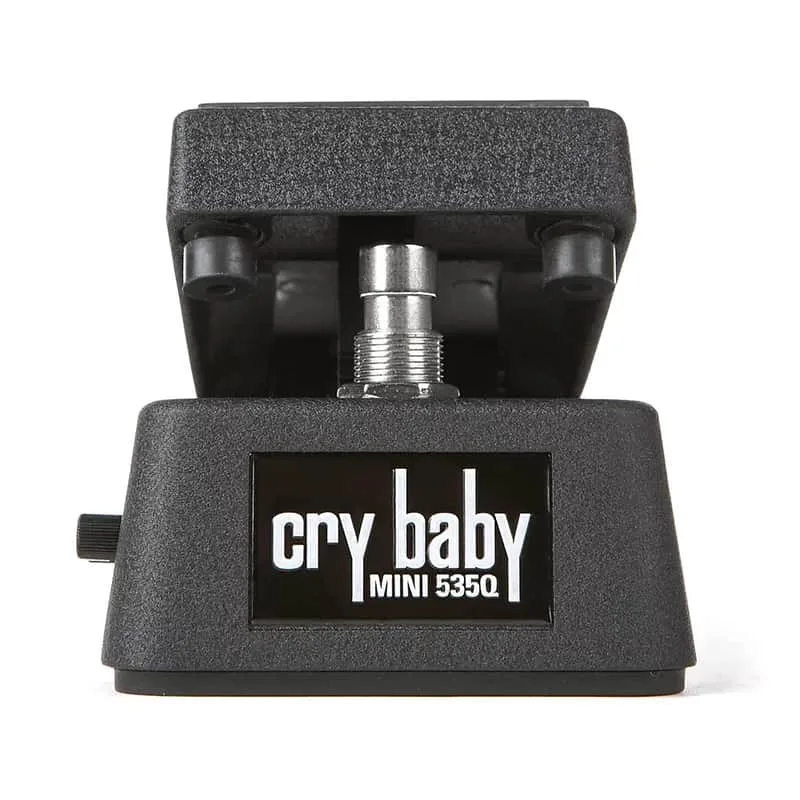
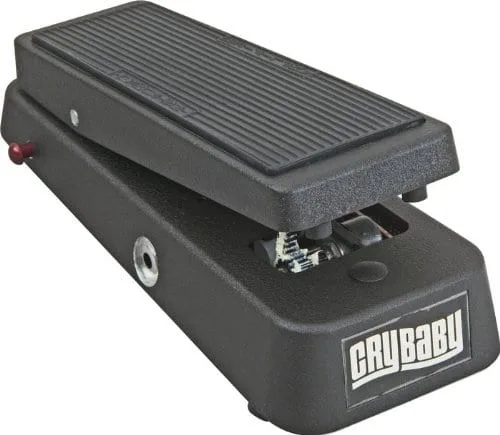
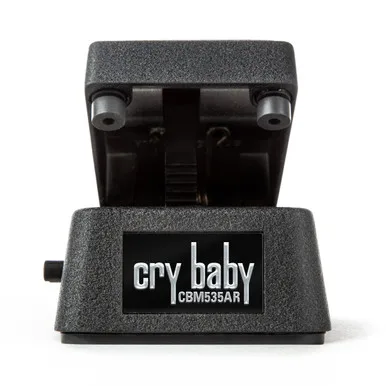
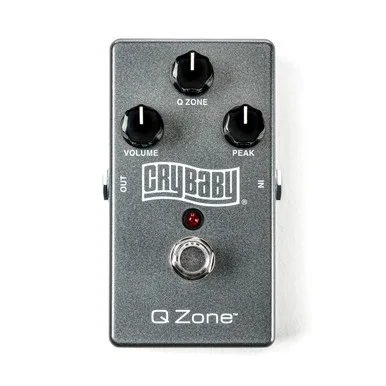
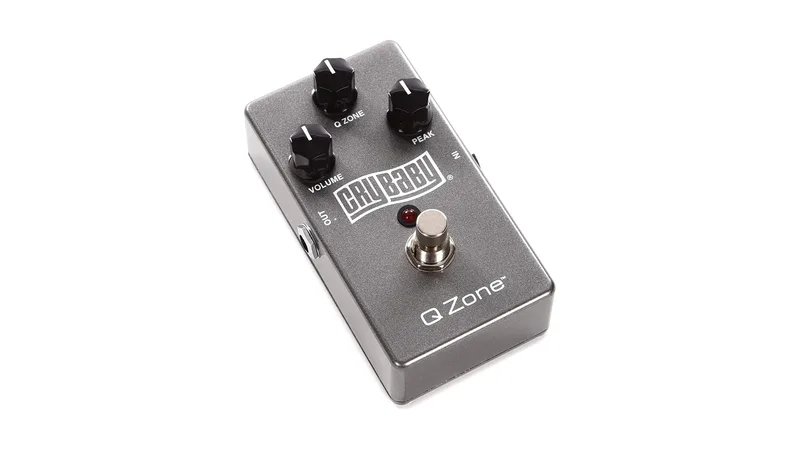
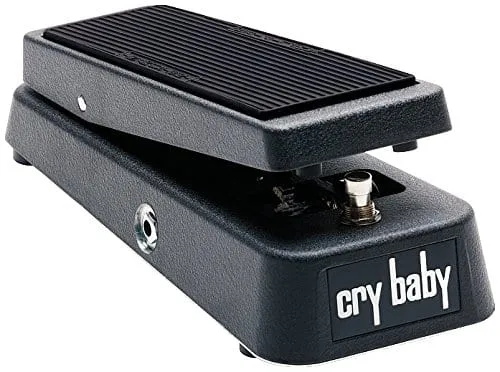
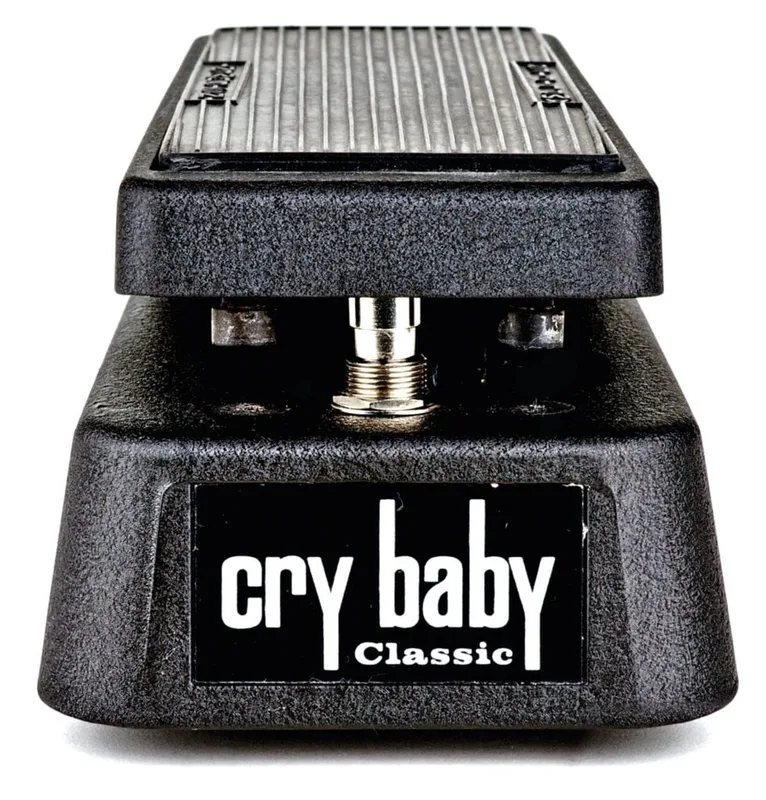
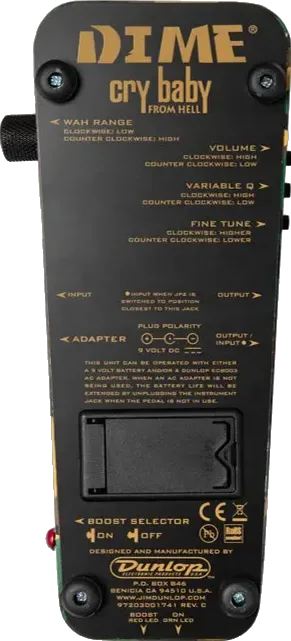
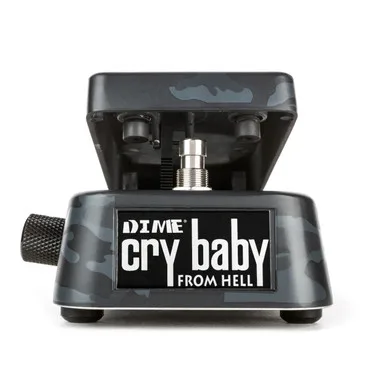

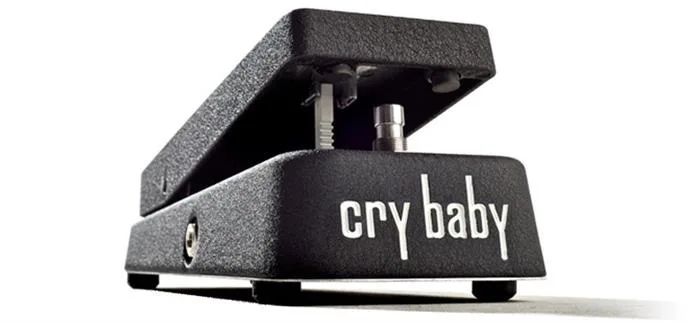
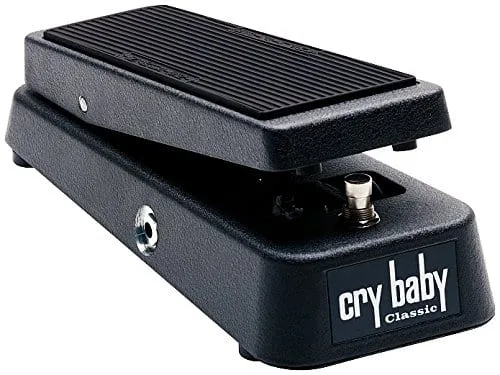
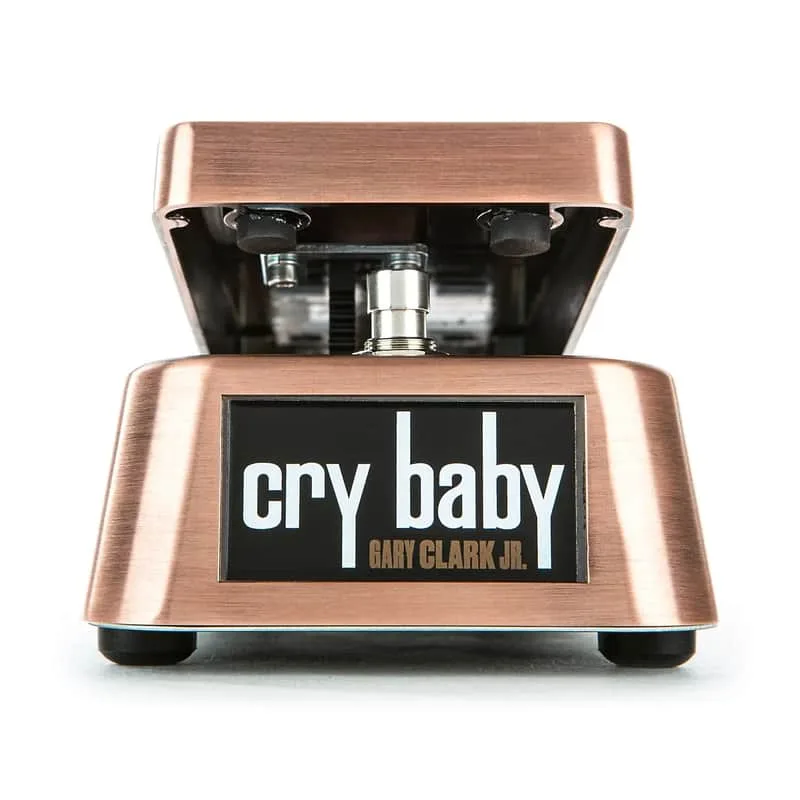
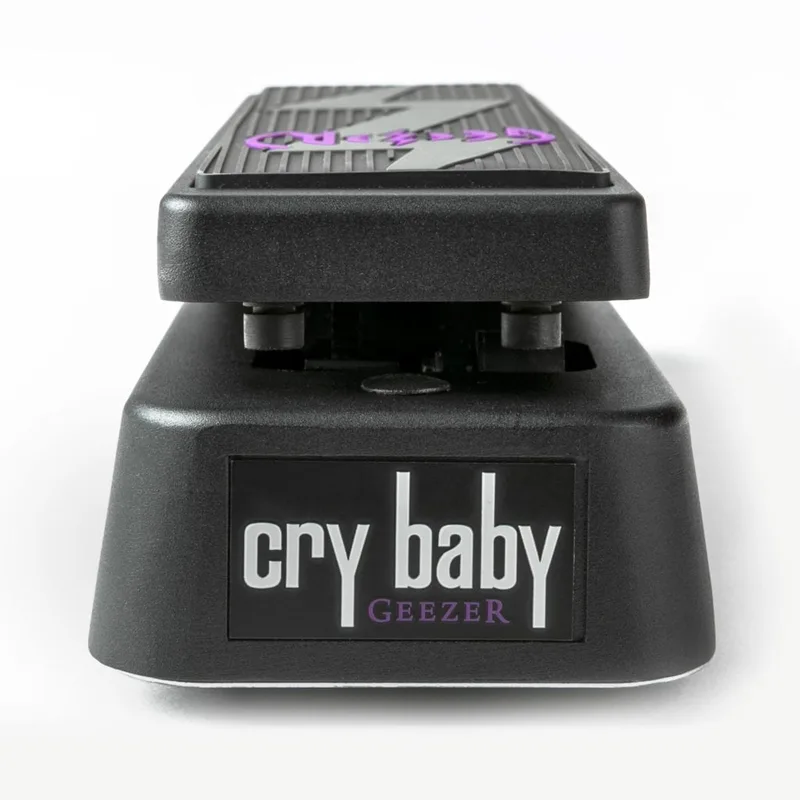
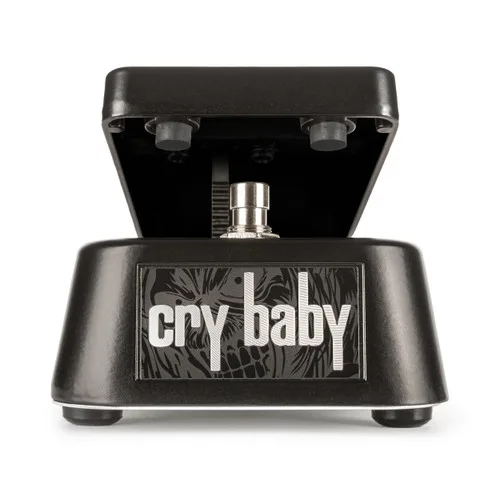
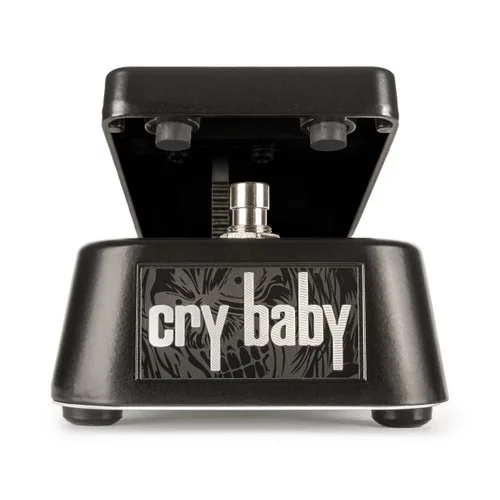
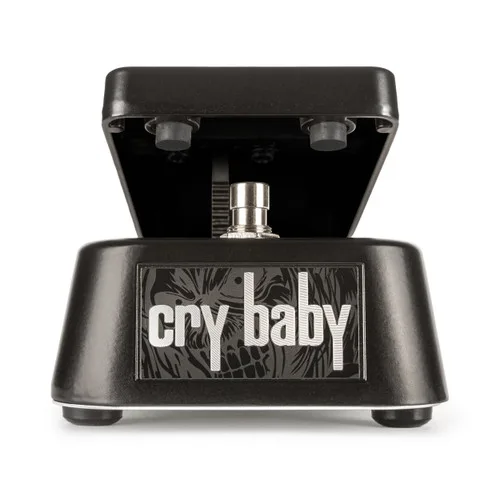
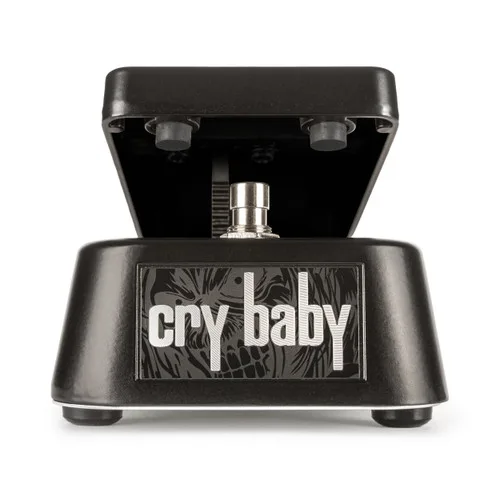
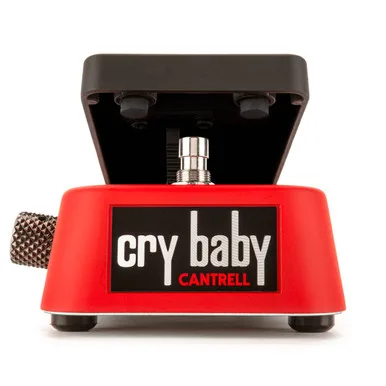
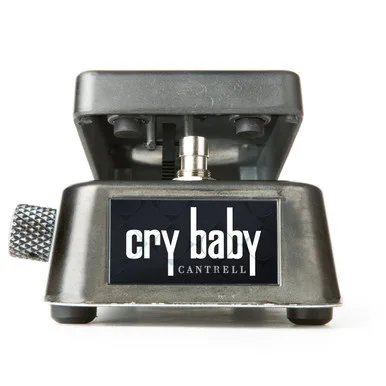
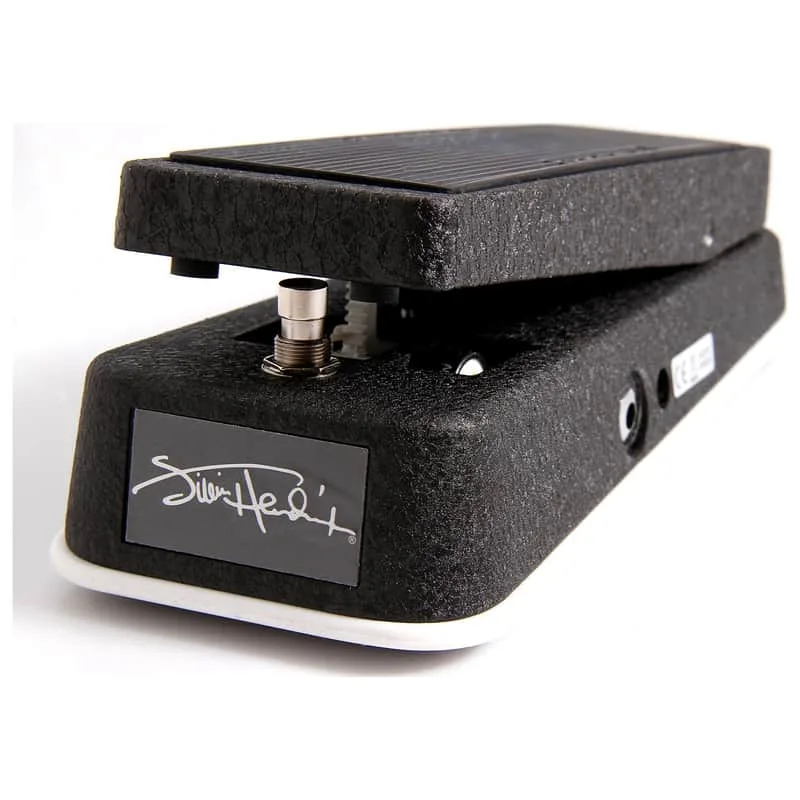
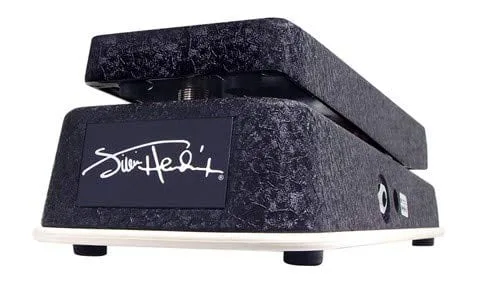
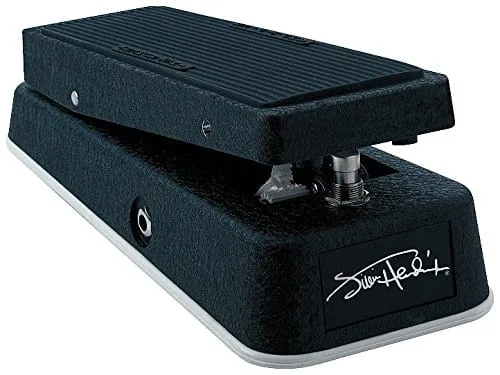
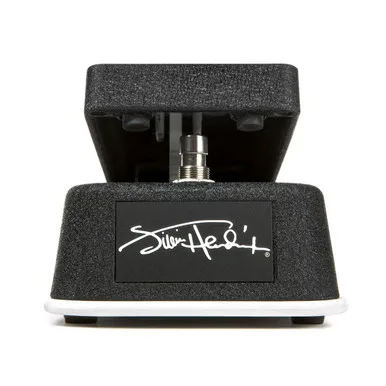
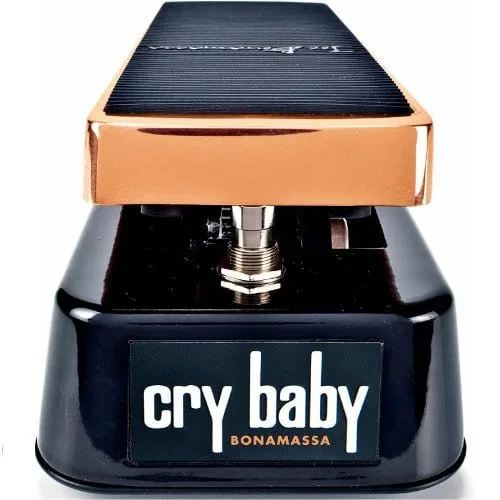
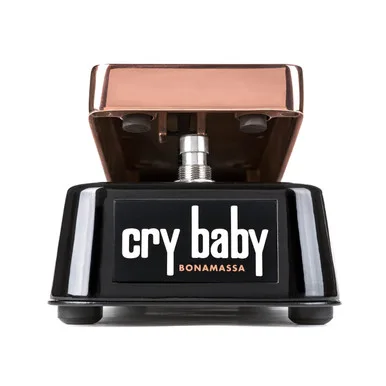
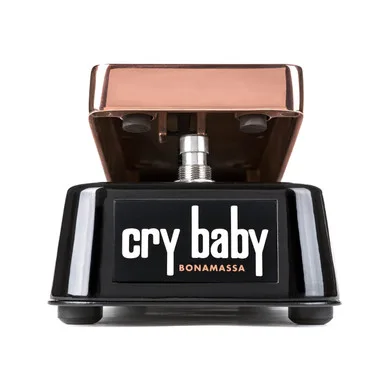
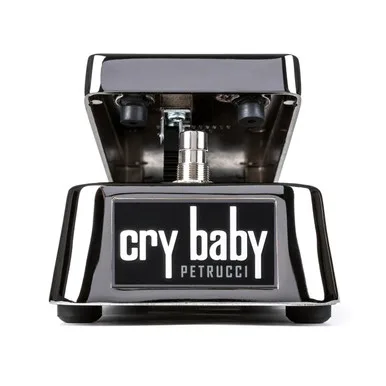
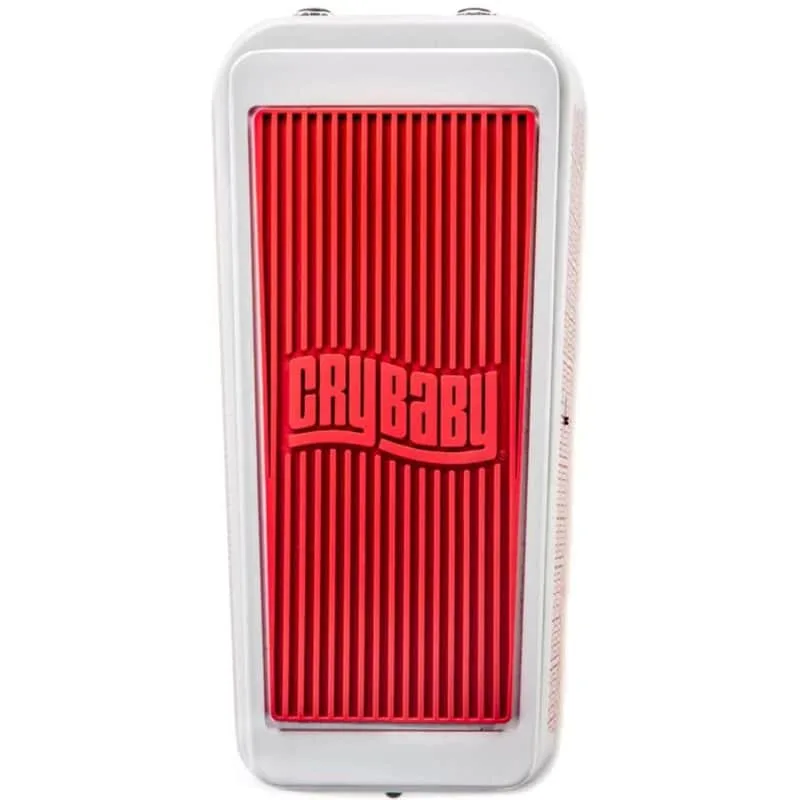
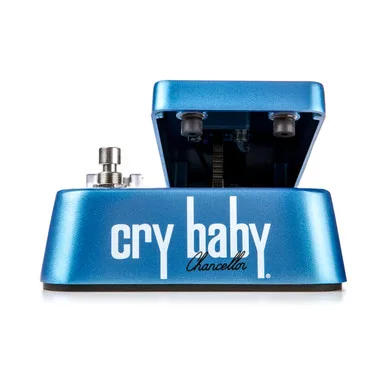
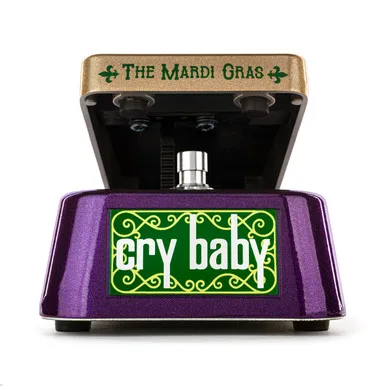
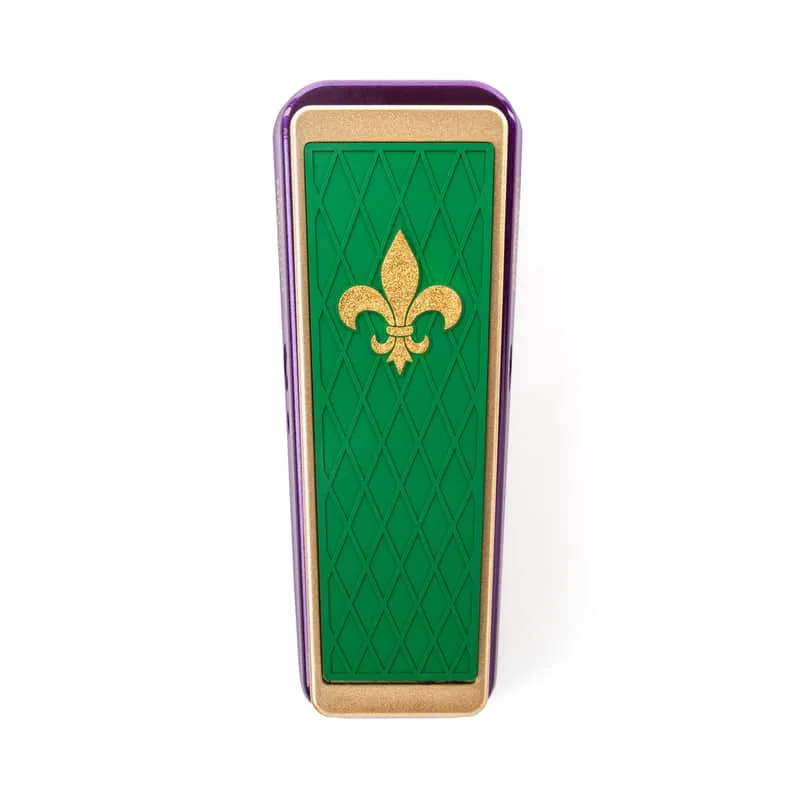
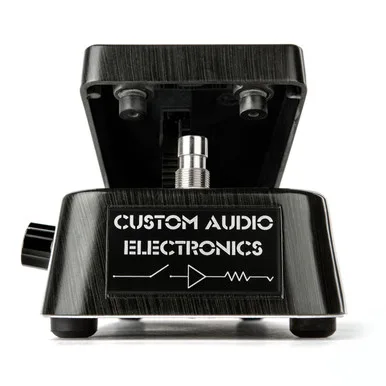
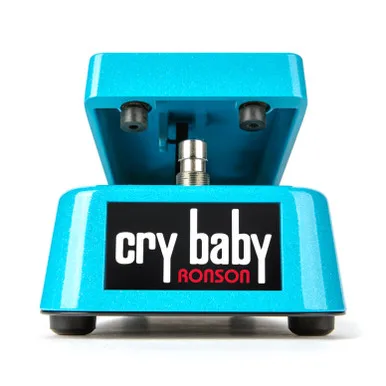
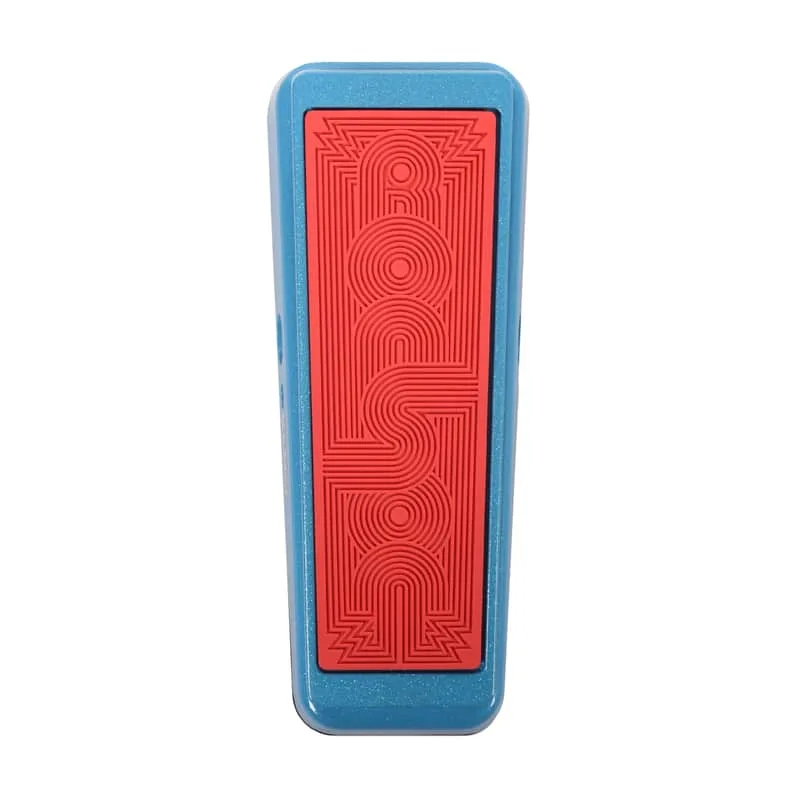
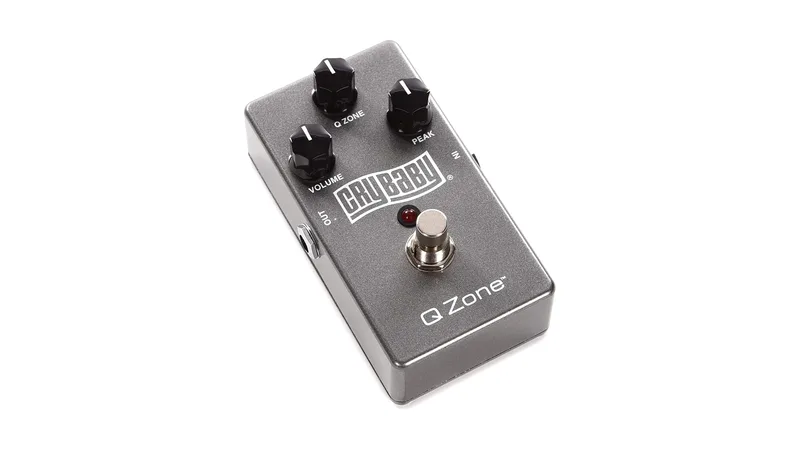
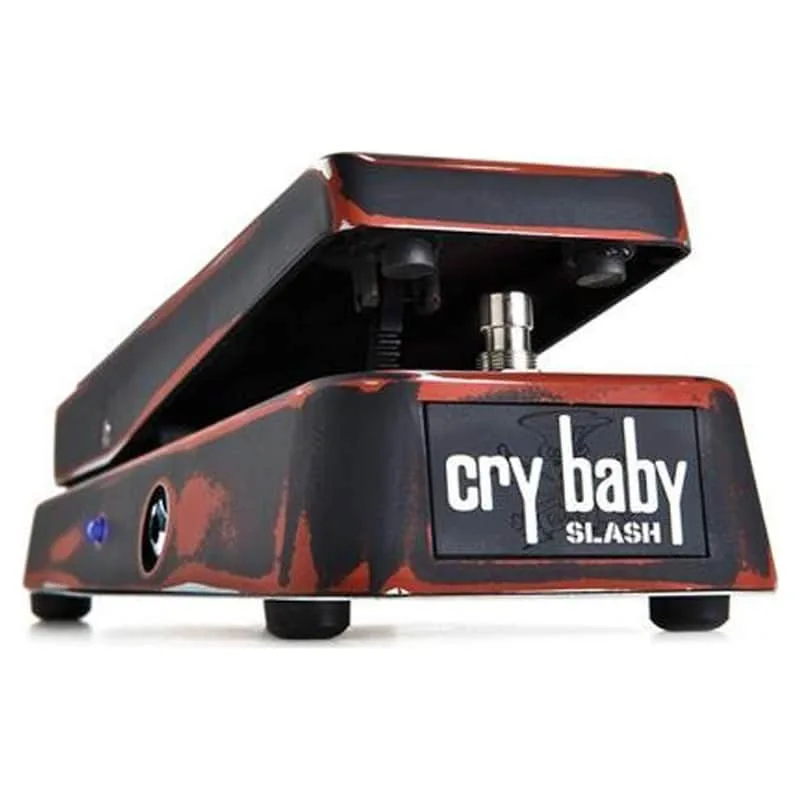
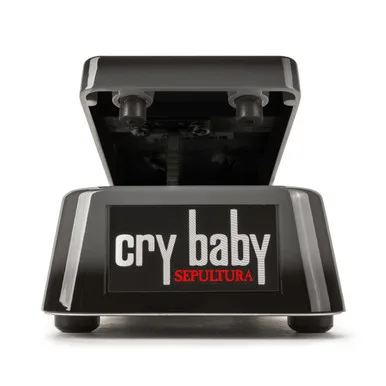
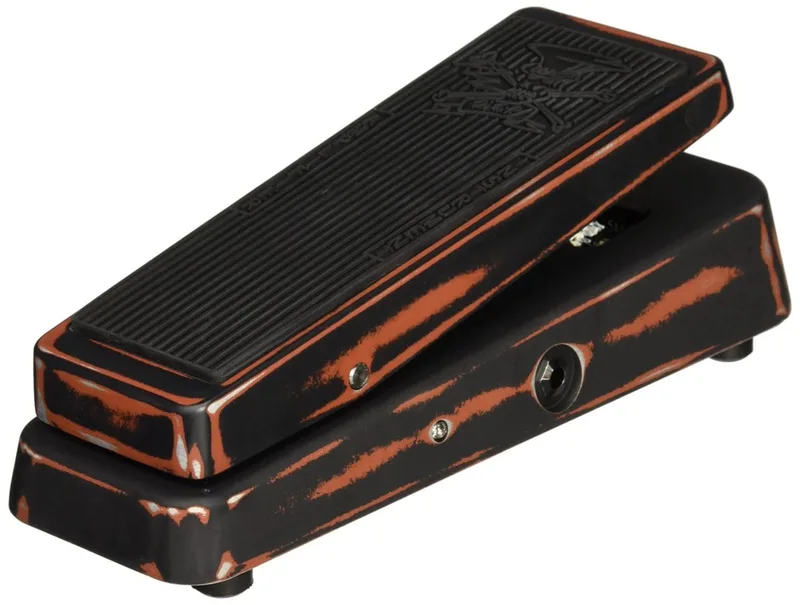
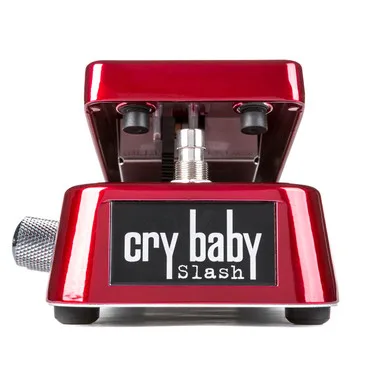
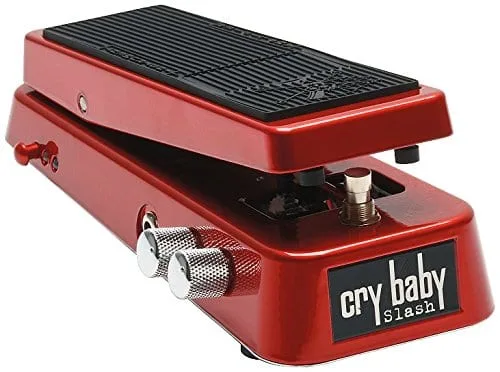
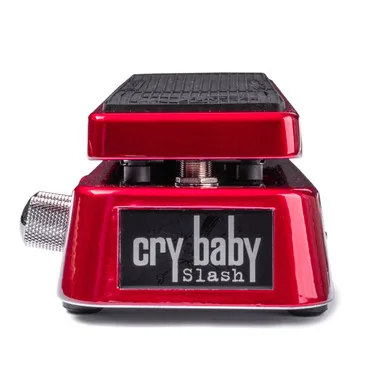
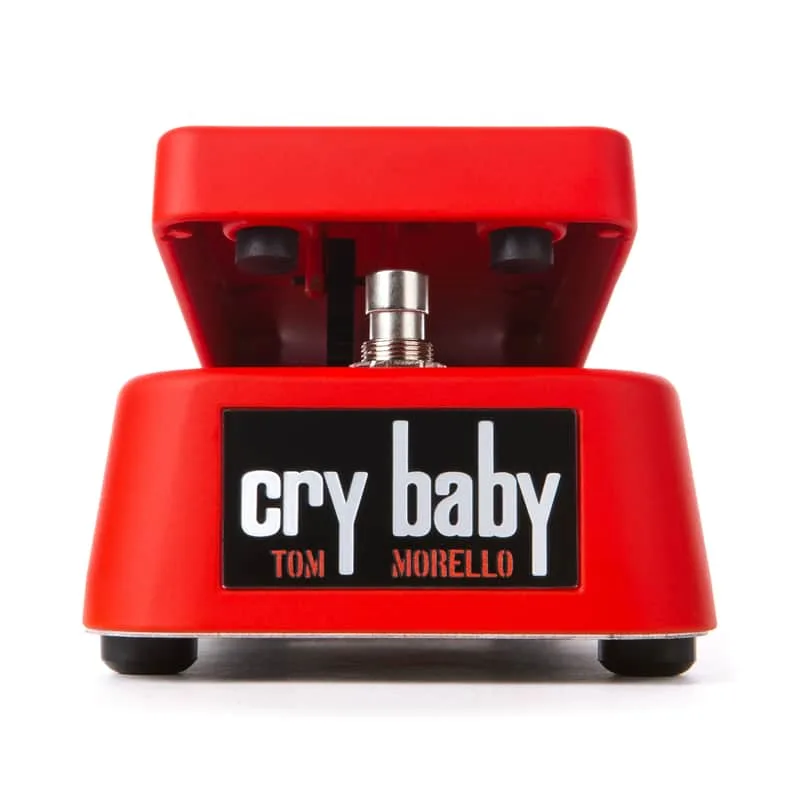
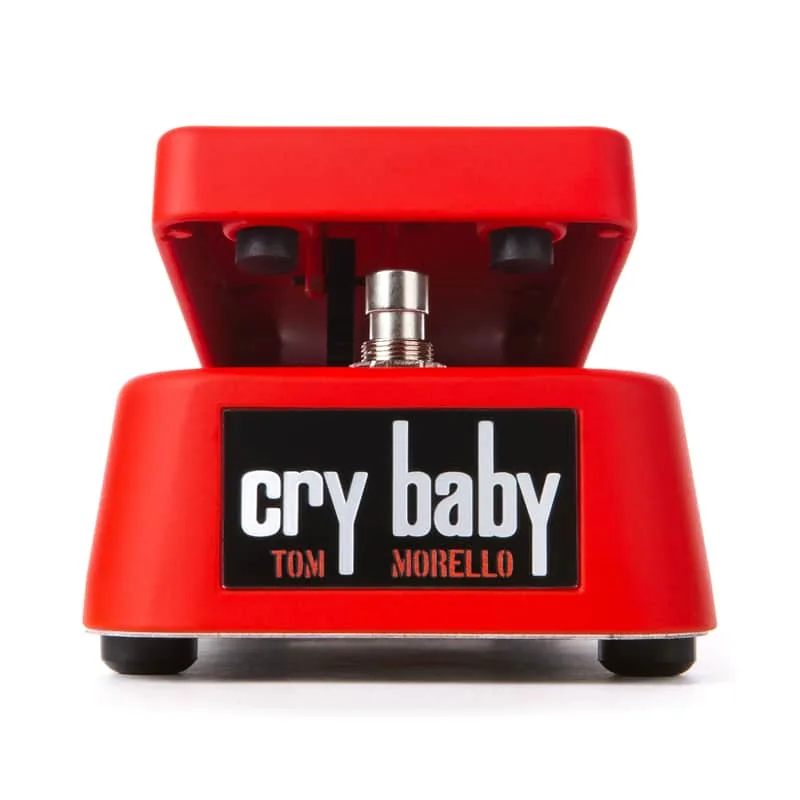
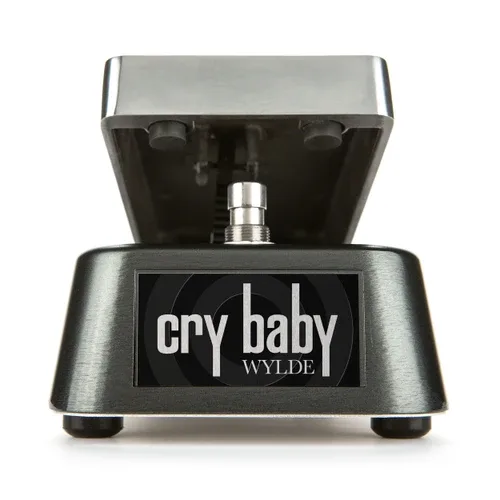
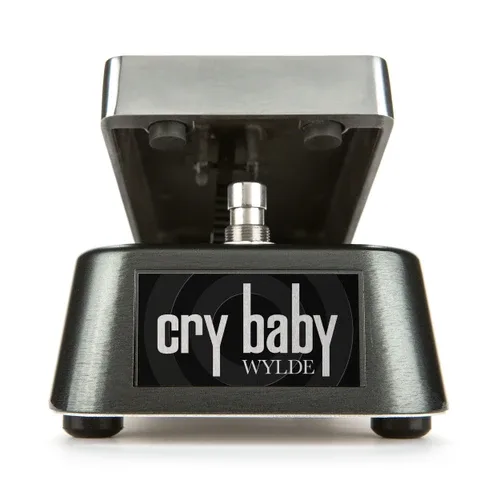
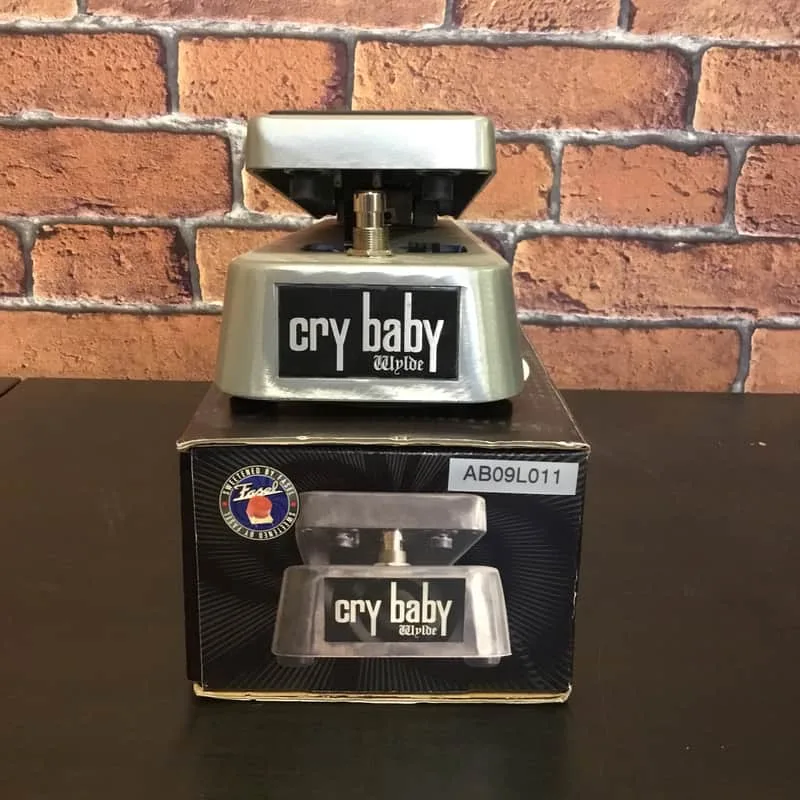
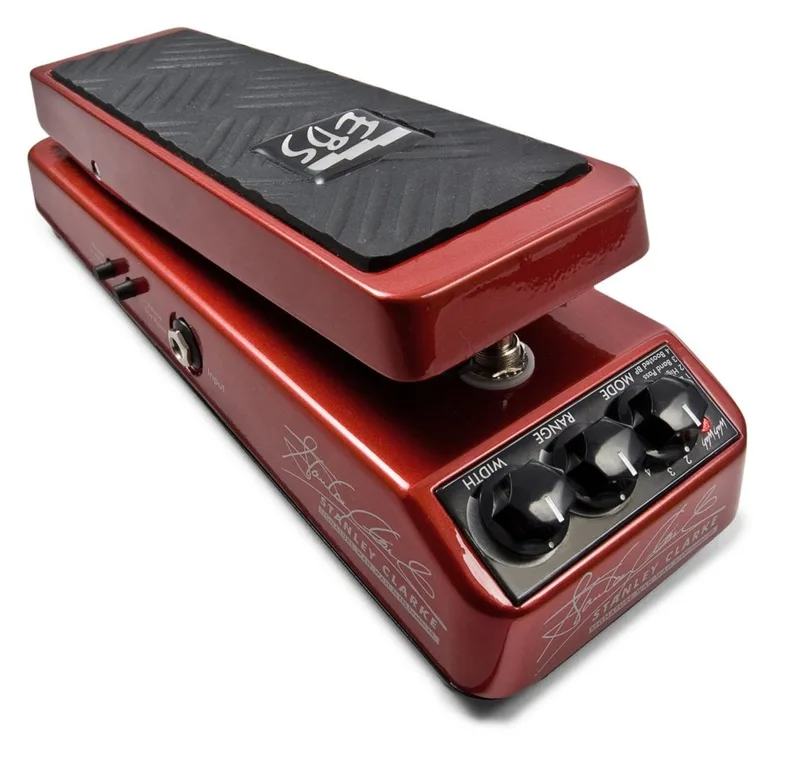
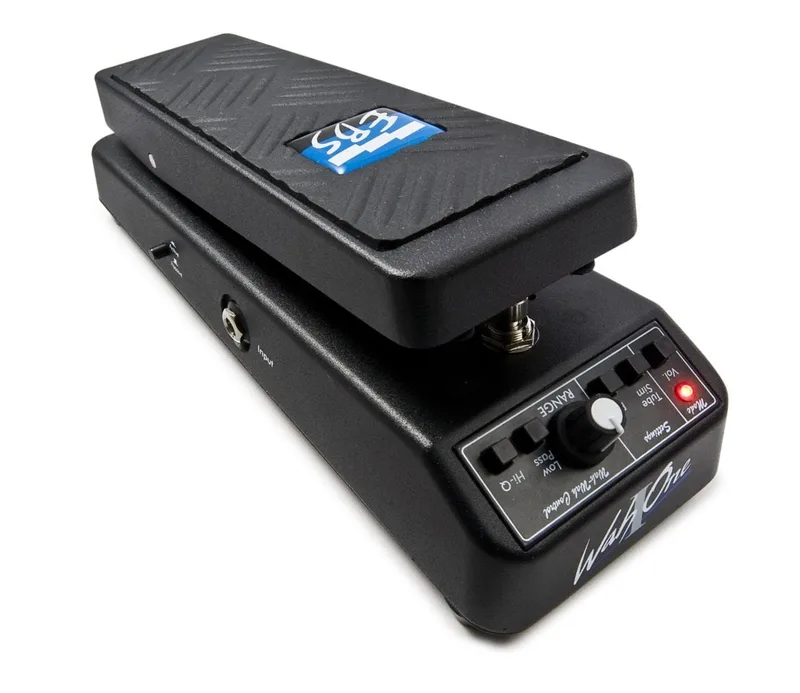
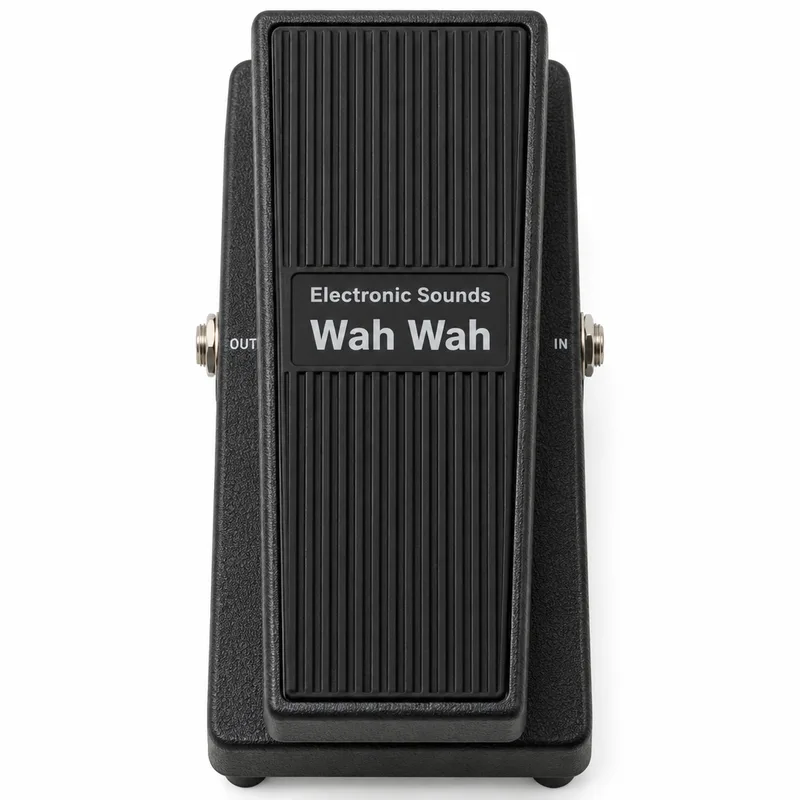
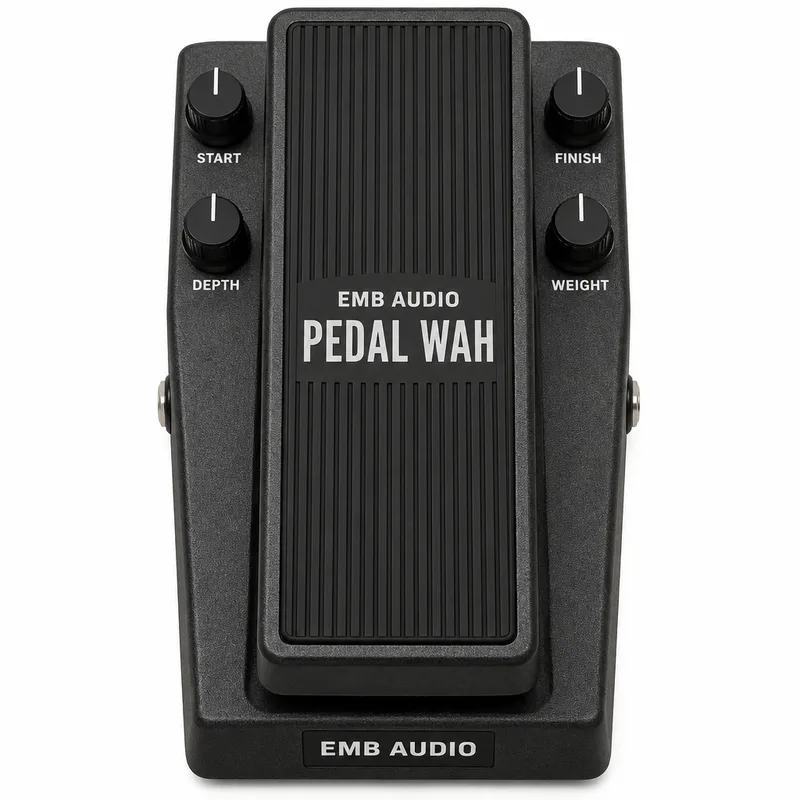
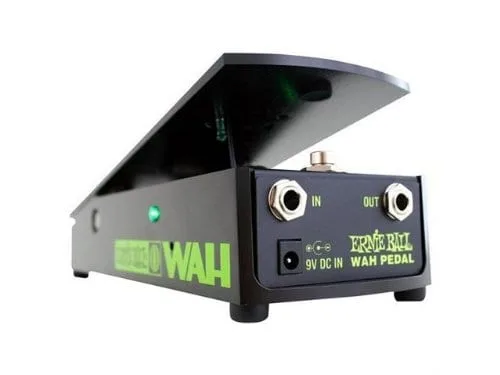
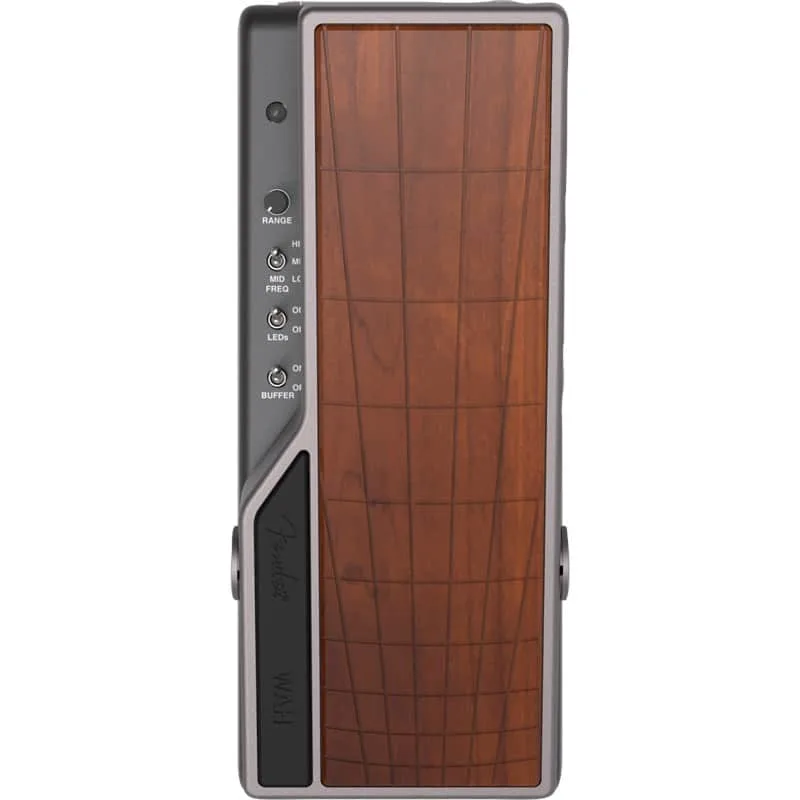
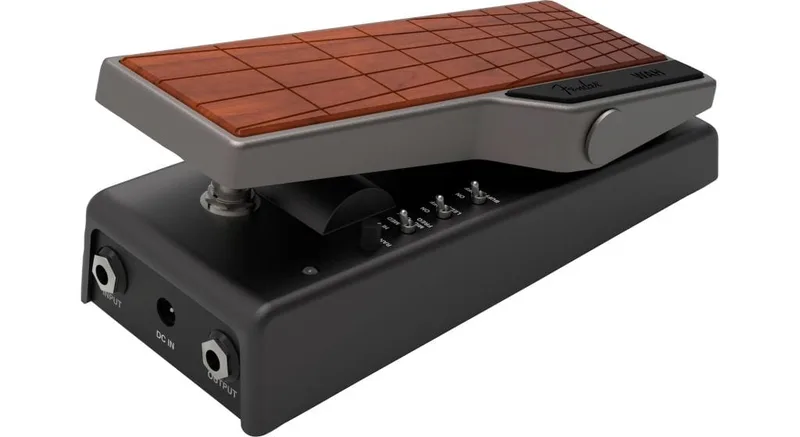
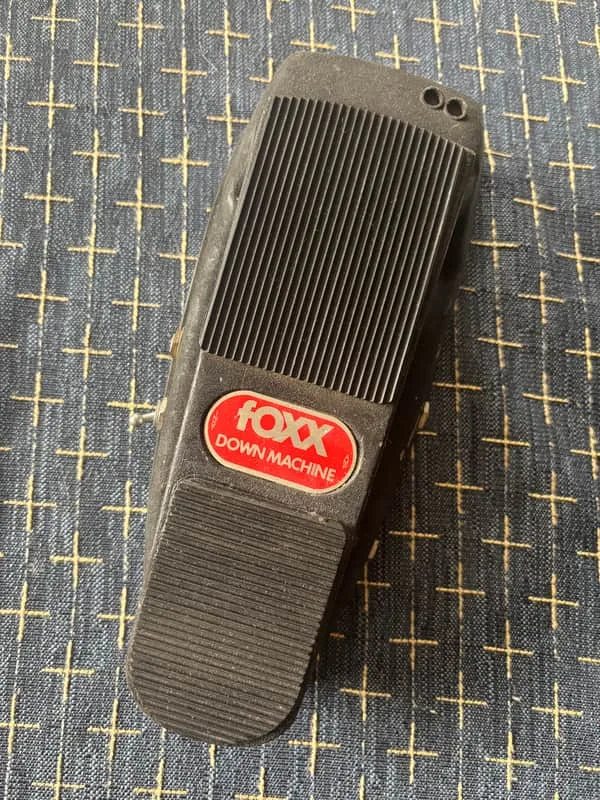
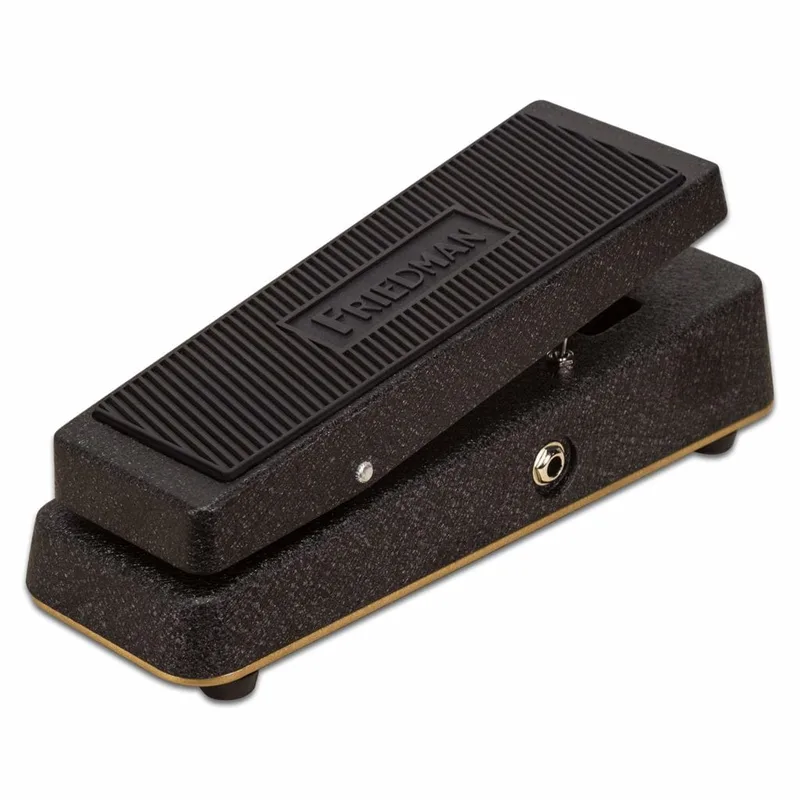
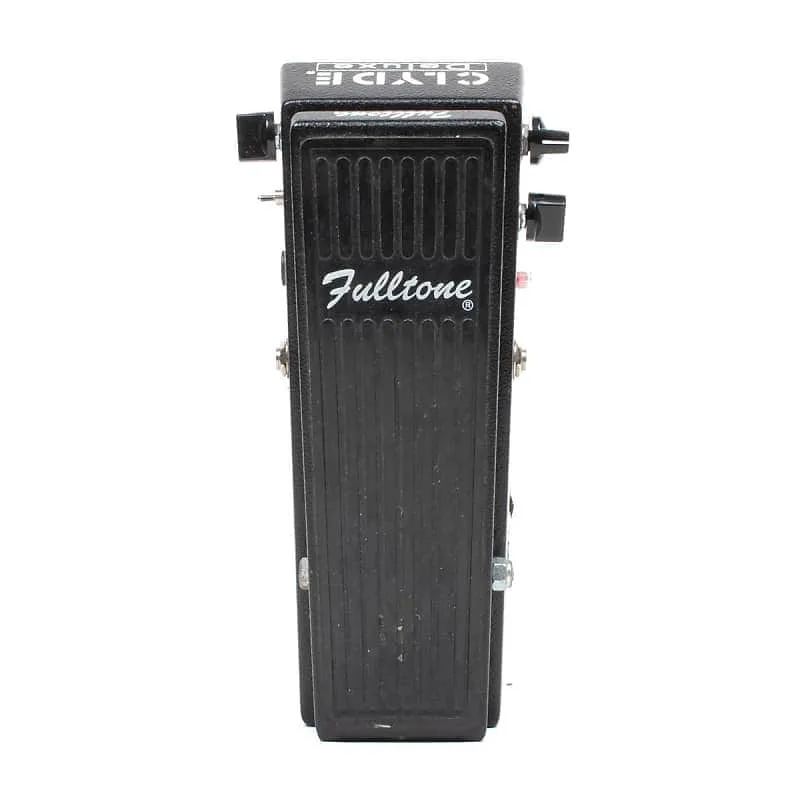
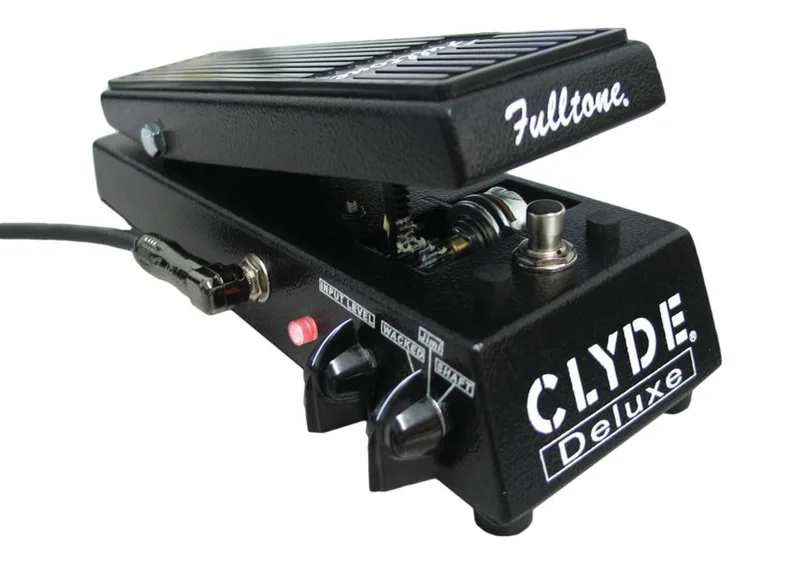
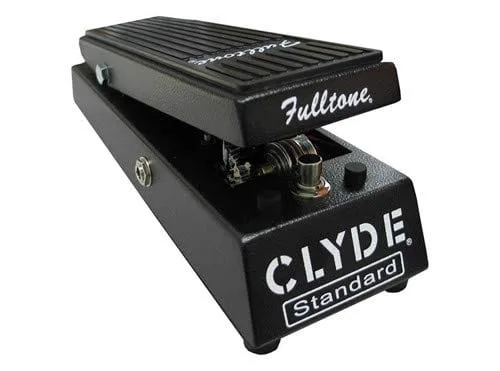
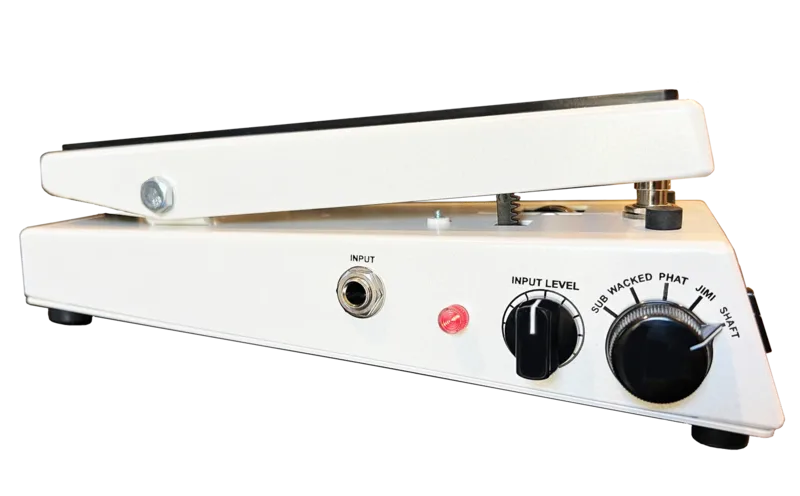
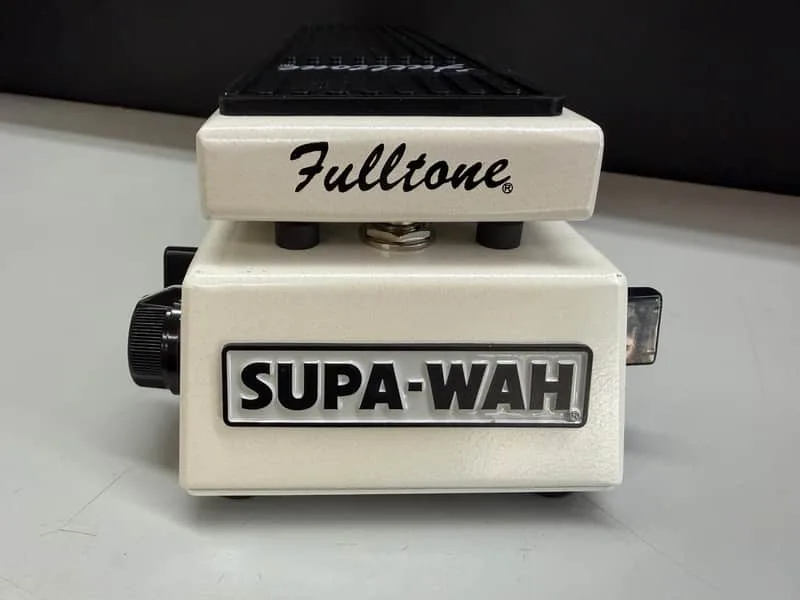
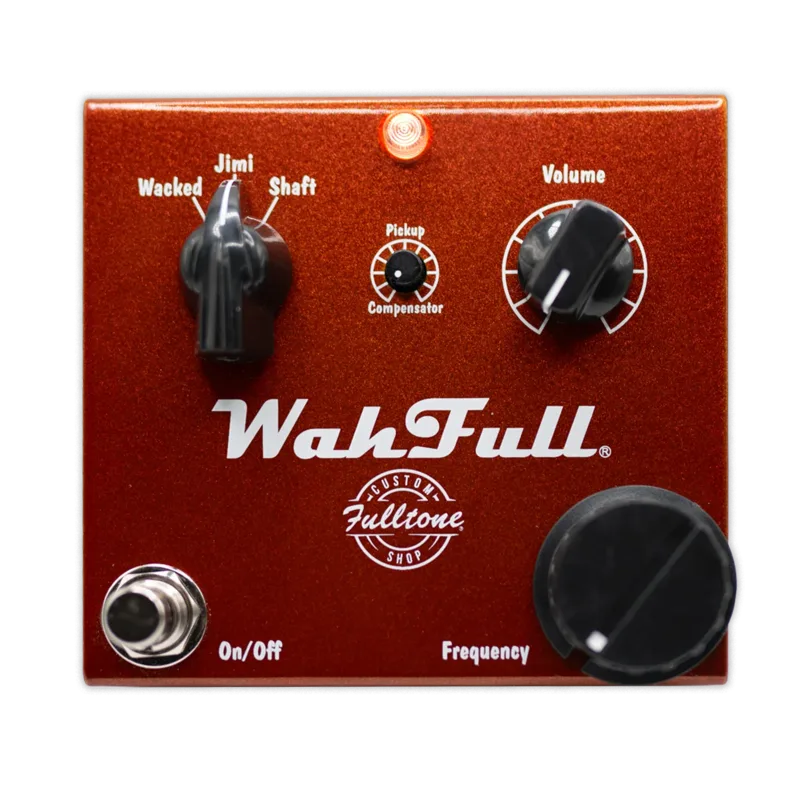
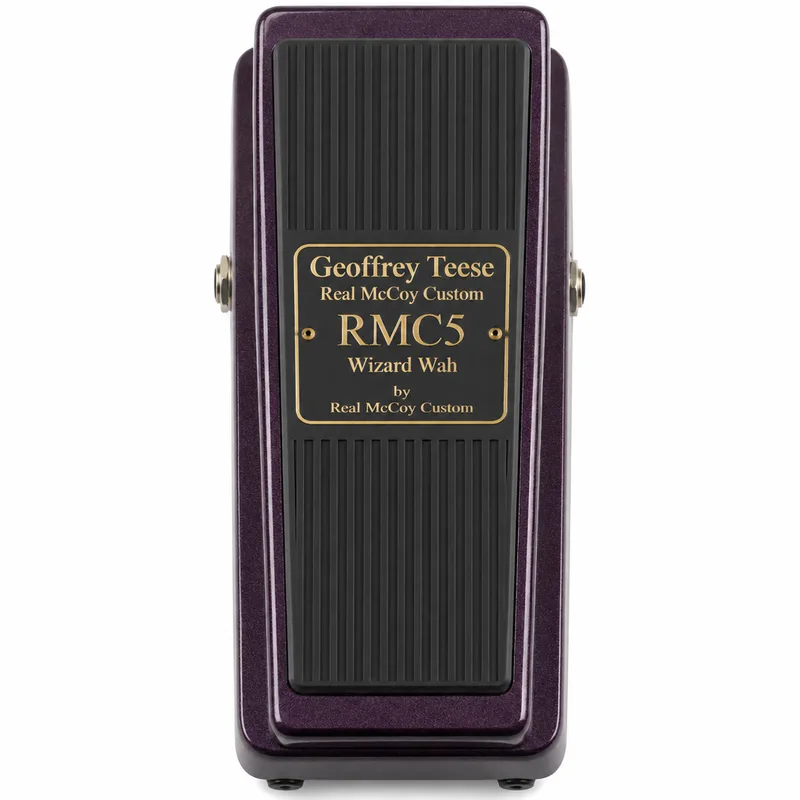
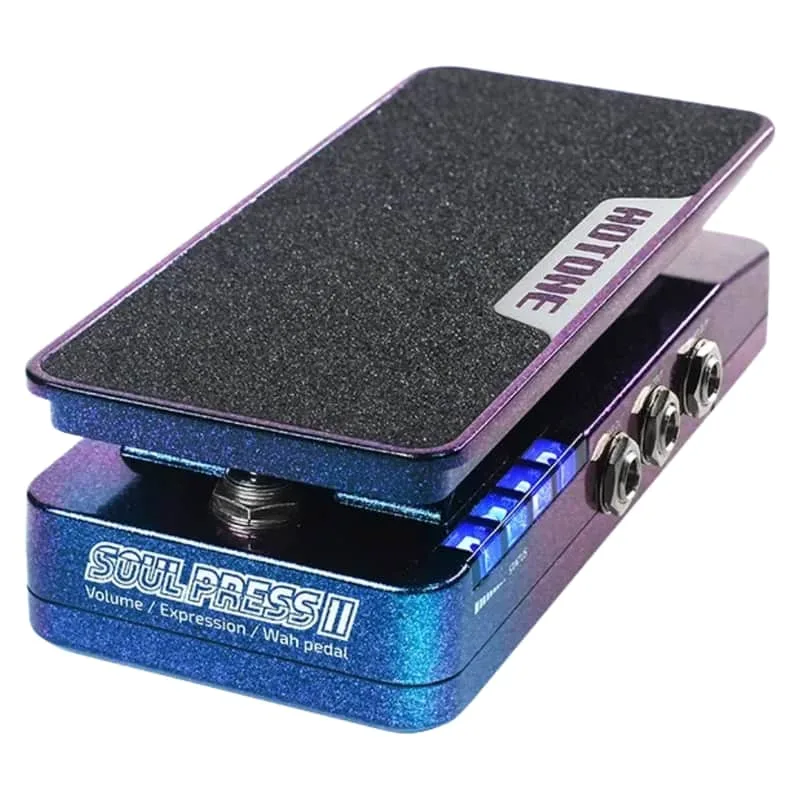
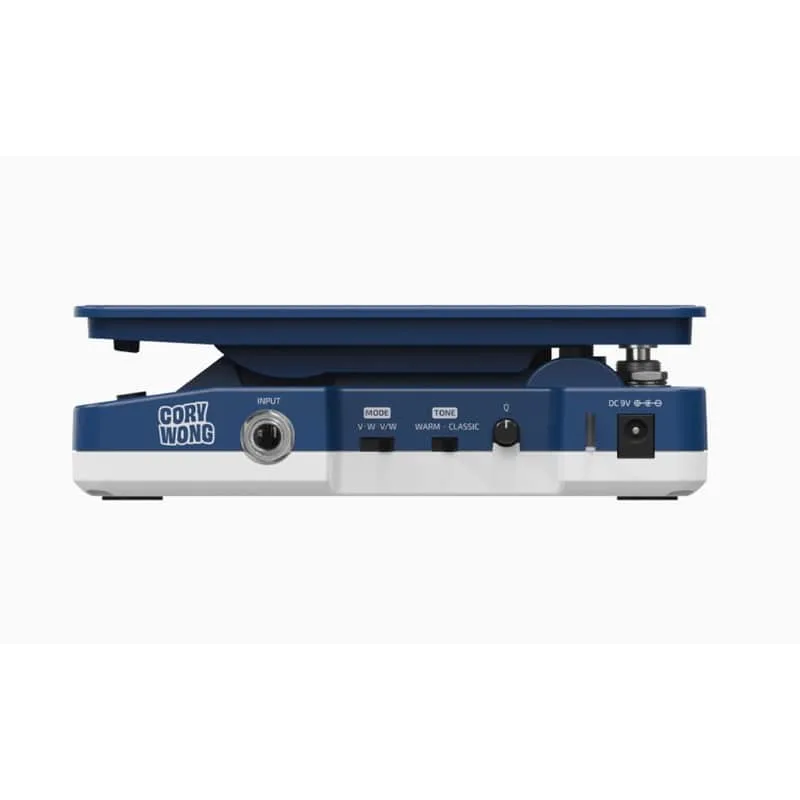
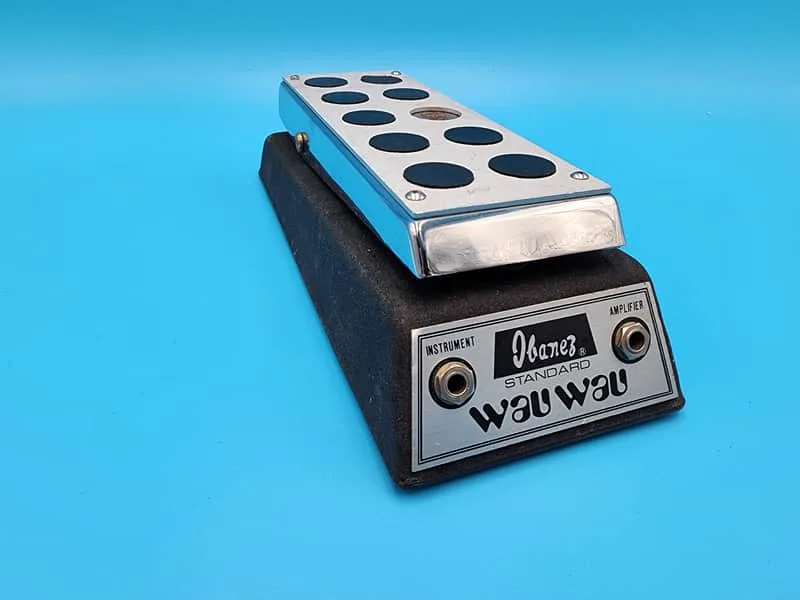
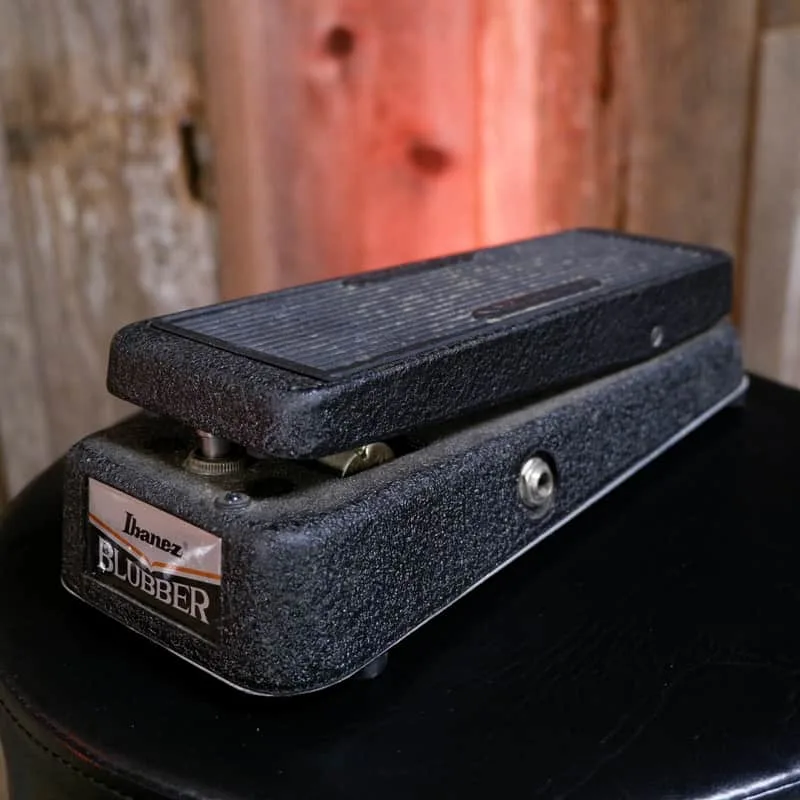
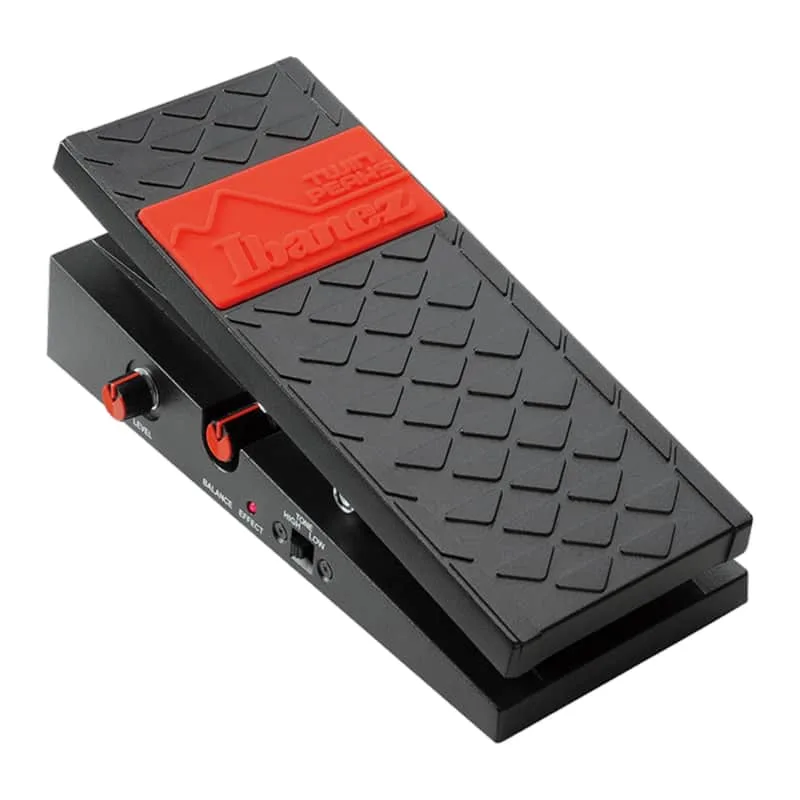
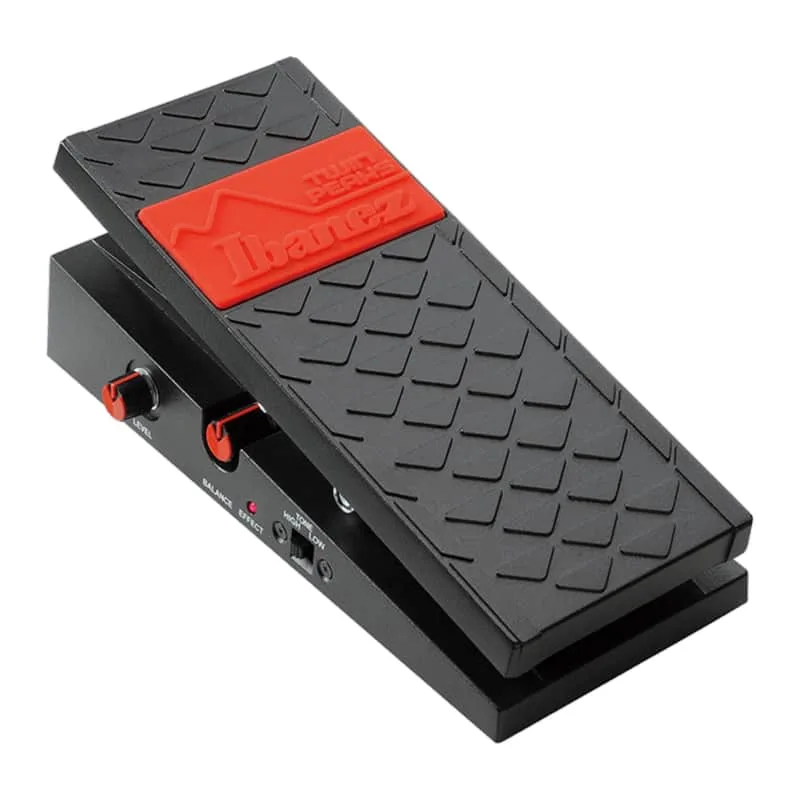
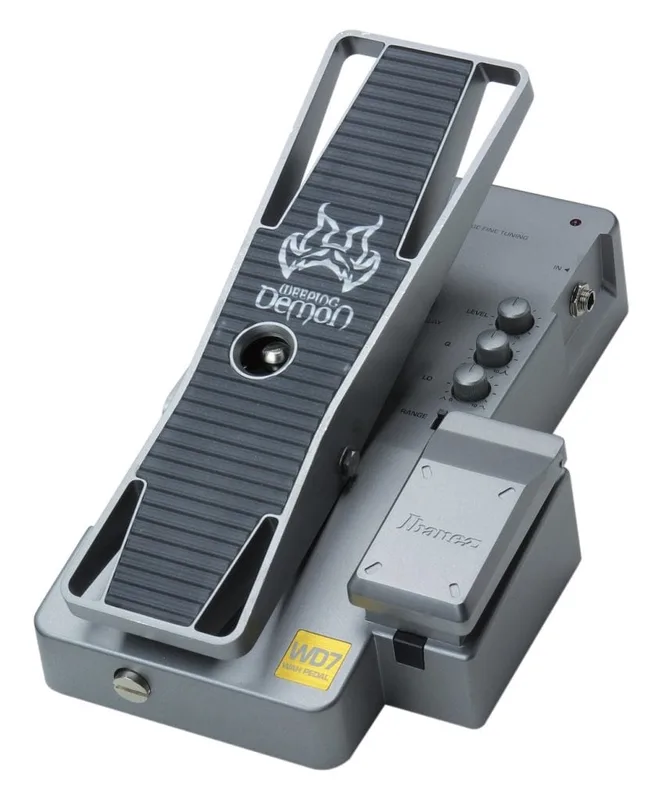
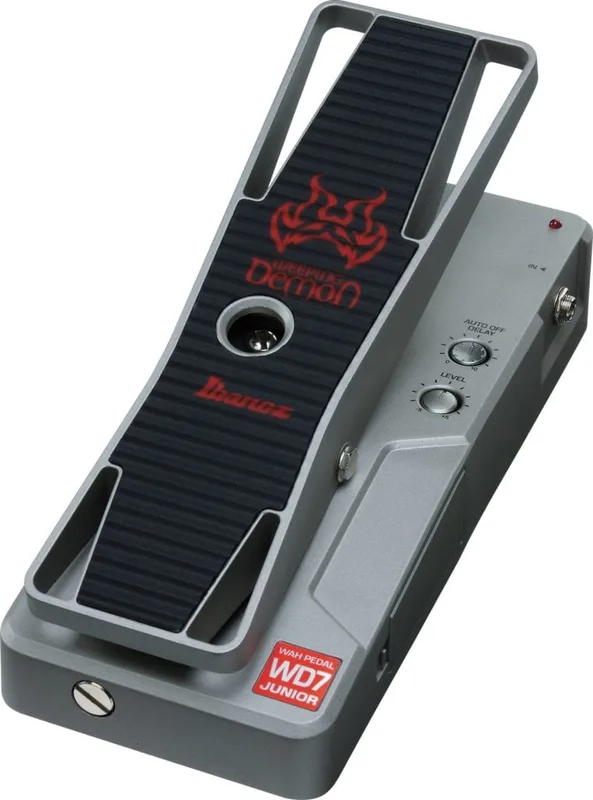
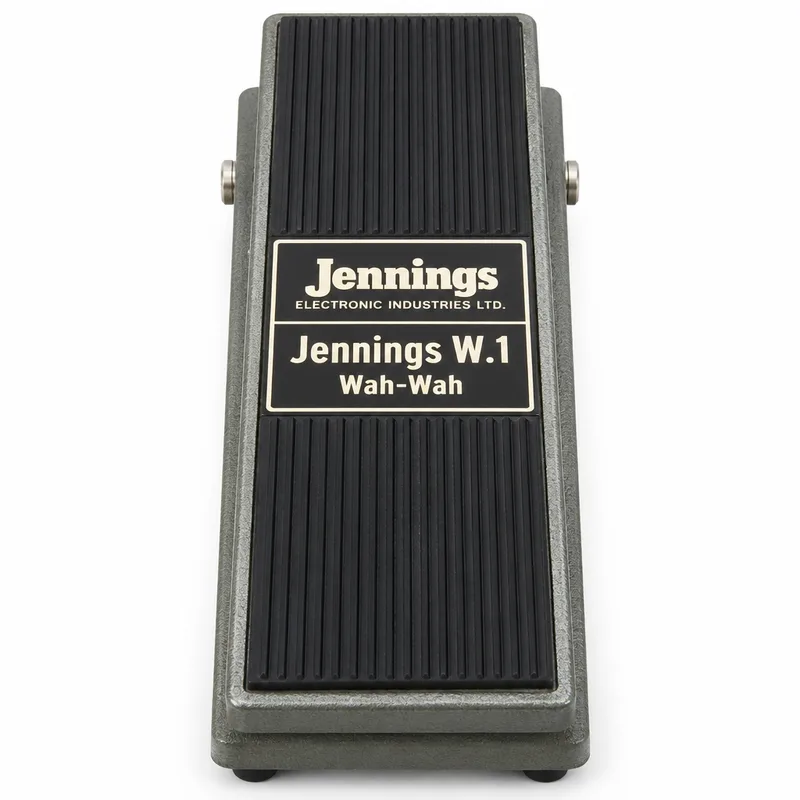
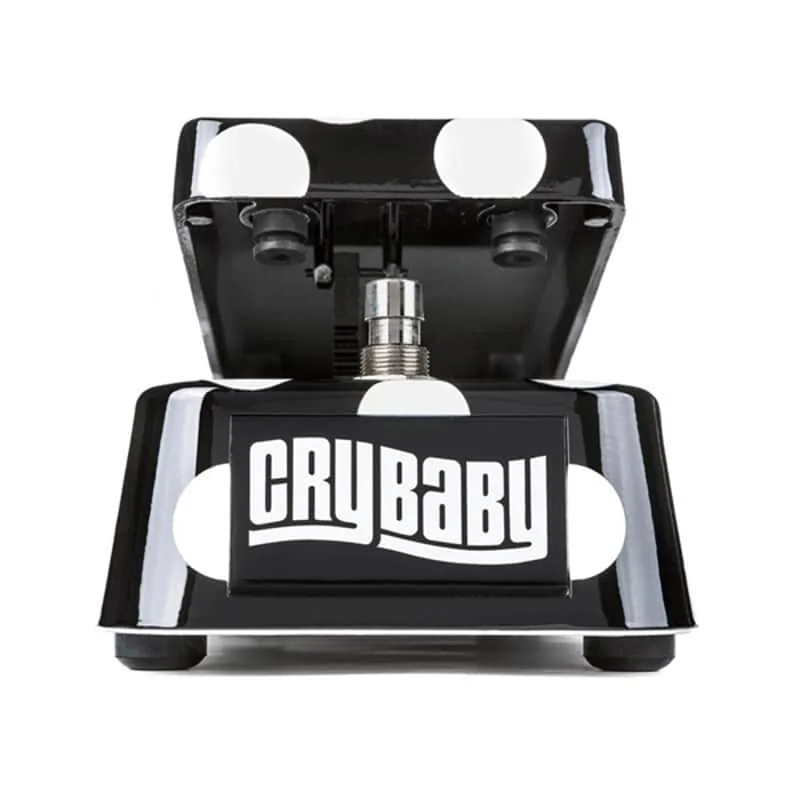
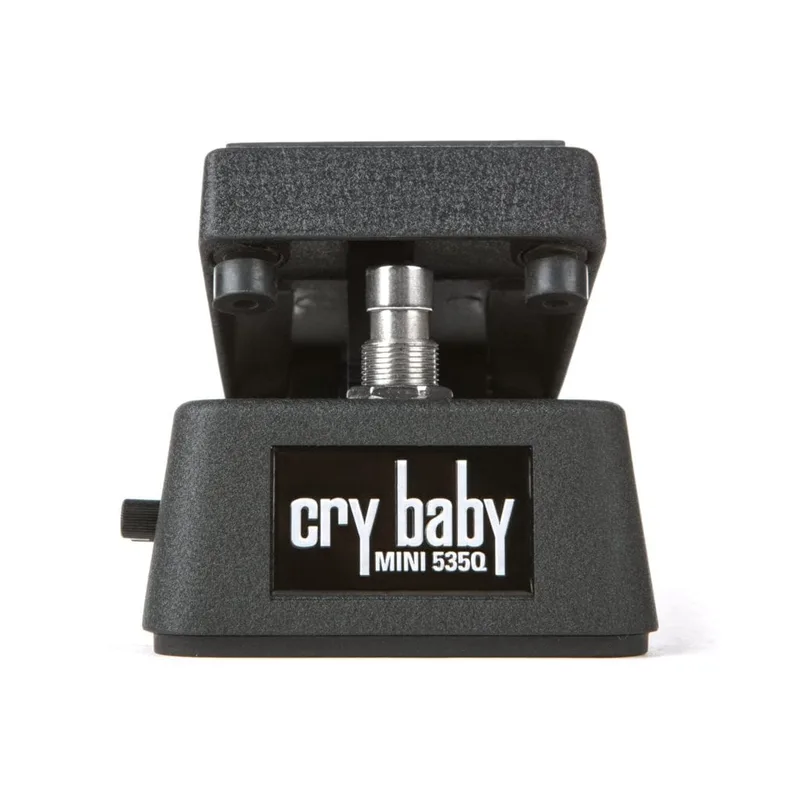
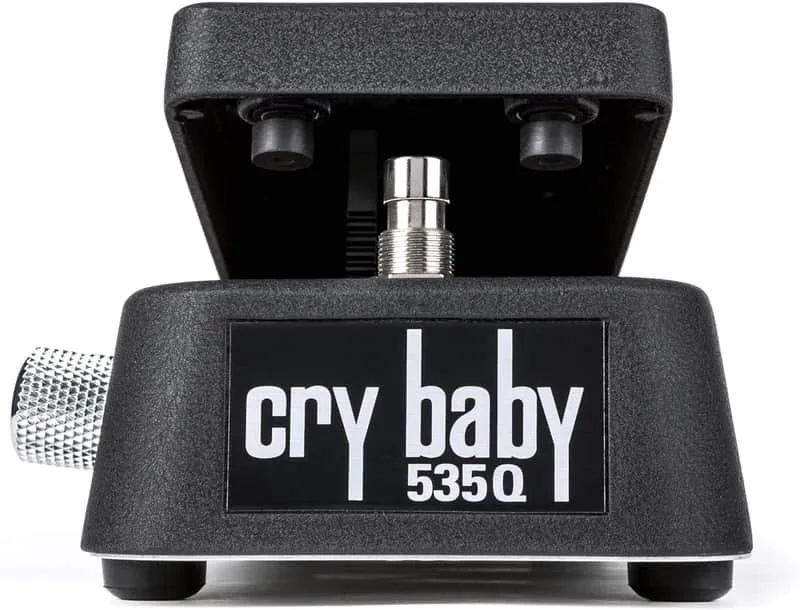
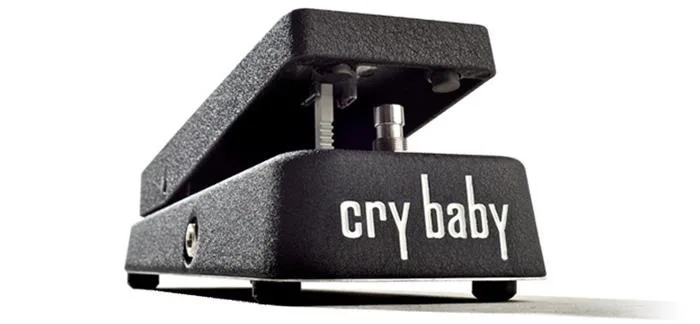
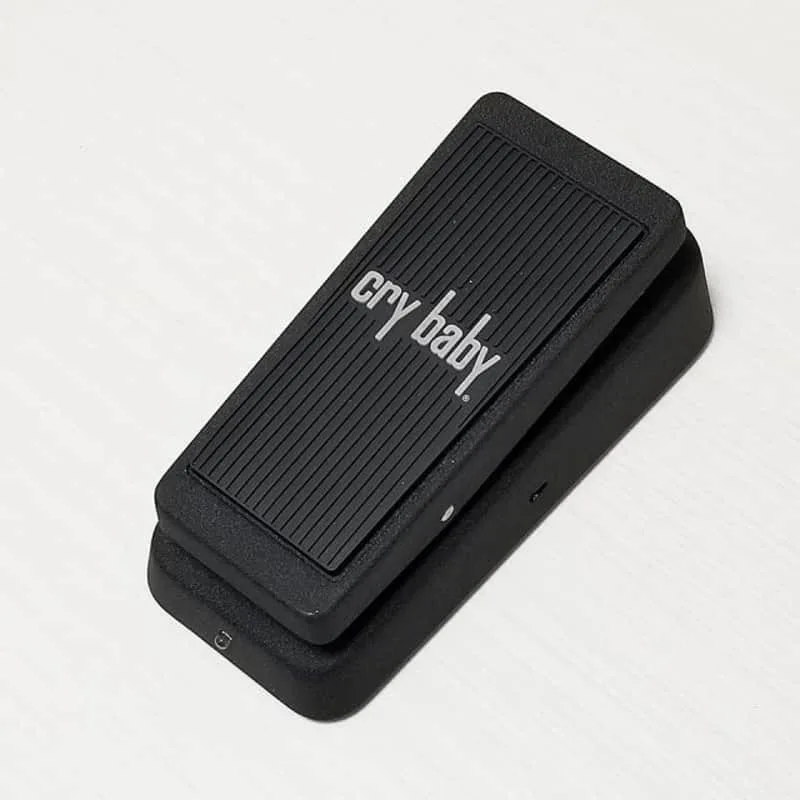
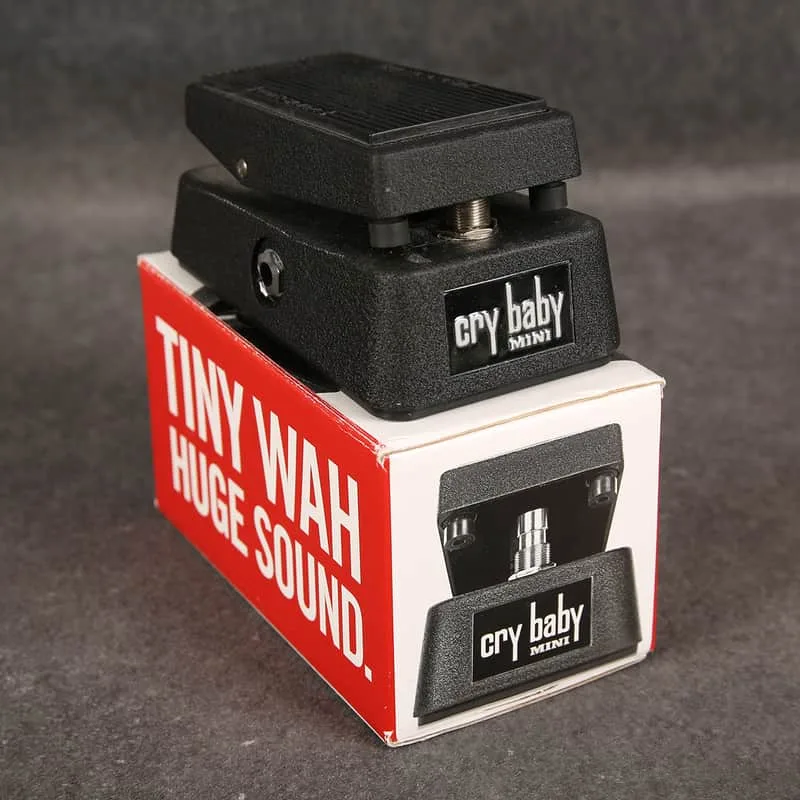
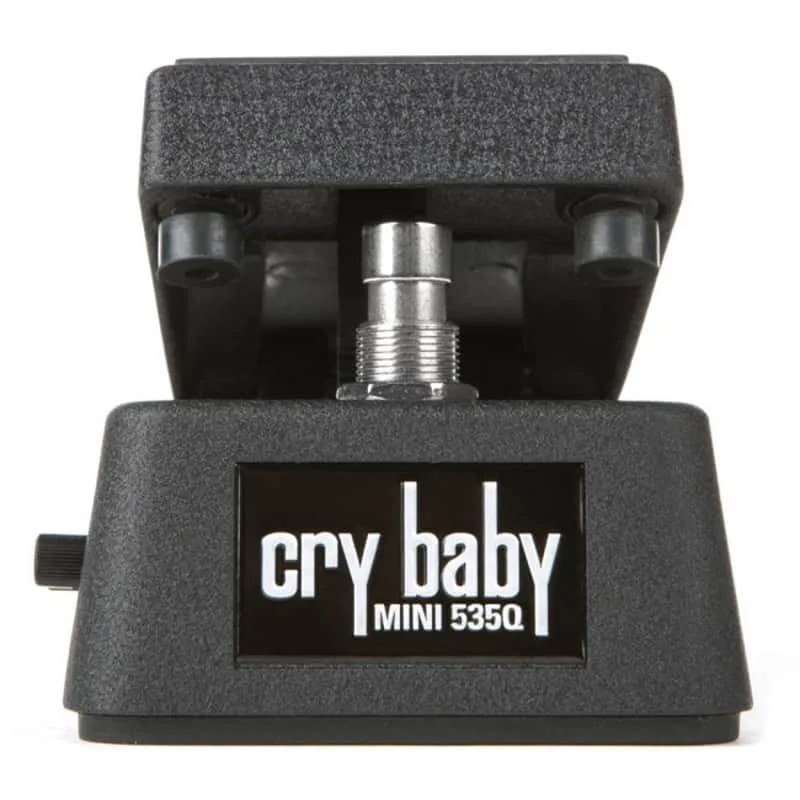
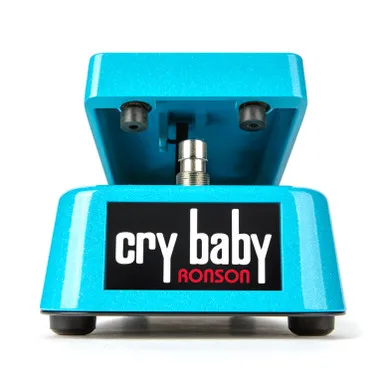
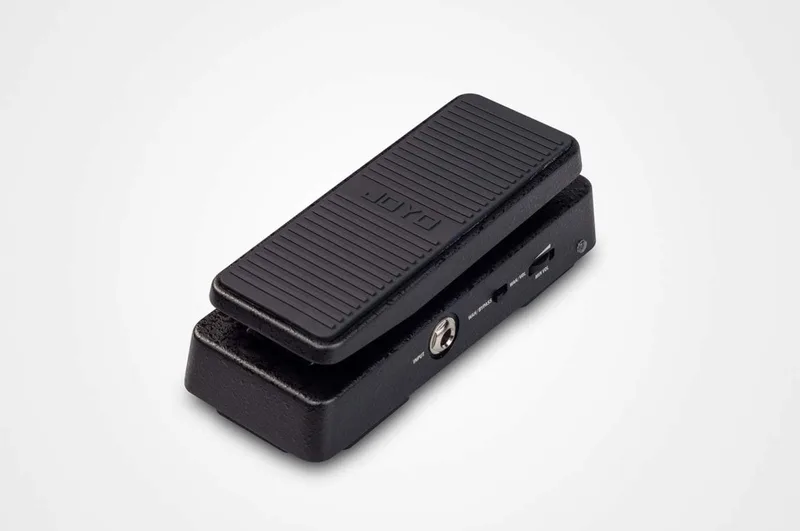
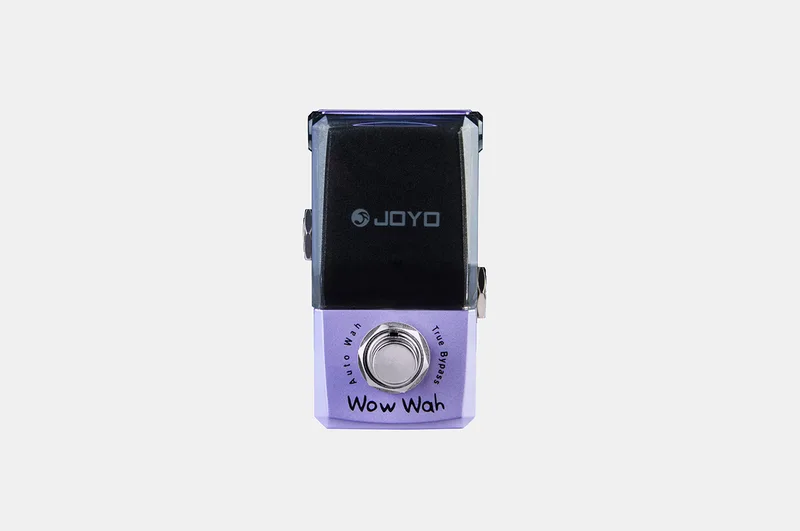
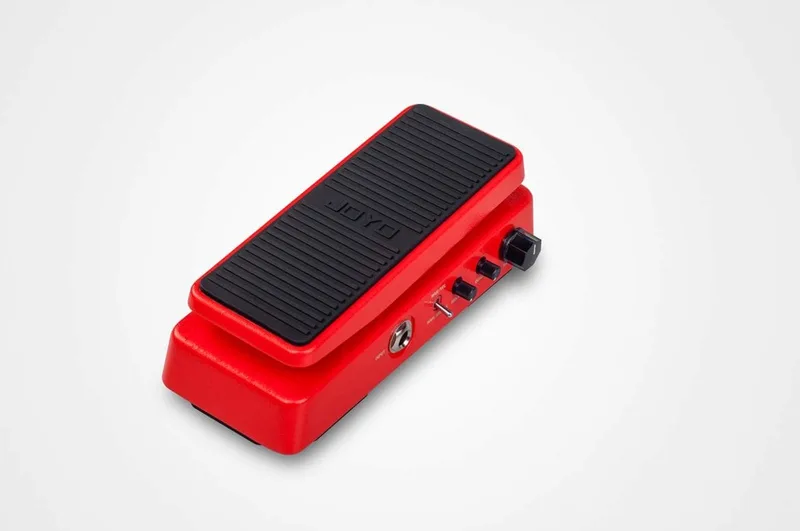
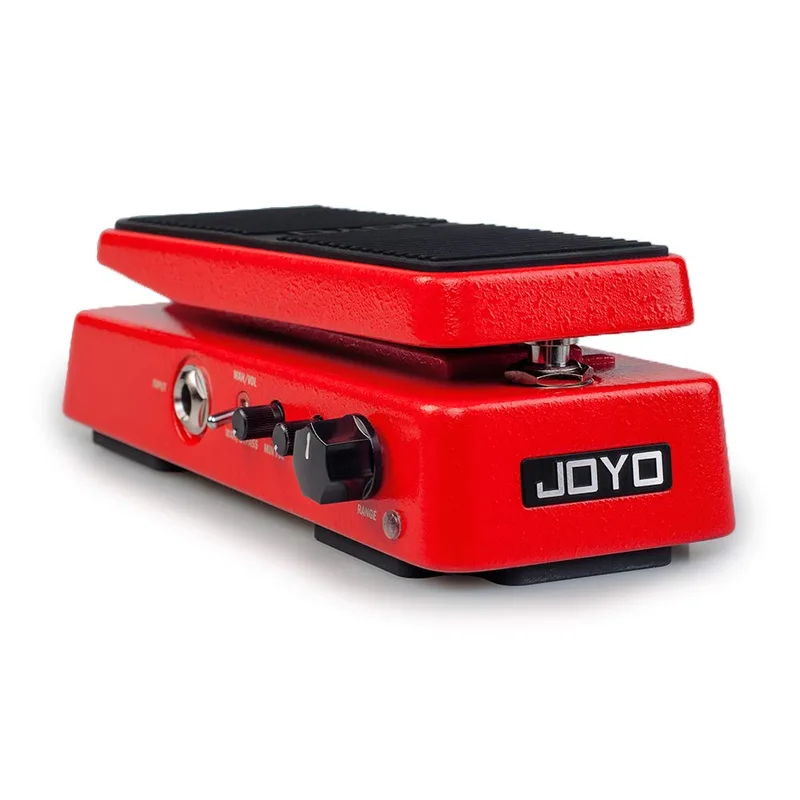
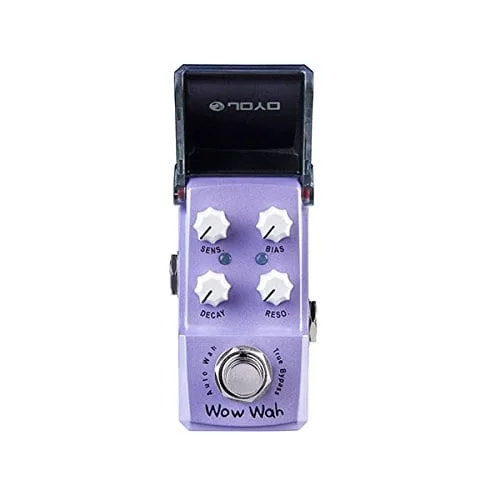
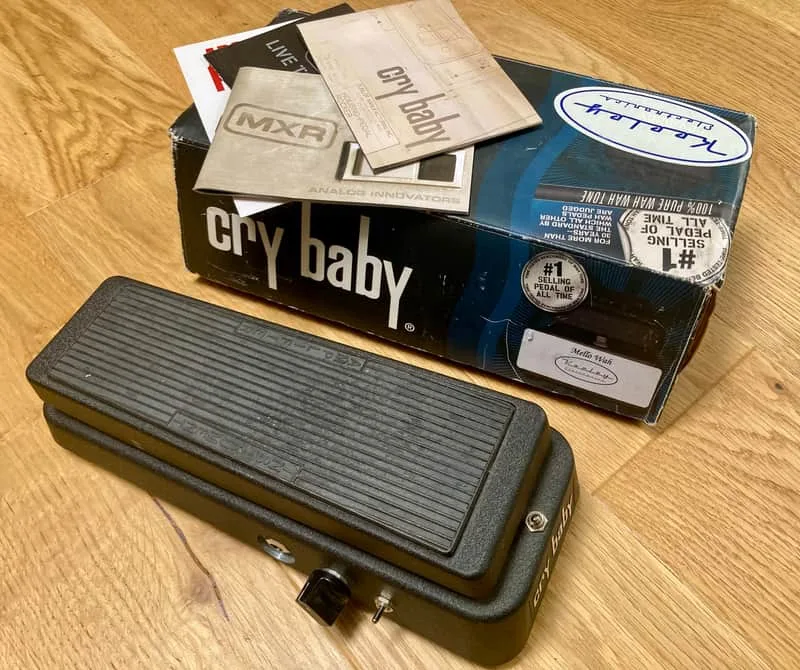
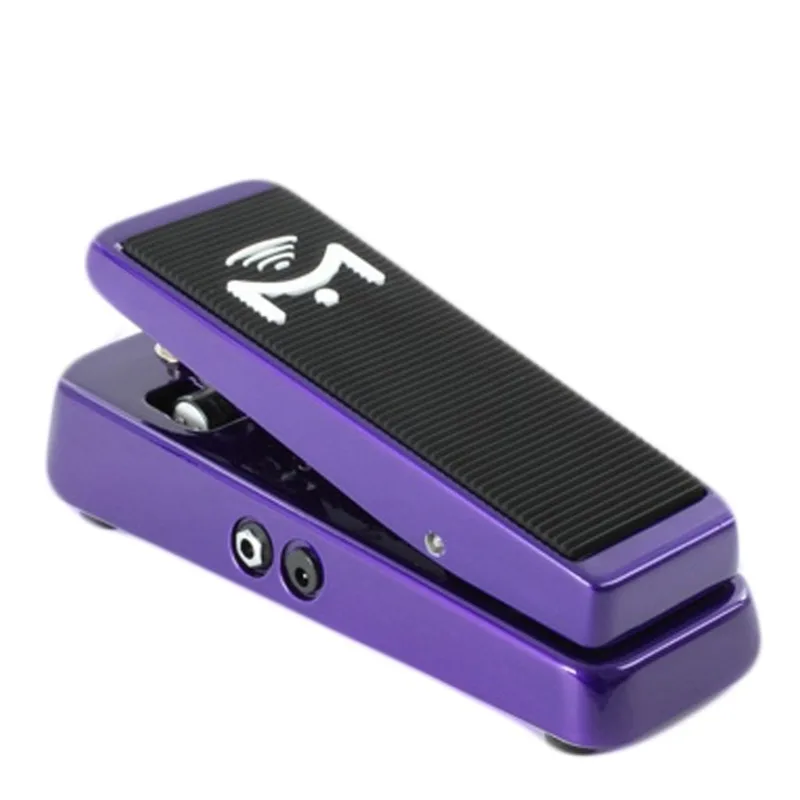
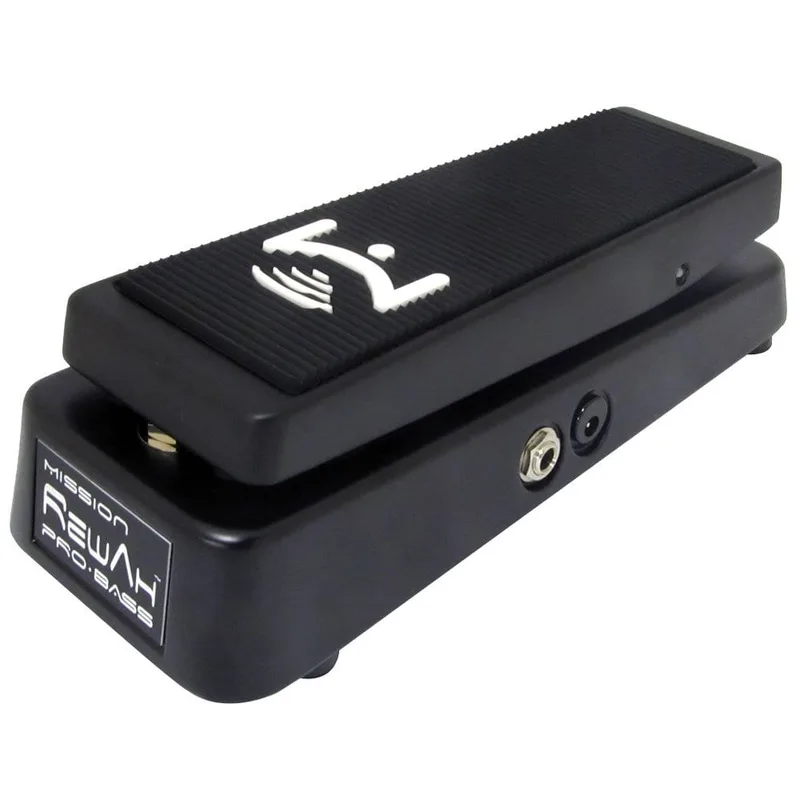
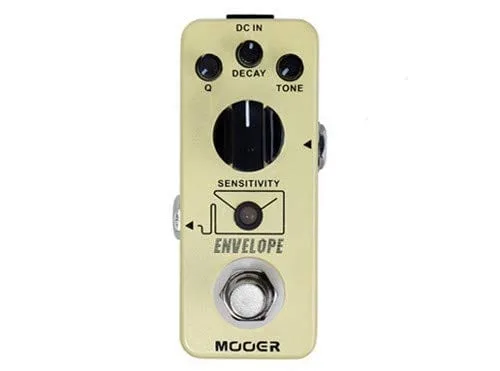
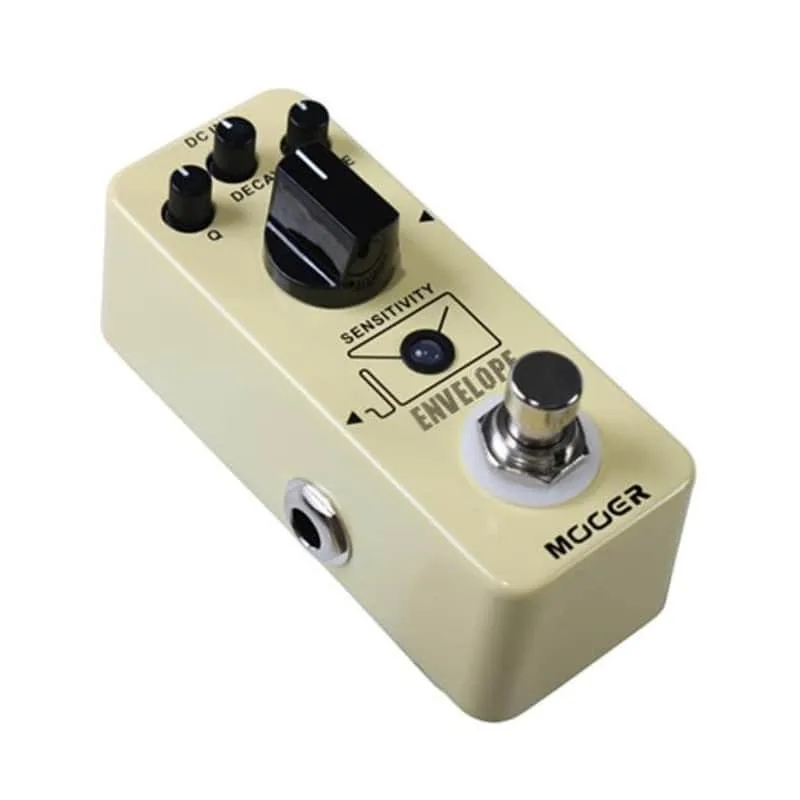
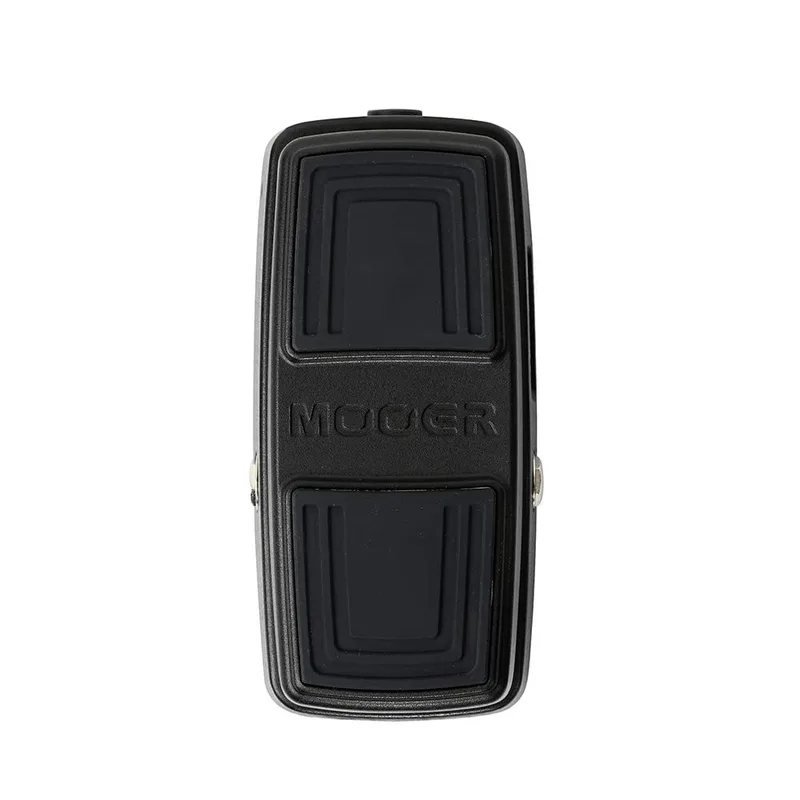
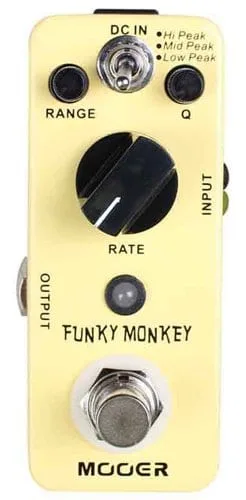
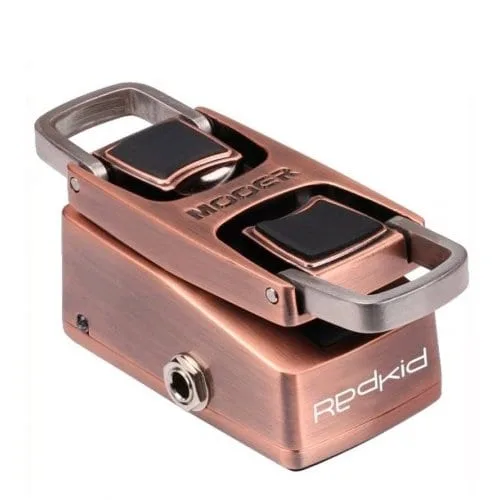
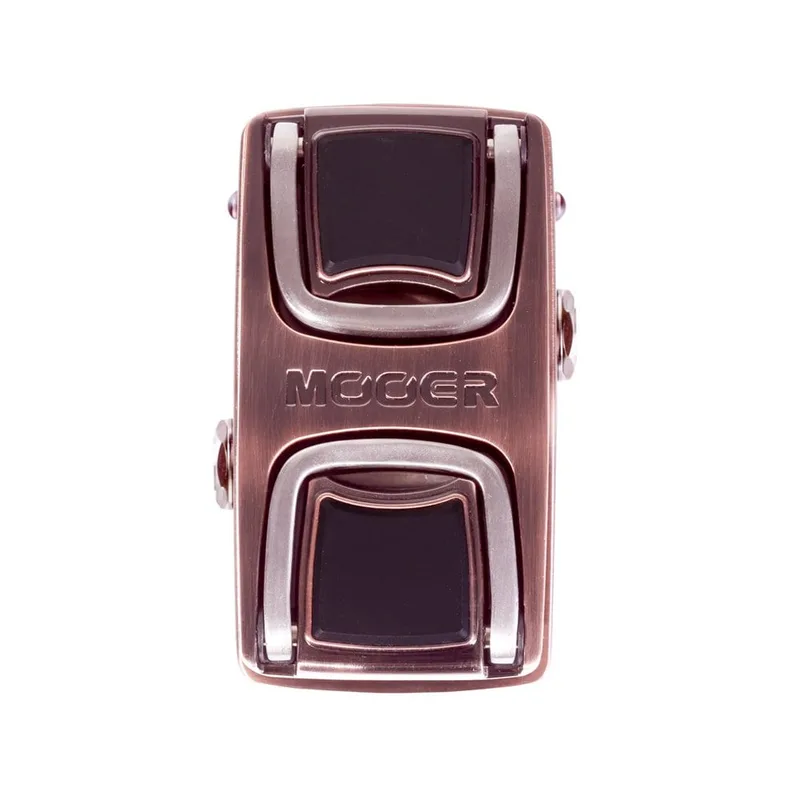
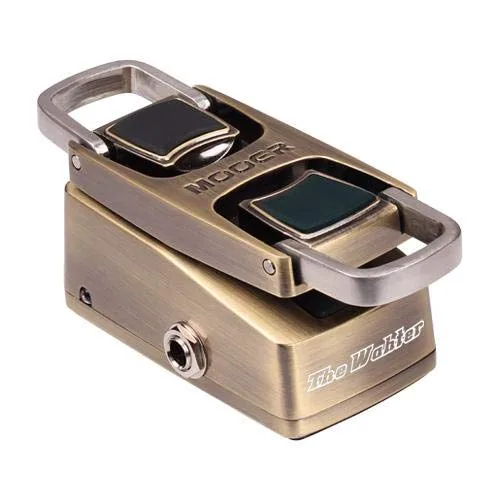
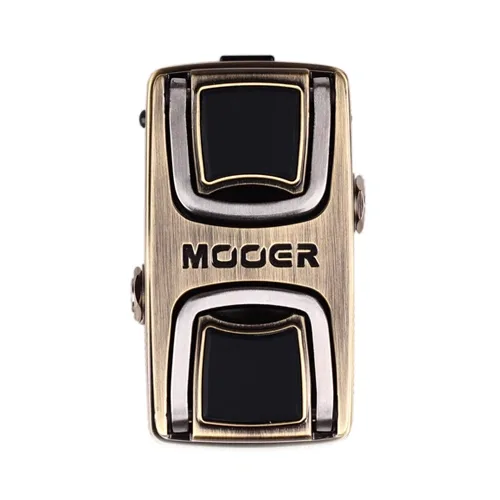
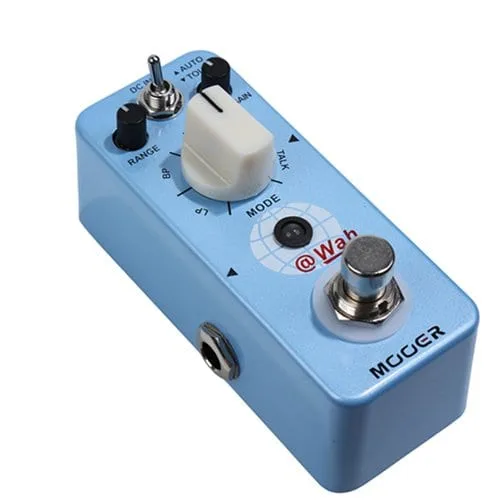
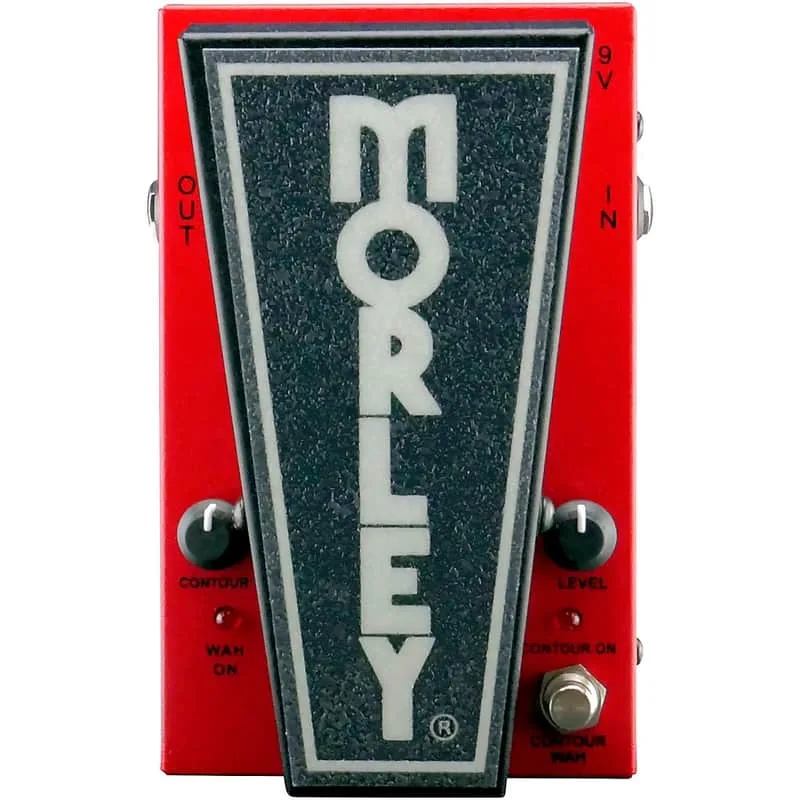
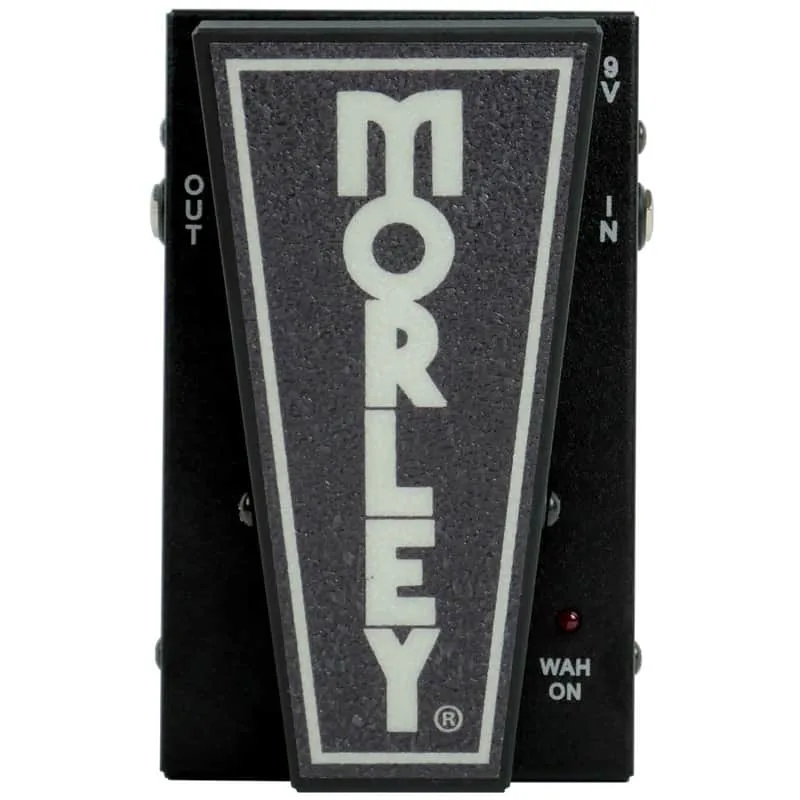
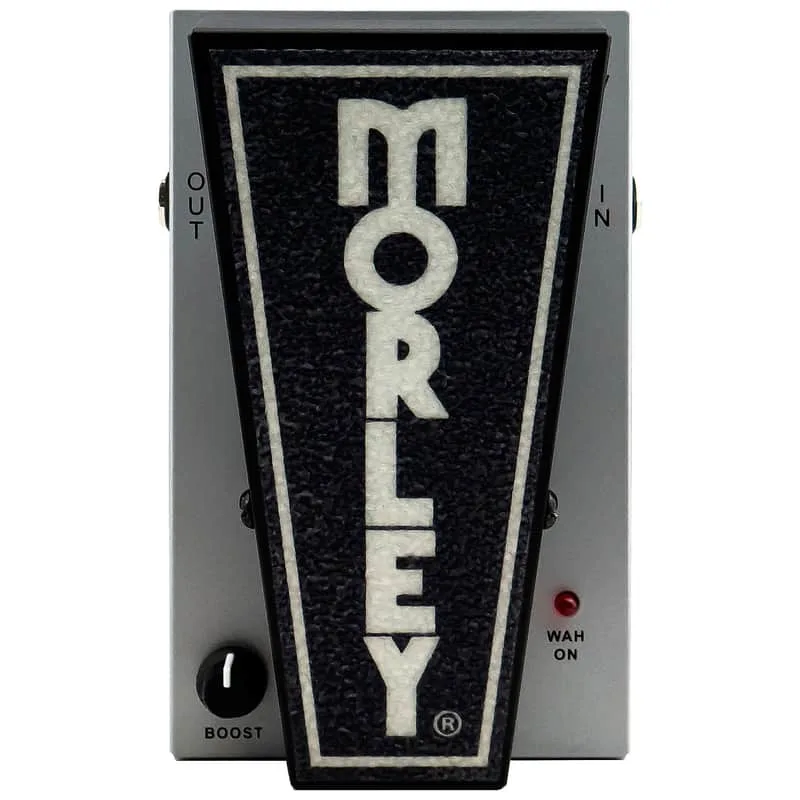
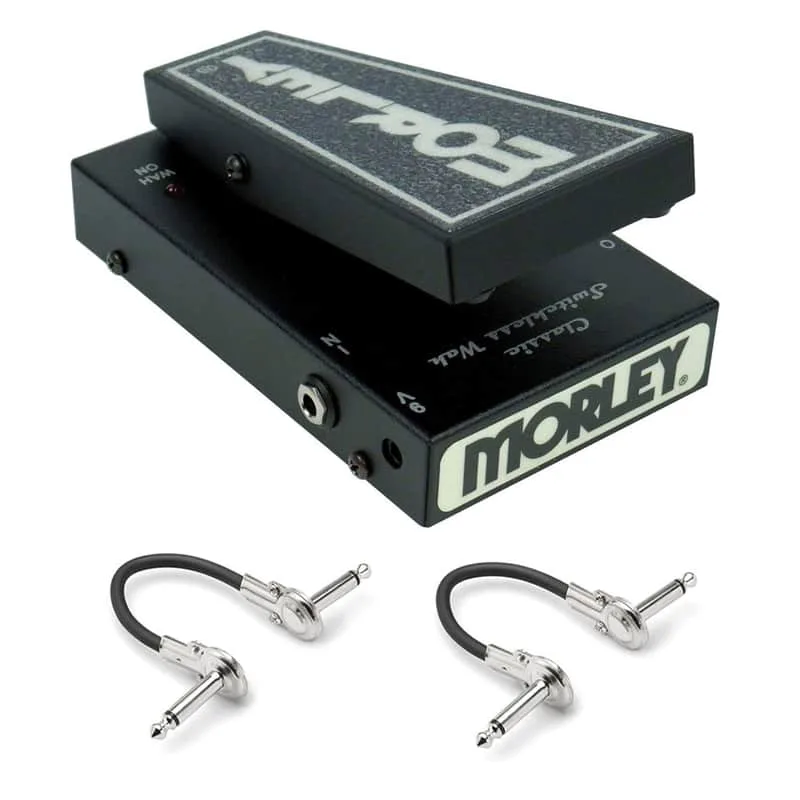
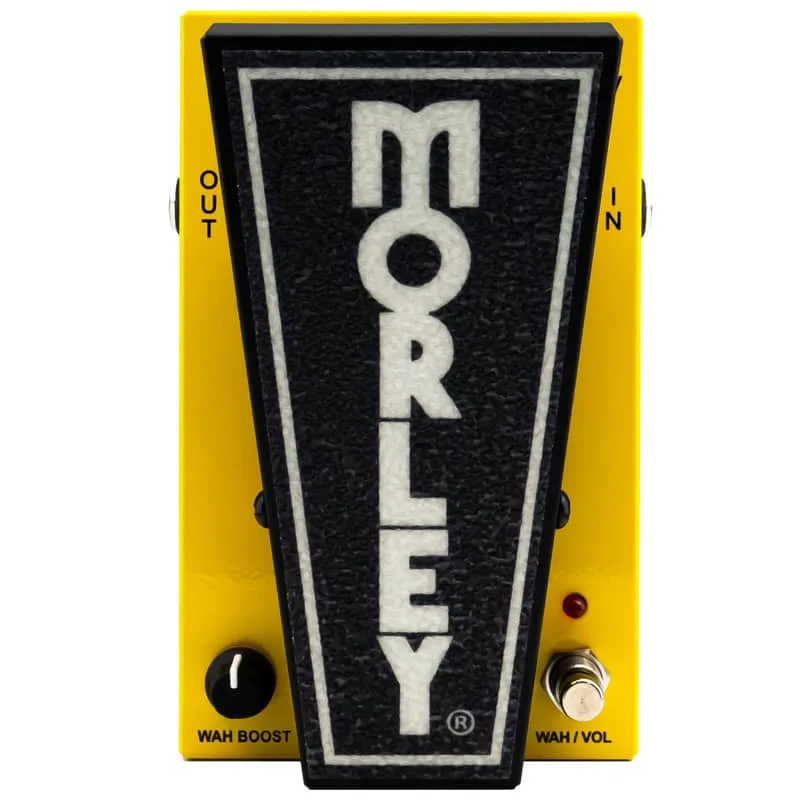
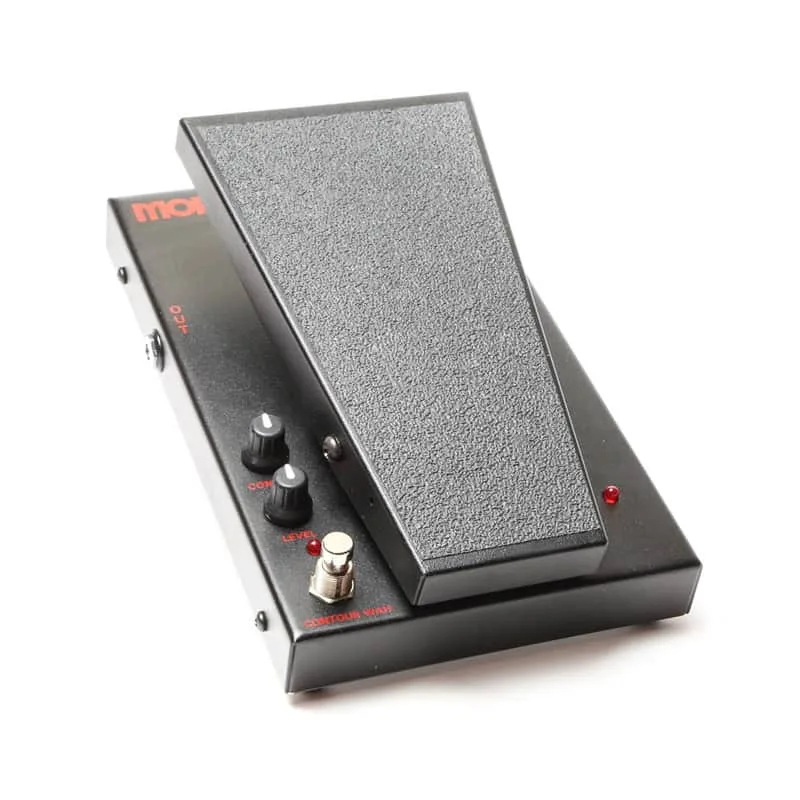
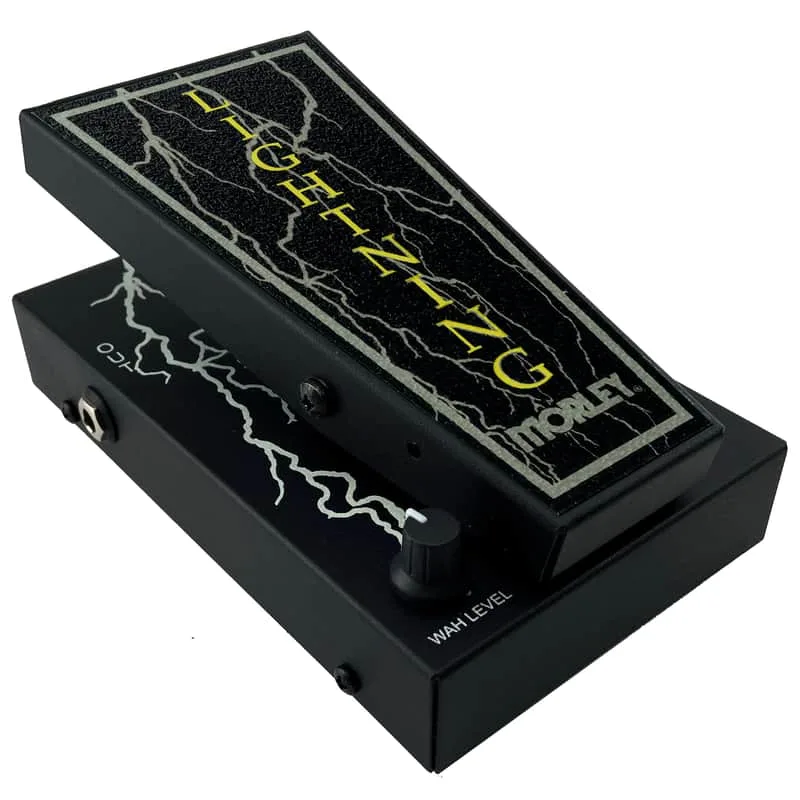
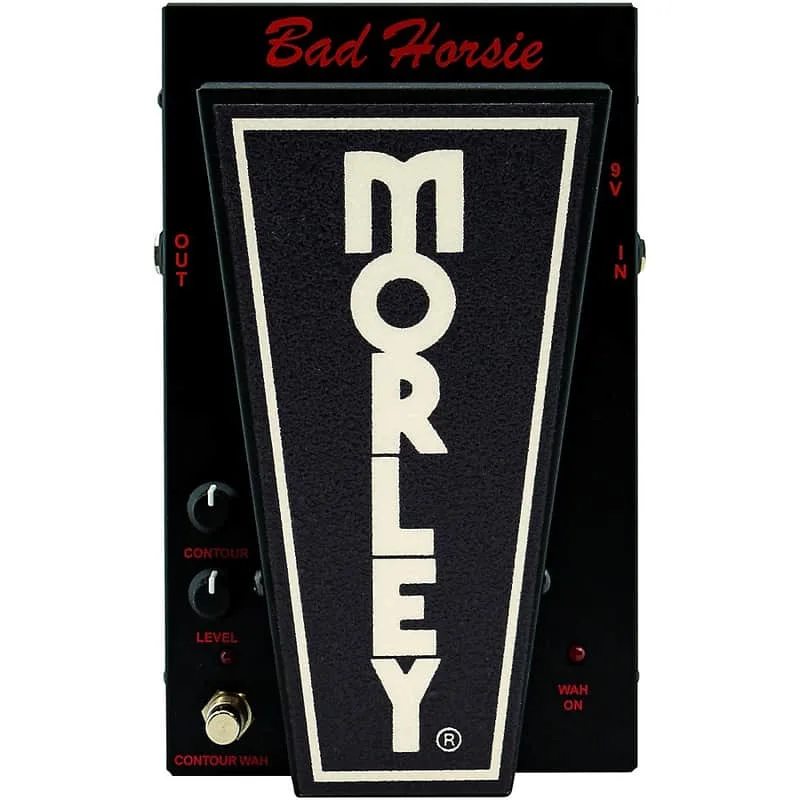
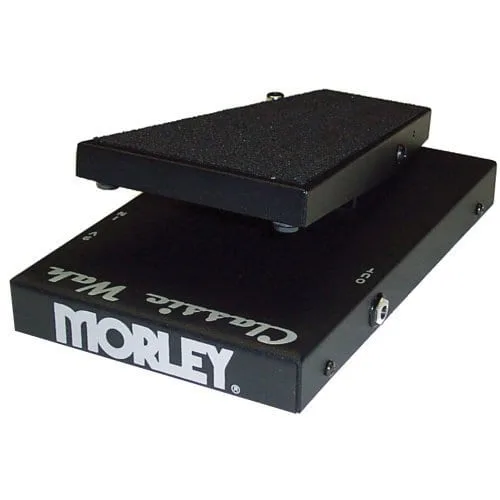
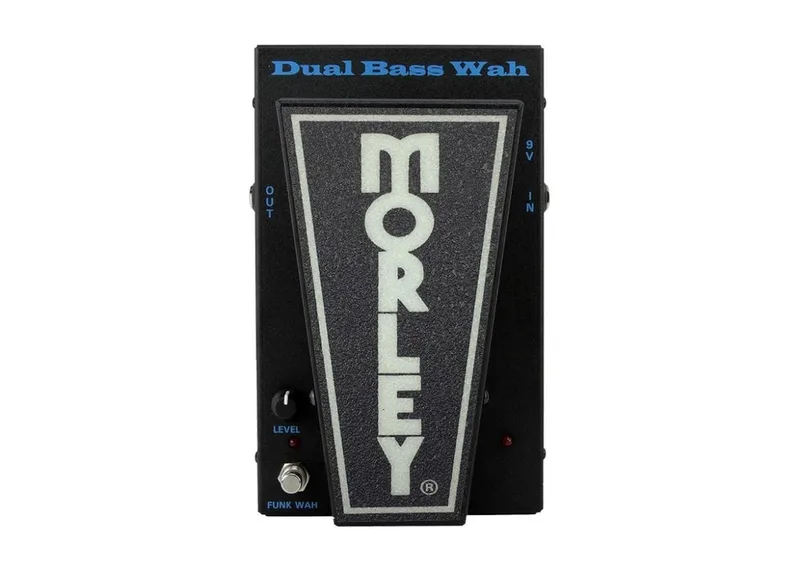
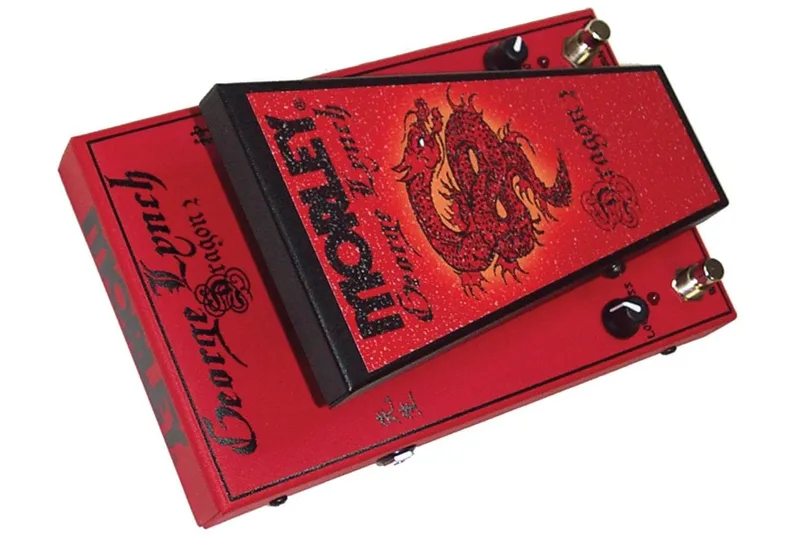
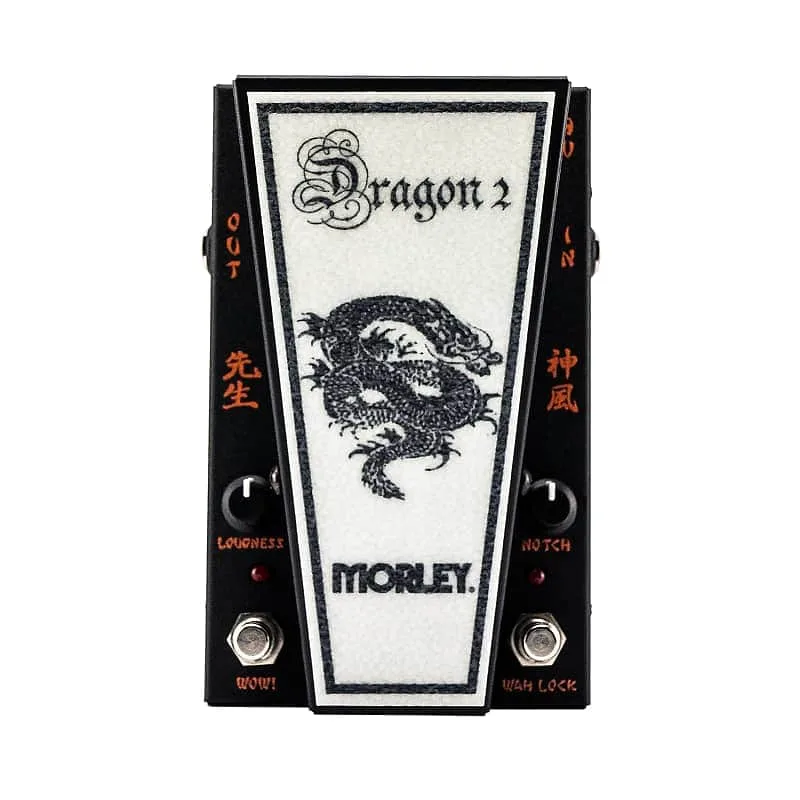
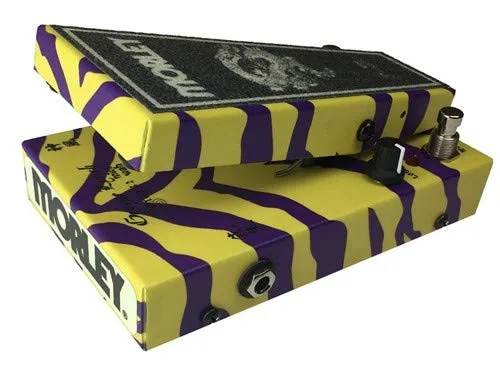
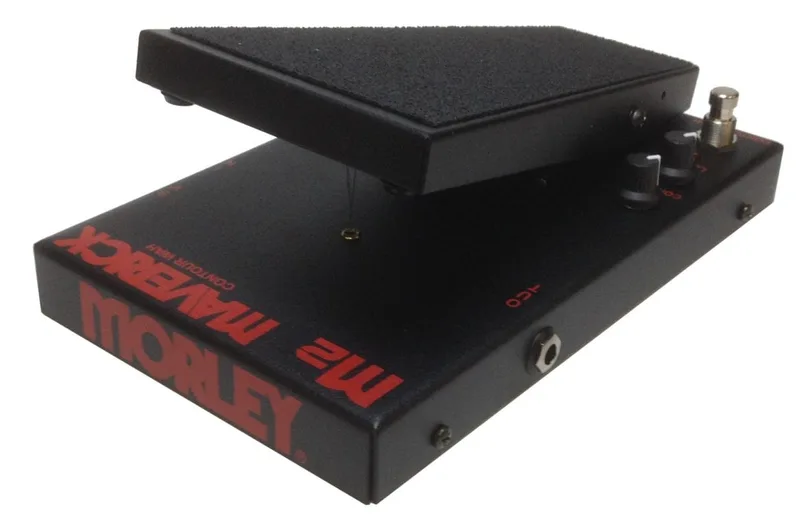
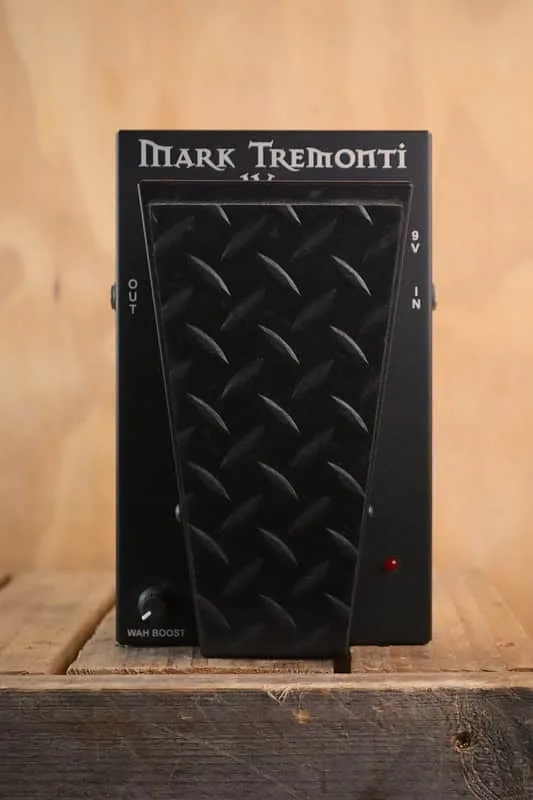
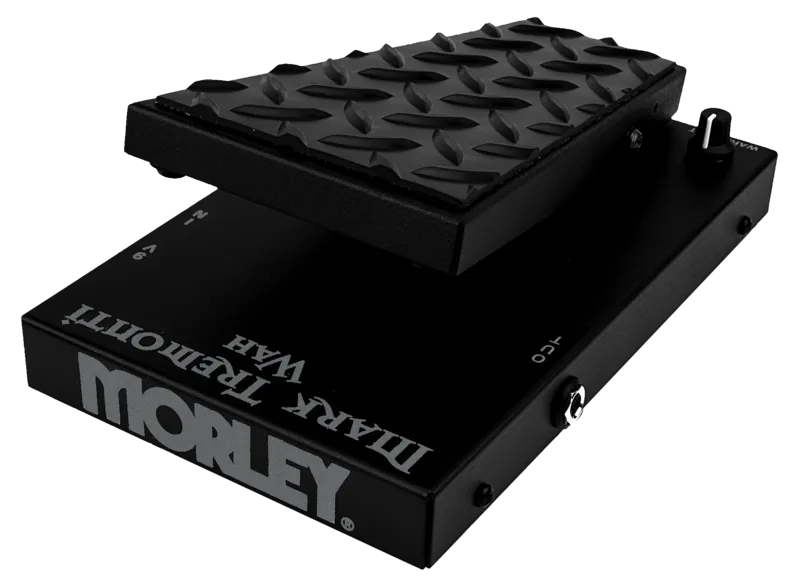
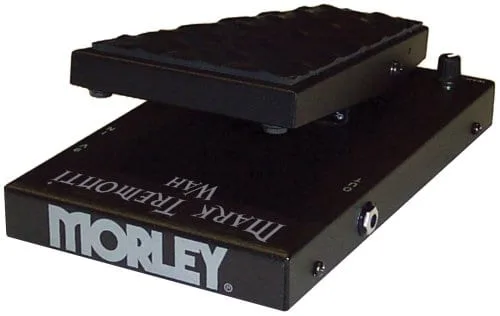
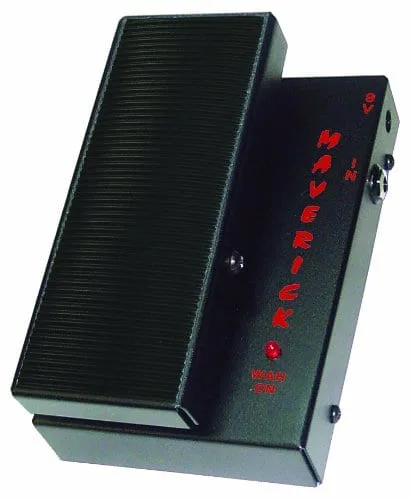
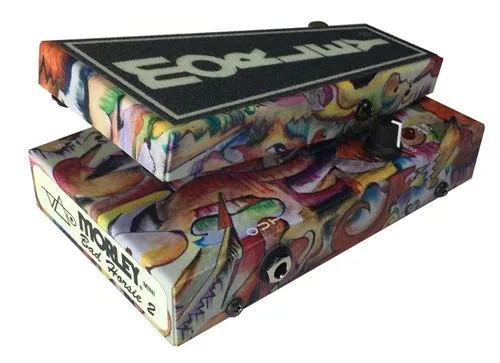
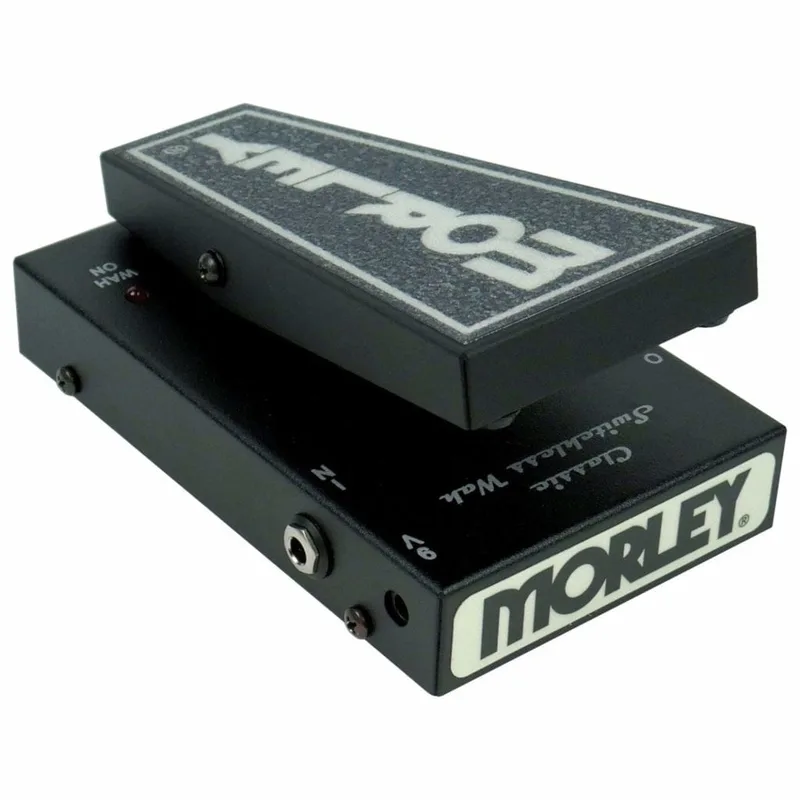
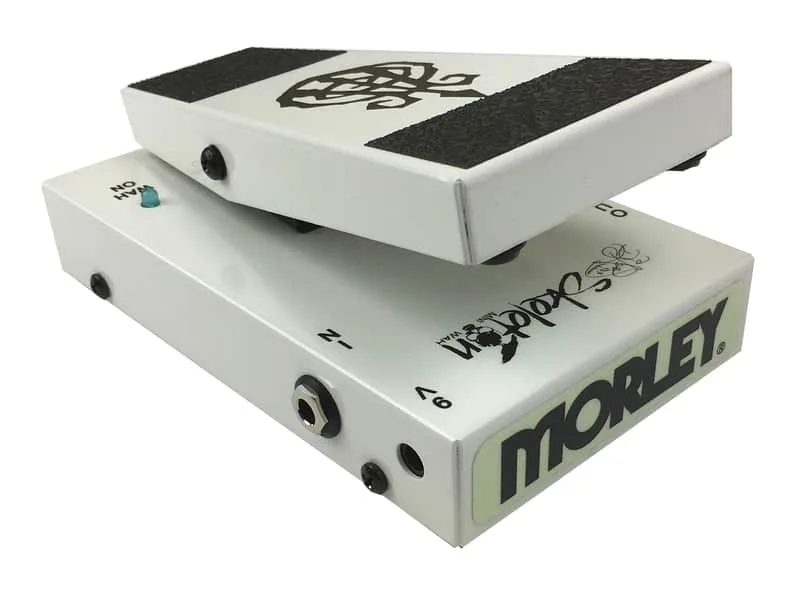
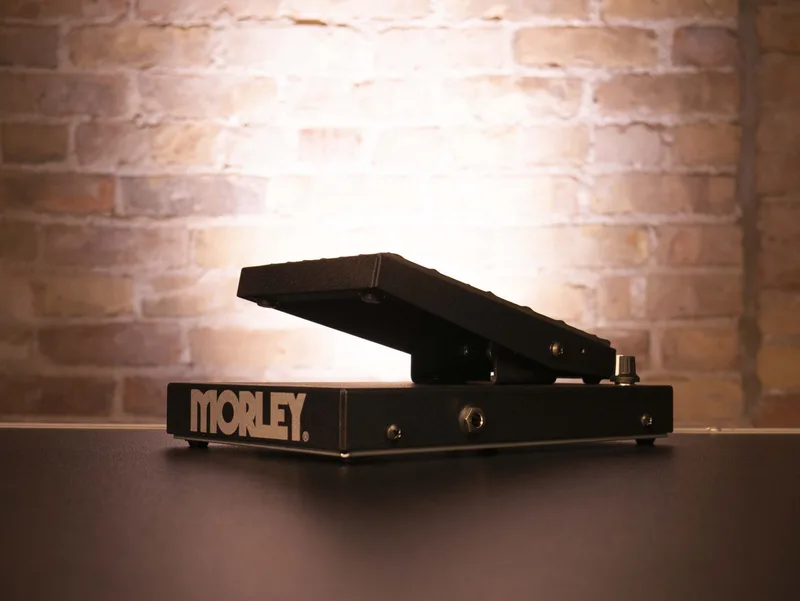
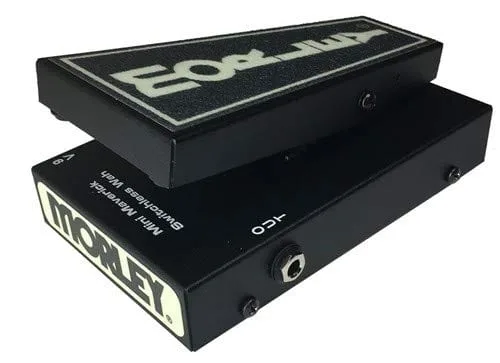
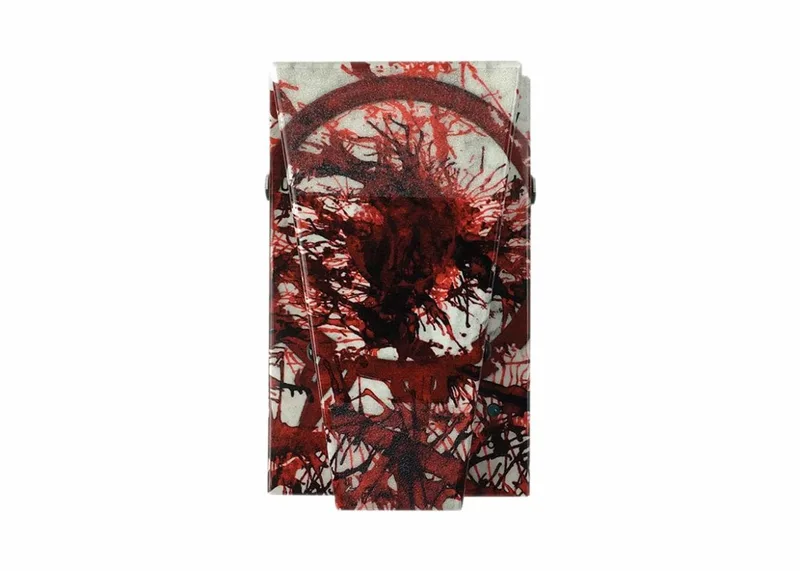
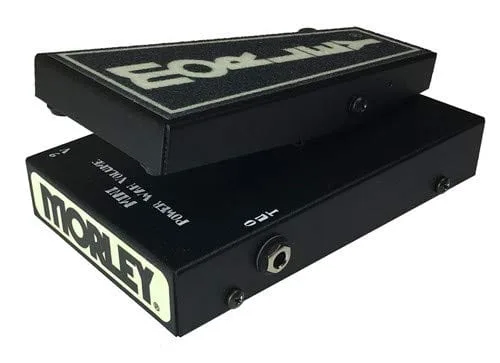
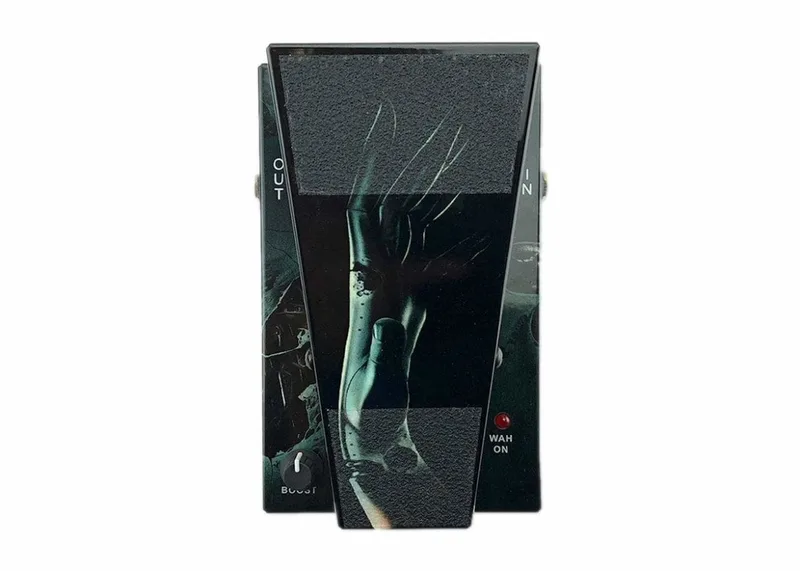
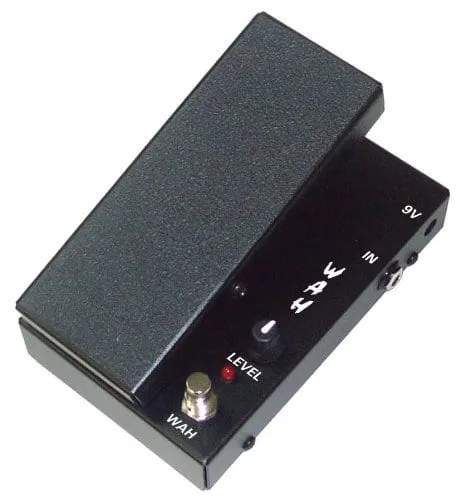
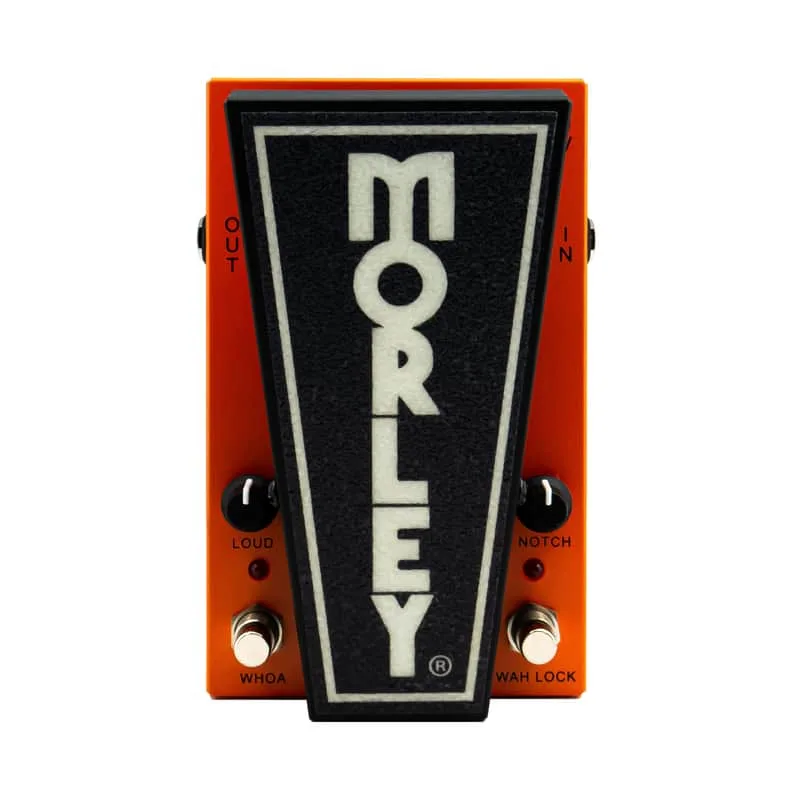
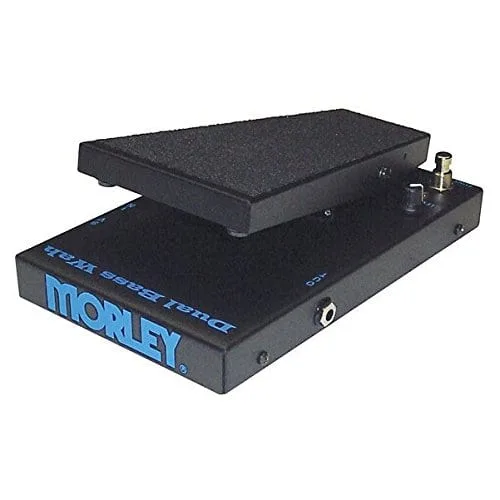
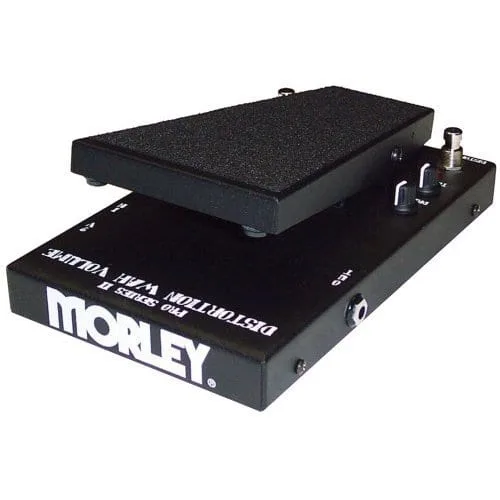
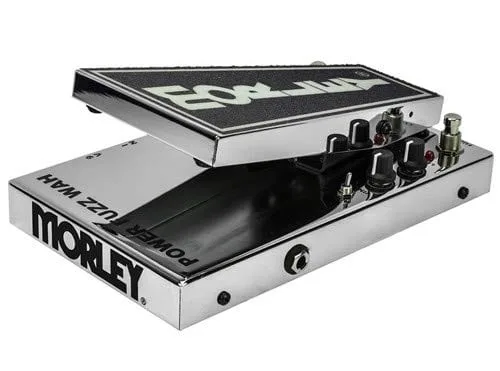
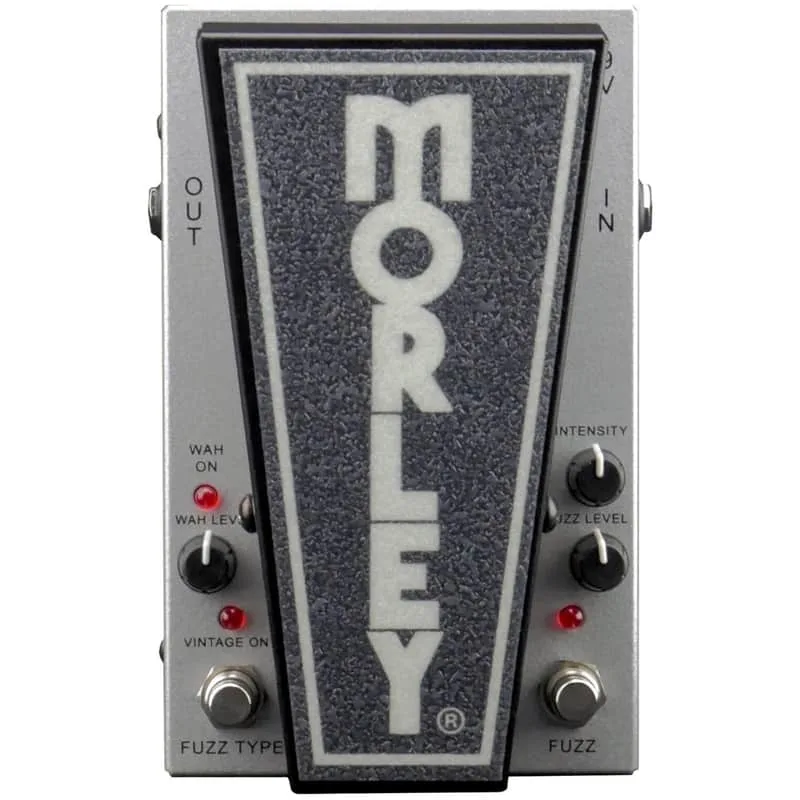
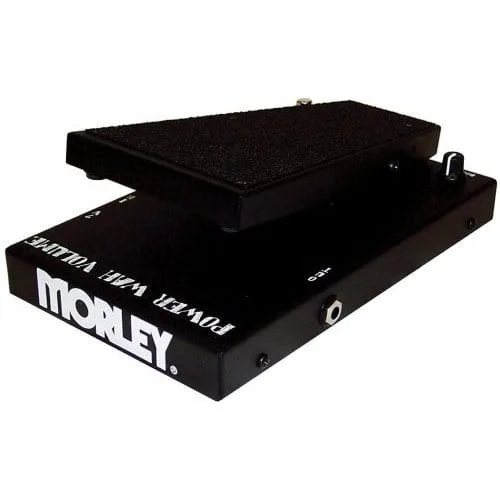
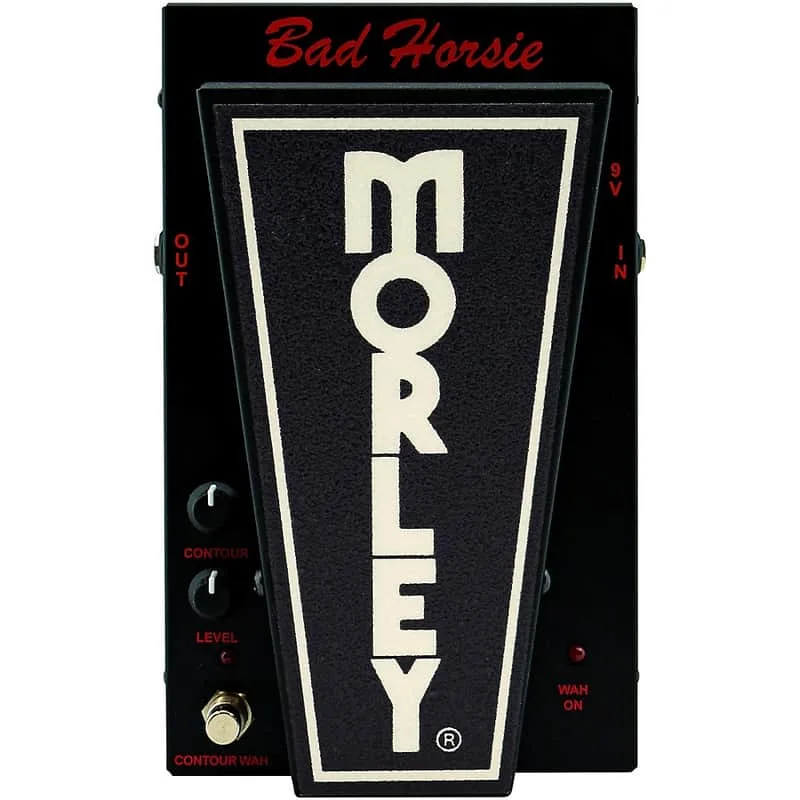
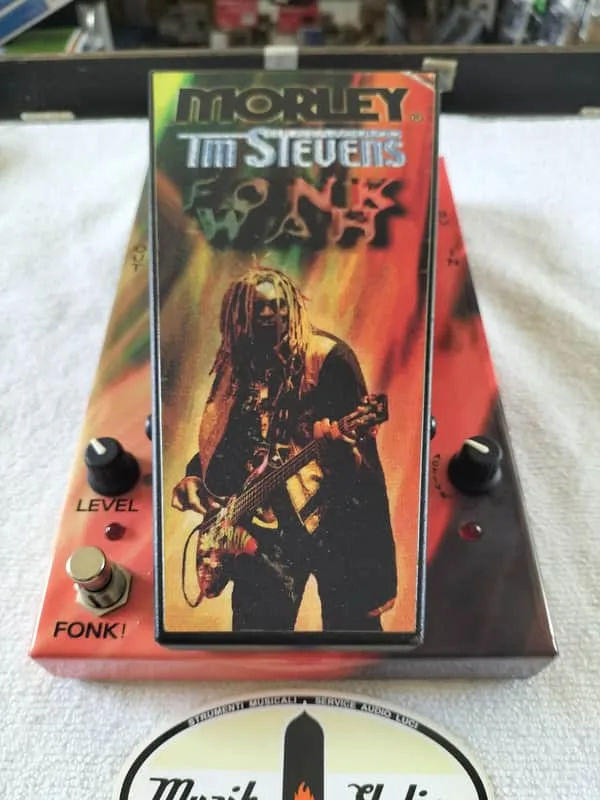
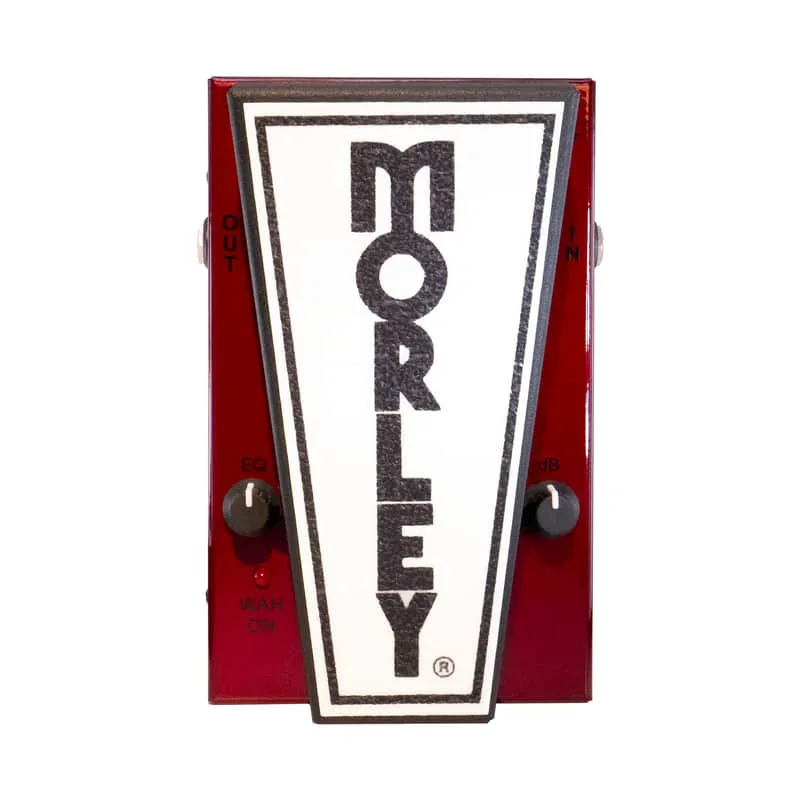
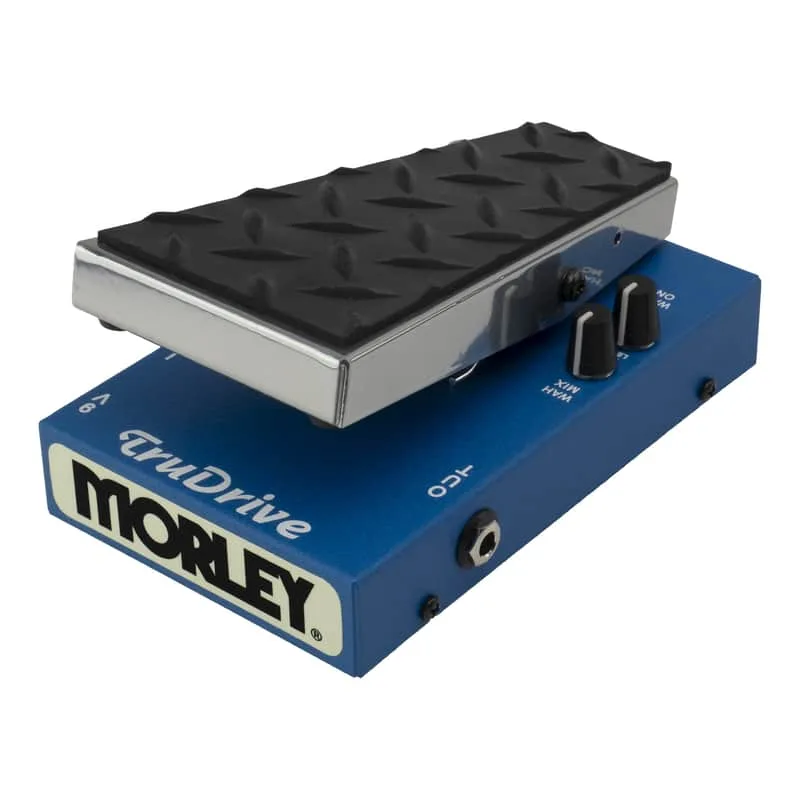
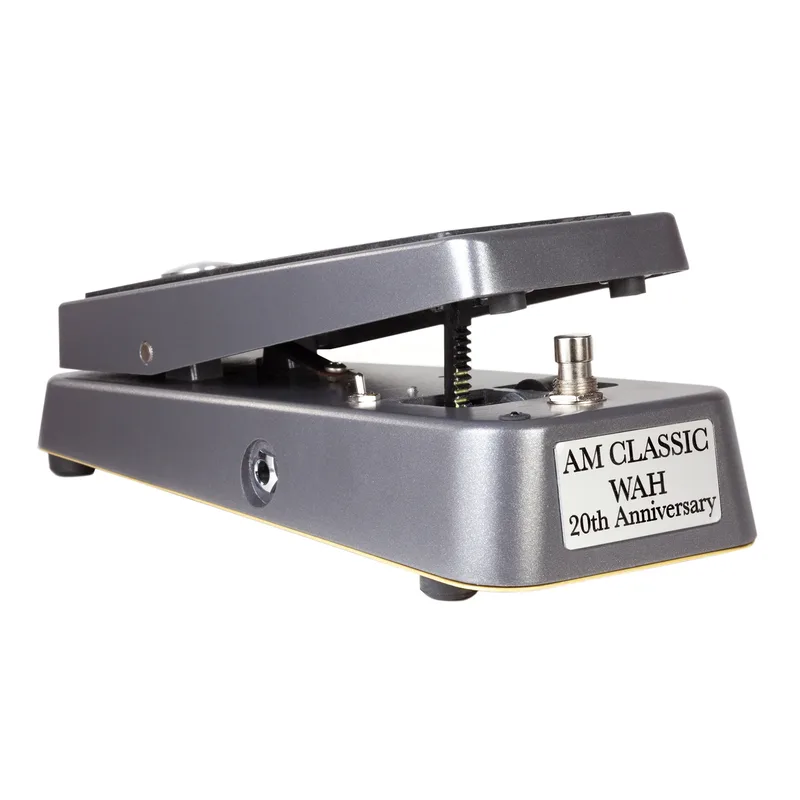
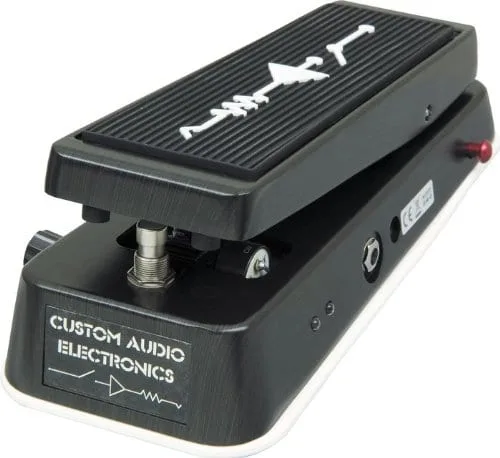
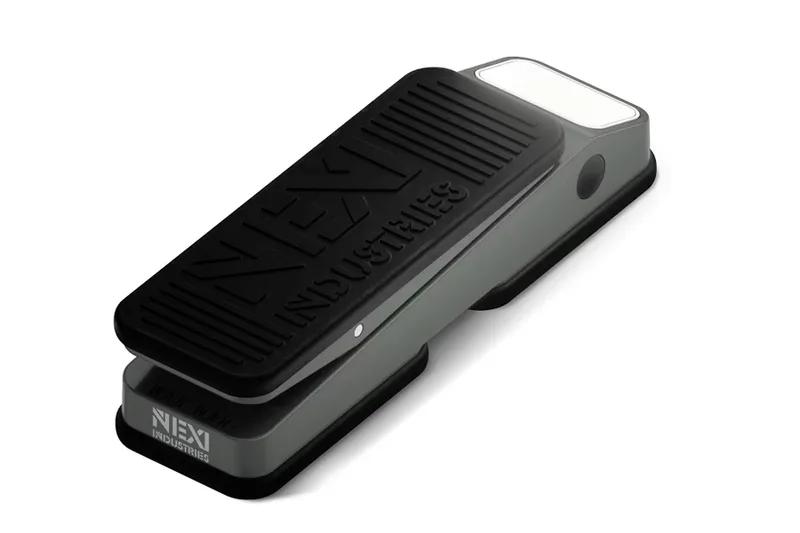
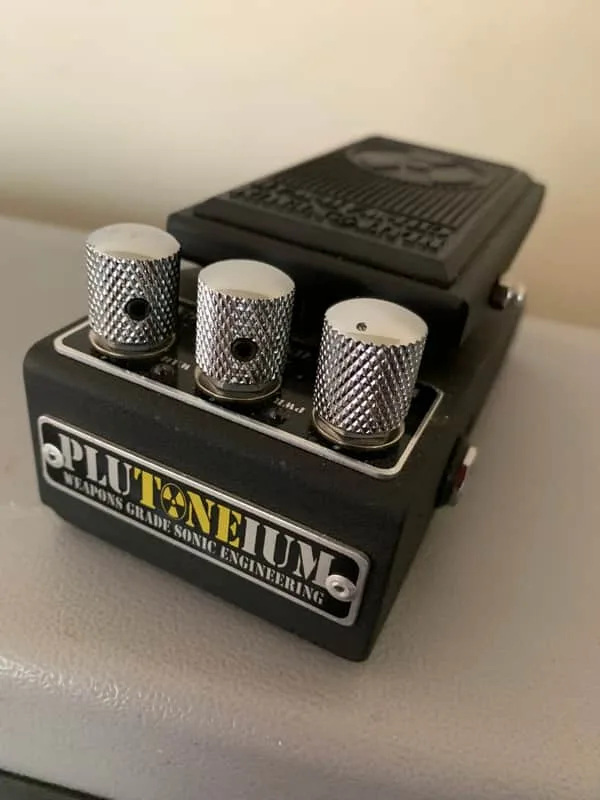
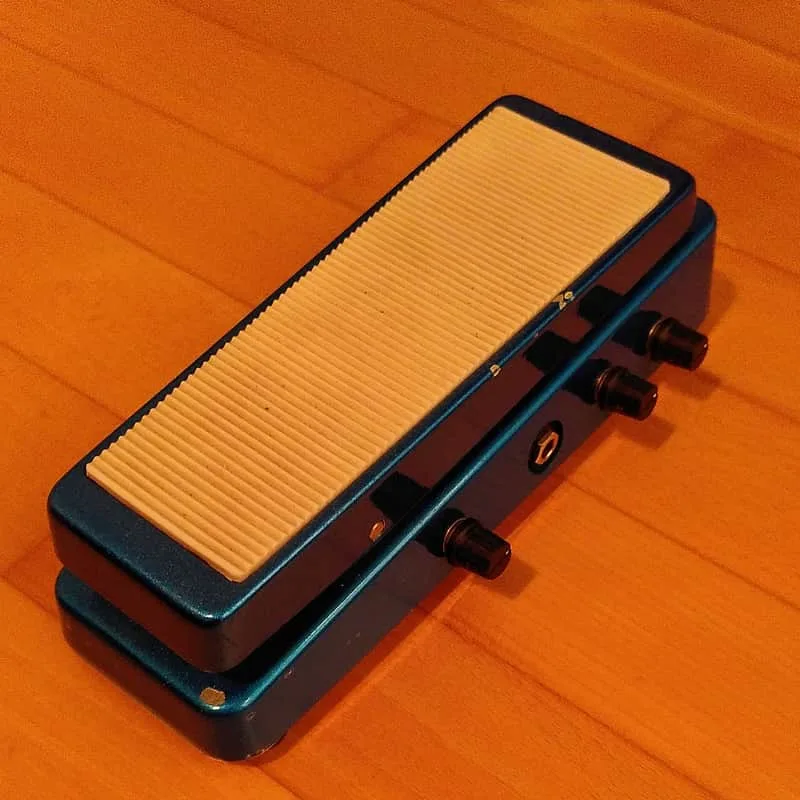
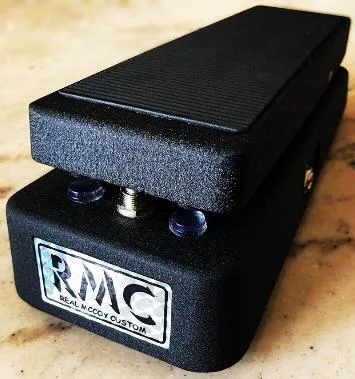
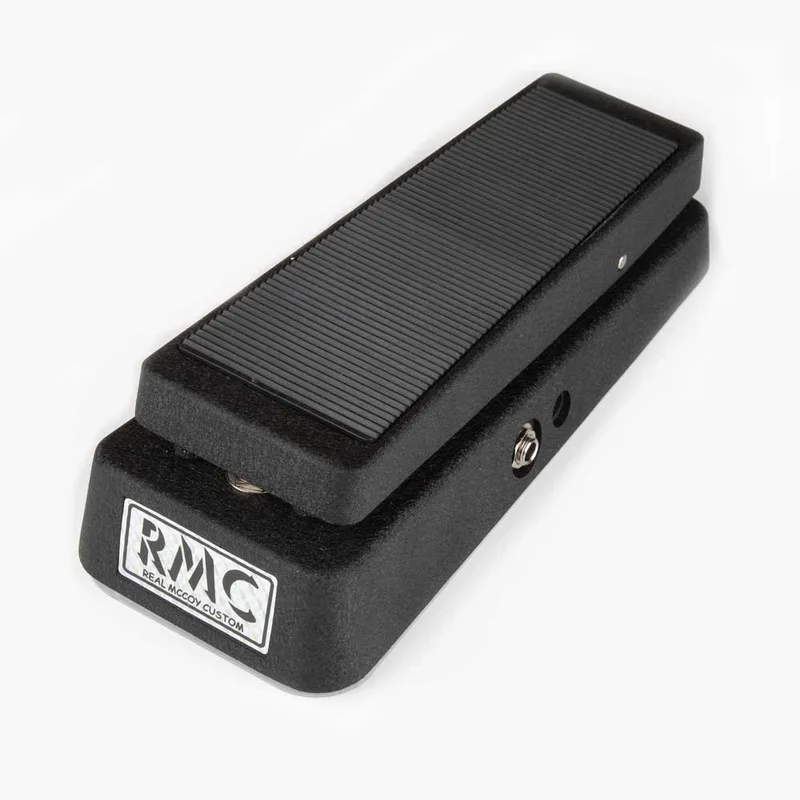
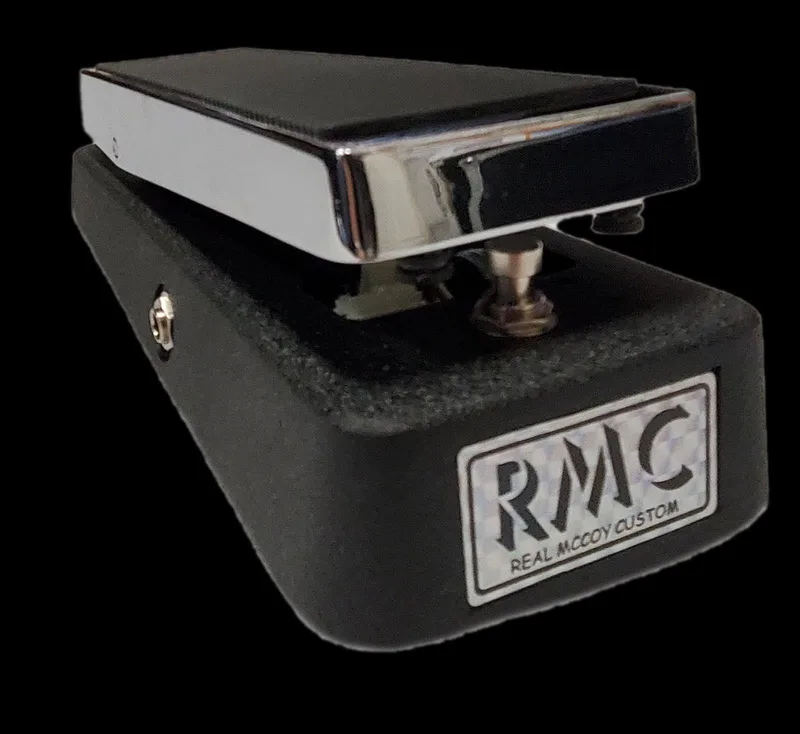
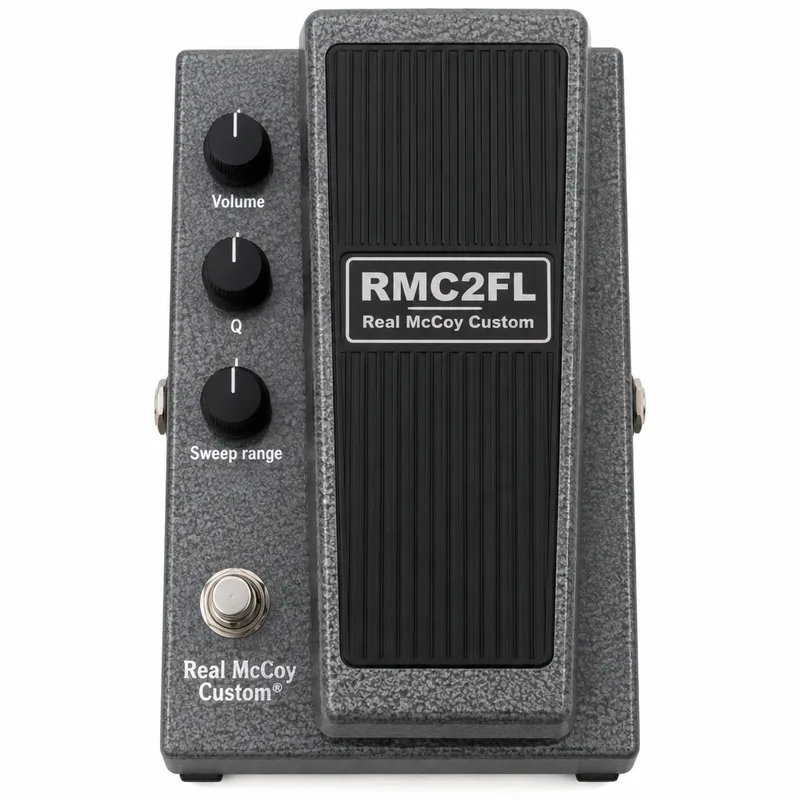
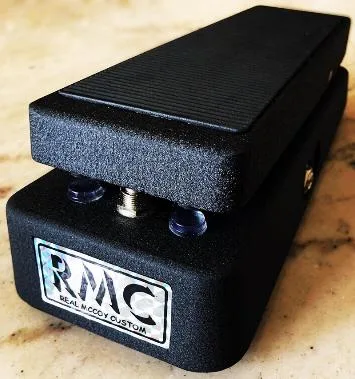
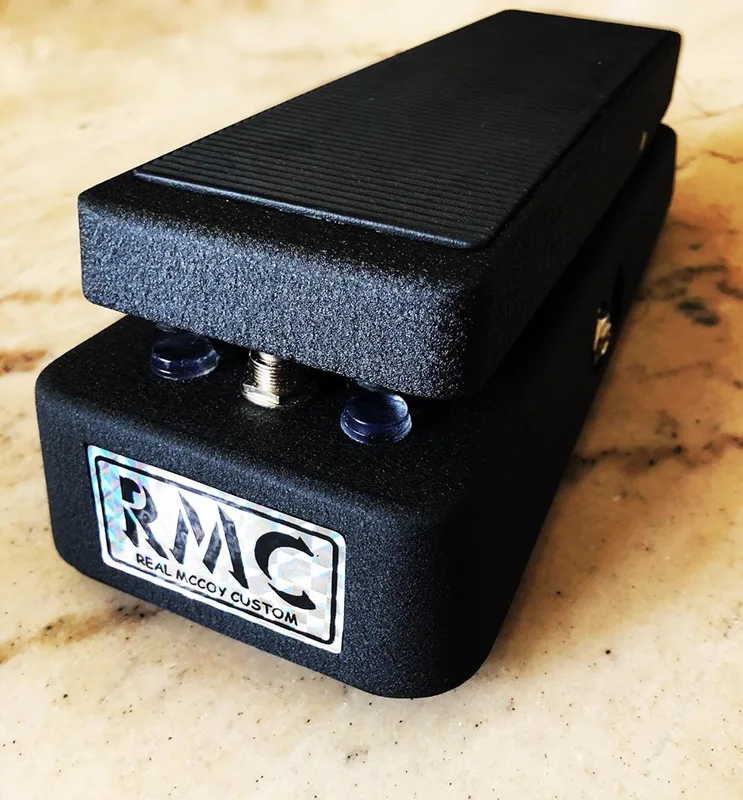
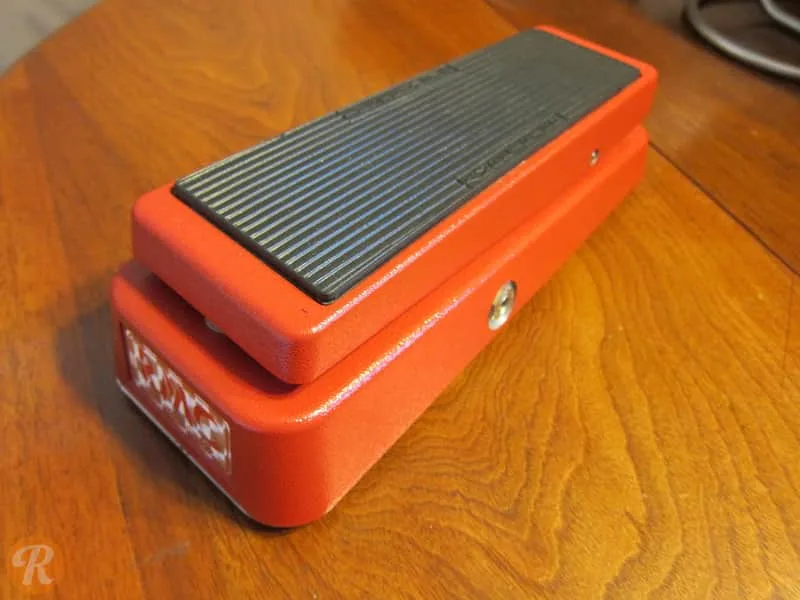
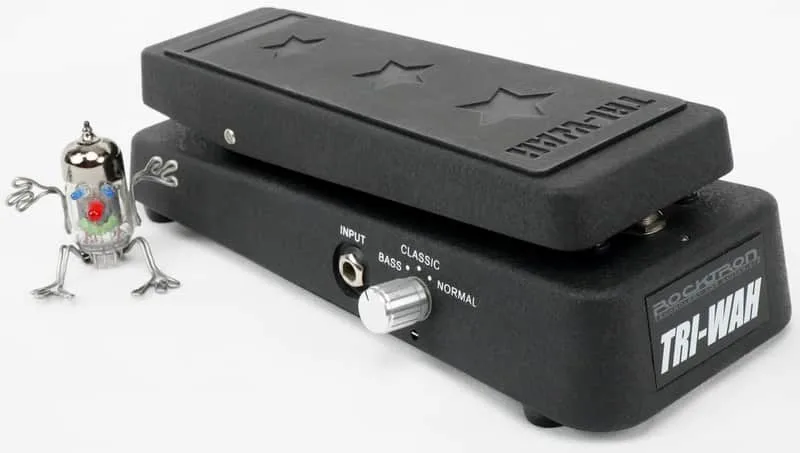
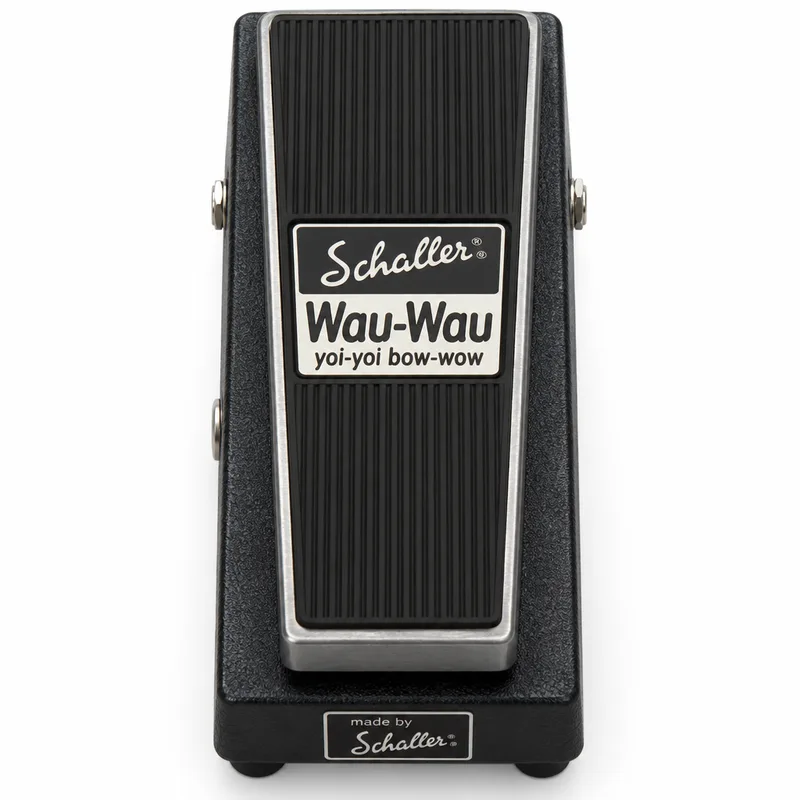
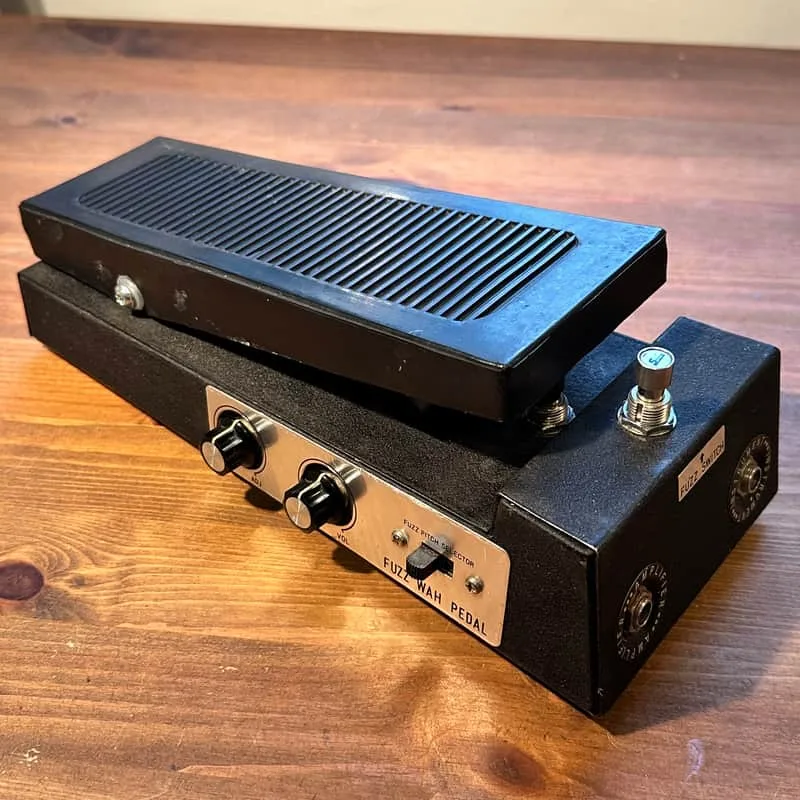
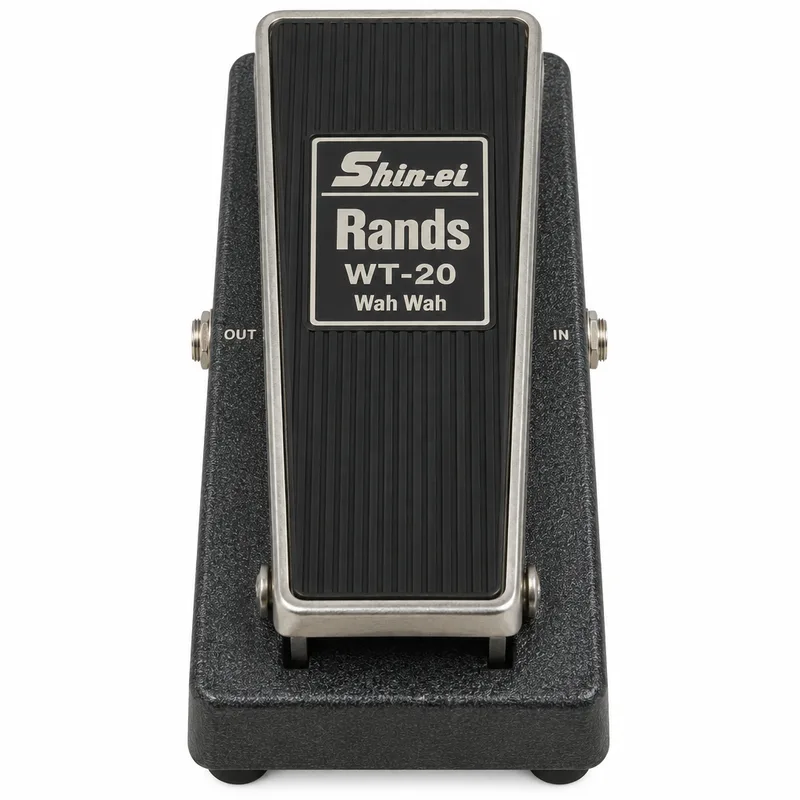
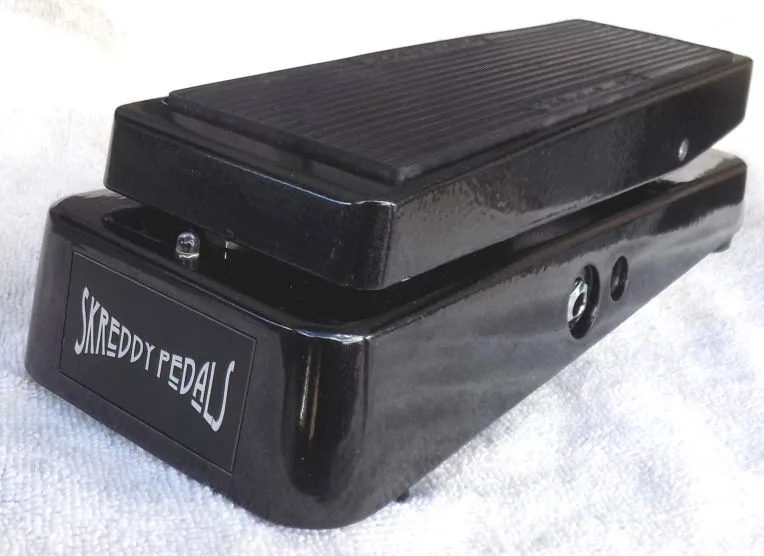
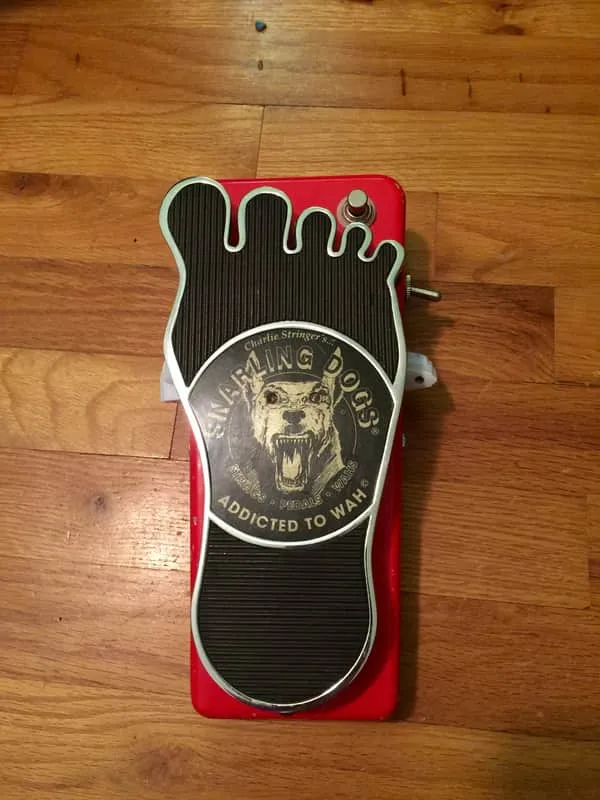
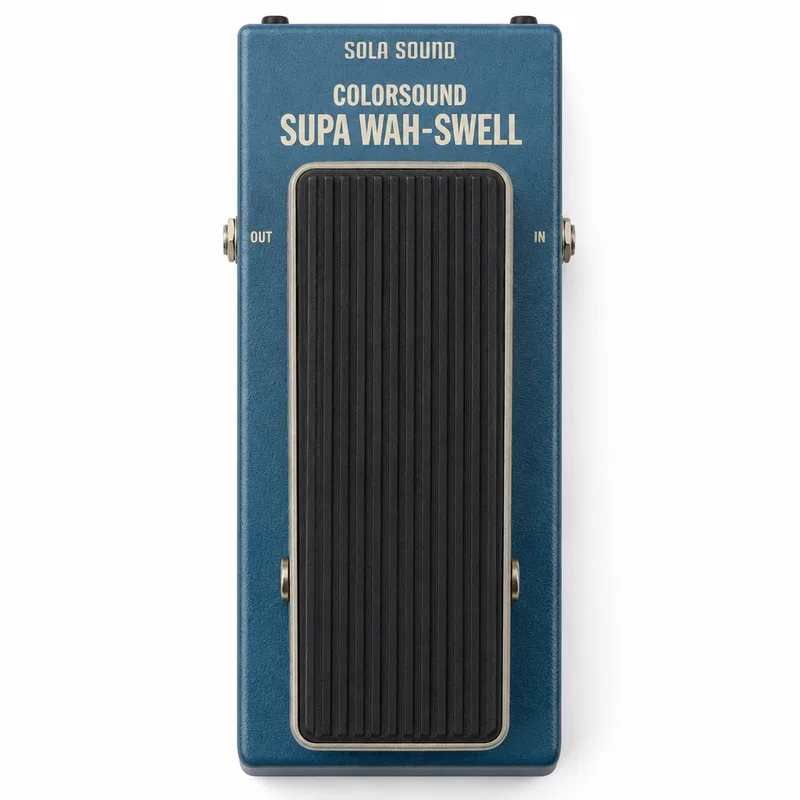
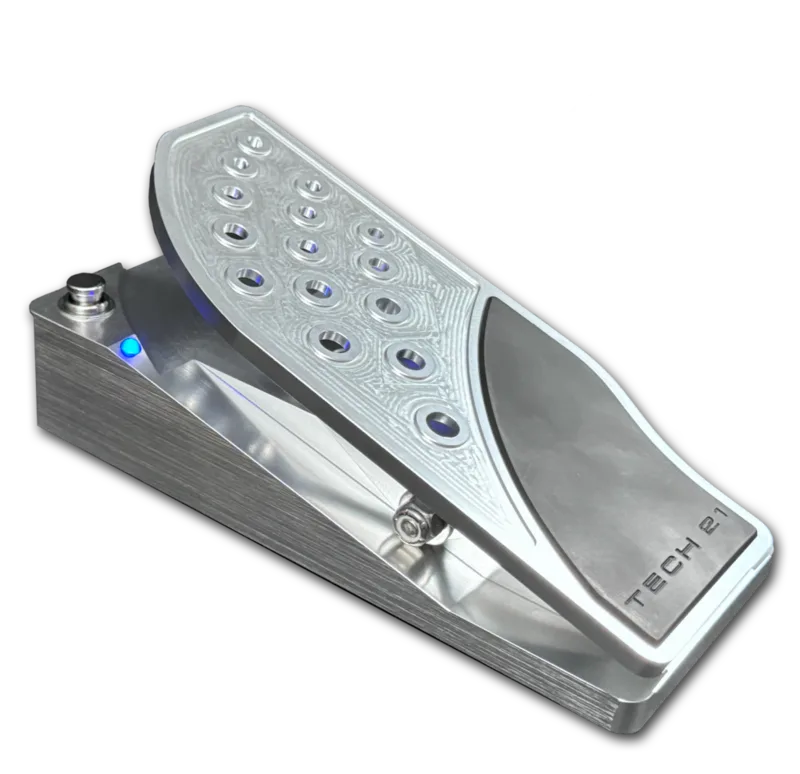
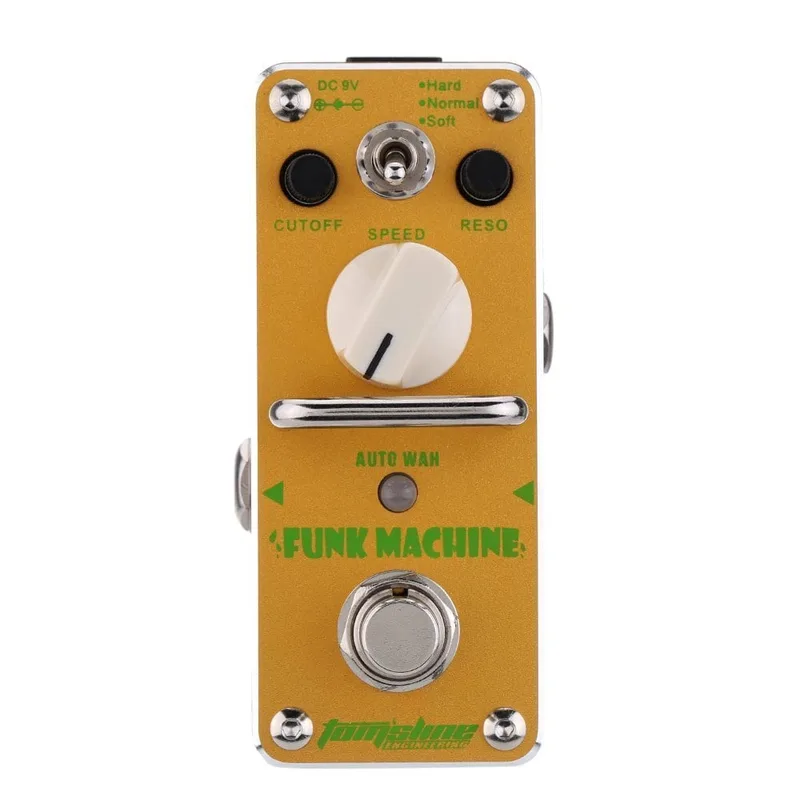
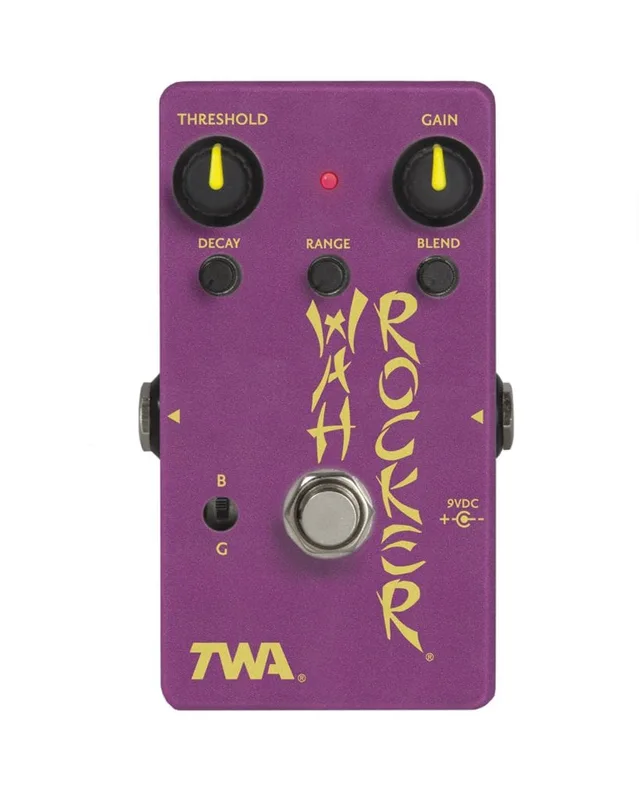
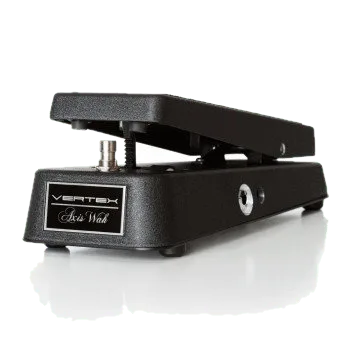
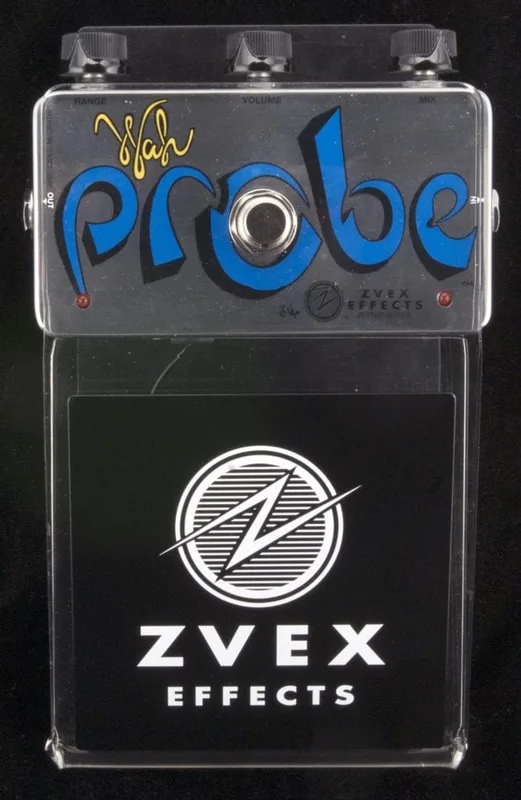
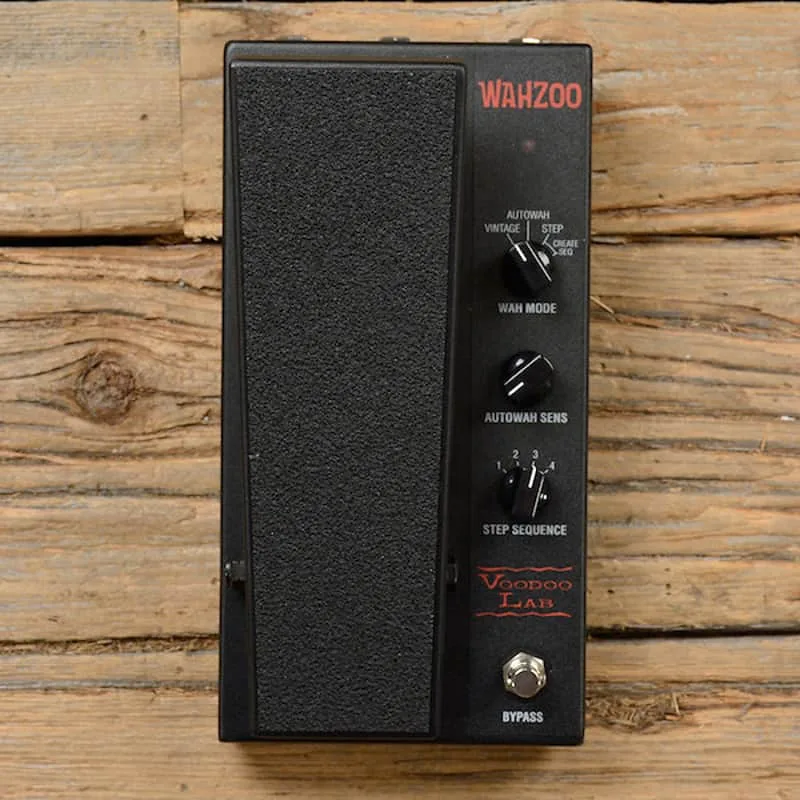
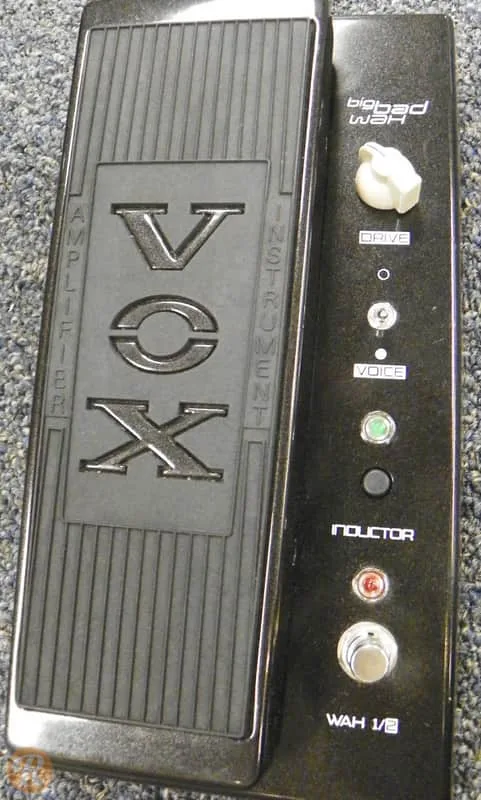
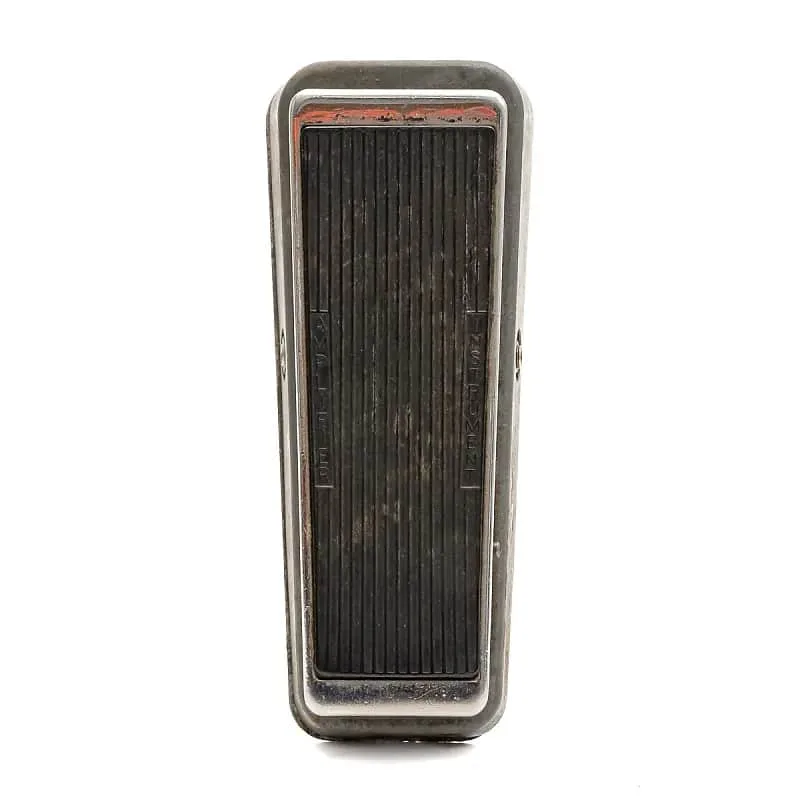
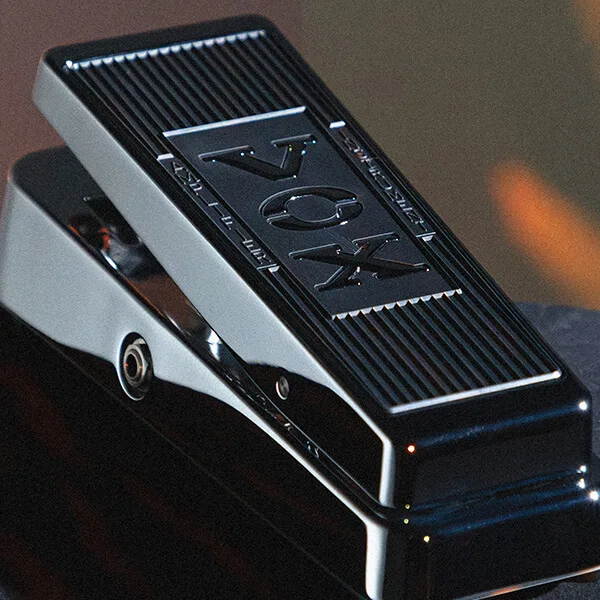
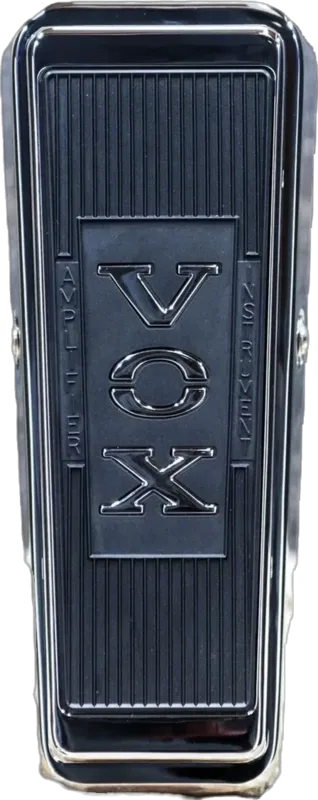
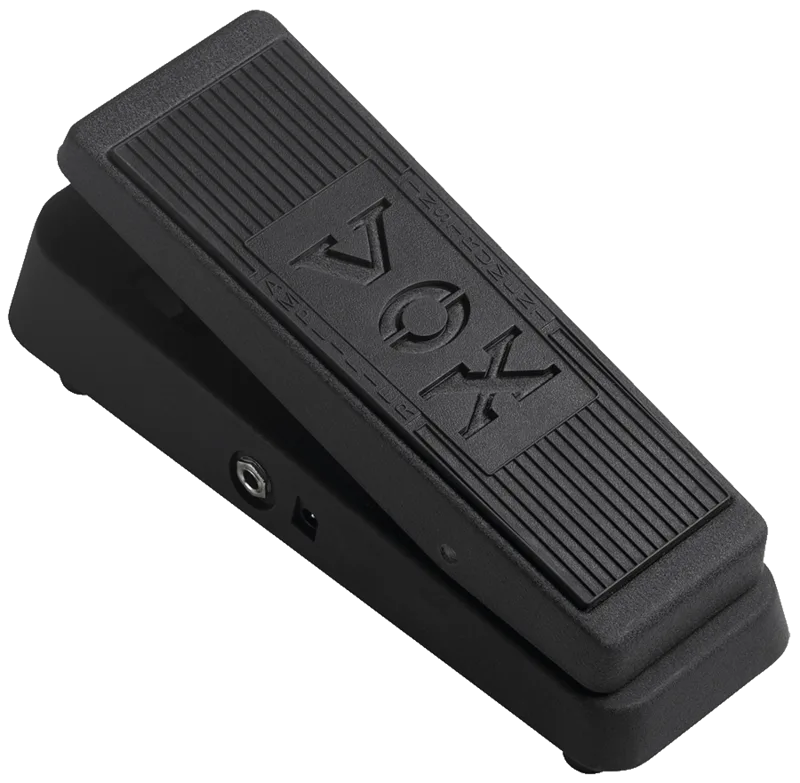
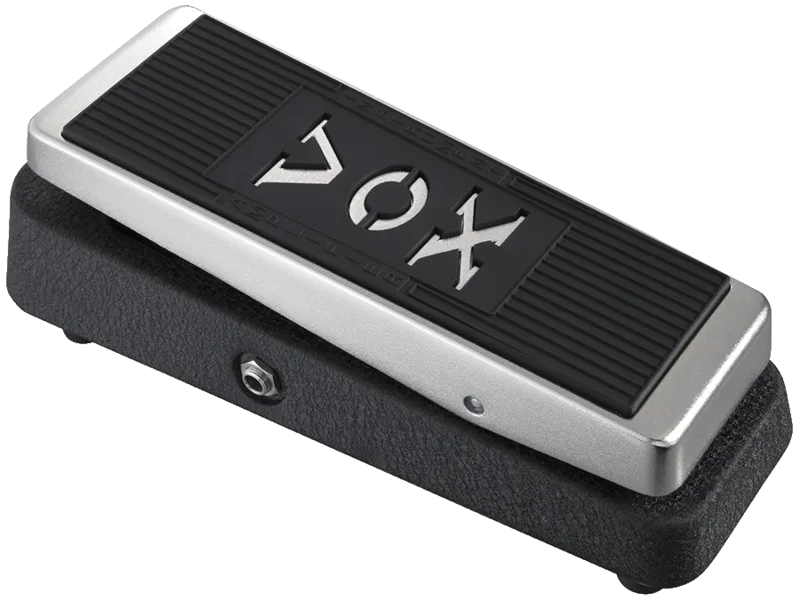
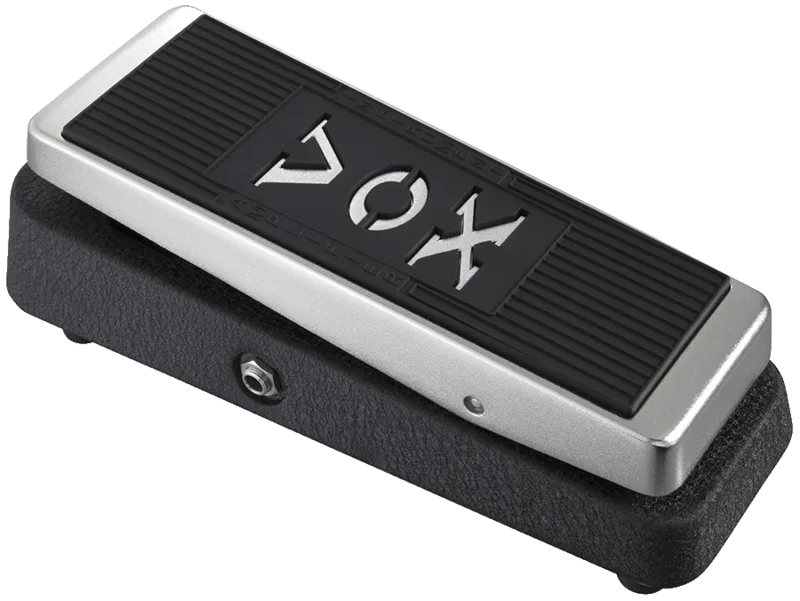
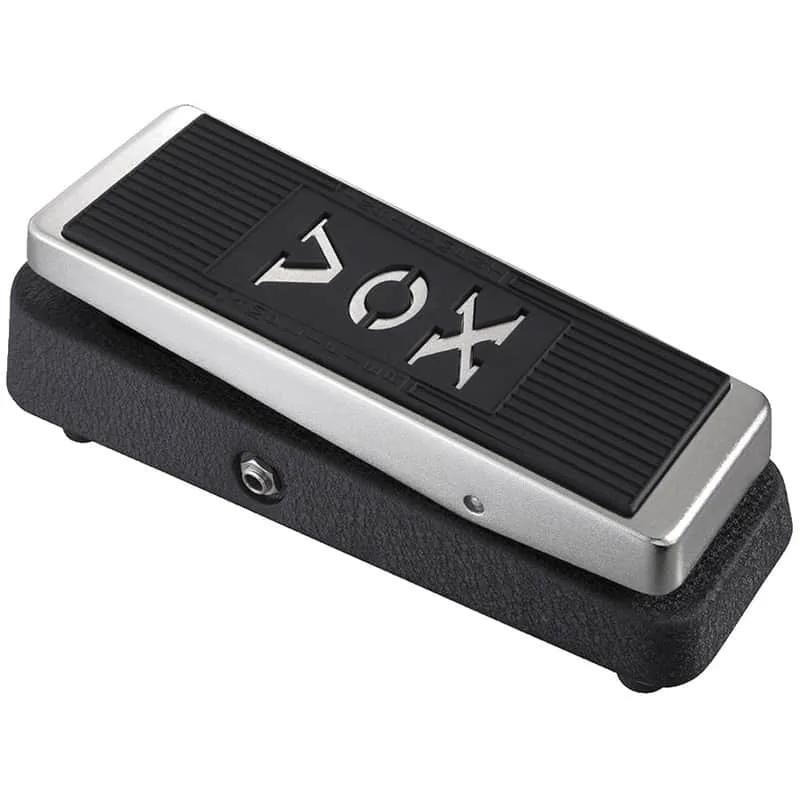
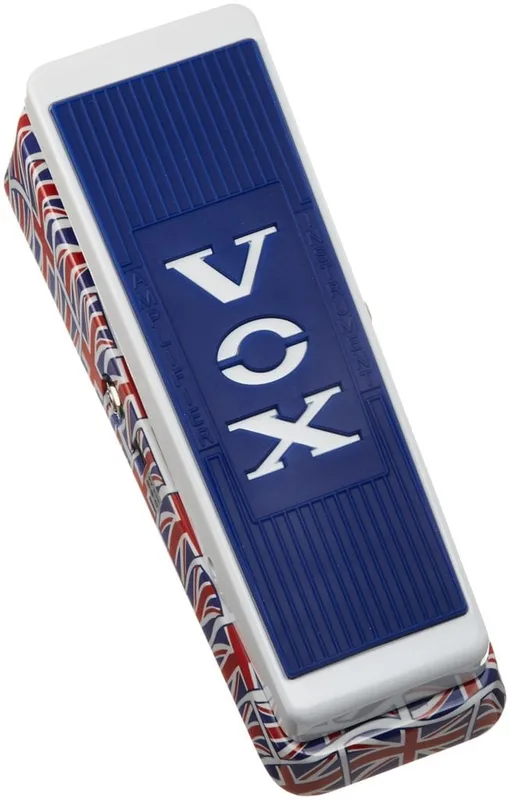
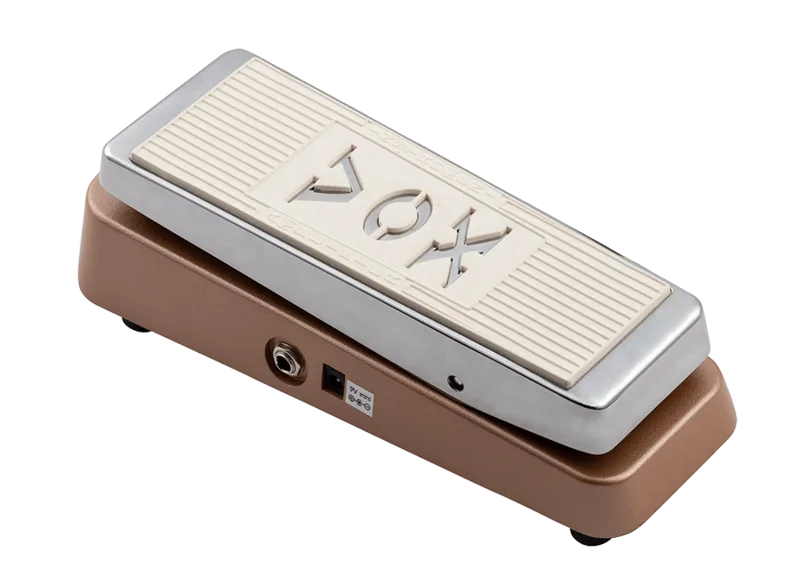
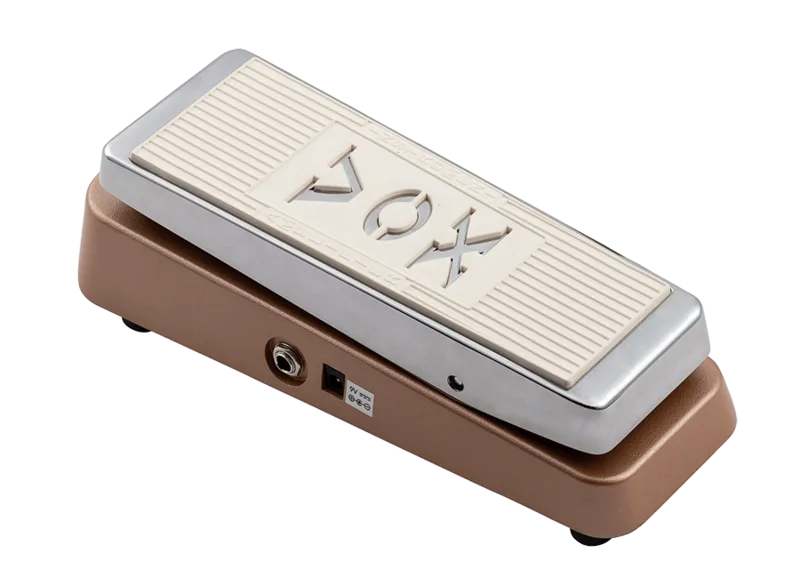
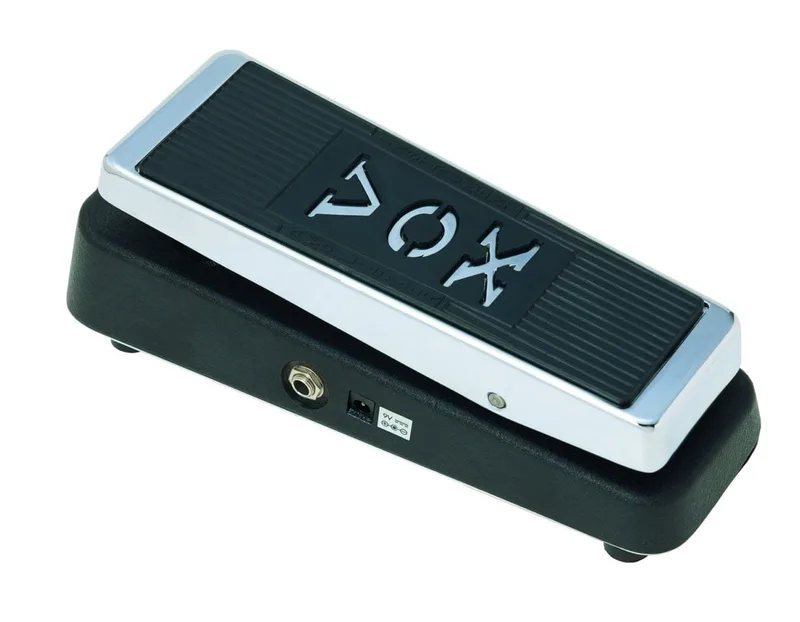
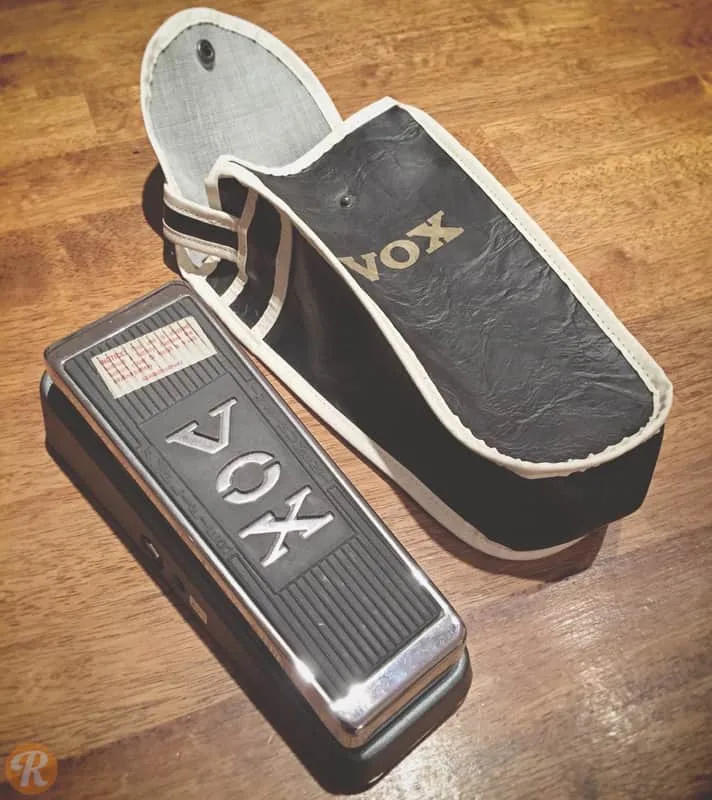
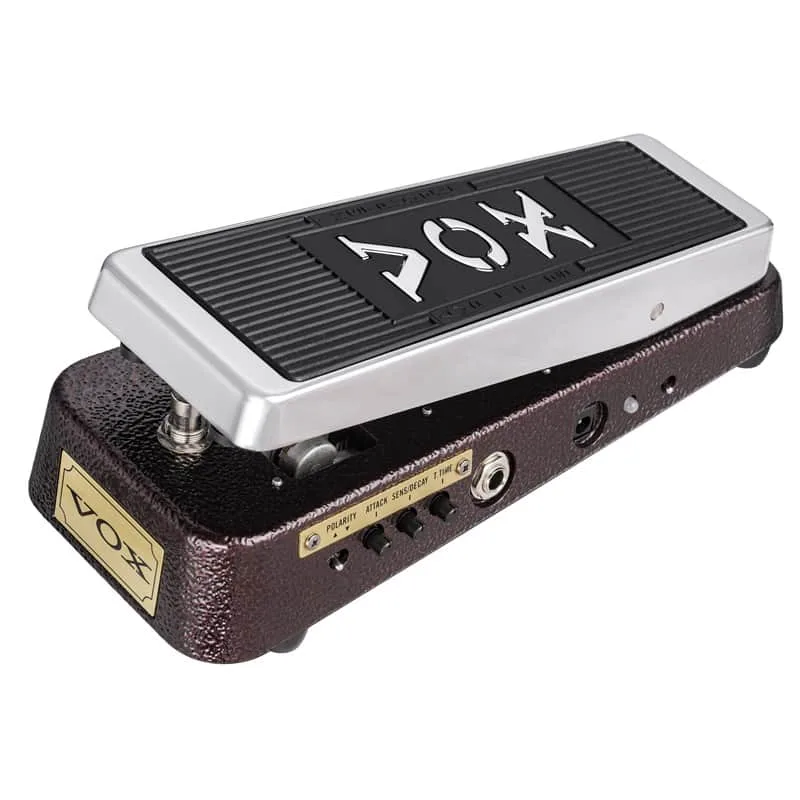
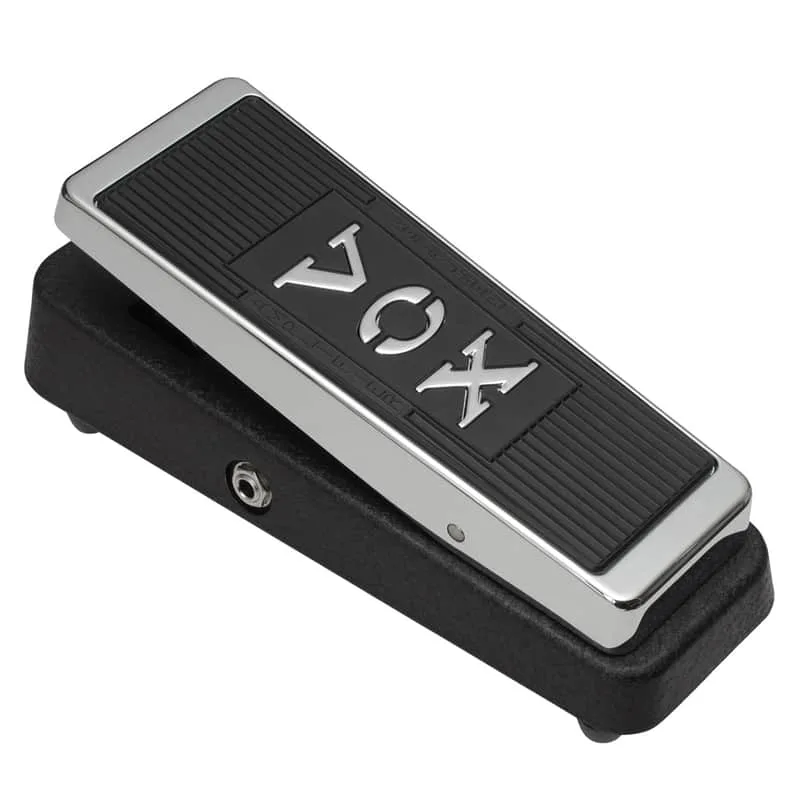
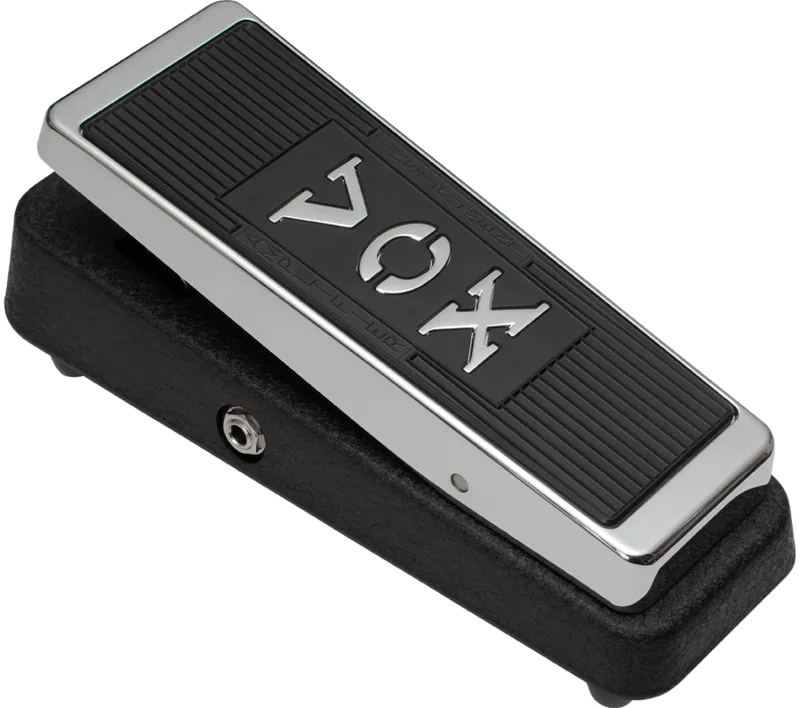
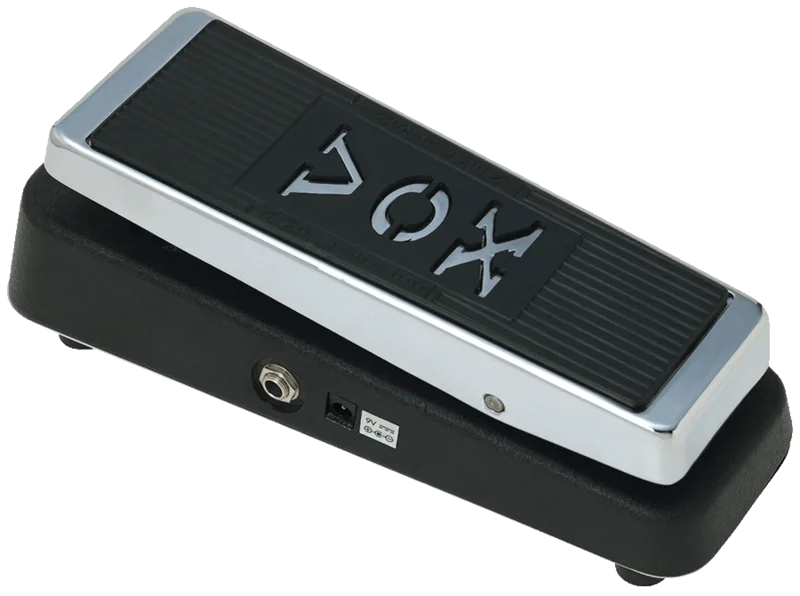
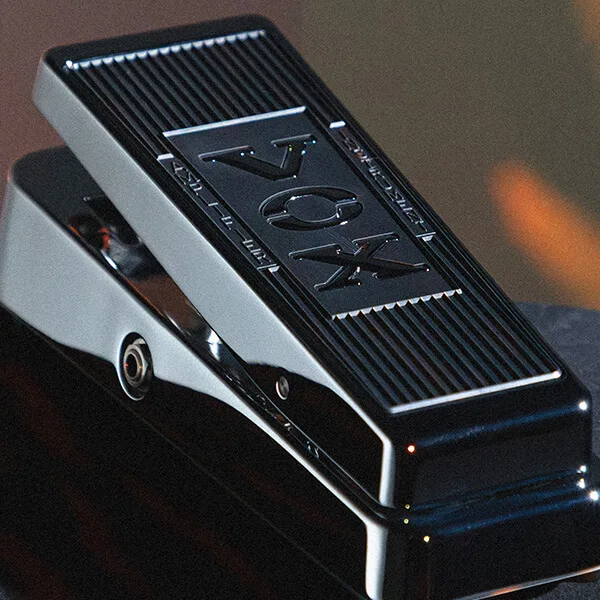
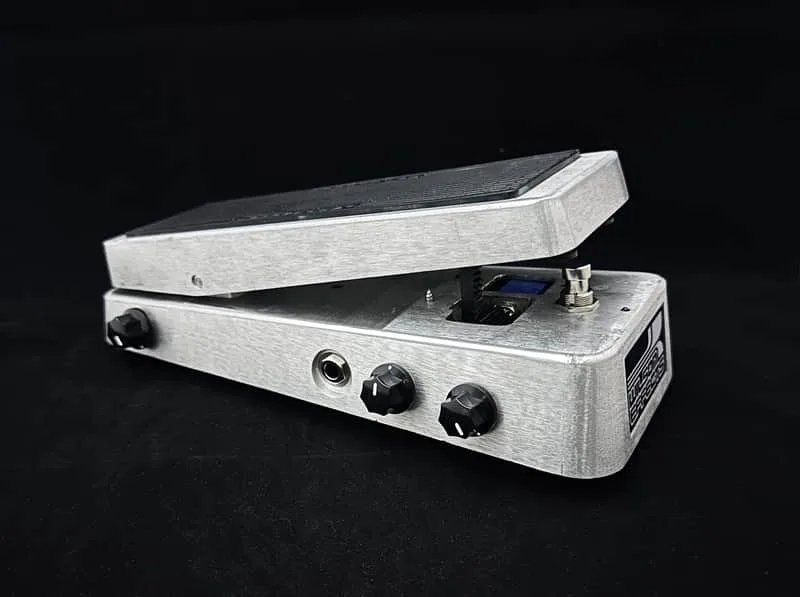
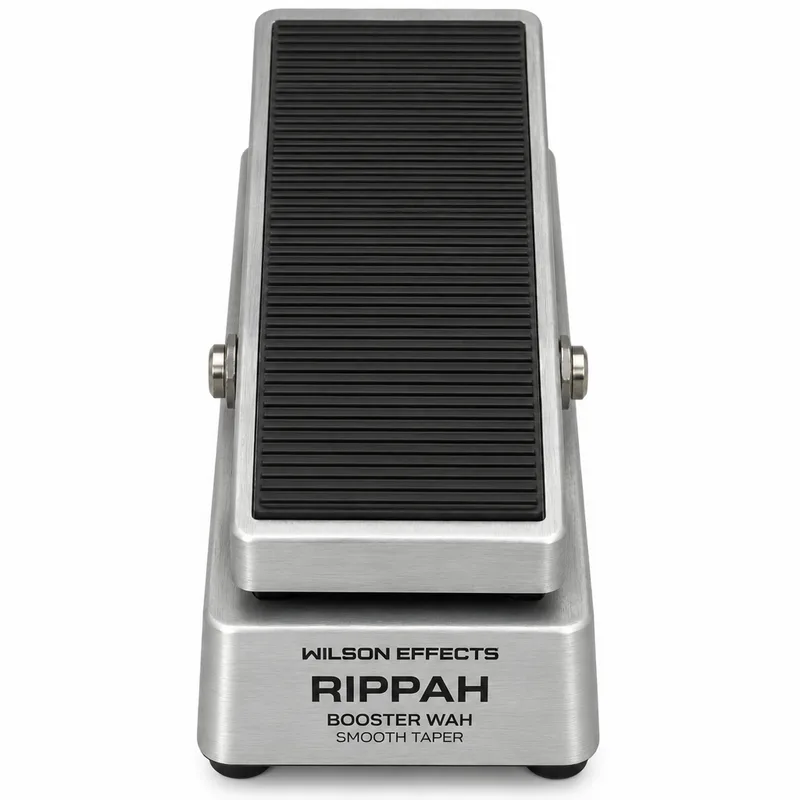
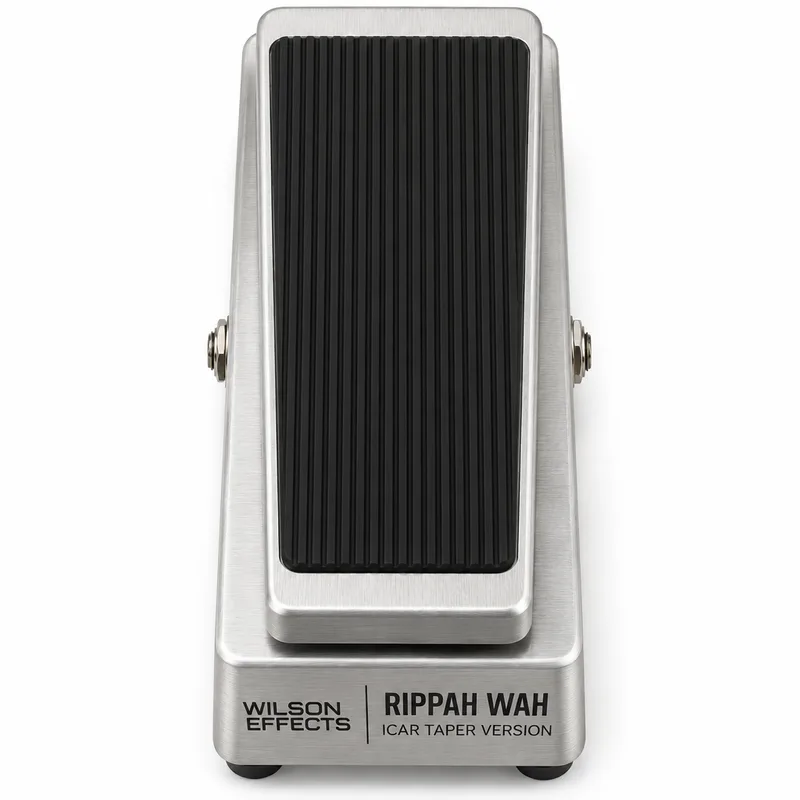
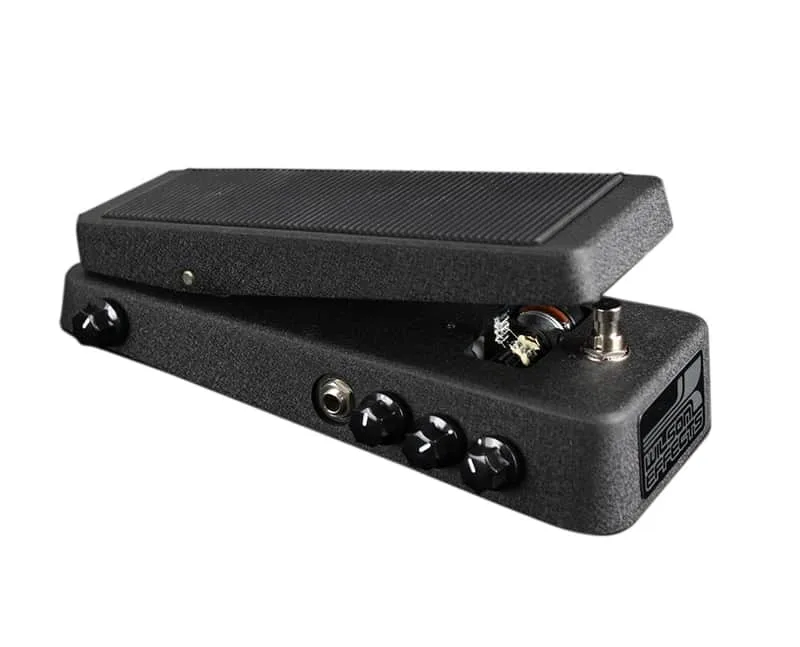
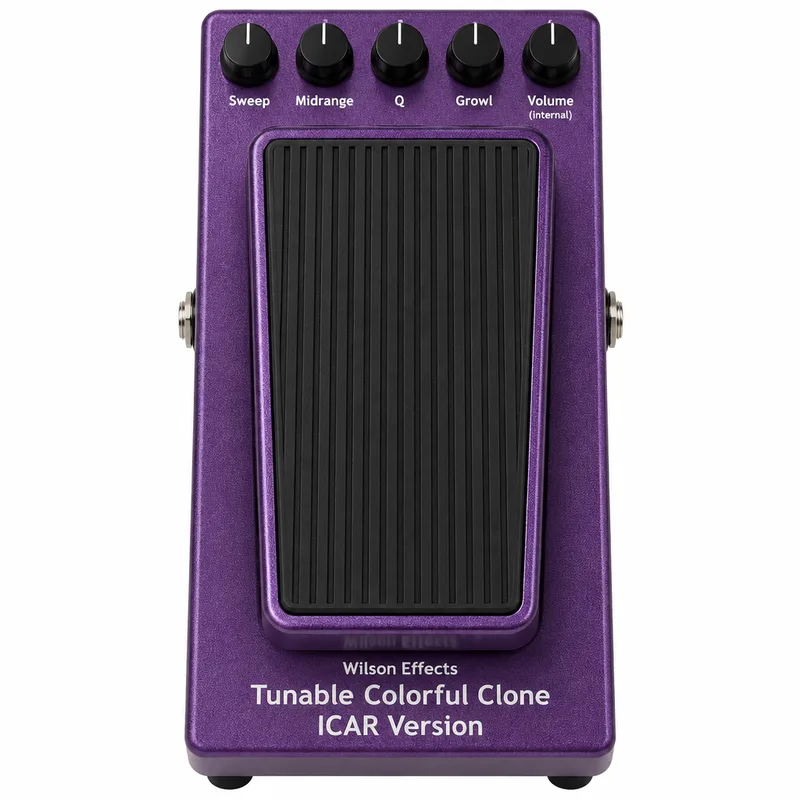
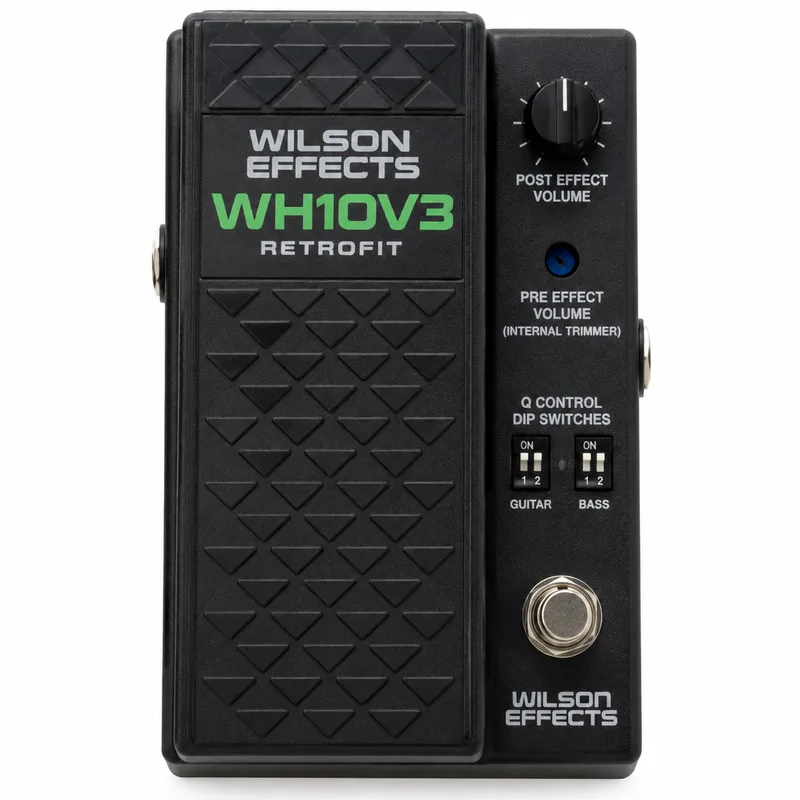
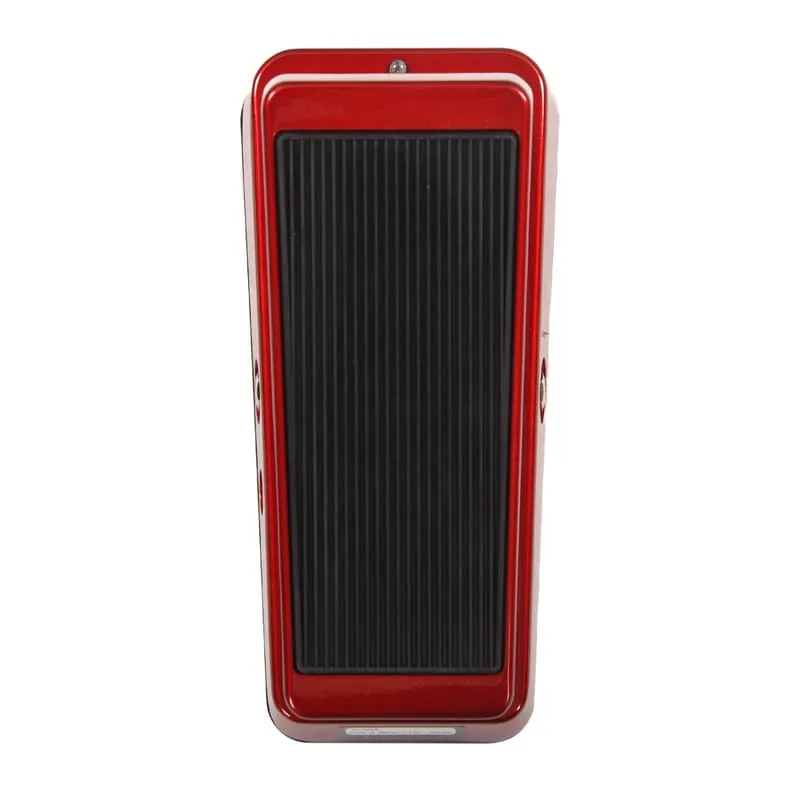
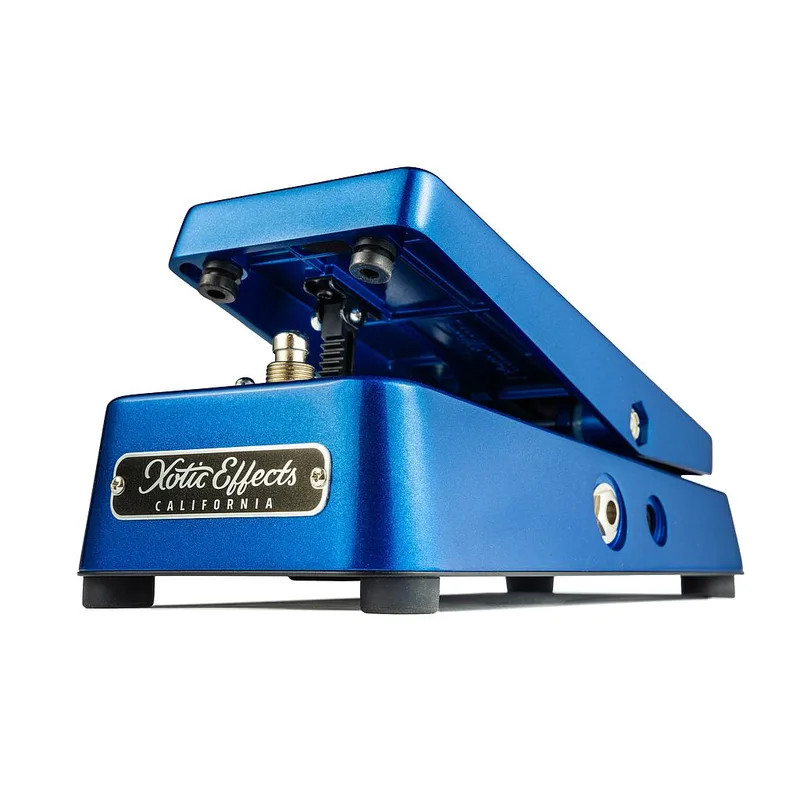
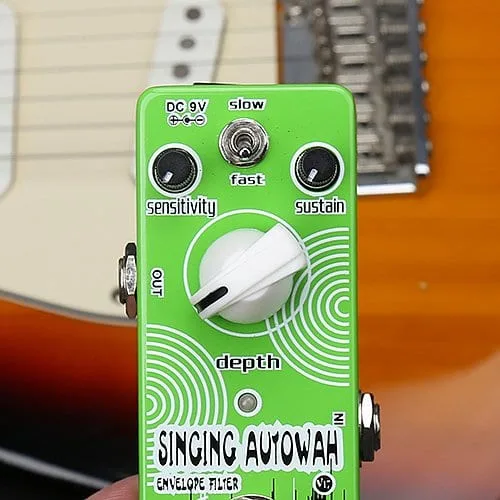
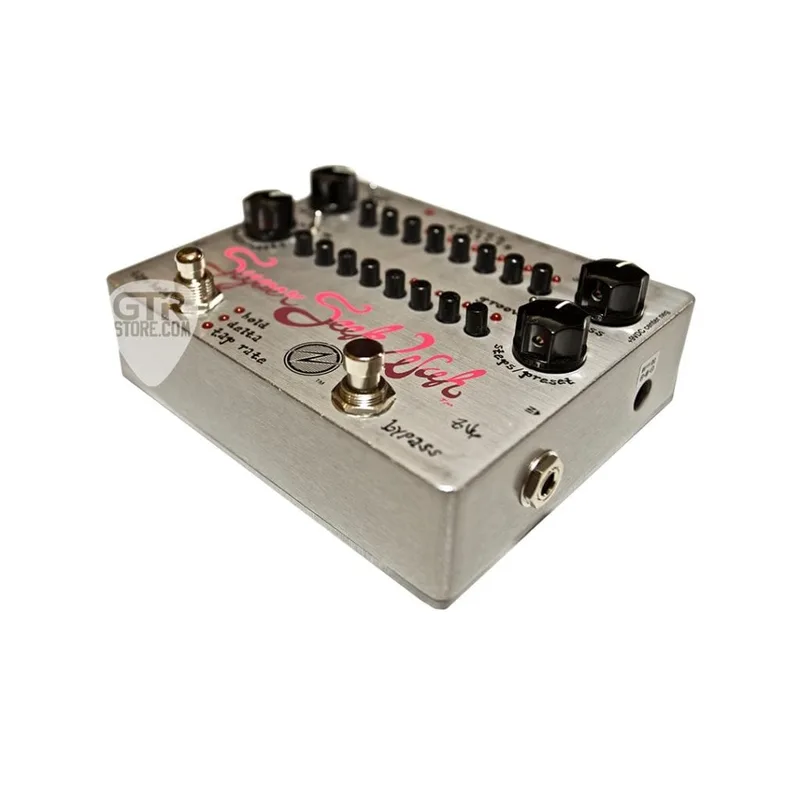
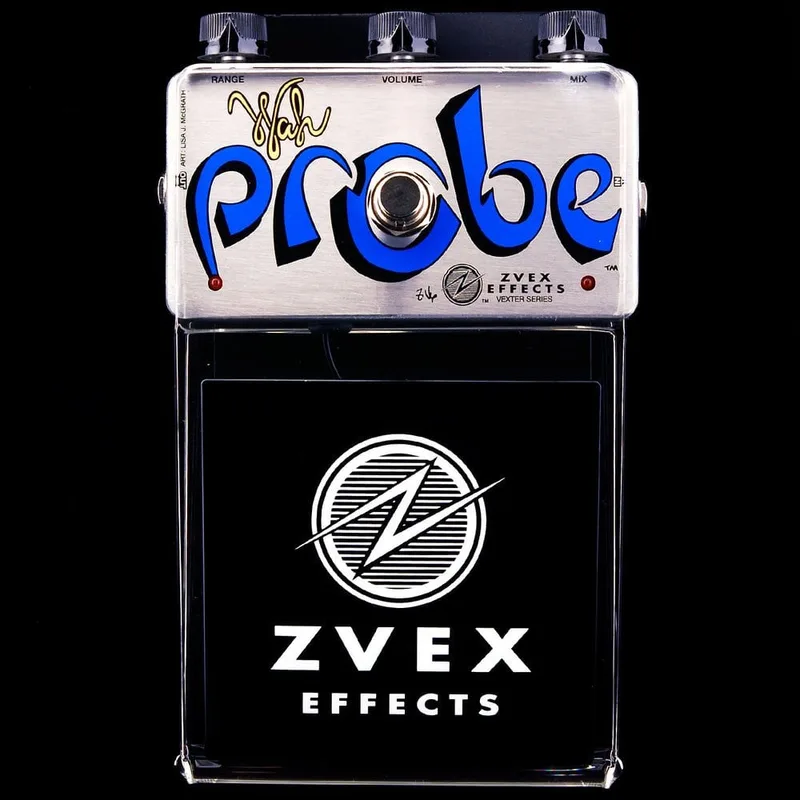
A wah-wah pedal is a filter you play with your foot. Rock the treadle back and forth and a resonant peak sweeps up and down the frequency spectrum, so a sustained note cries, quacks or takes on a vowel-like character. Vox describes the effect as "a shifting band-pass filter with a highly resonant peak to create it's distinctive sound"1. It is one of the most vocal and recognizable effects in electric guitar, and it works equally well as a slow, singing accent or as a rhythmic quack locked to your picking.
The pedal form has been around since 1967, when the first commercially available wah, the Vox Clyde McCoy wah-wah pedal, reached stores2. The core idea has barely changed since: a foot-operated treadle turns a potentiometer, which moves the resonant frequency of a band-pass filter. What has changed is everything around that core, from switchless activation to adjustable Q, multiple frequency ranges, and circuits that take the wah into synth-like territory.
What a wah-wah pedal does to your sound
Technically, the wah is a band-pass filter: it boosts the resonant frequency and attenuates the harmonics above and below it3. Because that peak is tall and narrow, whatever frequency it lands on dominates the tone. Sweep the peak with your foot and your guitar moves from dark and muffled at the heel-down position to bright and biting at the toe-down position, passing through vocal-sounding vowels in between.
That vowel quality is the effect's signature. Donner describes its Vowel Wah as a "classic-inspired Wah sound with deep filter resonance and smooth sweeping" evoking the 1970s6. Players reach for a wah when they want the guitar to speak: a slow heel-to-toe sweep on a held note for a crying lead, quick rhythmic rocking for funk rhythm parts, or a parked position, toe held still, as a static tone filter.
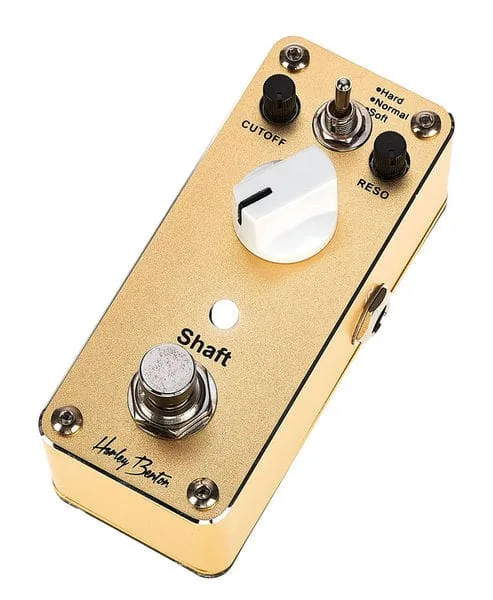
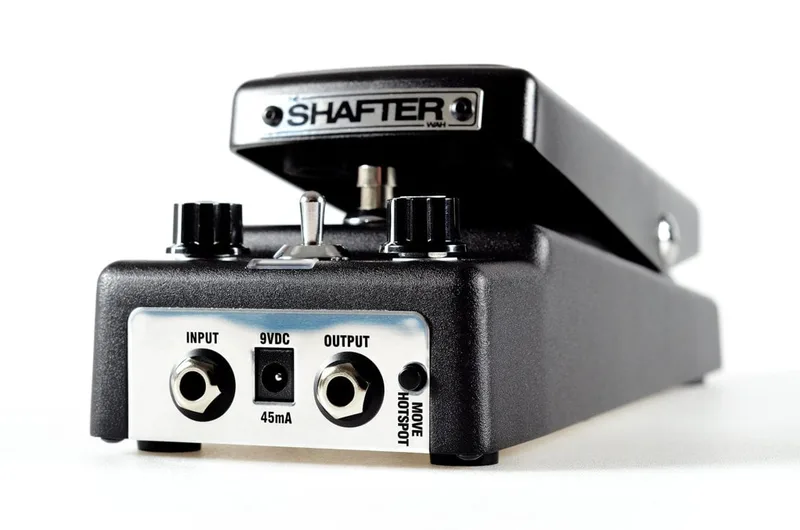
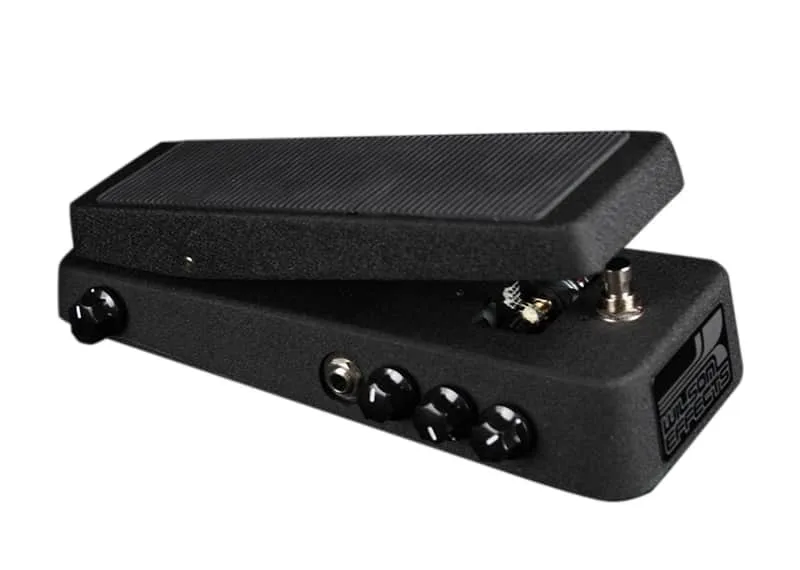
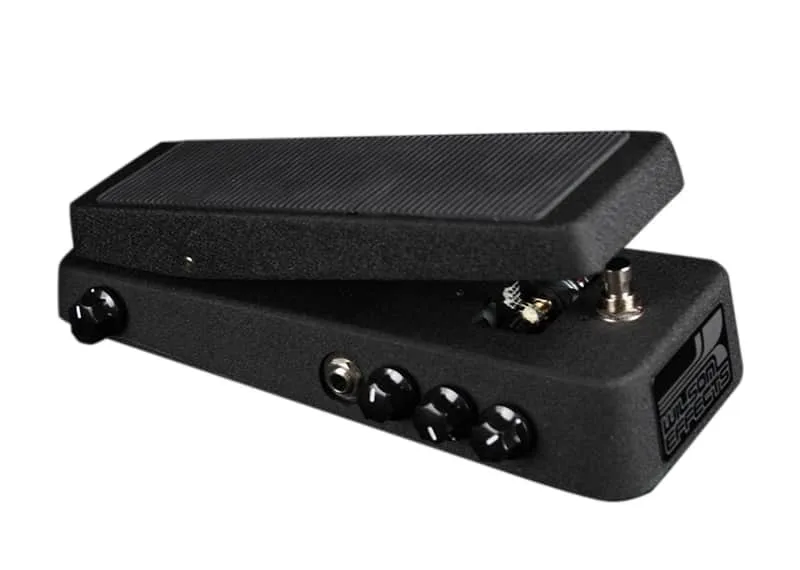
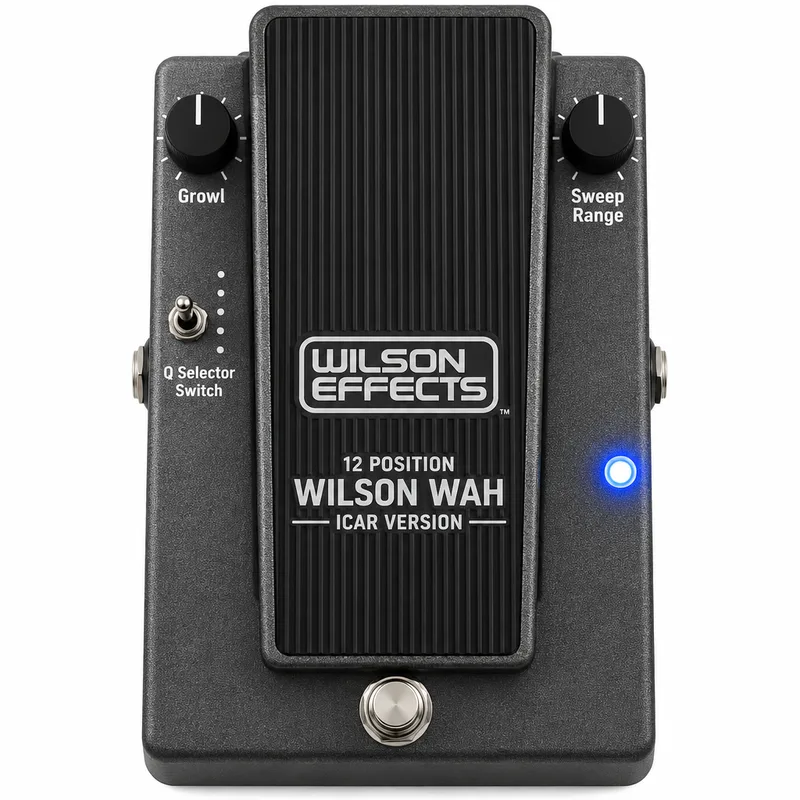
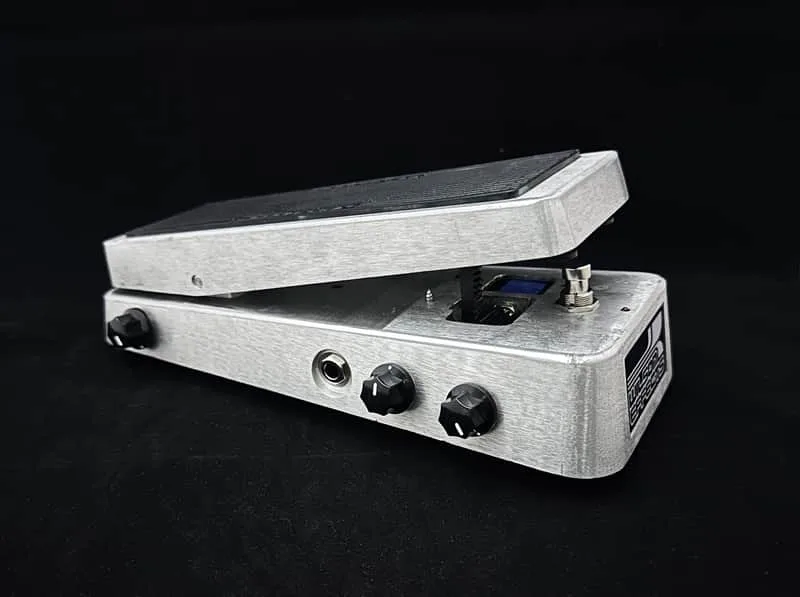
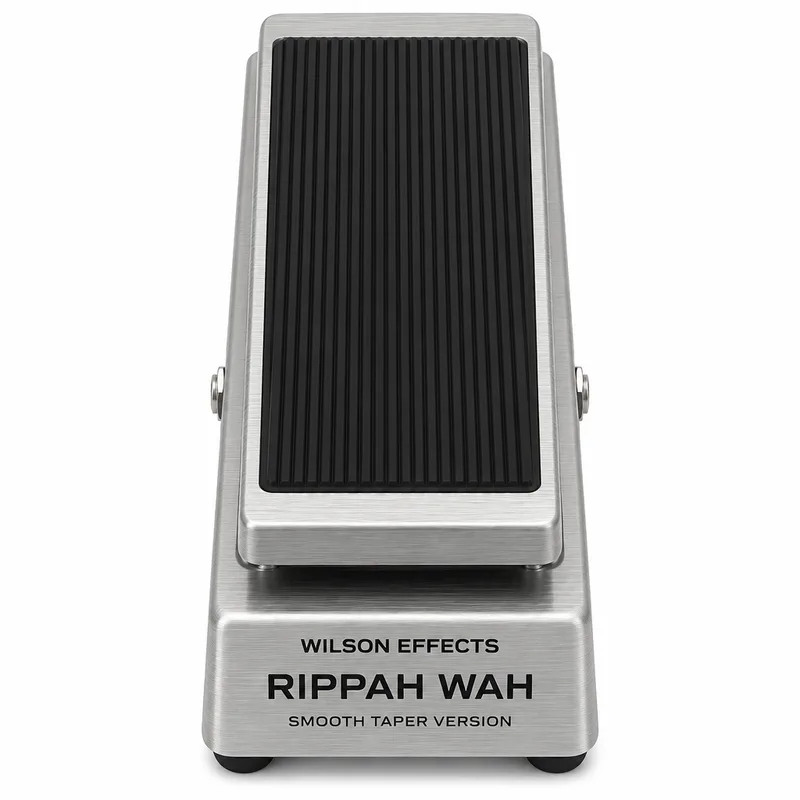
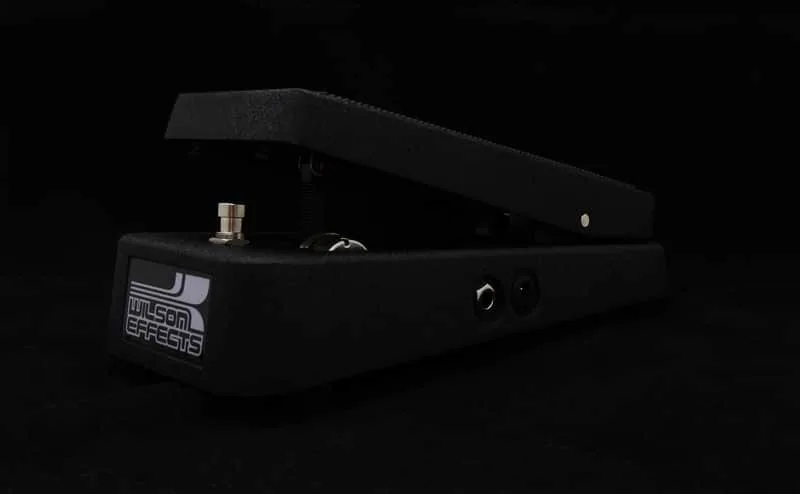
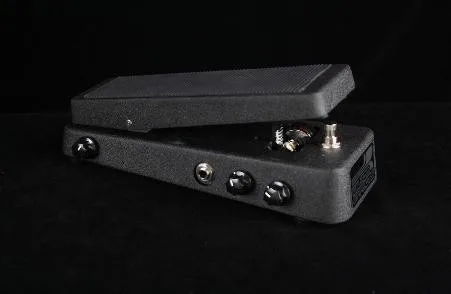
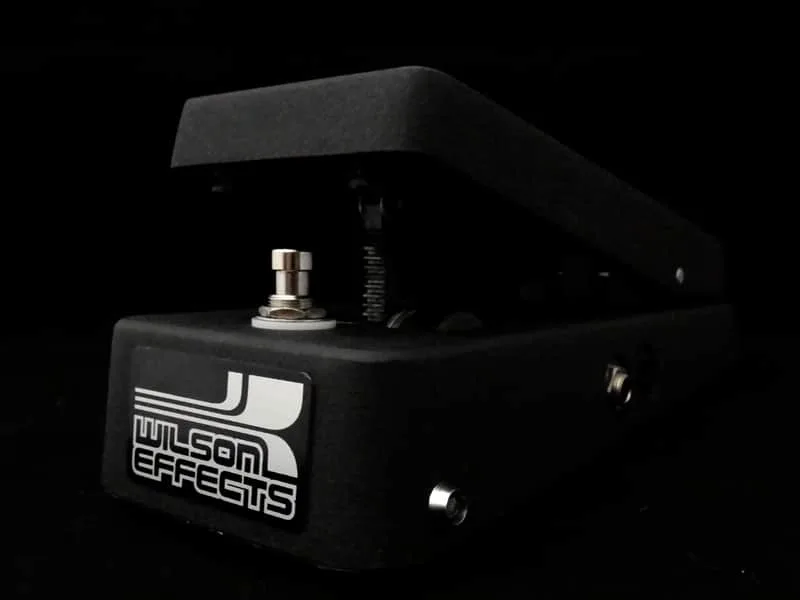
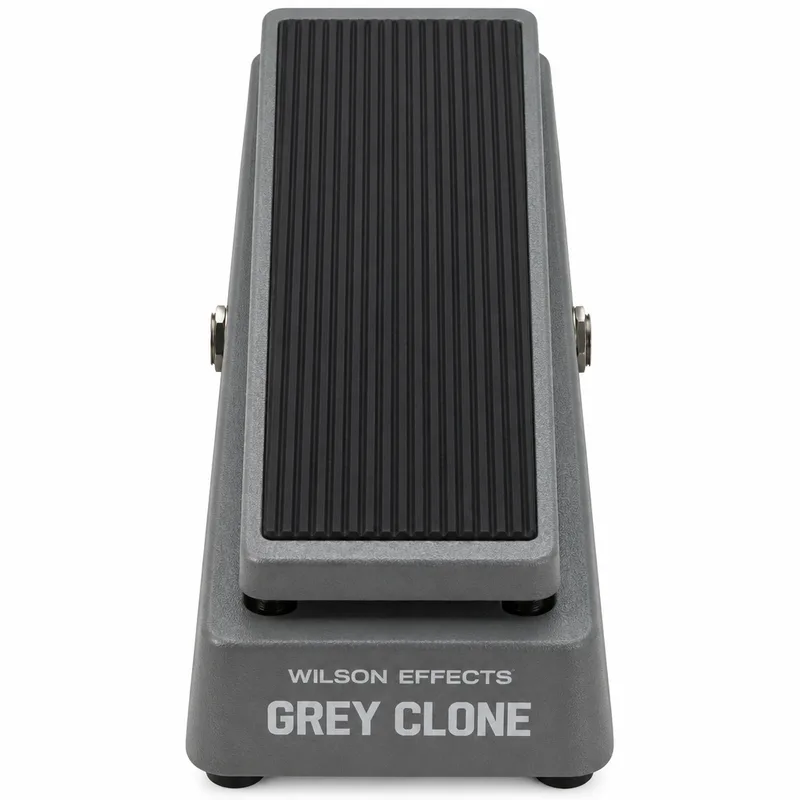
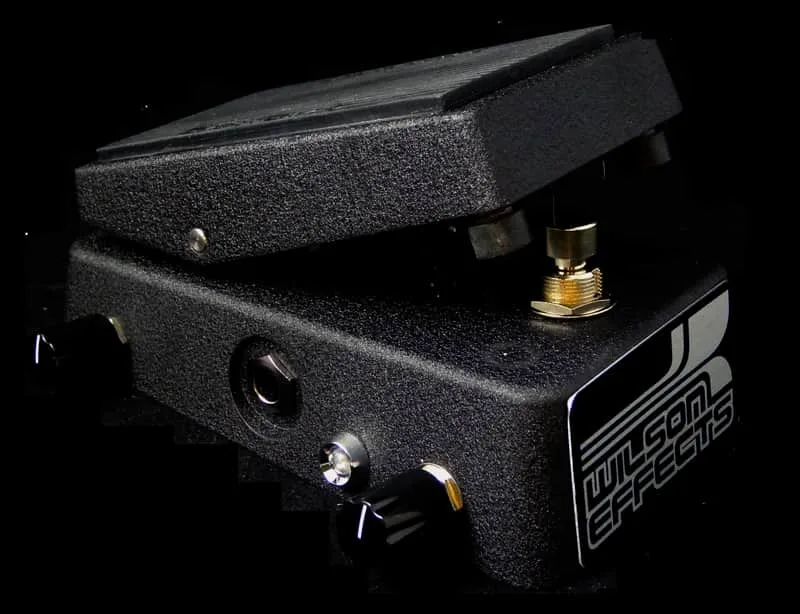
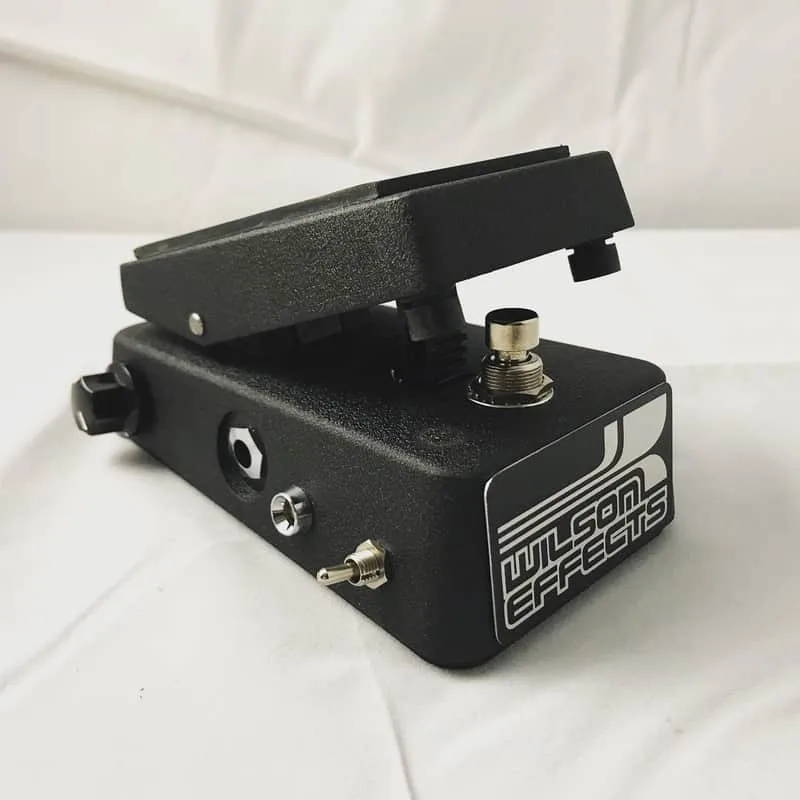
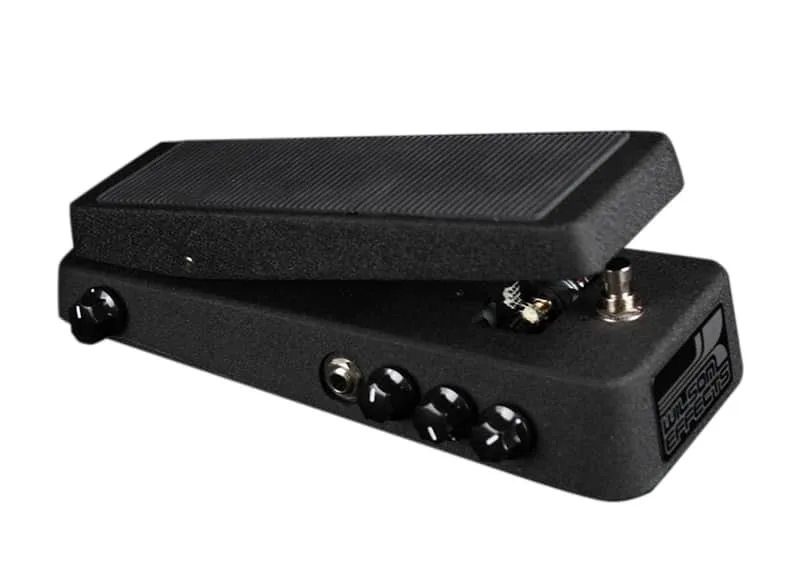
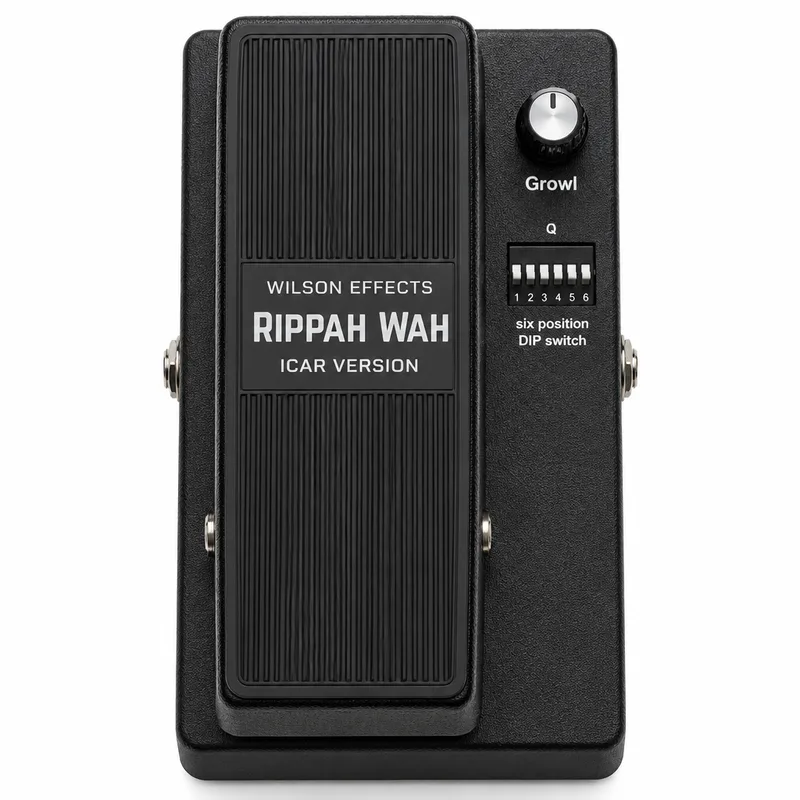
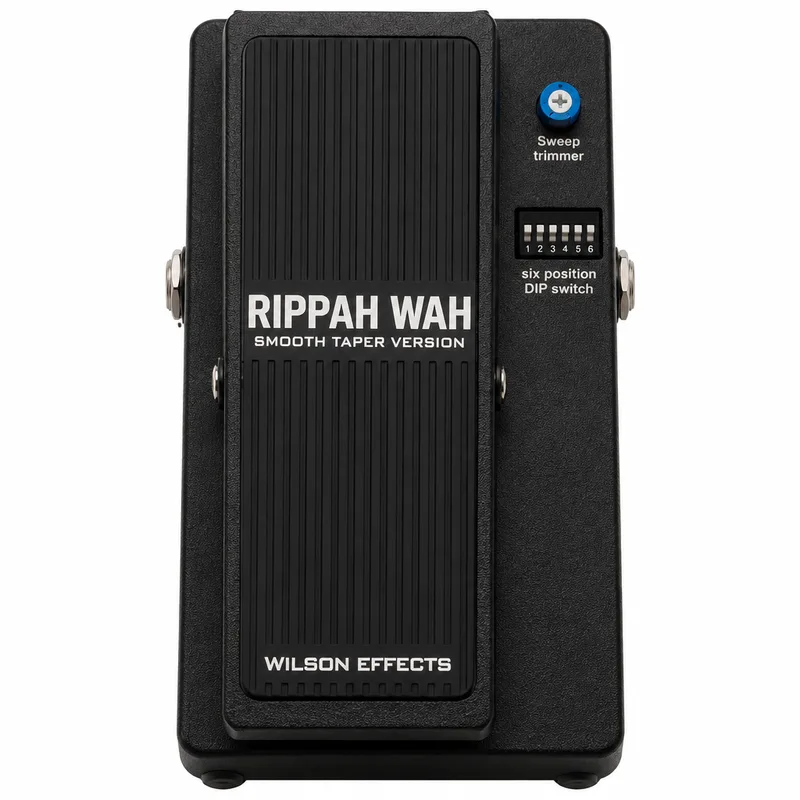
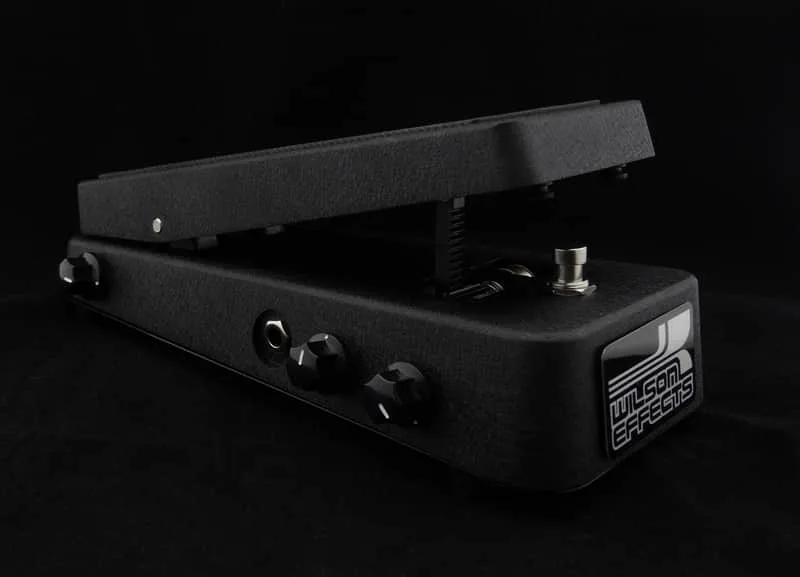
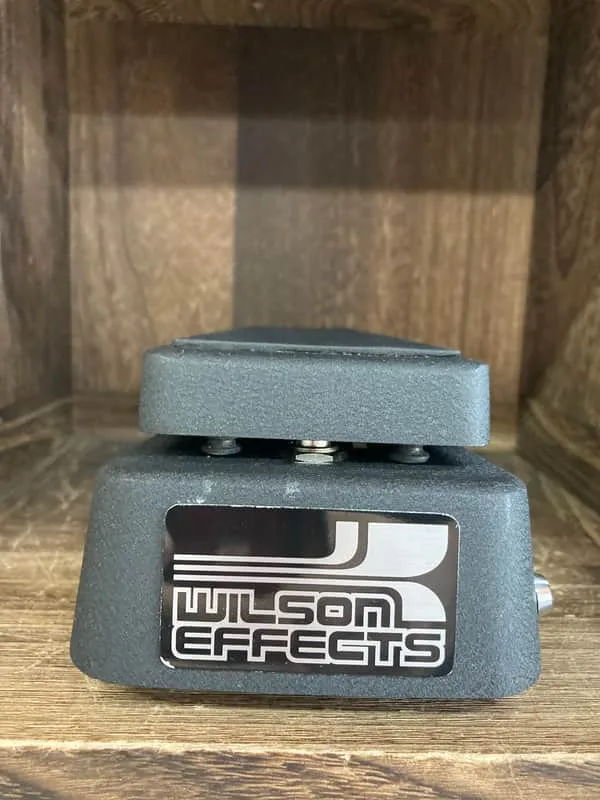
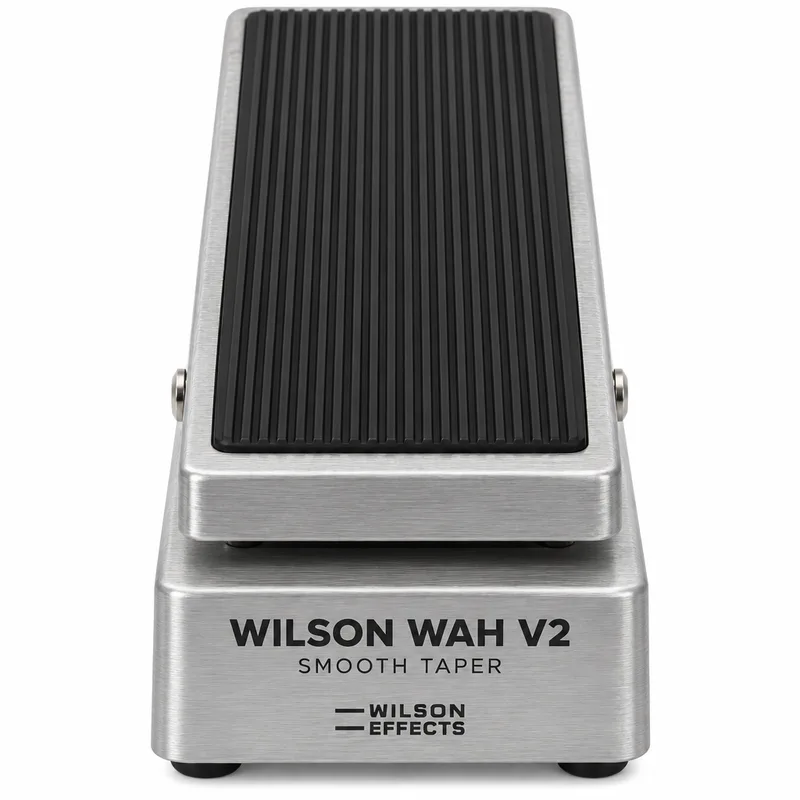
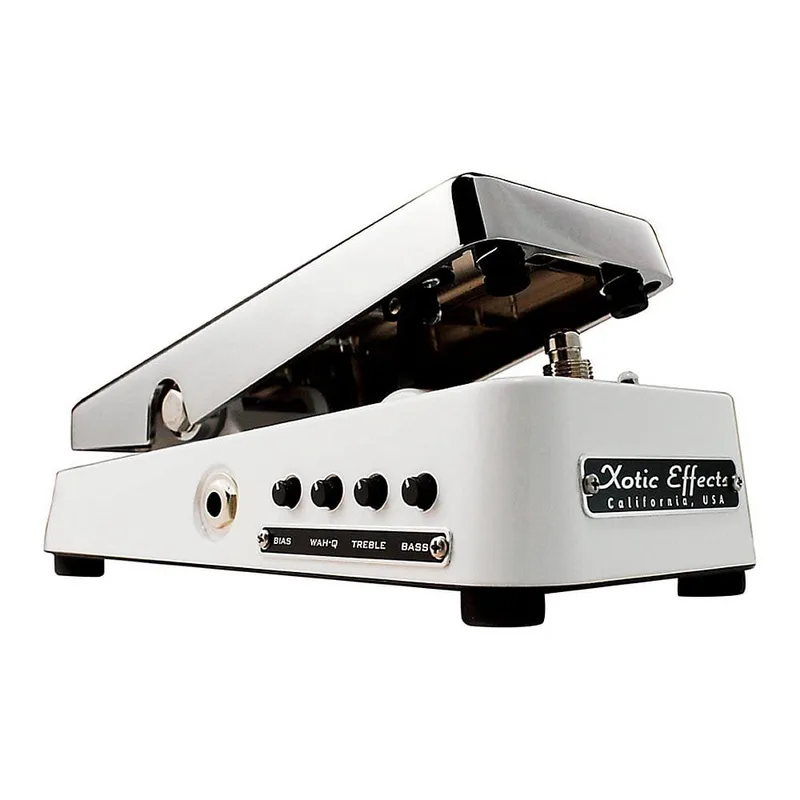
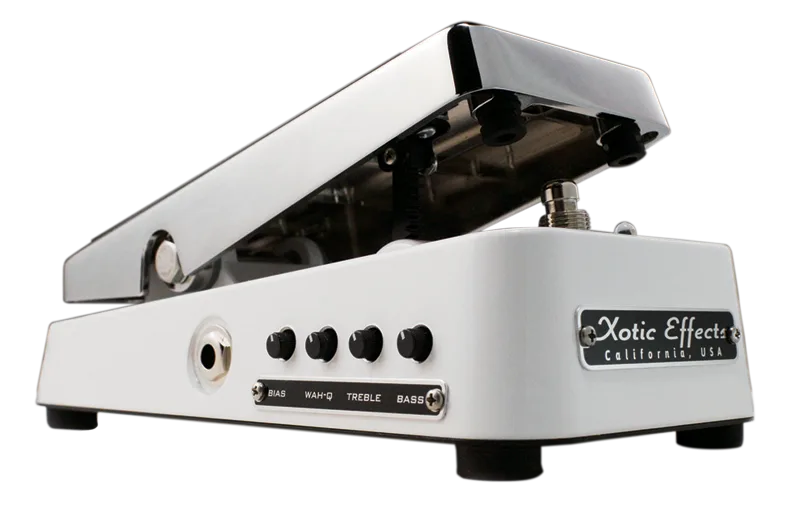
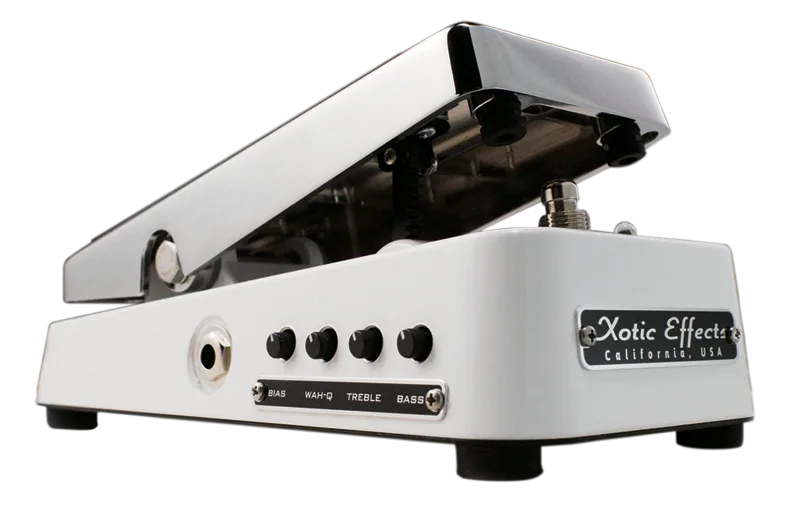
What a wah gives you depends heavily on the design. Some makers lean toward warmth and tradition; Xotic says of its XW-1 that "you don't get one or three sounds in one pedal, you get unlimited sounds with unique controls that shape and contour your sound the way you hear it"7. Others push the effect outward: Wilson Effects describes its Freaker Wah V2 as delivering "synth-like tones, extreme filter sweeps, and expressive volume swells"8. On the traditional side, T-Rex calls its Shafter "a rugged, highly versatile wah-wah effect that puts you in charge of your pedal instead of the other way around"9.
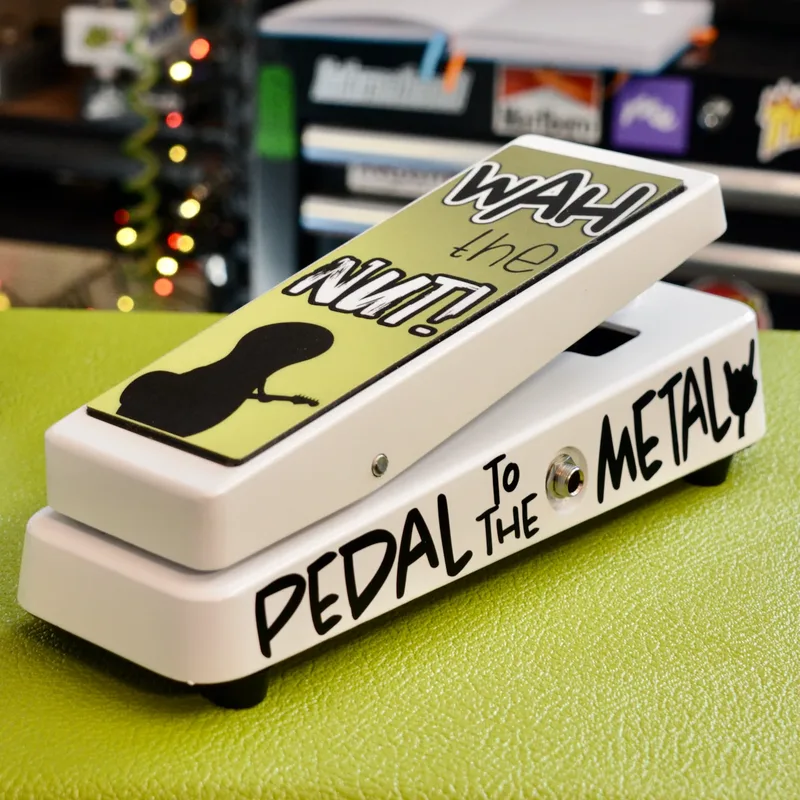
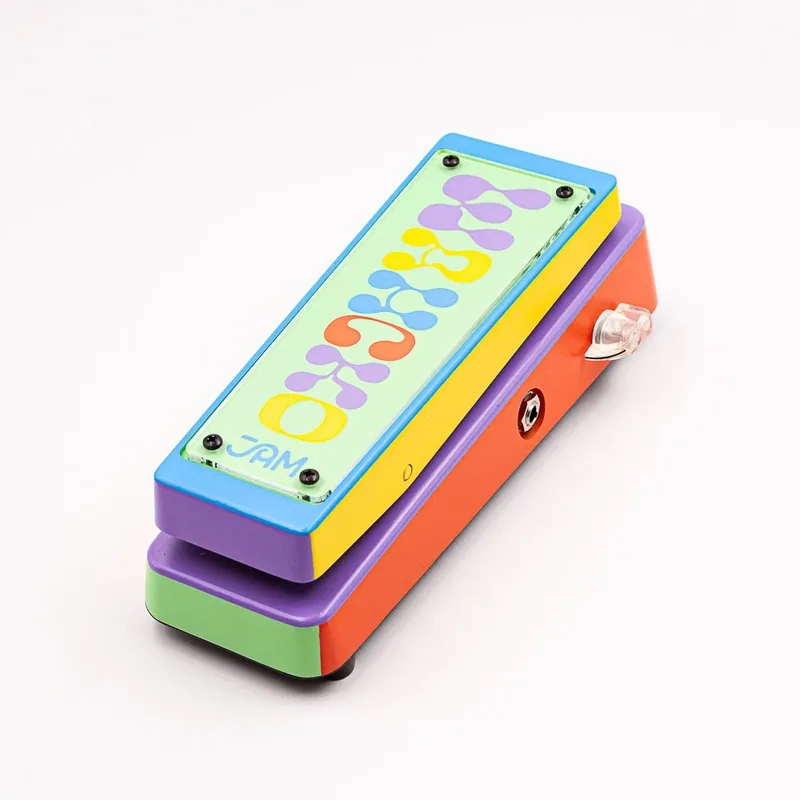
"The Wahcko is a very flexible, musical, and all-around inspiring wah pedal!"
How a wah works: a sweeping resonant filter
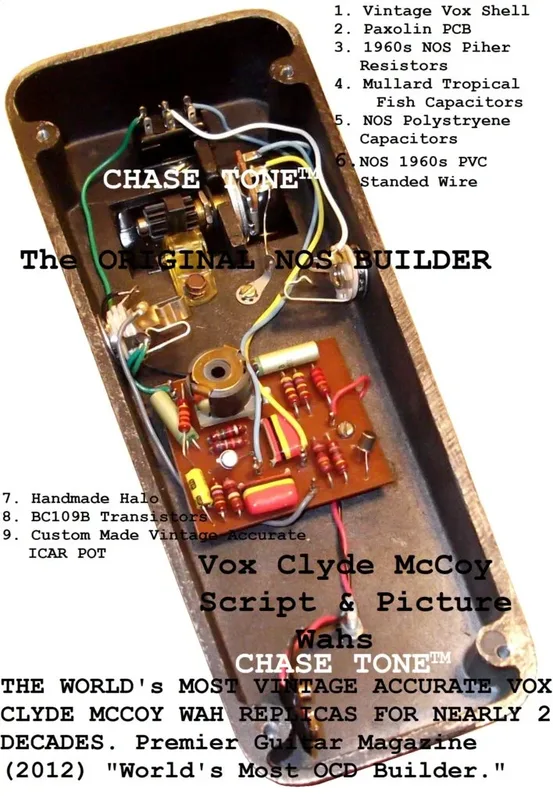
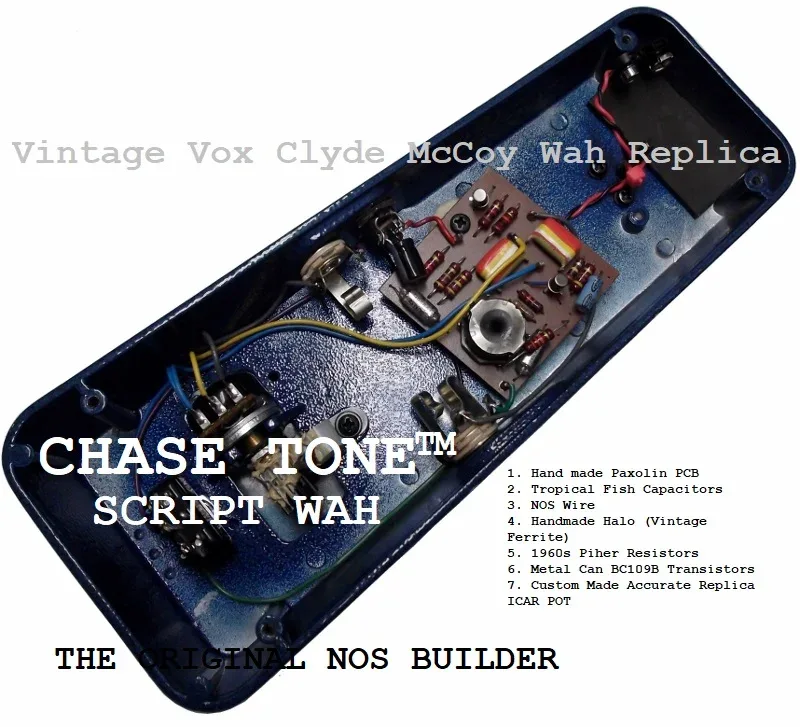
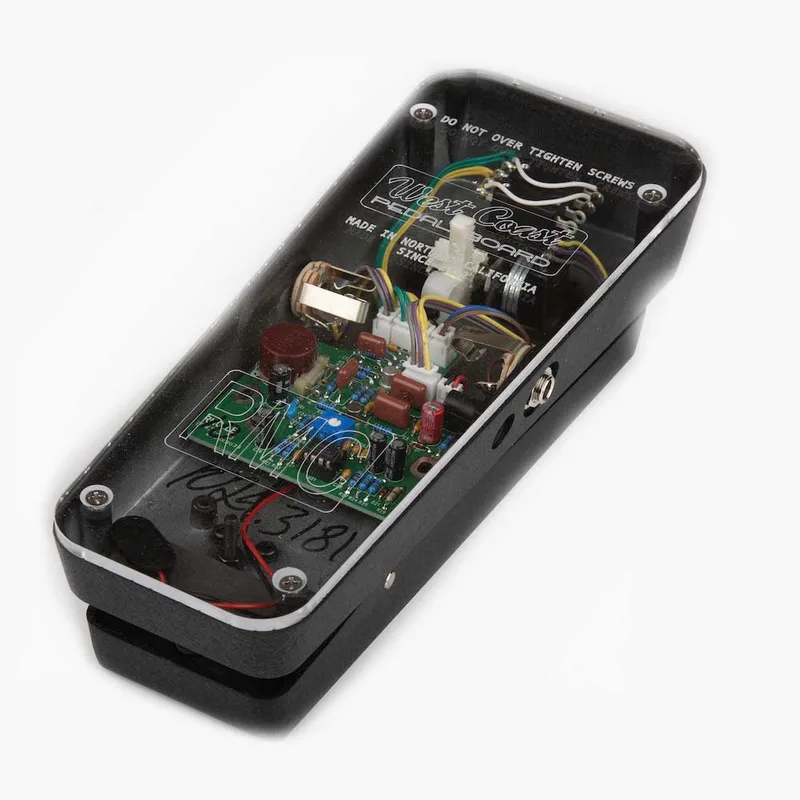
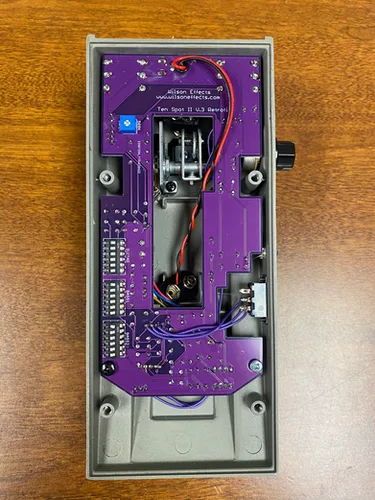
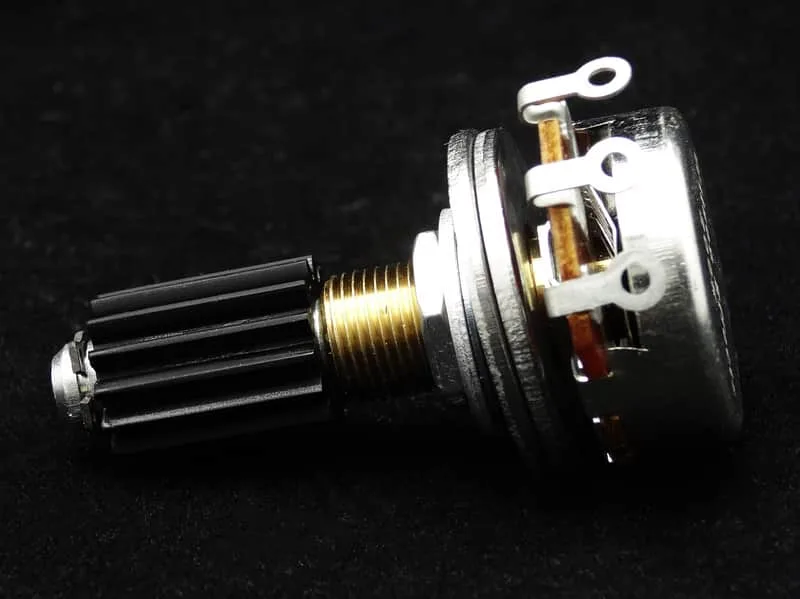
Every treadle wah shares the same architecture. The signal passes through a band-pass filter built around an inductor, the component that gives classic wahs their characteristic voice. The treadle is mechanically linked to a potentiometer, and rocking the pedal changes the resistance that sets the filter's resonant frequency. GuitarPCB's technical analysis of the Vox V847 describes the result: "The frequency response of it is a band-pass filter which boosts the resonant frequency and attenuates above and below harmonics"3.
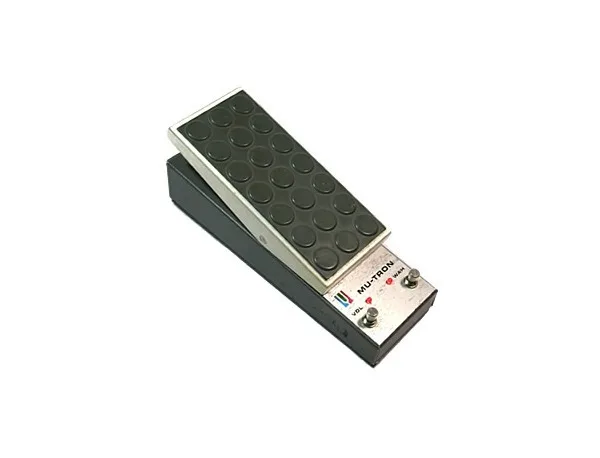
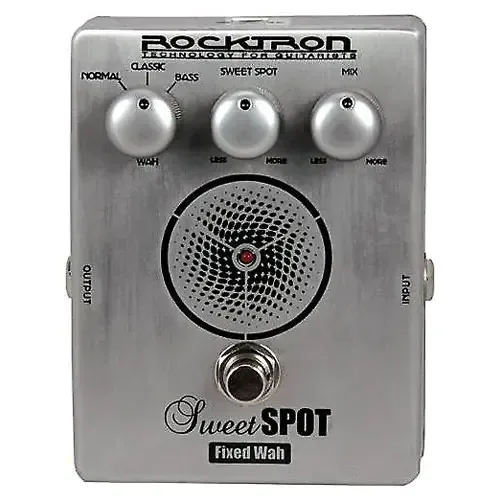
Not every wah sweeps the filter the same way. The Mu-Tron Vol-Wah "uses a potentiometer in the foot pedal to sweep current to the LED" driving "an optically controlled state variable filter"11, replacing the mechanical pot linkage with light. And not every wah sweeps at all: MOD Kits DIY's Tea Philter is a fixed wah, a build-it-yourself point-to-point wired pedal that locks the filter in one position, the "parked wah" sound, without a treadle12.
The width and height of the resonant peak is what separates a mellow wah from an aggressive one. A narrow, tall peak sounds vocal and quacky; a wider, gentler peak sounds more like a tone control in motion. That peak shape is the Q, and it has become one of the most common adjustable parameters on modern wahs, covered below under controls.
A wah can also be more than one filter. Subdecay's Vocawah runs a parallel envelope filter arrangement that the maker says creates "a more intense and emotive effect than your typical wah or filter pedal. This is similar to running two wah pedals"13. Wilson's Mini Freaker Wah is "built on a dual-filter circuit" inspired by the Parapedal14.
From Warwick Electronics to the Vox Clyde McCoy
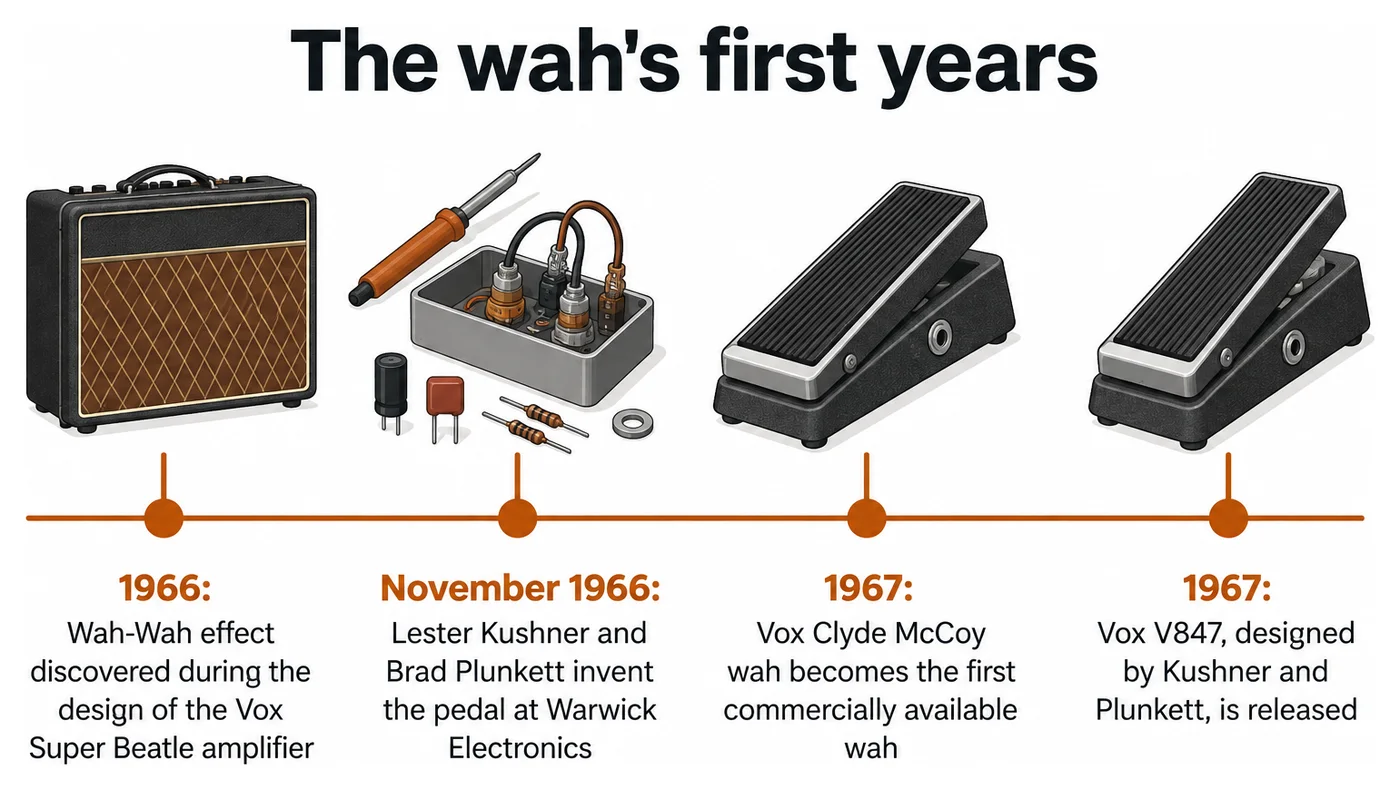
The wah was an accident of amplifier design. Vox's own history says the effect "was an accident, discovered during the design of the VOX Super Beatle amplifier in 1966"1. The pedal itself was invented in November 1966 by Lester Kushner and Brad Plunkett at Warwick Electronics, a division that owned Thomas Organ Company and Vox3. The Vox V847, still in the lineup today, was designed by Kushner and Plunkett and released in 19673.
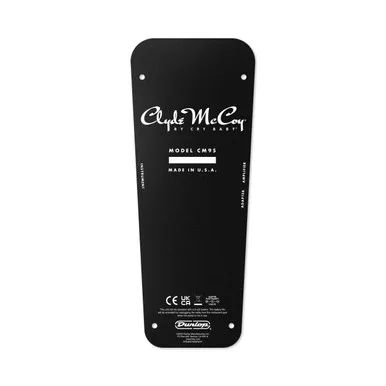
The first commercially available wah, available in 1967, was the Clyde McCoy wah-wah pedal2. It was named for a trumpet player famous for his use of the mute: McCoy had nothing to do with the pedal other than lending his name2. Vox says the pedal "was initially marketed as a way to emulate Clyde McCoy's trumpet mute technique"15, and company officials initially wanted to market it for keyboards, until wiser voices argued it should be aimed at guitarists2.
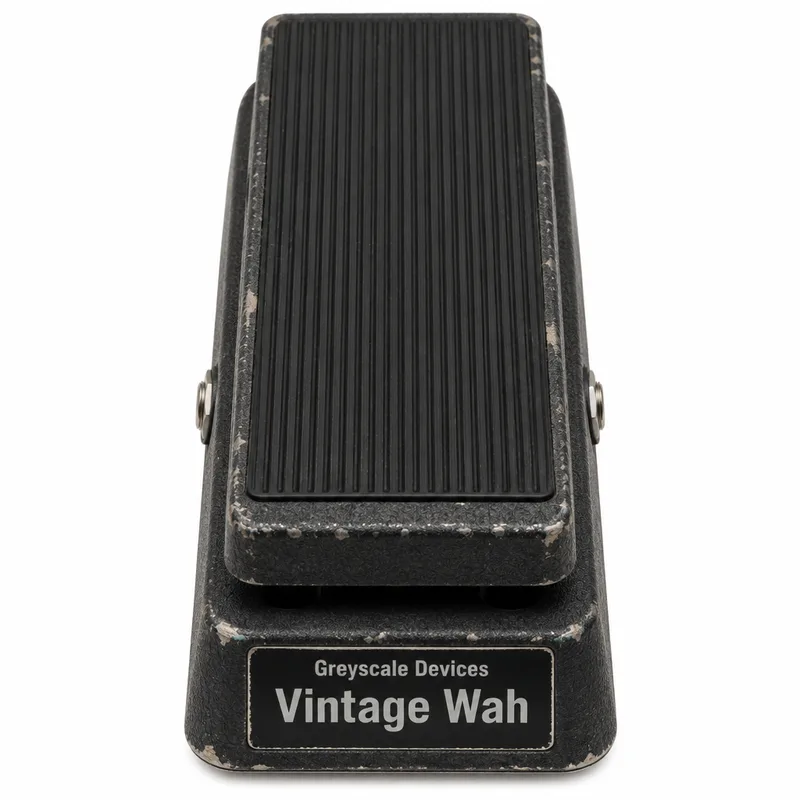
The guitarists won the argument decisively. Vox says "an unintended but music-changing use with electric guitar turned the Wah pedal into a vital tool for renowned artists such as Jimi Hendrix and Eric Clapton"4. The Clyde McCoy circuit remains the reference point for vintage-voiced wahs: Xotic says its XW-2 uses a custom wound inductor, pot and circuit that "captures the pure essence of vintage Clyde McCoy" wahs16, and R2R Electric's Vintage Wah is "a faithful reproduction of the classic 'Clyde McCoy' wah pedals of the late 1960's"17. The modern Vox V847 is "based on the specifications of the original pedal developed by VOX in the '60s"18.
Signature wahs and auto-wahs
Two branches grew out of the original treadle wah: signature models voiced for specific players, and auto-wahs that sweep the filter without your foot.
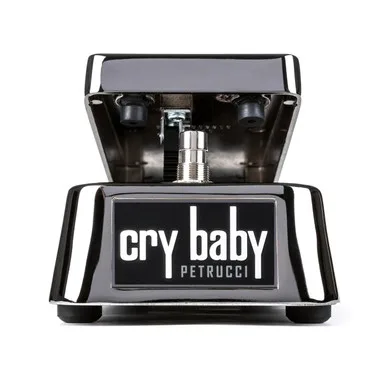
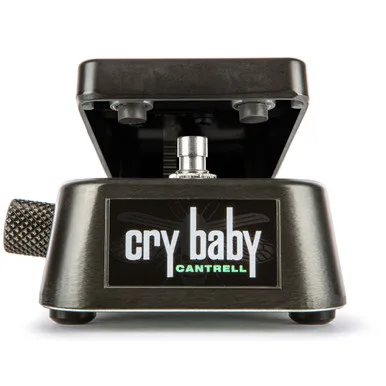
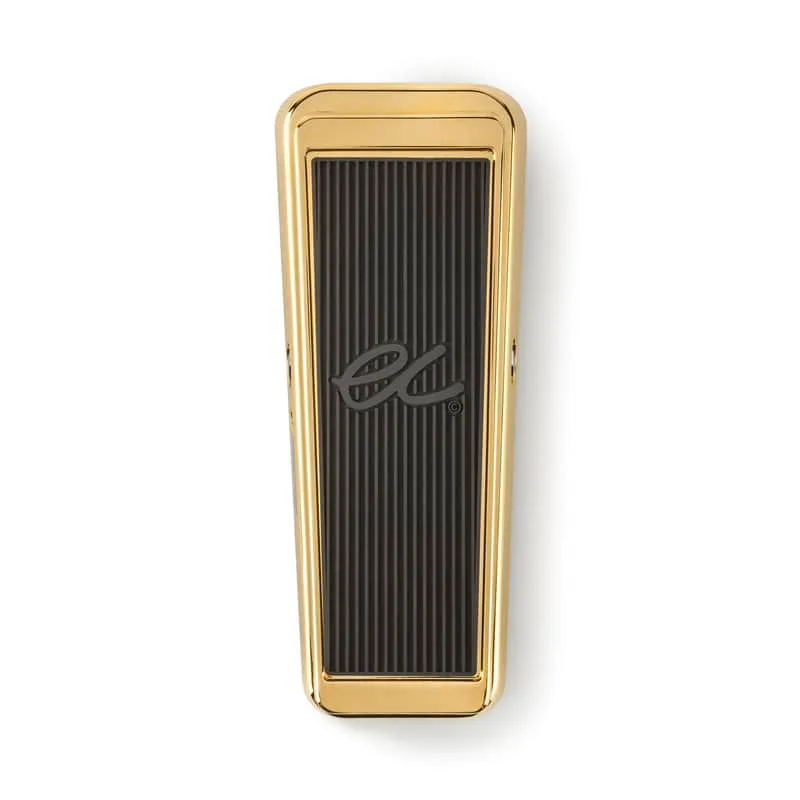
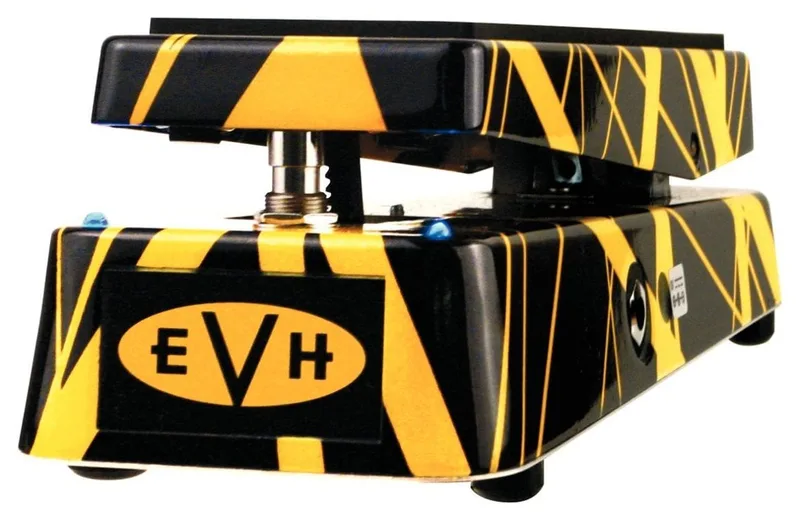
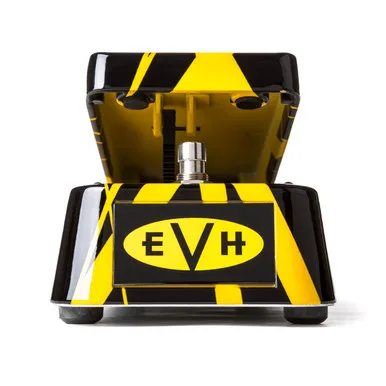
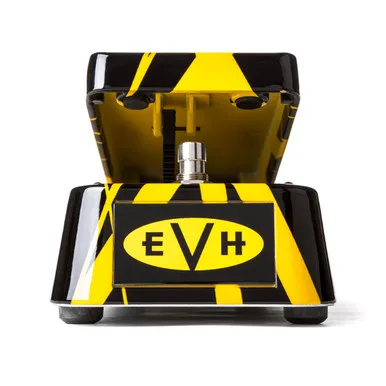
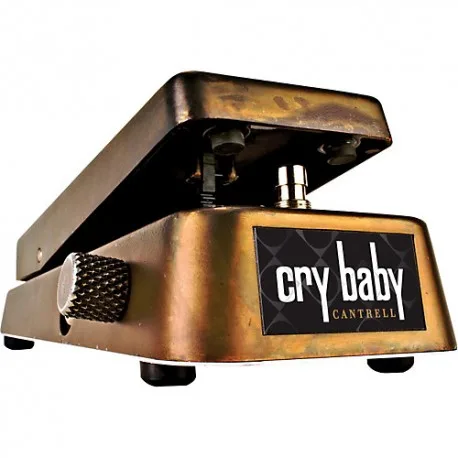
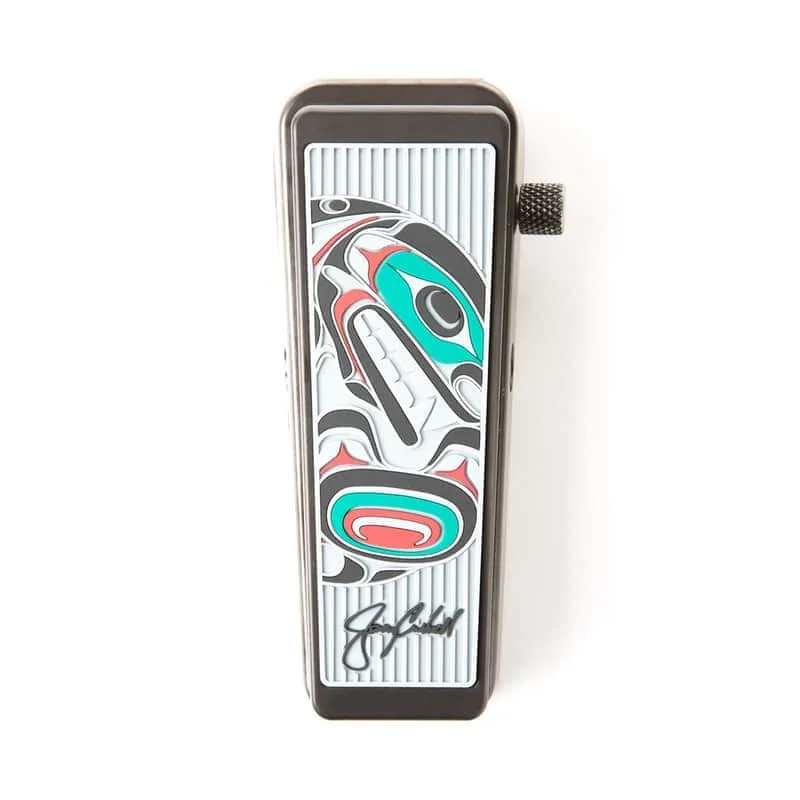
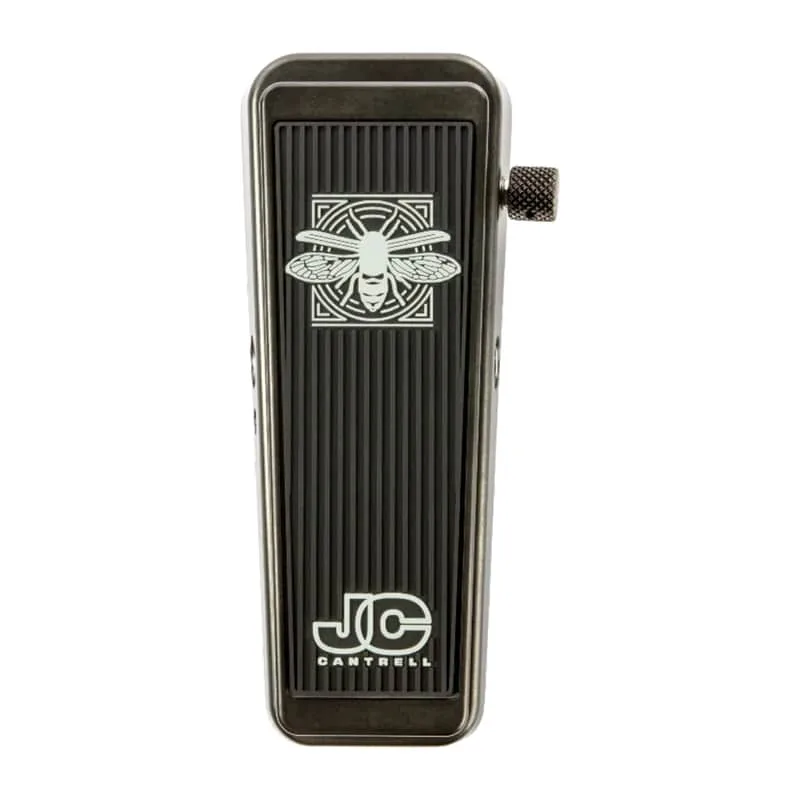
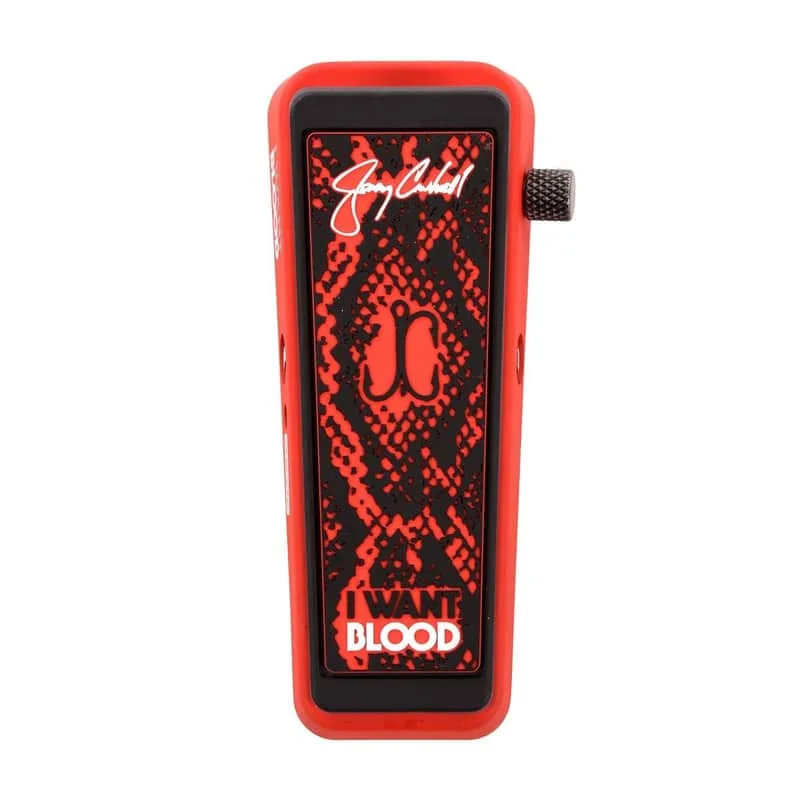
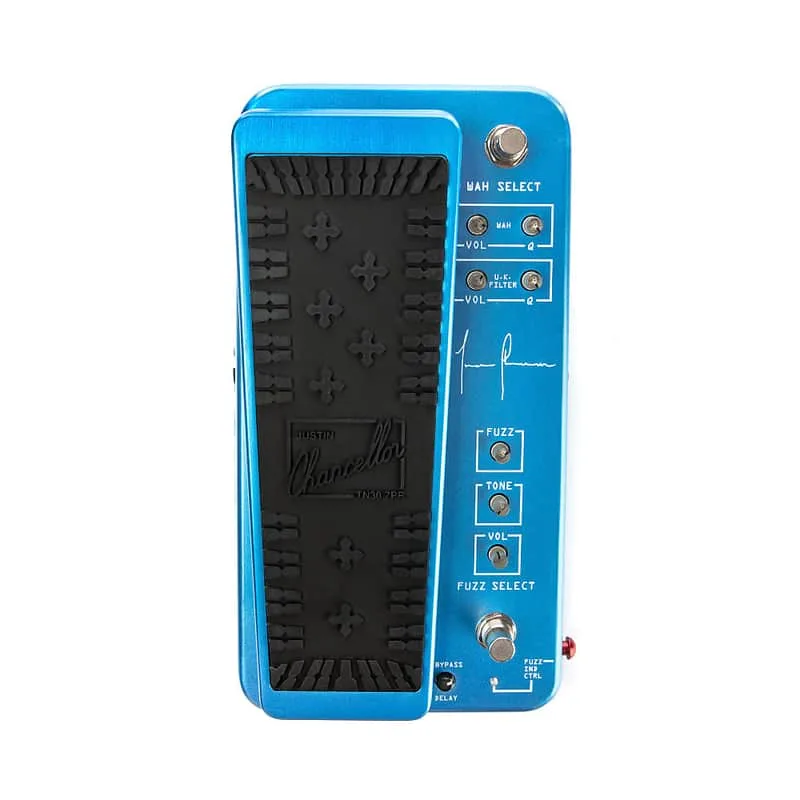
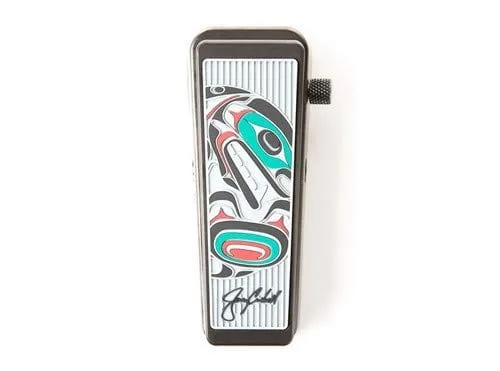
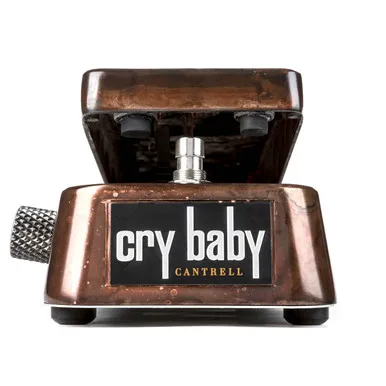
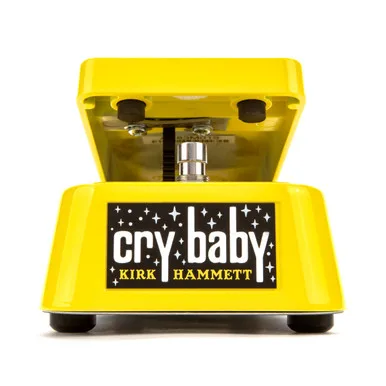
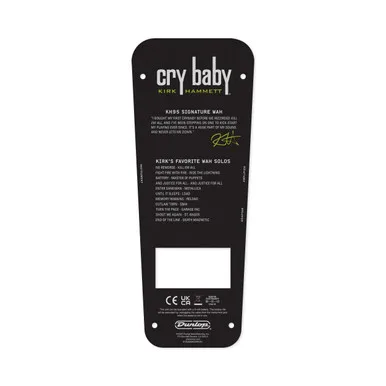
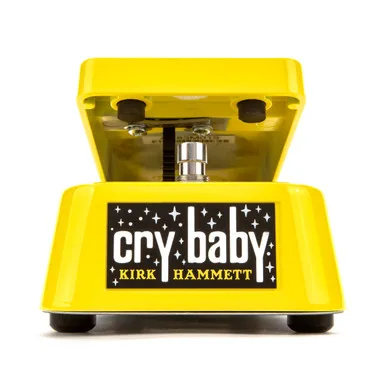
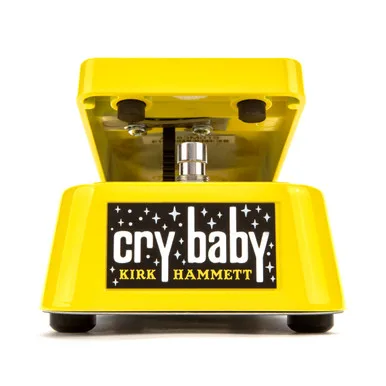
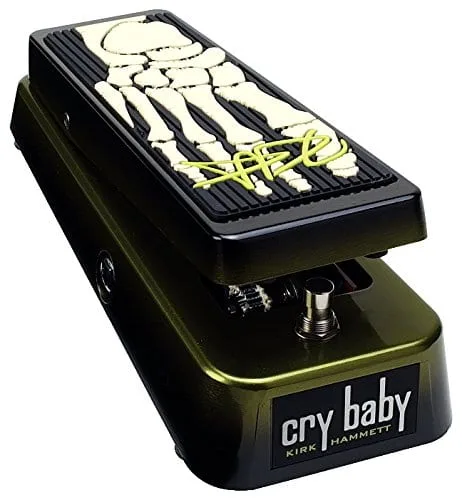
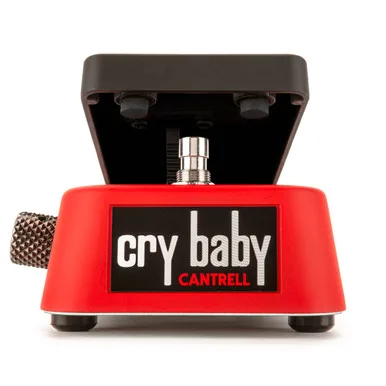
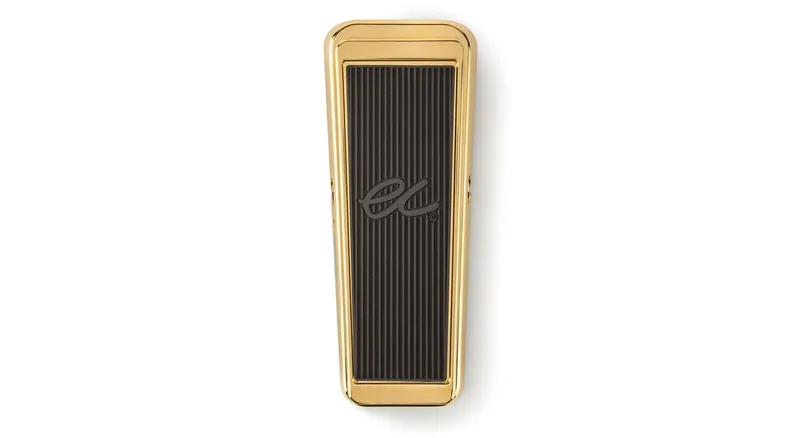
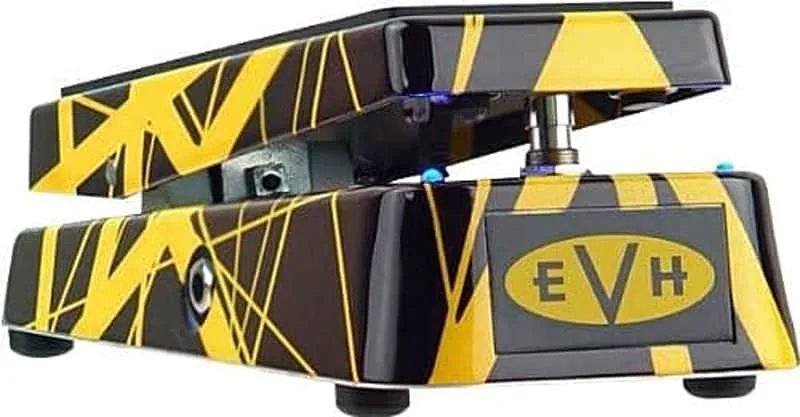
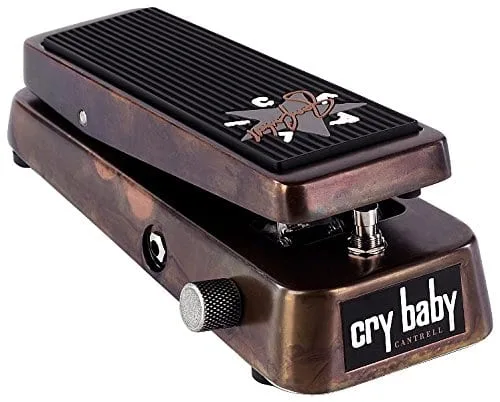
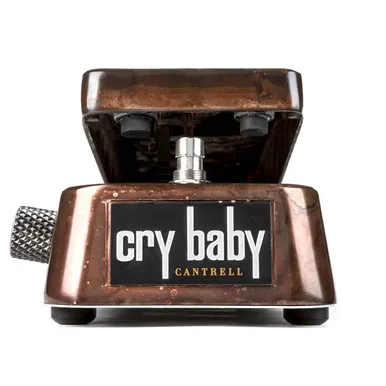
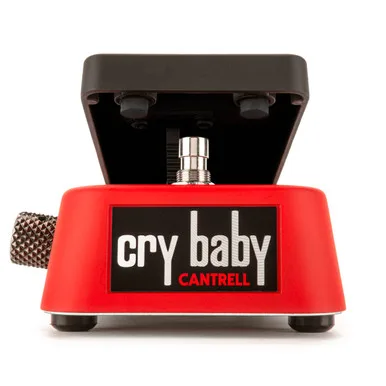
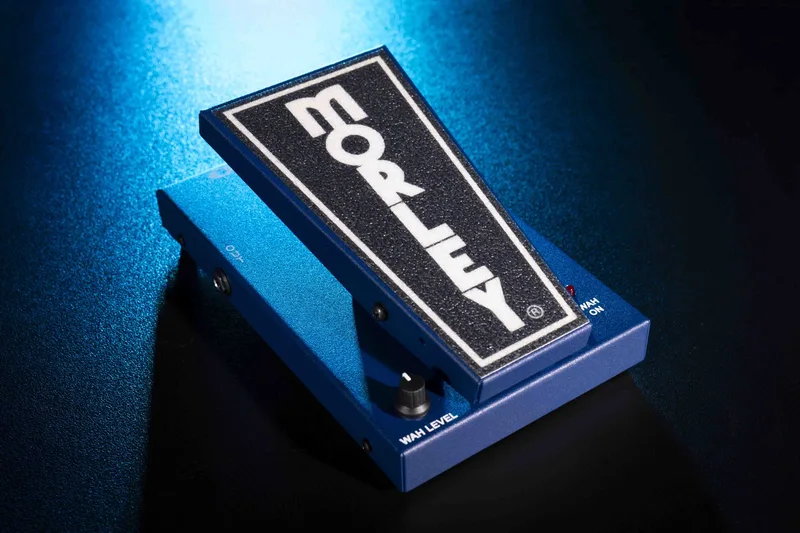
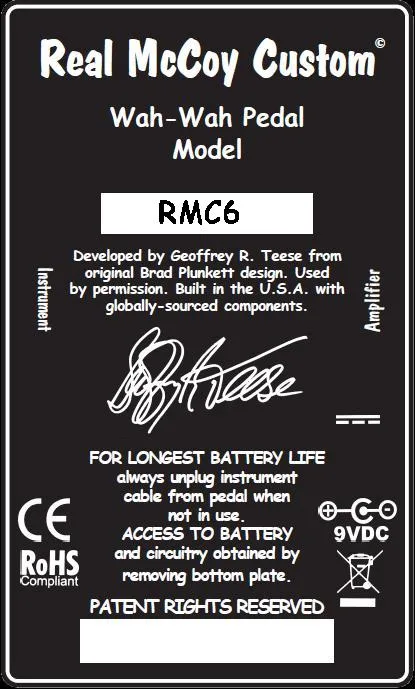
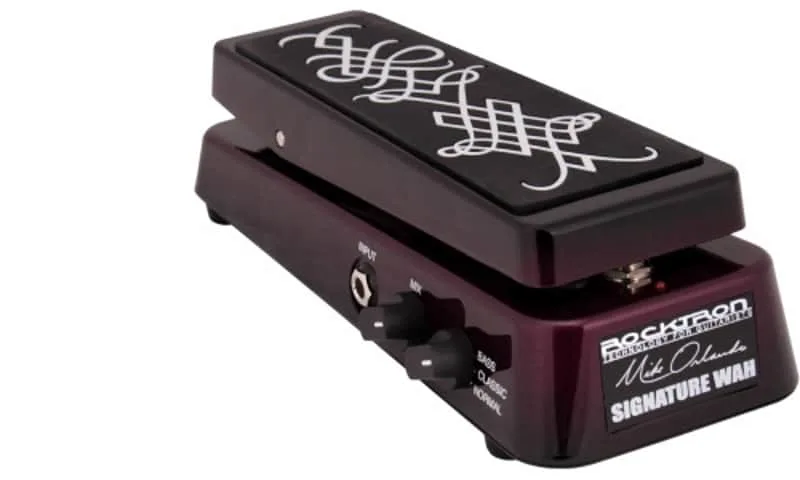
Signature wahs pair a maker's circuit with a player's preferences. Real McCoy Custom's Joe Walsh Signature Wah, announced December 14, 2007, was the company's "very first signature wah-wah pedal"19. The site's catalog includes signature models from Dunlop's John Petrucci JP95, Eddie Van Halen's EVH-95, Kirk Hammett's KH-95 and Jerry Cantrell's JC-95, plus Rocktron's Mike Orlando wah and Morley's Tye Trujillo TruDrive Wah.
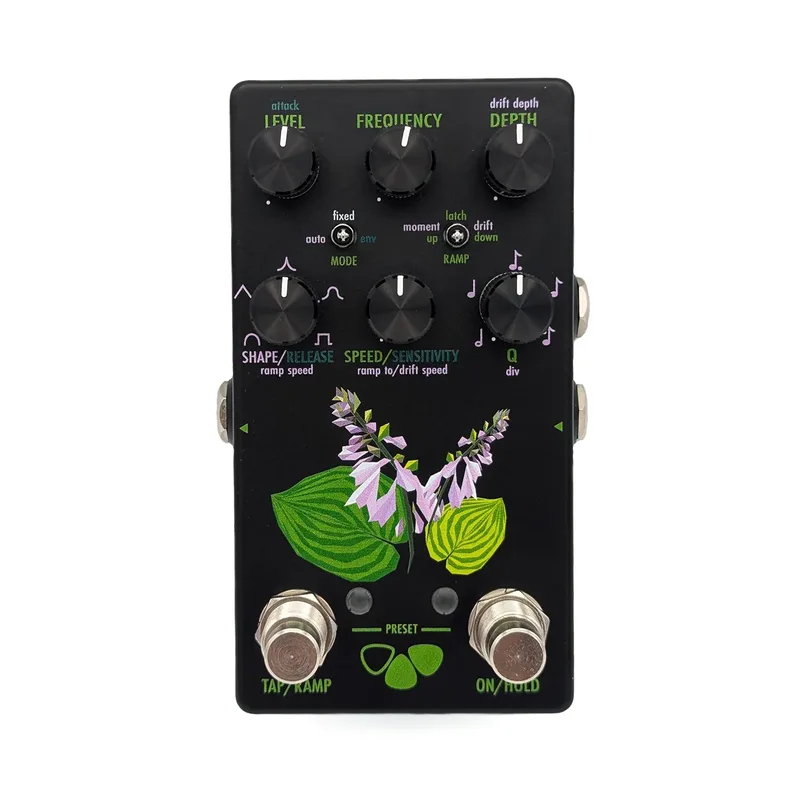
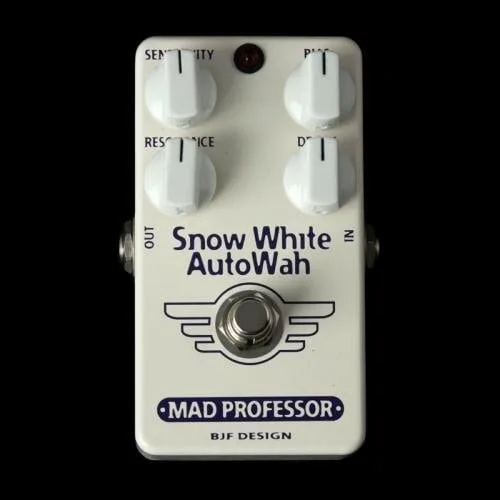
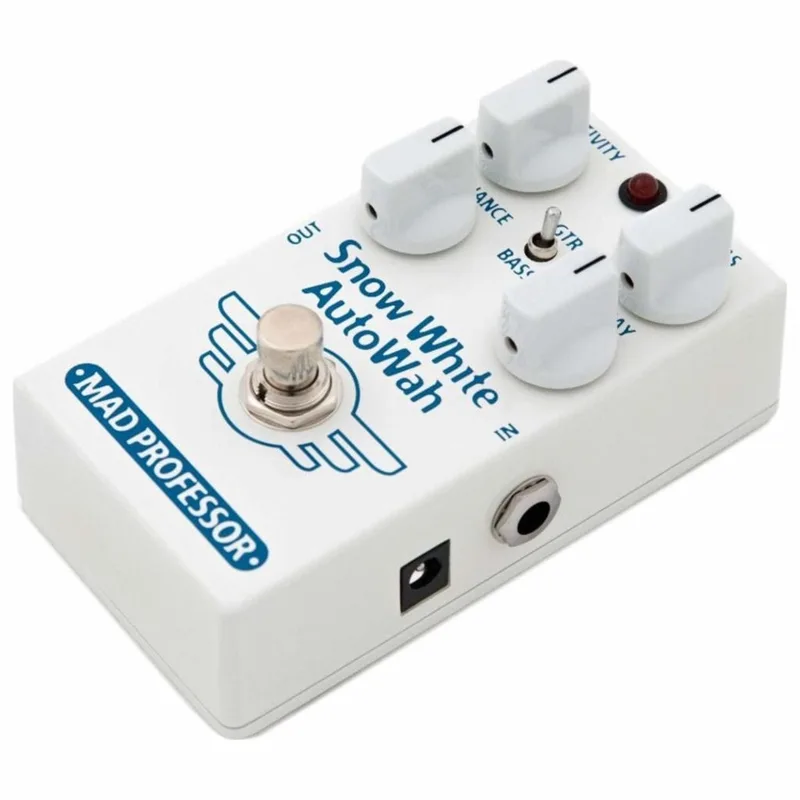
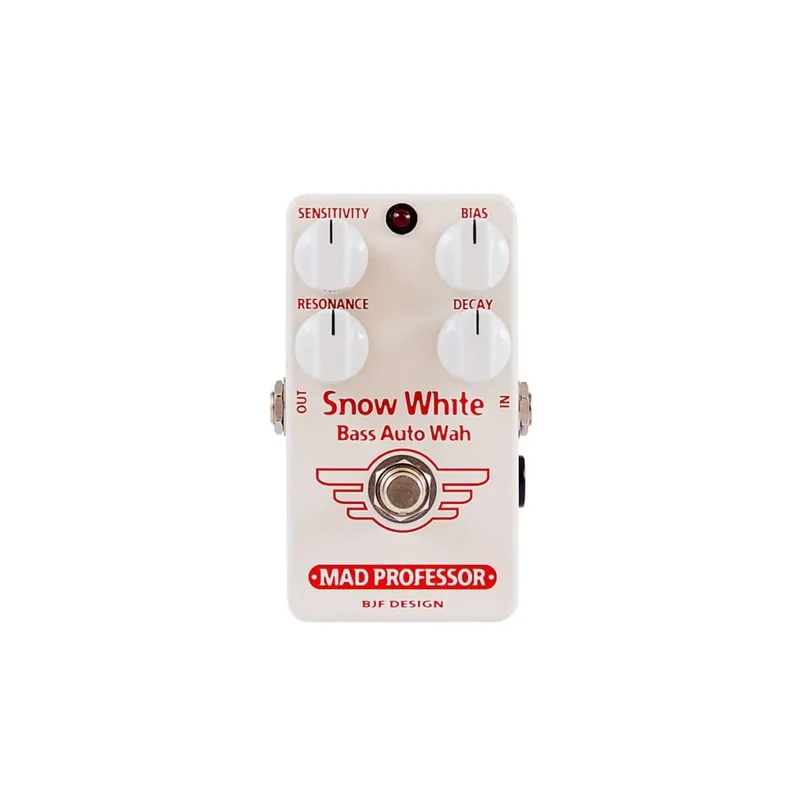
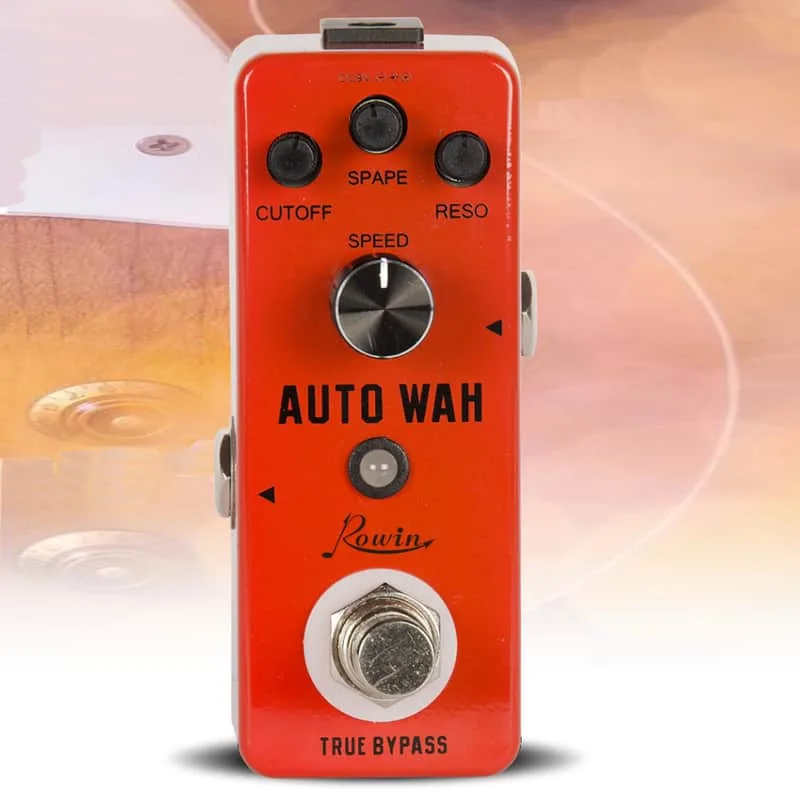
An auto-wah, or envelope filter, replaces the treadle with your picking dynamics: the filter sweeps in response to the volume of each note. The Guyatone WR-3 Wah Rocker is a vintage "envelope-controlled auto-wah / band-pass filter pedal for guitar and bass"20. DigiTech's Synth Wah offers seven effects including envelope filters, synth tones and filter sweeps21. The two types can sound close: GuitarPCB's SWAH, based on the Snow-White Auto Wah, is "known for sounding more like a real Wah than most other Auto Wah type pedals"22. Some pedals blur the line entirely, like the Flower Pedals Hosta, a wah filter, and GFI System's Rossie, which offers "static tone shaping or sweepable wah-like effect using an expression pedal" in its Manual Filter mode23.
The usual controls: treadle, range and Q
Beyond the treadle itself, modern wahs vary in how much they let you reshape the sweep. The controls that matter most:
| Control | What it does | Example |
|---|---|---|
| Treadle | Rocks the filter's resonant frequency with your foot | Every treadle wah |
| Q switch | Sets the height and sharpness of the resonant peak, from piercing to deep | Wilson Freaker Wah V2's six-position Q switch, "from a high, piercing sweep to a deep, resonant filter"8 |
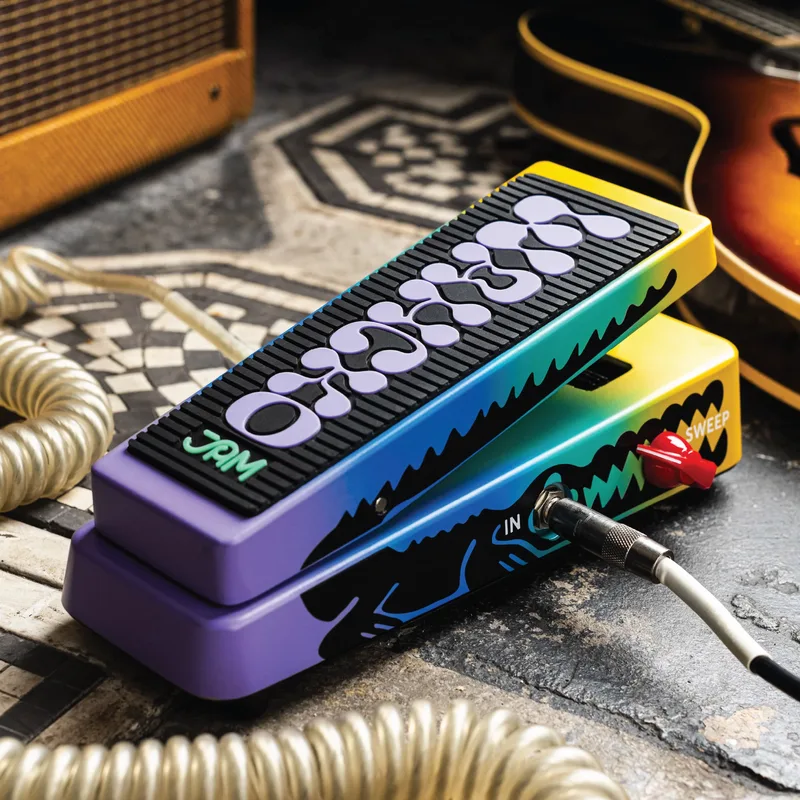
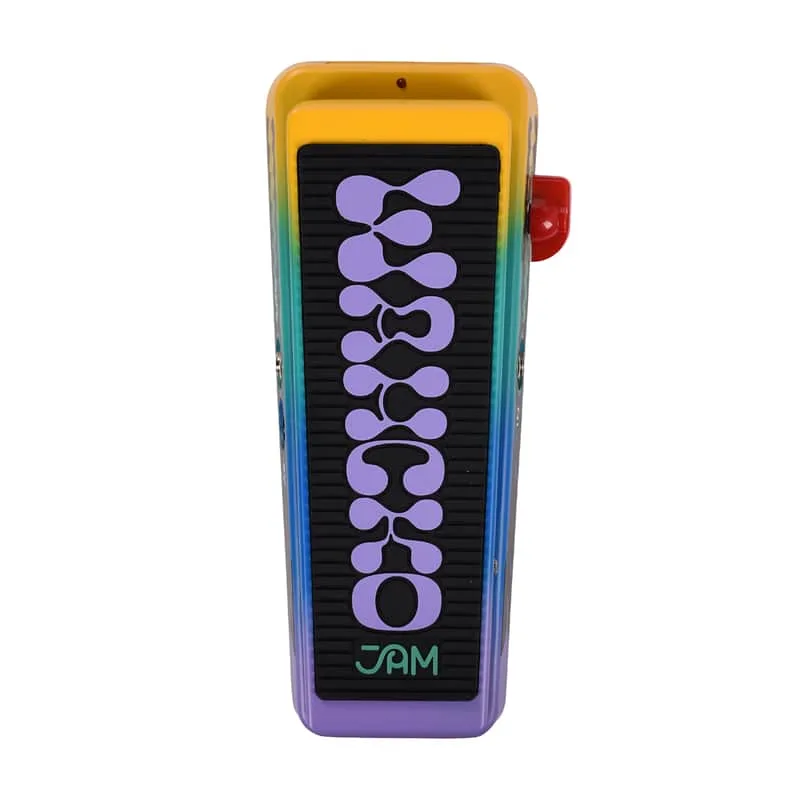
| Range | Selects which frequency band the sweep covers | JAM Pedals Wahcko mk.2's six selectable frequency ranges24 |
| Bias | Shifts the circuit's operating point, changing output and warmth | Xotic XW-1's bias control25 |
| Sensitivity and threshold | On envelope-based designs, set how the filter responds to your attack | September Sound modded wah26 |
| Frequency | Sets the filter's center or sweep voicing | September Sound modded wah26 |
The Q control deserves a note for beginners: a high Q gives a narrow, tall peak, which sounds vocal and aggressive, while a low Q gives a broader, subtler sweep. Wilson's six-position switch on the Freaker Wah V2 covers "a high filter sweep to a deep filter sweep and everything else in between"27.
Bias is a subtler voicing tool. Xotic explains that on the XW-1, "changing the bias warmer will lead the Xotic Wah to having slightly more output & firm up bass frequencies along with a more pronounced wah through the sweep," while "a cold bias is common with vintage wah pedals for a very clear voice that is more transparent in tone and smoother in operation"25.
Where a wah goes in the signal chain and how it is powered
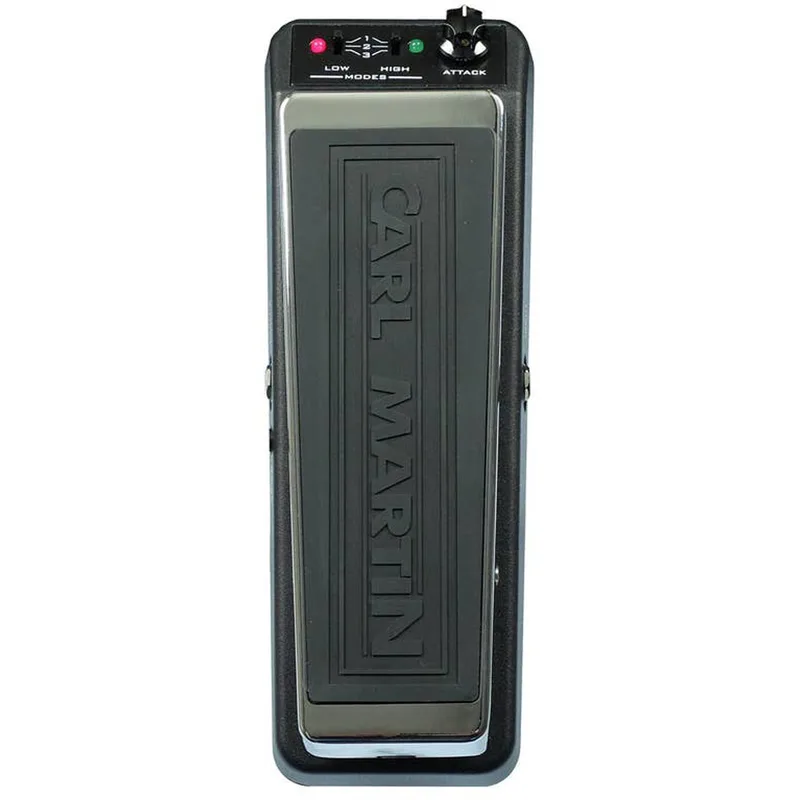
Placement guidance is consistent across makers. BOSS's effects ordering guide recommends "placing this filter effect directly after the tuner and before the drive section," so the wah shapes the full-frequency clean signal before gain stages color it5. Carl Martin makes the point from the jack layout of its 2Wah: "Input is on the right and output on the left (remember your Wah should be the first pedal in your chain)"28.
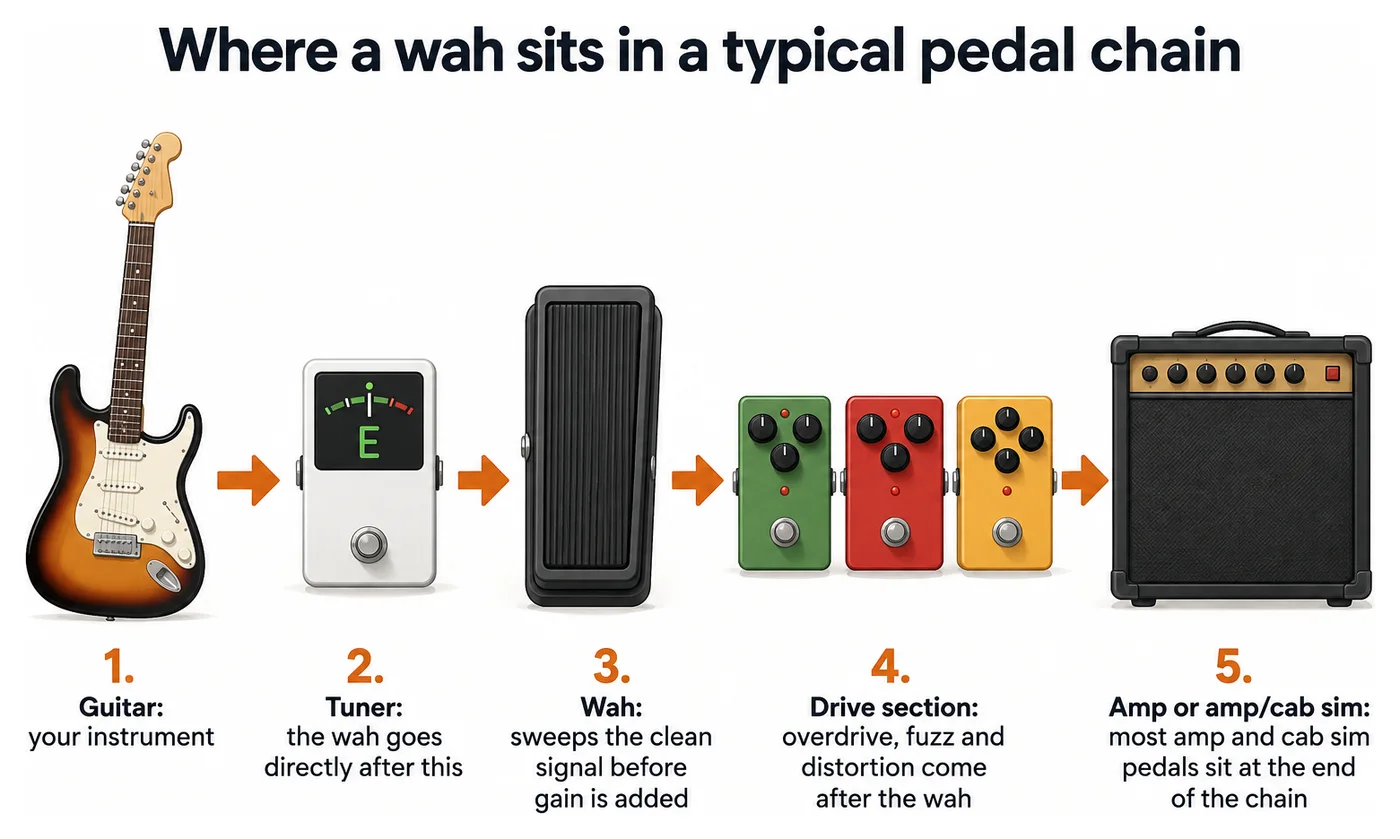
There is one important exception for players running vintage-style circuits. Origin Effects notes that "any pedals that don't work with buffers, certain vintage fuzz and wah pedals, should go before buffered tuners and before the compressor"29. If your wah misbehaves with a buffered pedal in front of it, that interaction is a likely reason.
Power varies by model, so check each pedal's own page for its voltage and current requirements. Many classic wahs run on a battery inside the housing, while modern designs increasingly take an external supply; the specifics belong to the individual product. Some wahs add a second function to the same treadle: Donner's Vowel Wah includes an "active volume control that eliminates signal loss with no popping, buzzing or electric noise"6, and the Caline CP-72 combines wah and volume in one compact pedal30.
Questions to ask when choosing a wah
With the catalog above, the practical differences come down to a handful of questions the facts can frame:
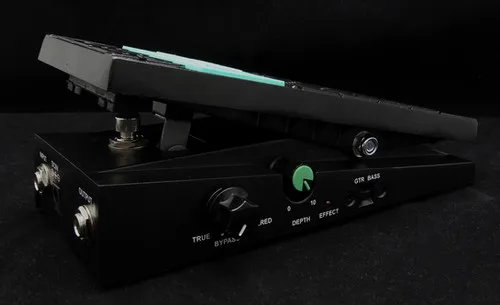
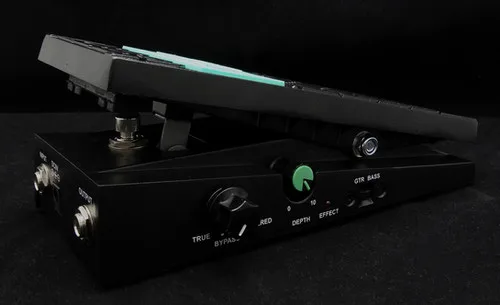
- Guitar or bass? Not every wah is voiced for both. The JAM Pedals Wahcko mk.2 is described by its maker as "an expressive wah pedal for guitar and bass, with six selectable frequency ranges"24, and the Caline CP-72 delivers "an excellent Wah response tailored for BASS along with Volume function"313224. A guitar-voiced wah can sound thin on a bass's low strings.
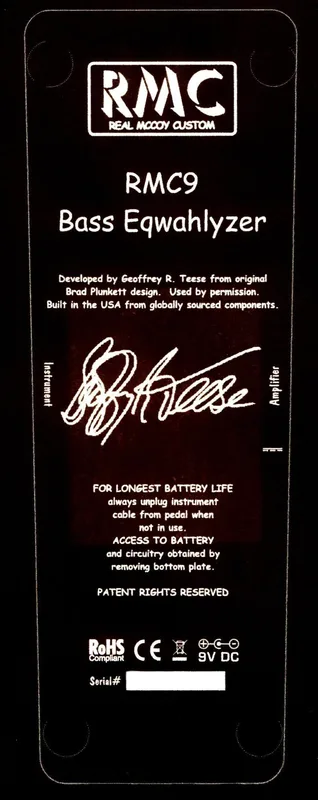
- Fixed sweep or adjustable? A simple vintage-style wah gives you one voice; the Xotic XW-1's maker positions it as giving "unlimited sounds with unique controls"7, and Real McCoy Custom frames its RMC8 around the question "What's the best sounding wah-wah pedal ever?"33.
- Treadle, switchless or fixed? Do you want to click the wah on, step and sweep without switching, or park the filter as a tone shaper, as the Tea Philter kit does12?
- Traditional or experimental? Vintage Clyde McCoy-style circuits17 sit at one end; dual-filter designs like the Mini Freaker171634 and parallel filters like the Vocawah171634 sit at the other.
- Repairability and DIY? General Guitar Gadgets sells a replacement circuit board project that "will drop-in to any Dunlop or Vox wah pedal"35, and Wilson Effects offers a Build your Own Wah, so a wah can be a project as well as a purchase.
For players who already own a wah and want a different voice, the drop-in route is worth knowing: the General Guitar Gadgets board lets you "replace the circuit board in your existing wah pedal"35 while keeping the original housing and treadle.
Questions
Who invented the wah-wah pedal?
Lester Kushner and Brad Plunkett invented the wah-wah pedal in November 1966 at Warwick Electronics, a division that owned Thomas Organ Company and Vox. They found the effect while redesigning the solid-state Vox Super Beatle amplifier, whose Midrange Boost feature became the basis of the pedal's swept filter.
What was the first wah pedal you could buy?
The first commercially available wah was the Vox Clyde McCoy wah-wah pedal, released in 1967. It was named after Clyde McCoy, a trumpet player famous for using a mute, who had nothing to do with the pedal beyond lending his name. It was initially marketed as a way to emulate his muted trumpet sound.
What is the difference between a wah and an auto-wah?
A wah is swept by your foot on a treadle, so you control the timing and shape of every sweep. An auto-wah, or envelope filter, sweeps the same kind of resonant filter automatically in response to how hard you pick. Some auto-wah circuits, like the Snow-White based designs, are noted for sounding closer to a real wah than most.
Should a wah go before or after a fuzz pedal?
The common guidance is to place a wah directly after the tuner and before the drive section, so the filter shapes the clean signal before gain is added. Note that certain vintage fuzz and wah pedals do not work with buffers, so they should go before buffered tuners and before any compressor in the chain.
Can you use a guitar wah pedal on bass?
Some wahs are built for both instruments. The JAM Pedals Wahcko mk.2 is described by its maker as an expressive wah for guitar and bass with six selectable frequency ranges, and the Caline CP-72 is a two-in-one pedal with a wah response tailored for bass plus a volume function. A wah voiced only for guitar may sound thin on bass.
Why does my wah pedal squeal or sound thin?
A thin or weak sound often comes from the sweep's voicing: some pedals drop in volume at the heel of the sweep, and some designs include a toggle to eliminate that volume drop. Bias also matters. Xotic notes that a cold bias, common in vintage wahs, gives a clear, transparent voice, while a warmer bias adds output and firms up the bass.
Sources (35)
- The VOX Amps Wah Wah Pedal Story, Vox Amps (voxamps.com), 2023-01-18
- Vox Cry Baby, Stompbox Book, 2019-04-27
- Vox V847 Wah-Wah Analysis, GuitarPCB, 1966
- VOX Real McCoy Wah Pedal, Vox Amps (voxamps.com), 2025-09-30
- The Ultimate Guide to Guitar Effects Pedal Order and Signal Chain, BOSS (articles.boss.info), 2023-03-01
- Vowel 2-in-1 Wah/ Volume Mini Guitar Pedal Donner, Donner (us.donnermusic.com)
- Xotic Wah, Xotic California (xotic.us)
- Freaker Wah V2, Wilson Effects
- → T-REX EFFECTS ← Pedals for guitar and bass players!, T-Rex Effects
- Mark Lettieri (Snarky Puppy), JAM Pedals (www.jampedals.com)
- Super-Freq Vintage Silver, Musitronics Mu-Tron (mu-tron.com)
- Tea Philter, Mod Electronics (modkitsdiy.com), 2026
- Vocawah- Vowel Shift Filter- Guitar Effects by Subdecay, Subdecay, 2018-05-04
- Mini Freaker Wah, Wilson Effects
- VOX Real McCoy Limited Edition Wah Pedal, Vox Amps (voxamps.com), 2025-09-30
- XW-2 Wah, Xotic California
- Vintage Wah, R2R Electric
- V847 Wah Pedal, Vox Amps (voxamps.com), 2025-09-30
- JOE WALSH SIGNATURE WAH, Real McCoy Custom, 2007-12-14
- WR-3 wah rocker by Guyatone, RockBoard (rockboard.de), 2026
- Synth Wah by DigiTech, RockBoard PedalPedia, 2026
- SWAH v5 2021, GuitarPCB, 2021-09
- Rossie Filter, GFI System
- "Metal" Wahcko, JAM Pedals (www.jampedals.com)
- XW-1 Wah Pedal White, Xotic
- September Sound modded Wah Pedal (B-STOCK), Godlyke Distributing, Inc.
- Freaker Wah V2, Wilson Effects
- 2Wah - Carl Martin, Carl Martin, 2026
- Tech Tips: Where in the Chain, Origin Effects, 2024-05-17
- CP-72 Bass Wah/Vol 2 in 1 by Caline, RockBoard PedalPedia, 2026
- “Achenbach” Wahcko, JAM Pedals (www.jampedals.com)
- Wahcko, JAM Pedals (www.jampedals.com)
- RMC8-Guitar Eqwahlyzer, Real McCoy Custom, 2020
- XW-2LE Manual_front, Xotic Effects, 2023
- Inductor-Based Wah: Mod-able Wah PCB & Schematic, General Guitar Gadgets, 2014-05-18