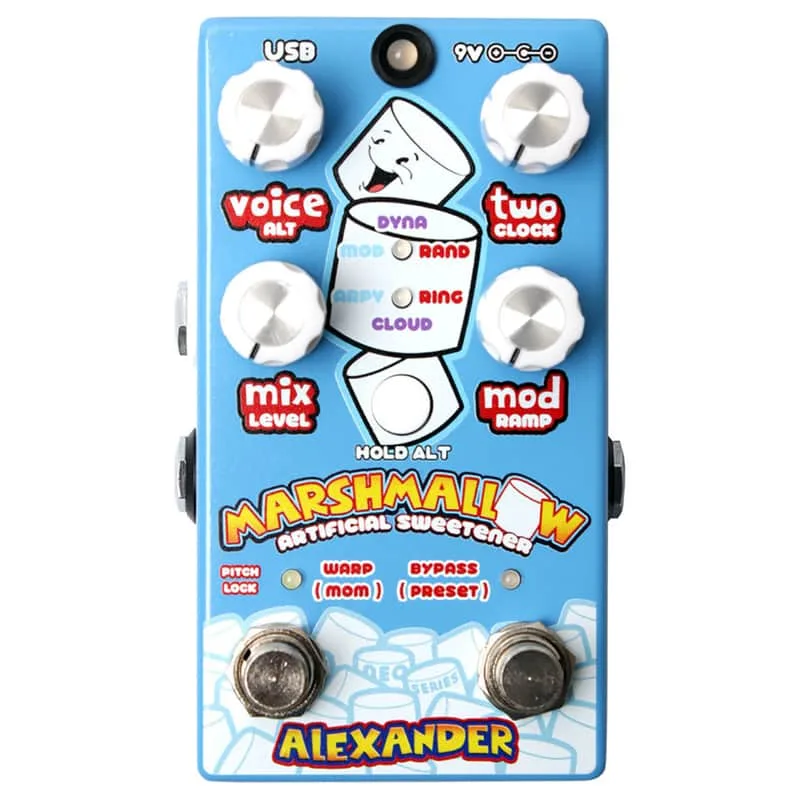
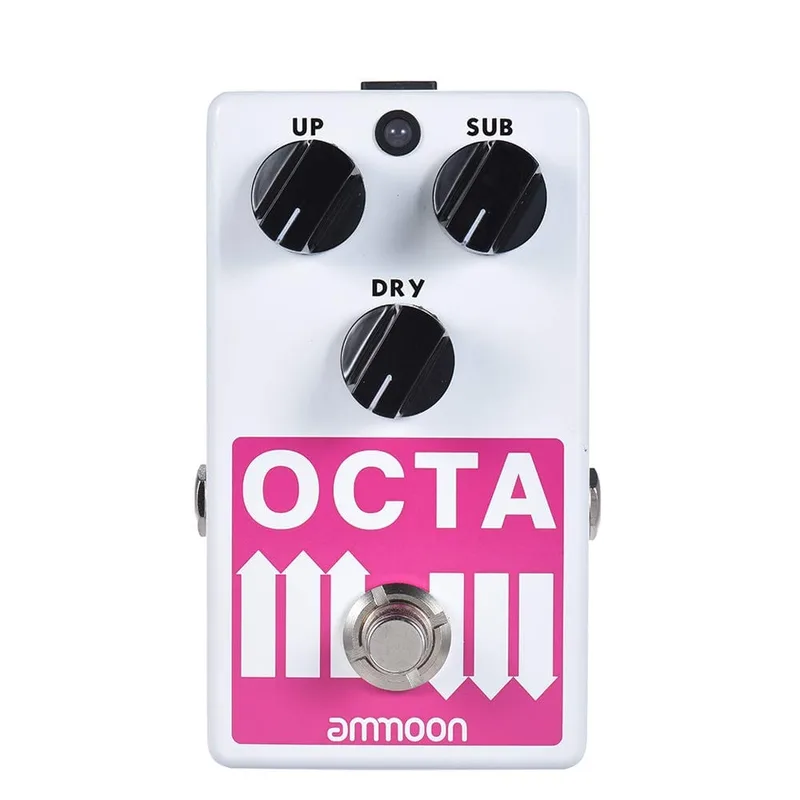
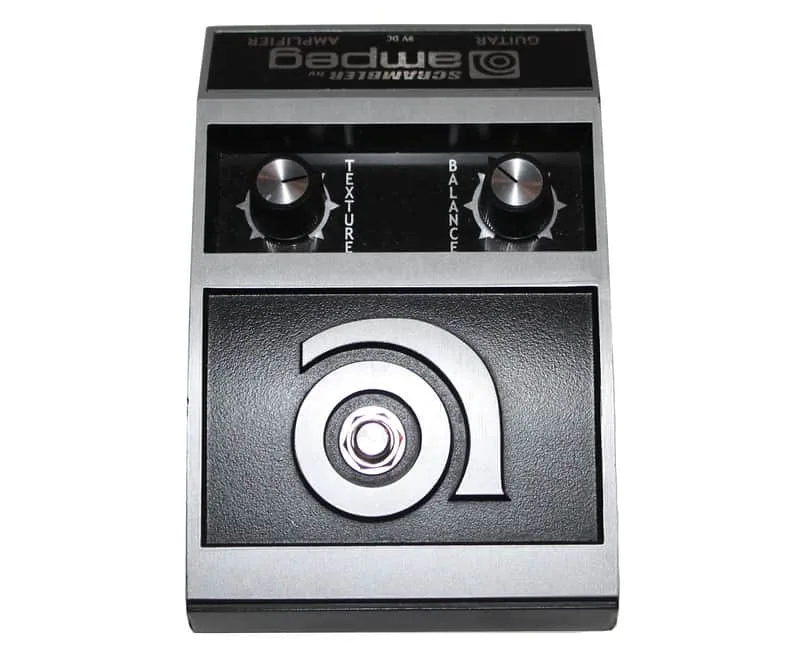
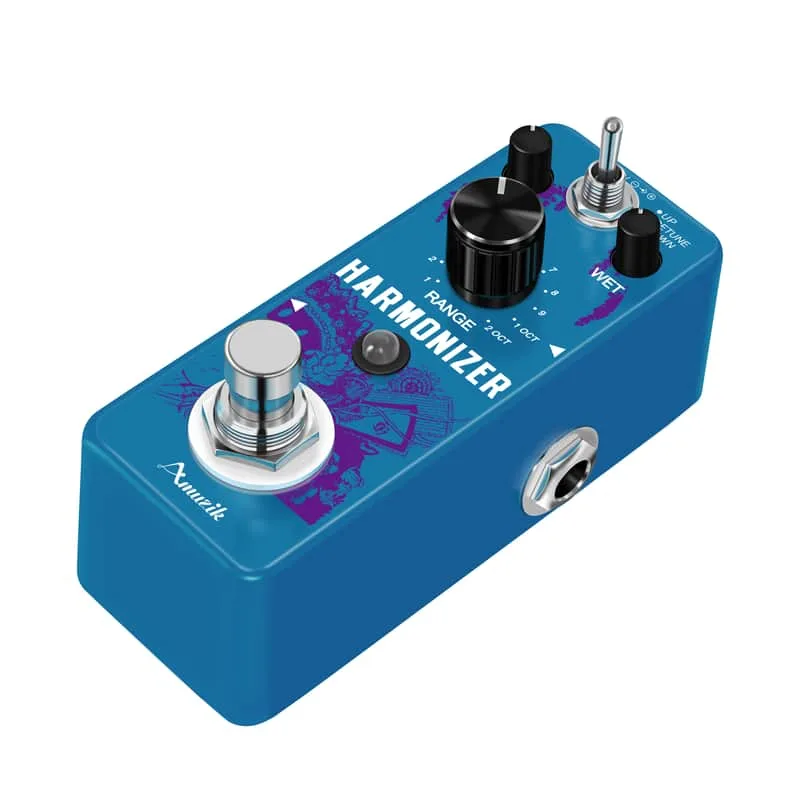

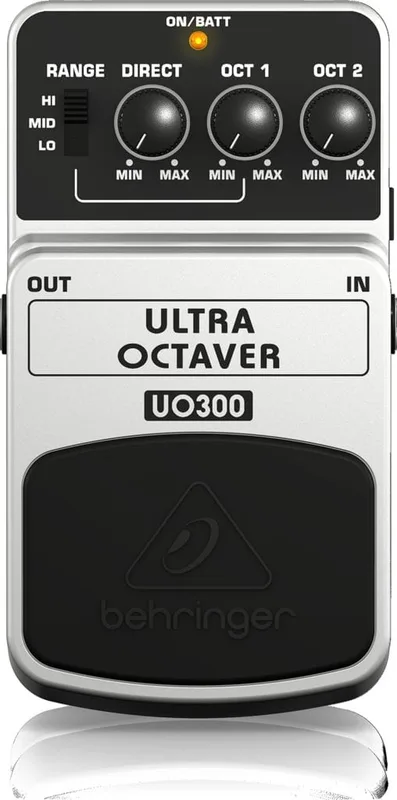
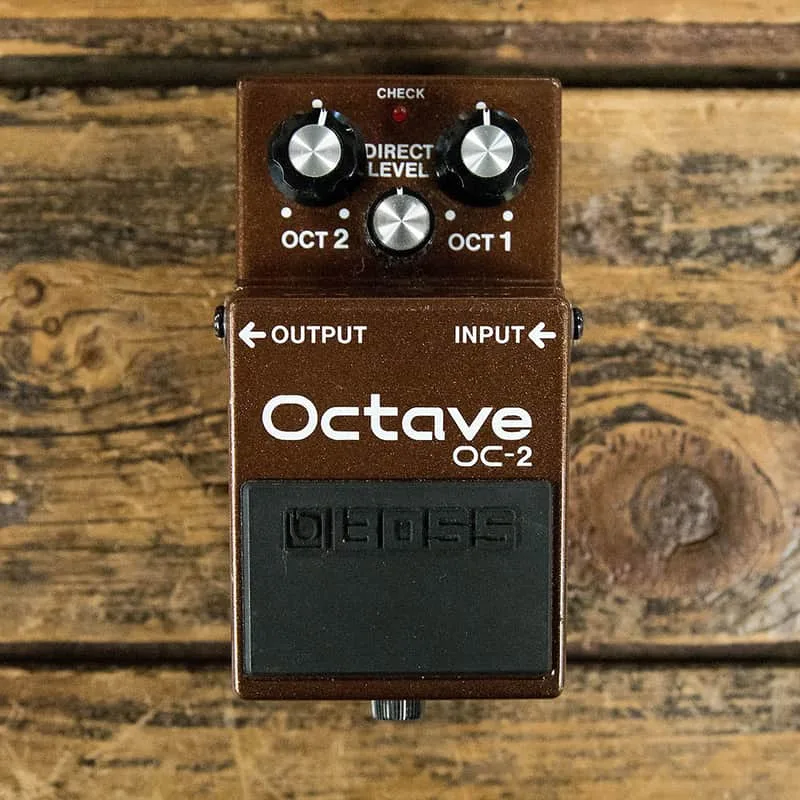
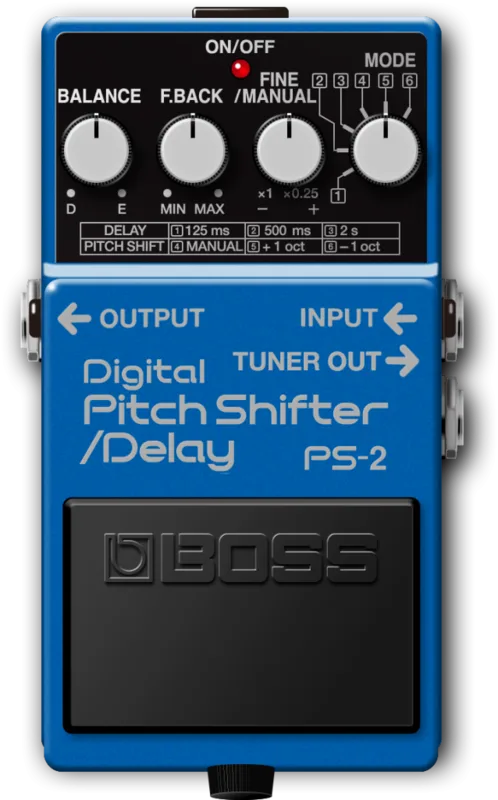
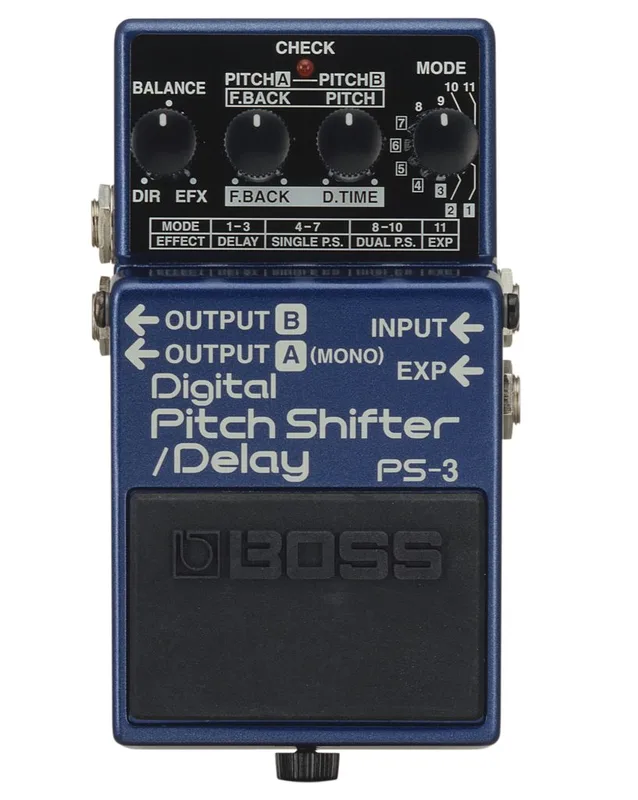
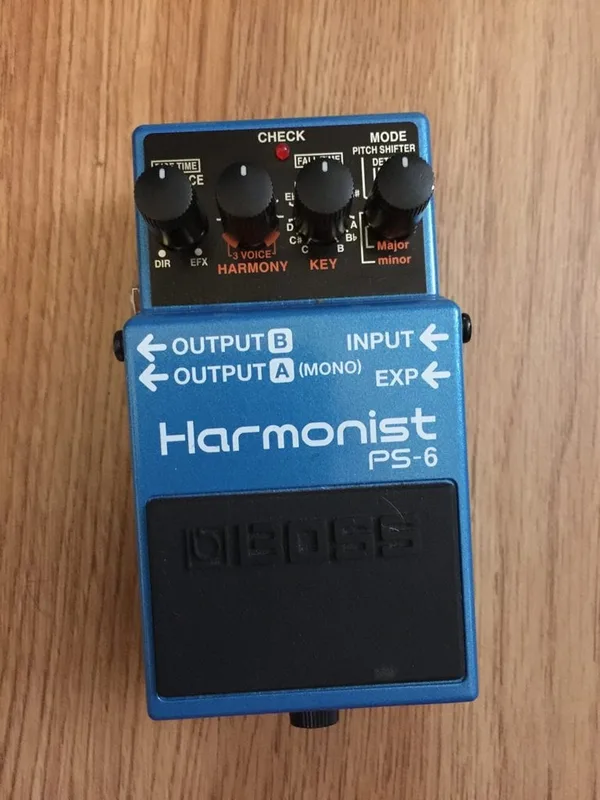
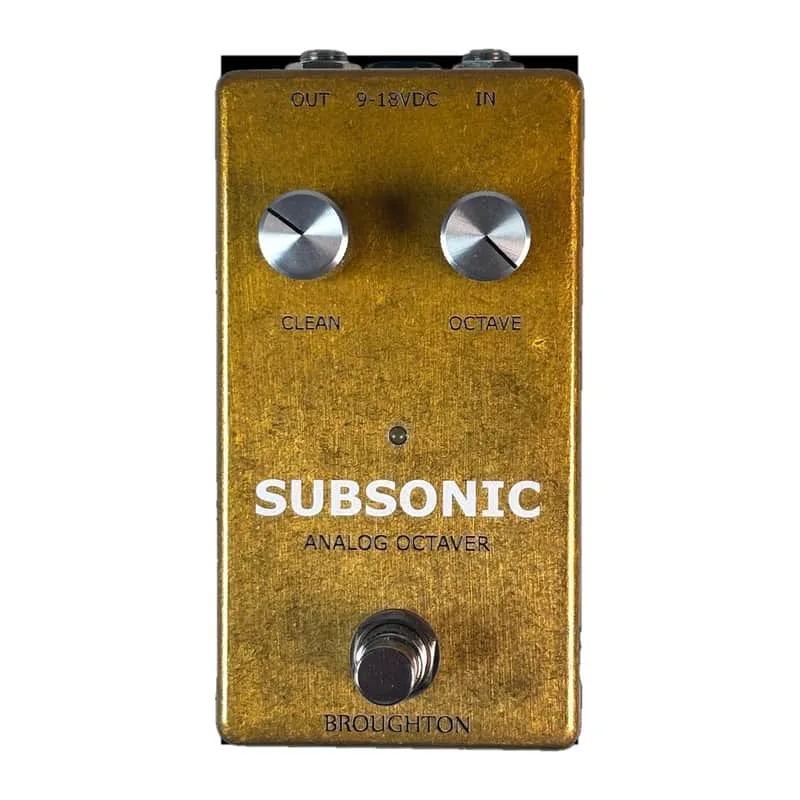
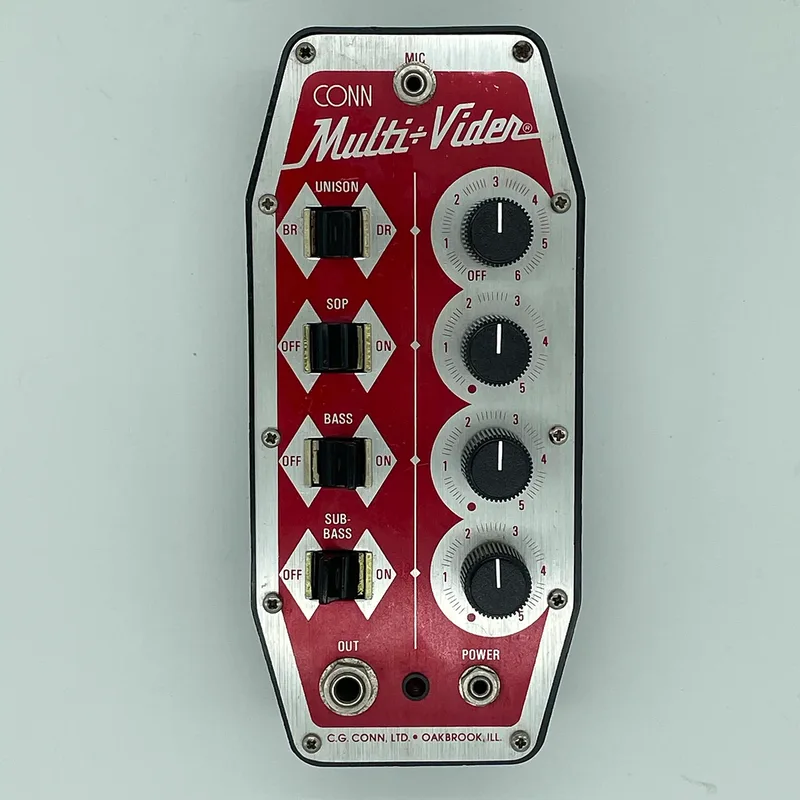
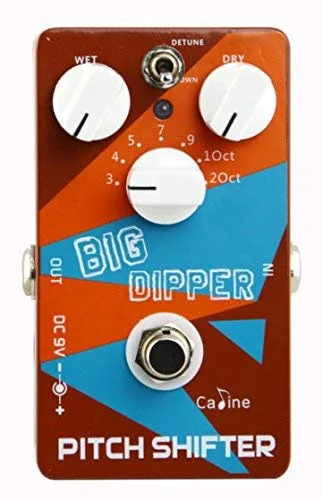
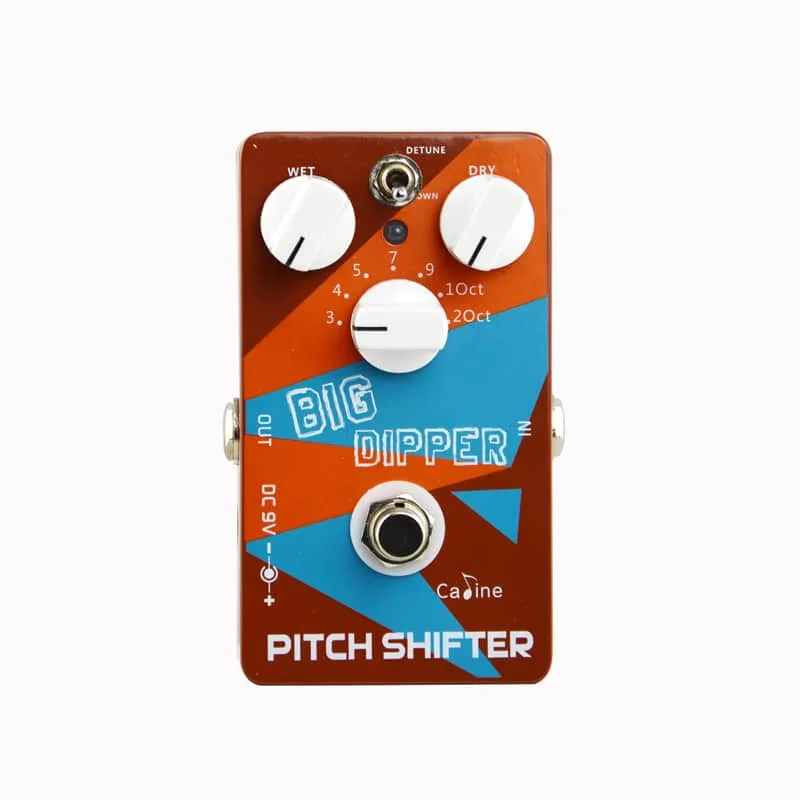
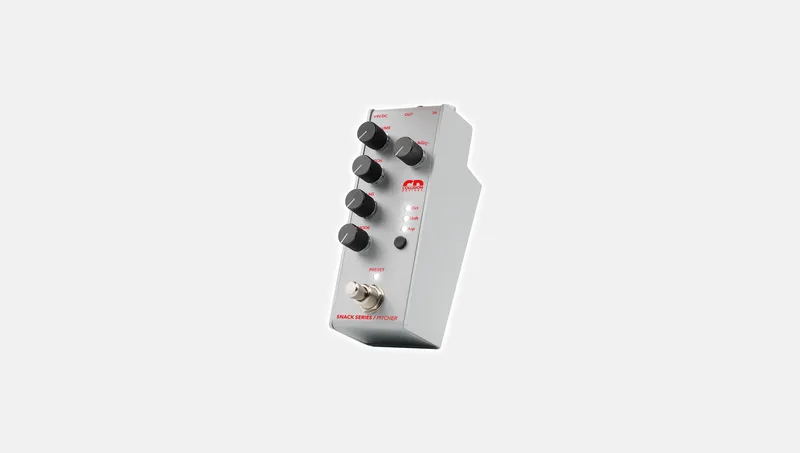
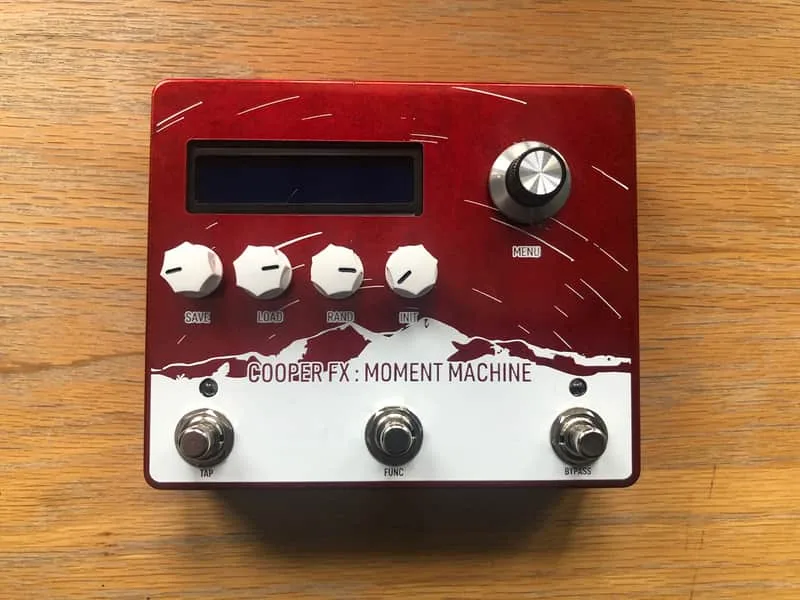
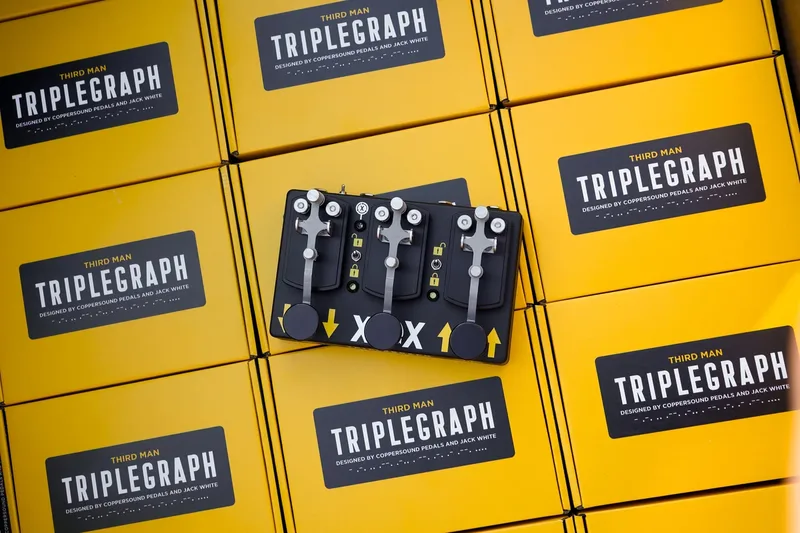
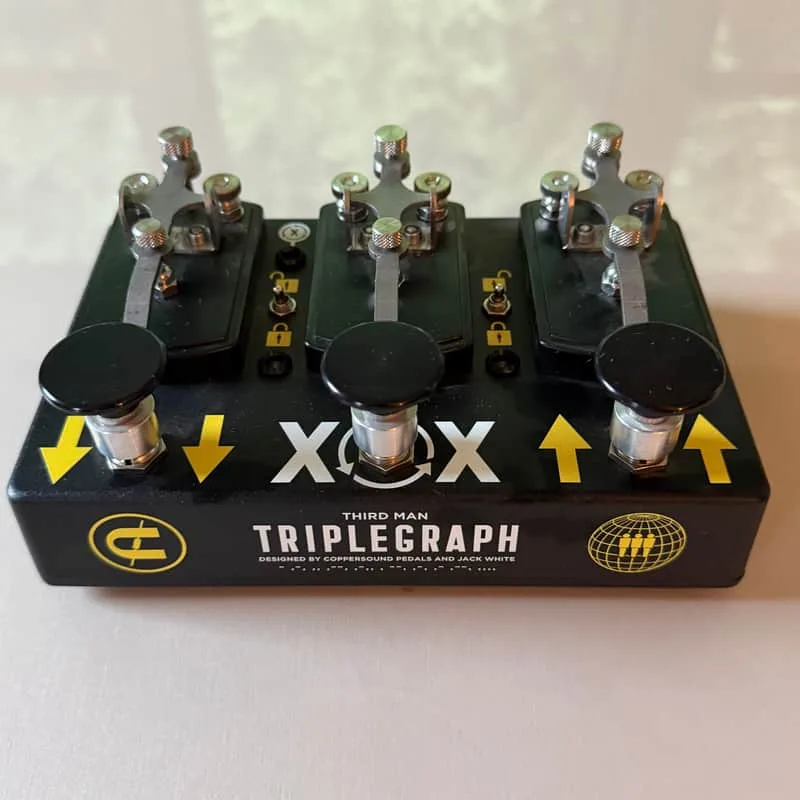
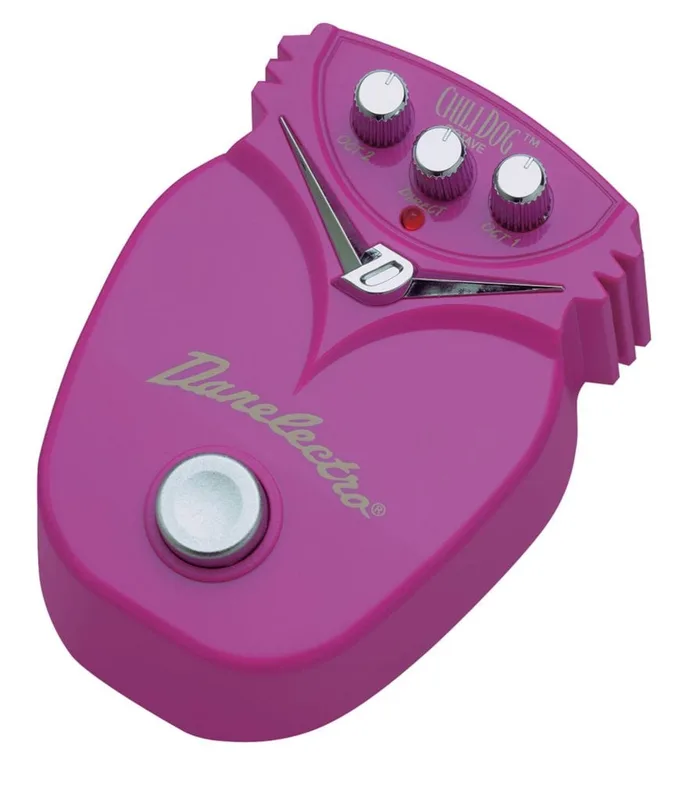
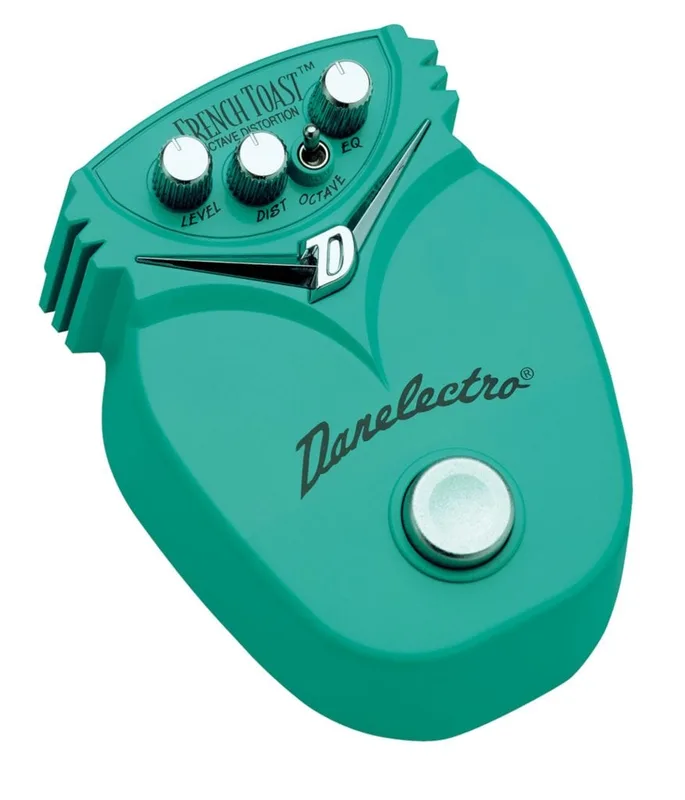
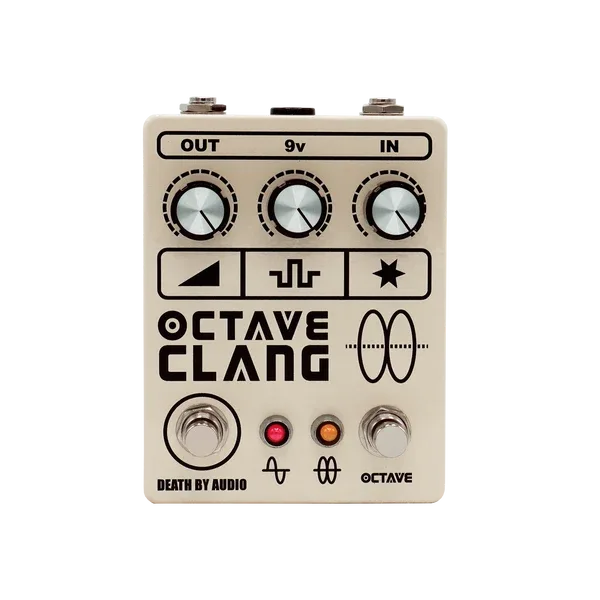
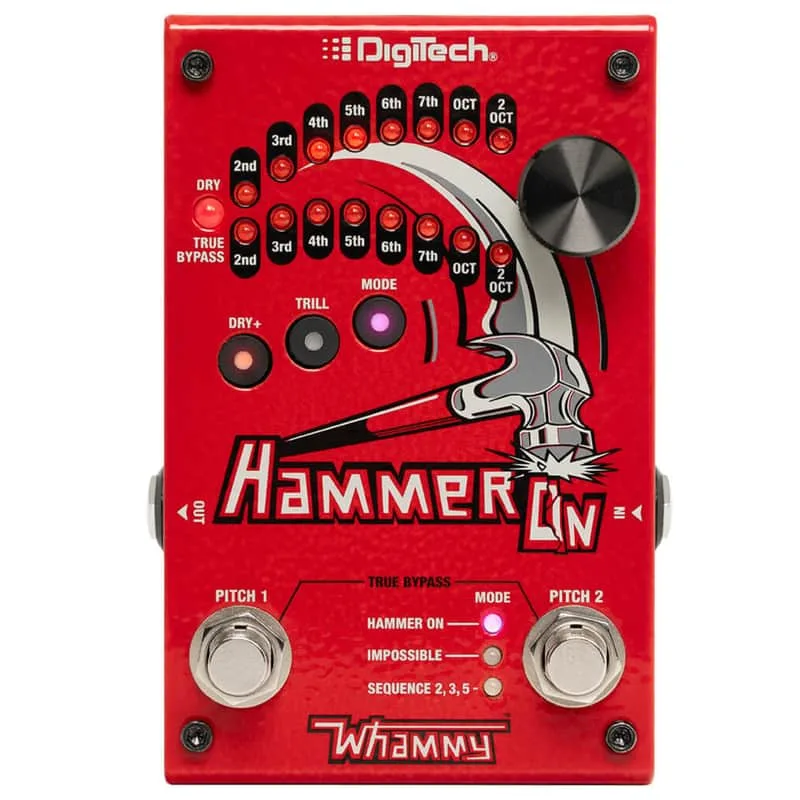
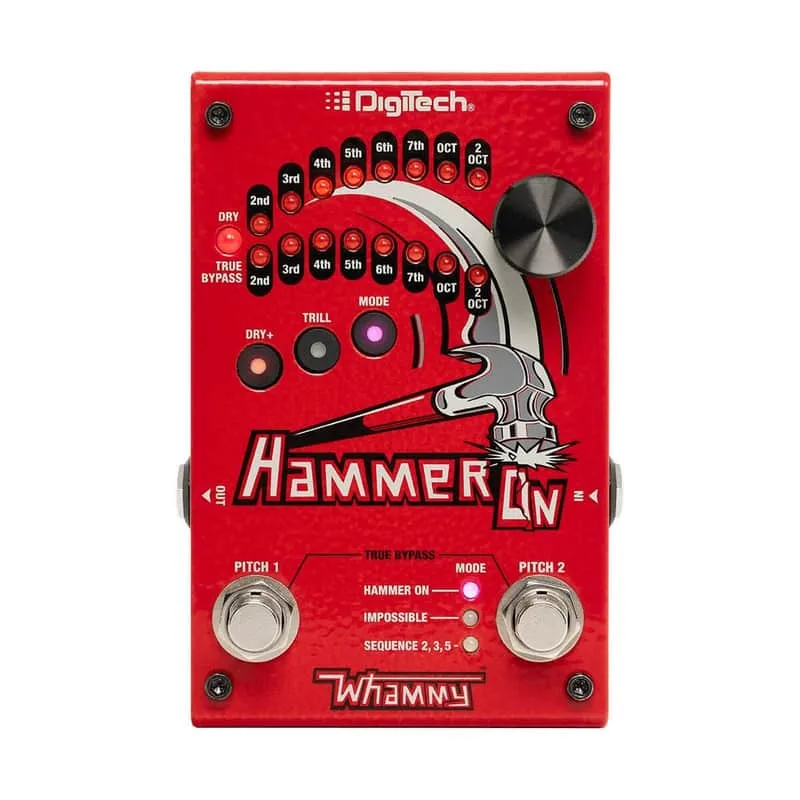
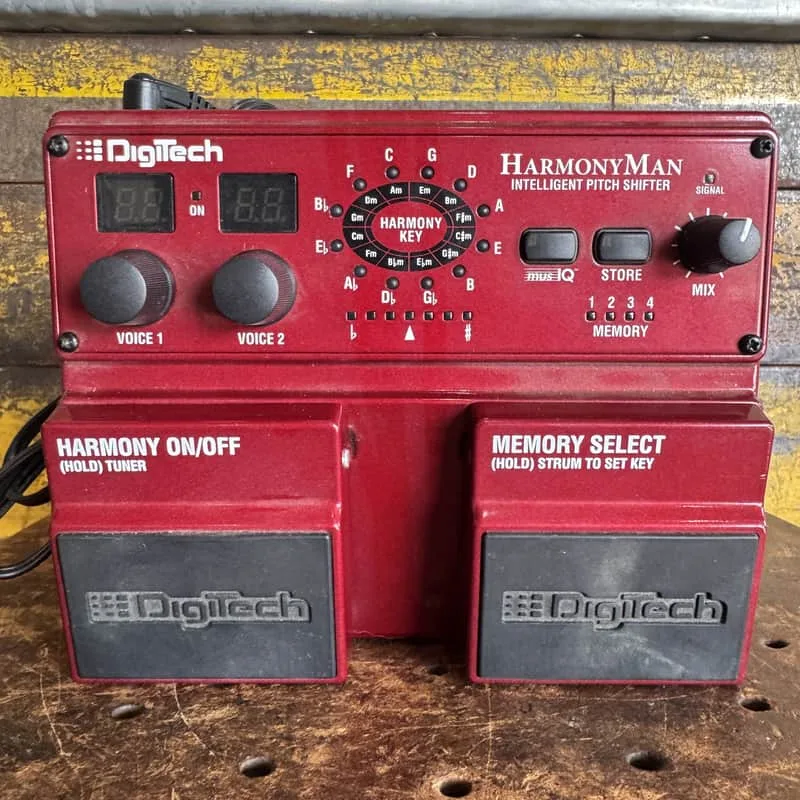
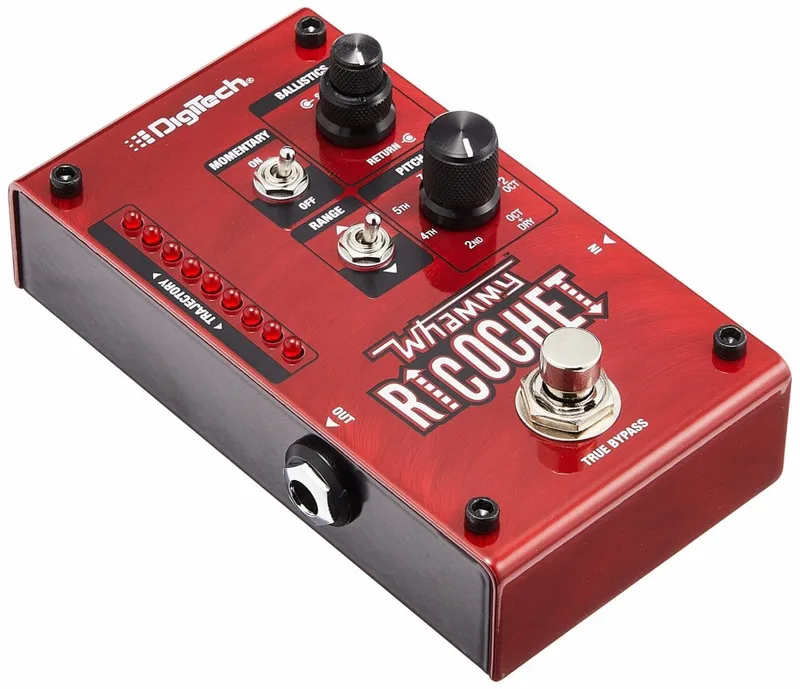

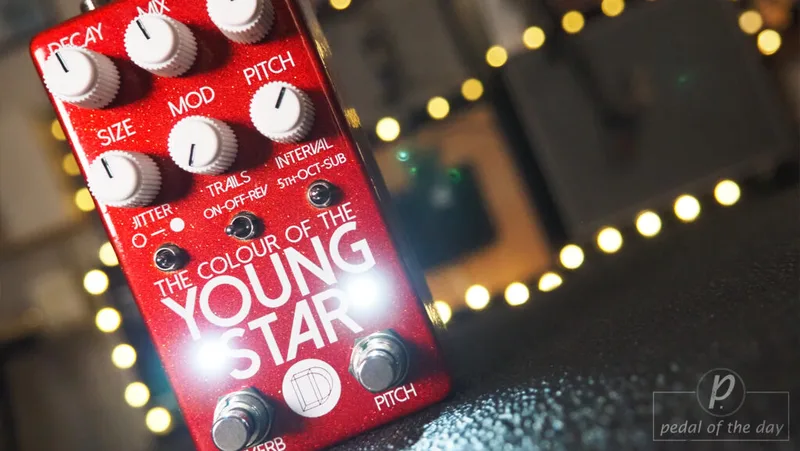
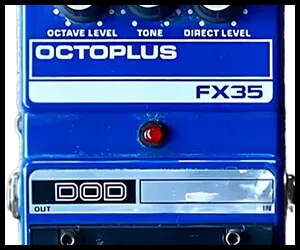
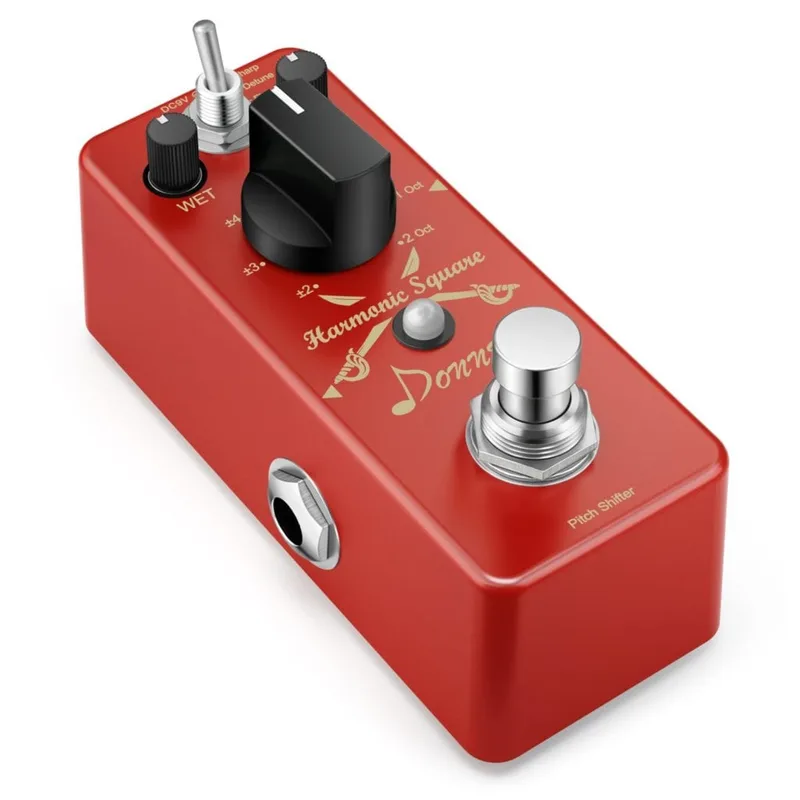
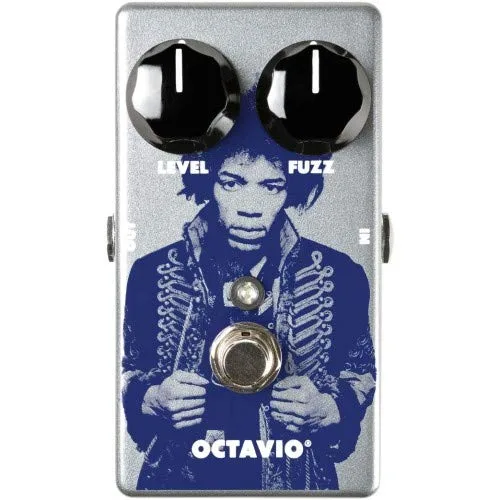
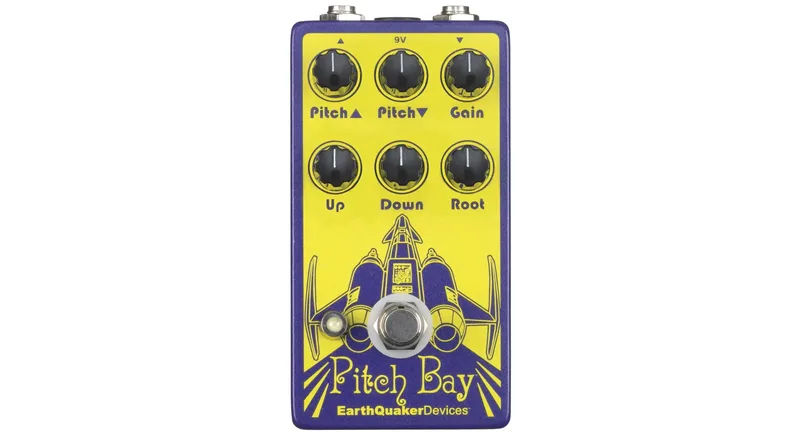

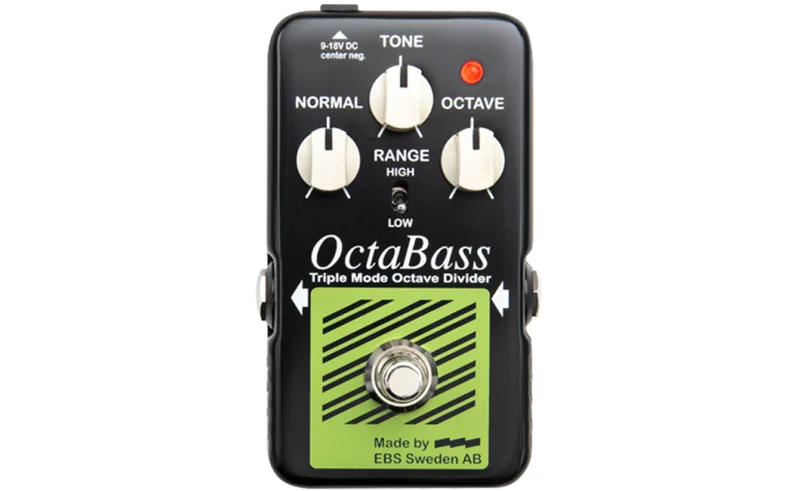
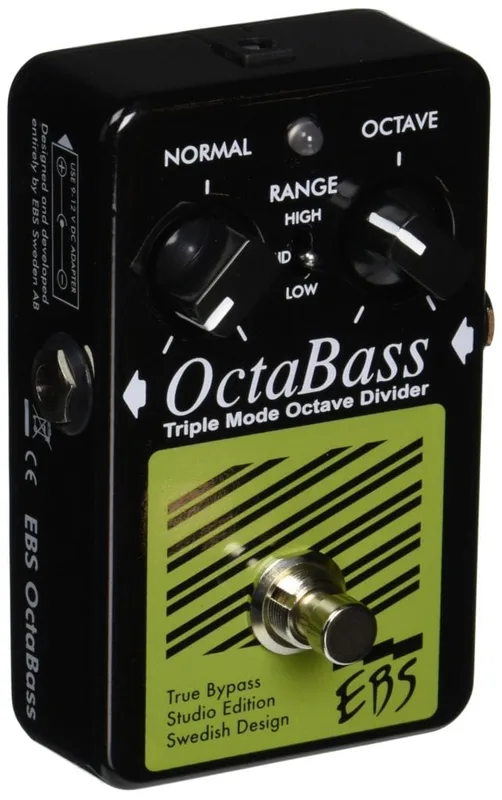
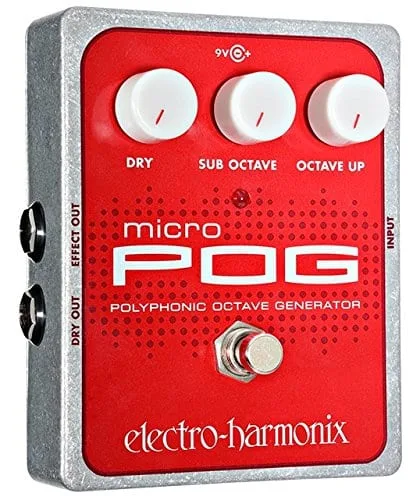
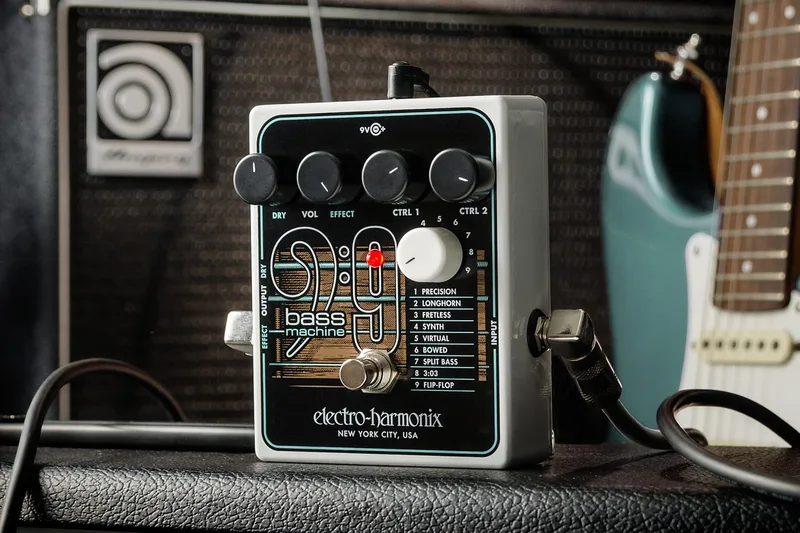
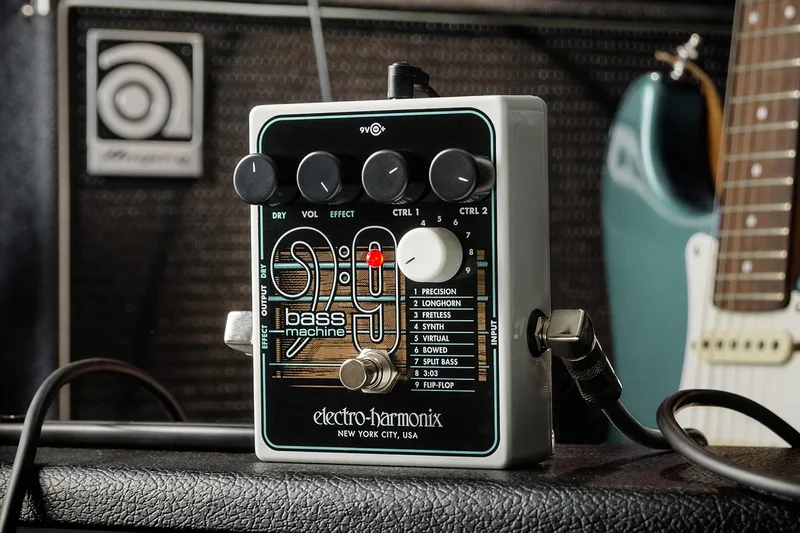
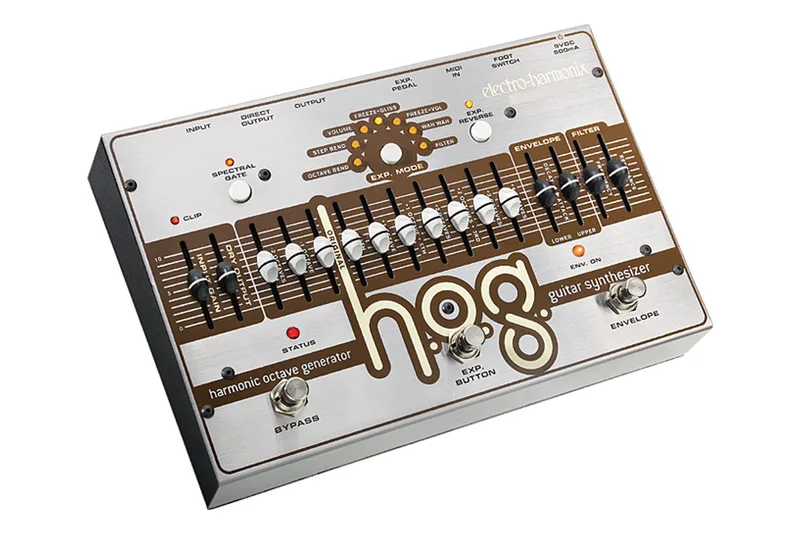
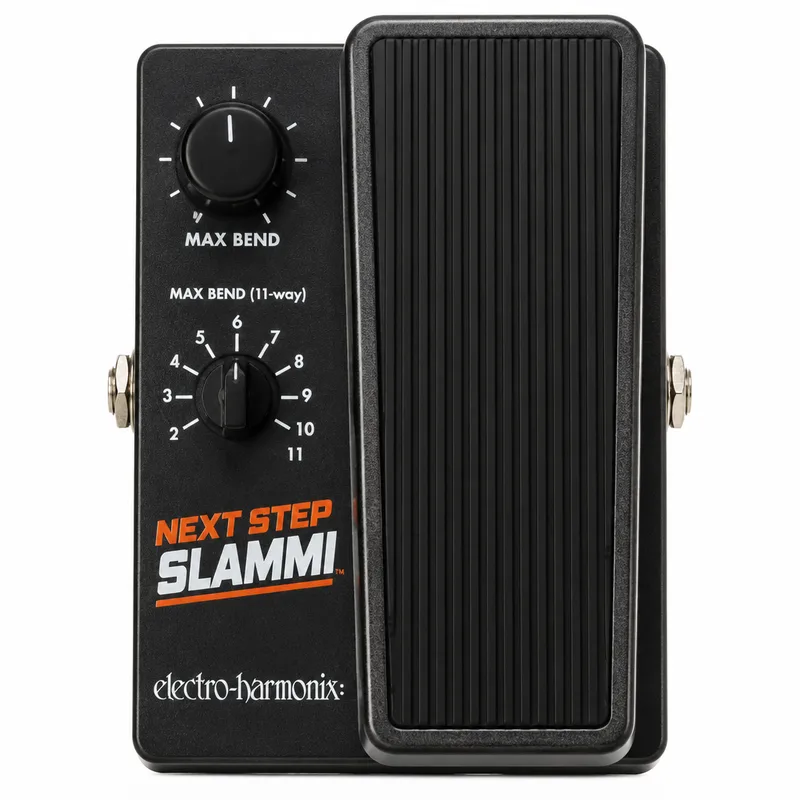
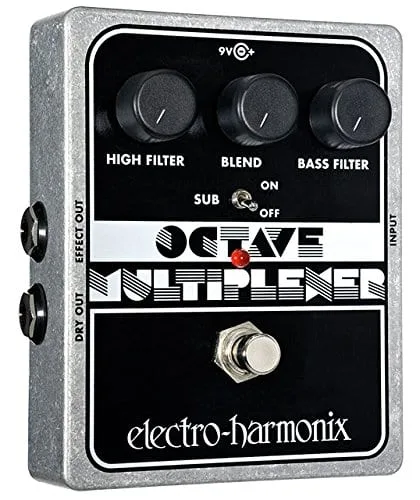
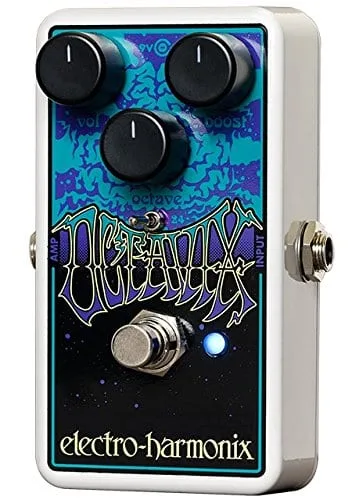
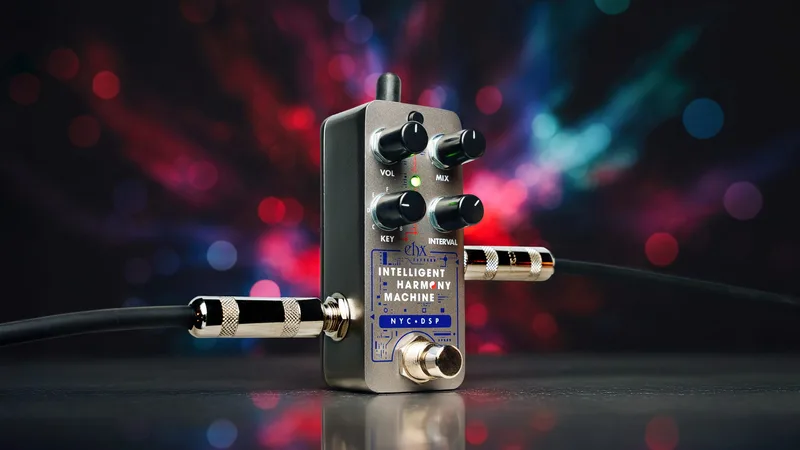
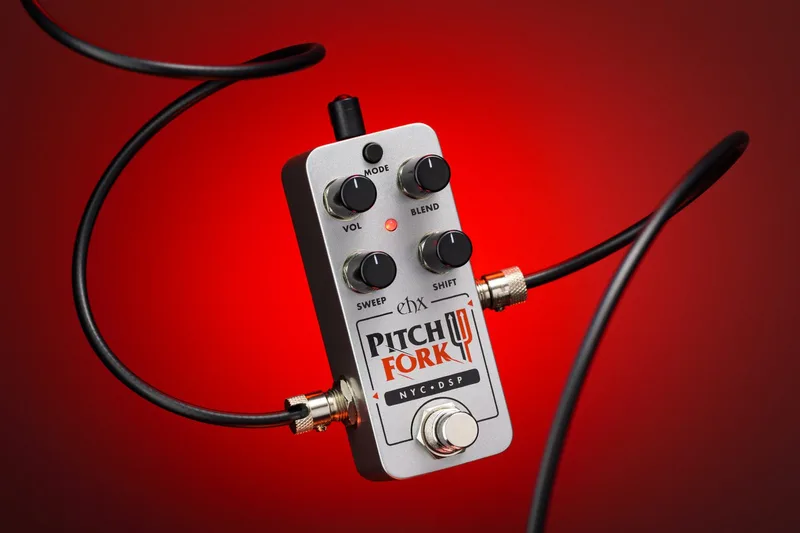
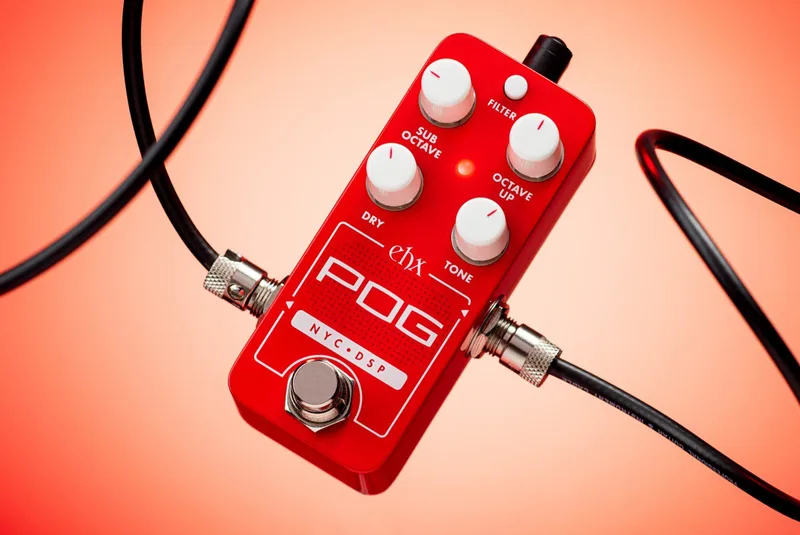
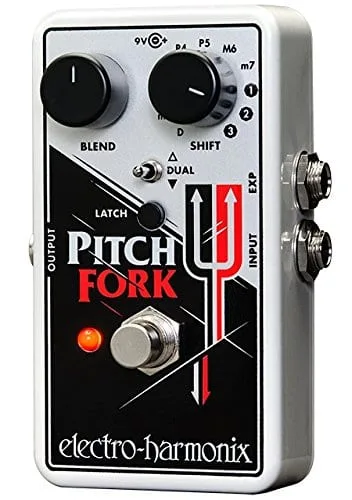
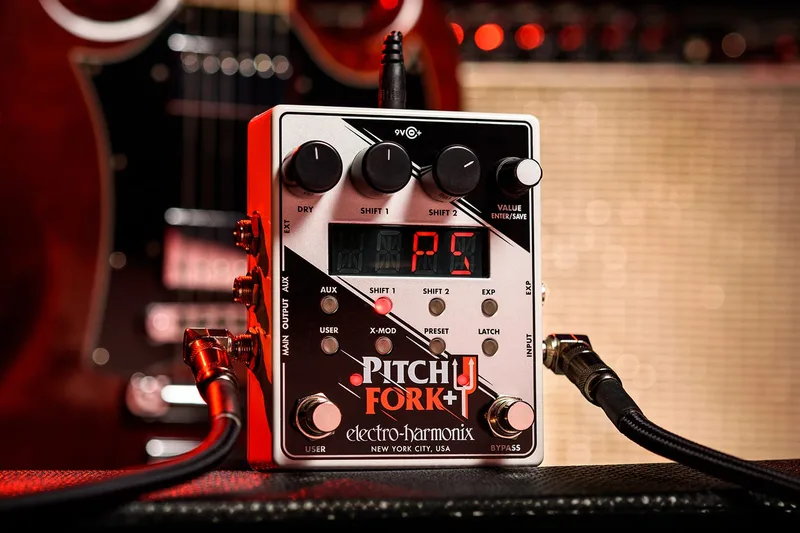
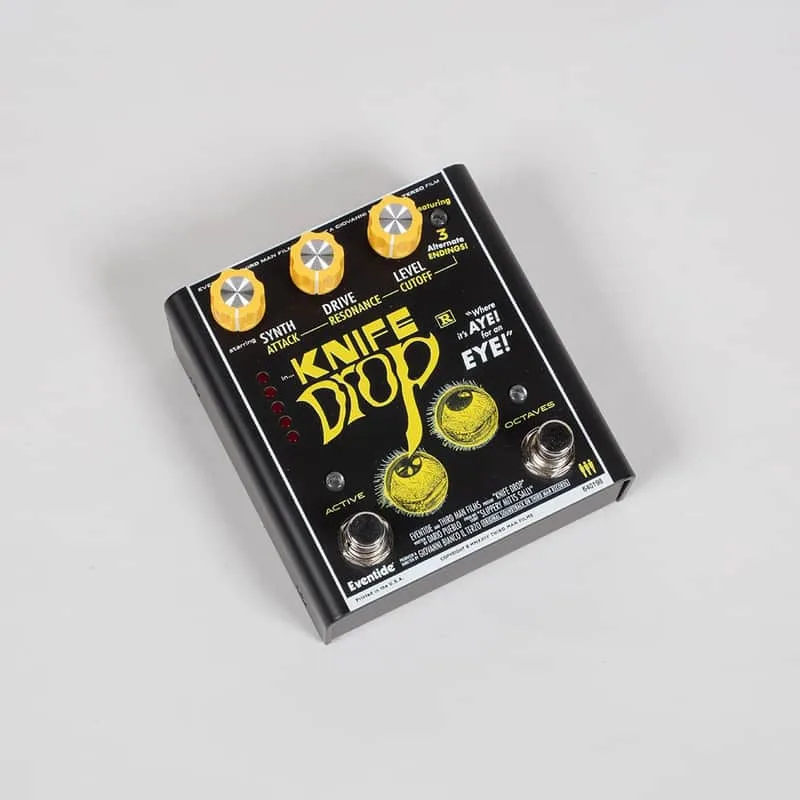
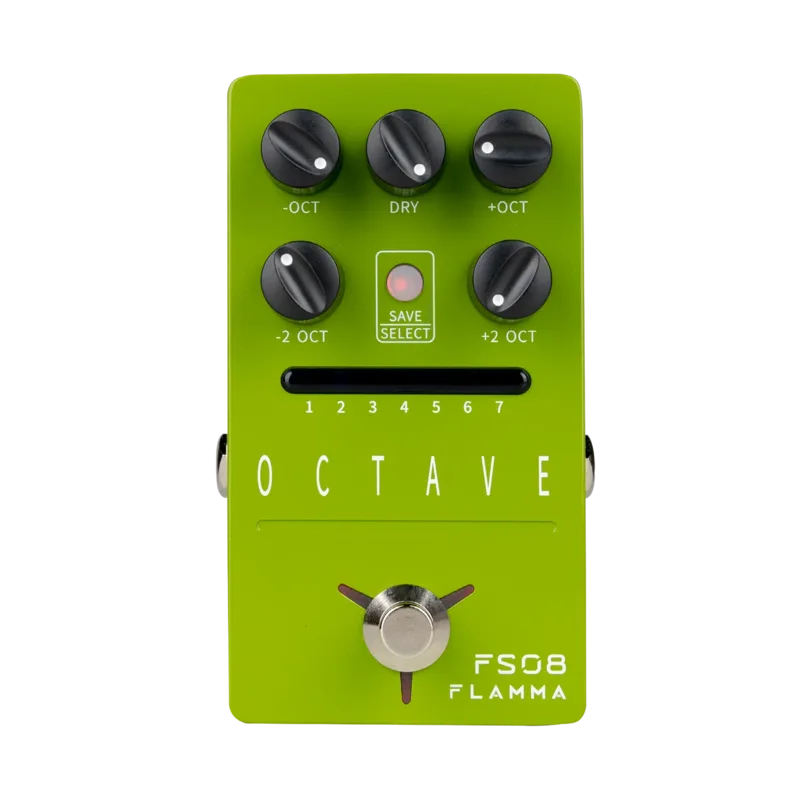
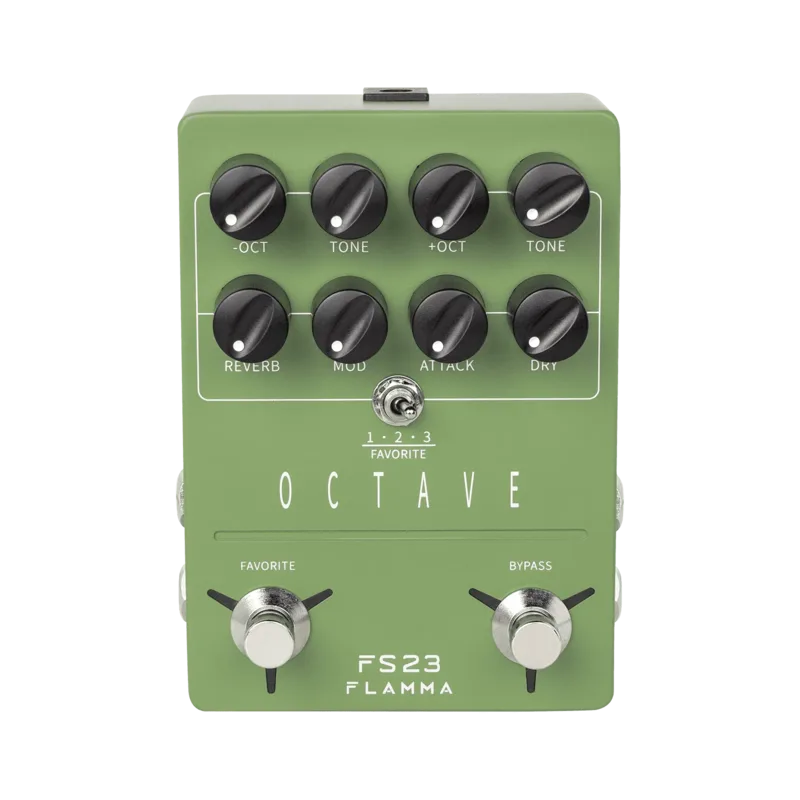
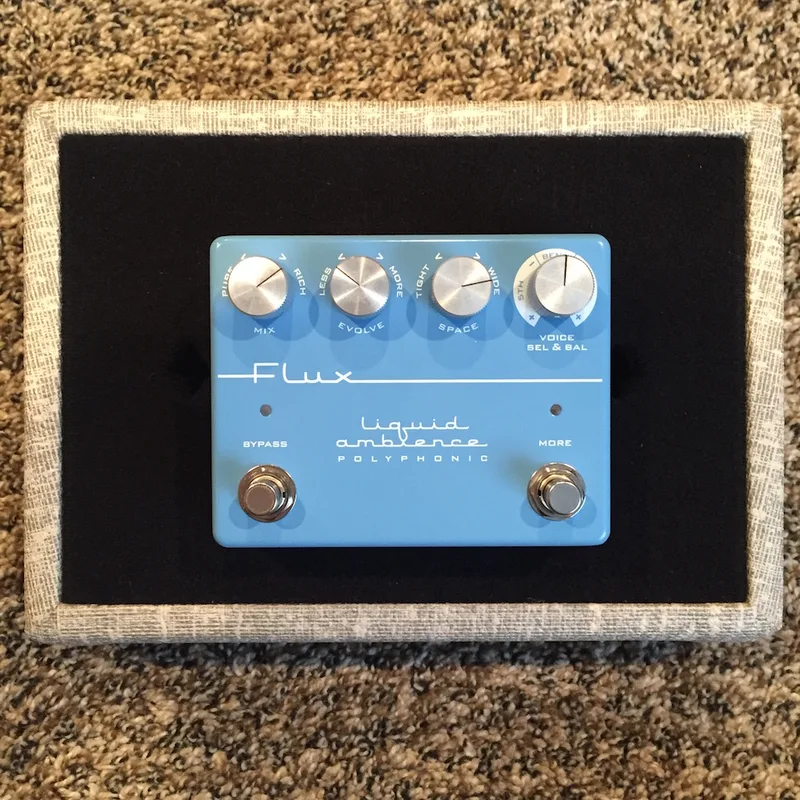
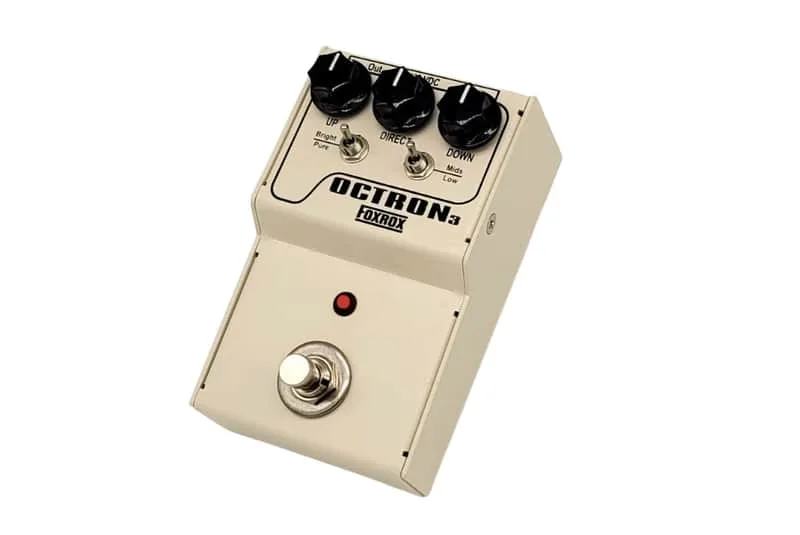
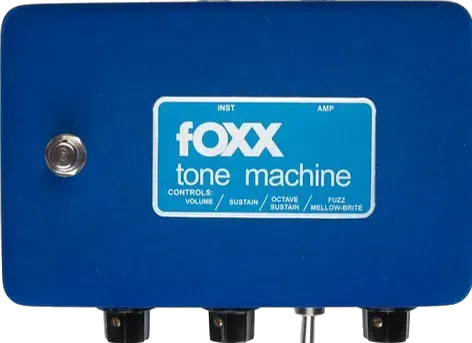
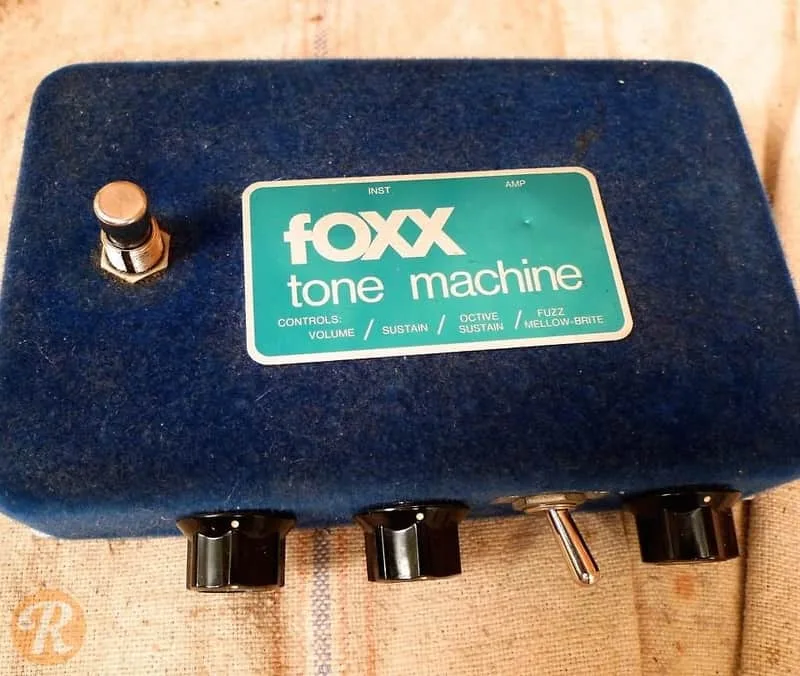
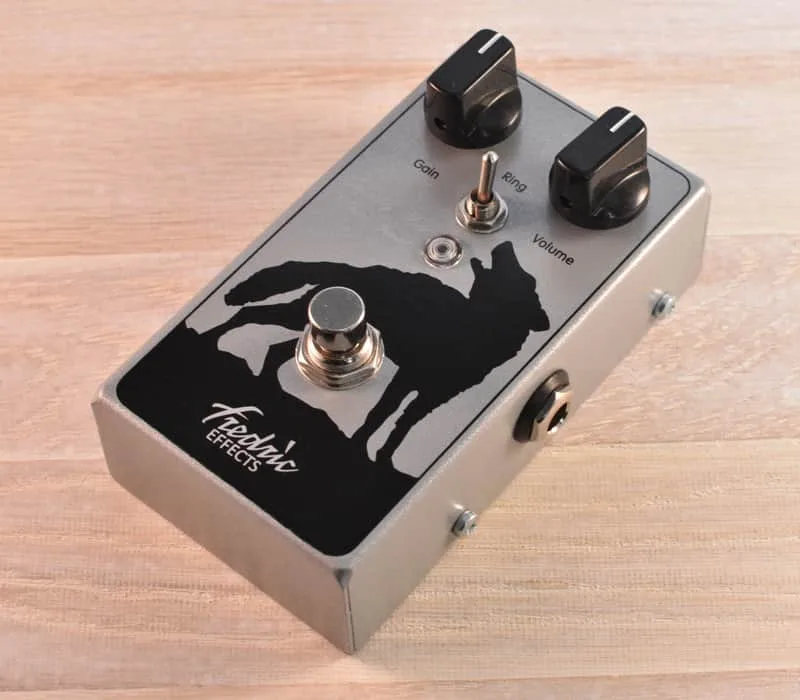
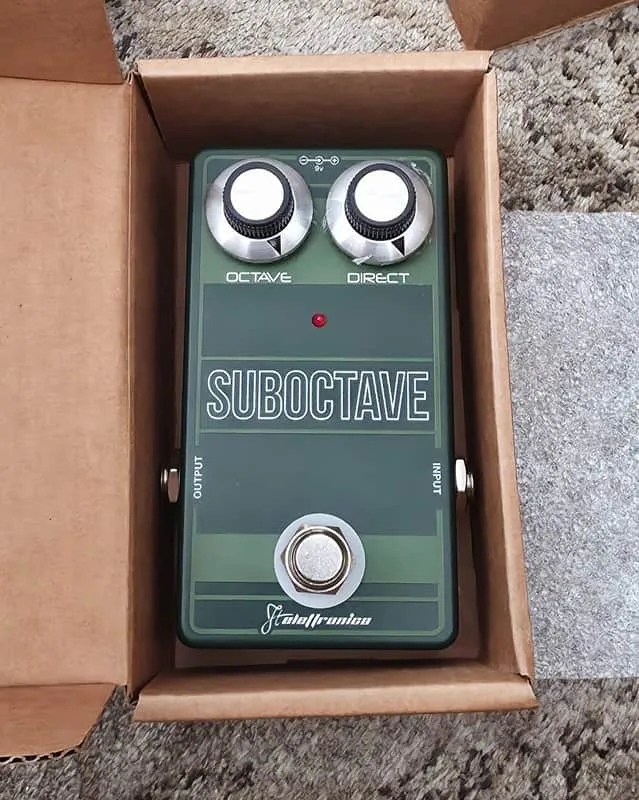
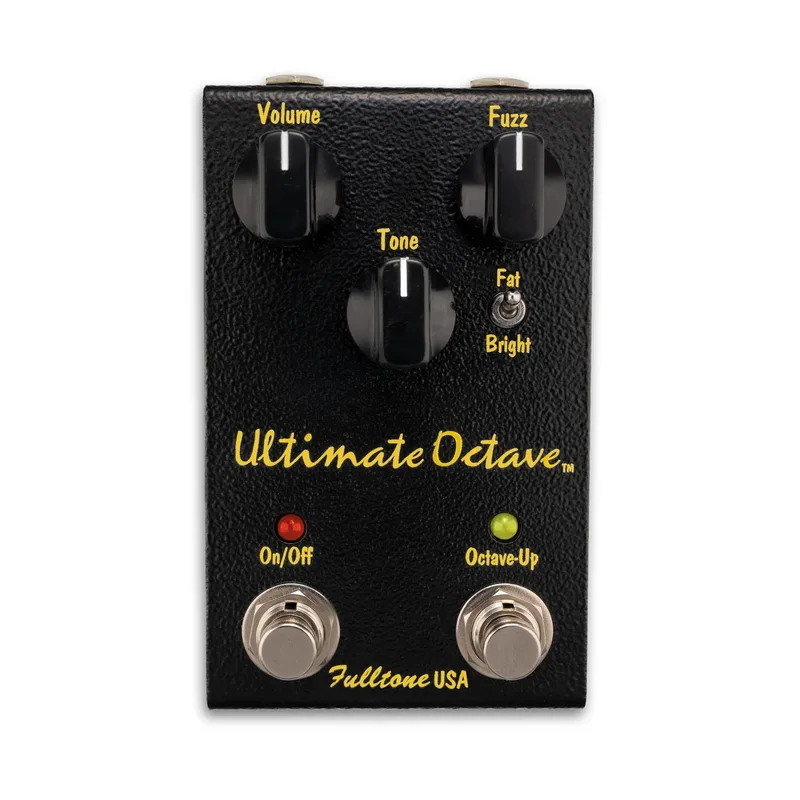
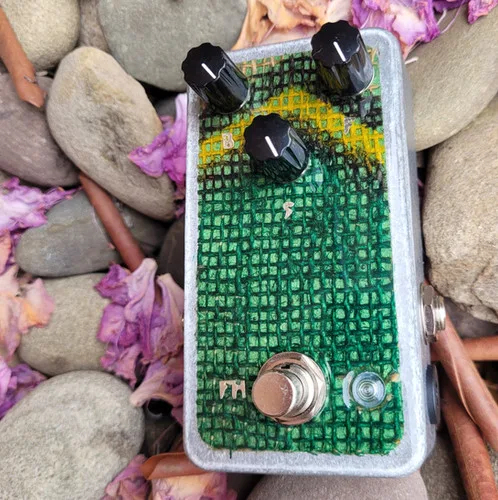
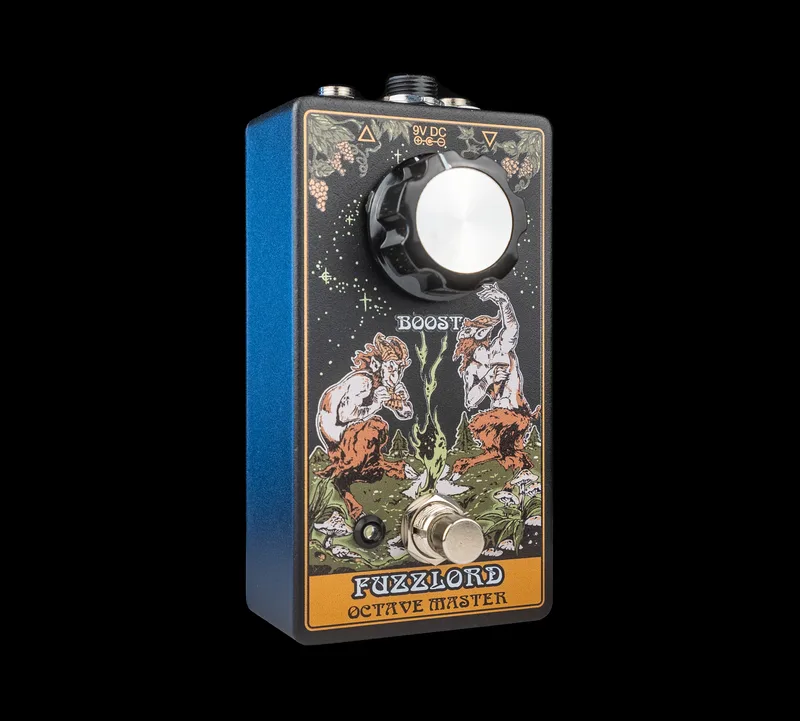
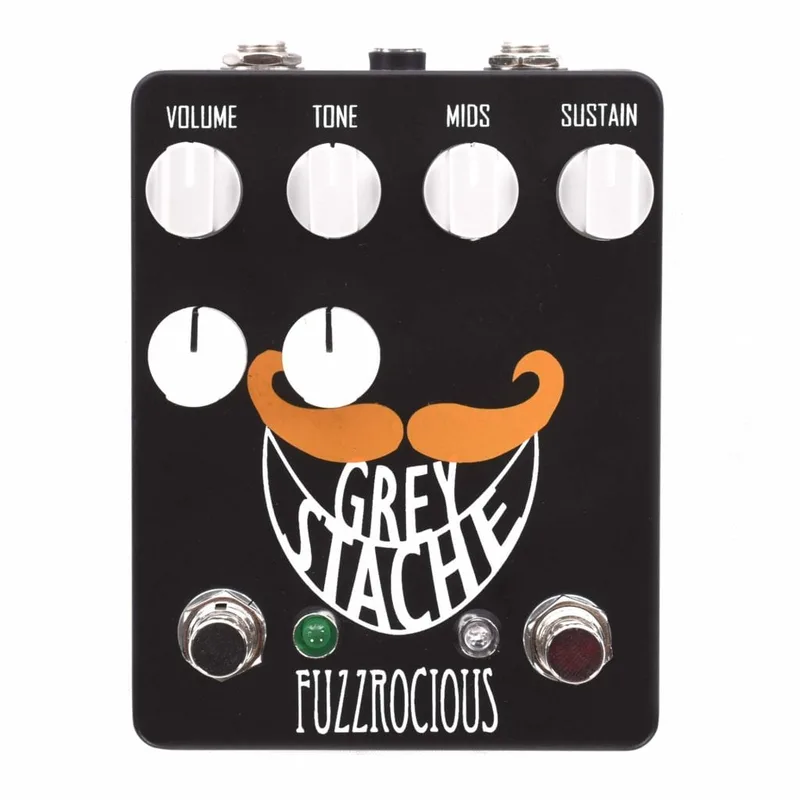
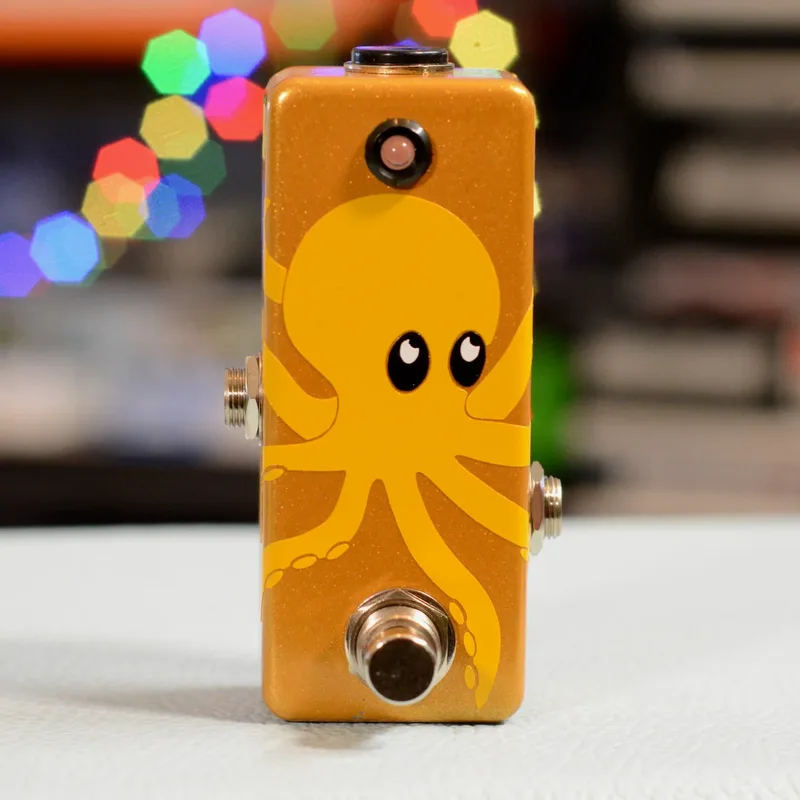
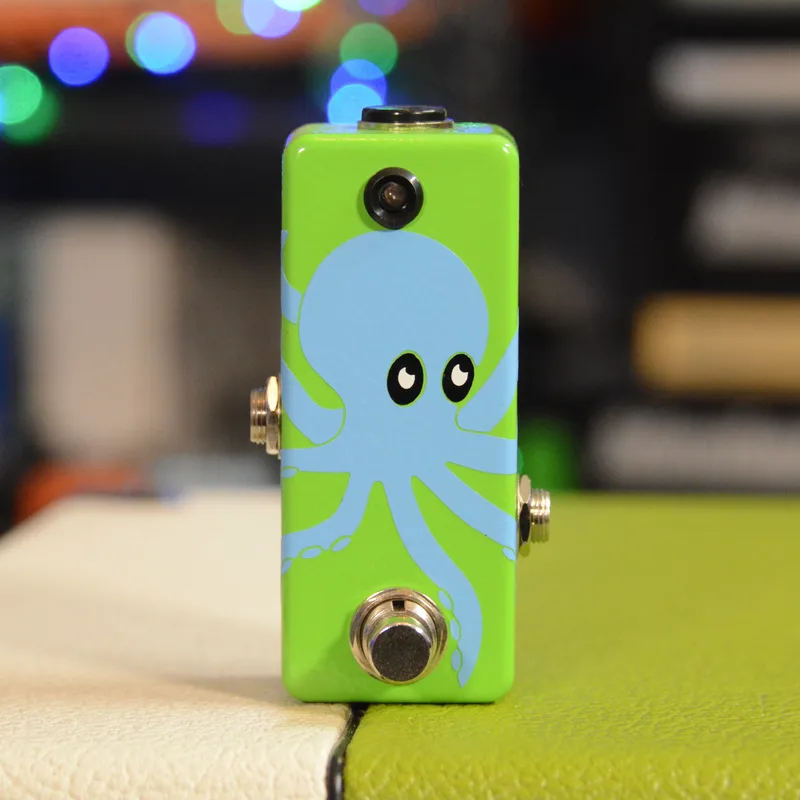
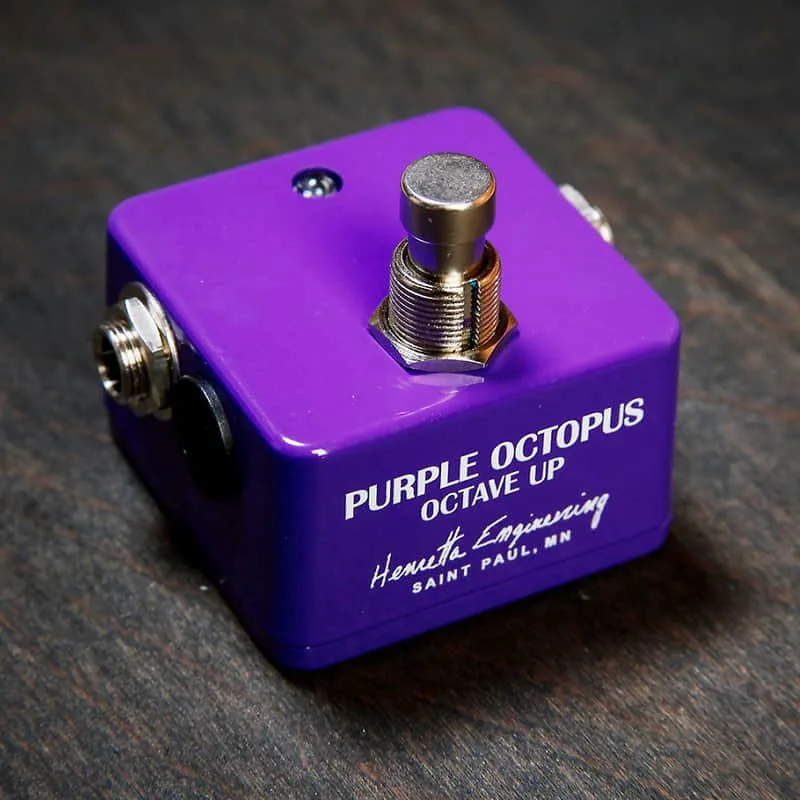

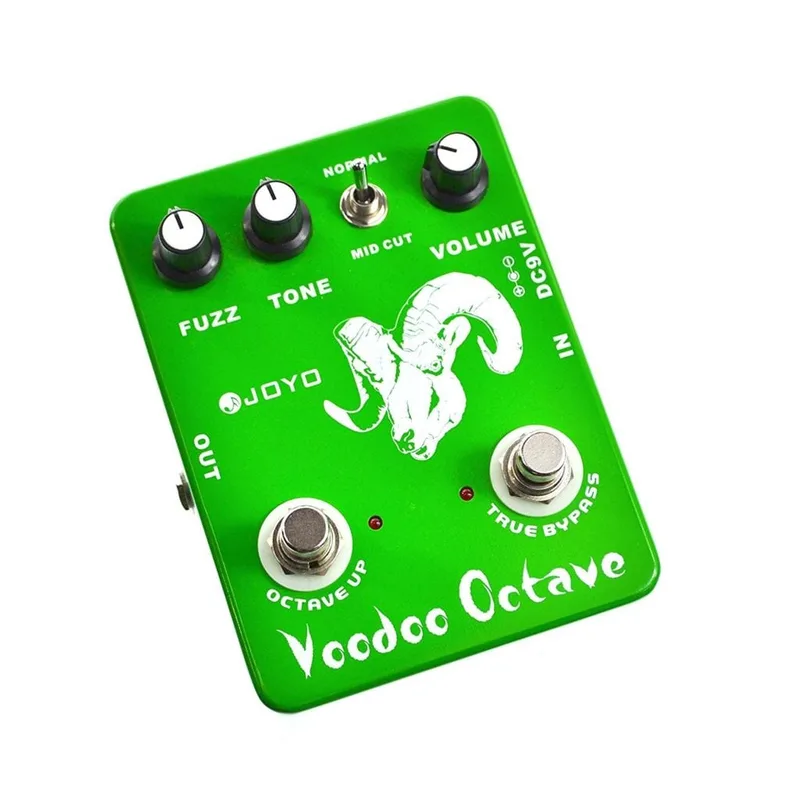
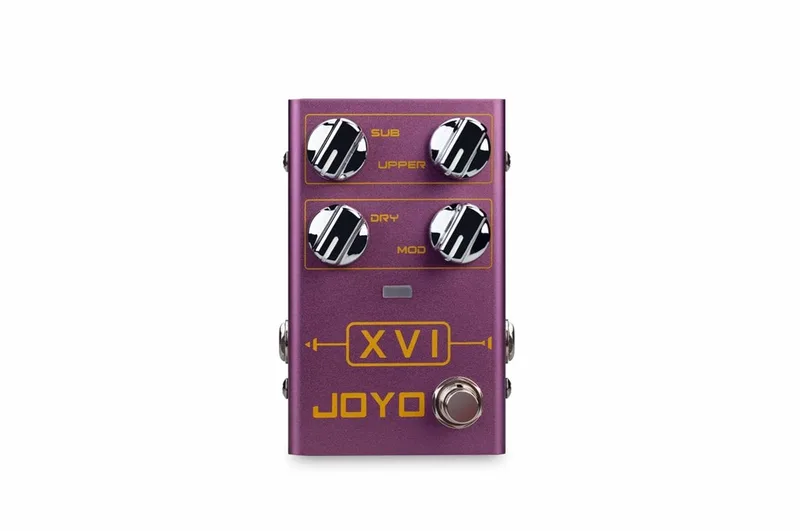
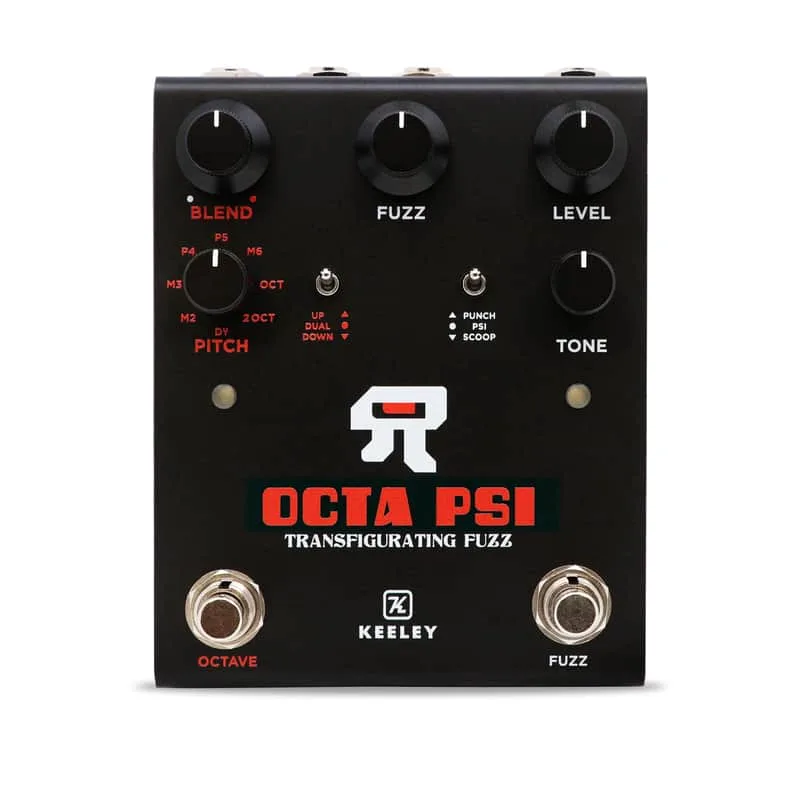
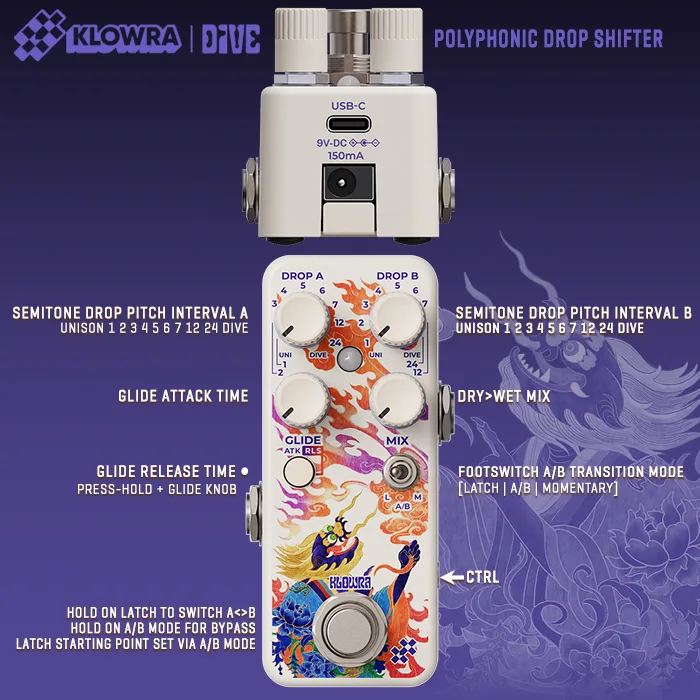
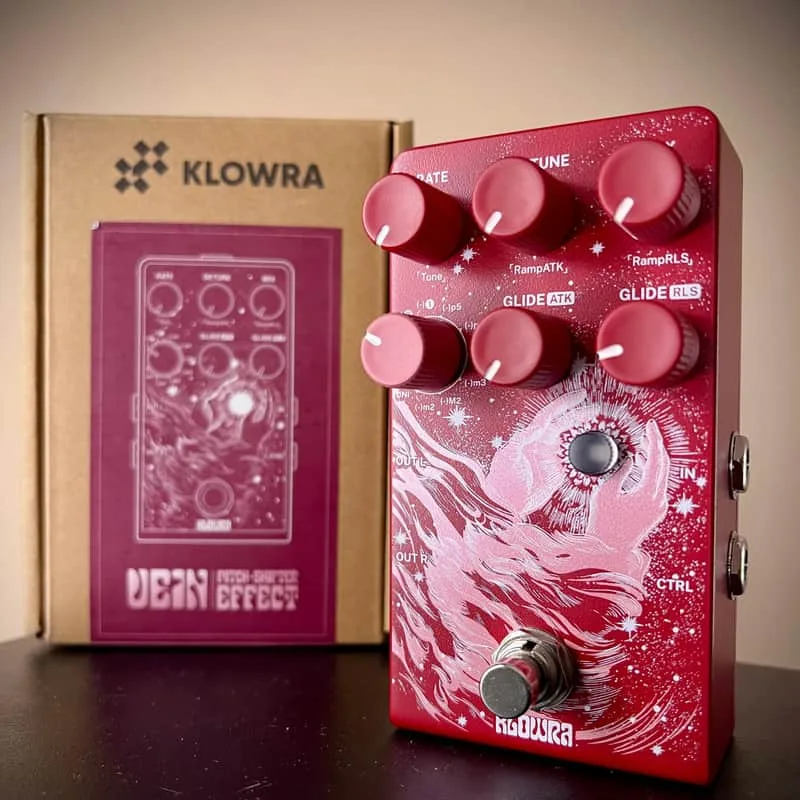
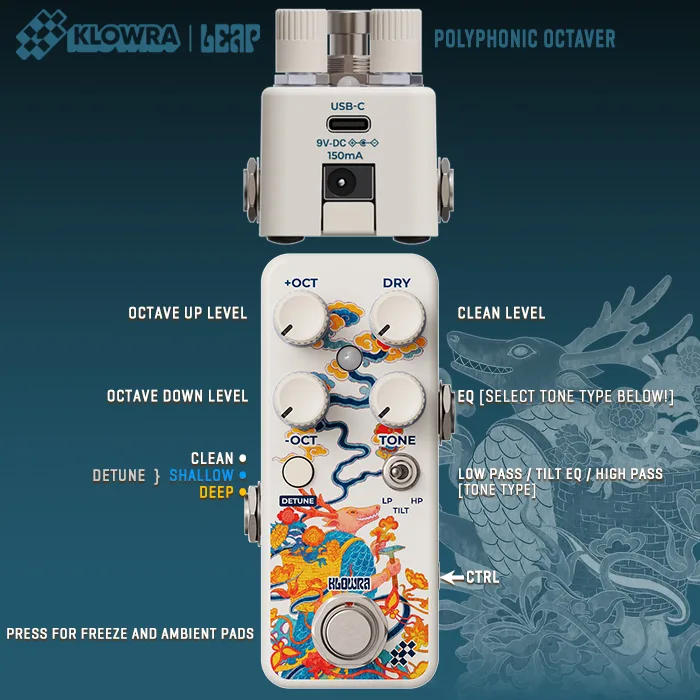
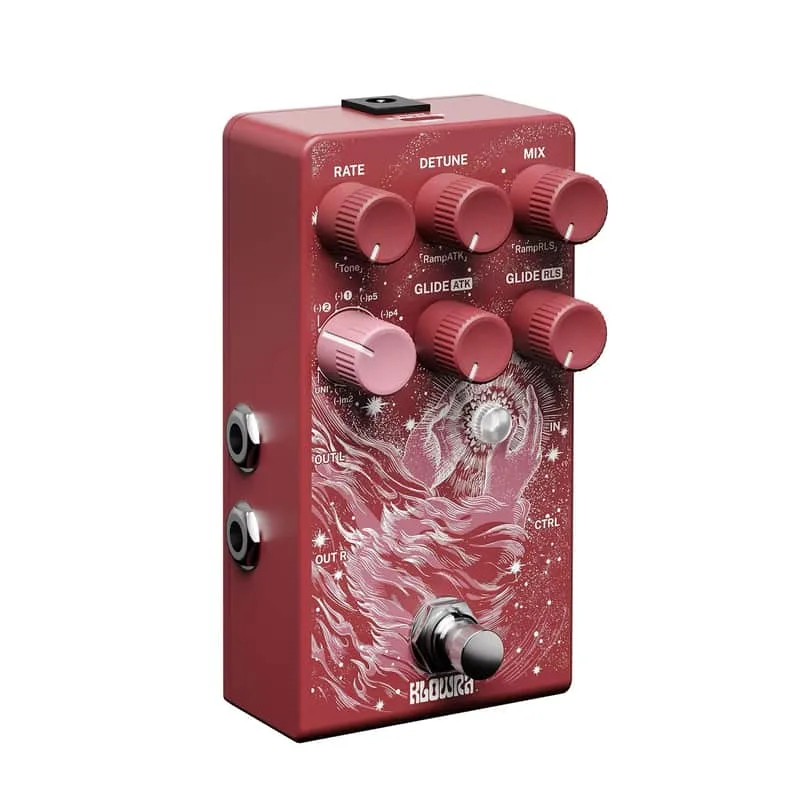
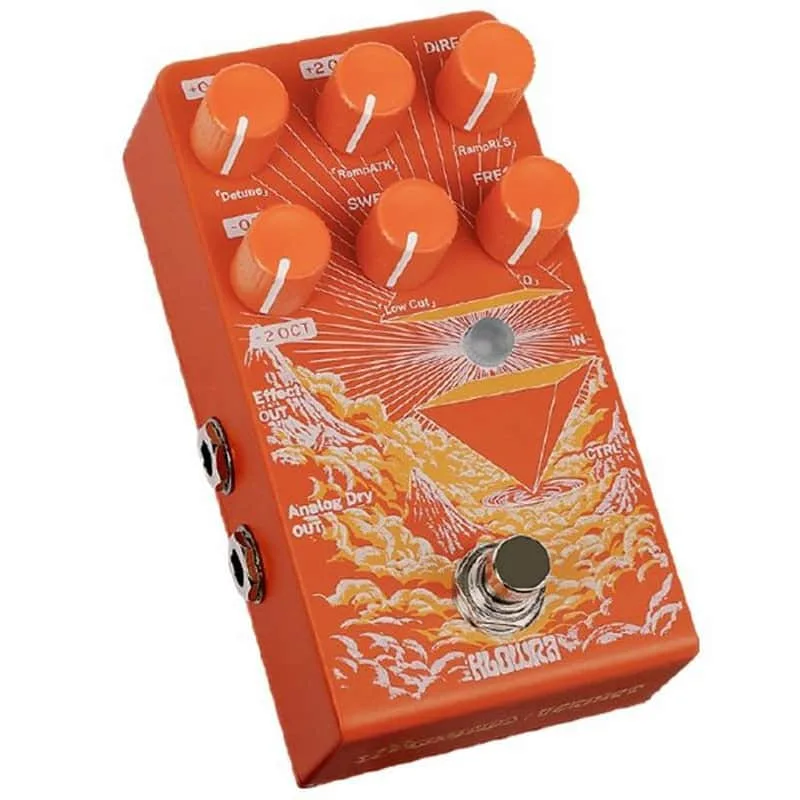
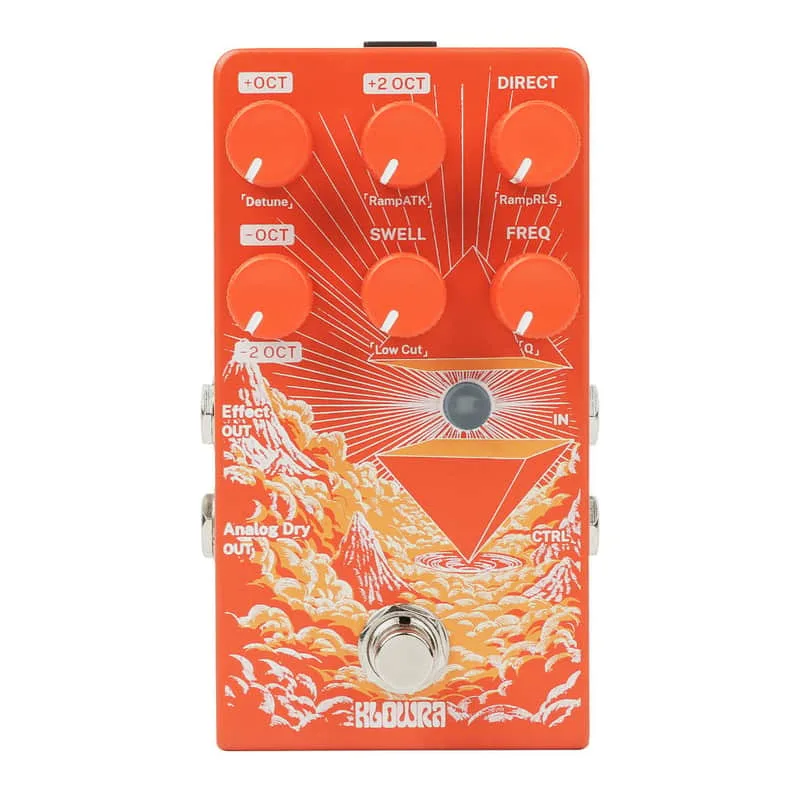
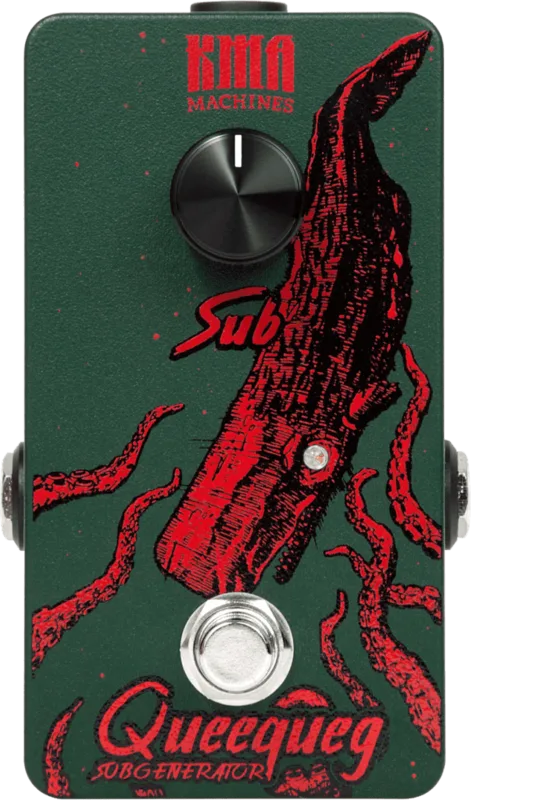
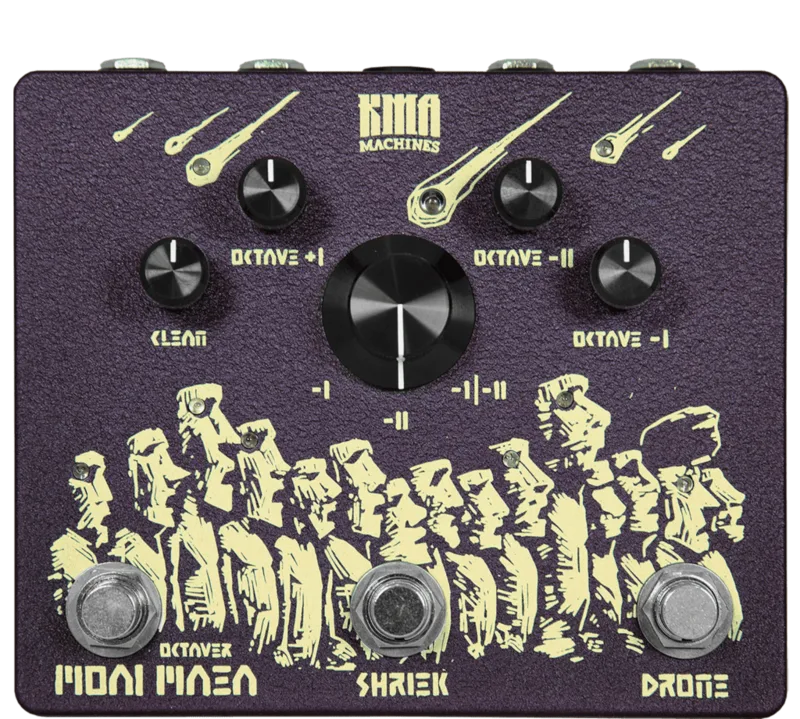
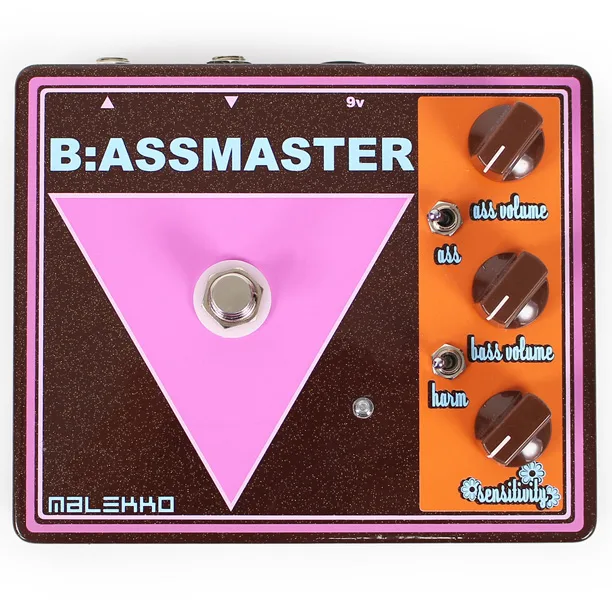
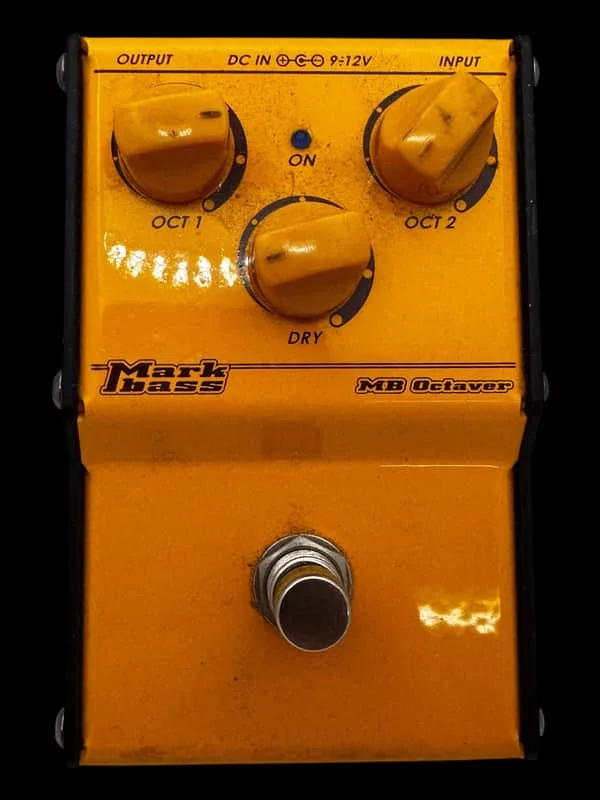
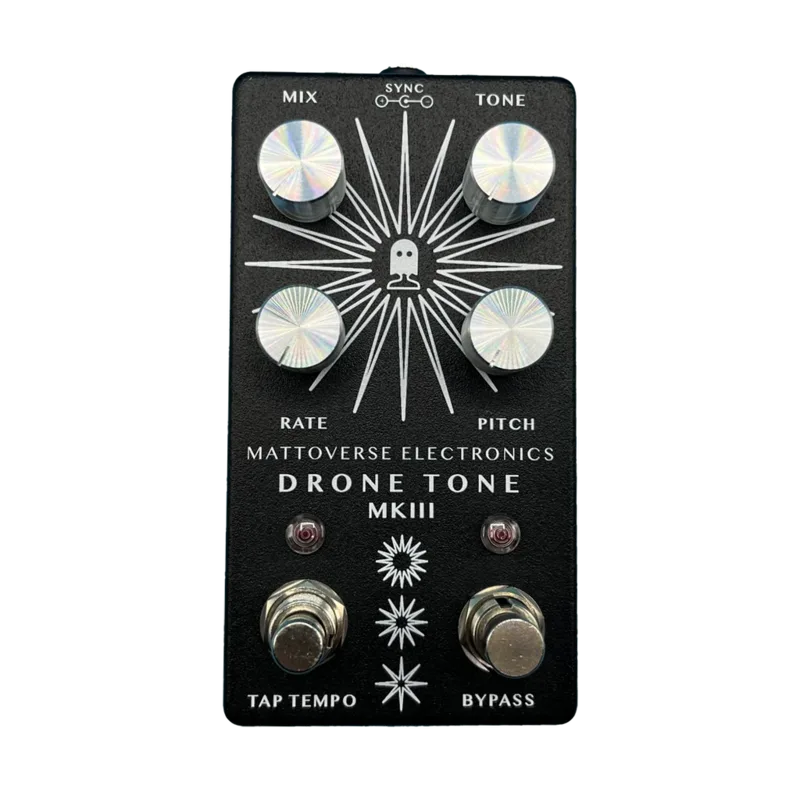
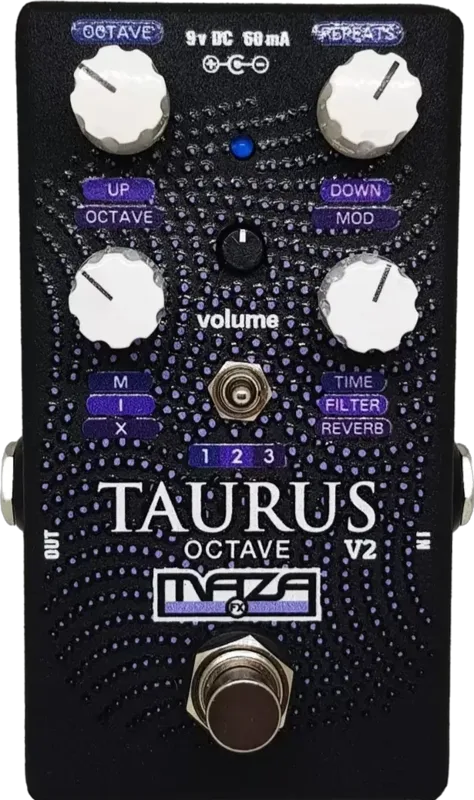
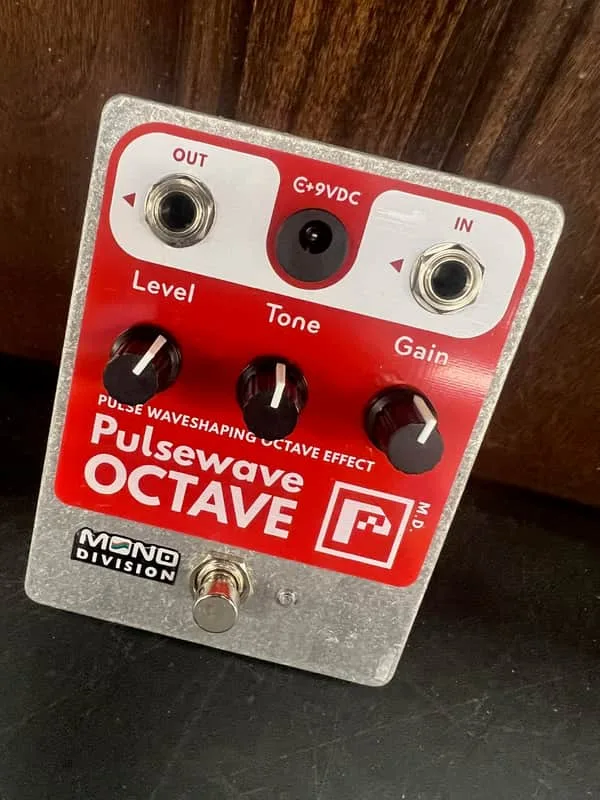
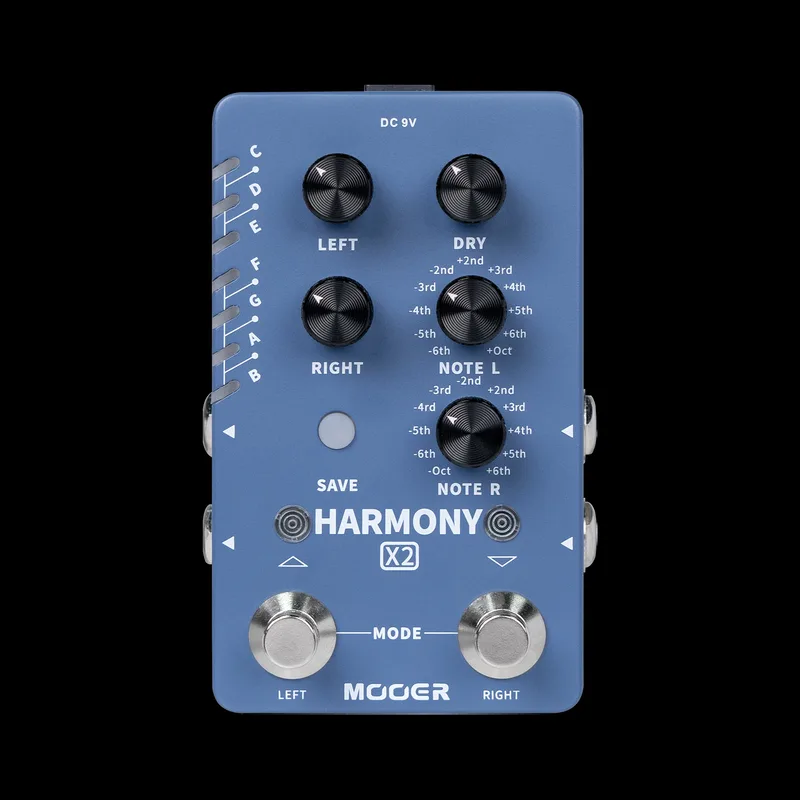
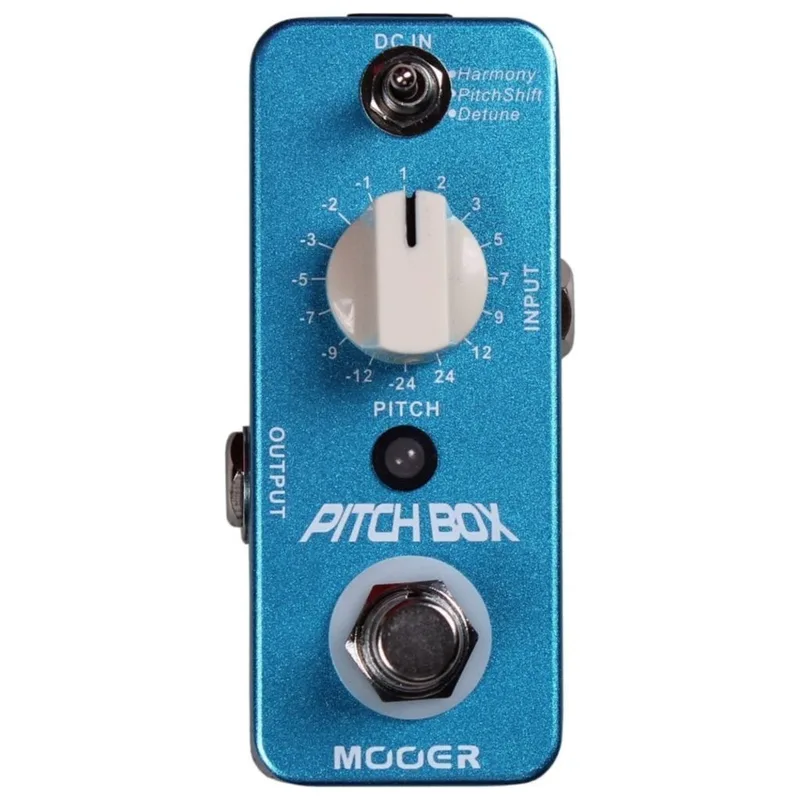
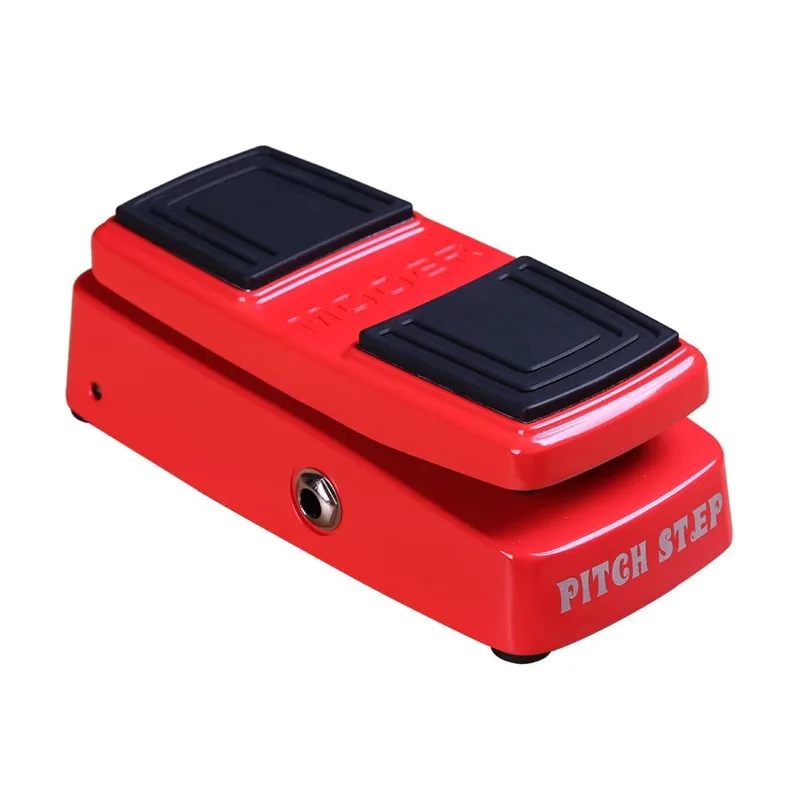
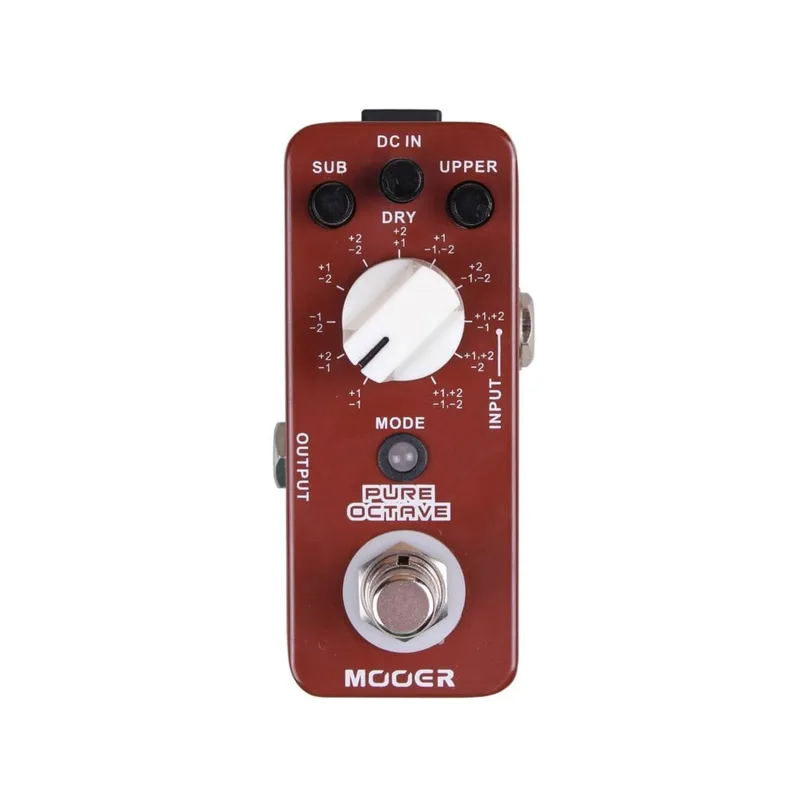
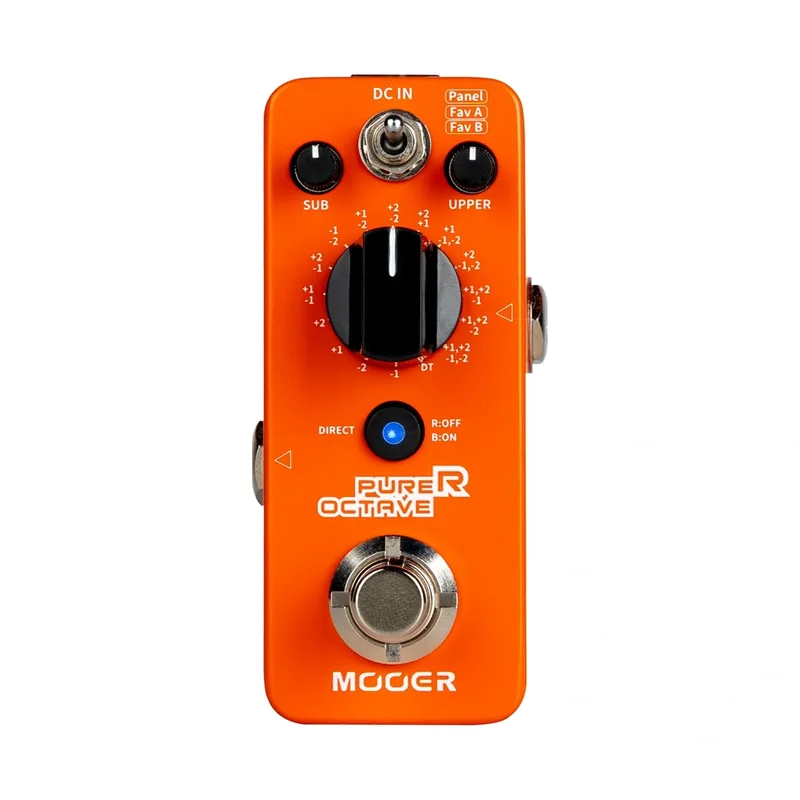
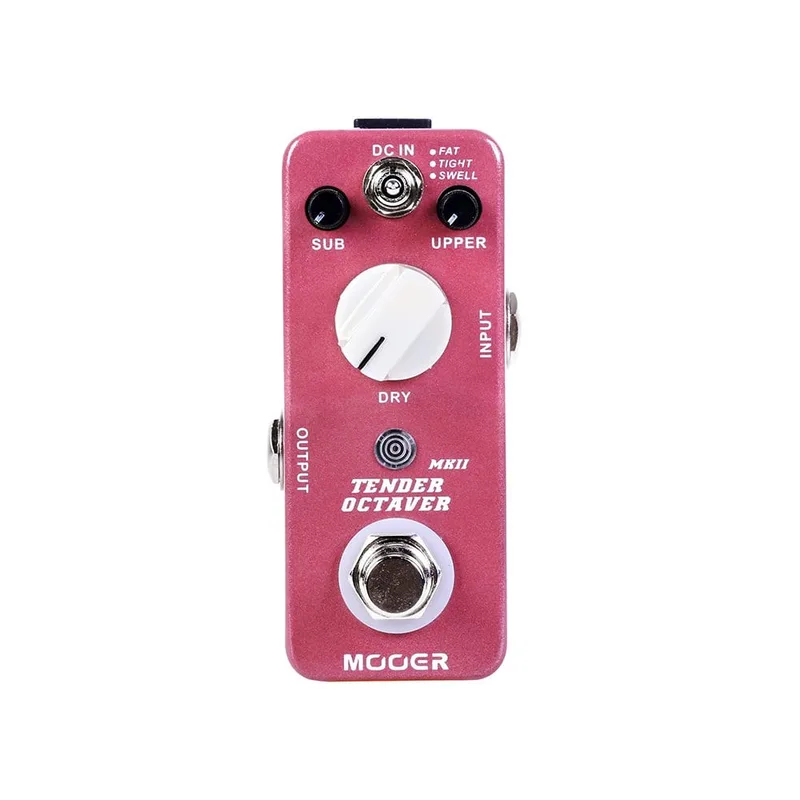
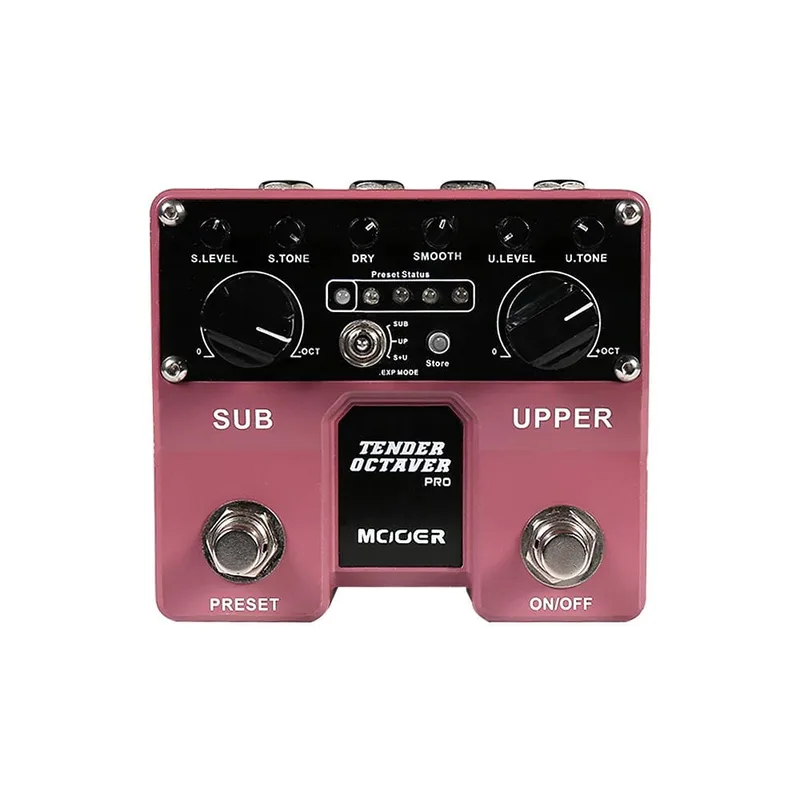
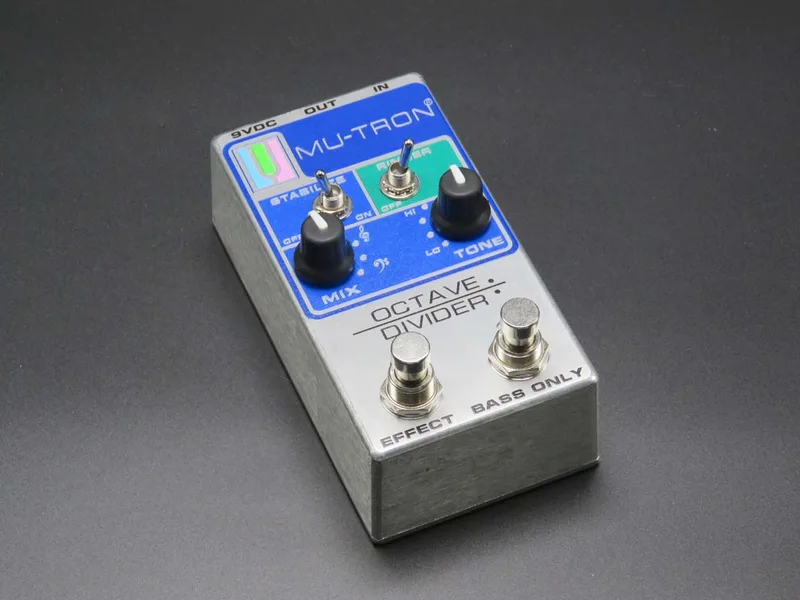
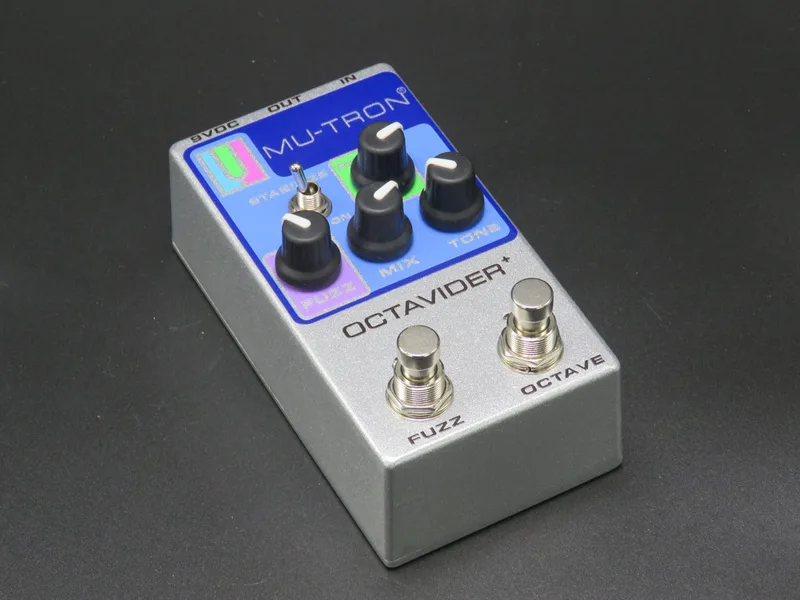
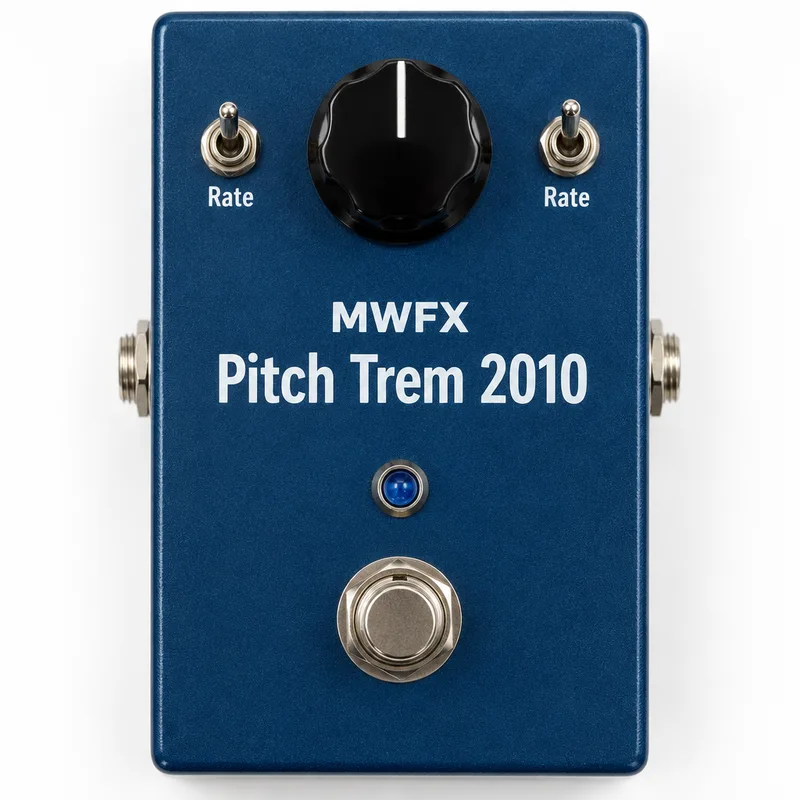
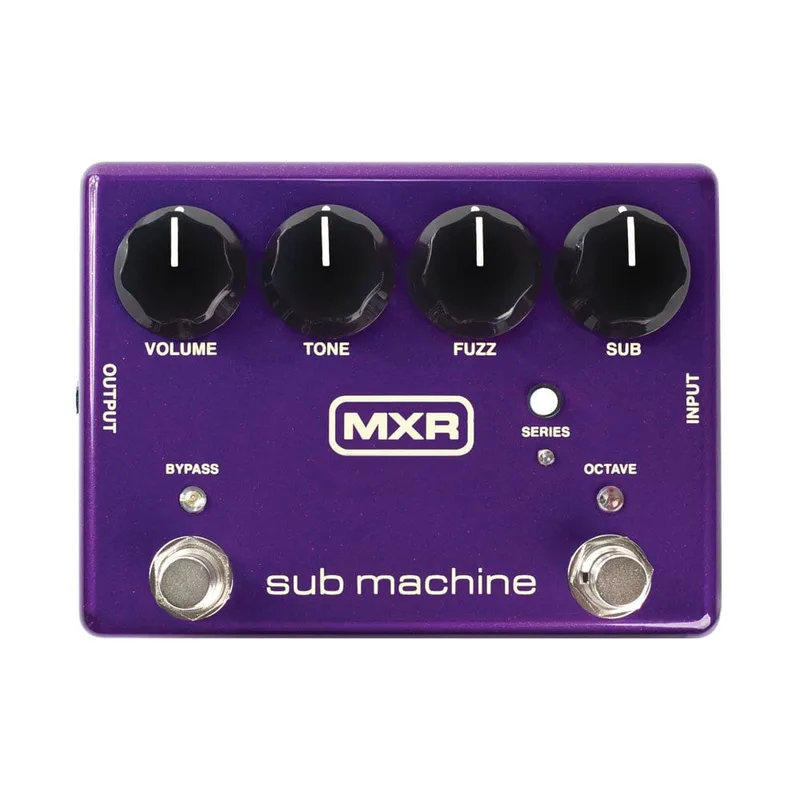
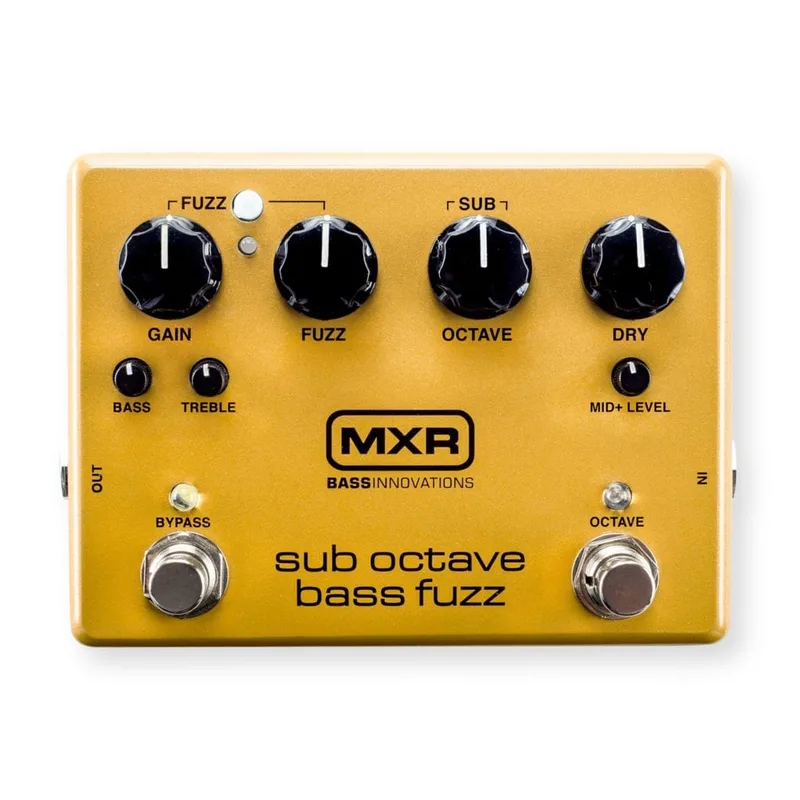
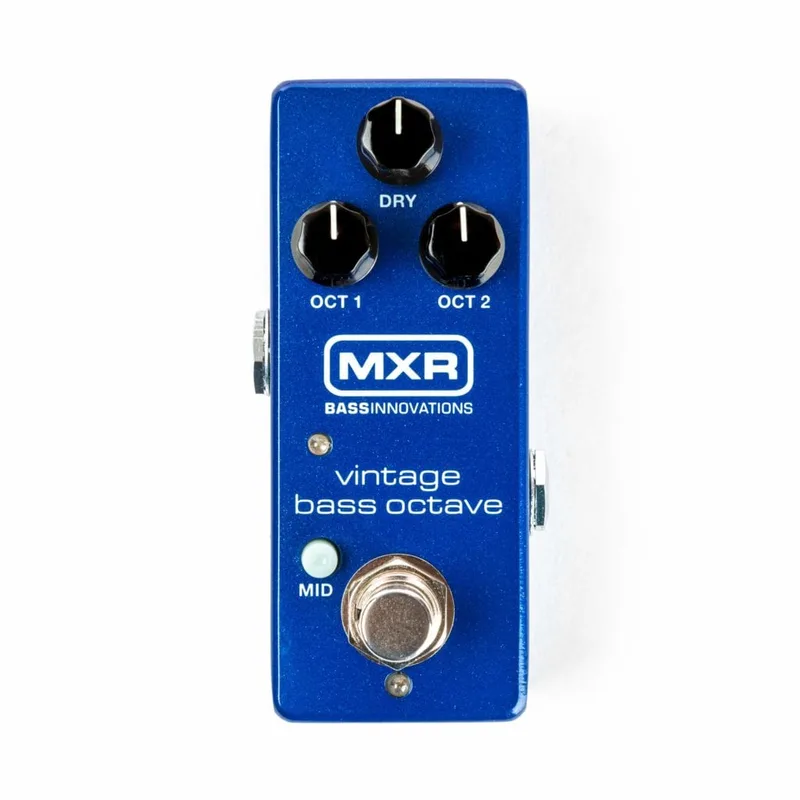
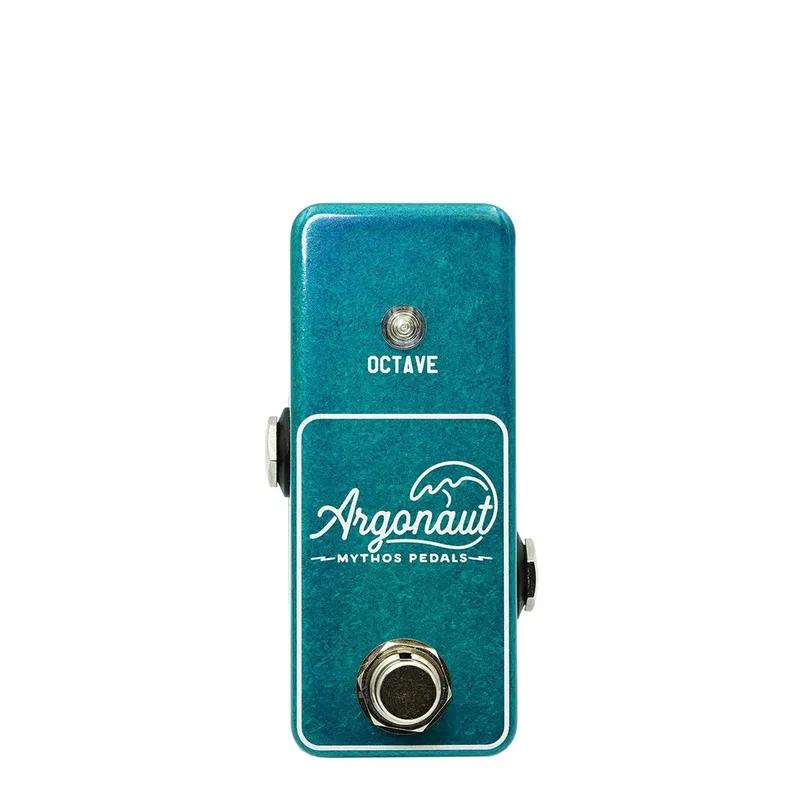
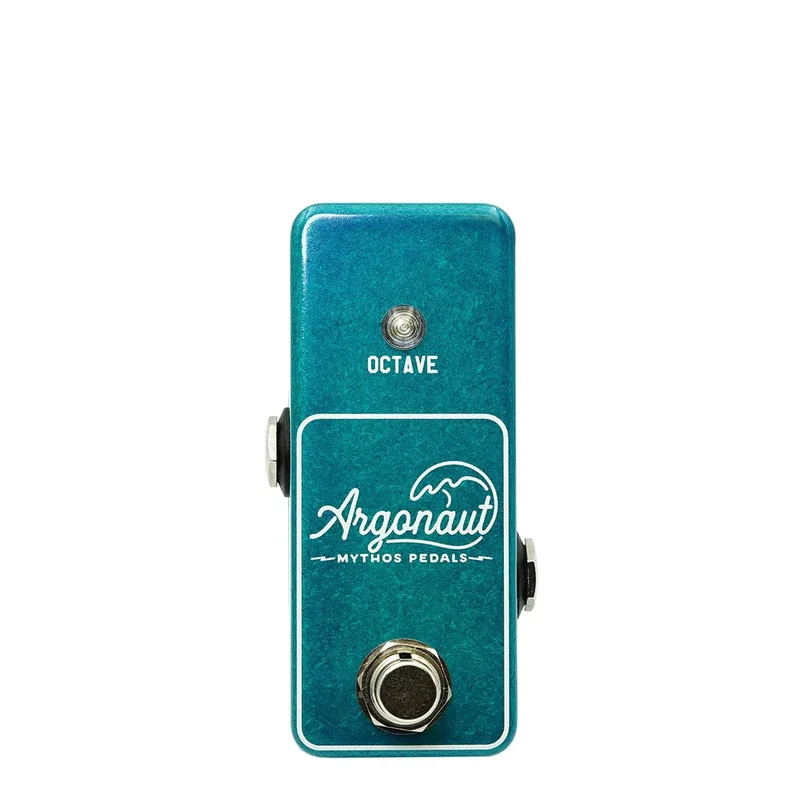
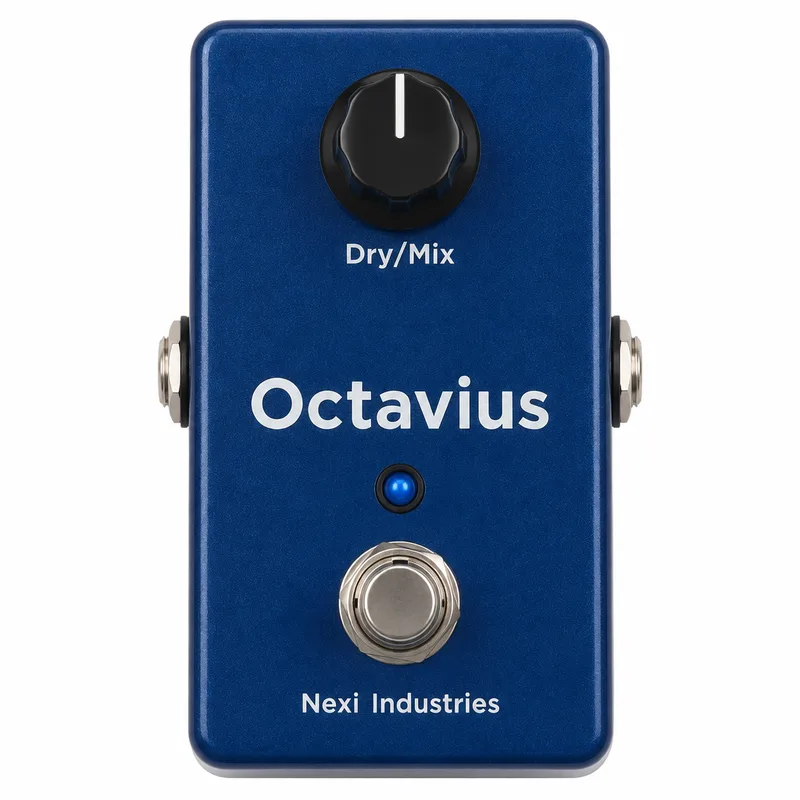
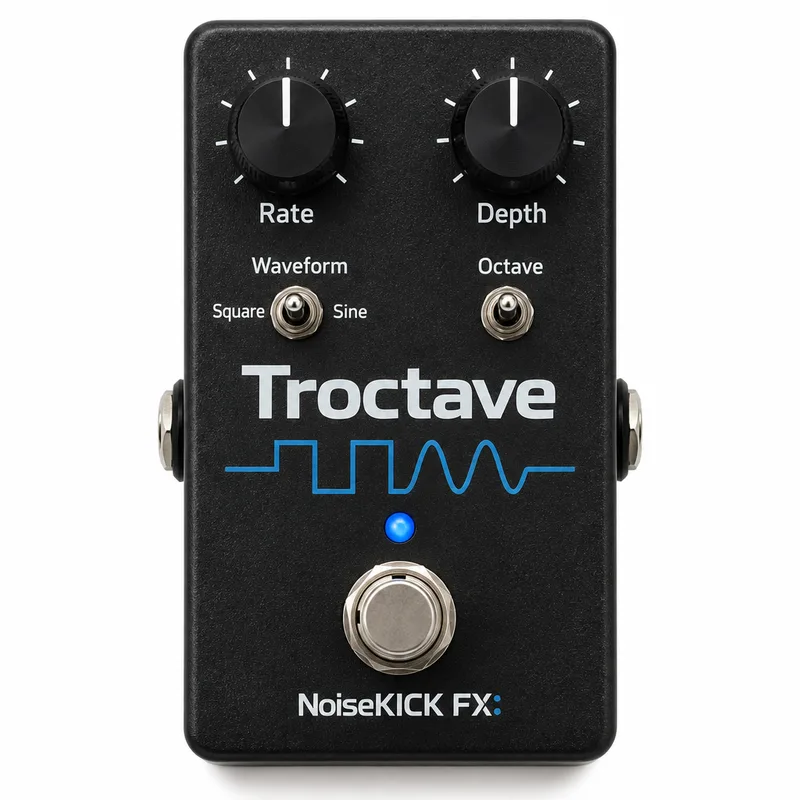
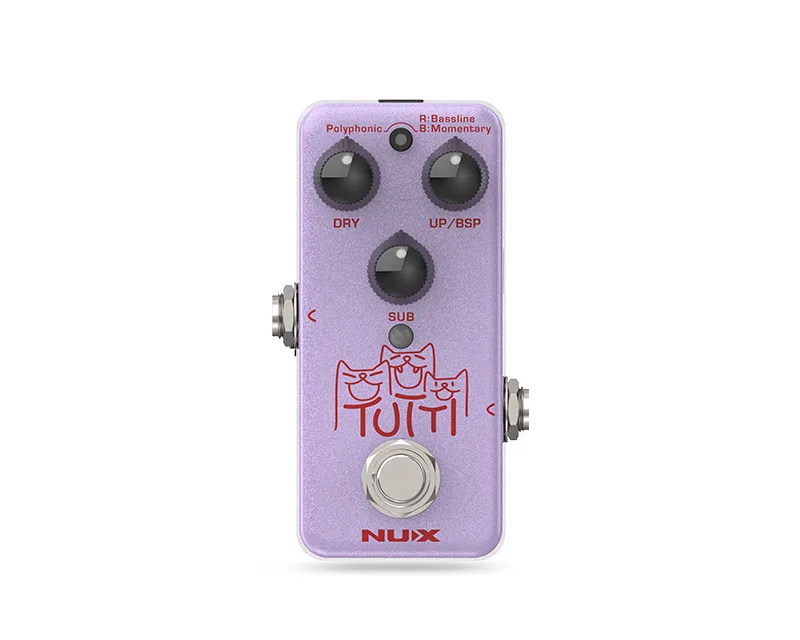
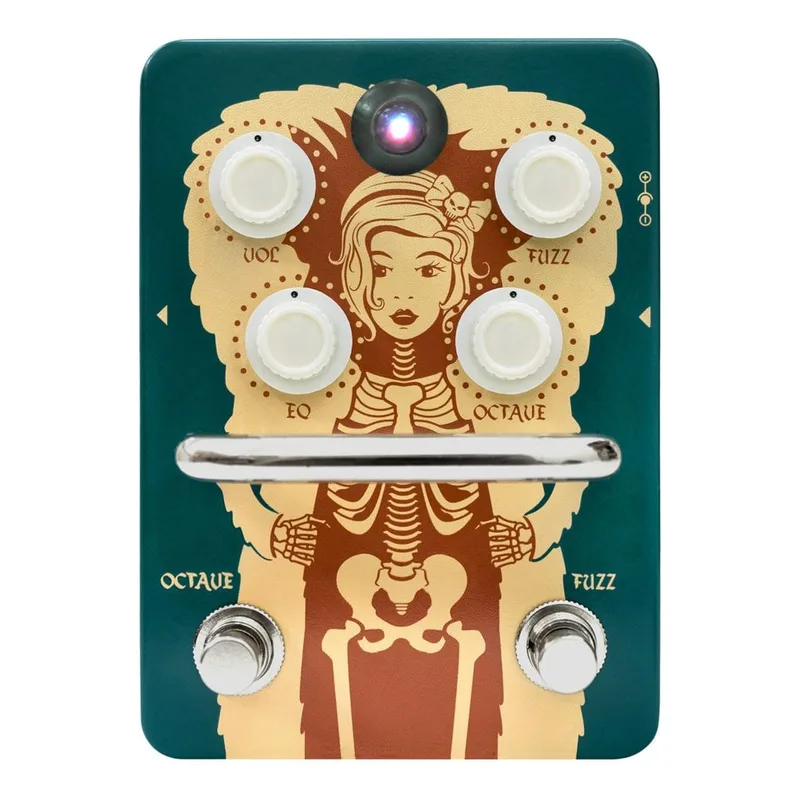
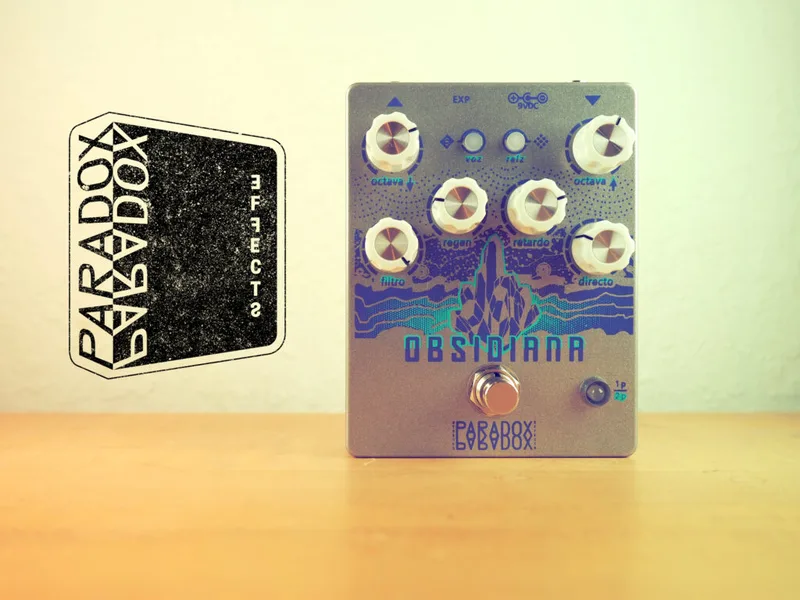
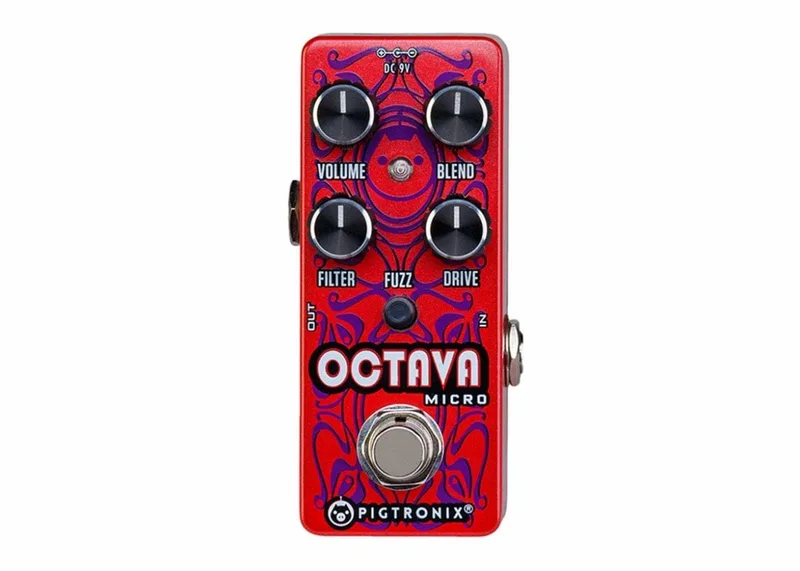
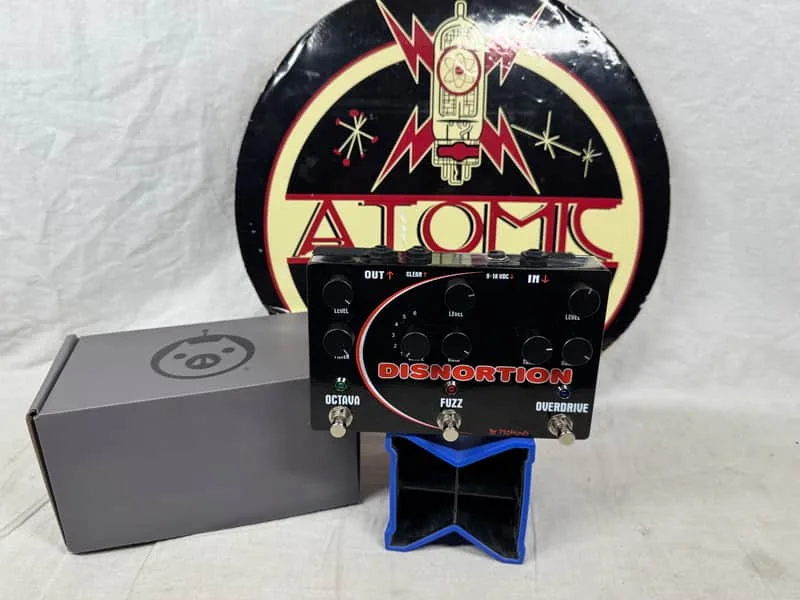
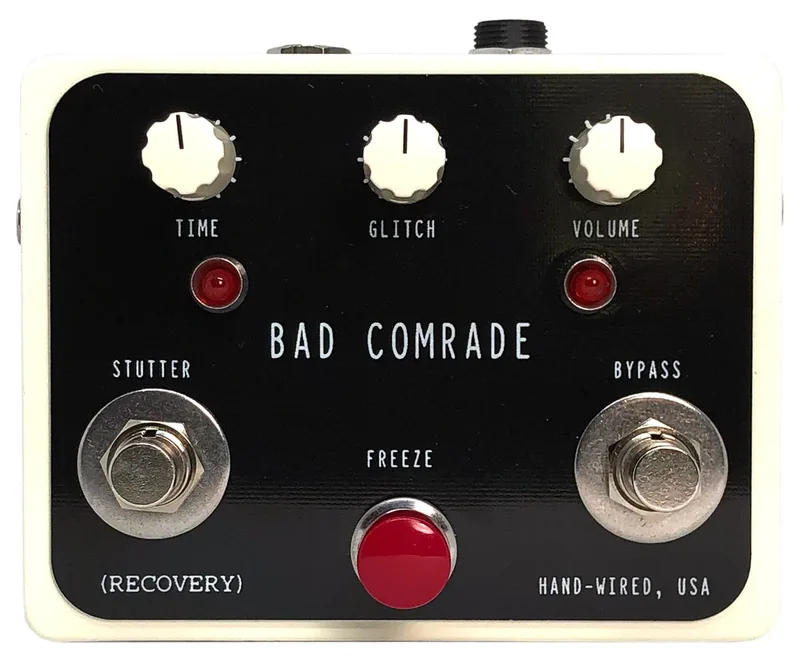
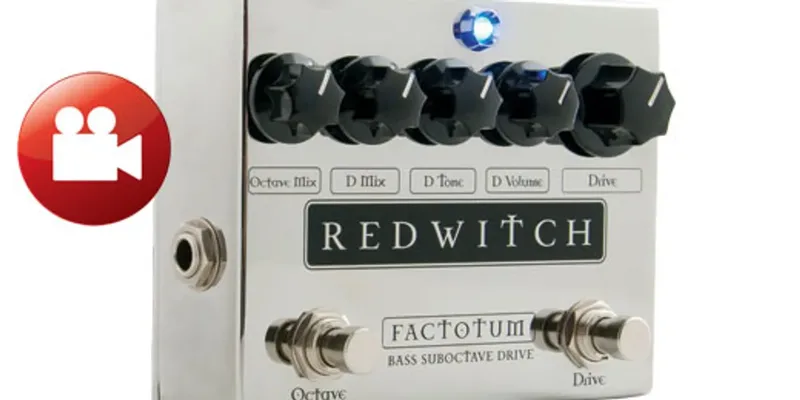
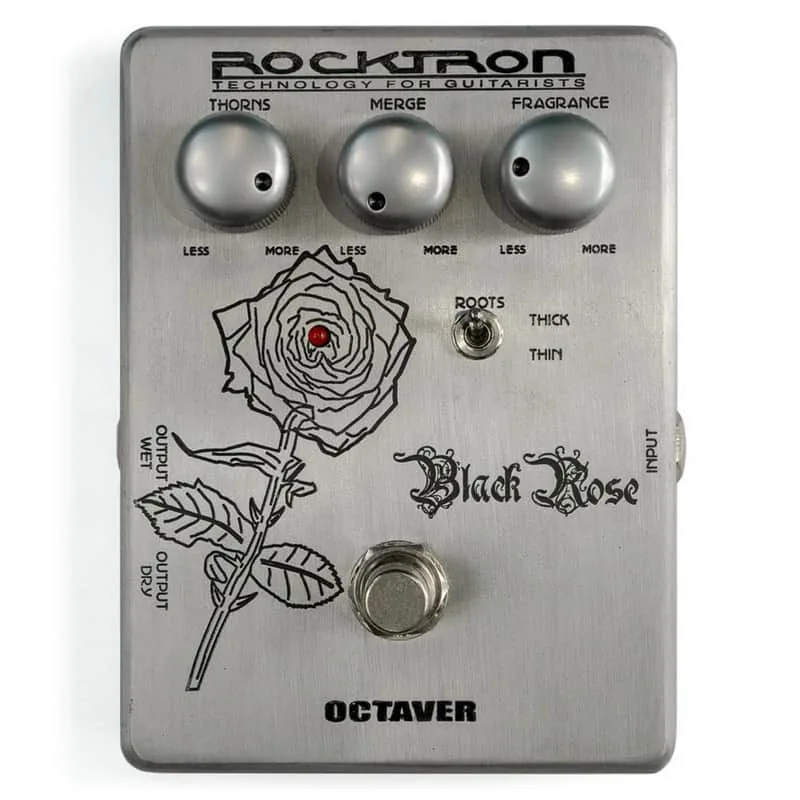
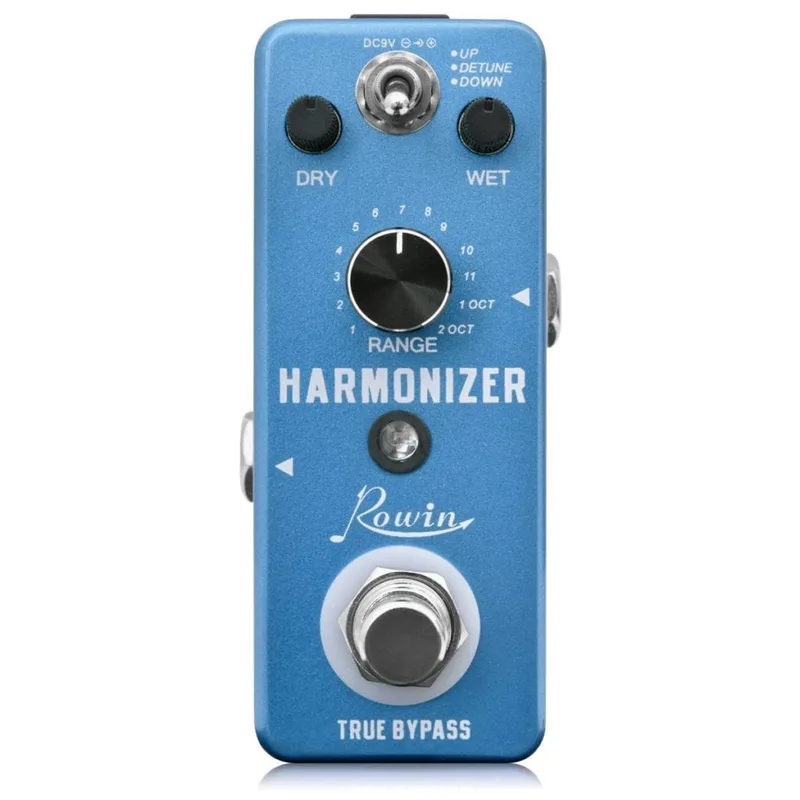
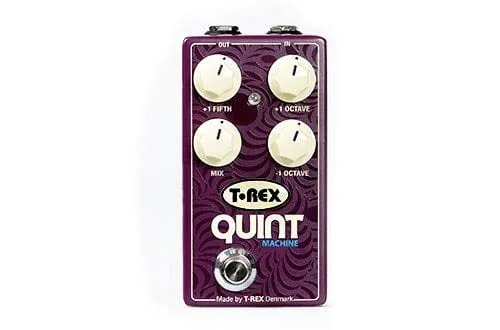
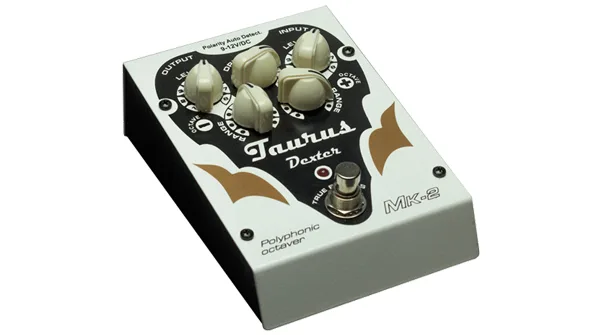
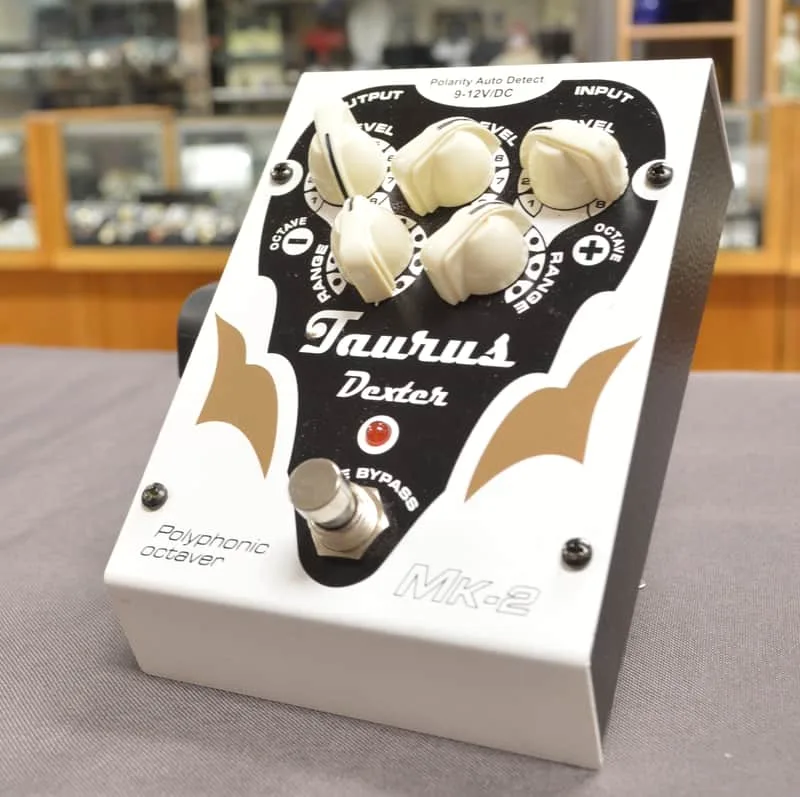
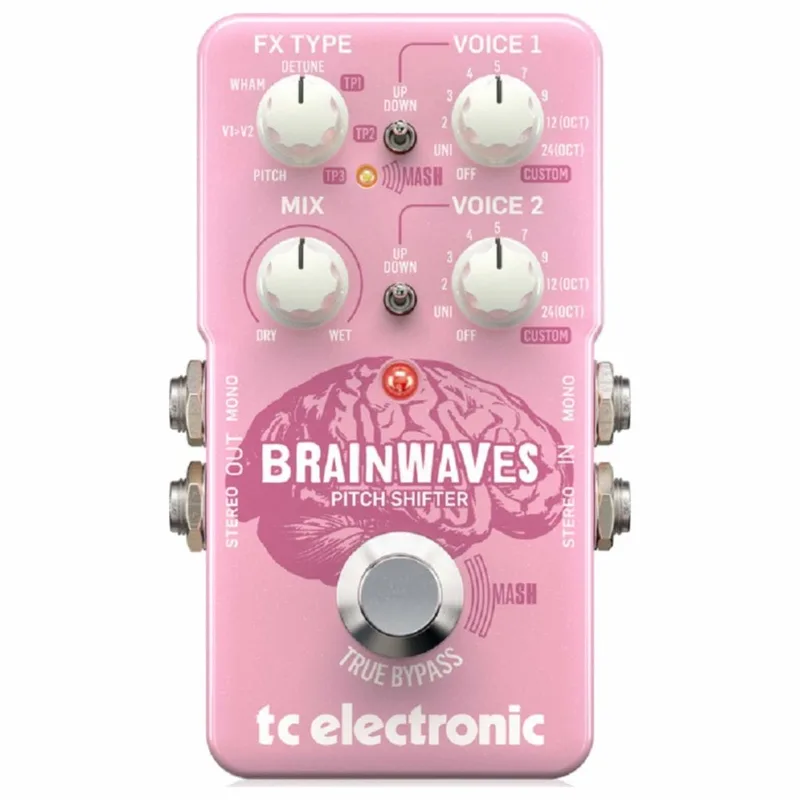
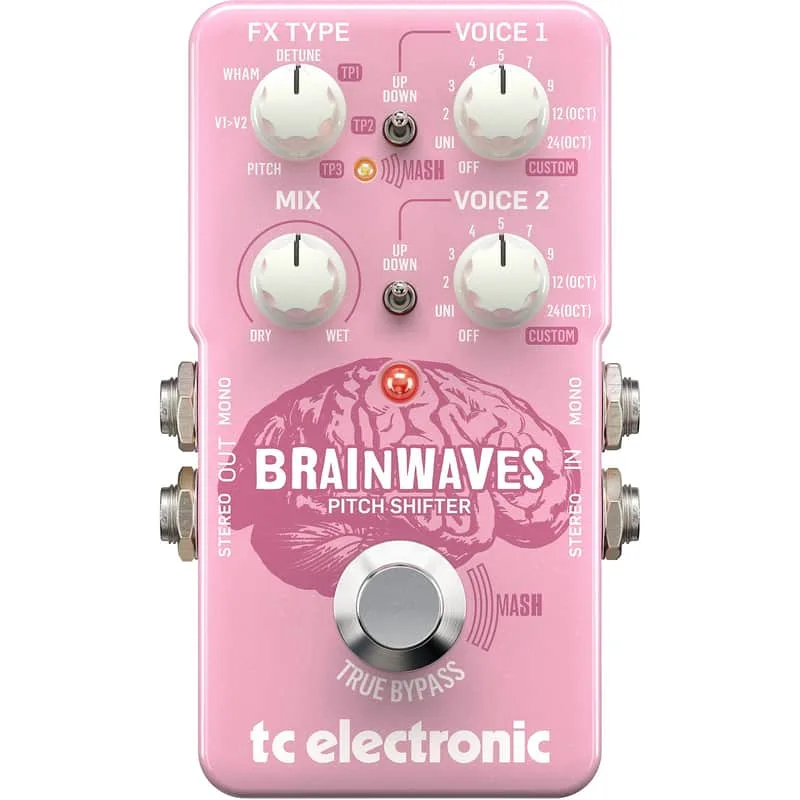
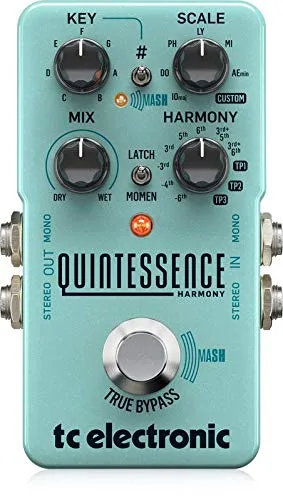
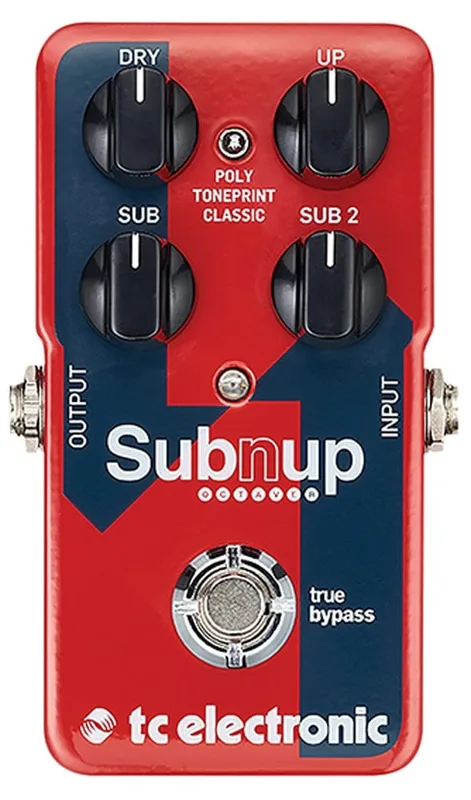
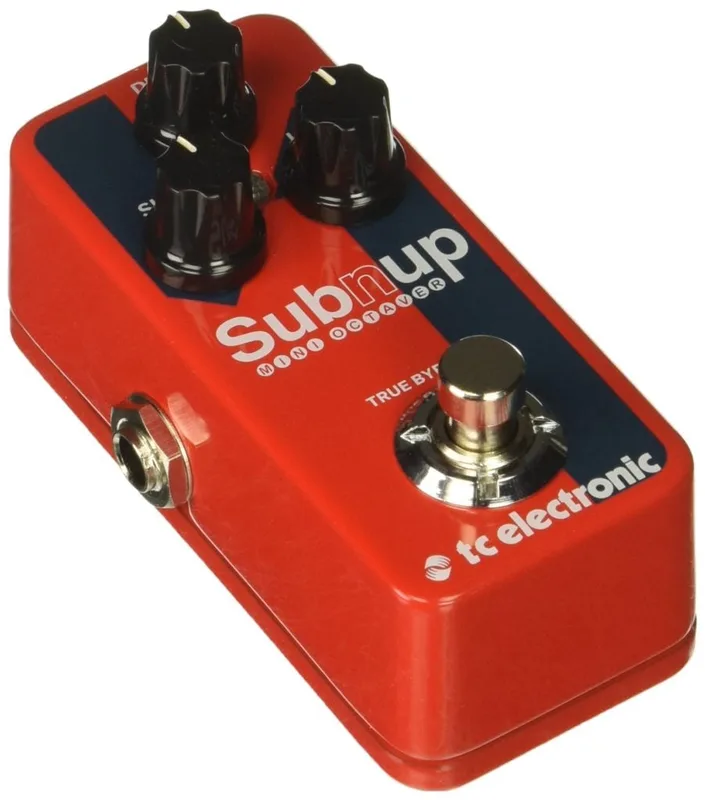
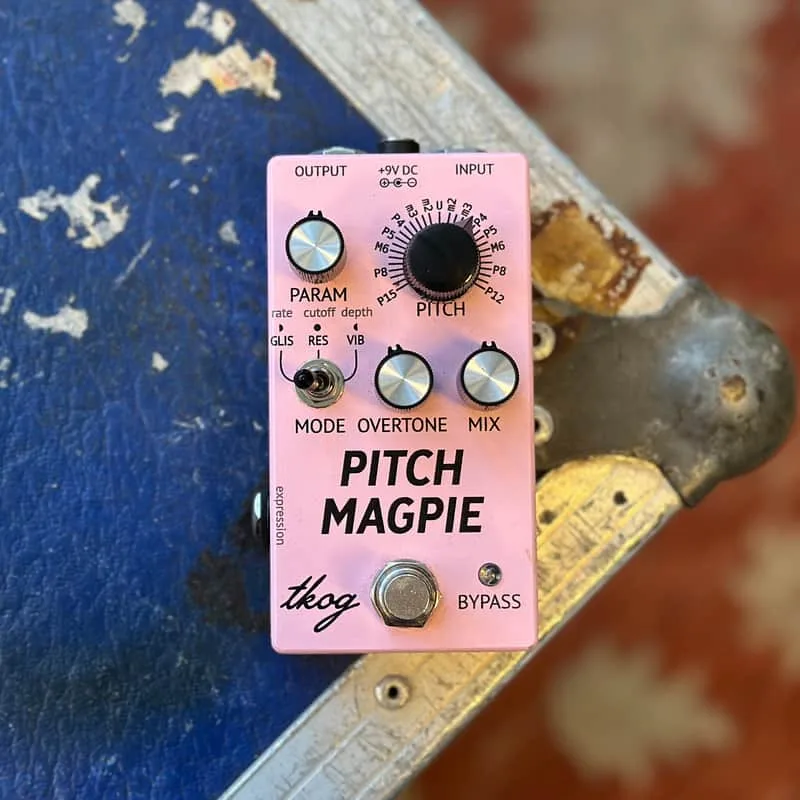
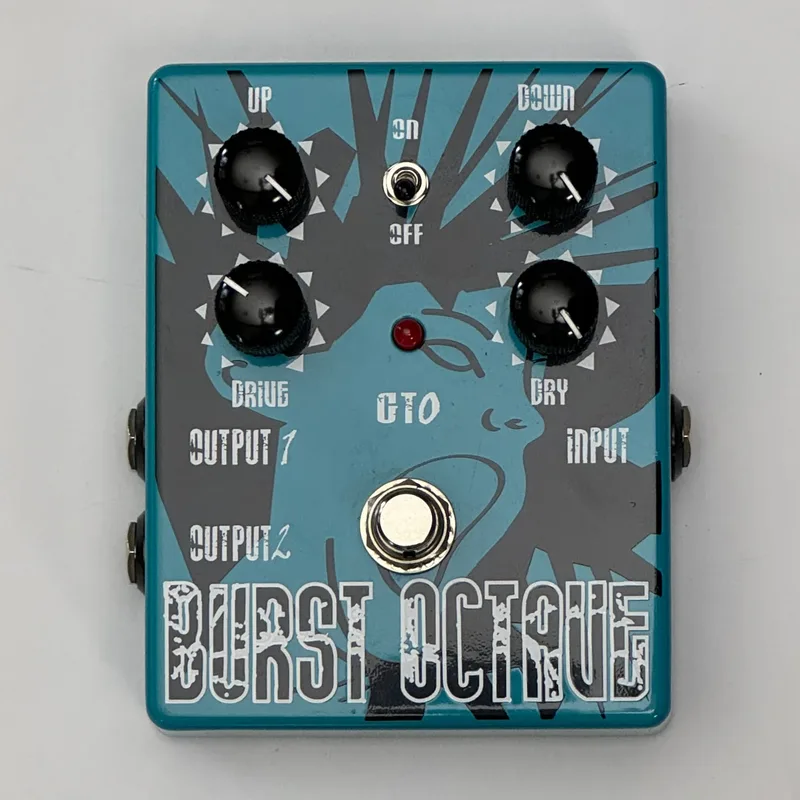
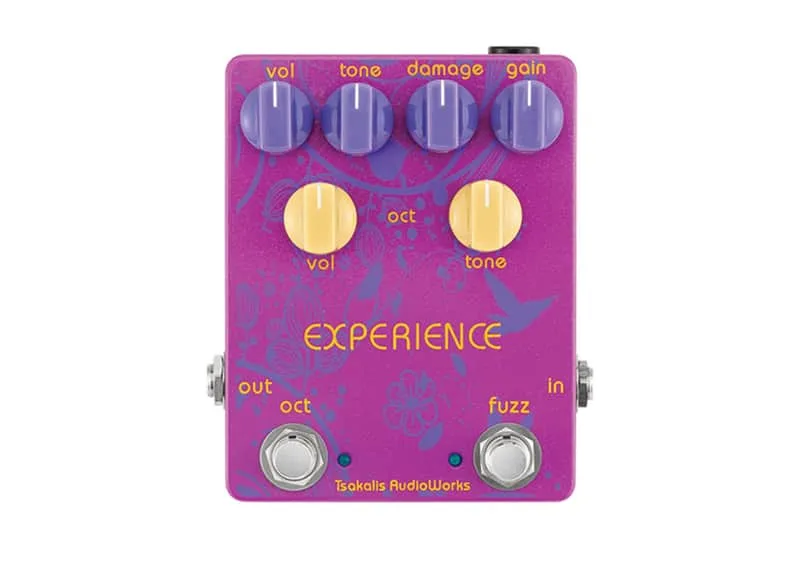
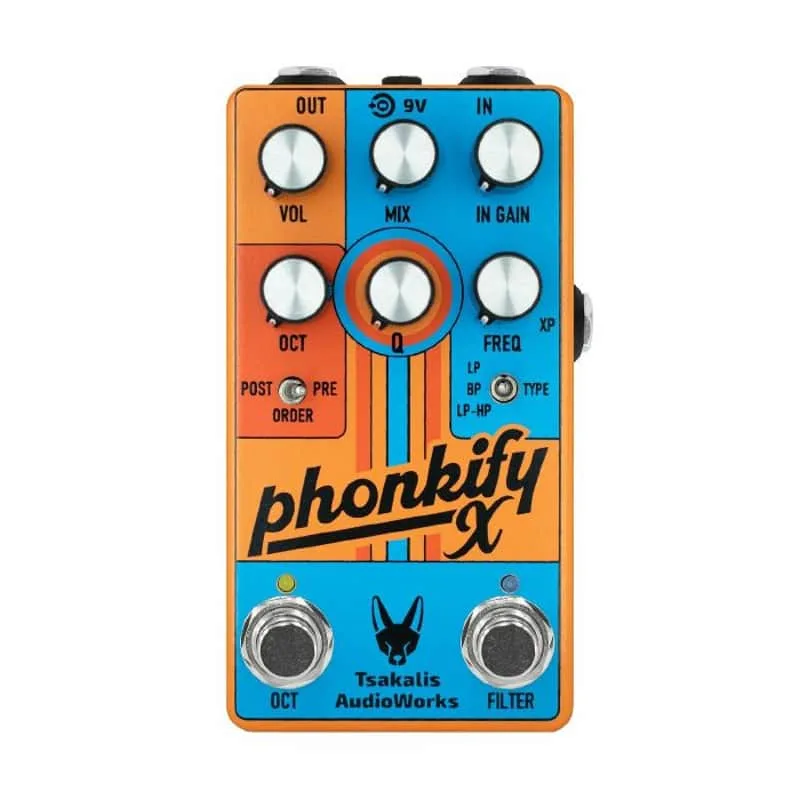
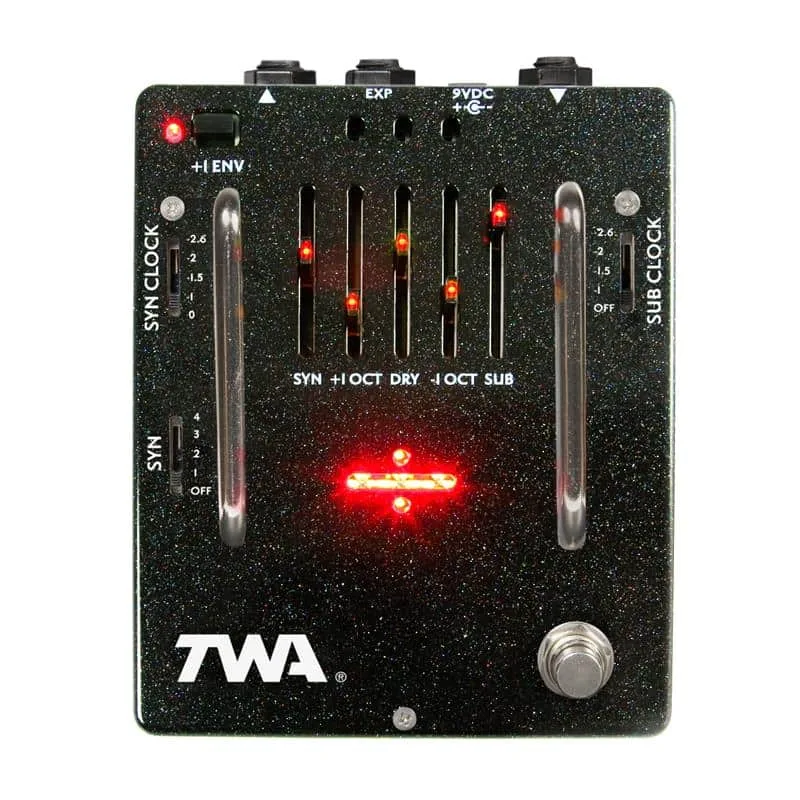
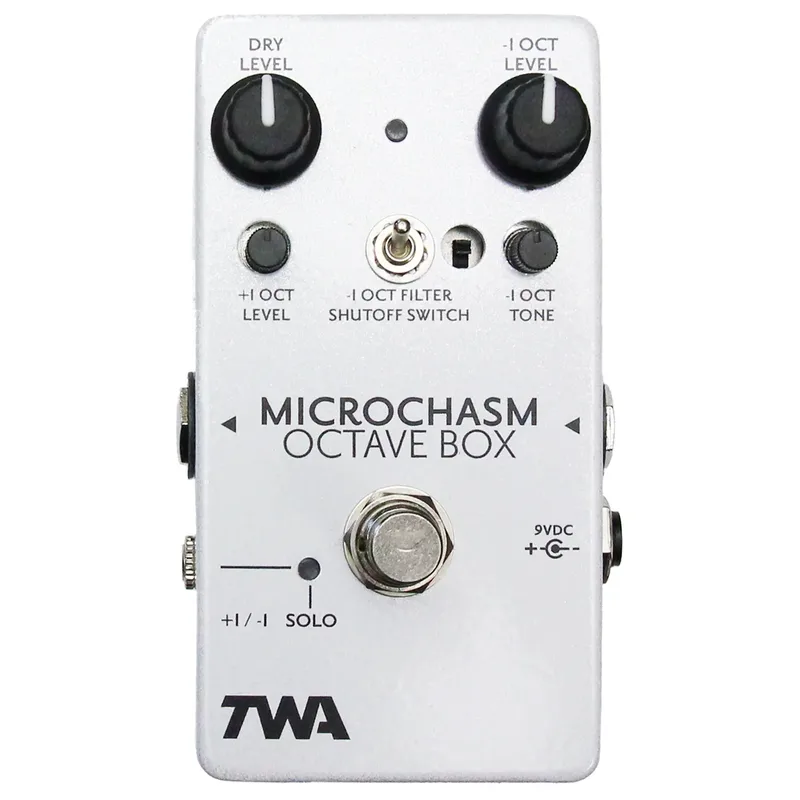
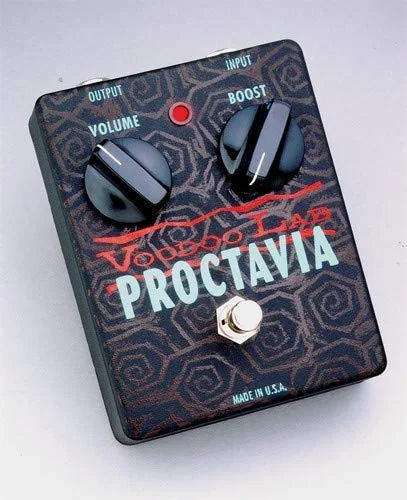
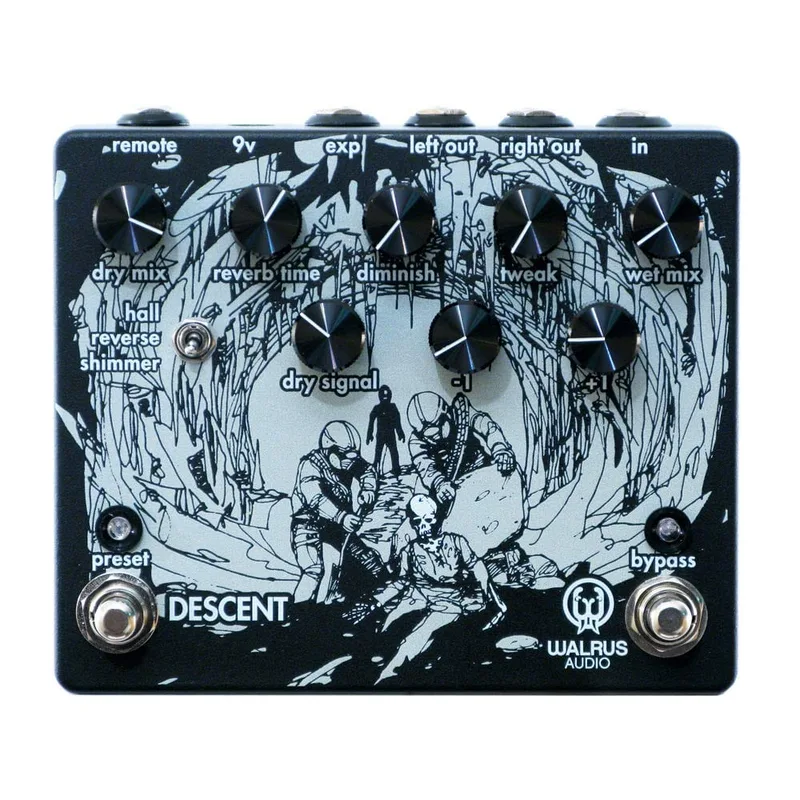
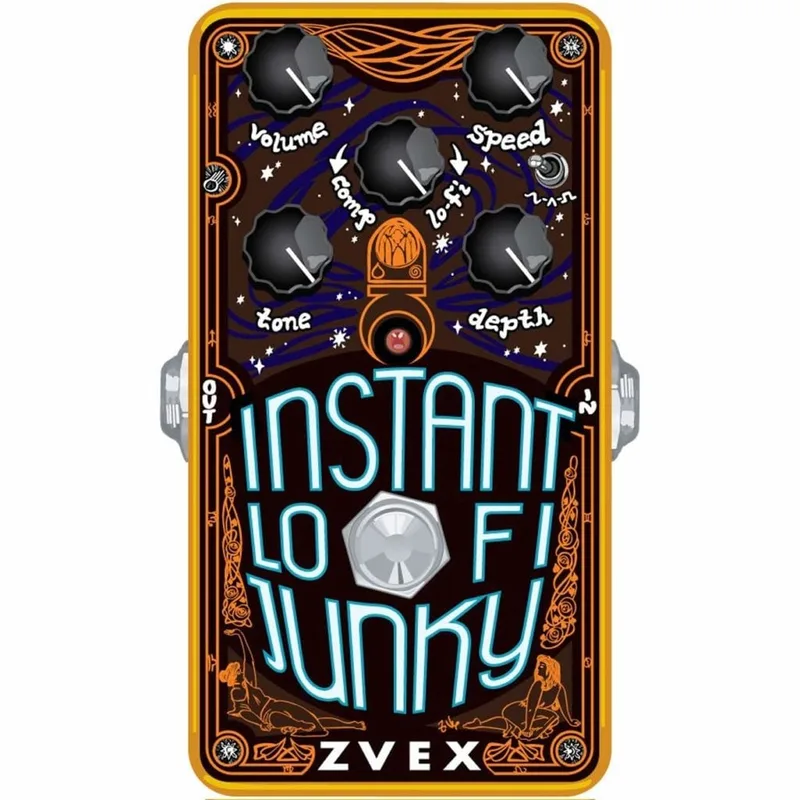
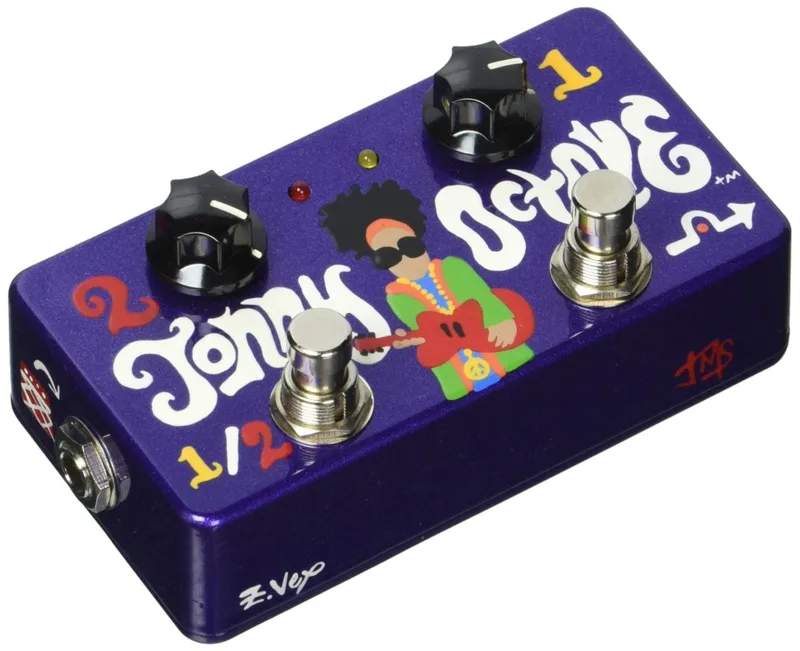
Octave and pitch pedals take the notes you play and move them somewhere else in pitch. The simplest ones double or halve the frequency of your signal, giving an octave up or an octave down, so a single guitar line can come out with a sub-bass foundation underneath it or a shrill, synth-like voice on top. More capable ones shift to any interval, add harmony notes, or bend pitch in real time under your foot. As EarthQuaker Devices puts it, "analog monophonic octave pedals take your signal and either double the frequency, which gives you an octave up, or halve the frequency, giving you an octave down"1.
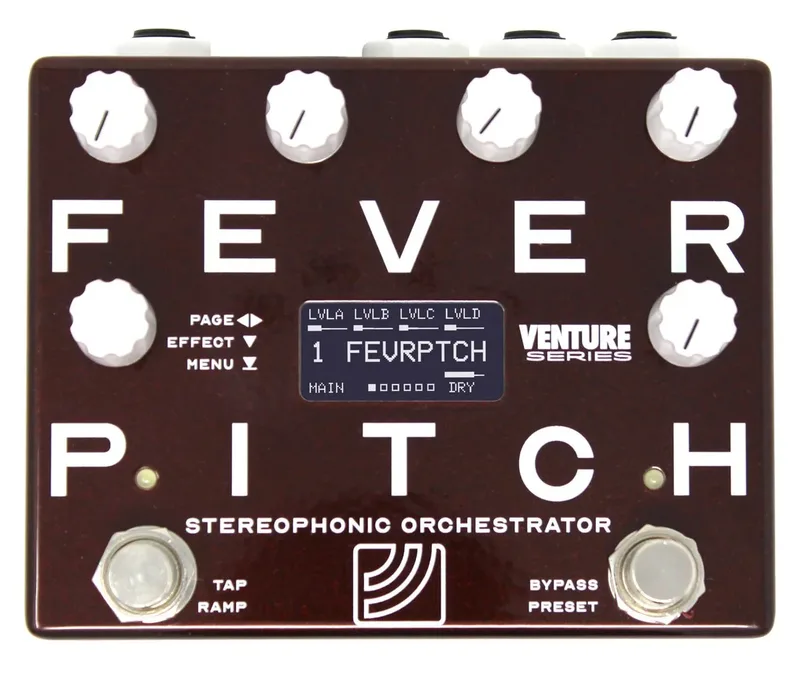
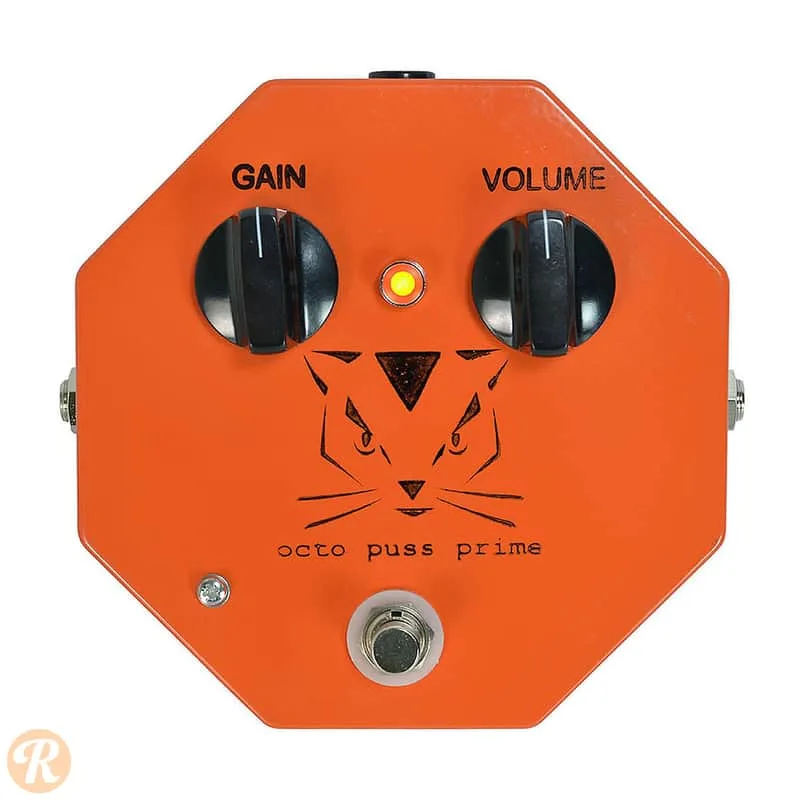
The category covers a wide spread of designs. At one end sit minimal analog boxes like the Parasit Studio 8-Bitar, "a minimalistic octave down pedal"2, and Bigfoot Engineering's passive Octo Puss, "a passive octave-up guitar effects pedal"3. At the other end are digital pitch engines such as the Alexander Pedals Fever Pitch, a digital circuit4 whose shifters "may be tuned to intervals between +/- one octave with additional +/- two octave settings available"5. In between are polyphonic octave generators, harmonizers, whammy pedals and octave fuzzes, each of which does something different with the same basic idea: change the pitch of what you played.
How pitch shifting works: analog octave versus digital
There are two fundamentally different ways a pedal can change your pitch, and which one a pedal uses shapes everything about how it behaves on a board.
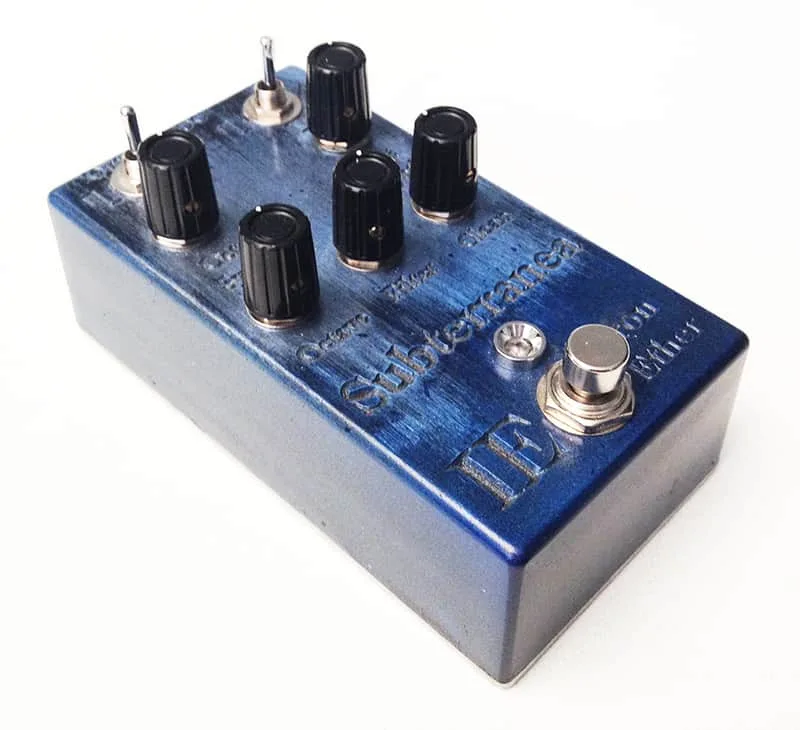
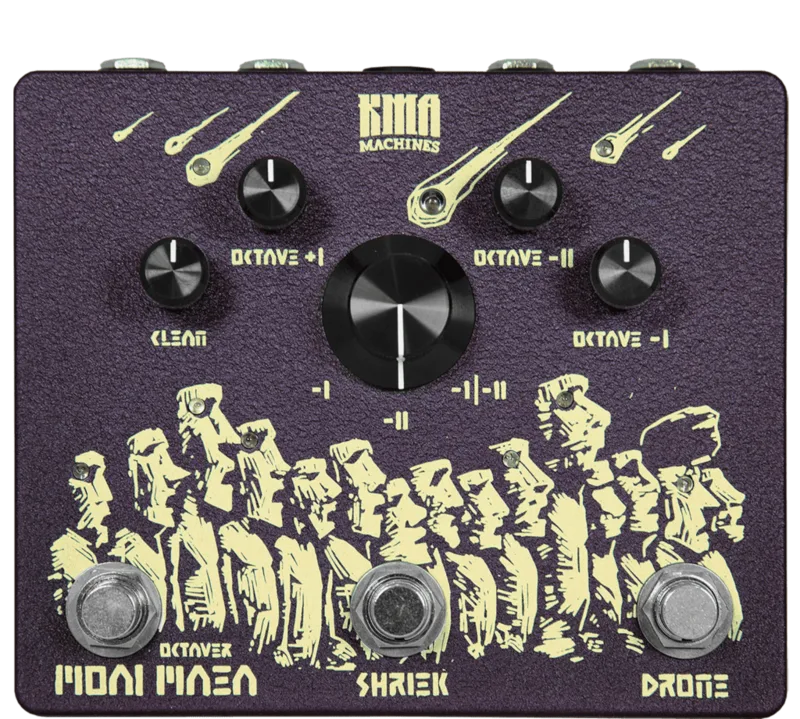
Analog octave circuits manipulate the waveform itself. They double or halve the frequency of the incoming signal using circuitry rather than computation, which is why KMA Machines can describe its Mandroke-style design as an "Analog upper octave pedal, from subtle tone enhancement to full-on dual octave grind"6. Analog designs are monophonic: they follow one note at a time. They also tend to have a voice of their own, and some, like Iron Ether's Subterranea, "a multi-timbral analog pitch-tracking oscillator and octave pedal"7, lean into that character deliberately.
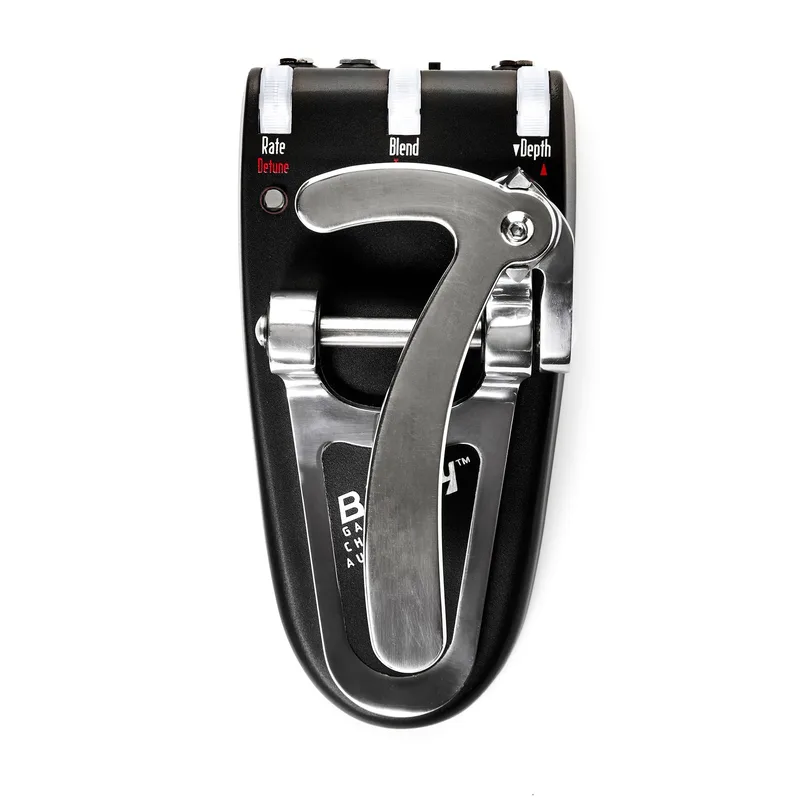
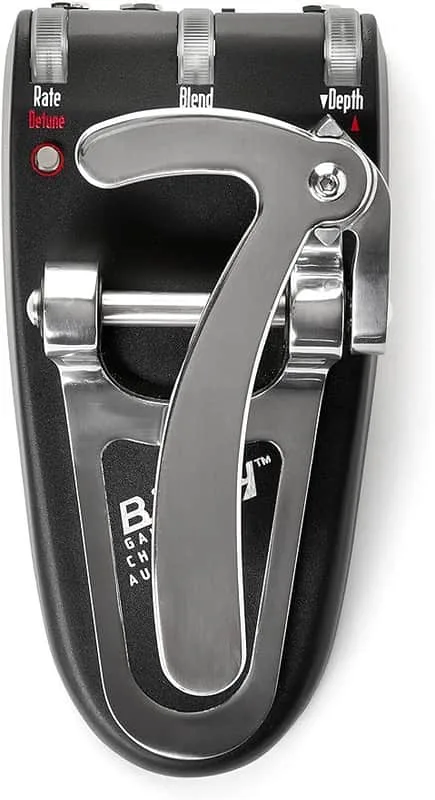
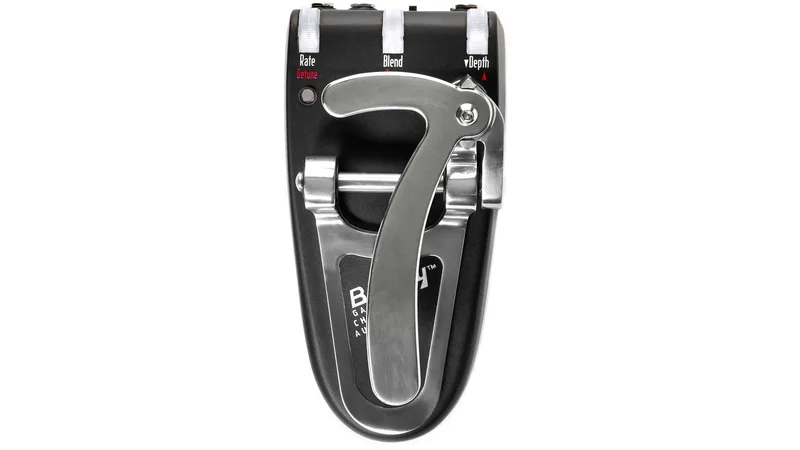
Digital pitch shifters convert your signal and compute a new pitch. Gamechanger Audio's Bigsby Pedal is "digital, powered by SHARC Audio Processor running a hybrid pitch-shifting algorithm"8, and its Motor Pedal uses a motor Interval Selector that lets you "OFFSET THE motor pitch: +/- 1 octave or perfect fifths or perfect fourths"9. Digital shifting is what makes intervals beyond octaves possible, and what makes polyphonic tracking possible.
Analog and digital are not quality grades, they are different tools. Analog octave pedals track one note and have a distinct voice; digital shifters track more material and offer more intervals, at the cost of that analog character.
Monophonic and polyphonic tracking
Tracking is how well a pedal follows what you play, and it is the single biggest practical difference between octave pedals.
A monophonic pedal reads one note at a time. Parasit Studio says it plainly about the Ladder to the Moon: "Keep in mind that this pedal is monophonic, so play single notes to get good tracking"10. Play a chord into a monophonic analog octave pedal and the circuit cannot decide which note to follow, so the output stutters or jumps. EBS is candid about this being inherent to the design: "Regardless of the brand, by design, analog octave pedals can not trigger every single note you play accurately"11.
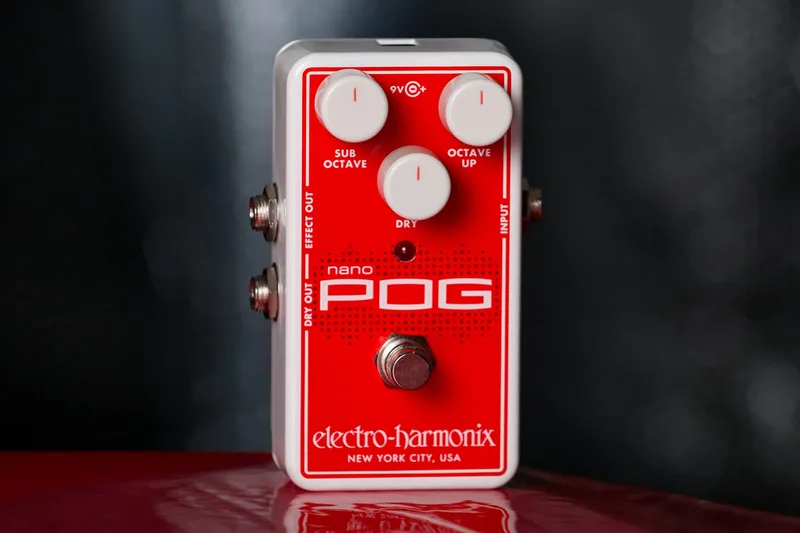
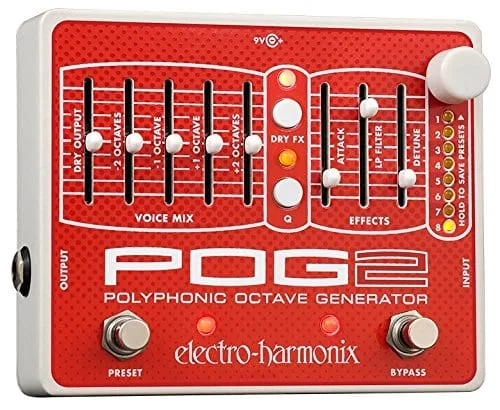
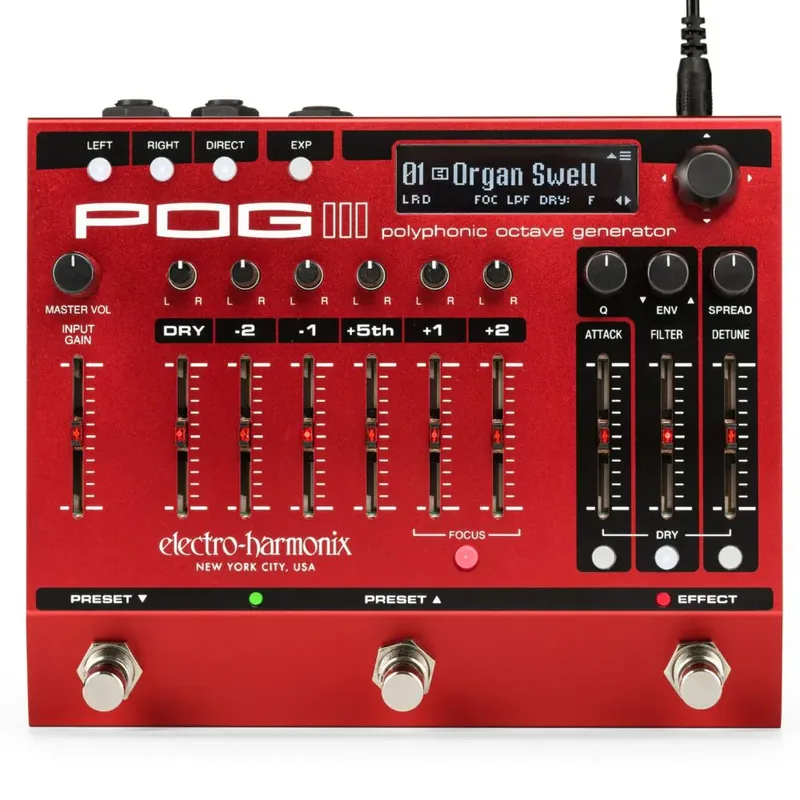
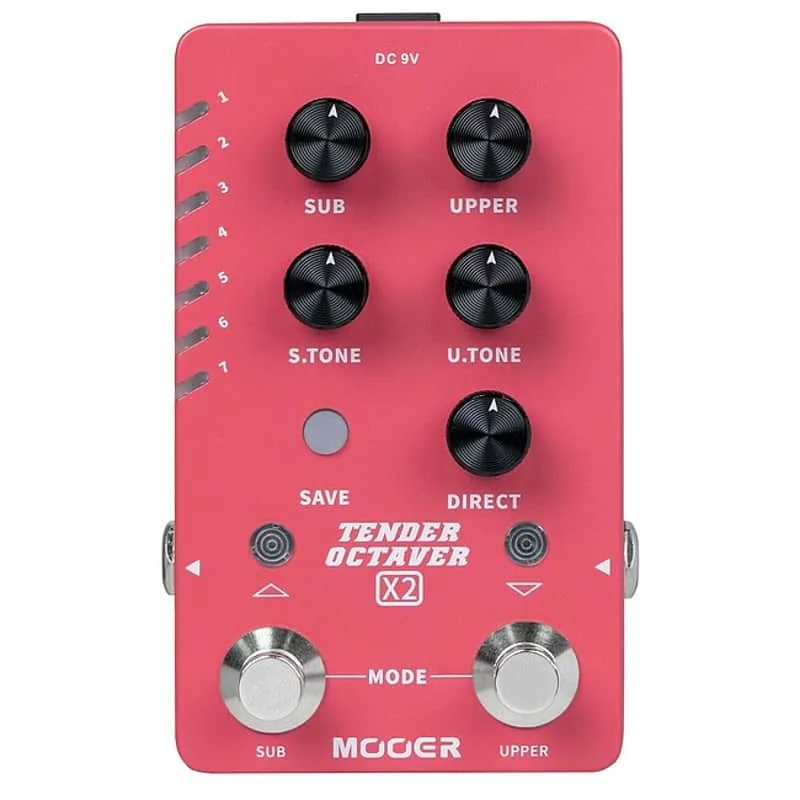
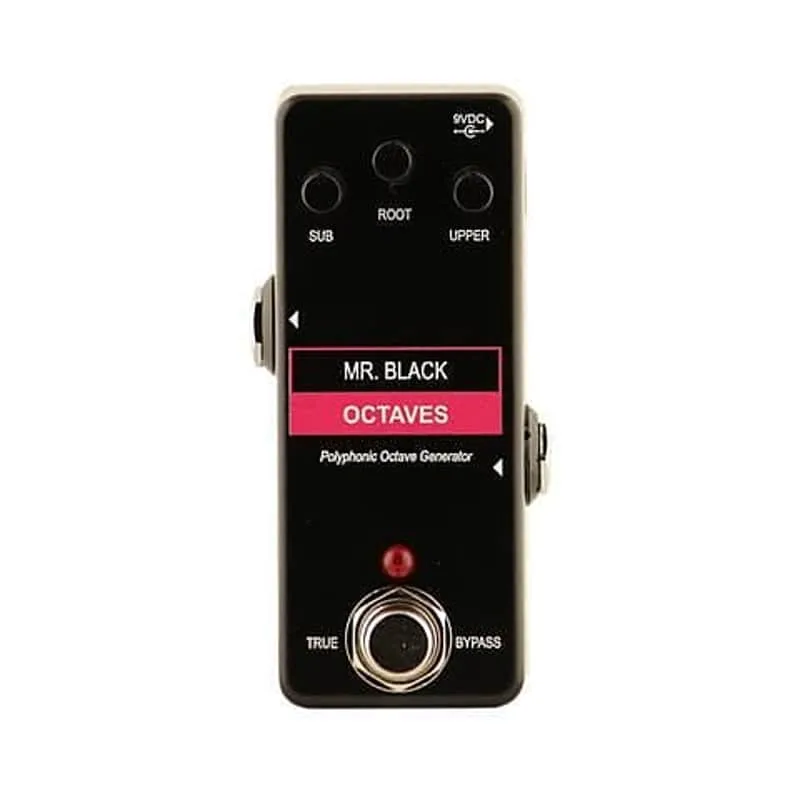
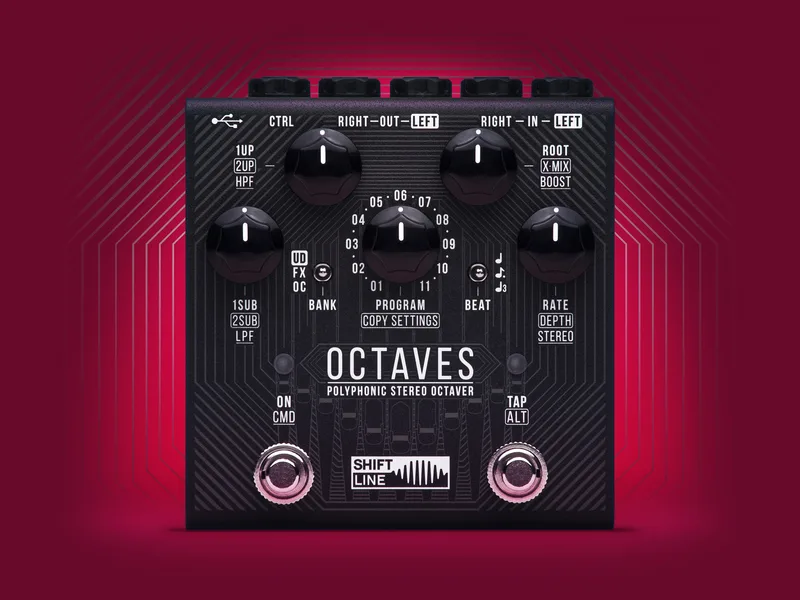
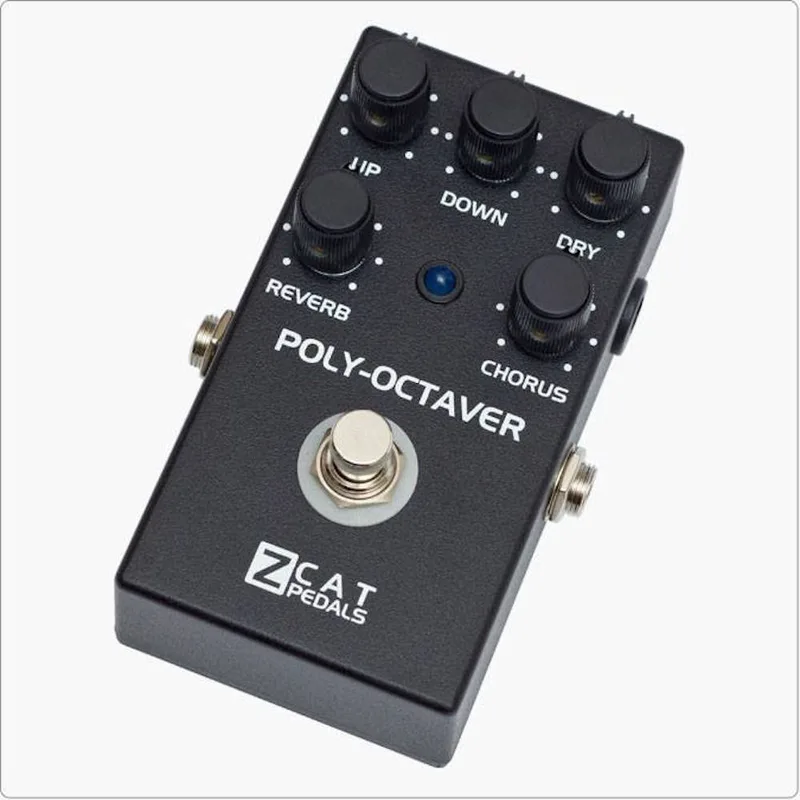
A polyphonic pedal analyzes the whole incoming signal and can shift chords. MOOER's Tender Octaver MKII is "a very unique little polyphonic octave pedal with endless tonal possibilities"12, and Amuzik's Octpus is "a compact polyphonic octave guitar effects pedal that generates precise octave effects without distortion"13. Shift Line's Octaves goes further: "The pedal generates four polyphonic octaves (2 up and 2 down) from the incoming signal"14. ZCAT's Poly-Octaver 2 is "a Polyphonic Clean Octave Up and Down Generator, Chorus, and Reverb in one compact pedal"15.
| Tracking type | What it means | Typical examples from this category |
|---|---|---|
| Monophonic analog | One note at a time, frequency doubled or halved1 | Parasit Studio Ladder to the Moon10, Iron Ether Subterranea7 |
| Polyphonic digital | Chords and full playing tracked, multiple voices | MOOER Tender Octaver MKII161415, Shift Line Octaves14, ZCAT Poly-Octaver 215 |
Playing technique matters too, especially with analog circuits. EBS advises that "Playing slightly softer and closer to the neck makes analog triggers work more consistently"11, and that selecting pickups or rolling off treble helps the circuit lock onto the fundamental.
Octave, harmonizer, whammy and detune
Within the broad category, players usually mean one of five things when they name a pedal.
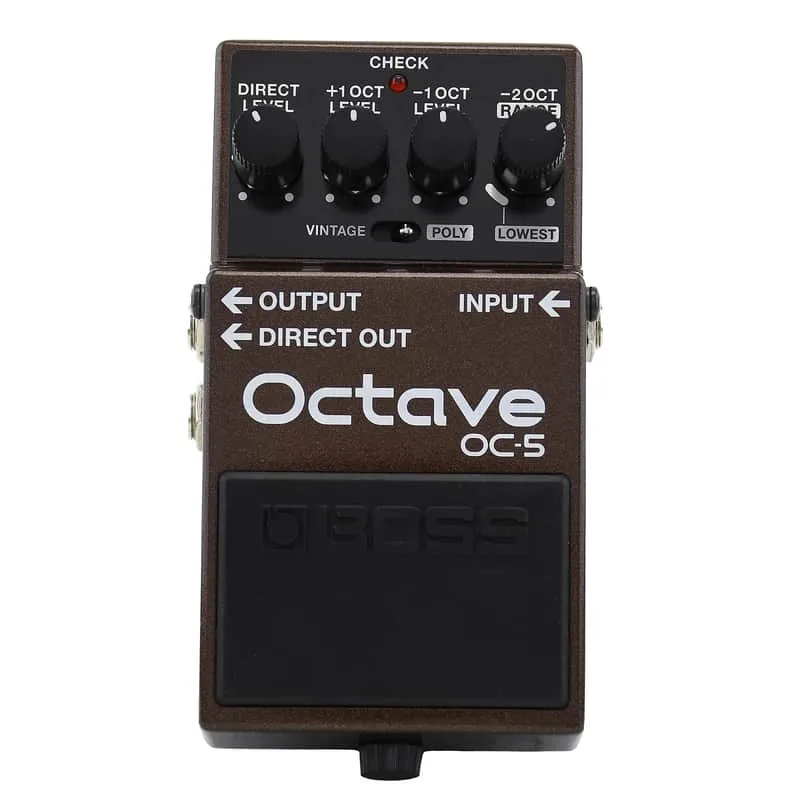
- Octave pedals shift exactly one or two octaves. PedalPCB's Octanaut is "an octave pedal designed to shift the pitch of single notes by one or two octaves"17, and Boss describes its OC-5 as an octave pitch pedal that "focuses purely on octaves"18.
- Pitch shifters cover any interval. EarthQuaker Devices notes that pedals which shift pitch "can be used as octave pedals but are more versatile because you can add harmonies, and many are polyphonic"1.
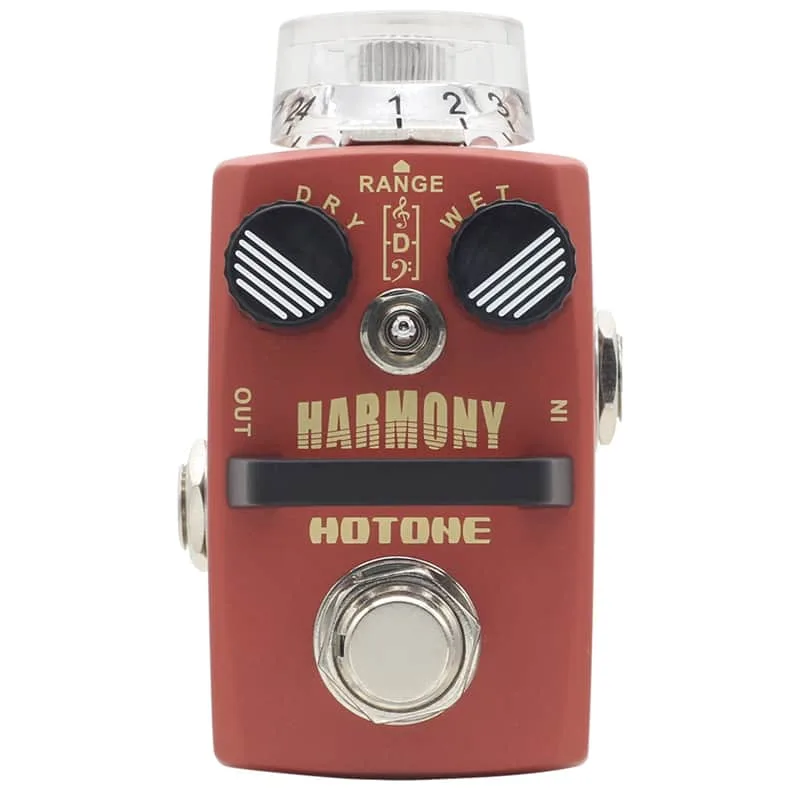
- Harmonizers add a harmony note at a musical interval. Boss describes the PS-6 Harmonist as "designed for musicians who want to create harmonies, bends, and detuned effects in real time"18, and Hotone's Harmony is "a compact digital pitch-shifter and harmonist pedal designed for electric guitar and bass"19.
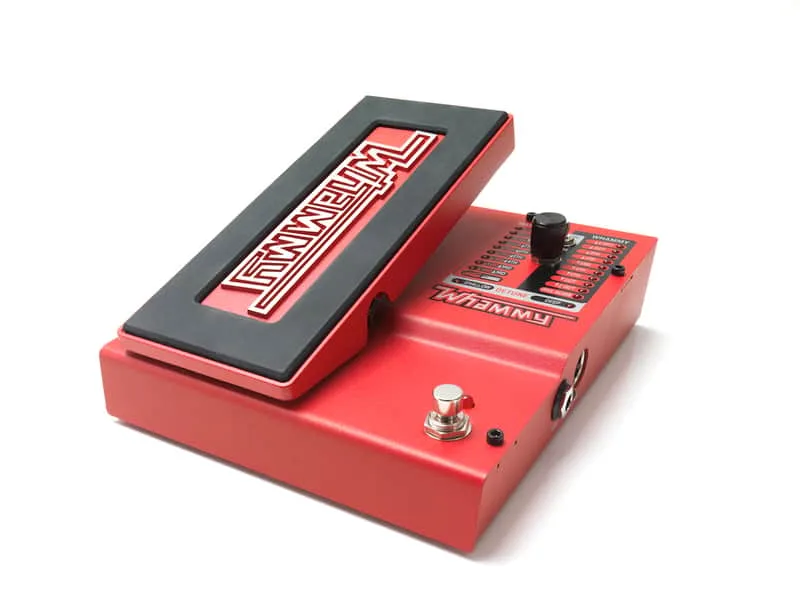
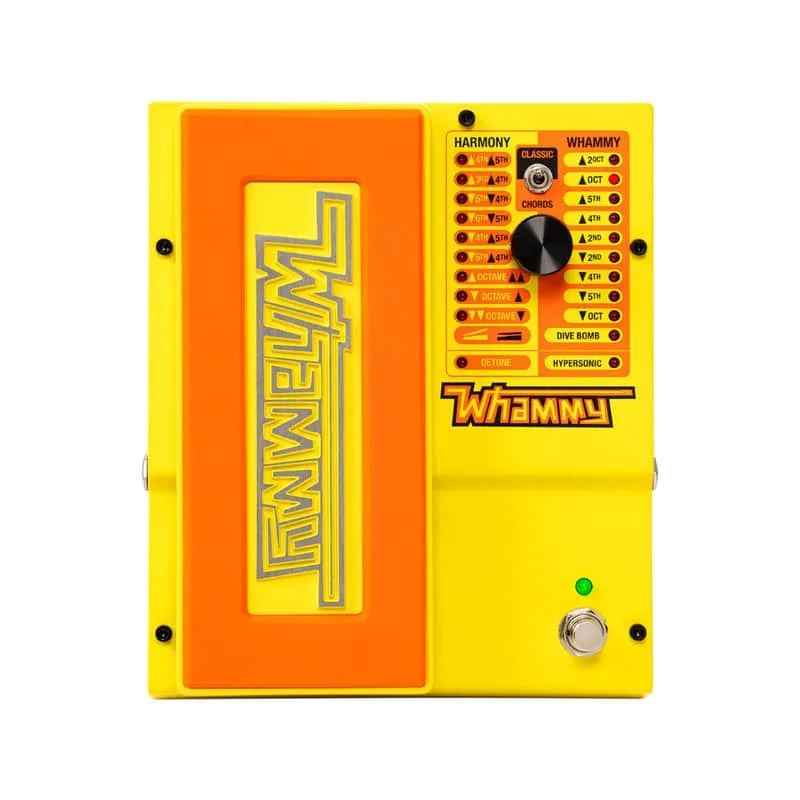
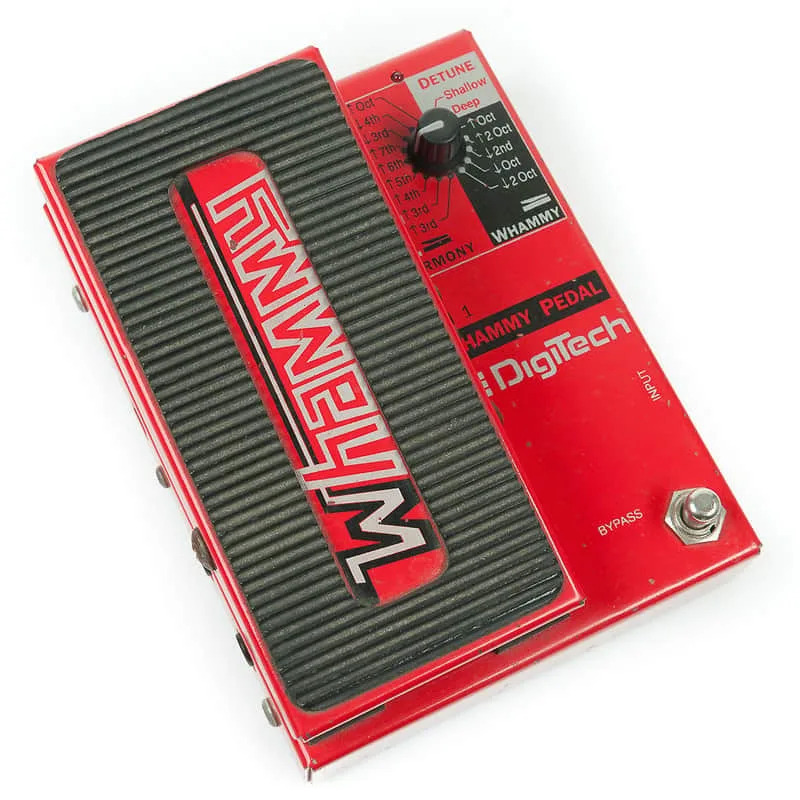
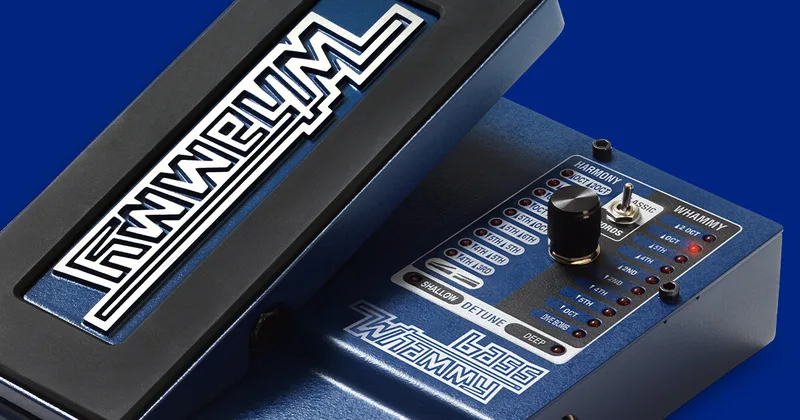
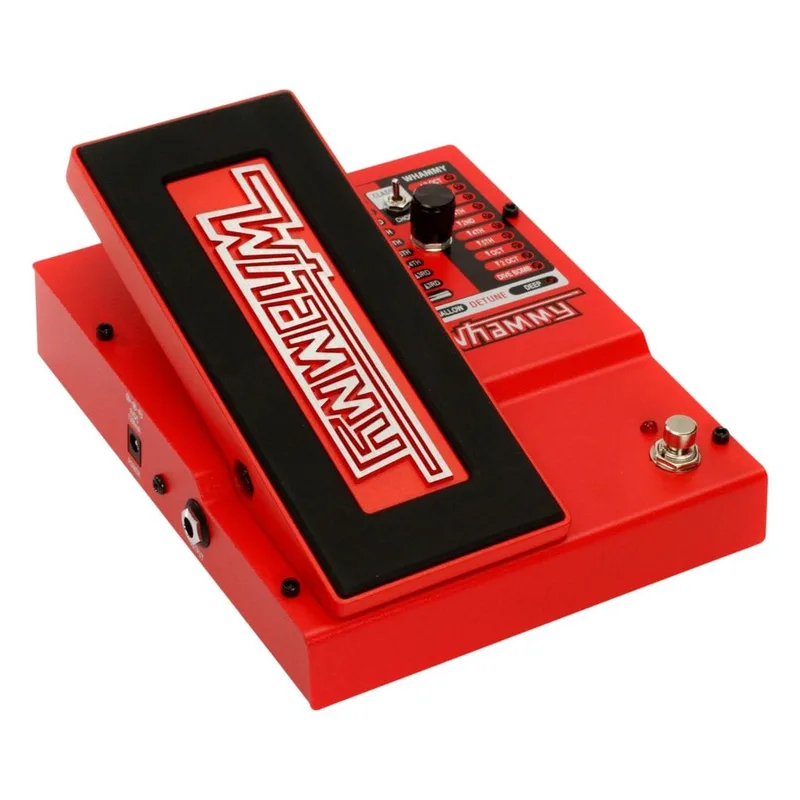
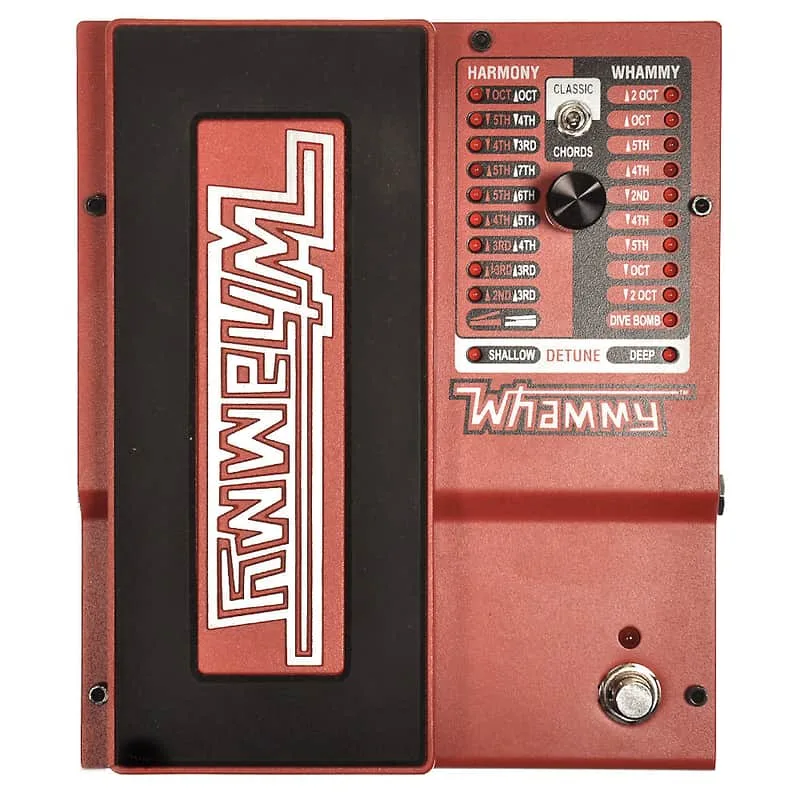
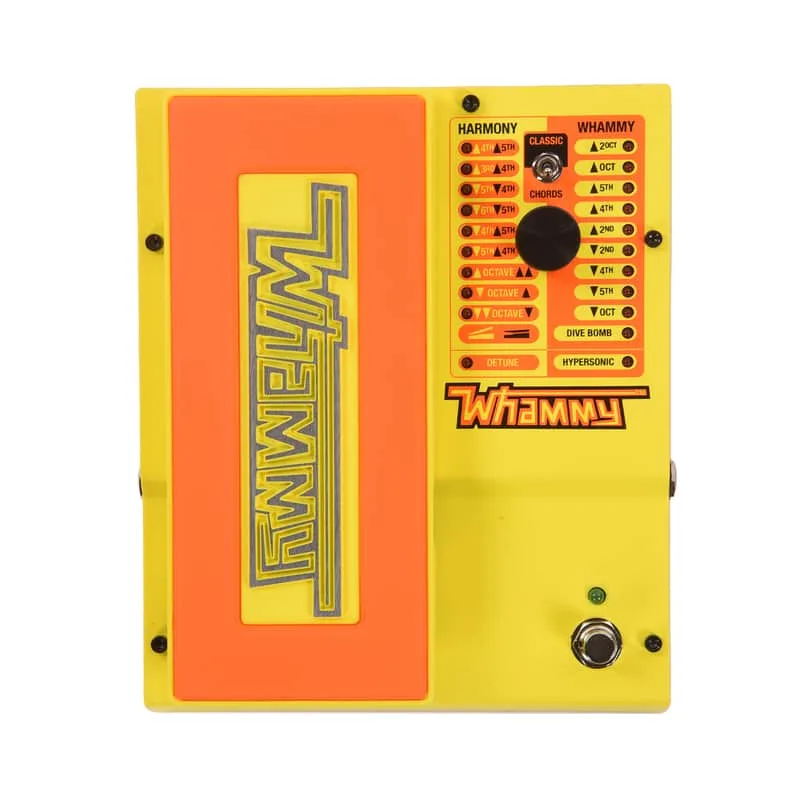
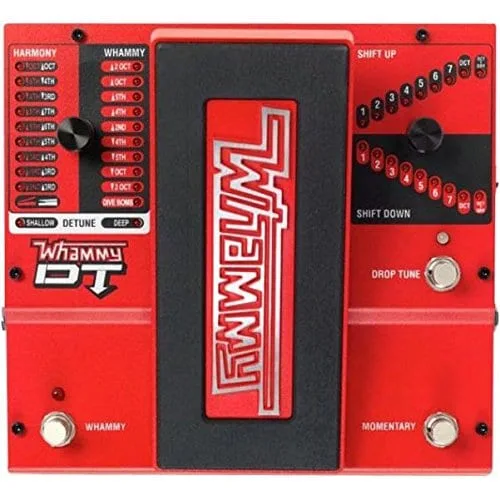
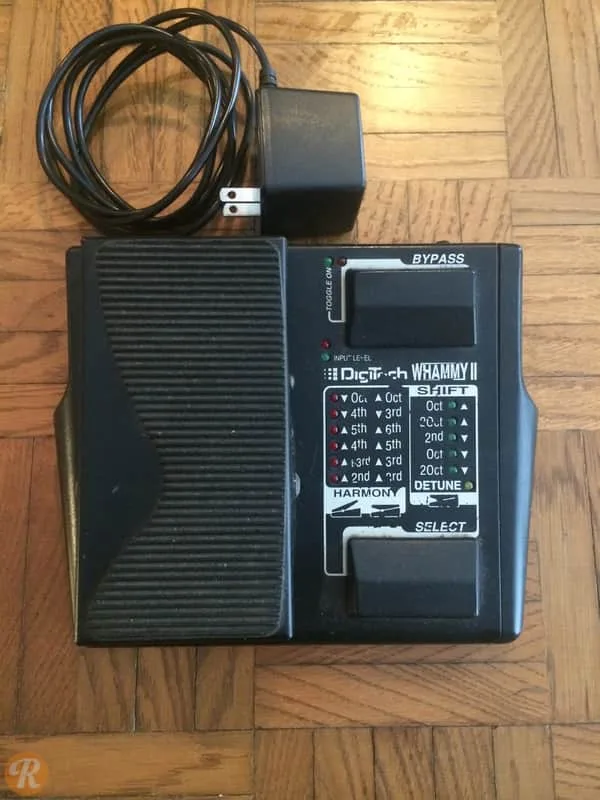
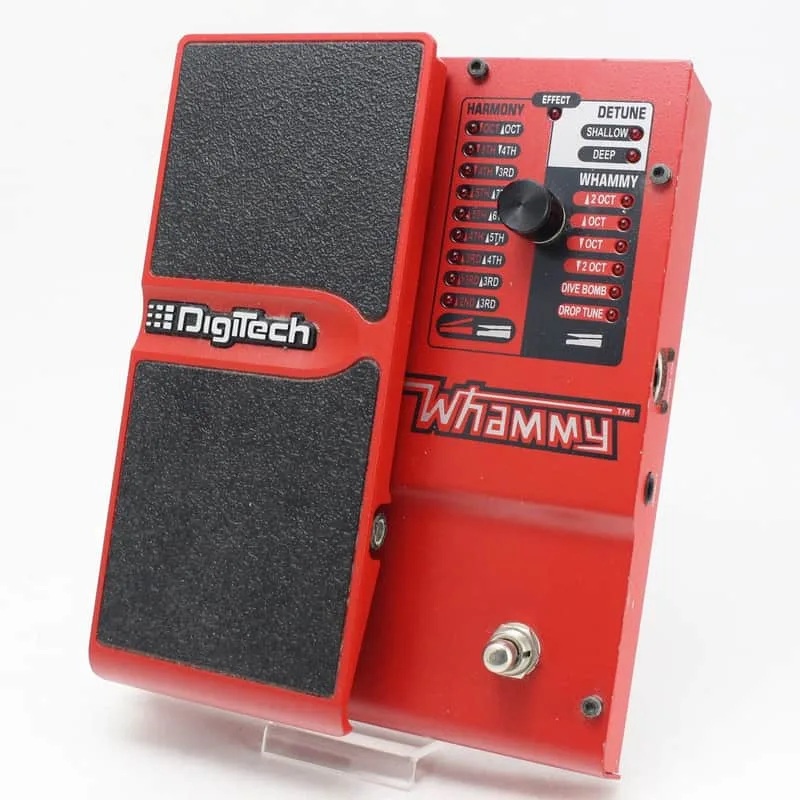
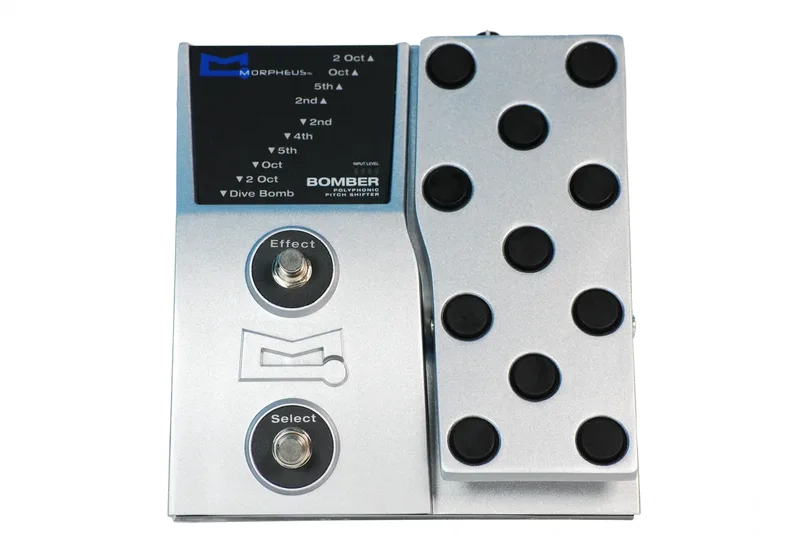
- Whammy pedals put pitch bending under your foot. On DigiTech's Bass Whammy, the expression pedal "is used to control the pitch bending amount of the selected Harmony, Whammy, or Detune effect. Rocking it forward (toe down) increases the amount of pitch bending while rocking it back (toe up) decreases the amount of pitch bending"20.
- Detune is a small, fixed pitch offset that thickens the sound, typically one of the modes on a whammy or harmonizer pedal rather than a pedal of its own.
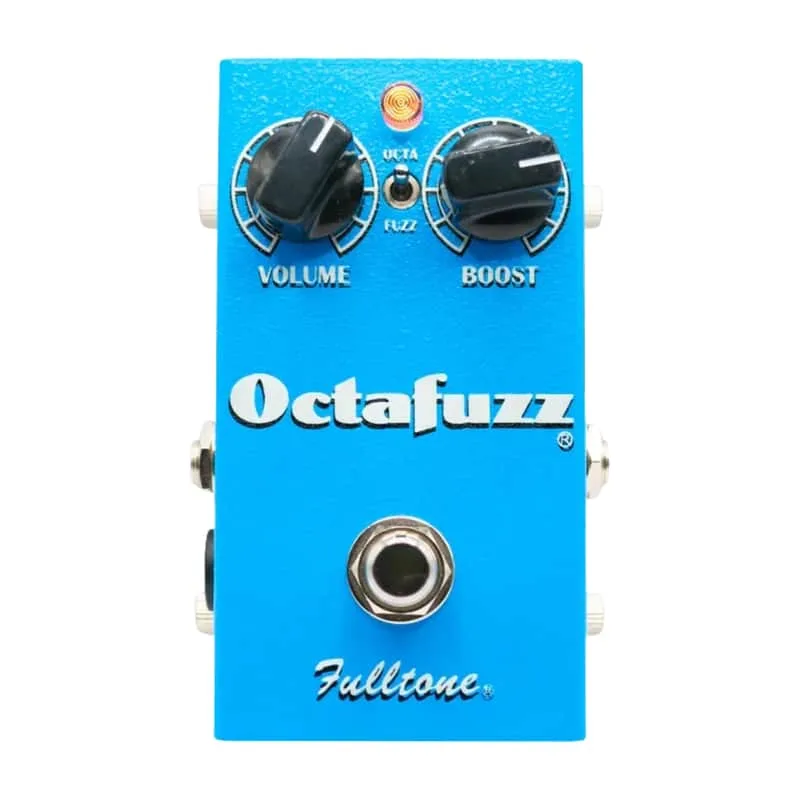
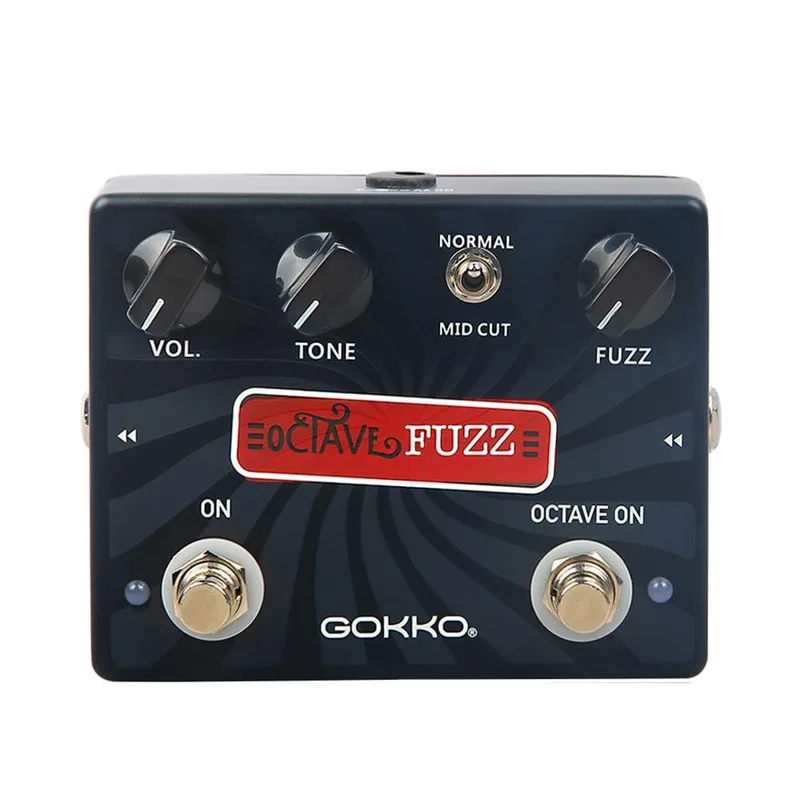
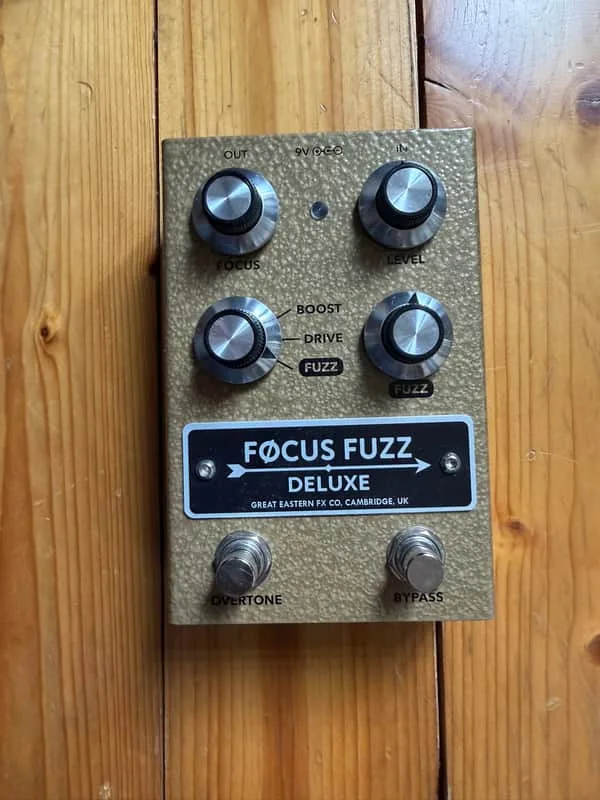
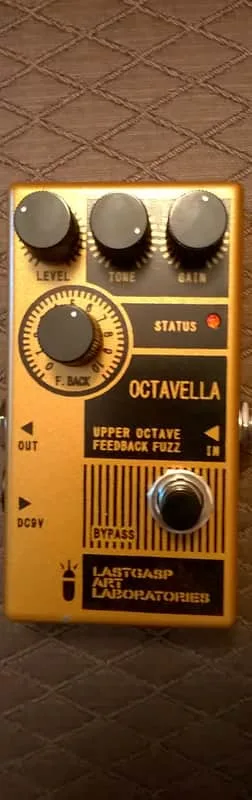
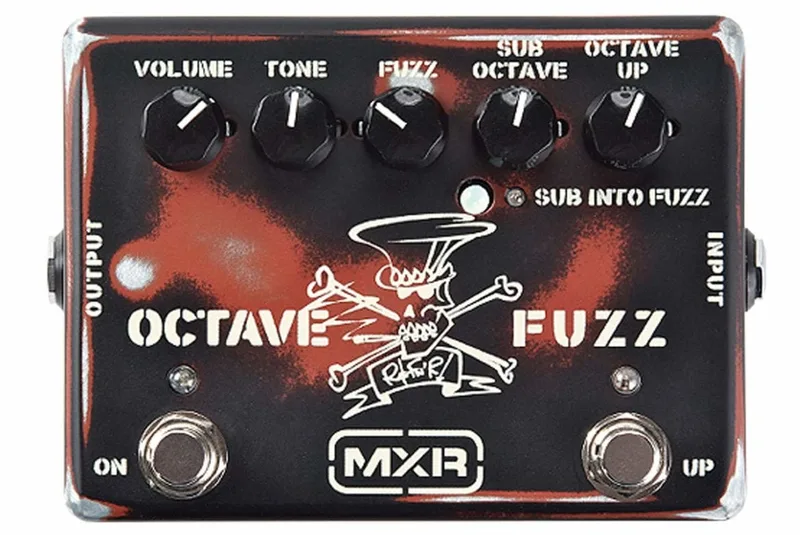
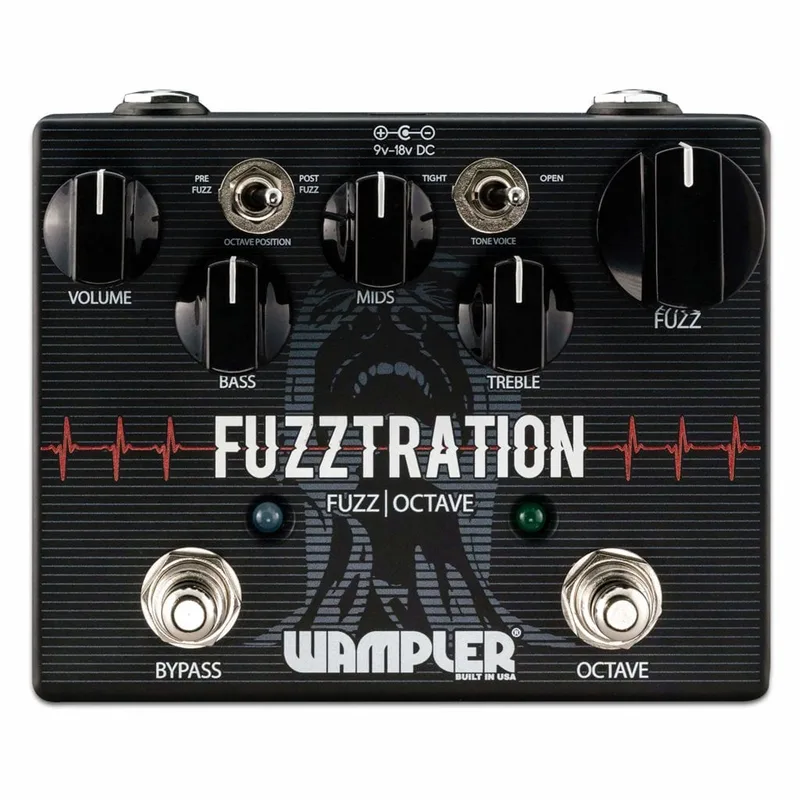
Octave fuzz sits next to this category rather than inside it. Beetronics' OctaHive is "fuzz with high pitch octave, octave switchable off"21, and its octave "can be turned off by the toggle switch, turning it into a warmer and thicker fuzz pedal"21. On That Pedal Show, Daniel and Mick drew the same line, noting "we're not dealing with Octave Fuzz in this episode, this is about octave down and up, and polyphonic octave generators"22. See the Fuzz Pedals page for that side of the family.
What the usual controls do
Controls vary a lot across the category, but a few patterns recur.
| Control | What it does | Where it appears |
|---|---|---|
| Octave toggle | Switches the octave voice on or off, changing the pedal's character | Beetronics OctaHive, where it turns the pedal into "a warmer and thicker fuzz pedal"21 |
| Octave selector | Chooses -1, regular or +1 octave shifting | Pladask Elektrisk Baklengs right toggle23 |
| Interval selector | Sets the shift interval, e.g. +/- 1 octave, fifths or fourths | Gamechanger Audio Motor Pedal9 |
| Blend or level knobs | Balance the shifted voice against the dry signal | Common across polyphonic octave pedals12 |
| Expression pedal | Controls pitch bend amount in real time | DigiTech Bass Whammy20 |
Some pedals go well beyond knobs. Alexander Pedals' Fever Pitch is deep enough that "Every knob and setting on the pedal is controllable using MIDI"5, which puts it in MIDI Pedals territory. Electro-Harmonix's Stereo Polyphase adds an "Optional expression pedal" input24, and MOOER's Pitch Step is a "polyphonic pitch shifter and harmonizer, conveniently built into a small expression pedal for real time" control25.
Where it goes in the signal chain
Pitch pedals want to see your raw signal. Boss's signal chain guide explains why: "Fundamentally, pitch-altering effects work by transposing the guitar signal up or down, and it's far easier for them to" do their job when the signal is clean, so they belong early in the chain, close to the guitar26. In Boss's ordering, pitch sits with the tuner at the front, before Overdrive Pedals and Distortion Pedals, which are stacked "from the lightest drive to the heaviest distortion"26.
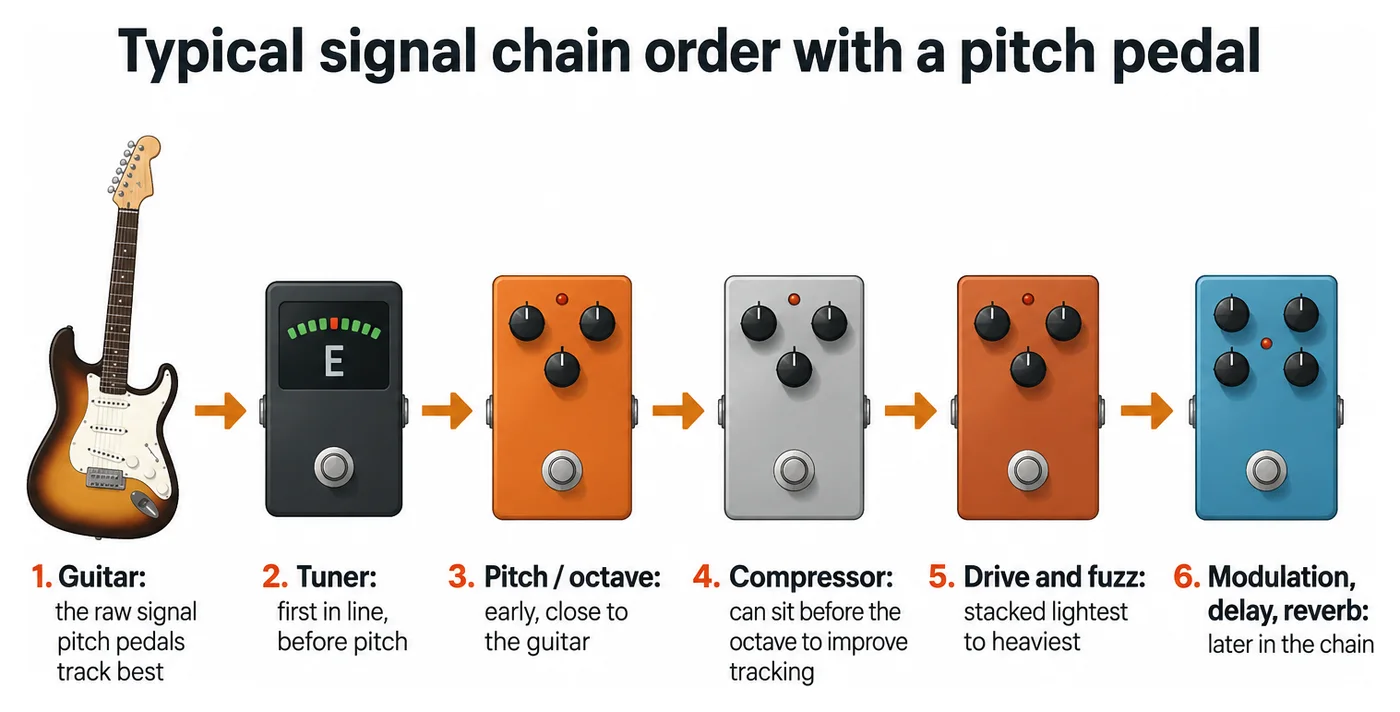
Two refinements matter. First, EBS suggests that "A compressor before the octave pedal can help improve tracking though. It helps with the control of the overtones"11. Second, and more generally: "Place the additional pedals after the octave pedal to feed it with as clean a signal as possible"11.
The fuzz problem
Fuzz complicates the early-placement rule, because fuzz circuits want to see the guitar directly. JHS Pedals warns that "In general, placing a buffer before a fuzz pedal will cause the fuzz to sound thin or weak" because "fuzzes need to see a high impedance signal at the input," and concludes "it's generally best to place buffers or buffered-bypass pedals after fuzz pedals in your signal chain"28. An octave into fuzz combination works when both pedals are true bypass; a buffered pedal sitting between them is exactly what JHS warns against. See Buffer Pedals for more on this interaction.
Power needs
Power in this category follows the same conventions as most of the pedal world, but digital pitch pedals draw more than analog ones, which matters when planning a power supply.
- Alexander Pedals specifies a 9V center negative supply for the Fever Pitch5.
- Master Effects' Super Four Hundred "uses a standard boss-style 9V power supply (2.1mm, center pin negative) and requires a minimum of 150mA"29.
A digital pitch or polyphonic octave pedal can draw far more current than an analog one. The maker's stated minimum current draw determines whether it can share a daisy chain built for analog pedals, since an underpowered digital pedal may misbehave or fail to boot.
Analog octave pedals are simpler: some, like the Bigfoot Octo Puss, are passive and need no power at all3.
How the category divides up
Pedals in this category differ along a few clear lines, and where a given pedal stands on each line says a lot about what it is for.
- Octaves only, or other intervals? Dedicated octave pedals like the Boss OC-5, which "focuses purely on octaves"18, cover octave shifts only. Pedals that shift fifths, fourths or harmonies are pitch shifters or harmonizers1.
- Single notes or chords? Chord playing calls for a polyphonic pedal30. Single lines work with monophonic analog pedals, which have a distinct voice1.
- Guitar or bass? Both work. EBS builds the OctaBass line for bass, and Shift Line describes its Octaves pedal as suited to guitar or bass players alike14. With analog pedals on bass, pickup selection and tone control improve tracking11.
- Under your foot or on a switch? Real-time bends are the territory of whammy-style pedals with an expression pedal20. Set-and-forget thickening is simpler with a compact octave pedal.
- How much control? MIDI control, as on the Fever Pitch5, appears on programmed rigs; three-knob designs cover the rest.
A short history of the category
Octave effects are old enough to have a vintage lineage that modern builders still draw on. Beetronics says its Octahive v2 "draws inspiration from the iconic '70s octave pedals, blending vintage tones with modern enhancements"31. On the bass side, EBS's OctaBass "was EBS's first-ever pedal, known for its fast, fat, and natural octave tracking"32, and the current OctaBass Blue Label continues that line as an analog octave pedal11.
The modern era is digital and polyphonic. That Pedal Show's episode on the subject, from October 2016, introduced "six octave pedals that each have a unique take on the genre"22, and the range has only widened since, from compact polyphonic generators2233 to expression-pedal shifters2233 to synth-like pitch-tracking designs such as Iron Ether's Subterrograph, "a dual pedal, combining the Subterranea pitch-tracking multi-octave oscillator with a resonant lowpass filter, forming a monophonic subtractive synthesizer played with bass or guitar"33.
Questions
What is the difference between an octave pedal and a pitch shifter?
An octave pedal moves your note exactly one or two octaves up or down, doubling or halving the frequency. A pitch shifter can do that too, but it can also shift to other intervals and add harmonies, and many are polyphonic, so they track chords. EarthQuaker Devices describes pitch shifters as more versatile for exactly these reasons.
What does a whammy pedal do?
A whammy pedal combines a pitch shifter with a built-in expression pedal. Rocking the pedal forward increases the amount of pitch bending and rocking it back decreases it, so notes bend up or down in real time, like a tremolo arm on a guitar. DigiTech's Bass Whammy also offers Harmony and Detune modes controlled the same way.
Do octave pedals work on bass?
Yes. EBS makes the OctaBass line specifically for bass, and Shift Line says its Octaves pedal suits guitar or bass players alike. With analog octave pedals, tracking improves if you select the neck pickup or roll off some treble with the tone control, because the circuit reads the fundamental more easily with fewer high frequencies.
Should an octave pedal go before or after fuzz?
Analog octave pedals want the cleanest signal possible, so EBS advises placing other pedals, including fuzz, after the octave. Fuzz complicates this because it dislikes buffers in front of it: JHS notes that a buffer before a fuzz makes it sound thin or weak, so in JHS's ordering buffered pedals belong after the fuzz. That puts a common chain at guitar, tuner, octave, then fuzz.
What is a harmonizer pedal?
A harmonizer is a pitch shifter that adds a note at a musical interval alongside what you play, so a single line comes out as two-part harmony. Boss describes its PS-6 Harmonist as designed for harmonies, bends and detuned effects in real time, and Hotone's Harmony is a compact digital pitch-shifter and harmonist pedal for guitar and bass.
Why do octave pedals glitch on chords?
Analog octave pedals are monophonic by design: they track one note at a time by doubling or halving its frequency, and EBS states plainly that they cannot trigger every note you play accurately. Feed them a chord and the circuit cannot decide which fundamental to follow, so the output glitches. Polyphonic digital octave pedals are built to handle chords.
Sources (33)
- Octave And Pitch, EarthQuaker Devices, 2022-07-18
- 8bitar-updated-doc.pdf, Parasit Studio, 2024-05
- Octo Puss by Bigfoot Engineering, RockBoard PedalPedia, 2026
- Fever Pitch by Alexander Pedals, RockBoard PedalPedia, 2026
- Fever Pitch, Alexander Pedals
- MANDRAKE, KMA Machines
- Subterranea, Iron Ether
- BIGSBY PEDAL (Limited B-STOCK), Gamechanger Audio, 2026-09-23
- MOTOR Pedal, Gamechanger Audio, 2026-07-14
- Ladder to the Moon, Parasit Studio
- How to improve the performance of your analog octave pedal, EBS Sweden (ebssweden.com), 2021-06-03
- Tender Octaver MKⅡ_MOOER Audio, MOOER Audio
- Octpus by Amuzik, RockBoard PedalPedia, 2026
- Shift Line Octaves, Shift Line, 2026
- ZCAT Poly-Octaver 2, ZCAT Pedals
- Tender Octaver by MOOER, RockBoard PedalPedia, 2026
- Octanaut, PedalPCB
- How to Choose a Pitch Pedal, BOSS (articles.boss.info), 2025-10-27
- Harmony by HOTONE, RockBoard PedalPedia, 2026
- Bass Whammy, DigiTech, 2026-01-02
- Octahive, Beetronics
- That Pedal Show, That Pedal Show, 2016-10-07
- BAKLENGS_Manual.pdf, Pladask Elektrisk, 2023
- Stereo Polyphase, Electro-Harmonix
- Pitch Step_MOOER Audio, MOOER Audio
- The Ultimate Guide to Guitar Effects Pedal Order and Signal Chain, BOSS (articles.boss.info), 2023-03-01
- How to build a guitar pedalboard, Guitar World, 2019-07-31
- UNDERSTANDING BUFFERS, JHS Pedals
- Super Four Hundred, Master Effects
- Best octave pedals for bass 2026: Pitch-shift your playing with our pick of essential pedalboard additions, Guitar World, 2026-06-03
- Octahive v2 High Octave Buzz • Limited Edition • Red Reign, Beetronics
- Octabass, EBS Professional Bass Equipment
- Subterrograph, Iron Ether