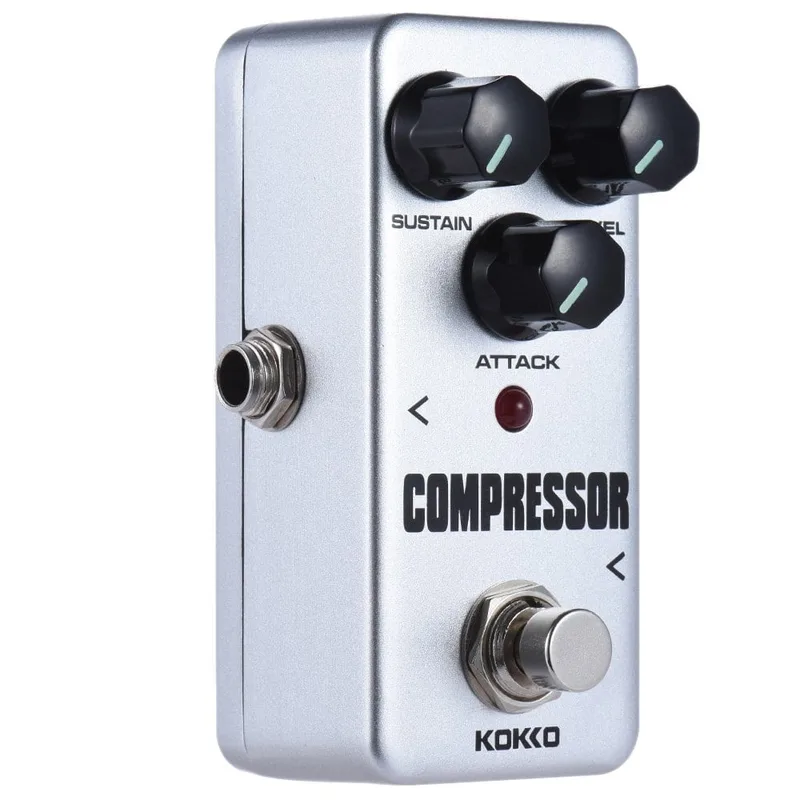
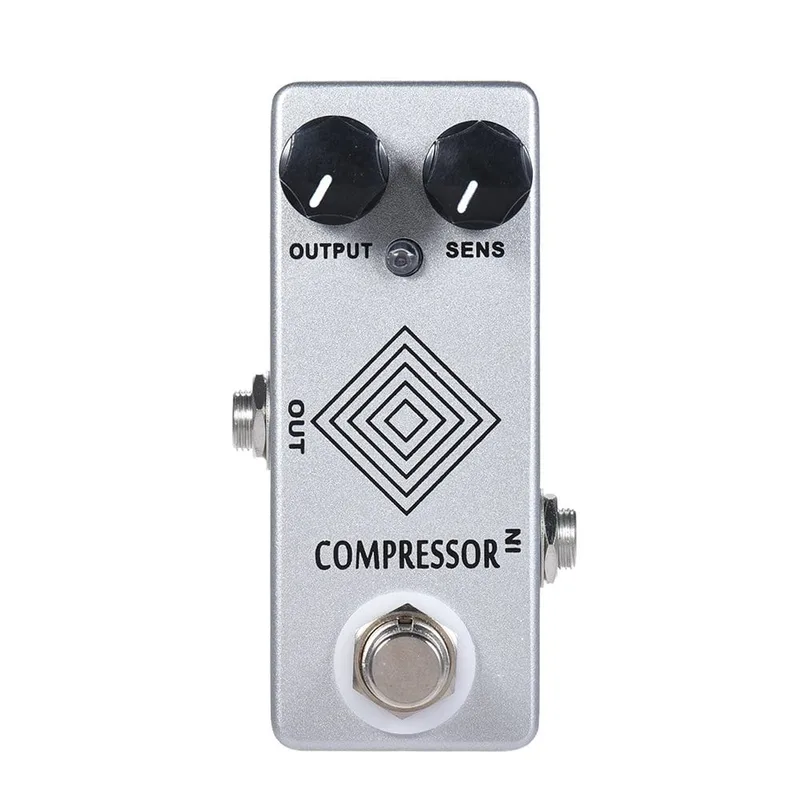
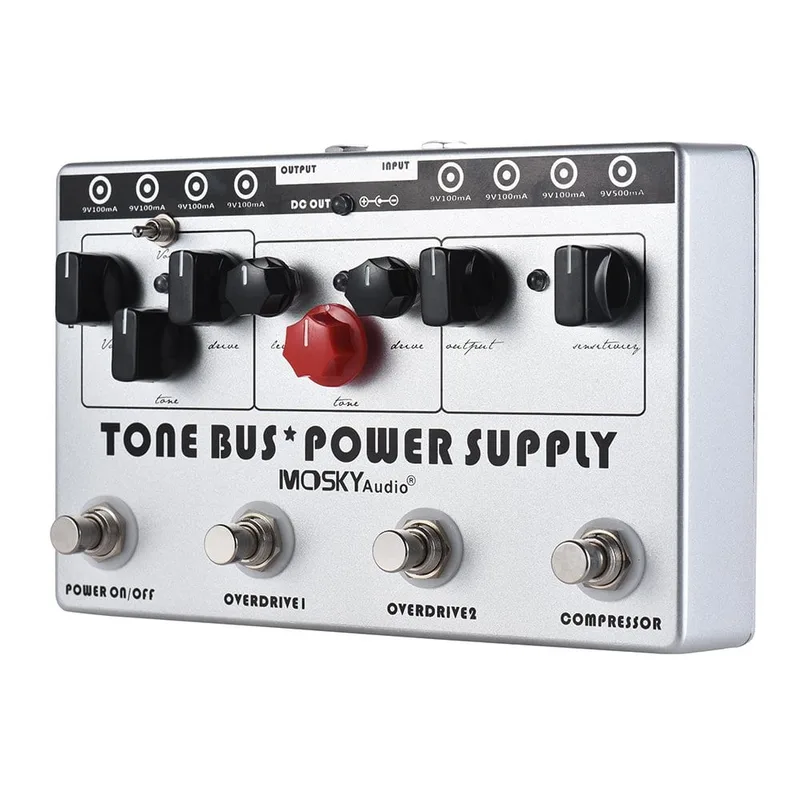
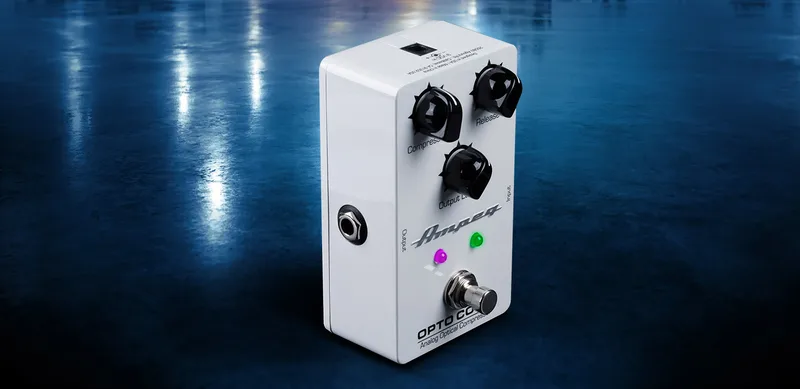
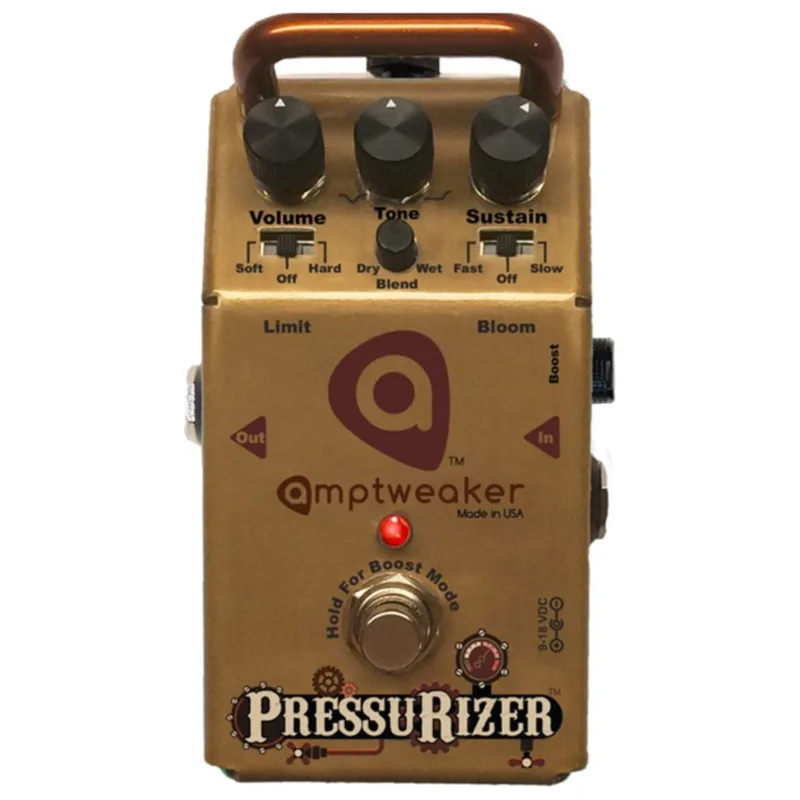
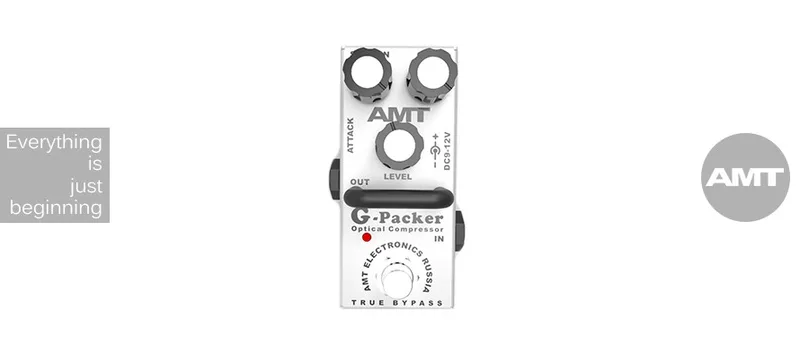
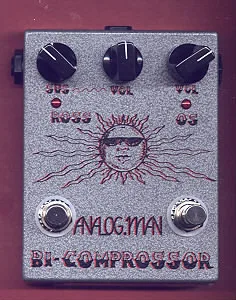
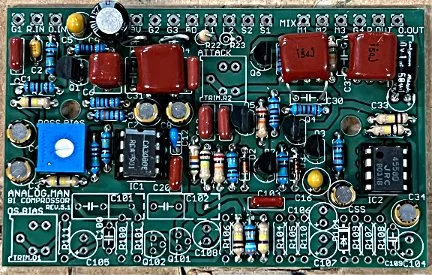
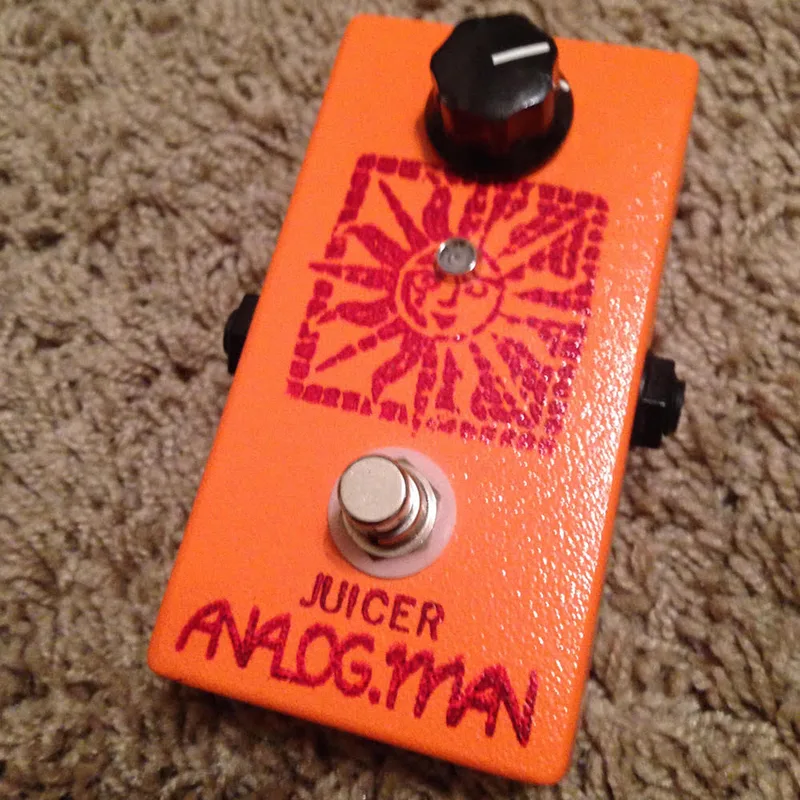
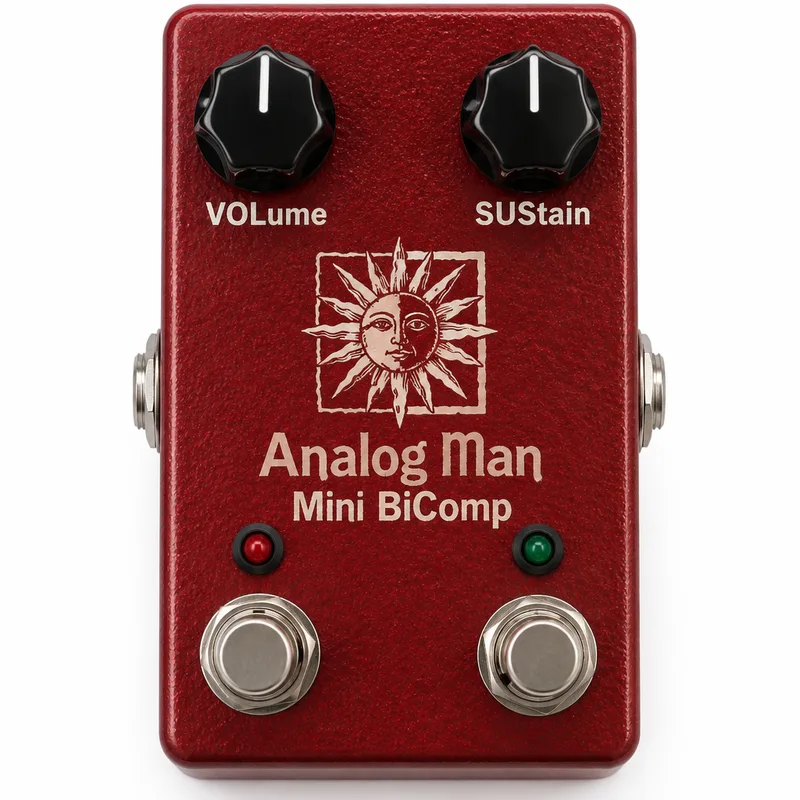
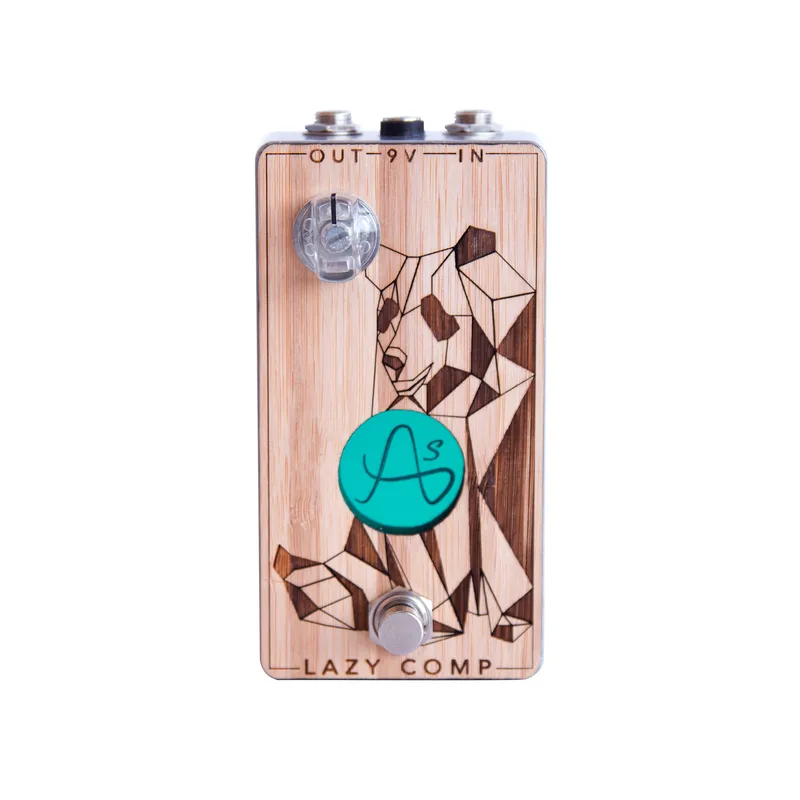
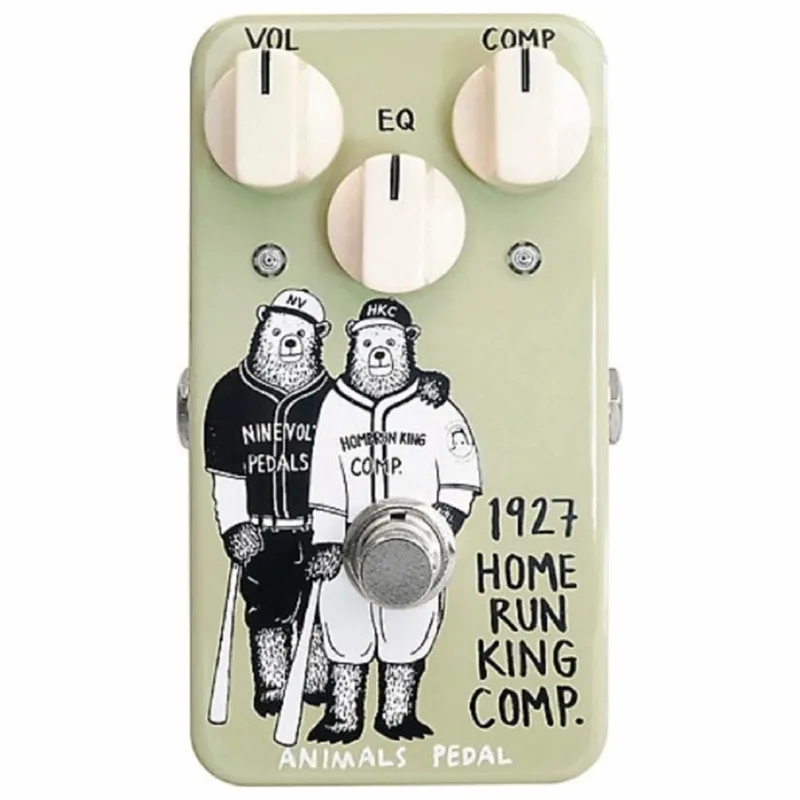
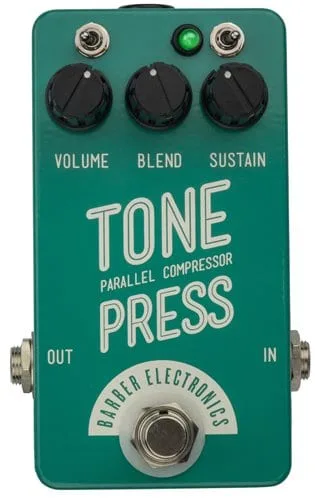
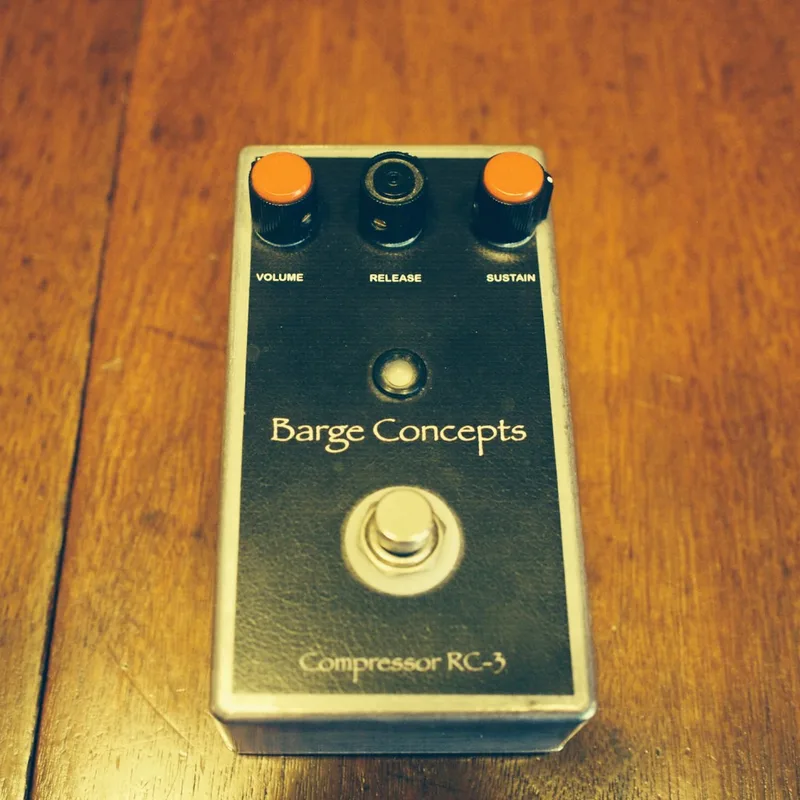
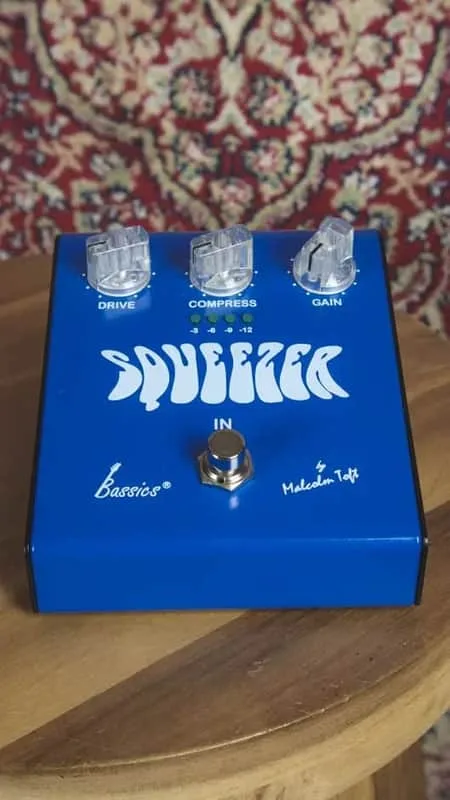
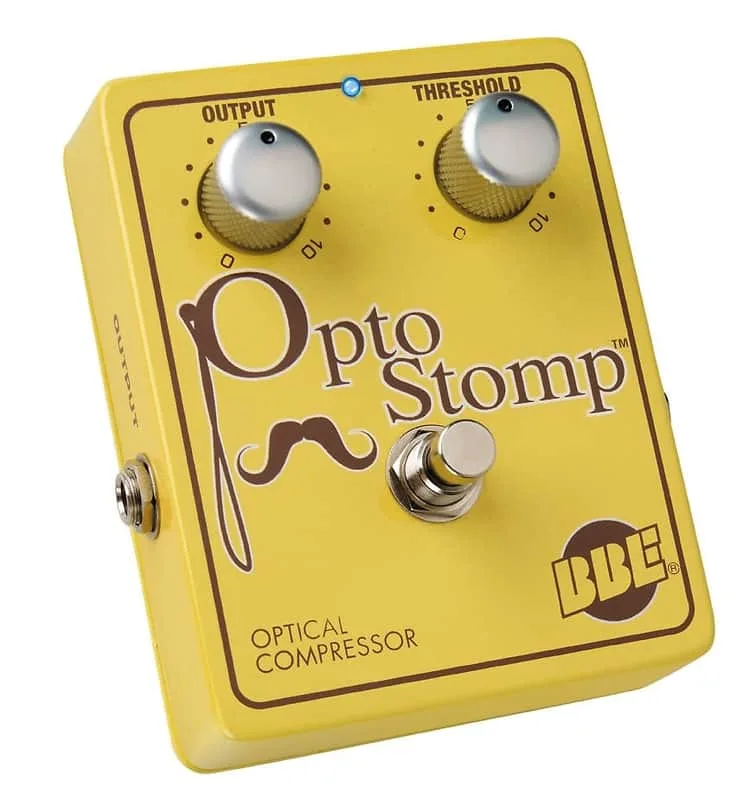
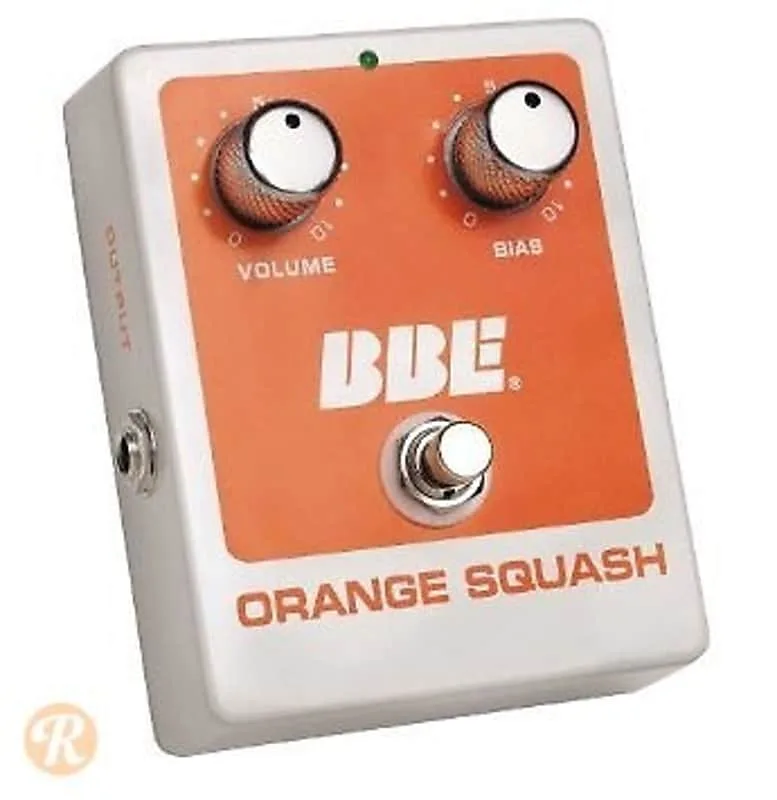
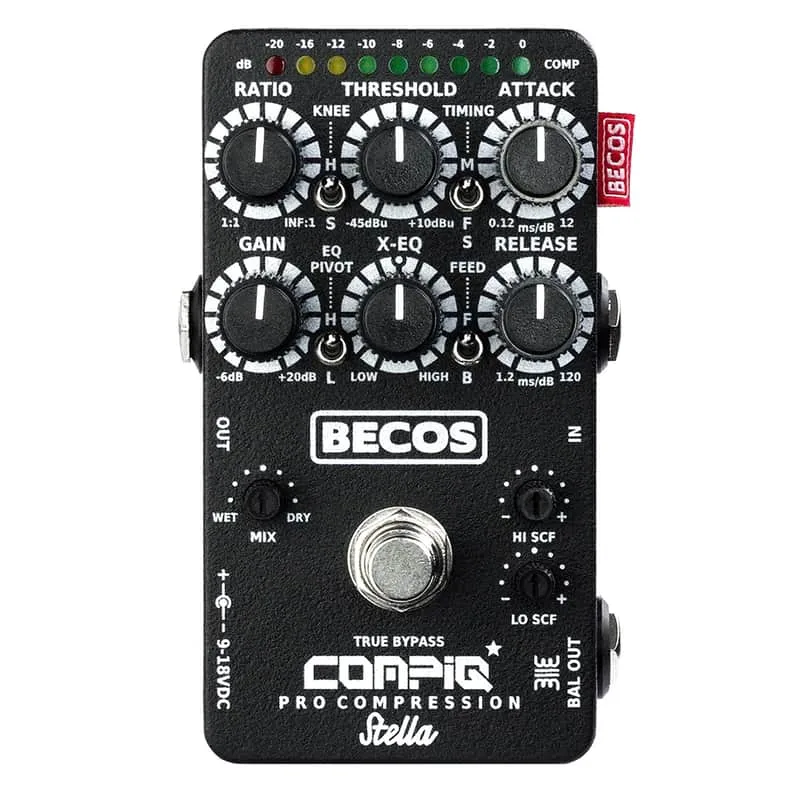
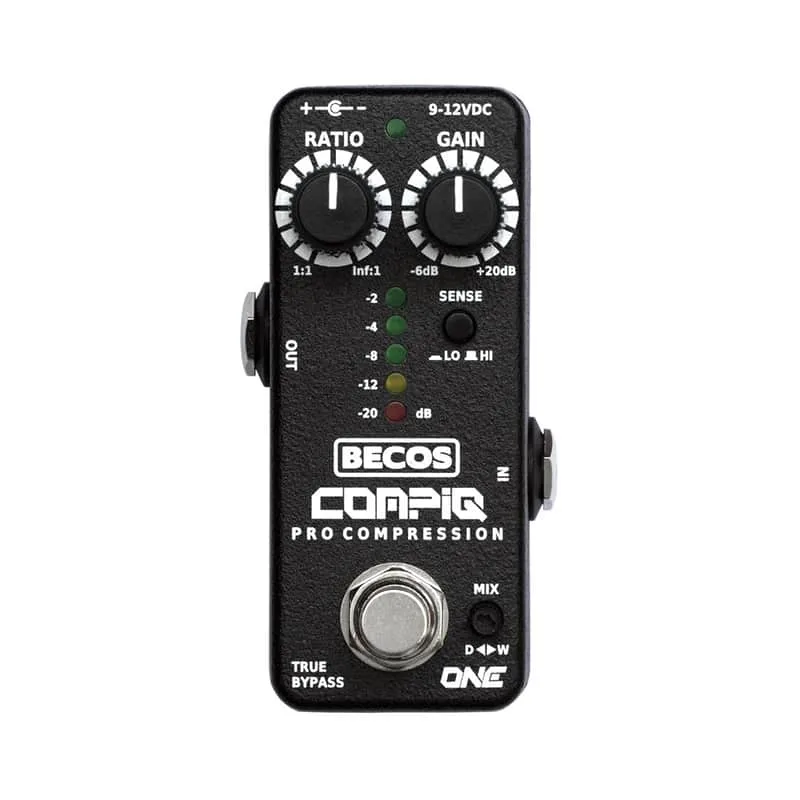
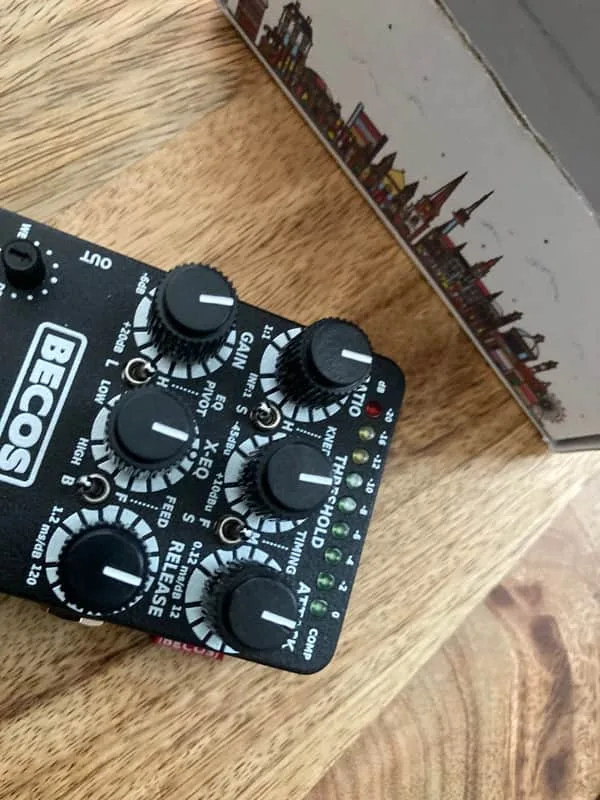
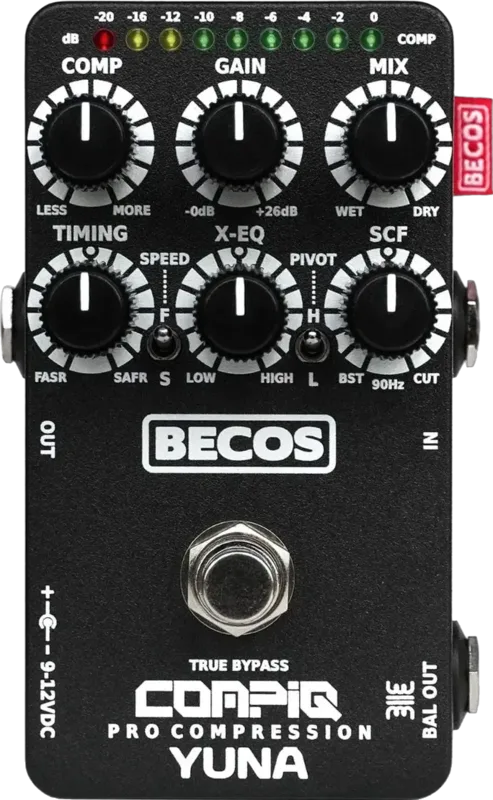
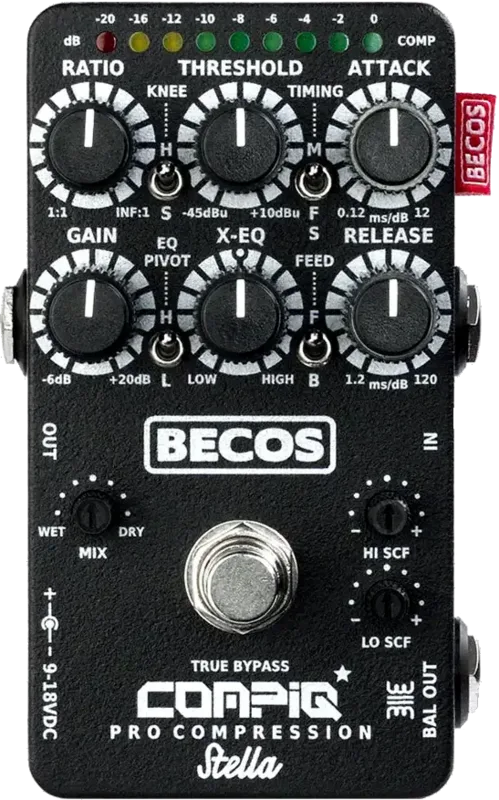
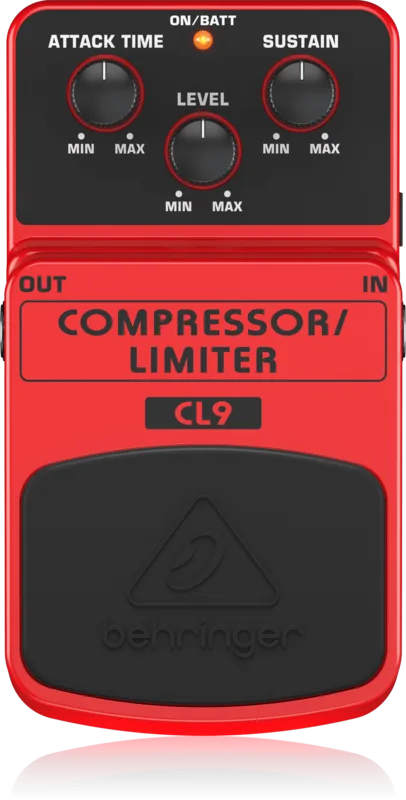
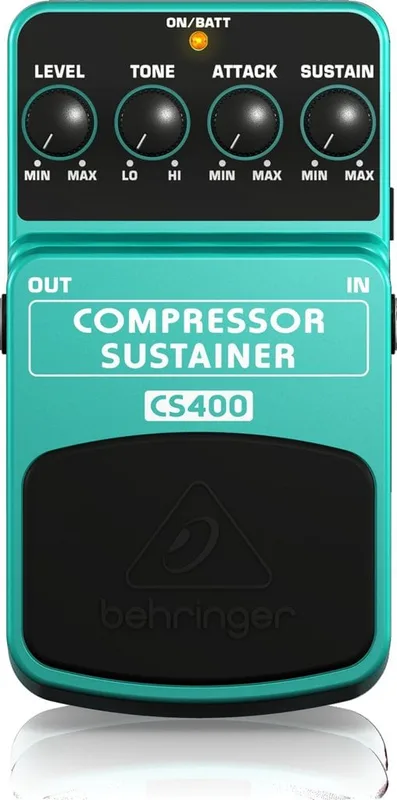
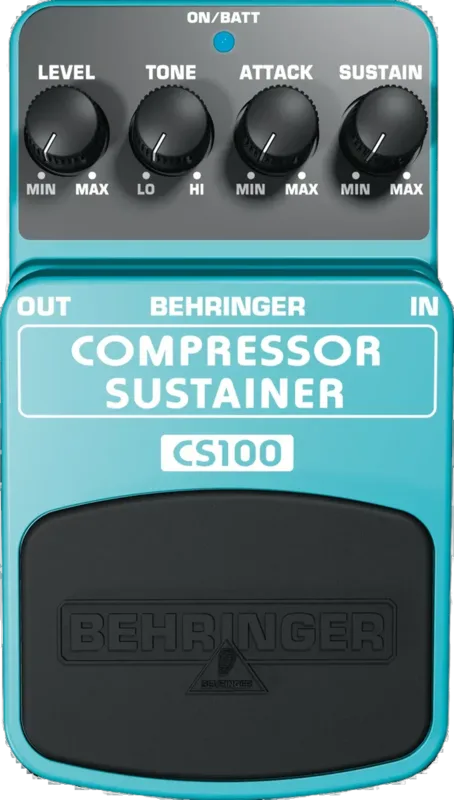
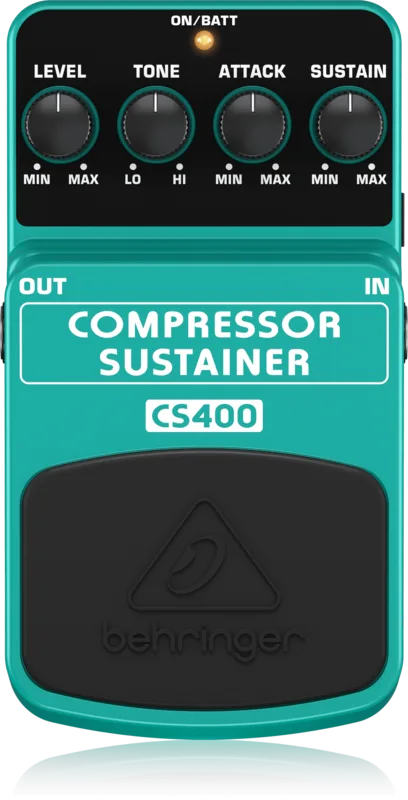
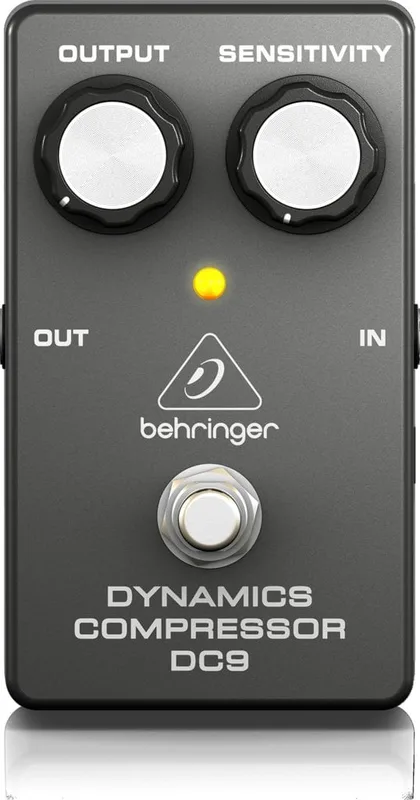
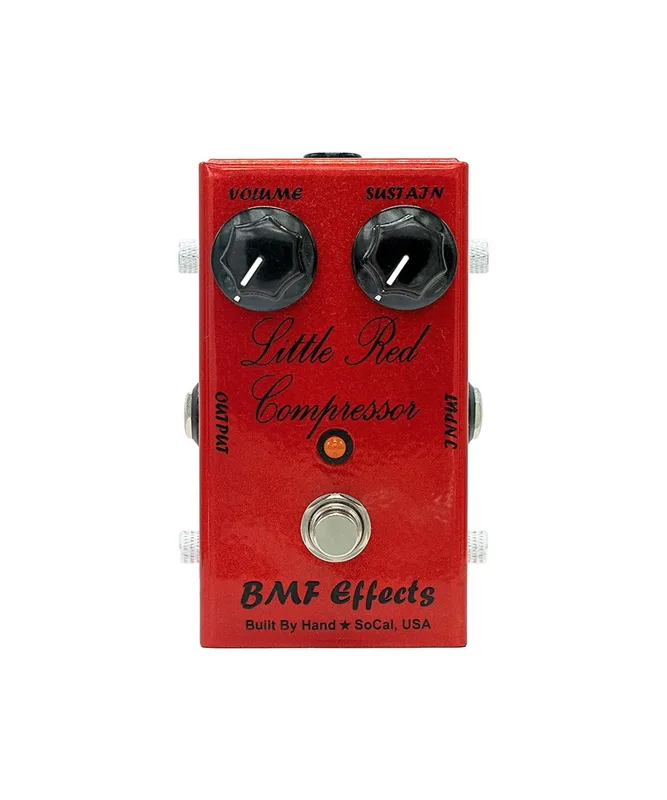
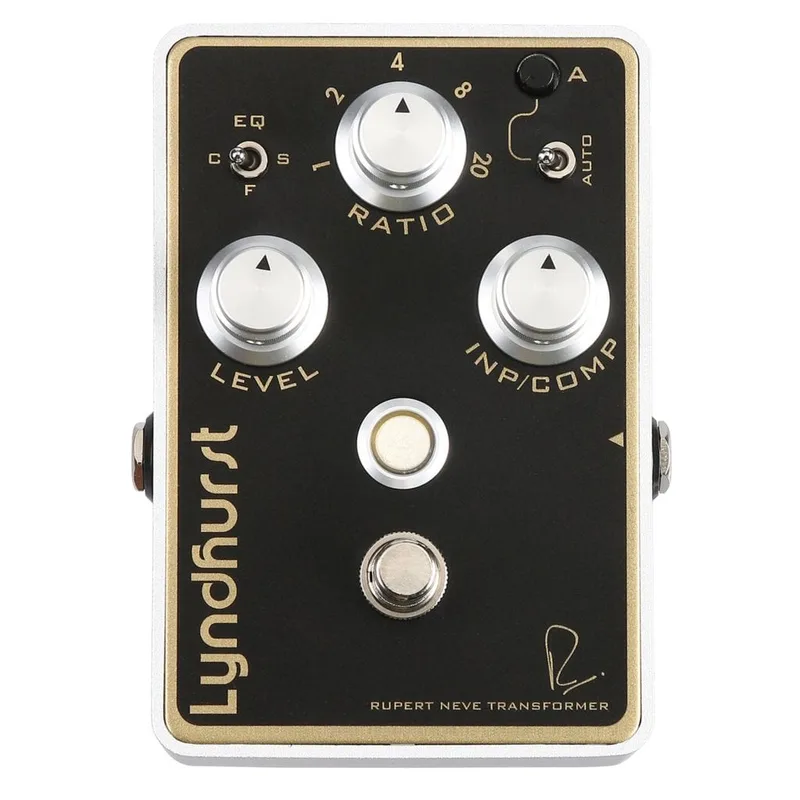
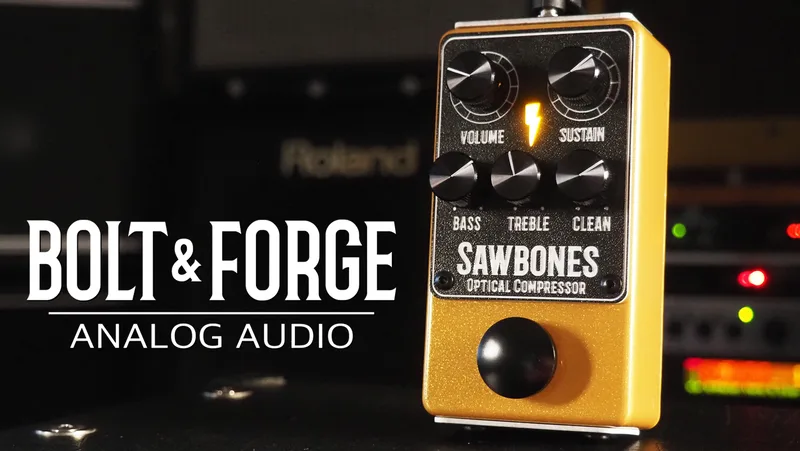
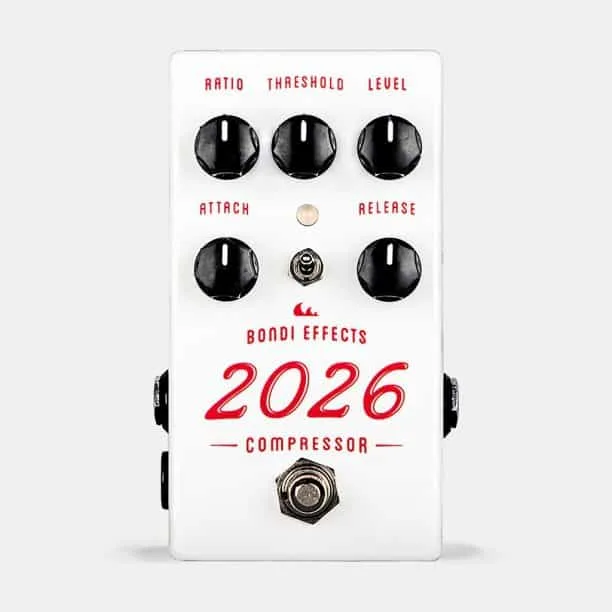
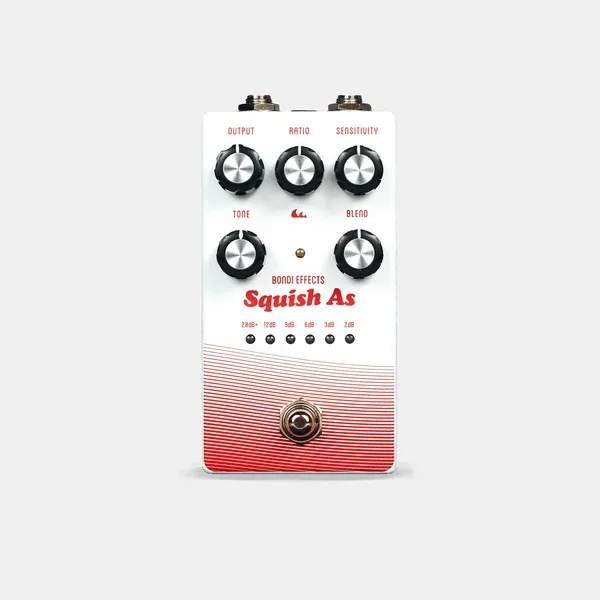
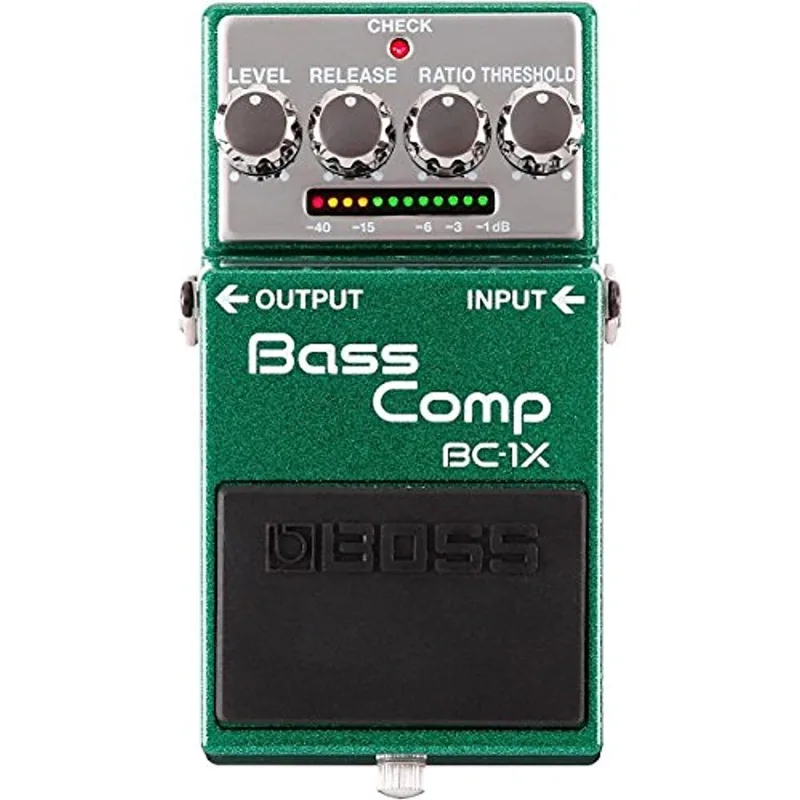
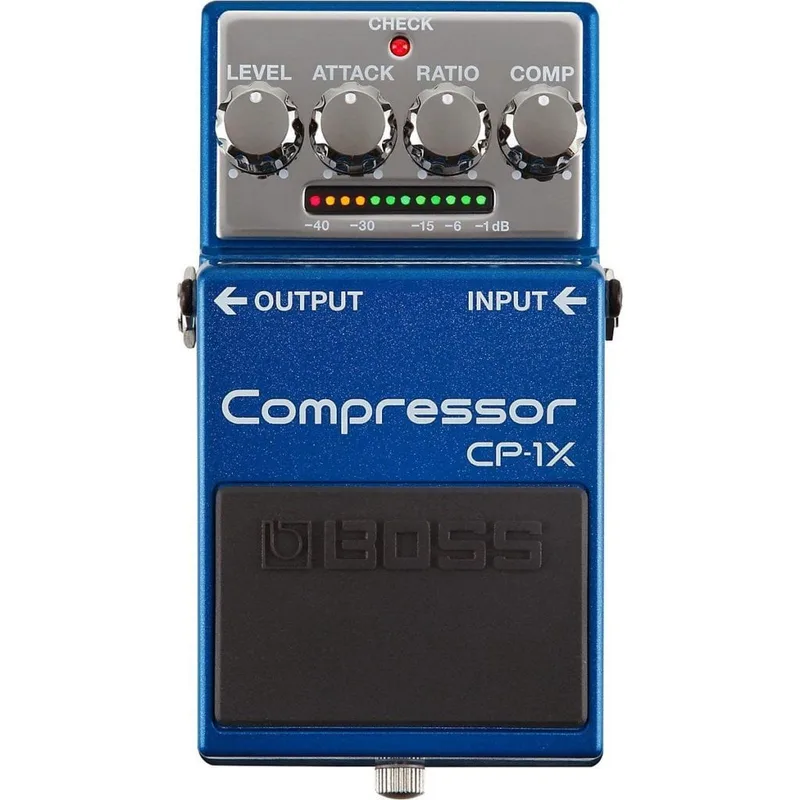
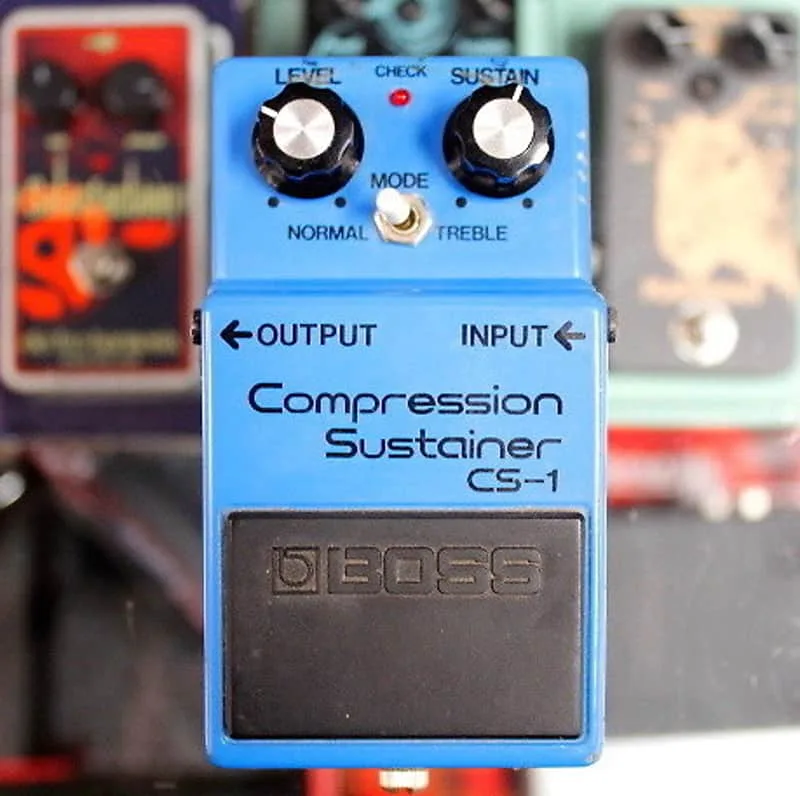
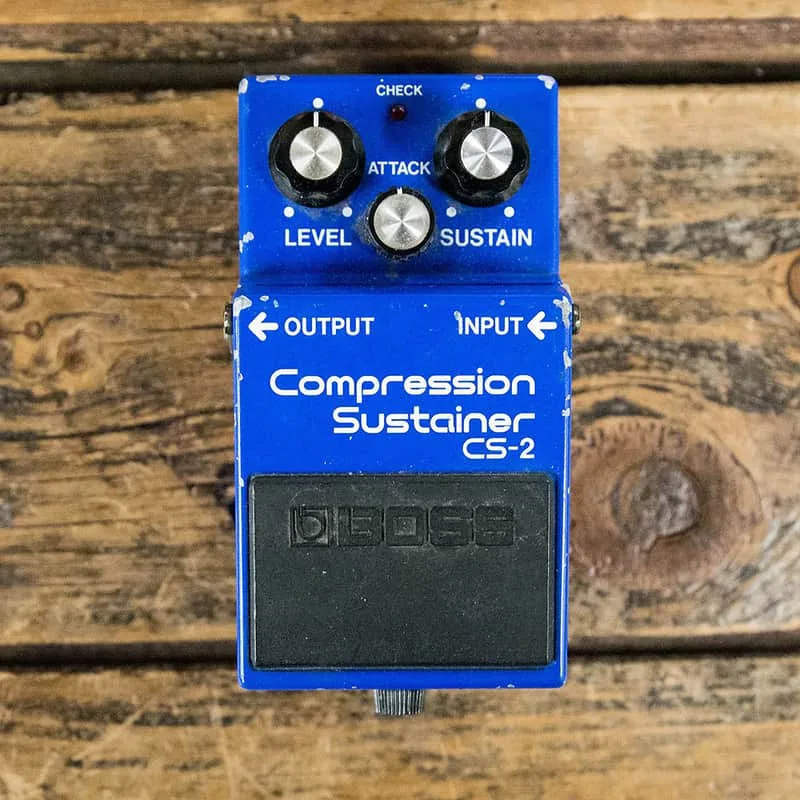
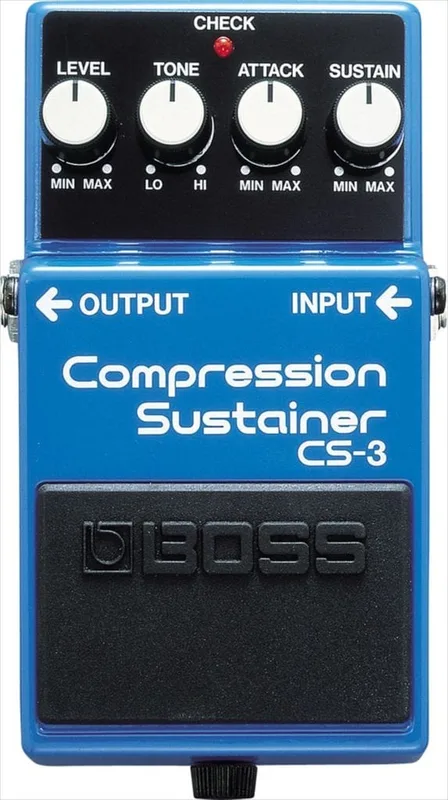
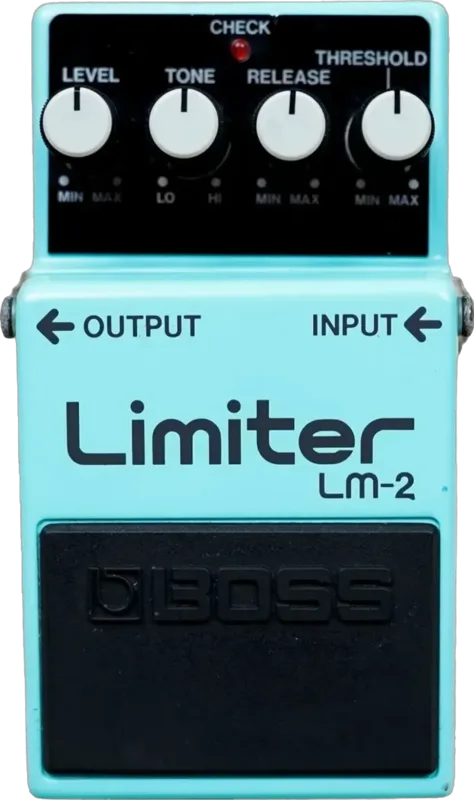
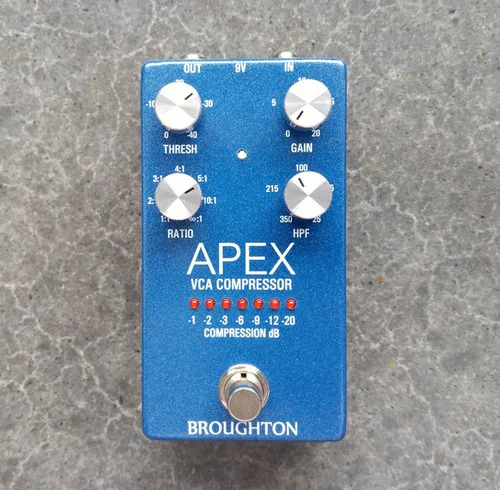
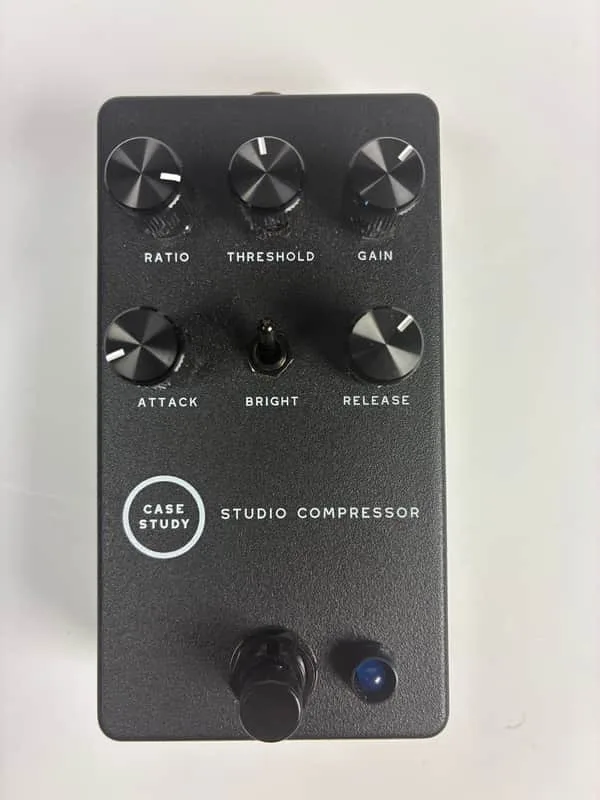
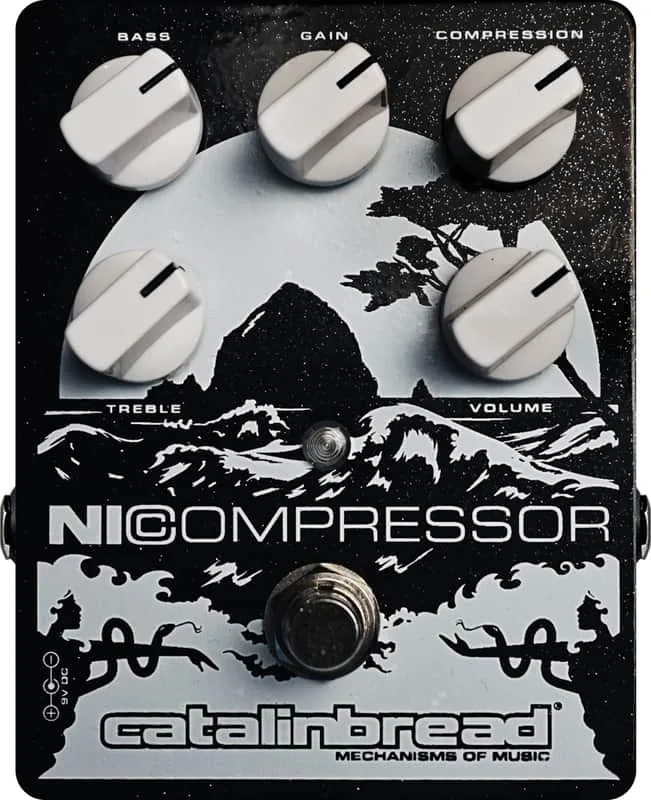
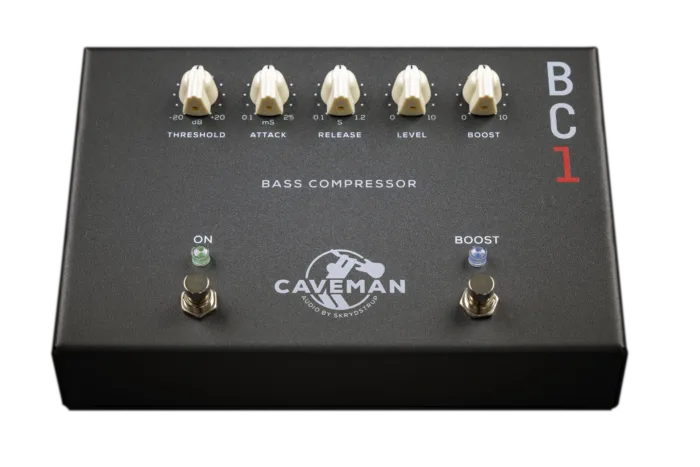

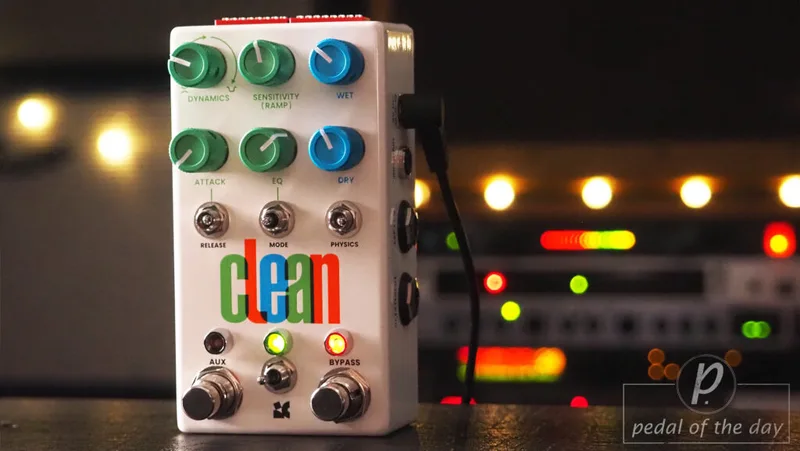
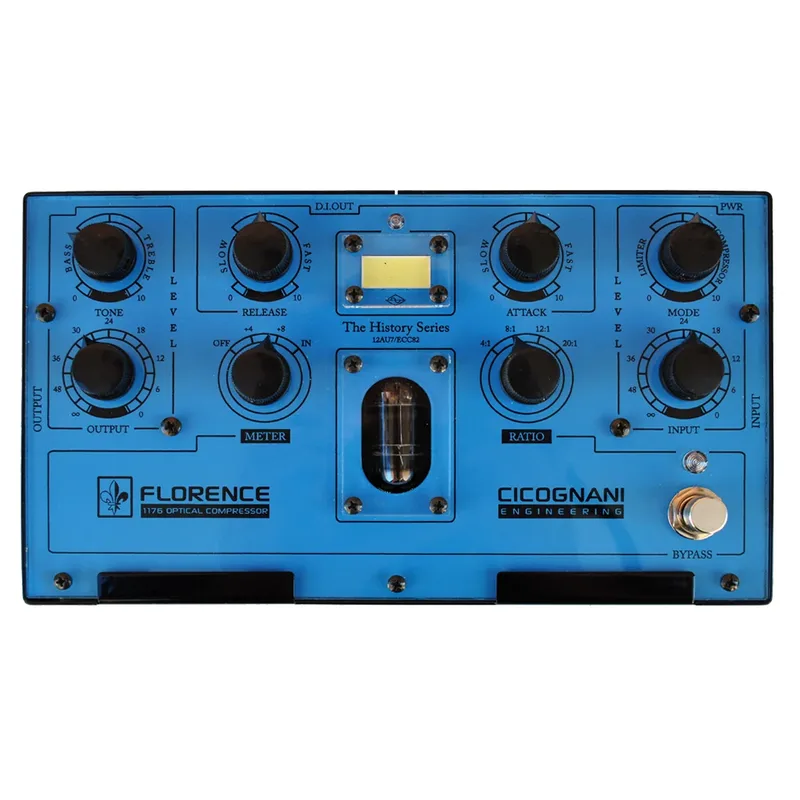
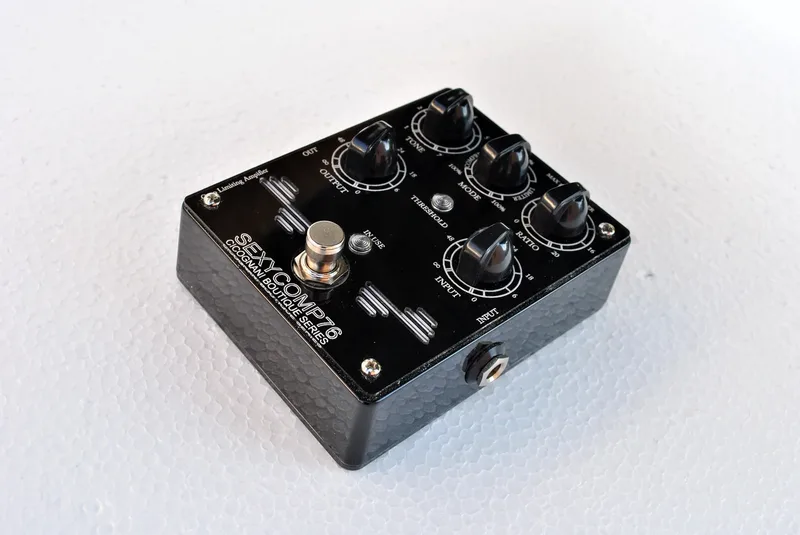

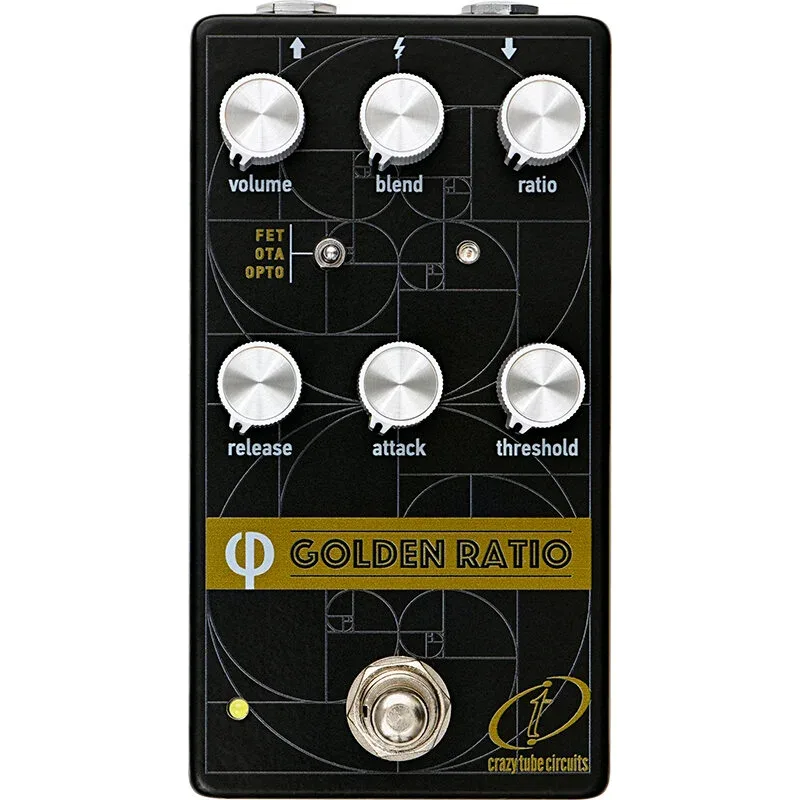
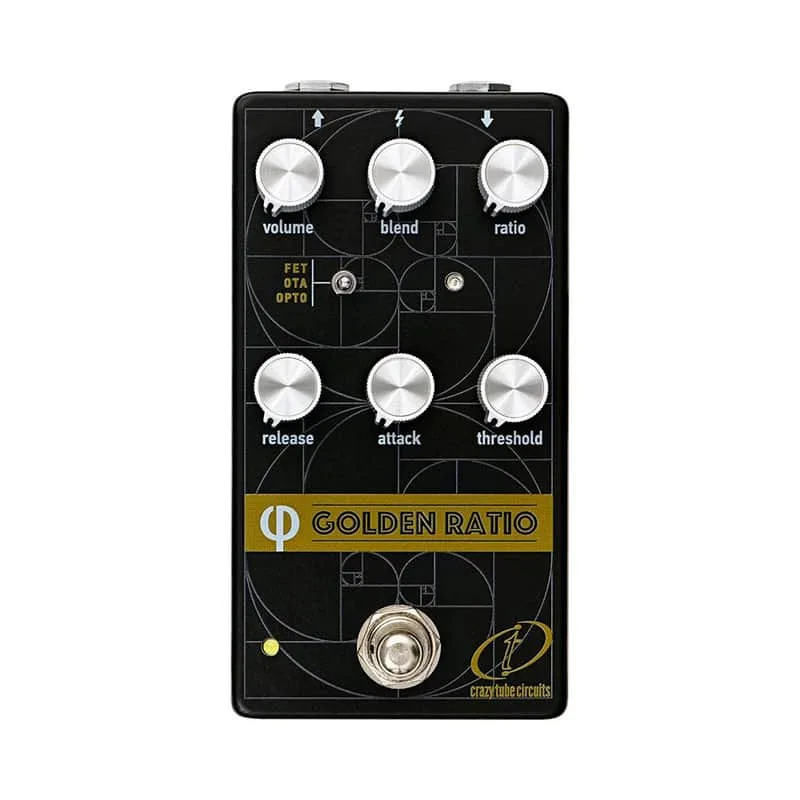
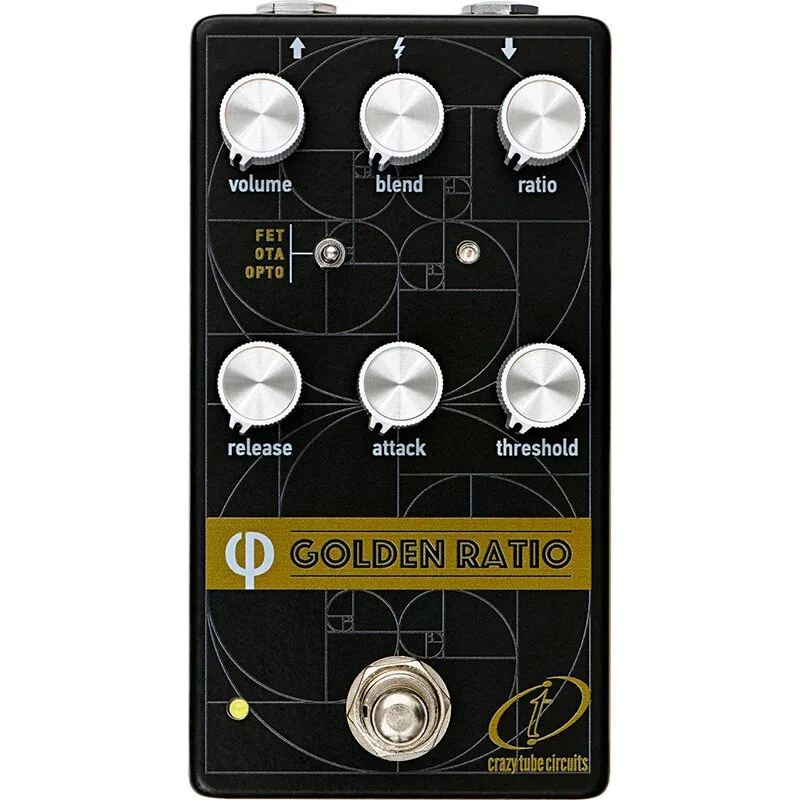
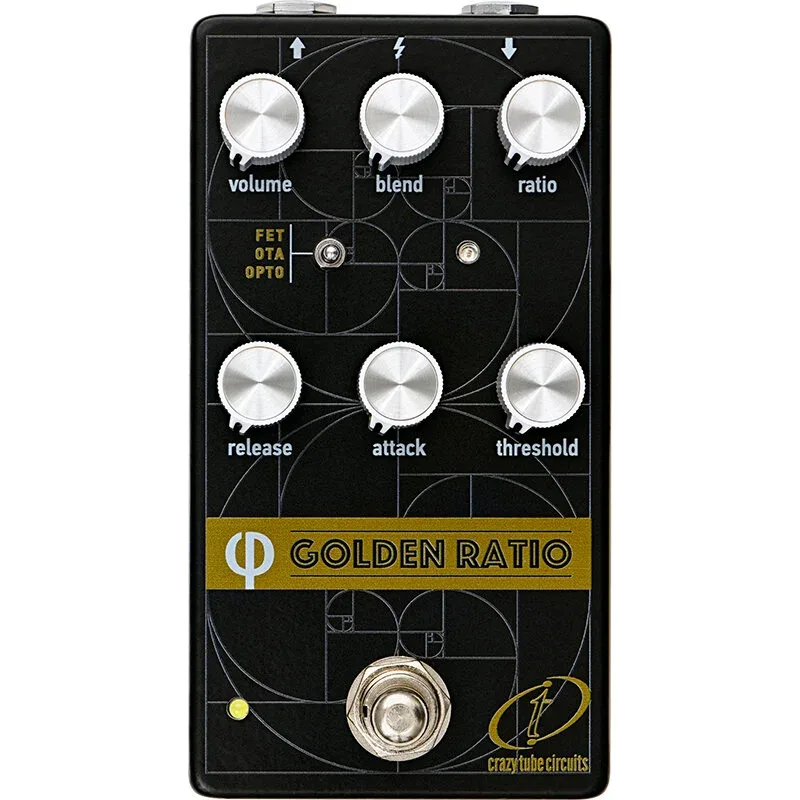
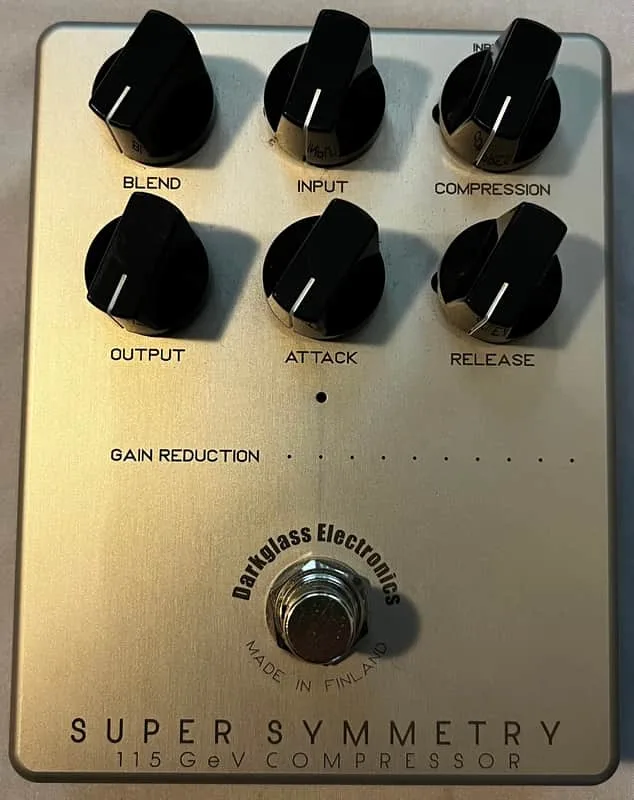
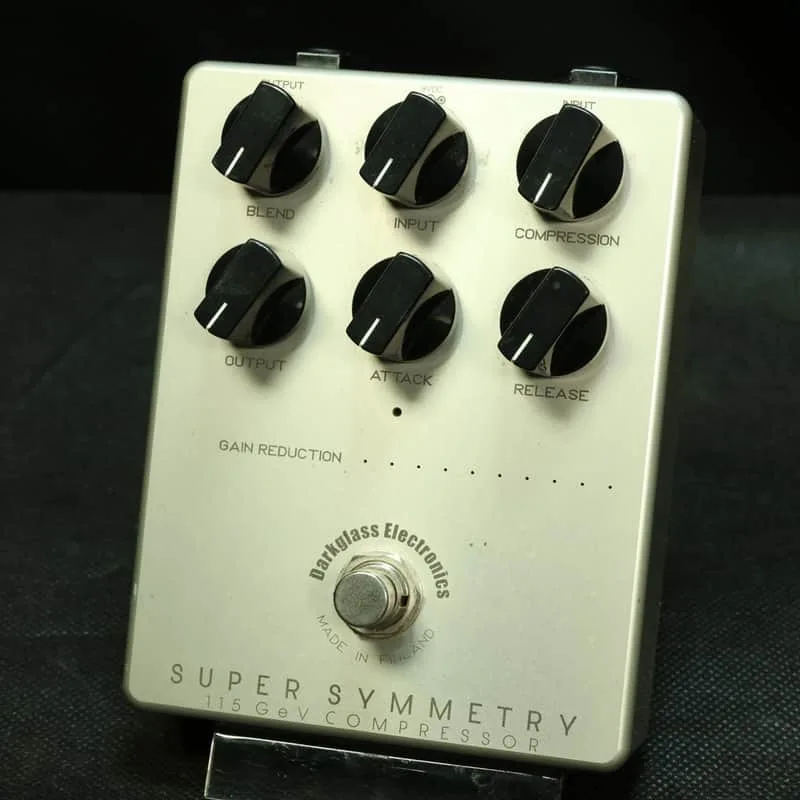


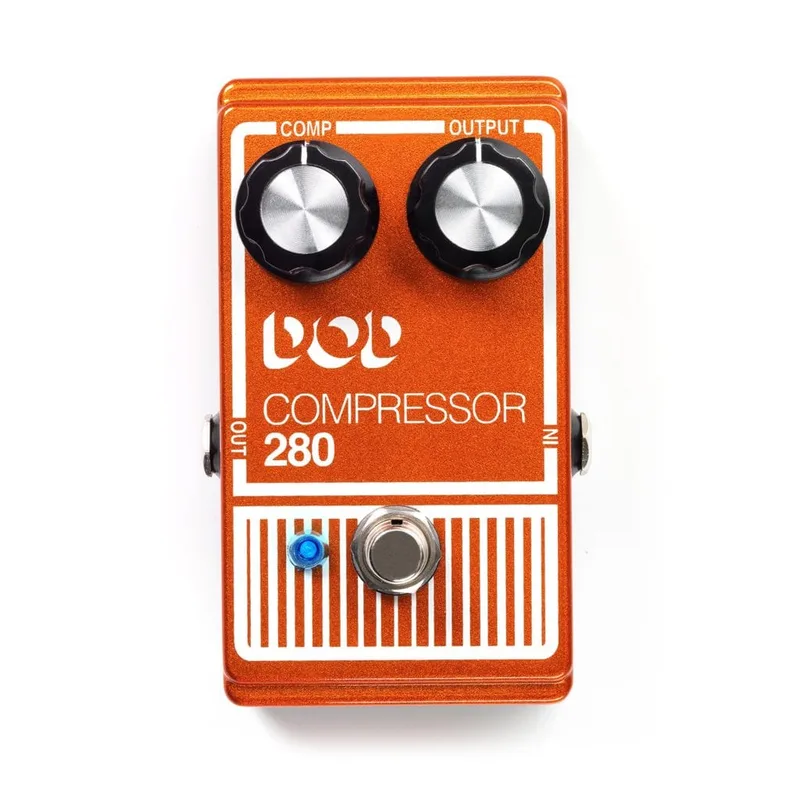
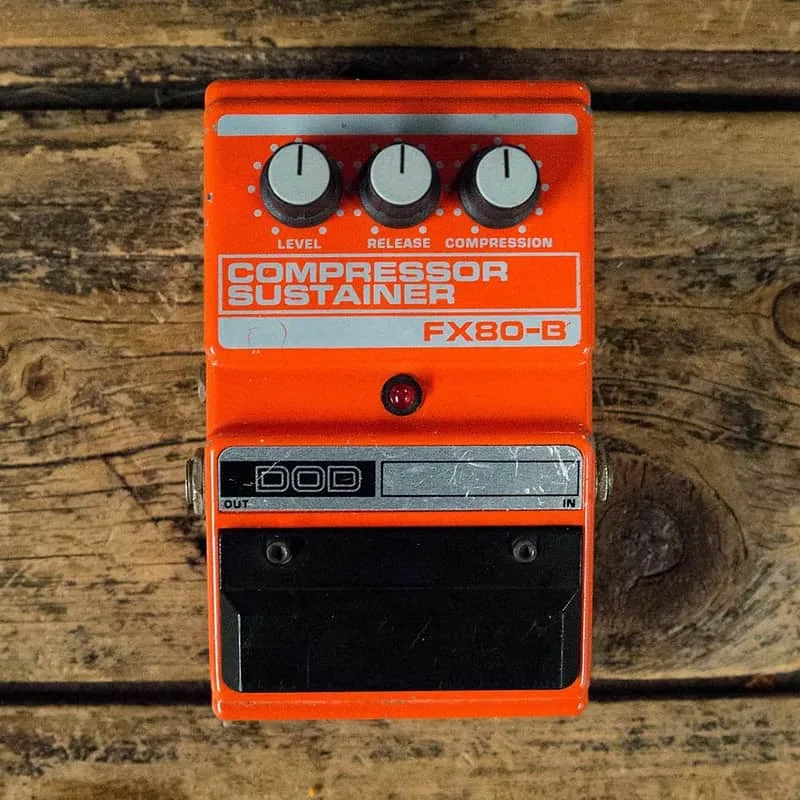
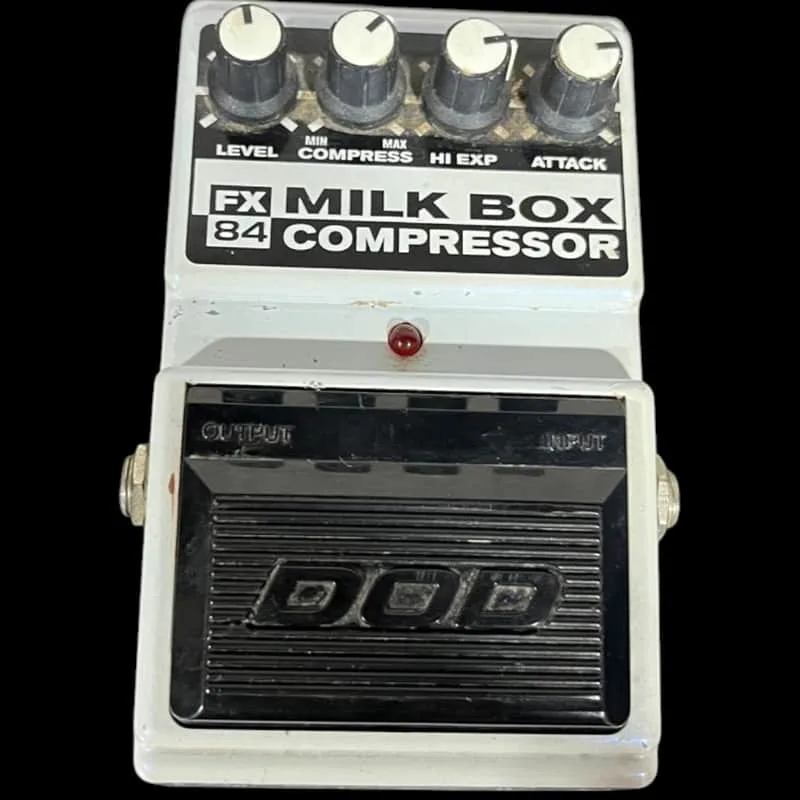
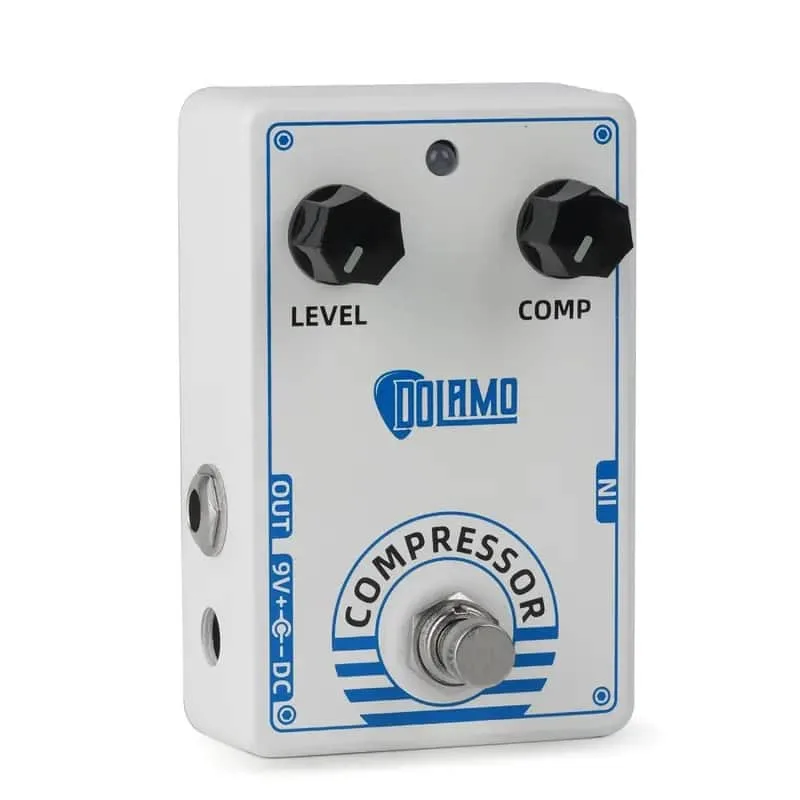
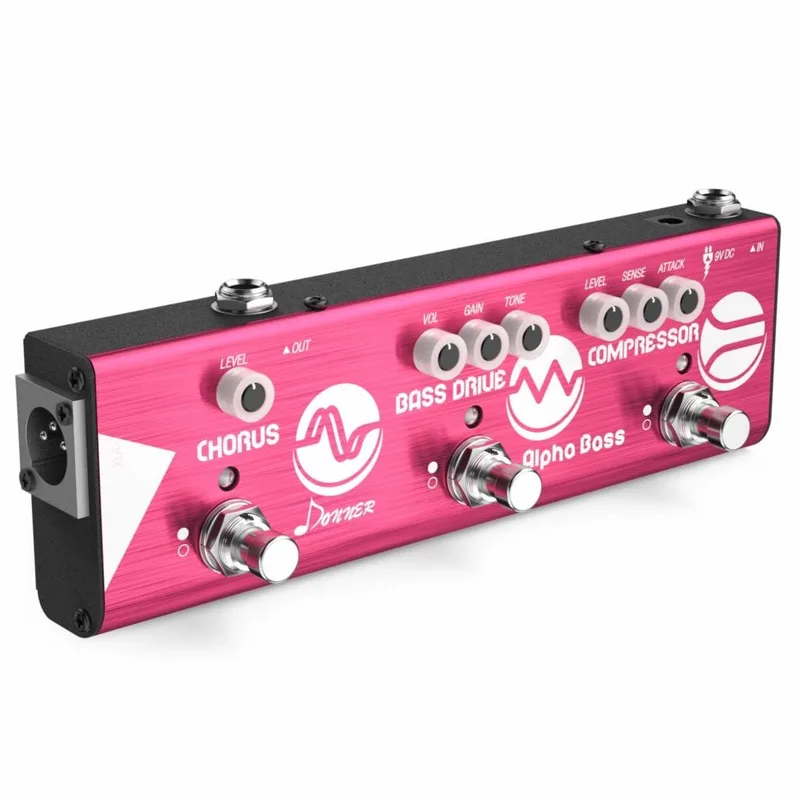
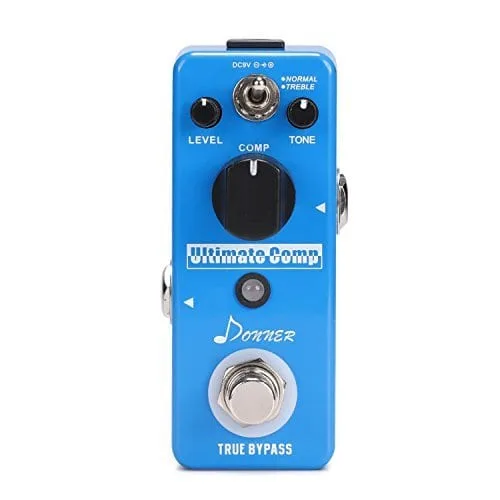
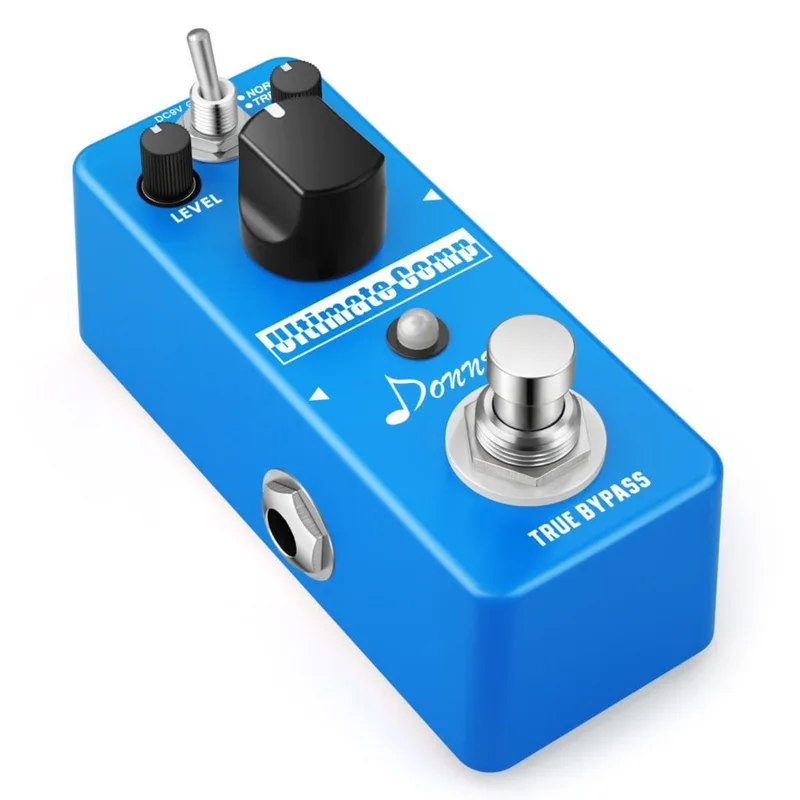
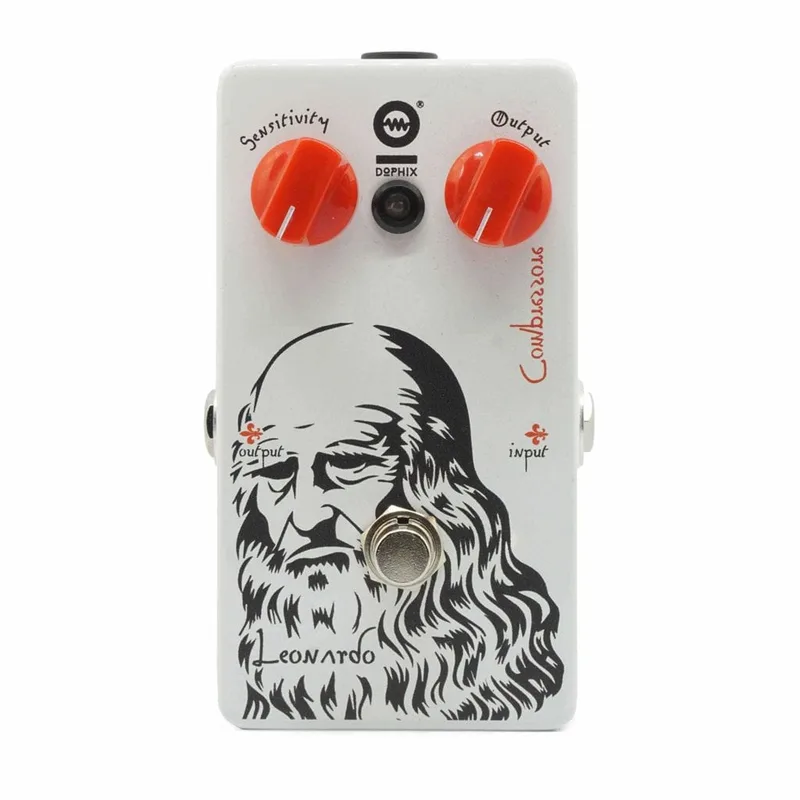
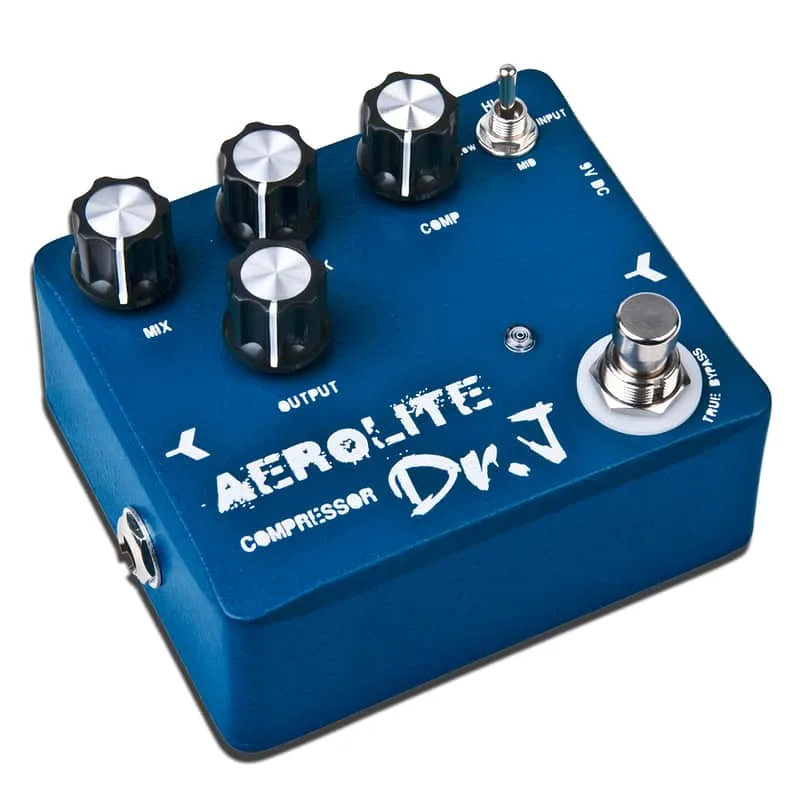
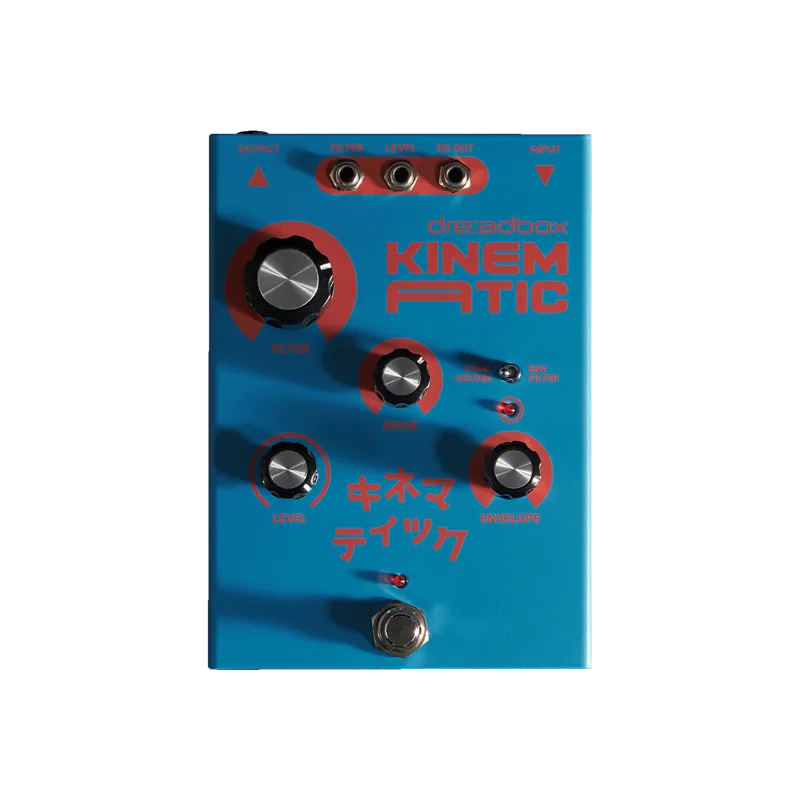
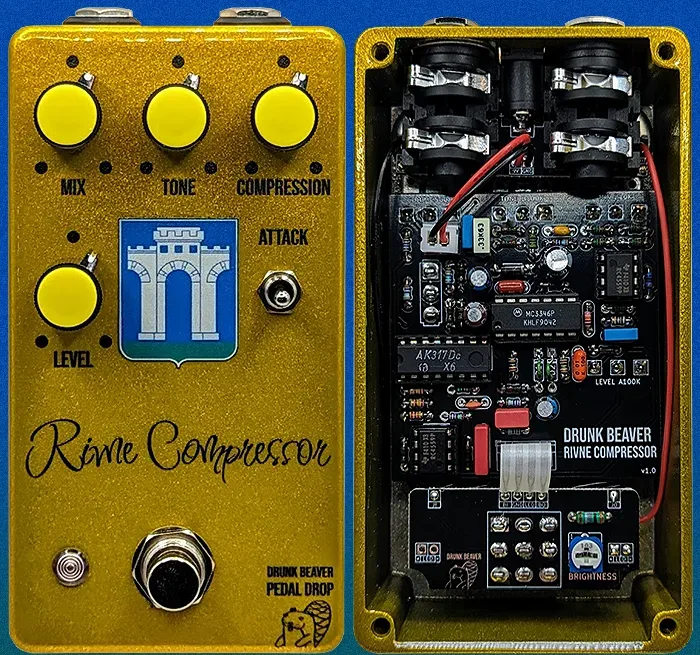
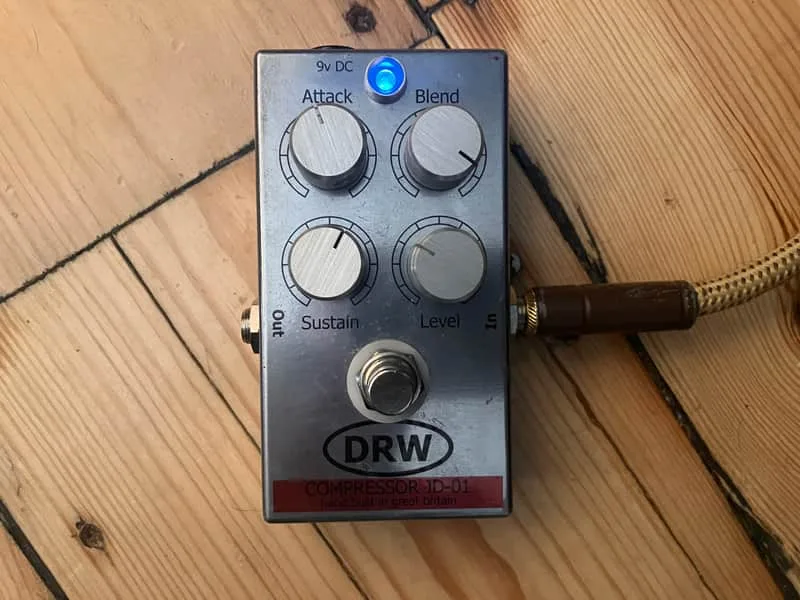
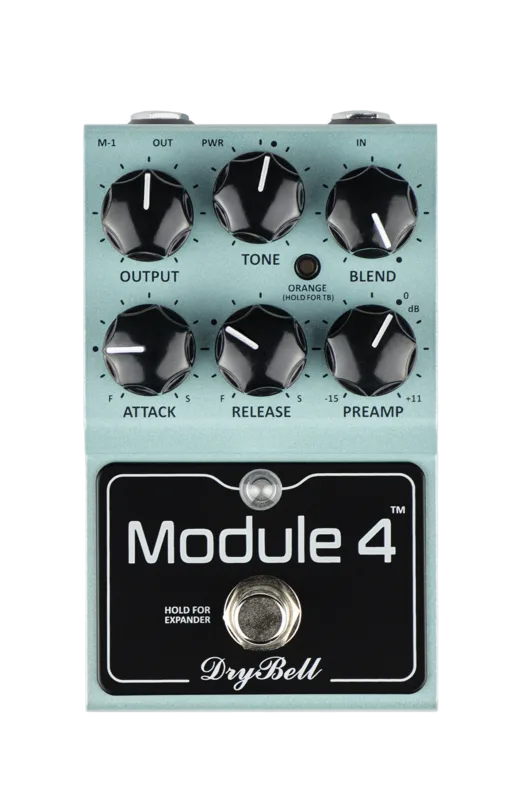
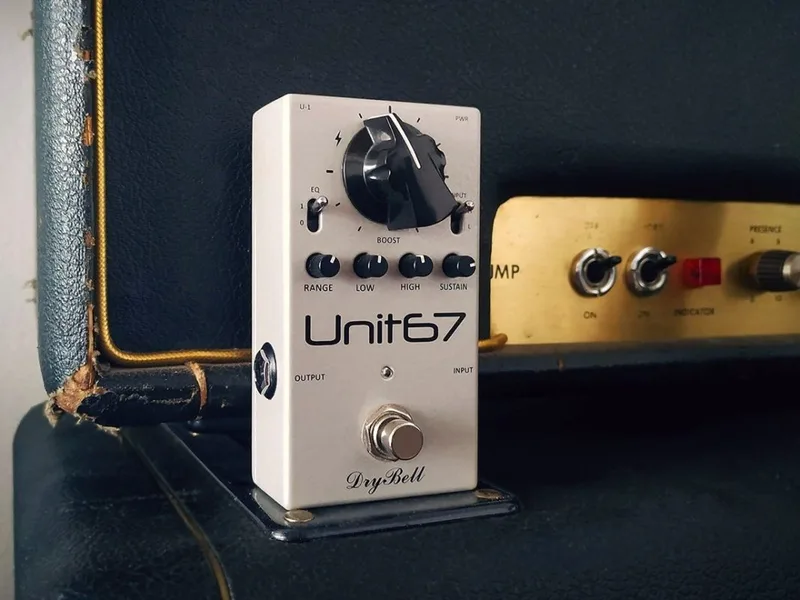
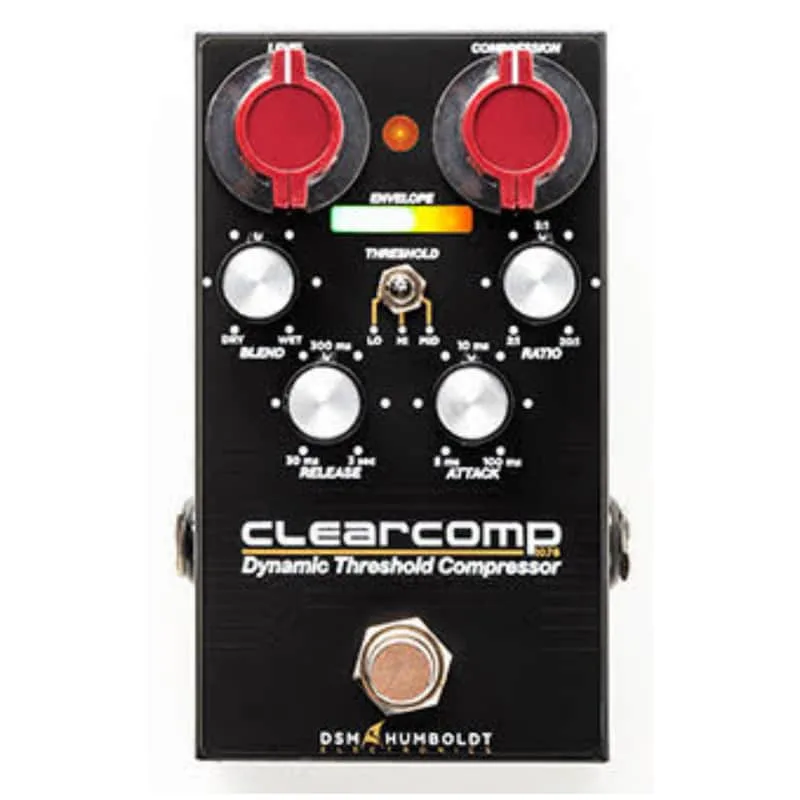
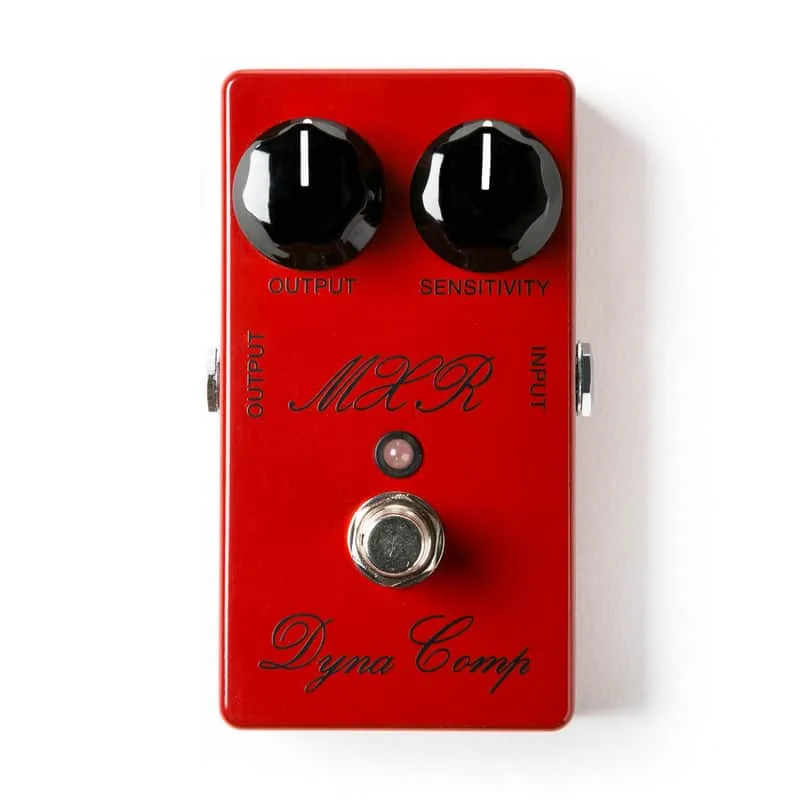
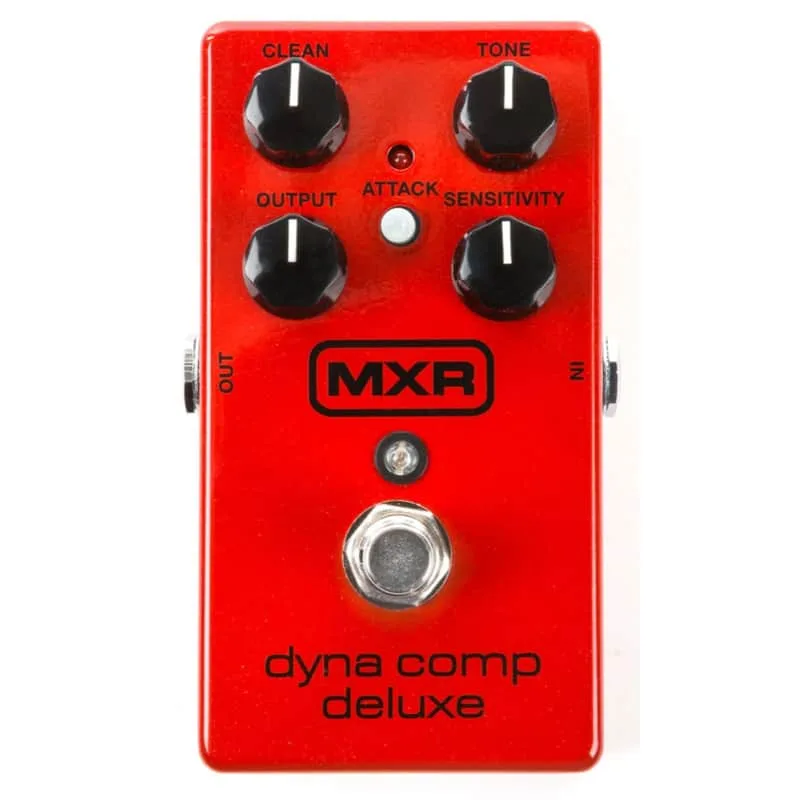
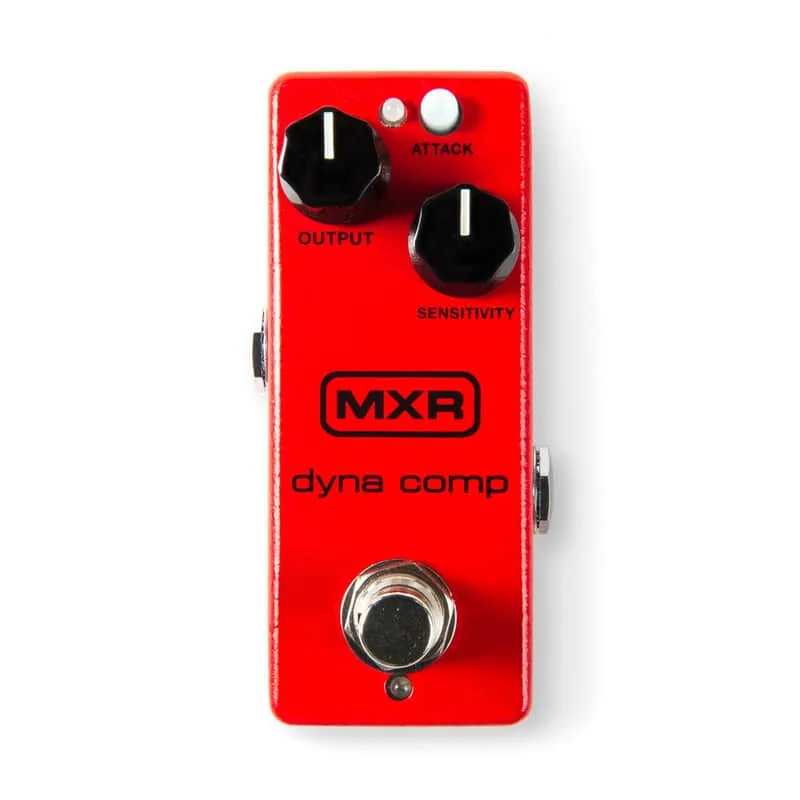
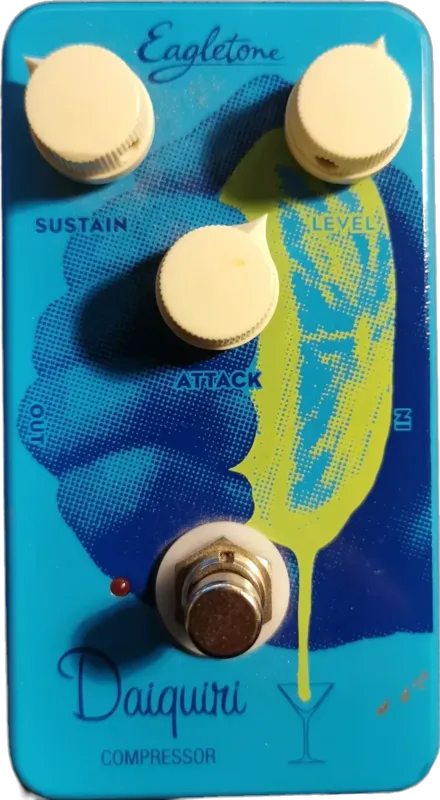
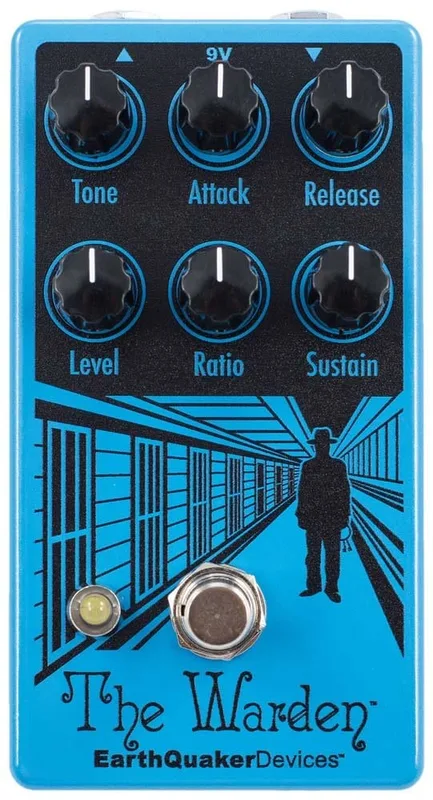

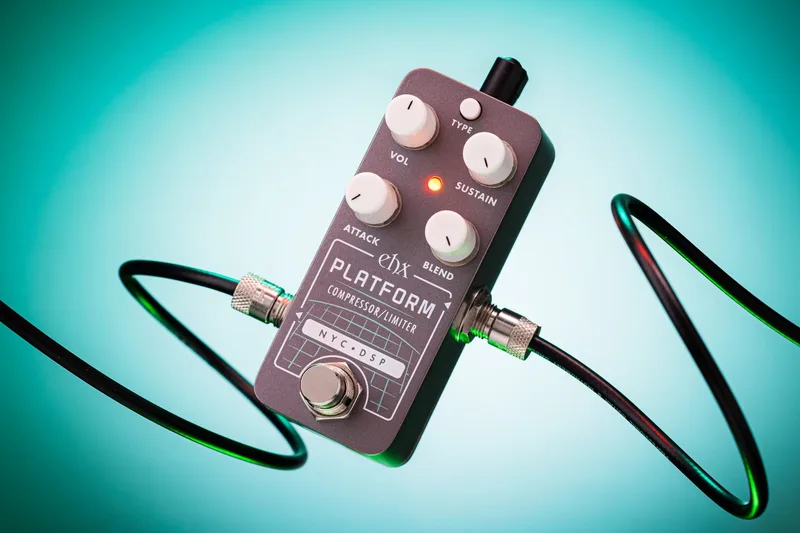

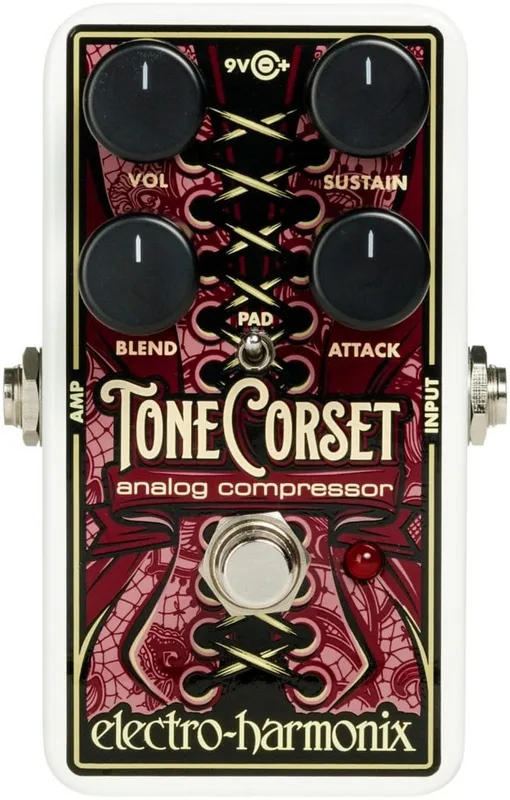
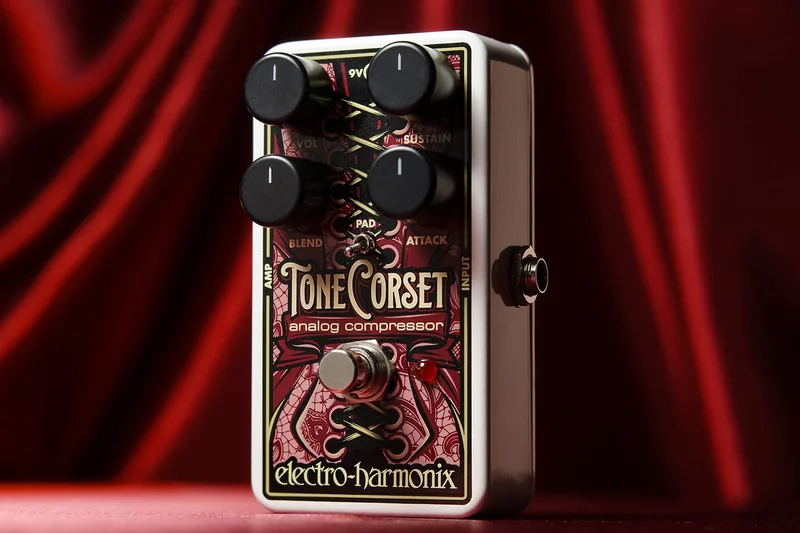
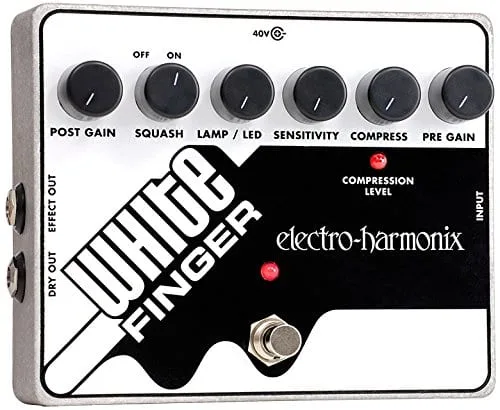
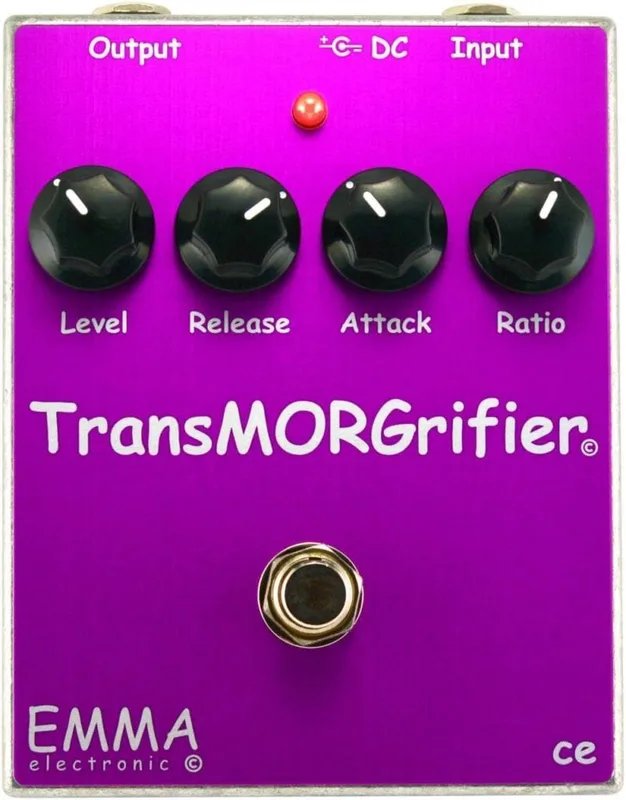
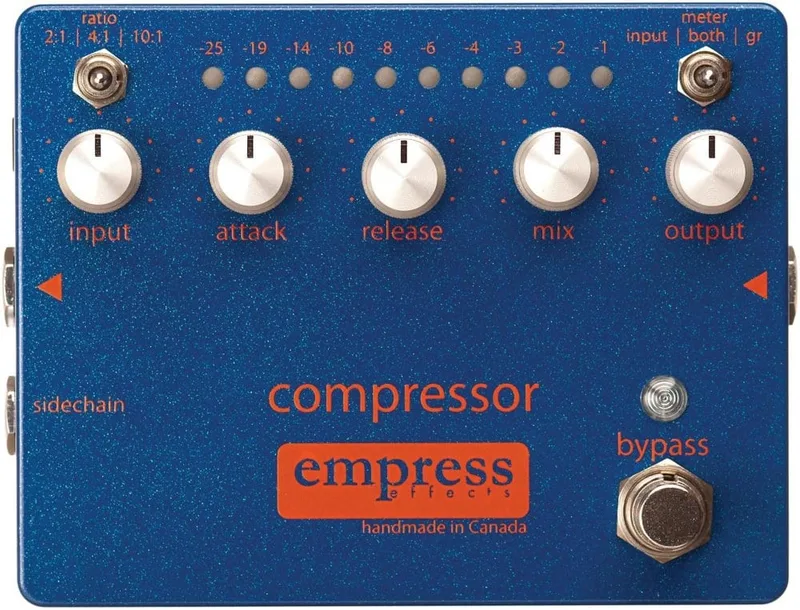
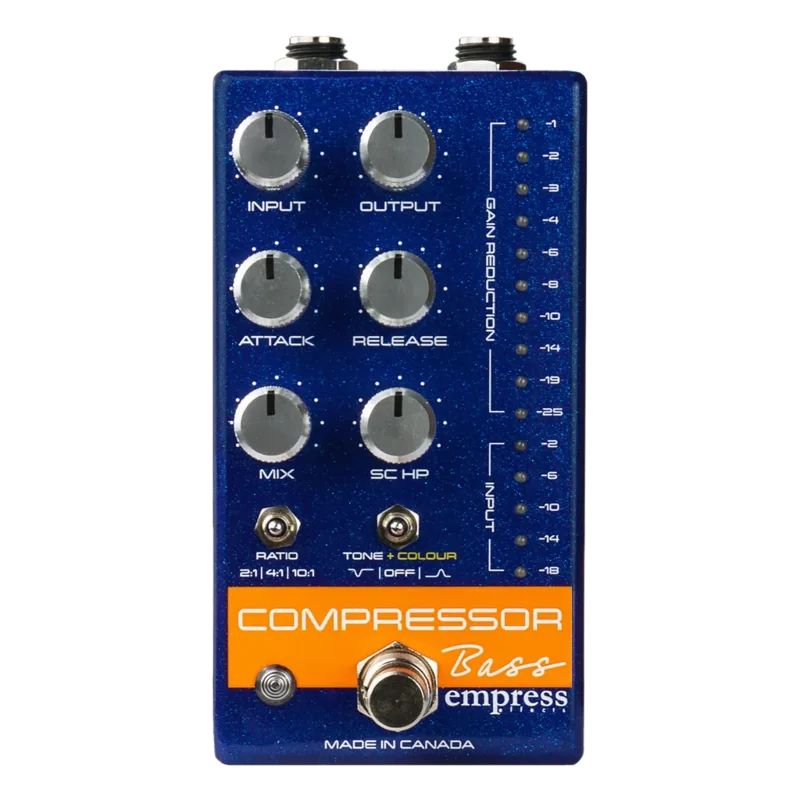
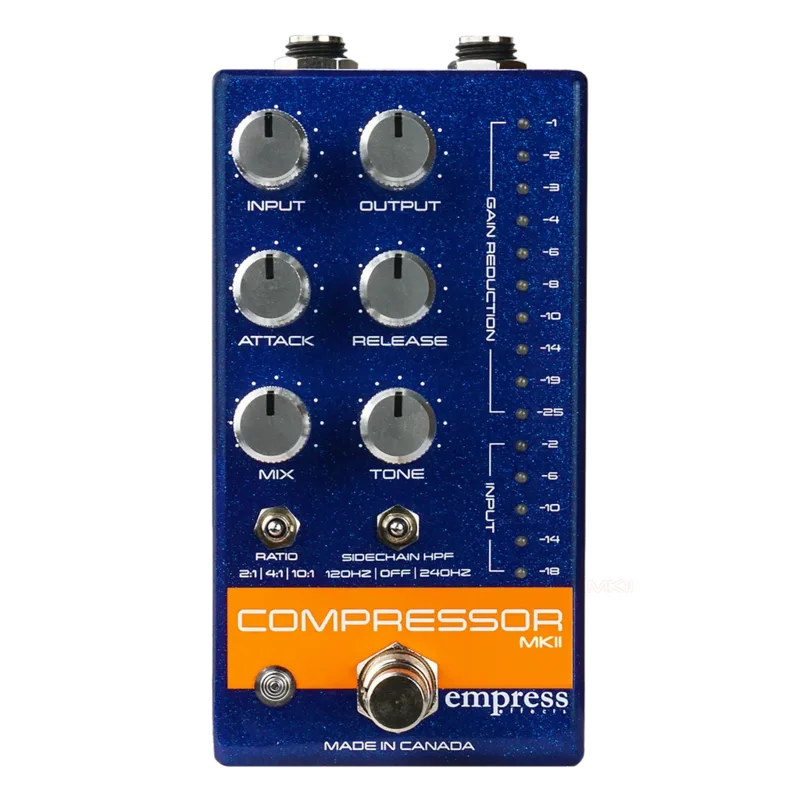
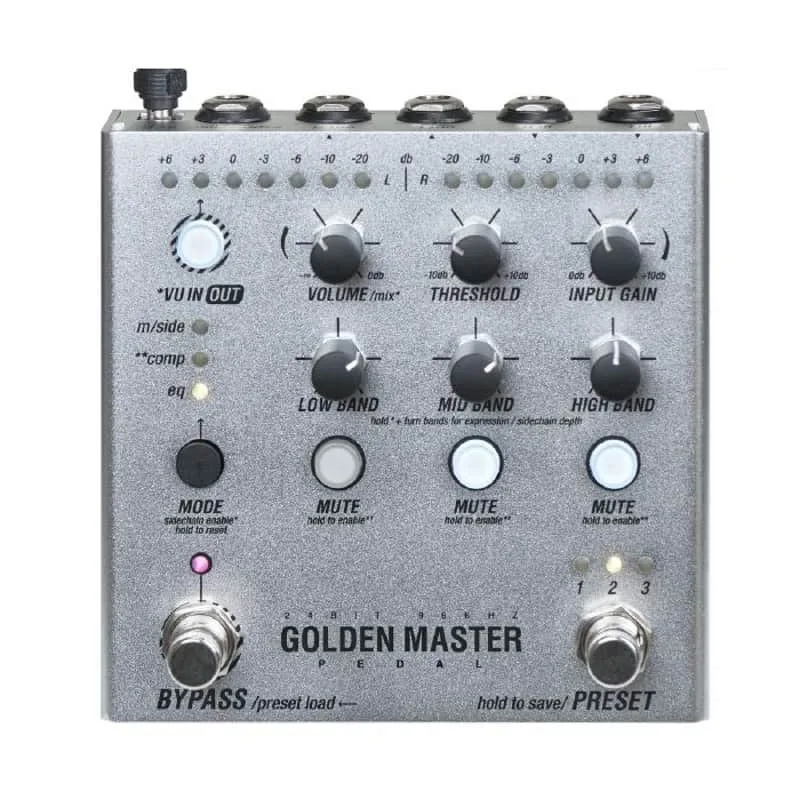
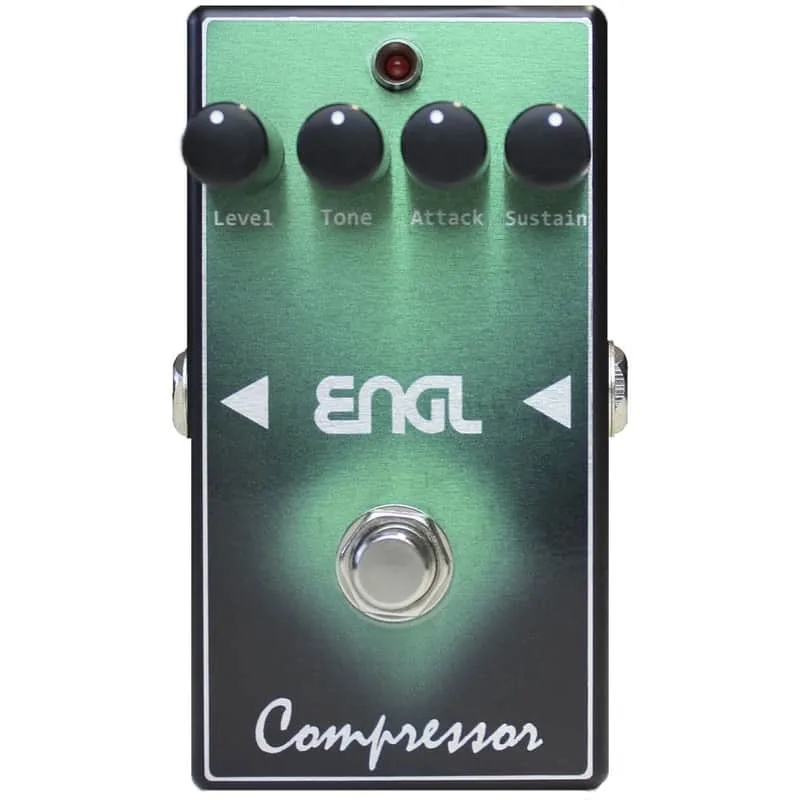
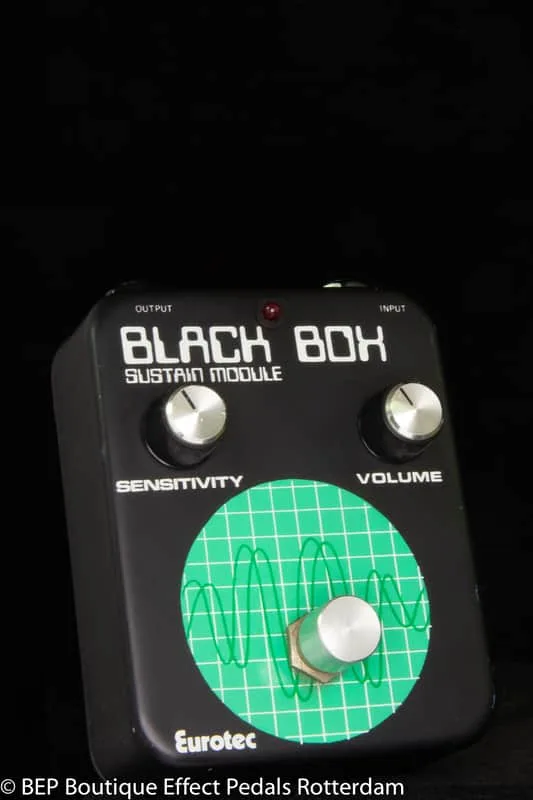
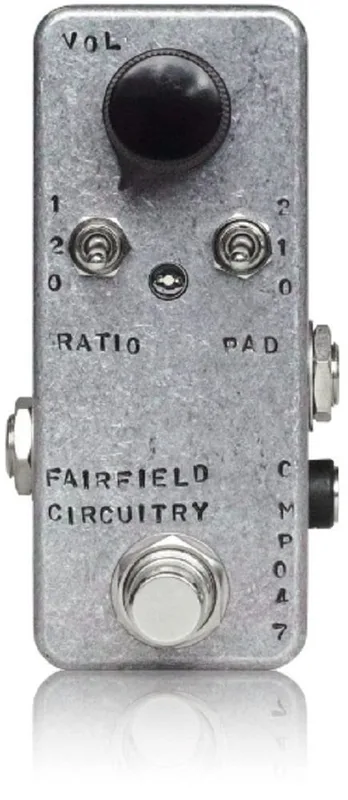

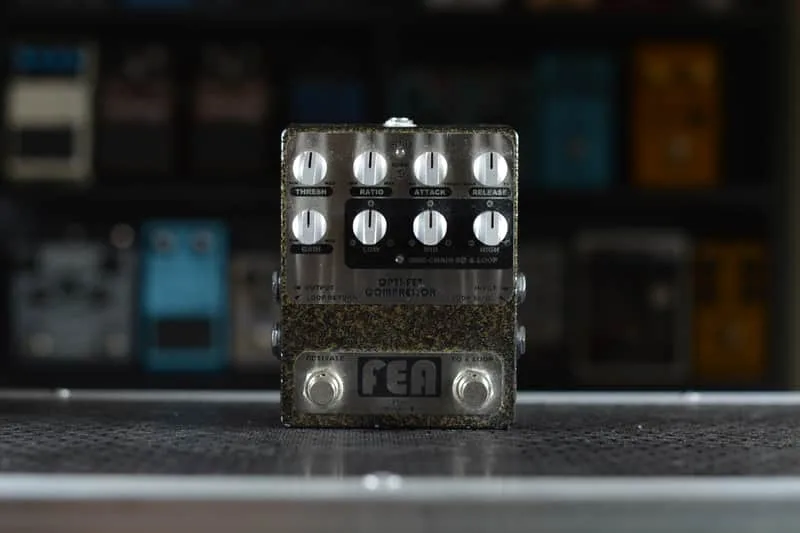
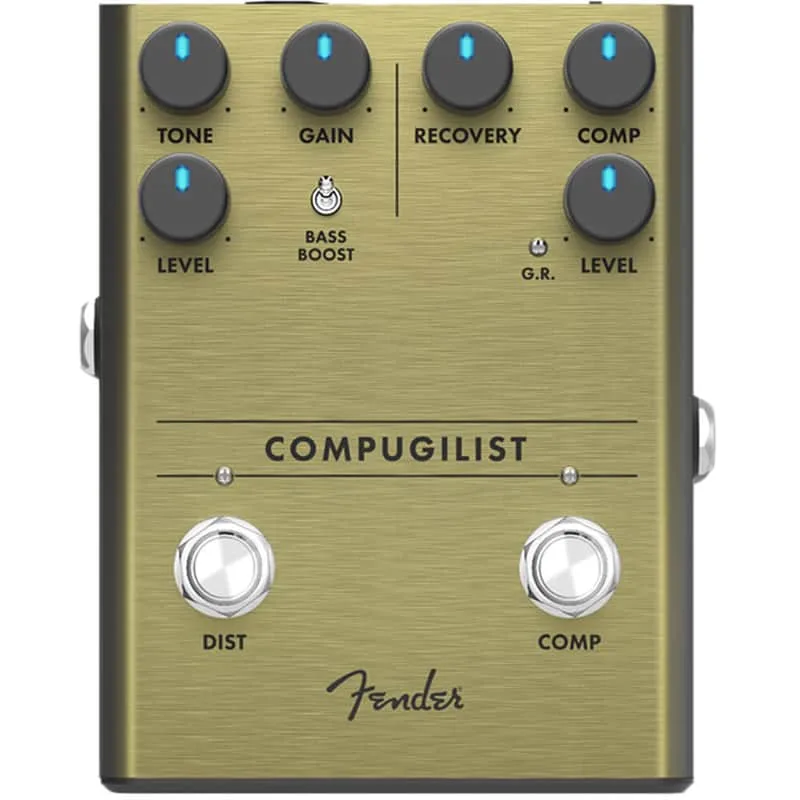
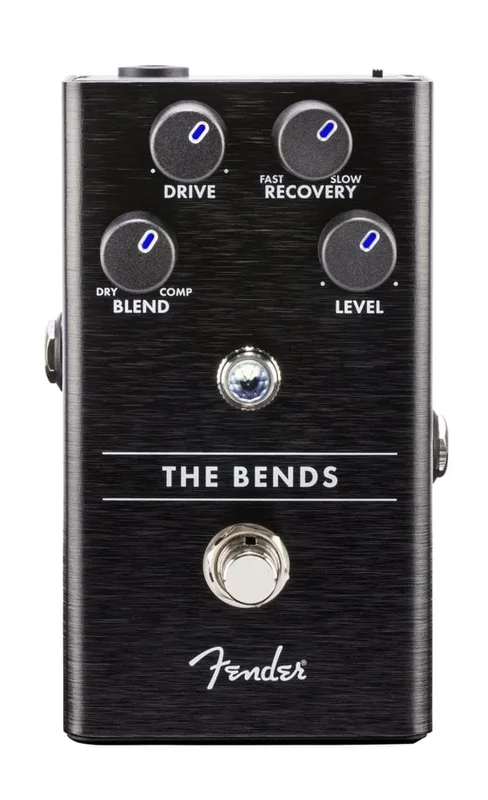
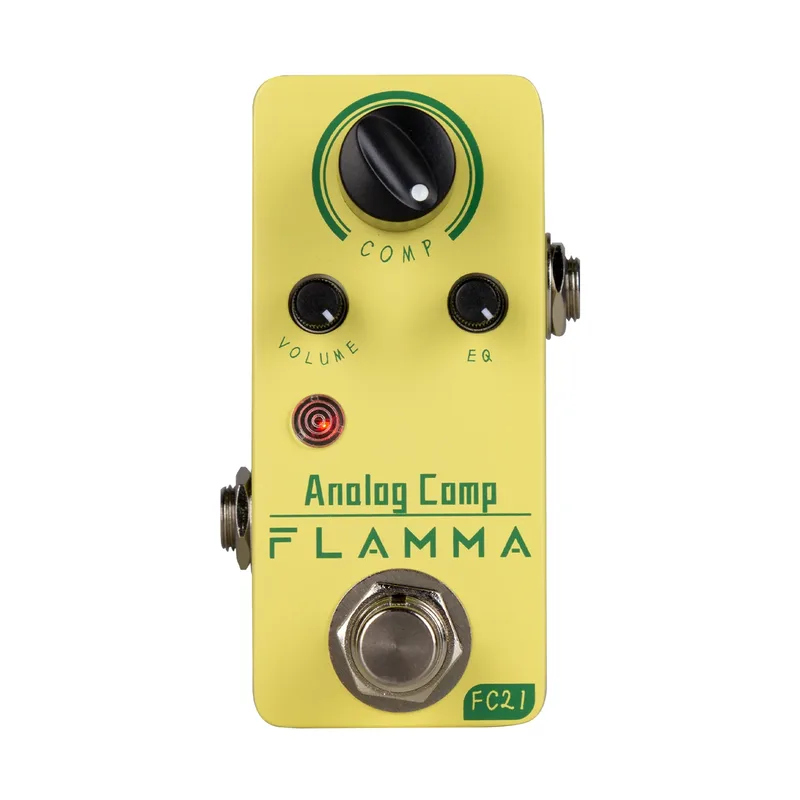
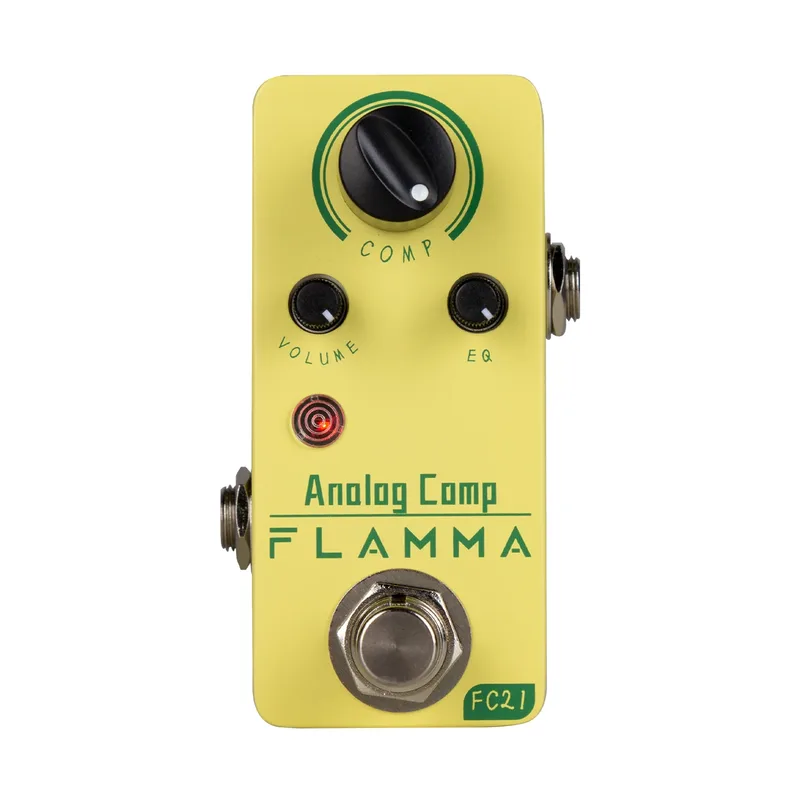
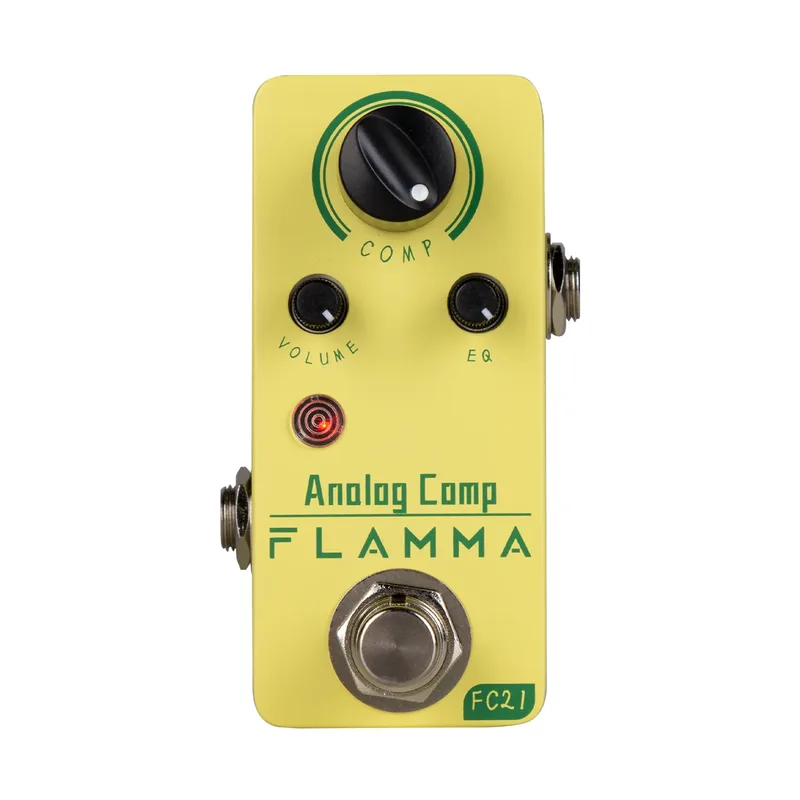
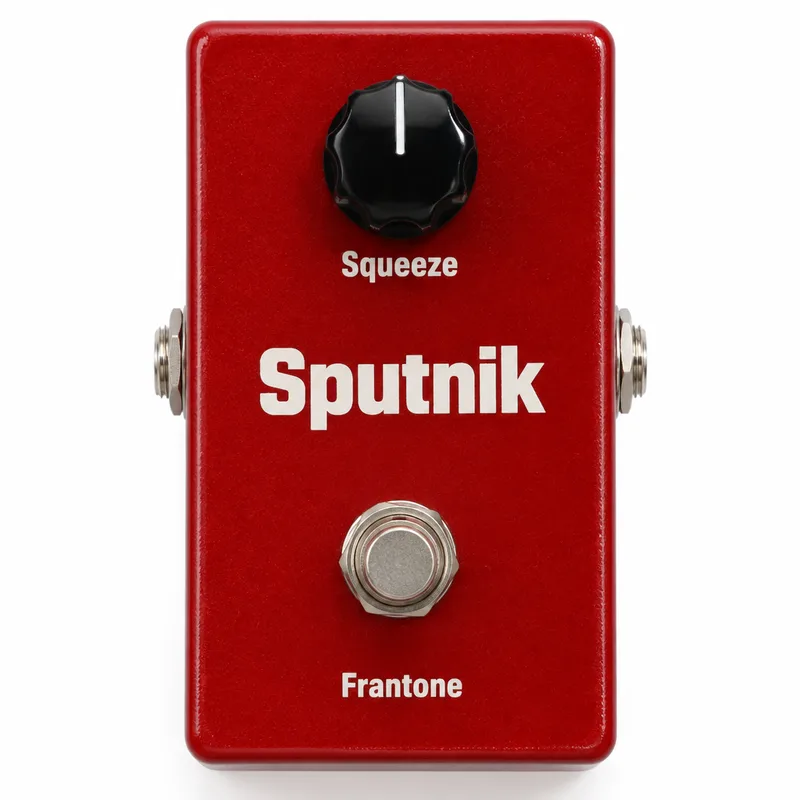
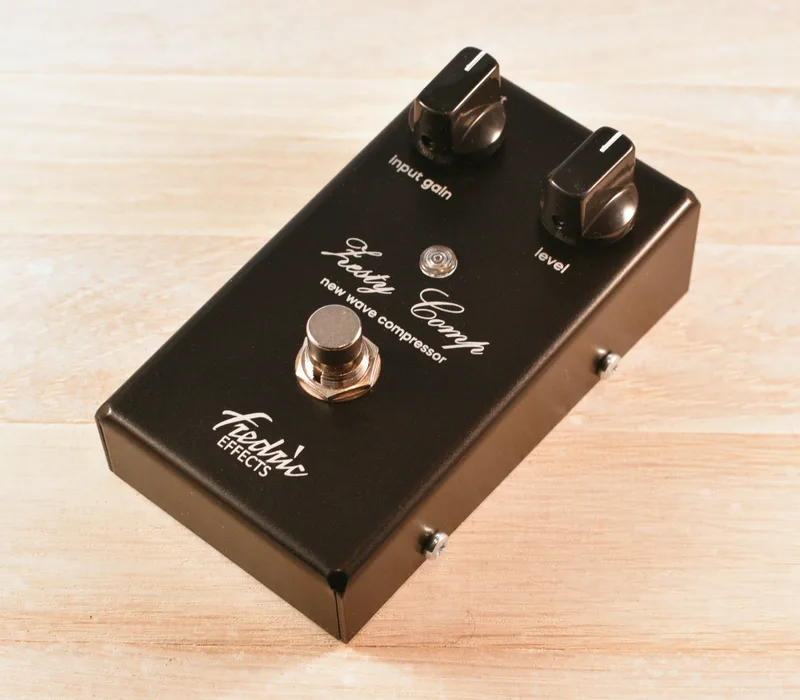
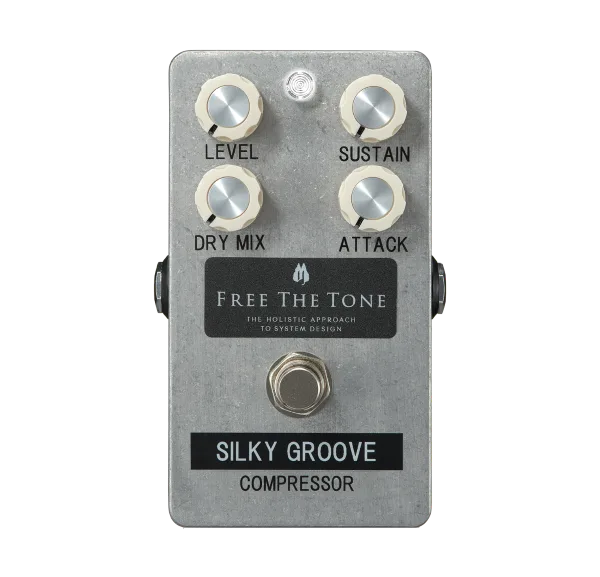
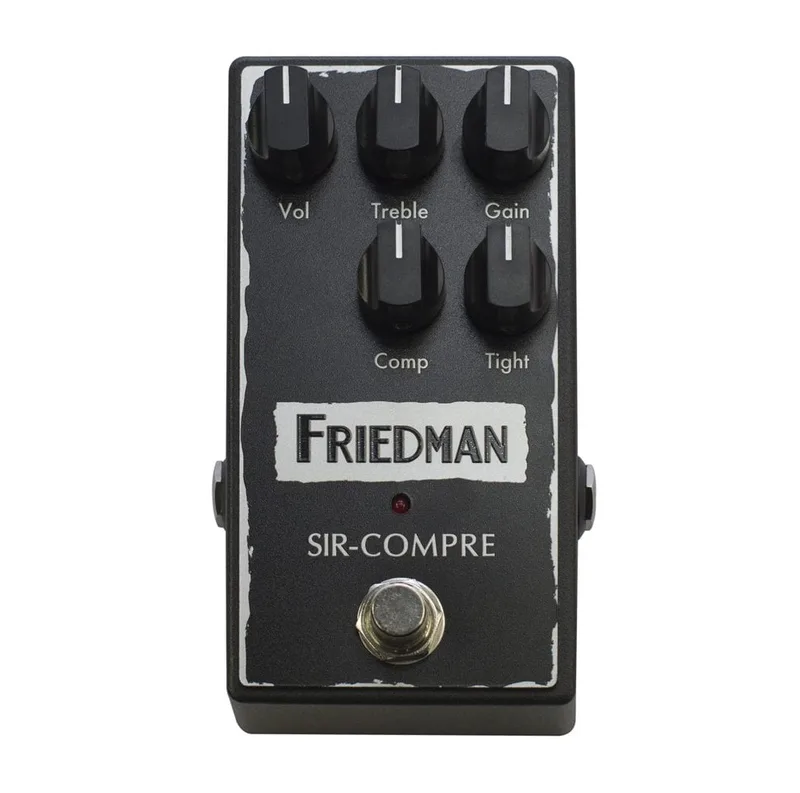
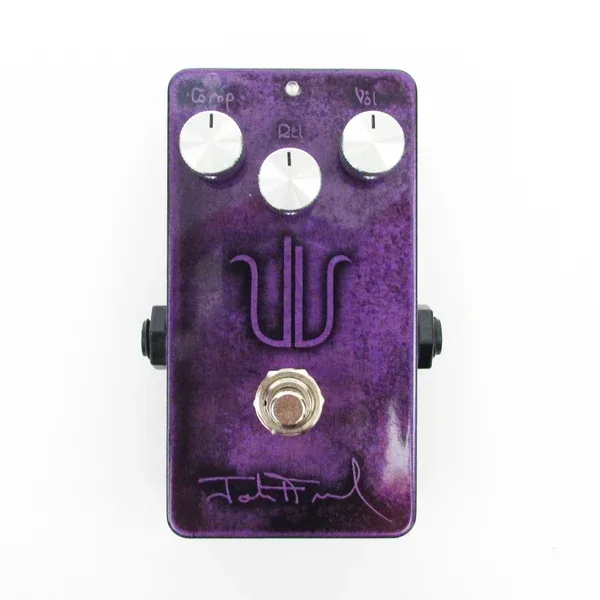
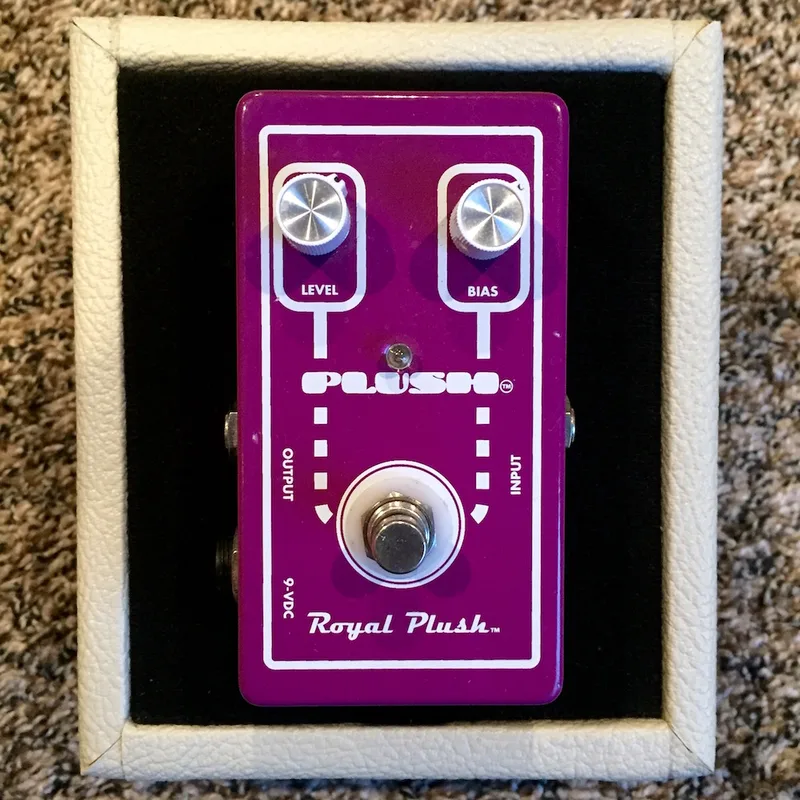
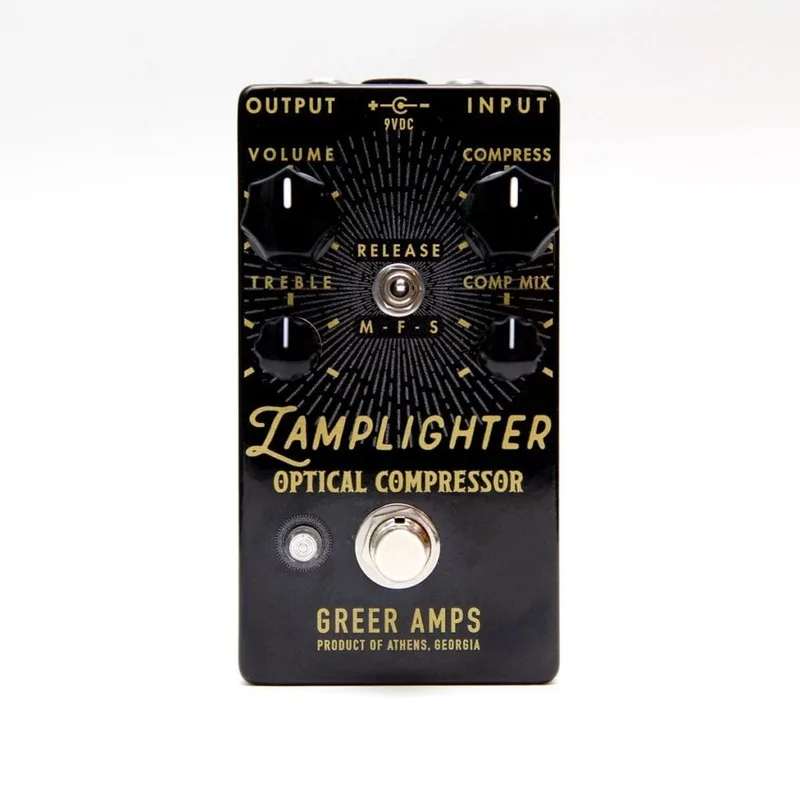
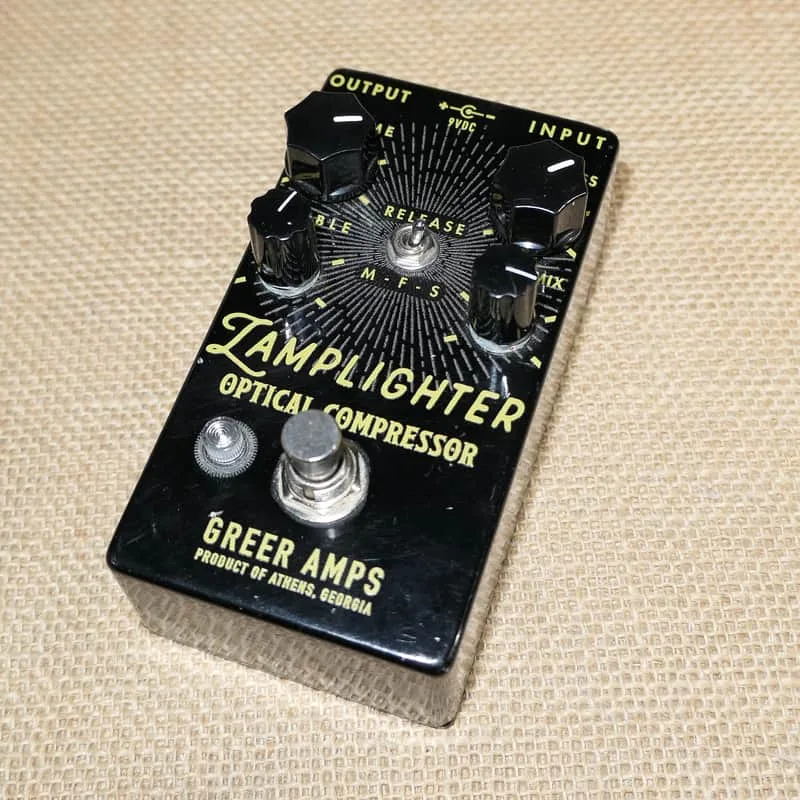
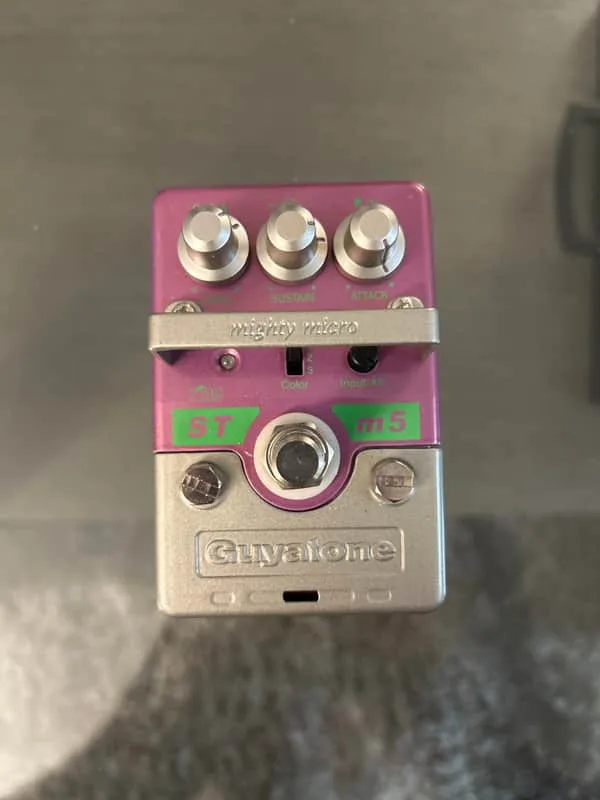
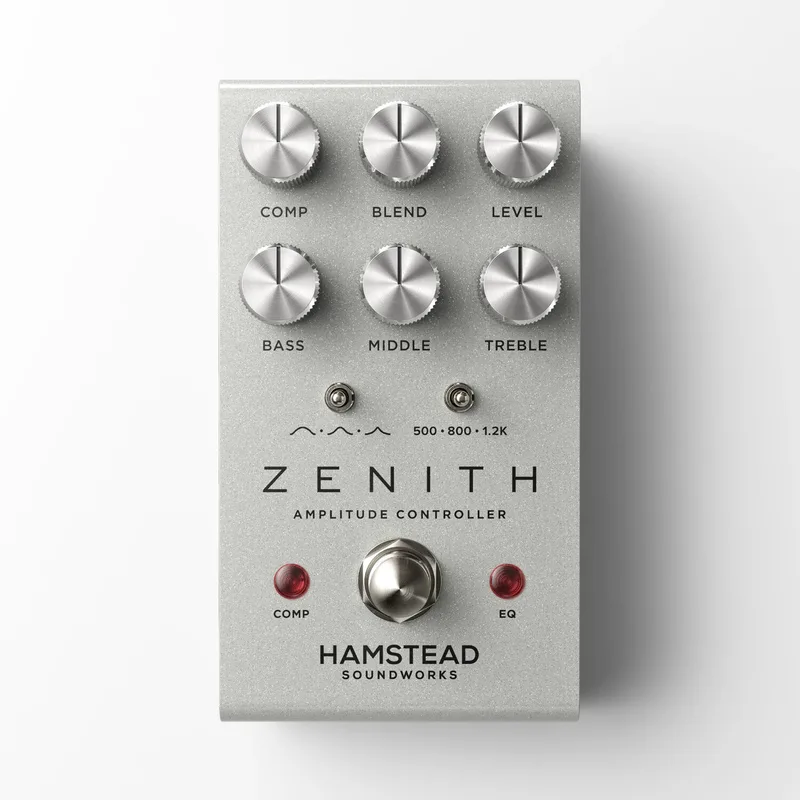
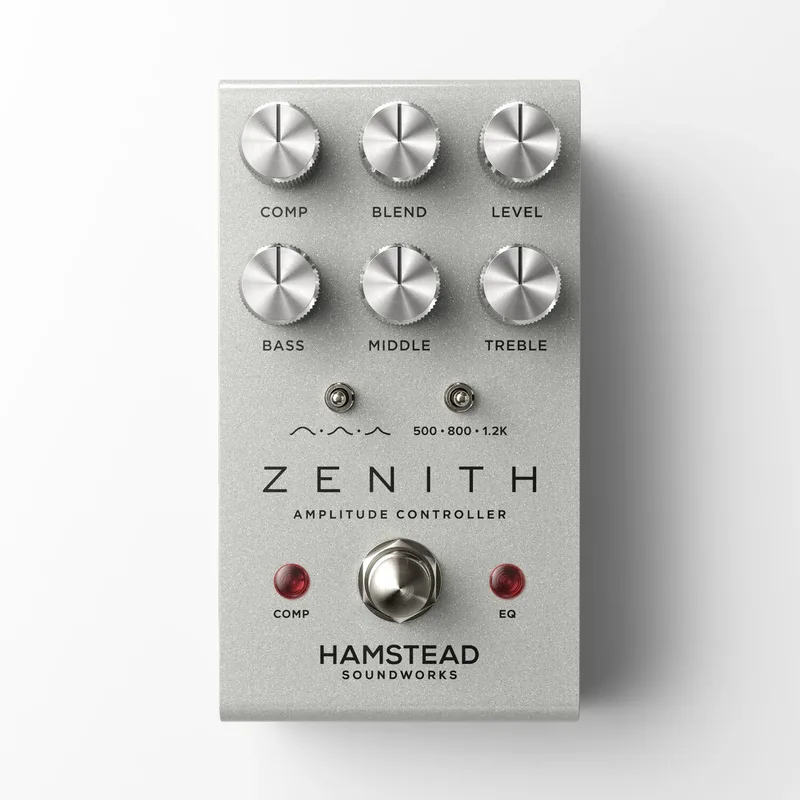
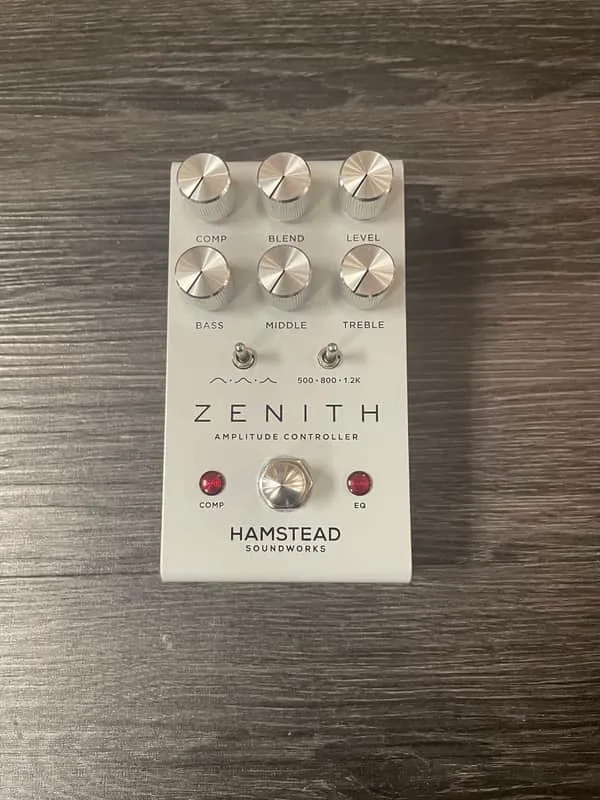
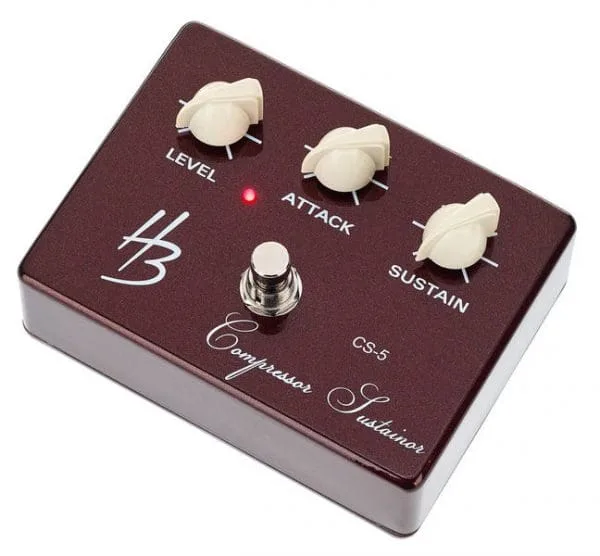
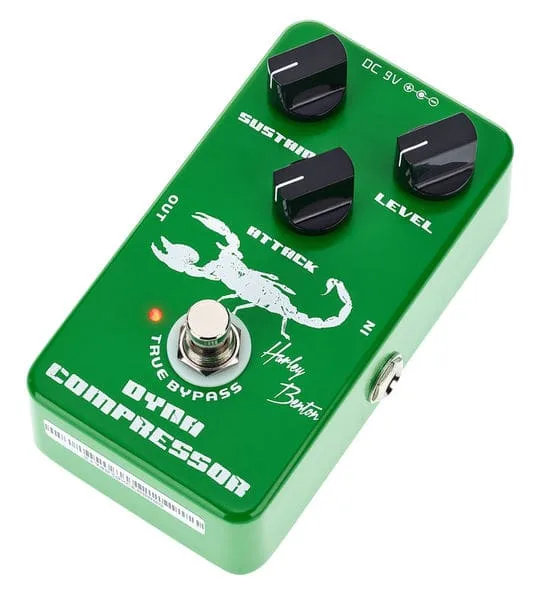
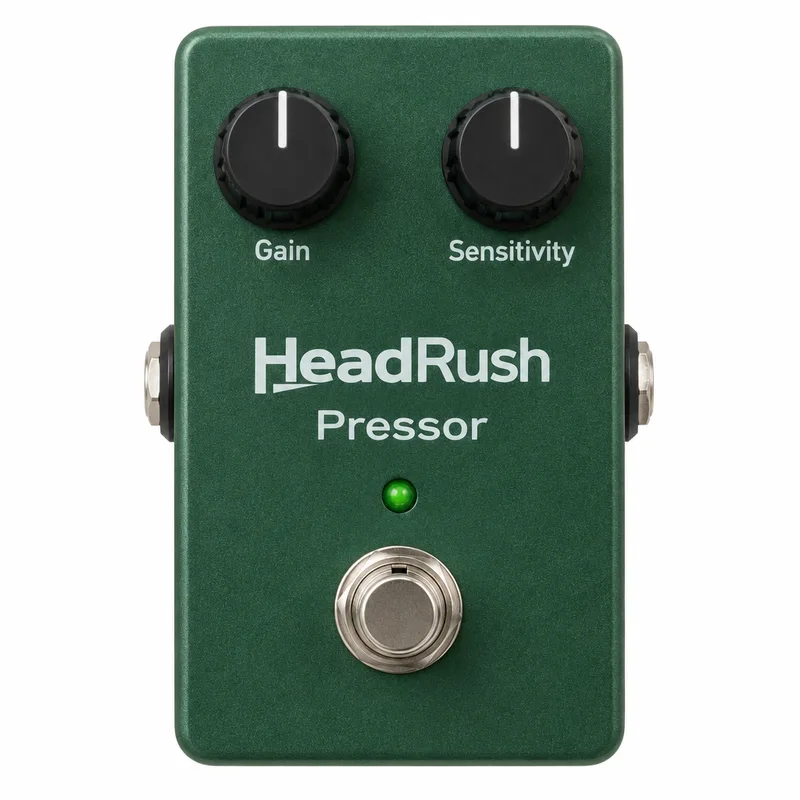


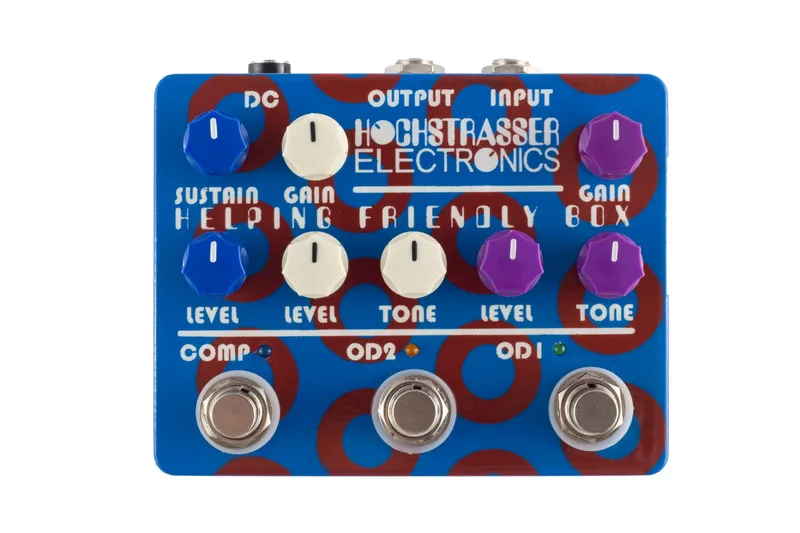
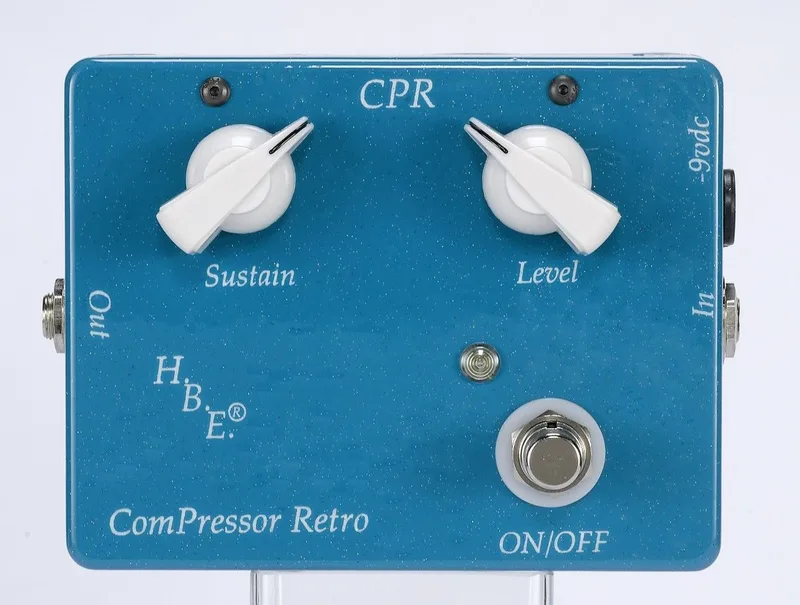
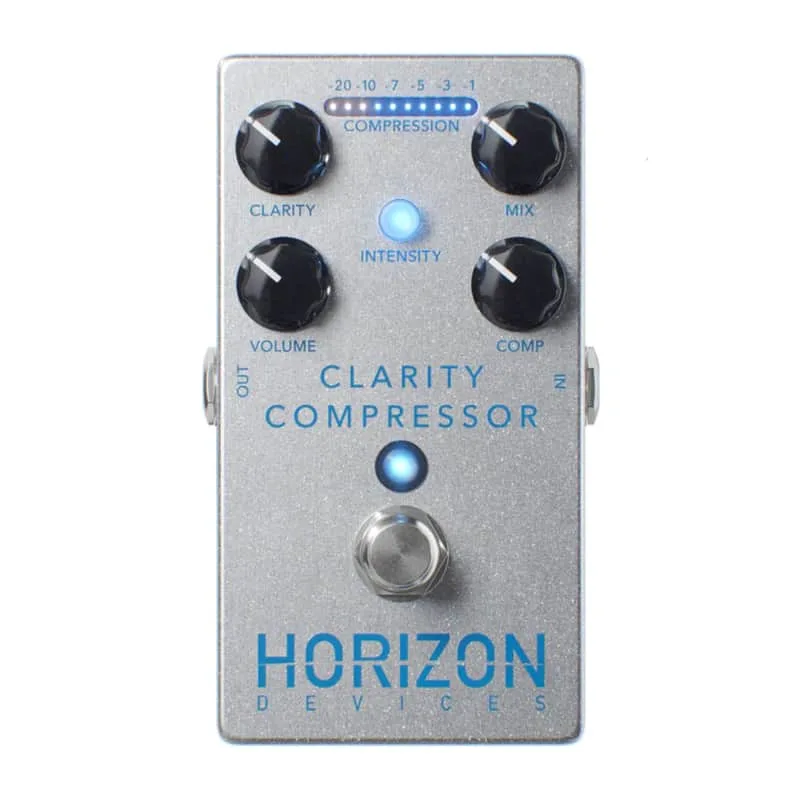
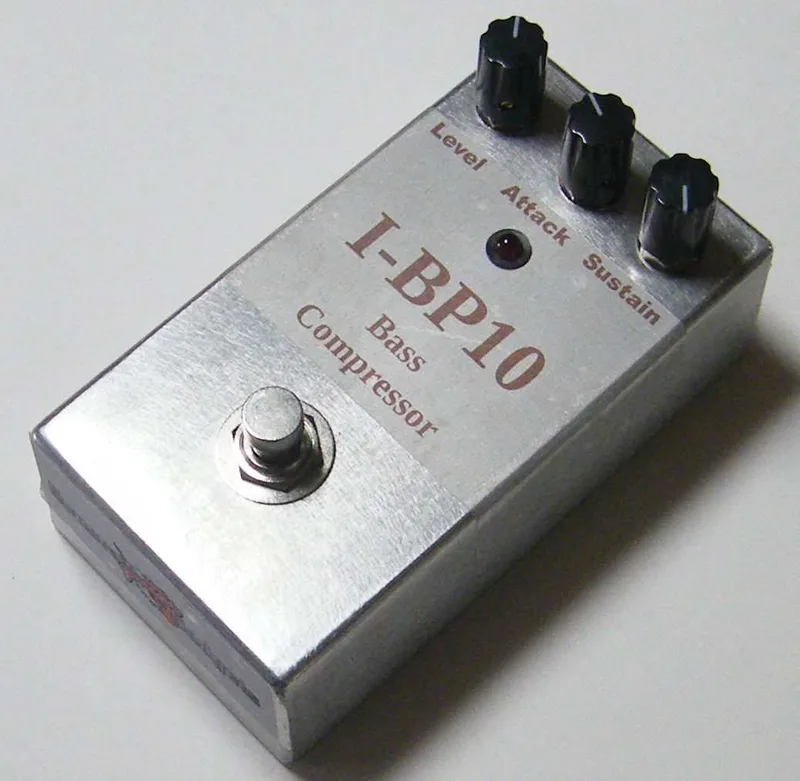
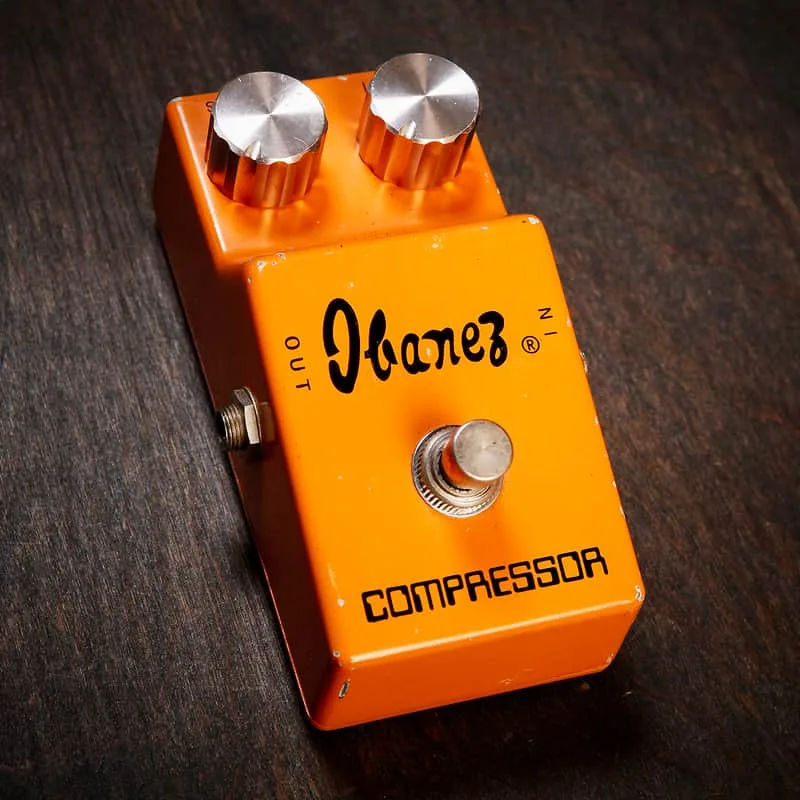
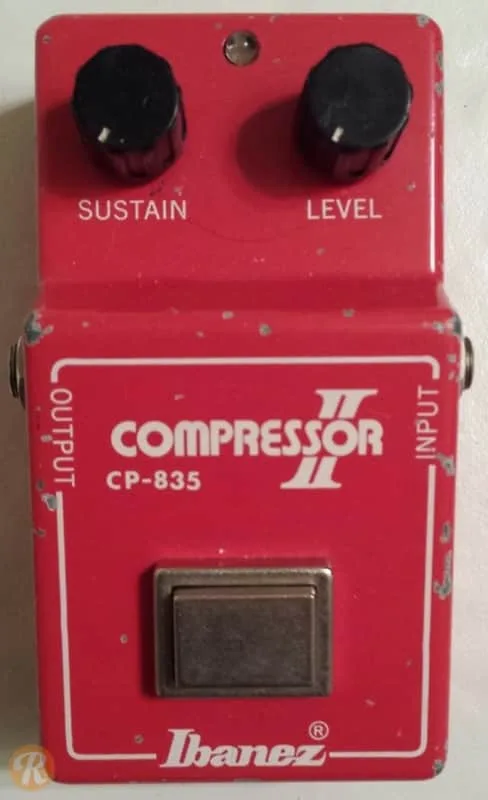
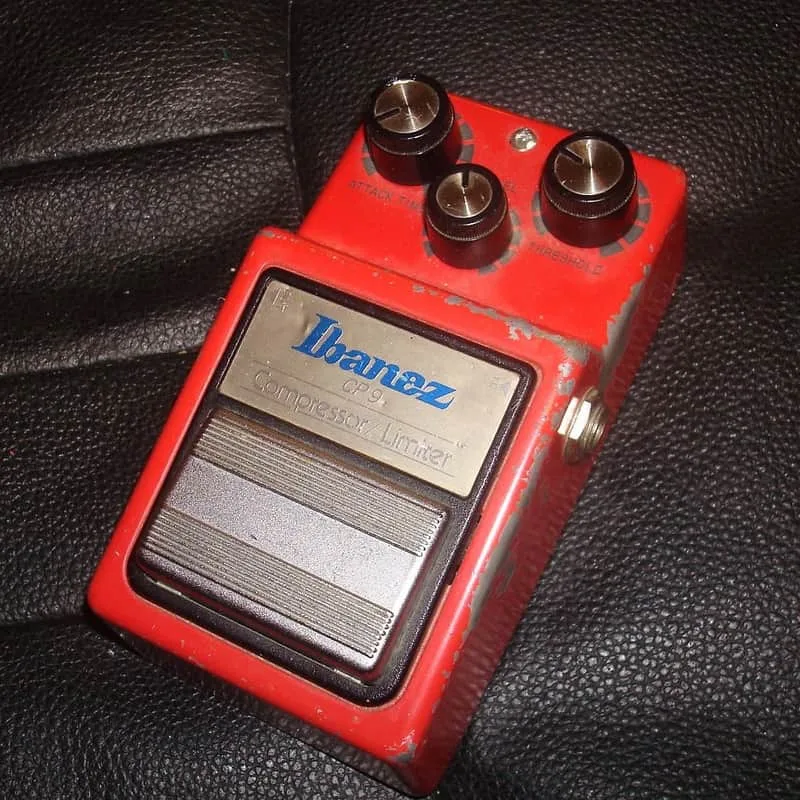
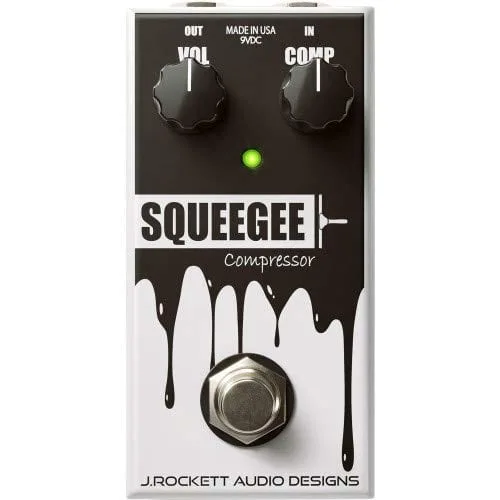
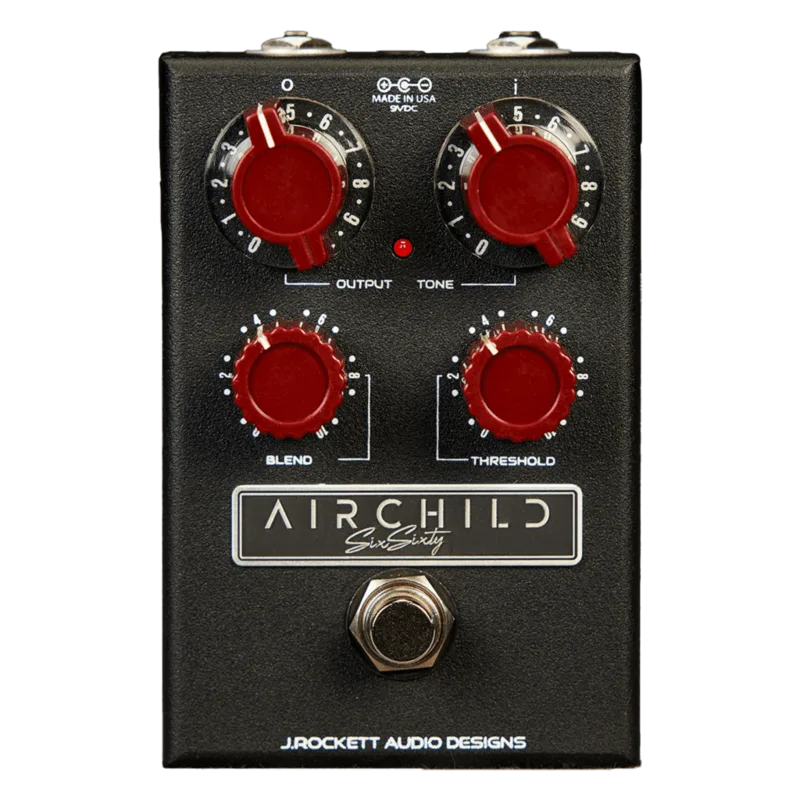
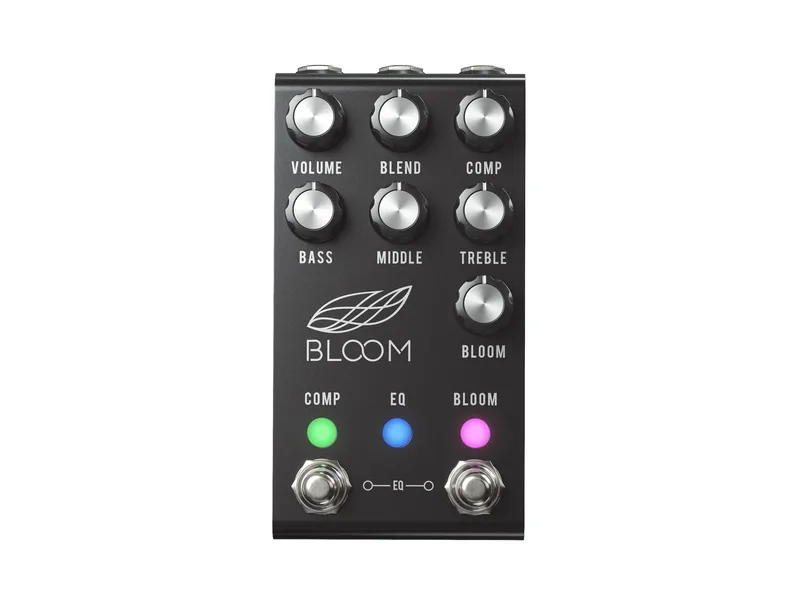
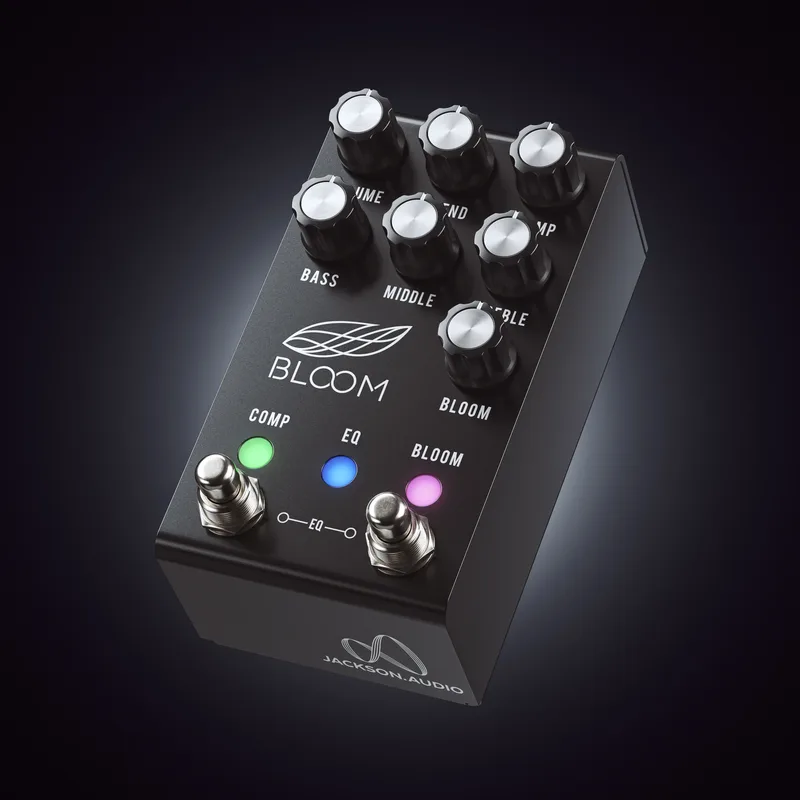
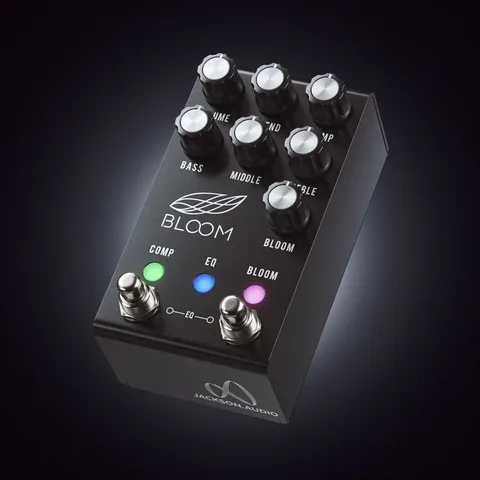
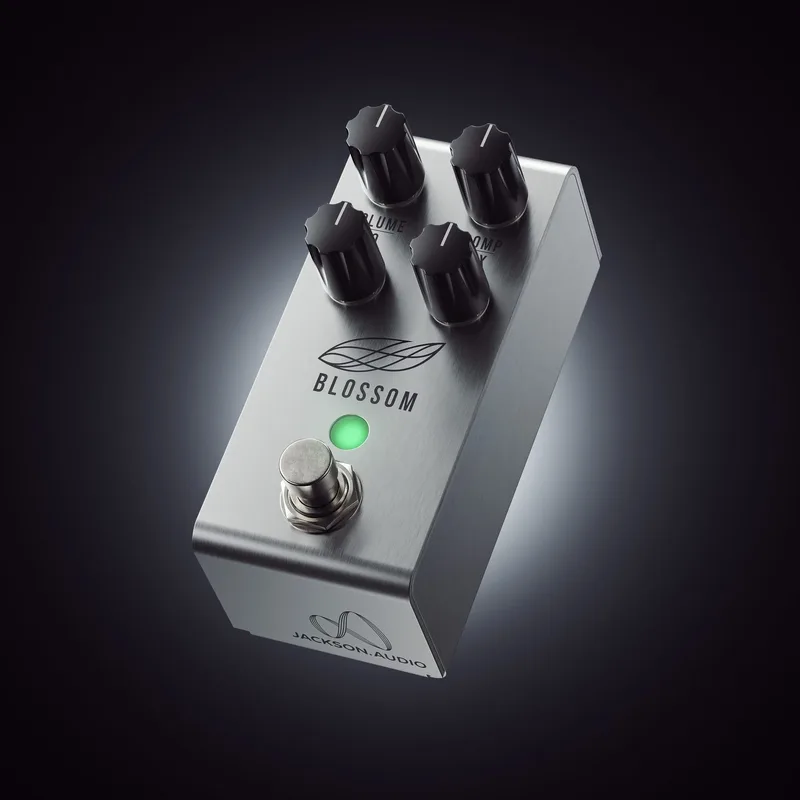
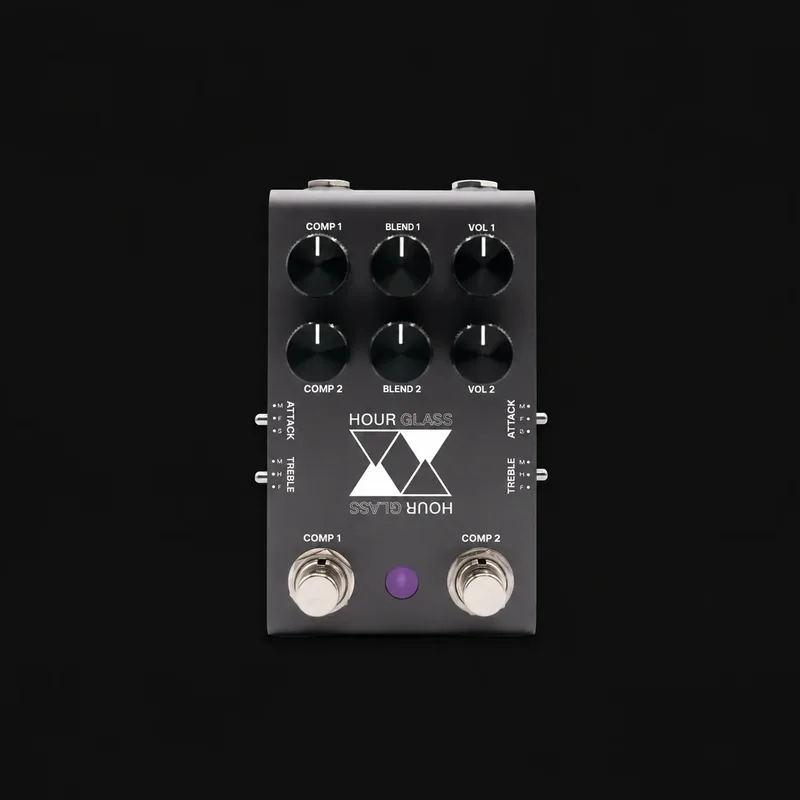

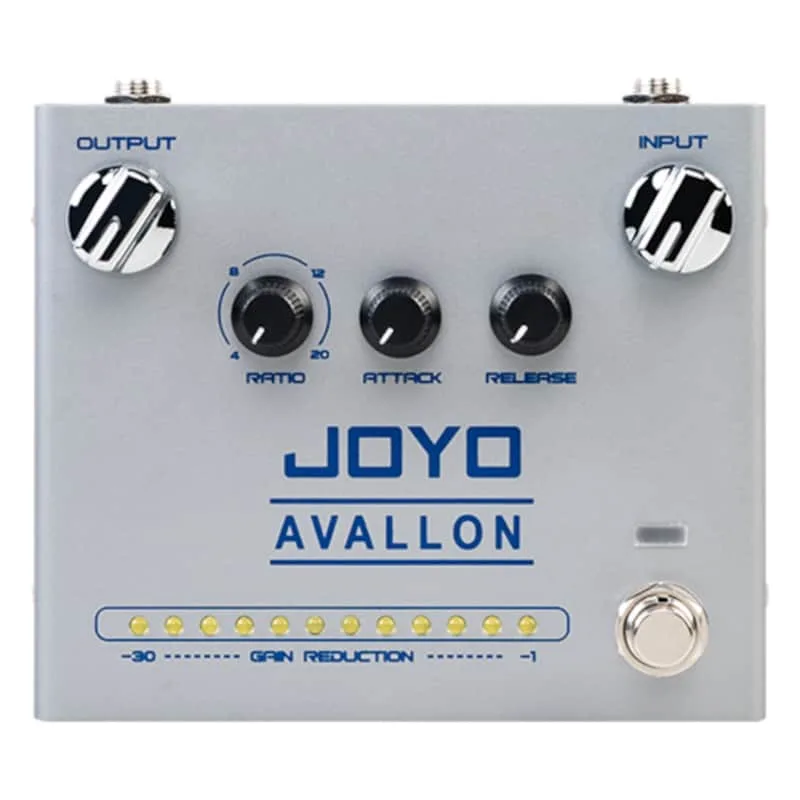
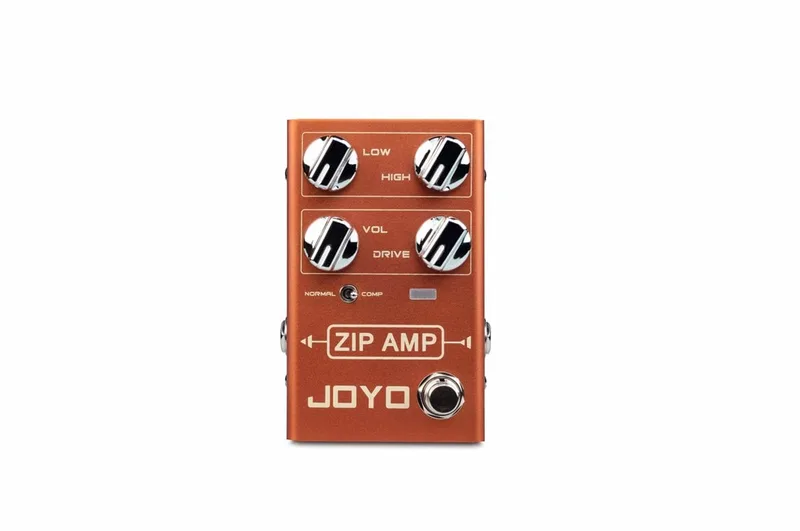
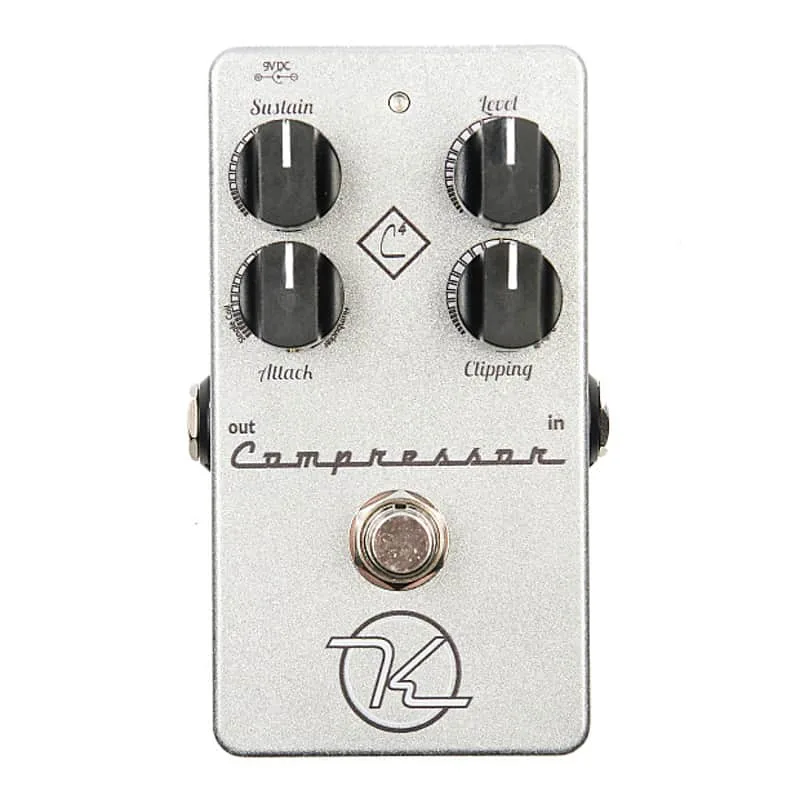
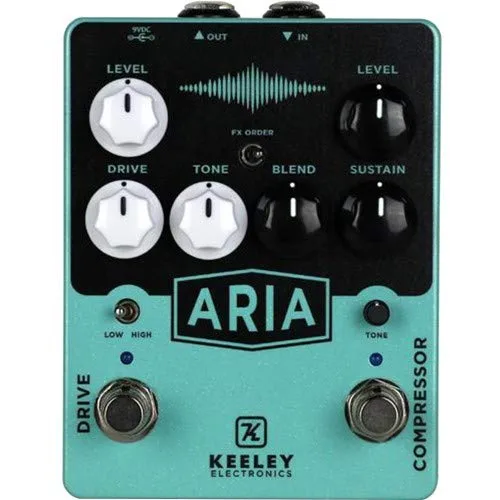
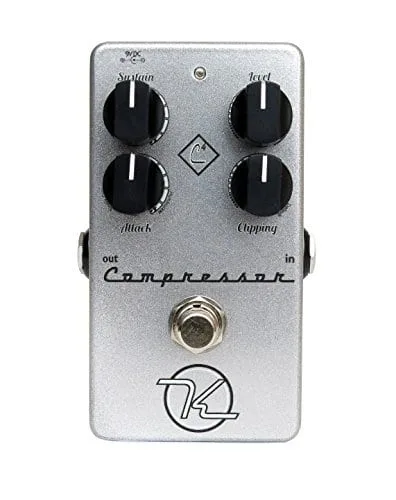
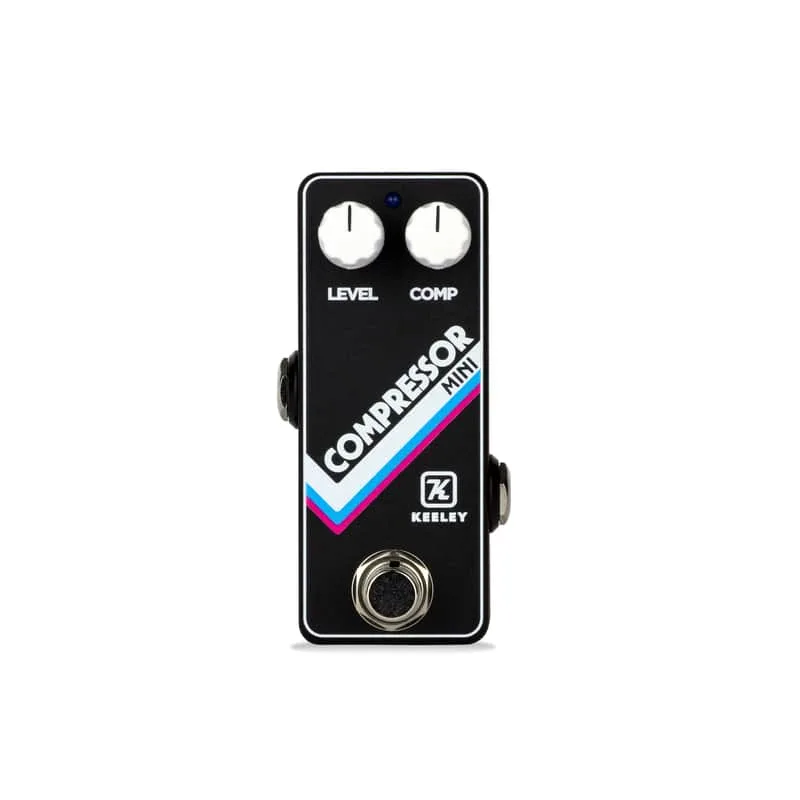
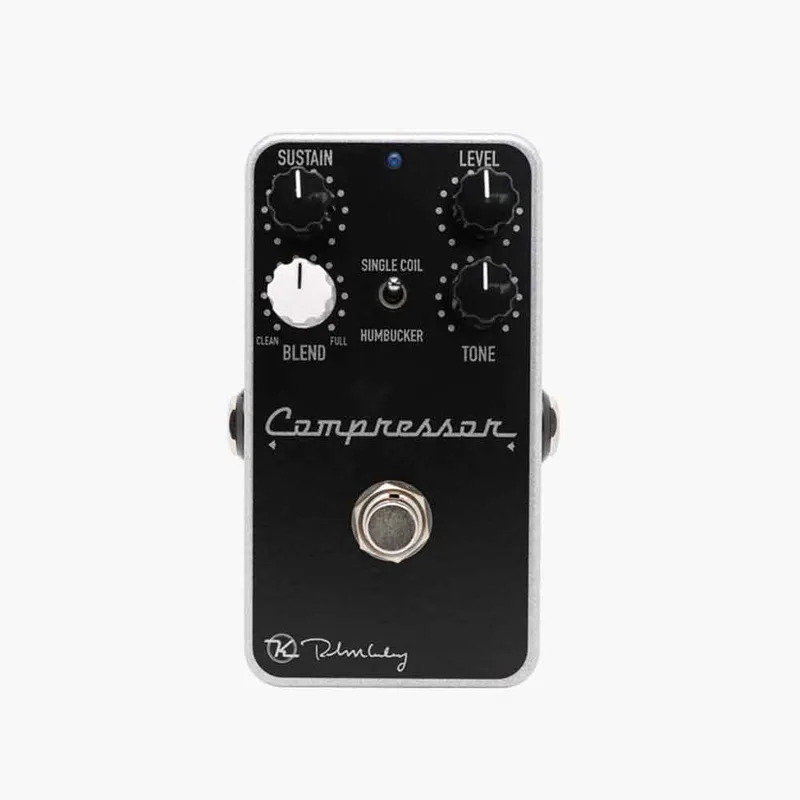
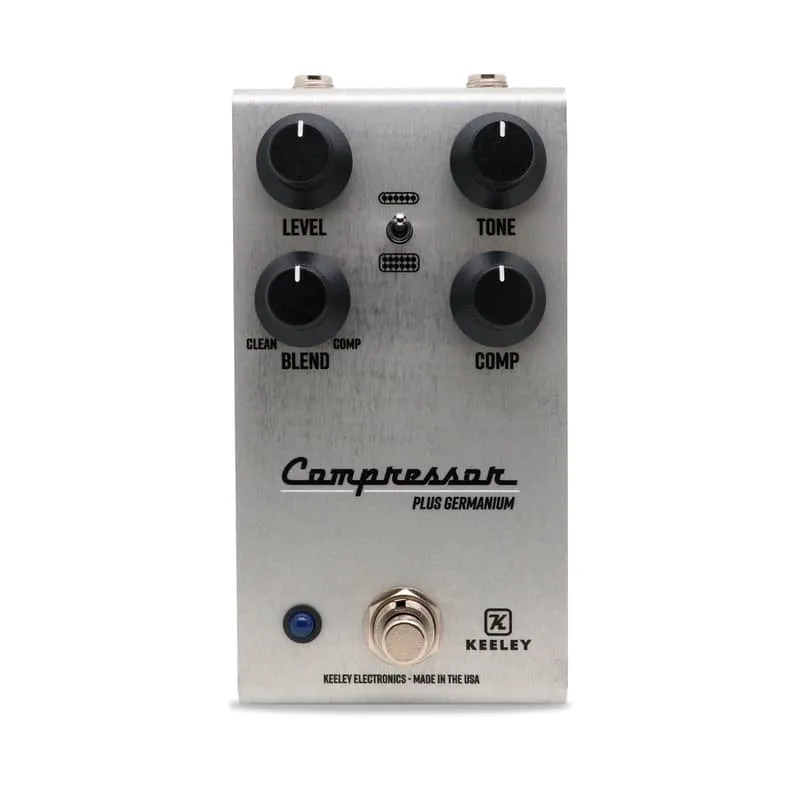
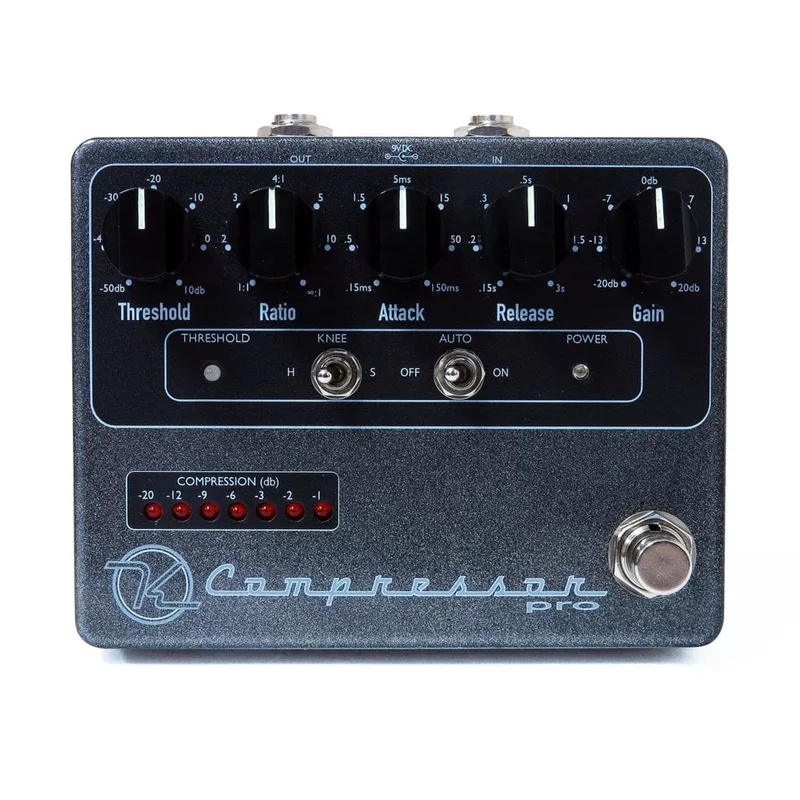
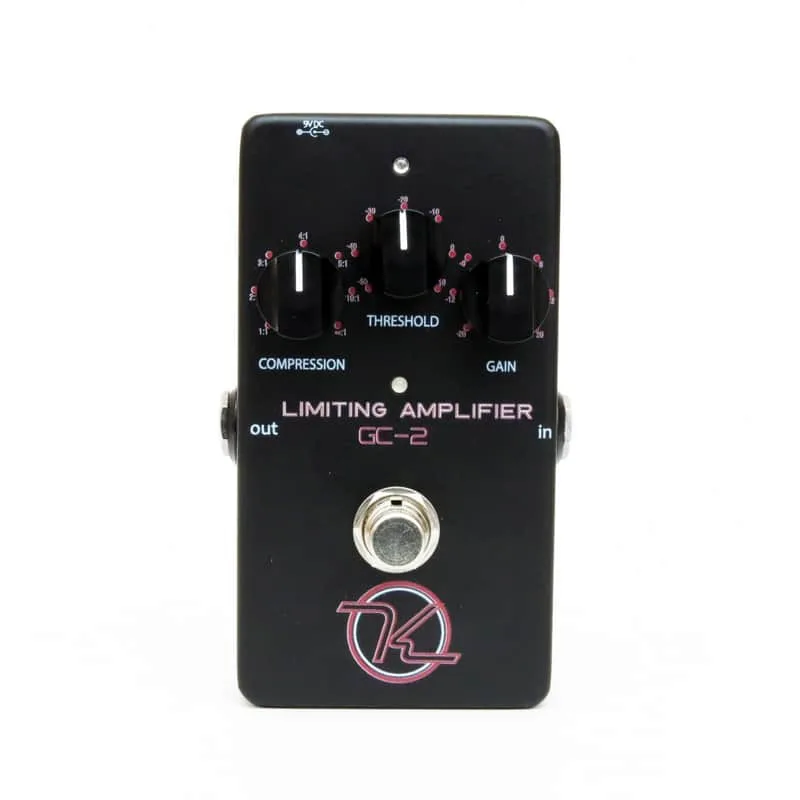
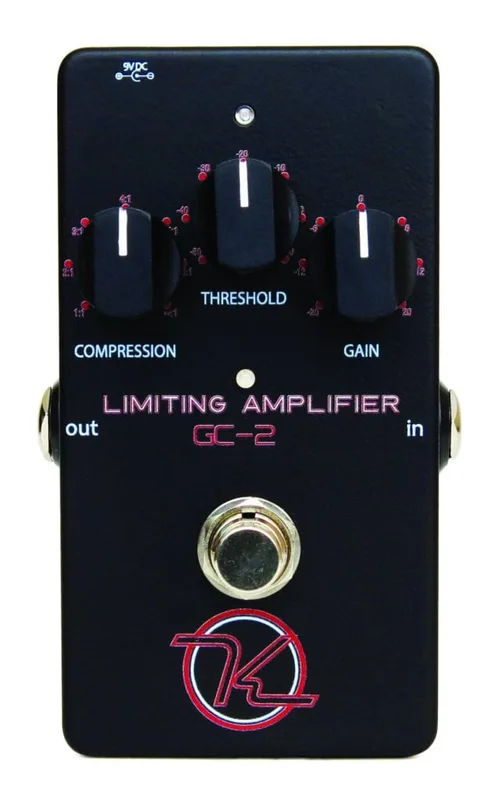
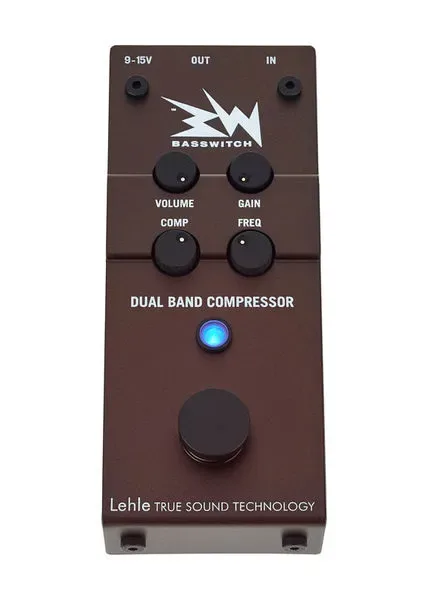
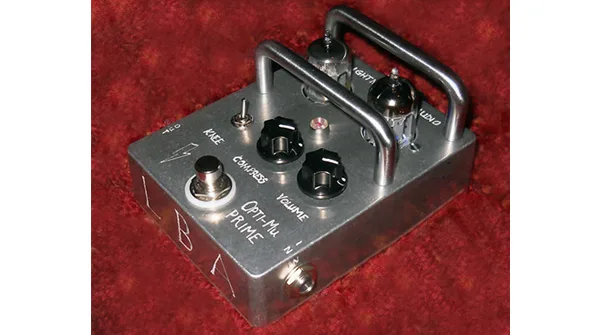
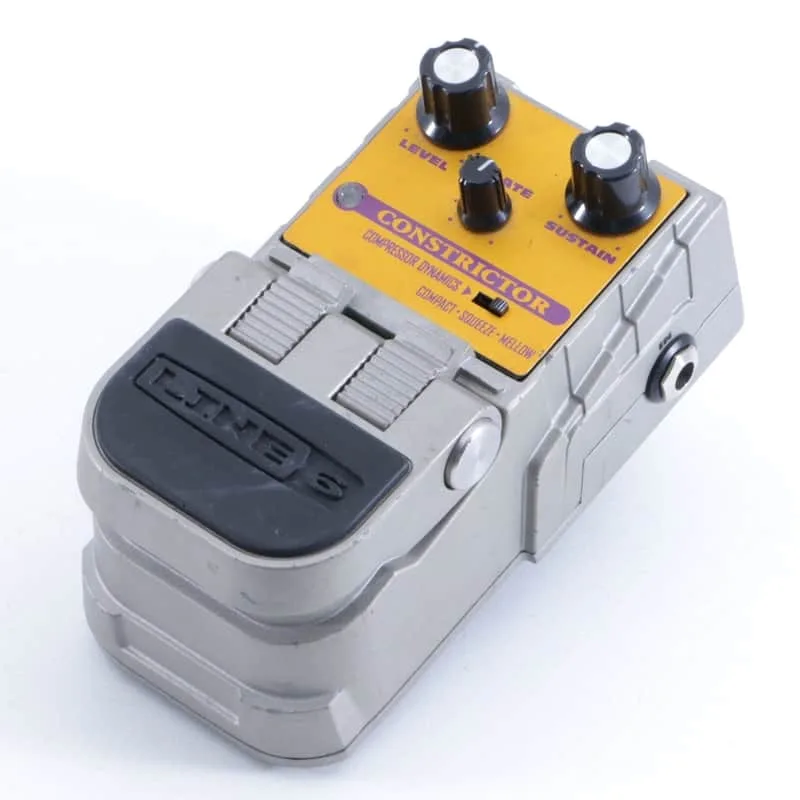
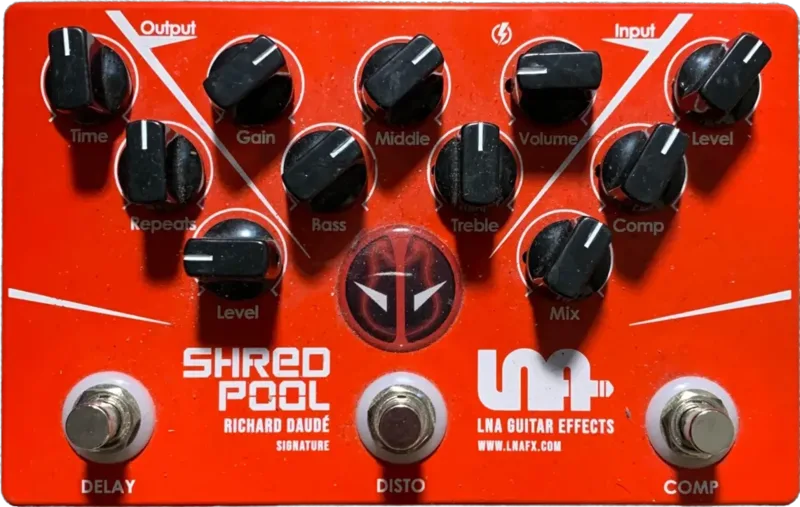
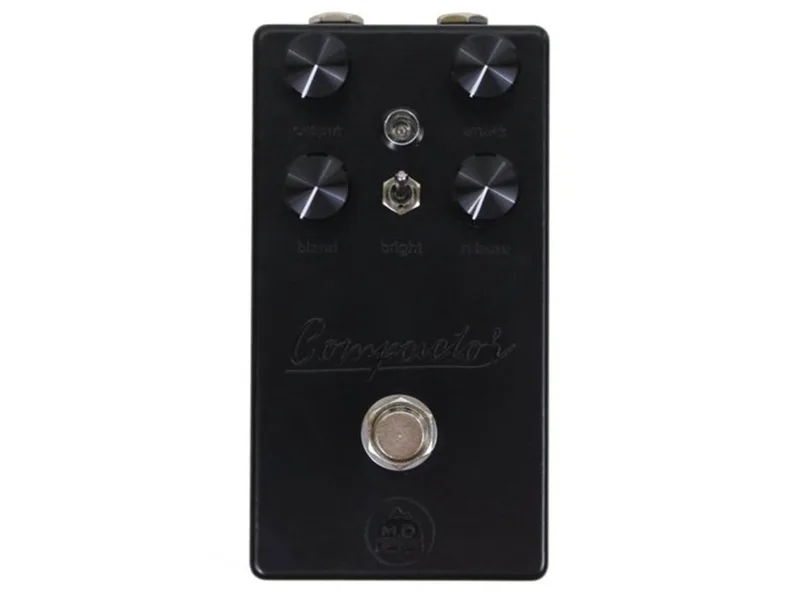
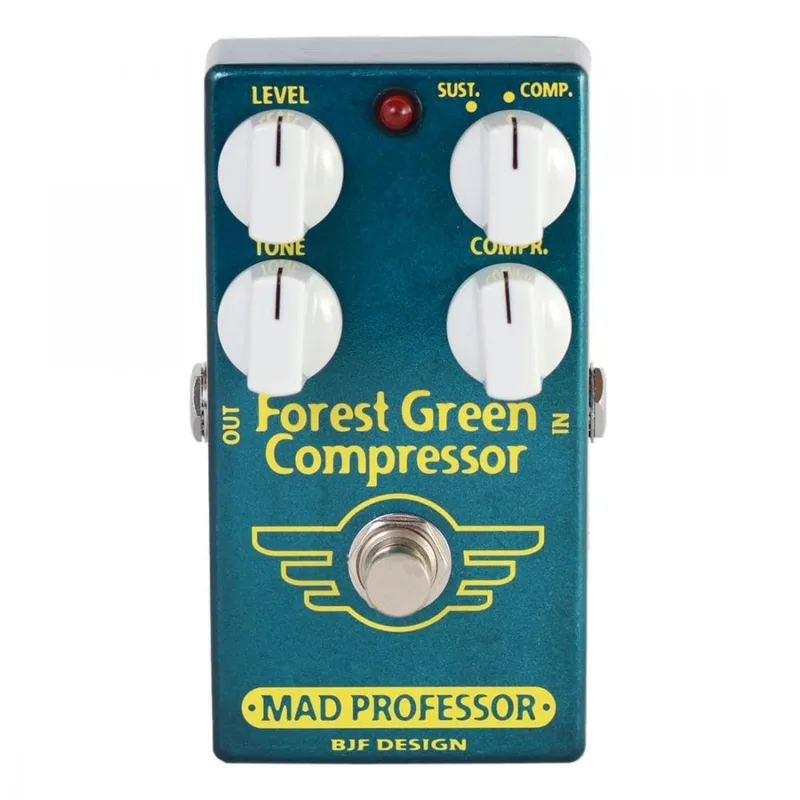
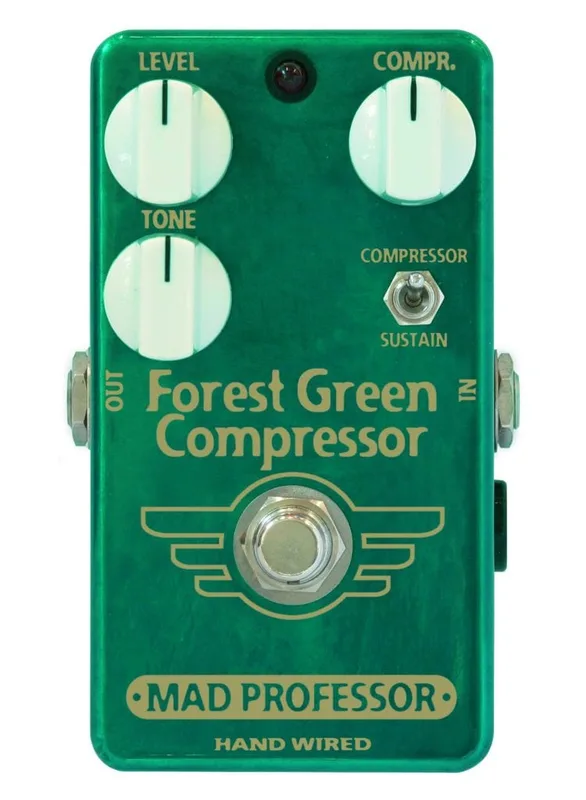
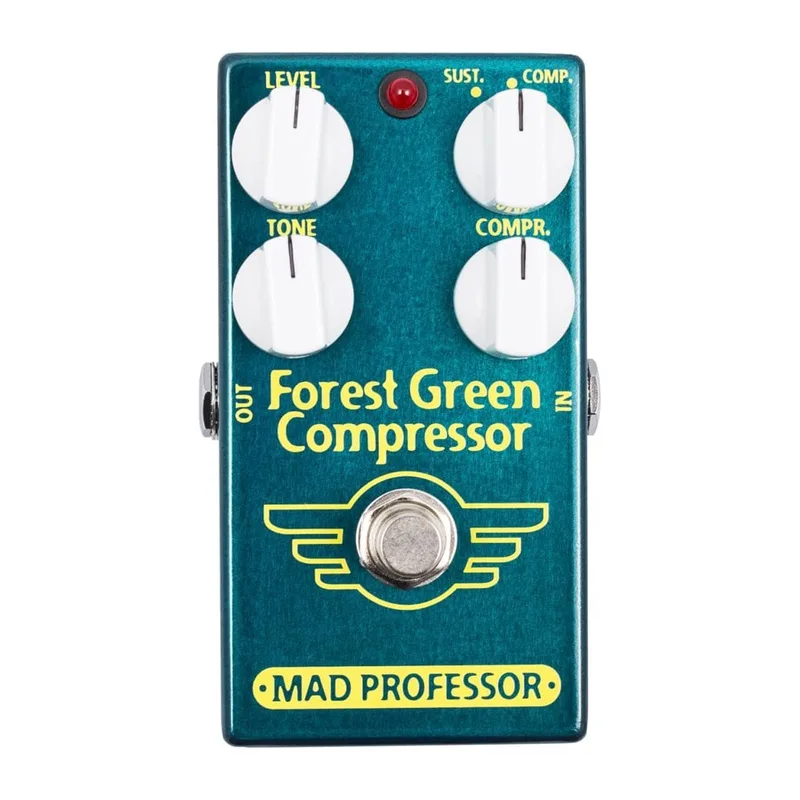
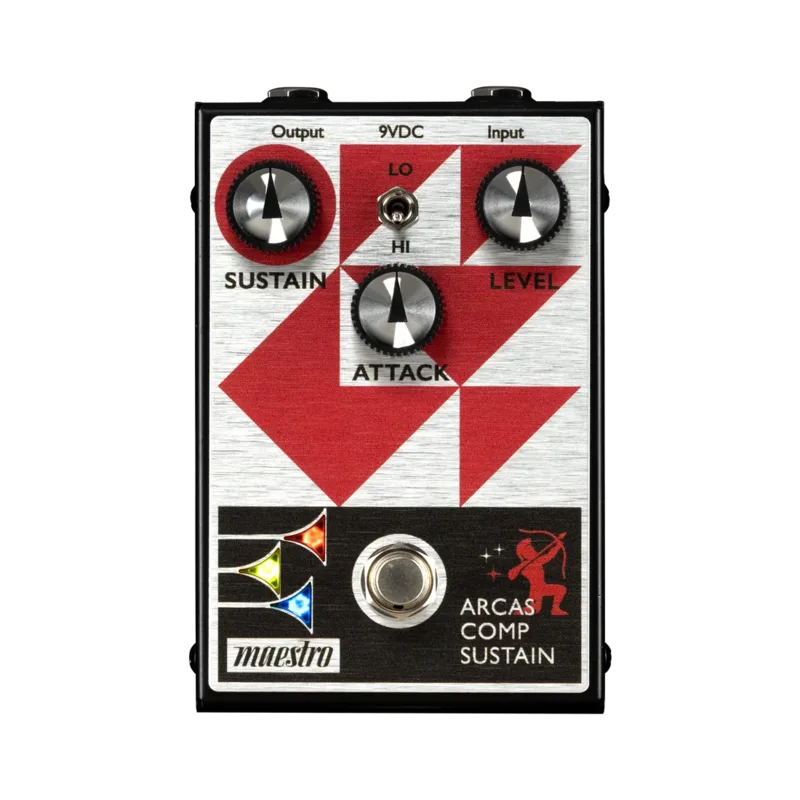
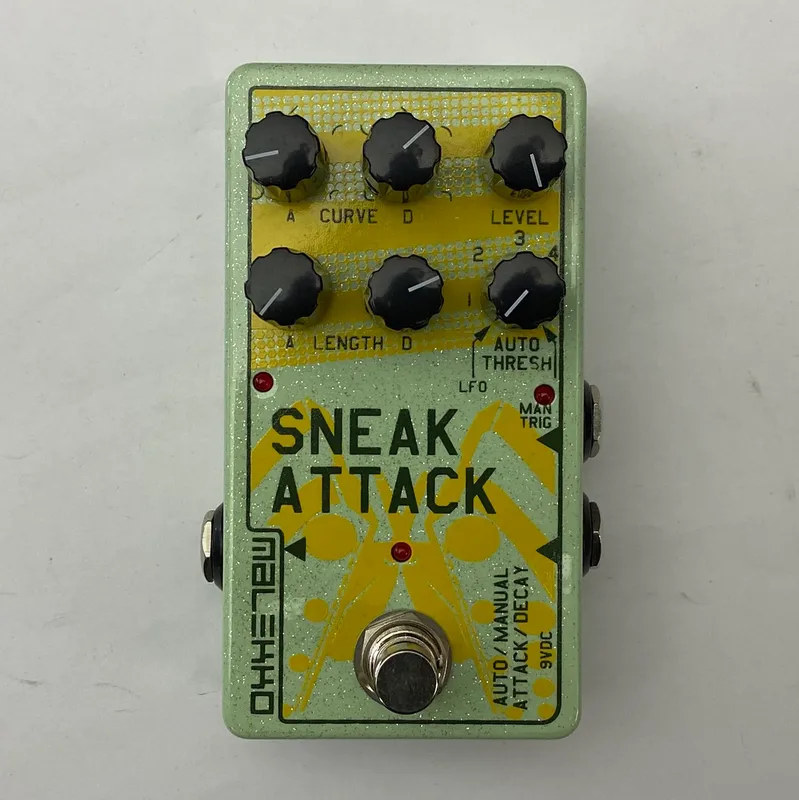

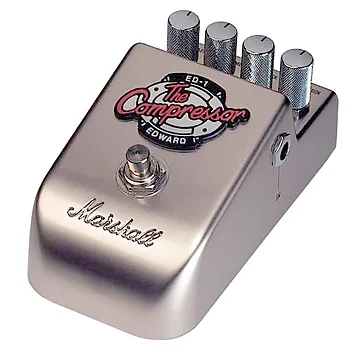
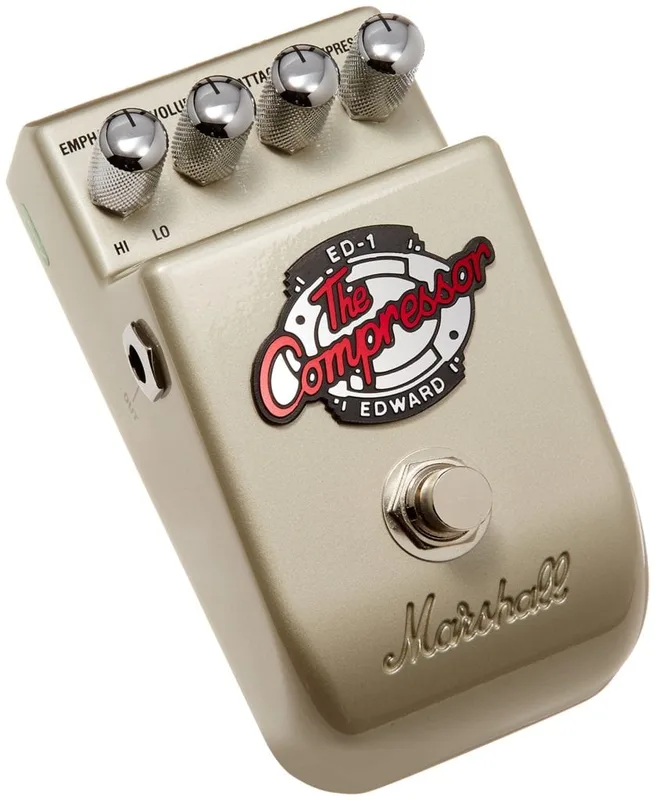
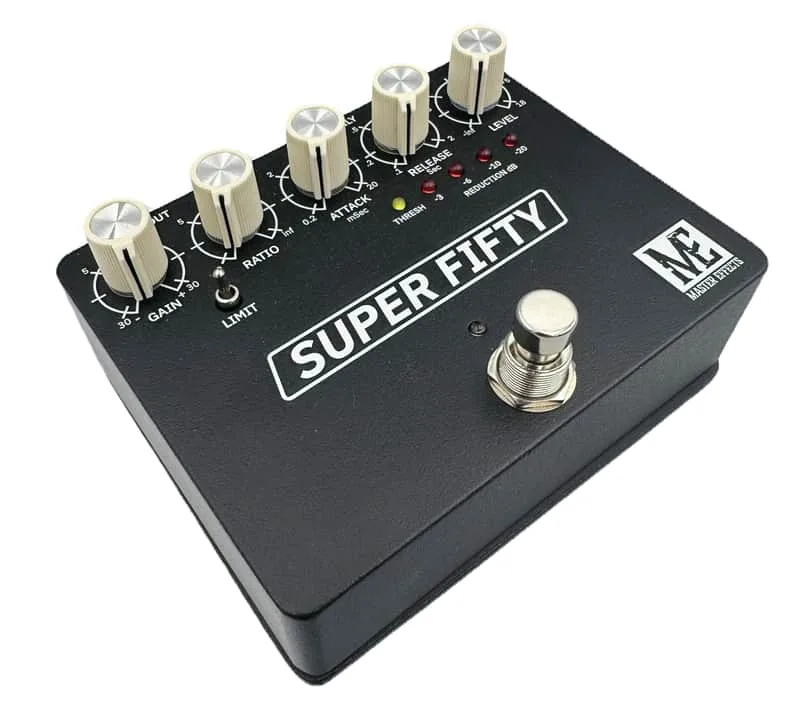
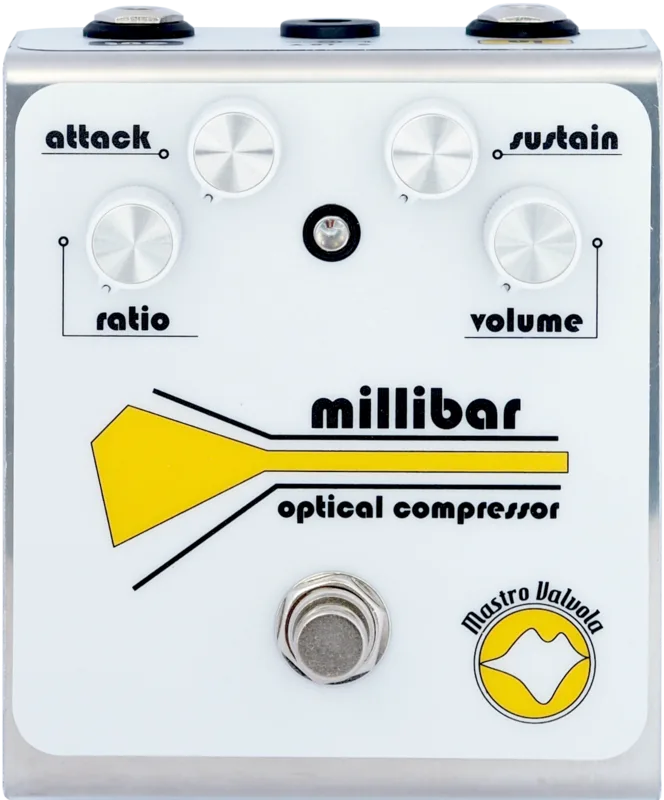
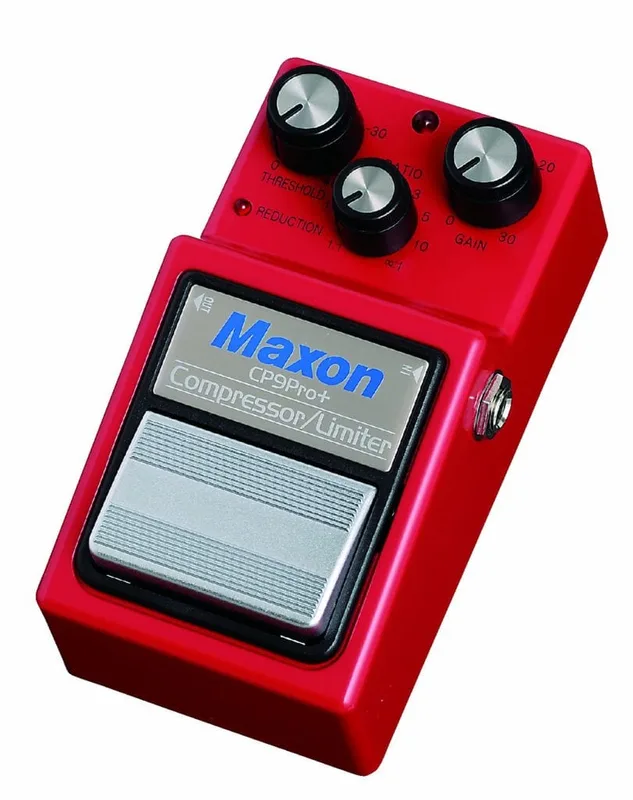
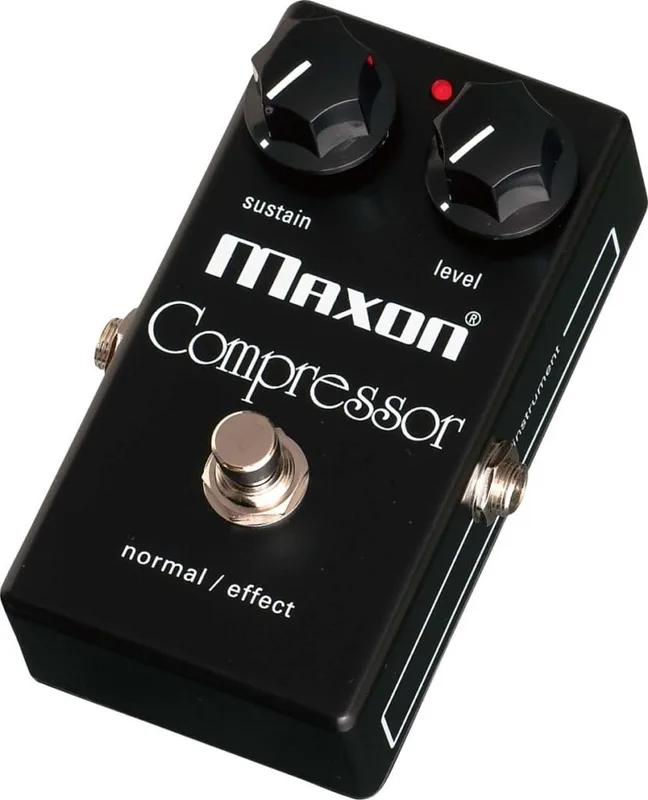
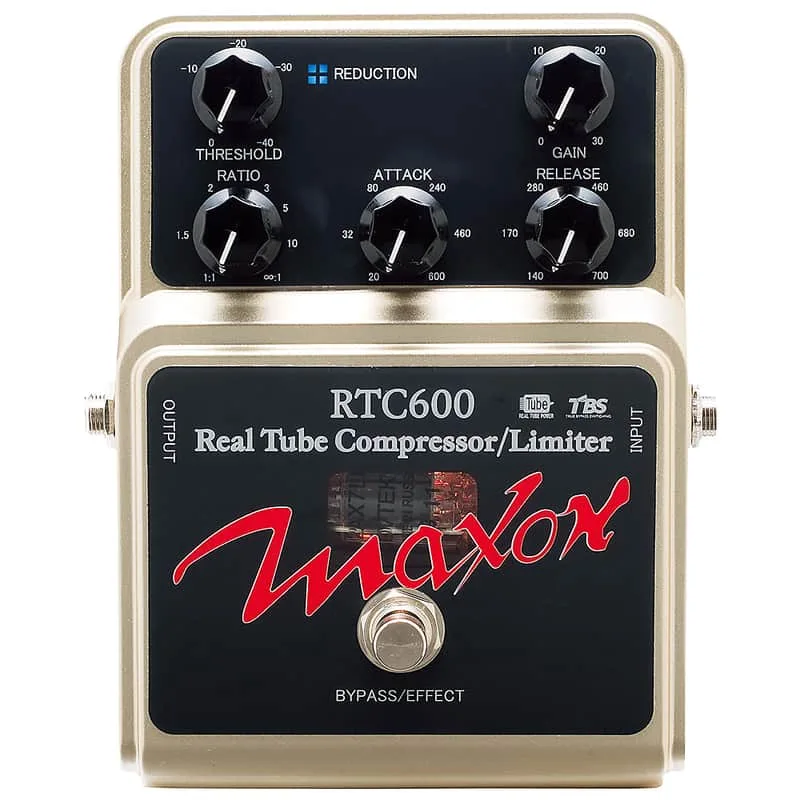
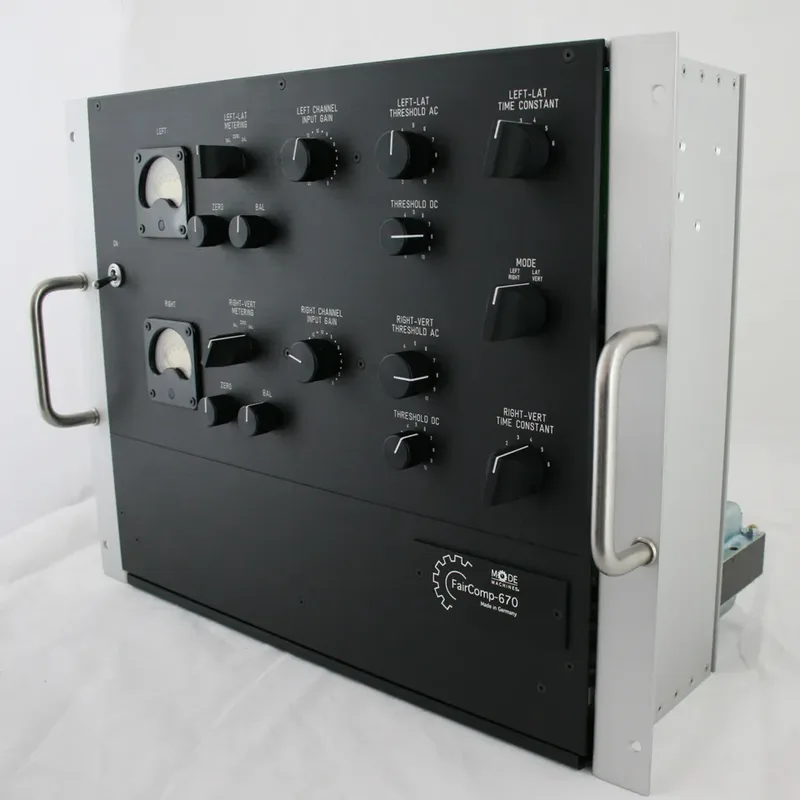
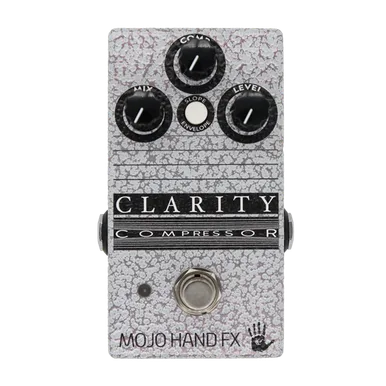
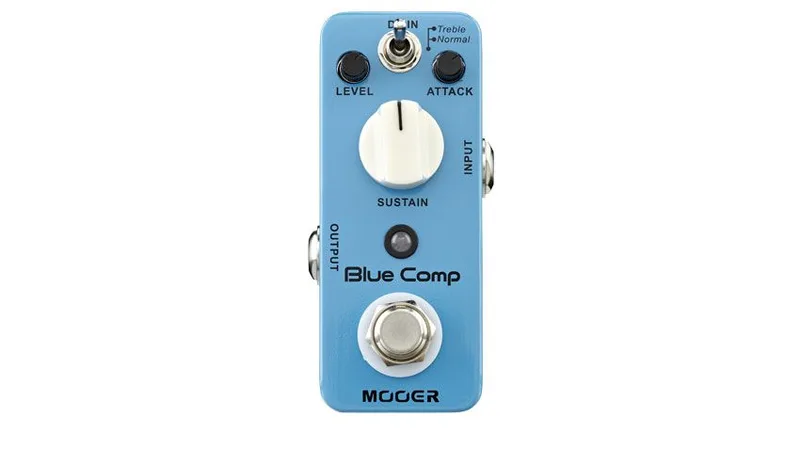
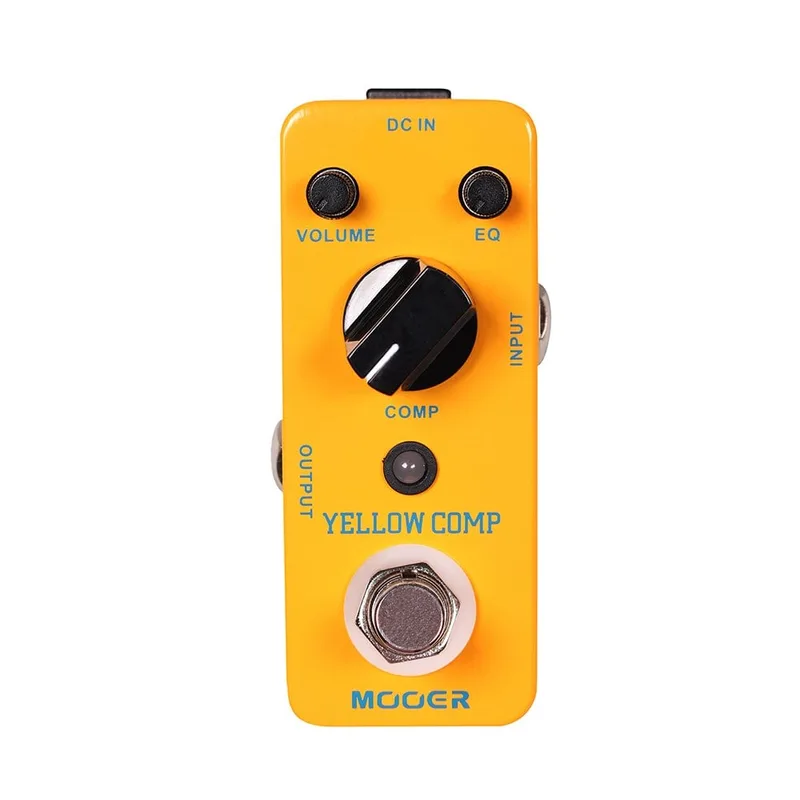
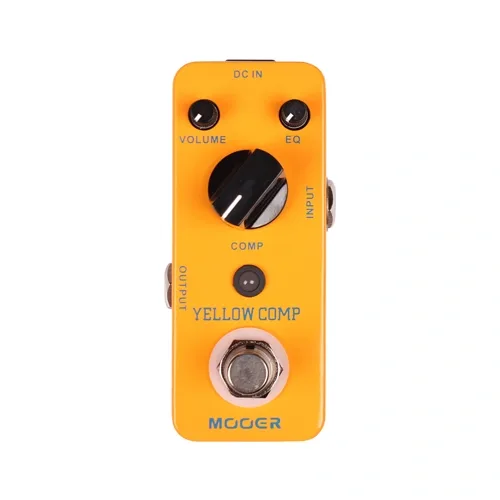
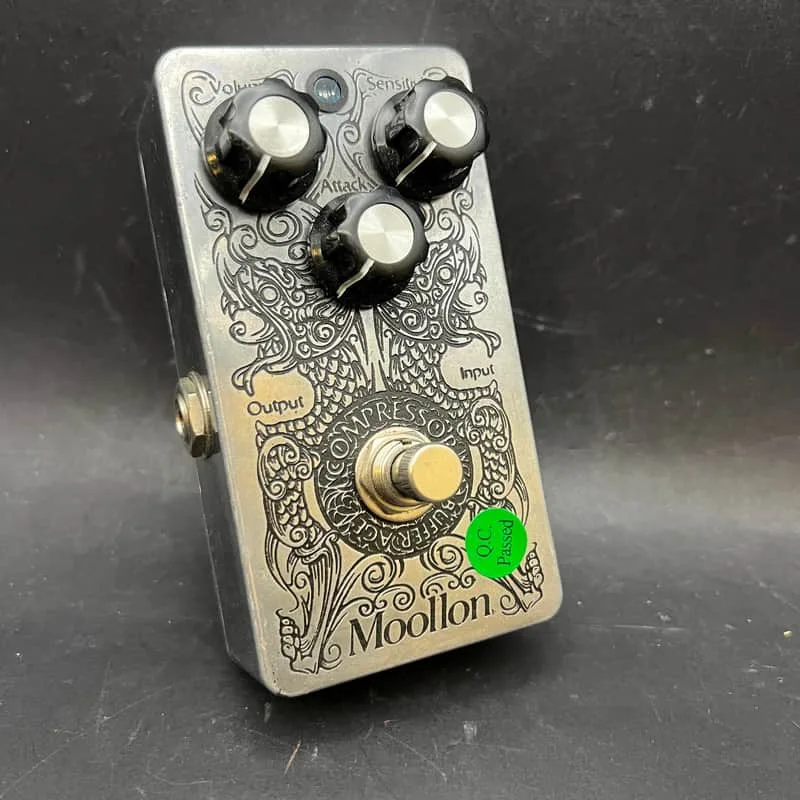
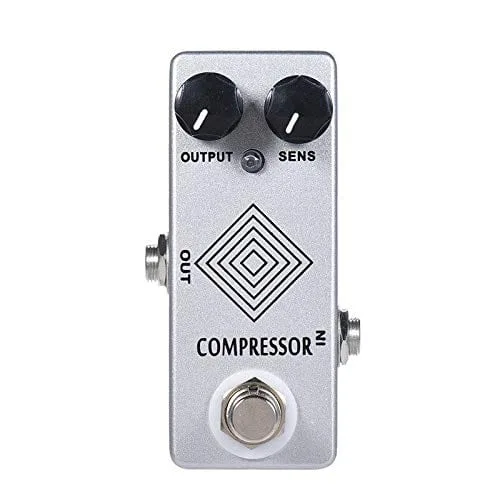
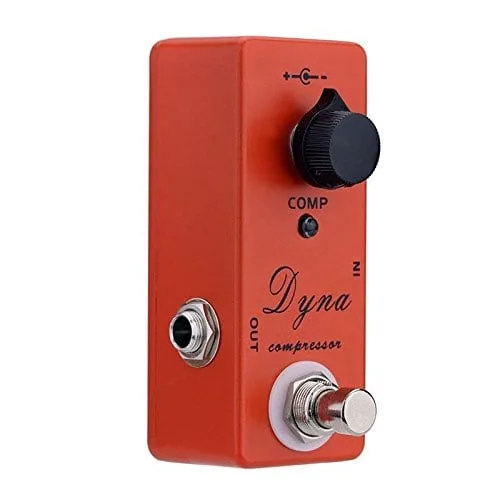
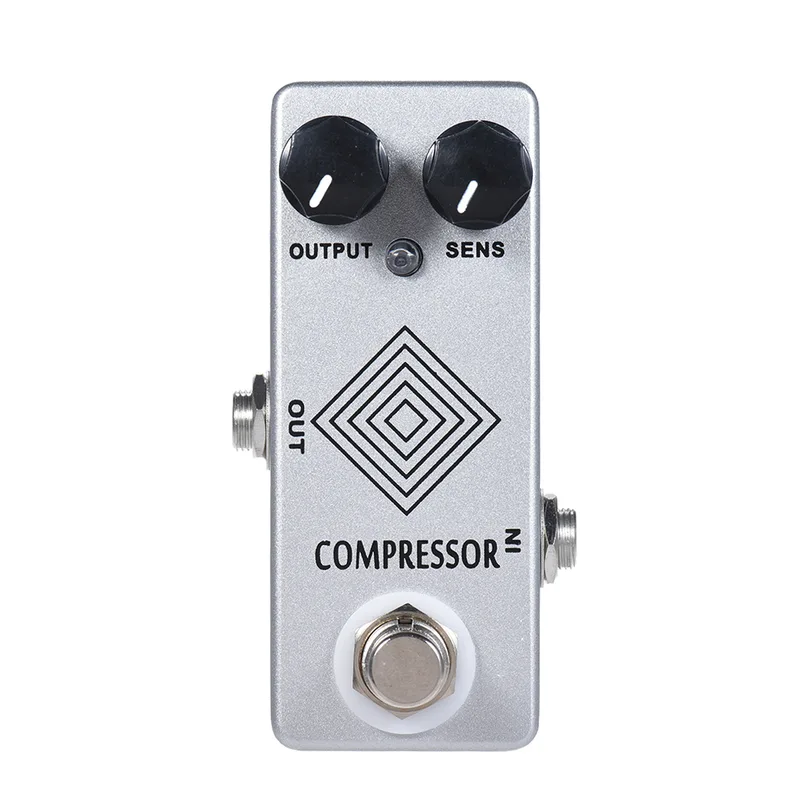
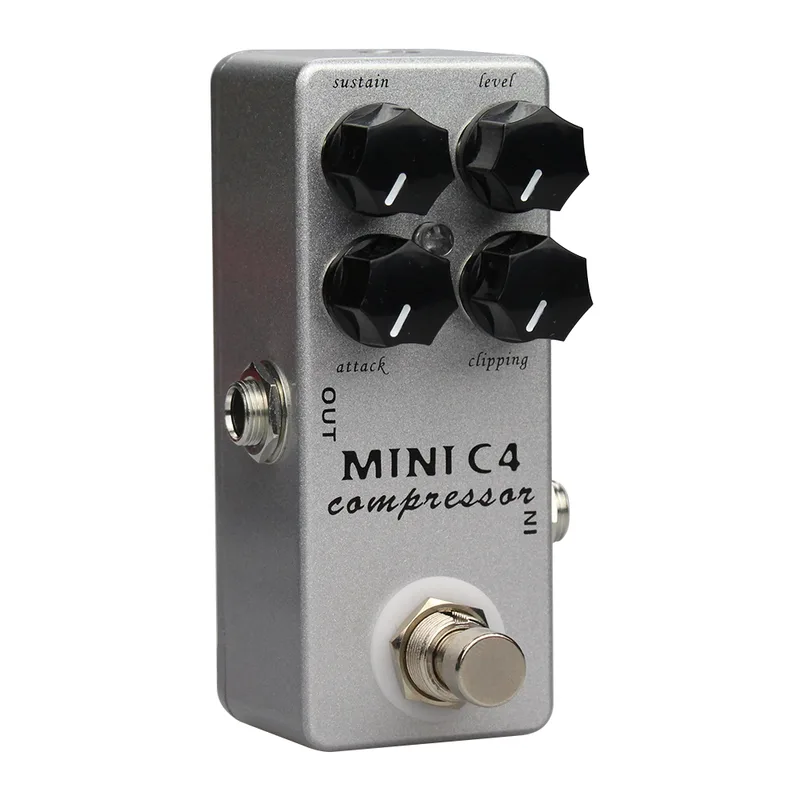
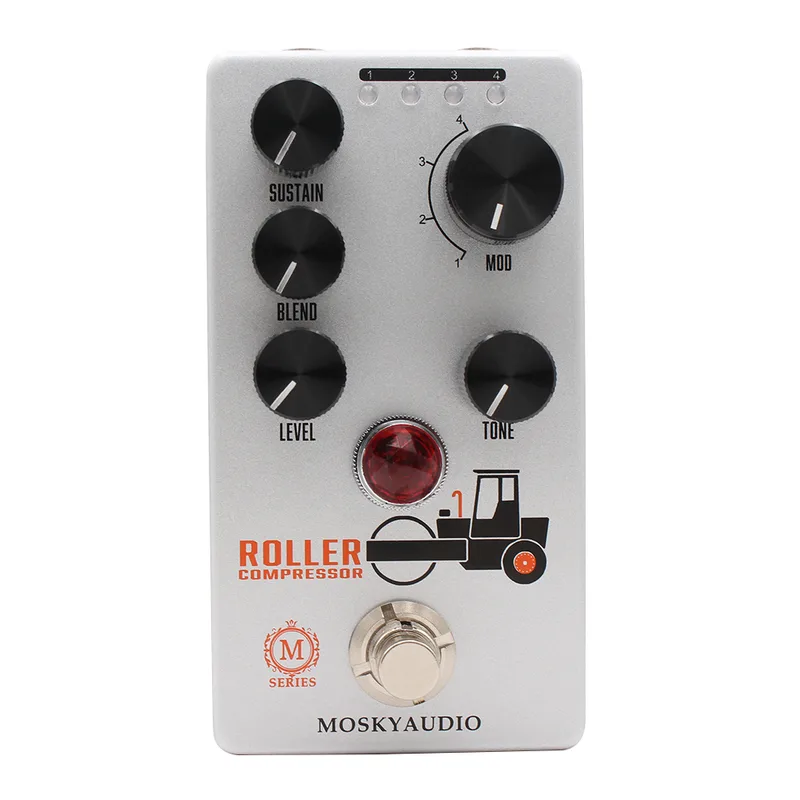

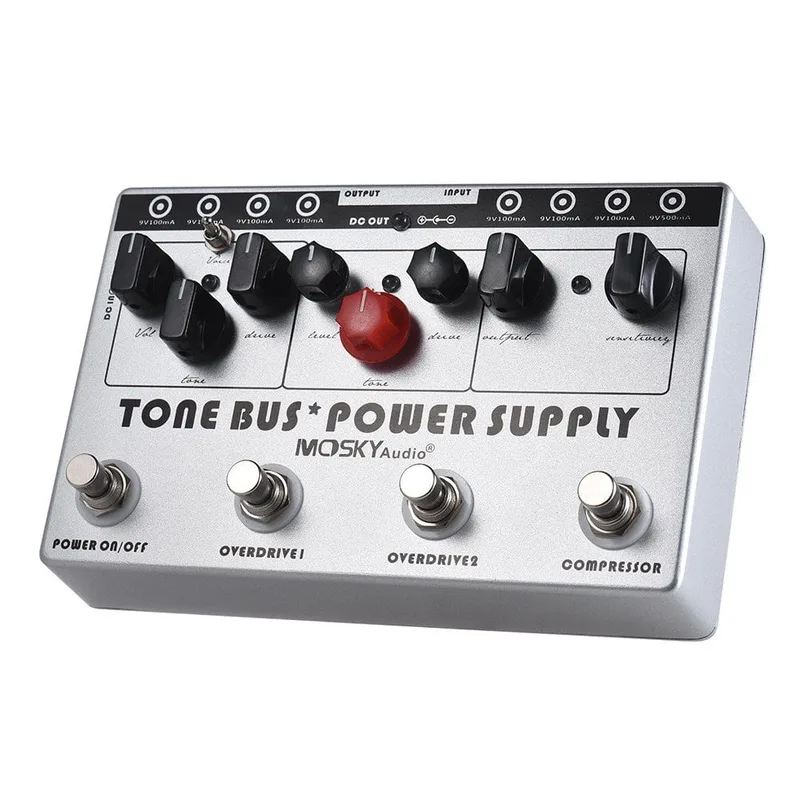
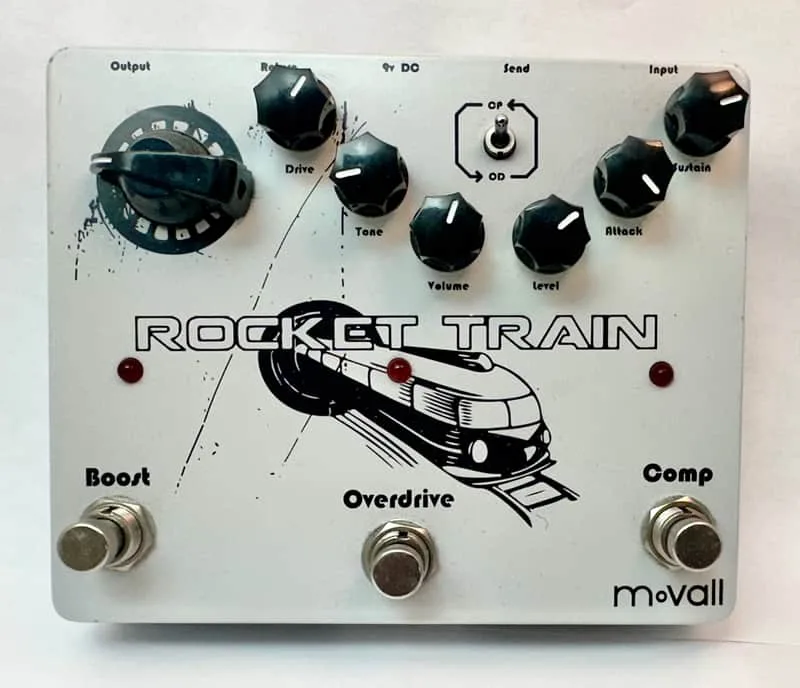
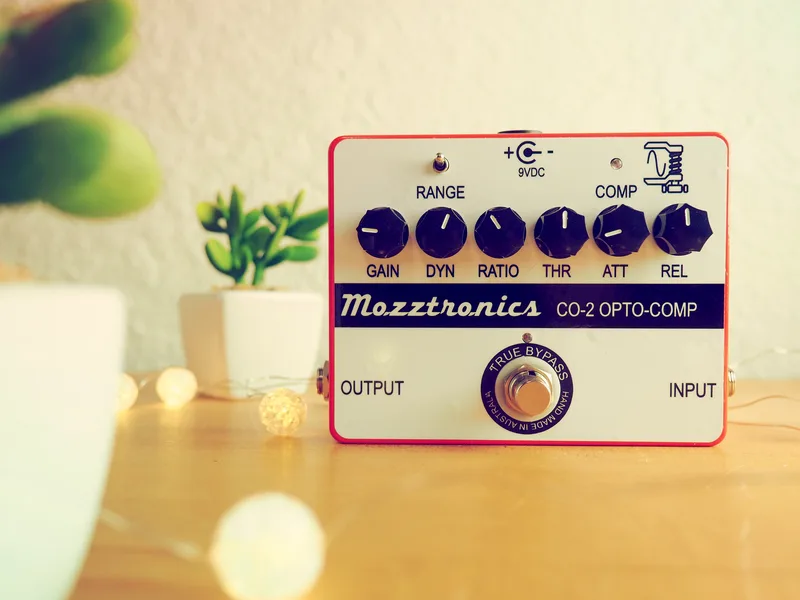
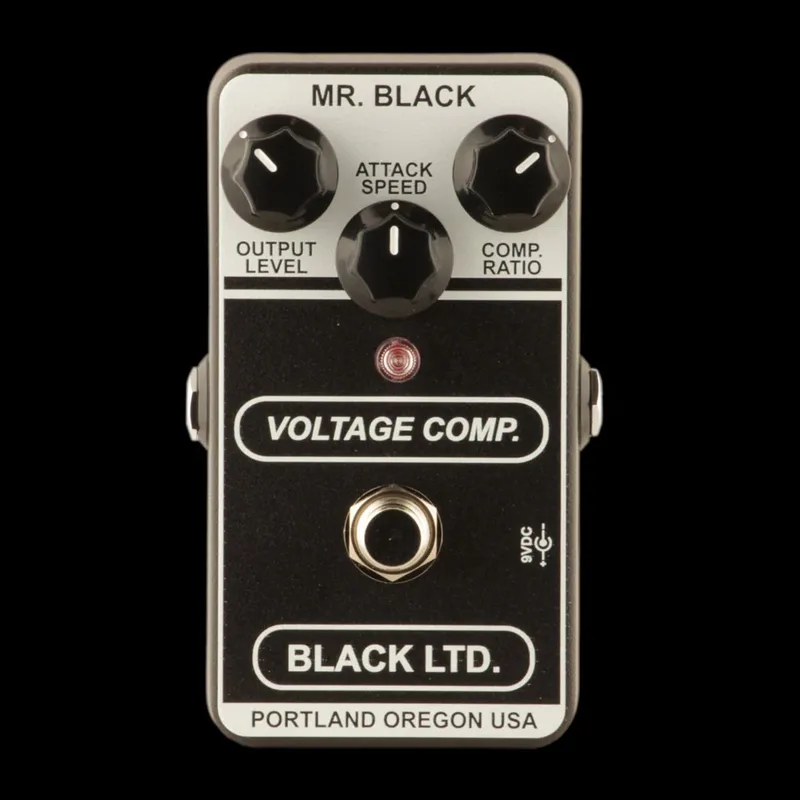
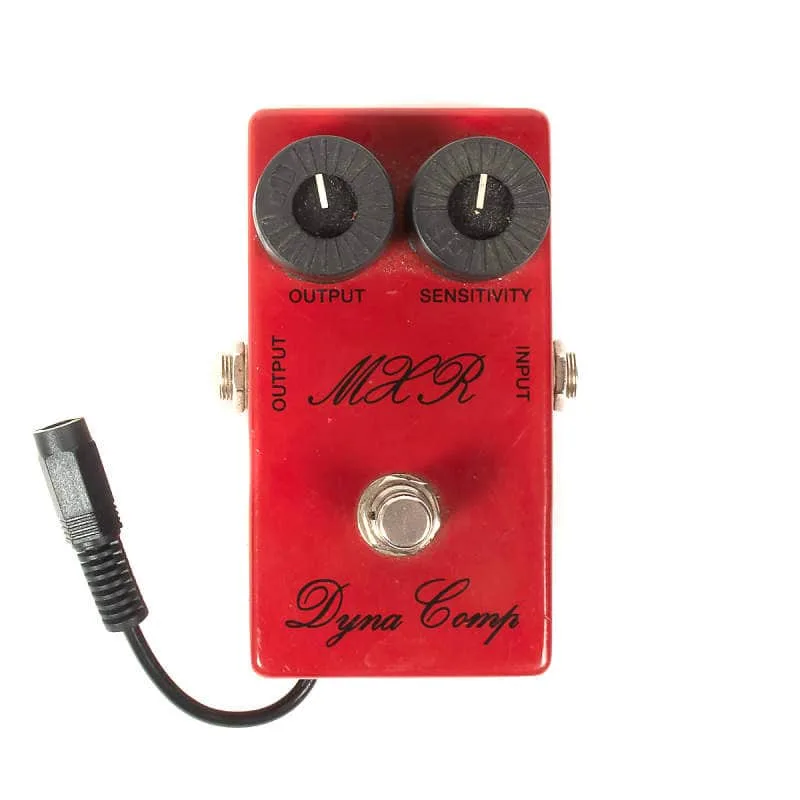
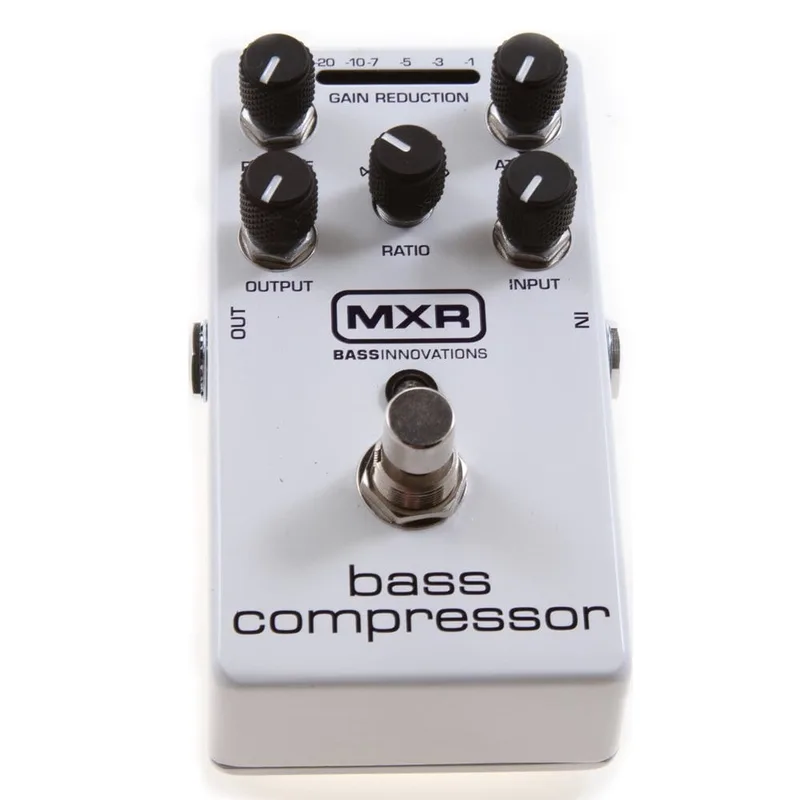
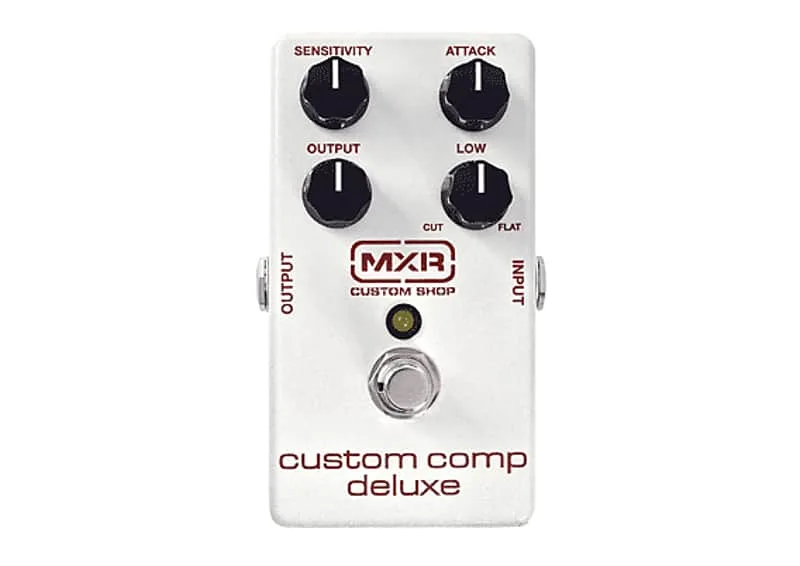
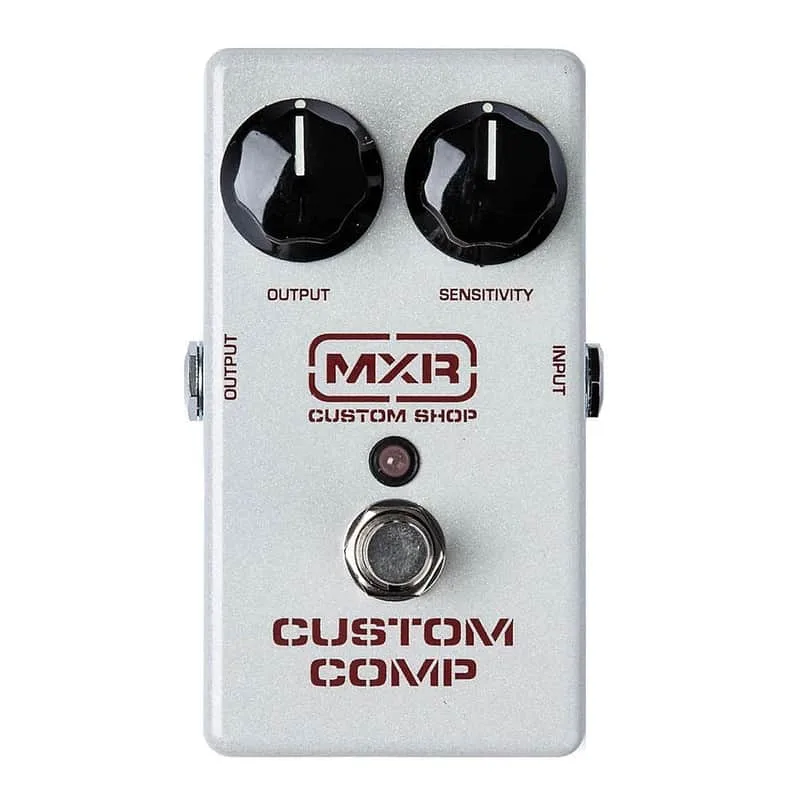
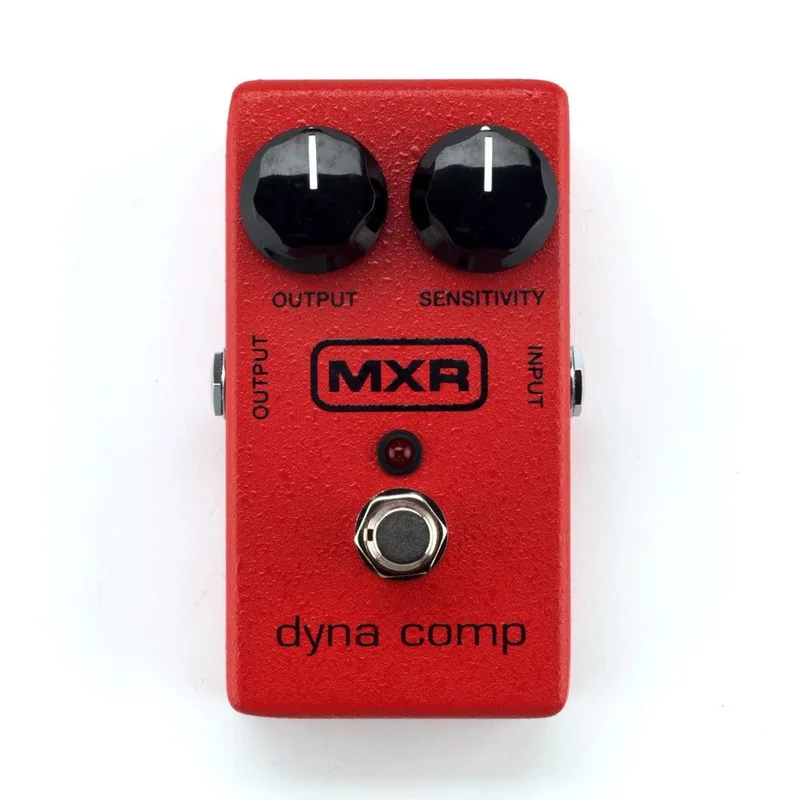
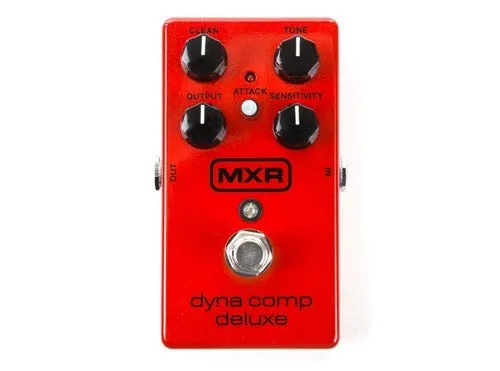
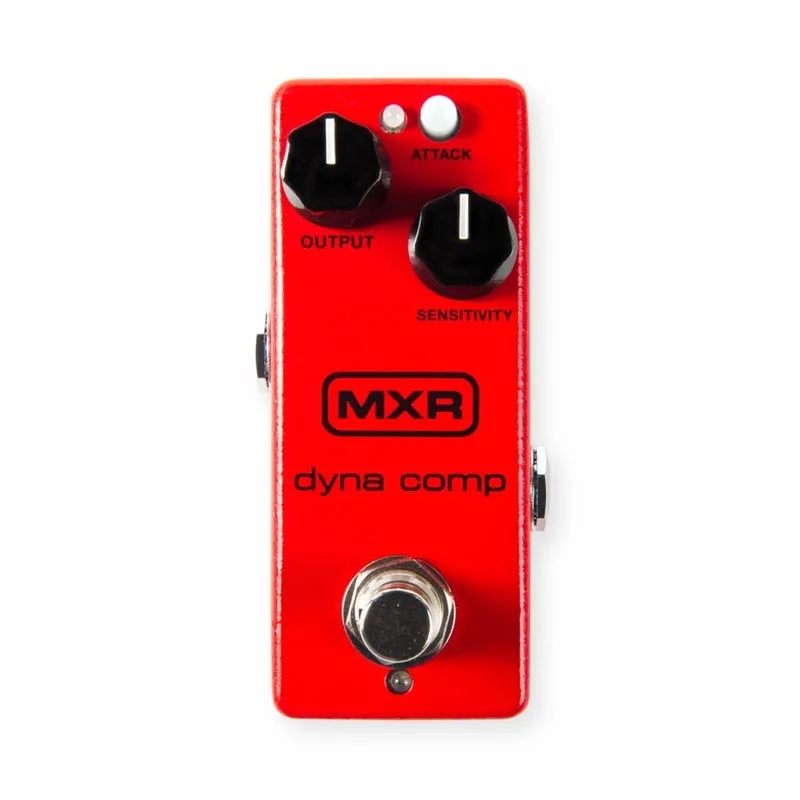
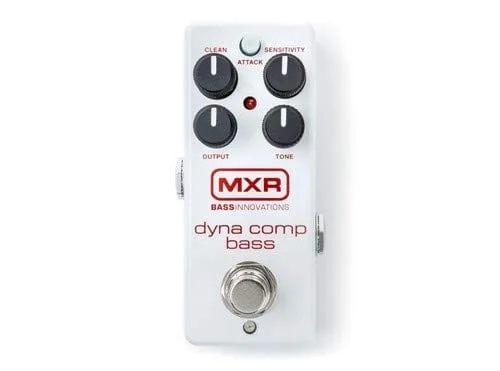
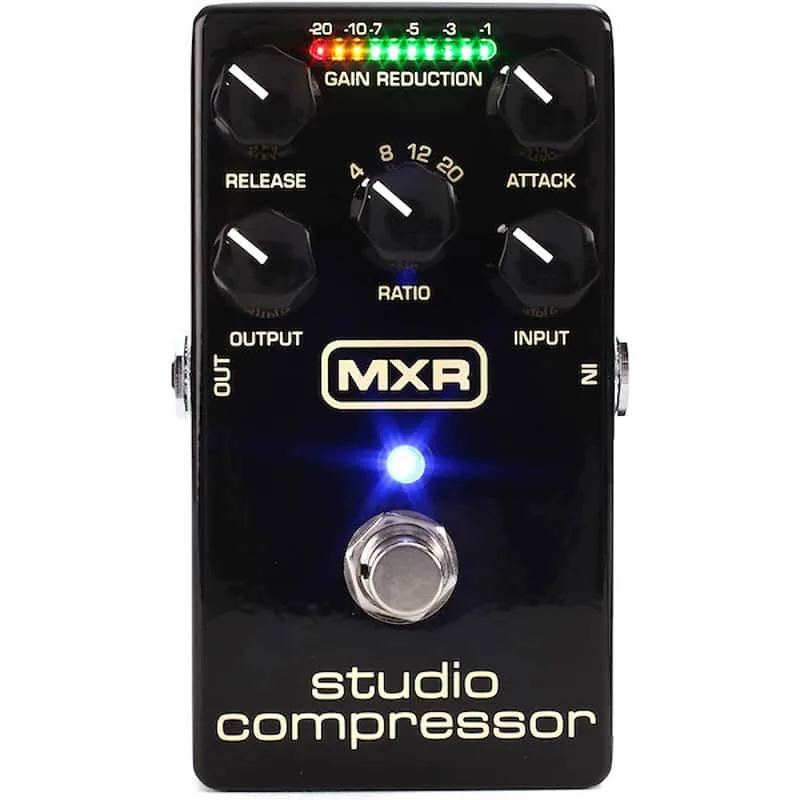
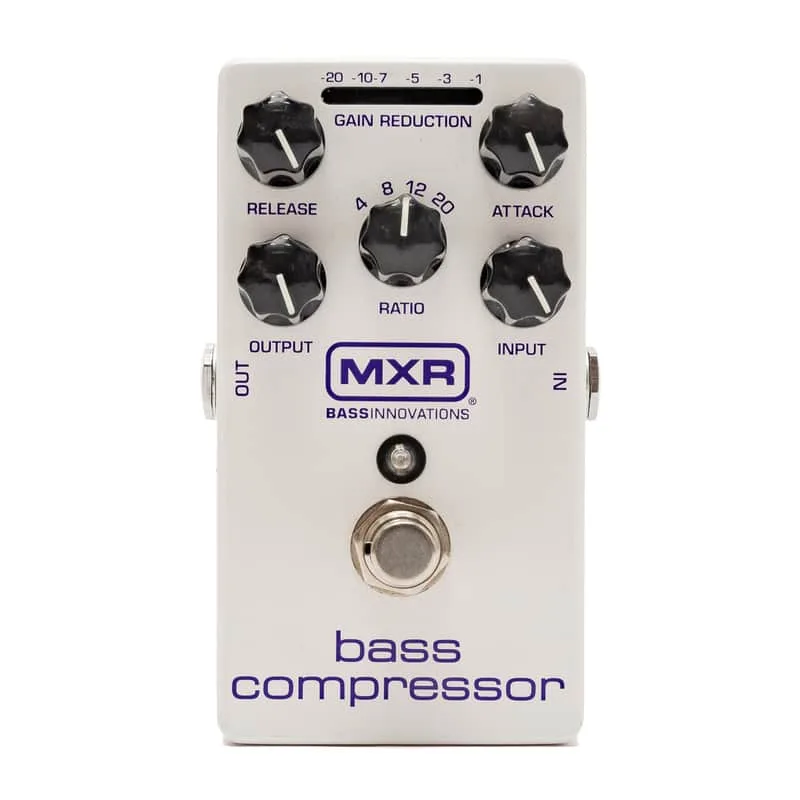
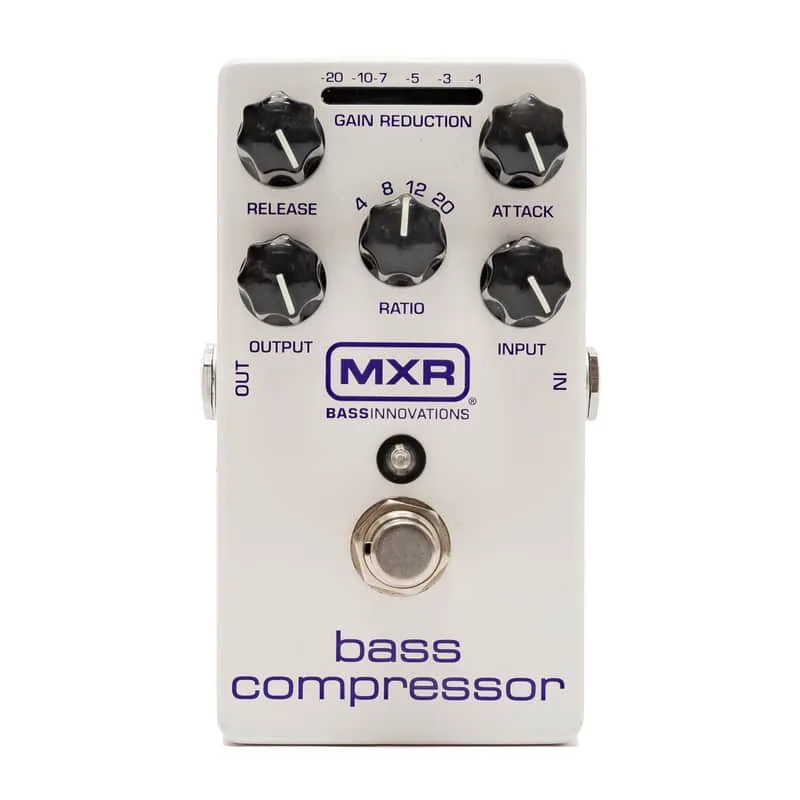
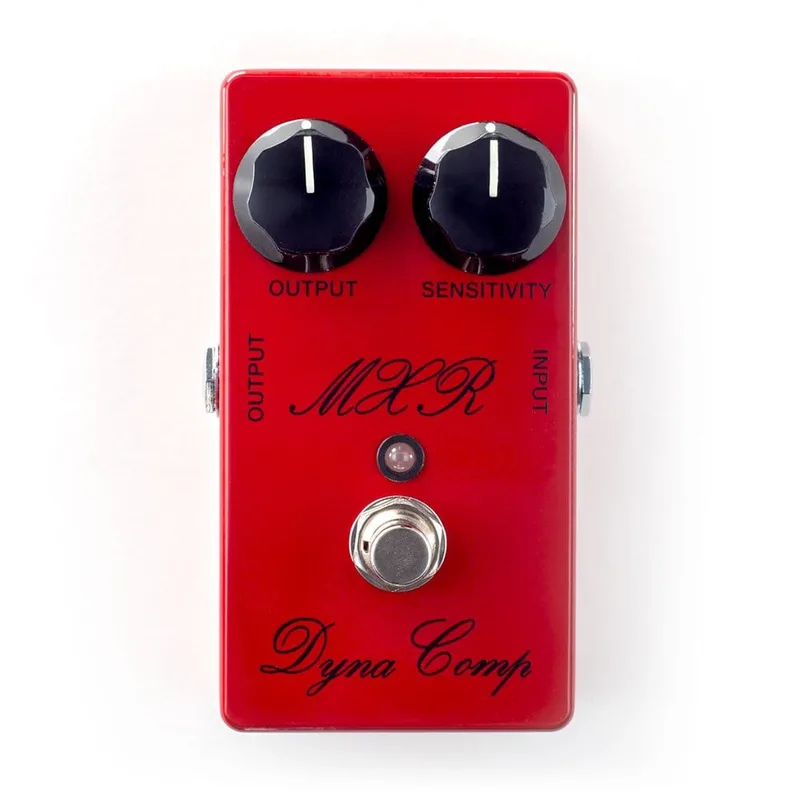
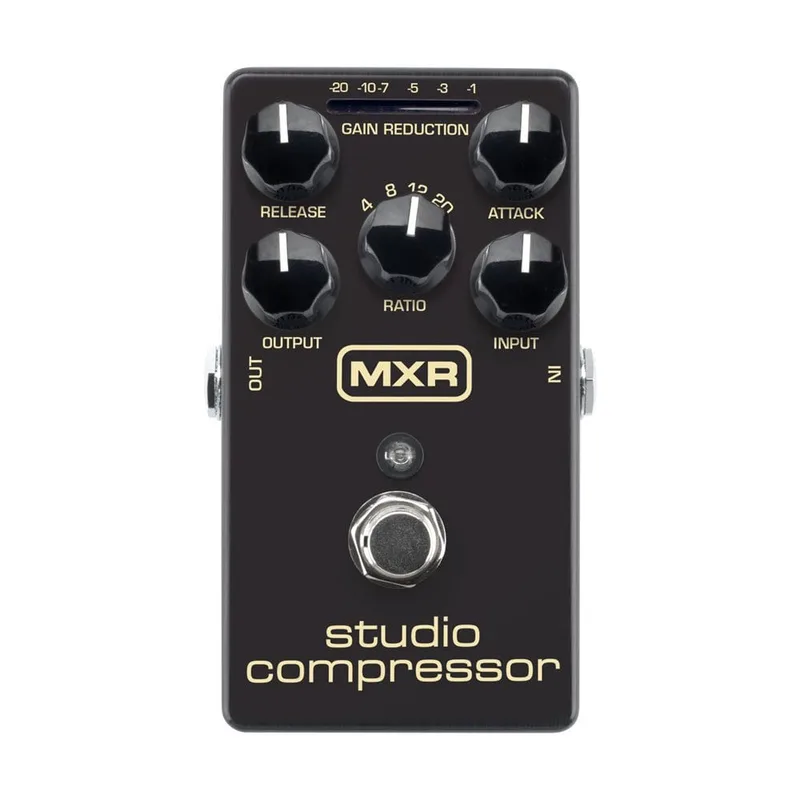
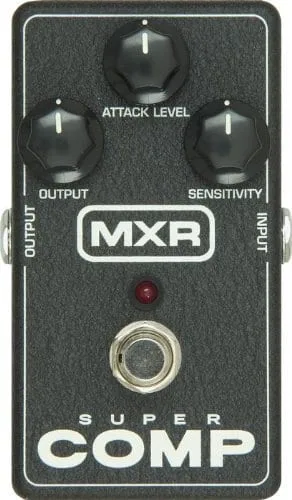
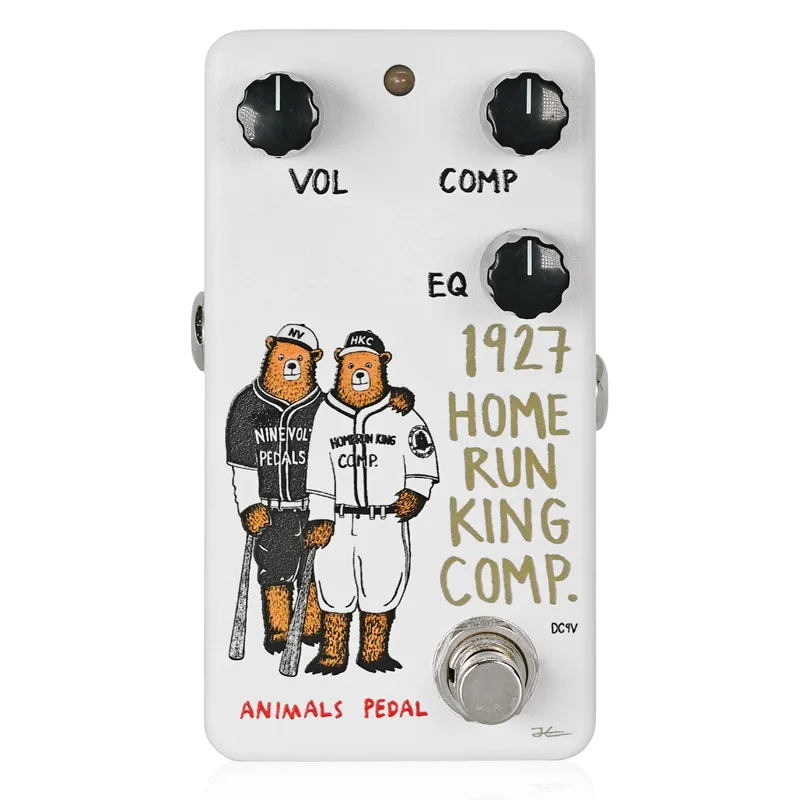
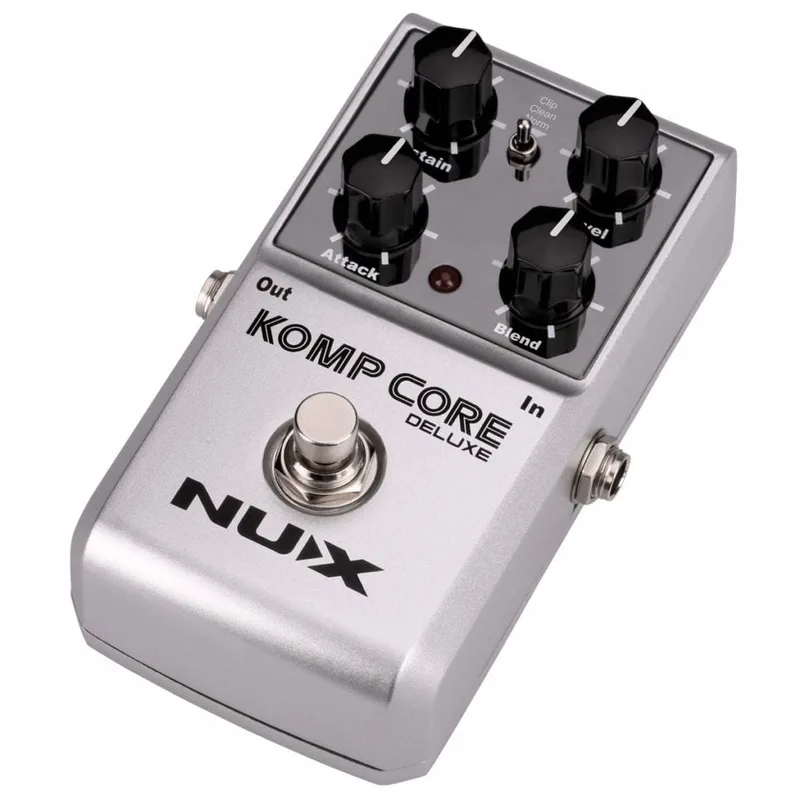
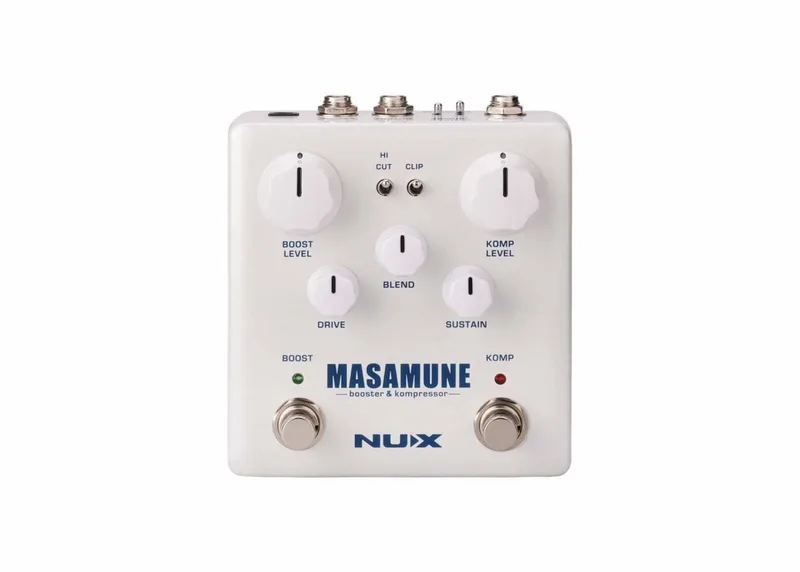
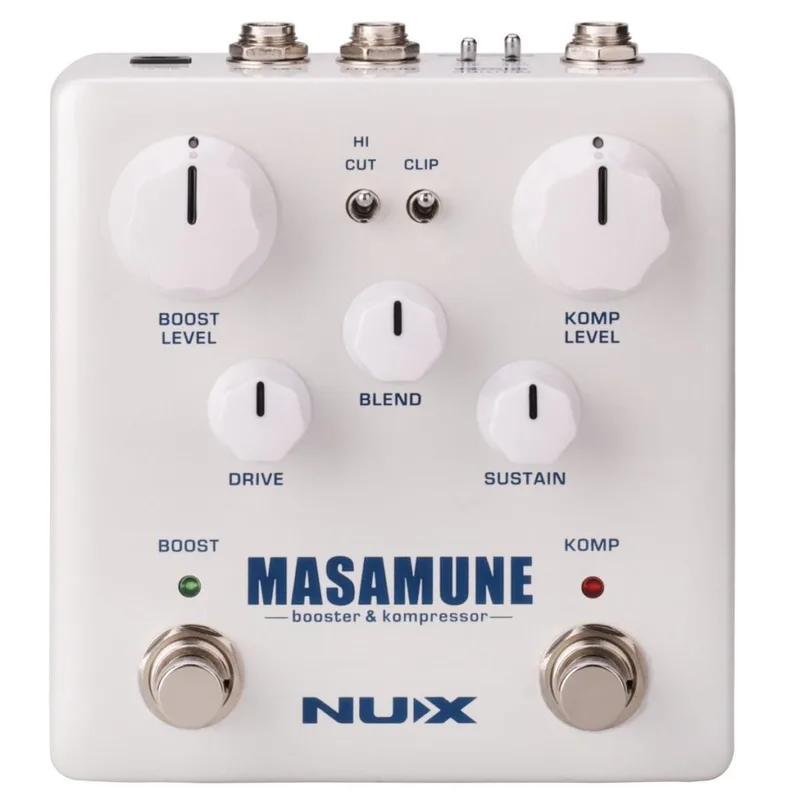
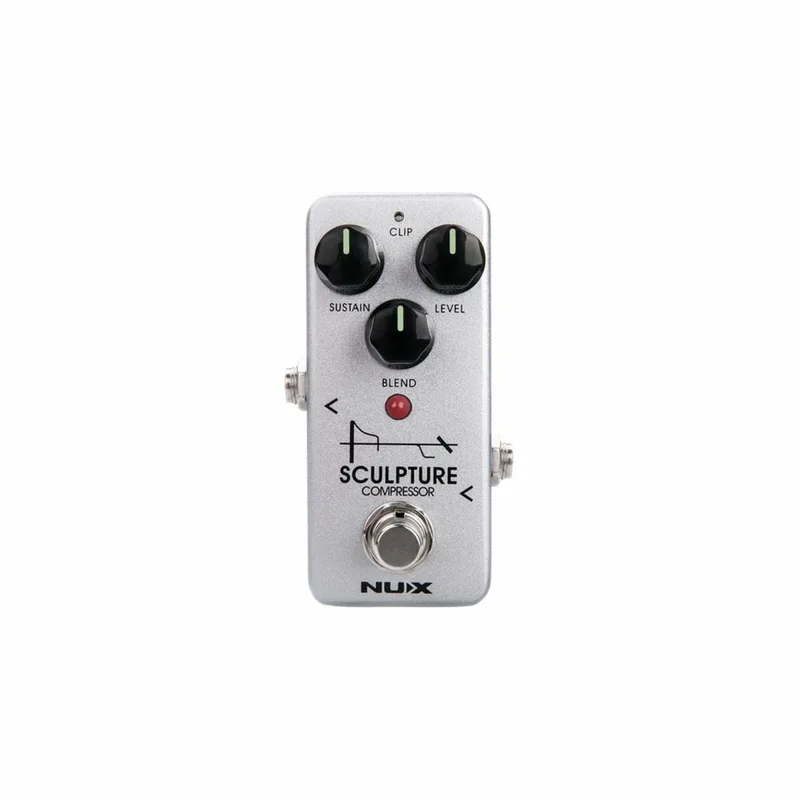
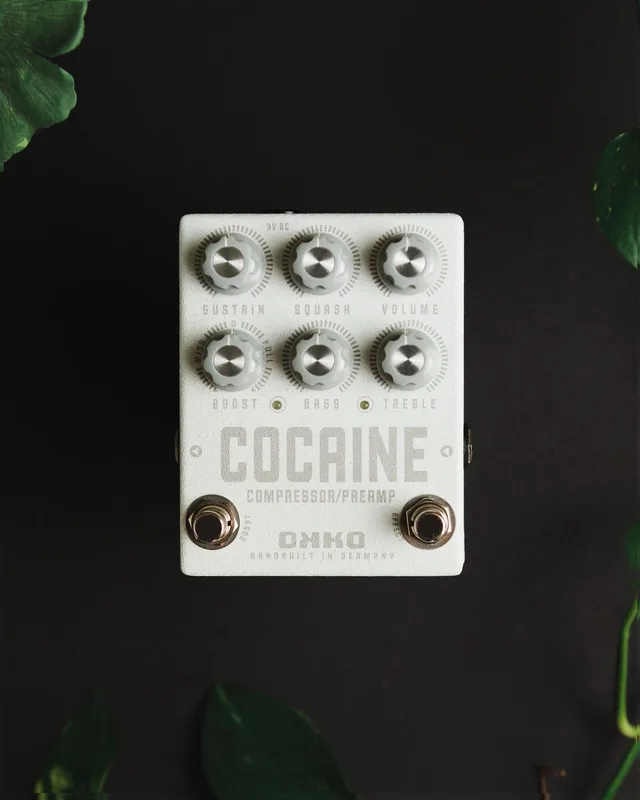
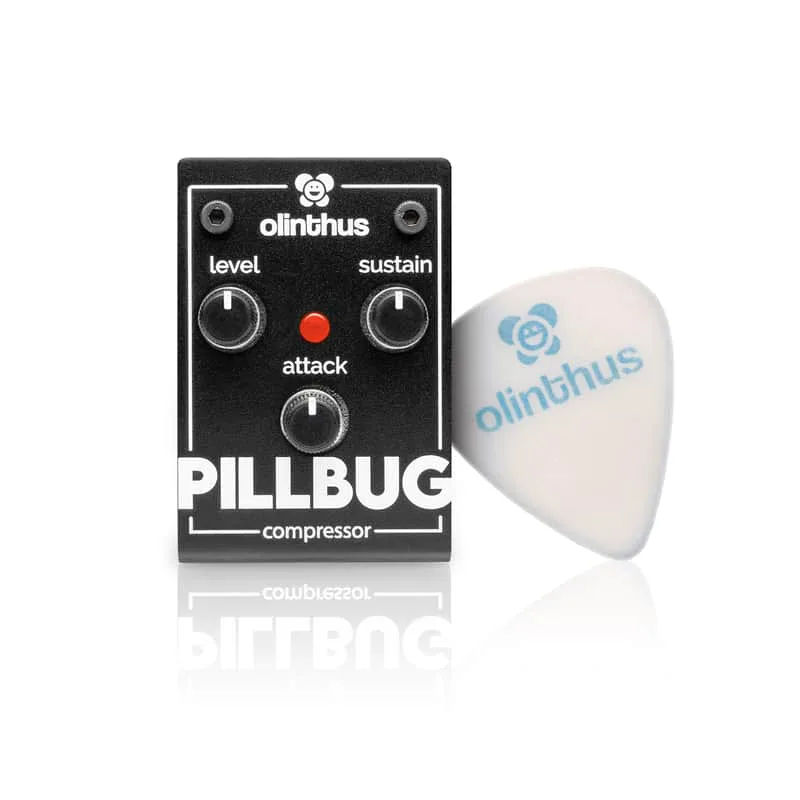
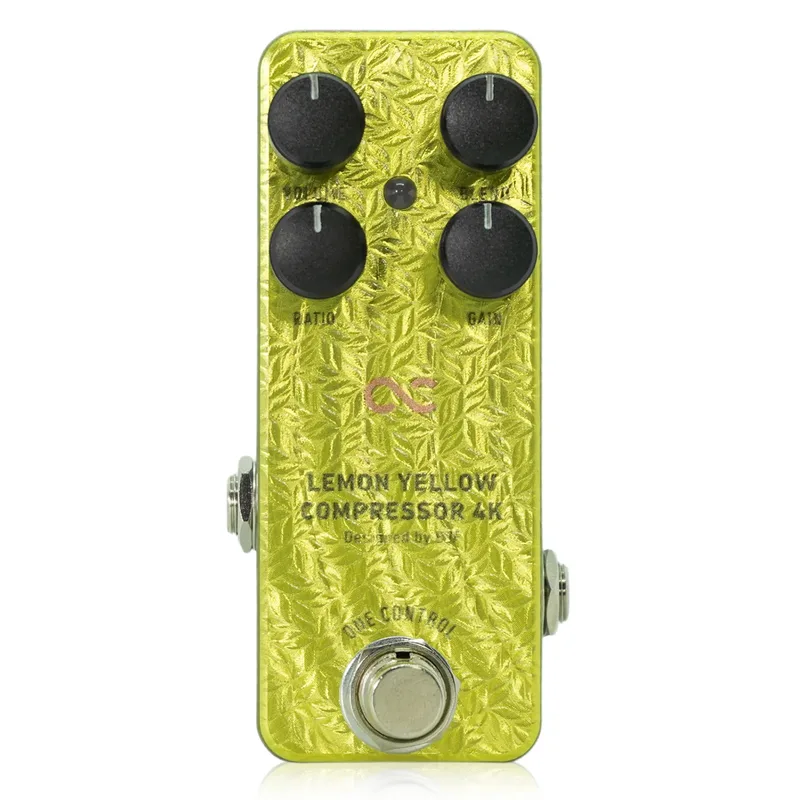
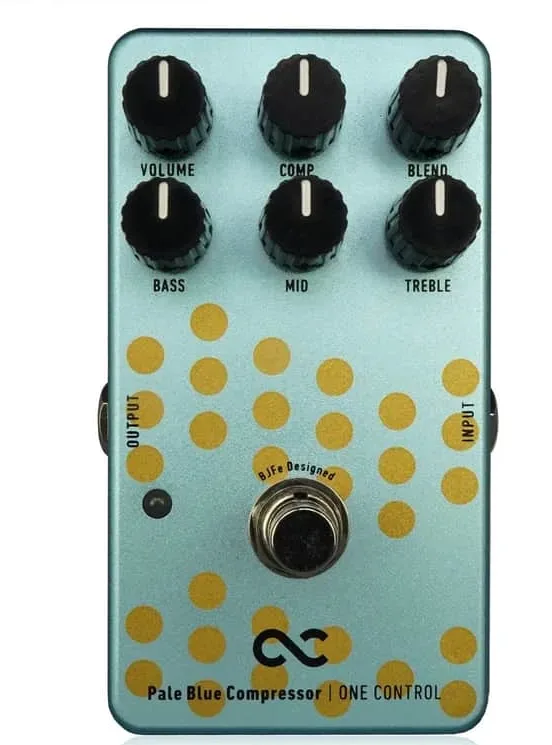
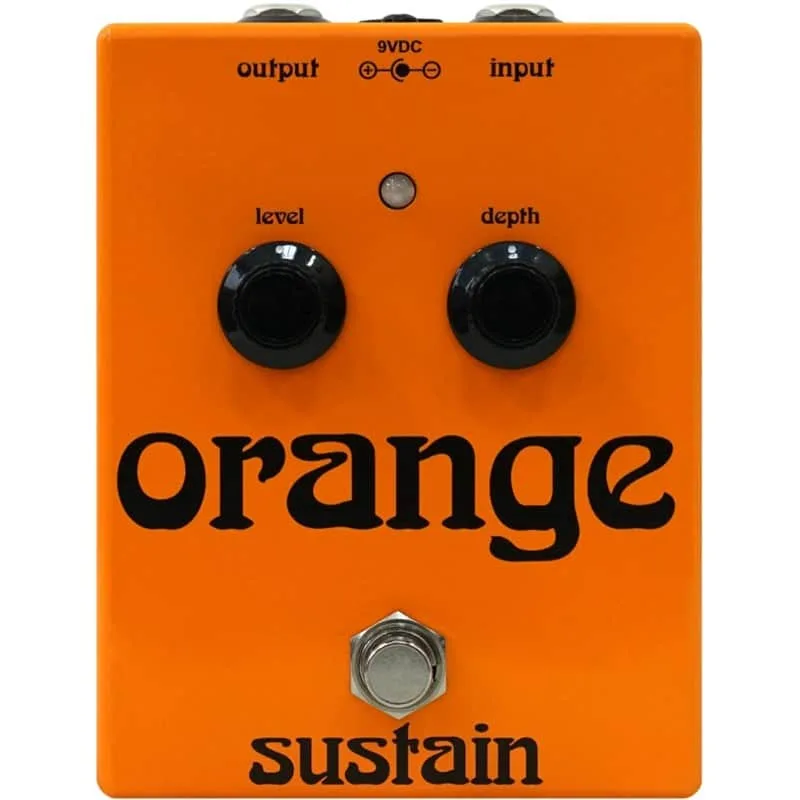
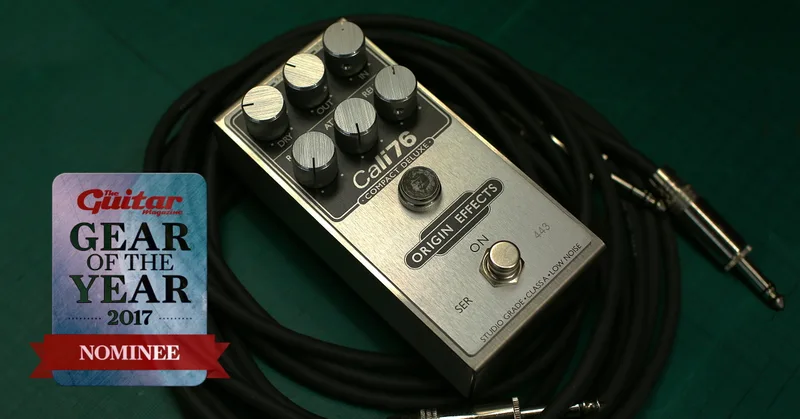
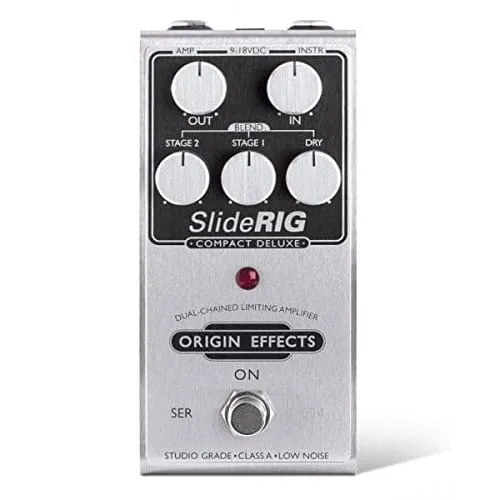
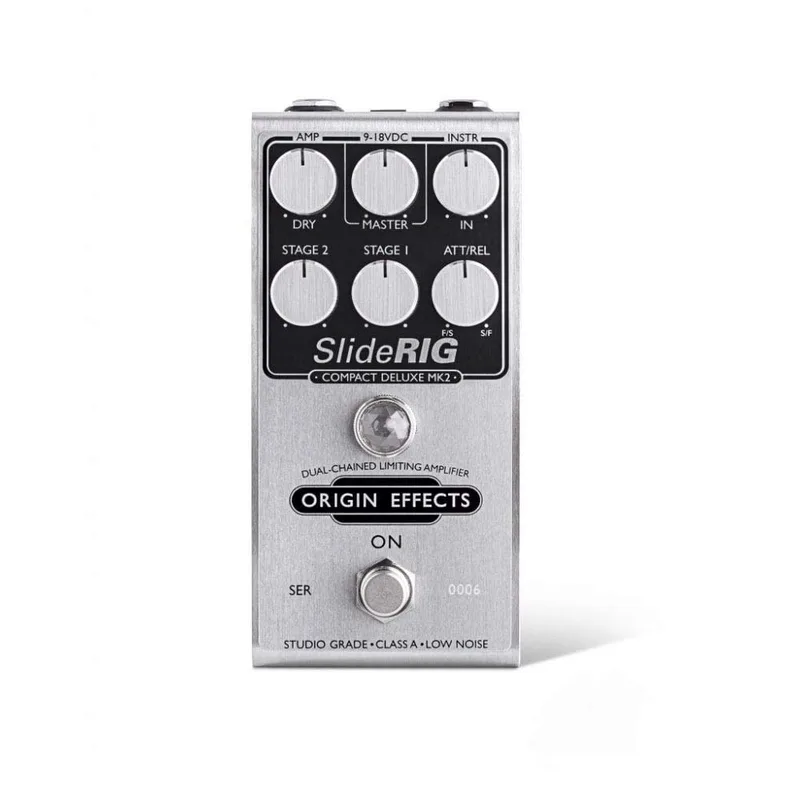
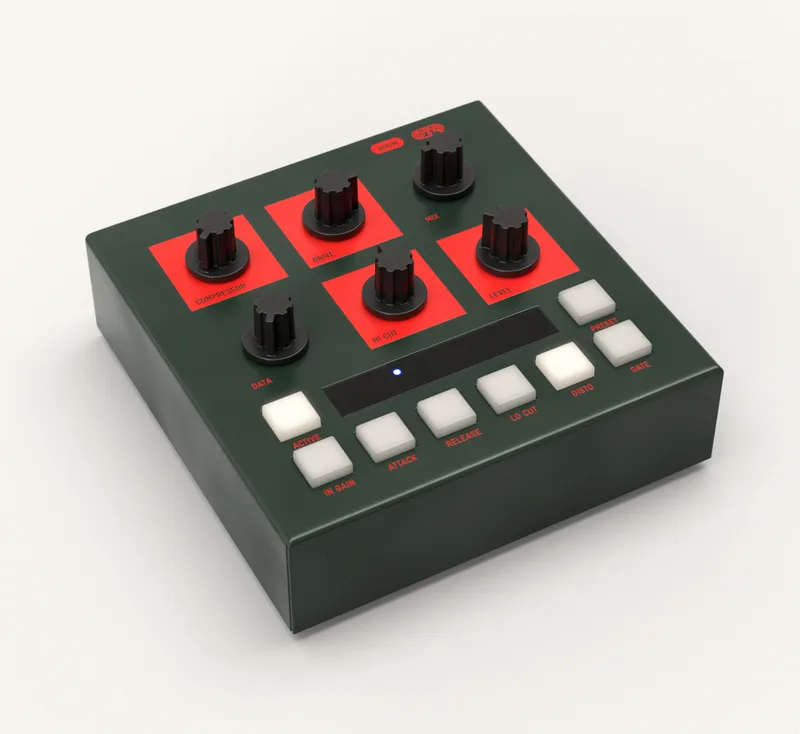
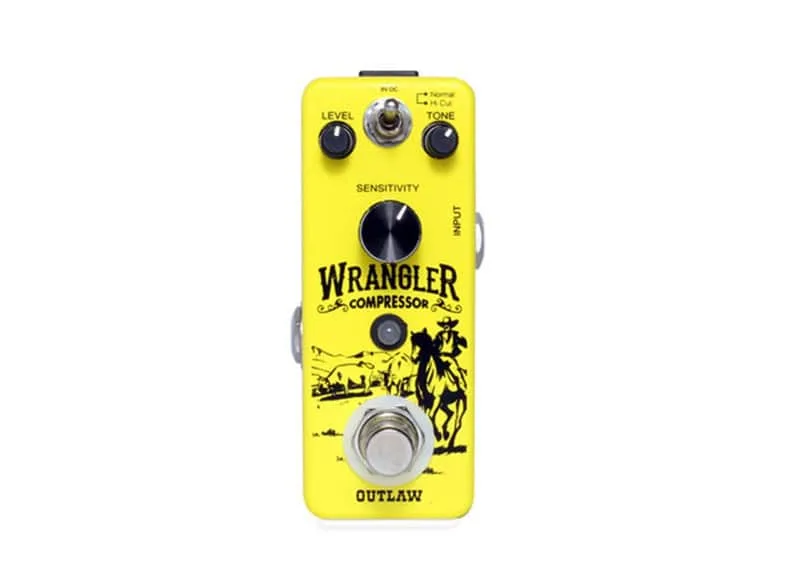
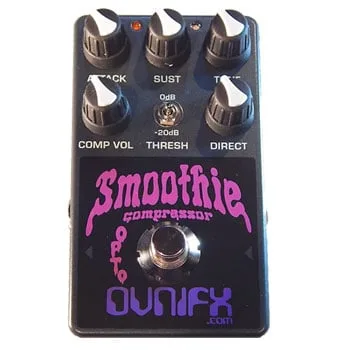
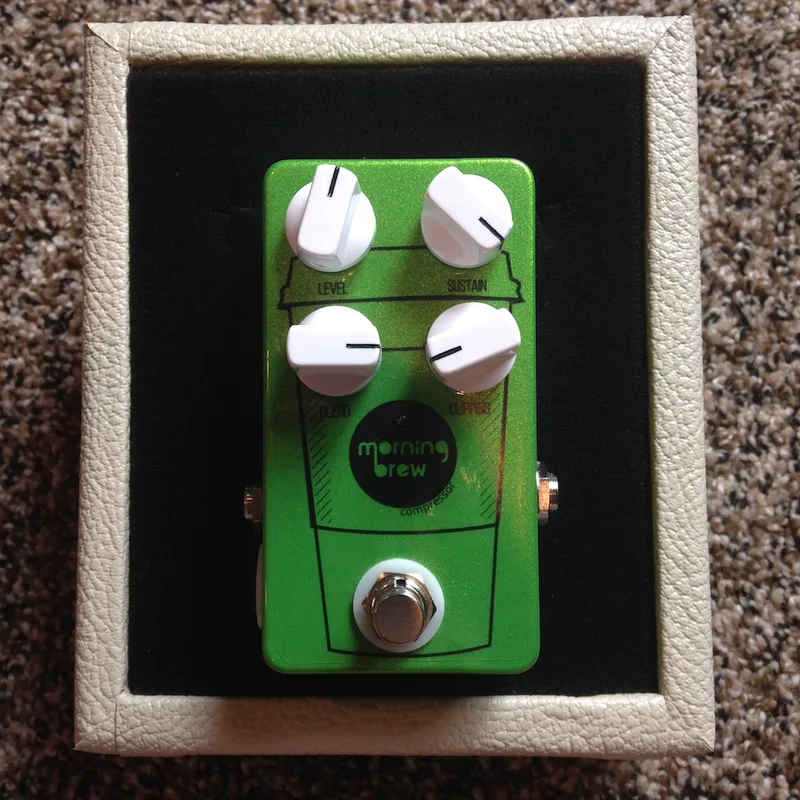
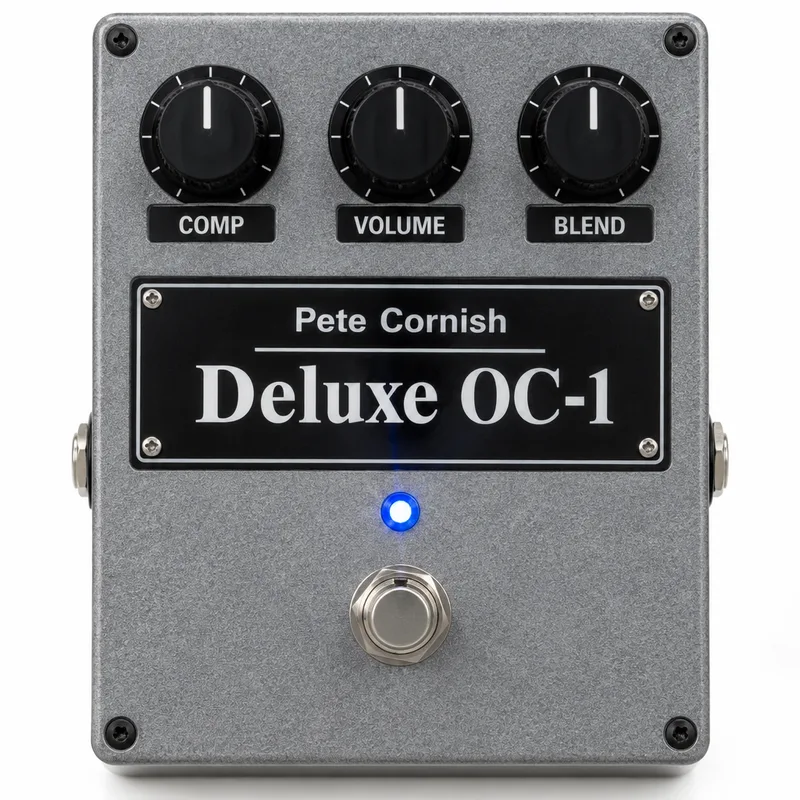
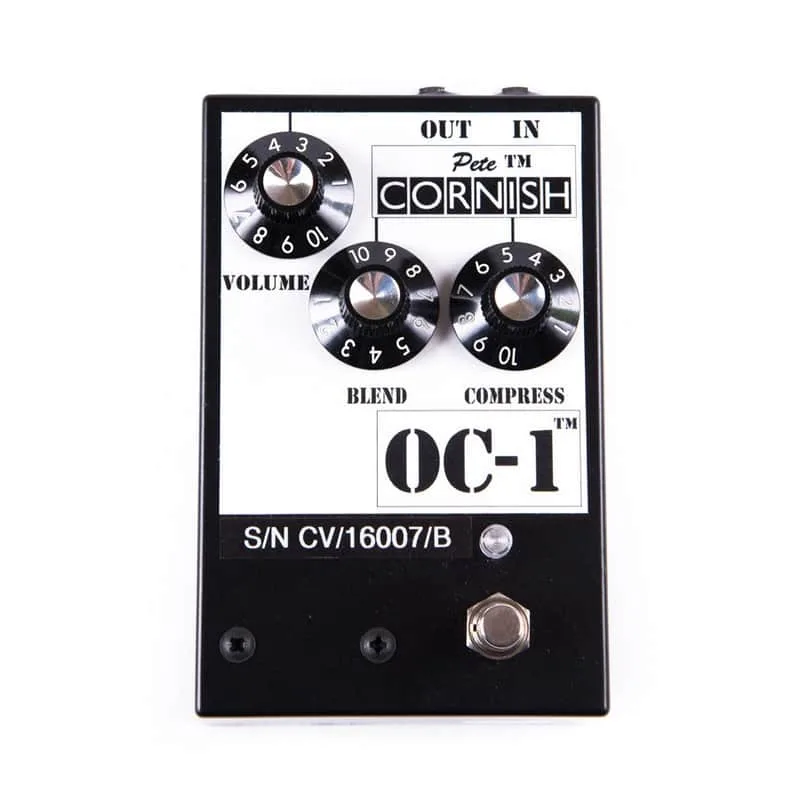
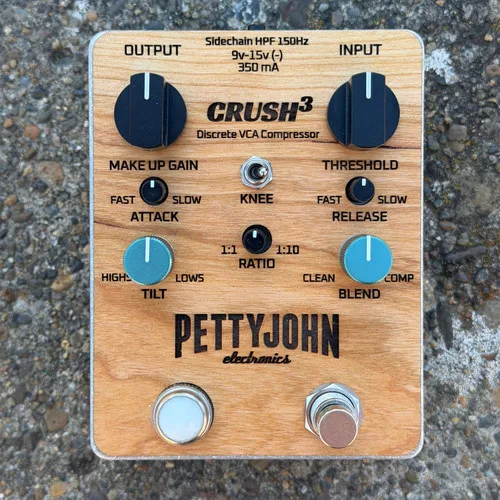
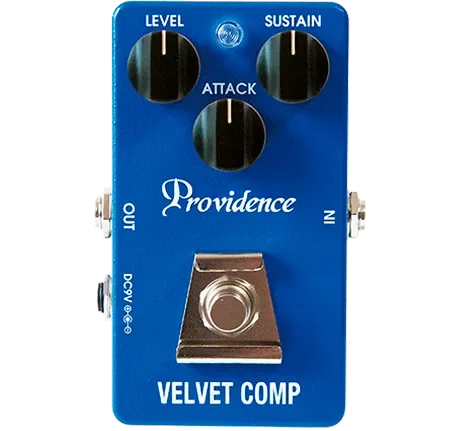
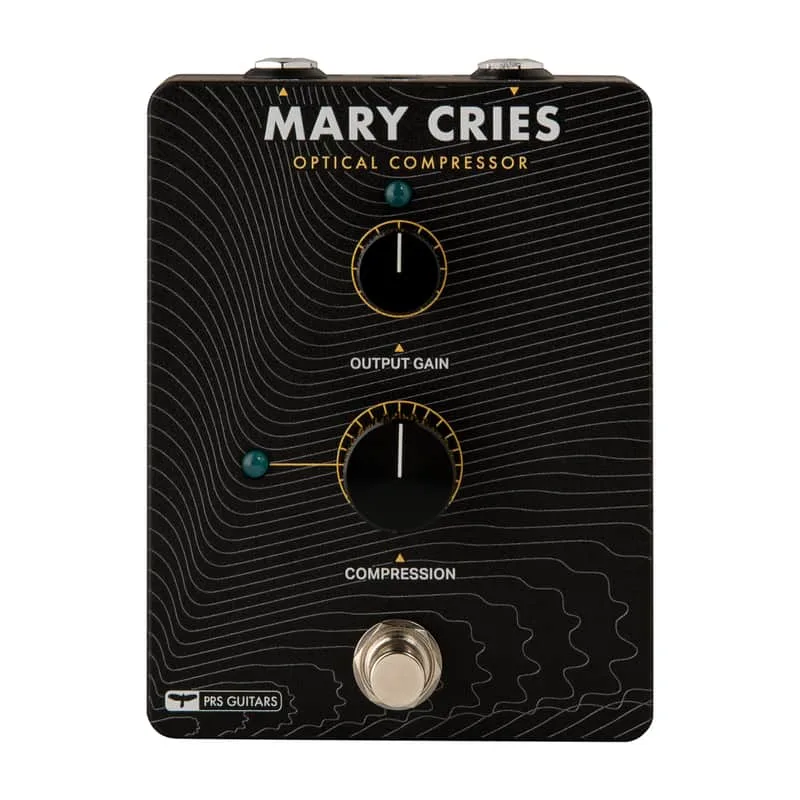
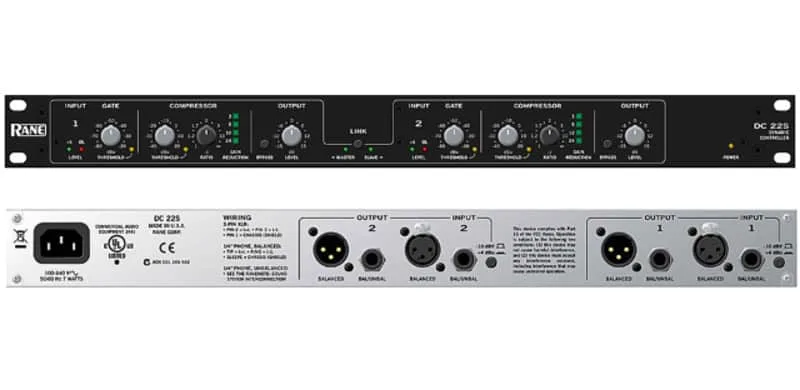
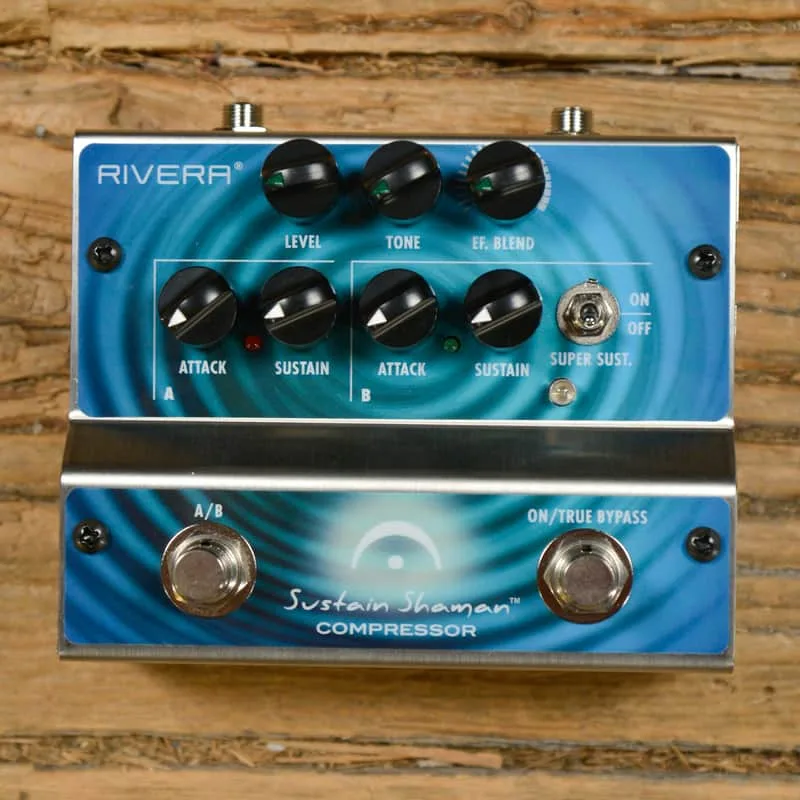
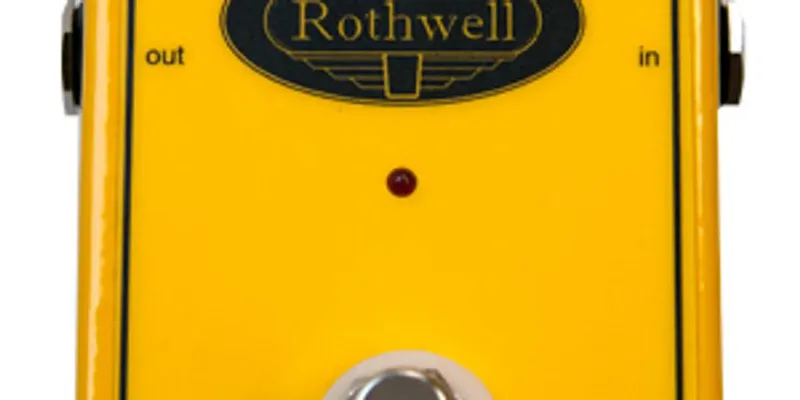
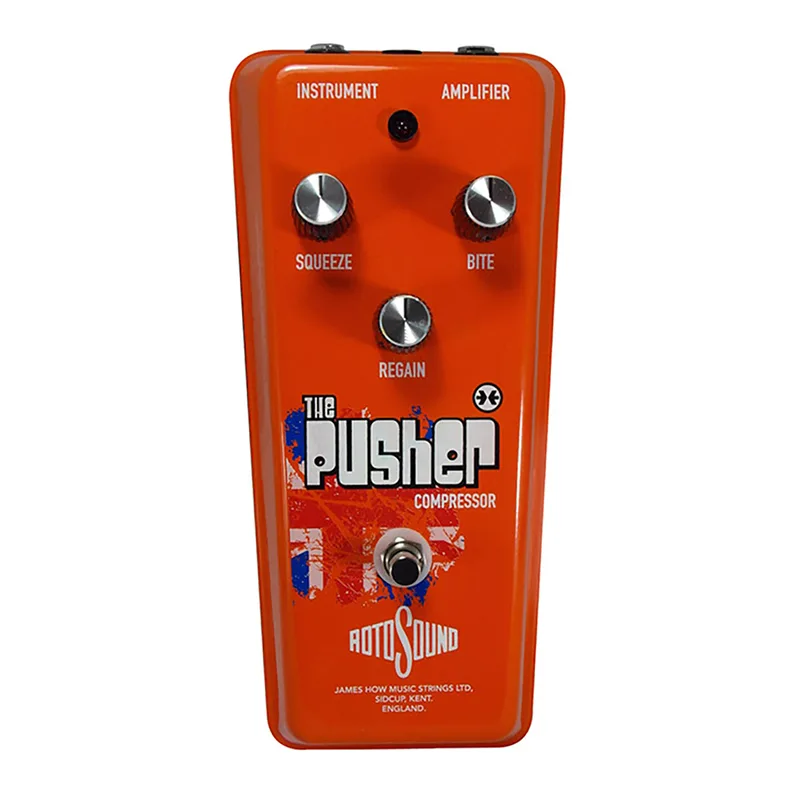
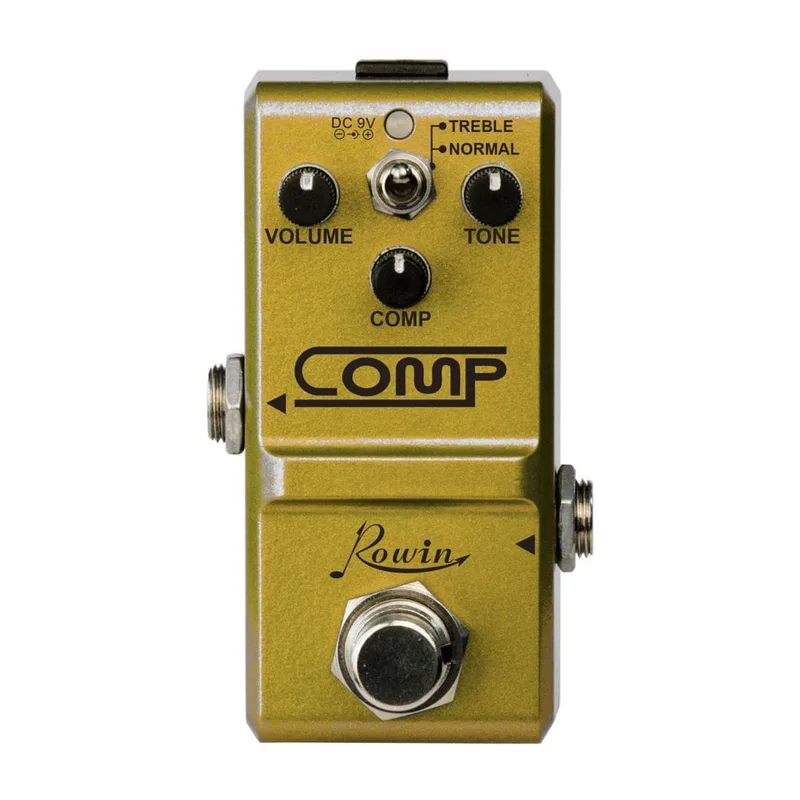
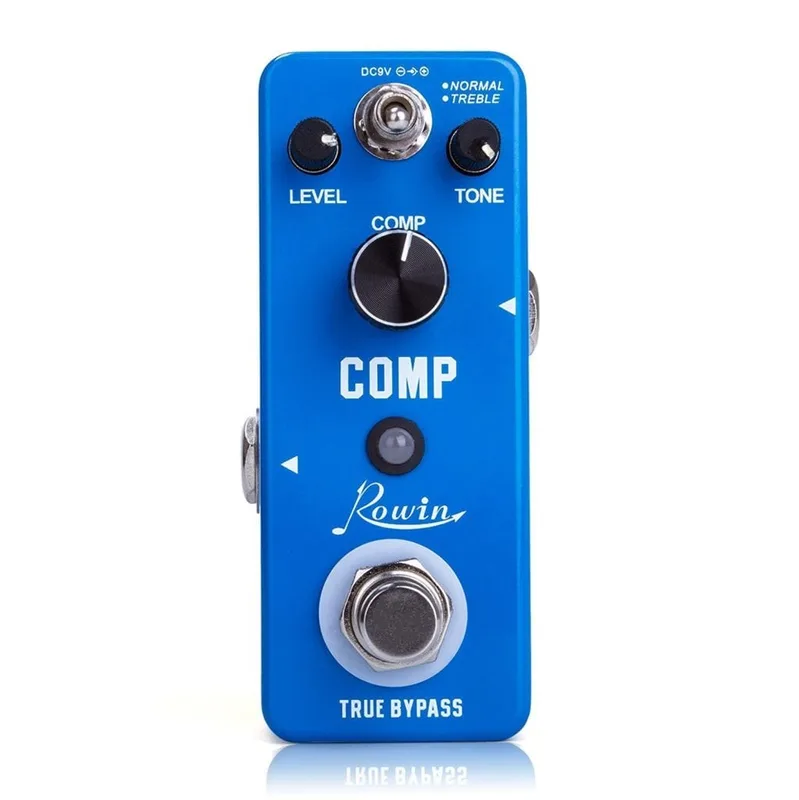
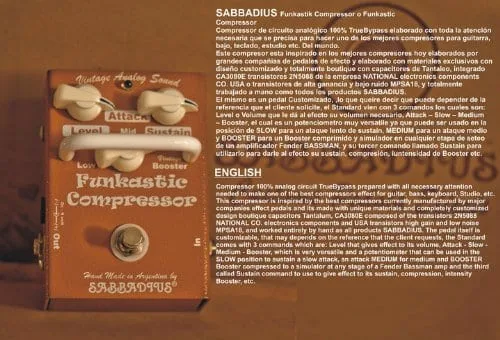
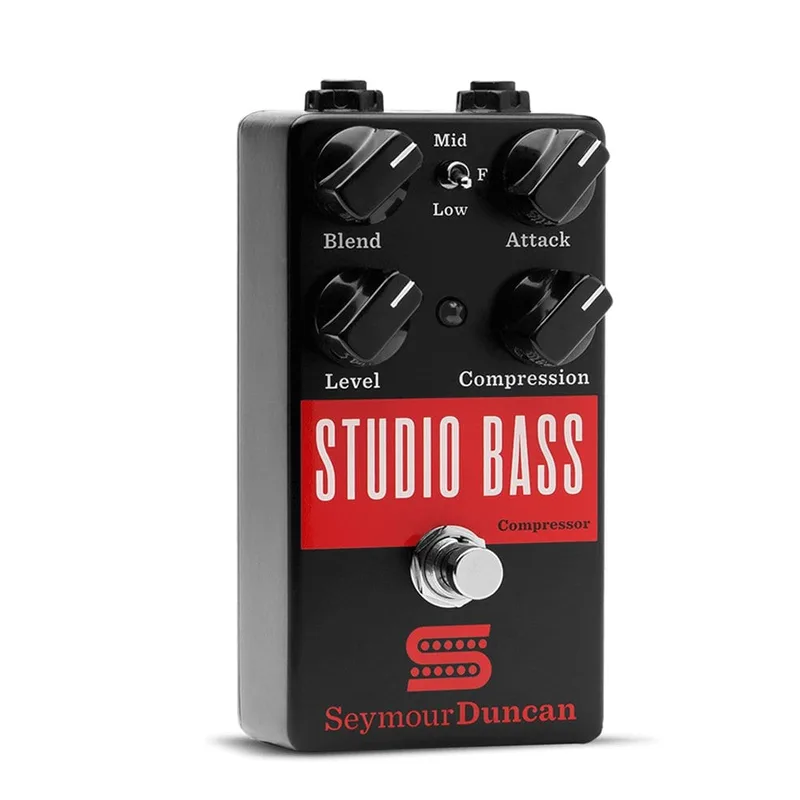
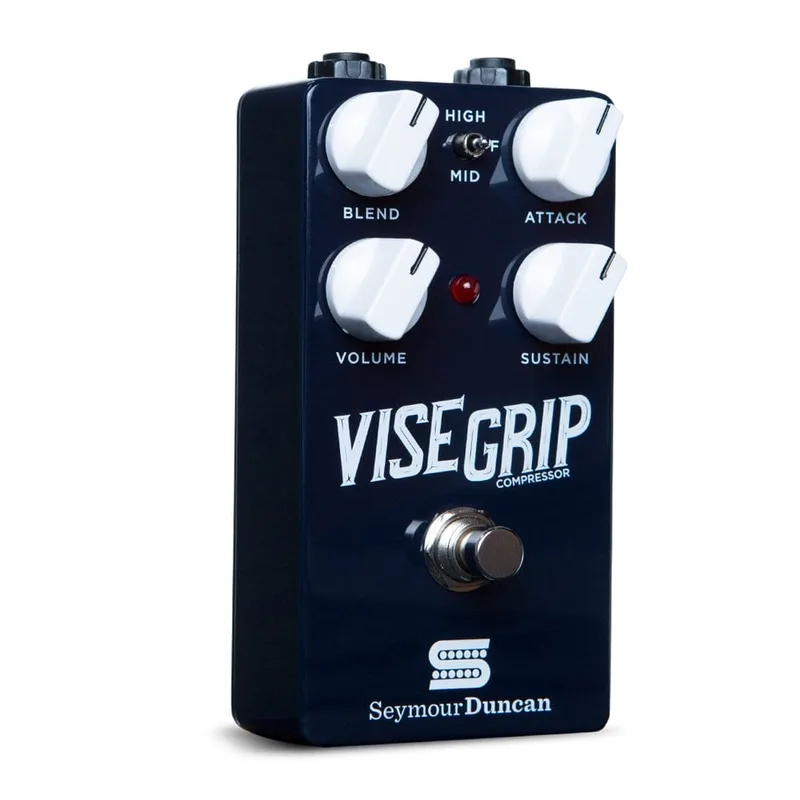
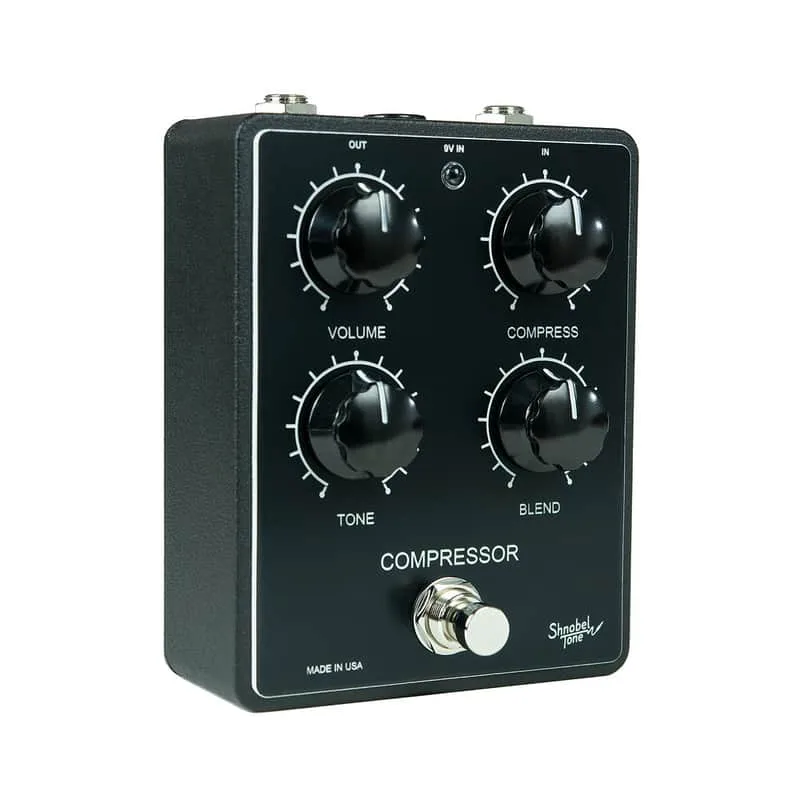
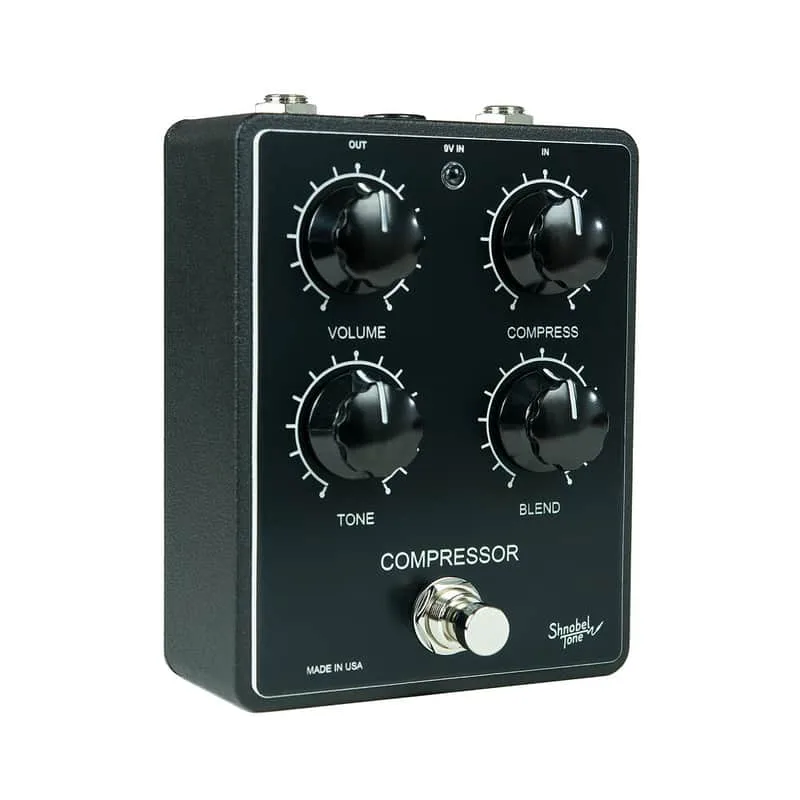
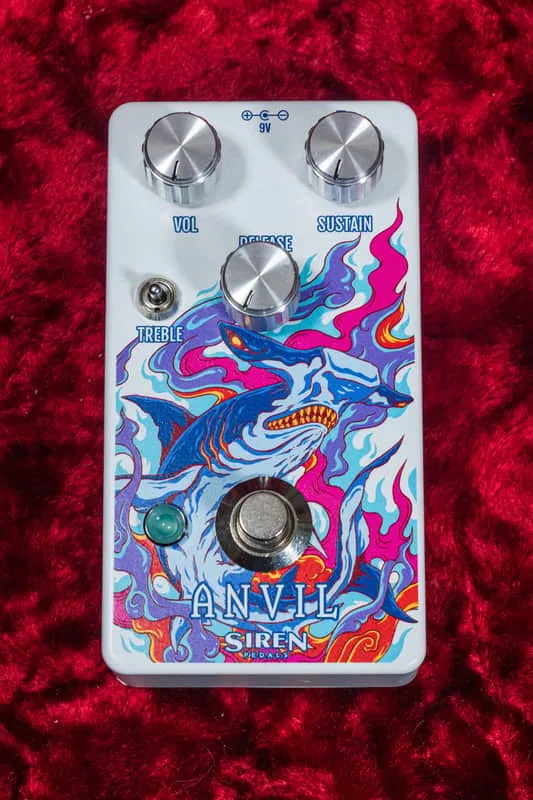
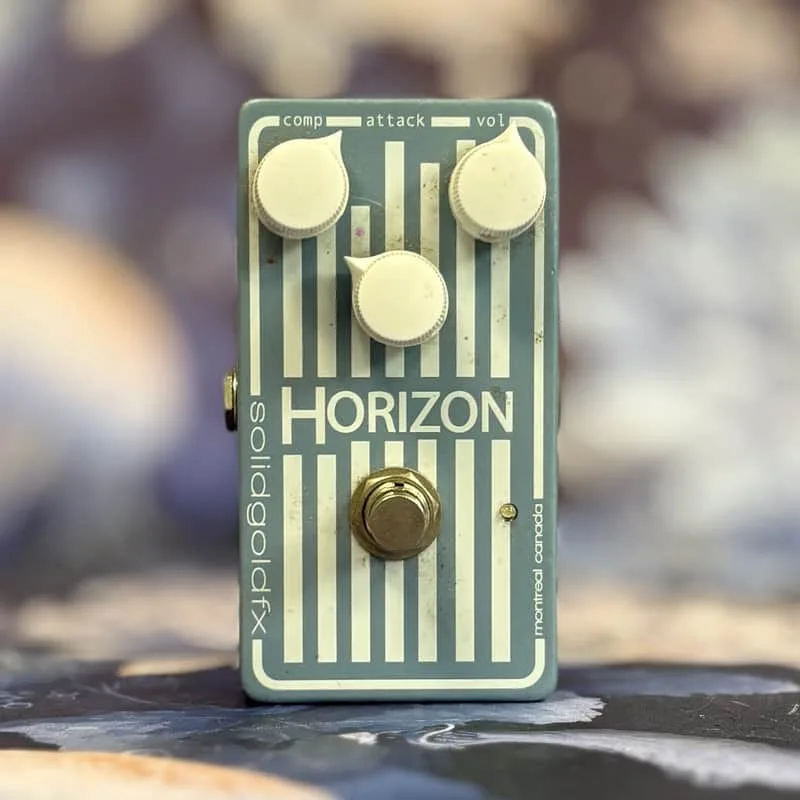
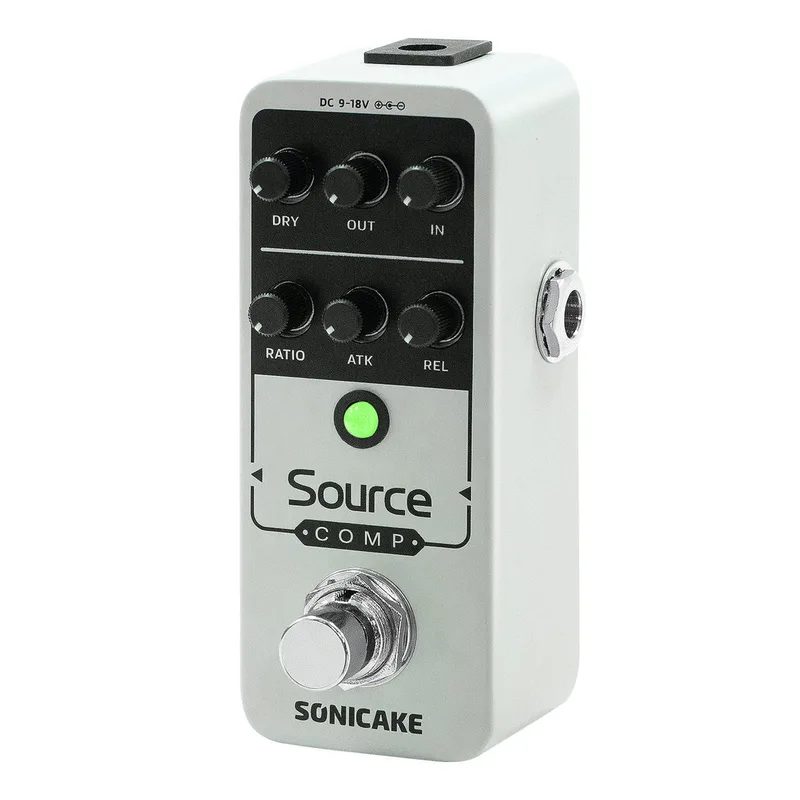
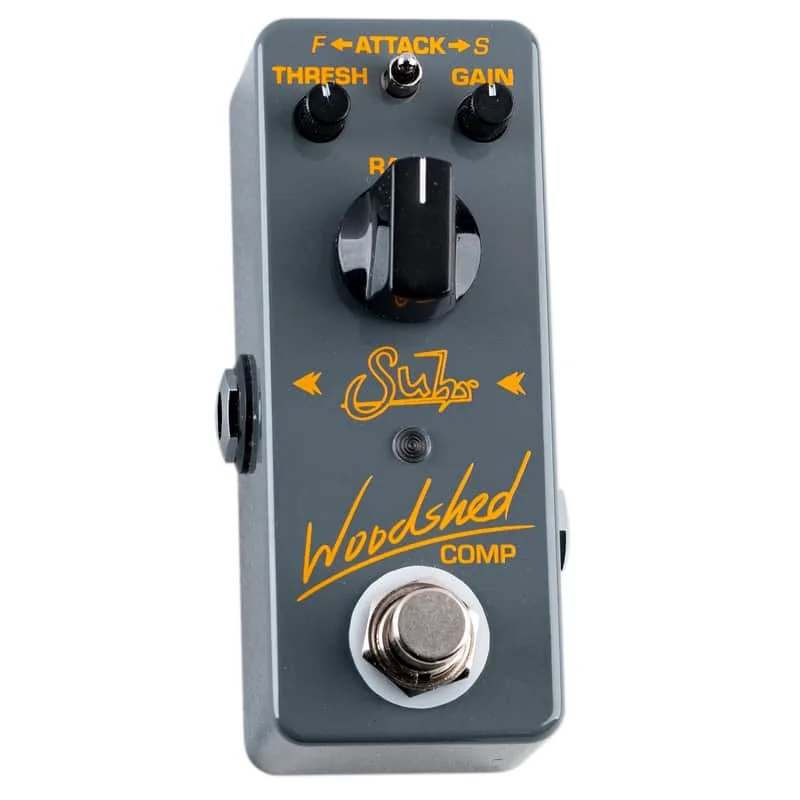
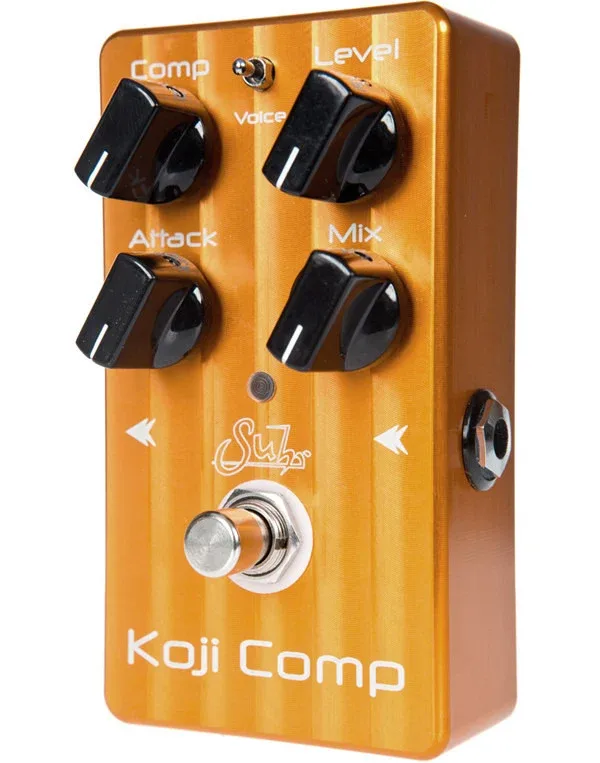
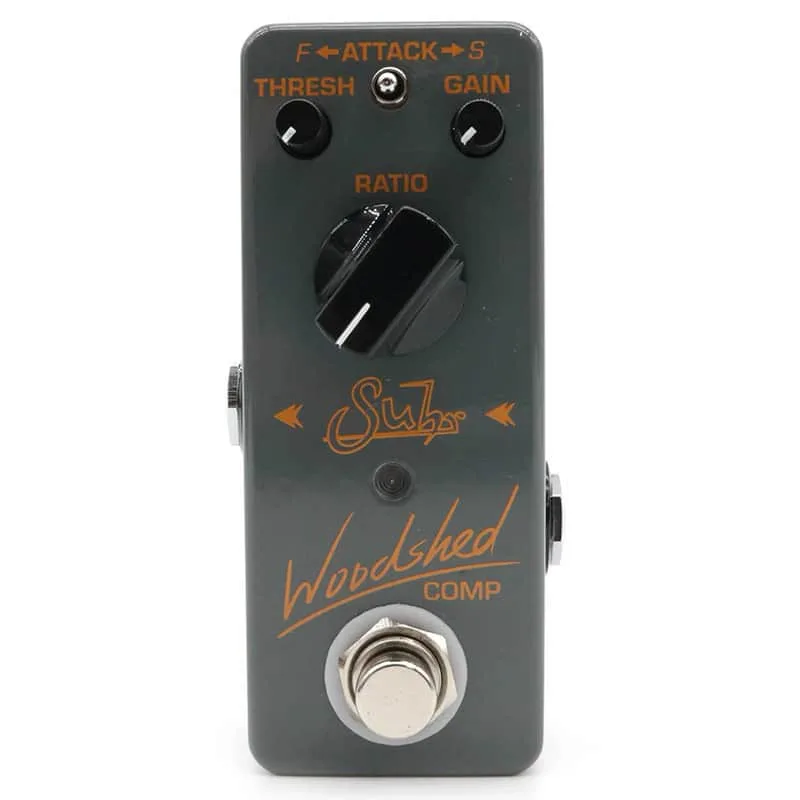
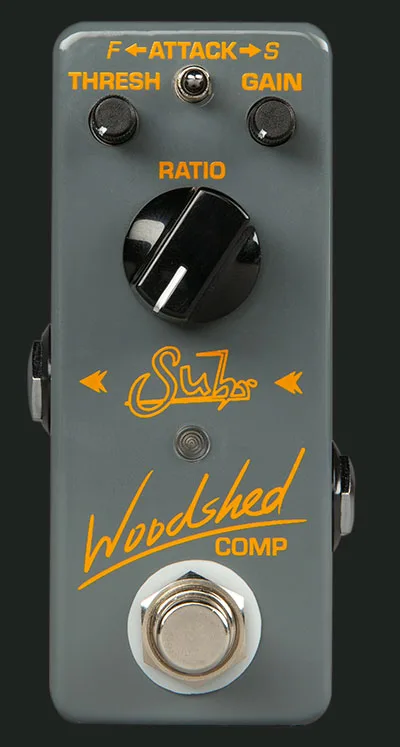
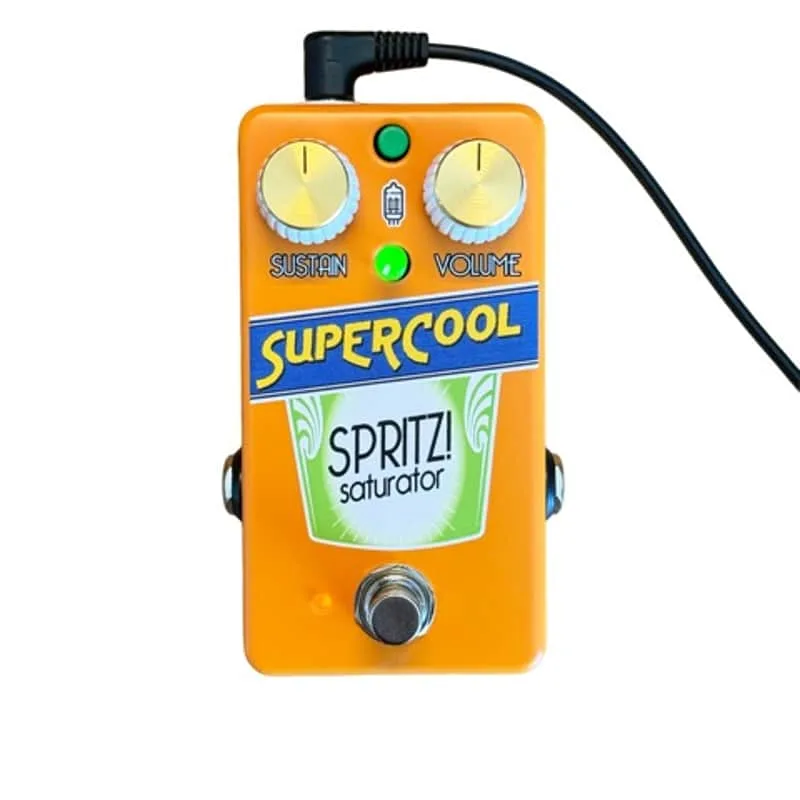
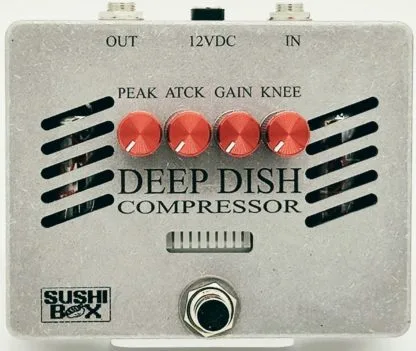
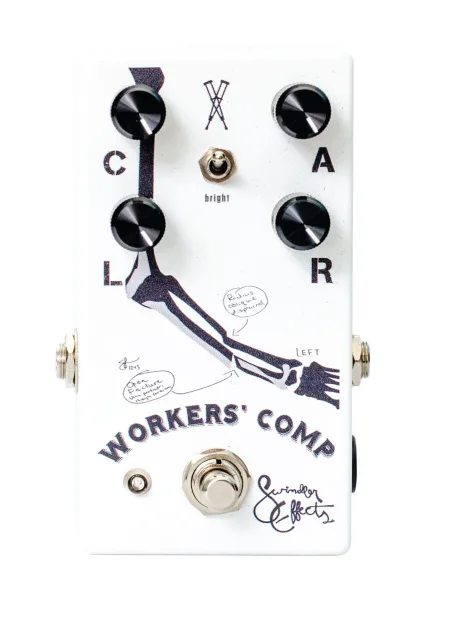
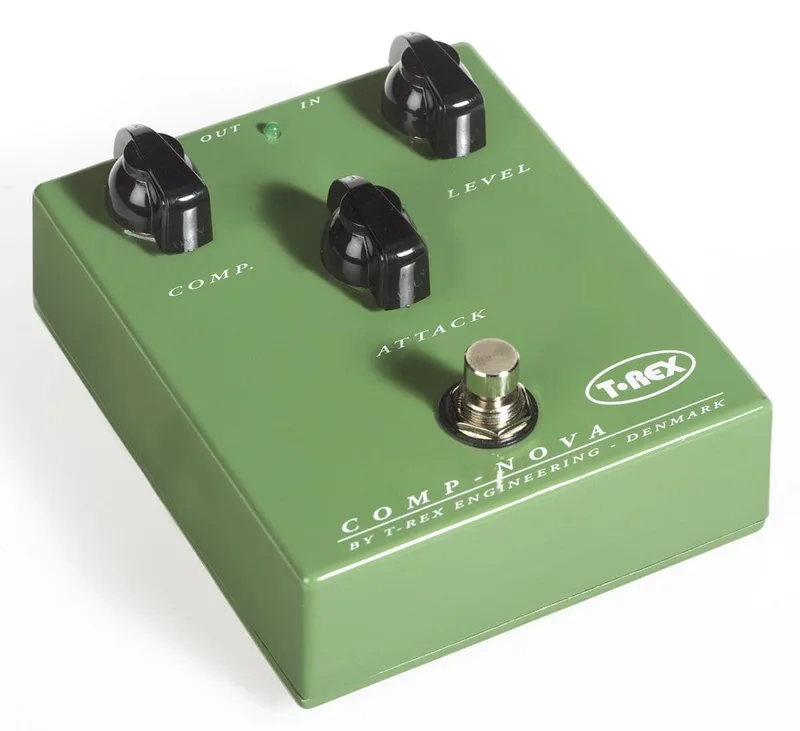

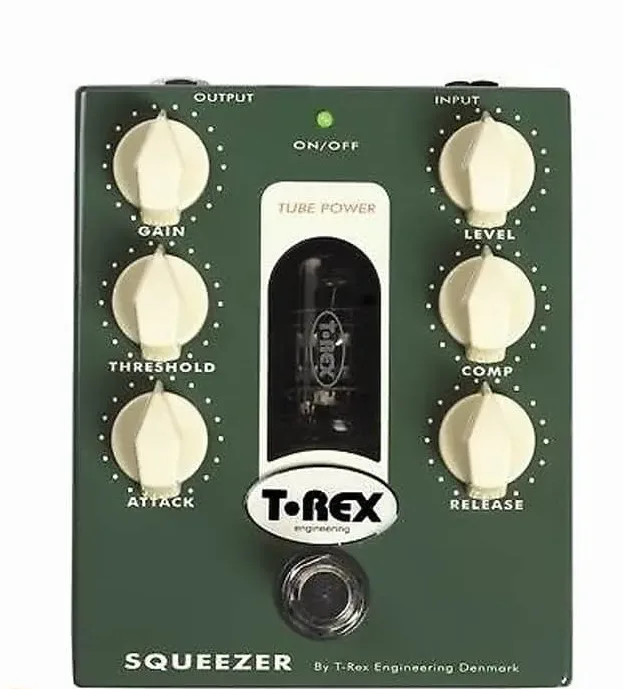
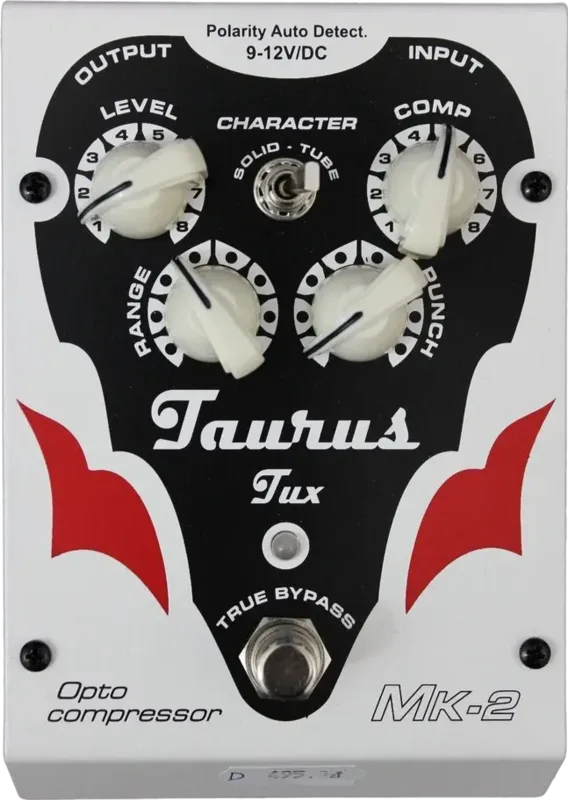
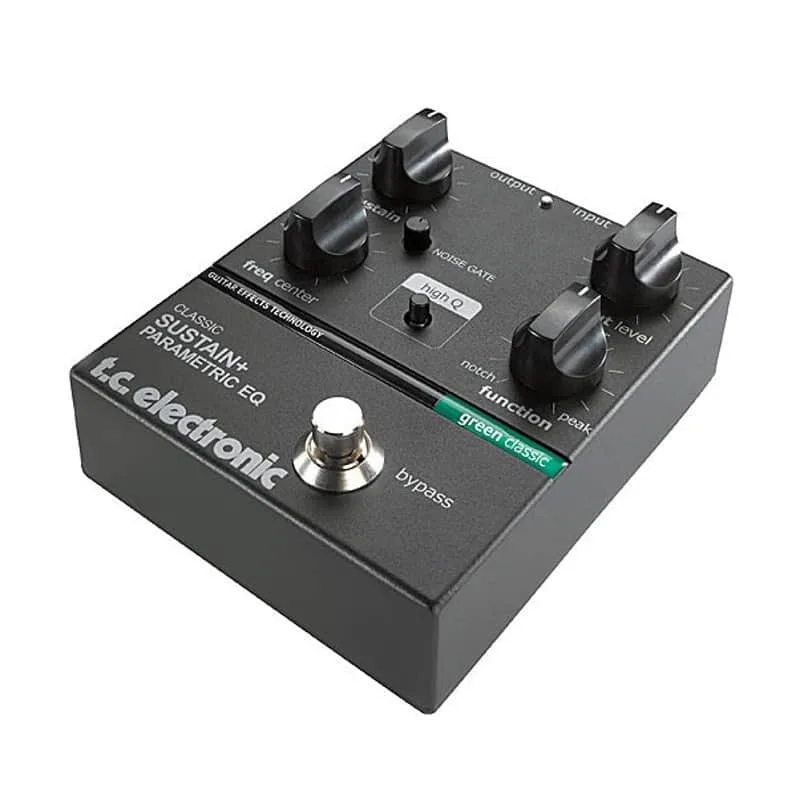
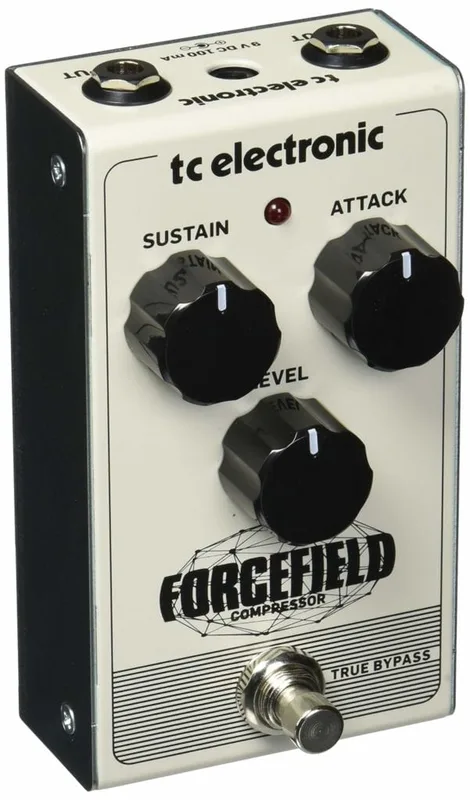
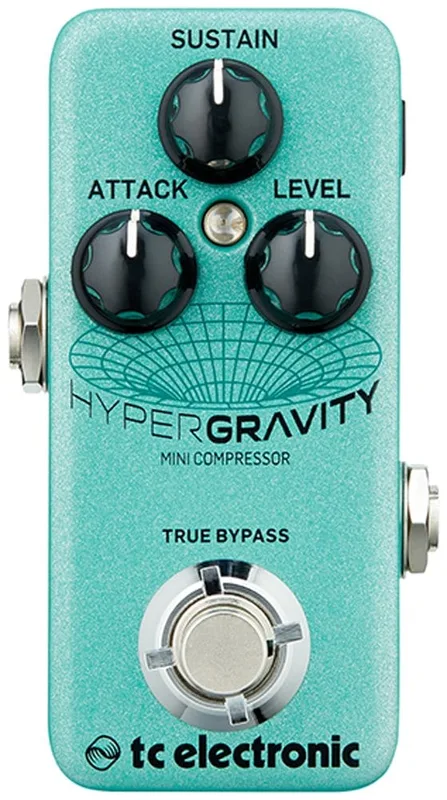
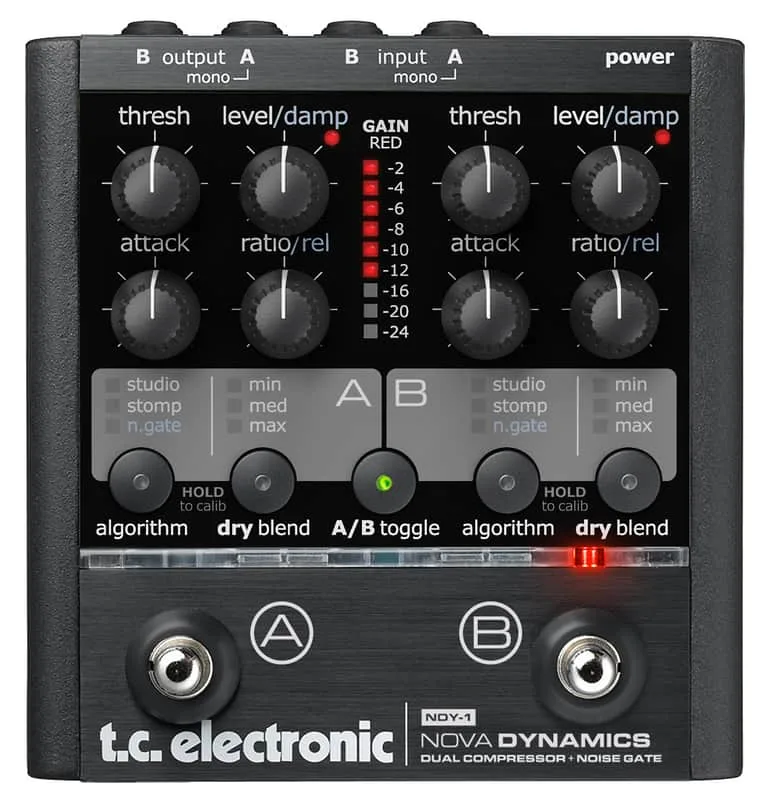
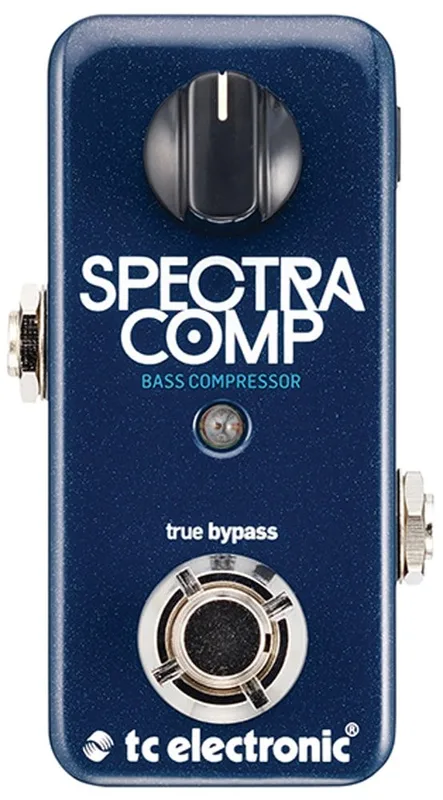
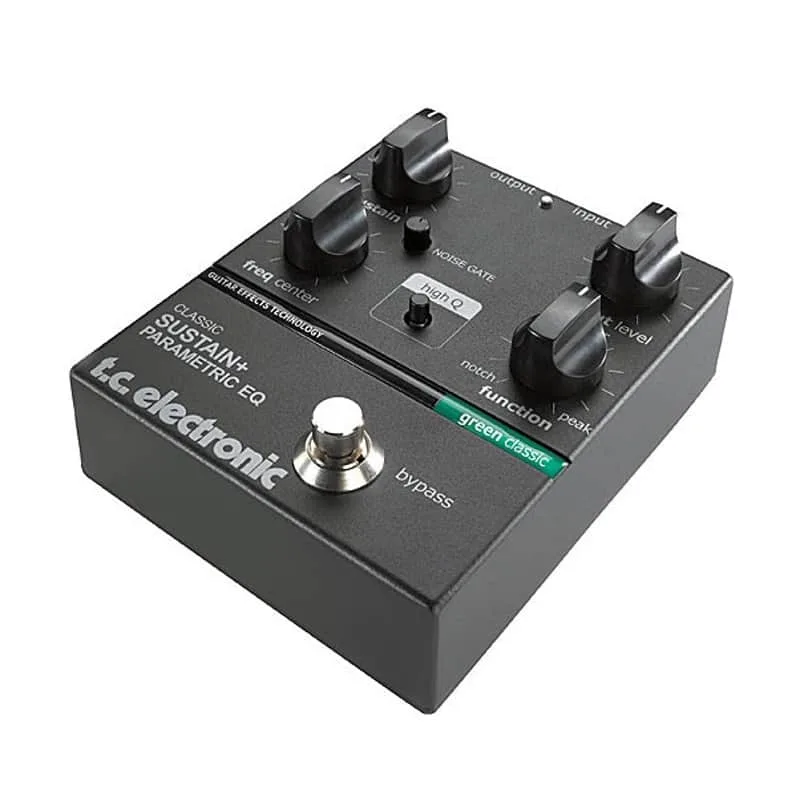
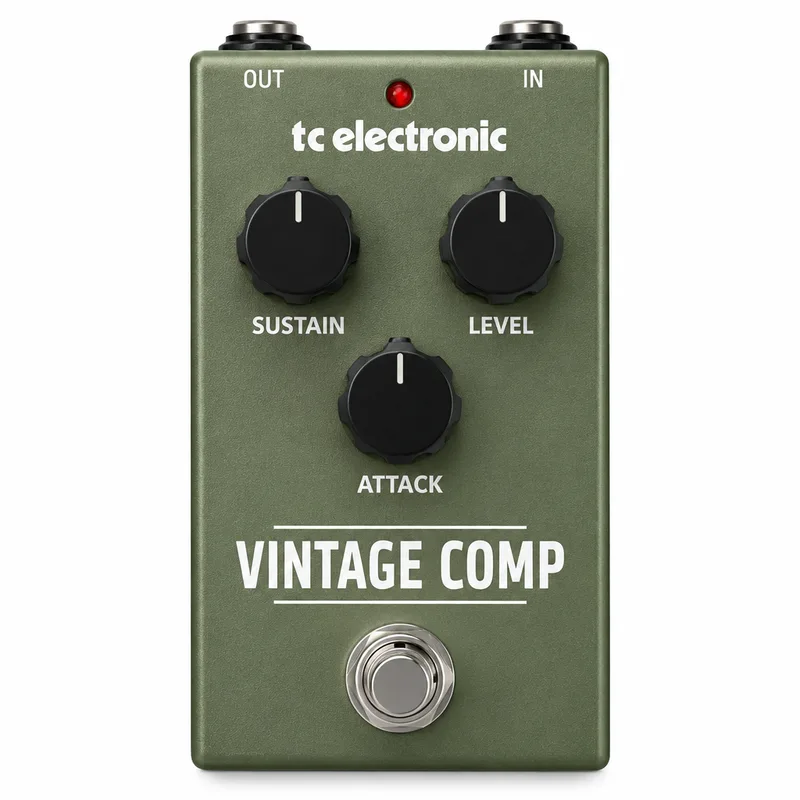
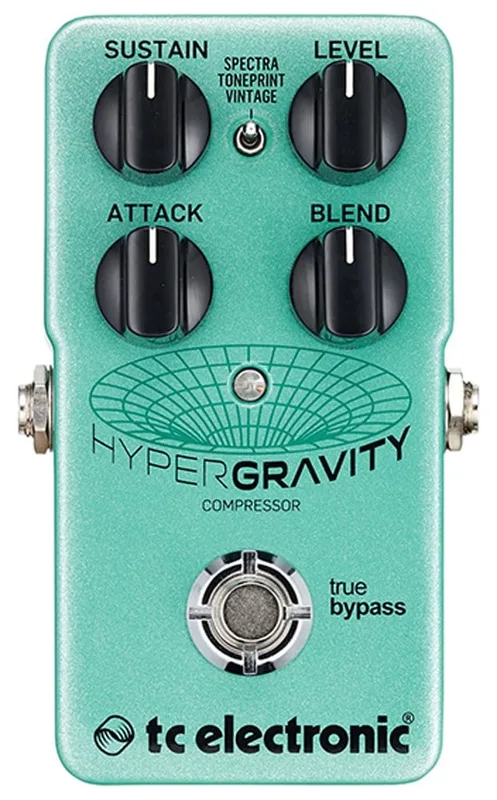
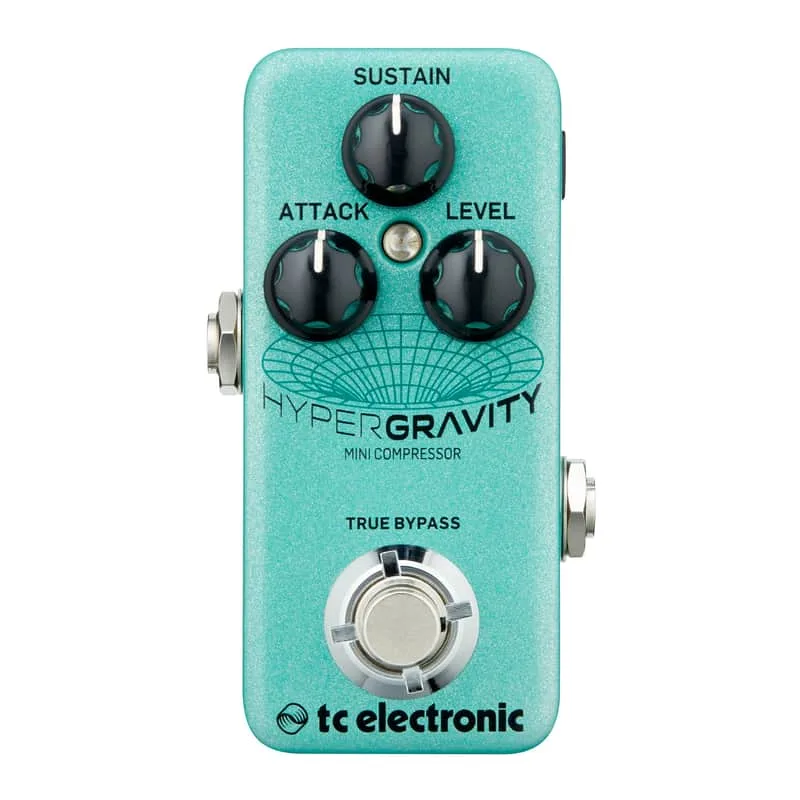
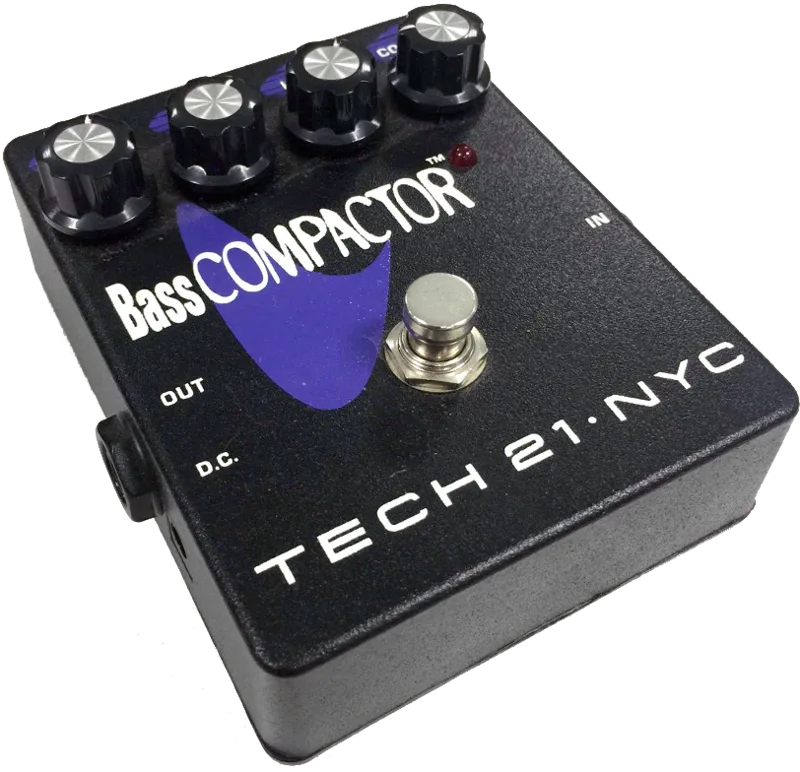
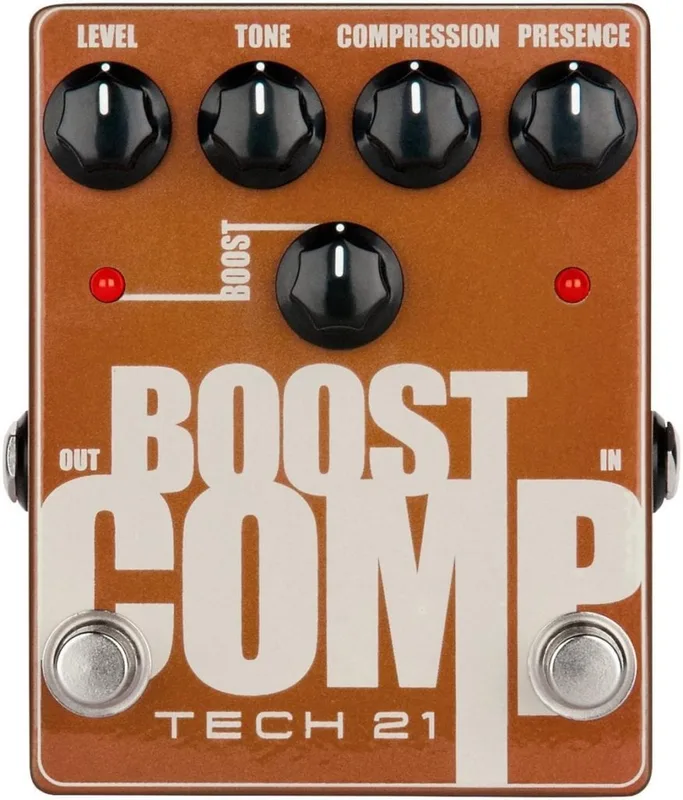

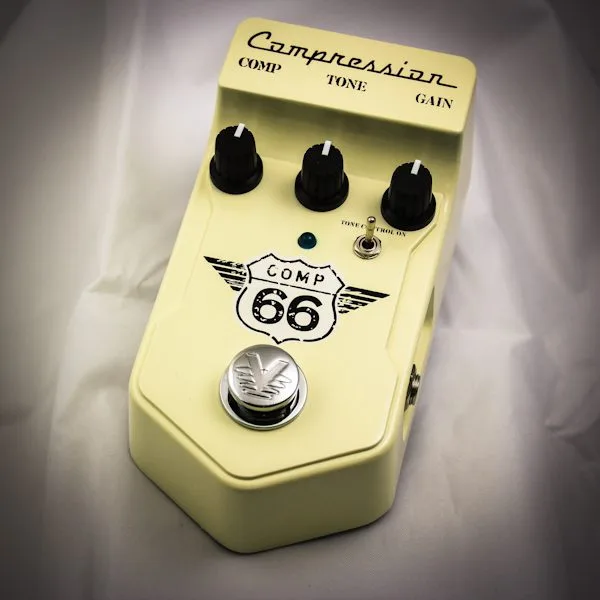
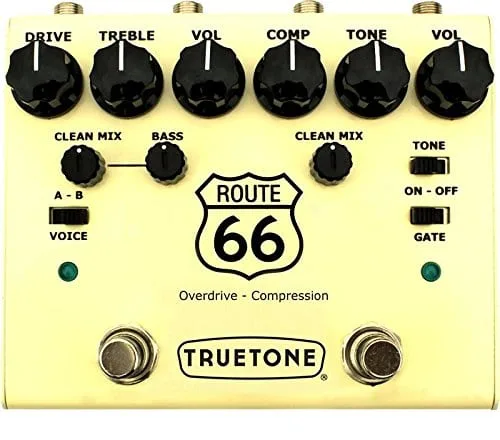
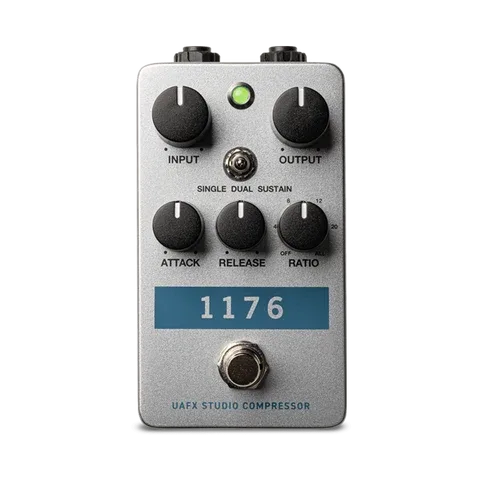
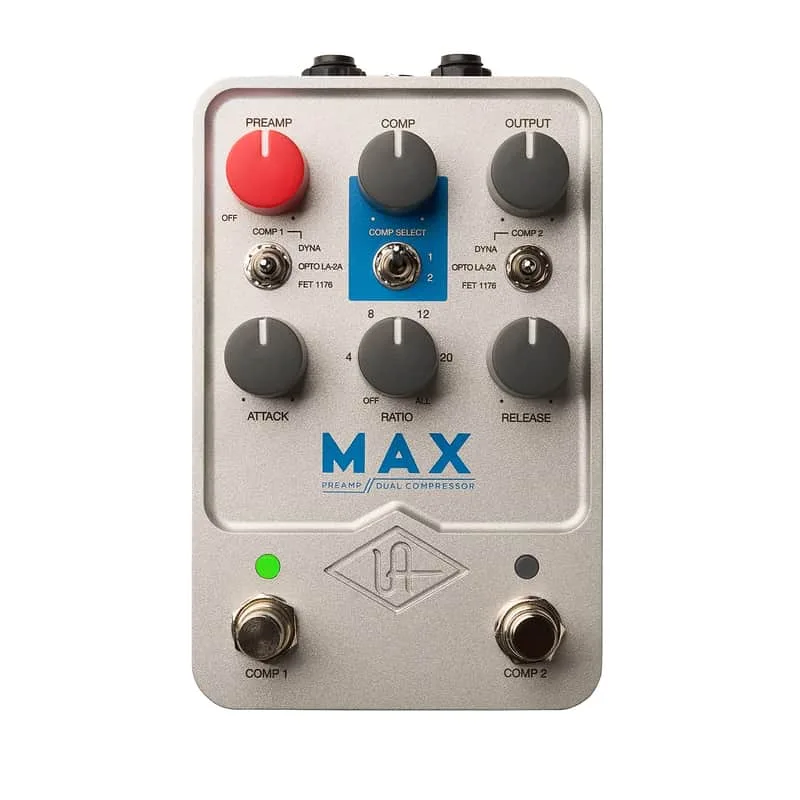
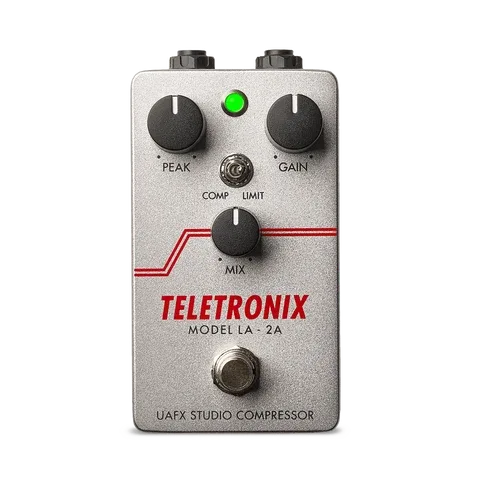
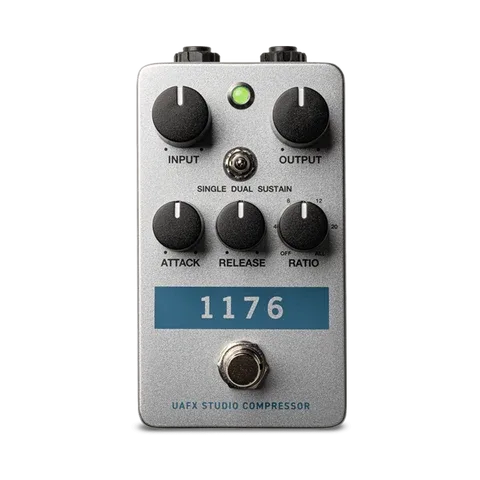
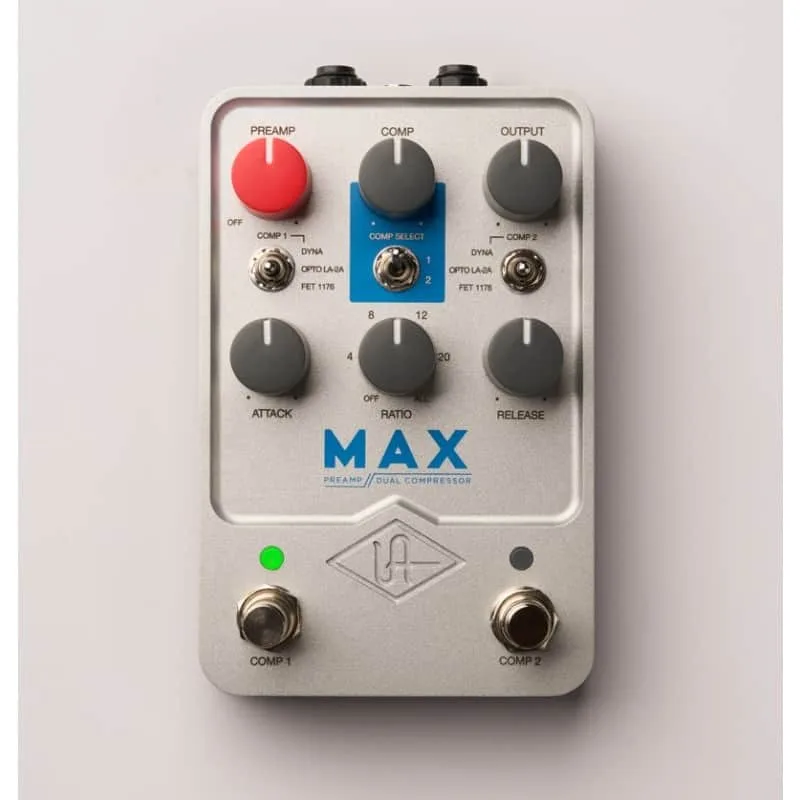
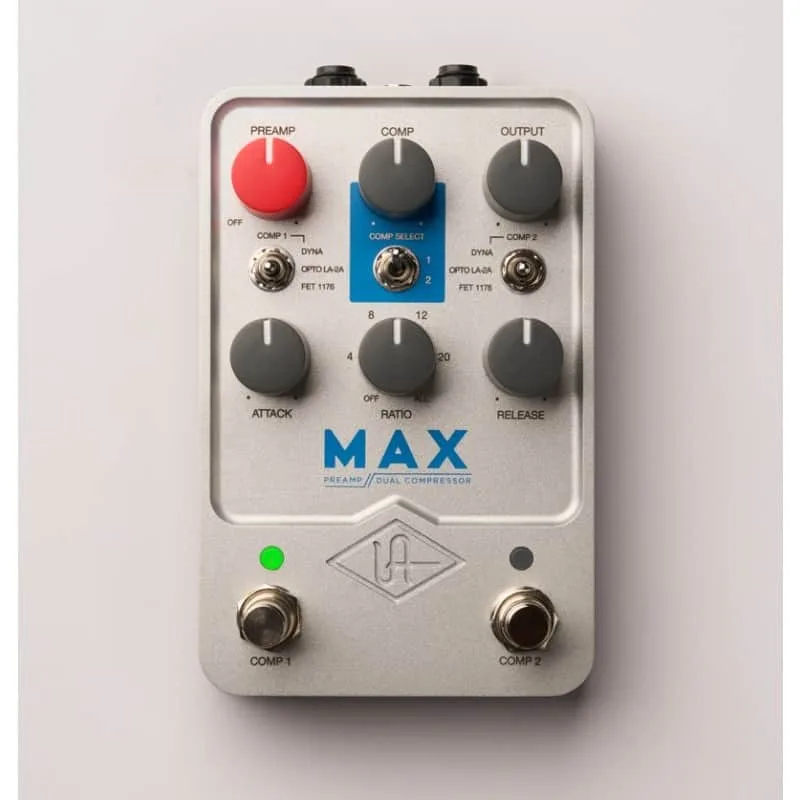
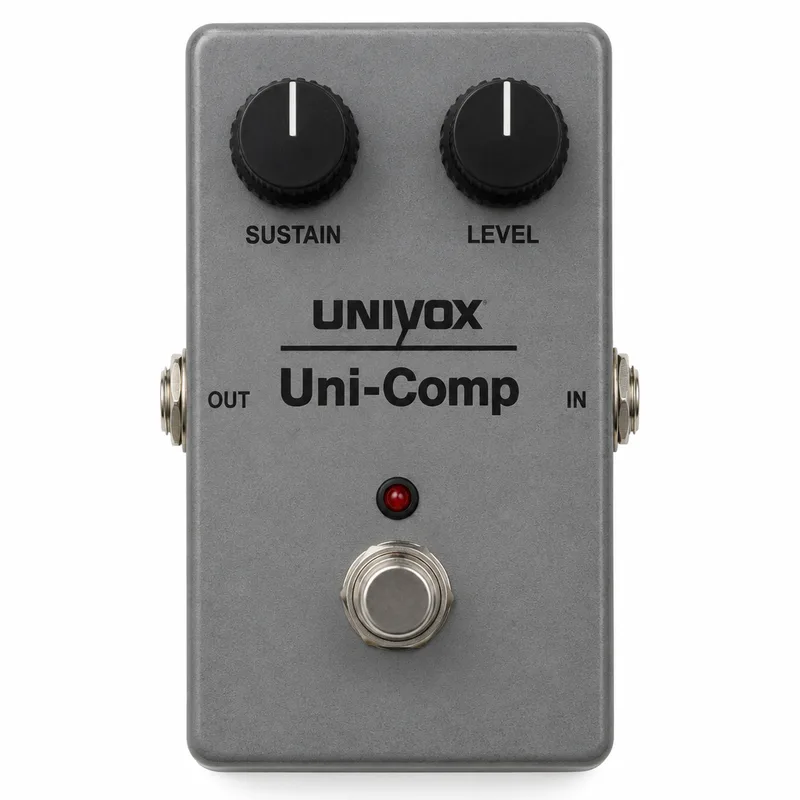
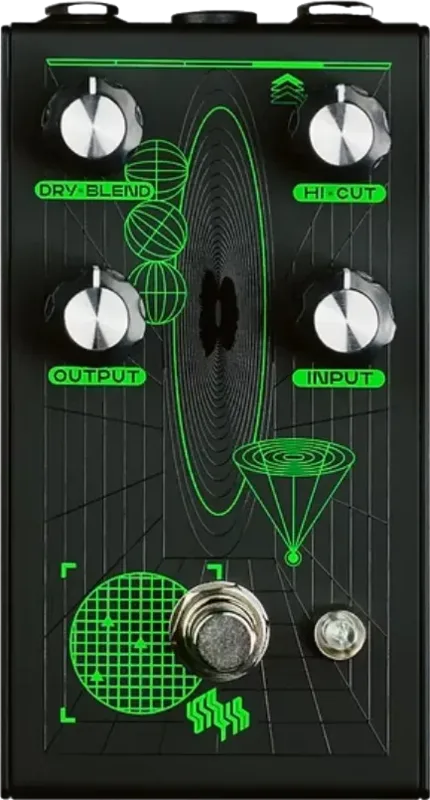

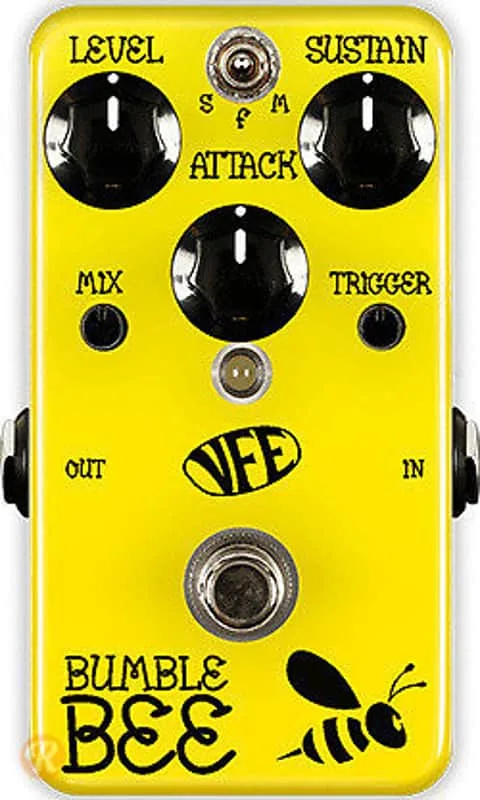
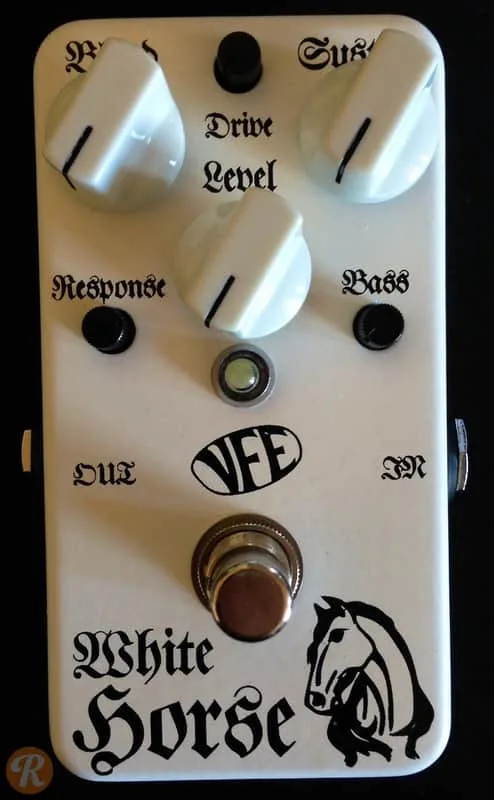
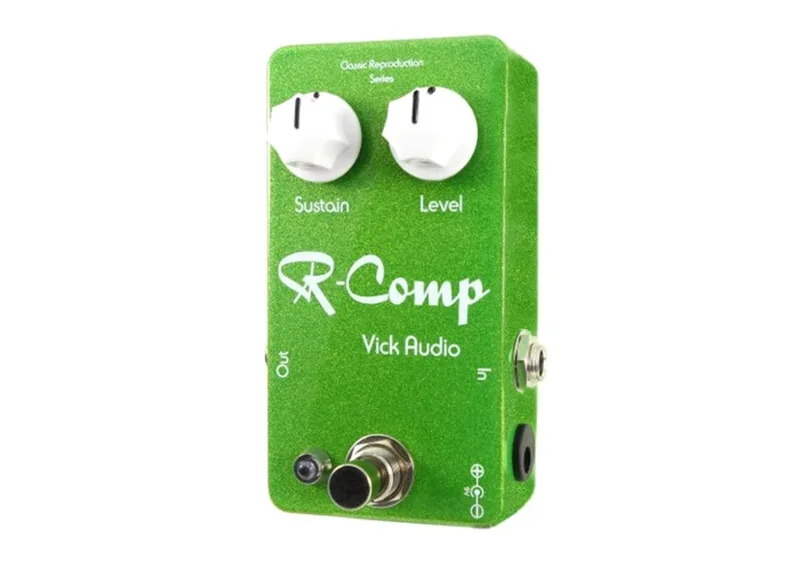
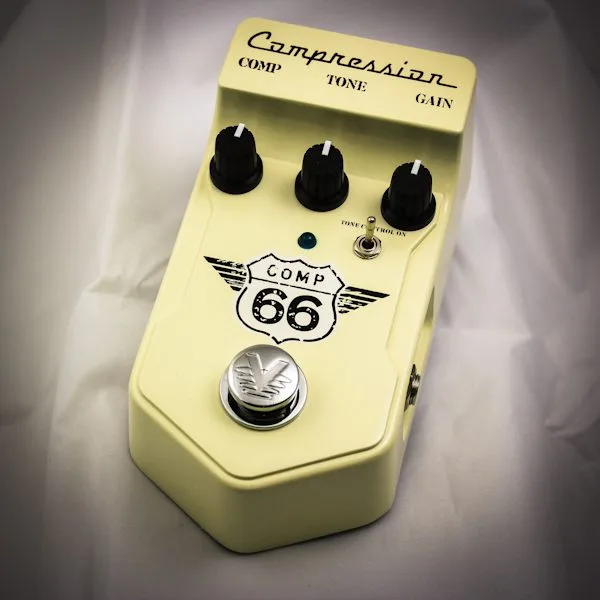
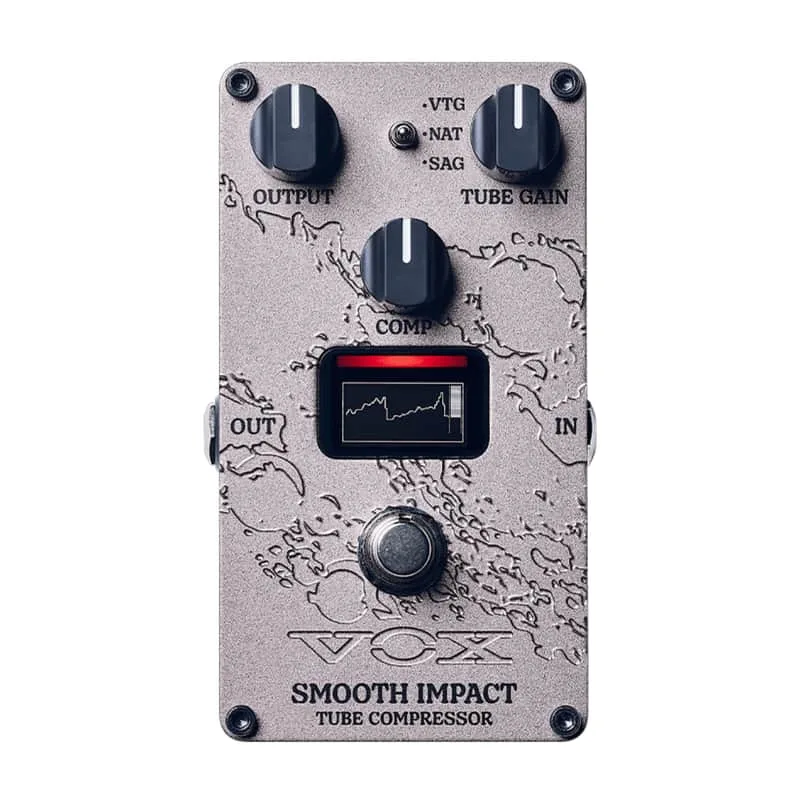
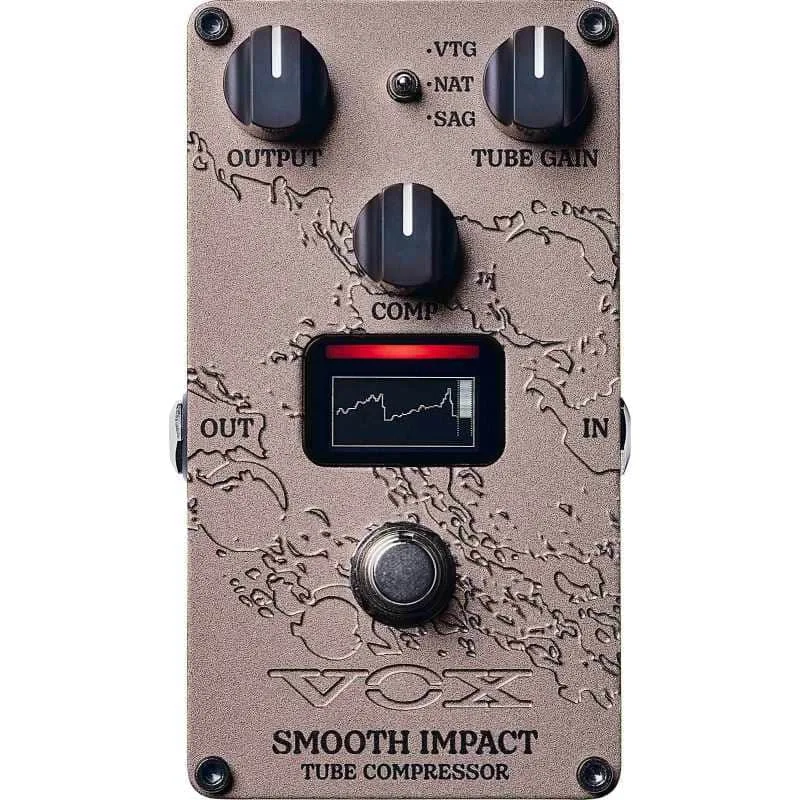
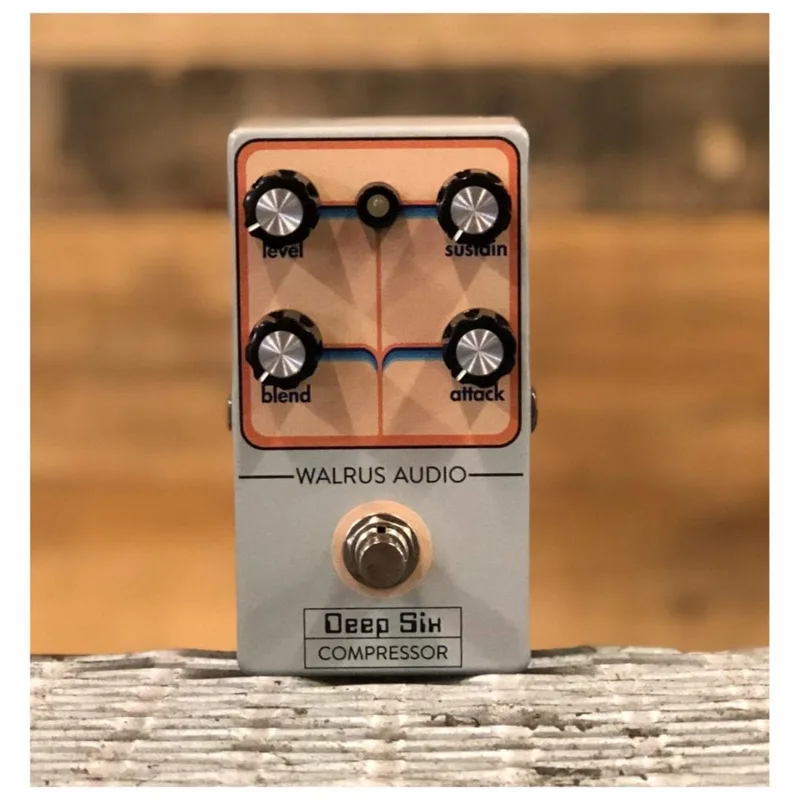
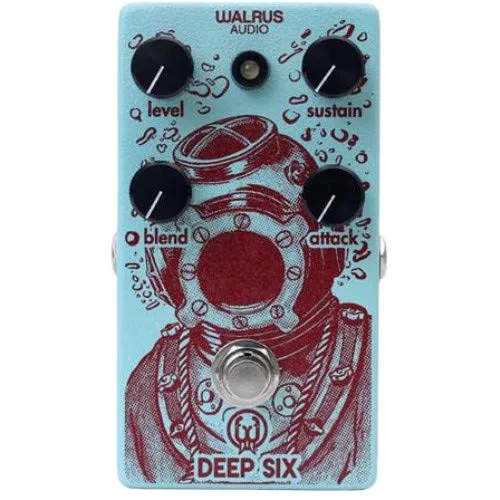
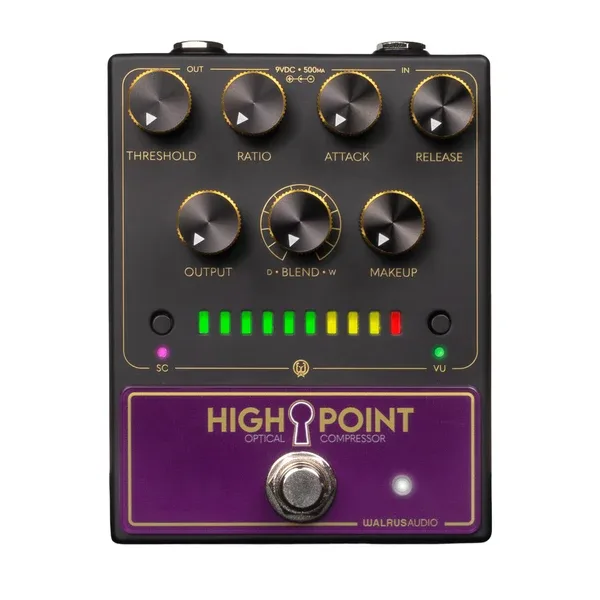
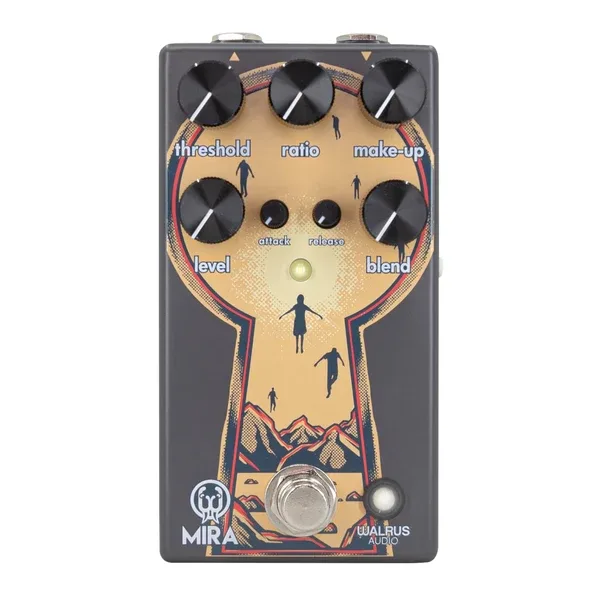
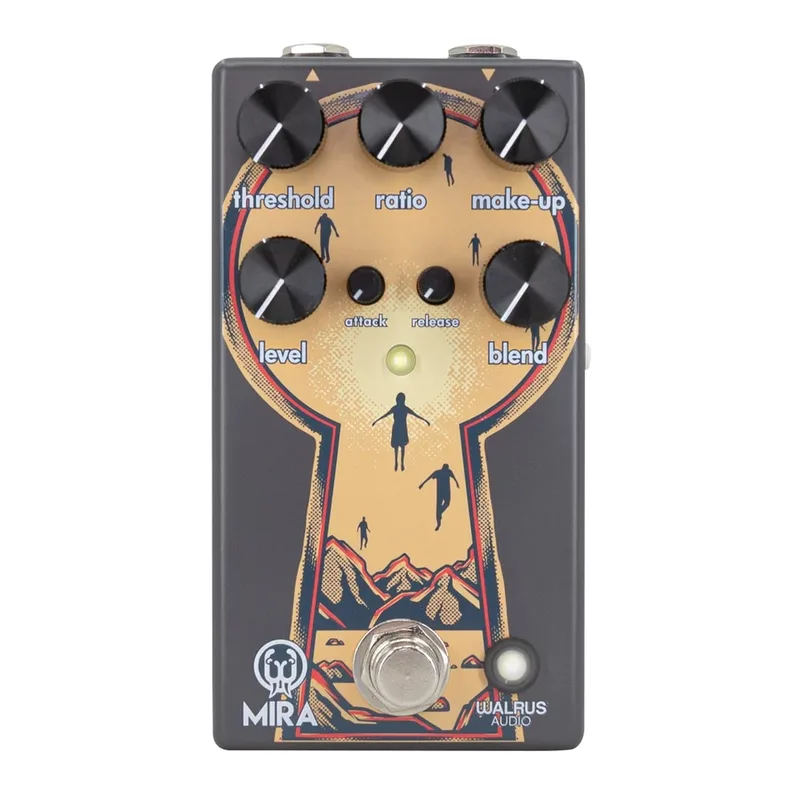
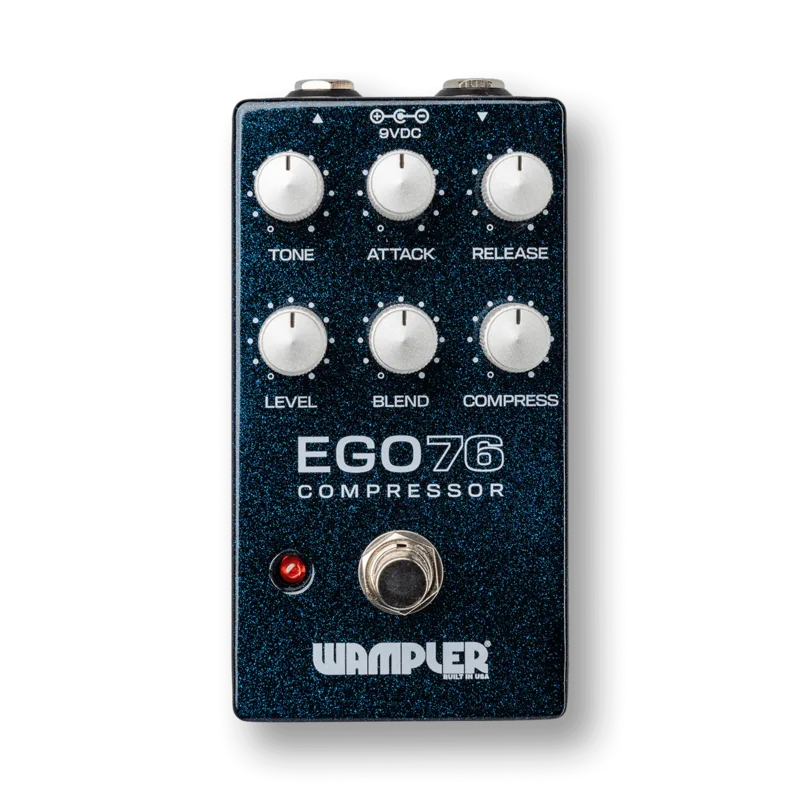



A compressor pedal is the effect most players never notice until it is switched off. It evens out the difference between your hardest-picked notes and your lightest ones, raises the level of quiet passages, and stretches the length of time a note keeps ringing. The result is a smoother, more polished sound: chords sit in a mix without one string jumping out, single notes sustain longer, and the whole guitar feels more consistent from note to note.
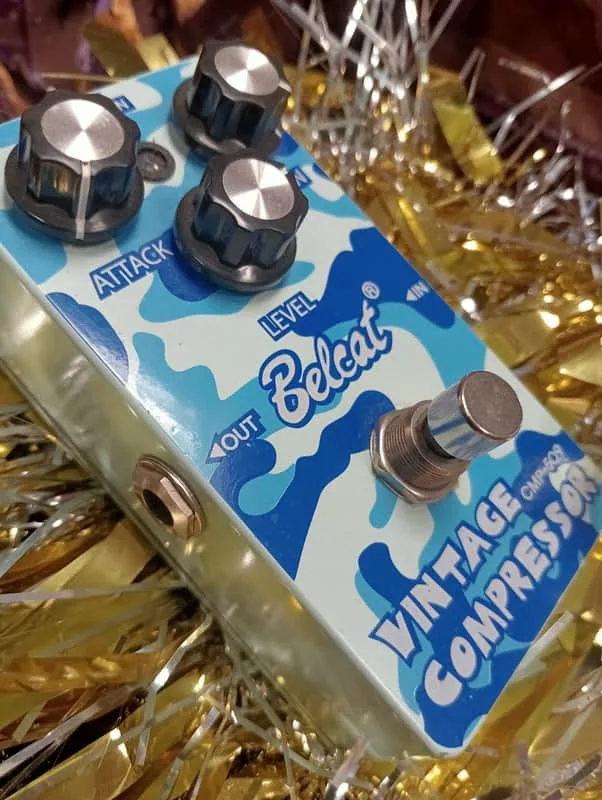
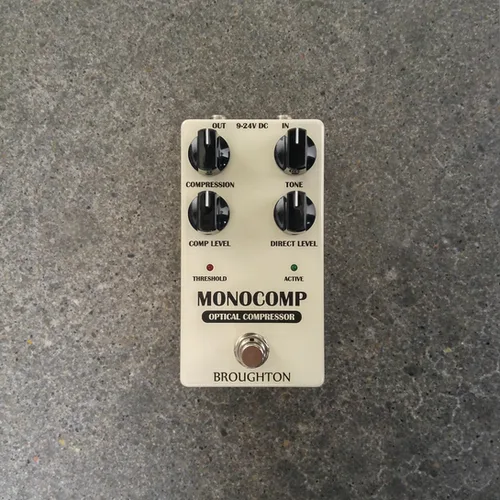
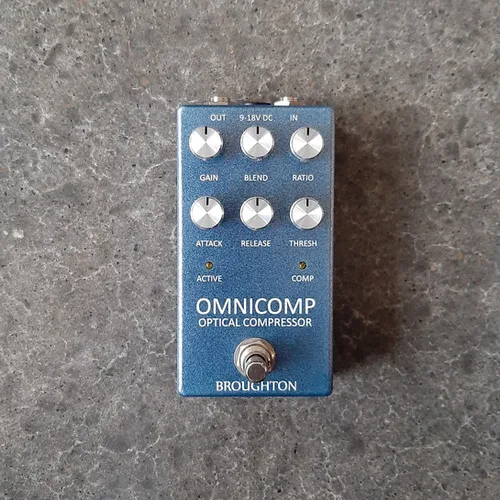
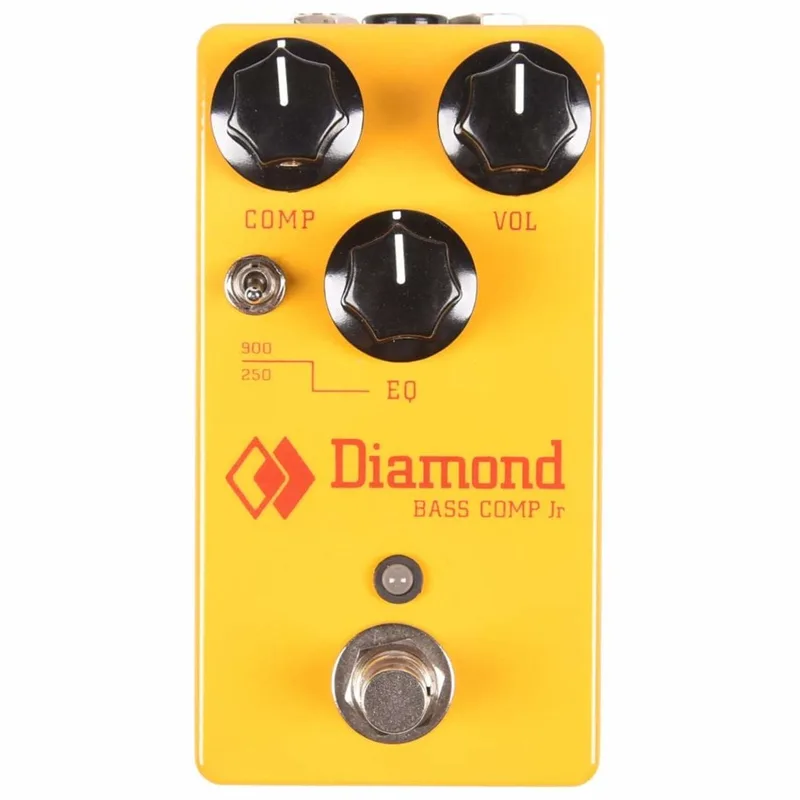
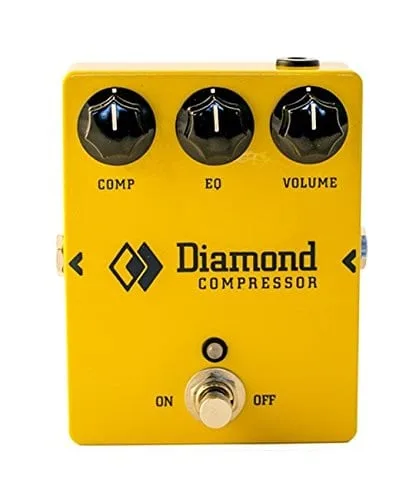
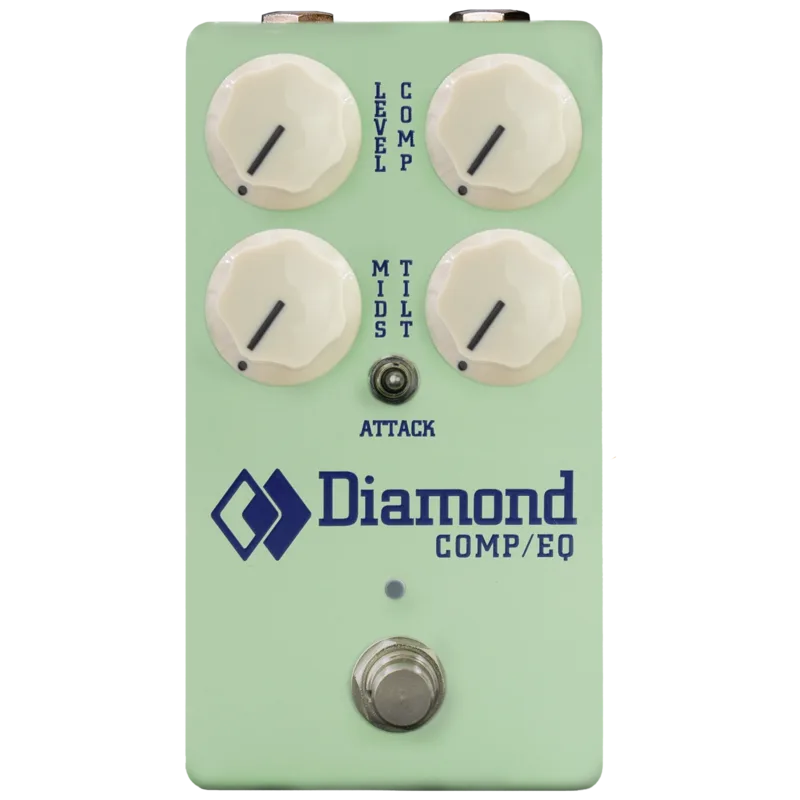
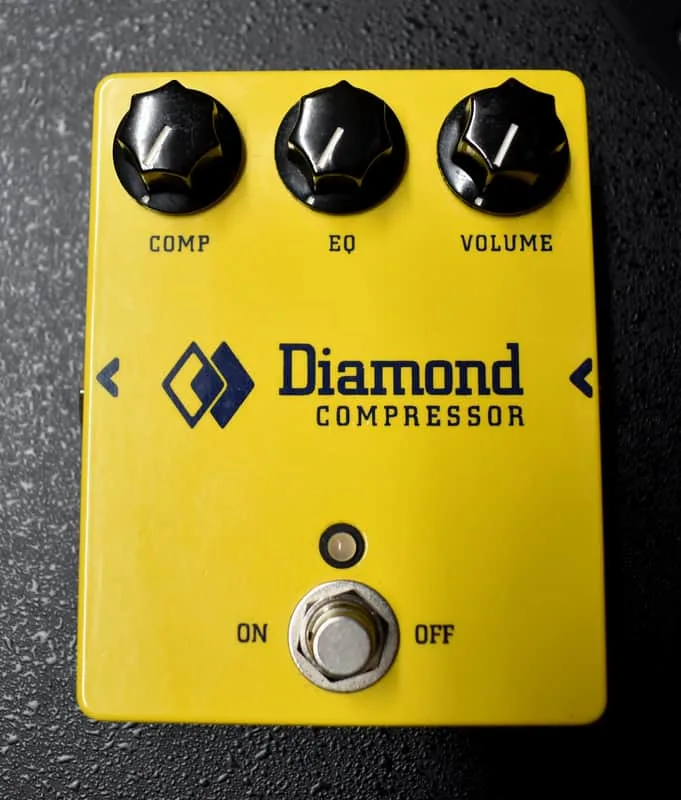
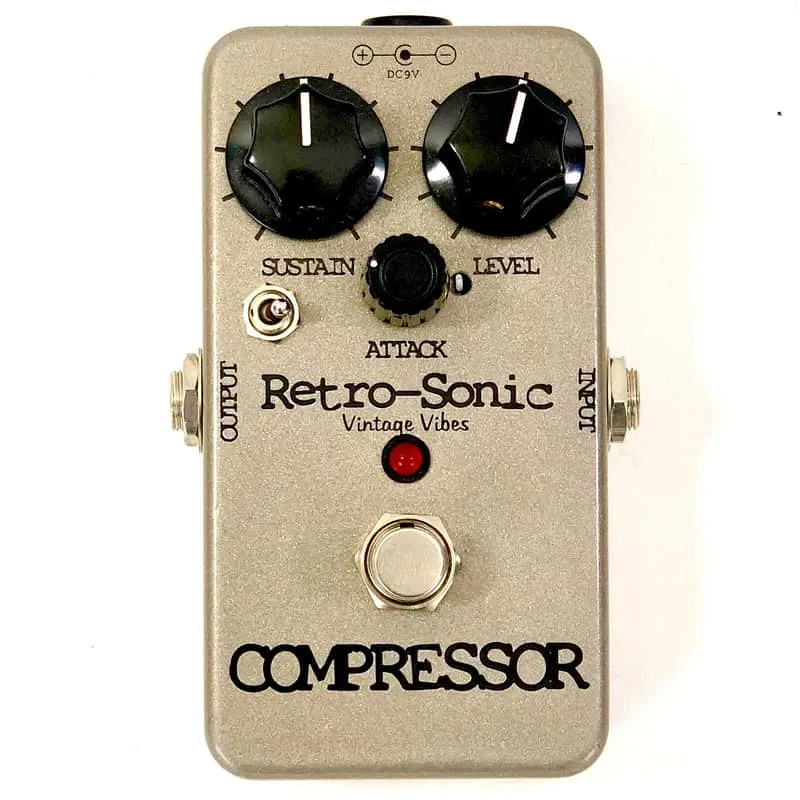
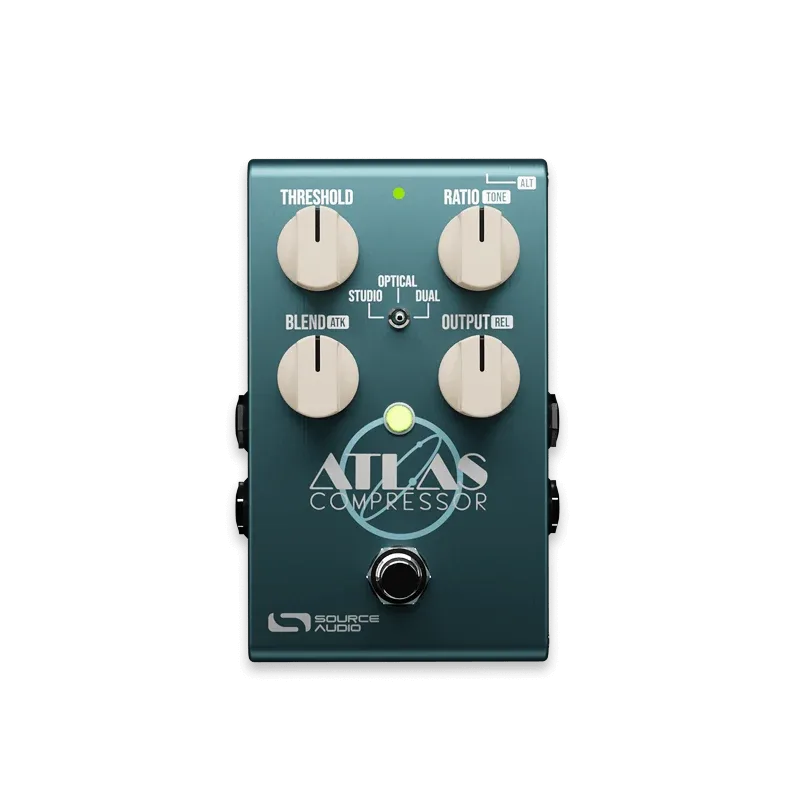
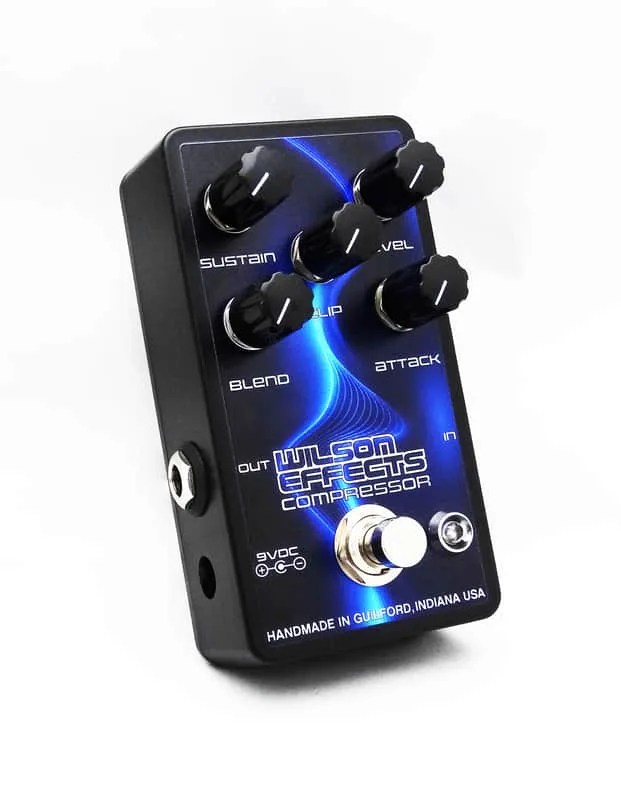
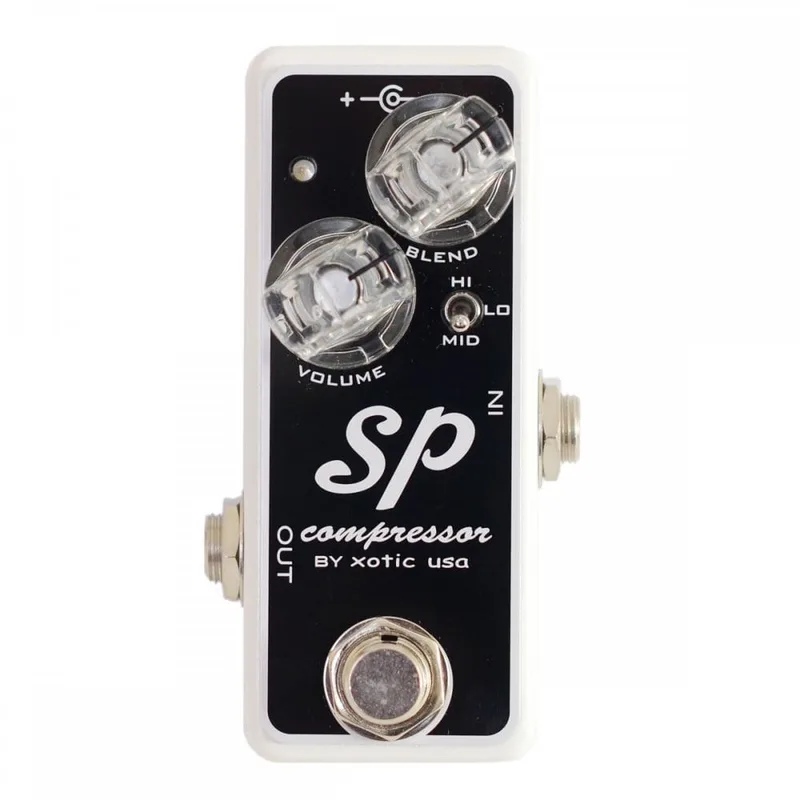
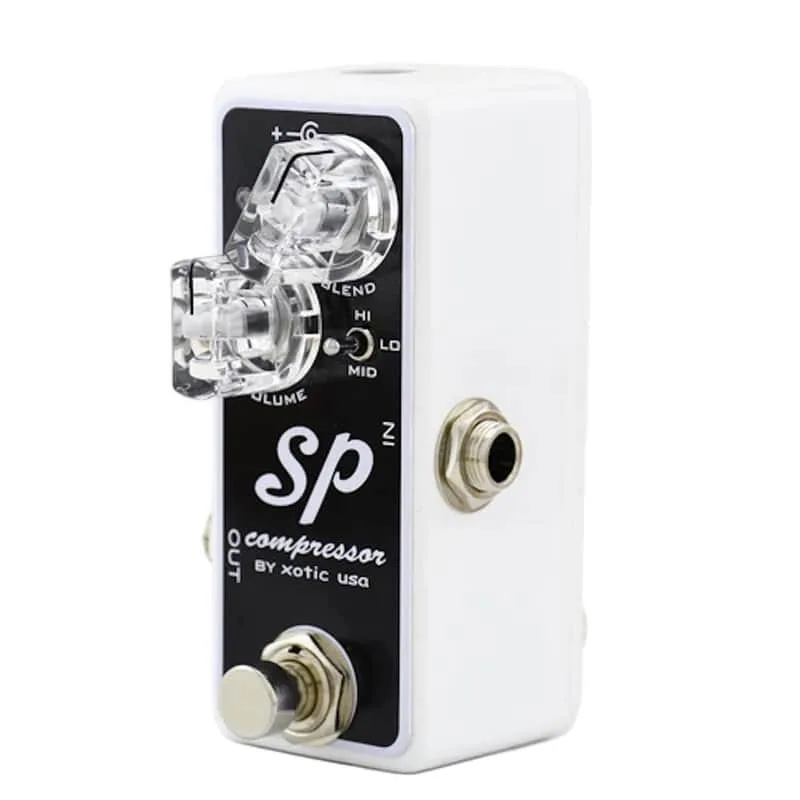
Xotic describes the traditional use plainly: a compressor is "traditionally used with clean tones but it plays nicely with overdrive and distortion pedals"1. That flexibility is one reason the effect appears on so many pedalboards. It is also an effect with many circuit flavors: the Source Audio Atlas Compressor offers "a comprehensive collection of compression circuits that perfectly capture the tone and feel" of different studio units in one digital pedal2, while makers like Retro-Sonic, Wilson Effects, MOOER, Diamond Pedals, Broughton Audio, Line 6, DMT, Fender, Mosky and Belcat all build their own takes on the circuit234.
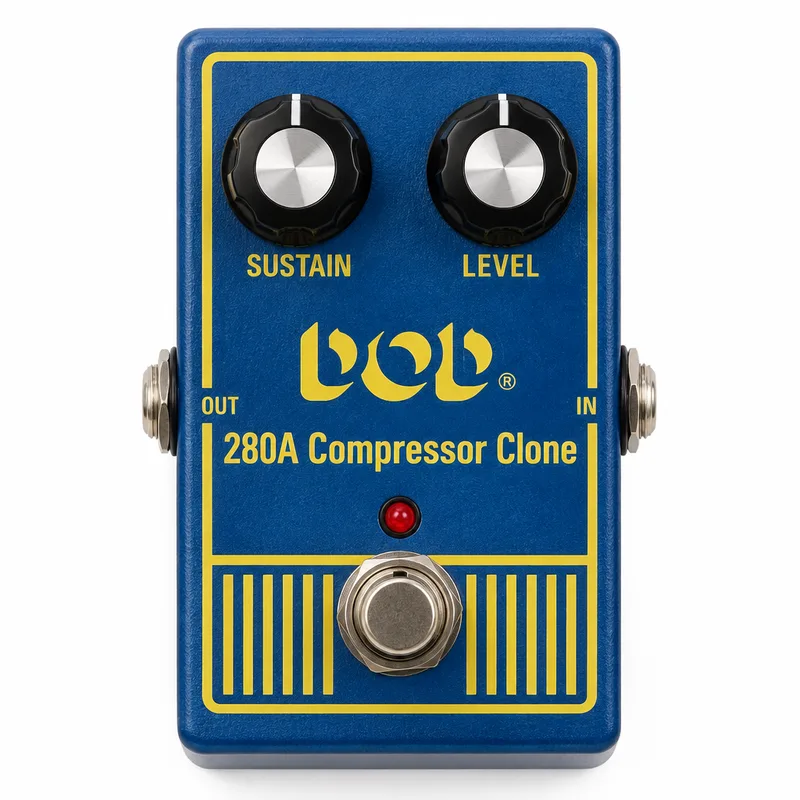
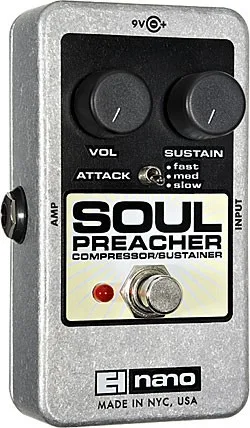
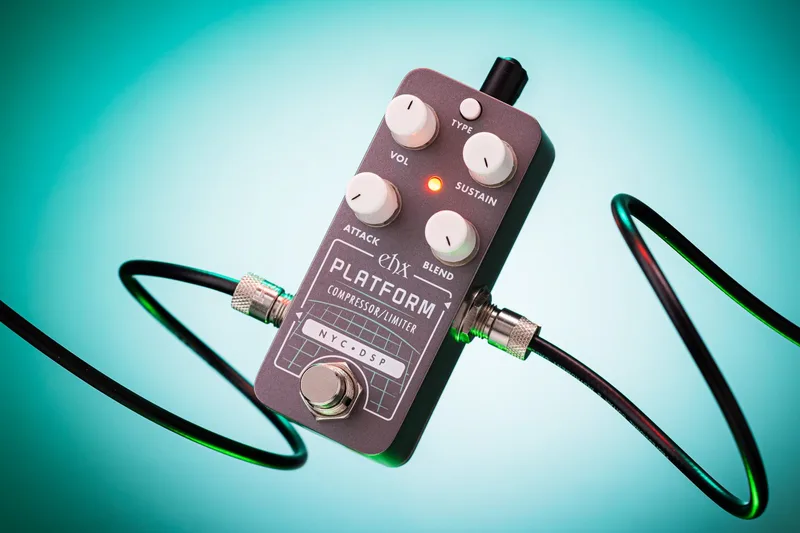
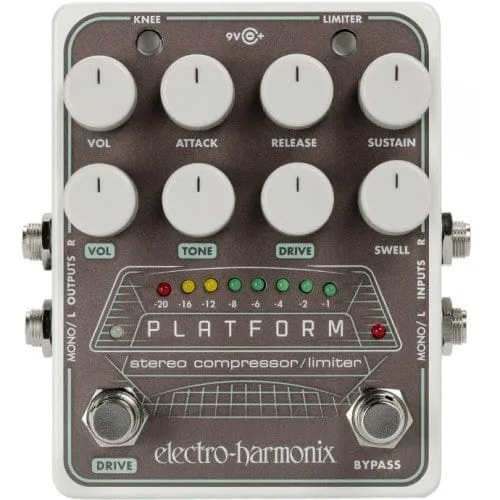
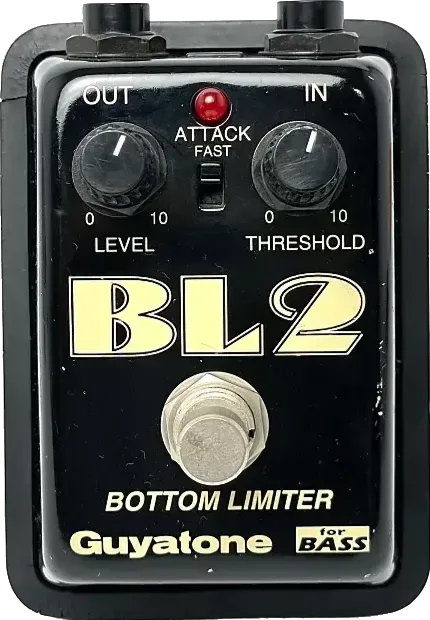
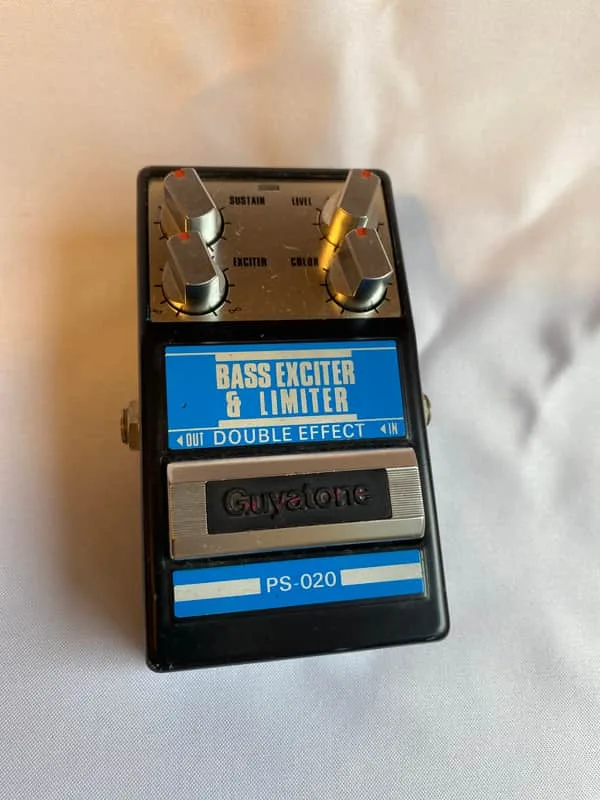
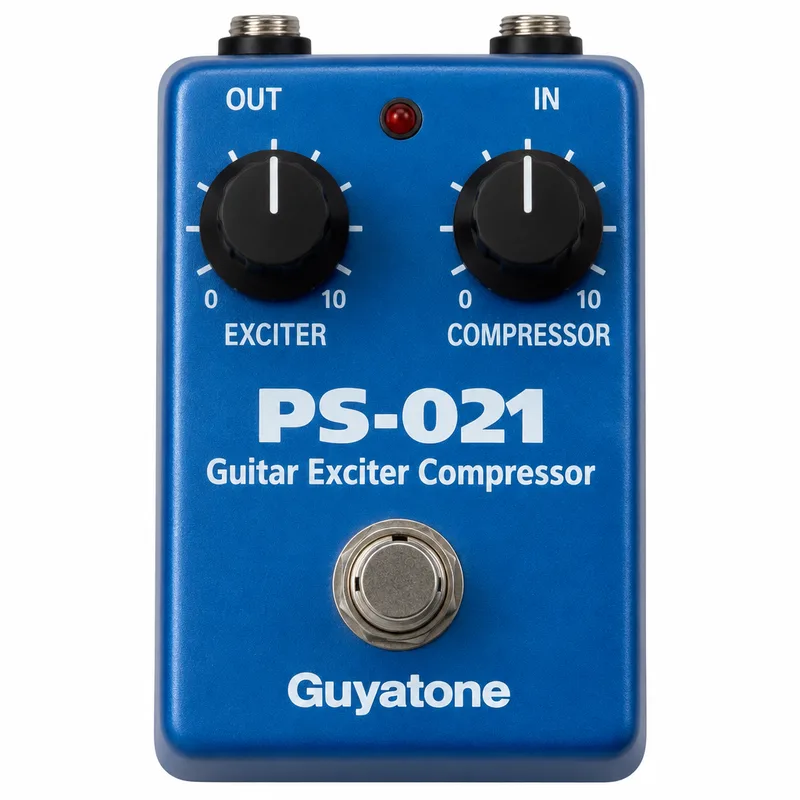
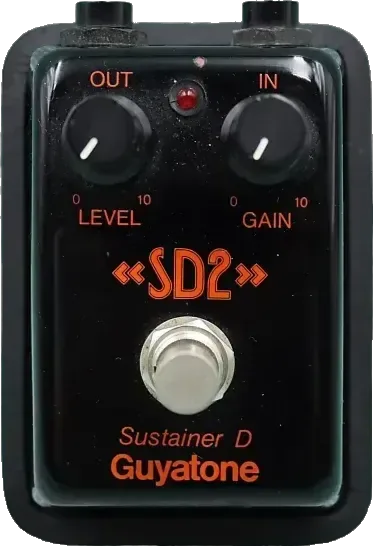
Compressors, sustainers and limiters are close cousins. All three control level: a compressor reduces loud peaks, a limiter is a compressor set for a harder ceiling, and a sustainer raises quiet signals so notes decay more slowly. On a pedalboard they occupy the same slot and are controlled the same way.
What a compressor pedal does
In plain terms, a compressor is an automatic volume control that reacts to your signal faster than your hand ever could. When a note crosses a threshold, the circuit turns the volume down; as the note decays below it, the volume comes back up. Two things happen to your sound because of this:
- Even dynamics. Hard-picked notes are pulled back and soft notes are pushed forward, so the guitar's output stays within a narrower band.
- Sustain. Because the circuit keeps raising the level as a note decays, the note rings longer before it disappears into the noise floor.
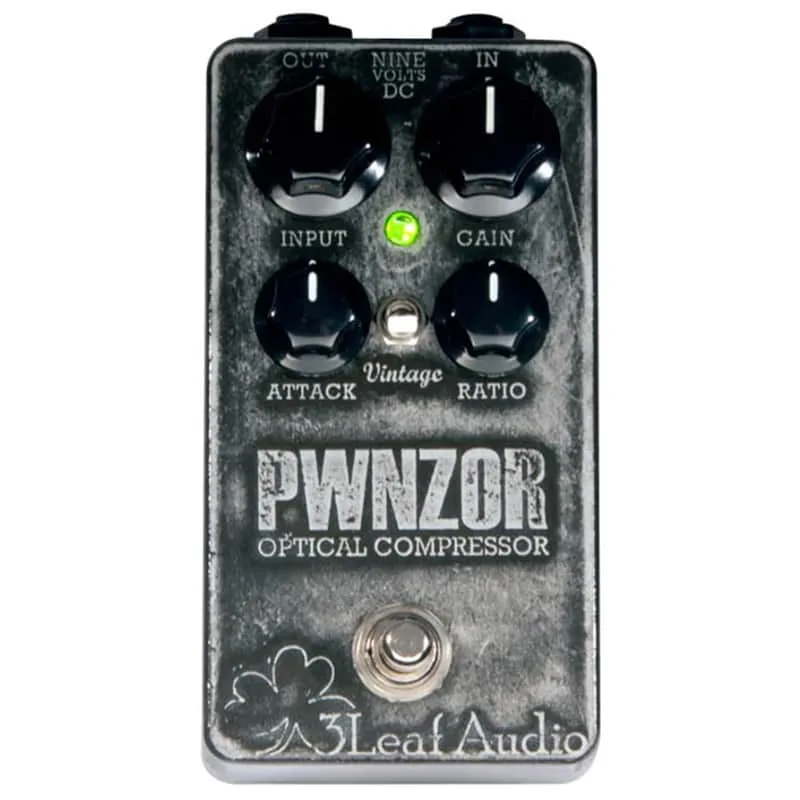
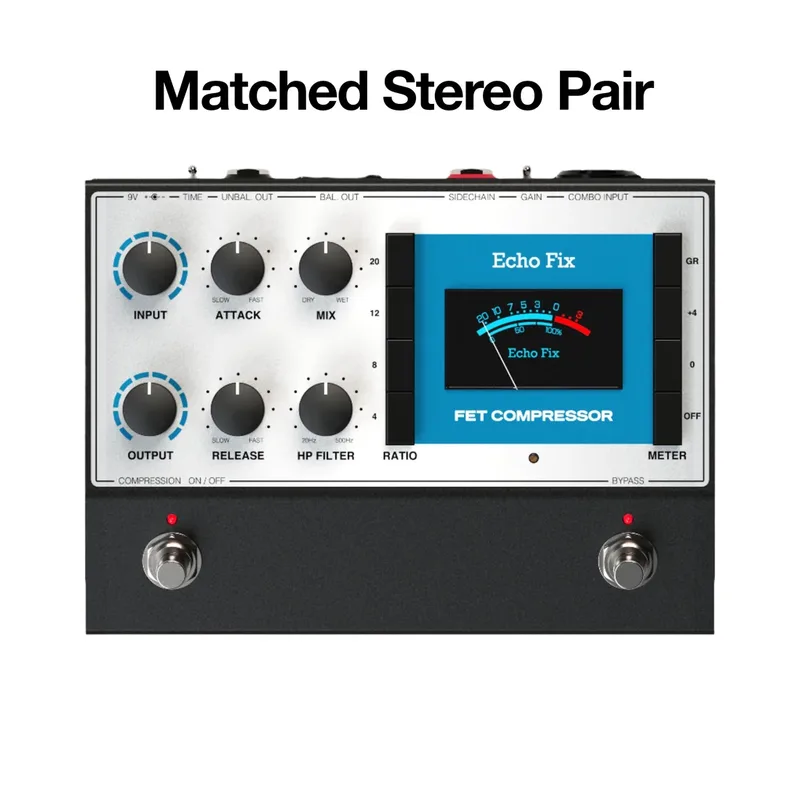
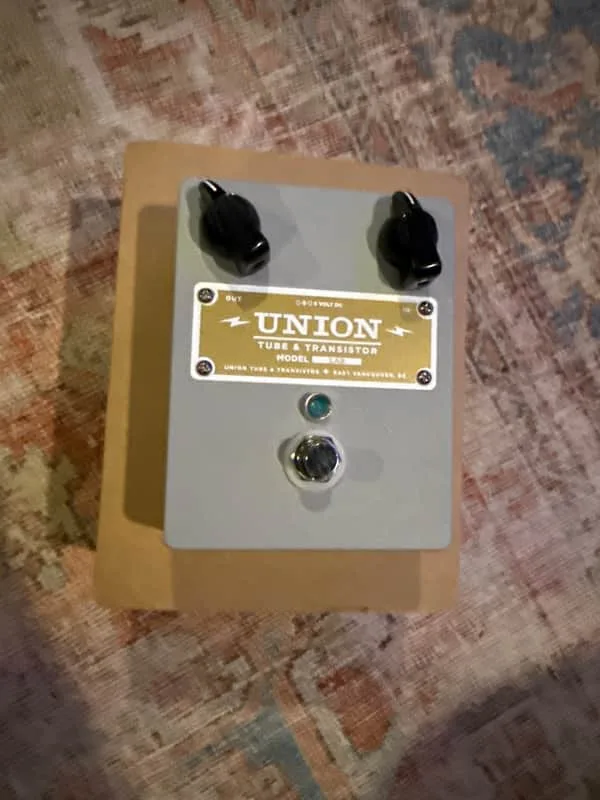
How a pedal gets there depends on its circuit type. The Union Tube & Transistor LAB is an optical compressor, meaning a light-dependent element controls the gain reduction5. The Empress Compressor MKII is a FET compressor with a transparent, all-analog signal path6. Digital pedals like the Atlas model several studio circuits at once2. Each topology has its own character in how quickly it grabs a note and how it lets go, which is why two compressors with the same knob settings can feel different under the fingers.
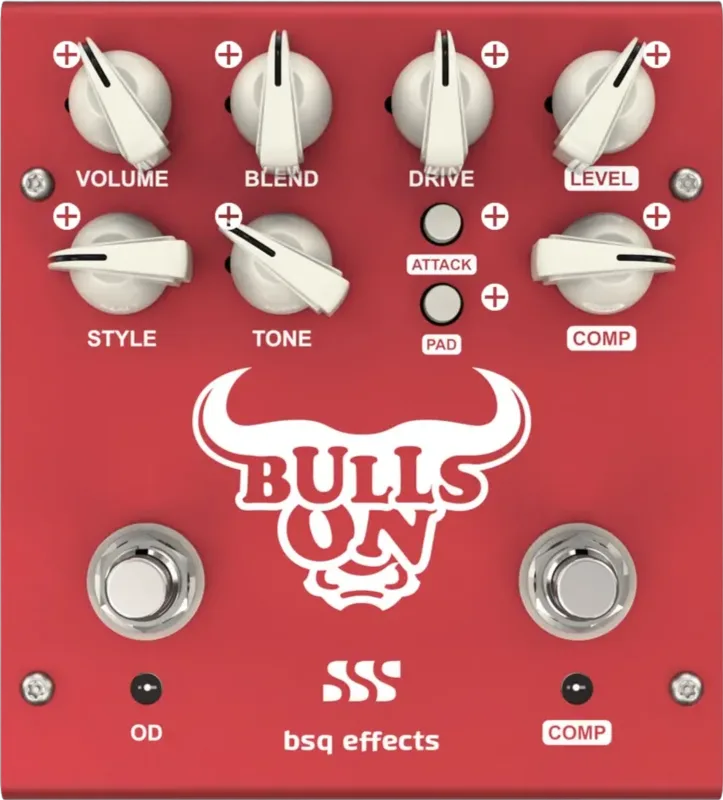
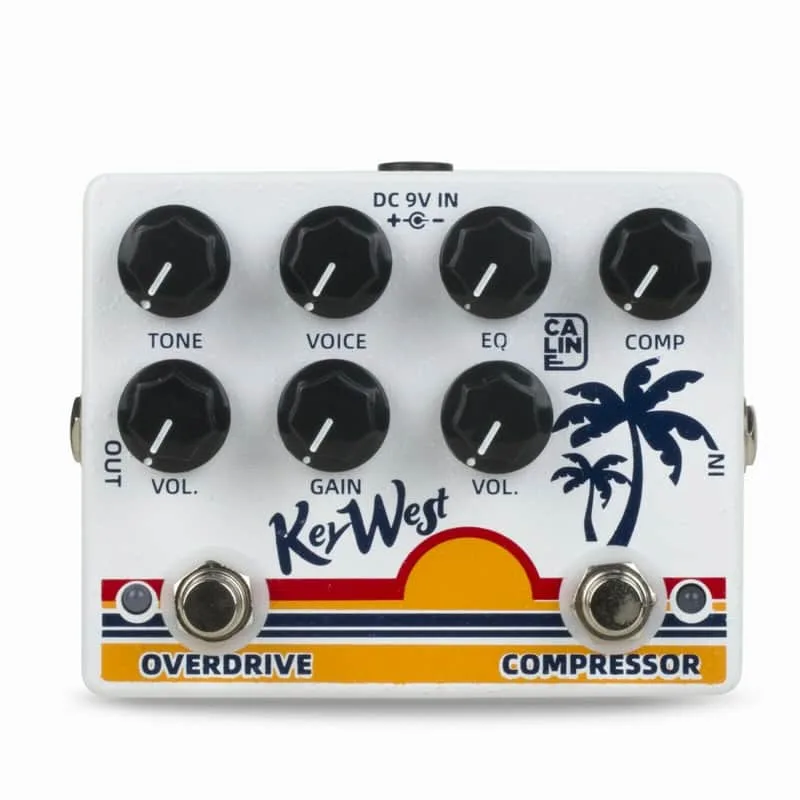
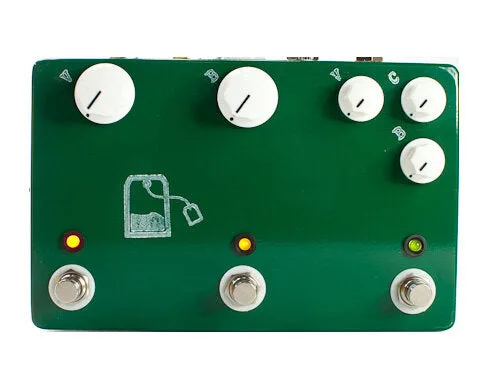
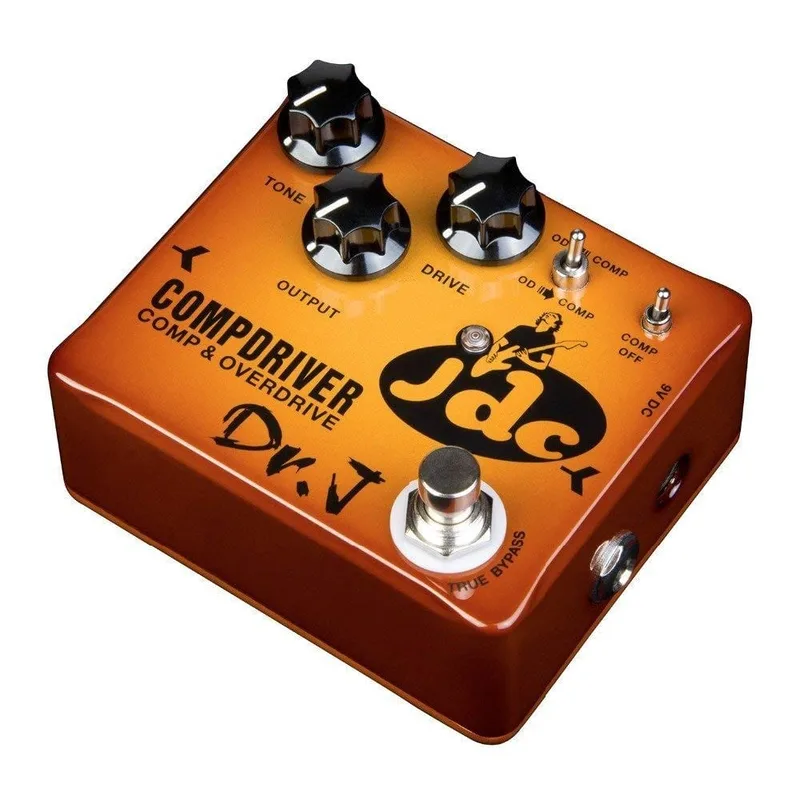
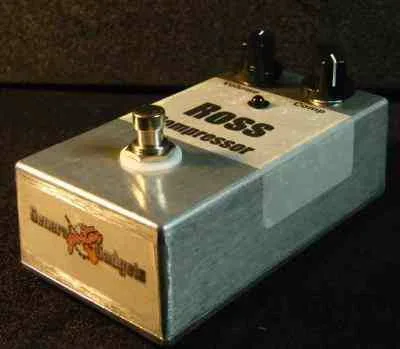
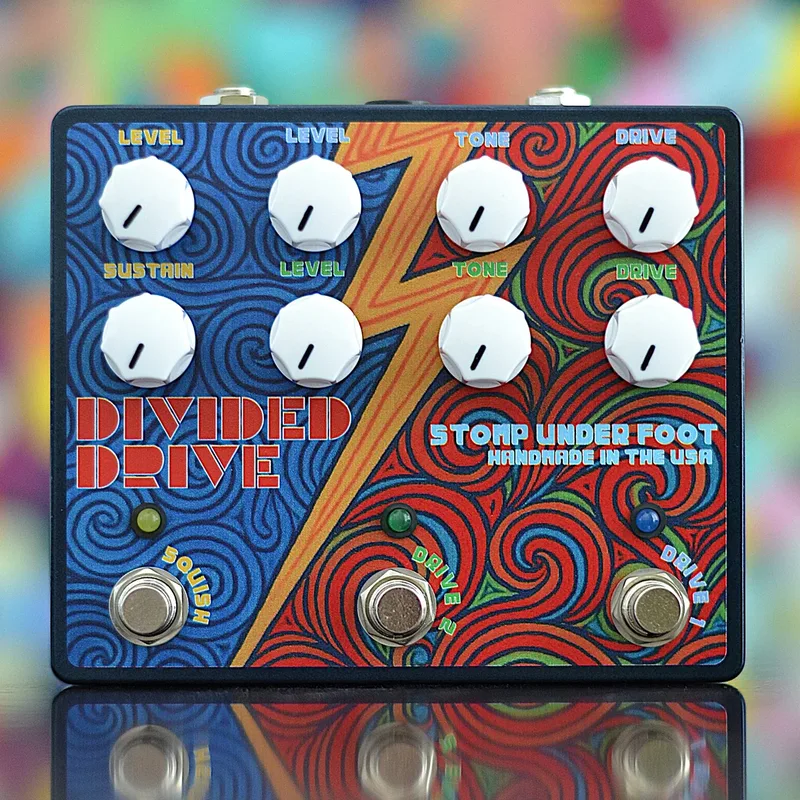
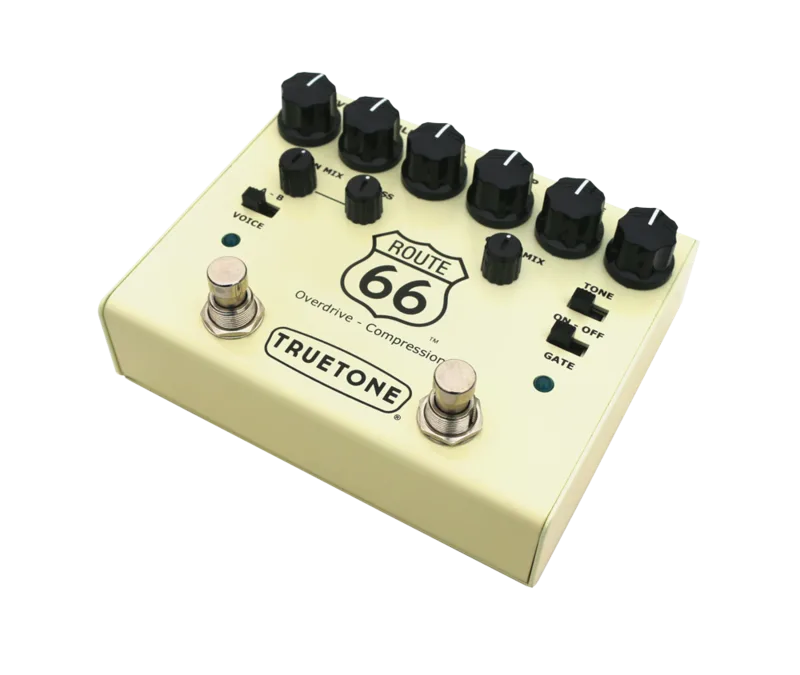
The effect is not only about clean tones. Some pedals combine compression with drive in one box: the Stomp Under Foot Divided Drive "combines two modified Screamer-style overdrives with a Ross-style compressor in a single pedal"7, and Hilbish Design's Compressimiser is billed as a "studio quality compressor squeezed into a two-knob signal smashing machine"8.
Parallel compression and the blend control
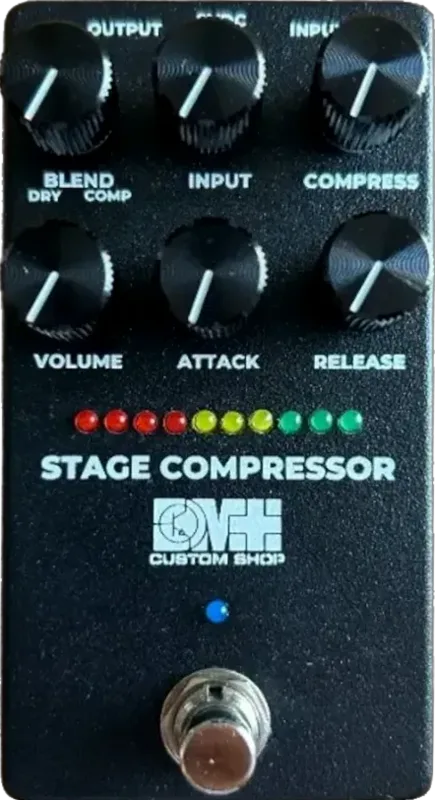
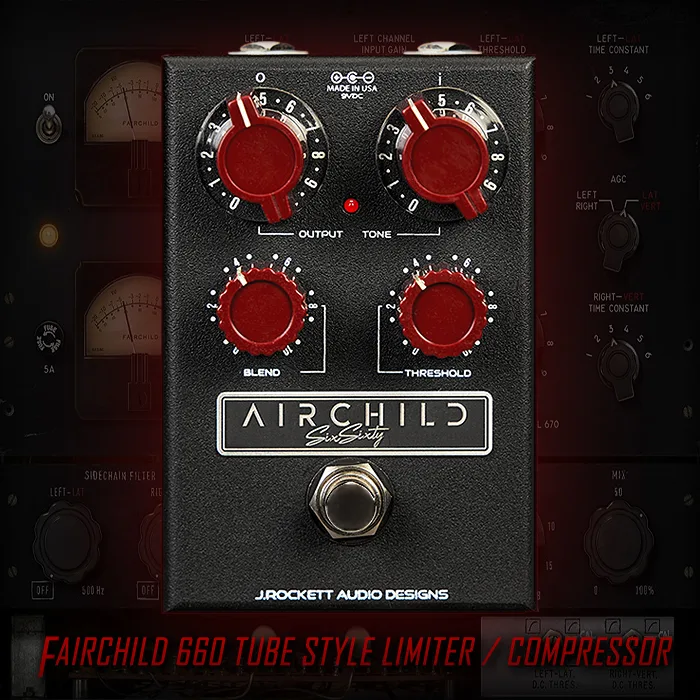
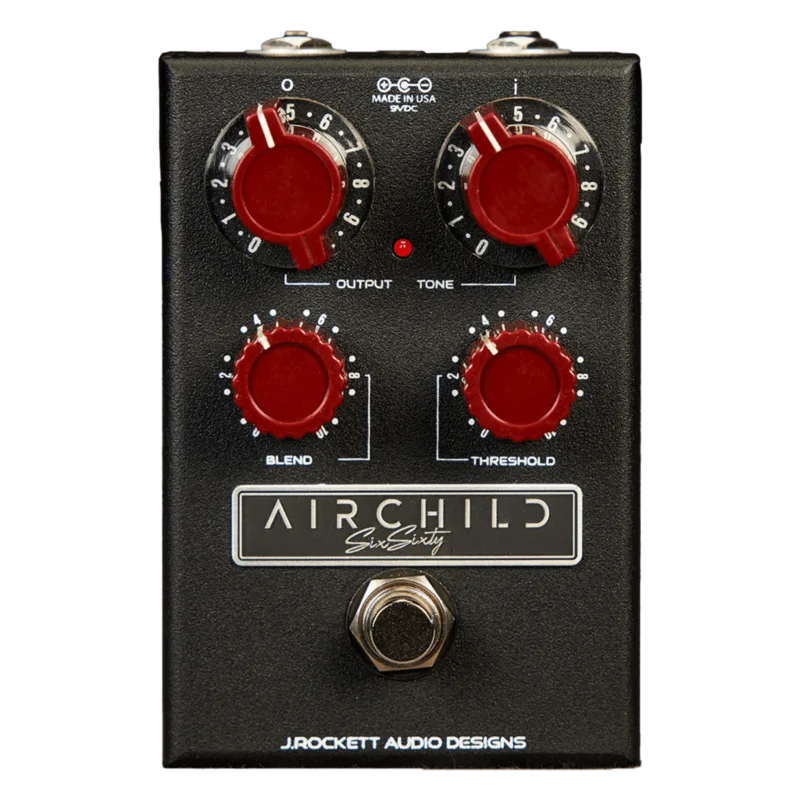
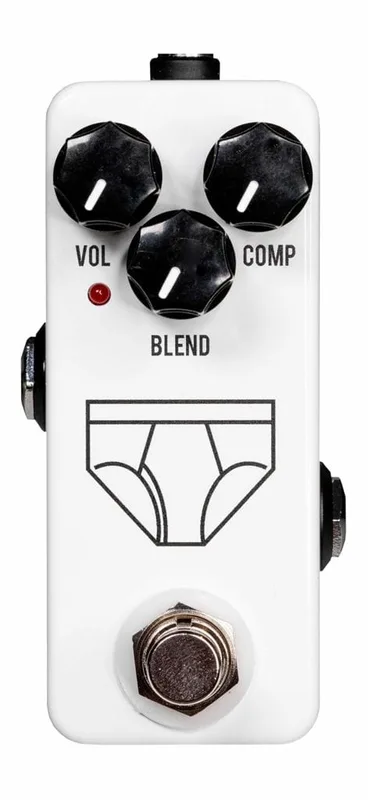
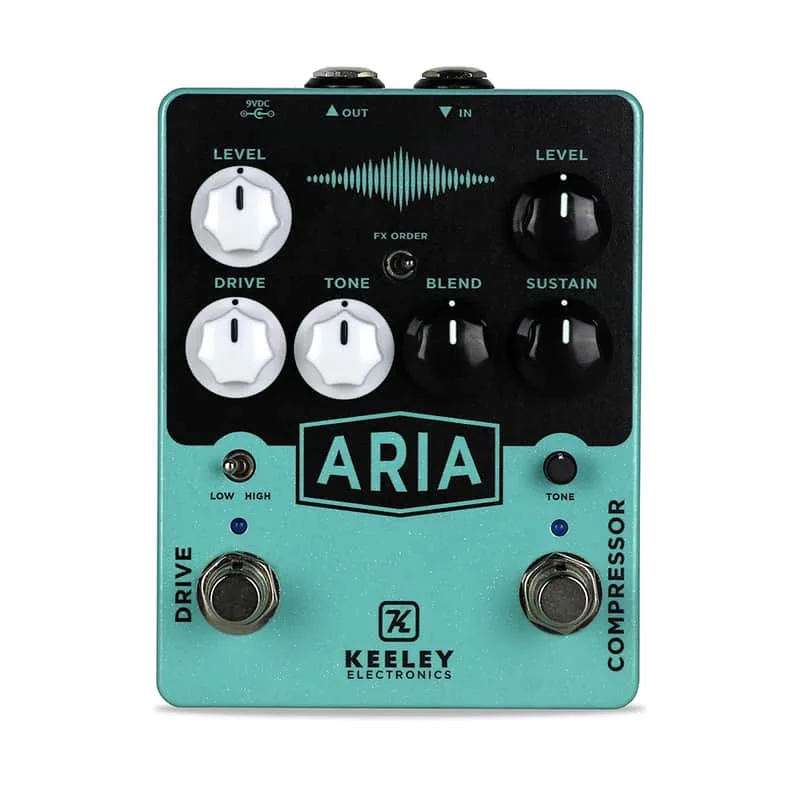
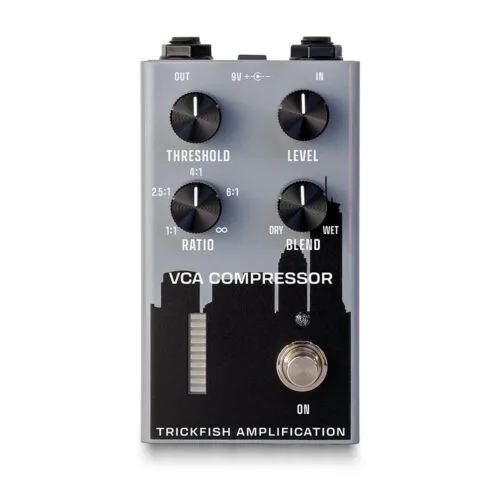
The single most useful feature on a modern compressor is a blend or mix knob. Instead of sending your whole signal through the compression circuit, the pedal splits it: one path is compressed, one stays dry and untouched, and the knob sets the balance between them. This is called parallel compression, and it solves the classic compressor complaint, that heavy settings flatten your picking dynamics and kill the attack of each note.
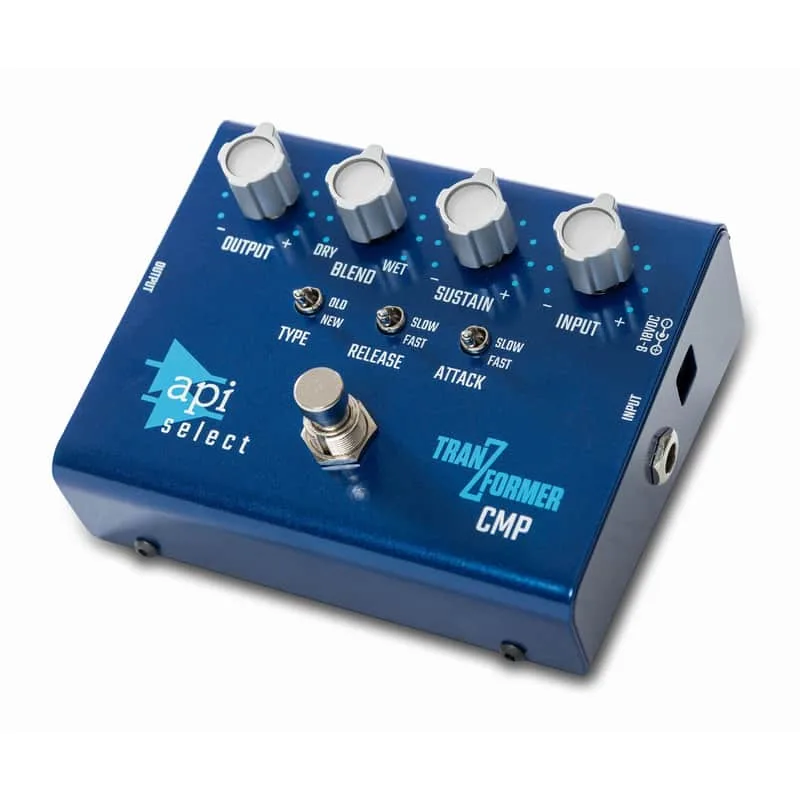
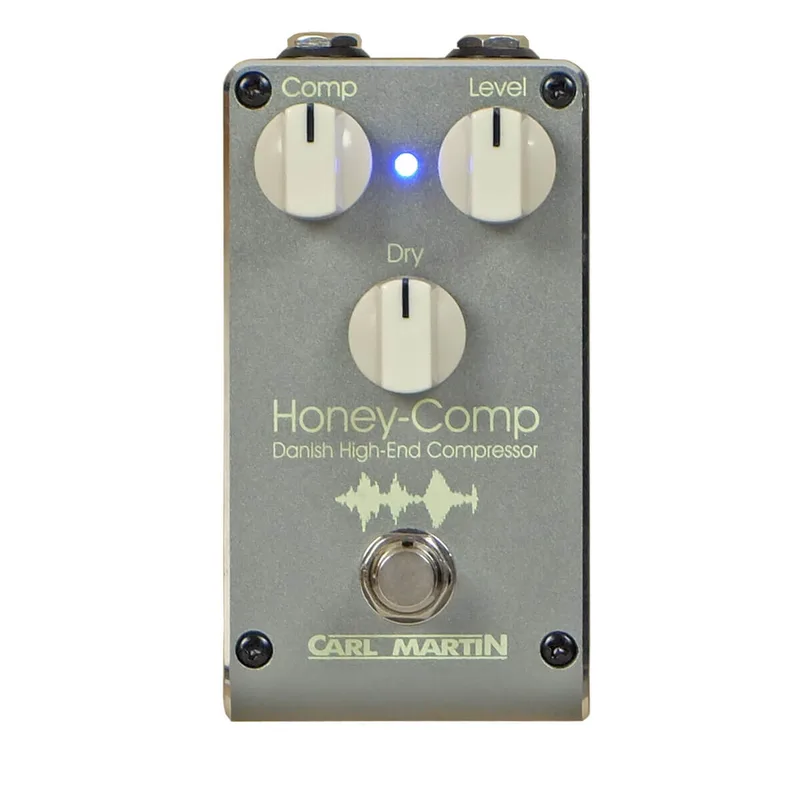
With a blend control you can run the compressed path hard for sustain and consistency while the dry path keeps the snap of the pick and the natural decay of the strings. Empress calls its Mix control a way to "blend uncompressed and compressed signals for New York-style parallel compression"6, and the same approach appears on the Empress Bass Compressor9, the Carl Martin Honey Comp, which blends compressed and dry signals through a three-knob layout10, and the API Audio TranZformer CMP, which includes a wet/dry blend alongside adjustable attack and release settings6910.
| Pedal | Blend control | What the maker says it does |
|---|---|---|
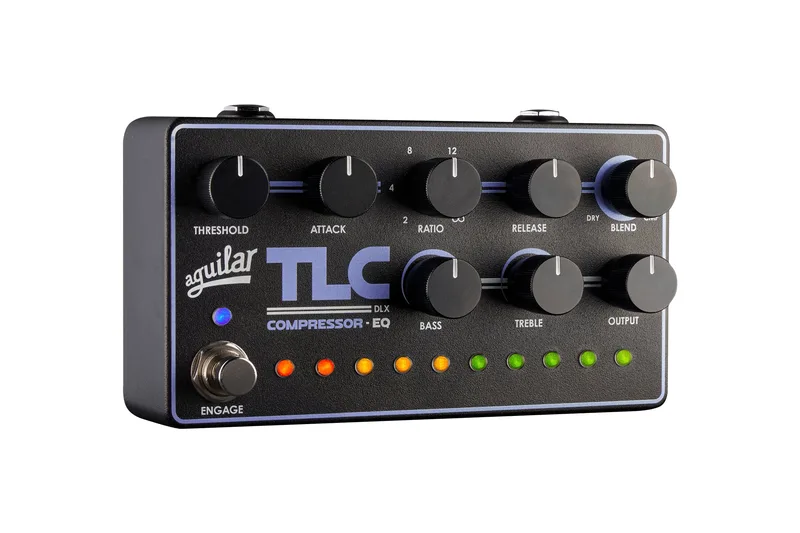
| Aguilar TLC Compressor EQ DLX | Blend | "enables parallel compression by mixing the uncompressed signal with the compressed tone"; fully clockwise is the compressed signal alone11 |
| Empress Compressor MKII | Mix | blends uncompressed and compressed signals for New York-style parallel compression6 |
| Empress Bass Compressor | Mix | same parallel compression approach, voiced for bass9 |
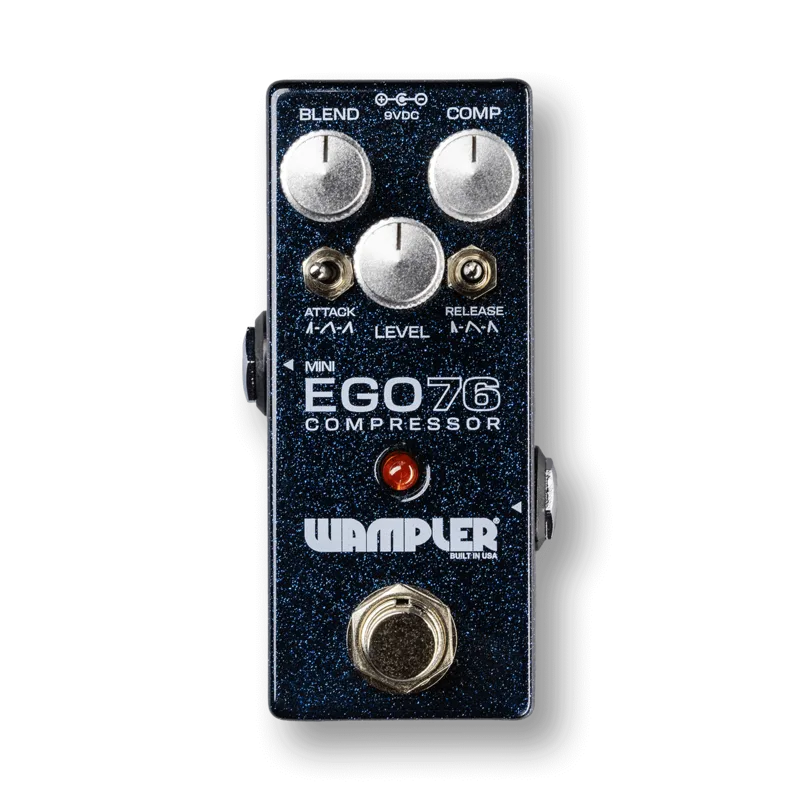
| Wampler Ego 76 Compressor | Parallel Clean Blend | a dedicated clean-blend knob alongside the compressor controls12 |
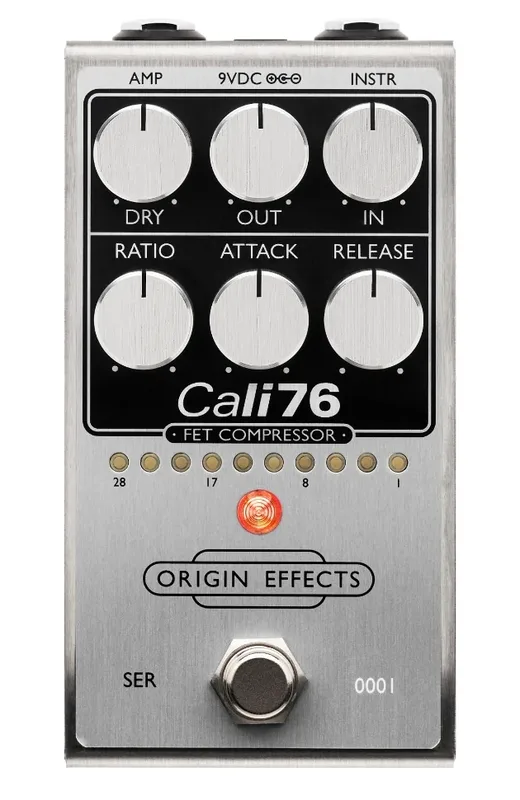
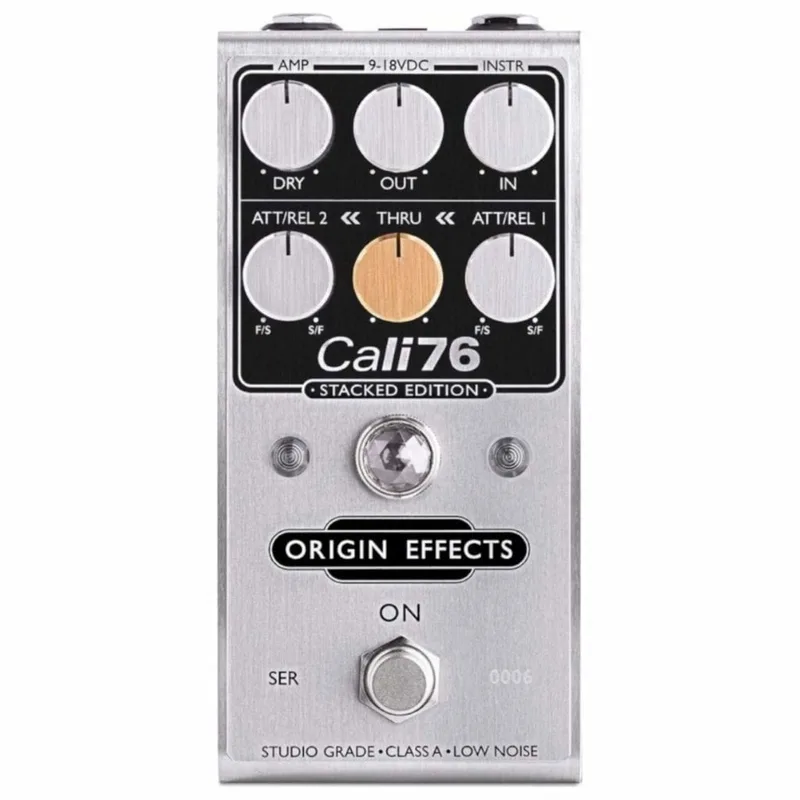
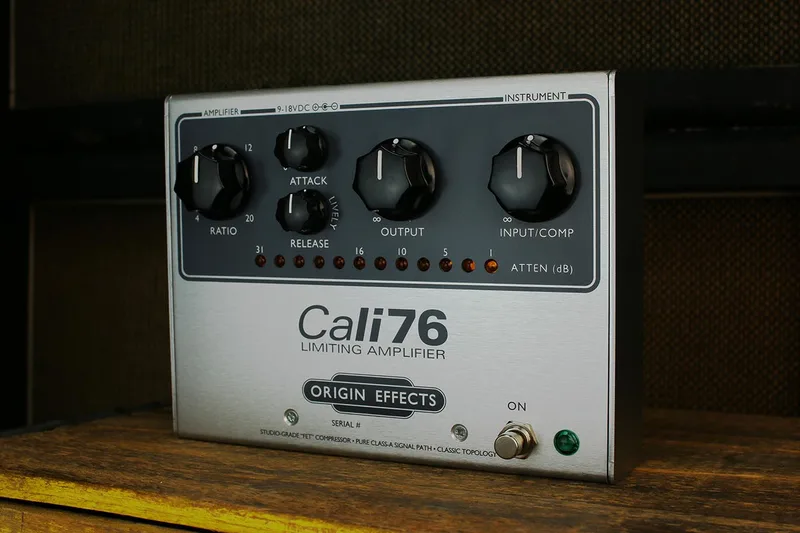
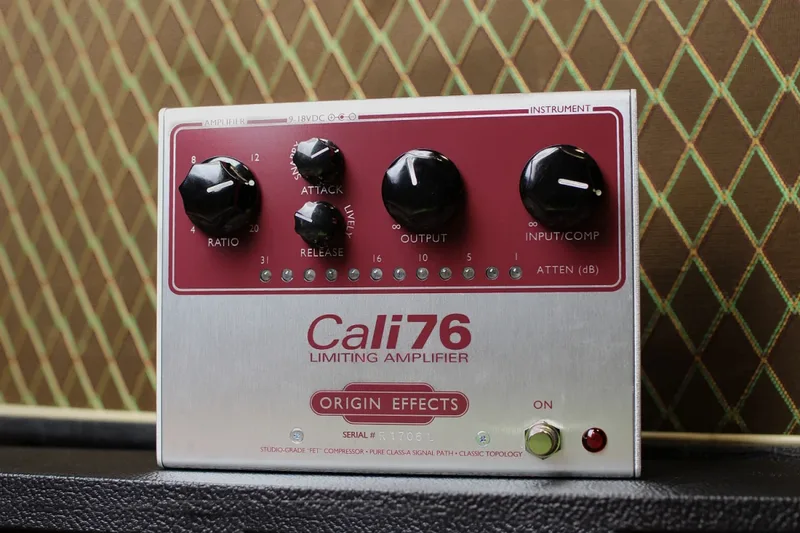
| Origin Effects Cali76 FET and Cali76 Stacked | DRY level | blends the compressed and unaffected signals13 |
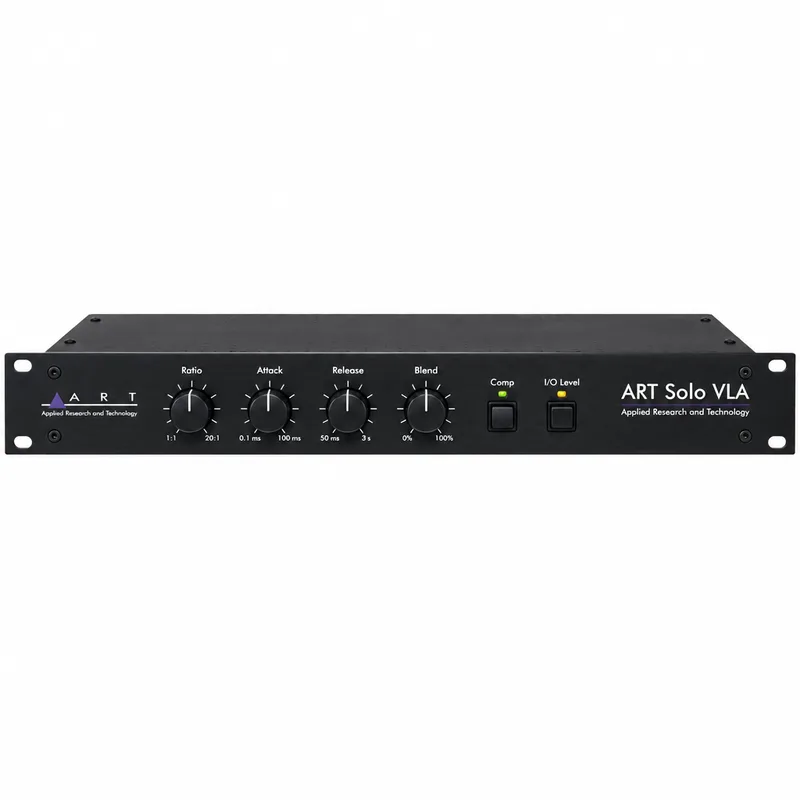
| ART Solo VLA | Blend | "mixes the dry and compressed signals"14 |
| Carl Martin Honey Comp | three-knob parallel layout | blends compressed and dry signals10 |
Aguilar's description of its Blend control is worth reading closely, because it explains what a blend knob buys you in practice111516:
"The Blend control enables parallel compression by mixing the uncompressed signal with the compressed tone."
The company adds that blending in dry signal maintains nuance and dynamic expression15. In other words, the blend knob is the control that lets a compressor work hard without sounding like it is working at all.
Where a compressor goes in the signal chain
Placement is where compressor questions get argued over, and the short answer is that first in the chain, right after the tuner, is the default. Origin Effects' John Dines puts it directly: "This 'first in the chain' placement is by far the most common method for guitar compression"17. The reasoning is that the compressor does its best work on the raw guitar signal, before any other pedal has processed it, because that is where the dynamic range is widest and where pick attack is most pronounced17.
BOSS's signal chain guide agrees, advising players to "place a compression pedal like the CP-1X close to the guitar because these units work best with an even-volume signal"18. A compressor placed after a delay or reverb, by contrast, would squash the repeats and tails of those effects, which is rarely what you want.
The chain around the compressor looks like this:
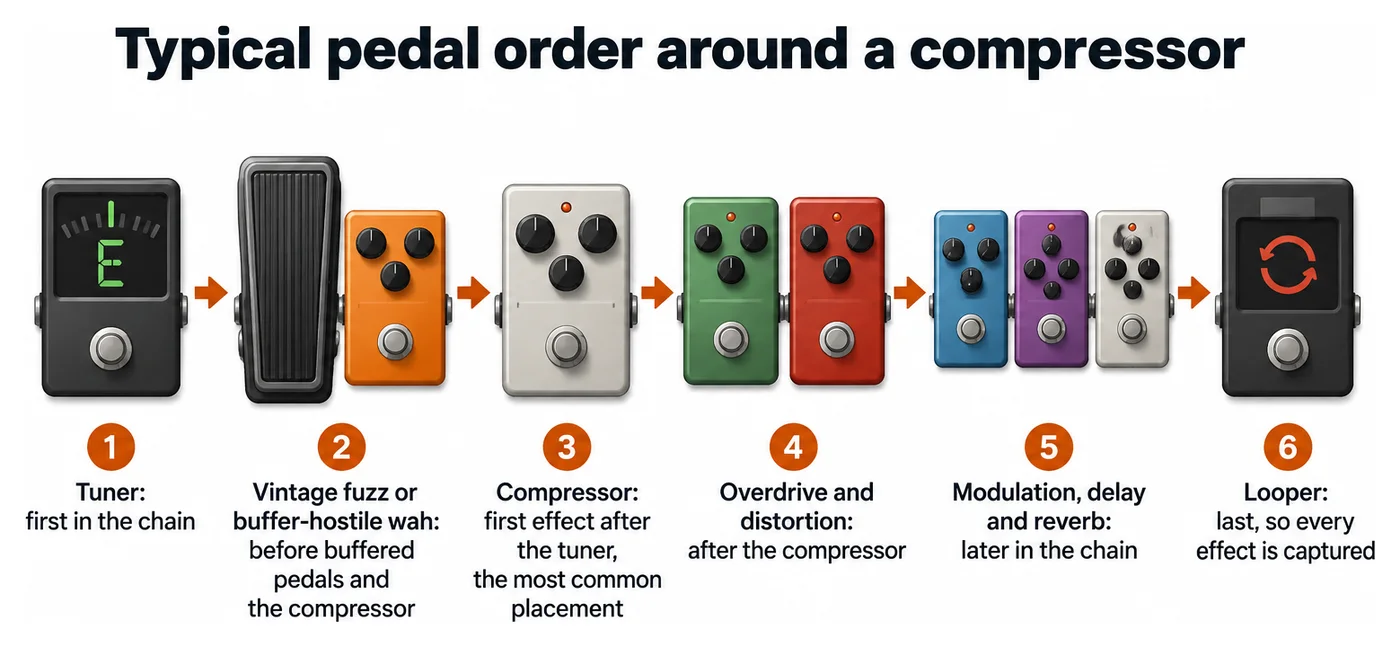
Two exceptions sit at the edges of this order. Buffer-incompatible vintage fuzz and wah pedals belong before the compressor, covered below. And at the end of the chain, Union Tube & Transistor suggests its MORE clean boost works best "just before your tube amp or if you are running a series of pedals to put it last in" the chain21, a reminder that some level-oriented pedals are designed for the final slot rather than the first.
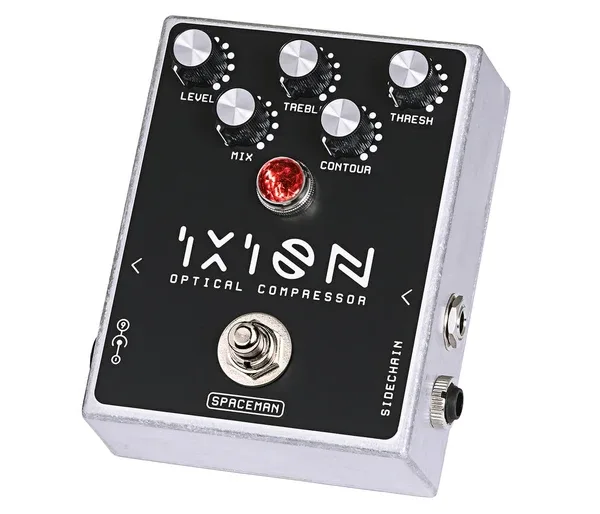
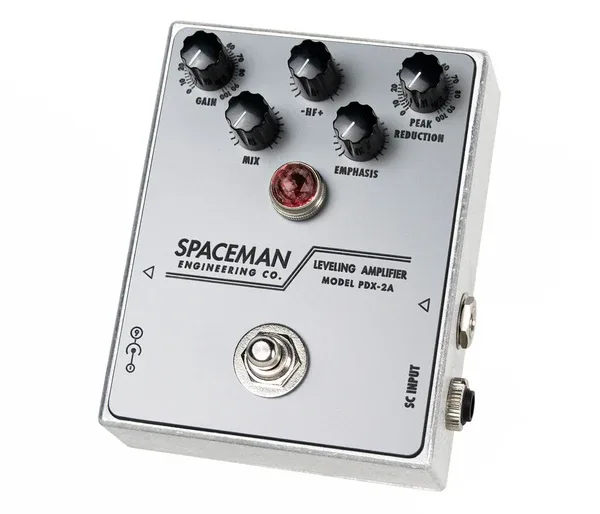
A few compressors also offer a sidechain connection, a studio feature carried over to the pedalboard. On the WMD Compressor, the sidechain input drives the level detector, and when nothing is plugged in the input signal is normaled through to the detector22. A sidechain lets the detector respond to a different signal than the one being compressed, the trick behind ducking effects and frequency-aware compression.
Compression before or after overdrive
The before-or-after question has a real answer for each player, because the two orders produce different results.
Compressor first is the common setup, and it changes how your drives respond. Because the compressor delivers an even-volume signal to the overdrive, the drive pedal distorts every note at roughly the same level, giving a consistent, saturated feel. This is the placement that emphasizes pick attack and adds sustain, because the compressor is working on the raw tone with its full dynamic range17.
Compressor after an amp-like overdrive suits a different style of playing. Origin Effects' John Dines explains17:
"For players using an amp-like overdrive pedal, it can be very useful to place the compressor after the overdrive."
The reason is control. With the compressor after the drive, your guitar's volume knob still governs how hard the overdrive is pushed, so you can clean up the drive by rolling back, and the compressor then keeps the overall level consistent17. Dines also points out that this mirrors studio practice: "In a studio setting, it's normal to plug straight into a great amp, mic it up, then apply compression afterwards"17. Players with studio experience often prefer this order because it behaves the way a recorded guitar track behaves.
There is no wrong answer here, only a match between placement and playing style. If you ride your guitar's volume knob and use dynamics to shape an amp-like drive, try the compressor after it. If you want consistent saturation and a fatter, more even feed into your drives, keep the compressor first.
Vintage fuzz, wah and buffers
The one hard rule in compressor placement involves vintage fuzz. Certain vintage fuzz and wah pedals do not work with buffers, and they should go before buffered tuners and before the compressor17. Many tuners and compressors are buffered, and a buffer ahead of a vintage-style fuzz circuit can change the way that fuzz behaves, which is why a fuzz that sounds right alone can sound wrong further down the chain.
The practical chain order, then, is: vintage fuzz and buffer-hostile wah first, then the tuner, then the compressor, then the rest of the drives17. BOSS's guide places the wah "directly after the tuner and before the drive section" in a standard chain18, which works fine for modern buffered wahs; it is specifically the vintage, buffer-hostile units that need to move to the very front.
If you want to dig into the circuits involved, see the site's pages on Overdrive Pedals, Distortion Pedals, Fuzz Pedals, Wah-Wah Pedals and Buffer Pedals.
Questions to ask when choosing a compressor
Before comparing specific models, work through these questions, each of which narrows the field:
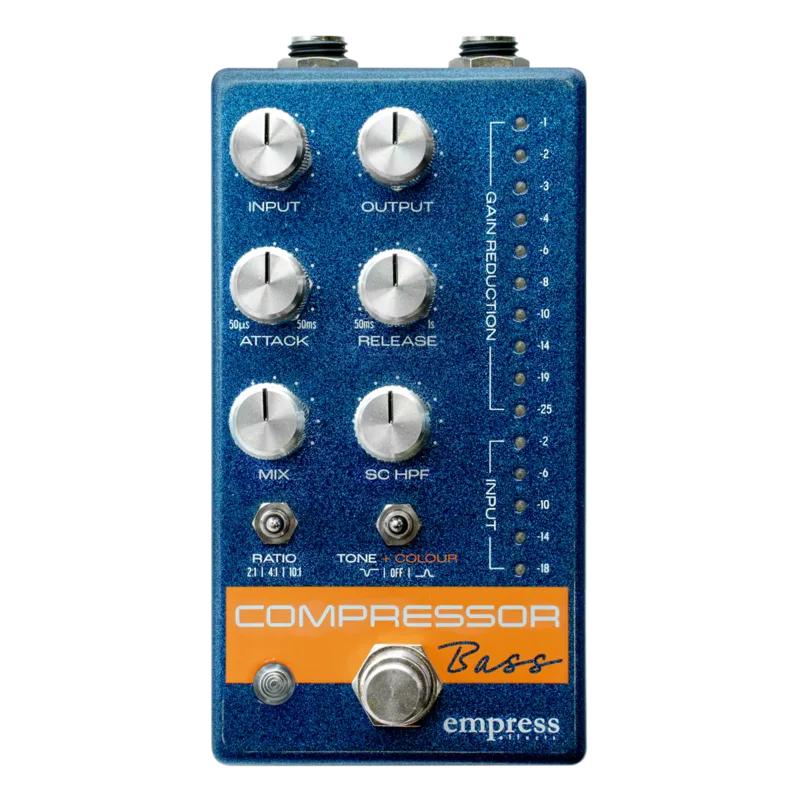
- Do you need a blend control? If you play with dynamics, or you have tried compressors and found them heavy-handed, a parallel blend is the feature to insist on. It appears on pedals across the price range, from the Honey Comp's three-knob parallel layout10 to the Ego 76's Parallel Clean Blend12 and the Cali76's DRY level control13.
- Guitar or bass? Bass benefits from compression more than almost any other instrument, and some pedals are voiced for it. The Empress Bass Compressor carries the same mix-knob parallel compression as the guitar version9, and the Aguilar TLC Compressor EQ DLX adds EQ to the compressed tone11. See also the site's Bass Pedals coverage.
- How much control do you want? Some pedals offer two knobs and a fixed personality, like the Compressimiser's two-knob layout8. Others expose attack and release adjustments, like the TranZformer CMP23, or a sidechain input, like the WMD Compressor22. More knobs mean more to learn but more room to dial in a specific feel.
- Analog or digital? An analog FET or optical design, like the Empress MKII's all-analog path6 or the LAB's optical circuit5, behaves one way; a digital pedal like the Atlas, which models a collection of studio circuits2, offers variety and presets instead. Neither is better; they suit different boards.
- Do you want compression combined with another effect? Pedals like the Divided Drive fold a Ross-style compressor in with overdrives7, saving board space and guaranteeing the two effects always see each other in the same order.
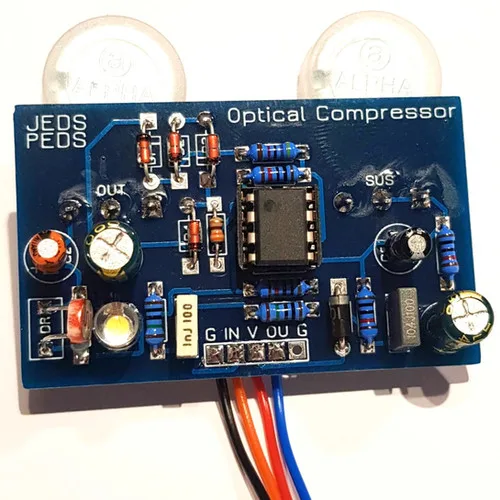
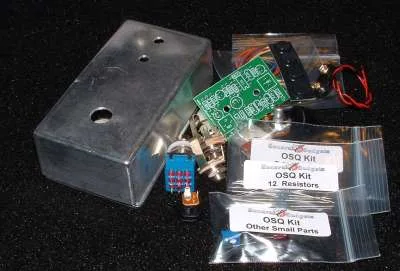
- What is your budget? The range is wide. At the DIY end, a bare compressor circuit board such as the PedalPCB Supersquish sells for $12.00, with components and enclosure supplied by the builder24. Complete pedals from established makers cost more, and the price climbs with features like blend controls, meters and sidechain filtering.
Questions
Should a compressor go before or after overdrive?
Both work, and each gives a different result. First in the chain, the compressor evens out your raw picking dynamics before the drive, which is the most common placement. After an amp-like overdrive, it preserves your guitar volume control of the drive level and mimics the studio practice of compressing after a miked amp.
Does a compressor go before or after a wah?
A wah normally sits right after the tuner and before the drive section, which puts it before the compressor. The exception is a vintage wah that does not get along with buffers: that kind should go before any buffered pedal, including the tuner and the compressor.
Why does my fuzz sound wrong after a compressor?
Certain vintage fuzz pedals do not work well with buffers, and many compressors and tuners are buffered. A buffered signal ahead of a vintage-style fuzz circuit can change its character. The fix is to place the fuzz before the buffered tuner and before the compressor.
How much do compressor pedals cost?
Prices span a wide range. At the DIY end, a bare compressor circuit board such as the PedalPCB Supersquish sells for $12.00, with the buyer supplying their own components and enclosure. Complete built pedals from established makers sit well above that.
What does a blend knob on a compressor do?
A blend or mix knob runs your dry, uncompressed signal in parallel with the compressed one. Turning it down keeps more of your natural pick attack and dynamics while the compressed path adds sustain and consistency. Fully clockwise on some pedals, like the Aguilar TLC Compressor EQ DLX, you hear the compressed signal alone.
Sources (24)
- SP COMPRESSOR, Xotic California
- Atlas Compressor, sourceaudio.net
- Compressor, retro-sonic.com
- Compressor V.2, Wilson Effects
- LAB - Union Tube & Transistor, Union Tube & Transistor
- Compressor MKII, Empress Effects Inc.
- DIVIDED DRIVE, Stomp Under Foot
- Compressimiser, Hilbish Design
- Bass Compressor, Empress Effects Inc.
- Honey Comp, Carl Martin, 2026
- TLC Compressor EQ DLX, Aguilar Shop (aguilaramp.com)
- Ego 76 Compressor by Wampler, RockBoard PedalPedia, 2026
- Cali76 FET vs Stacked Compressor, Origin Effects, 2026-08-20
- Manual-Owners-ART-SOLOVLA-00-1v3.pdf, Applied Research and Technology, 2025
- TLC Compressor EQ DLX, Aguilar (aguilaramp.com)
- Aguilar Introduces the TLC DLX Compressor EQ - Premier Guitar, Premier Guitar, 2026-01-28
- Tech Tips: Where in the Chain, Origin Effects, 2024-05-17
- The Ultimate Guide to Guitar Effects Pedal Order and Signal Chain, BOSS (articles.boss.info), 2023-03-01
- UNDERSTANDING PEDAL ORDER, JHS Pedals
- The Complete Guide to Loop Pedals for Acoustic Guitarists, BOSS Articles (articles.boss.info), 2025-04-04
- MORE - Union Tube & Transistor, Union Tube & Transistor
- Compressor, WMD (wmdevices.com)
- TranZformer CMP by Api Audio, RockBoard PedalPedia, 2026
- Supersquish Compressor, PedalPCB.com