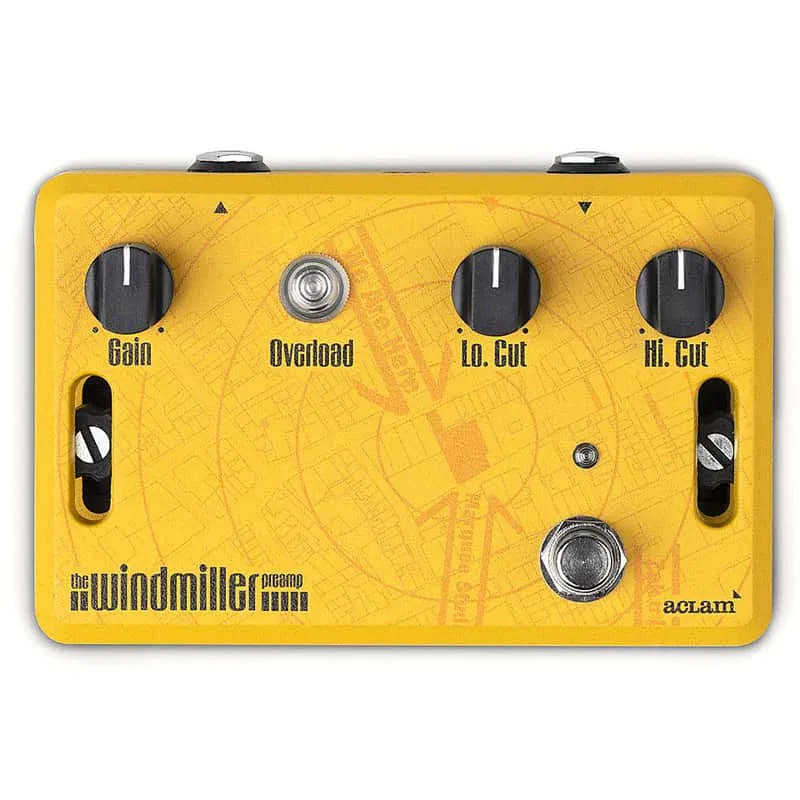
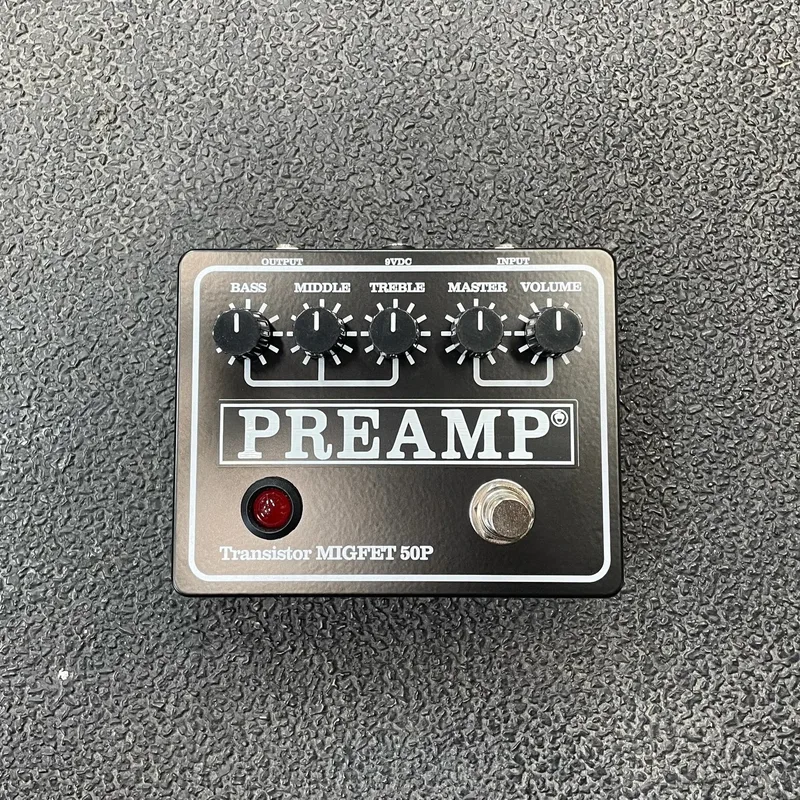
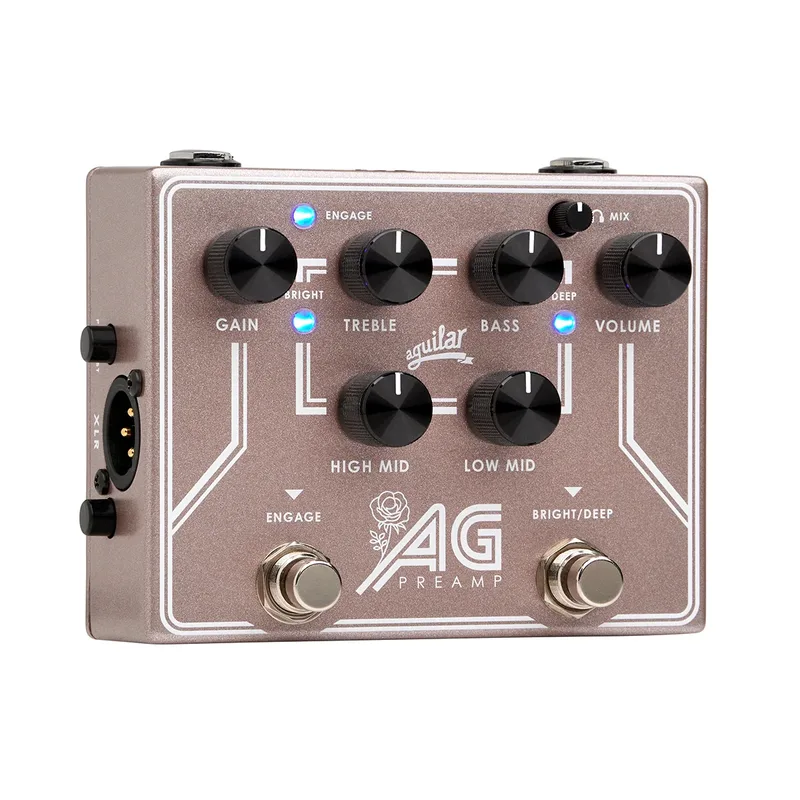
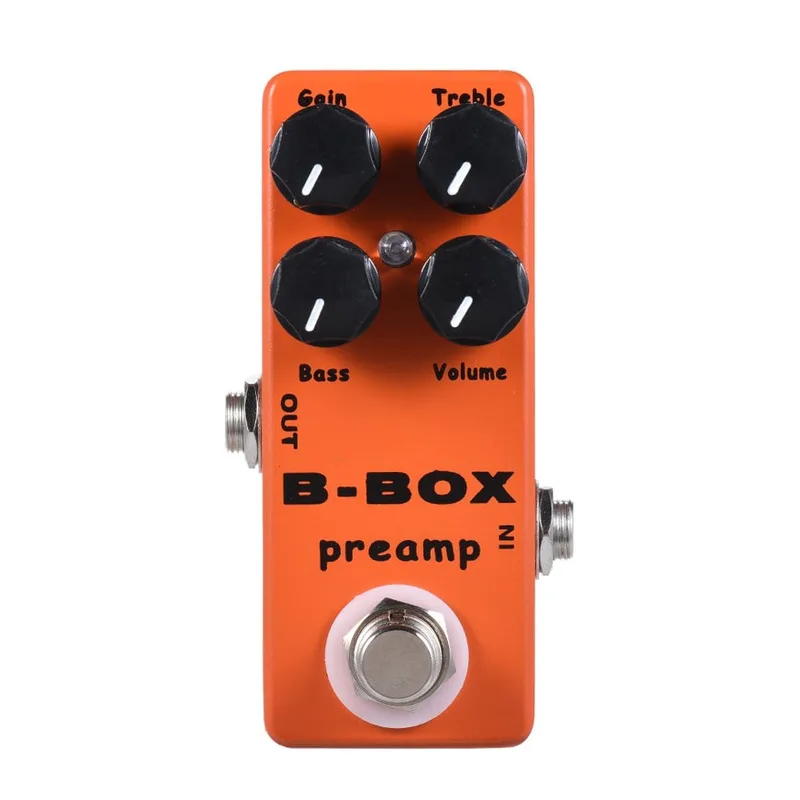
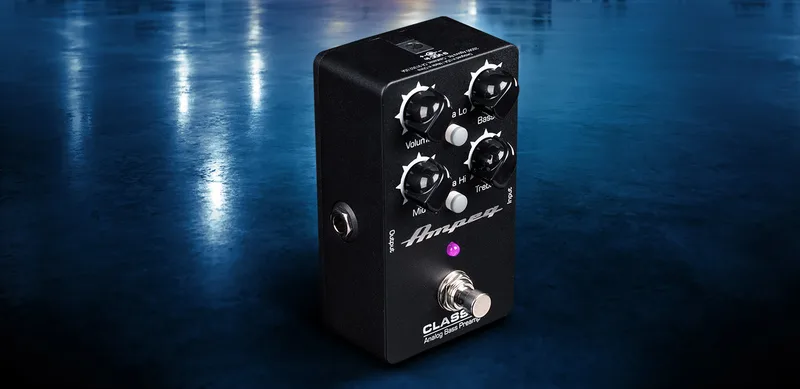
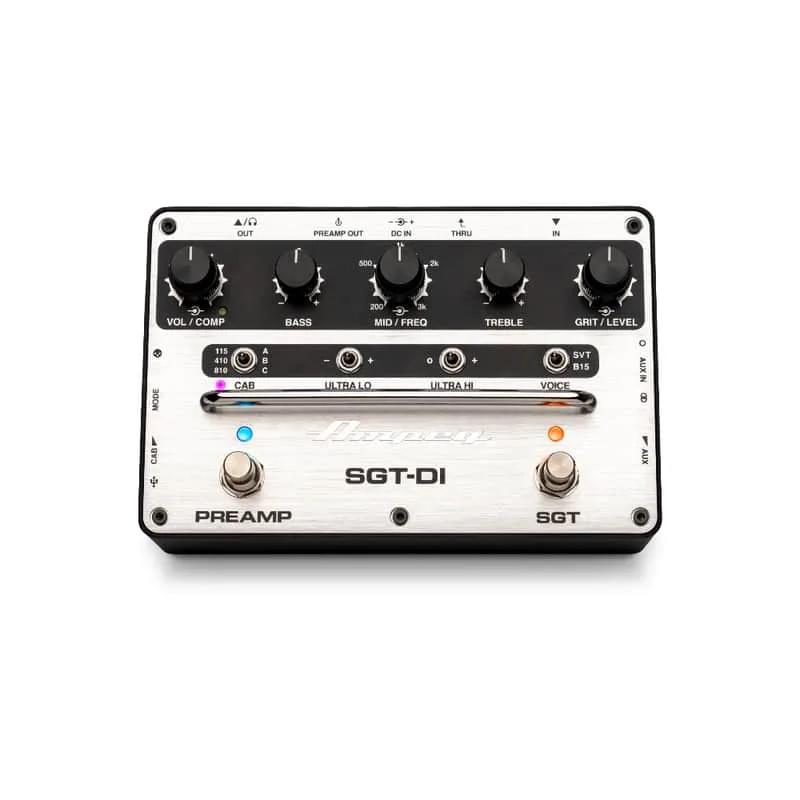
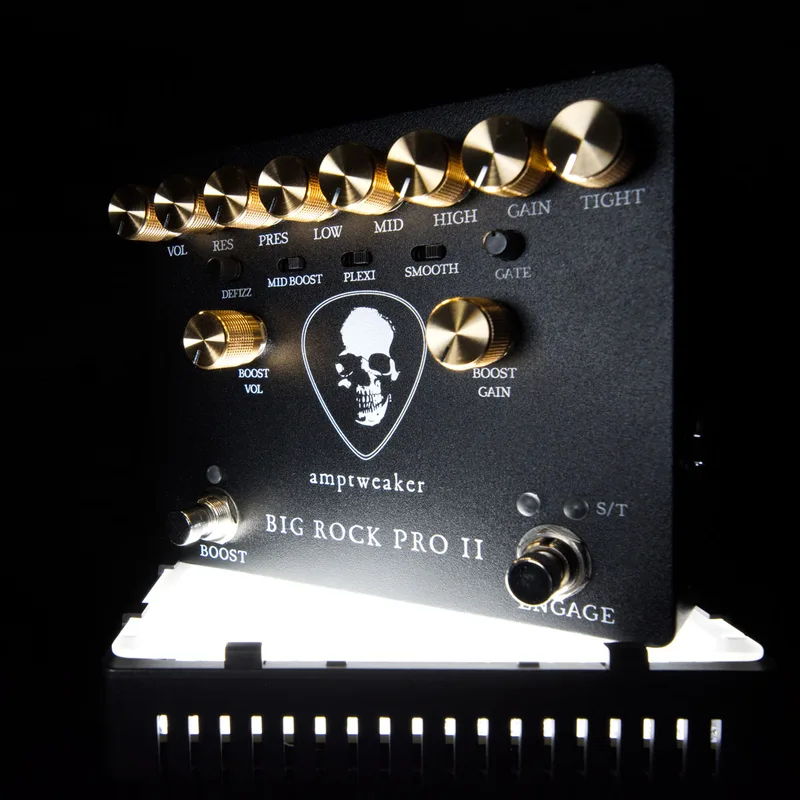
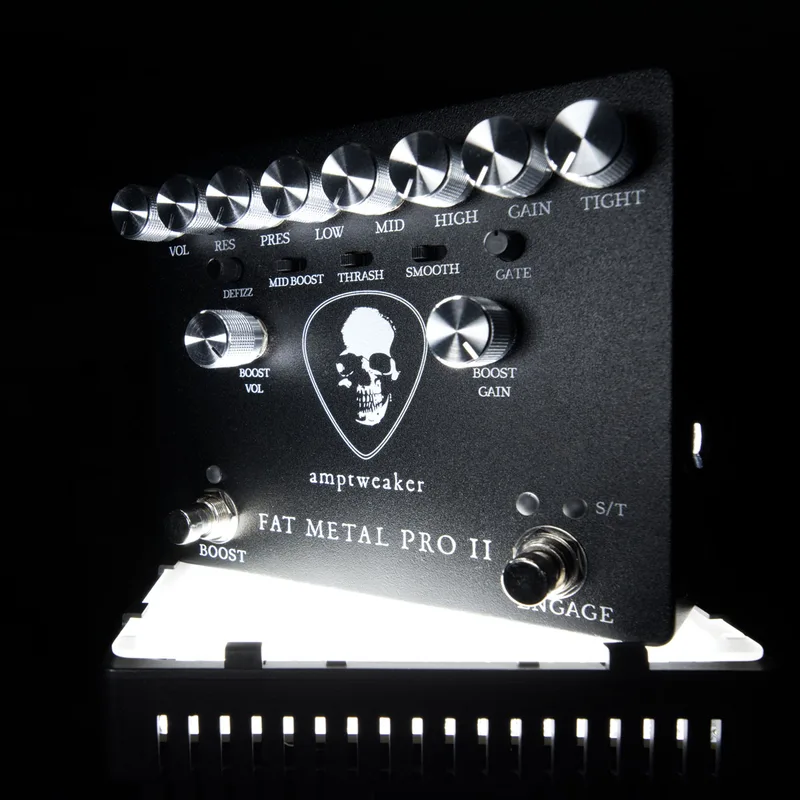
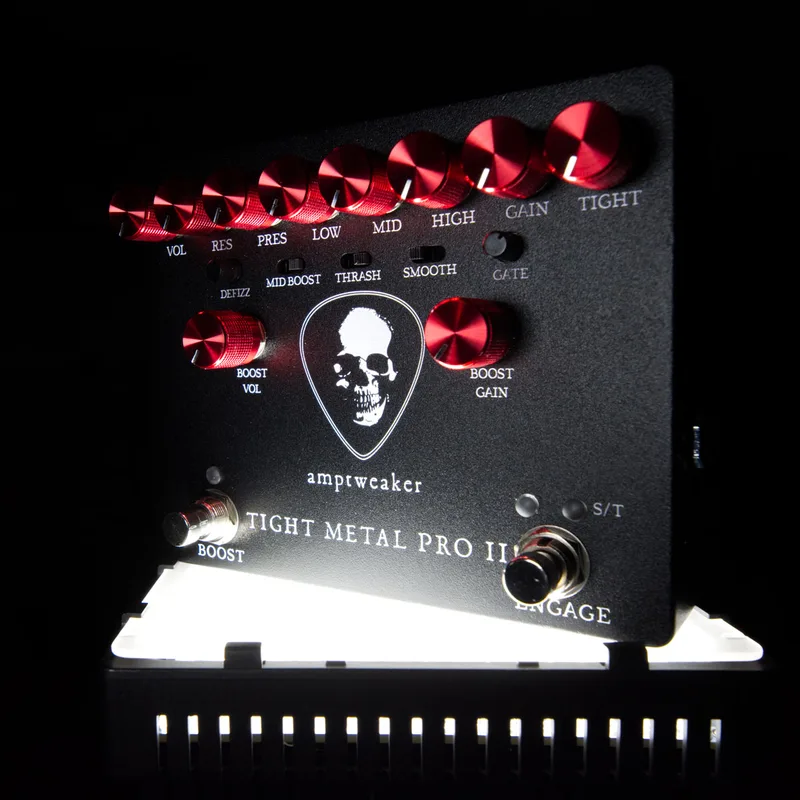
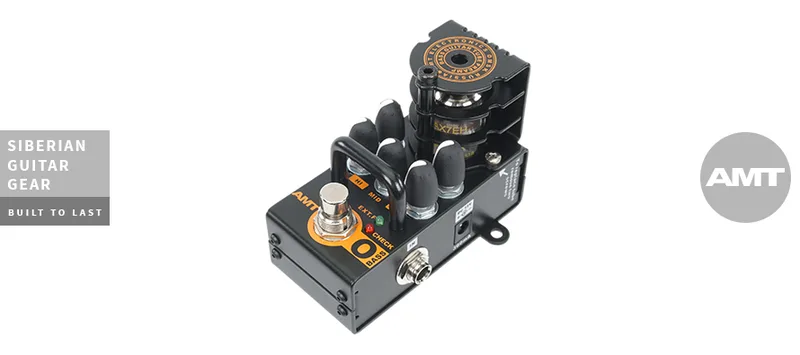
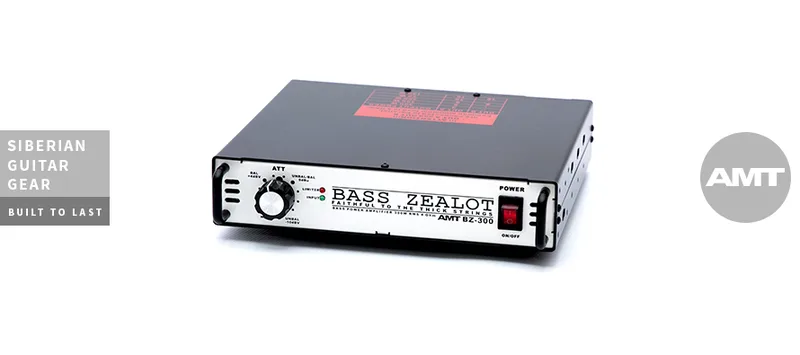
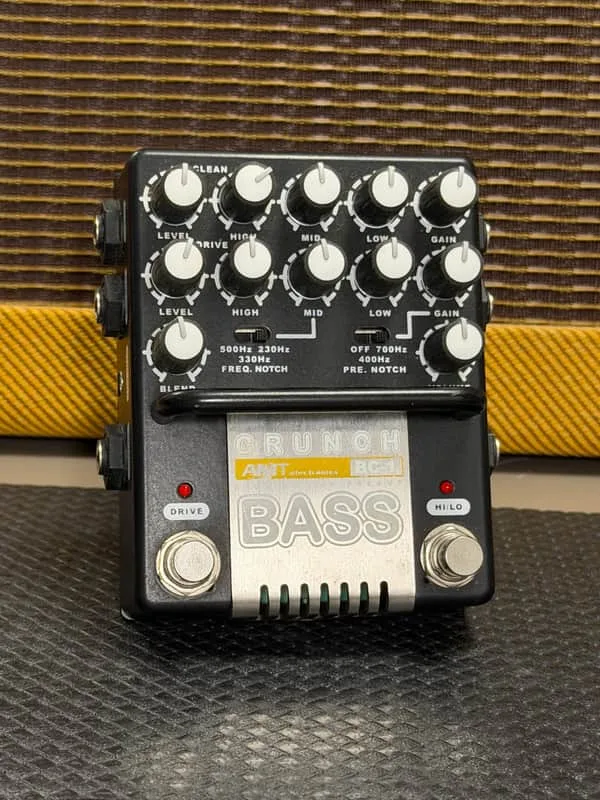
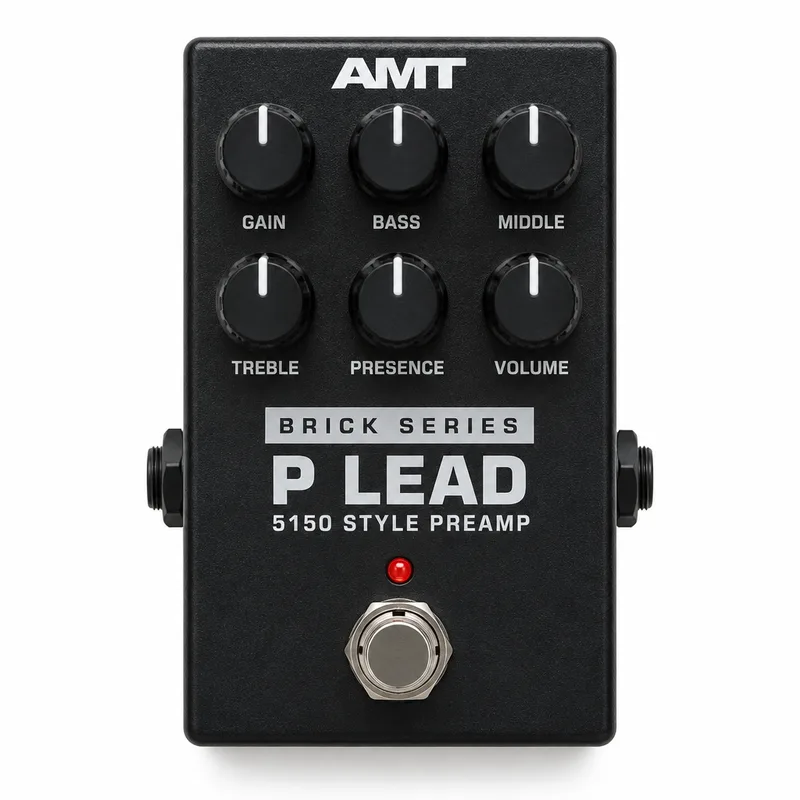
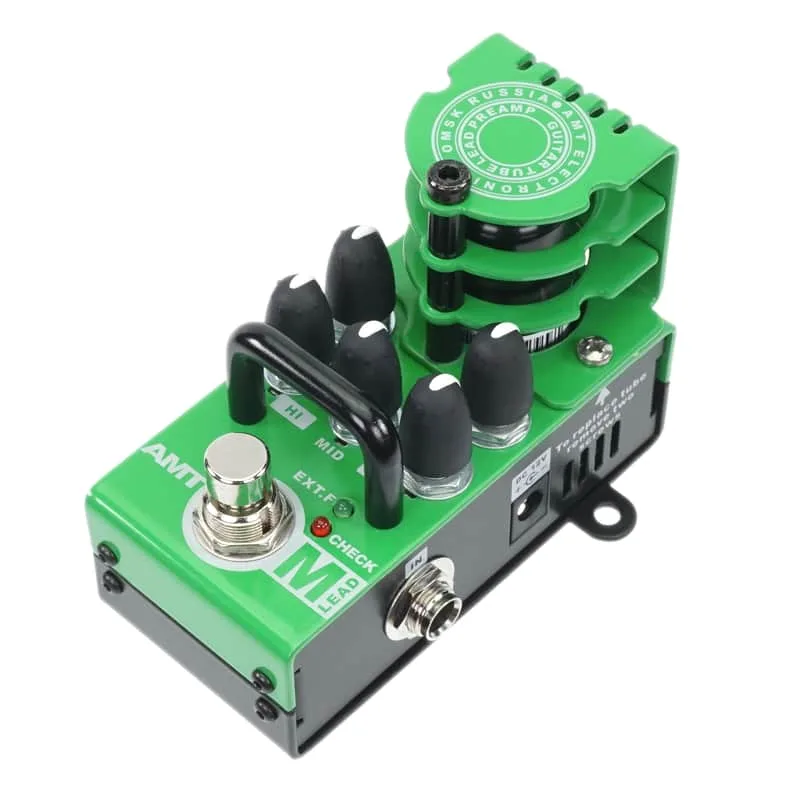
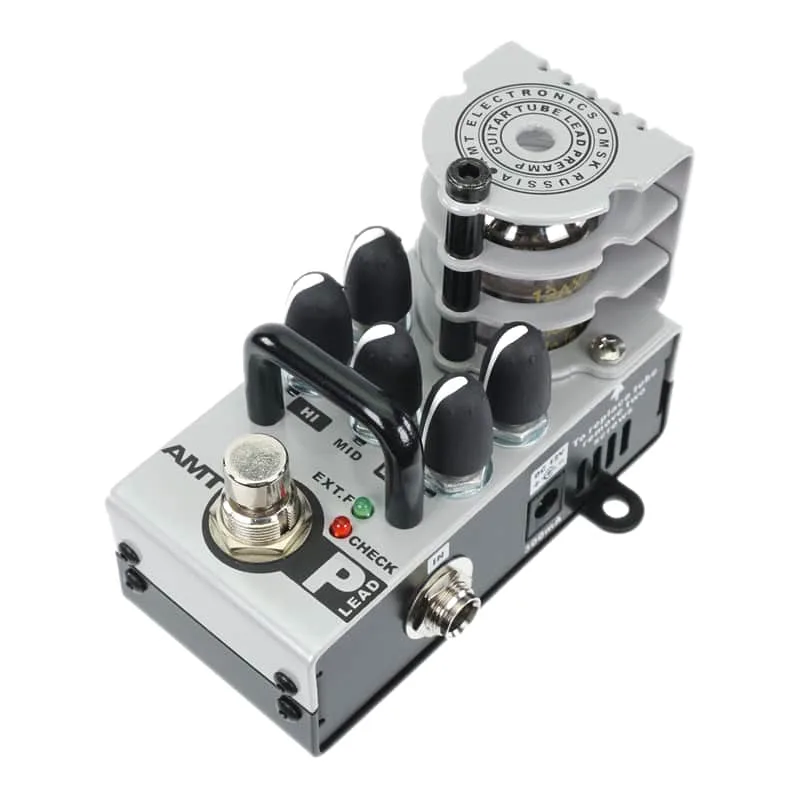
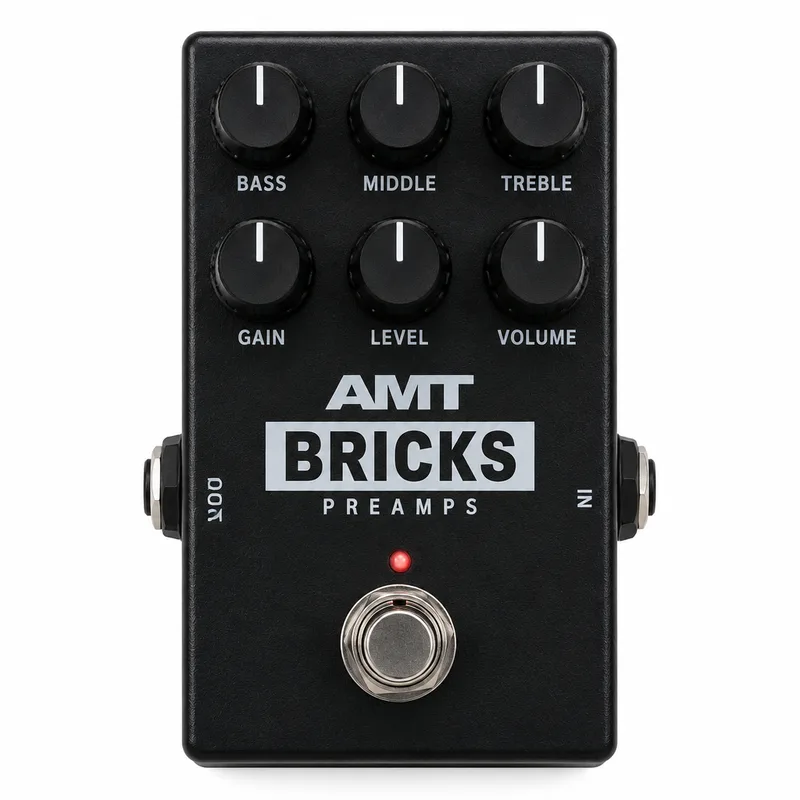
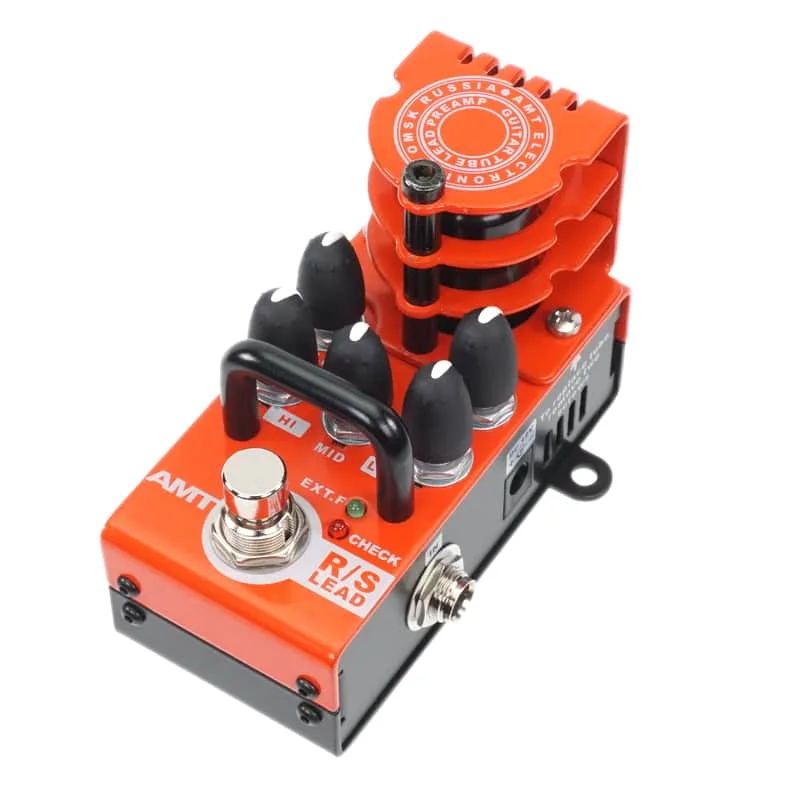
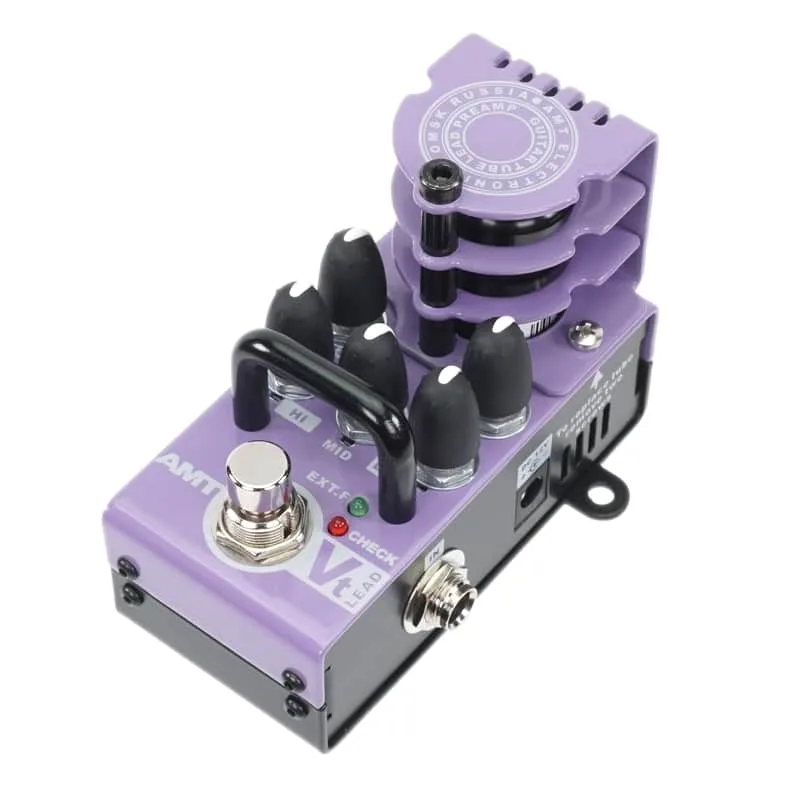
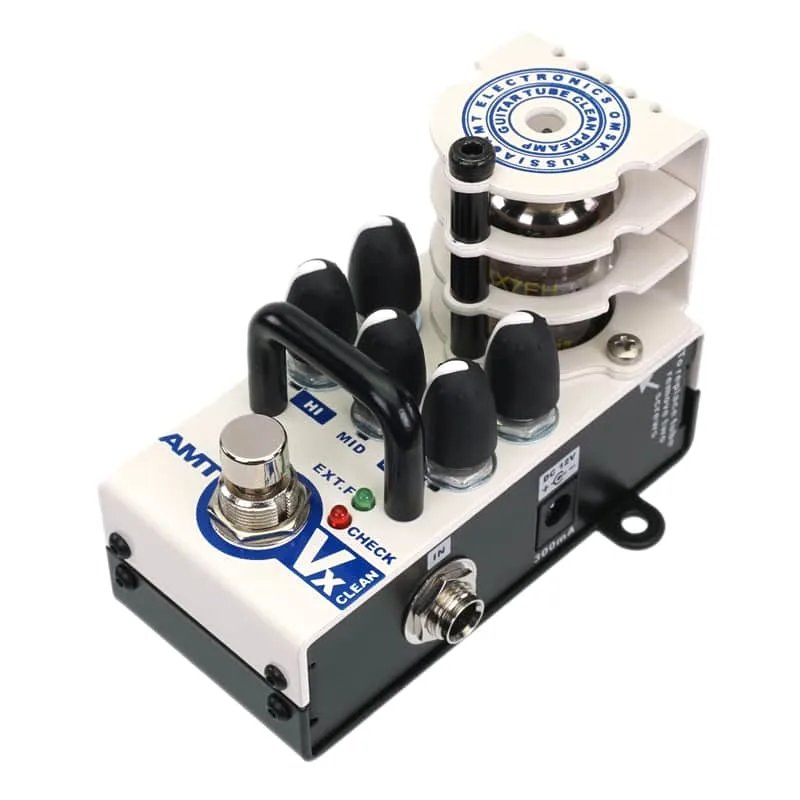
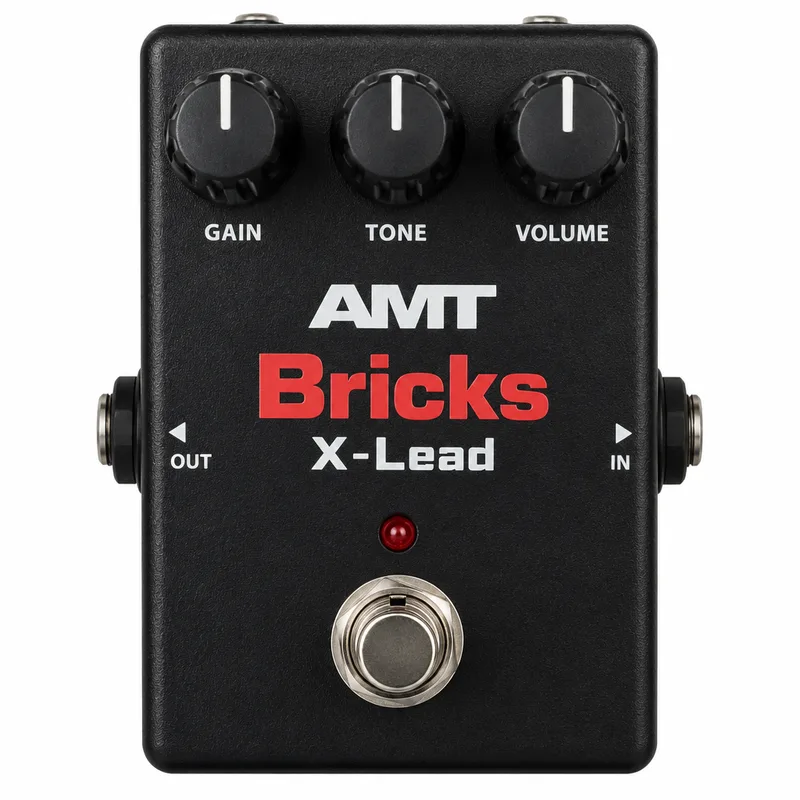
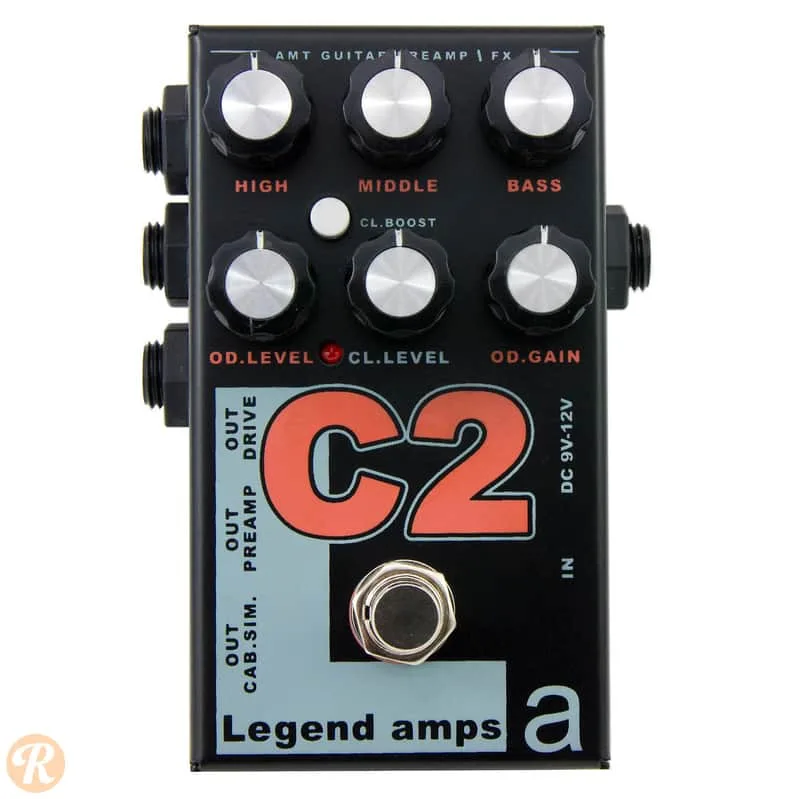
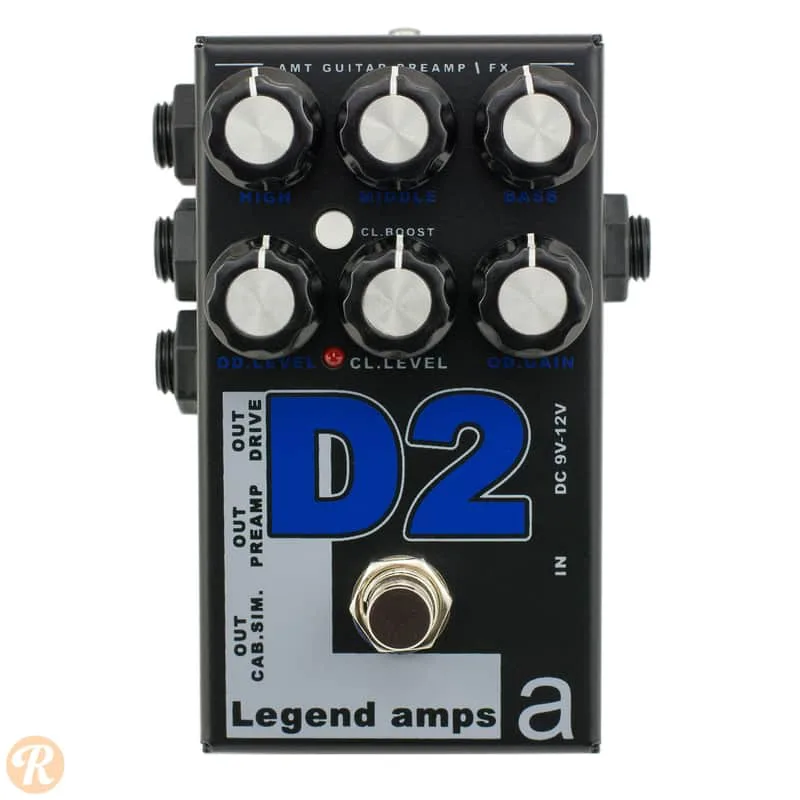
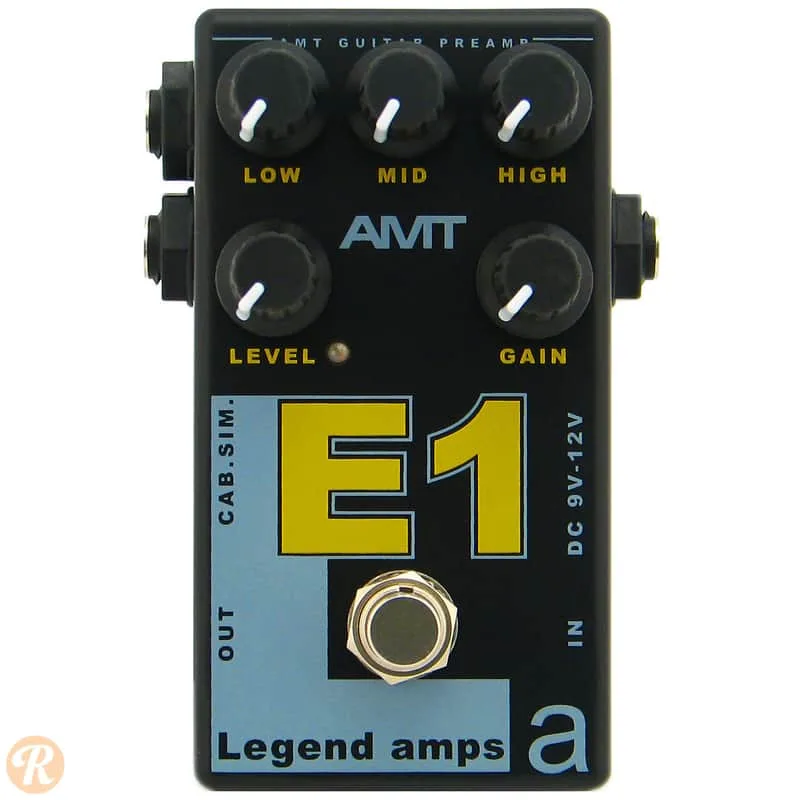
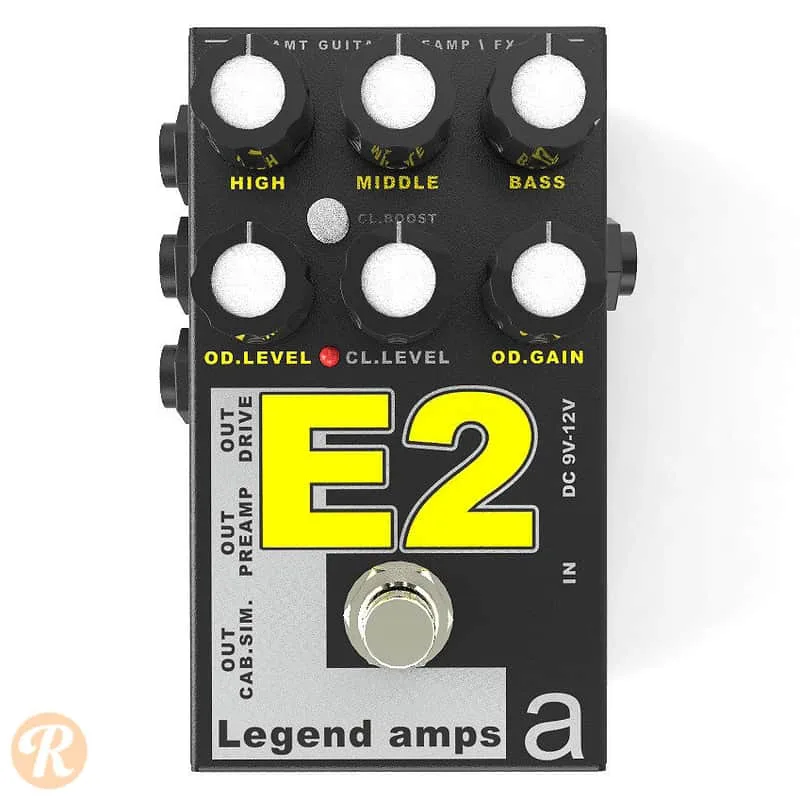
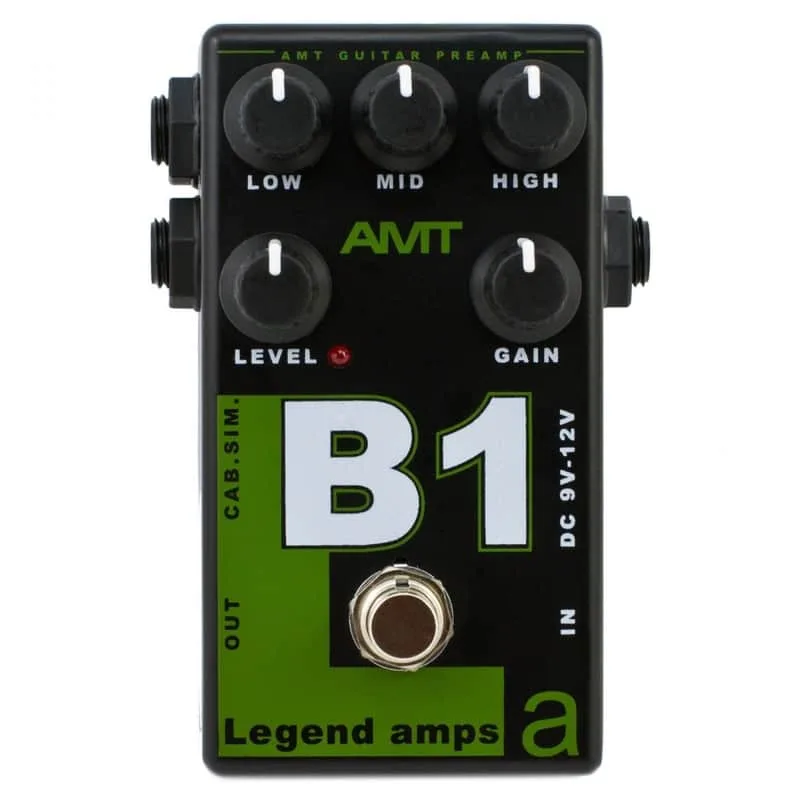
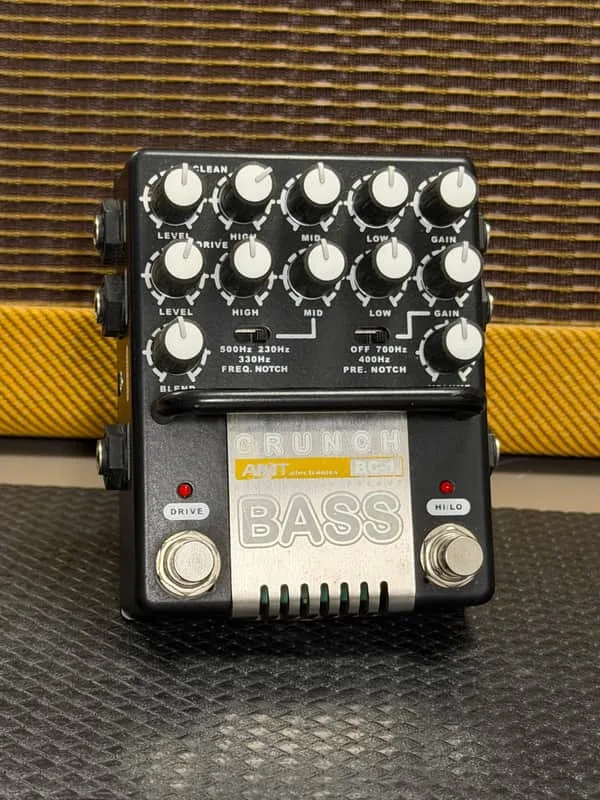
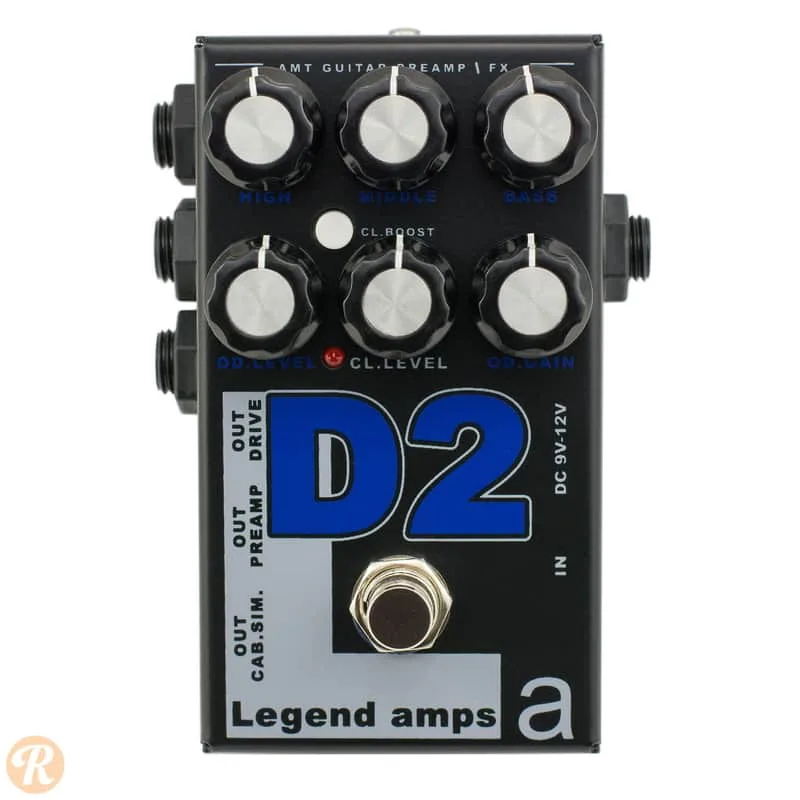
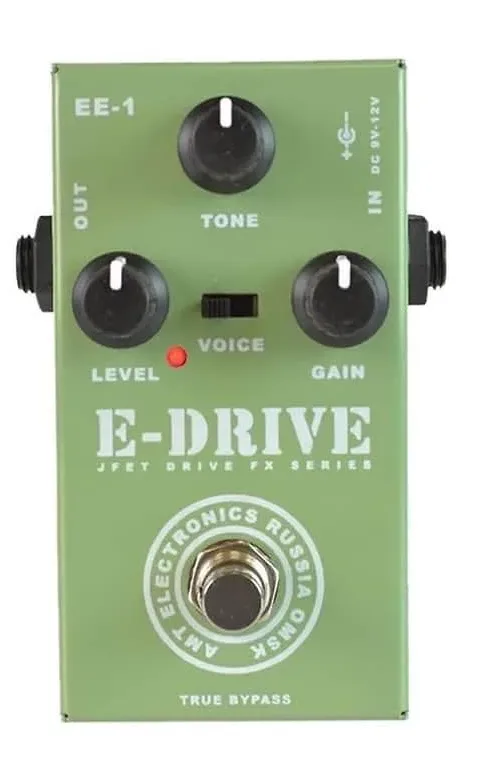
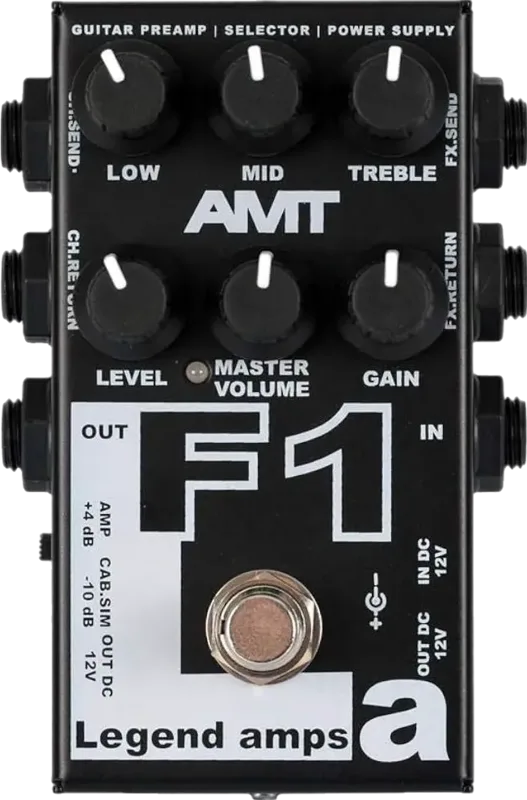
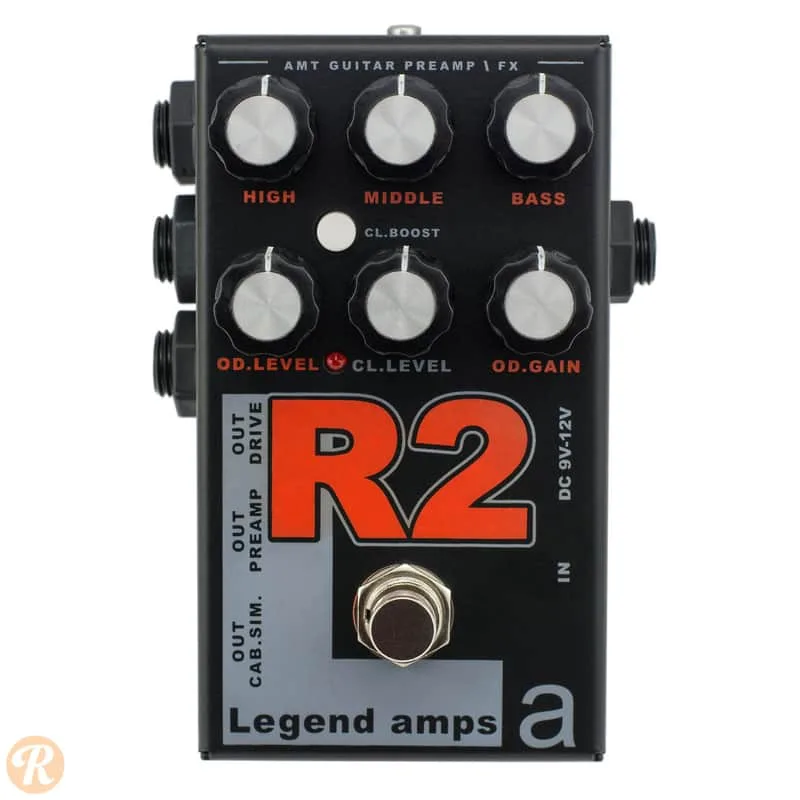
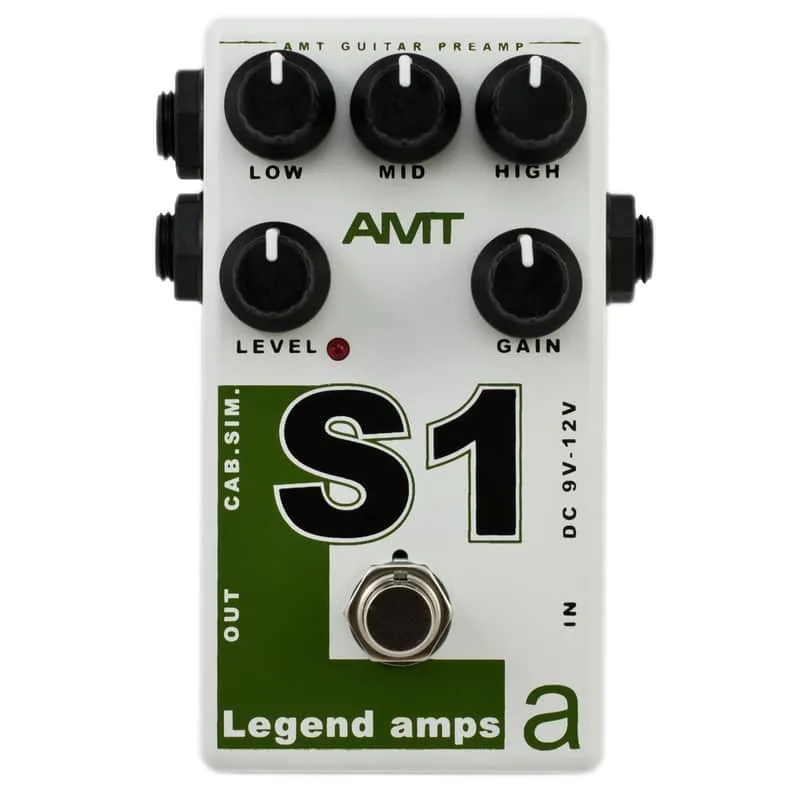
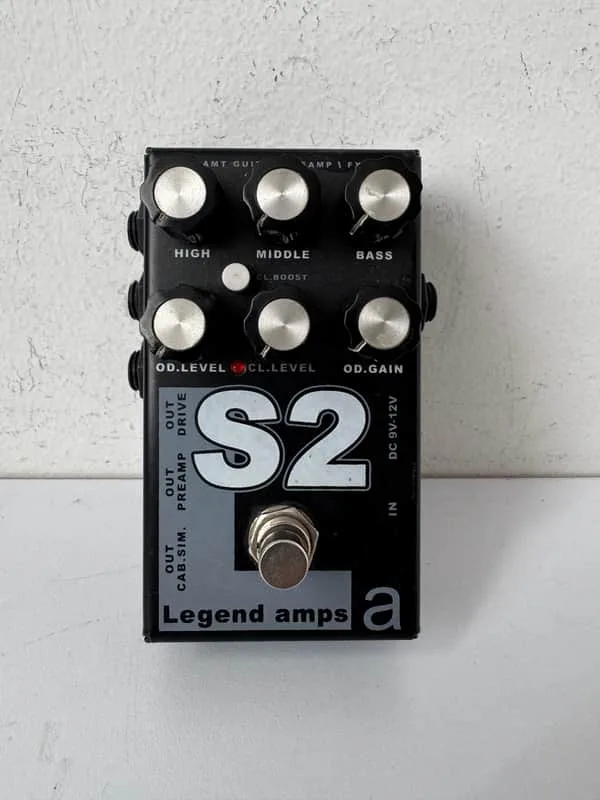
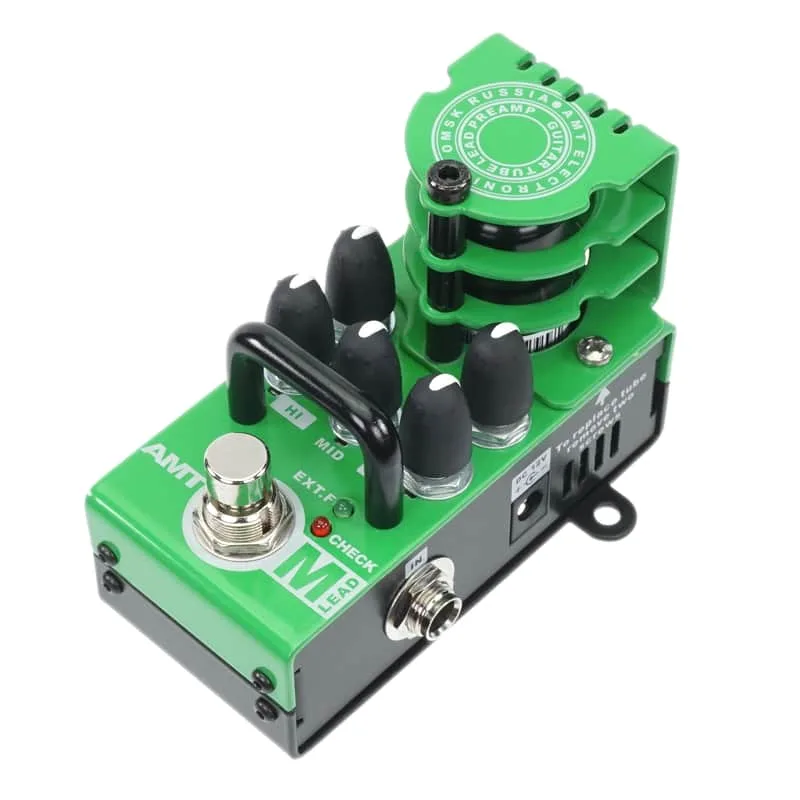
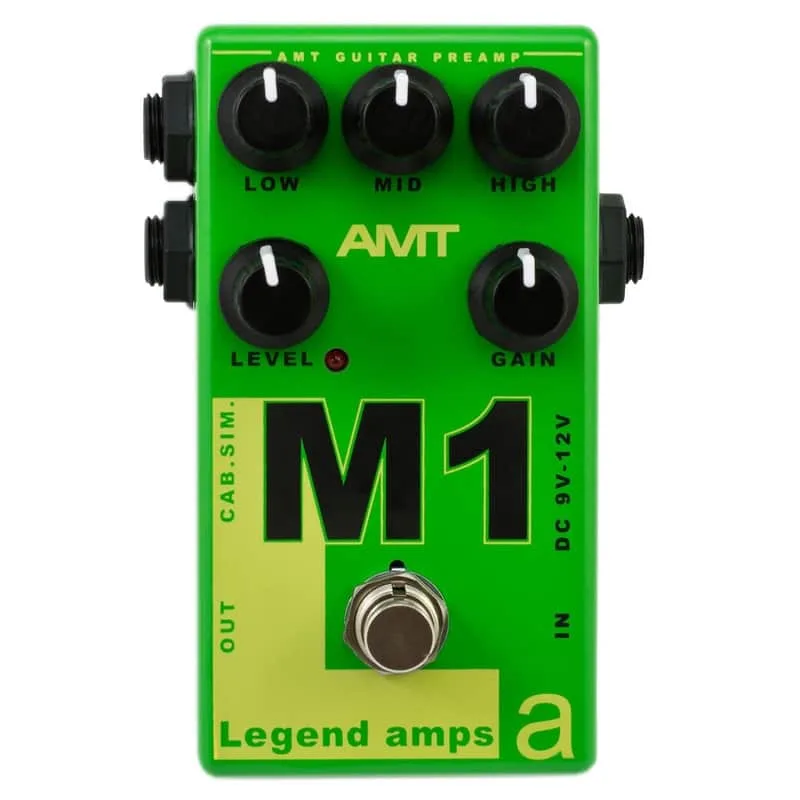
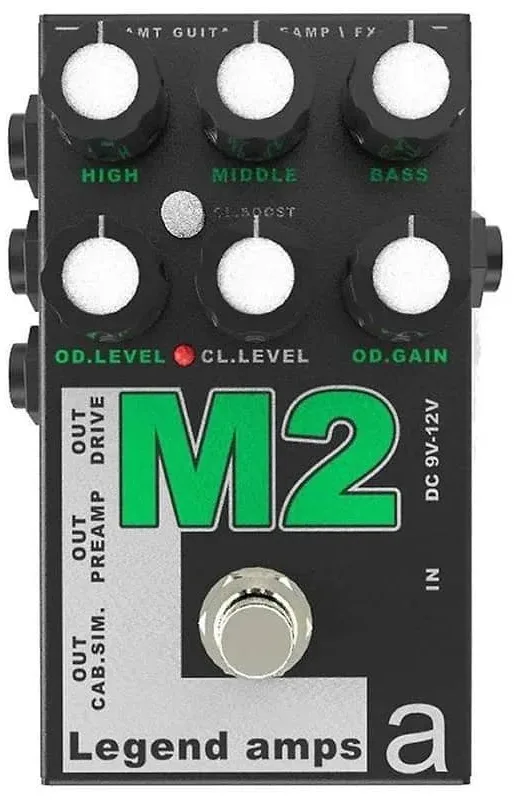
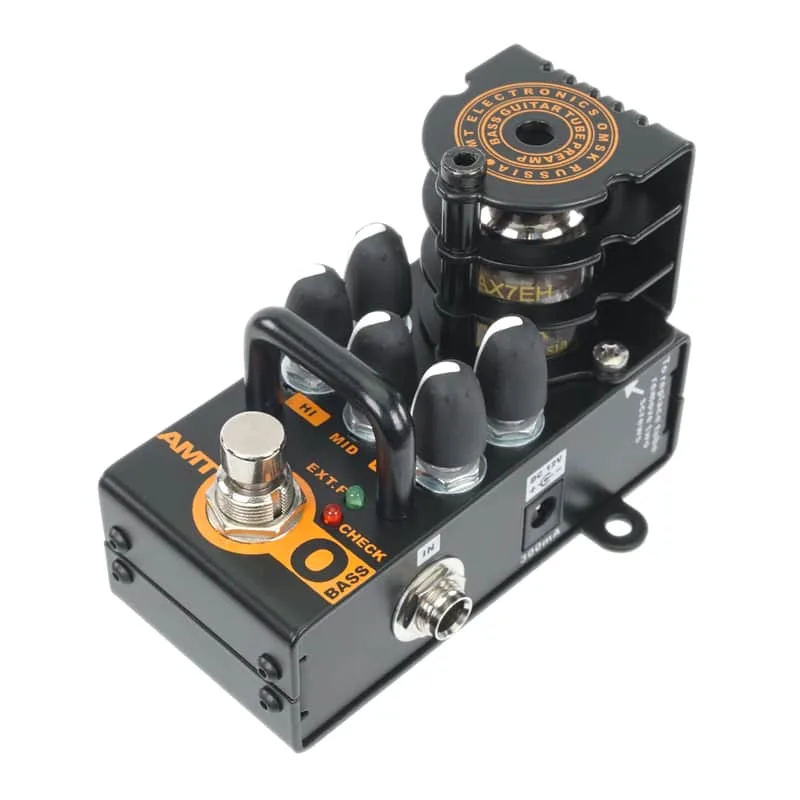
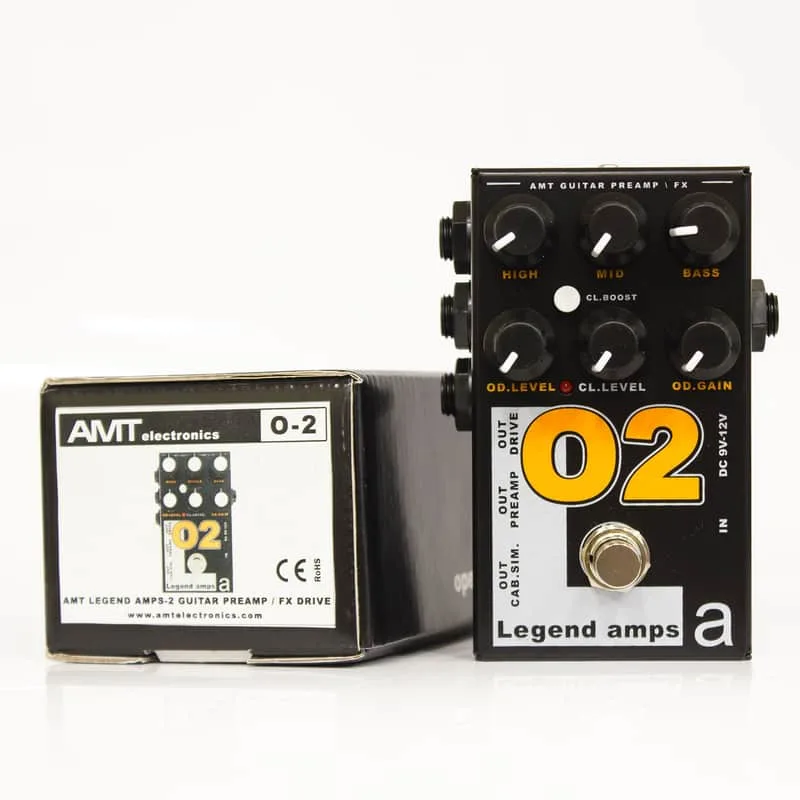
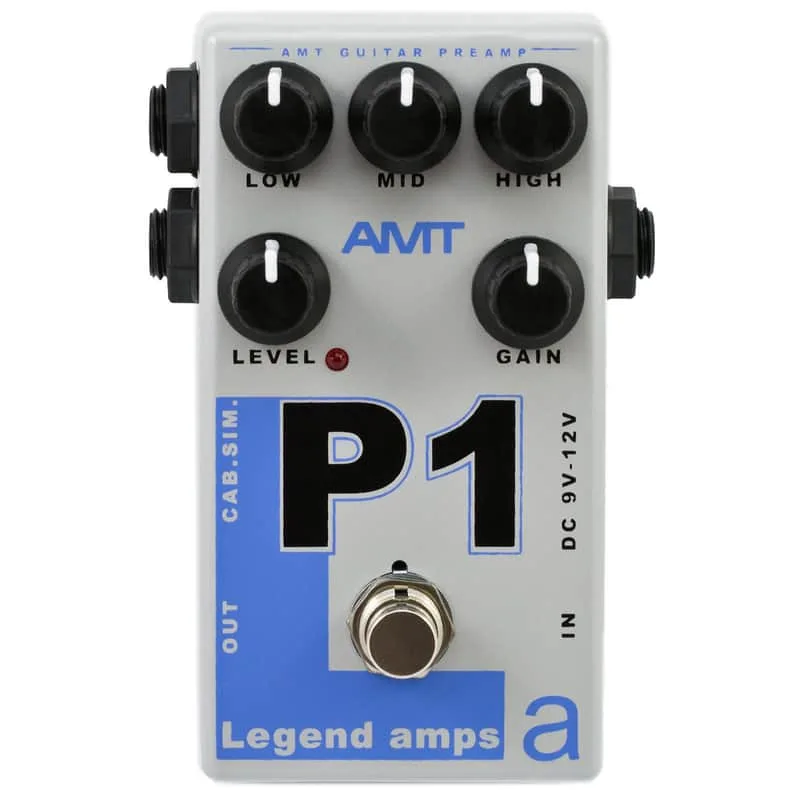
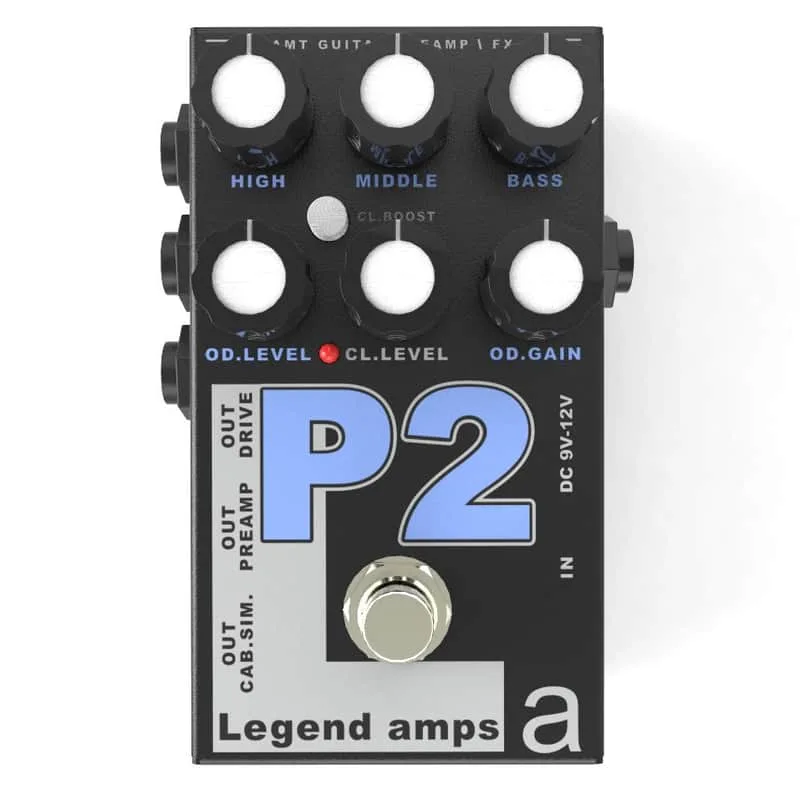

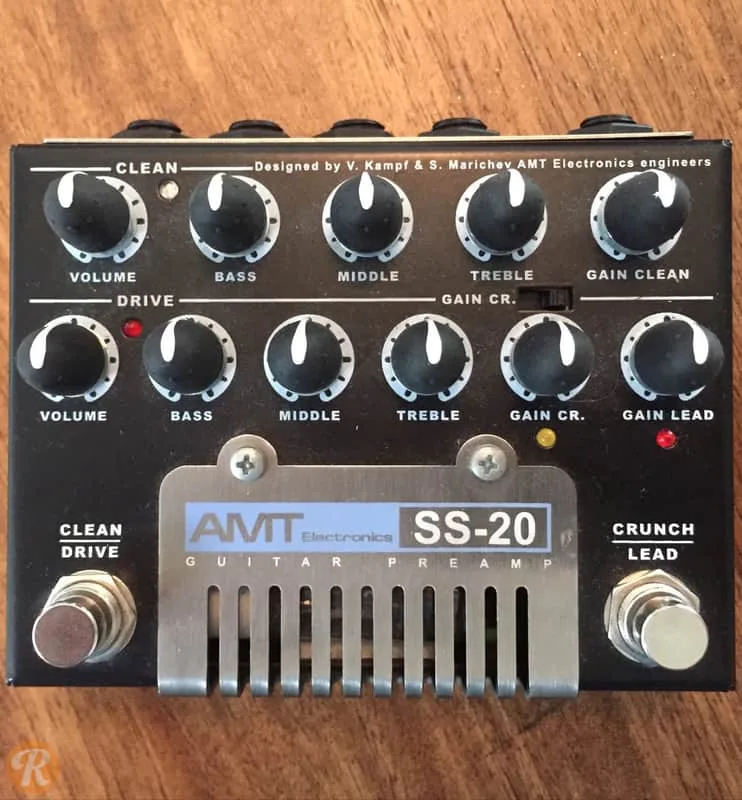
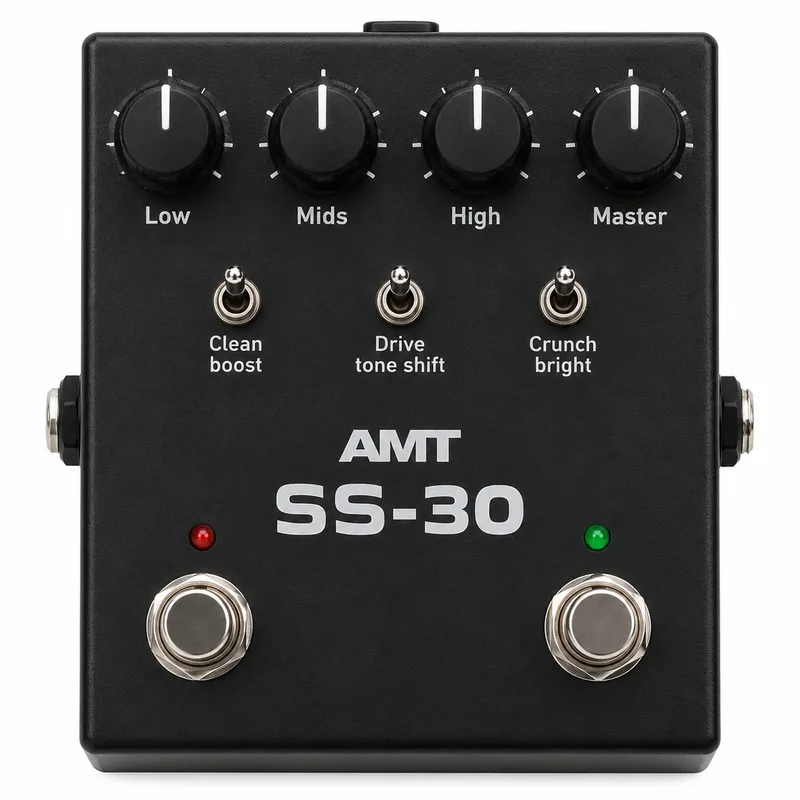
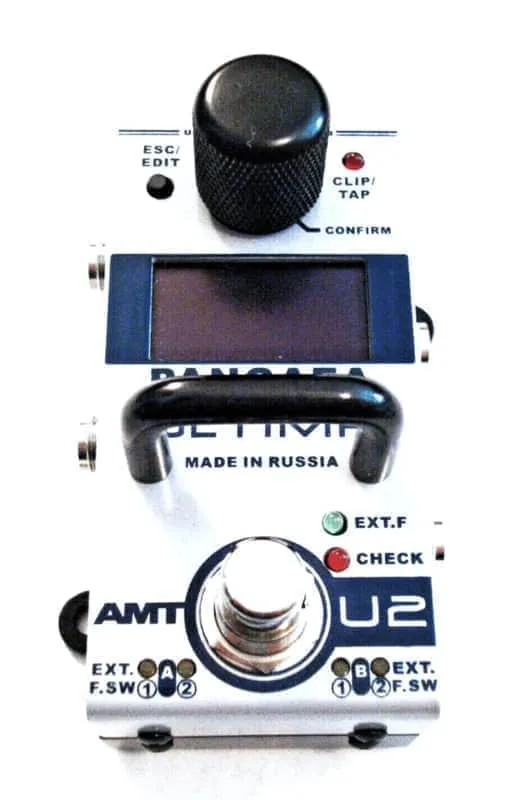
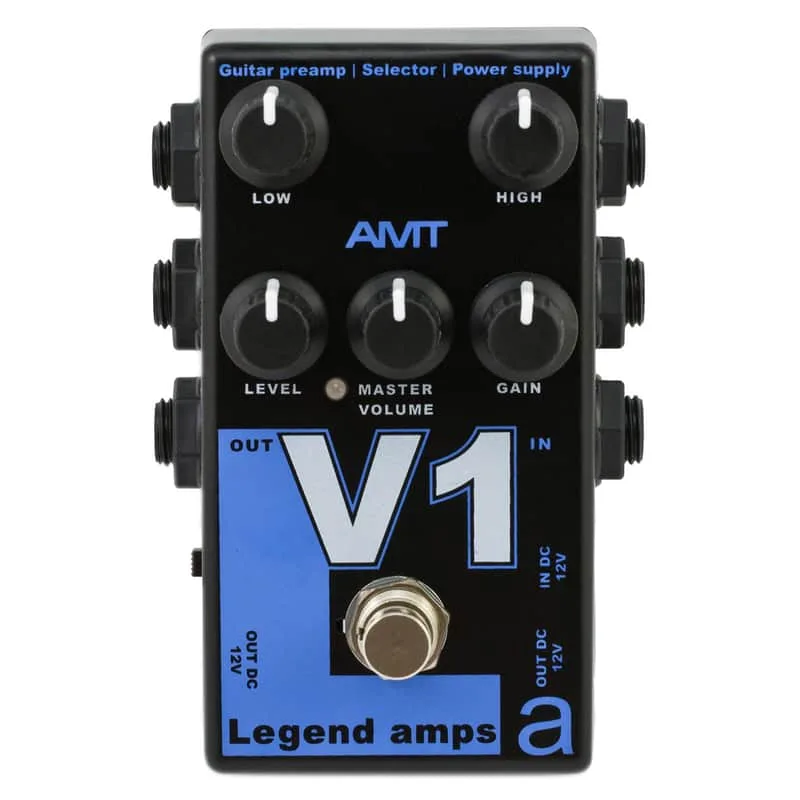
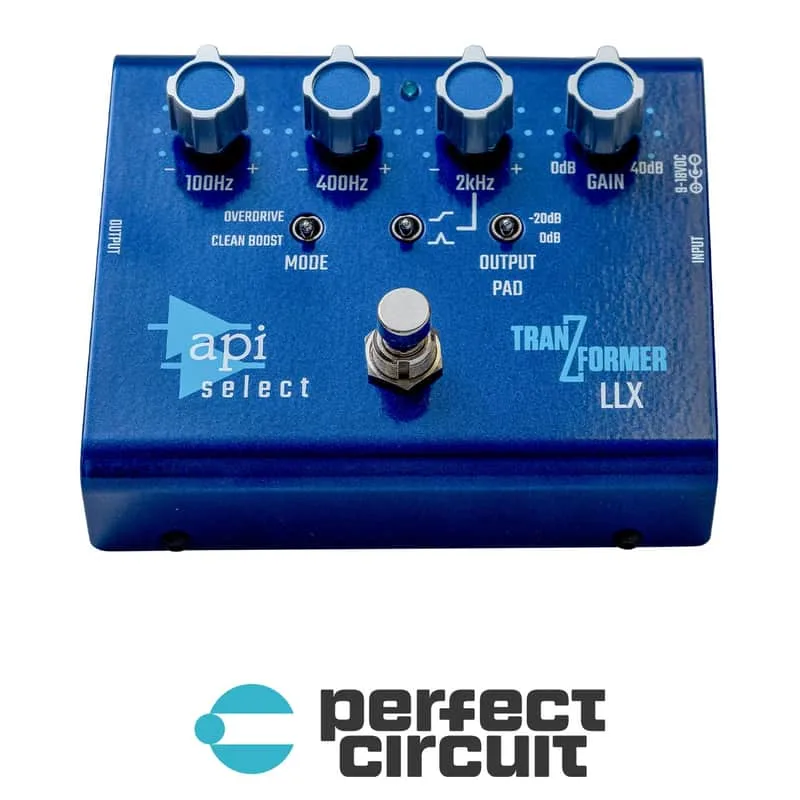
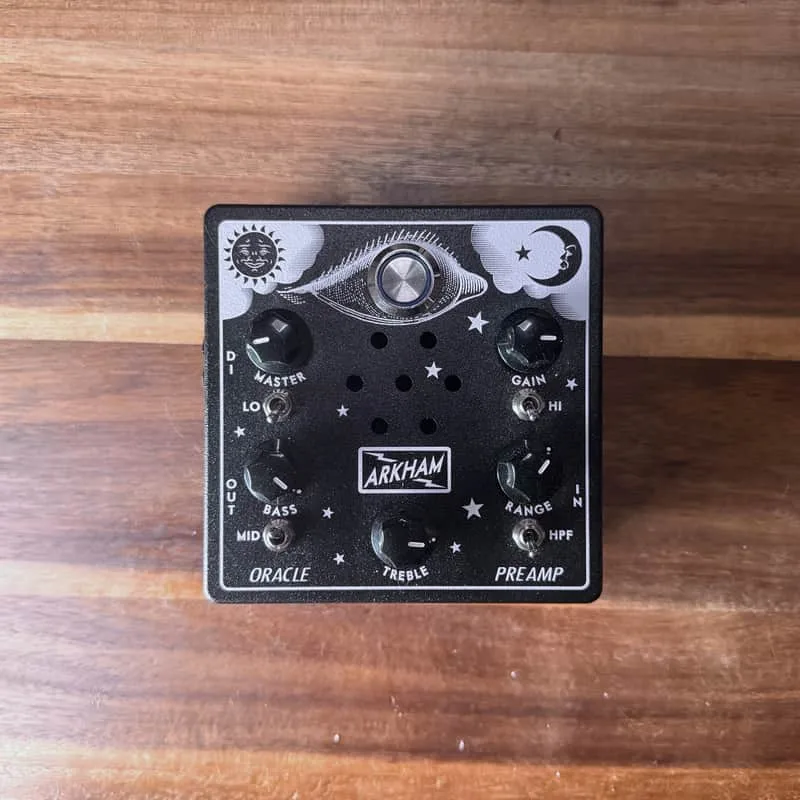
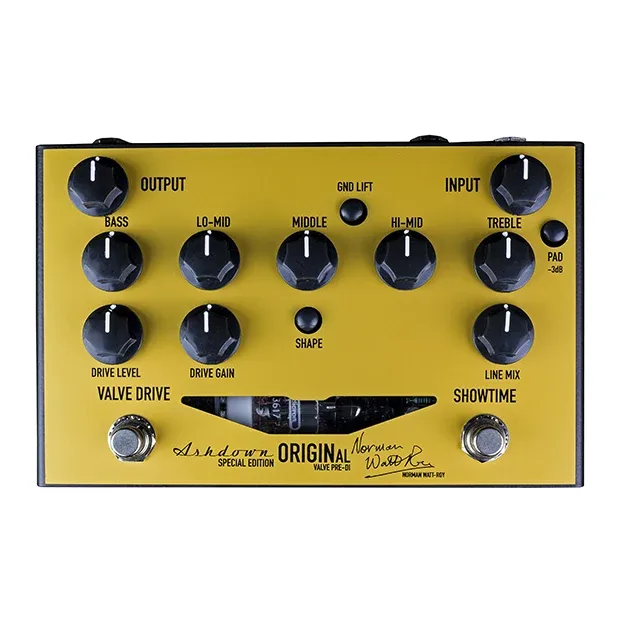
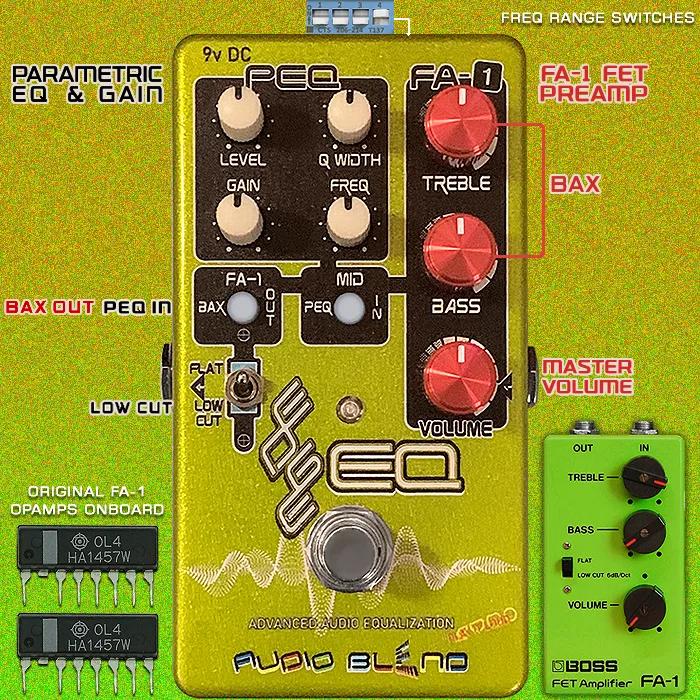
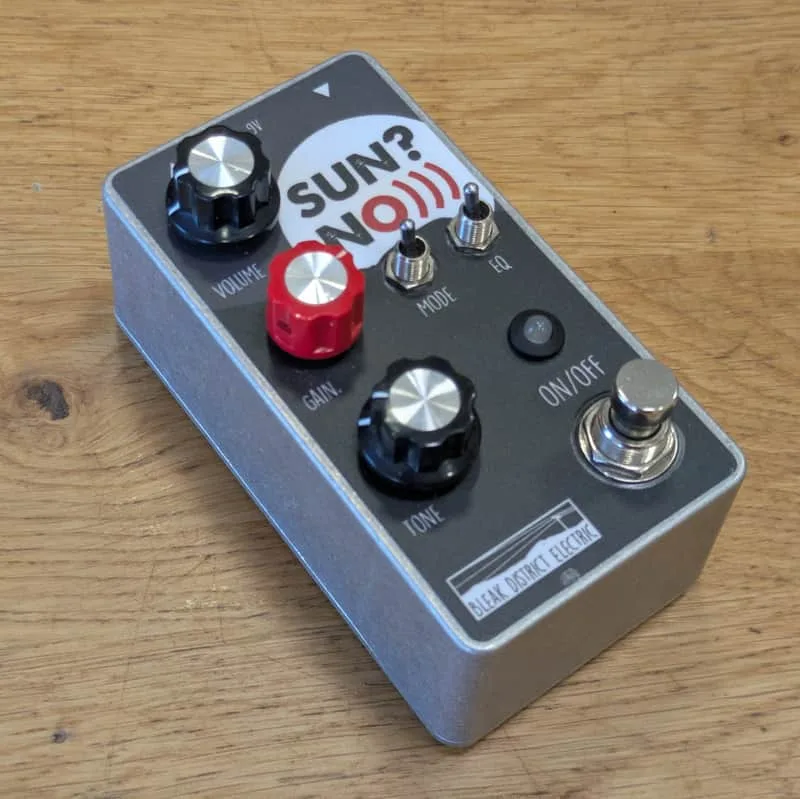
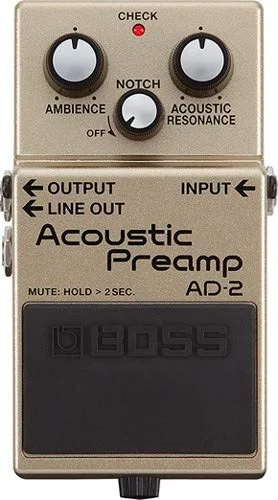
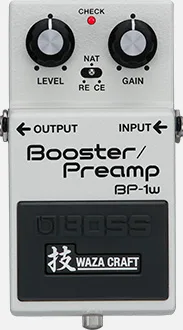
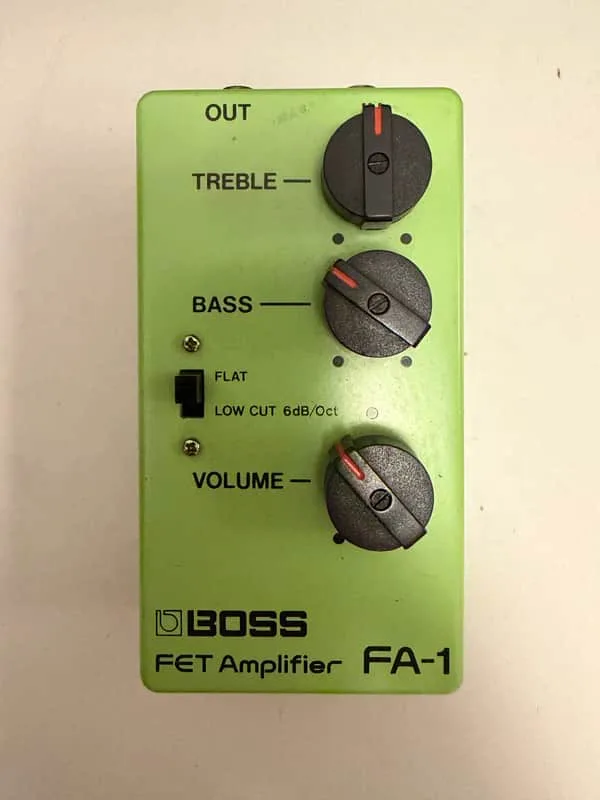
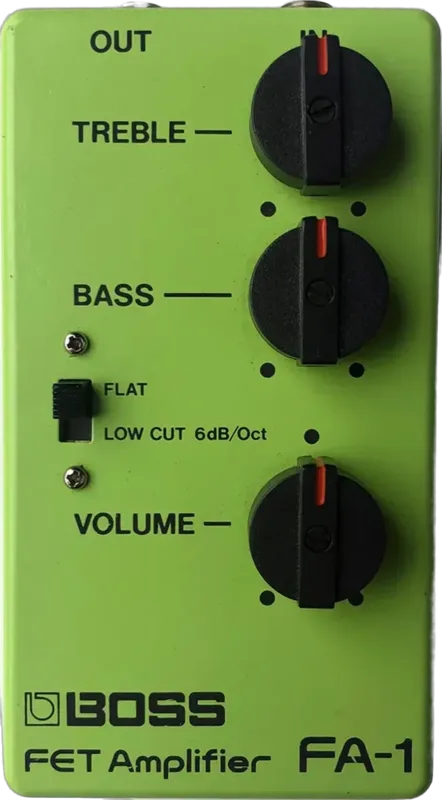
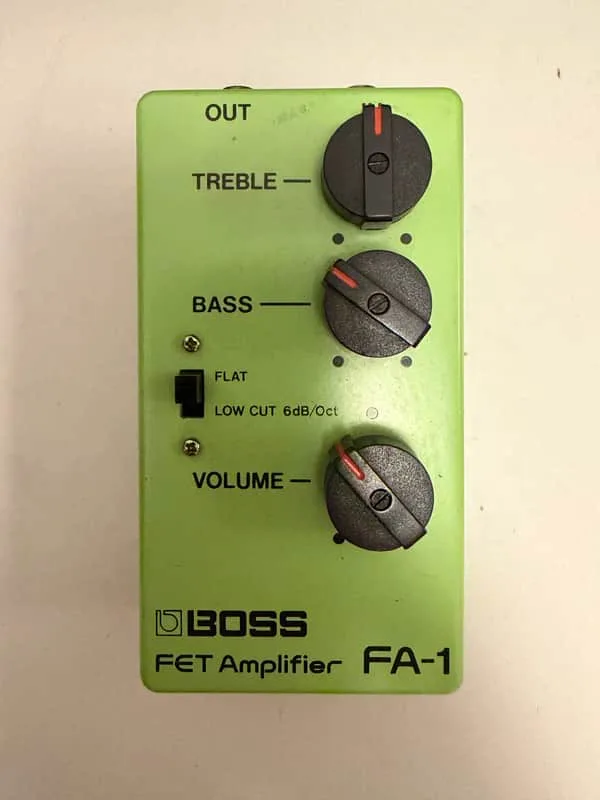
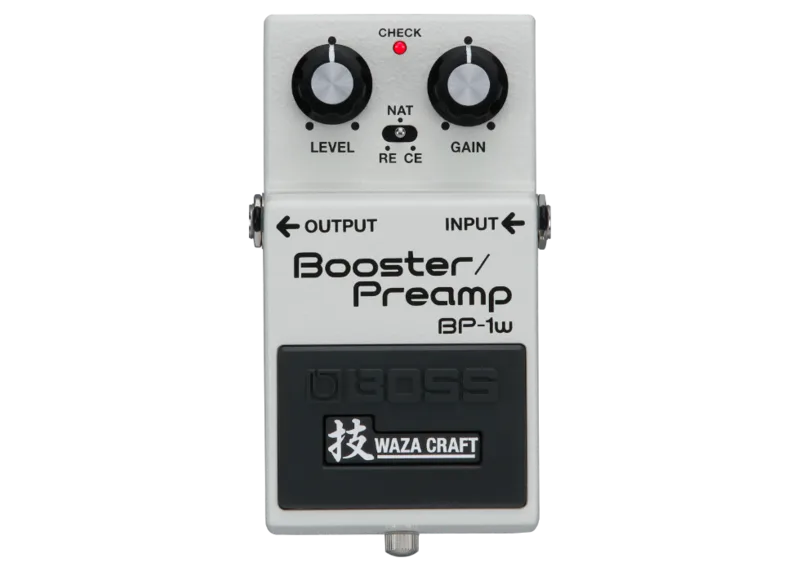
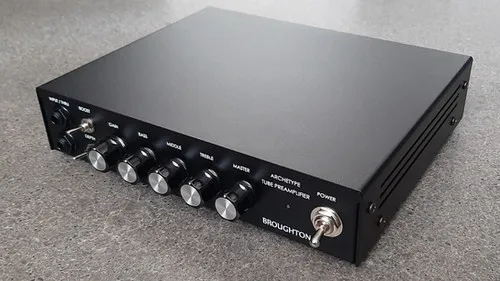
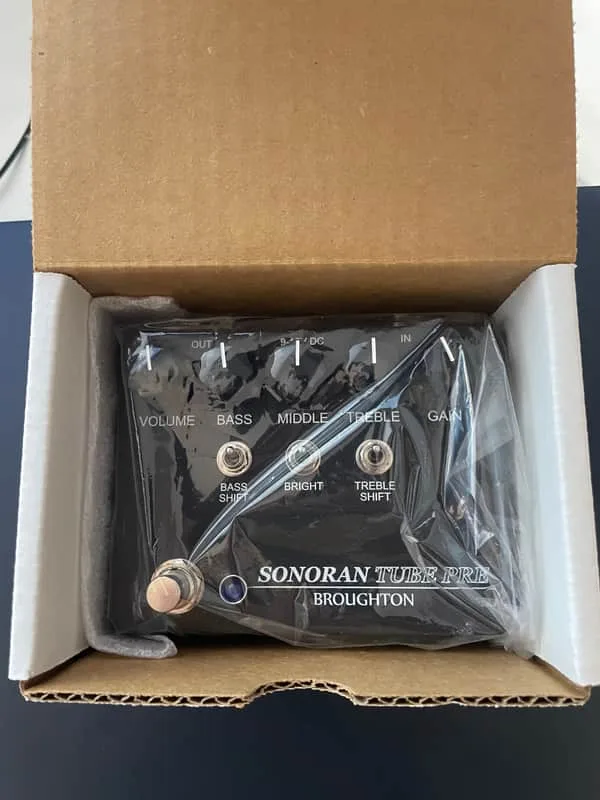
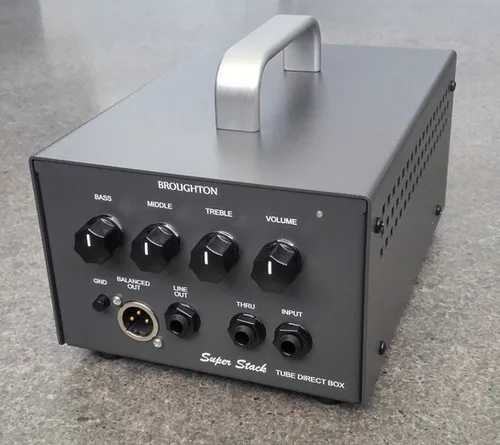
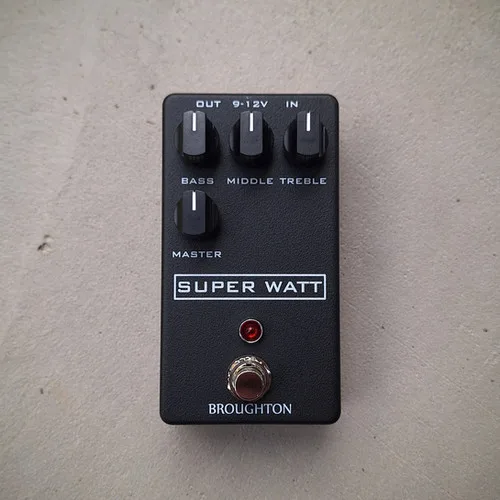
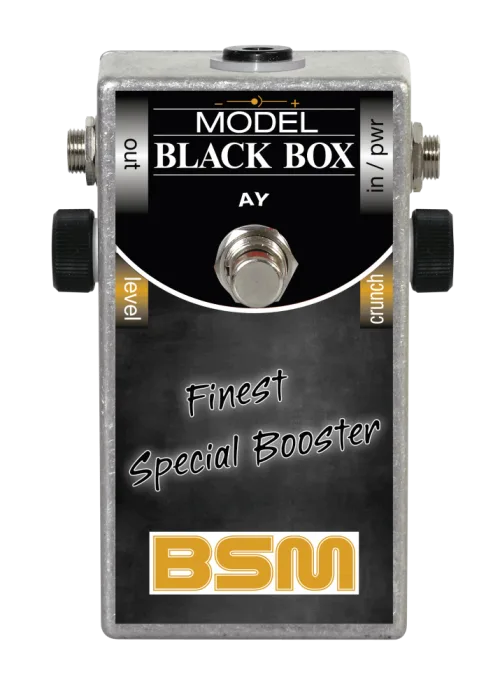
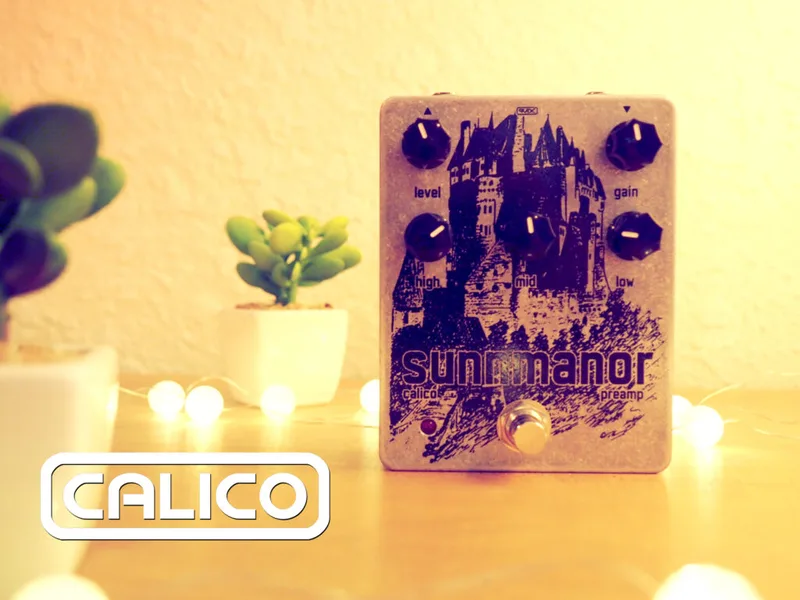
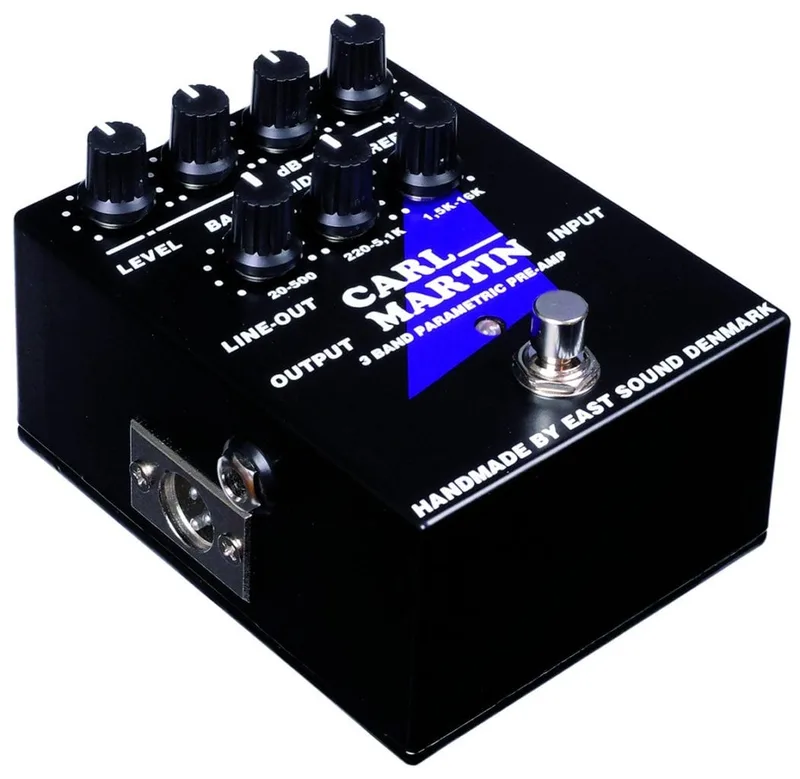
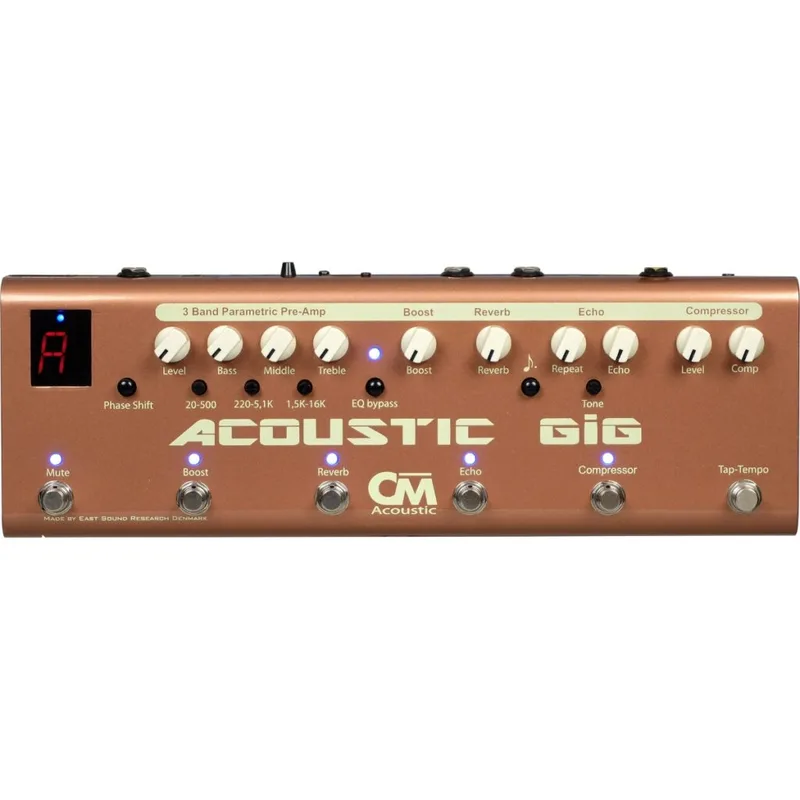
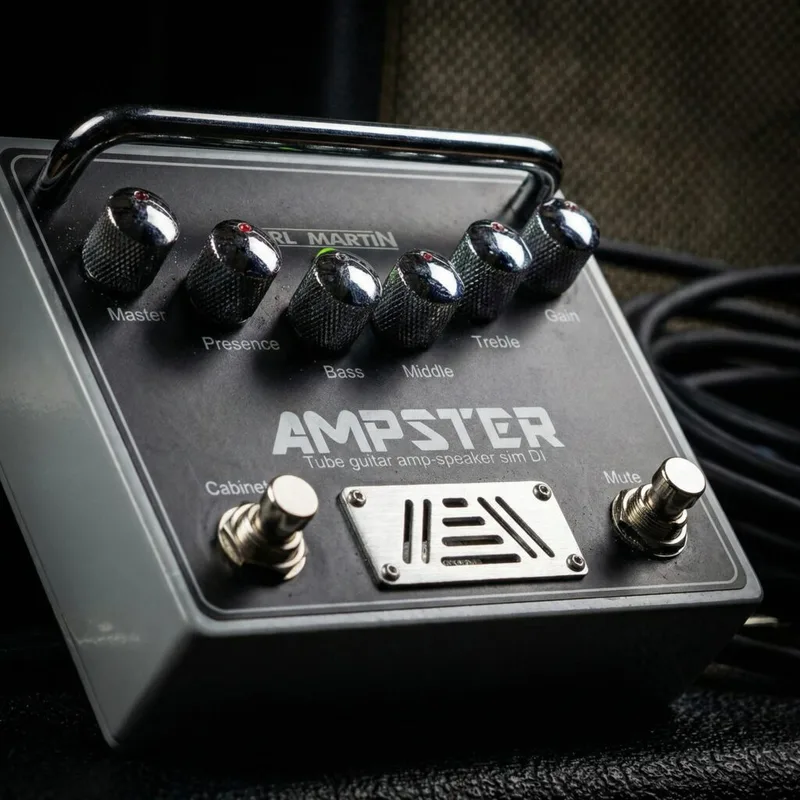
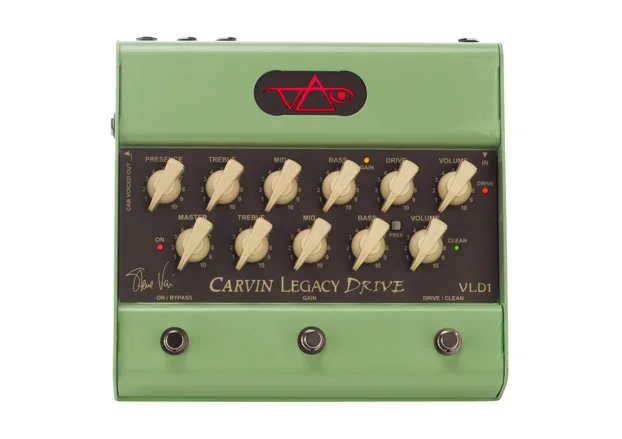
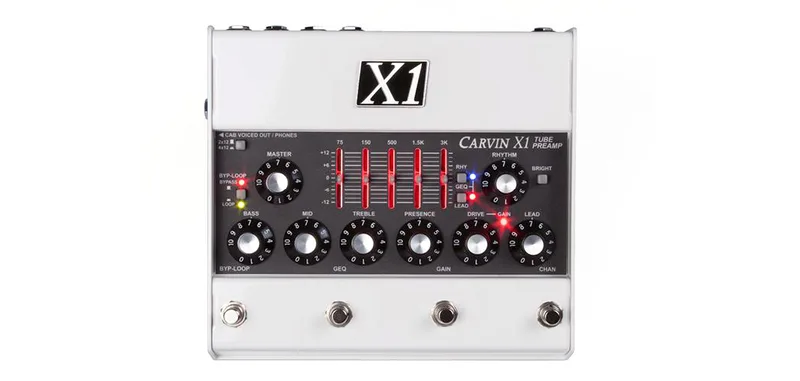
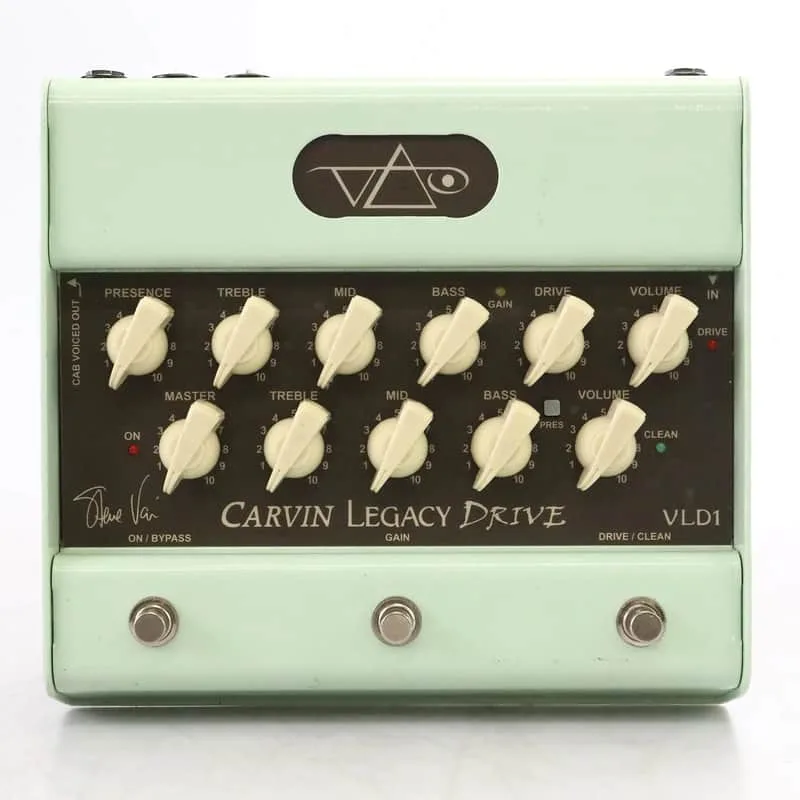
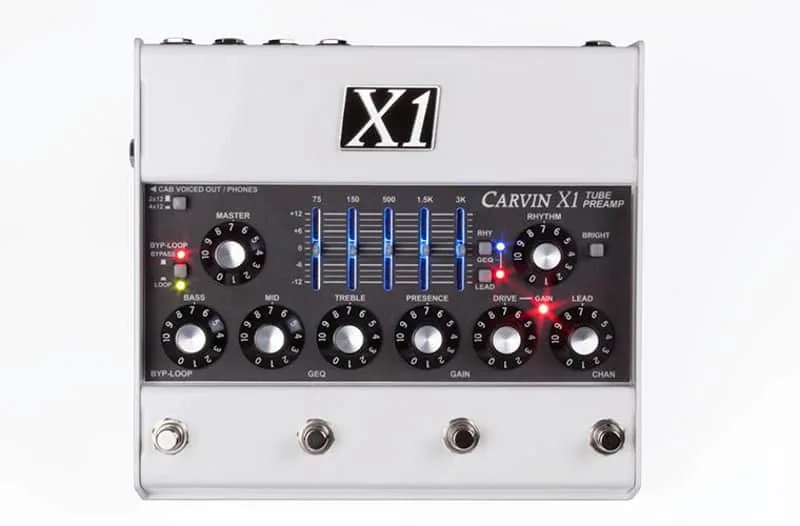
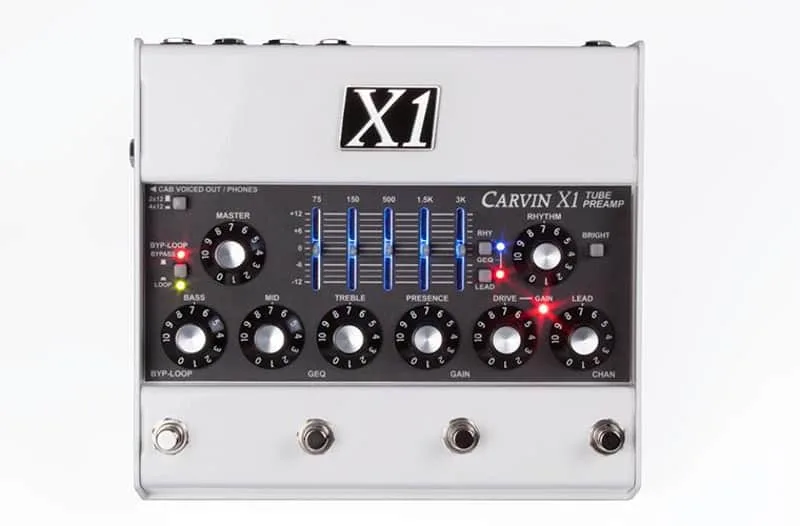
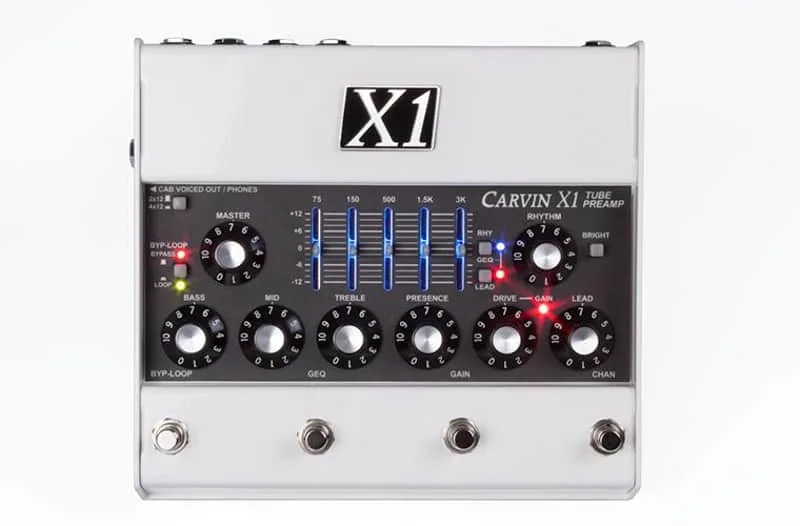
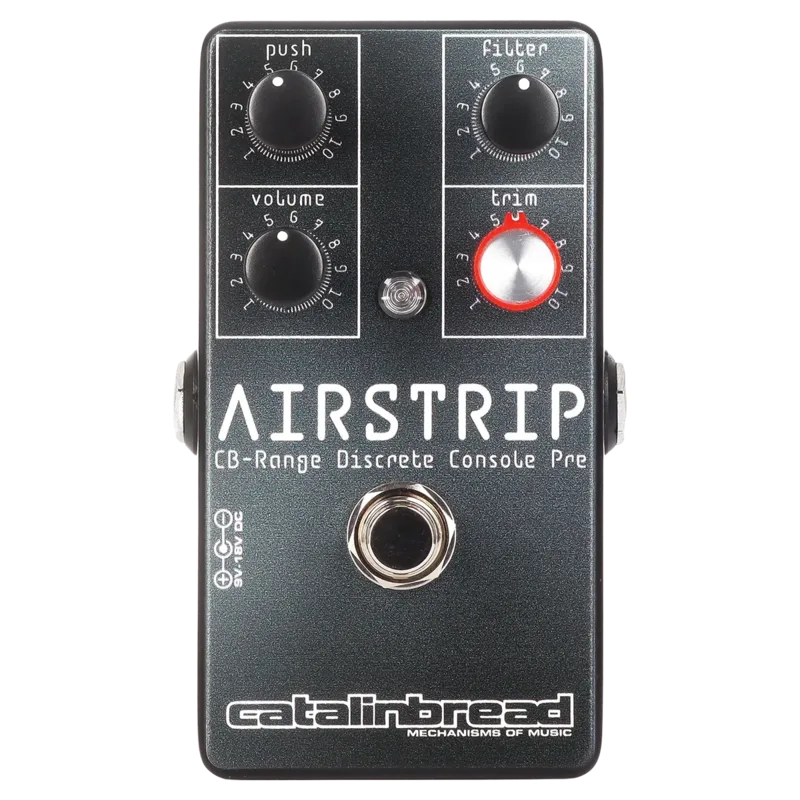
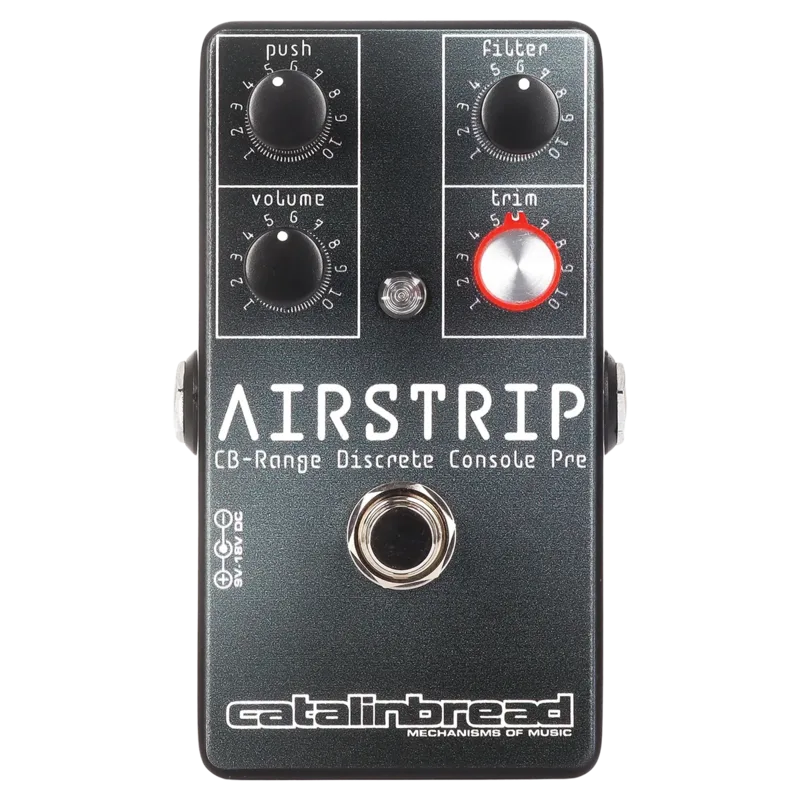
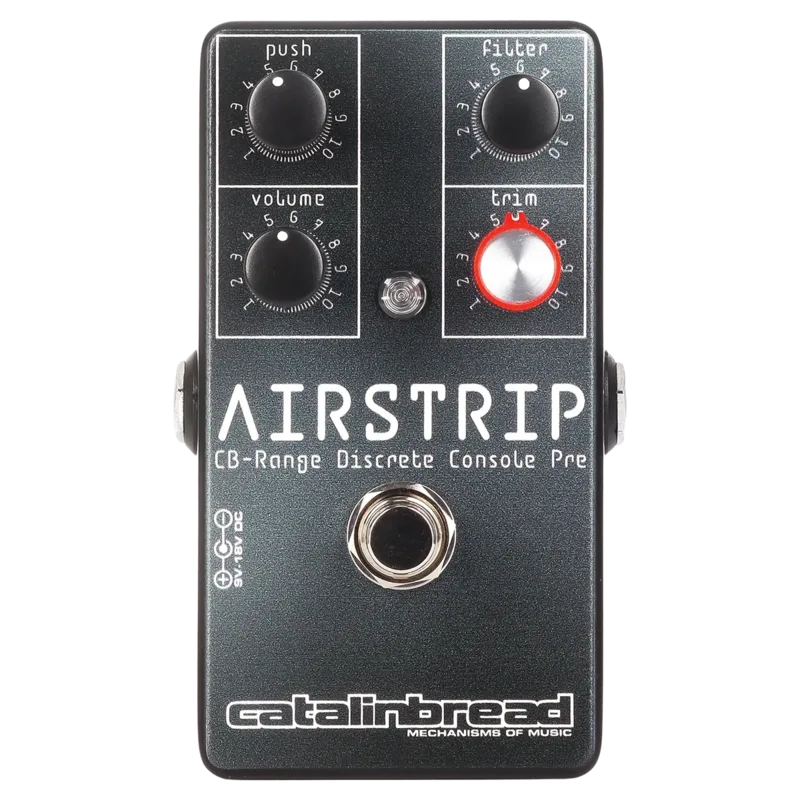
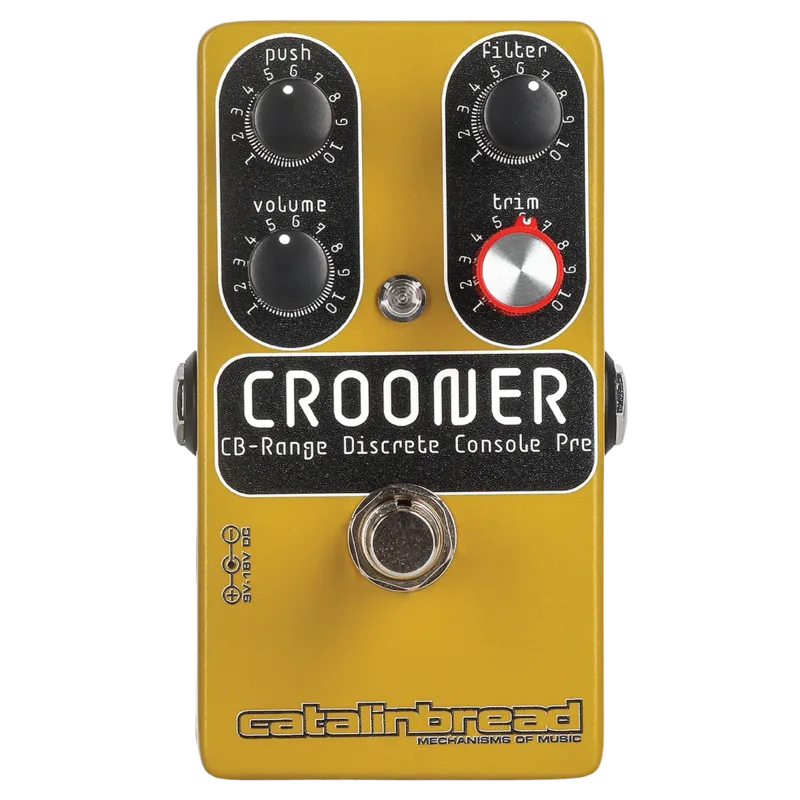
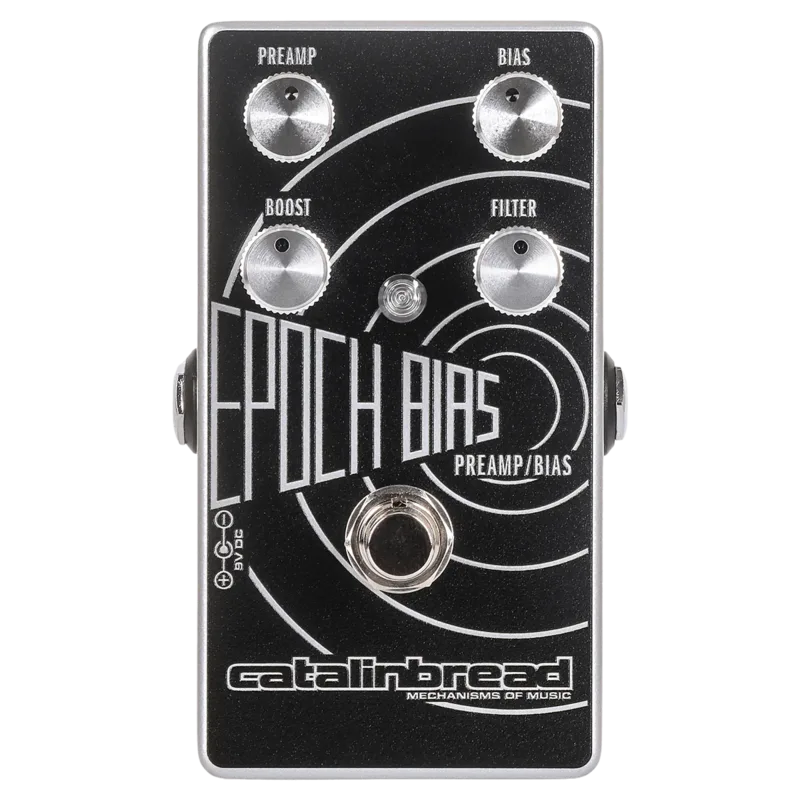
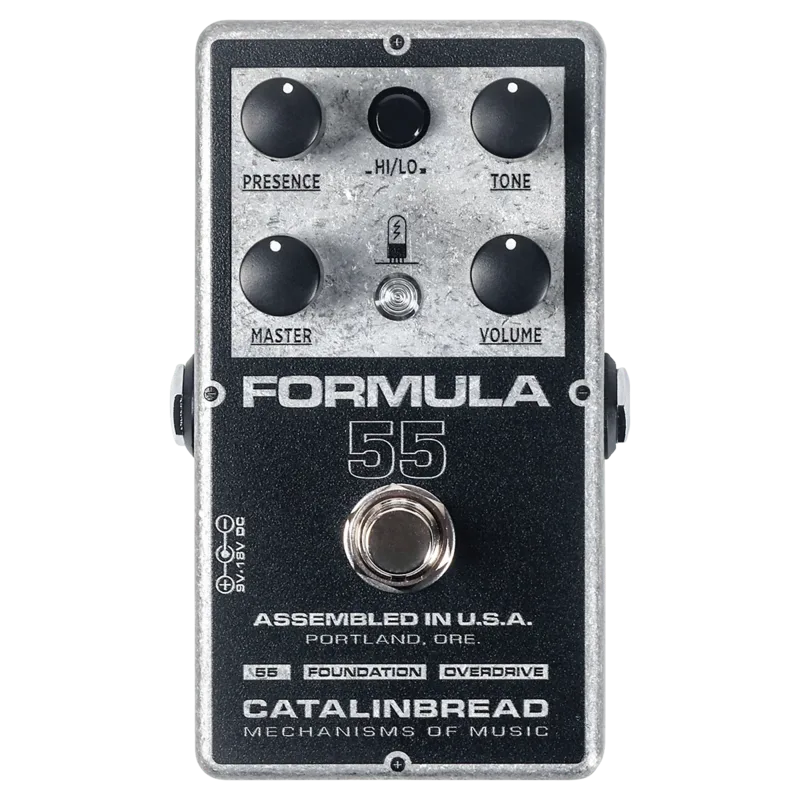
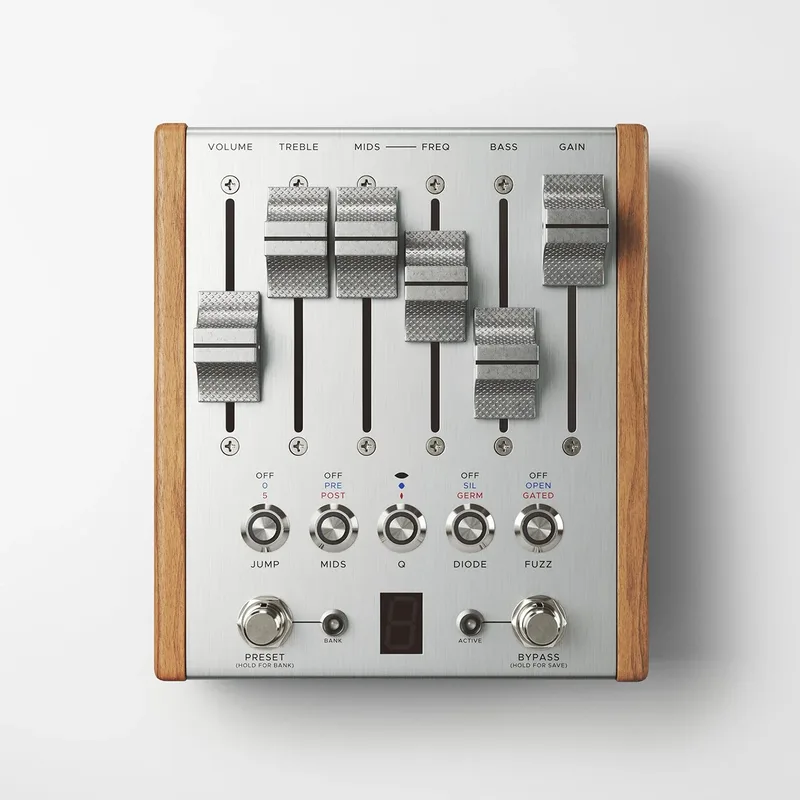
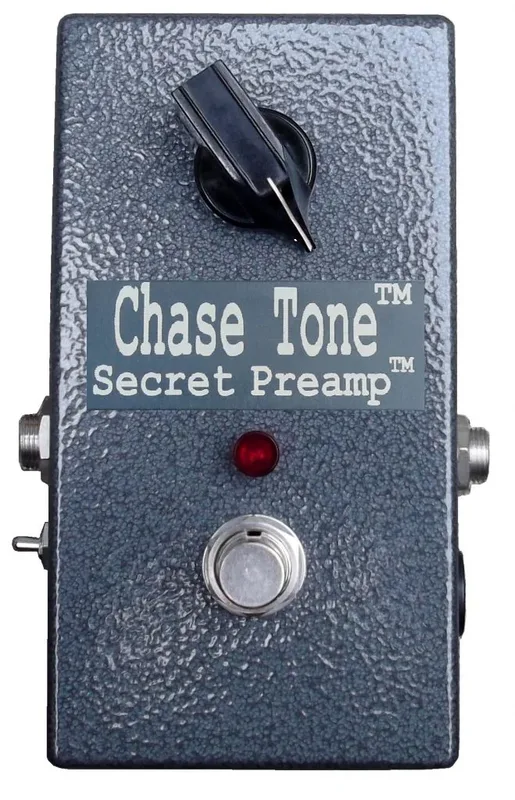
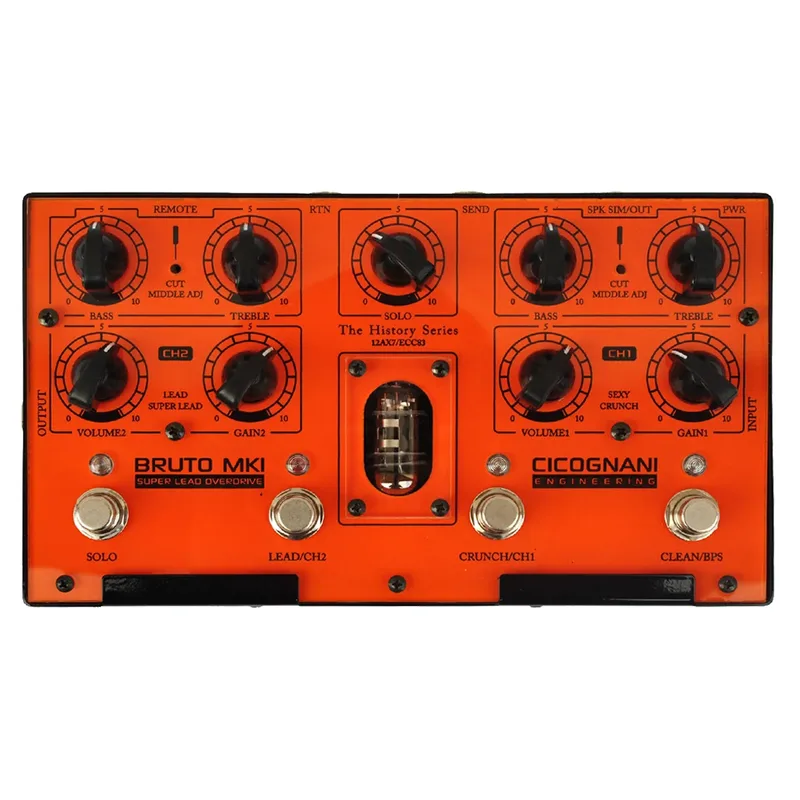
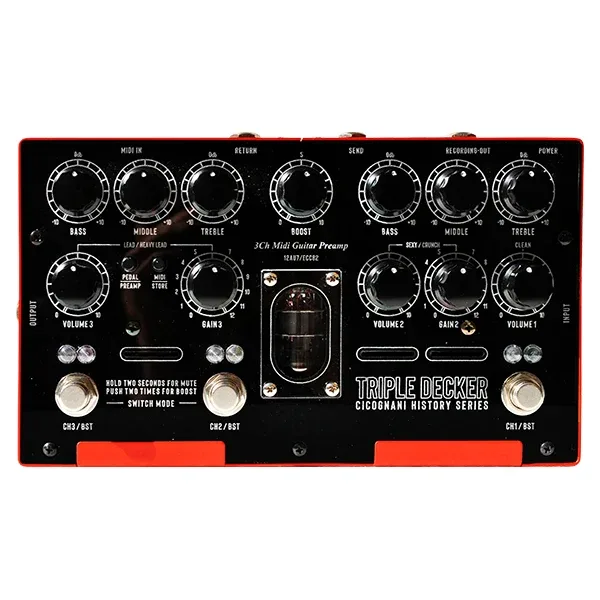
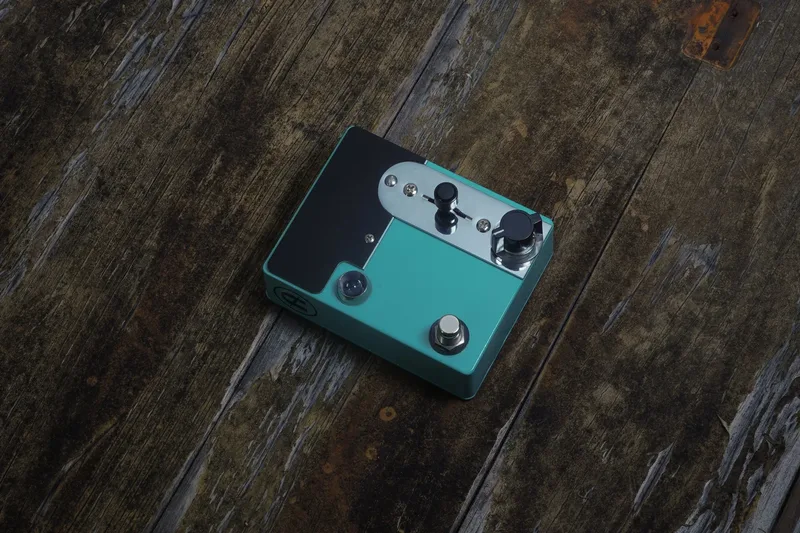
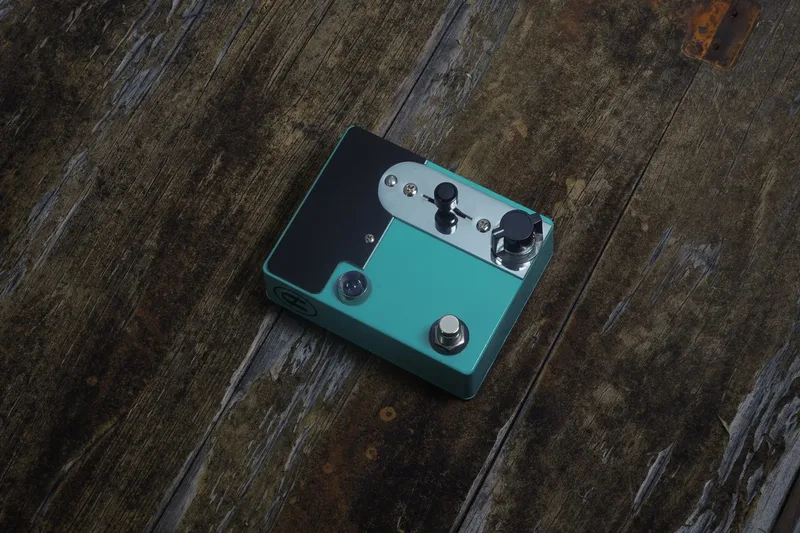
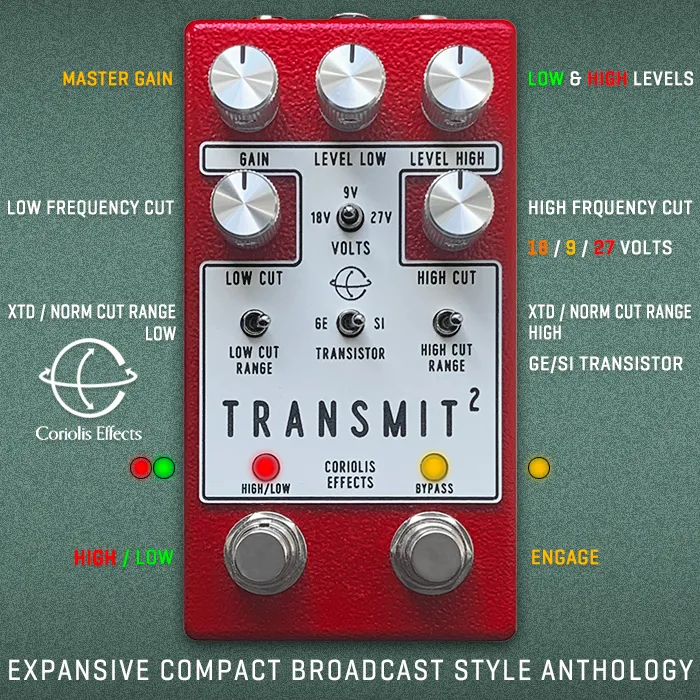
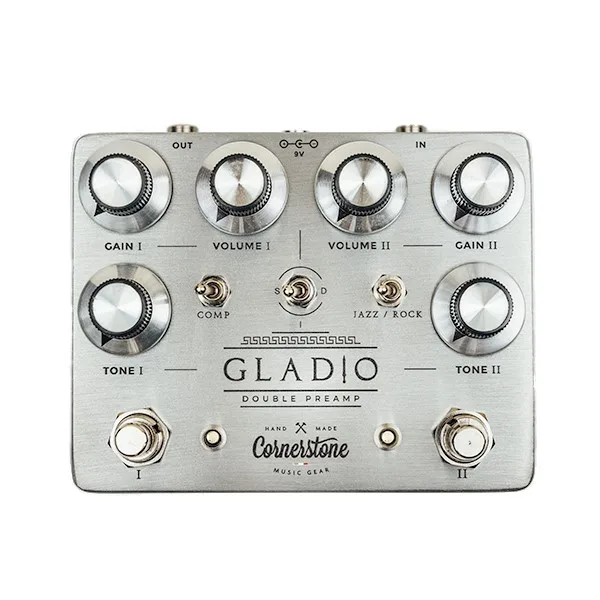
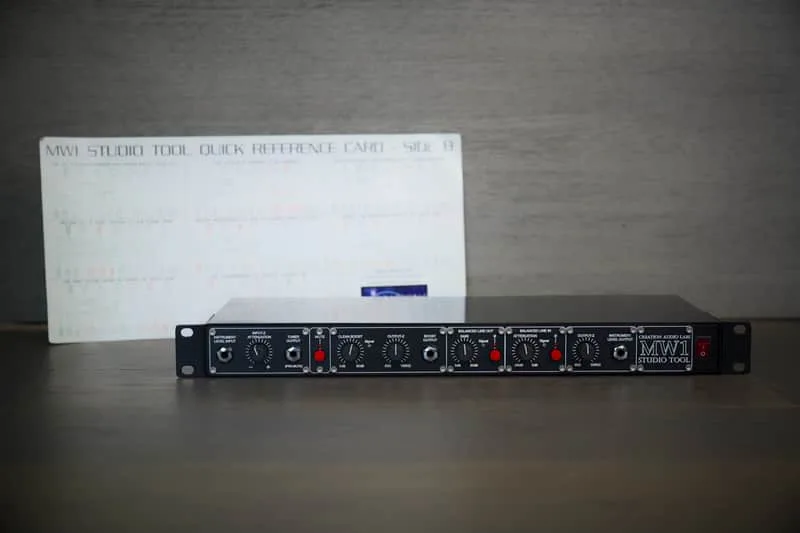
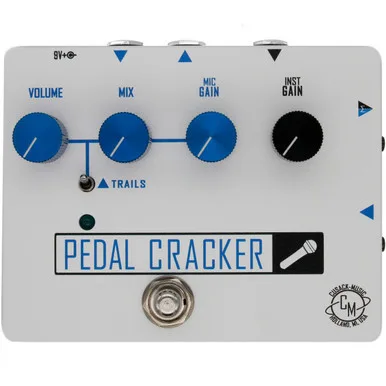
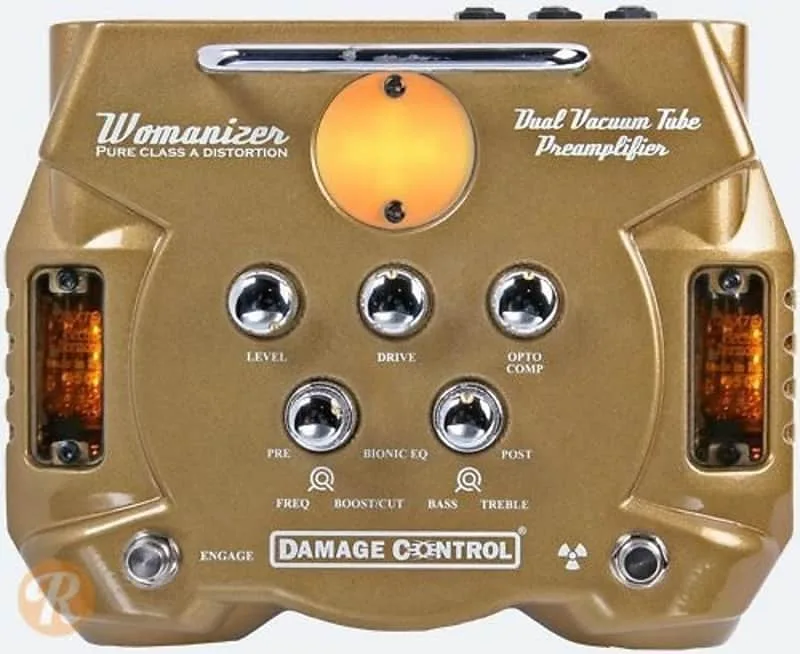
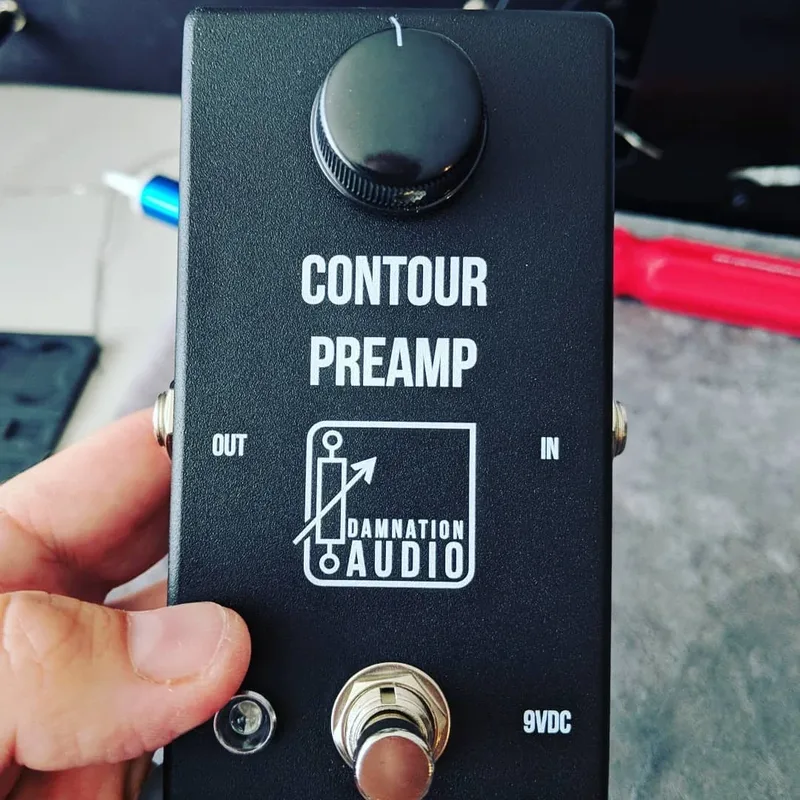
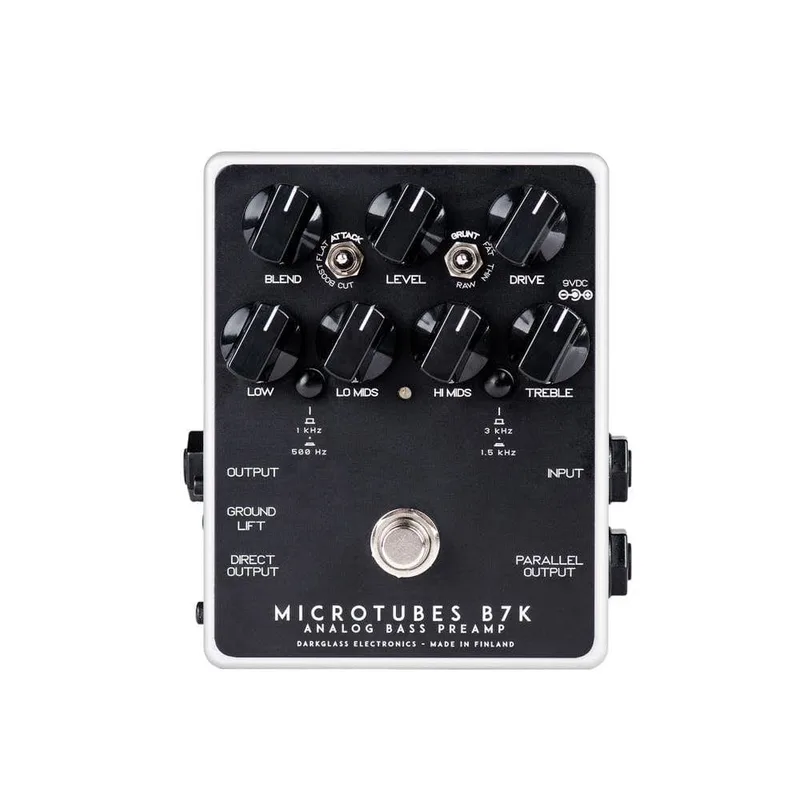
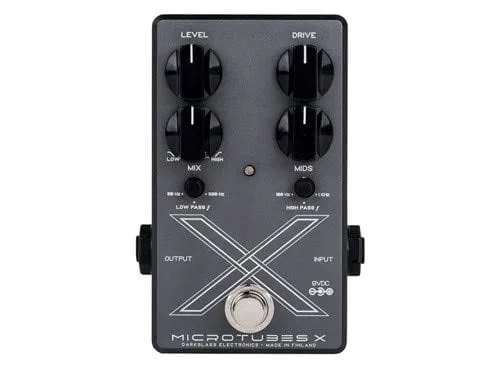
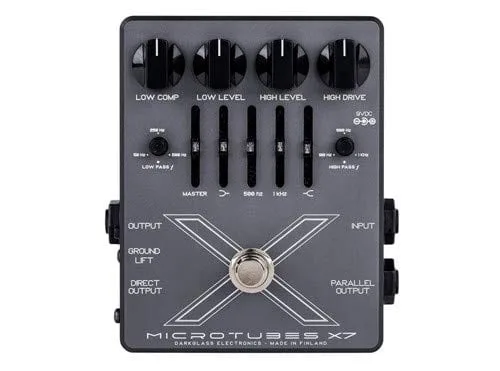
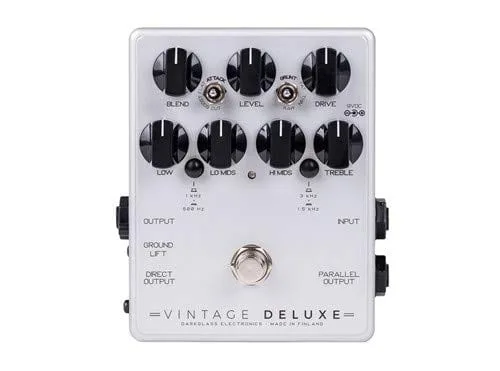
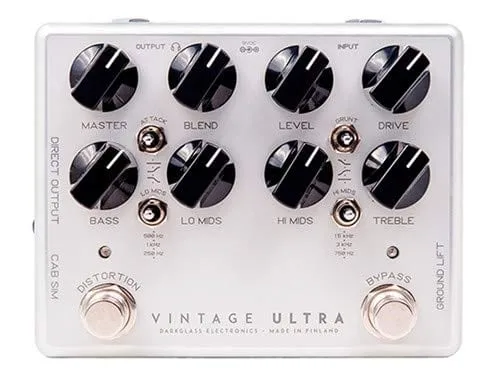
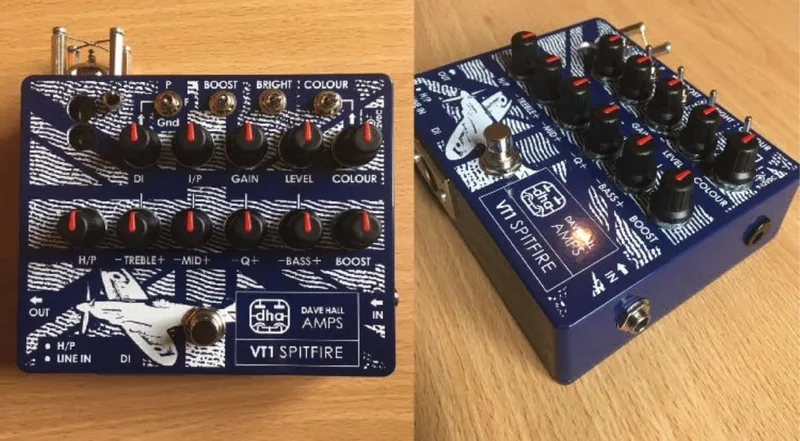
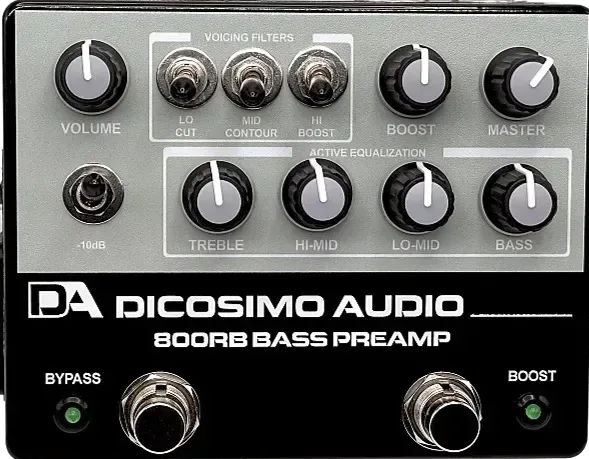
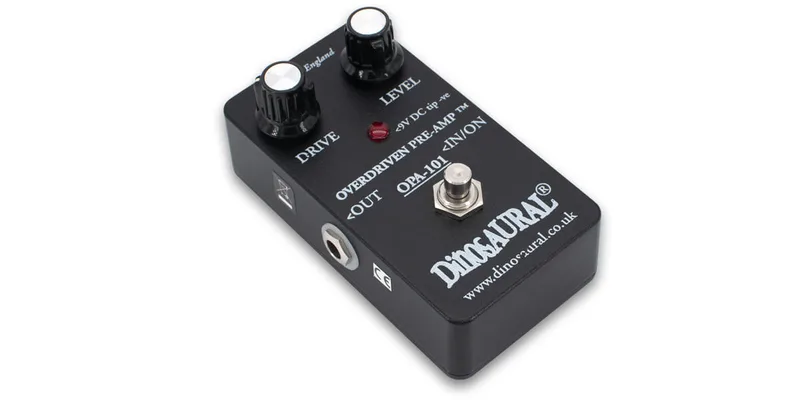
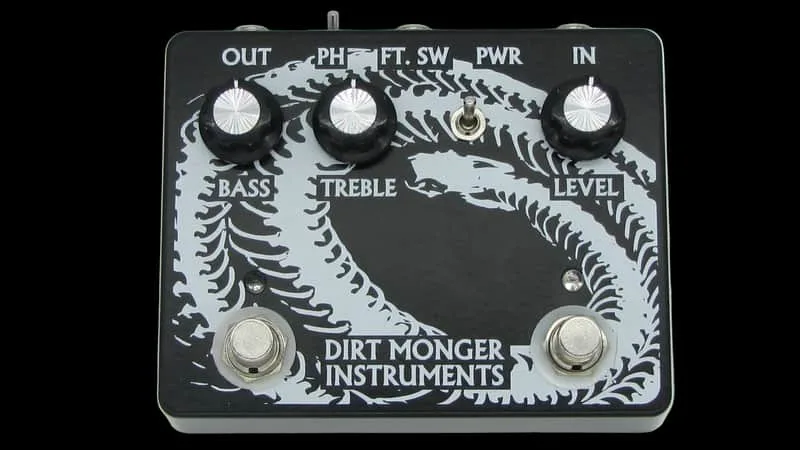
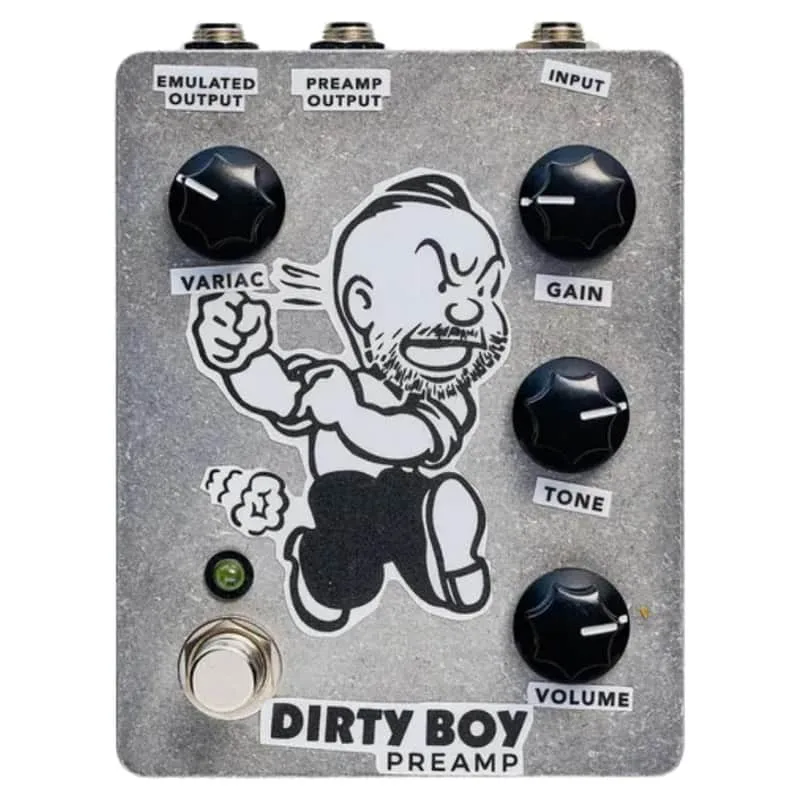
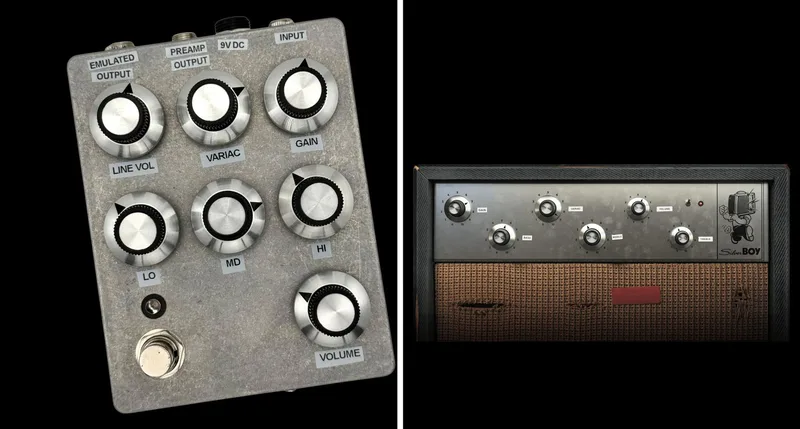
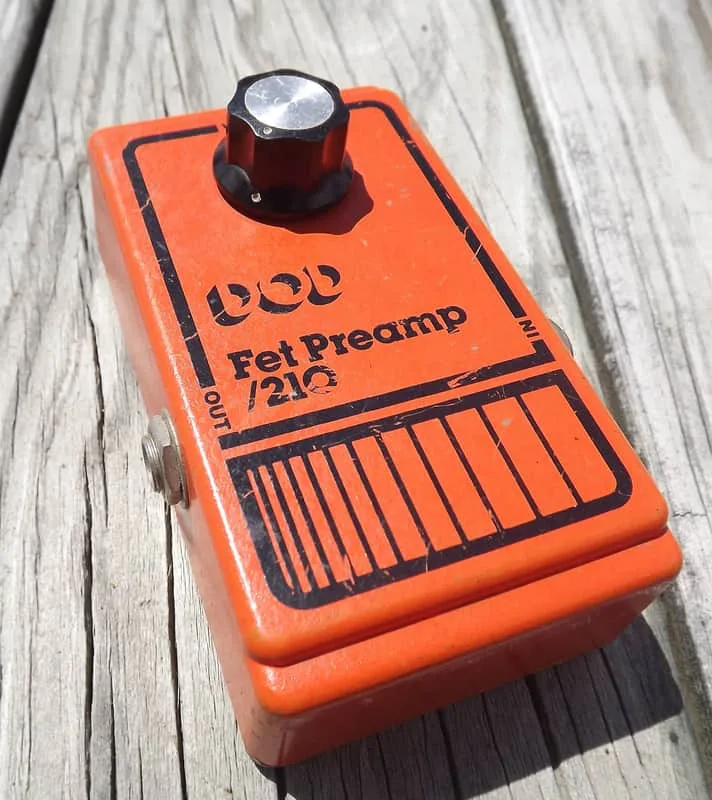
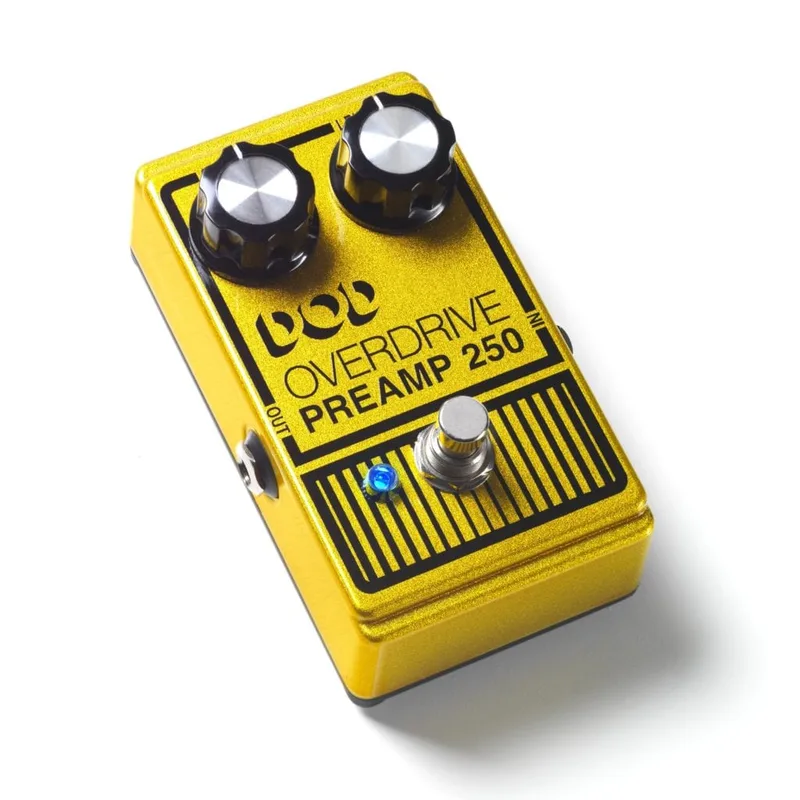
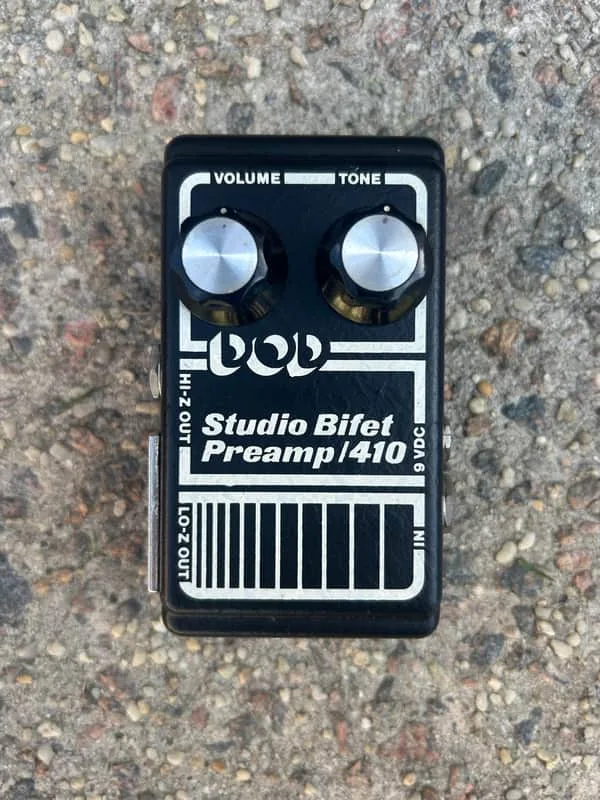
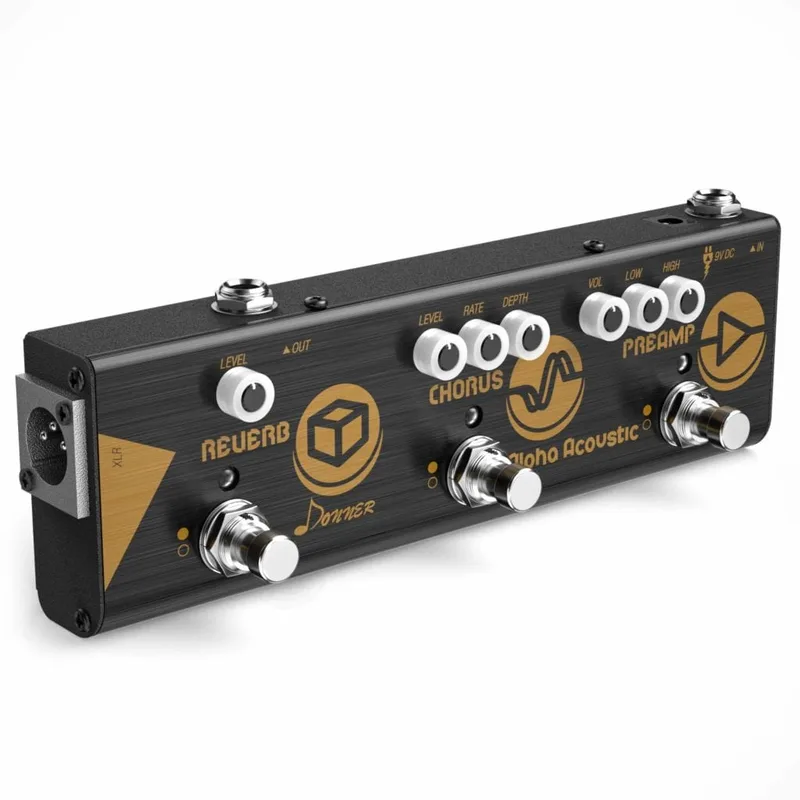
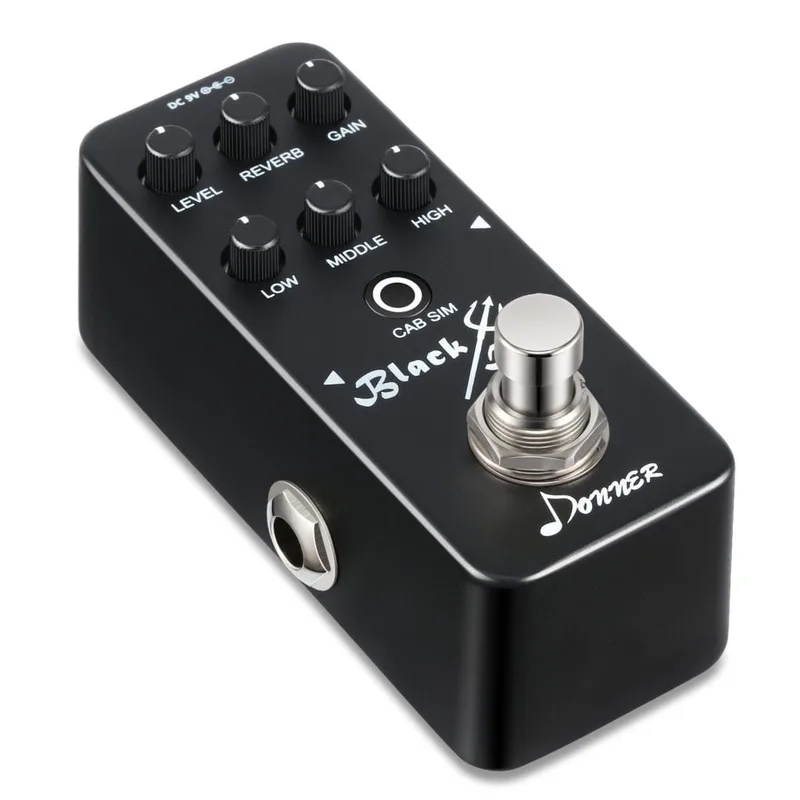
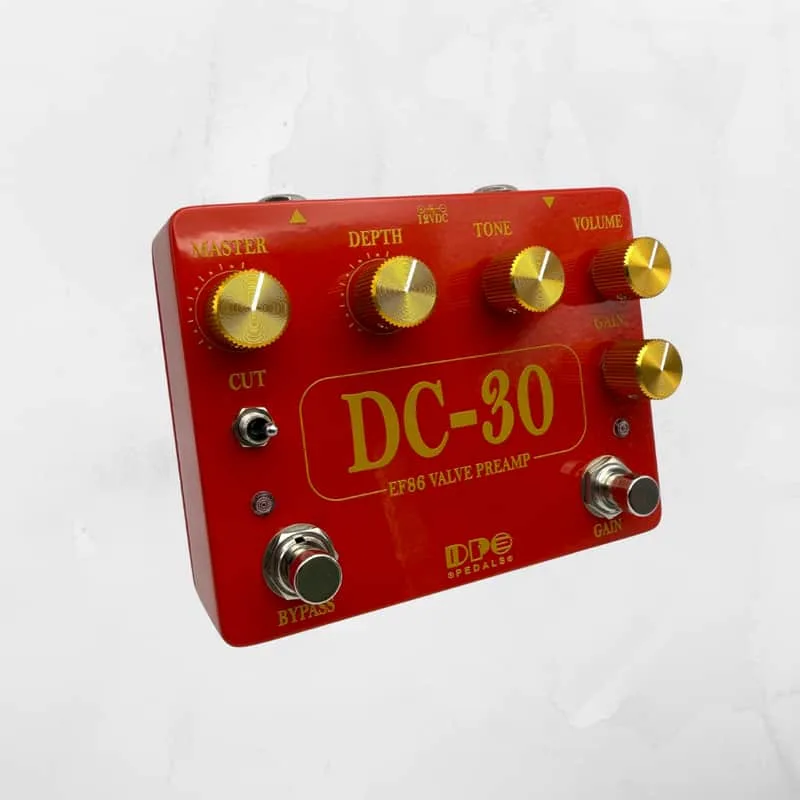
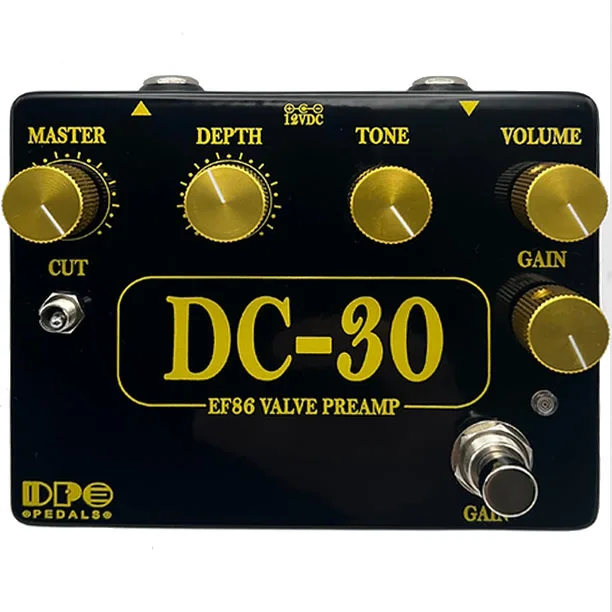
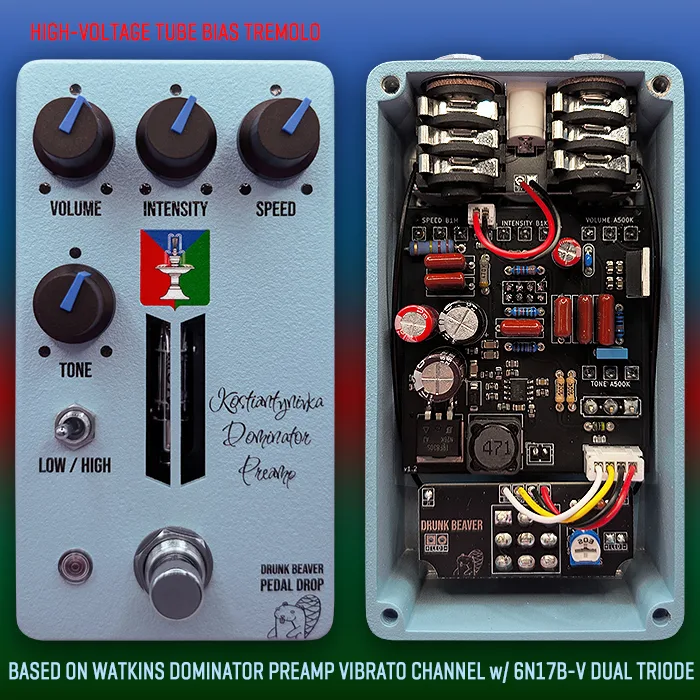
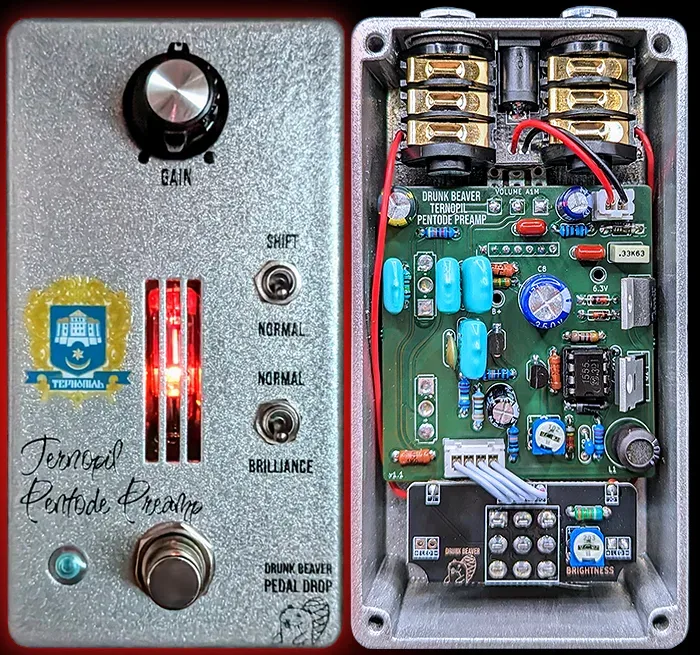
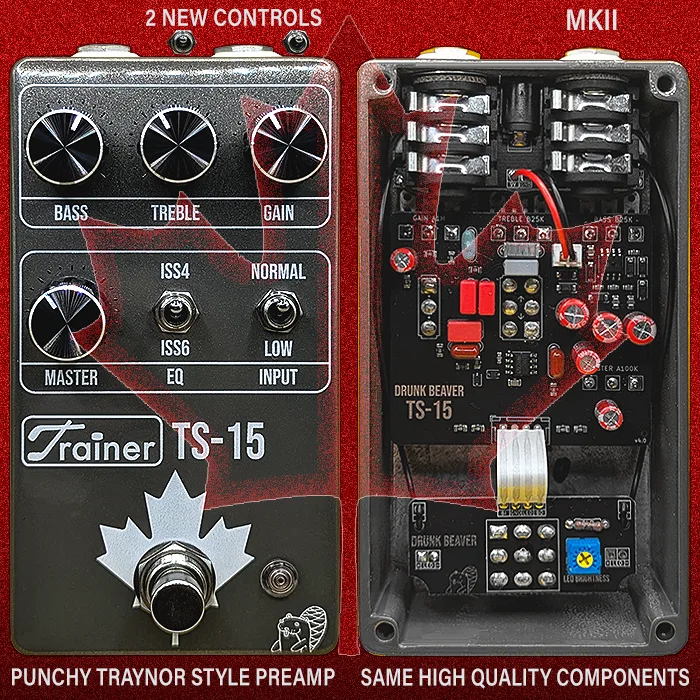
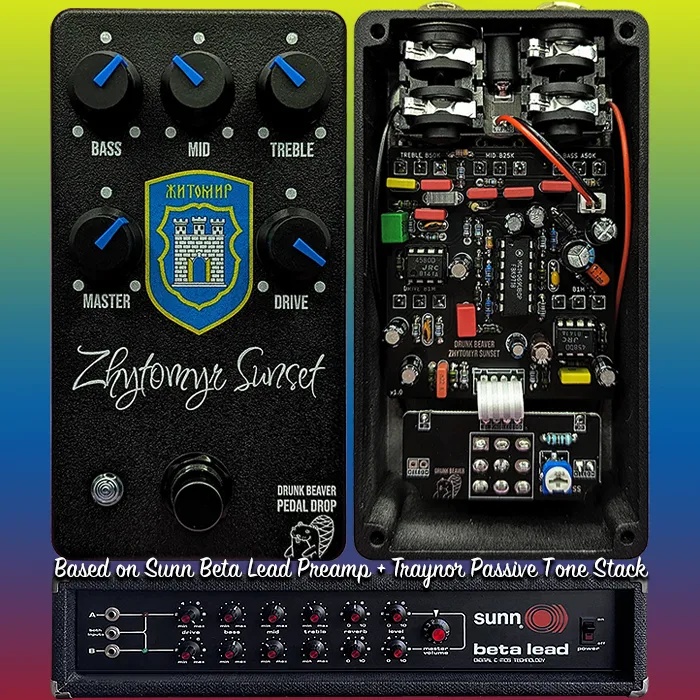
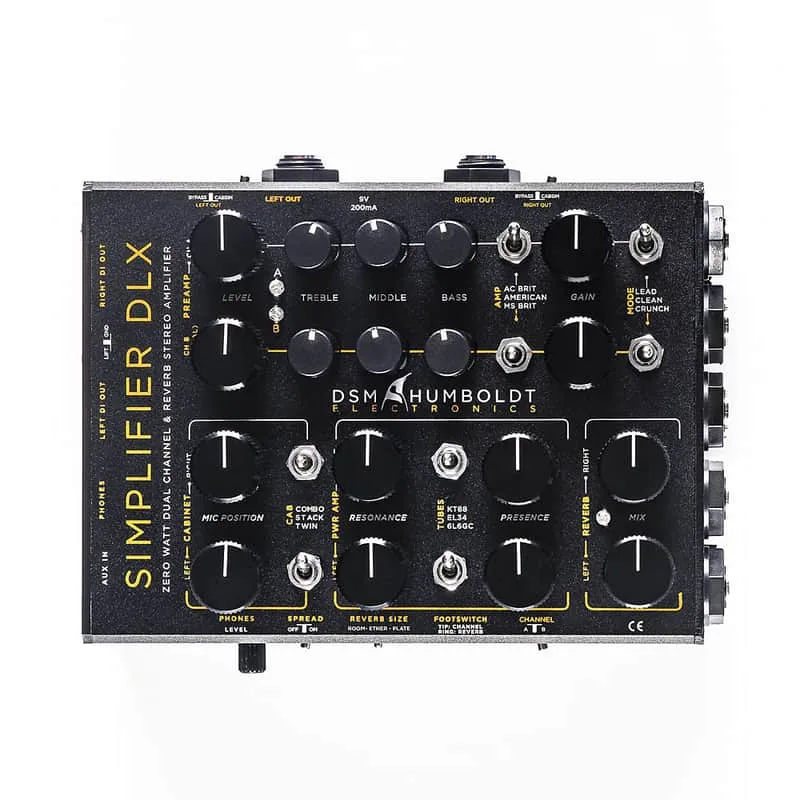
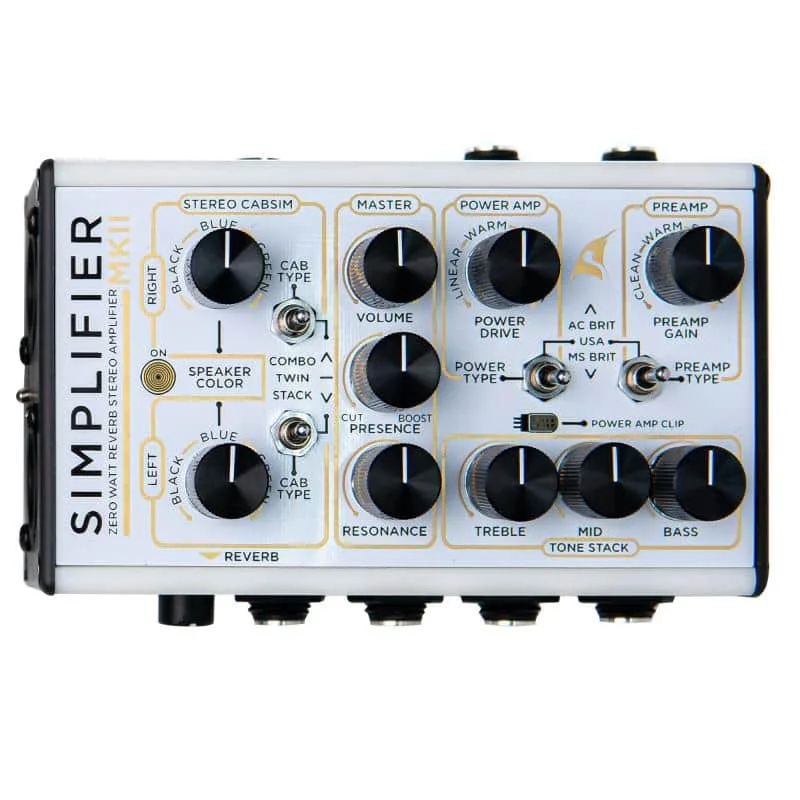
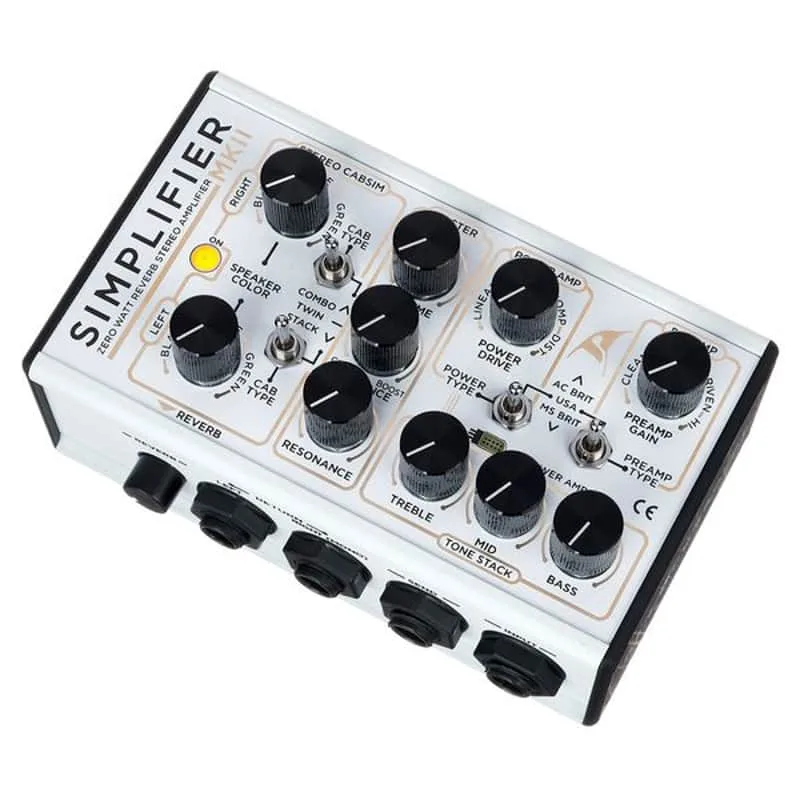
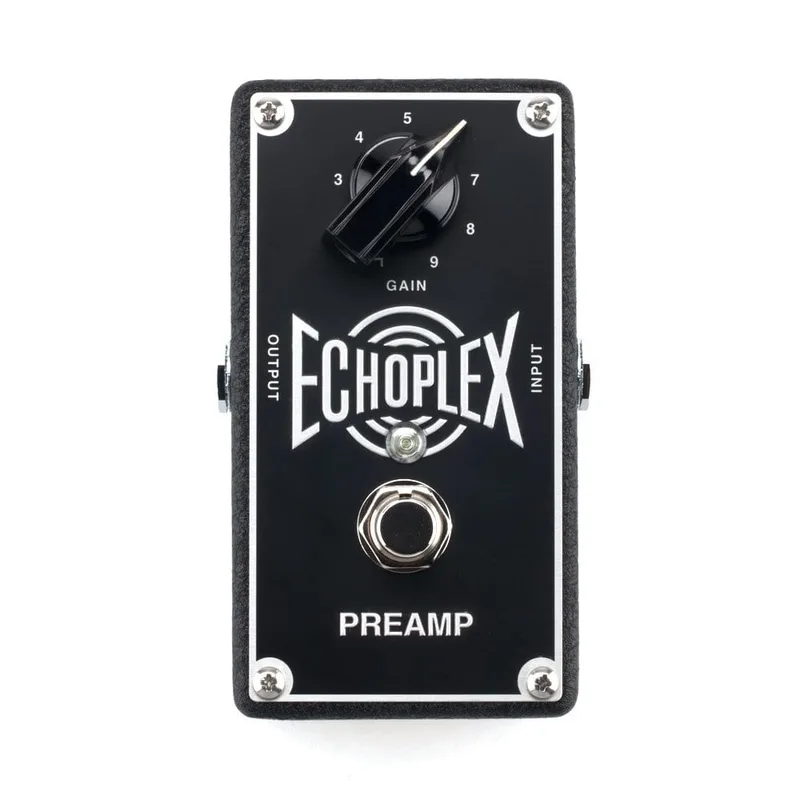
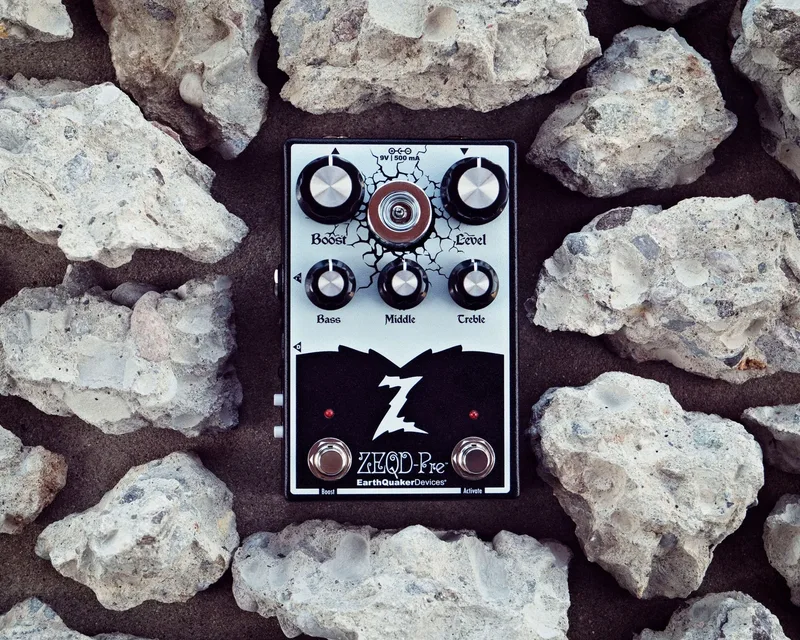
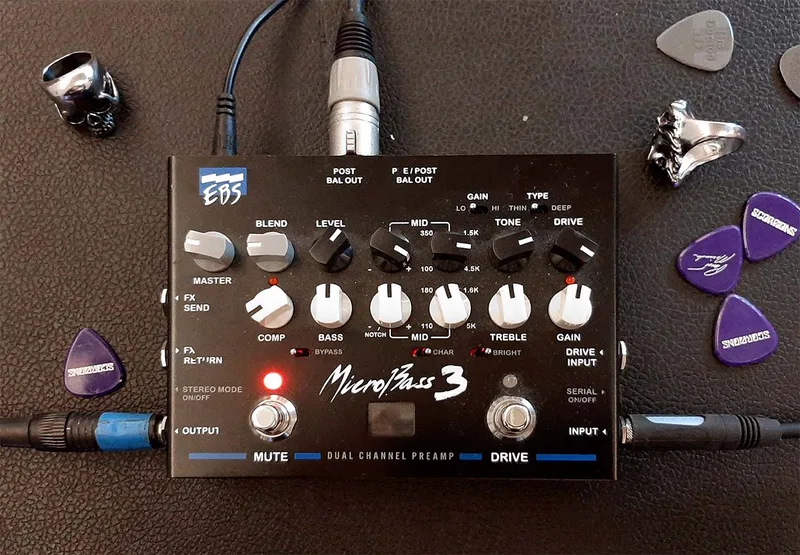
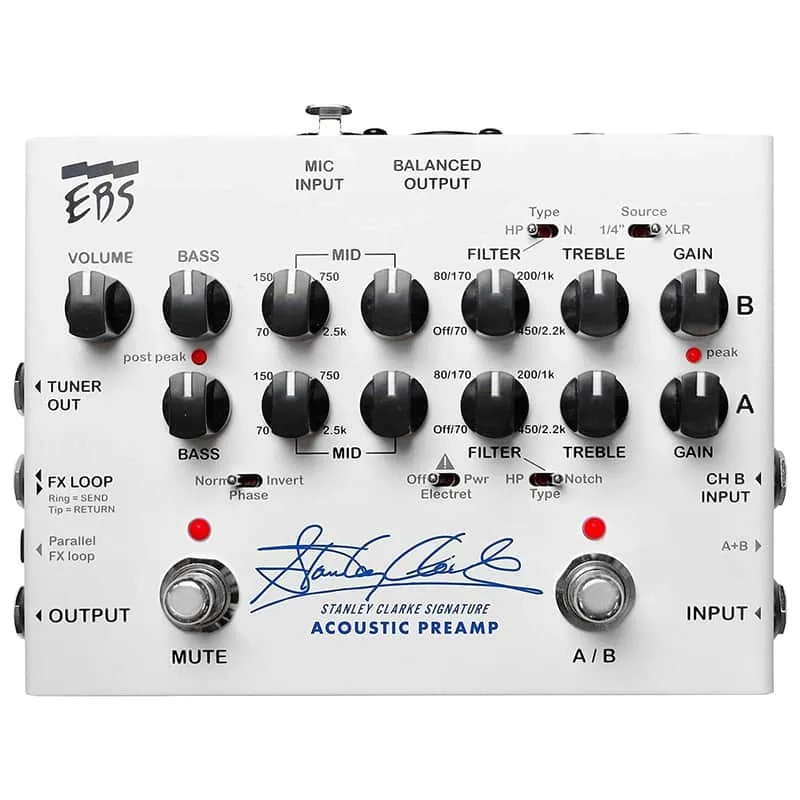
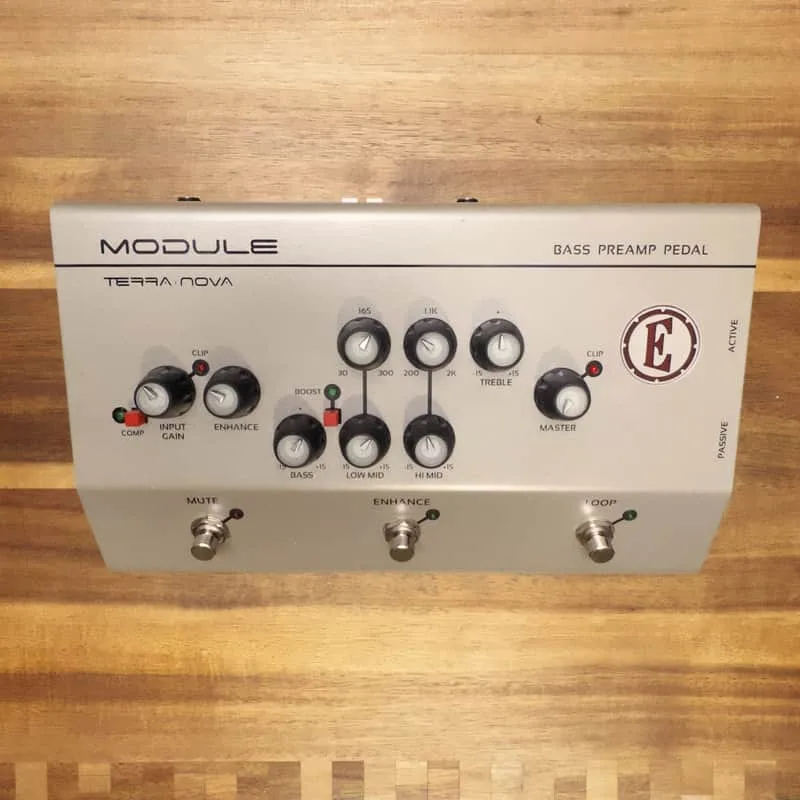
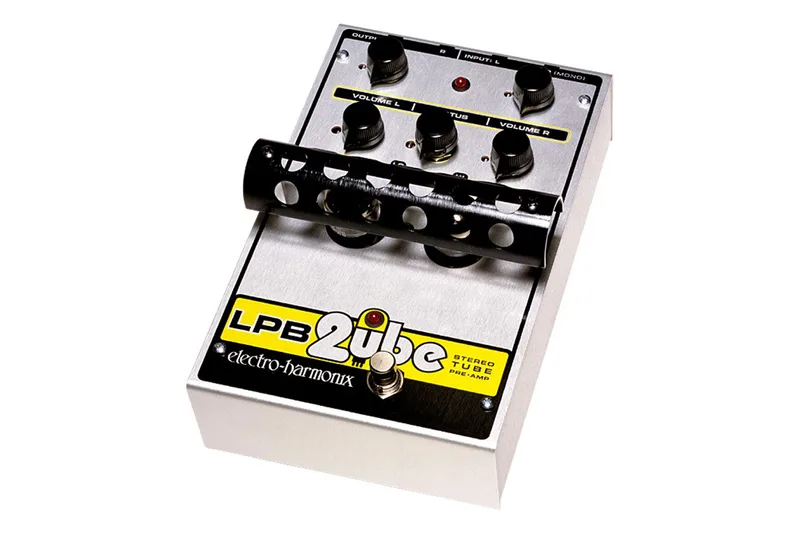

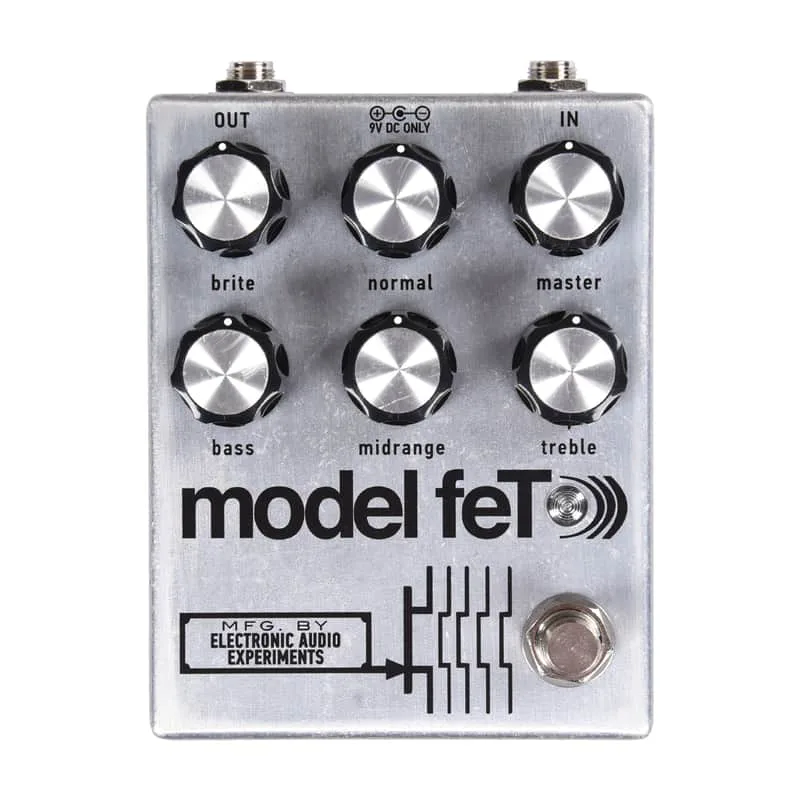
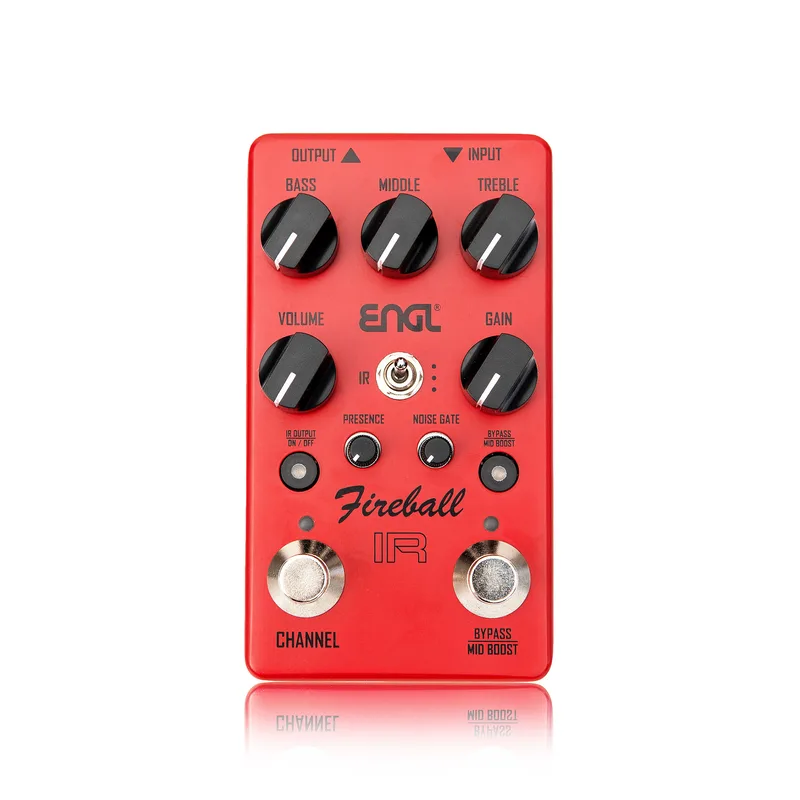
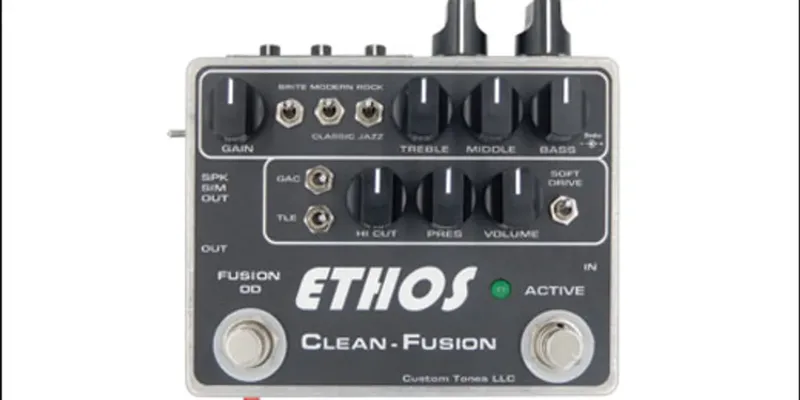
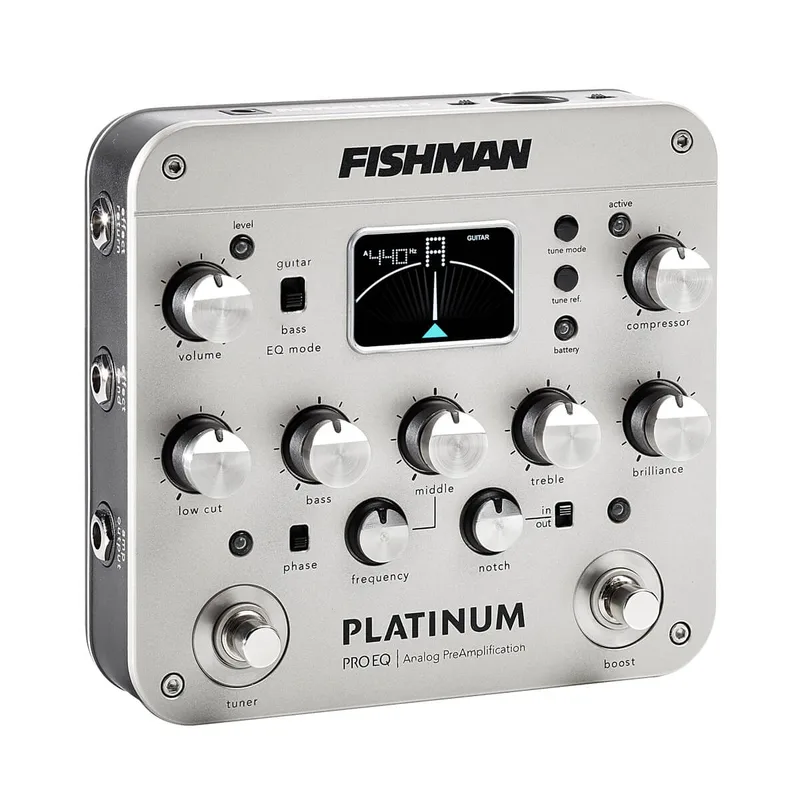
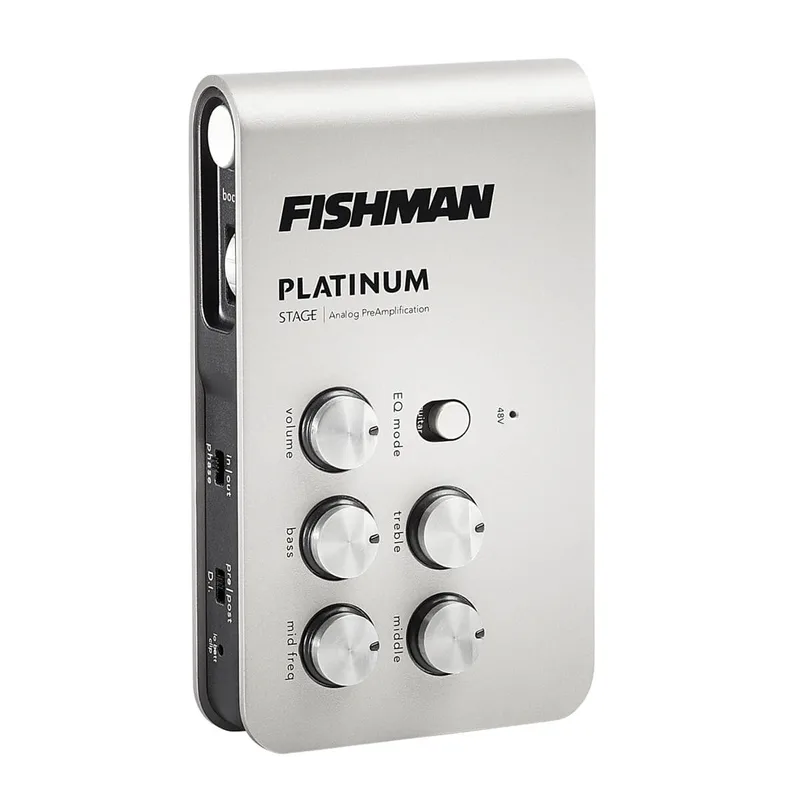
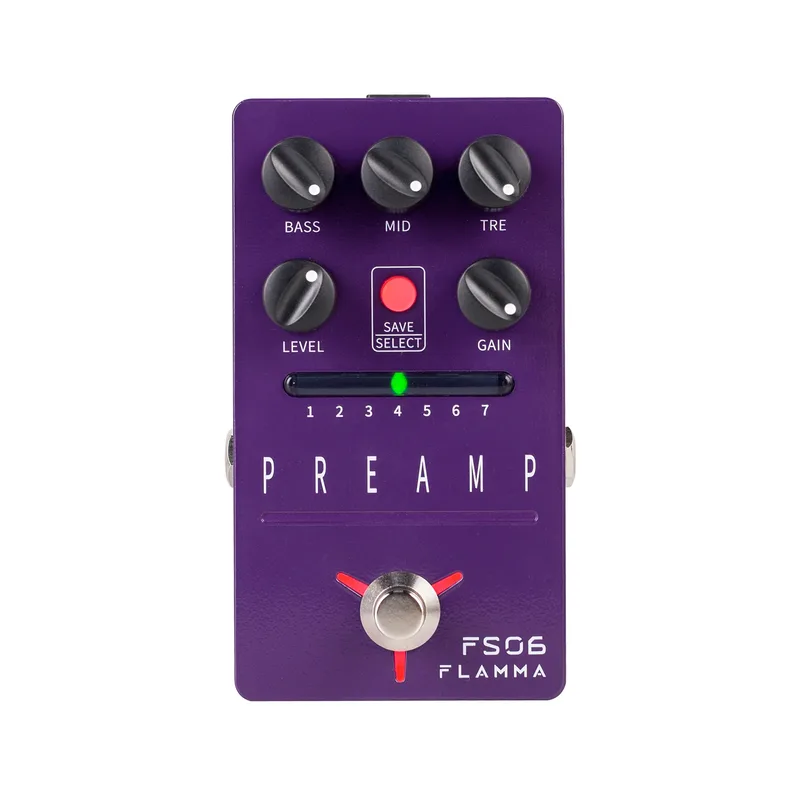
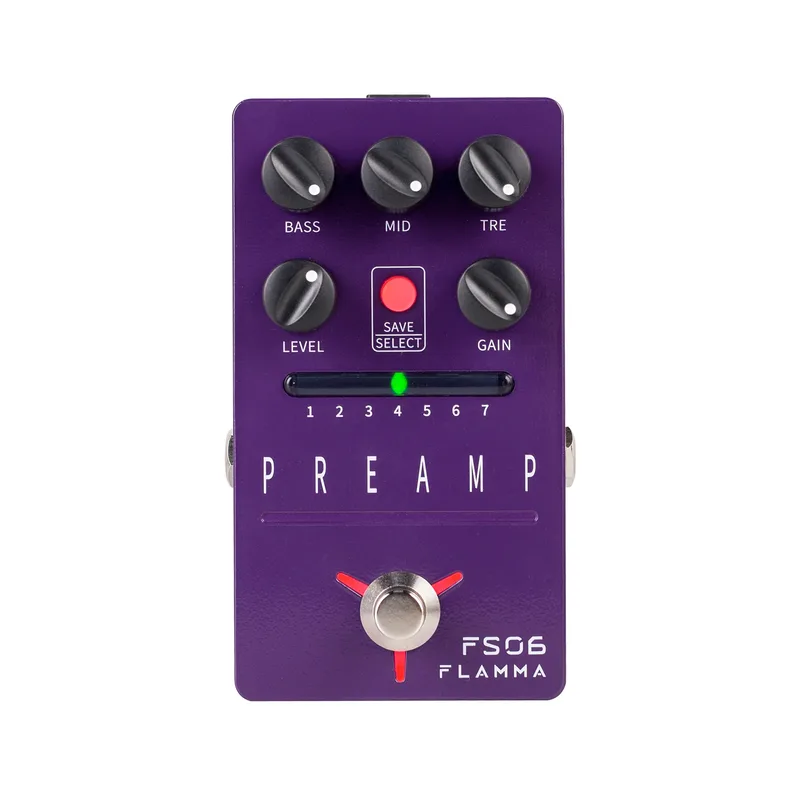
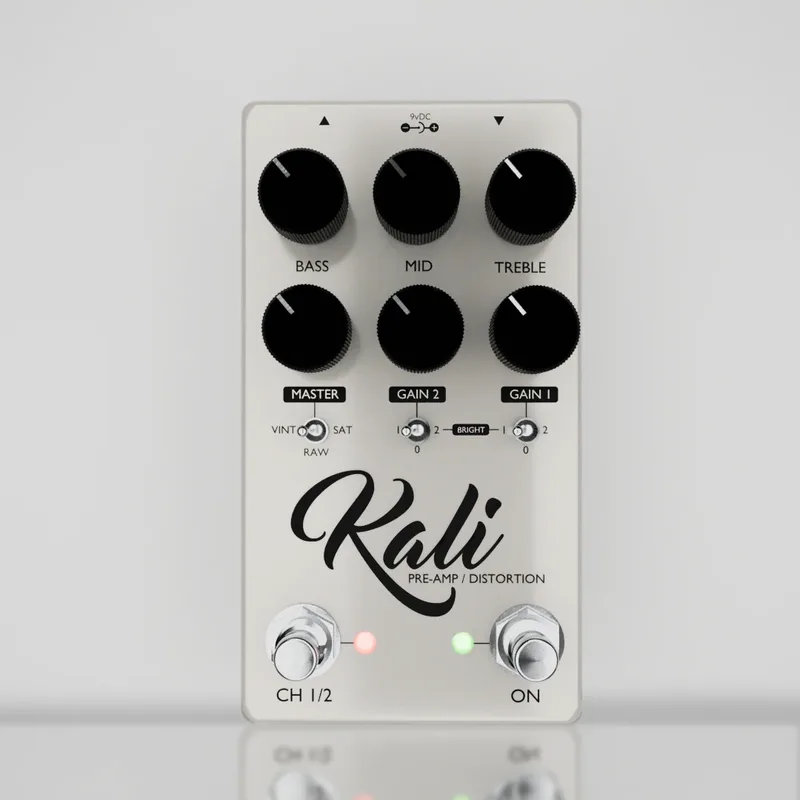
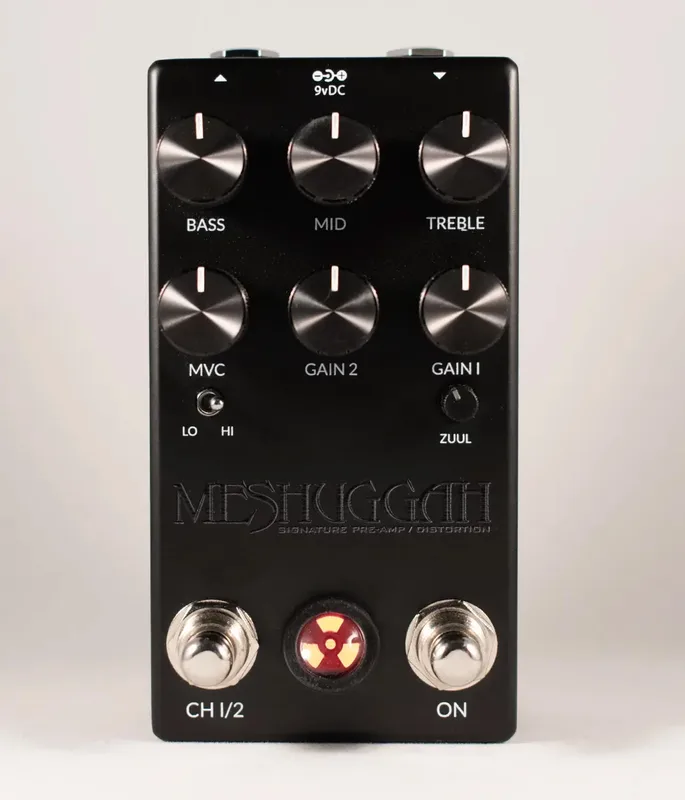
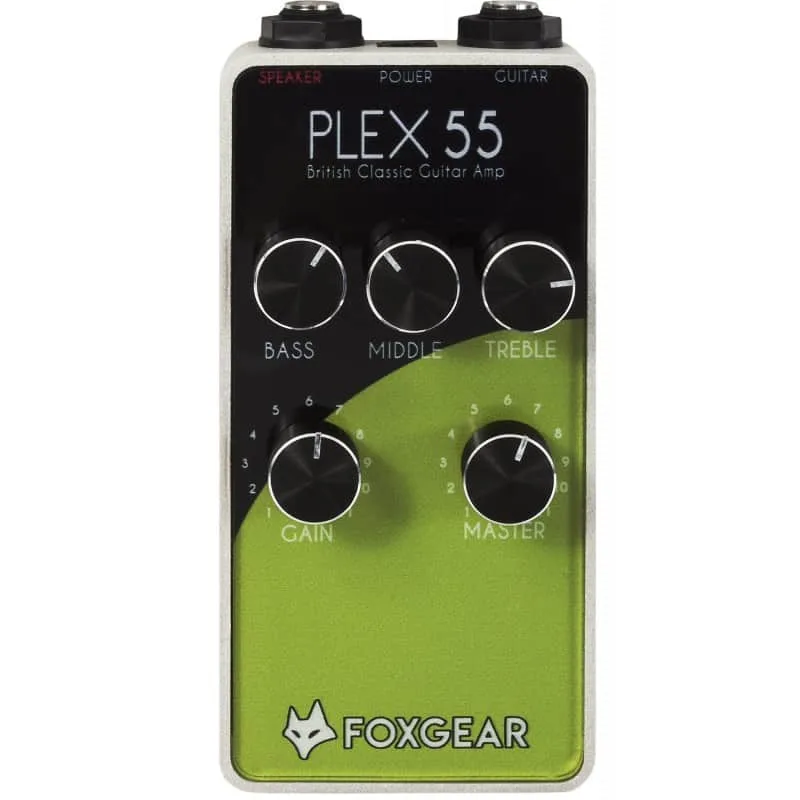
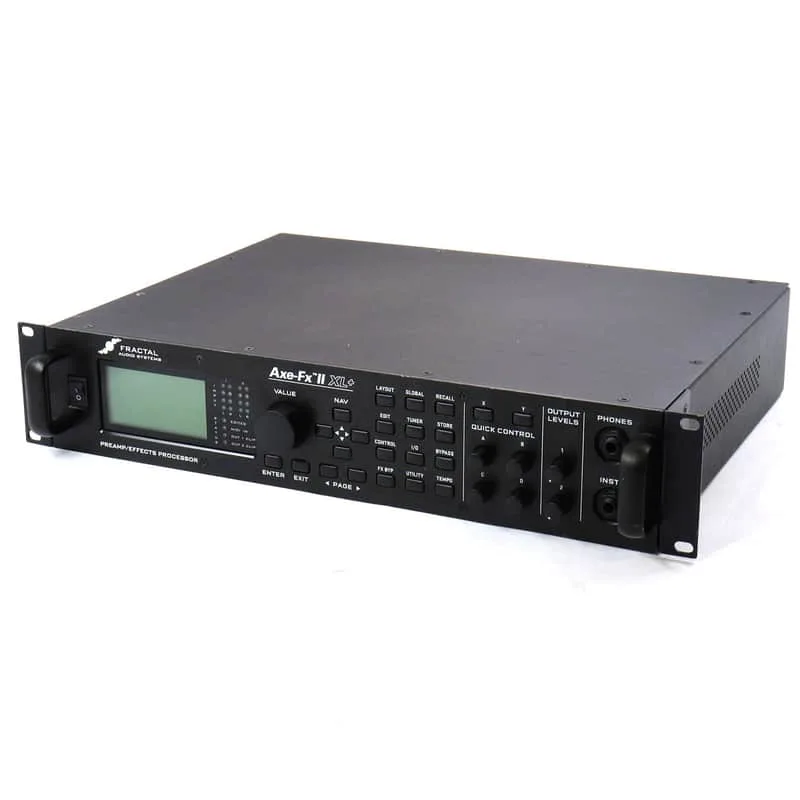
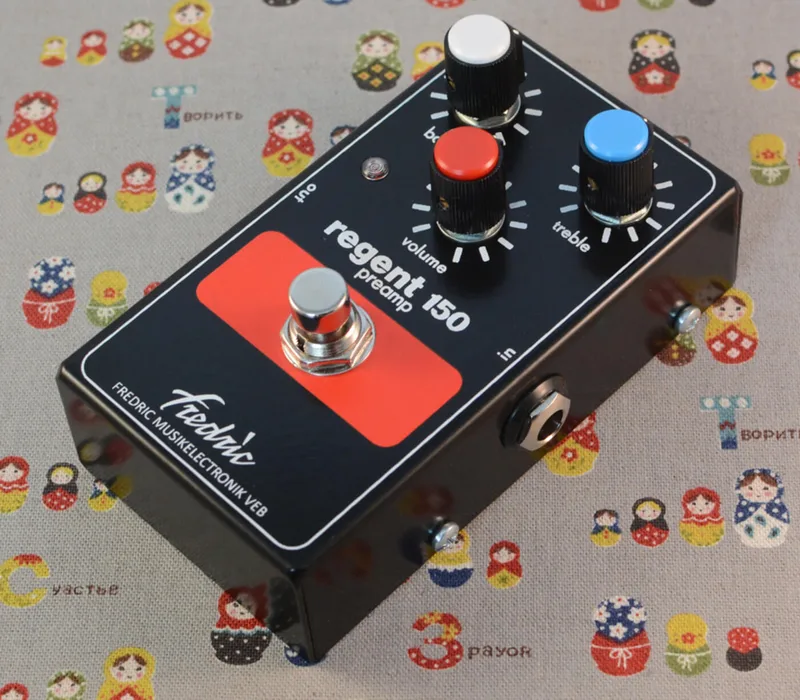
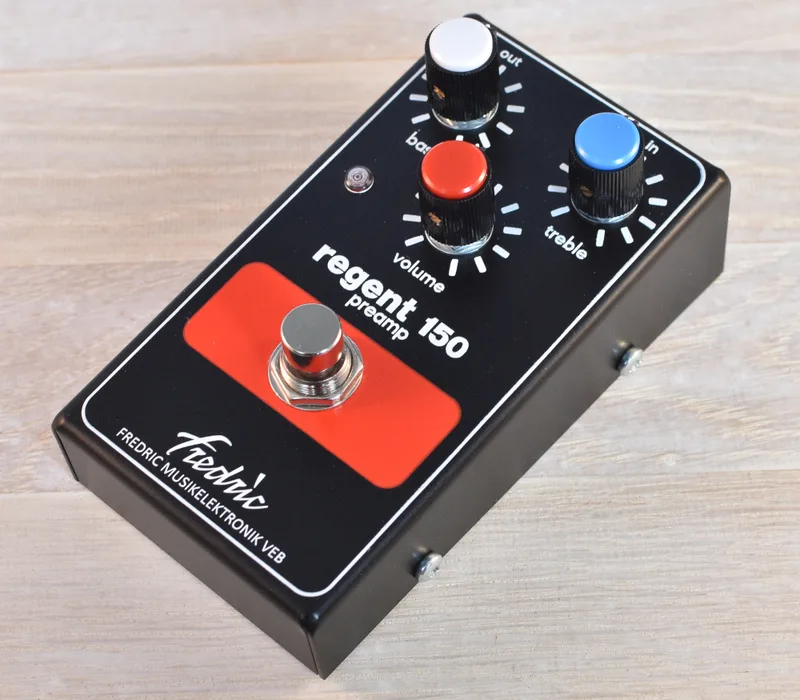
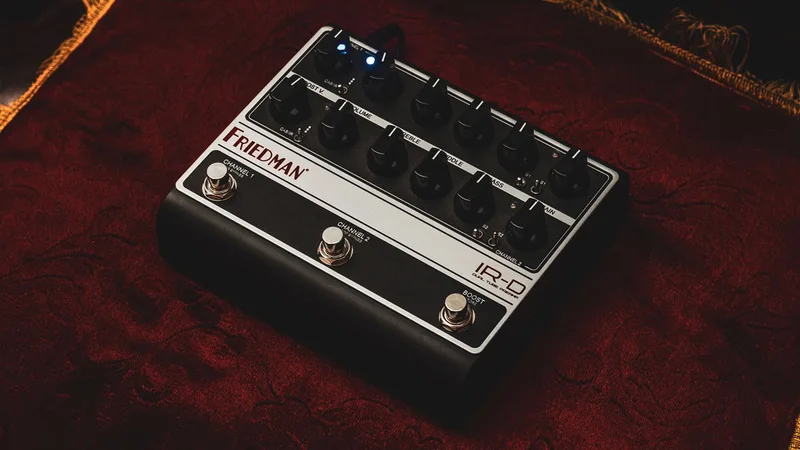
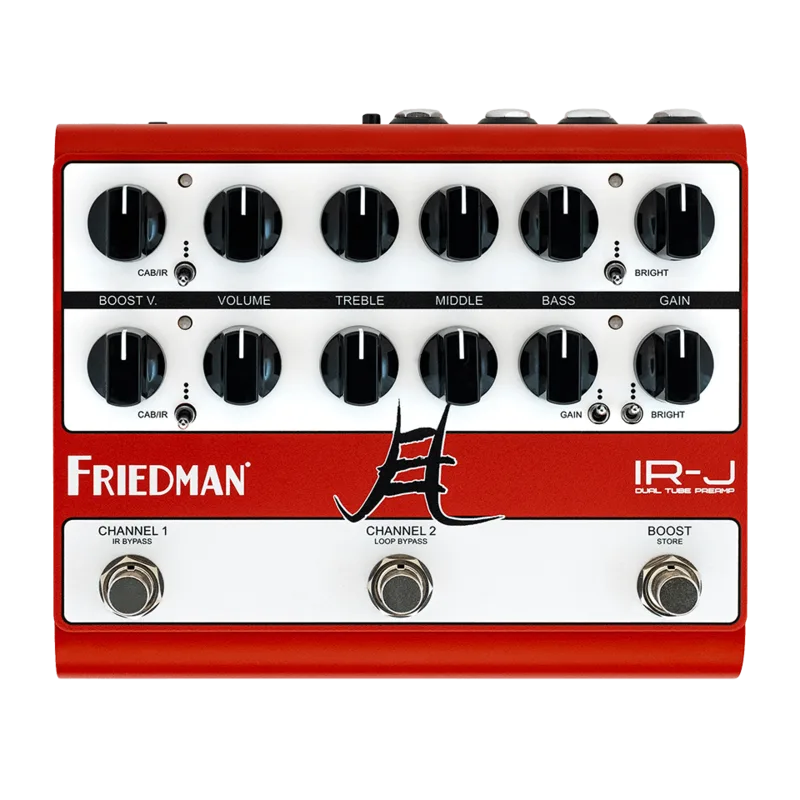
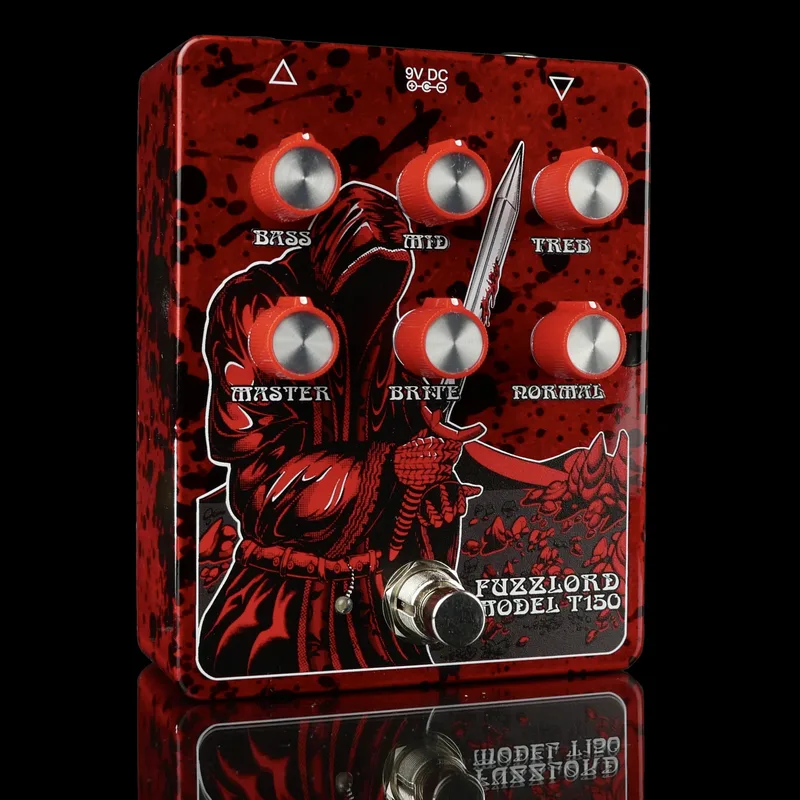
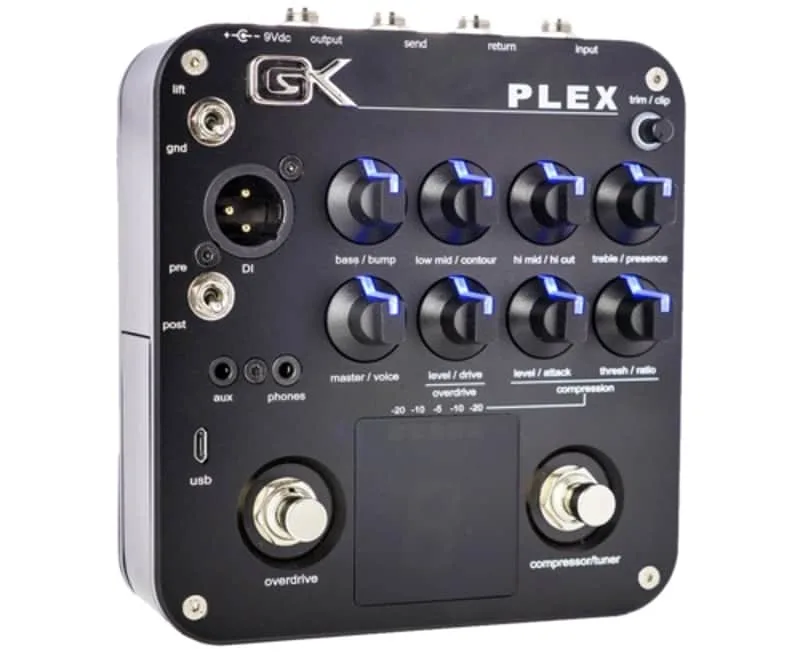
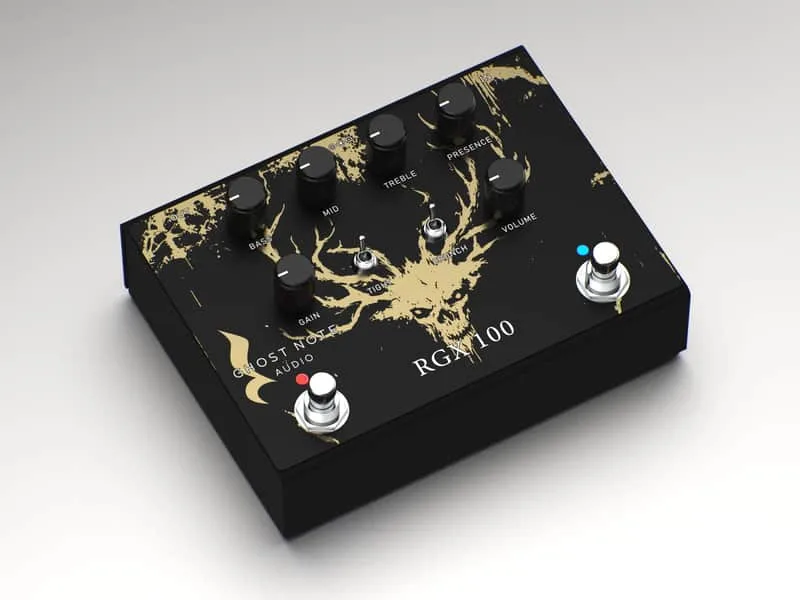
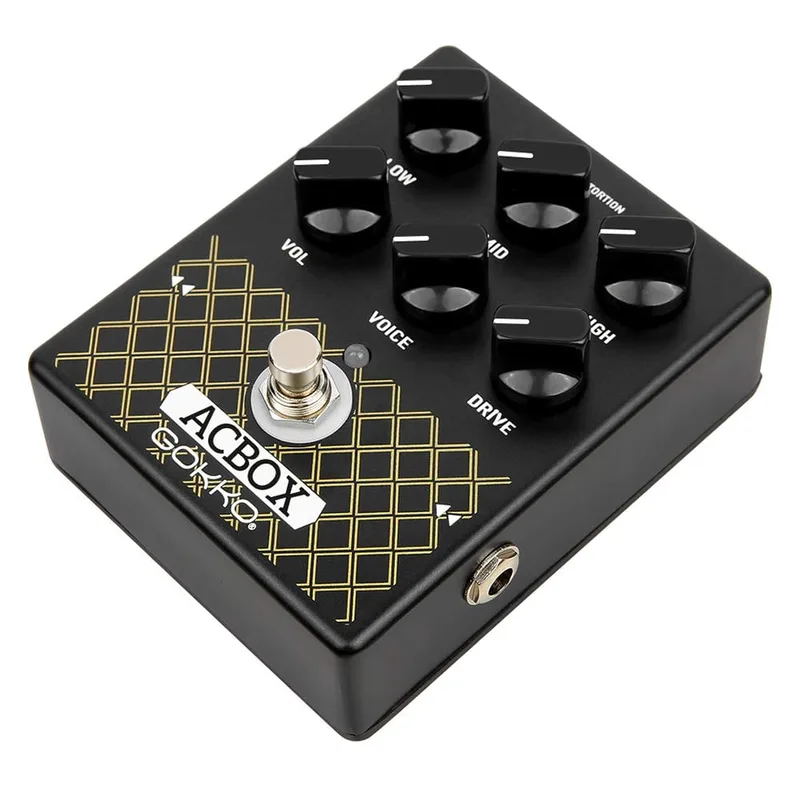
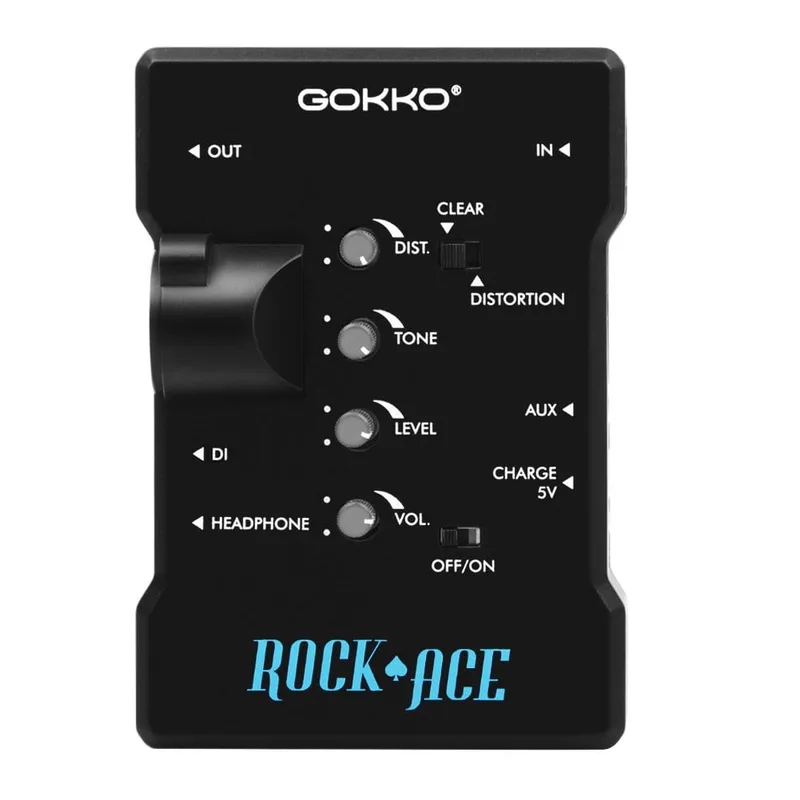
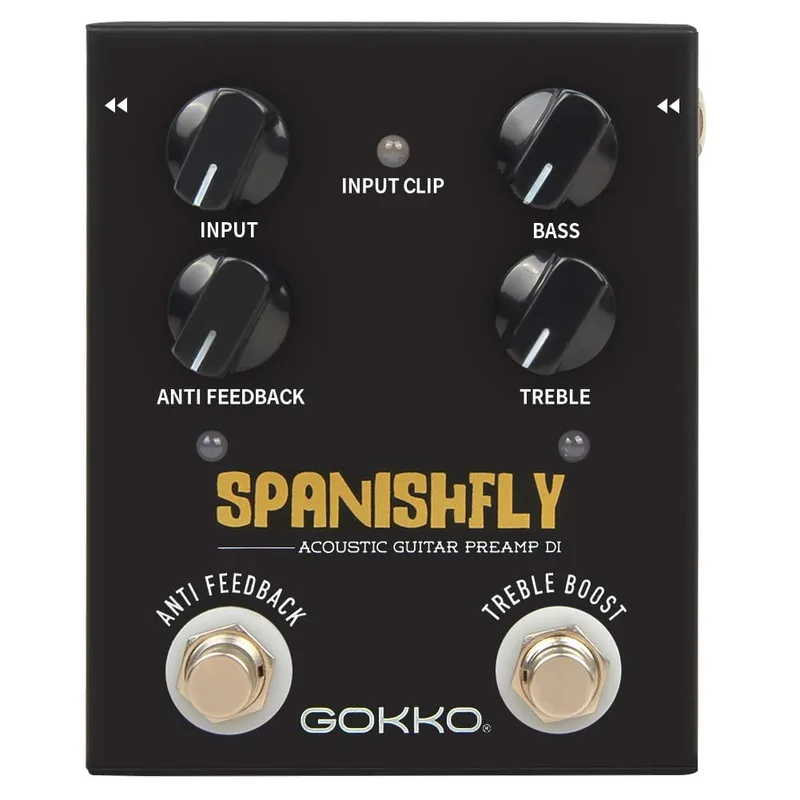
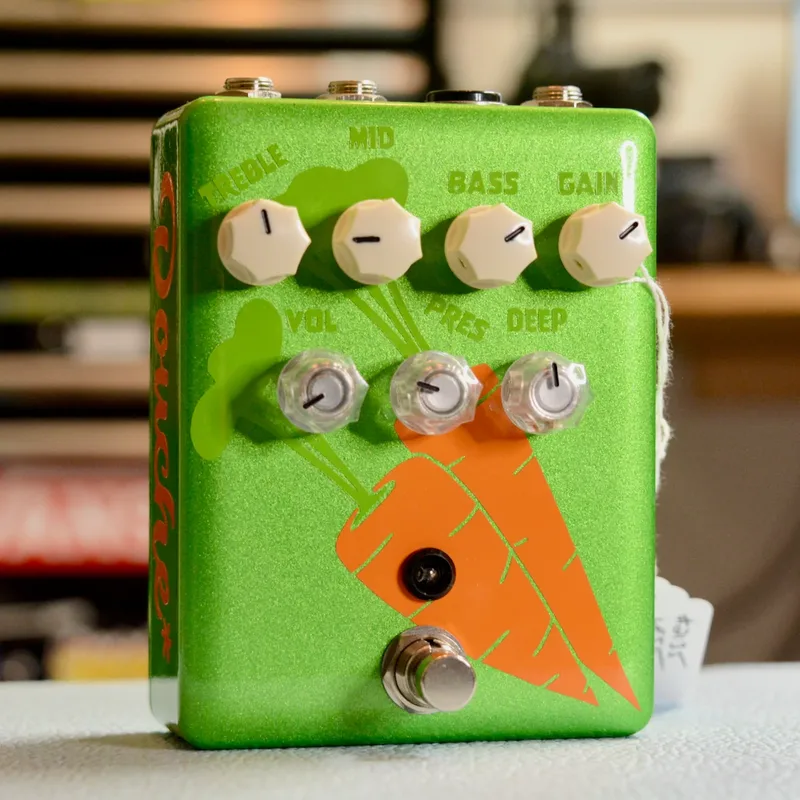
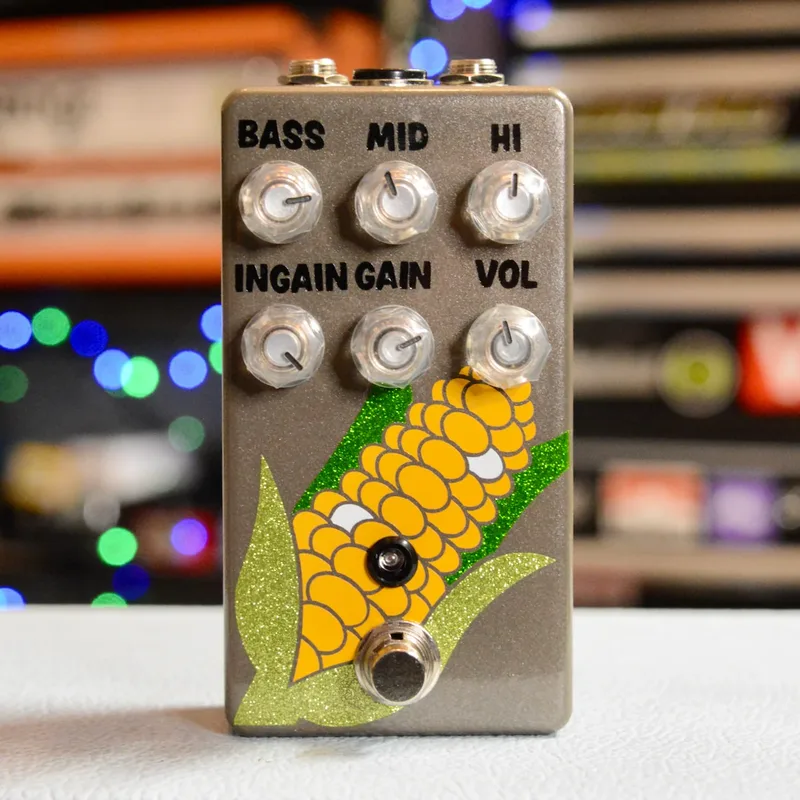
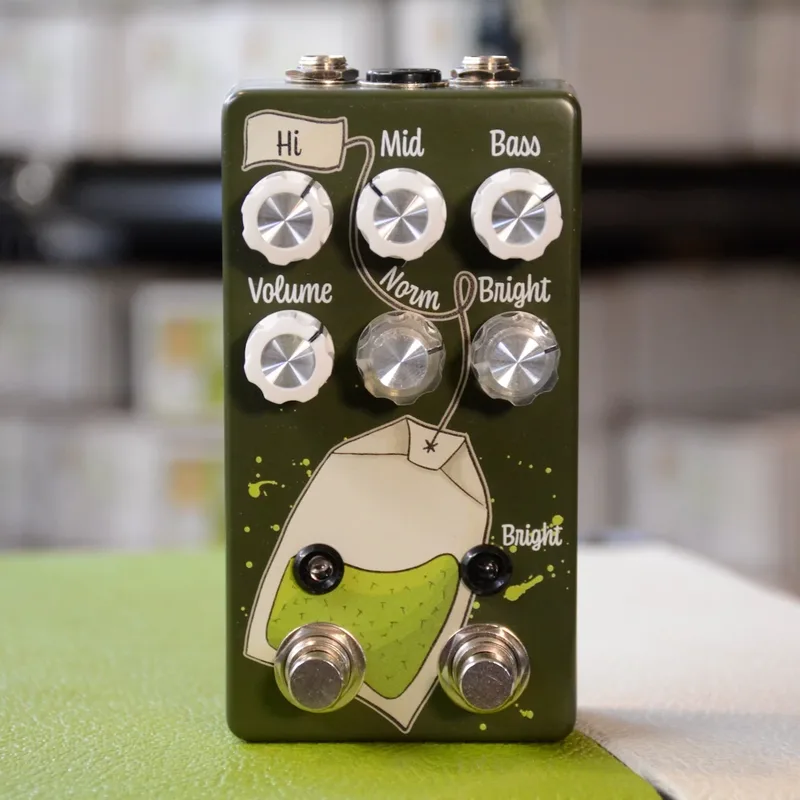
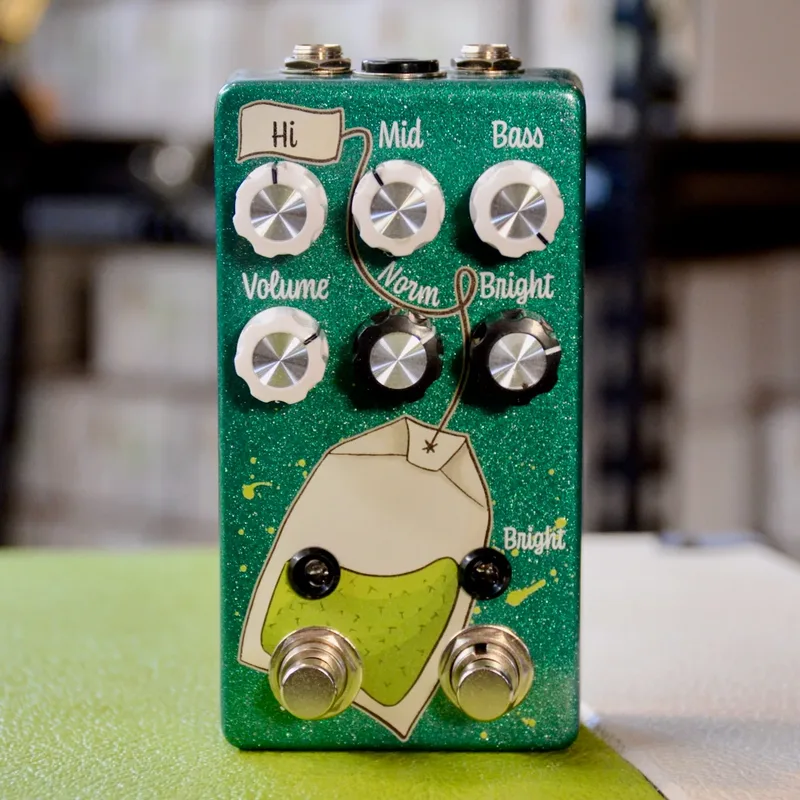
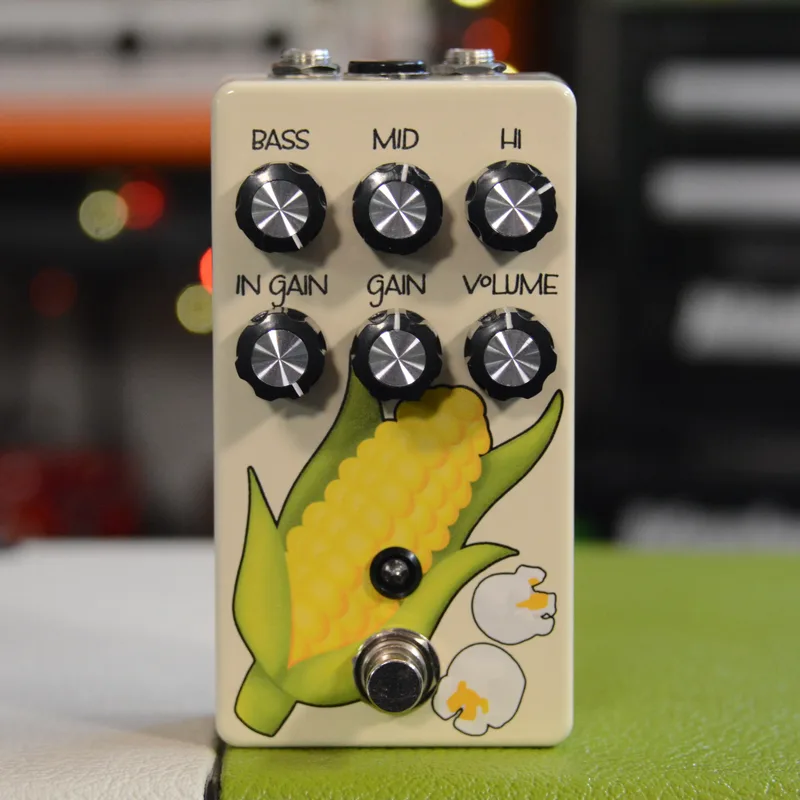
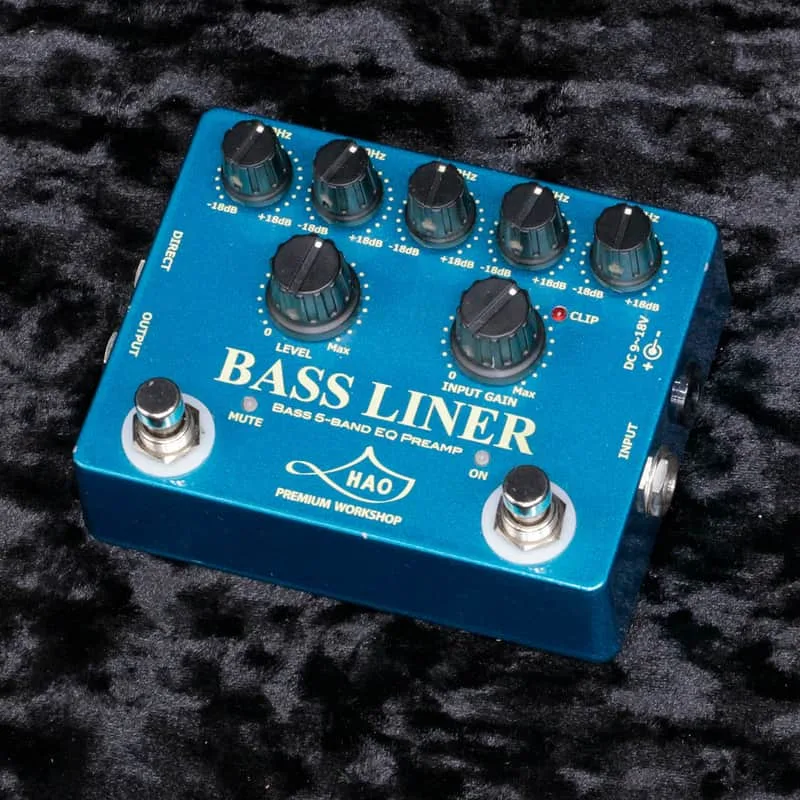
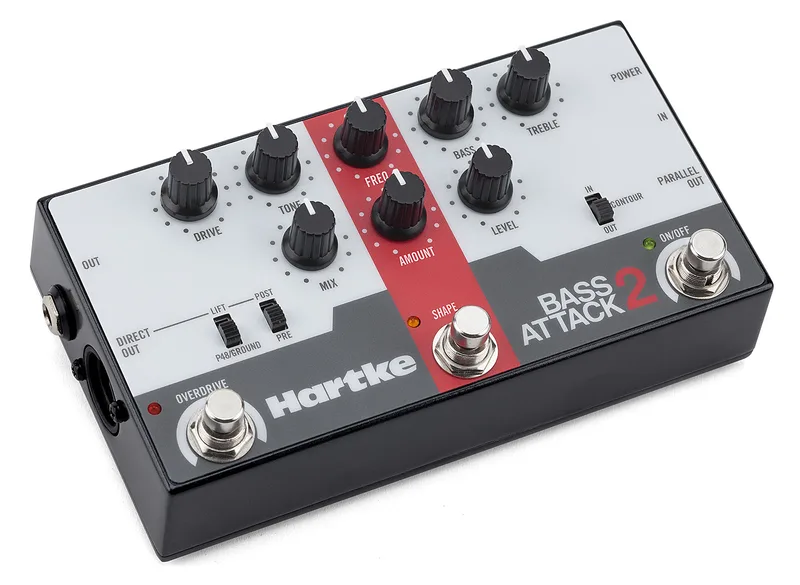
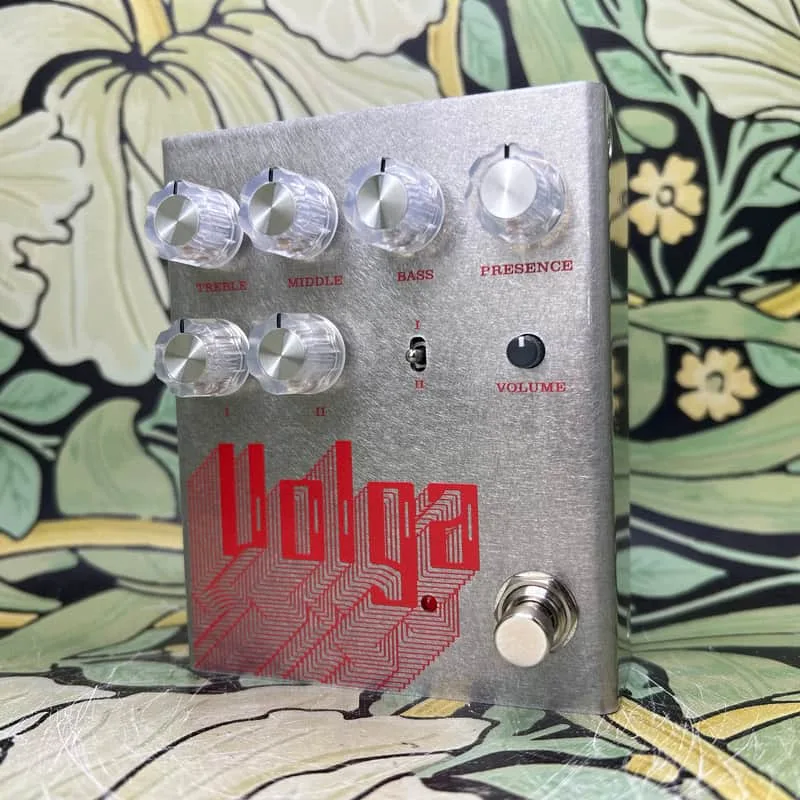
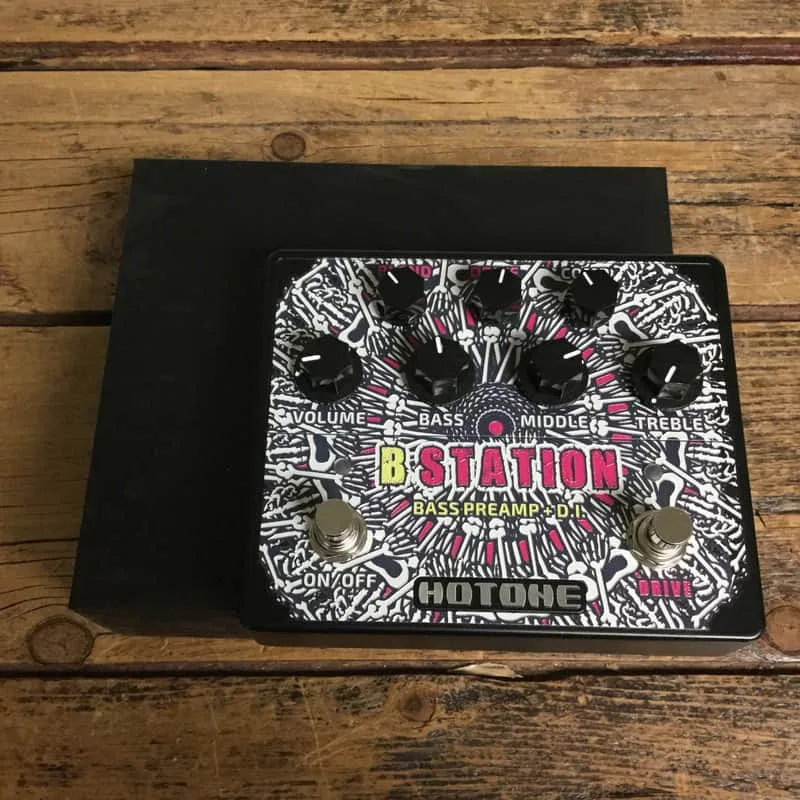
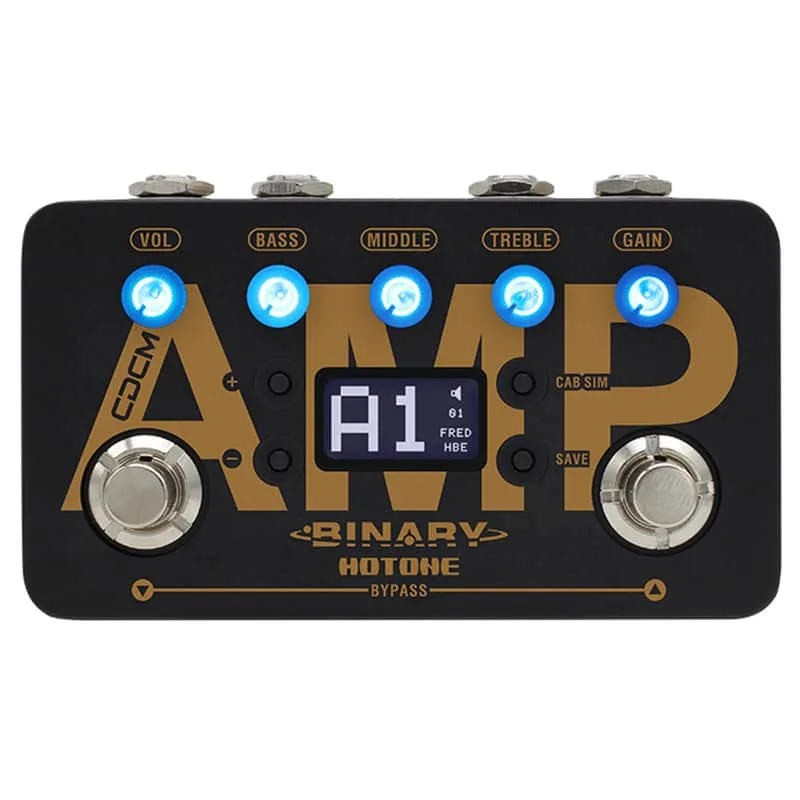
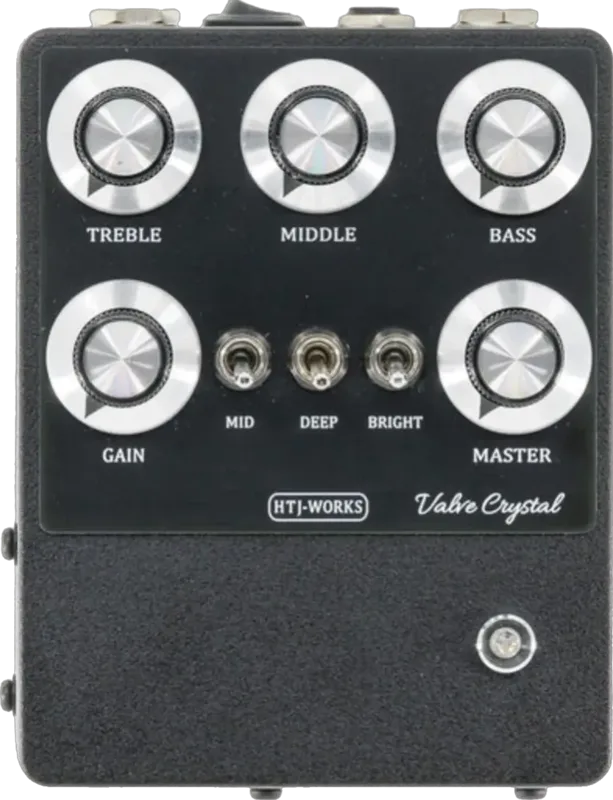
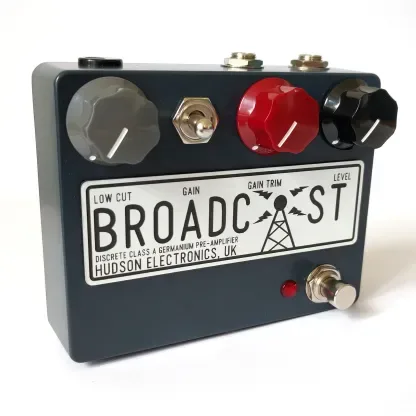
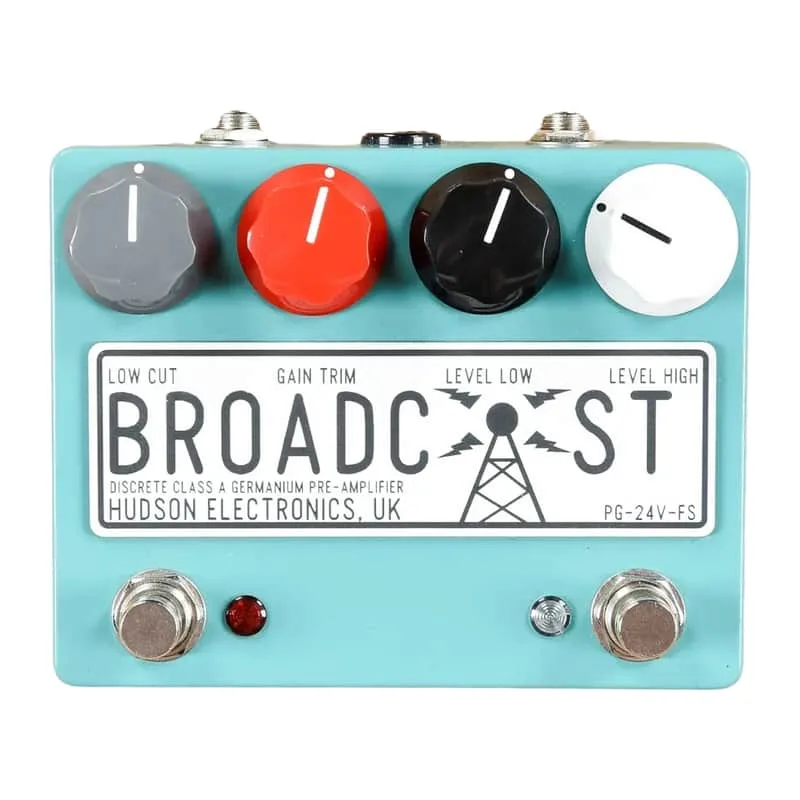
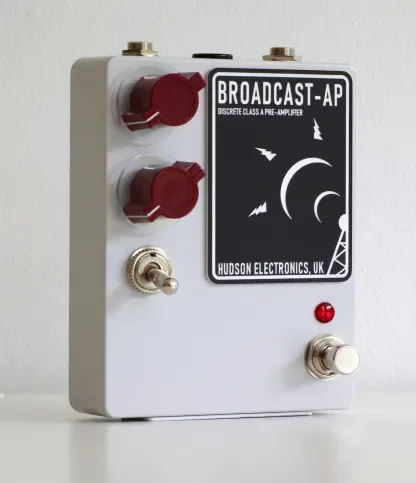
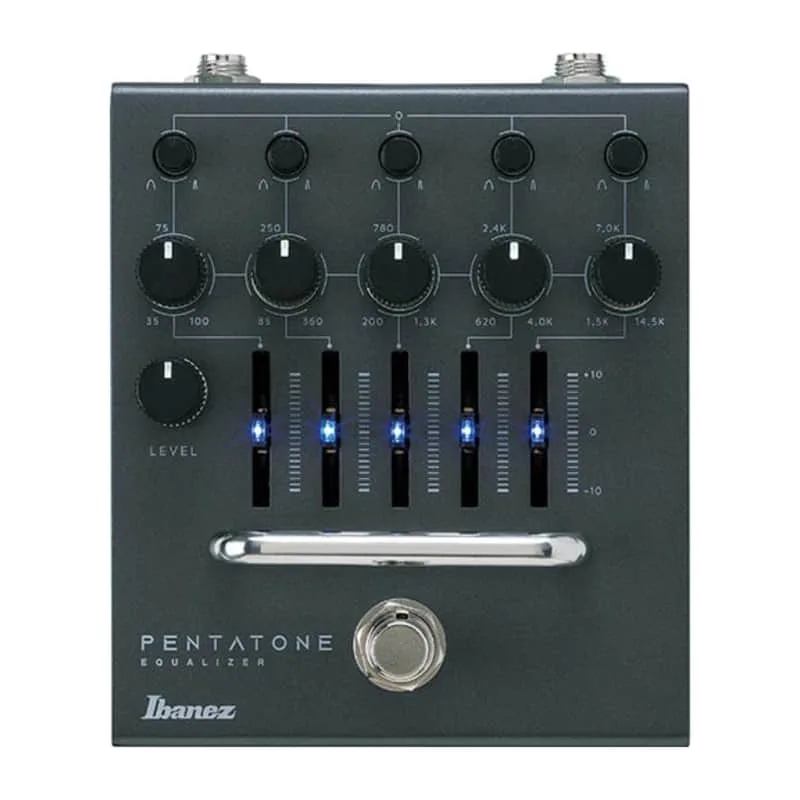
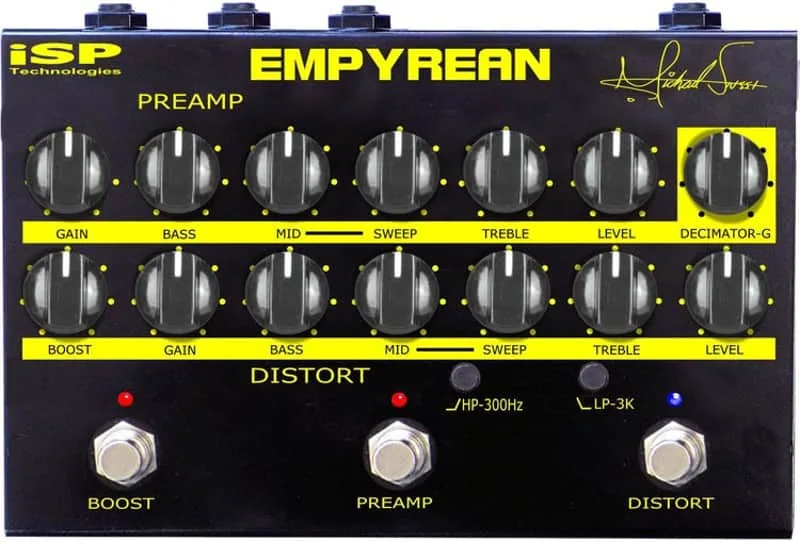
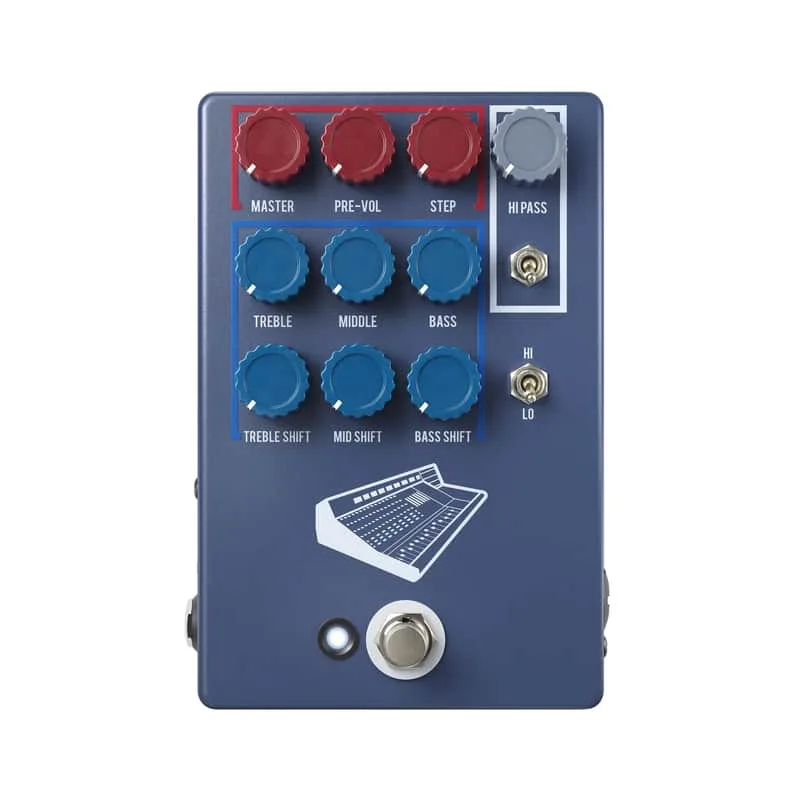
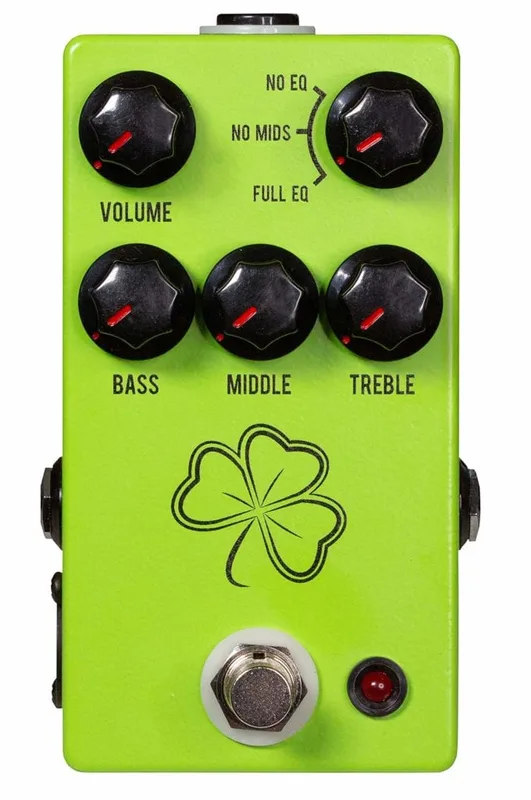
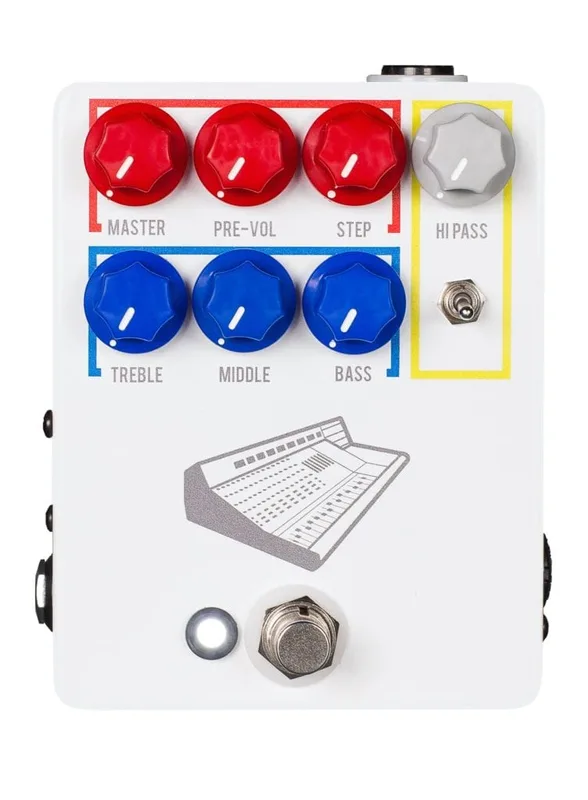
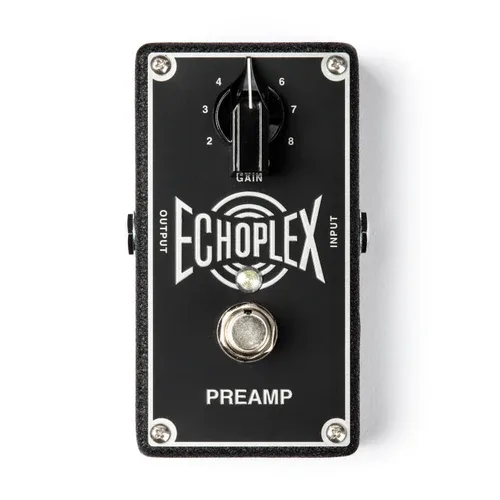
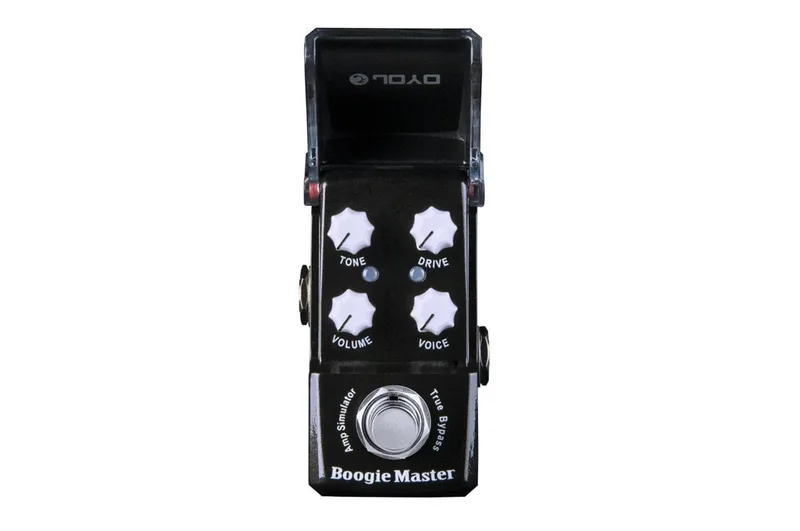
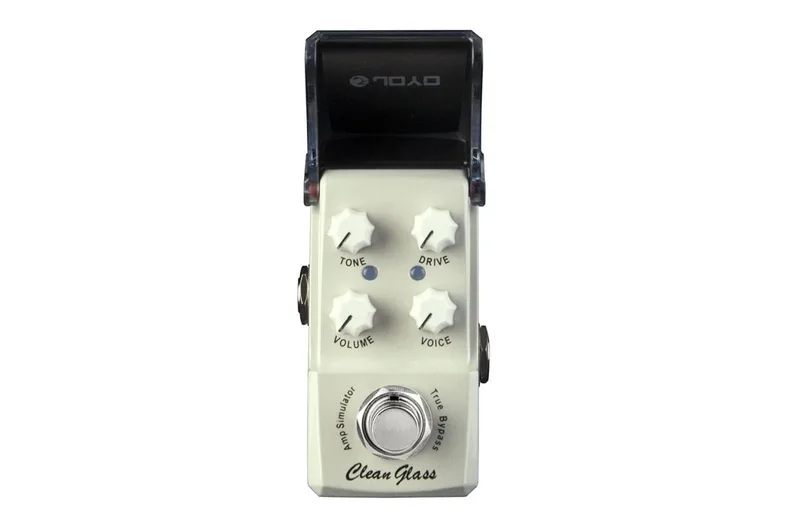
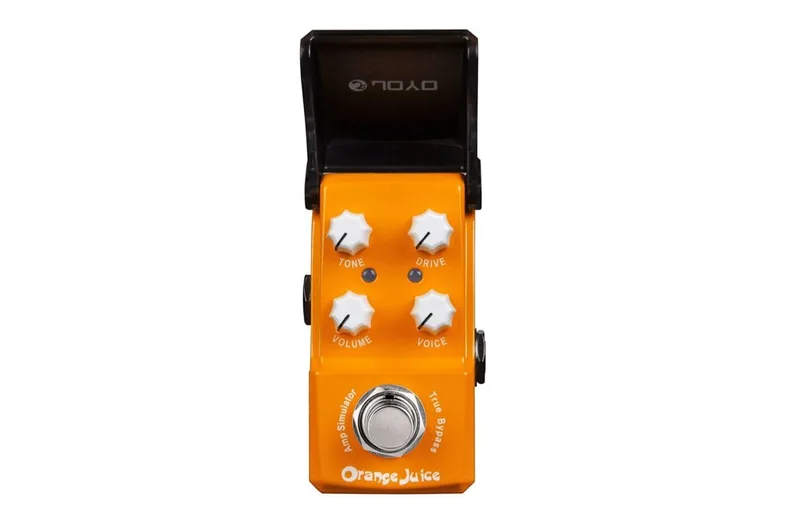
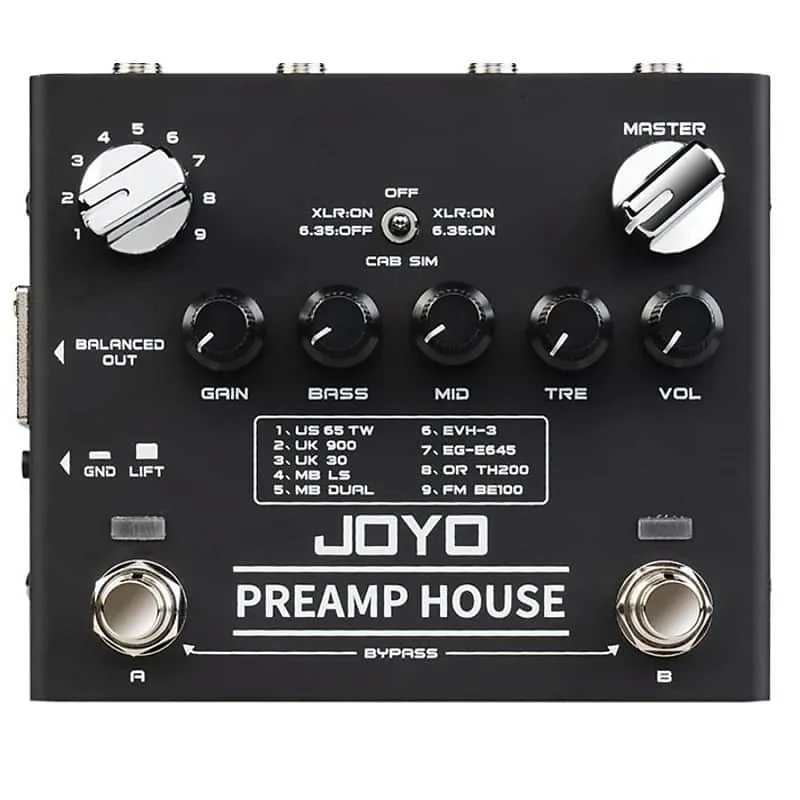
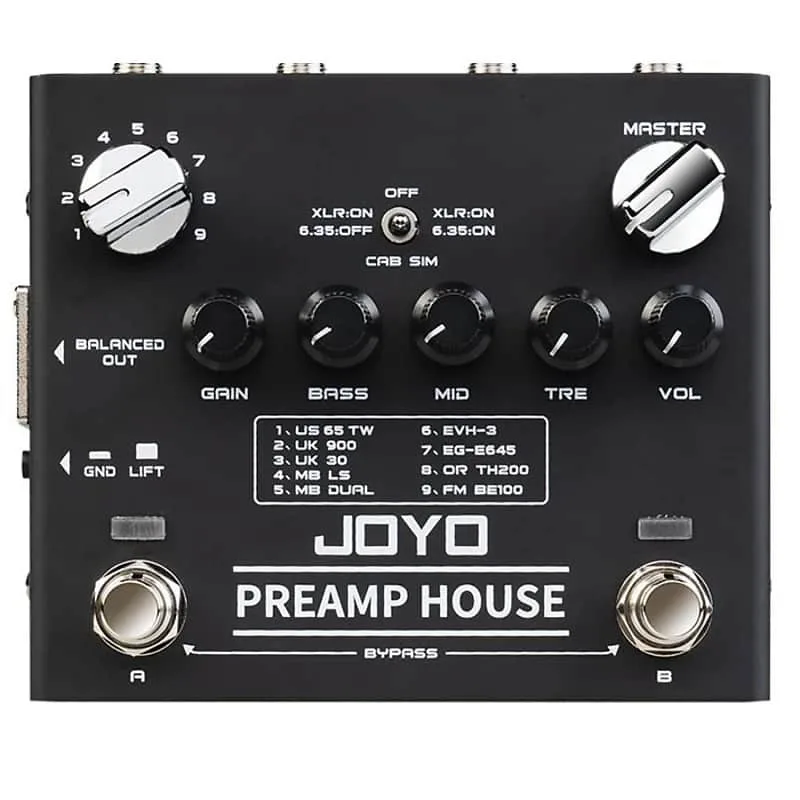
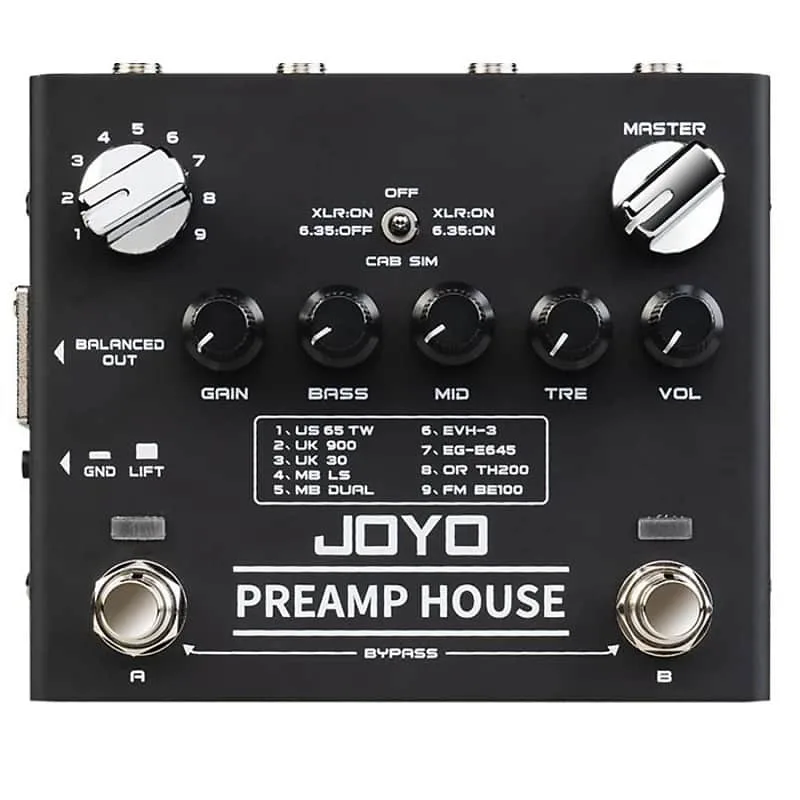
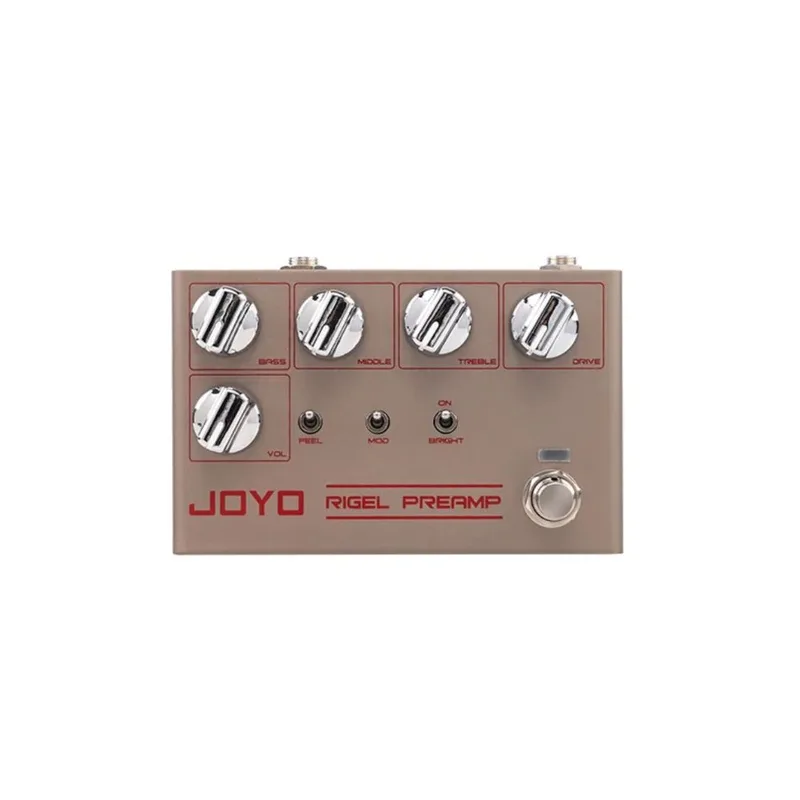
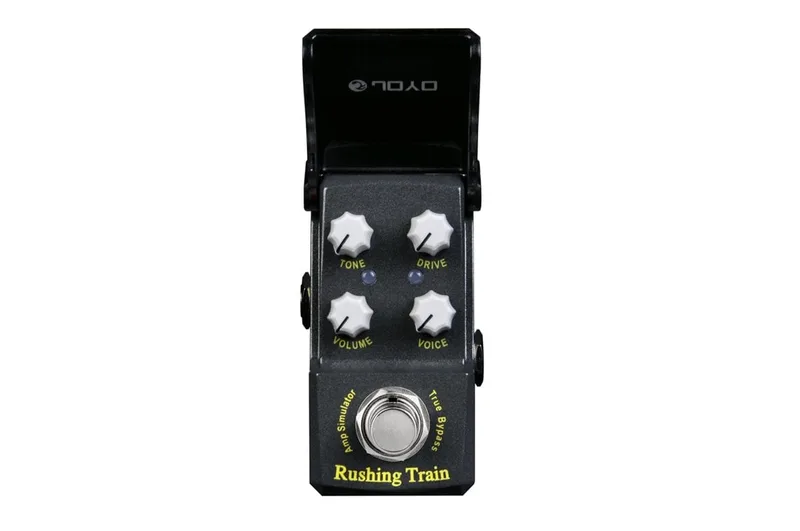
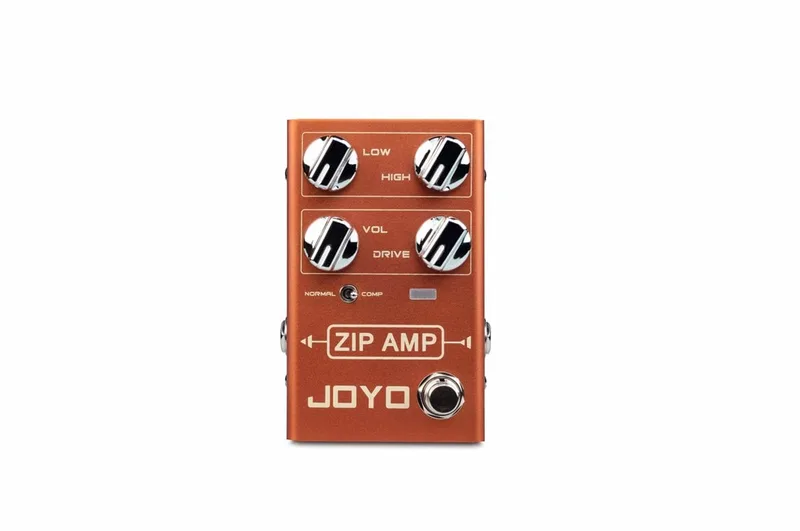
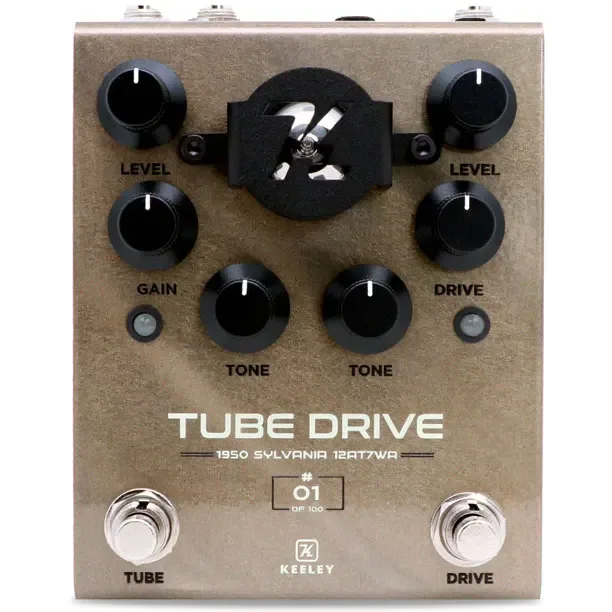
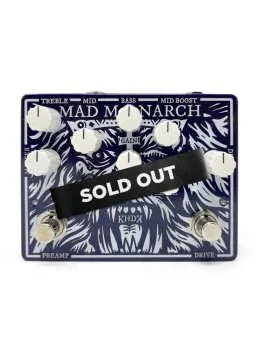
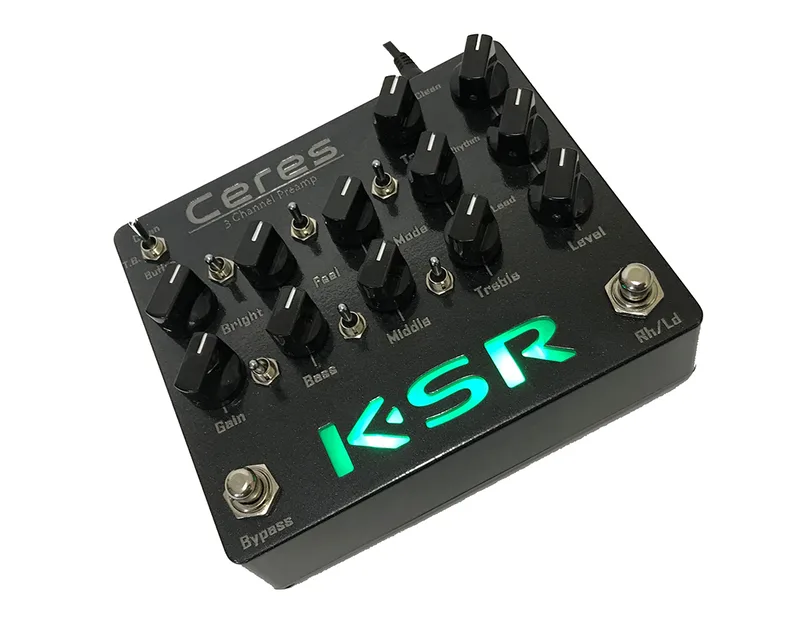
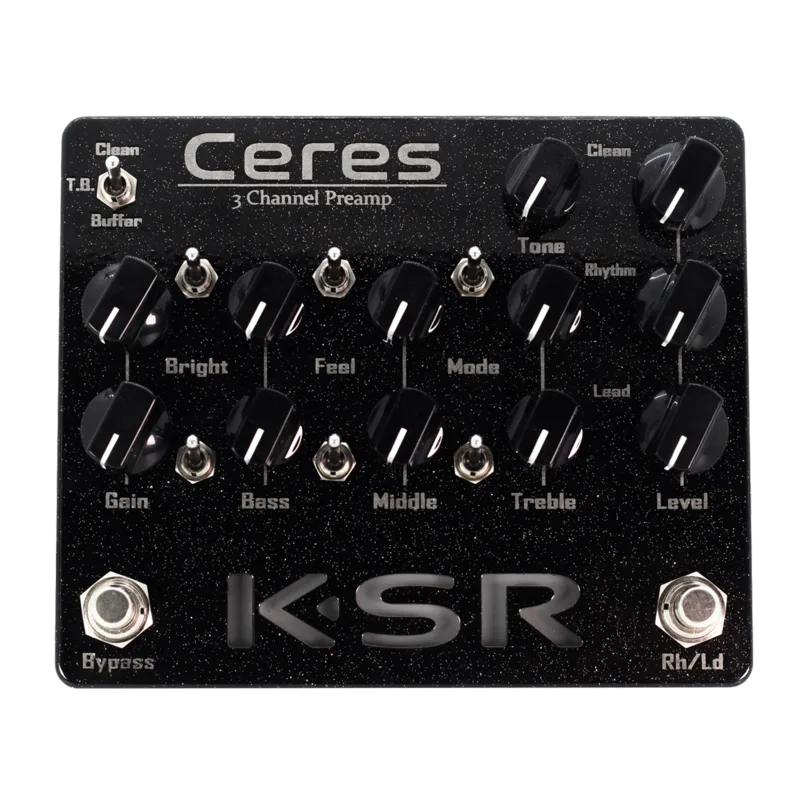
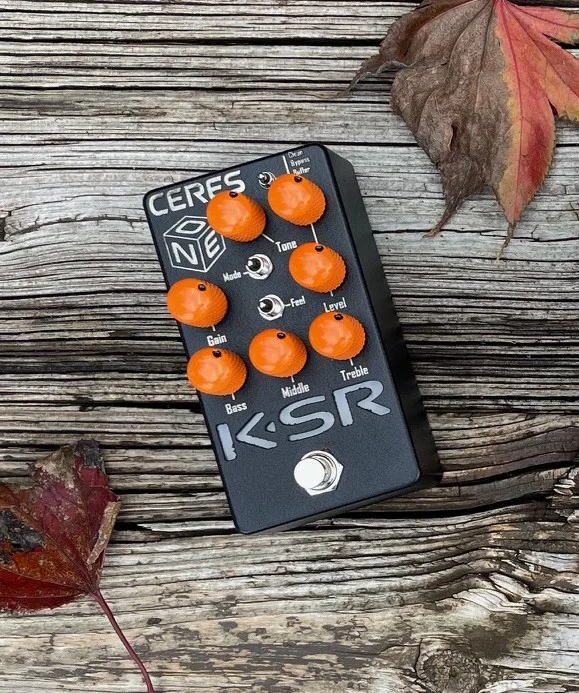
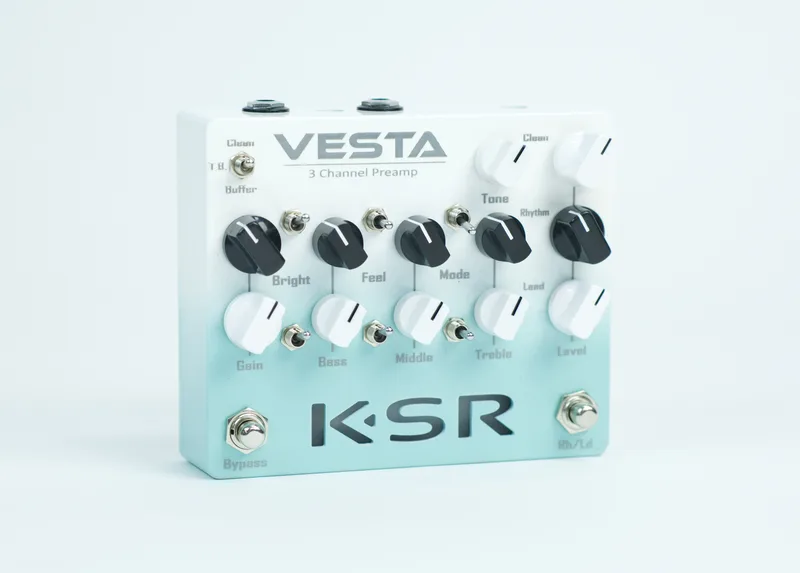
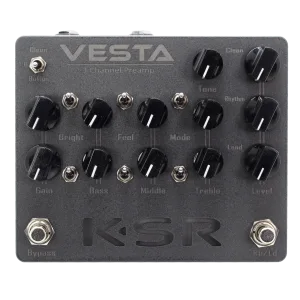
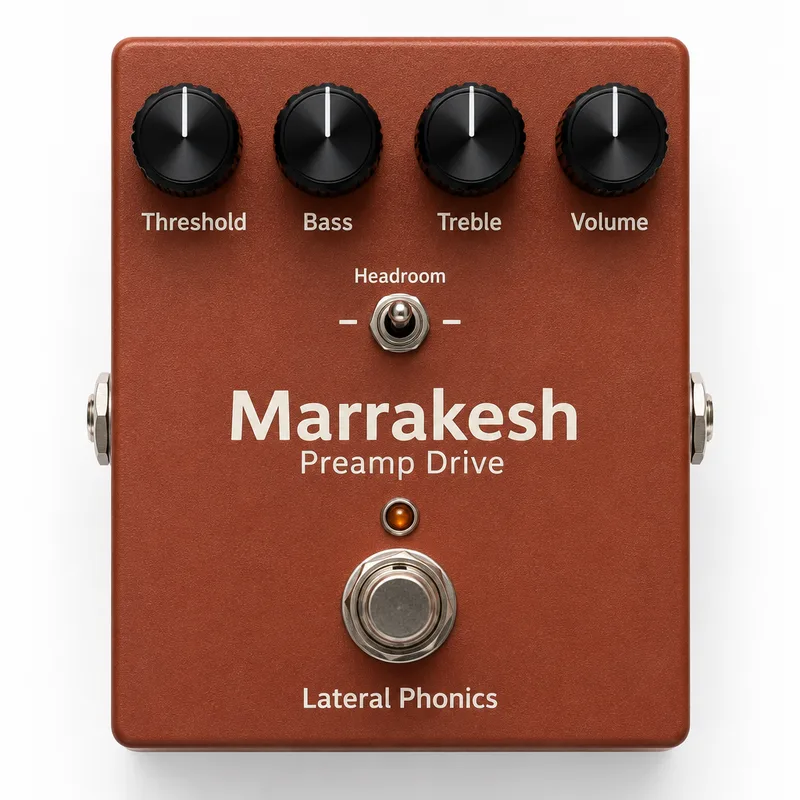
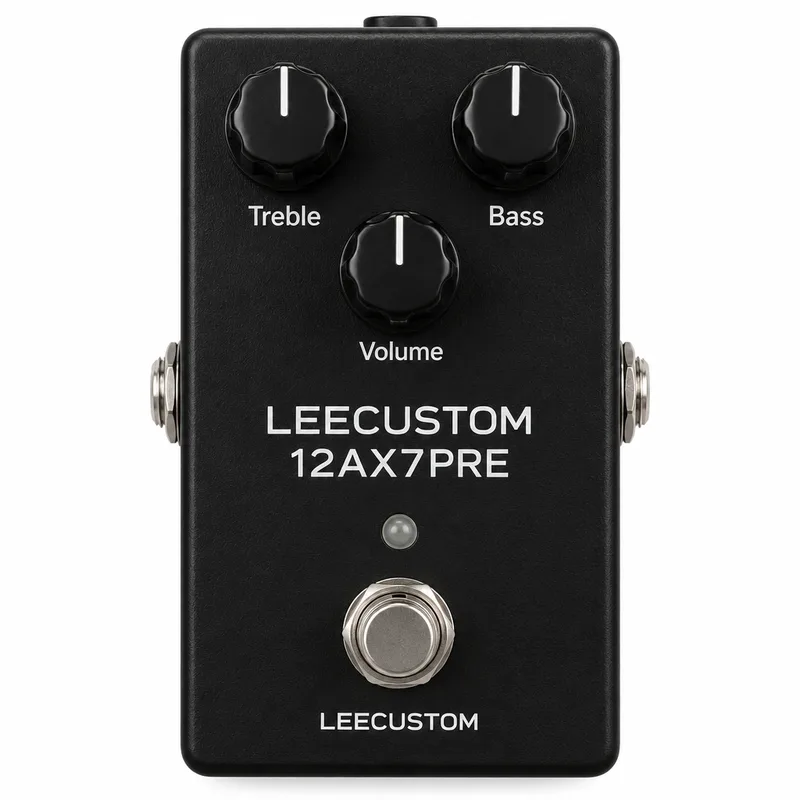
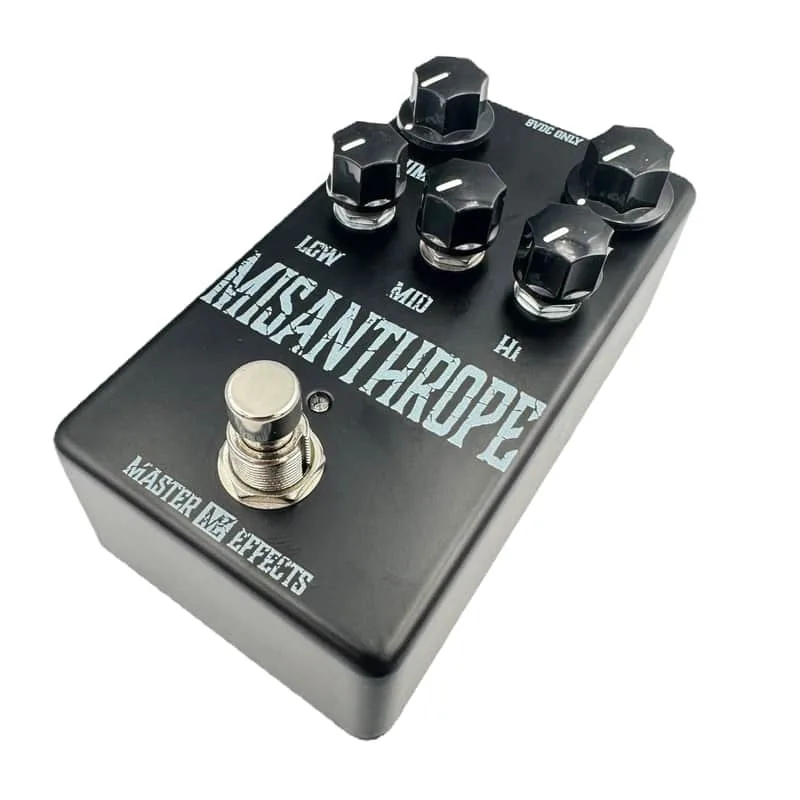
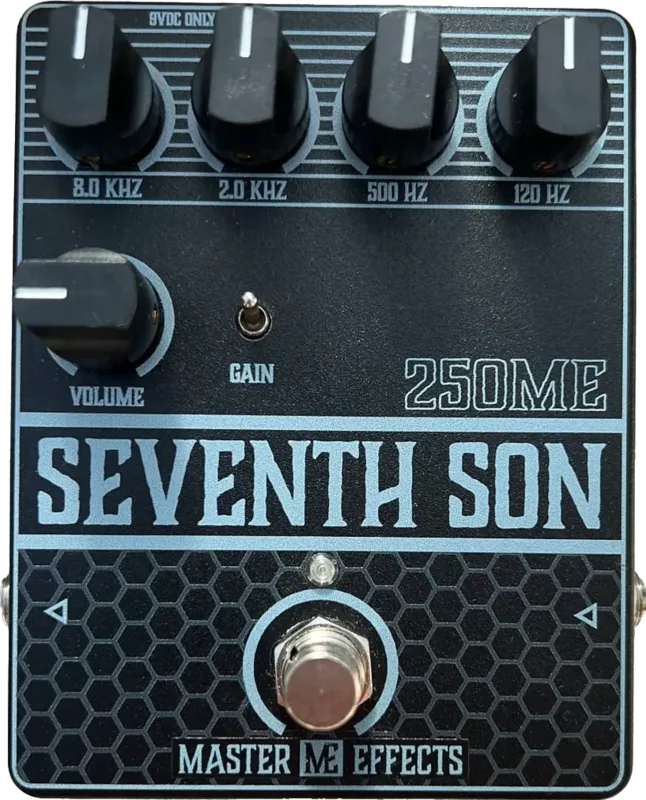
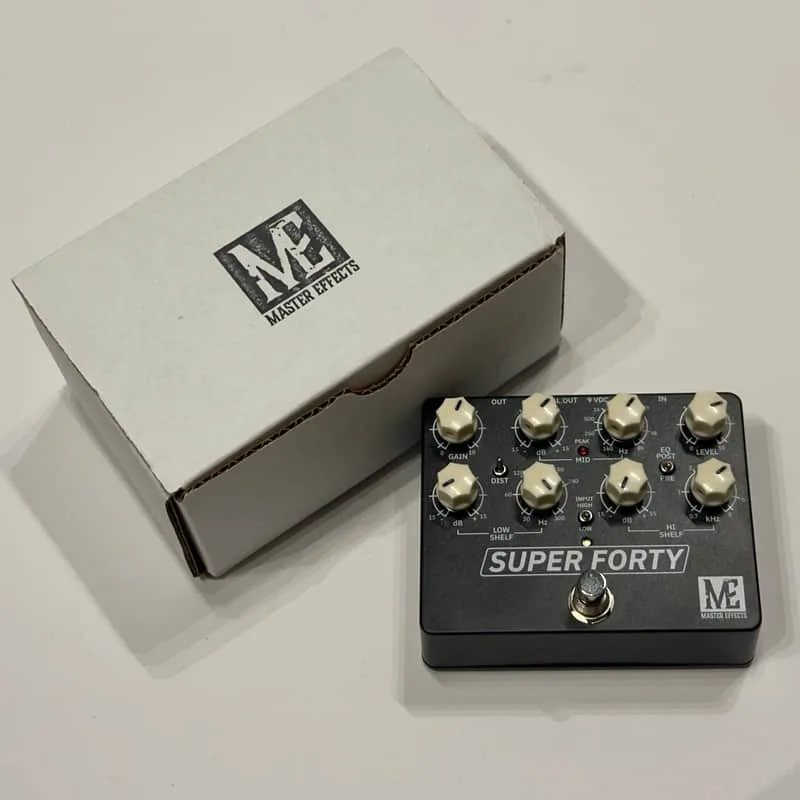
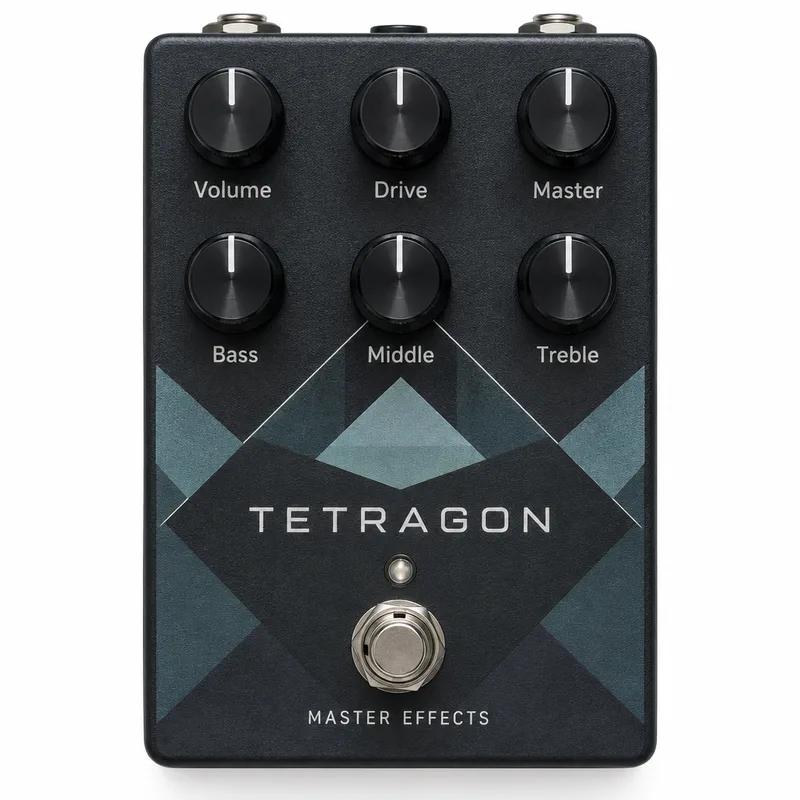
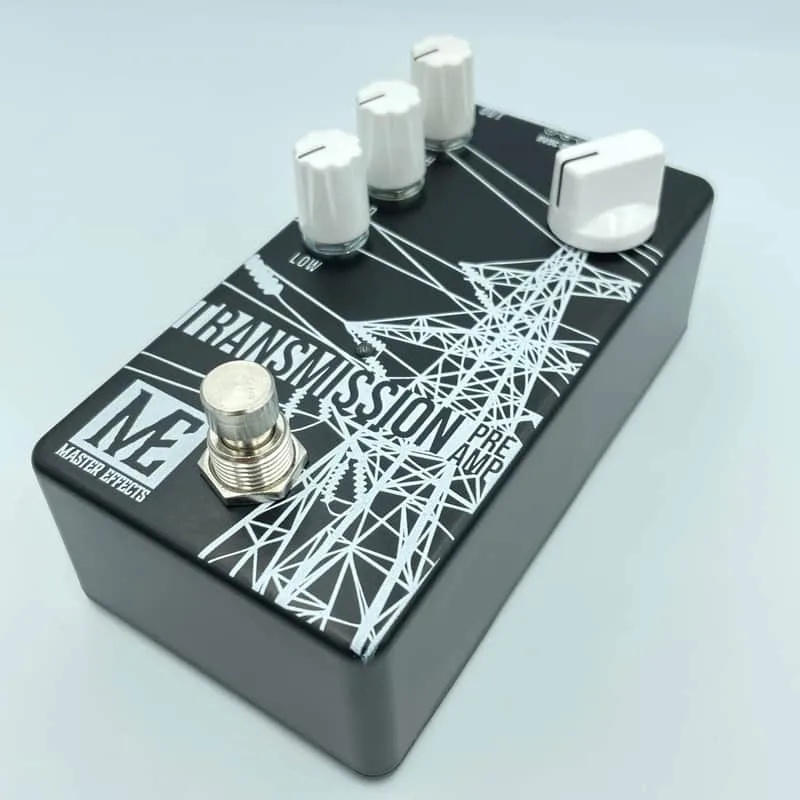
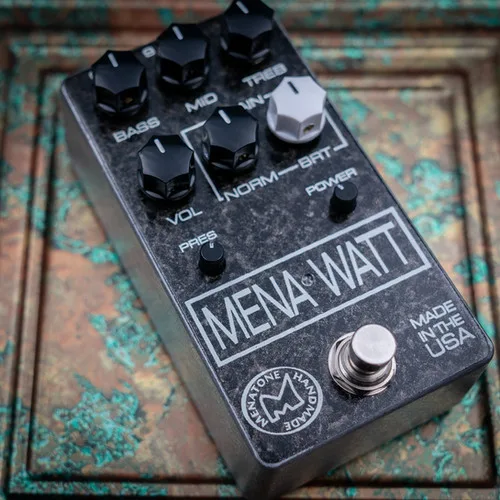
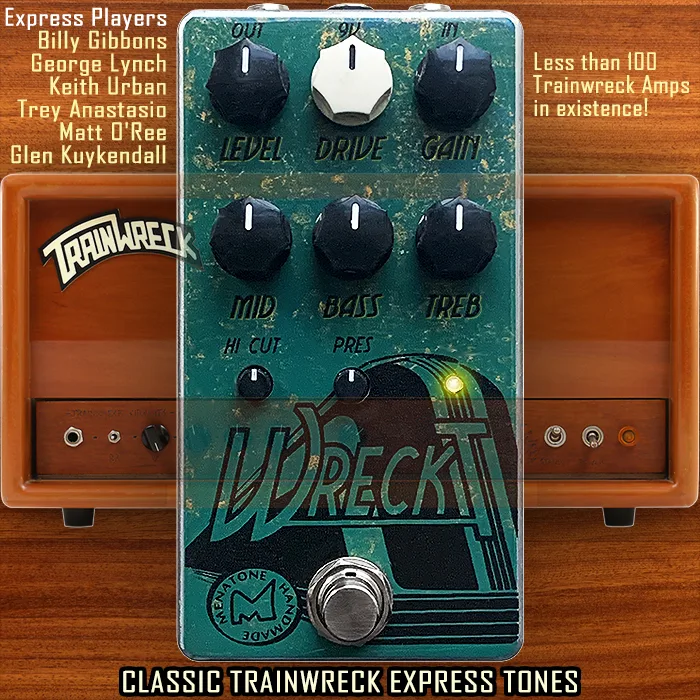
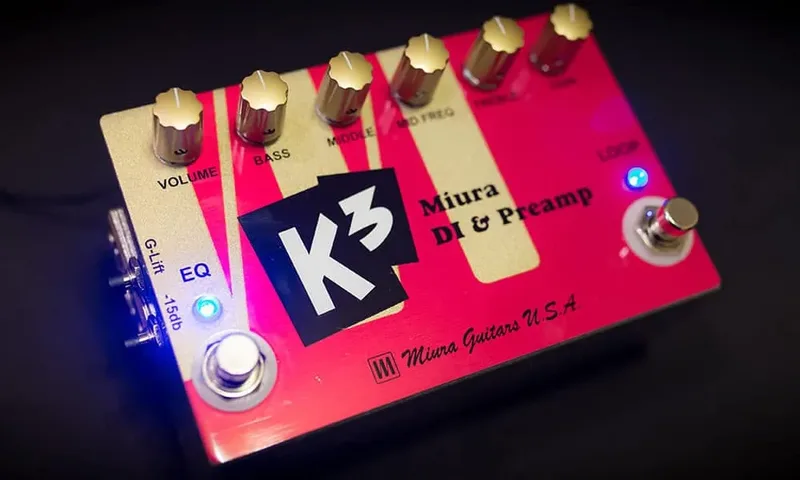
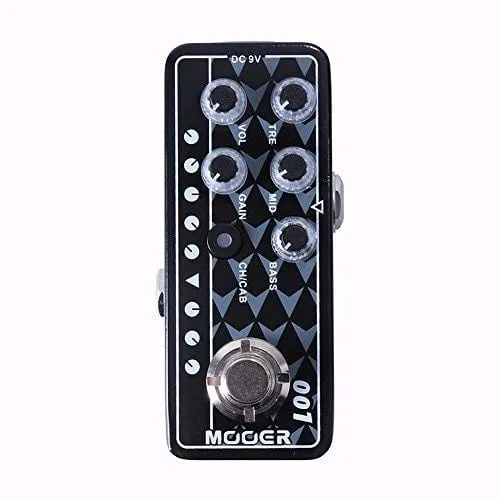
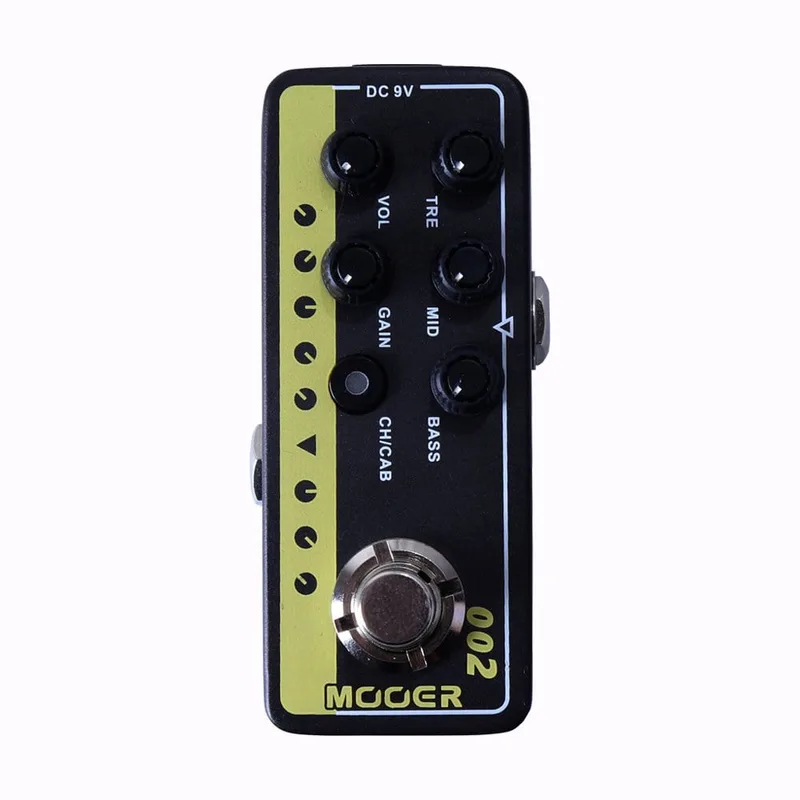
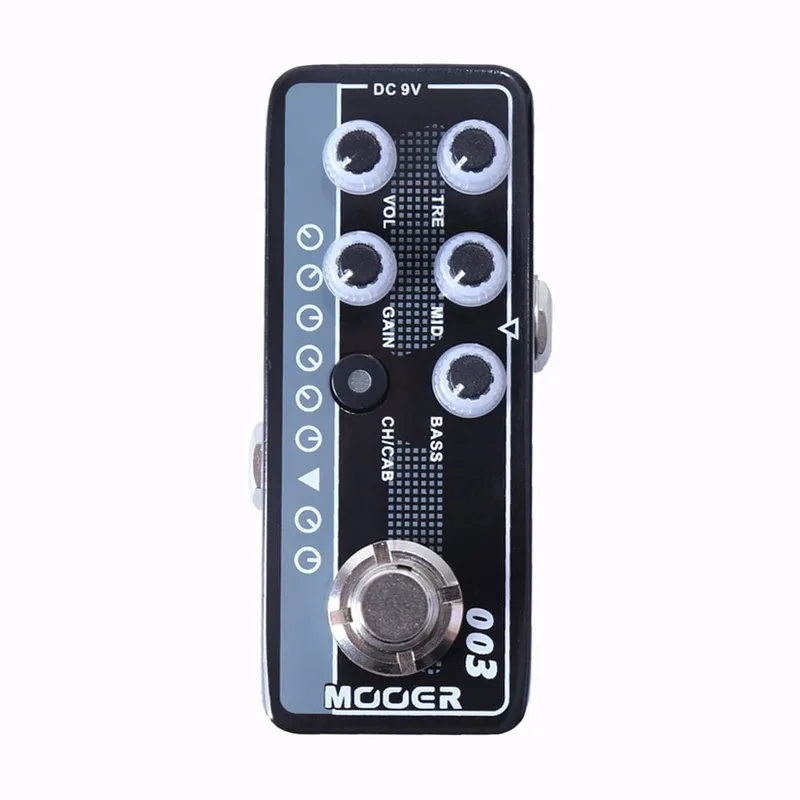
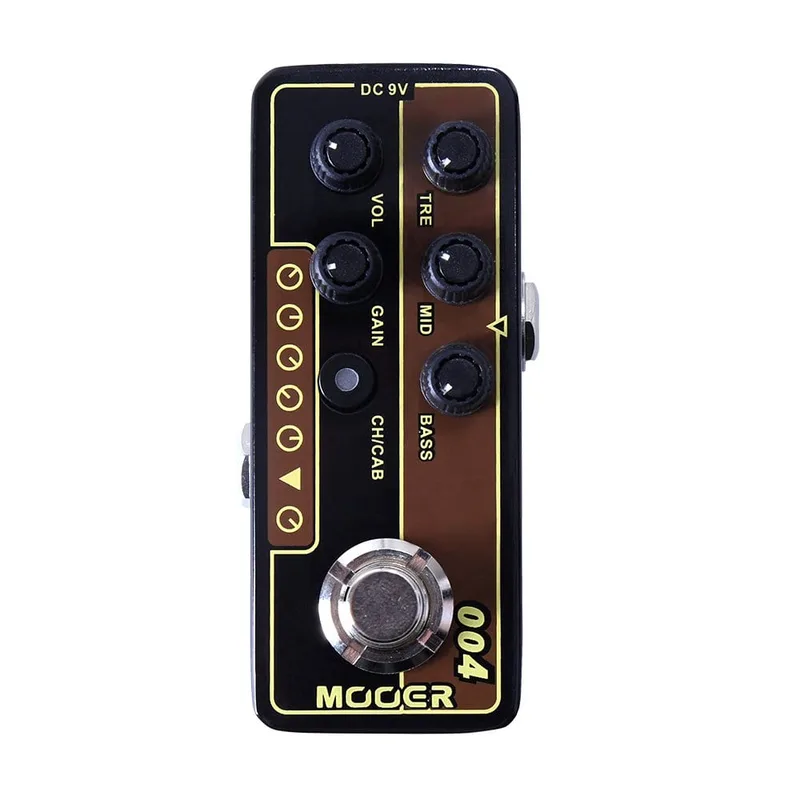
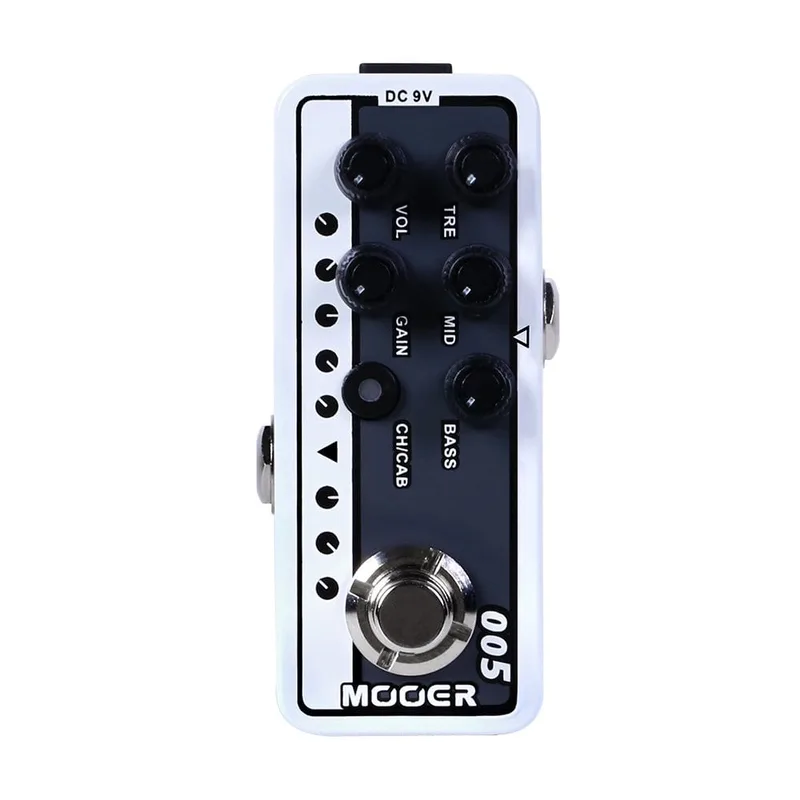
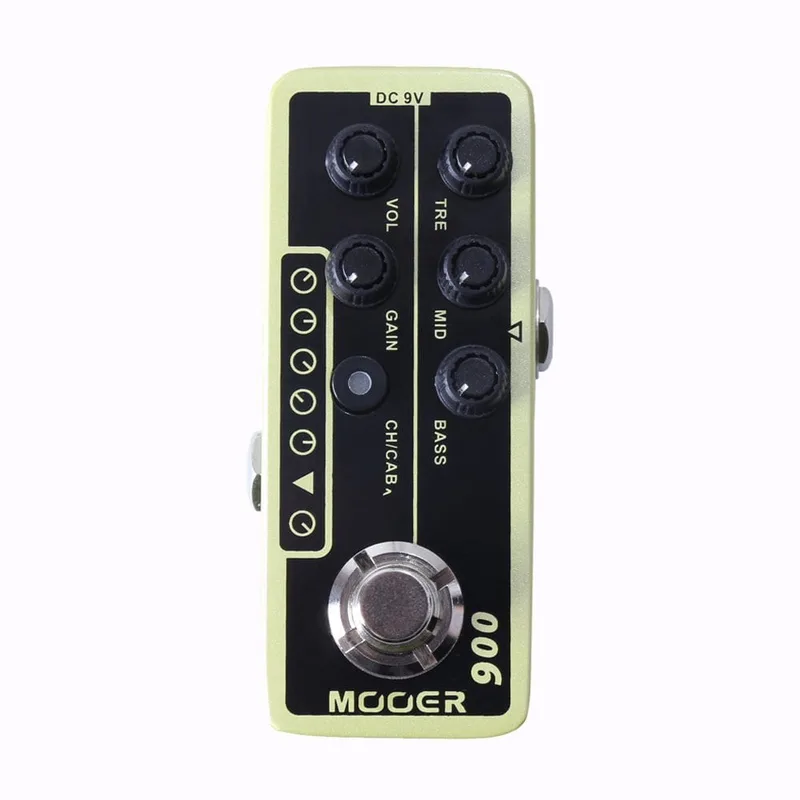
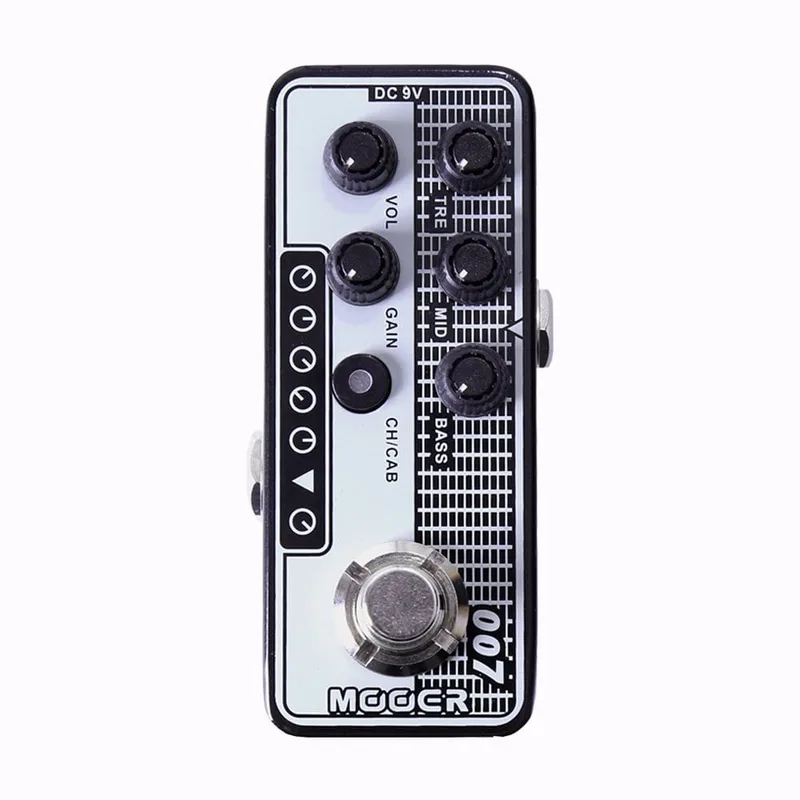
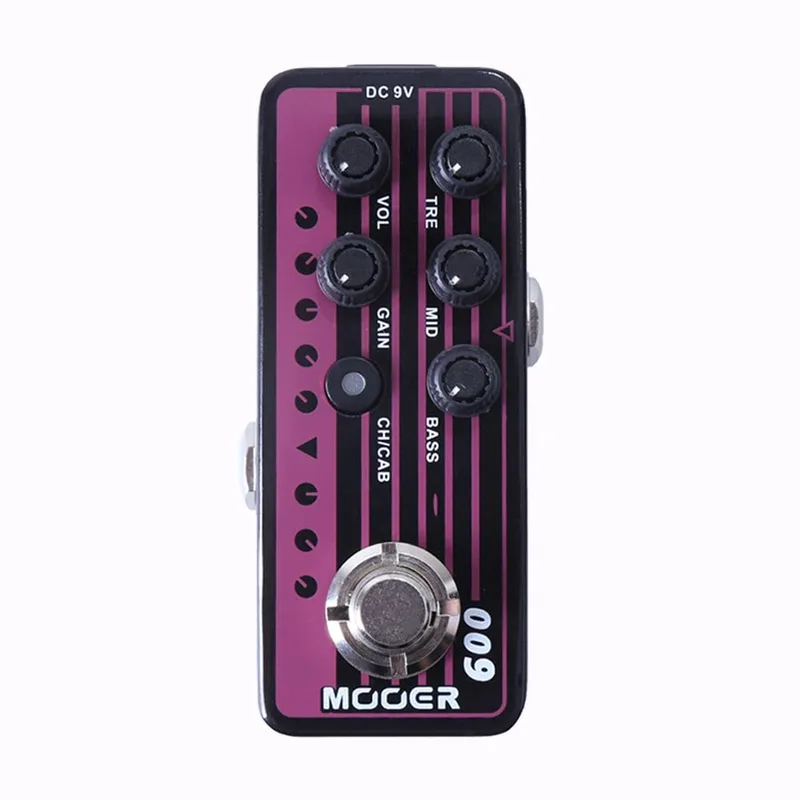
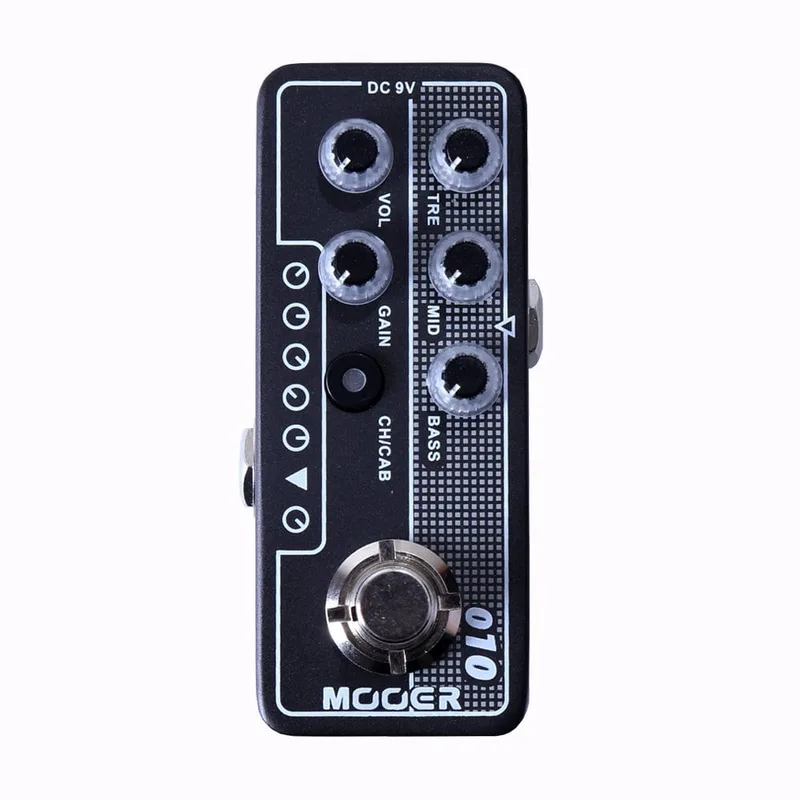
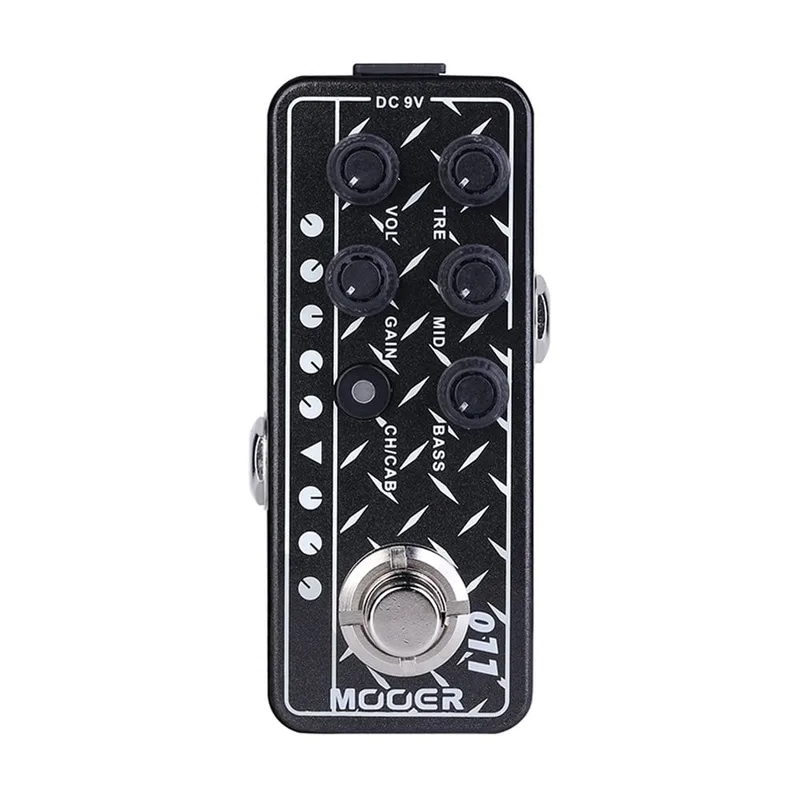
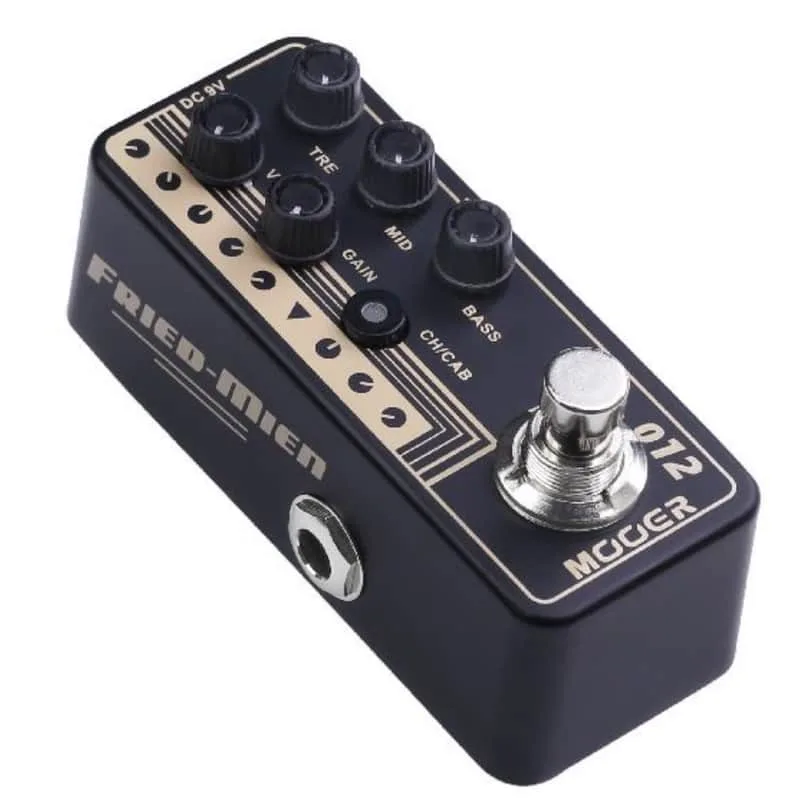
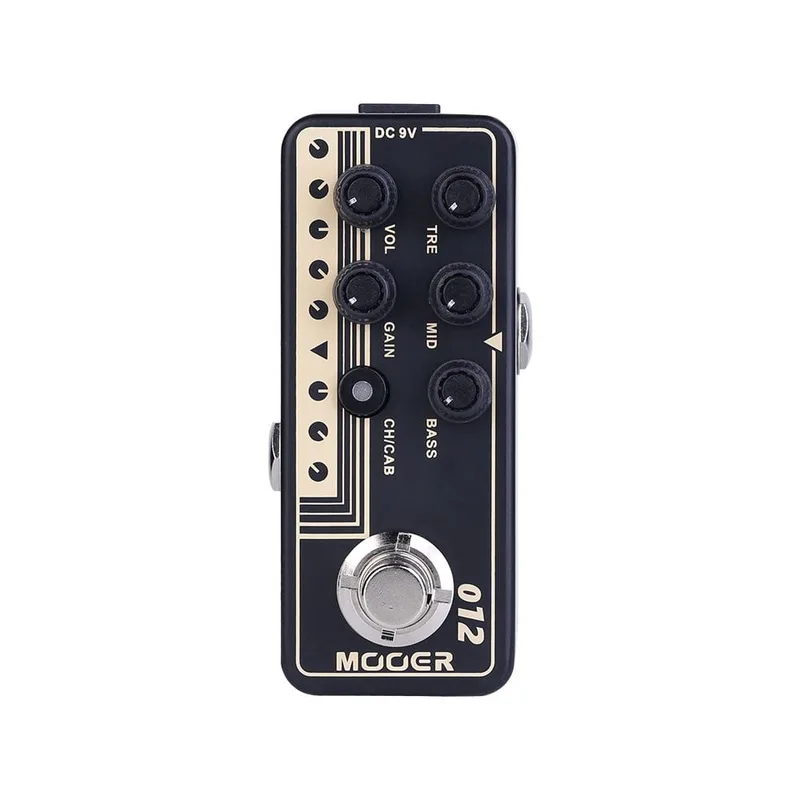
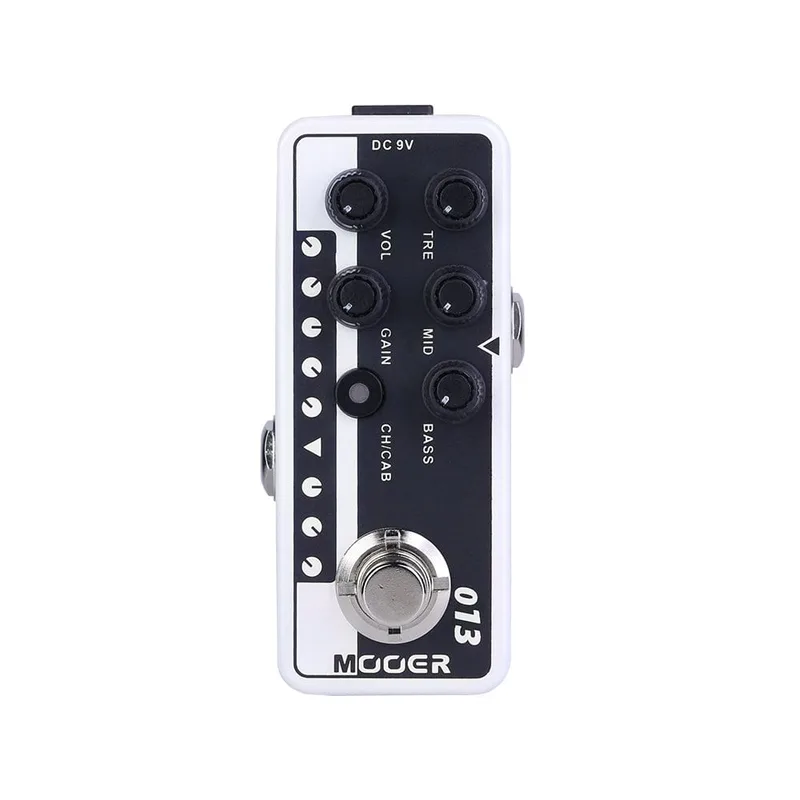
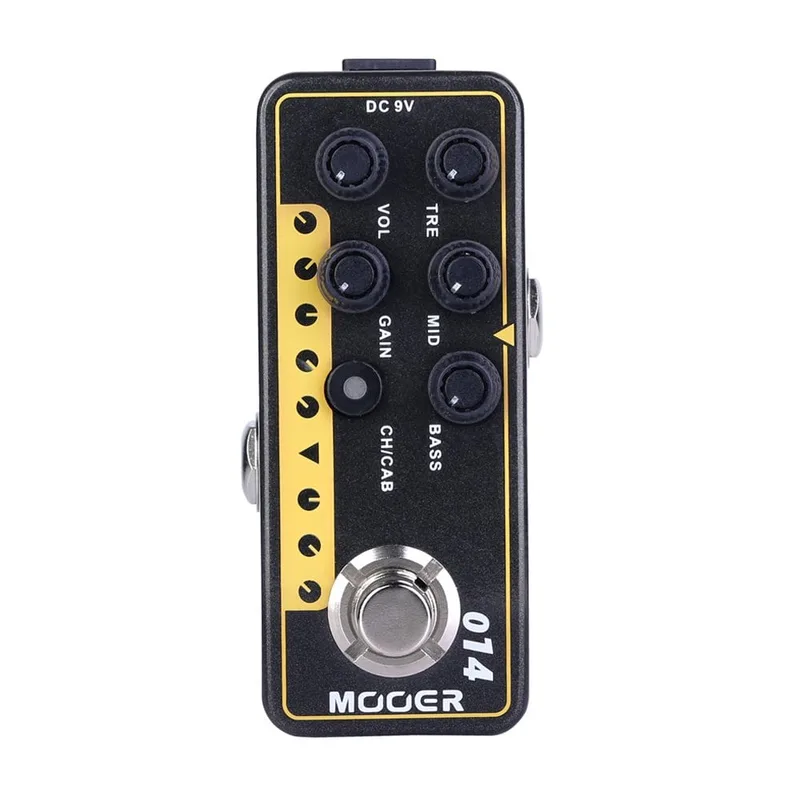
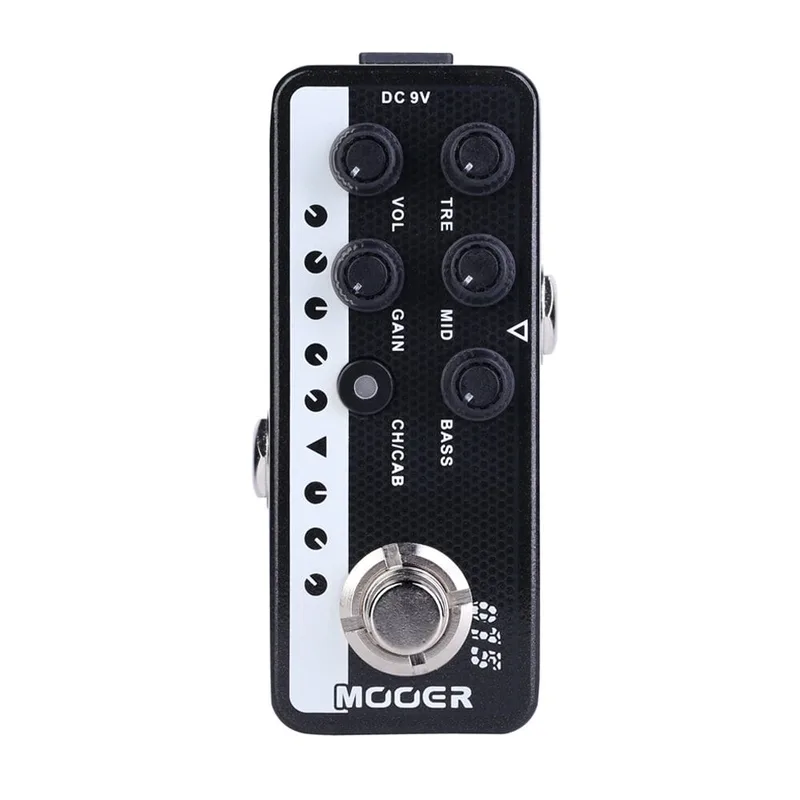
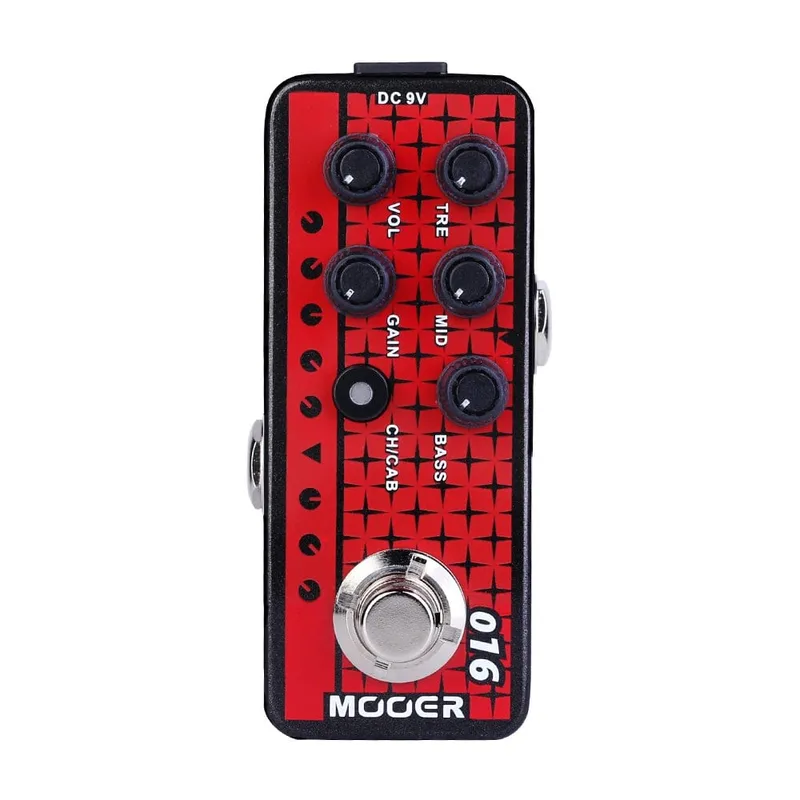
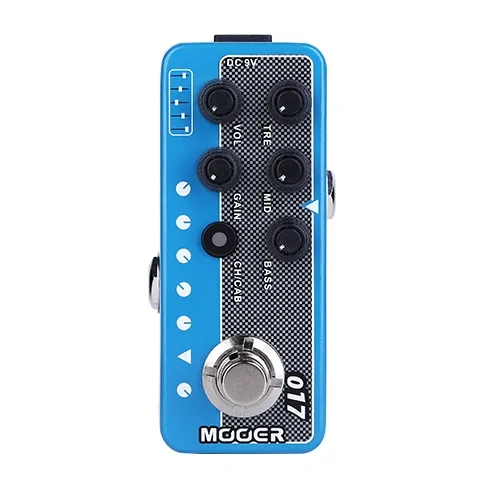
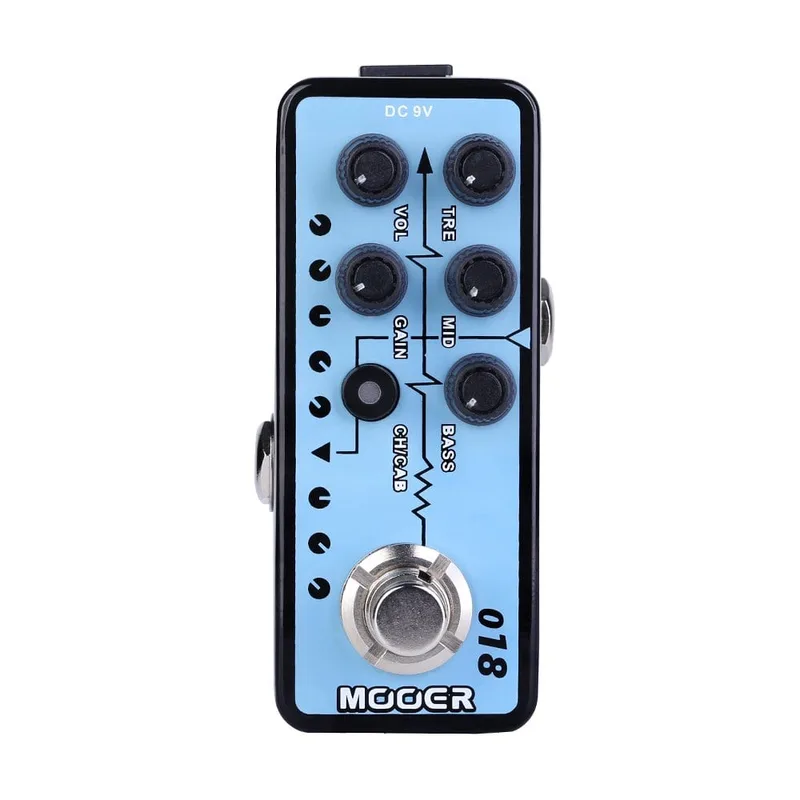
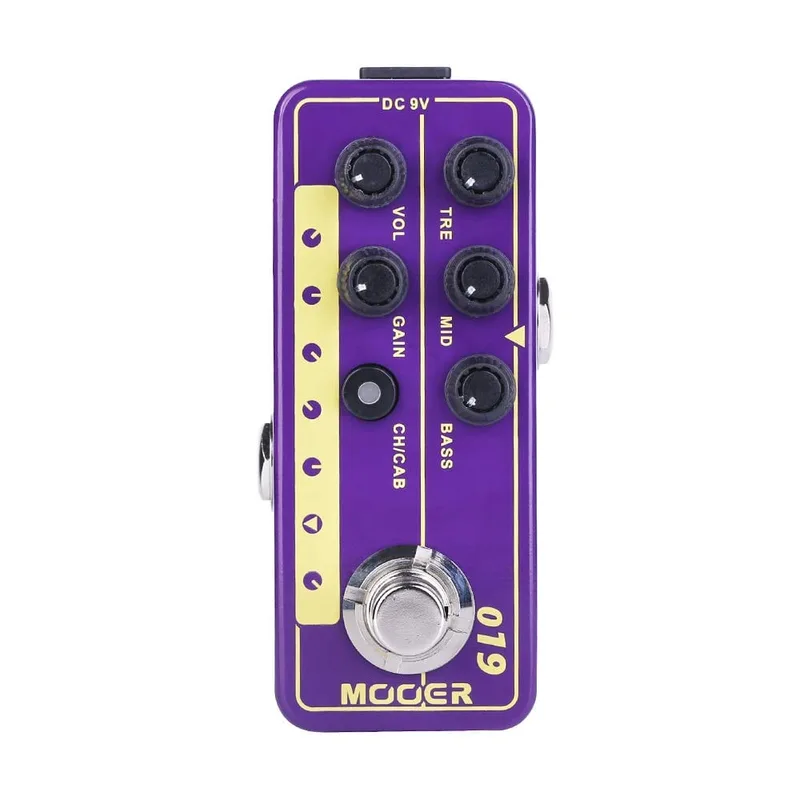
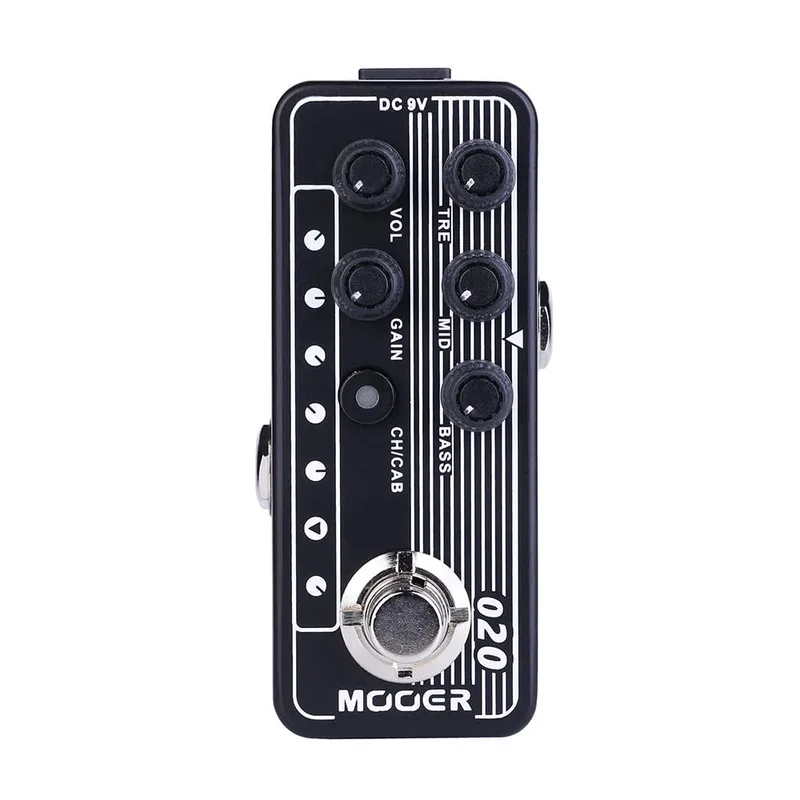
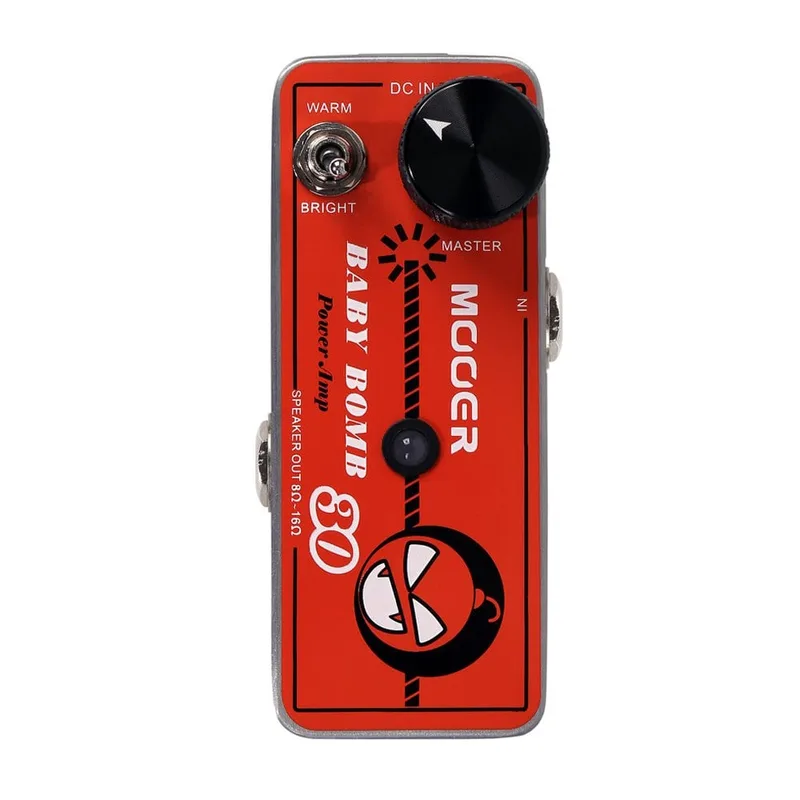
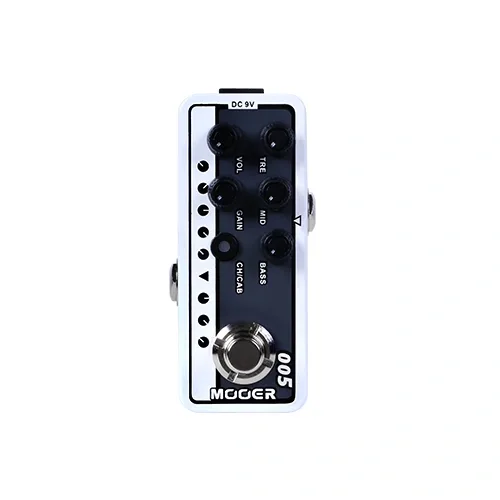
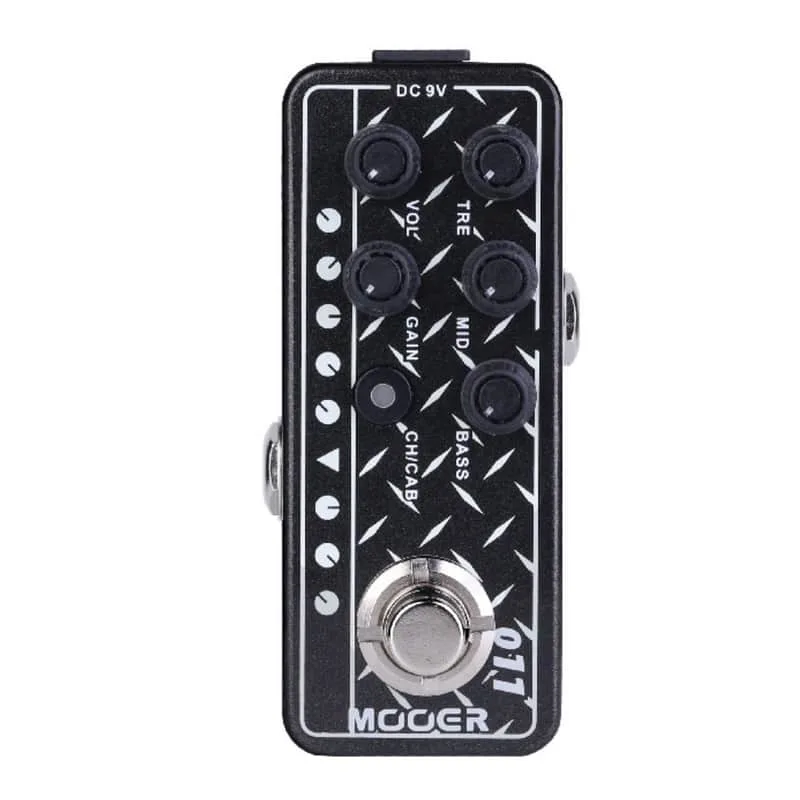
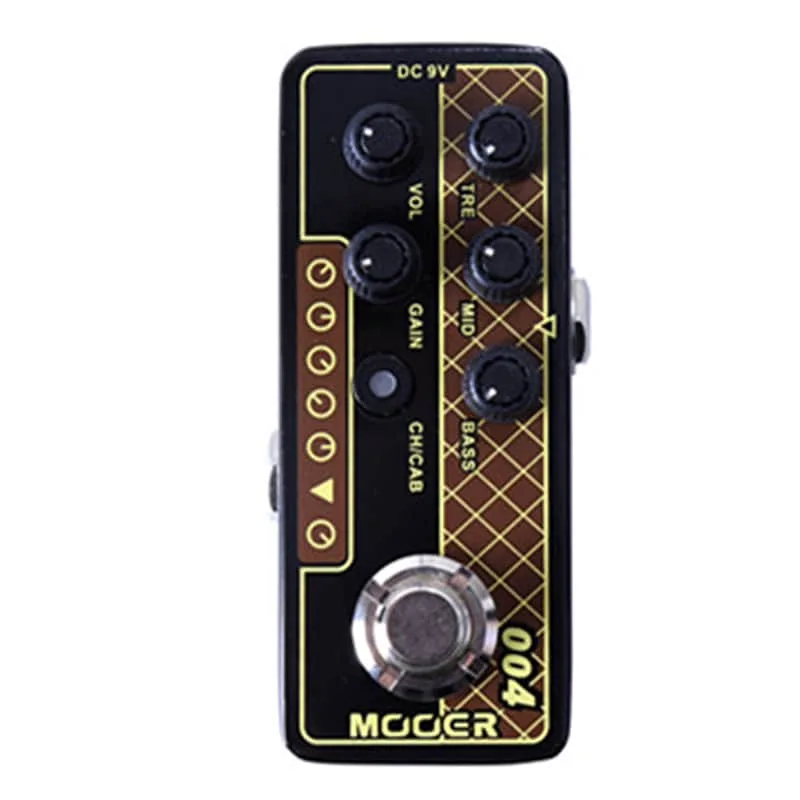
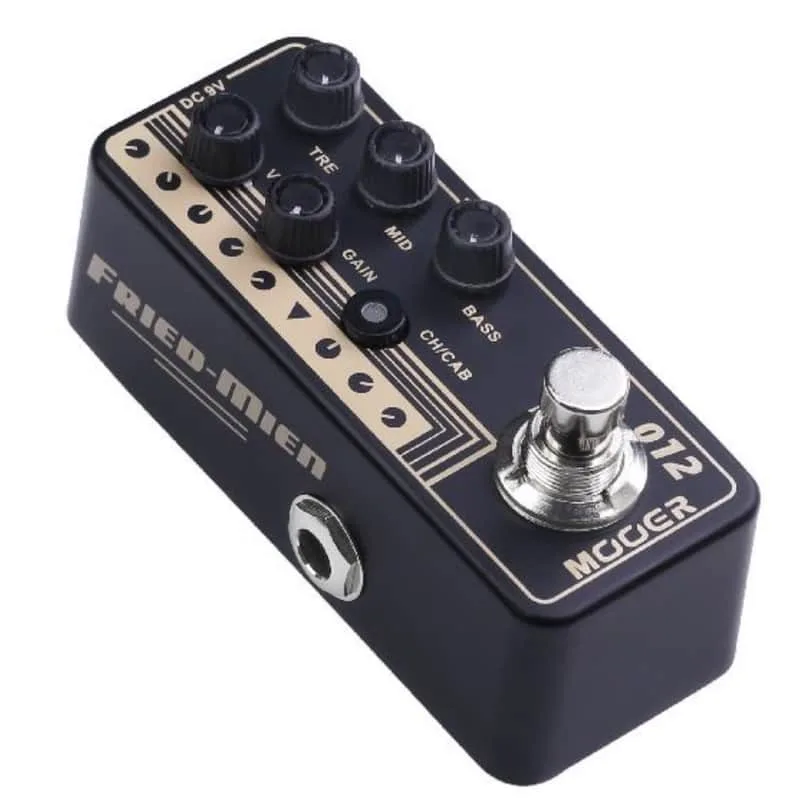
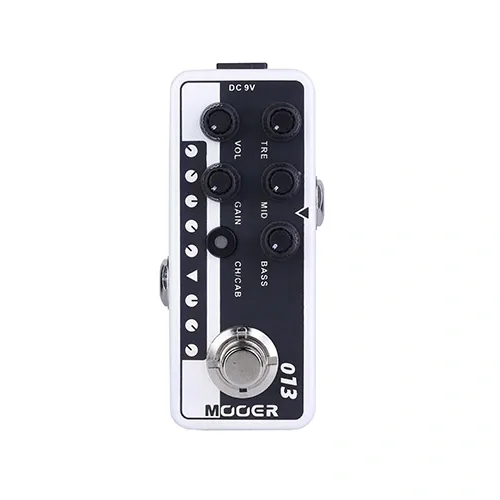
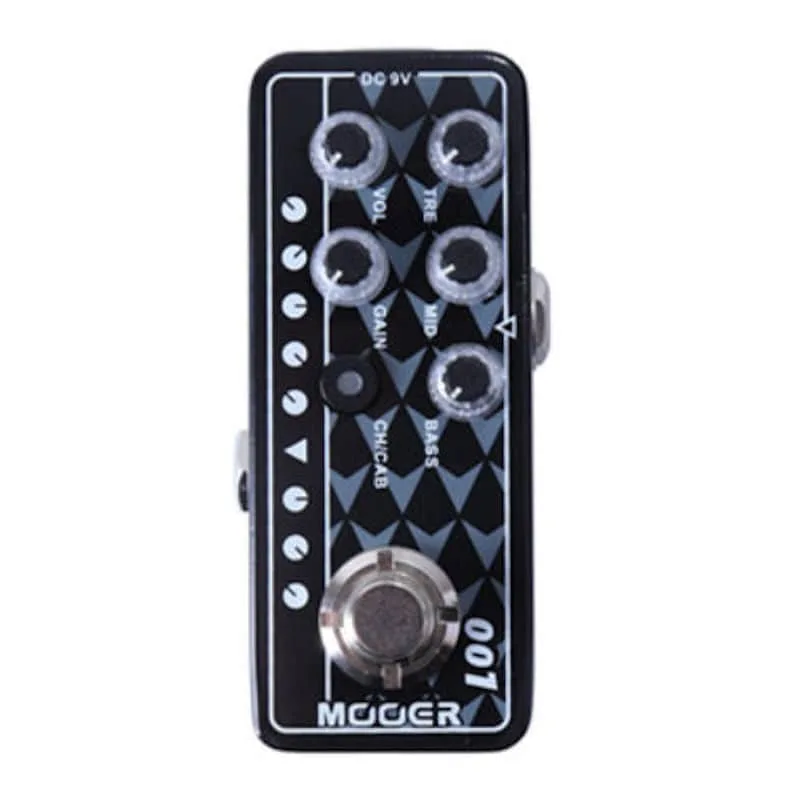
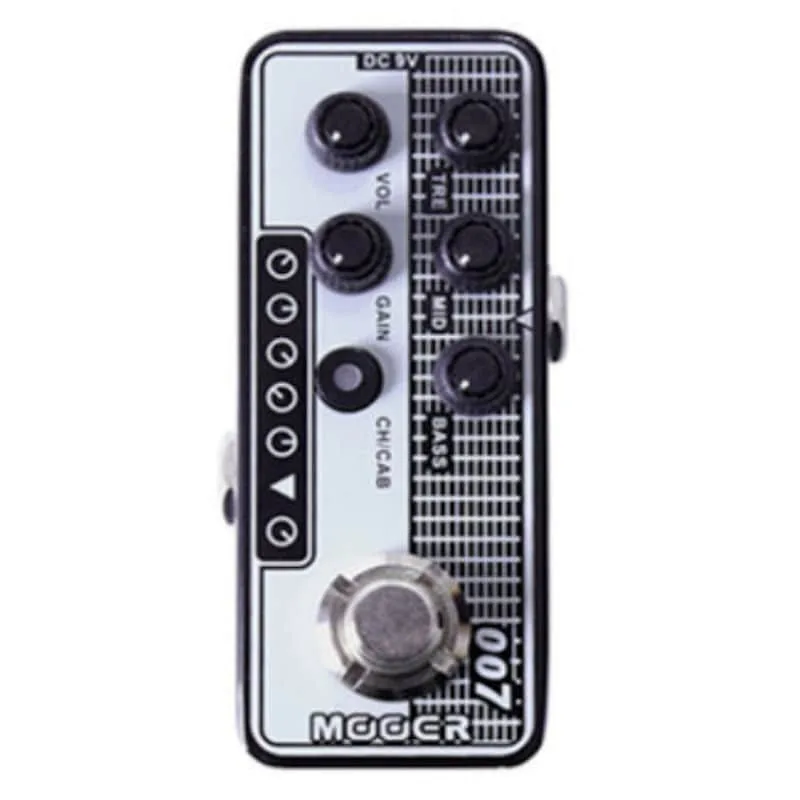
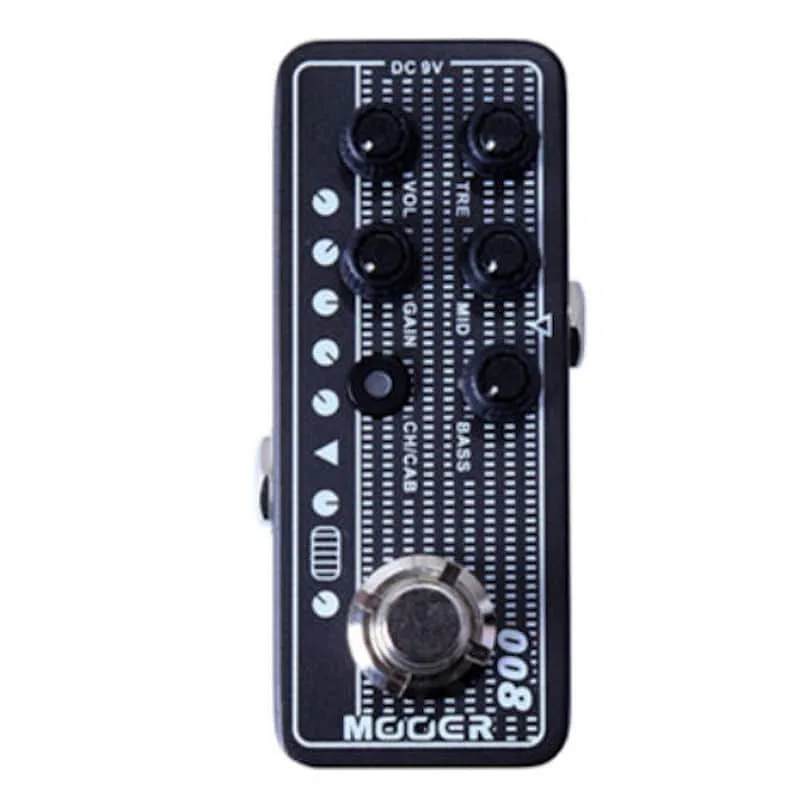
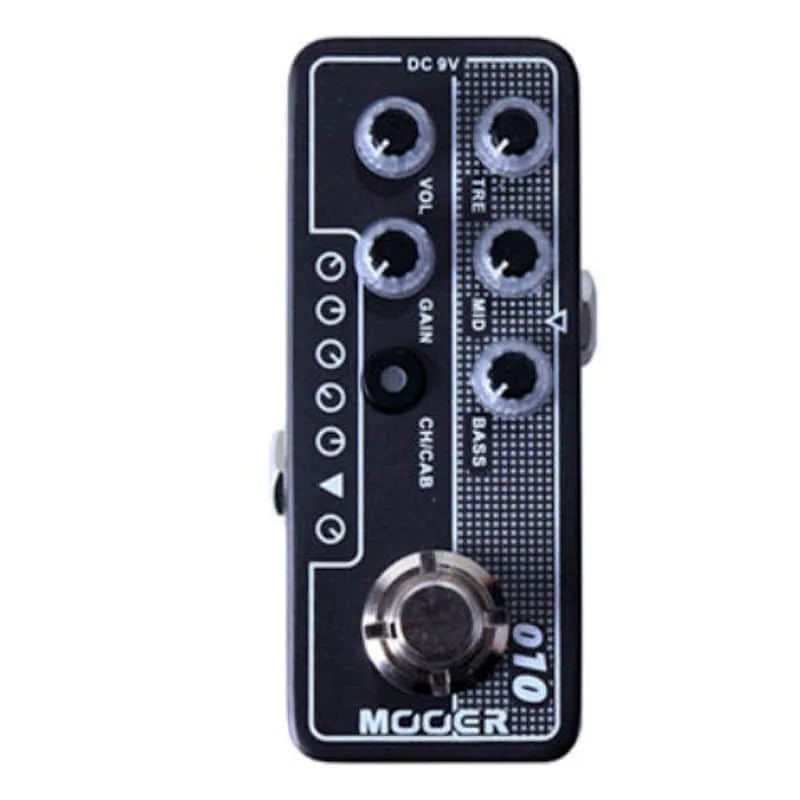
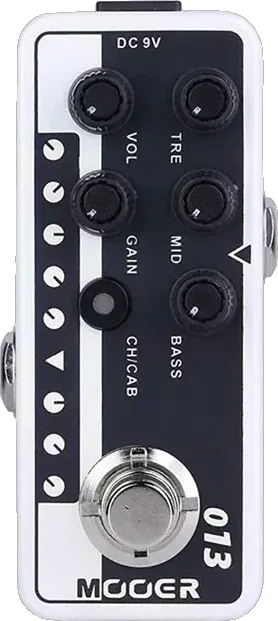
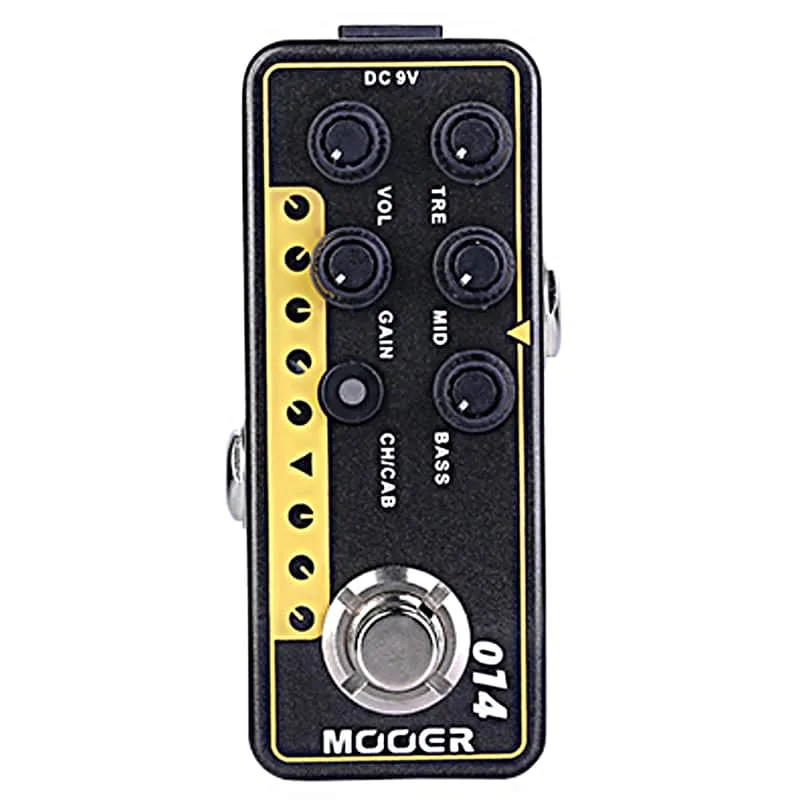
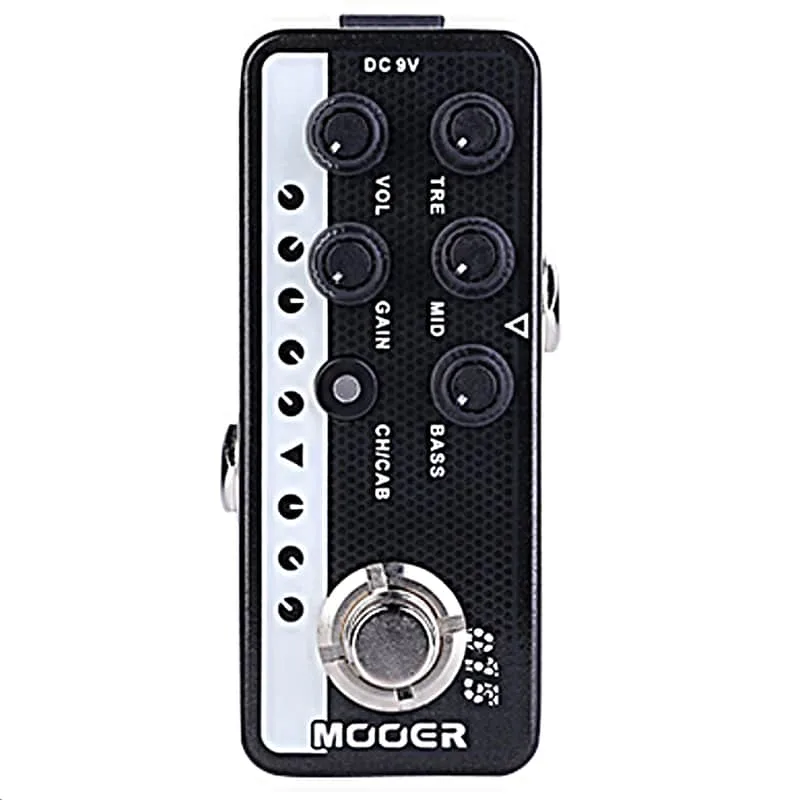
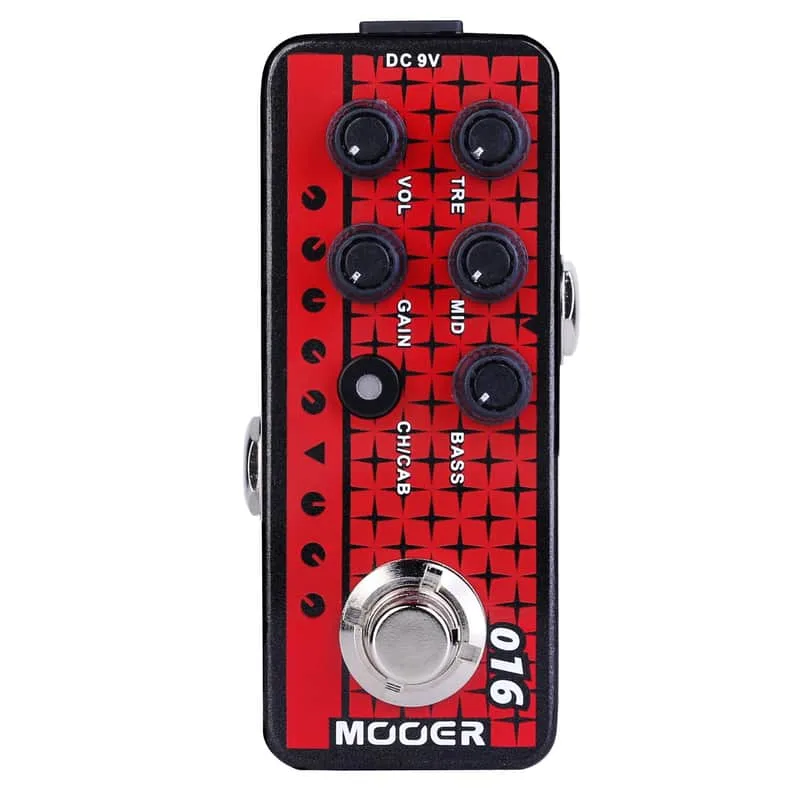
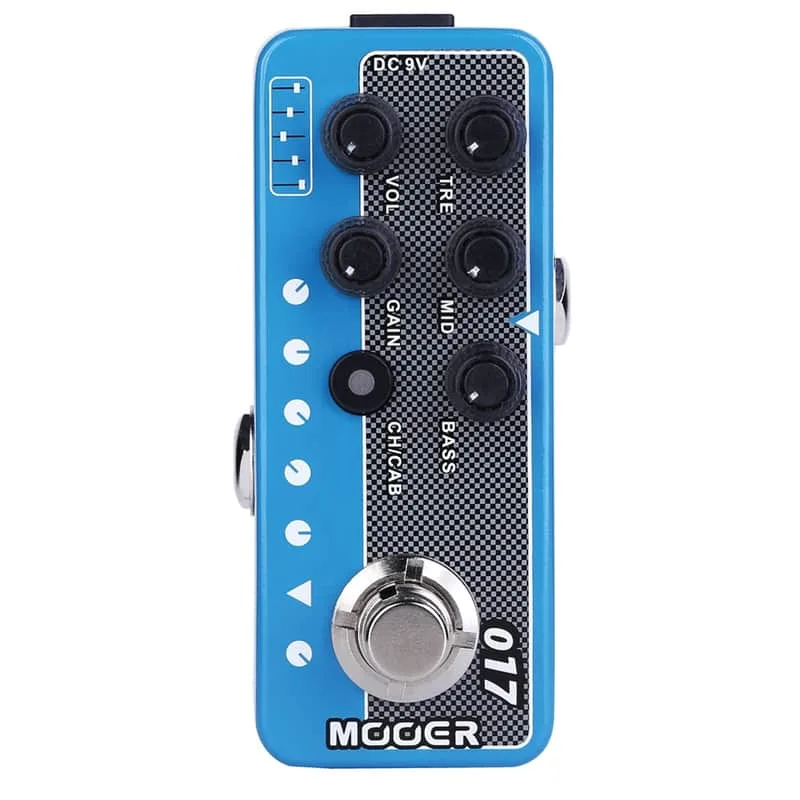
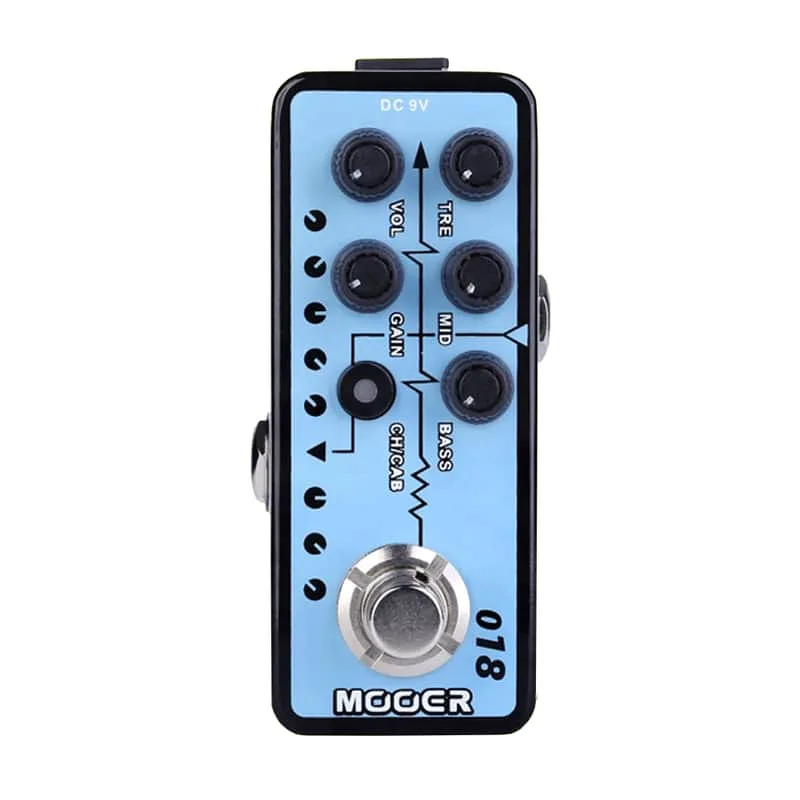
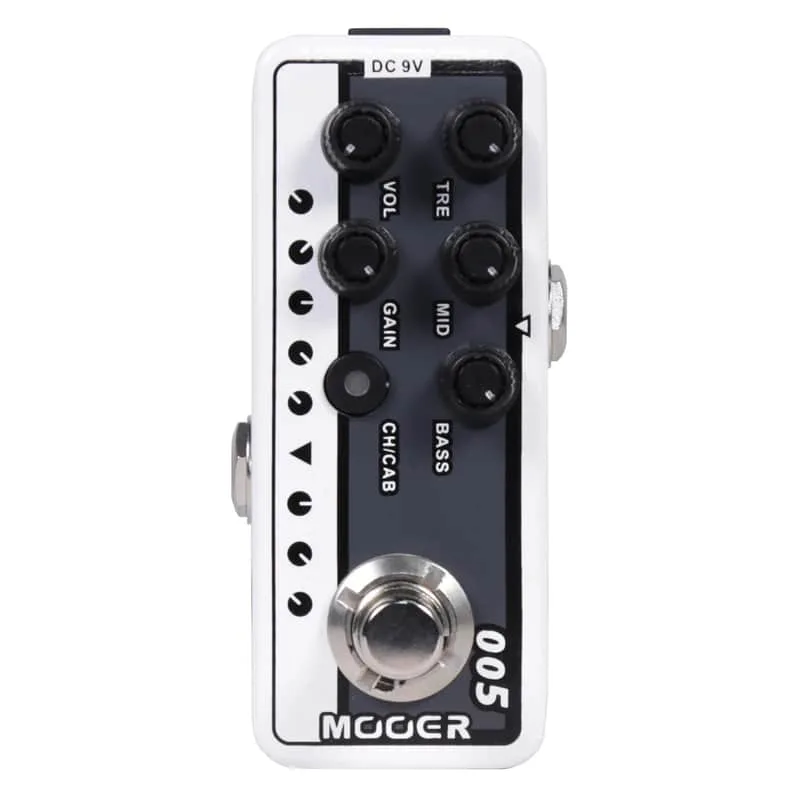
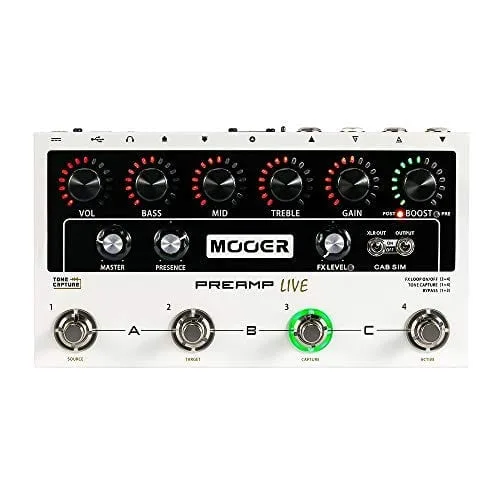
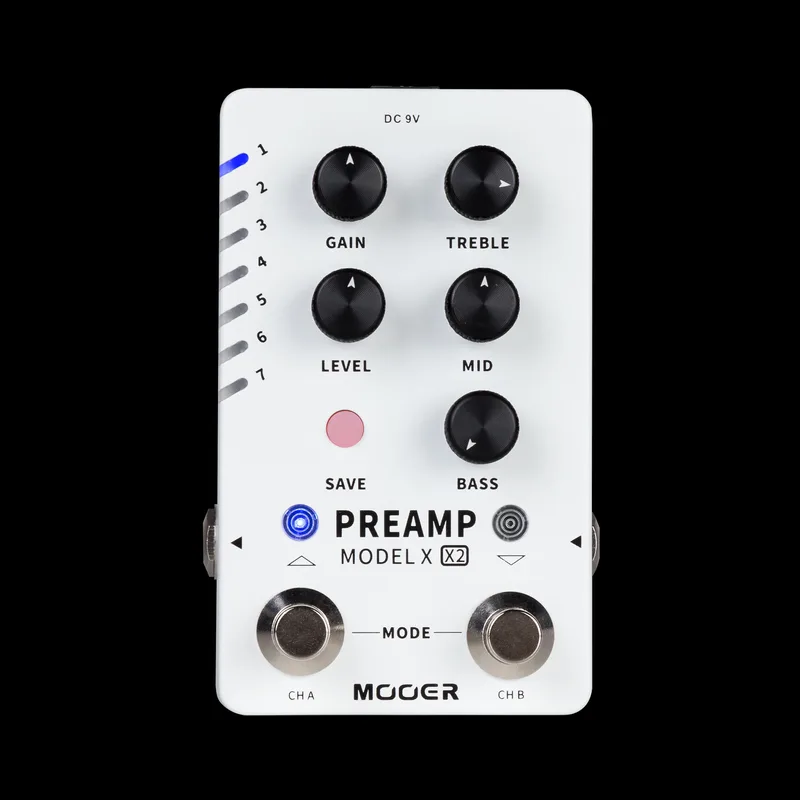
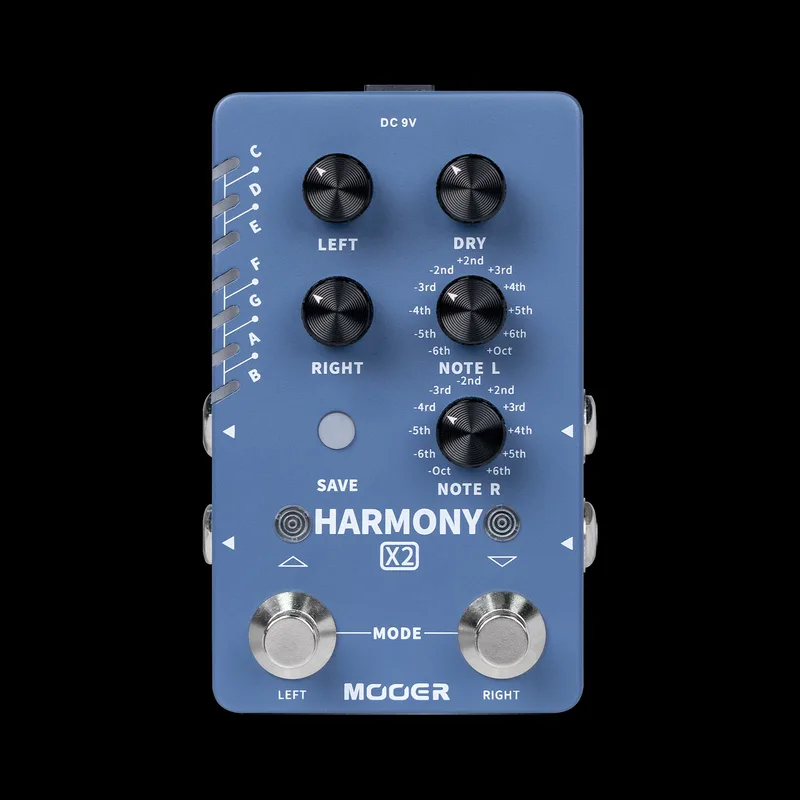
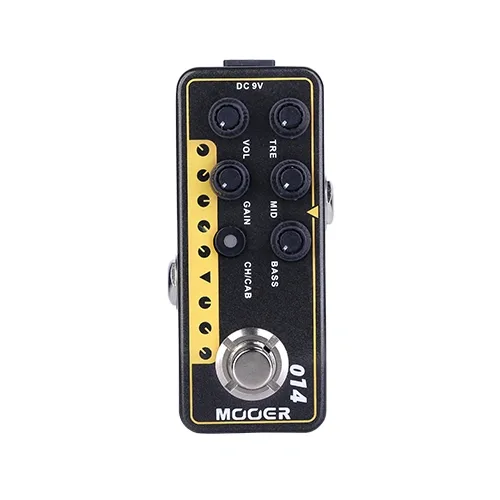
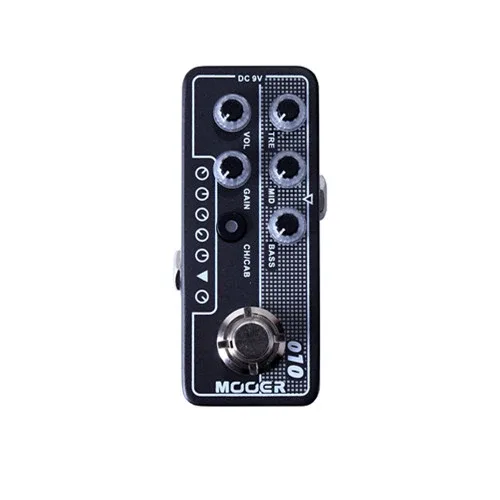
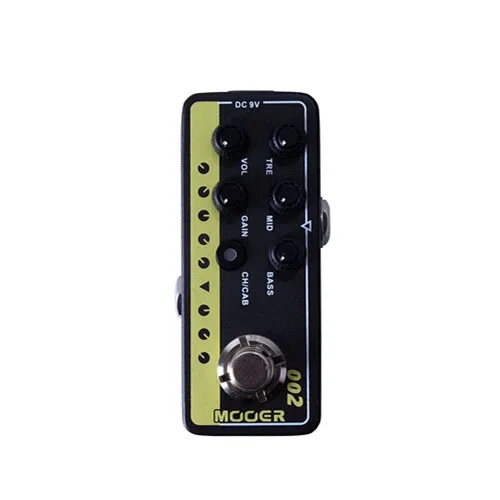
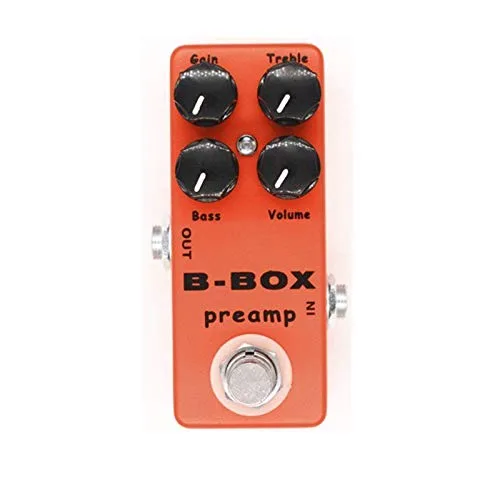
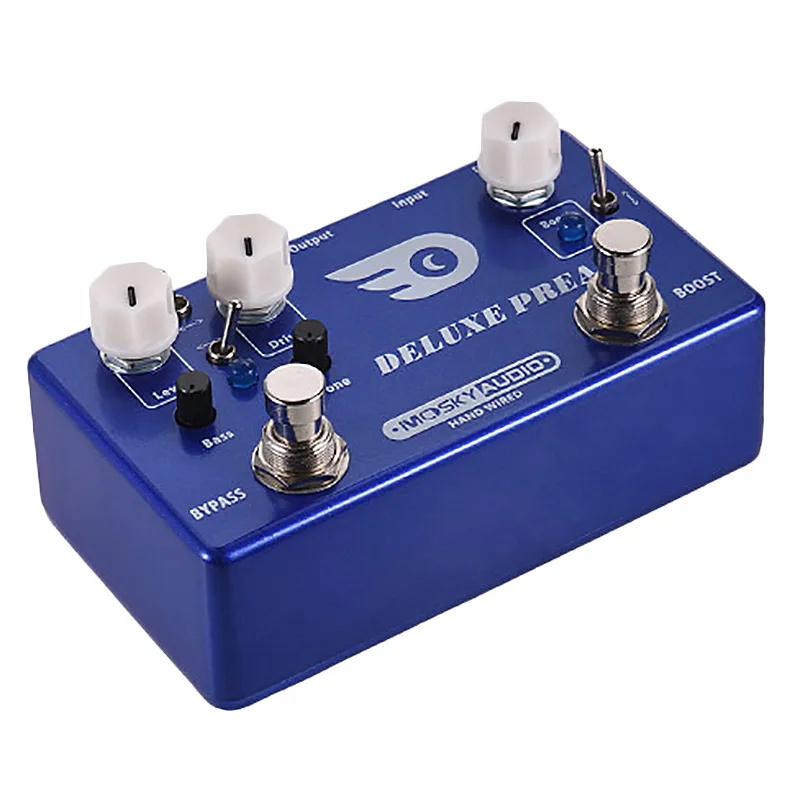
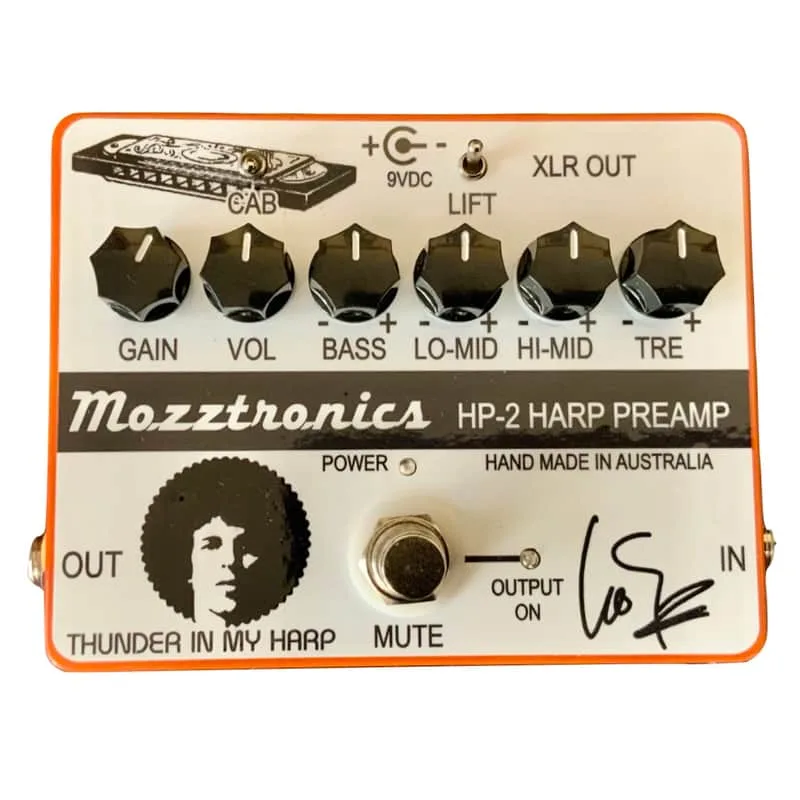
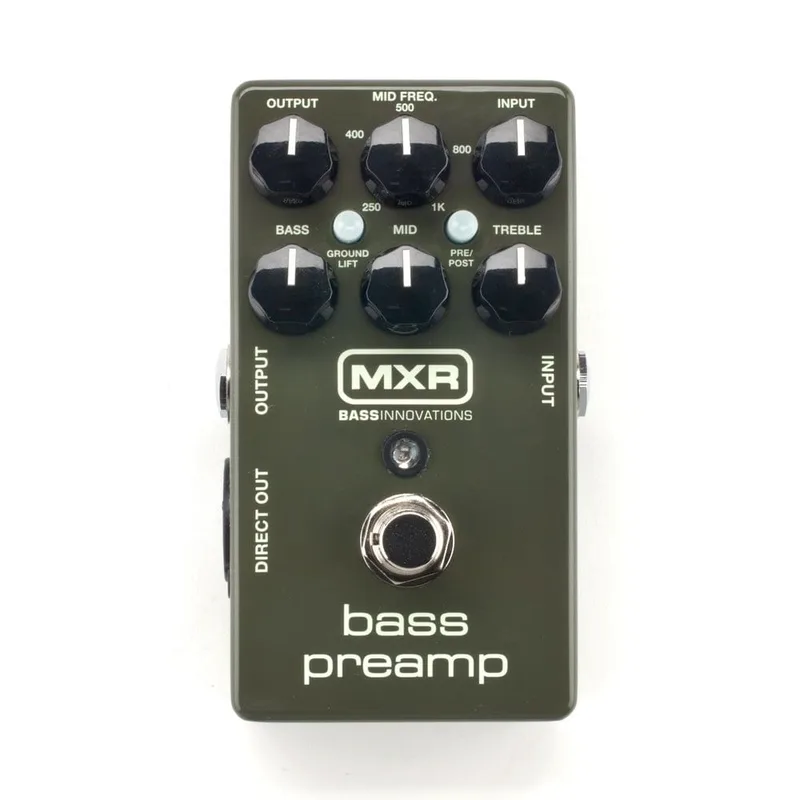
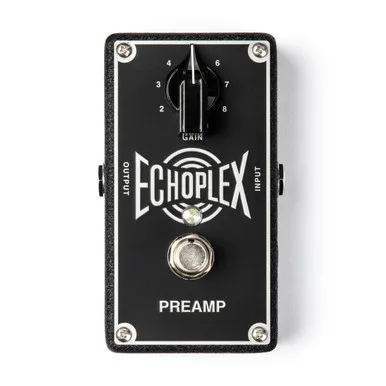

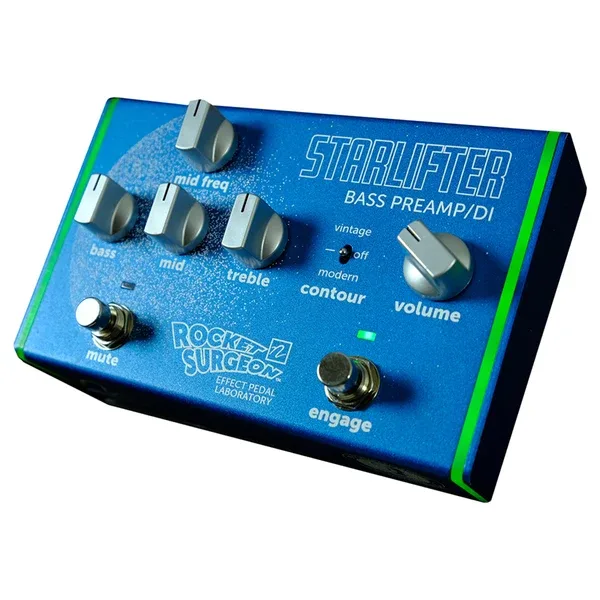
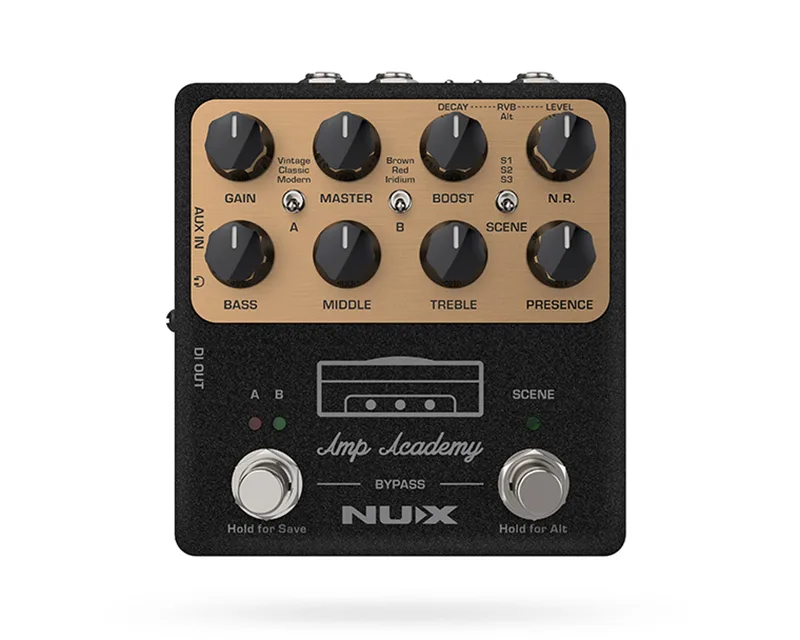
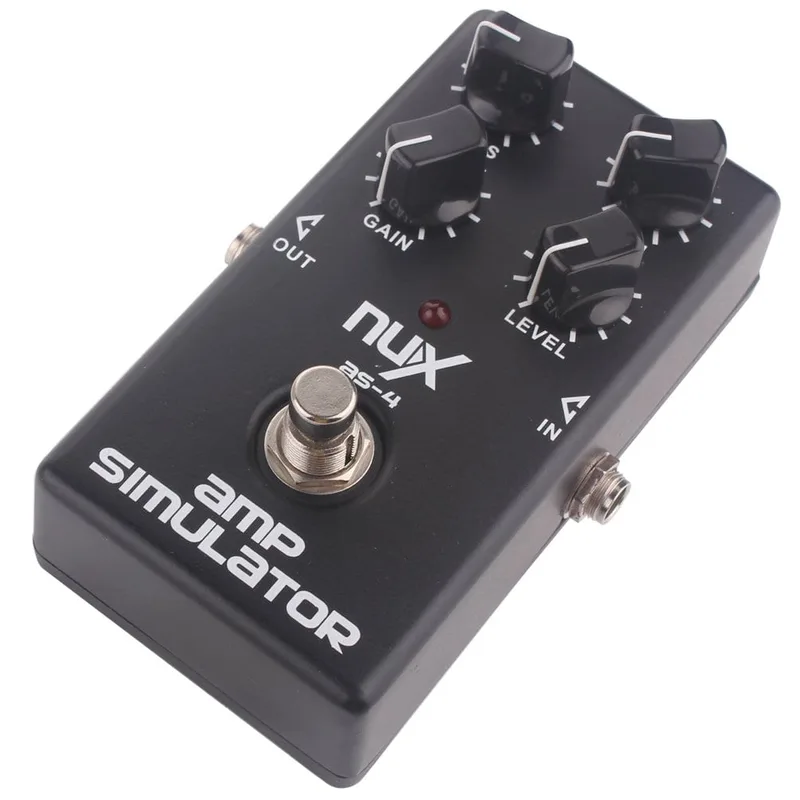
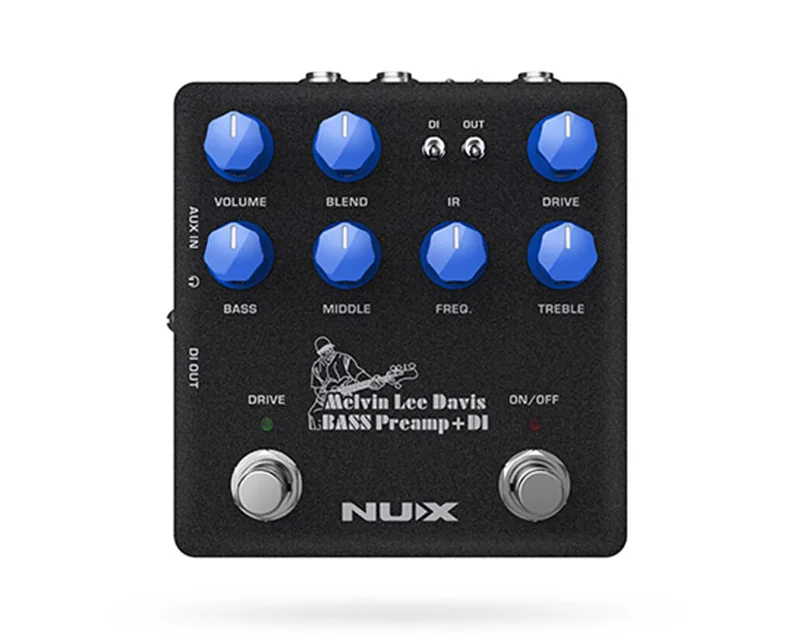
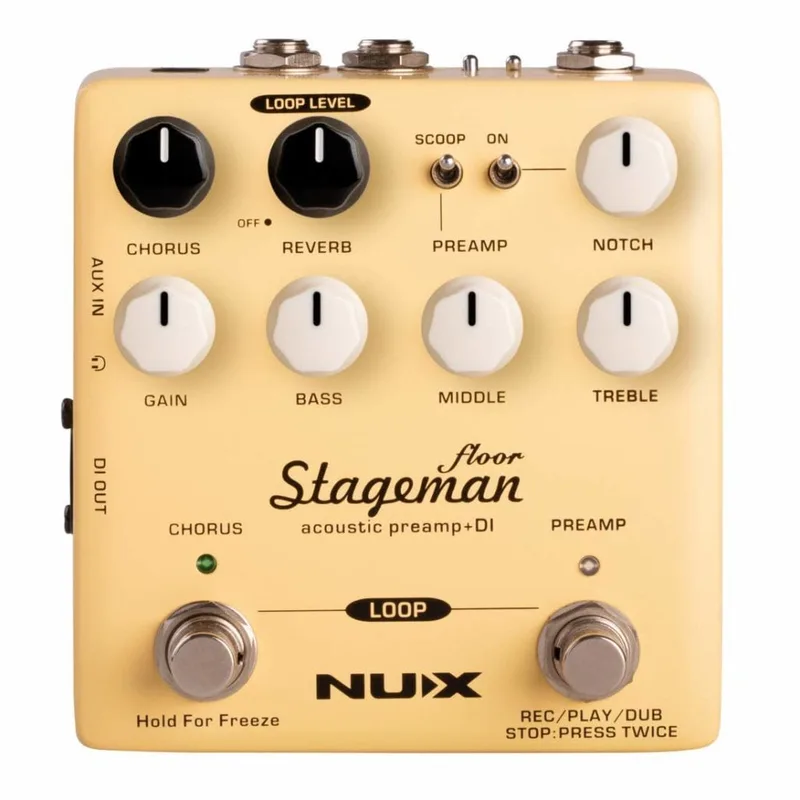
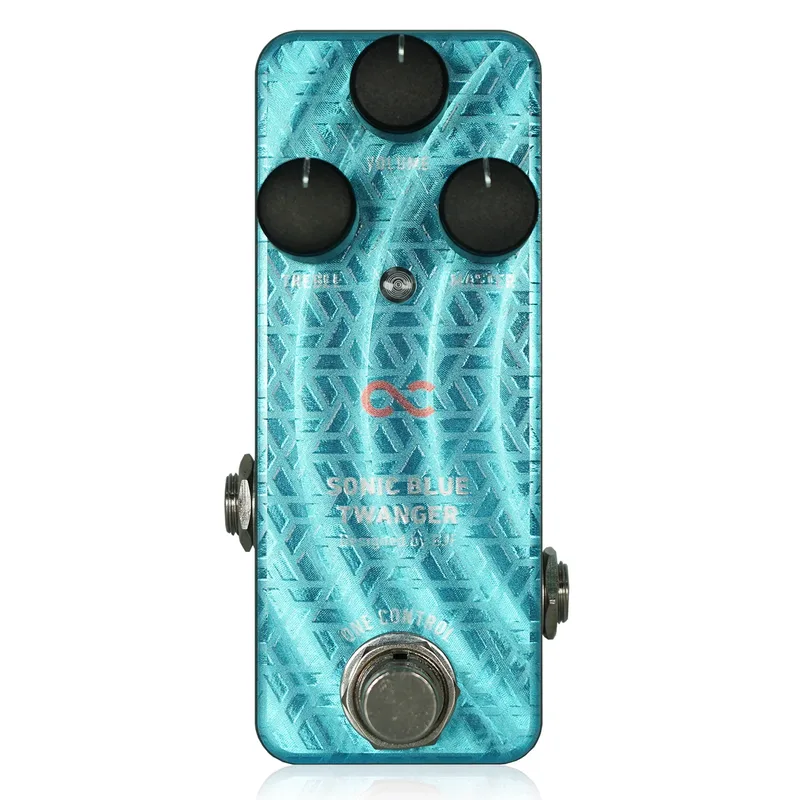
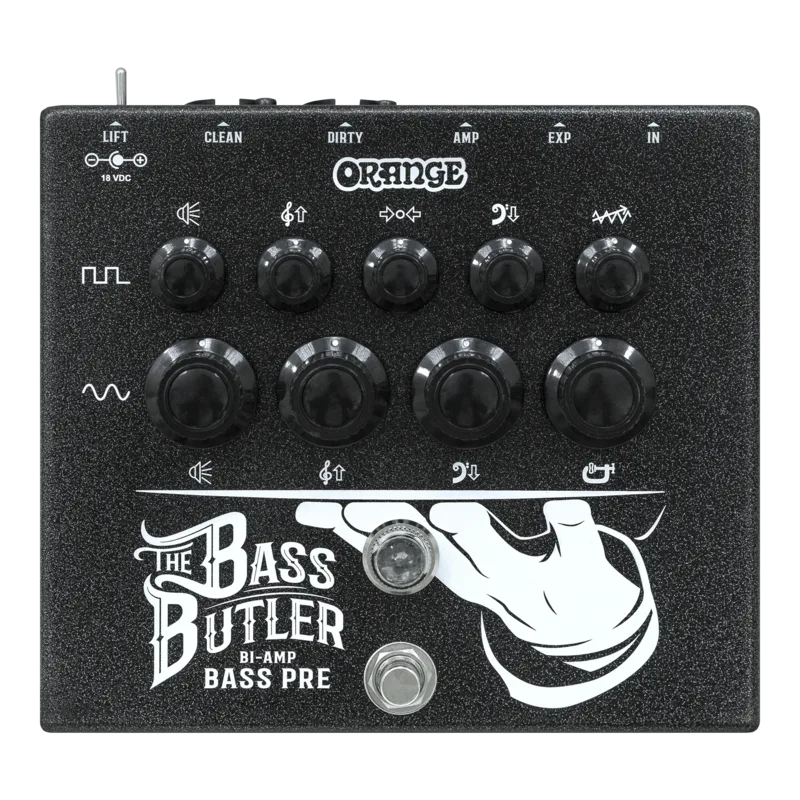
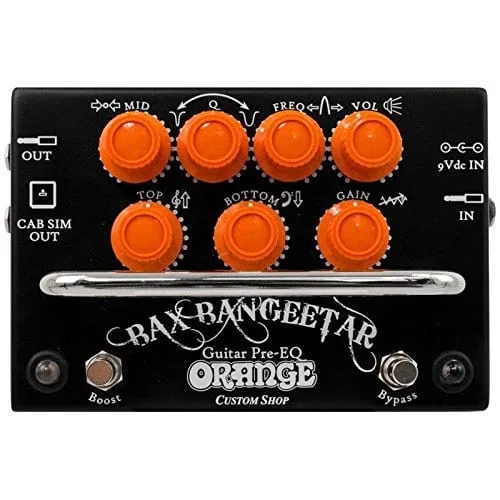
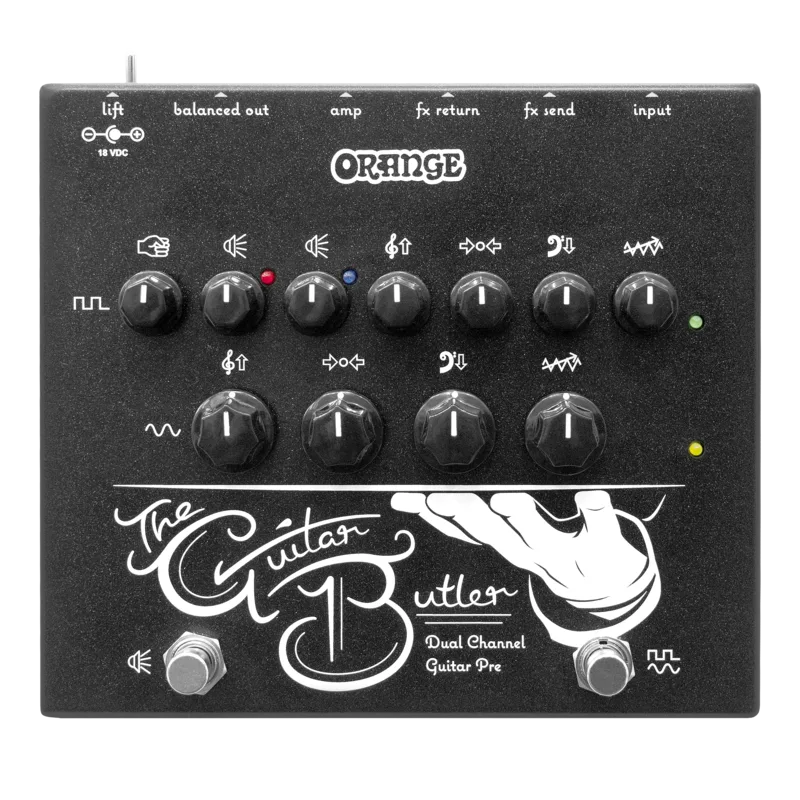
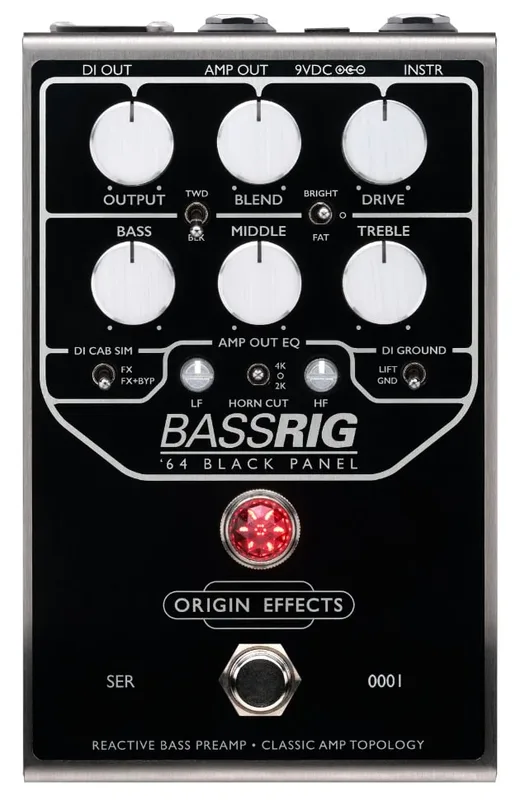
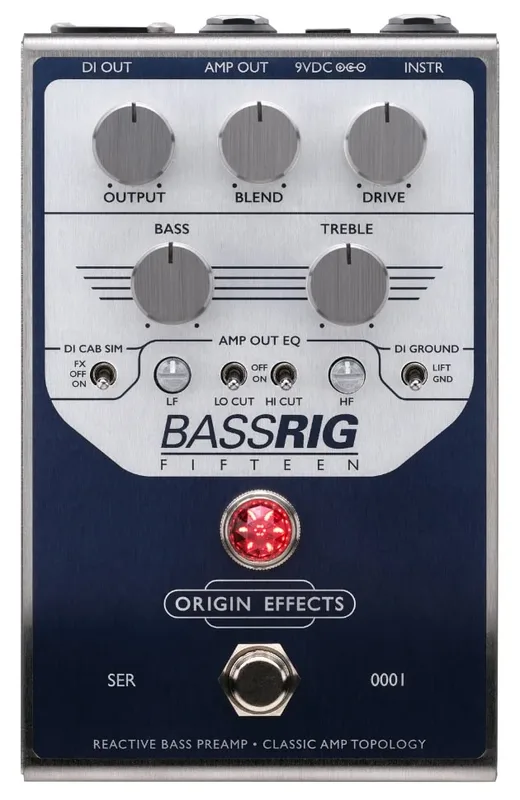
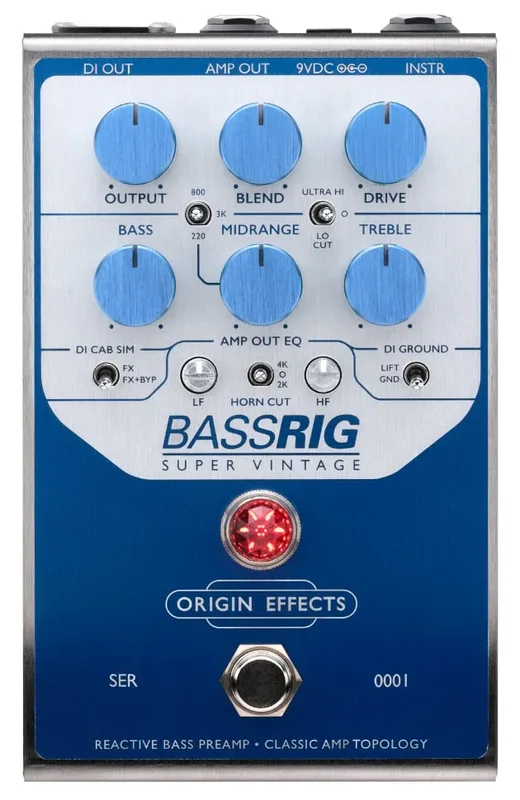
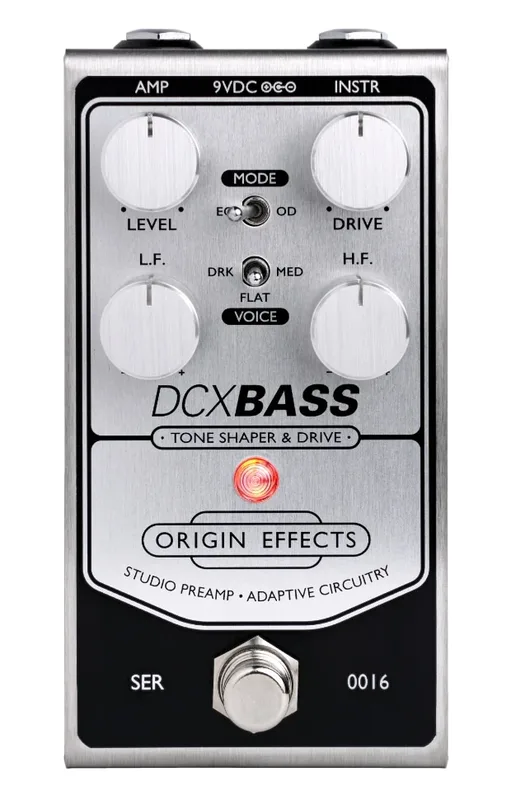
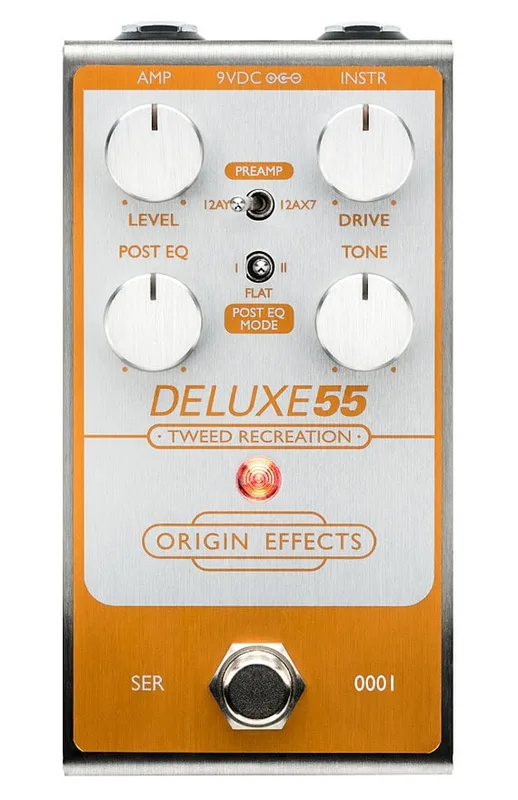
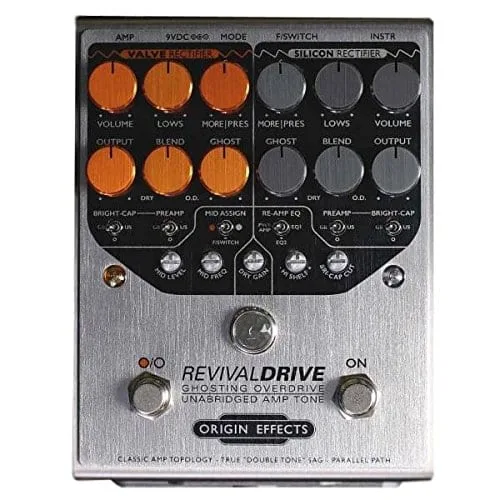
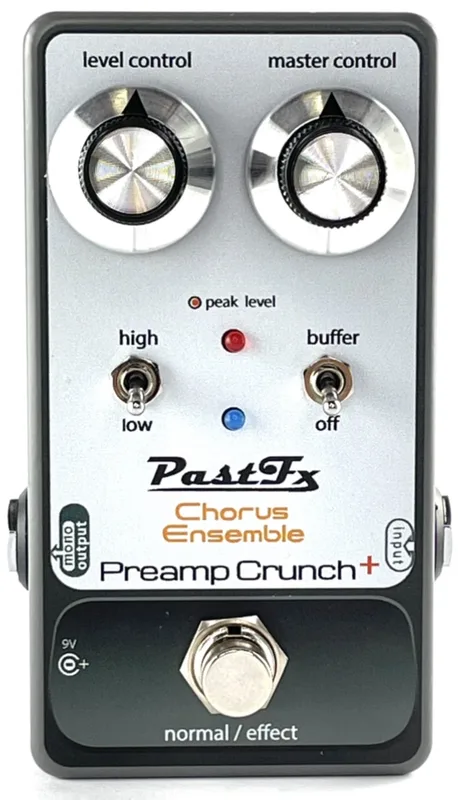
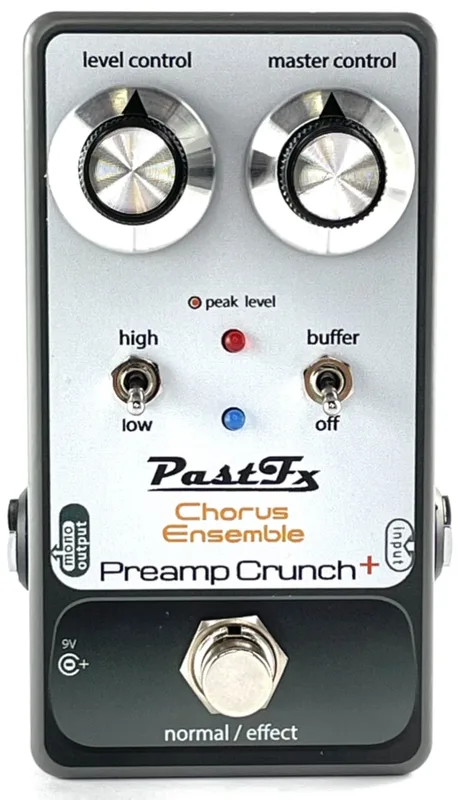
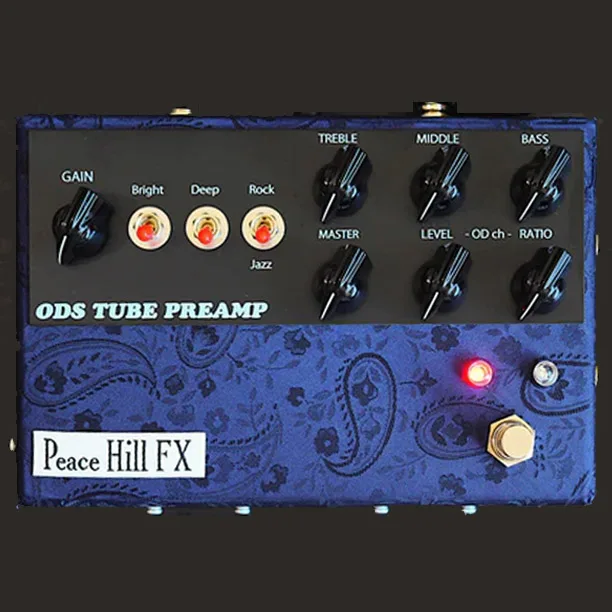
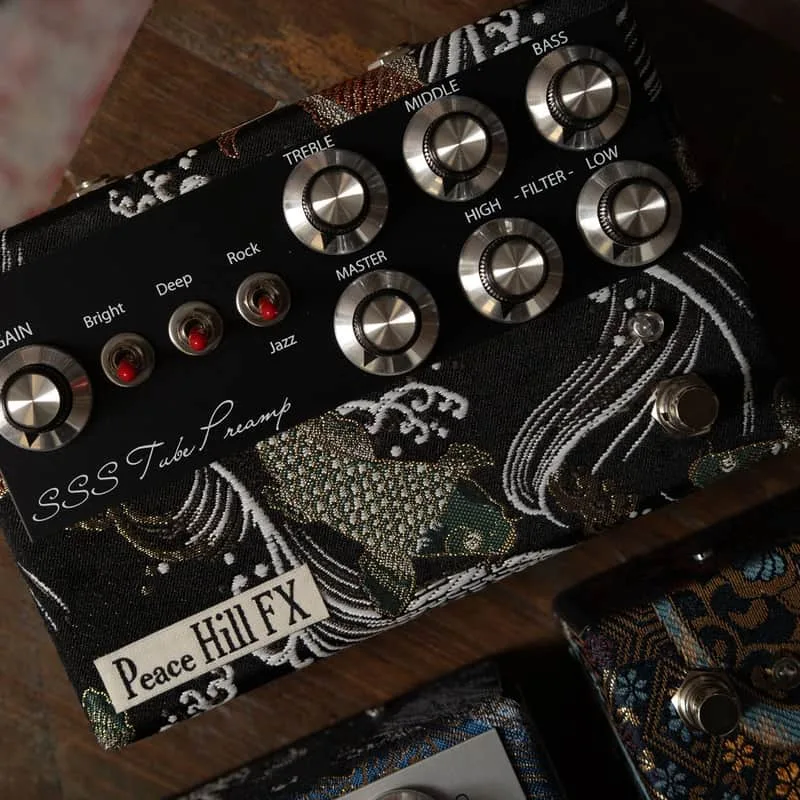
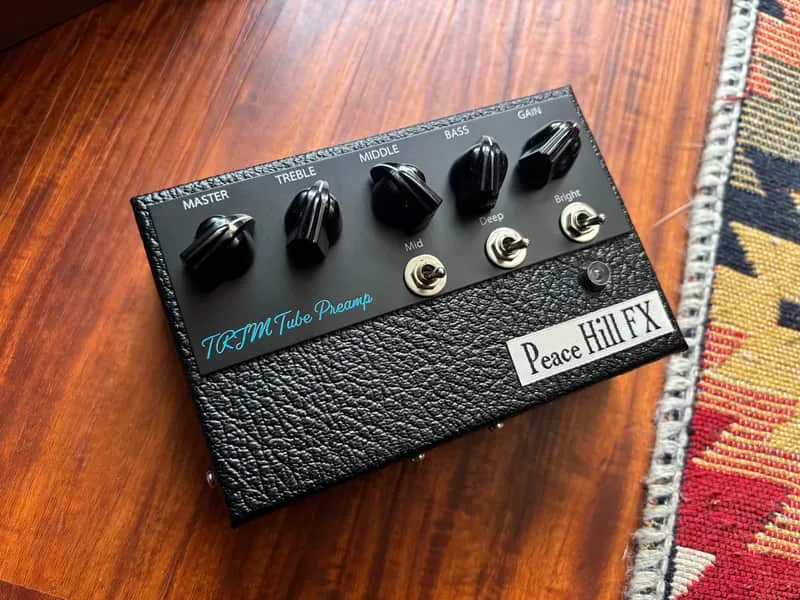
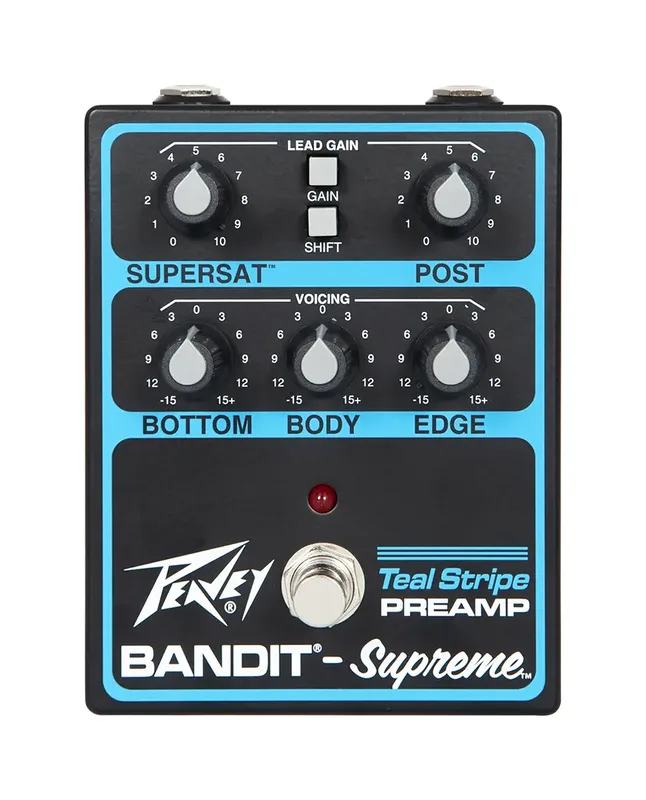
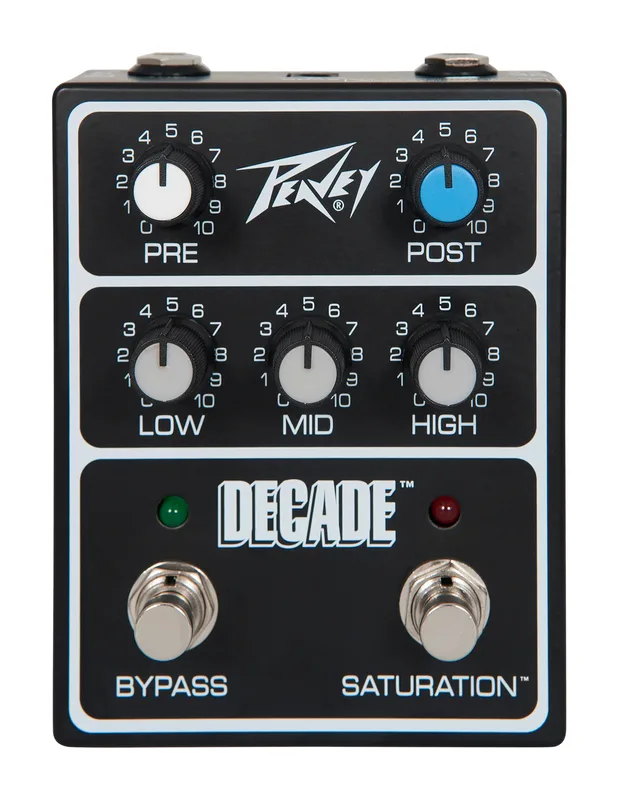
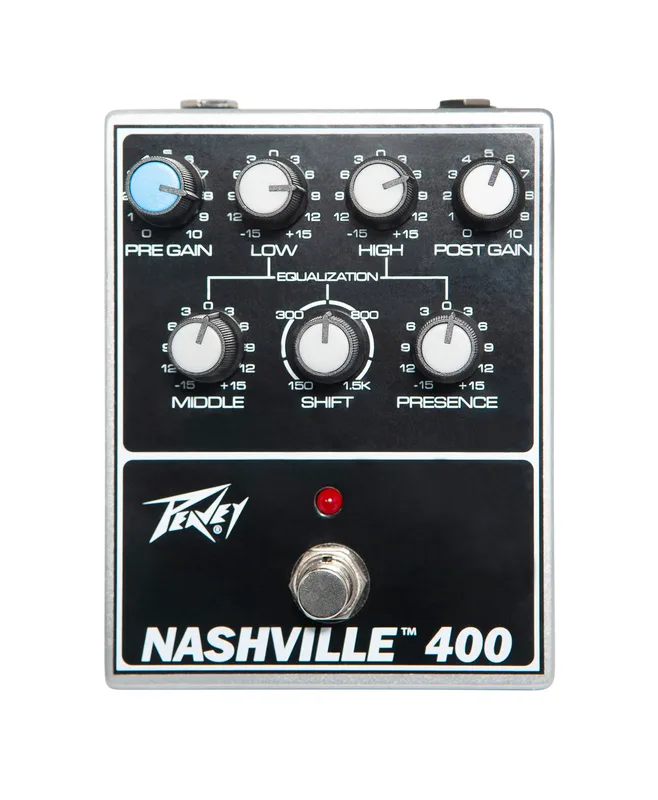
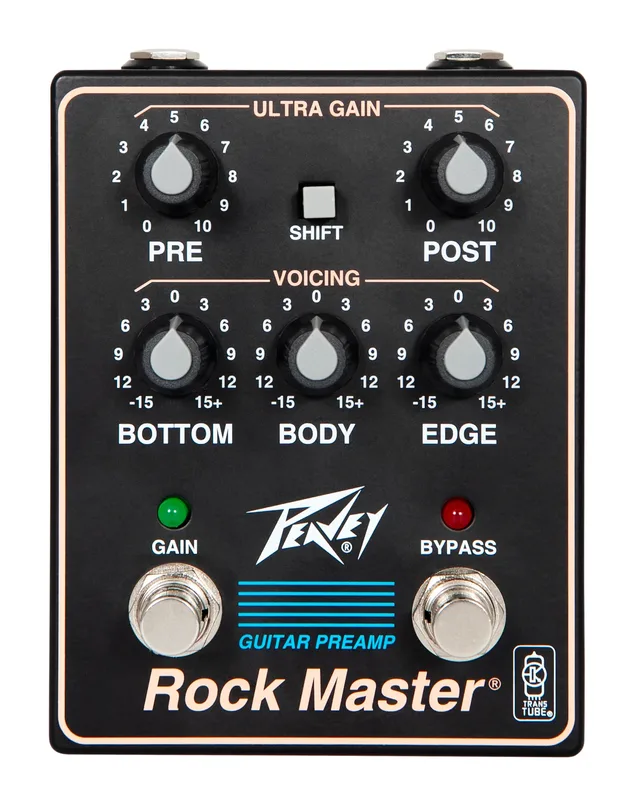
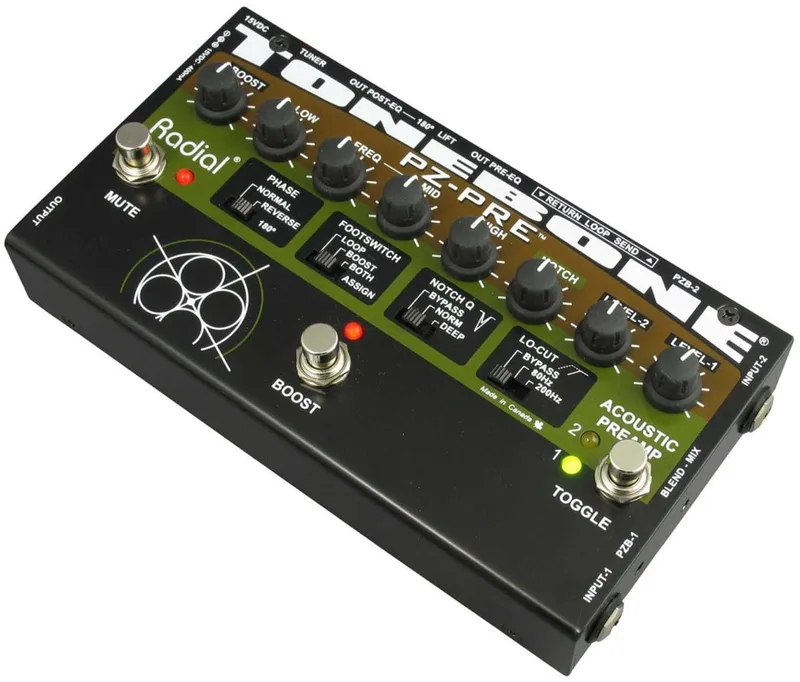
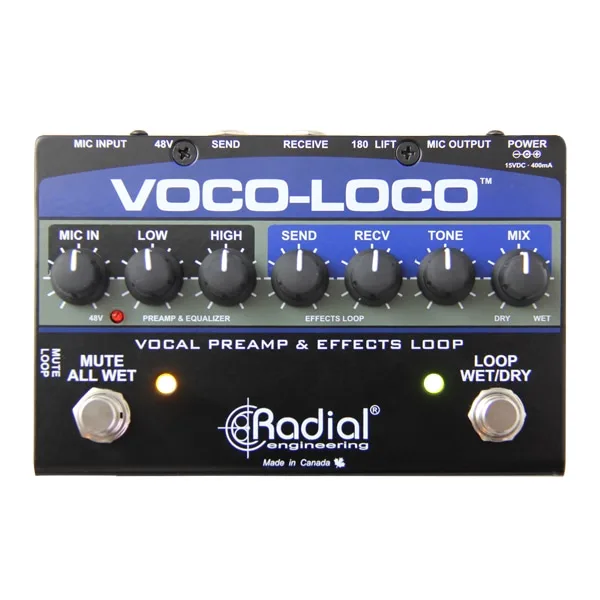
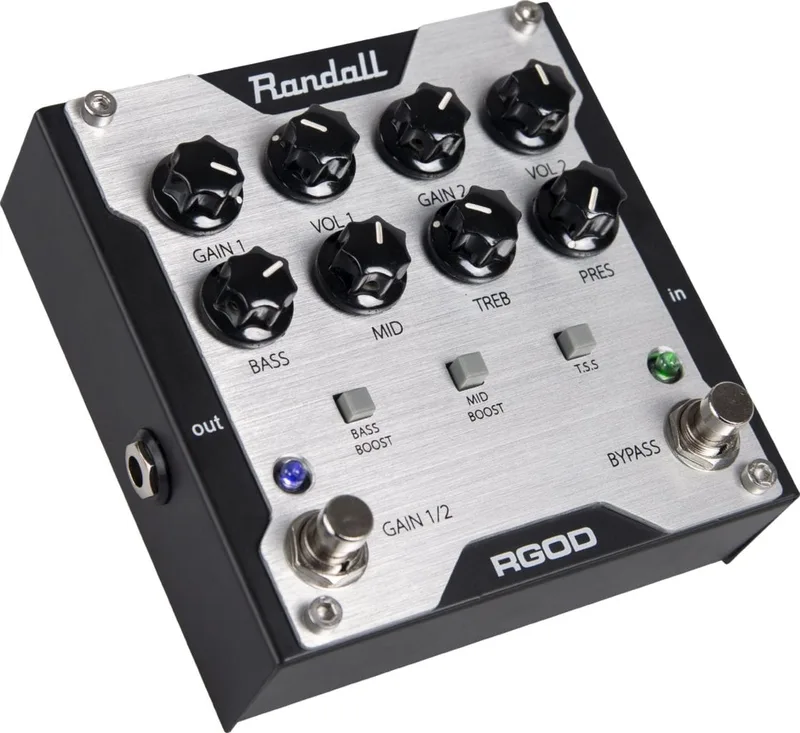
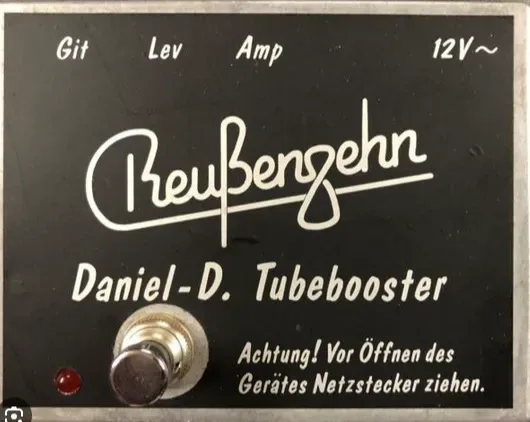
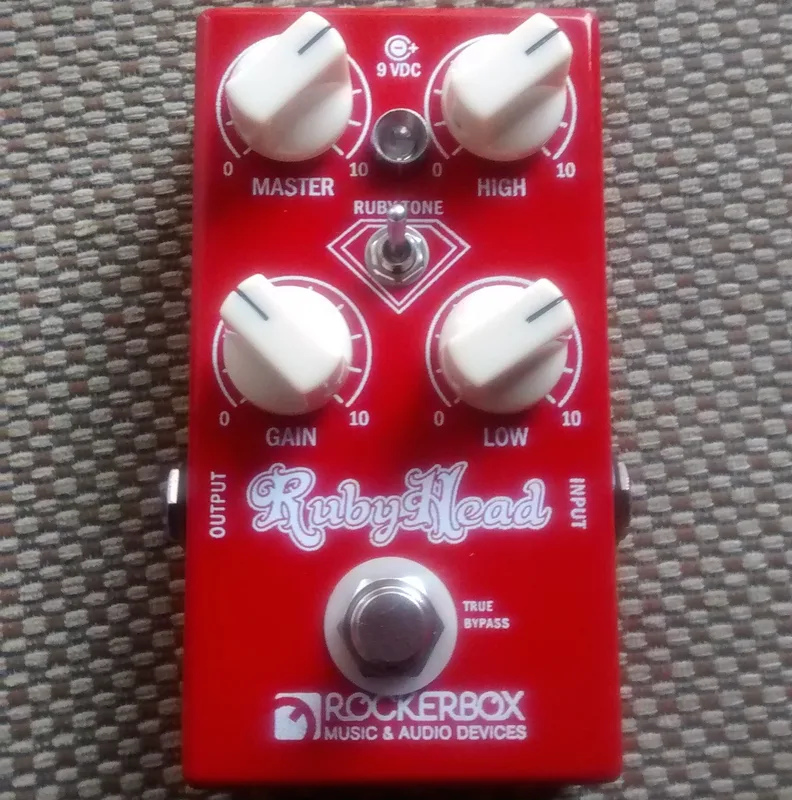
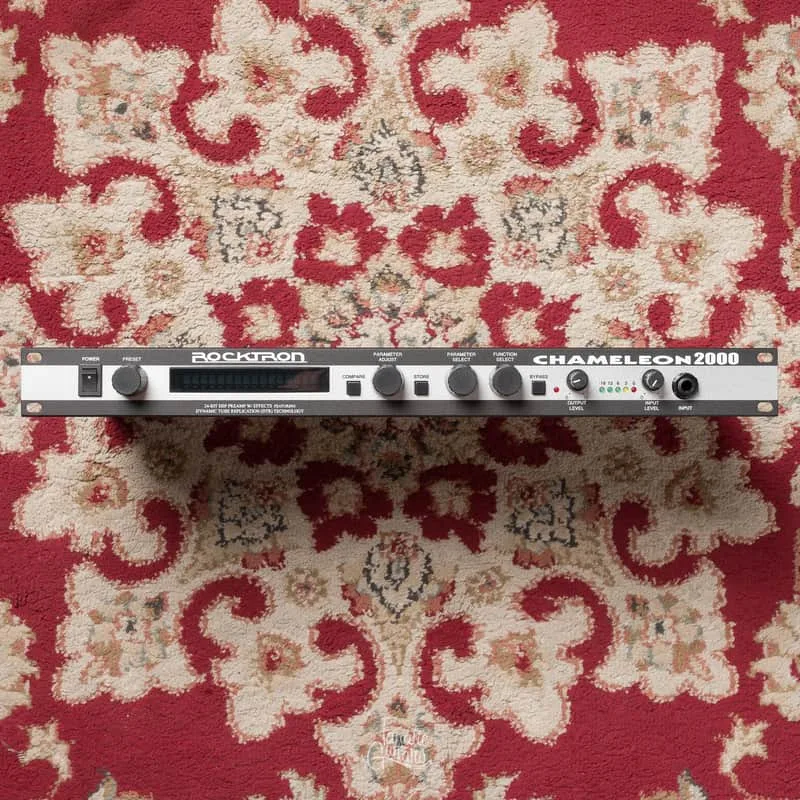
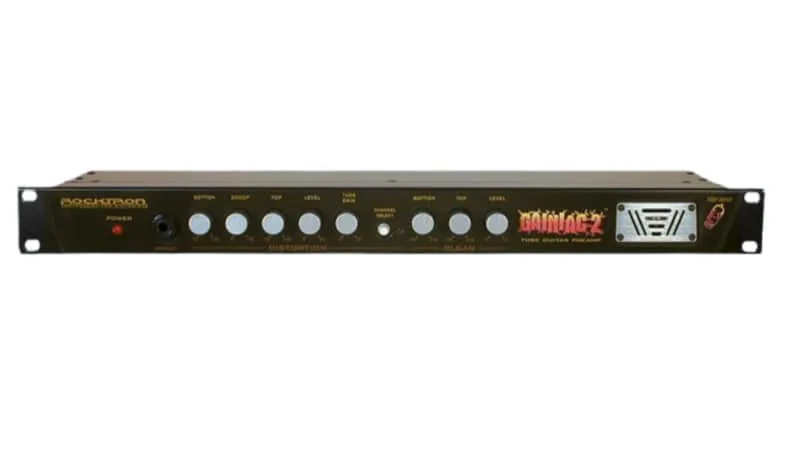
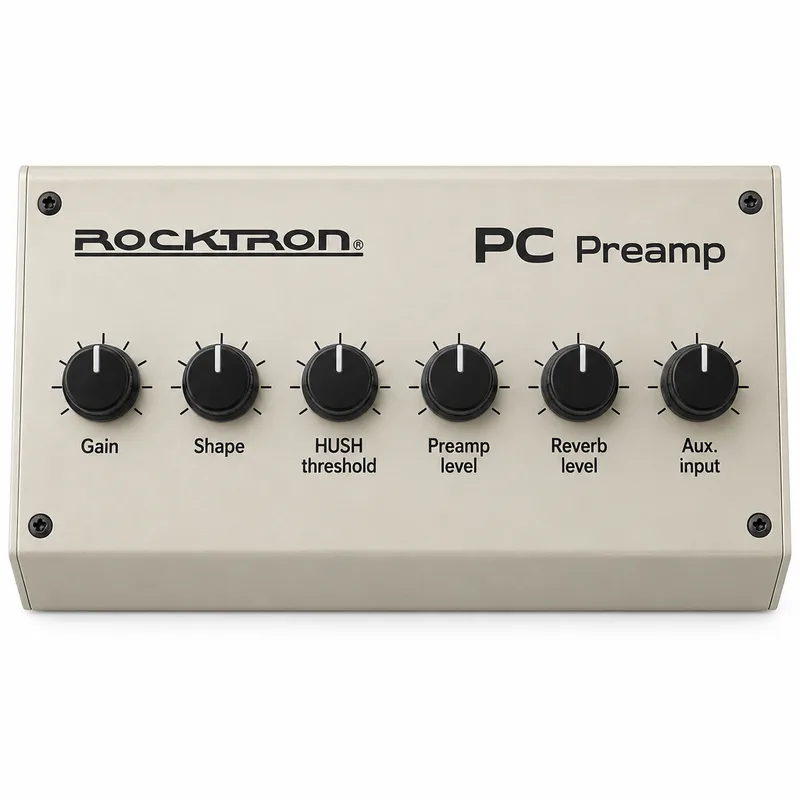
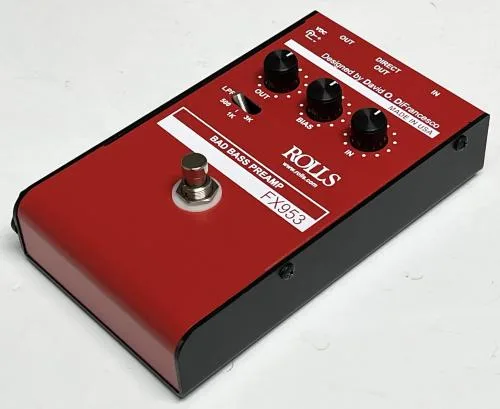
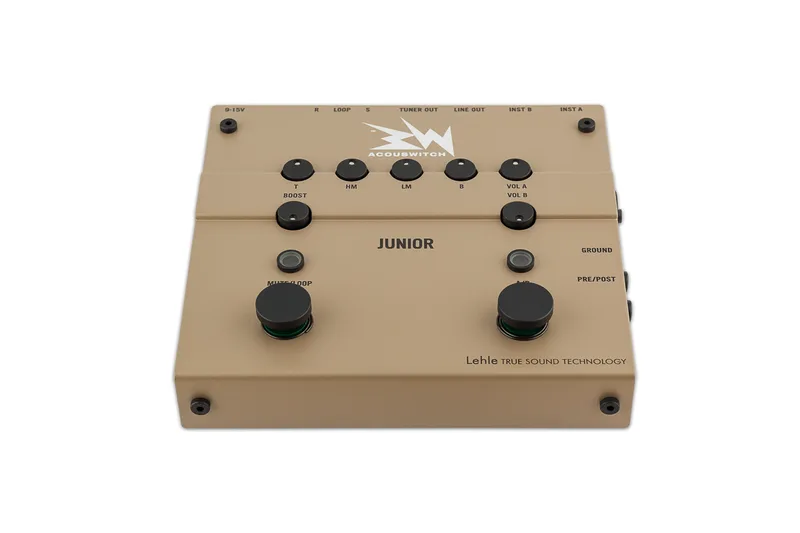
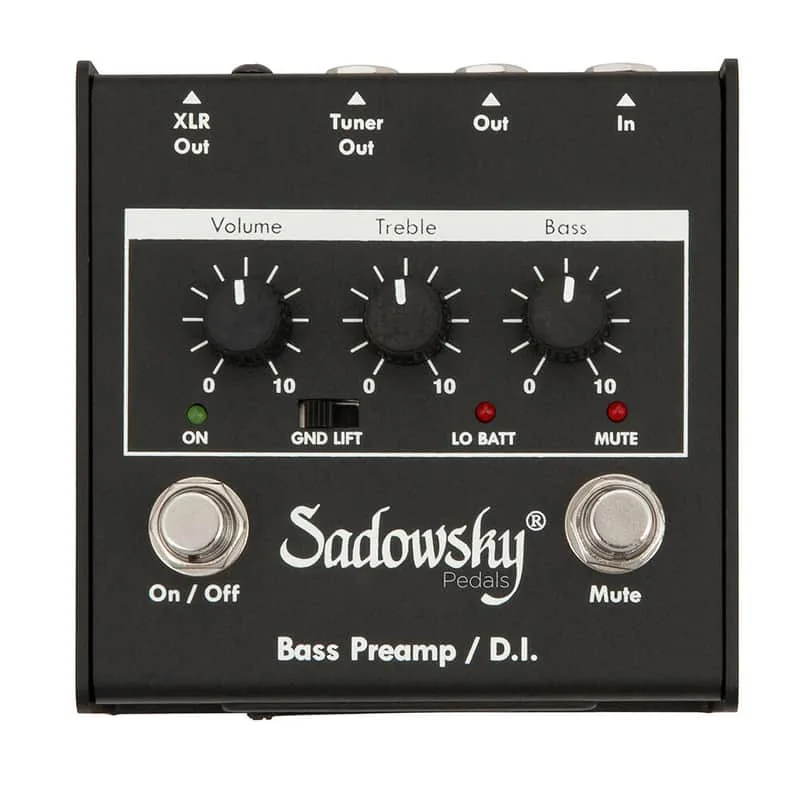
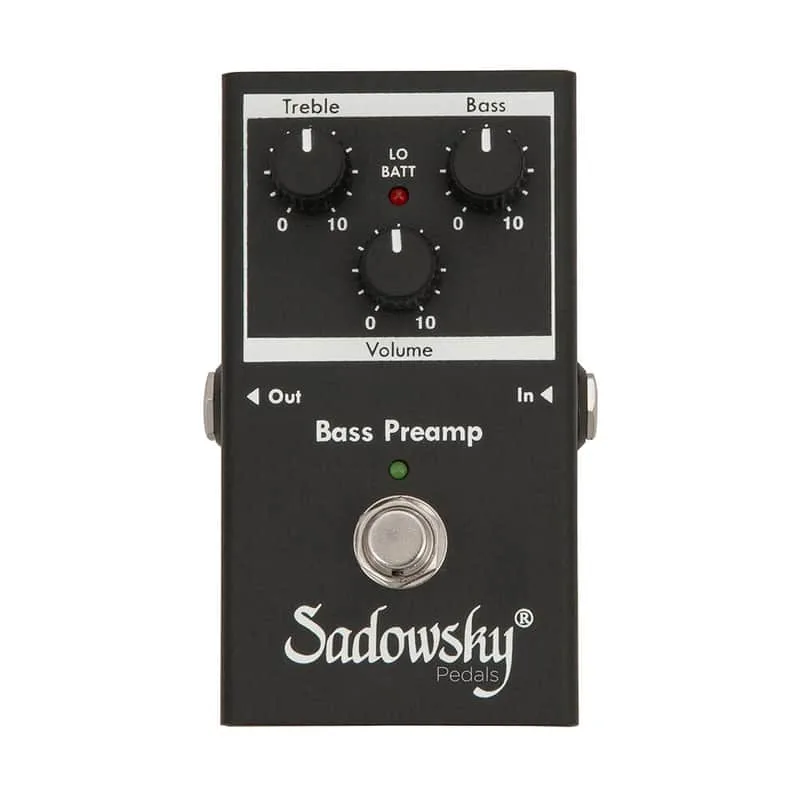
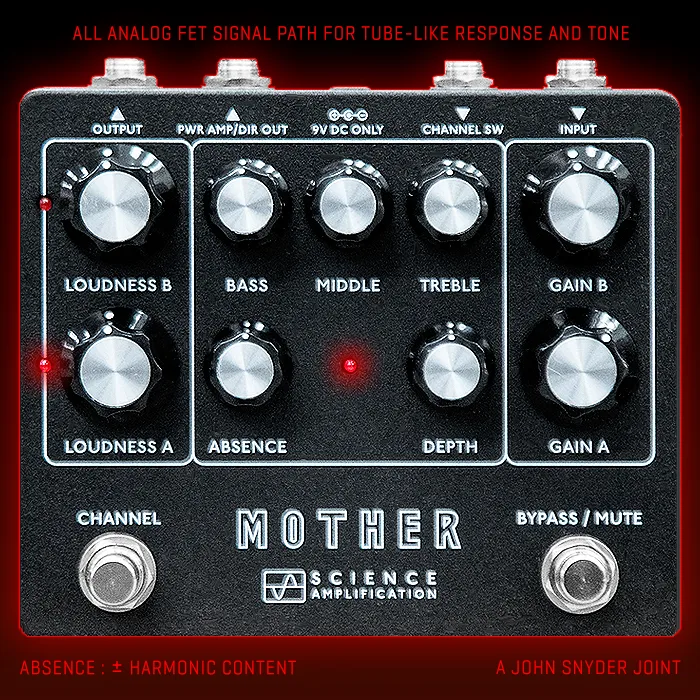
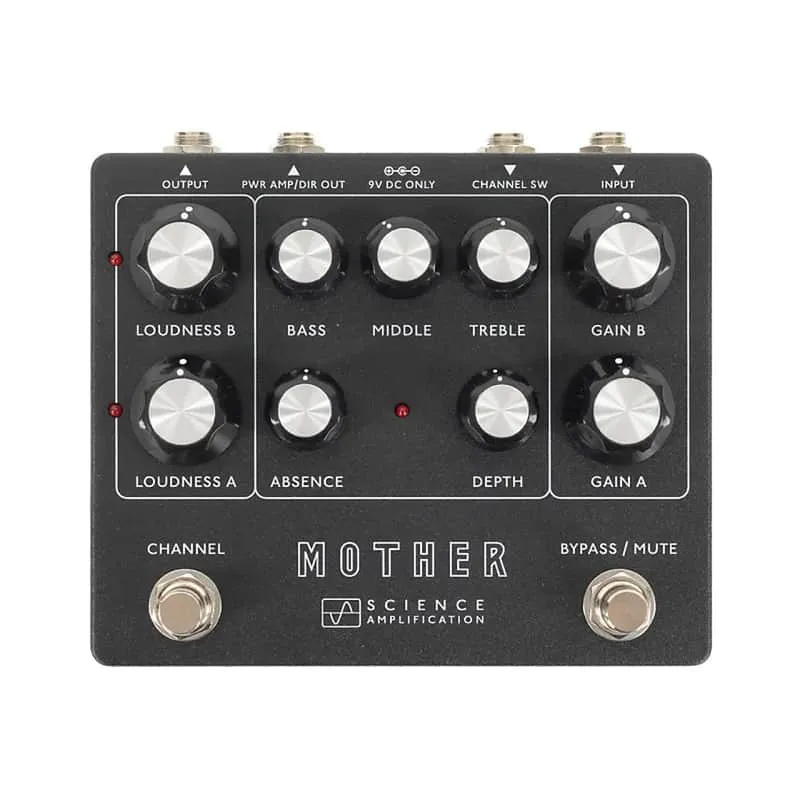
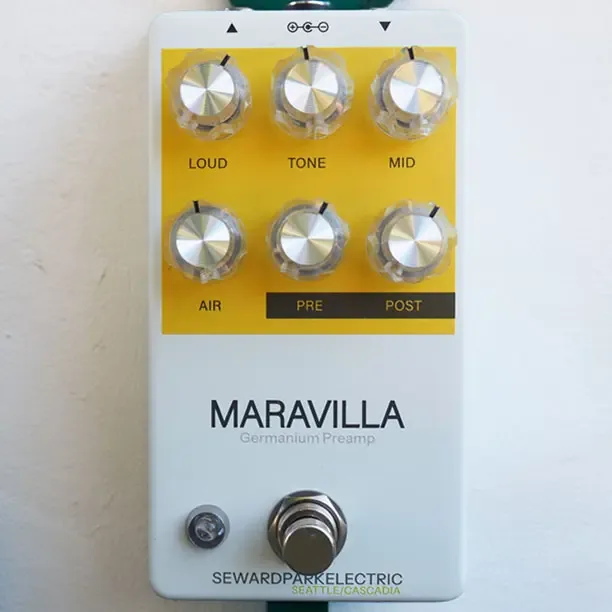
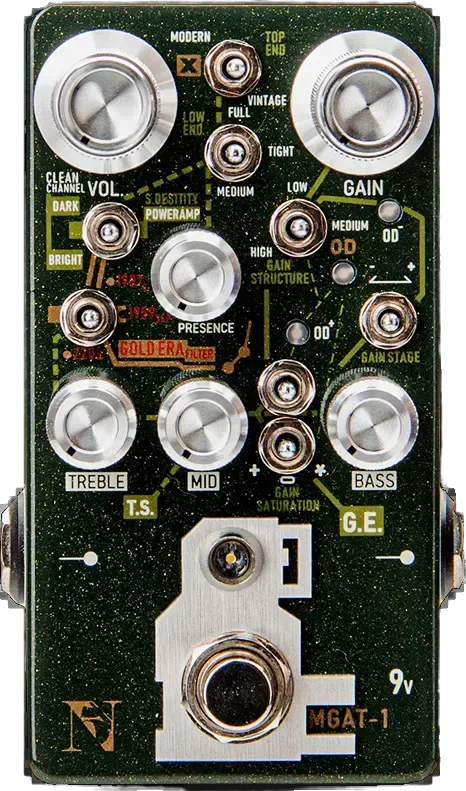
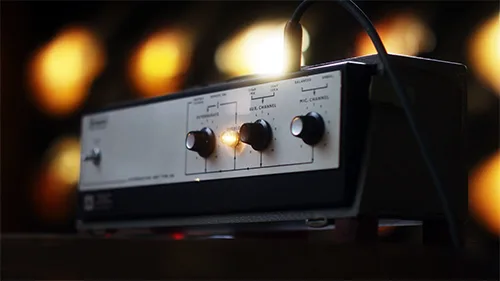
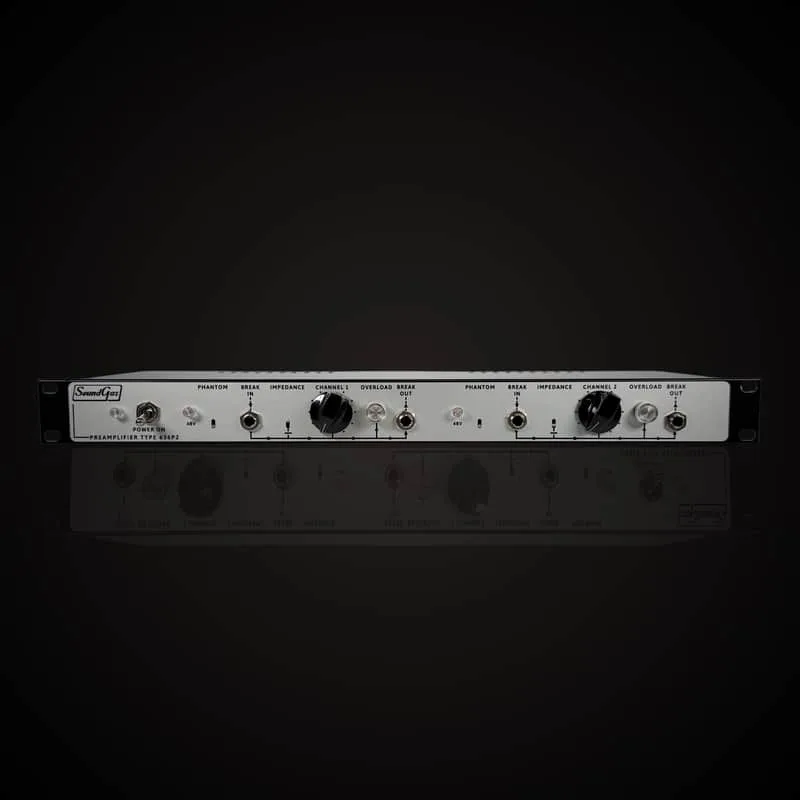
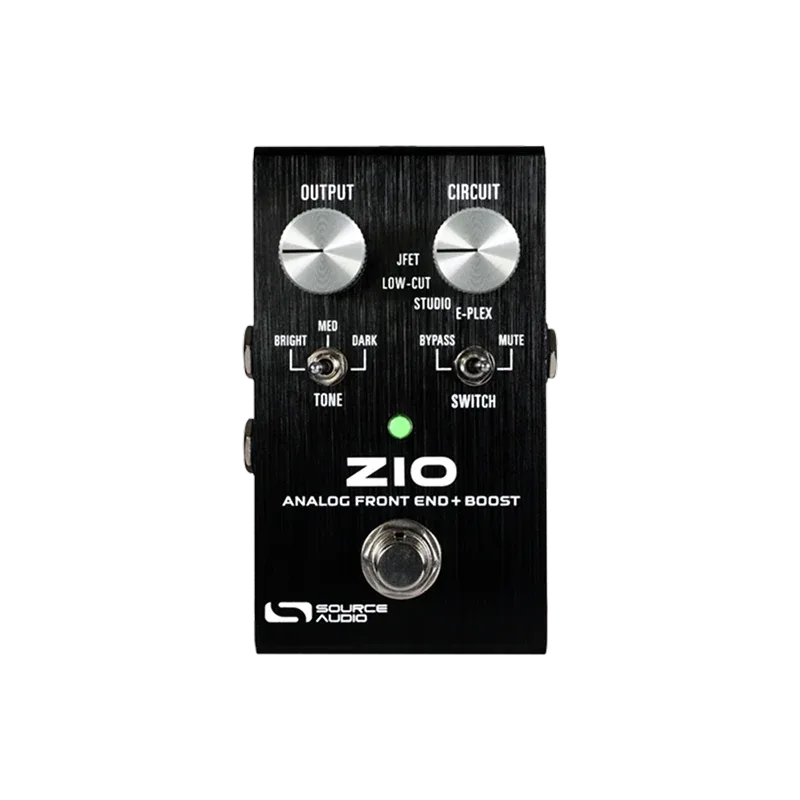
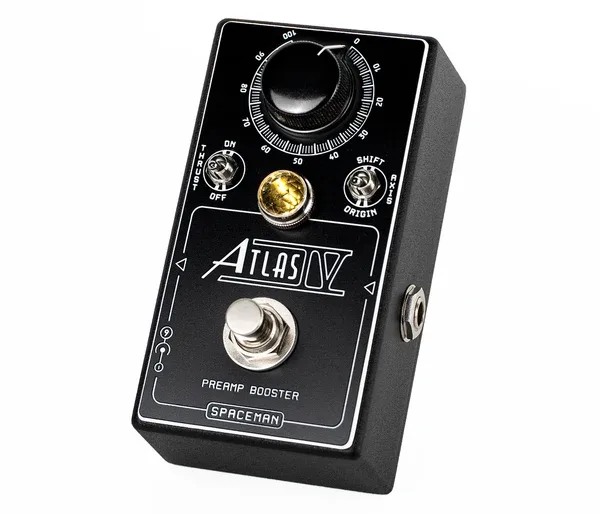
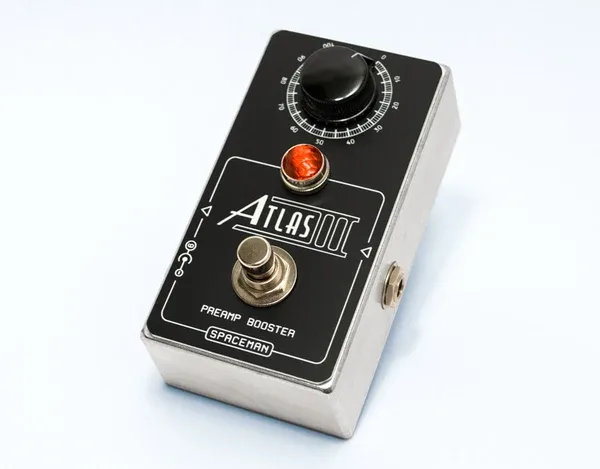
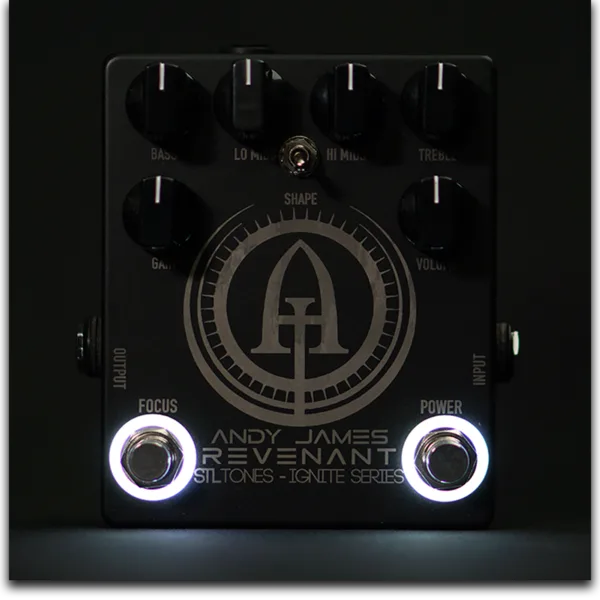
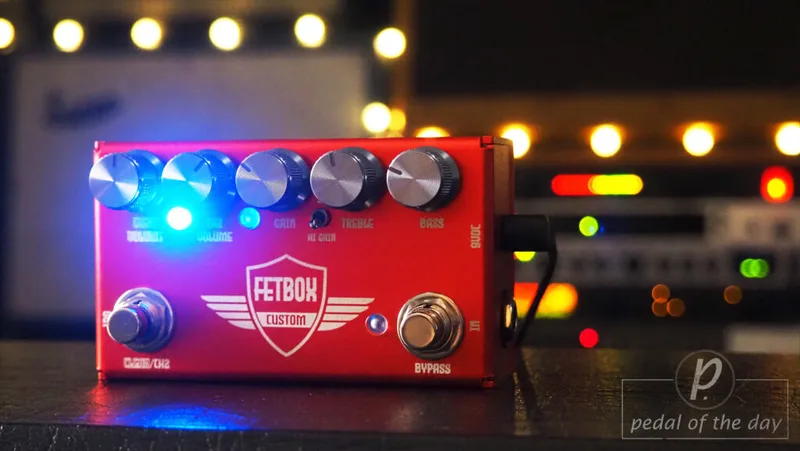
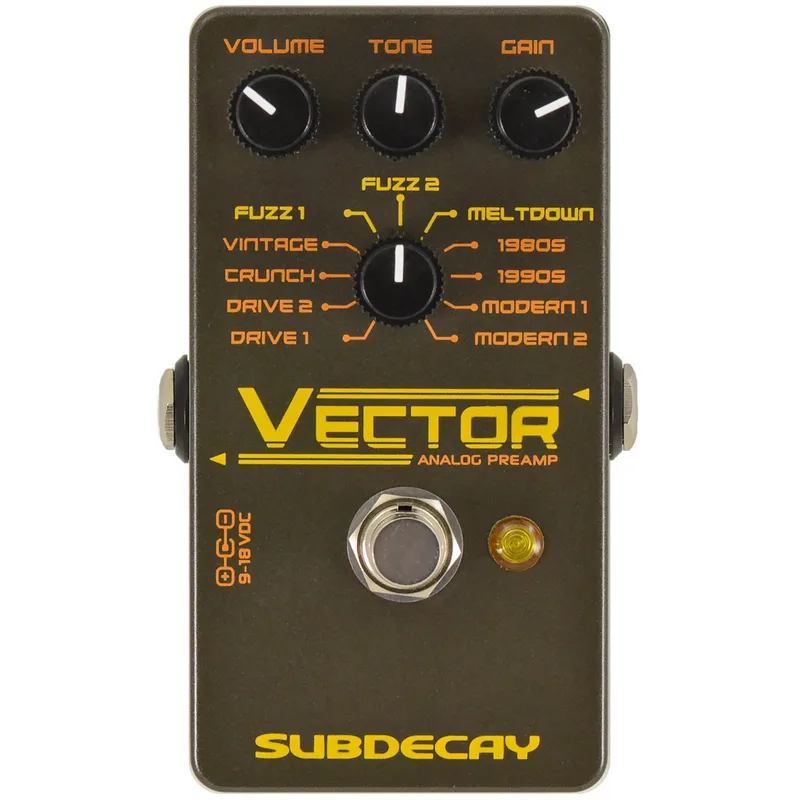
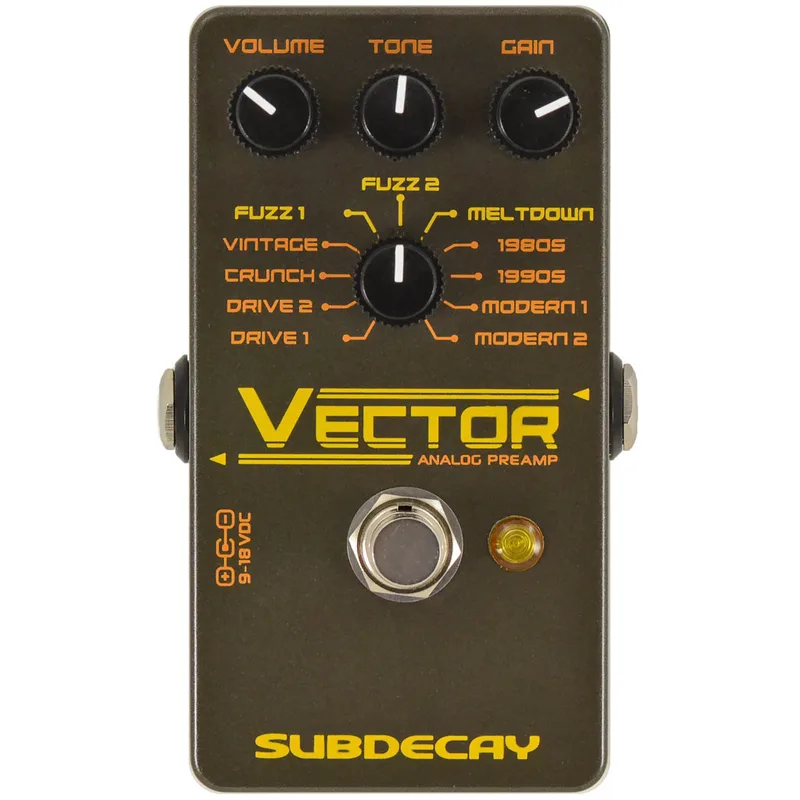
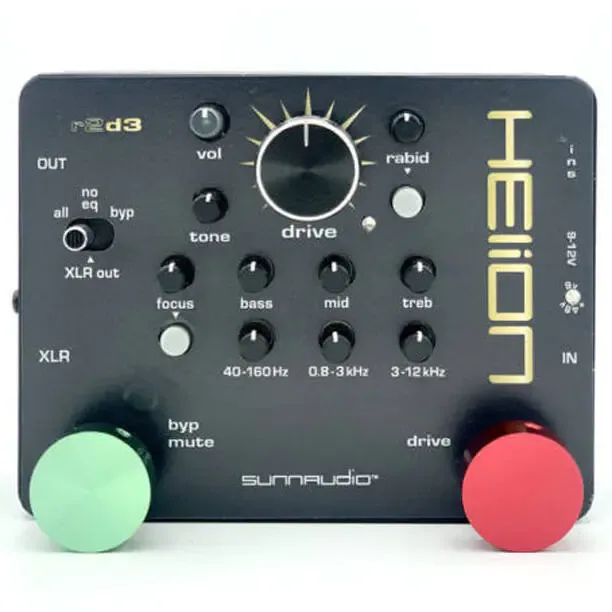
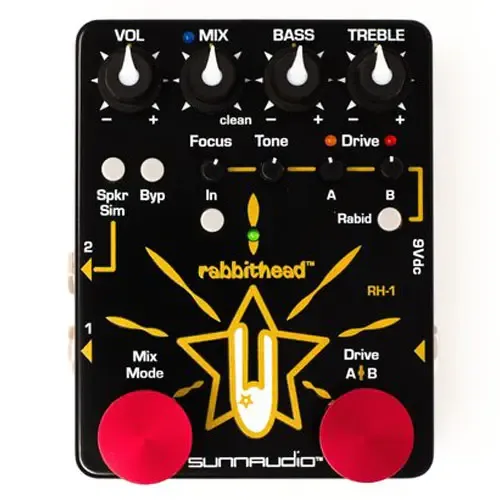
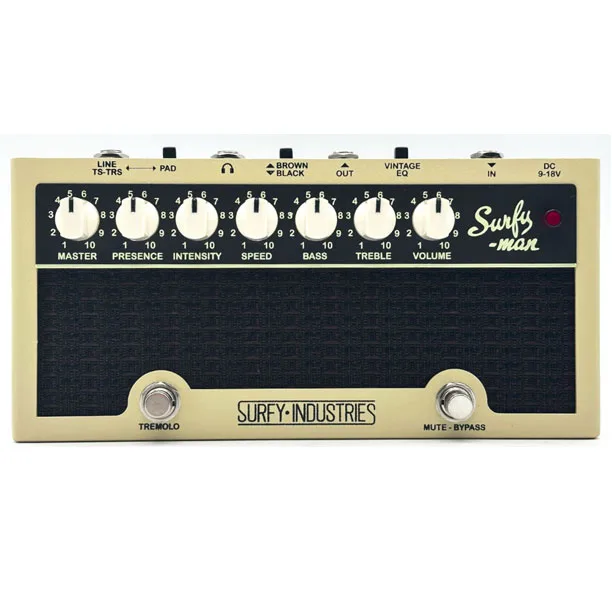
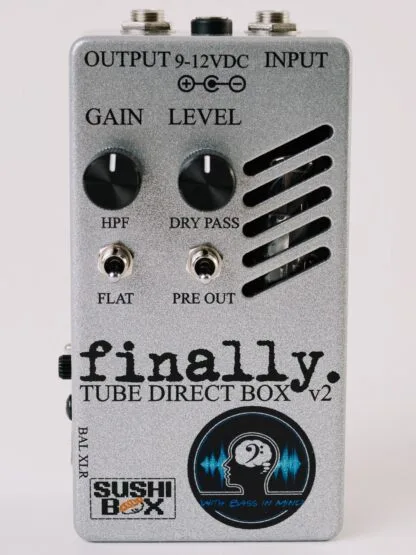
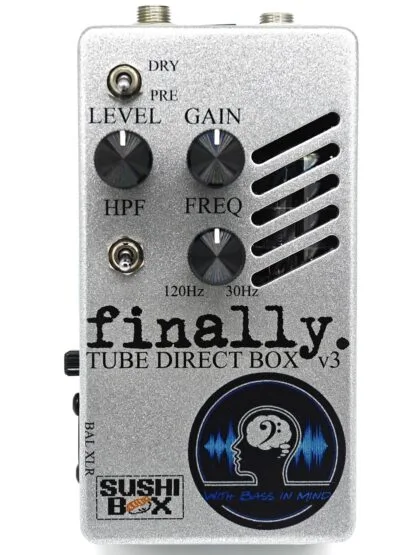
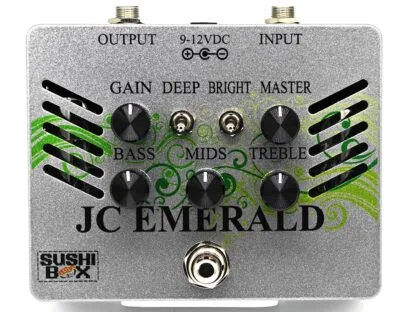
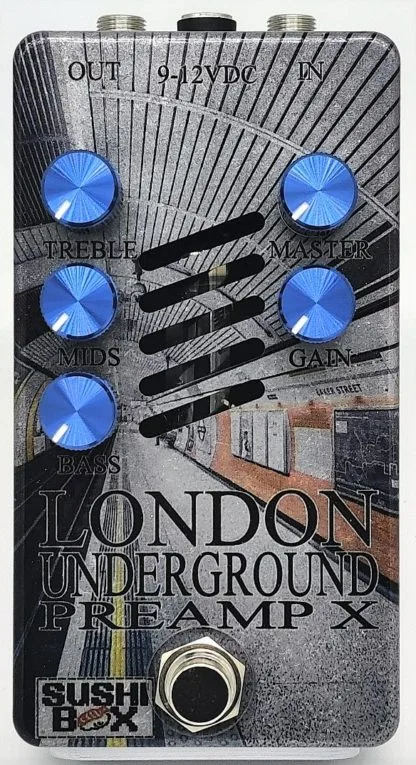
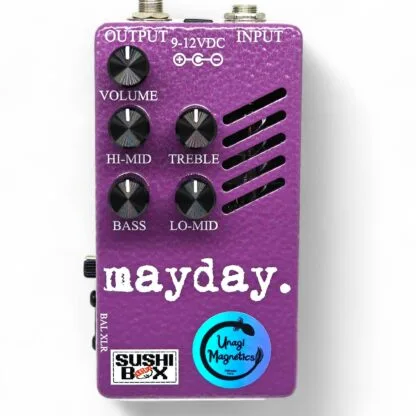
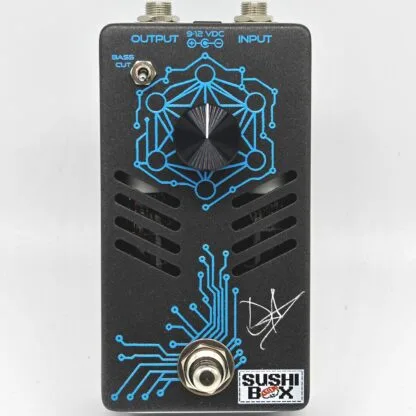
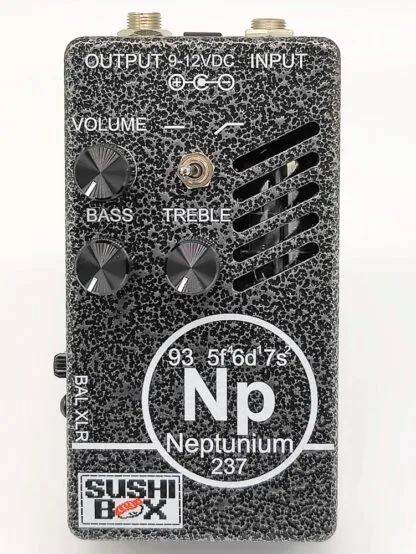
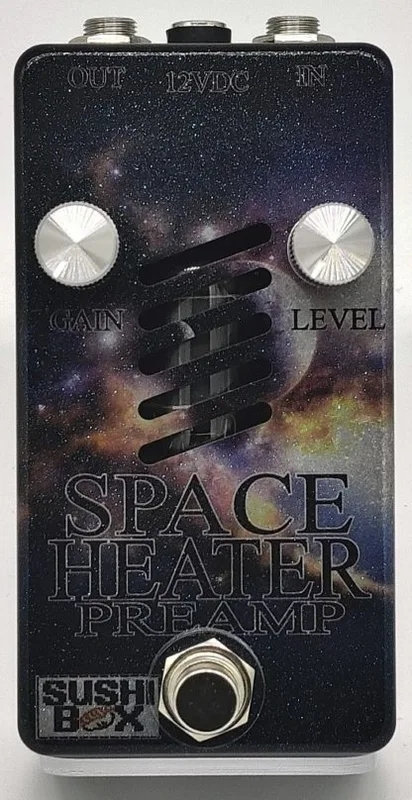
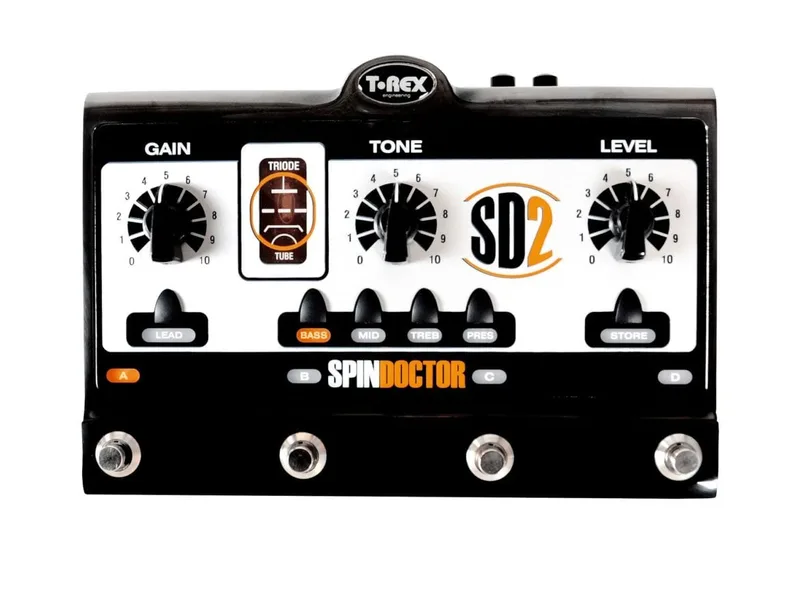
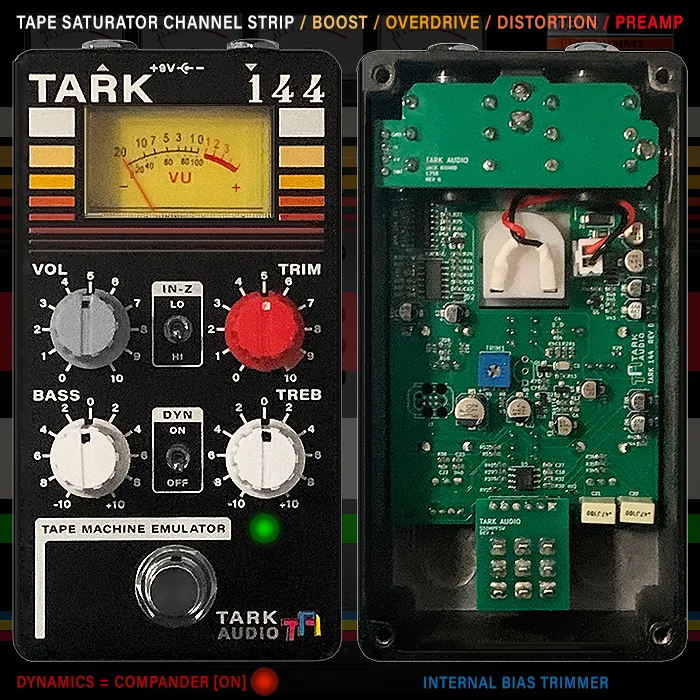
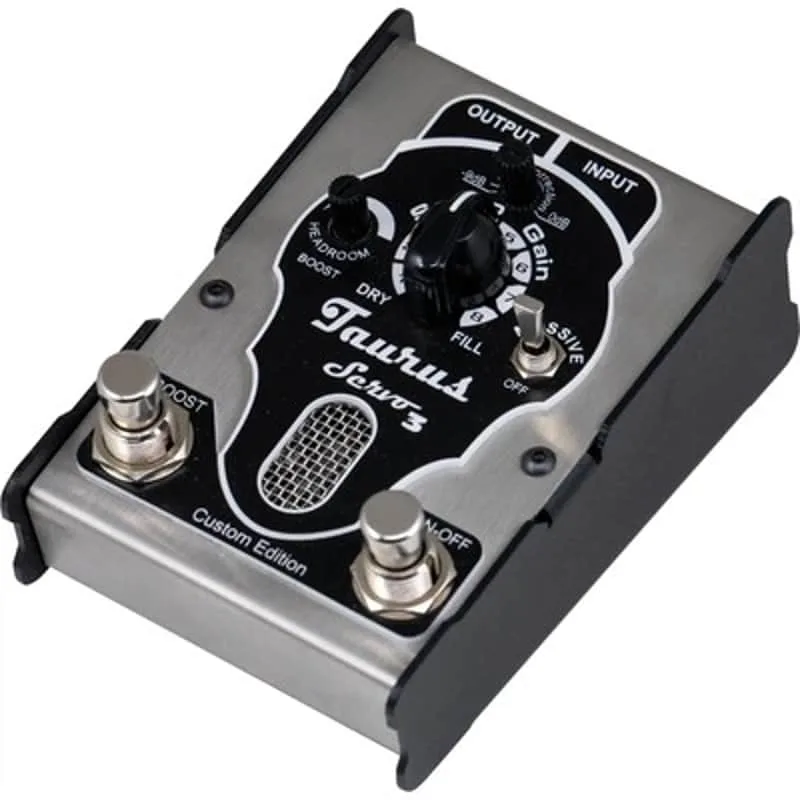
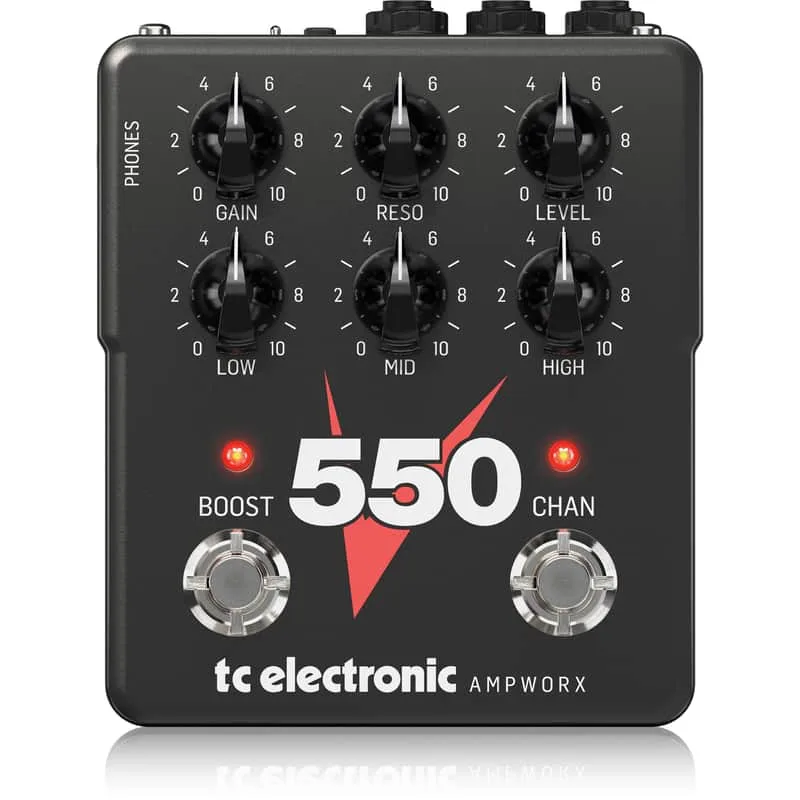
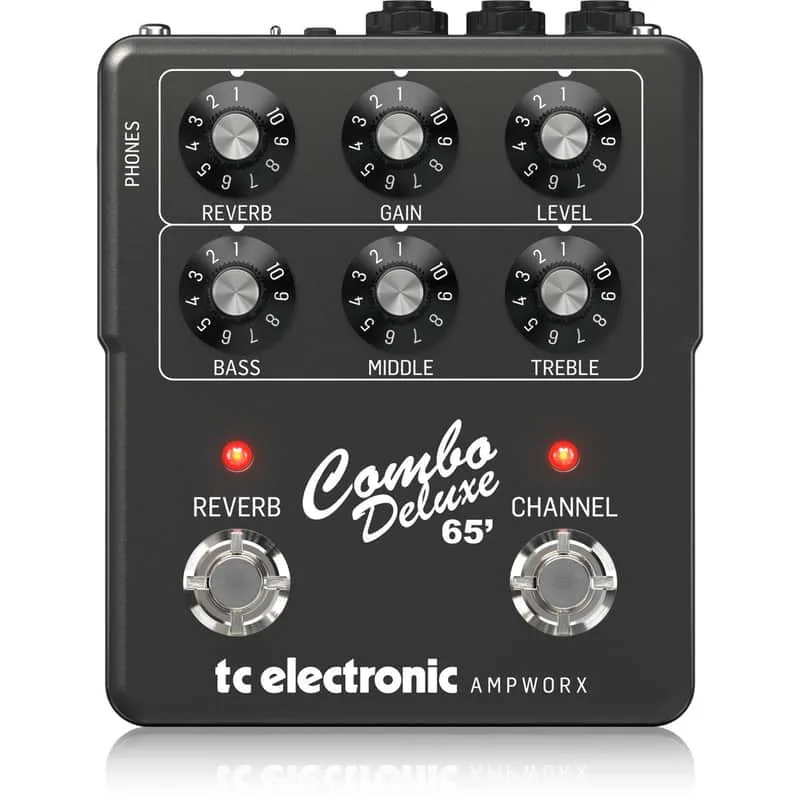
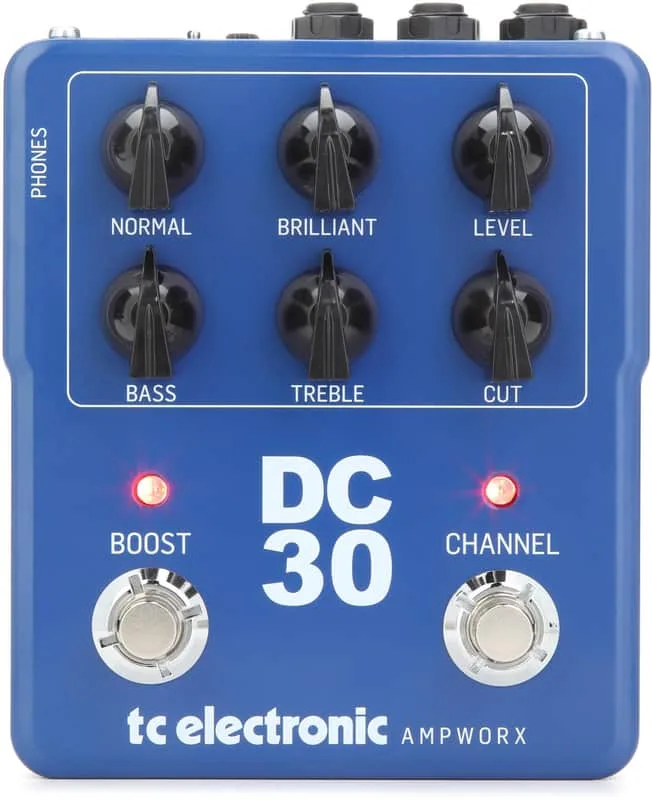
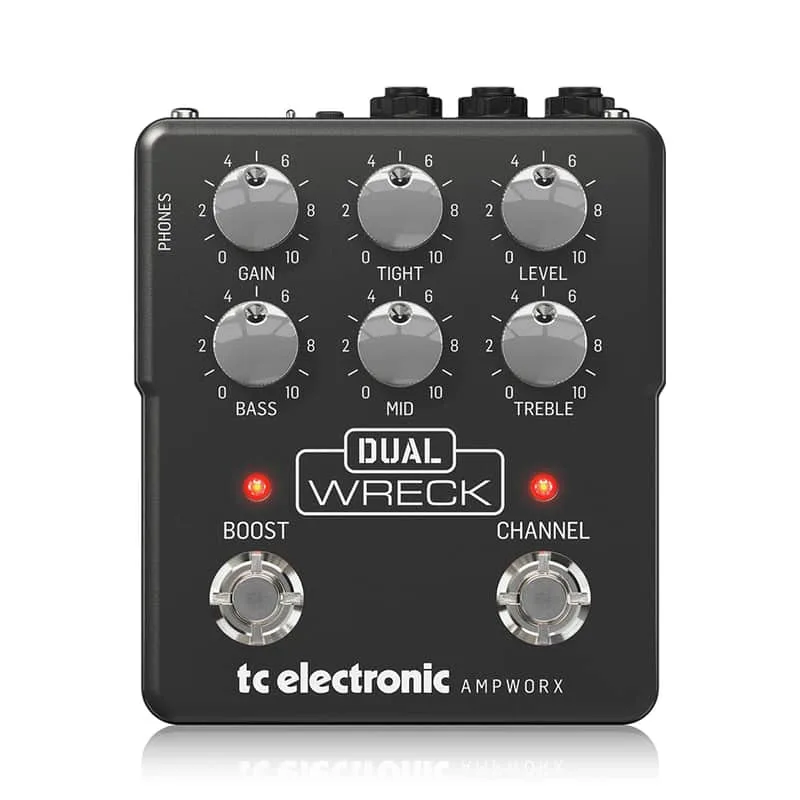
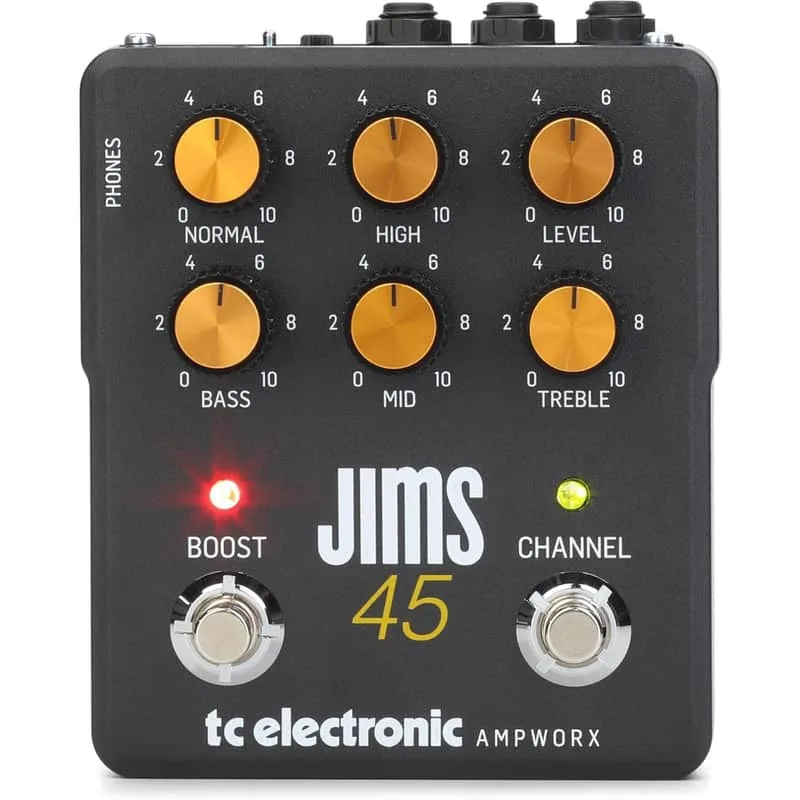
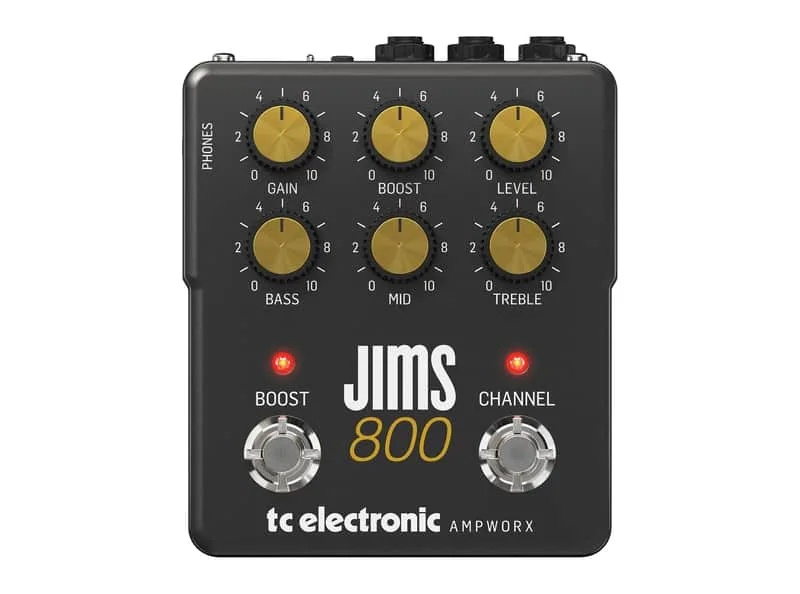
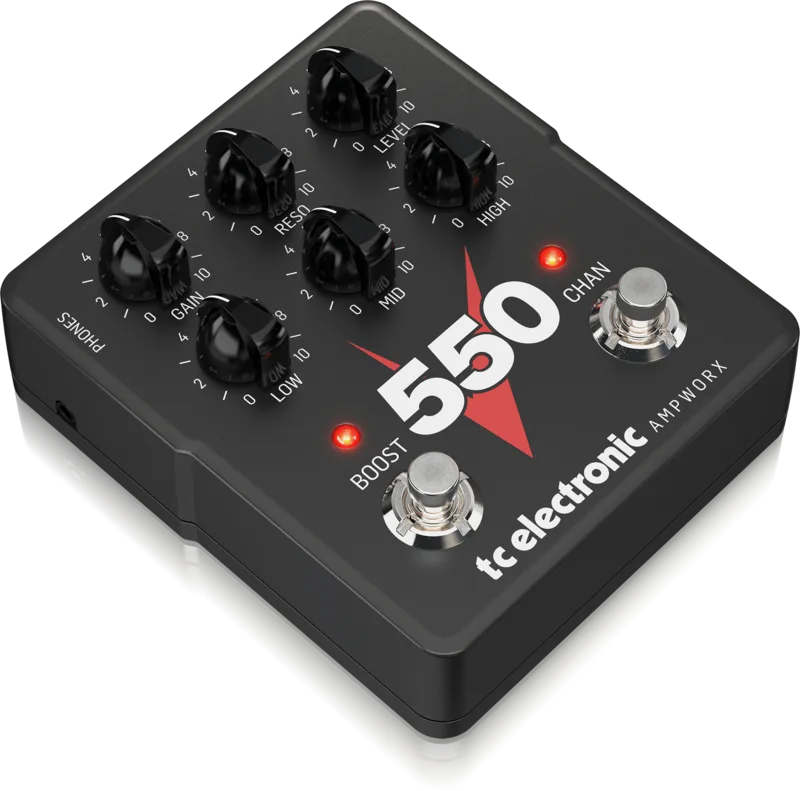
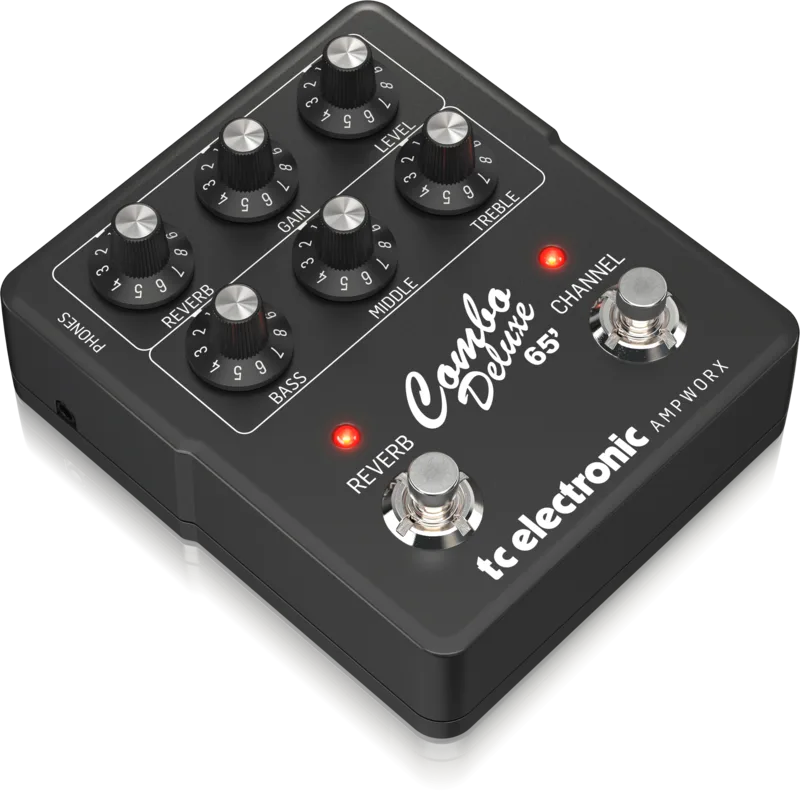
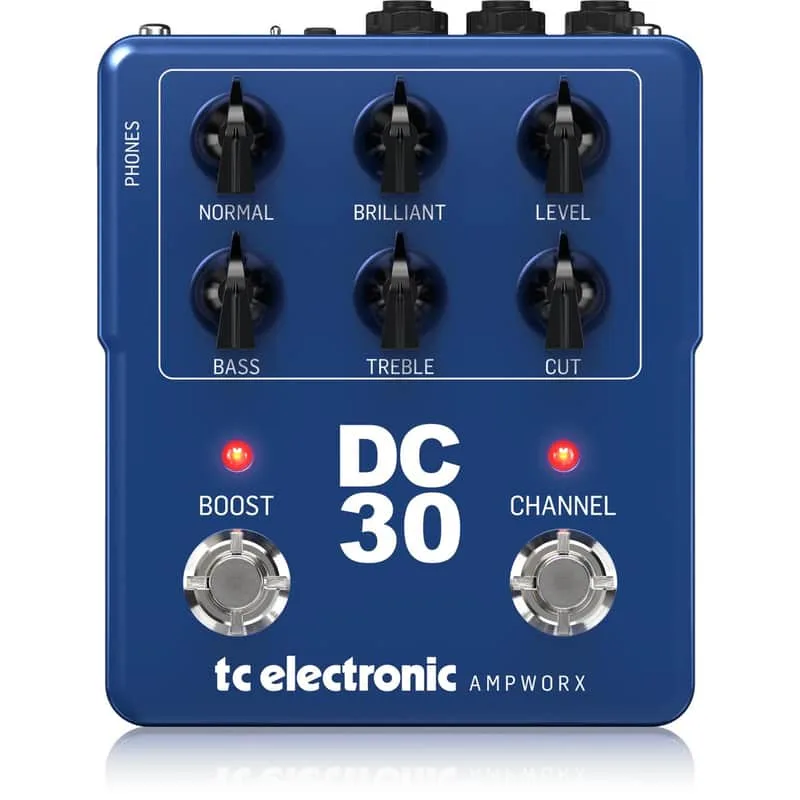
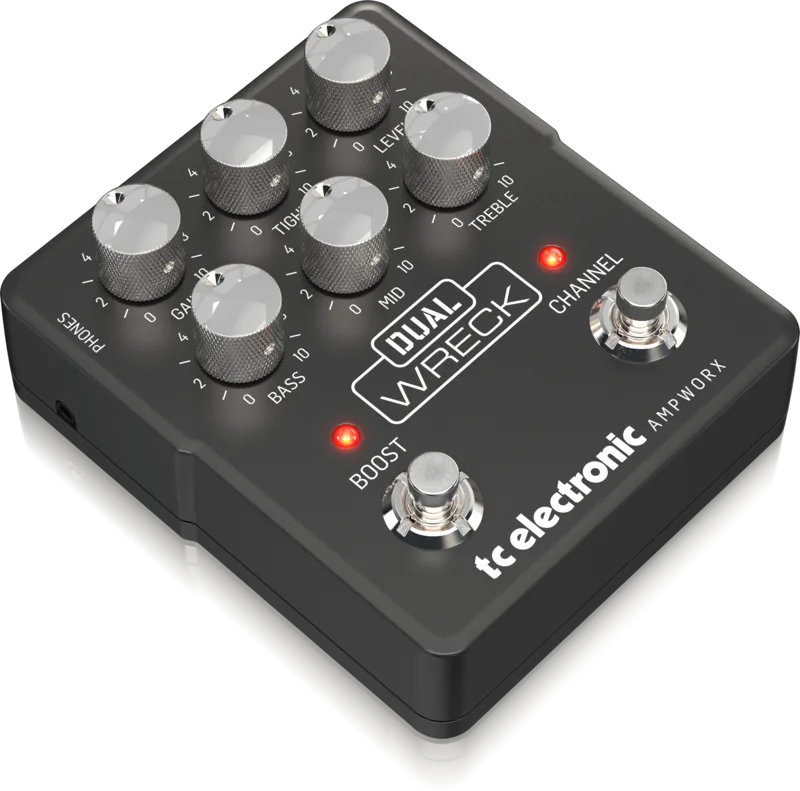
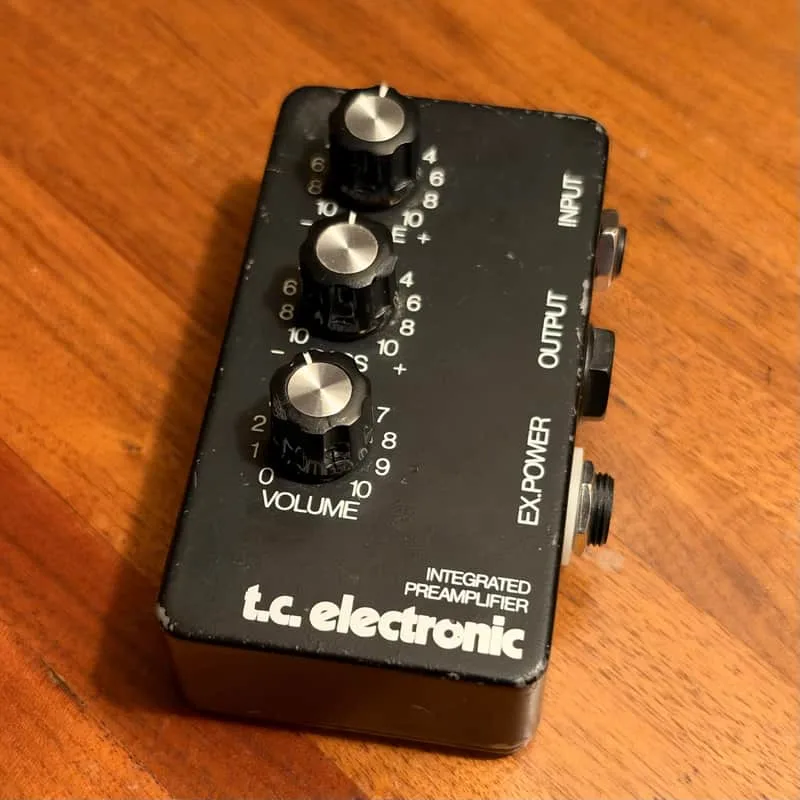
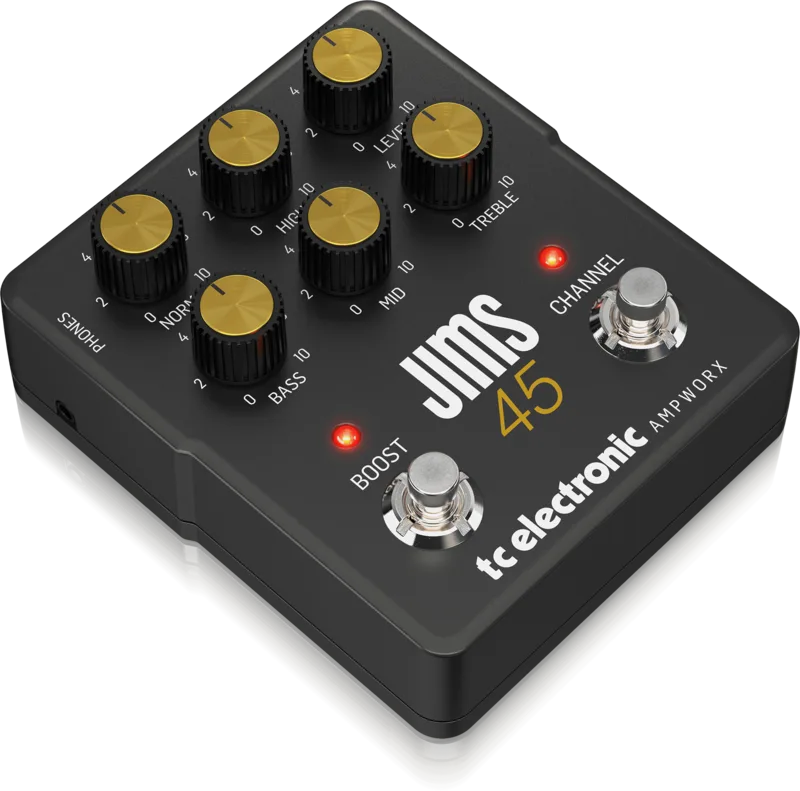
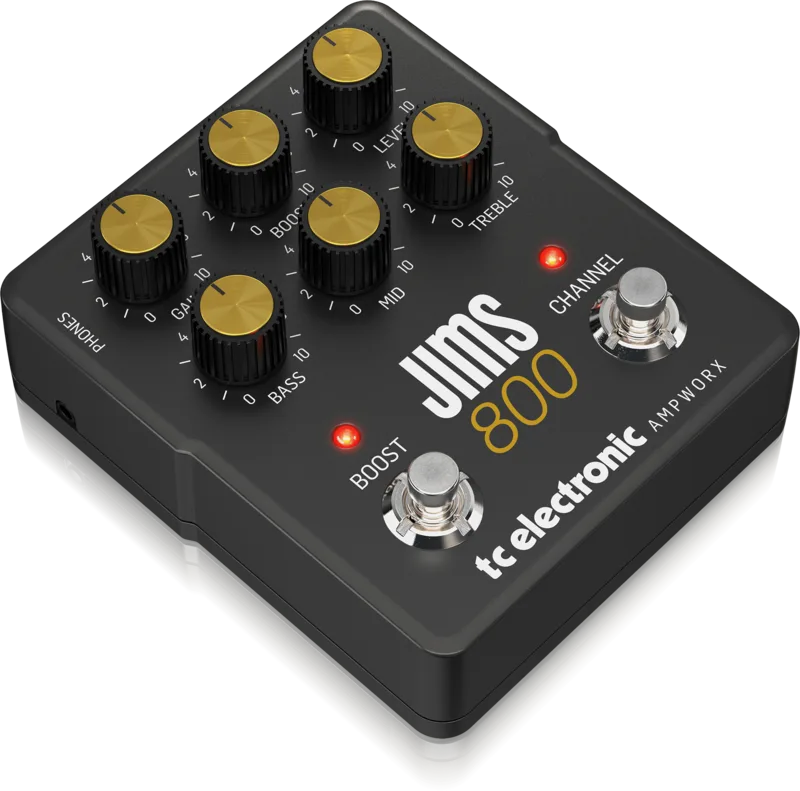
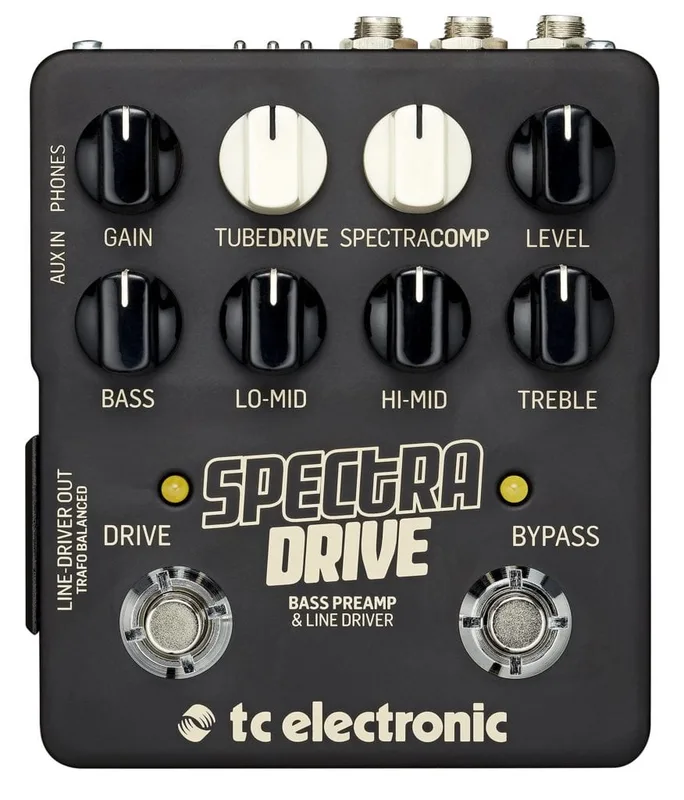
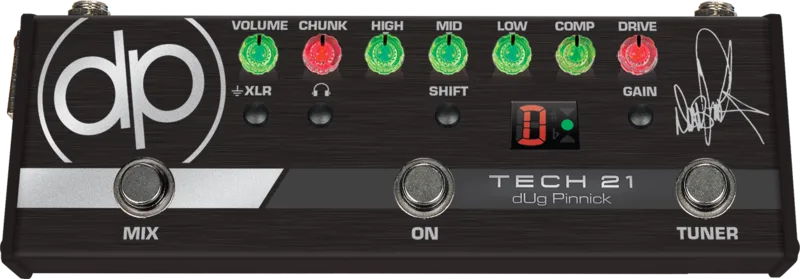

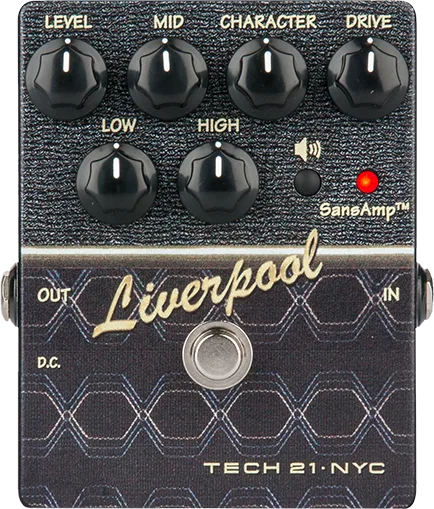
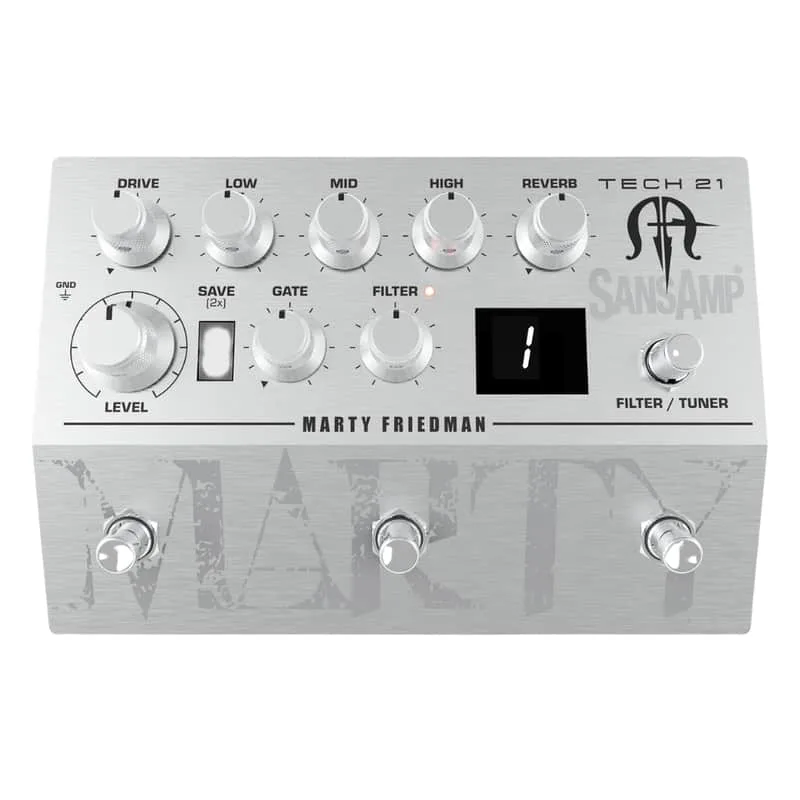
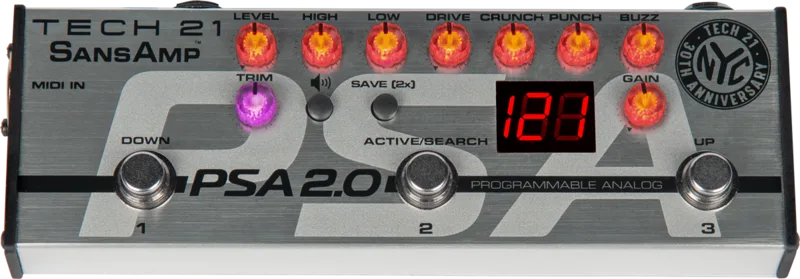
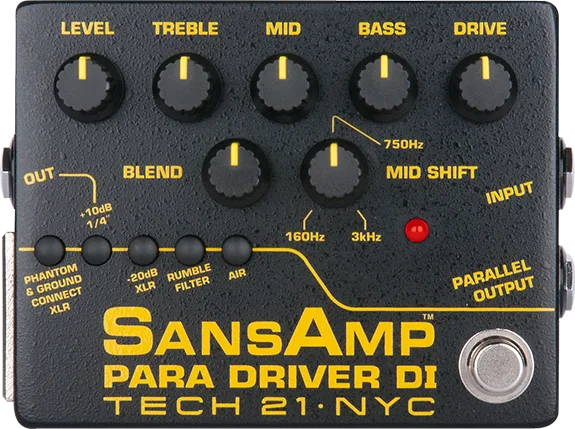
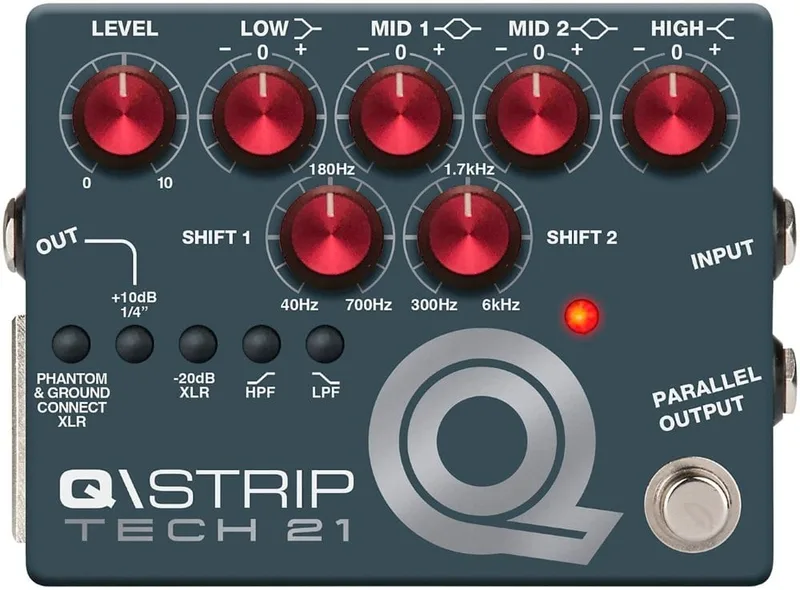
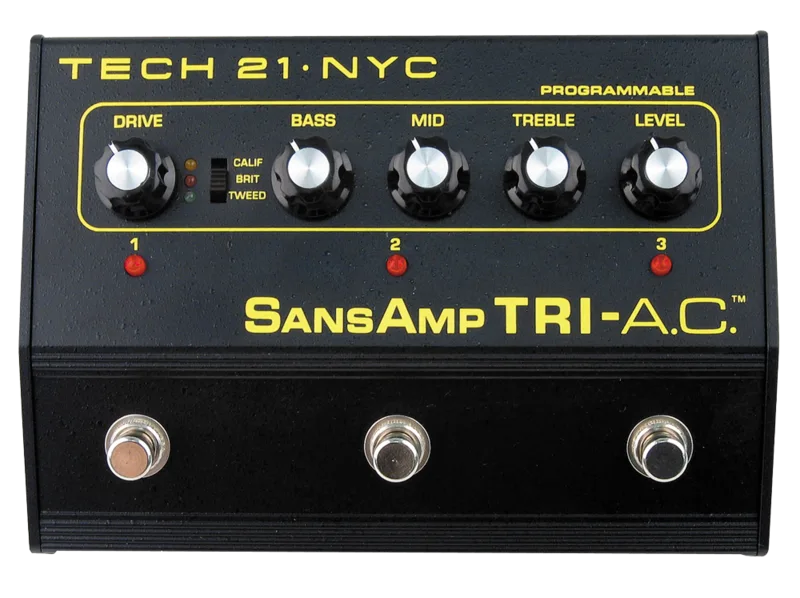
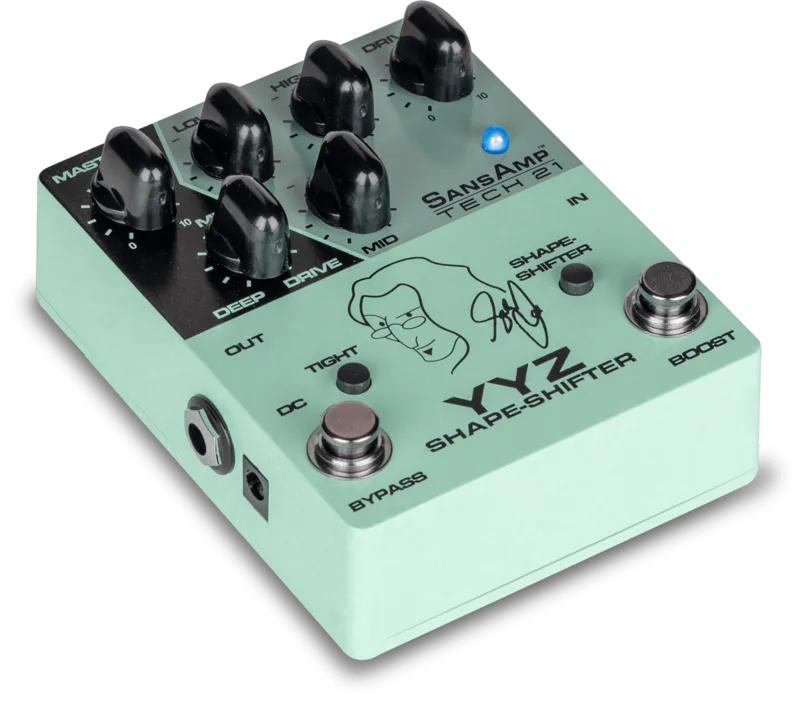
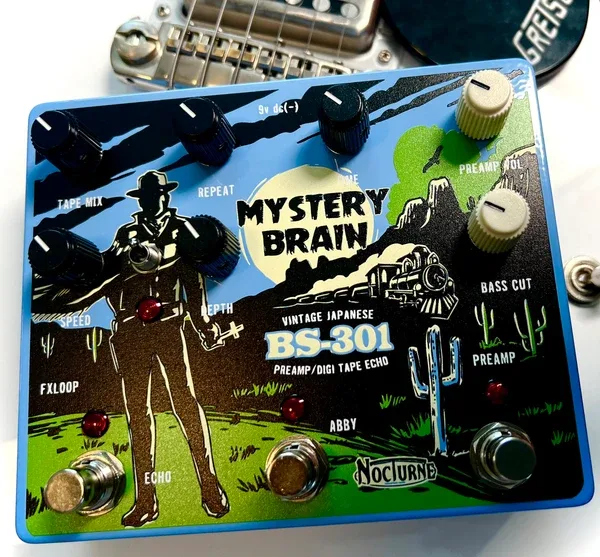
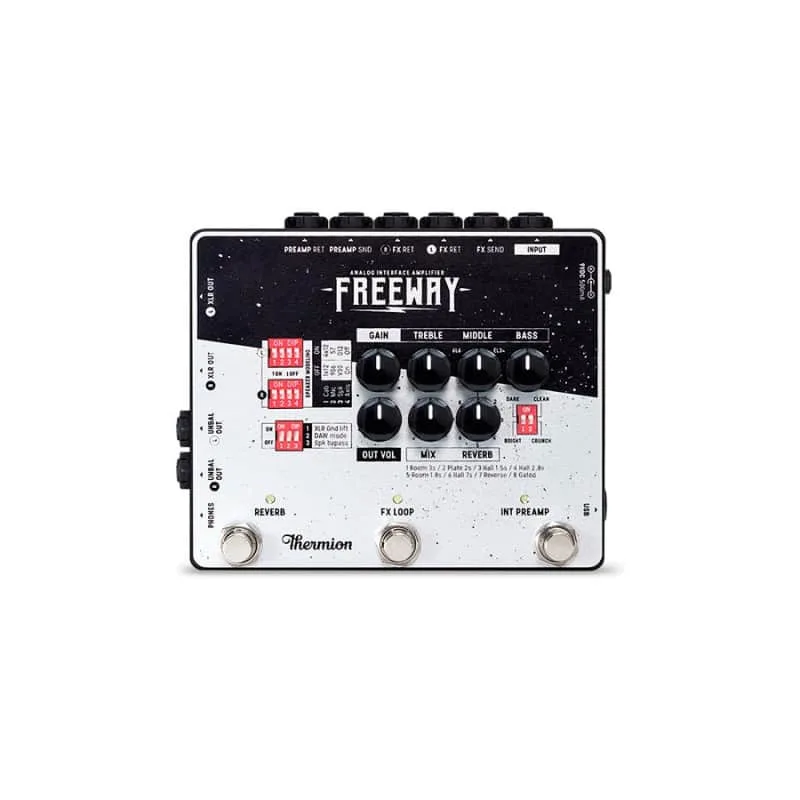
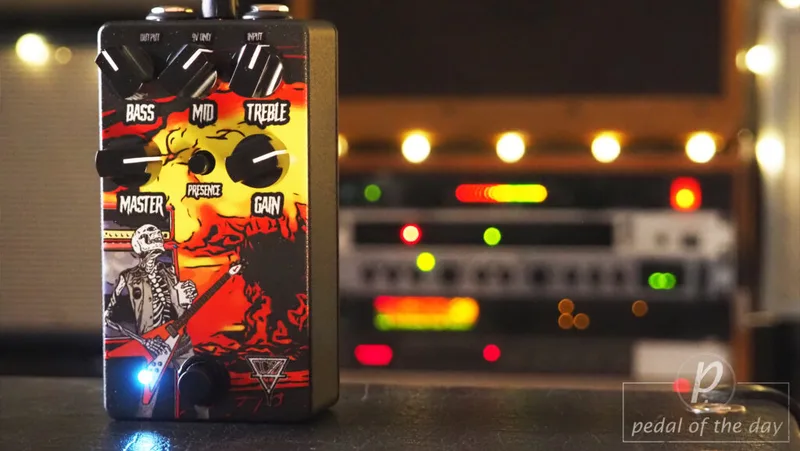
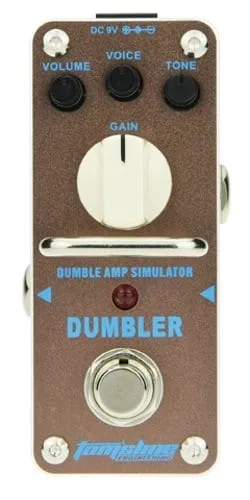
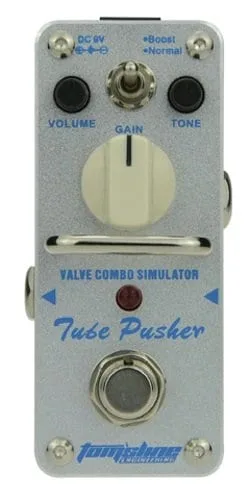
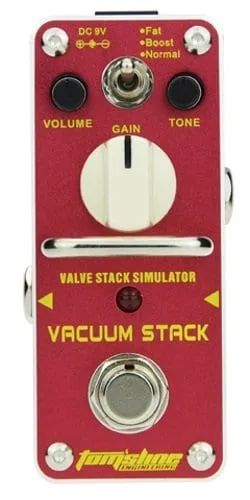
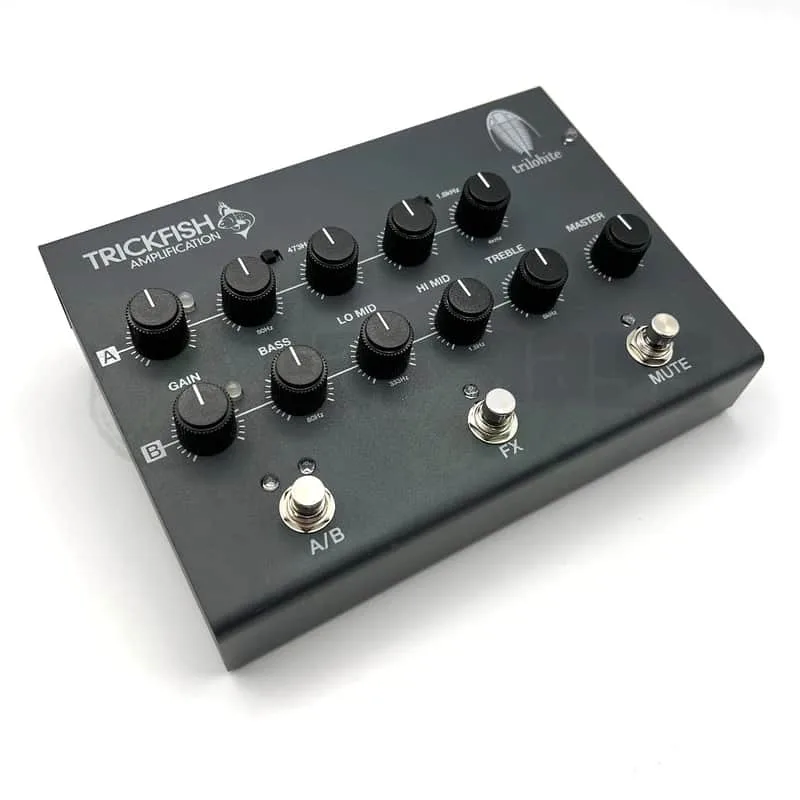
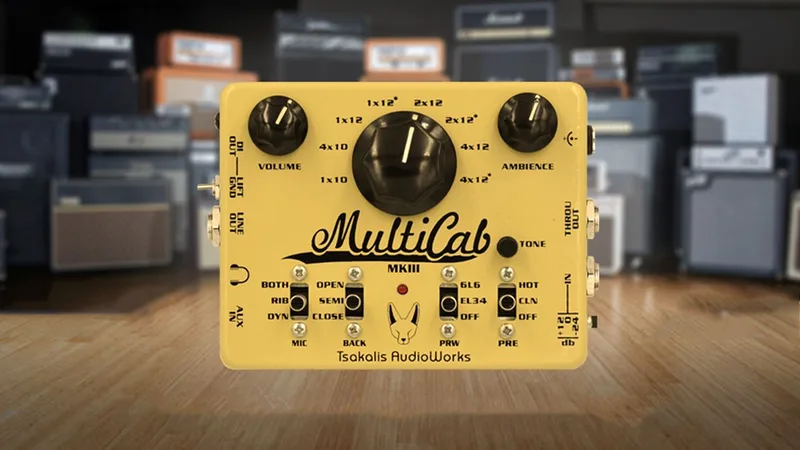
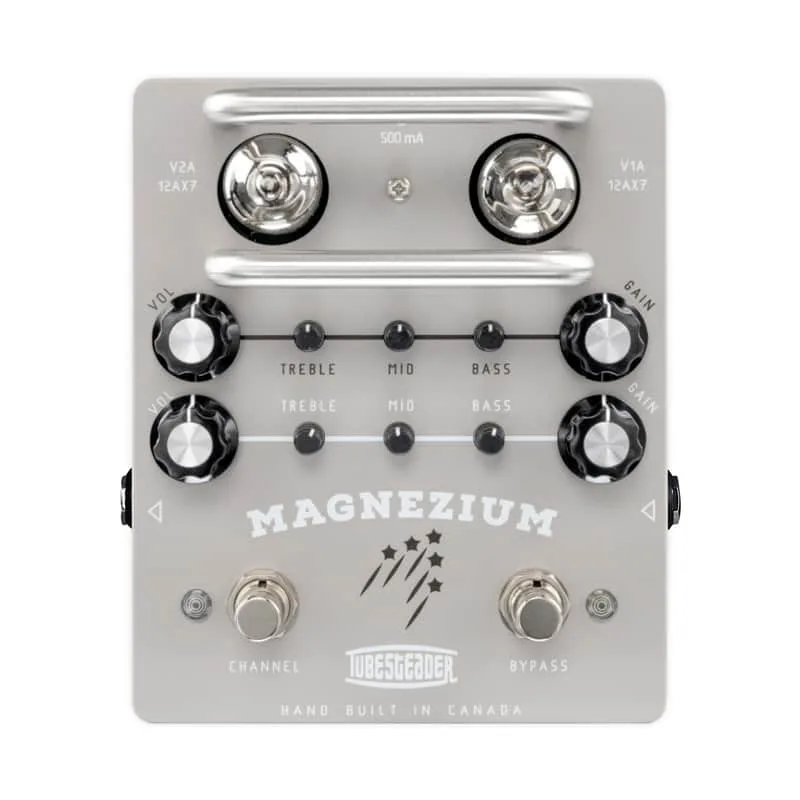
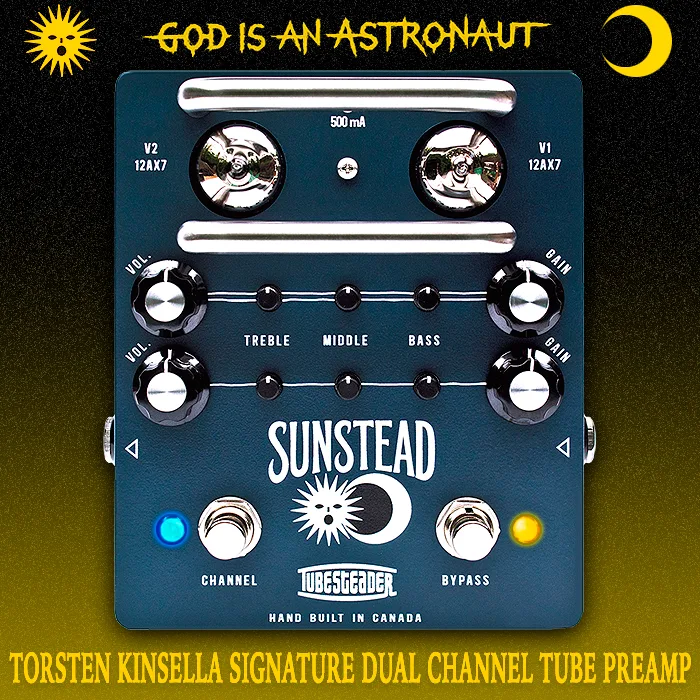
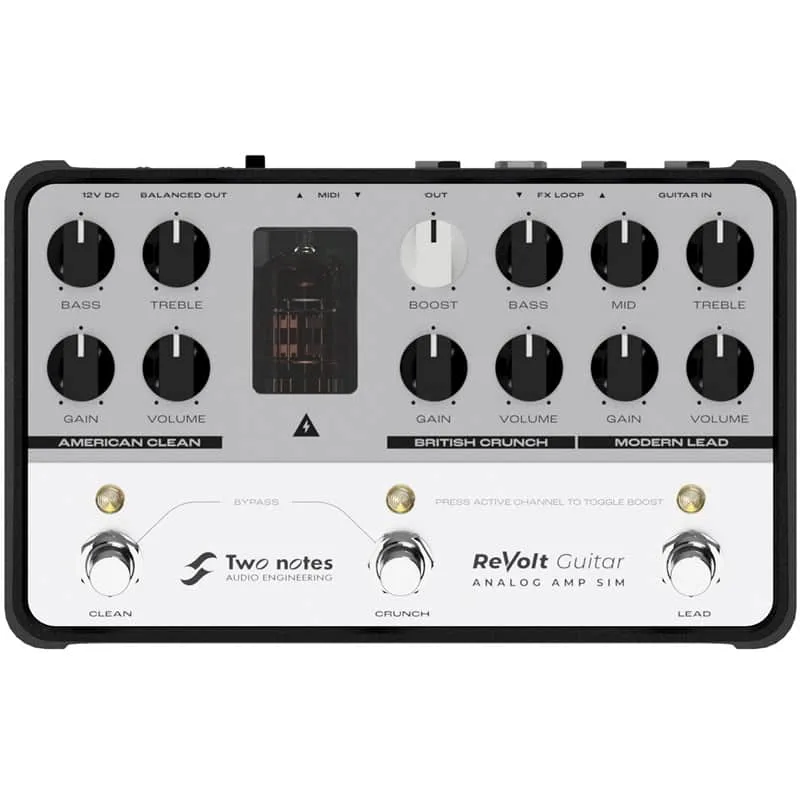
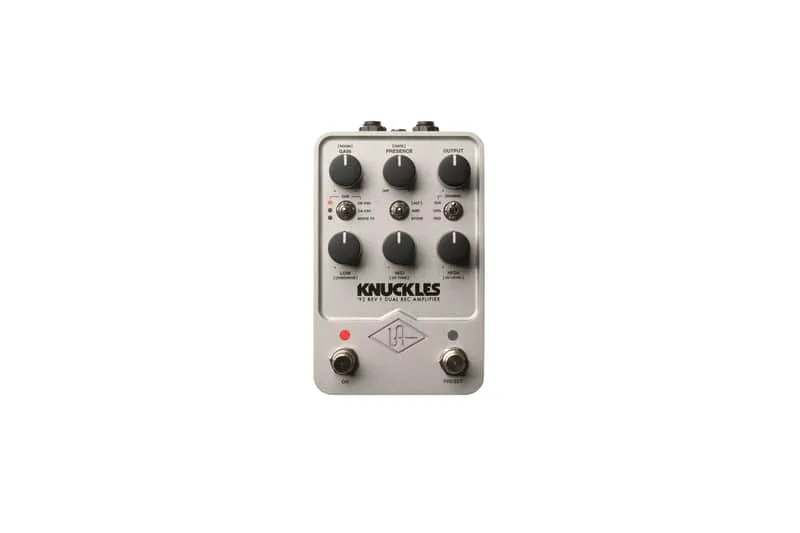
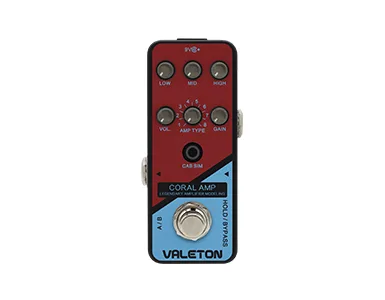
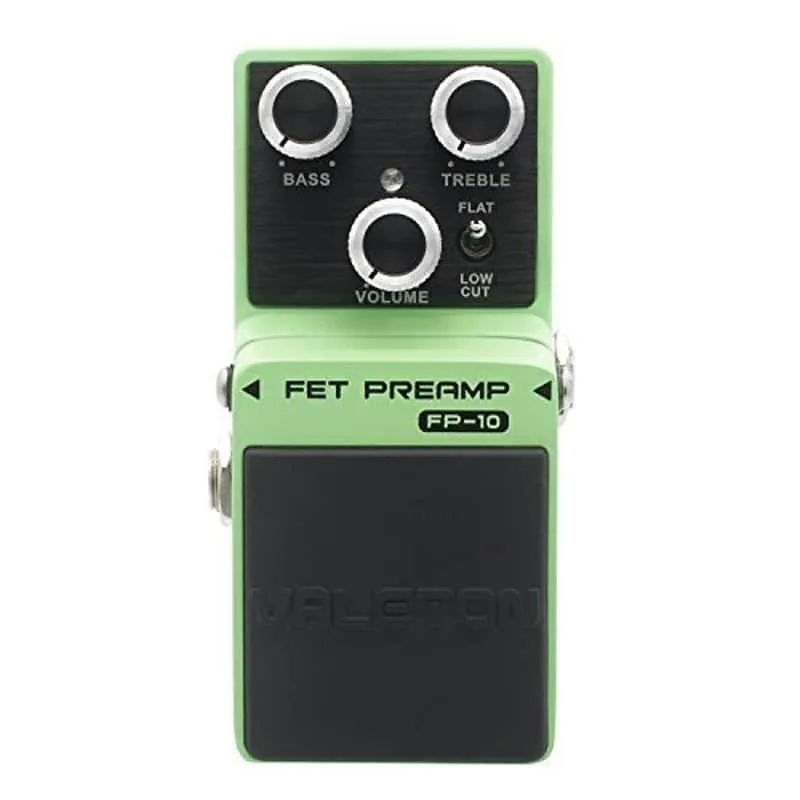
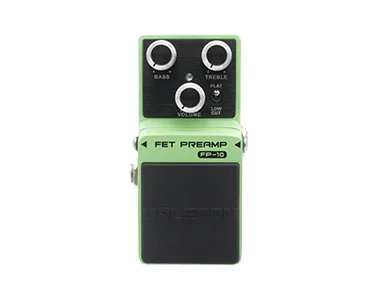
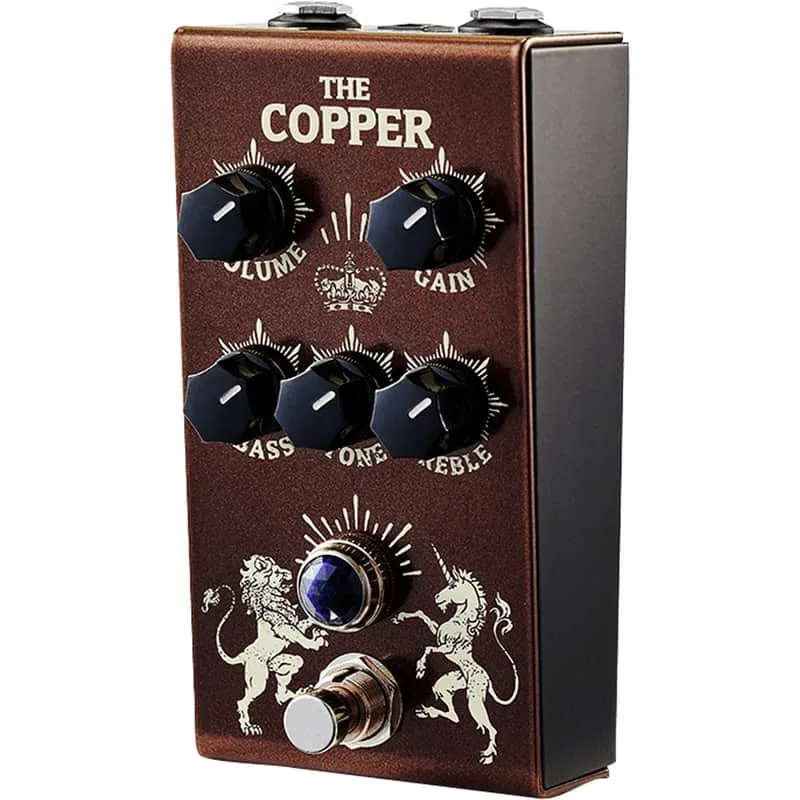
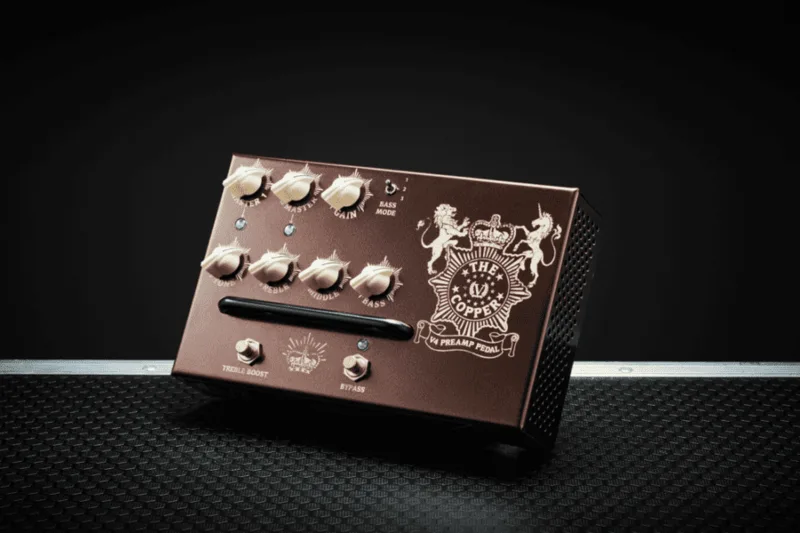
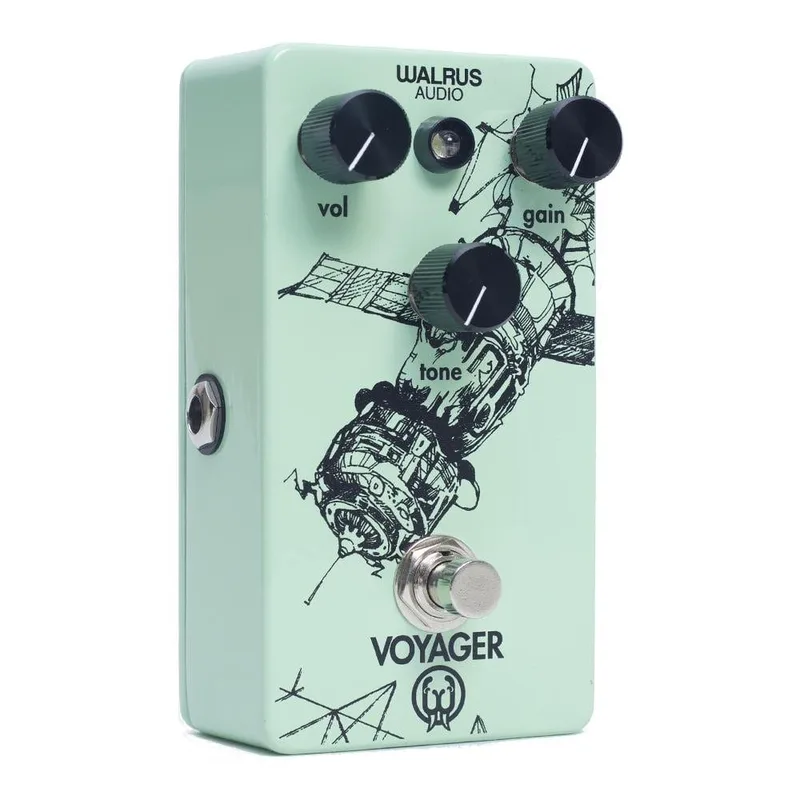
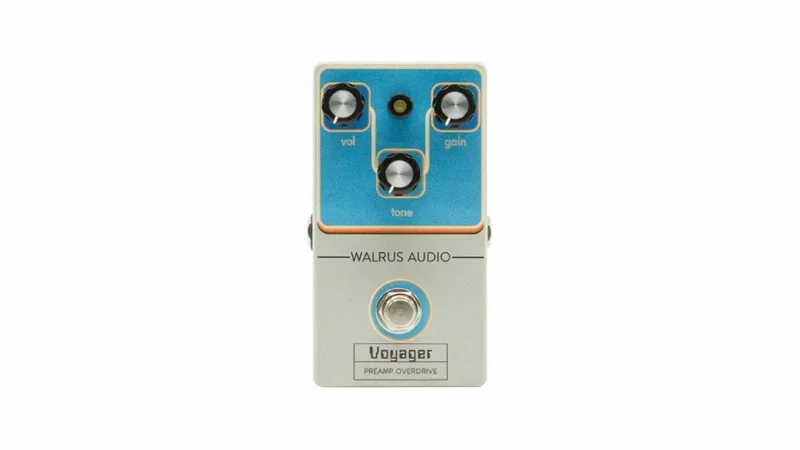
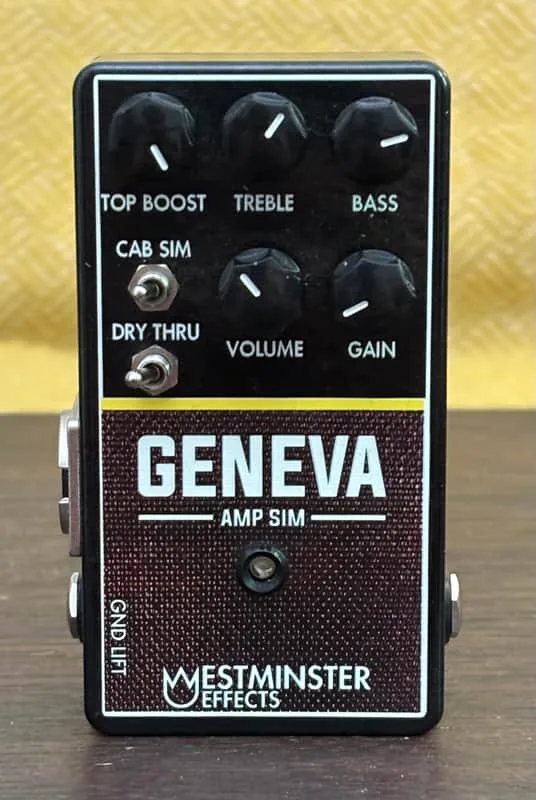
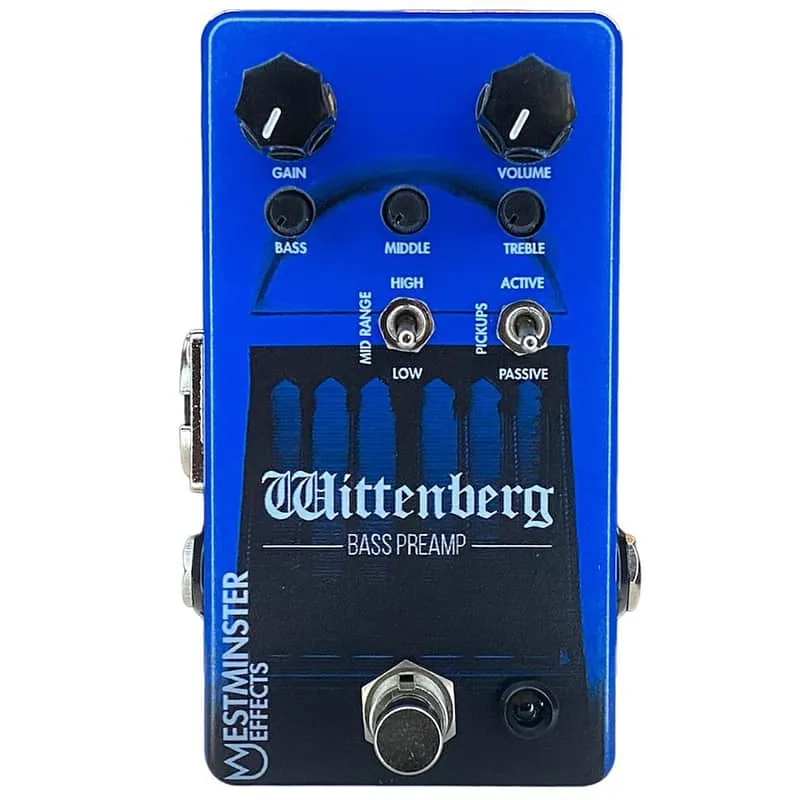
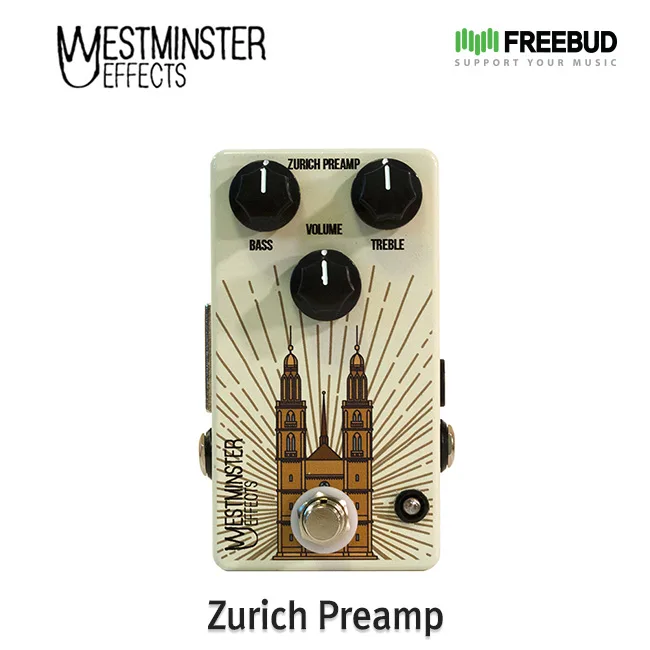
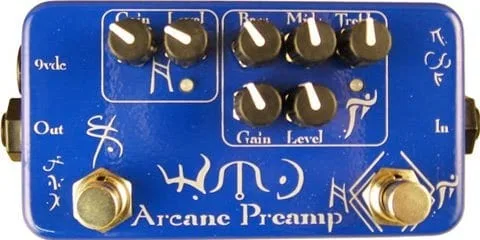
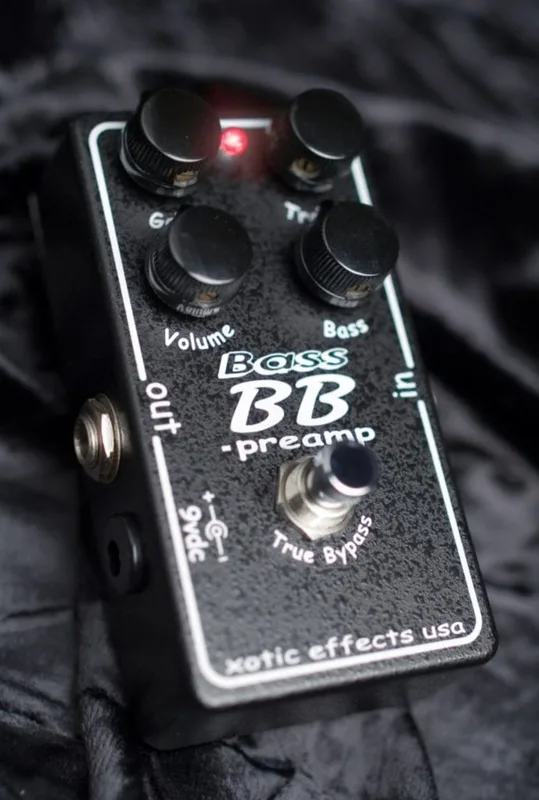
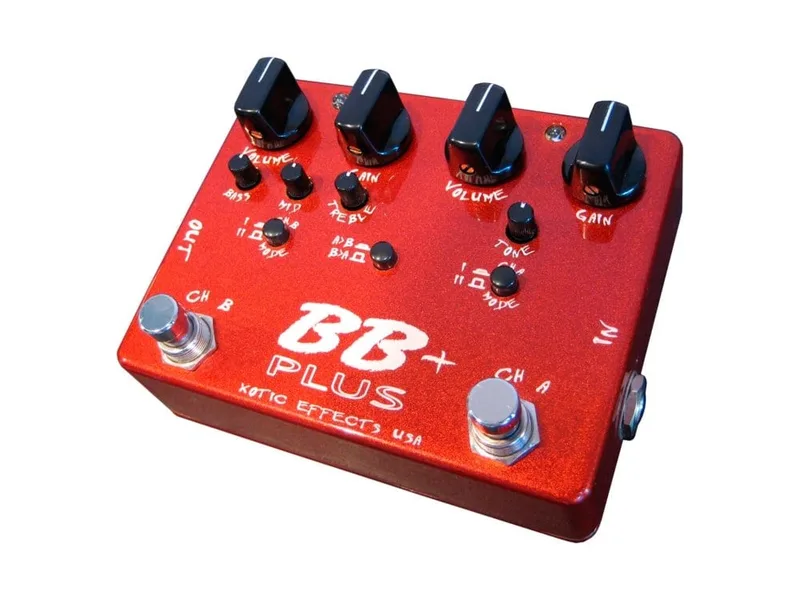
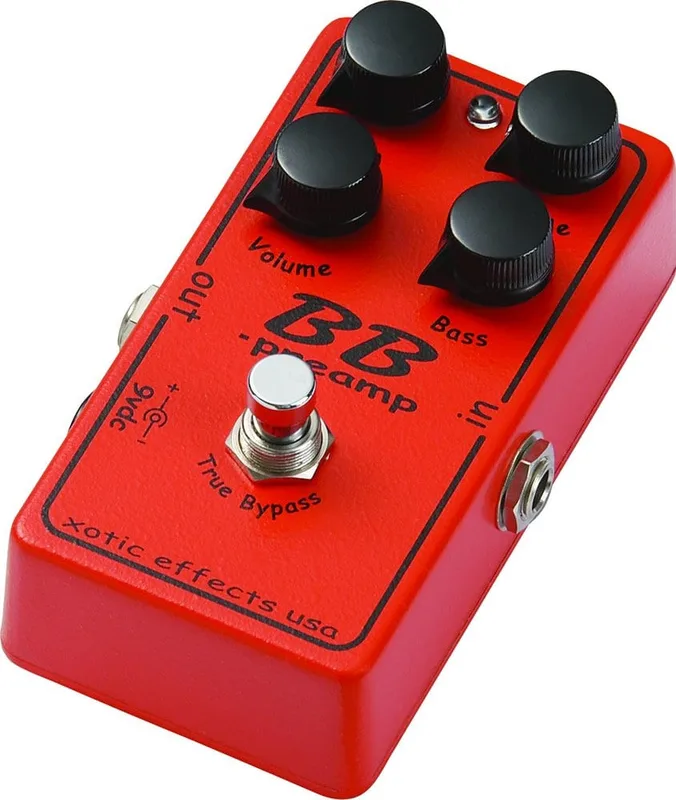
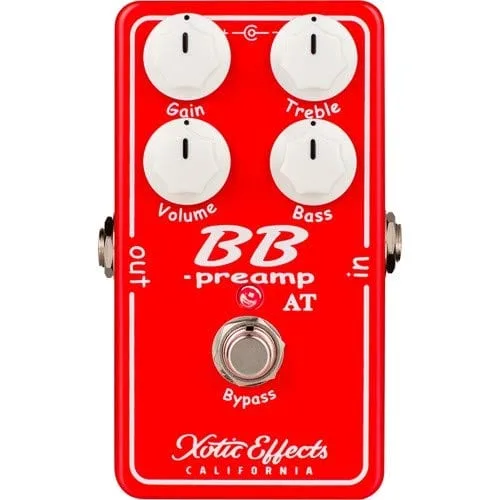
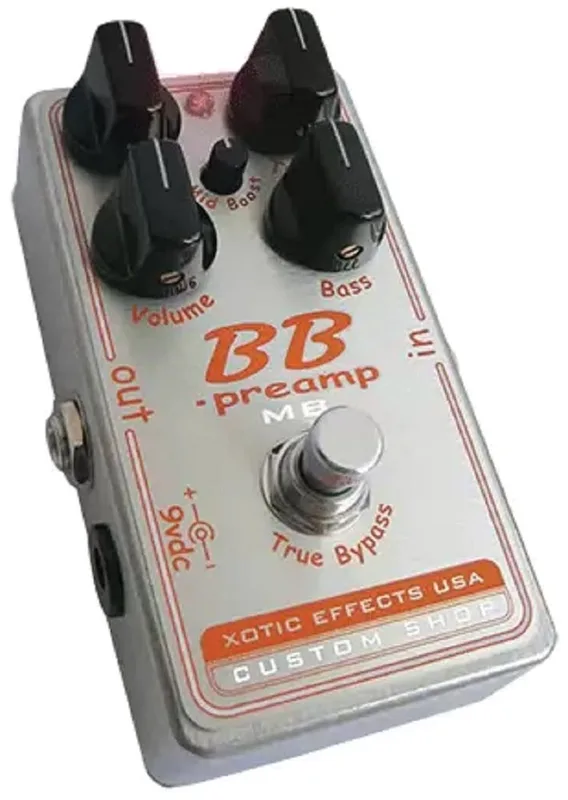
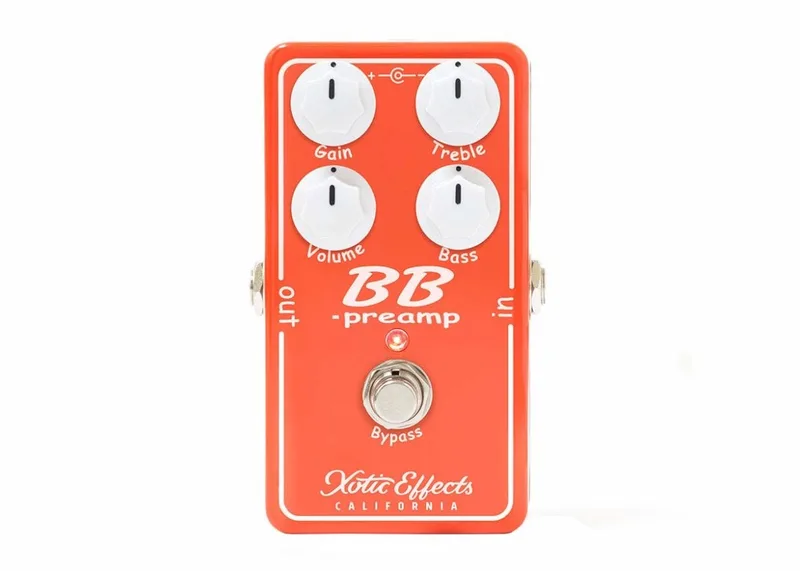
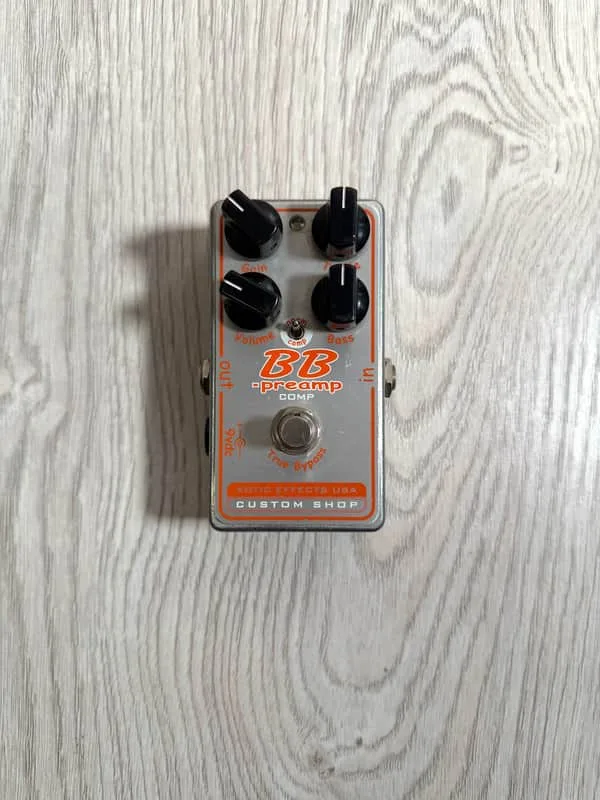
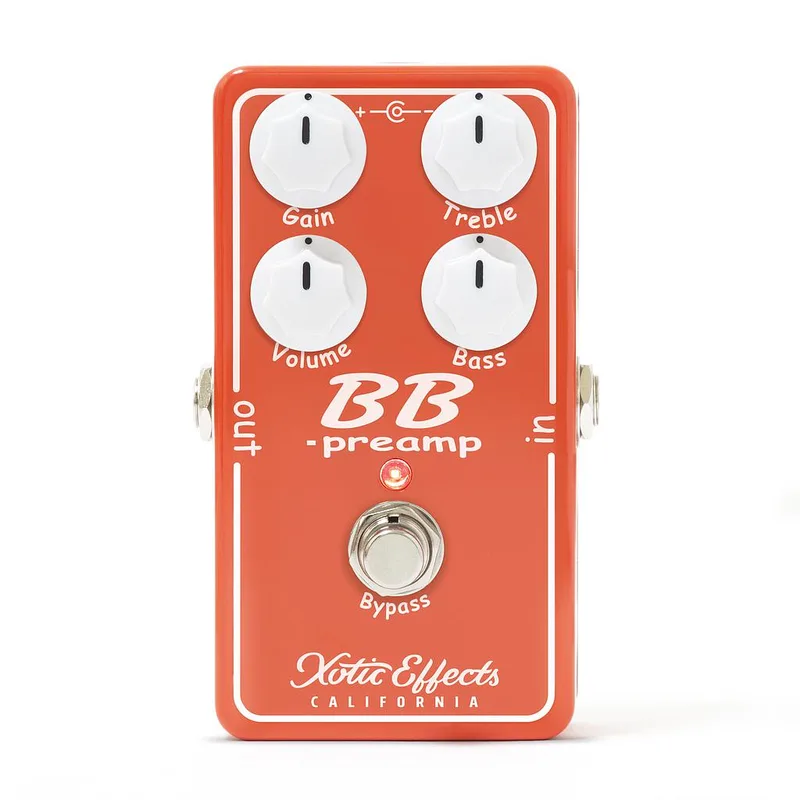
A preamp pedal is a stompbox that does the job an amplifier's preamp section does inside the amp: it sets the gain of your signal and shapes its tone before the power stage. Put simply, it is a box of gain and EQ that sits on your pedalboard instead of inside your amp head. Some are voiced clean and transparent, some are built to reproduce the sound of a specific amplifier, and some blur the line with overdrive, boost and fuzz pedals.
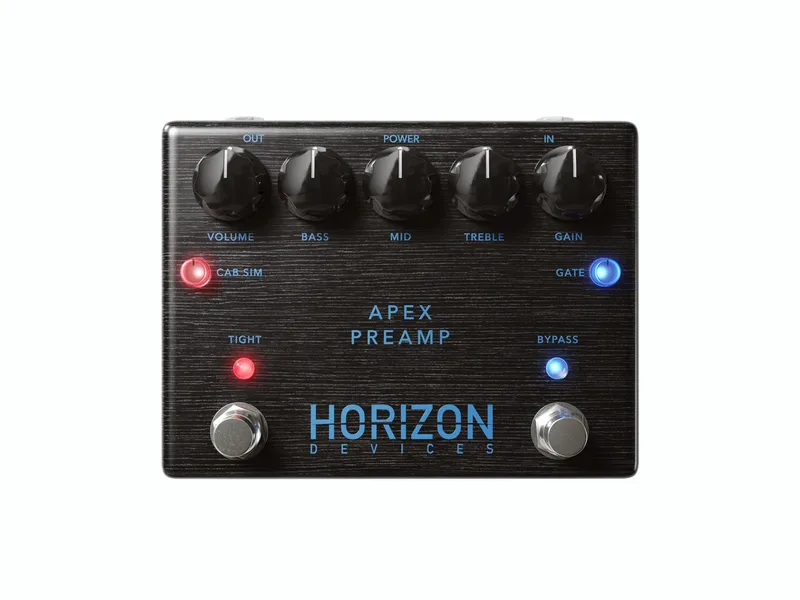
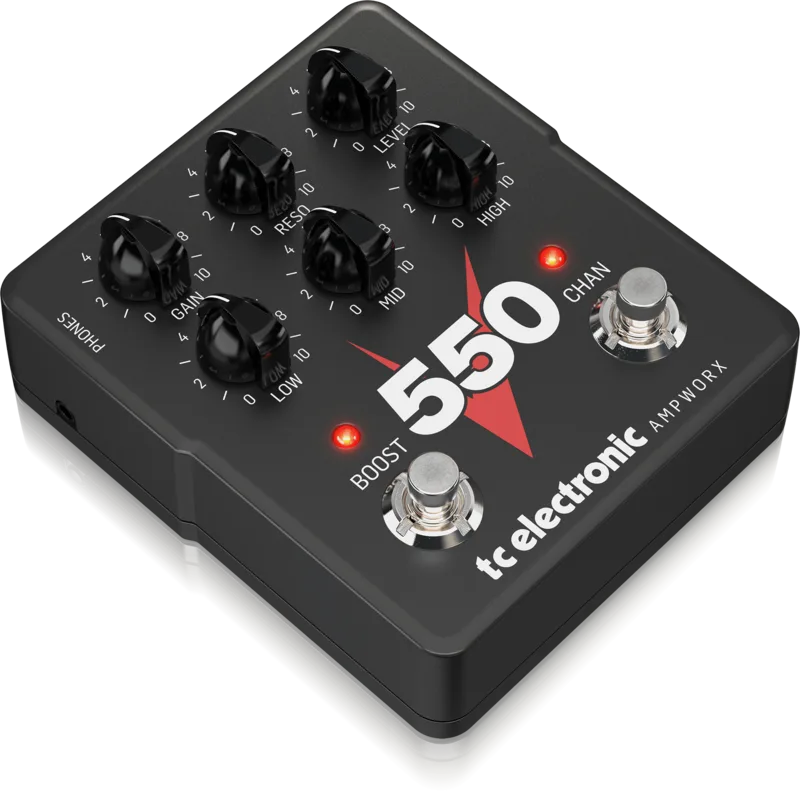
The category is wide. Darkglass describes its Microtubes X Ultra as "a powerful preamp pedal" aimed at bass players1, while Horizon Devices positions the Apex Preamp as "a simple, all-in-one solution for metal guitarists looking for modern metal tone live and in the studio"2. WMD's Arcane Preamp is a two-channel true bypass pedal3, Master Effects' Seventh Son is a preamp pedal in the high-gain tradition4, Berserker Electronics' Prehistoric Dog is a solid state preamp pedal5, and TC Electronic's Ampworx V550 is a dual-channel guitar preamp345. This Heavy Earth's Slaughter is a preamp pedal "built to achieve that super saturated death metal guitar tone"6. What they share is the core idea: gain and tone shaping in a pedal, before the amp or in place of it.
"Preamp pedal" is not one circuit but a role. A pedal qualifies if its main job is setting input gain and shaping tone, whether it stays clean, clips like an overdrive, or models a whole amplifier. Many makers list their preamps as preamp, booster and overdrive in one box.
What a preamp pedal is
Every amplifier has two main stages: a preamp that raises the weak signal from your pickups and shapes its frequency balance, and a power amp that drives the speaker. A preamp pedal puts that first stage on your board. Depending on the design, it can push your amp harder, reshape its tone, or replace its preamp entirely.
Makers describe the same basic job in different accents:
- Darkglass: the Microtubes X Ultra is "a powerful preamp pedal"1
- Horizon Devices: the Apex Preamp is an "all-in-one solution for metal guitarists"2
- WMD: the Arcane Preamp is "a two channel true bypass pedal"3
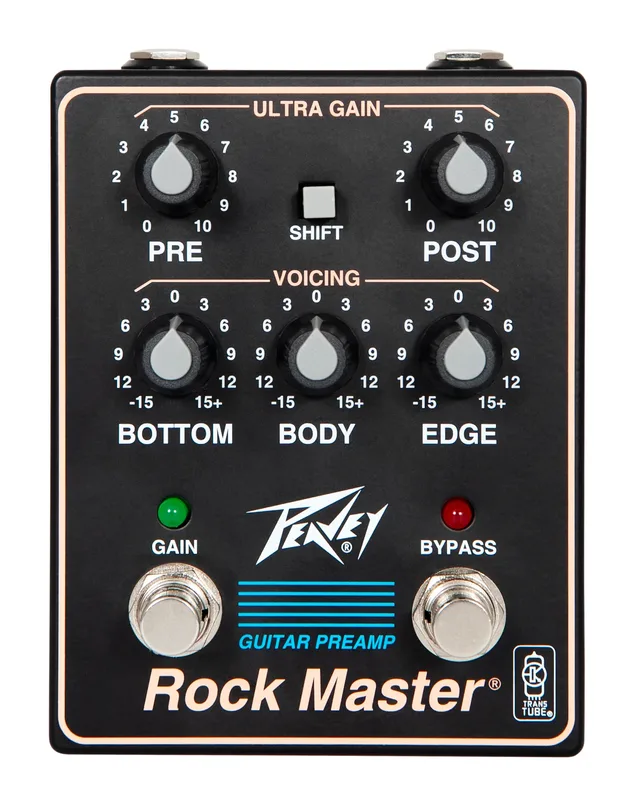
- Peavey: the Rock Master preamp pedal "delivers the highly sought-after Ultra Gain tones of the early 90's Rock Master" guitar preamp7
- This Heavy Earth: the Slaughter is "built to achieve that super saturated death metal guitar tone"6
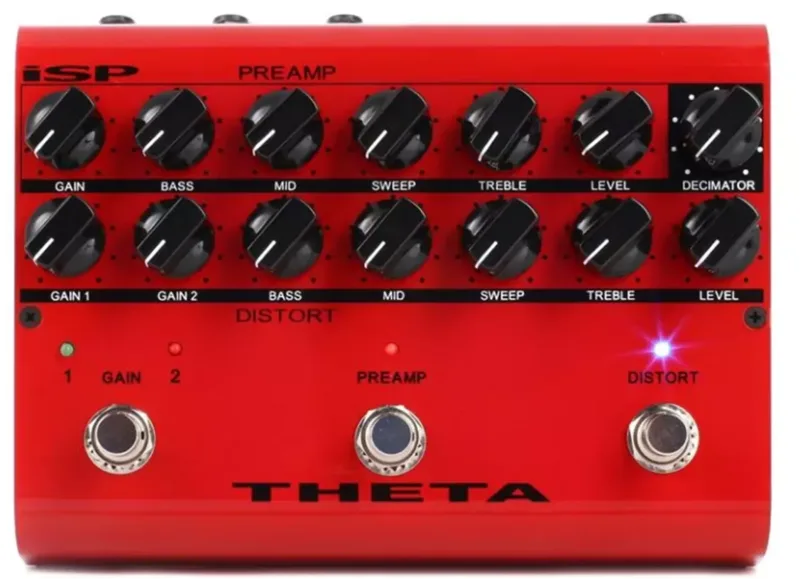
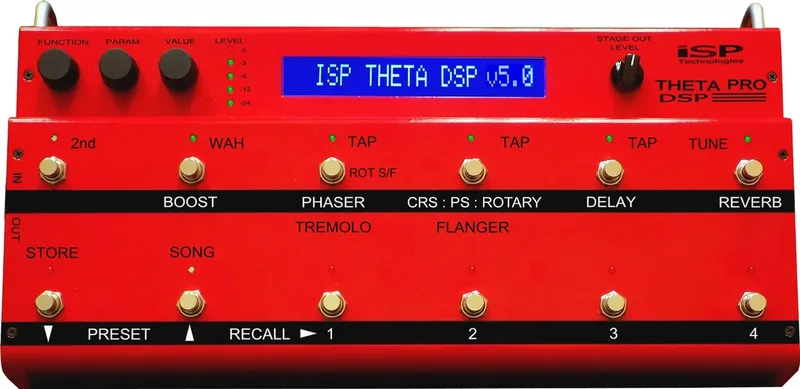
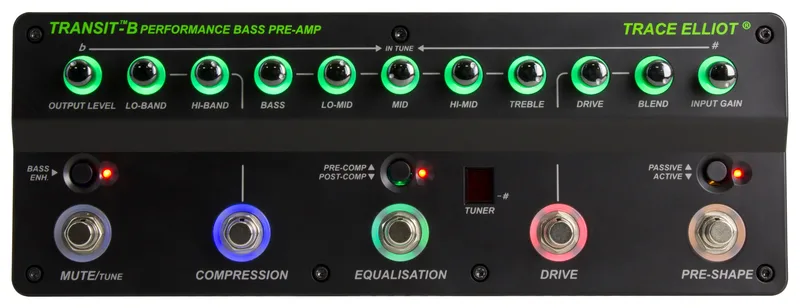
Some preamps are single-purpose tone machines, others are complete front ends. ISP Technologies describes its THETA preamp as being "like having two low-noise, extremely high quality preamp pedals at the input of the amplifier"8, and Trace Elliot's Transit A is a preamp pedal aimed at the professional acoustic guitar player89. The common thread is that the pedal, not the amp, becomes where your core tone is set.
How a preamp pedal works: gain and EQ before the amp
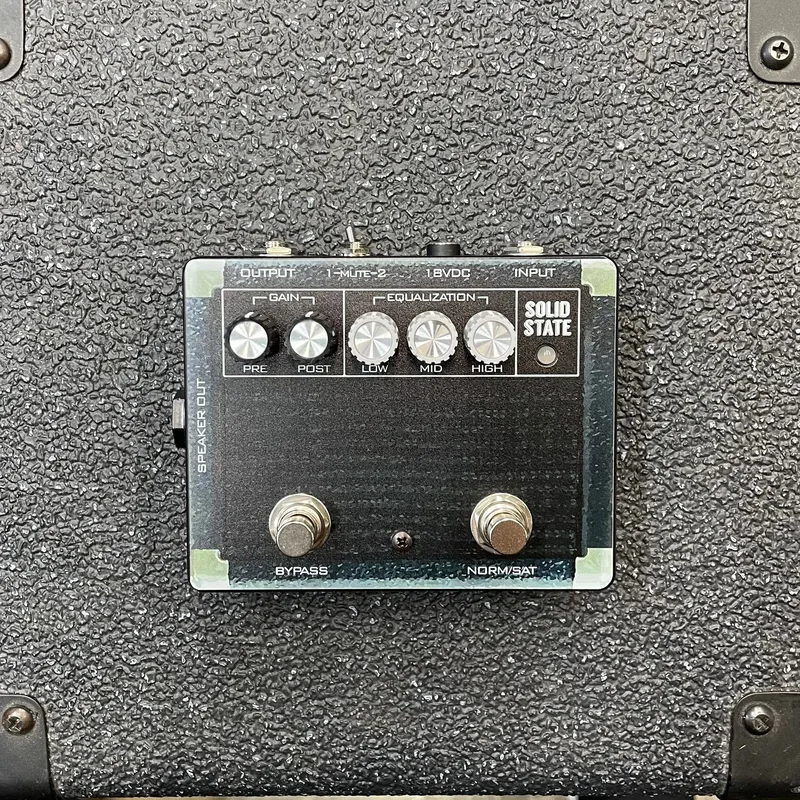
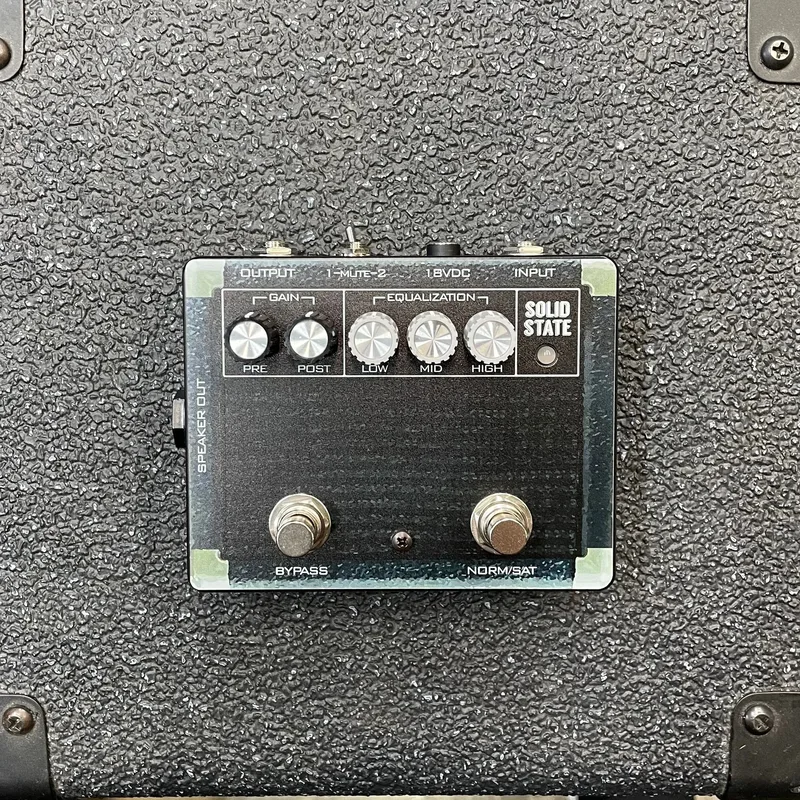
A preamp pedal works on two things: how much gain is applied to your signal, and how that signal's frequency balance is shaped. Peavey explains the Rock Master's approach directly: "the units PRE and POST gain controls allow the user to control the amount of gain applied to the input signal via the PRE control" and the output level via the POST control7. That two-stage arrangement, gain into level, mirrors what happens inside an amplifier and is the skeleton of most preamp pedals.
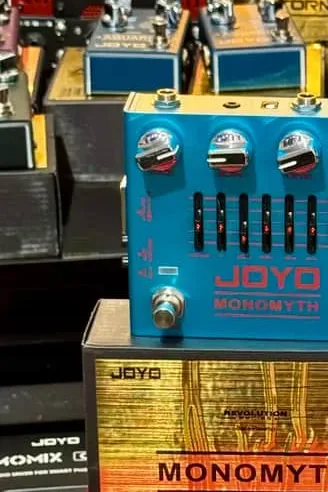
The EQ section then shapes the boosted signal. GUP Tech's Lab #59 Rockerverb Preamp offers "Classic three bands EQ, input Gain, Gain, and volume controls"10, while its GrindR EQ - Boost takes a switchable approach: with the left toggle in "P" (Preamp) position, the Bass and Treble controls become active, and in "B" (Bypass) mode only Level and EQ type control remain11. Some pedals go further and add a full filter section, cab simulation or DI output, turning the preamp into a complete rig in a box.
Where the pedal sits changes what it does to the amp. Master Effects is candid about its own designs: "While our preamp pedals were designed to be used in front of an amplifier, they have enough output to be used to drive a power amp or FX loop return," though the company notes performance is not guaranteed in that use12. In front of the amp, a preamp interacts with the amp's own input stage, pushing it and reshaping it. Into a power amp or PA, the pedal's own voicing is essentially the whole sound.
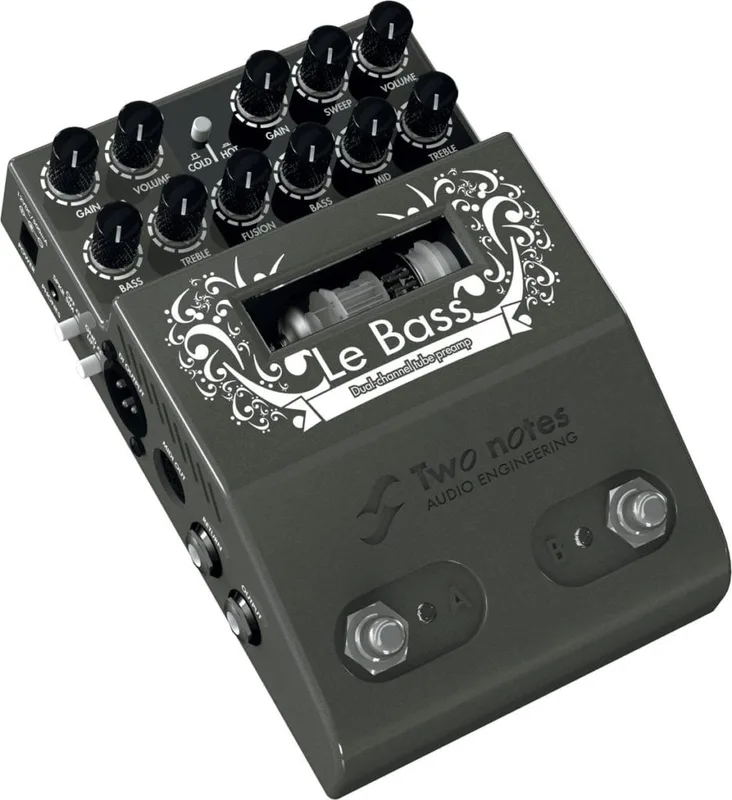
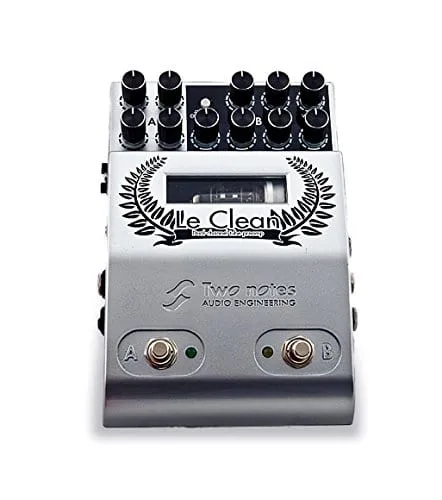
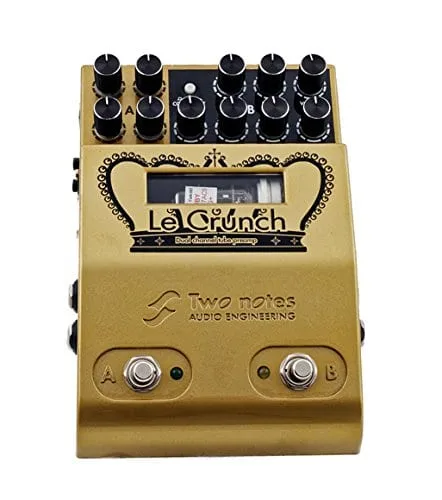
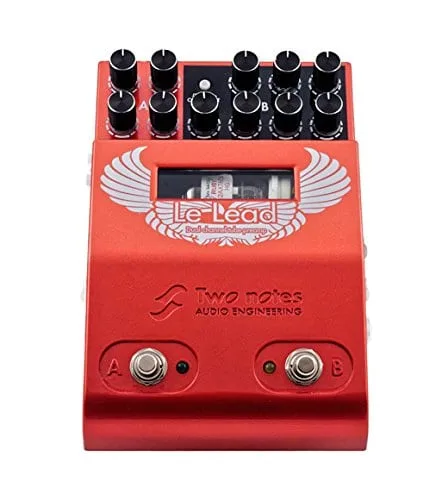
"The tube preamp keeps all the organic tone of your guitar and pedals. You keep the feel and dynamics of a tube amp with the convenience of a pedalboard."
Preamp pedals and overdrive: where the line sits
The boundary between a preamp pedal and an overdrive pedal is genuinely blurry, and several makers straddle it on purpose. Boss's own guide defines the overdrive side: "An overdrive pedal applies a gain increase to replicate the effect of a cranked tube amp," with softer clipping than a distortion pedal14. A preamp pedal's remit is broader: input gain, EQ and often level, with overdrive as one possible outcome rather than the whole point.
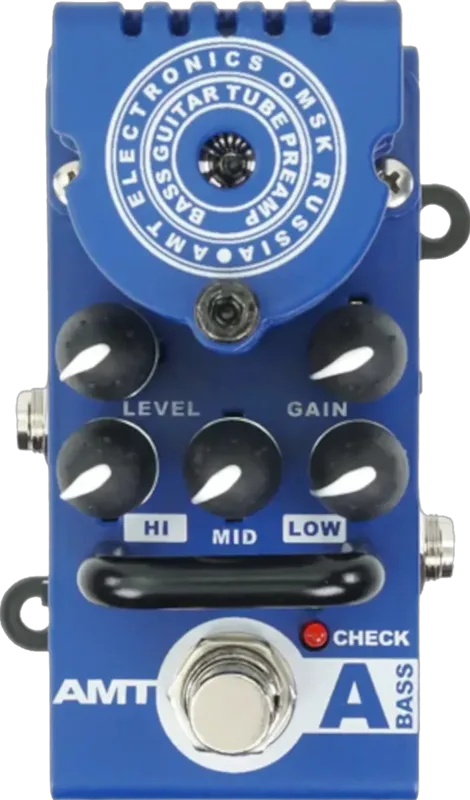
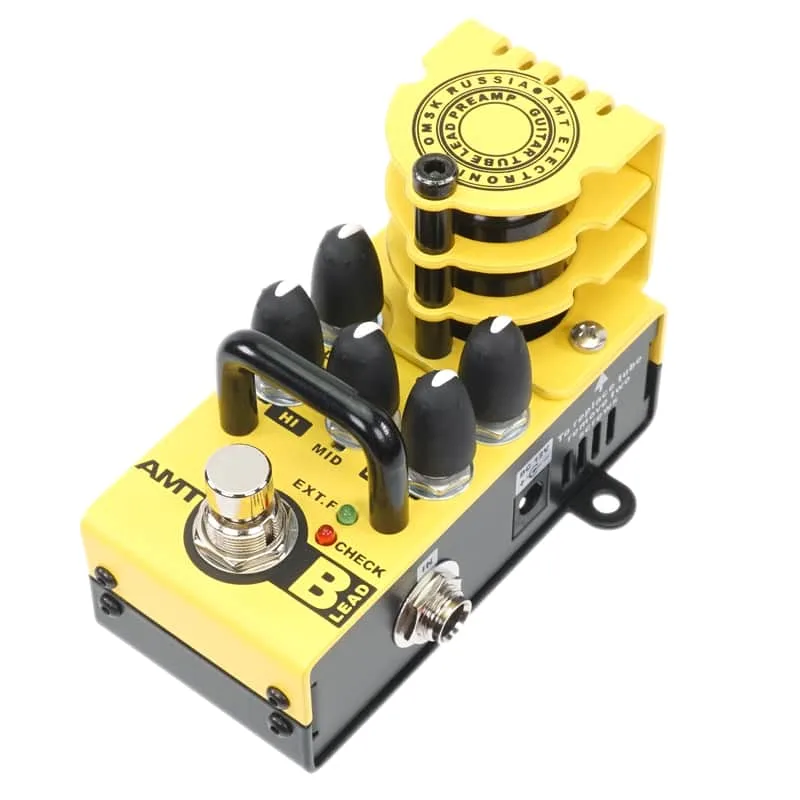
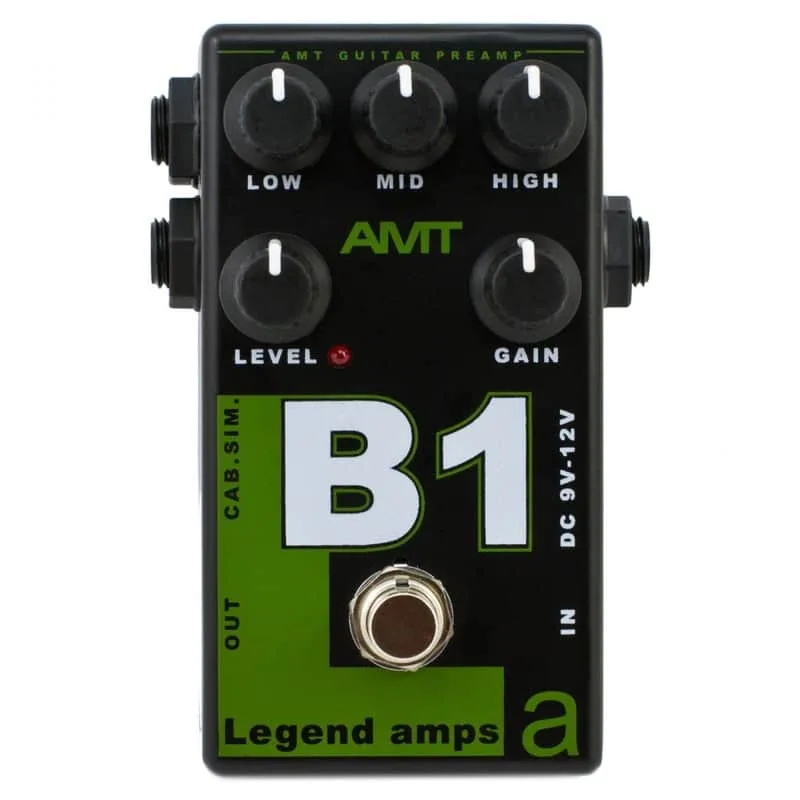
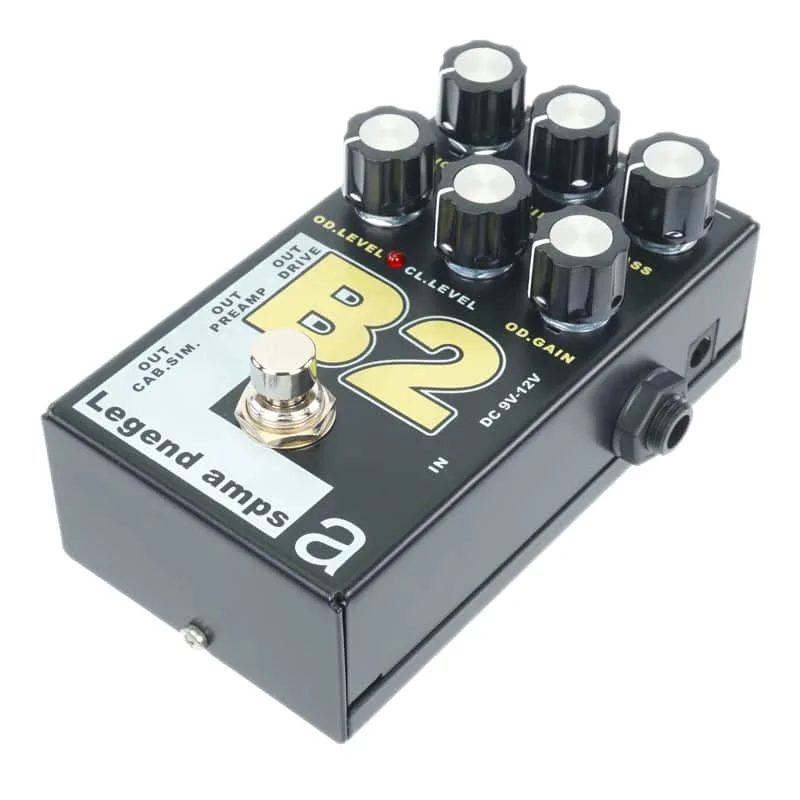
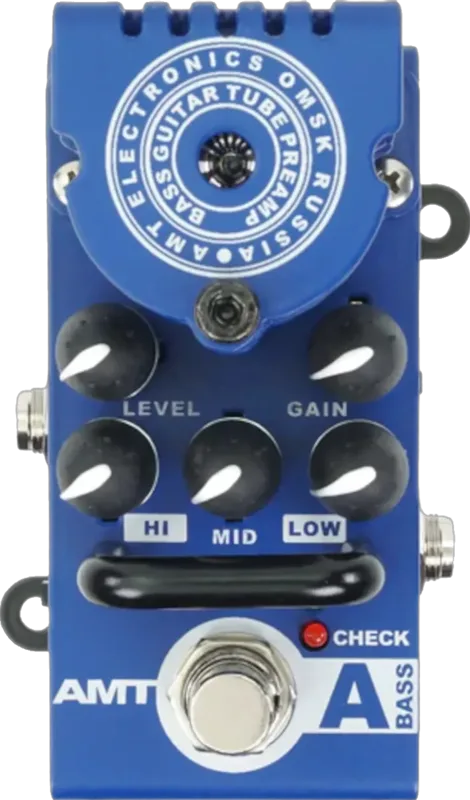
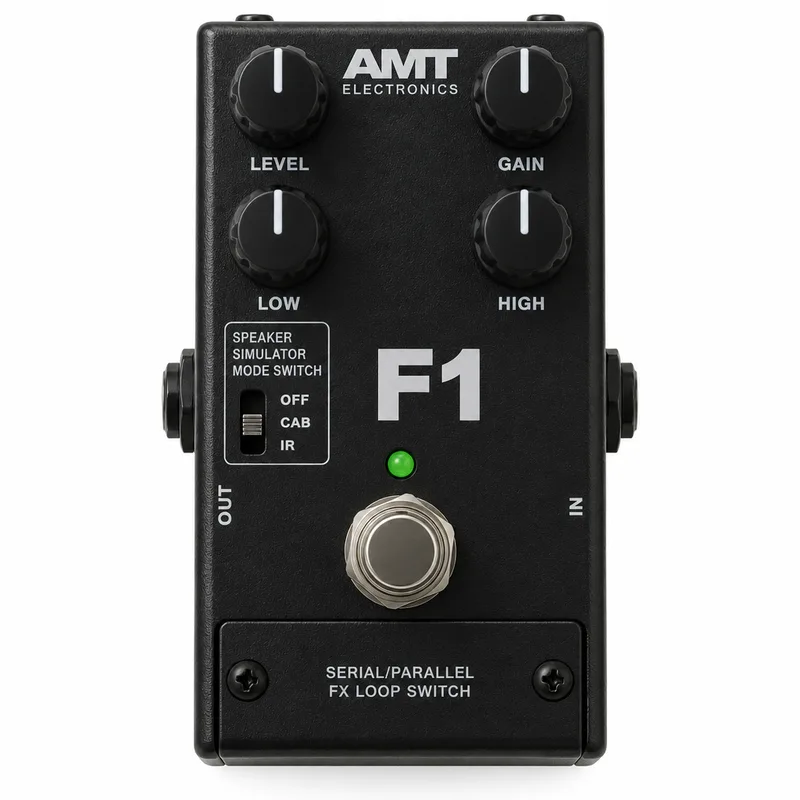
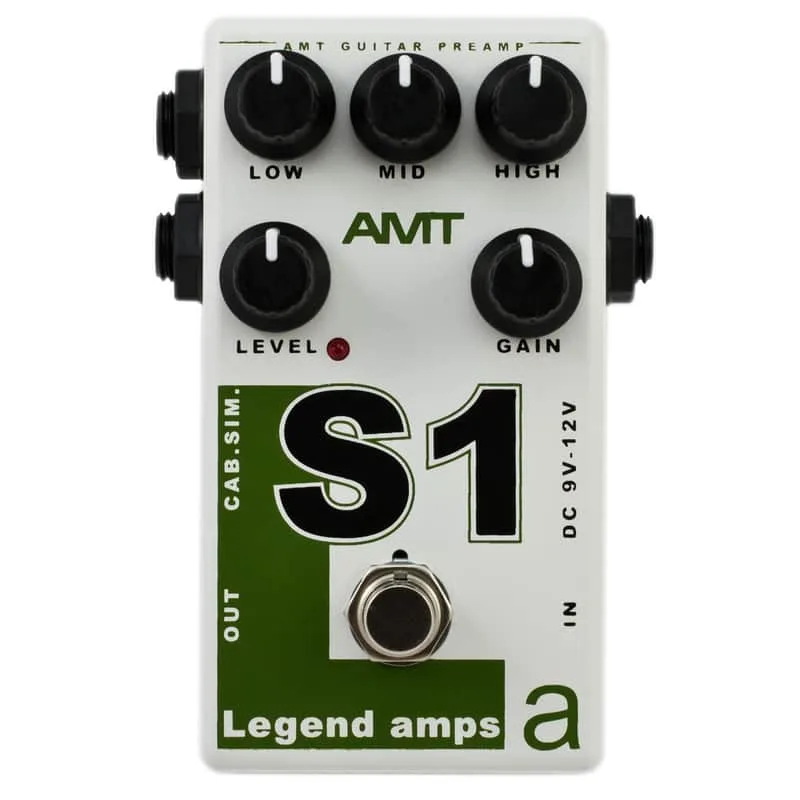
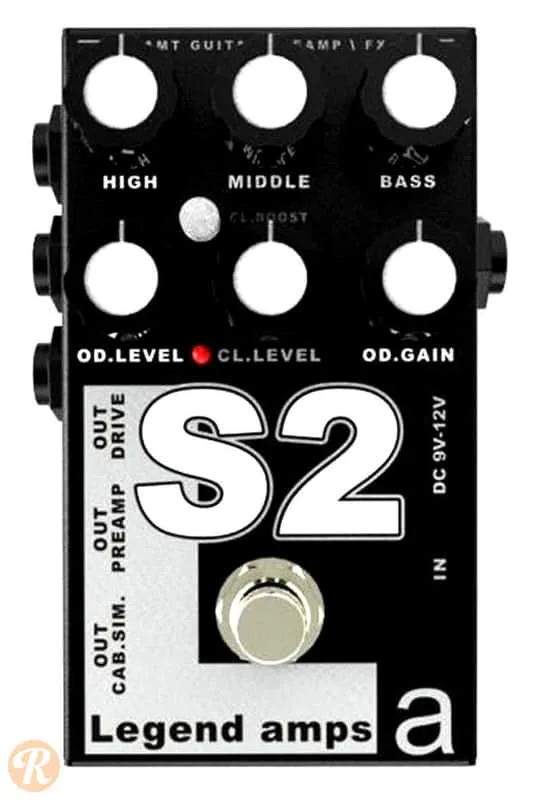
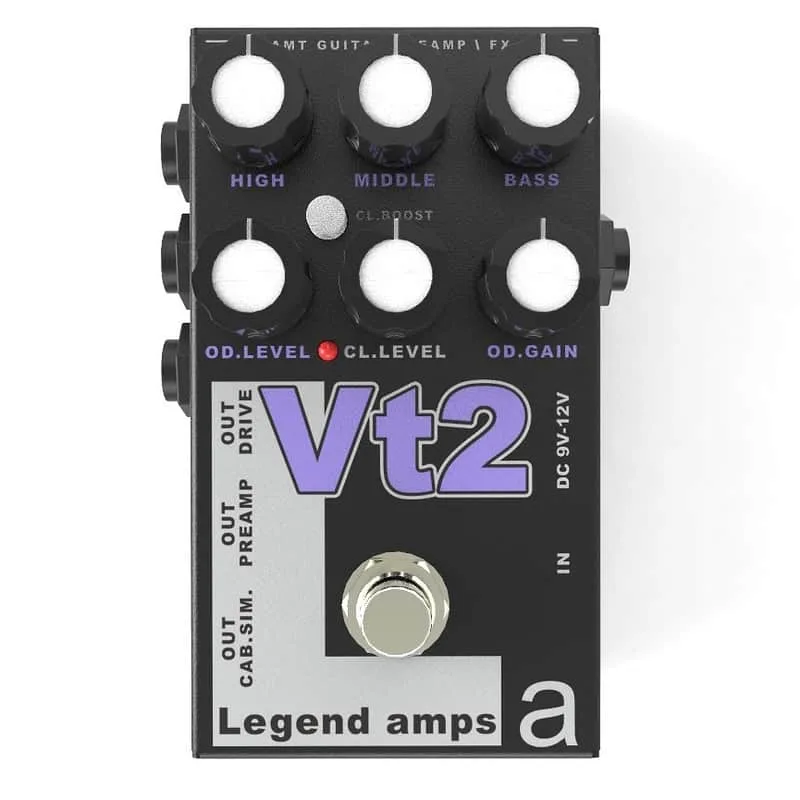
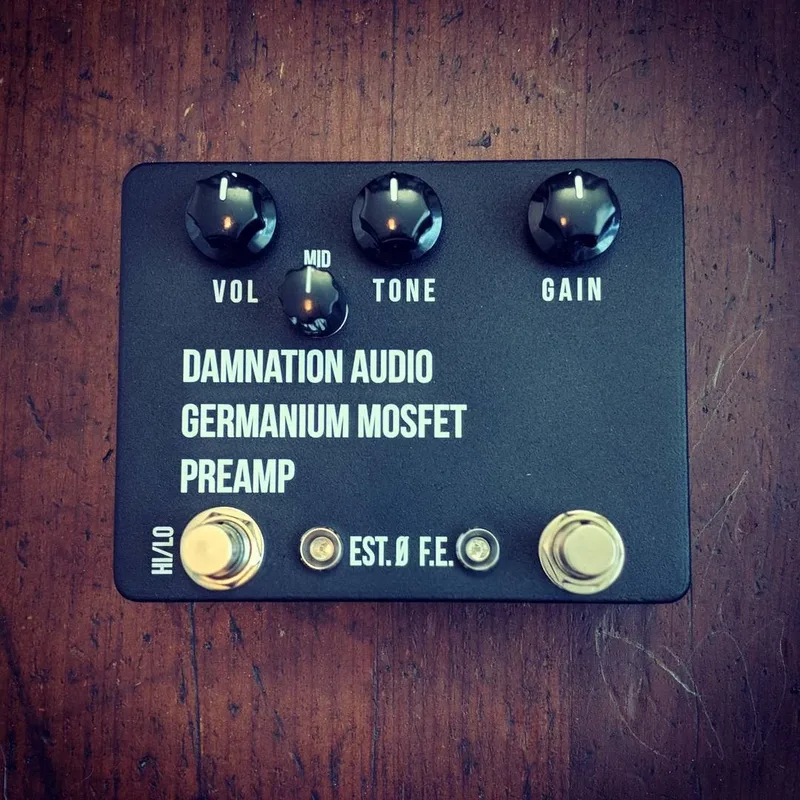
Some products wear both labels. 29 Pedals lists the OAMP as "PREAMP BOOSTER OVERDRIVE"15, and AMT Electronics' Preamp S1 is a preamp pedal with overdrive, cab sim, booster and equalizer functions in one unit16. Benson's Germanium Preamp is described by the maker as an "overdrive/boost/fuzz/whatever" preamp pedal17. If you want a pedal that only colors the signal when you ask it to, a clean-voiced preamp or boost is the closer fit; if you want the pedal to be your sound, an amp-style preamp is the tool.
Boss's guide adds a placement nuance that applies to preamps too: "Using the FX loop for an overdrive pedal can produce a cleaner, more natural-sounding overdrive," because the signal is processed after the preamp stage and before the power amp14. A preamp pedal in the FX loop return takes that idea to its conclusion, bypassing the amp's preamp entirely.
History and landmark preamp pedals
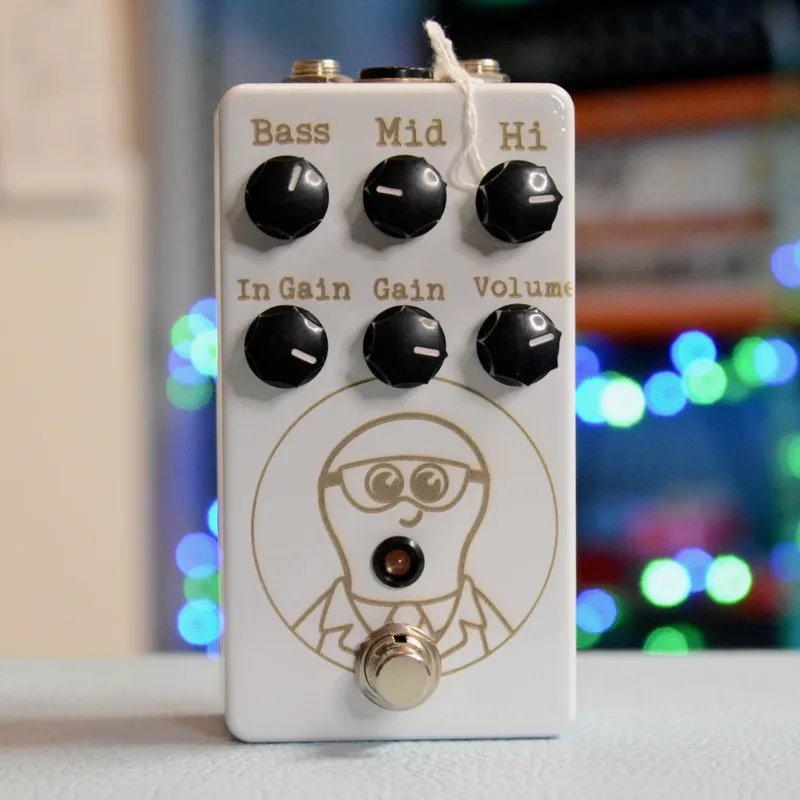
The preamp pedal as we know it grew out of players wanting amplifier sounds without amplifiers. The clearest thread in the modern era is the "amp in a box" preamp: a pedal that reproduces a specific amp's preamp circuit. Benson Amps calls its original Preamp pedal "our now famous amp-in-a-box Preamp pedal," and the Germanium Preamp that followed is based on it with a change to the first gain stage17. Peavey has taken the same idea to its own back catalog: its Legacy Preamp Series features "miniaturizations of iconic Peavey amplifiers that have become highly sought after in recent years"18.
The DIY world tells the same story from the builder's side. GuitarPCB's Mule Preamp is "an all-analog preamp pedal based on the legendary Soldano circuit"19, and Jeds Peds' Wizards Sleeve kit is "a circuit based on one of the most loved high gain metal amps in the world"20. Amp-in-a-box preamps are, at heart, amp preamp circuits redrawn at pedal scale, and the builders follow the amps.
Peavey's Legacy series shows how far the format has spread: the Rock Master brings back early 90s Ultra Gain tones7, the Nashville 400 pedal carries Pre Gain and Post Gain controls in the steel-guitar tradition21, and the Decade pedal packages a whole amp experience with a line-level output18. Other makers have pushed the format toward complete live rigs: the Horizon Devices Apex Preamp targets modern metal players live and in the studio2, and the TC Electronic Ampworx V550 puts two channels in one box22.
Styles of preamp: tube, germanium, bass, dual-channel and DIY
Tube preamps
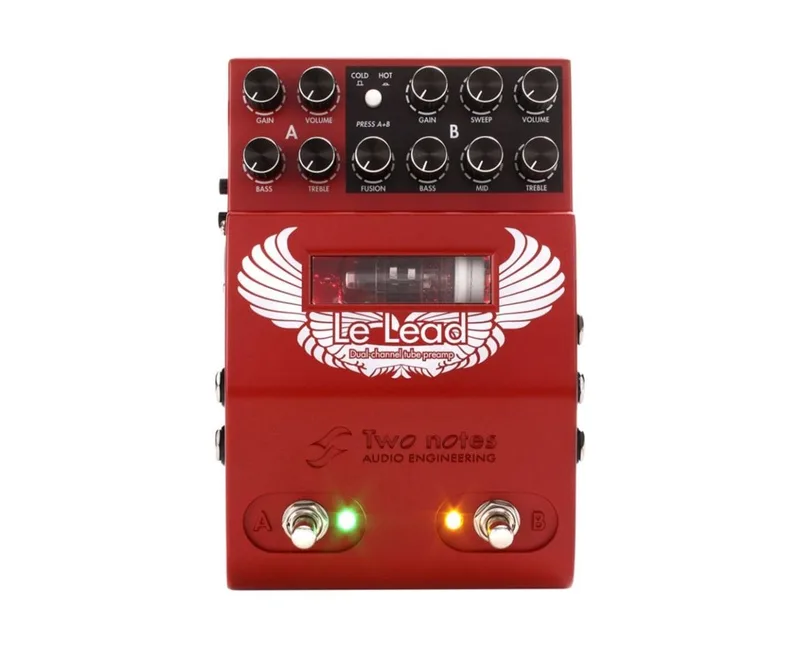
Tube preamp pedals put a real vacuum tube in the gain stage. Two notes points to its Le Clean and Le Crunch pedals as examples of "a tube preamp" that keeps "the feel and dynamics of a tube amp with pedalboard convenience"13. On the kit side, Mod Electronics' Persuader is a "tube pre-amp pedal built around a JJ 12AX7 tube"23. Tube preamps generally aim for the compression and harmonic character of a tube amp's input stage rather than maximum clean headroom.
Germanium preamps
Germanium appears in preamps in two forms: transistors in the gain stage and diodes in the clipping stage. Benson's Germanium Preamp swaps the first gain stage of its flagship preamp for germanium, which the maker describes as giving "a slightly lower gain, but richer sounding and feeling overdrive/boost/fuzz/whatever"17. On the DIY side, GuitarPCB's Mule build document notes that its D1 and D2 clipping positions "suggest Germanium however you may try other diodes"19, so builders can voice the clipping themselves.
Bass preamps
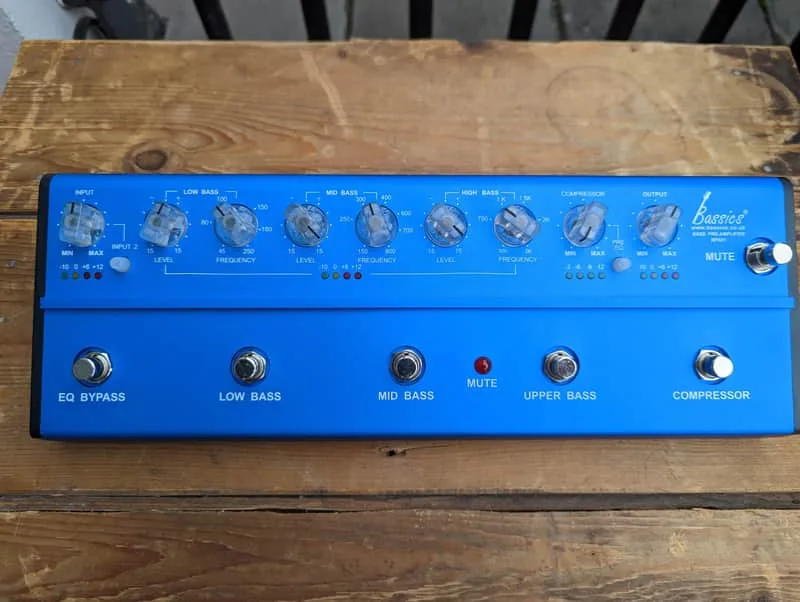
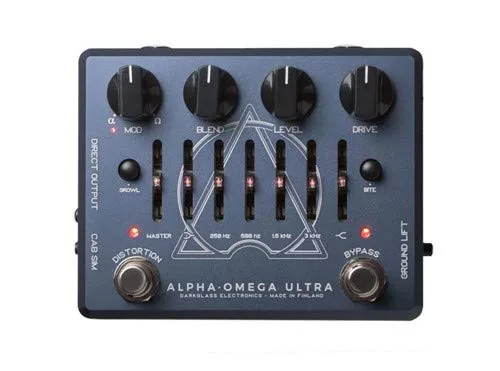
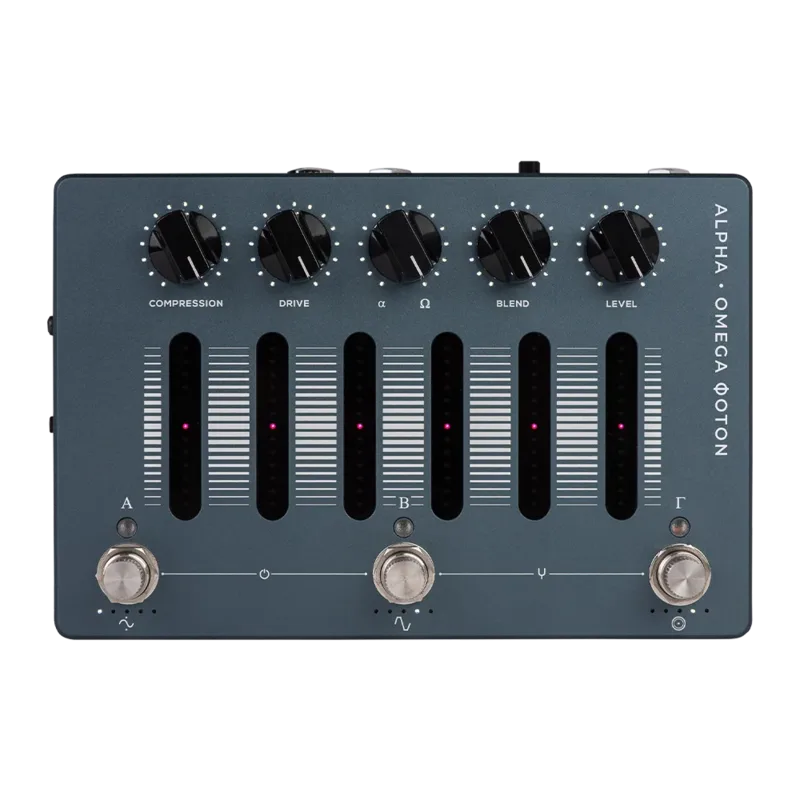
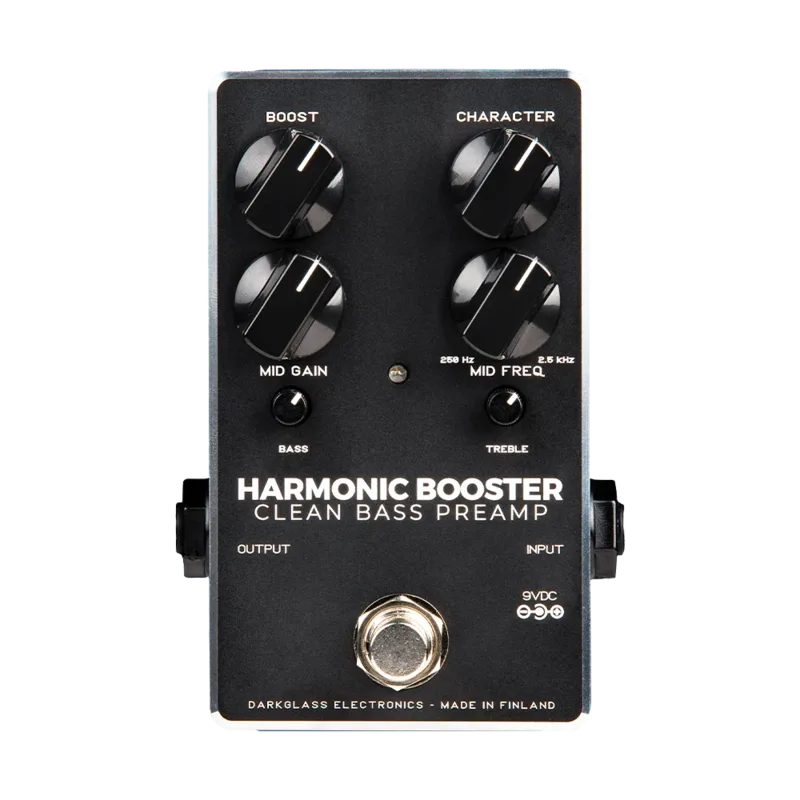
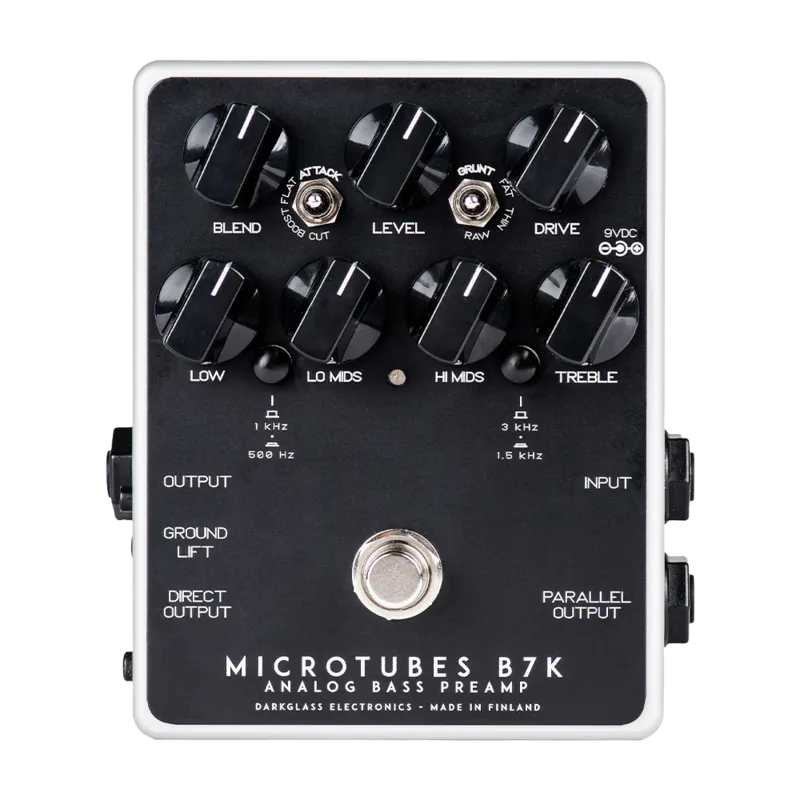
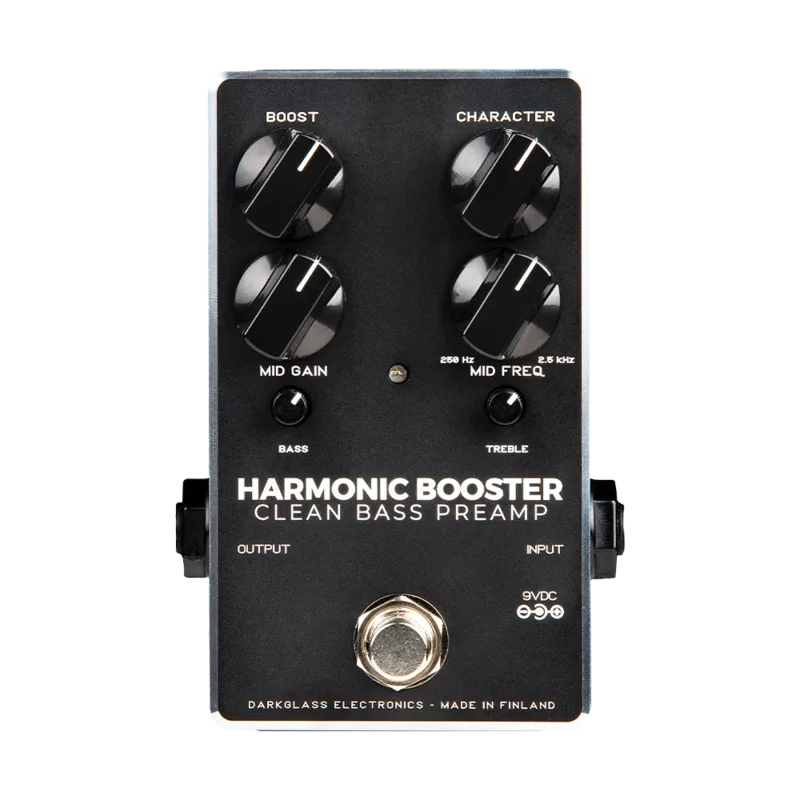
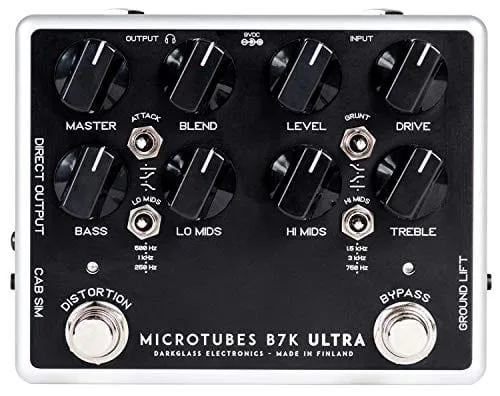
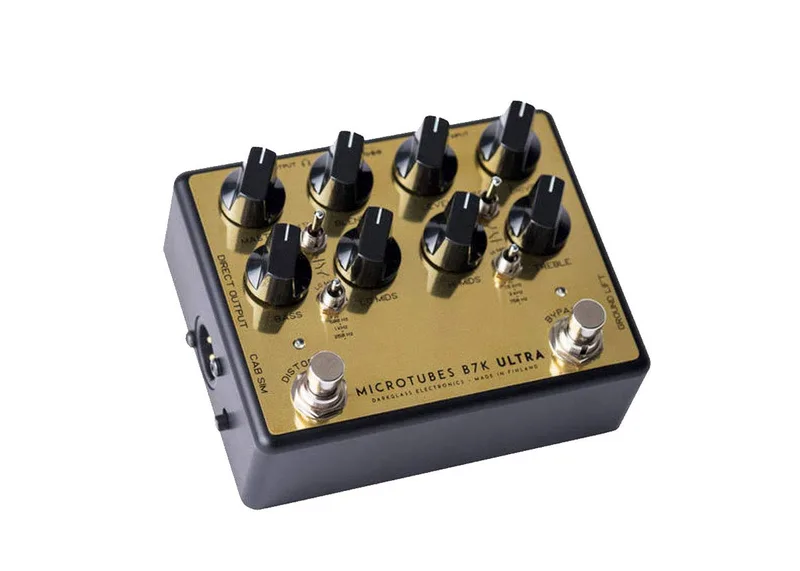
Bass preamps are a category of their own, often with extensive EQ and DI outputs. Darkglass's Microtubes X Ultra is a preamp pedal in the bass tradition1, and Inner Bamboo Bass Instruments describes its B-II as "a high-end preamp pedal for bass guitar"24. A dedicated bass preamp is voiced for the low end in a way generic guitar preamps may not be. See the bass pedals page for the wider category.
Dual-channel preamps
Two channels let you switch between rhythms and leads, or clean and dirty, without a second pedal. WMD's Arcane Preamp is a two-channel true bypass pedal3, and TC Electronic's Ampworx V550 is a dual-channel guitar preamp pedal22. 29 Pedals' OAMP takes a different route to flexibility: its insert loop is active when the pedal is OFF, "so you can easily swap from clean drive to a dirt pedal, alternative preamp or anything else"15.
Acoustic preamps
Acoustic players get their own voicing. Trace Elliot's Transit A "includes the right features for a professional acoustic guitar player"9, a reminder that preamp pedals are not only about gain but about matching the pedal to the instrument. The acoustic pedals page covers this family in more depth.
DIY preamps
The DIY scene treats the preamp as a standard build. PedalPCB alone lists the Plaid Preamp25, the Clandestine Preamp26, the Scenario Preamp27 and the EVPreamp, which the site compares to the Uni-Vibe preamp252627. GuitarPCB's Drebbel Bass Preamp/EQ is a PCB compared to the Southampton Pedals Ictineo Preamp/EQ28. For tube builders, the Persuader kit from Mod Electronics supplies the JJ 12AX7 and everything else23. If you can solder, a preamp is one of the more rewarding first builds, because the circuit is essentially gain and EQ.
The usual controls, from pre-volume to EQ
Preamp pedals share a small vocabulary of controls. Reading a spec sheet gets easier once you know these:
| Control | What it does | Example |
|---|---|---|
| Pre / Input gain | Sets the gain applied to the input signal | Rock Master's PRE control7 |
| Post / Volume | Sets the output level leaving the pedal | Rock Master's POST control7 |
| Gain | Second-stage drive in amp-style preamps | Lab #59 Rockerverb's Gain control10 |
| Bass / Low EQ | Low-frequency shaping | Decade's "continuously variable bass control"18 |
| Treble | High-frequency shaping | Plaid Preamp's Treble control25 |
| Three-band EQ | Bass, middle and treble together | Lab #59 Rockerverb's "classic three bands EQ"10 |
| EQ toggle | Switches between EQ voicings | Clandestine Preamp's EQ toggle switch26 |
| Preamp on/off switch | Engages or bypasses the preamp section | GrindR EQ's left toggle, "P" or "B"11 |
The gain-before-level arrangement matters in practice. Pre gain decides how hard the circuit is driven and how much character it adds; post gain decides how loud the result hits whatever comes next, whether that is an amp input, an FX loop return or a PA. A preamp with a hot output can also be turned down at the amp, which is why makers like Master Effects design for the front of the amp but leave headroom for other uses12.
Where a preamp goes in the signal chain and how it is powered
Placement depends on what the preamp is for. Boss's guide to pedal order puts the tuner first in the chain, before all other pedals29, and an amp or cab simulator pedal "at the end of the chain, where the signal is then routed to a PA system, audio interface, or headphones"29. A preamp pedal usually sits between those extremes: after your compressor and overdrive pedals, before delay and reverb, which Boss recommends placing after delay as the final link in the chain29.
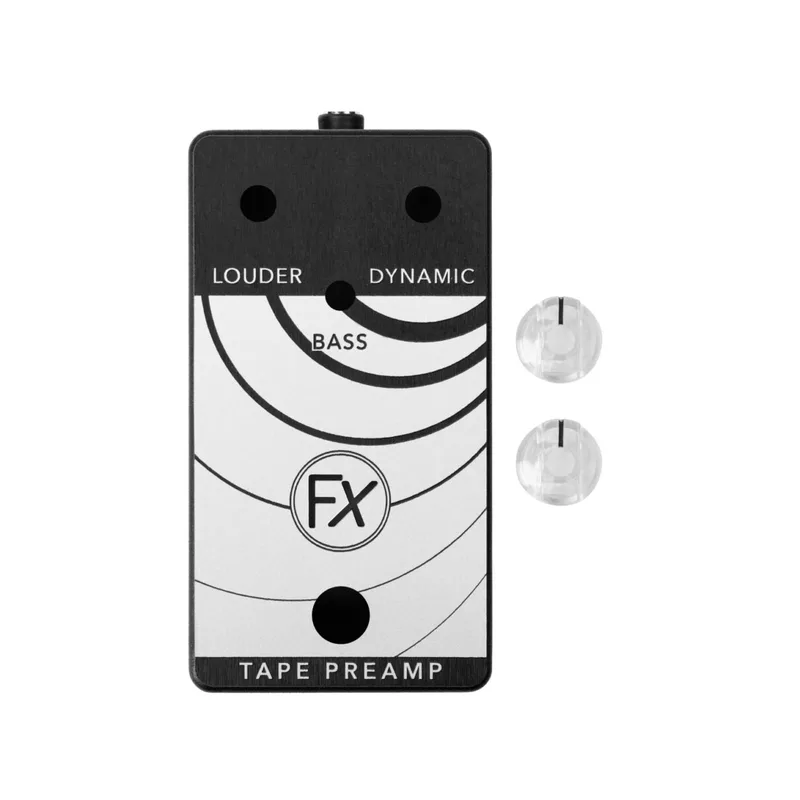
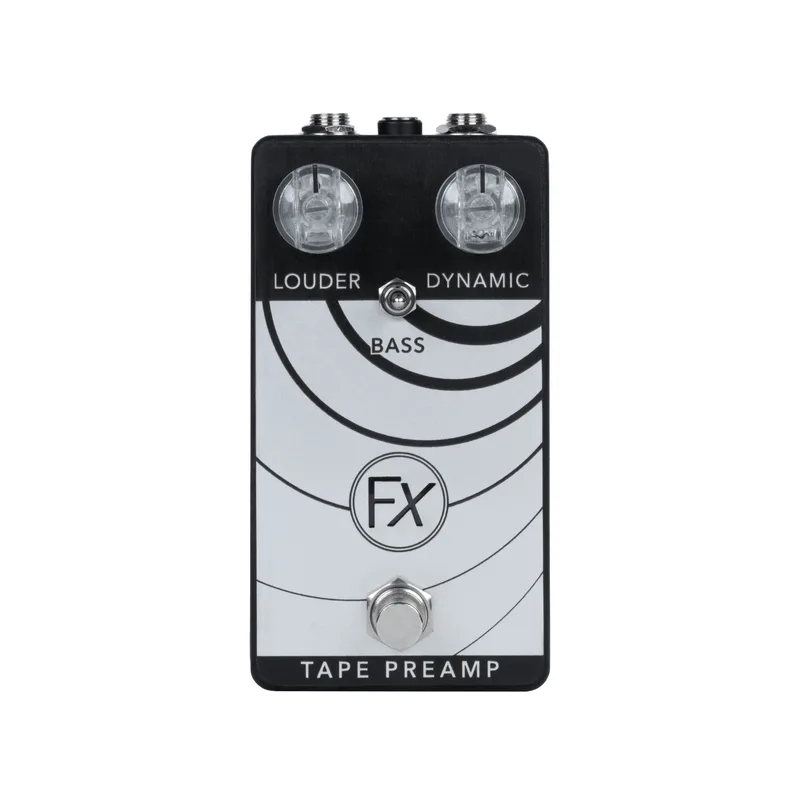
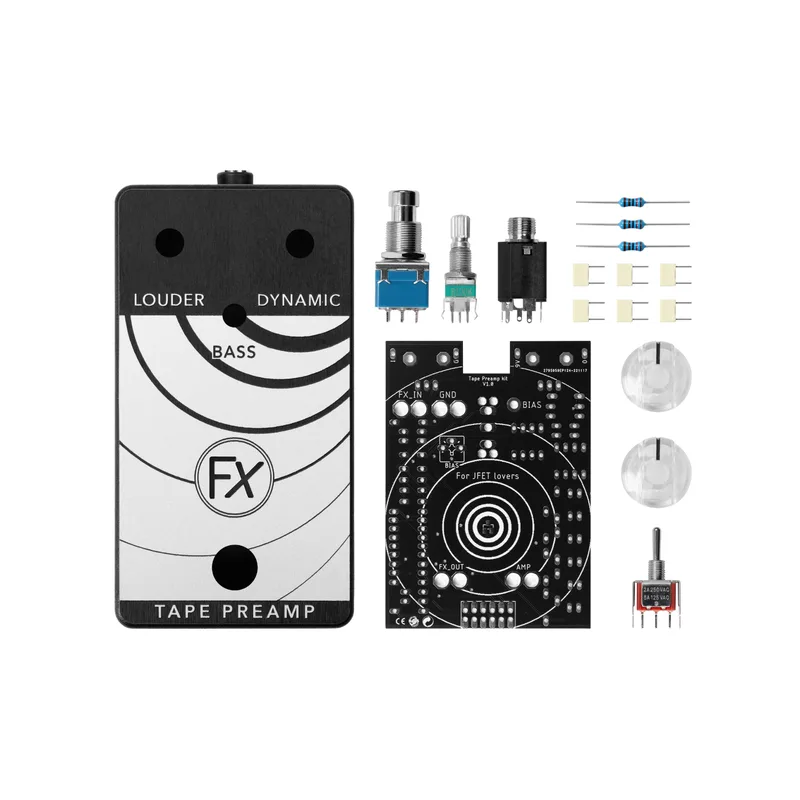
Anasounds gives a concrete example with its Tape Preamp: it is "preferable to place it at the end of the drive chain, to shape the signal before going to the amp," and it also works before amp-in-a-box pedals; placed before a delay, it "reproduces the classic internal chain of a tape echo"30. The principle is that tone-shaping gain goes before time-based effects.
For players using an amp's FX loop, Temple Audio's 4X MOD Pro supports the Four Cable Method, which "lets you place some of your pedals (i.e. compressors, overdrives) before your amplifier's preamp/EQ section and the rest in the FX loop after it"31. A preamp pedal plugged into the FX loop return takes this further: Peavey's Decade can go "into an amp's FX loop return so you can bypass the amp's preamp completely" for what the maker calls the complete amp-in-a-box experience18.
Power requirements vary by design, and a tube preamp pedal built around a JJ 12AX723 is a different proposition from a solid-state one like the Prehistoric Dog5.
Questions to ask when comparing preamp pedals
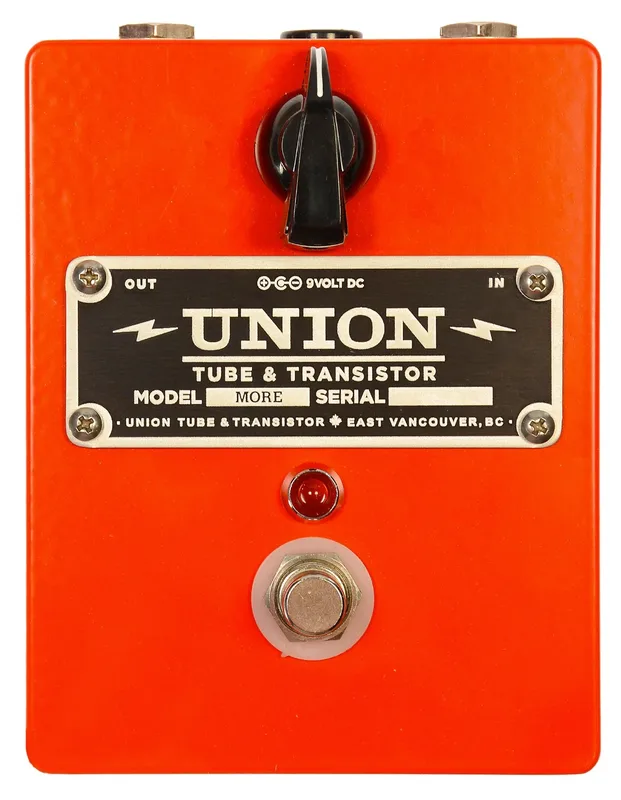
- What is it voiced to do? A clean boost/preamp like Union Tube & Transistor's MORE, which sweeps "from +5db up to +40db of clean gain"32, is a different tool from a saturated death-metal preamp like the Slaughter6 or a germanium overdrive/boost/fuzz preamp like Benson's17.
- How many channels do you need? Two channels, as on the WMD Arcane3 and TC Electronic Ampworx V55022, give you footswitchable sounds in one box.
- Does it need to drive more than an amp input? If you want to hit a power amp, FX loop return or PA, look for a line-level output like the Decade's, "capable of driving PA systems, instrument amps, or pedalboards"18, and remember Master Effects' caution that front-of-amp designs are not guaranteed in that use12.
- Is there a cab sim or DI? Preamps with cabinet simulation, like the AMT Preamp S116, are built to sound finished without a real speaker.
- What instrument is it for? Bass preamps like the Darkglass Microtubes X Ultra1 and Inner Bamboo B-II24, and acoustic preamps like the Trace Elliot Transit A33, are voiced for their instruments.
- Do you want to build it? PCBs from PedalPCB202334 and GuitarPCB1928, and kits like the Jeds Peds Wizards Sleeve20 and Mod Electronics Persuader23, cover the same ground in DIY form.
Questions
What is the difference between a preamp pedal and an overdrive?
An overdrive pedal applies a gain increase to replicate the effect of a cranked tube amp, with softer clipping than a distortion pedal. A preamp pedal does a broader job: it sets the input gain and often shapes EQ as well, and many include overdrive, boost or cab simulation on top. Some pedals, like the 29 Pedals OAMP, are labeled as all three at once.
Can a preamp pedal replace an amp?
Many can. Master Effects says its preamp pedals were designed for use in front of an amplifier but have enough output to drive a power amp or an FX loop return. Peavey's Decade pedal offers a line-level output that drives PA systems, instrument amps or pedalboards, and plugging it into an amp's FX loop return bypasses the amp's own preamp completely.
Do I need a preamp pedal for bass?
Not strictly, but bass preamps are a large category of their own. Darkglass's Microtubes X Ultra is a preamp pedal built for bass, and Inner Bamboo Bass Instruments describes its B-II as a high-end preamp pedal for bass guitar. A bass preamp gives you gain staging and EQ shaping that a generic guitar preamp may not be voiced for.
Can I run a preamp pedal straight into a PA or audio interface?
Some, yes. Peavey's Decade pedal has a line-level output capable of driving PA systems, instrument amps or pedalboards. Boss notes that amp and cabinet simulator pedals are most commonly placed at the end of the chain, where the signal is routed to a PA system, audio interface or headphones. Whether yours can depends on whether it has a line-level or cab-sim output.
Does a preamp pedal stay clean at high volume?
It depends on the design. Union Tube & Transistor's MORE is a clean boost/preamp that sweeps from +5 dB up to +40 dB of clean gain. Others, like Benson's Germanium Preamp, are voiced as overdrive, boost and fuzz pedals, so they are meant to color and clip the signal rather than stay transparent.
Can I build my own preamp pedal from a PCB?
Yes. PedalPCB sells preamp PCBs including the Plaid, Clandestine, Scenario and EVPreamp projects, and GuitarPCB's Mule Preamp is an all-analog build based on the Soldano circuit. Mod Electronics' Persuader is a complete kit built around a JJ 12AX7 tube, so you can build a tube preamp as well as a solid-state one.
Sources (34)
- Microtubes X Ultra, Darkglass
- APEX PREAMP, Horizon Devices
- ARCANE PREAMP, WMD
- Seventh Son, Master Effects
- Prehistoric Dog by Berserker Electronics, RockBoard PedalPedia, 2026
- Slaughter by This Heavy Earth, RockBoard PedalPedia, 2026
- Rock Master® Preamp Pedal, Peavey
- ISP Technologies, ISP Technologies
- Trace Elliot Acoustic® Transit™ A Acoustic Pre-amp & Effects Pedal, Peavey
- Lab #59 - Rockerverb Preamp, GUP Tech (guptech.ca)
- GrindR EQ, GUP Tech (guptech.ca)
- Master Effects Pedals, Master Effects
- Want to leave your amp at home?, Two notes, 2021-02-04
- Getting the Most Out of Your Overdrive Pedal, BOSS (articles.boss.info), 2023-01-31
- OAMP by 29 Pedals, RockBoard PedalPedia, 2026
- Preamp S1 by AMT Electronics, RockBoard PedalPedia, 2026
- Germanium Preamp Pedal, Benson Amps
- Decade™ Preamp Effects Pedal, Peavey
- Mule Kicker Pro Combo, GuitarPCB, 2025-04
- The Wizards Sleeve Preamp, Jeds Peds (jedspeds.co.uk)
- Nashville™ 400 Preamp Pedal, Peavey
- Ampworx V550 Preamp by TC Electronic, RockBoard (rockboard.de PedalPedia), 2026
- The Persuader, Mod Electronics (modkitsdiy.com), 2026
- Bass Preamp by Inner Bamboo Bass Instruments, RockBoard PedalPedia, 2026
- Plaid Preamp, PedalPCB.com
- Clandestine Preamp, PedalPCB.com
- Scenario Preamp, PedalPCB.com
- Drebbel Bass Preamp/EQ, PedalPCB.com
- The Ultimate Guide to Guitar Effects Pedal Order and Signal Chain, BOSS (articles.boss.info), 2023-03-01
- fx teacher tape preamp user manual, Anasounds, 2022-11-09
- 4XMOD Pro v2 Setup, Temple Audio, 2026
- MORE - Union Tube & Transistor, Union Tube & Transistor
- Trace Elliot Acoustic® Transit™ A Acoustic Pre-amp & Effects Pedal, Peavey (peavey.com)
- Angry Red Camel_Instructions, GuitarPCB.com, 2023