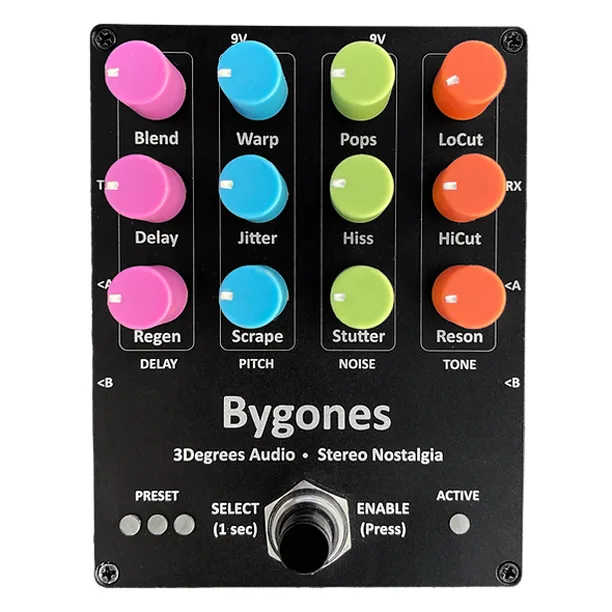
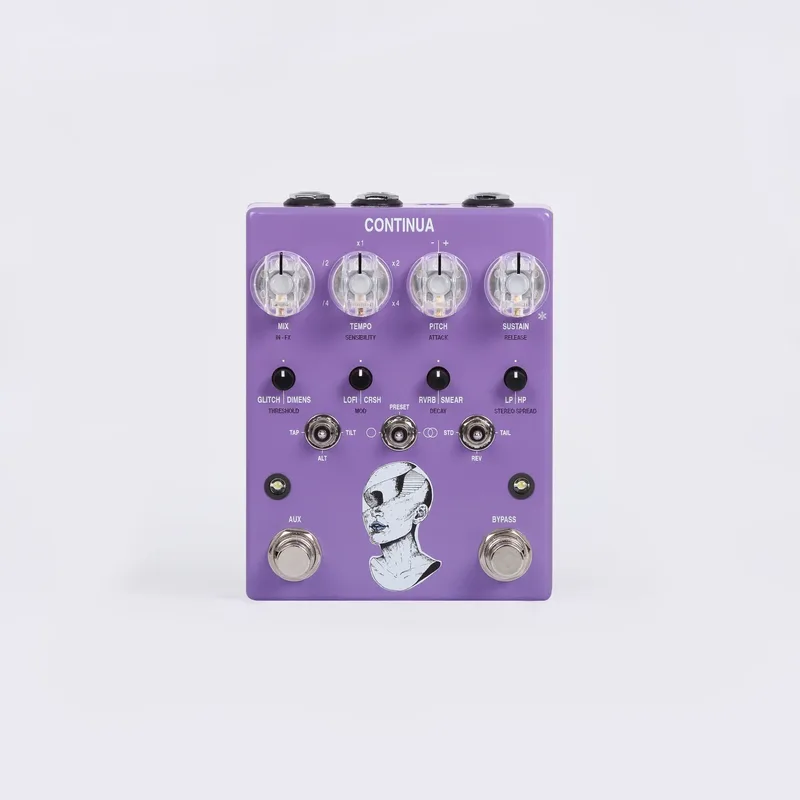
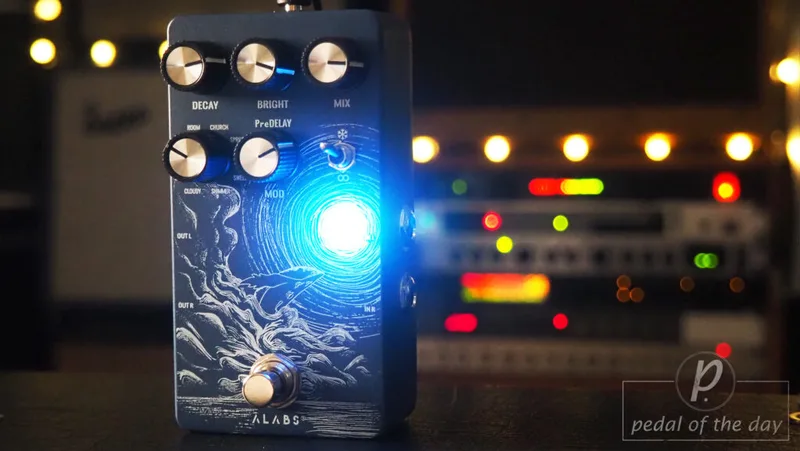
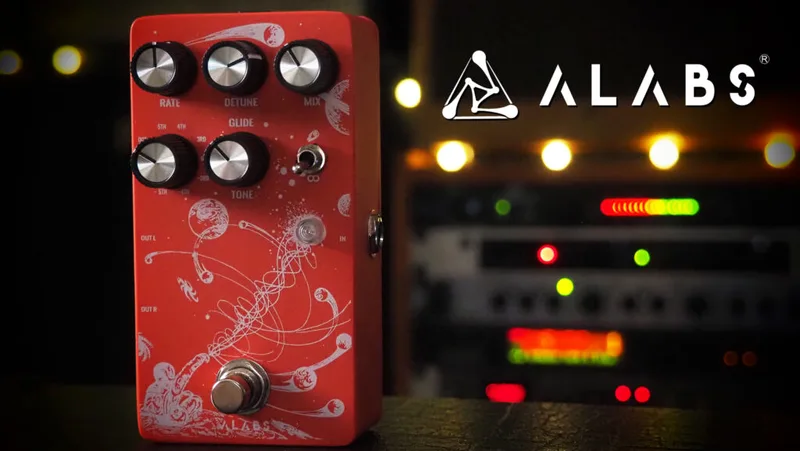
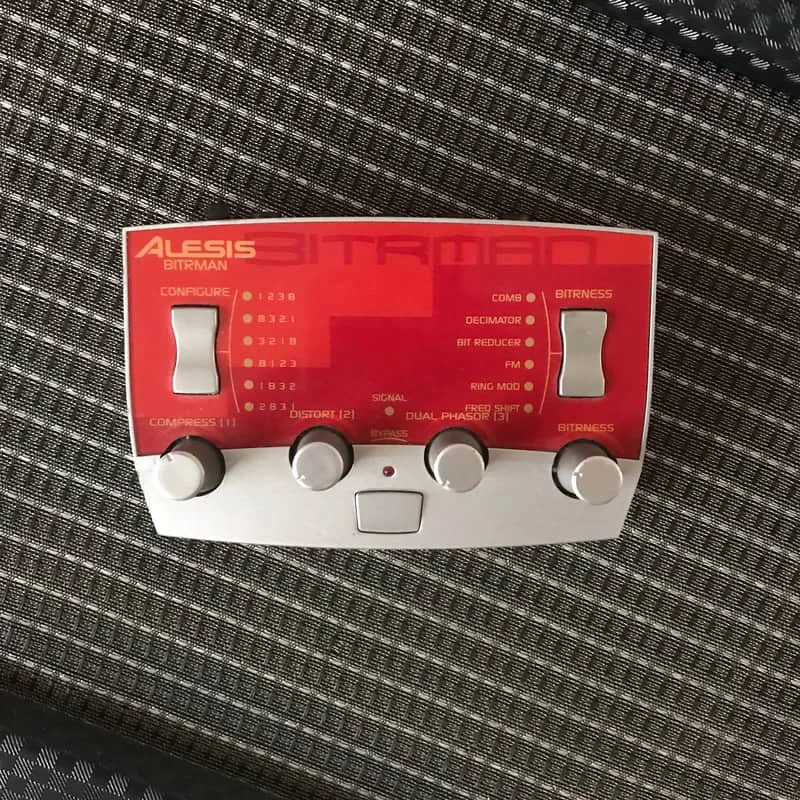
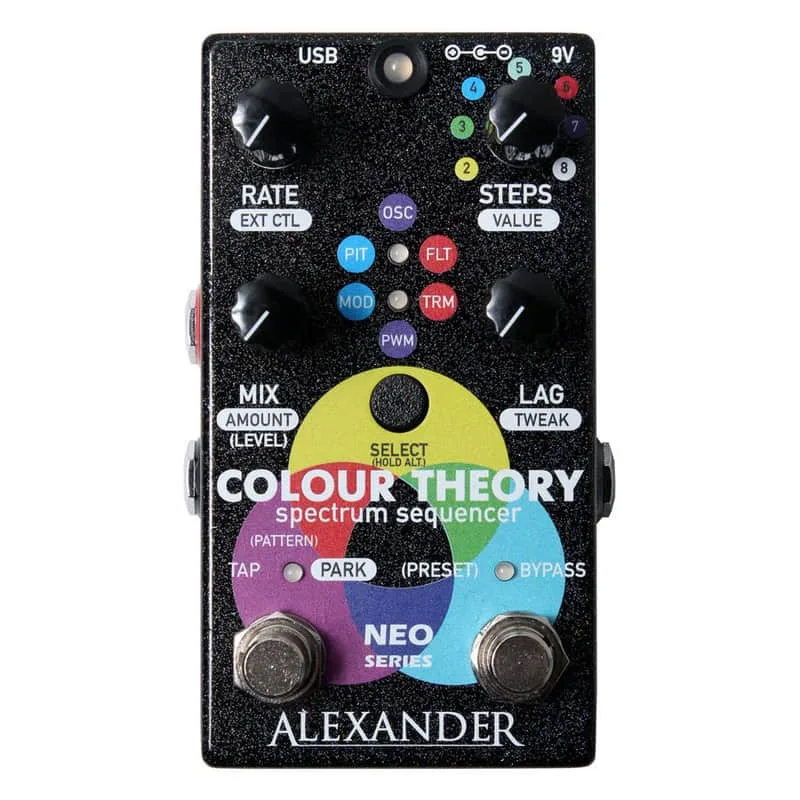
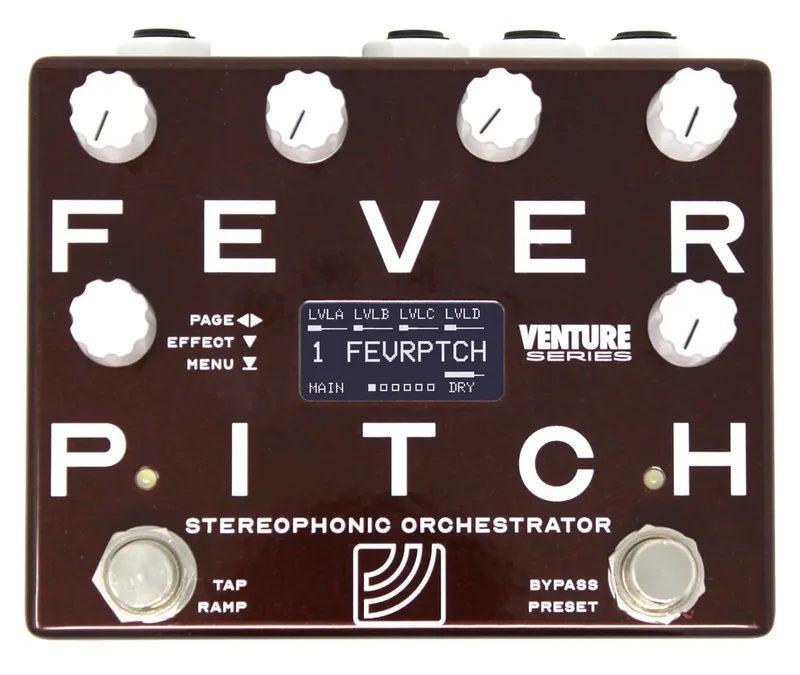
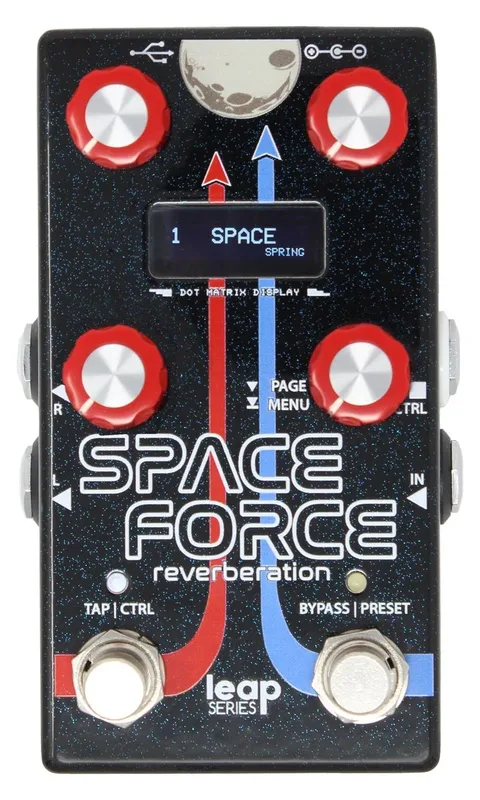
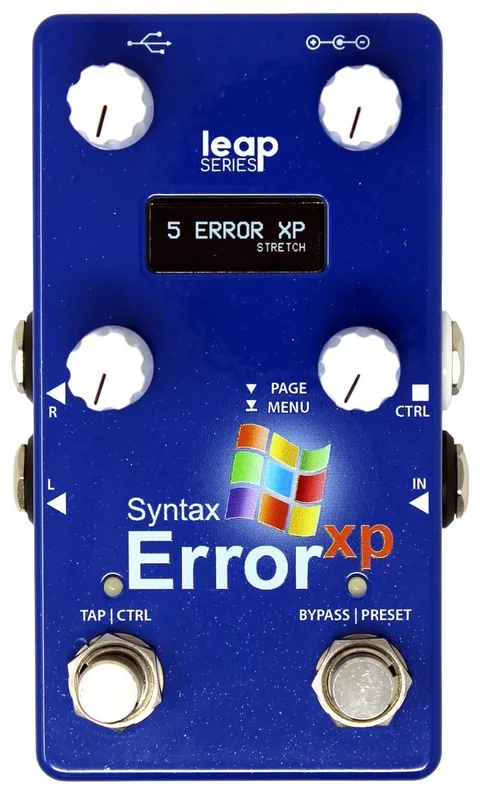
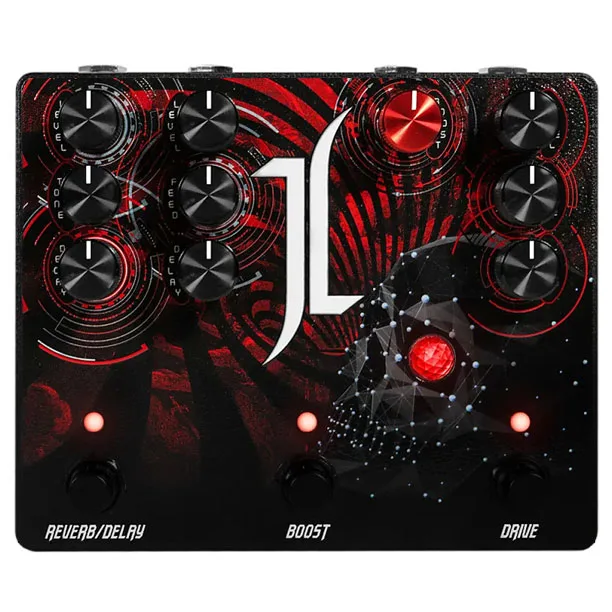
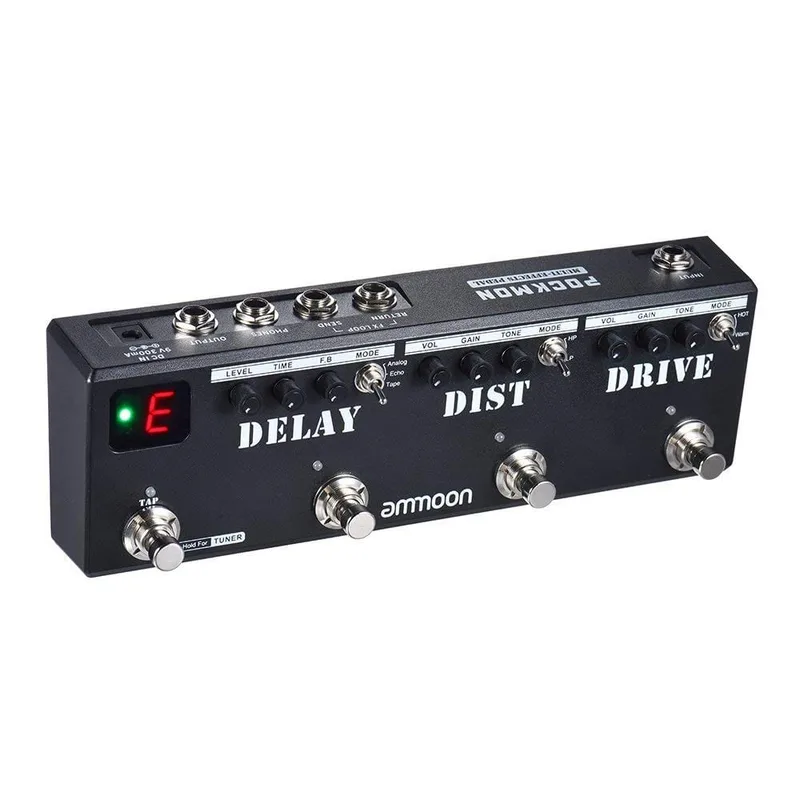
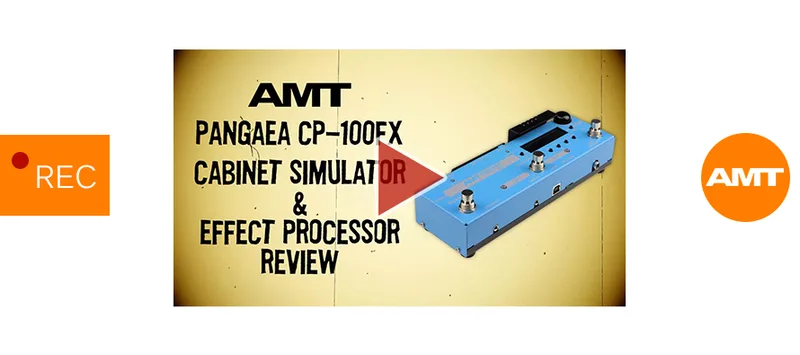
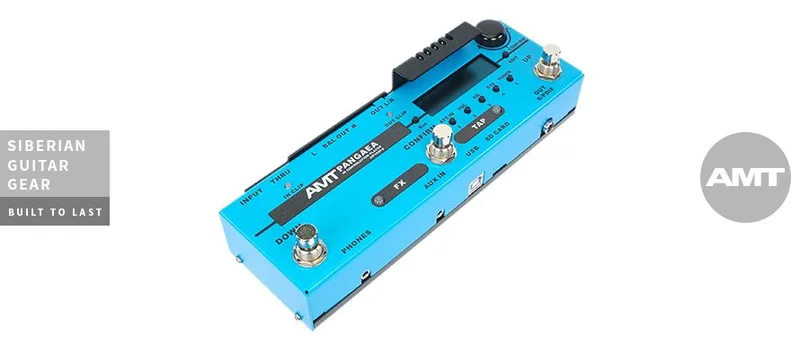
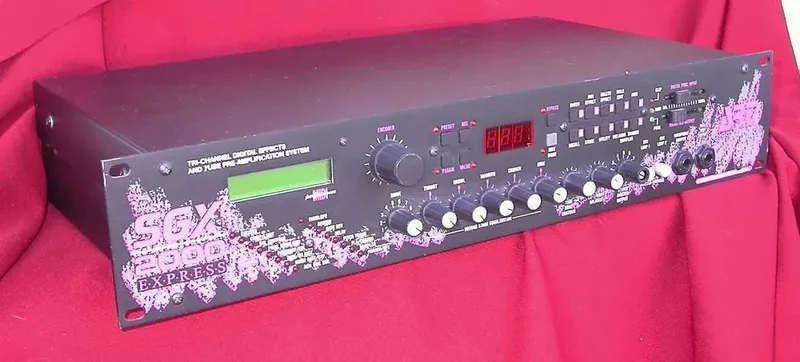
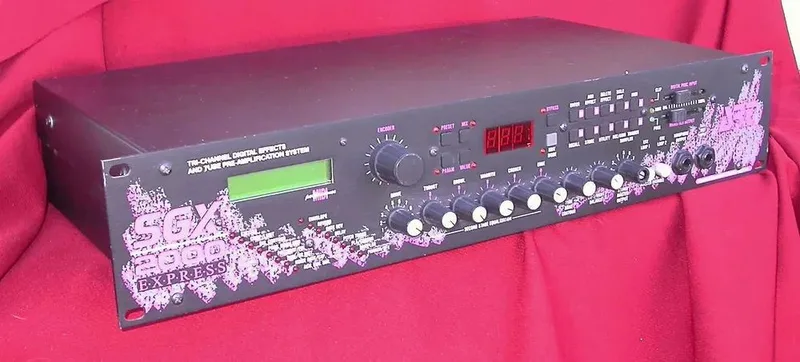
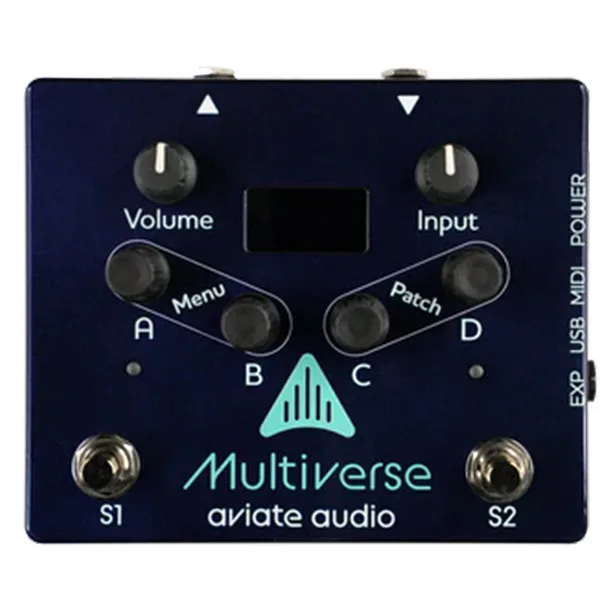
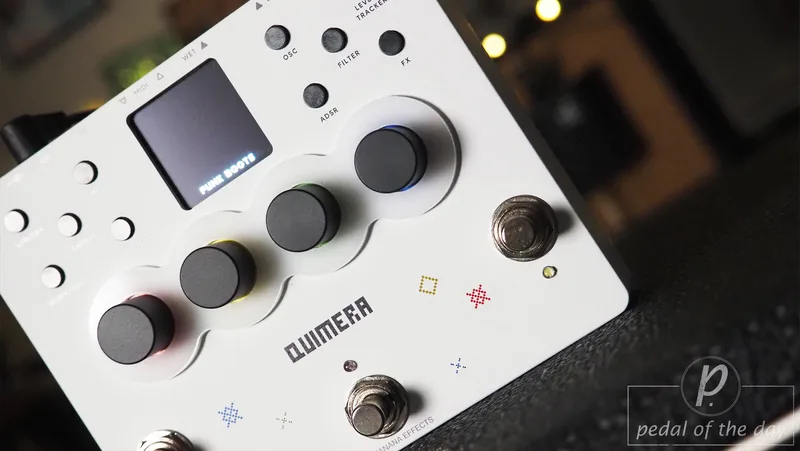
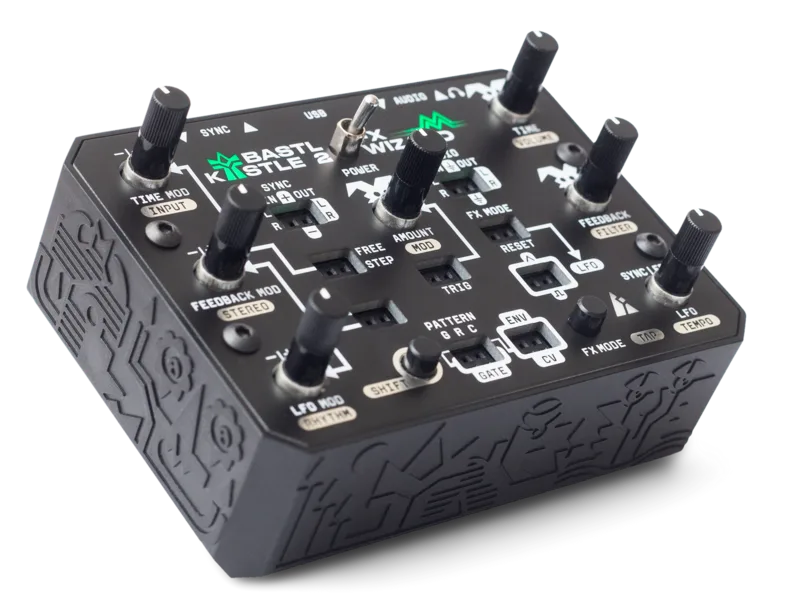

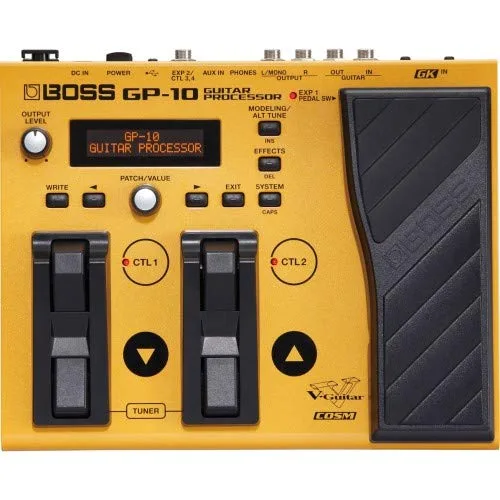
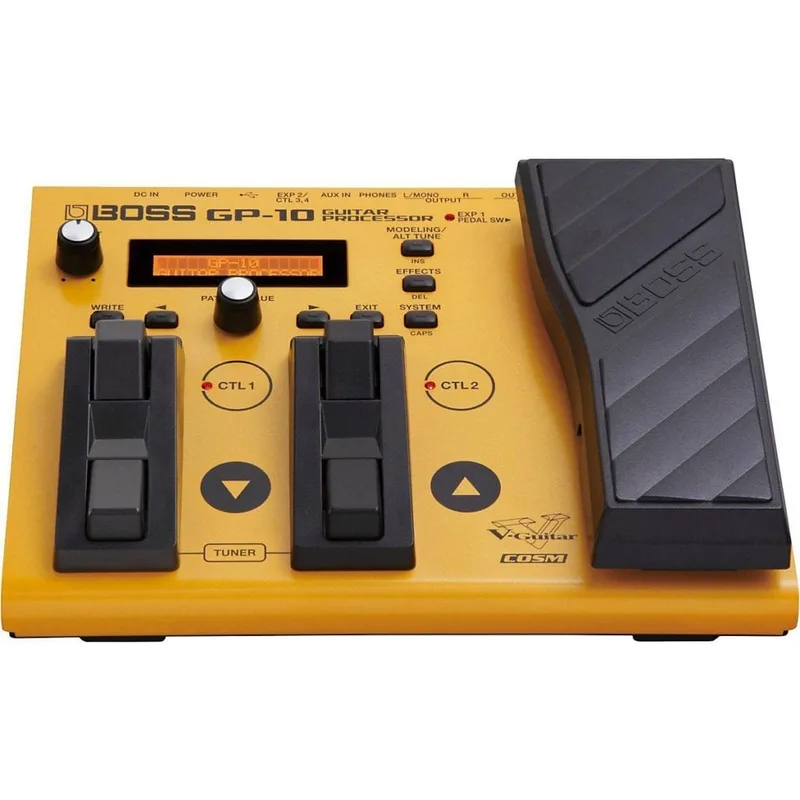
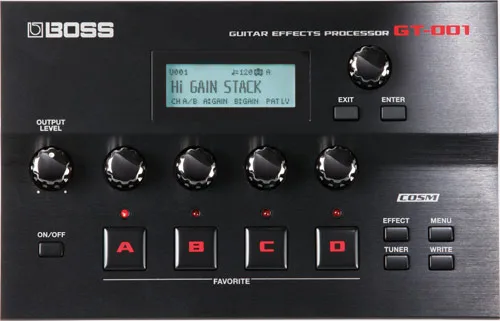
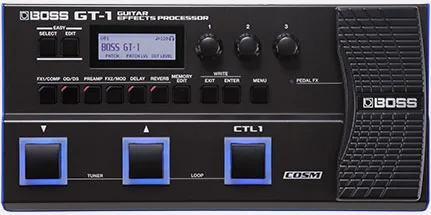
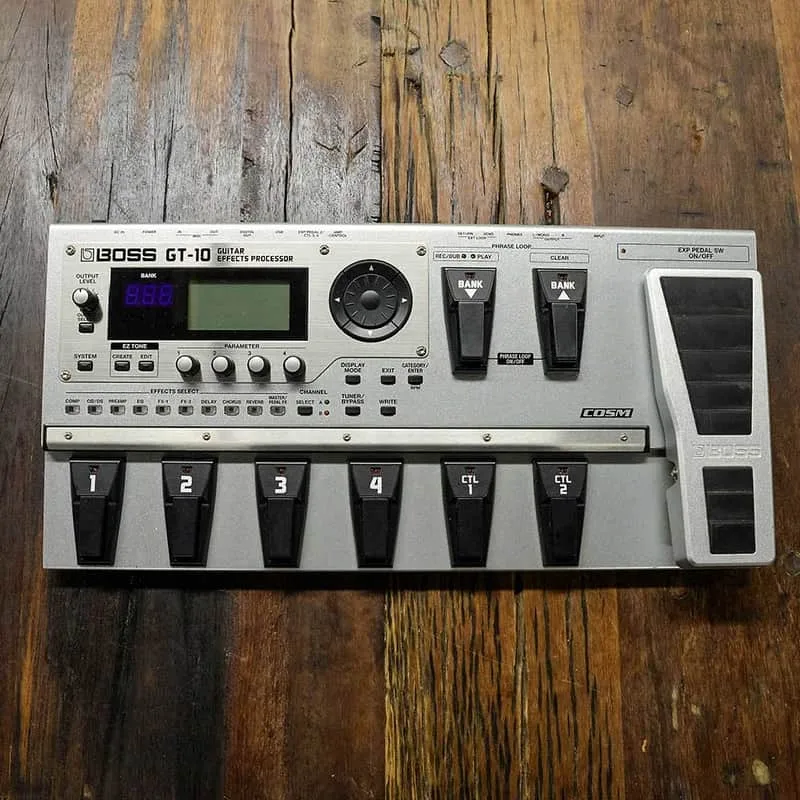
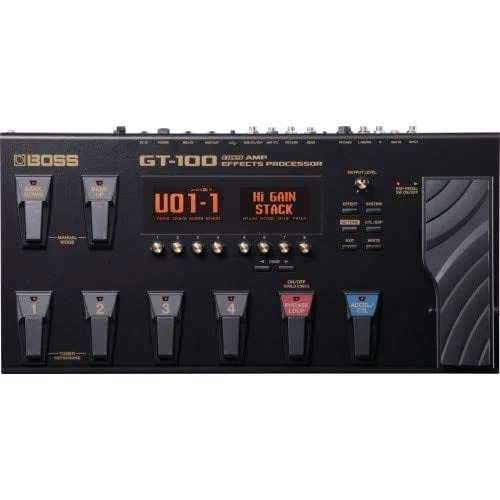
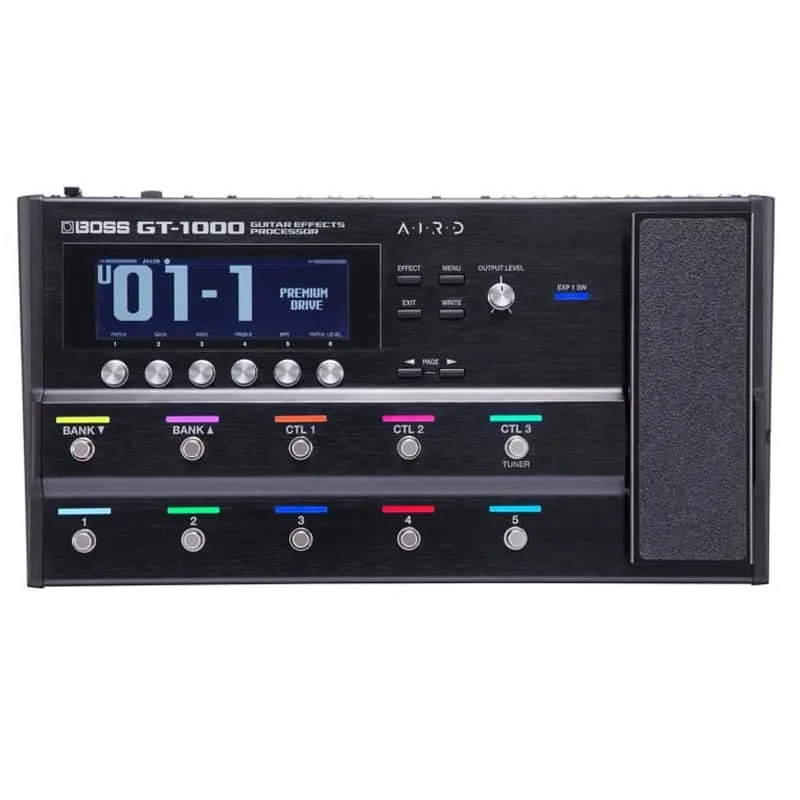
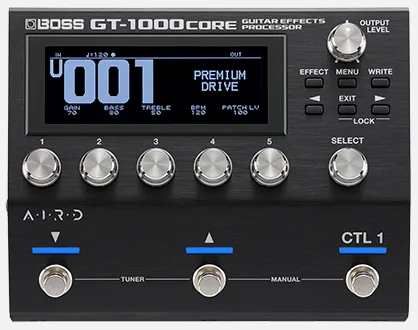
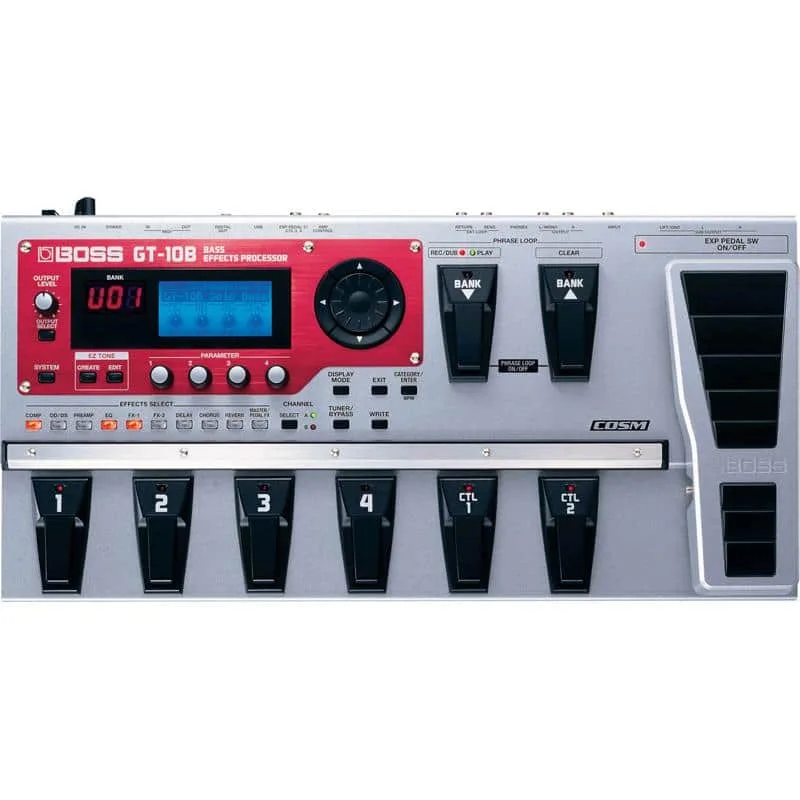
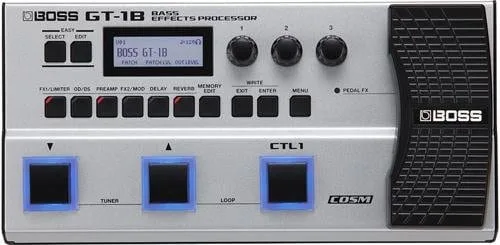
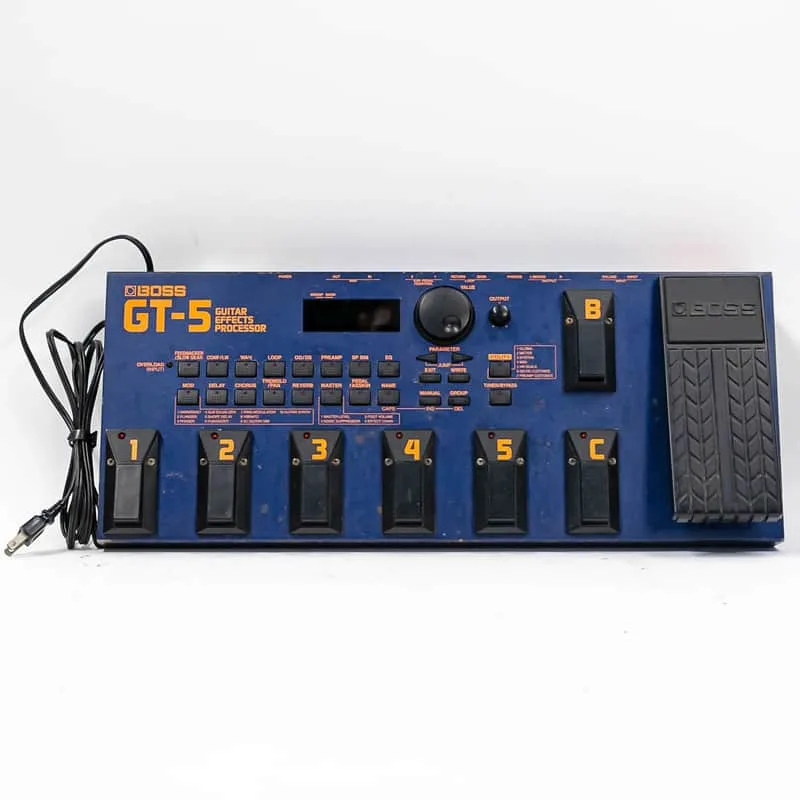
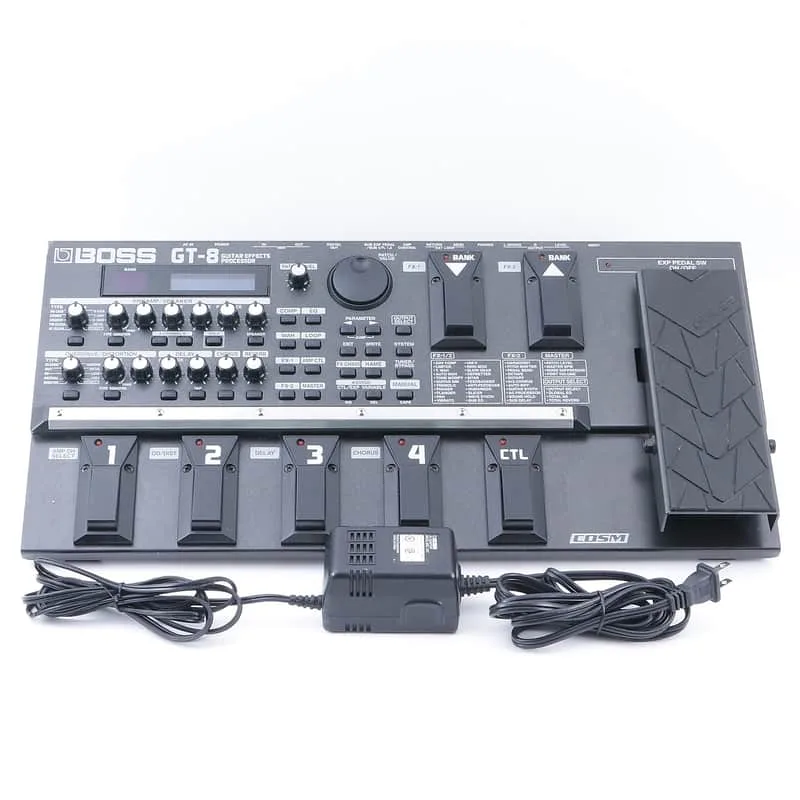
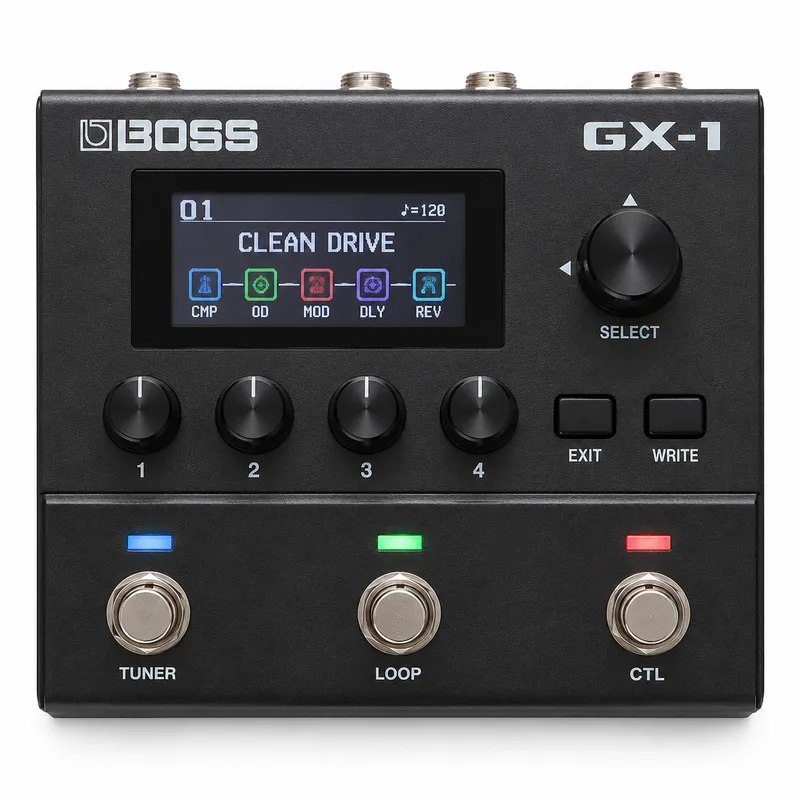
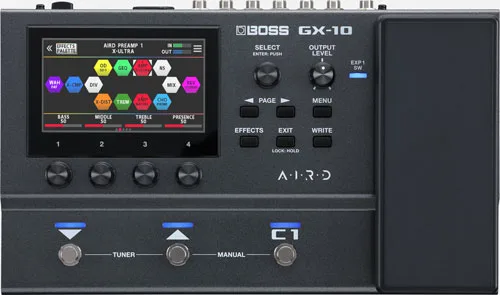
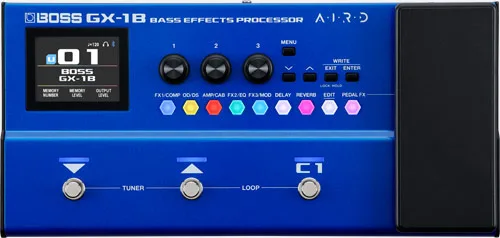
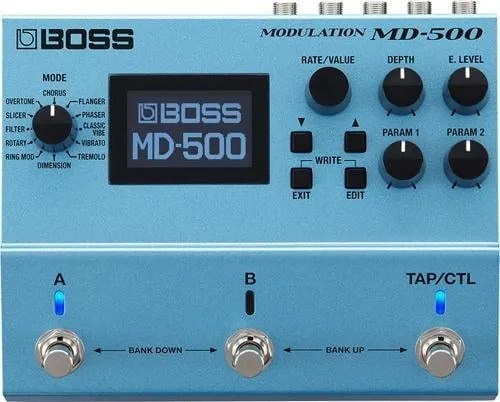
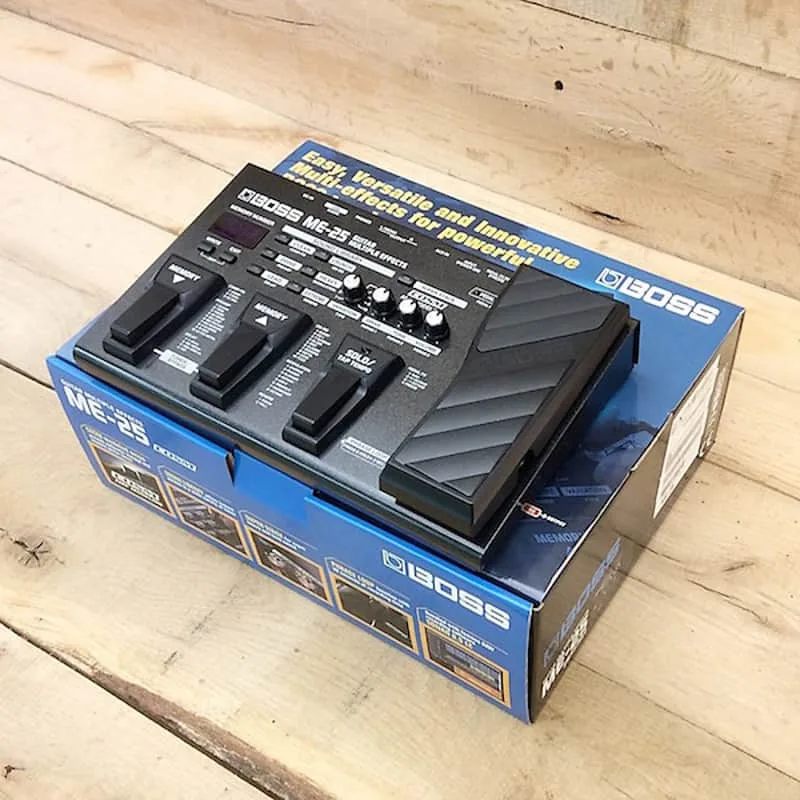
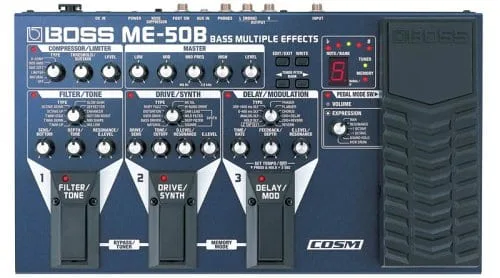
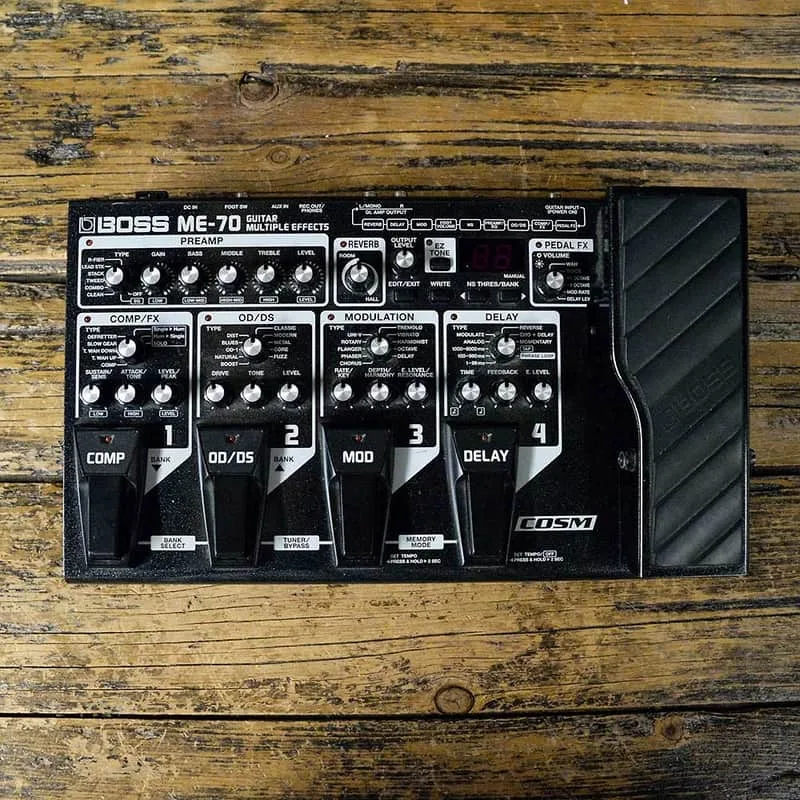
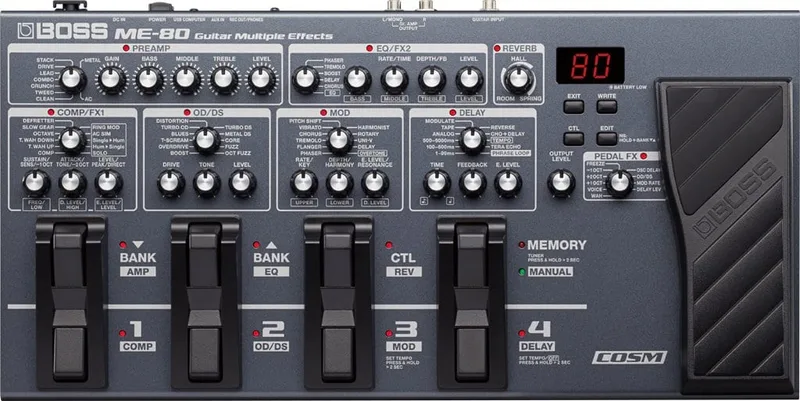
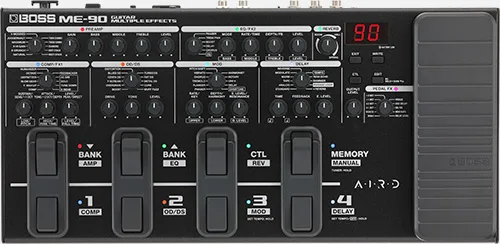
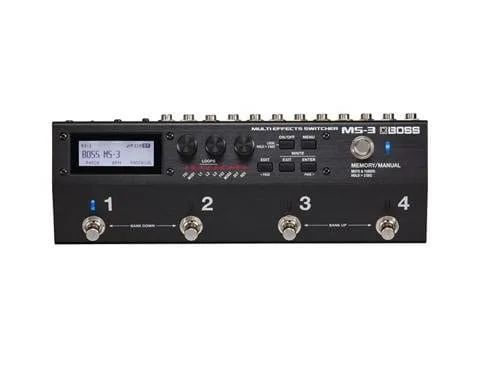
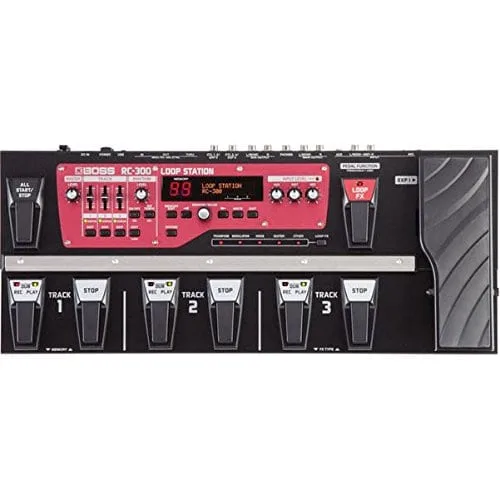
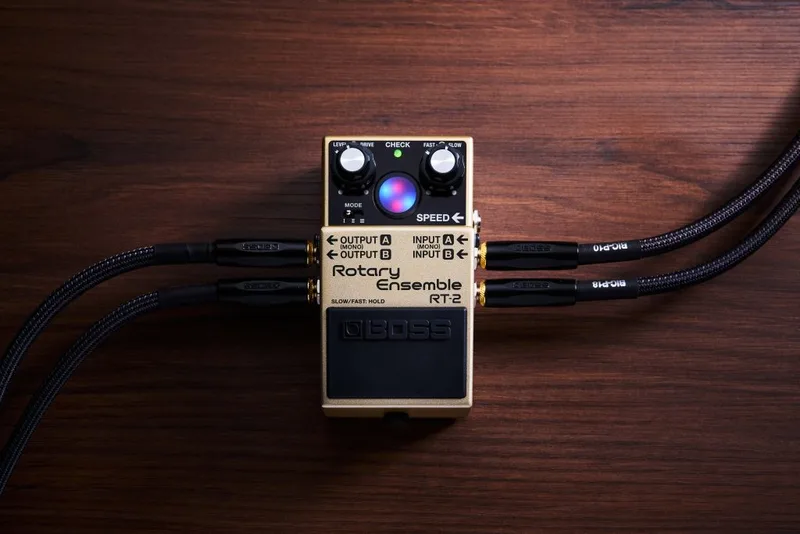
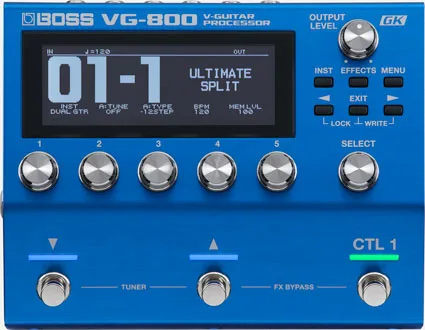
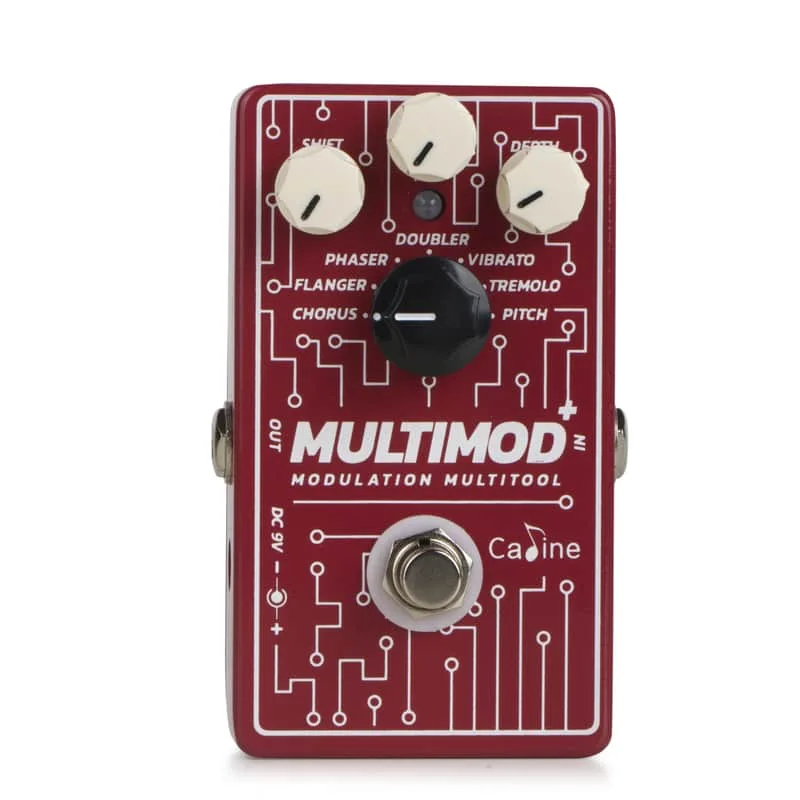

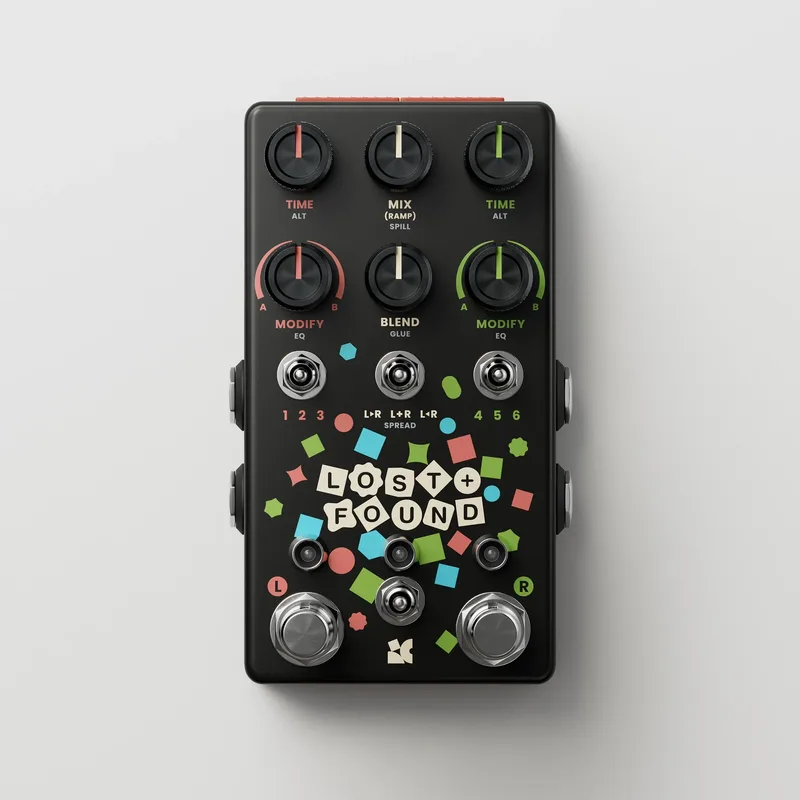
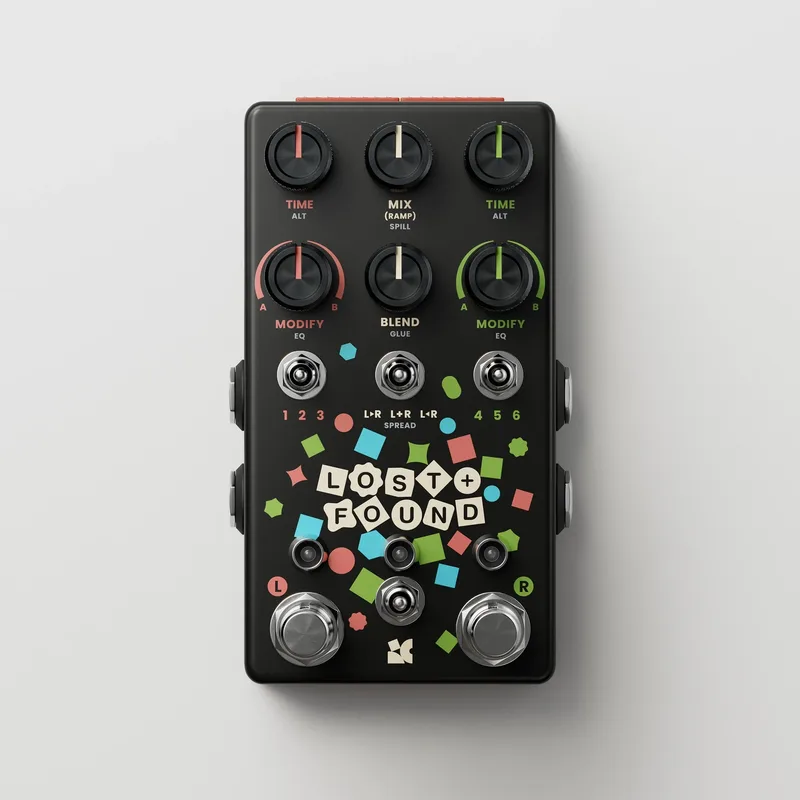
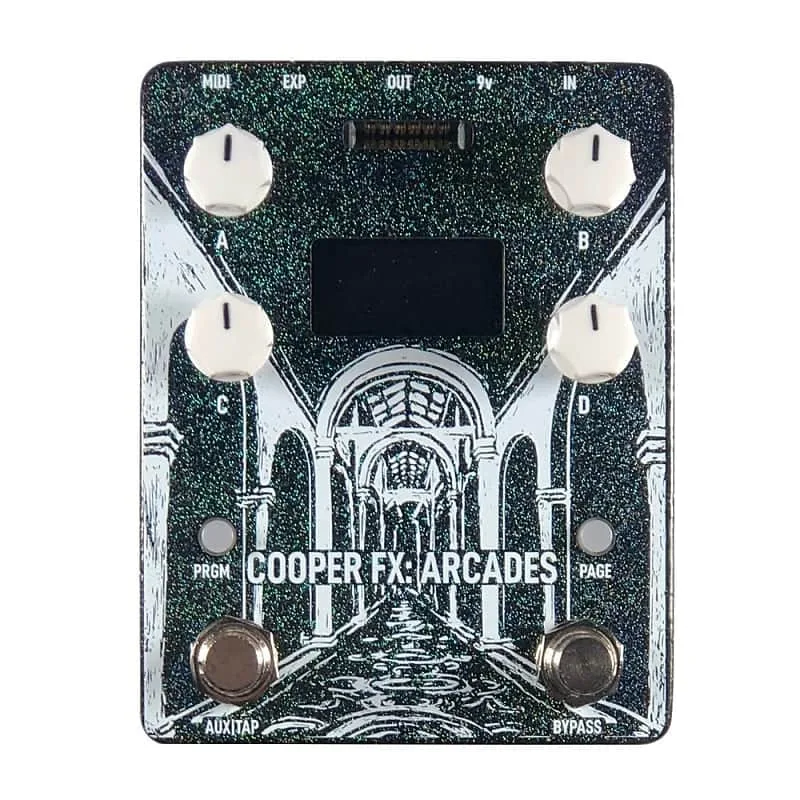
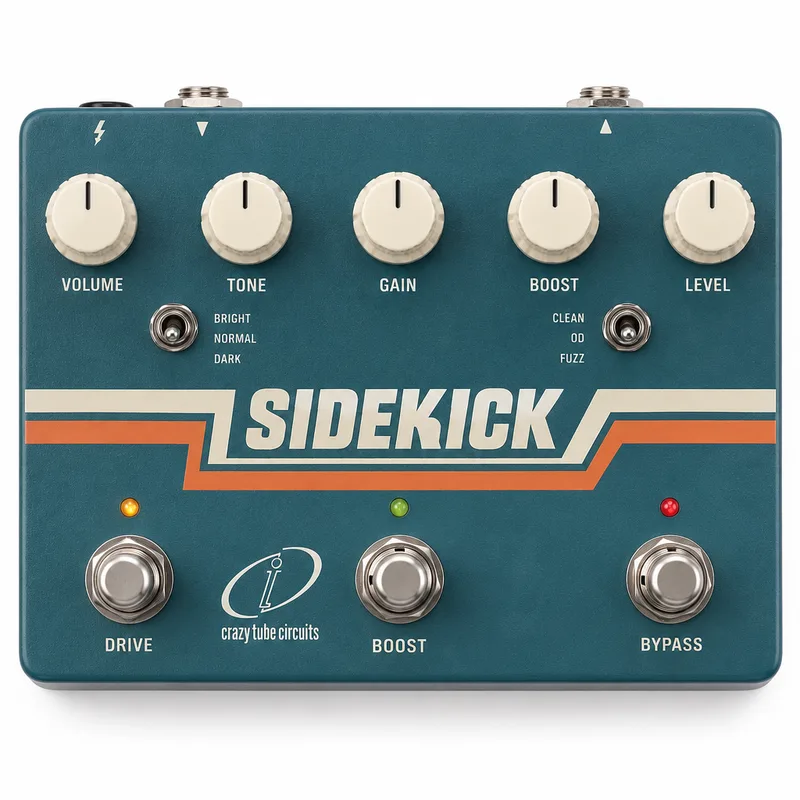
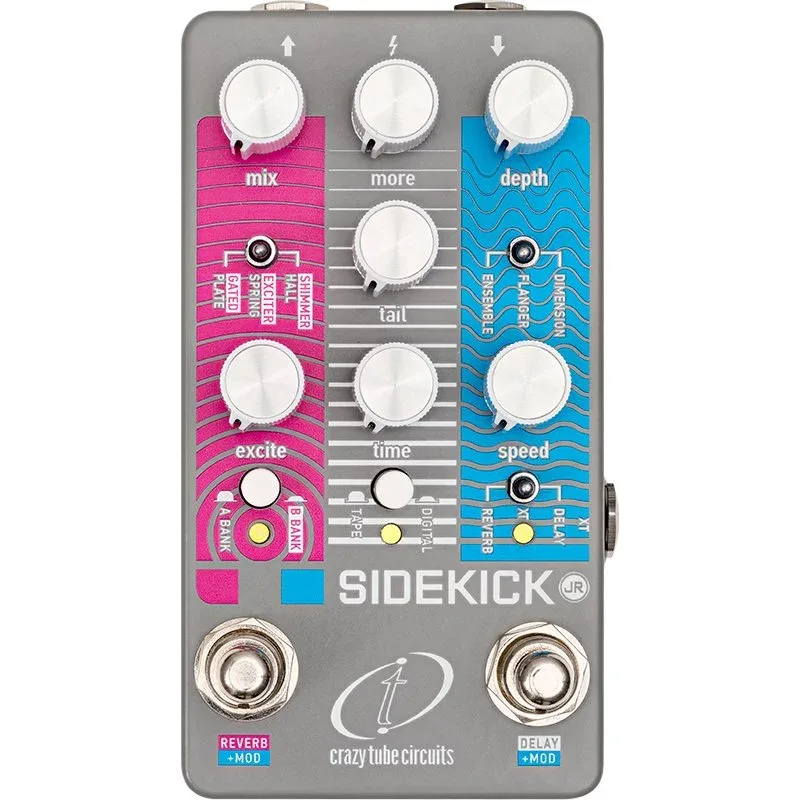
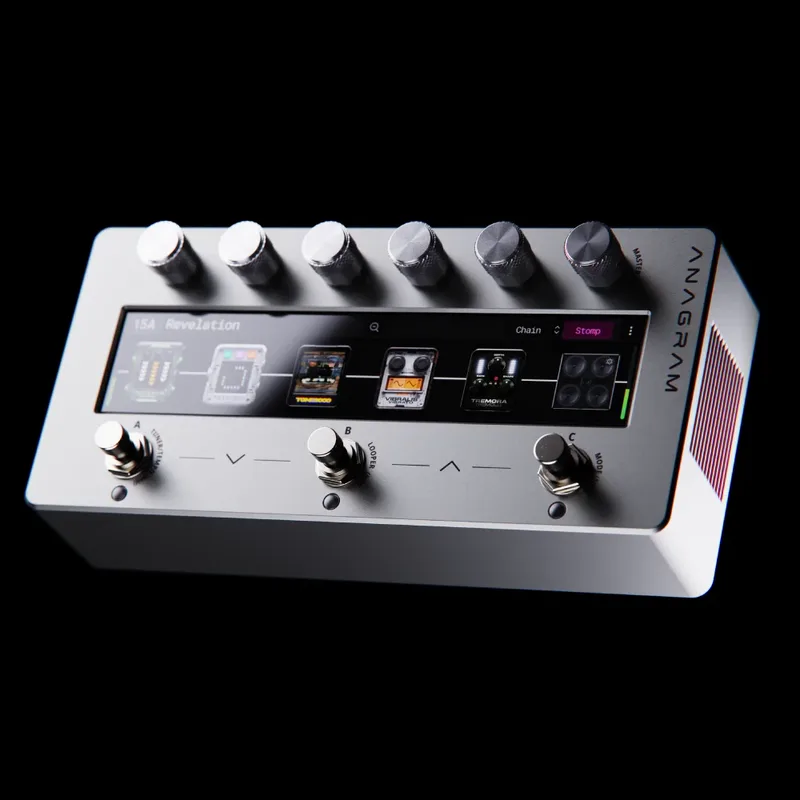
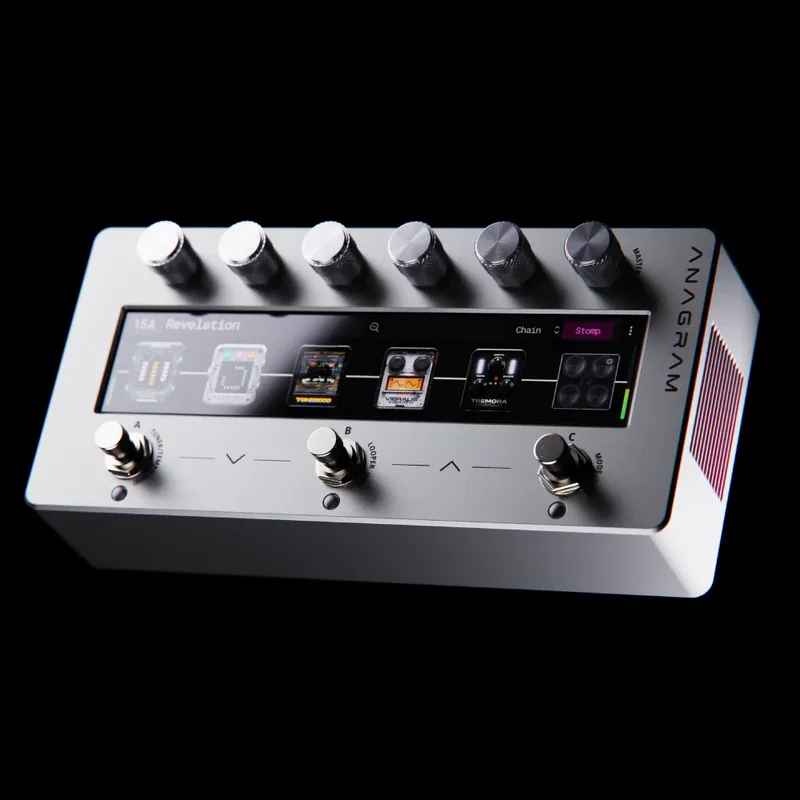
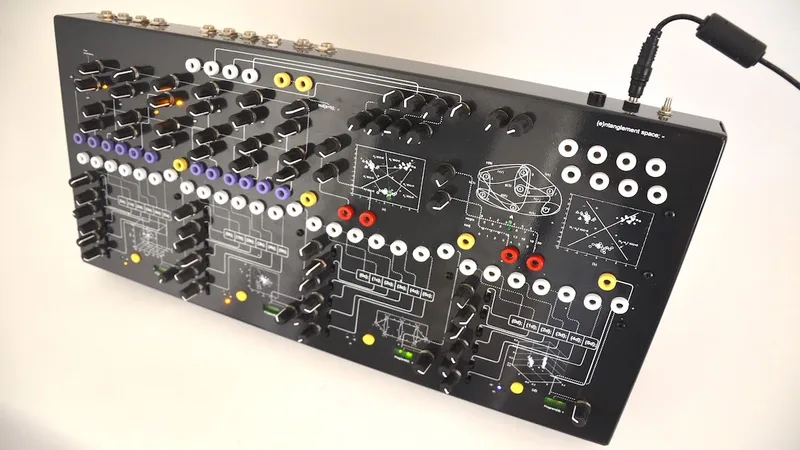
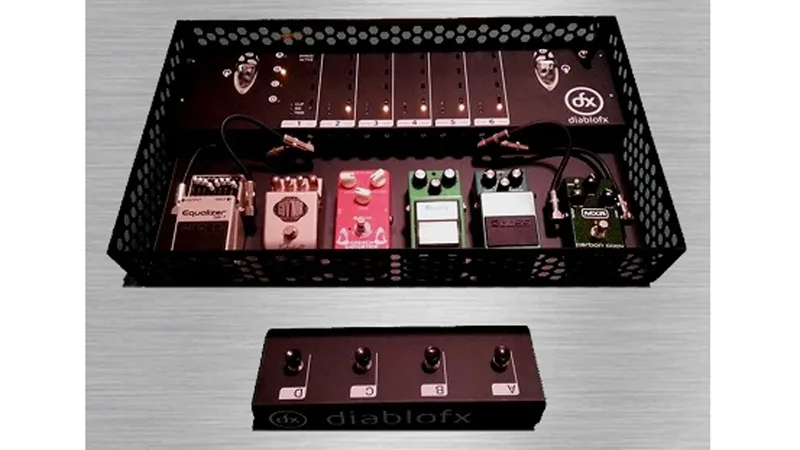
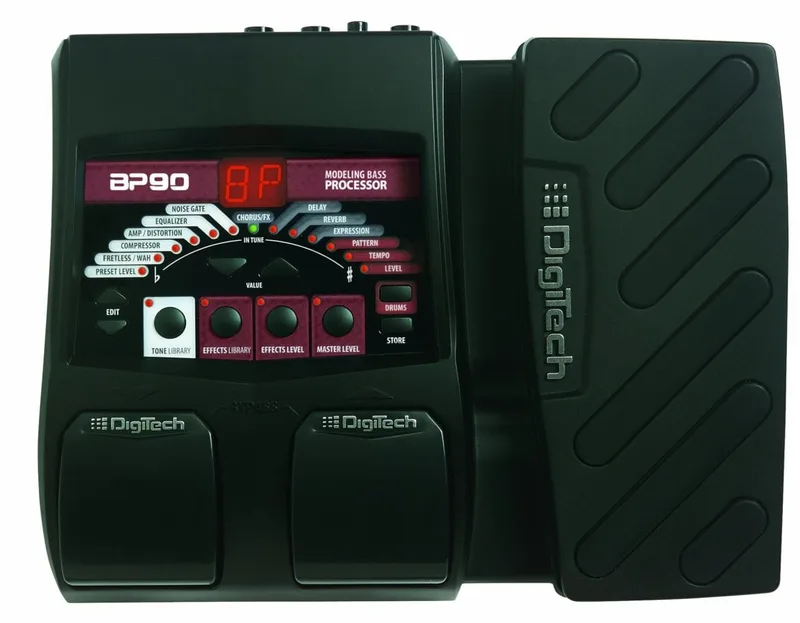
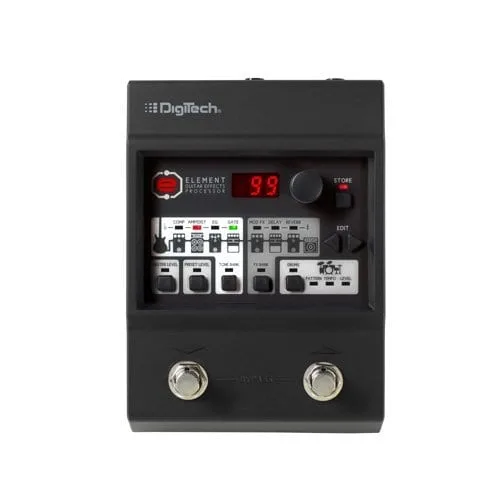
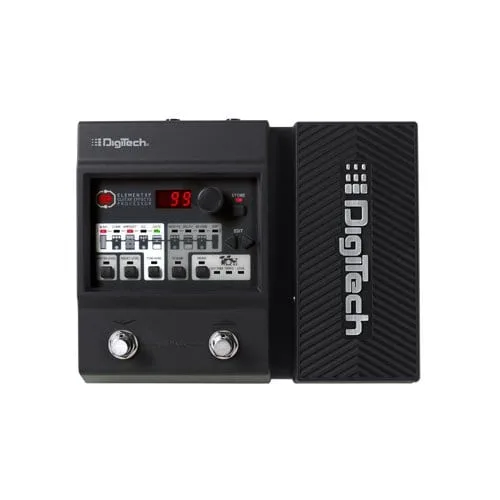
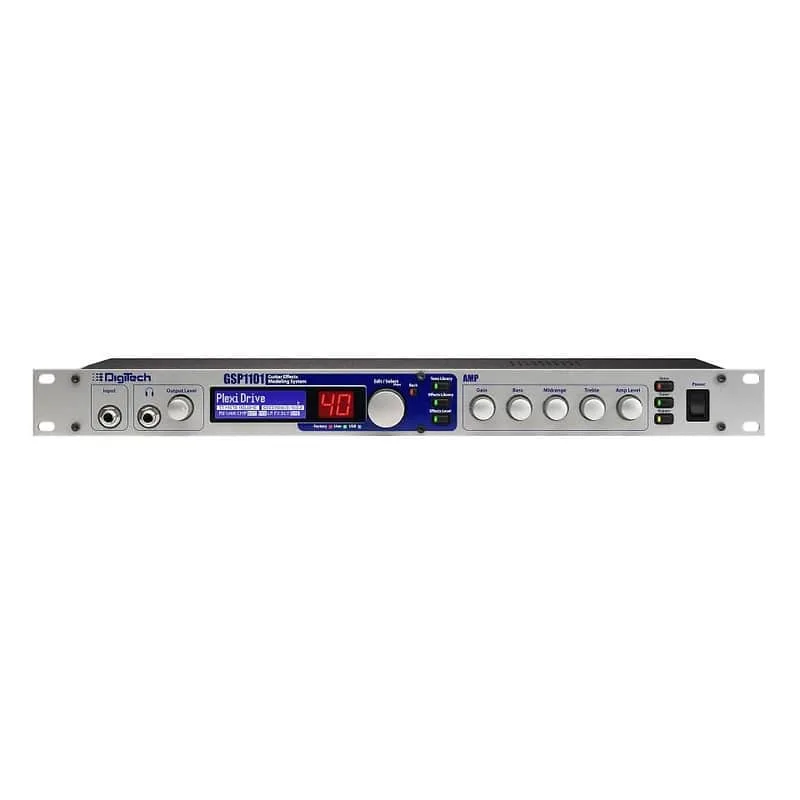
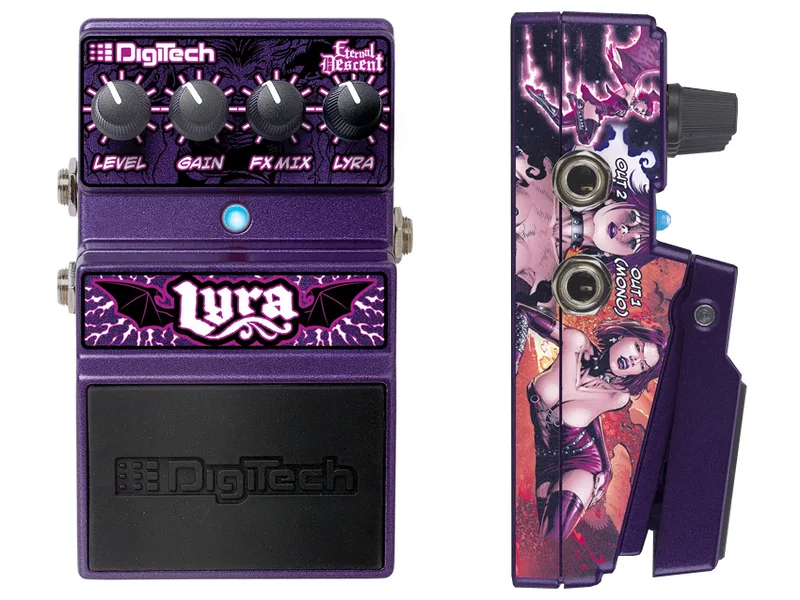
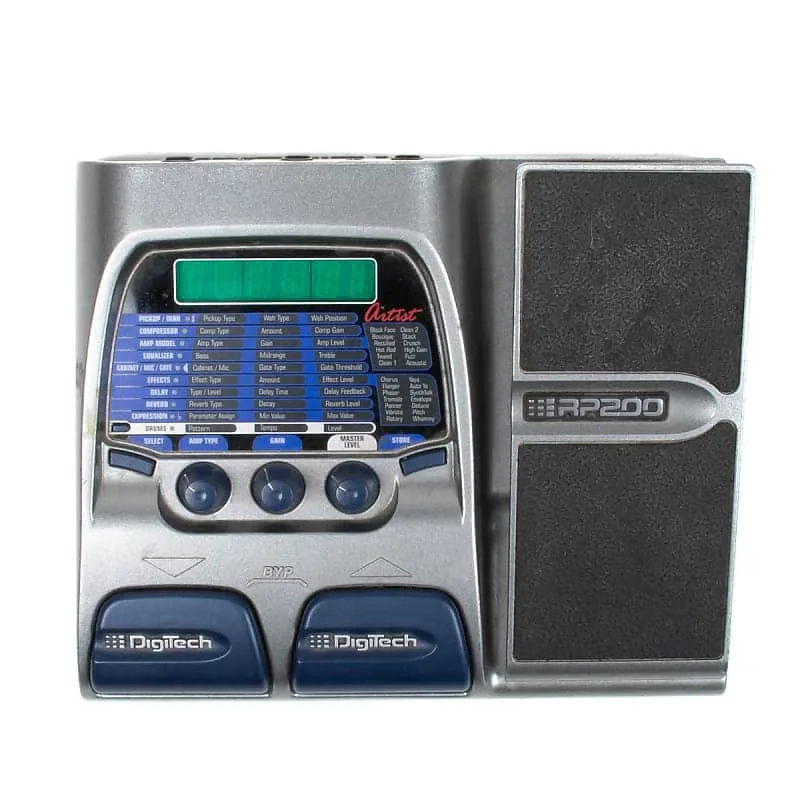
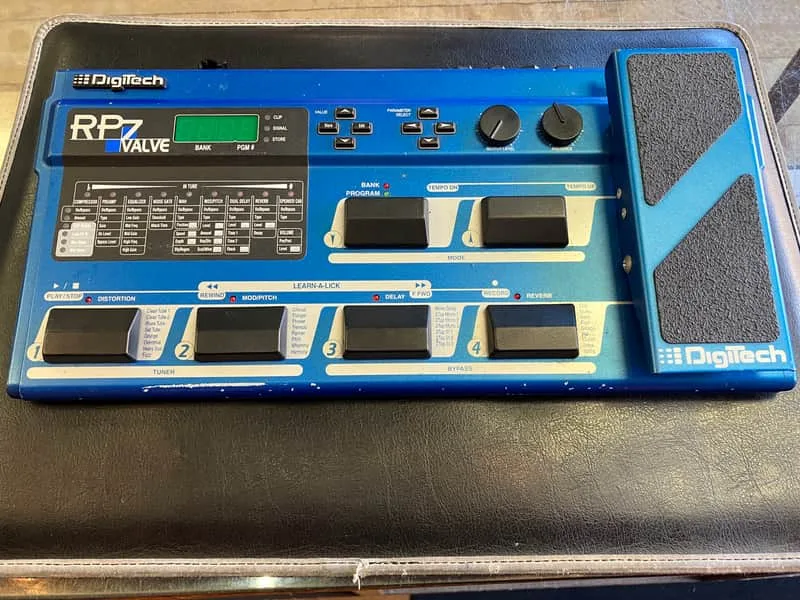
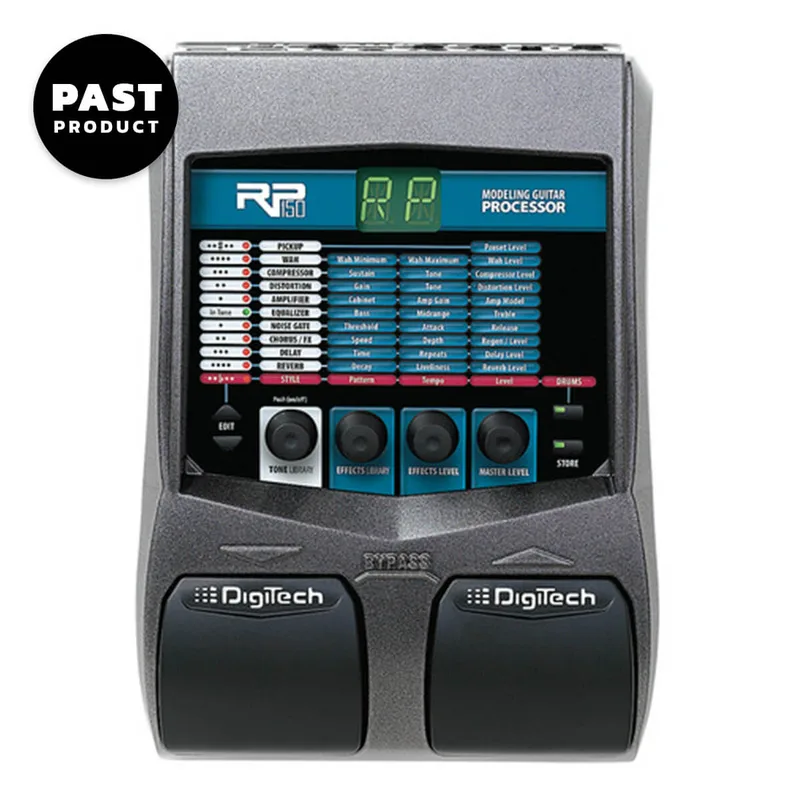
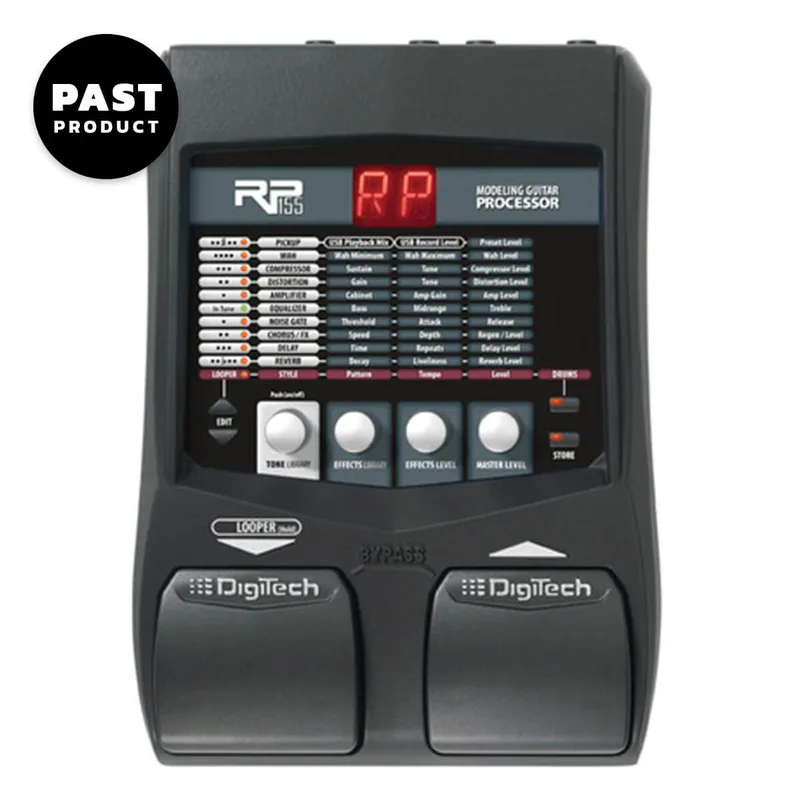
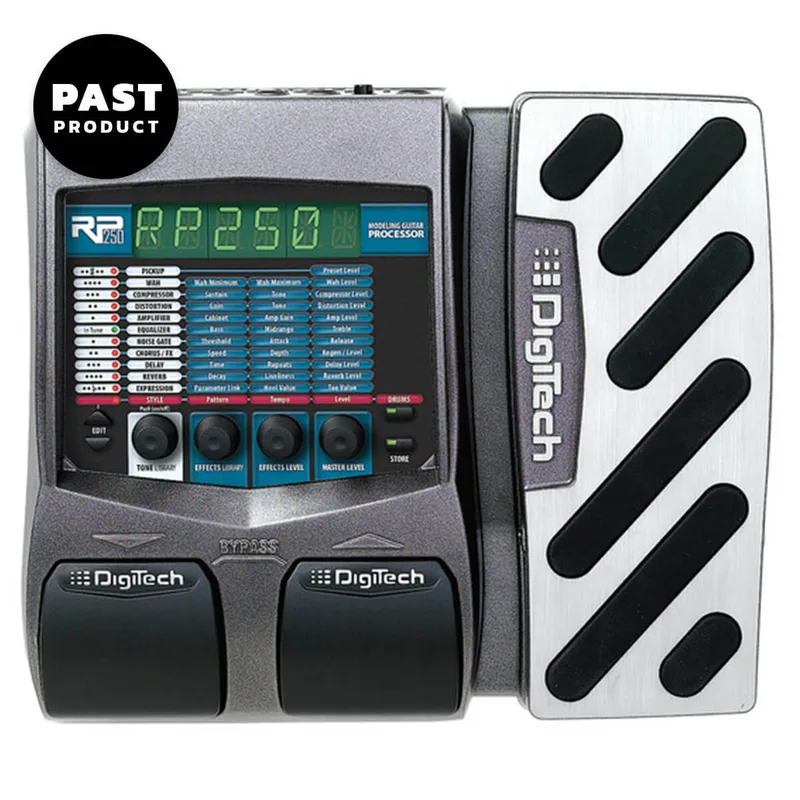
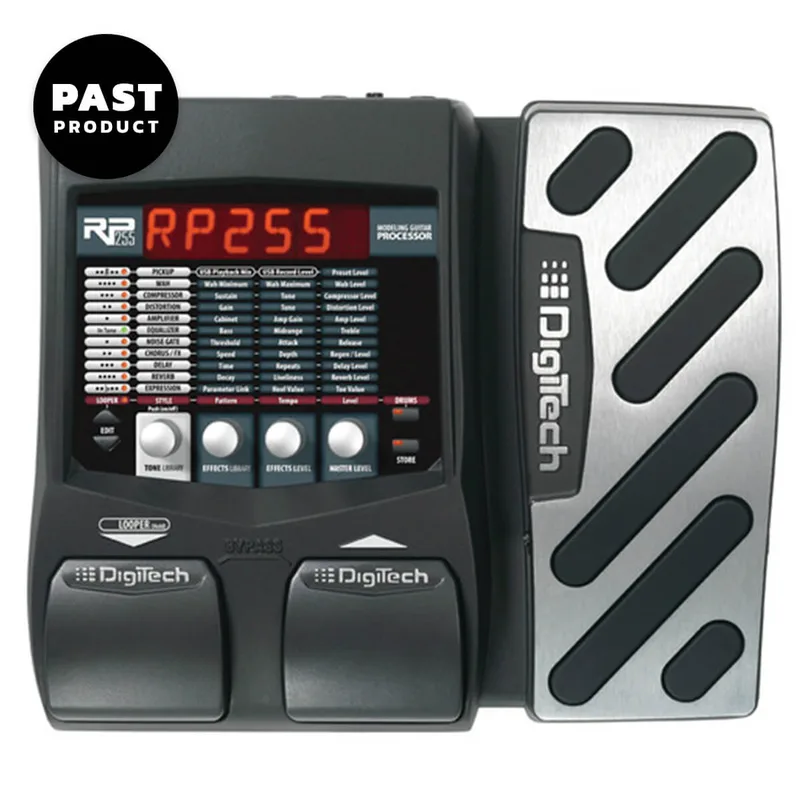
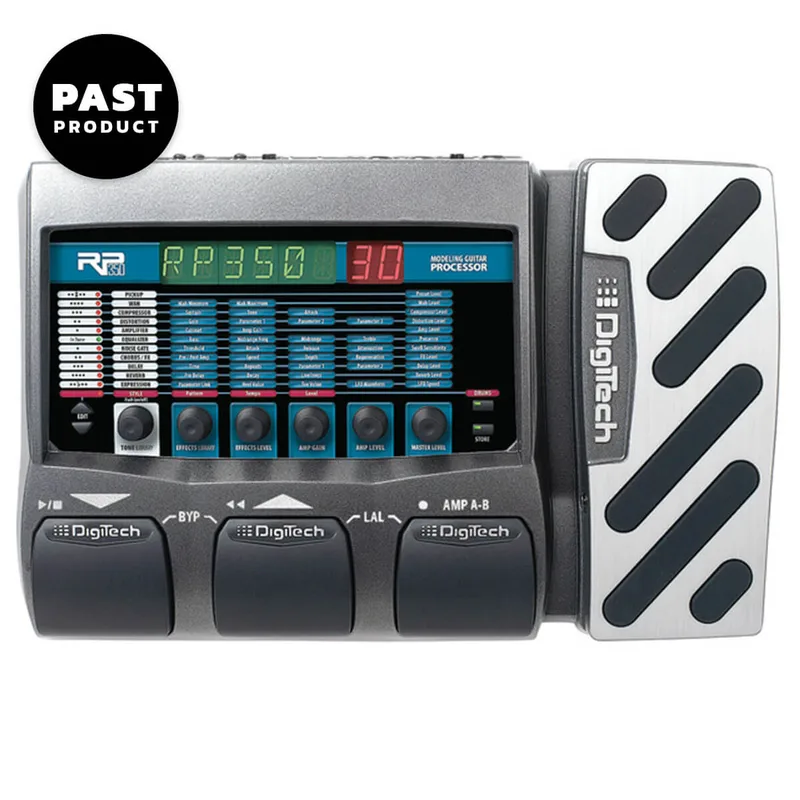
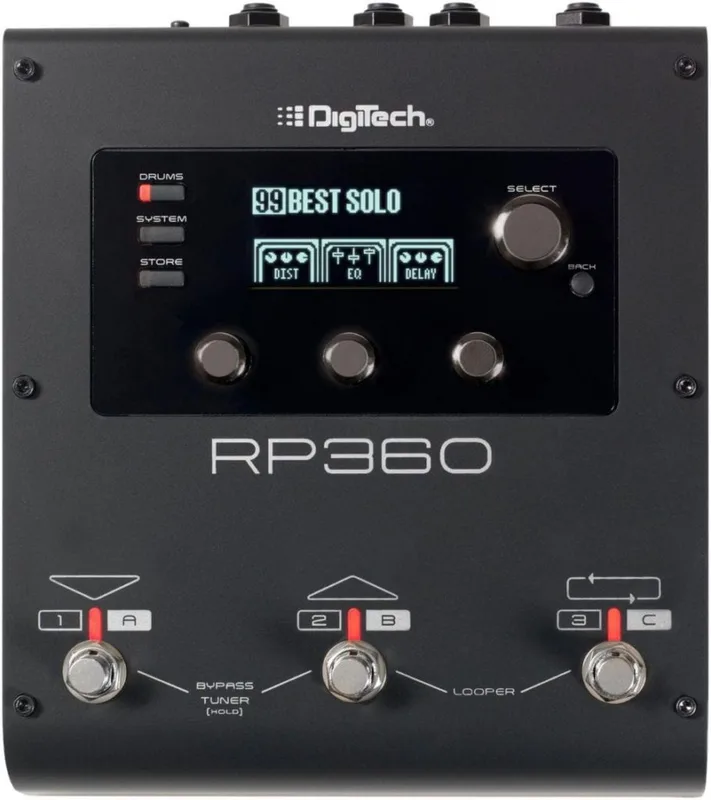
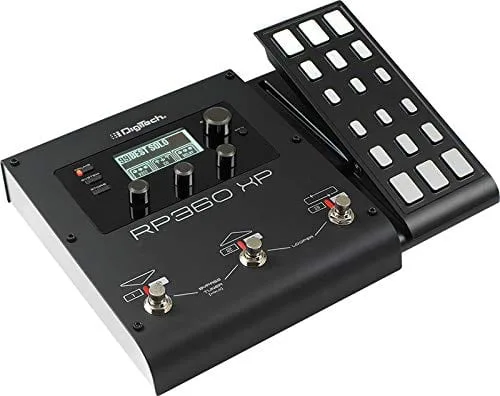
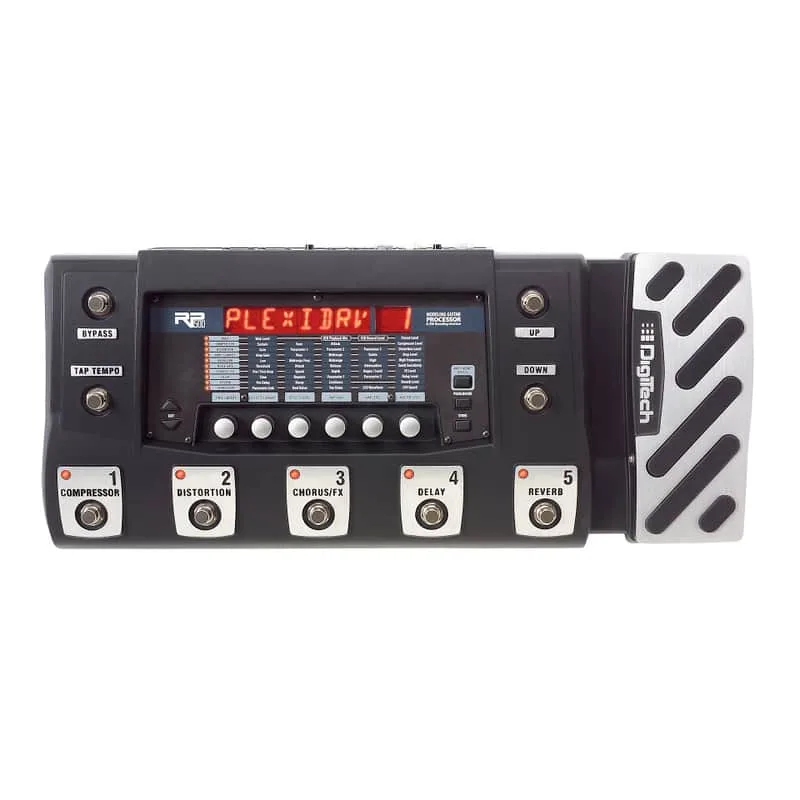
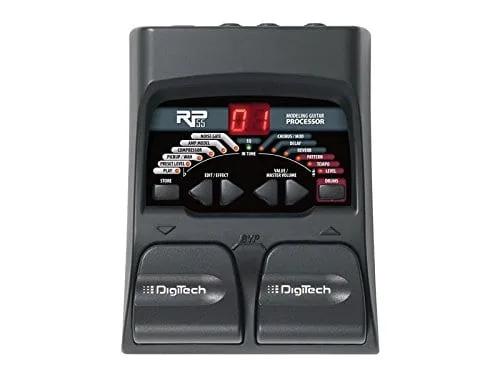
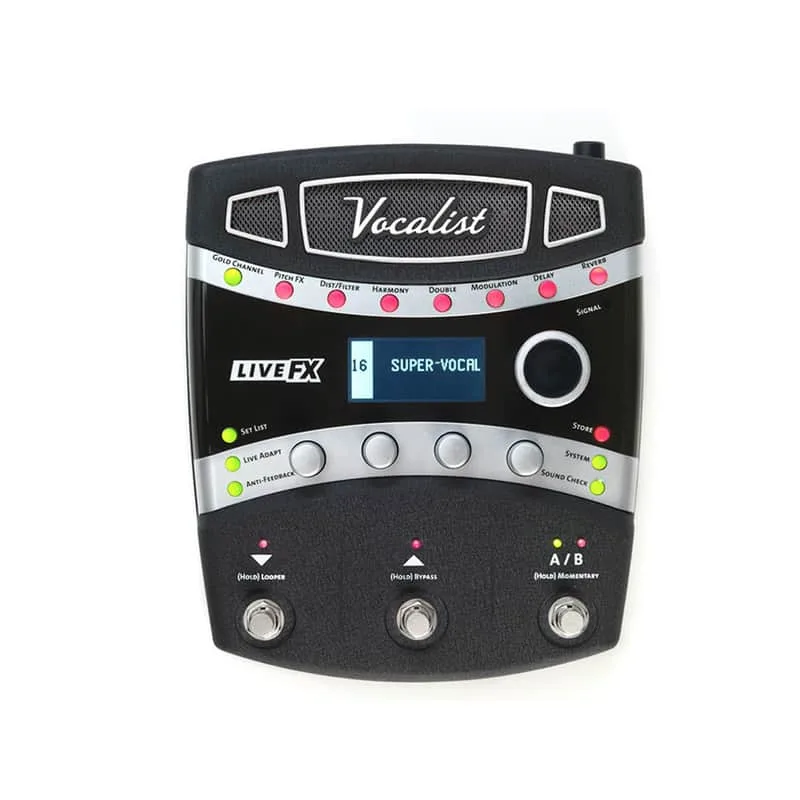
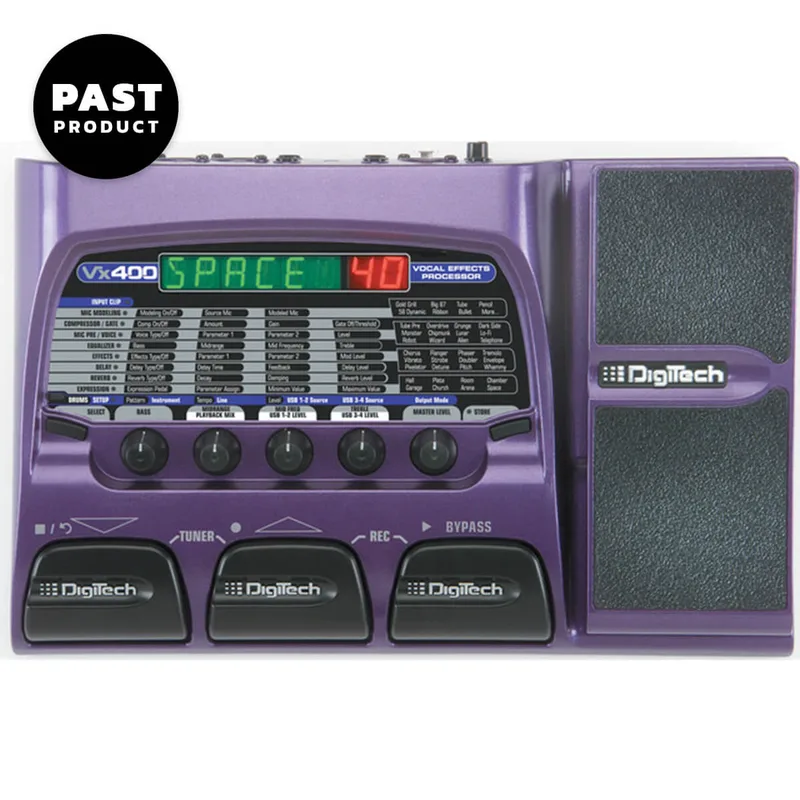
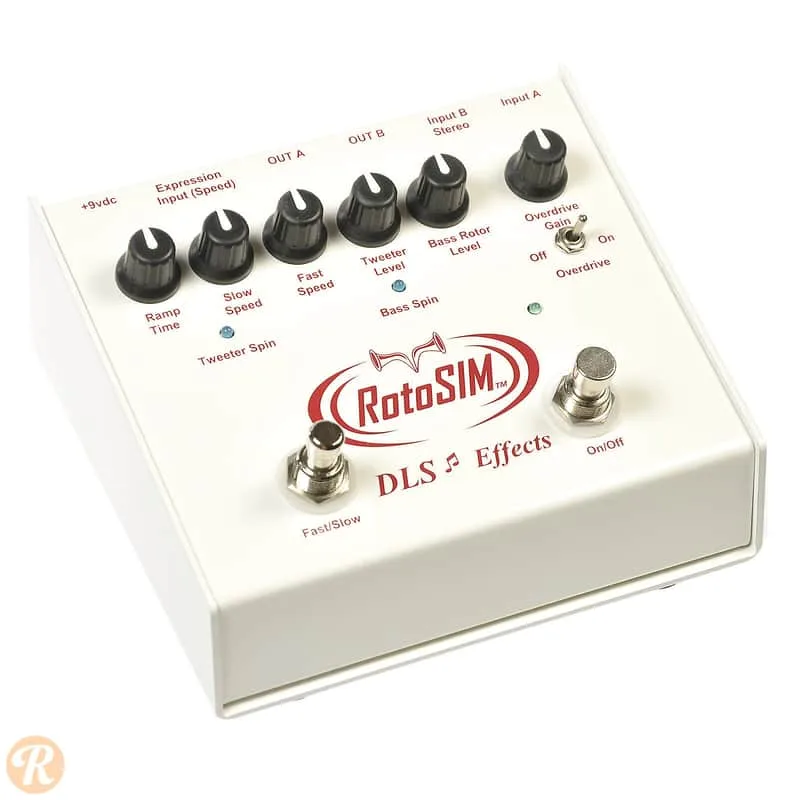
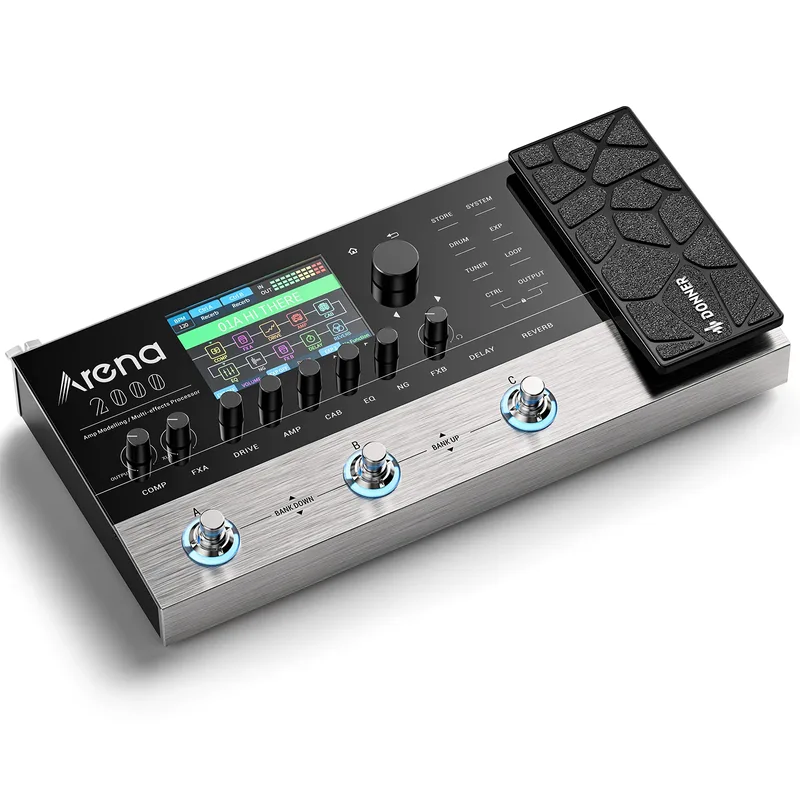
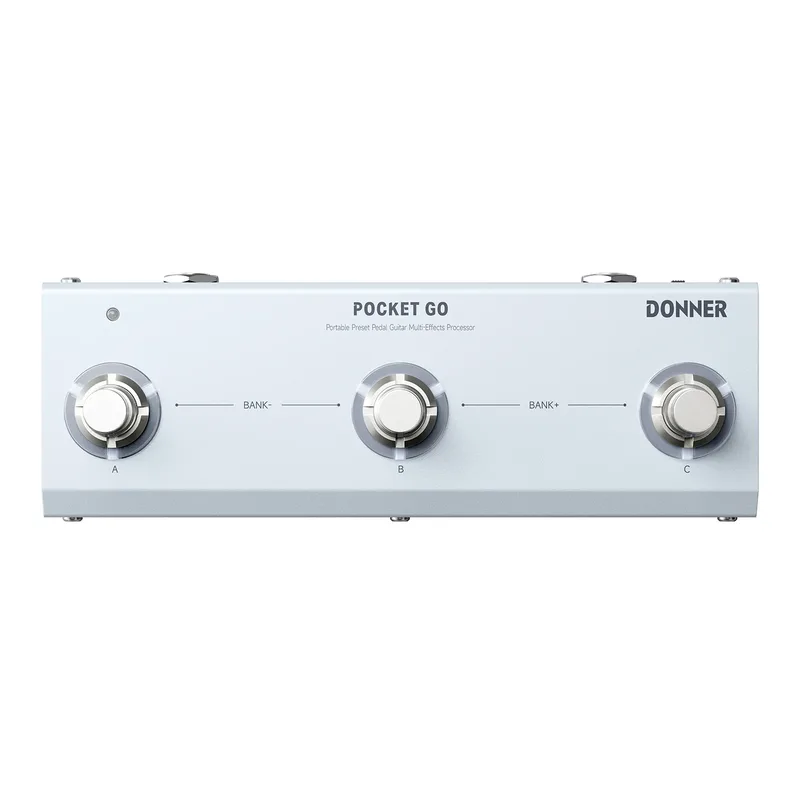
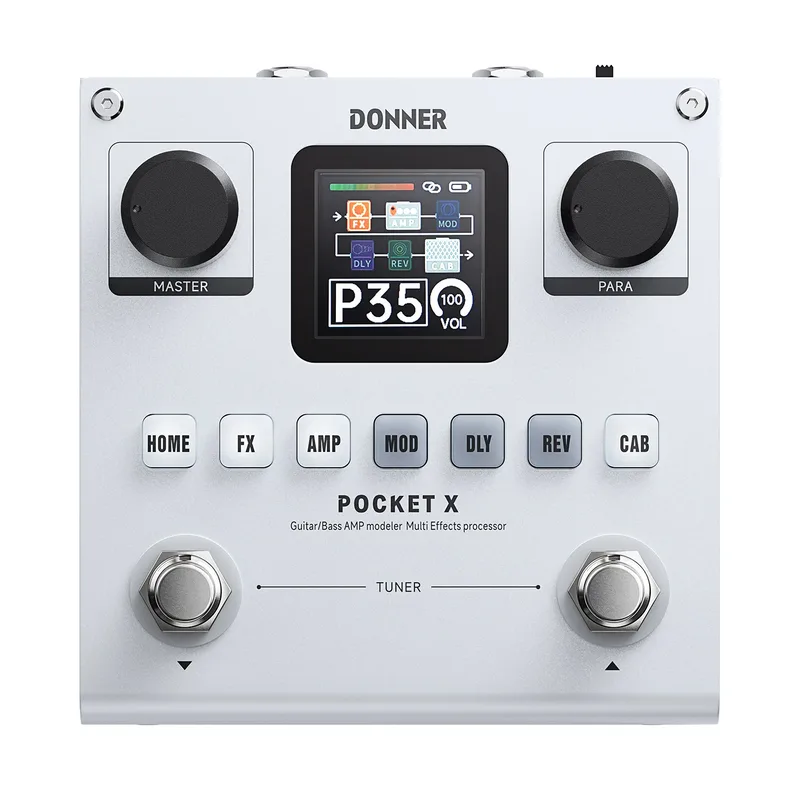

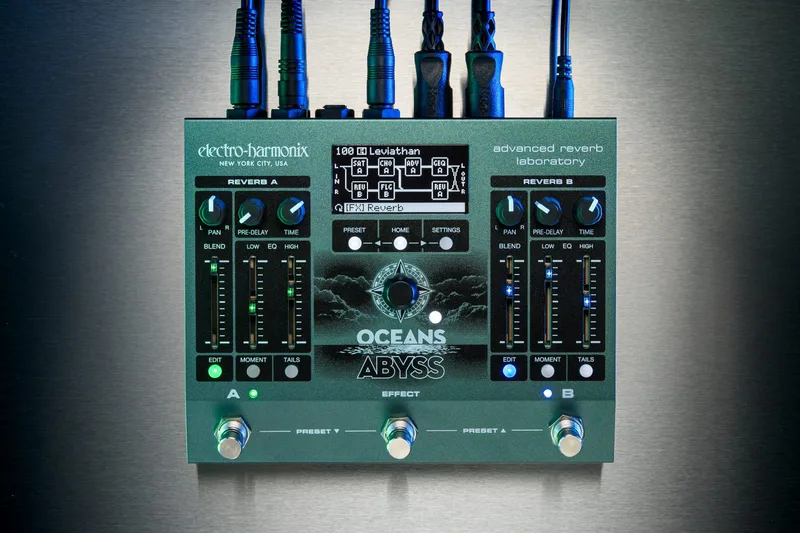
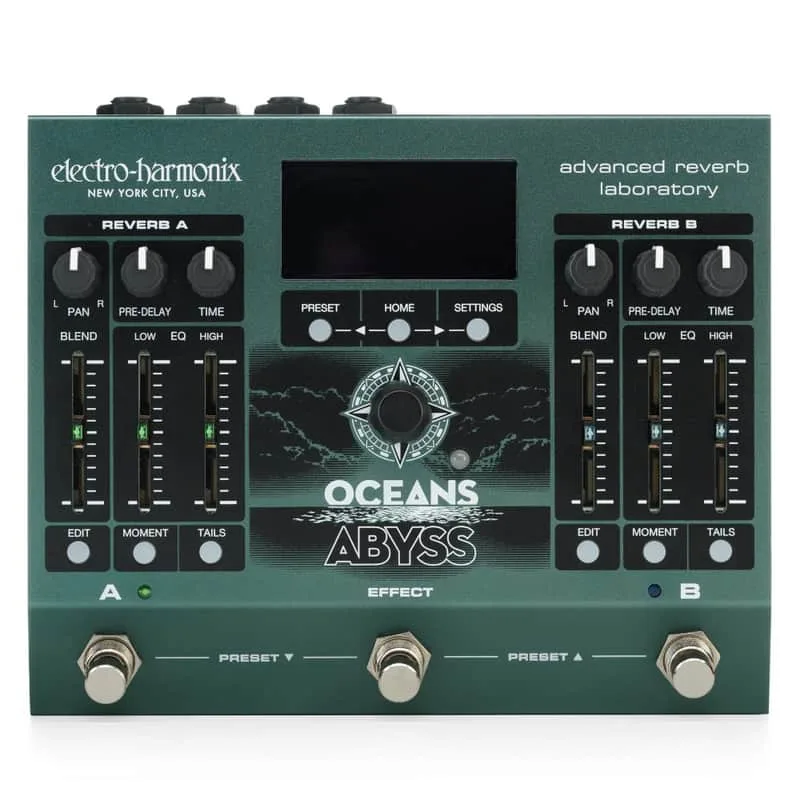
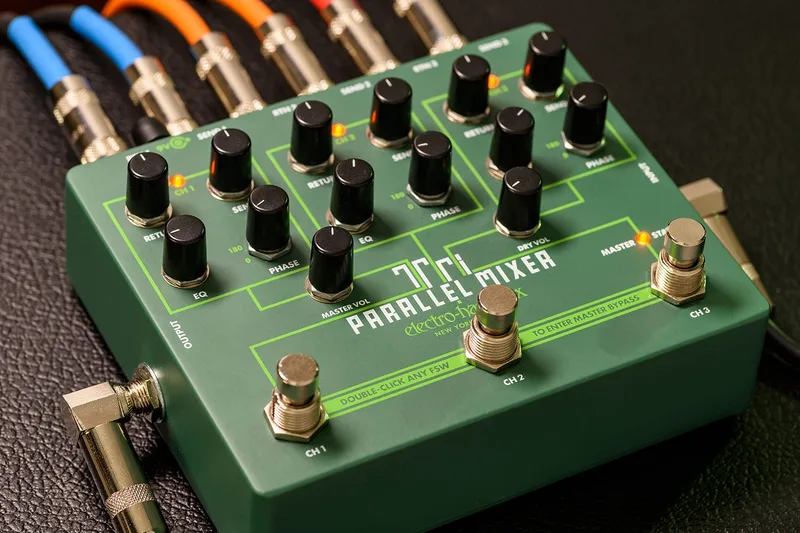
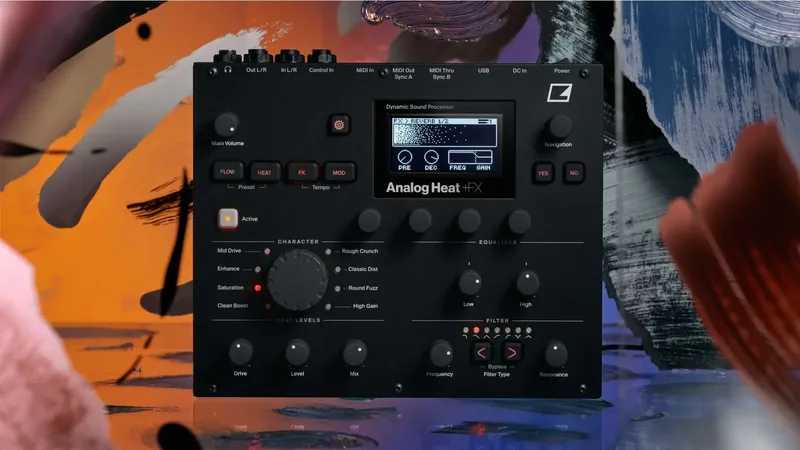
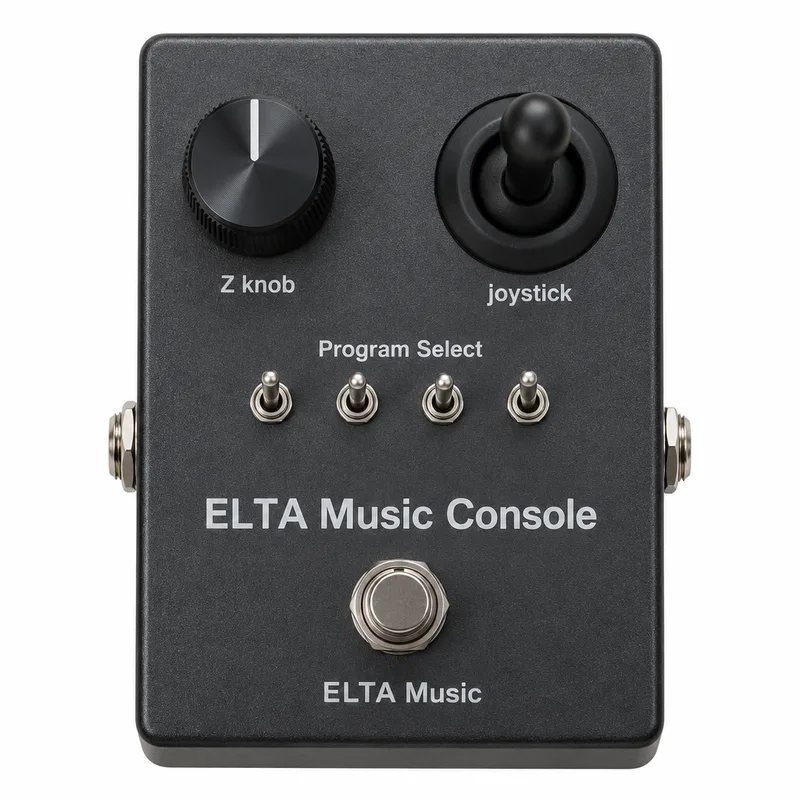
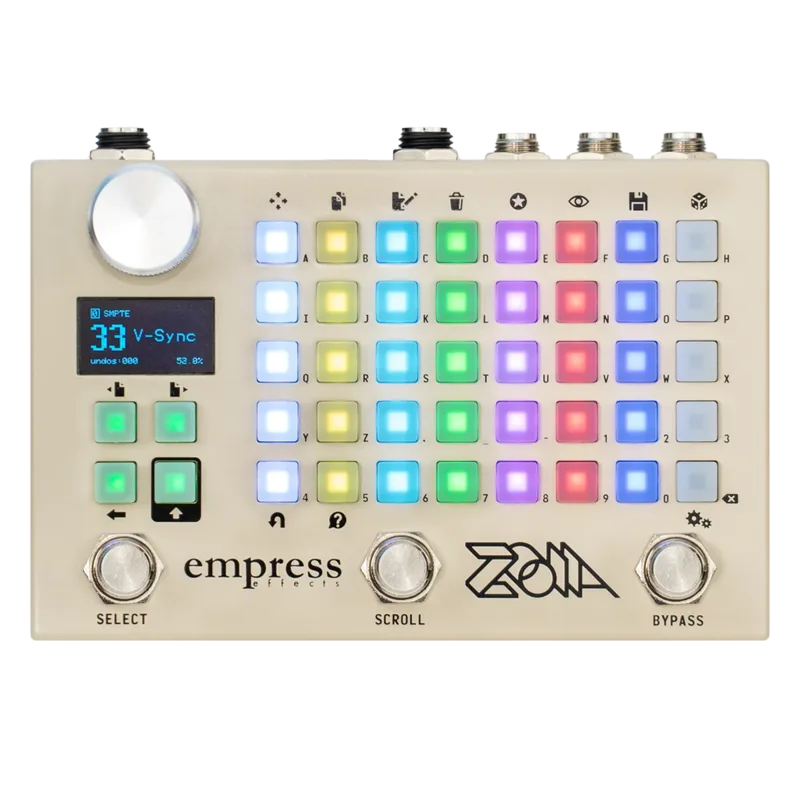
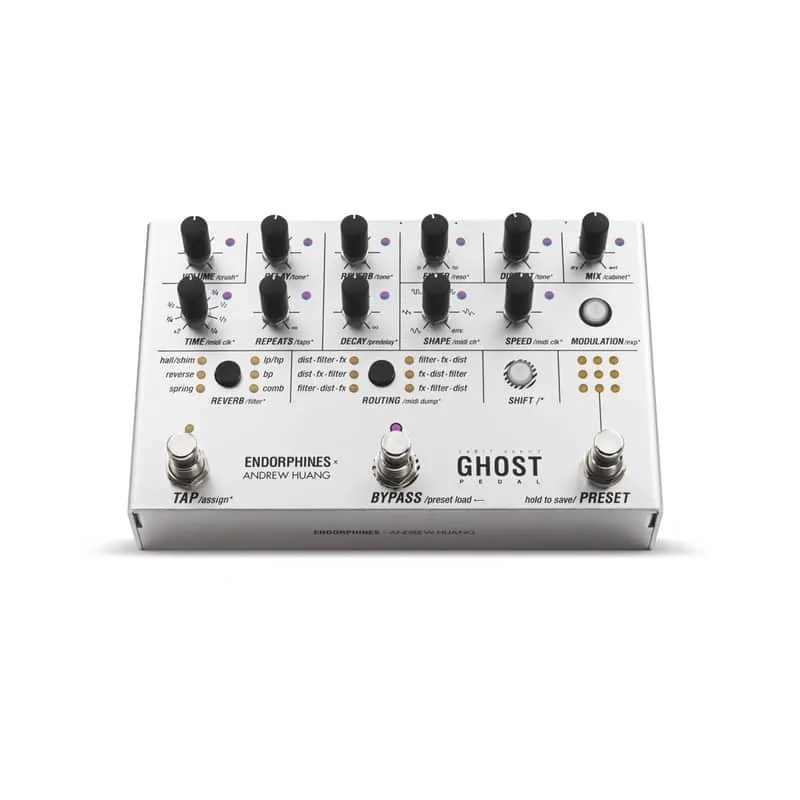
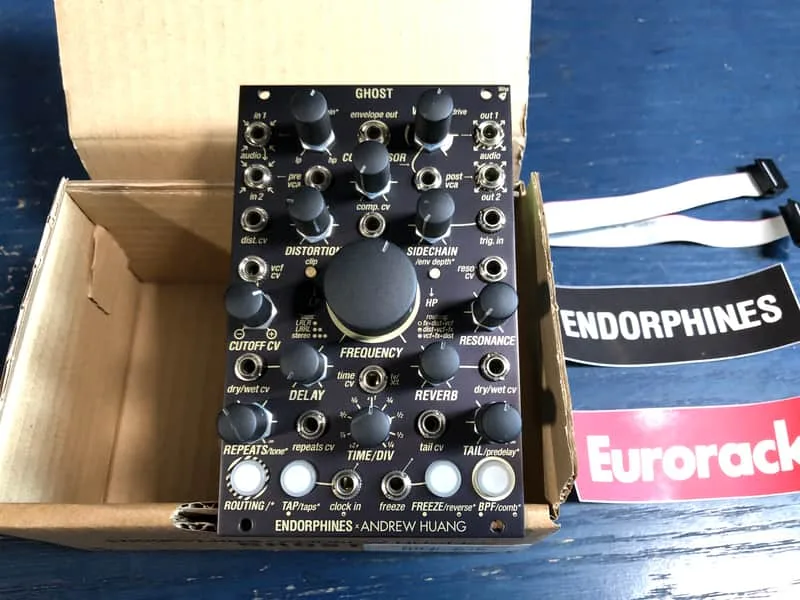
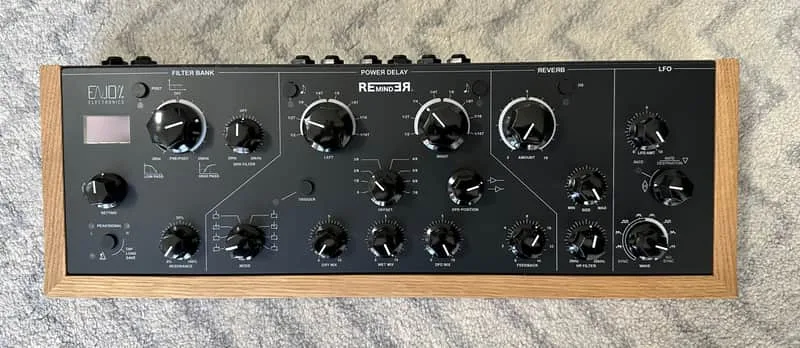
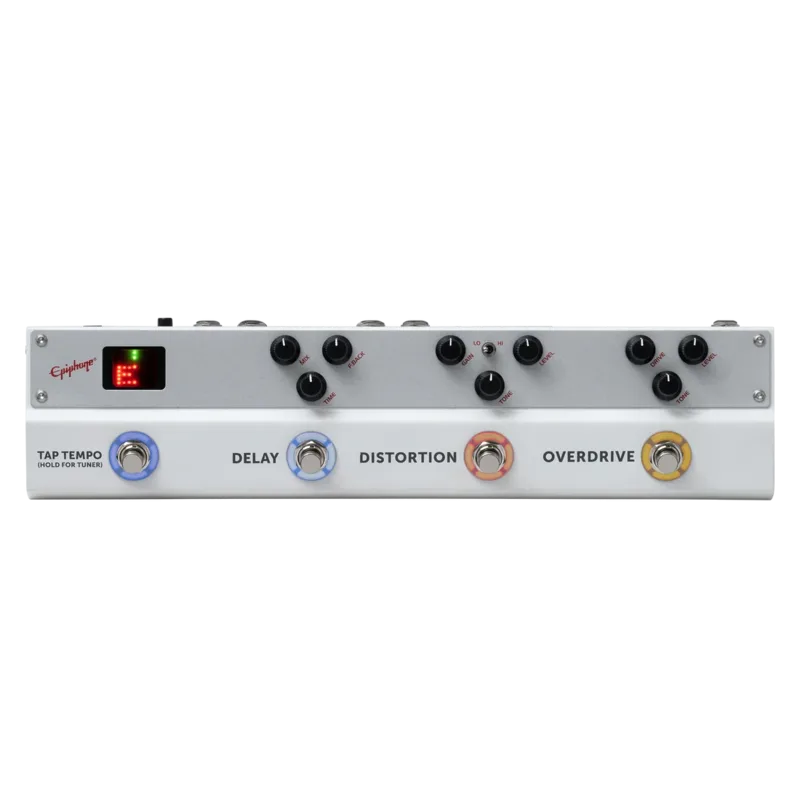
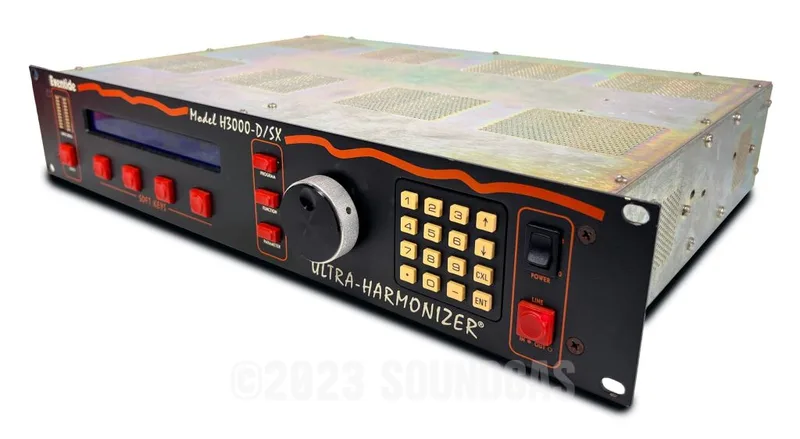
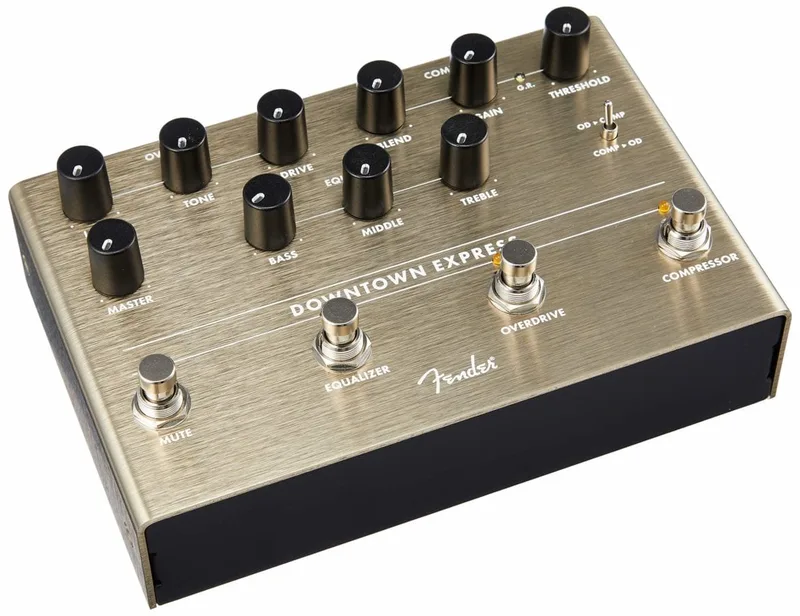
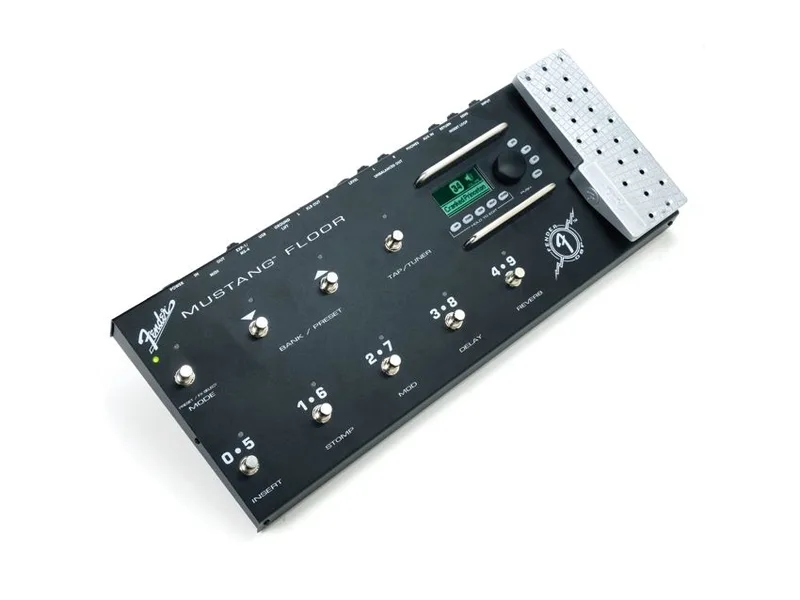
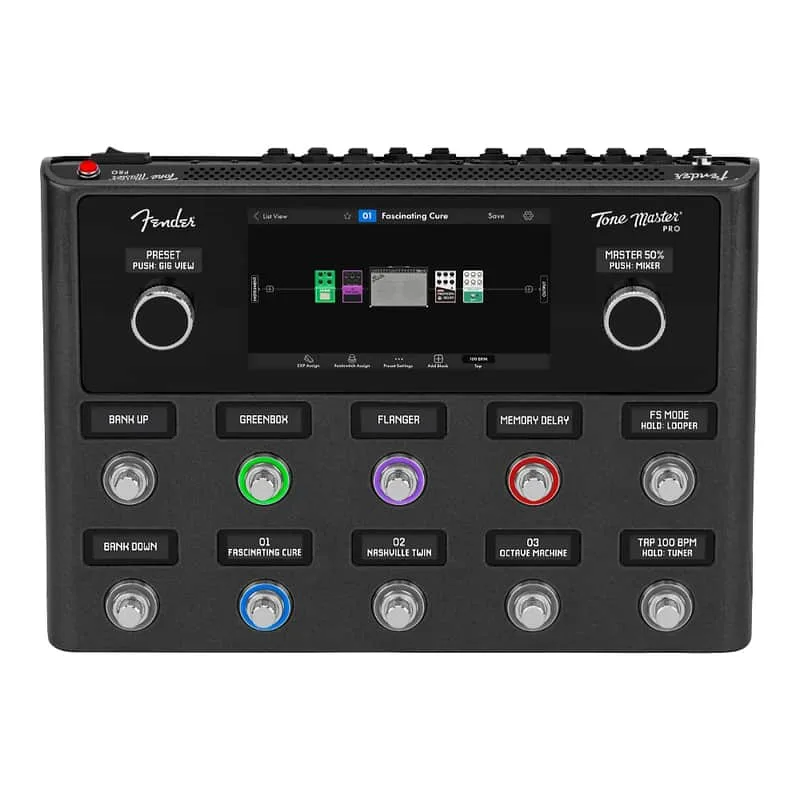
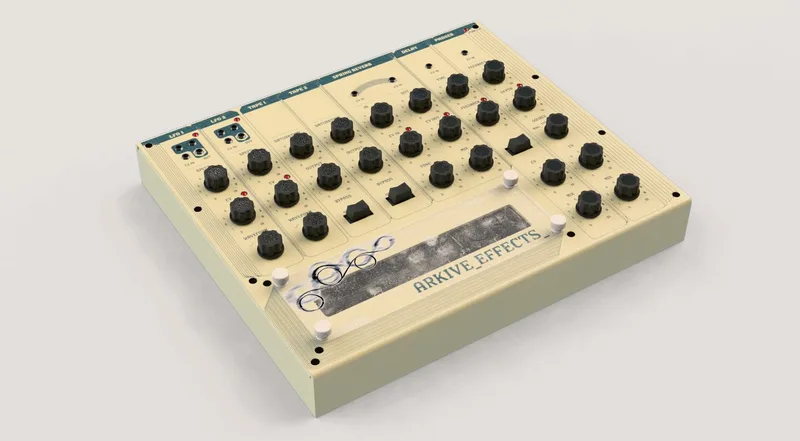
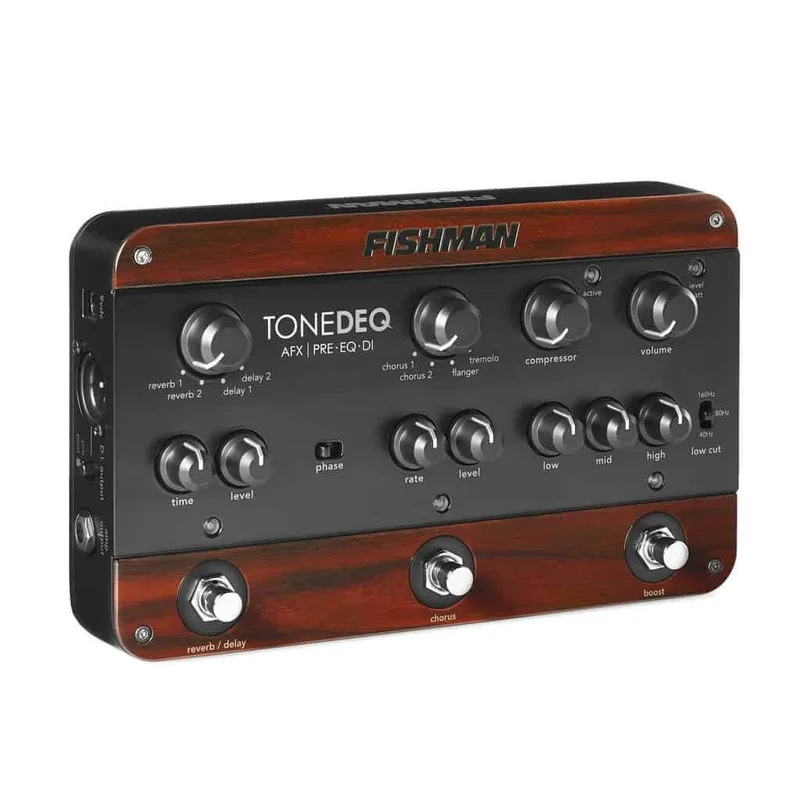
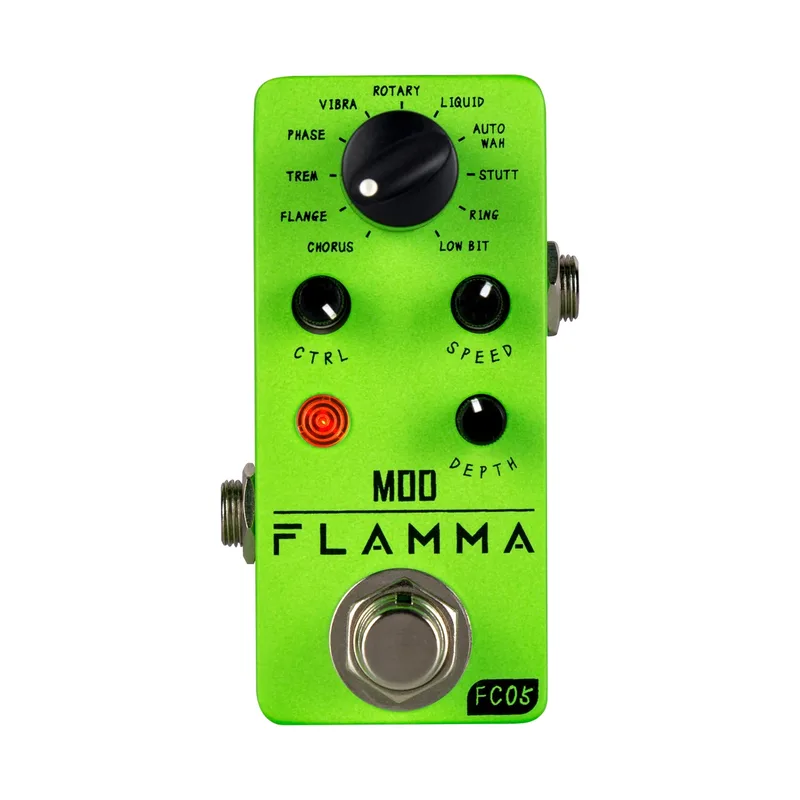
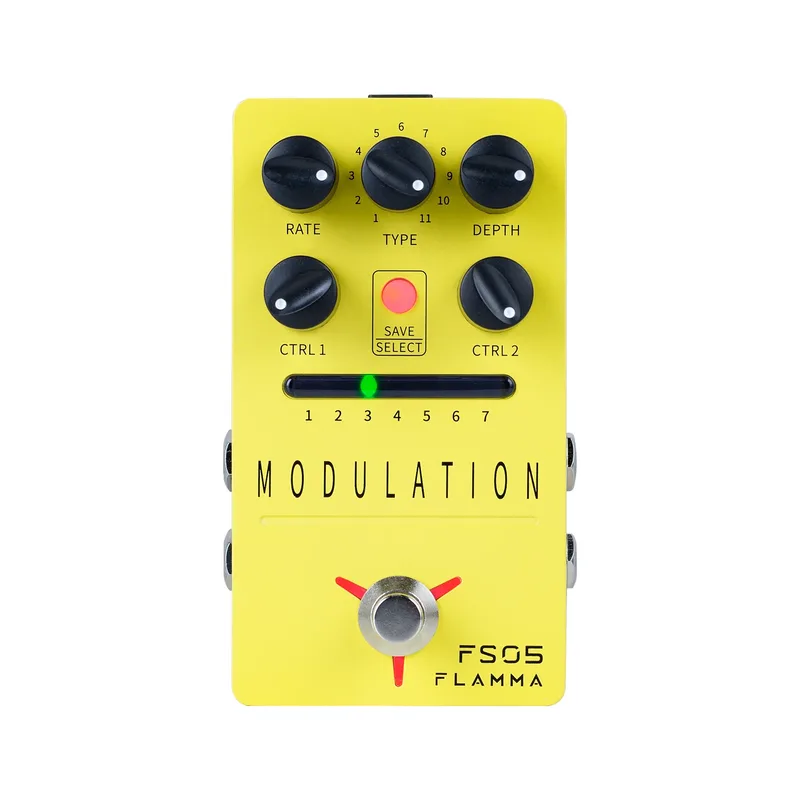
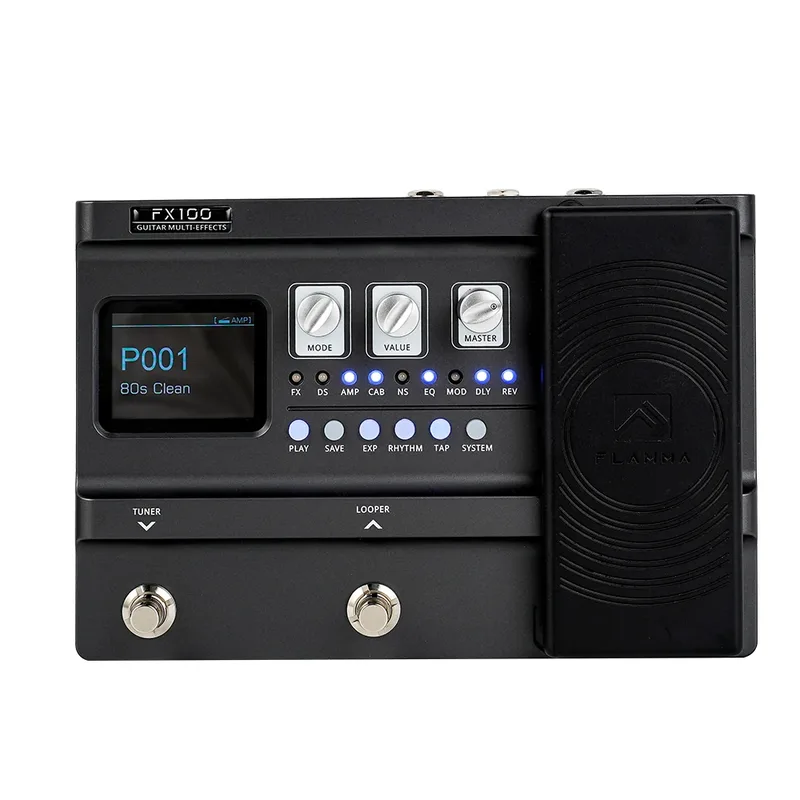
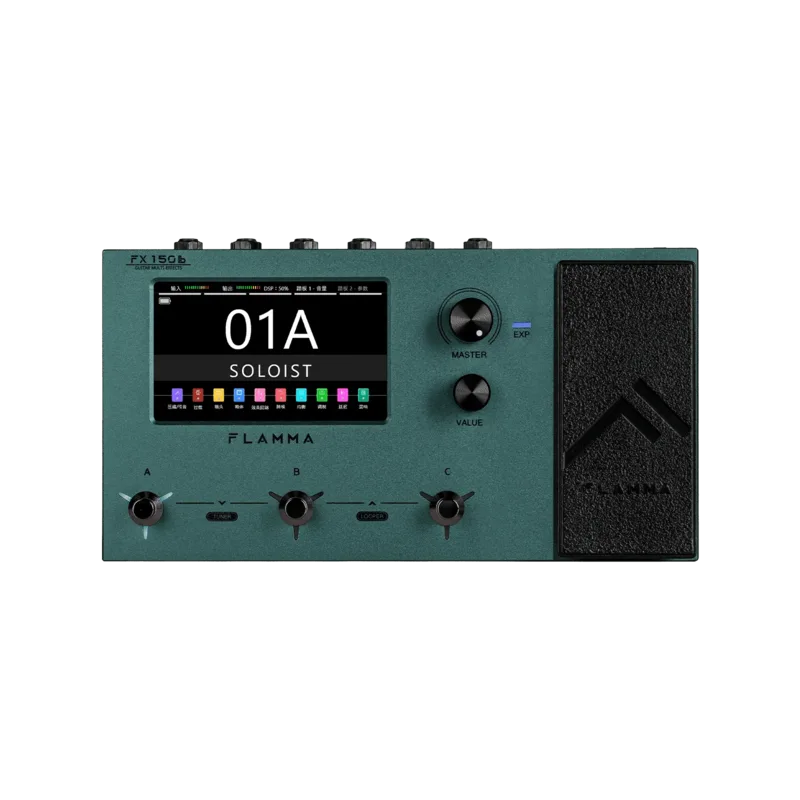
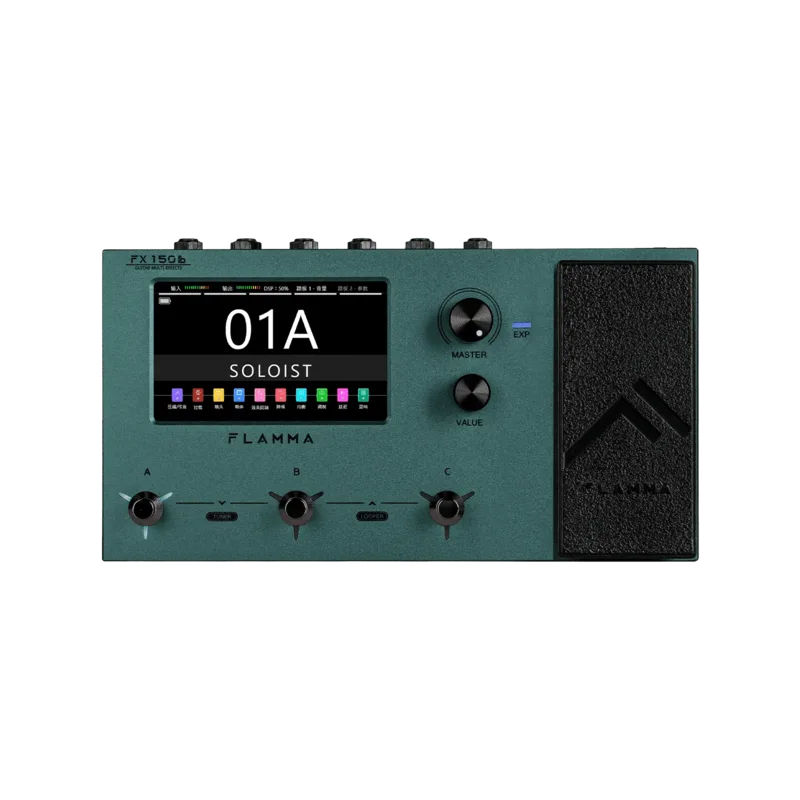
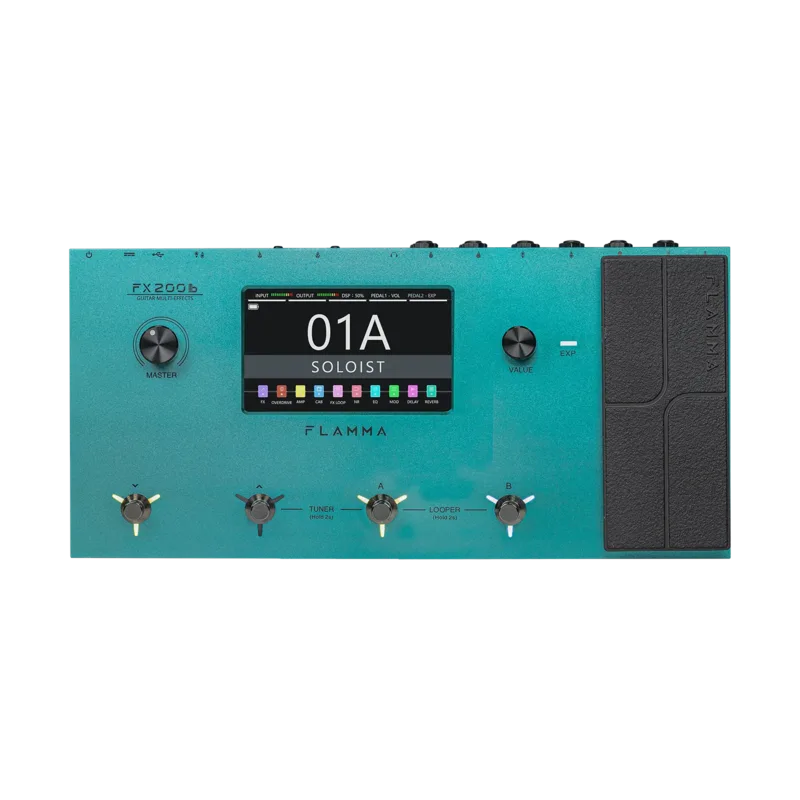
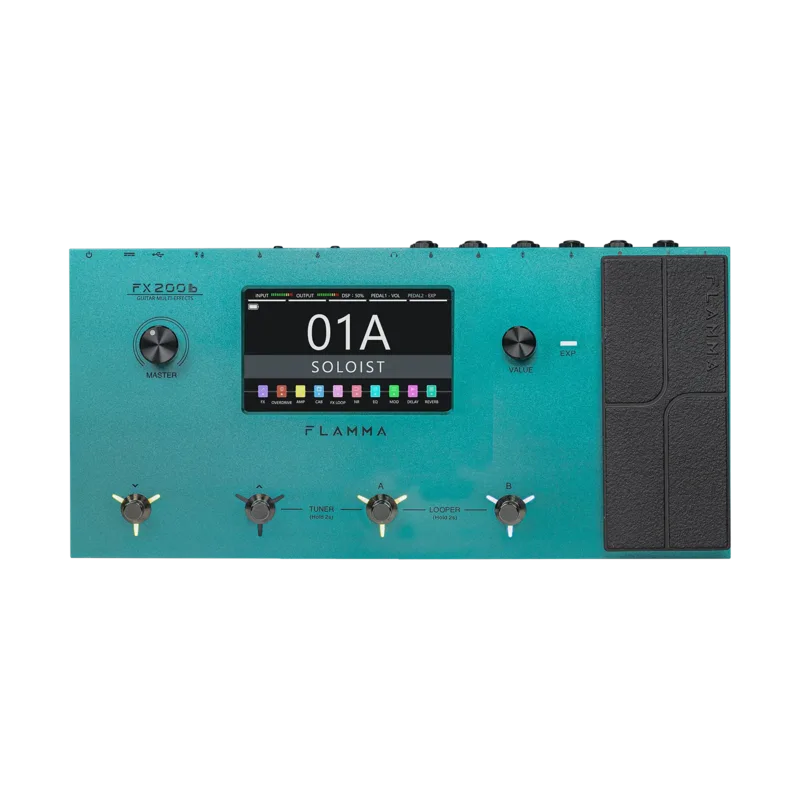
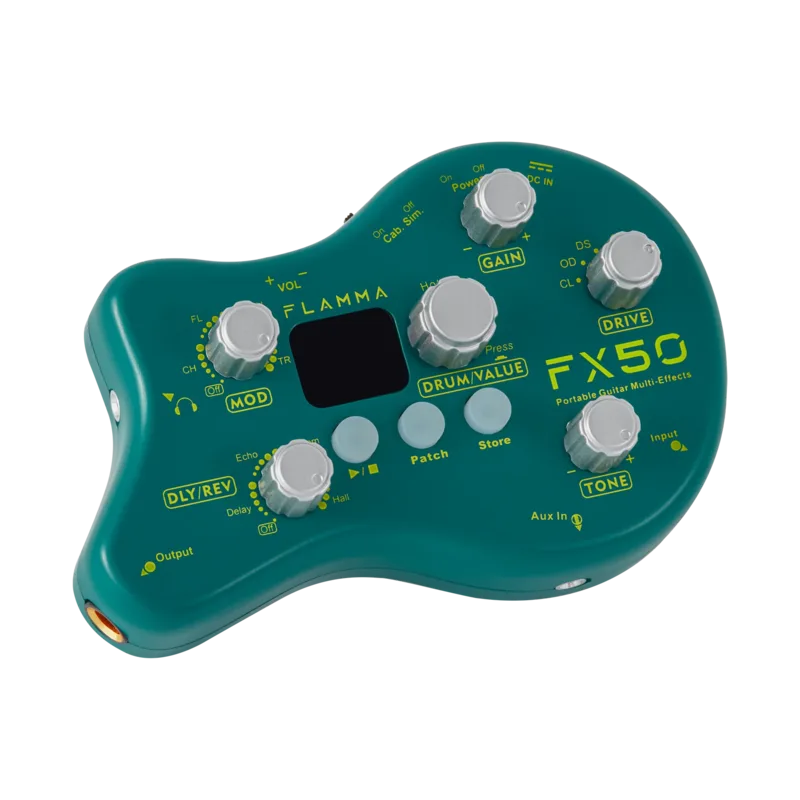
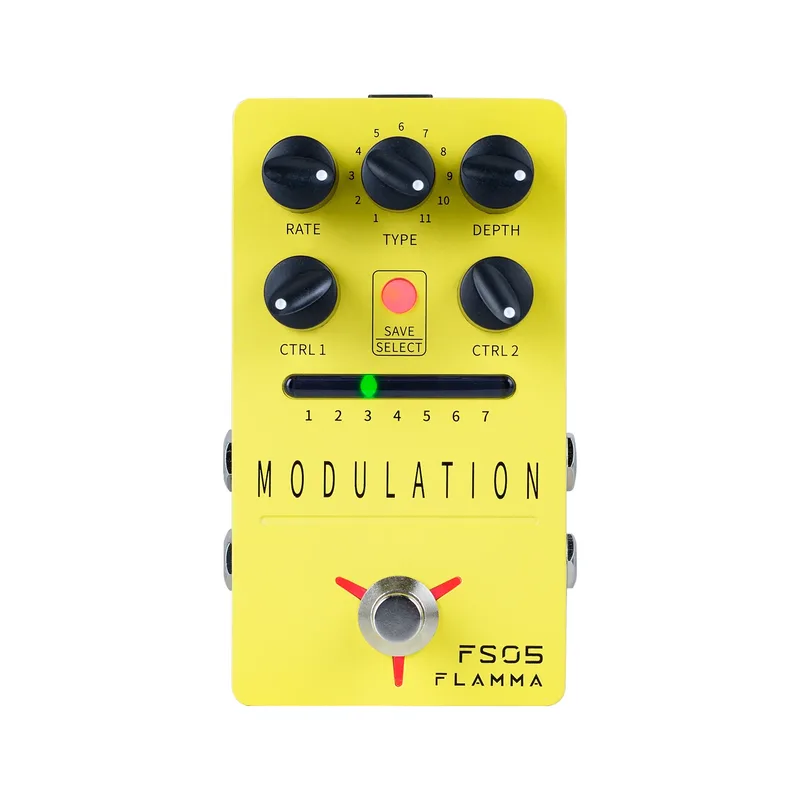
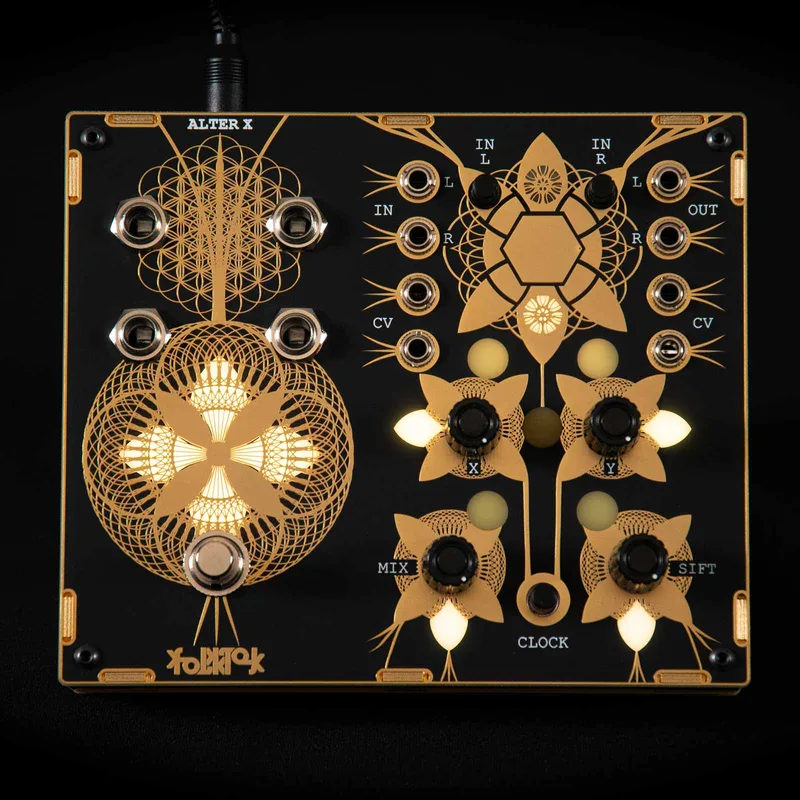
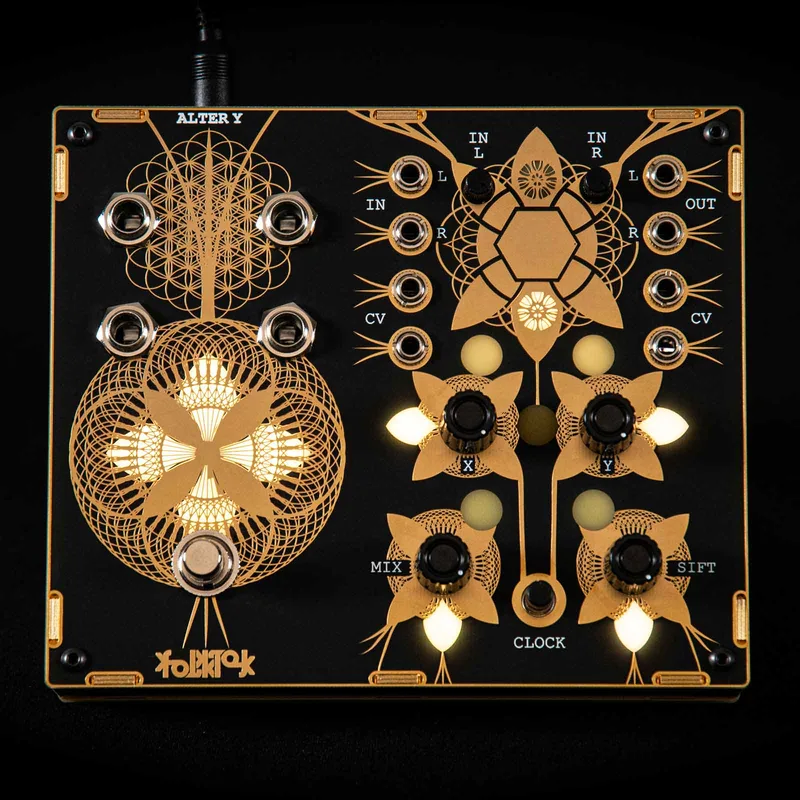
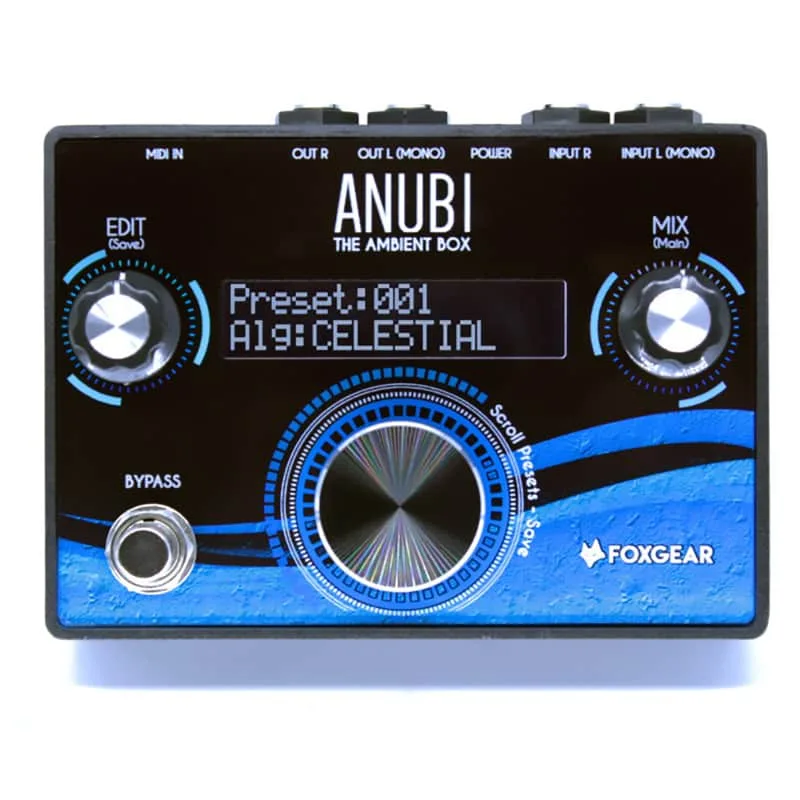
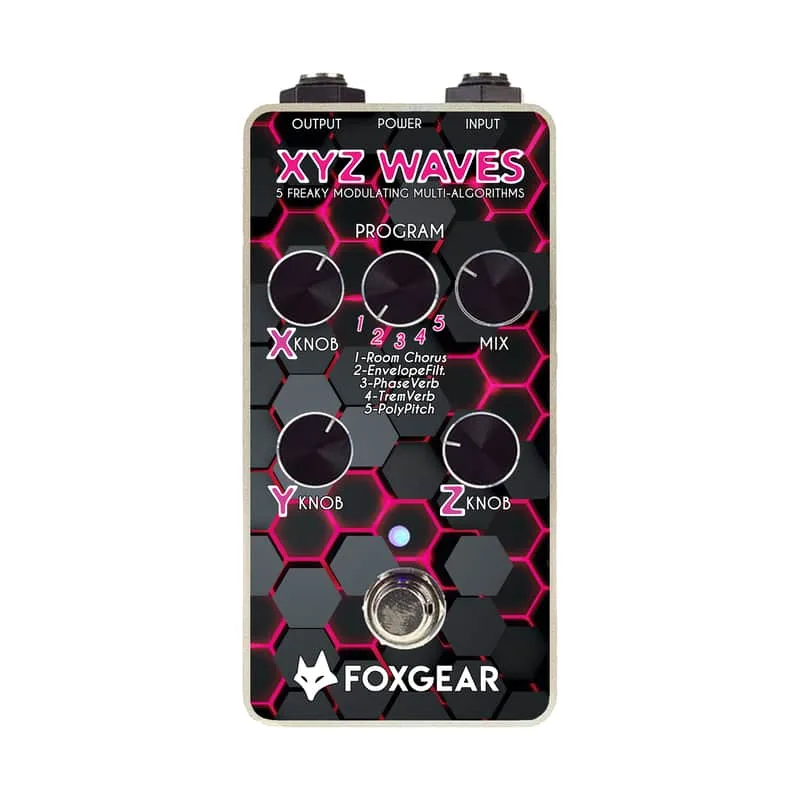
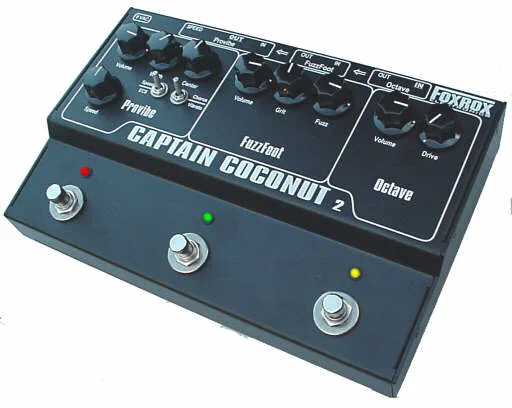
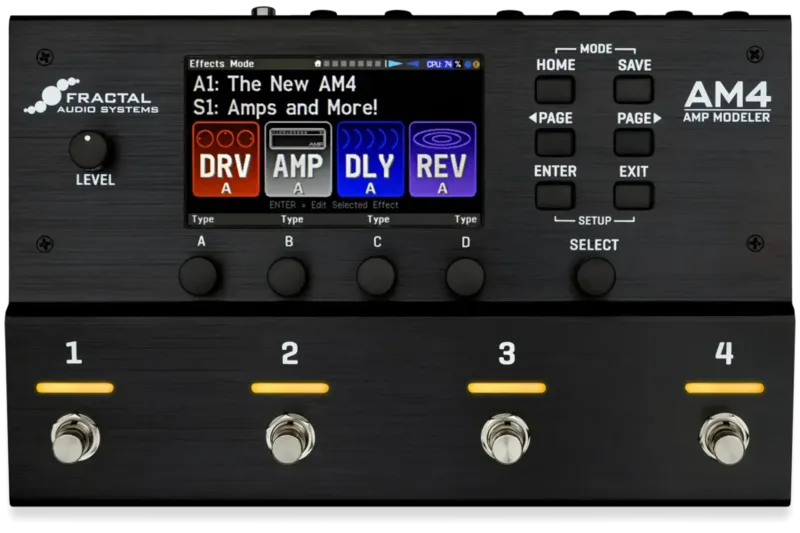
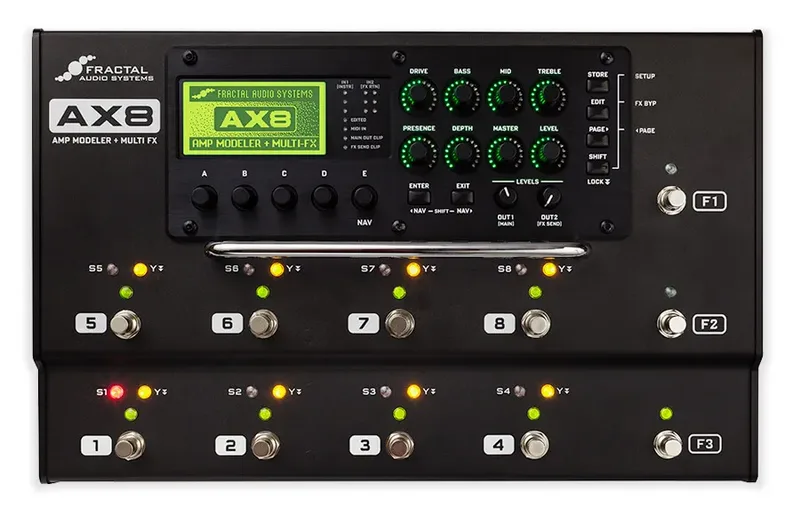
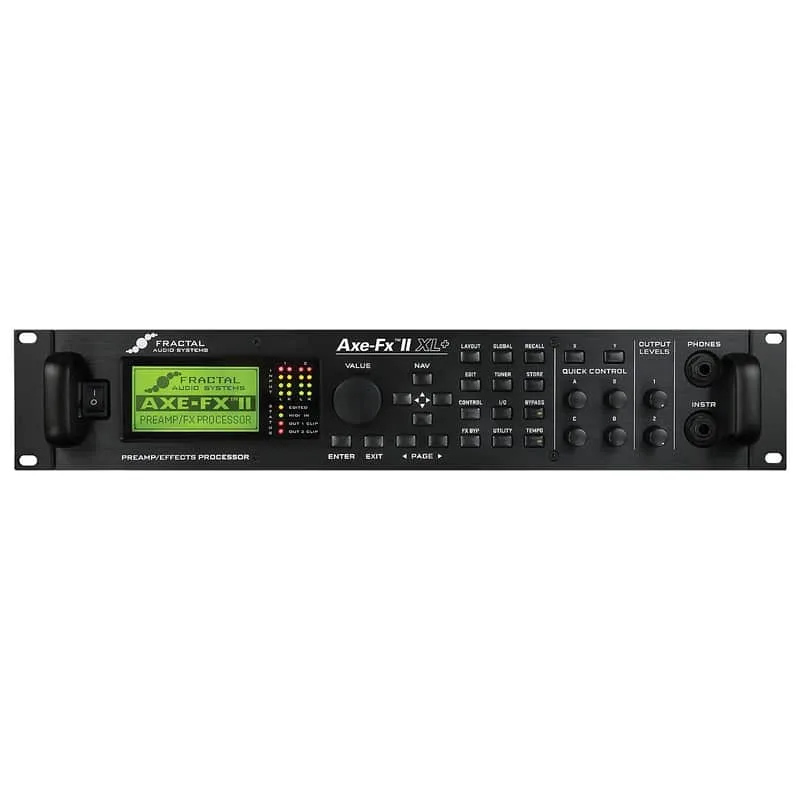
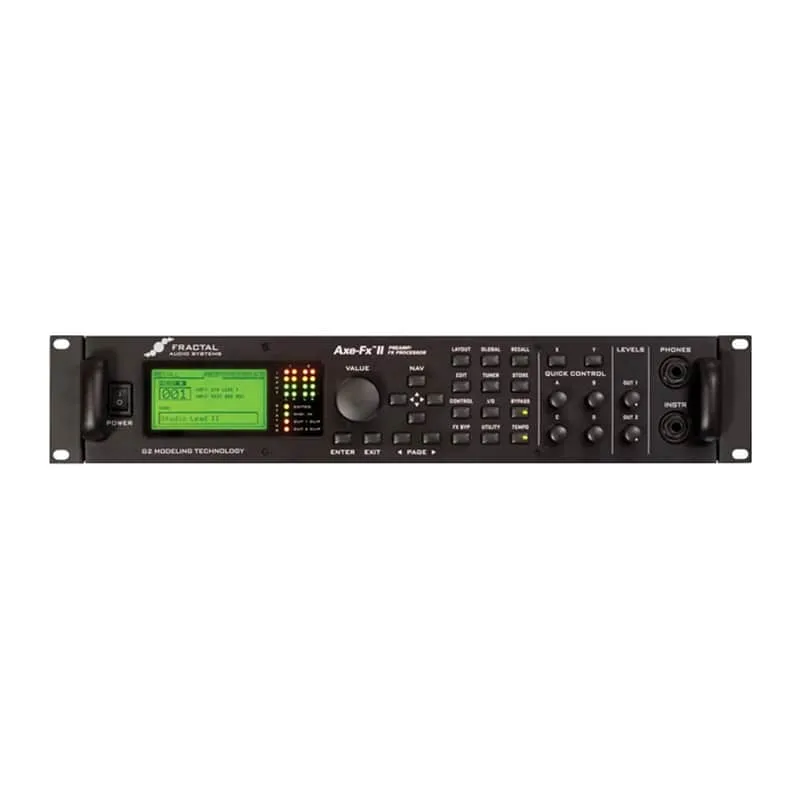
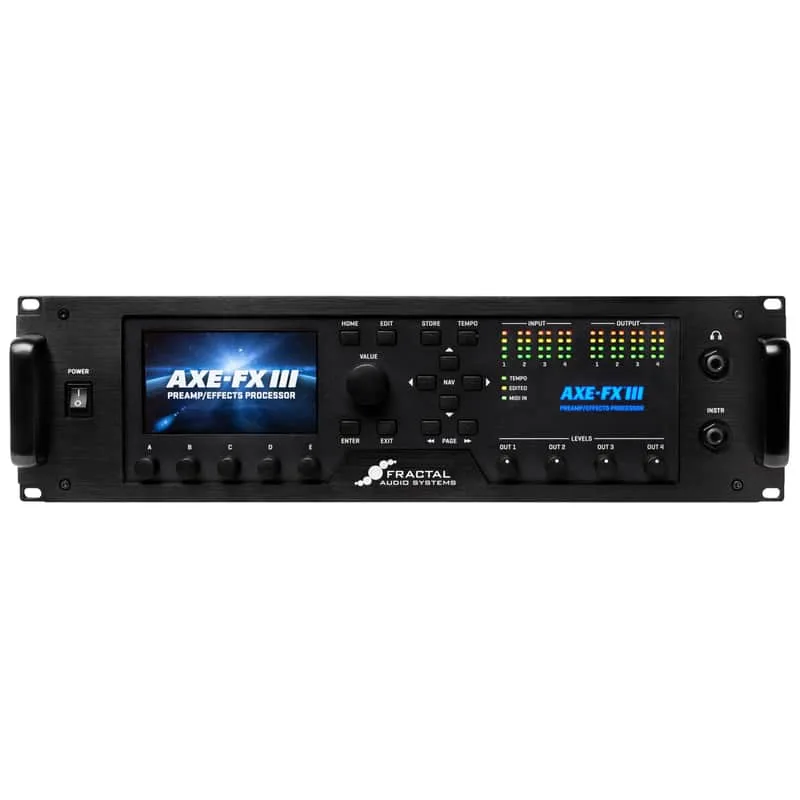
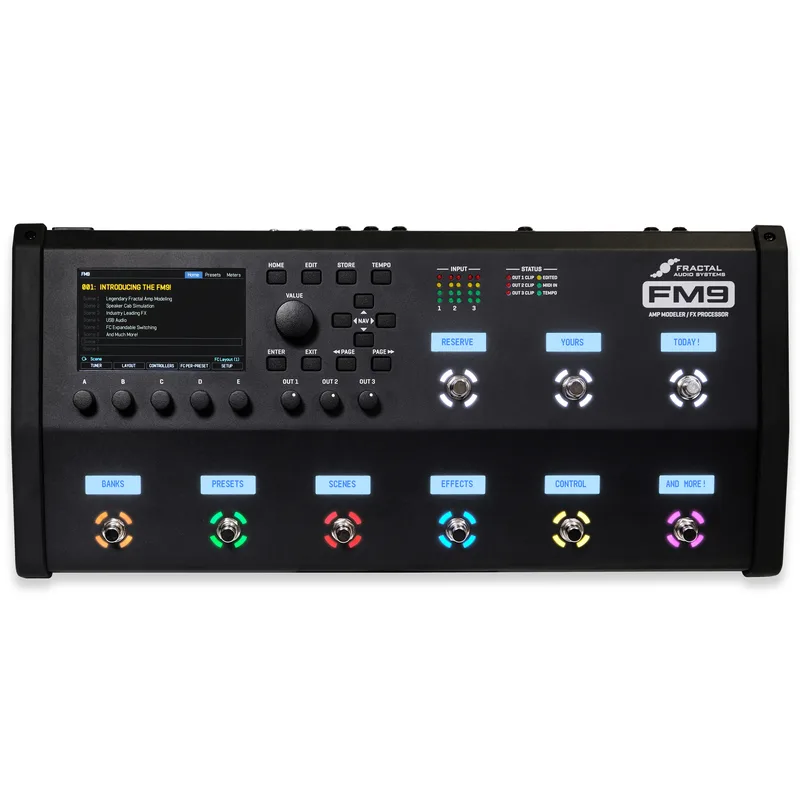
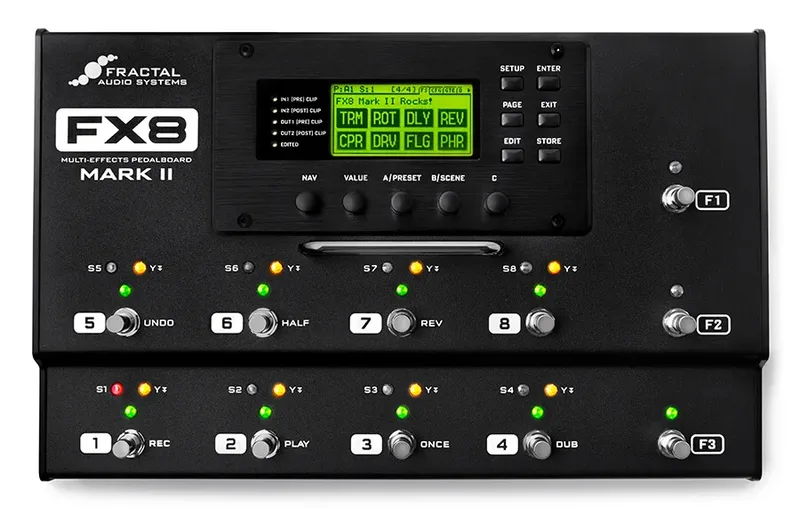
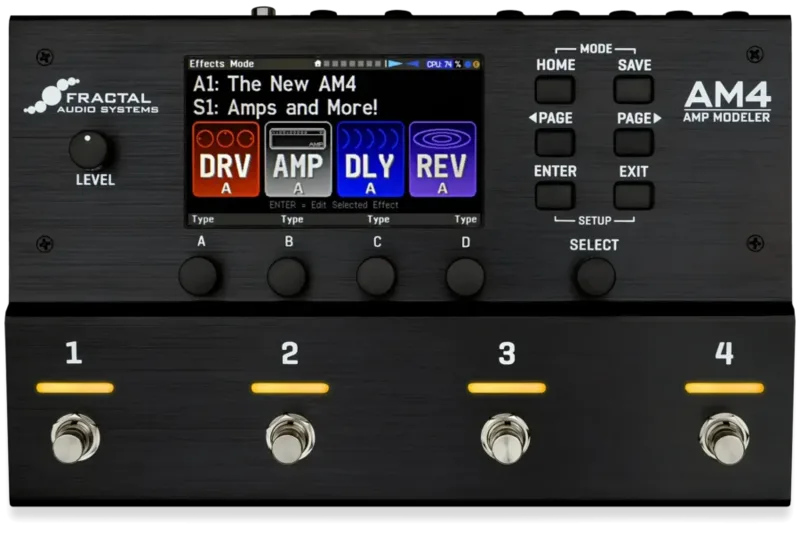
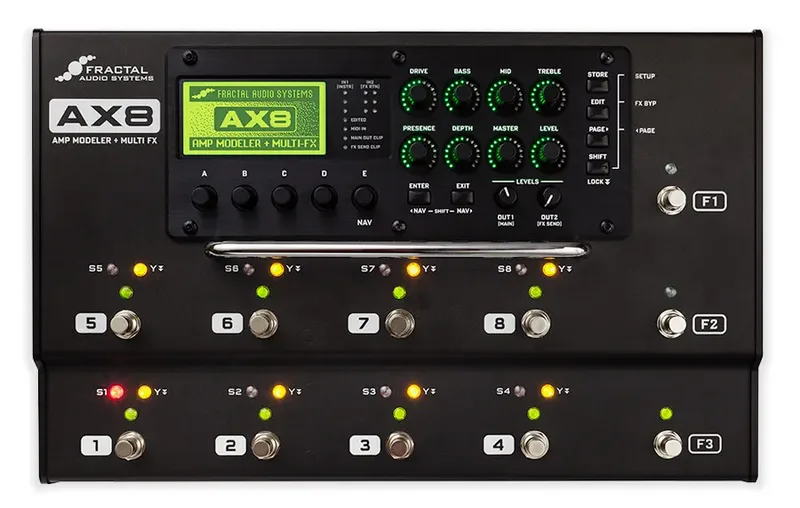
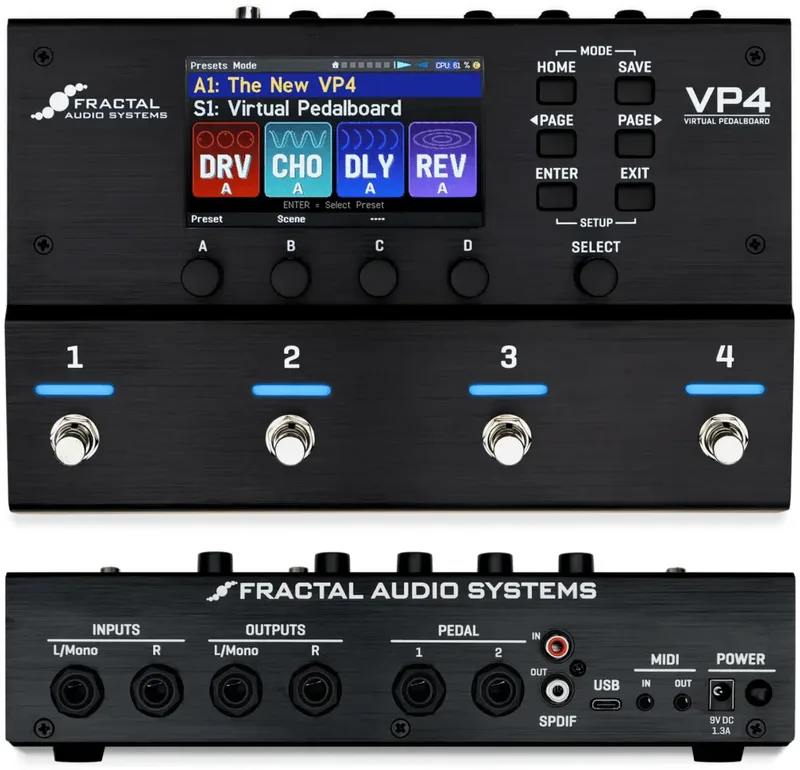
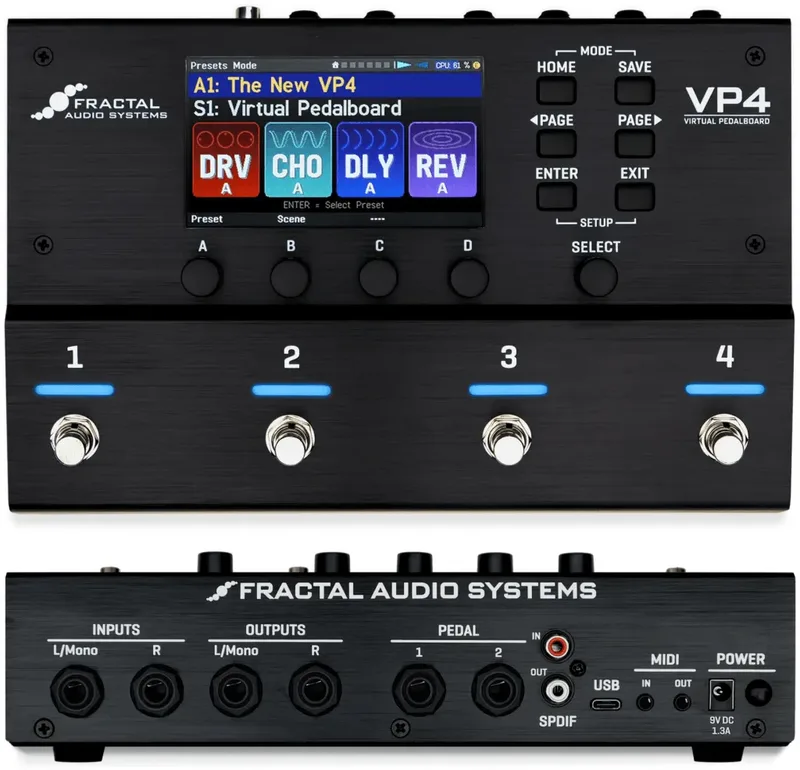
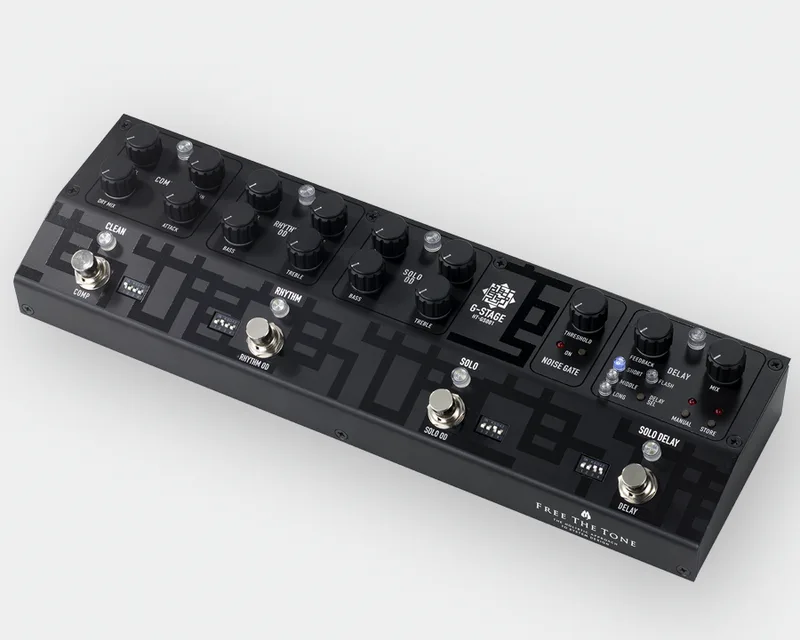
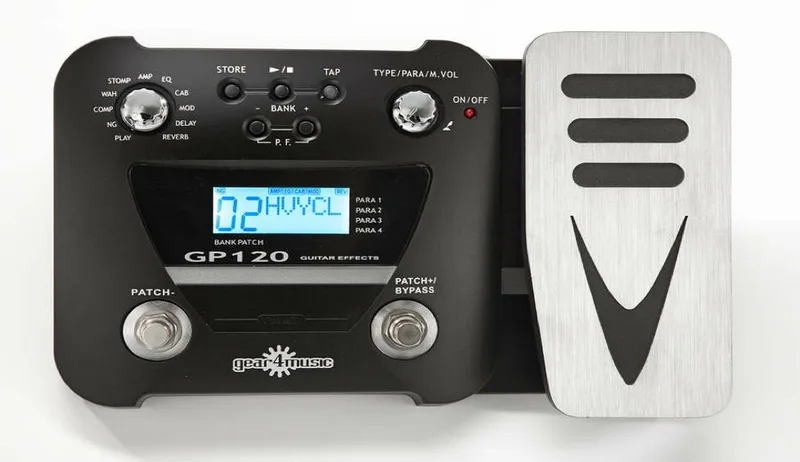
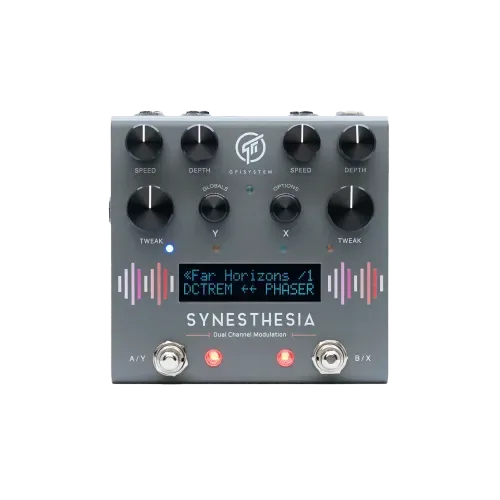
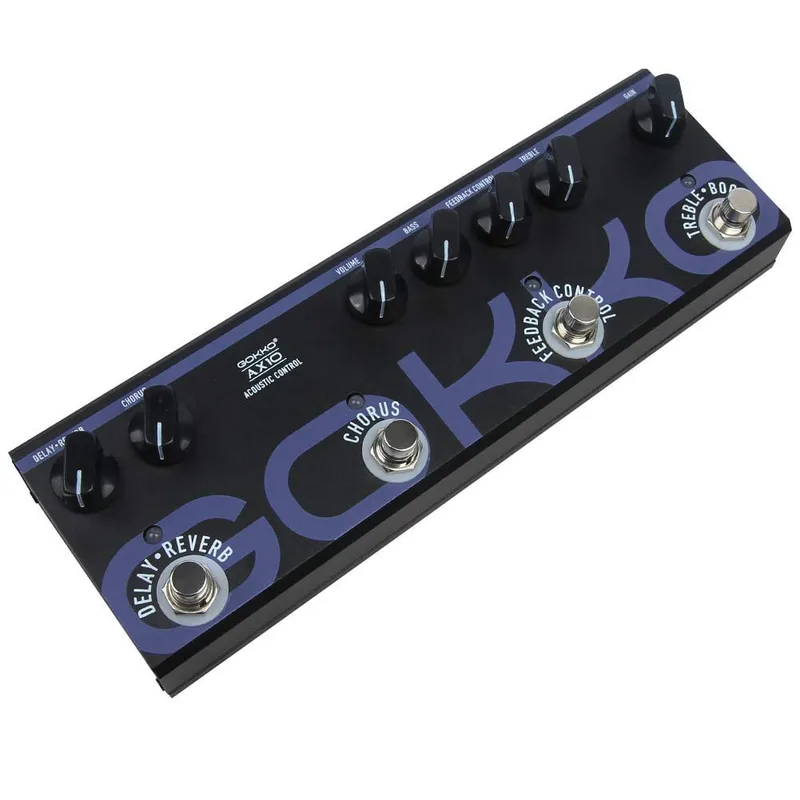
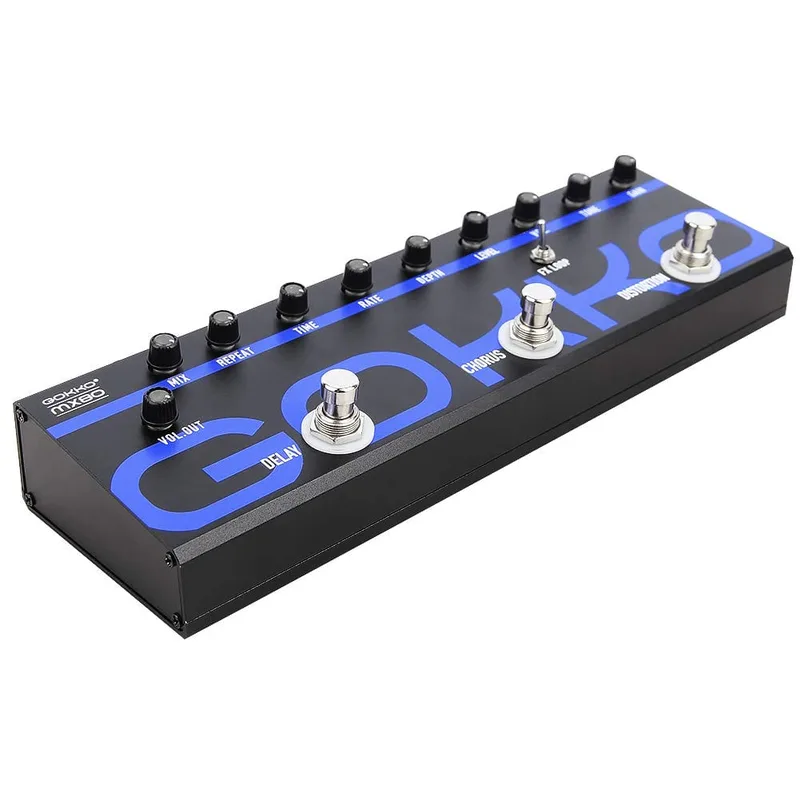
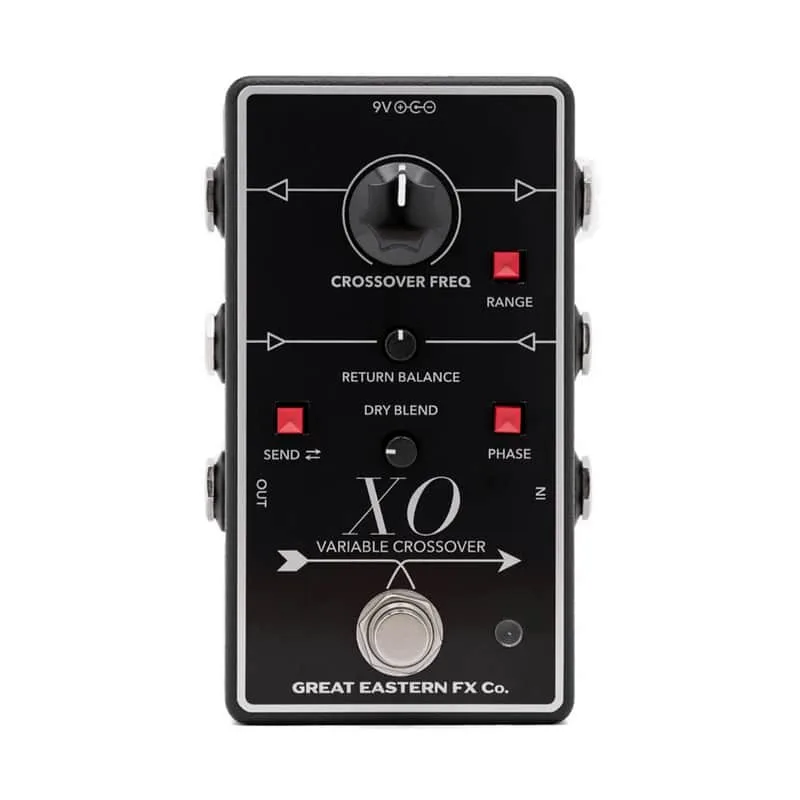
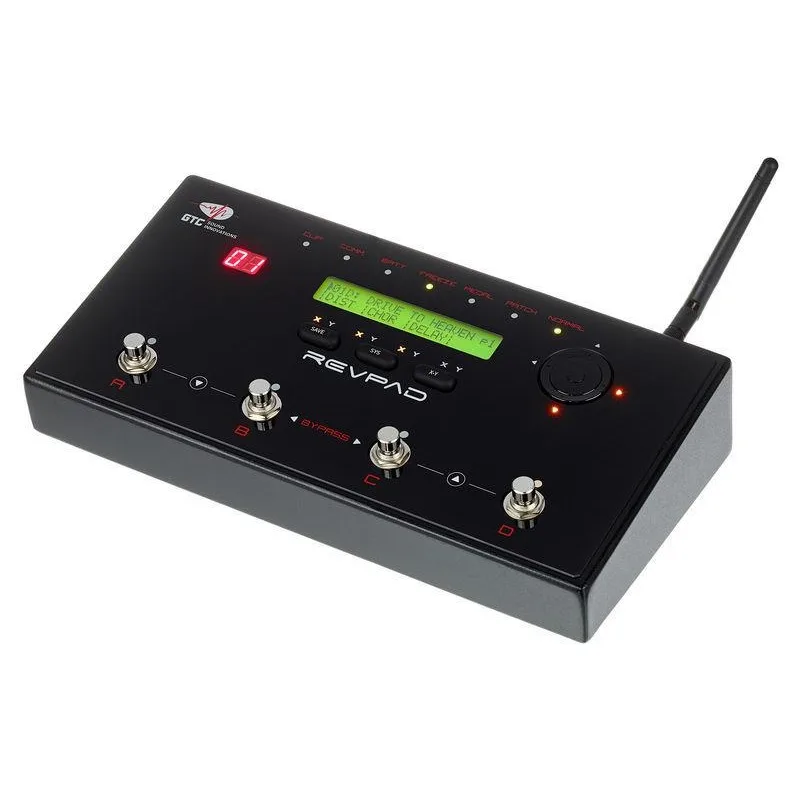
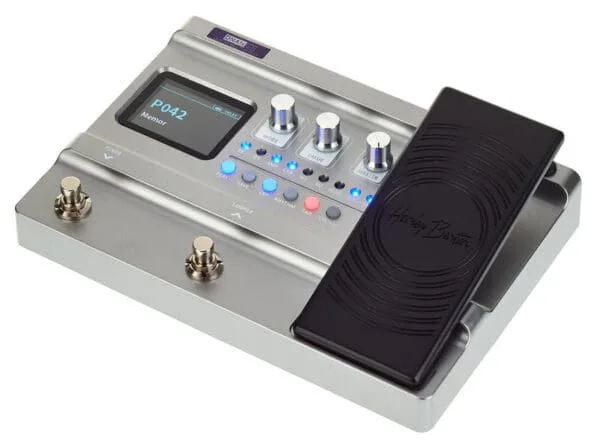
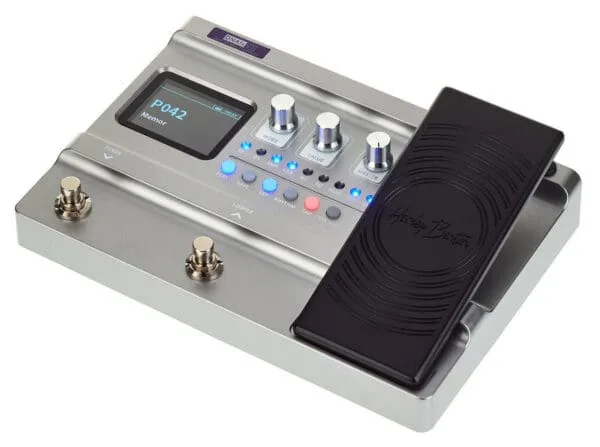
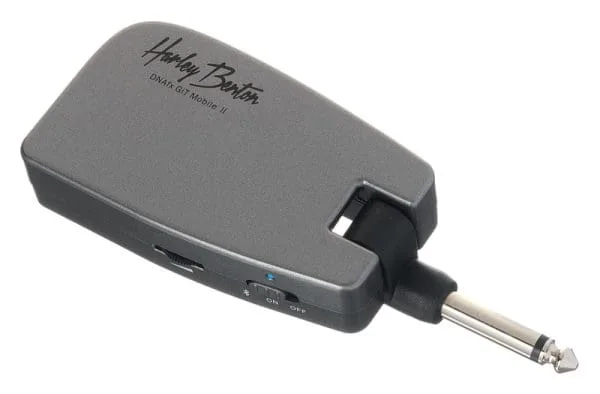
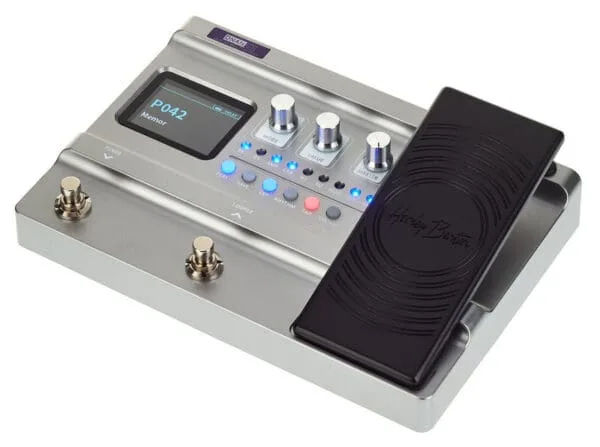
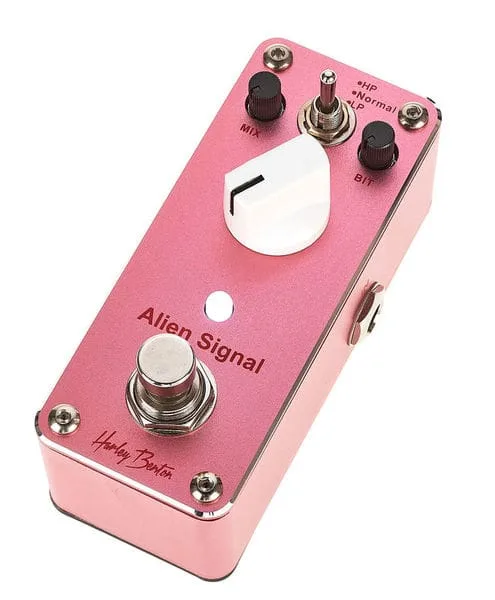
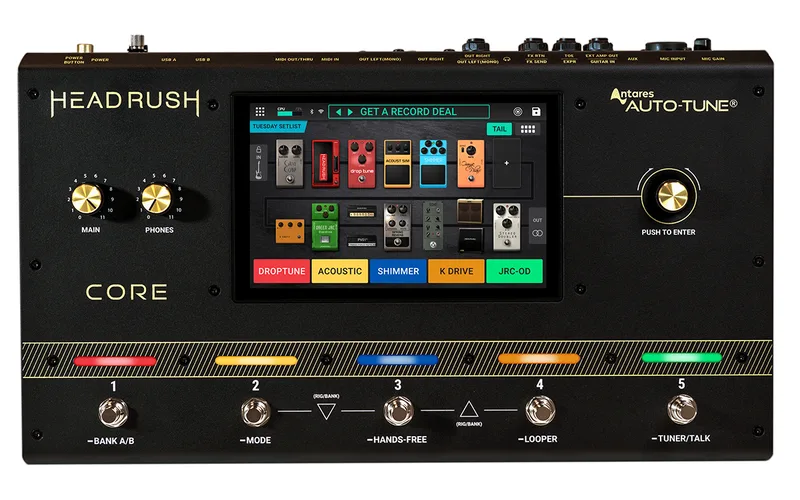
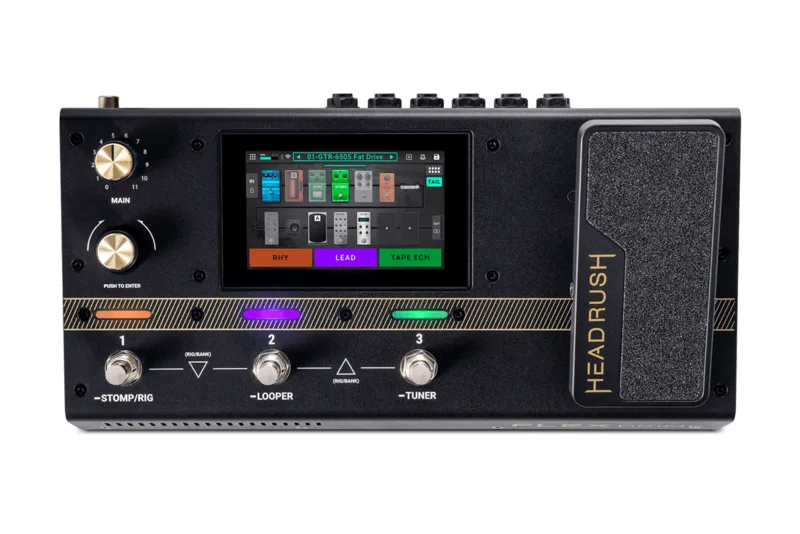
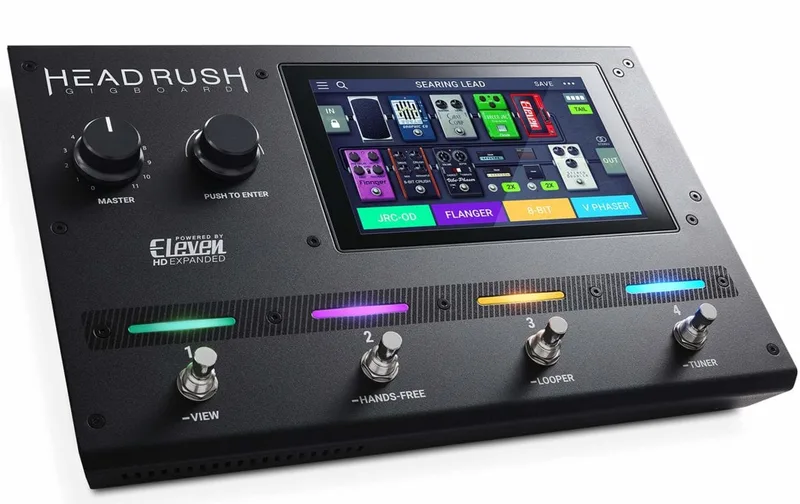
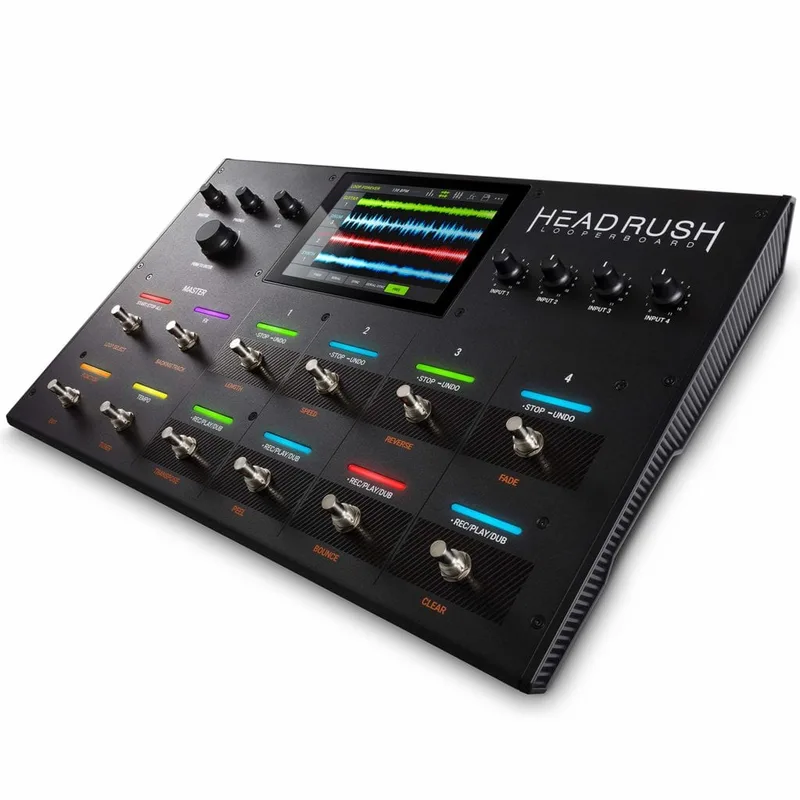
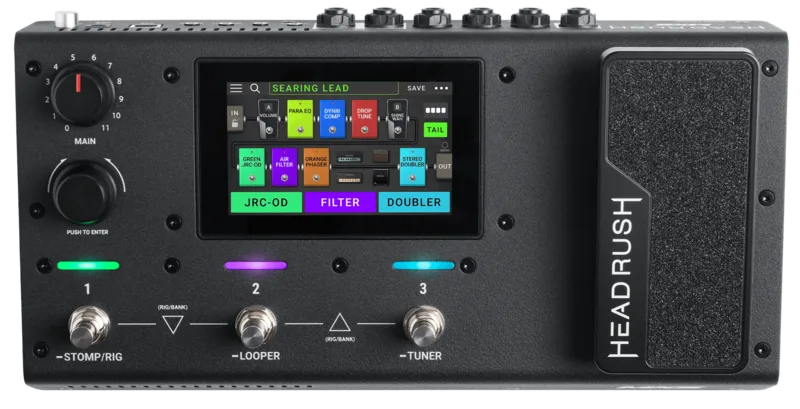
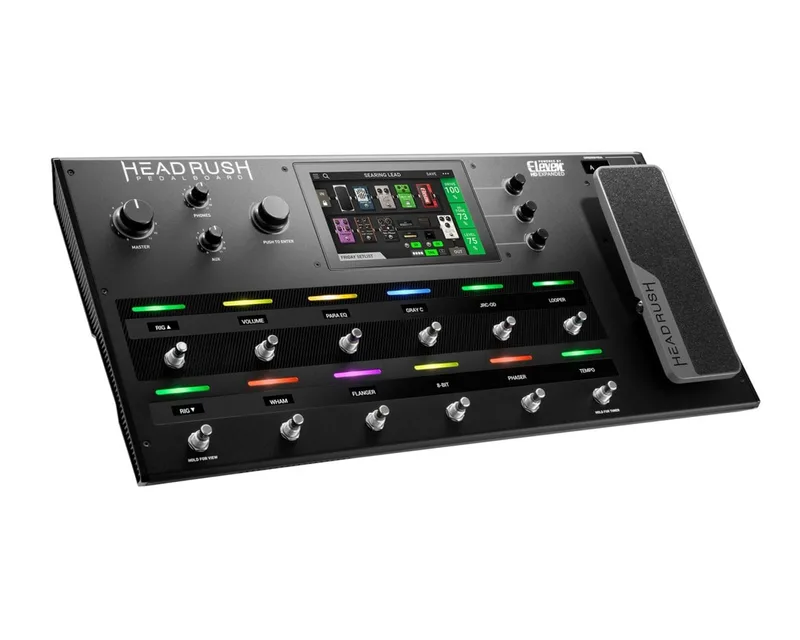
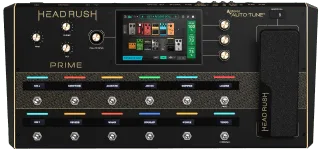
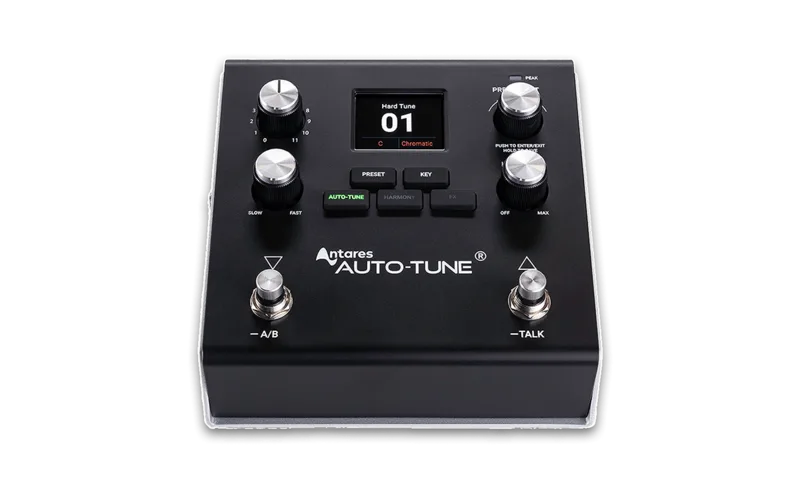
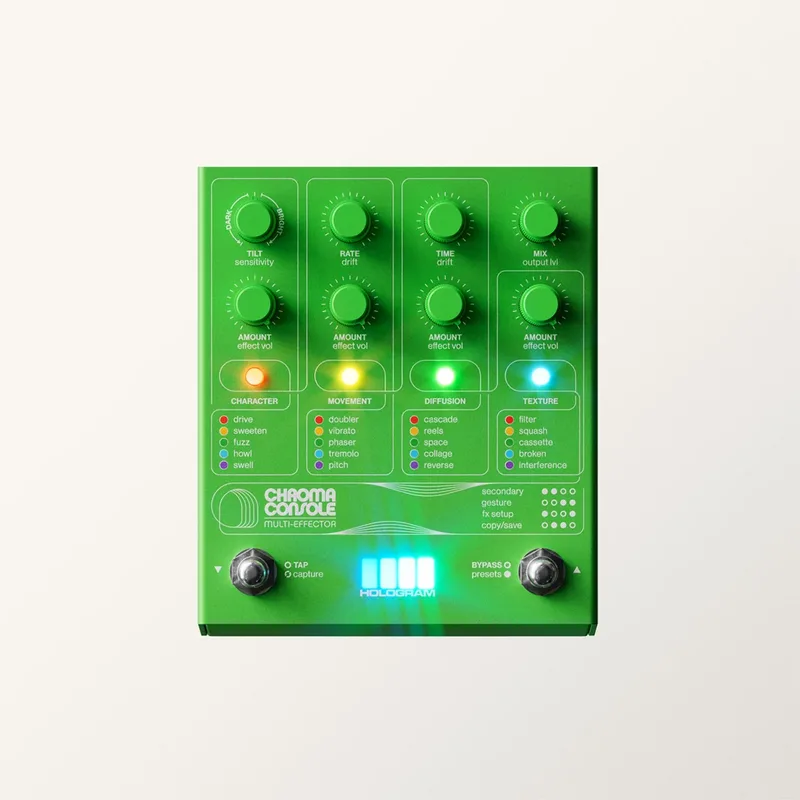
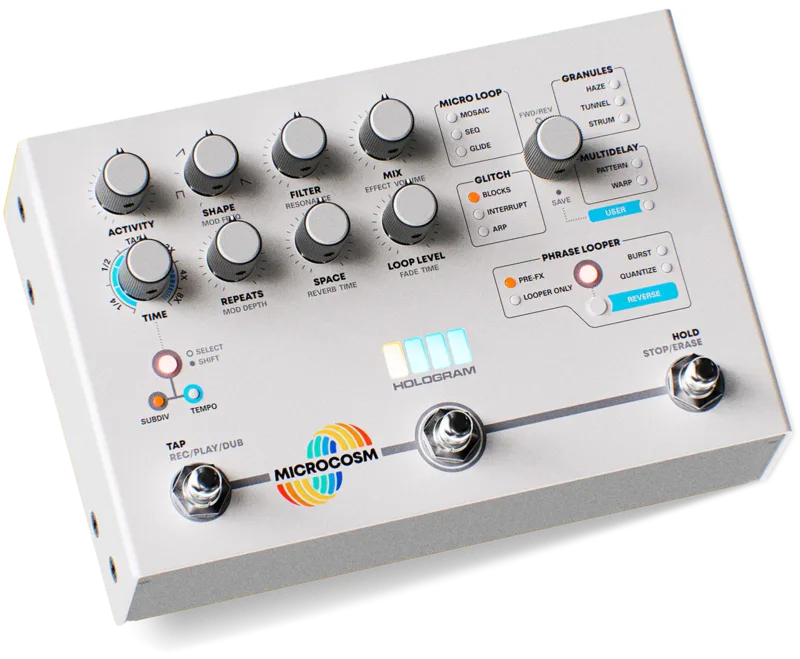
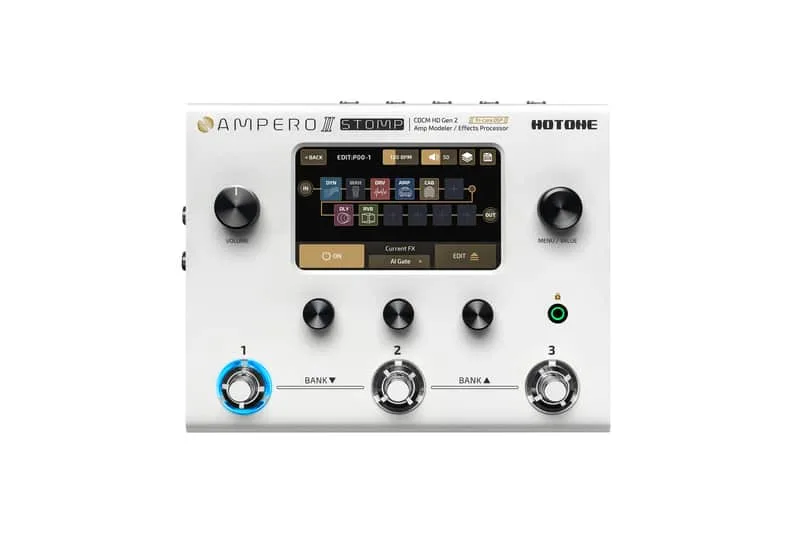
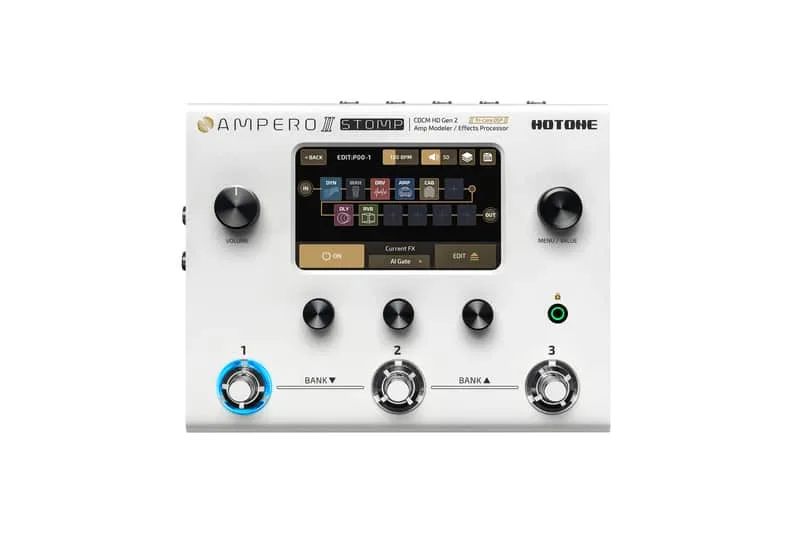
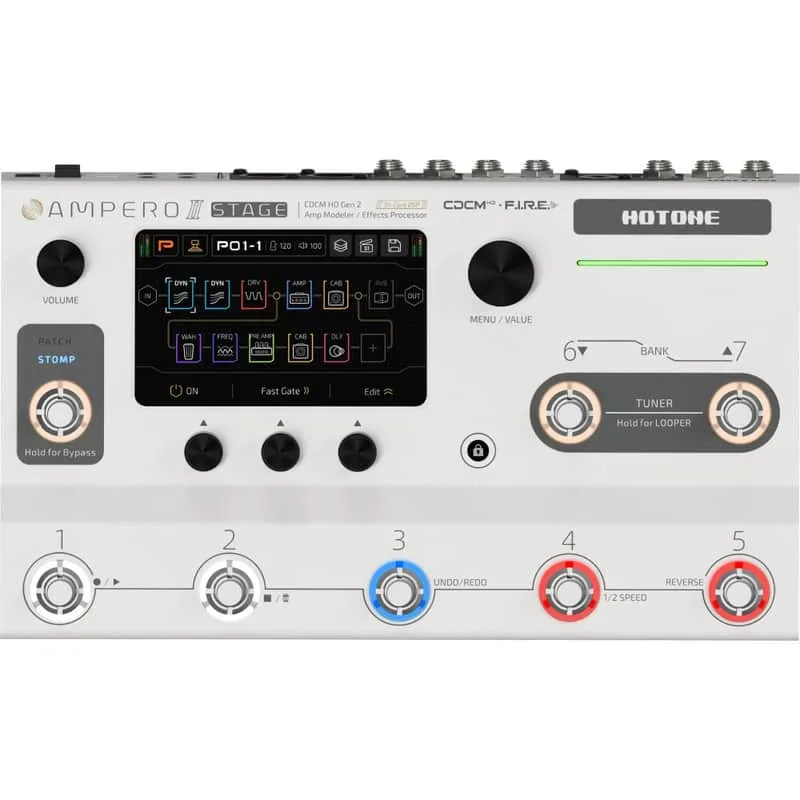
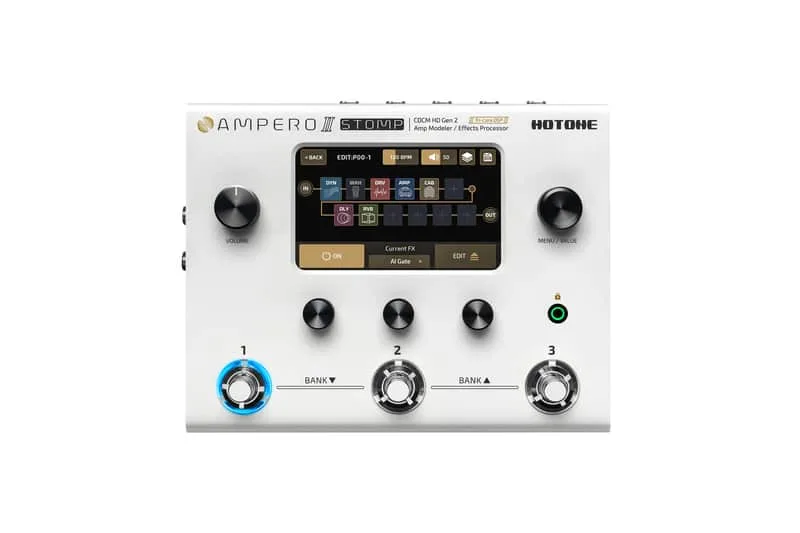
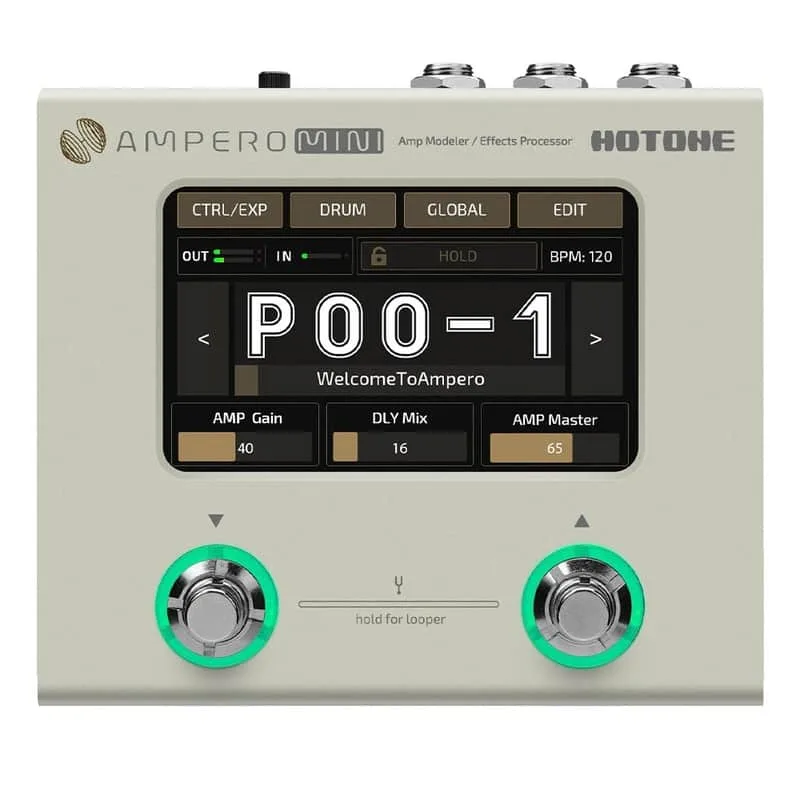
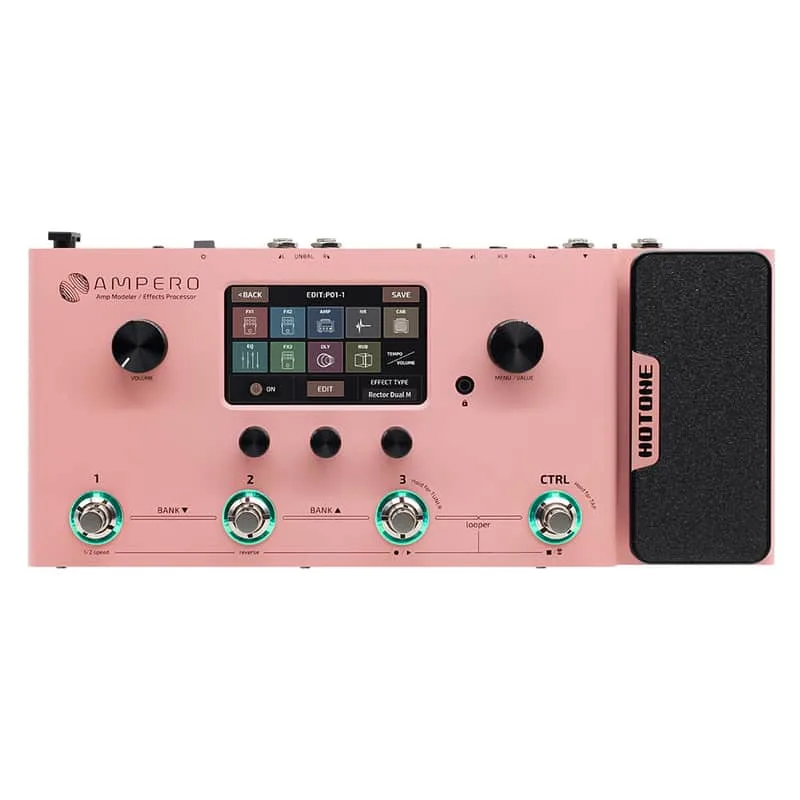
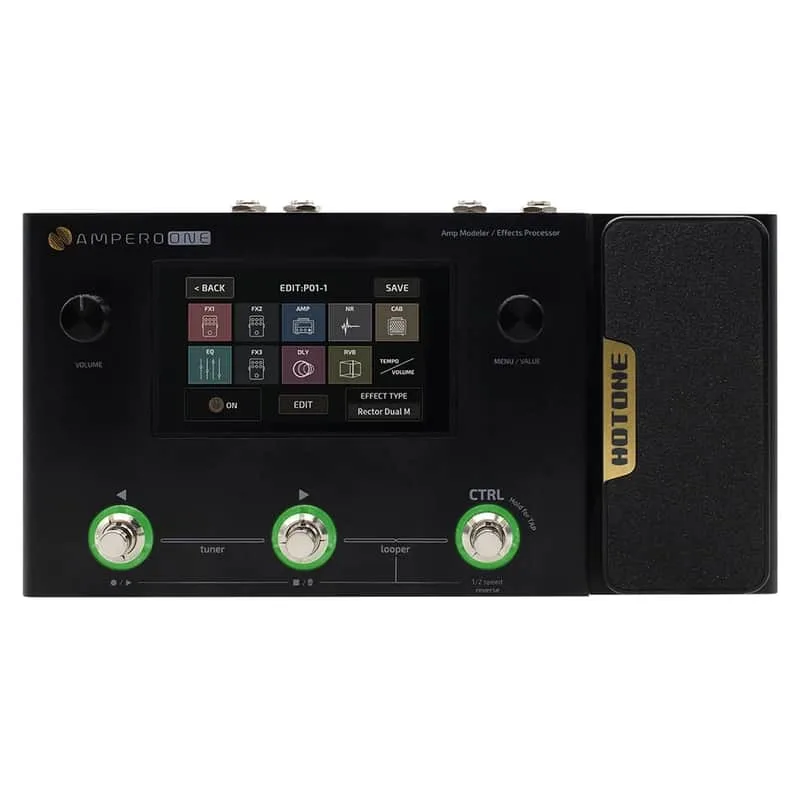
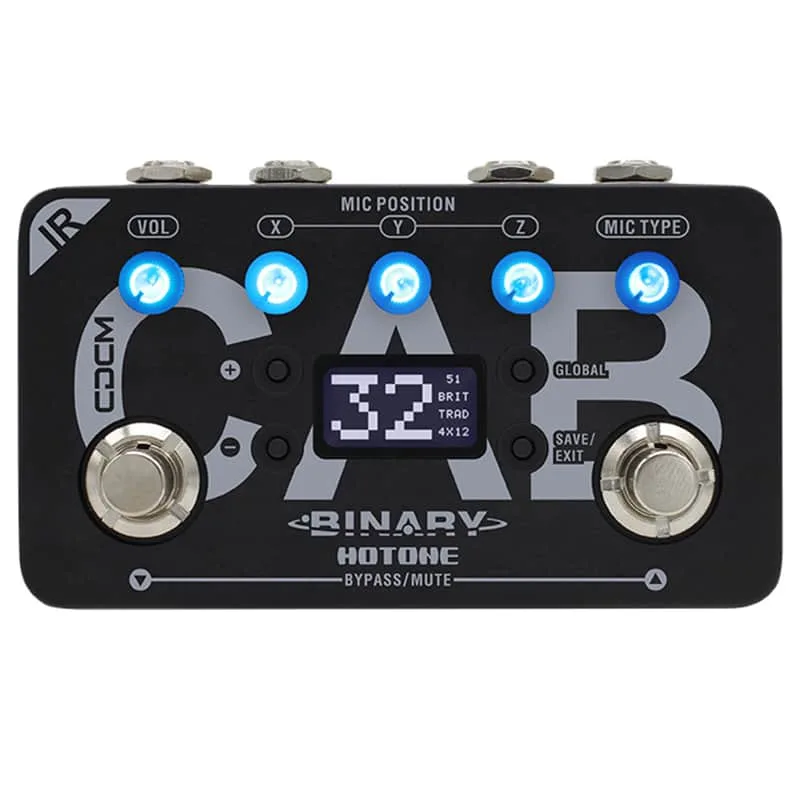
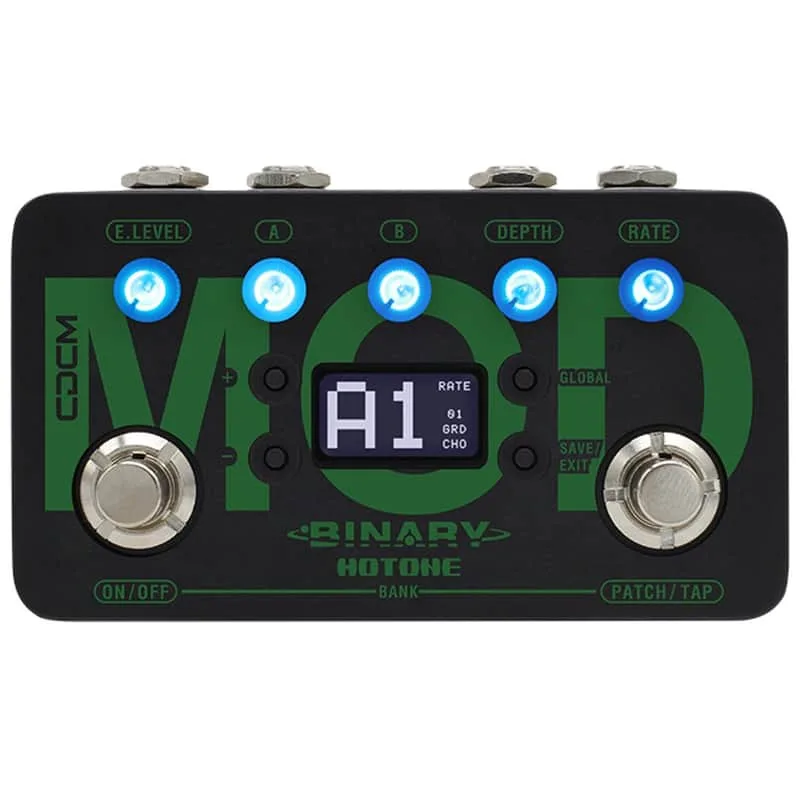
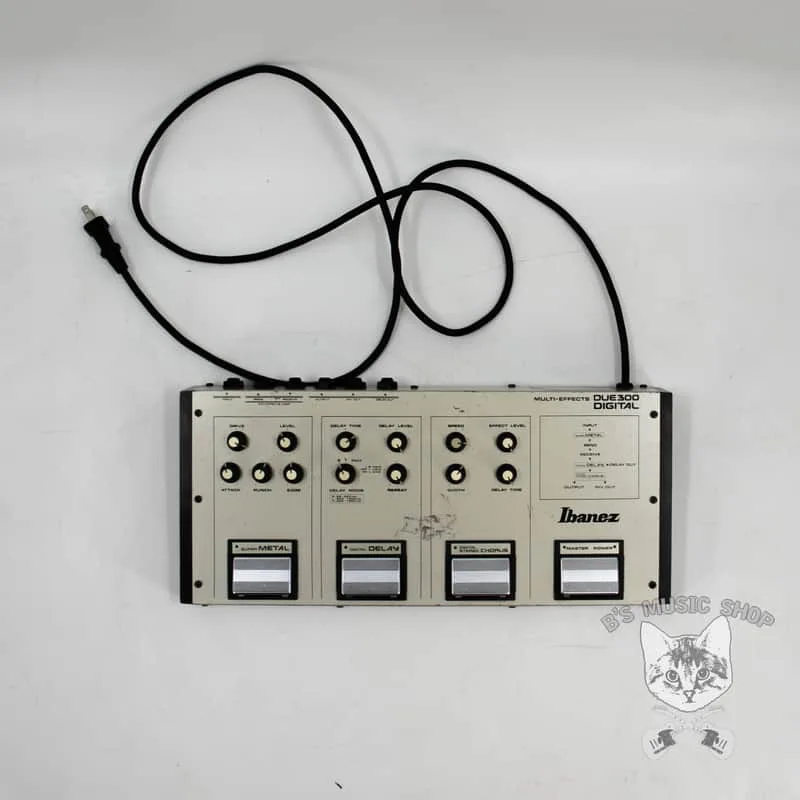
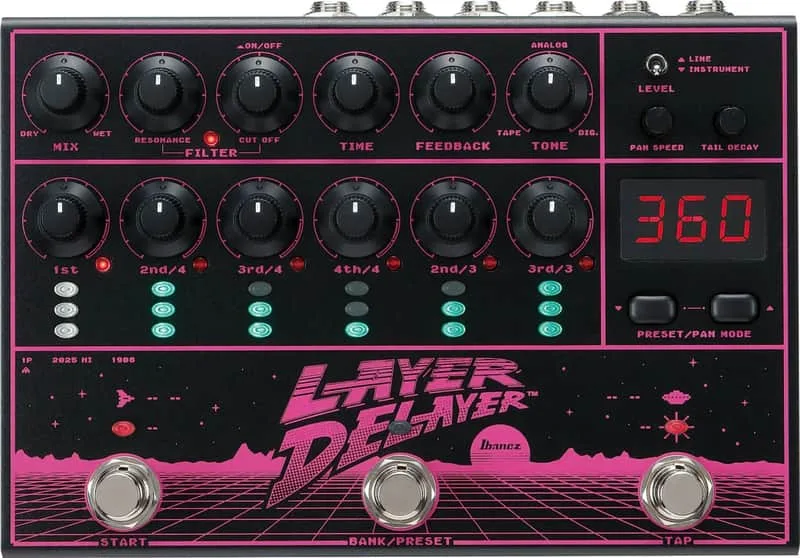
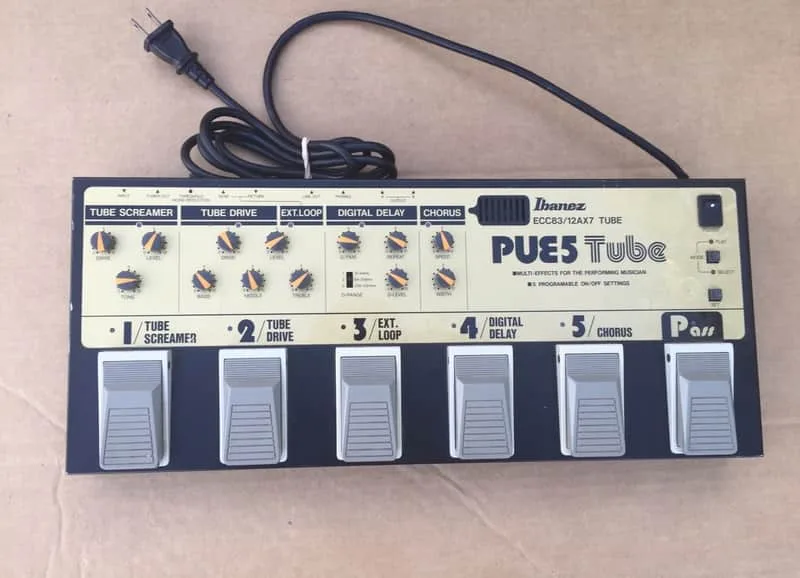
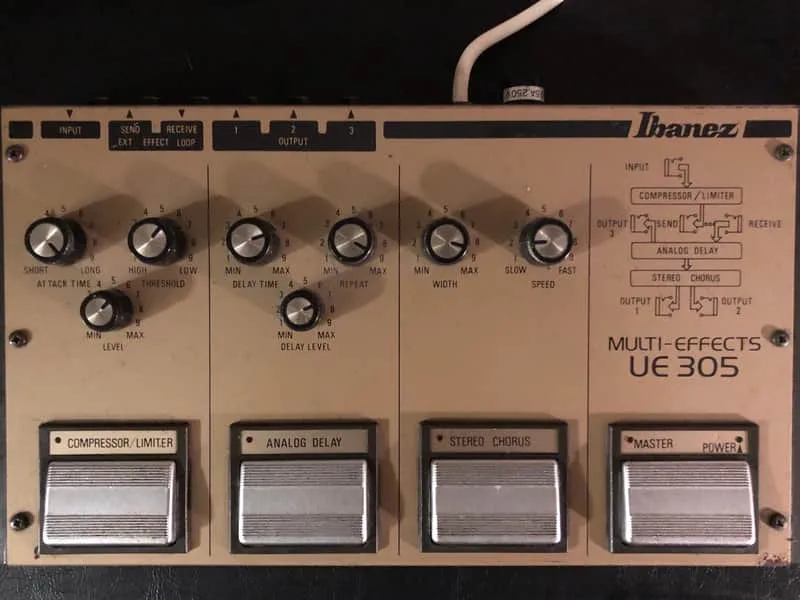
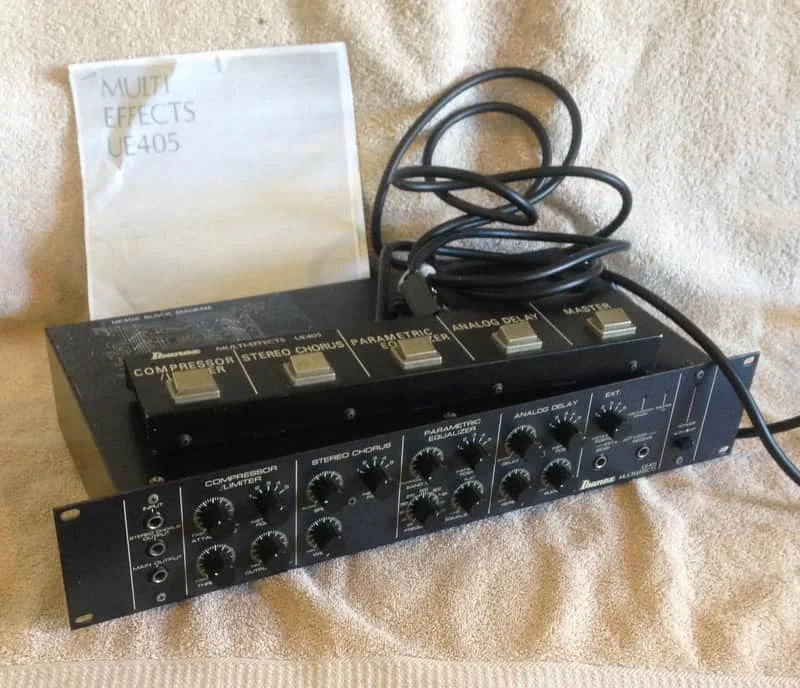
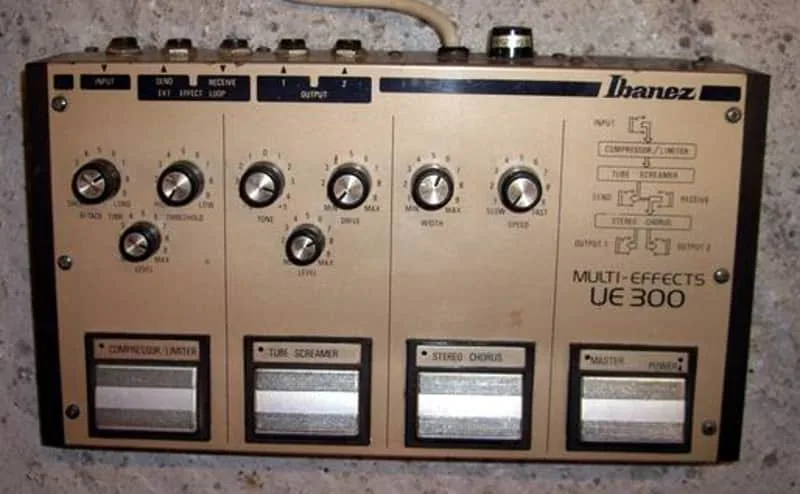
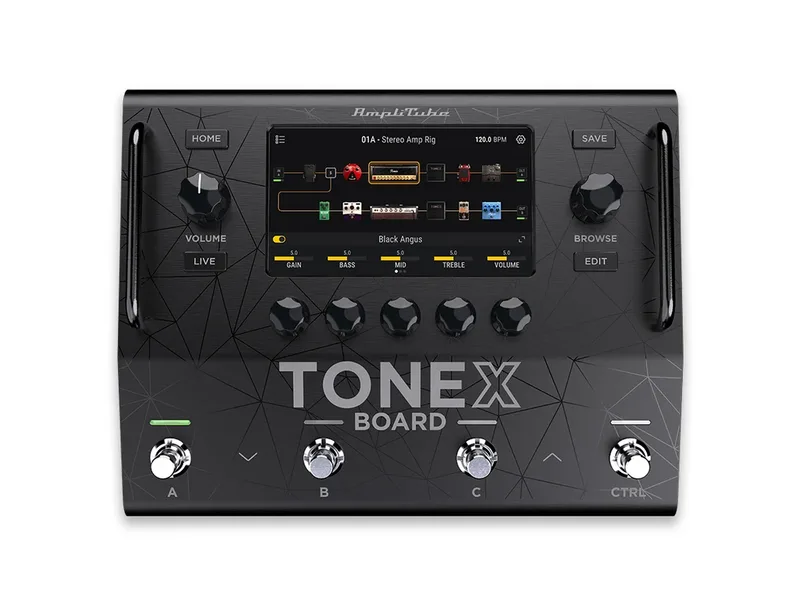
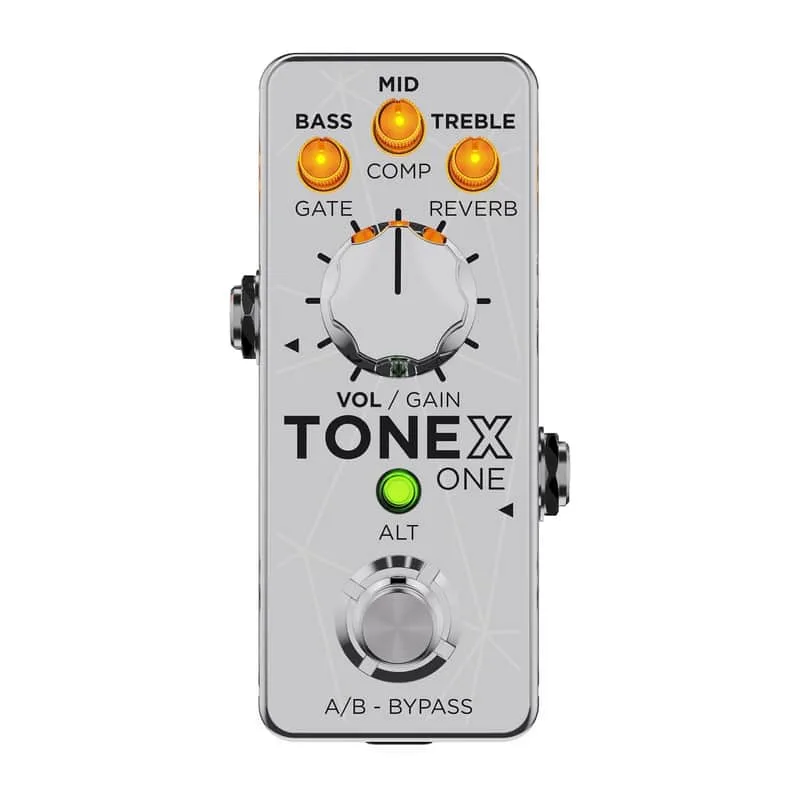
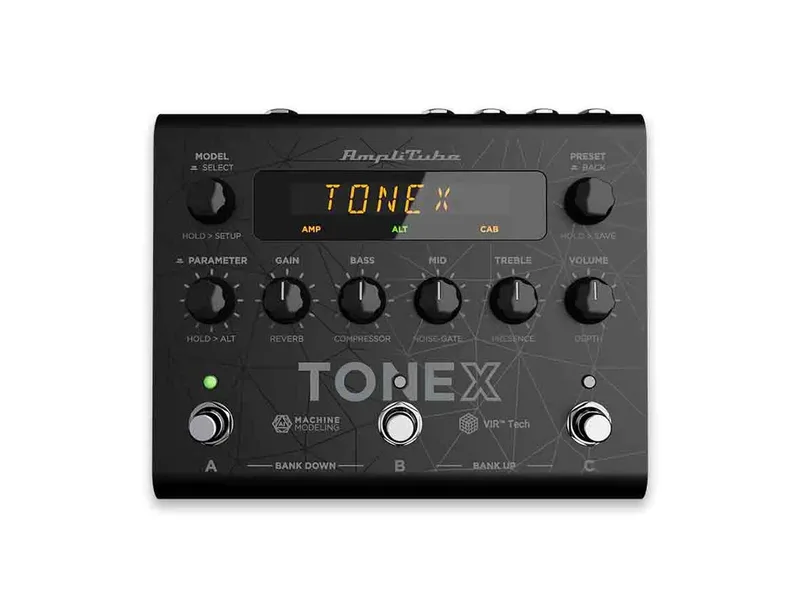
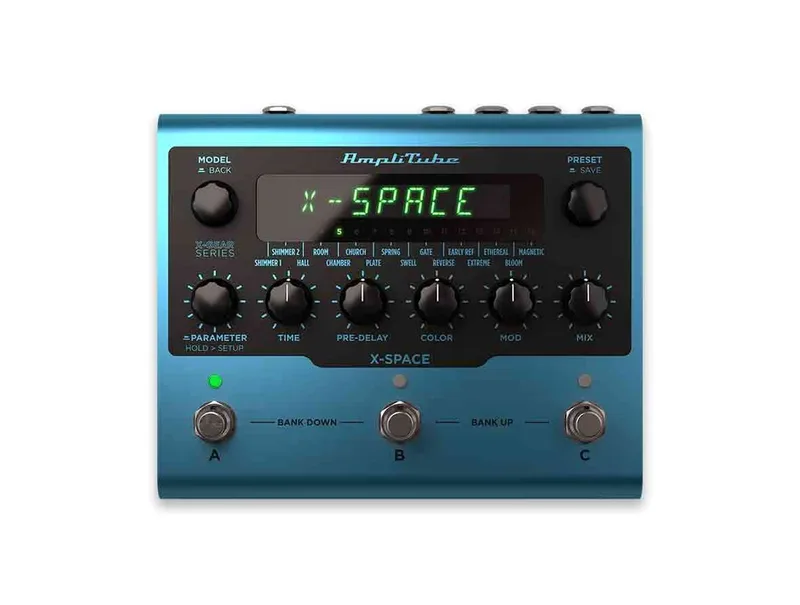
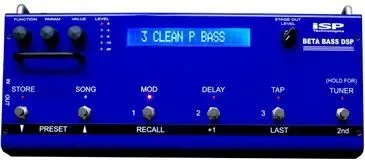
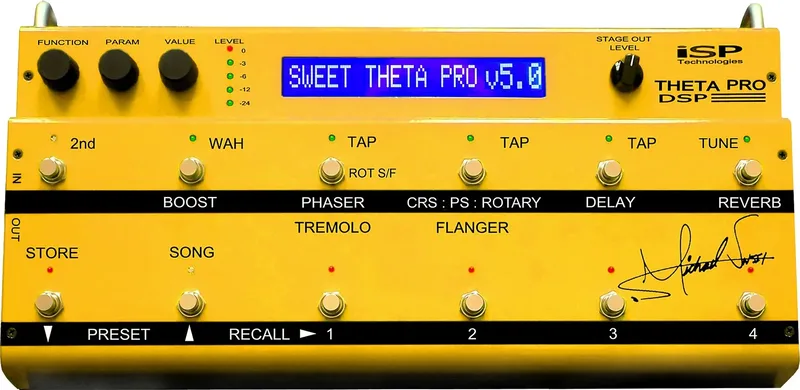
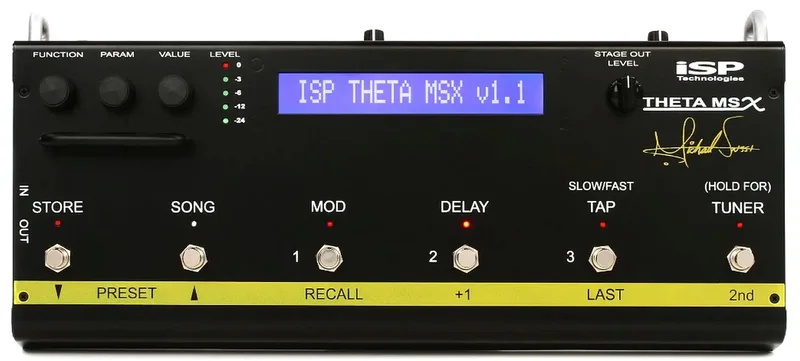
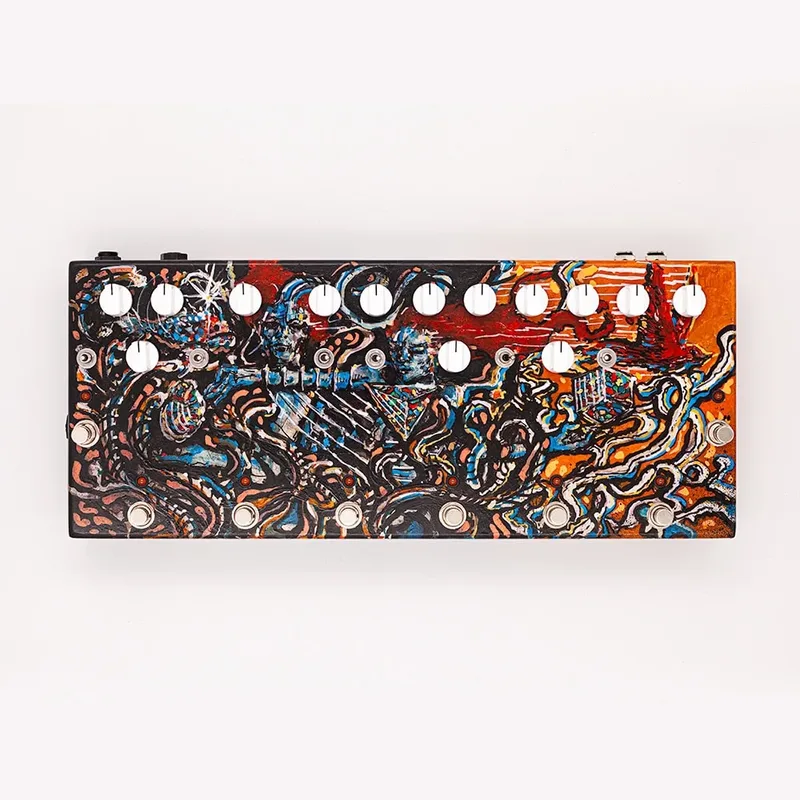
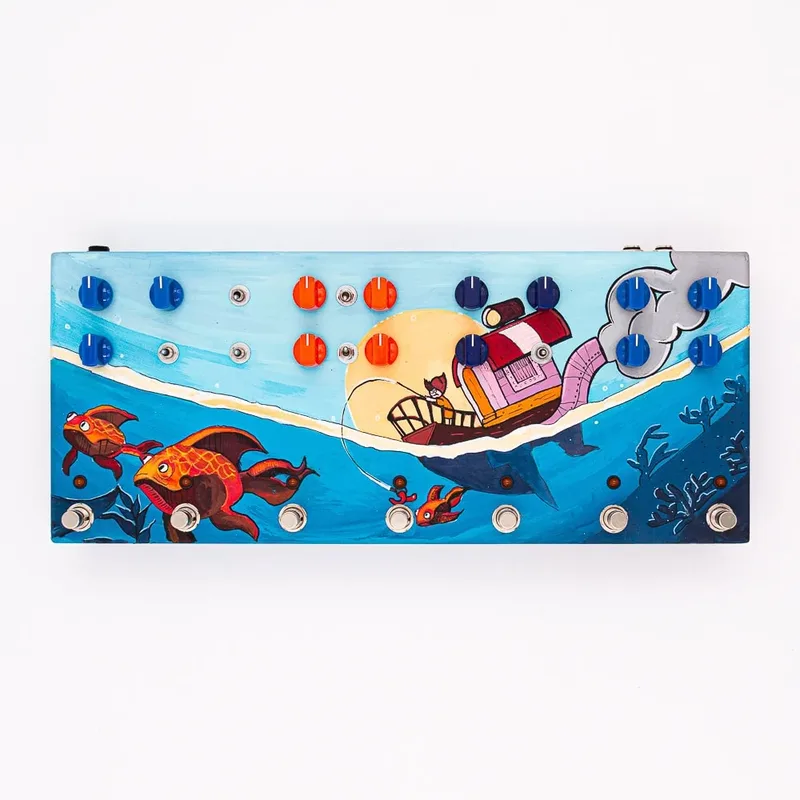
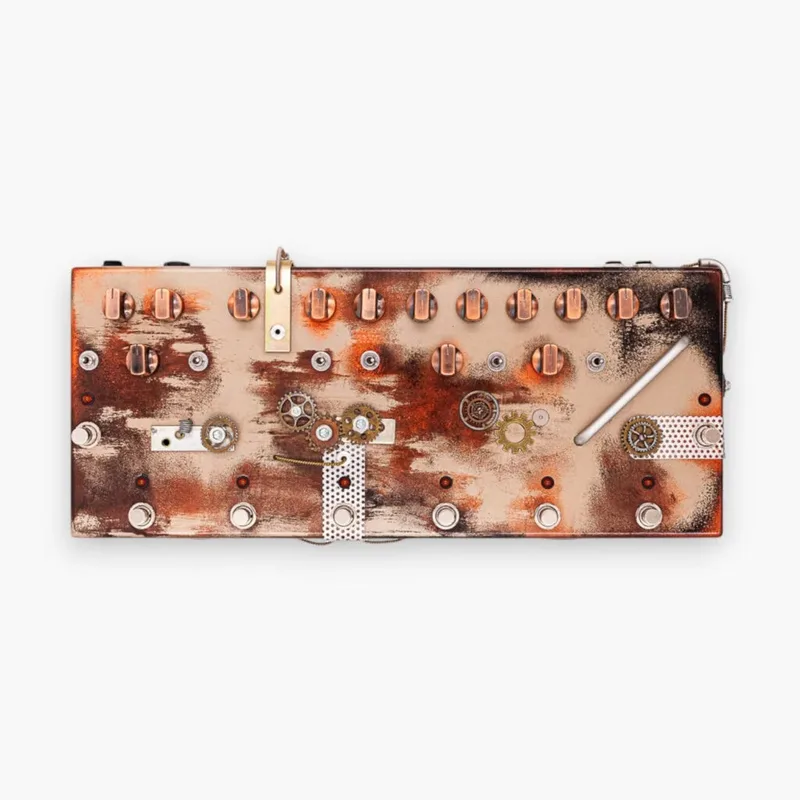
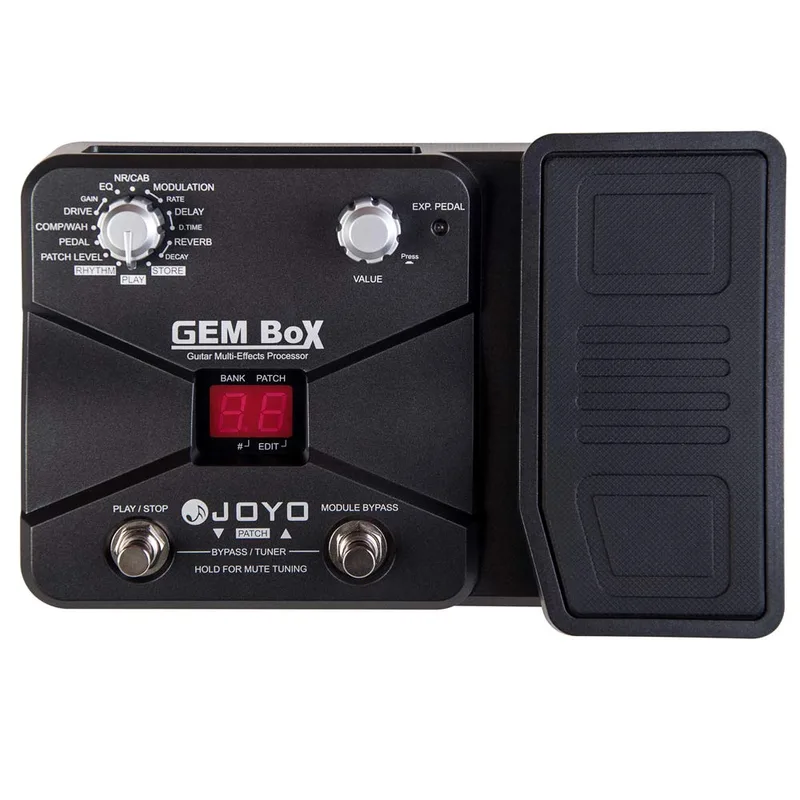
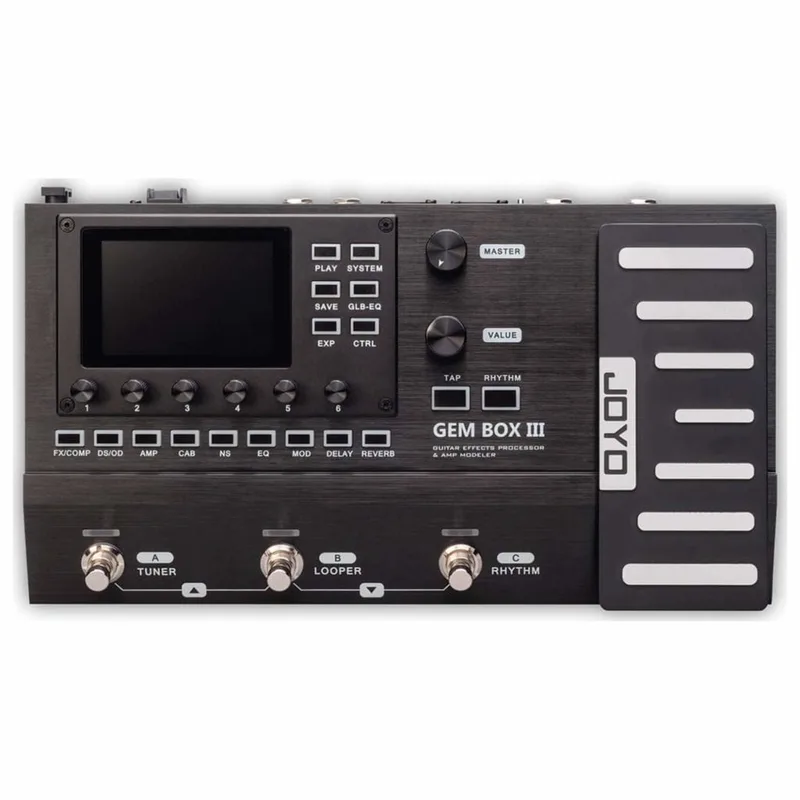
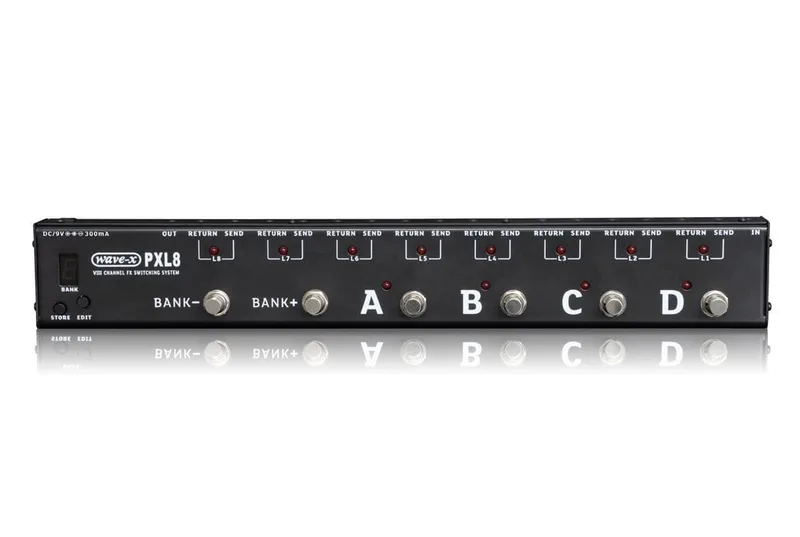
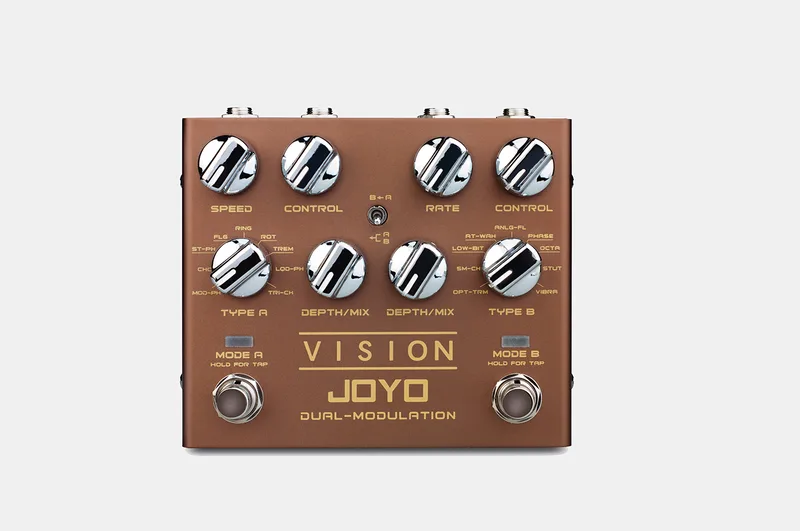
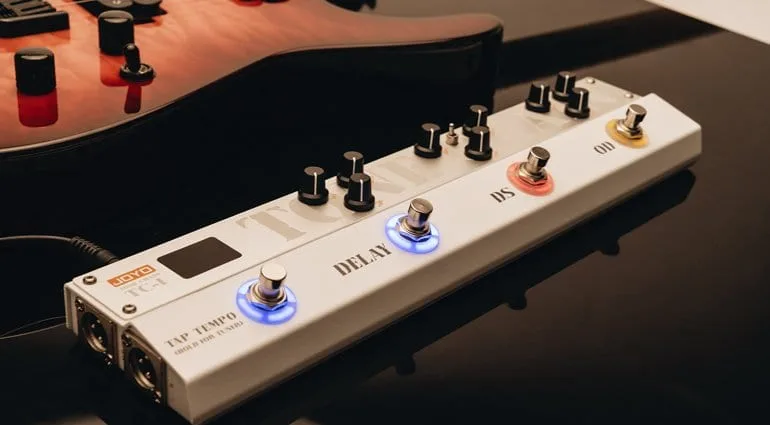
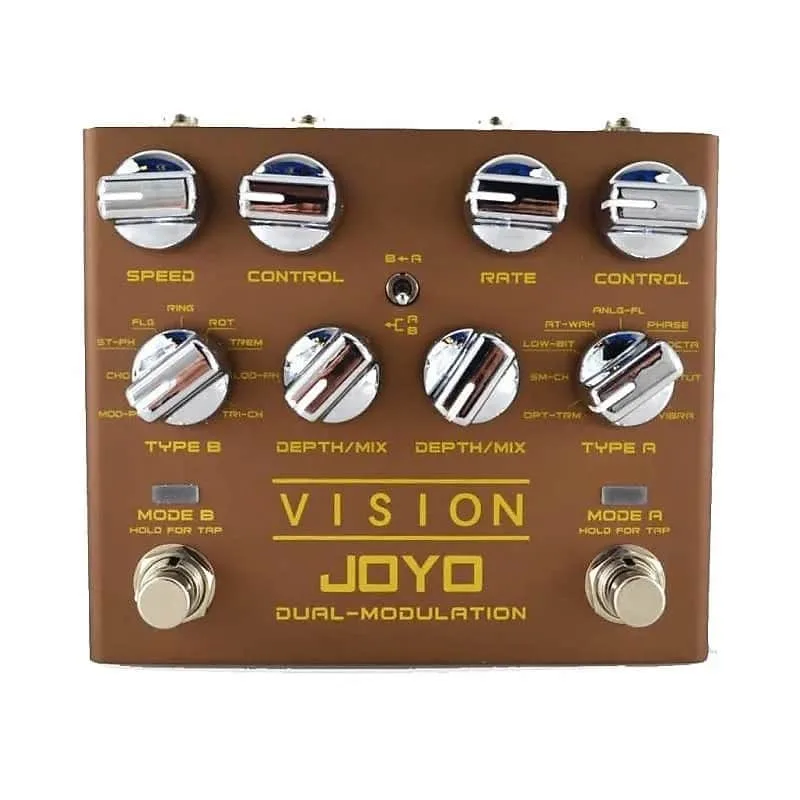
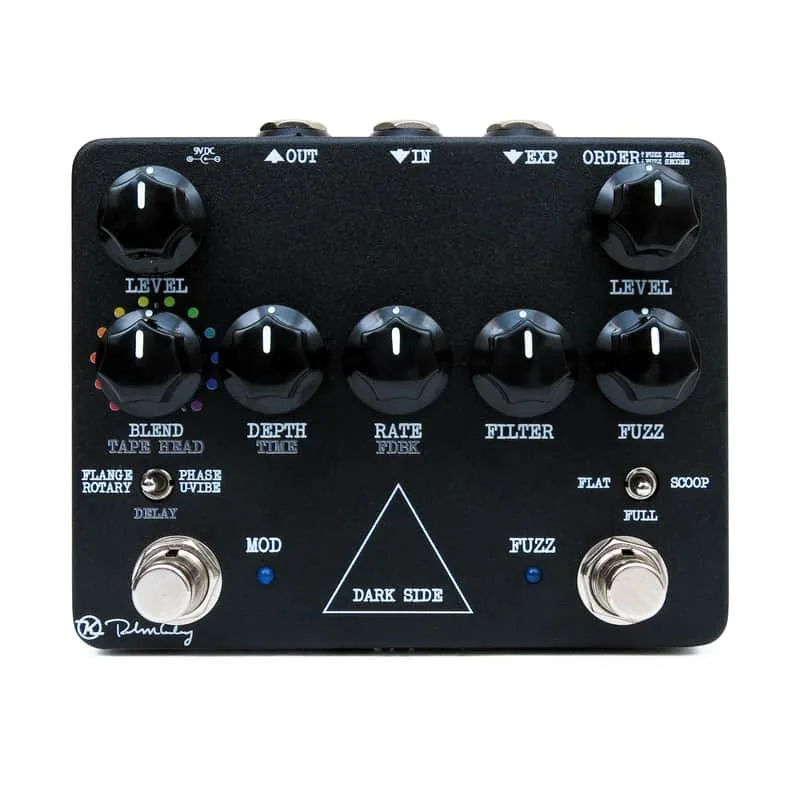
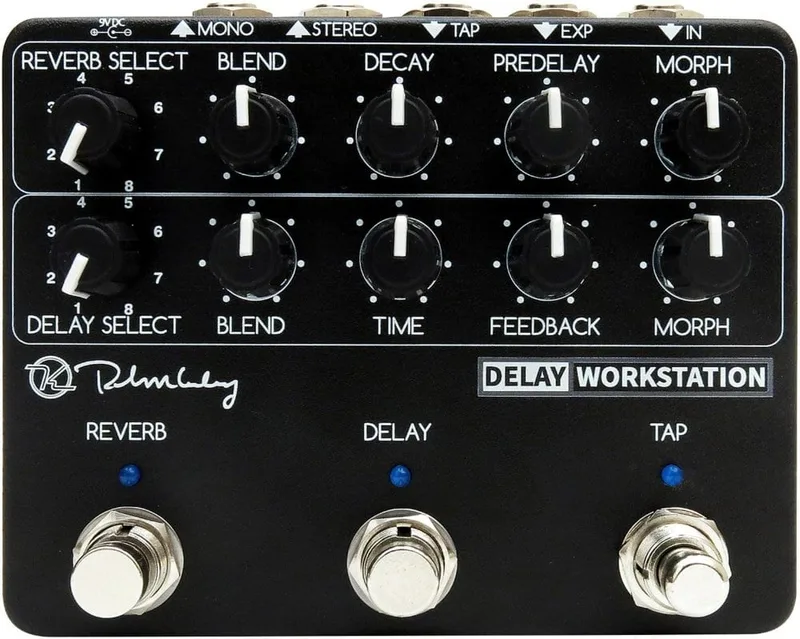
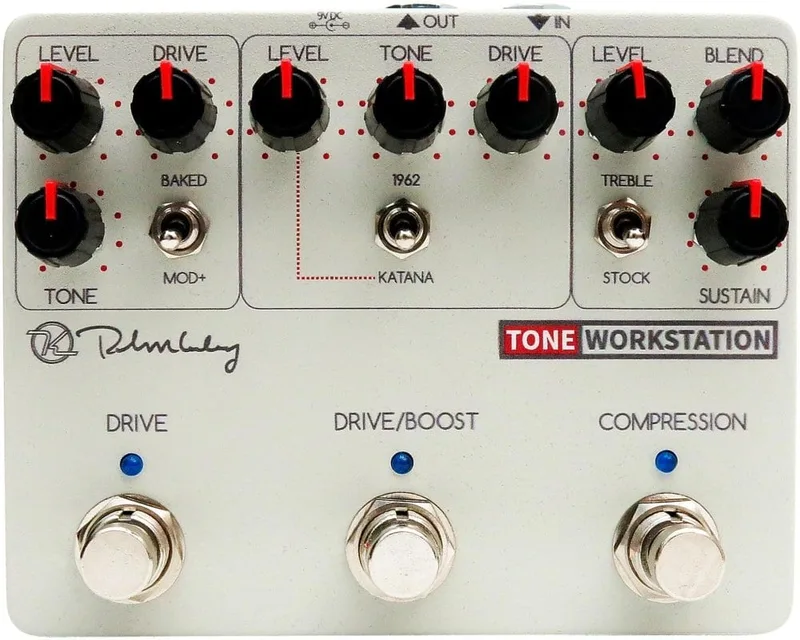
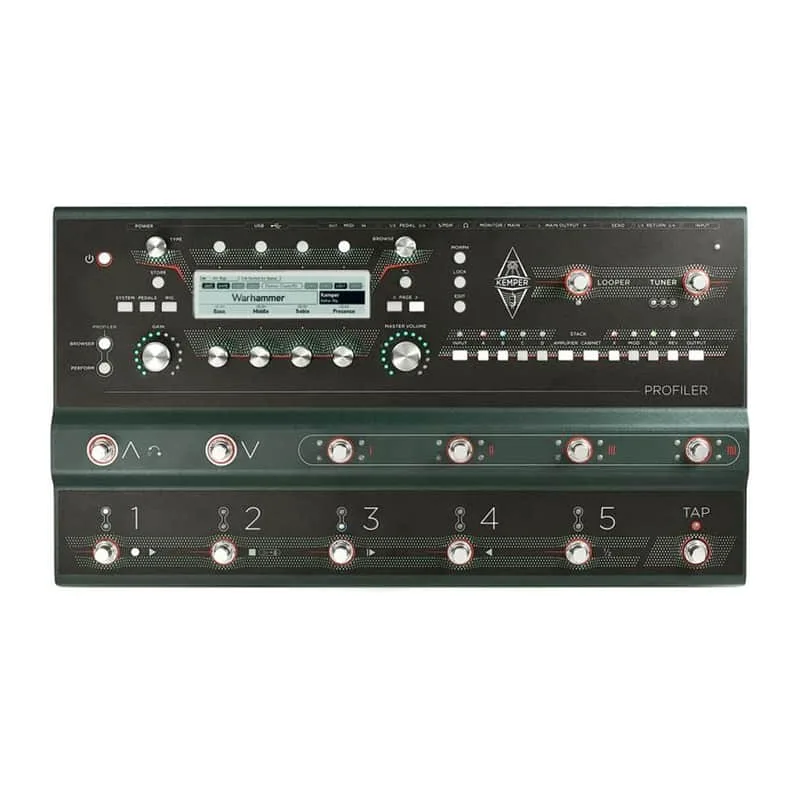
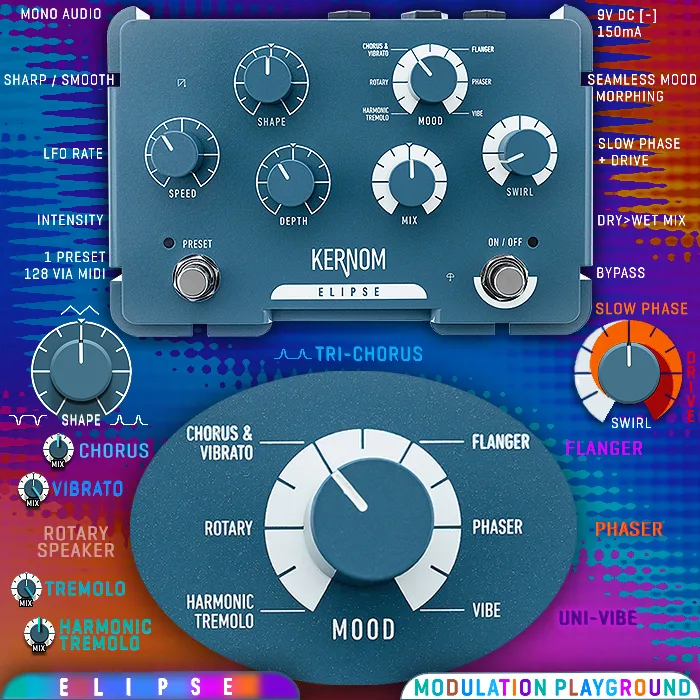
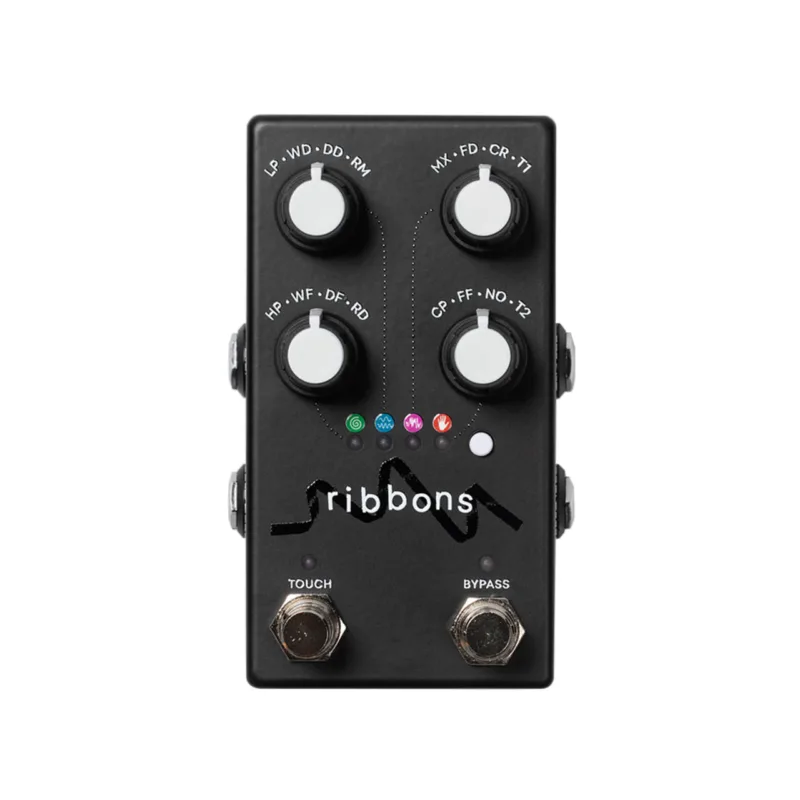
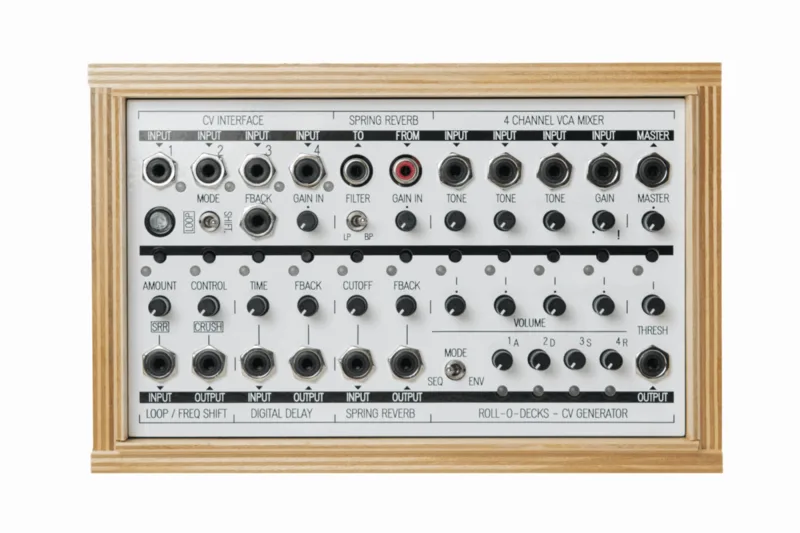
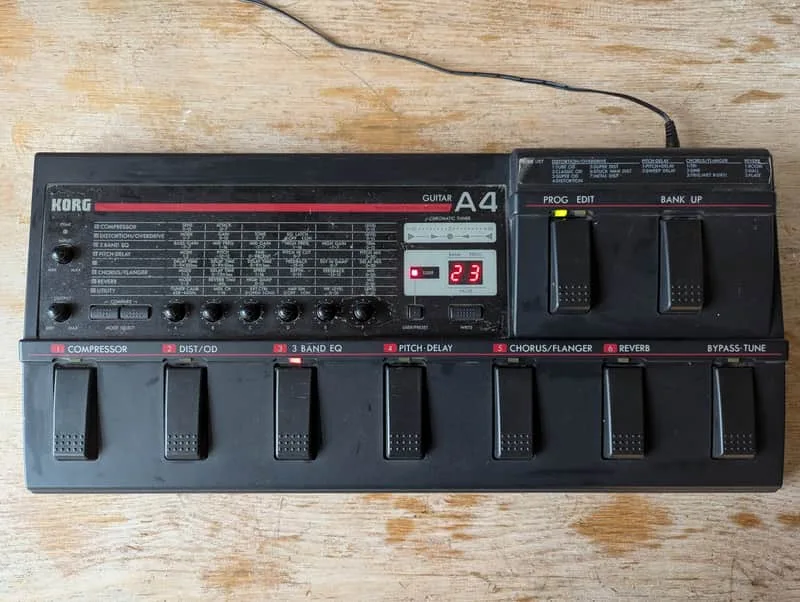
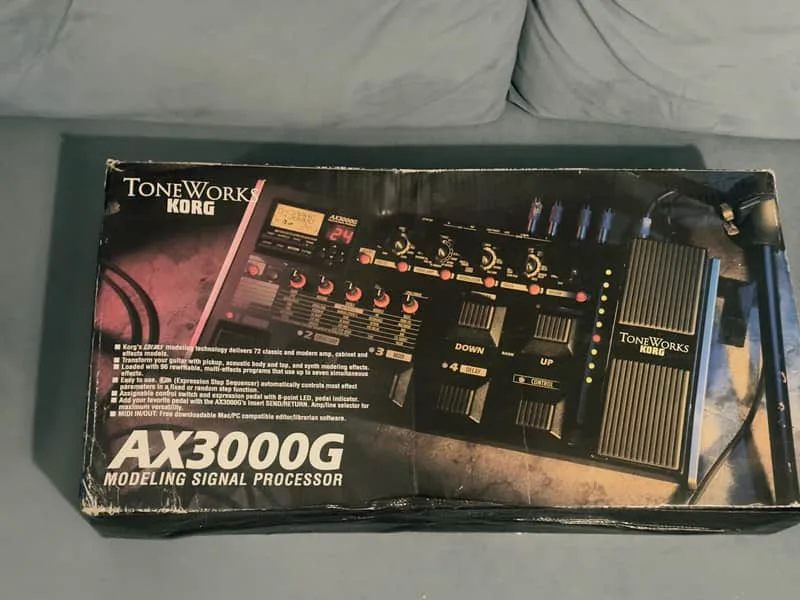
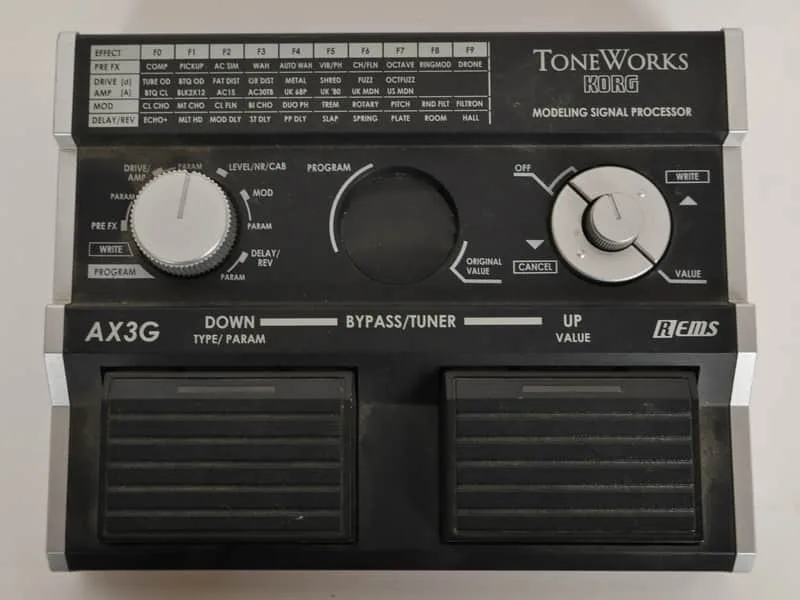
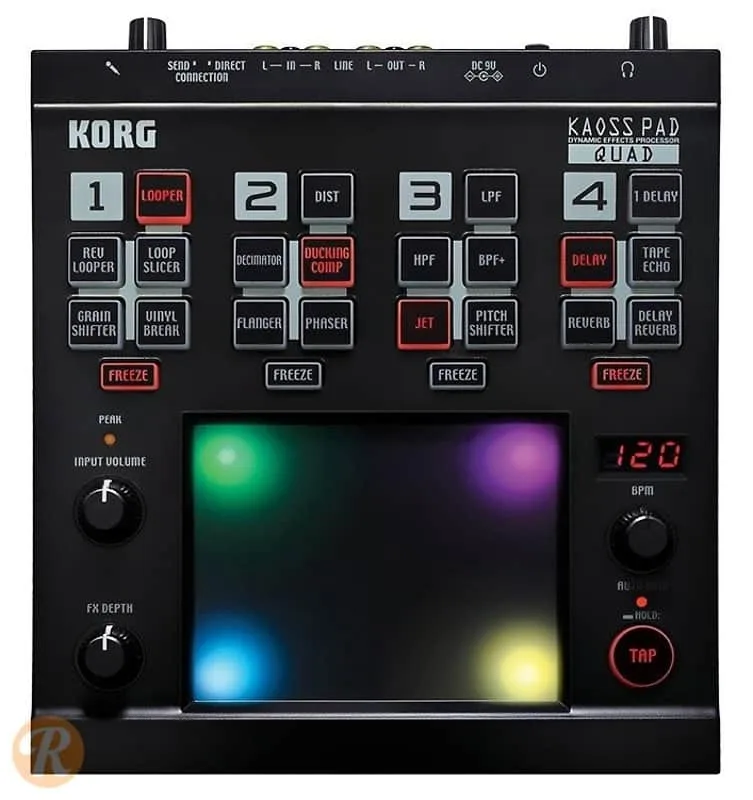
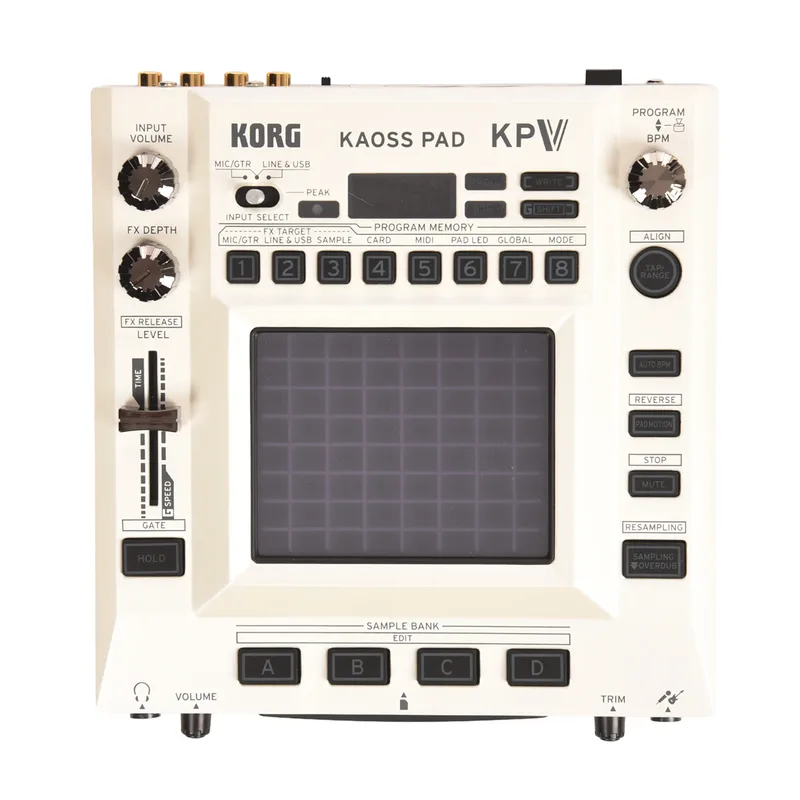

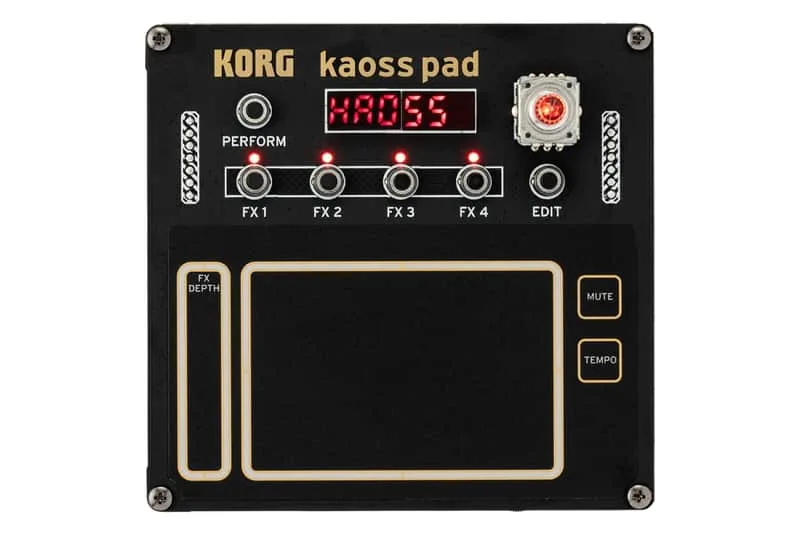
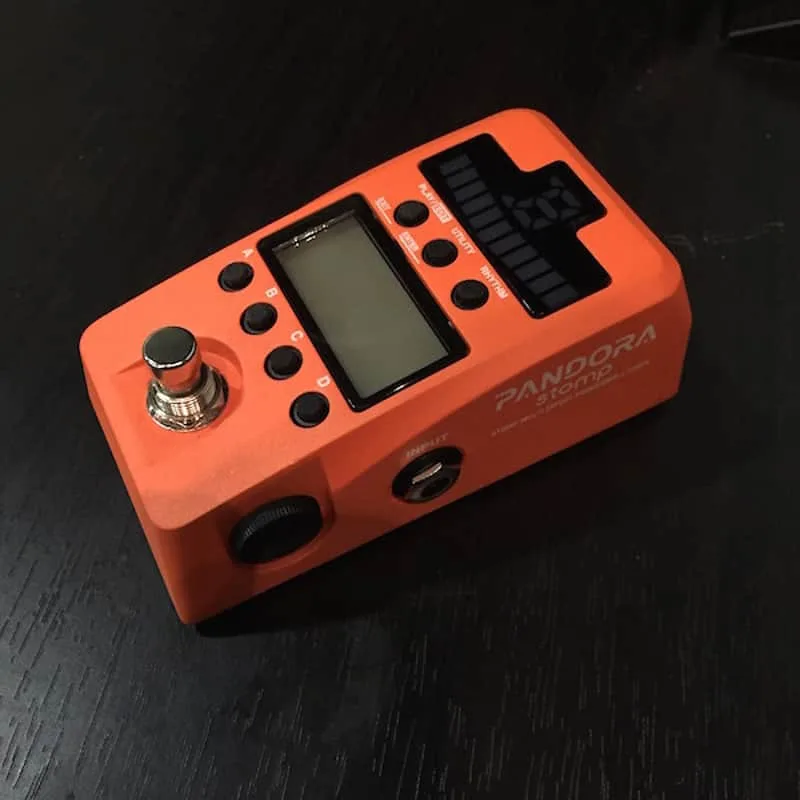
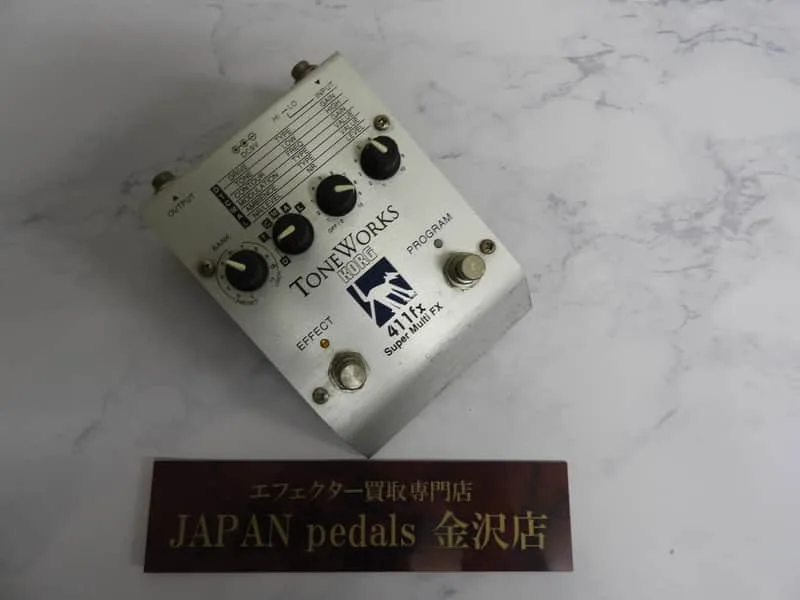
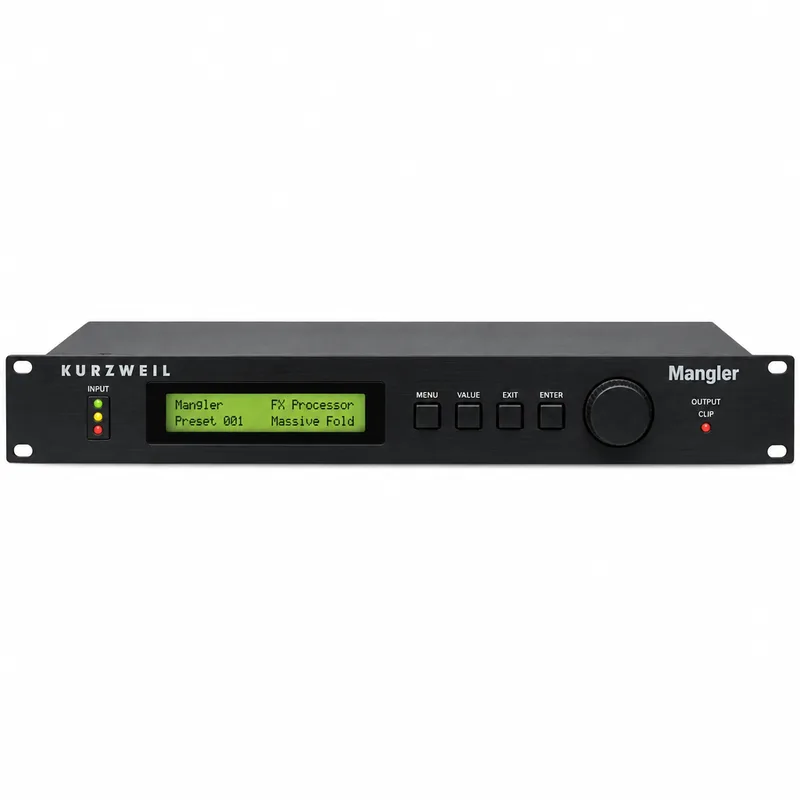
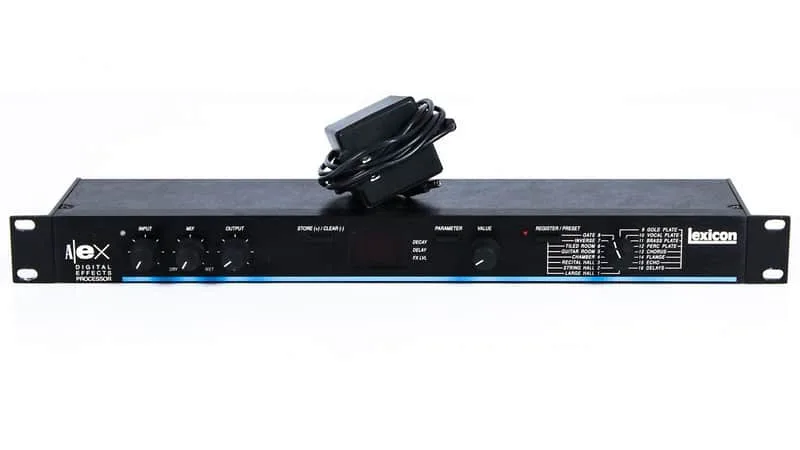


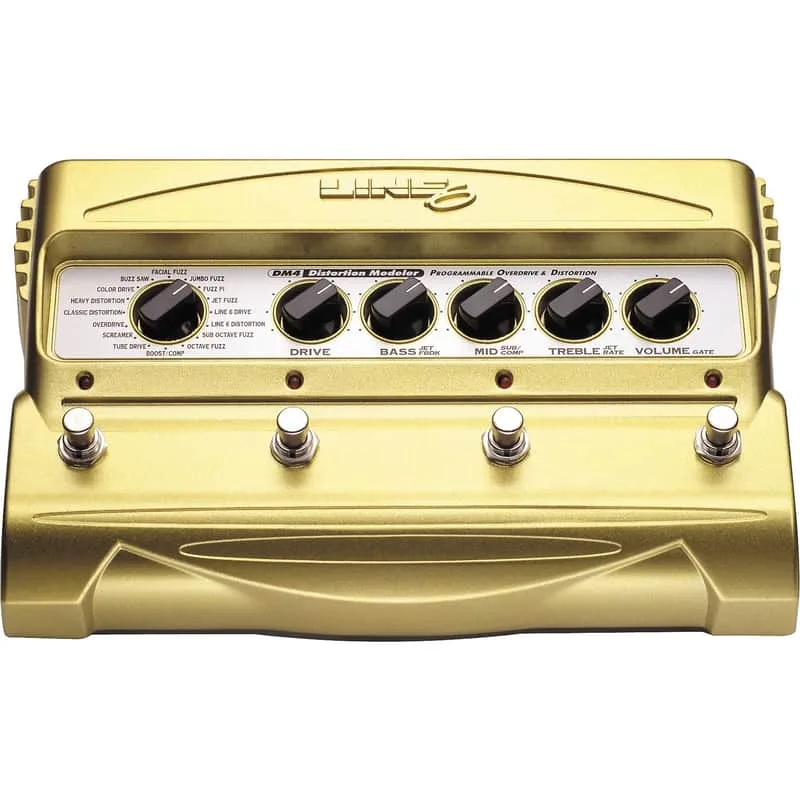
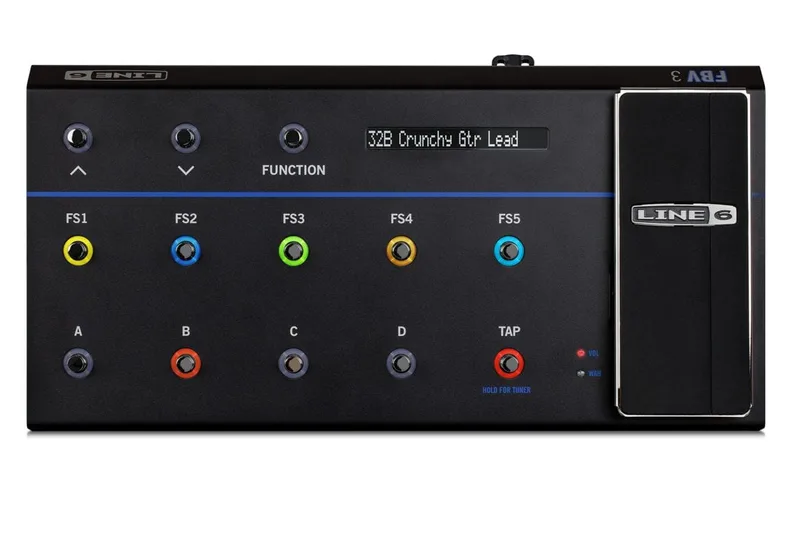
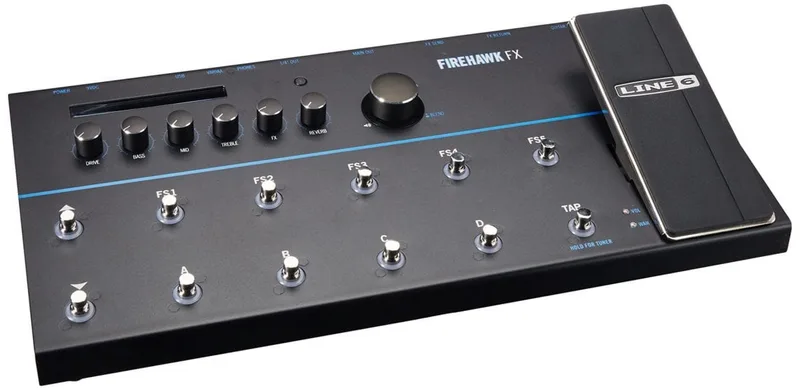
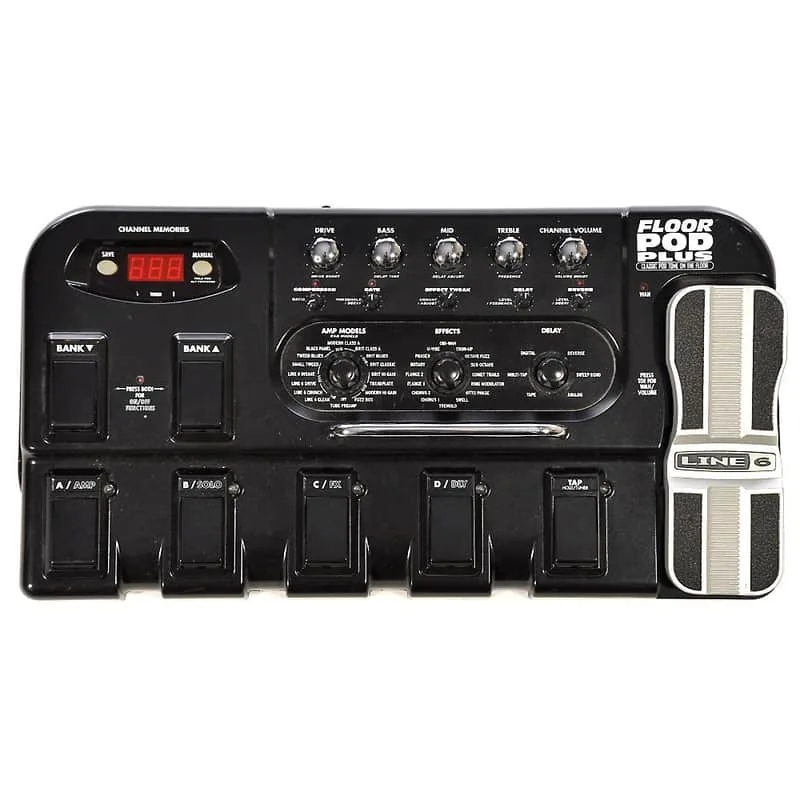
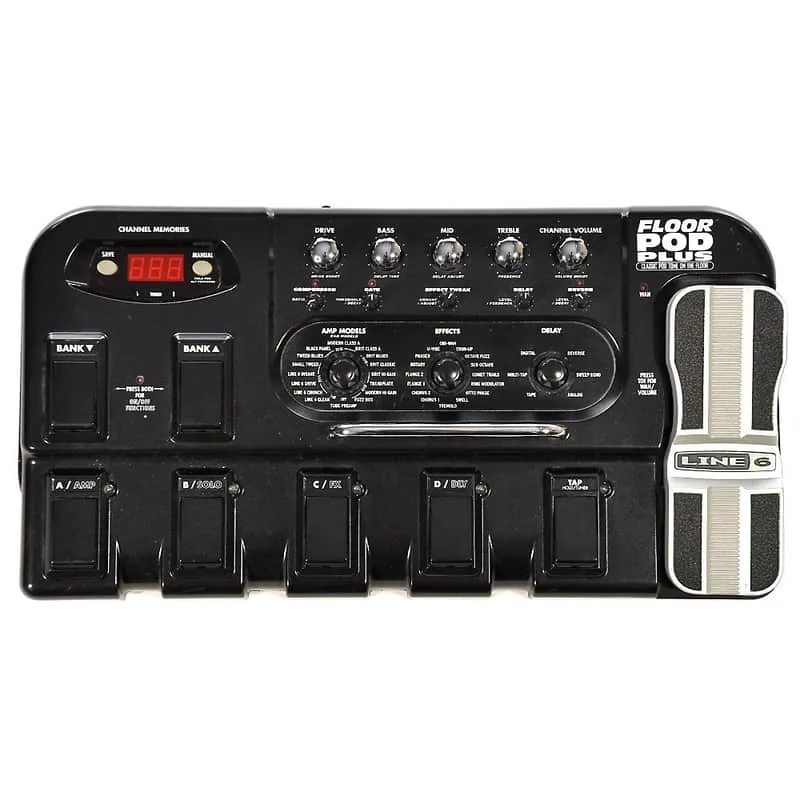
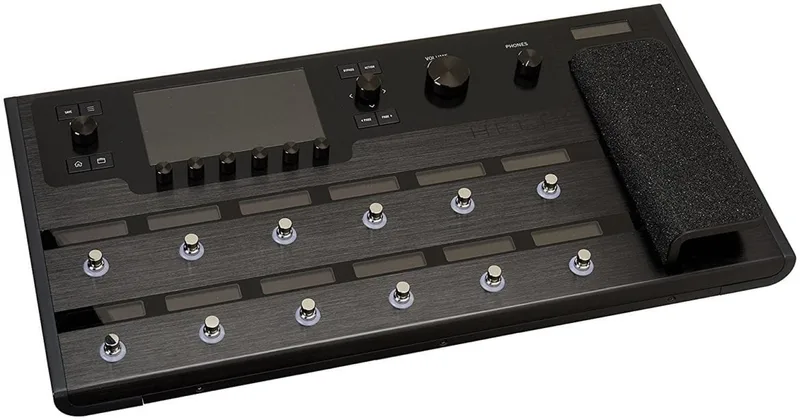
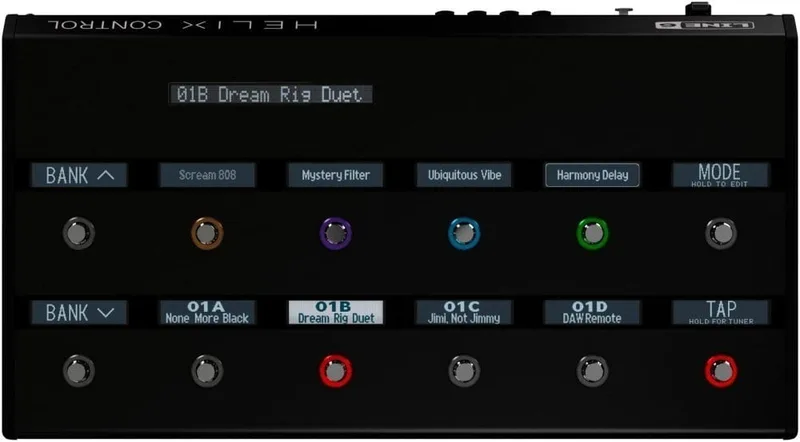
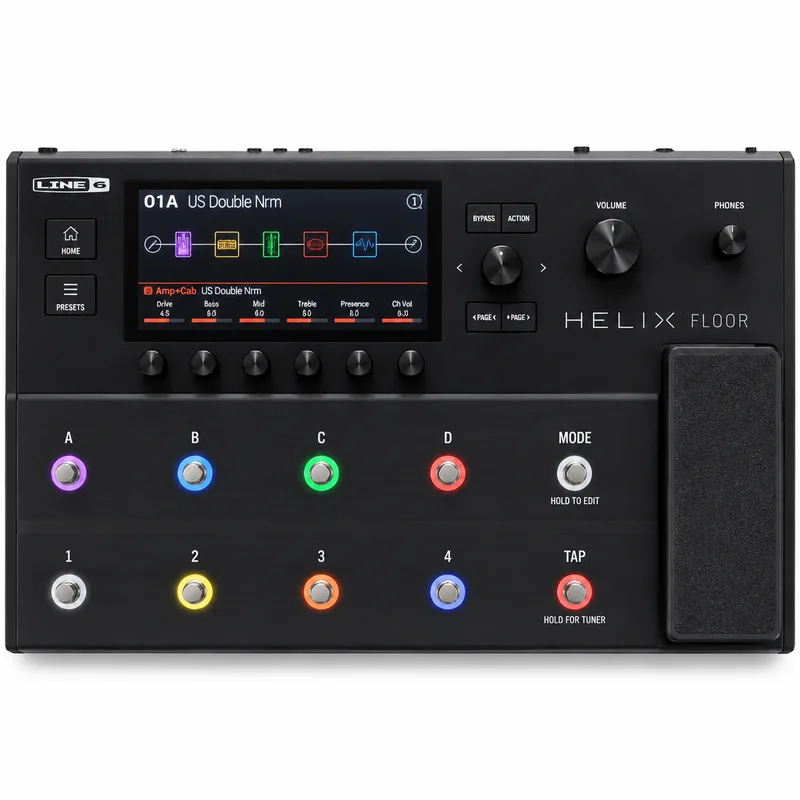
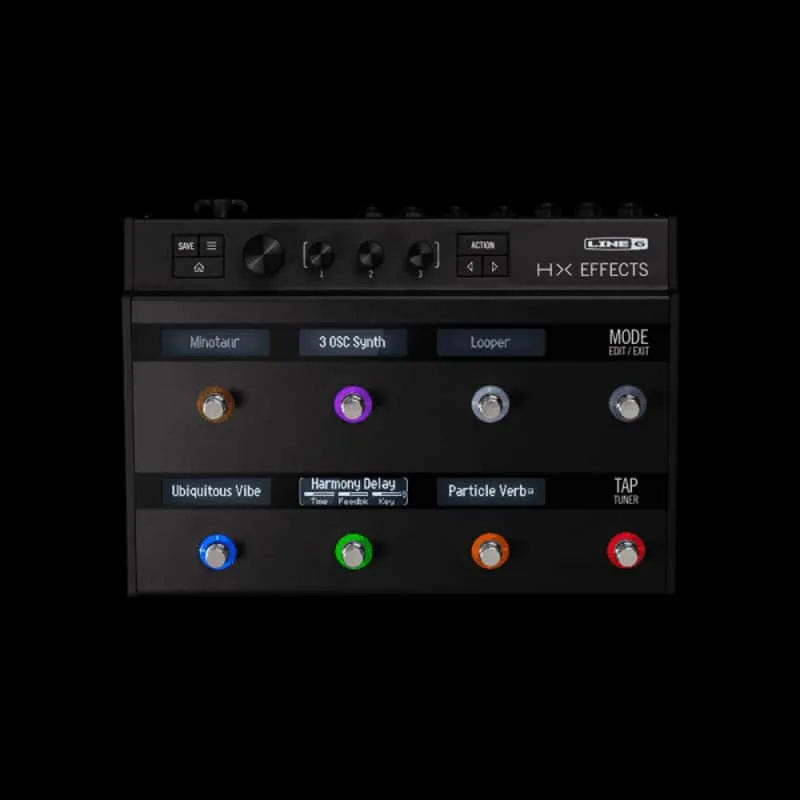
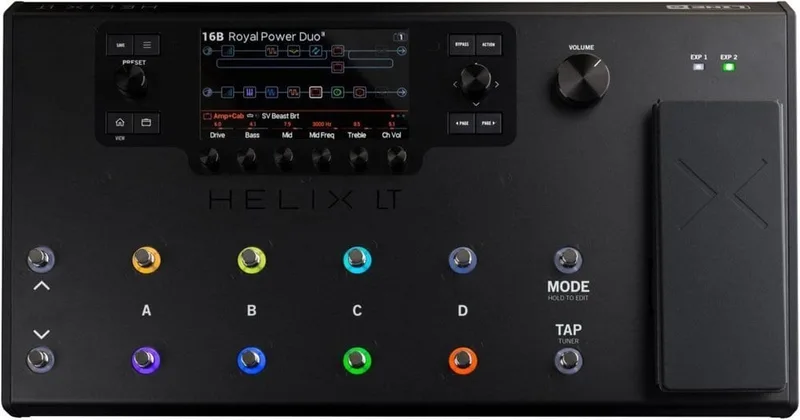
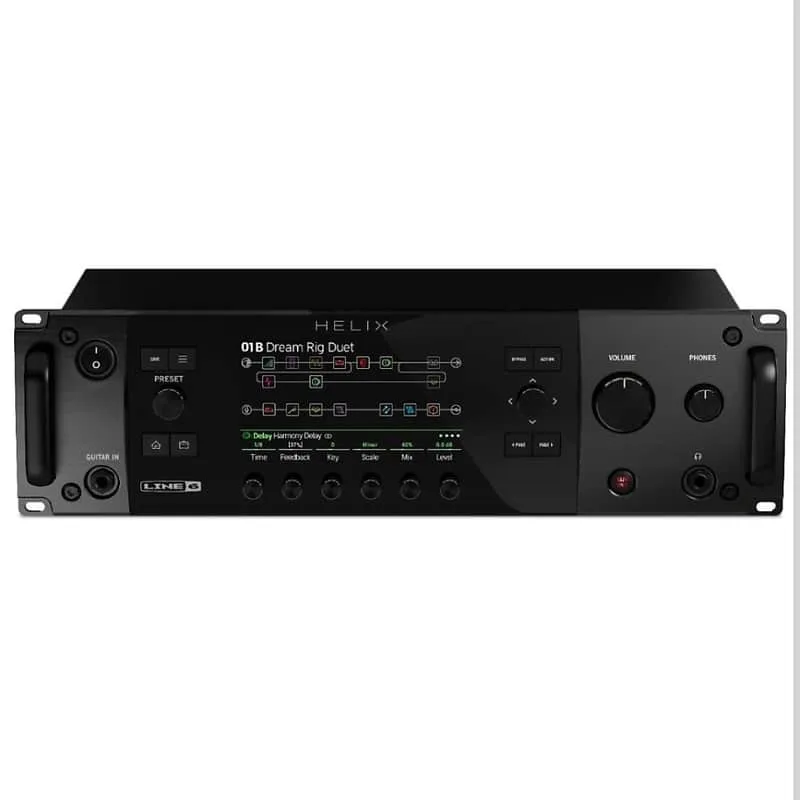
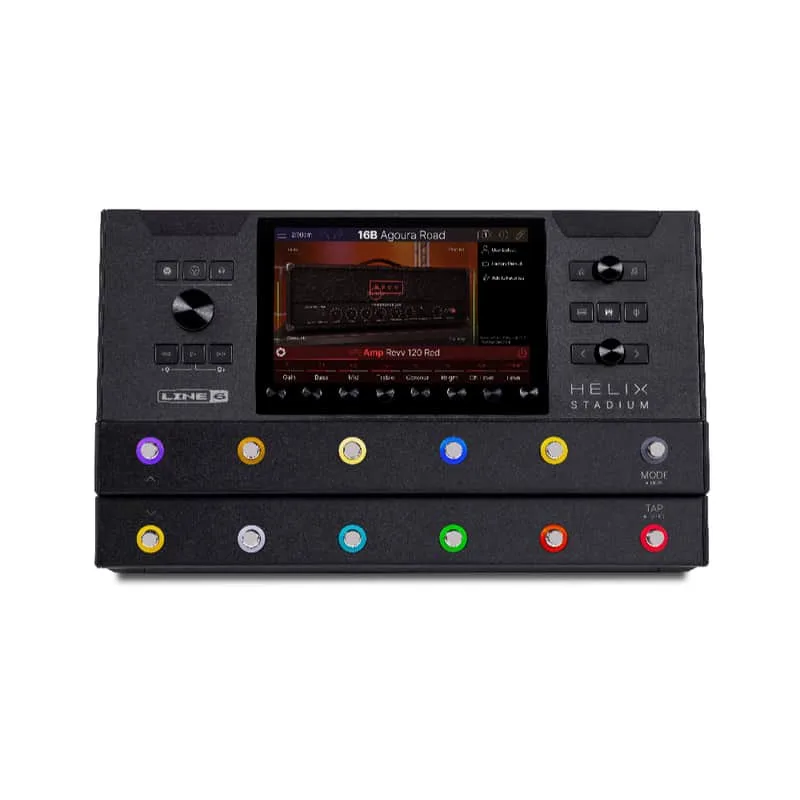
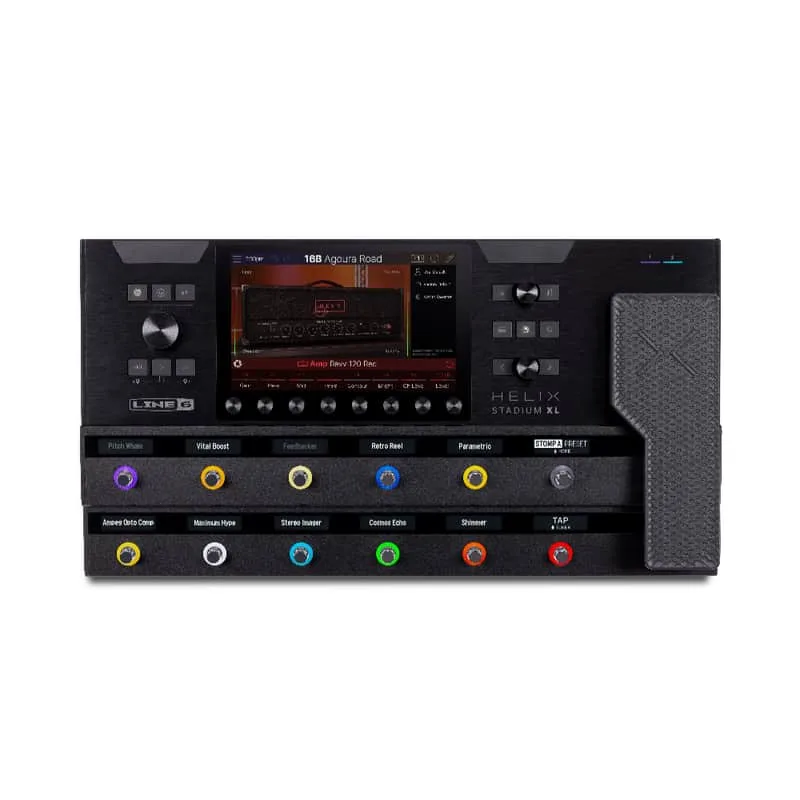
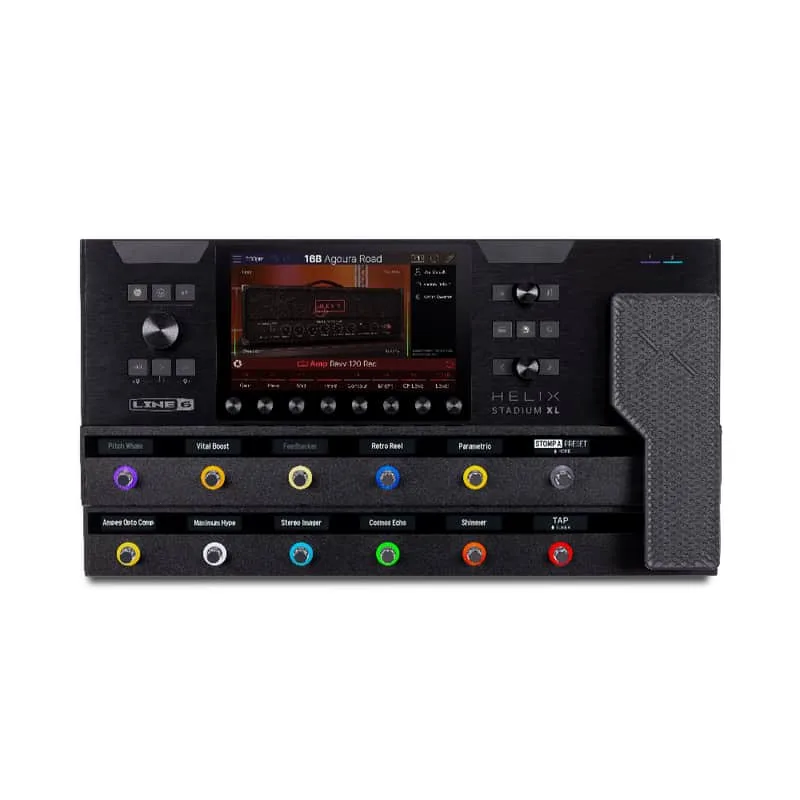
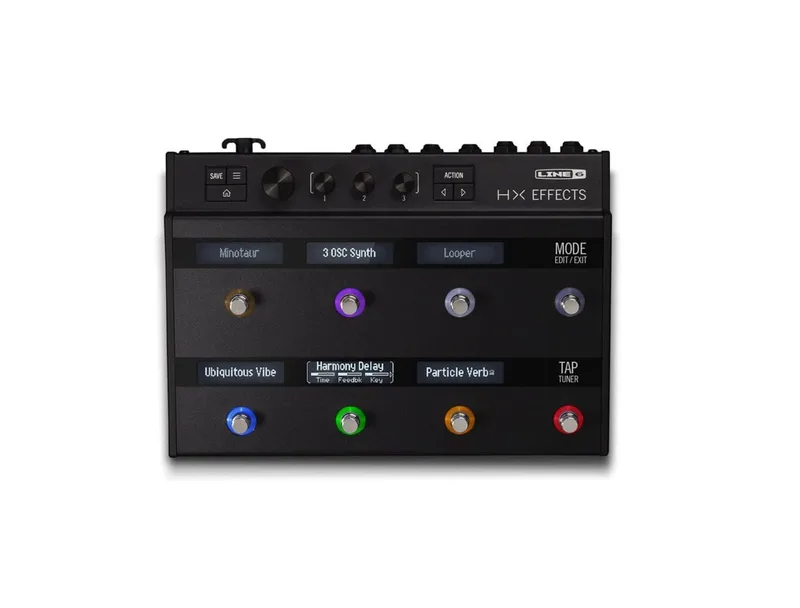
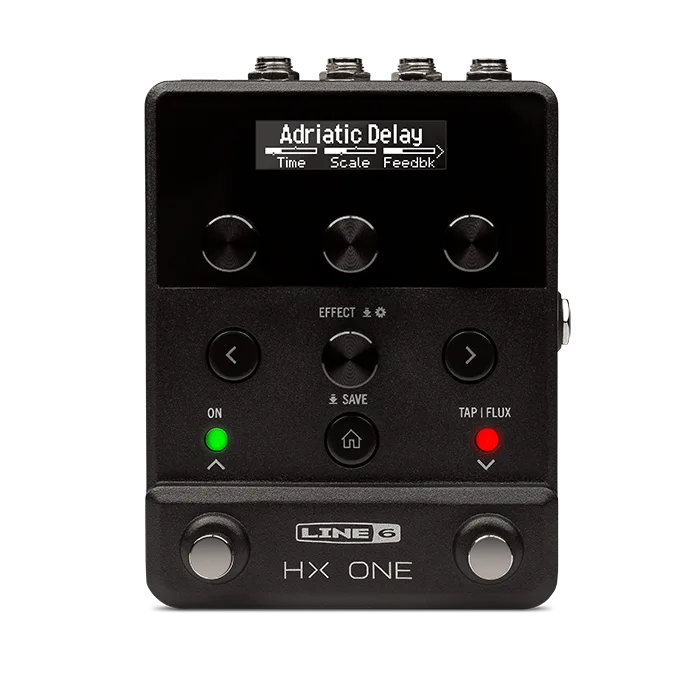
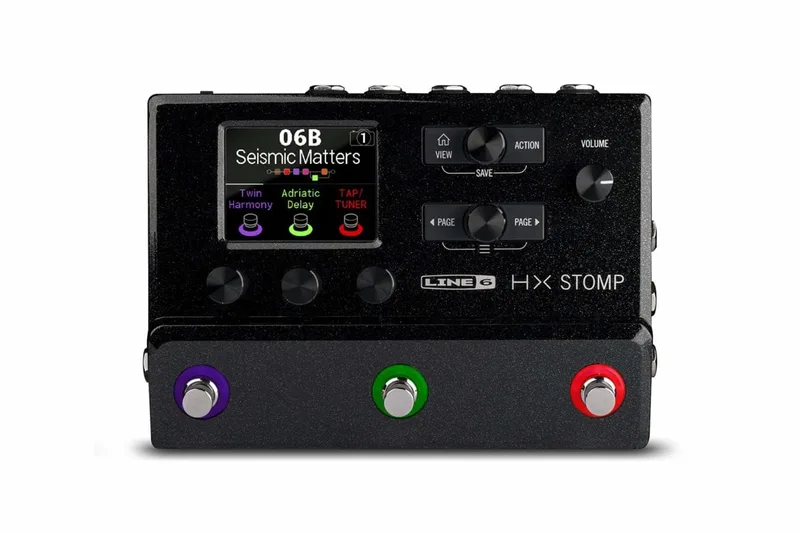
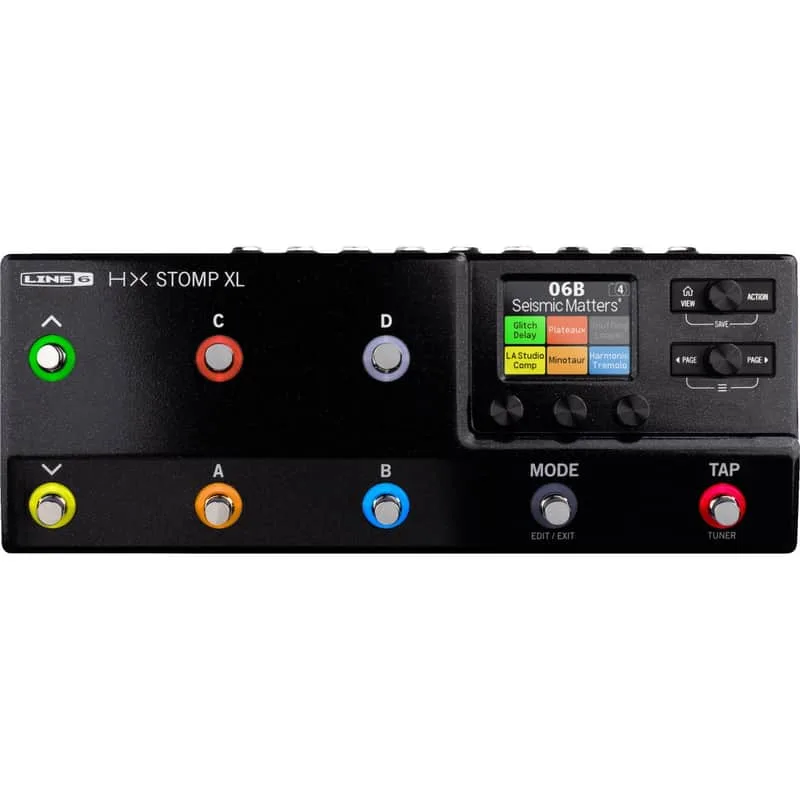
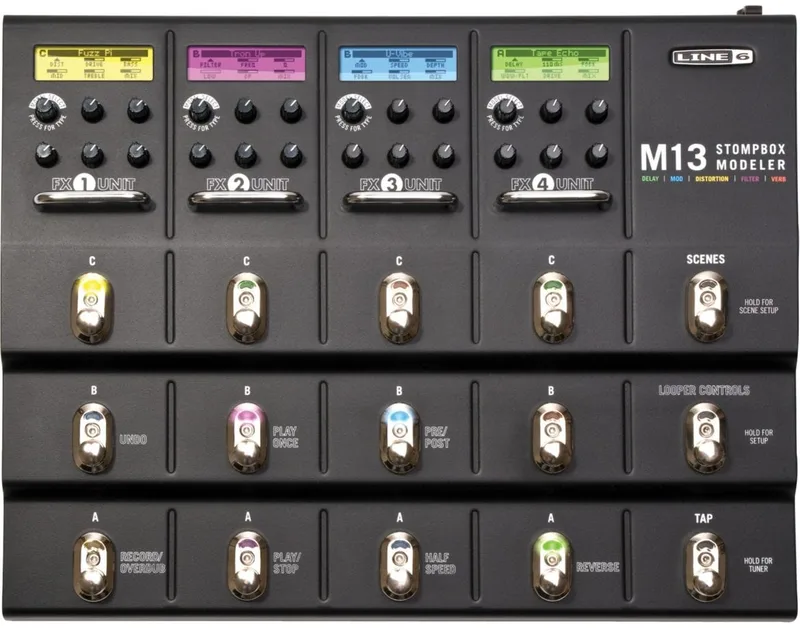
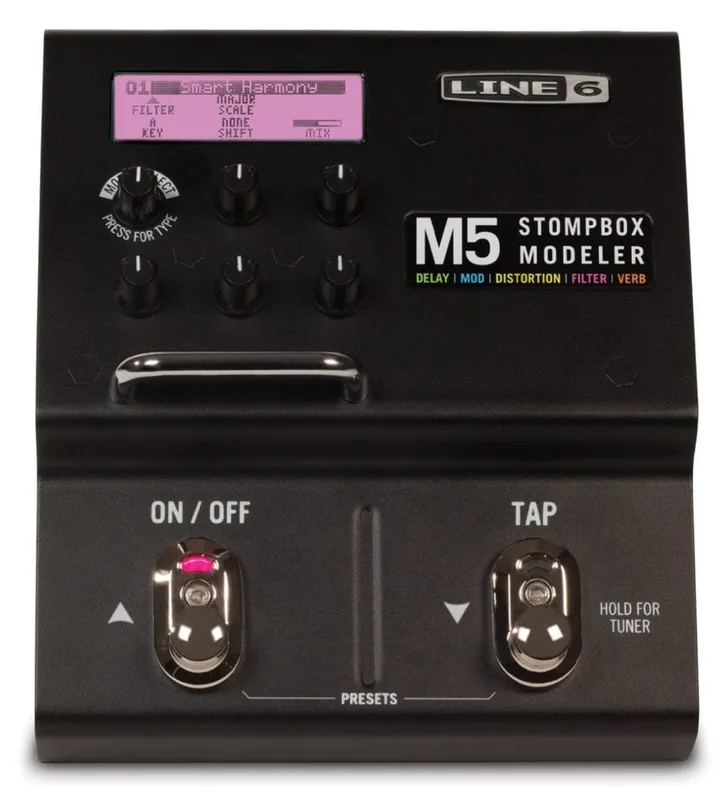
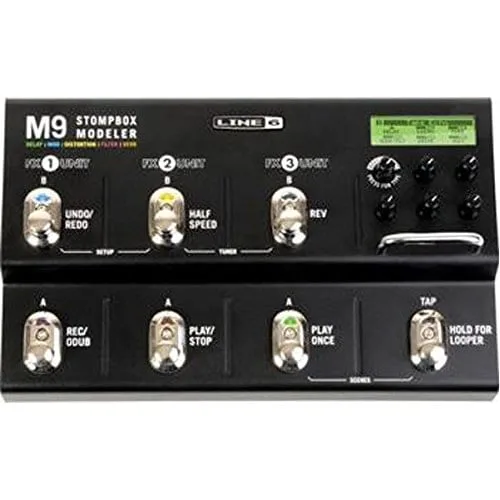
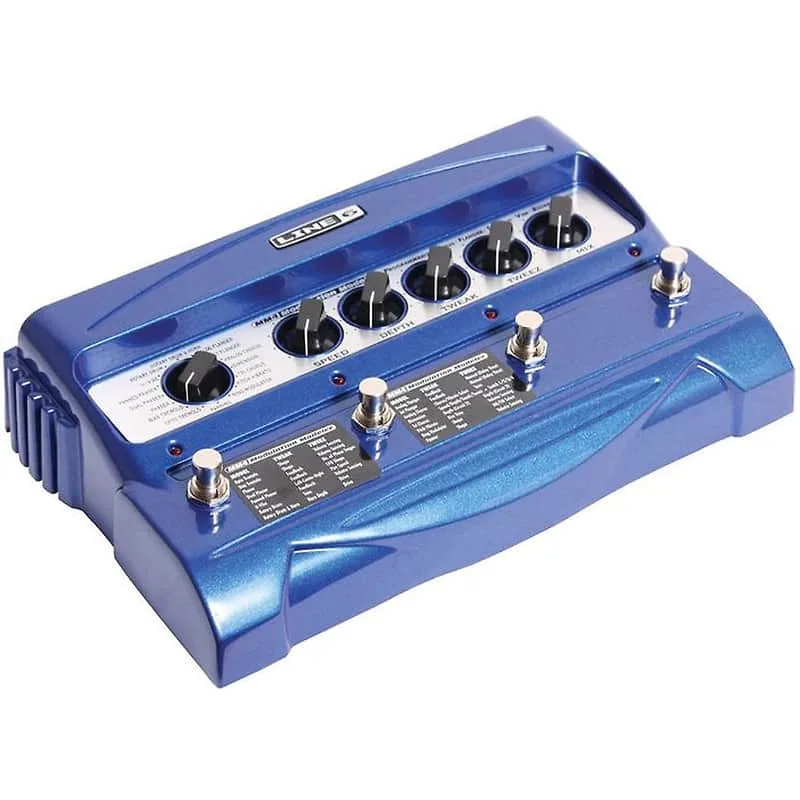
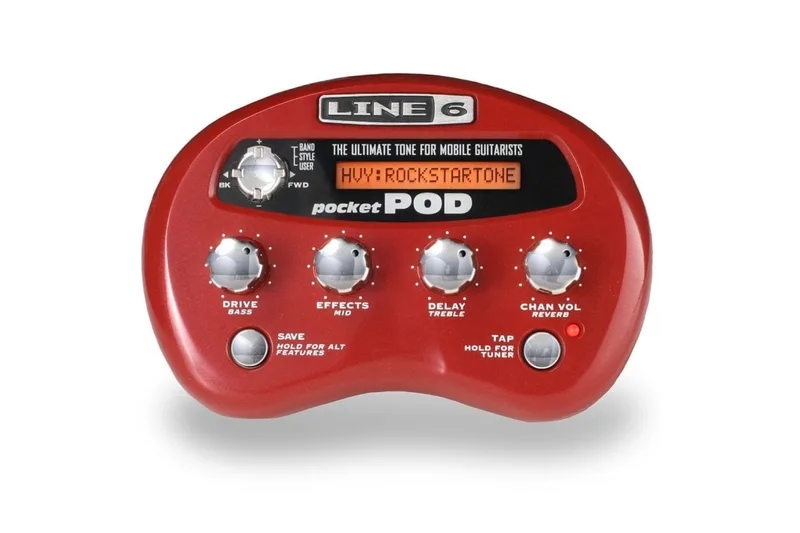
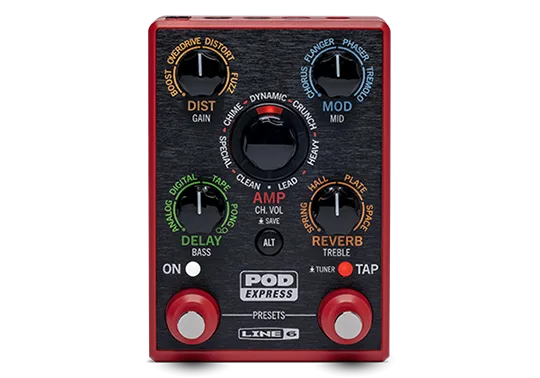
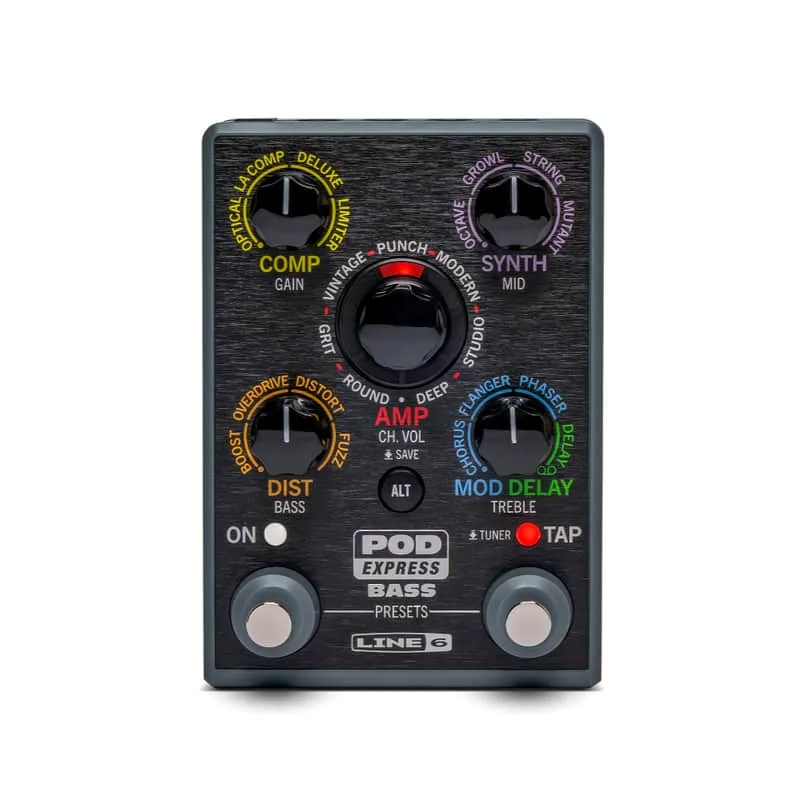
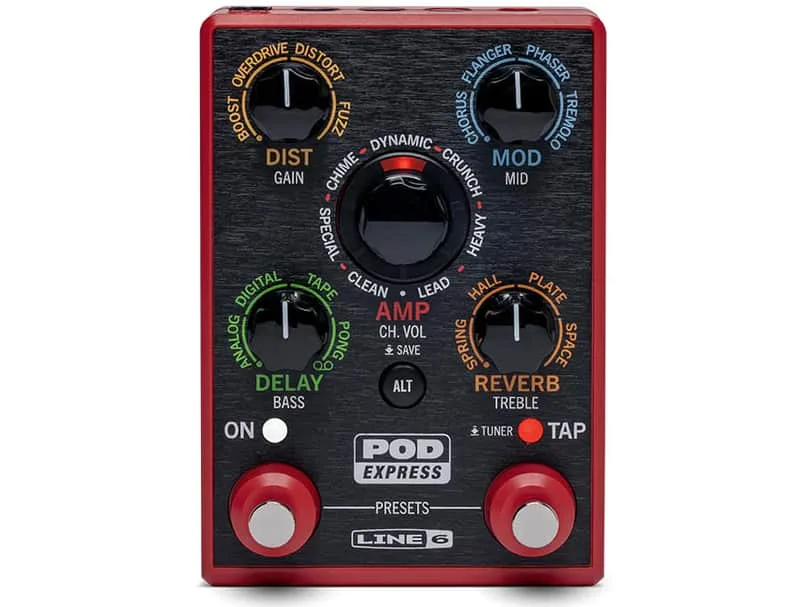
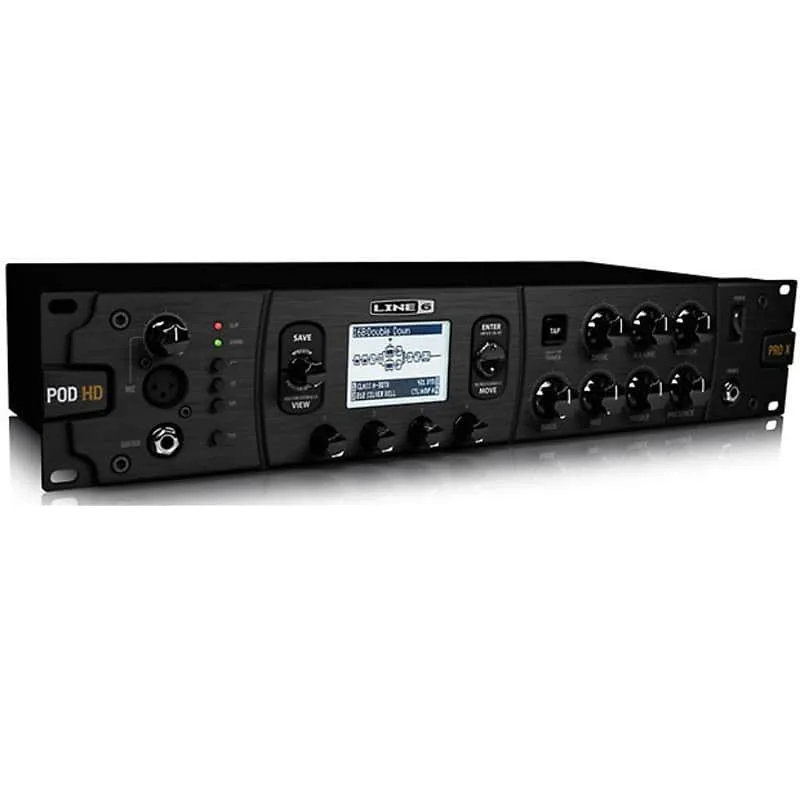
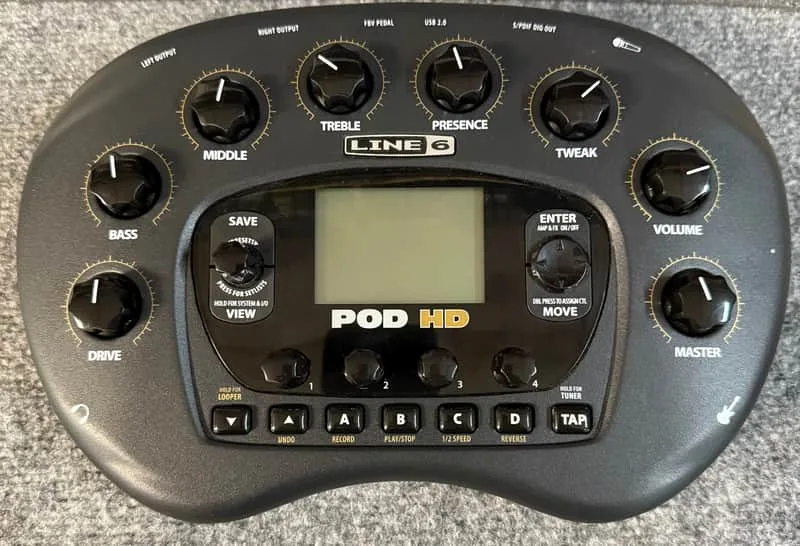
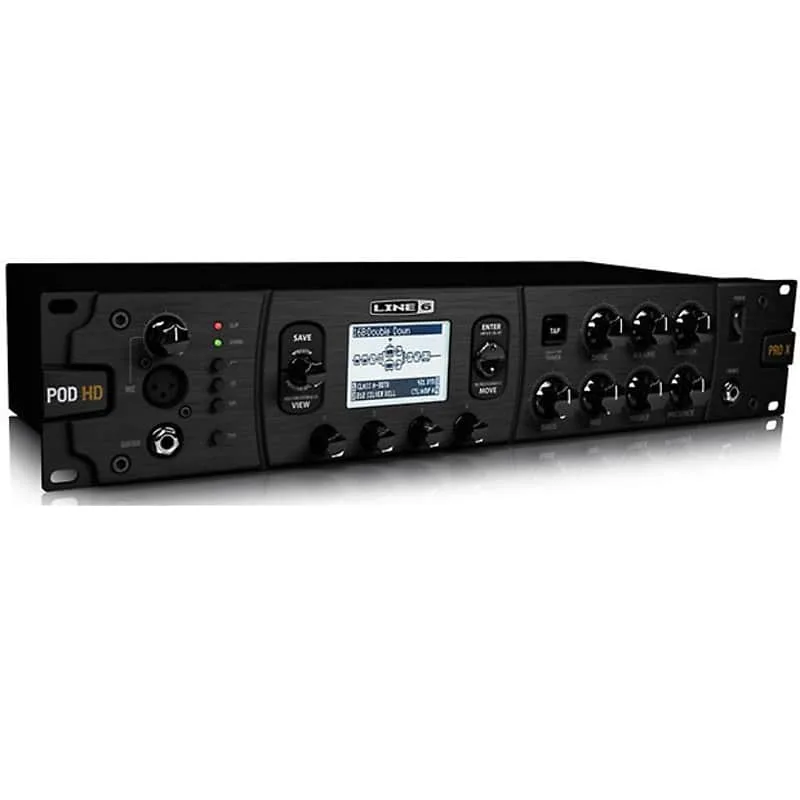
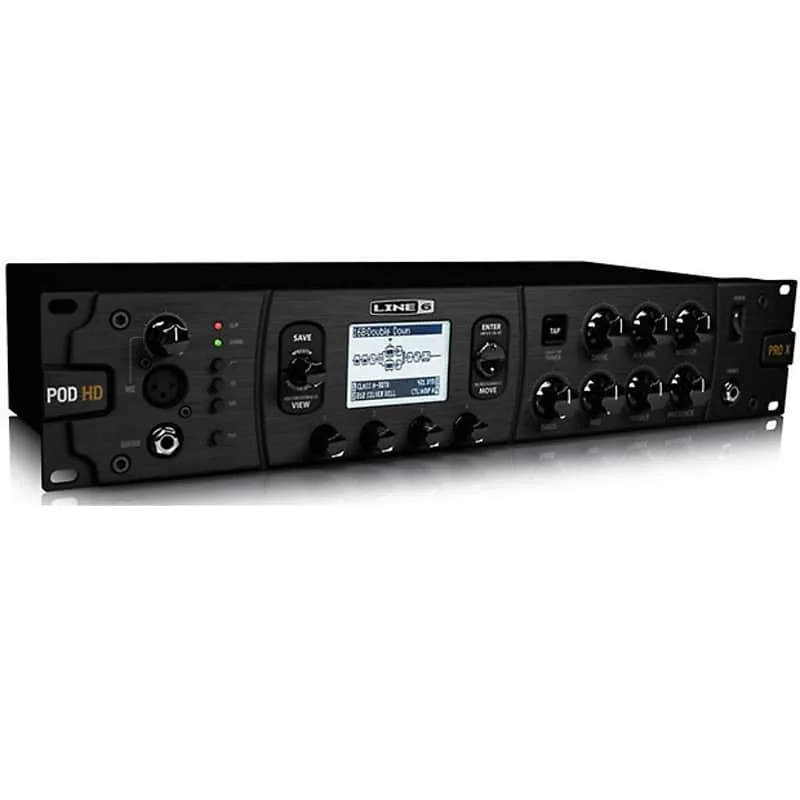
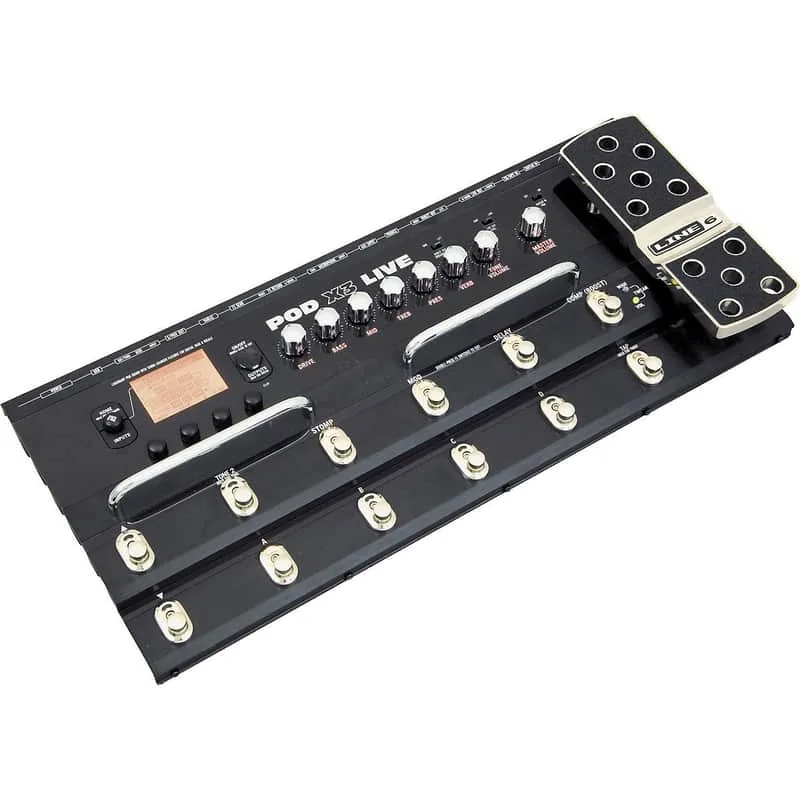
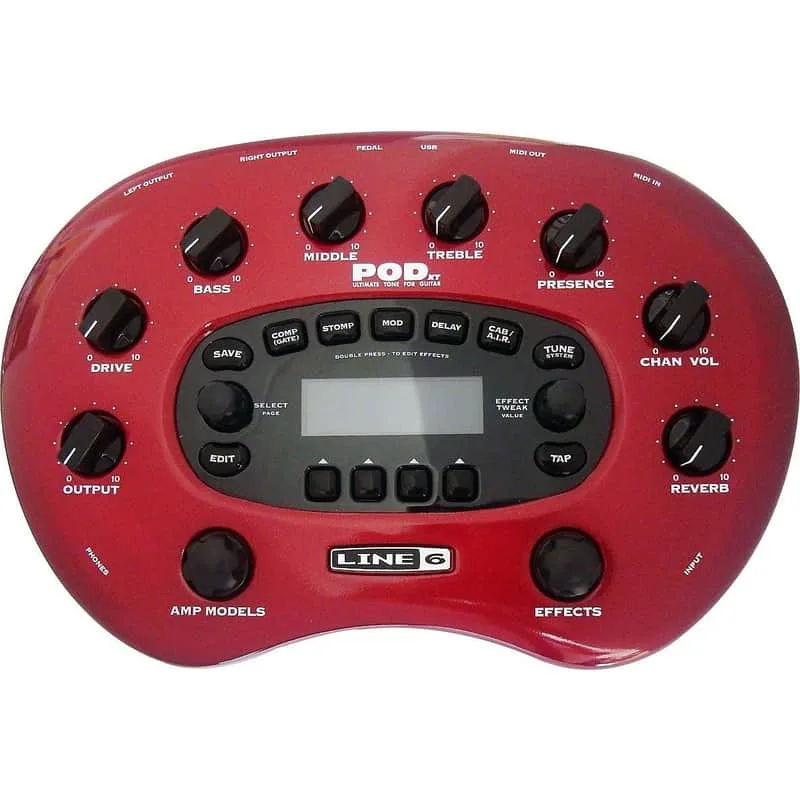
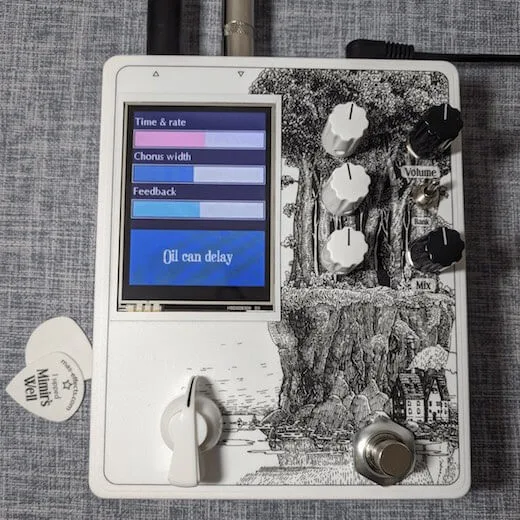
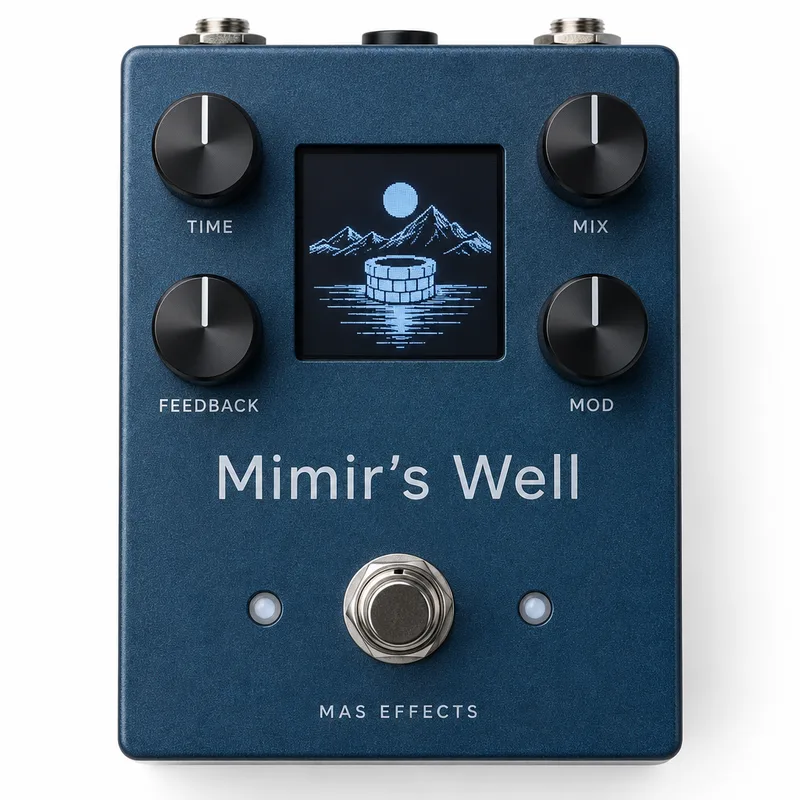
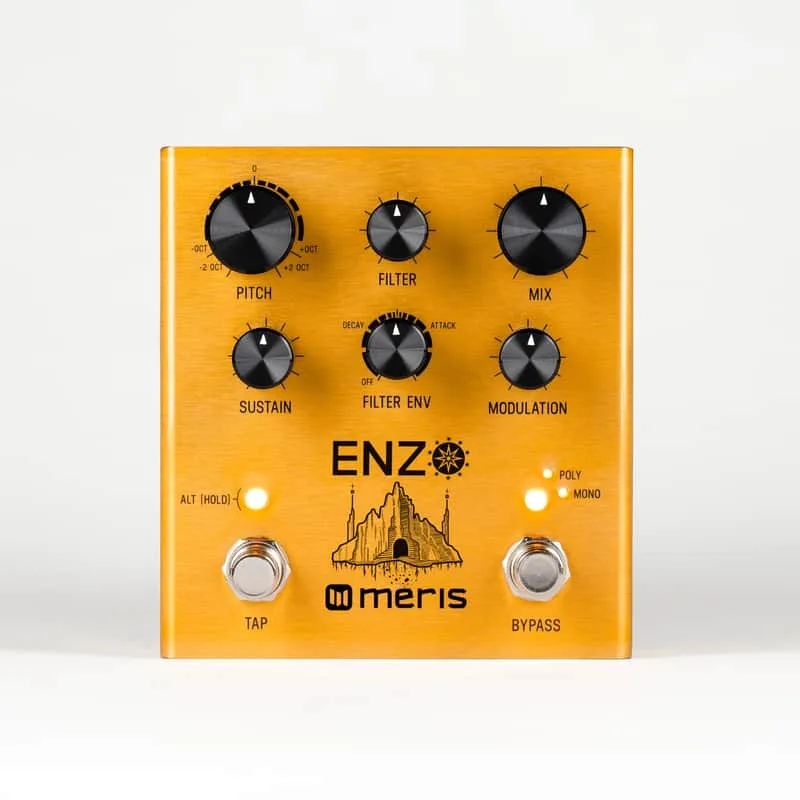
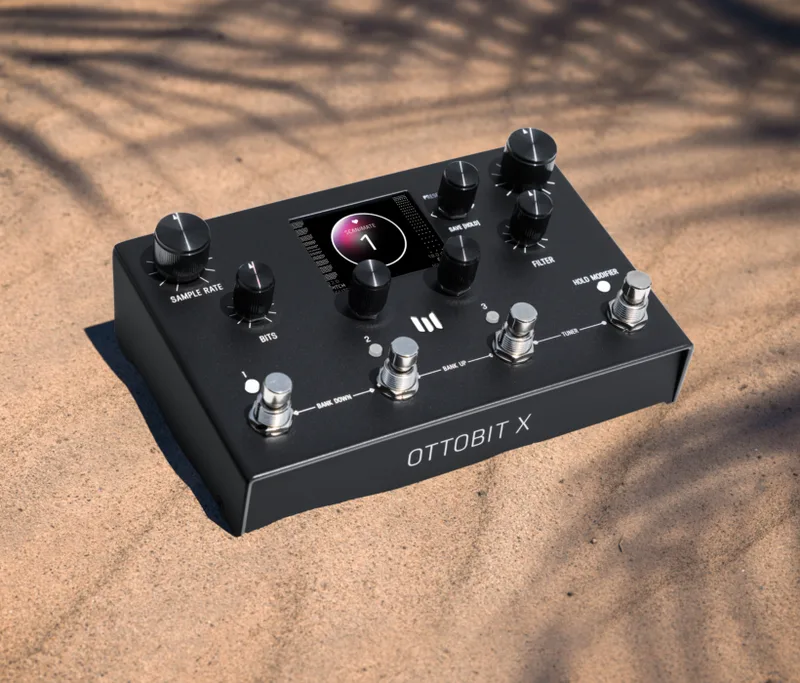
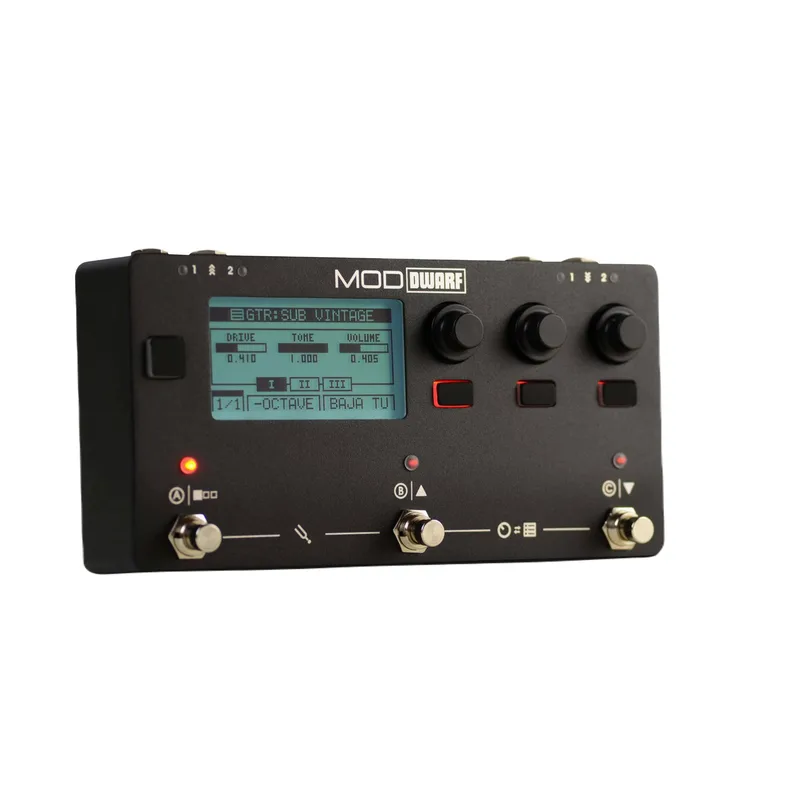
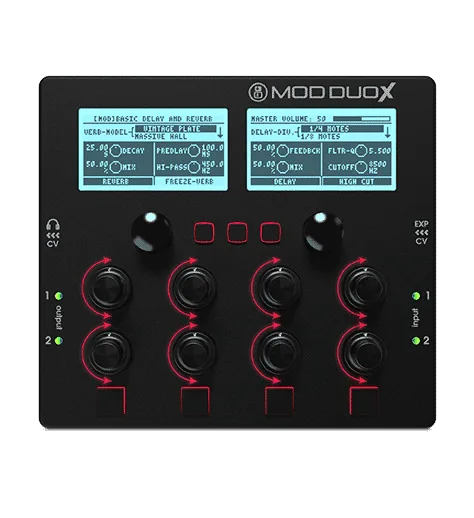
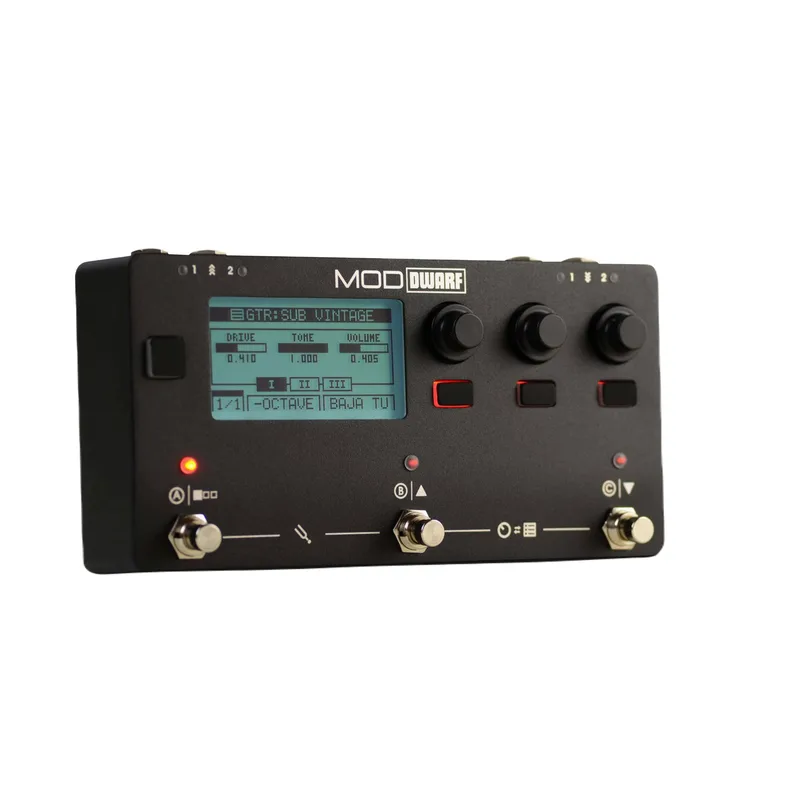
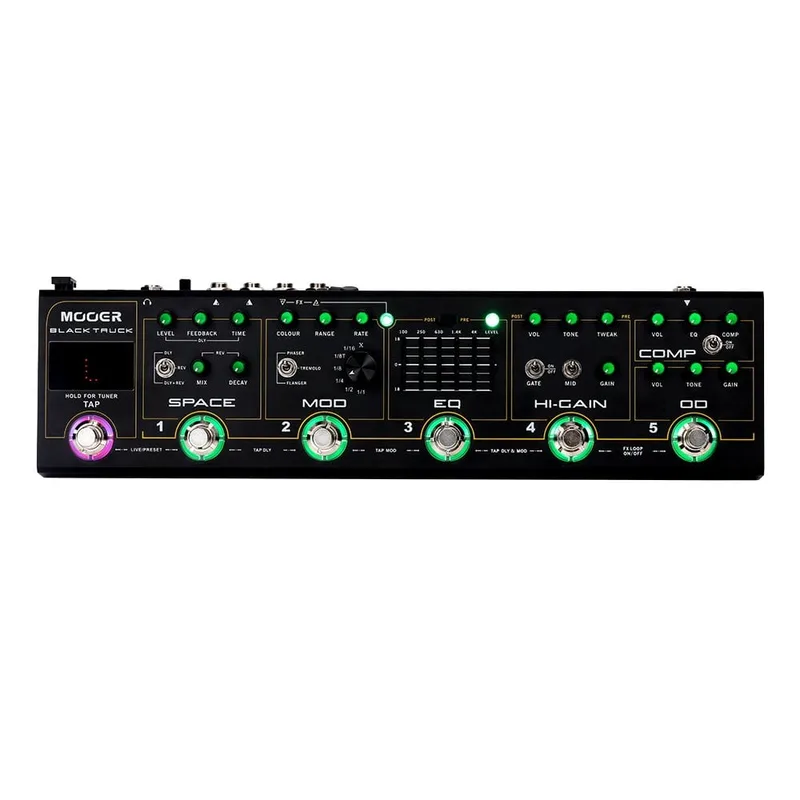
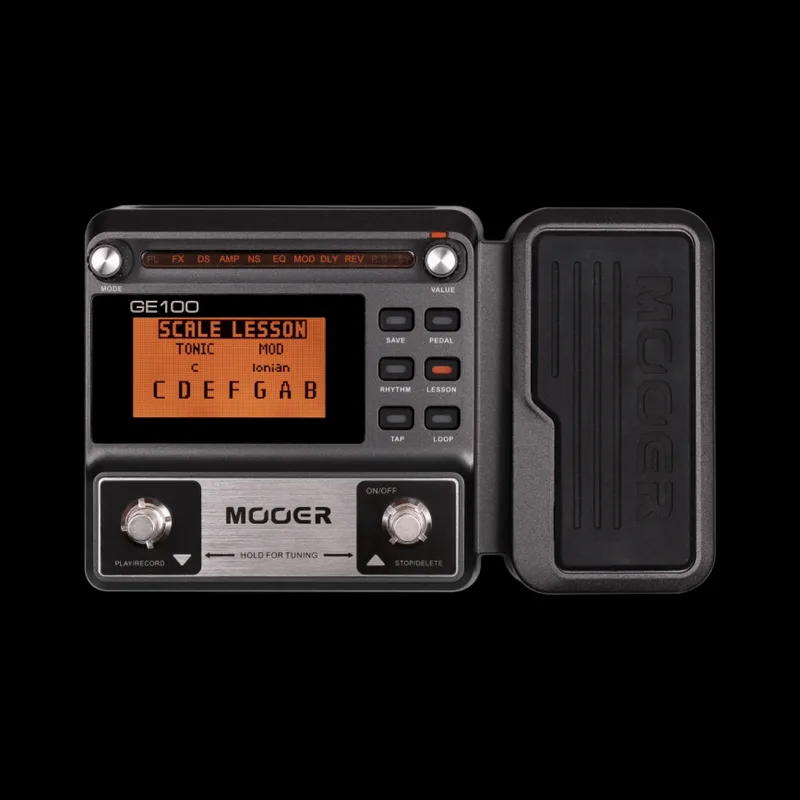
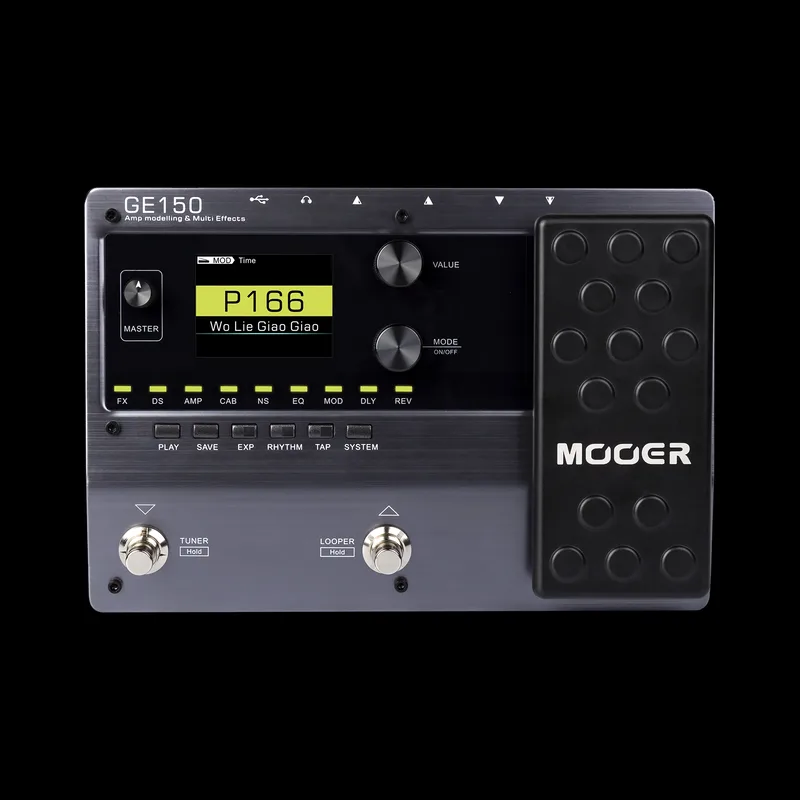
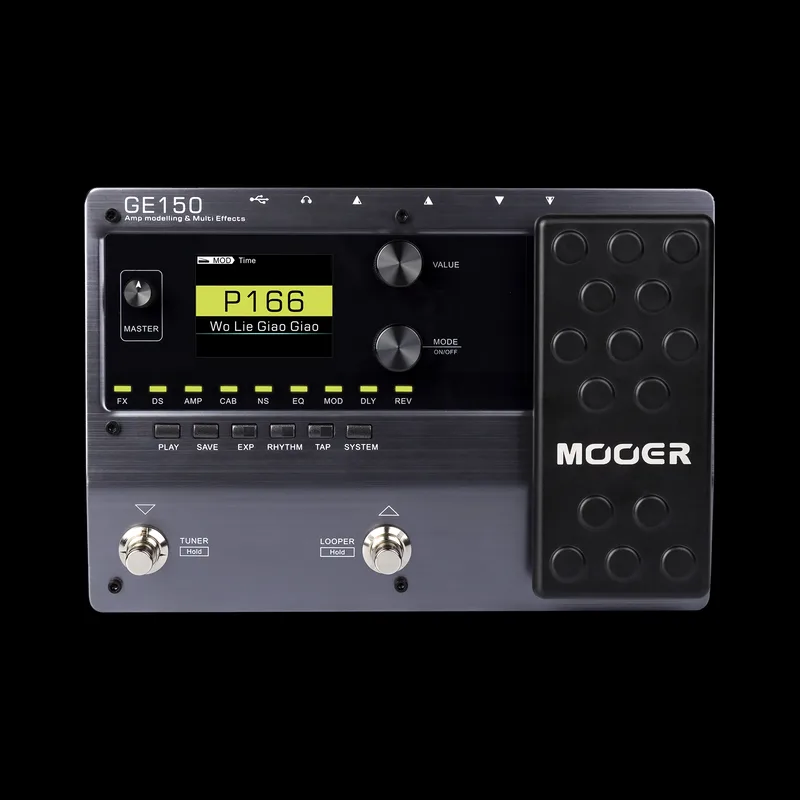
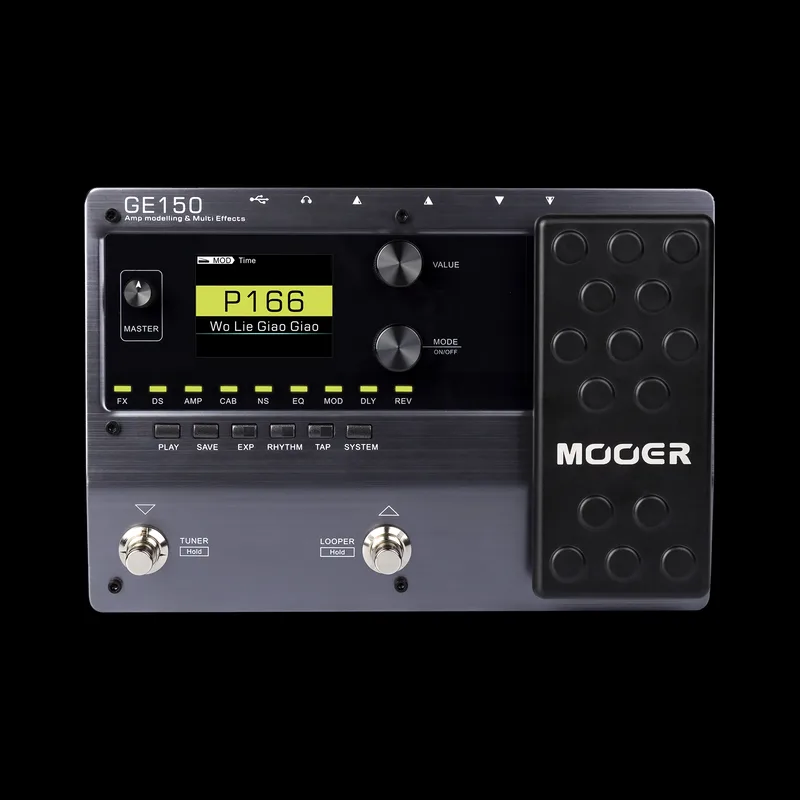
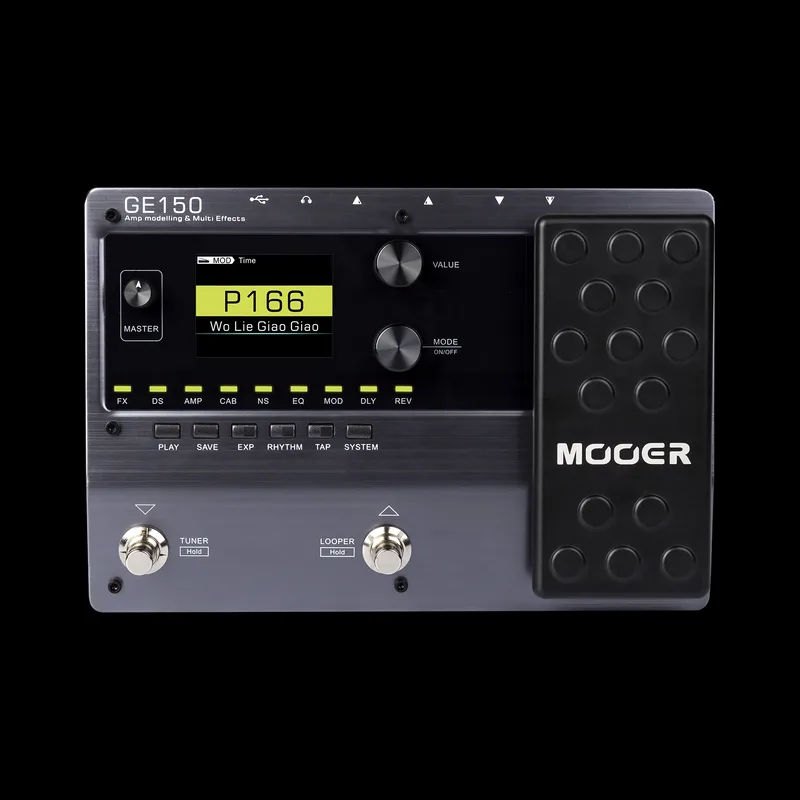
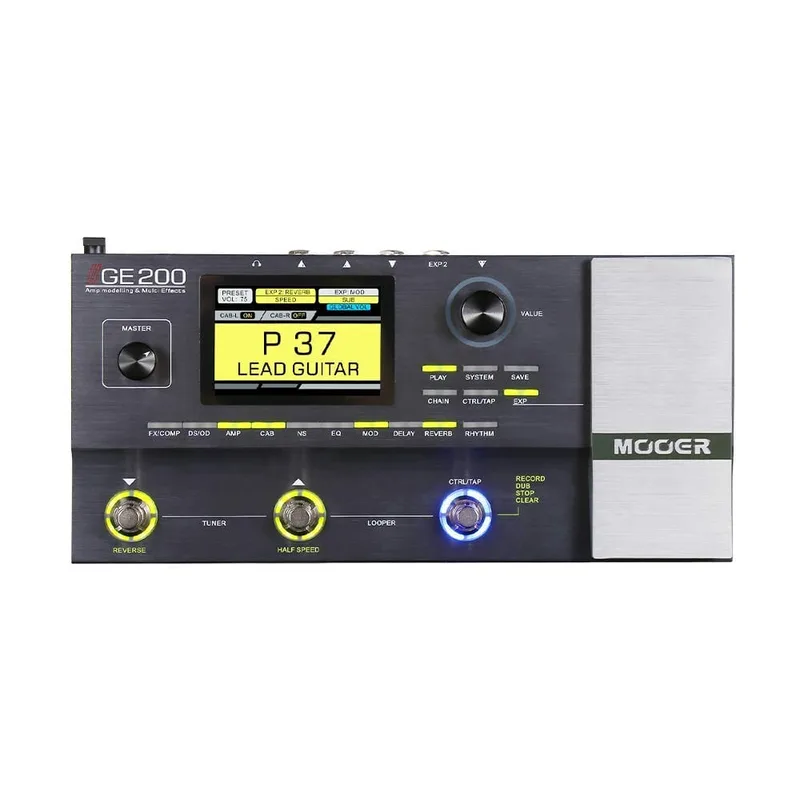
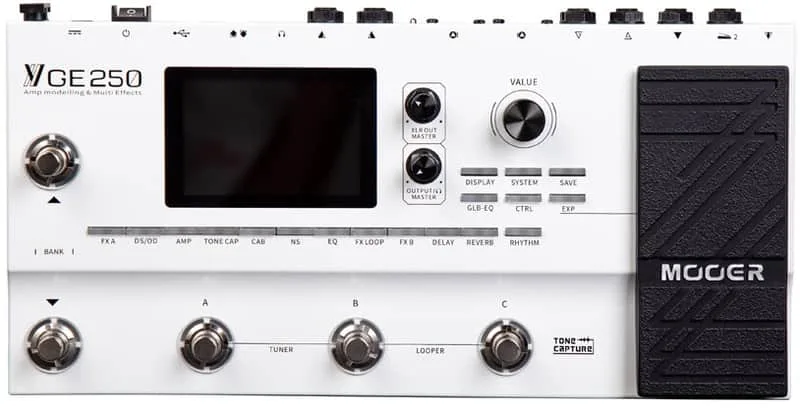
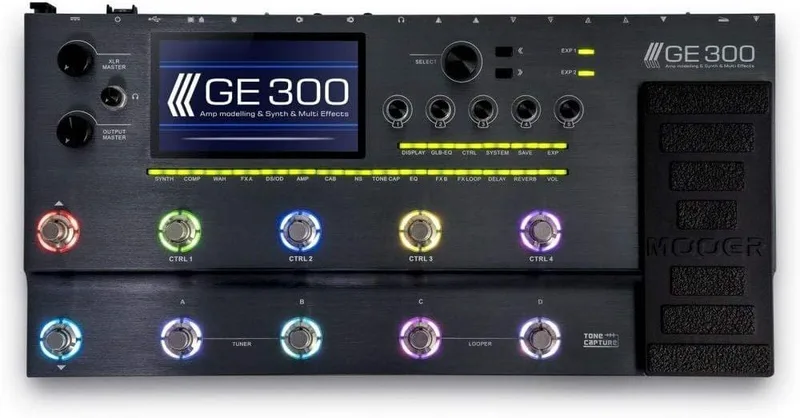
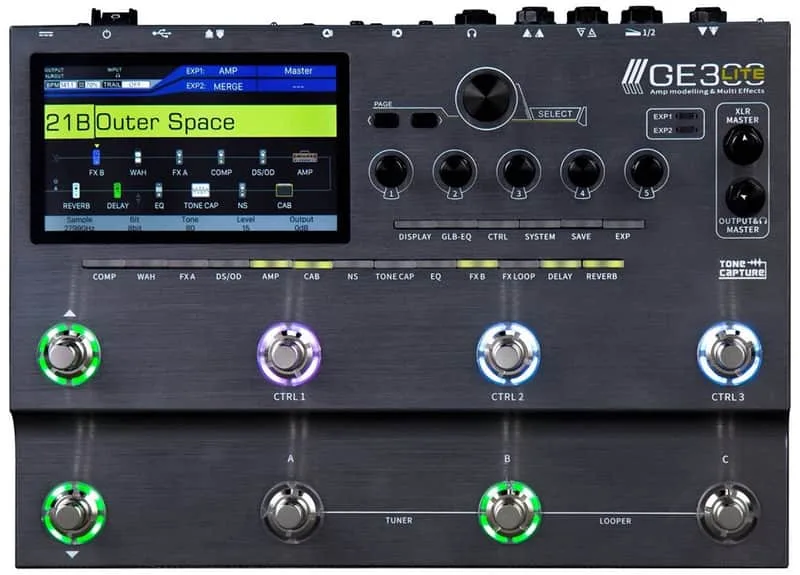
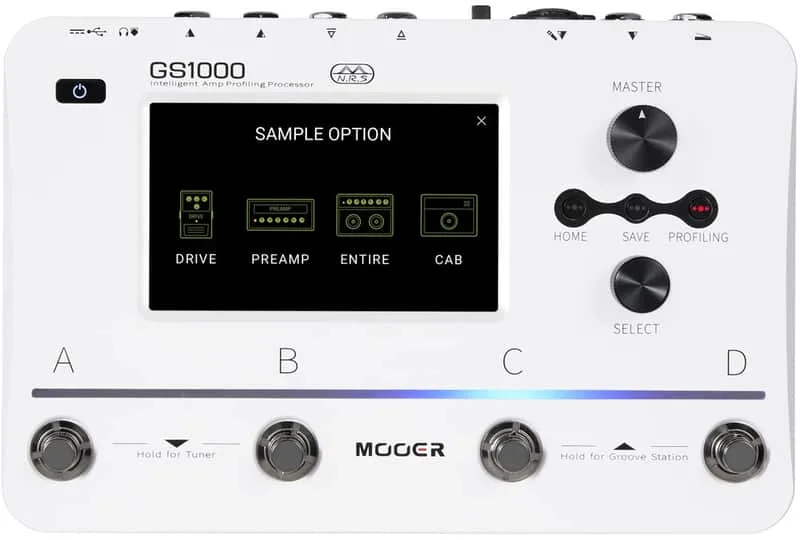
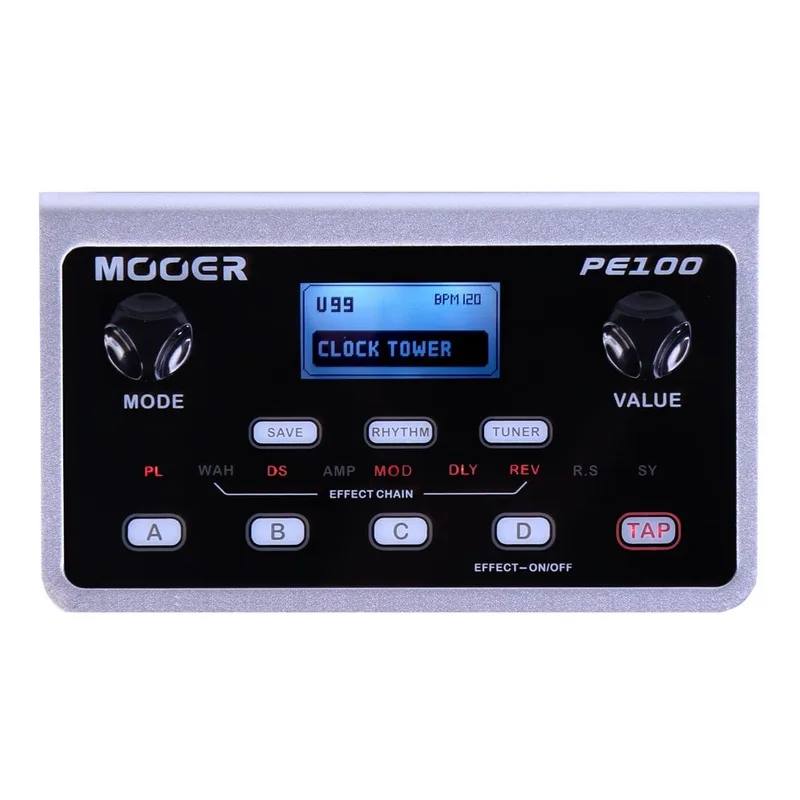
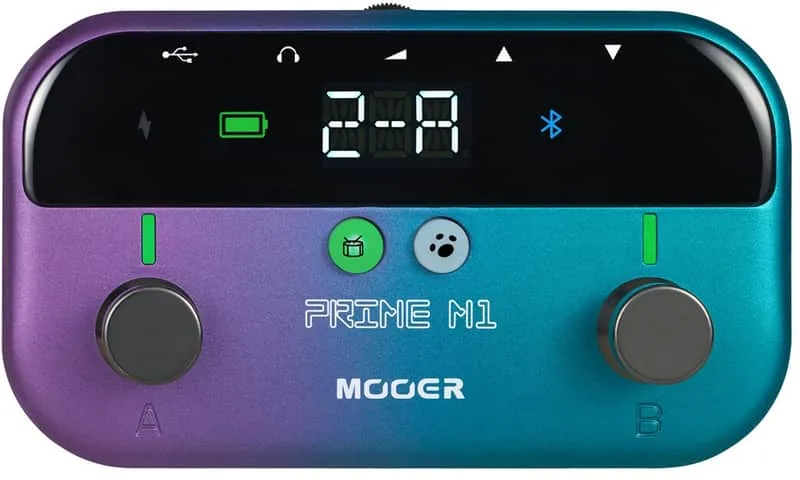
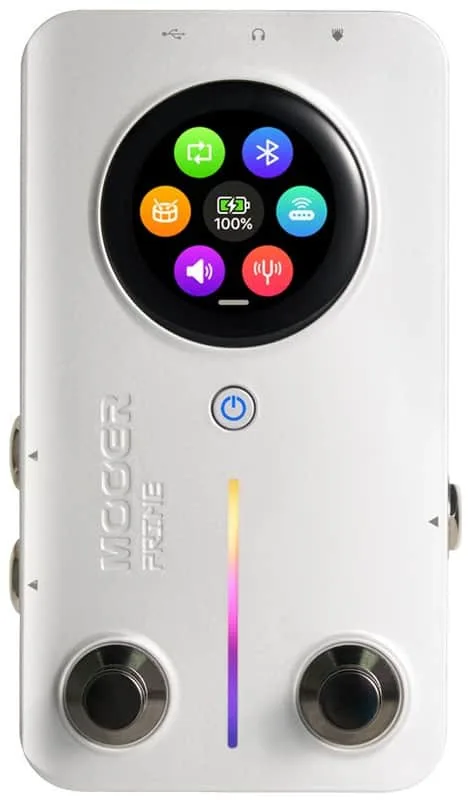
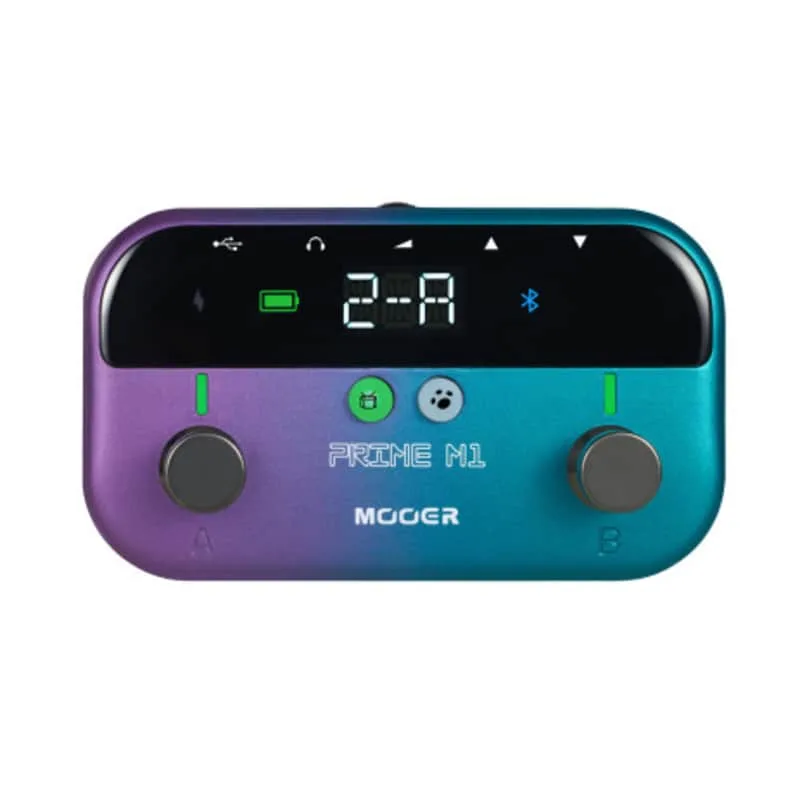
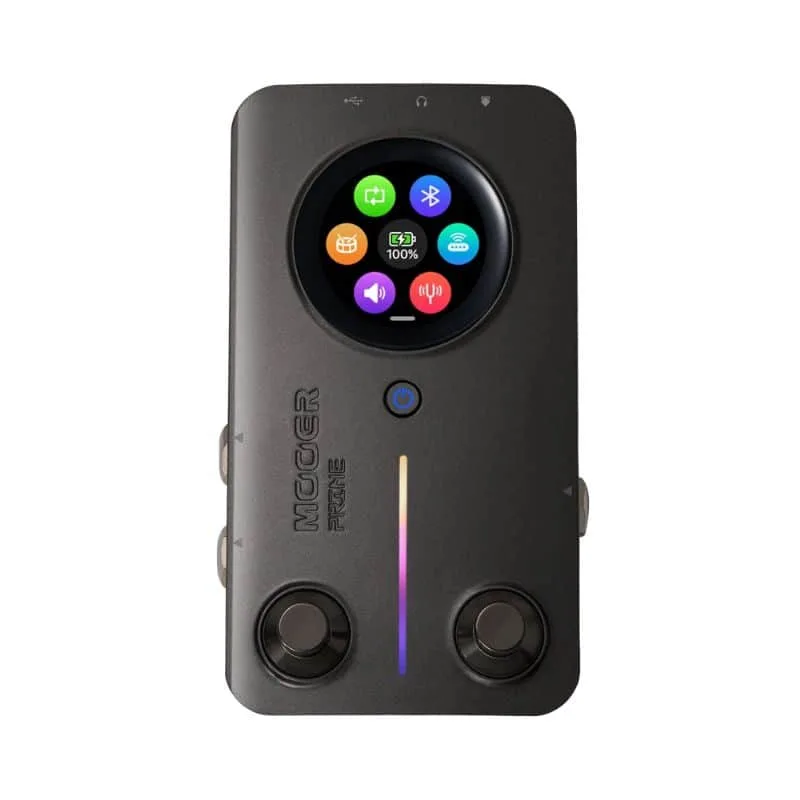
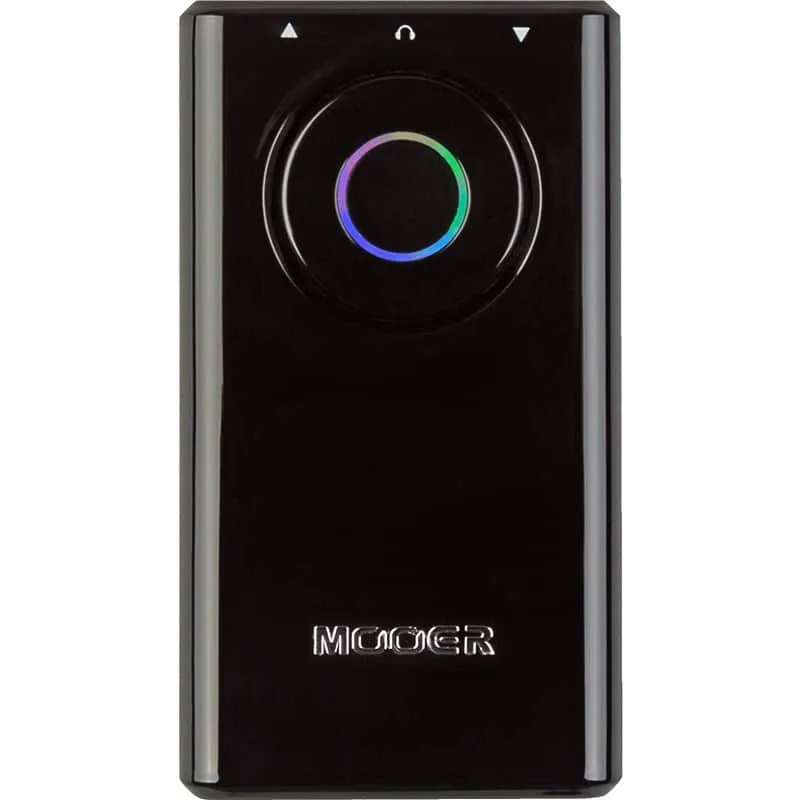
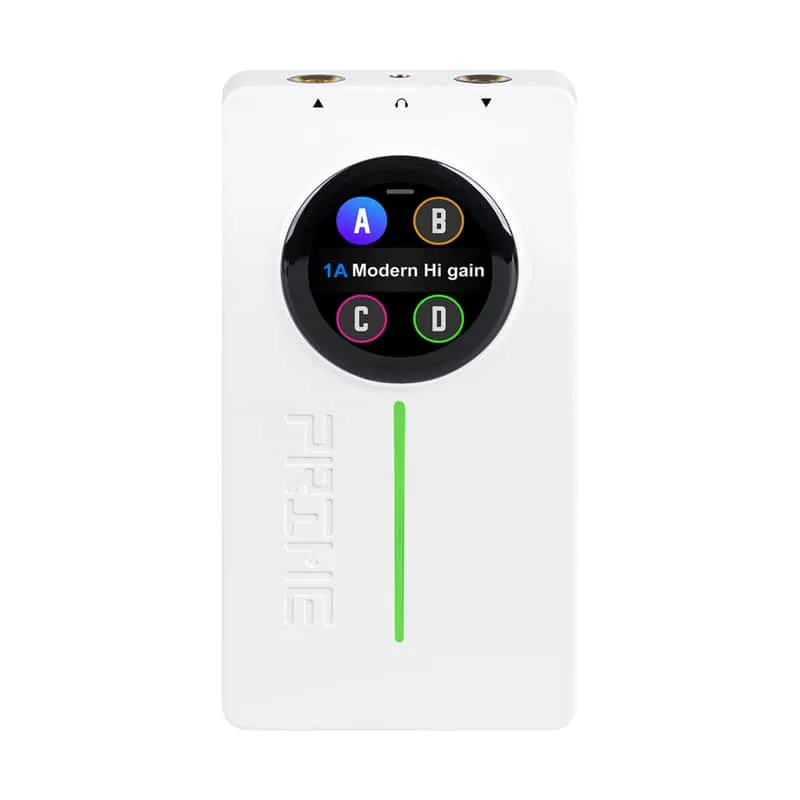
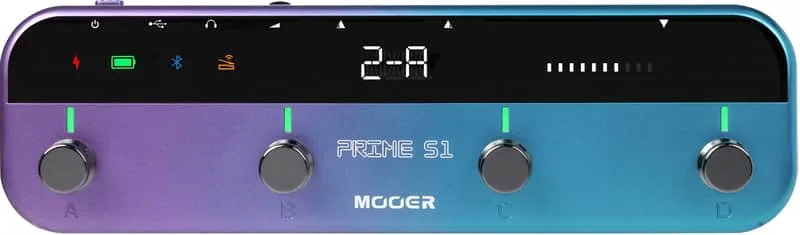
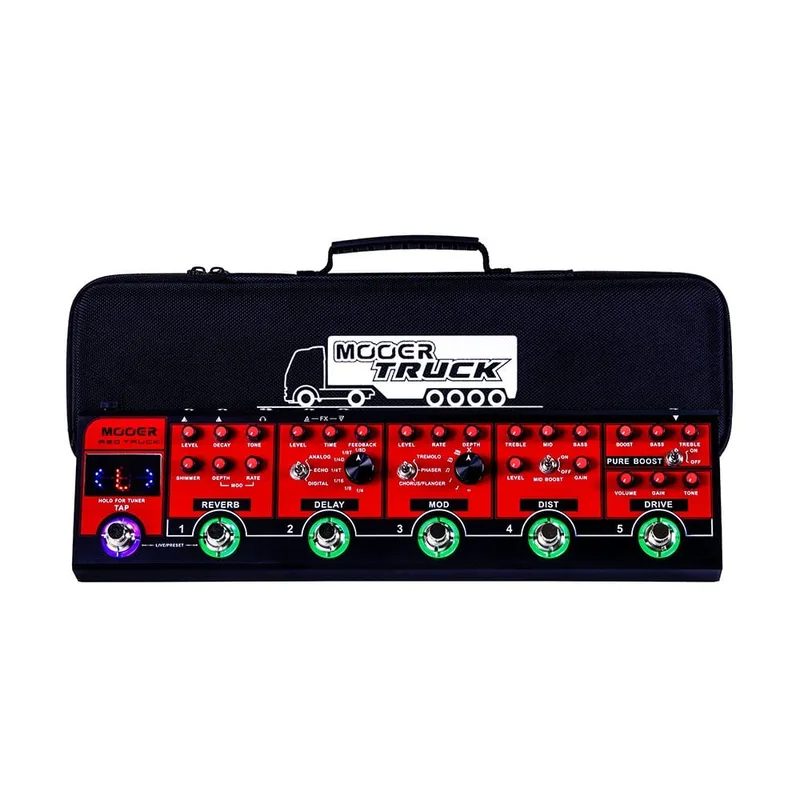
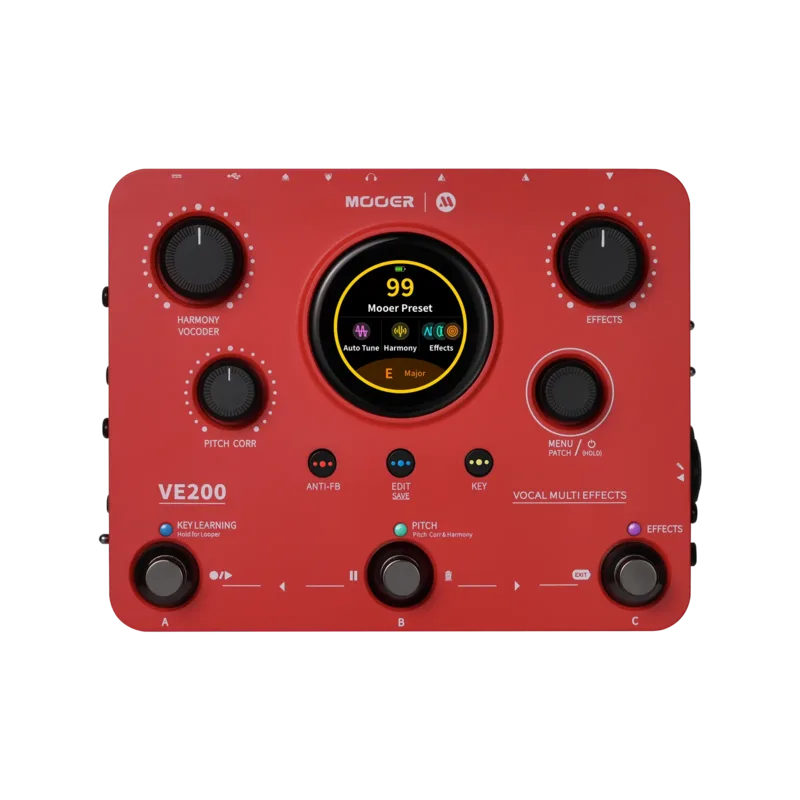
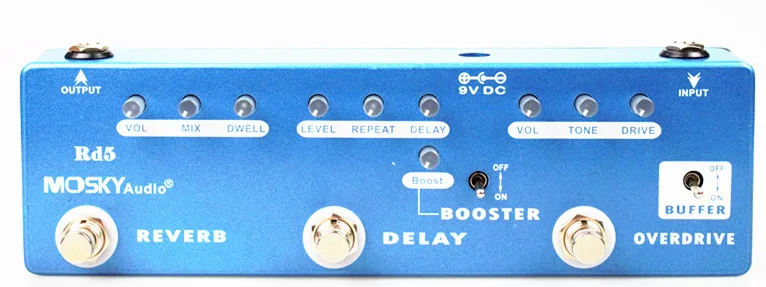
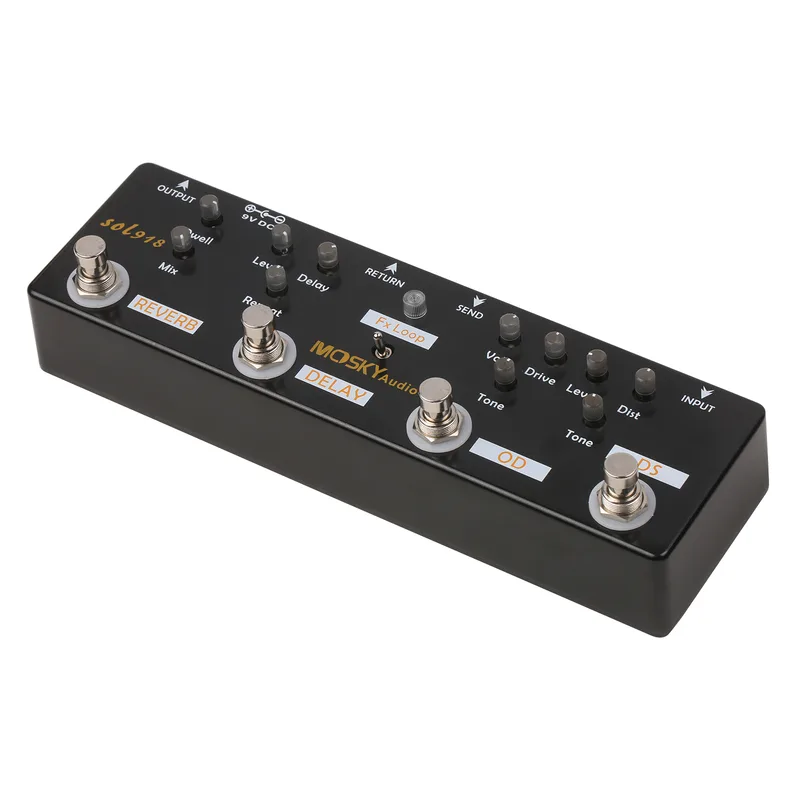
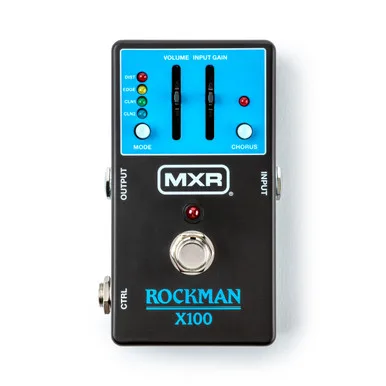
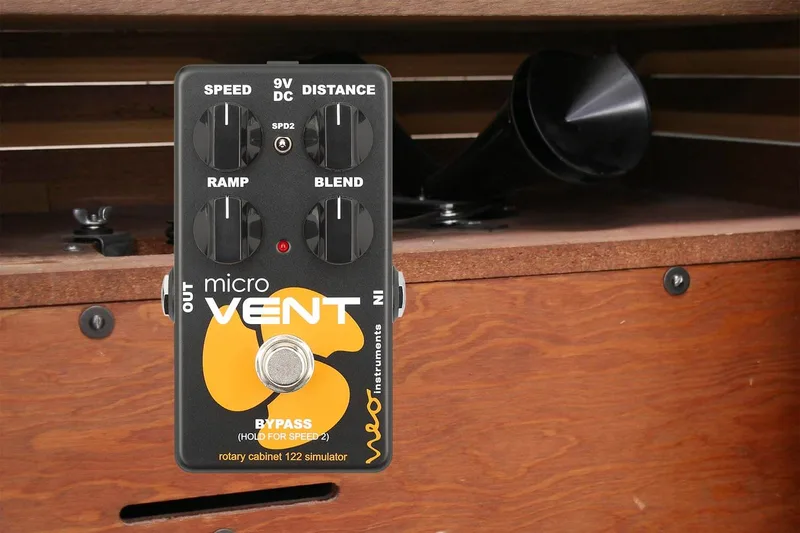
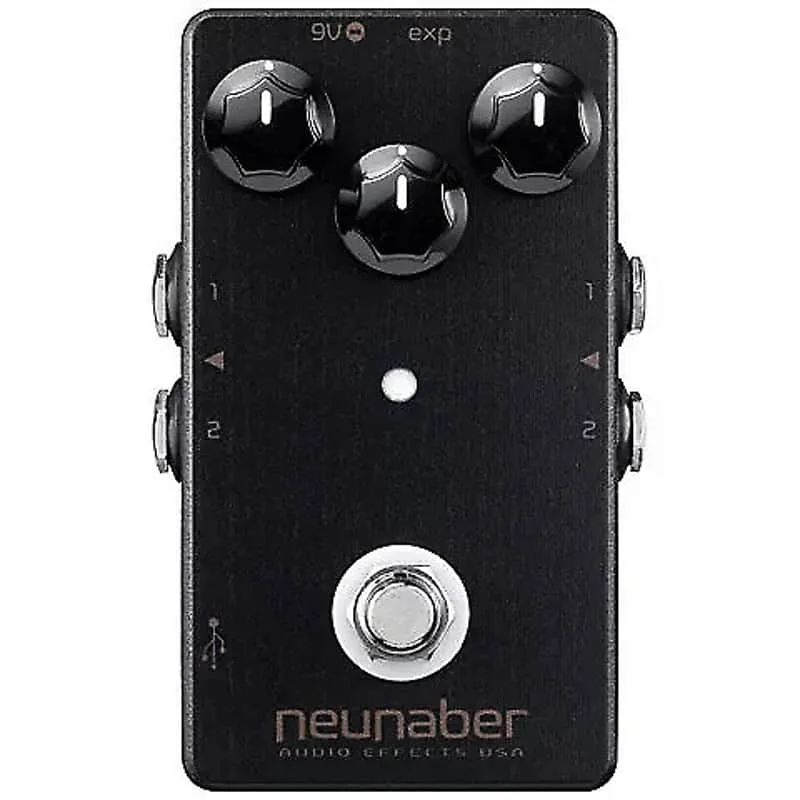
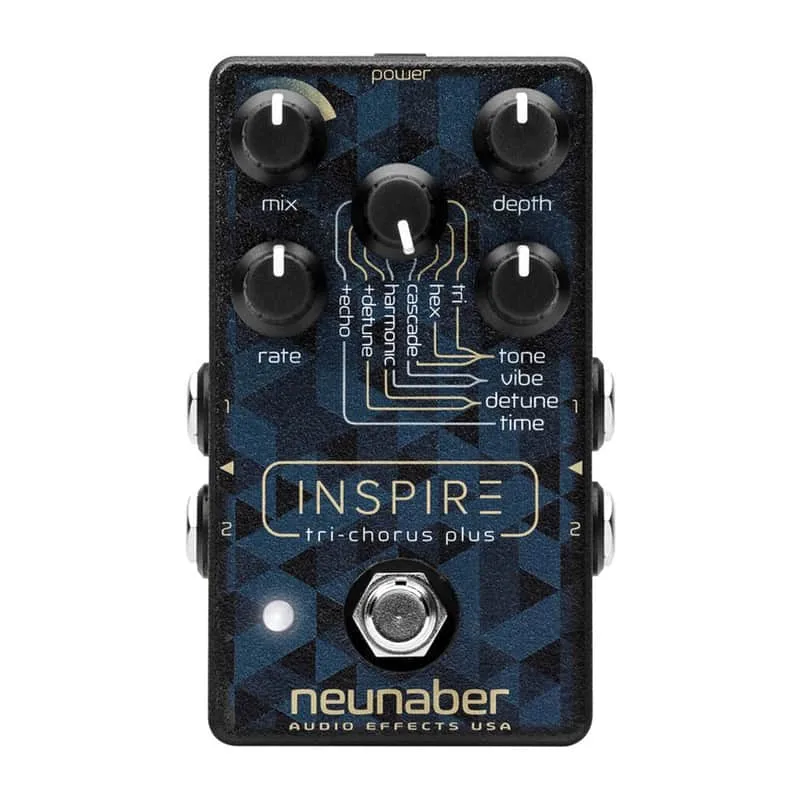
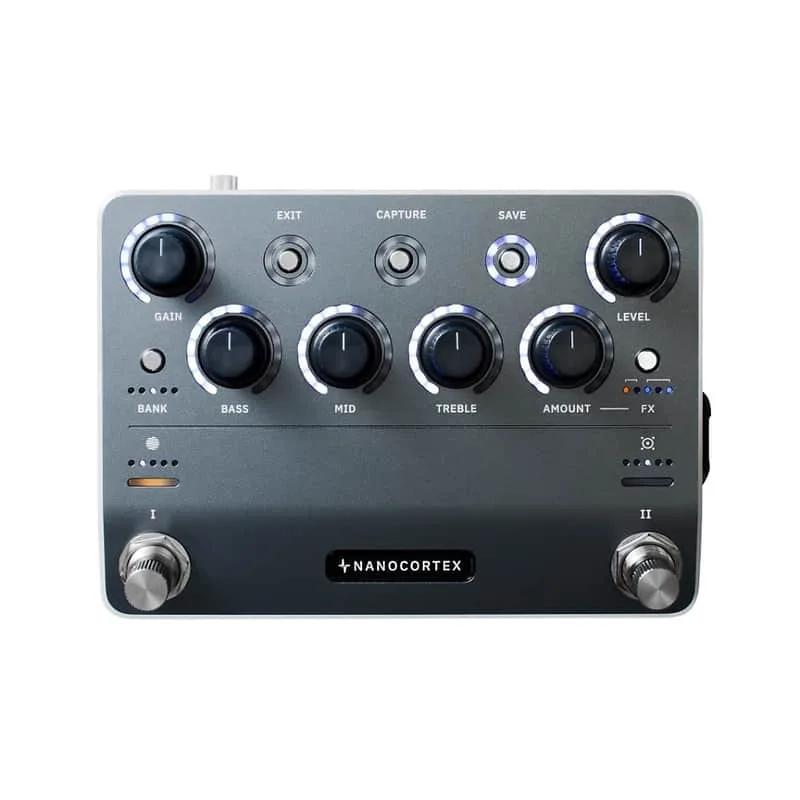
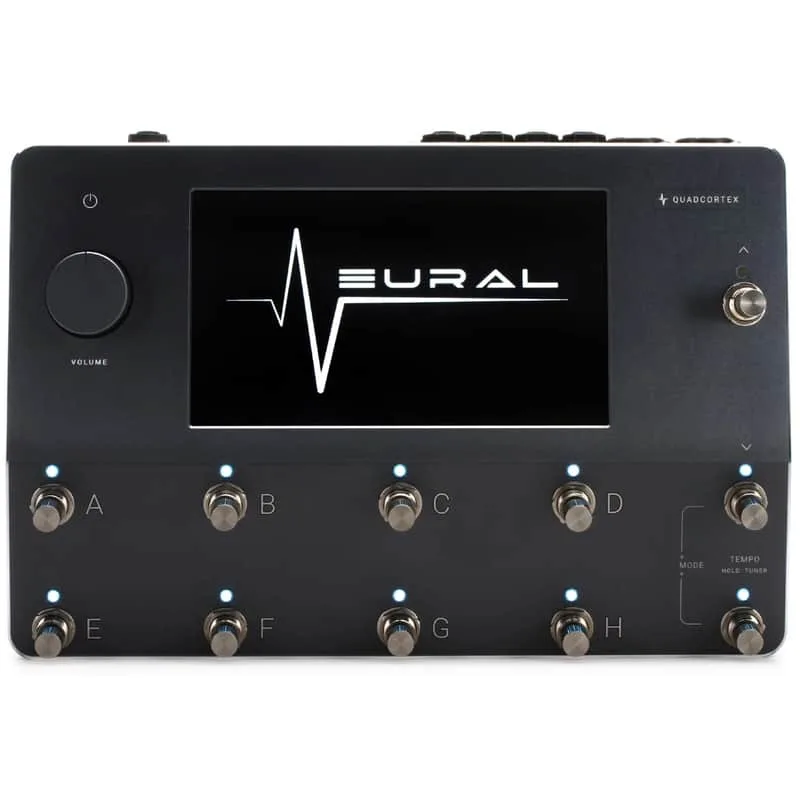
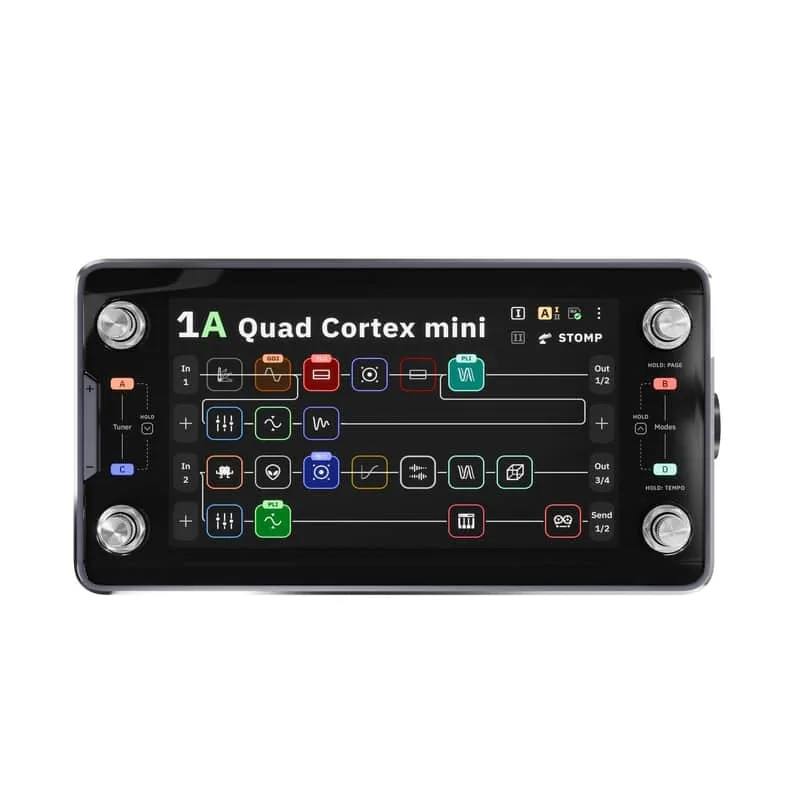
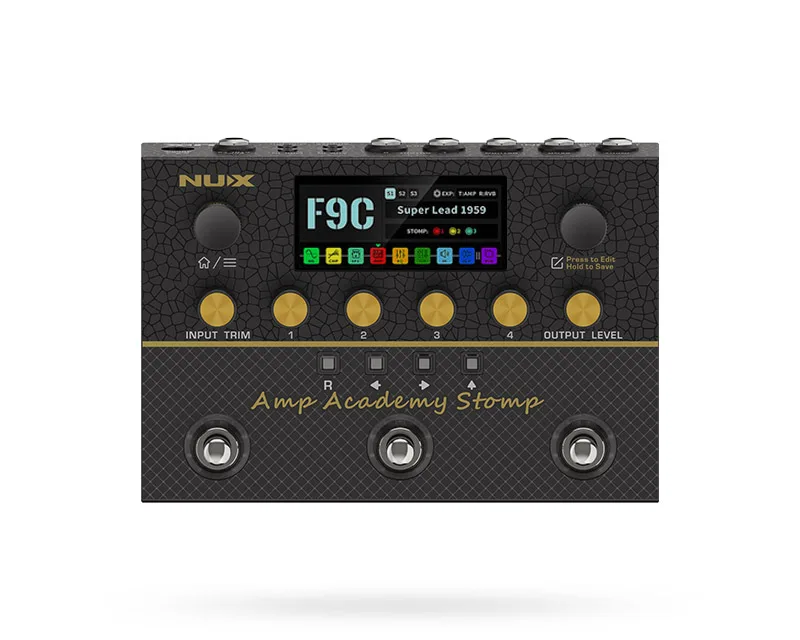
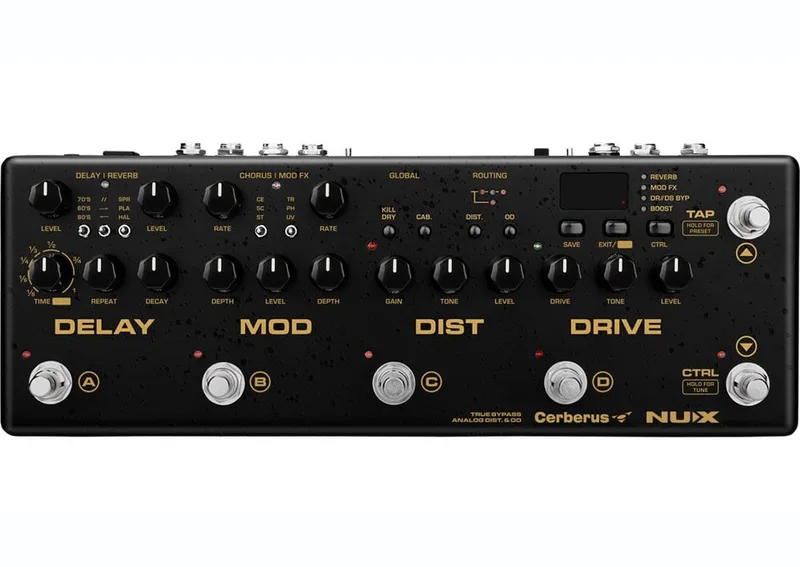
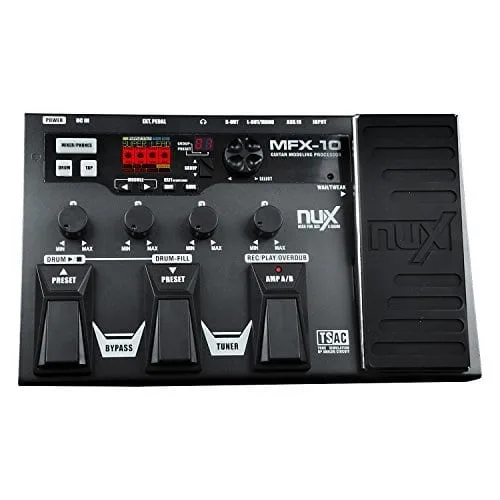
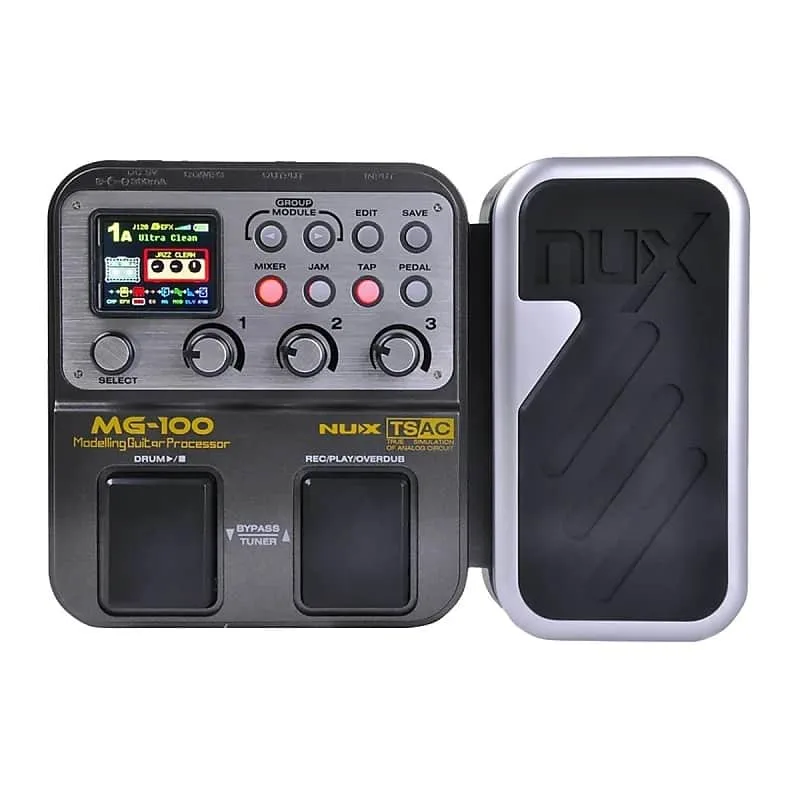
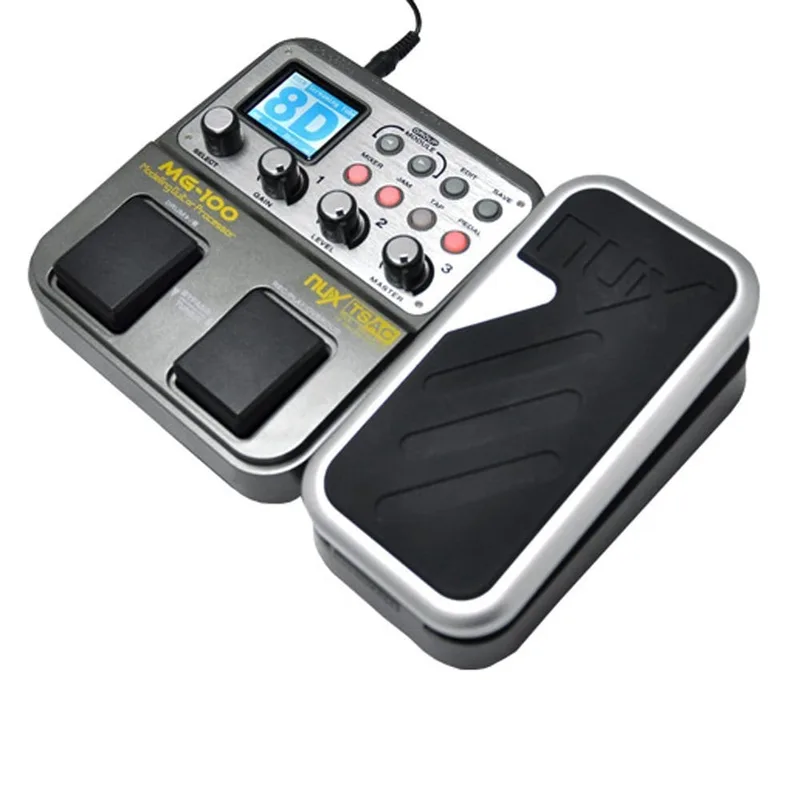
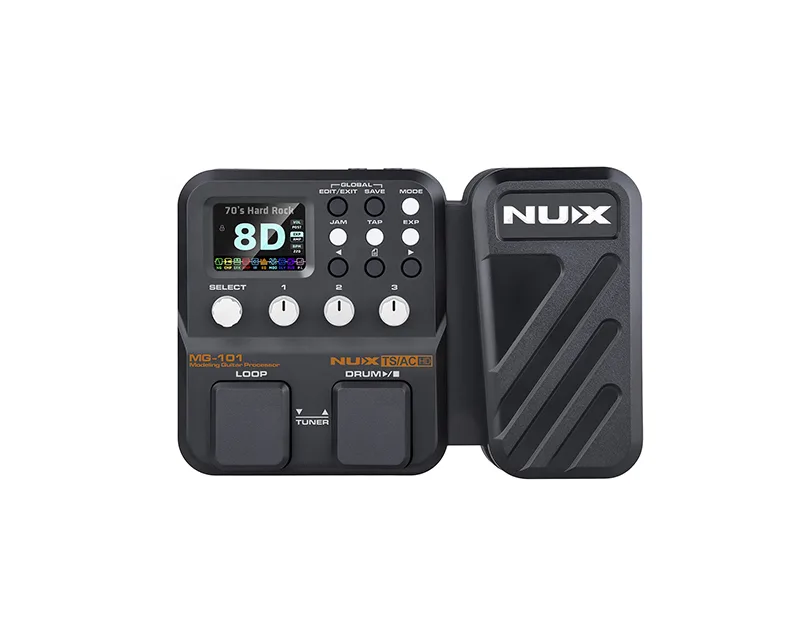
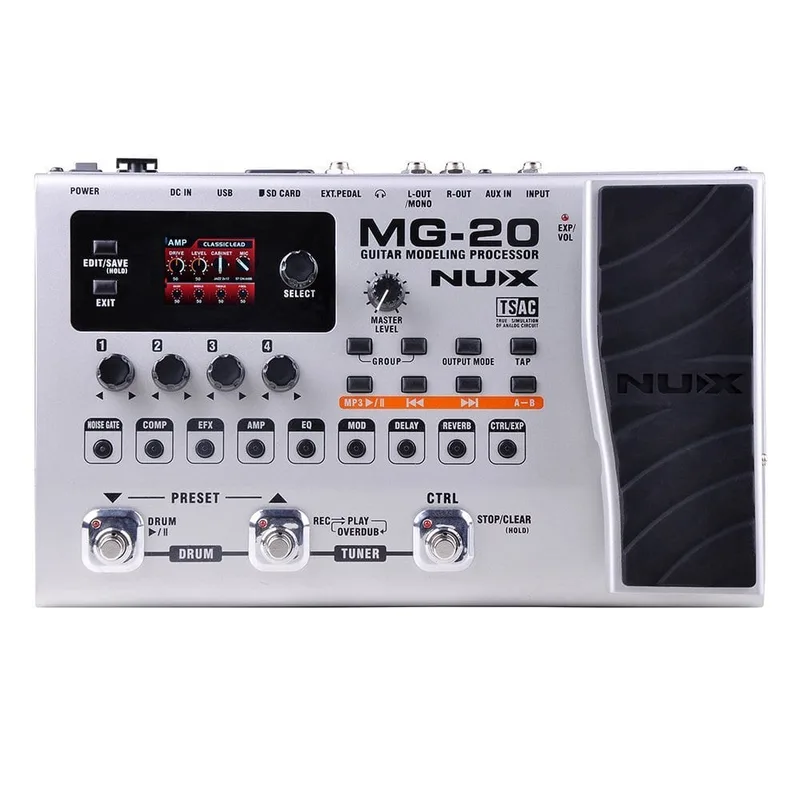
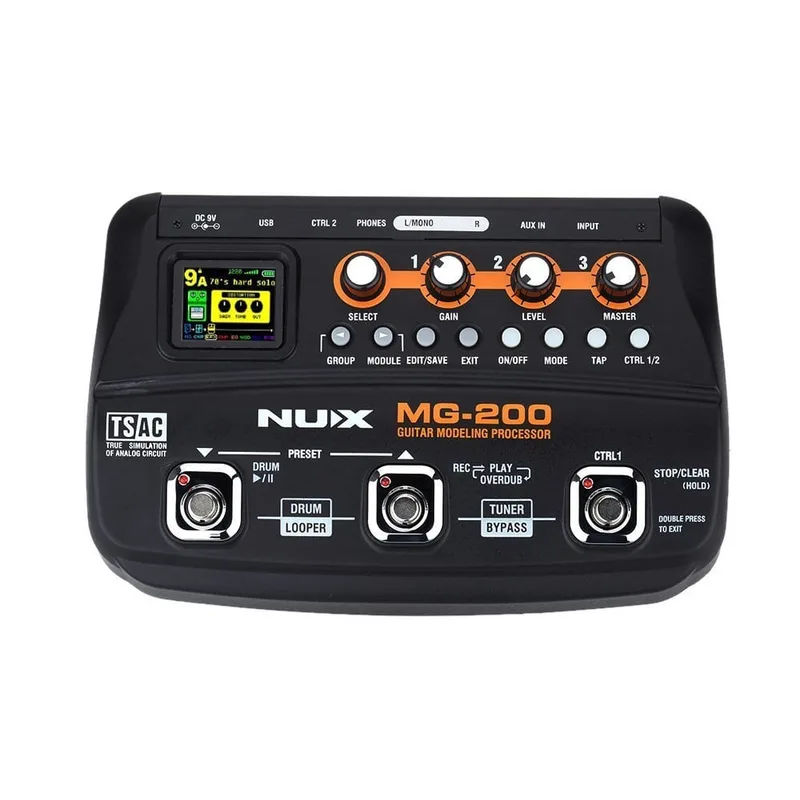
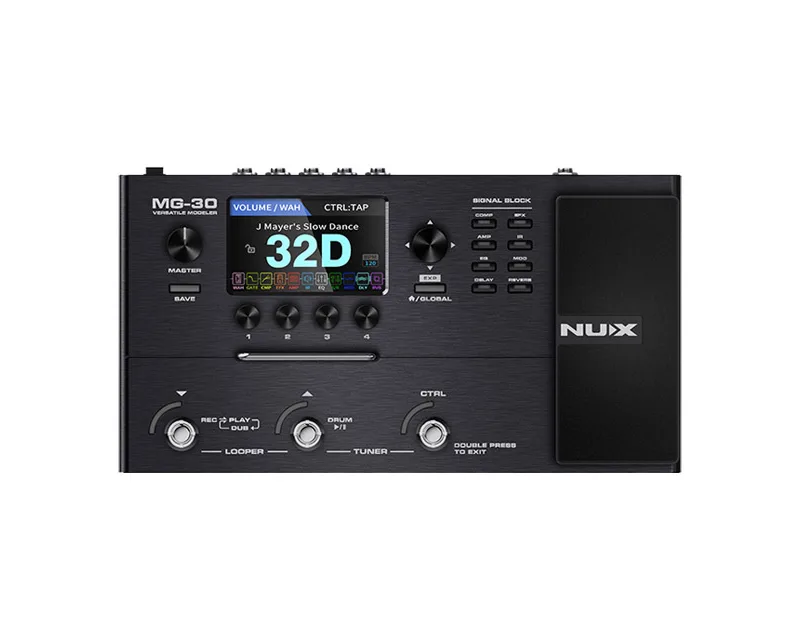
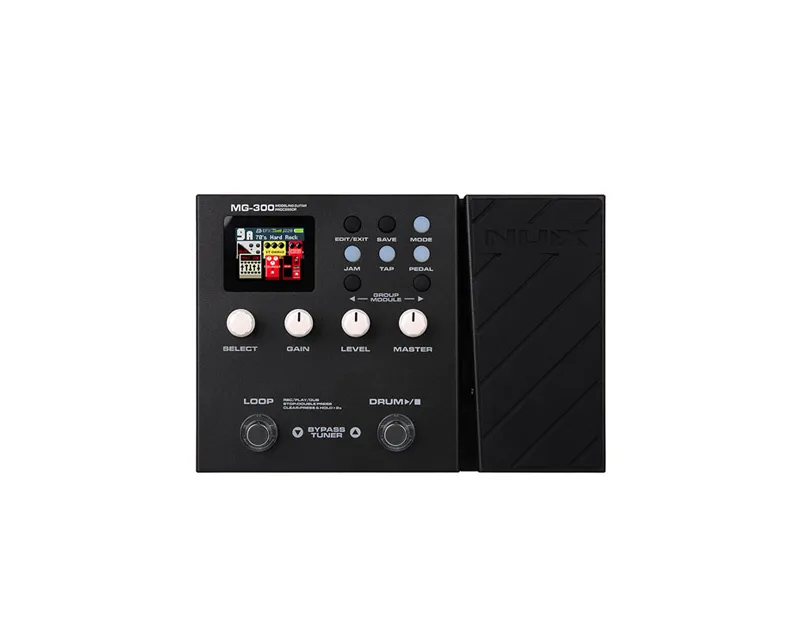
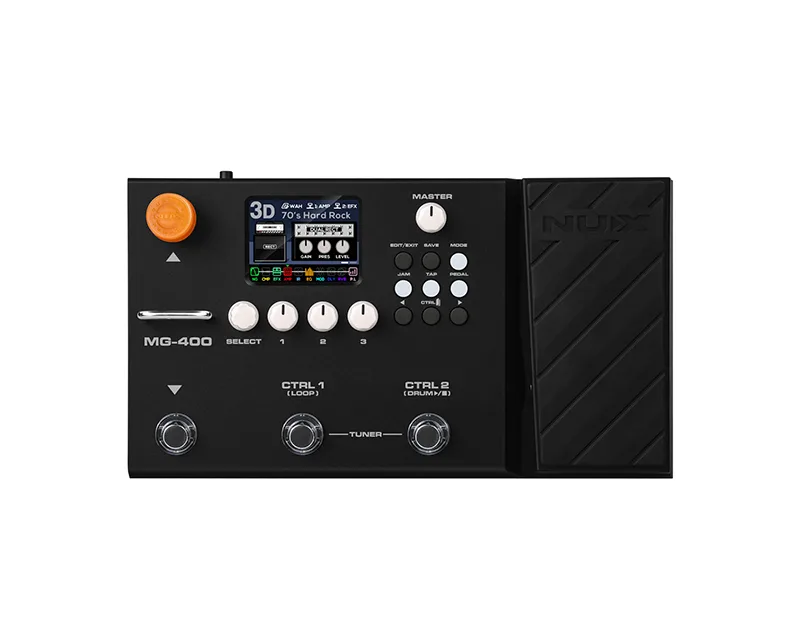
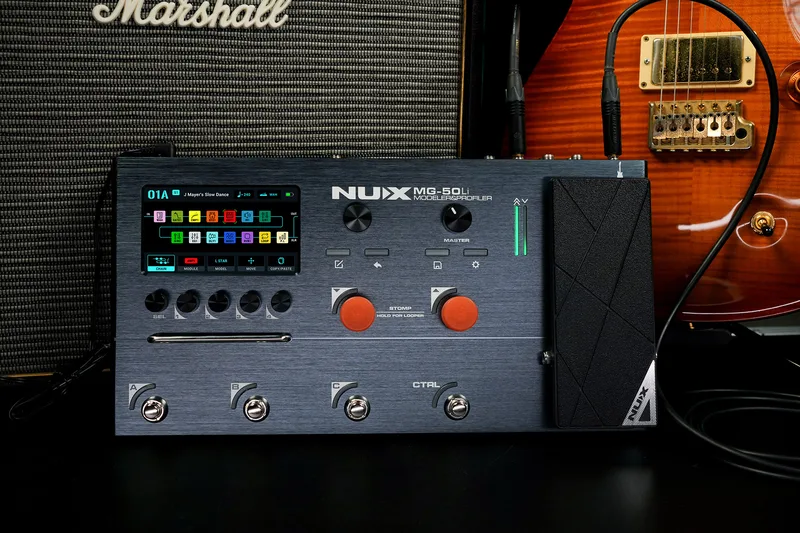
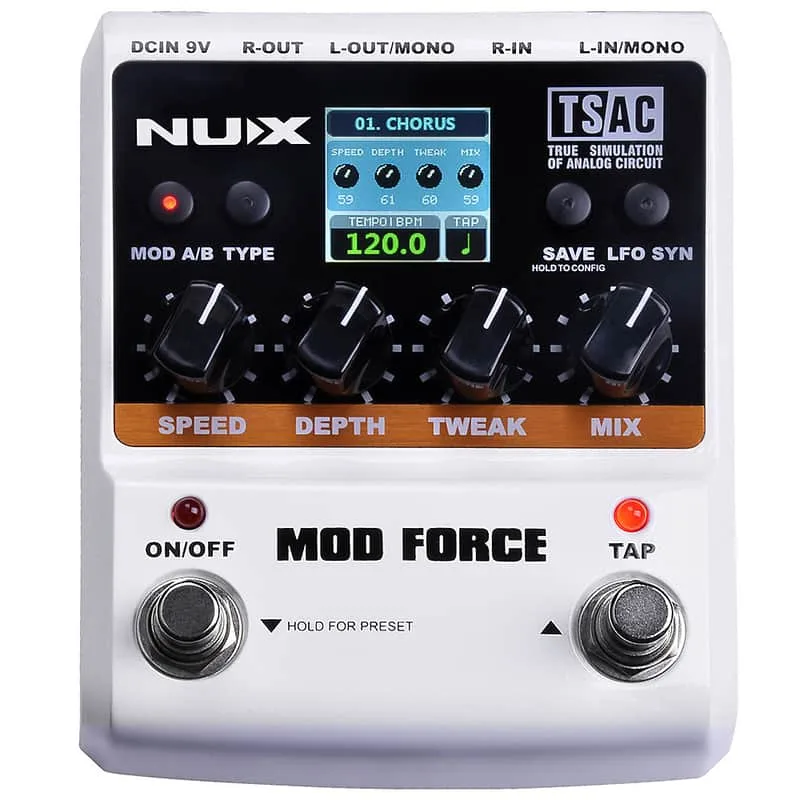
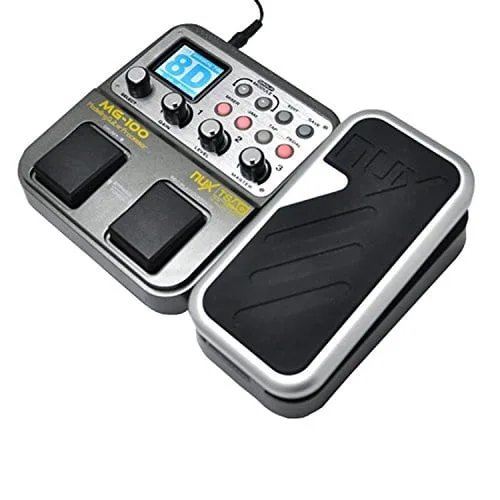
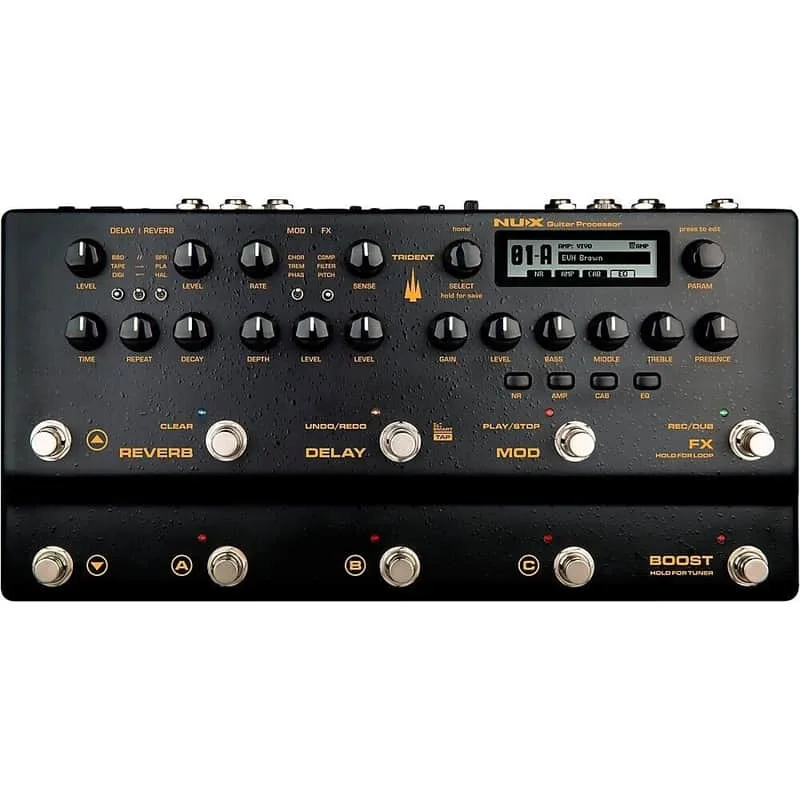
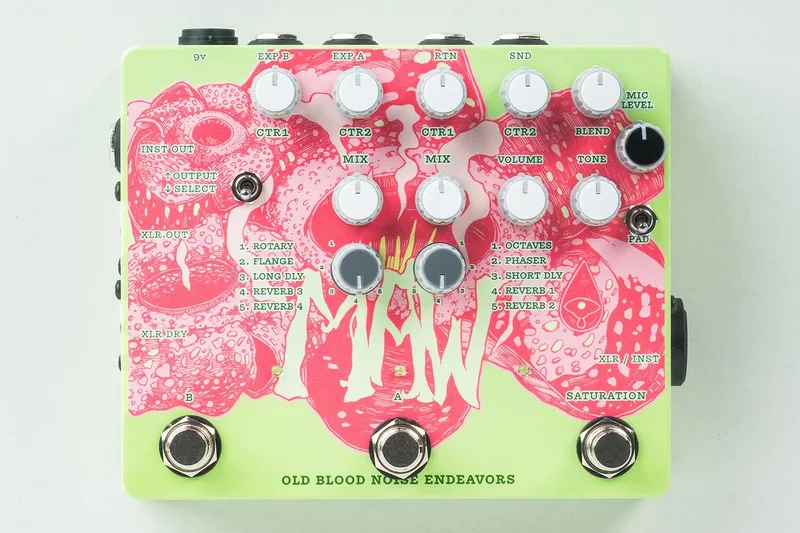
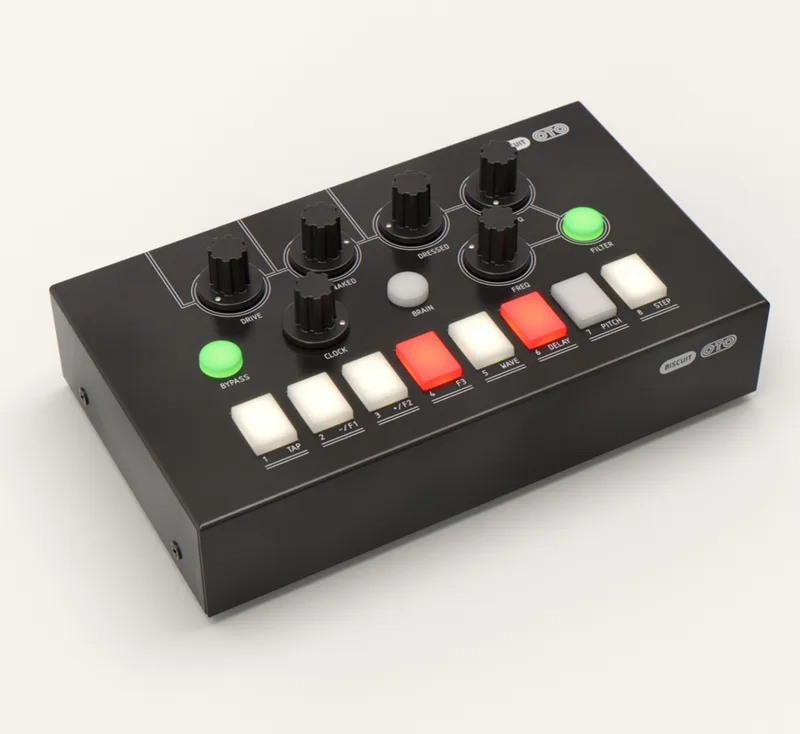
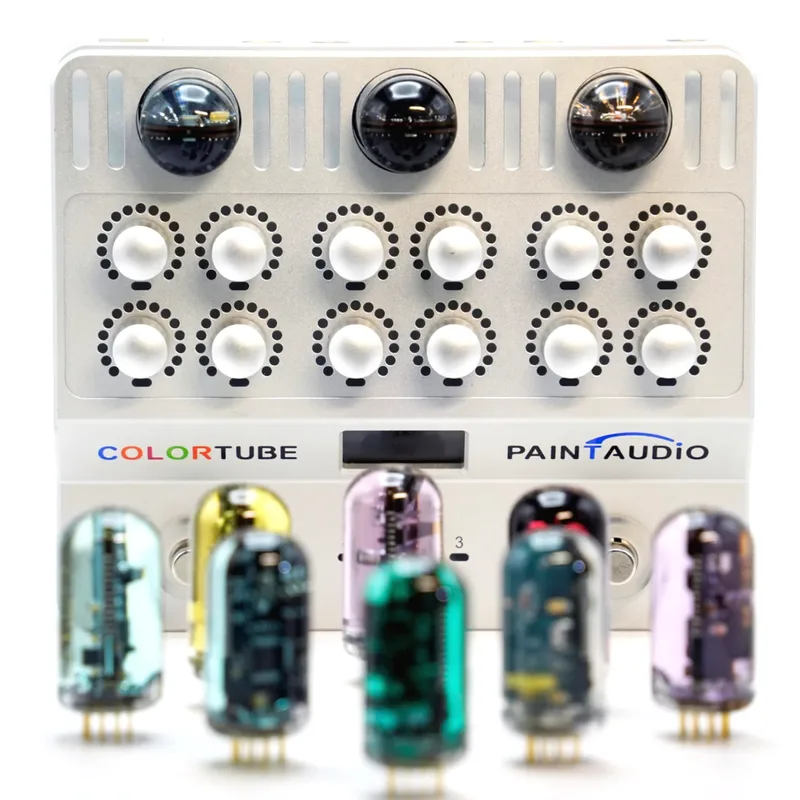
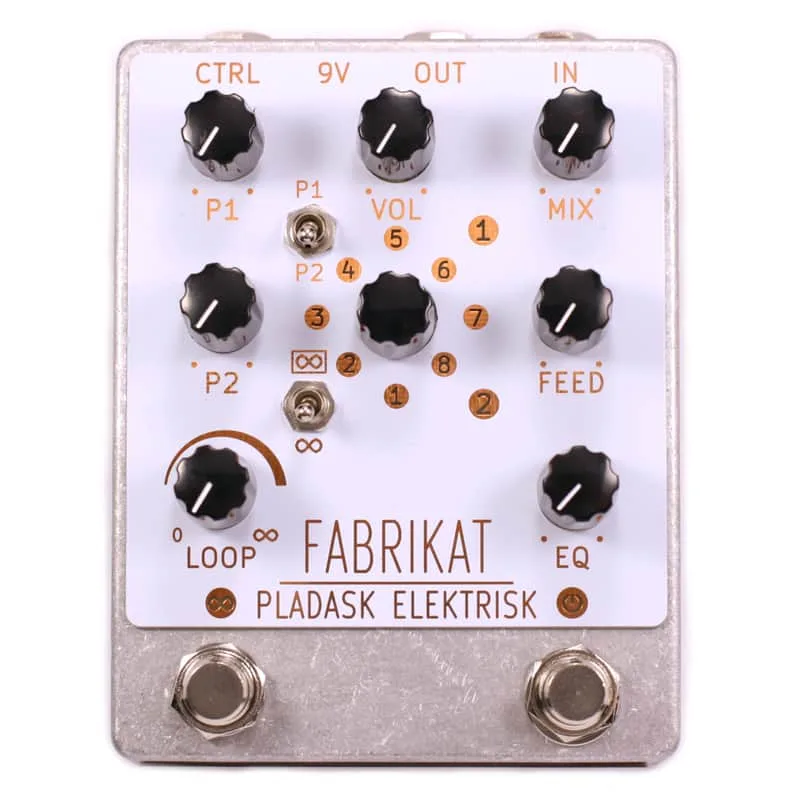
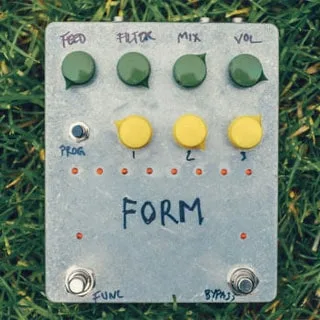
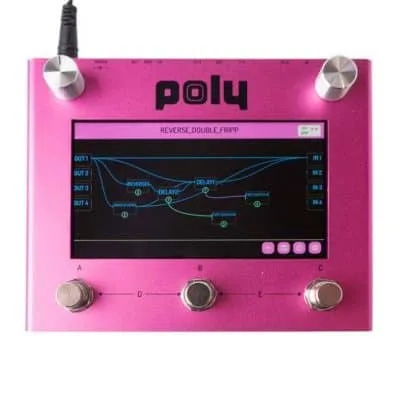
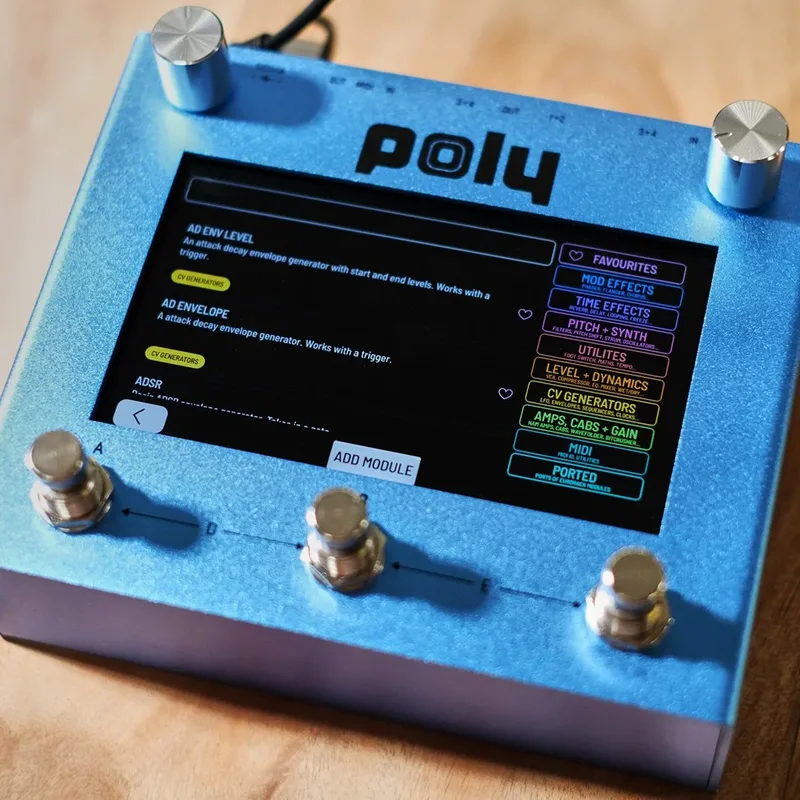
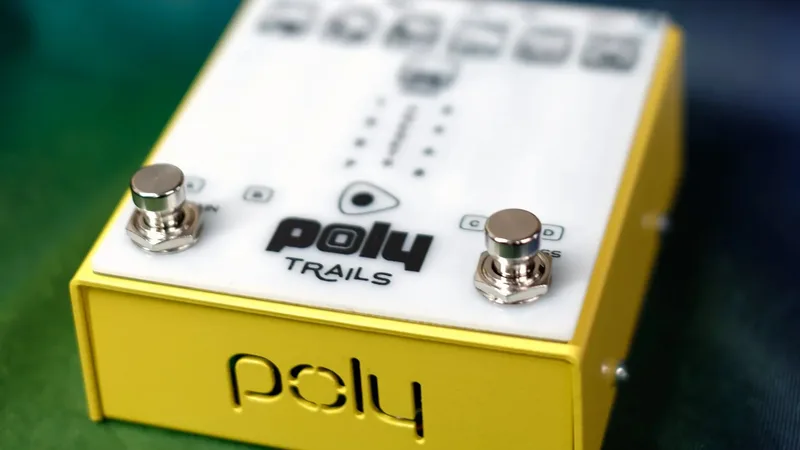
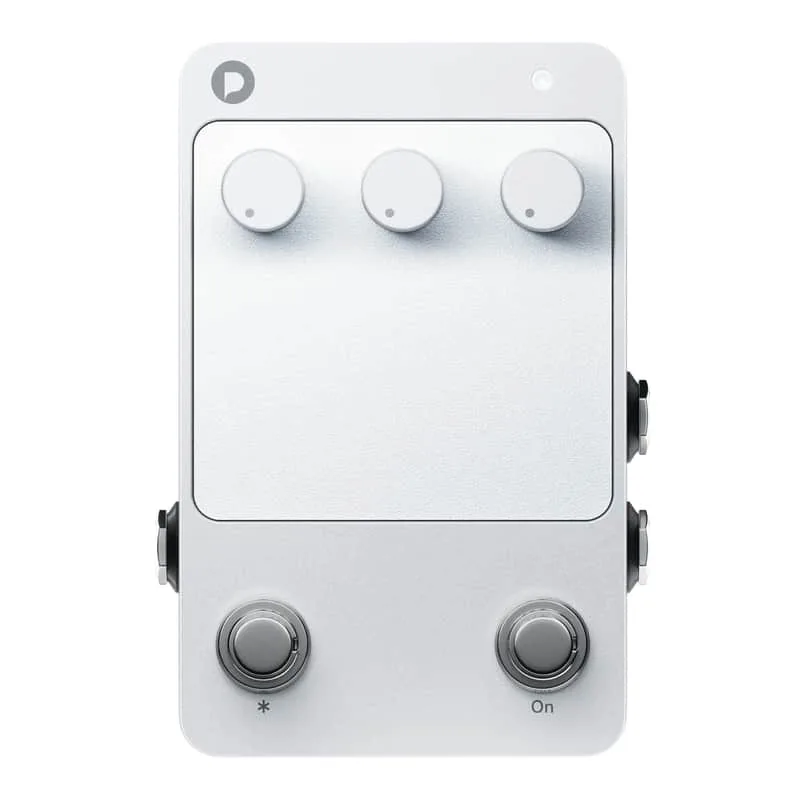
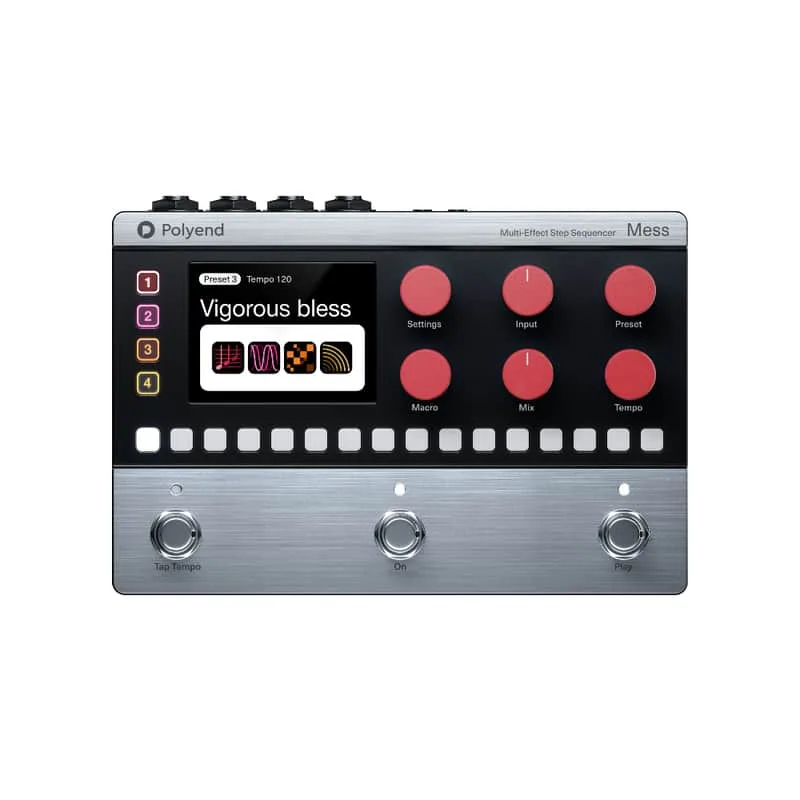
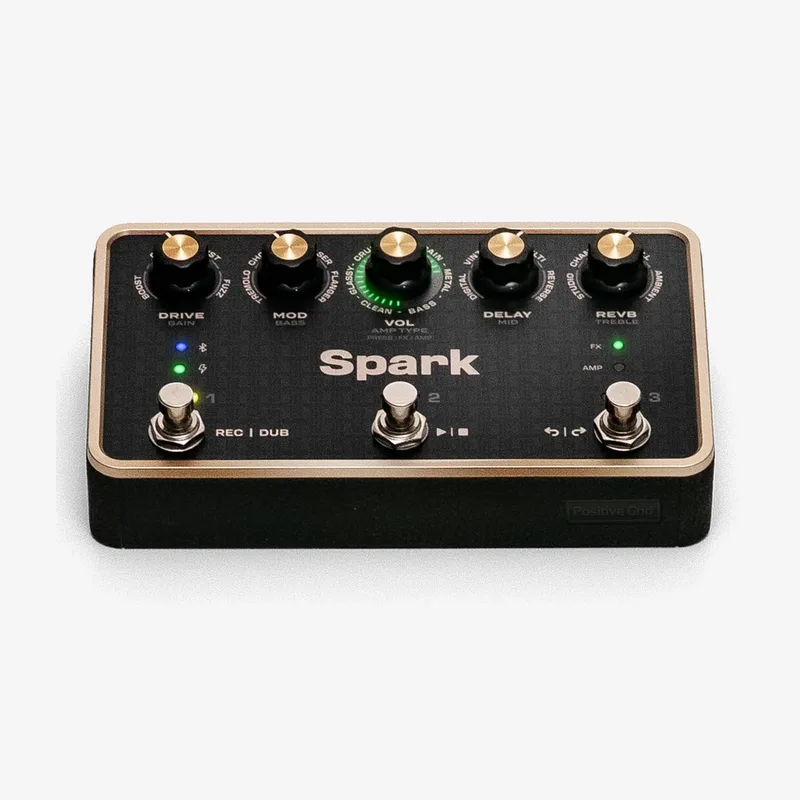
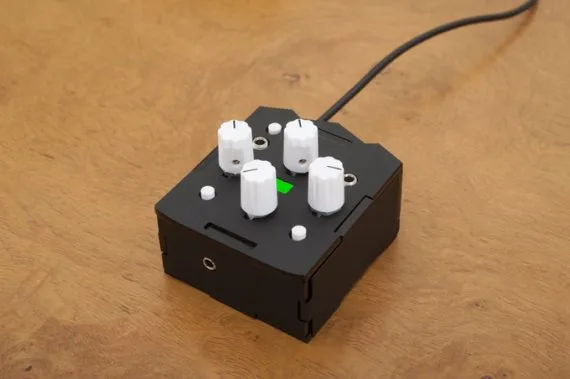
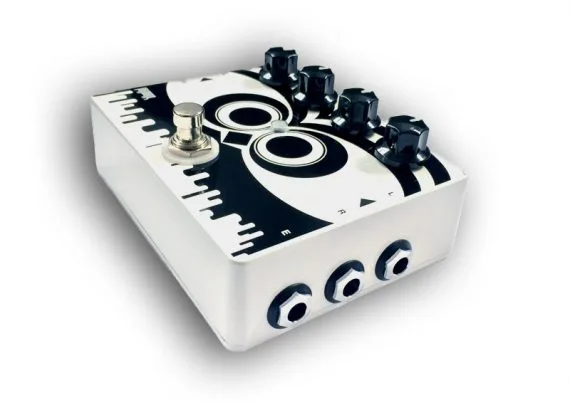
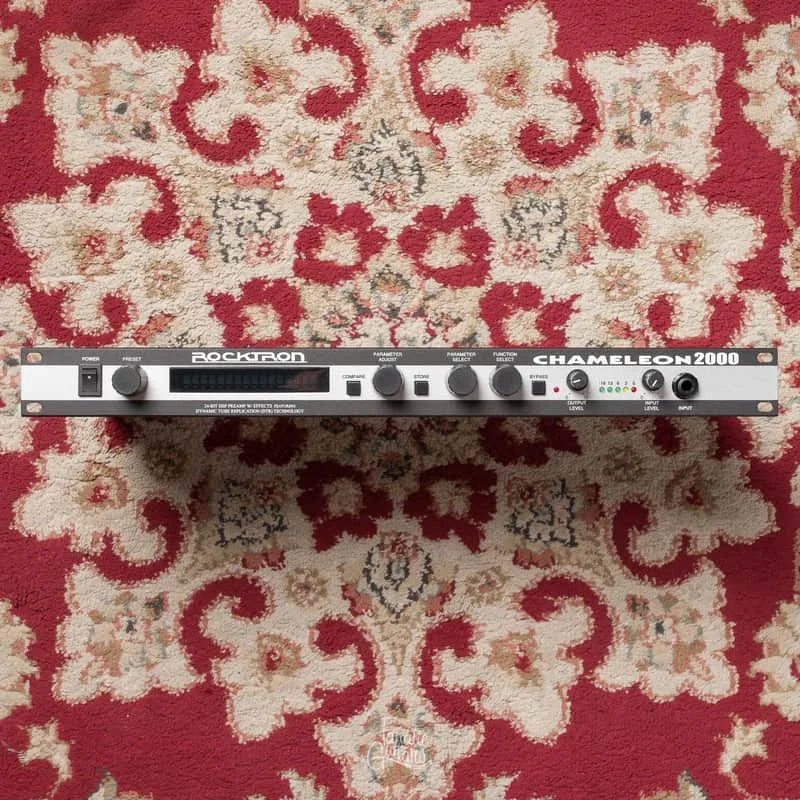
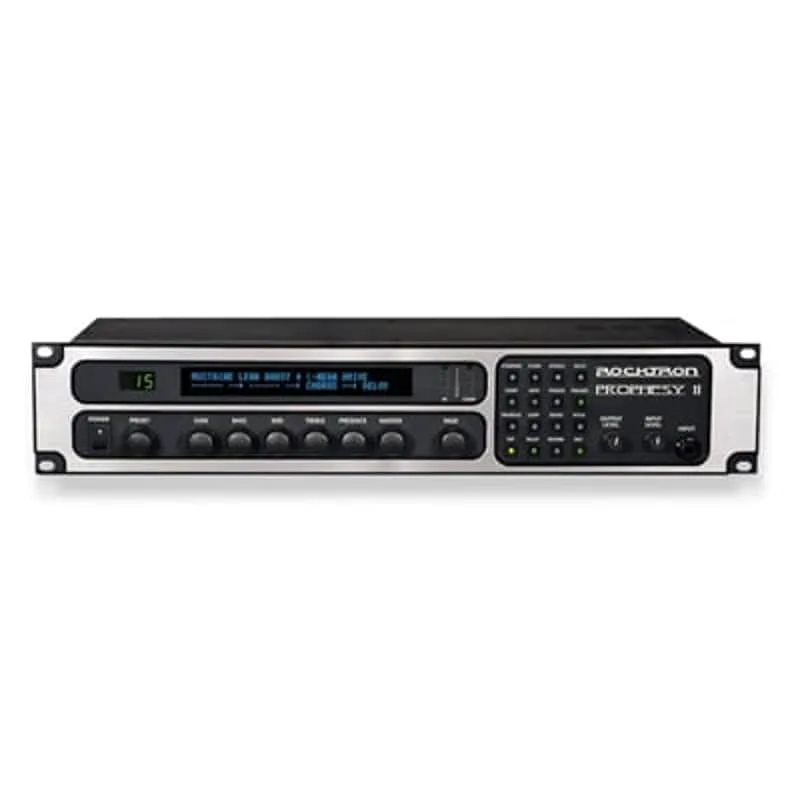
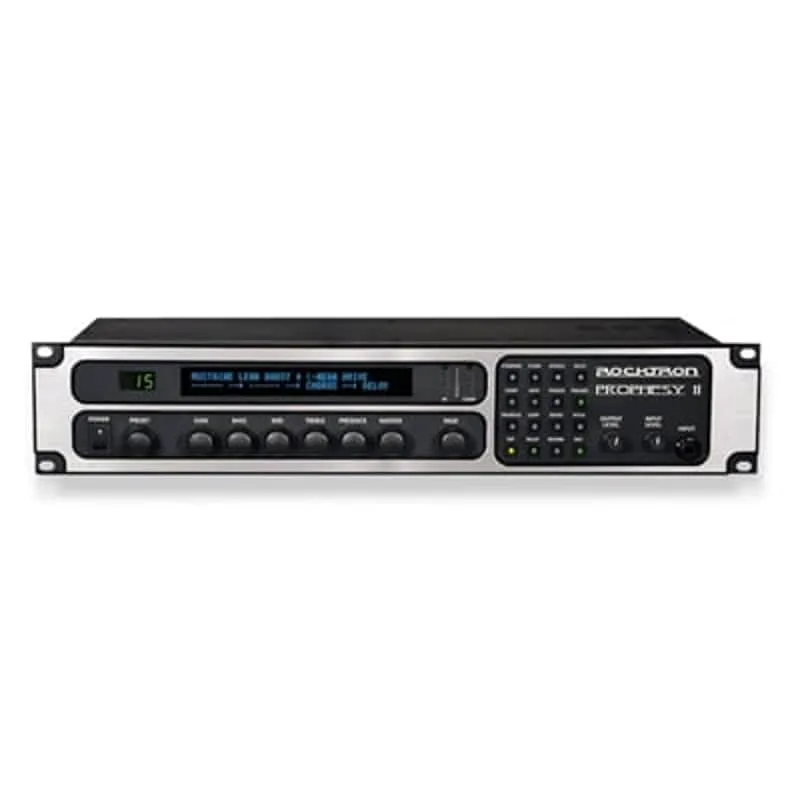
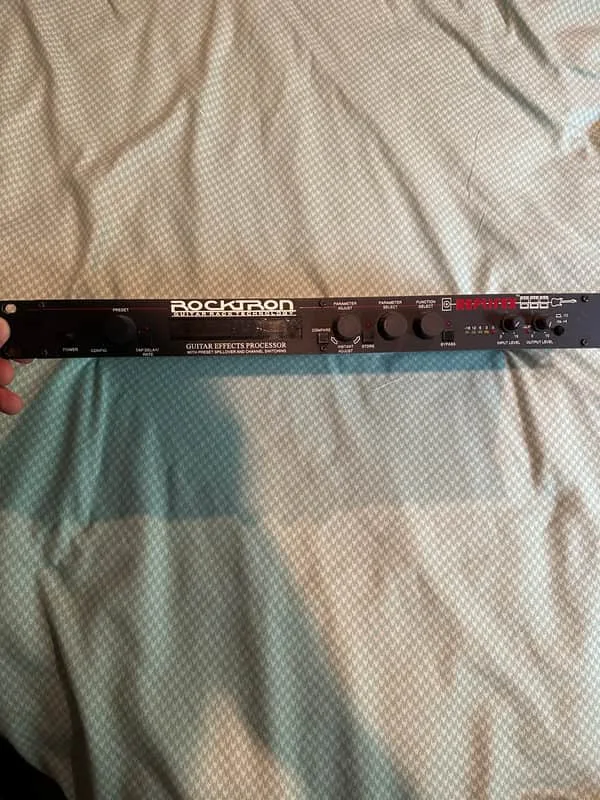
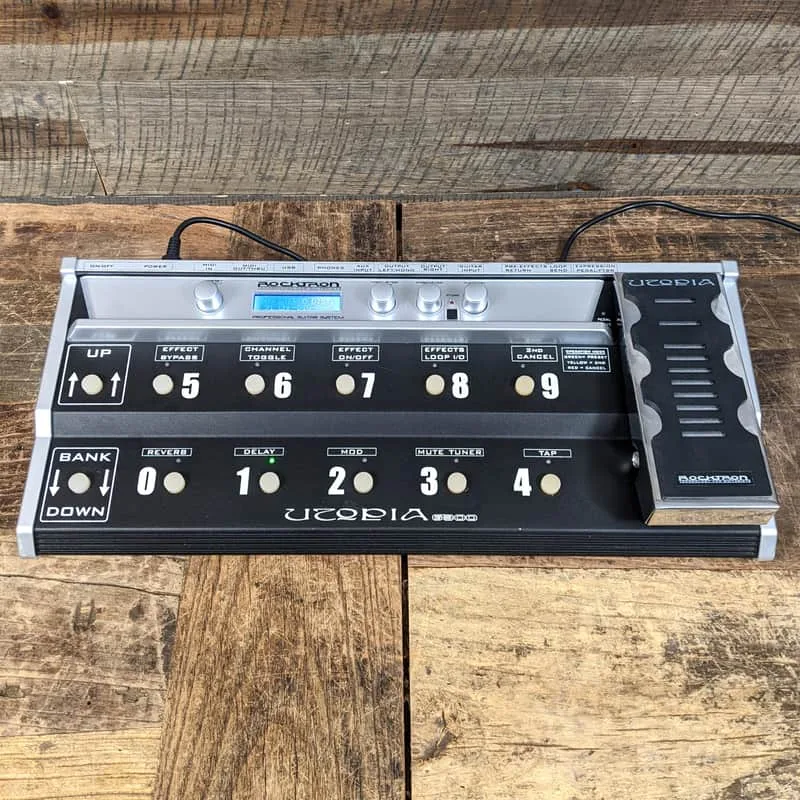
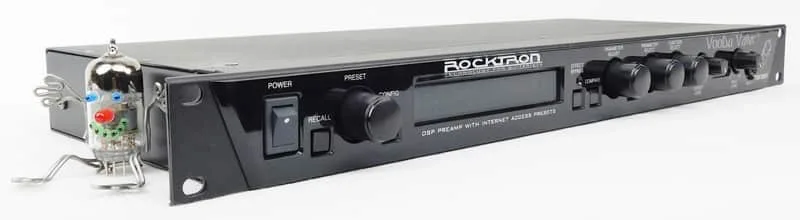
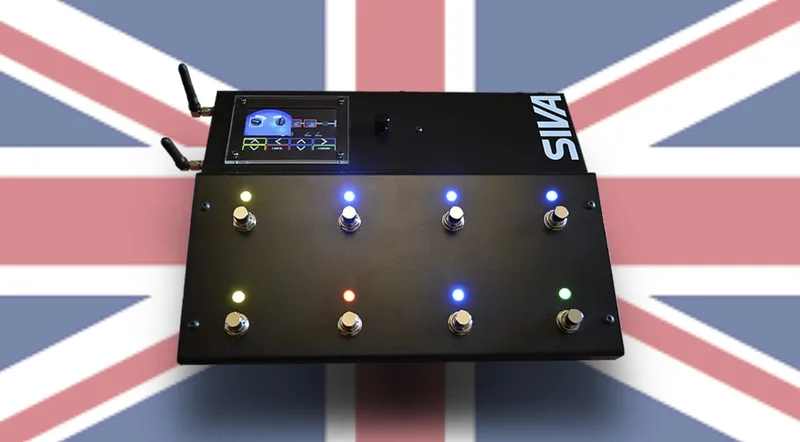
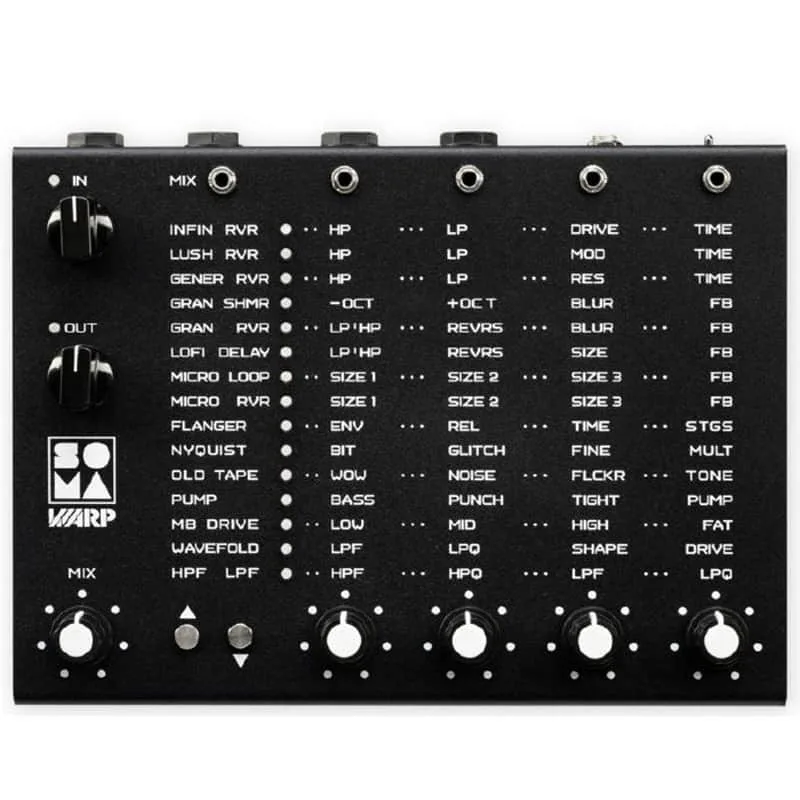
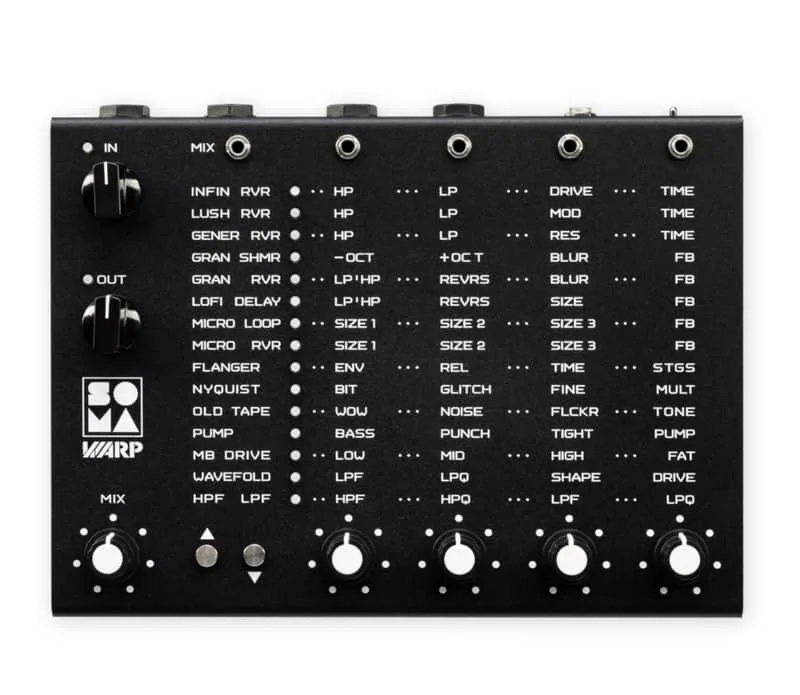
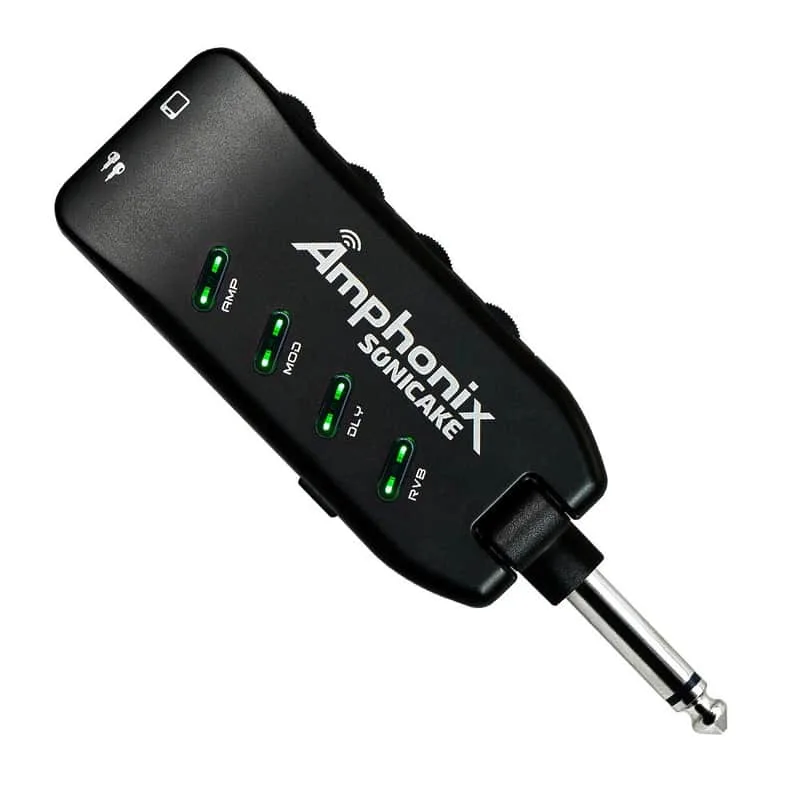

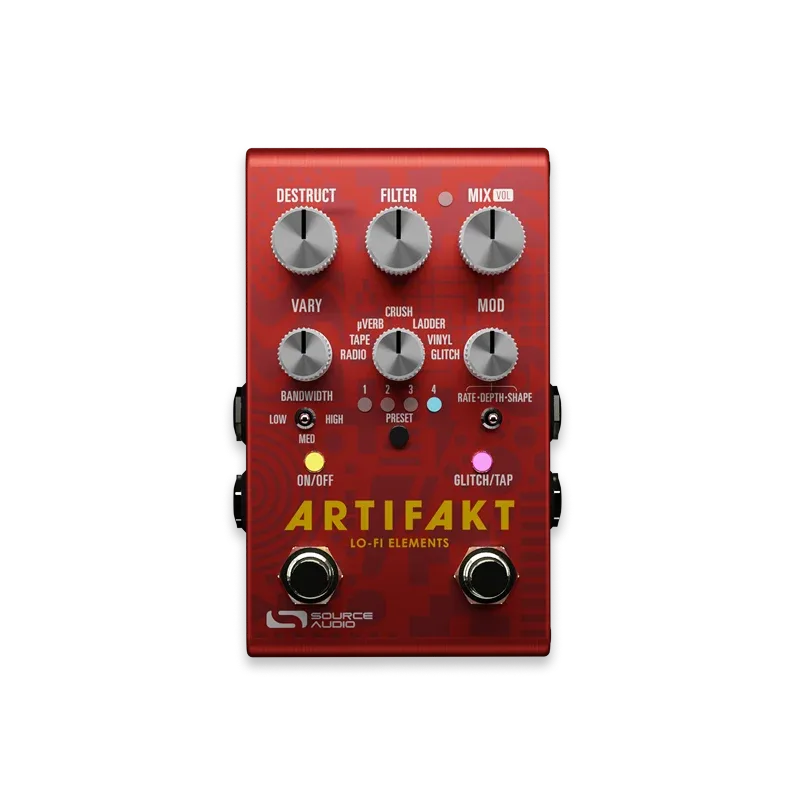
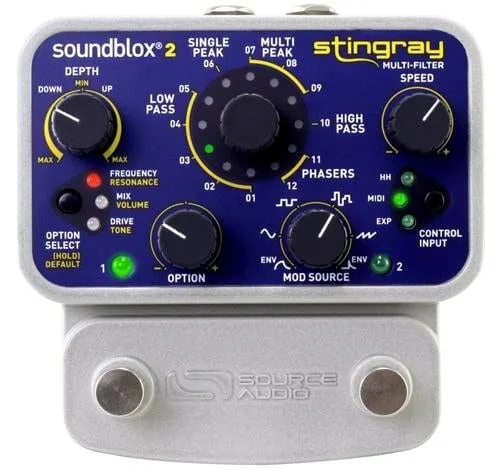
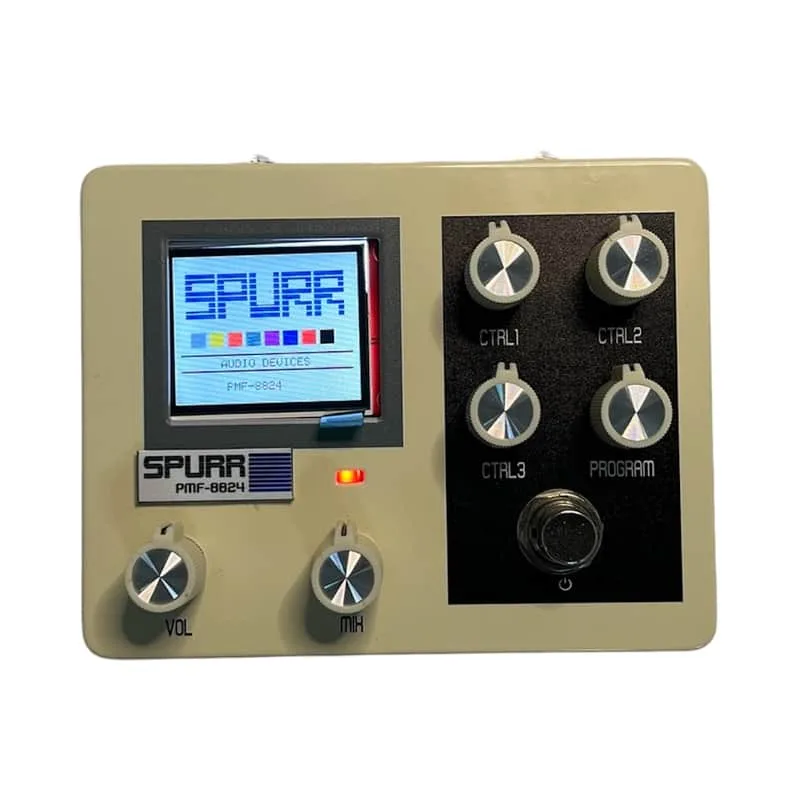
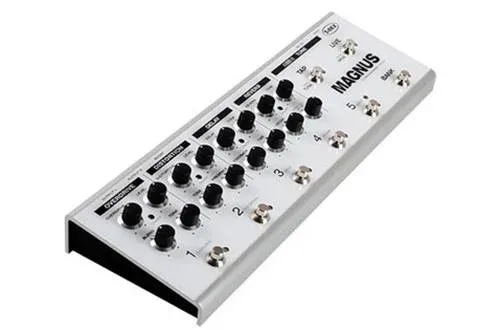
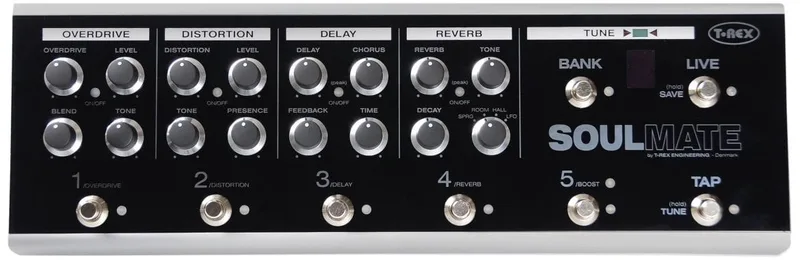
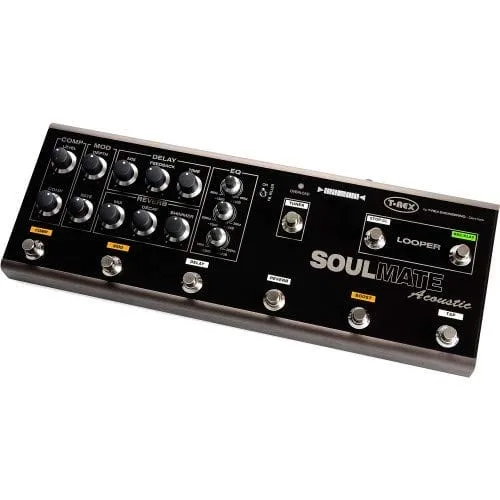
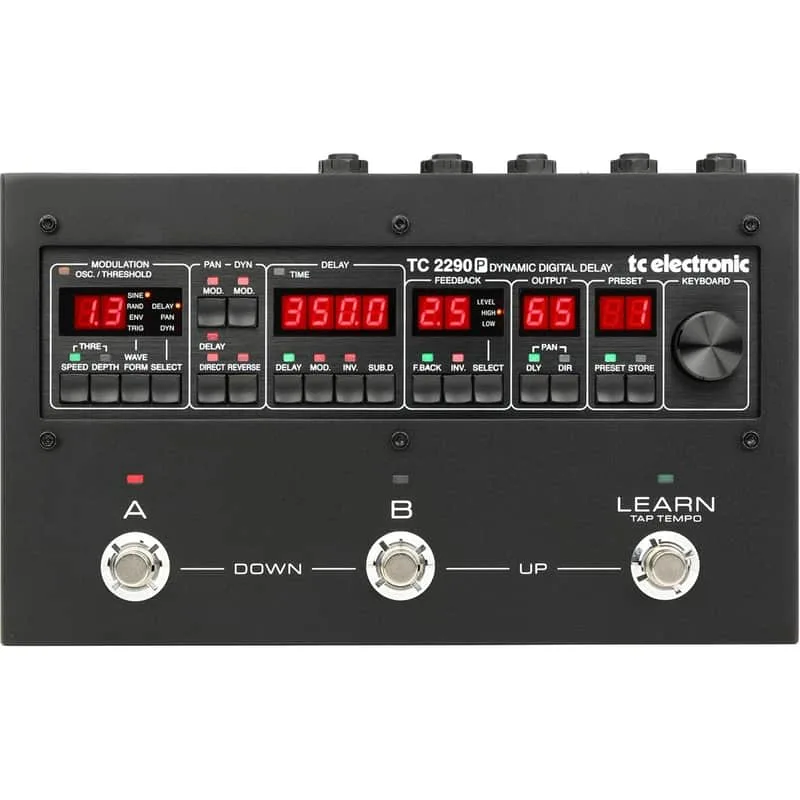
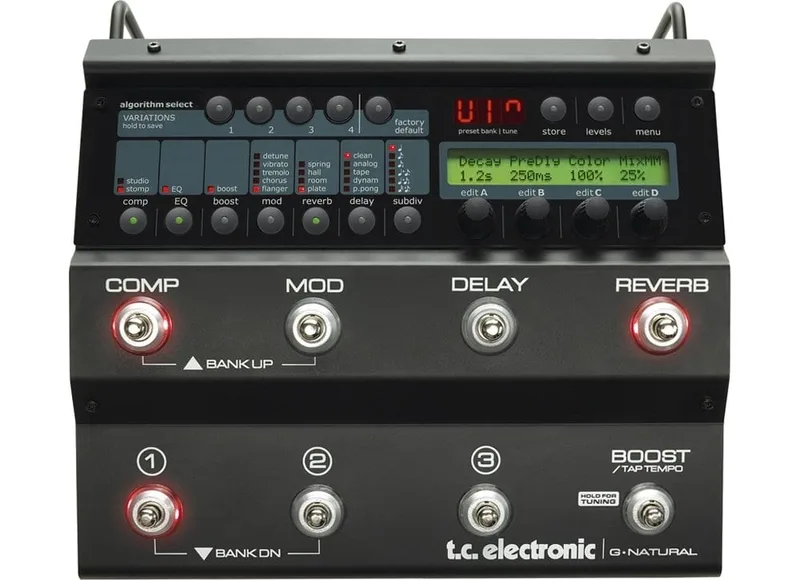
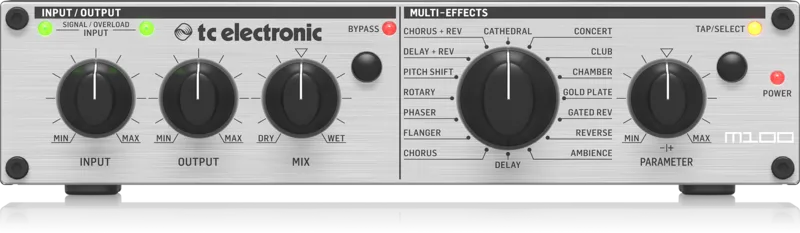
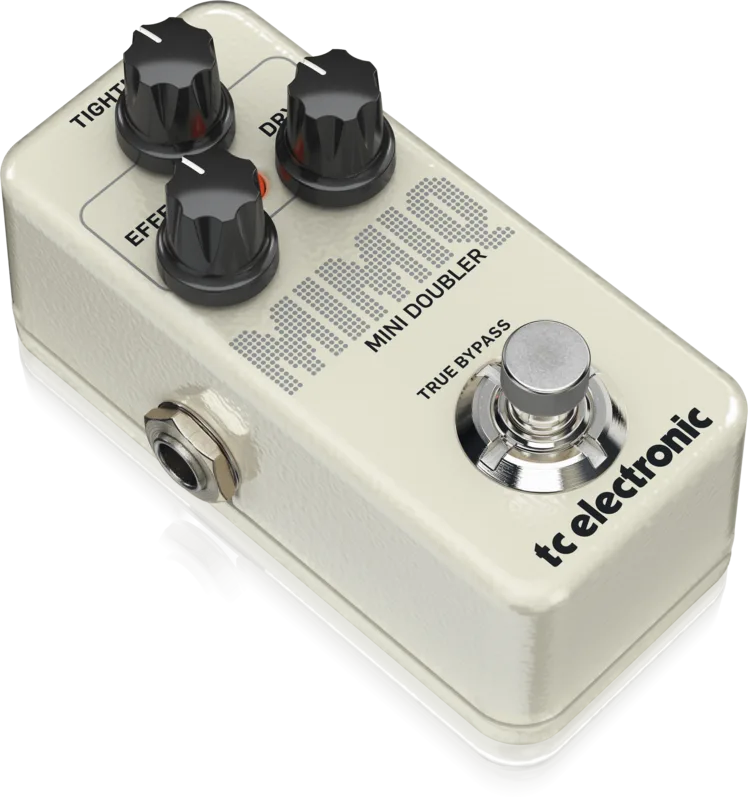
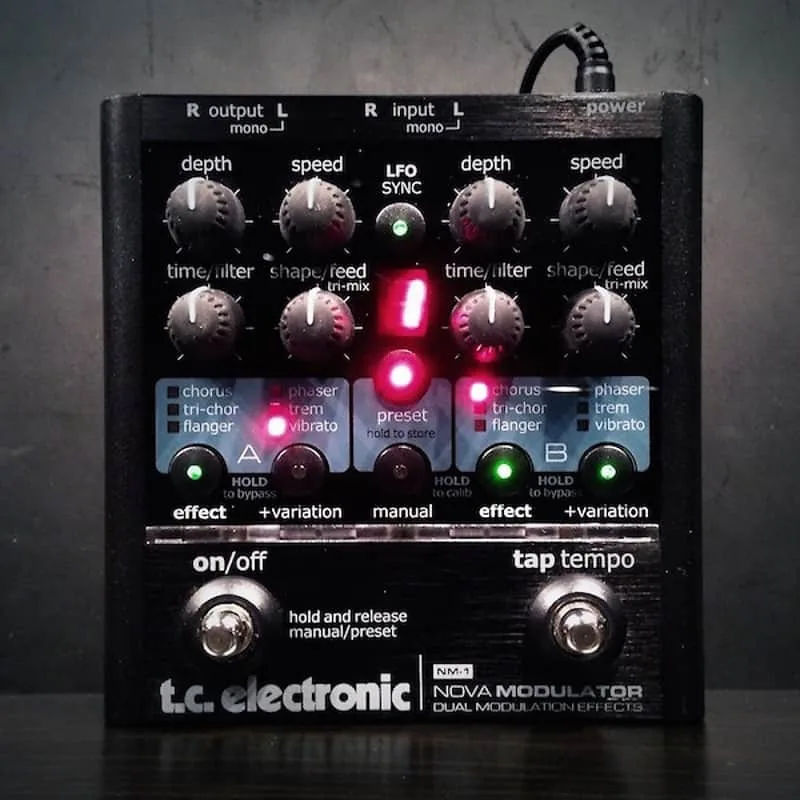
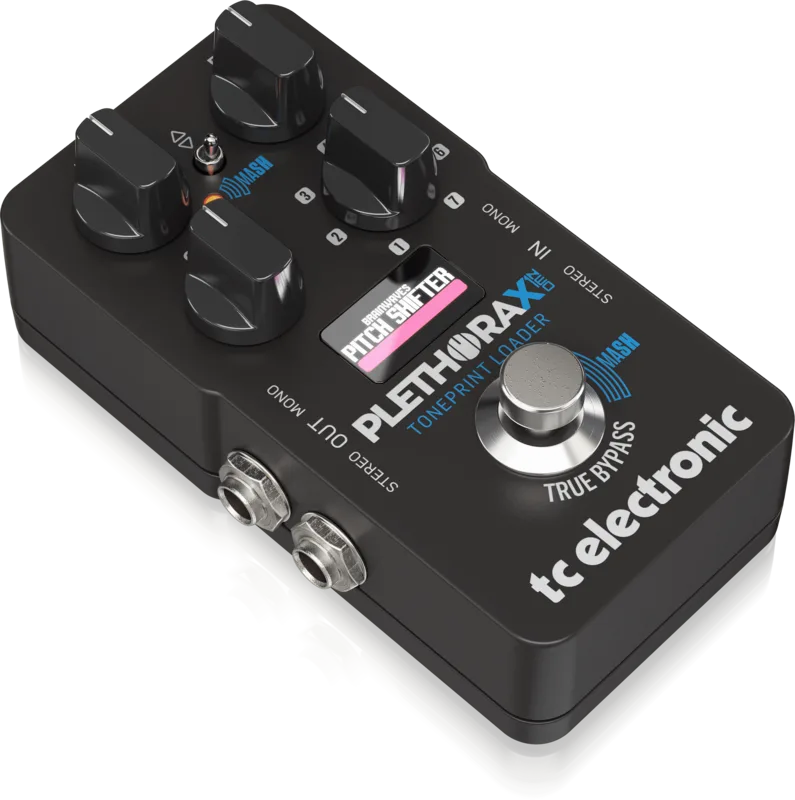
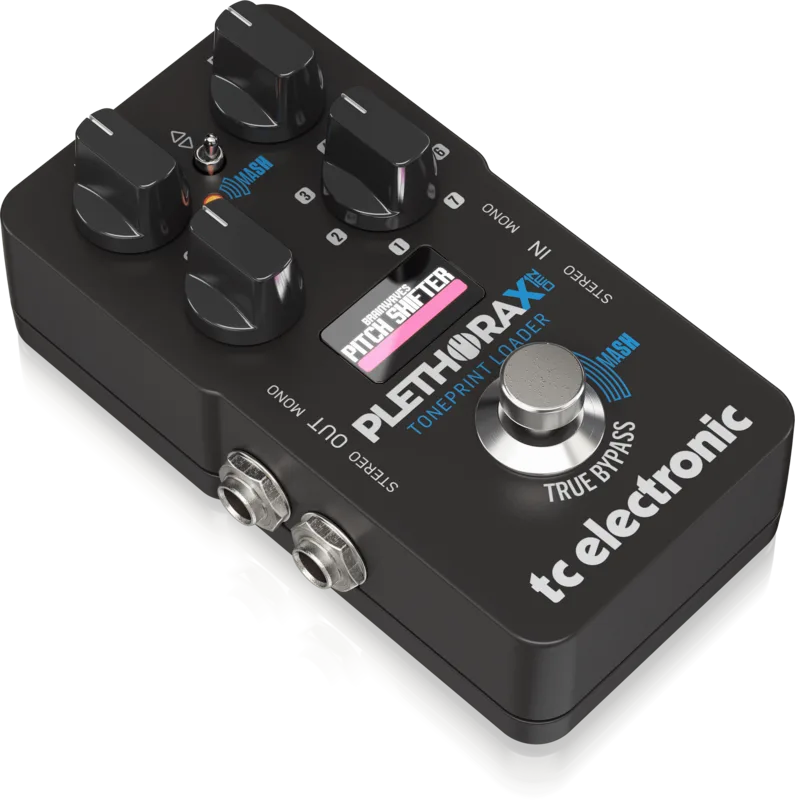
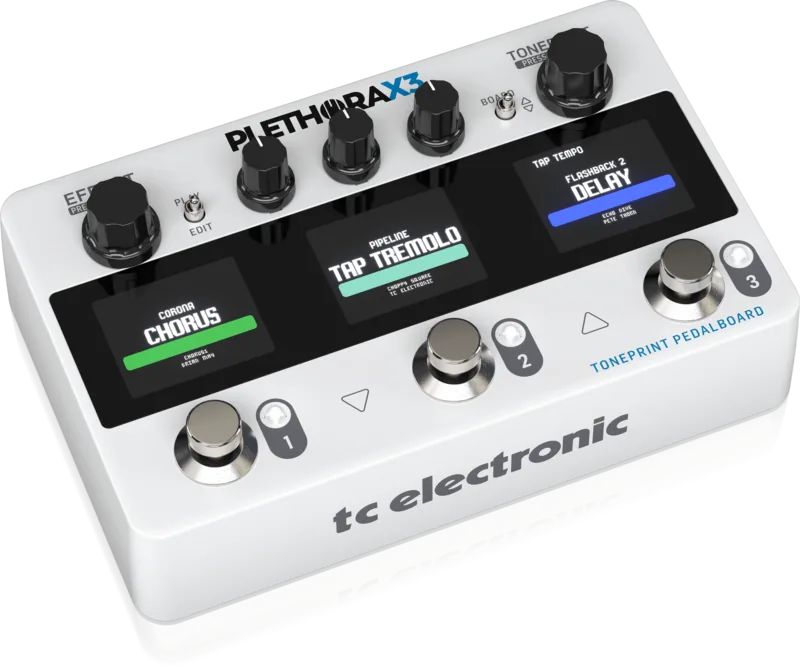
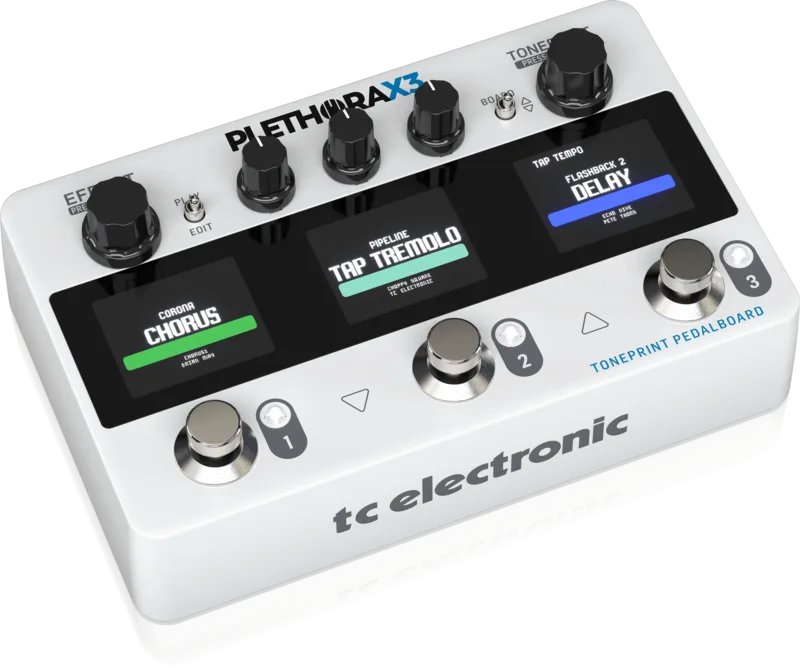
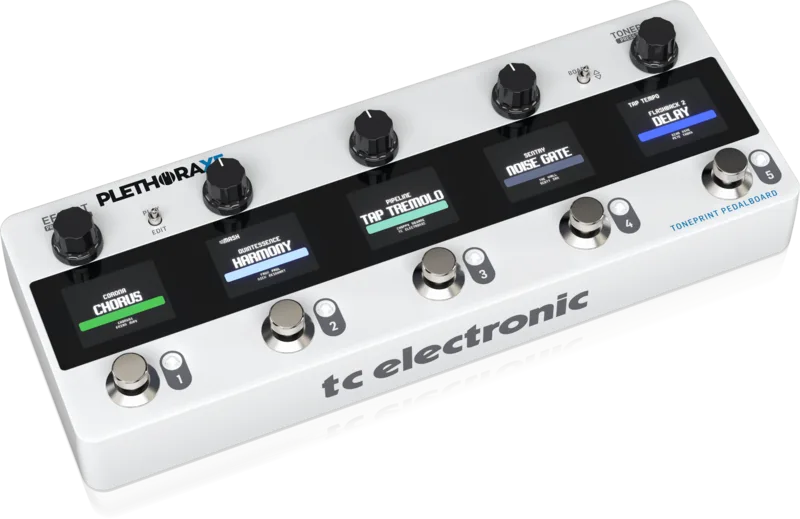
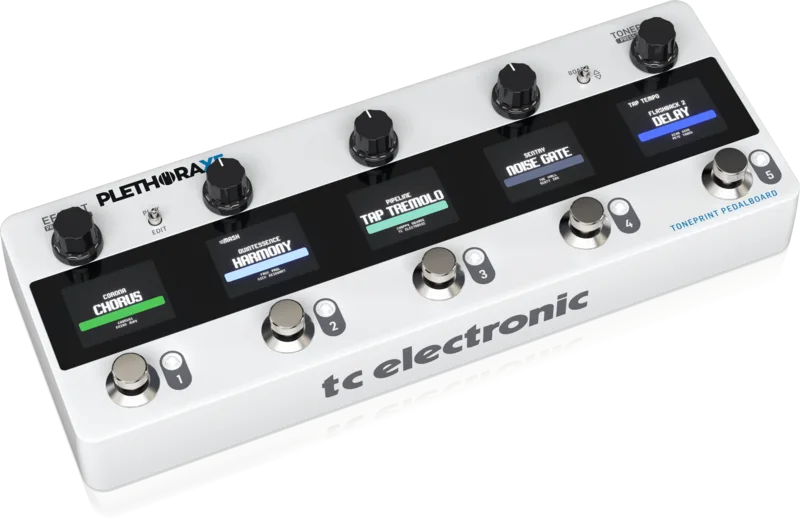
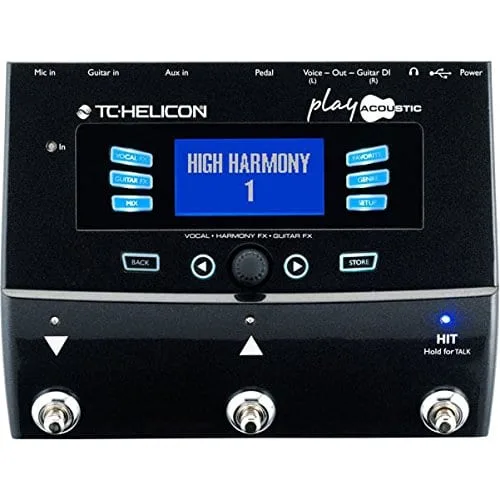
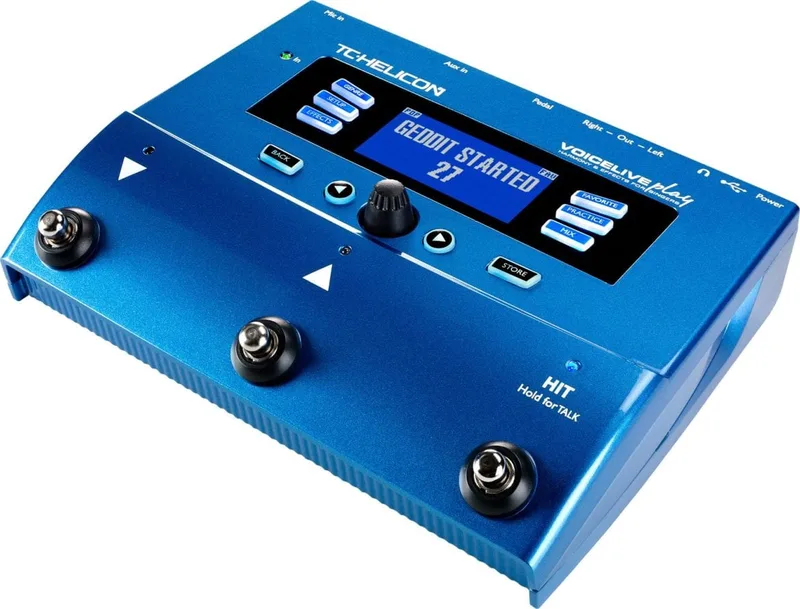
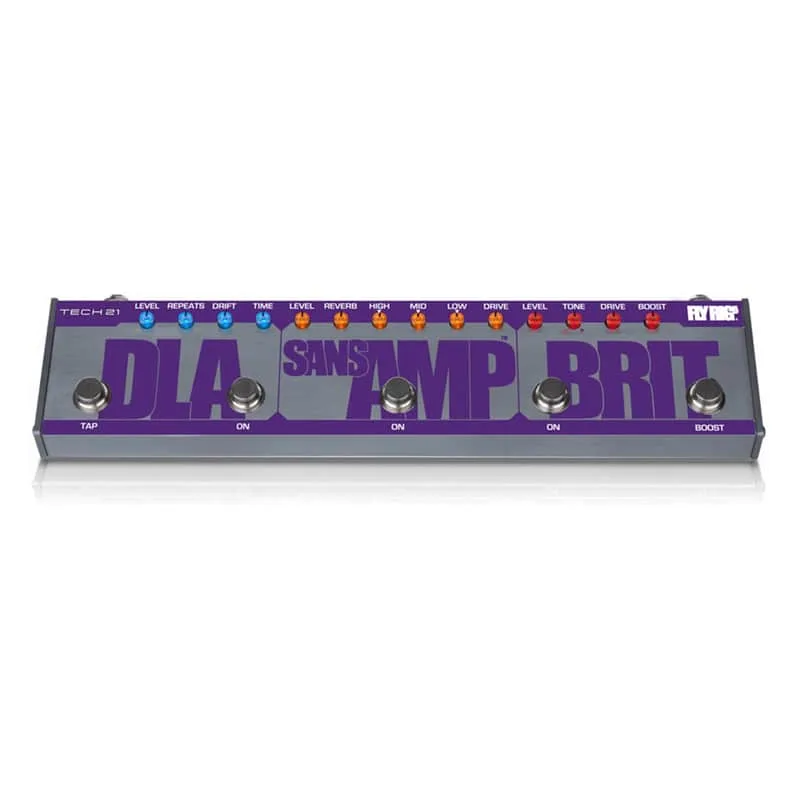
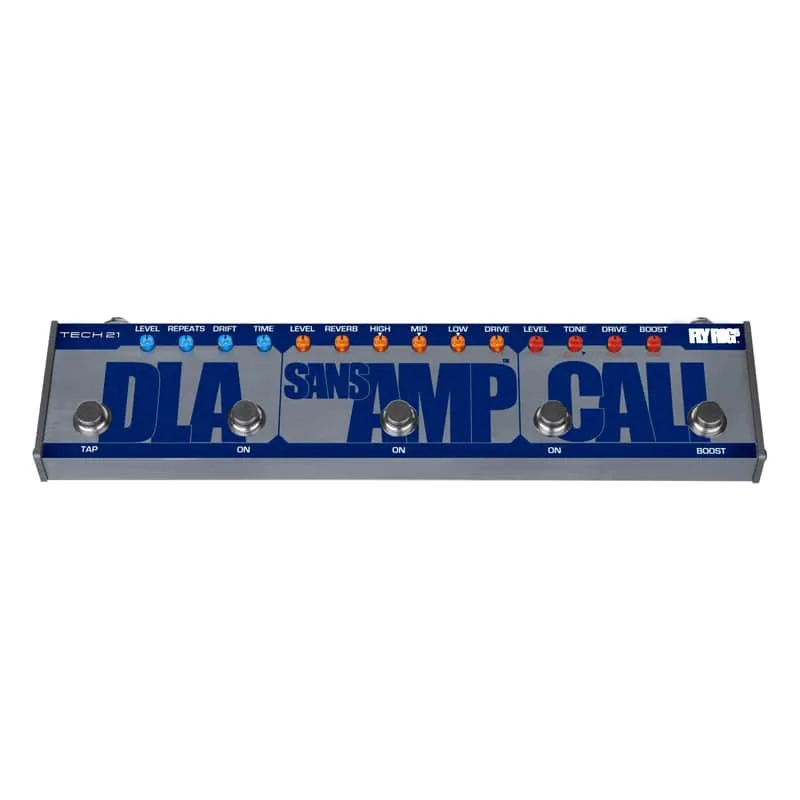
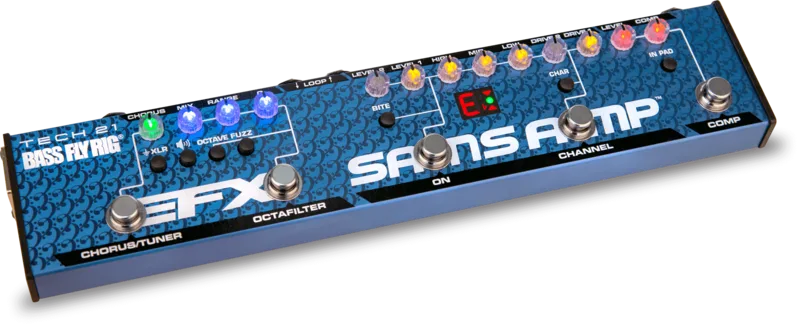
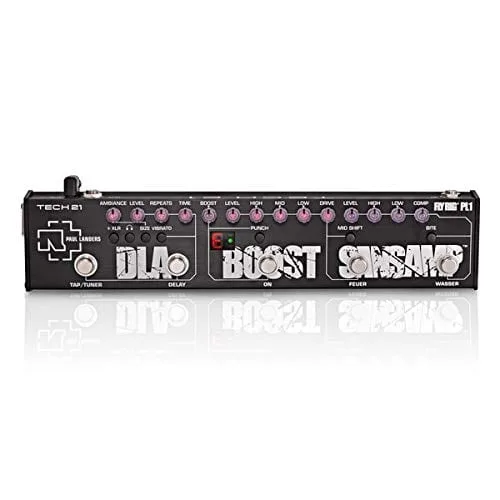
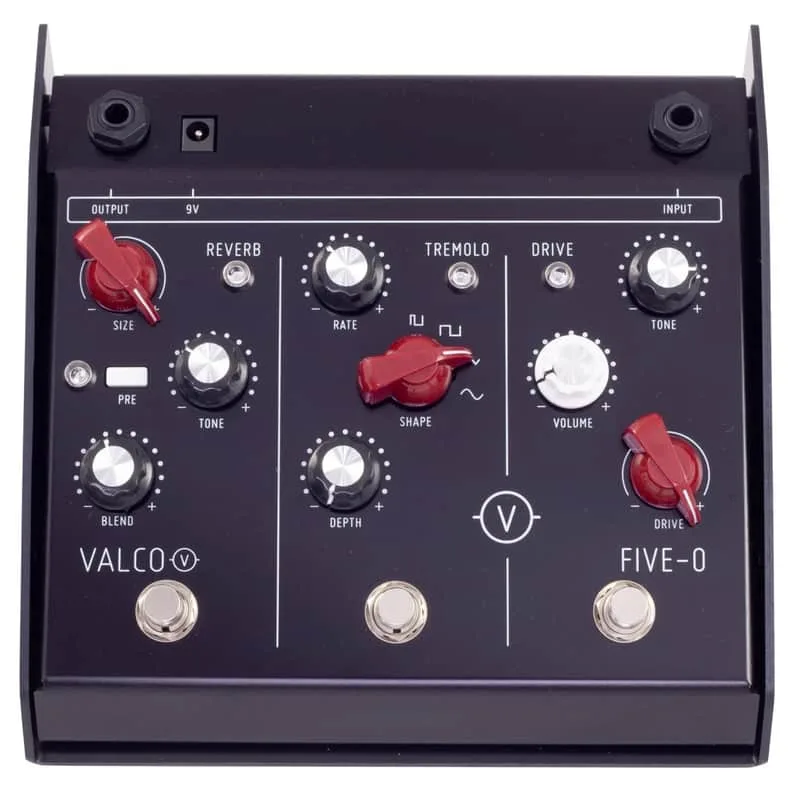
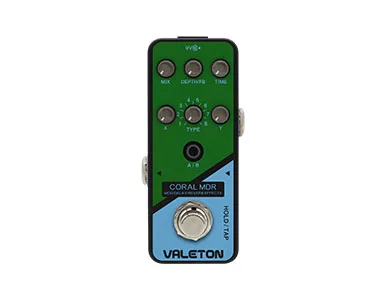
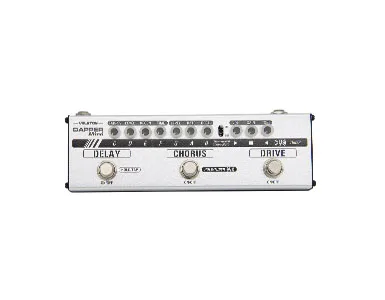
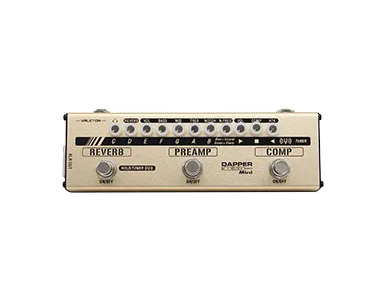
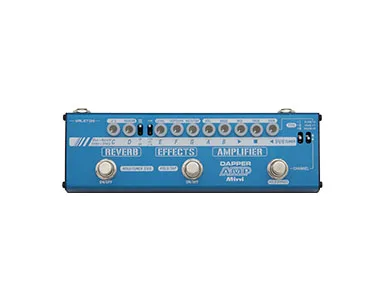
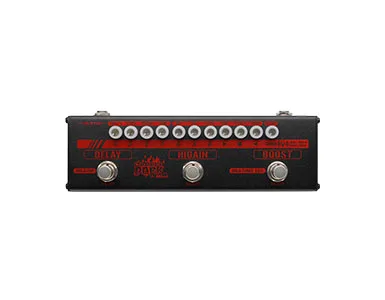
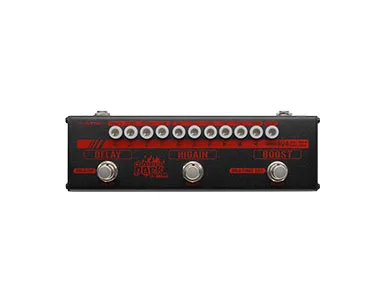
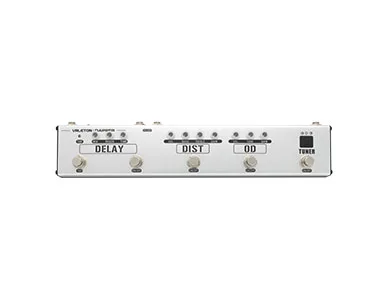
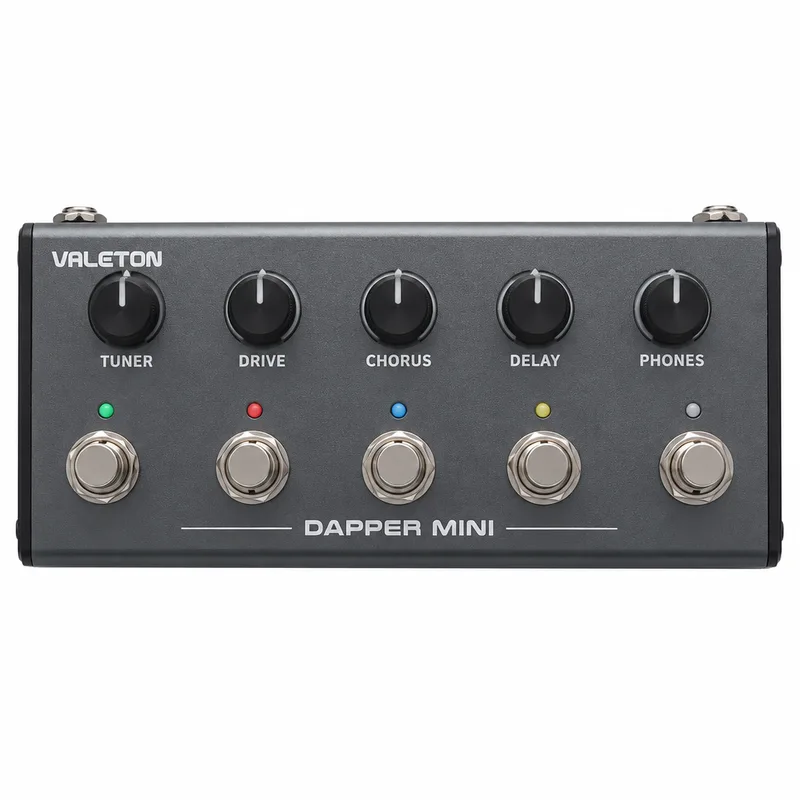
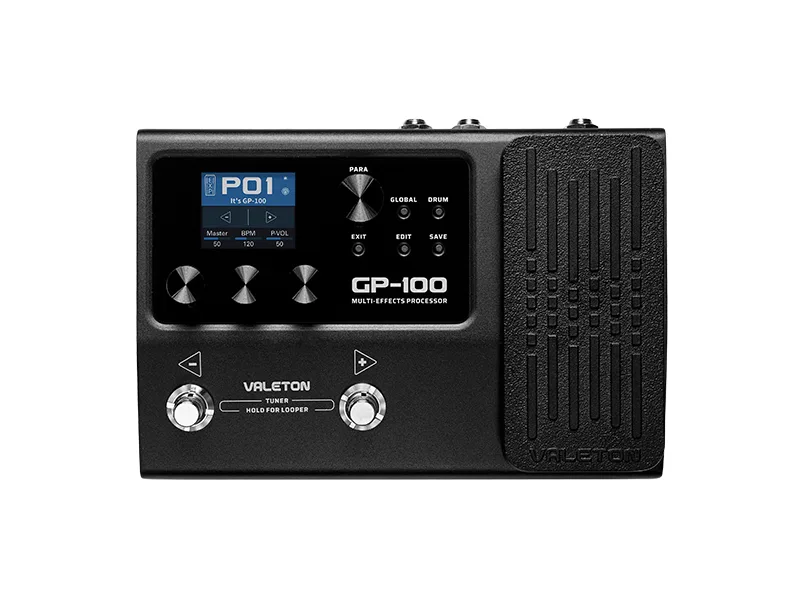
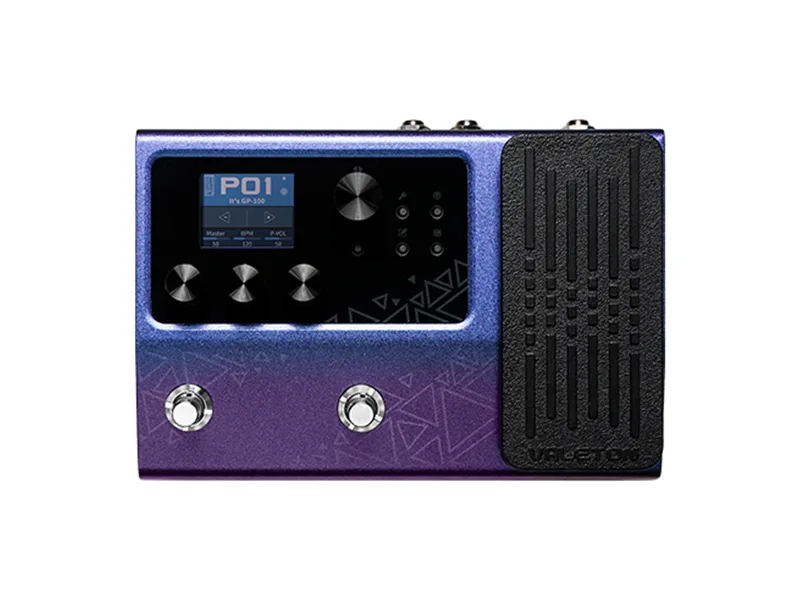
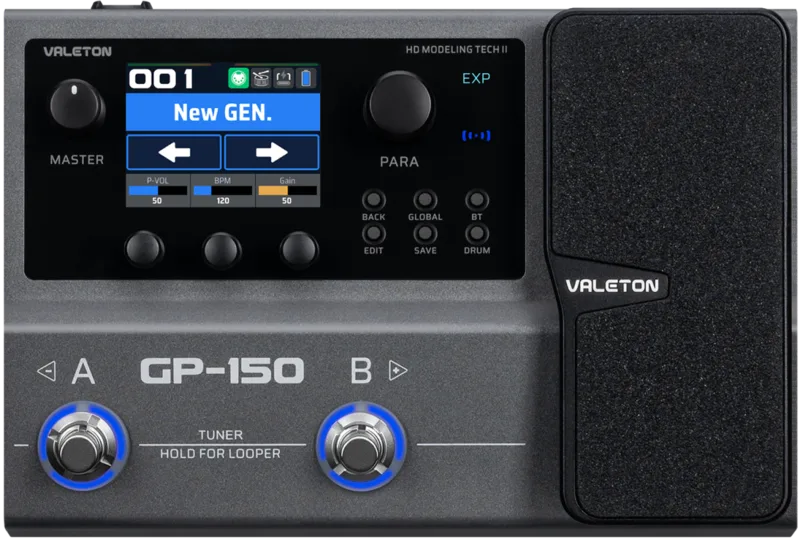
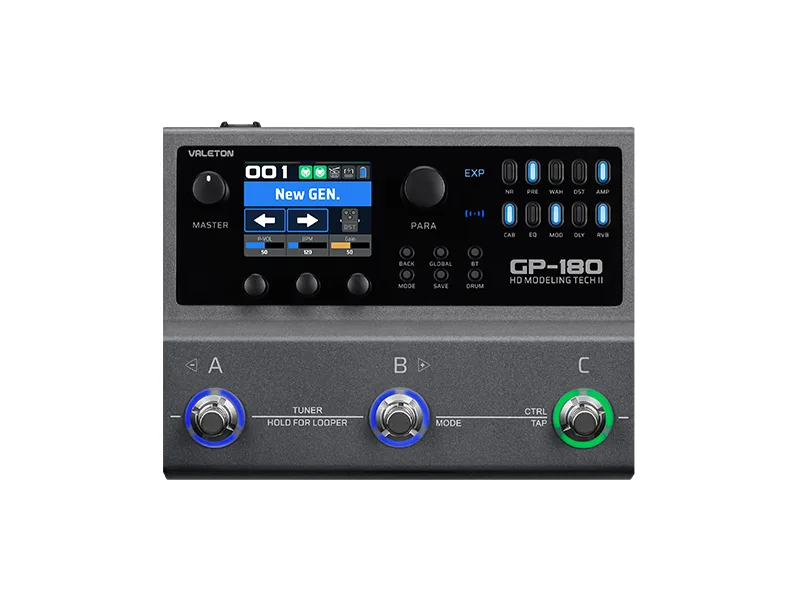
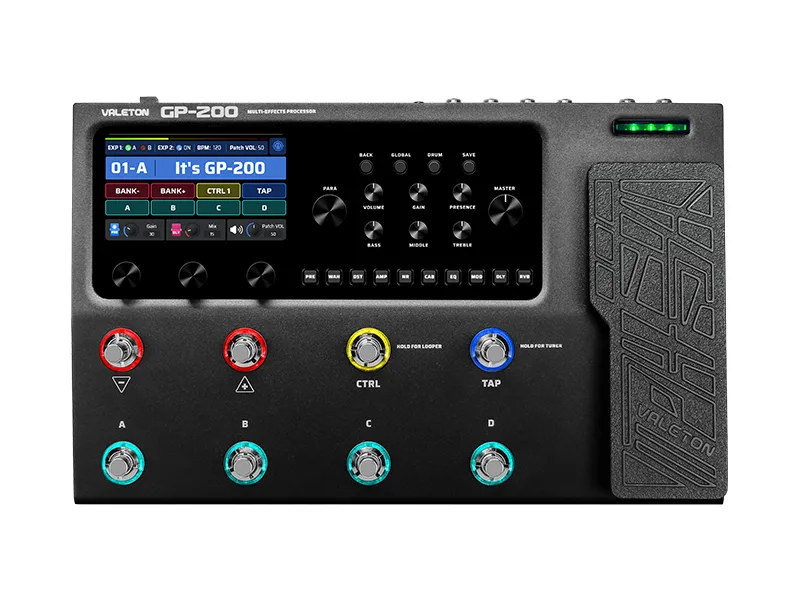
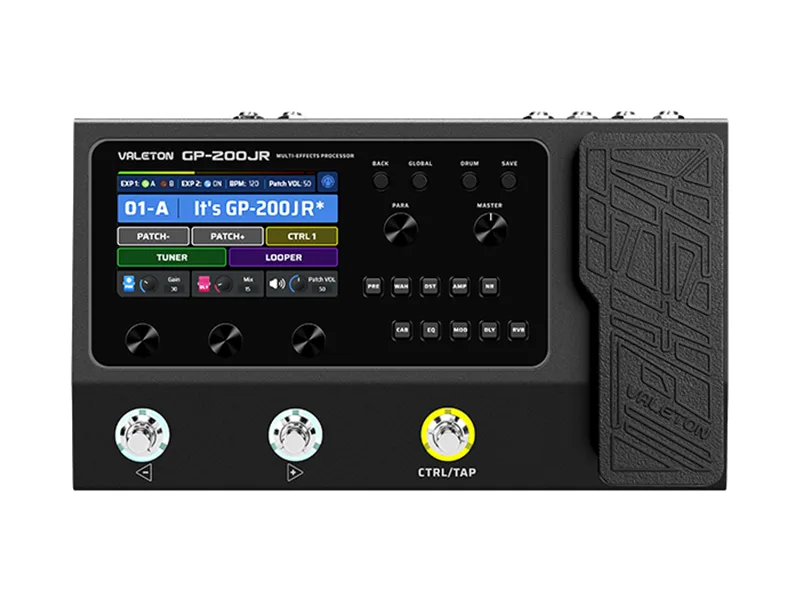
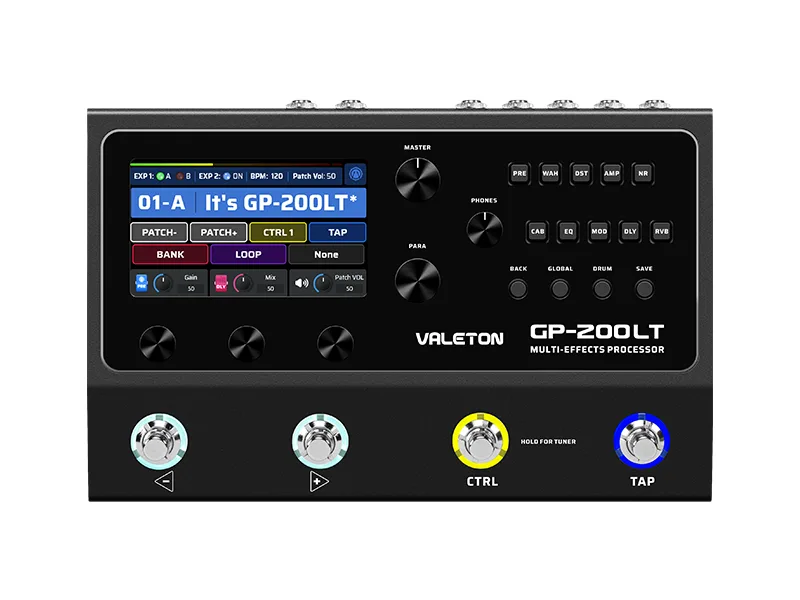
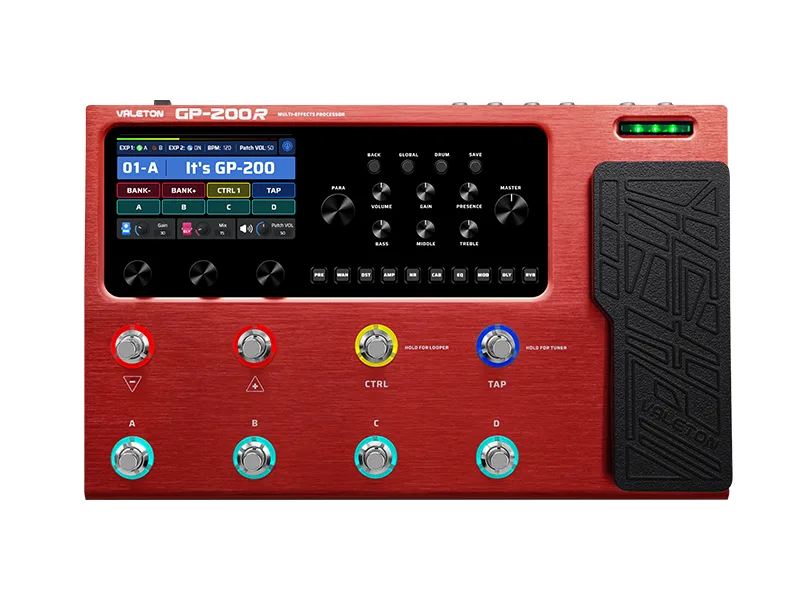
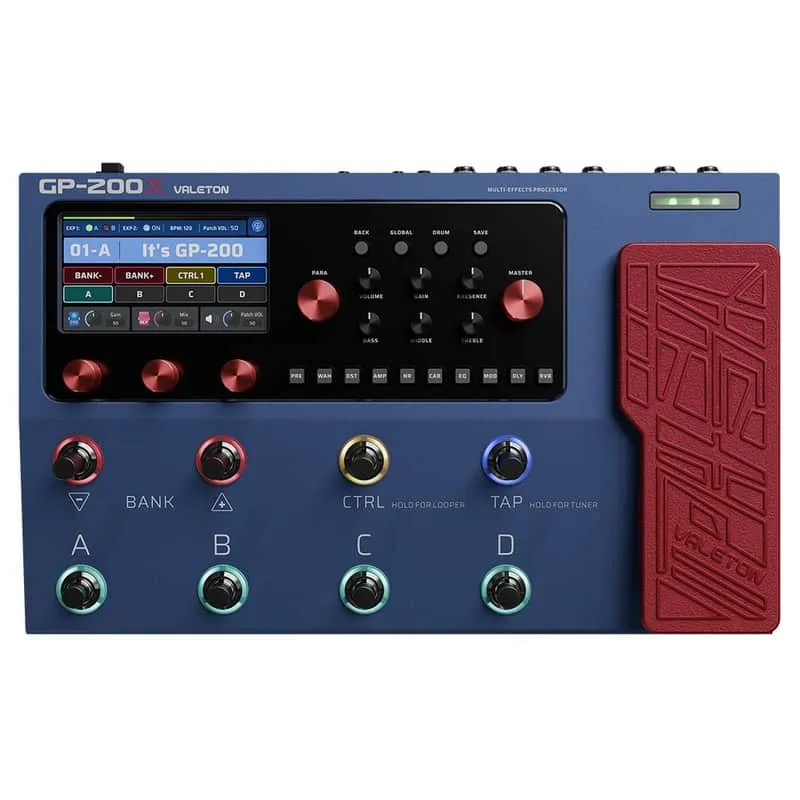
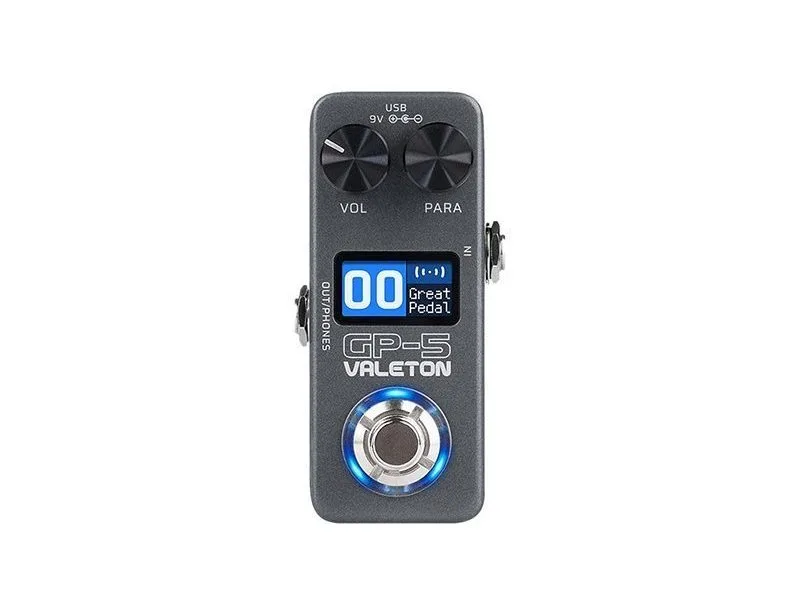
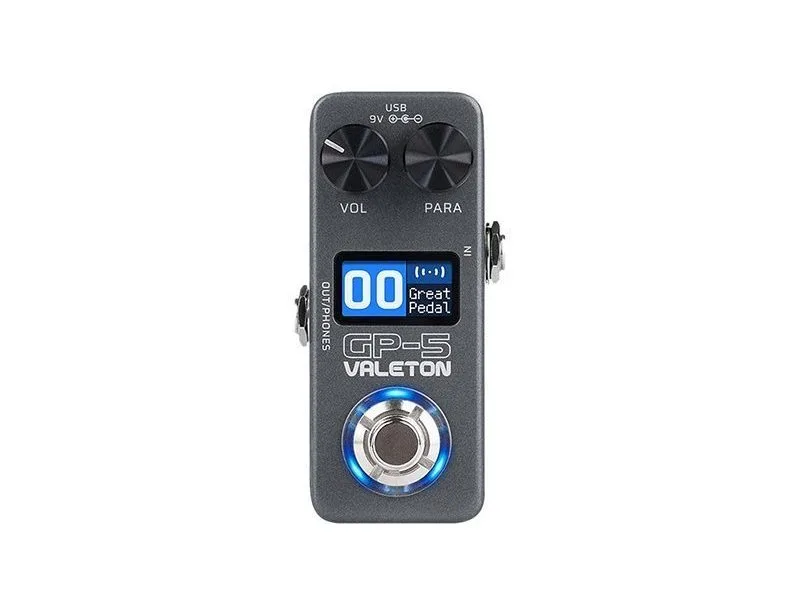
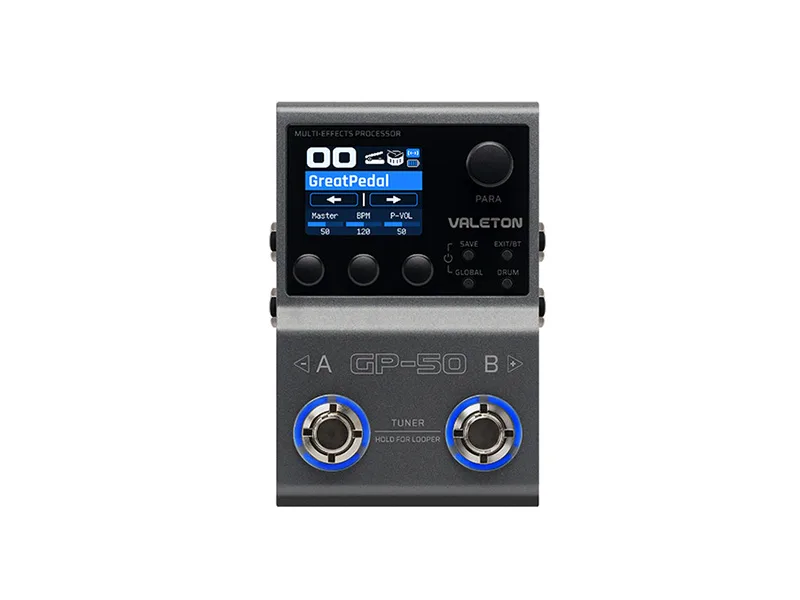
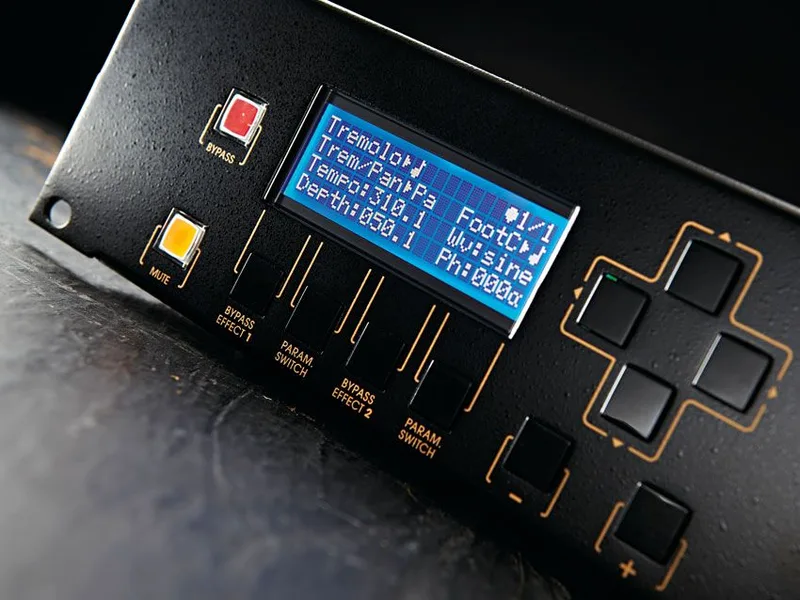
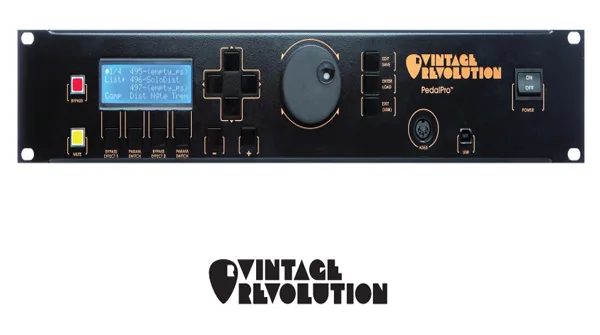
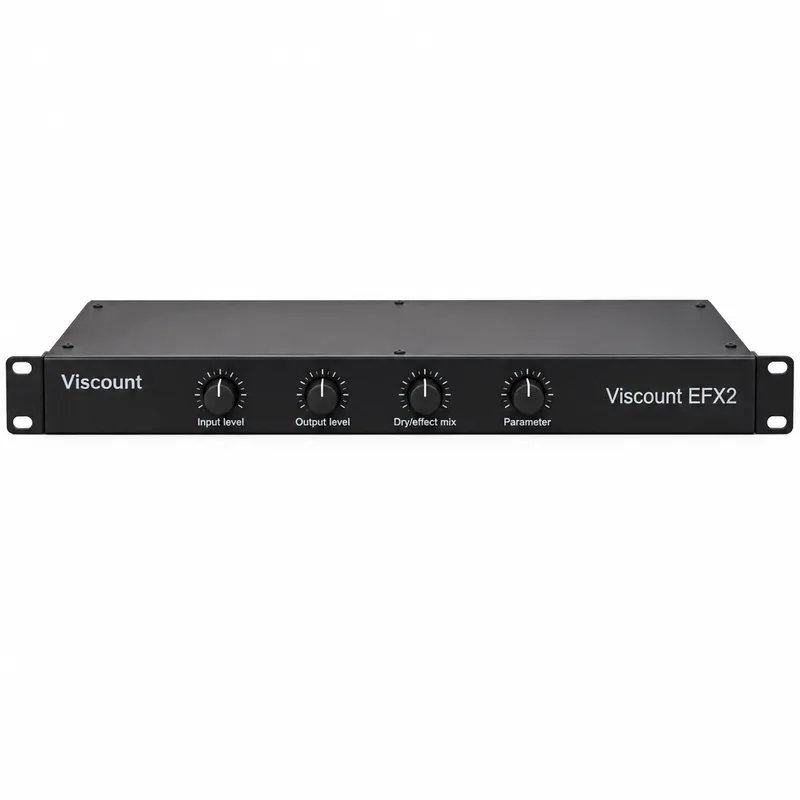
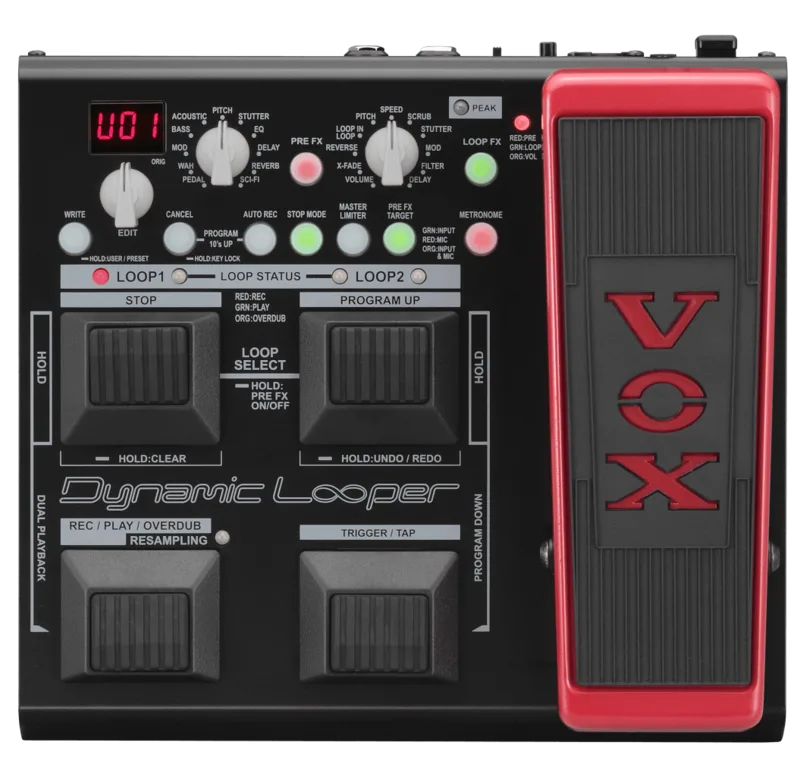
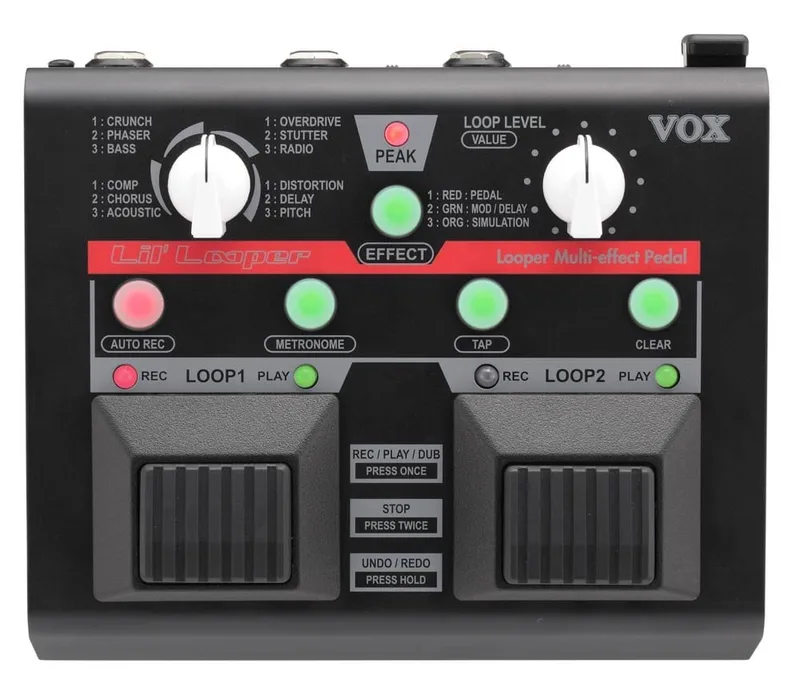
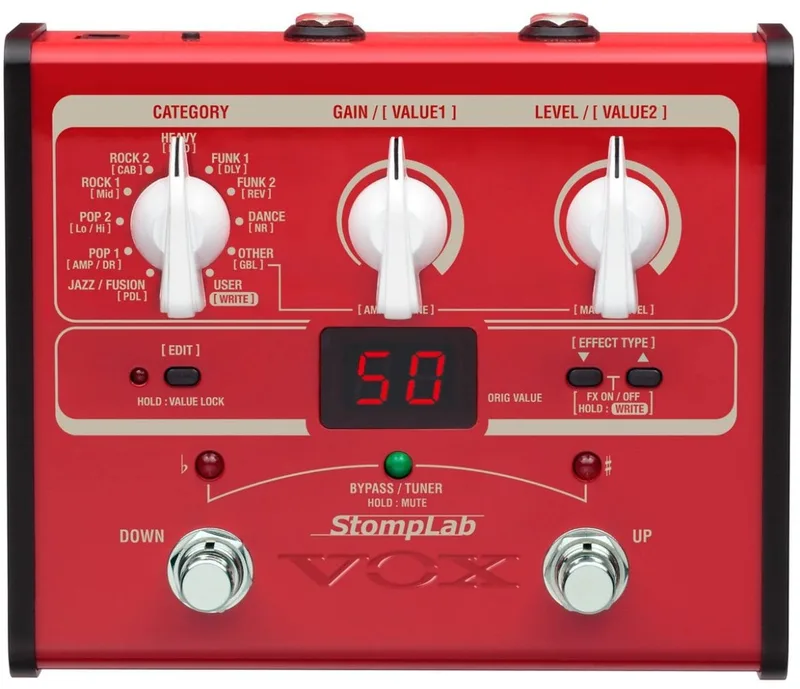
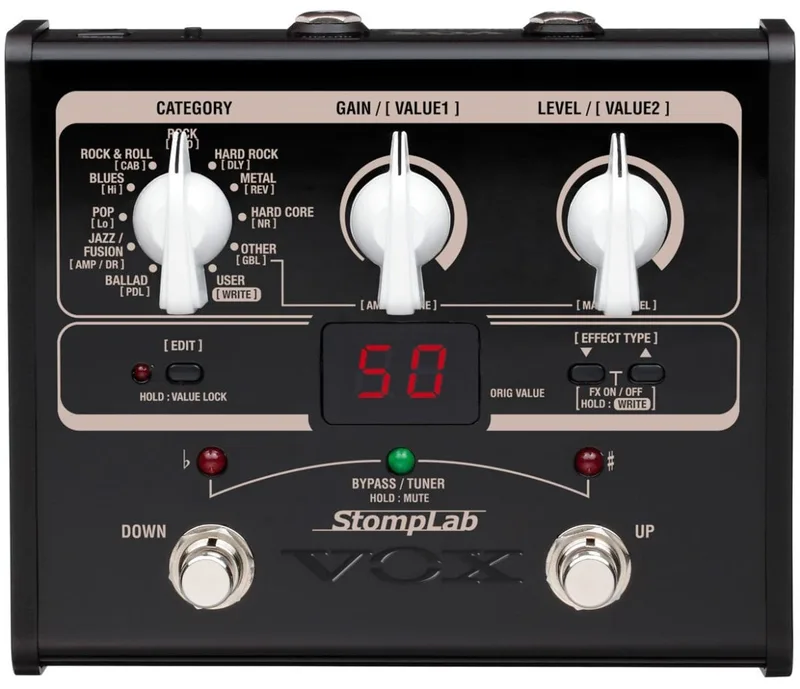
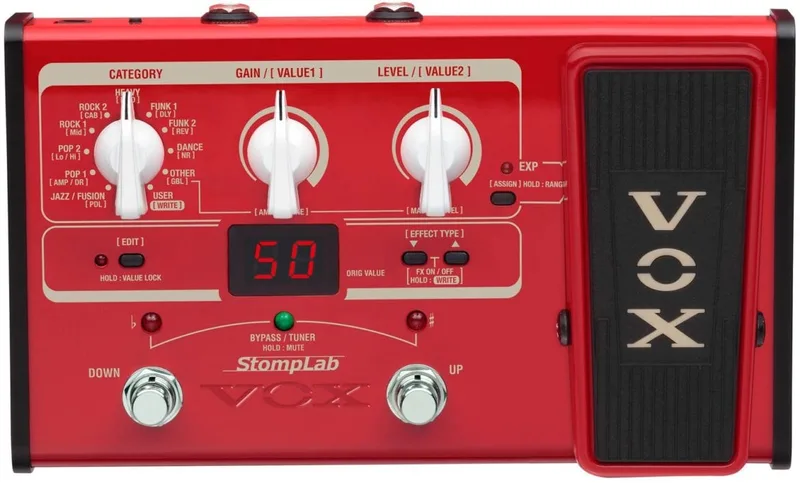
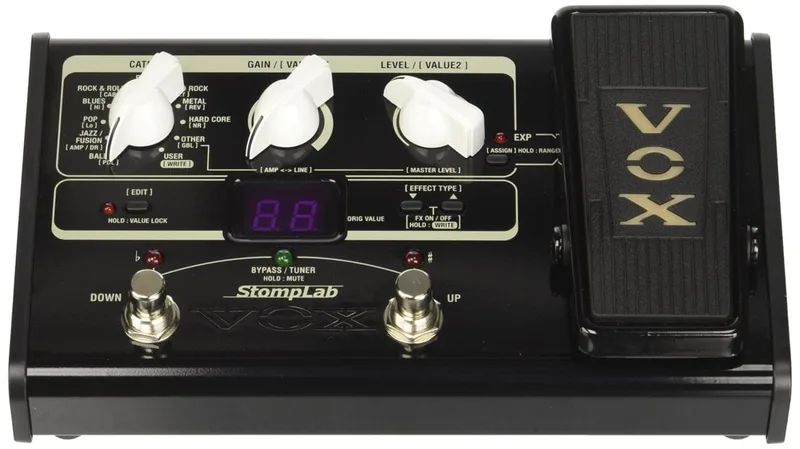
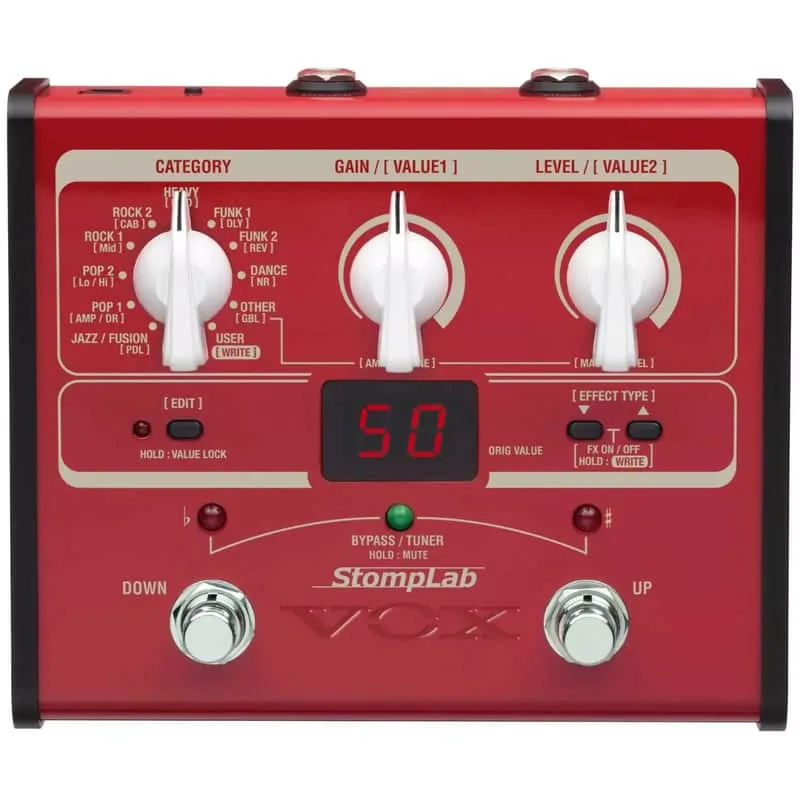
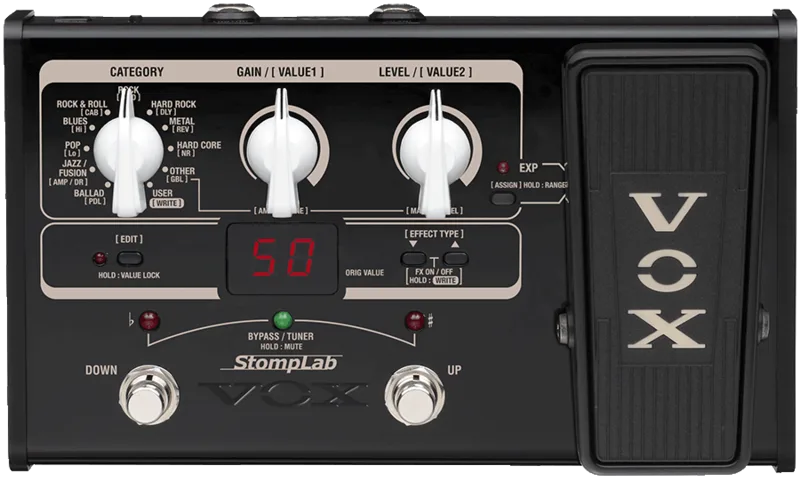
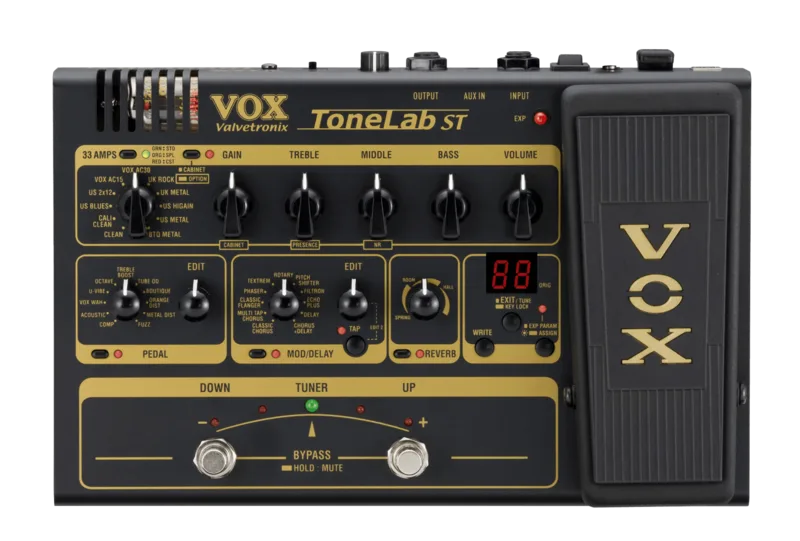
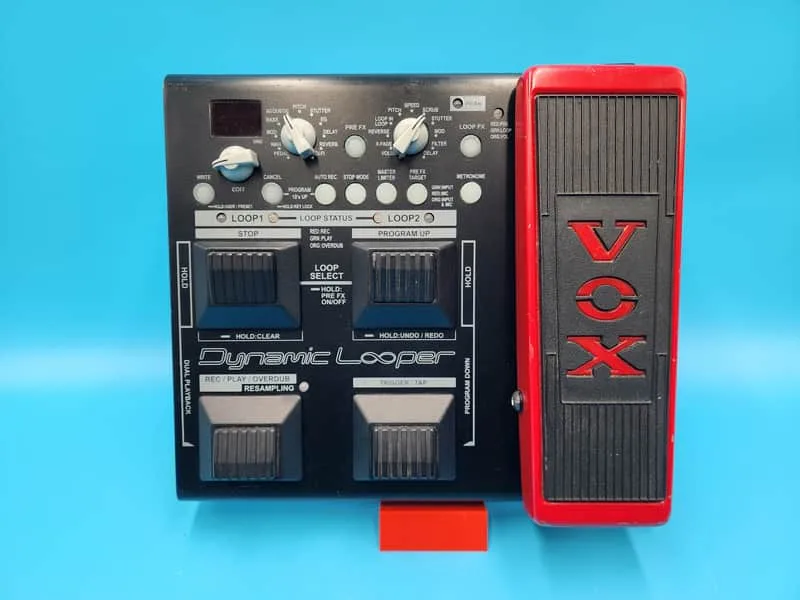
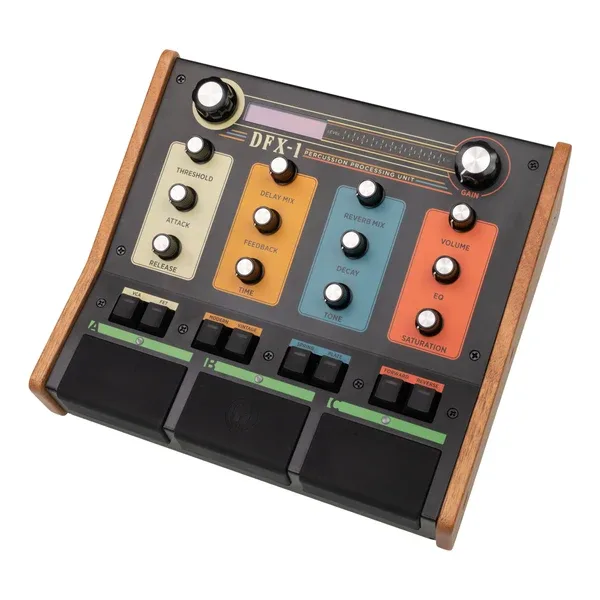
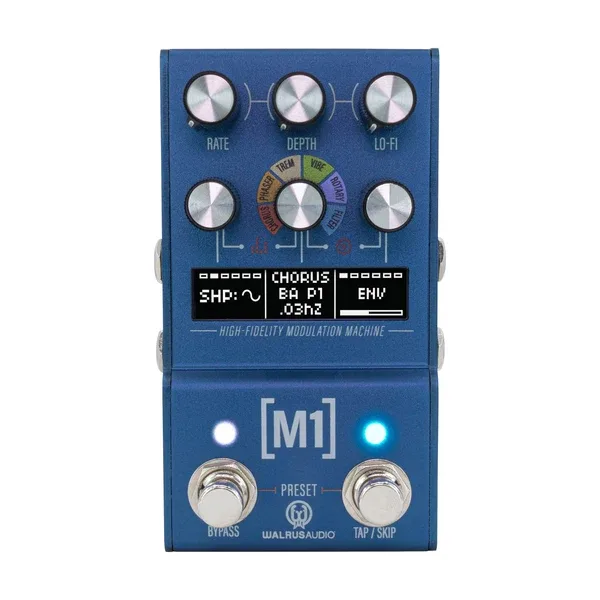
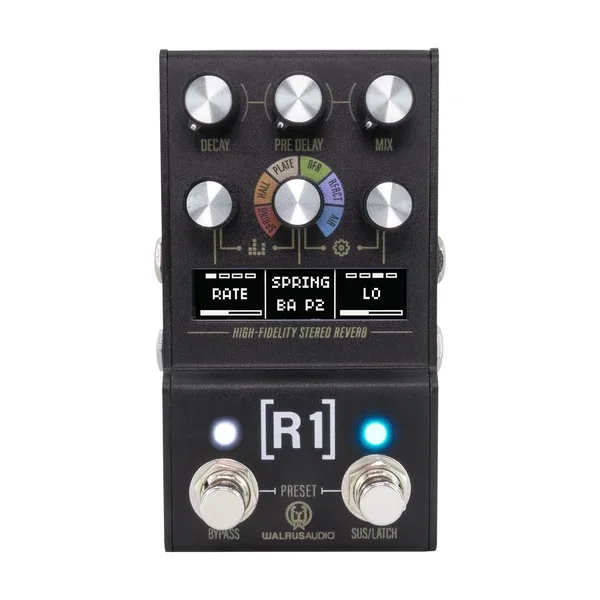
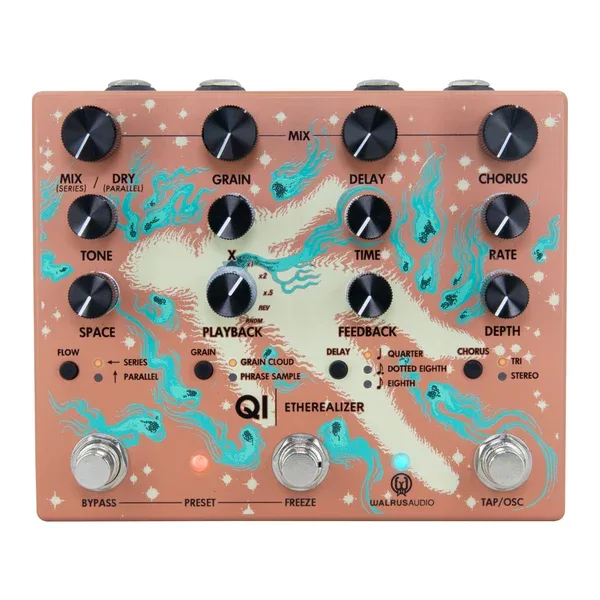
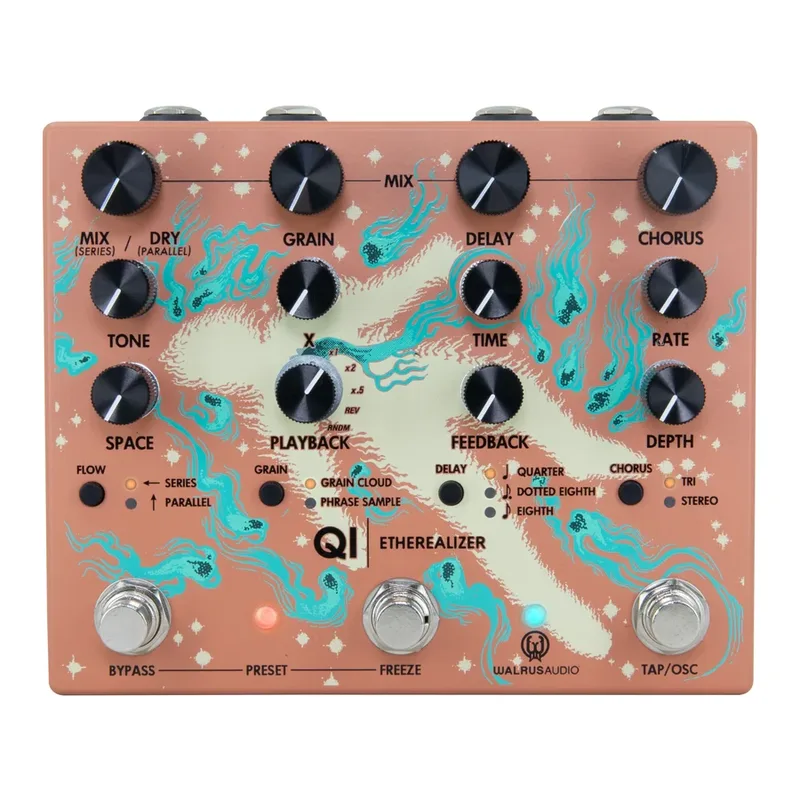
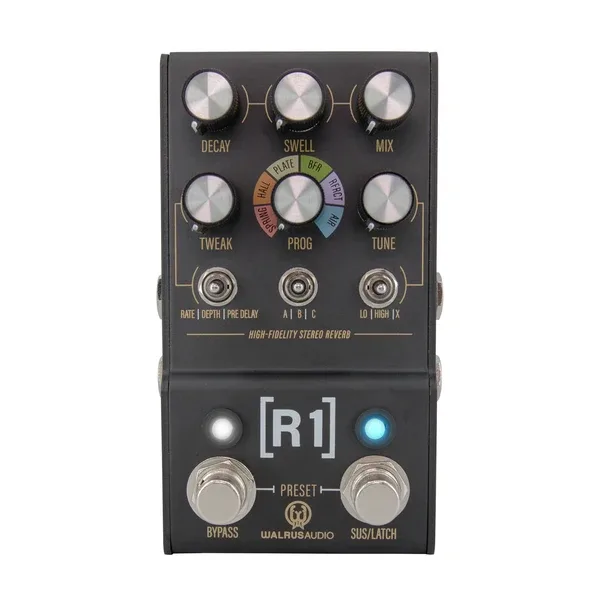
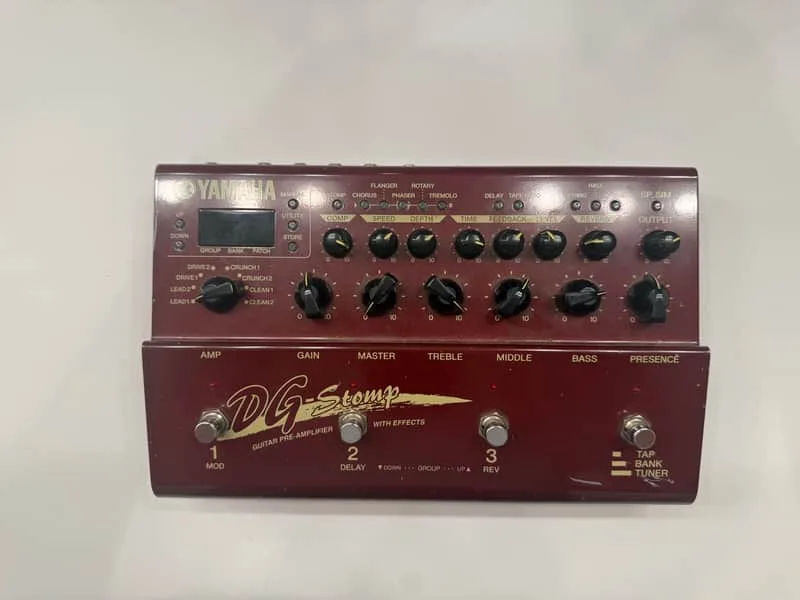
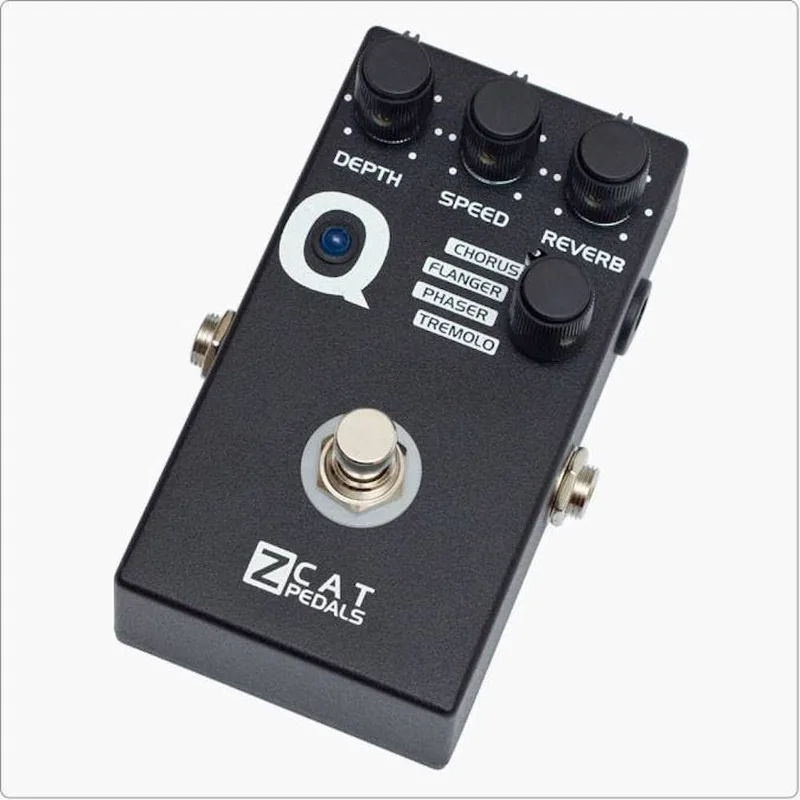
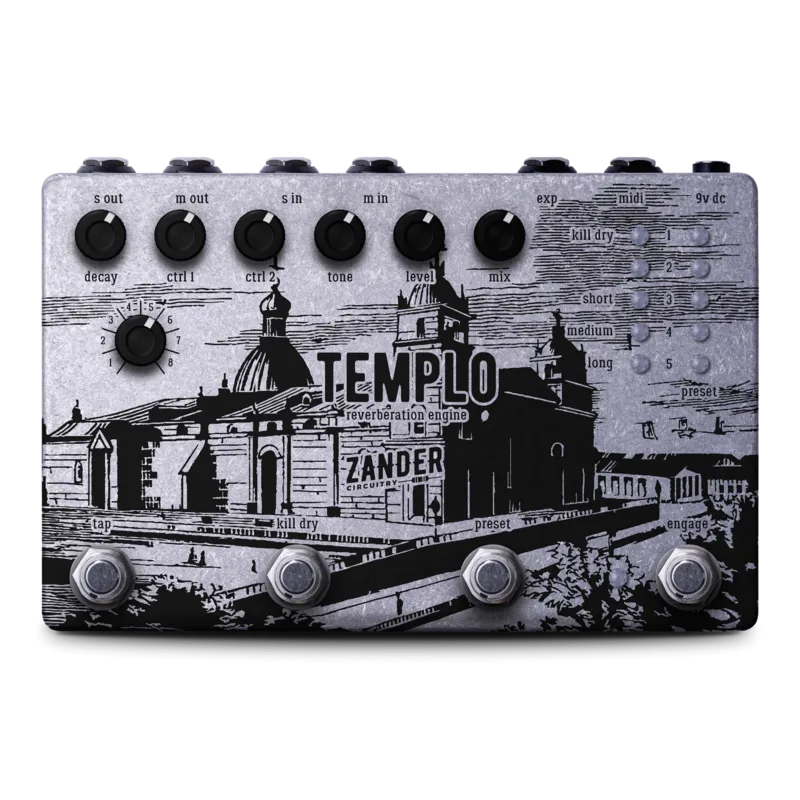
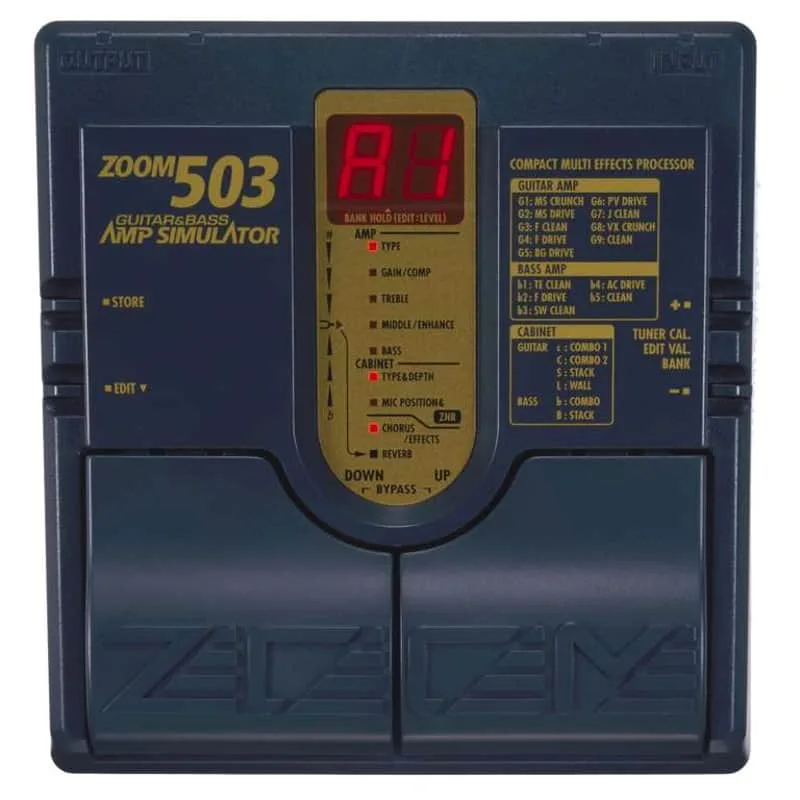
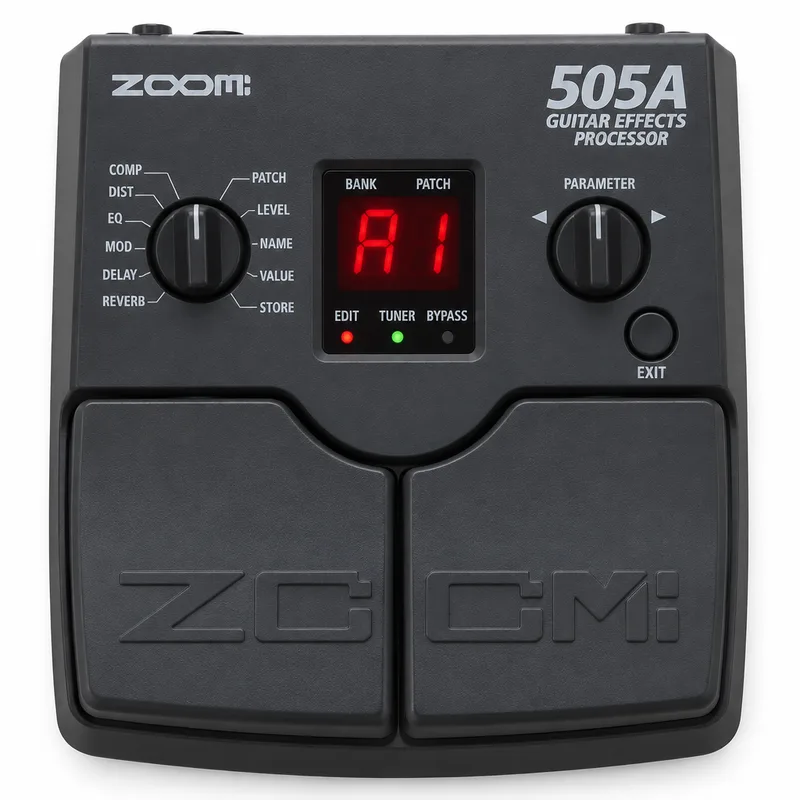
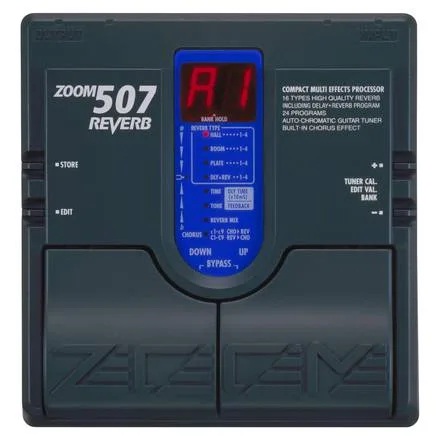
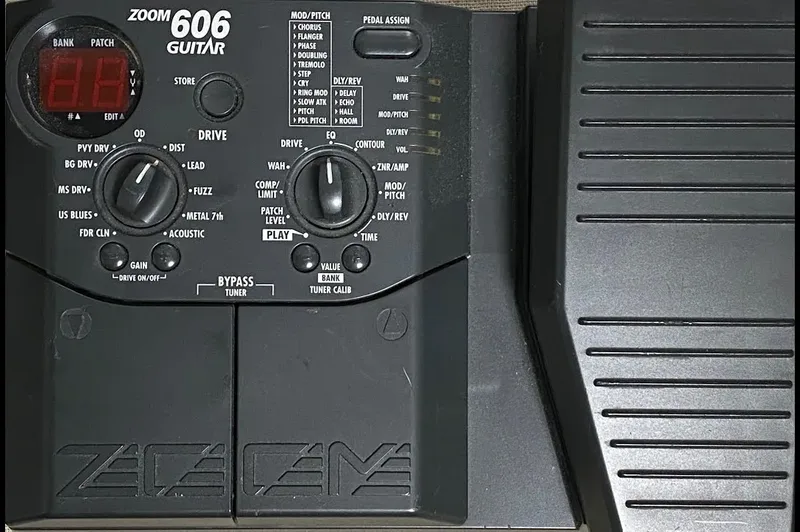
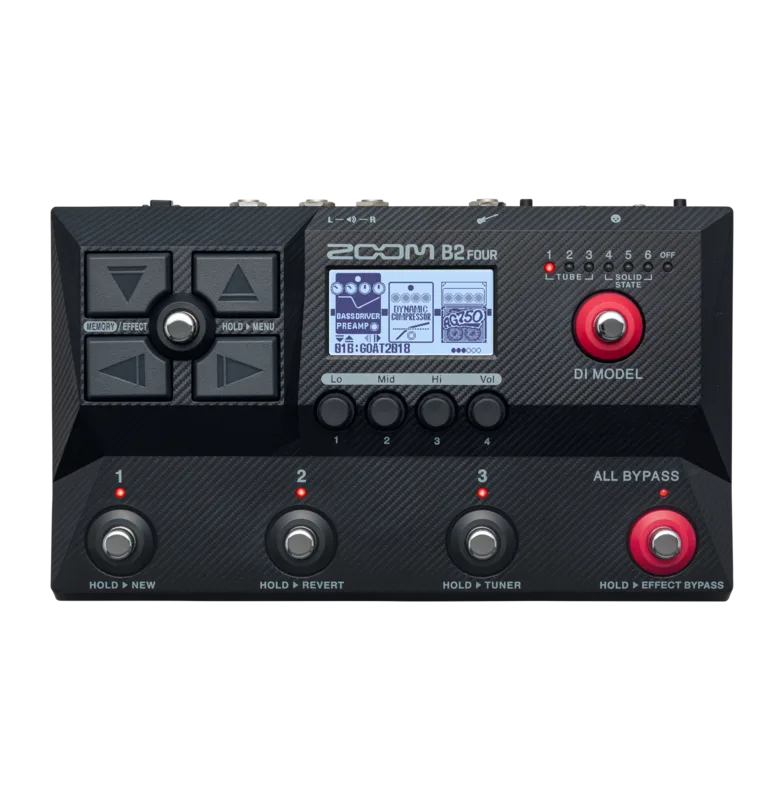
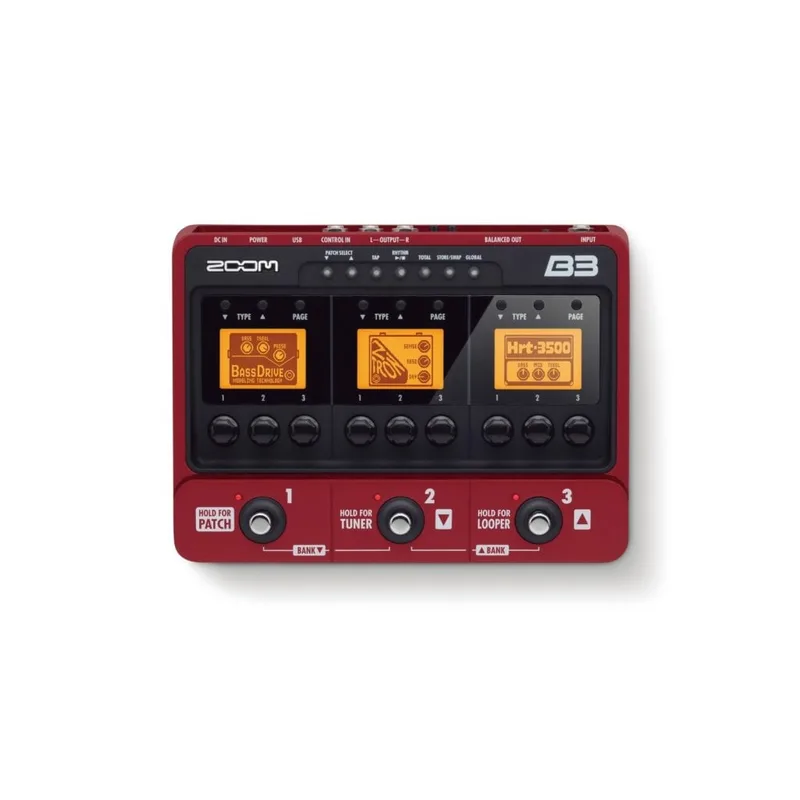
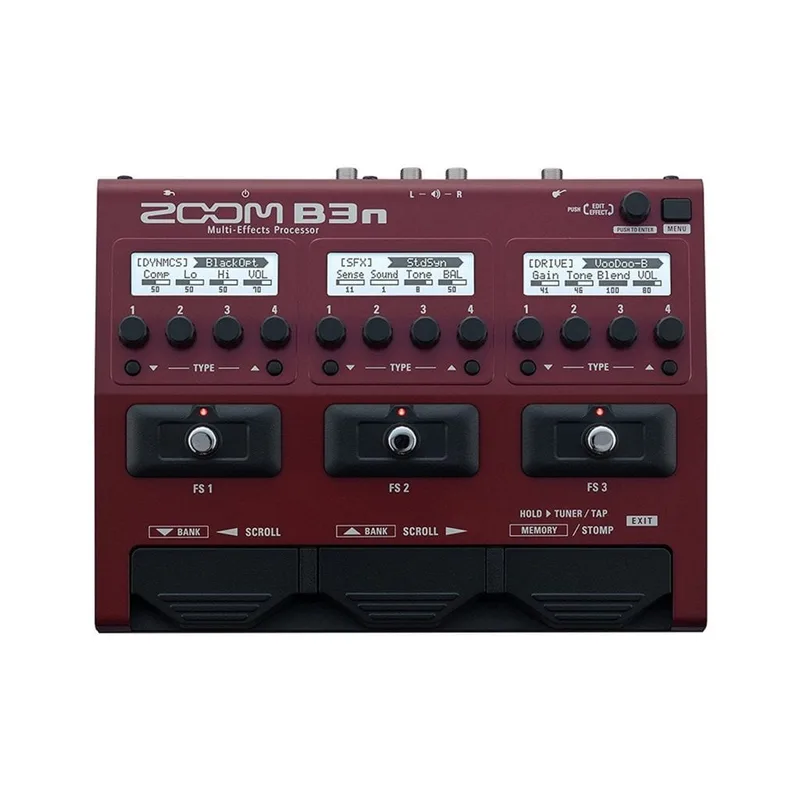
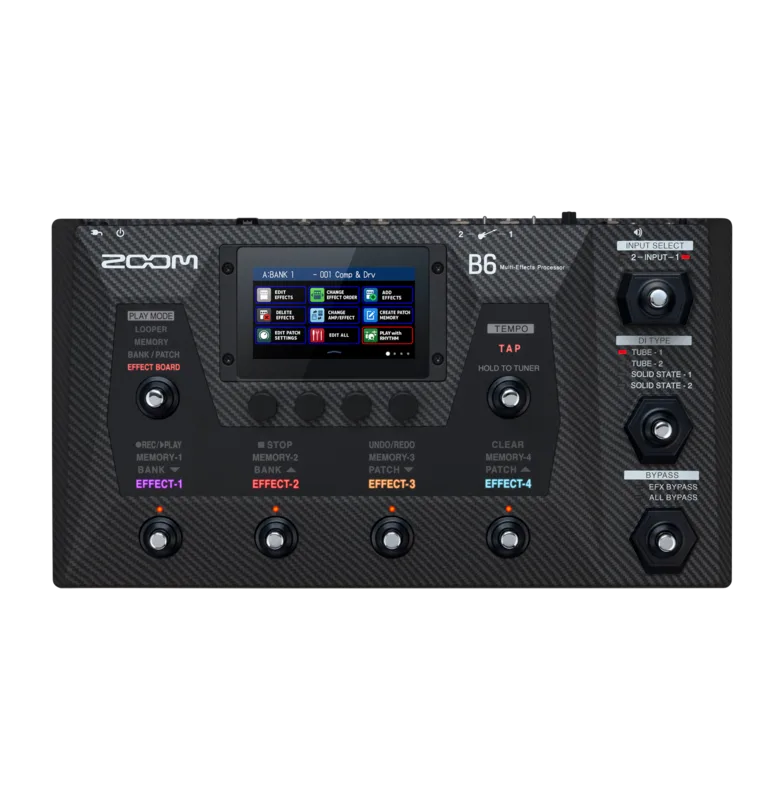
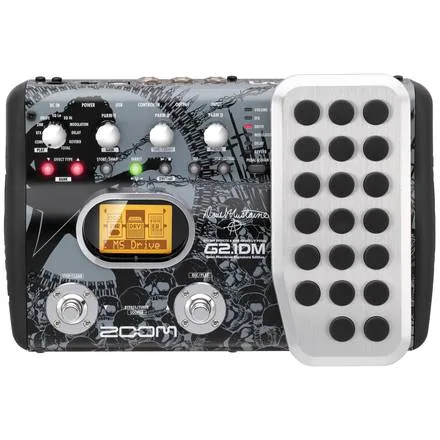
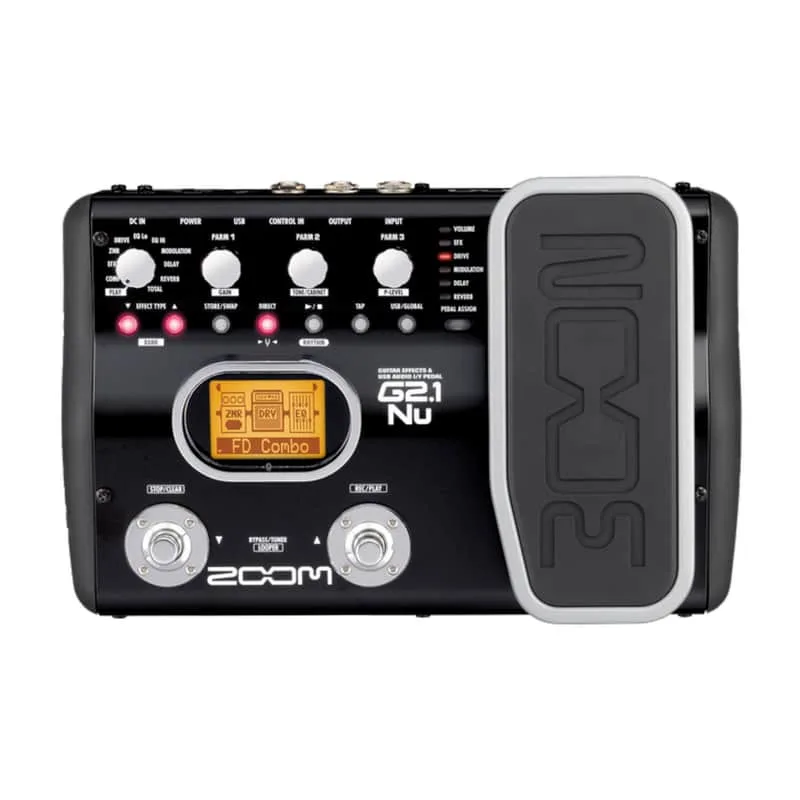
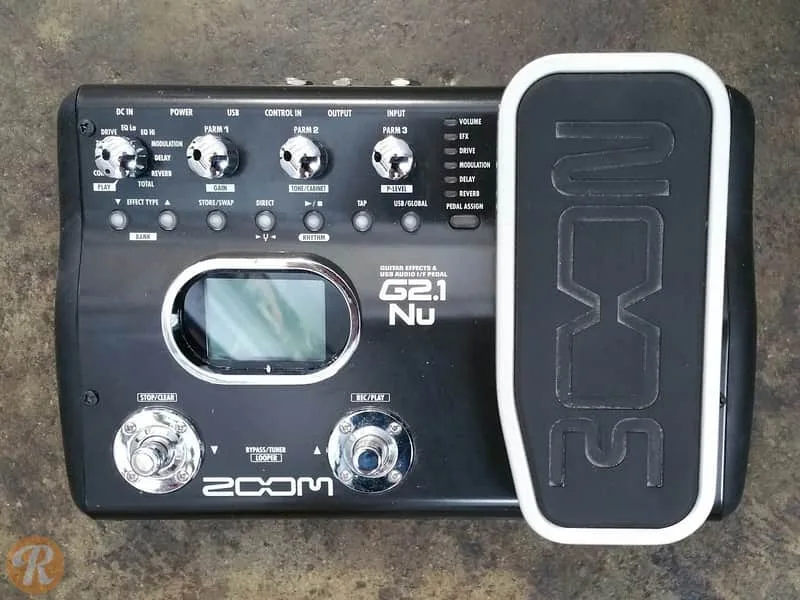
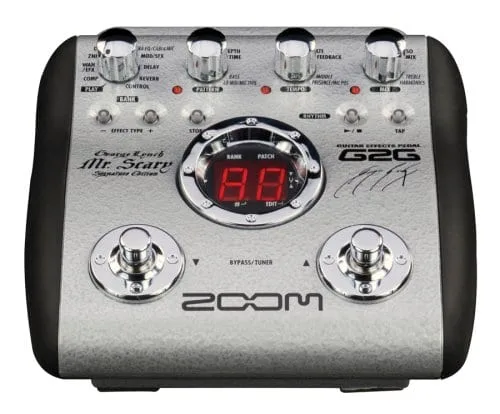
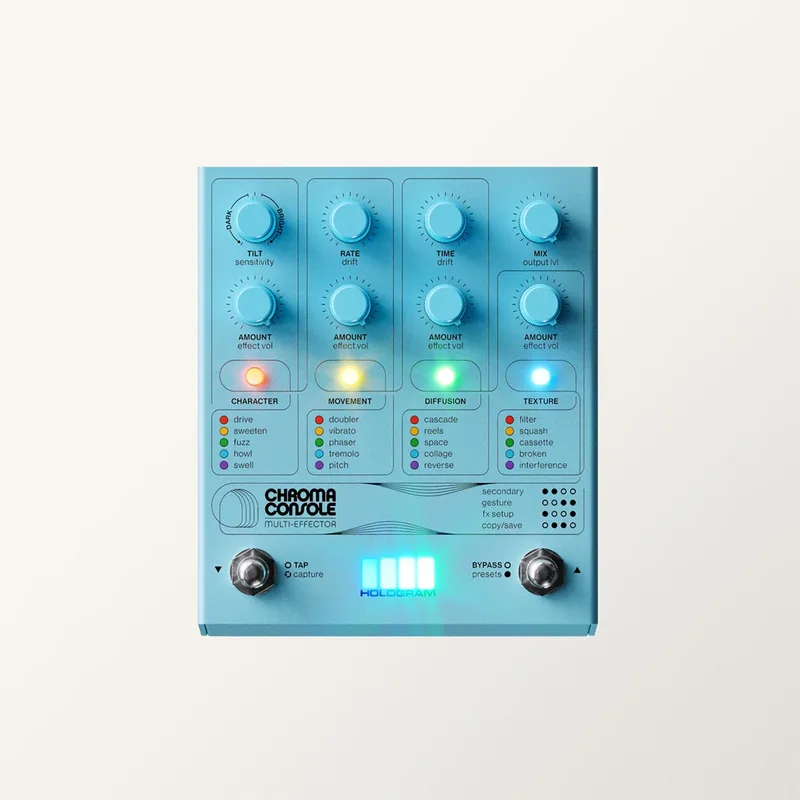
A multi-effects pedal is a single unit that contains many effects at once: instead of a delay, a chorus, a reverb and an overdrive each in its own box on a pedalboard, one processor holds them all and lets you switch between them, combine them, and store the combinations as presets. Makers describe their products in exactly these terms. Hologram Electronics calls its Chroma Console "a flexible multi-effect pedal"1, and Walrus Audio describes the Qi Etherealizer as "a multi-effects pedal that combines Chorus, Delay, Granular effects, and, of course, Reverb, into a creative playground"2. Budget makers build them too: Mosky's DTC is listed among the company's multi-effects products3.
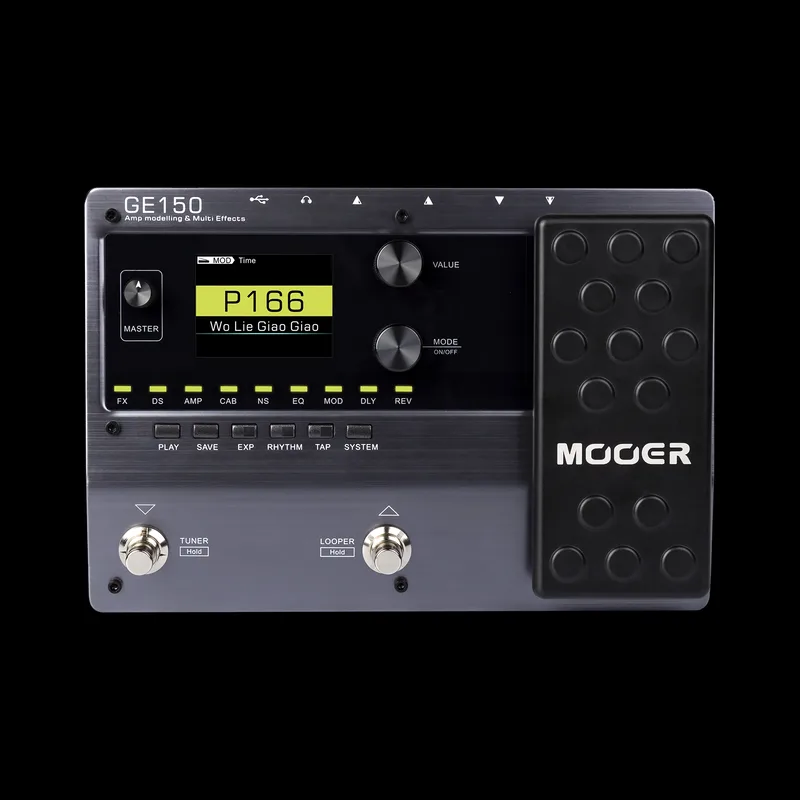
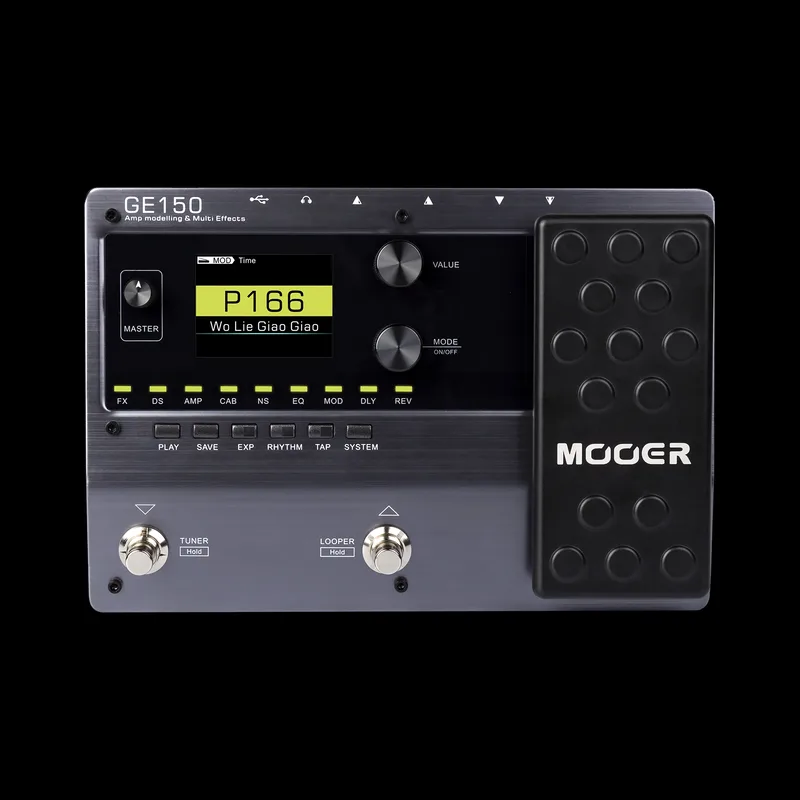
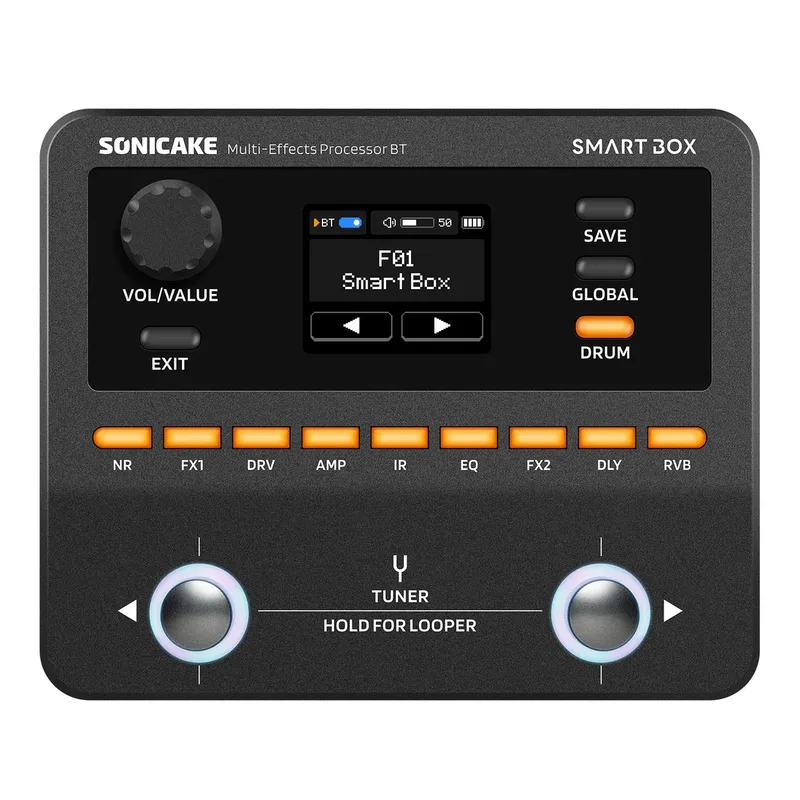
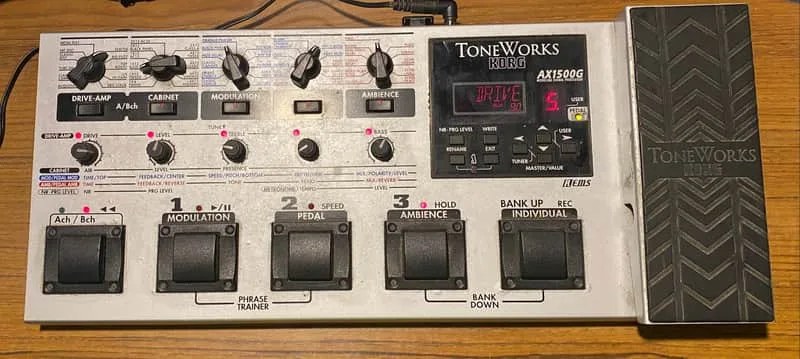
Most multi-effects pedals today are digital, and many go beyond effects into amp and cabinet modeling, so one box can stand in for an entire rig. That breadth is the appeal: one purchase, one power supply, one set of presets, and a sound that can go straight to a PA, an interface or headphones. The trade-offs are the subject of this page: how these units work, what the different styles are, how to control and power them, and what to think about when choosing one.
How multi-effects pedals and modelers work
A digital multi-effects unit converts your guitar signal into numbers, runs it through software versions of each effect, and converts it back to analog at the output. Each effect is an algorithm: a software model of a delay line, a modulation circuit, a reverb space, or a whole amplifier. Because the effects are software, one unit can hold dozens of them, and firmware updates can add more.
Amp modeling is where the line between a multi-effects pedal and a modeler blurs. MOD Audio's João Neves explains what an amplifier simulator pedal actually is:
"An amplifier simulator pedal, also called “boxed amp"4
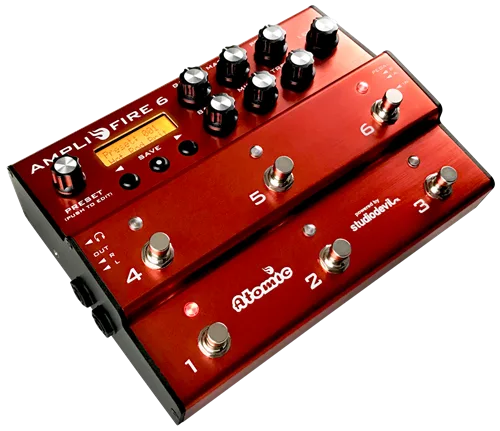
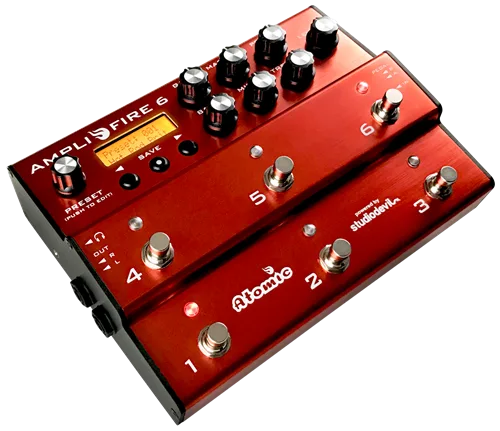
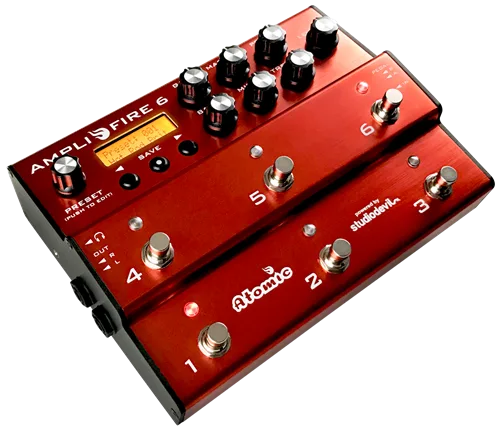
Neves also notes the other way to use one: "It can be used like any drive pedal, connected to the input of your amplifier to obtain different sounds of distorted sounds"4. So an amp-sim block inside a multi-effects unit can either feed a real amp like a drive pedal, or replace the amp entirely and go straight to a PA or headphones. Some products sit deliberately on both sides of the line: Atomic Amps describes the AmpliFire as "an authentic amplifier modeler and multi-effects pedal years in the making"5.
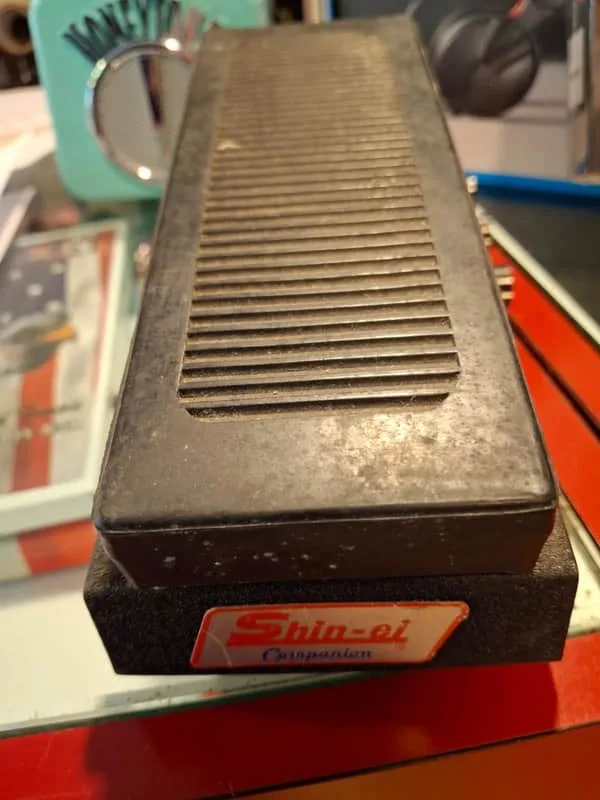
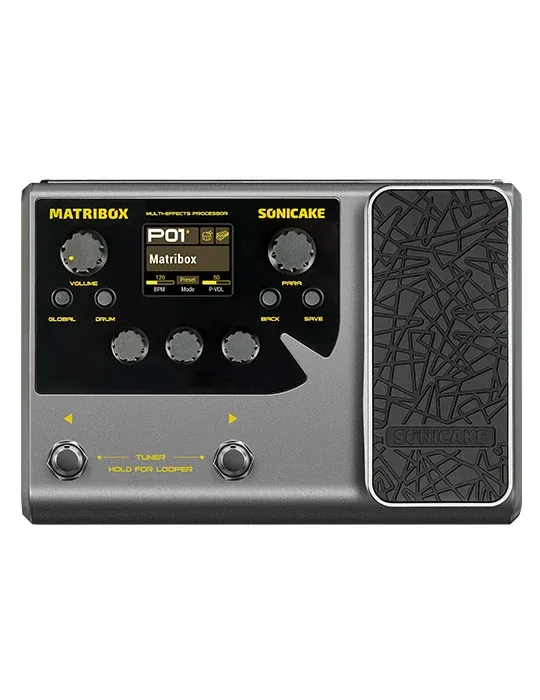
Expression control is the other half of how these units work in practice. A rocker pedal plugged into the unit's expression input can control a parameter in real time, the way a volume pedal controls level by foot. Sonicake says its Vexpress "works with most multi-effects processors" and advises using a TRS cable when using it as an expression pedal6. Microdesignum's MIDI Expressione 1F module goes further, and "greatly simplifies operation of wah-wah in multi-effects, including turning on and off by pressing the toe of the pedal"7, which is the kind of control a built-in wah block needs to feel like the real thing.
History and landmark multi-effects units
The idea of putting effects in one box is older than digital modeling. The first effects pedals were introduced in the 1960s8, and players quickly wanted more than one effect without more boxes. Analog multi-effects go back a long way: Musitronics describes its Mu-Tron Bi-Phase as a pedal that "is iconic and was used on many records by numerous artists"9, a dual-phaser unit that packed two phaser circuits with extensive control into one floor box.
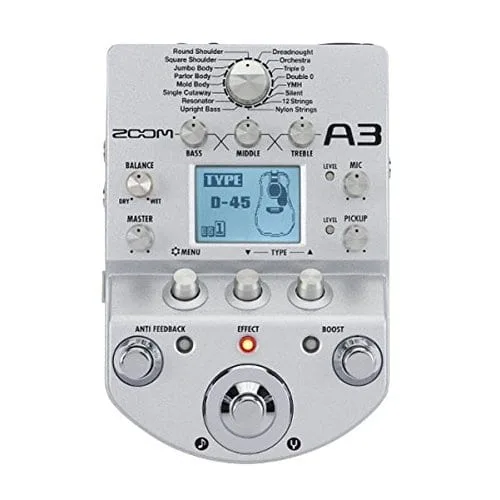
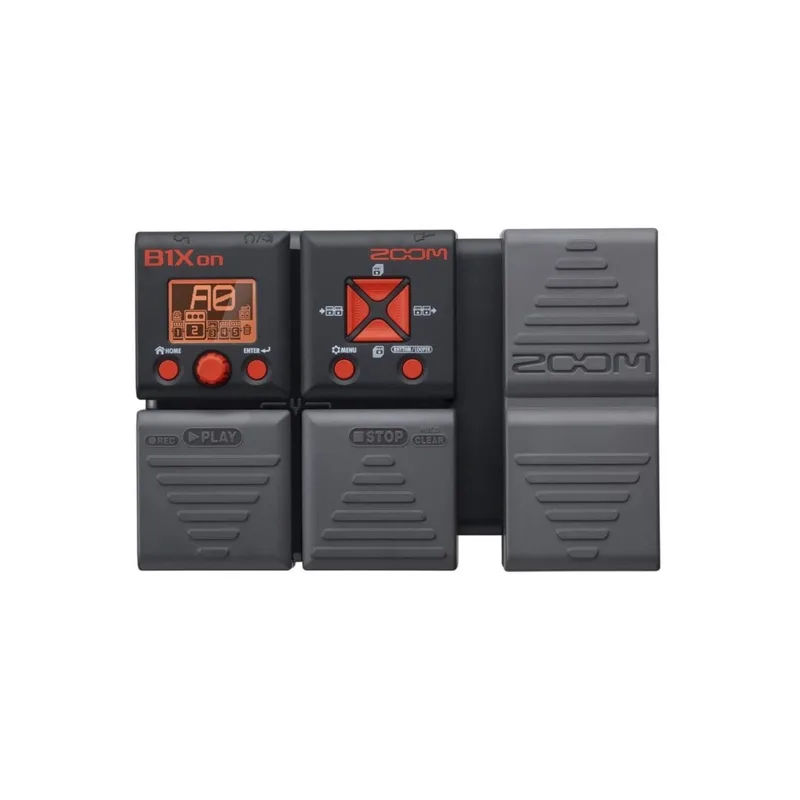
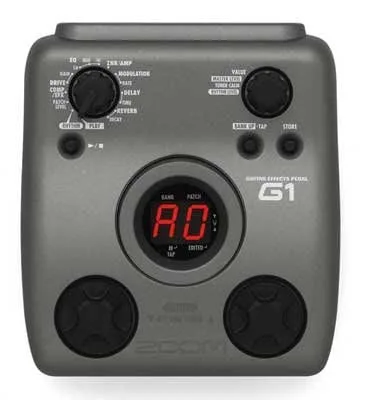
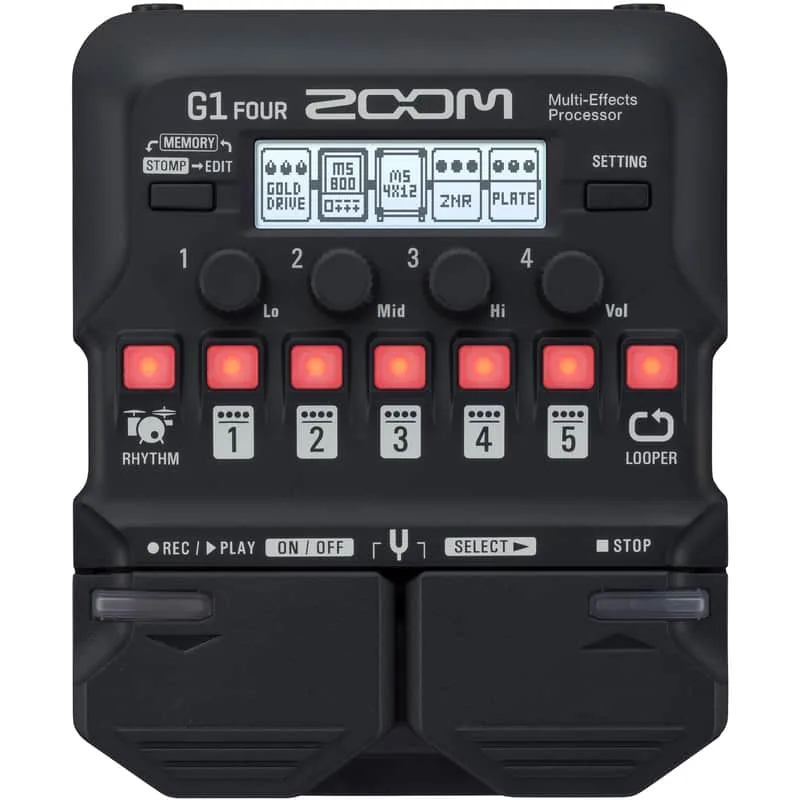
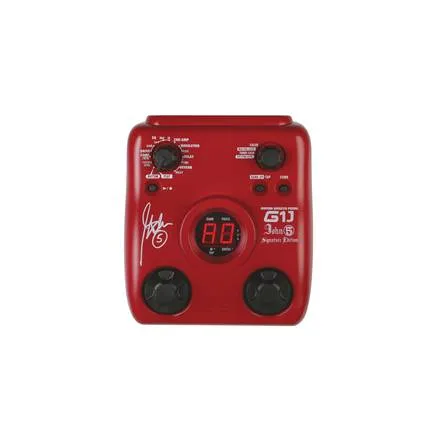
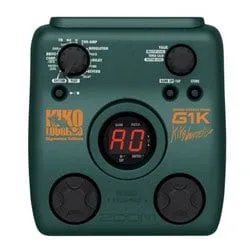
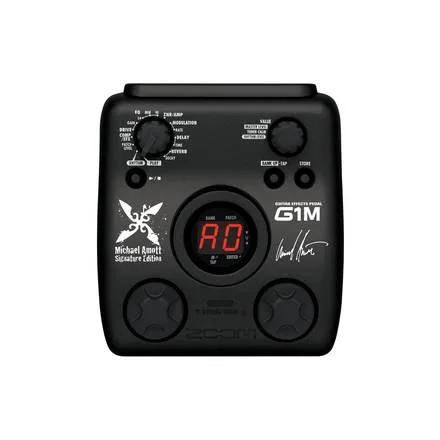
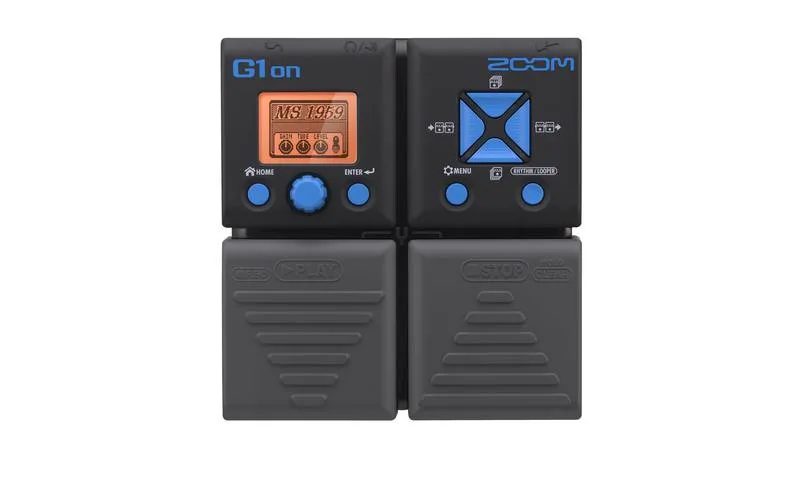
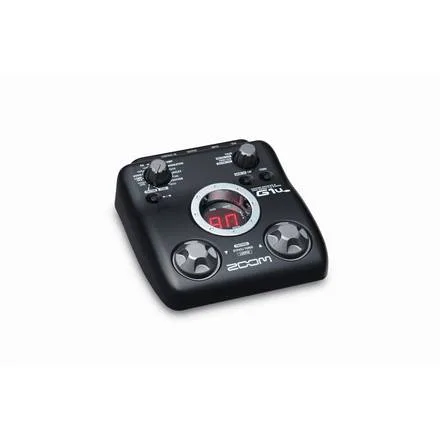
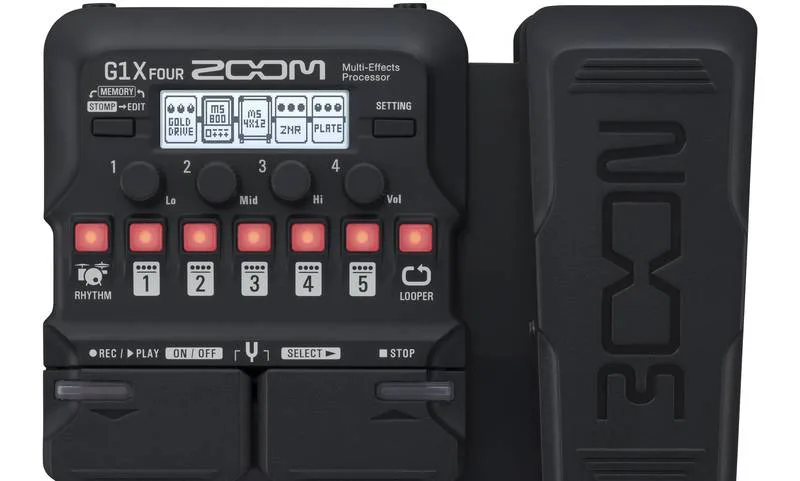
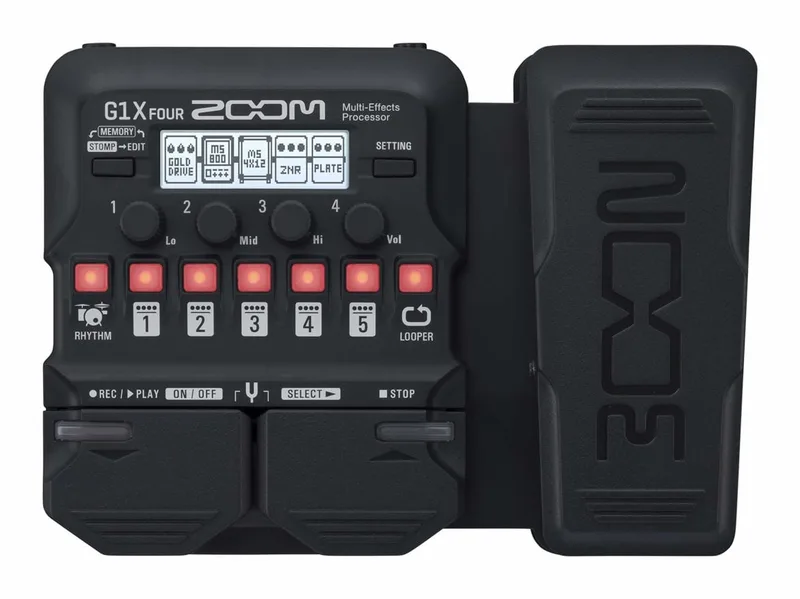
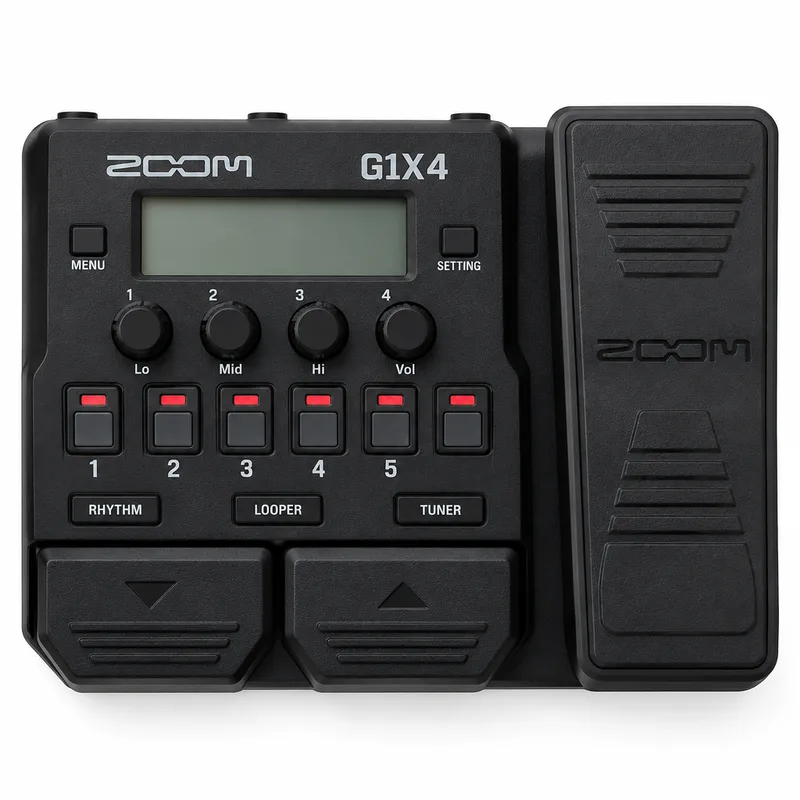
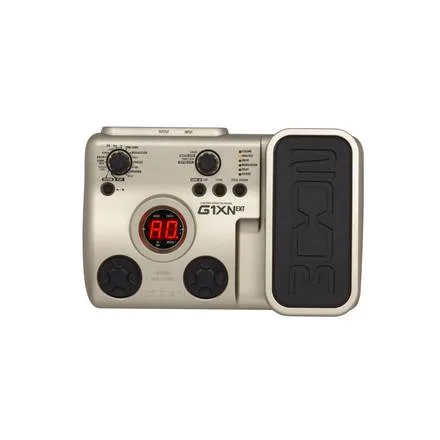
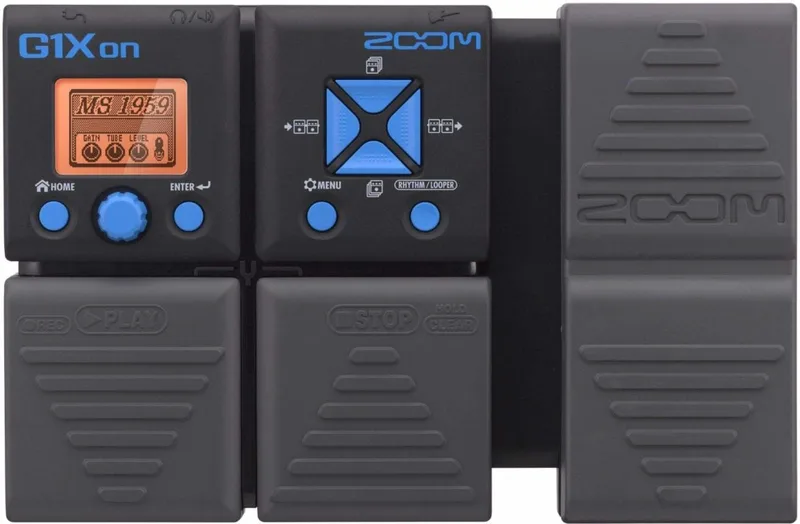
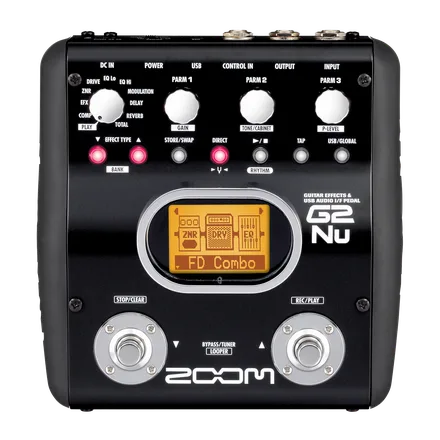
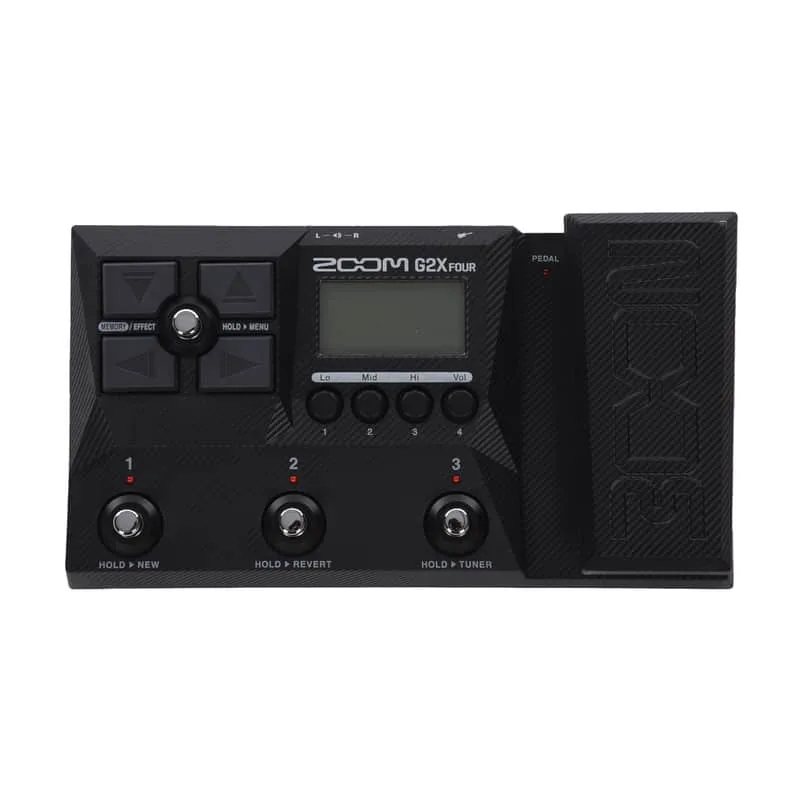
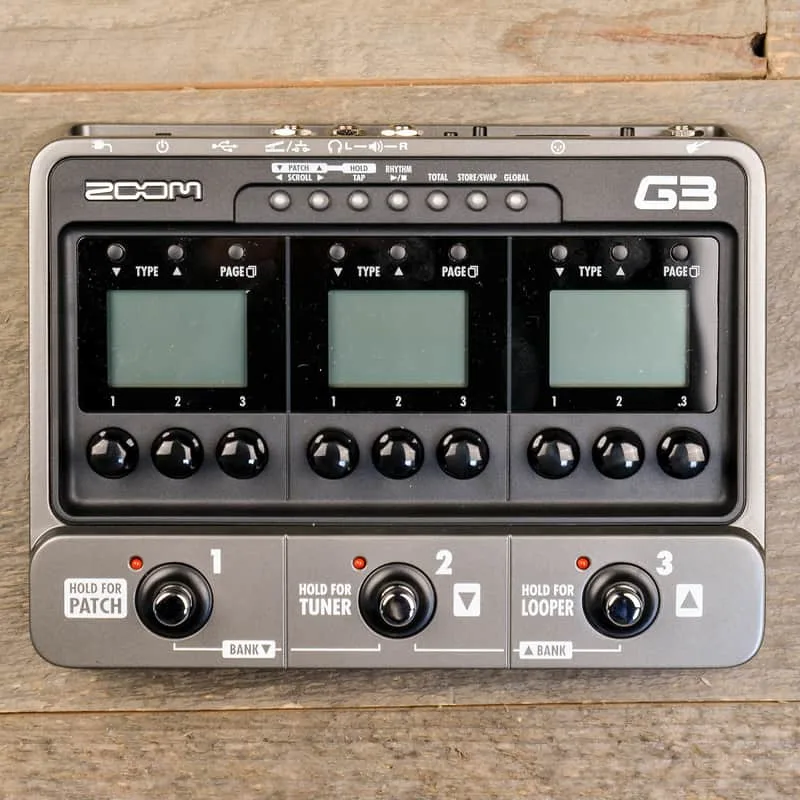
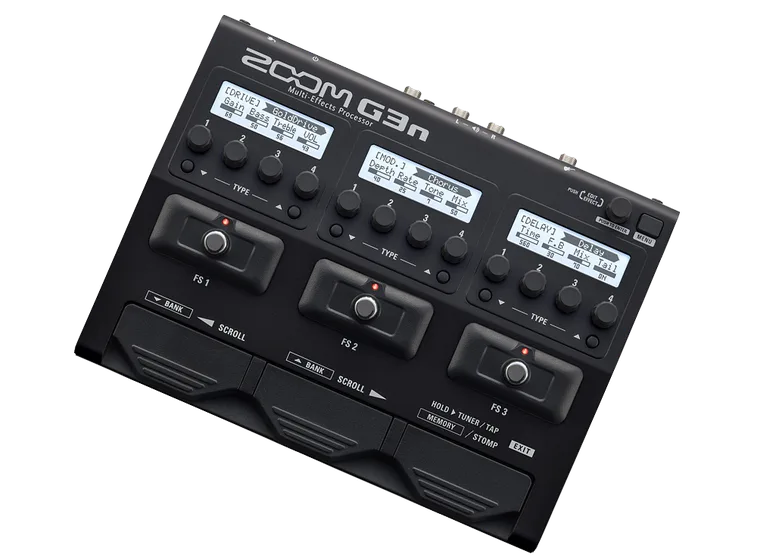
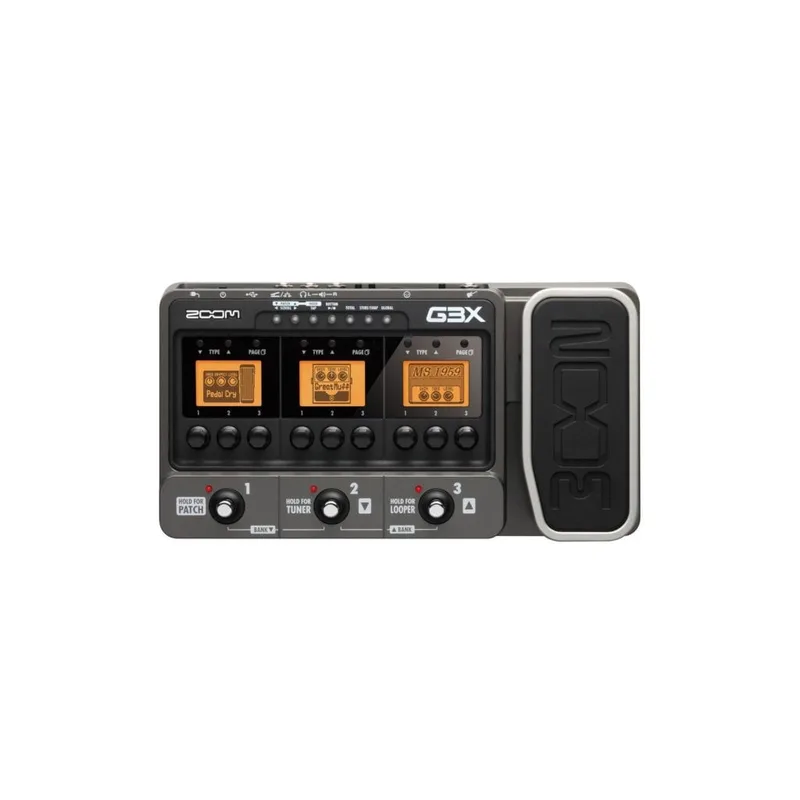
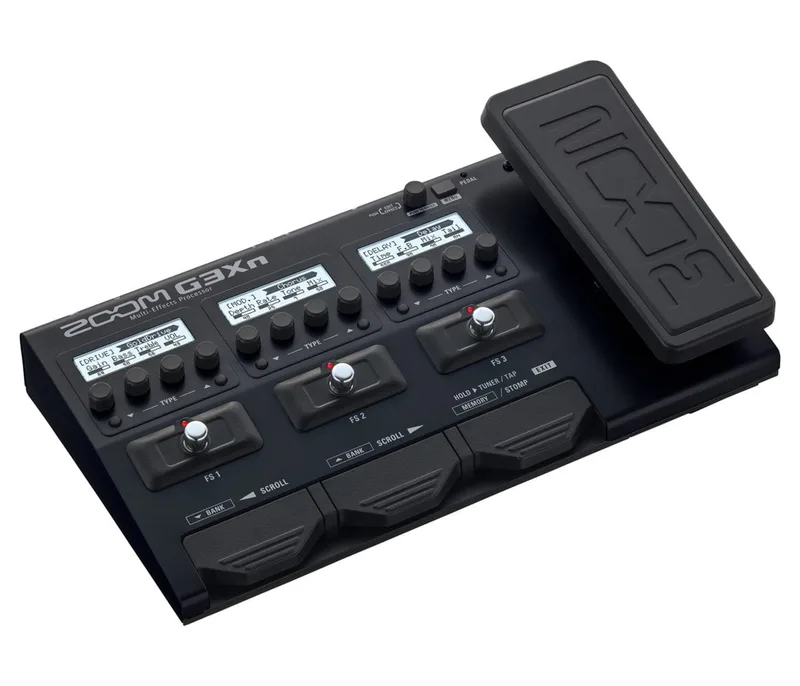
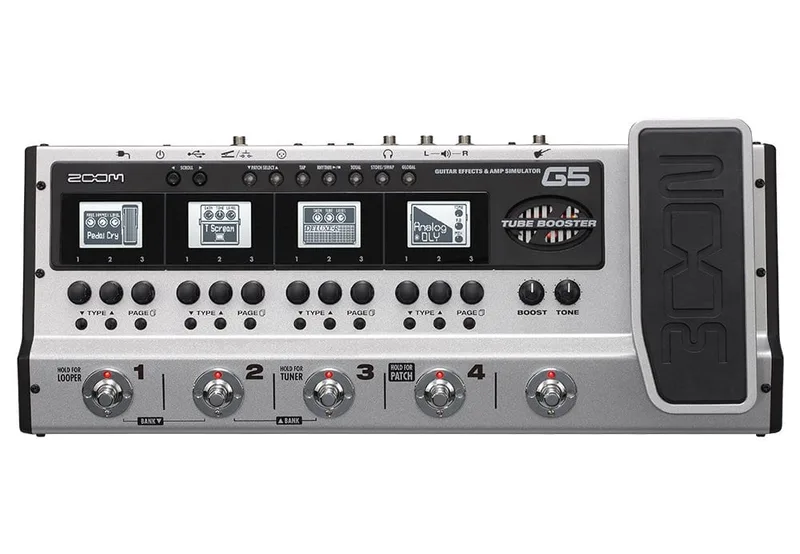
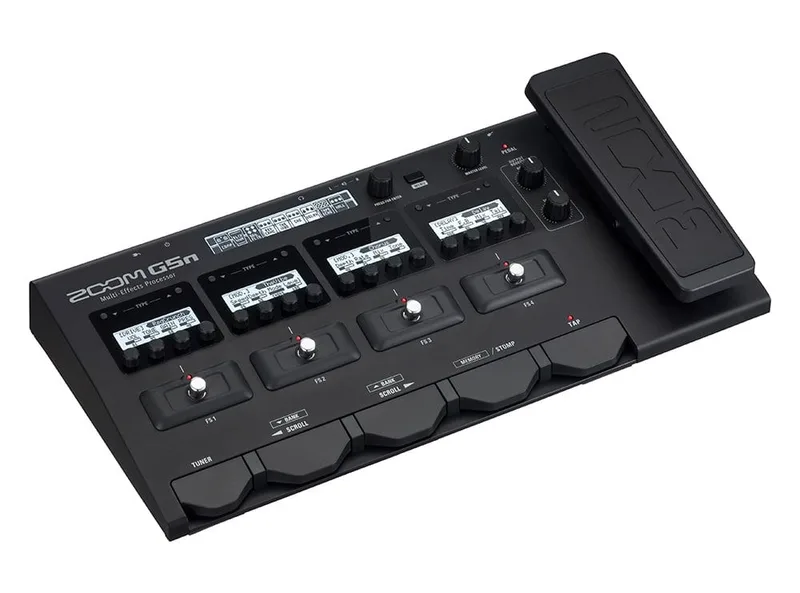
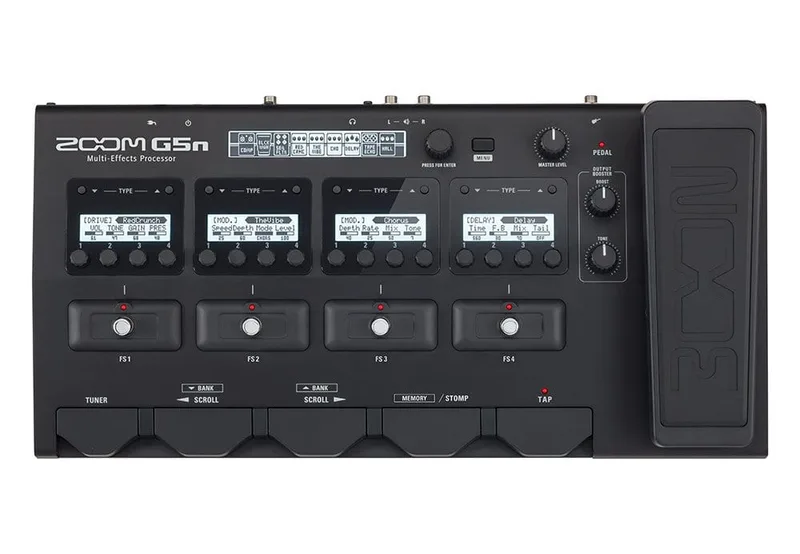
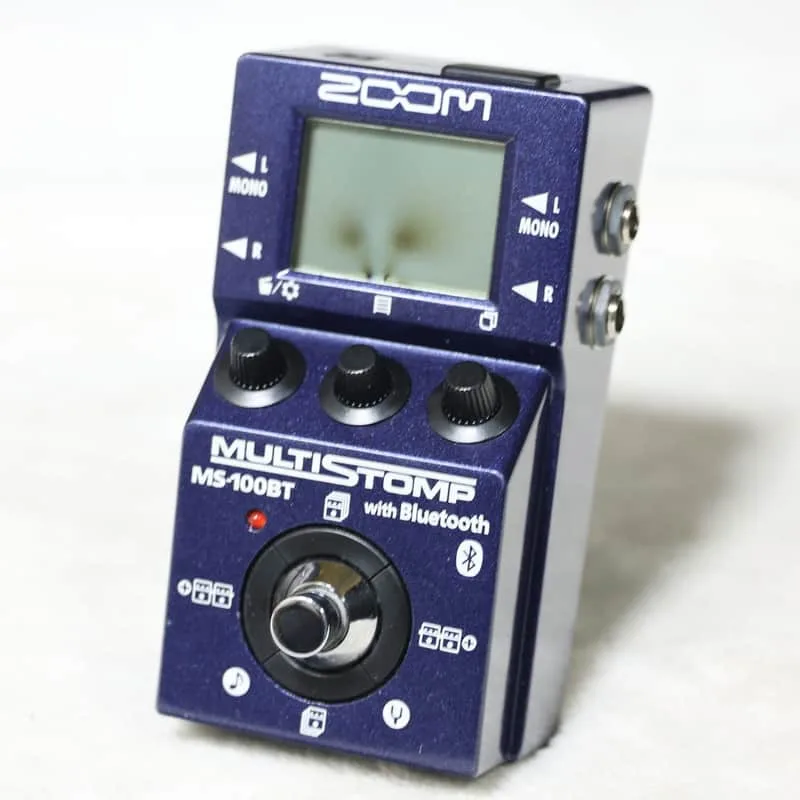
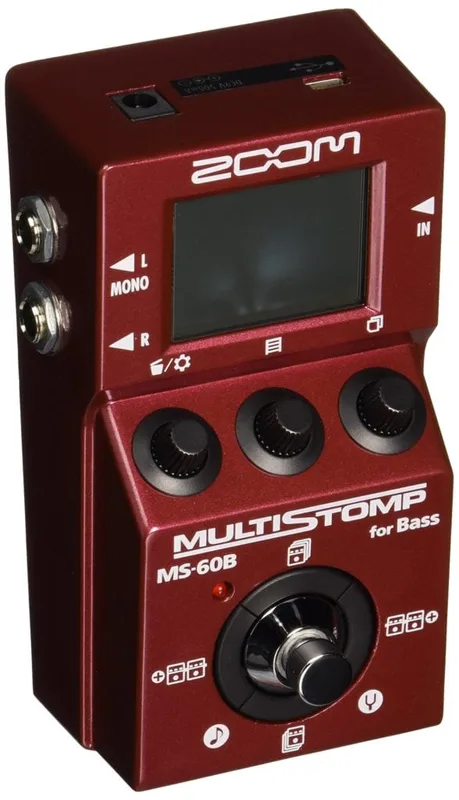
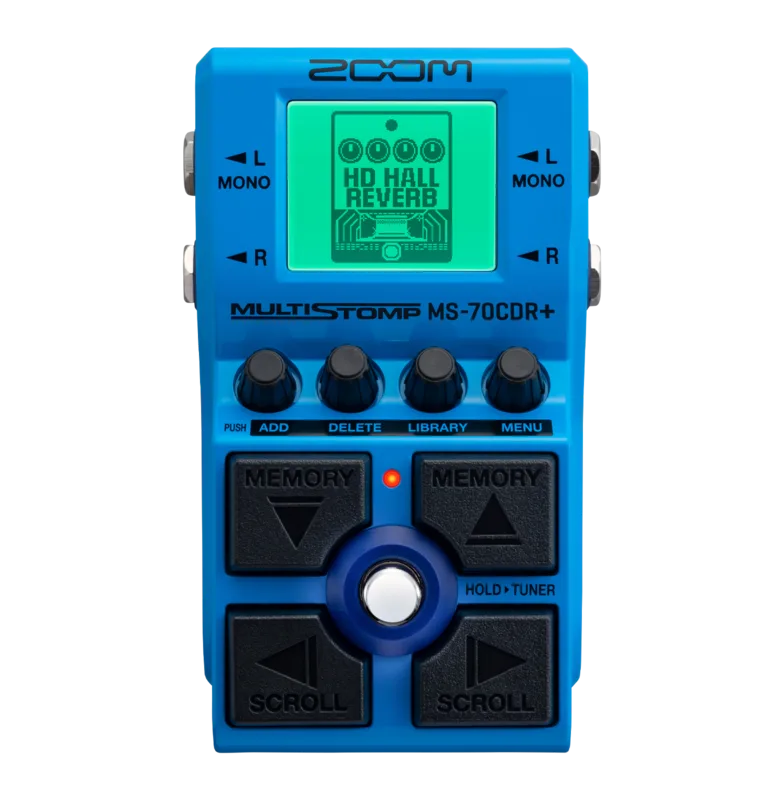
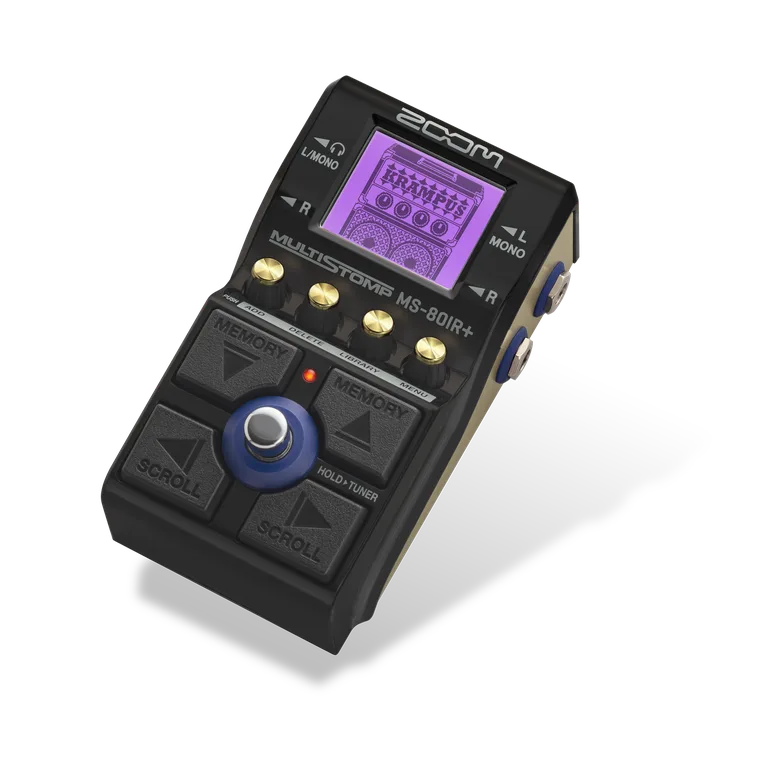
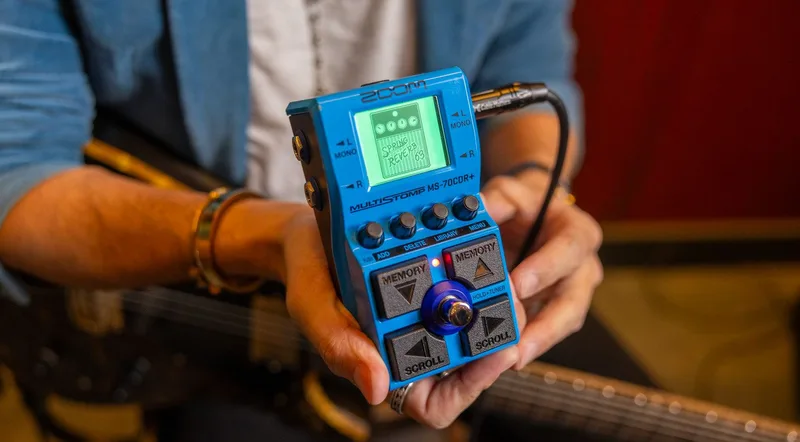
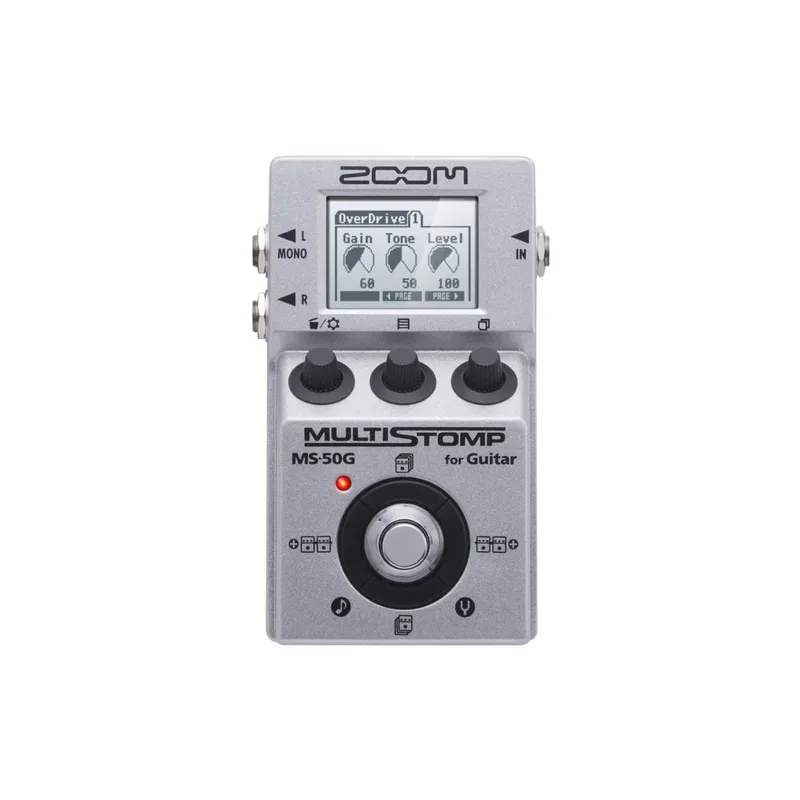
The modern digital era brought the effect count up by orders of magnitude. Zoom's MultiStomp line put a large library of effects into a single stompbox-sized unit, with models like the MS-70CDR and MS-100BT carrying many effects in a compact box1011, and Zoom's broader G-series, such as the G1Xon and G1, established the budget floor unit as a category12. Recent years have kept the pace up:
Styles: floor modelers, combined pedals and compact multi-effects
Multi-effects products come in three broad shapes, and knowing which you are looking at answers most of the questions about what a unit can do.
| Style | What it is | Examples from this site |
|---|---|---|
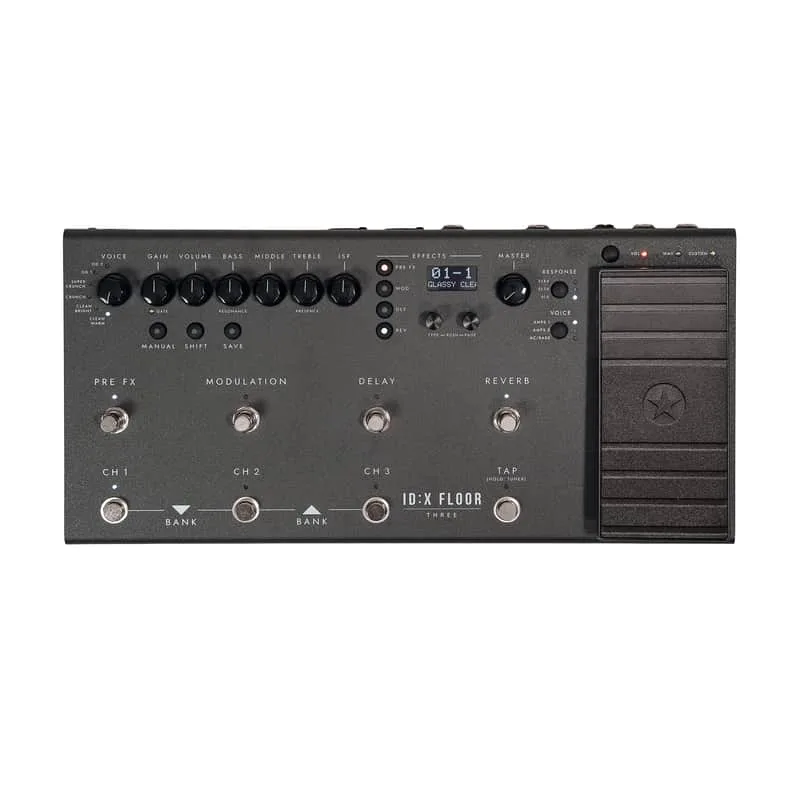
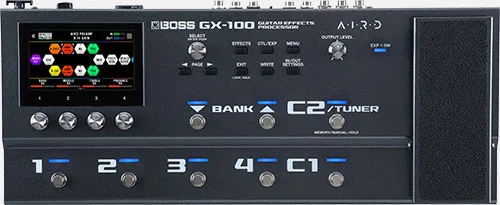
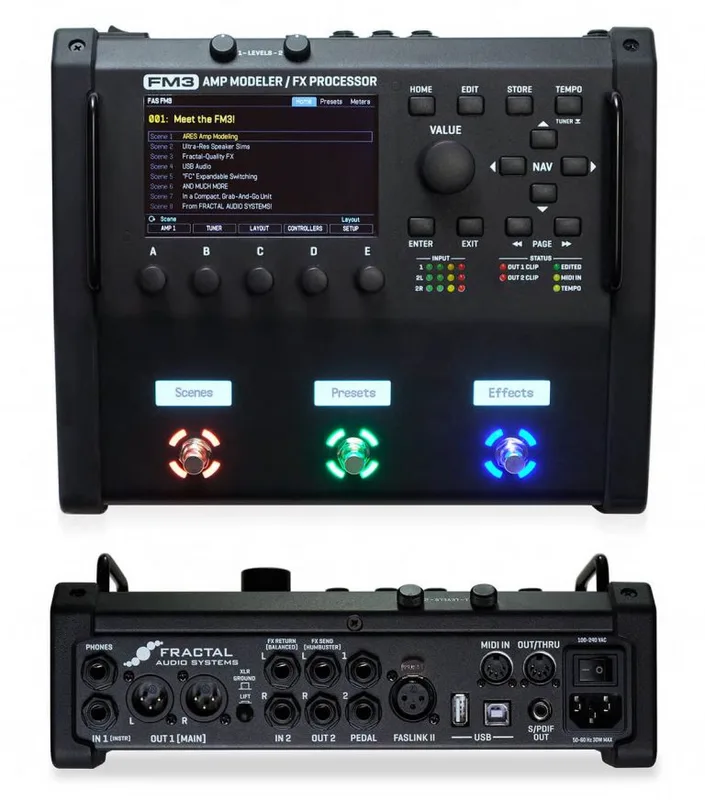
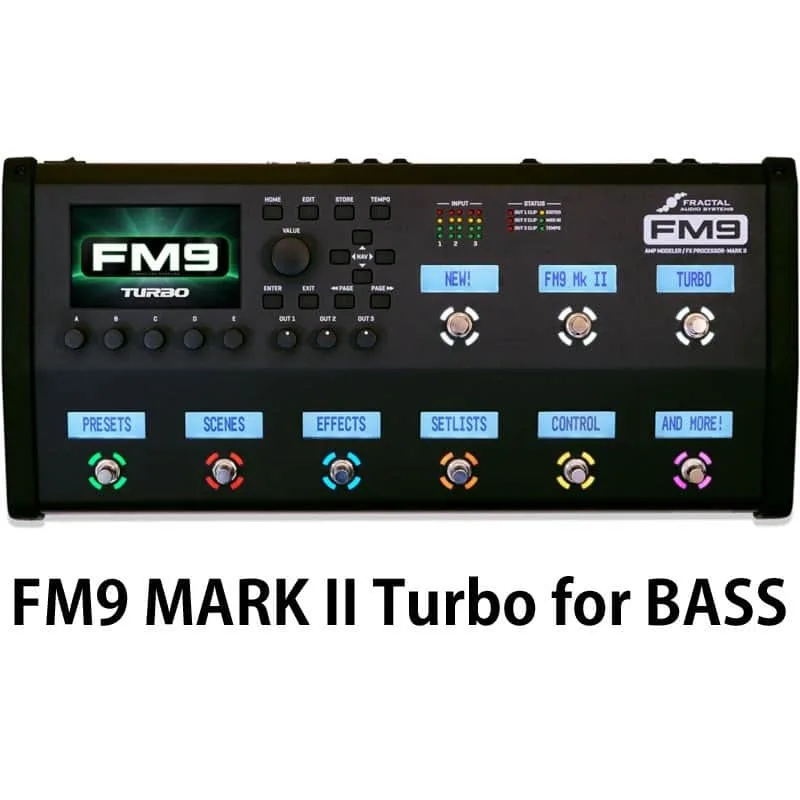
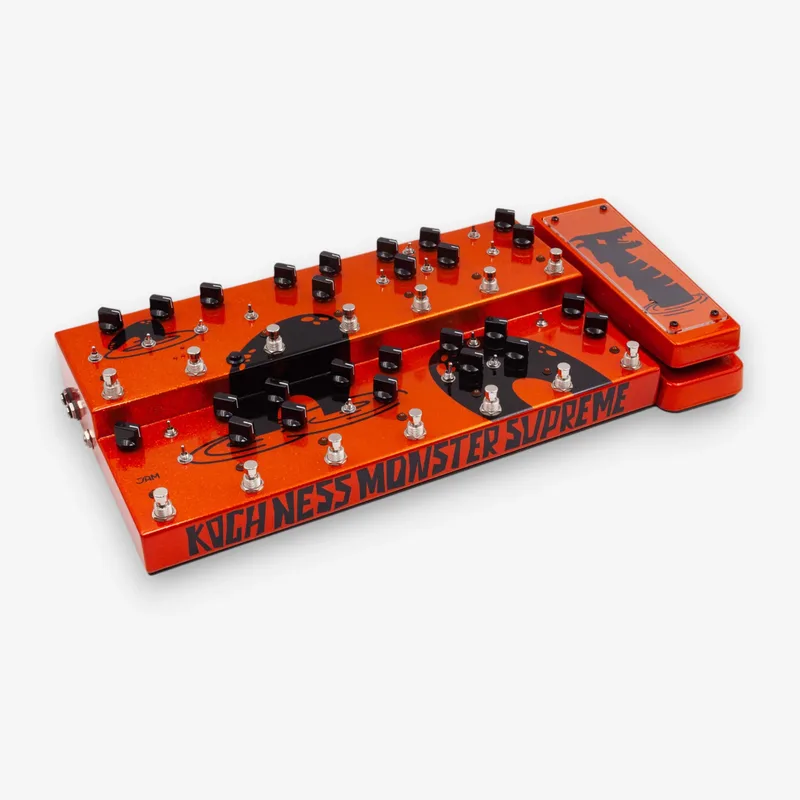
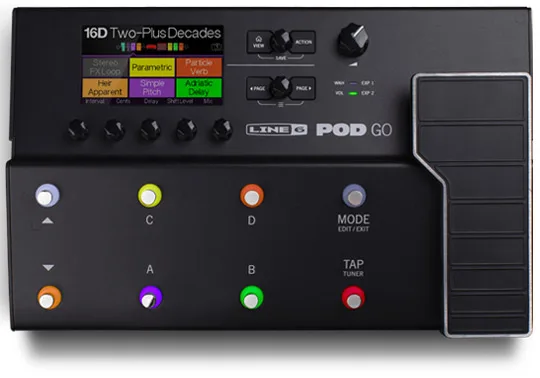
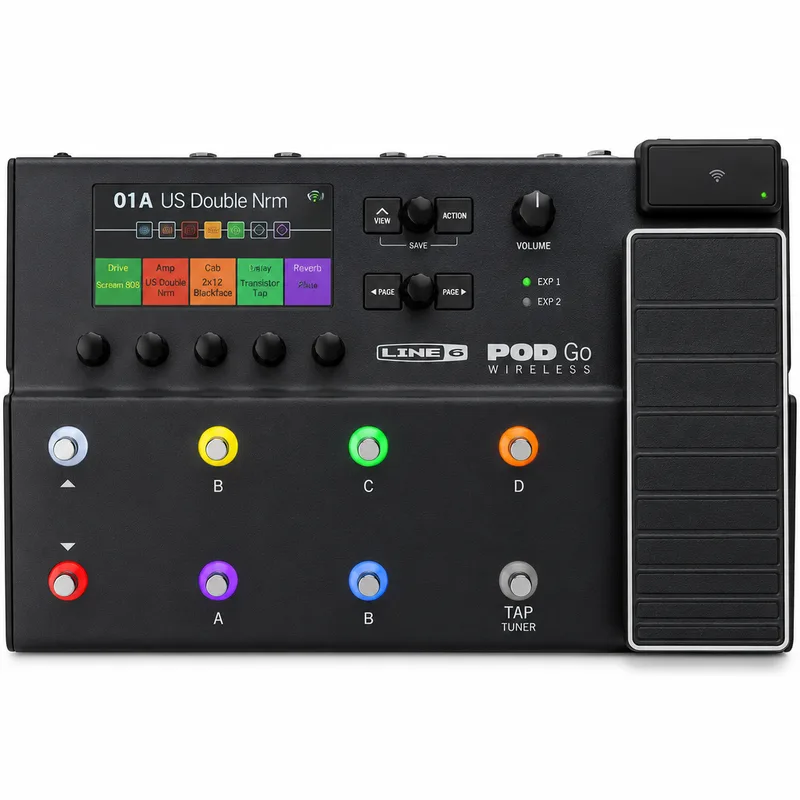
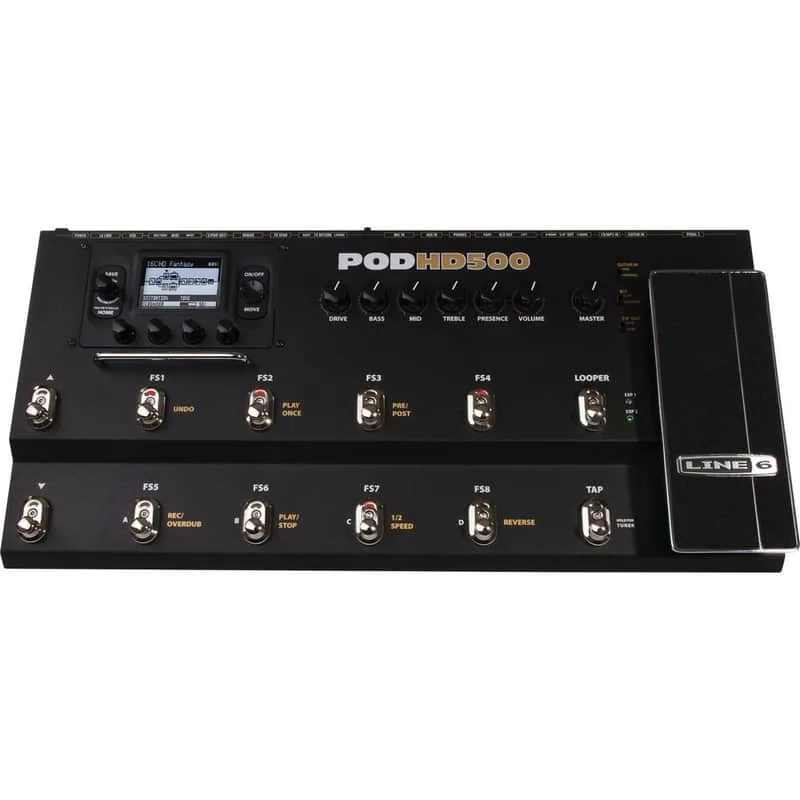
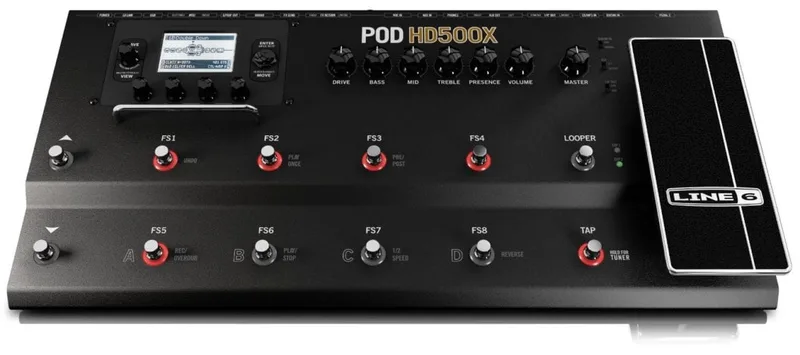
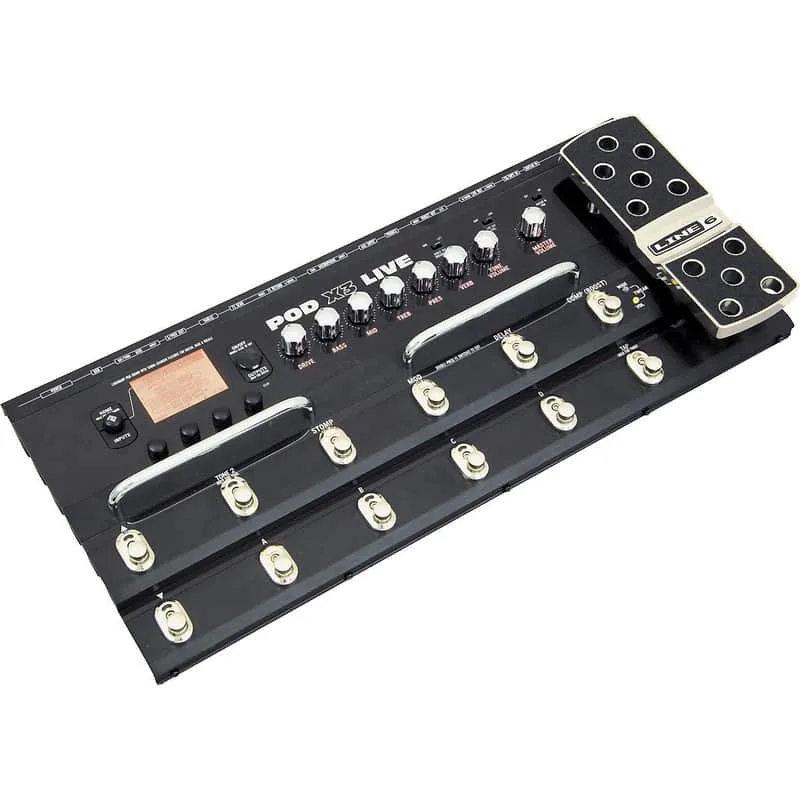
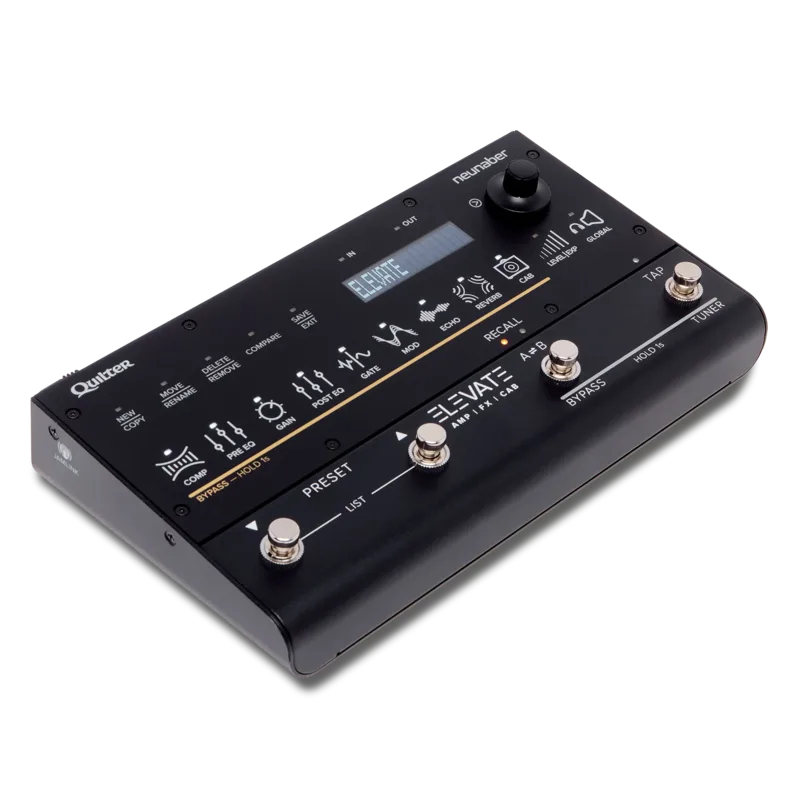
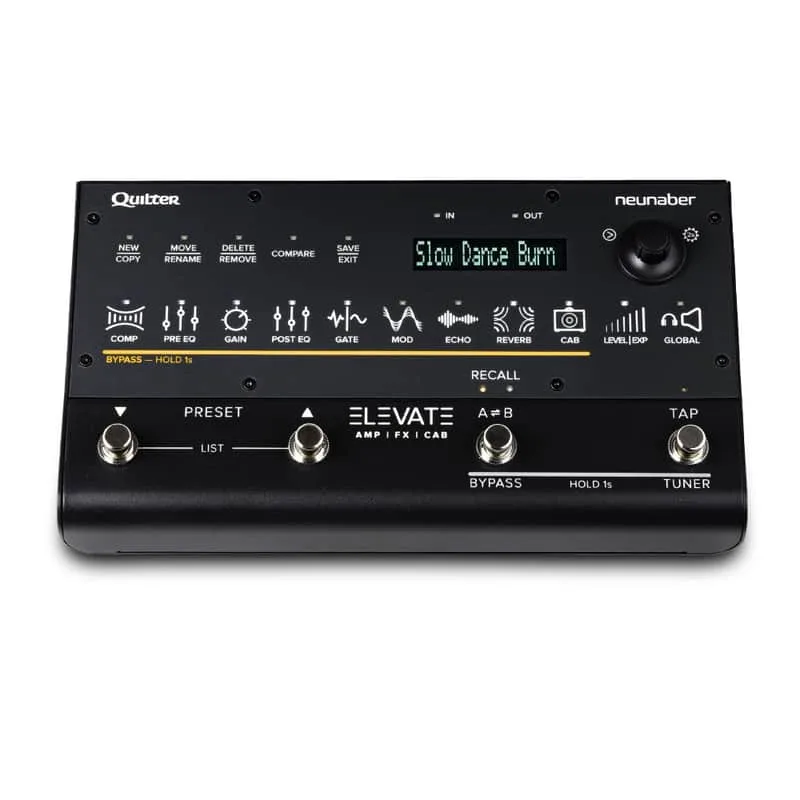
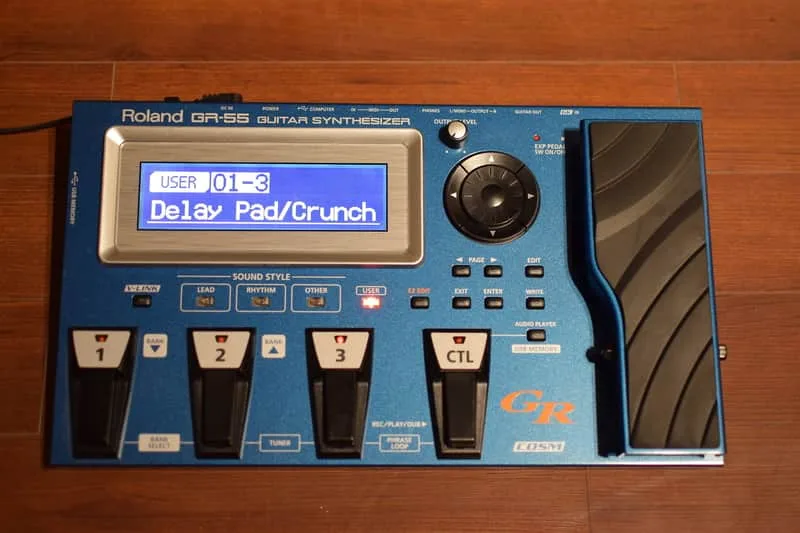
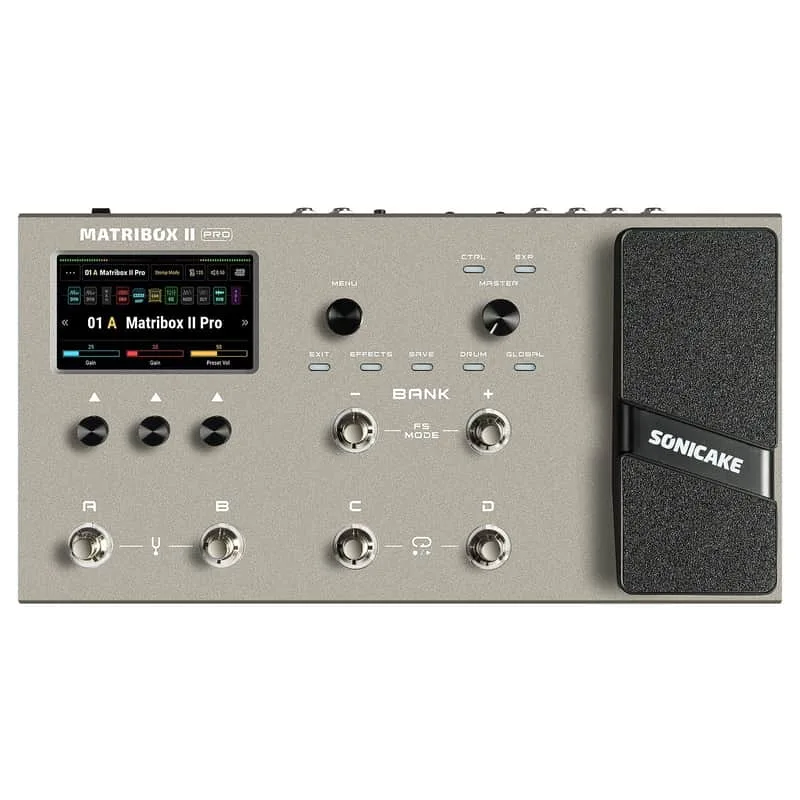
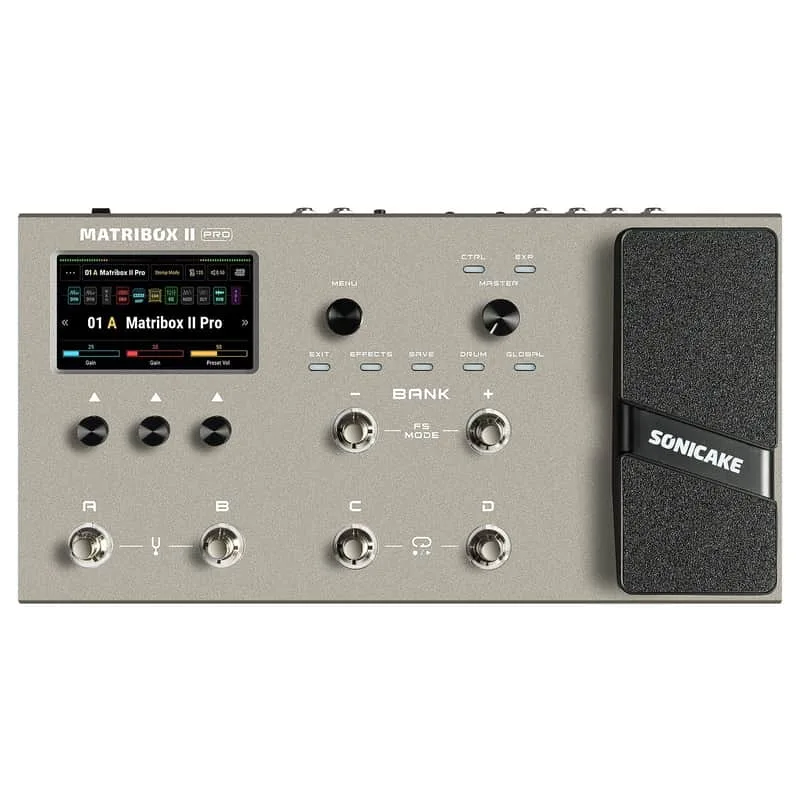
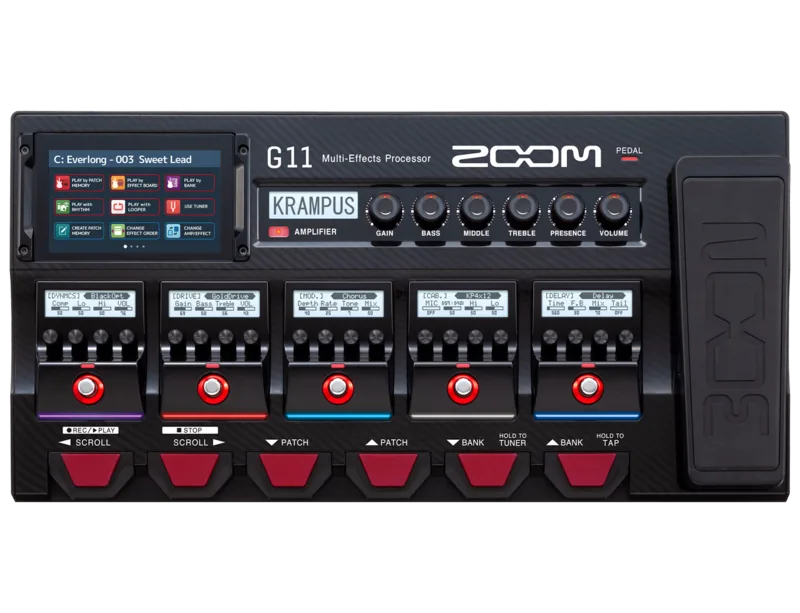
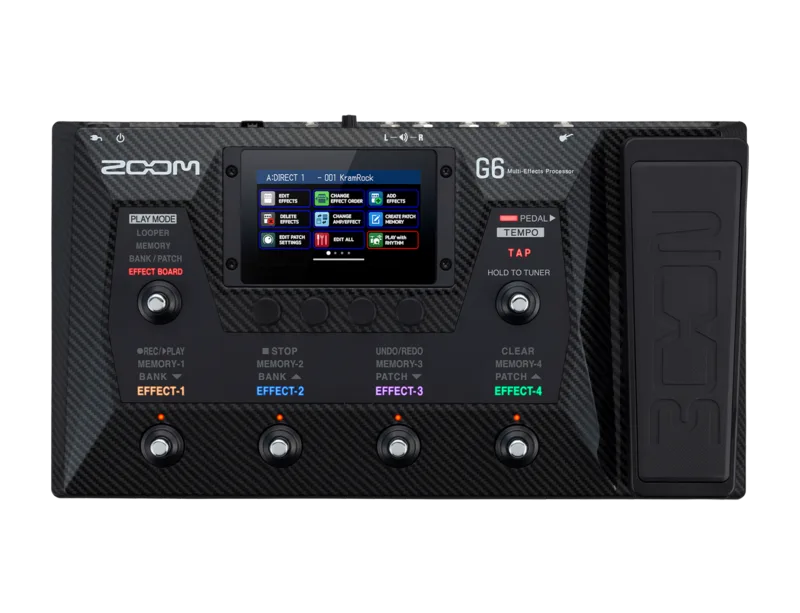
| Floor modeler | A large floor unit with footswitches, expression pedal and often amp modeling, built to run a whole rig | Neural DSP Quad Cortex, Zoom G11, Boss GT-1000CORE, Line 6 POD Go |
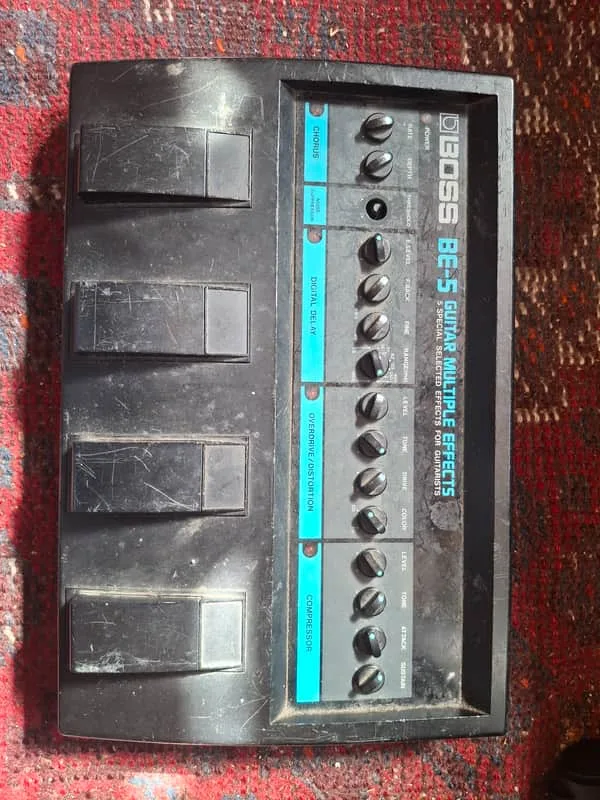
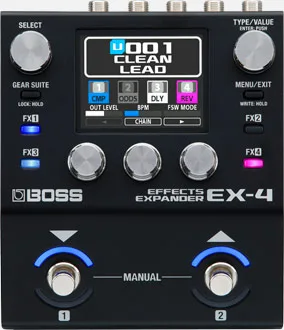
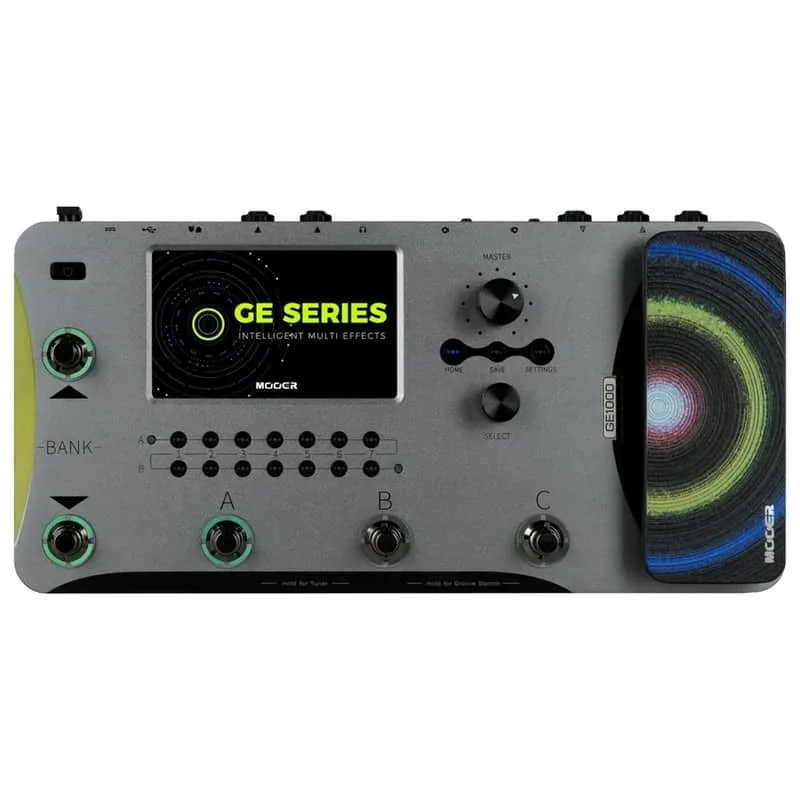
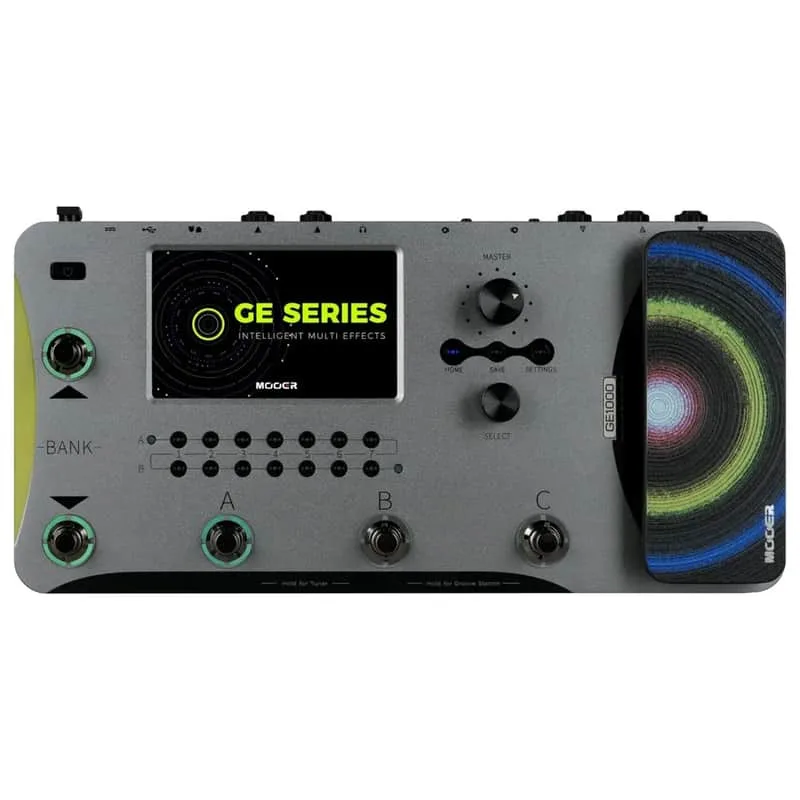
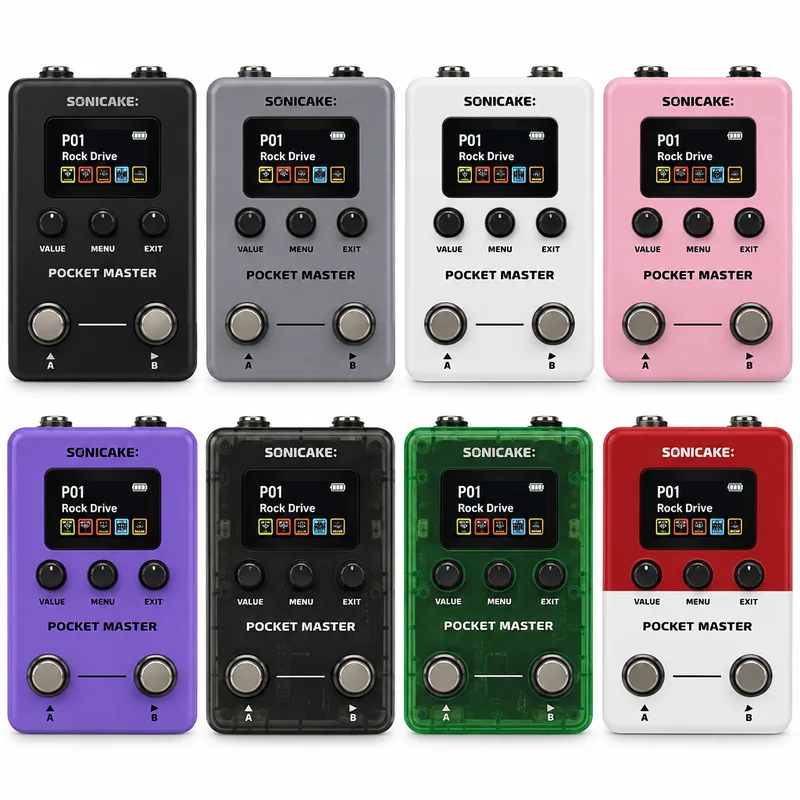
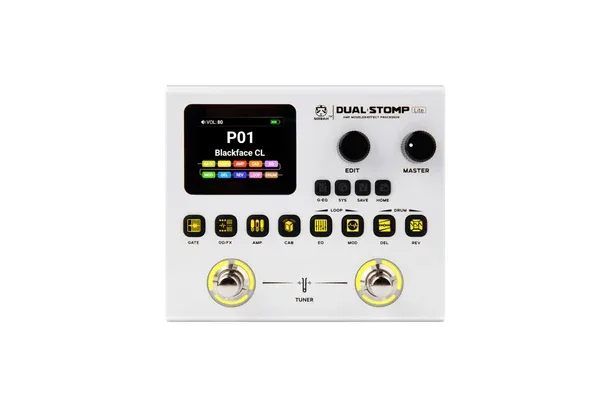
| Compact multi-effects | Stompbox-sized units with a large effect library and a small screen | Zoom MS-70CDR, Mooer GE1000, Boss EX-4, Chaos Audio Stratus |
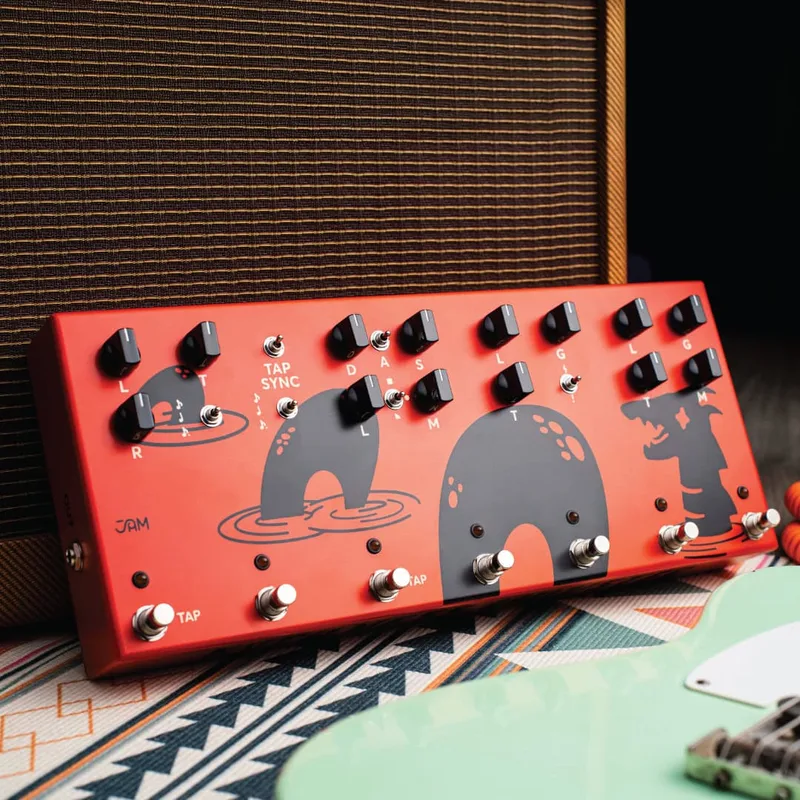
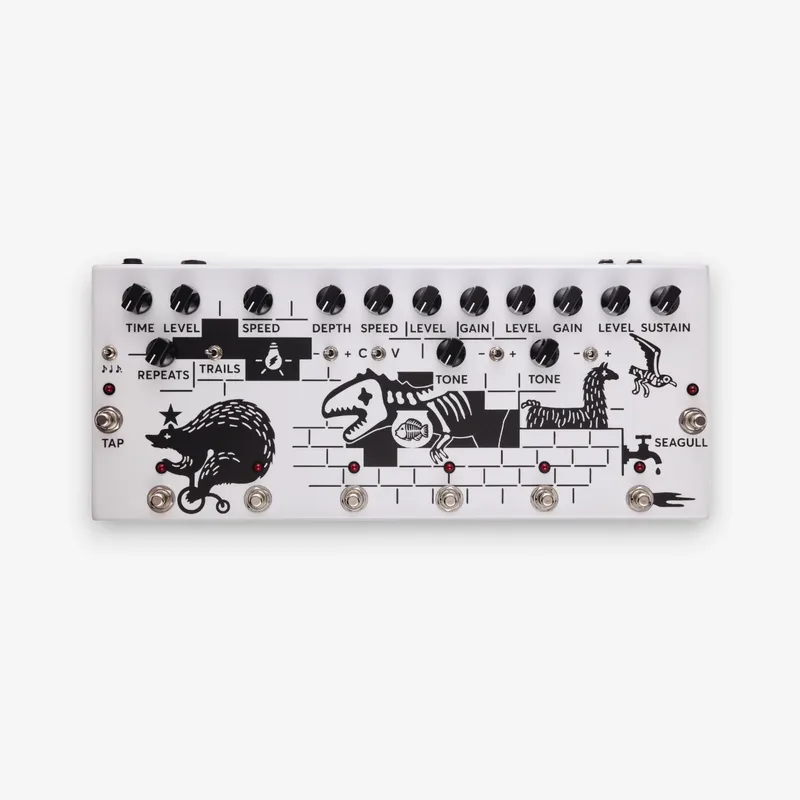
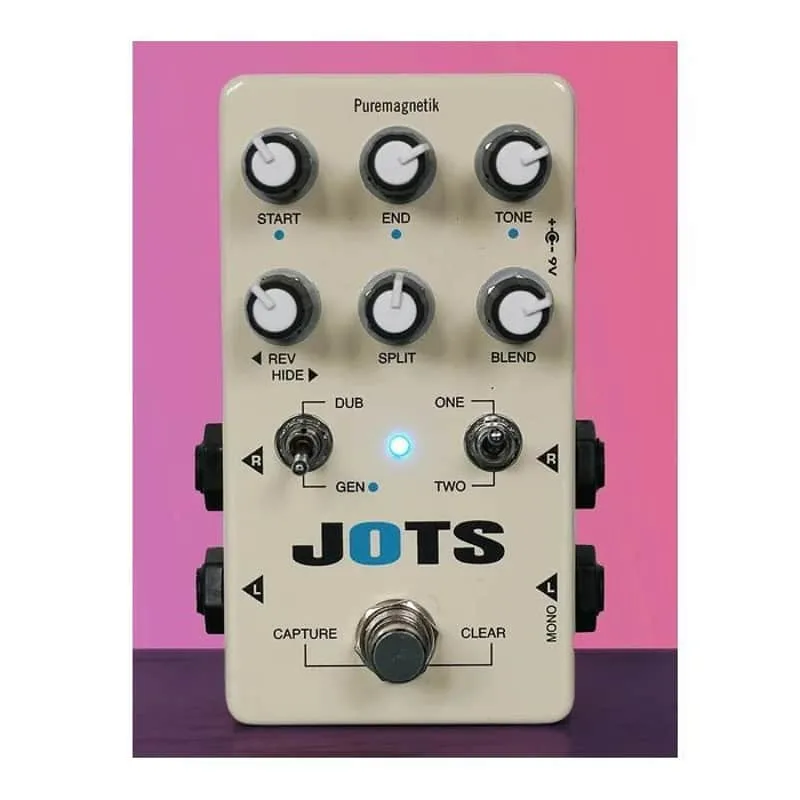
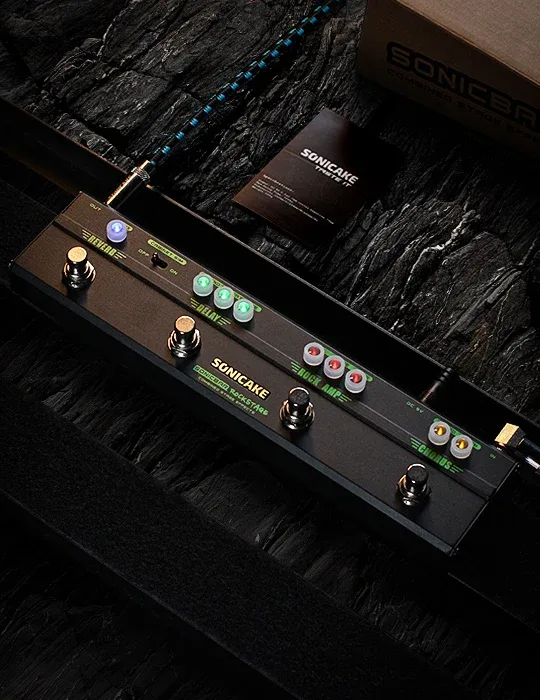
| Combined pedal | A single analog or hybrid pedal holding two or three fixed effects | JAM Pedals Pink Flow, Fredric Effects DuoFace, Collision Devices Nocturnal |
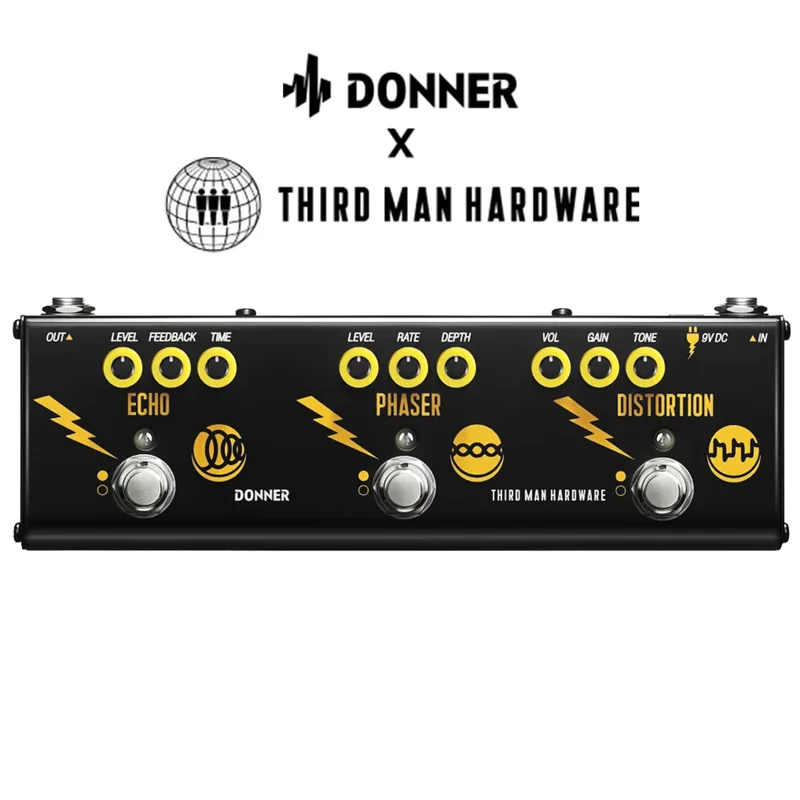
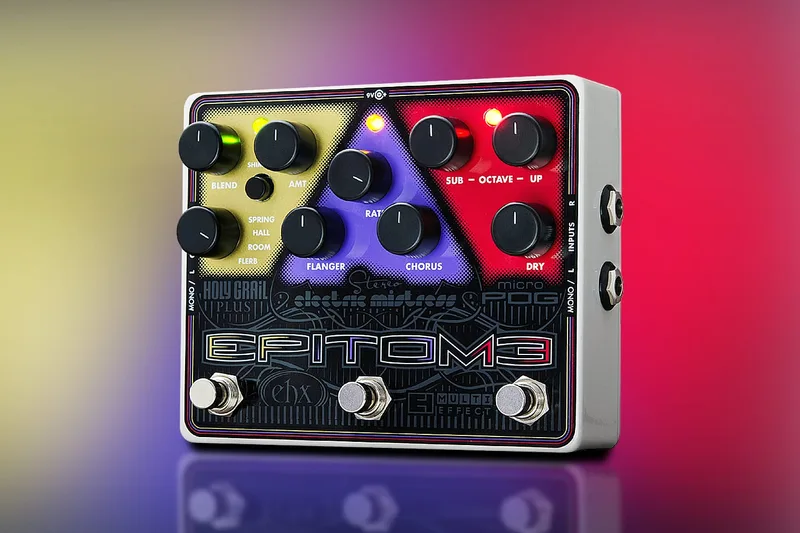
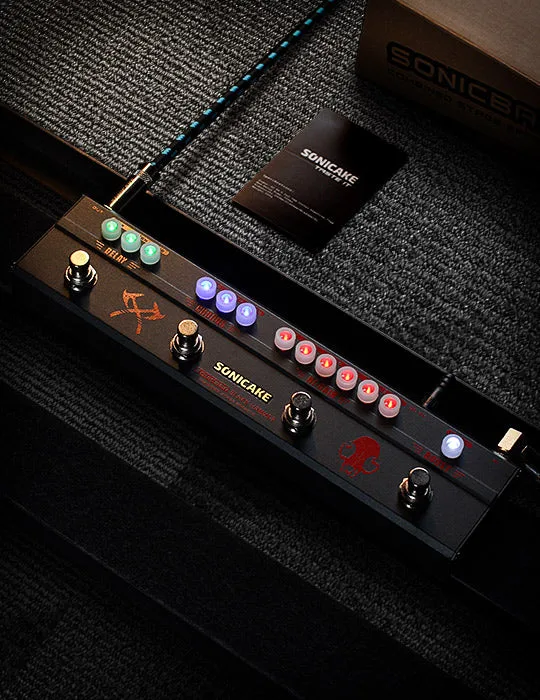
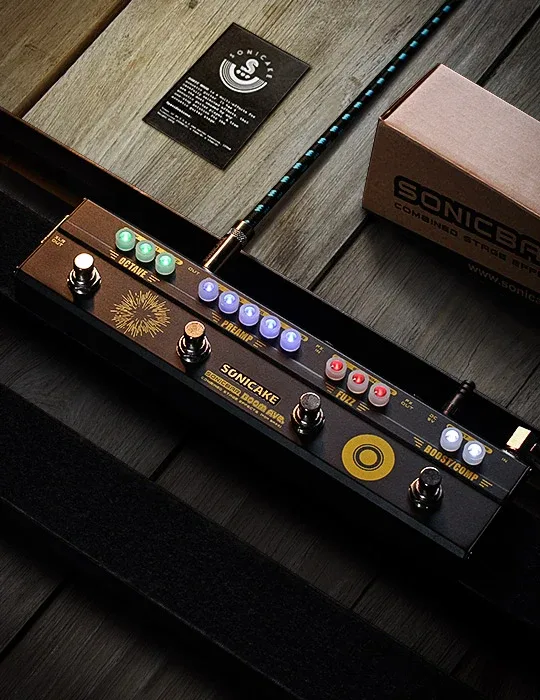
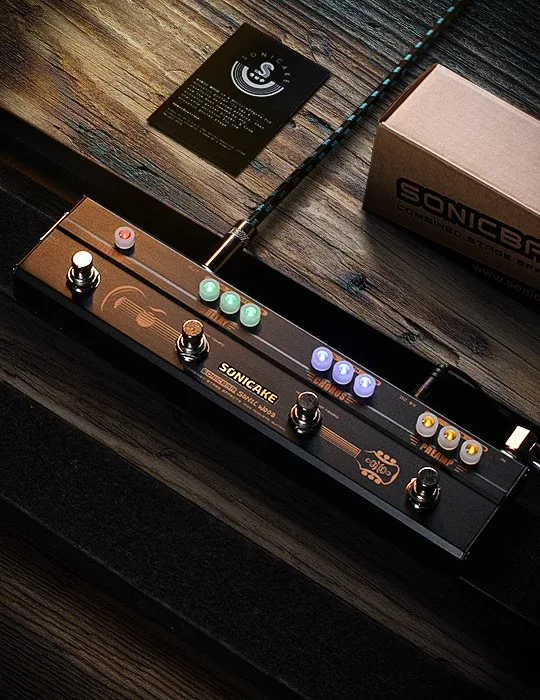
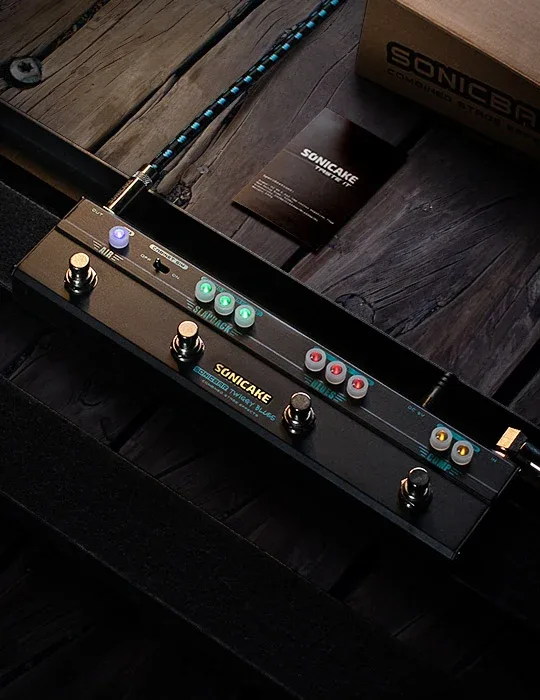
The combined pedal is the oldest style and the simplest: fixed effects, no menus. Collision Devices describes its Nocturnal as "3 EFFECTS, ONE PEDAL"13, and Matthews Effects' The Traveler packs "three unique algorithms: Mod, Shimmer, and Vintage" into one compact pedal14. Fredric Effects' DuoFace combines two effects "into a single pedal for maximum versatility"15. These are multi-effects in the literal sense, but they differ from the digital units above in that the effects cannot be swapped, reordered or expanded.
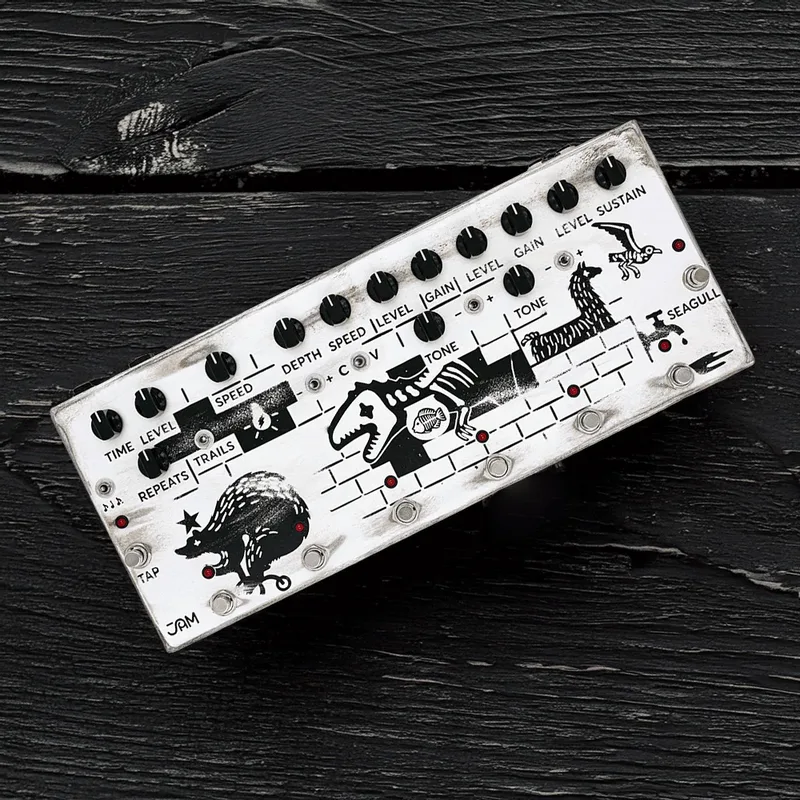
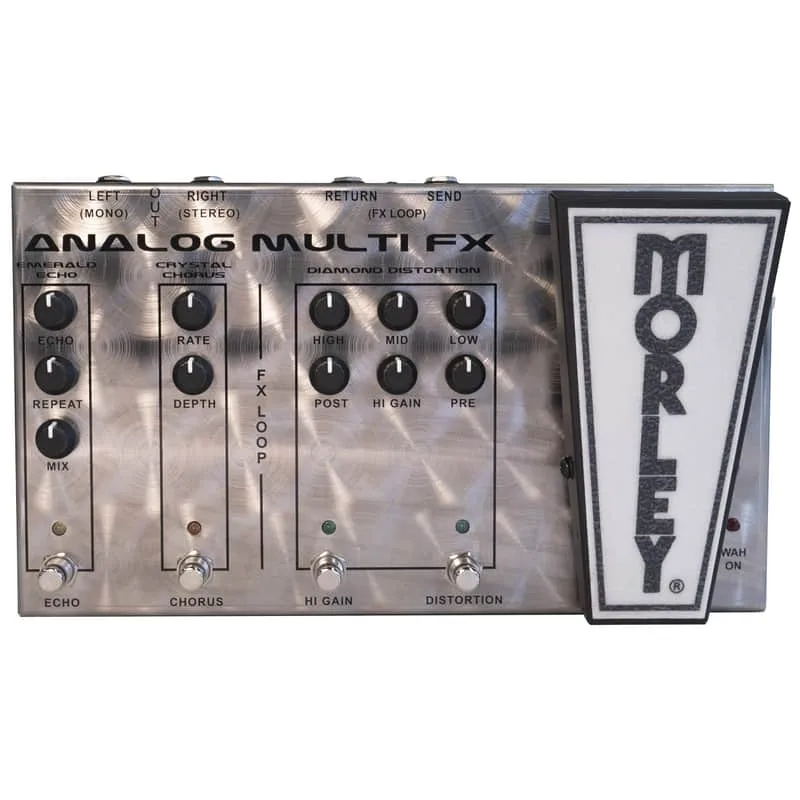
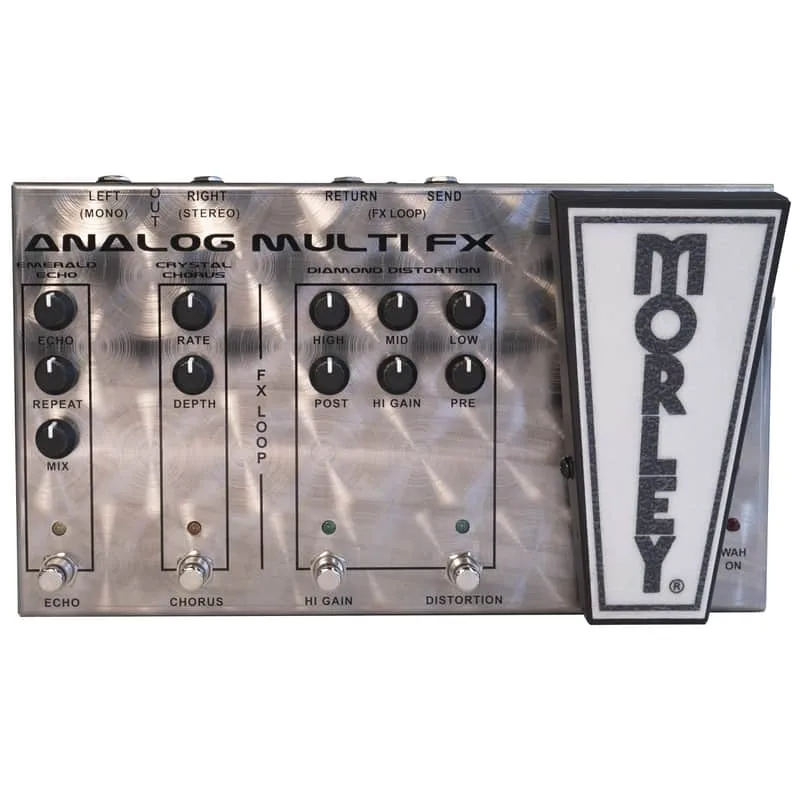
Analog multi-effects exist, but they are almost always combined pedals with a fixed set of effects. JAM Pedals' Pink Flow is "a complete analog multi-effect" built for Pink Floyd-inspired textures16. If a unit advertises a large, updatable library of effects, it is digital.
What the usual controls do
Whatever the size, multi-effects units share a core set of controls, and the blocks inside them follow the same logic as the individual pedals they replace.
The effect blocks themselves behave like their standalone counterparts, and the same signal-chain logic applies inside the unit as on a pedalboard, which is the subject of the next section.
Where it goes in the signal chain, and power
"Placing a looper last in the chain ensures all effects are recorded within the loop and won't be altered when switching"17
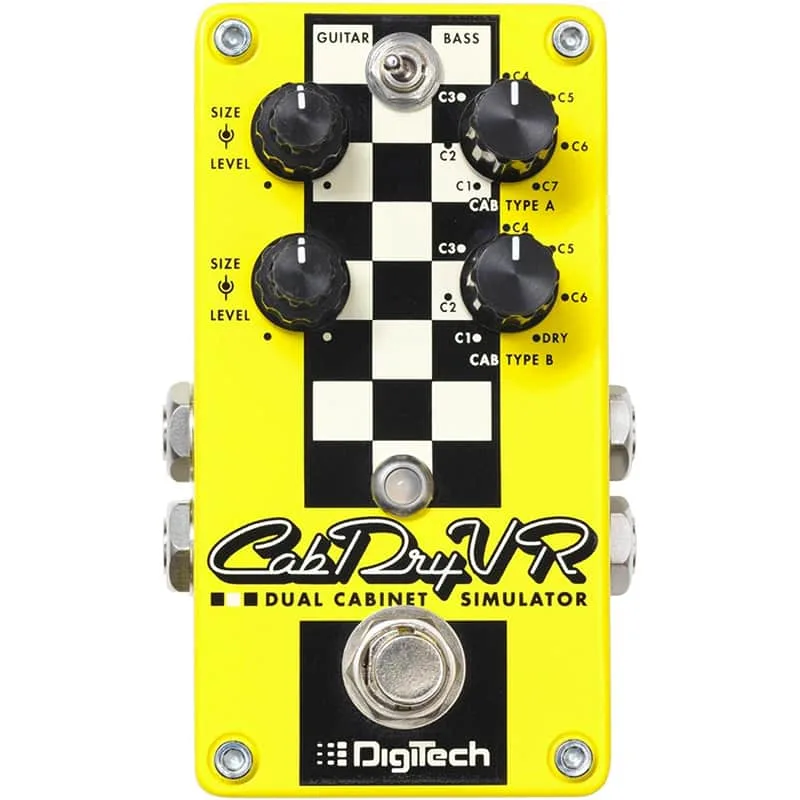
Amp and cabinet simulation is the one block with a fixed answer: "The most common placement for an amp/cab sim pedal is at the end of the chain, where the signal is then routed to a PA system, audio interface, or headphones"18. That is what lets a modeler replace an amplifier entirely. If you are running into a real tube amp instead, Master Effects notes of its preamp pedals that they "were designed to be used in front of an amplifier" but "have enough output to be used to drive a" power amp or FX loop return, with performance in that use not guaranteed19, so a unit's intended use matters when planning the four-cable method or an effects loop return.
A volume block or external volume pedal has its own placement question. Lehle's Joki Schaller notes that a volume pedal placed "straight after the effects send of your amp" acts as a master volume without changing the amp's distortion character20, which applies equally to a volume block inside a multi-effects unit.
Power is where multi-effects units differ most from simple analog pedals, and it is worth knowing before you build a board around one.
Truetone, maker of the 1 SPOT power supply, states that "analog pedals and single-effect digital pedals work together quietly on a daisy-chain, but digital multi-effects and mod"elers cause noise when sharing power on a daisy chain21. A multi-effects unit generally wants its own isolated power output, not a shared daisy chain.
Questions to ask when comparing multi-effects units
The press coverage above suggests the questions that actually separate one unit from another:
Questions
What is the difference between a multi-effects pedal and an amp modeler?
The two overlap heavily. An amp modeler focuses on reproducing complete amplifiers, including preamp, power amp and cabinet, while a multi-effects pedal focuses on the effects themselves. Many modern units do both: the Atomic Amplifire is described by its maker as an amplifier modeler and a multi-effects pedal in one, and most floor modelers carry amp models alongside delay, modulation and reverb.
Can a multi-effects pedal replace a pedalboard?
For many players, yes. A single unit can hold dozens of effects and presets, and makers such as Microdesignum even build custom MIDI pedalboard and rack systems as a full replacement for a traditional board of individual boxes. What you trade away is the freedom to swap one pedal at a time, and the particular character of individual analog circuits.
Do multi-effects pedals work with a tube amp?
Yes. You can run one into the front of a tube amp like any pedal, or into the amp's effects loop return. Master Effects notes that its preamp pedals have enough output to drive a power amp or FX loop return, though performance in that use is not guaranteed, so a unit's intended use varies by maker and design.
Can I use a multi-effects pedal with headphones?
Often, yes. Units with amp and cabinet simulation are commonly routed to headphones, an audio interface or a PA, with the simulation placed at the end of the chain. Boss's guidance puts amp and cab sim pedals at the end of the signal chain precisely so the modeled output can feed those destinations directly.
Are there analog multi-effects pedals?
Yes, though they are rare and usually small in scope. JAM Pedals' Pink Flow is a complete analog multi-effect built around Pink Floyd-inspired textures, and combined pedals such as the Fredric Effects DuoFace fold two effects into one box. Large multi-effect counts, like Boss's 120-effect EX-4, are digital.
Can a multi-effects pedal be used on bass?
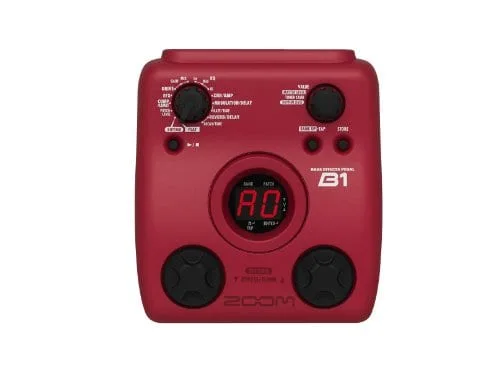
Yes. Dedicated bass units exist, such as the Zoom B3n, which Zoom describes as a bass pedal with amp, cabinet and stompbox effects for stage and studio. Some general-purpose units also work for bass, and MusicRadar's 2026 guide named the IK Multimedia TONEX Bass Edition as its choice for bass.
Sources (21)
- CHROMA CONSOLE: Special Edition, Hologram Electronics
- Qi Etherealizer, Walrus Audio
- DTC_Multi-Effects_Products_mosky pedal, moskyaudio
- Amp simulator: is it worth using this feature?, MOD Audio, 2021-03-24
- AmpliFire Pedal, Atomic Amps
- Vexpress Compact Passive Volume & Expression EXP Pedal, SONICAKE (de.sonicake.com)
- MIDI module for Expression pedal with toe switch for Line6 M13, Microdesignum.cz
- Vintage pedals: how to connect and use them correctly?, Anasounds, 2023-02-08
- Mu-Tron Bi-Phase II is here!, Musitronics Mu-Tron, 2020-09-21
- | ZOOM, Zoom
- Review: Zoom MS-100BT Multistomp Pedal with Bluetooth, Guitar World, 2013-06-05
- MultiStomp MS-100BT by ZOOM, RockBoard (PedalPedia), 2026
- Nocturnal, Collision Devices
- The Traveler, Matthews Effects
- Germanium and Silicon vintage correct fuzz, Fredric Effects
- Pink Flow, JAM Pedals (jampedals.com)
- The Complete Guide to Loop Pedals for Electric Guitarists, BOSS (articles.boss.info), 2025-04-04
- The Ultimate Guide to Guitar Effects Pedal Order and Signal Chain, BOSS (articles.boss.info), 2023-03-01
- Master Effects Pedals, Master Effects
- Where should I place my volume pedal?, blog.lehle.com, 2017-09-12
- 1 SPOT® | Truetone, Truetone, 2026