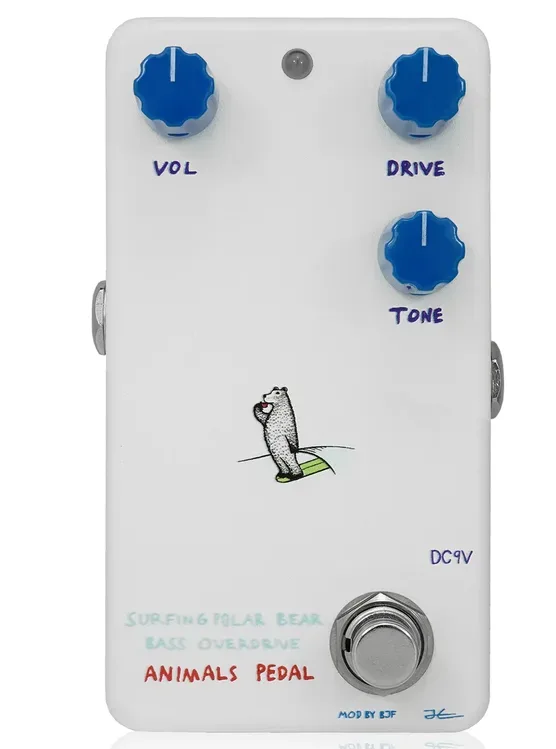
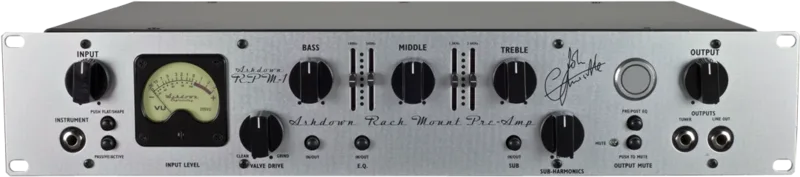
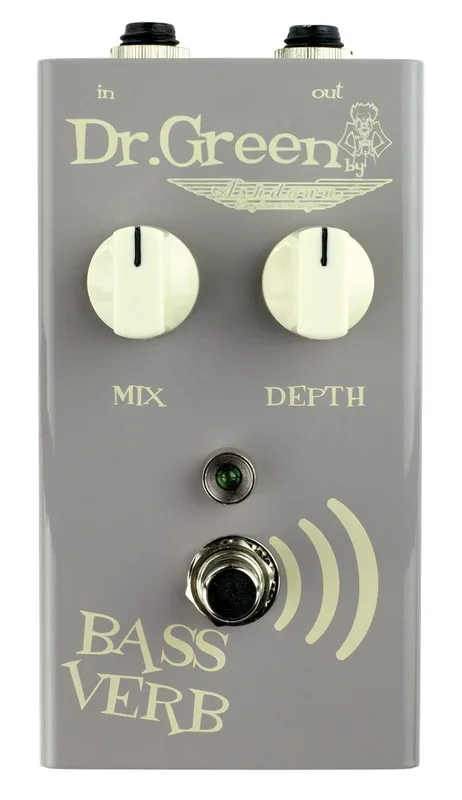
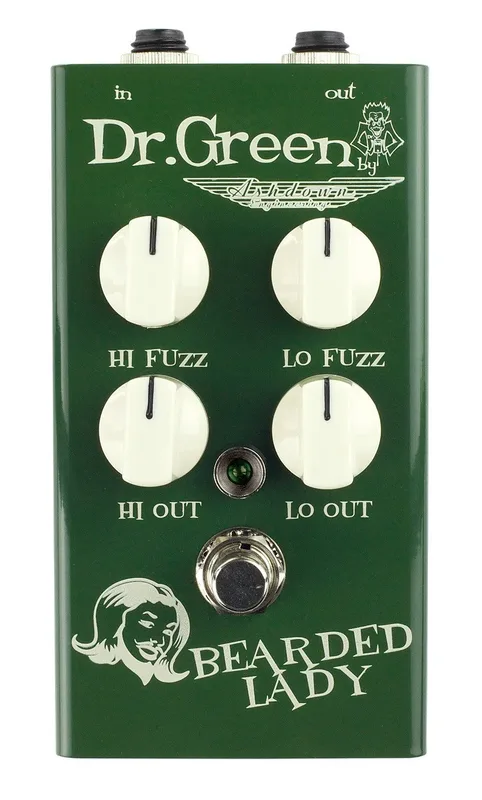
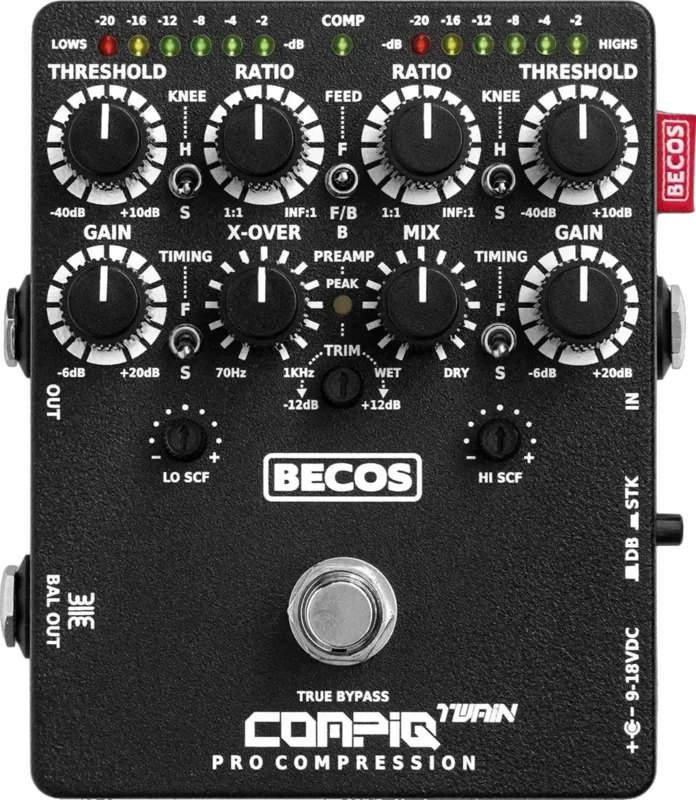
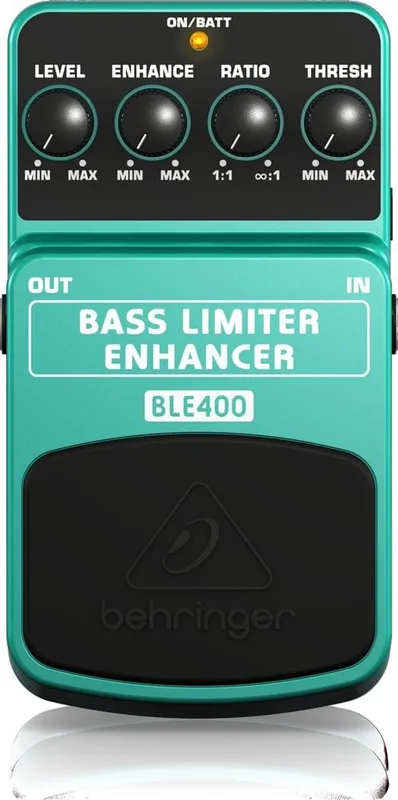
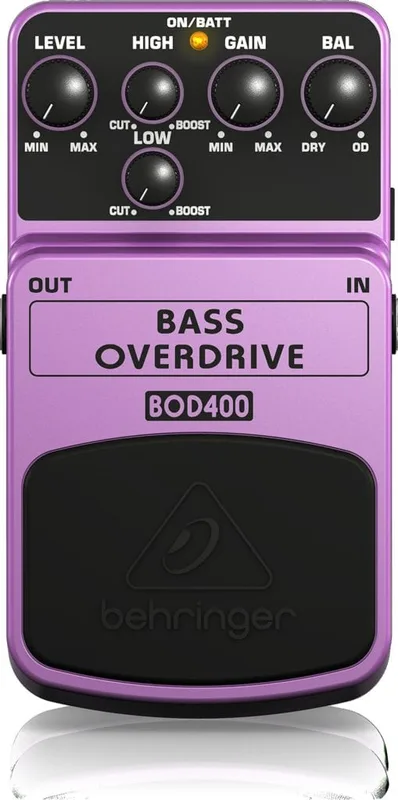
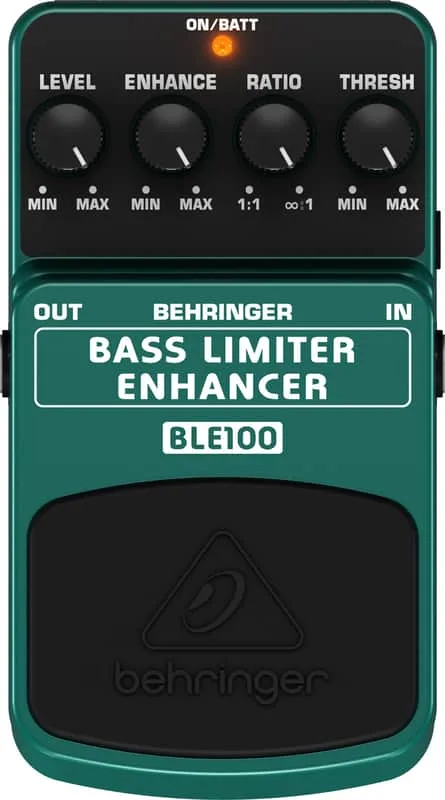
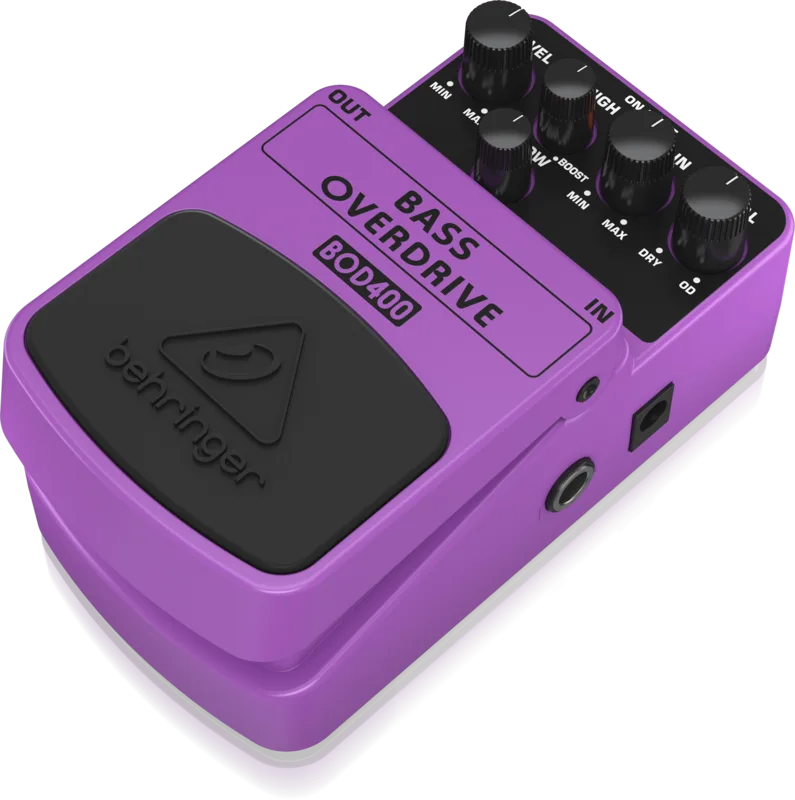
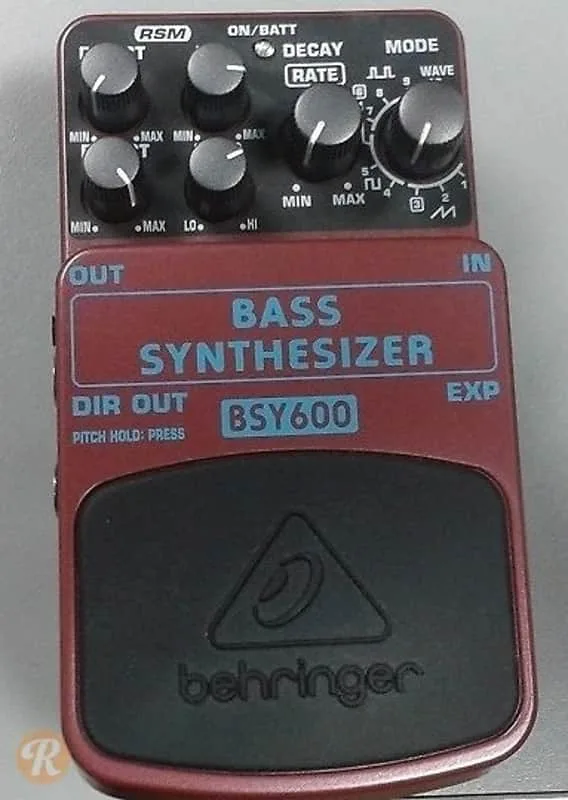
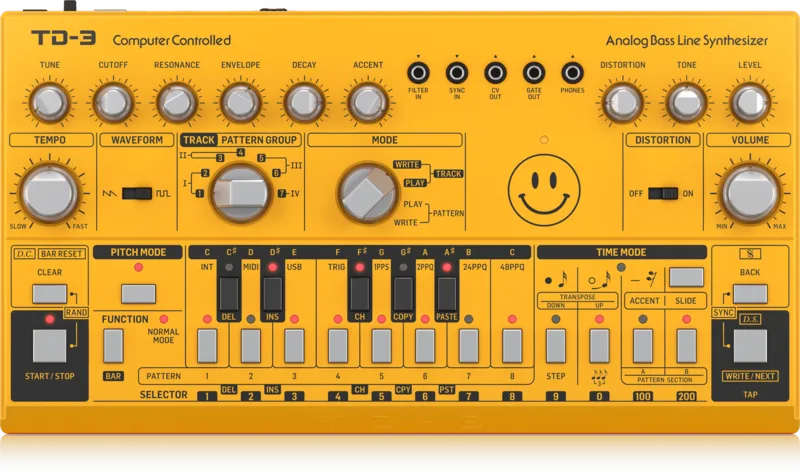
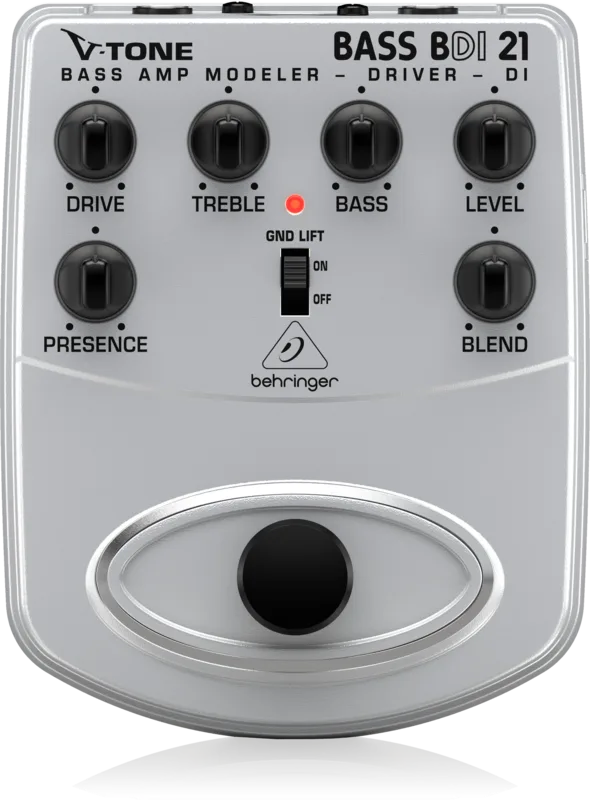
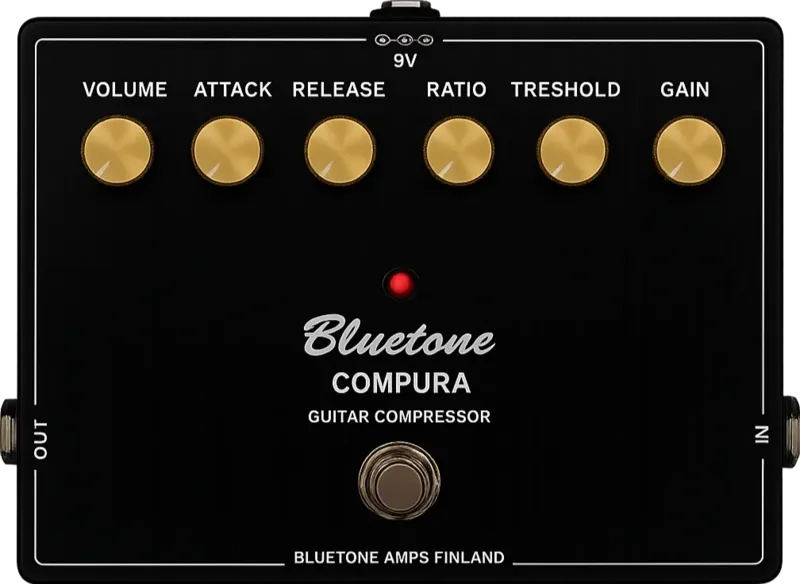
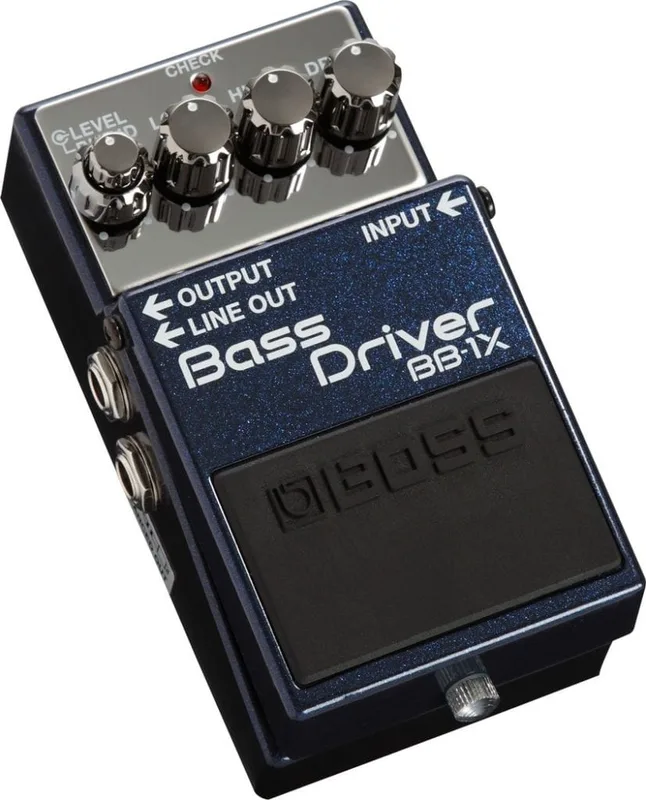
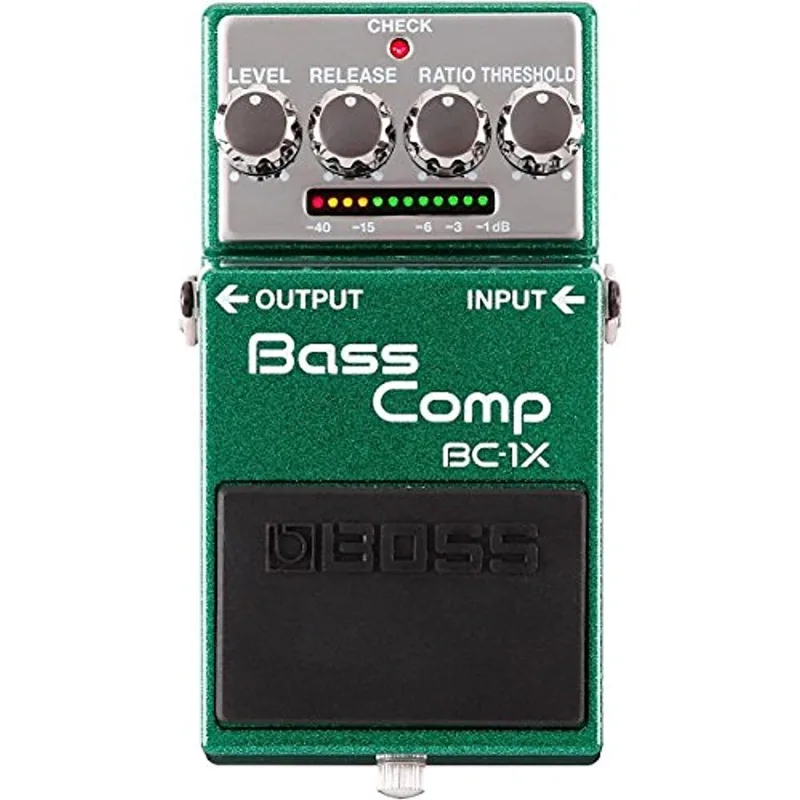
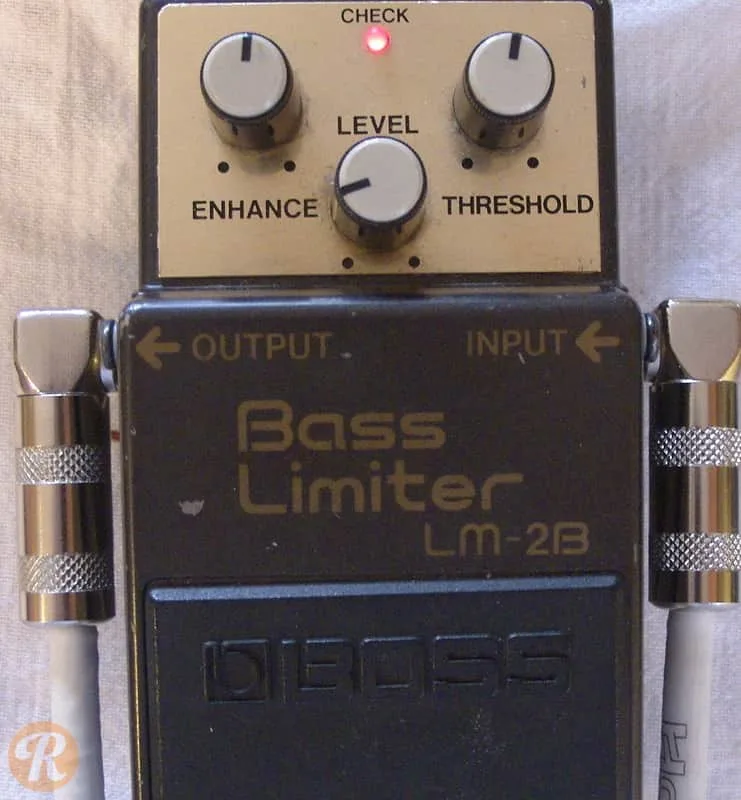
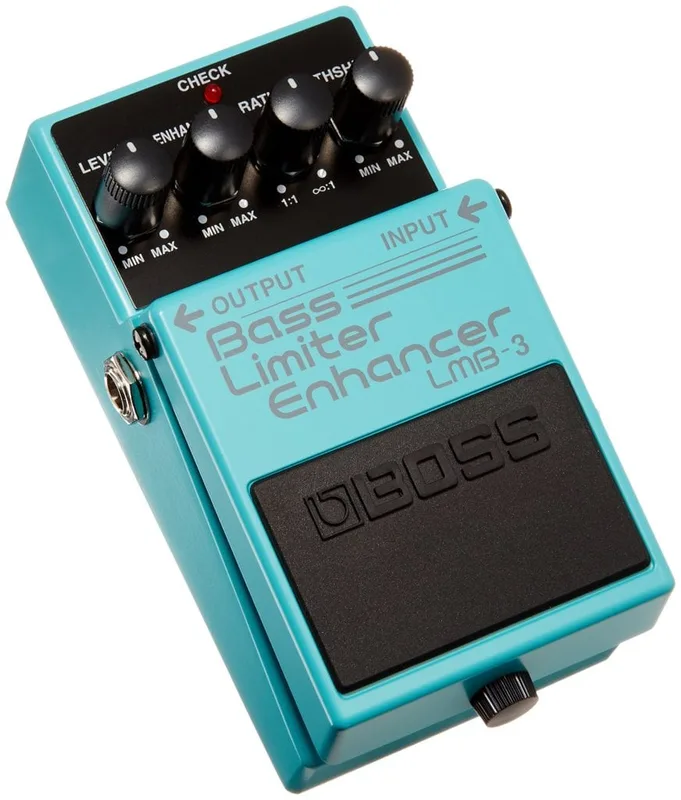
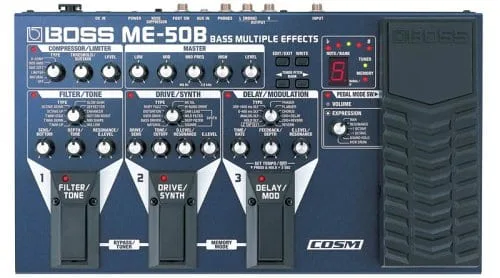
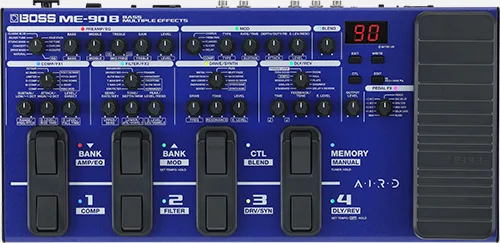
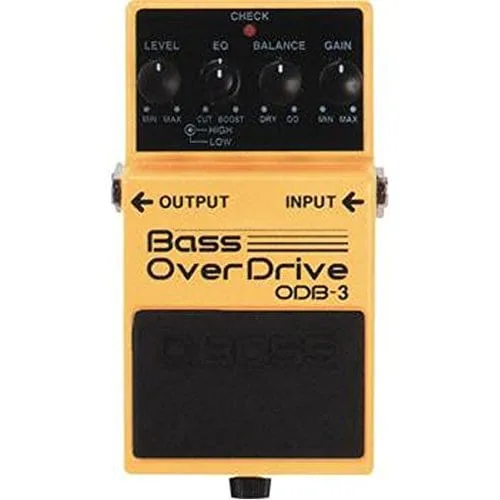
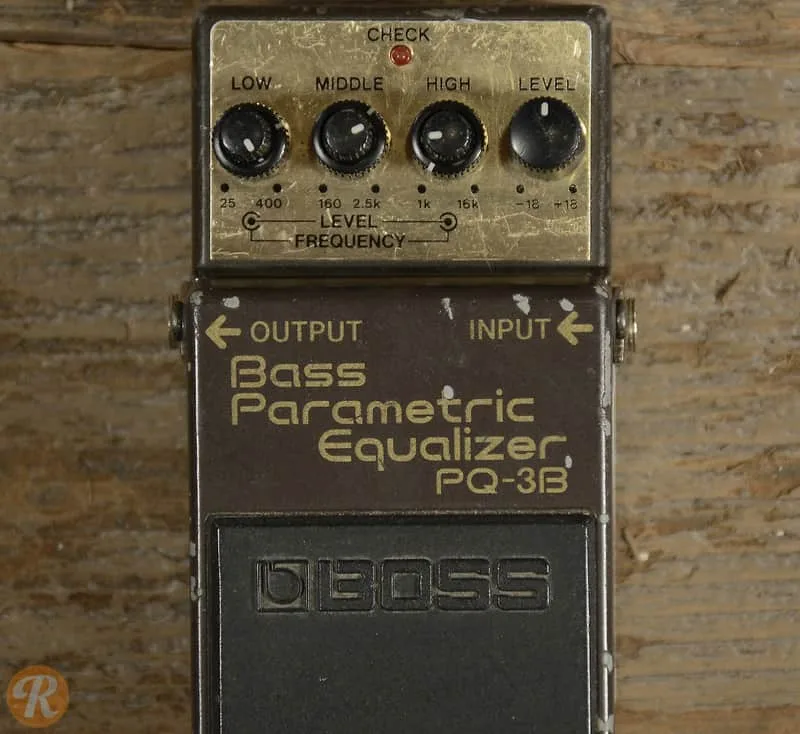
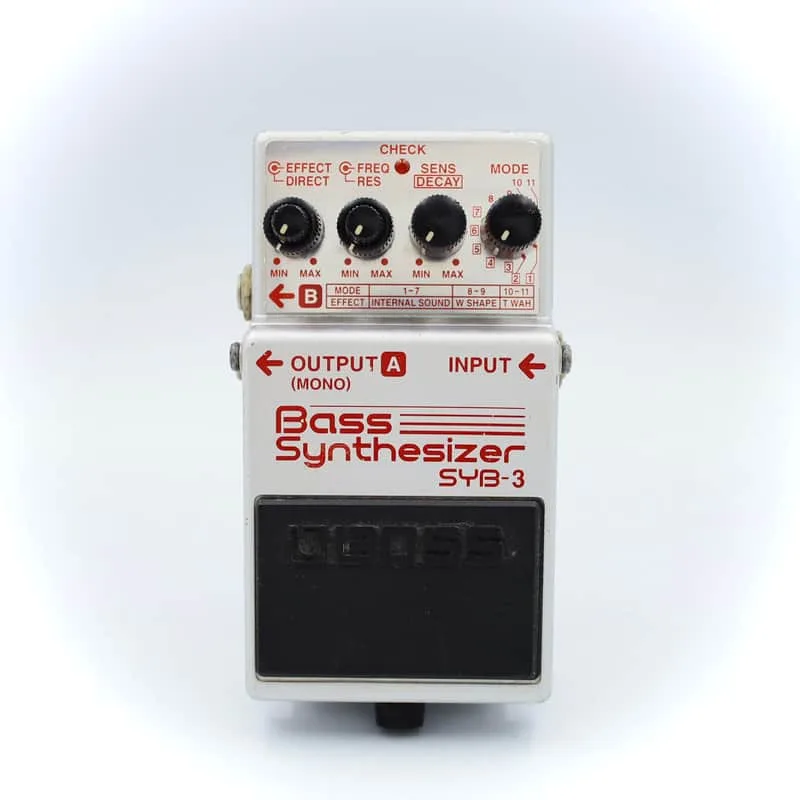
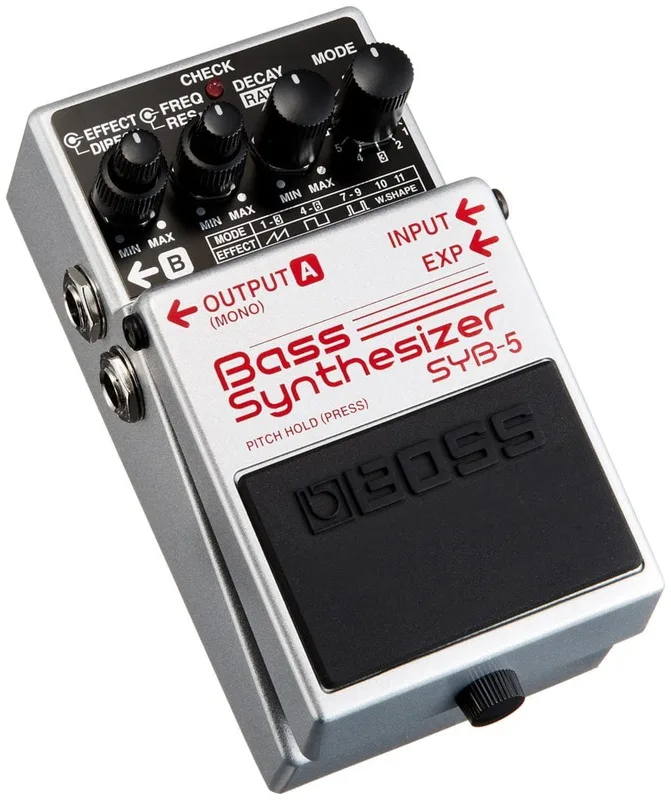
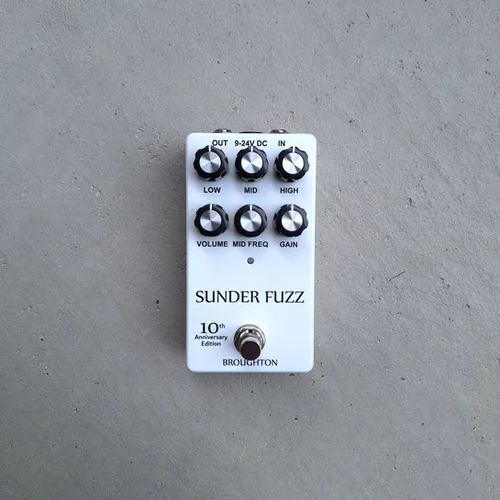
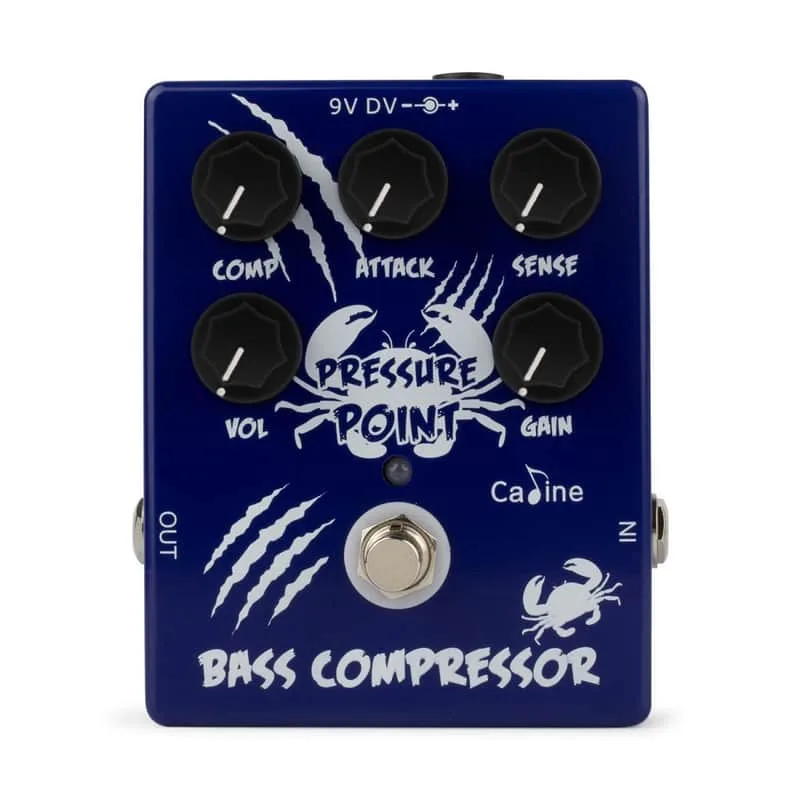
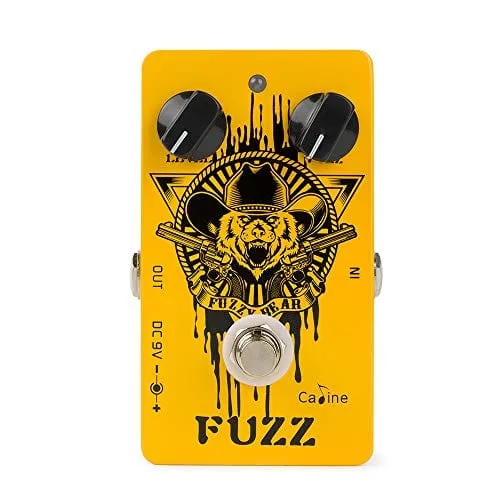
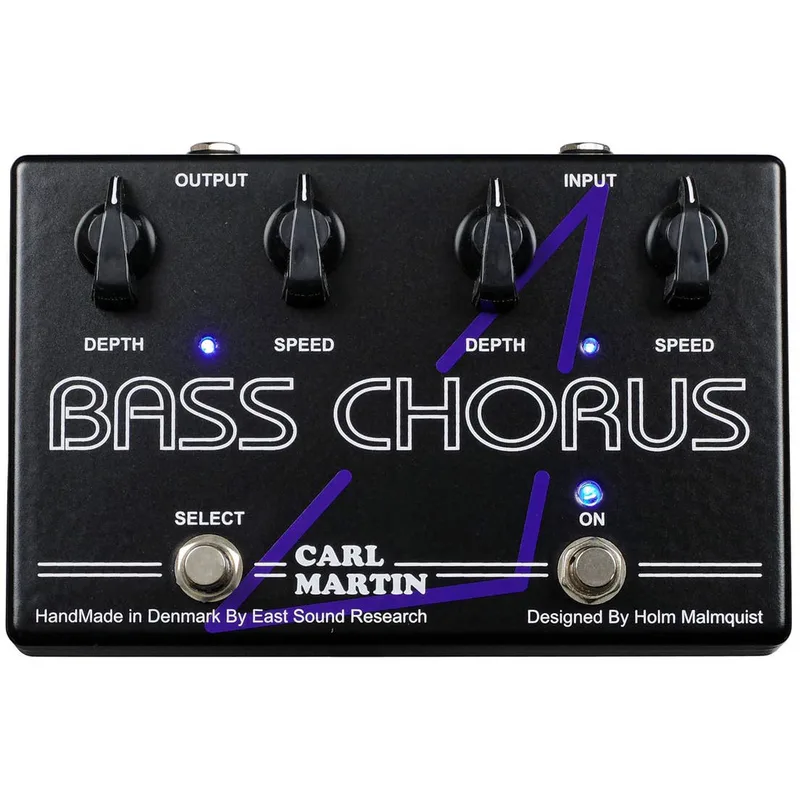
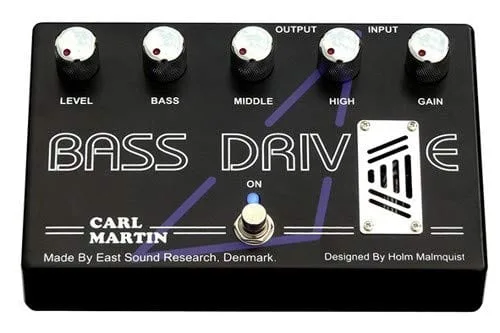
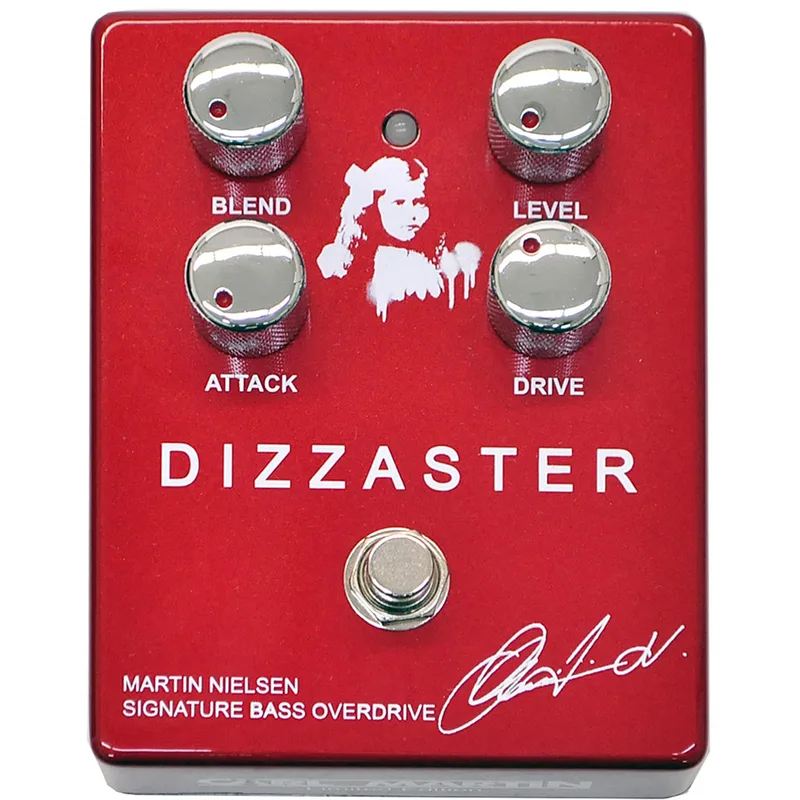
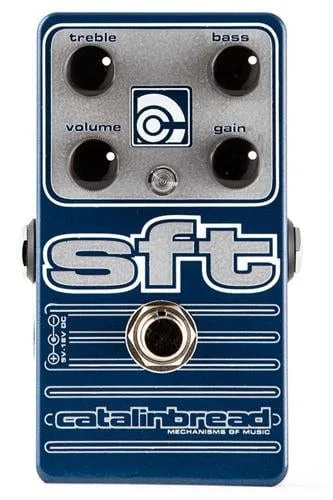
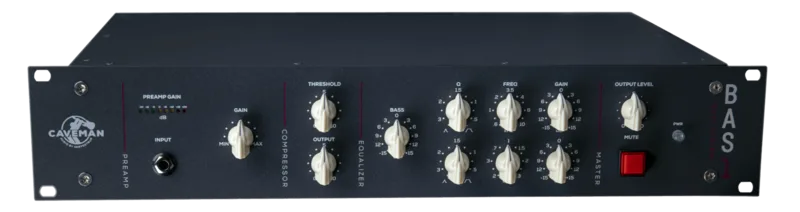
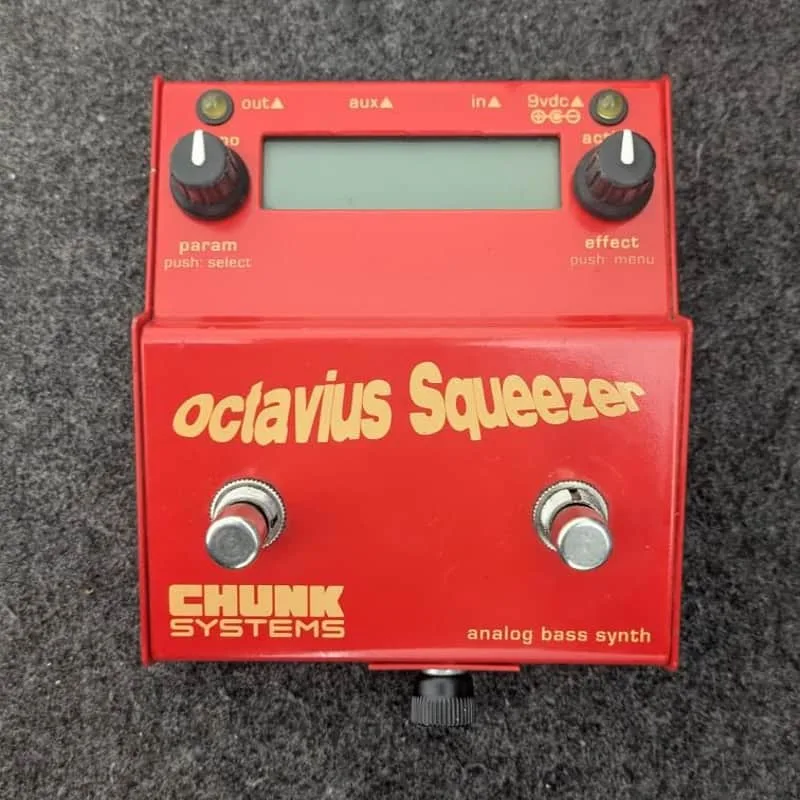
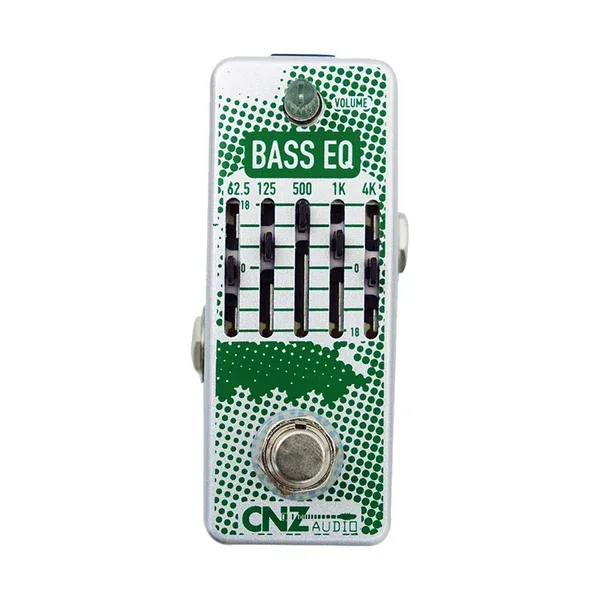
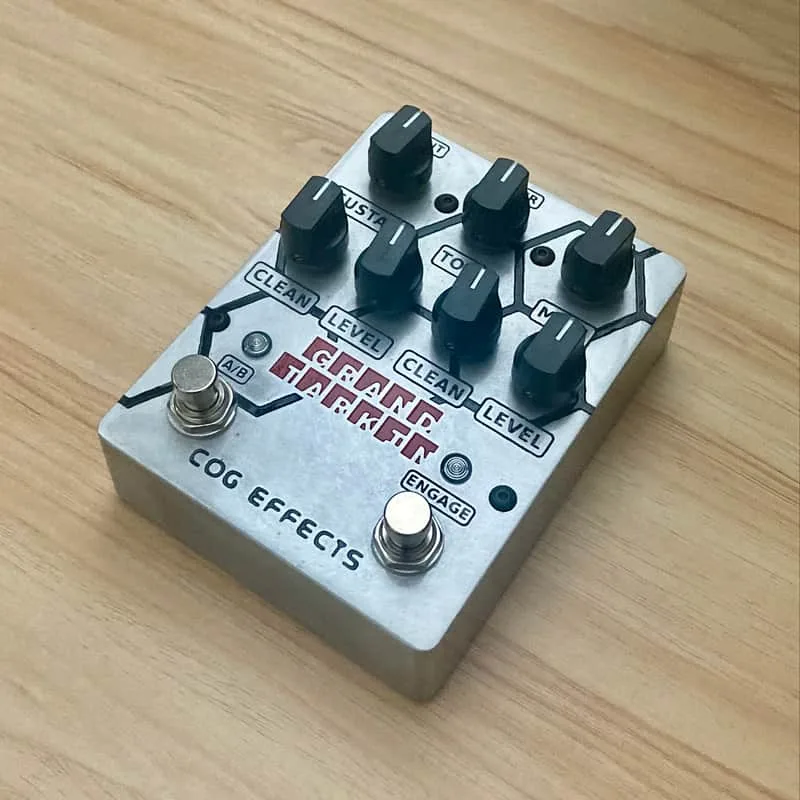
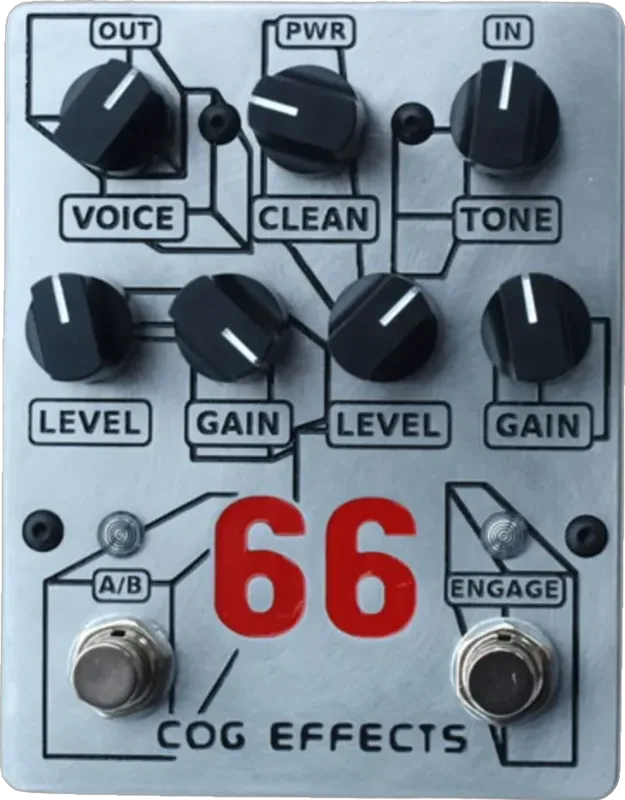
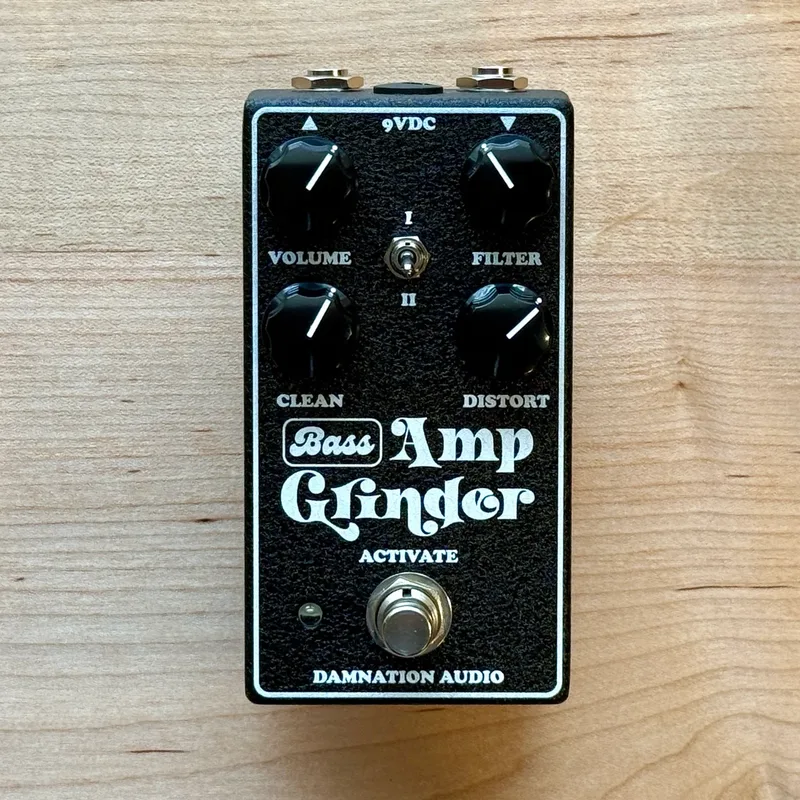
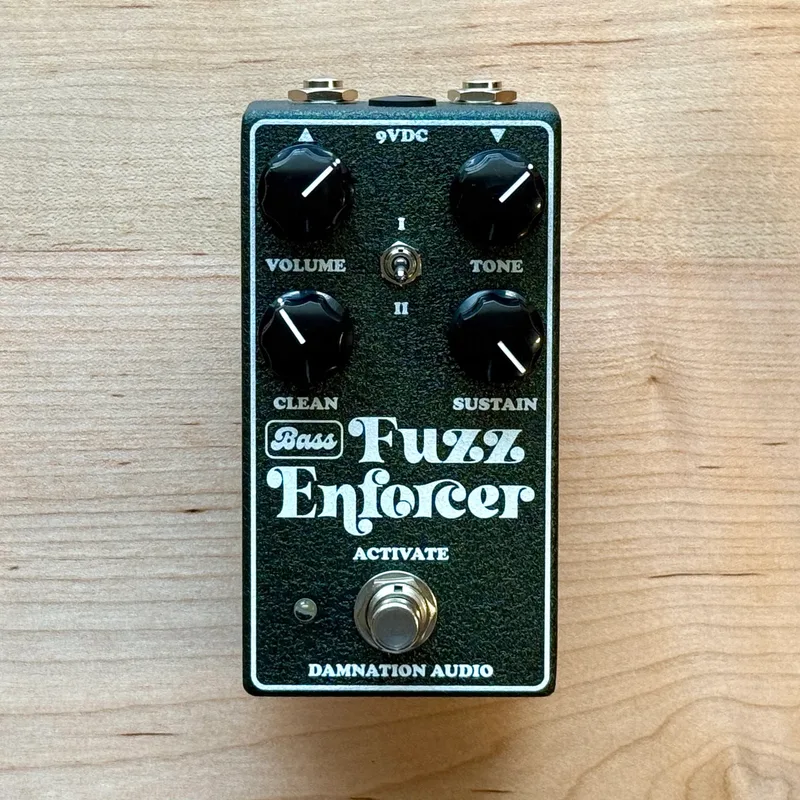
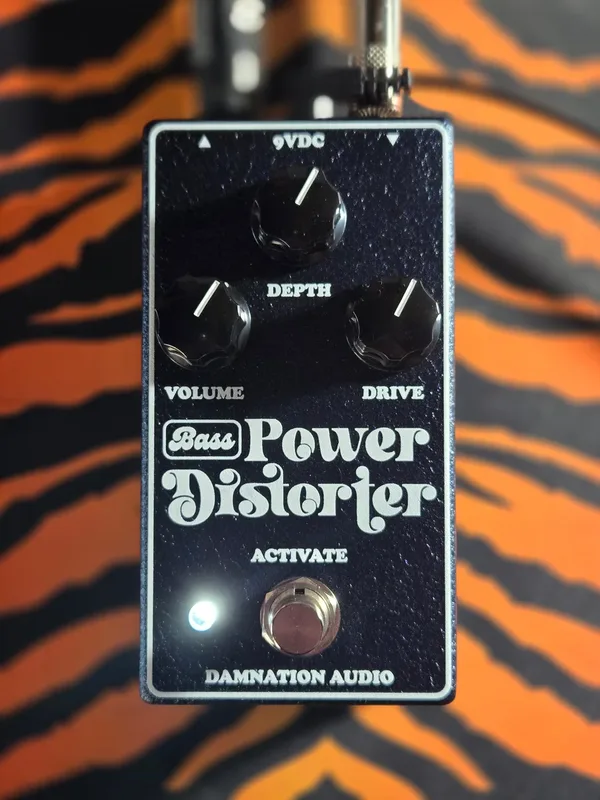
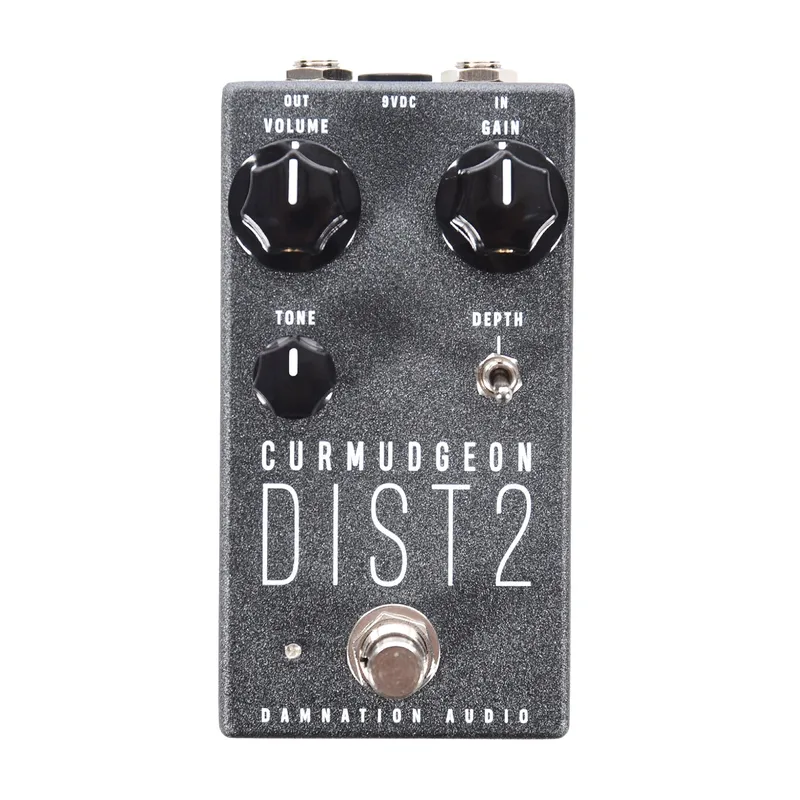
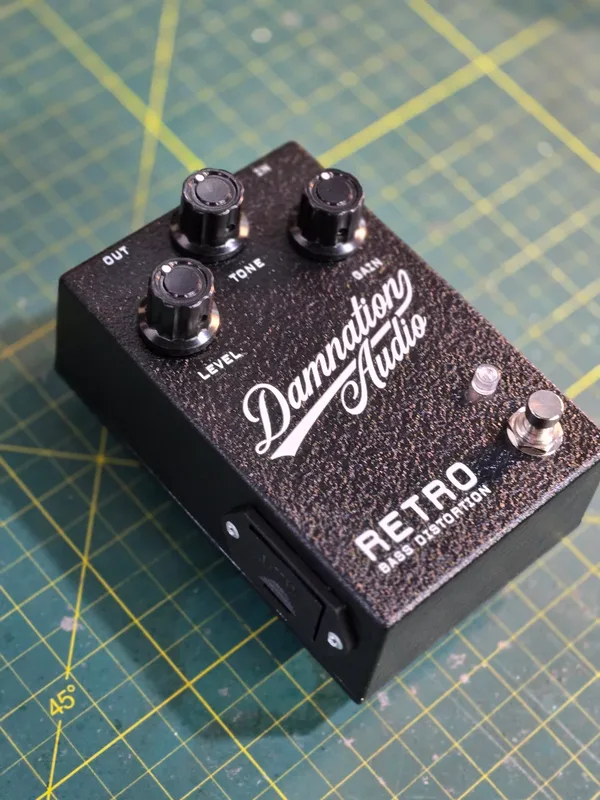
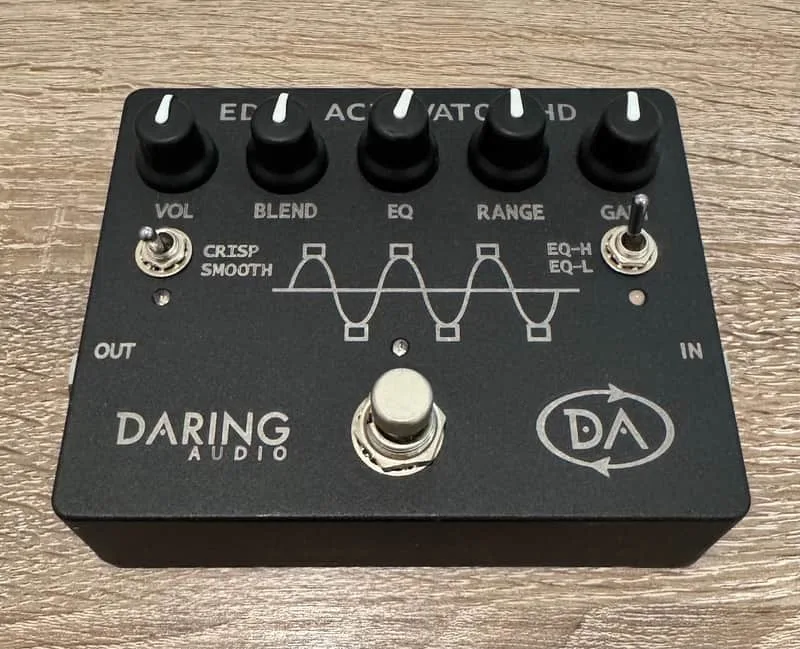
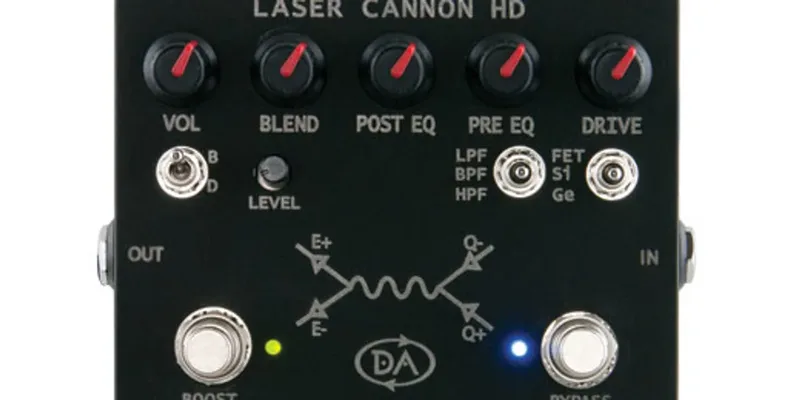
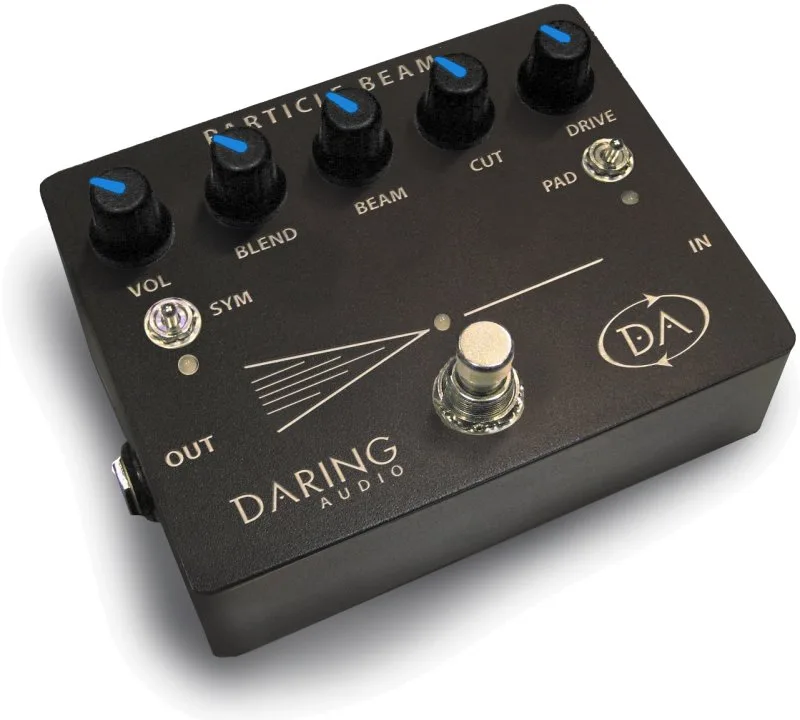
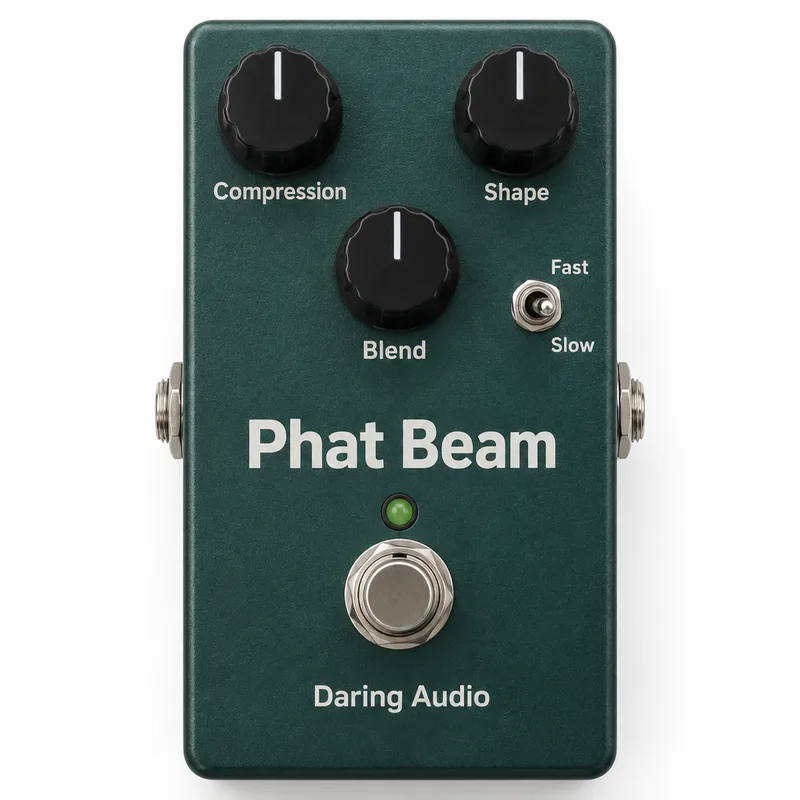
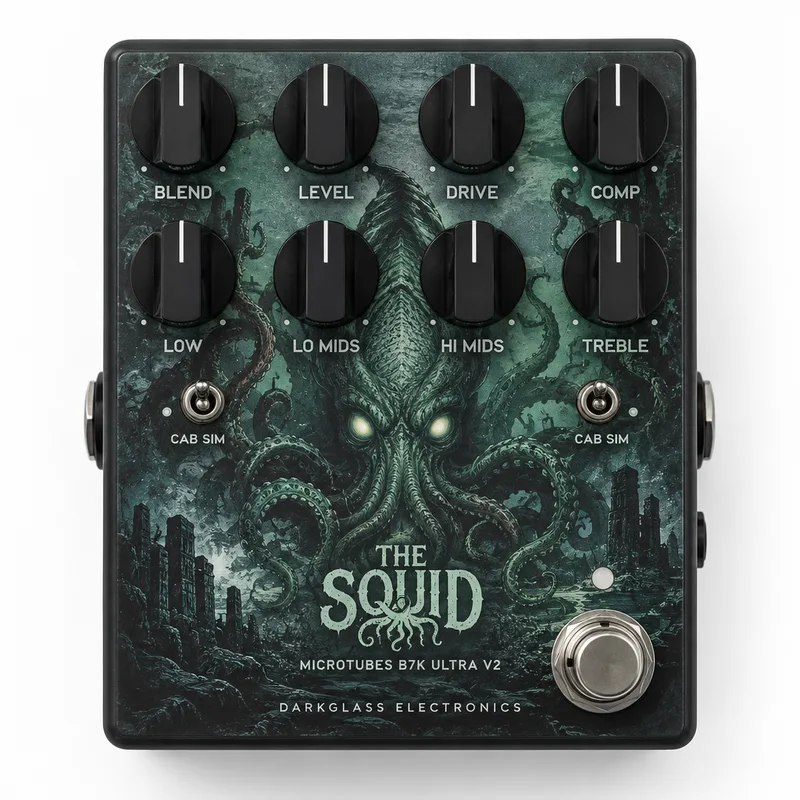
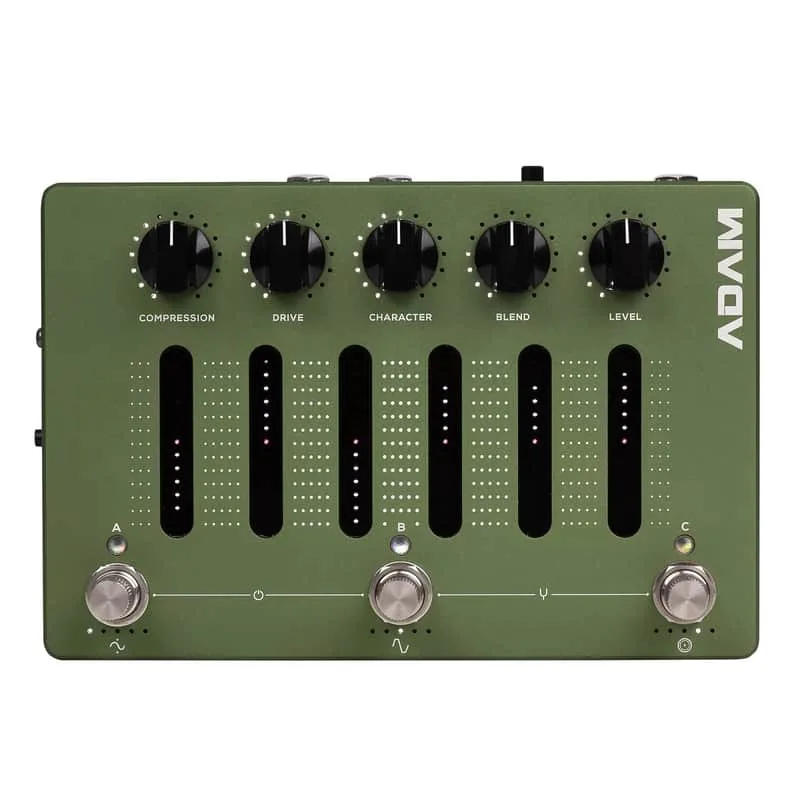
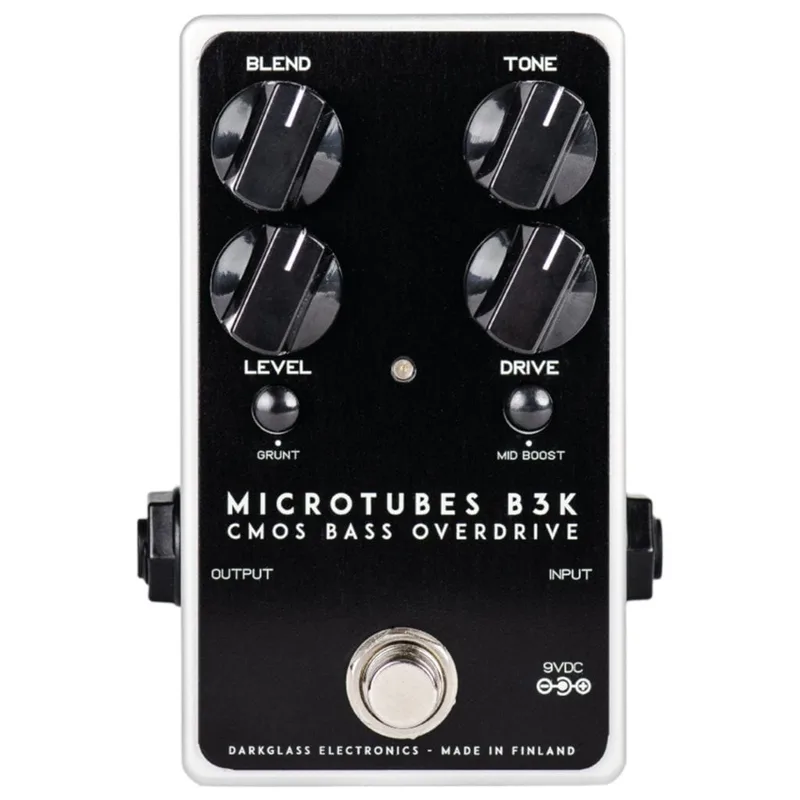
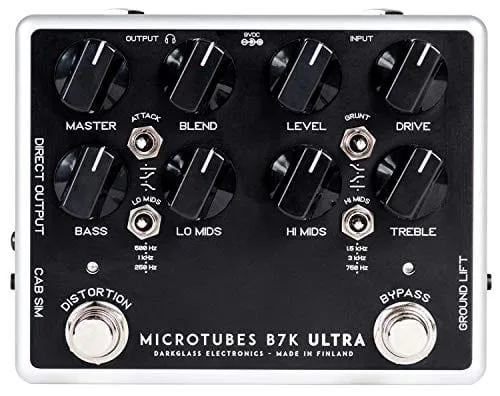
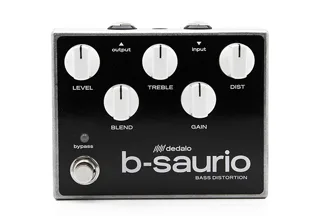
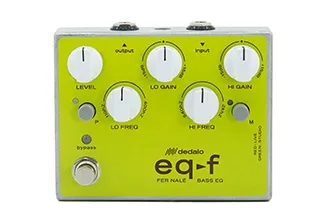
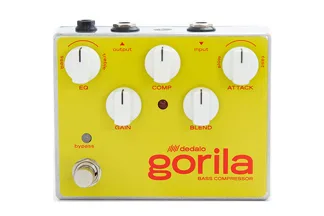
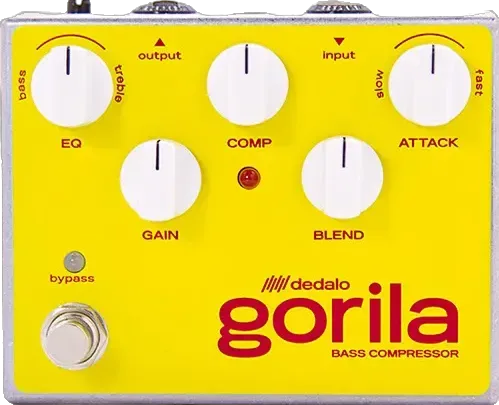
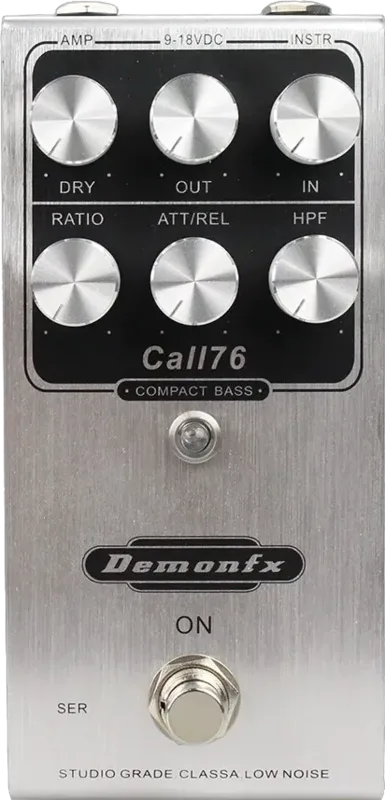
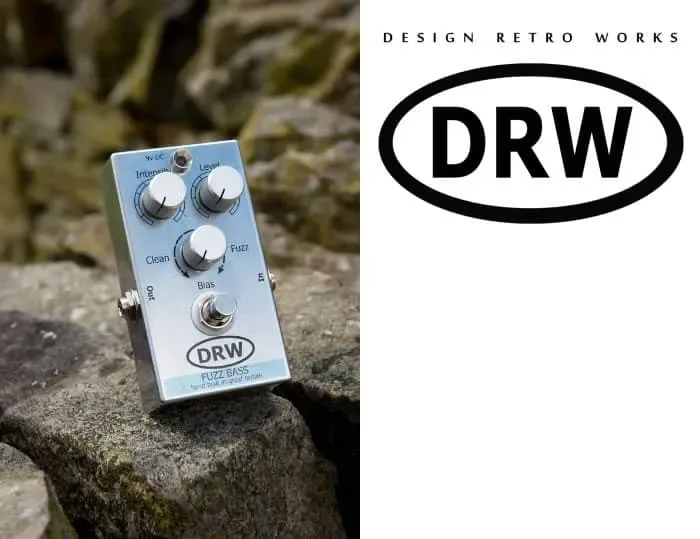
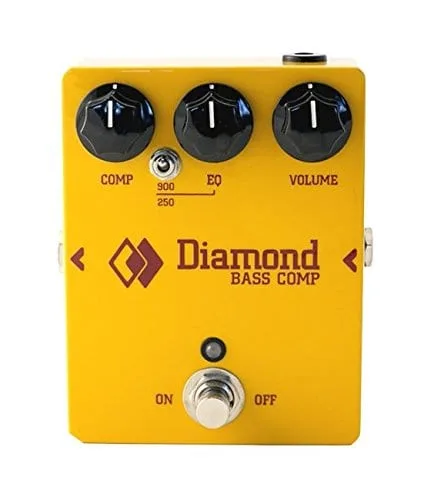
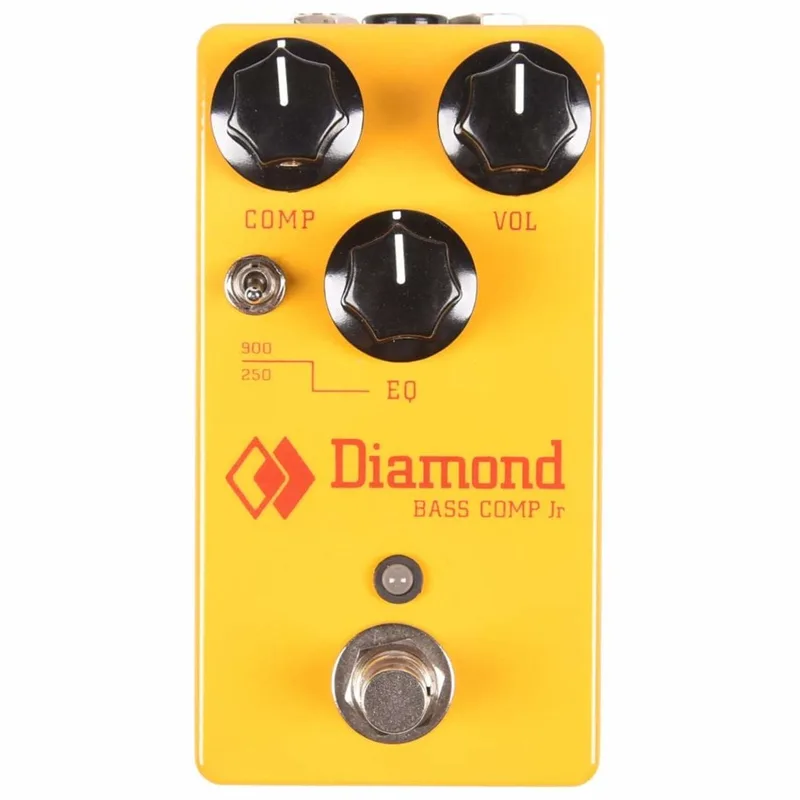
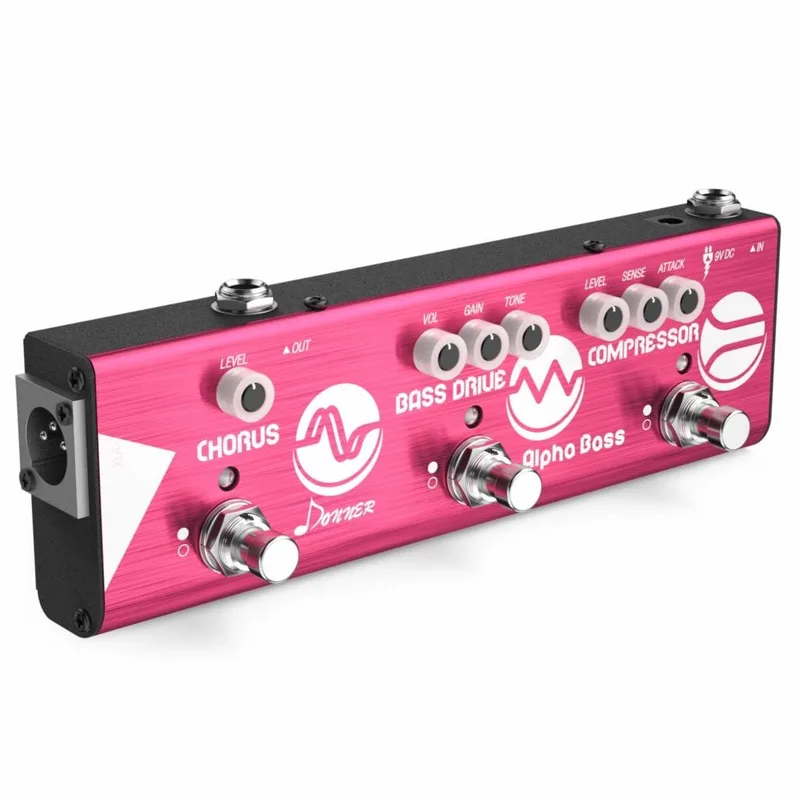
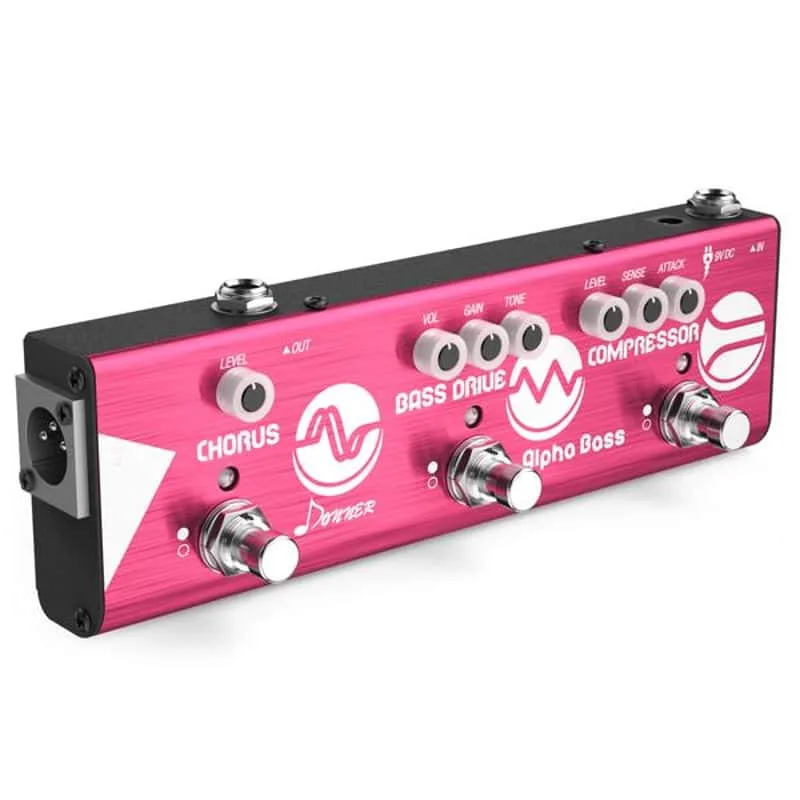
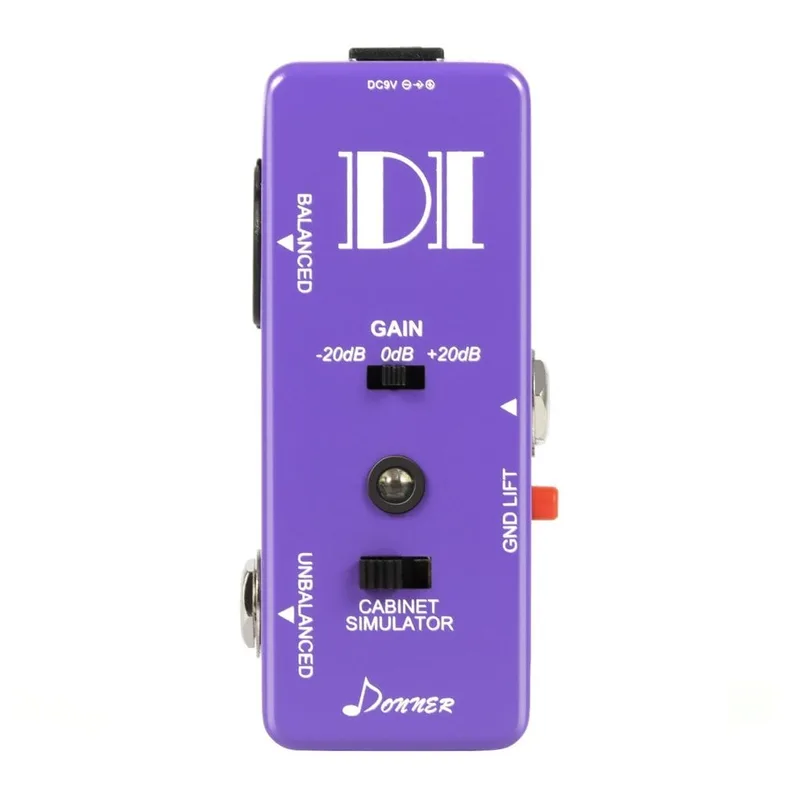
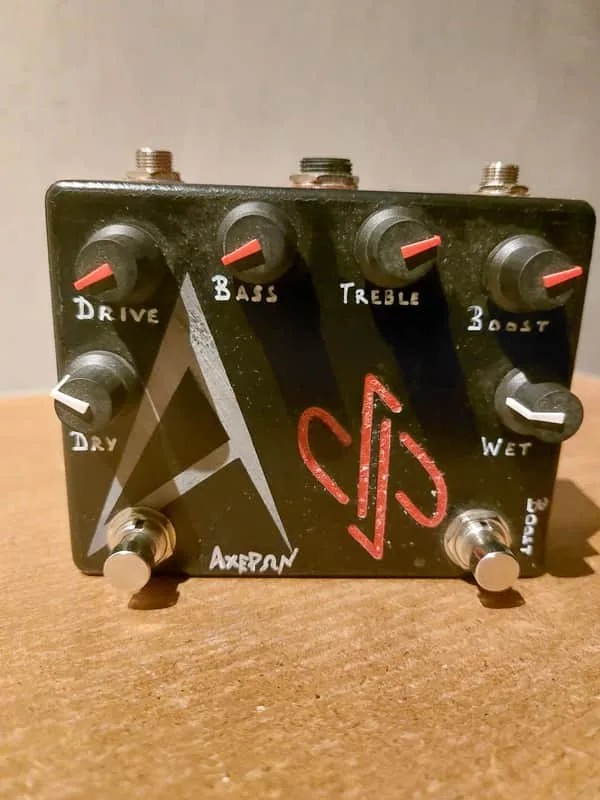
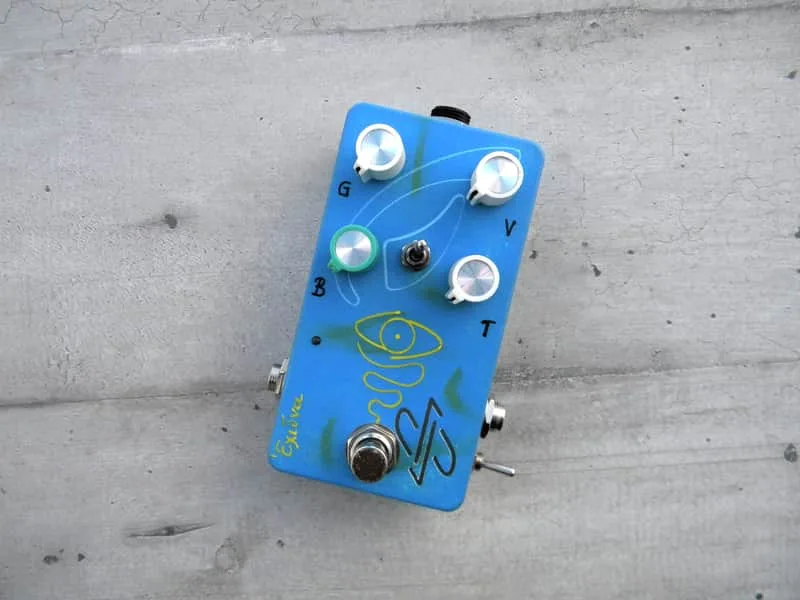
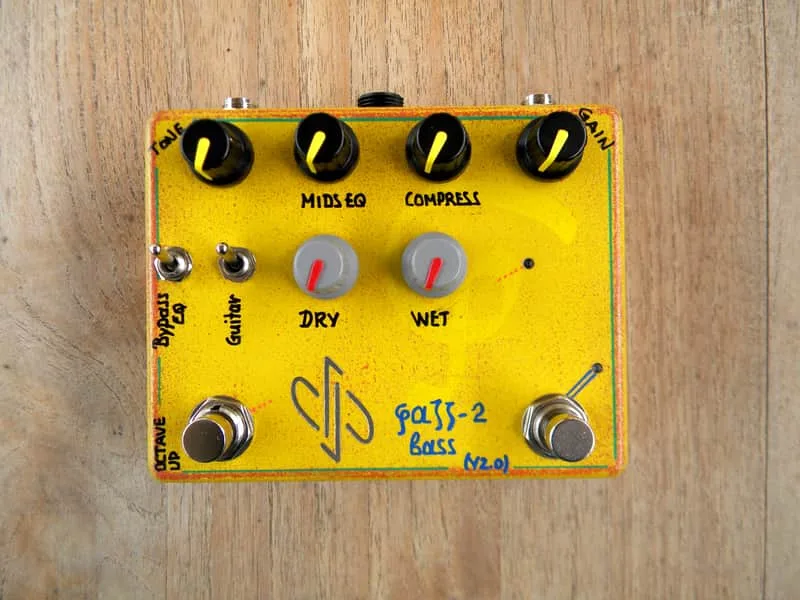
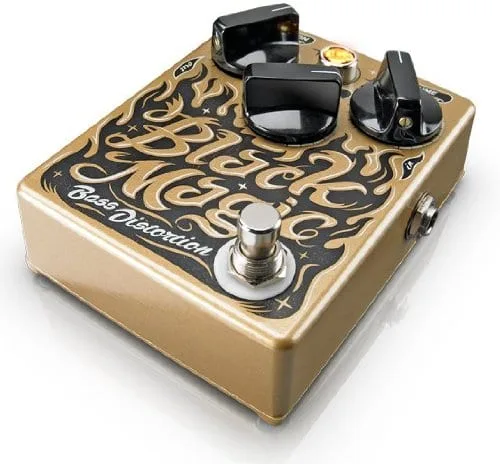
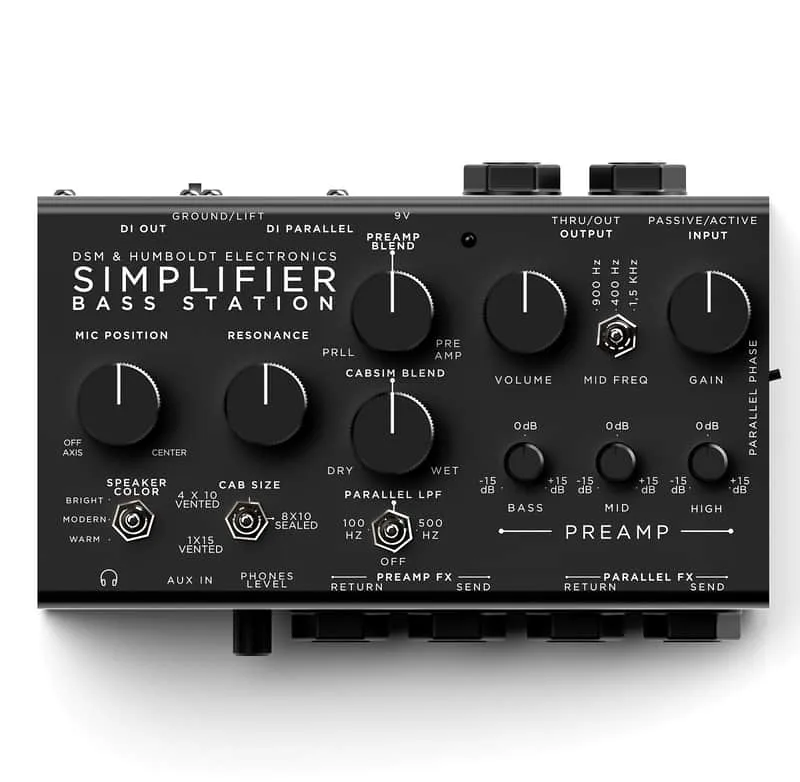
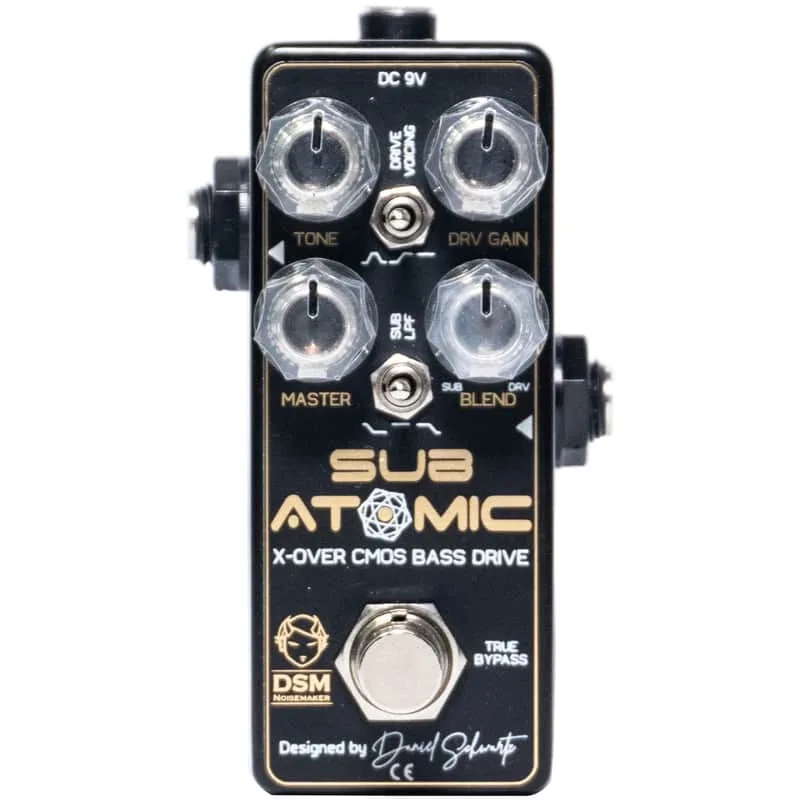
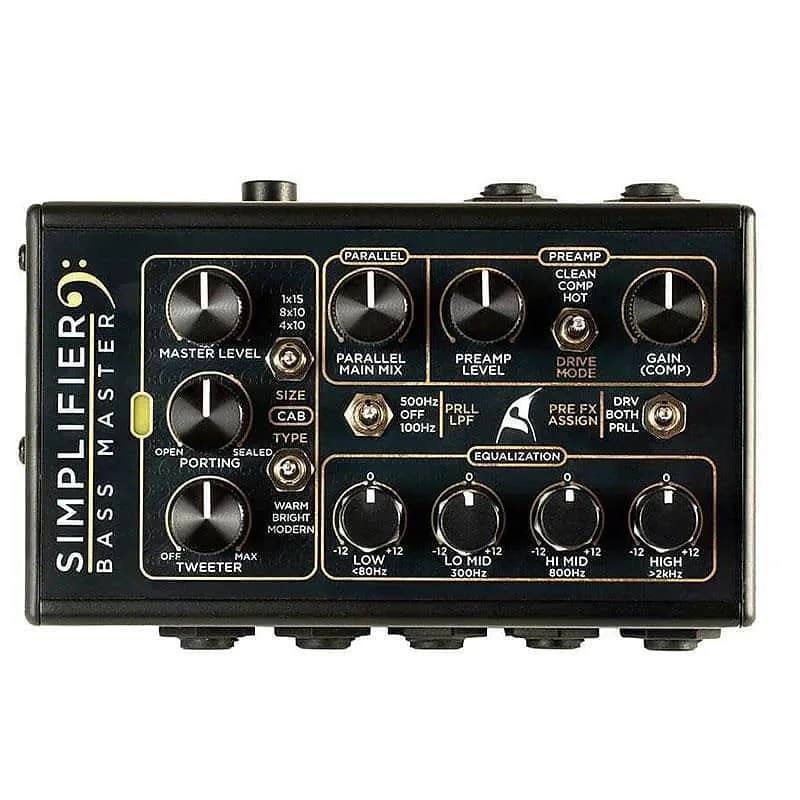
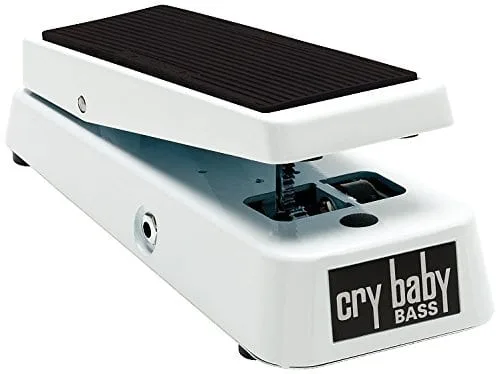
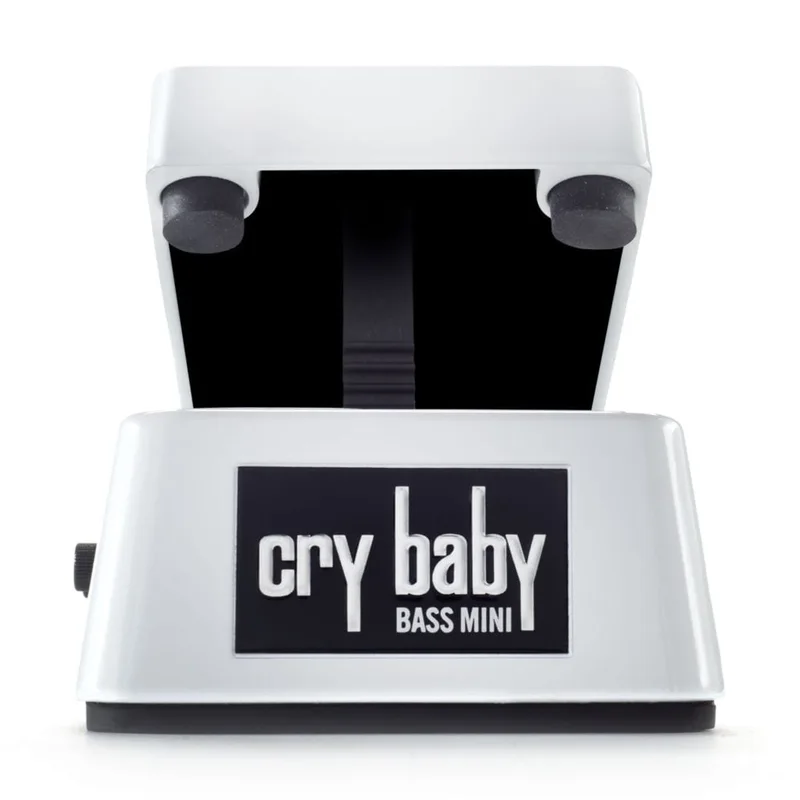

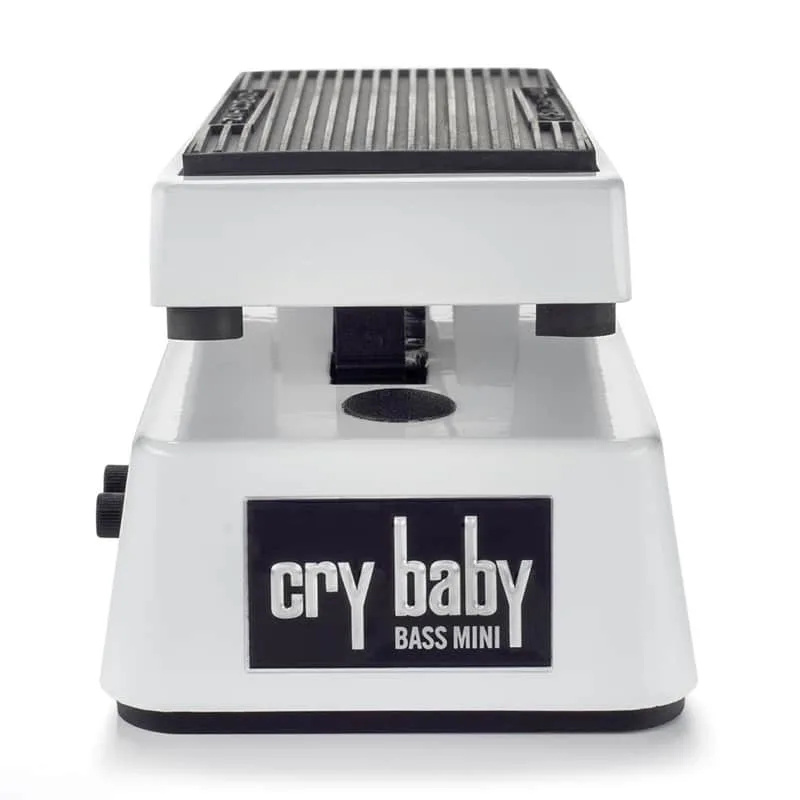
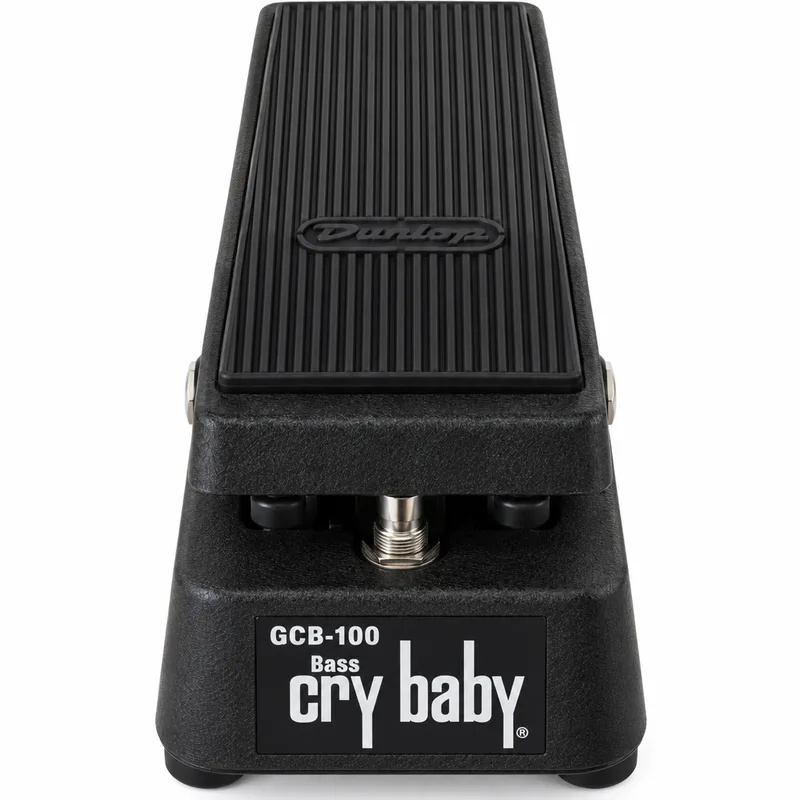
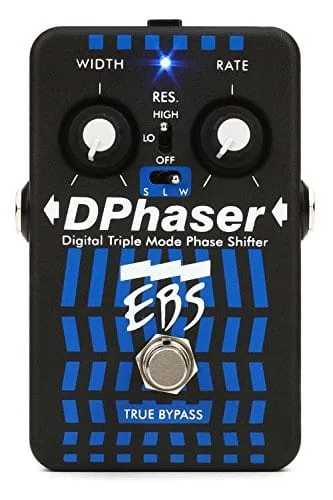
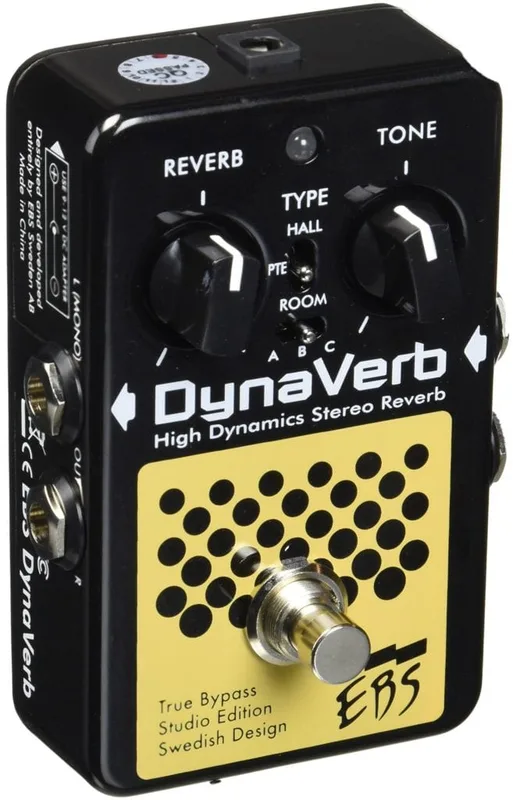
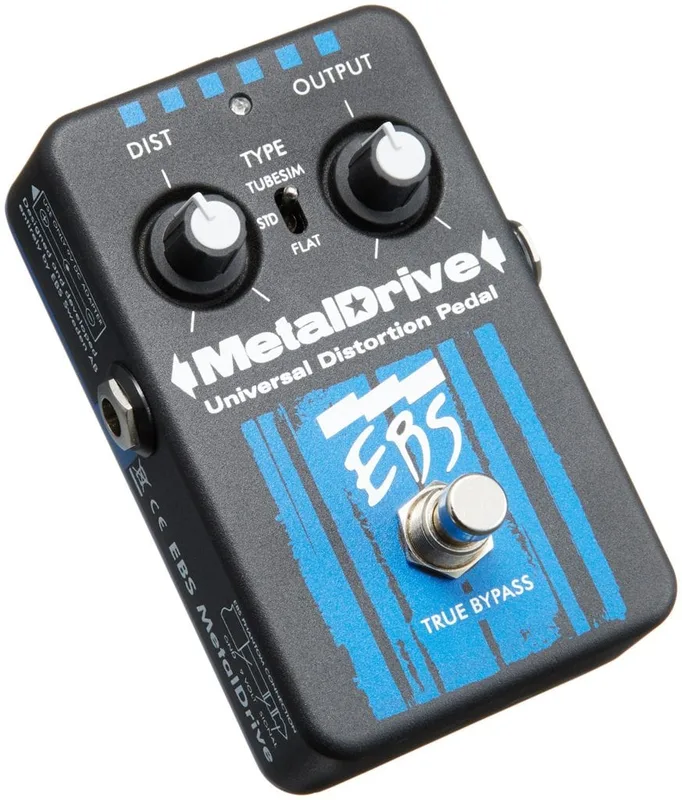
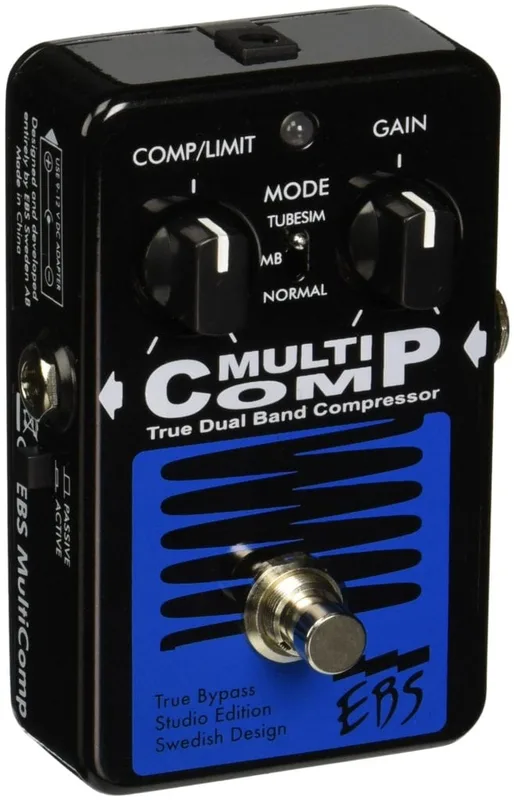
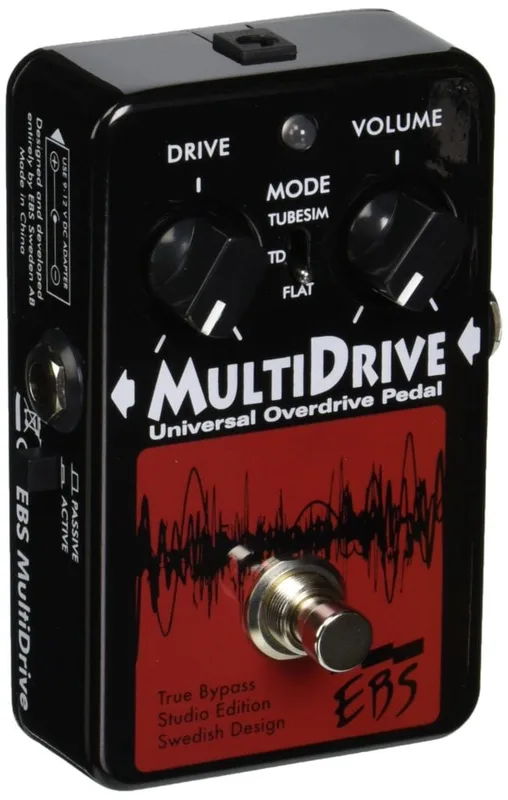
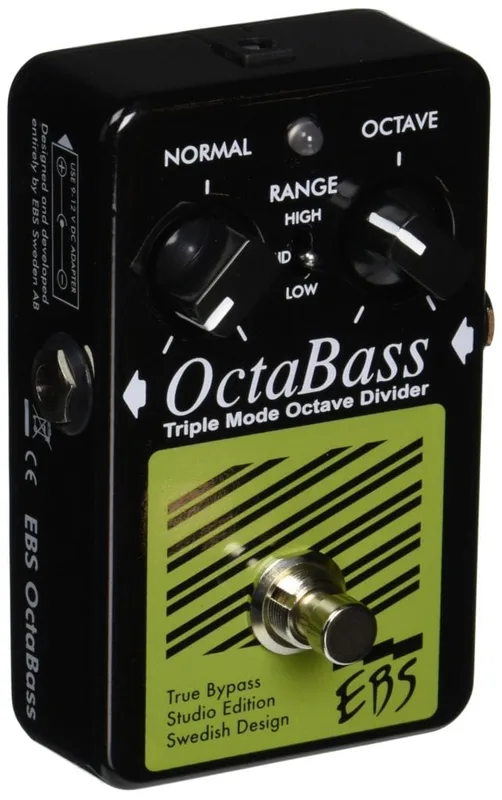
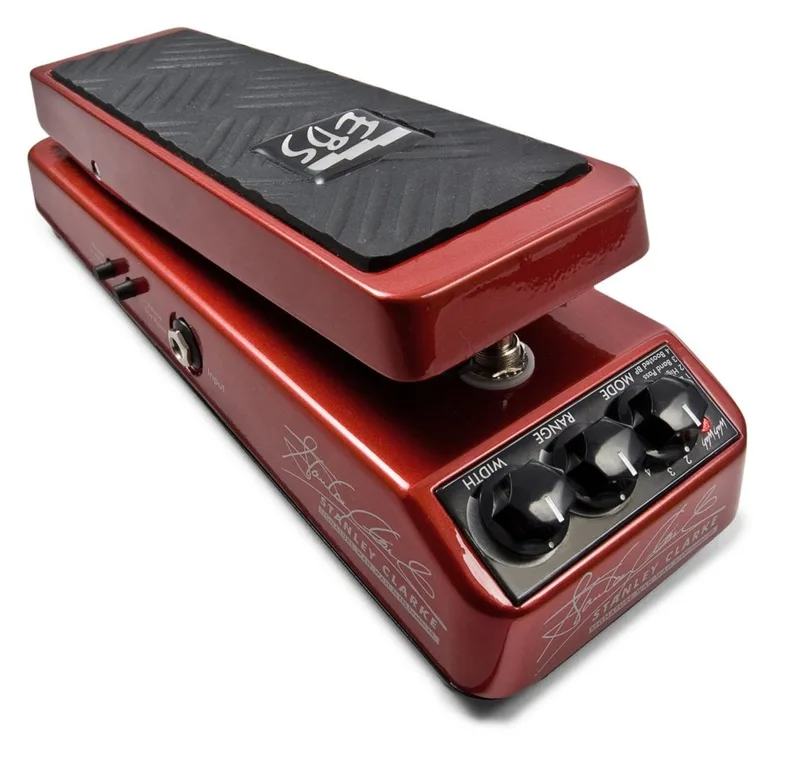
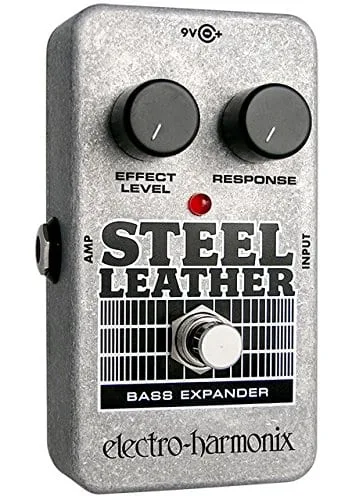
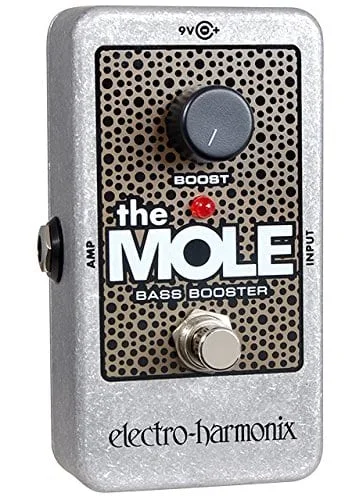
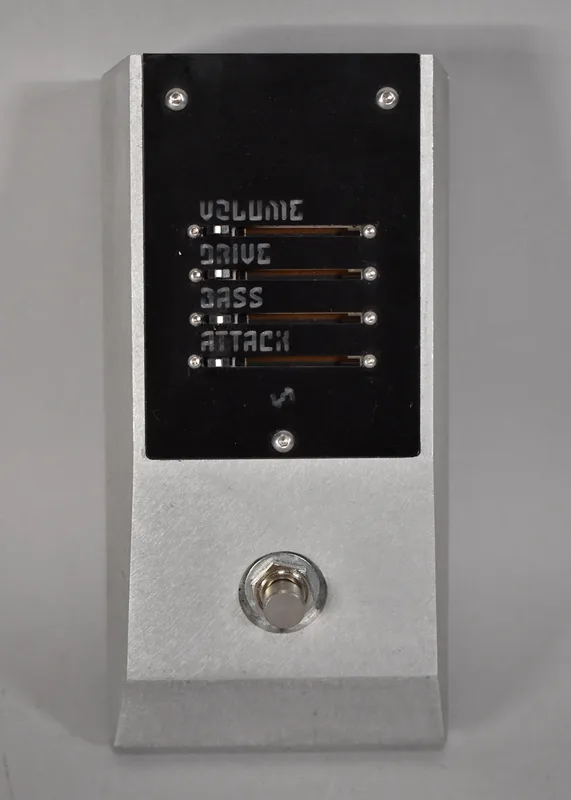
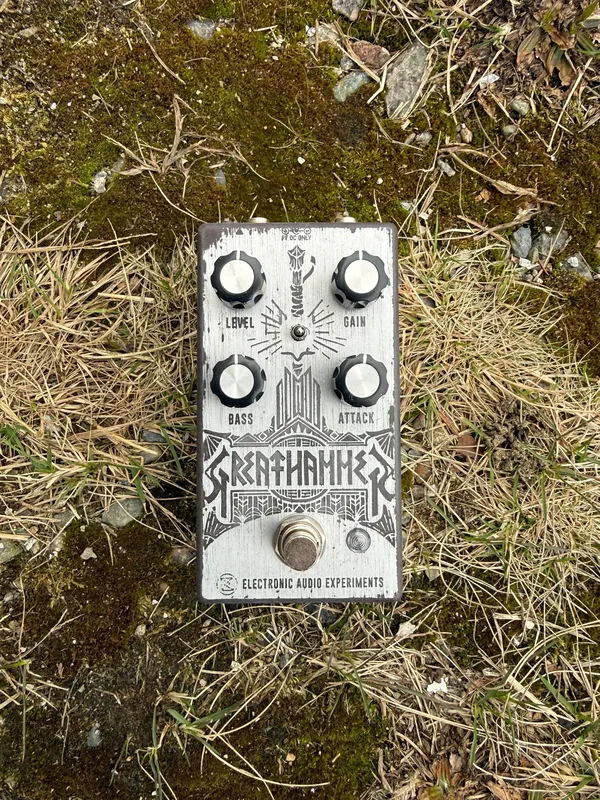
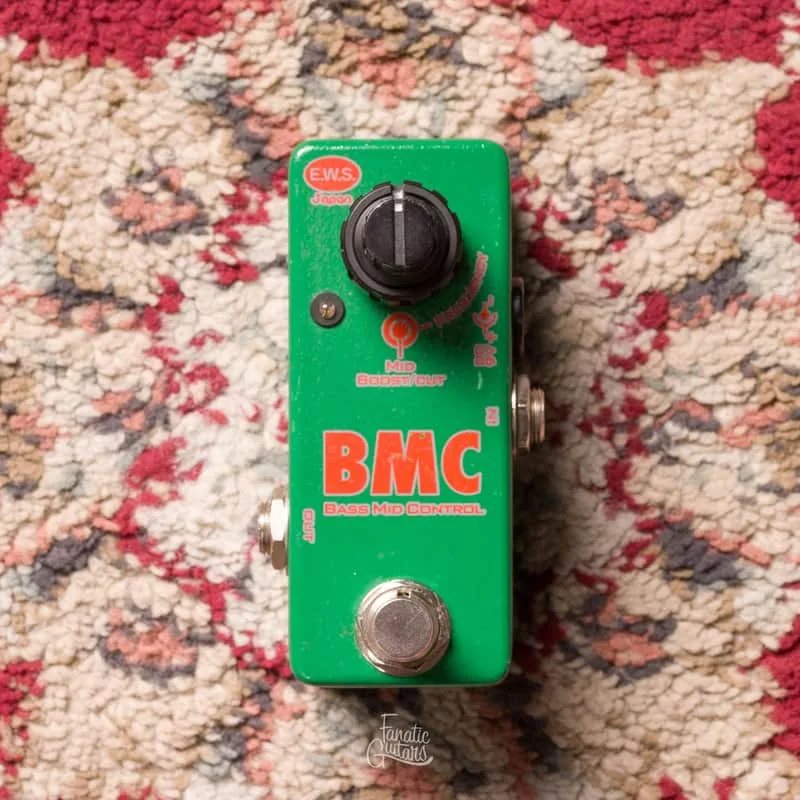
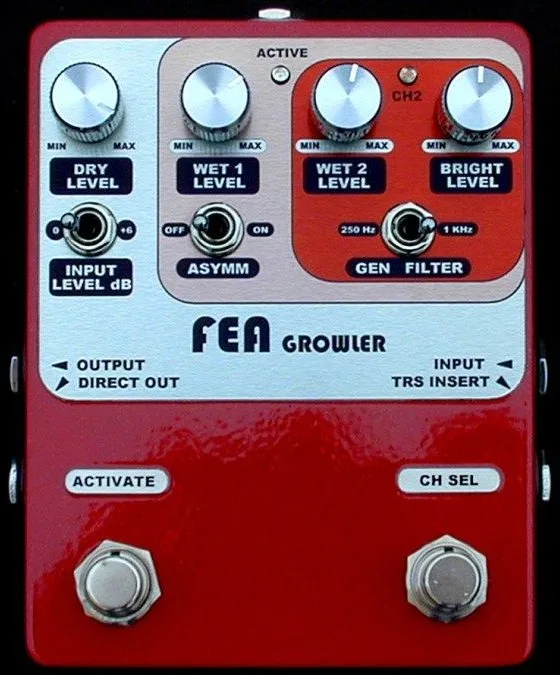
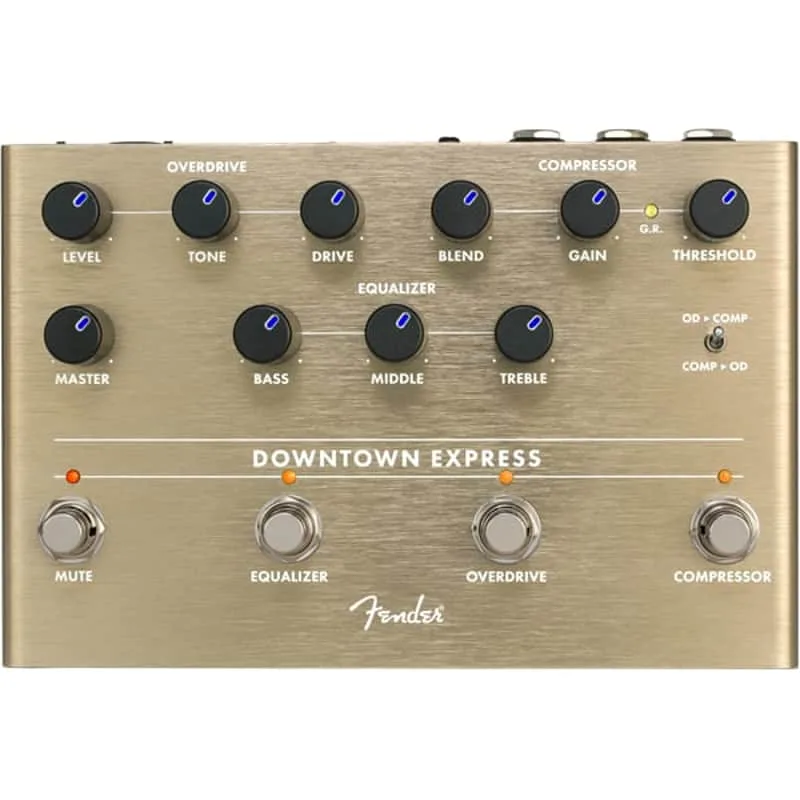
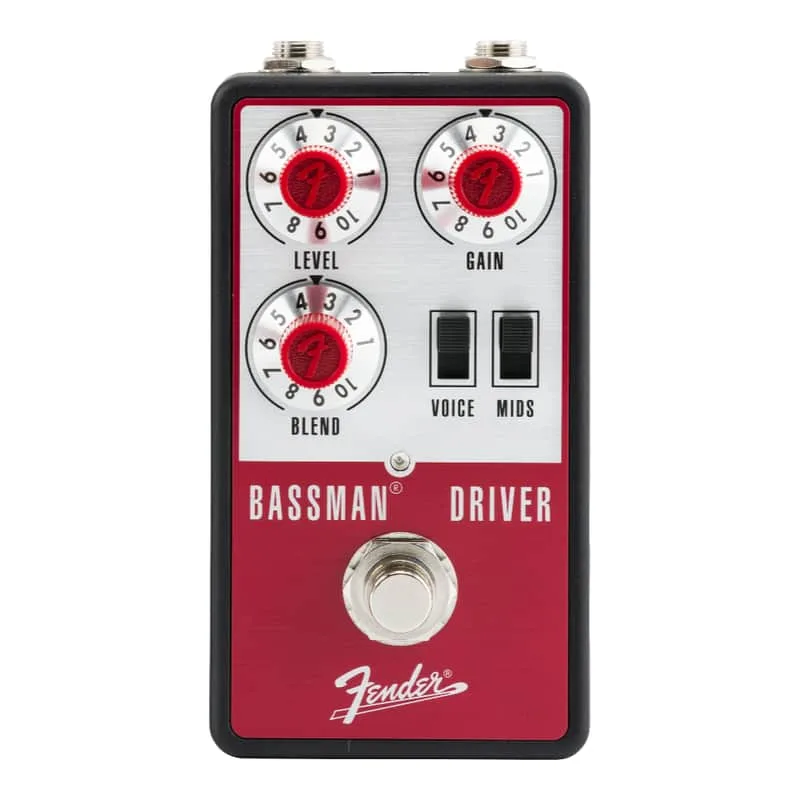

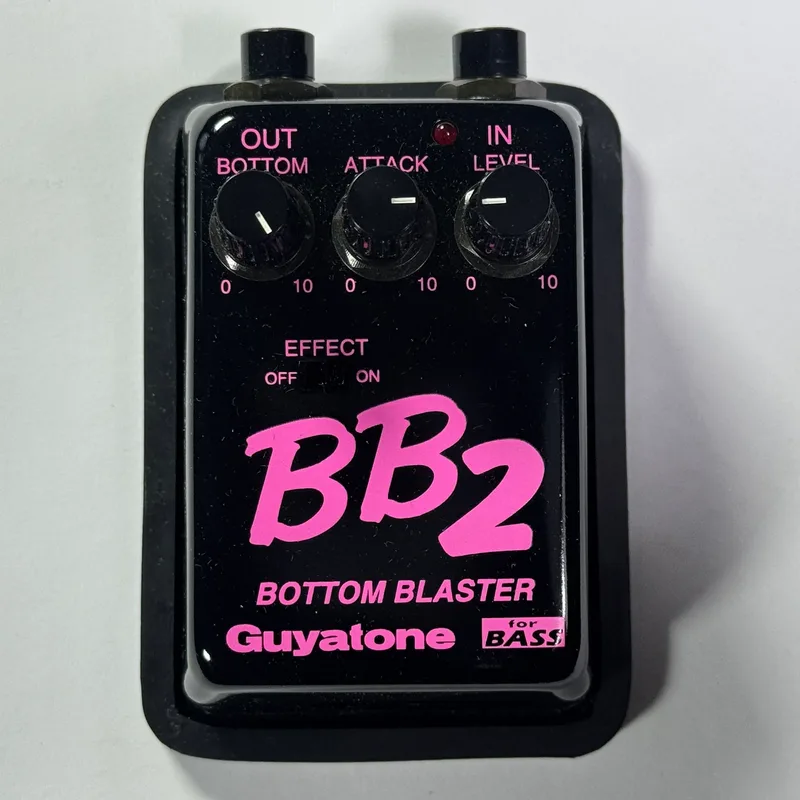
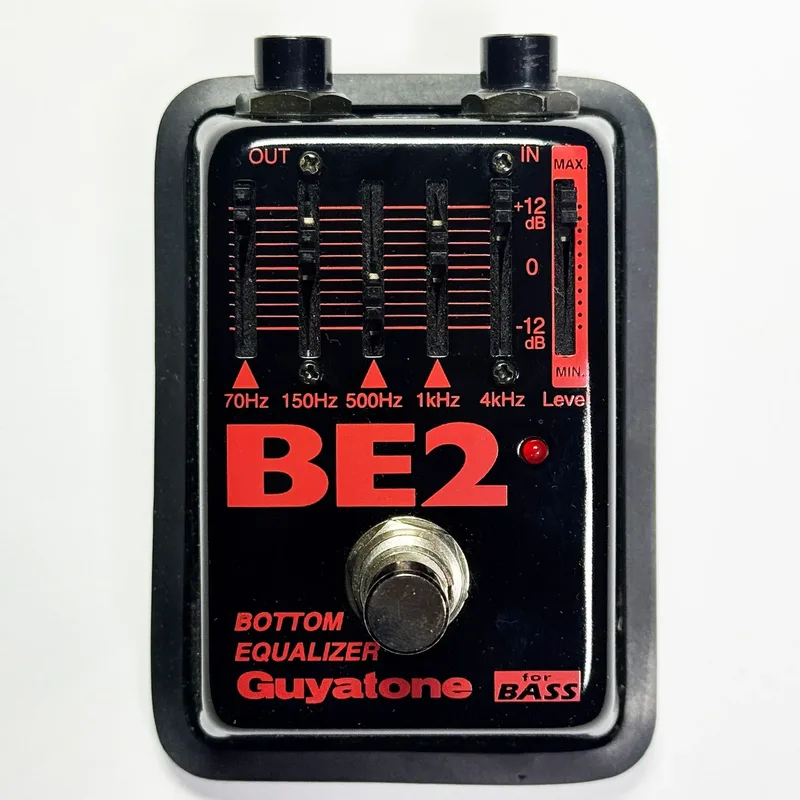
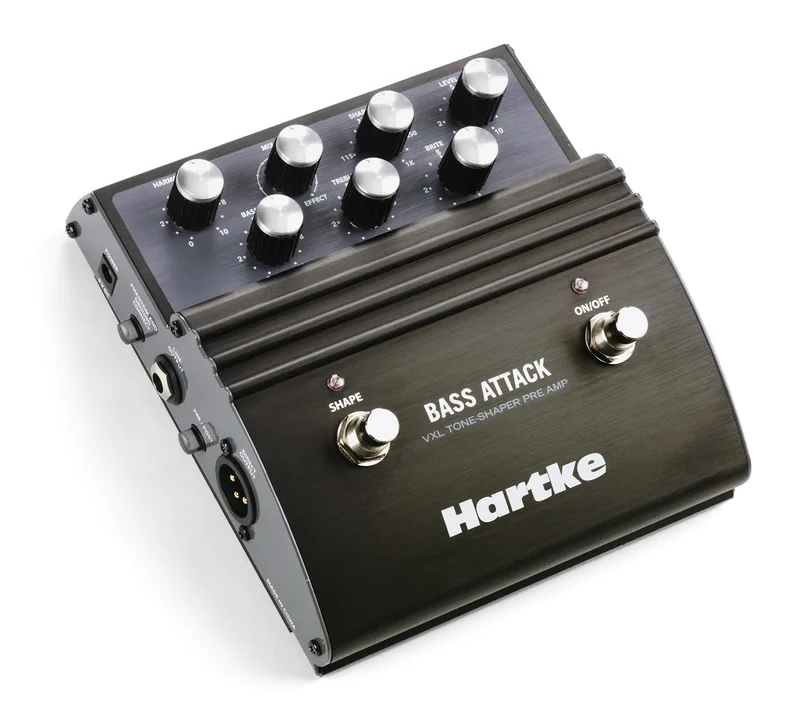
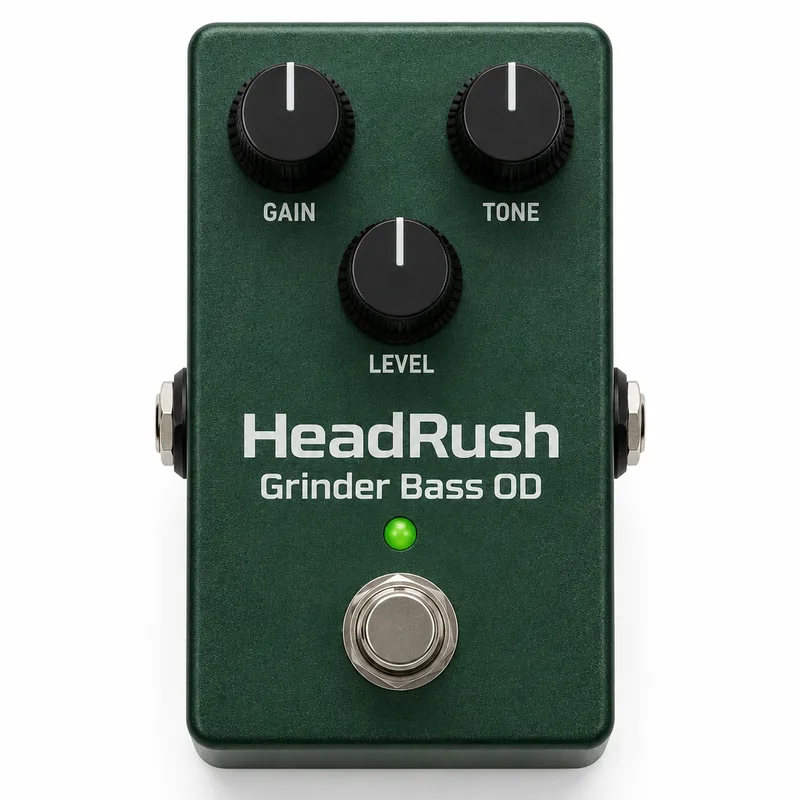
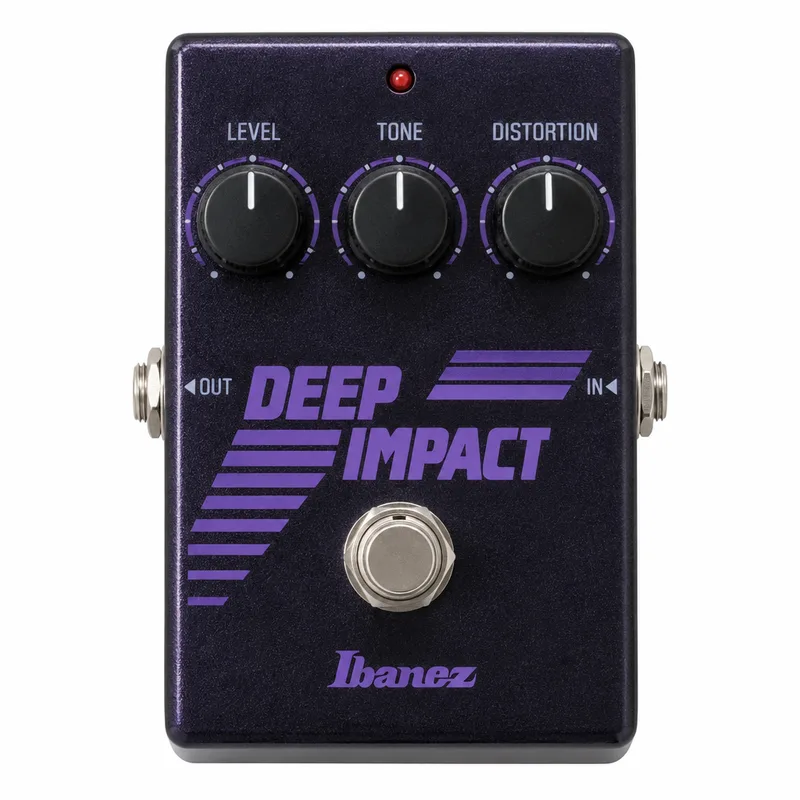
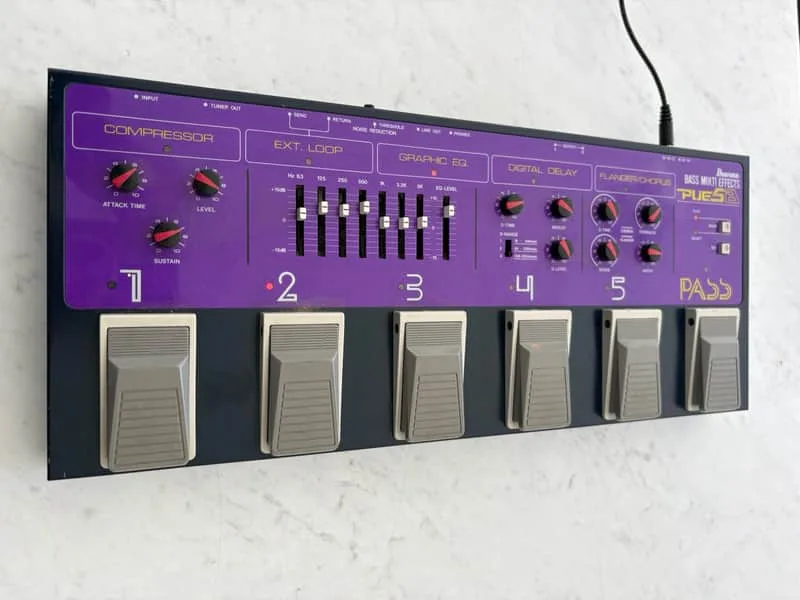
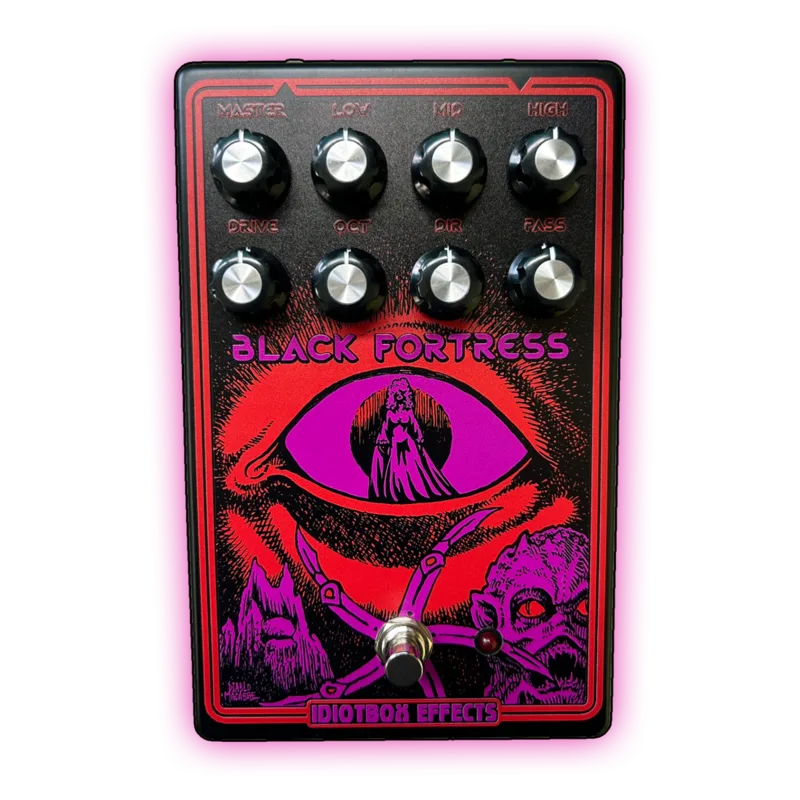
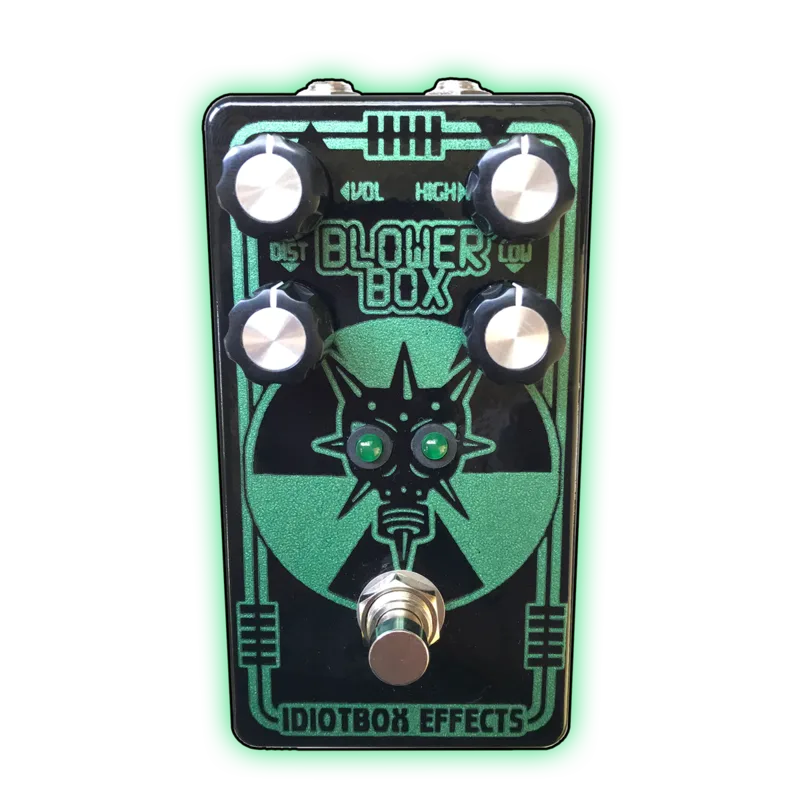
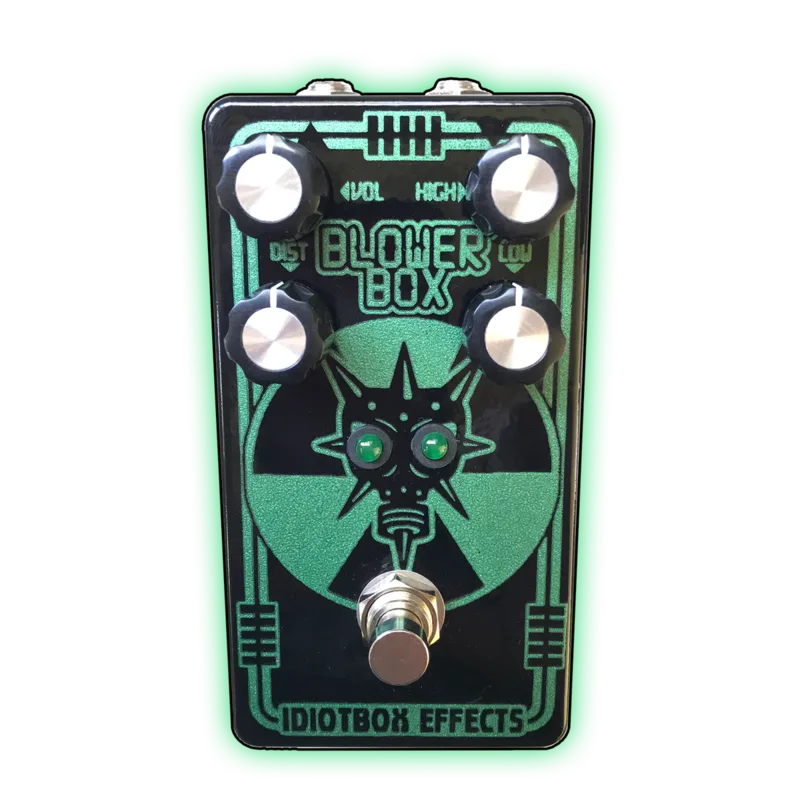
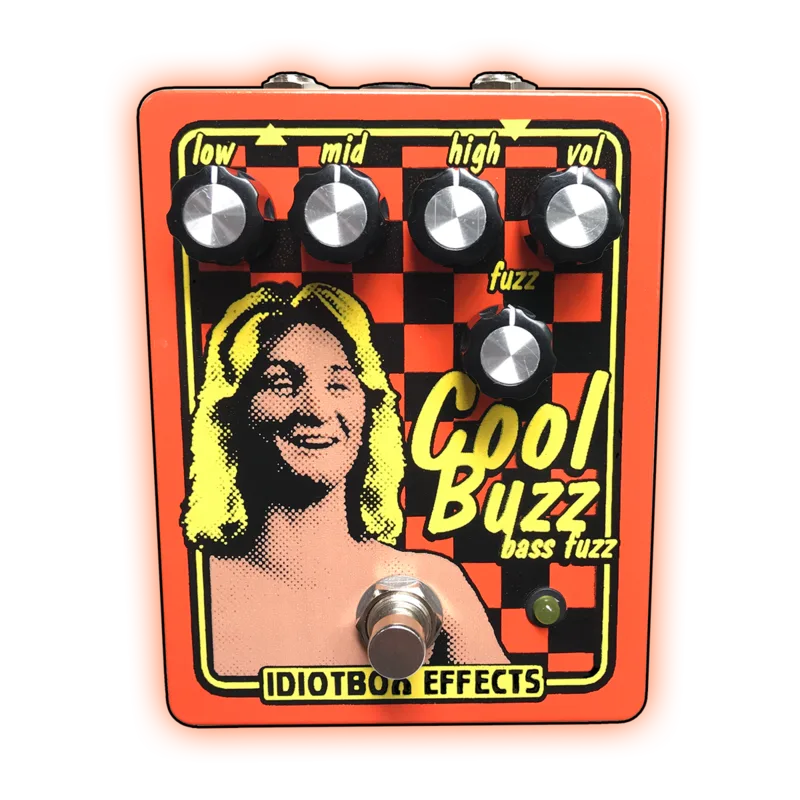
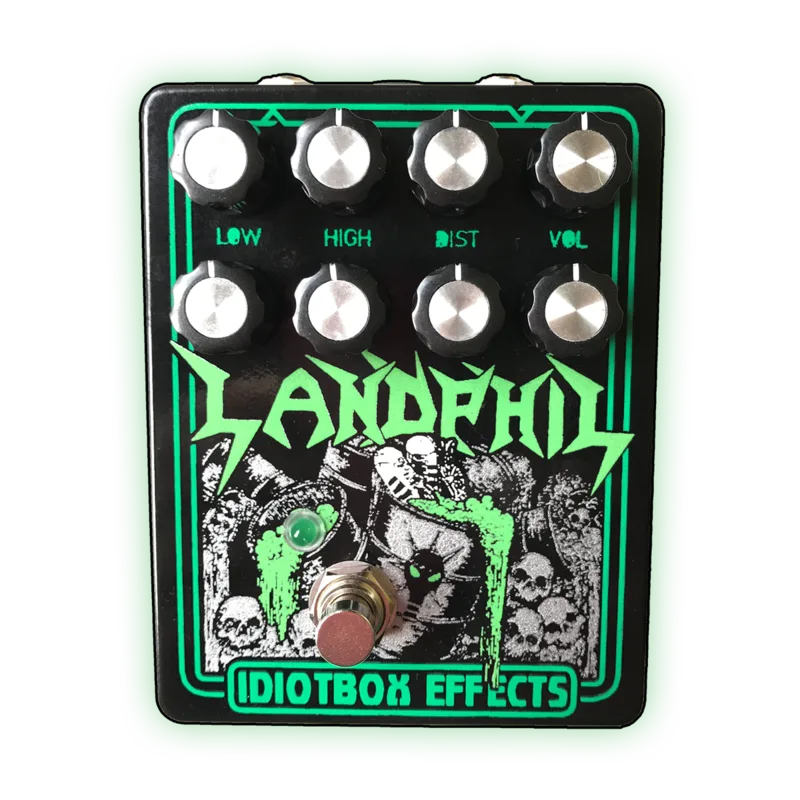
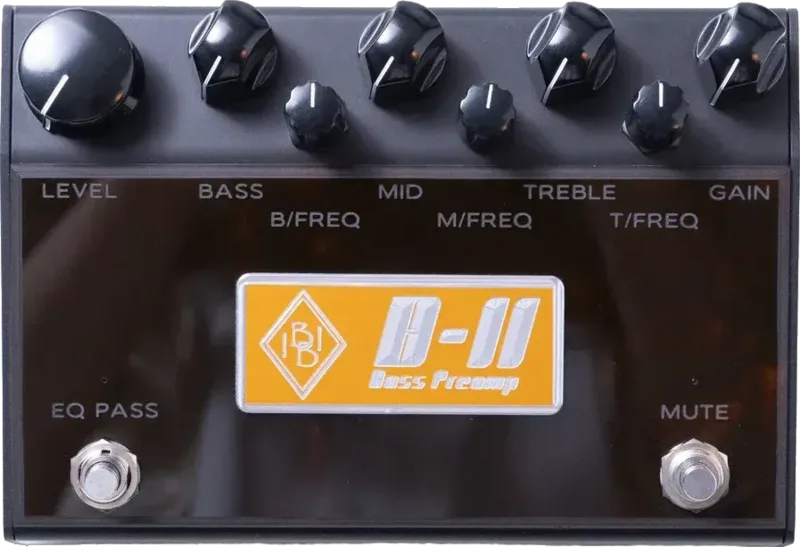
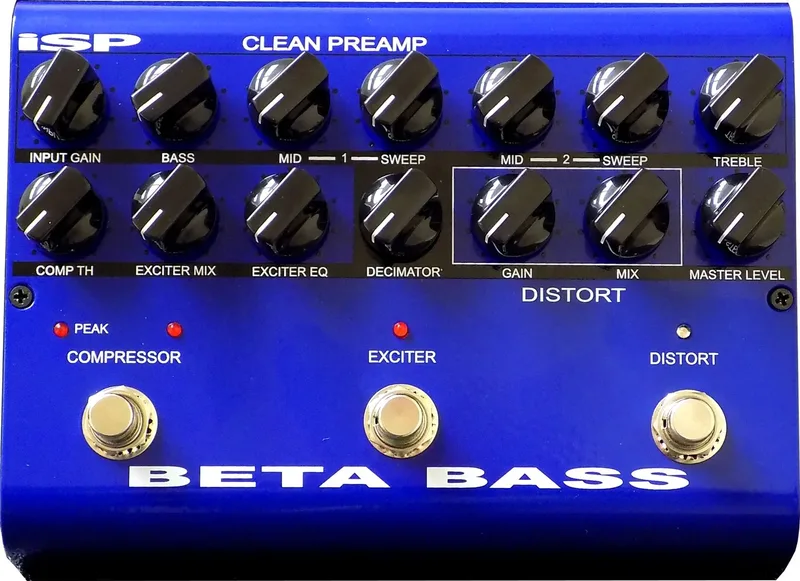
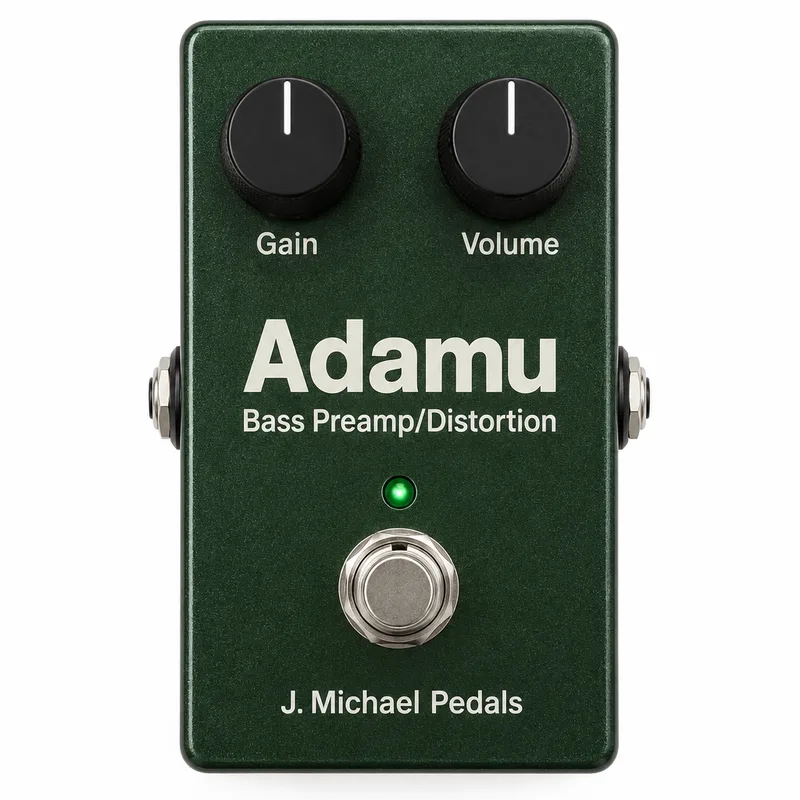
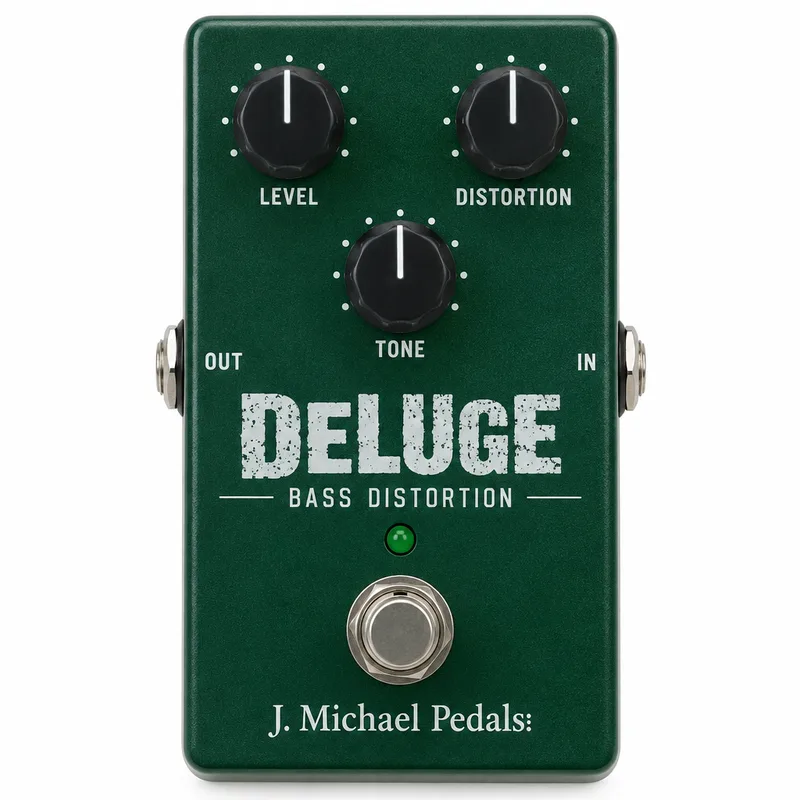
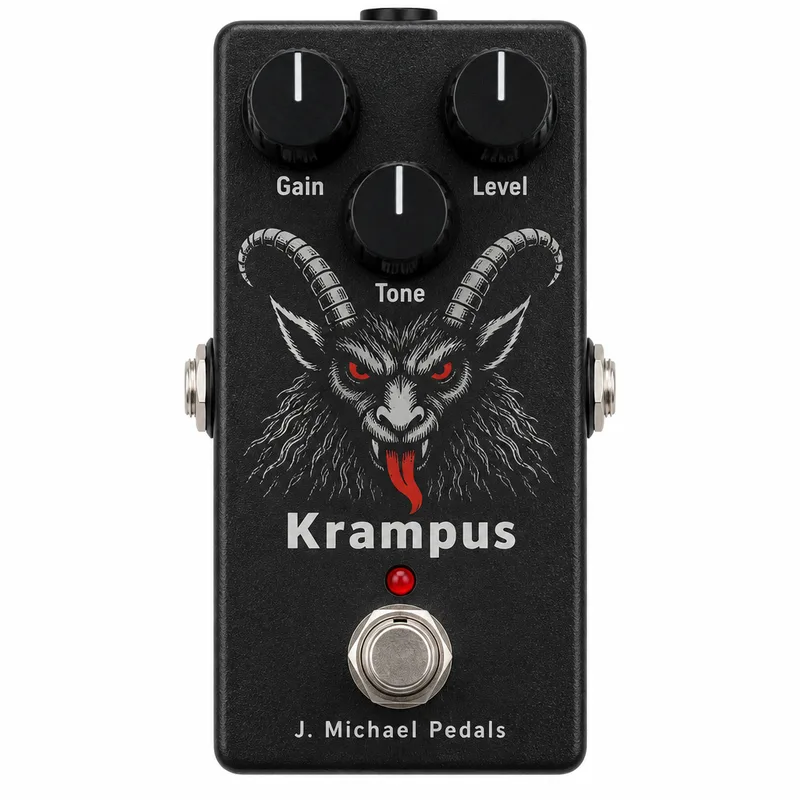
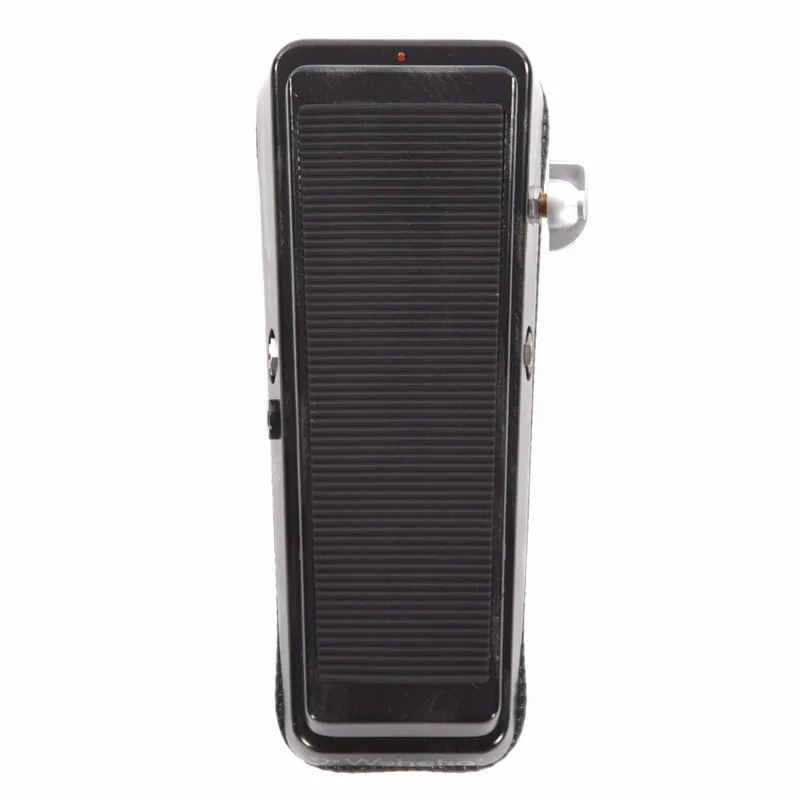
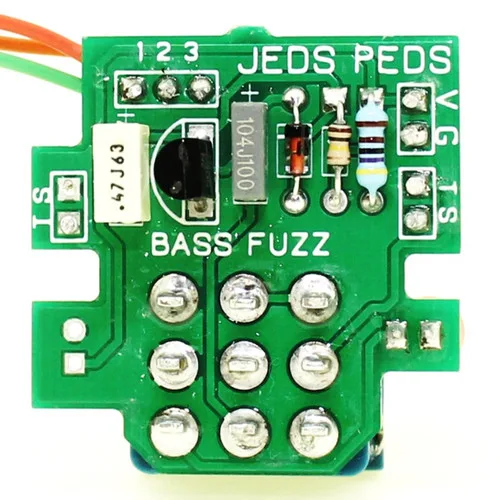
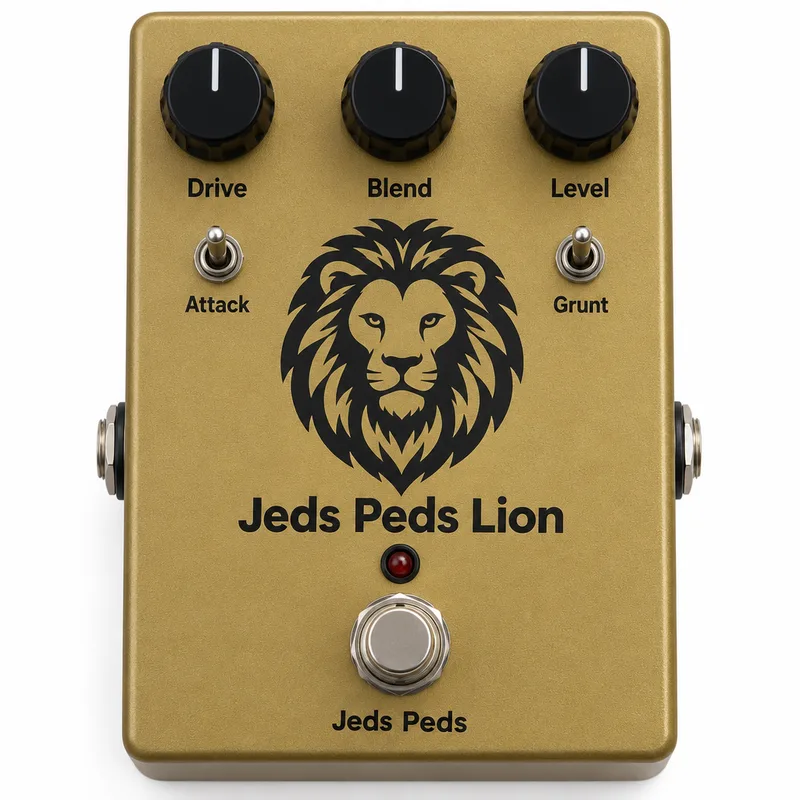
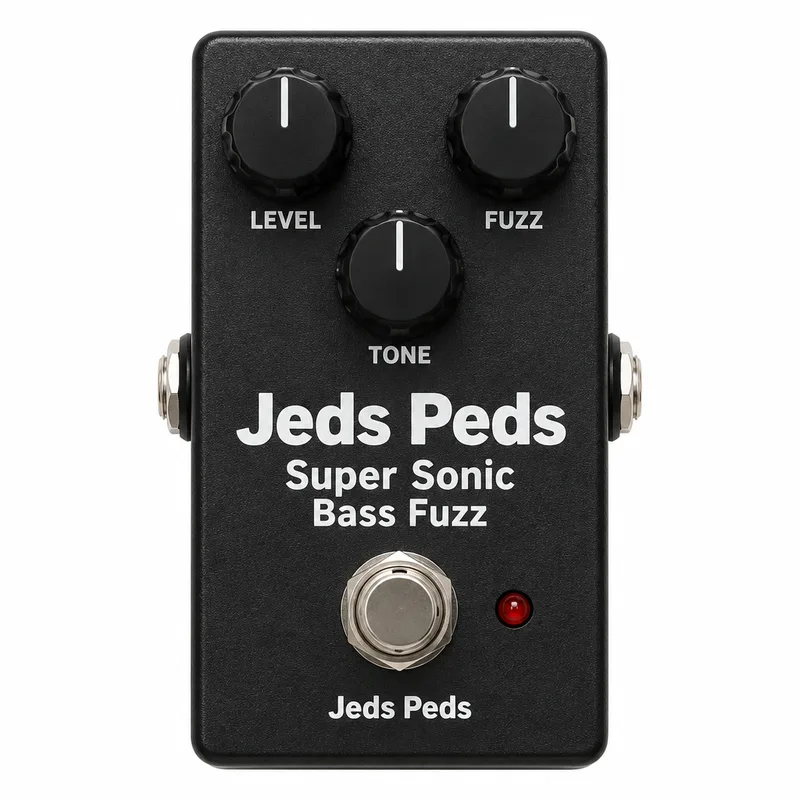


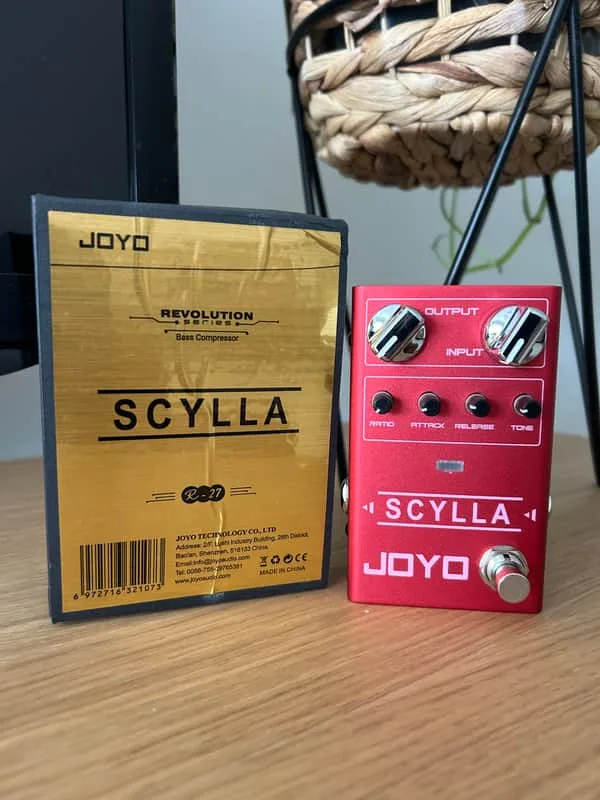
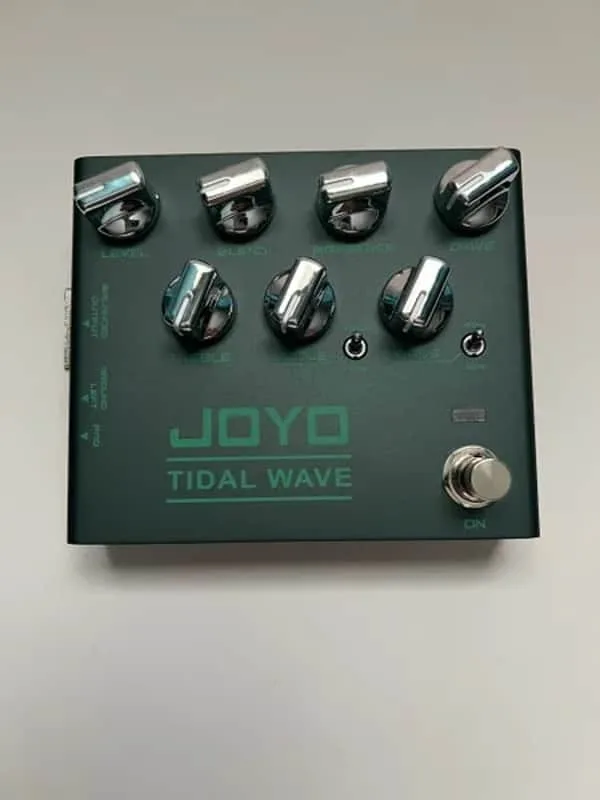
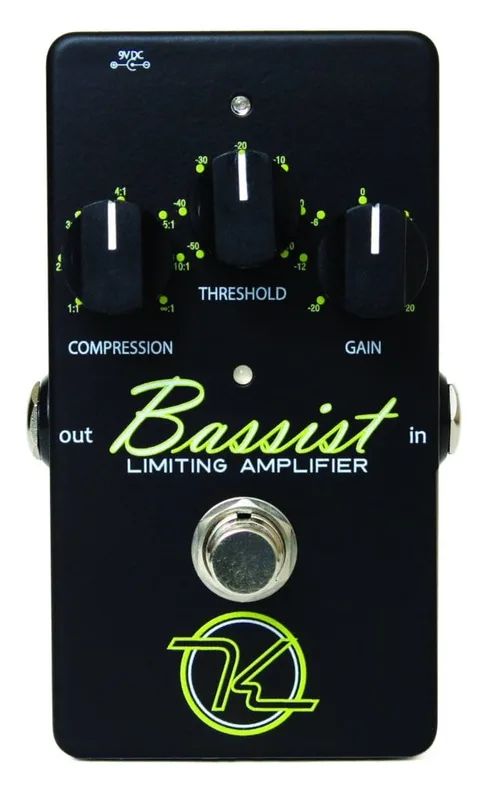
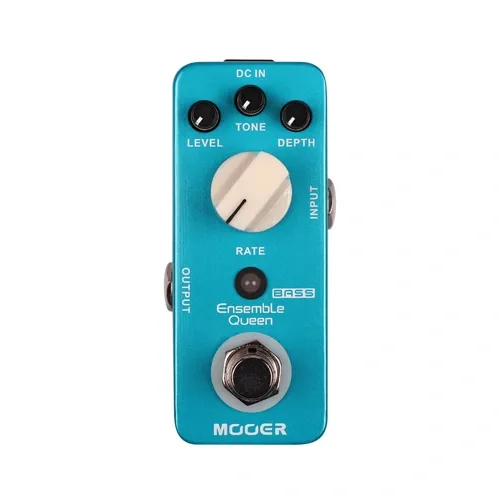
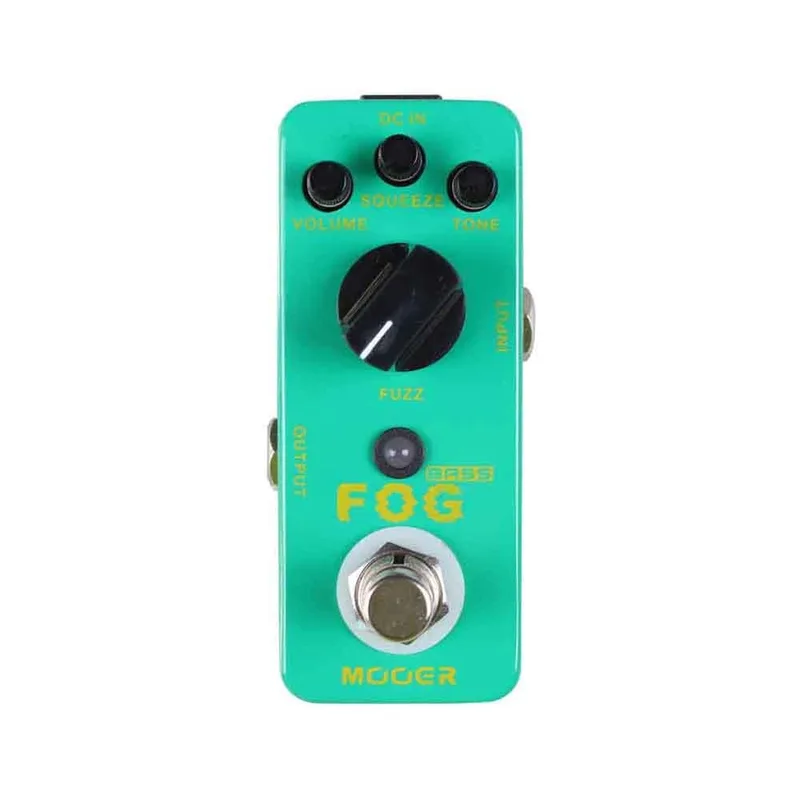
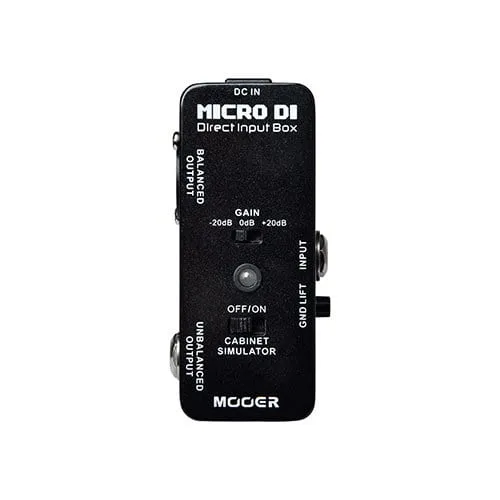
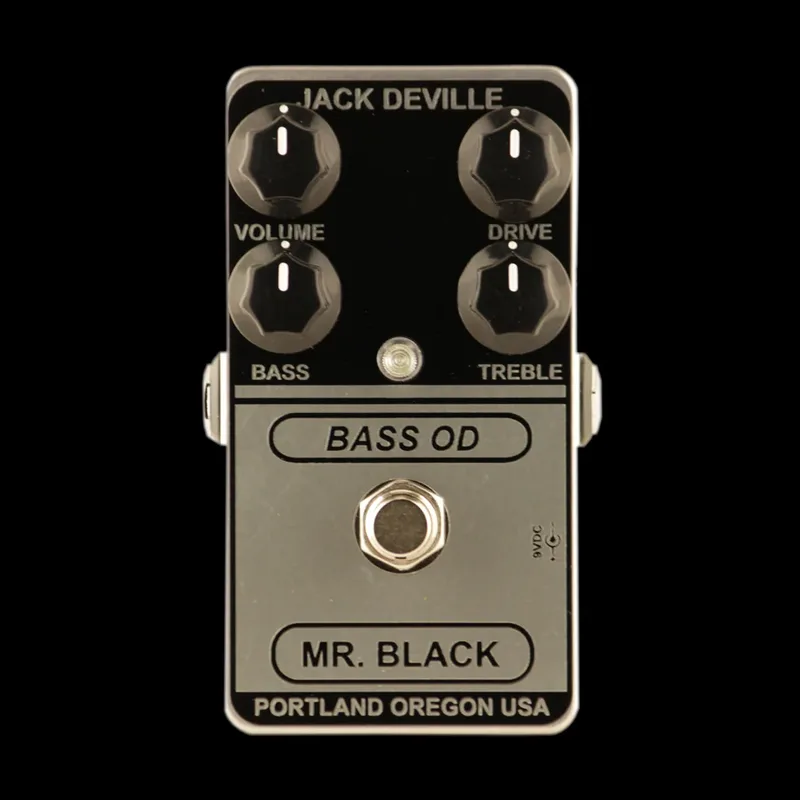
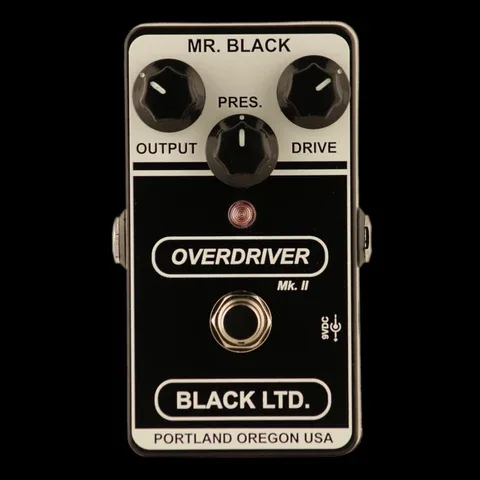
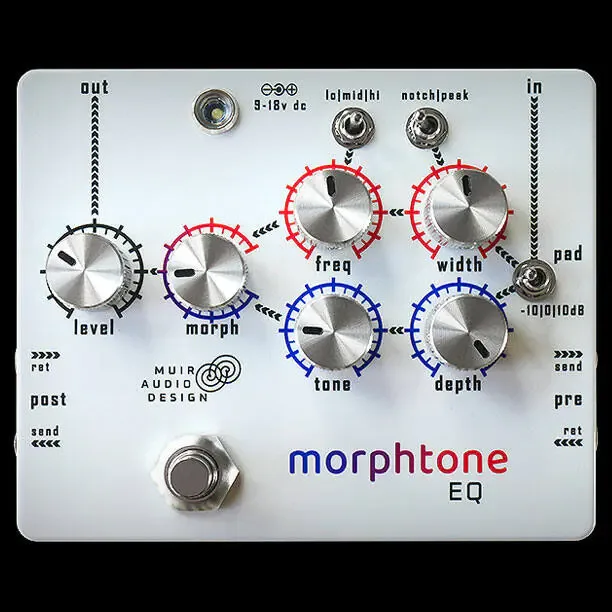
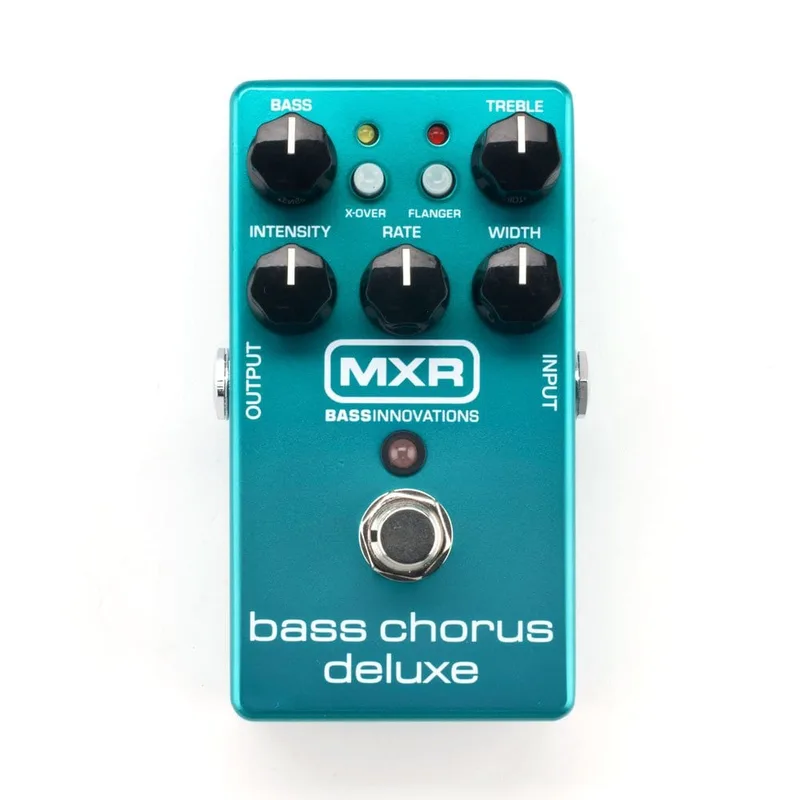
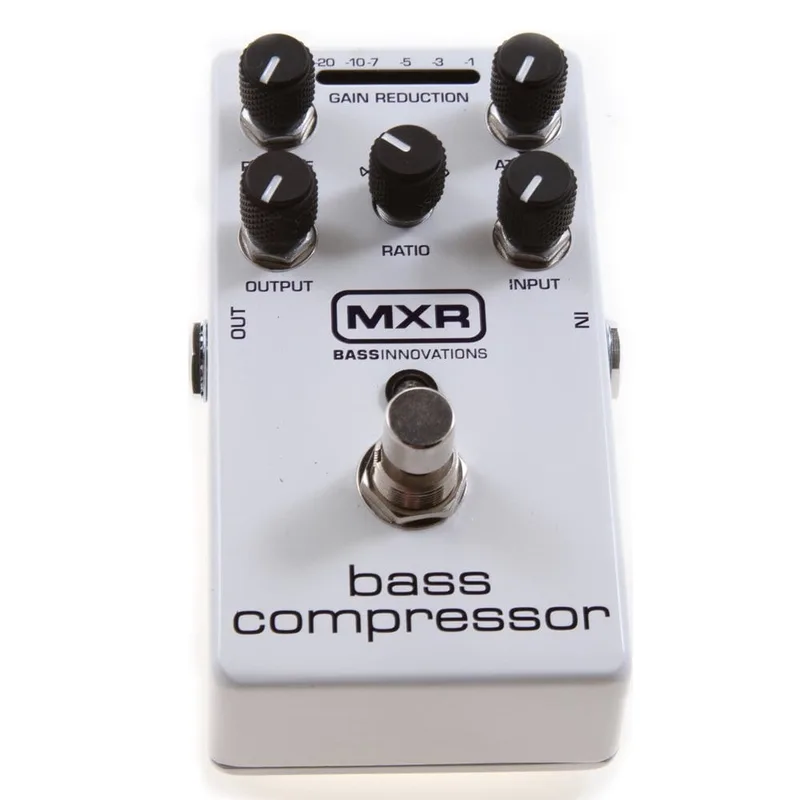
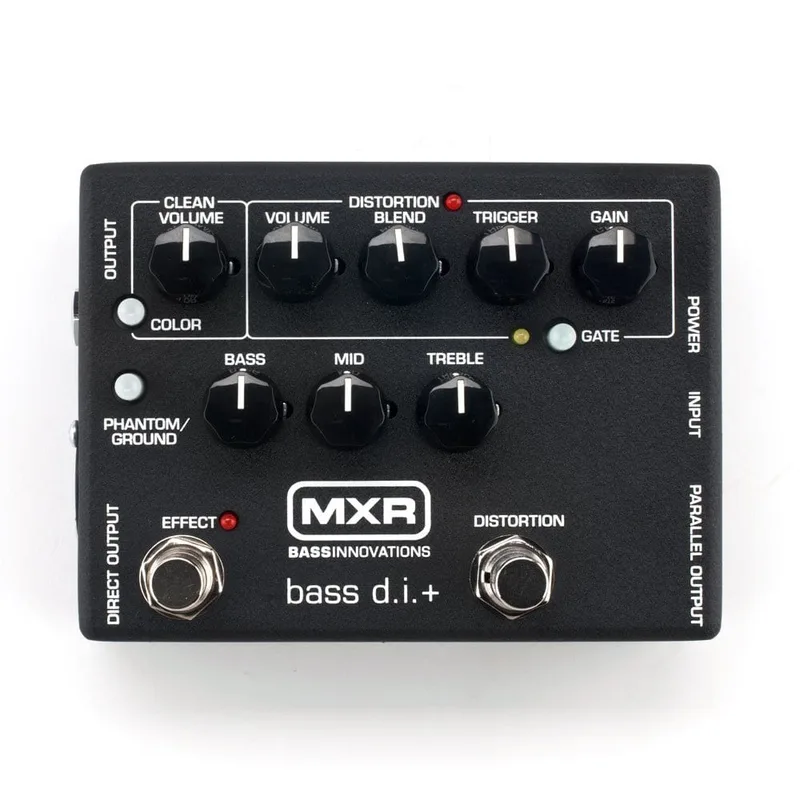
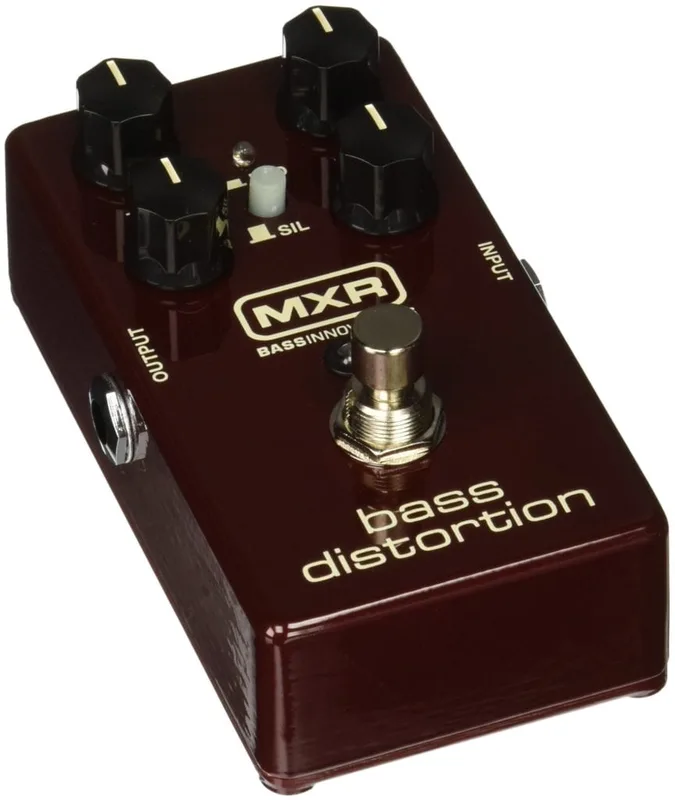
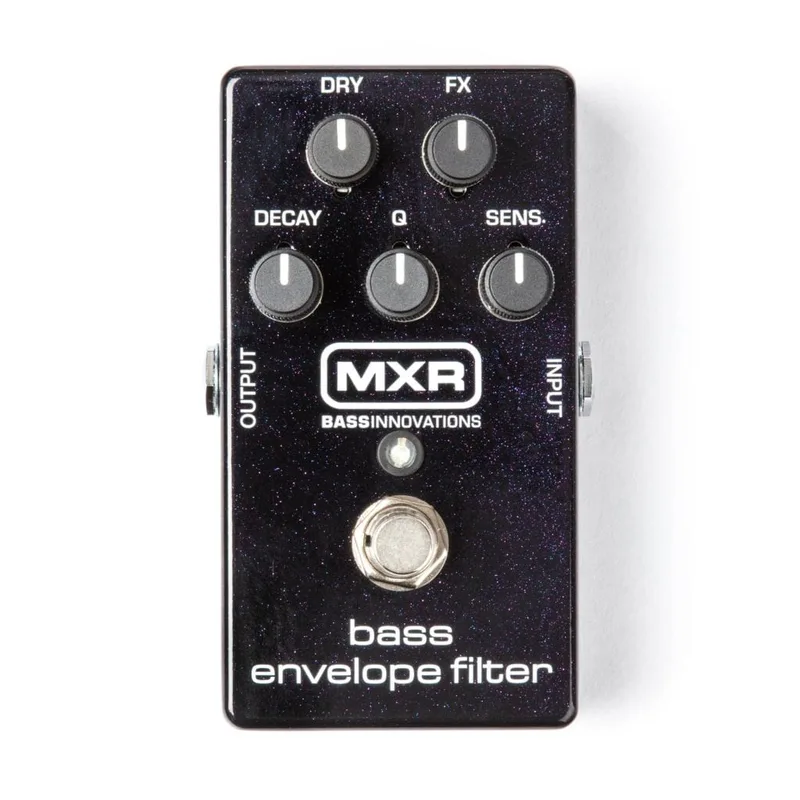
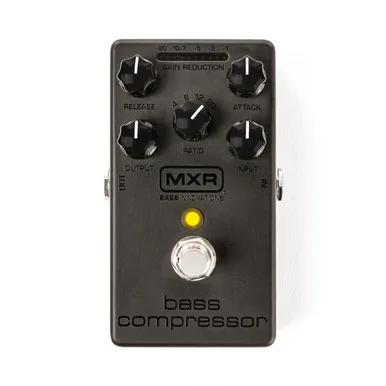
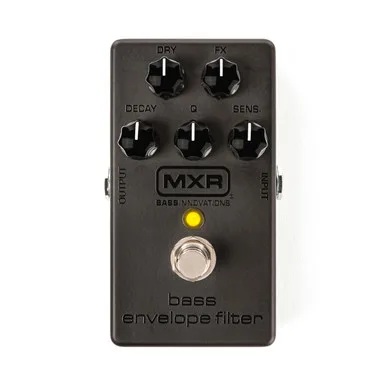
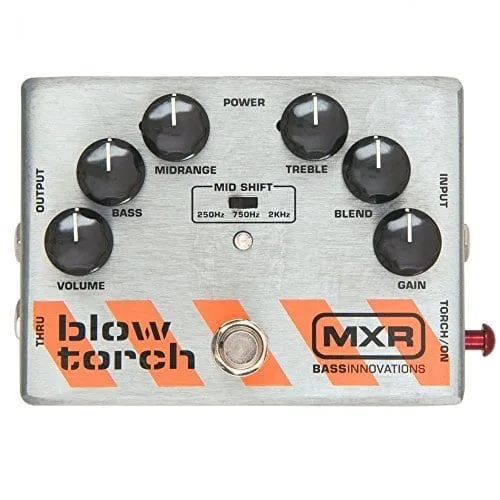
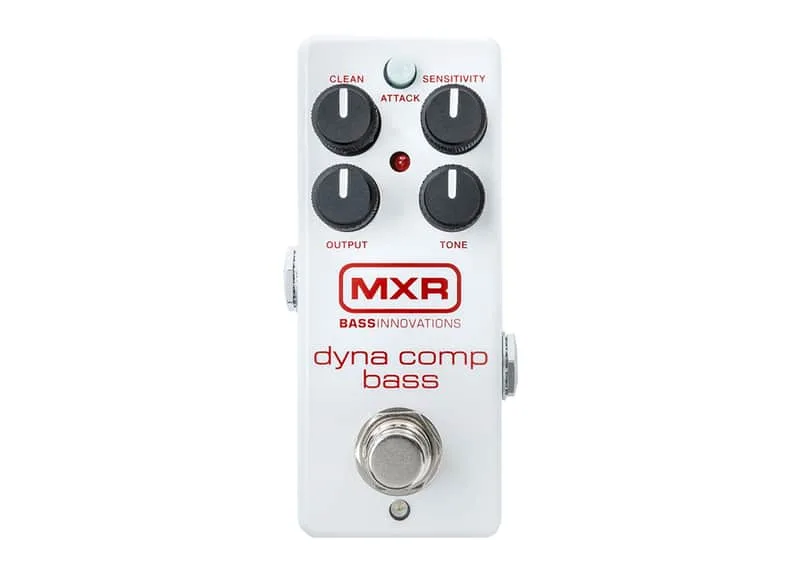
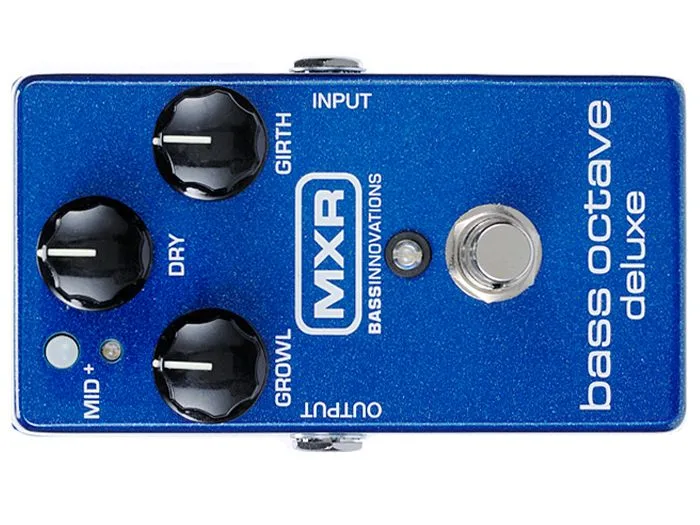
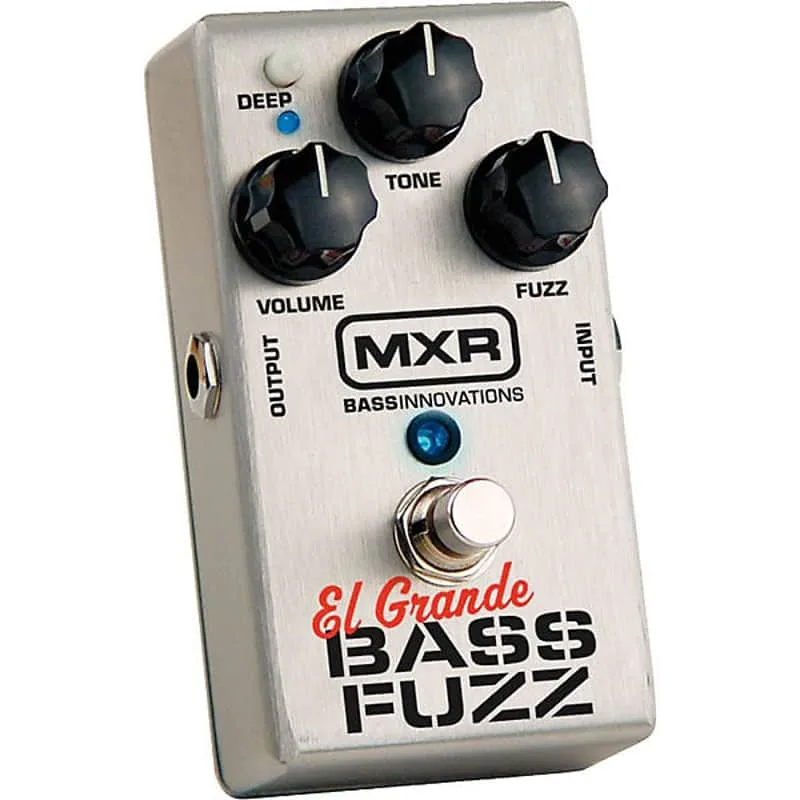
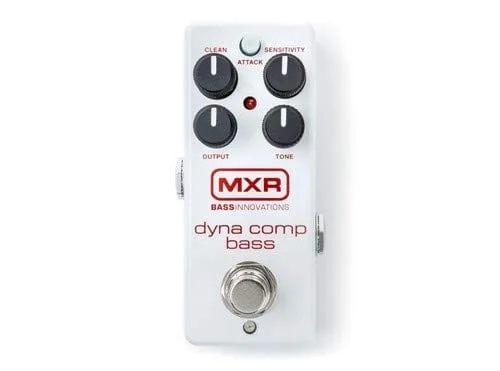
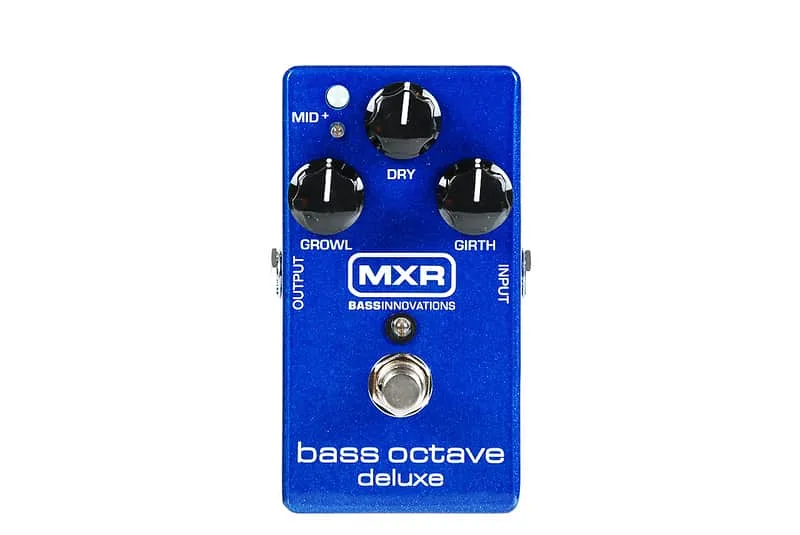
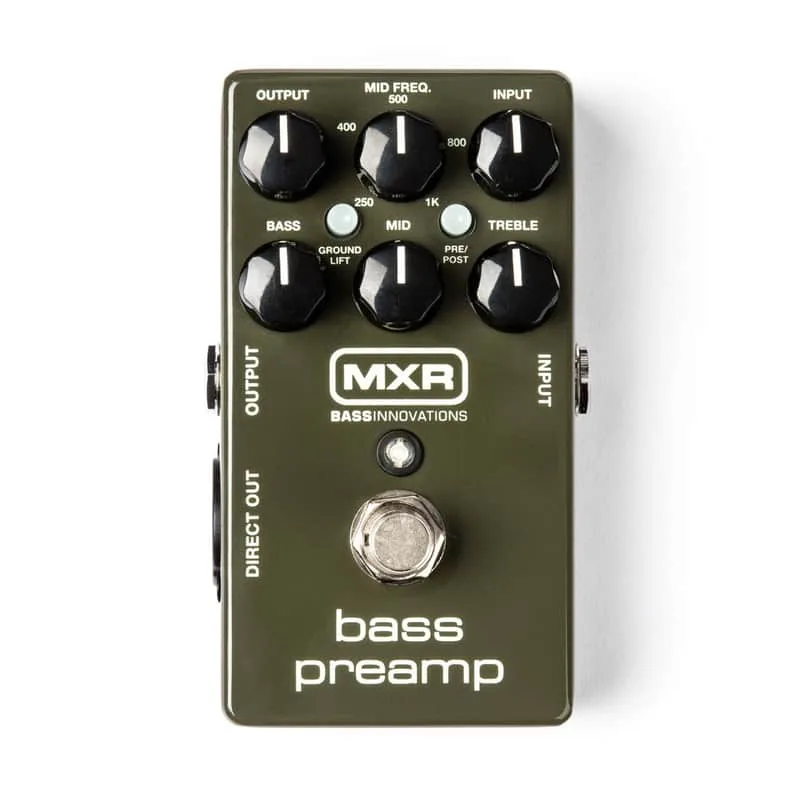
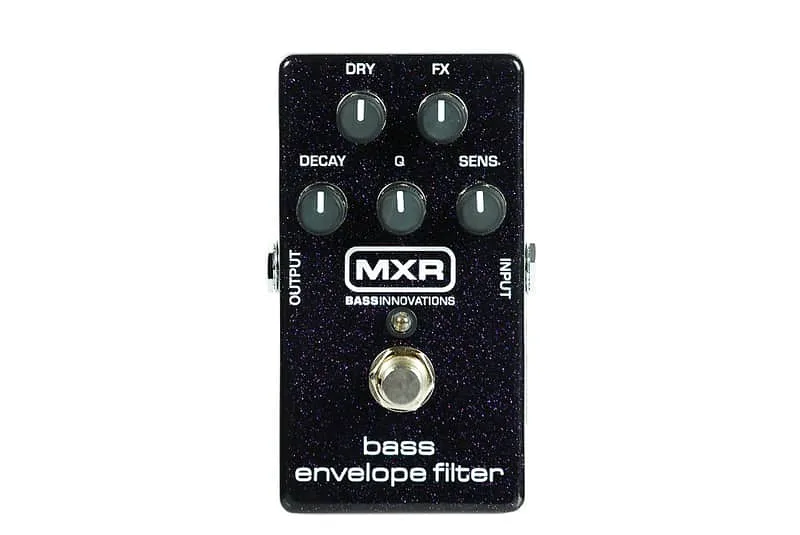
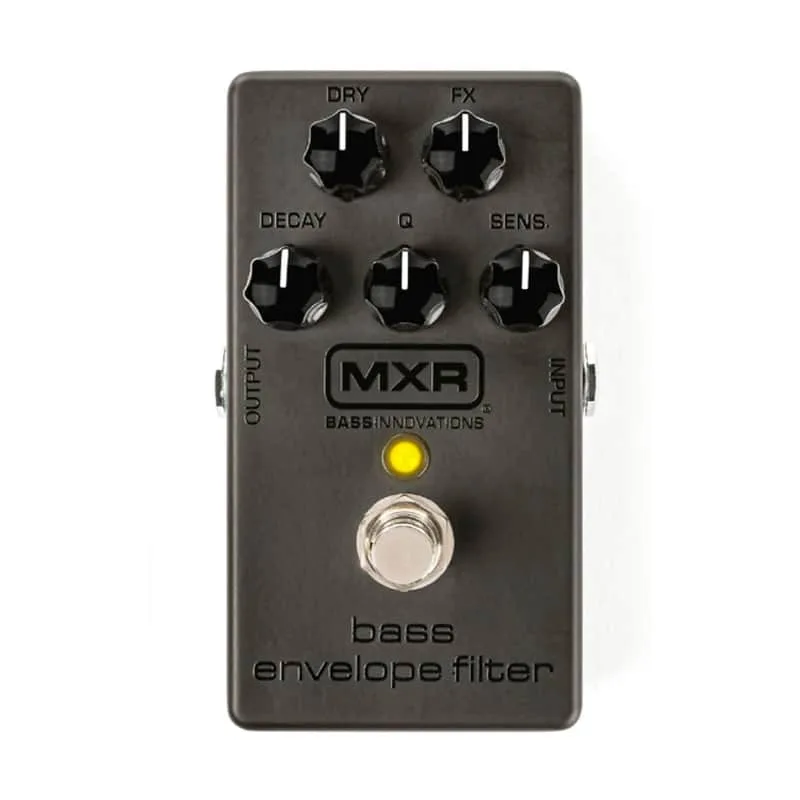
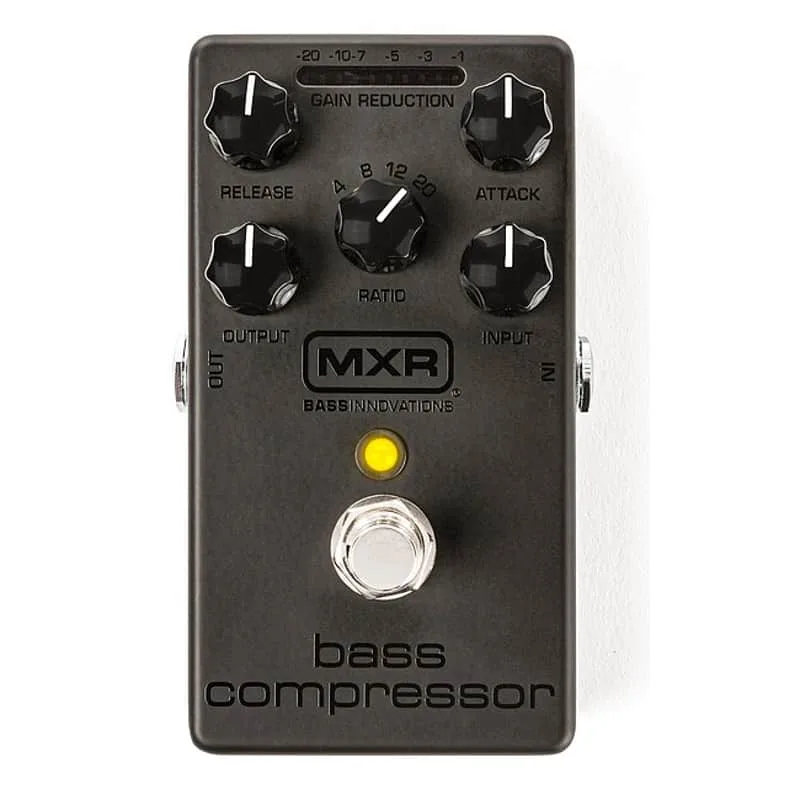
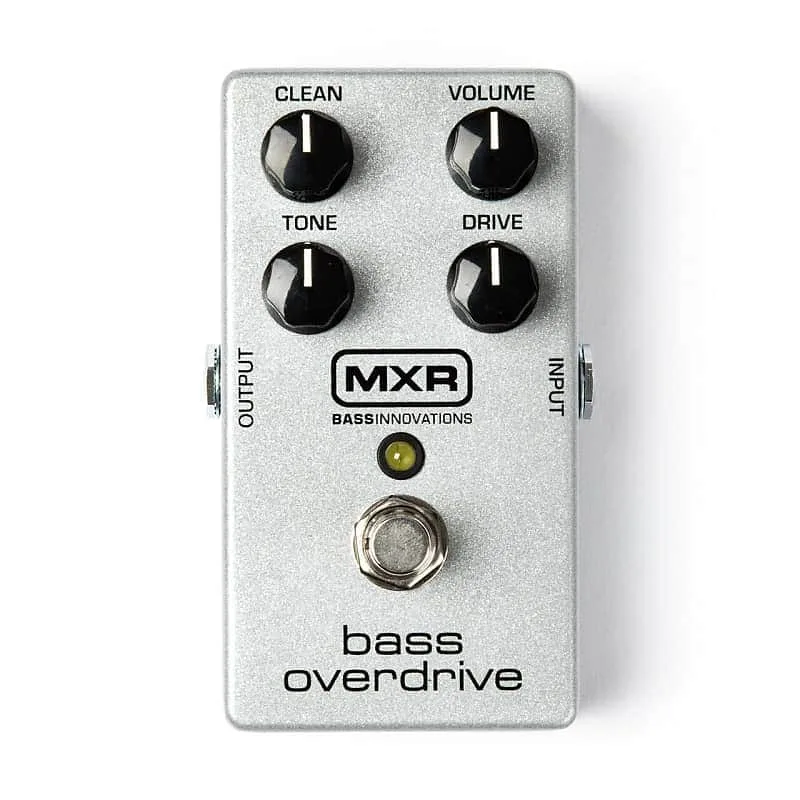
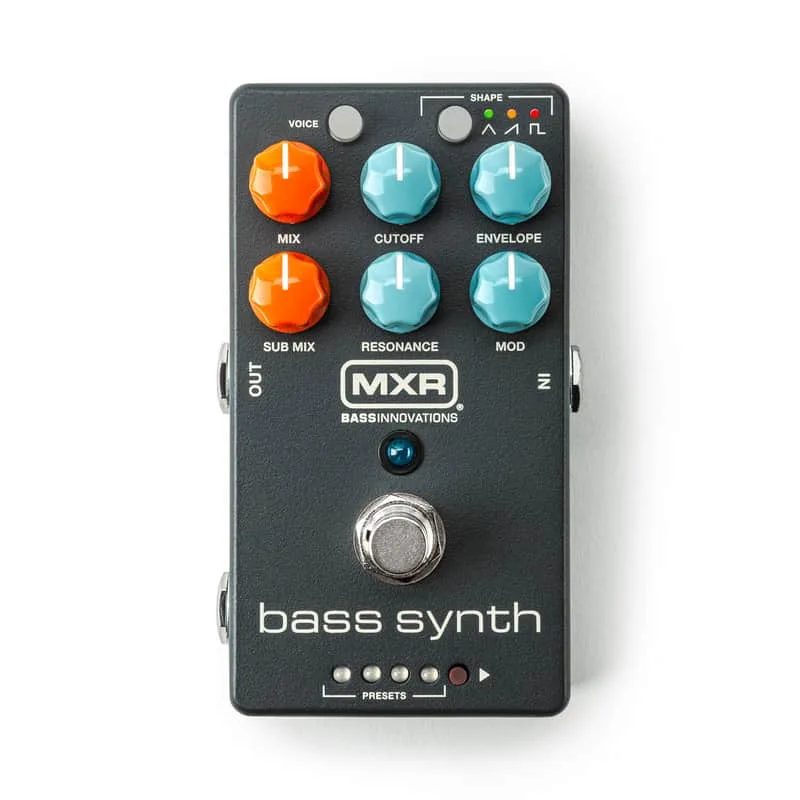
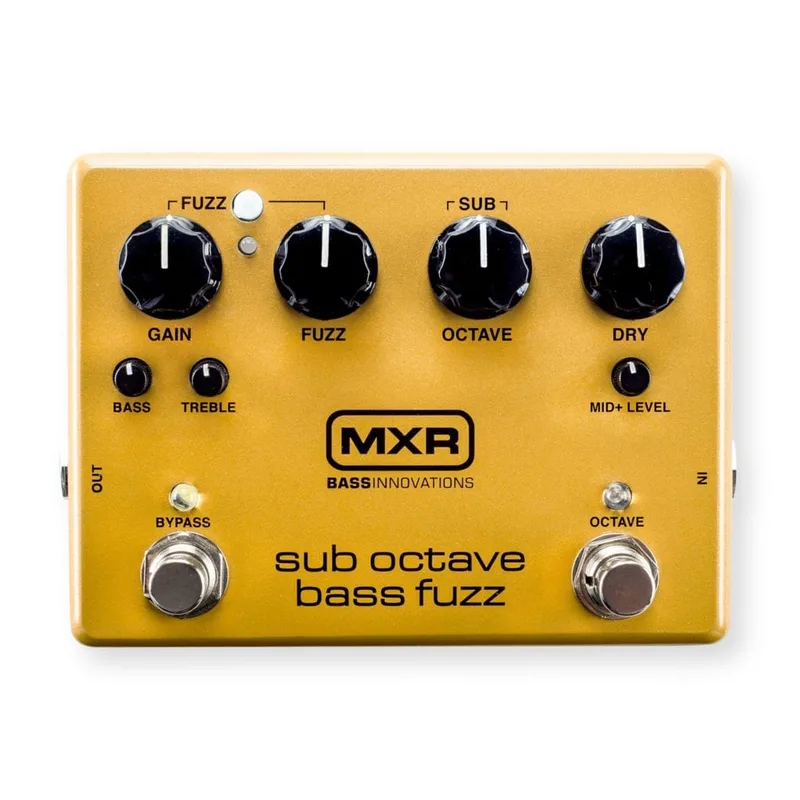
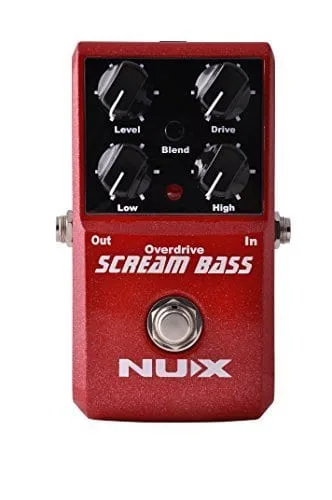
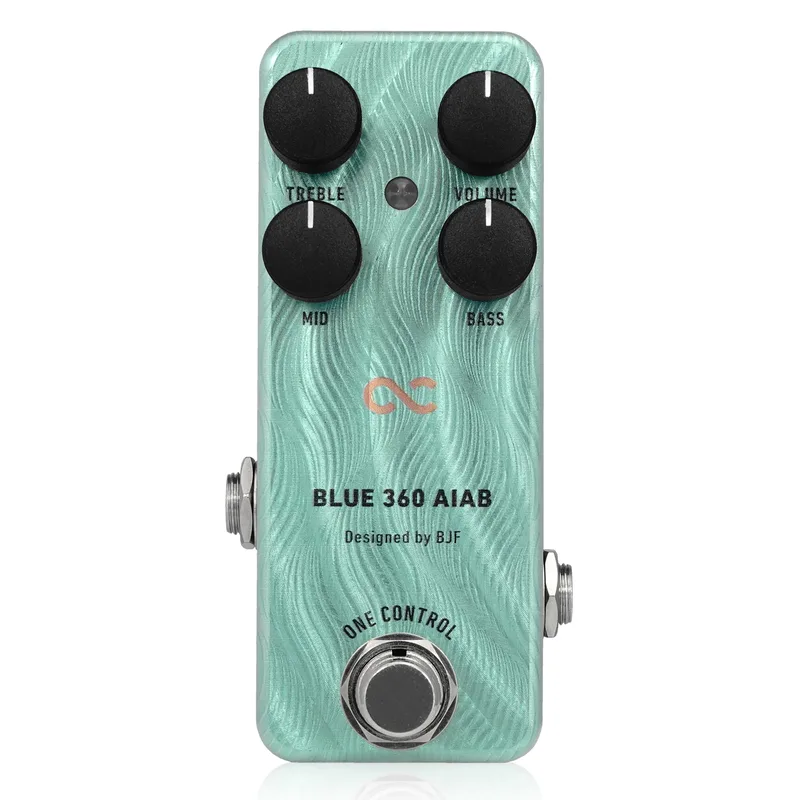
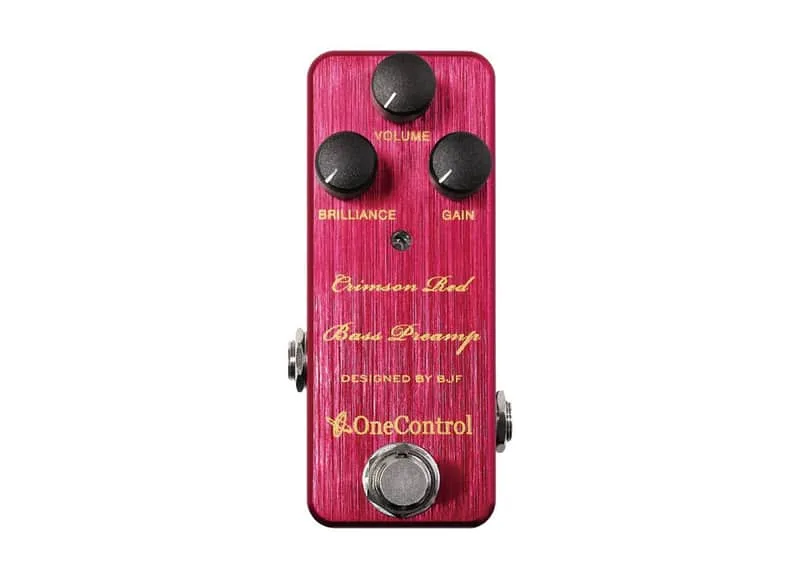
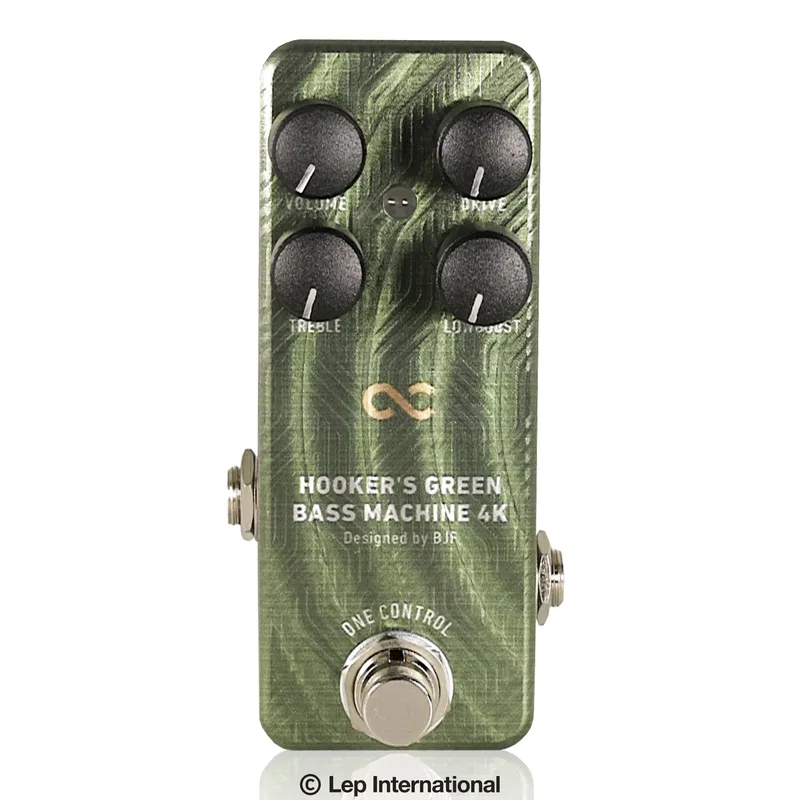
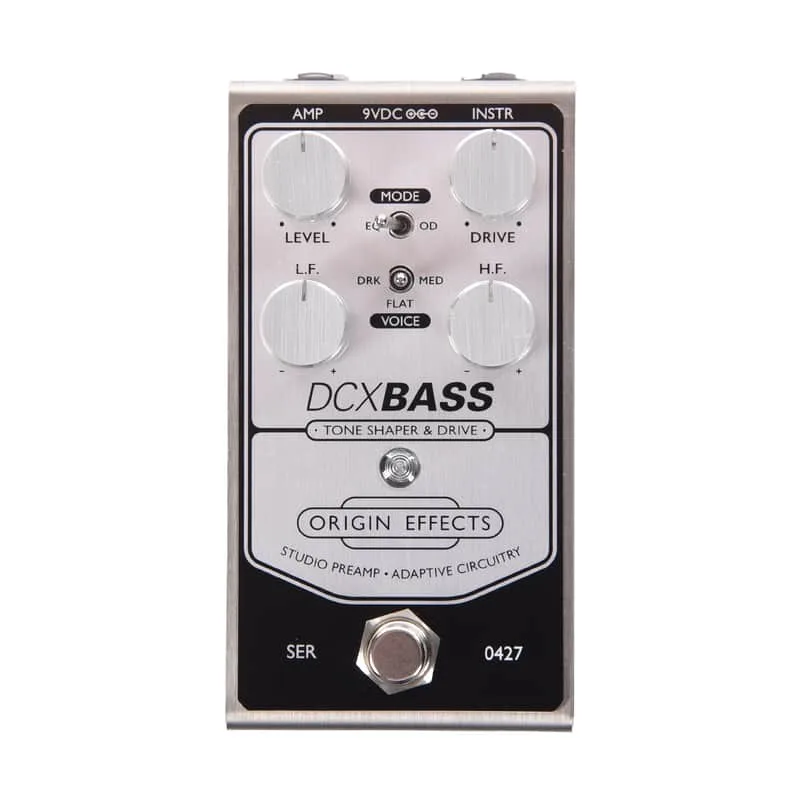
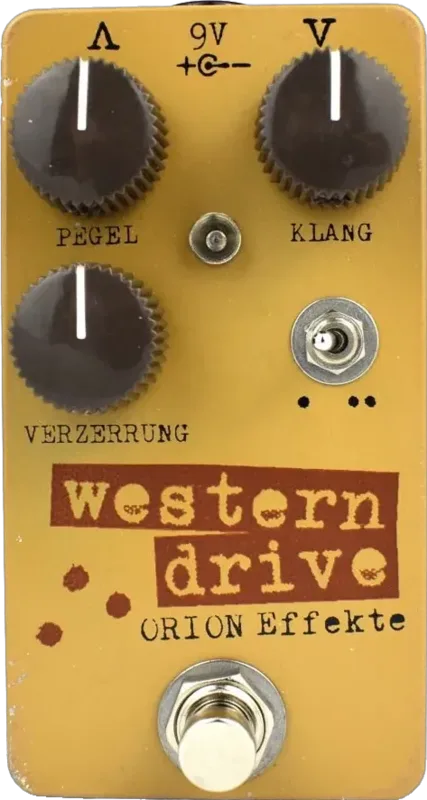
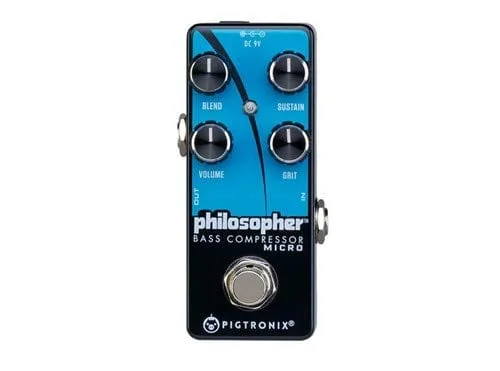
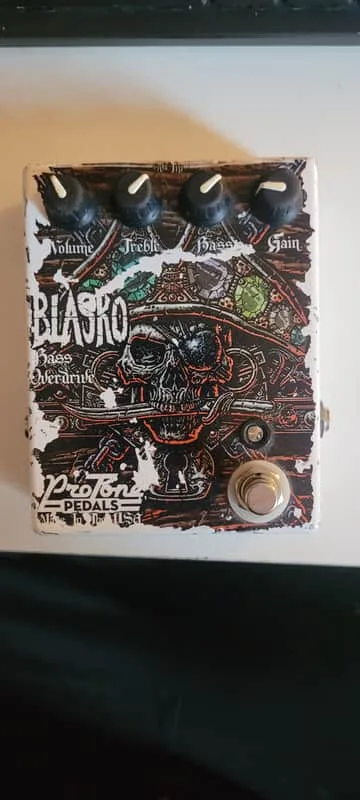
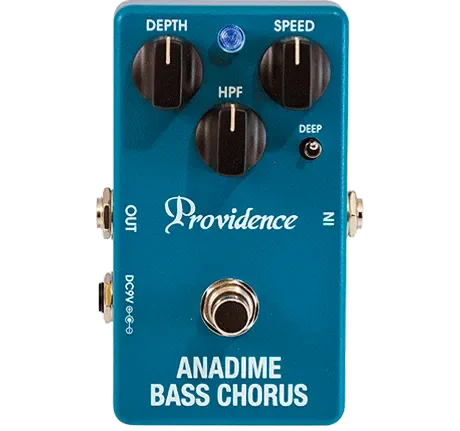
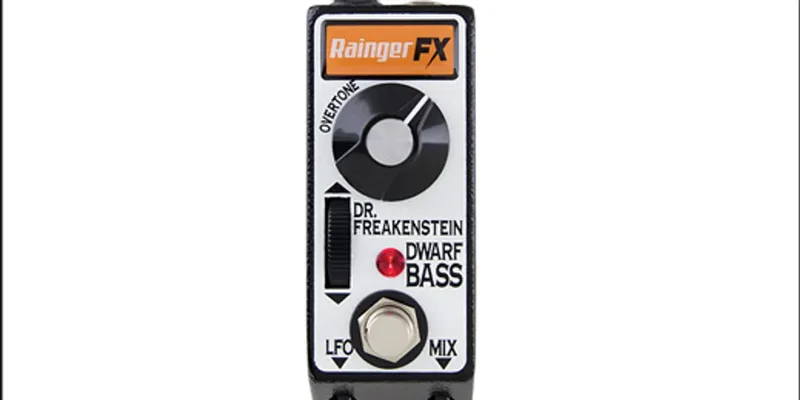
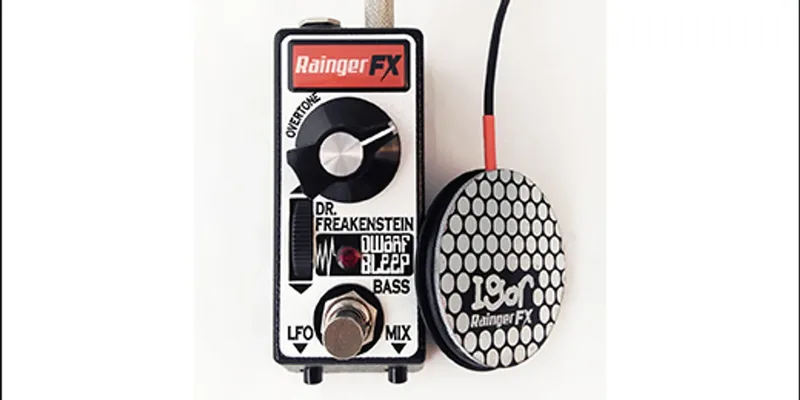
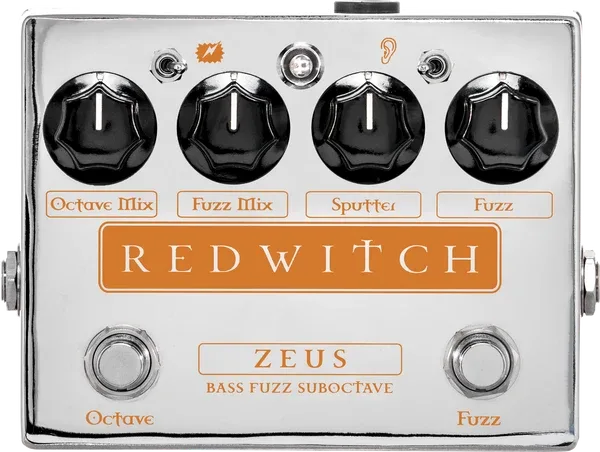
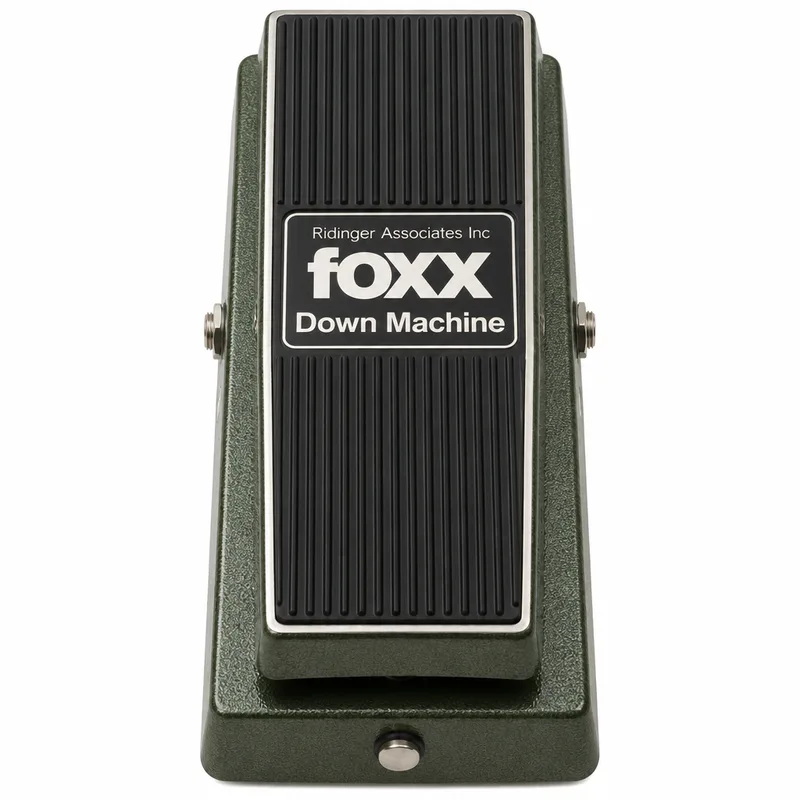
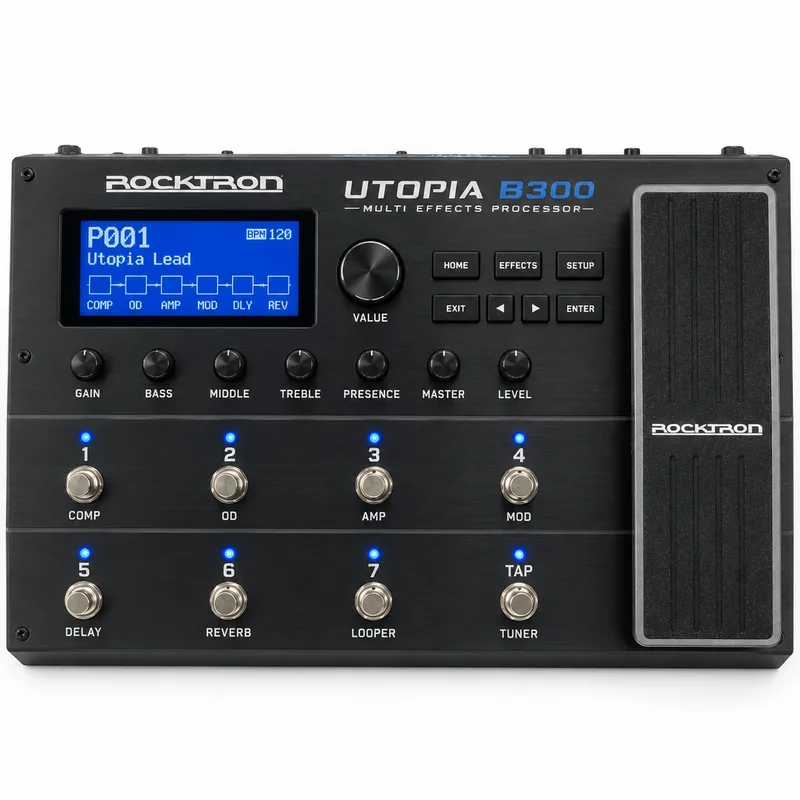
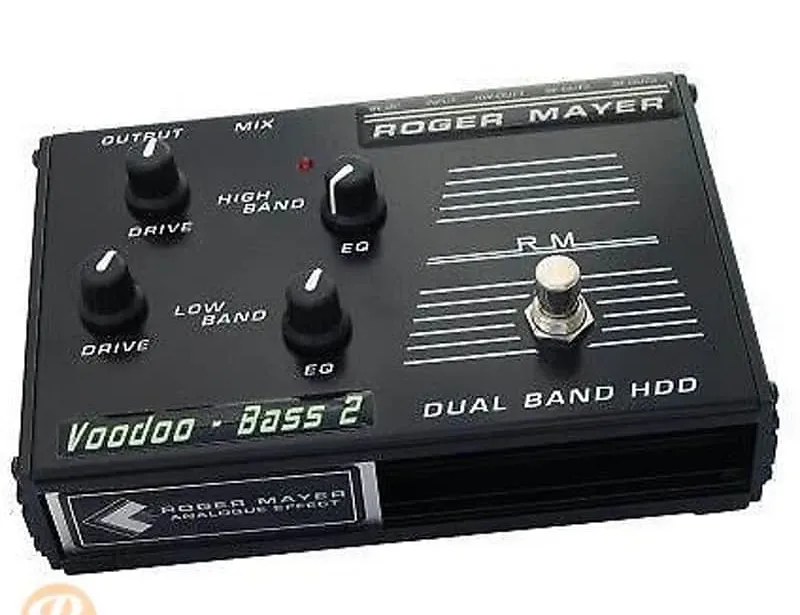
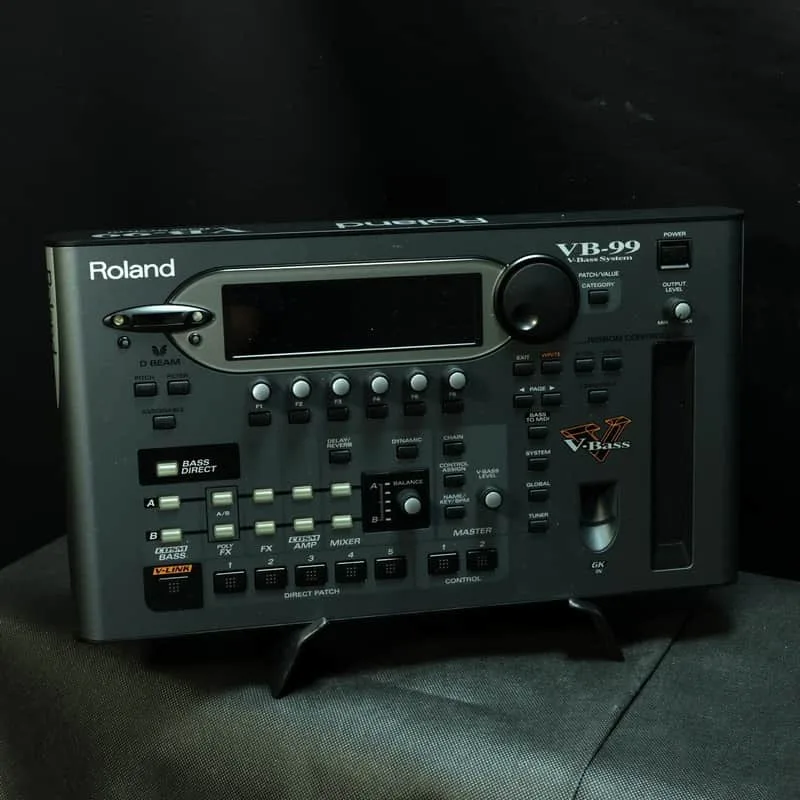
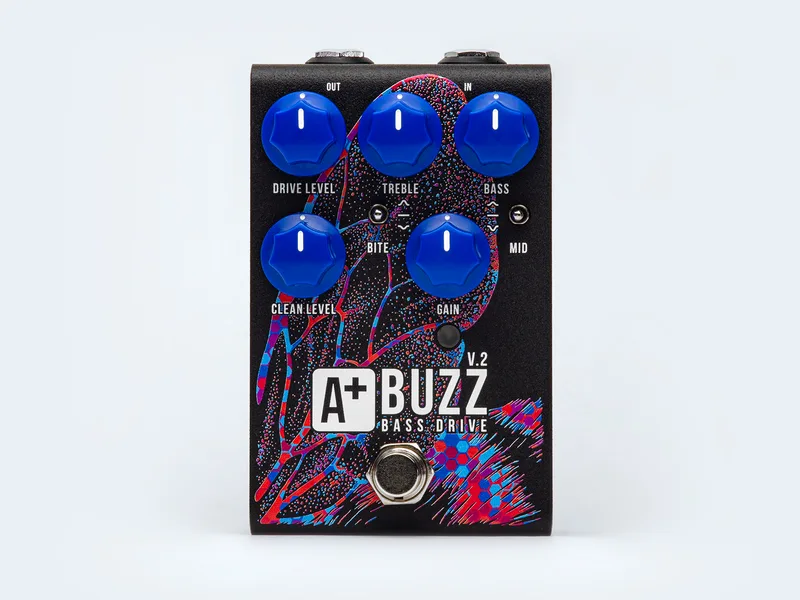
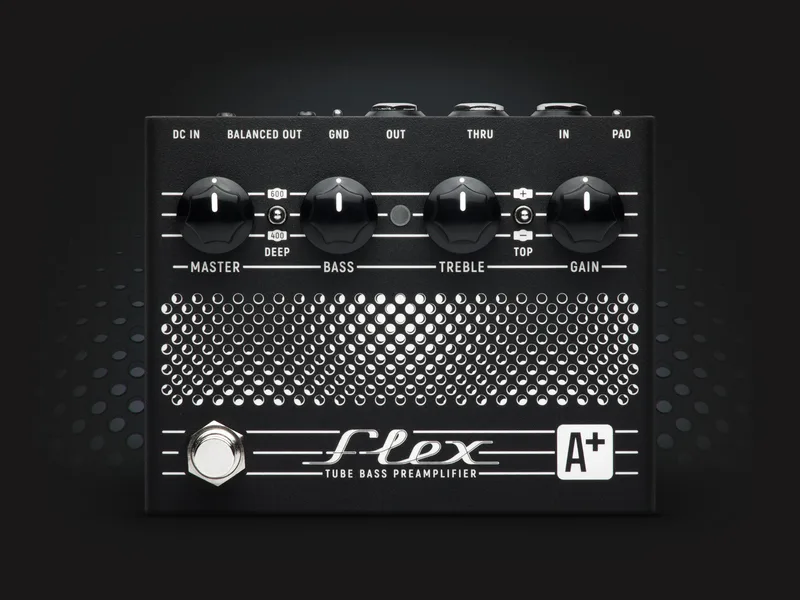
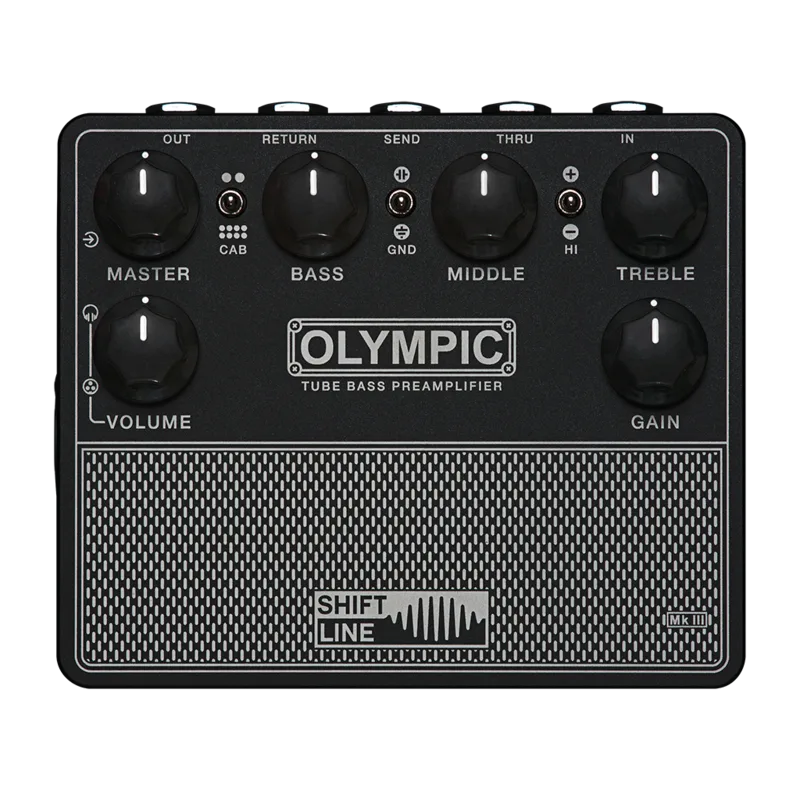
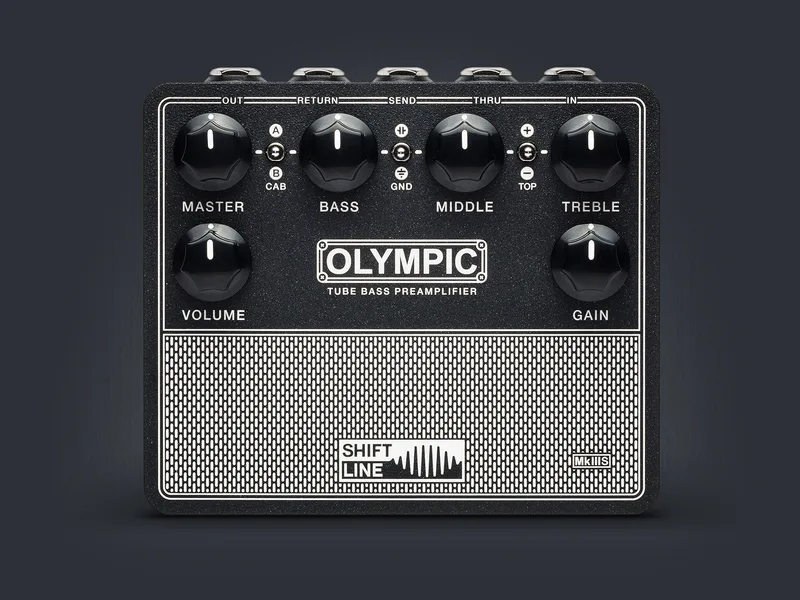
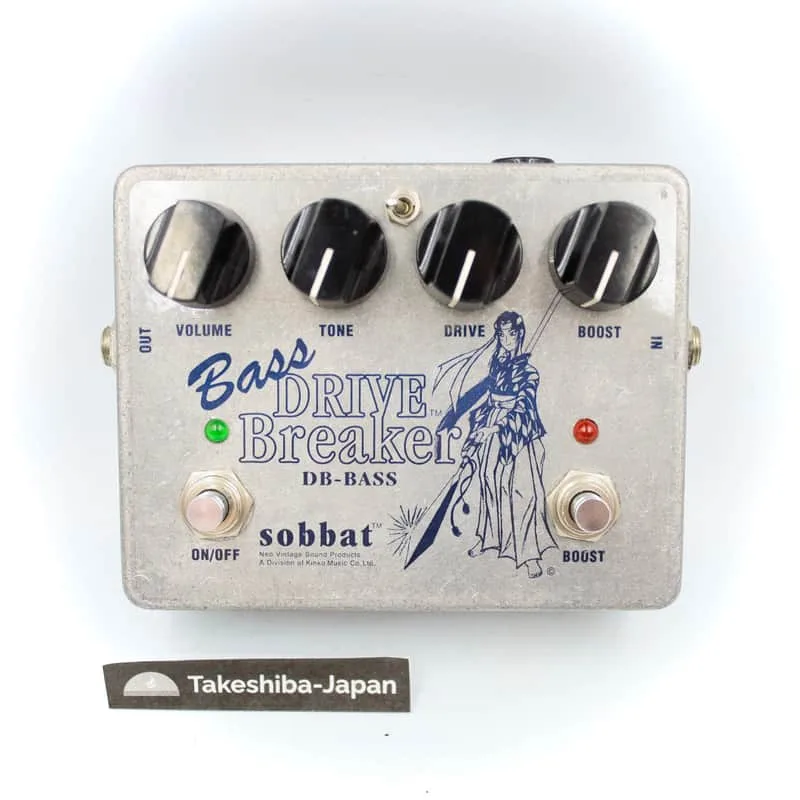
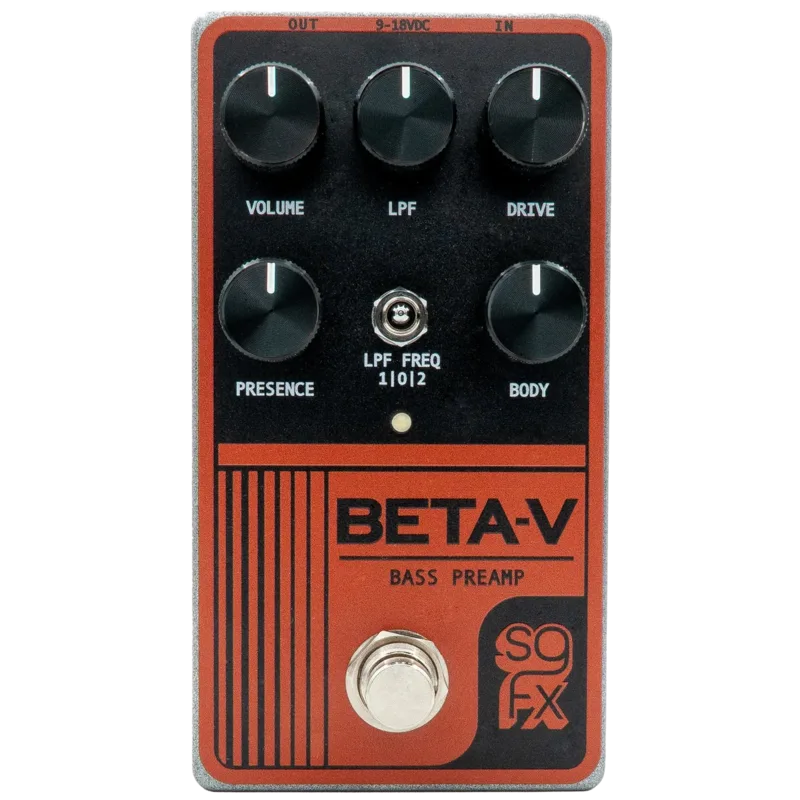
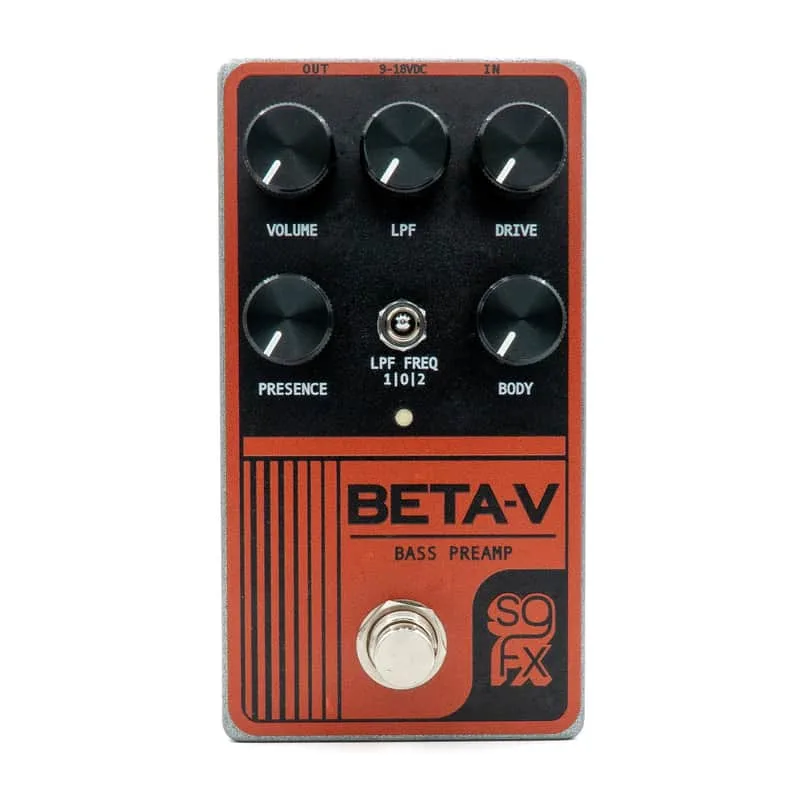
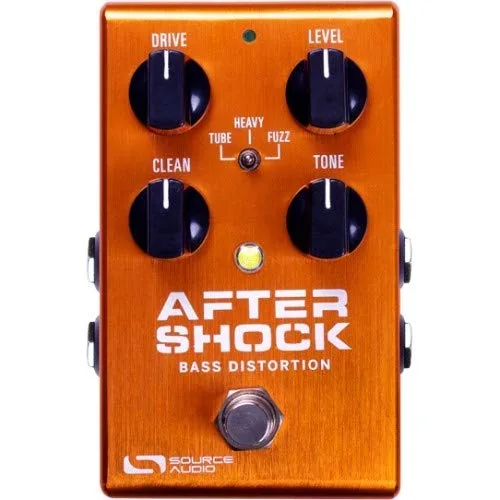
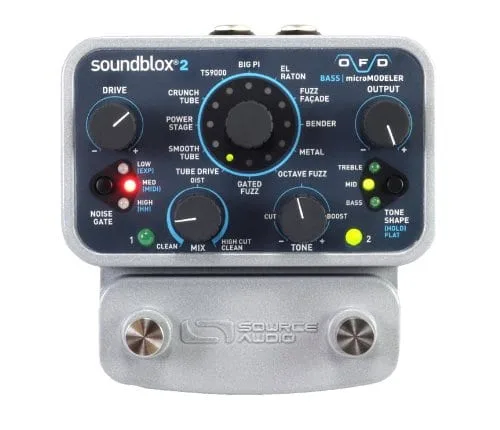
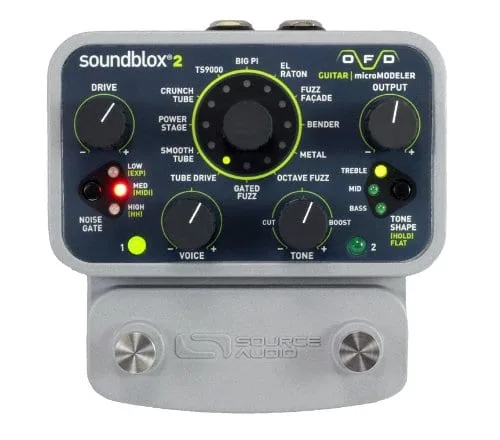
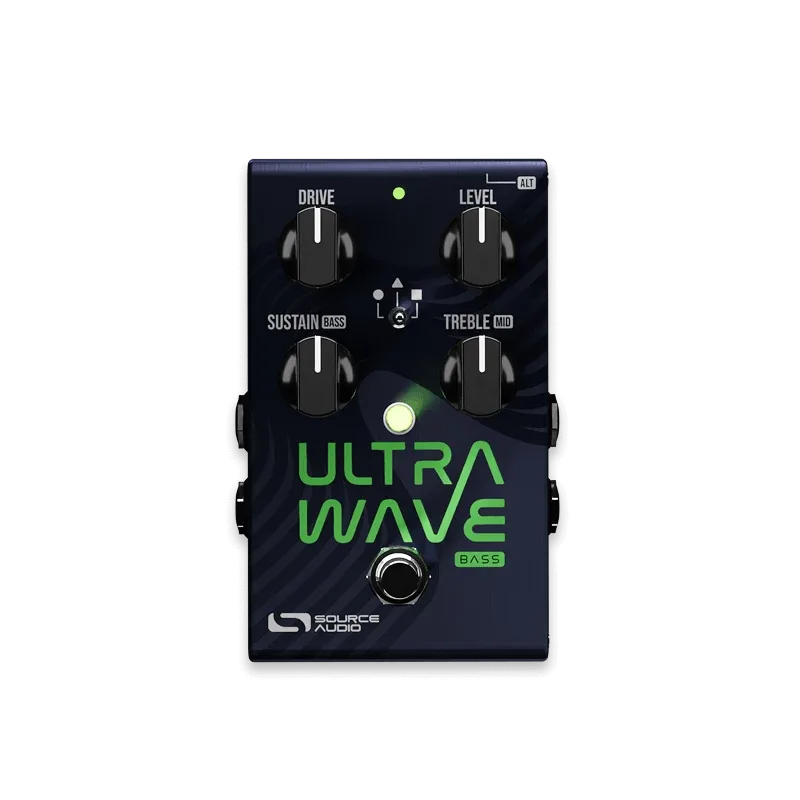
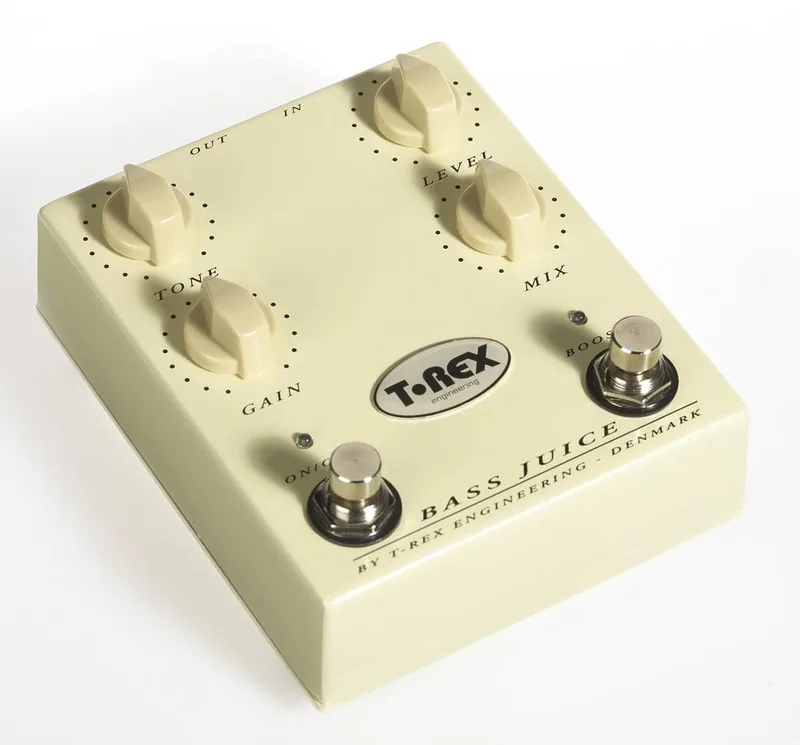
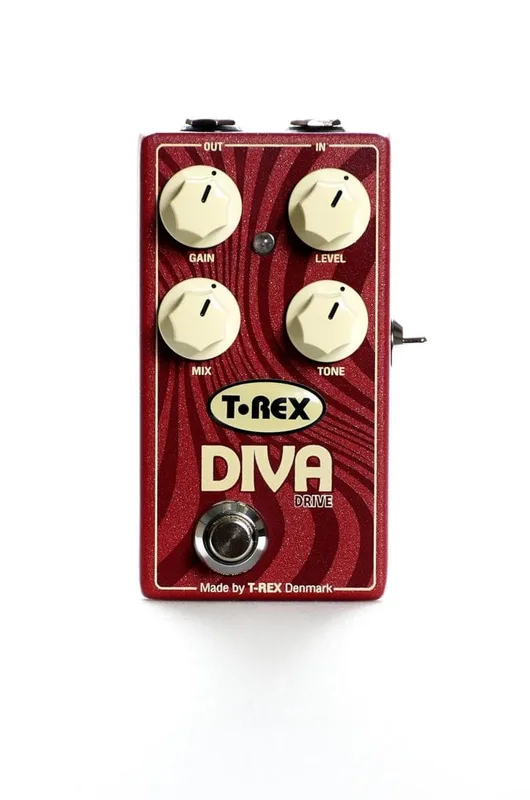
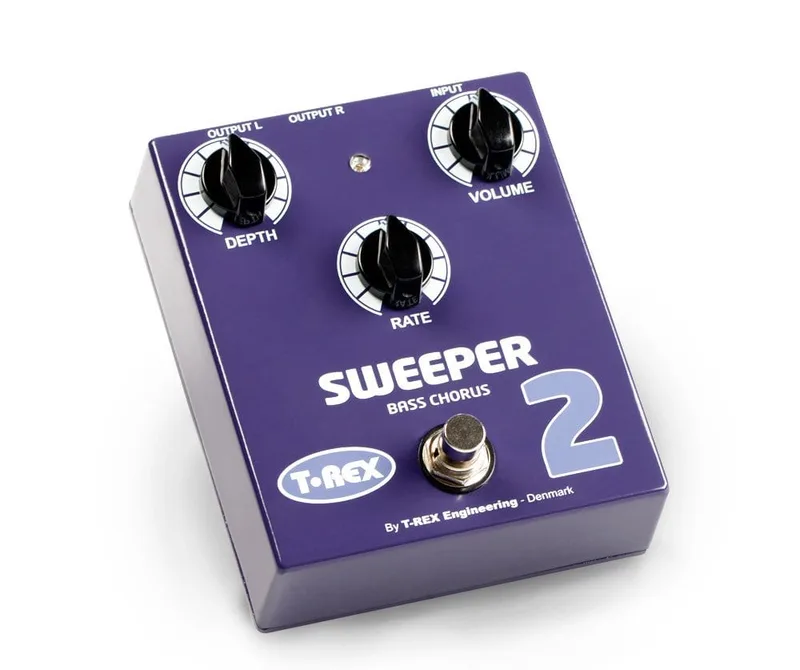
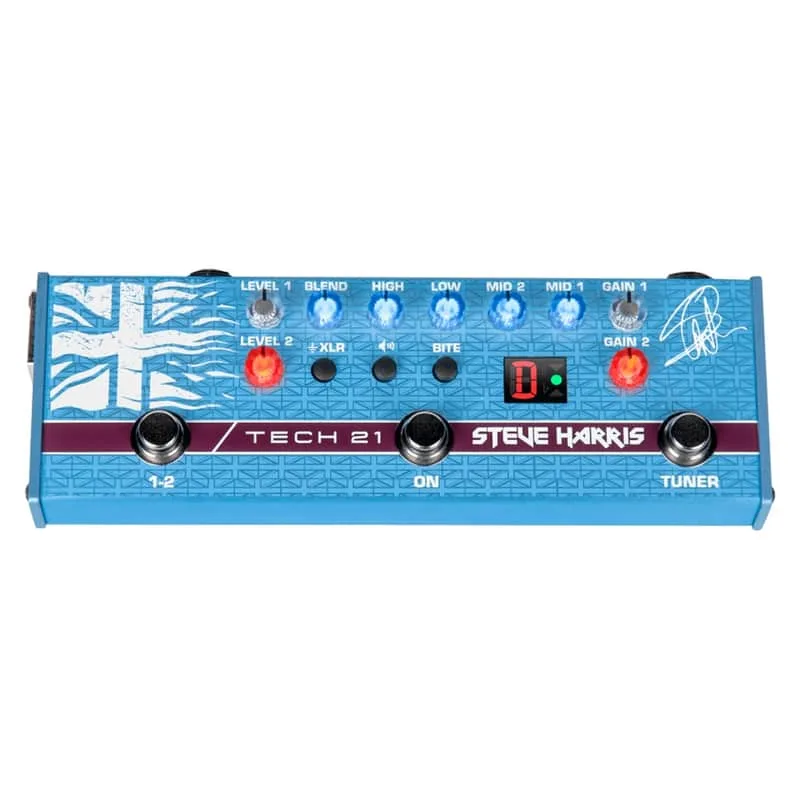
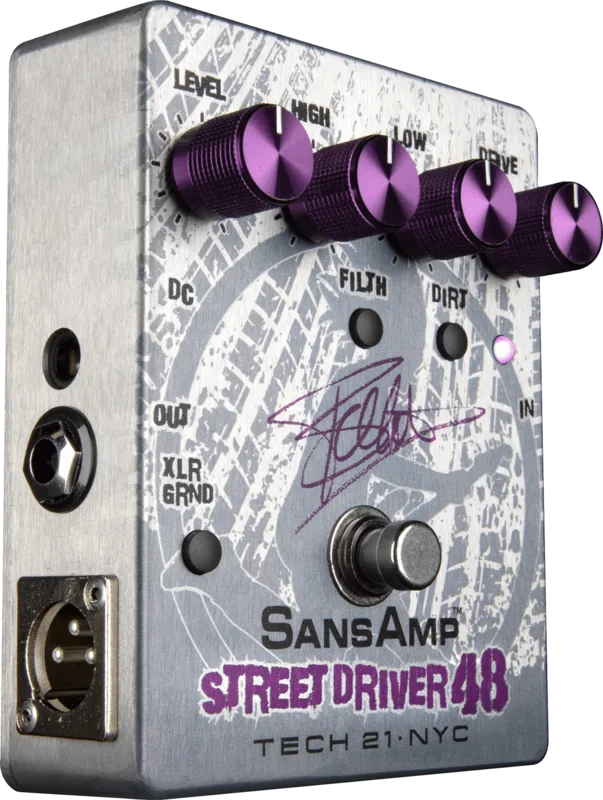
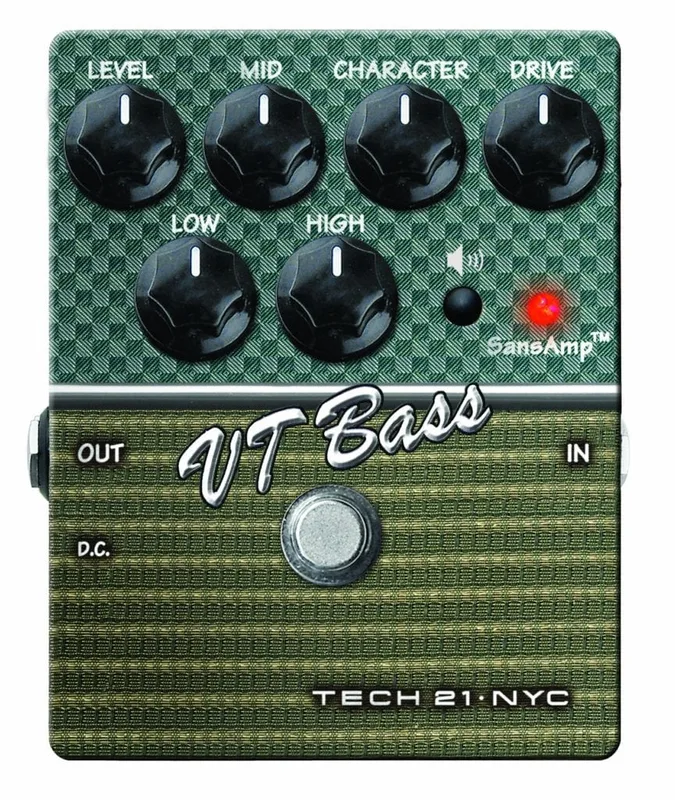
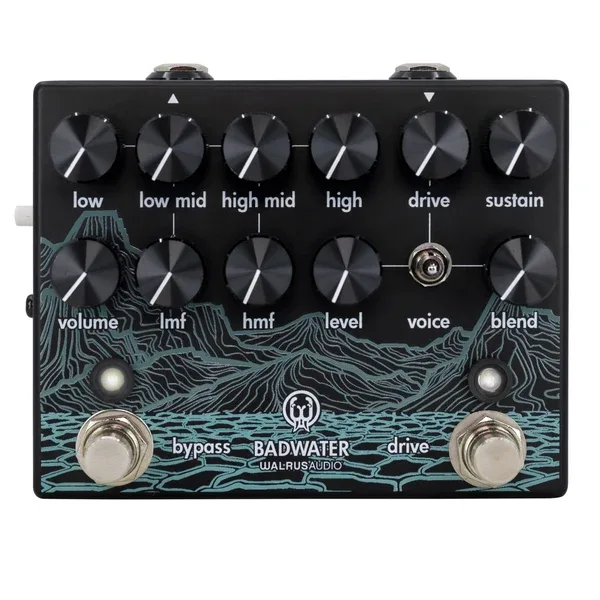
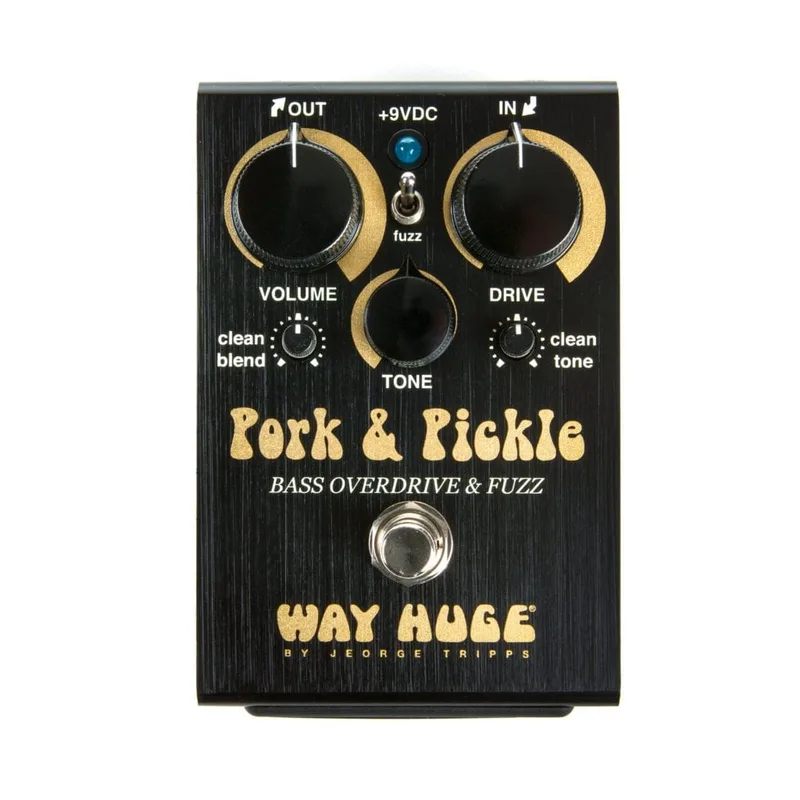
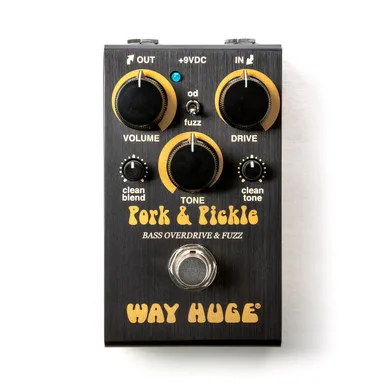
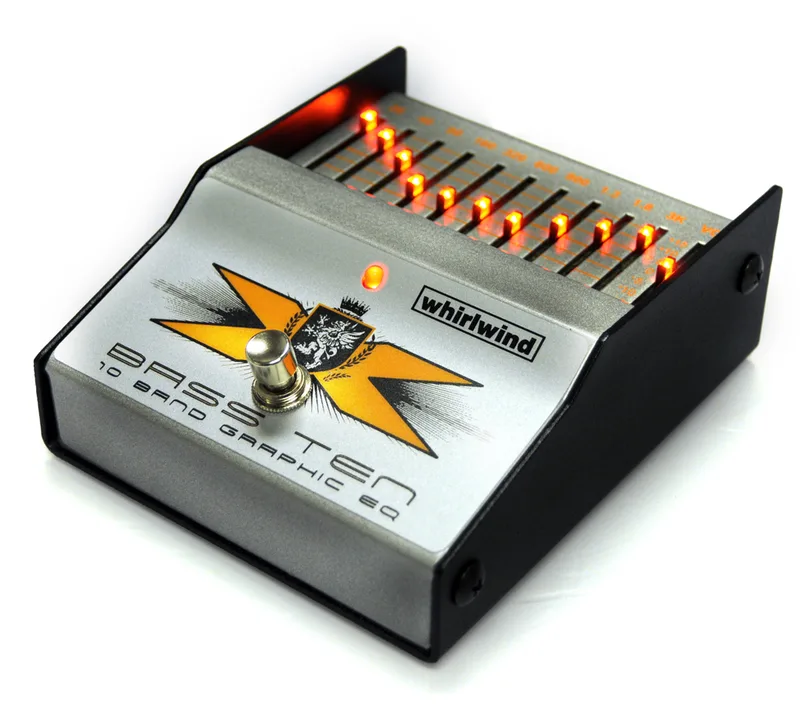
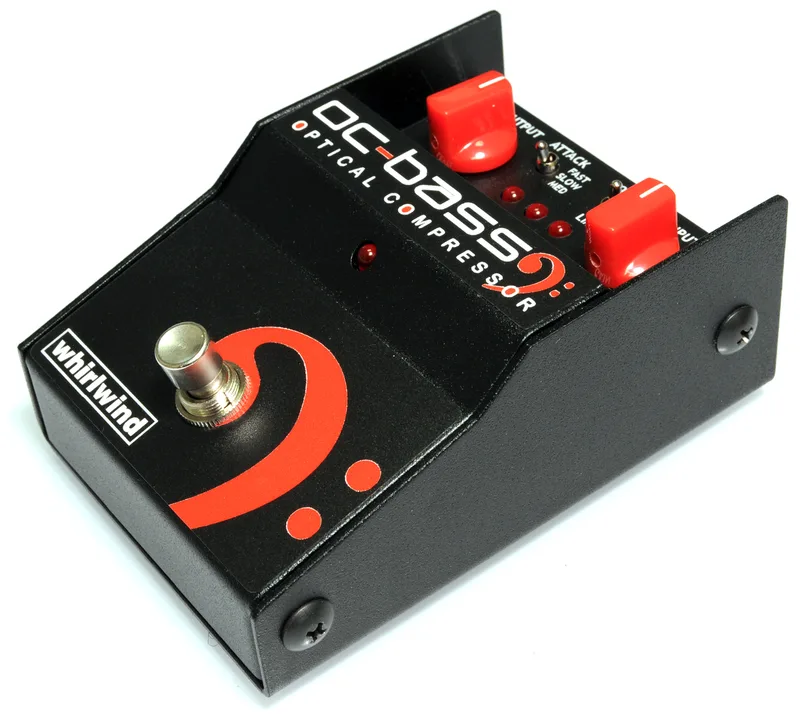
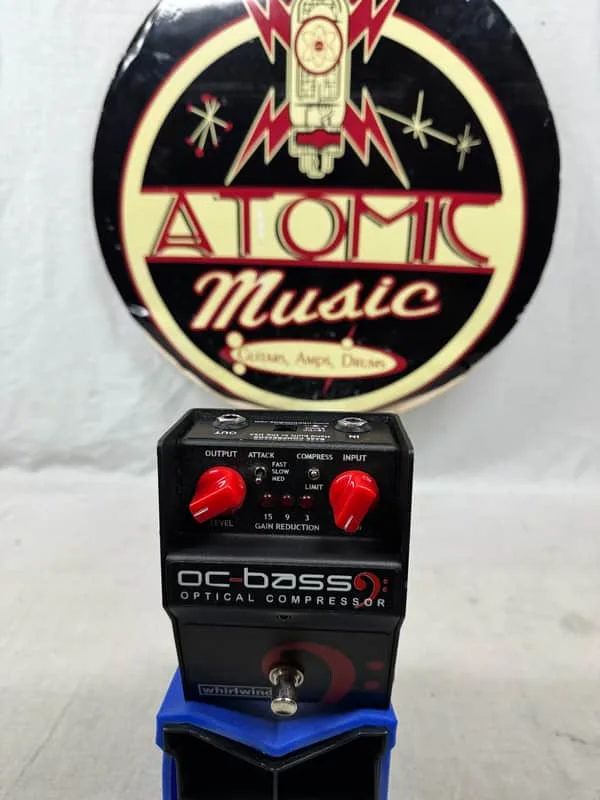
Bass pedals are effects built for the bass guitar: overdrive and distortion that keep the low end, compressors tuned for bass dynamics, preamp and DI pedals that form the front end of a rig, and octave and synth pedals that reshape the instrument entirely. The category exists because bass lives in a part of the frequency spectrum that guitar pedals often mishandle, and because a bass player's job in a mix, holding down the fundamental, puts different demands on every effect.
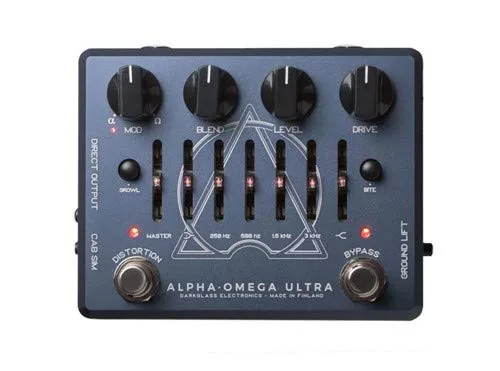
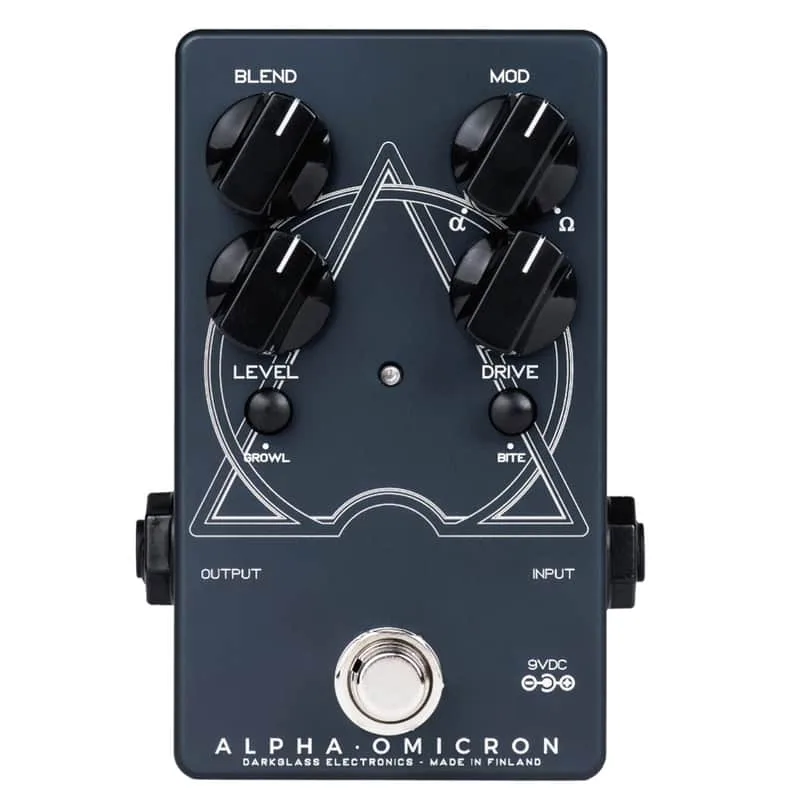
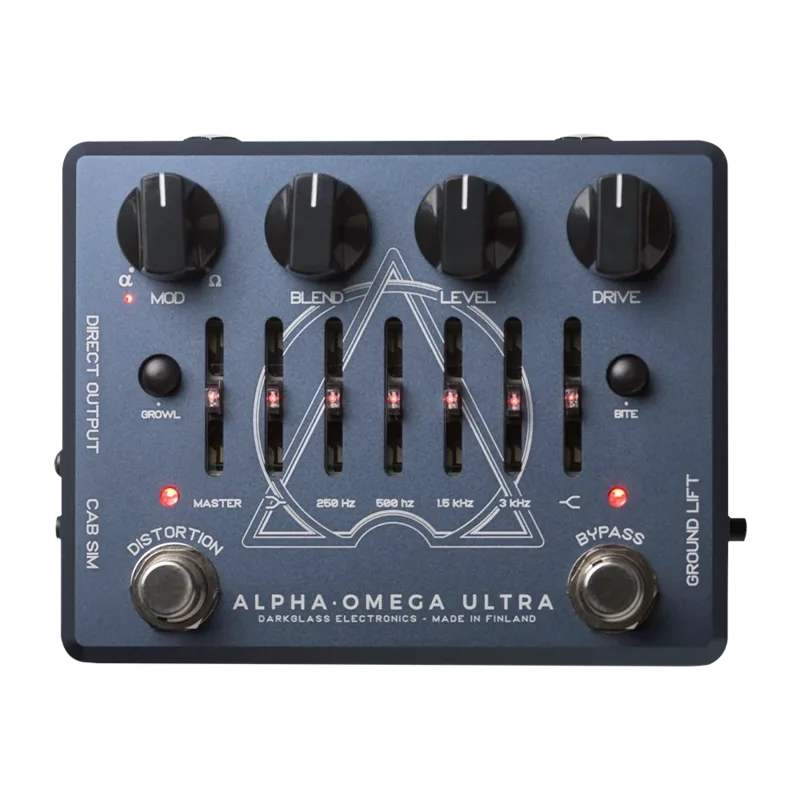
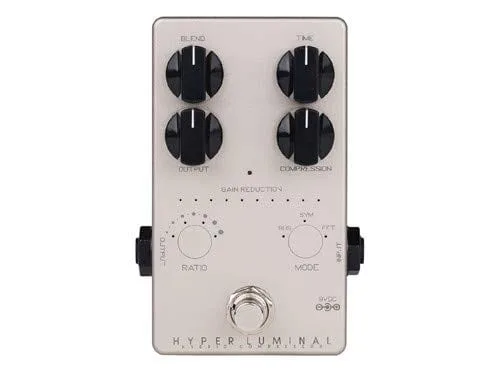
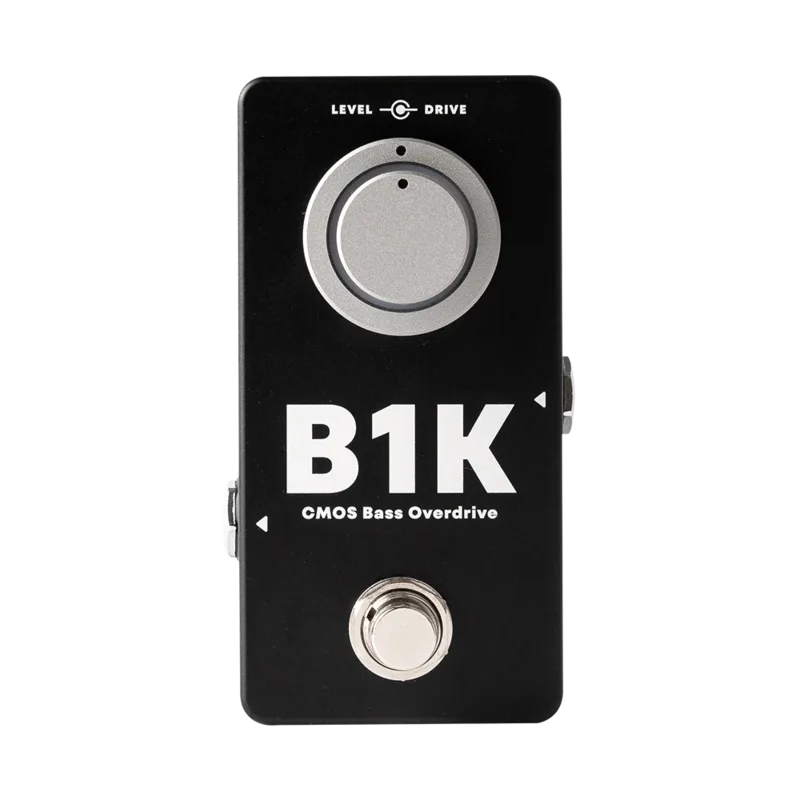
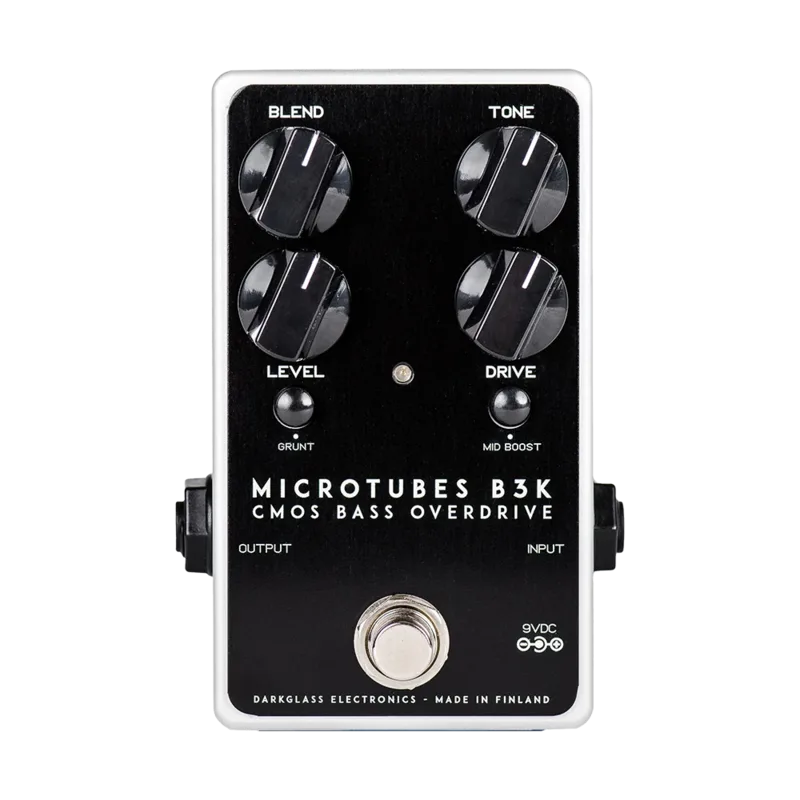
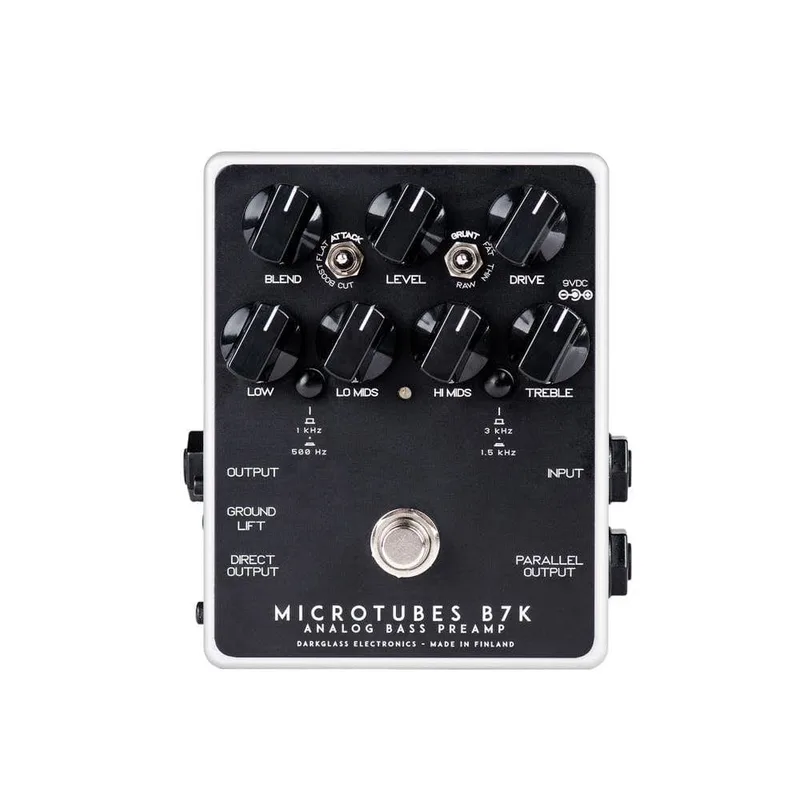
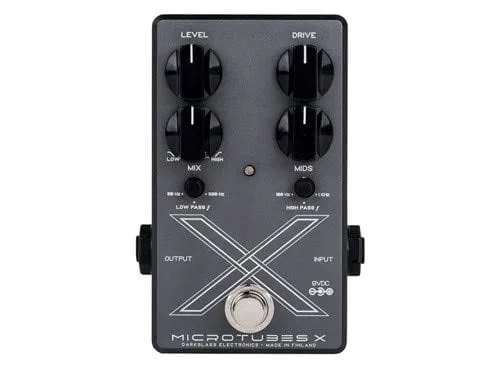
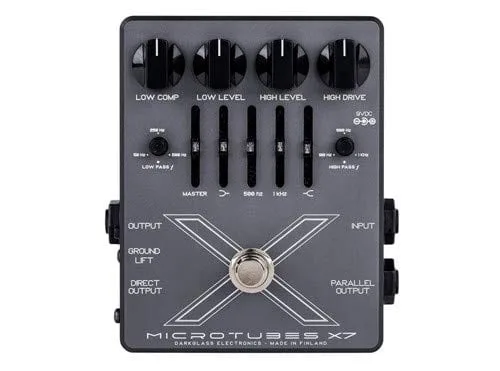
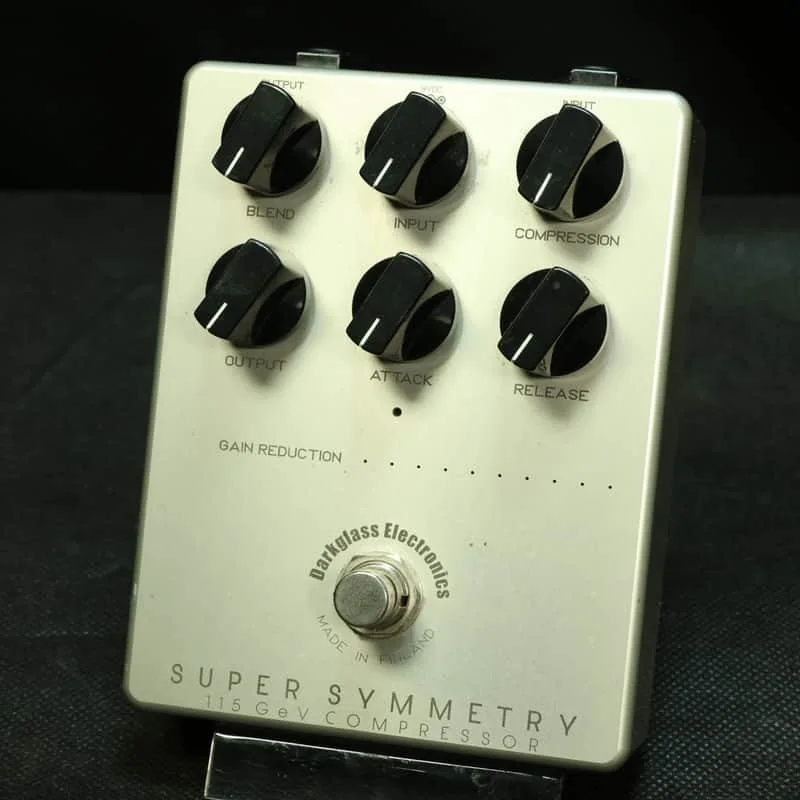
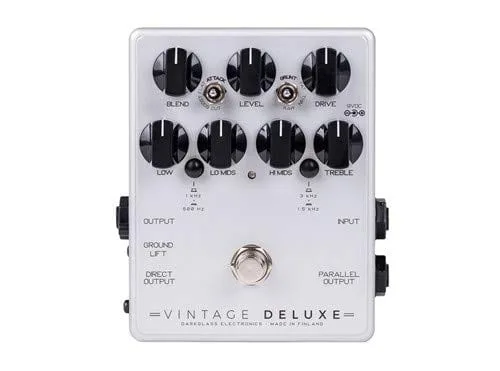
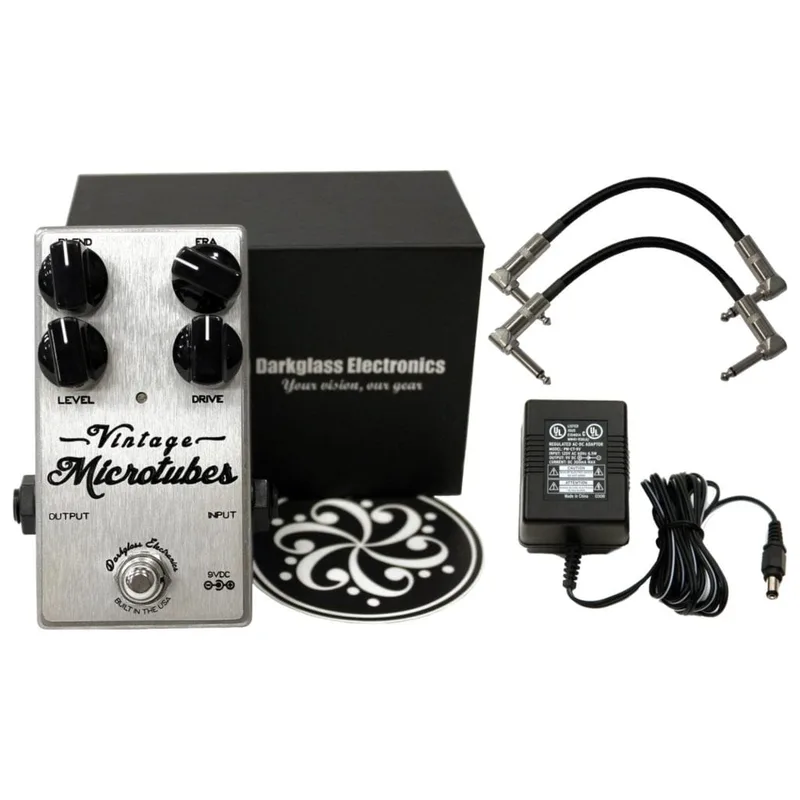
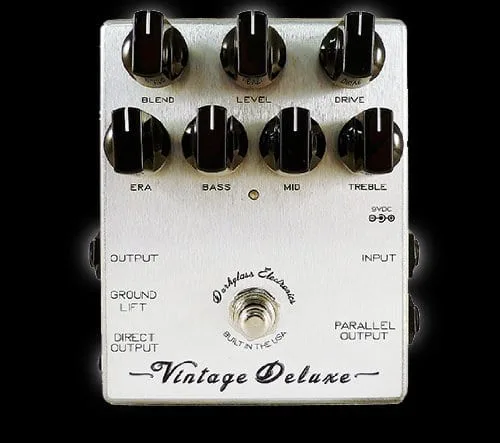
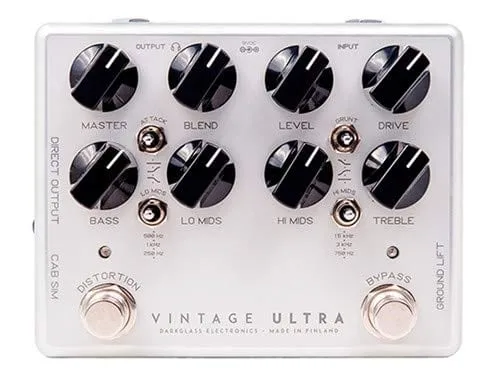
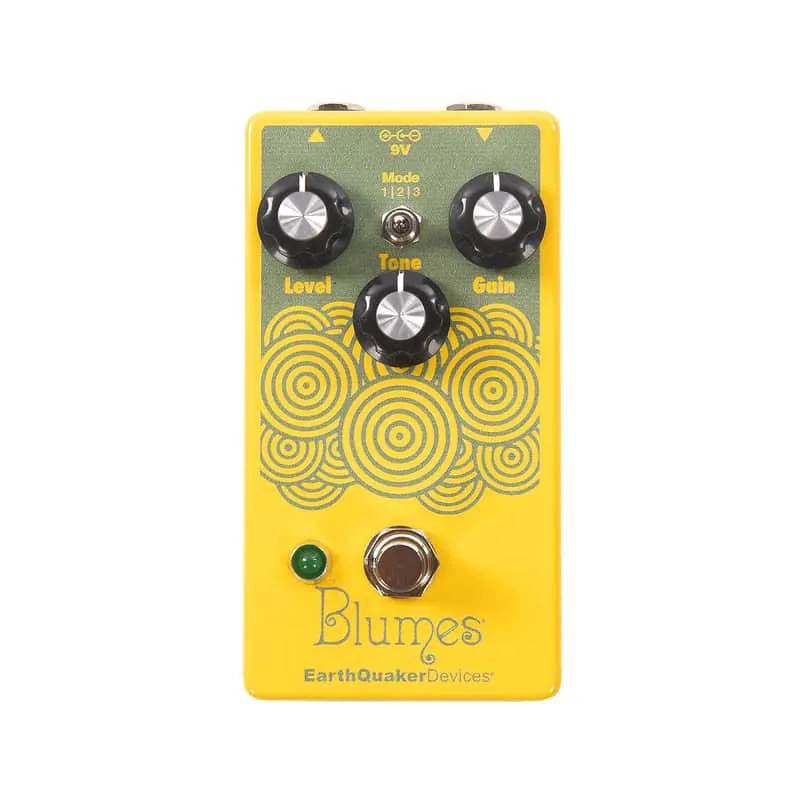
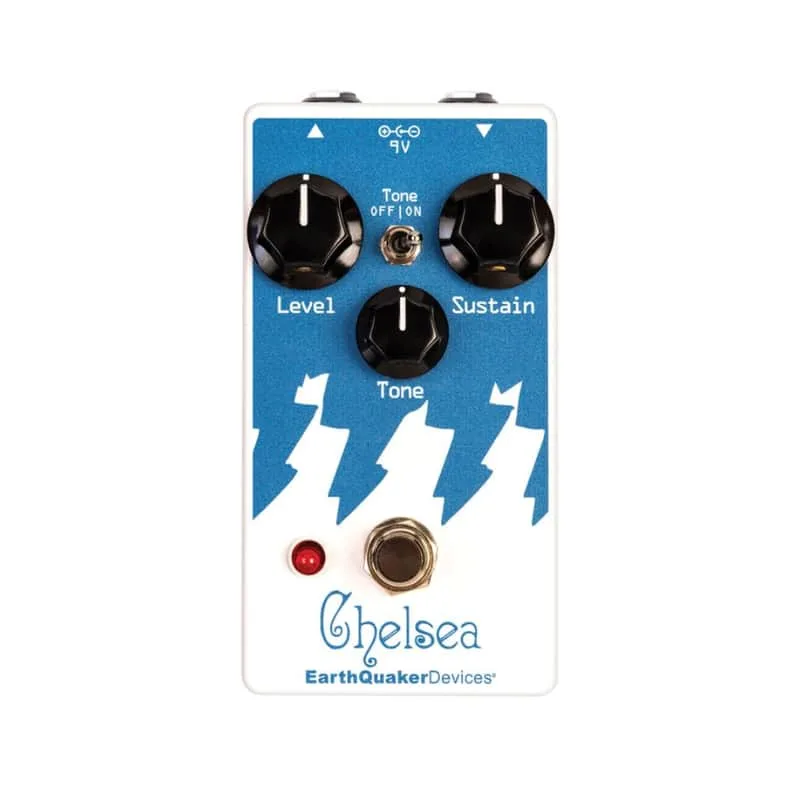
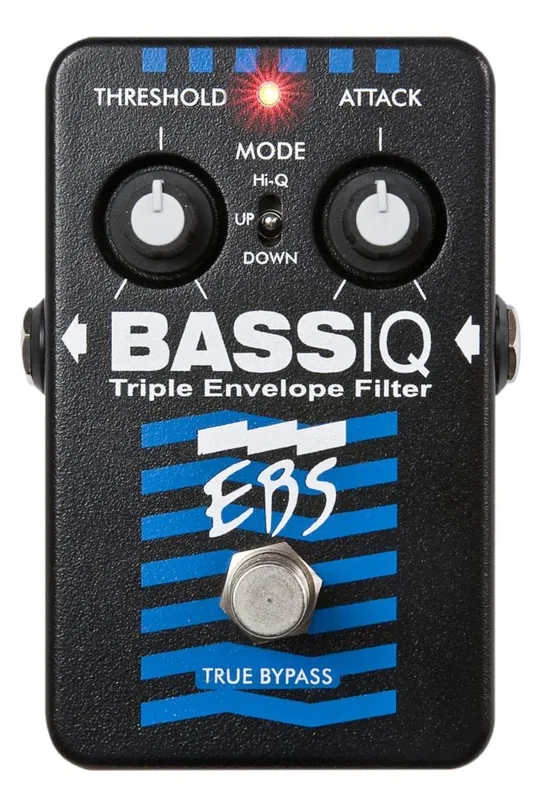
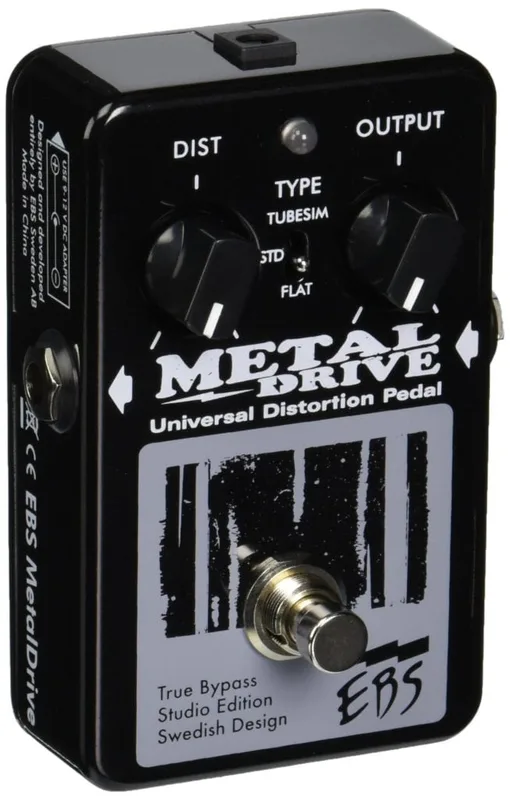
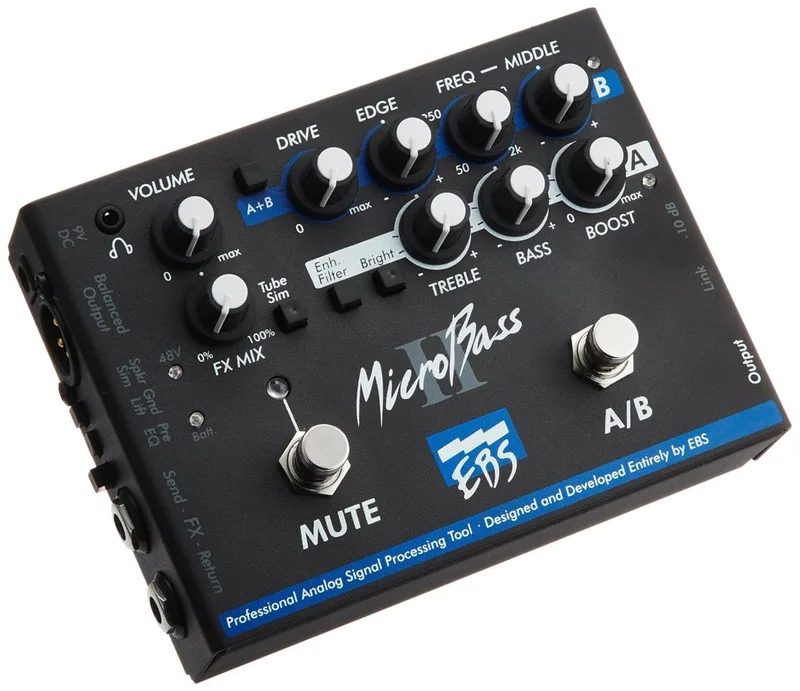
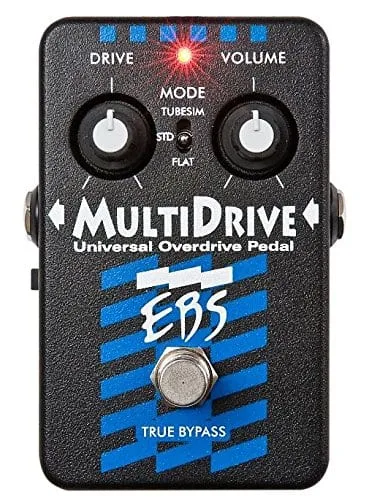
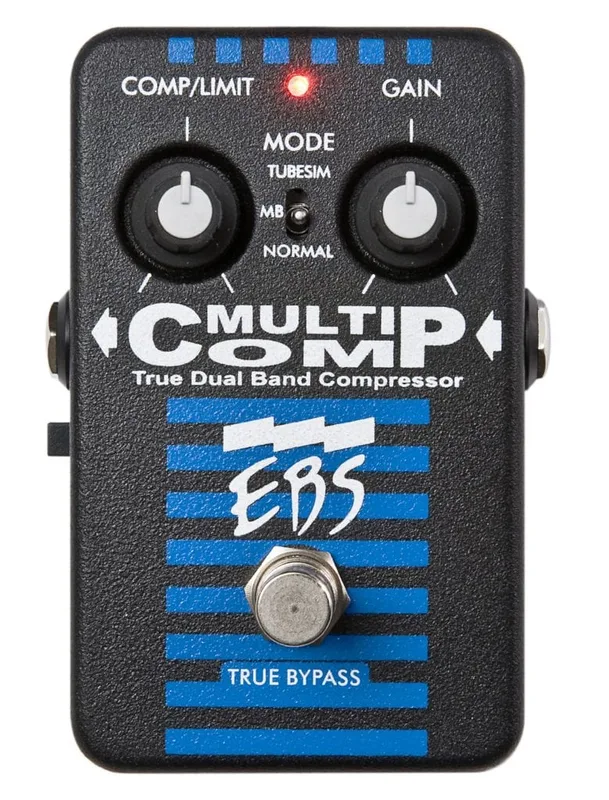
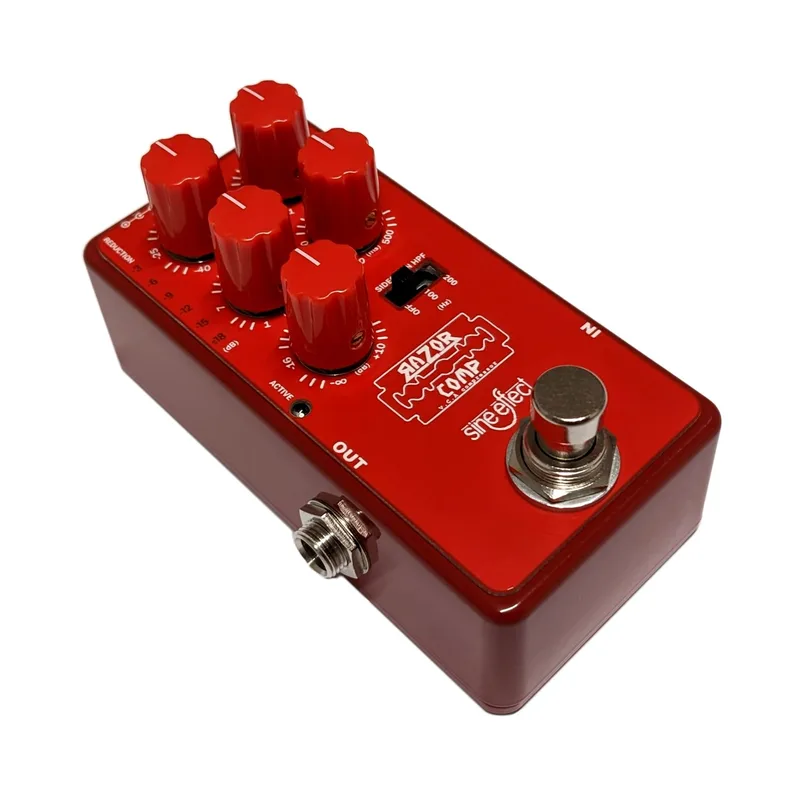
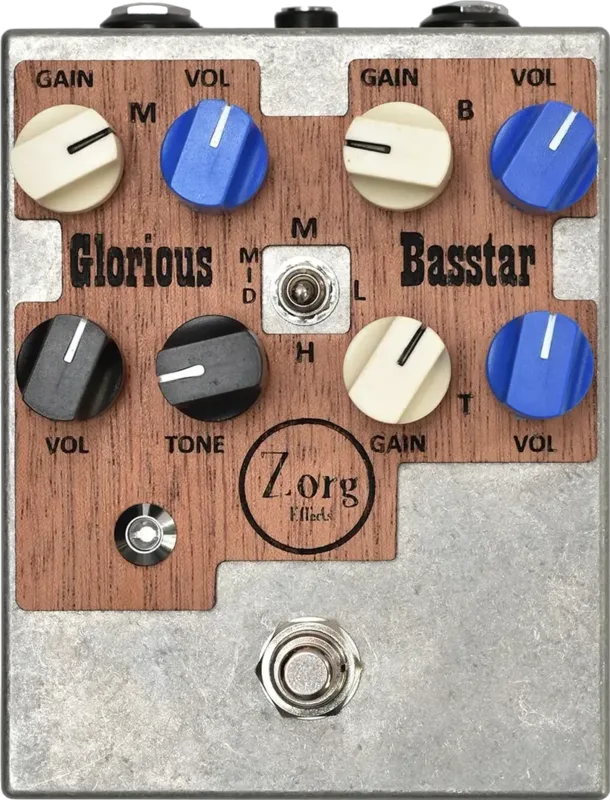
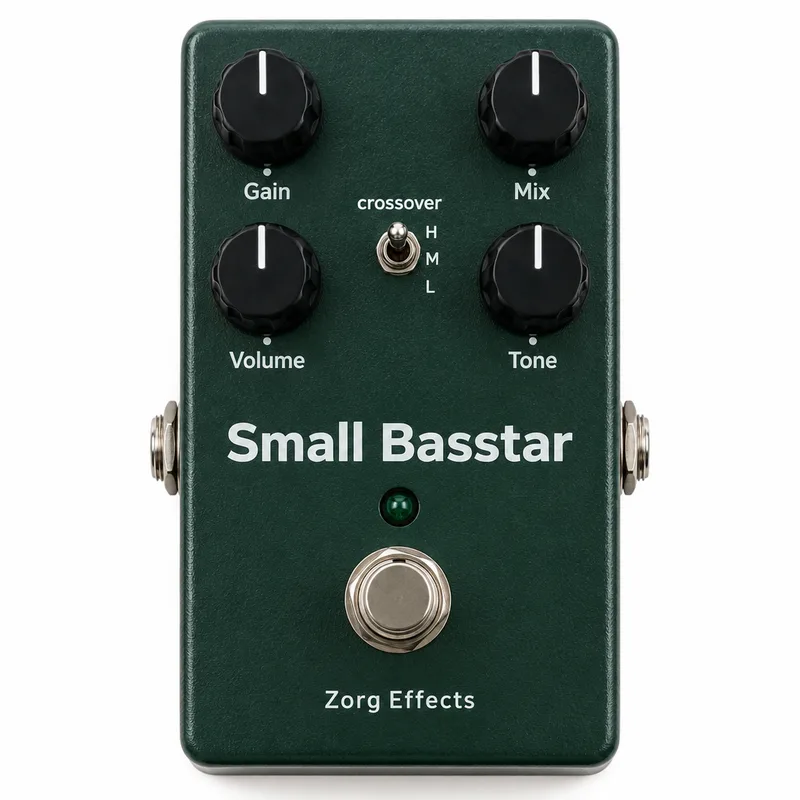
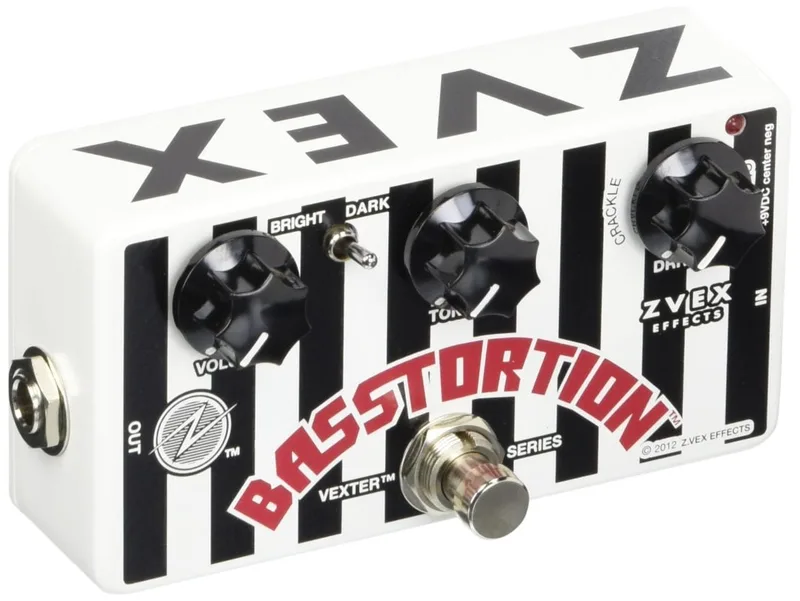
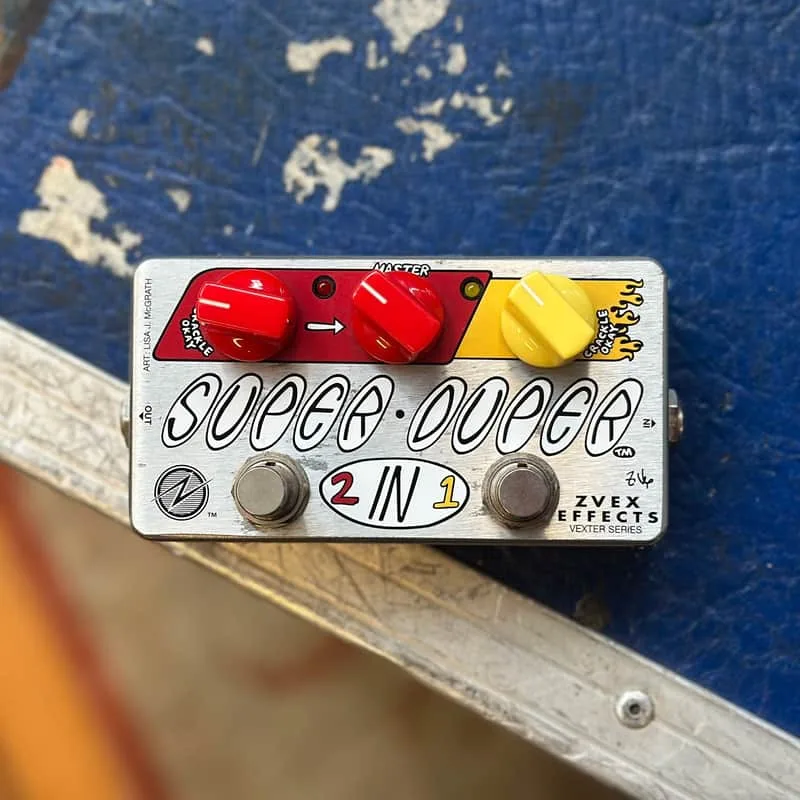
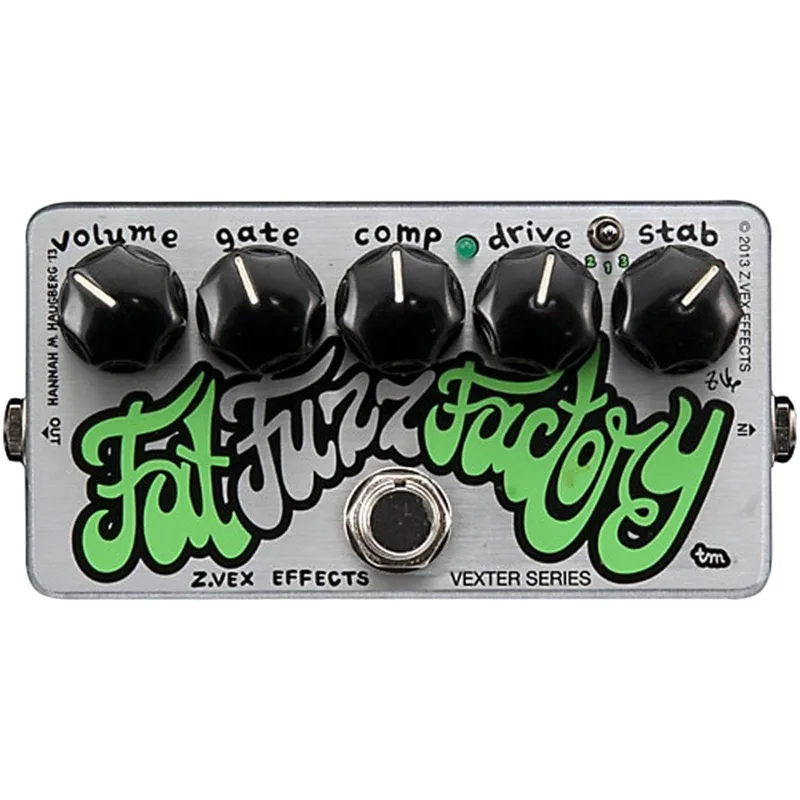
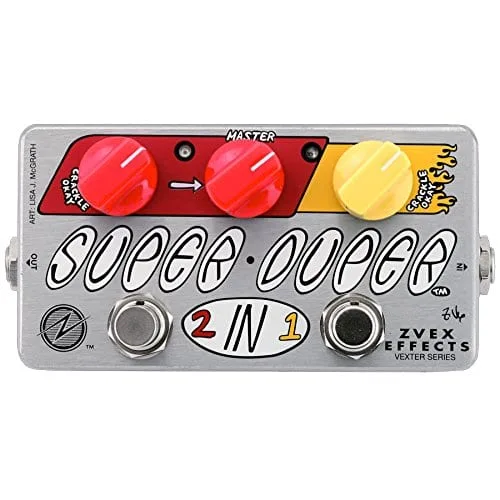
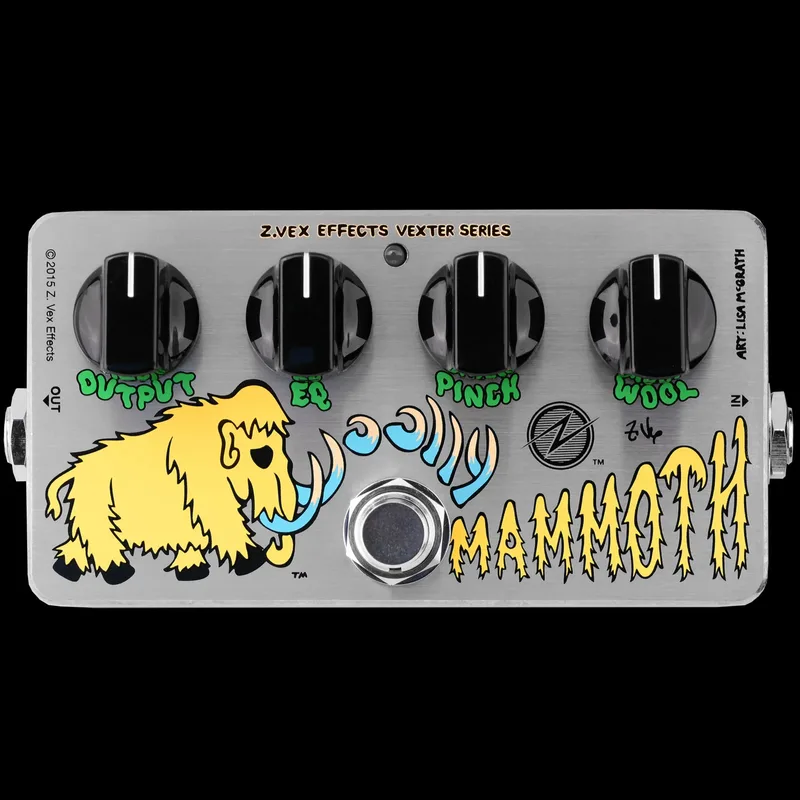
The range is broad. Some makers build whole lines around bass, like Darkglass with its Microtubes drive pedals and Super Symmetry compressor, or EBS with drives, filters and octave pedals. Others, like ZVEX, Sine Effect and MAS Effects, build pedals that serve guitar and bass alike123. And some effects, like the envelope filter, have a bass identity of their own: the EBS BassIQ is an envelope filter pedal aimed squarely at bass players4.
What bass pedals are
A bass pedal is any stompbox, expression unit or rack-style floor unit whose circuit, voicing or feature set is designed around the bass guitar. That covers a wide spread of hardware:
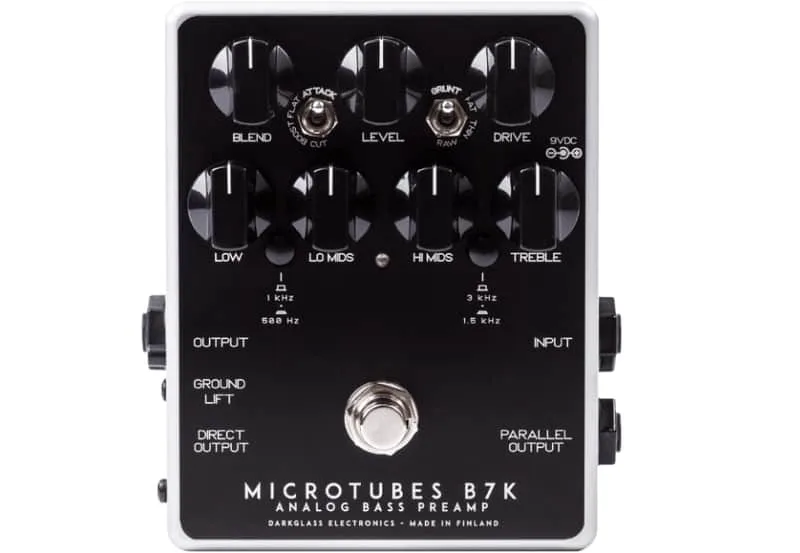
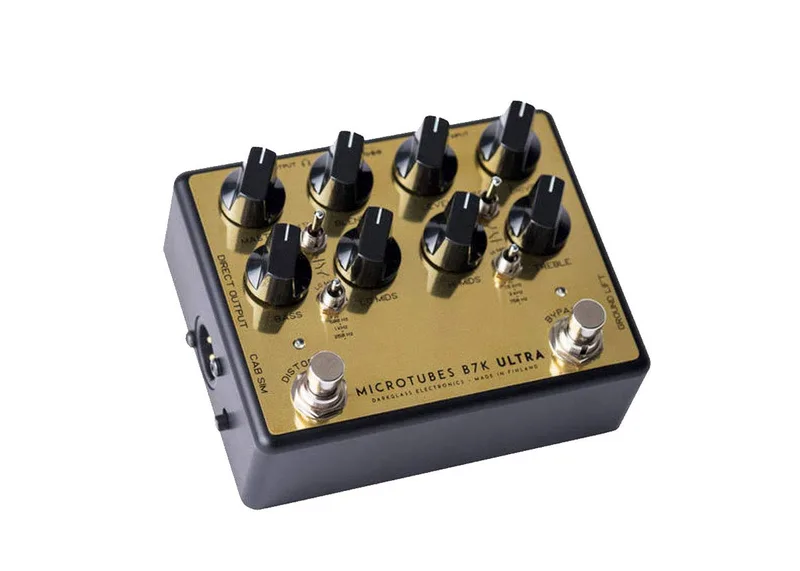
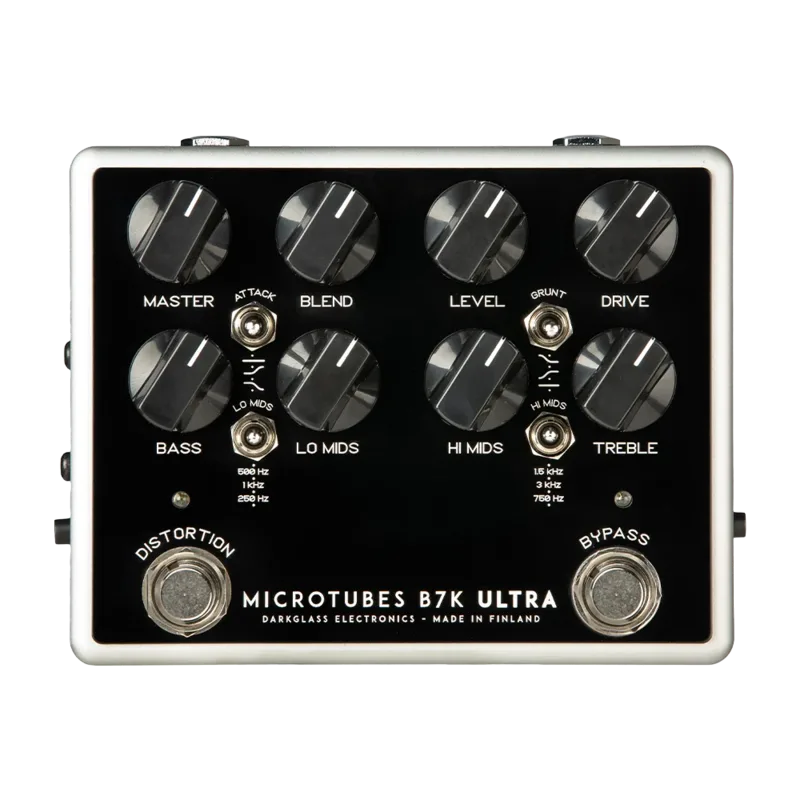
- Drive pedals, like the Darkglass Microtubes B7K V2, described by its maker as one of the most acclaimed Darkglass pedals in the bass community5
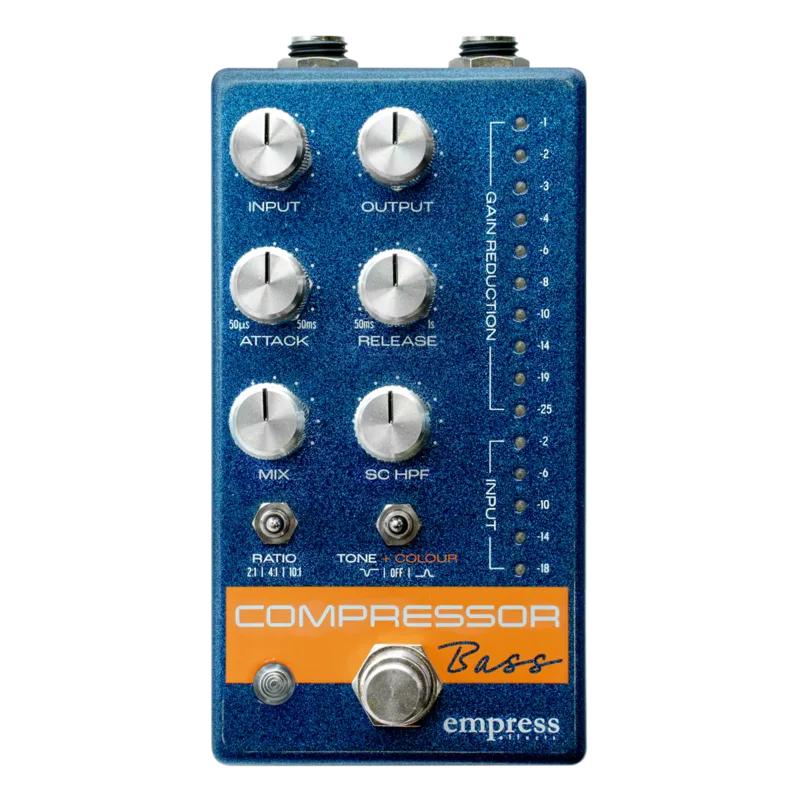
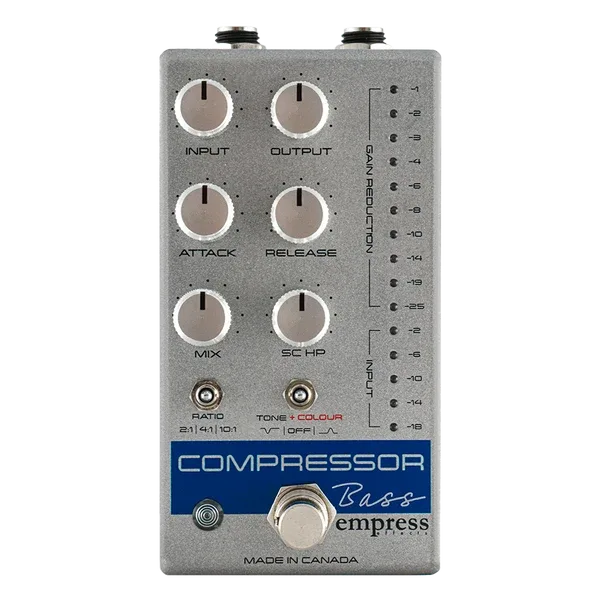
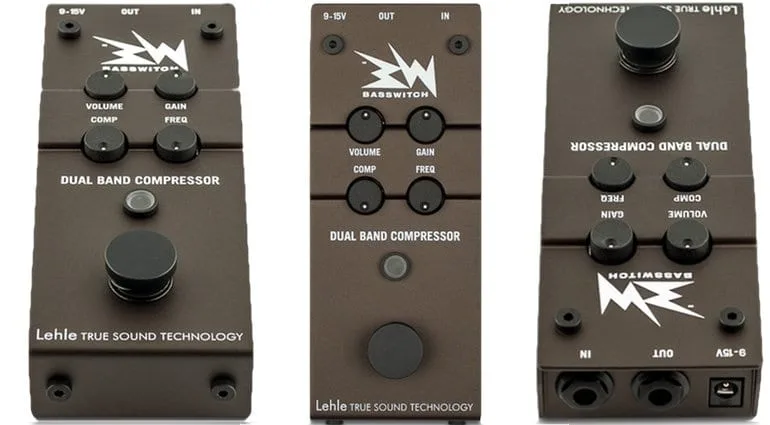
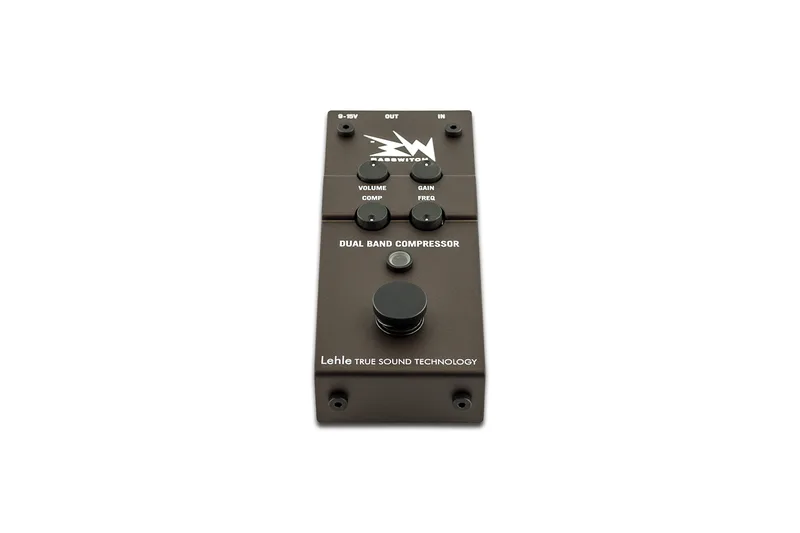
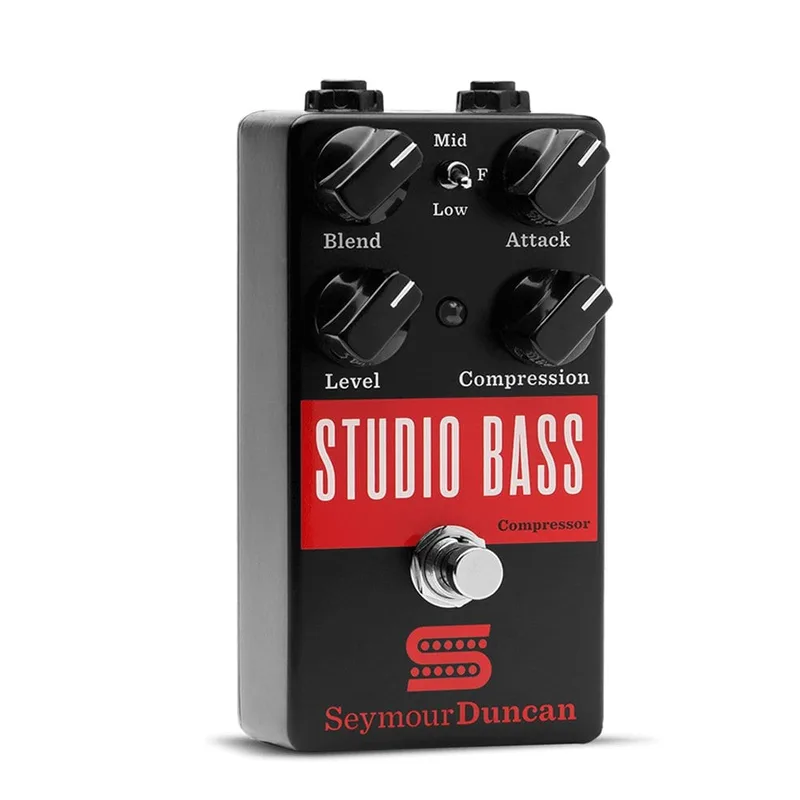
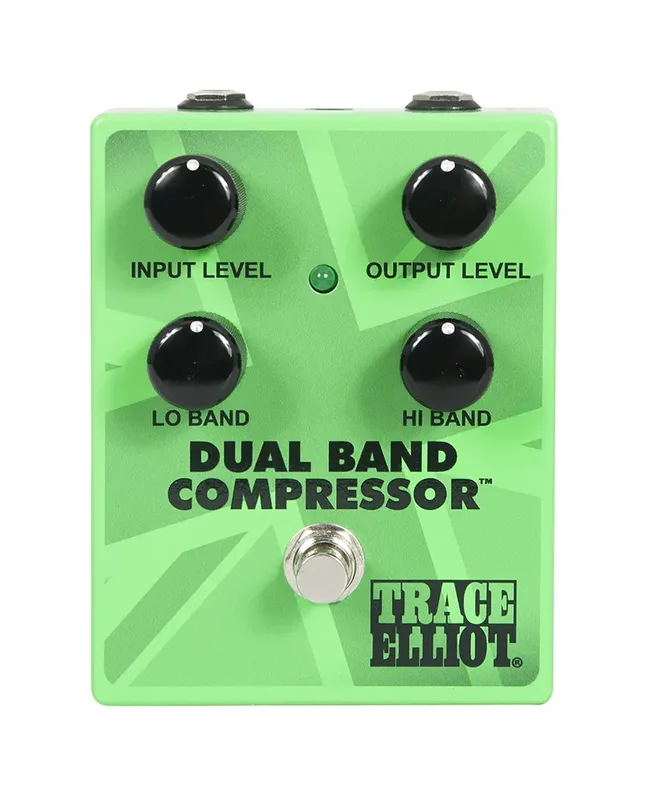
- Compressors, like the Empress Bass Compressor6 and the Trace Elliot Dual Band Compressor7
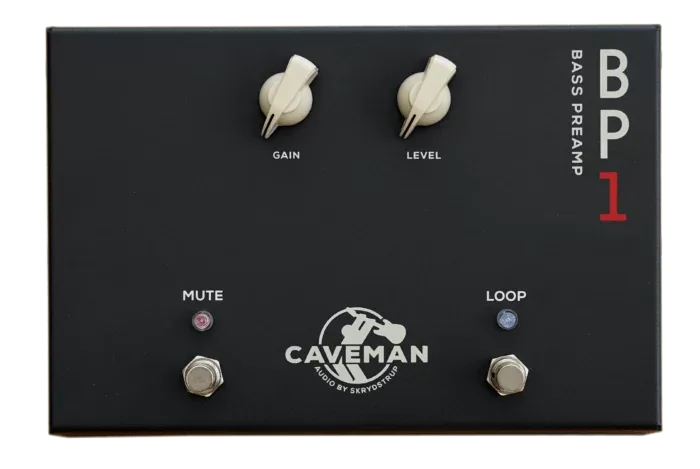
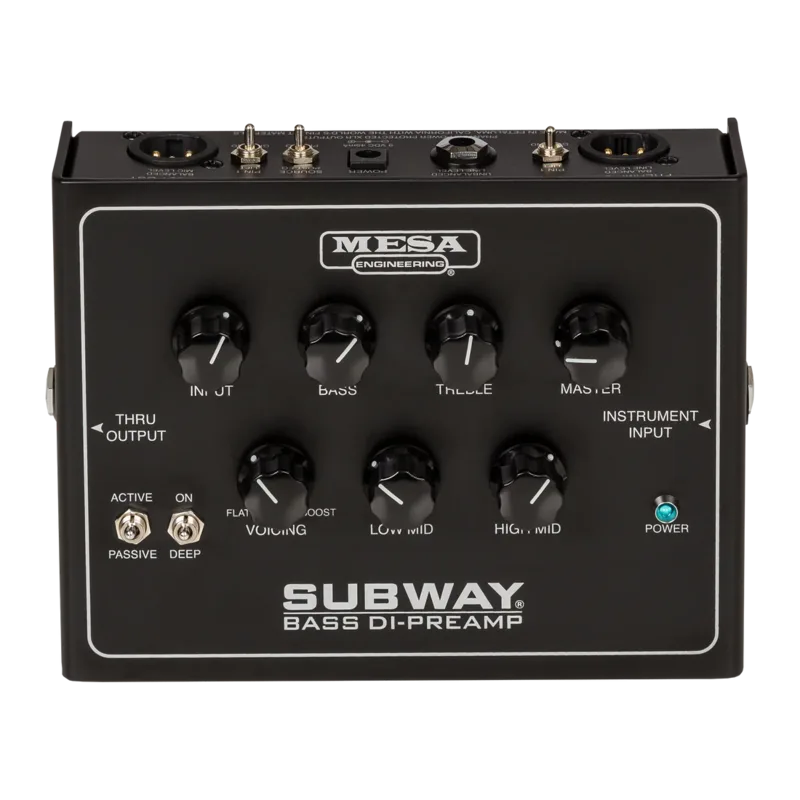
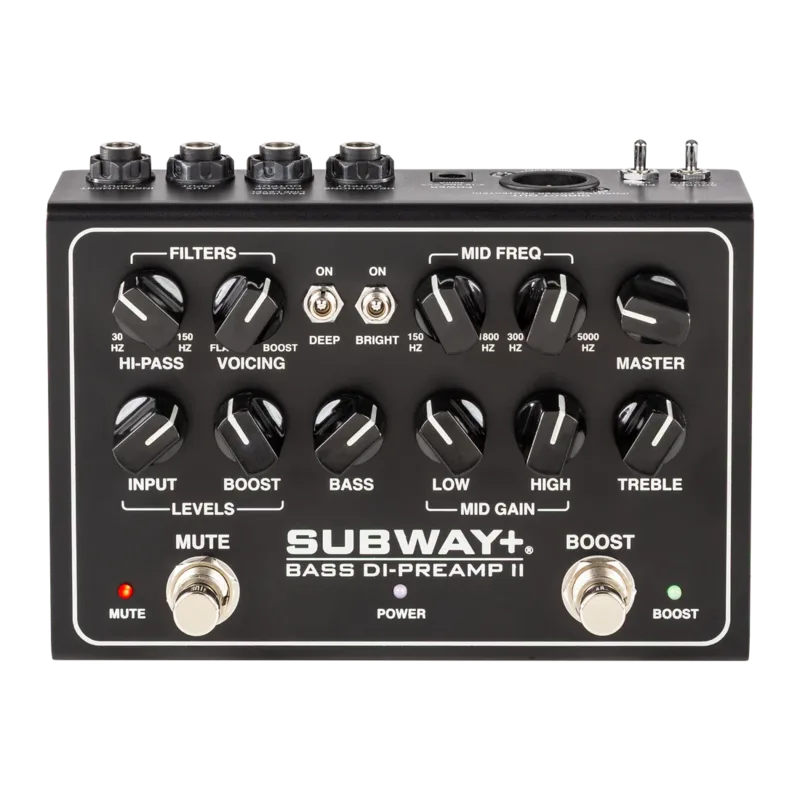
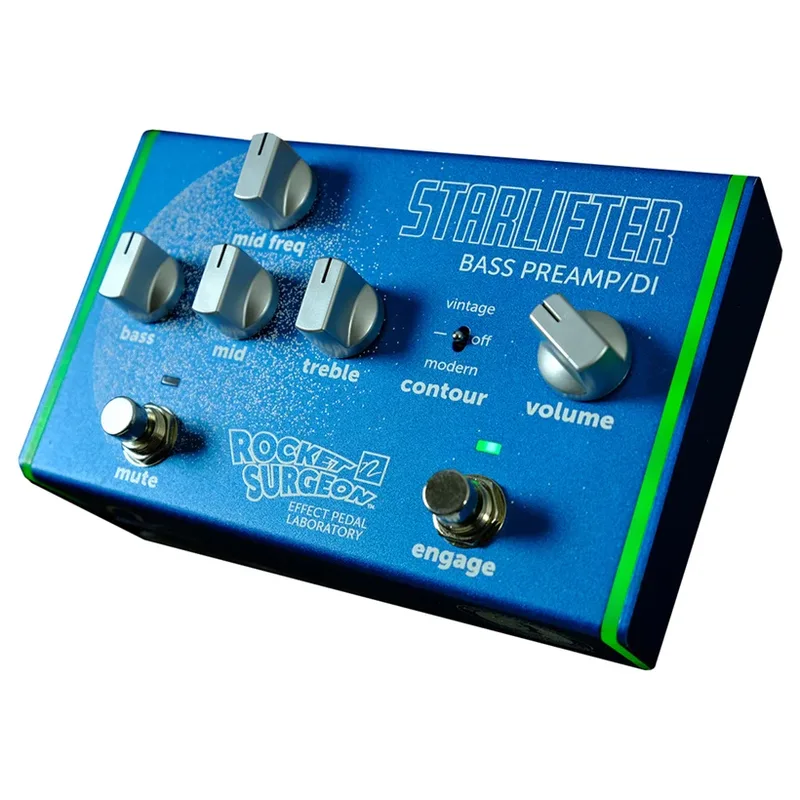
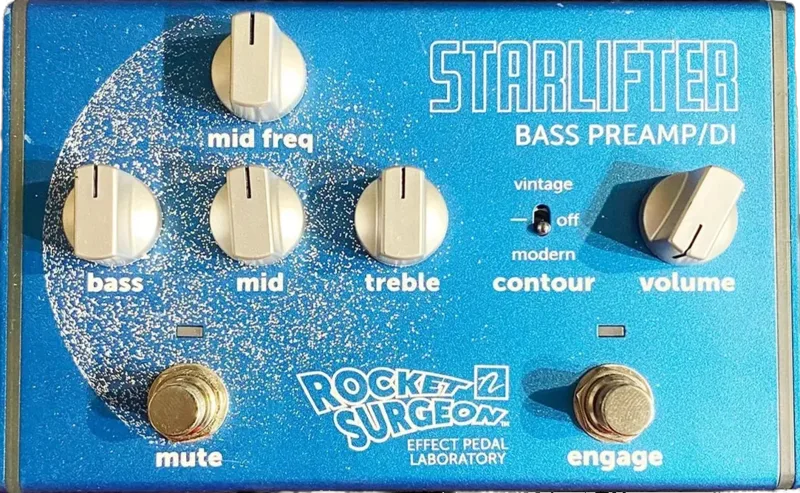
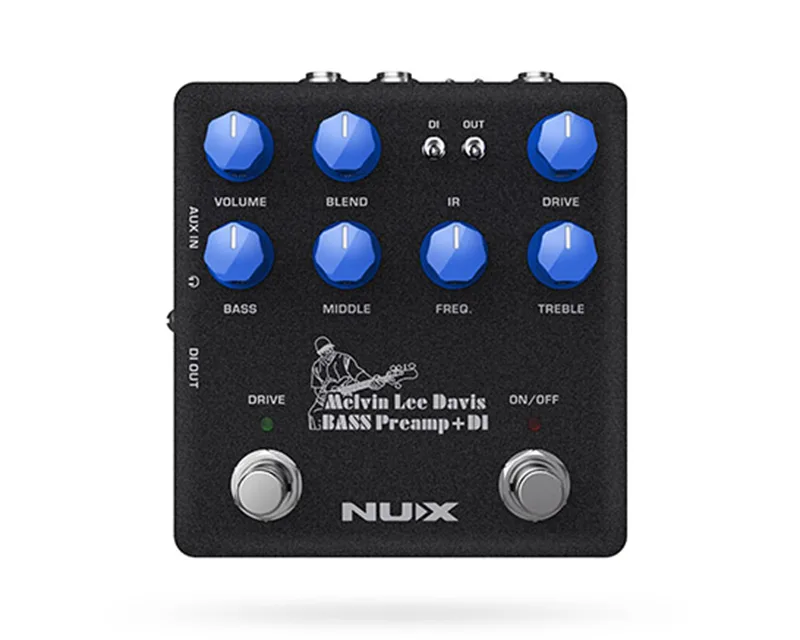
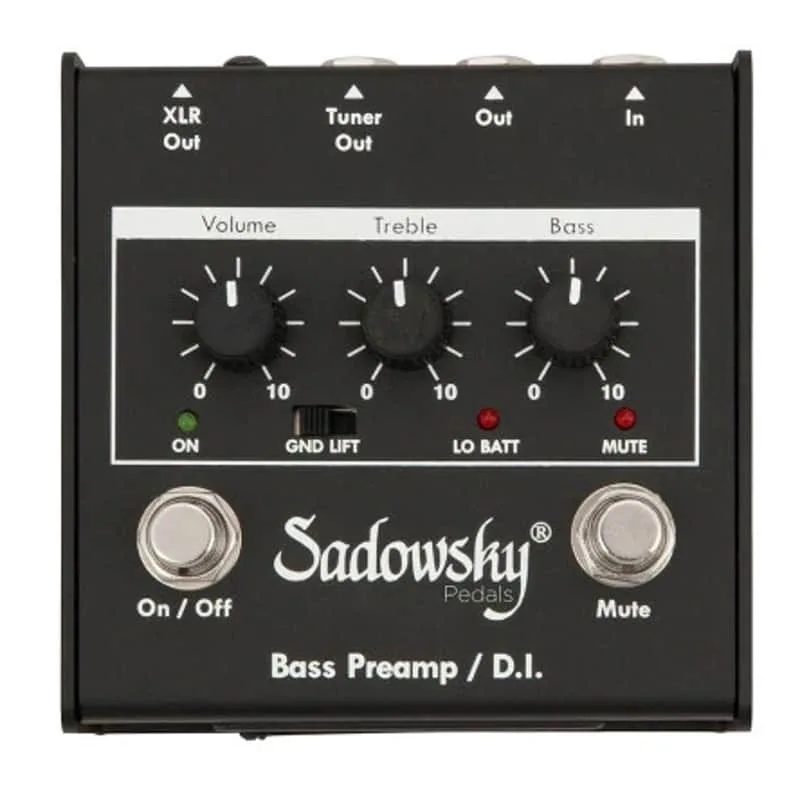
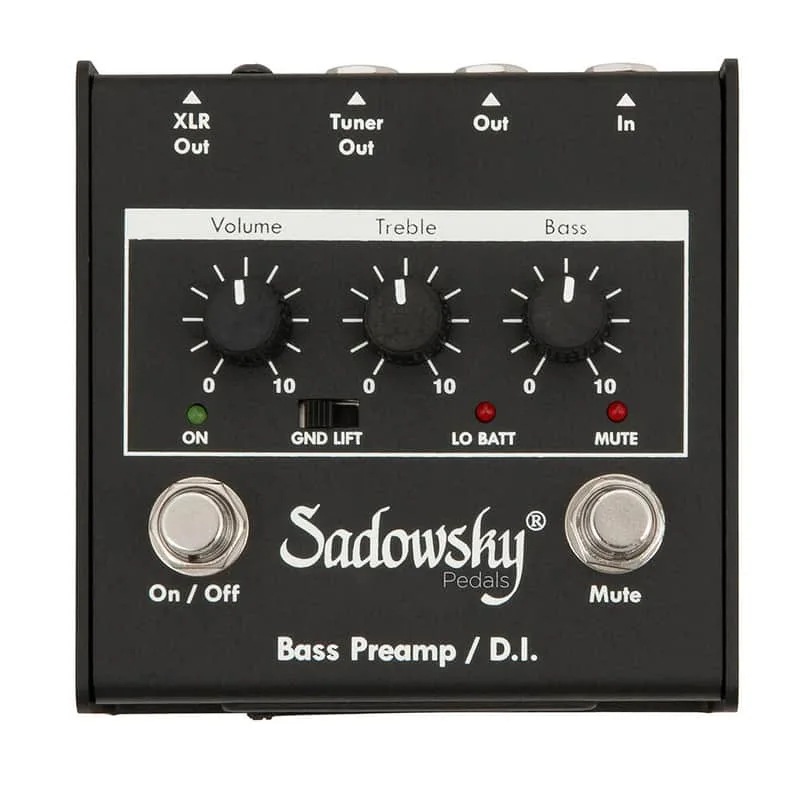
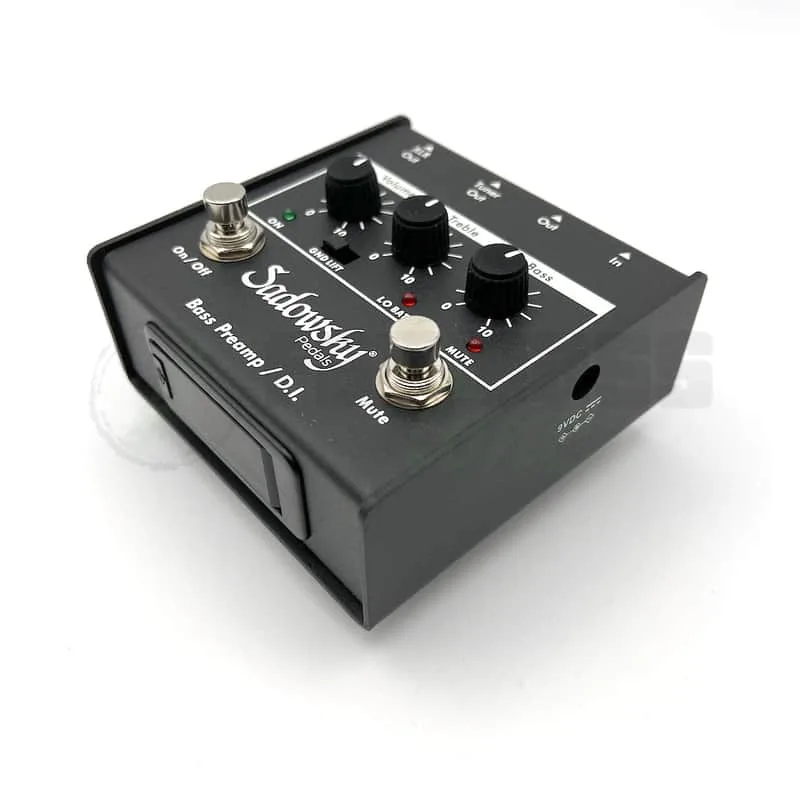
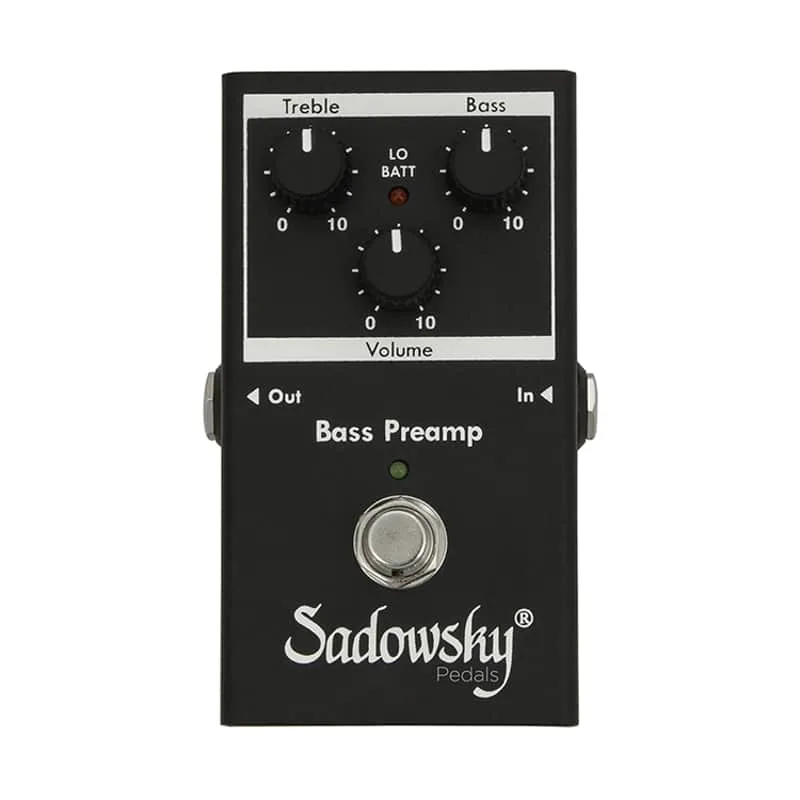
- Preamp and DI pedals, like the MESA/Boogie Subway+ Bass DI-Preamp II8 and the Sadowsky Outboard Bass Preamp/DI9
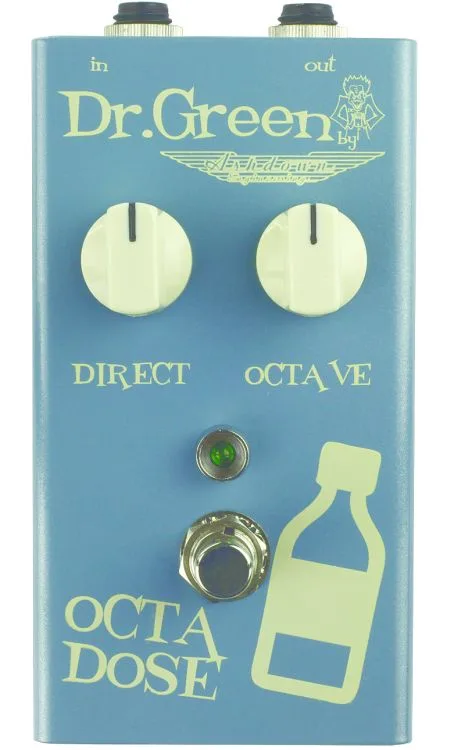
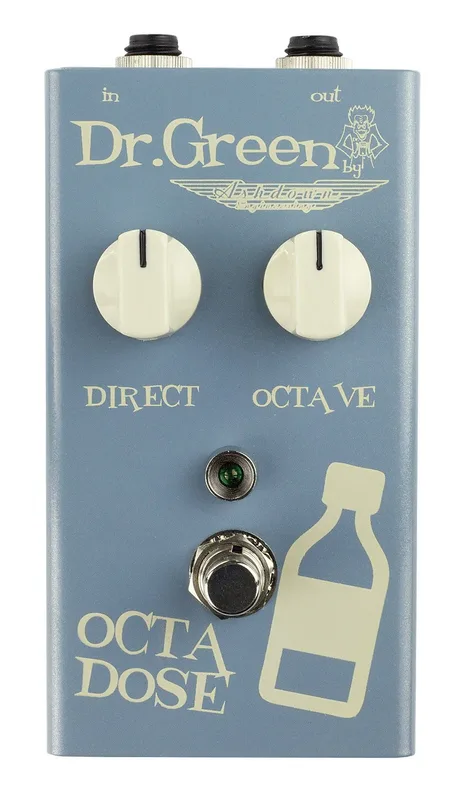
- Octave pedals, like the Ashdown Octa Dose10 and the EBS OctaBass Blue Label11
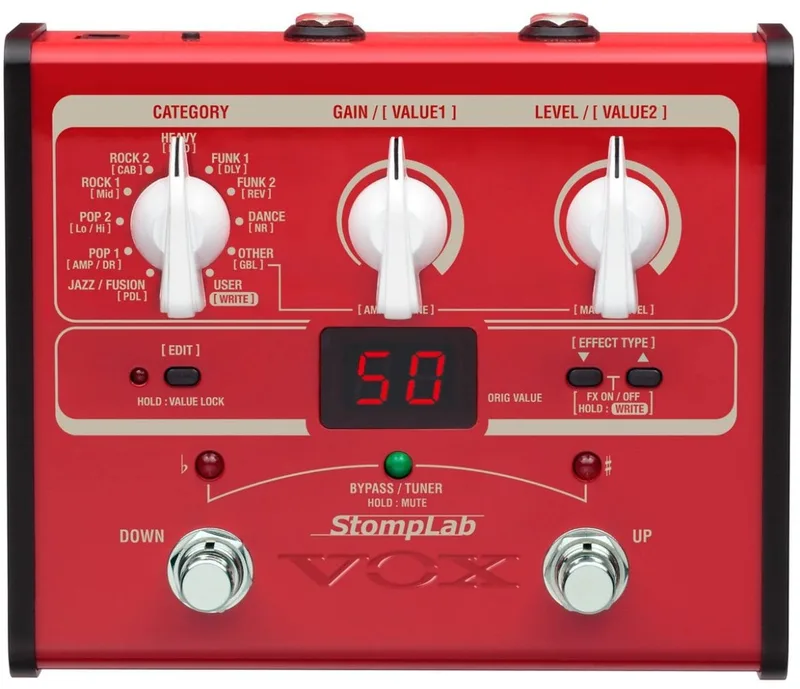
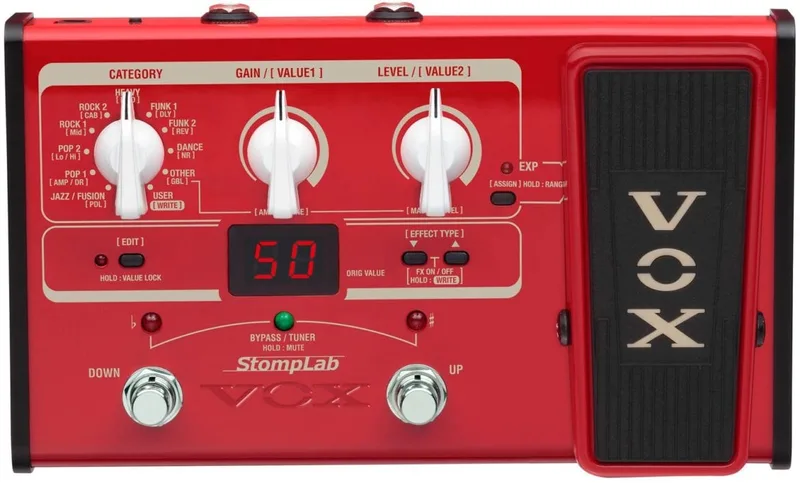
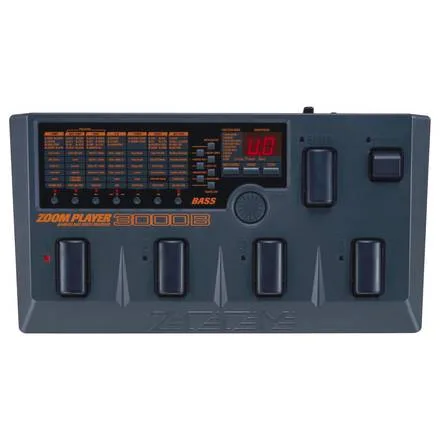
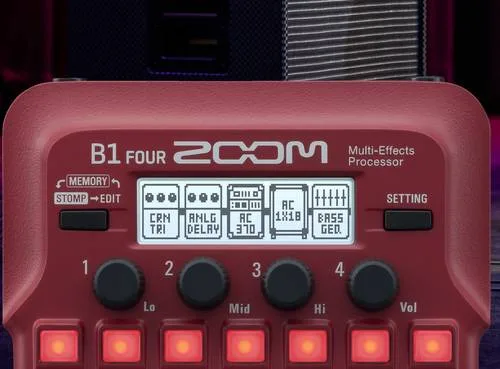
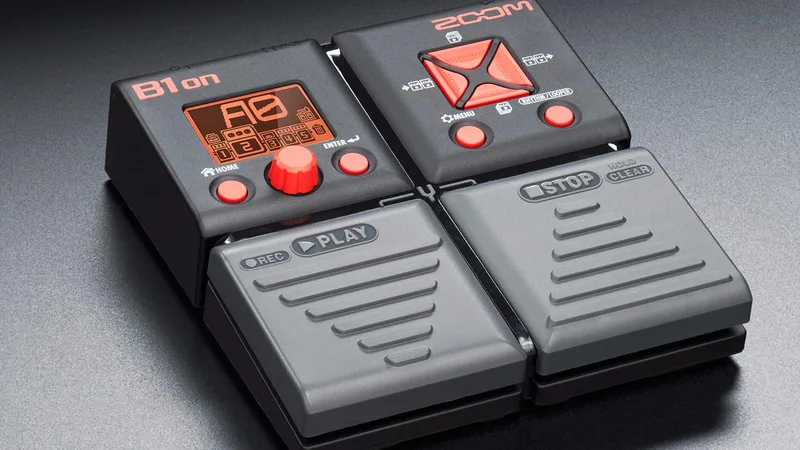
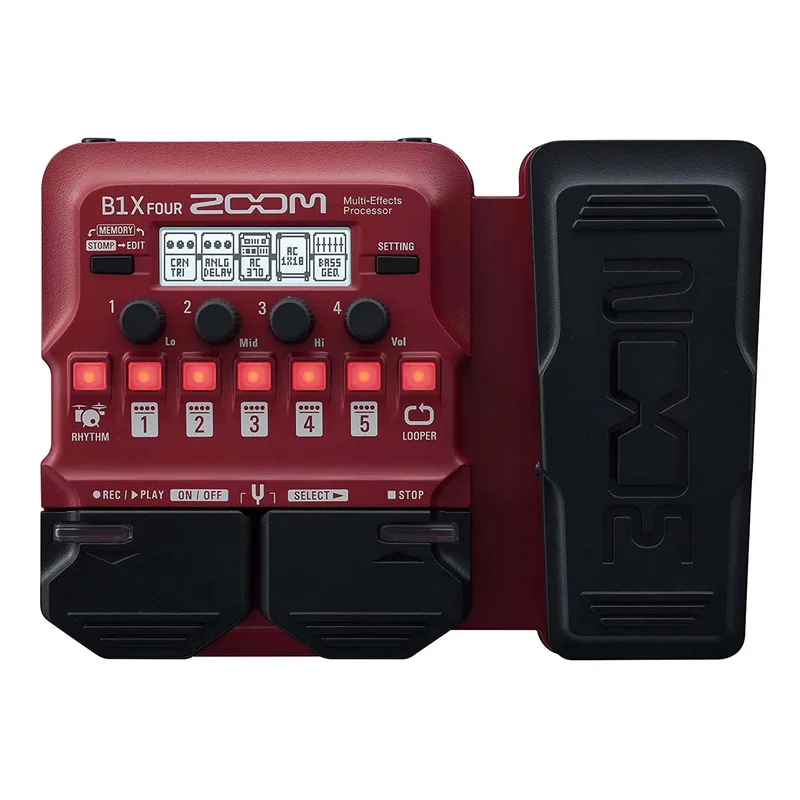
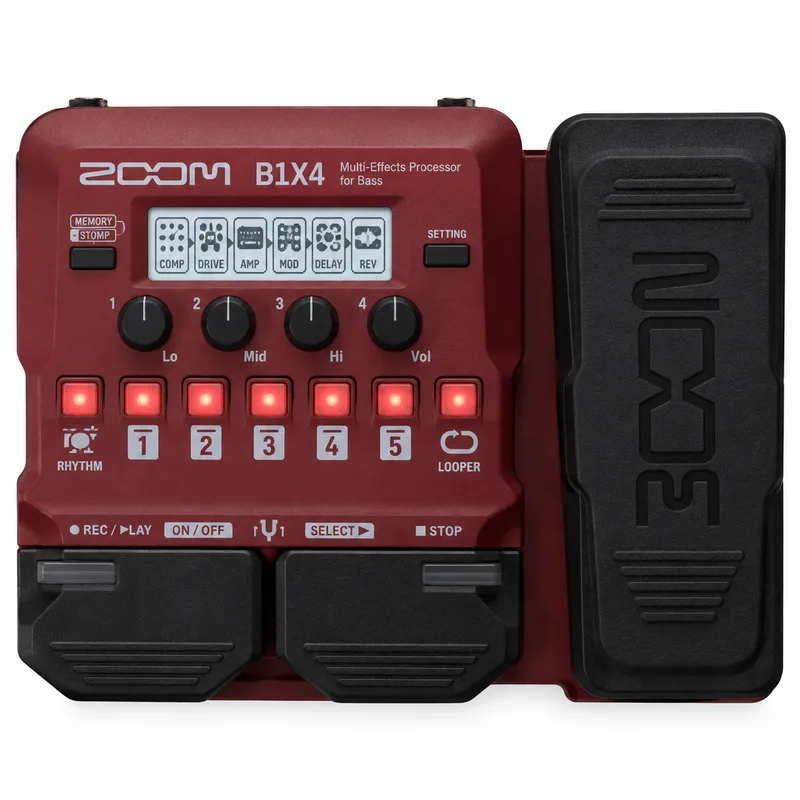
- Multi-effects units, like the VOX StompLab 1B12 and the Zoom B1on13
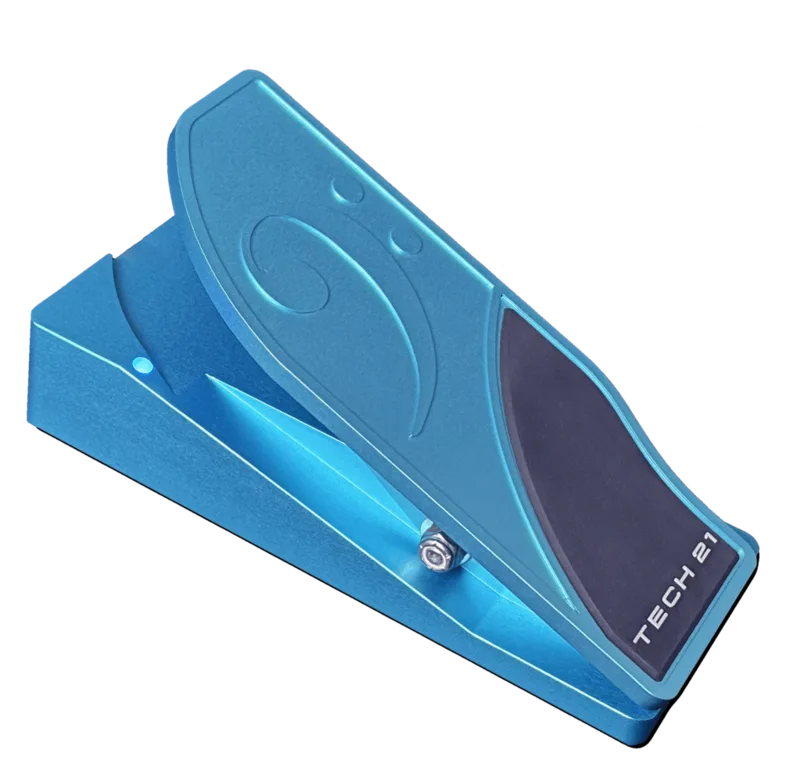
- Platform units, like the Darkglass Anagram, a multi-effect processor and pedalboard platform designed for bass players who need flexibility, speed and power14, with its own compact expression pedal, the Anagram Press1415
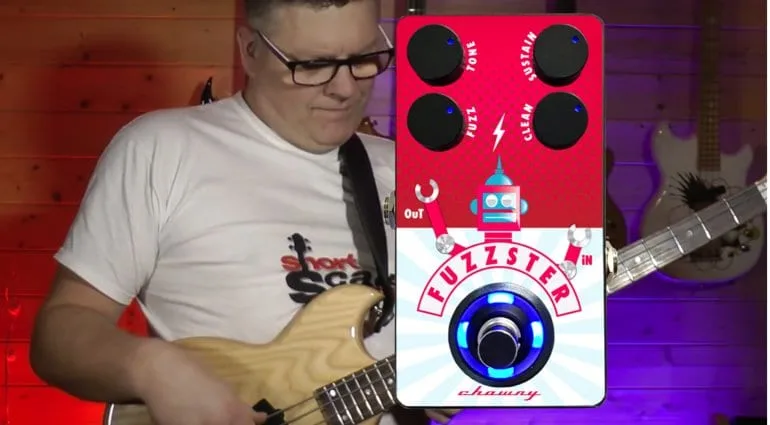
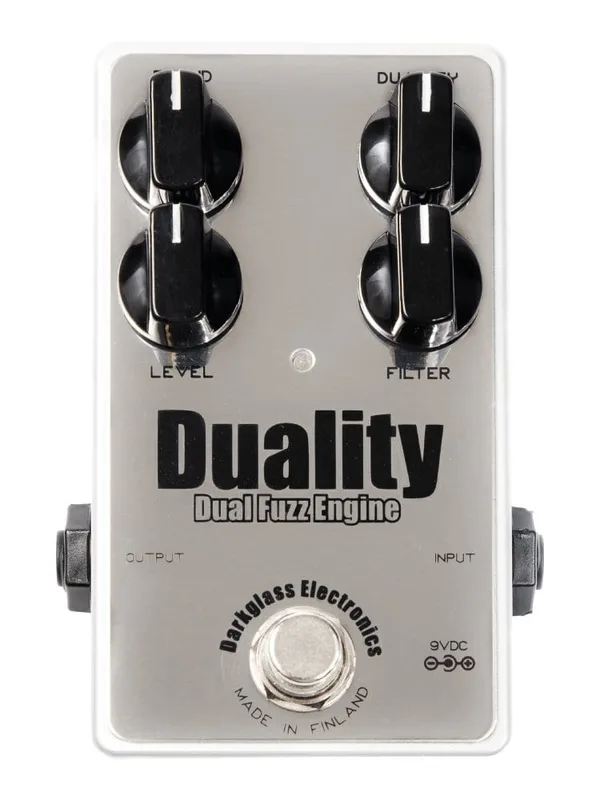
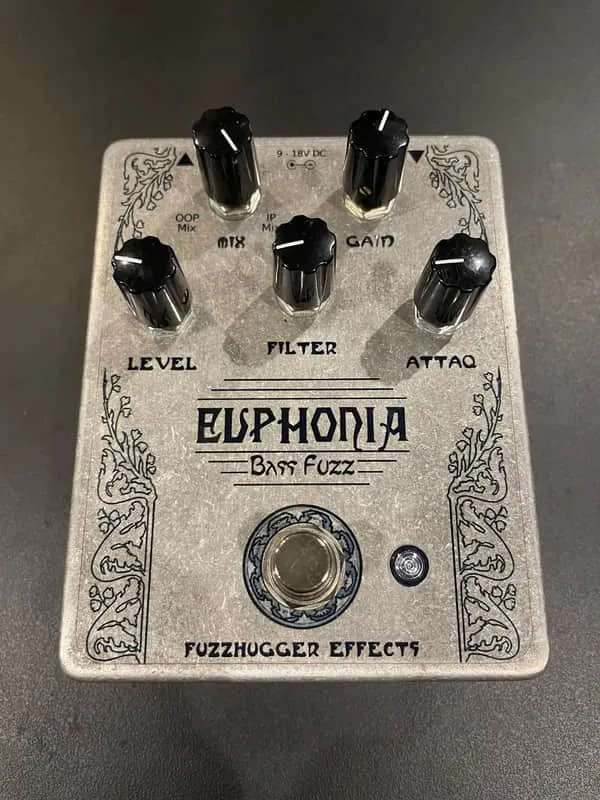
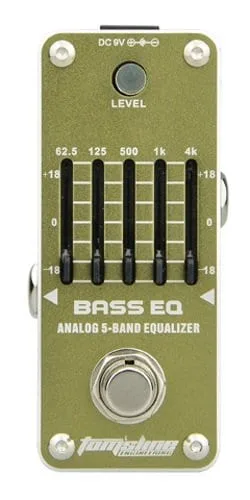
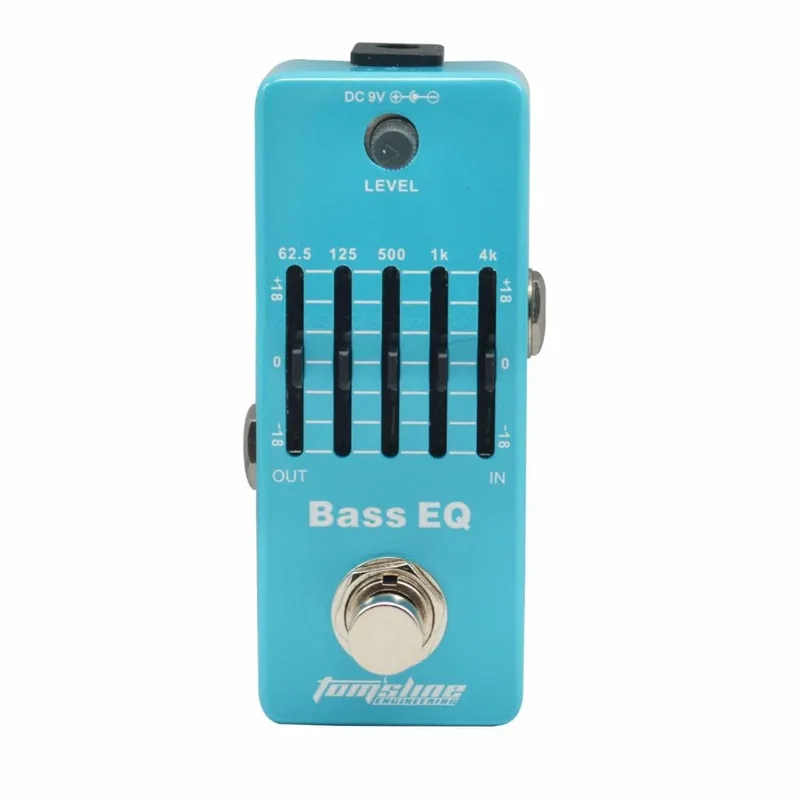
Not everything on a bass board is a bass-only product. MAS Effects builds fuzz pedals for guitar and bass alike16, and Harley Benton's MiniStomp The Deep is an EQ pedal pitched at bassists, with the maker calling an EQ "a must-have on any bassist's pedalboard"17.
Why bass needs its own effects
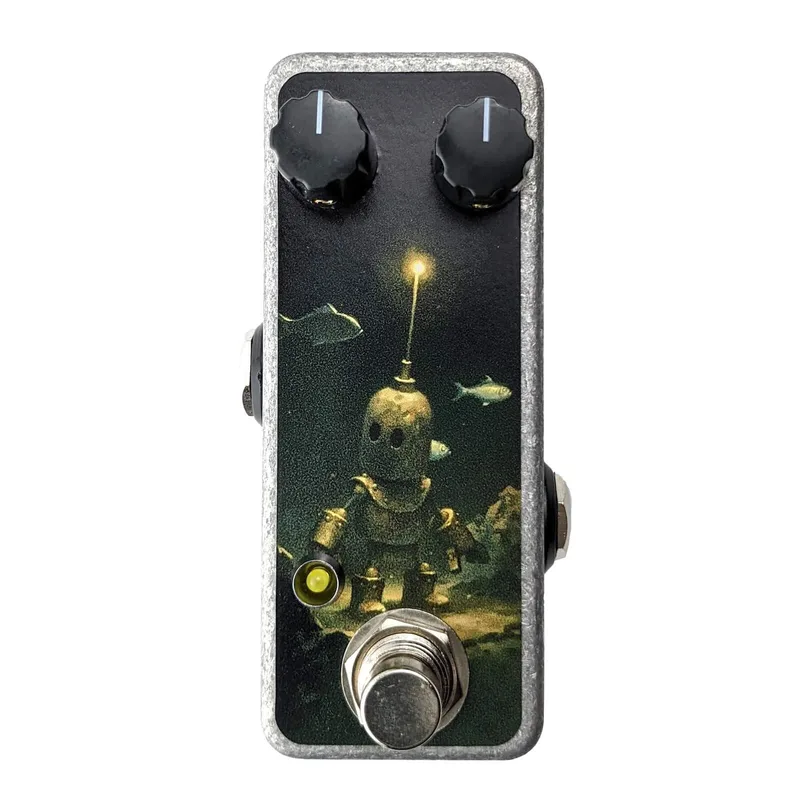
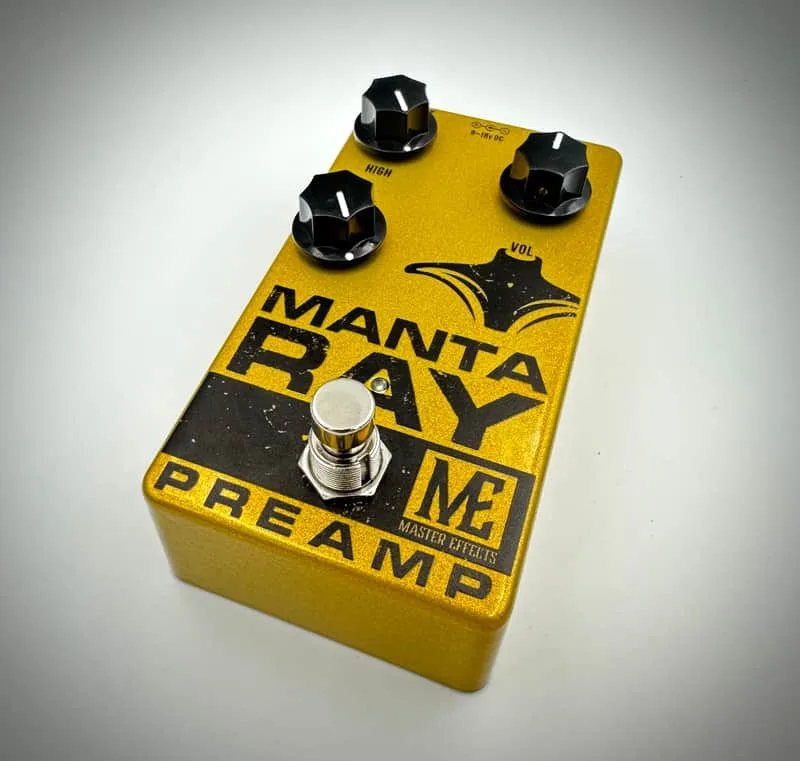
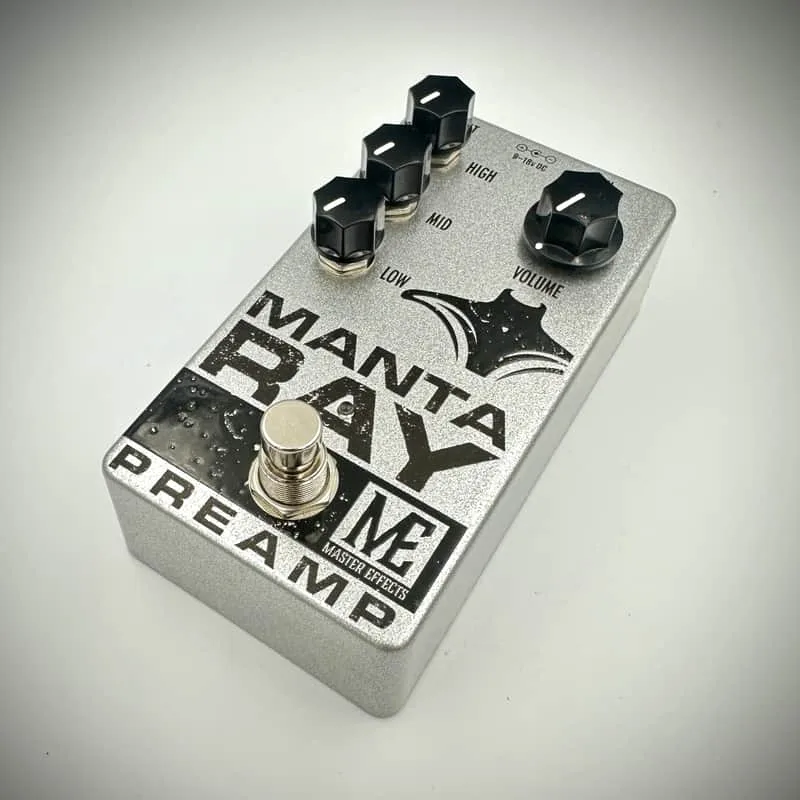
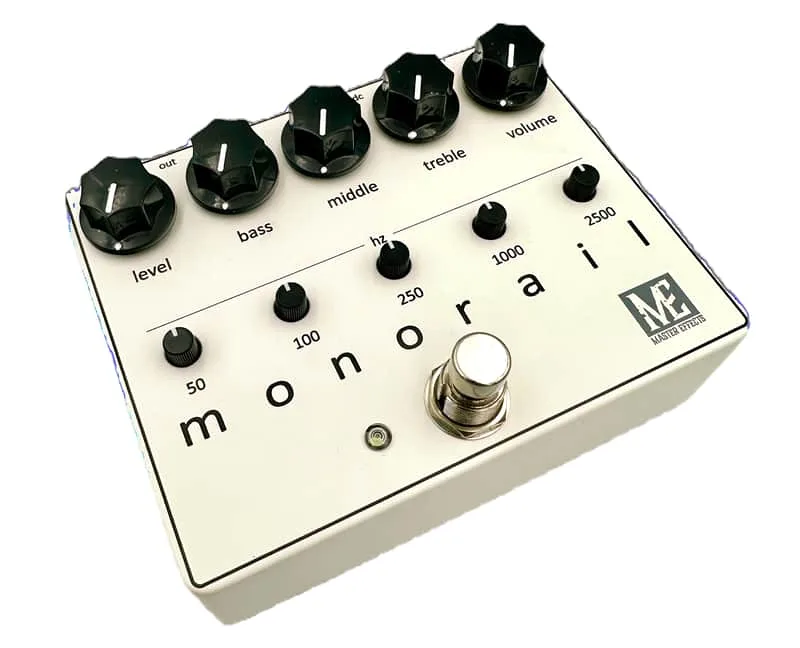
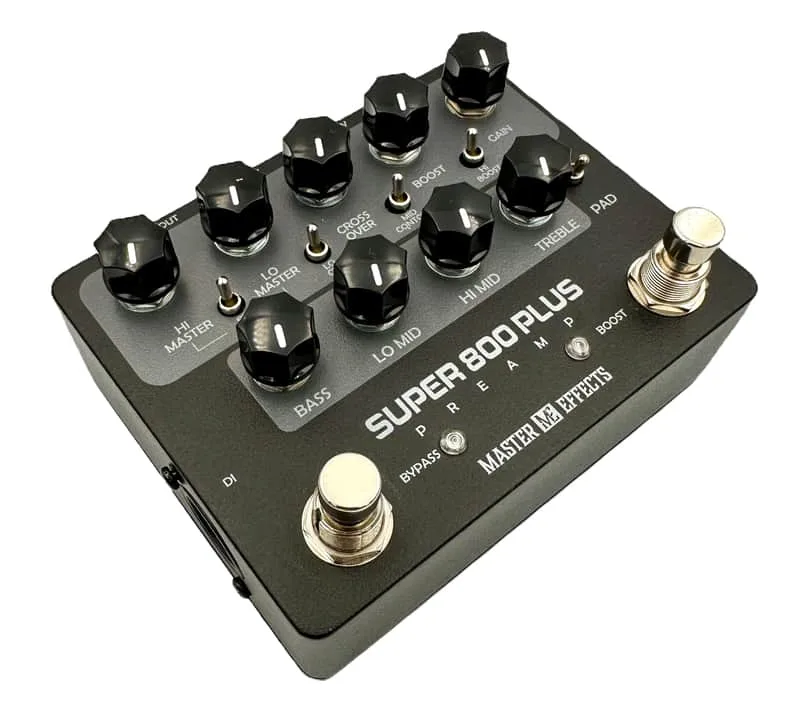
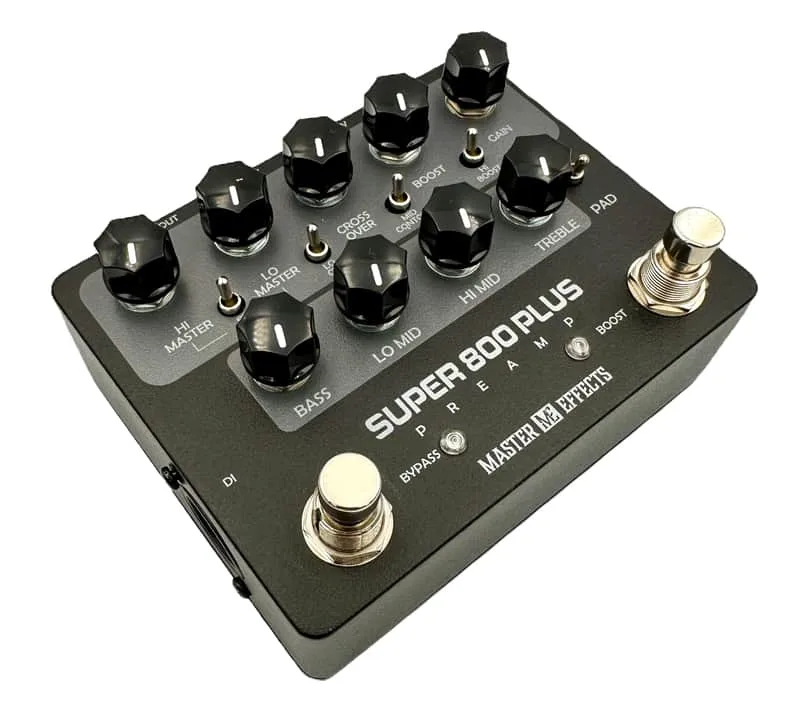
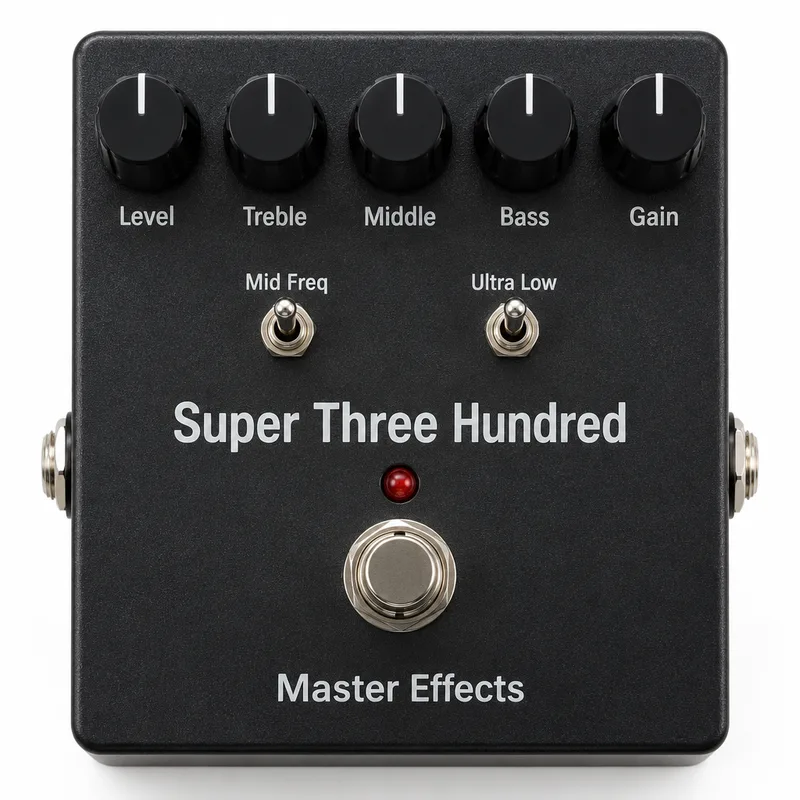
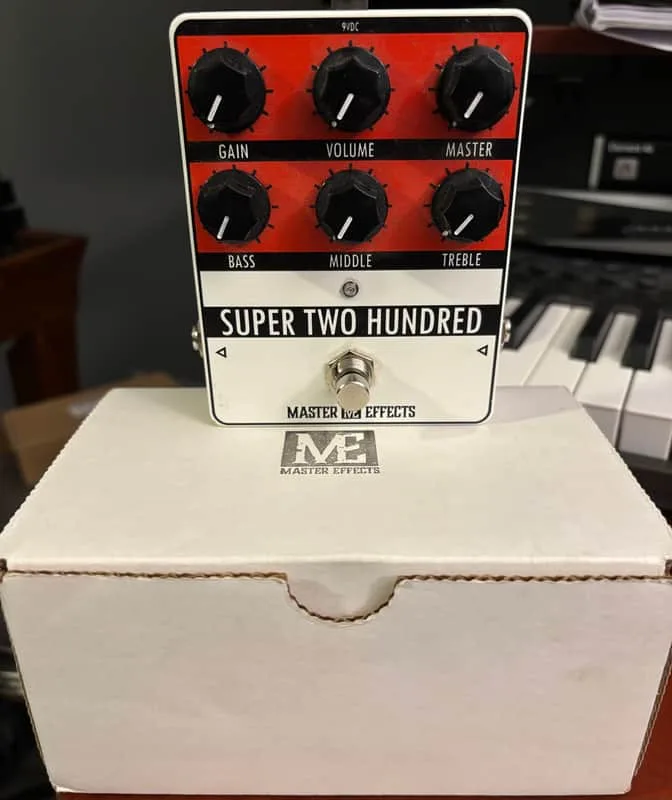
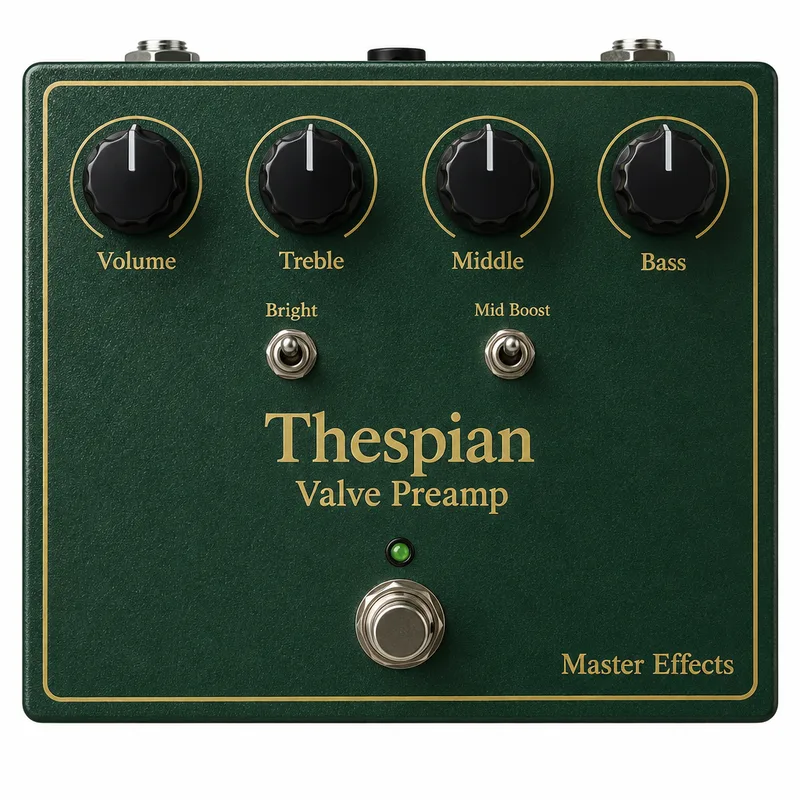
The bass guitar occupies roughly the bottom of the audible range, and its notes carry a lot of energy in the low fundamentals. When a circuit clips, filters or compresses that signal the way a guitar circuit expects, the result can be a thin, weak low end. Master Effects Pedals describes the thinking behind its bass line as pedals designed with local bassists that keep bass tone intact and help players take up more sonic space18.
The practical differences show up in three places:
- Voicing: tone controls and filters tuned to bass frequencies rather than guitar frequencies
- Clean blends: parallel paths that keep the dry signal in the mix, common on bass drives
- I/O and utility: balanced DI outputs, amp-derived preamp circuits and cab simulation built in
Some effects translate to bass with only a setting change. Analog Man notes of its chorus pedal that "a chorus pedal is not as strong on bass, so you have to turn the DEPTH knob up higher, especially at slower speeds," and recommends its Deep option for bass19. Others need a different circuit altogether.
How bass pedals handle low end
The central engineering problem in a bass pedal is keeping the fundamental while adding the effect. Makers solve it in different ways, and the marketing language around bass pedals is full of it.
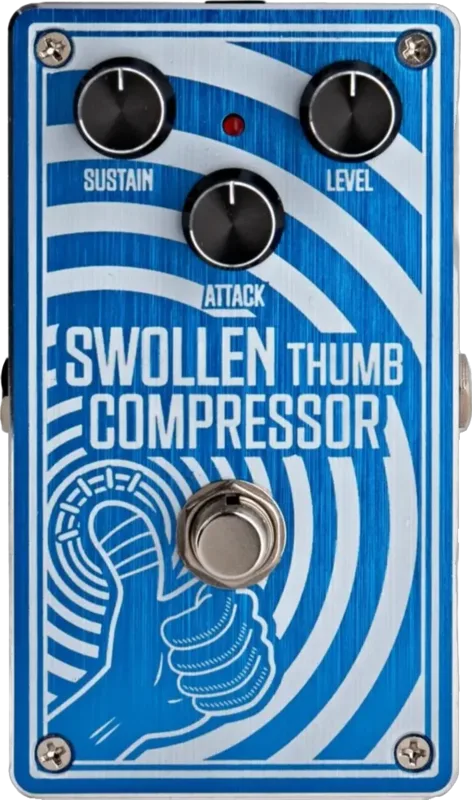
SoloDallas says of its BASS-X drive pedal that it "maintains your low-end while adding growl and saturation"20. Godlyke says the Arion MDI-2 Bass Distortion "offers a direct distortion mix control to preserve the natural bass frequencies"21. Darkglass's Super Symmetry compressor is described as a studio-grade analog circuit designed to smooth out dynamics while preserving natural low-end punch22. And the SubZero Swollen Thumb Bass Compressor is billed as a dedicated bass compression toolkit built around evening your performance and retaining low-end weight23.
The most common hardware answer is the parallel clean path, covered below under drive. Another is simple frequency control: the Wilson Effects Lotus Drive V2 includes a low pass control that lets you set up the pedal and then back down on the high end, rather than losing the bottom24.
Bass drive and distortion
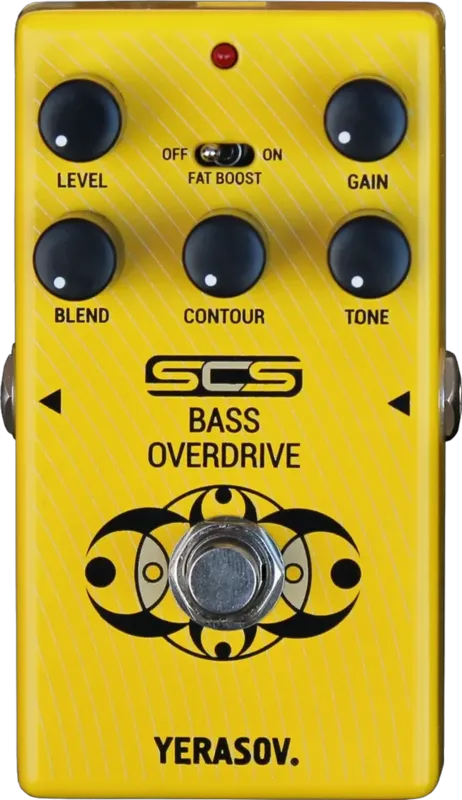
Bass drive is where the low-end problem bites hardest. Clipping a signal adds harmonics and saturation, but it can also flatten the dynamic shape that makes a bass note speak. The classic bass solution is to split the signal and keep one path untouched.
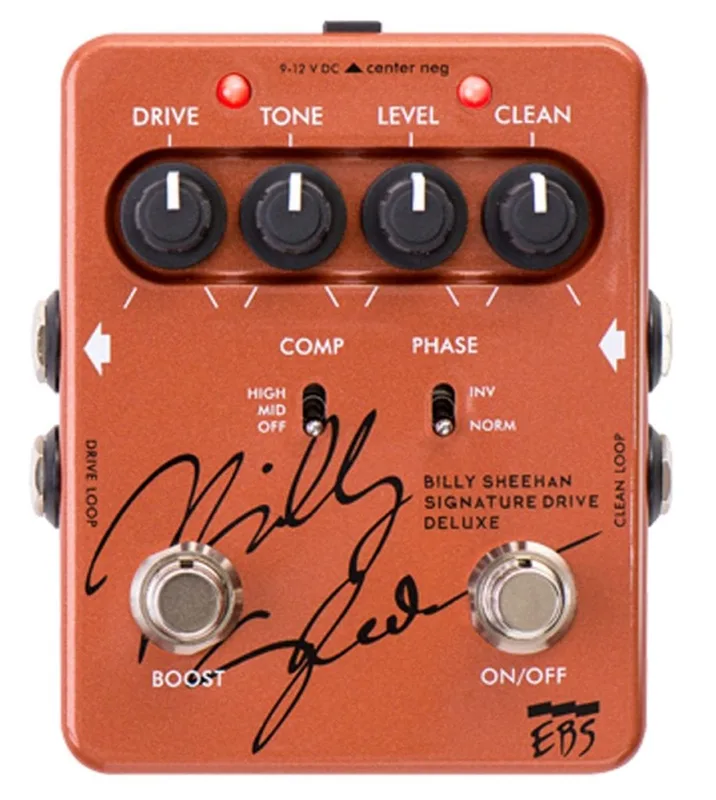
The EBS Billy Sheehan Ultimate Signature Drive is built exactly this way. EBS describes it as a distillate of several signal-chain principles for bass, compression, distortion and tone shaping, and explains the architecture plainly25:
"This pedal splits the incoming signal in two parallel paths. It’s like running two bass rigs side by side: one clean and one distorted."25
That clean blend means you can push the distorted path as hard as you like while your dry fundamental carries the note underneath. The Arion MDI-2 takes a similar approach with its distortion mix control21, and the SoloDallas BASS-X is voiced to keep low end while adding saturation20.
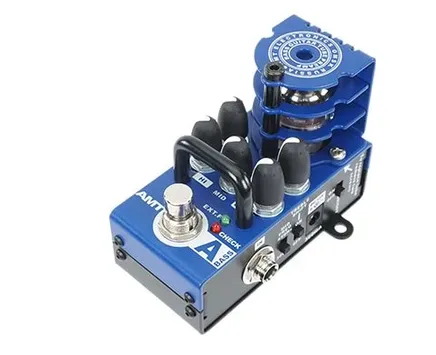
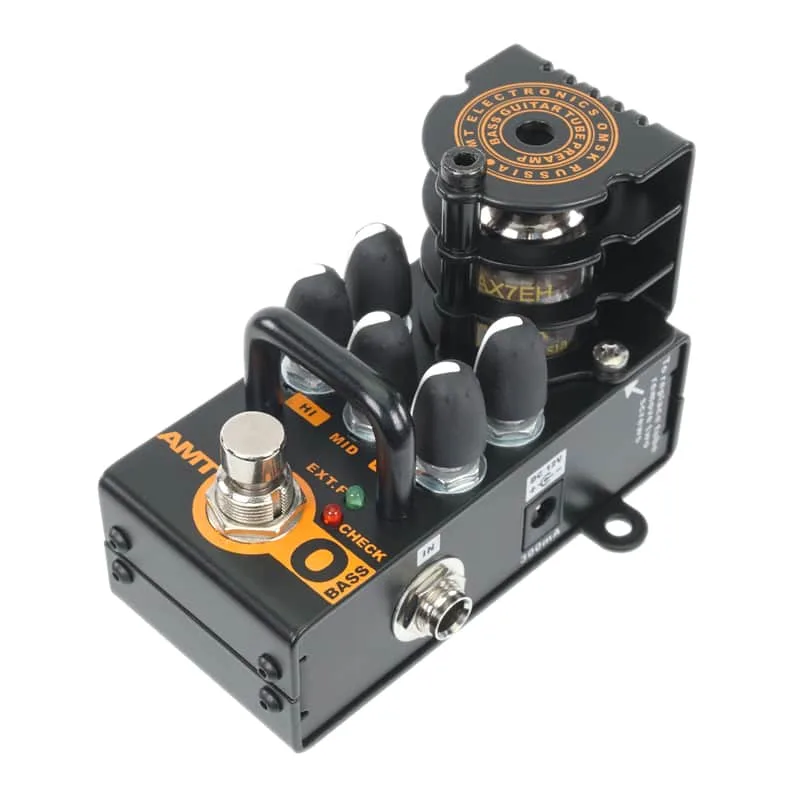
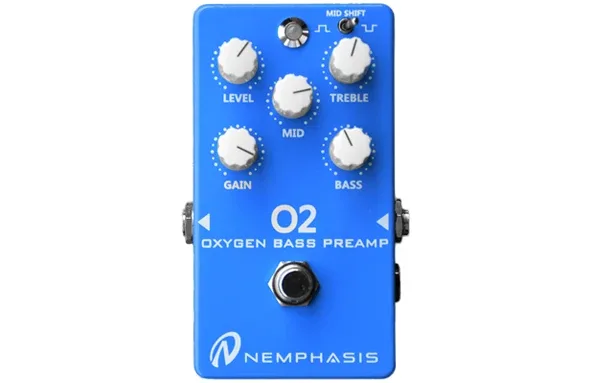
Bass drive pedals also differ from guitar drives in their tone controls. The AMT Electronics Bricks A-Bass, a compact bass preamp pedal, offers Gain, Low, Mid, High and Level controls plus a built-in speaker cabinet simulation26, giving bass players explicit control of the bottom rather than a single "tone" knob.
For a deeper look at the effect types themselves, see the site's pages on overdrive, distortion and fuzz.
Bass compression
Compression is arguably the most-used bass effect, because bass is a wide-dynamics instrument: the gap between a soft fingerstyle note and a hard plucked one is large, and a compressor narrows it. Origin Effects' John Dines explains why placement matters so much for this effect:
"To do this most effectively, we want to deal with the raw guitar tone, before it's been processed by any other pedals."27
Bass compressors come in several flavors:
| Pedal | Approach |
|---|---|
| Empress Bass Compressor | Compressor pedal for bass, with a 3.5mm TRS send and return jack for sidechain compression6 |
| Trace Elliot Dual Band Compressor | Dual band compression, treating the low and high parts of the bass signal separately7 |
| Darkglass Super Symmetry | Studio-grade analog circuit, transparent but warm, preserving low-end punch22 |
| SubZero Swollen Thumb | Three-knob dedicated bass compression toolkit23 |
The Empress sidechain jack is worth a note for experienced players: the pedal offers a 3.5mm TRS jack send and return for sidechain compression. Dual-band compression, as in the Trace Elliot Dual Band Compressor, a dual band compression pedal for bass guitar, addresses the same problem from another angle. For the effect type in general, see compressor pedals67.
Bass preamps and DI
A bass preamp or DI pedal replaces or augments the front end of an amp. It shapes tone, often with amp-derived circuits, and sends a balanced signal straight to the desk. The MESA/Boogie Subway+ Bass DI-Preamp II is a compact, full-featured follow-up to the earlier Subway preamp pedals, combining the features of the original two models in a 35% smaller format, with a preamp derived from the Subway D-350, D-800 and D-800+ bass amps8.
The Sadowsky Outboard Bass Preamp/DI is another example of the type, an outboard bass preamp/DI pedal from Sadowsky9. Creation Audio Labs points at another use for the format: its clean boost pedal doubles as "a great DI pedal for clean tracking in the studio and live as a bass or acoustic DI"28.
What a preamp/DI pedal gives a player in practice:
- A consistent, shaped tone whether you go through an amp, a PA or an interface
- A balanced output for the desk, so the house engineer gets a clean feed
- Amp-derived EQ and character in a floor unit, as with the MESA Subway circuit lineage8
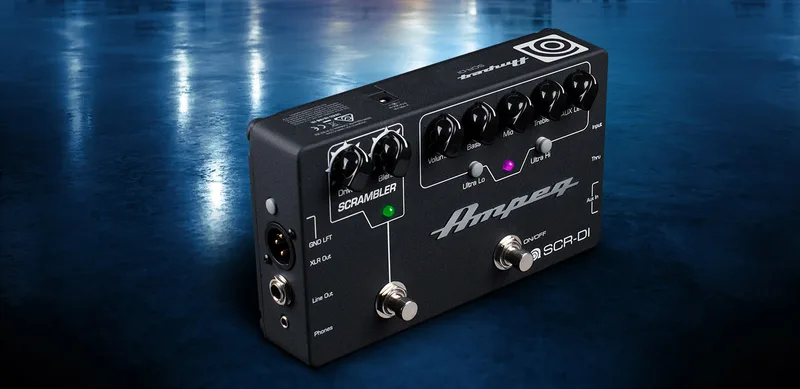
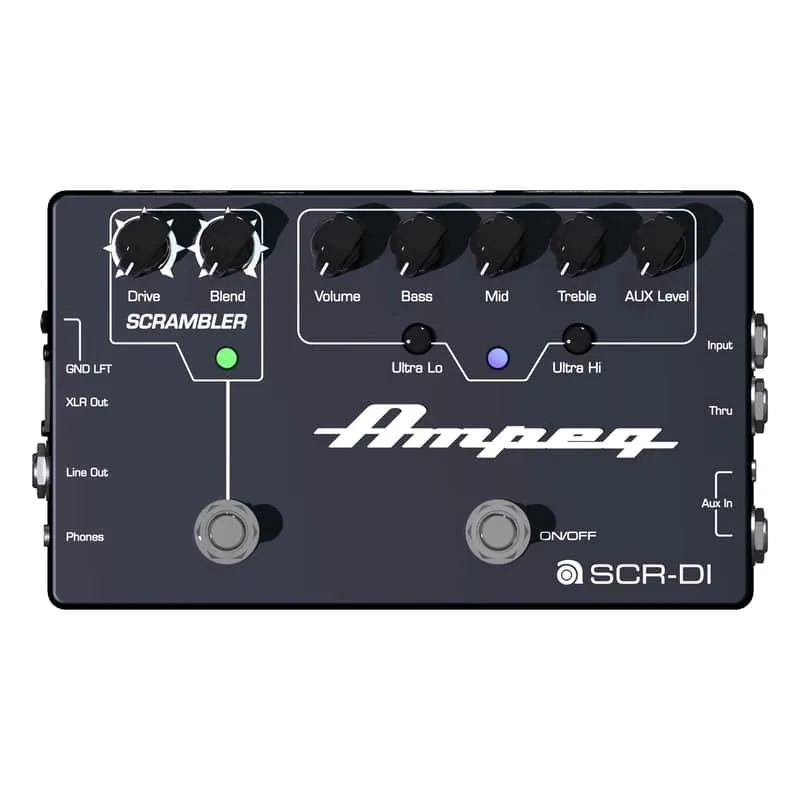
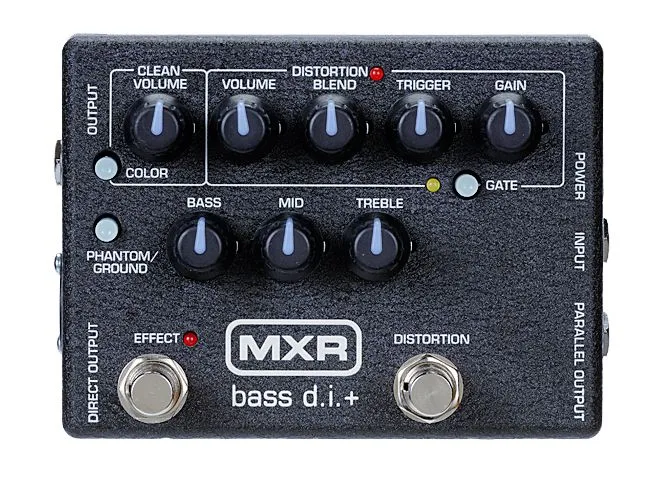
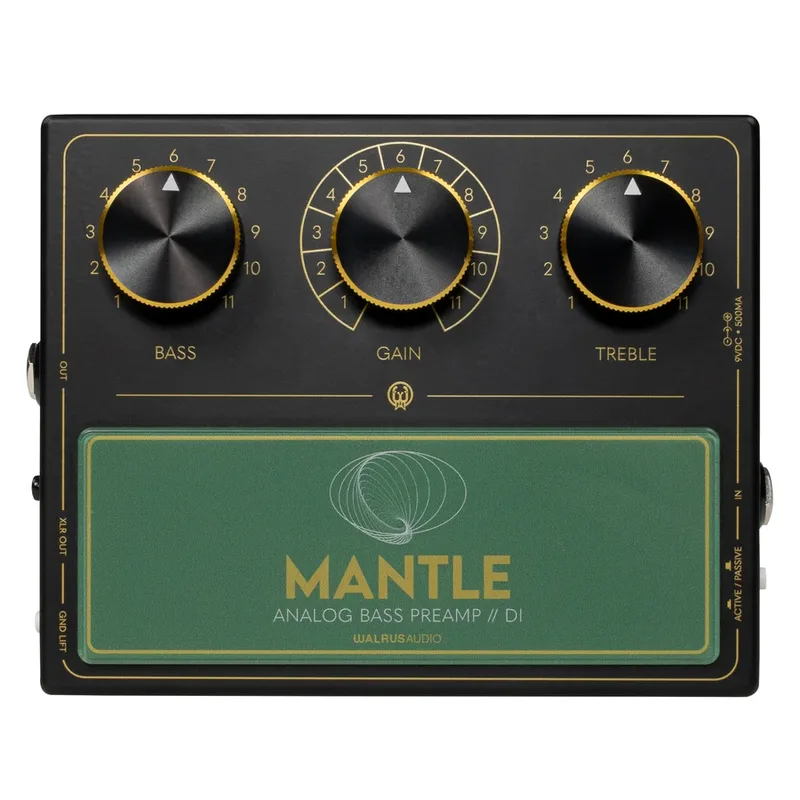
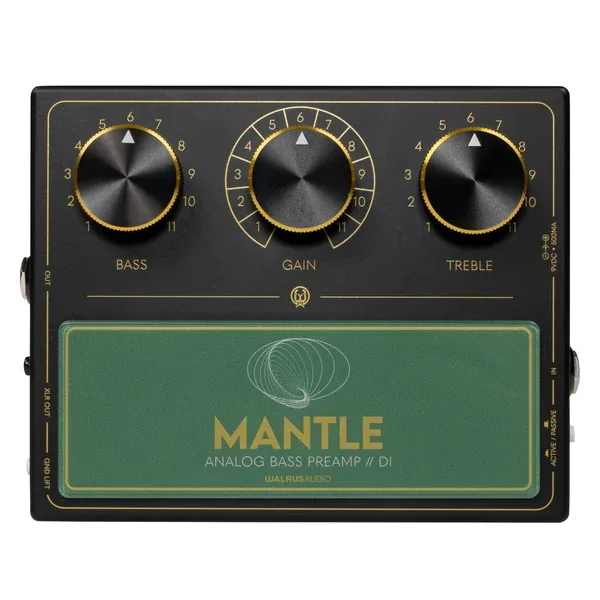
Related pages on the site cover the preamp type and specific models like the Ampeg SCR-DI, MXR Bass D.I.+ and Walrus Audio Mantle.
Bass synth and octave
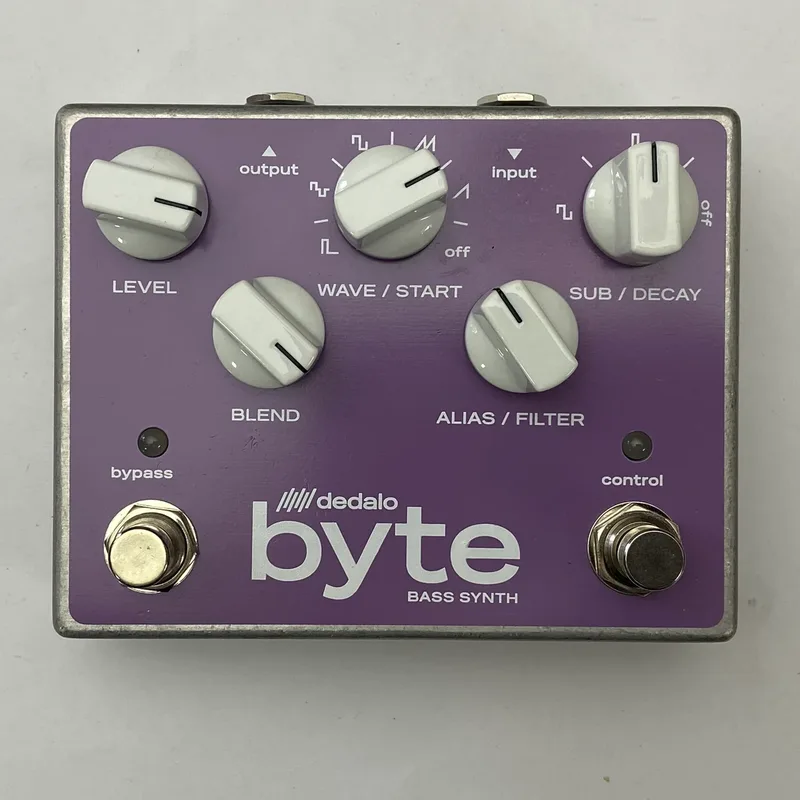
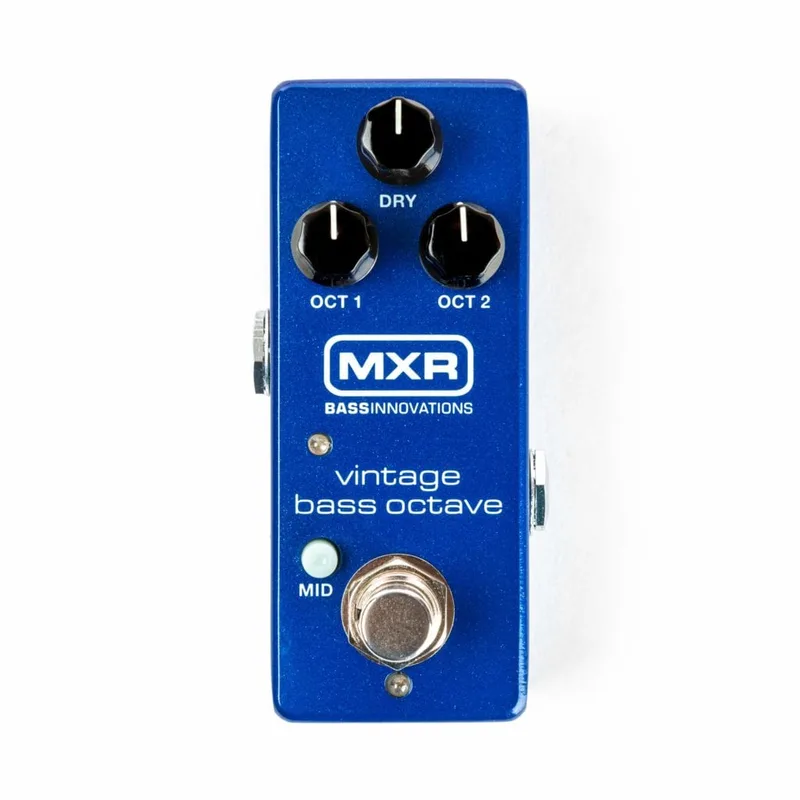
Octave pedals drop the bass signal an octave below (or lift it above) the note you play, and synth pedals convert the bass into synthesized voices. The Ashdown Octa Dose is an octave pedal for bass from a maker with a long bass-amp history10. The EBS OctaBass Blue Label, launched in October 2019, is an analog octave pedal with a feature to optimize the tracking where you need it11, tracking being how accurately the pedal follows your playing, a real concern on fast bass lines.
Multi-effects units fold these and other effects into one box. The VOX StompLab 1B is a multi-effects pedal for bass12, and the Zoom B1on is a bass effects pedal of the same kind13. At the top end, the Darkglass Anagram platform runs its own operating system, updated in 2026 with new bass models and filter blocks, and is controlled with the Anagram Press expression pedal1429. For the type in depth, see octave and pitch pedals and synth pedals.
Where bass pedals go in the signal chain
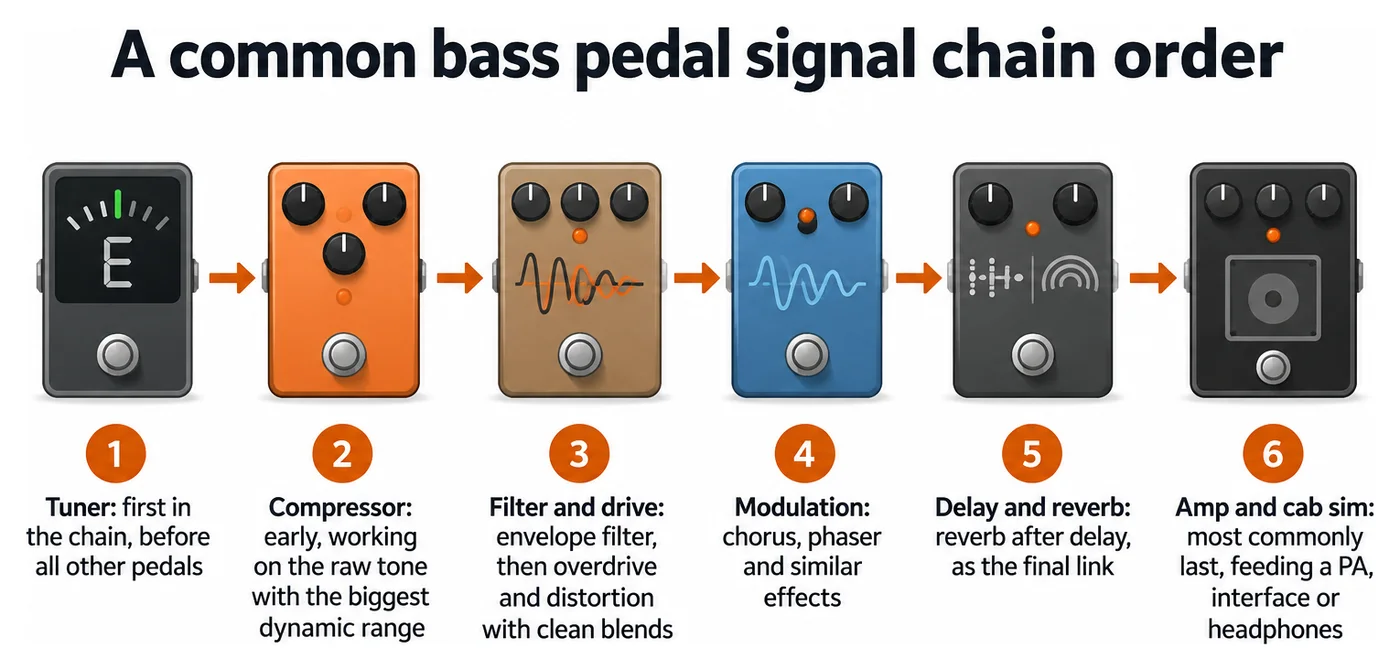
The same ordering logic that governs guitar boards governs bass boards, with the tuner first and time-based effects last. BOSS's guidance is to "put the tuner first and use buffered bypass pedals that protect the quality of the tone all down the line"30. Compression goes early: BOSS recommends placing a compressor close to the instrument because these units work best with an even signal30, and Origin Effects calls first-in-chain, after any buffer-incompatible vintage fuzz and wah and the tuner, by far the most common placement for compression27.
Amp and cabinet simulator pedals most commonly go at the end of the chain, where the signal is routed to a PA system, audio interface or headphones30. Reverb sits after delay, as the final link in the chain, because delayed reverb can sound muddy30, a caution that applies doubly on bass.
Questions to ask when choosing a bass pedal
The questions that actually separate bass pedals from each other:
- Does it keep your low end? Look for a clean blend, a distortion mix control or bass-specific voicing3233.
- What controls does it give you over the bottom? Explicit Low controls, as on the AMT Bricks A-Bass26, beat a single generic tone knob.
- Do you need a DI output? If you play venues without reliable backline or record at home, a preamp/DI pedal like the MESA Subway+8 or Sadowsky9 covers both jobs.
- Is the effect bass-aware at all? Some, like Analog Man's chorus, need a bass-specific setting or option to work well19; others, like envelope filters, are native bass territory194.
- One pedal or a platform? A single stompbox does one job; a unit like the Darkglass Anagram is a whole pedalboard platform with its own expression pedal1429.
Even the humble EQ earns its place: Harley Benton's pitch for the MiniStomp The Deep is that an EQ belongs on any bassist's pedalboard17. See the equalizer pedals page for the type.
Questions
Can I use guitar pedals on bass?
Yes, many players do, and some guitar pedals work fine on bass. The trade-off is low end: circuits voiced for guitar can thin out bass frequencies, especially drive and fuzz. Pedals designed for bass keep the fundamental intact, usually with a clean blend or bass-specific voicing. If you use guitar pedals on bass, listen for whether your low notes disappear when the pedal is engaged.
Why do some pedals lose low end on bass?
Because the circuit was voiced for the guitar's frequency range. Capacitors and tone filters inside a pedal decide which frequencies pass through, and a design tuned for guitar can roll off the low fundamentals a bass depends on. Drive circuits also clip the signal, and clipping can eat the body of the note. Bass-specific designs and clean blends exist to solve exactly this.
What does a clean blend do on a bass pedal?
It splits your signal into two paths, one affected and one untouched, then mixes them back together. You keep your dry bass fundamental while adding as much dirt or effect as you want on top. EBS describes its Billy Sheehan Signature Drive as running two bass rigs side by side, one clean and one distorted, blended to a single output.
Do I need a compressor for bass?
Not strictly, but bass is a wide-dynamics instrument and compression is one of the most used bass effects. A compressor evens out the difference between your hardest and softest notes and adds sustain. Makers like Empress, Darkglass, Trace Elliot and SubZero all build dedicated bass compressors, some with sidechain jacks or dual-band control.
What is a bass DI pedal used for?
A DI (direct injection) pedal sends a balanced signal straight to a mixing desk or audio interface, so you can play without an amp on stage or in the studio. Bass preamp and DI pedals combine that output with tone shaping, sometimes amp-derived circuits, so the pedal becomes your whole front end. The MESA/Boogie Subway+ Bass DI-Preamp II is one example.
What order should bass pedals go in?
A common order is tuner first, then compressor, then filters and drives, then modulation, then delay and reverb, with amp and cab sims last. BOSS and Origin Effects both recommend the tuner first and the compressor early, close to the instrument, so it works on the raw tone with the widest dynamic range. Vintage fuzz can be an exception, since some dislike buffers in front of them.
Sources (33)
- Fuzz Probe Vexter, ZVEX Effects
- nanoGain clean boost, Sine Effect Store (sineeffect.com)
- Ultimate Beginner Pedal Kit, MAS Effects
- BassIQ by EBS, RockBoard PedalPedia, 2026
- Microtubes B7K V2, Darkglass
- Bass Compressor, Empress Effects Inc.
- Trace Elliot® Dual Band Compressor™ Pedal, Peavey
- MESA/Boogie Subway+ Bass DI-Preamp II, Black, Gibson (gibson.com)
- BassPlayer_2002APR.ill, BassPlayer, 2002-04
- Octa Dose, Ashdown Engineering
- EBS launches the new OctaBass 'Blue Label' pedal, EBS Professional Bass Equipment, 2019-10-11
- StompLab 1B, Vox Amps, 2023-05-23
- | ZOOM, ZOOM
- Anagram Manual, Darkglass
- Anagram Expression Pedal, Darkglass
- Tiny Fuzz: Ink Stamp Series, MAS Effects
- MiniStomp The Deep, Harley Benton
- Master Effects Pedals, Master Effects Pedals
- Analog Man Chorus Pedals, aNaLoG.MaN (analogman.com), 2026
- THE SCHAFFER REPLICA, SoloDallas LLC
- ARION MDI-2 Bass Distortion (B-STOCK), Godlyke Distributing, Inc.
- Super Symmetry (Silver) by Darkglass Electronics, RockBoard (rockboard.de PedalPedia), 2026
- Swollen Thumb Bass Compressor by Subzero, RockBoard (rockboard.de), 2026
- Lotus Drive, Wilson Effects
- Billy Sheehan Ultimate Drive, EBS Professional Bass Equipment
- Bricks A-Bass by AMT Electronics, RockBoard (PedalPedia), 2026
- Tech Tips: Where in the Chain, Origin Effects, 2024-05-17
- MK.4.23 Clean Boost, Creation Audio Labs
- Anagram Expression Pedal, Darkglass
- The Ultimate Guide to Guitar Effects Pedal Order and Signal Chain, BOSS (articles.boss.info), 2023-03-01
- manual EN v2.indd, Ruppert Musical Instruments, 2023
- “Brown” Red Muck Bass, JAM Pedals (www.jampedals.com)
- GUPtech Bass Bone, GUPtech