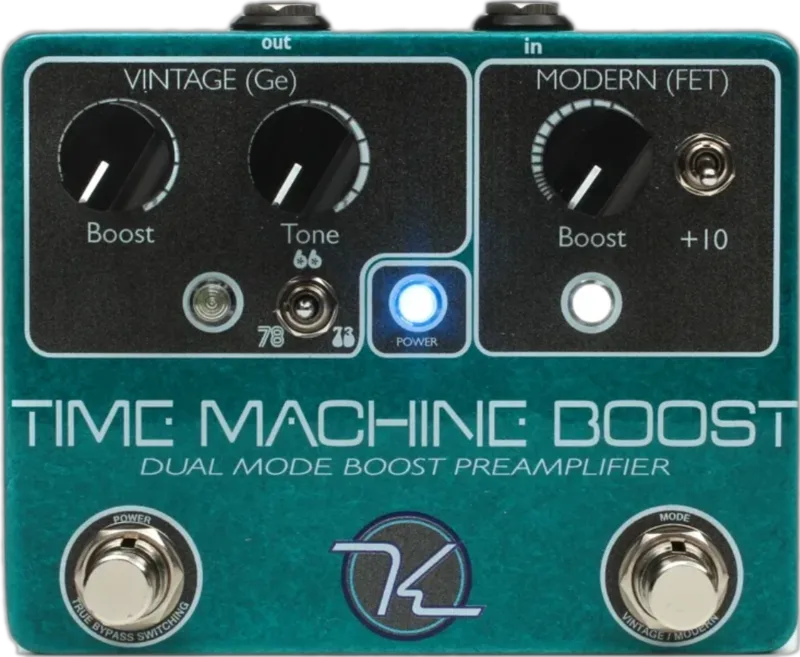
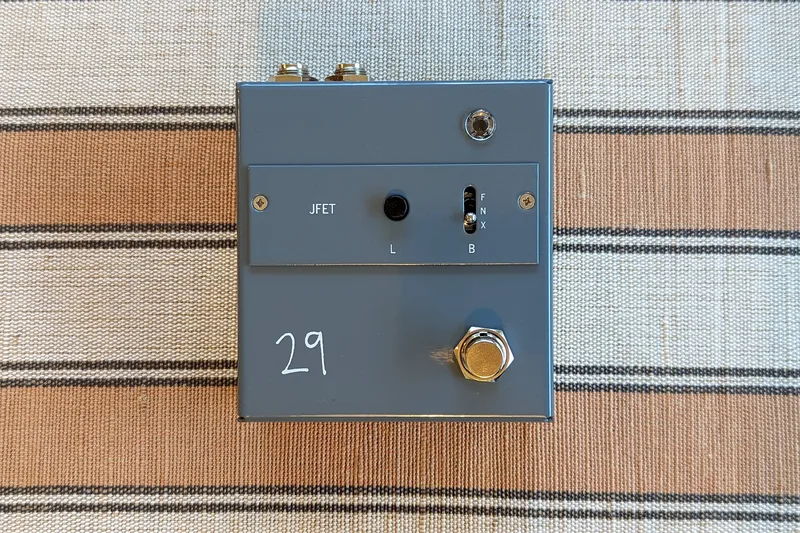
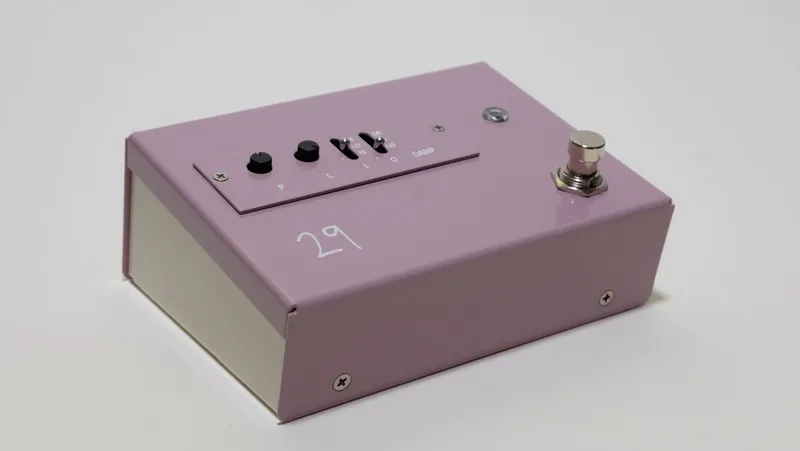
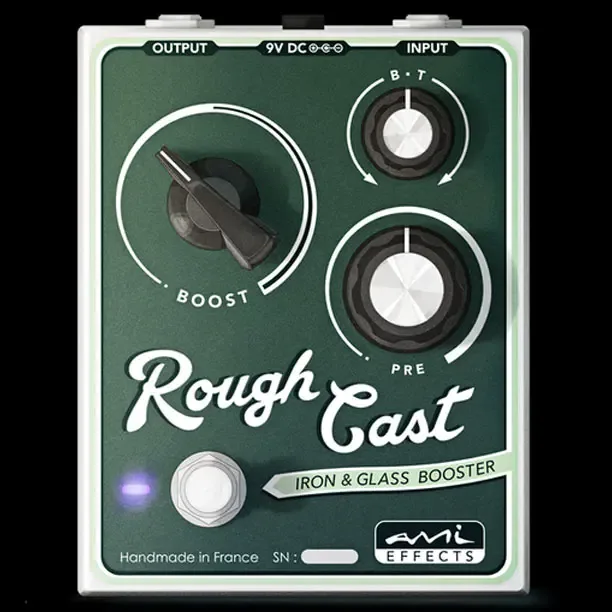
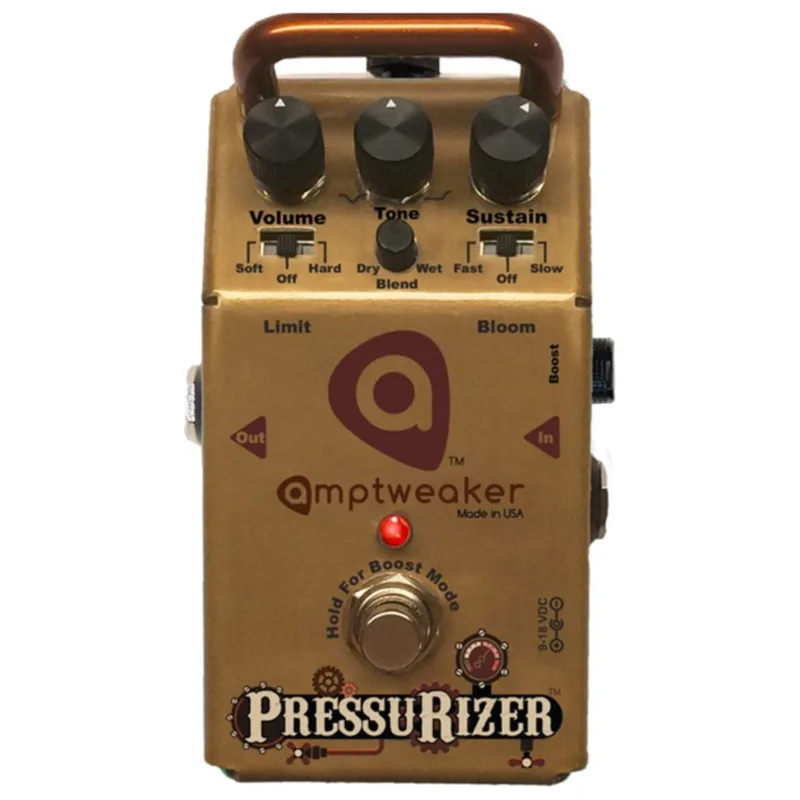
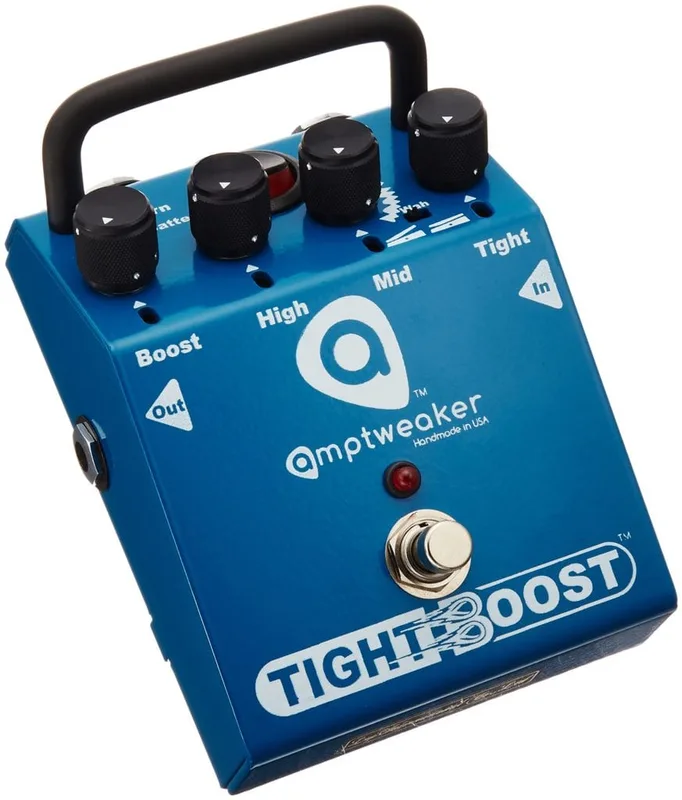
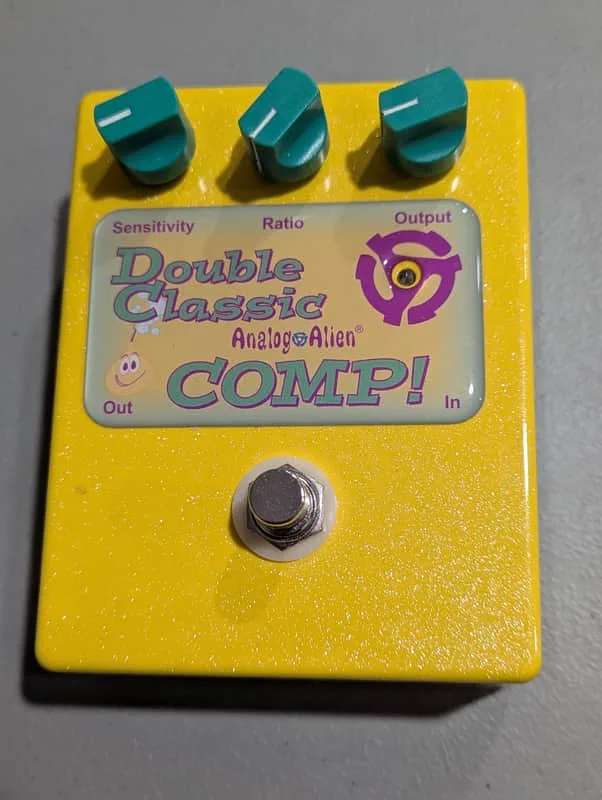
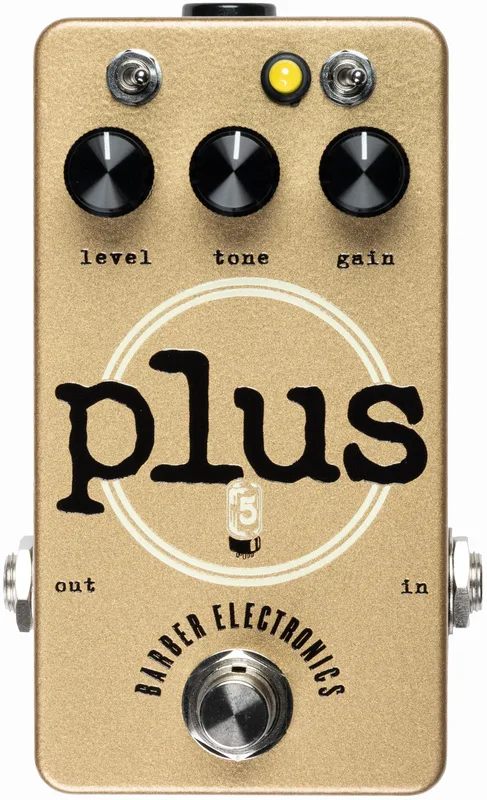
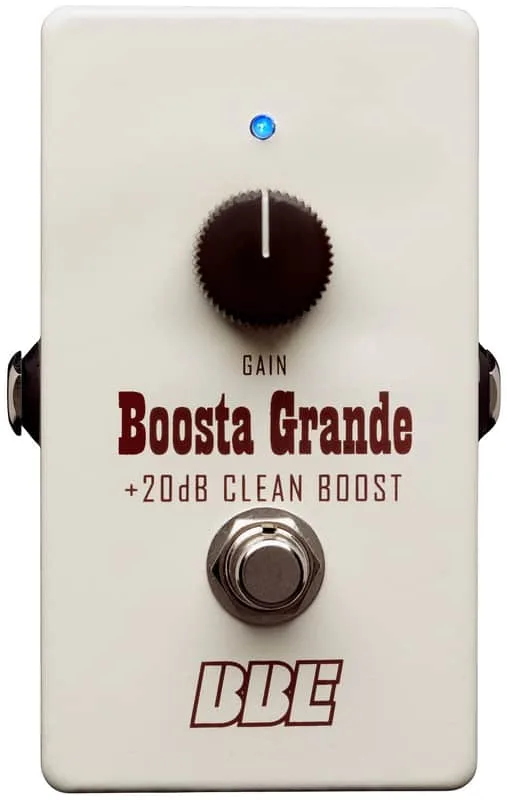
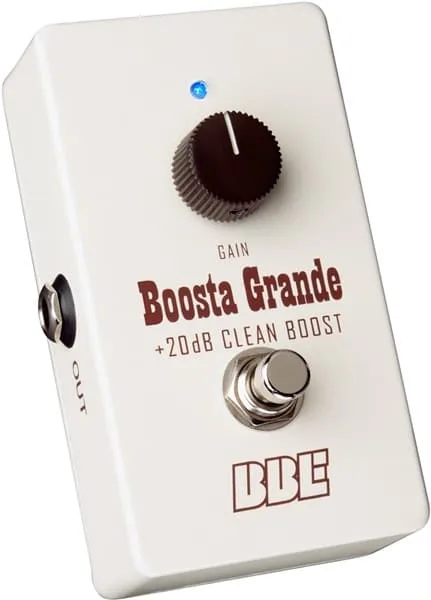
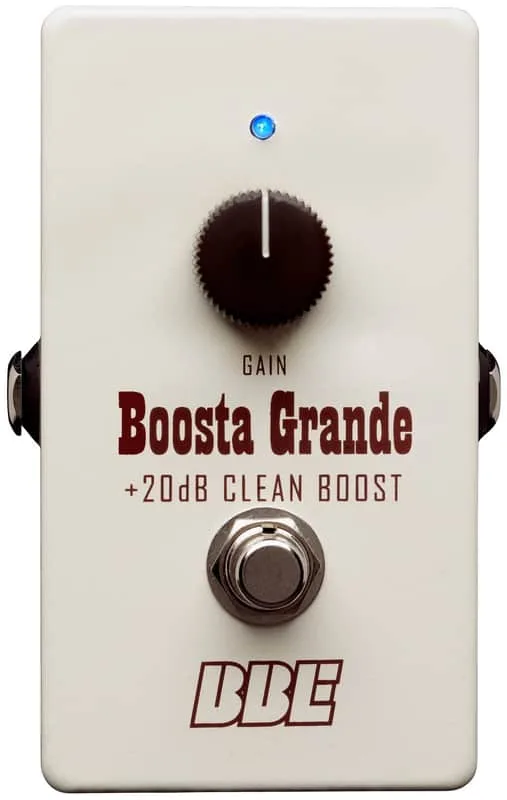
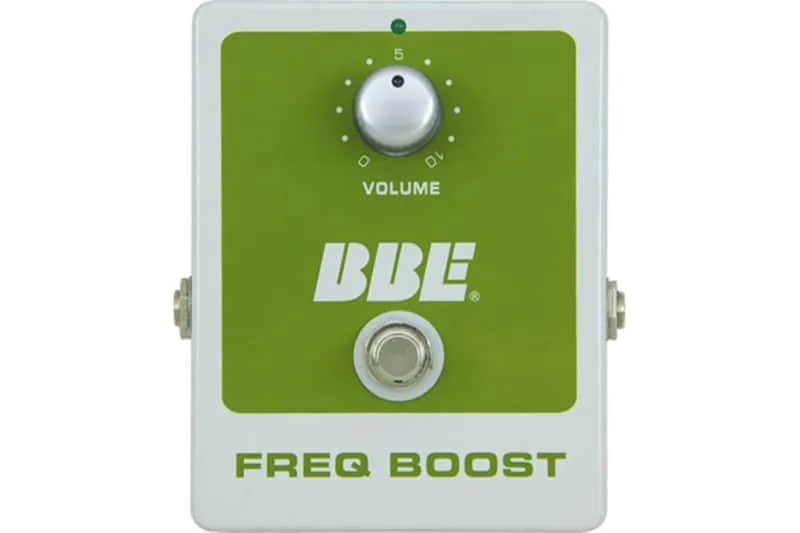
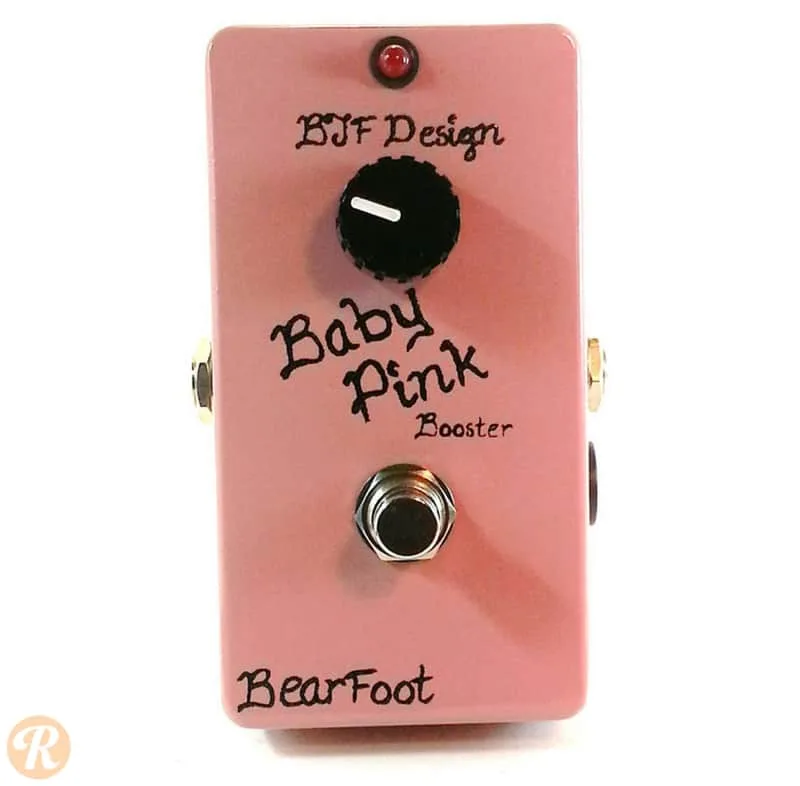
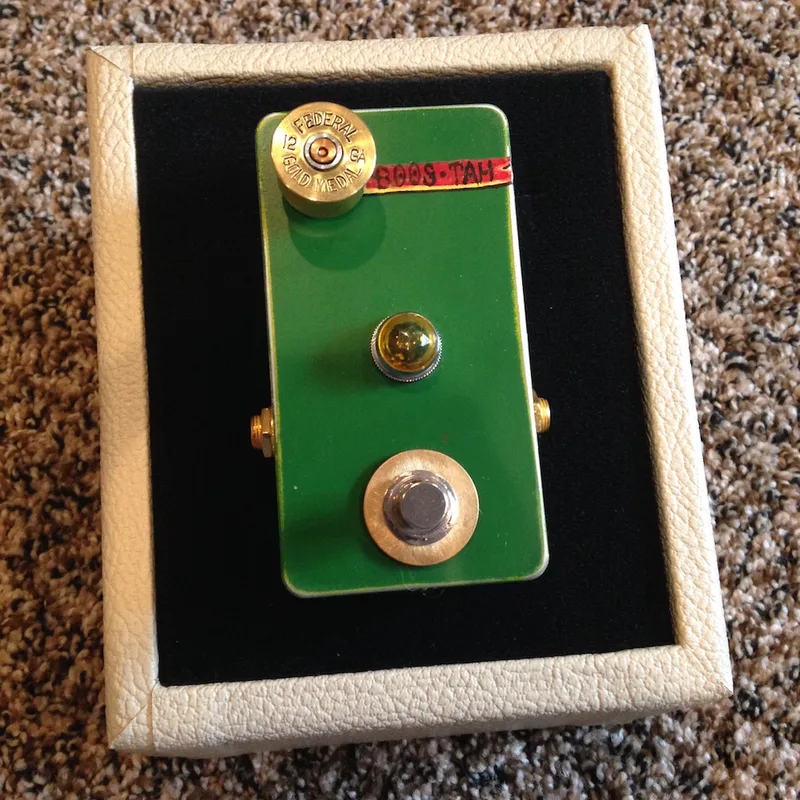
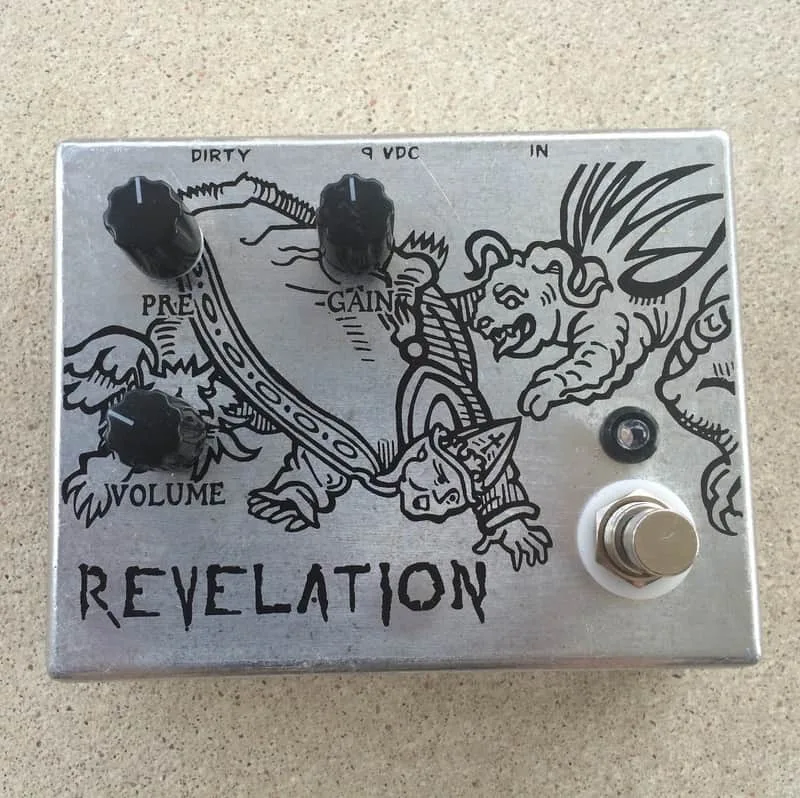
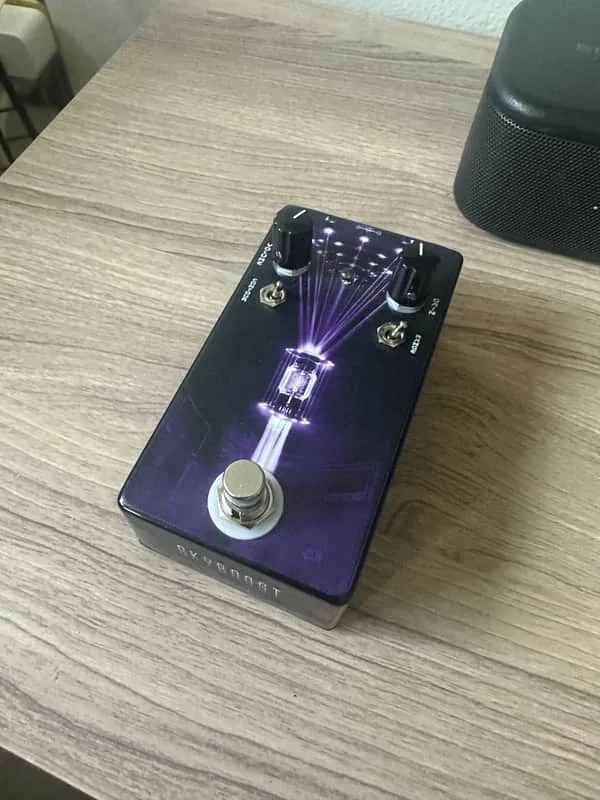
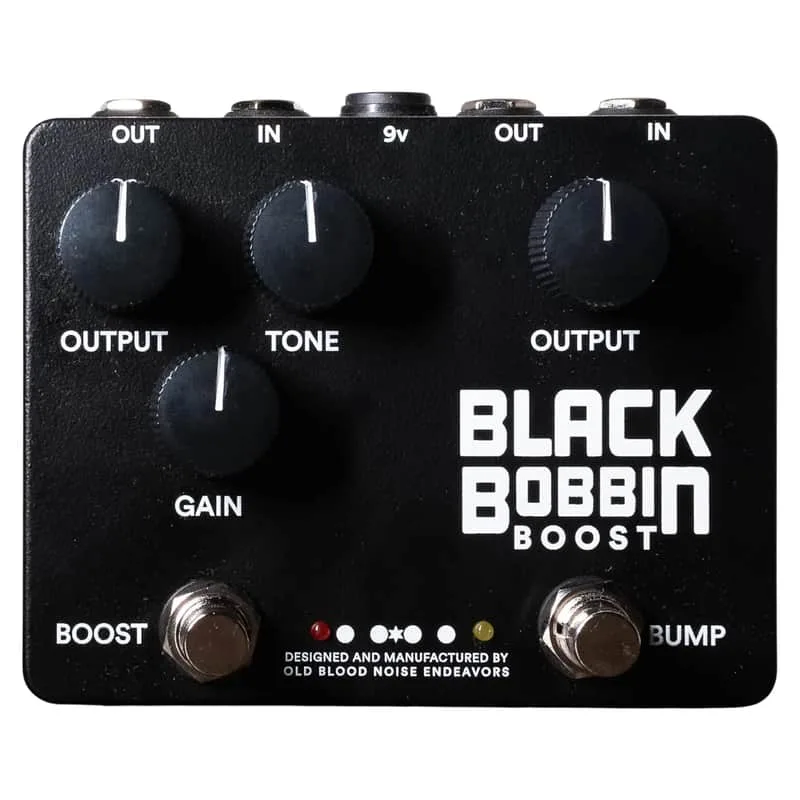
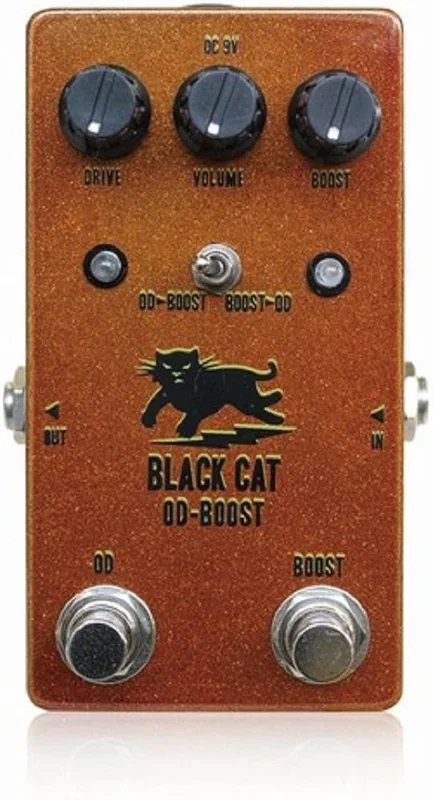
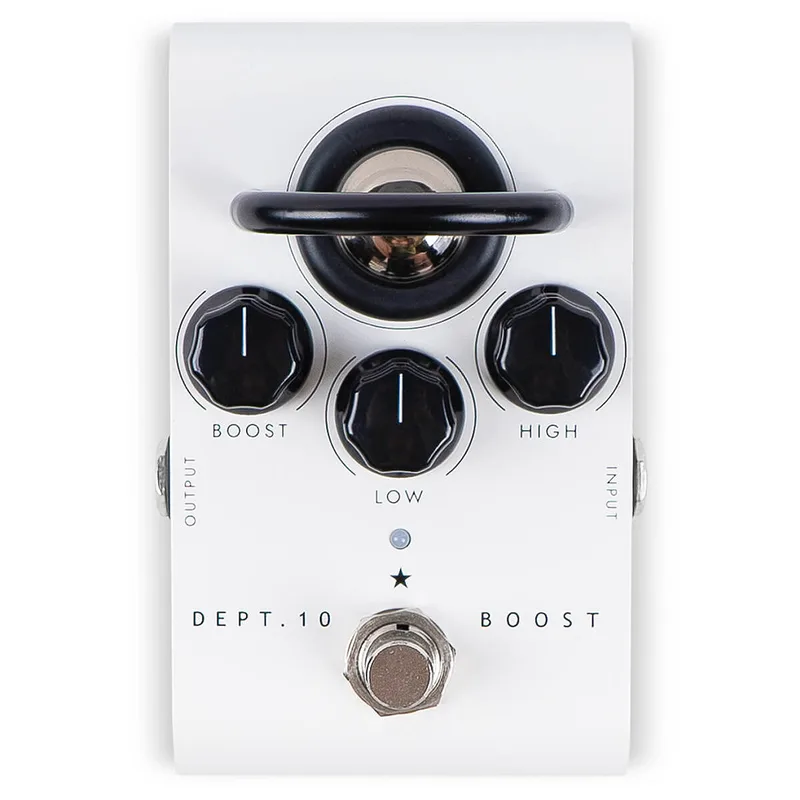
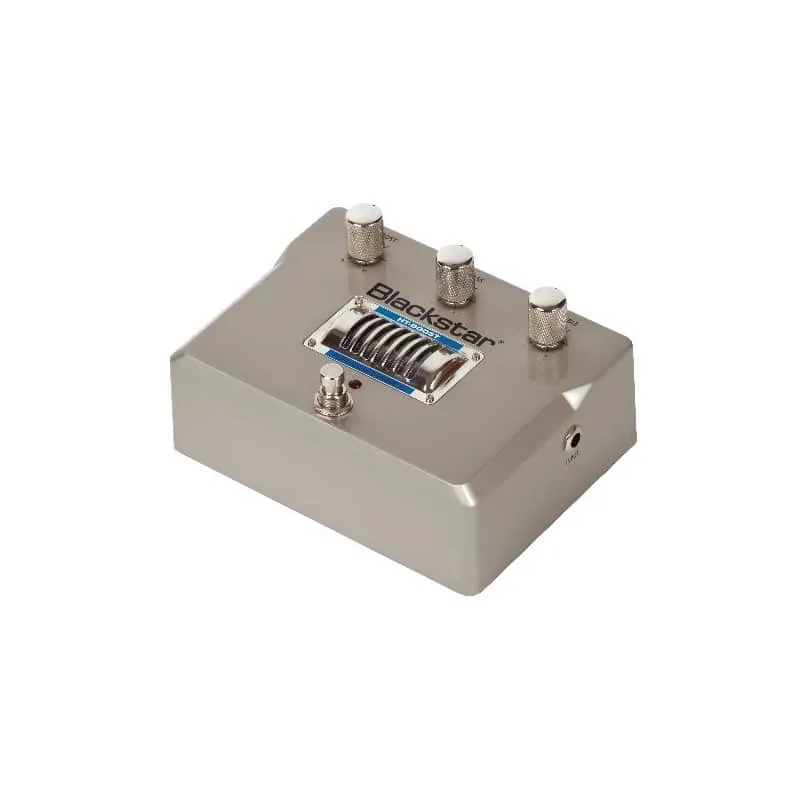
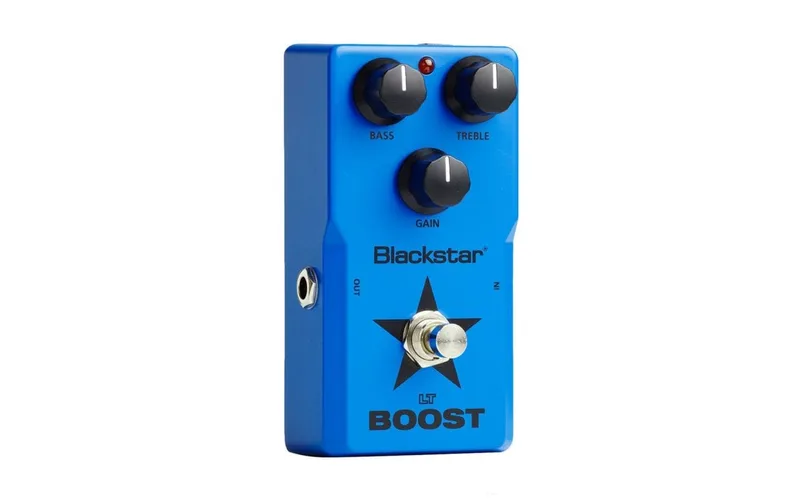
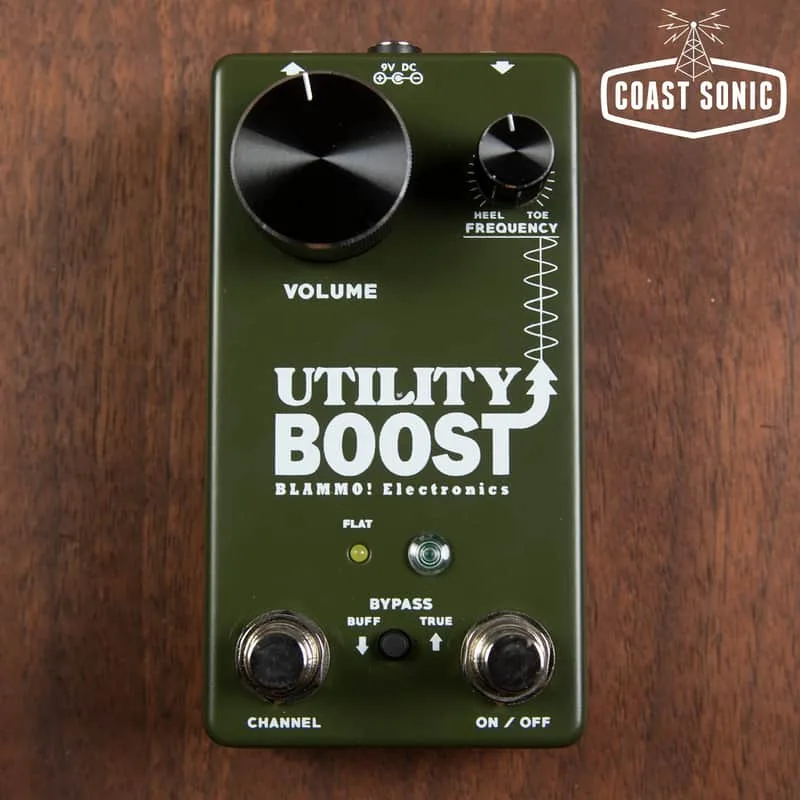
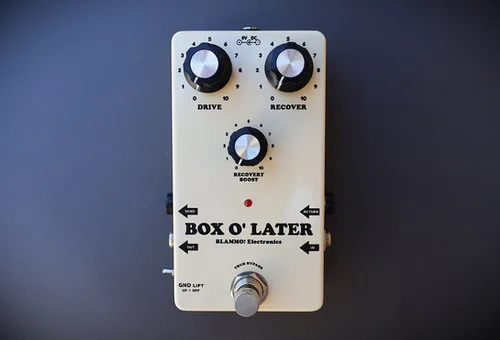
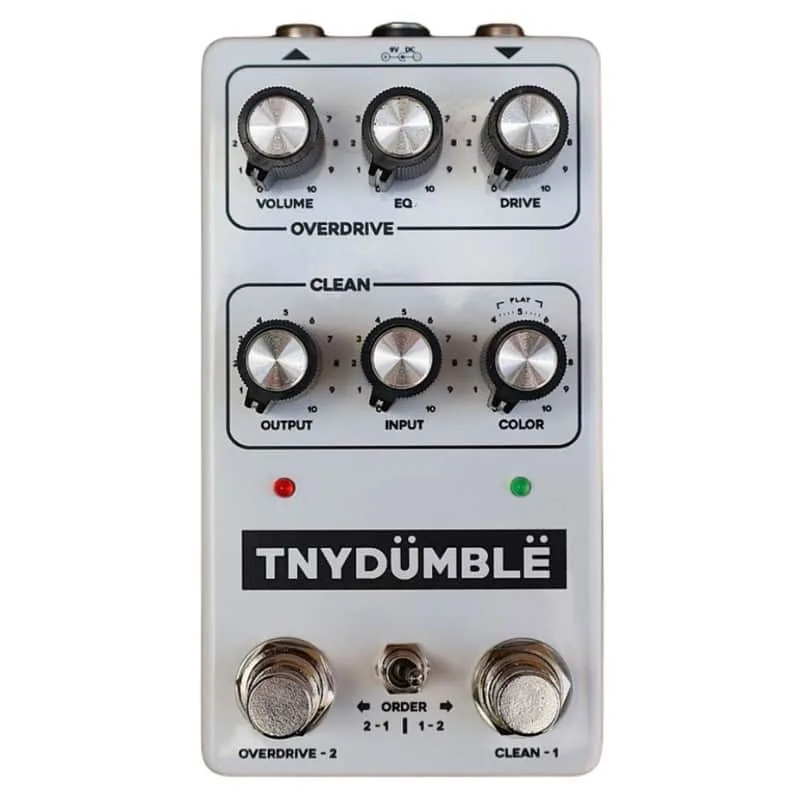
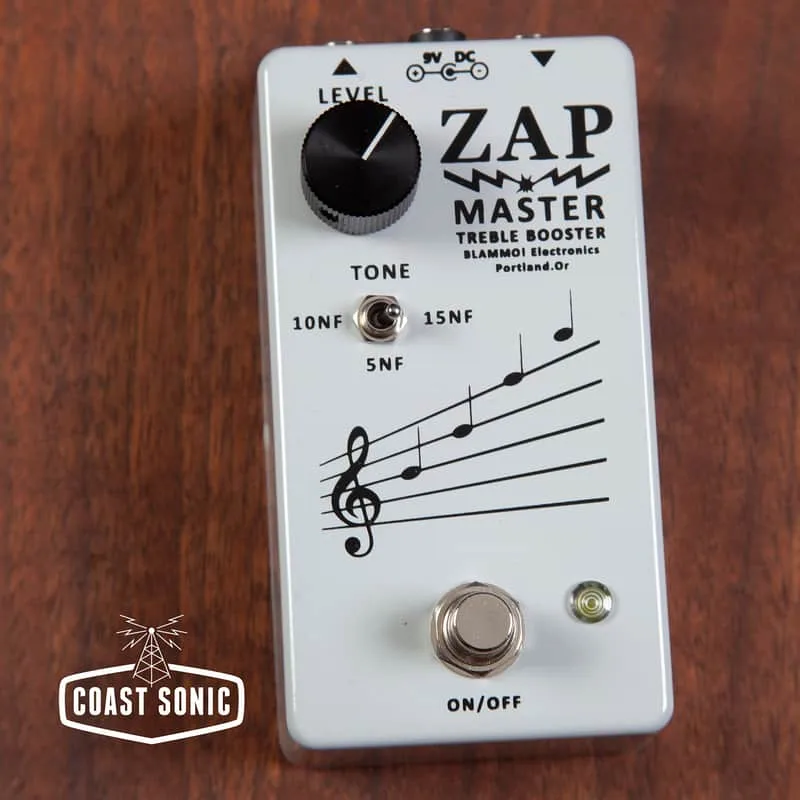
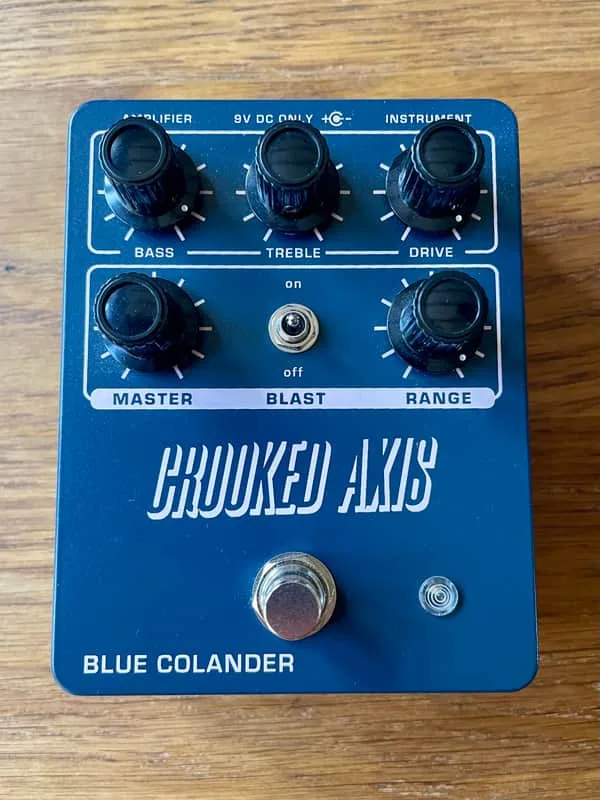
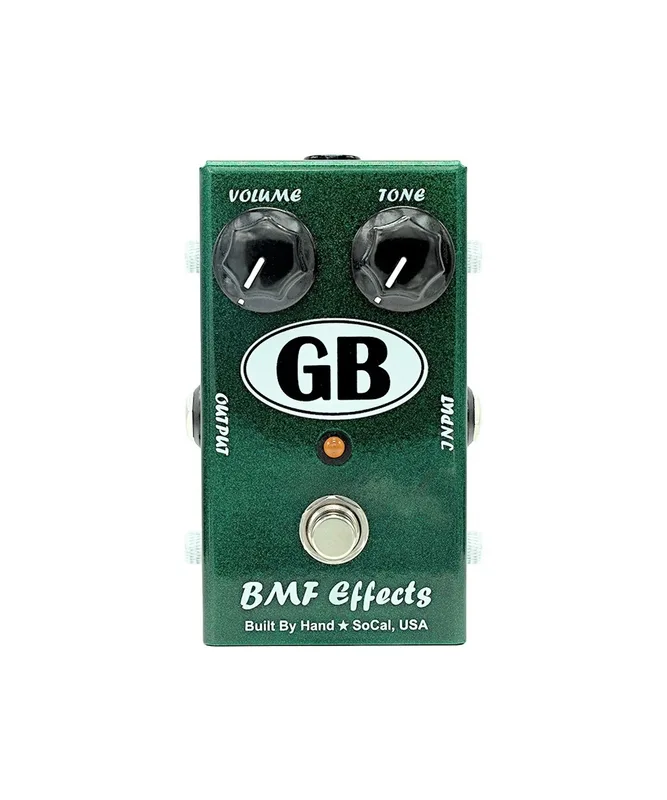
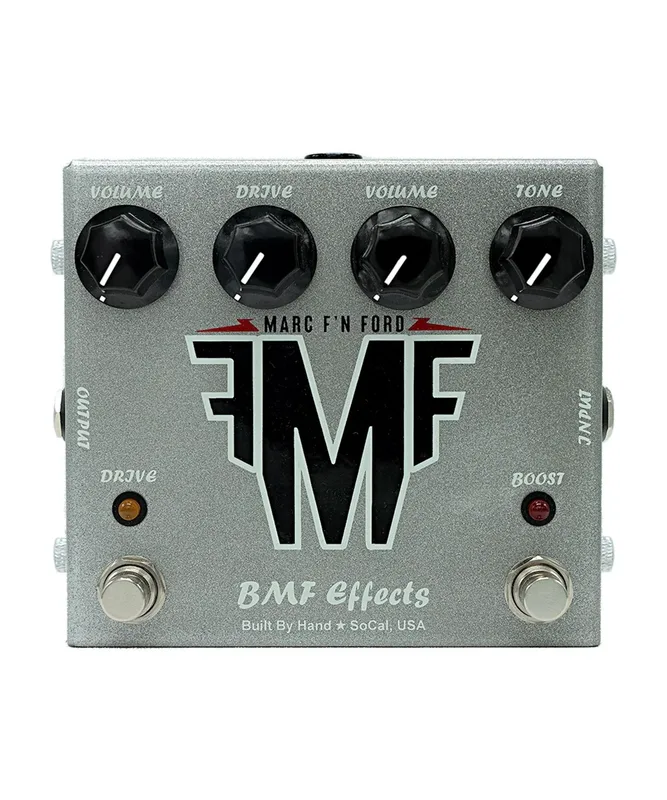
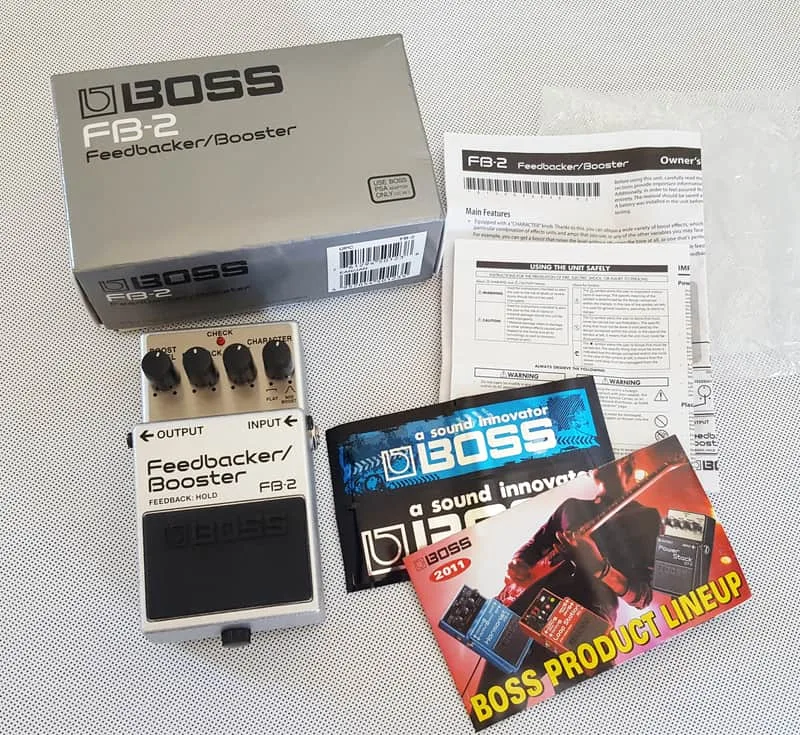
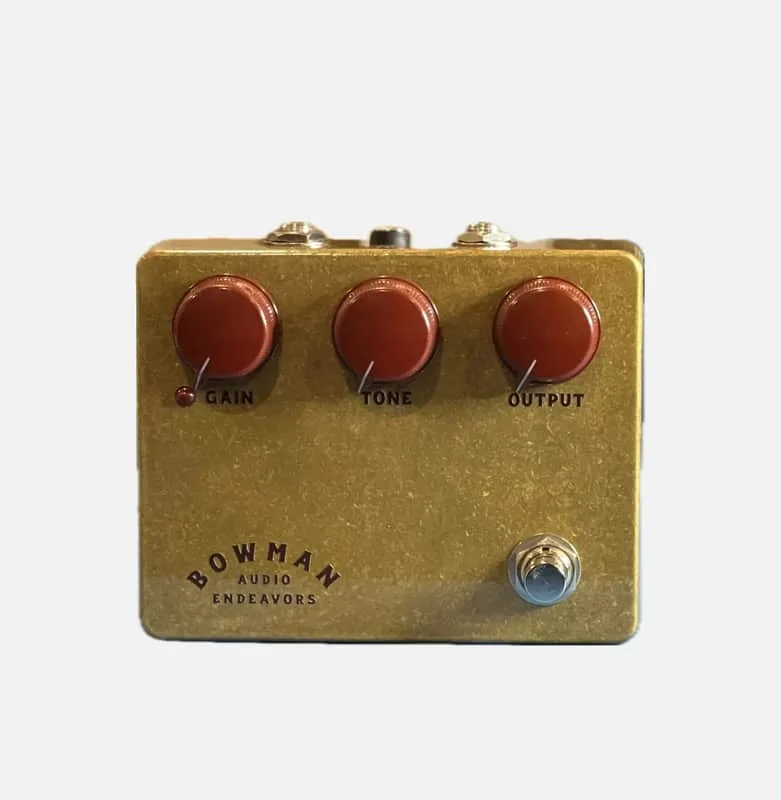
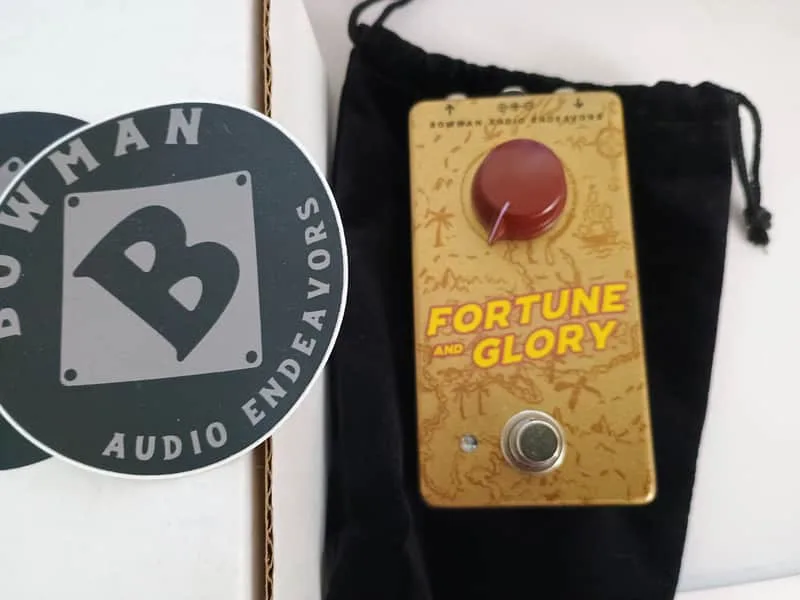
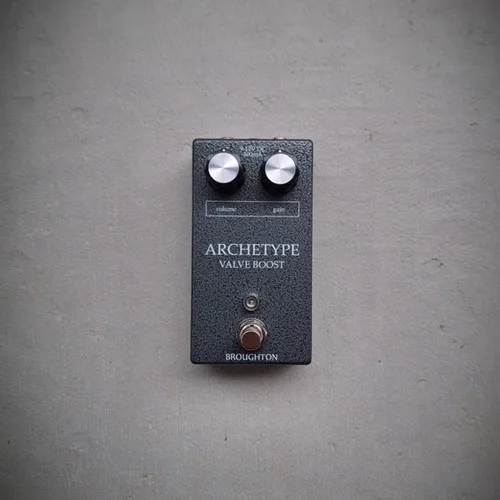
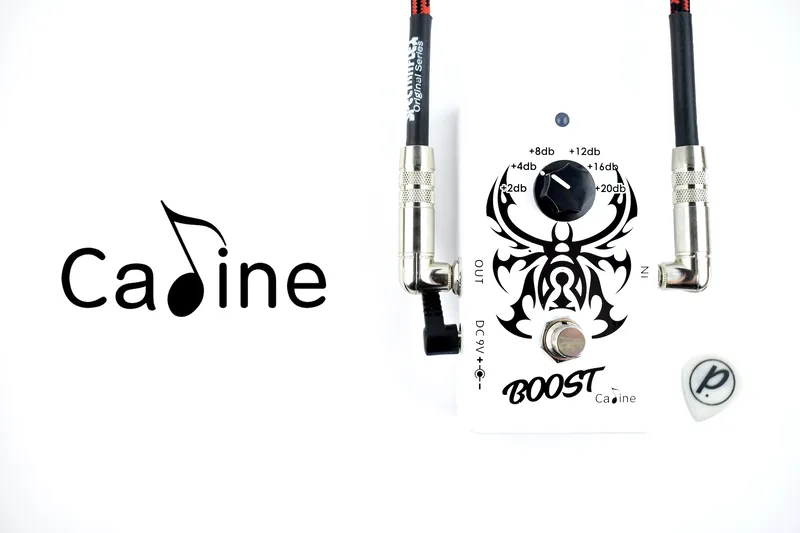
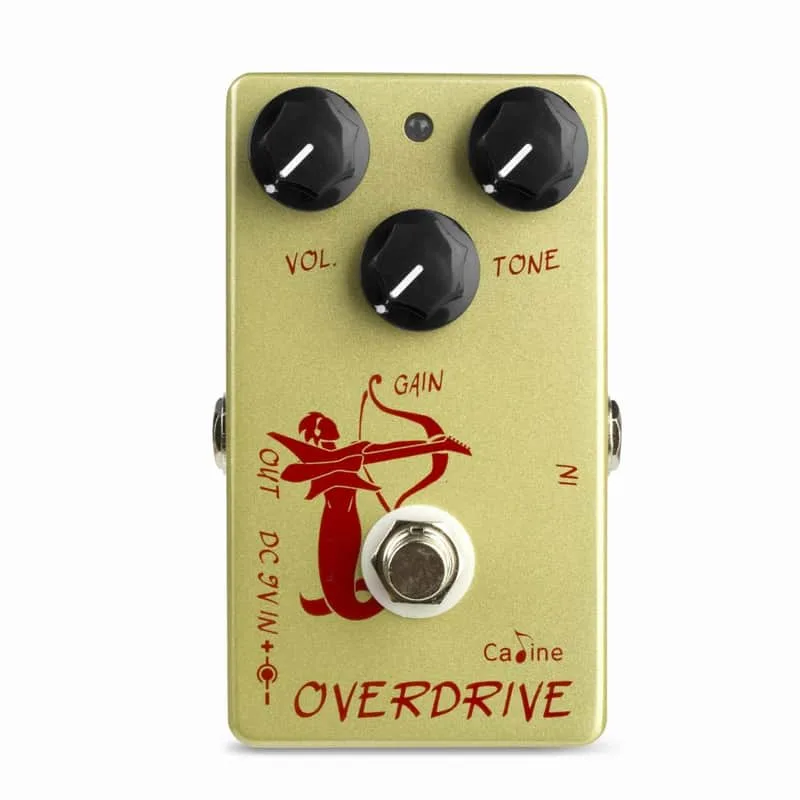
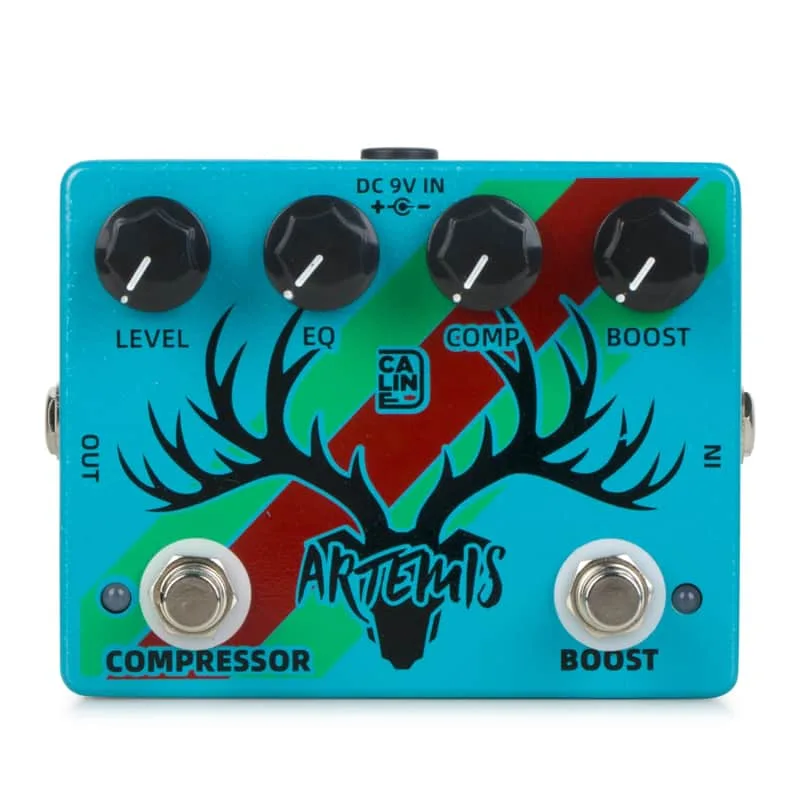
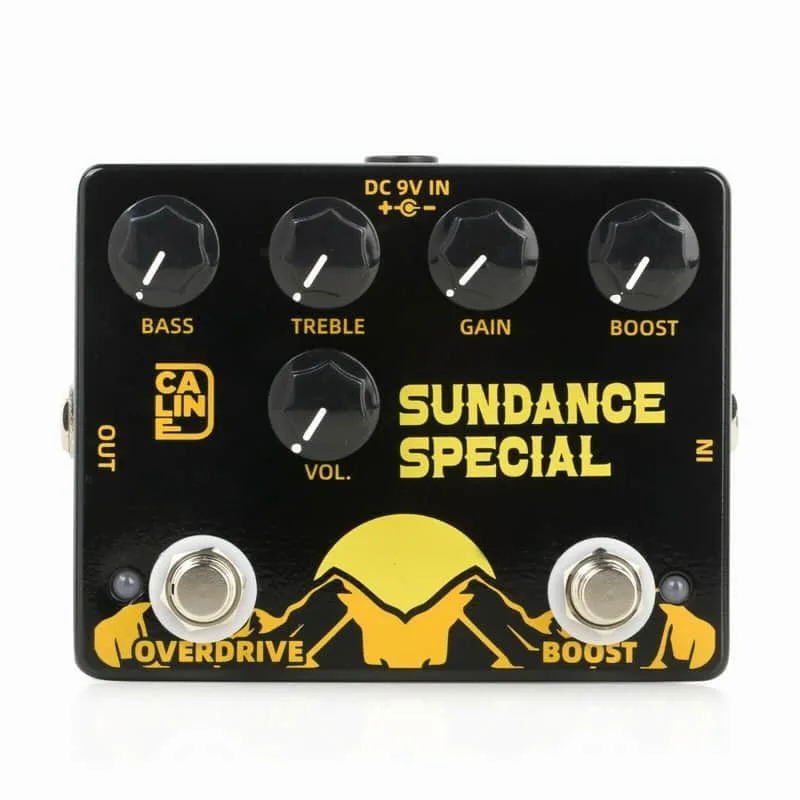
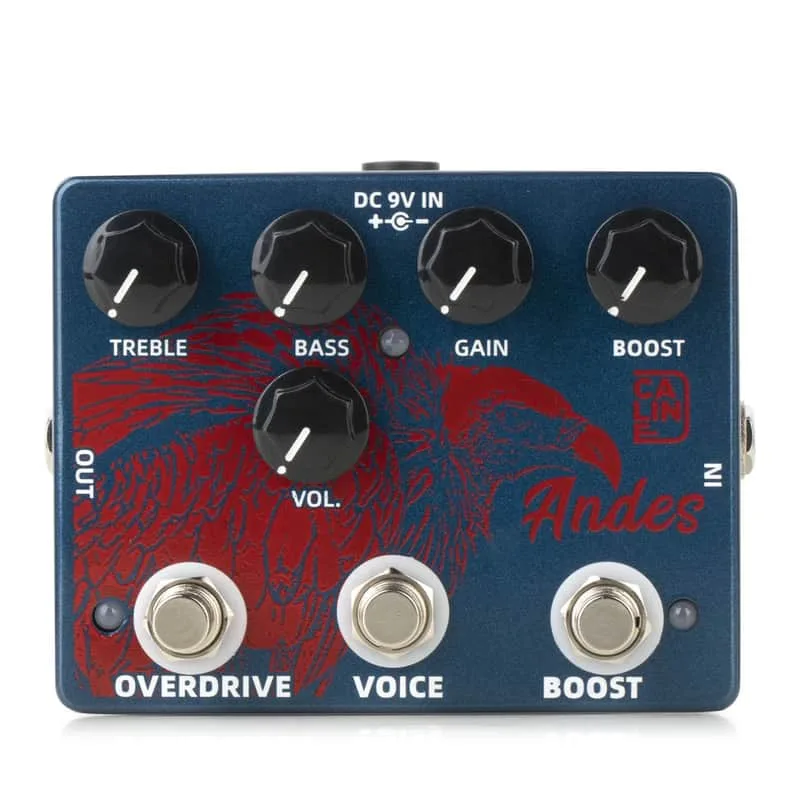
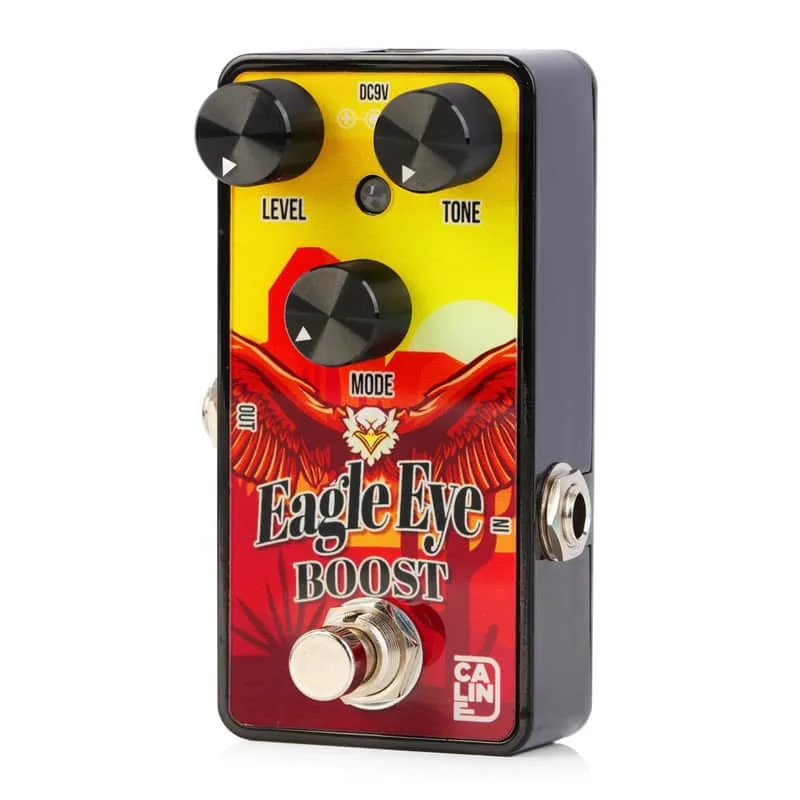
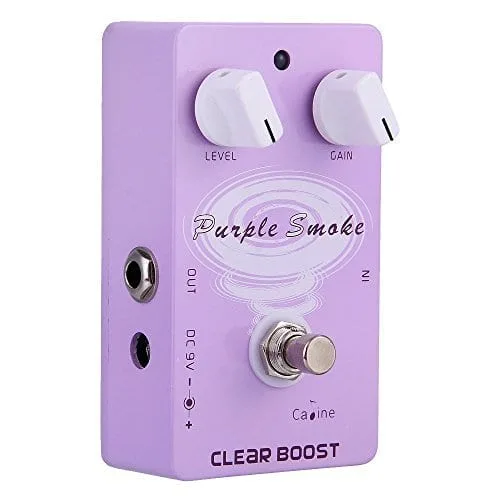
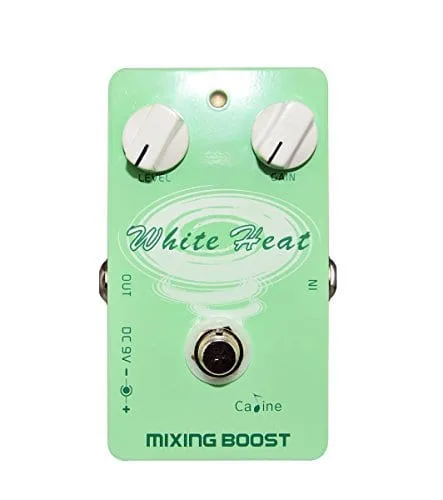
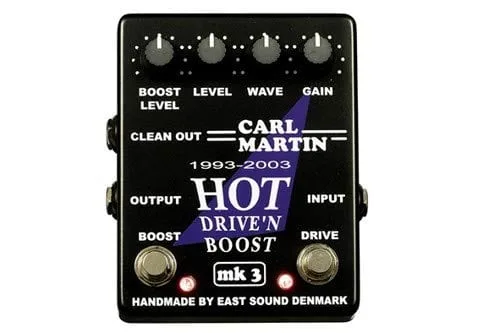
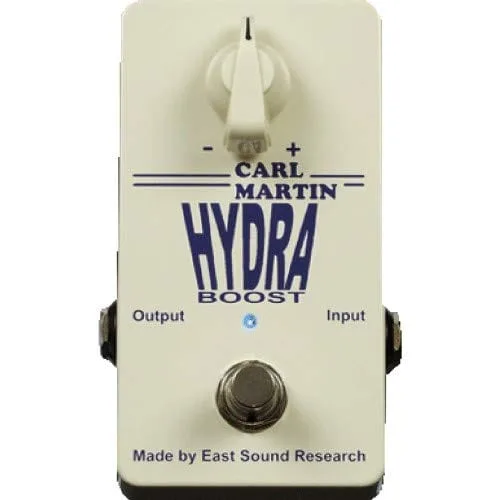
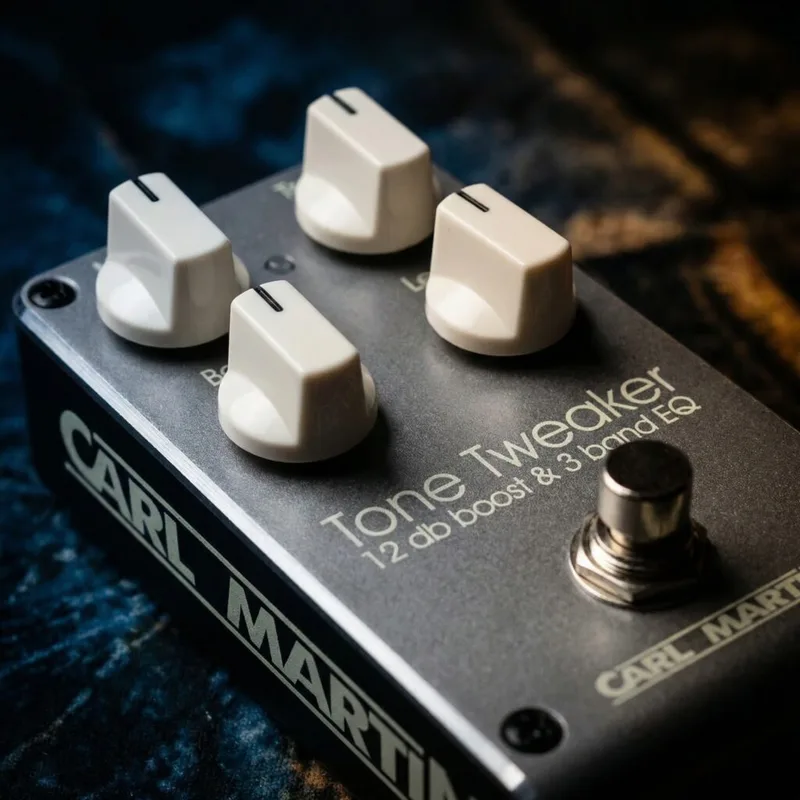
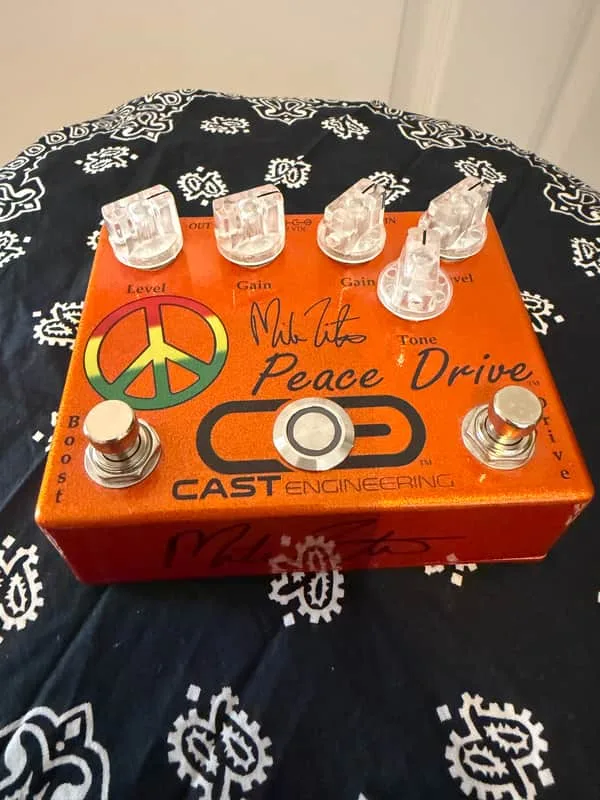
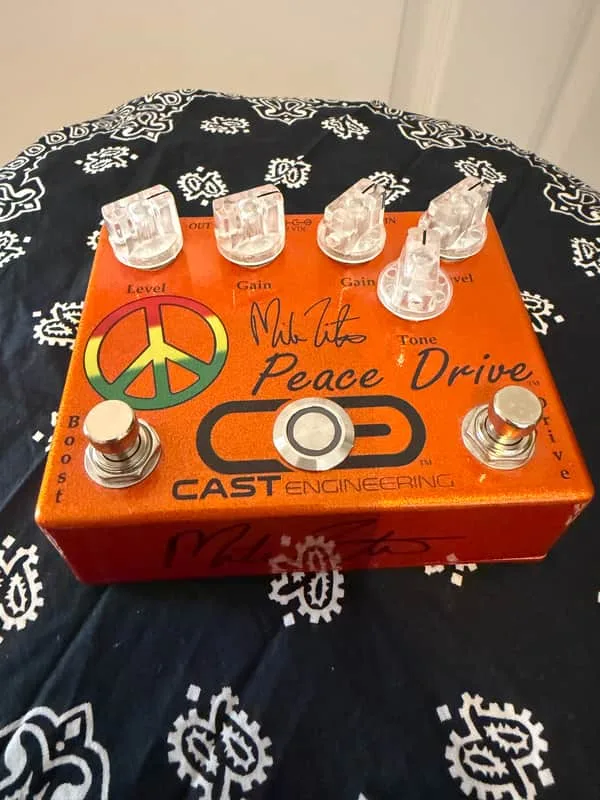
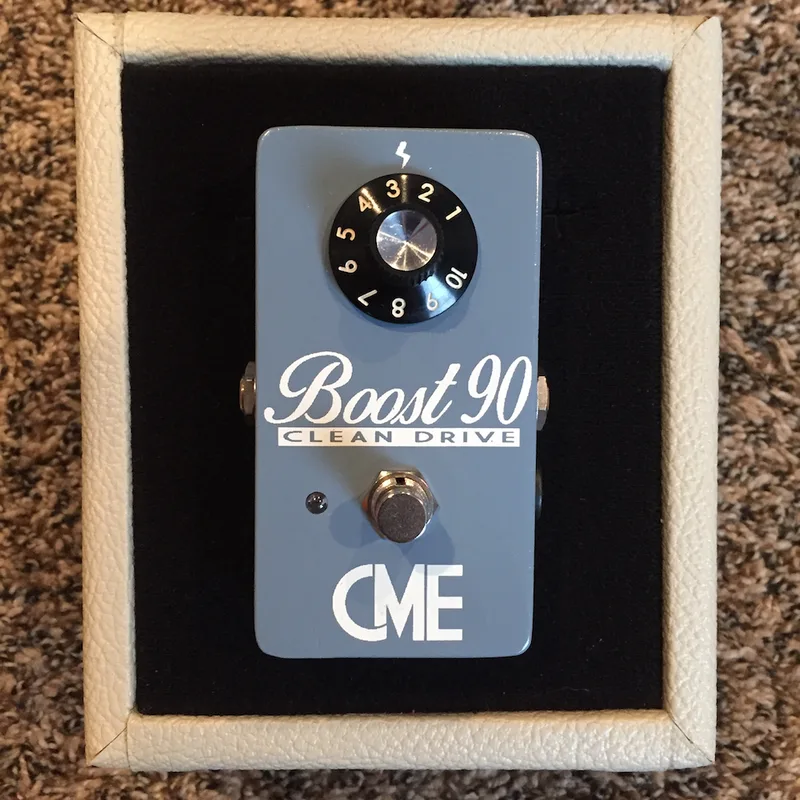
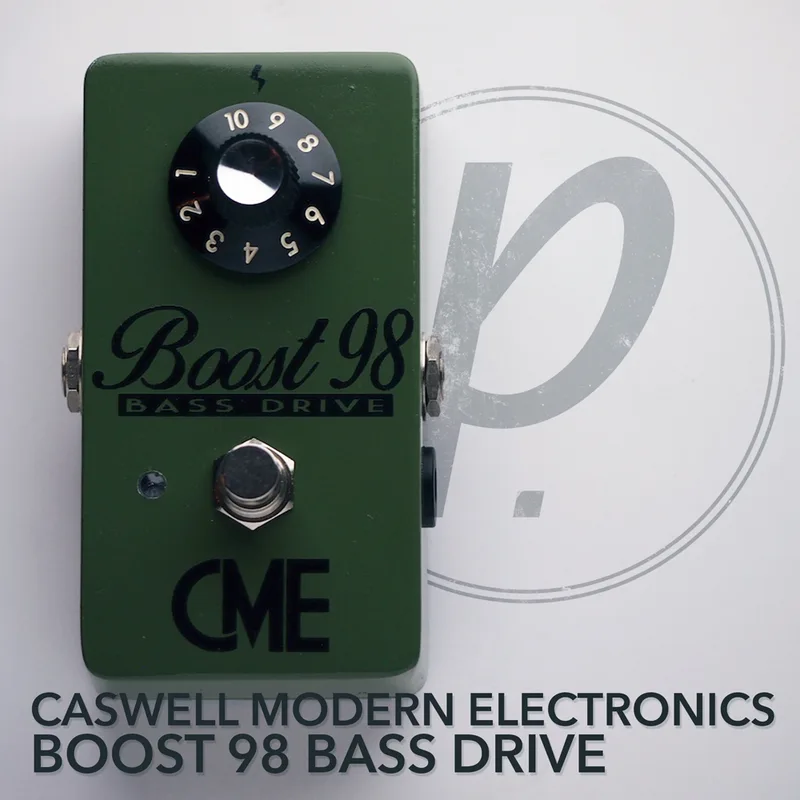
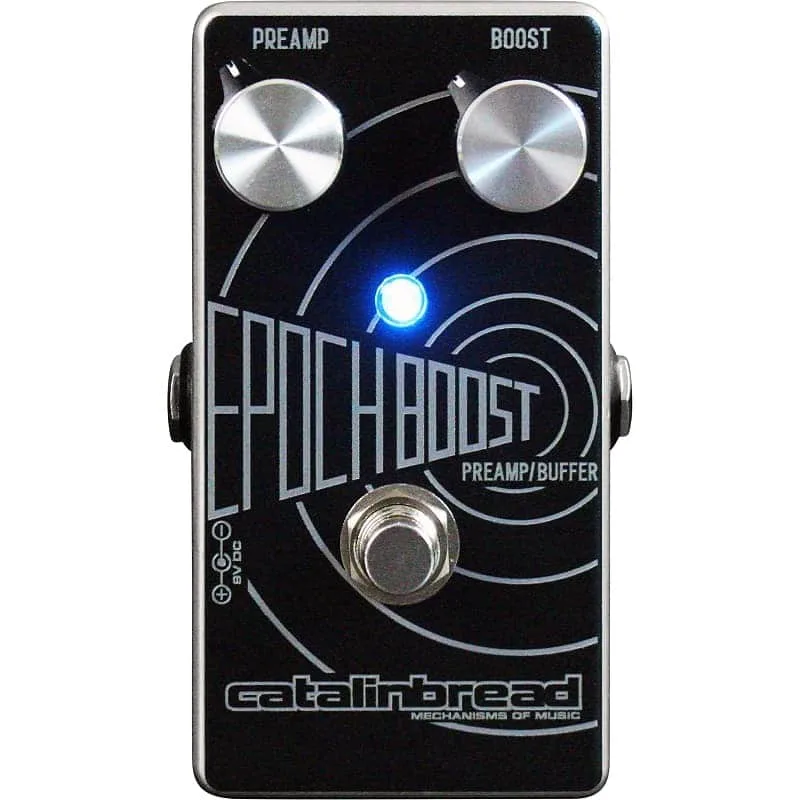
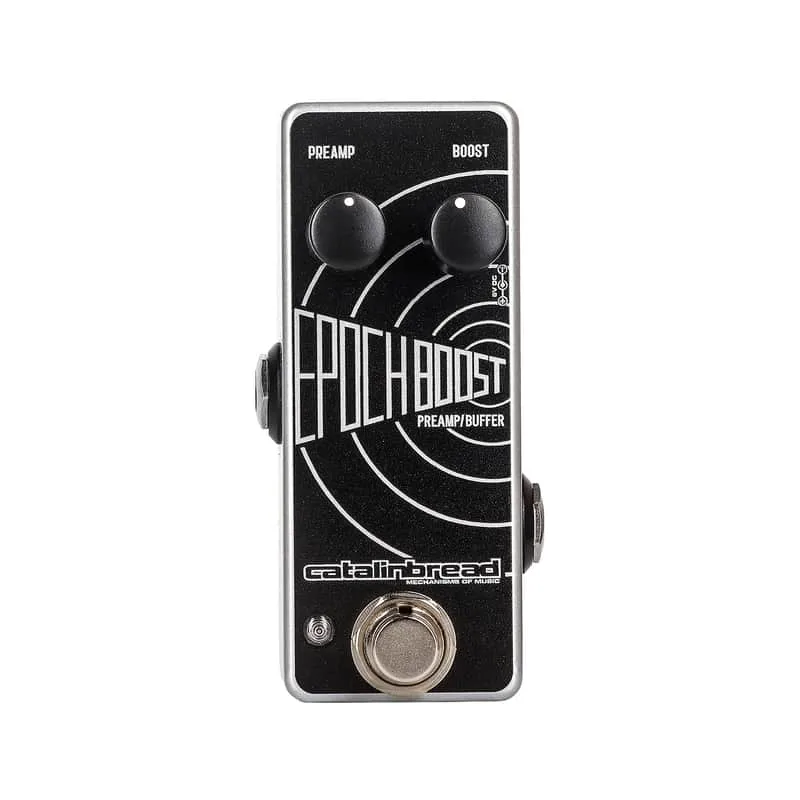
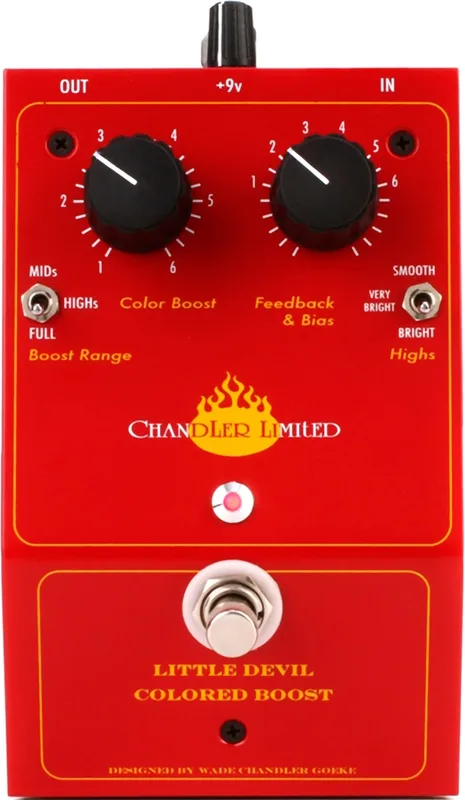
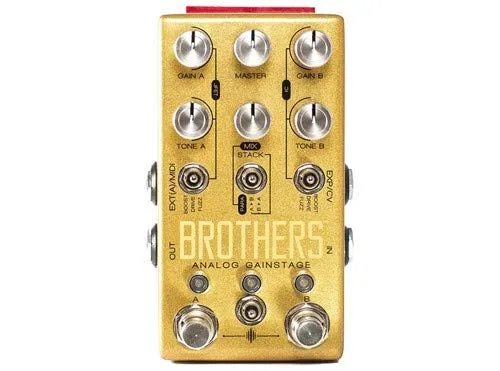
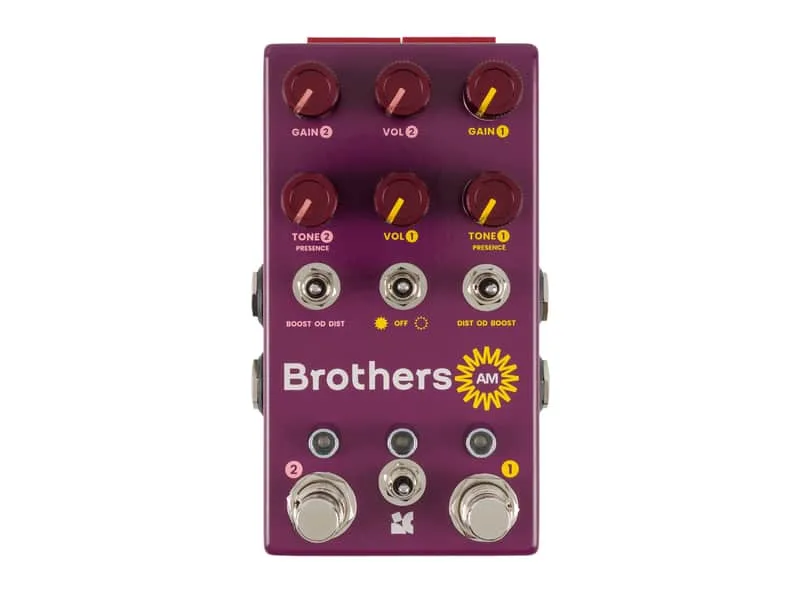
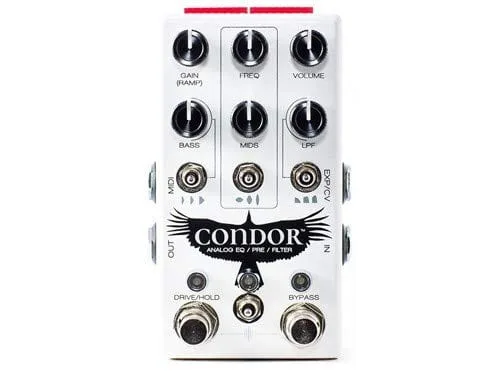
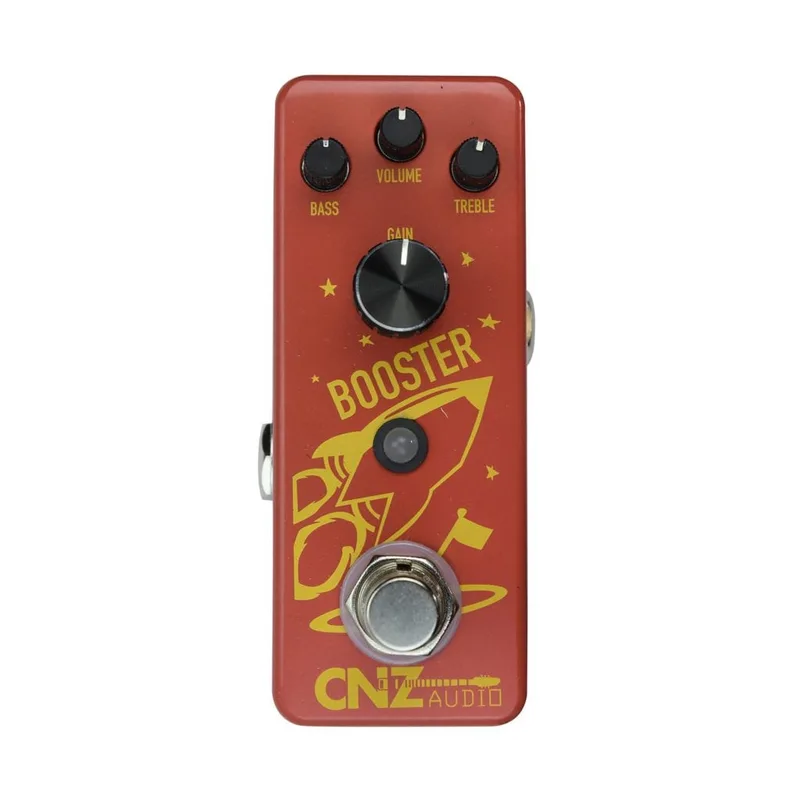
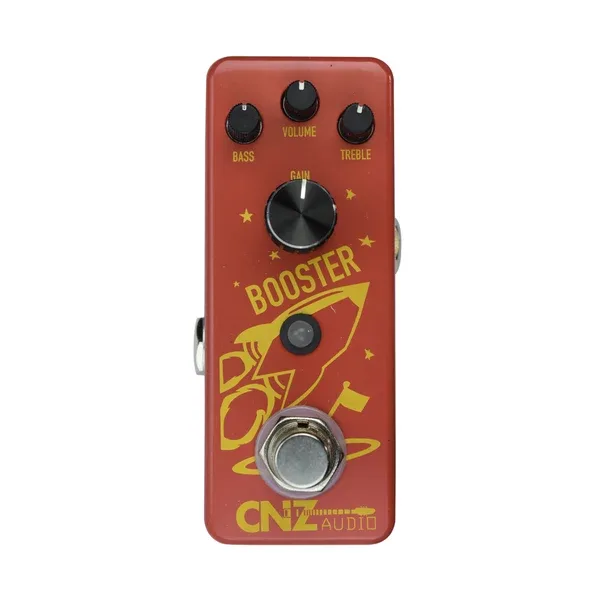
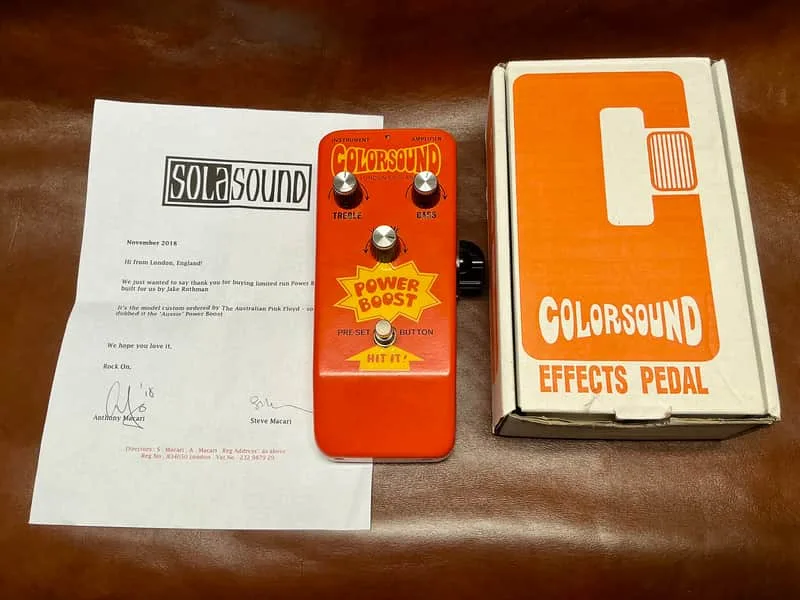
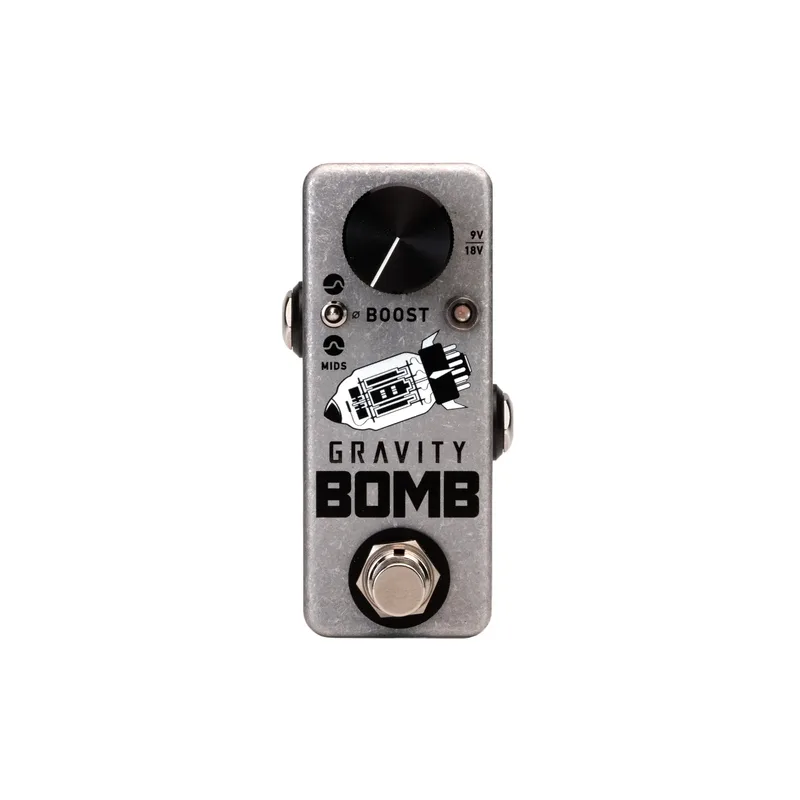
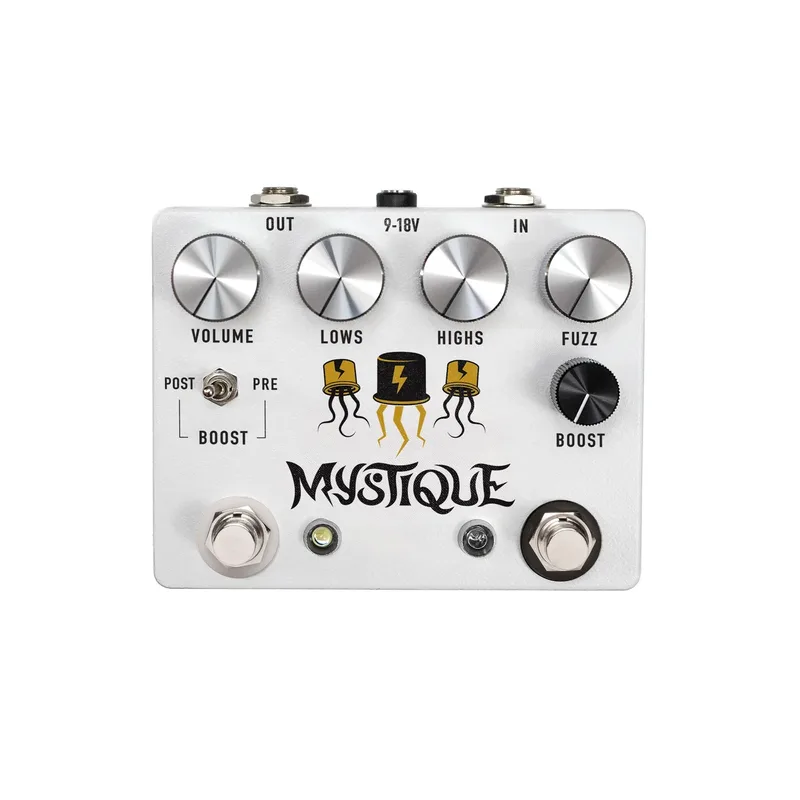
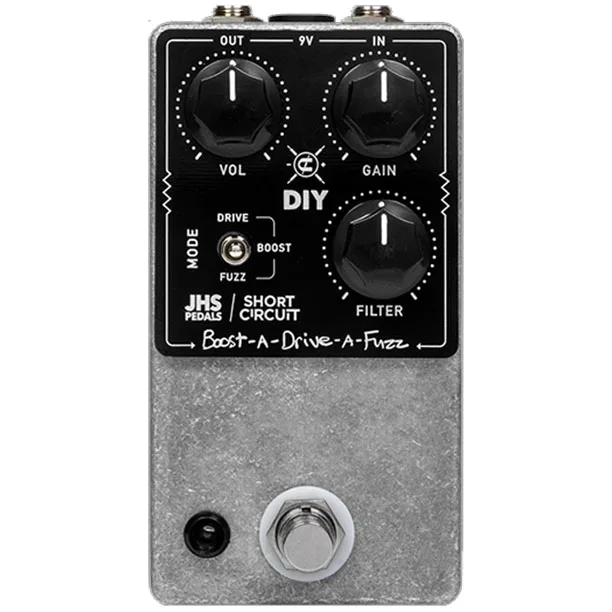
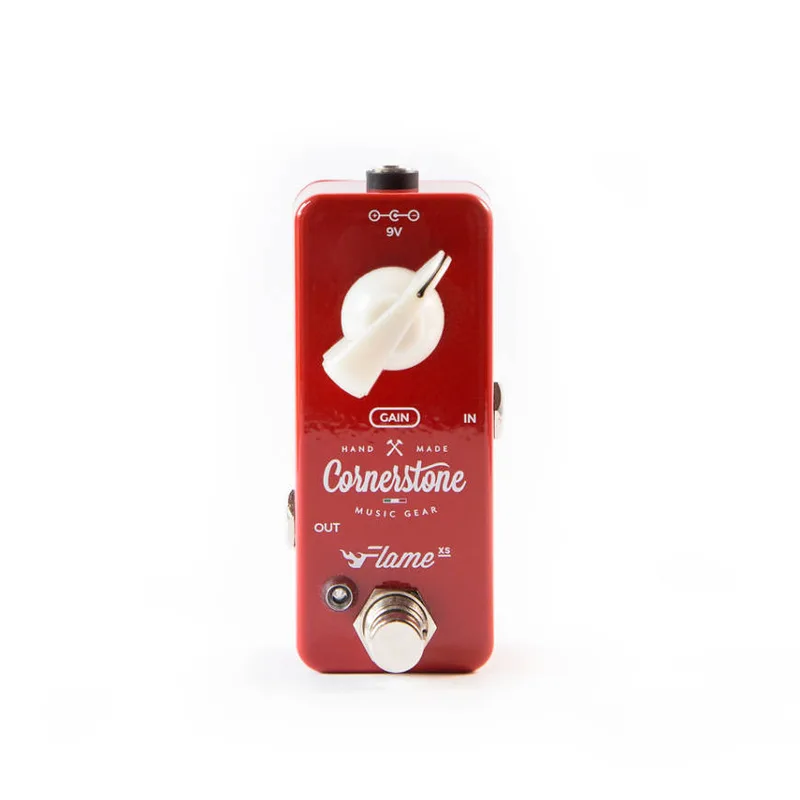
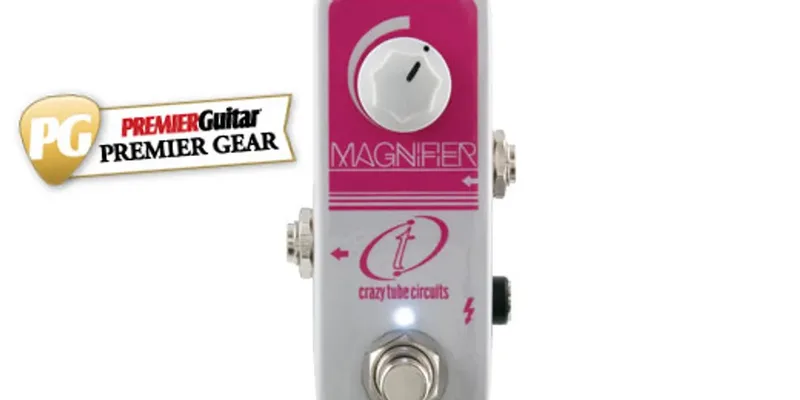
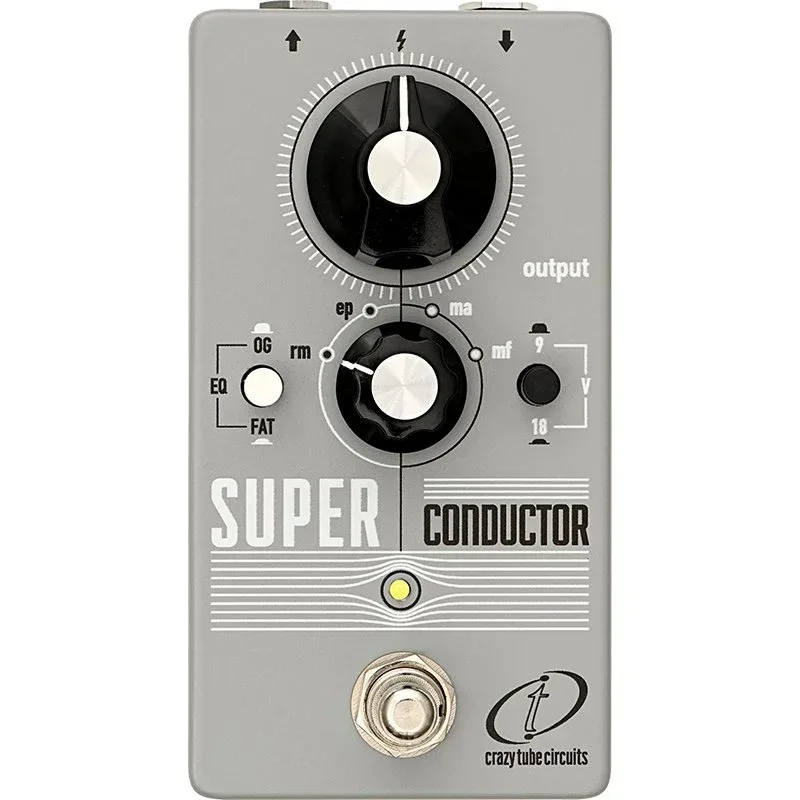
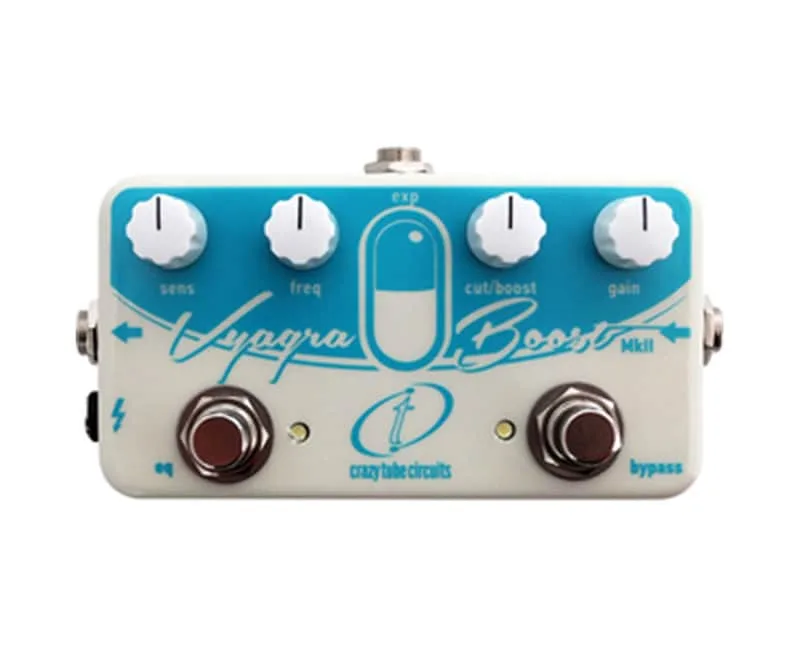
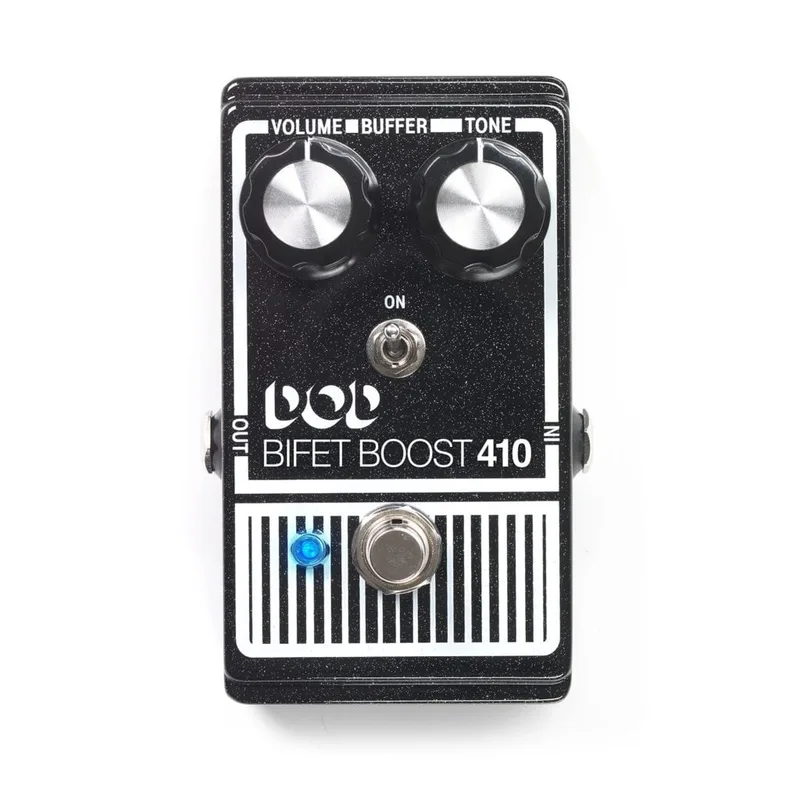
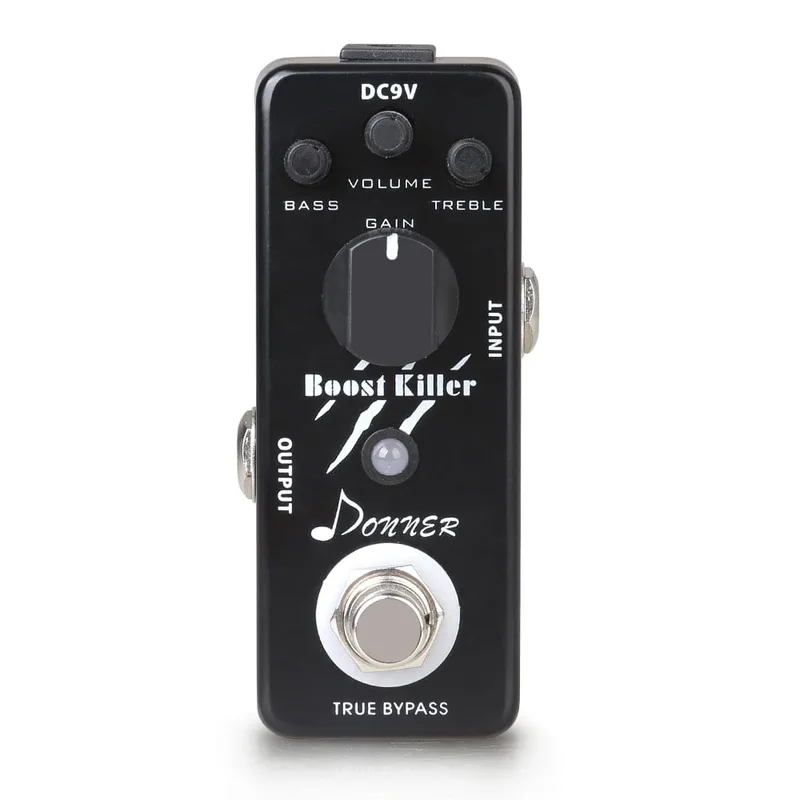
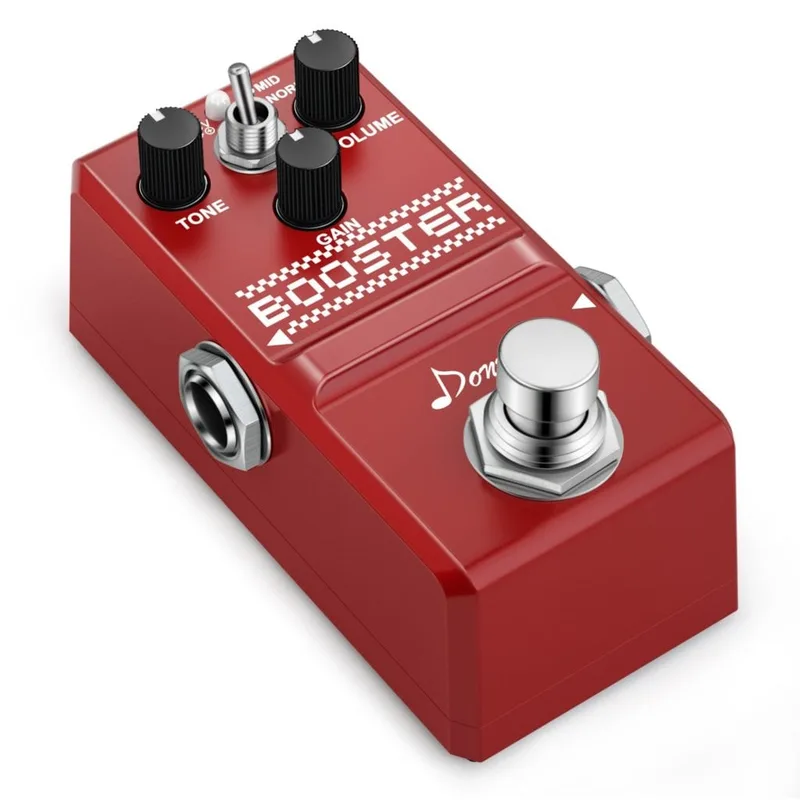
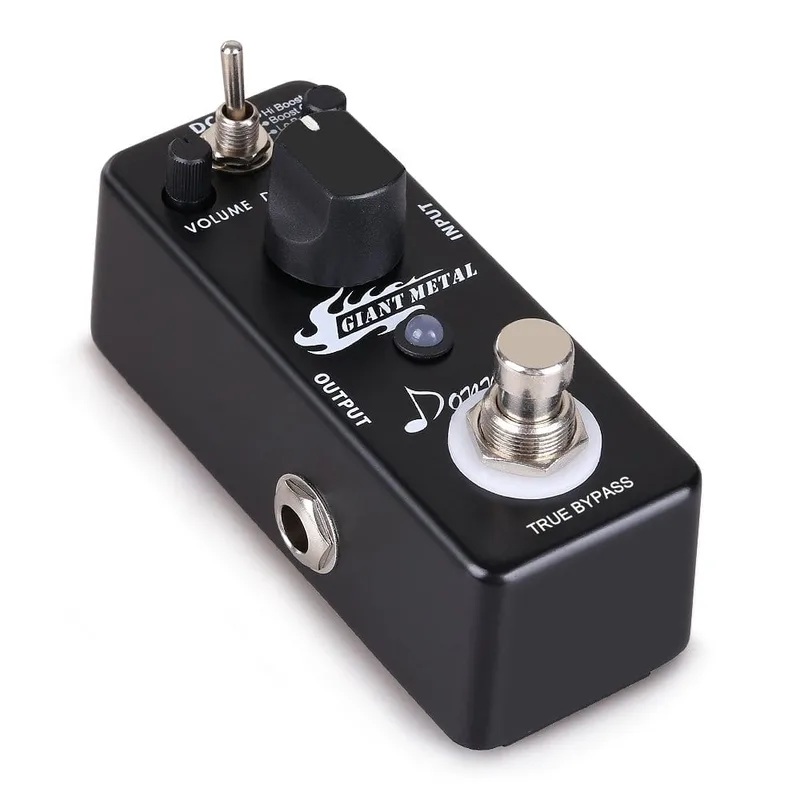
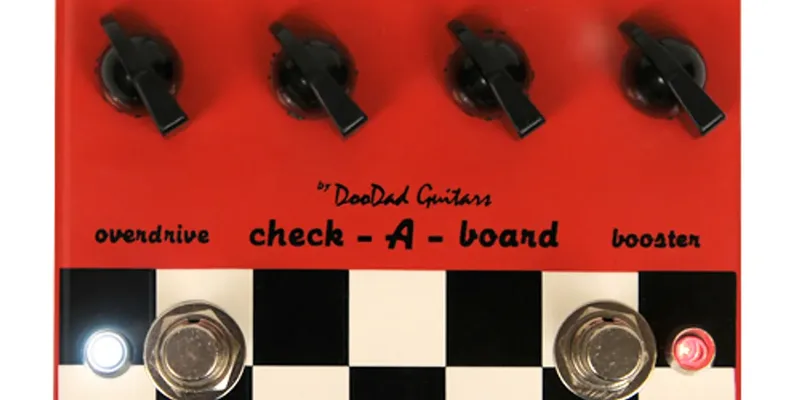
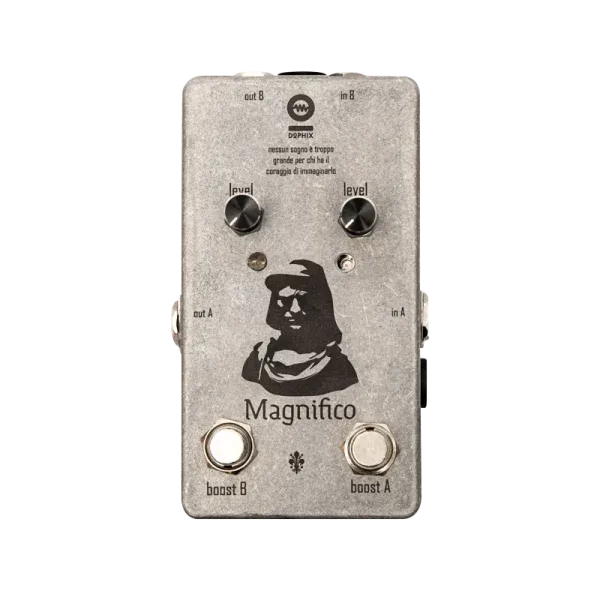
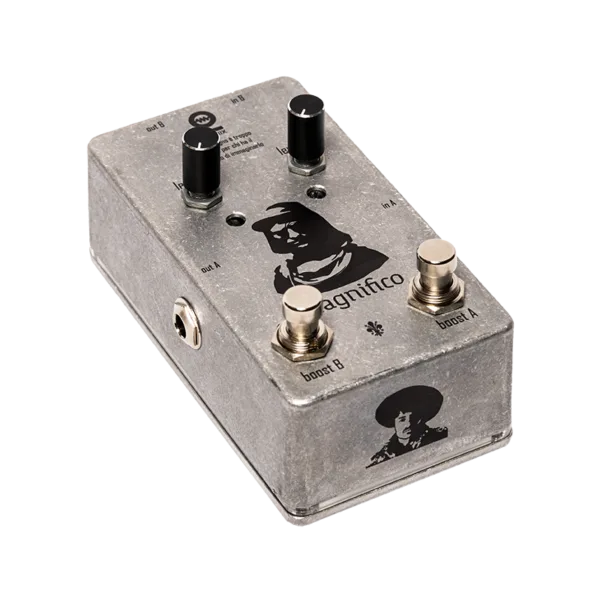
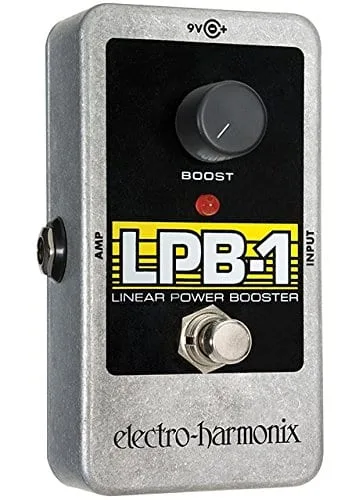
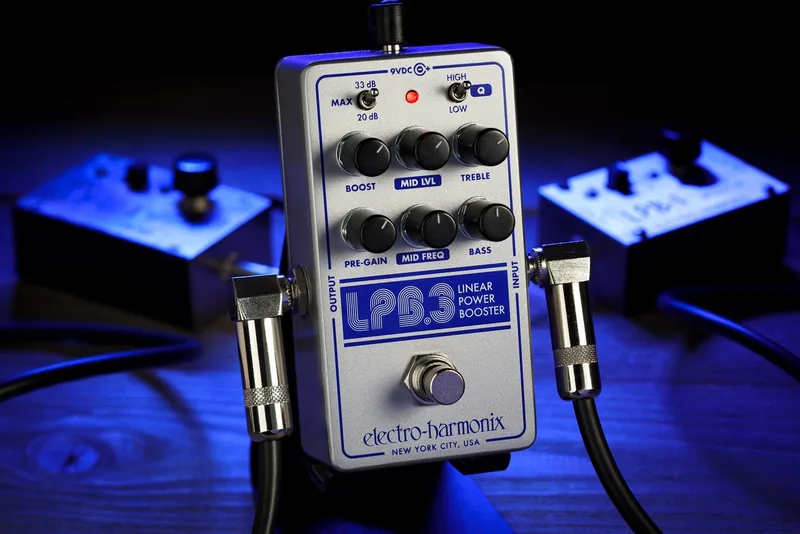
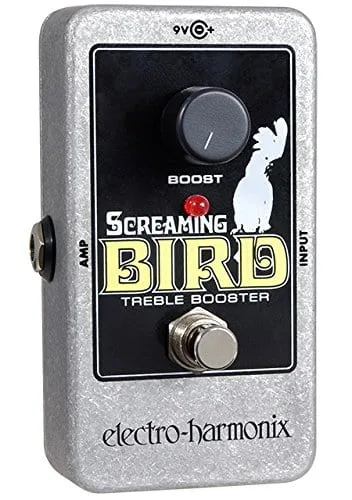
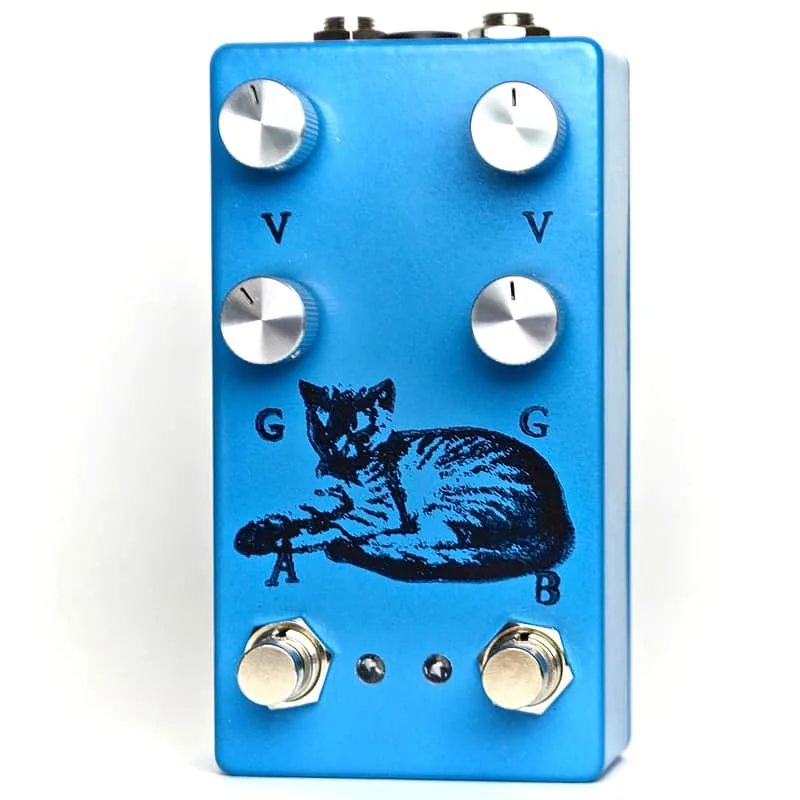
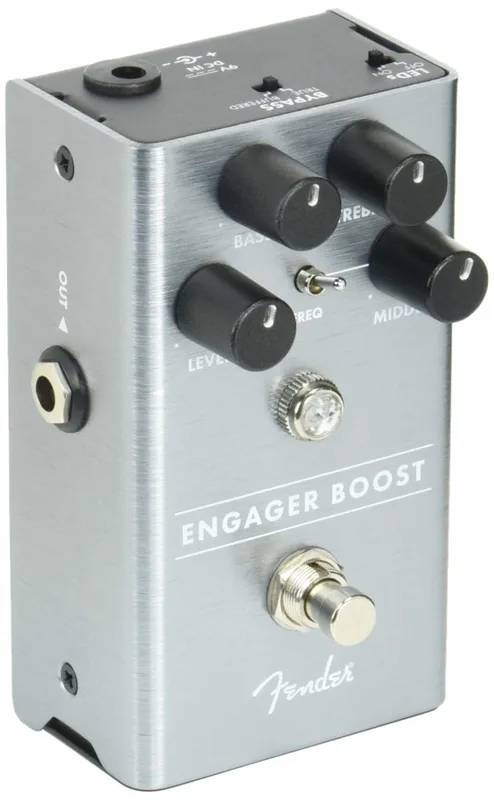
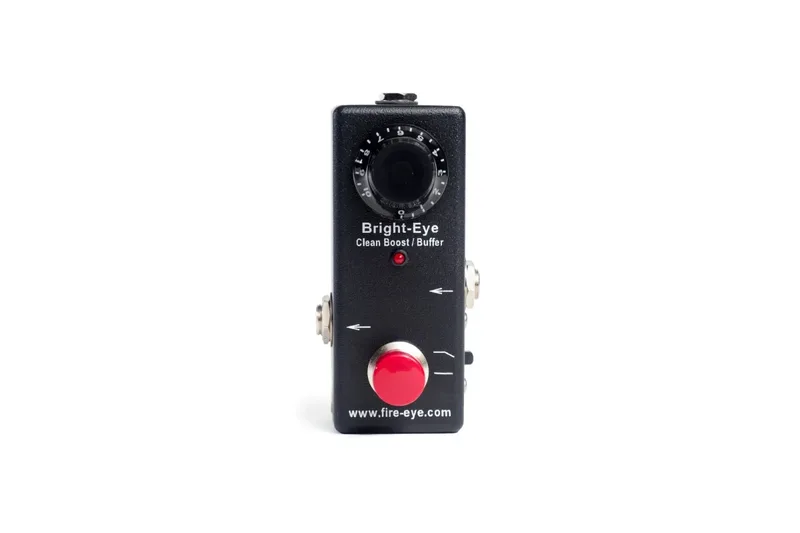
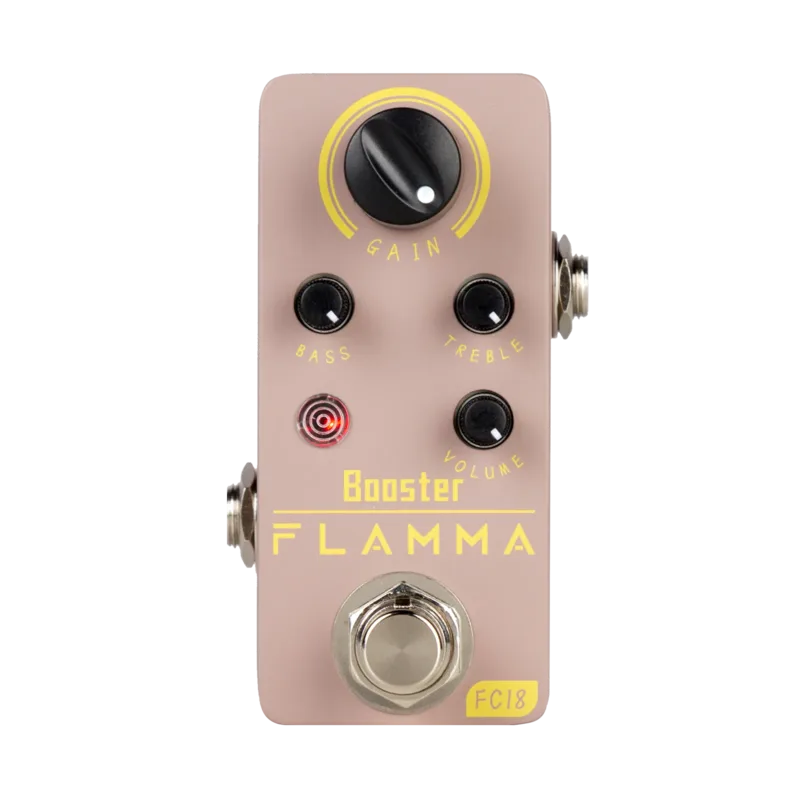
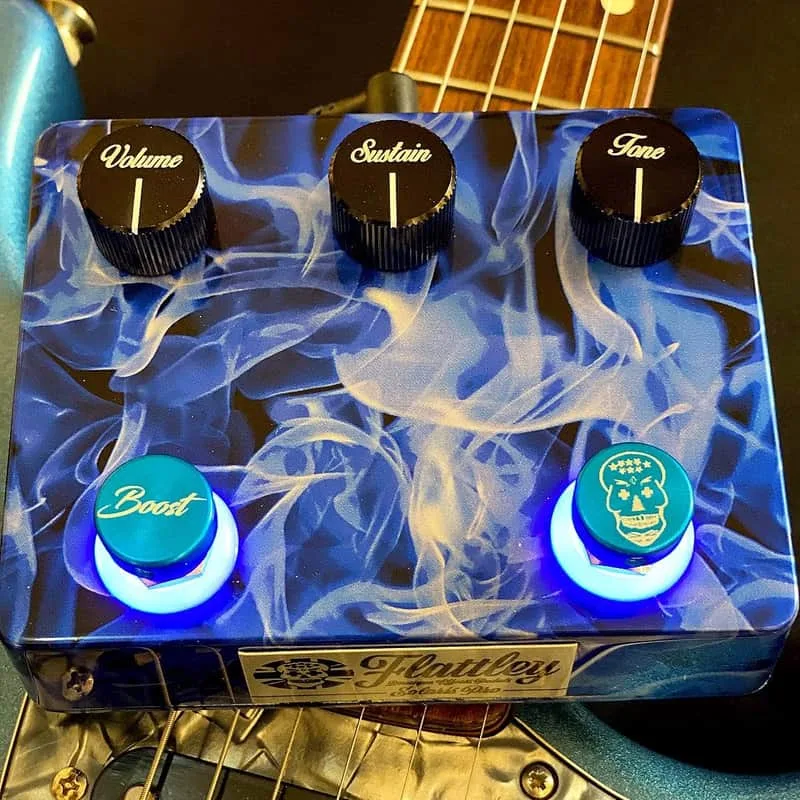
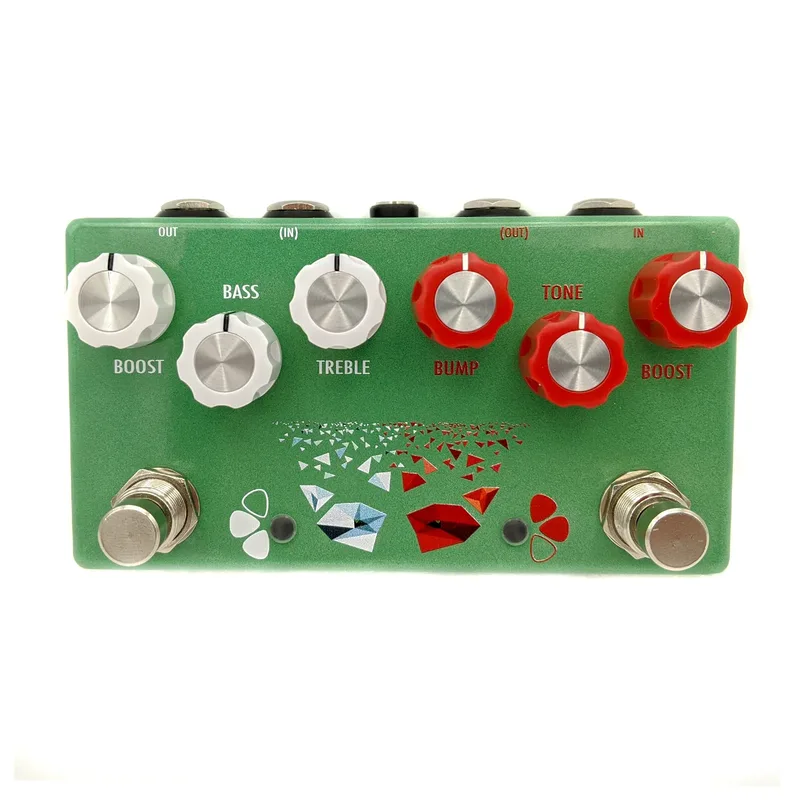
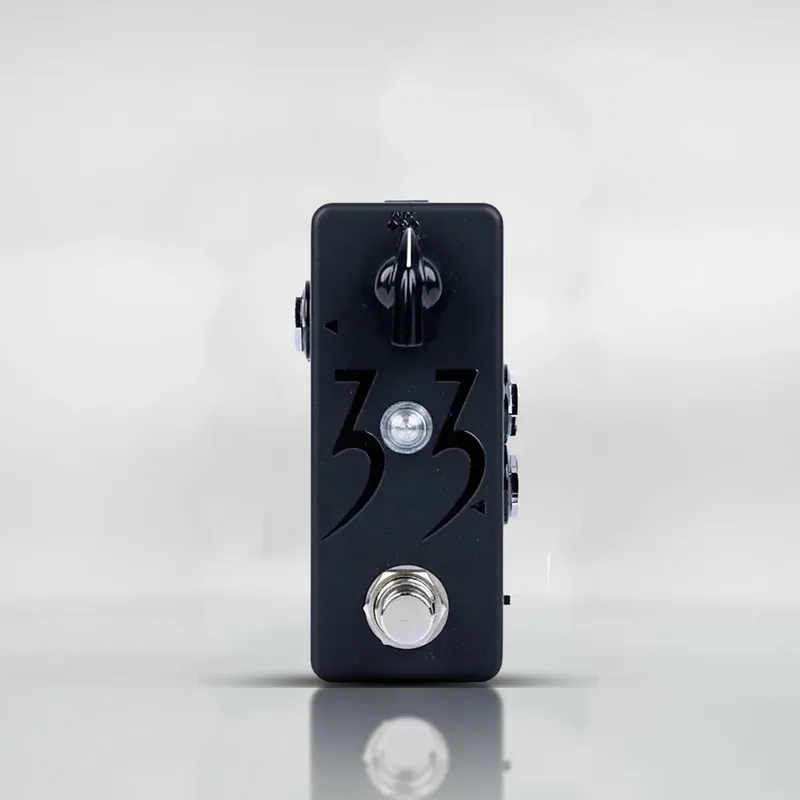
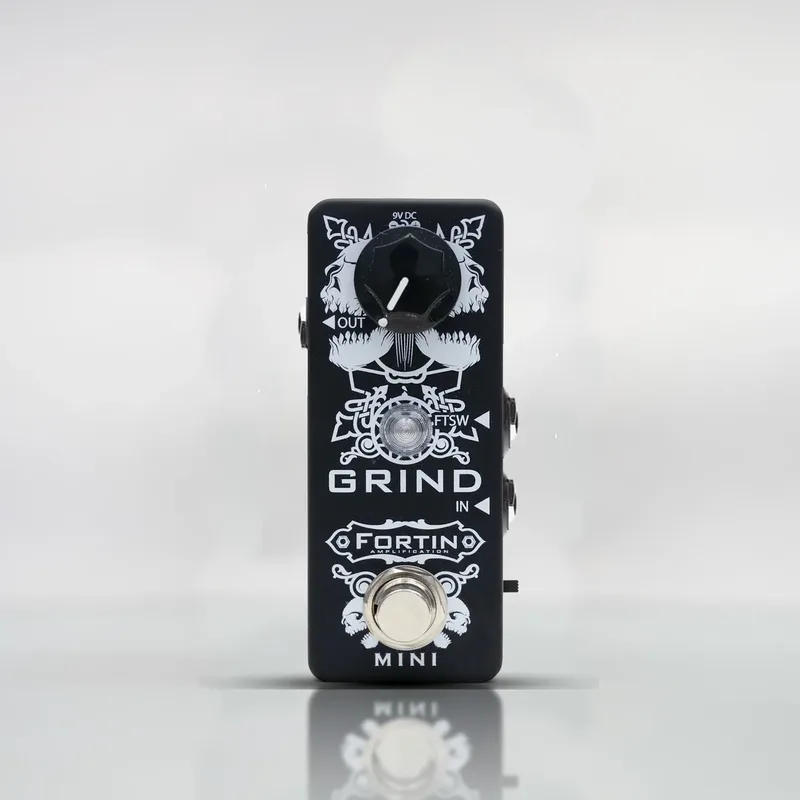
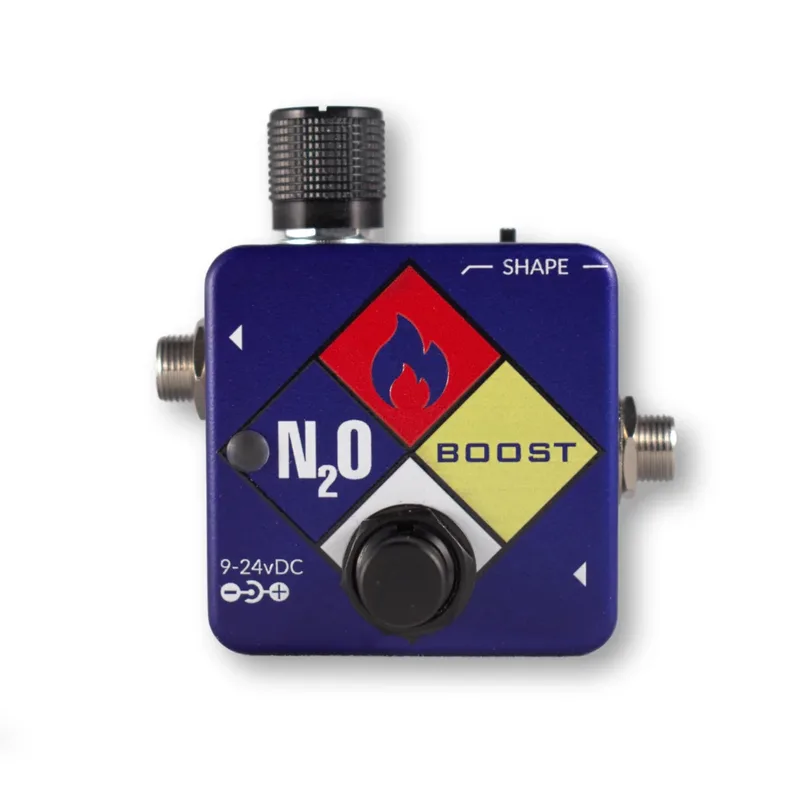
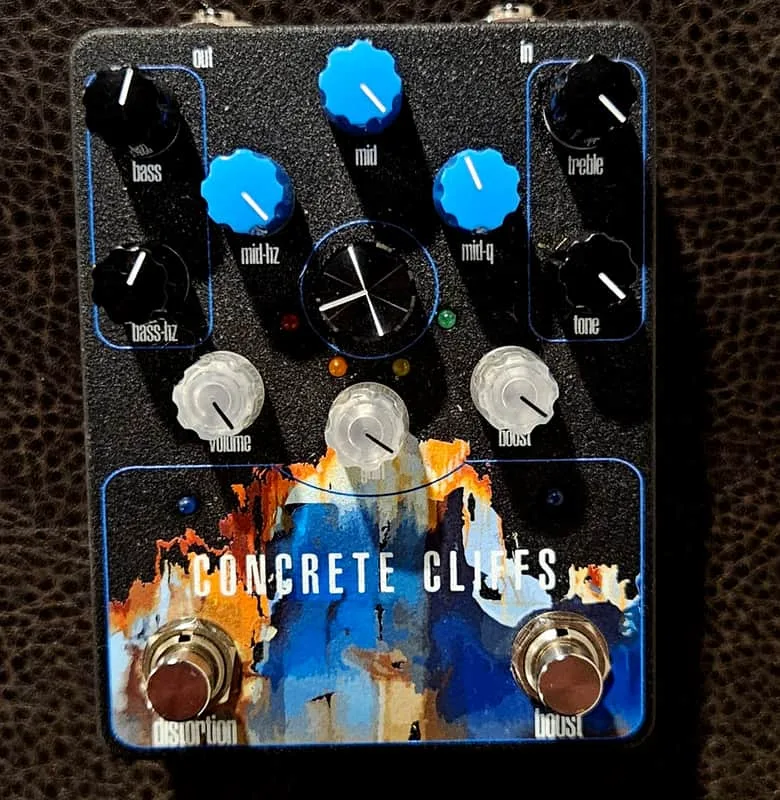
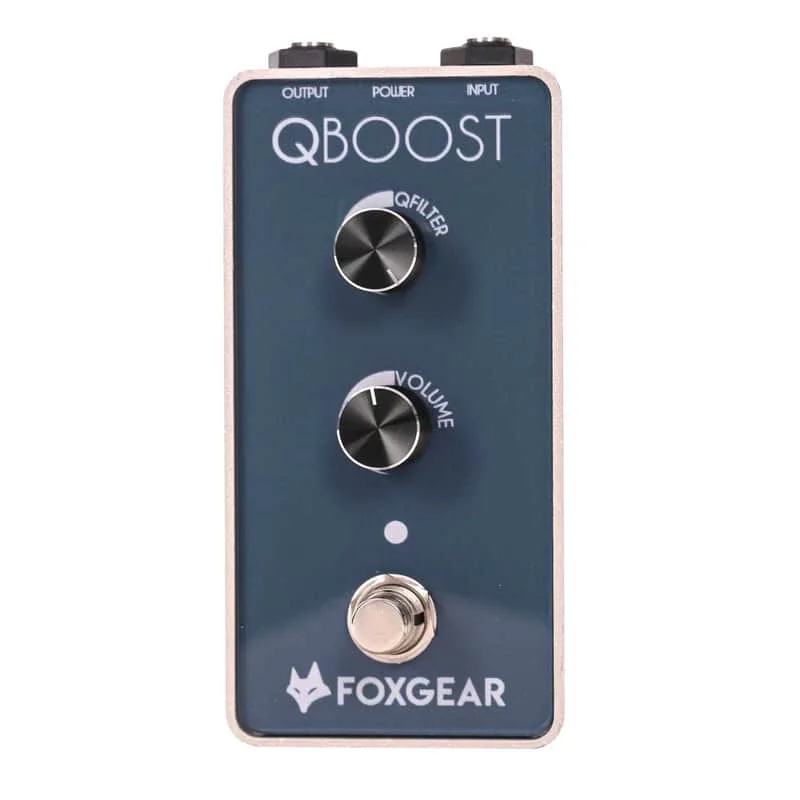
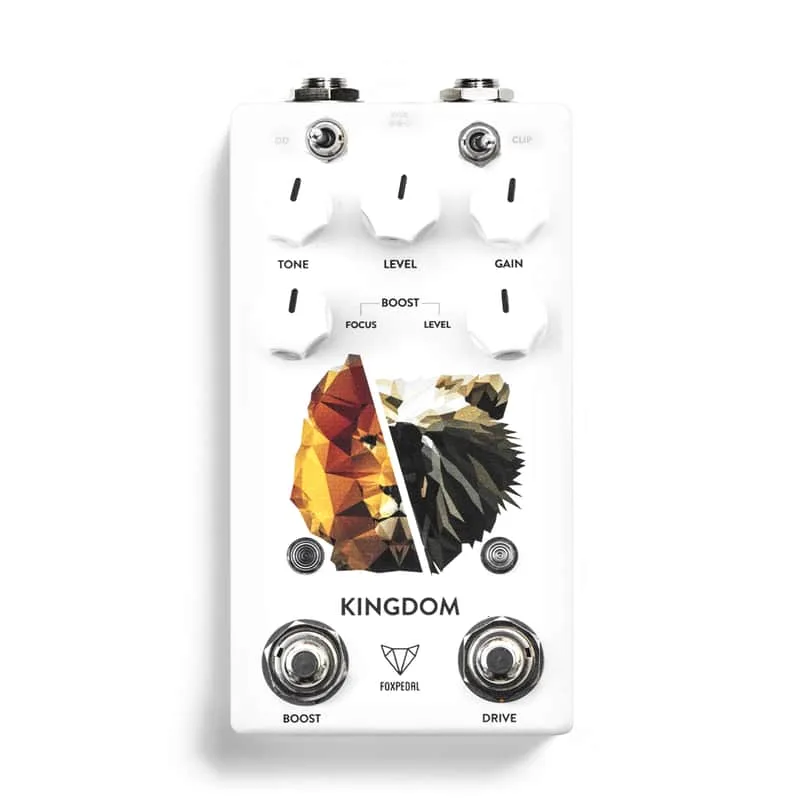
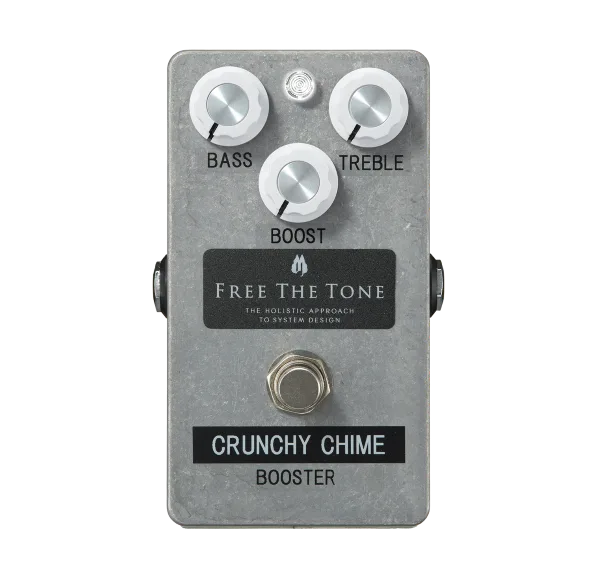
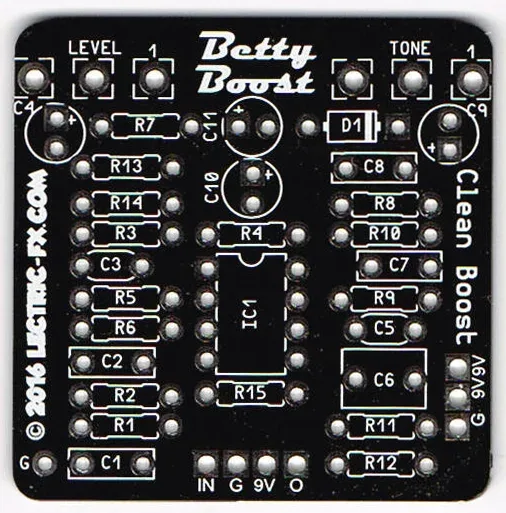
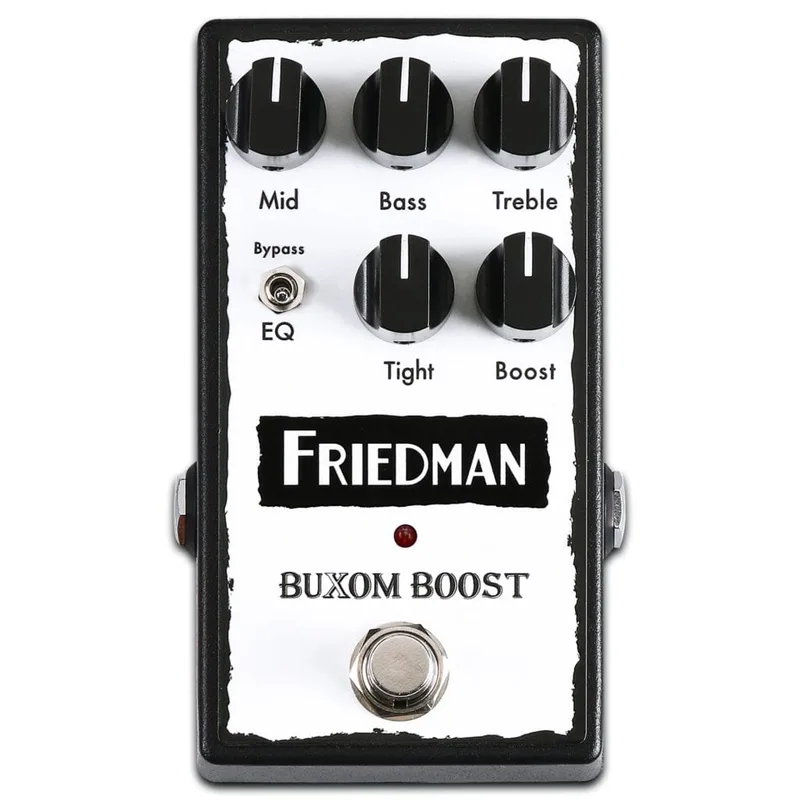
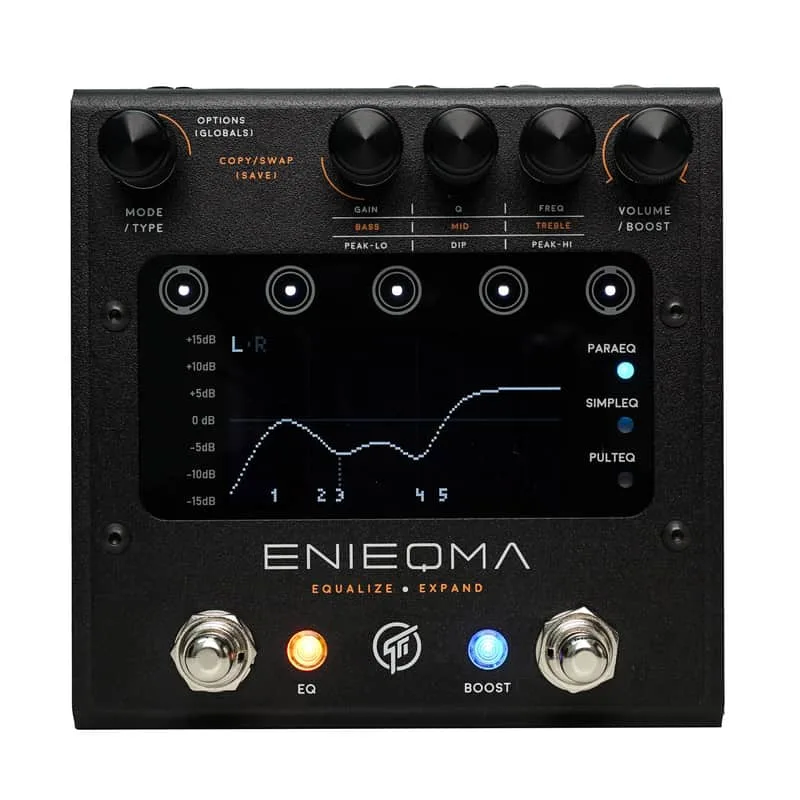
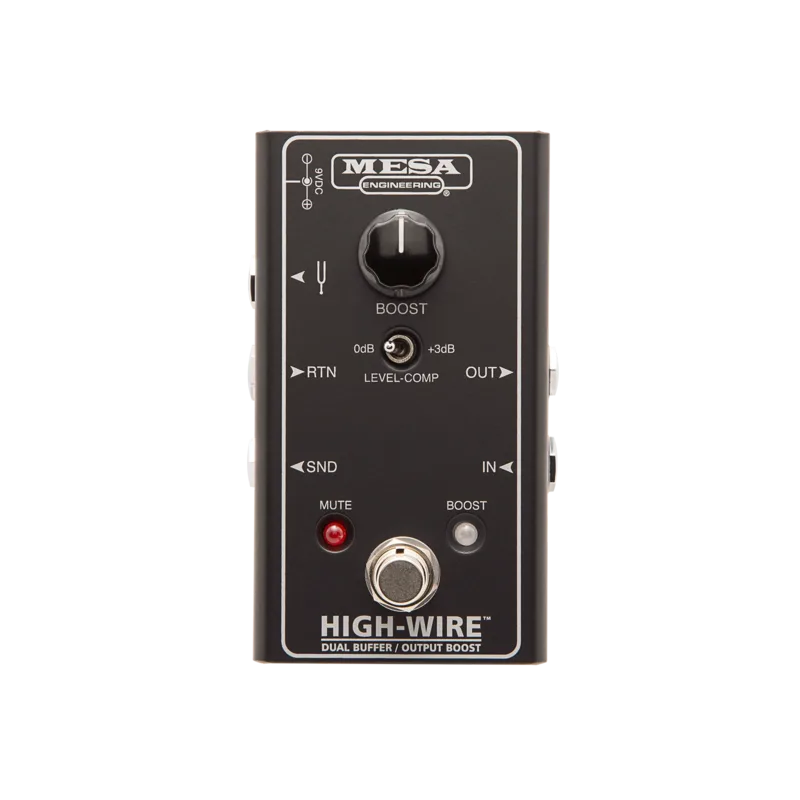
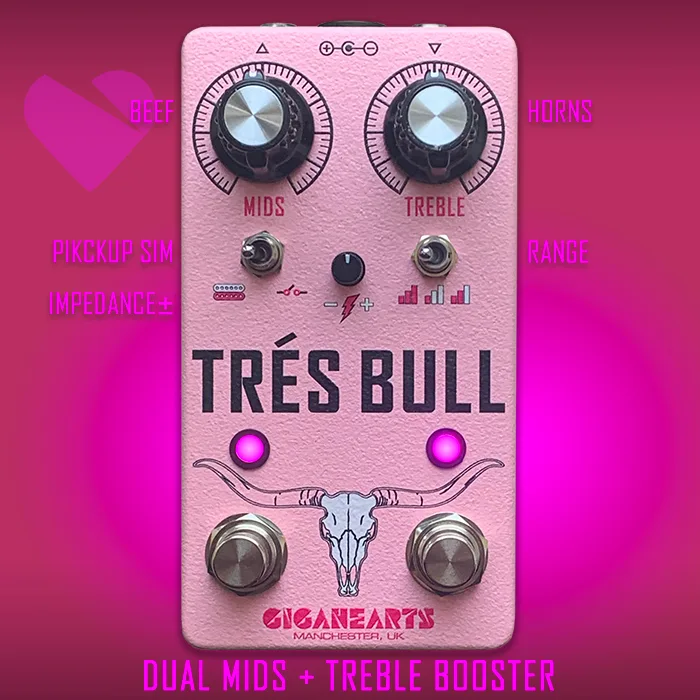
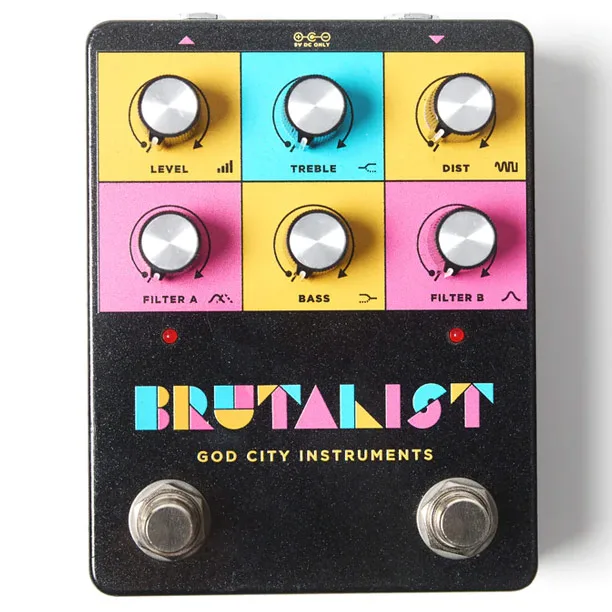
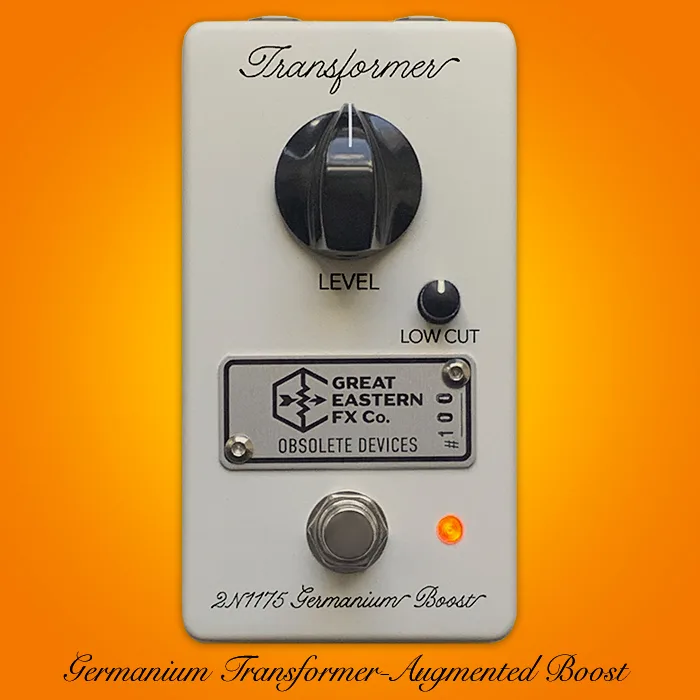
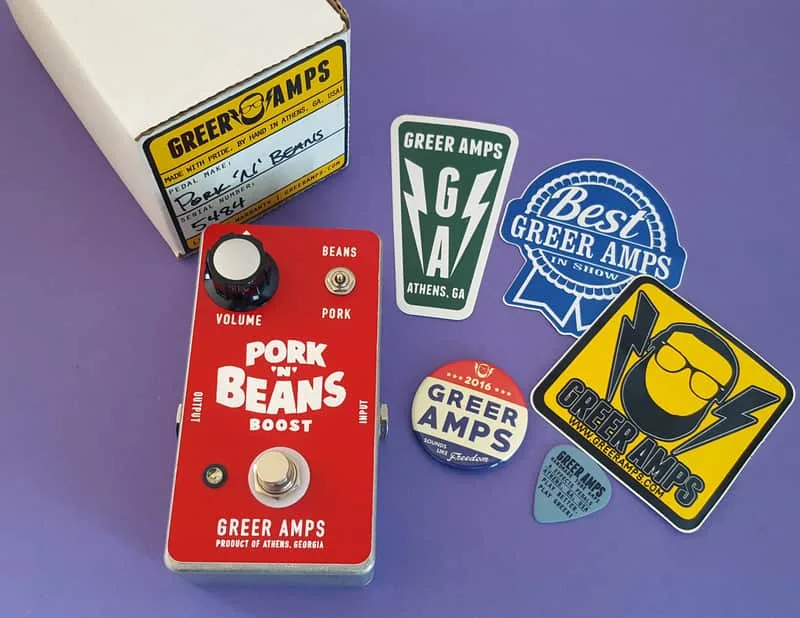
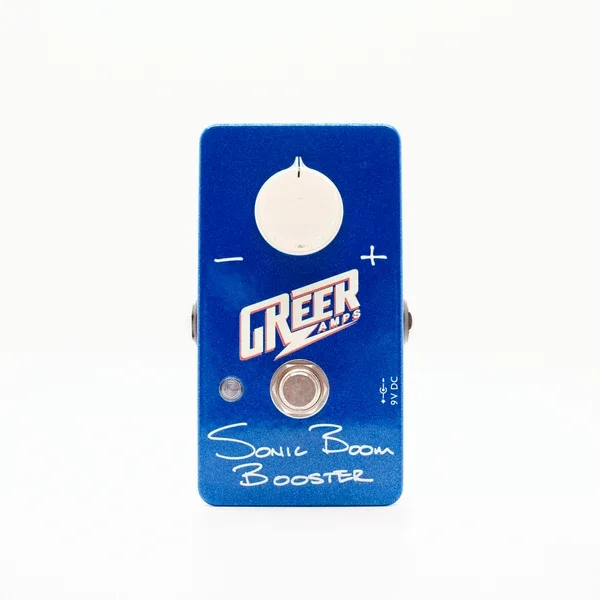
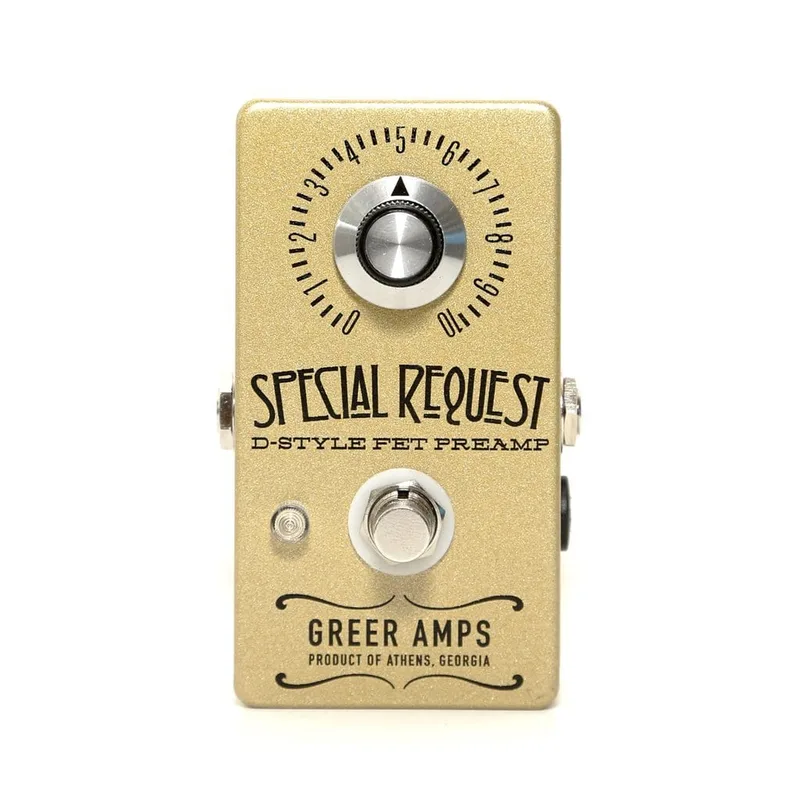
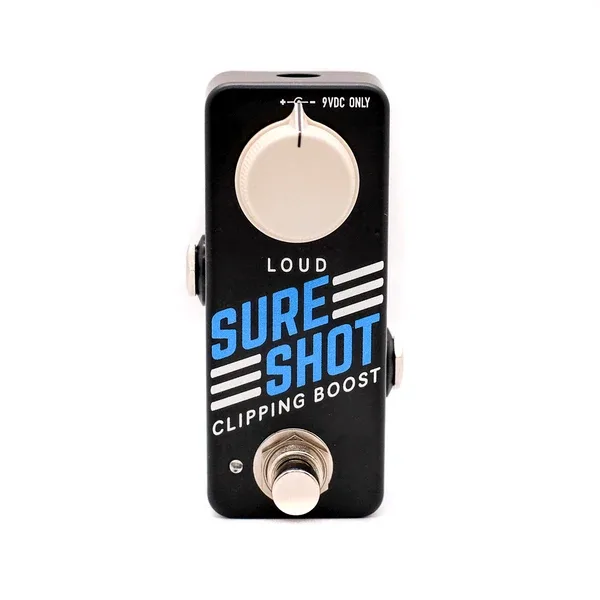
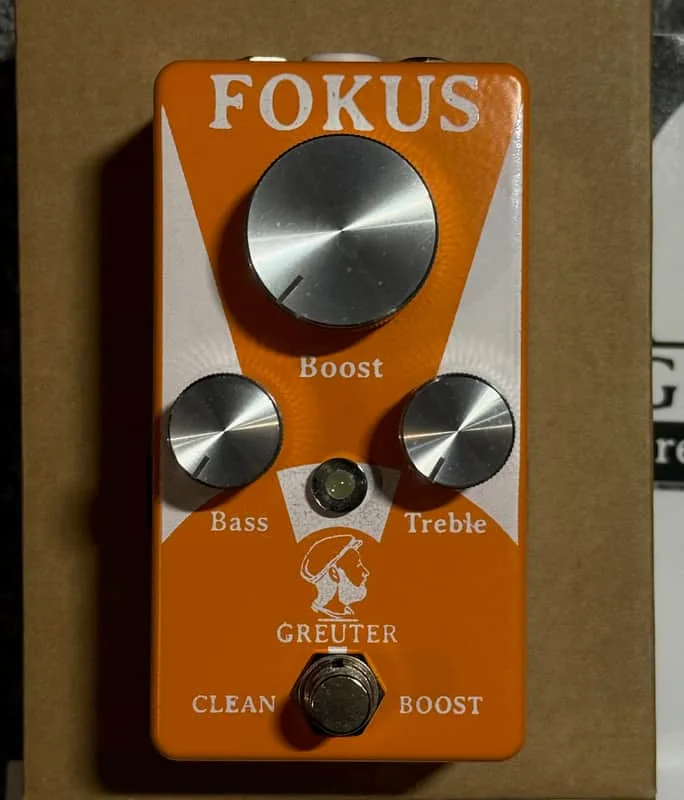
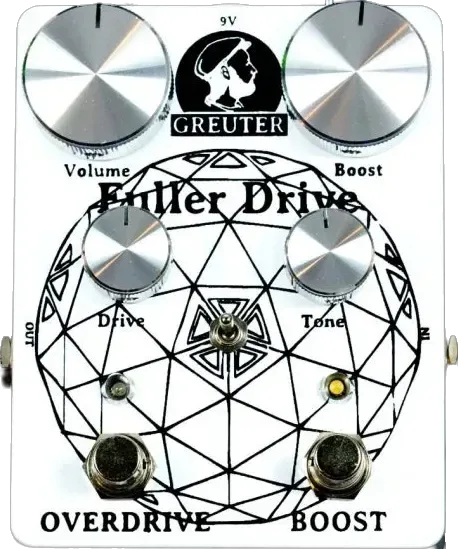
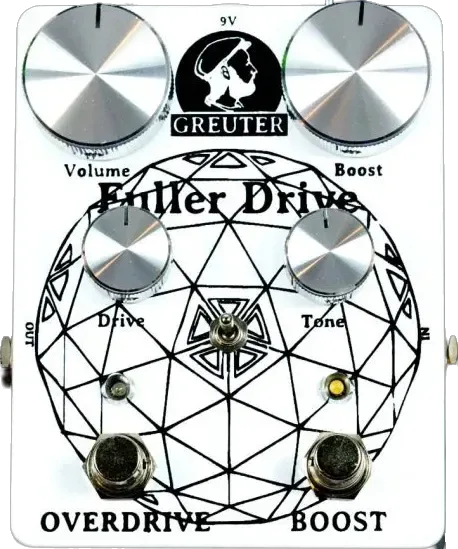
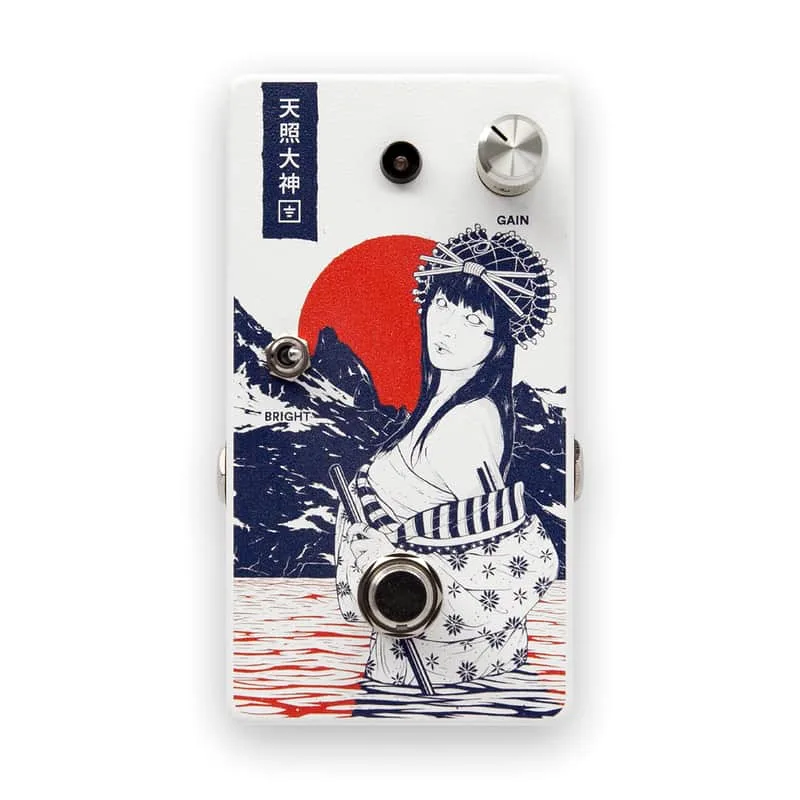
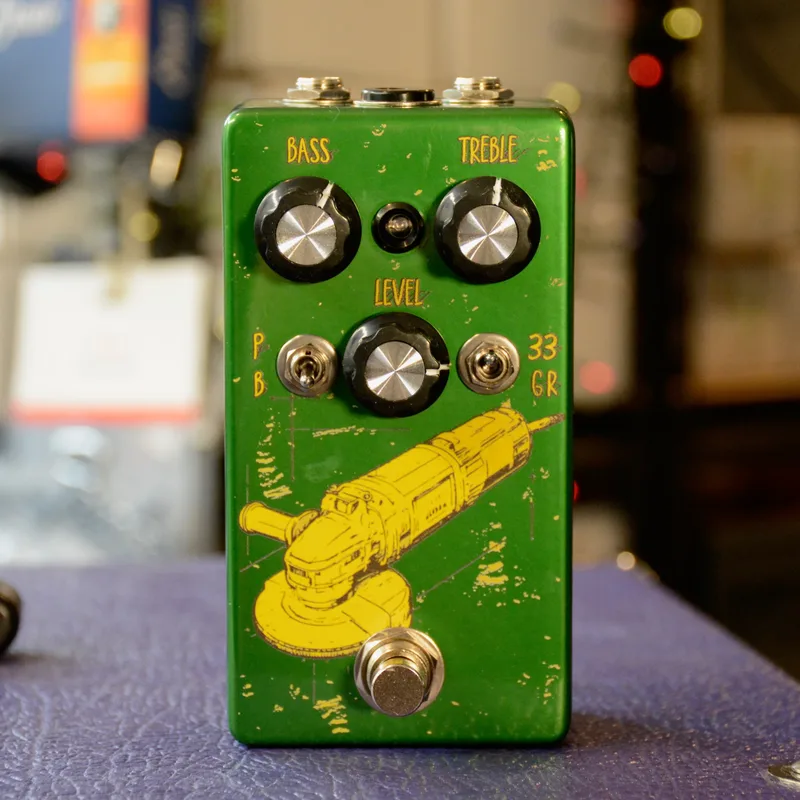
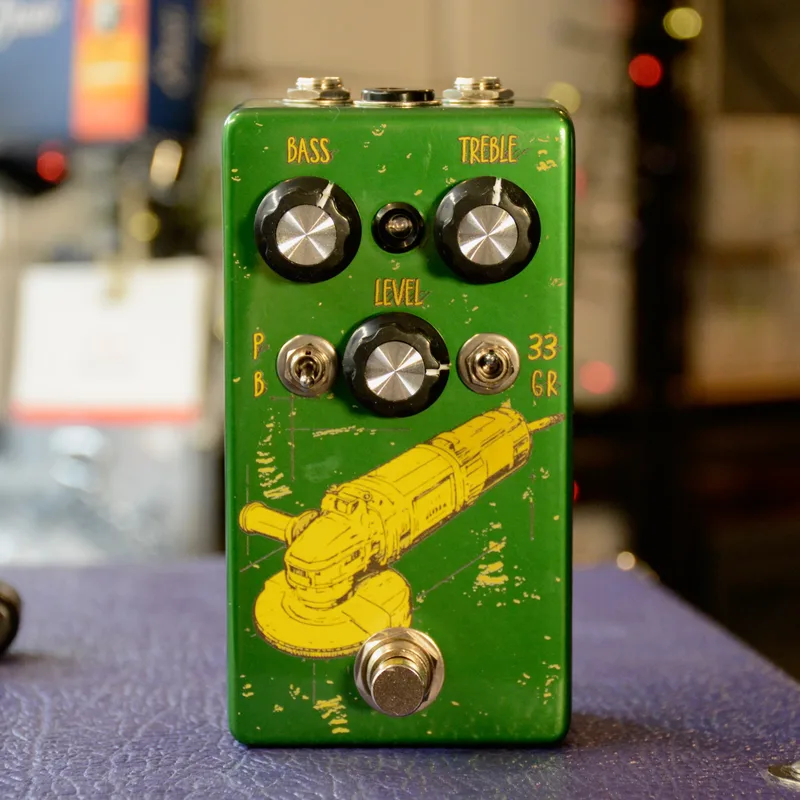
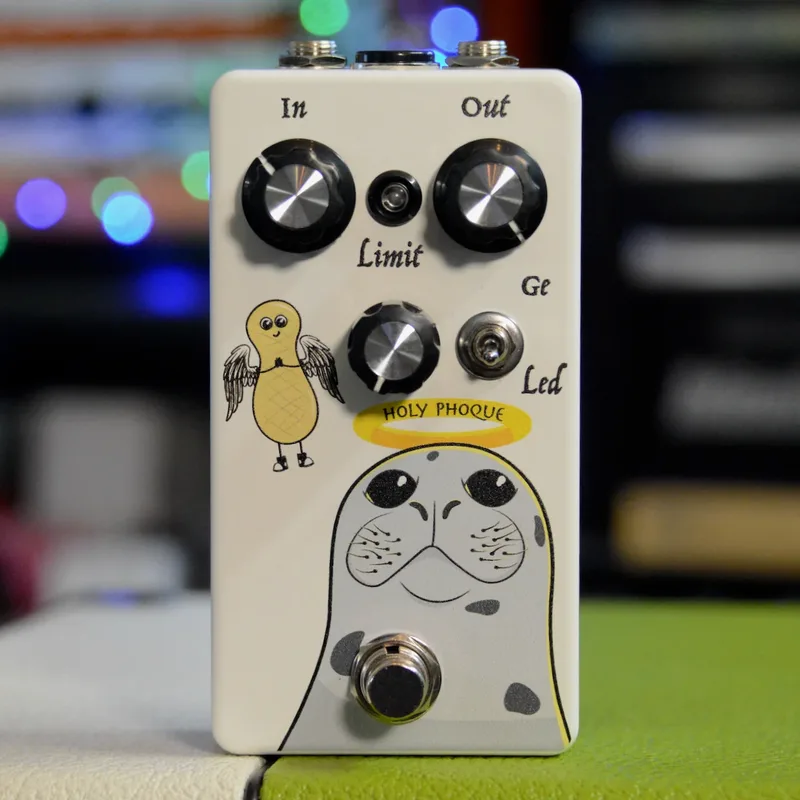
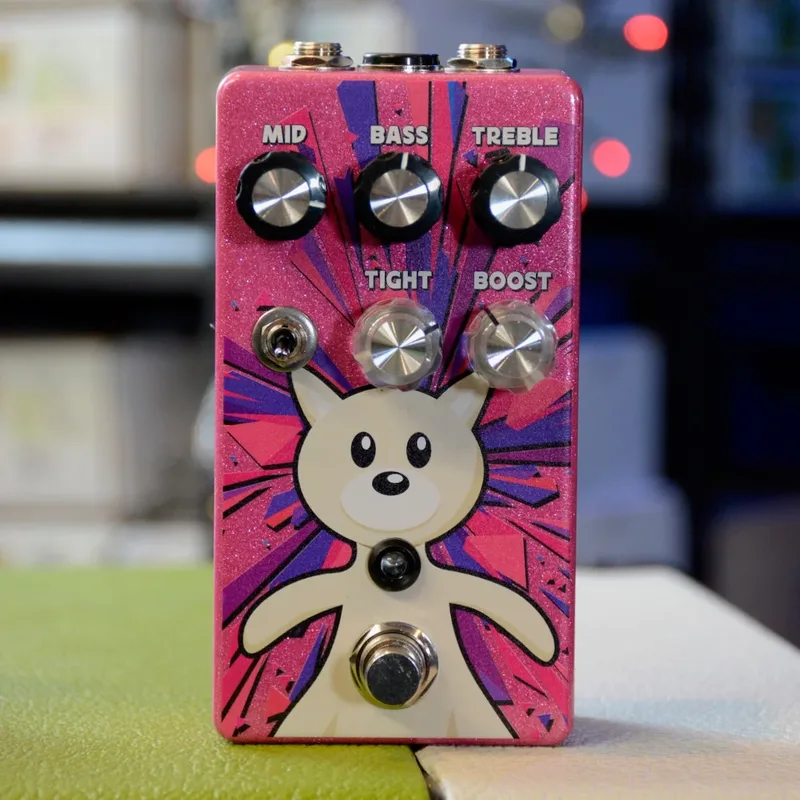
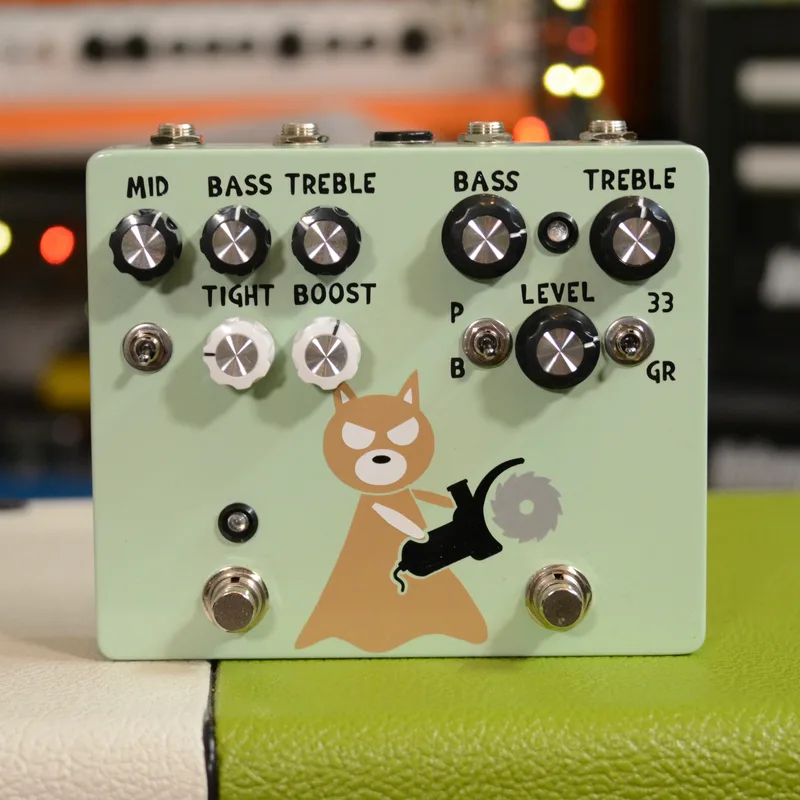
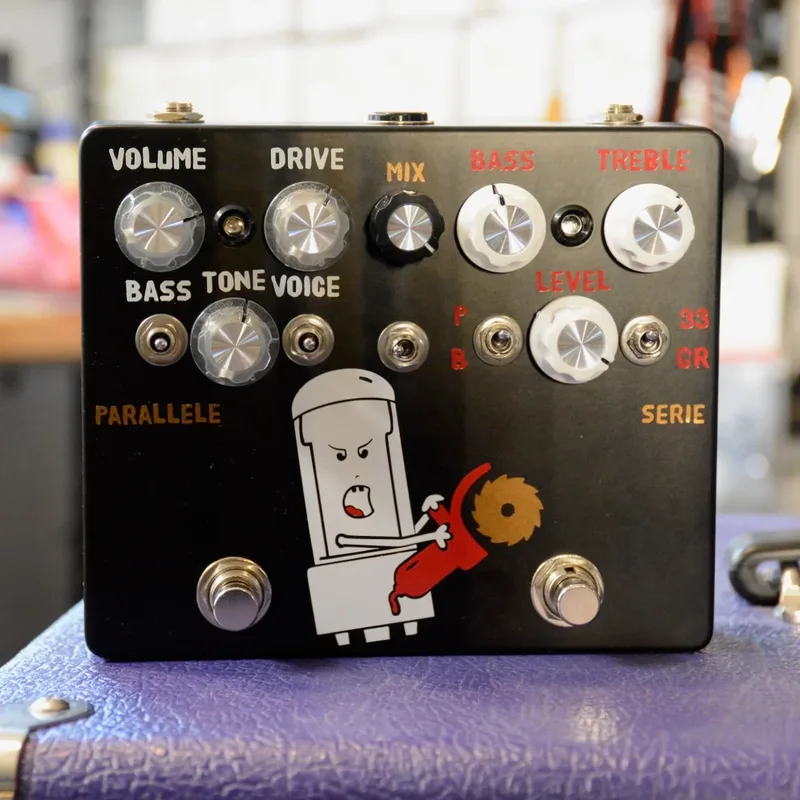
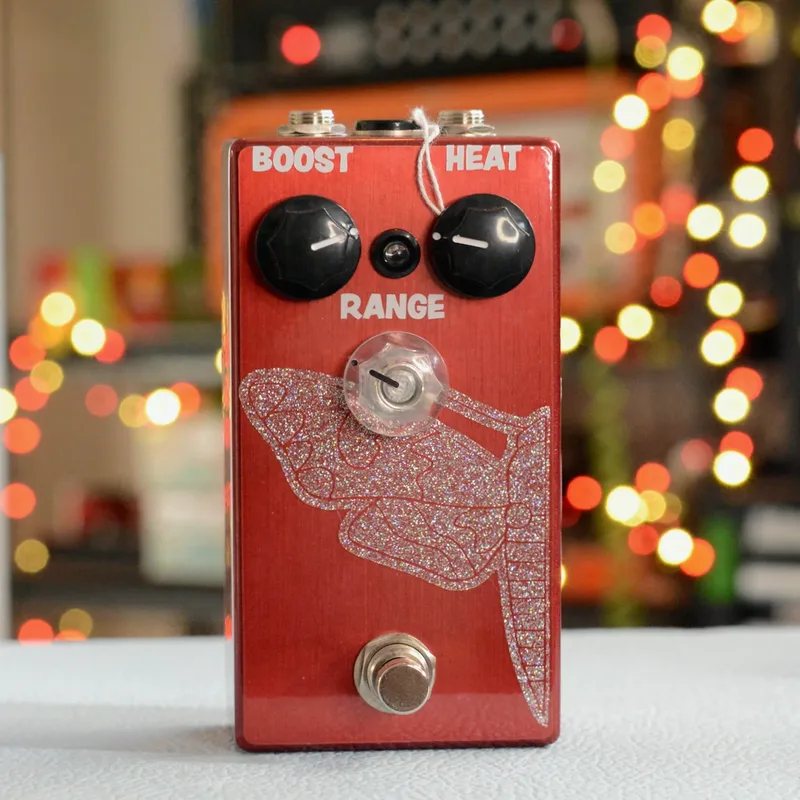
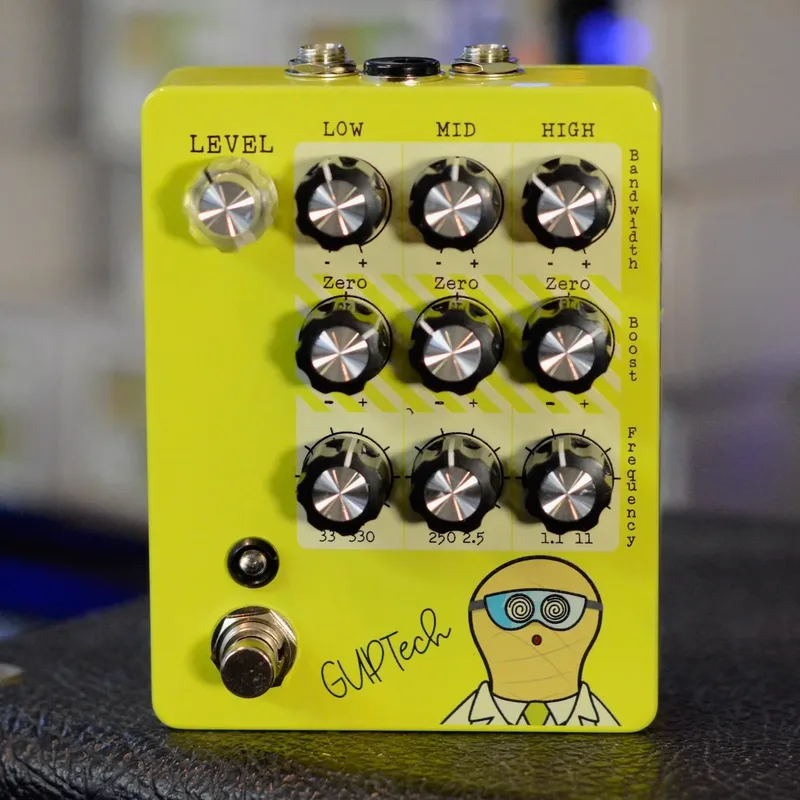
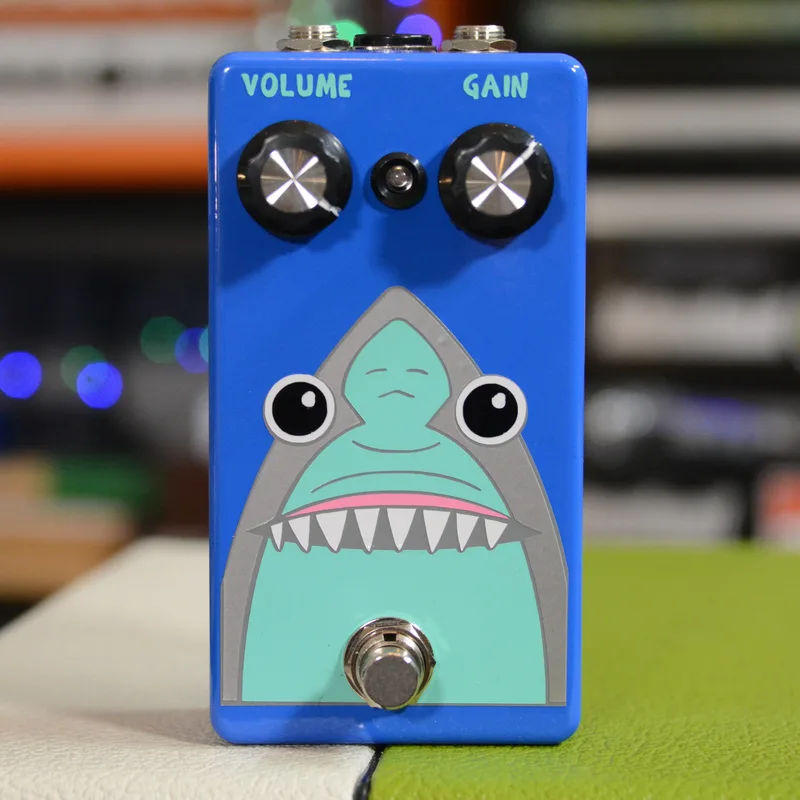
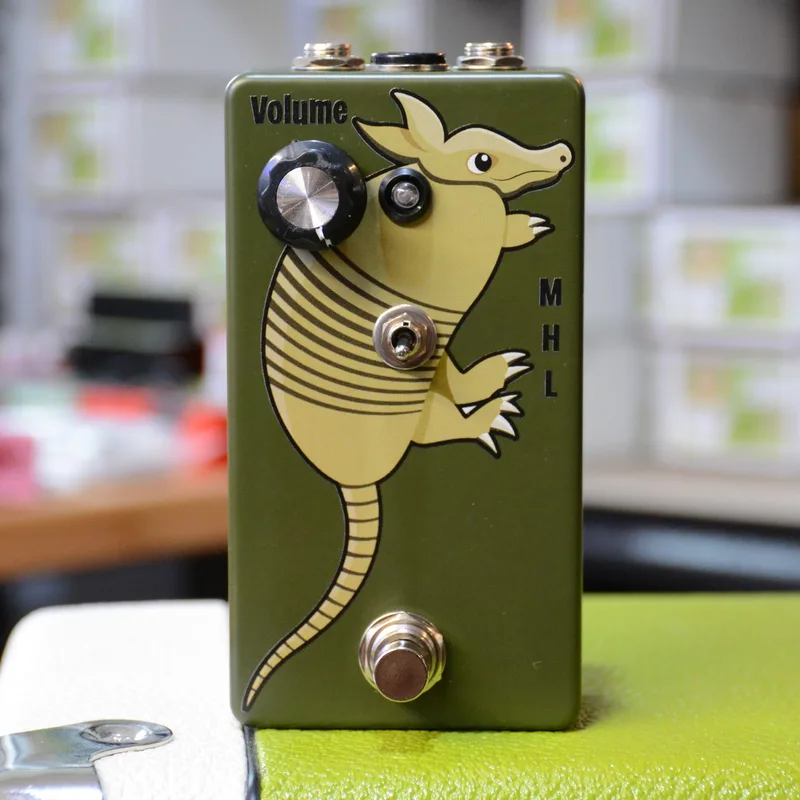
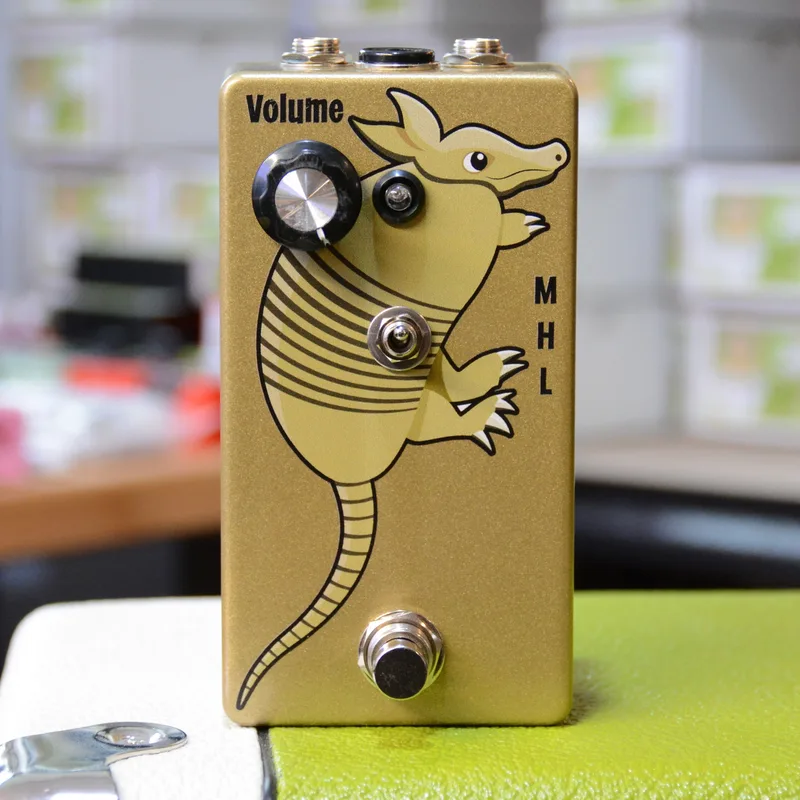
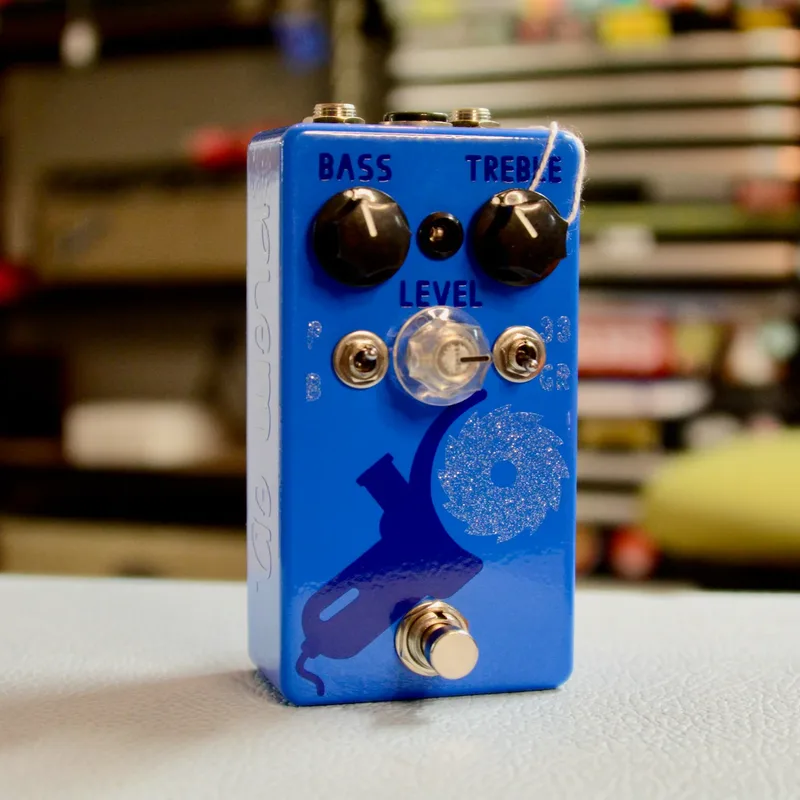
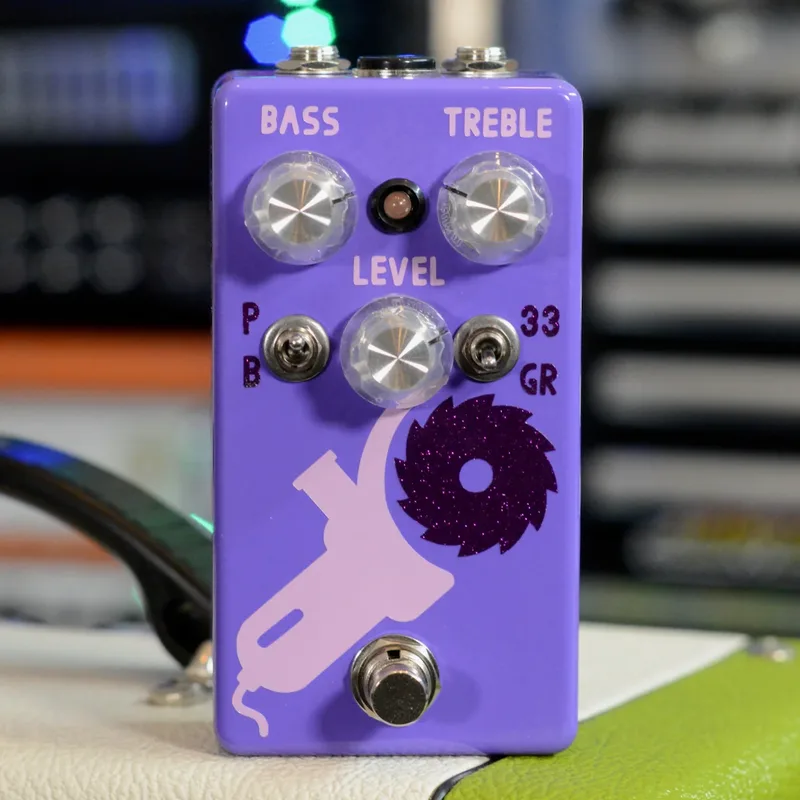
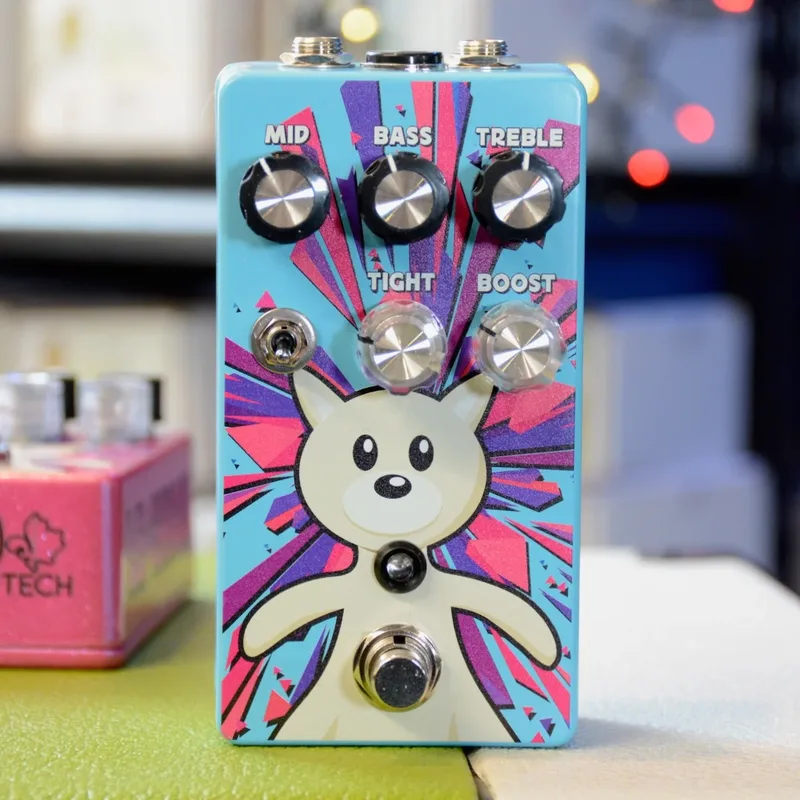
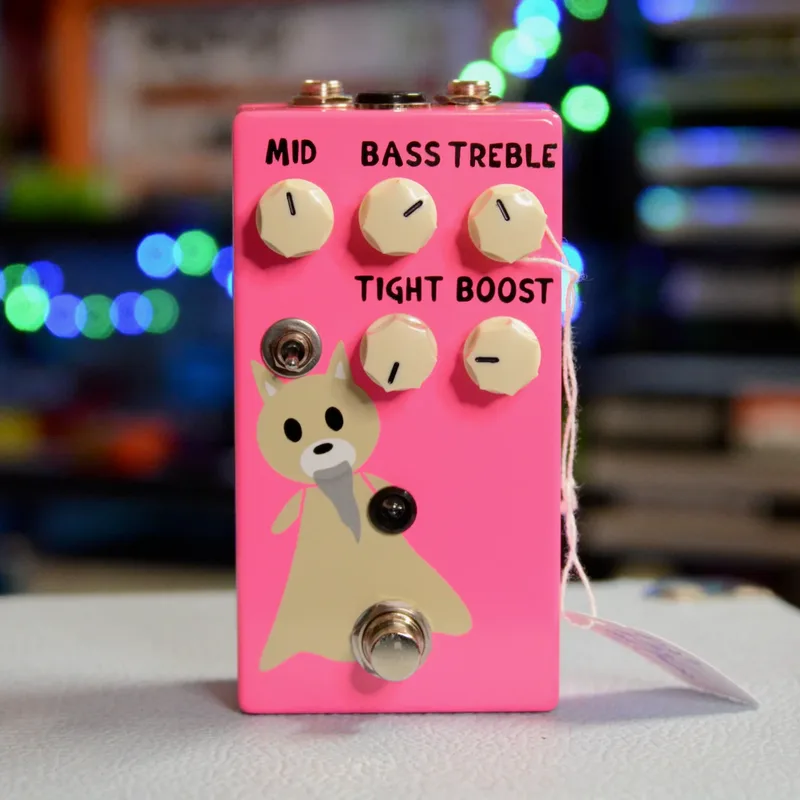
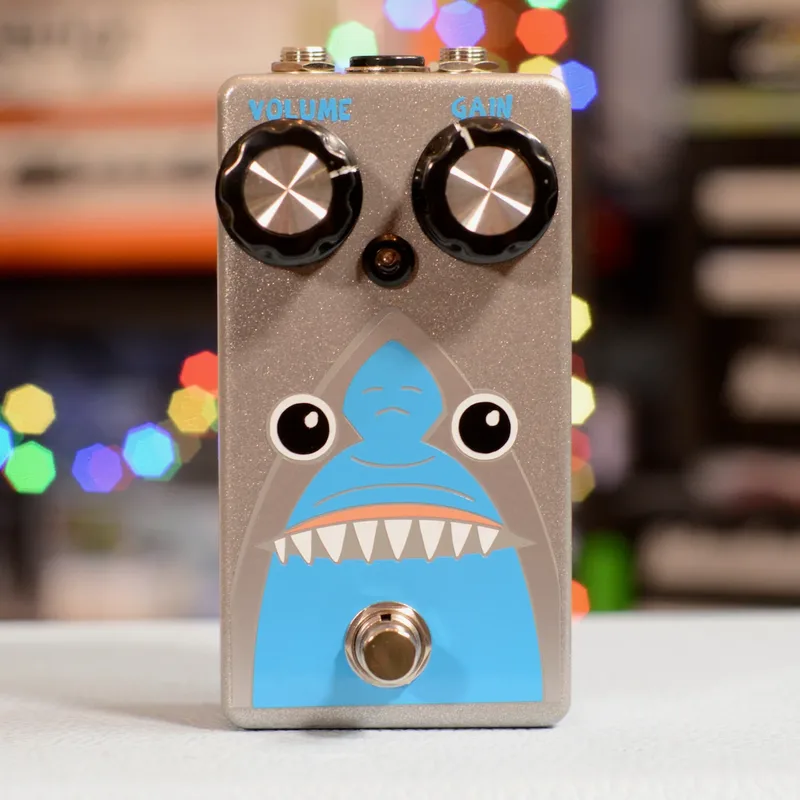
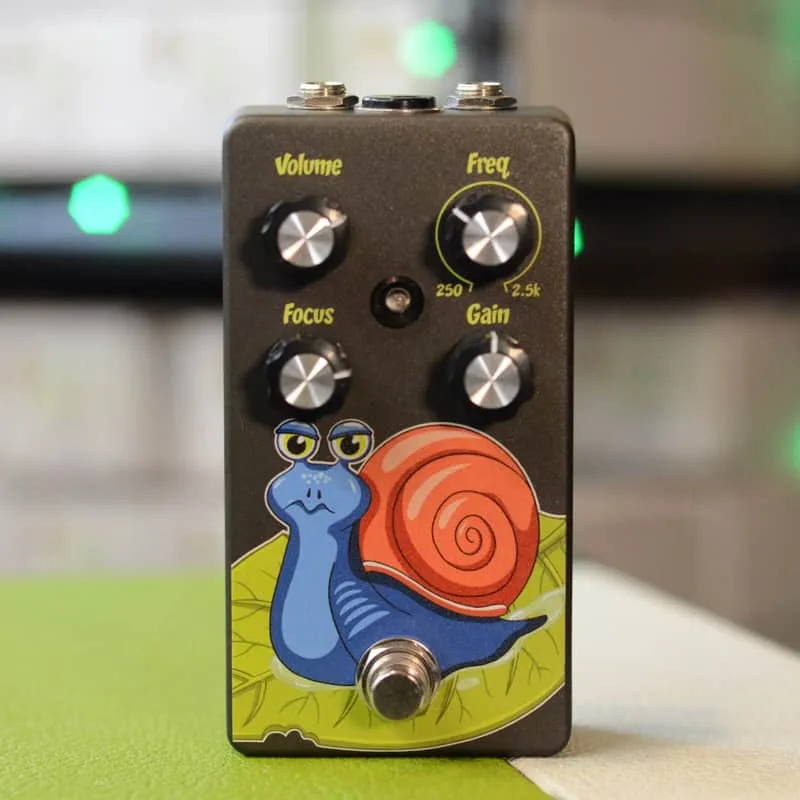
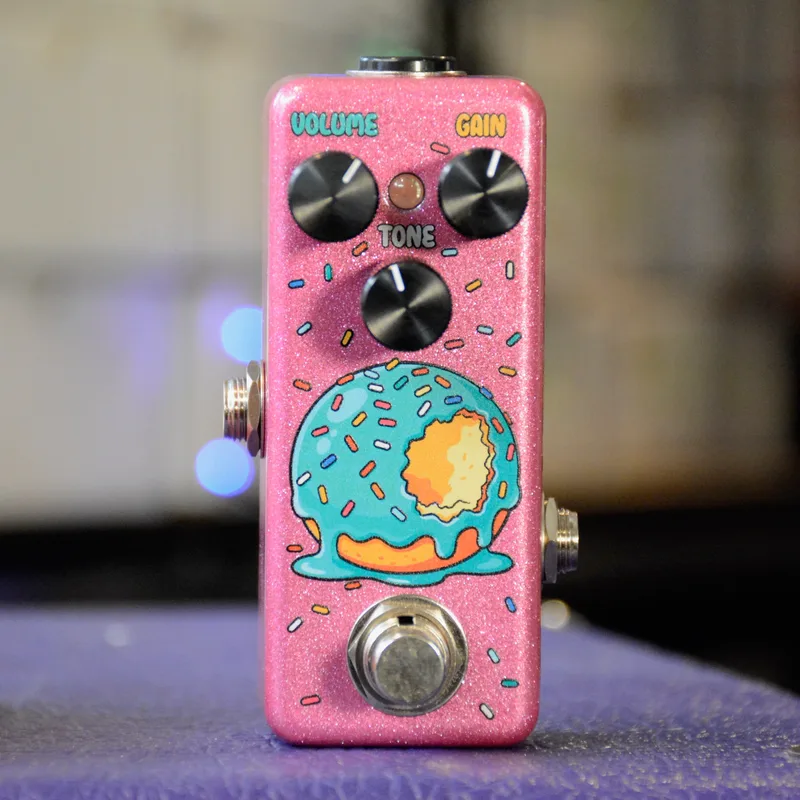
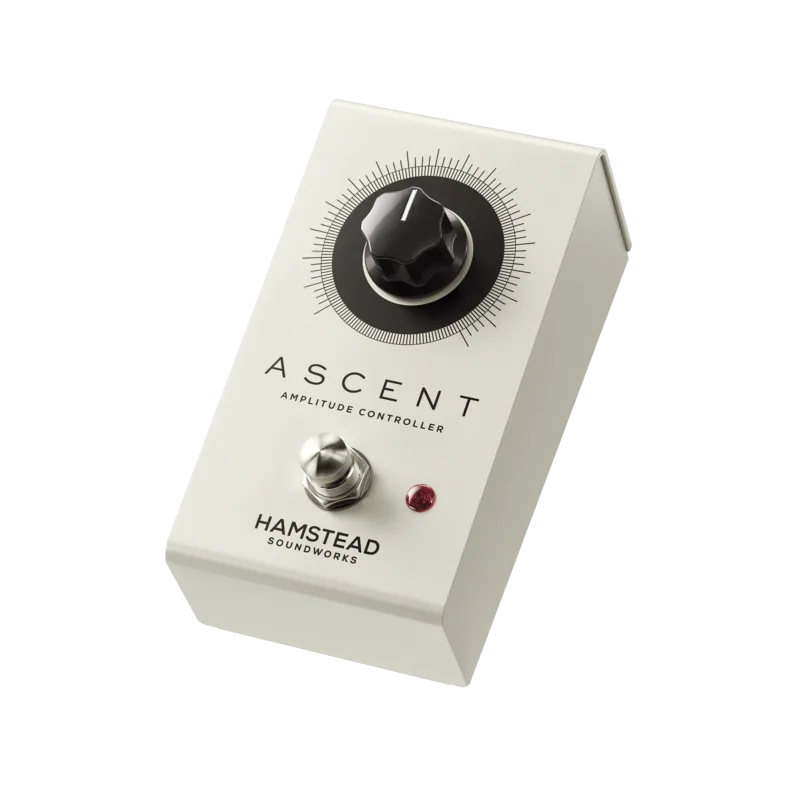
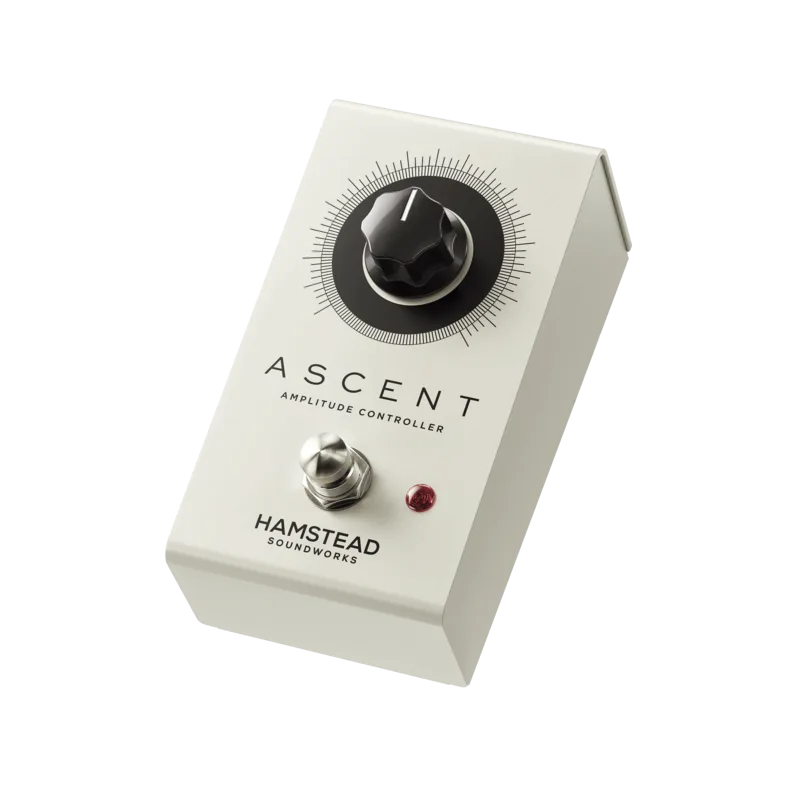
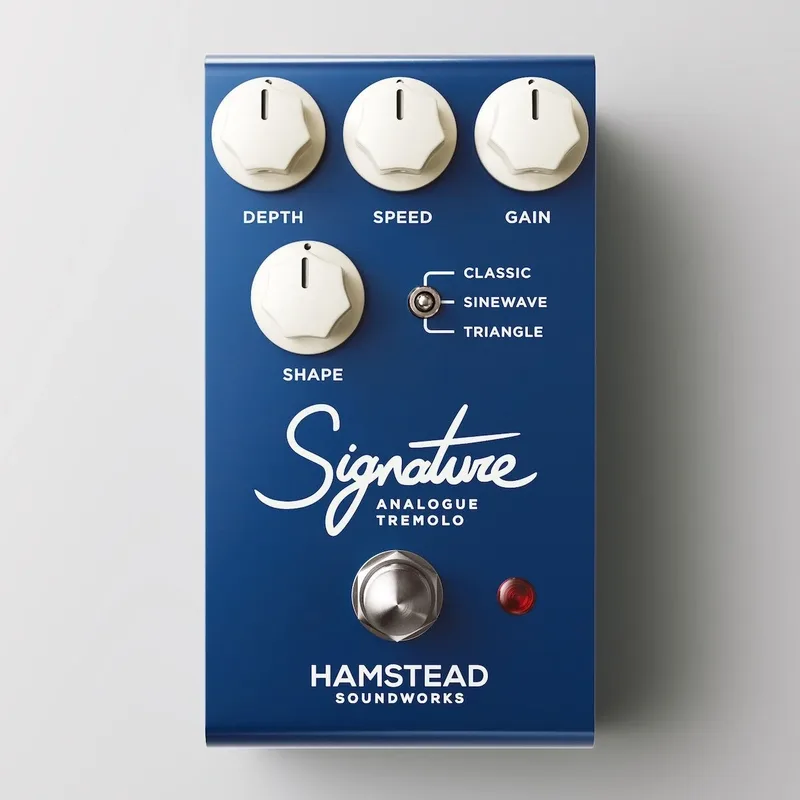
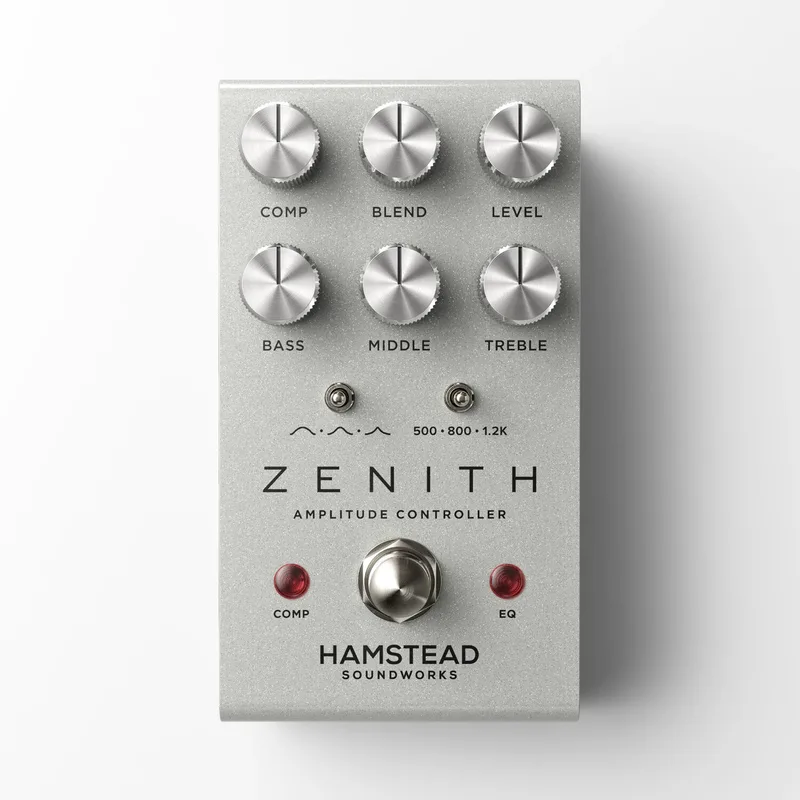

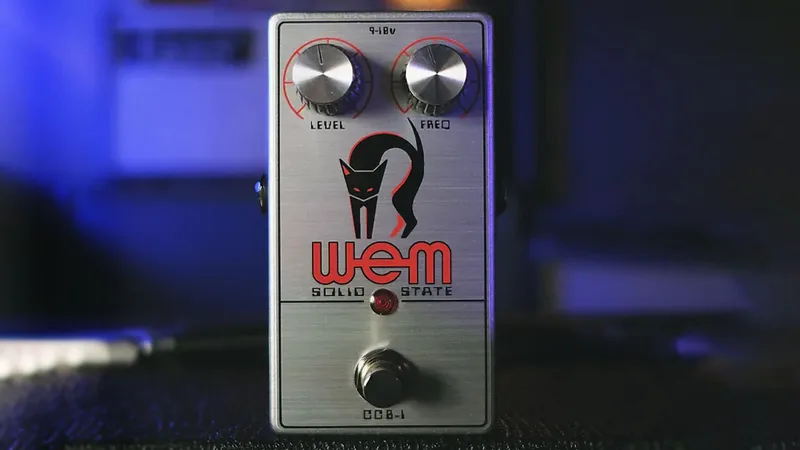
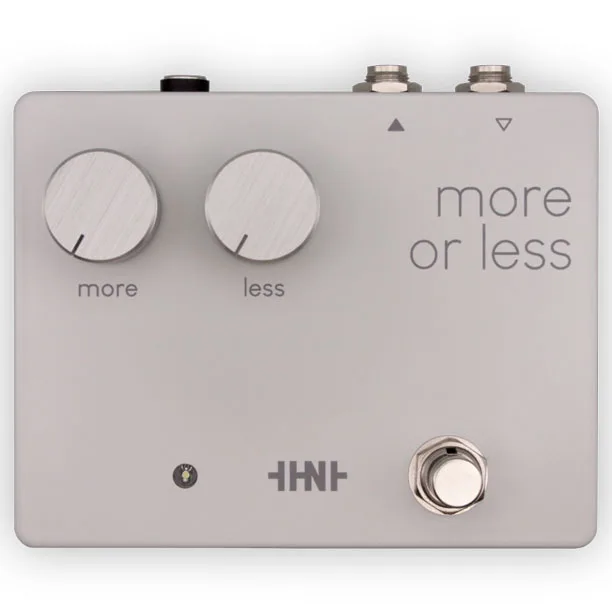
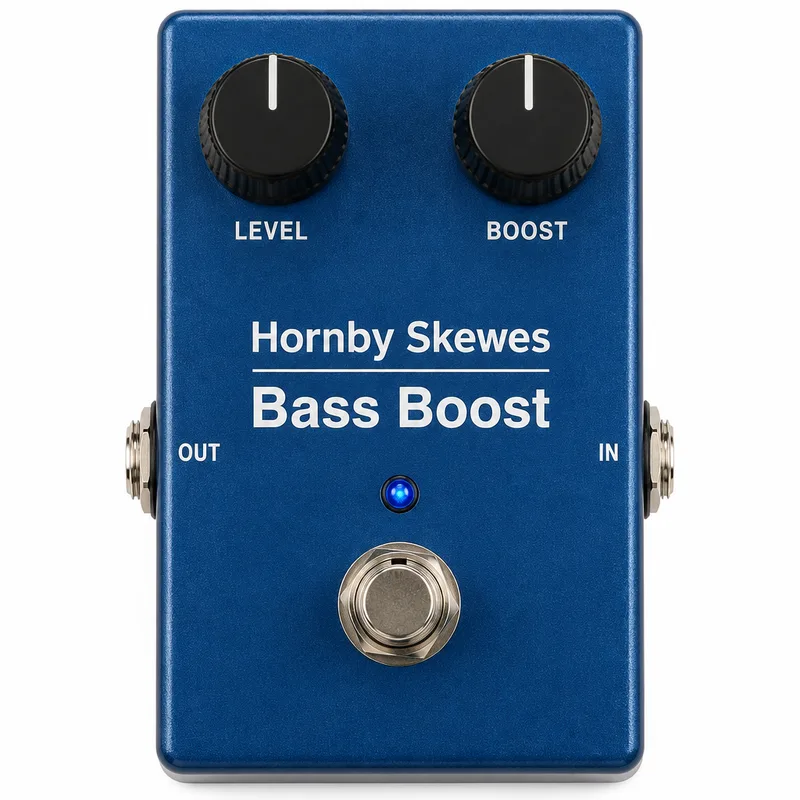
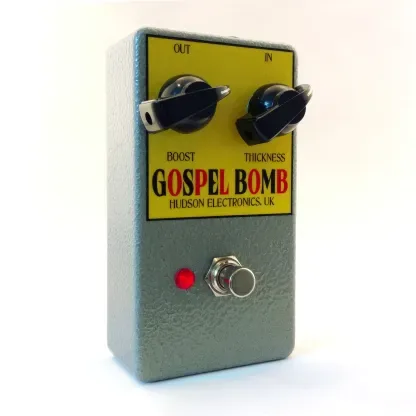
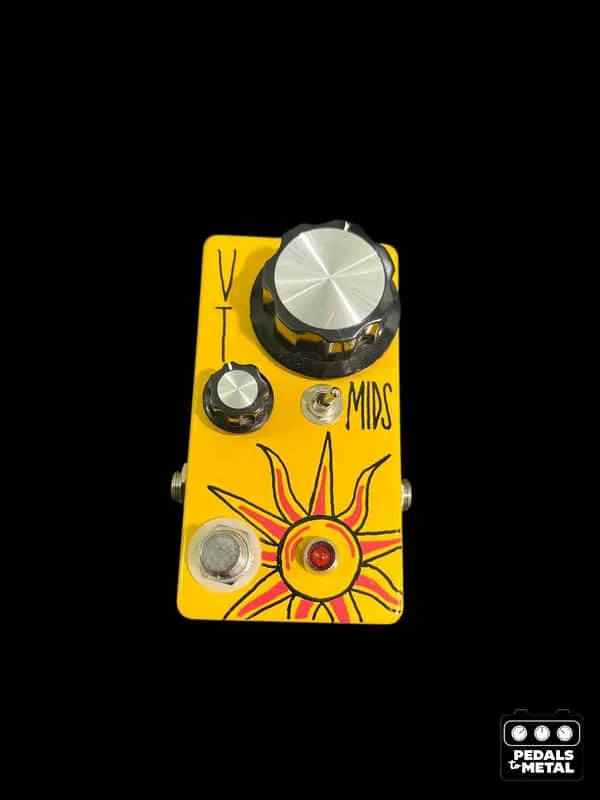
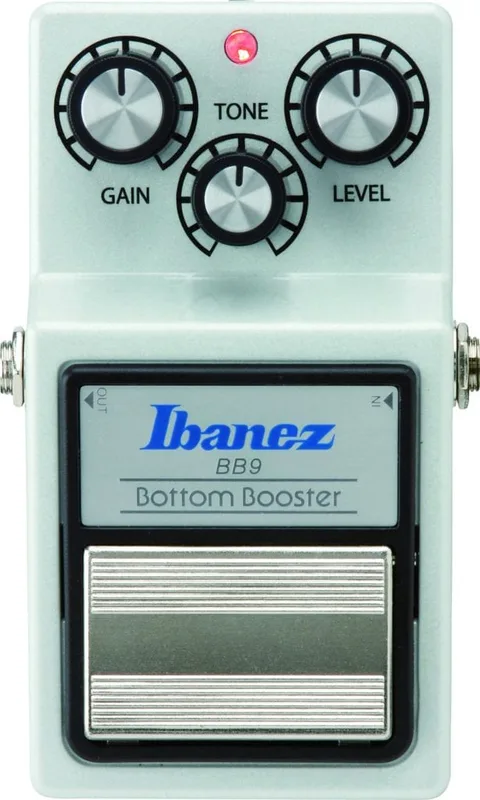
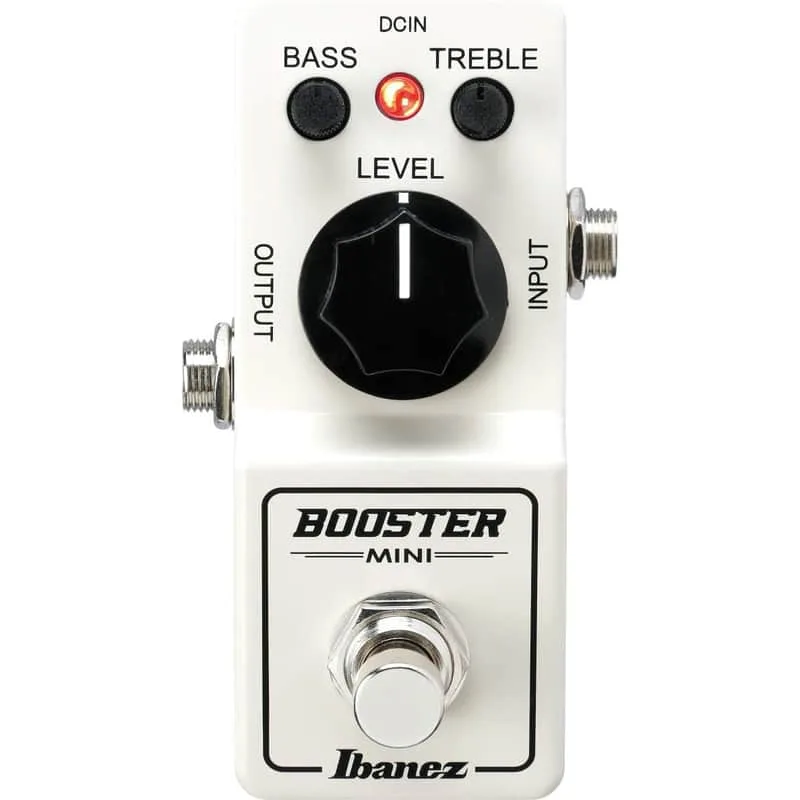
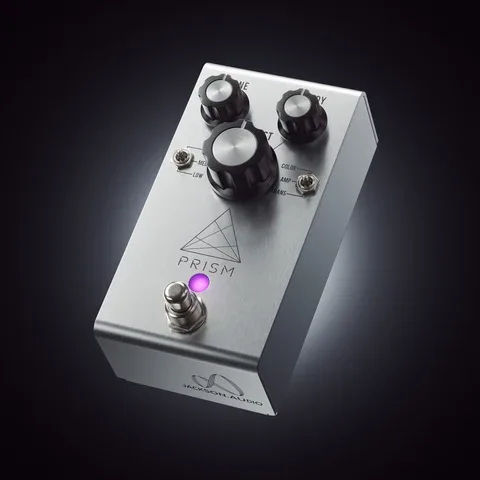
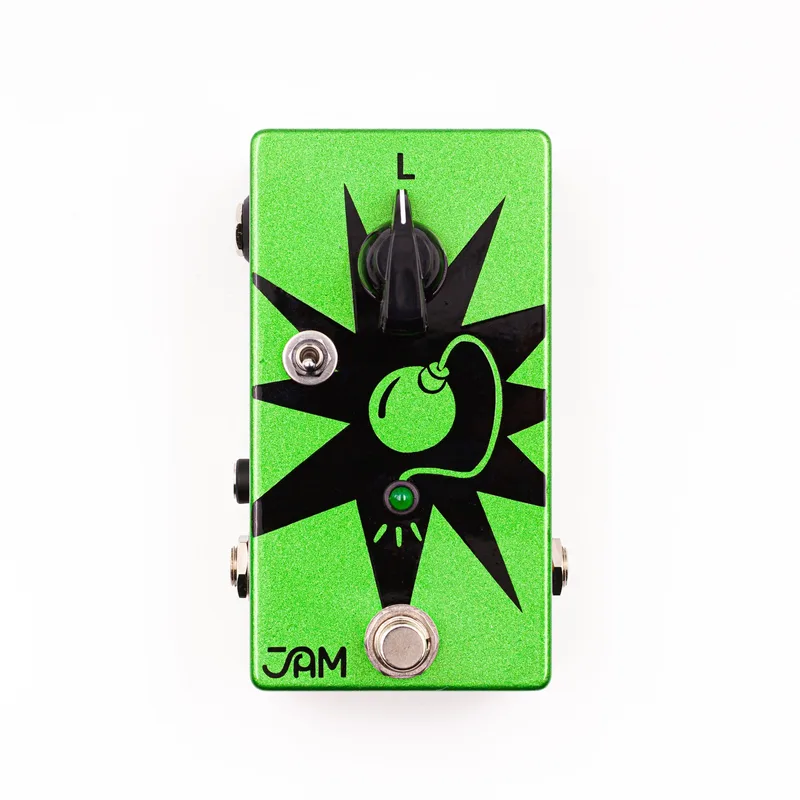
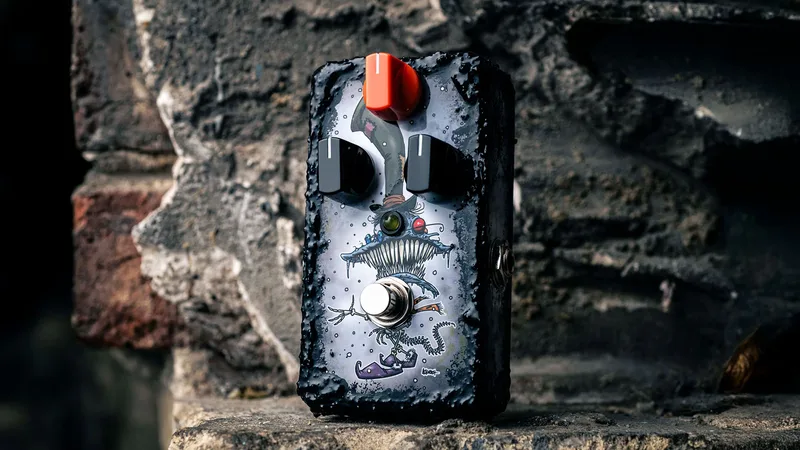
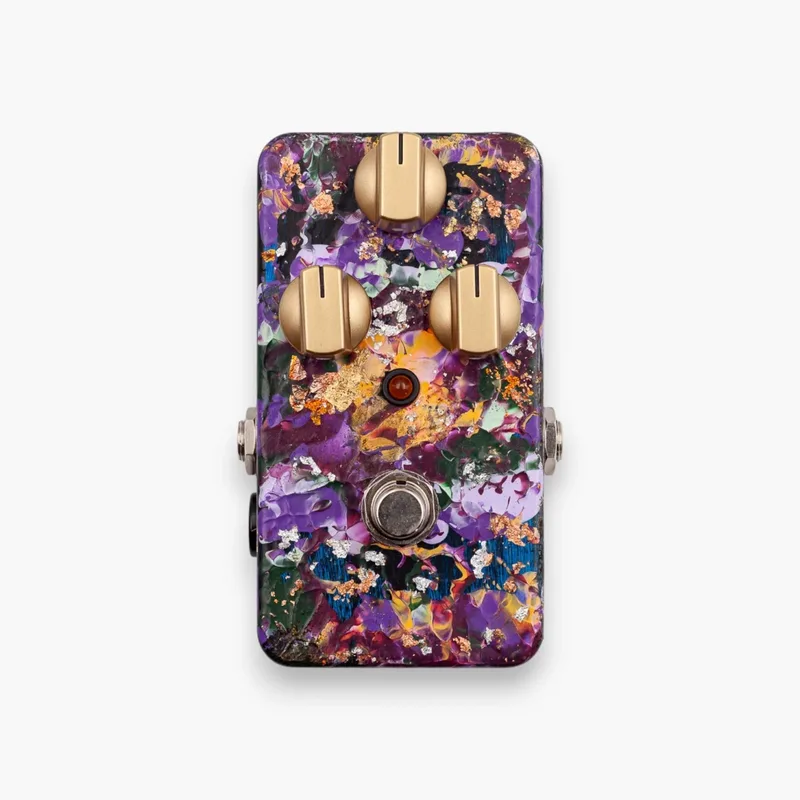
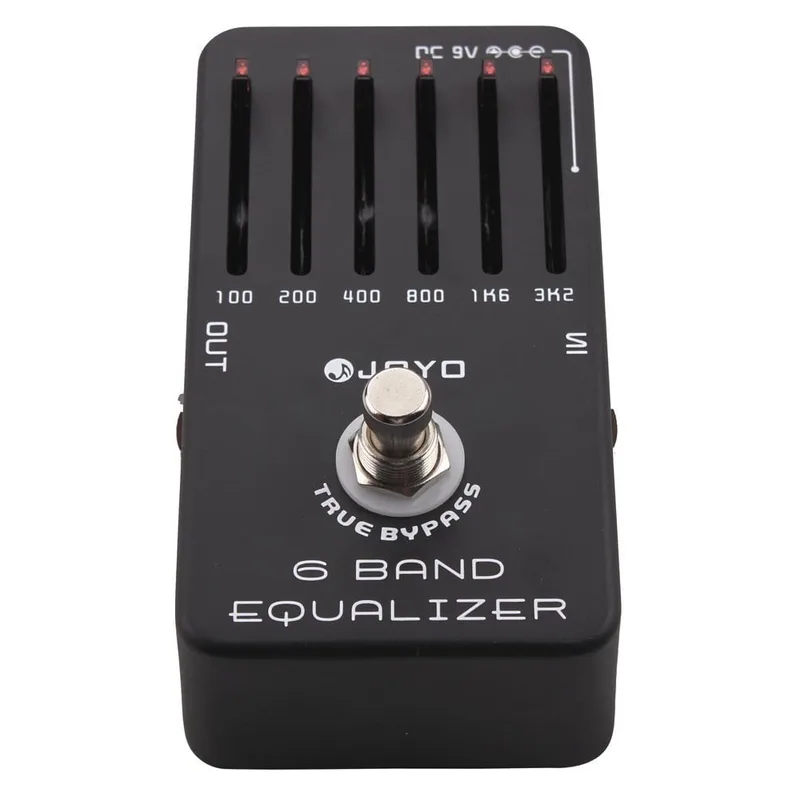
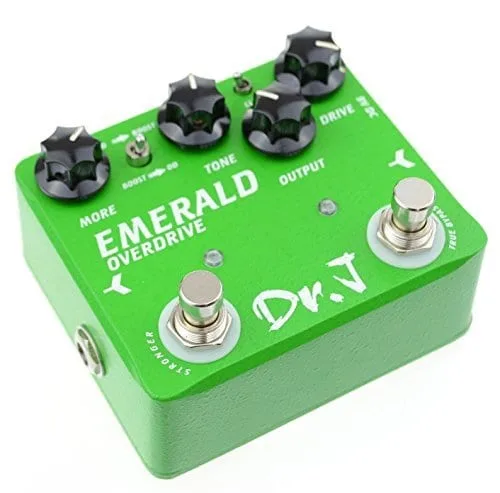
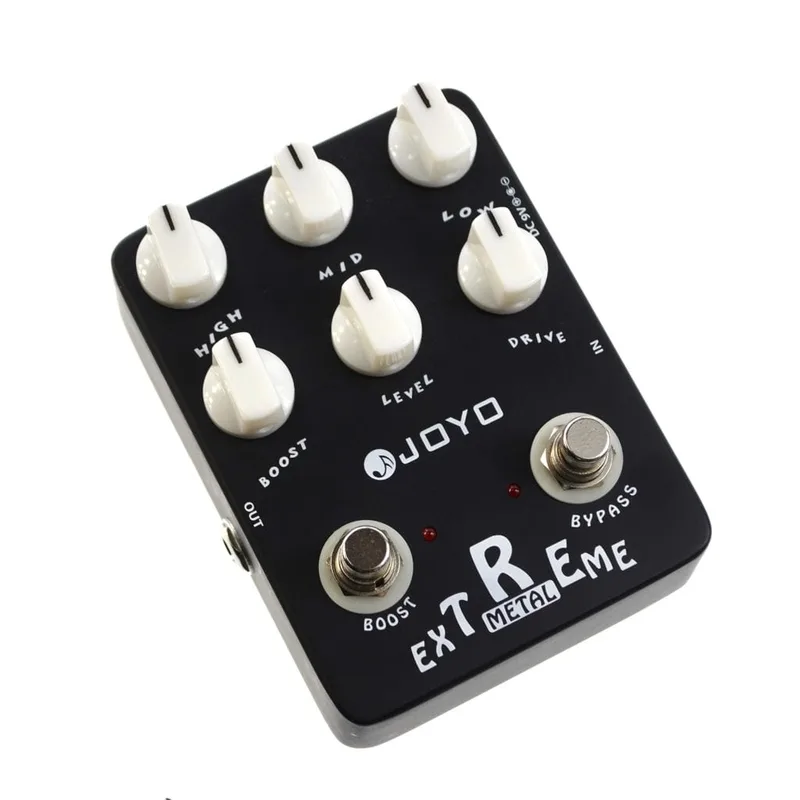
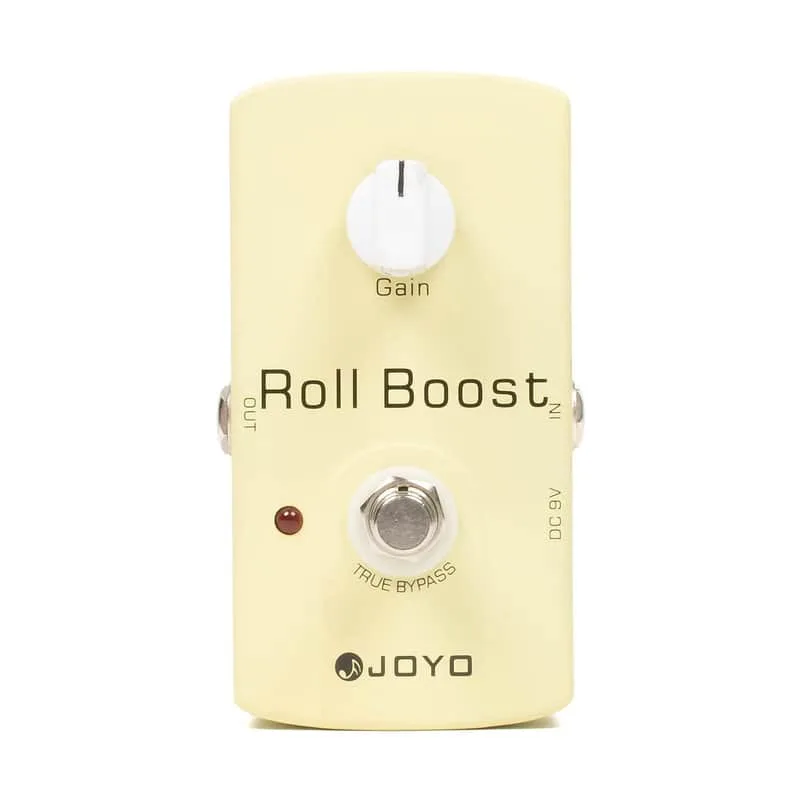
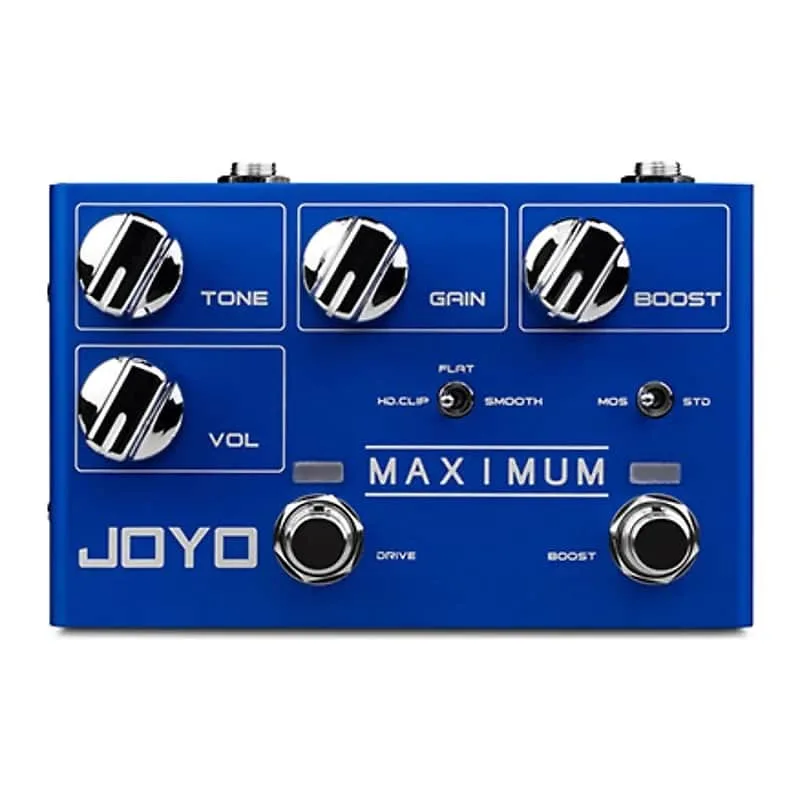
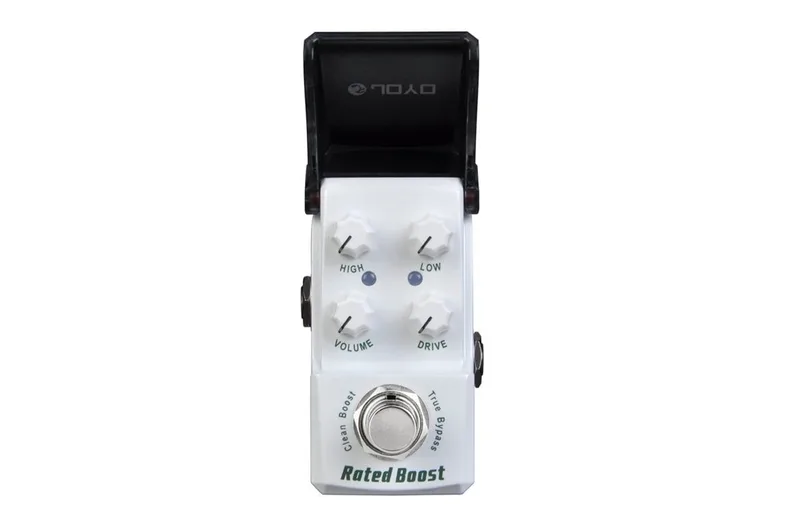
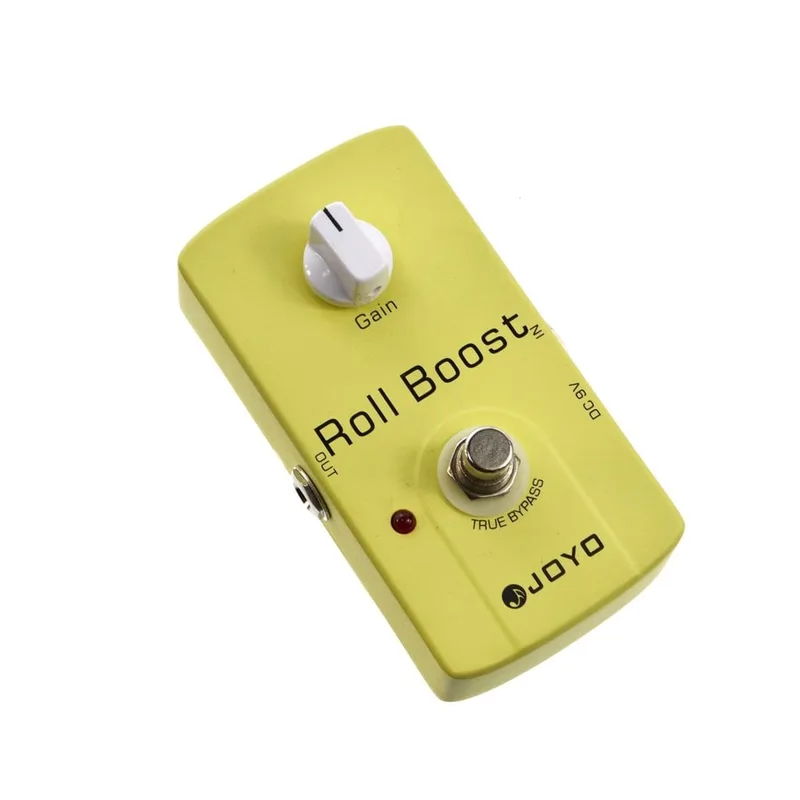
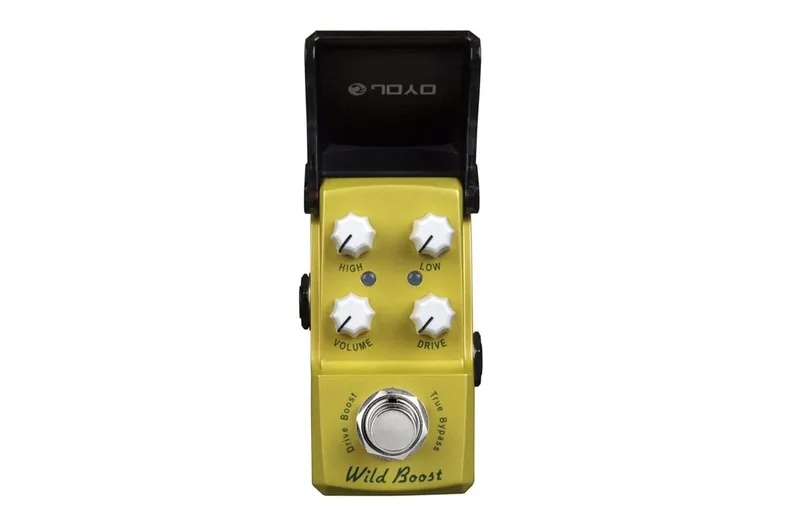
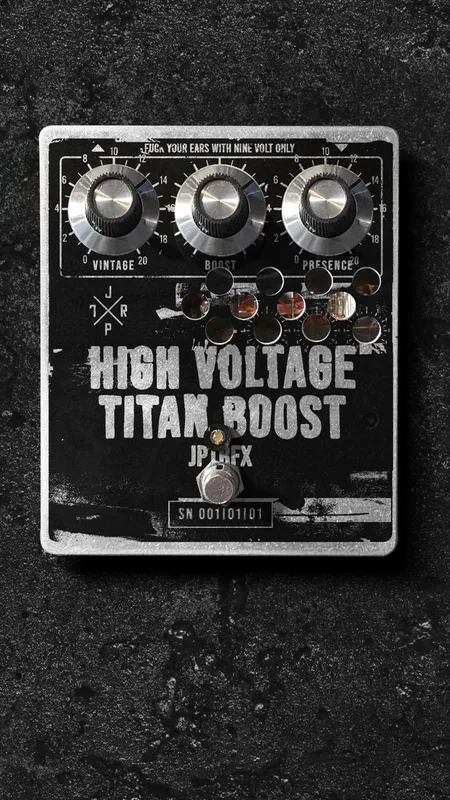
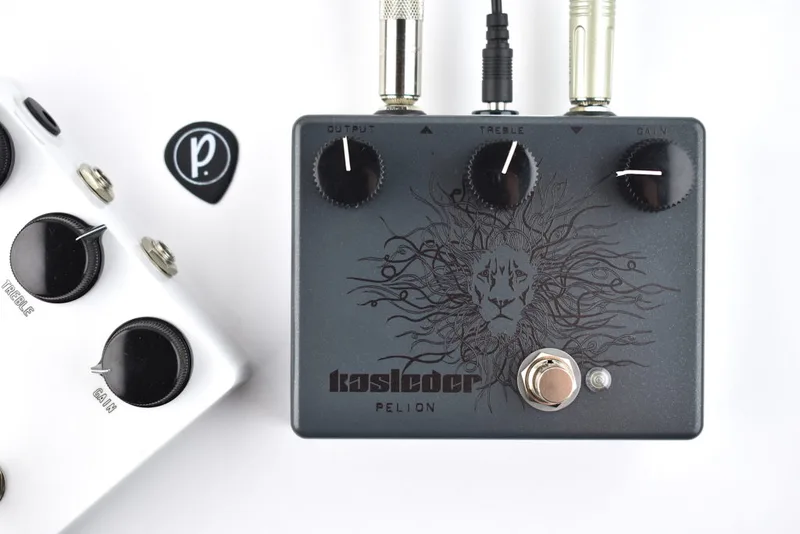
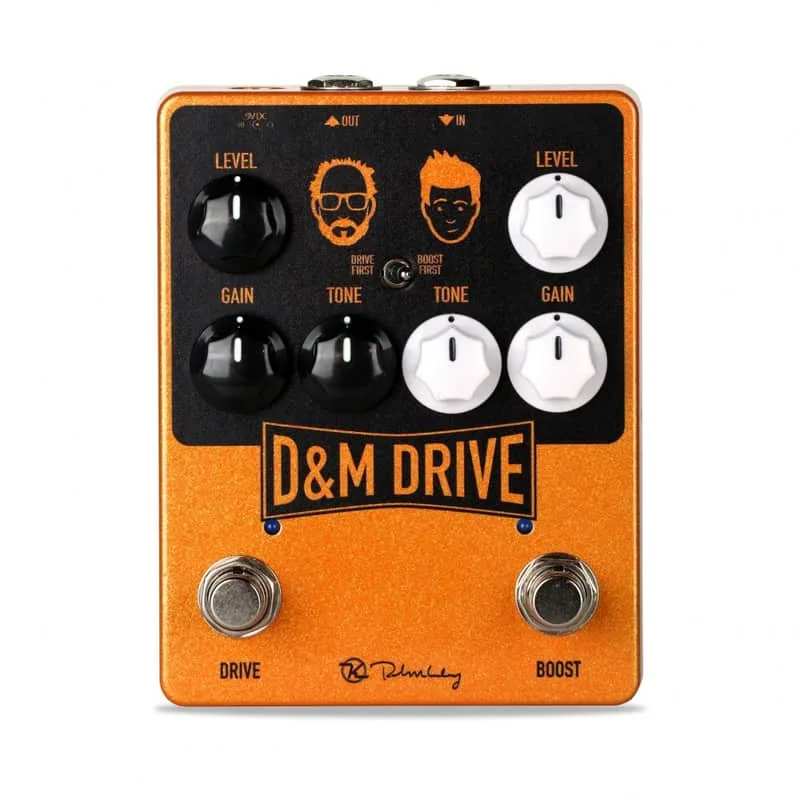
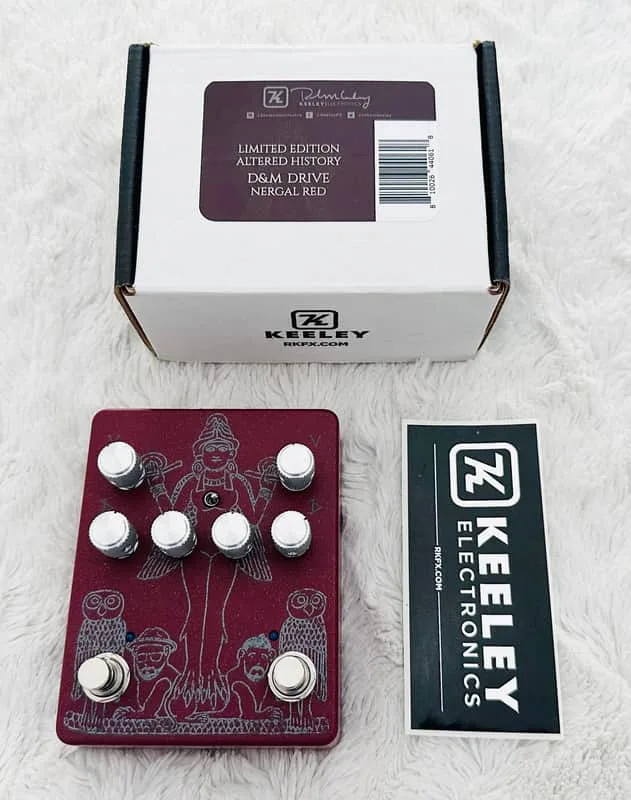
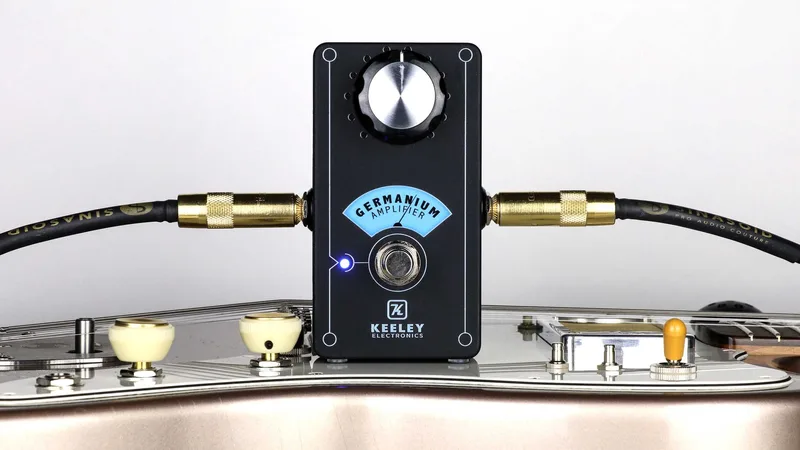
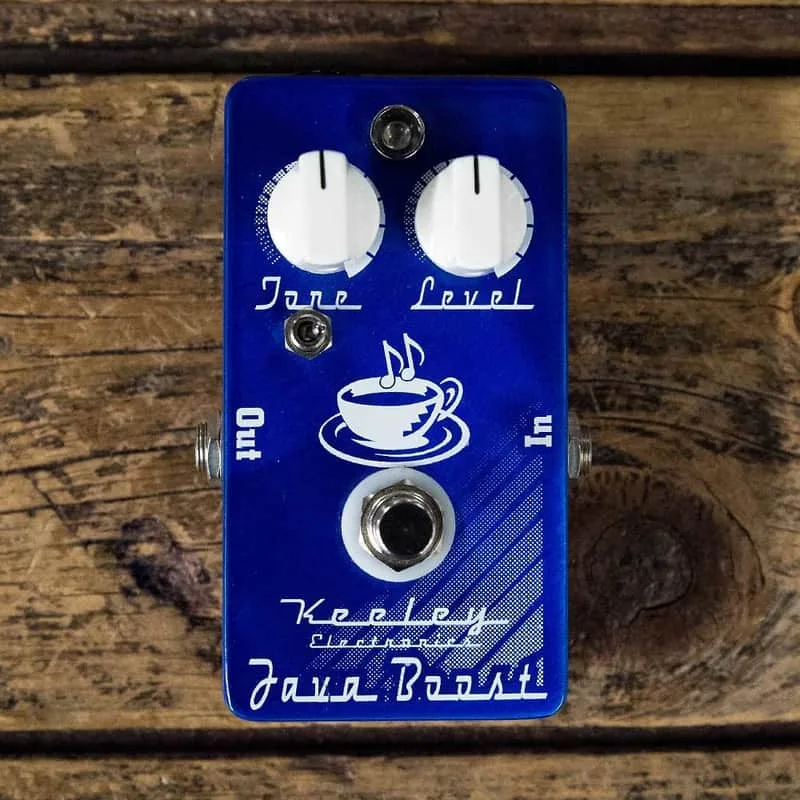
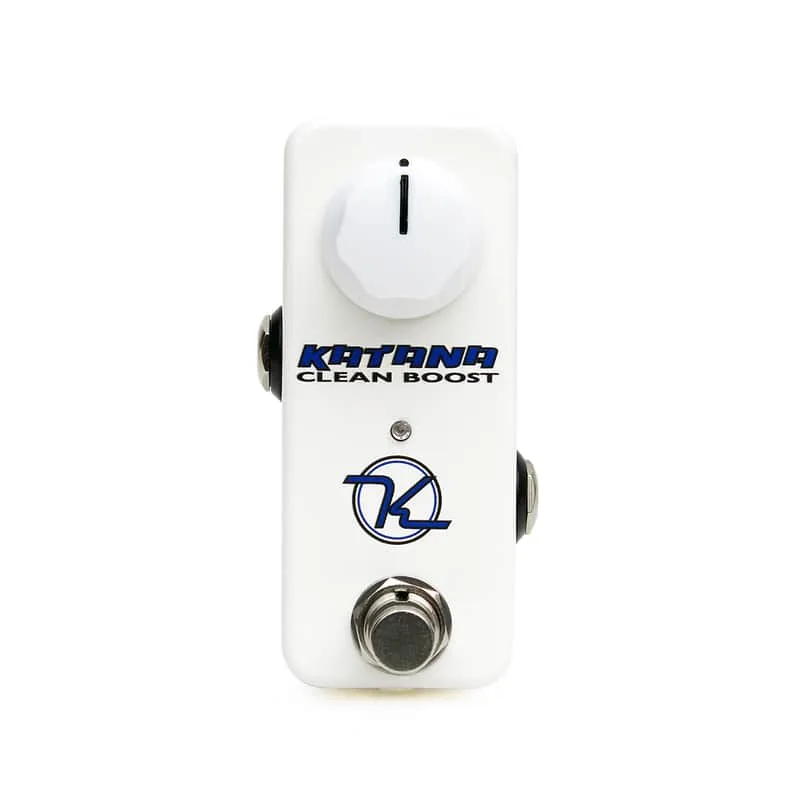
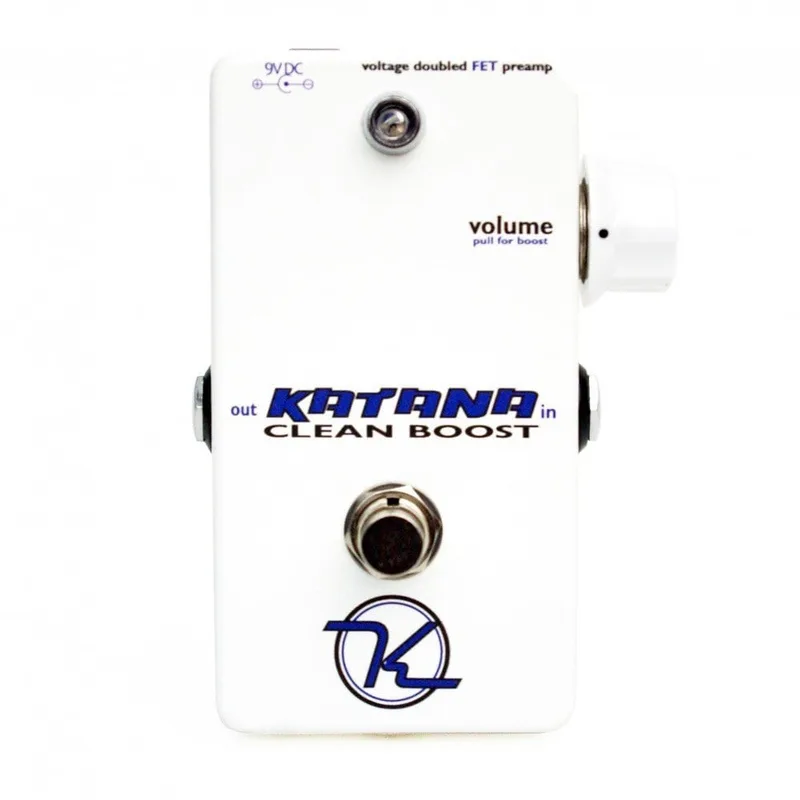
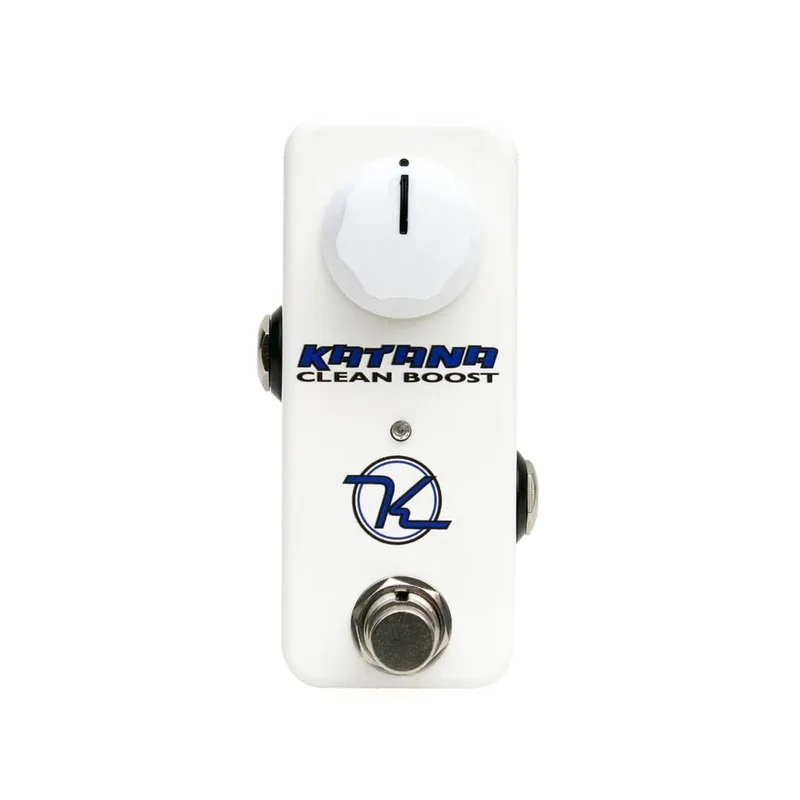
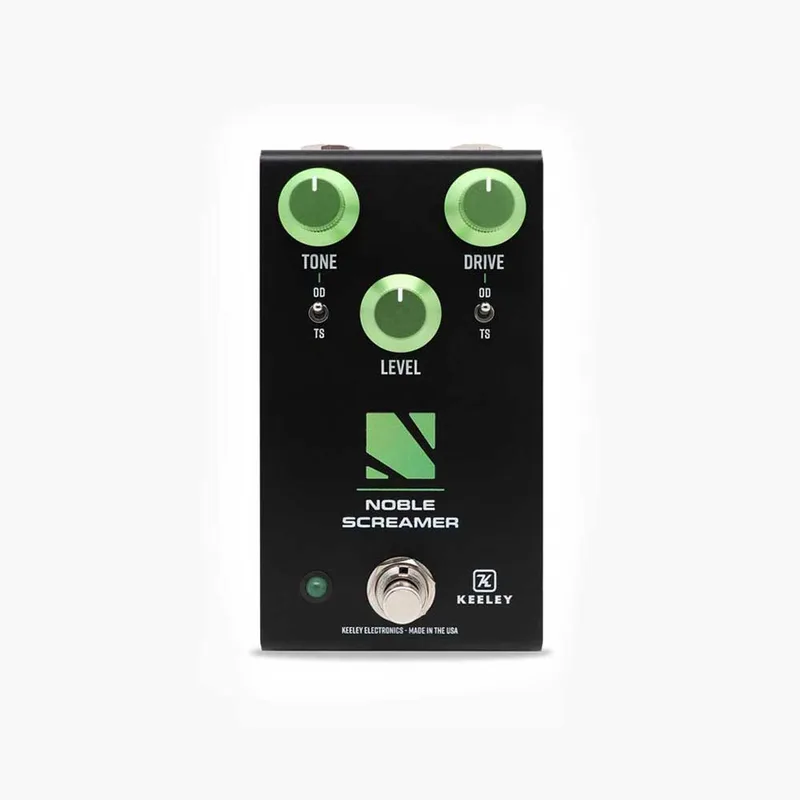
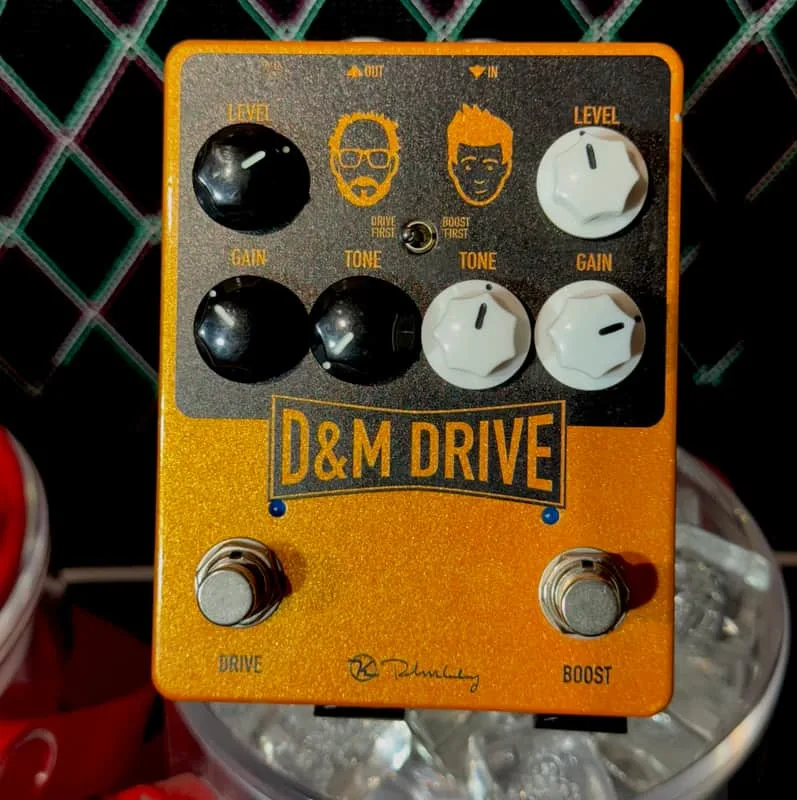
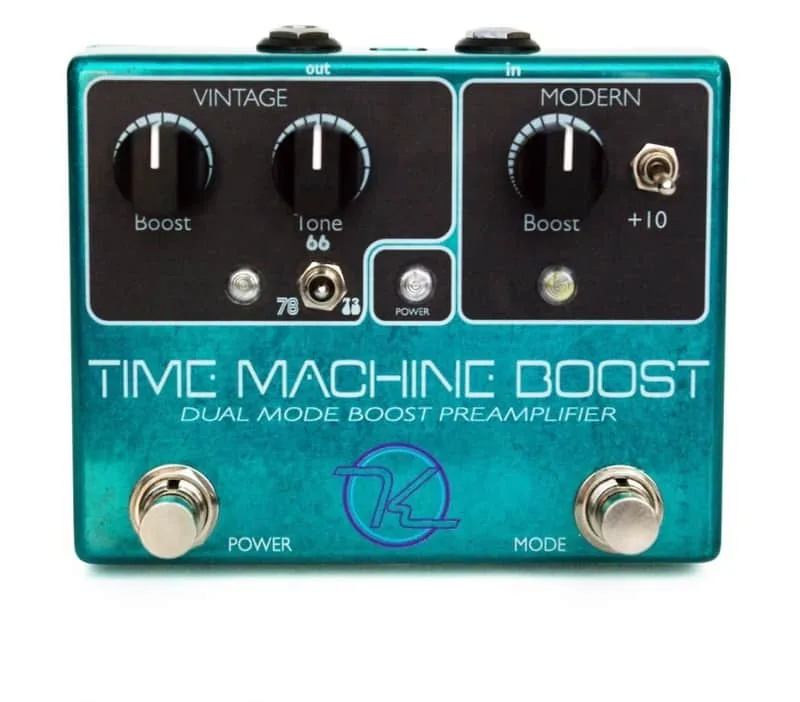
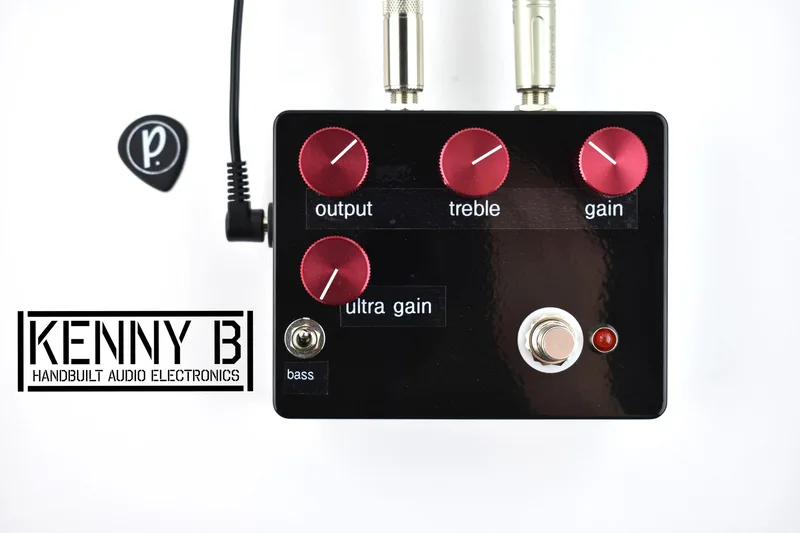
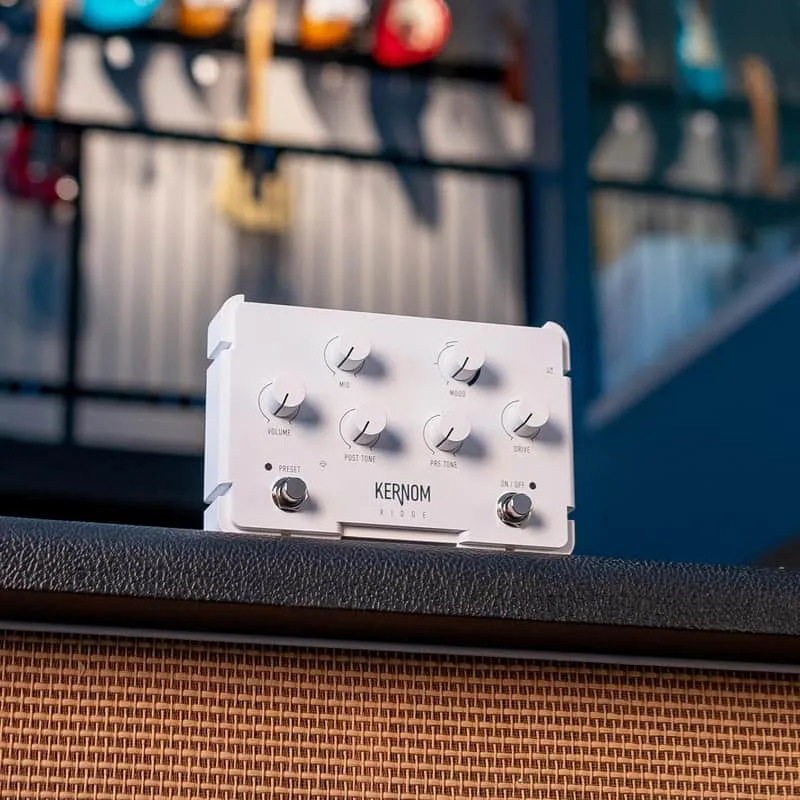
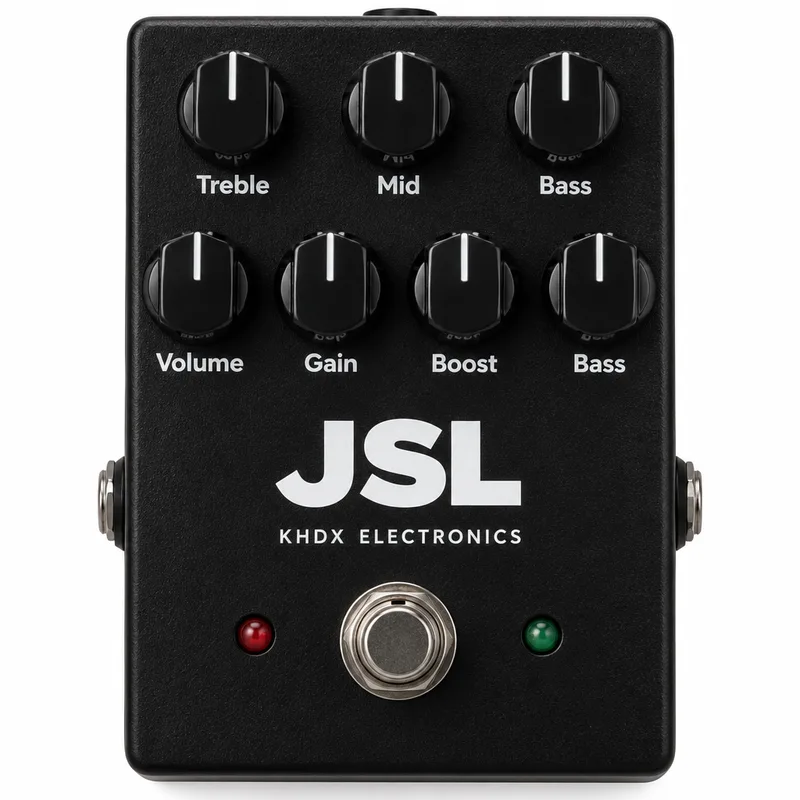
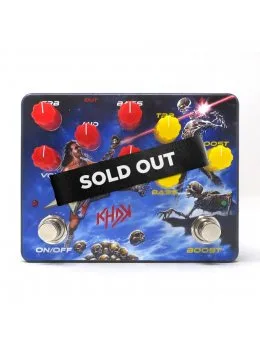
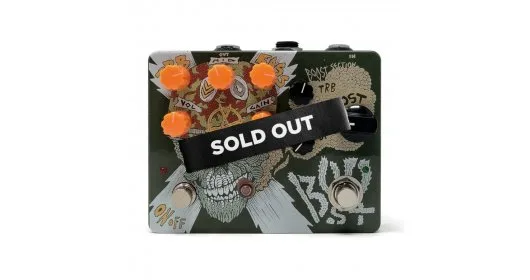
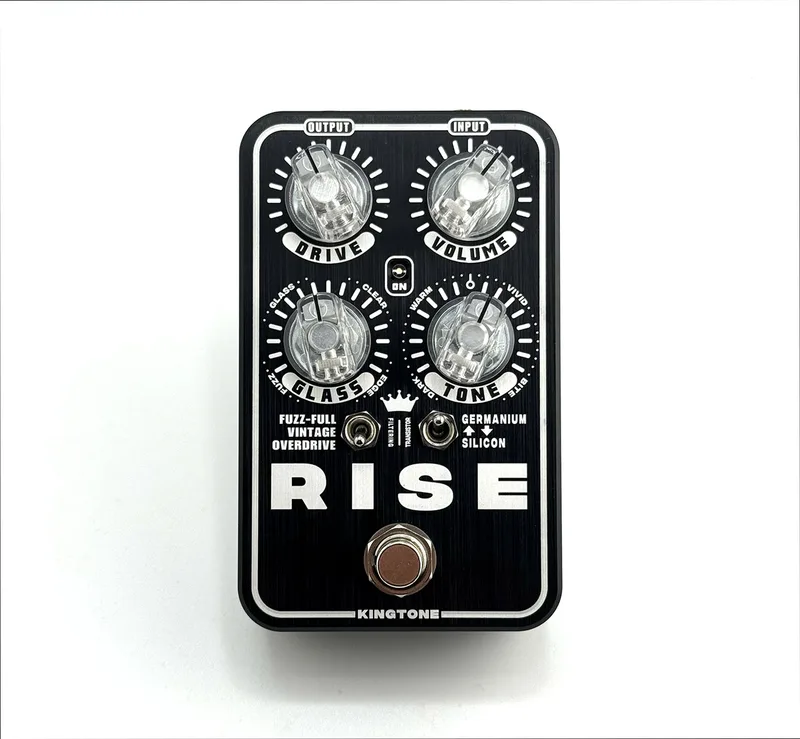
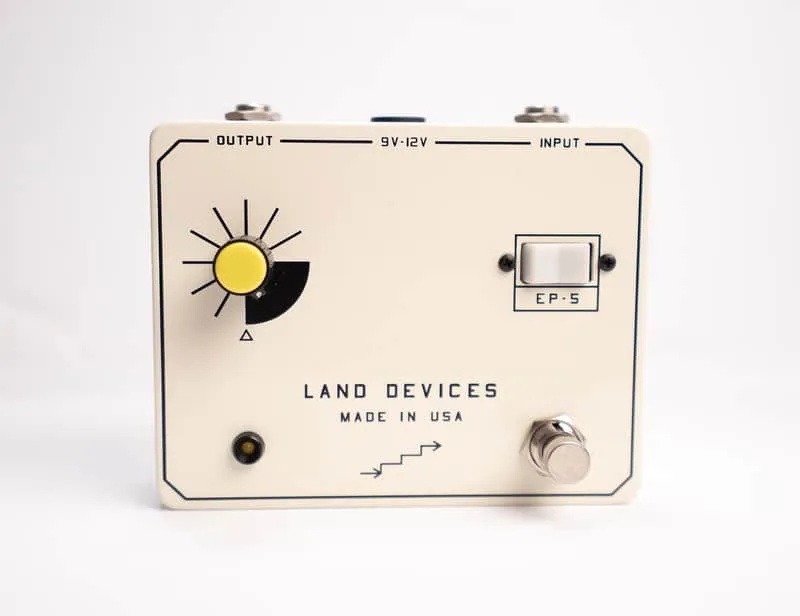
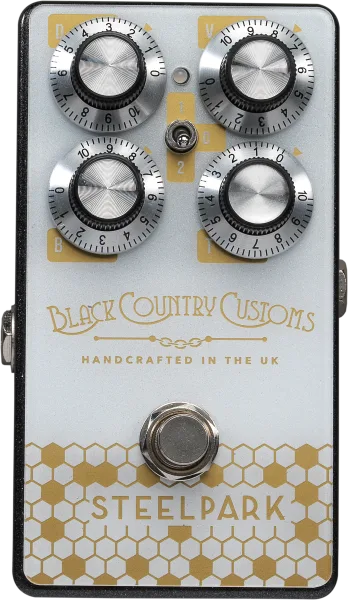
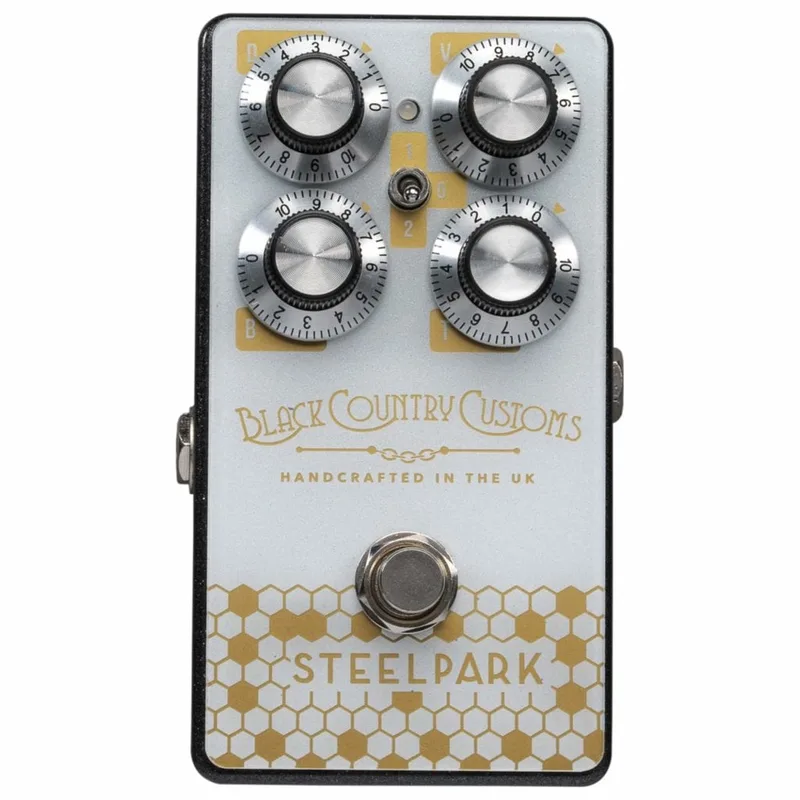
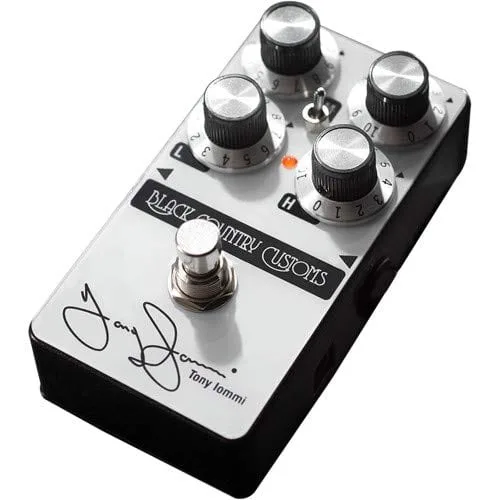
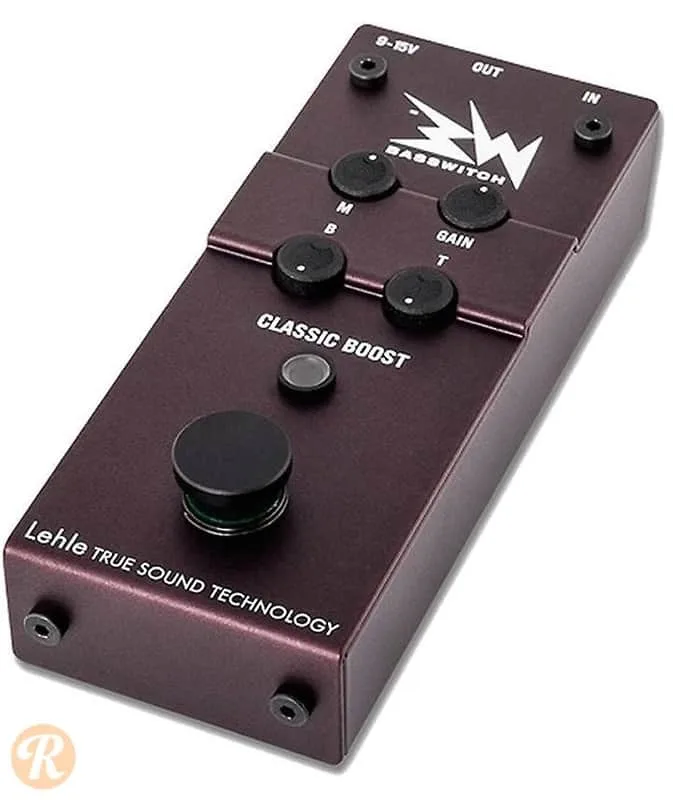
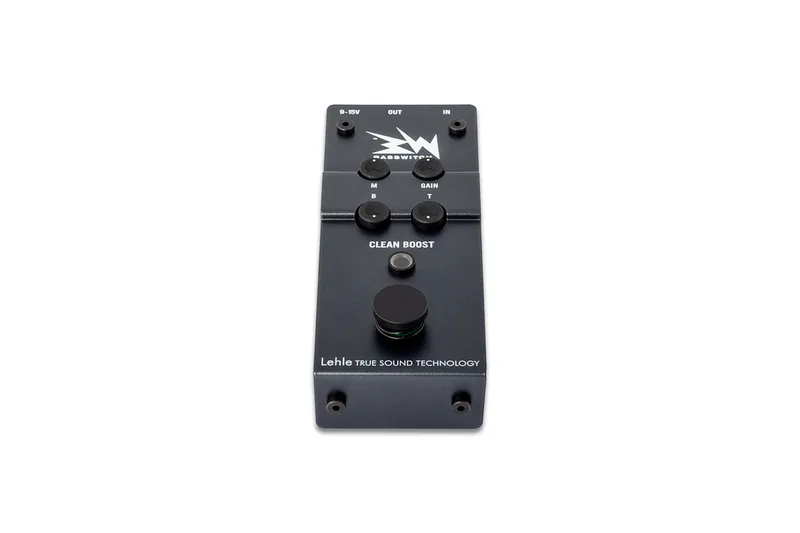
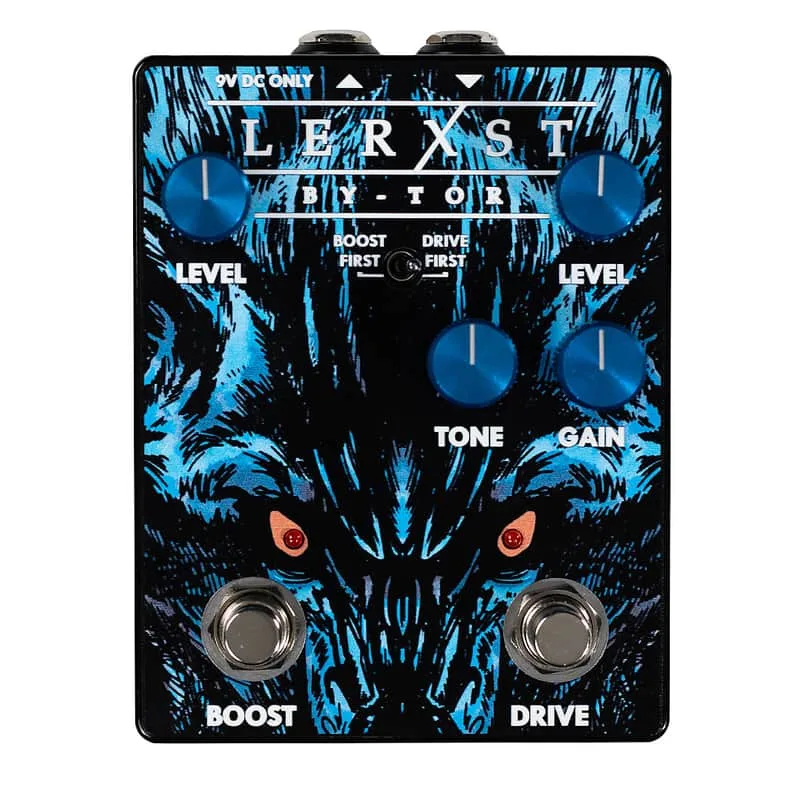
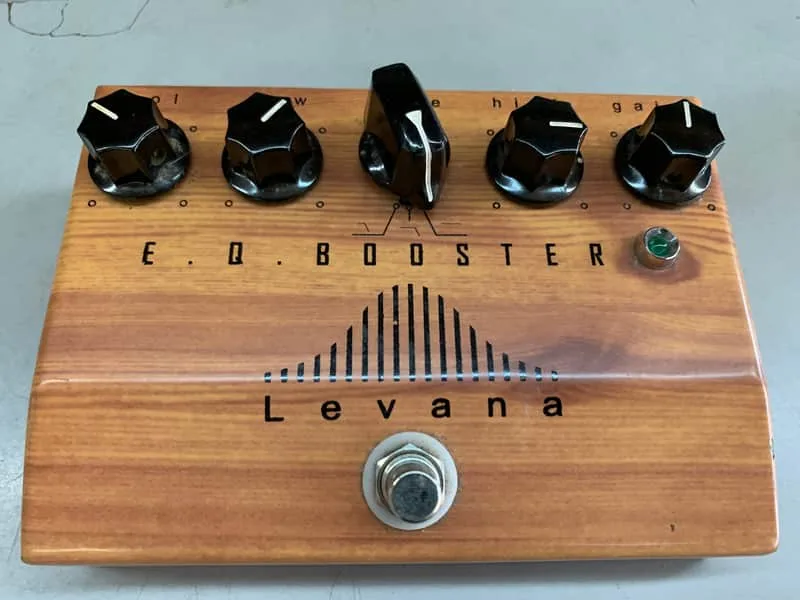
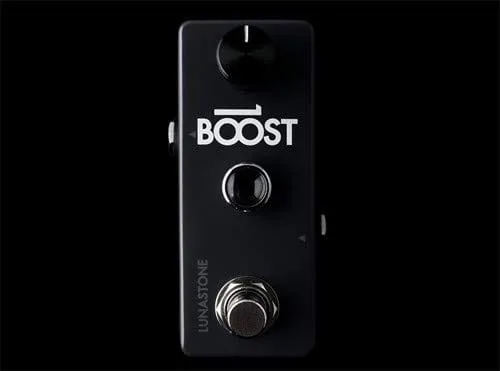
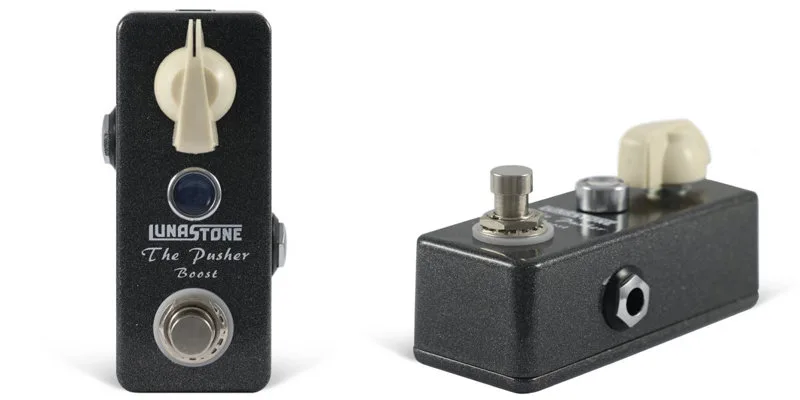
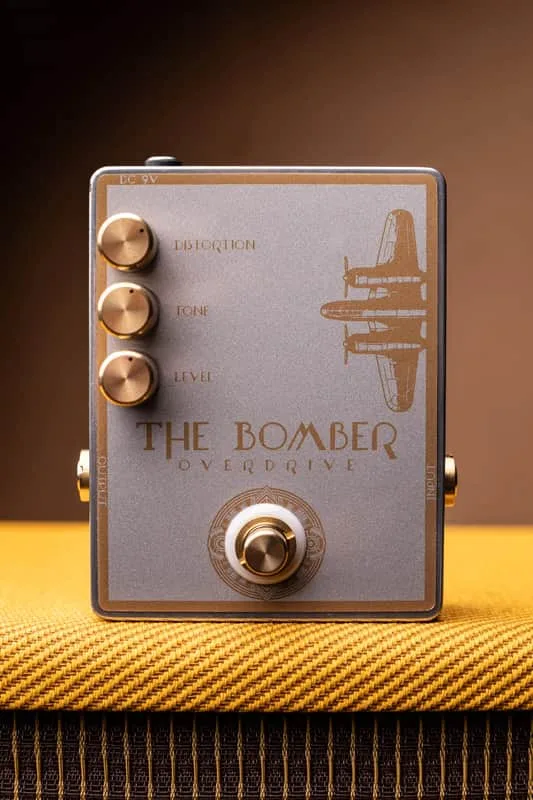
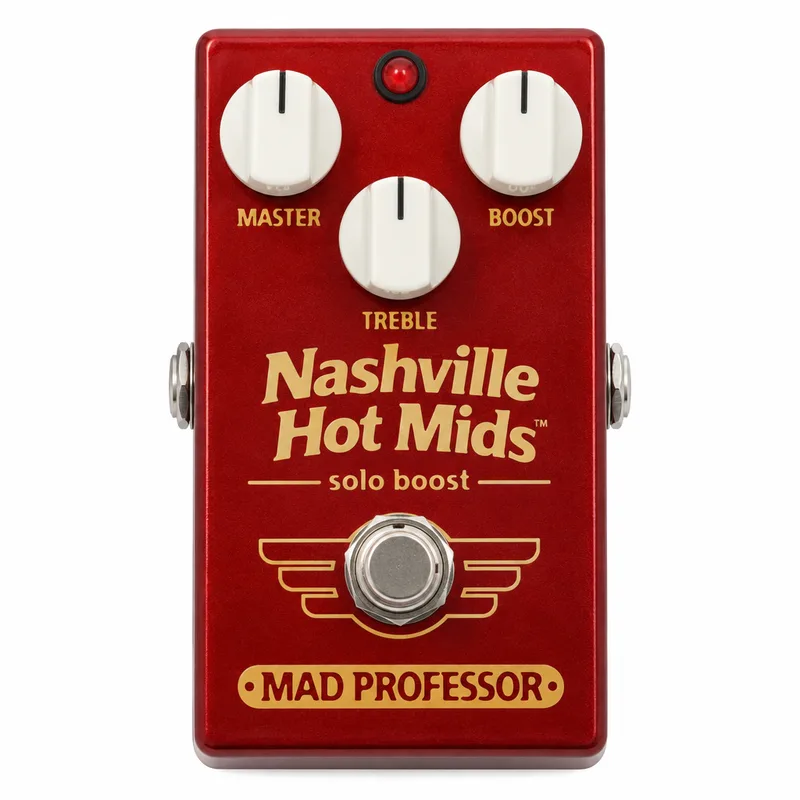
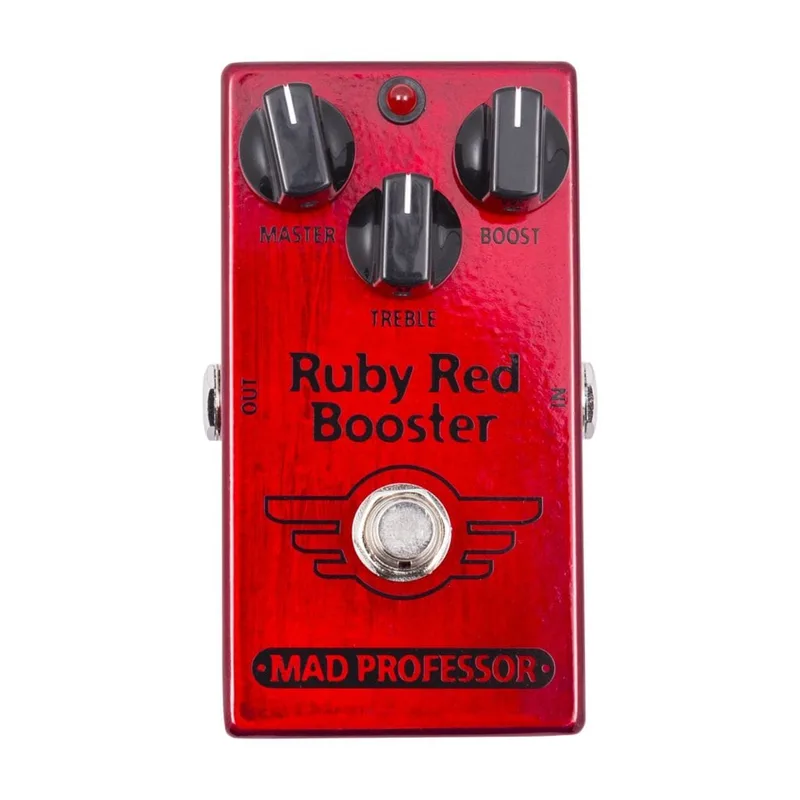
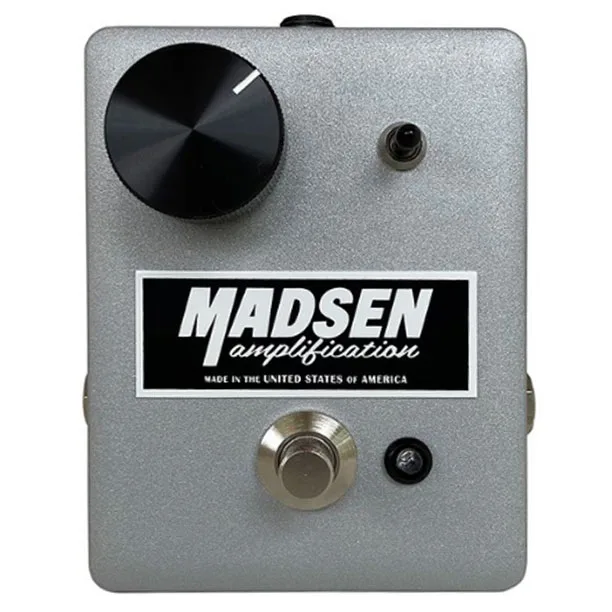
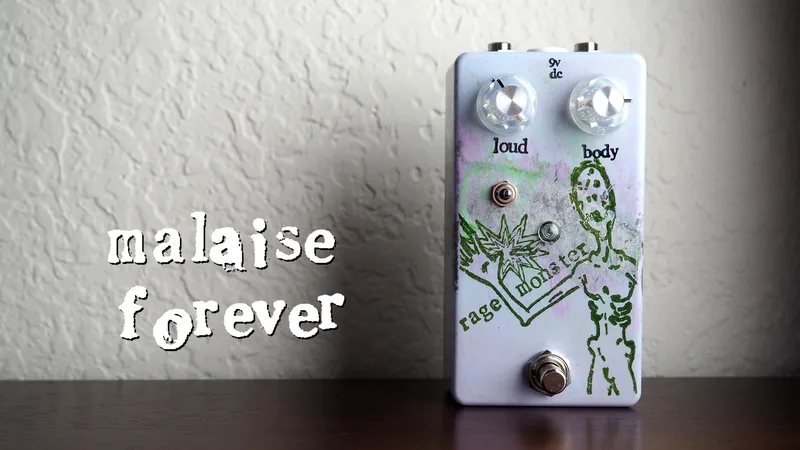
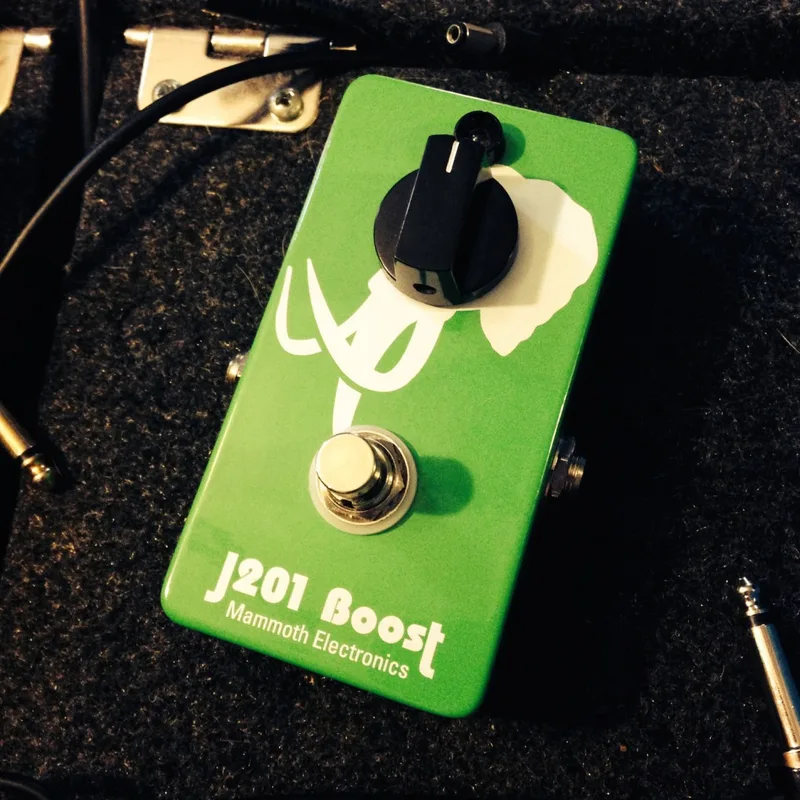
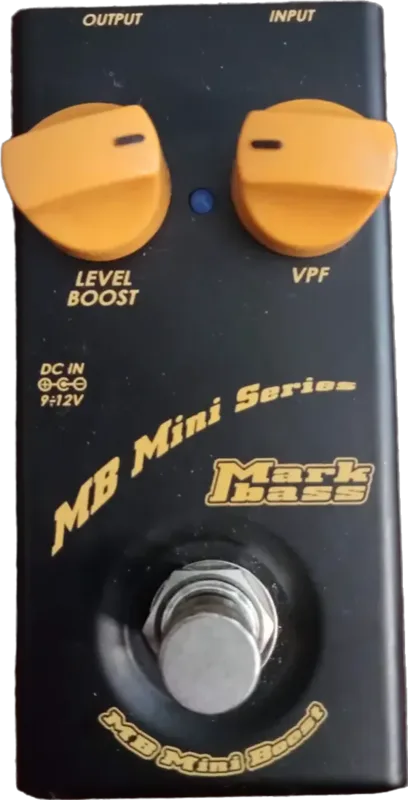
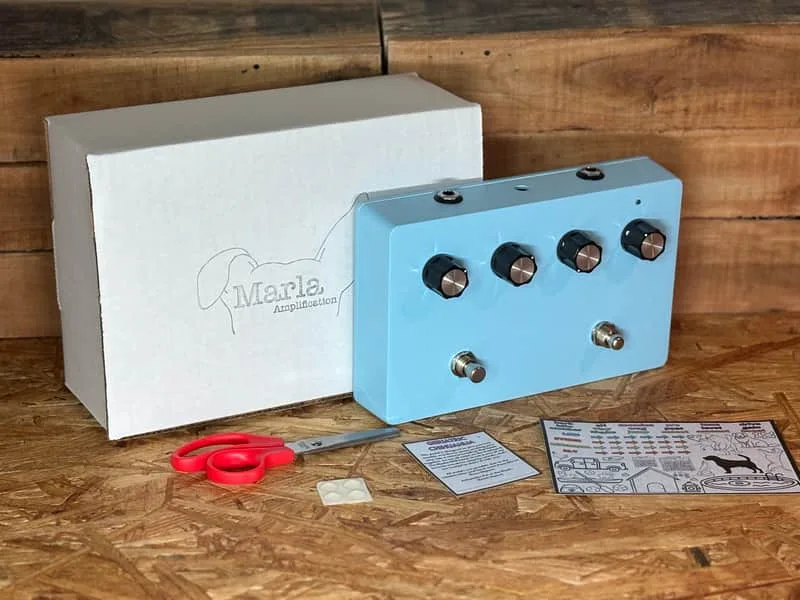
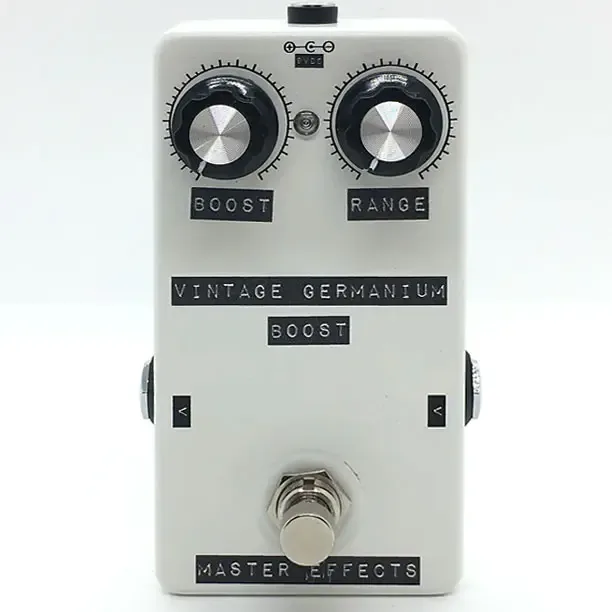
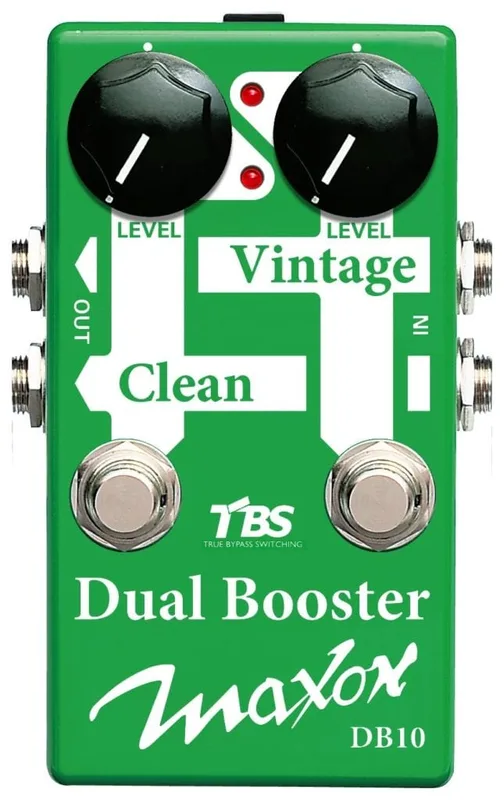
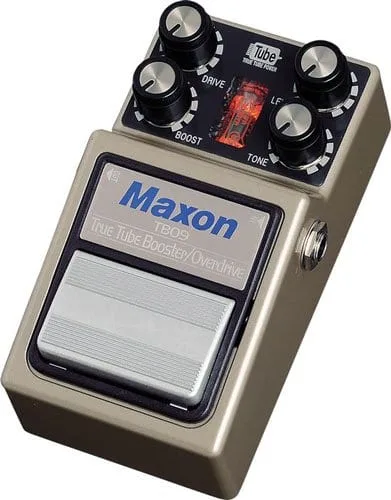
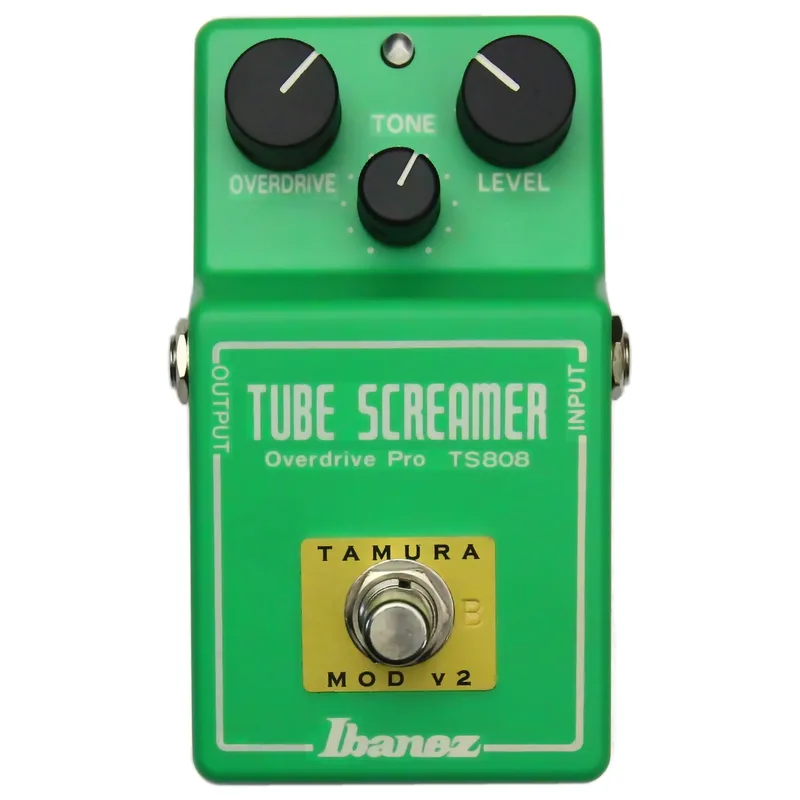
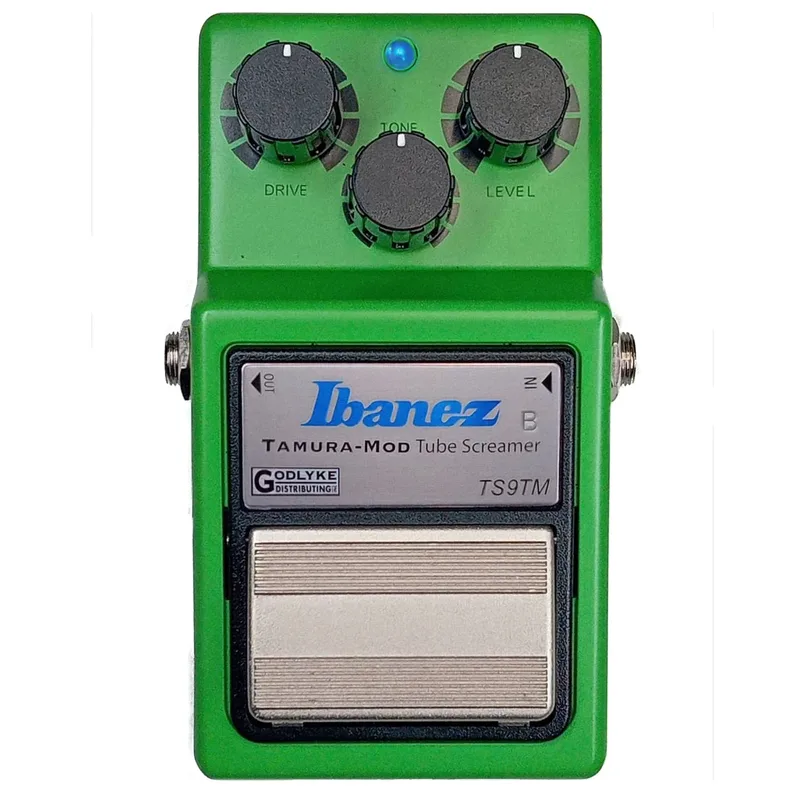
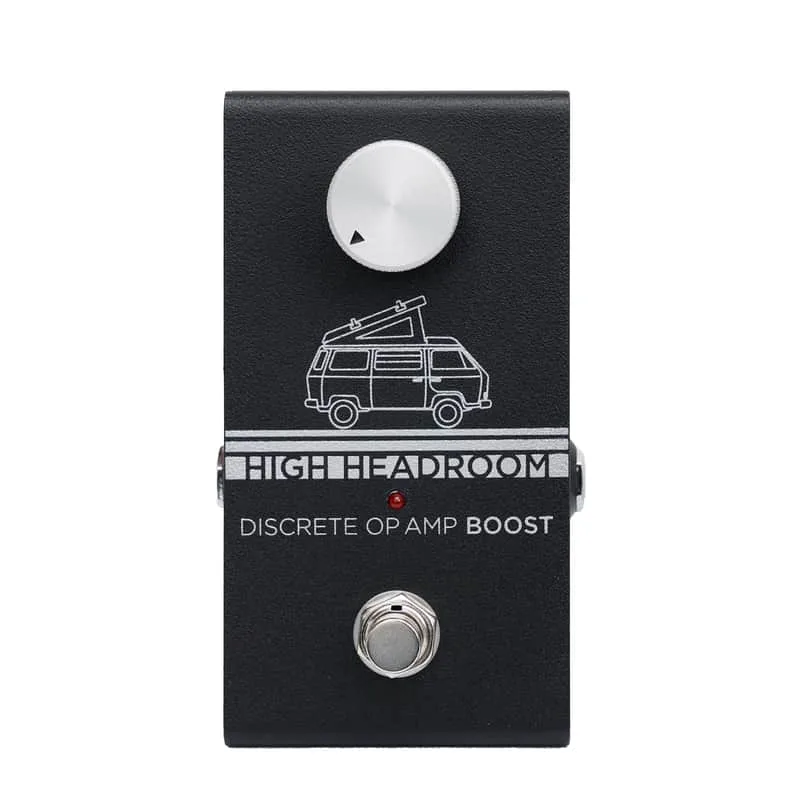
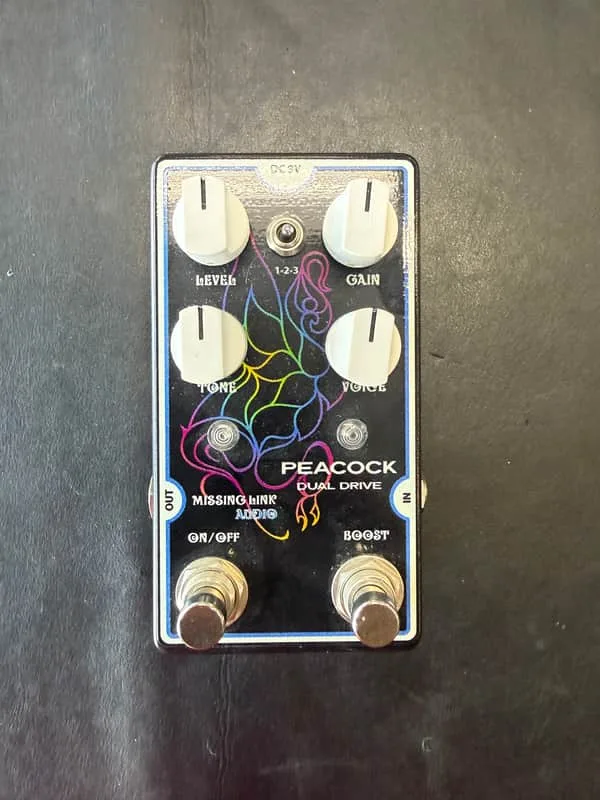
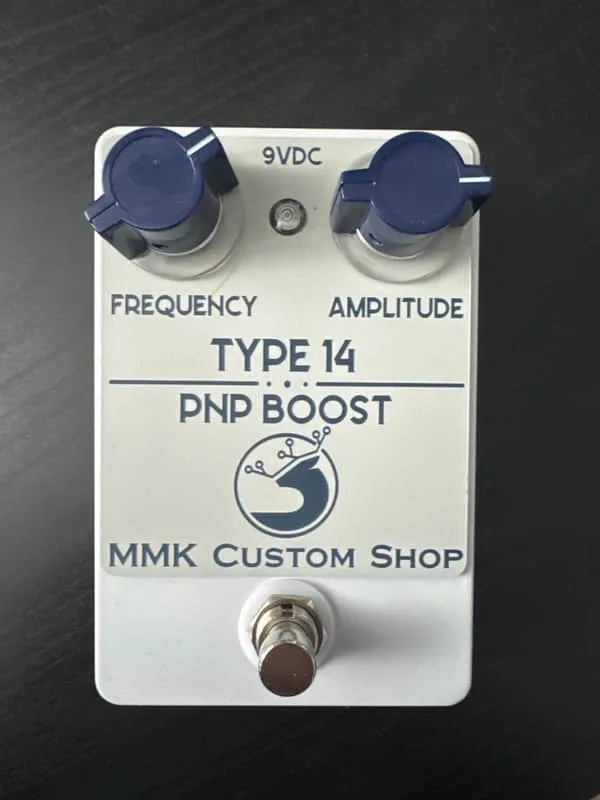
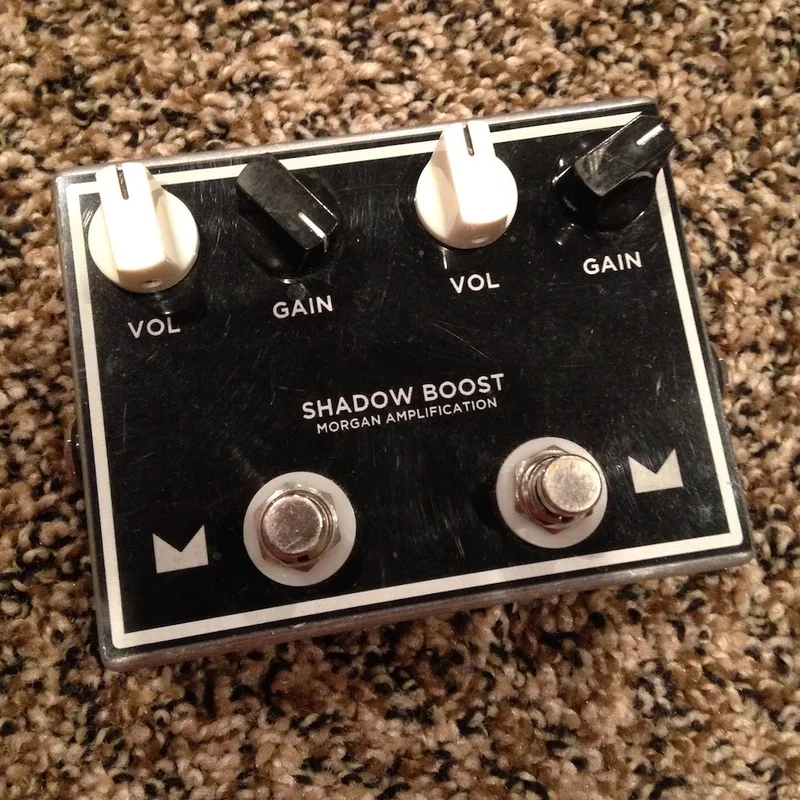
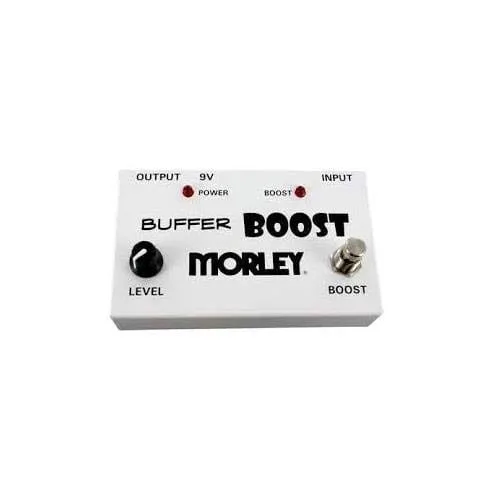
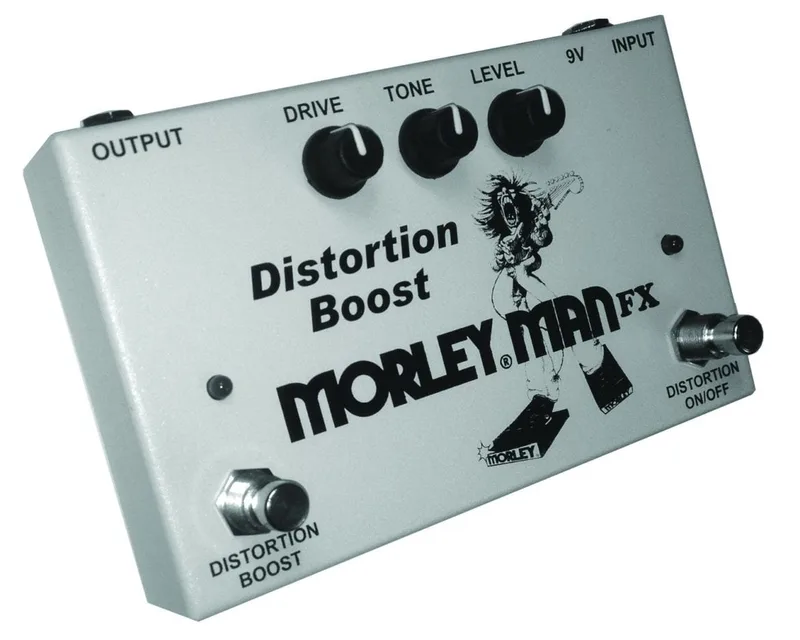
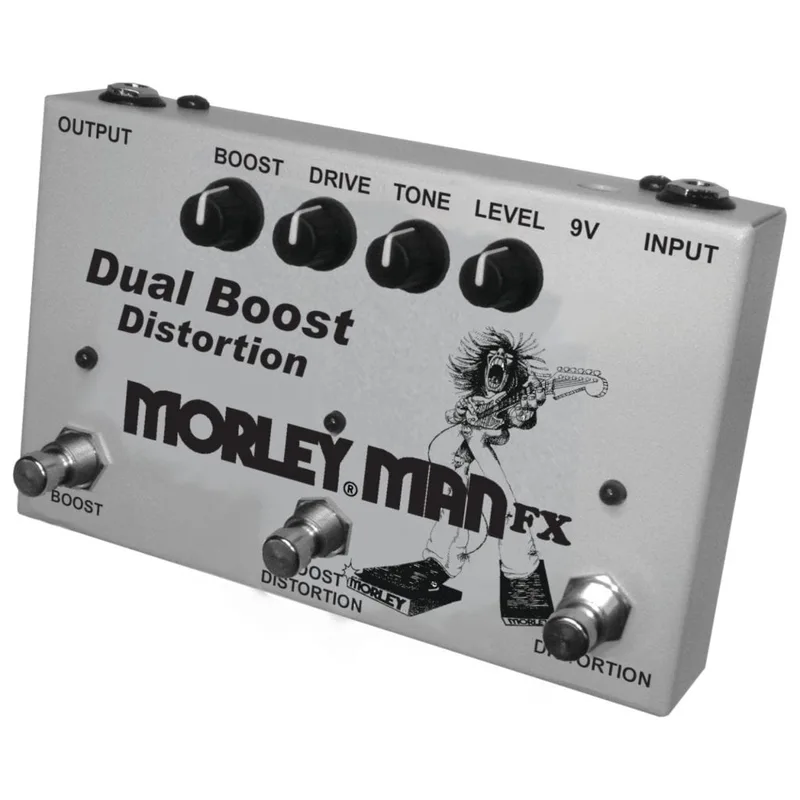
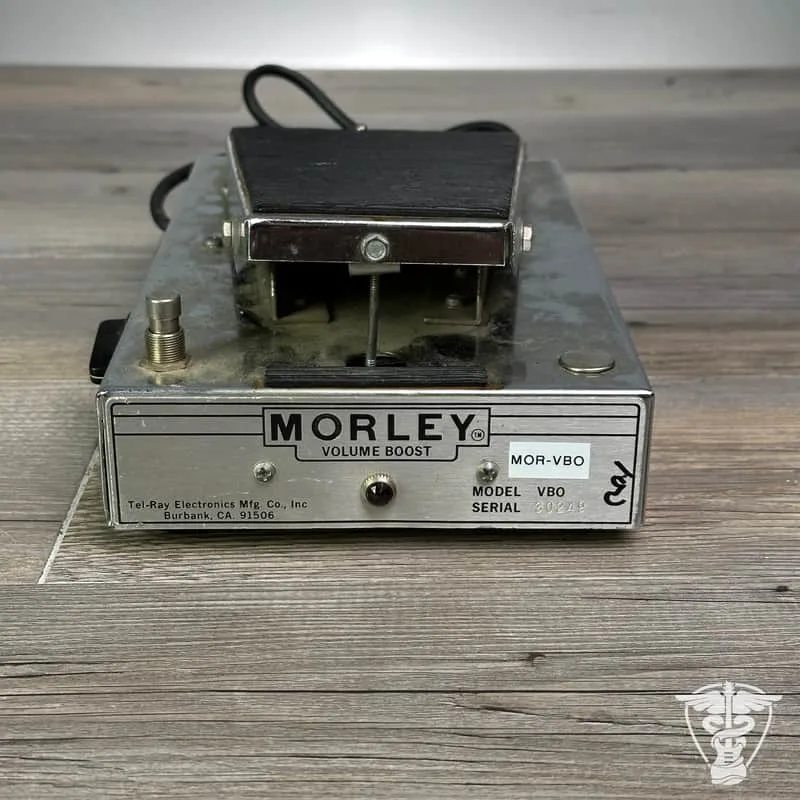
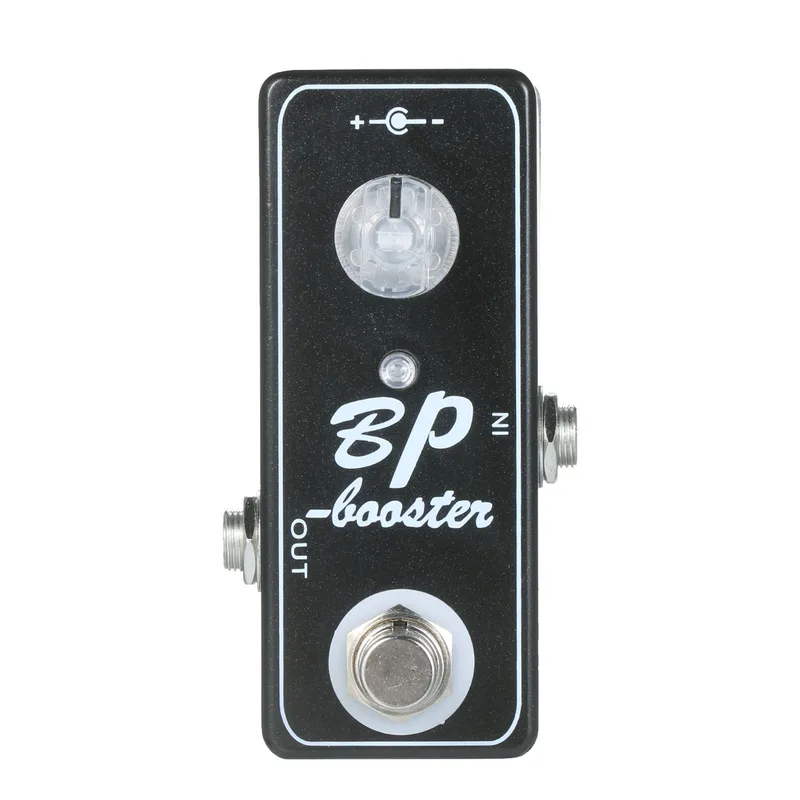
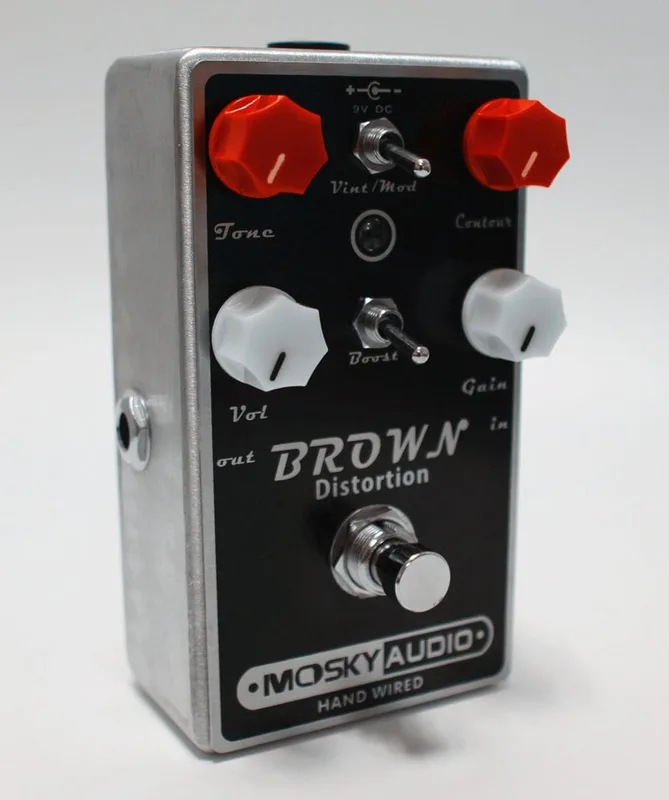
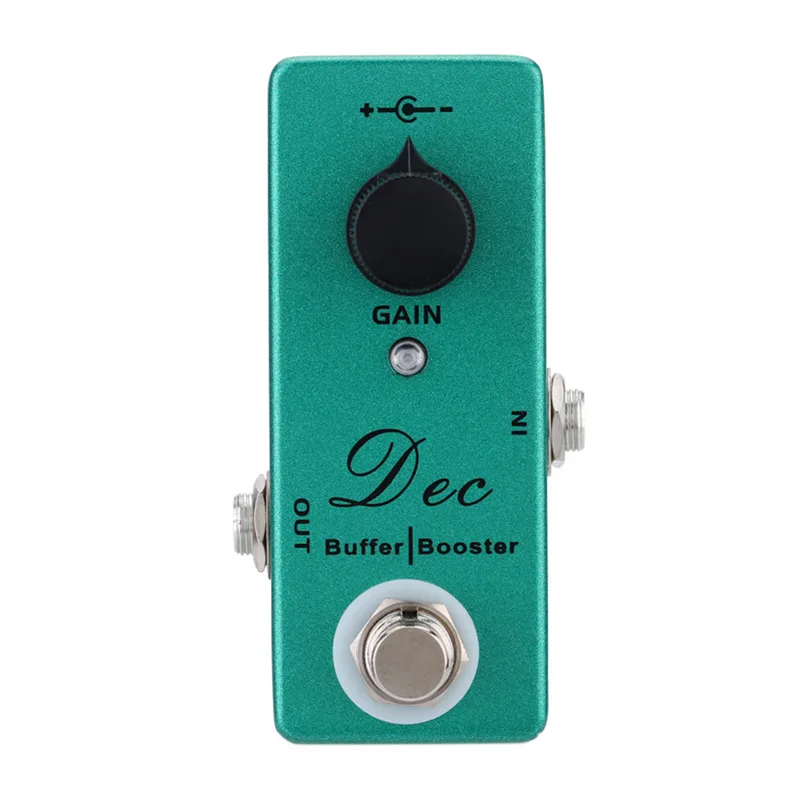
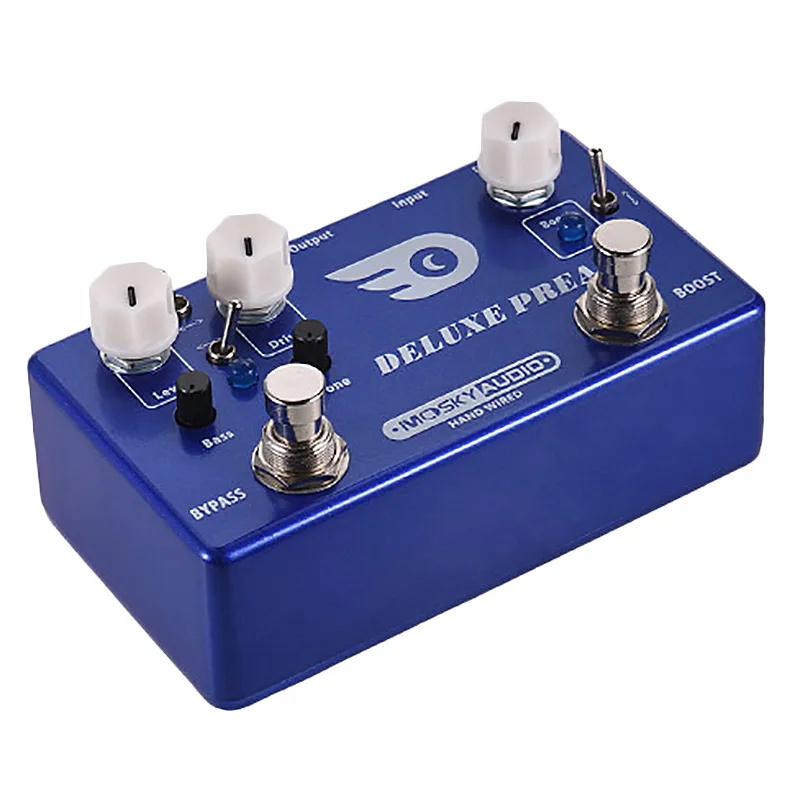
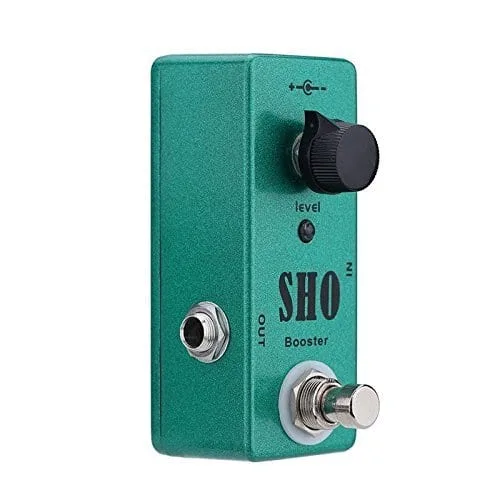
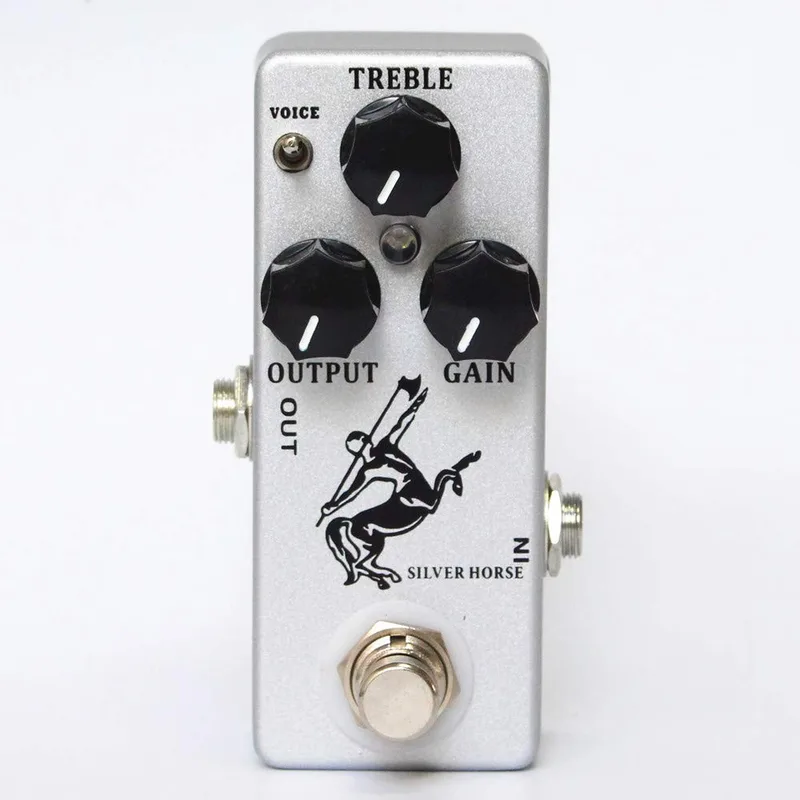
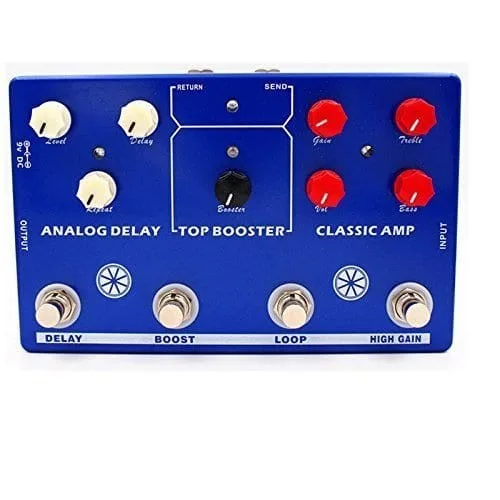
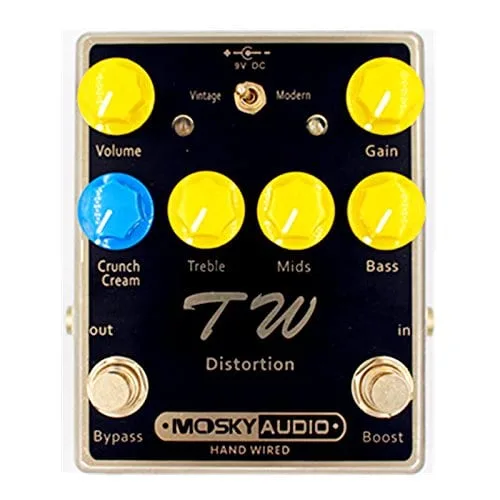
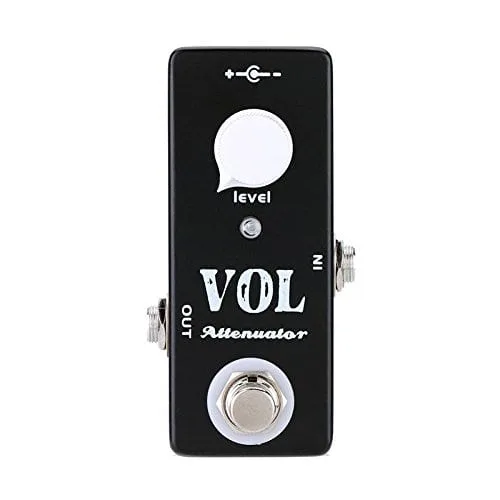
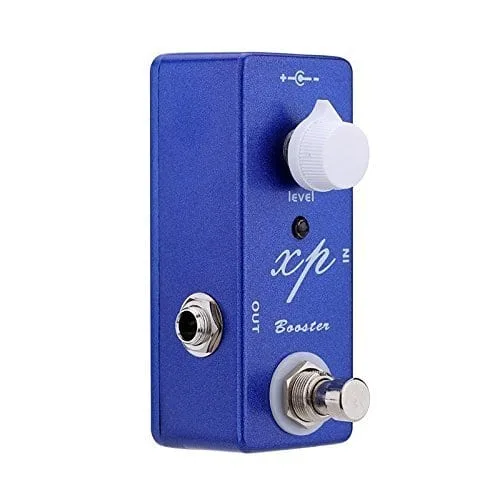
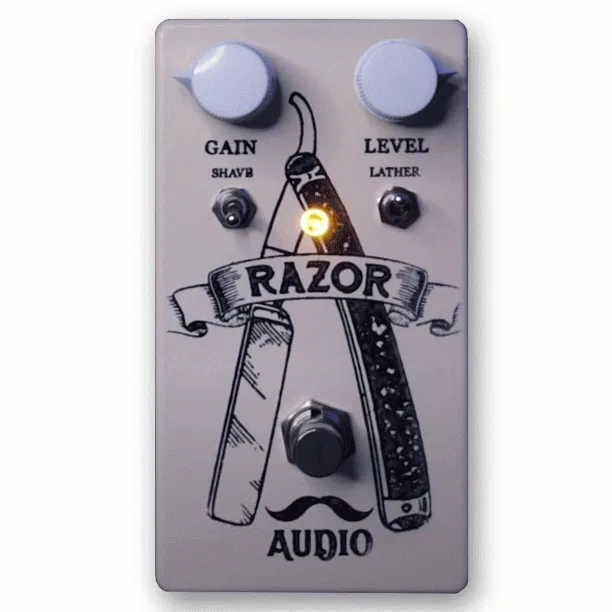
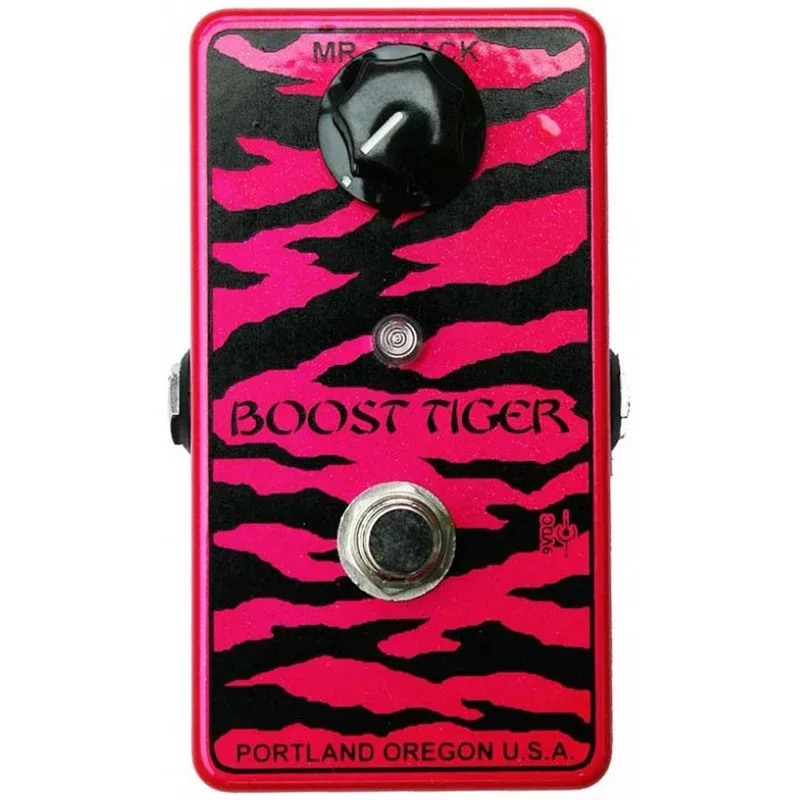
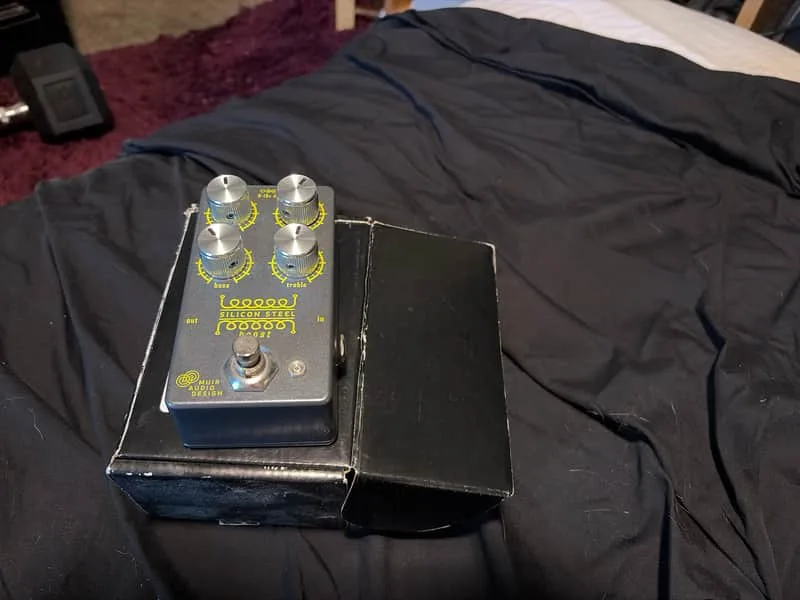
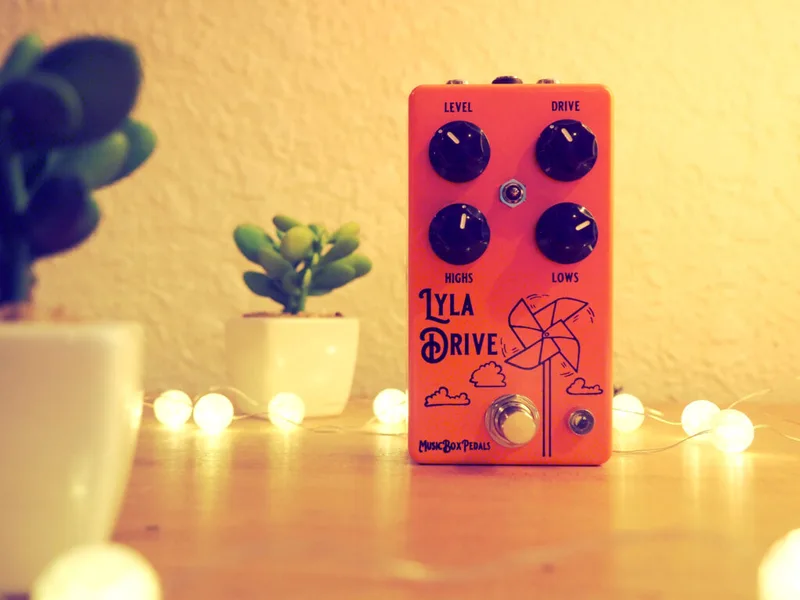
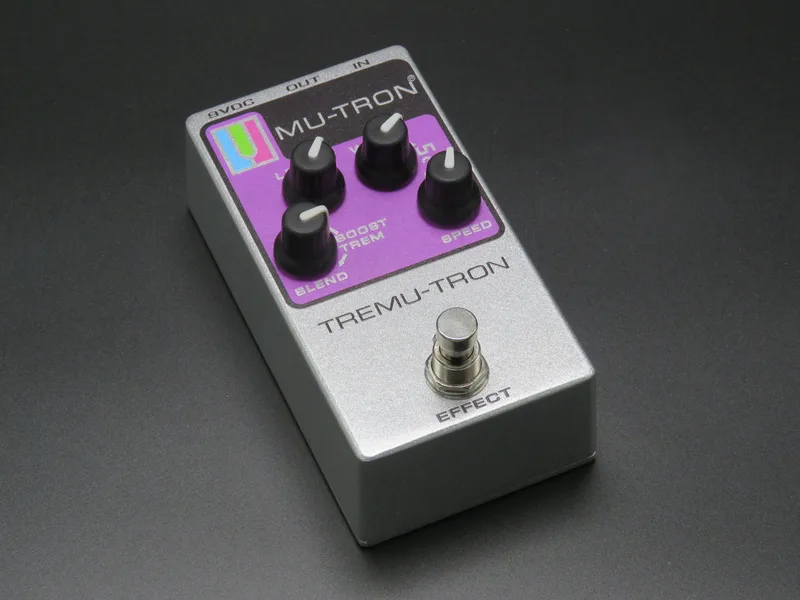
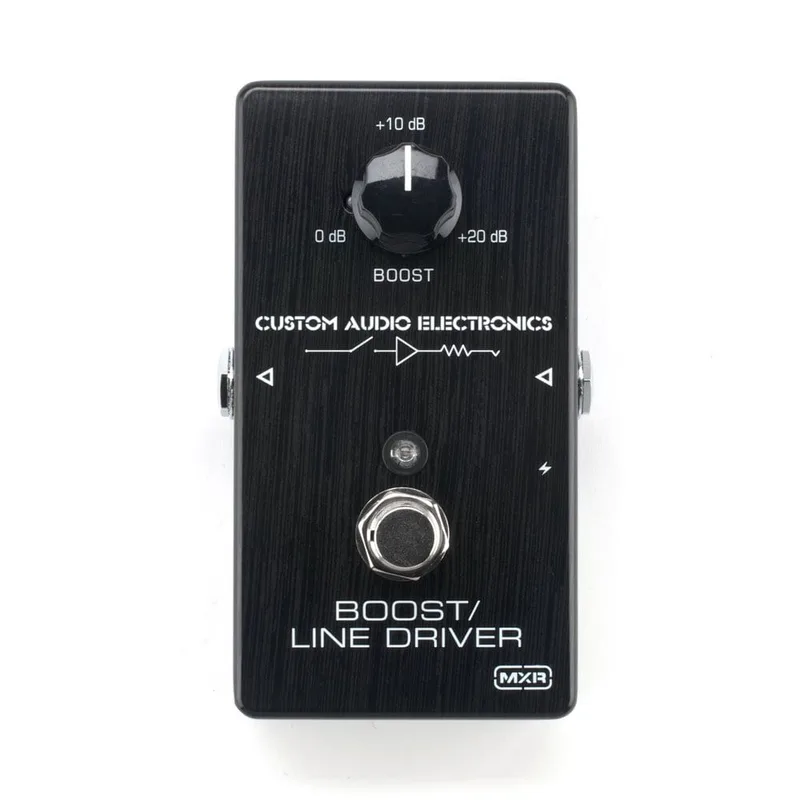
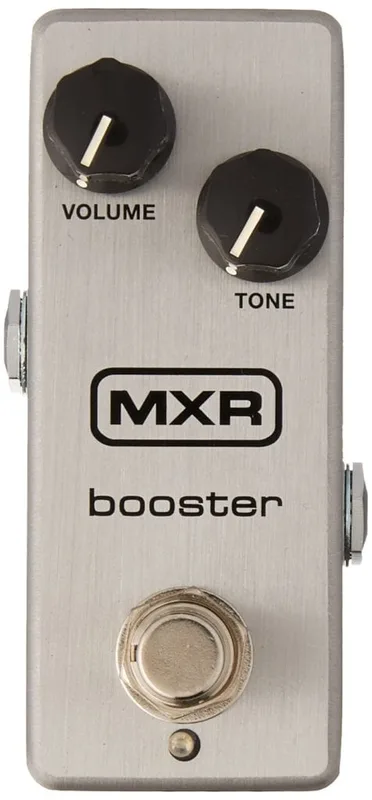
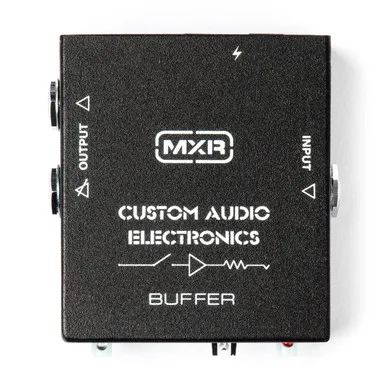
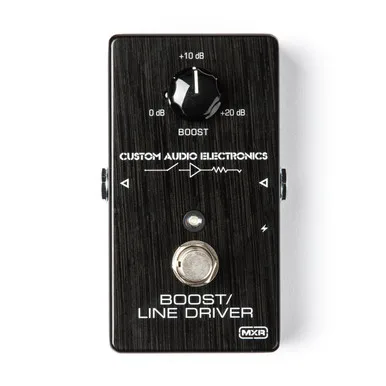
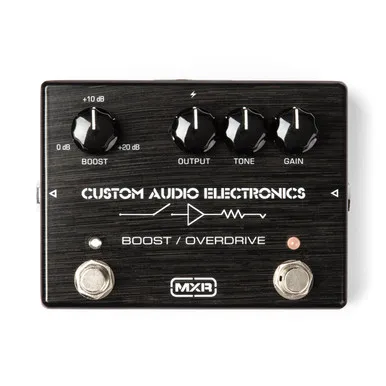
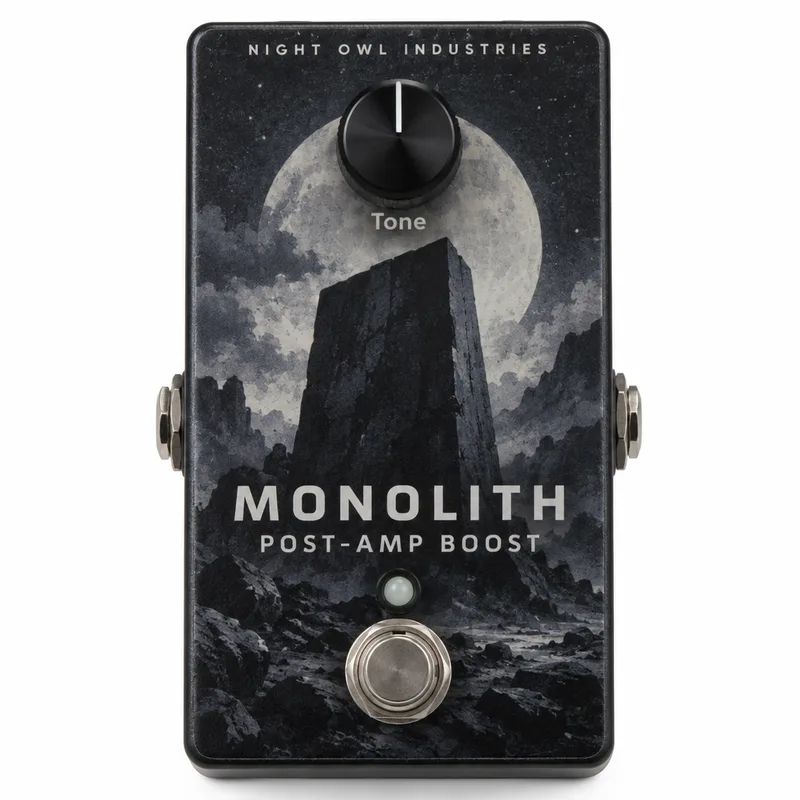
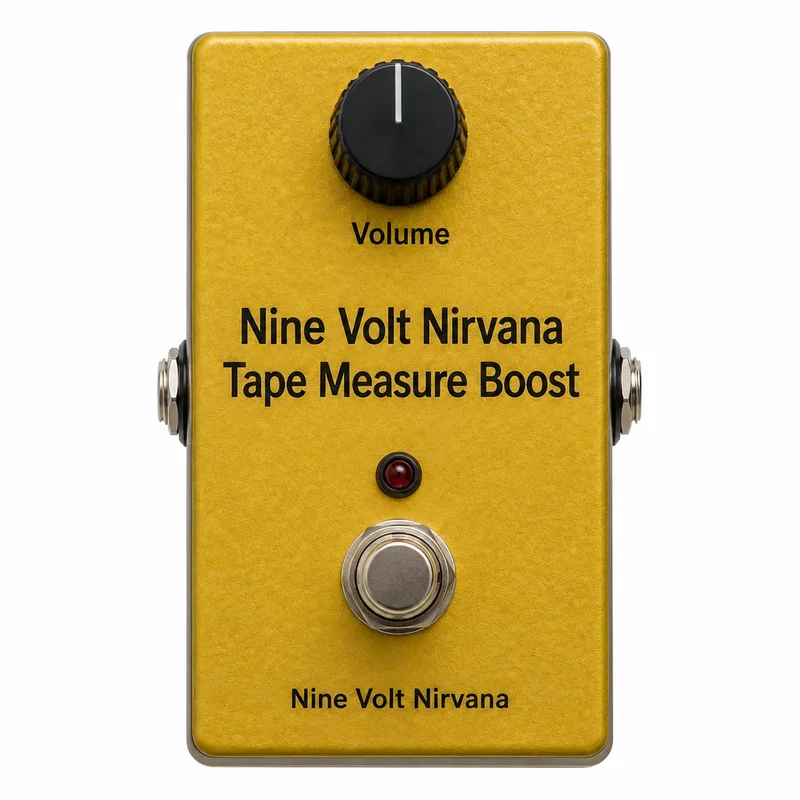
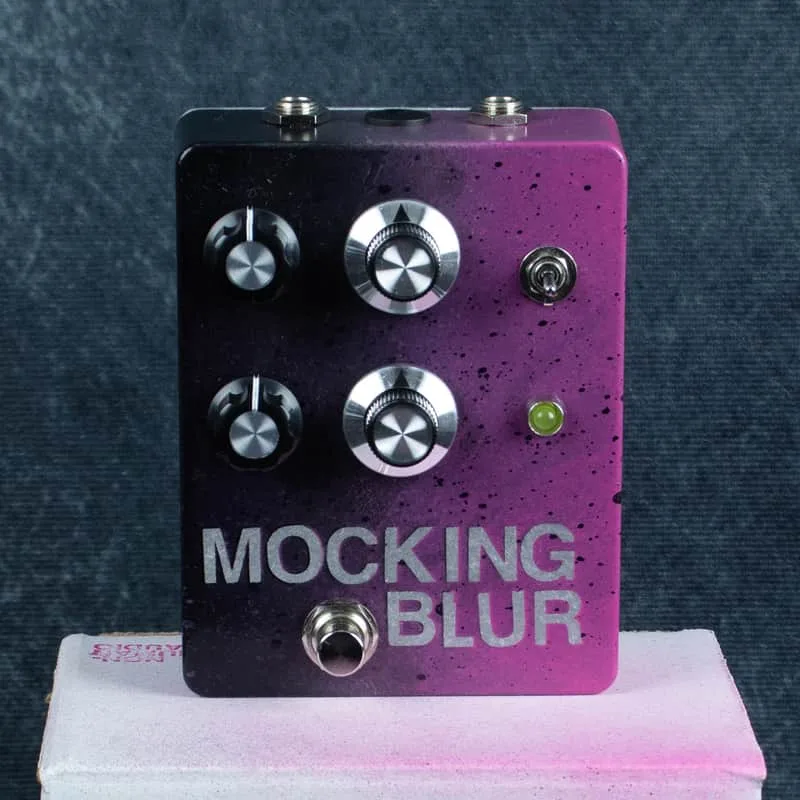
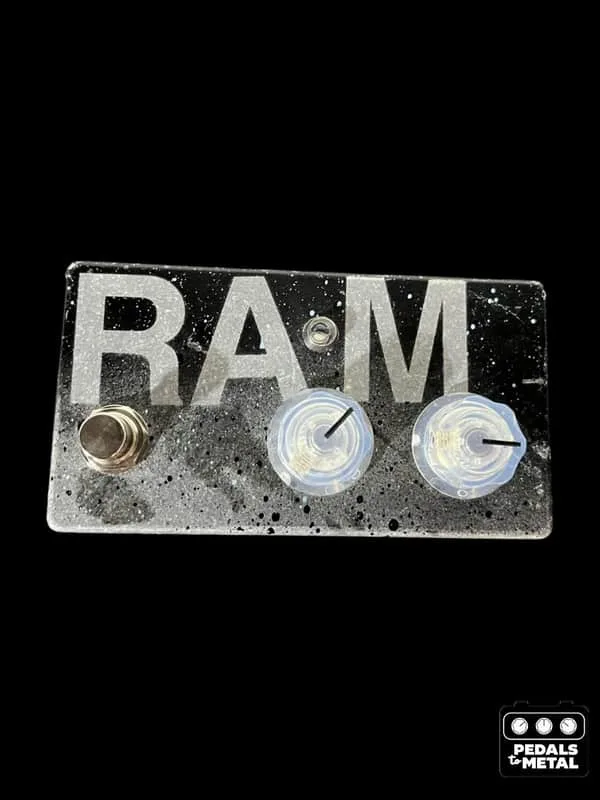
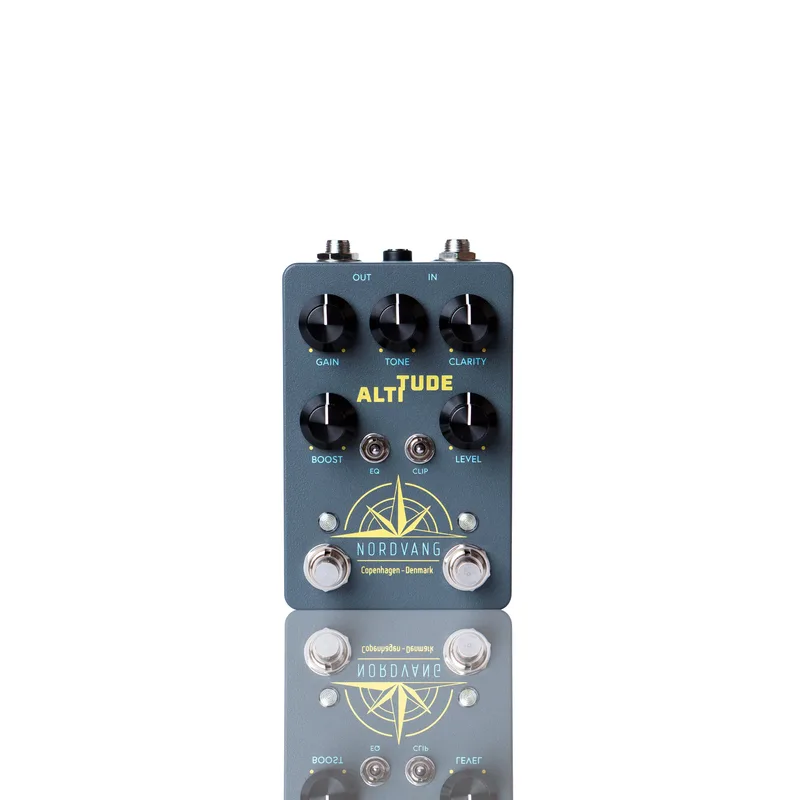
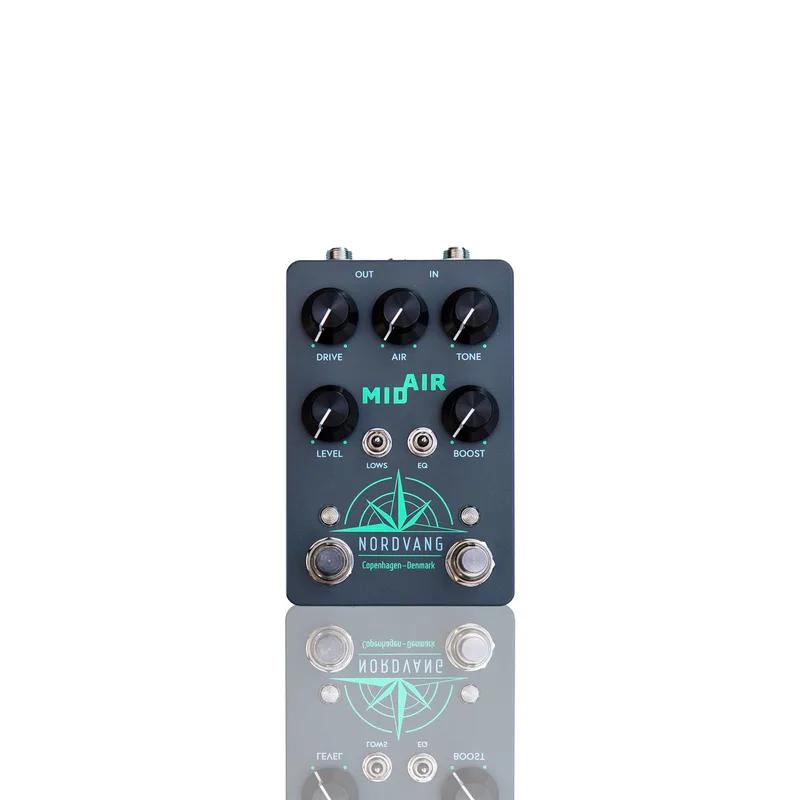
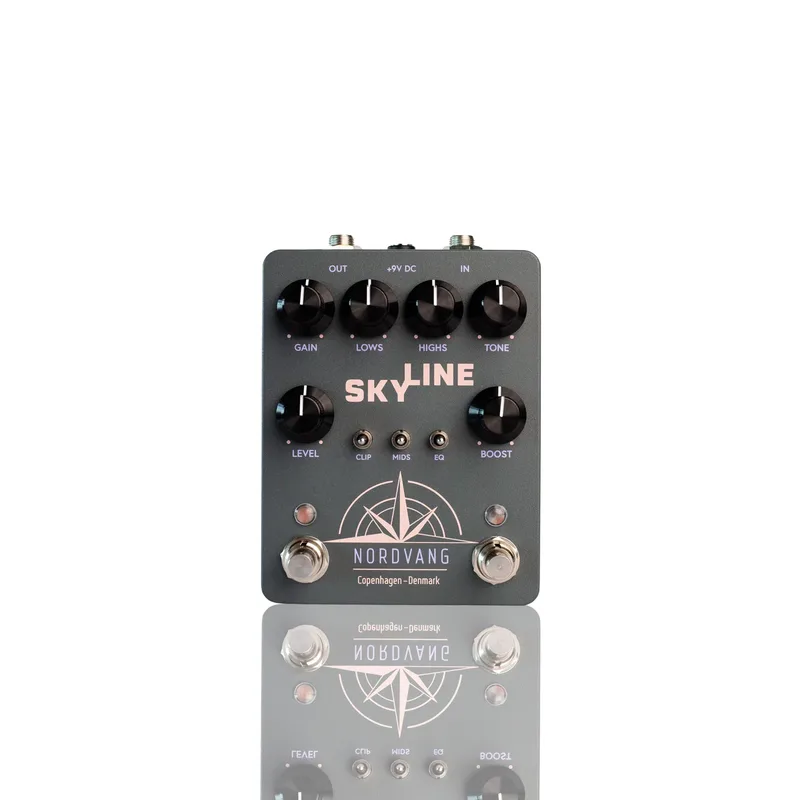
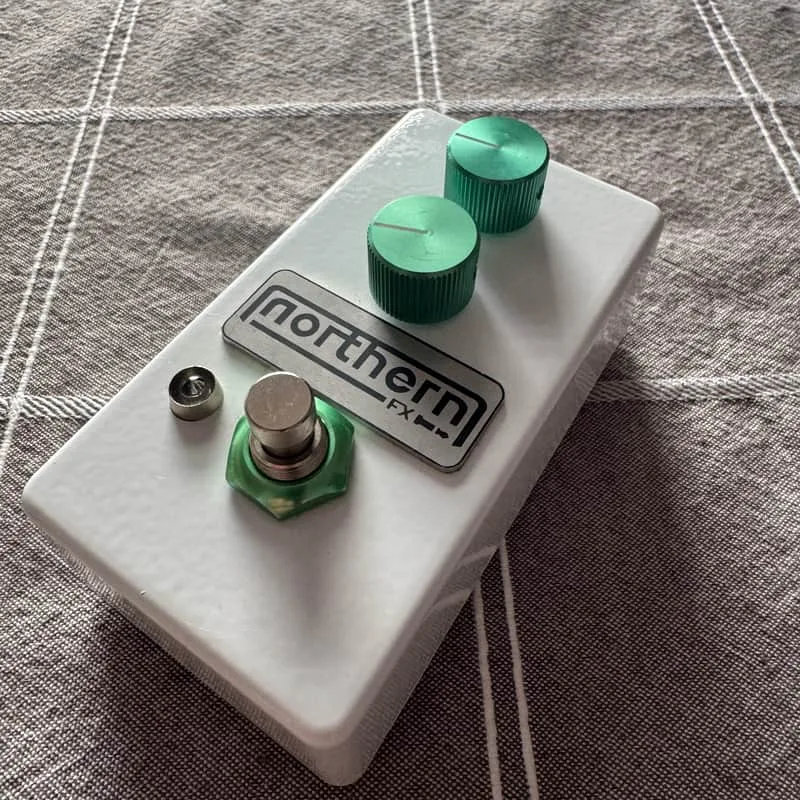
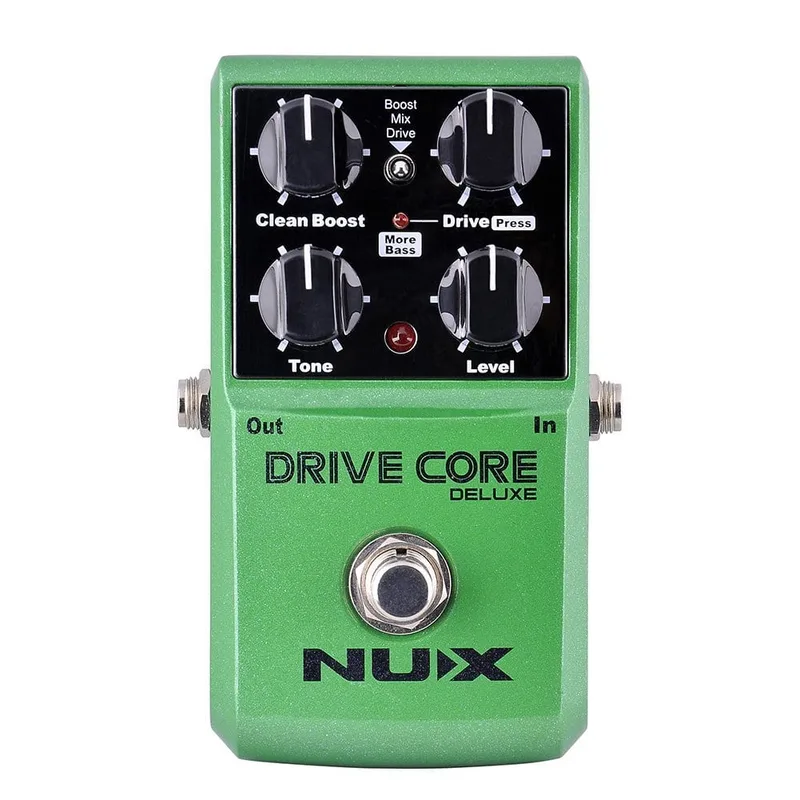
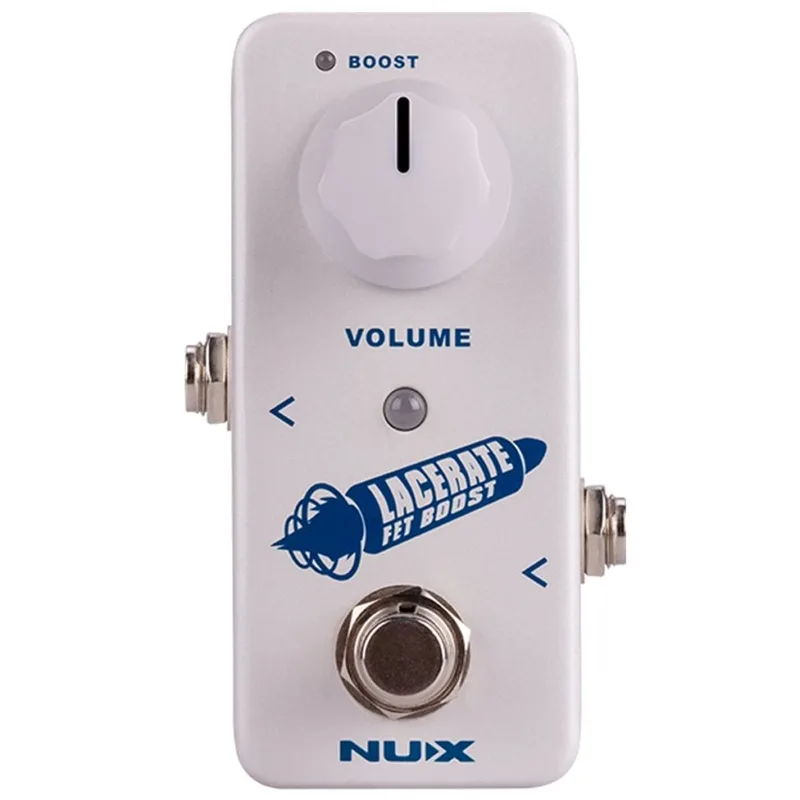
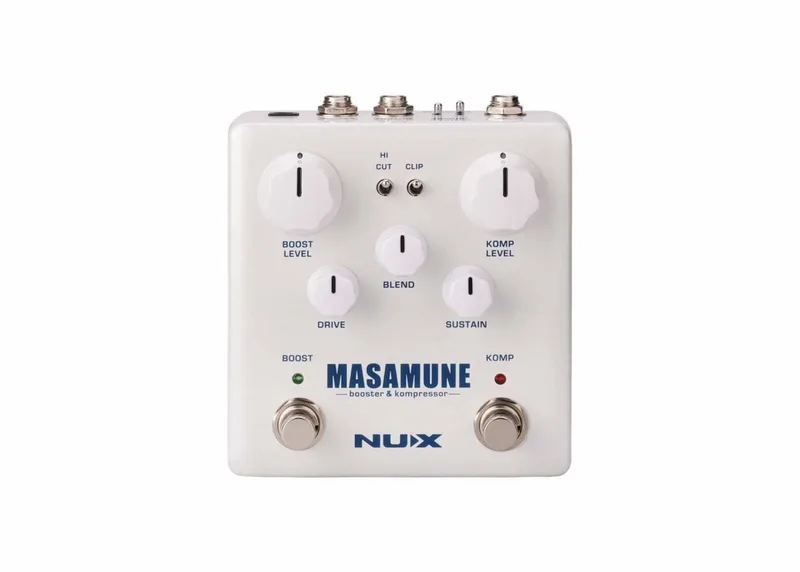
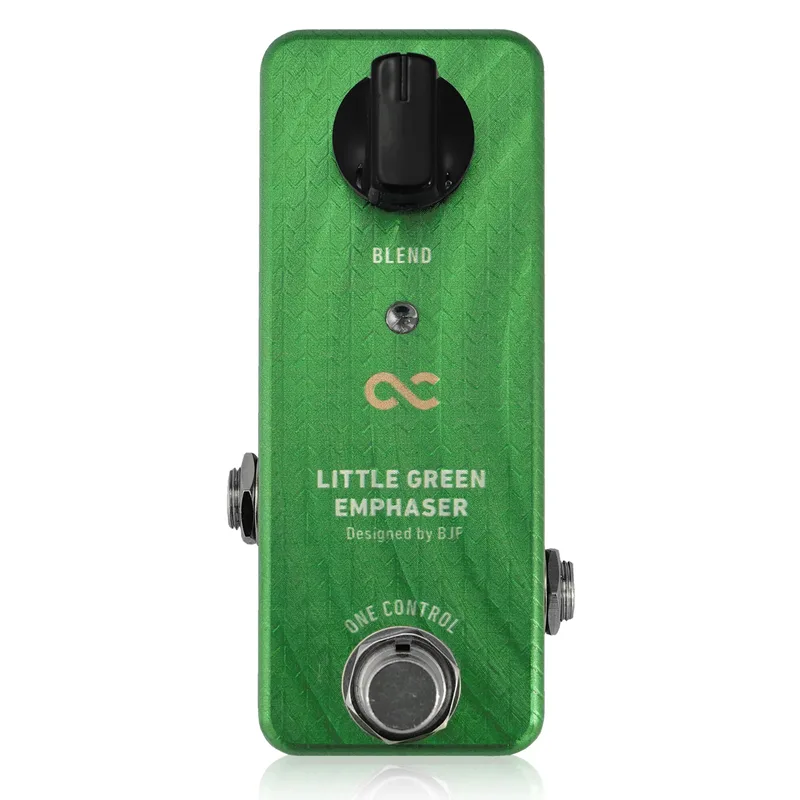
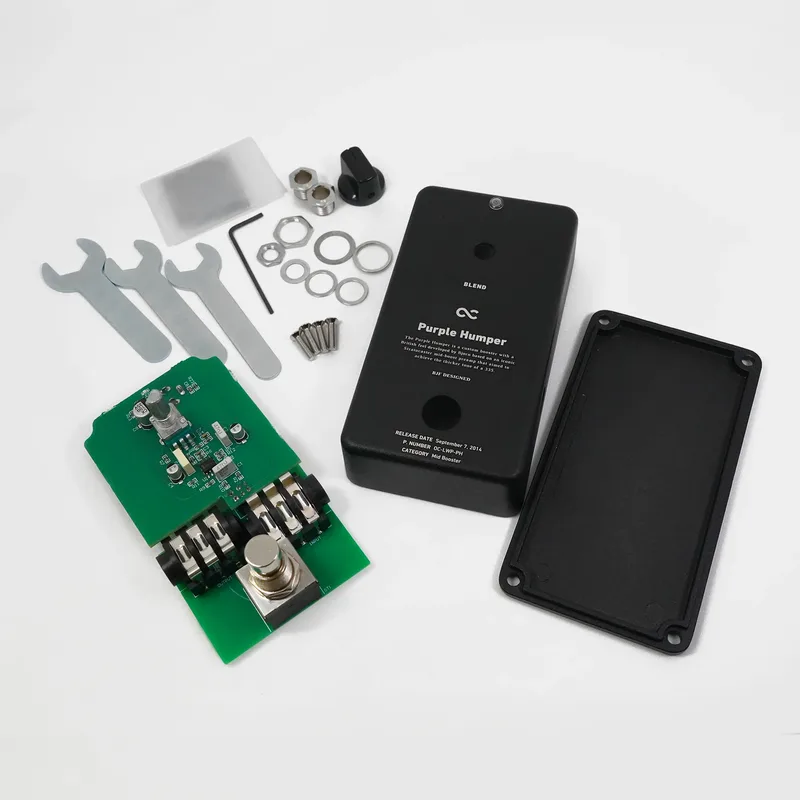
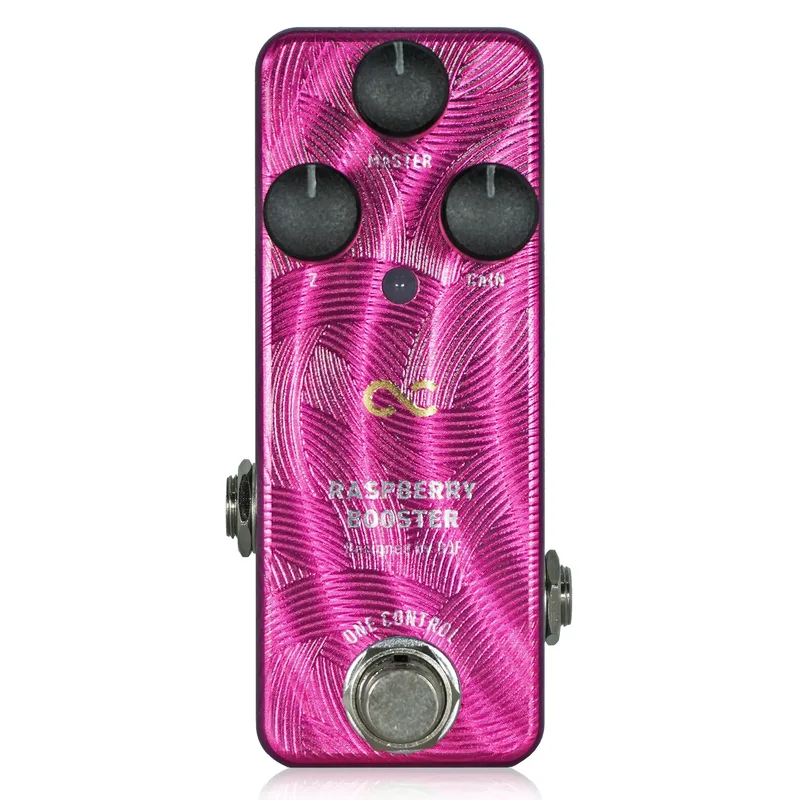
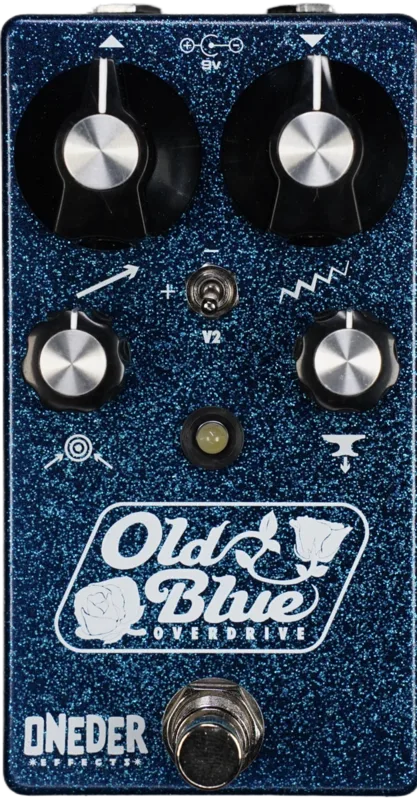
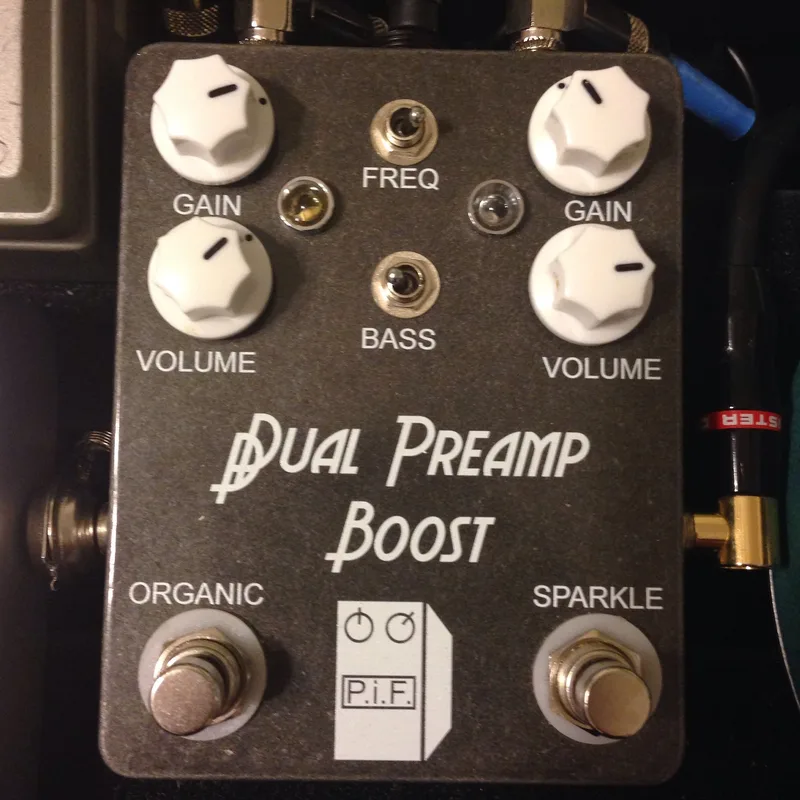
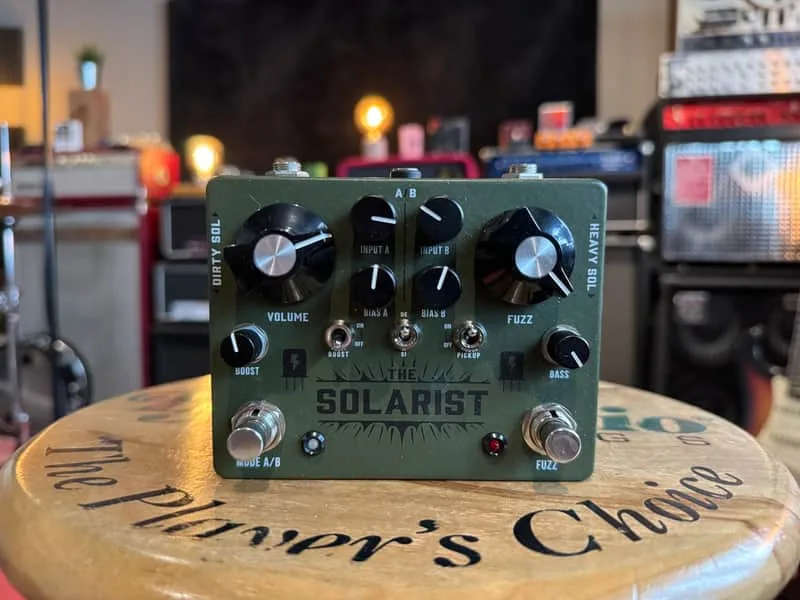
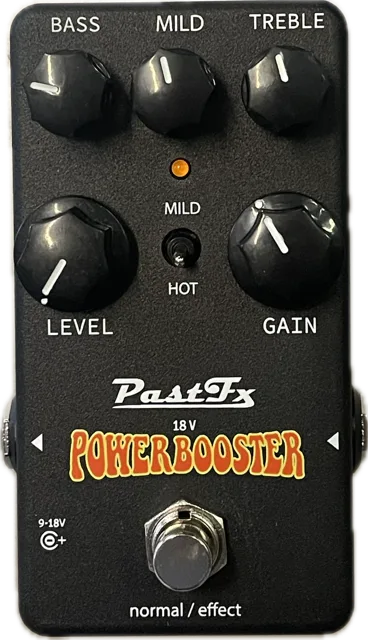
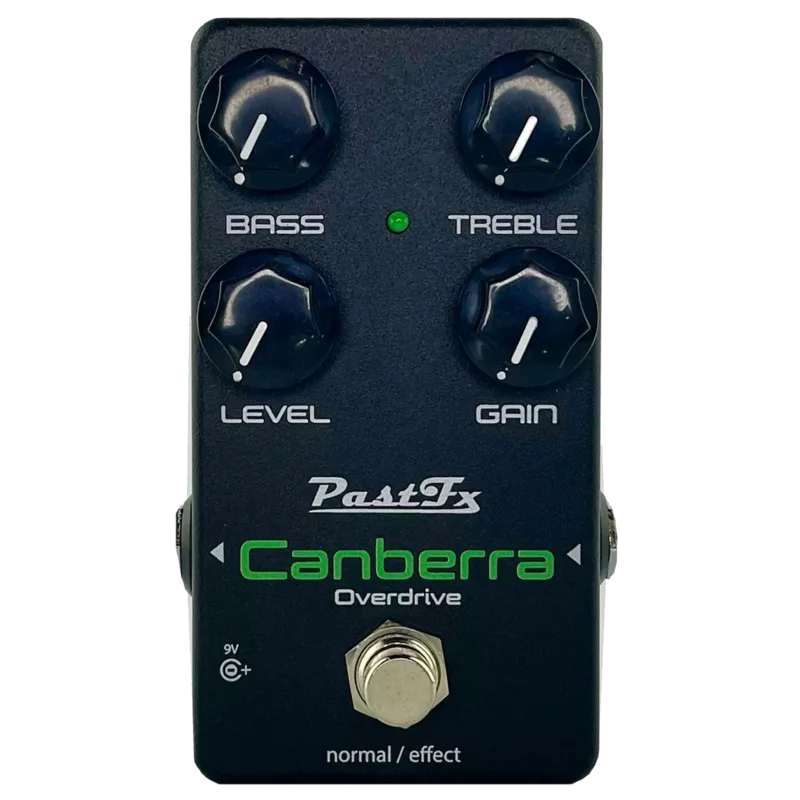
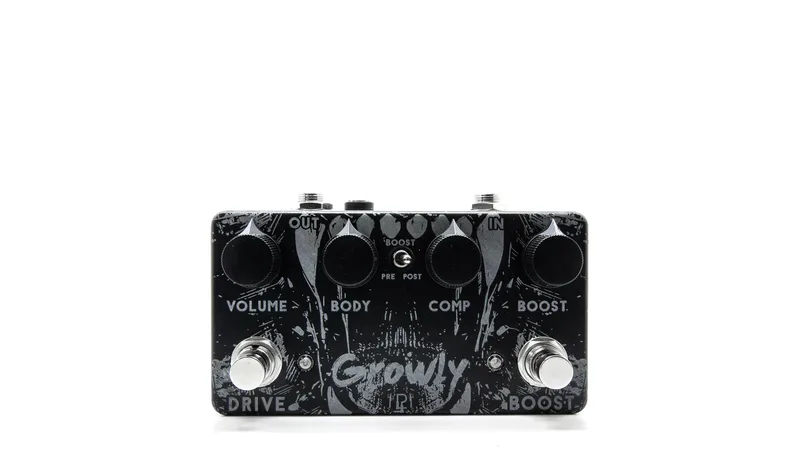
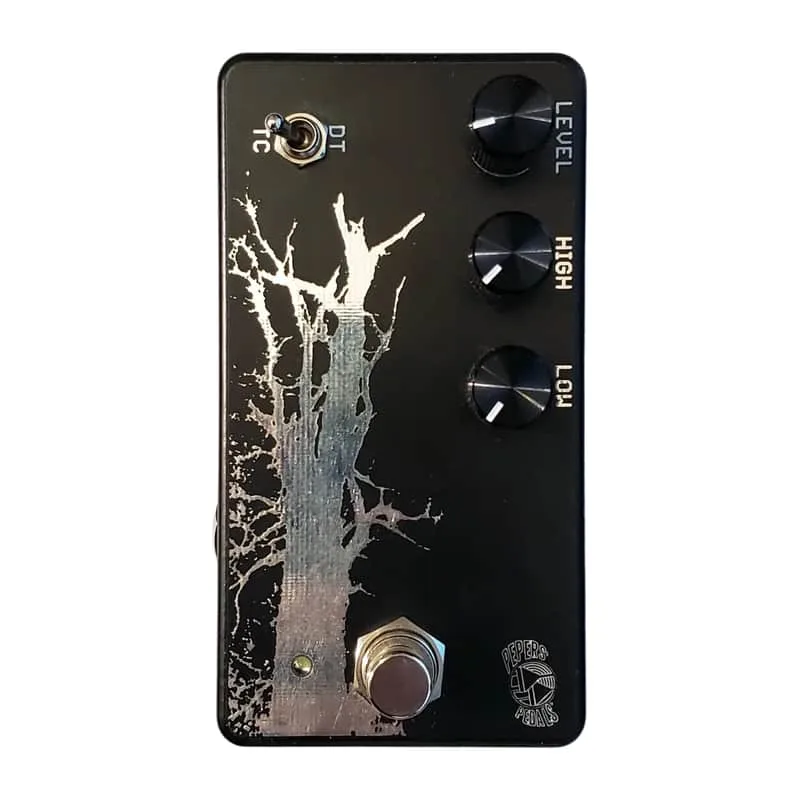
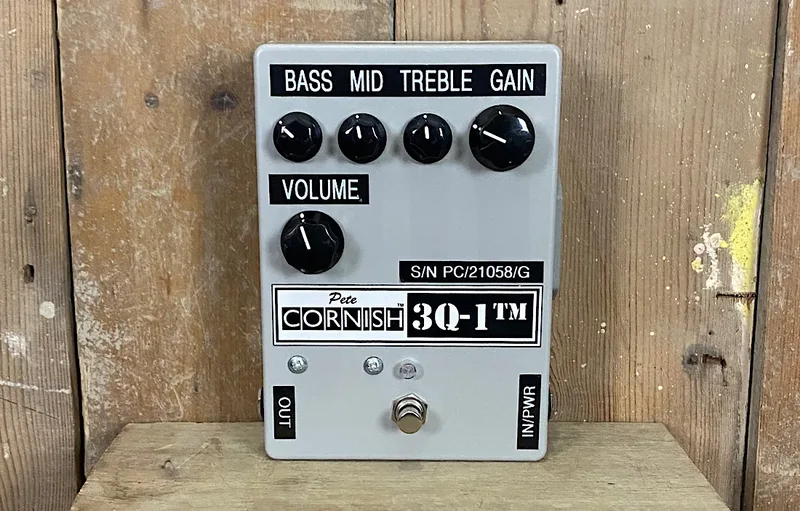
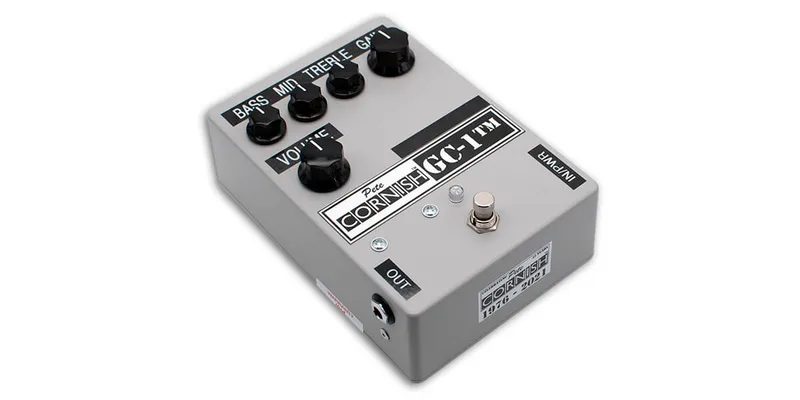
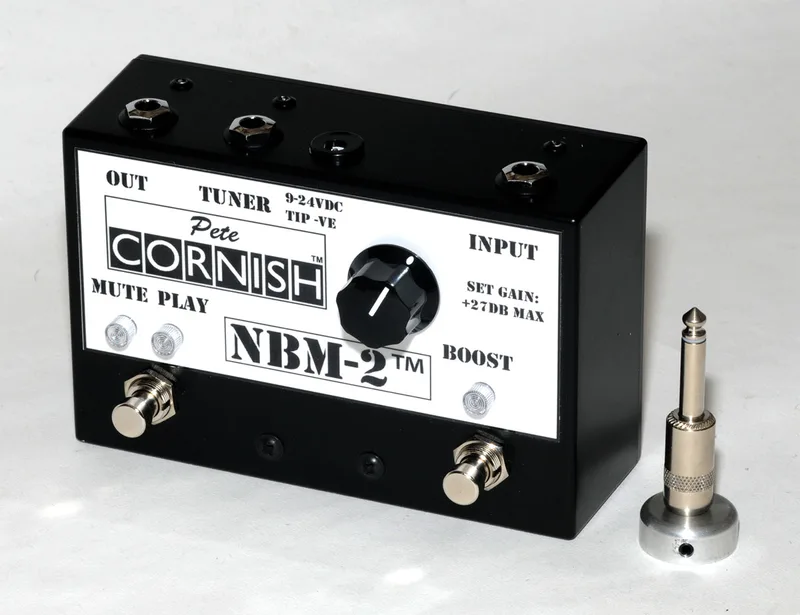
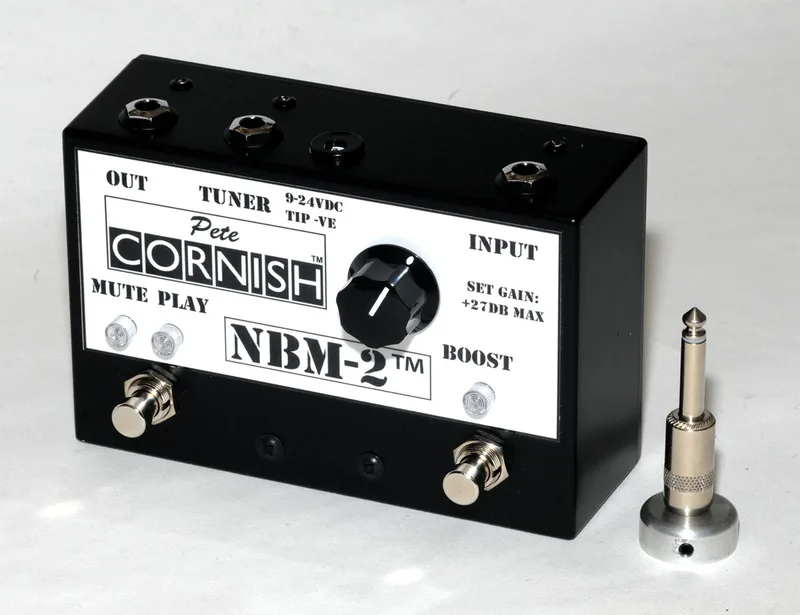
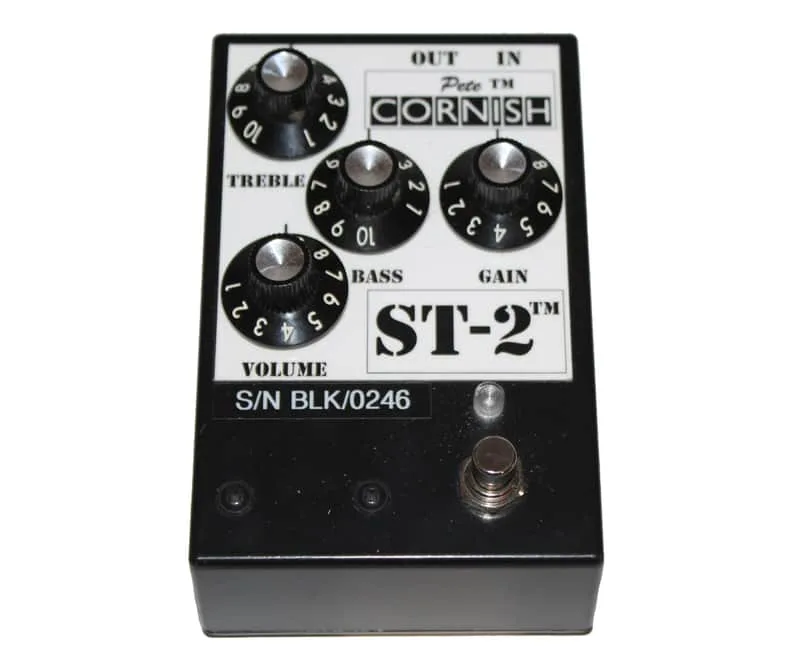
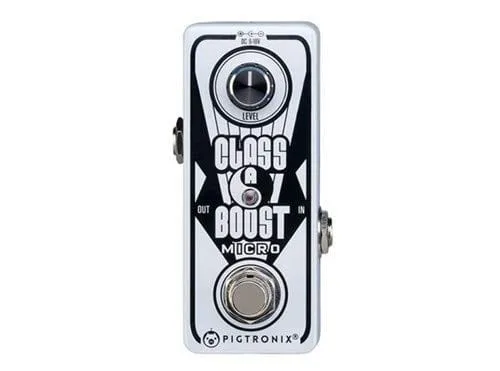
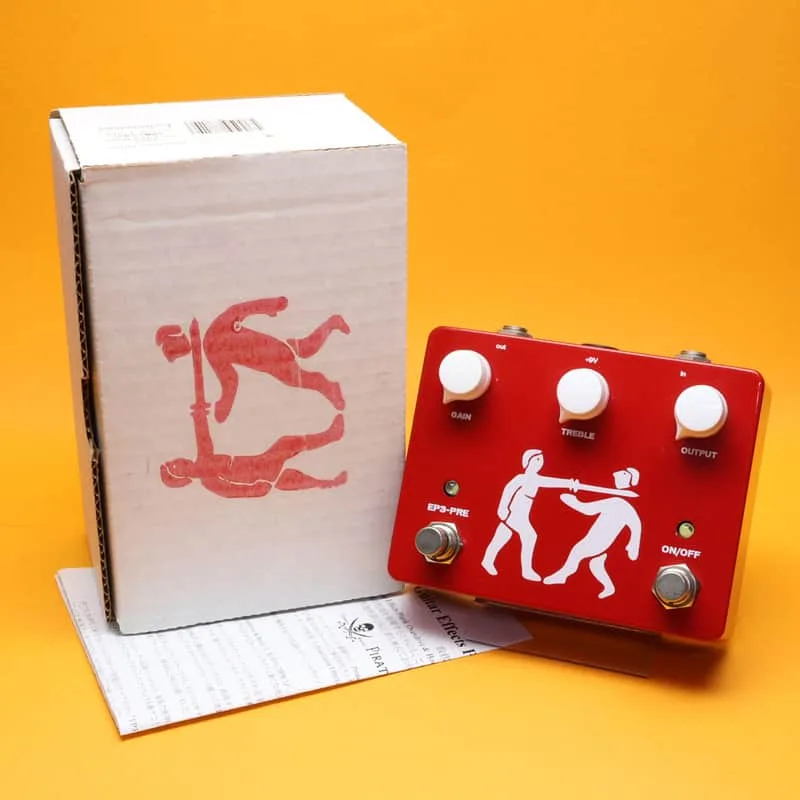
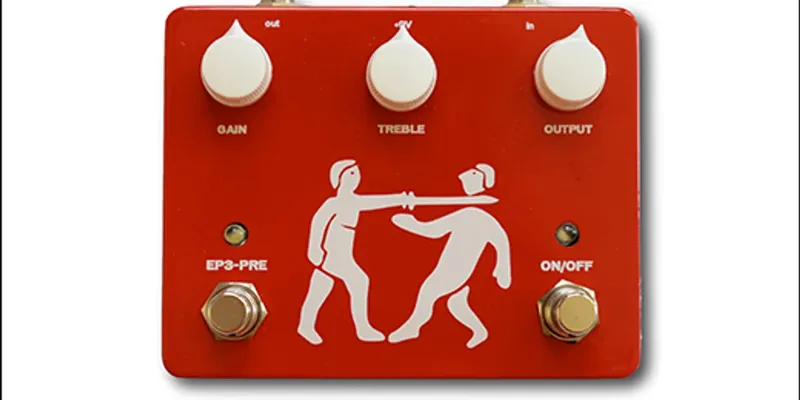
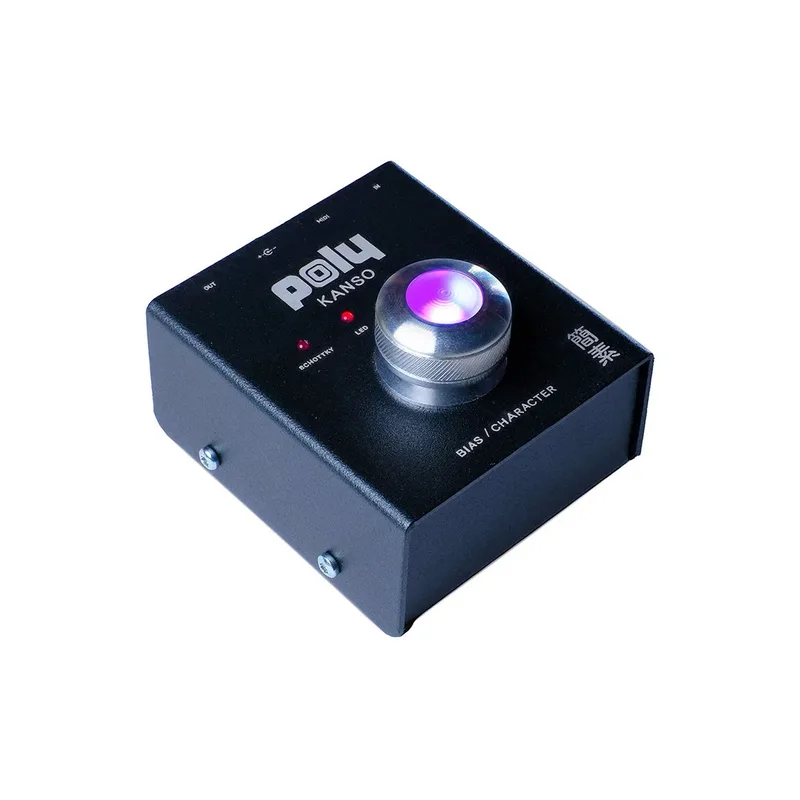
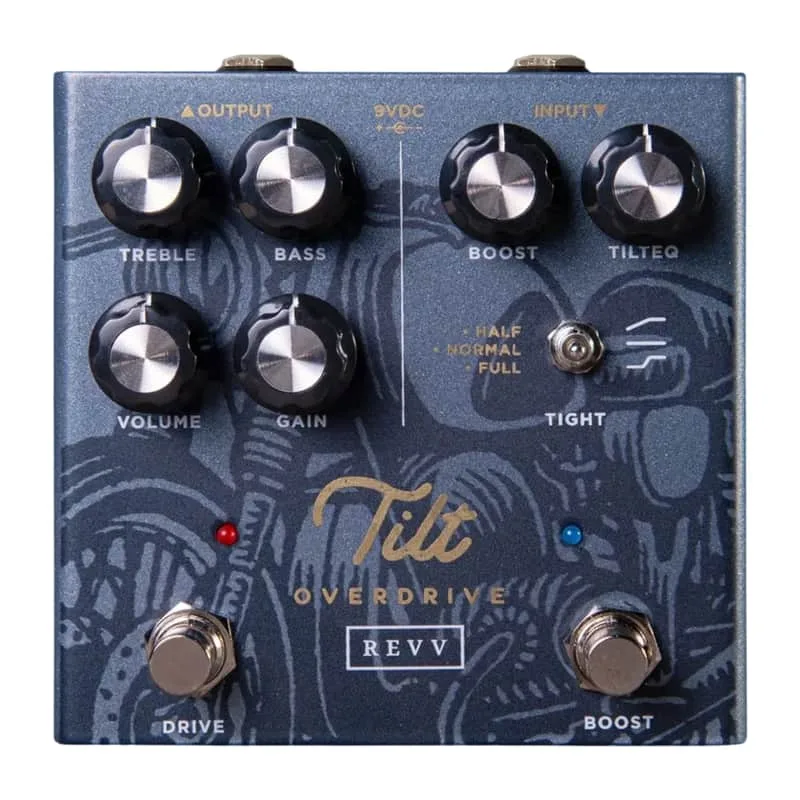
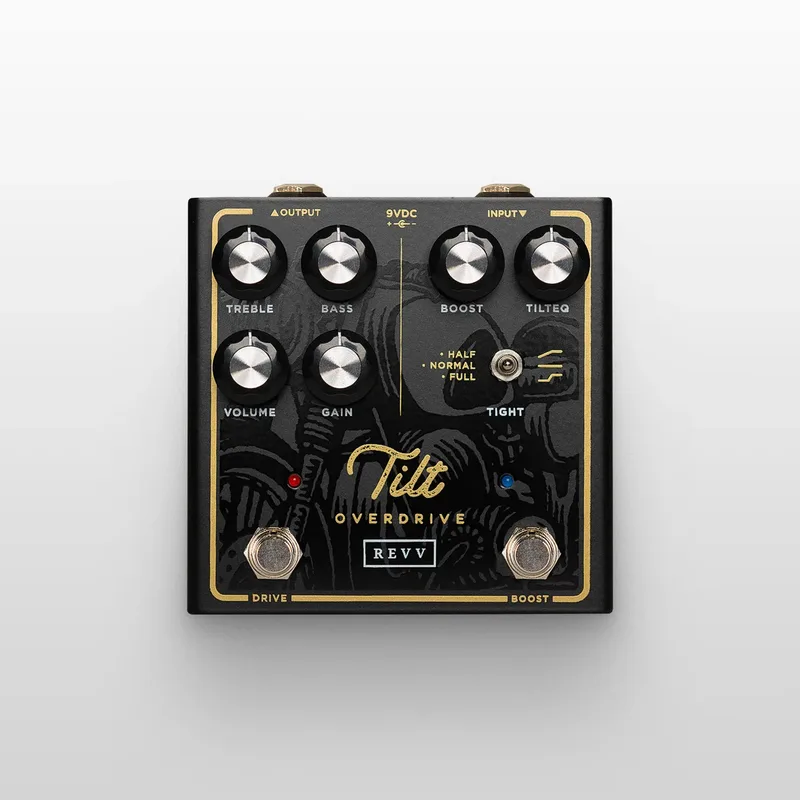
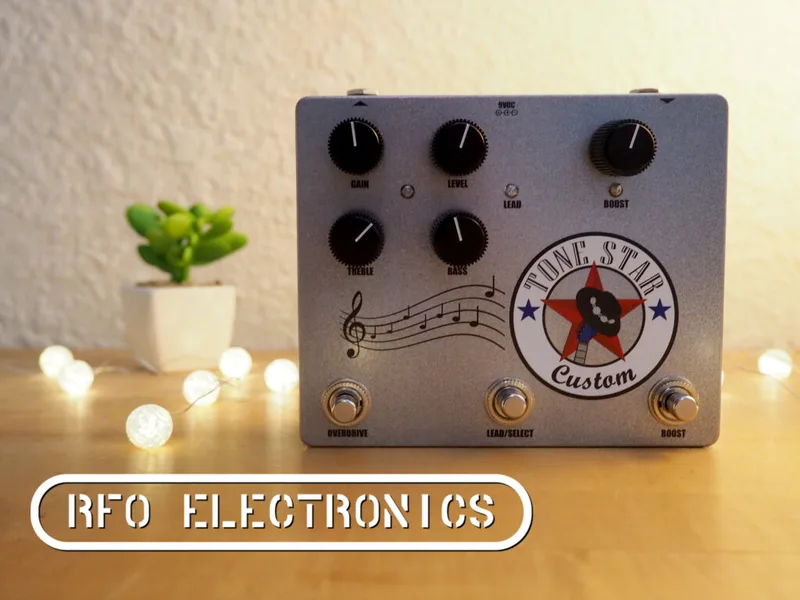
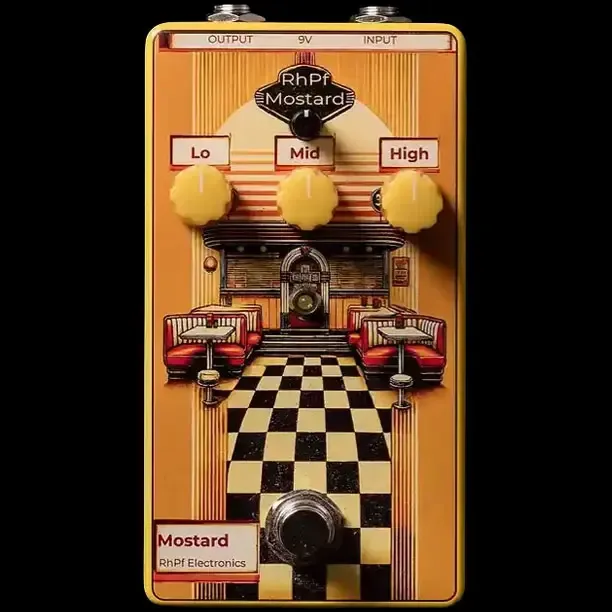
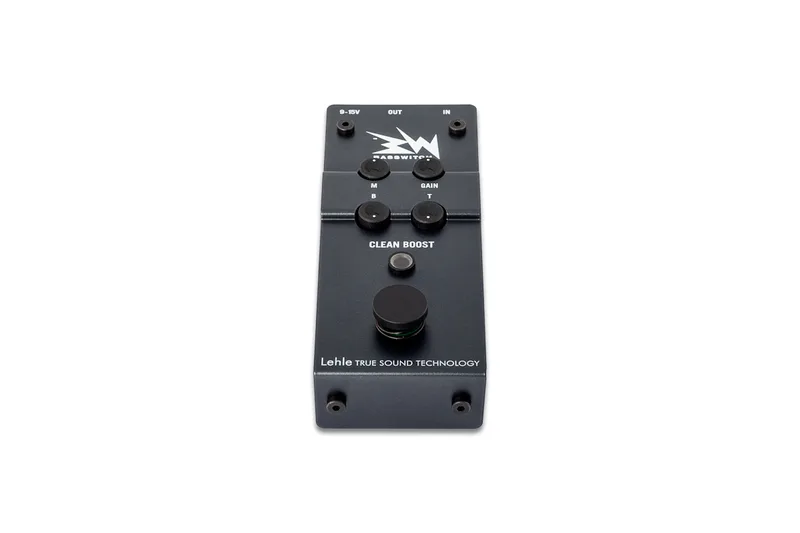
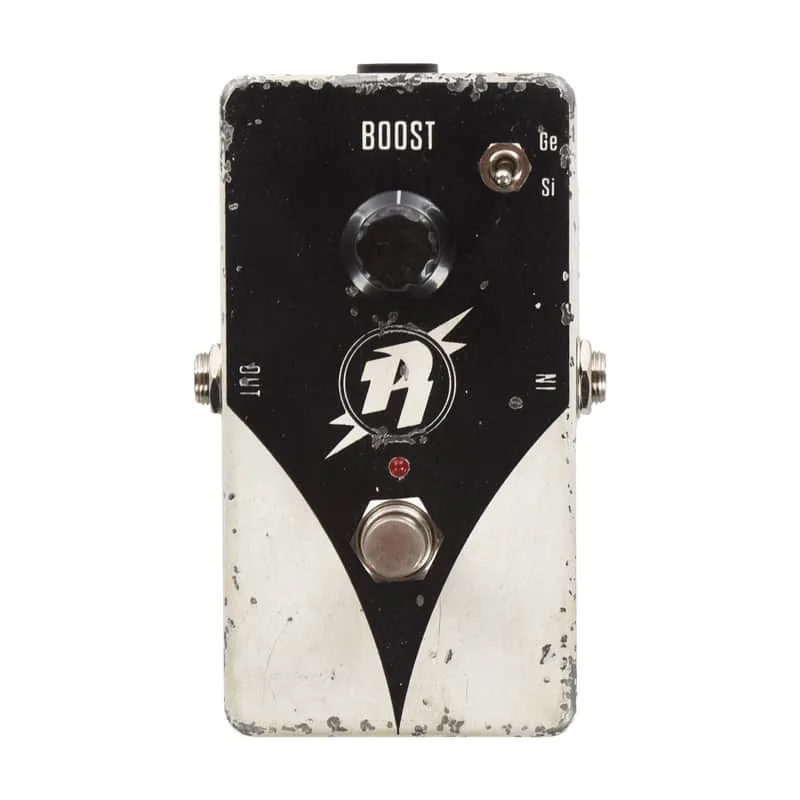
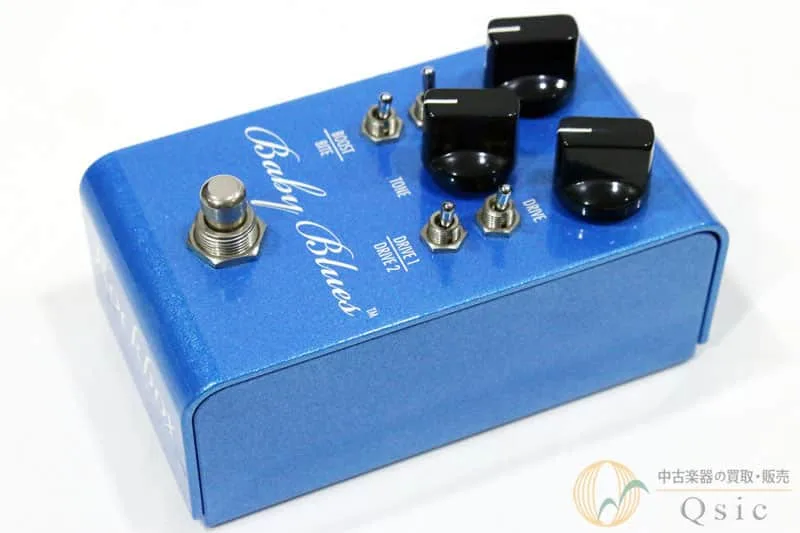
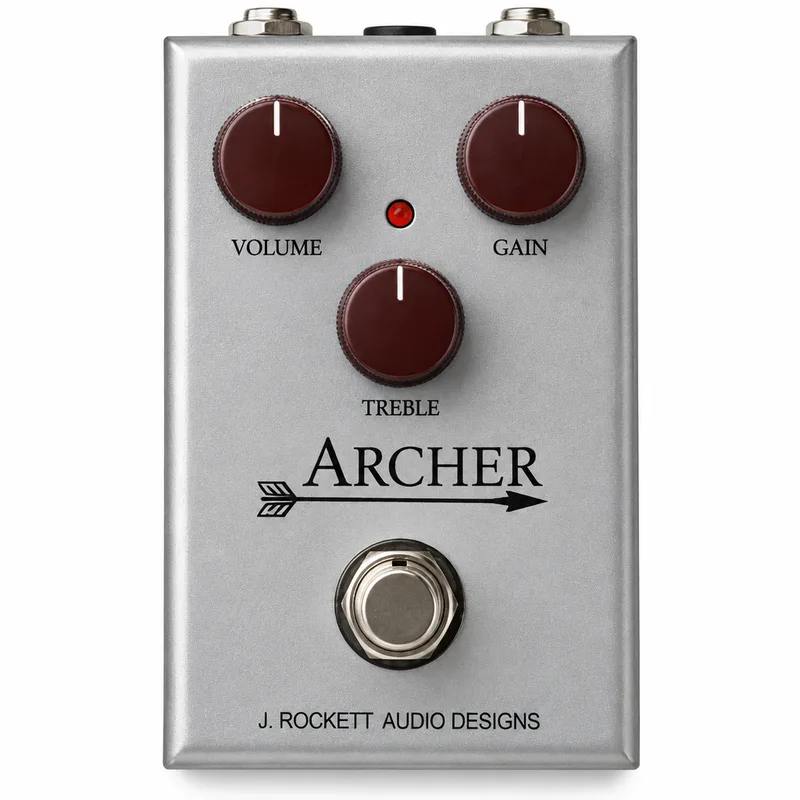
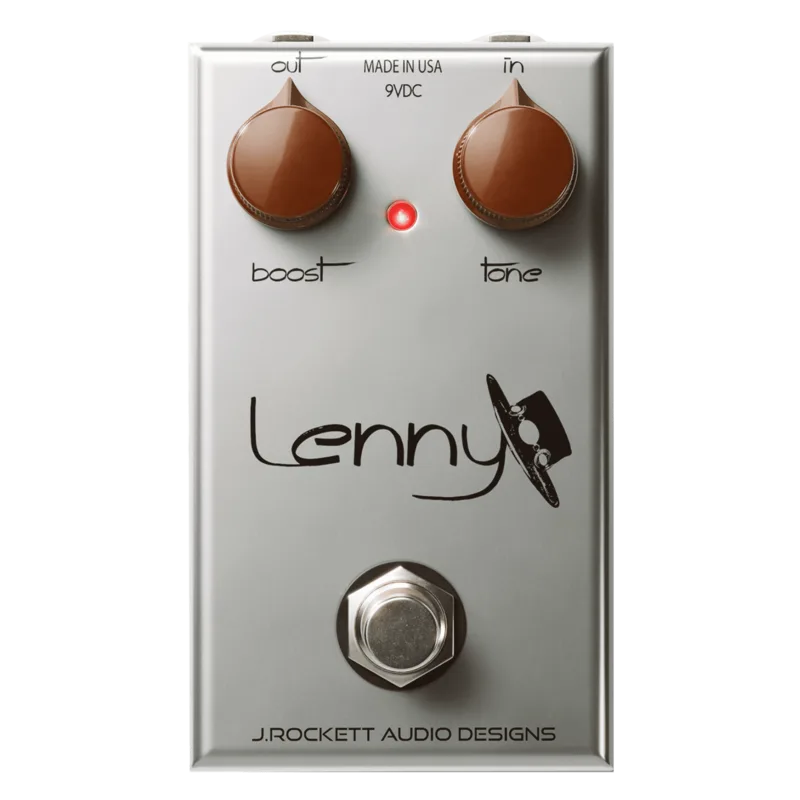
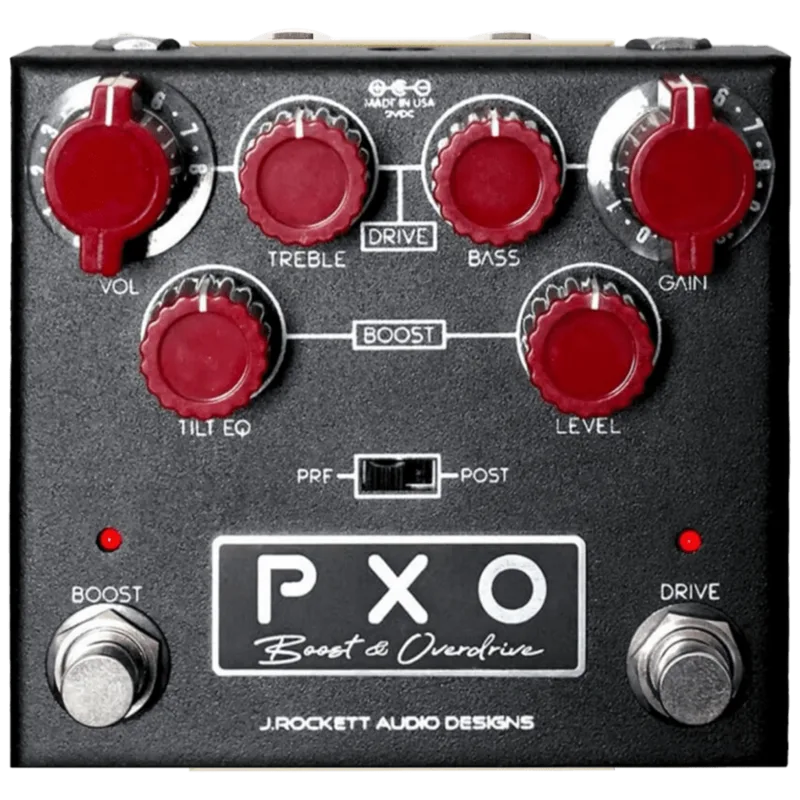
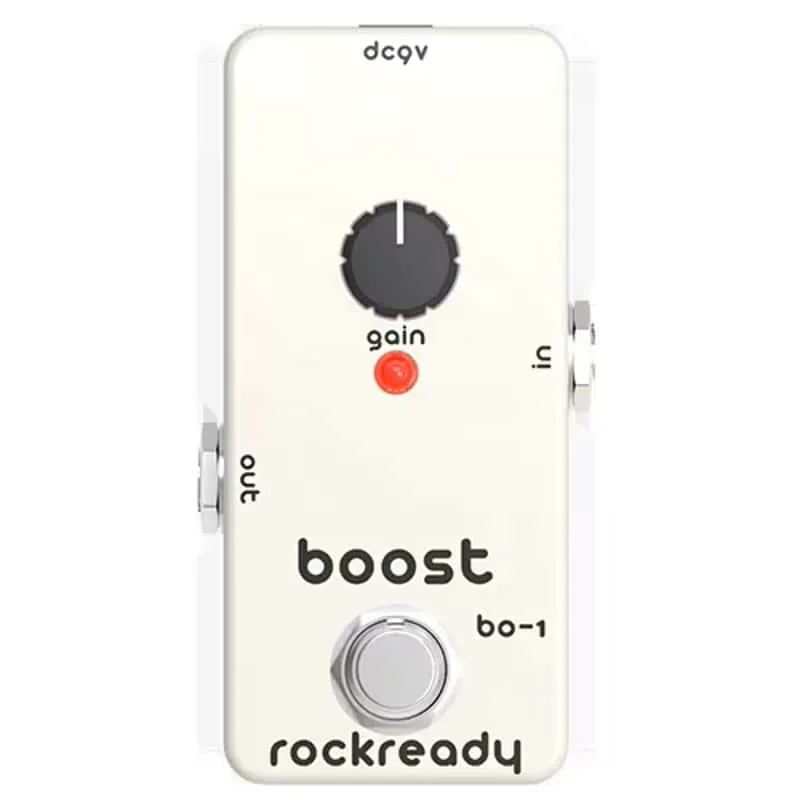
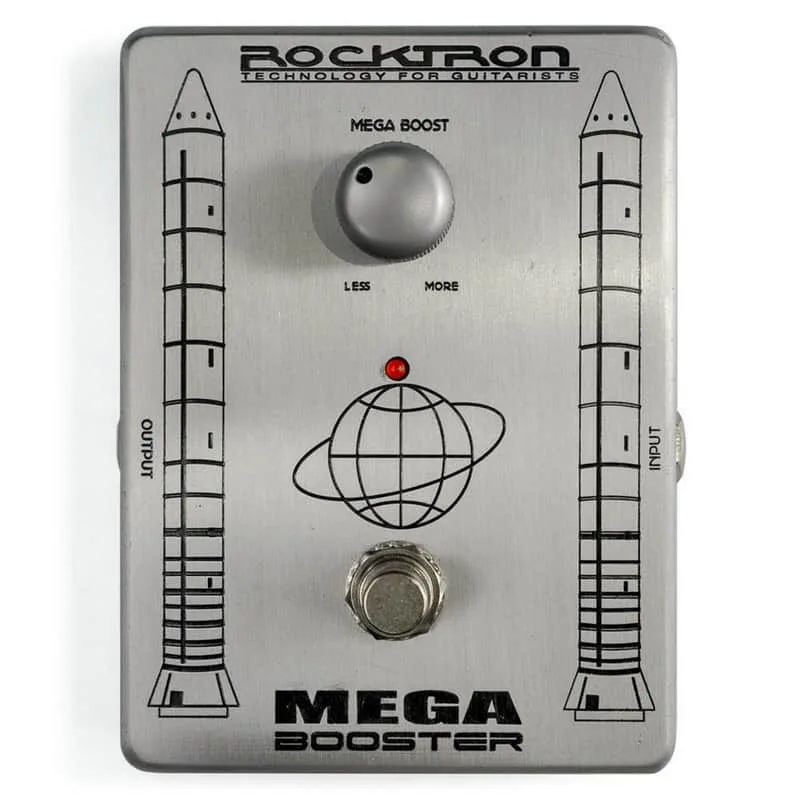
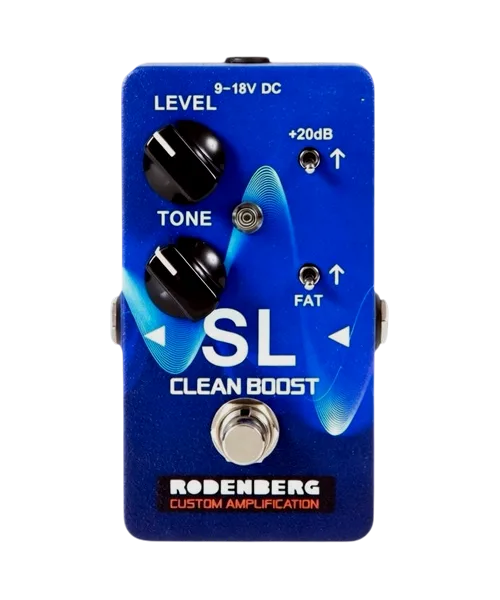
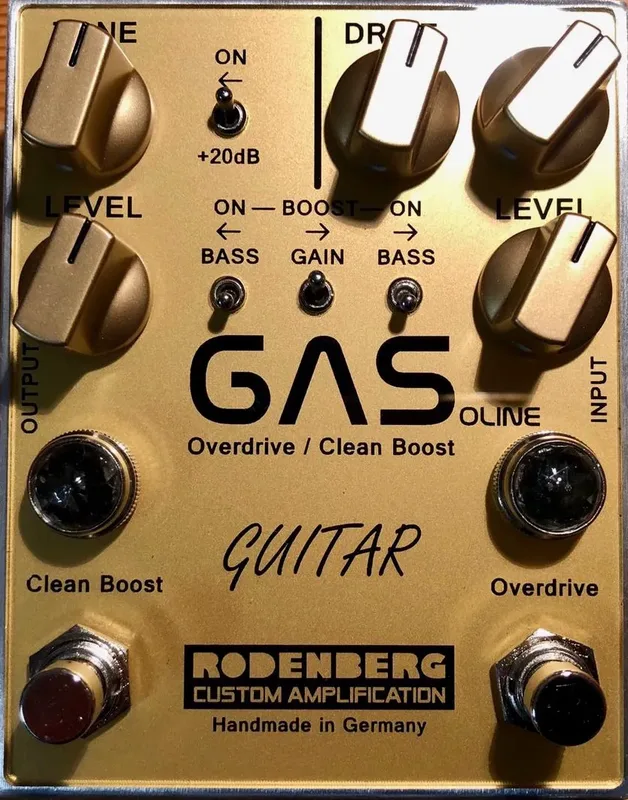
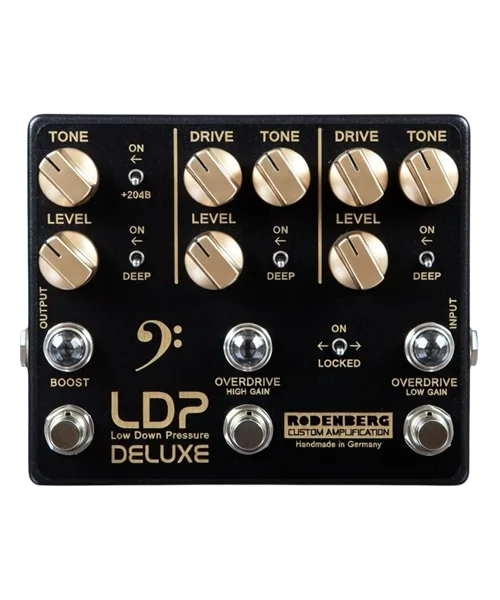
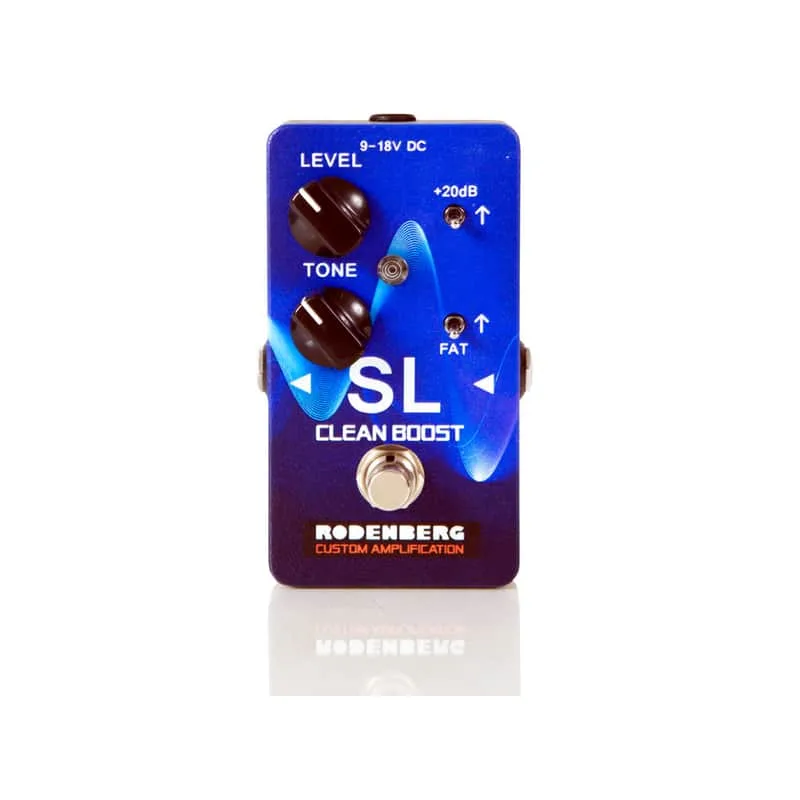
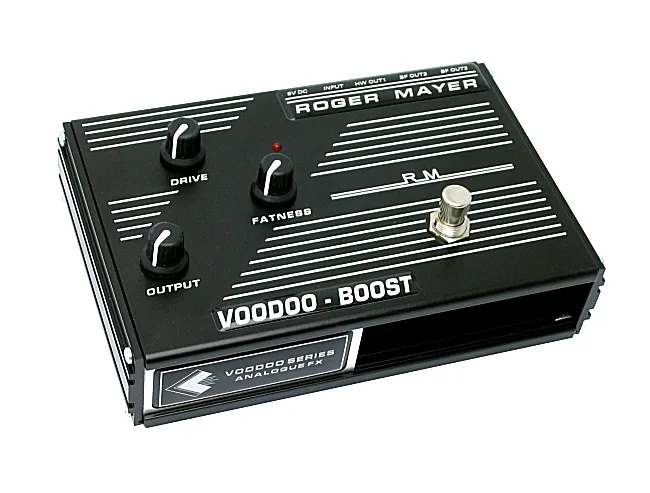
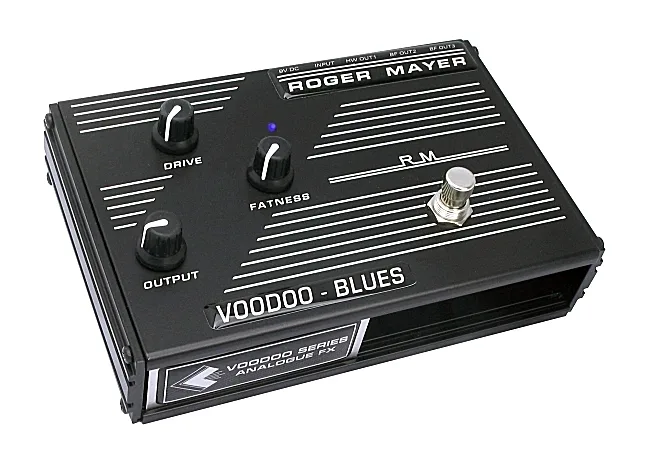
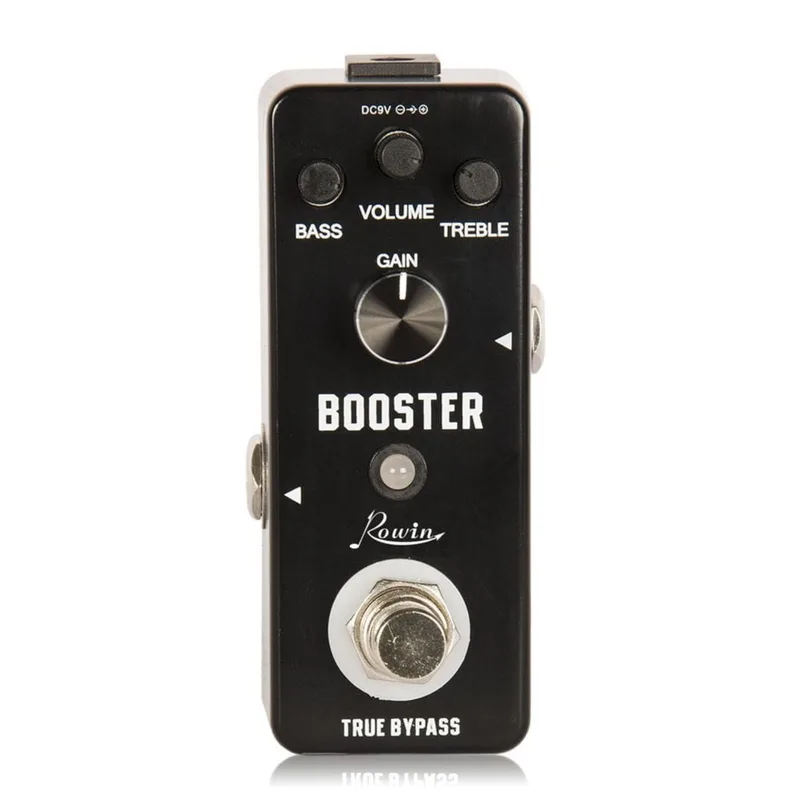
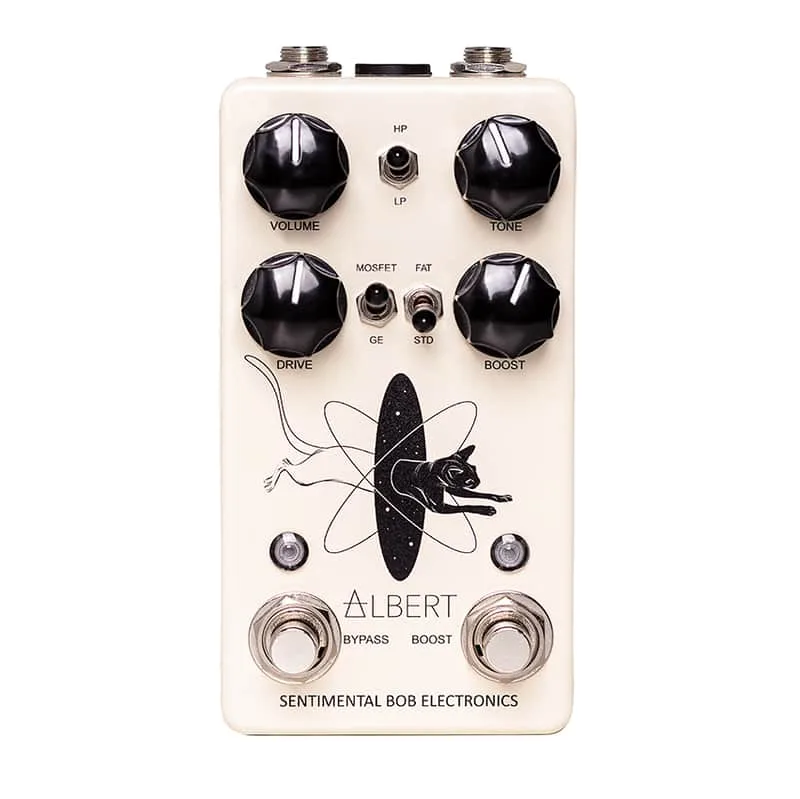
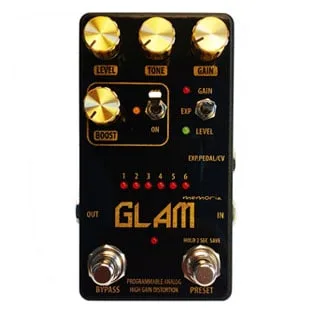
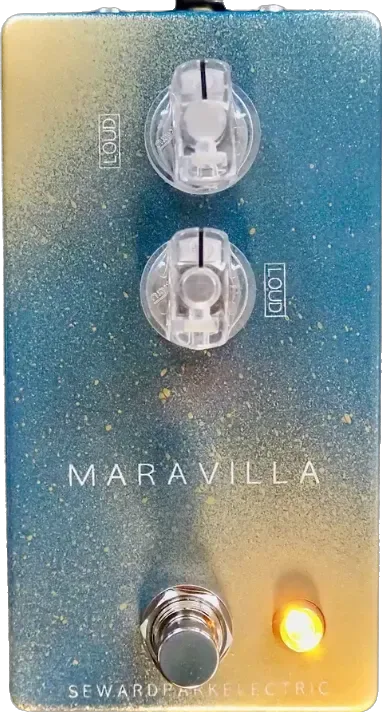
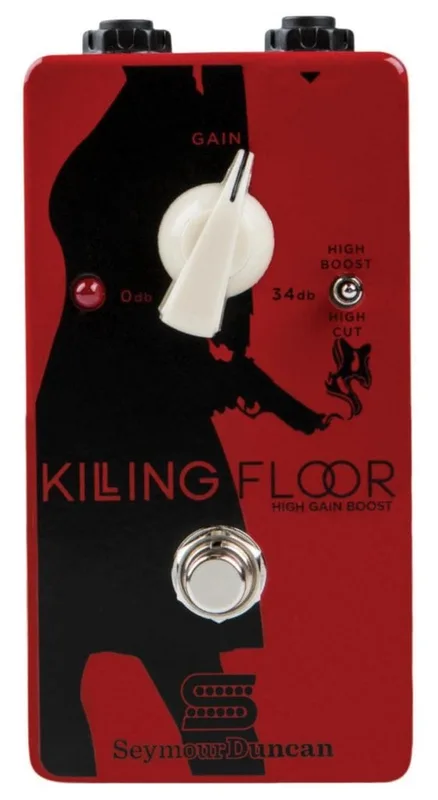
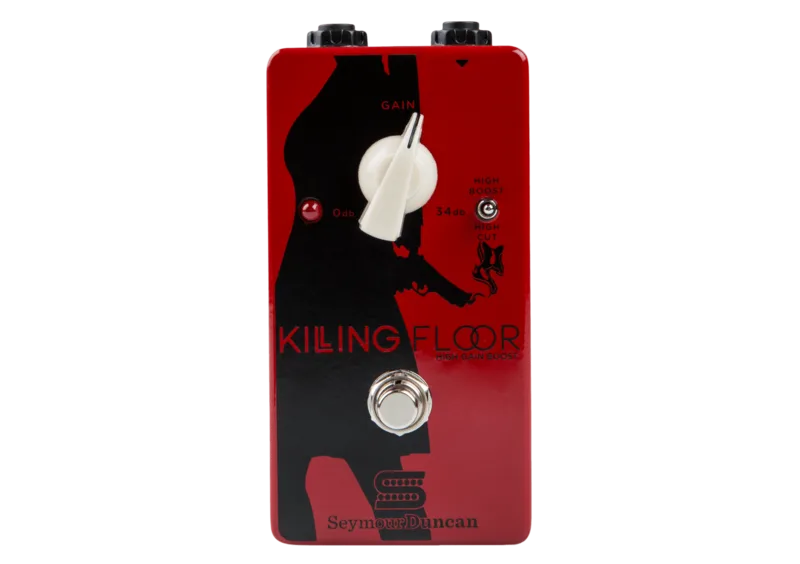
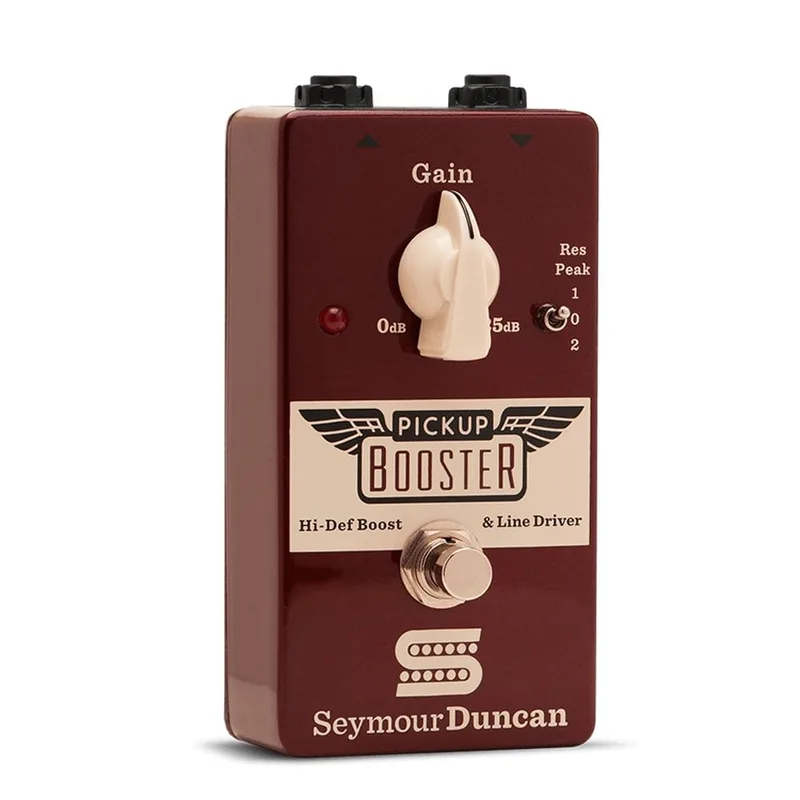
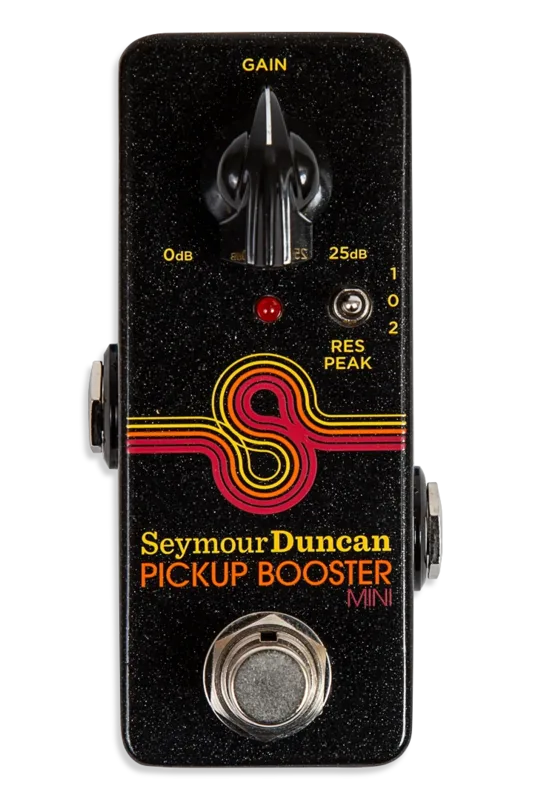
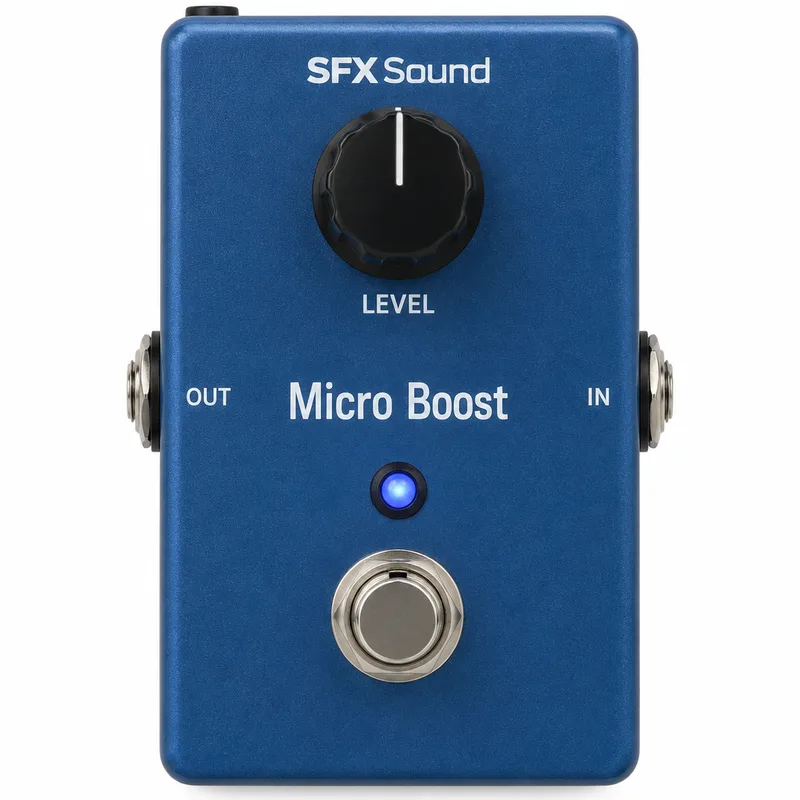
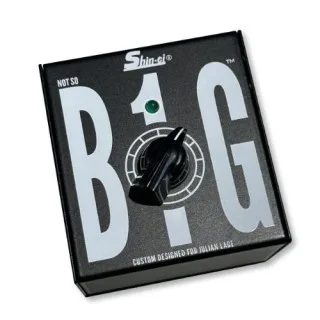
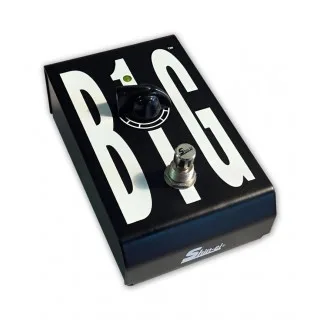
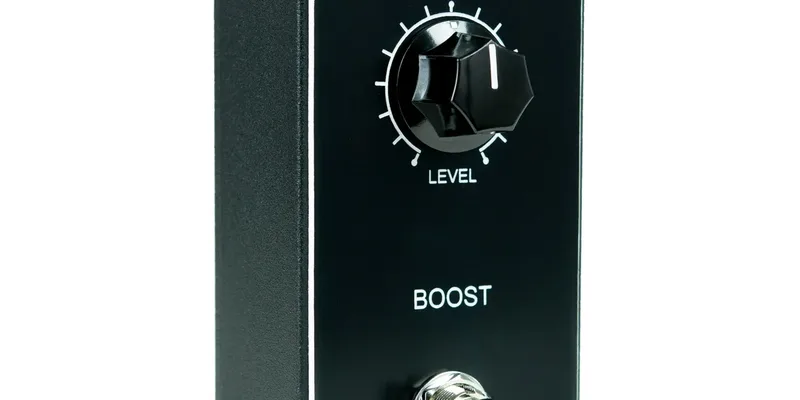
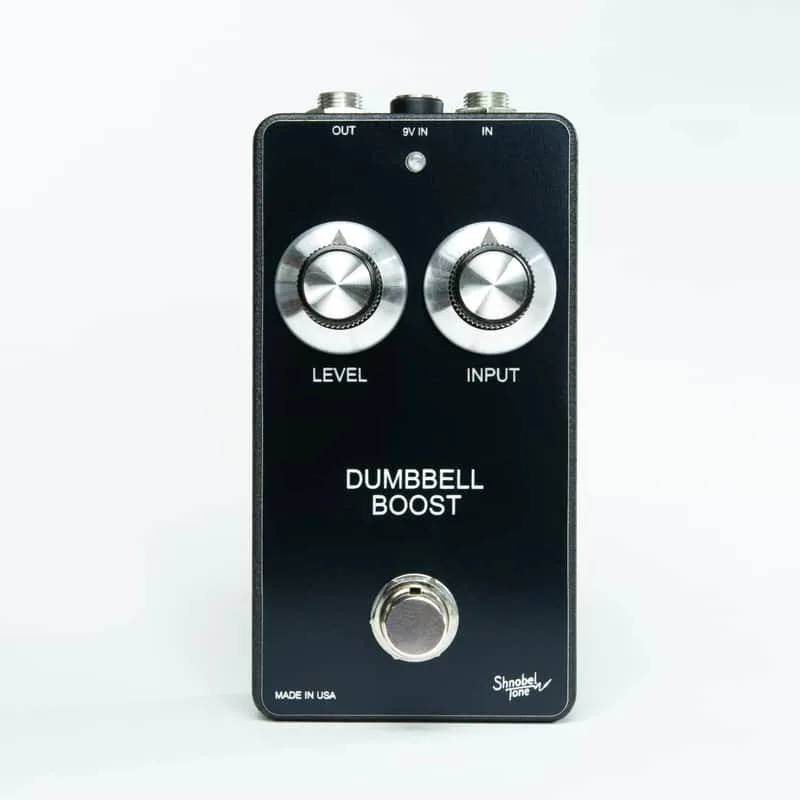
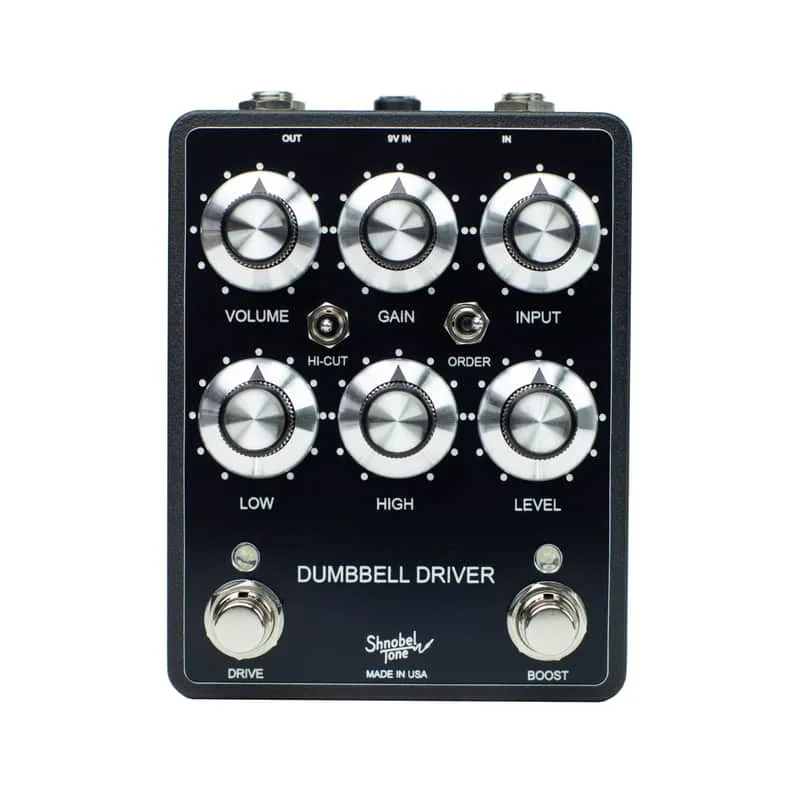
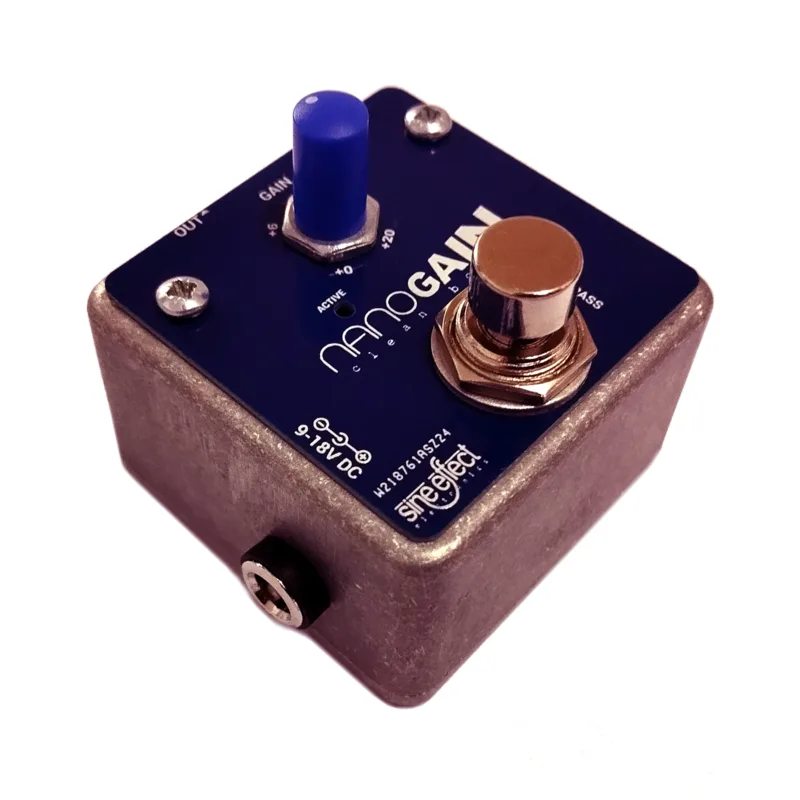
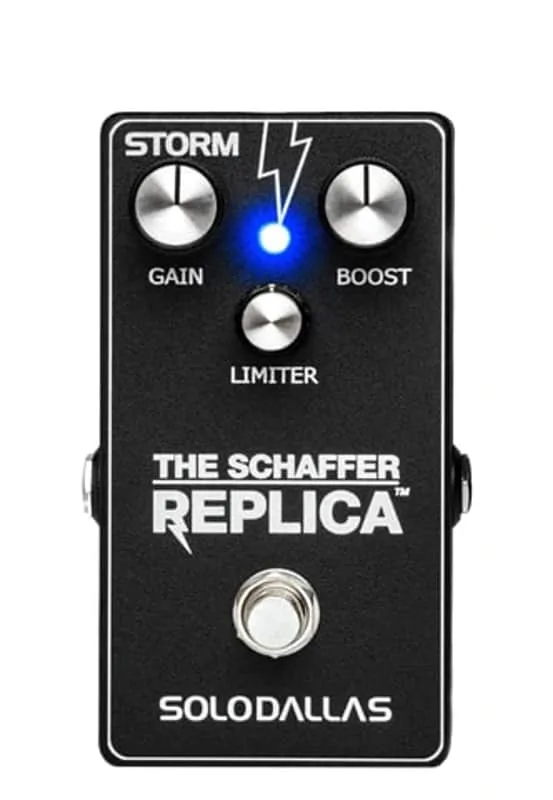
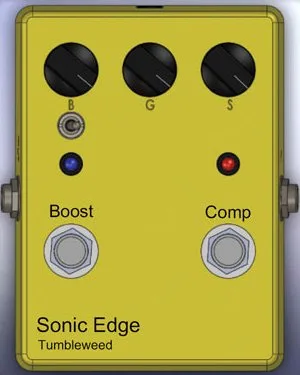
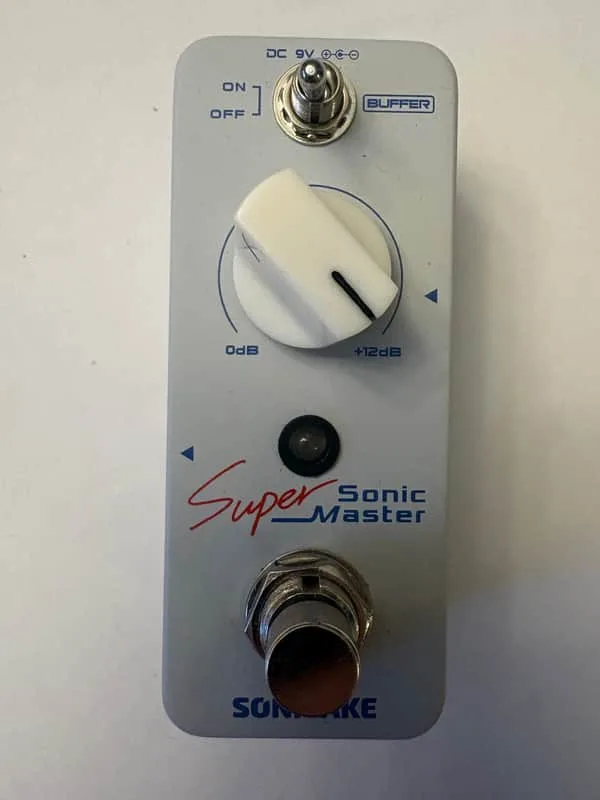
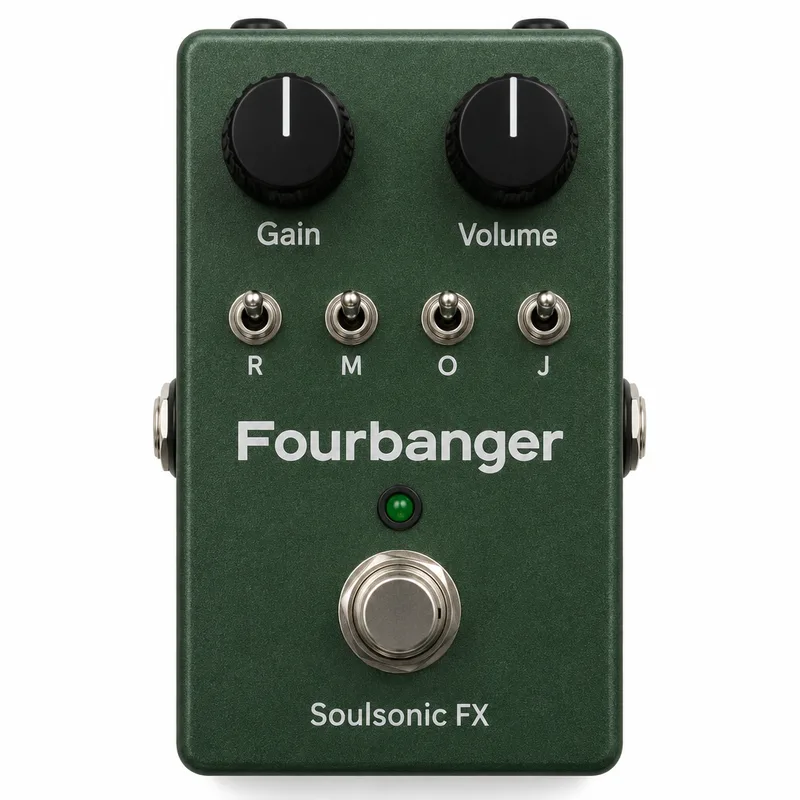
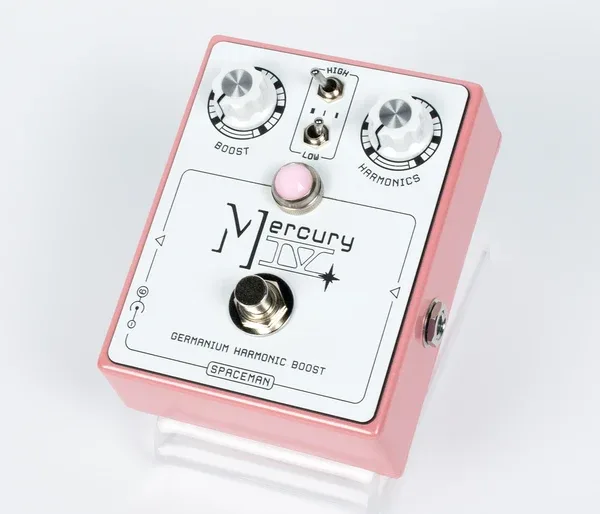
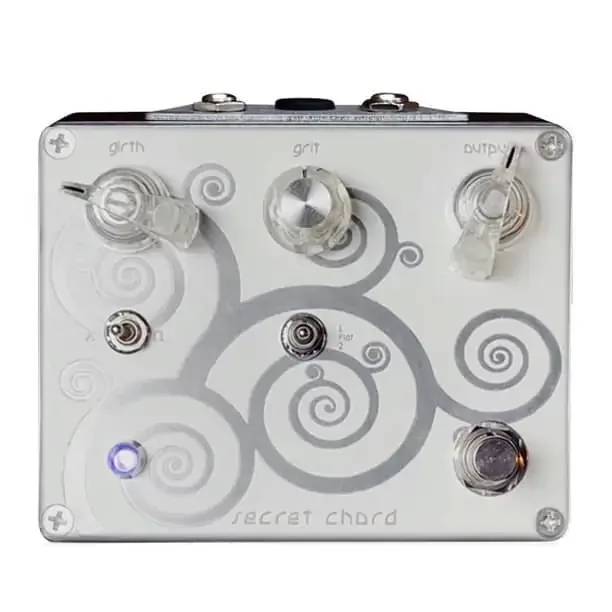
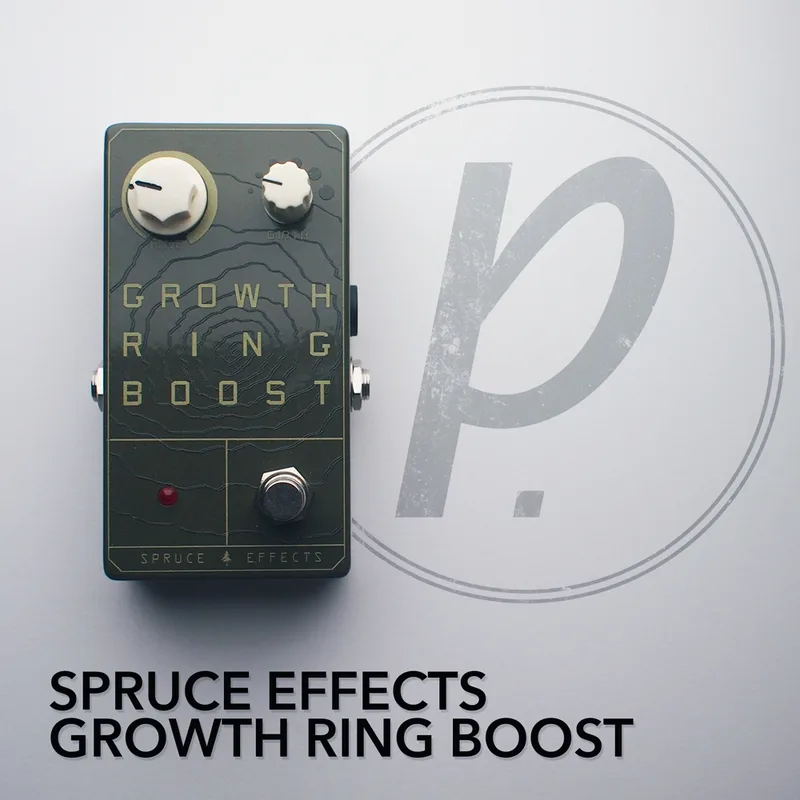
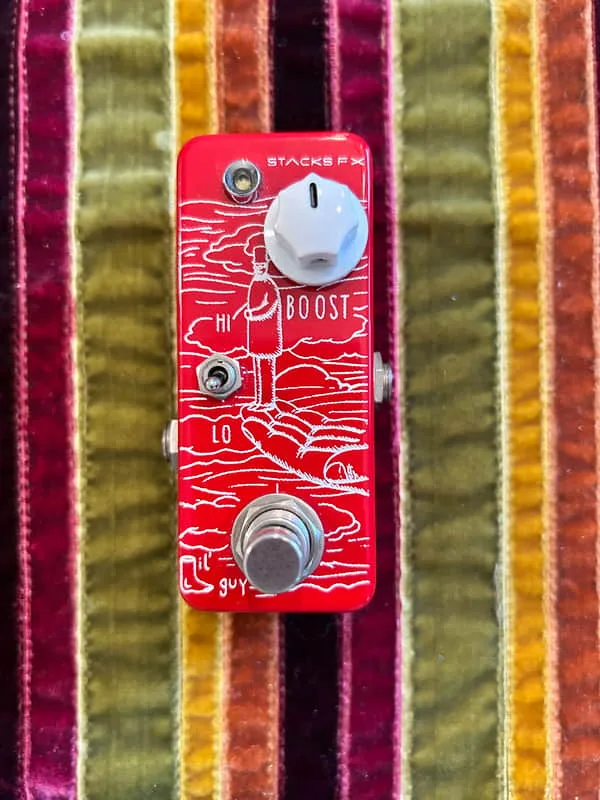
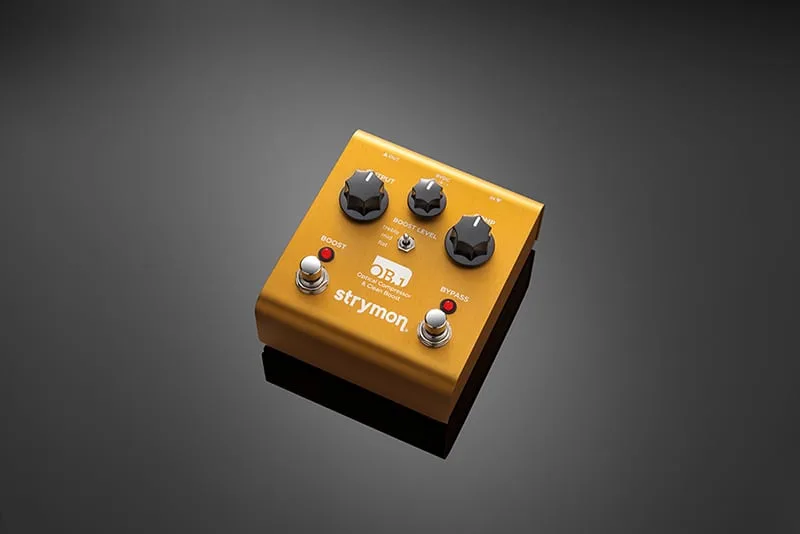
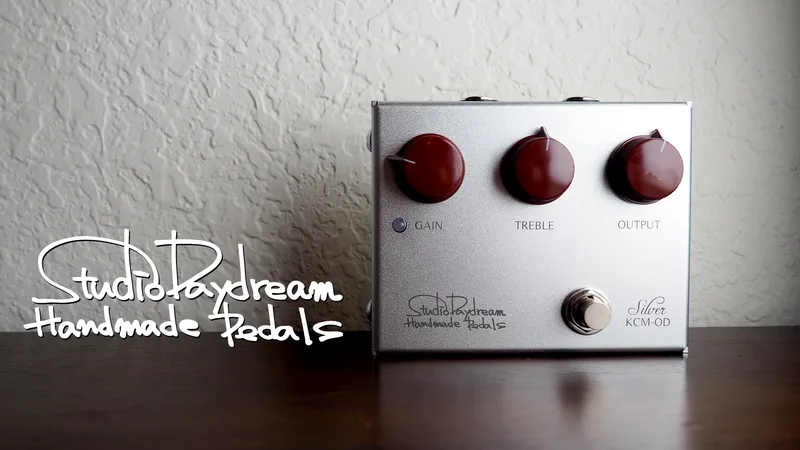
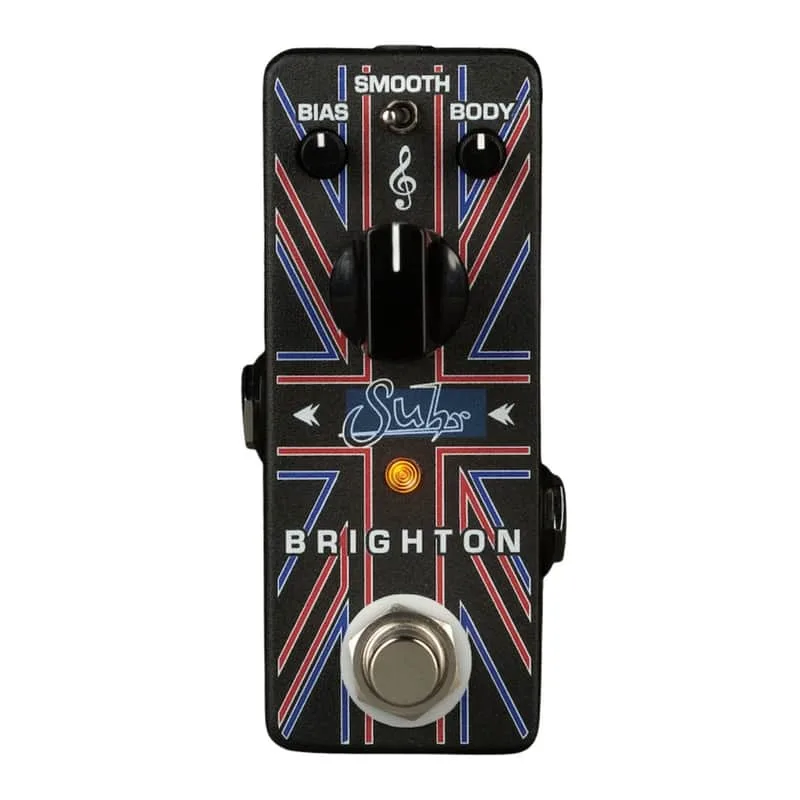
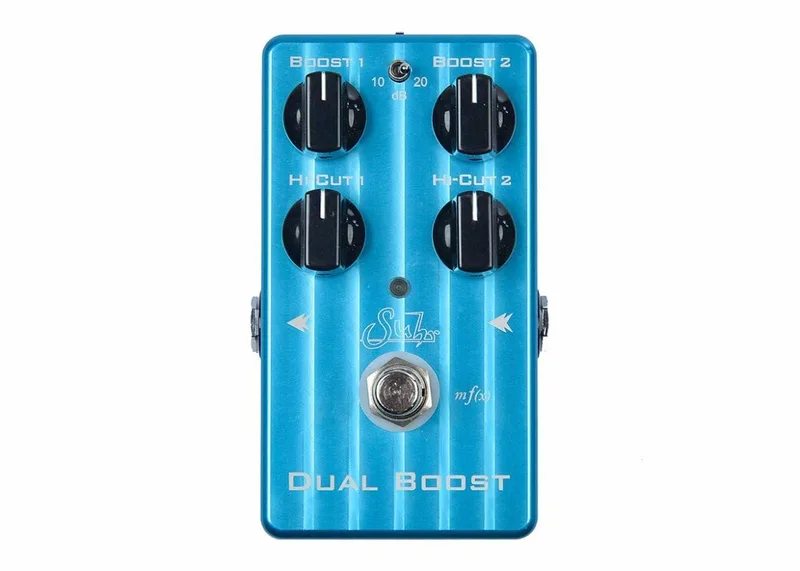
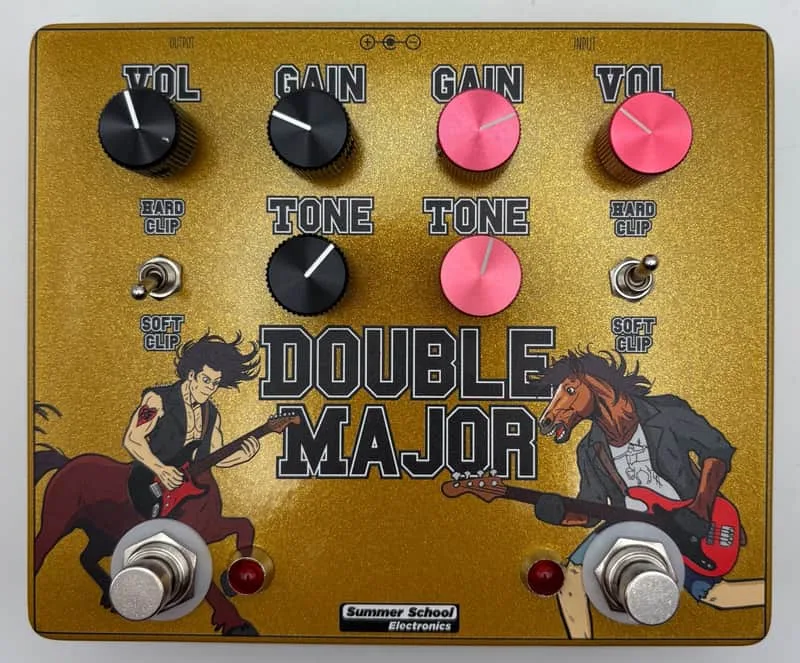
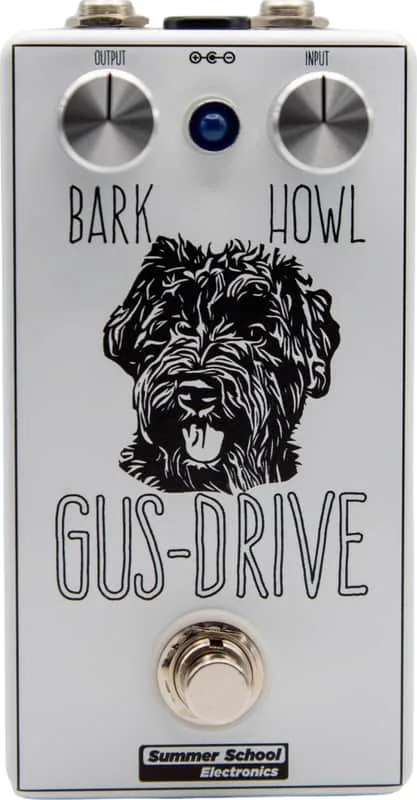
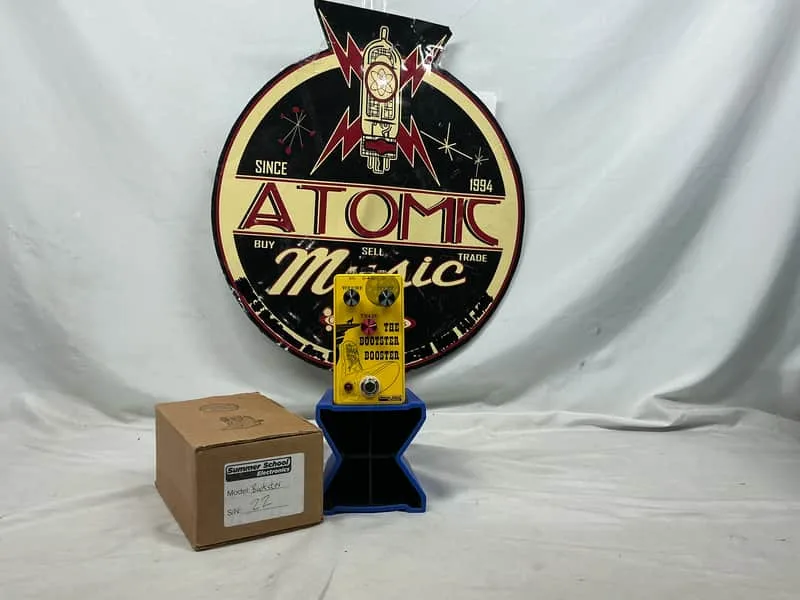
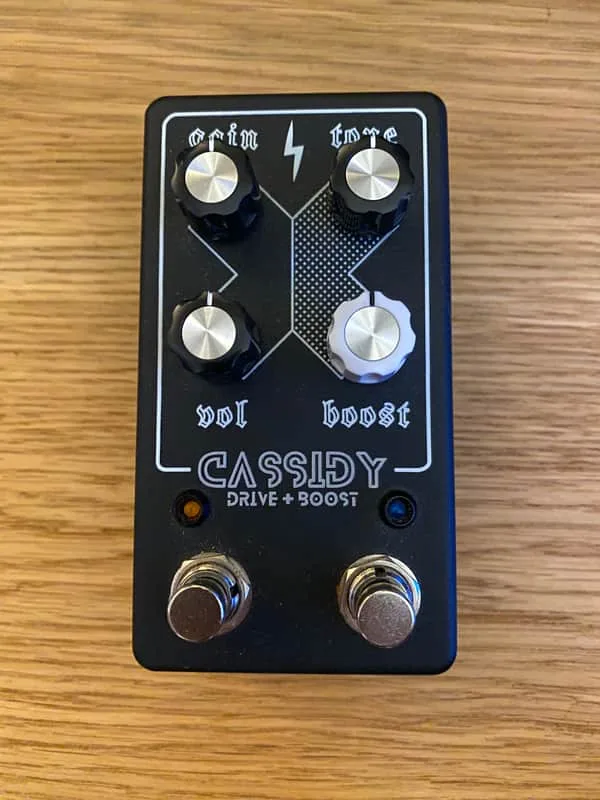
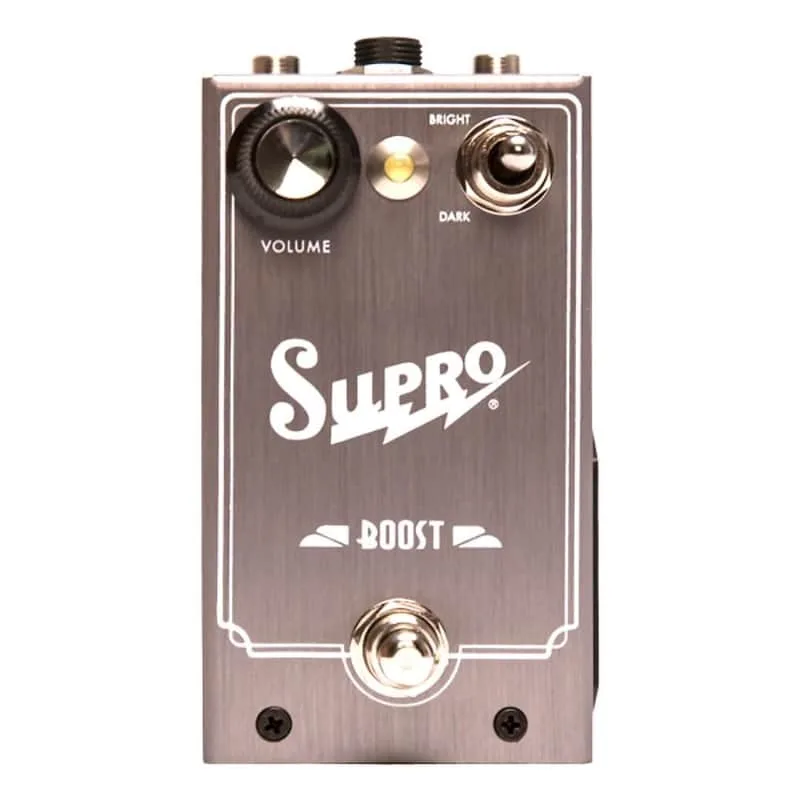
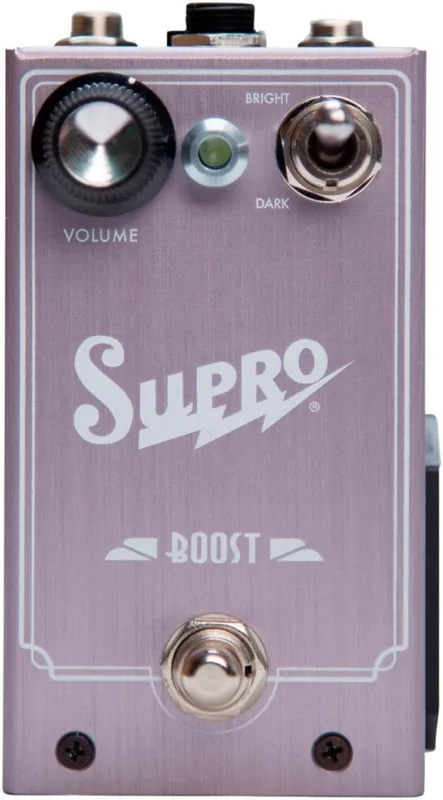
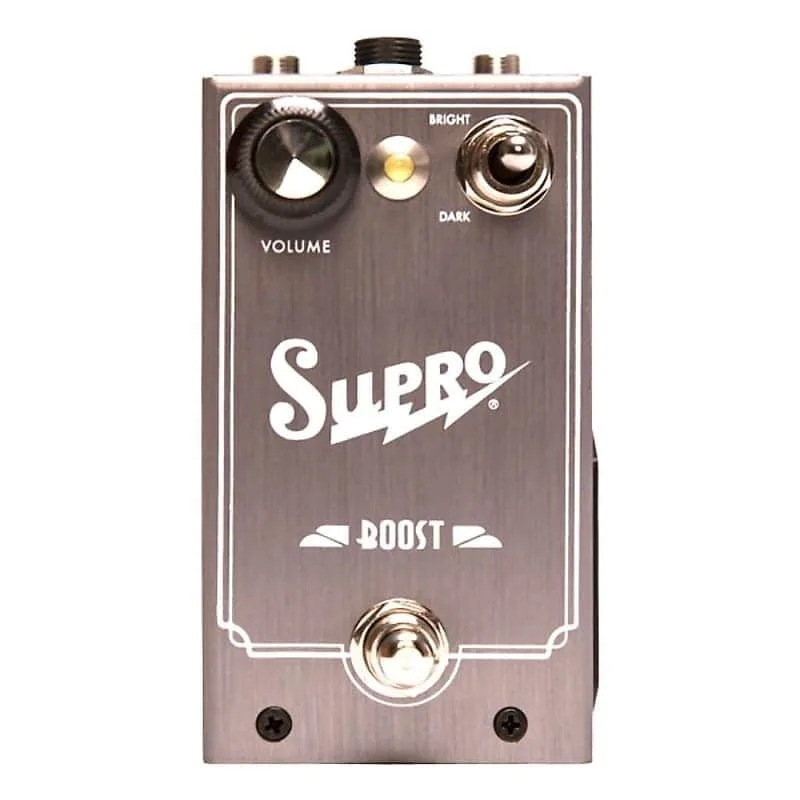
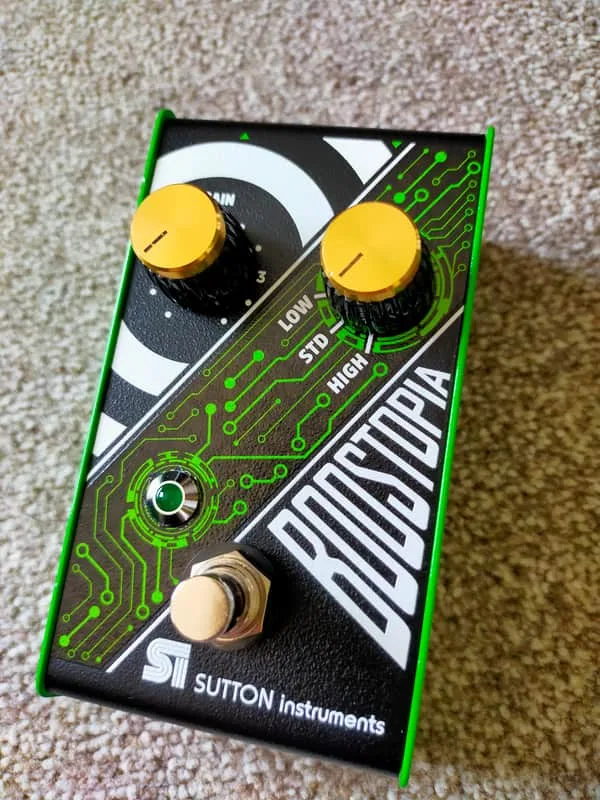
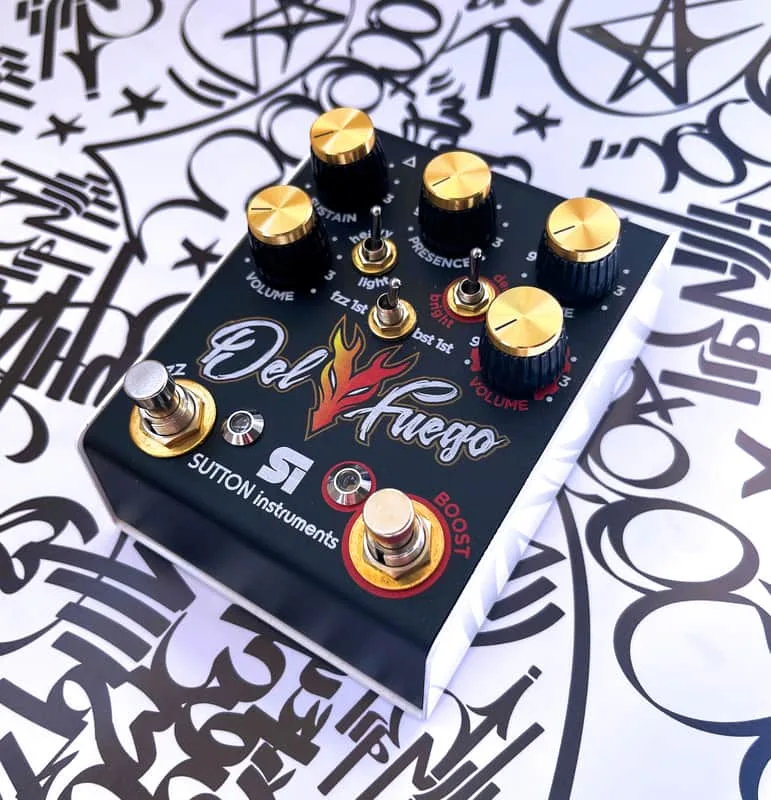
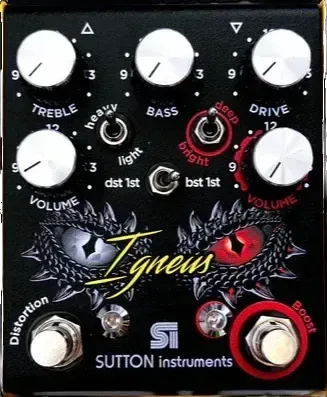
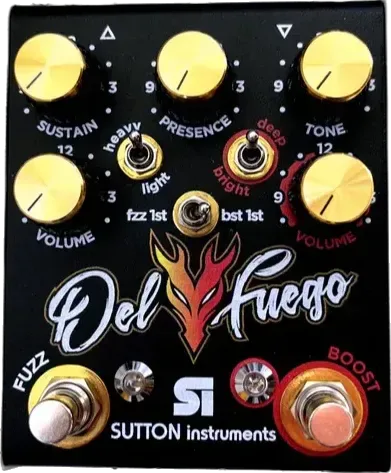
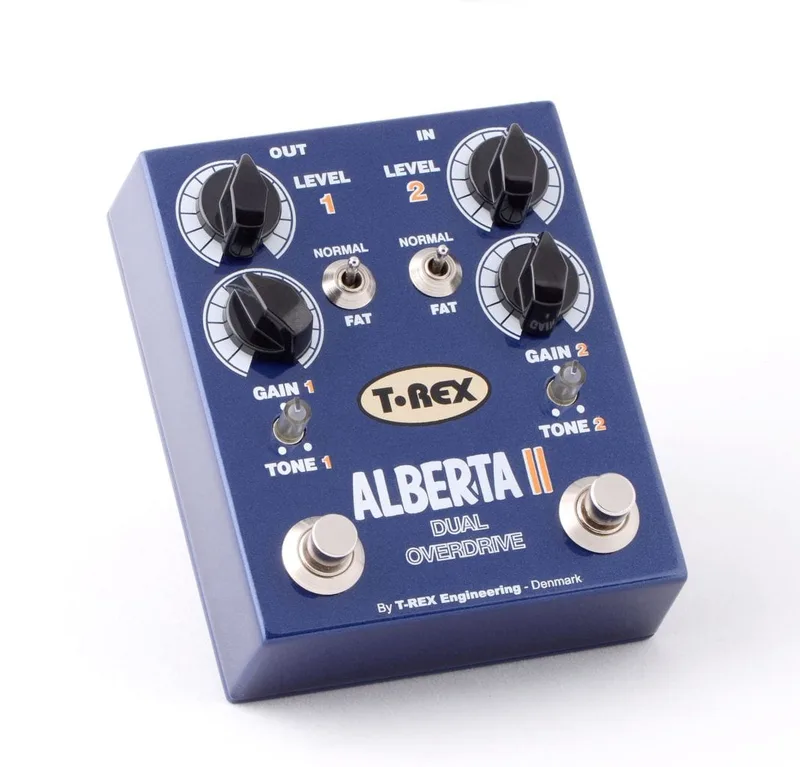
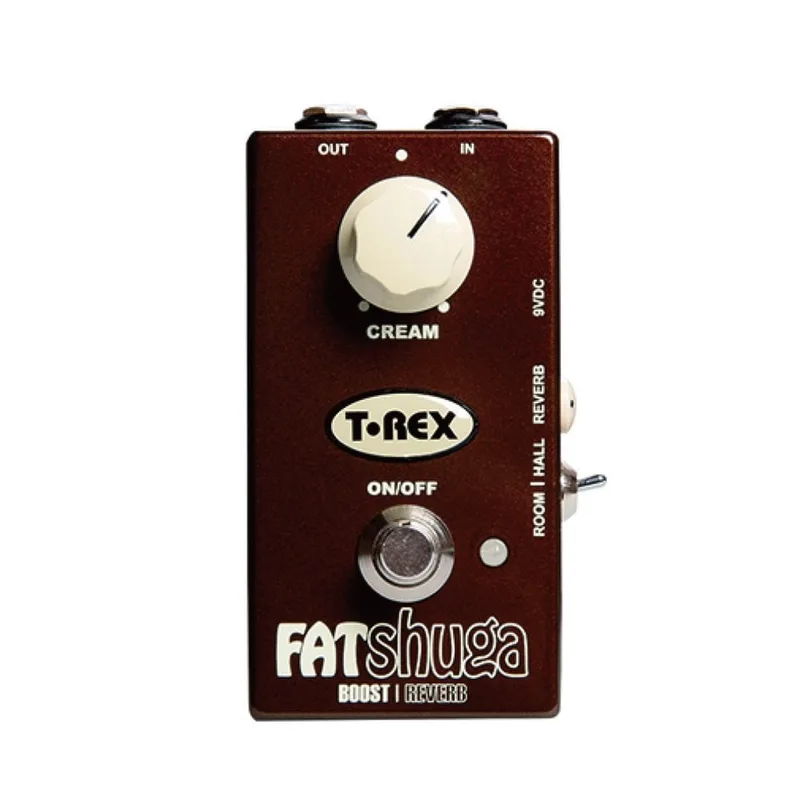
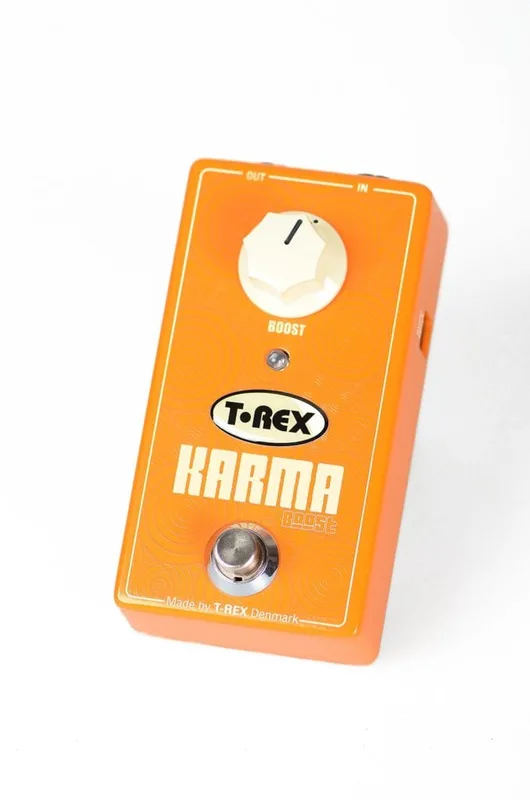
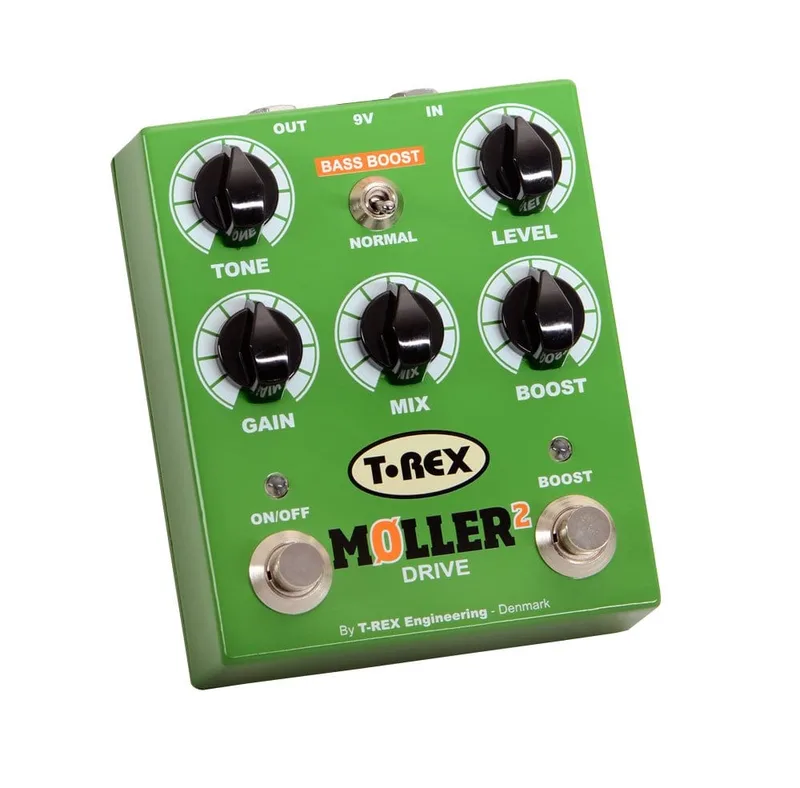
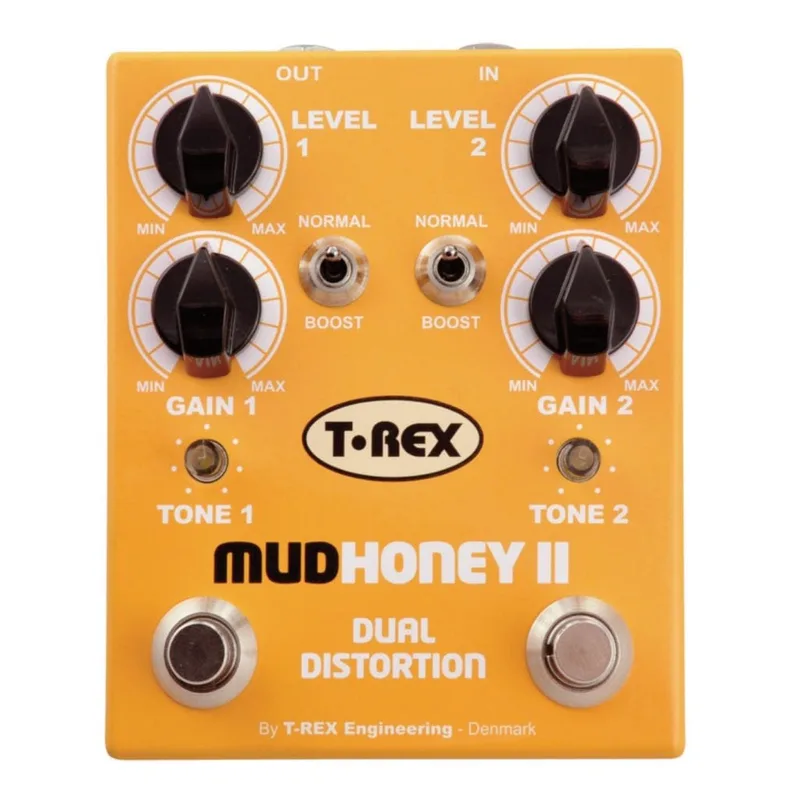
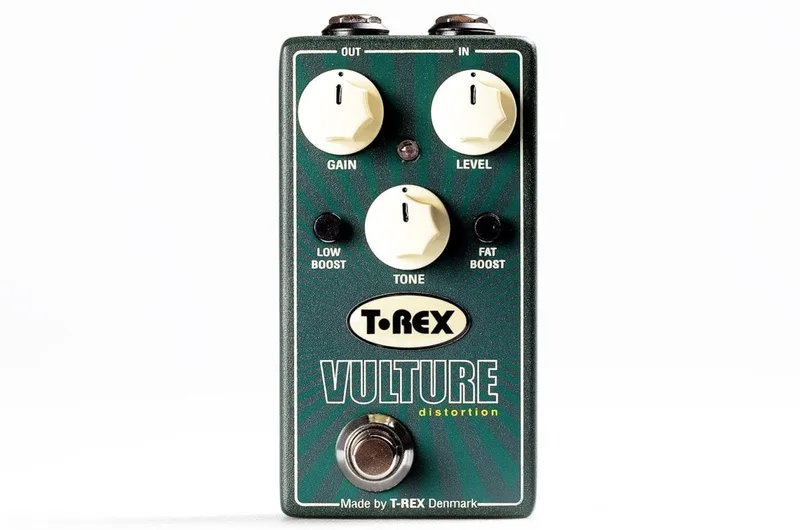
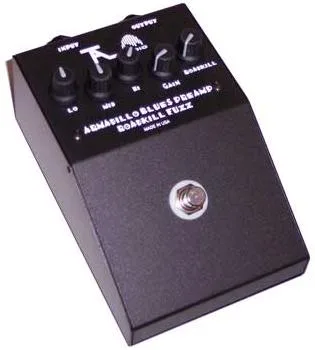
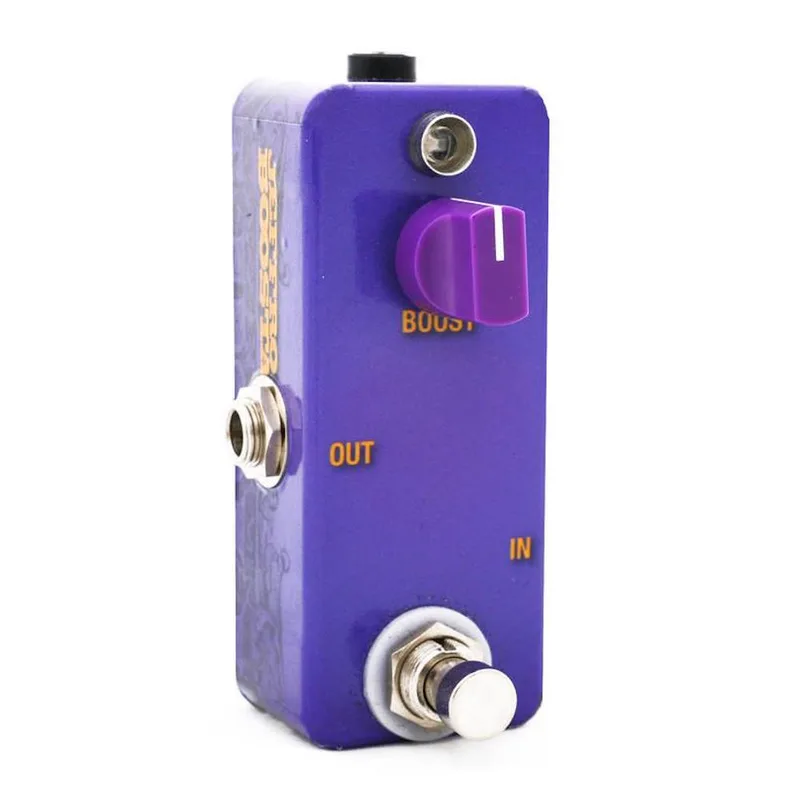
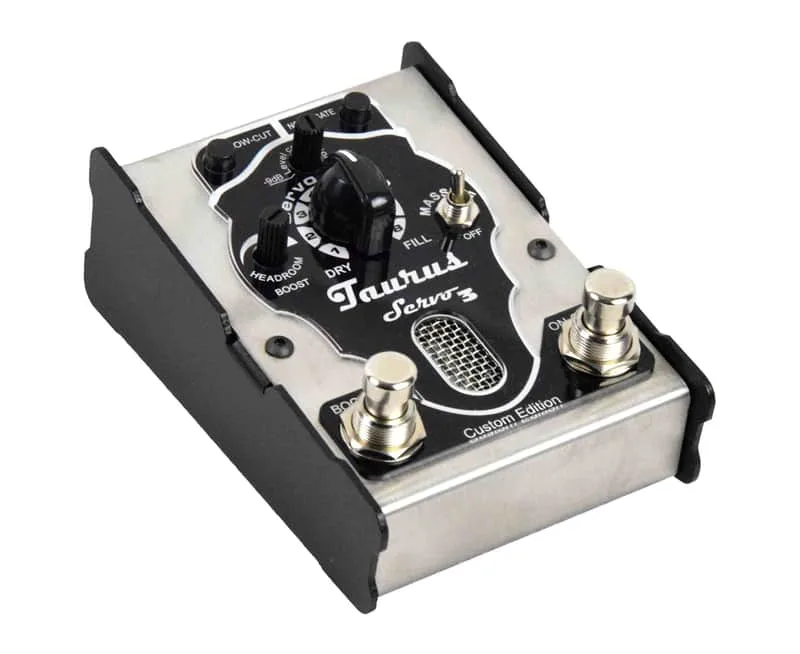
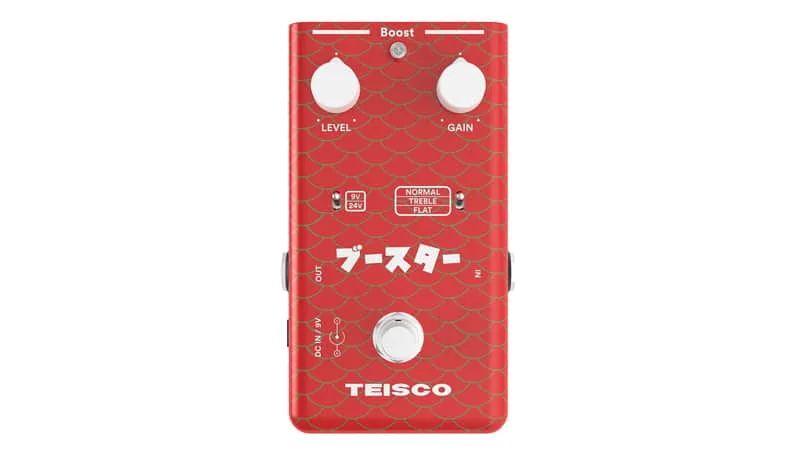
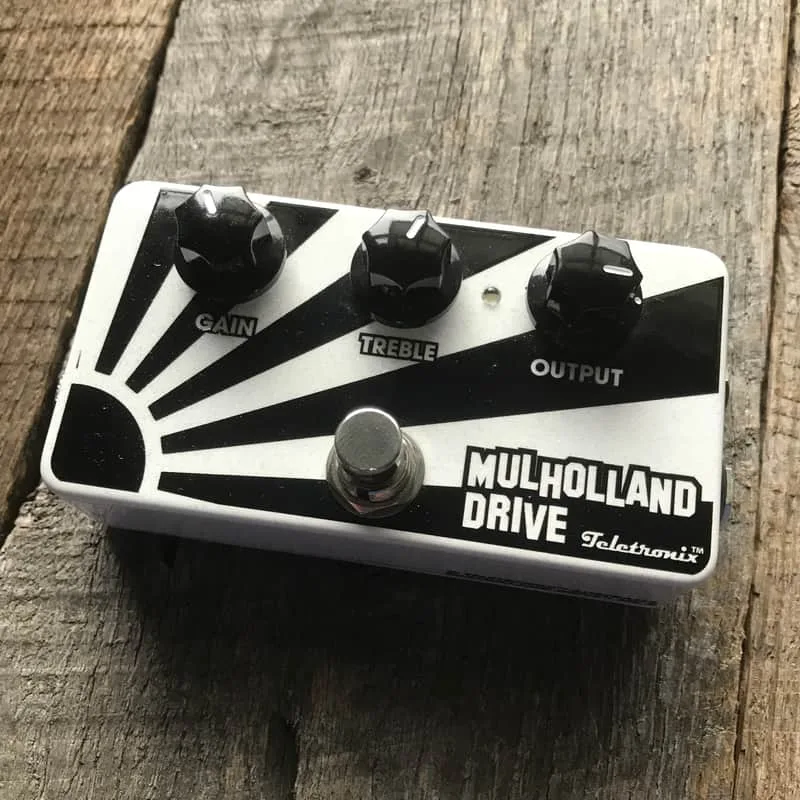
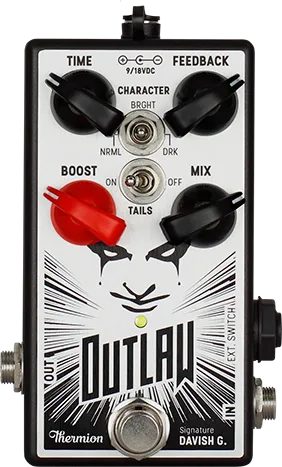
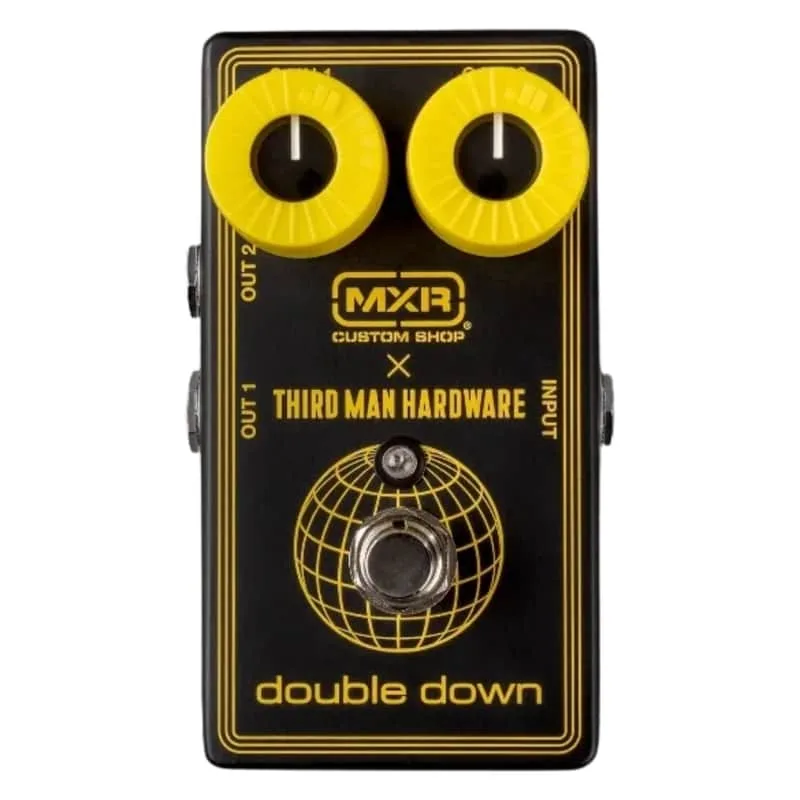
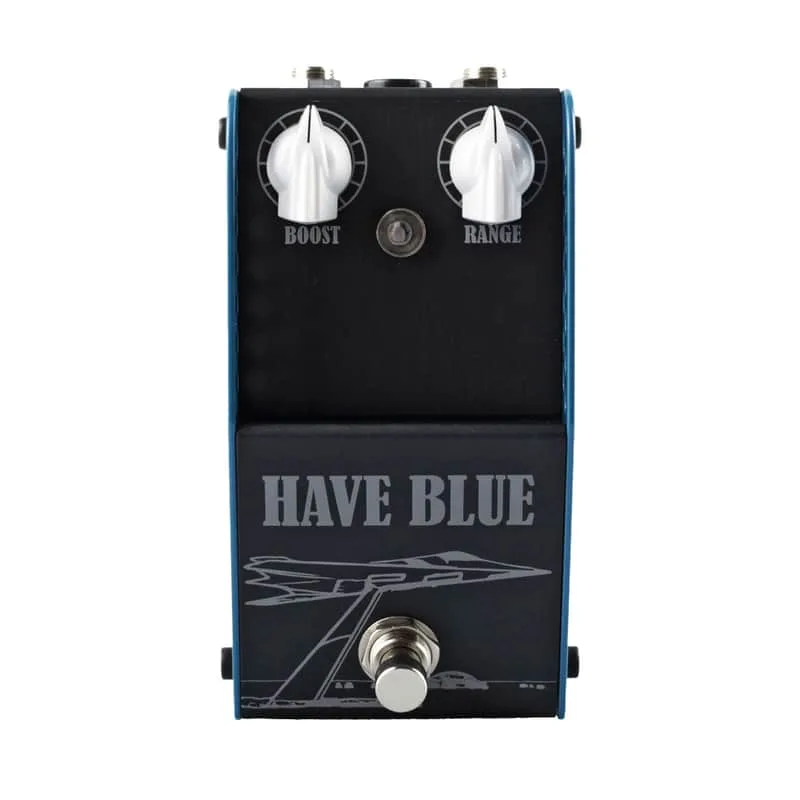
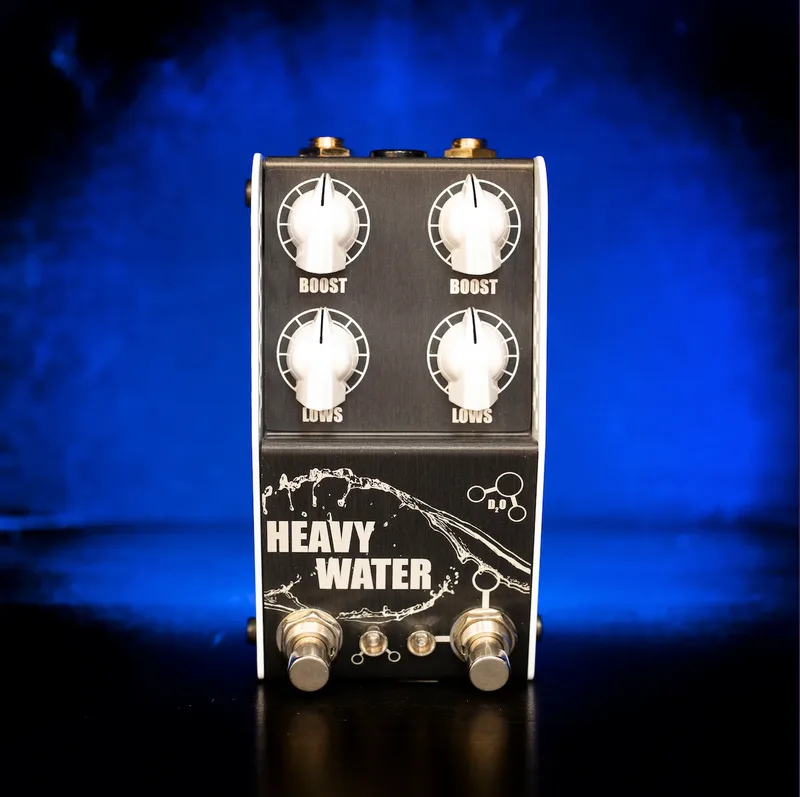
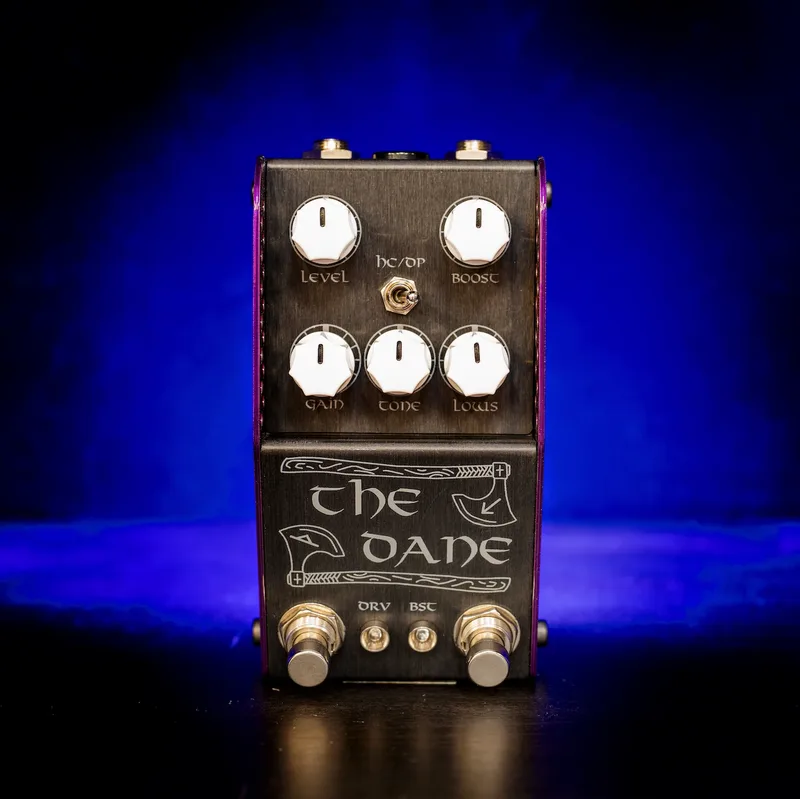
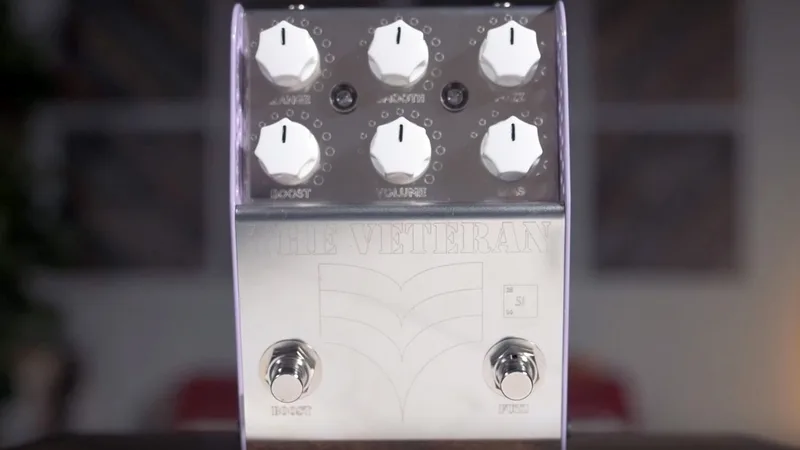
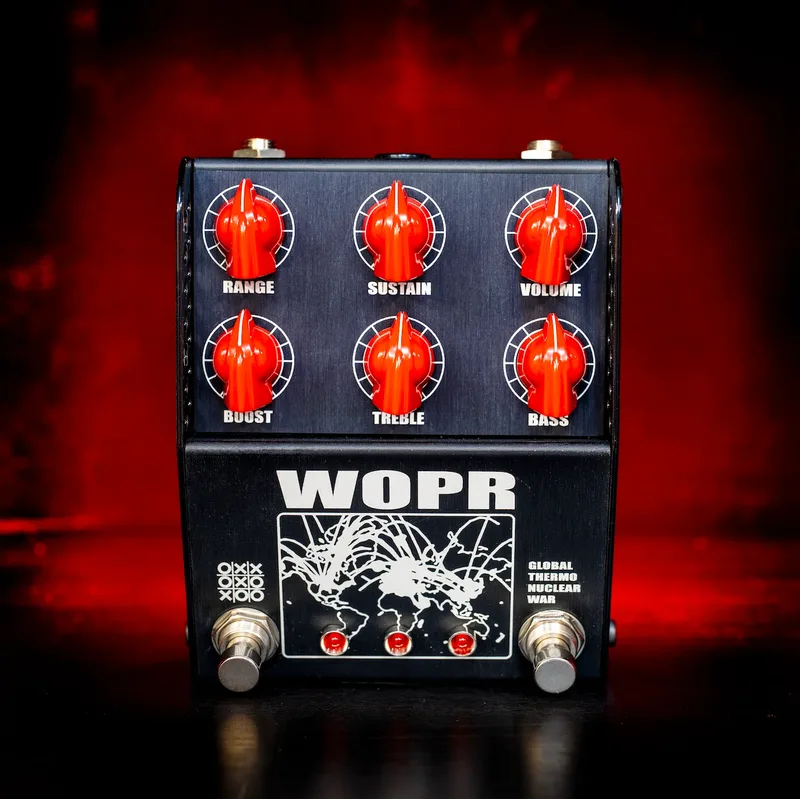
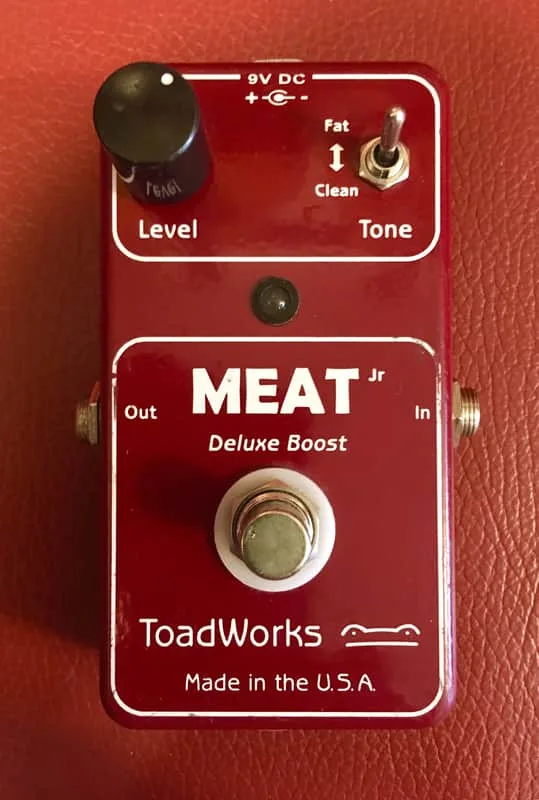
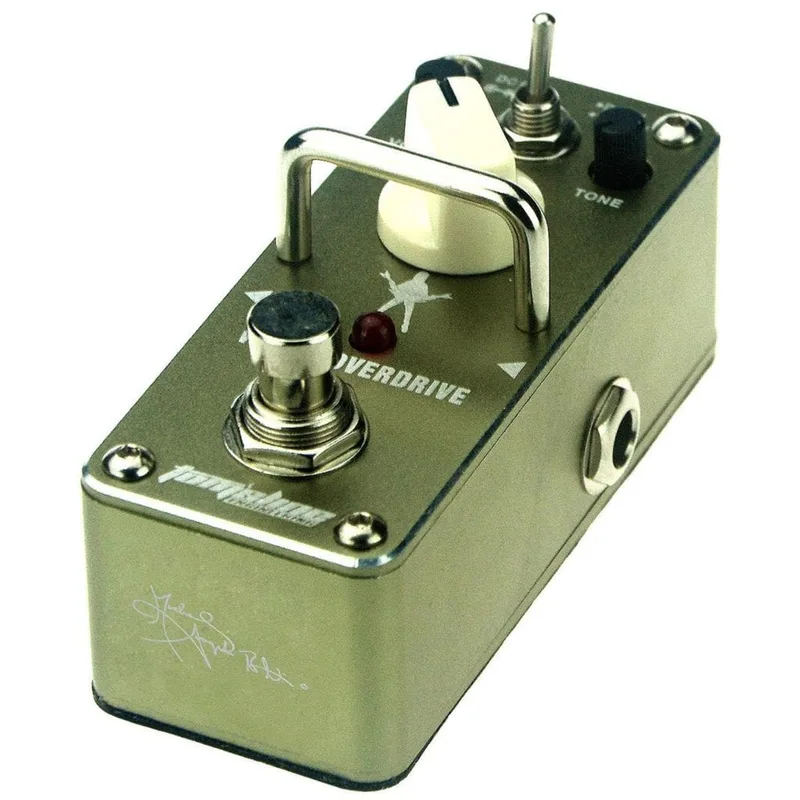
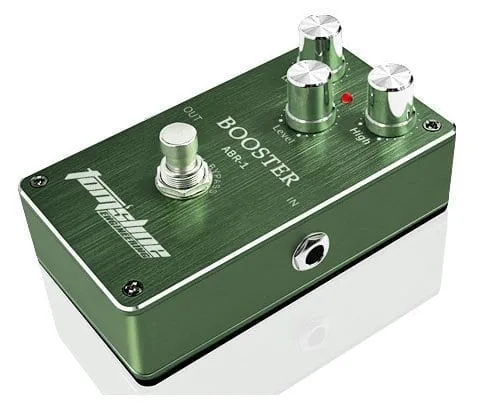
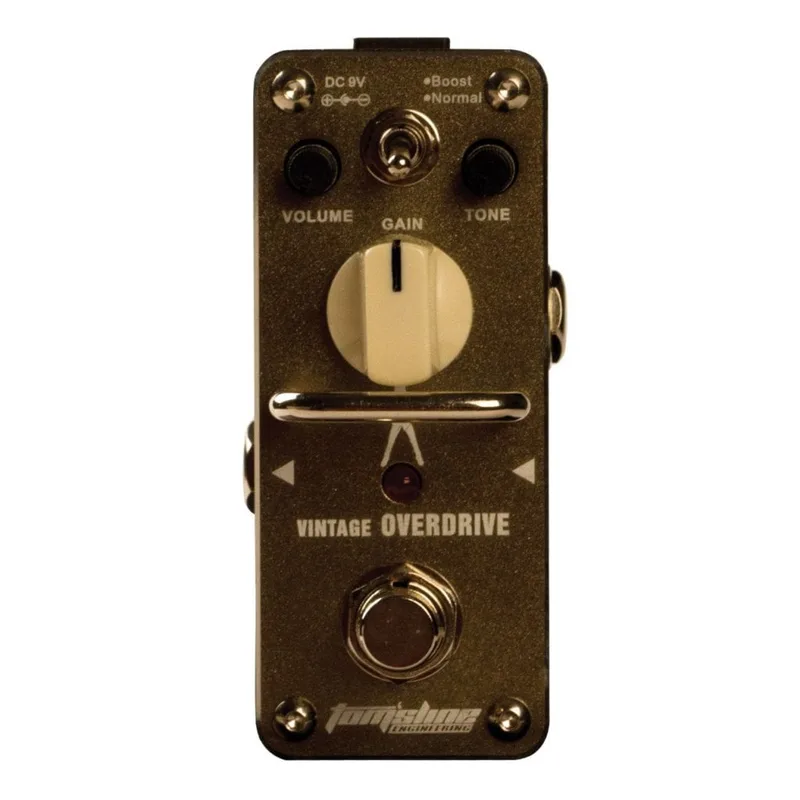
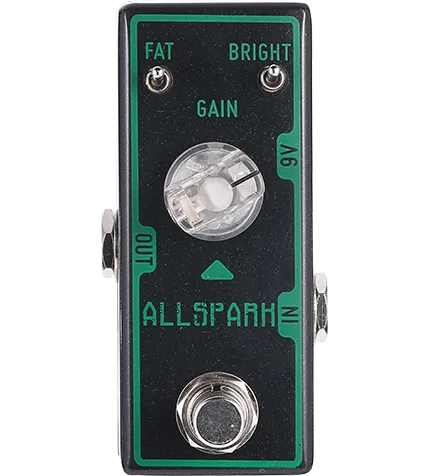
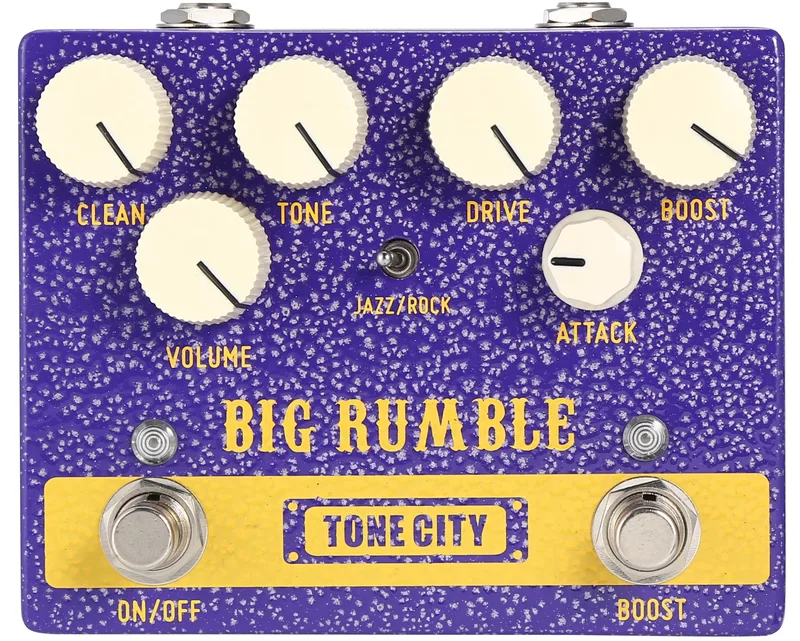
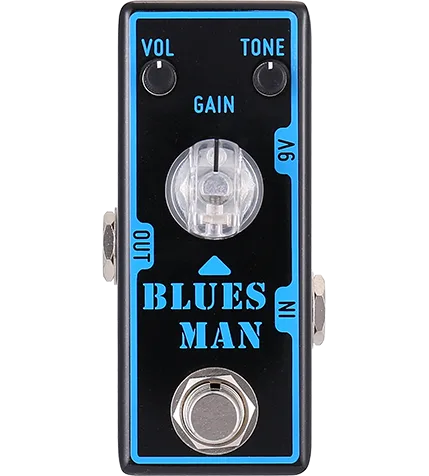
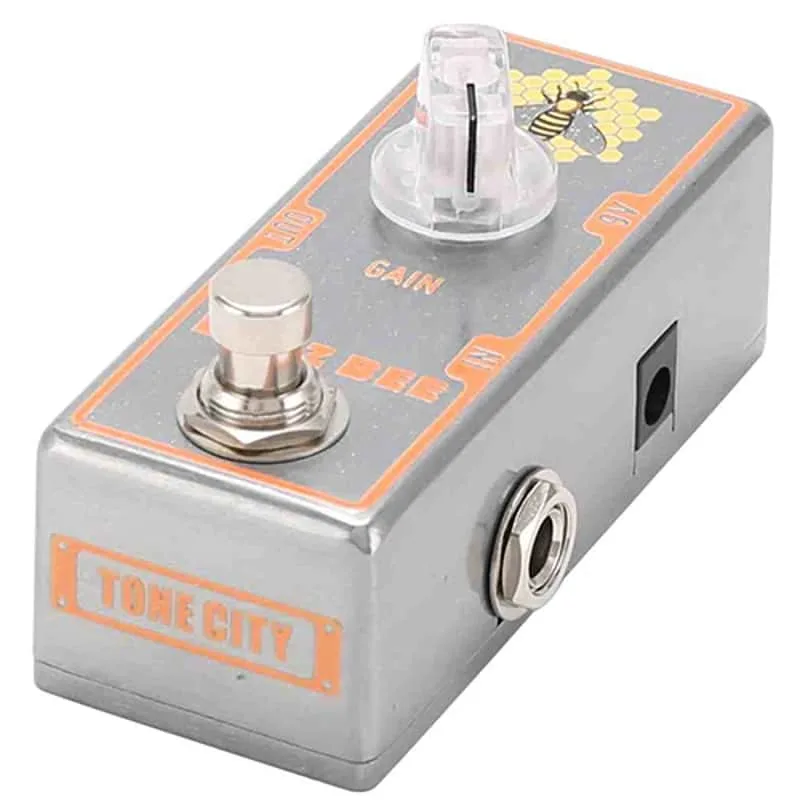
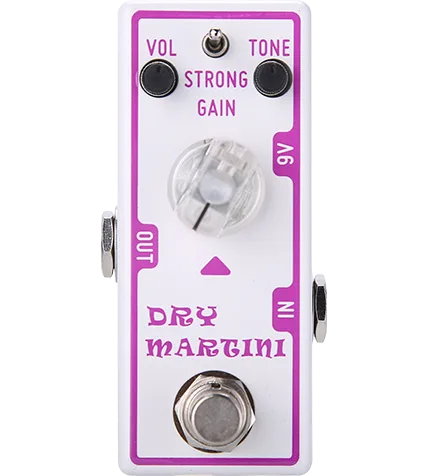
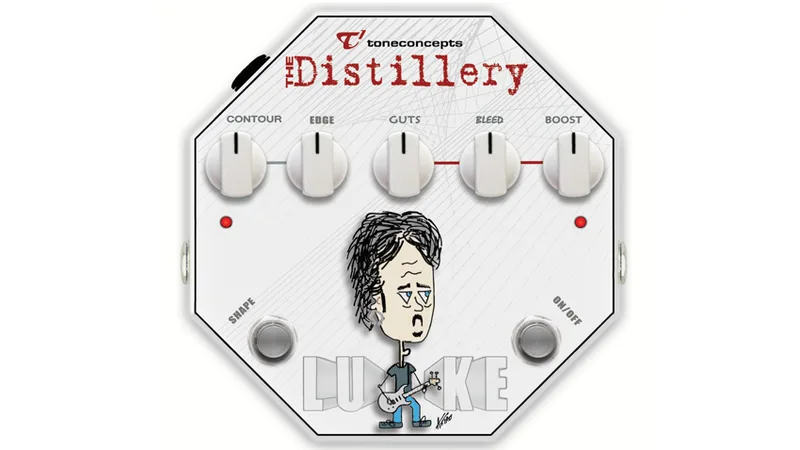
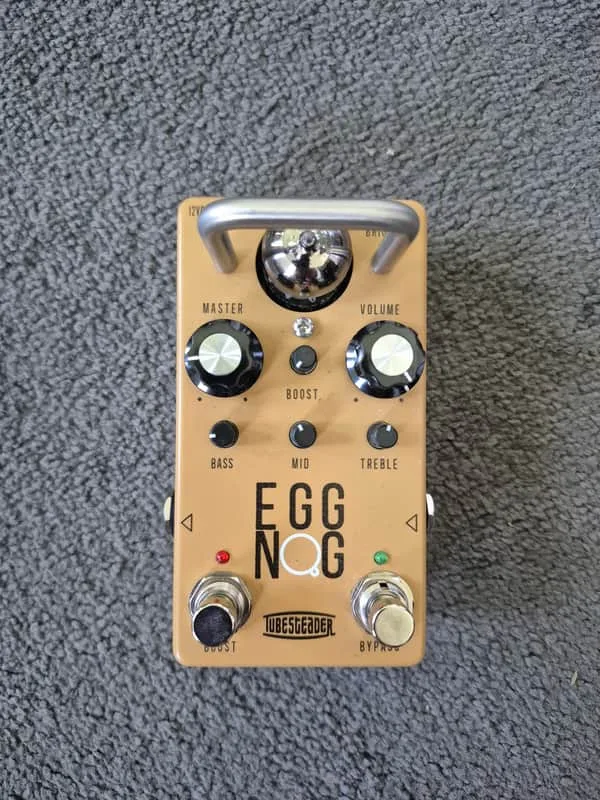
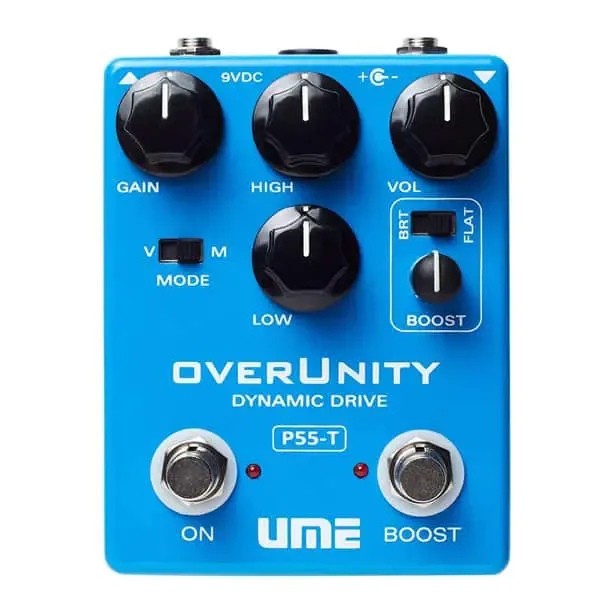
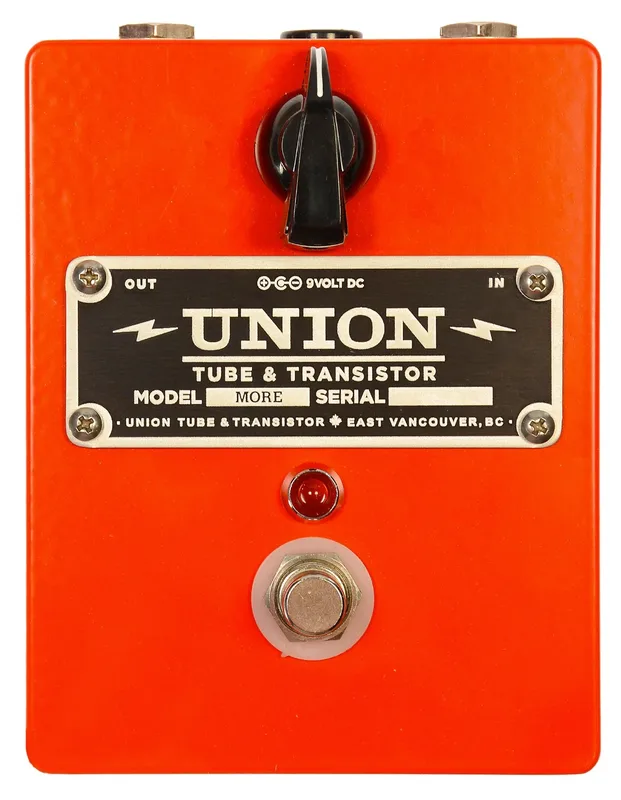
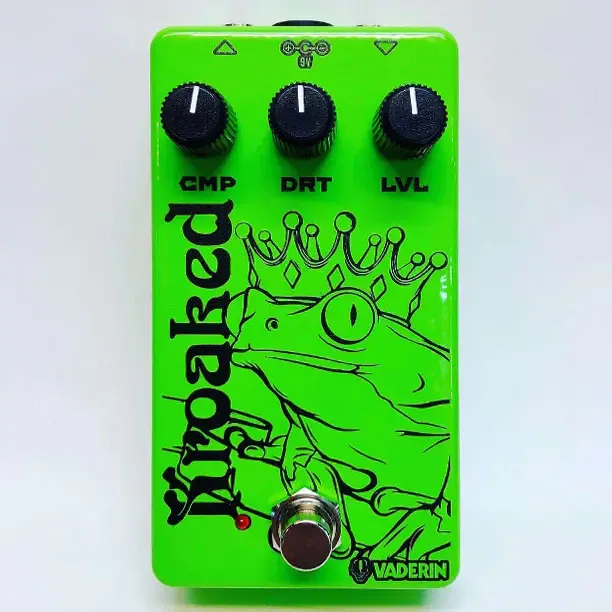
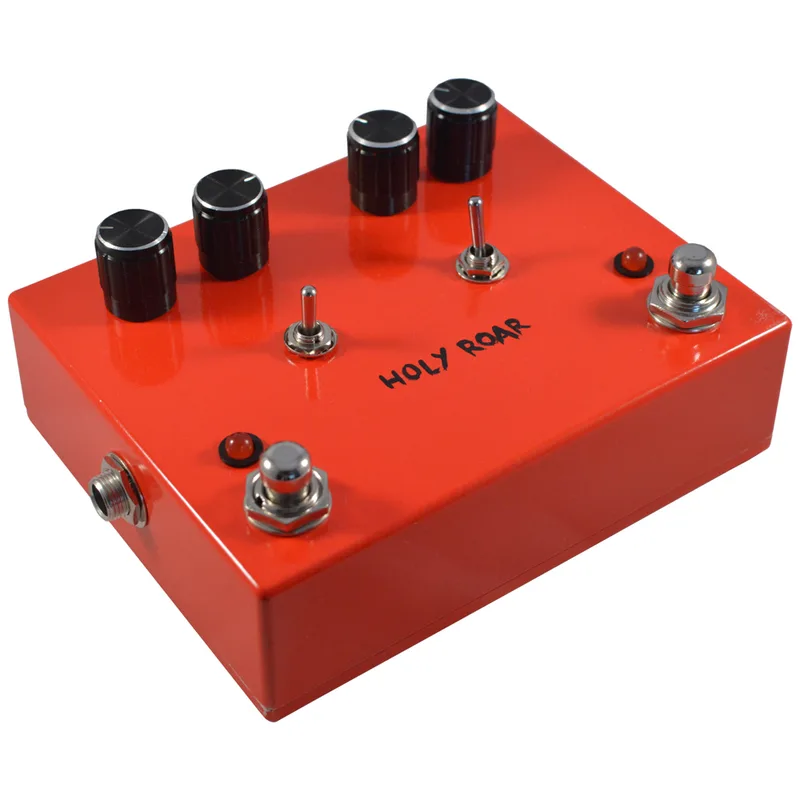
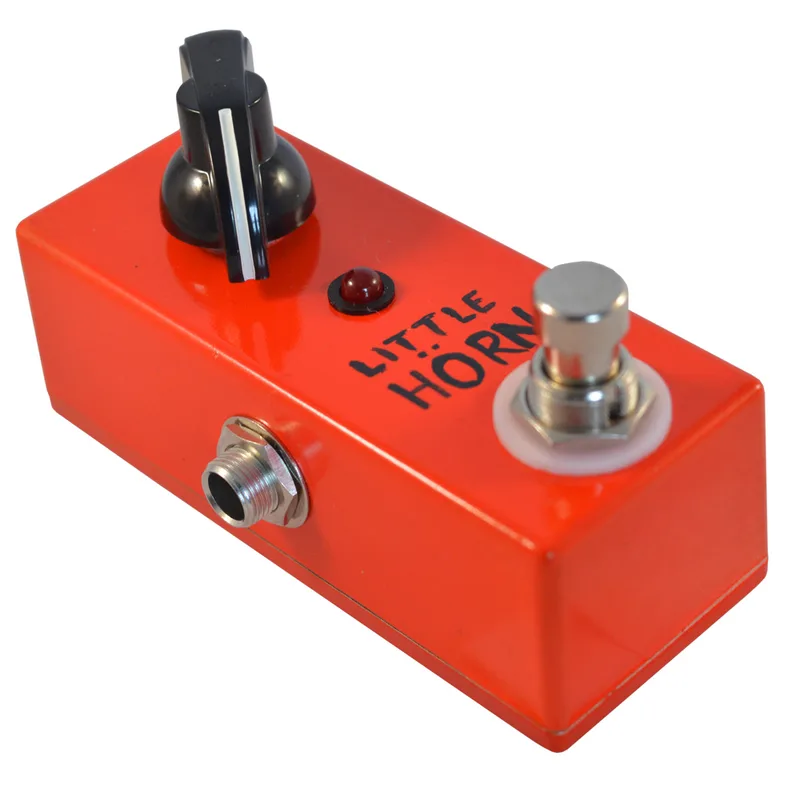
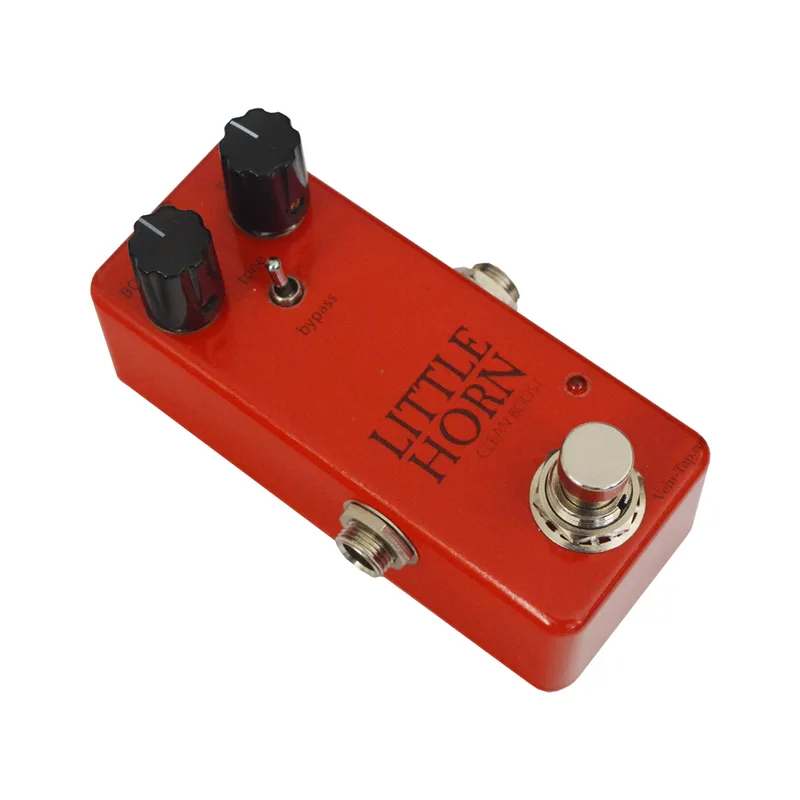
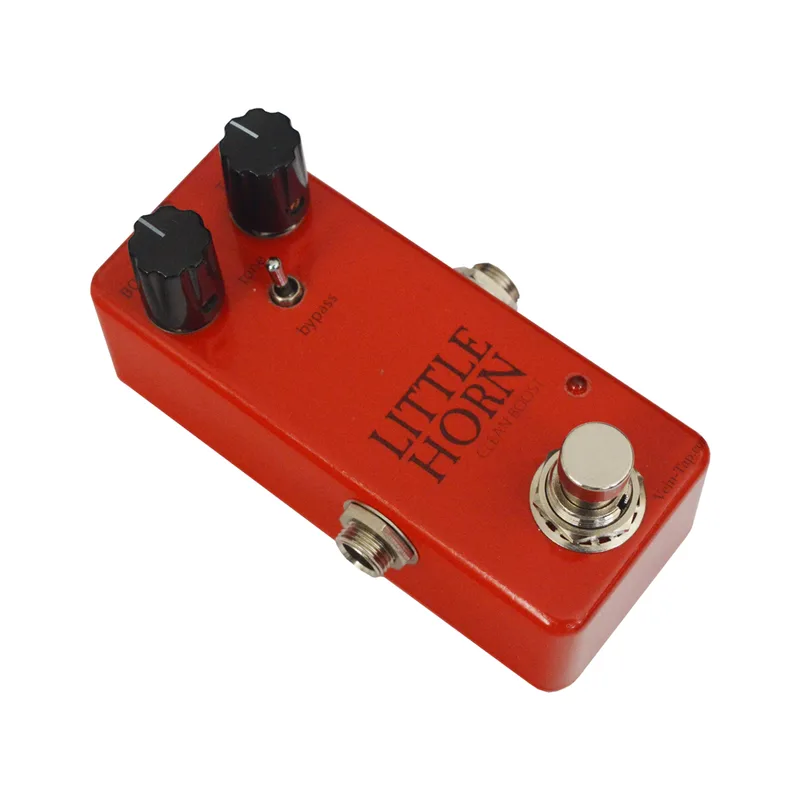
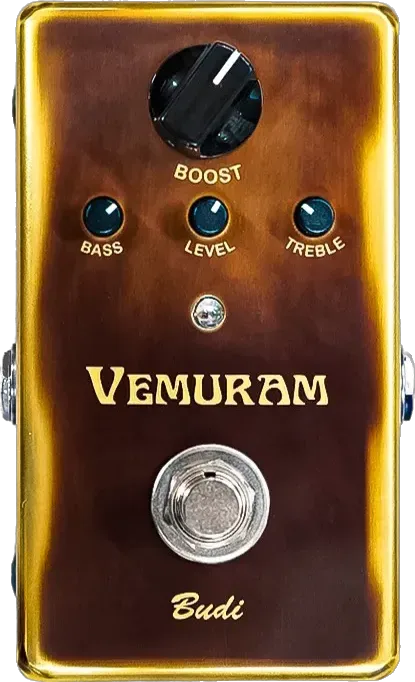
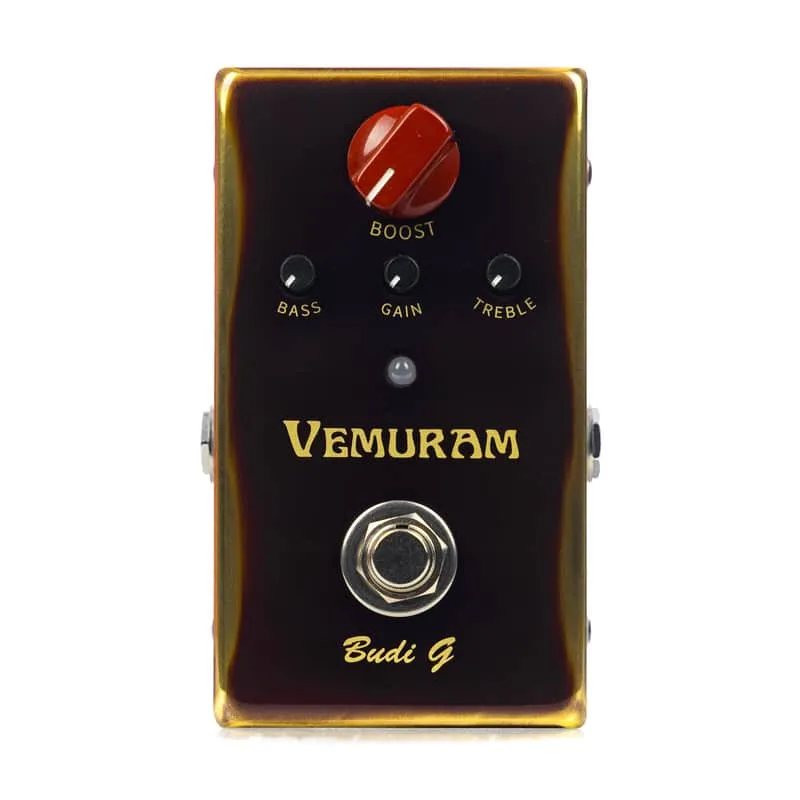
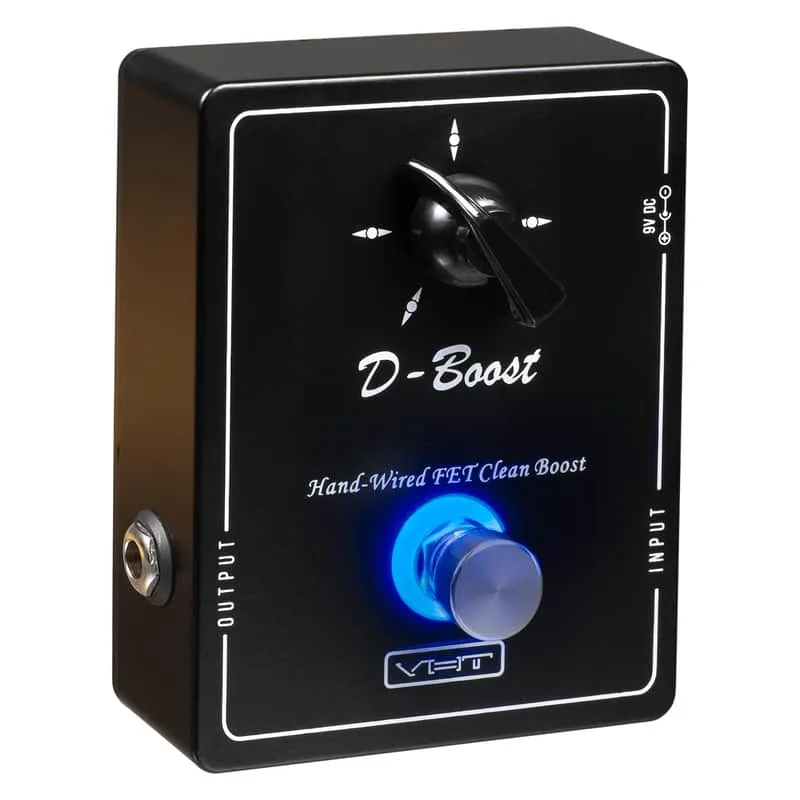
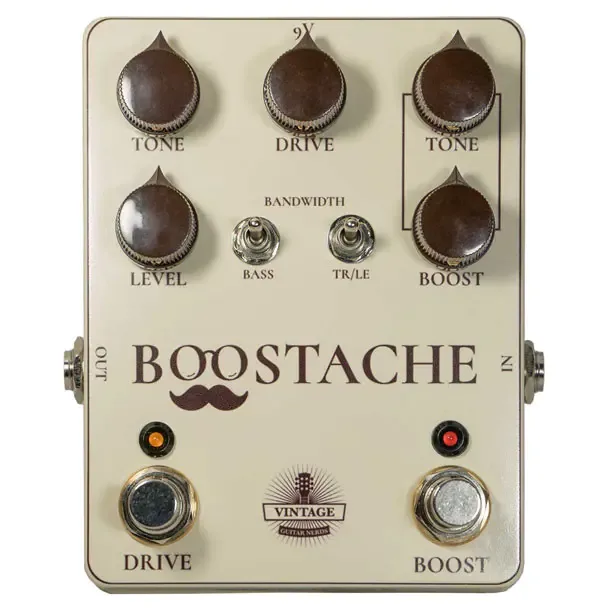
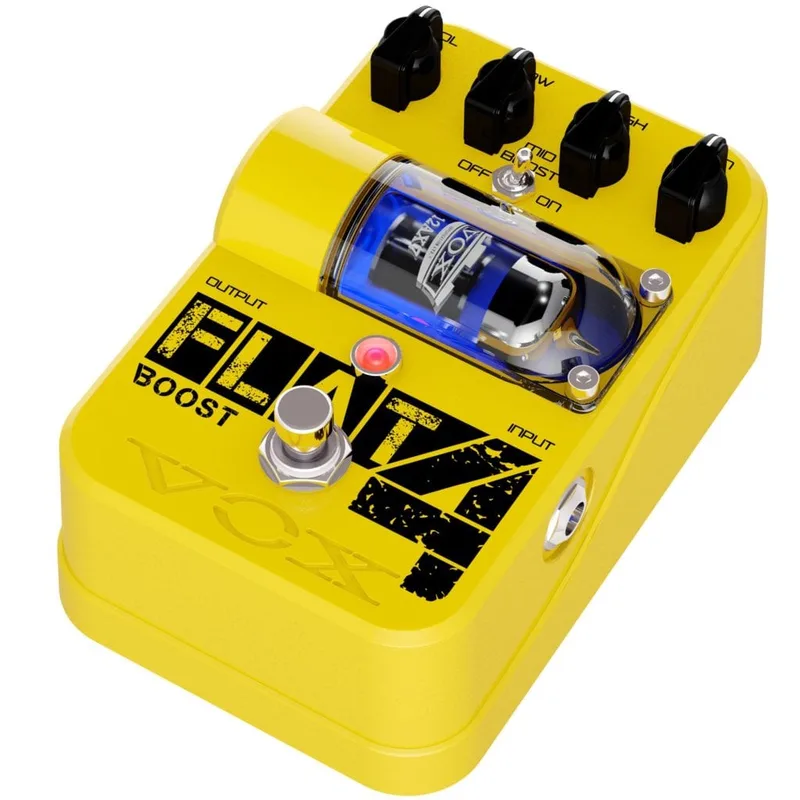
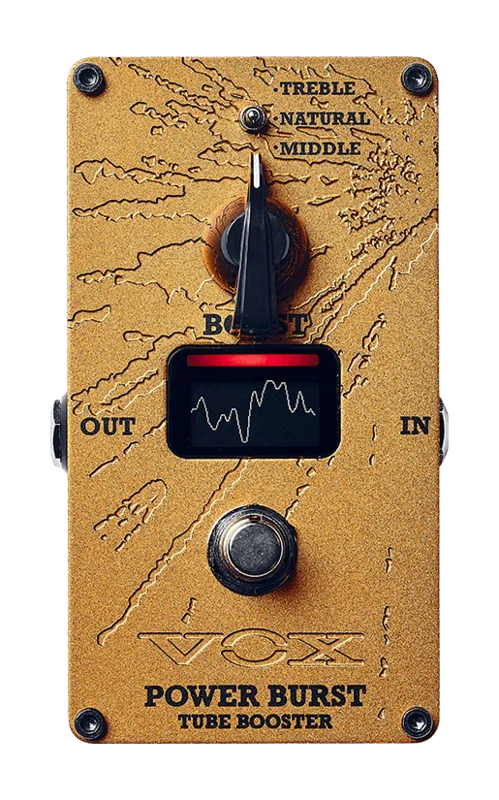
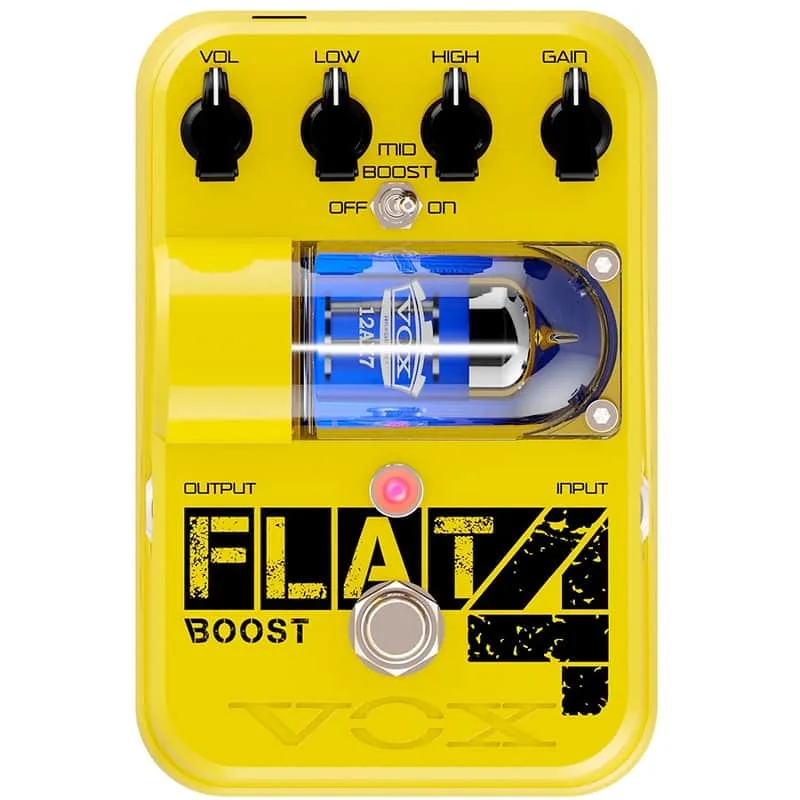
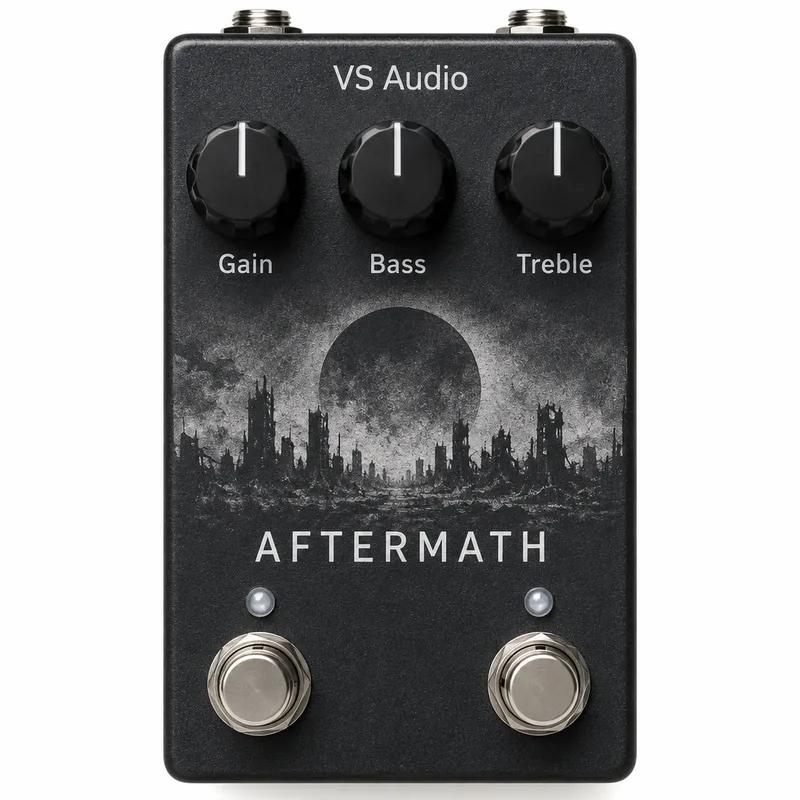
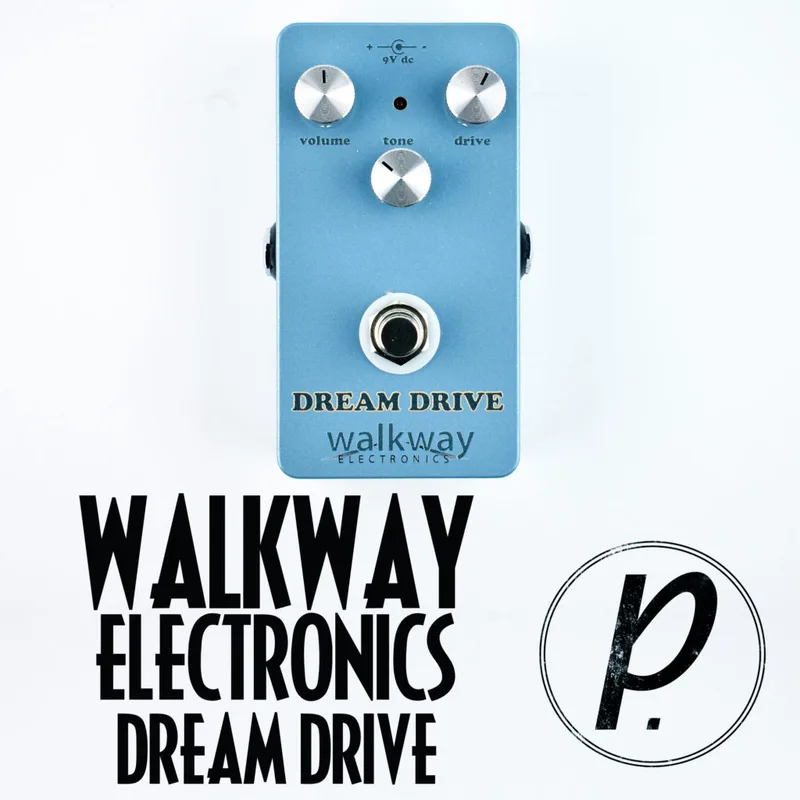
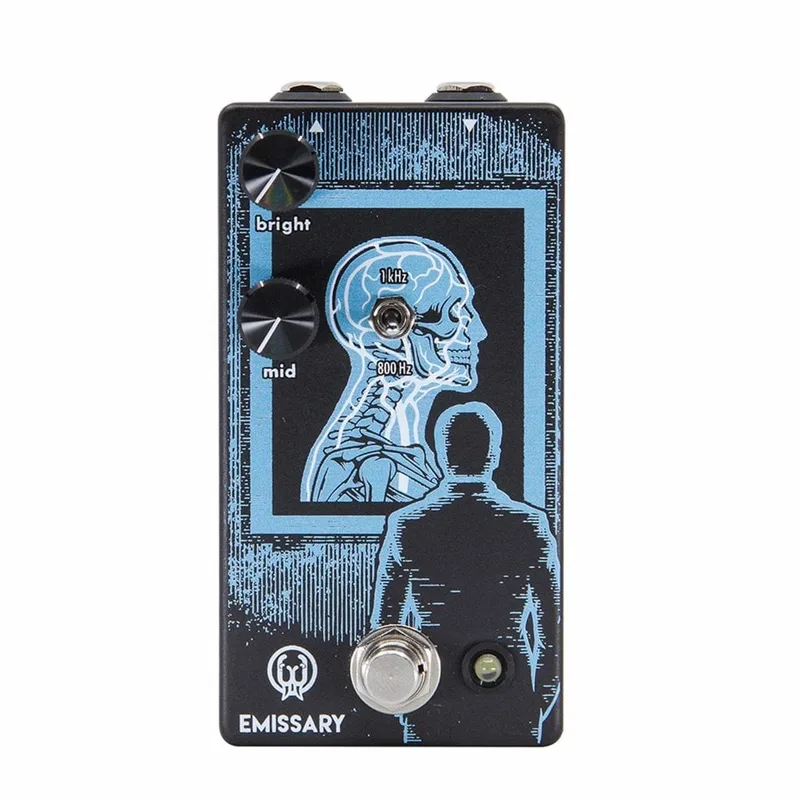
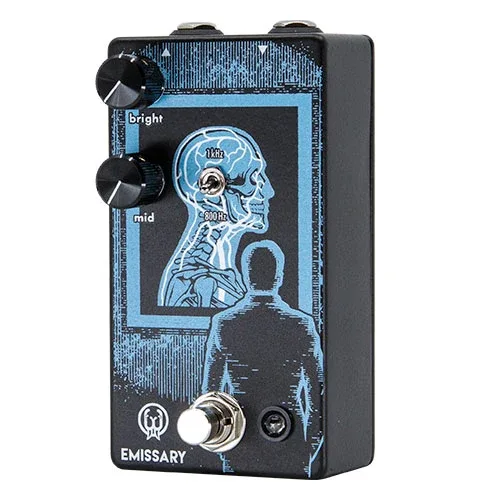
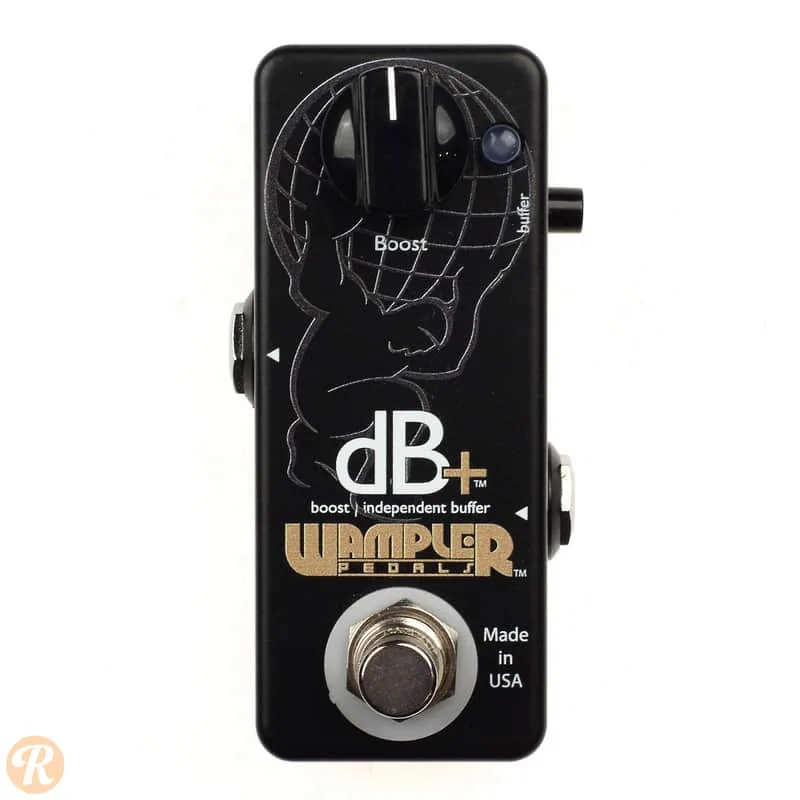
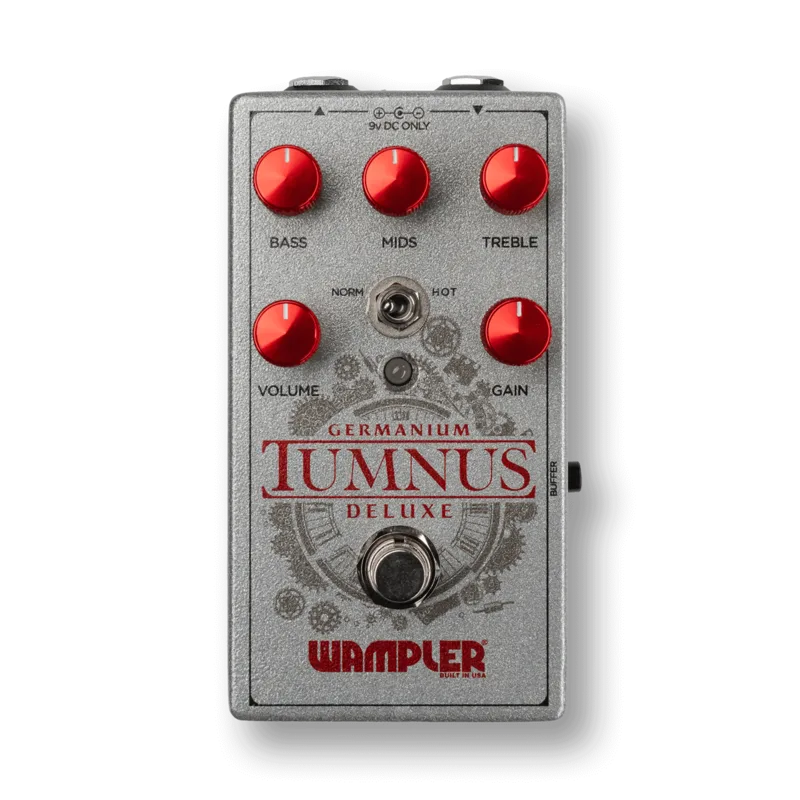
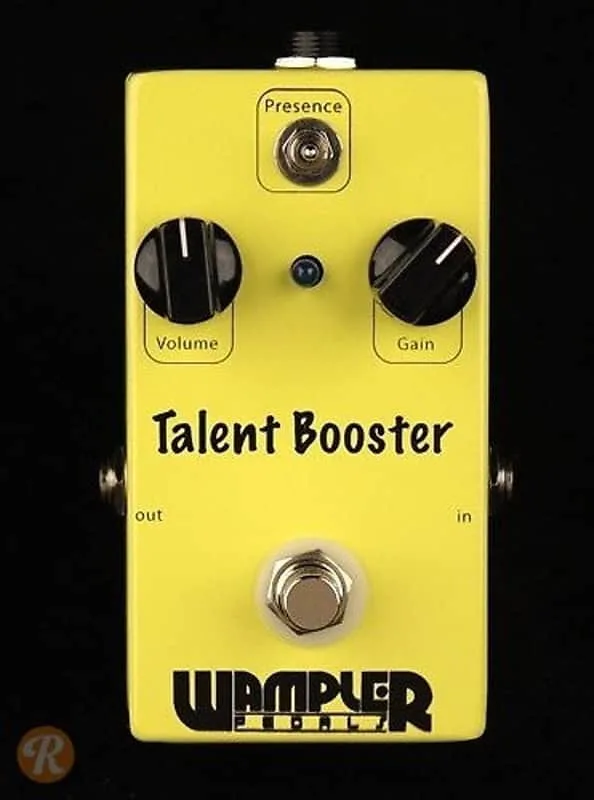
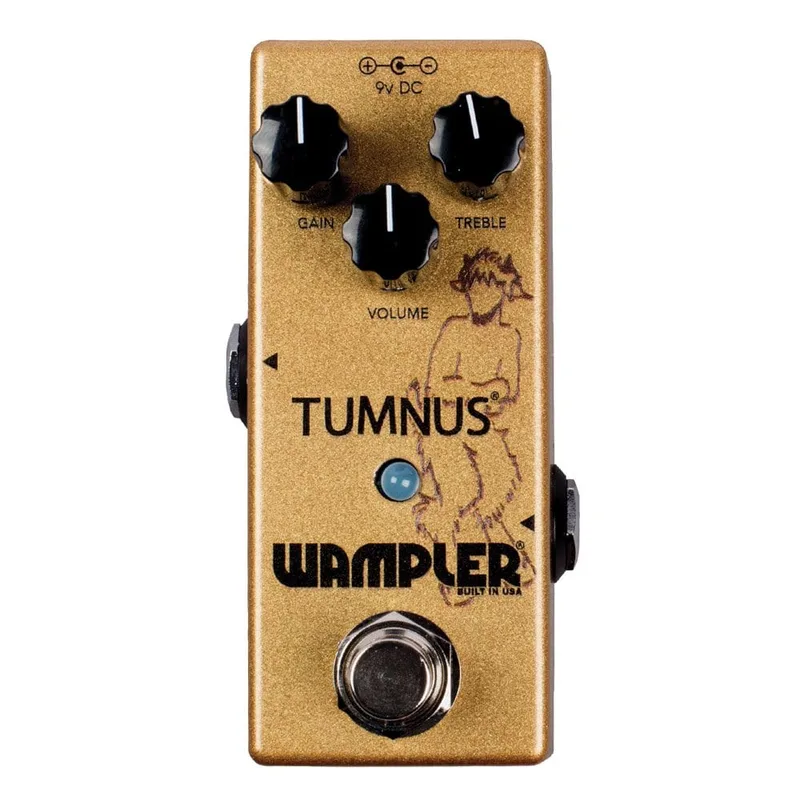
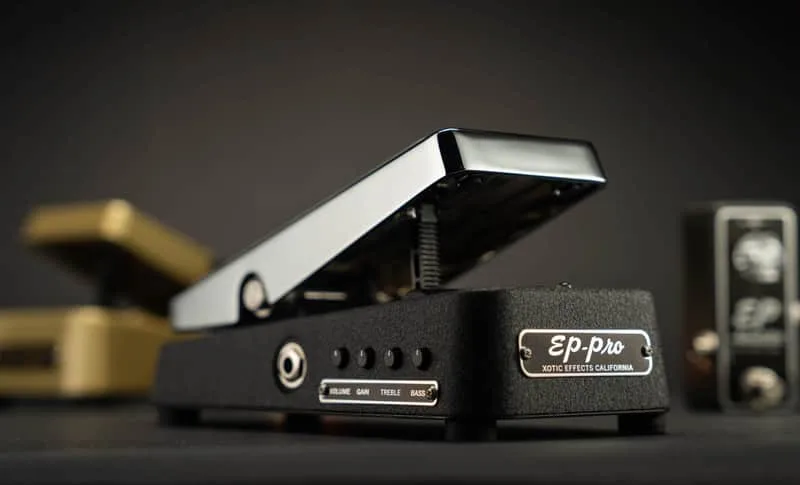
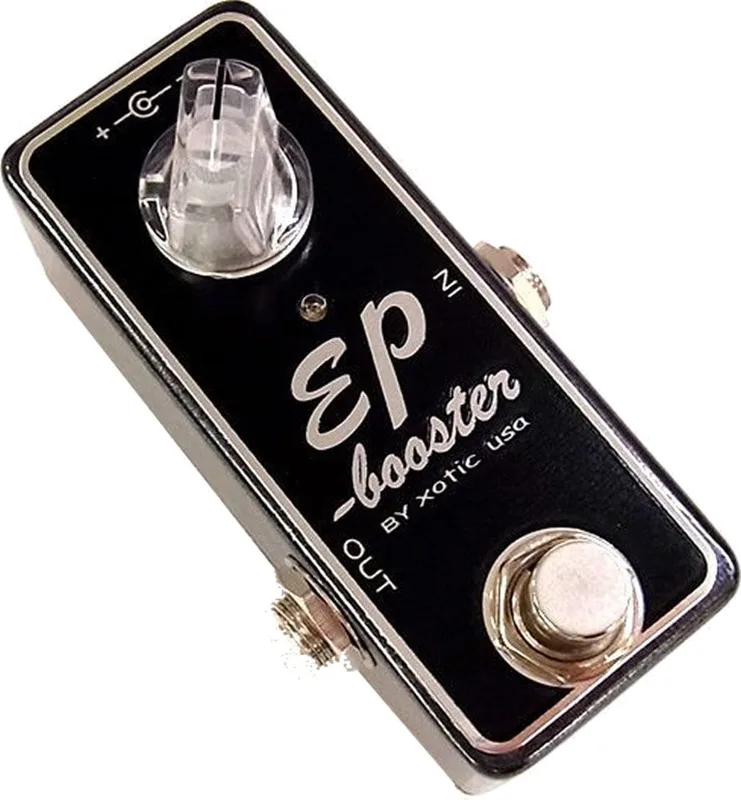
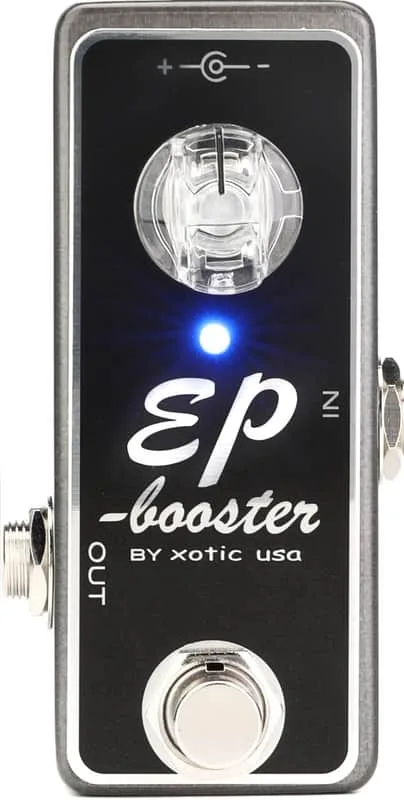
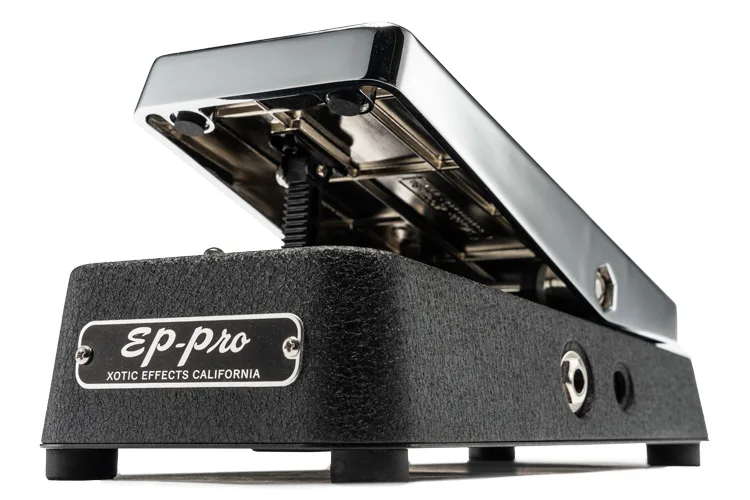
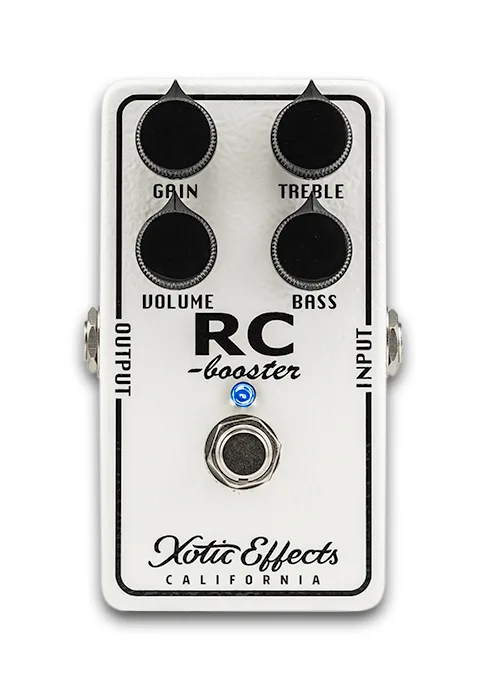
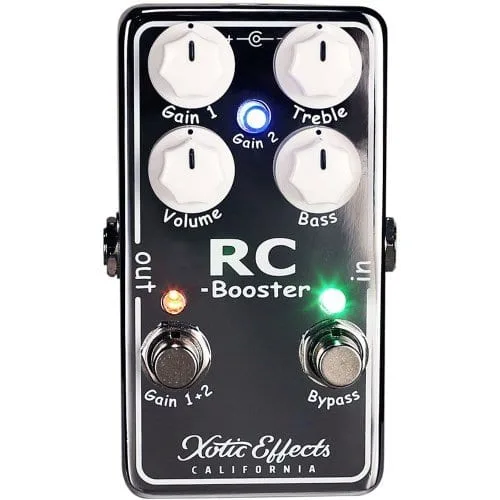
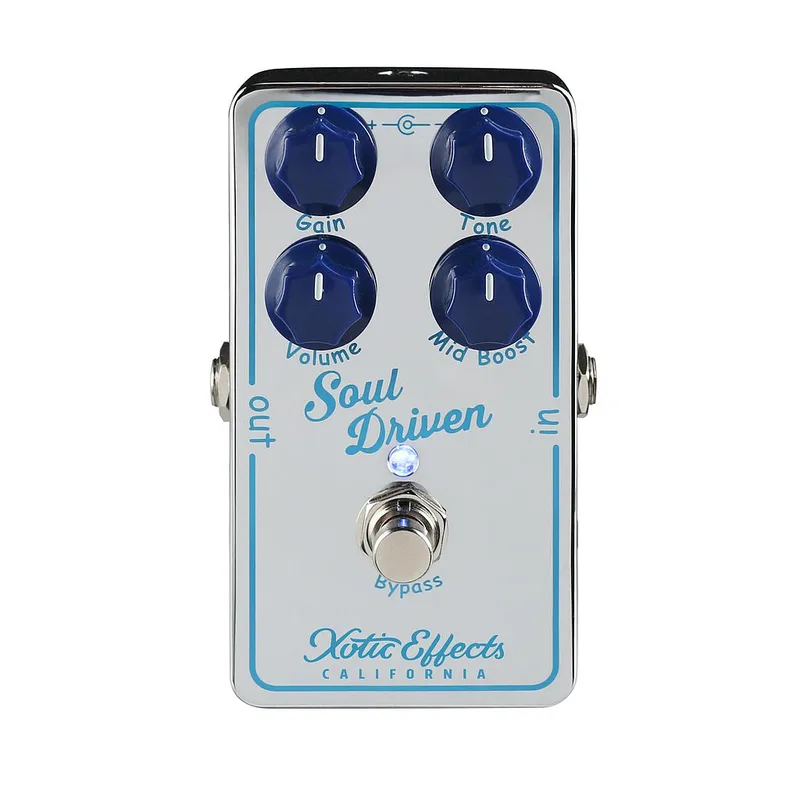
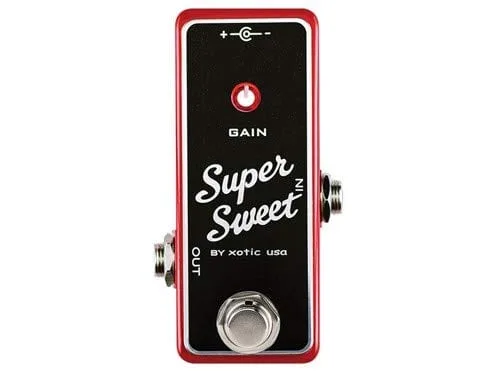
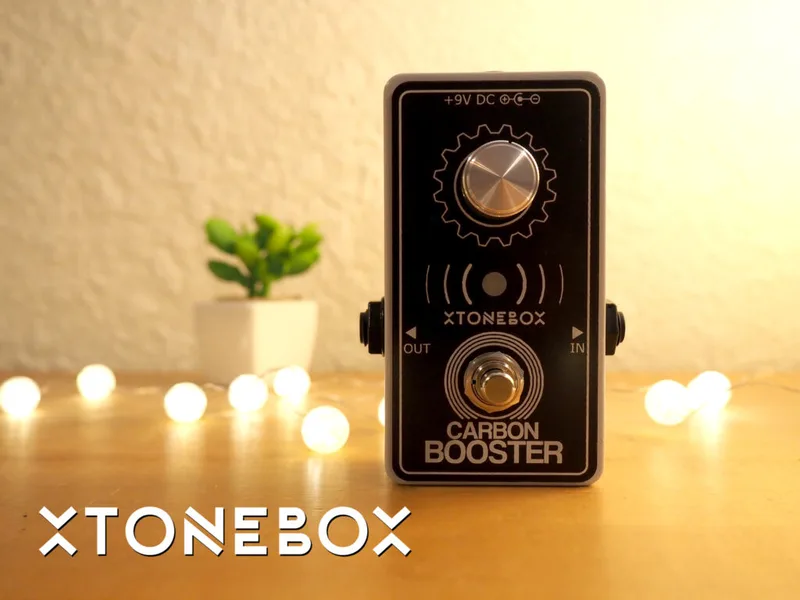
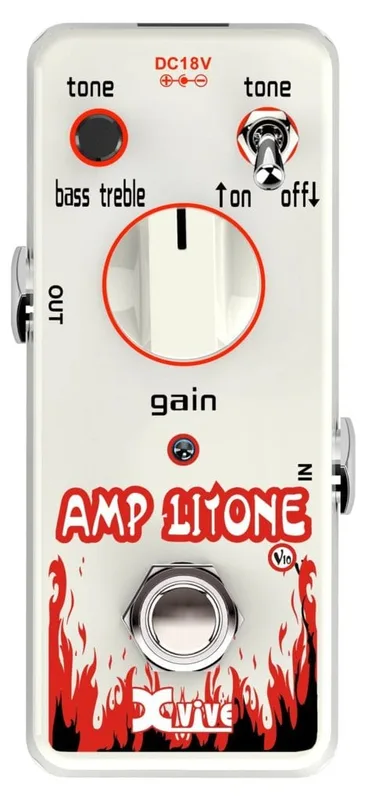
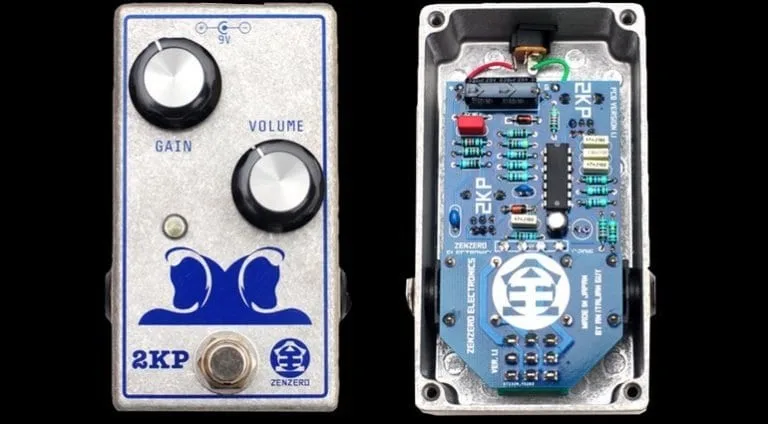
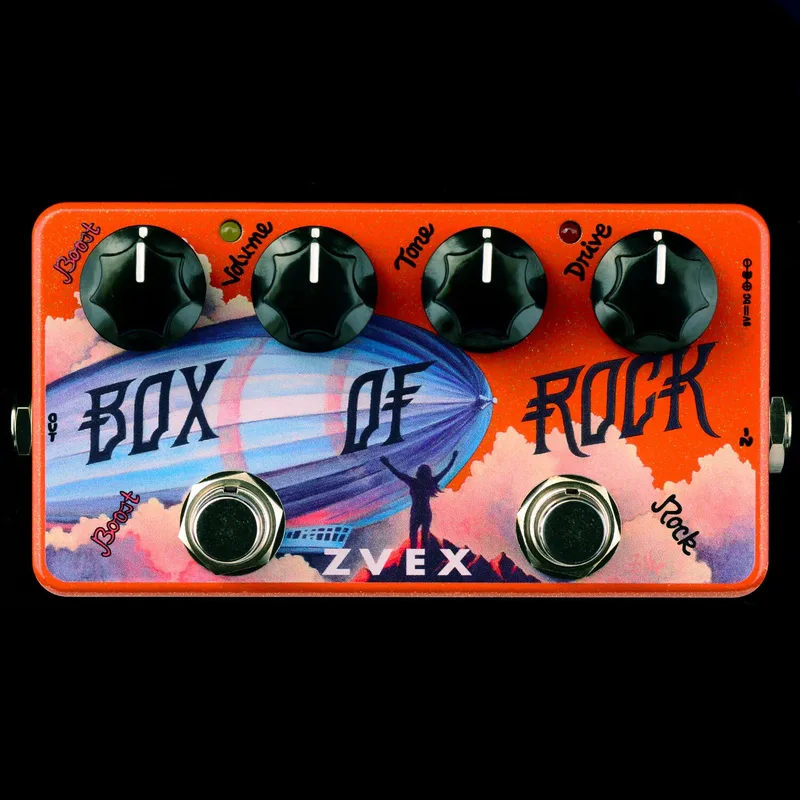
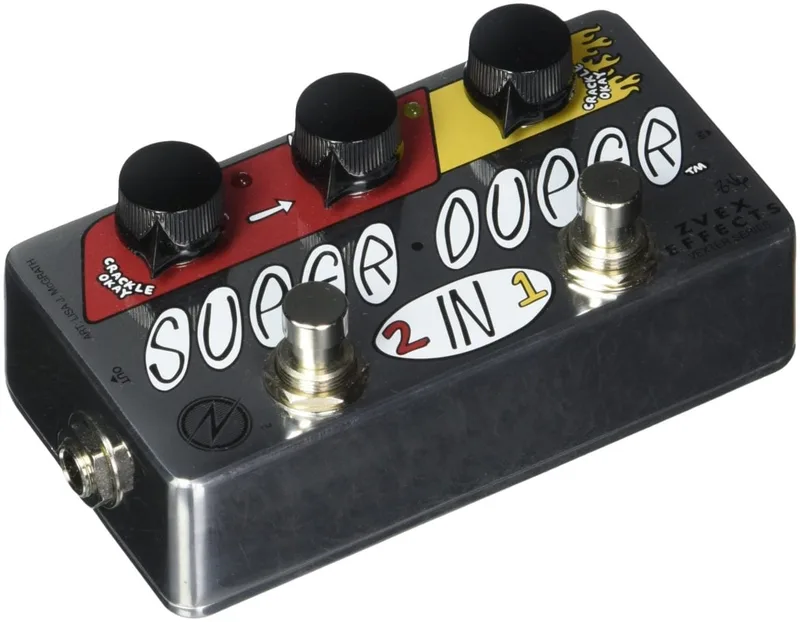
A boost pedal is the simplest kind of dirt-adjacent effect on a pedalboard: it takes your guitar signal and makes it louder. CNZ Audio describes the basic job plainly: "a Boost pedal allows you to toggle your volume with the tap of your foot"1. Carl Martin puts it the same way: "The purpose of a boost pedal is to make the signal louder"2. Where an overdrive or distortion pedal is built to clip and reshape the signal, a boost is built to raise its level, and what happens next depends on where you put it and what you feed it into.
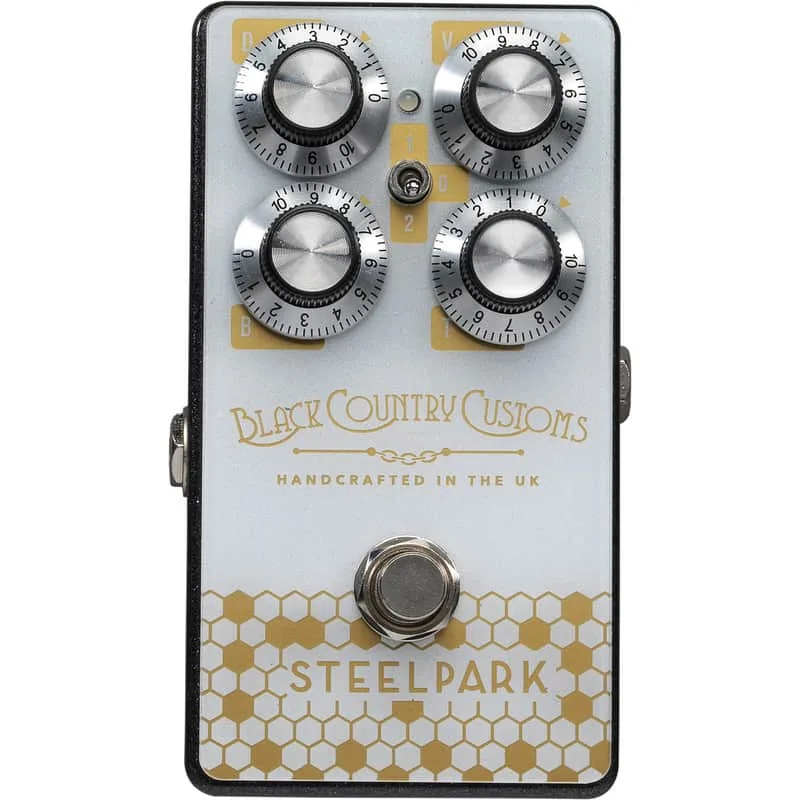
That single job covers a lot of ground. A boost can push an amp into breakup, add a gain stage in front of another dirt pedal, lift a solo above the band, or act as a volume control at the end of a long cable run. Laney describes its BCC-STEELPARK as "a versatile Boost pedal with masses of headroom designed to help you push your amp harder and cut through any mix"3. This page covers what a boost is, how it works, the clean, treble and mid varieties, what the controls do, and where a boost belongs in the signal chain.
What a boost pedal is
A boost pedal is a foot-switchable volume increase for your signal. Coda Effects explains the mechanism: "Most boost pedals just transform a low volume signal into a high volume one, by amplifying the signal"12. Unlike a fuzz or distortion, the boost circuit is not designed to be the thing that breaks up. It is designed to deliver level, and lots of it, so that whatever comes next in the chain, an amp, an overdrive, or the front of the mix, gets hit harder.
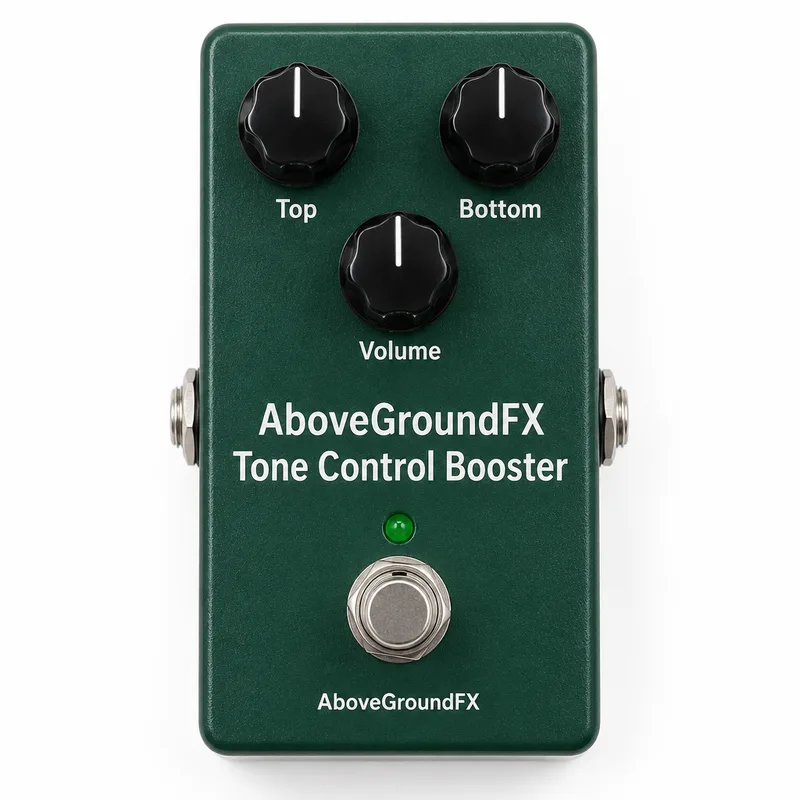
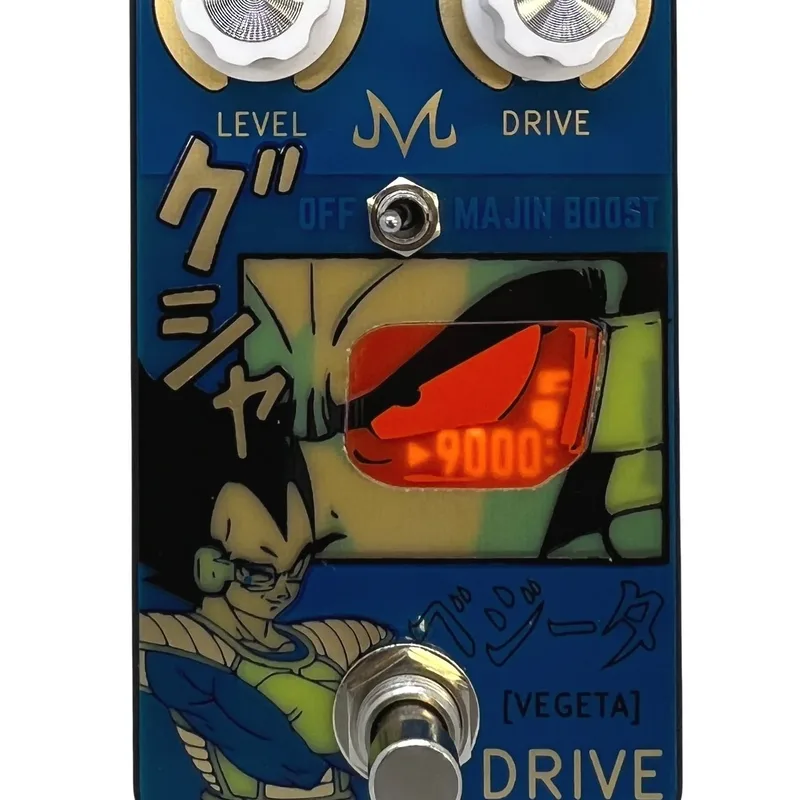
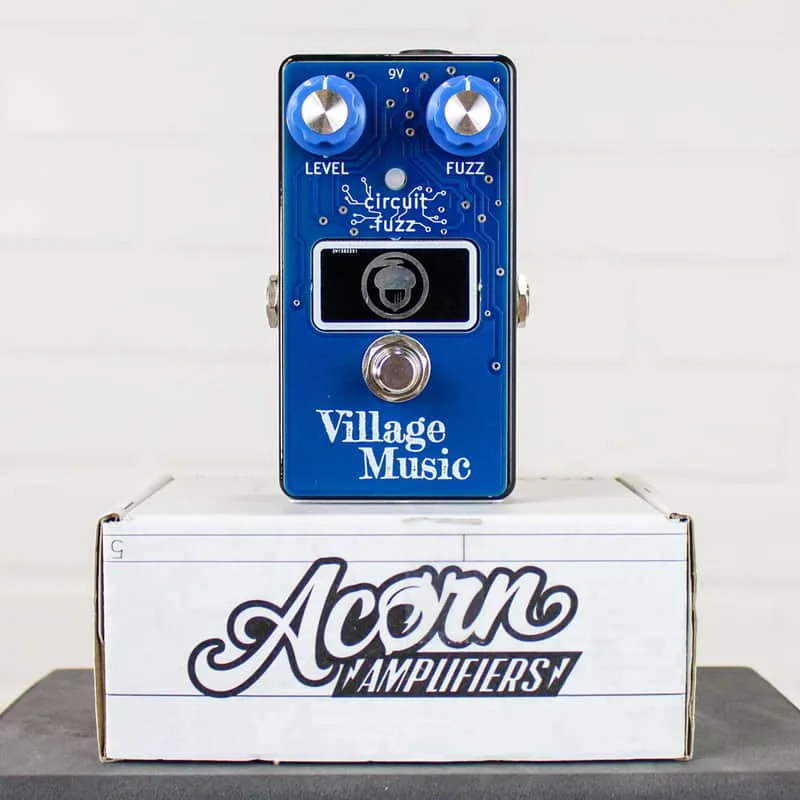
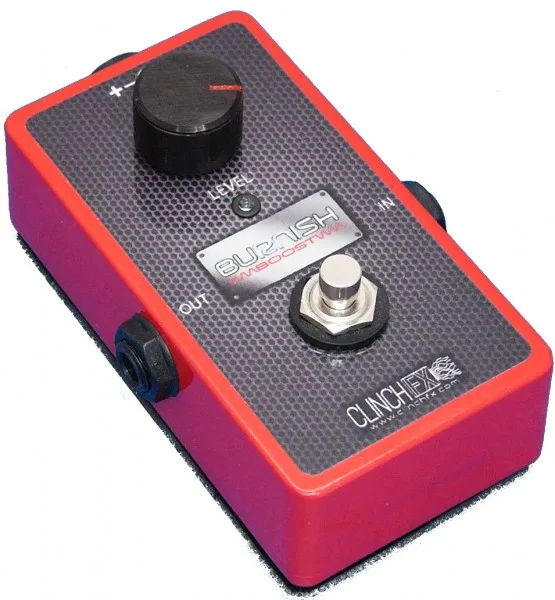
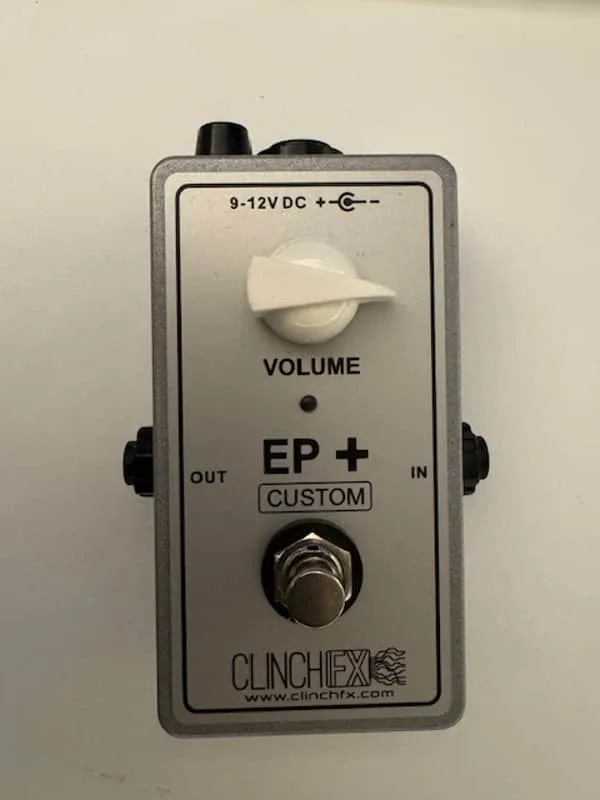
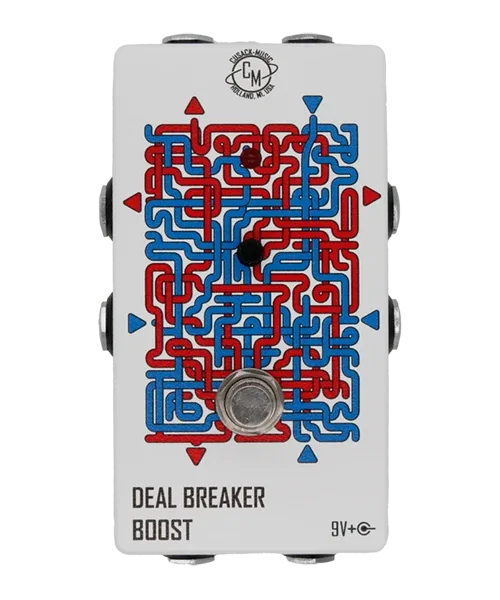
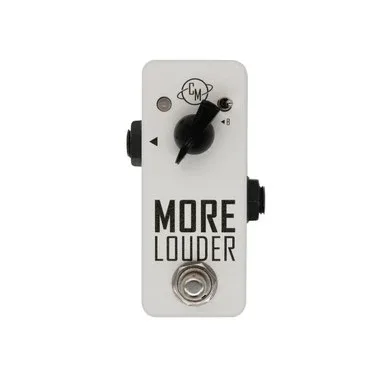
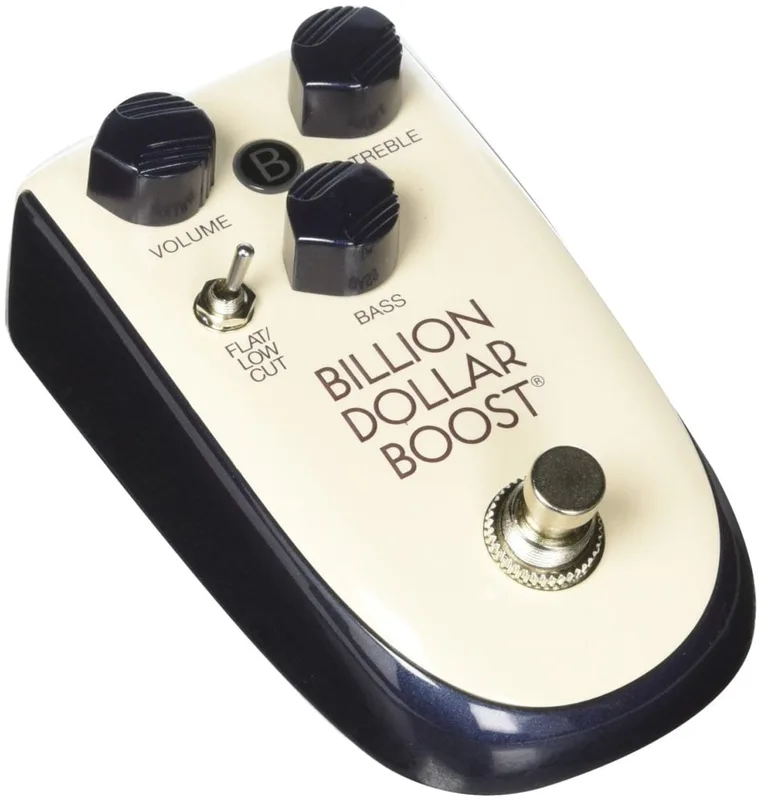
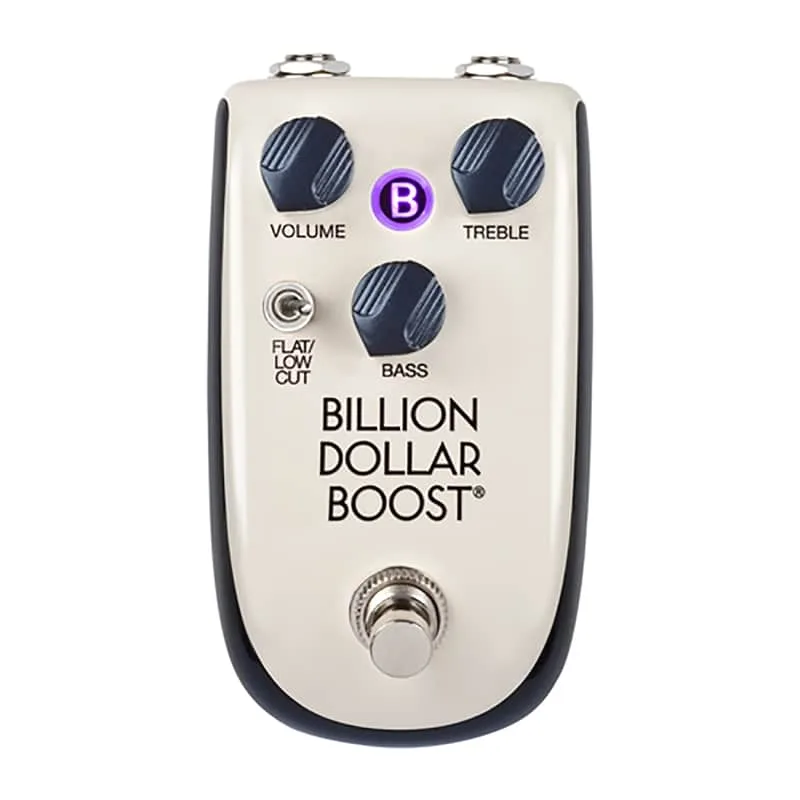
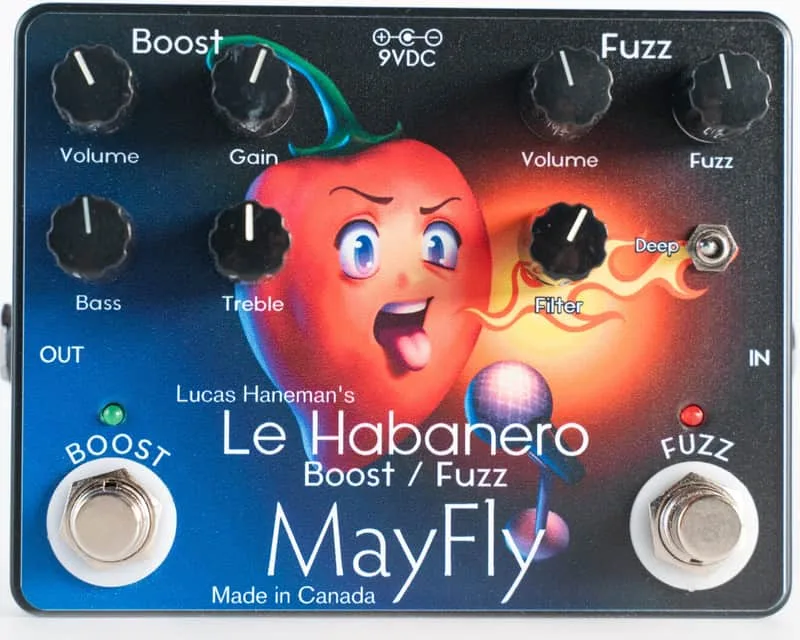
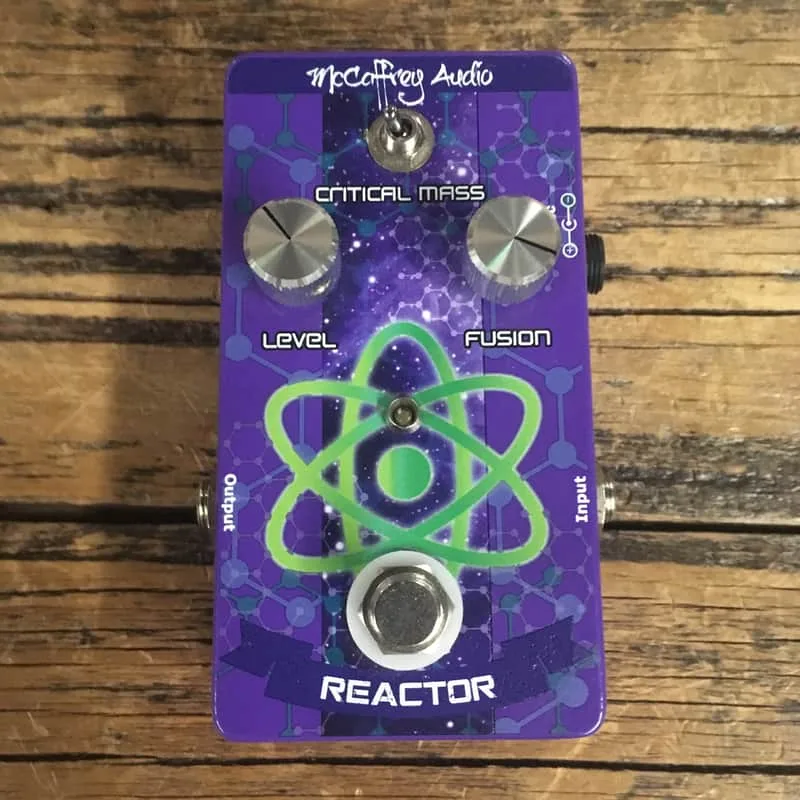
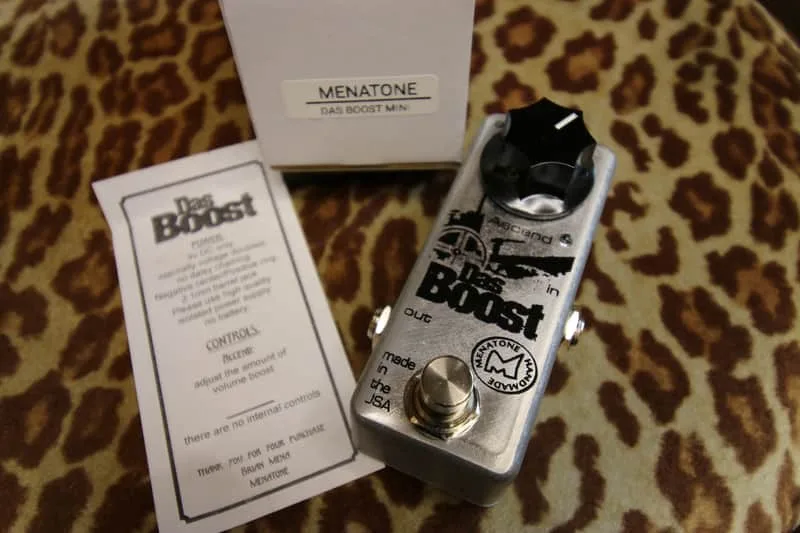
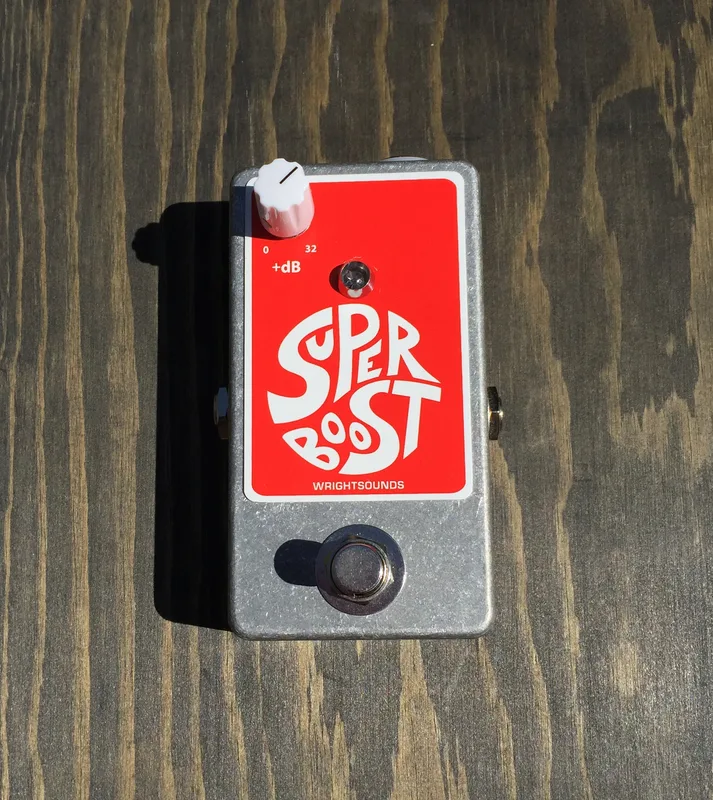
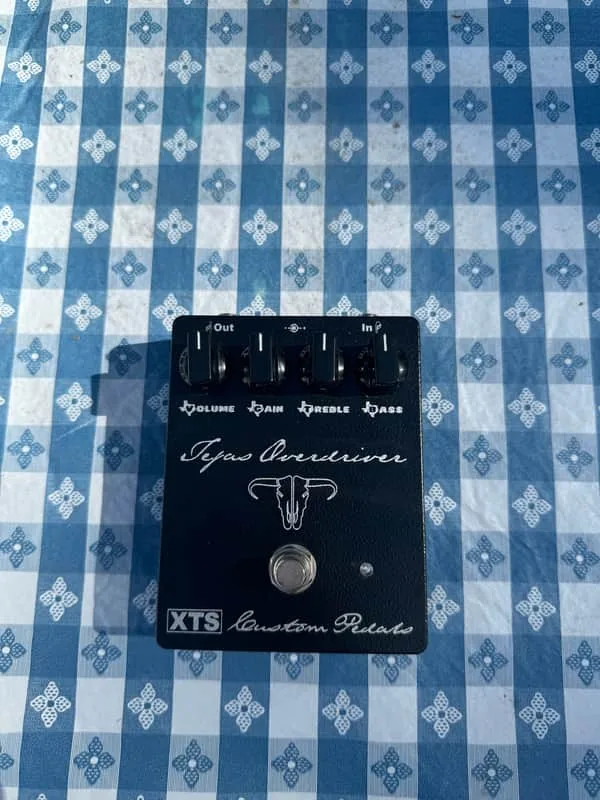
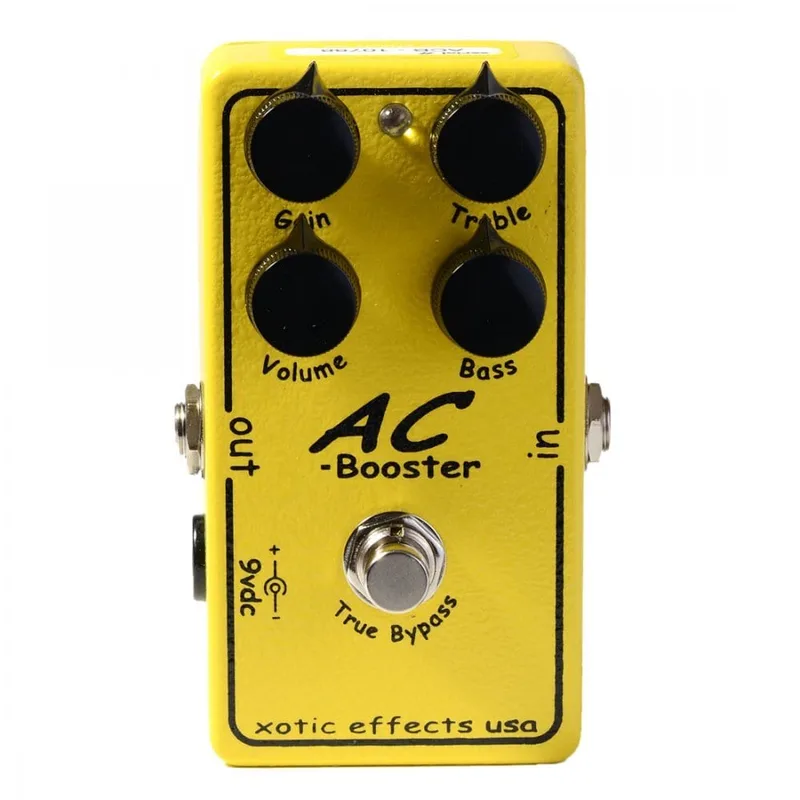
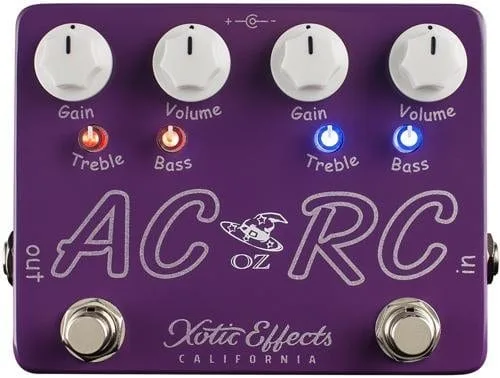
The category is broad, and makers fill it in different ways:
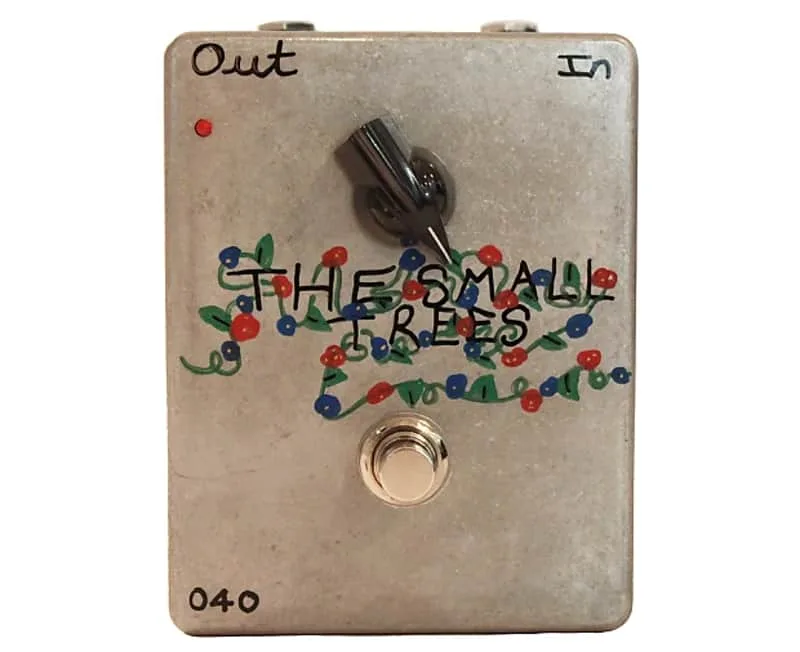
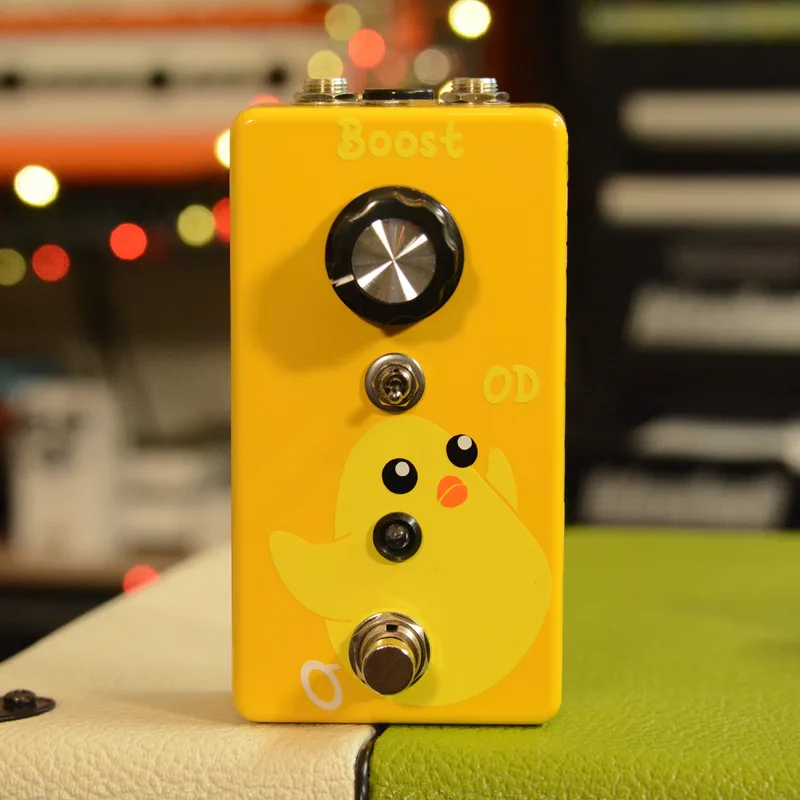
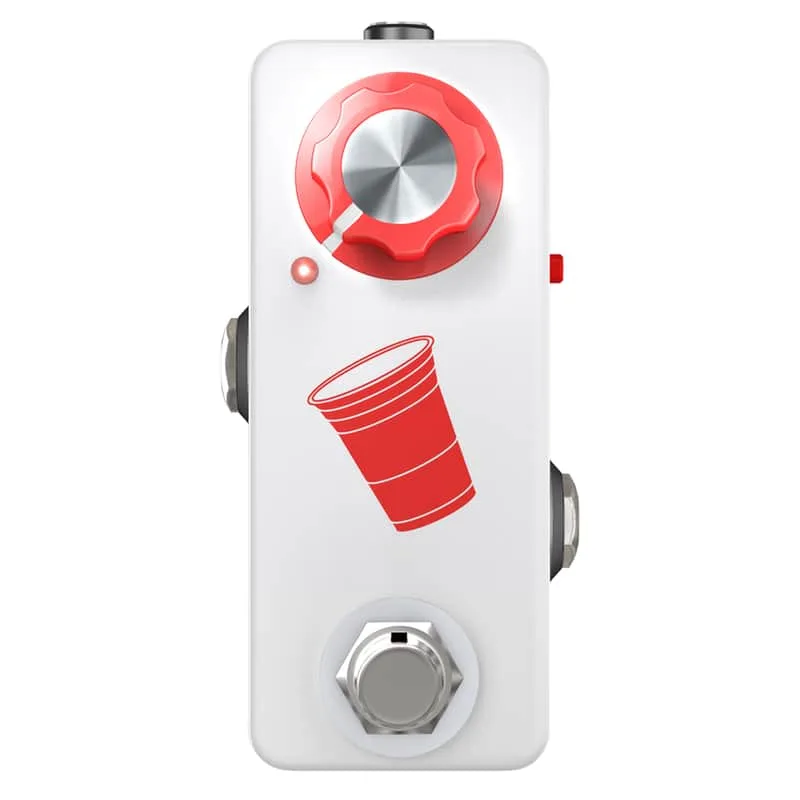
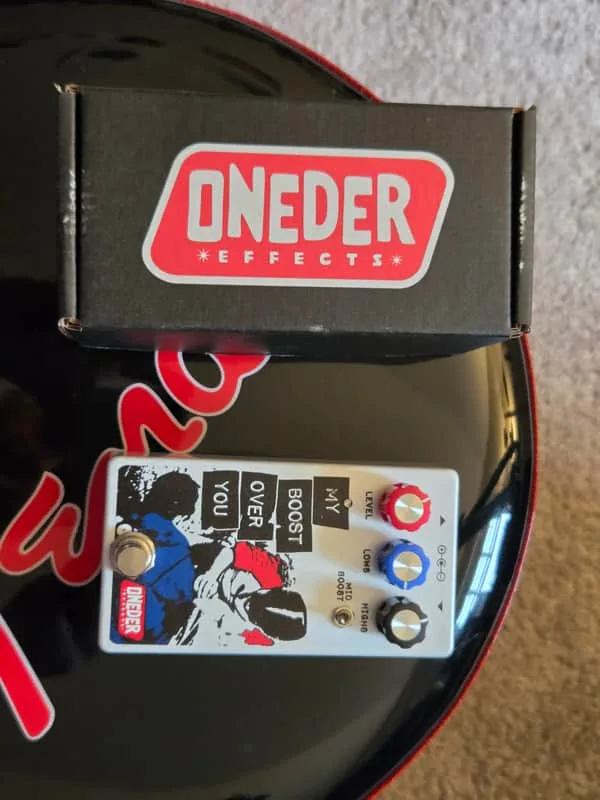
- The Oneder Boost is a "tiny, one-knobbed pedal" with "two levels of boost and even a secret fuzz switch"6
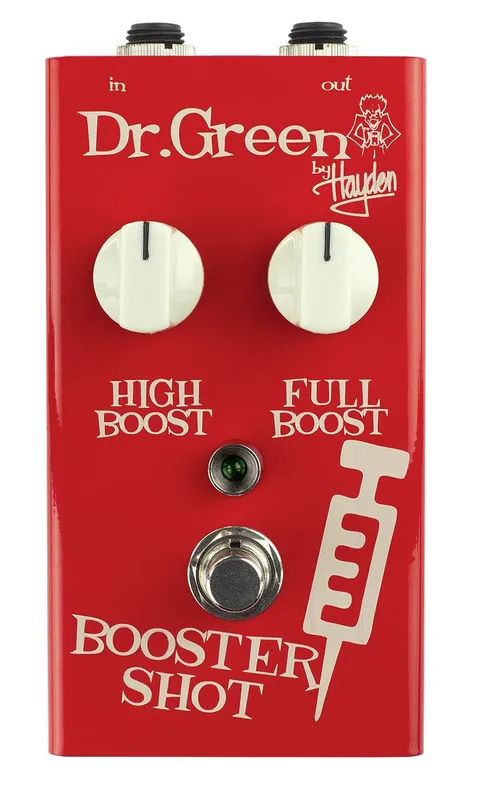
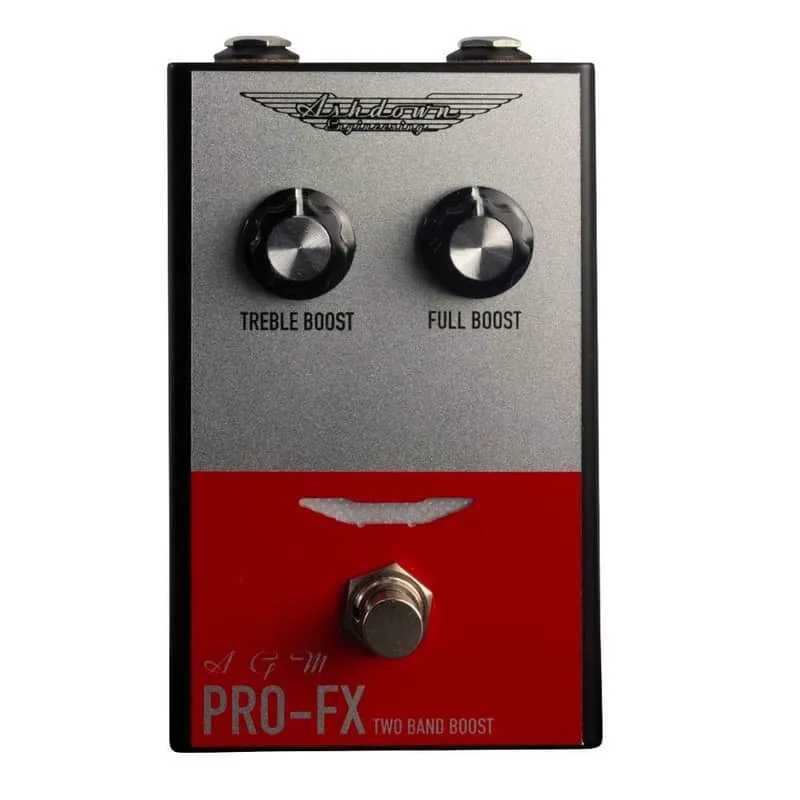
- The Ashdown Booster Shot is a straight "guitar boost pedal"13
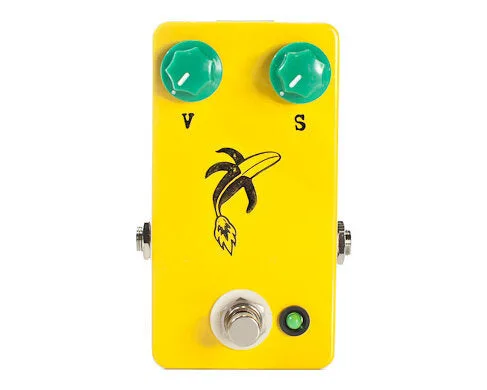
- The JHS Banana Boost is a boost pedal in the RockBoard PedalPedia catalog14
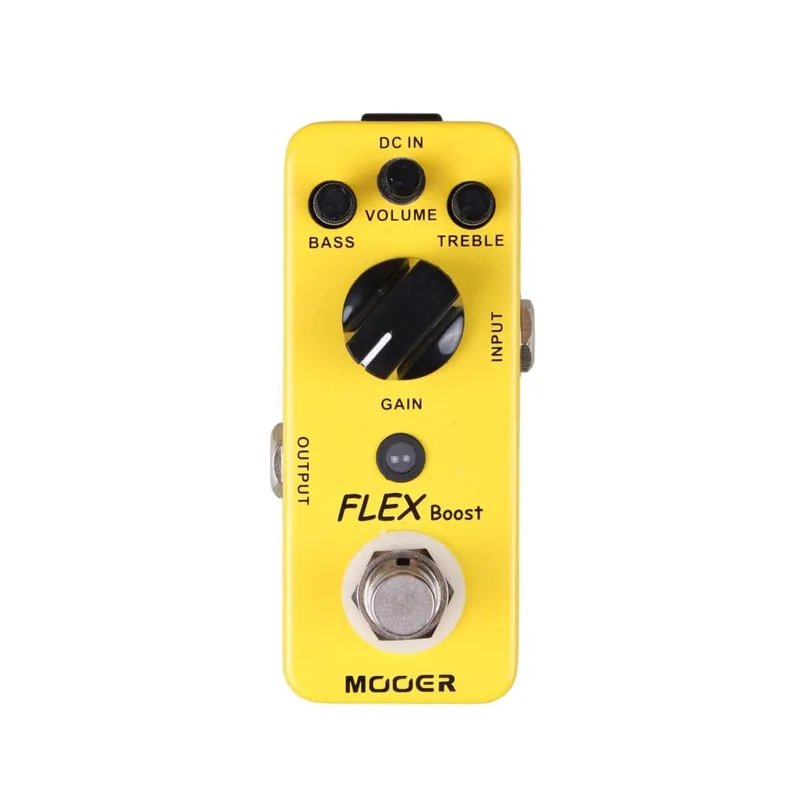
- The MOOER Flex Boost is a compact "Boost Pedal"15
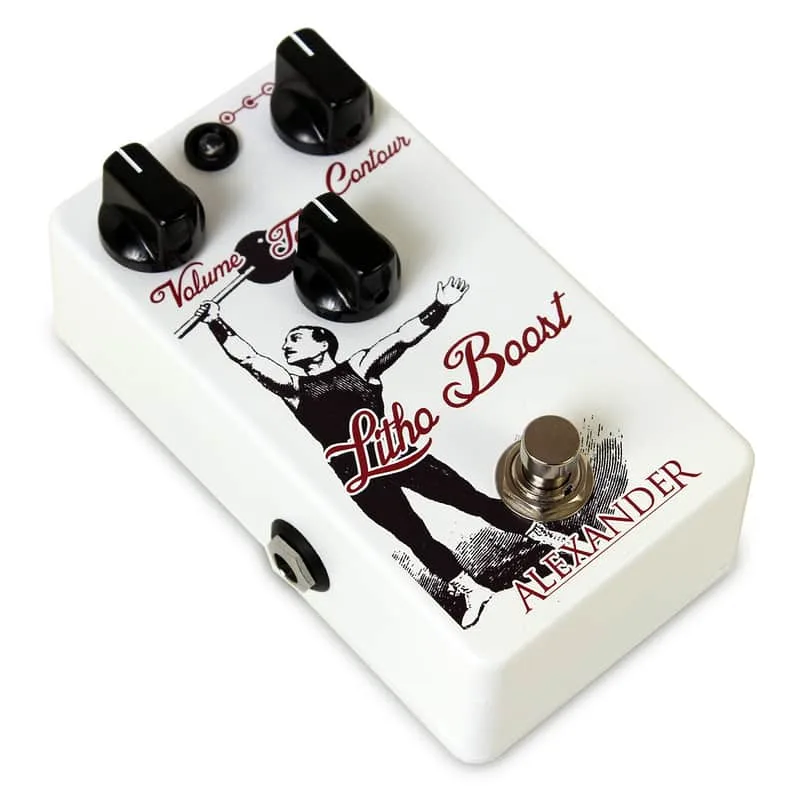
- The Alexander Pedals Litho Boost is an "analog Class-A boost effect pedal"16
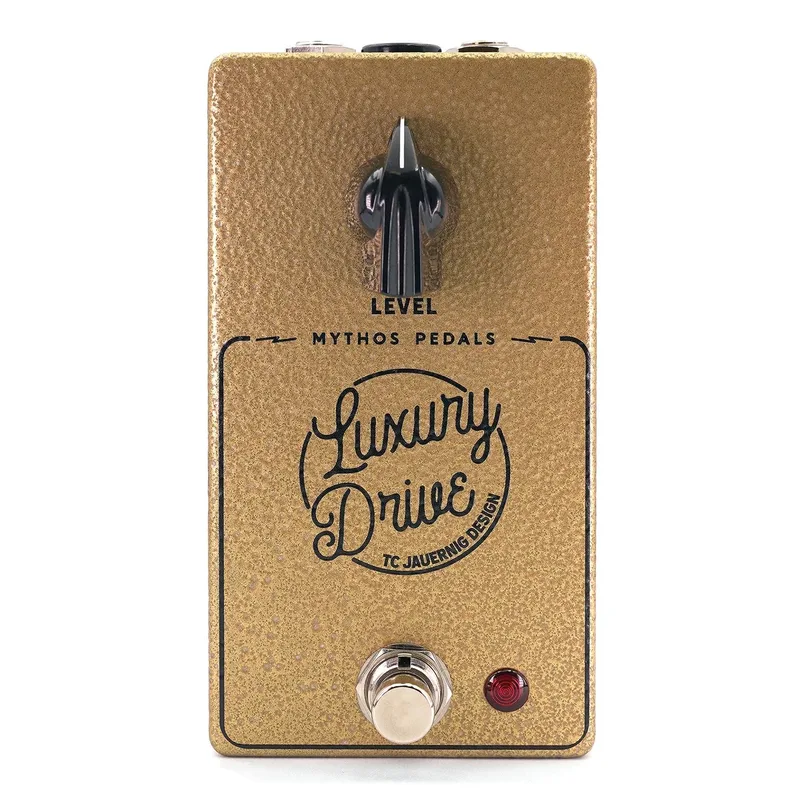
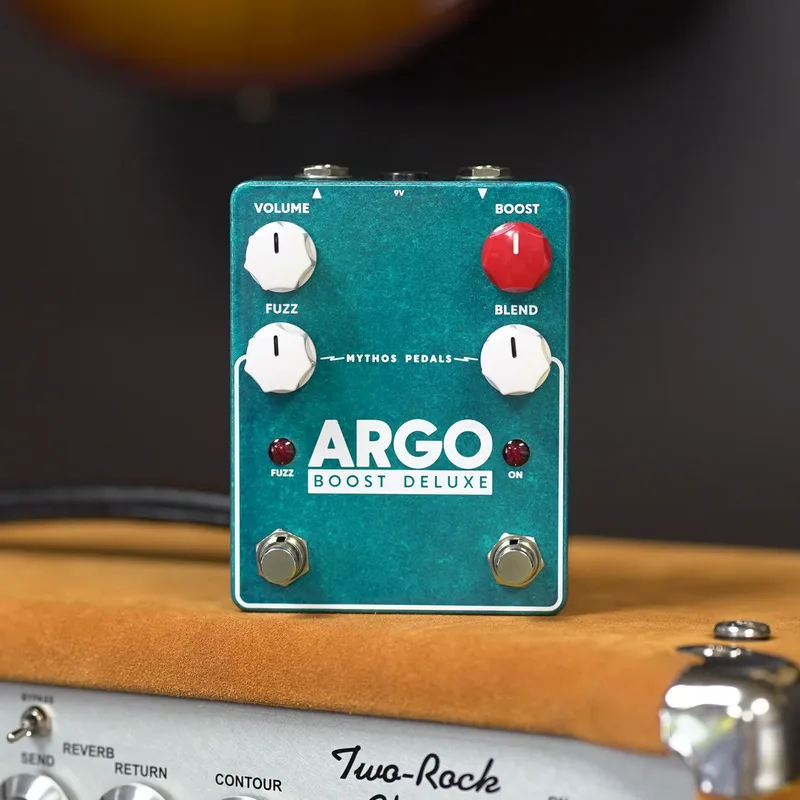
- The Mythos Luxury Drive Boost is a "deceptively simple boost pedal"17
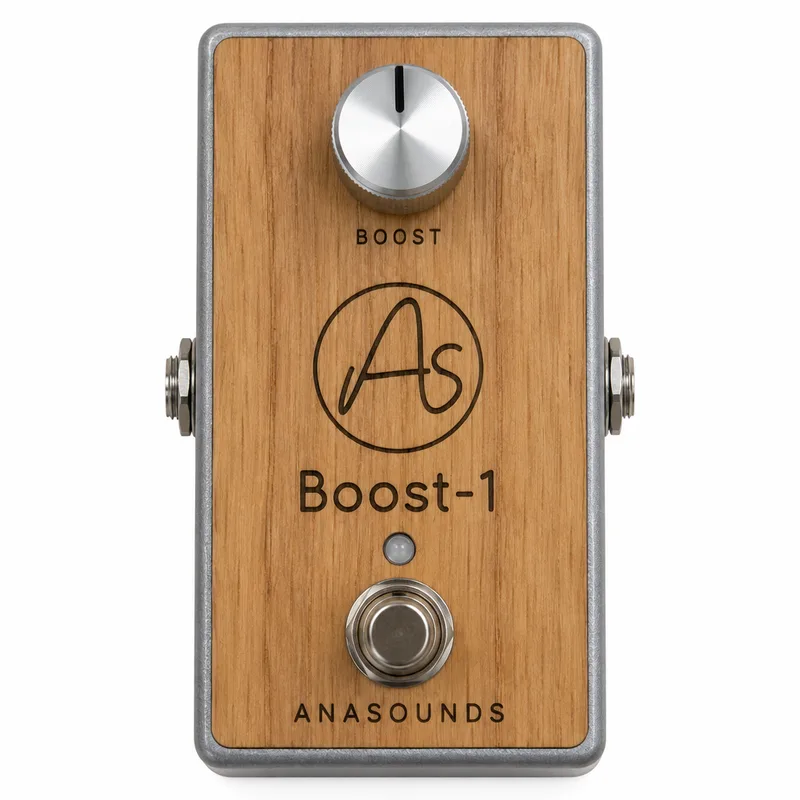
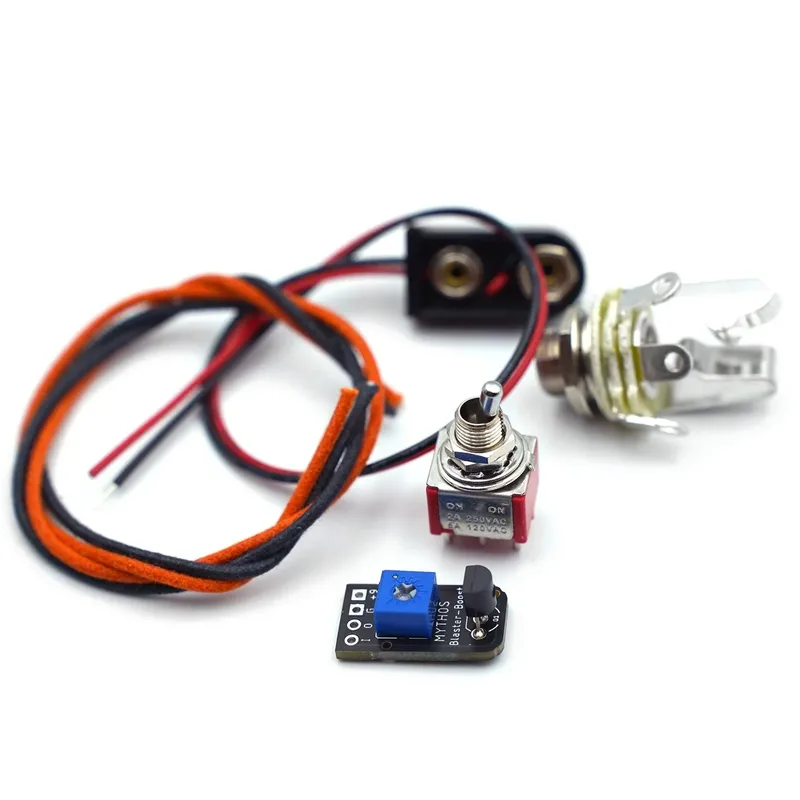
- The Anasounds Boost-1 is a boost pedal sold as a build document18
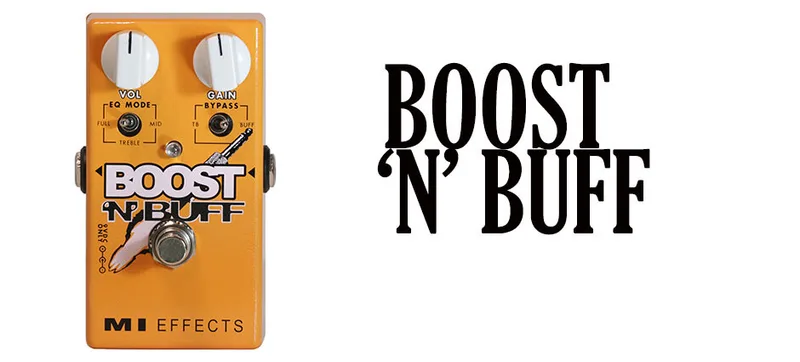
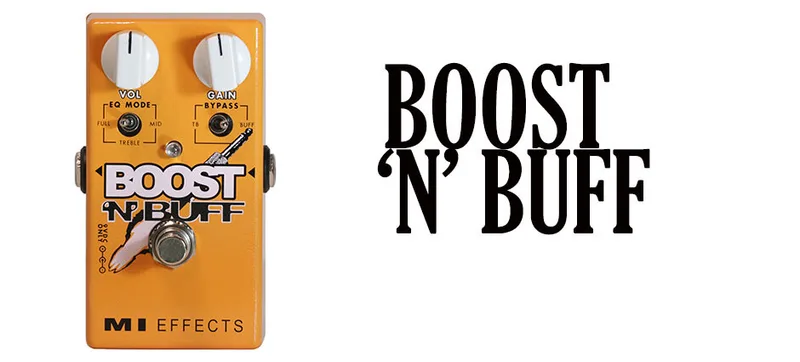
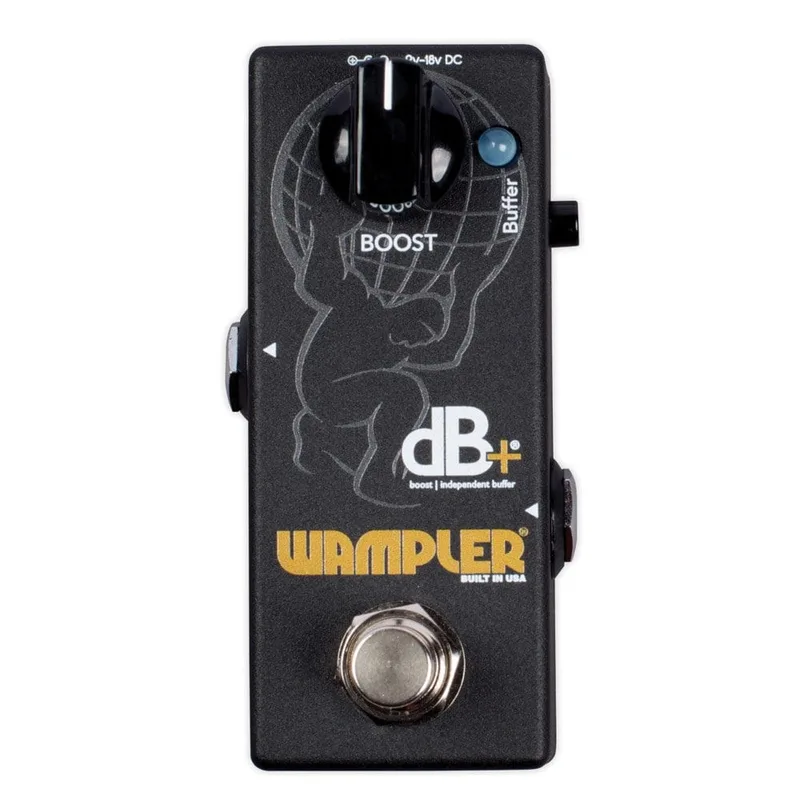
- The MI Audio Boost'N'Buff is "a booster and a buffer pedal" in one19
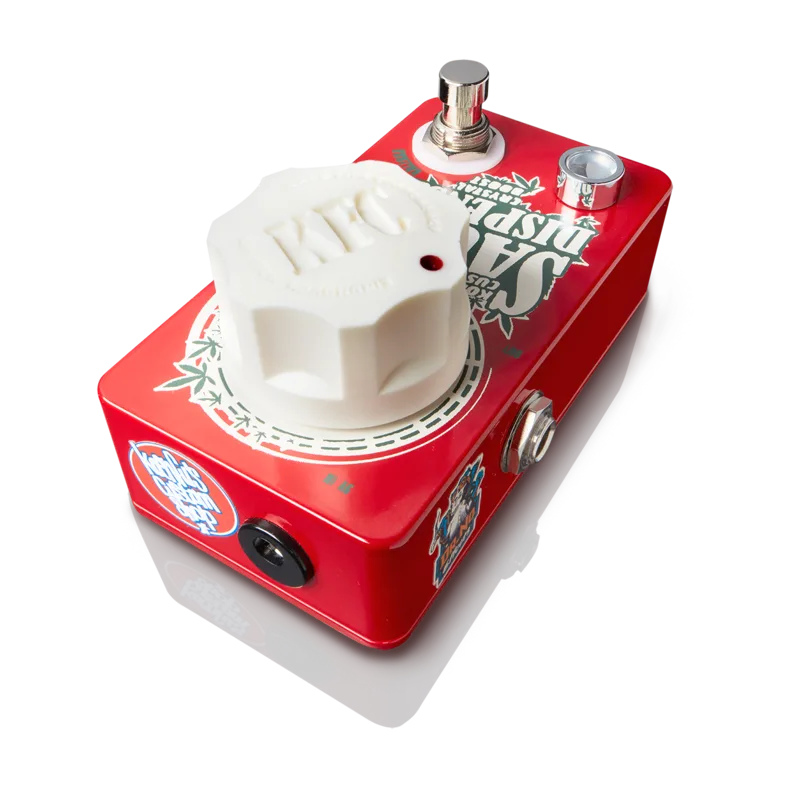
- The Dr. No Effects Crystal Boost is a "high end clean boost pedal"20
Some pedals blur the line in the other direction. Southampton Pedals' Boosted Fuzz is a "fuzz pedal with booster front end," a take on "one of the classic pedal combinations"21. The point of the combination is the same as the point of the standalone boost: more level, on demand, feeding a circuit that responds to it.
How a boost pedal works
Electrically, a boost is an amplifier stage. The signal from your pickups is a small alternating voltage, and the boost circuit increases its amplitude, sending a larger version of the same waveform downstream22. Strymon's technical analysis of gain topologies gives a useful number for scale: "a typical boost pedal may have 20dB of gain"4. For comparison, the same analysis notes that "a distortion pedal may have 60dB or 70dB of gain"4. The boost is a small, controlled lift; the distortion is a firehose.
That difference in scale is the whole story of the pedal type. Twenty dB is enough to push a tube amp that is on the edge of breakup over that edge, or to slam the input of an overdrive pedal hard enough to change its character, but it is not enough on its own to turn a clean signal into a saturated one, provided the boost circuit itself has the headroom to stay clean.
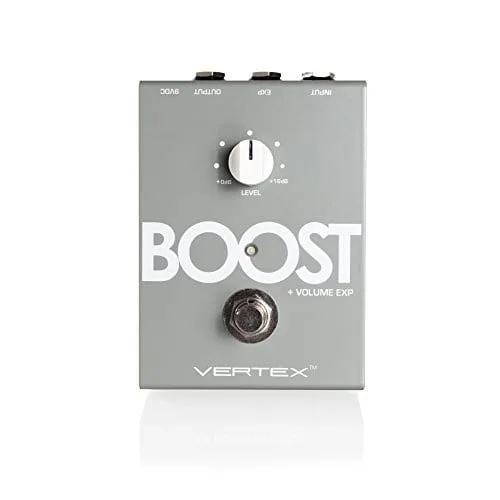
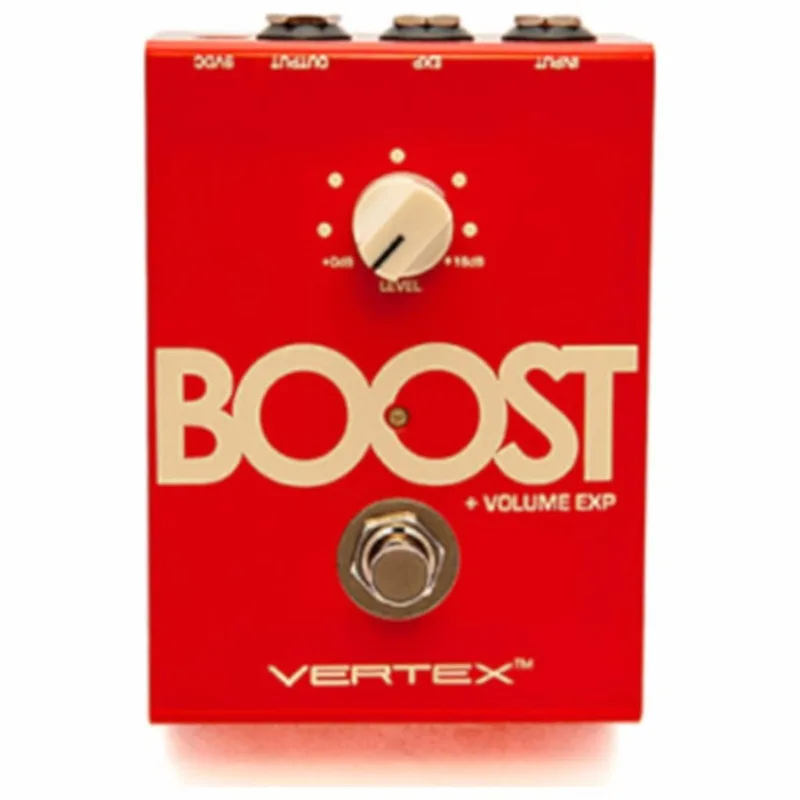
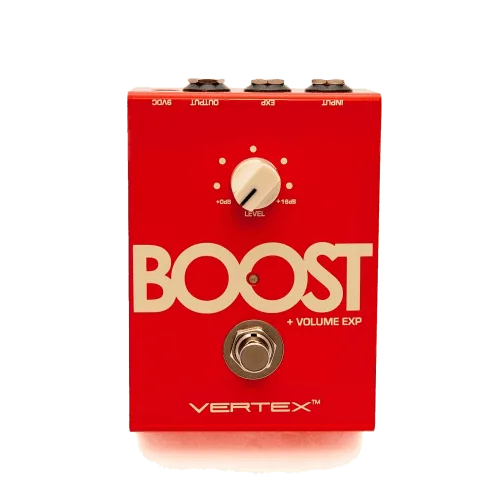
The Vertex Boost shows how far the format can stretch. Vertex describes it as "a clean boost, buffer and volume pedal in one," and when the boost is off, an attached expression pedal "will function as a volume pedal (sweeping from silent to unity gain)"23. The same pedal also carries "an ultra-linear buffer to condition your line with ZERO tonal coloration, even with dozens of pedals in the chain"23. That is the boost idea taken to its logical end: level control, signal conditioning, and volume, all in one box.
Clean, treble and mid boosts
Not every boost raises every frequency equally, and the differences between the three main varieties matter more than the shared "louder" label suggests.
Clean boost
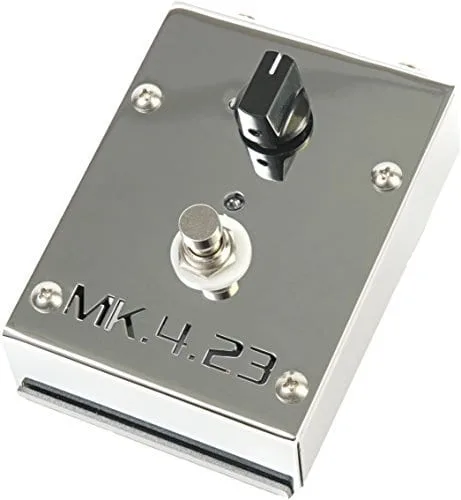
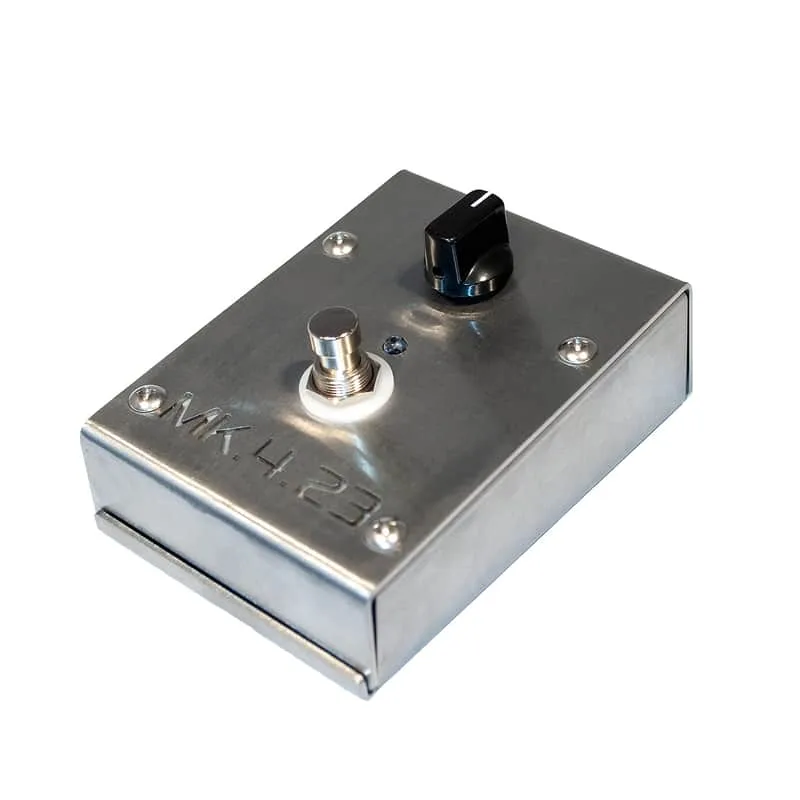
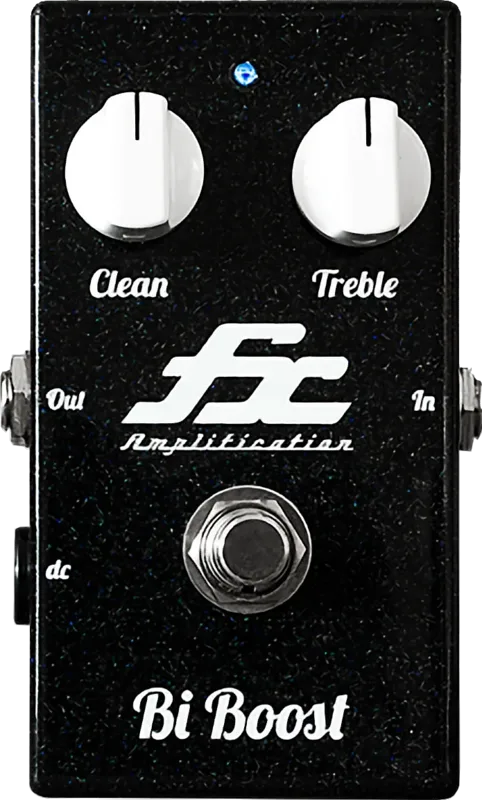
A clean boost aims to raise the level of the whole signal without changing its balance. Creation Audio Labs describes its MK.4.23 Clean Boost in the strongest terms: "Simply put, this is the cleanest, quietest and most sonically transparent boost pedal out there"2425. Transparency is the design goal: your guitar still sounds like your guitar, your amp still sounds like your amp, only louder. Fromel Electronics calls its Up! a "very versatile clean boost"26, and Griffin Effects sells a clean boost module for builders and pedal modifiers, used "when we modify pedals that need a volume control and/or have low output"27. Truetone's Clean Boost is another entry in the straight-boost category28.
Treble and mid boost
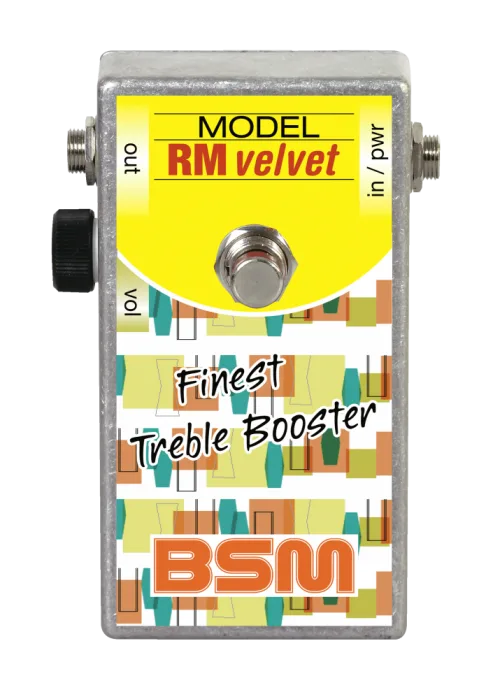
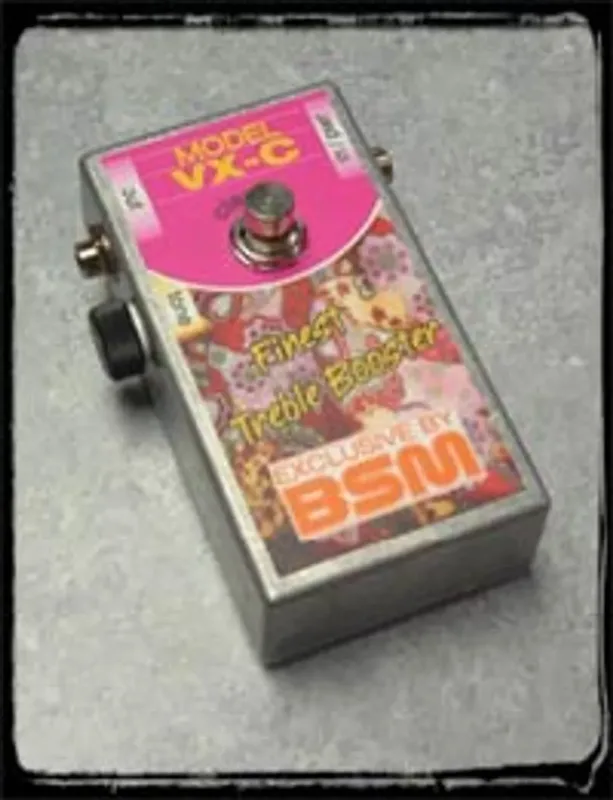
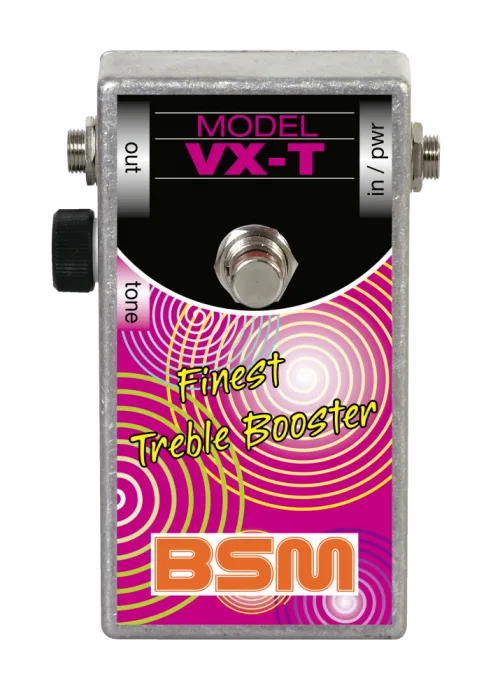
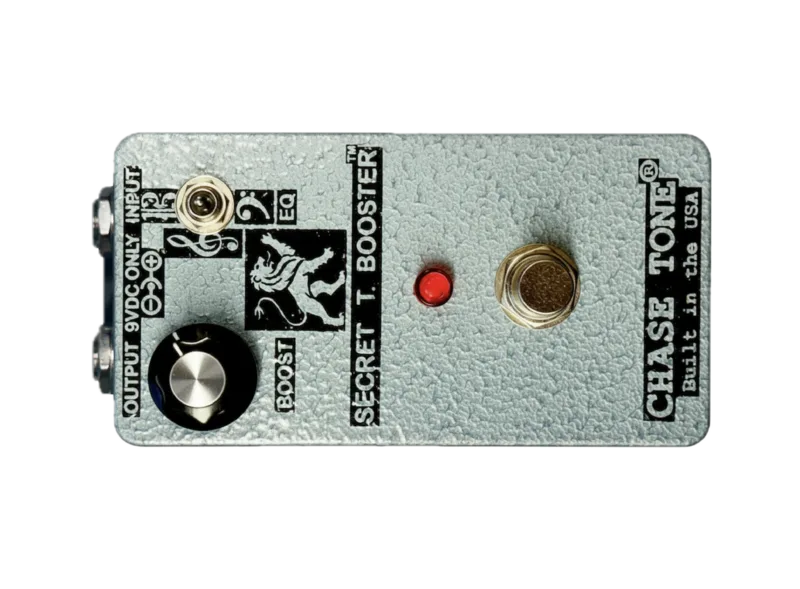
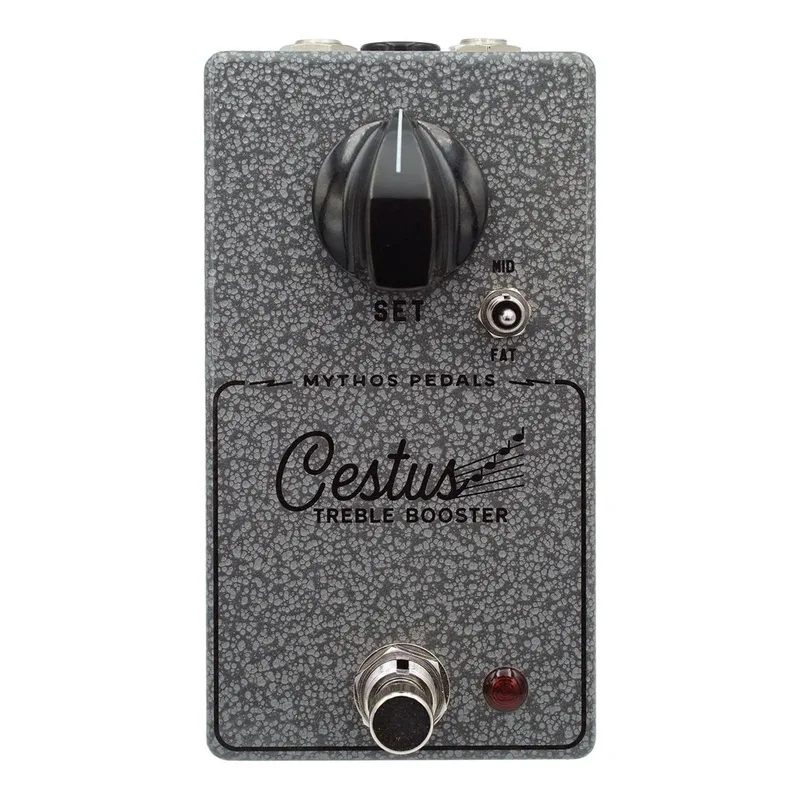
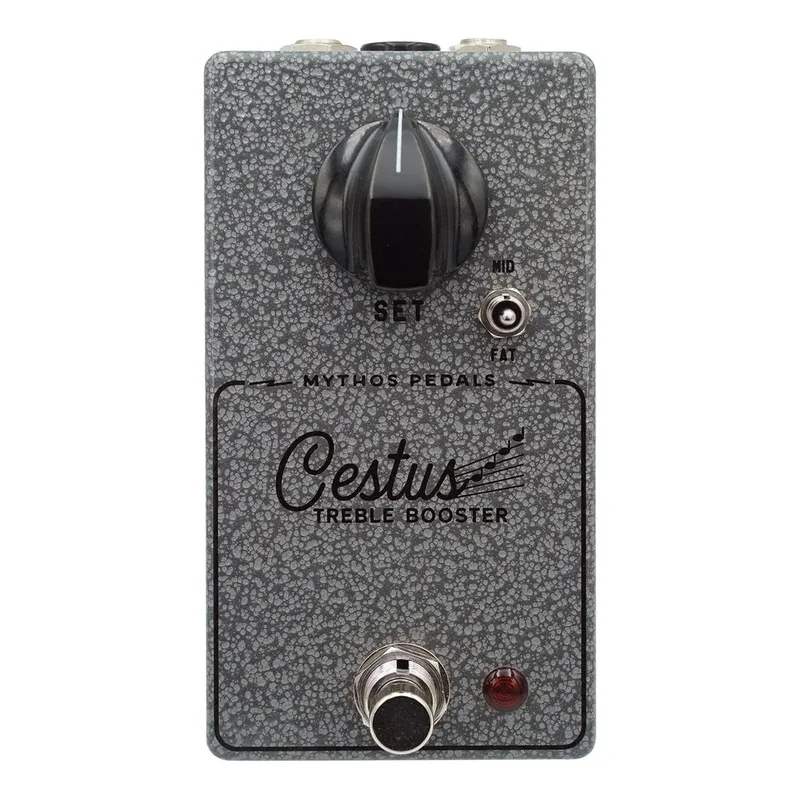
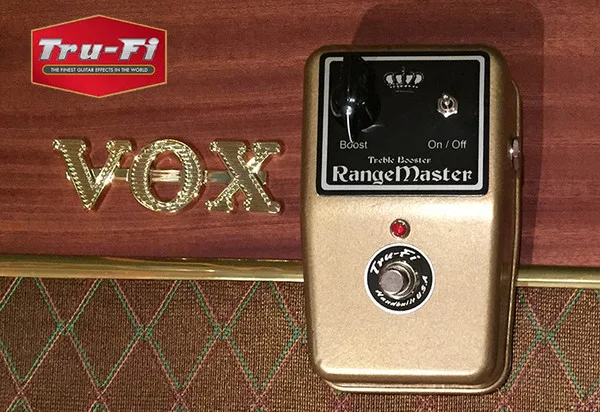
A treble booster deliberately does change the balance. Chase Tone describes its Secret T. Booster as "a midrange & treble-focused signal booster"11. Where a clean boost hands the next stage a bigger copy of the same signal, a treble booster hands it a bigger, brighter signal, one with the lows relatively reduced and the highs pushed forward. Into an amp already working hard, that brighter signal drives the upper frequencies into clipping first, which is why treble boosters are associated with cutting, driven tones rather than with flat volume lifts.
A mid boost works on the same principle in a narrower band. Instead of lifting the whole signal, it raises the middle frequencies, where a guitar sits in a band mix. A boost focused there helps a part stand out without simply being louder than everything else, which is why some players reach for a mid boost when a clean boost would just push the whole mix up.
Boost combined with other effects
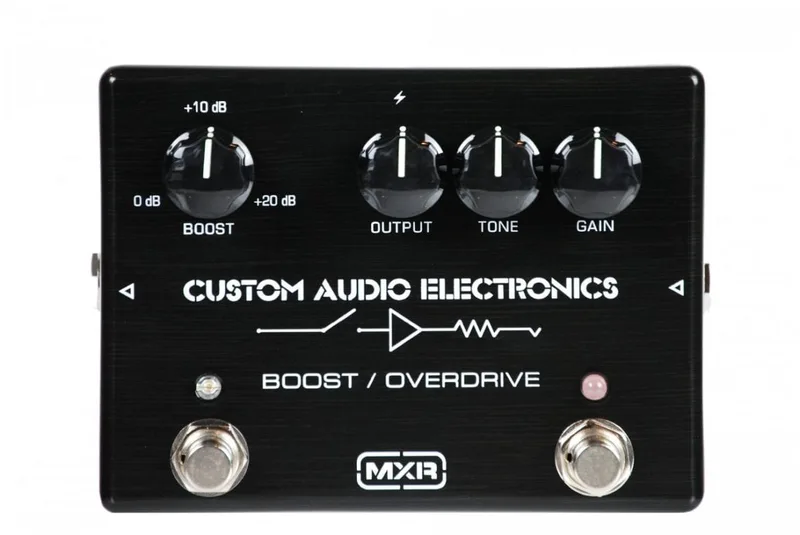
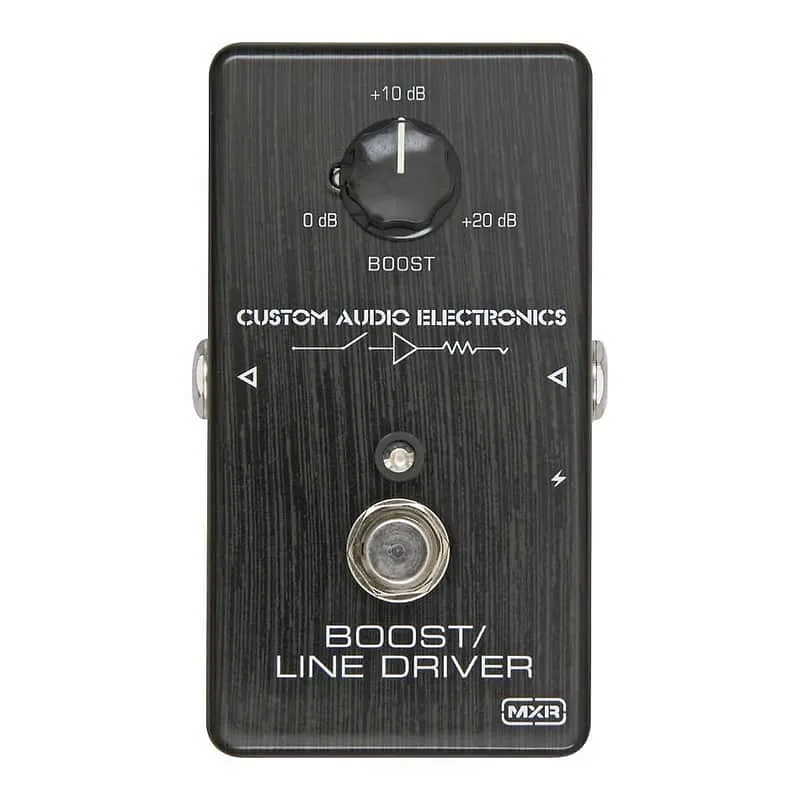
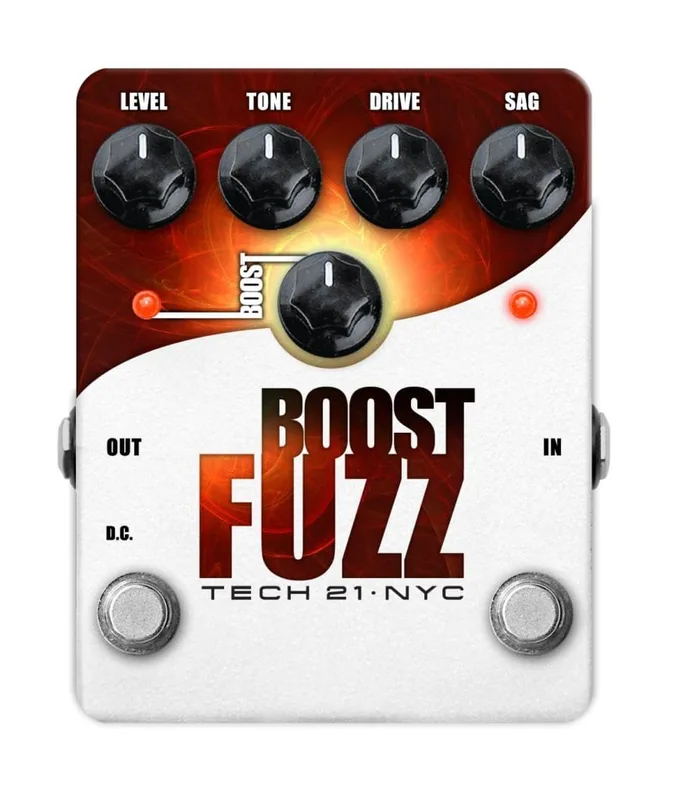
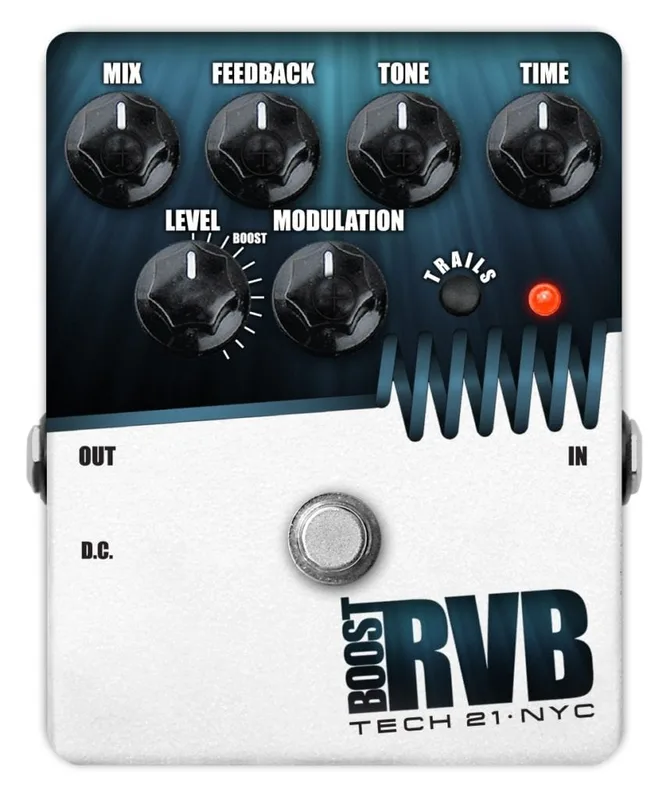
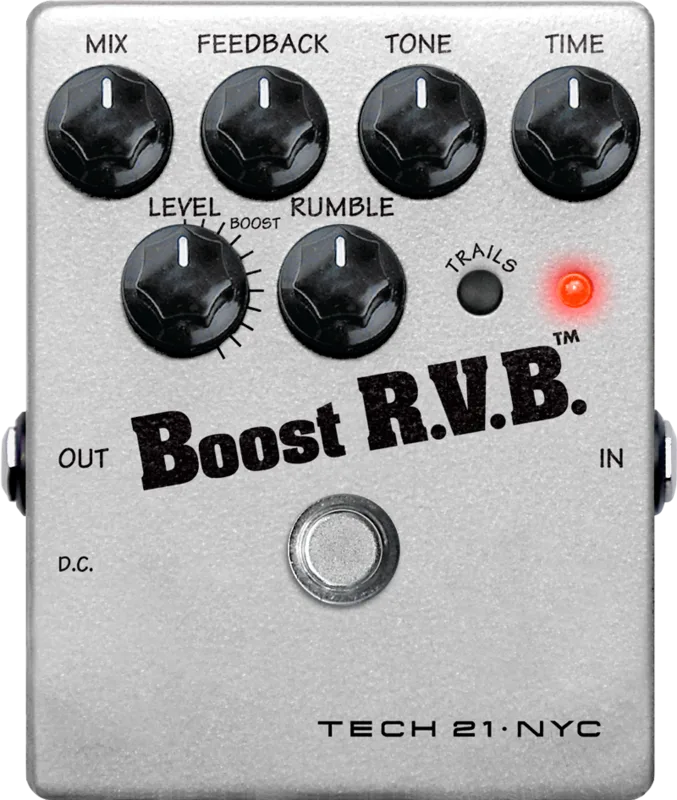
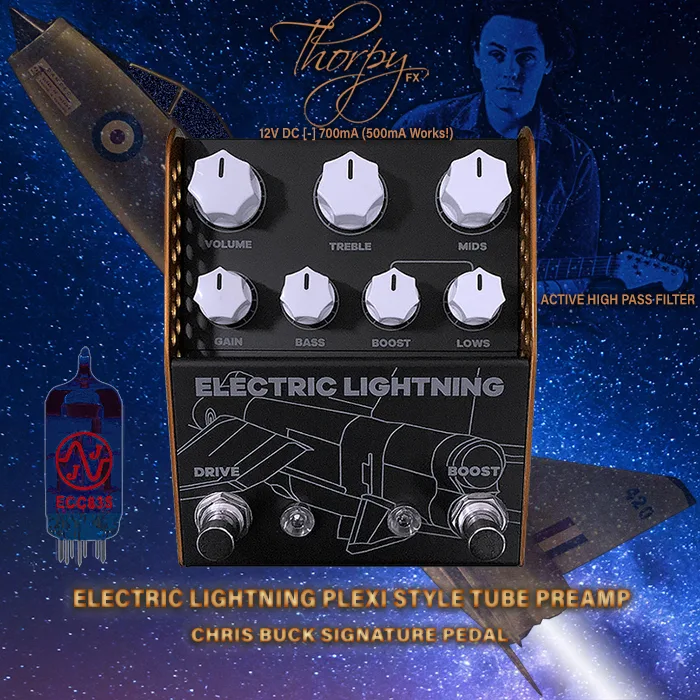
The boost circuit also turns up inside other pedals, where it does the same job in a smaller role. Tech 21's Boost RVB "uniquely combines reverb and clean boost, up to 9dB, in one pedal"29. ThorpyFX's Dan Solo Booster is "a stand-alone pedal identical to the final 'Solo' section found on the Cogmeister"30, a boost lifted out of a larger design. And the MXR CAE Boost/Overdrive "combines the popular Boost/Line Driver circuit with a punchy, dynamic overdrive circuit," offering "an independent clean boost circuit" alongside the drive in one compact pedal31.
Boosting without clipping
The design problem at the heart of every clean boost is headroom: the circuit must be able to deliver its full gain without the amplifier stage inside the pedal itself running out of room and clipping. A boost that distorts on its own is an overdrive with bad manners. This is why makers of clean boosts talk about transparency and headroom in the same breath. Creation Audio Labs' claim of the "cleanest, quietest and most sonically transparent boost pedal out there"24 is a claim about exactly this: enough internal headroom that 20dB of gain comes out the other end as a bigger copy of the input, not a reshaped one.
The buffer question is part of the same story. A long cable run or a big pedalboard loses high end and level; a buffer counteracts that. The Vertex Boost's "ultra-linear buffer" with "ZERO tonal coloration, even with dozens of pedals in the chain"23 is the two jobs in one box: the buffer keeps the line healthy, and the boost adds level on top of a healthy line. The MI Audio Boost'N'Buff, "a booster and a buffer pedal that should be an essential on every pedal board"19, makes the pairing explicit in its name.
It is worth being clear about what "clean" promises. A clean boost does not promise that nothing in your rig will distort. It promises that the boost itself will not be the thing distorting. Push a clean boost into a tube amp running at the edge of breakup and the amp will break up, exactly as intended.
What the controls do
Boost pedals run from one knob to a full control set, and the range is a real design choice, not just a price difference.
| Control | What it does |
|---|---|
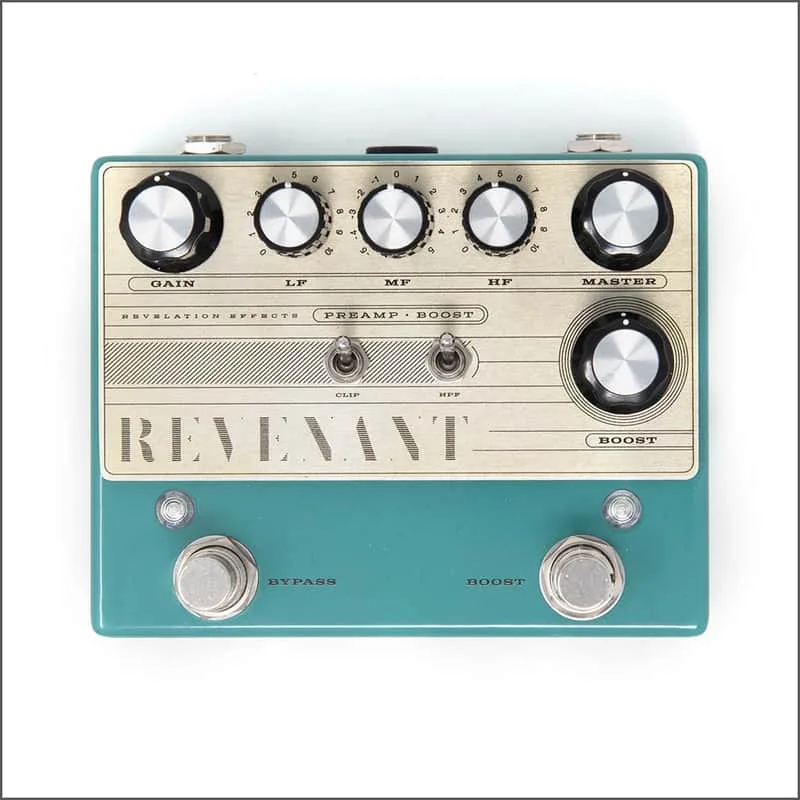
| Level / Gain / Boost | Sets the amount of boost, up to the pedal's maximum gain |
| Tone / EQ | Shapes the frequency balance of the boosted signal |
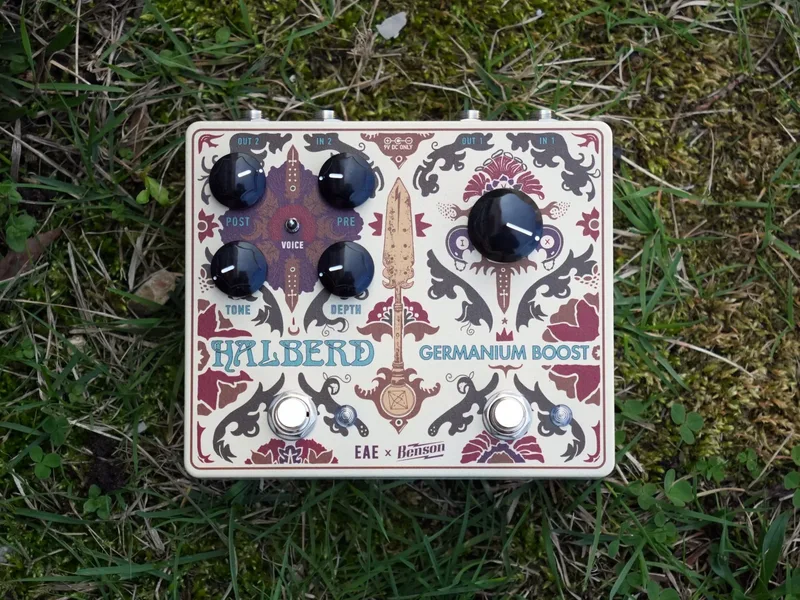
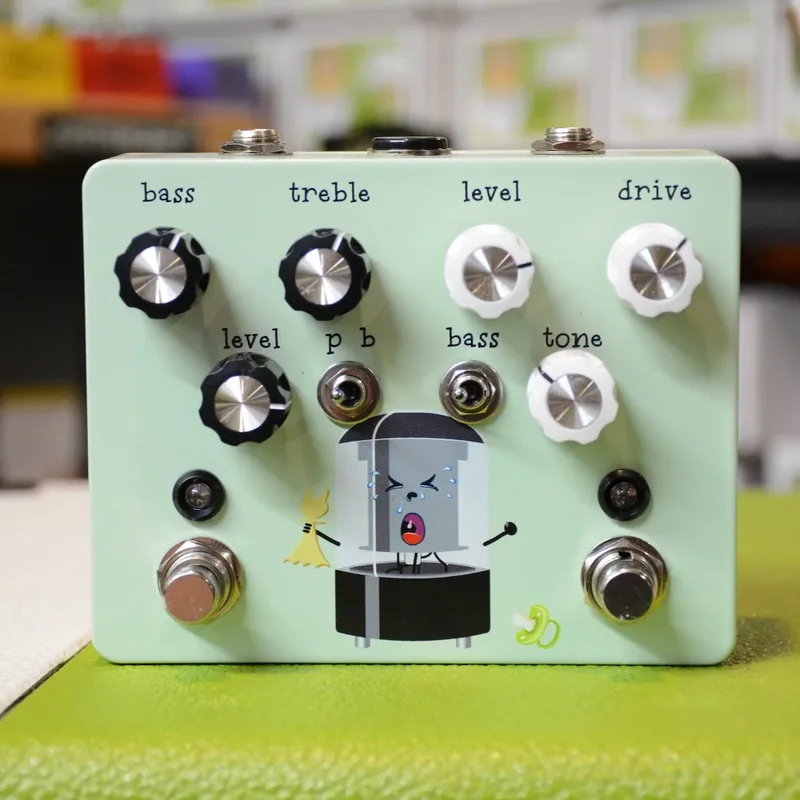
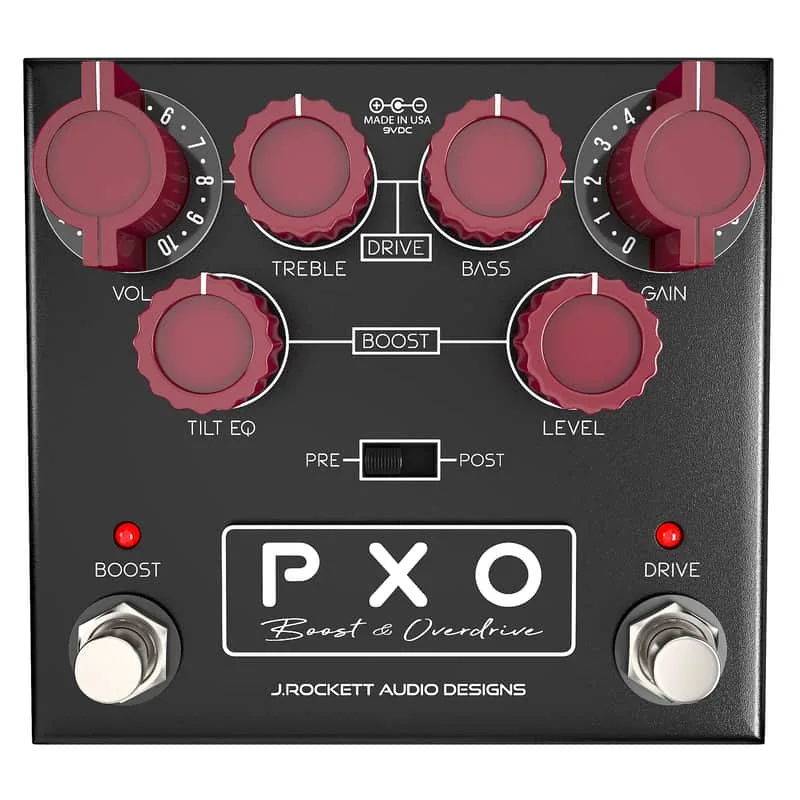
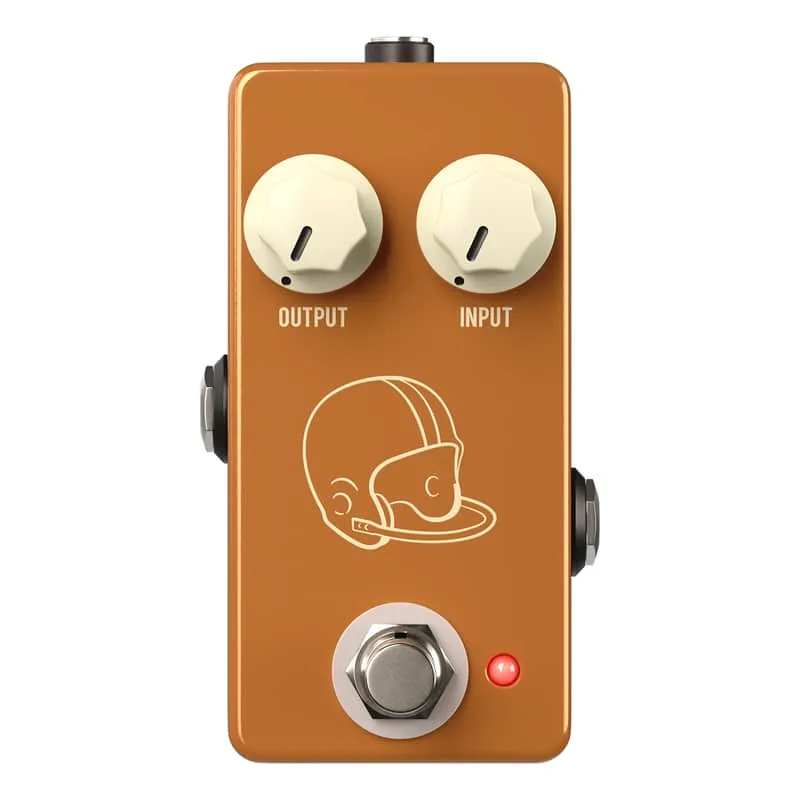
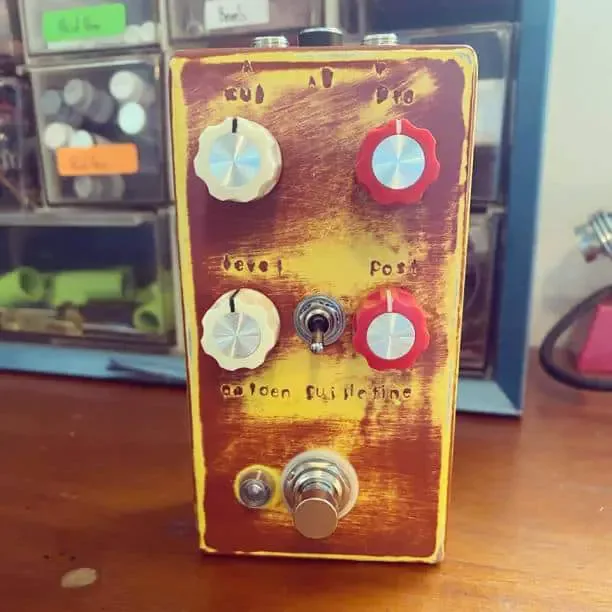
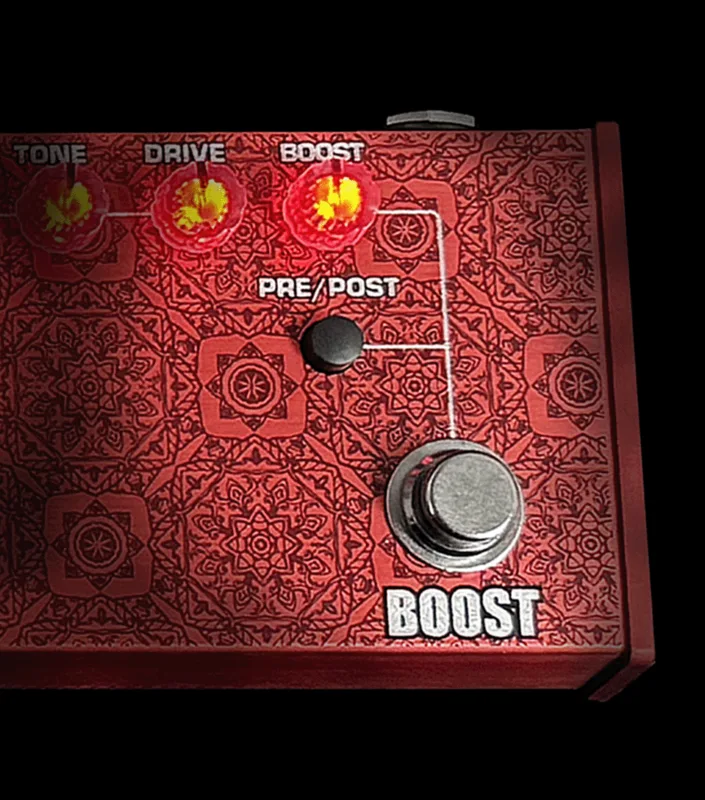
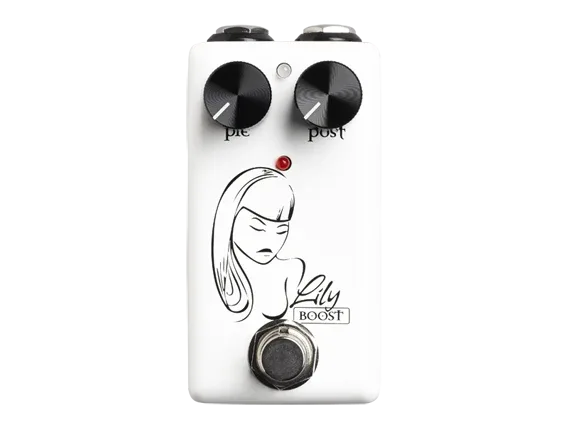
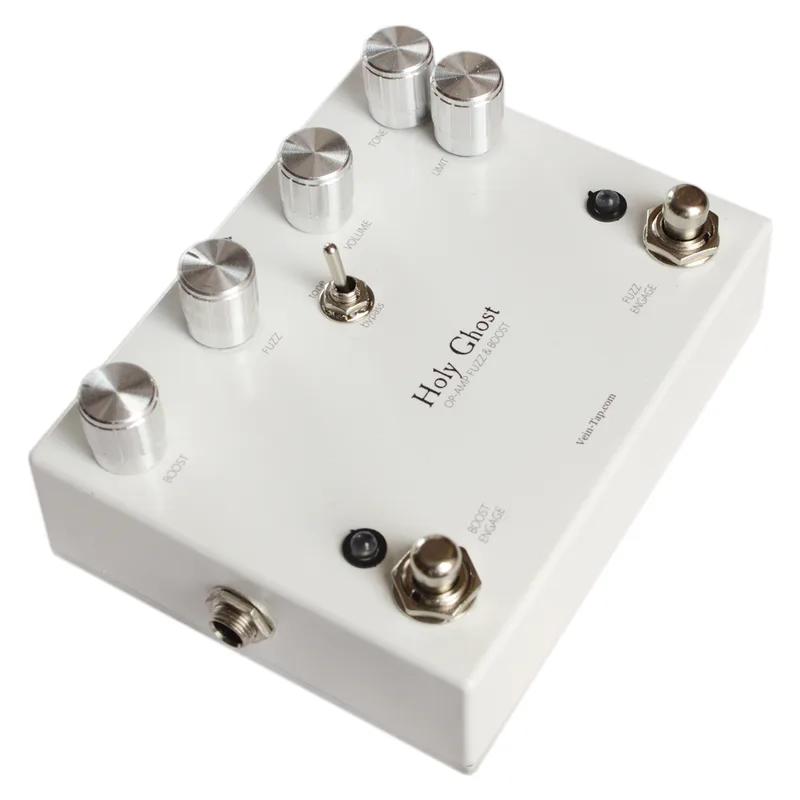
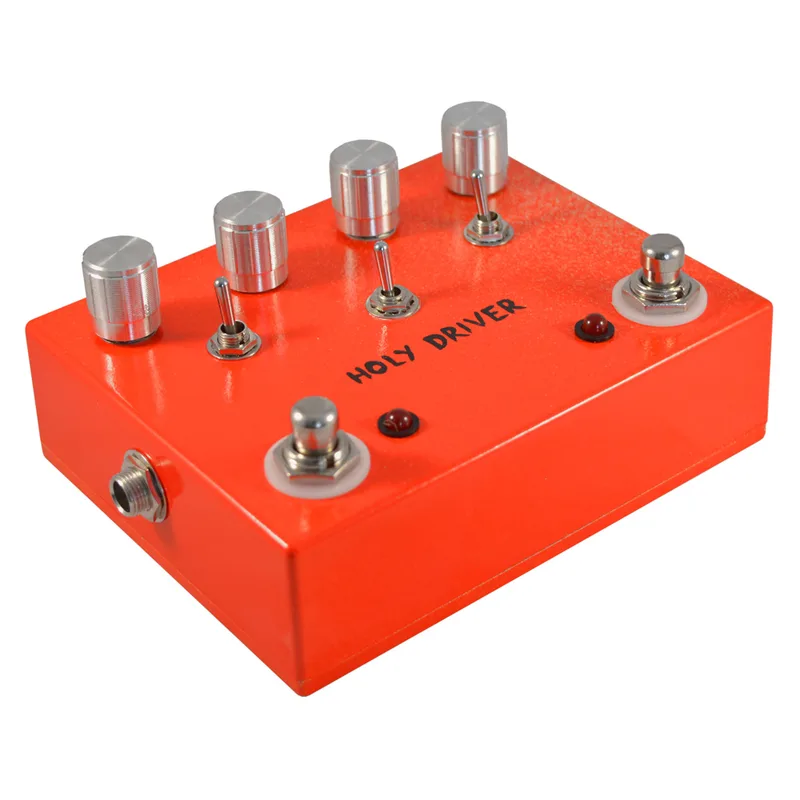
| Pre / Post | Chooses whether the boost feeds the overdrive or the overdrive feeds the boost, as on the Holy Driver8 |
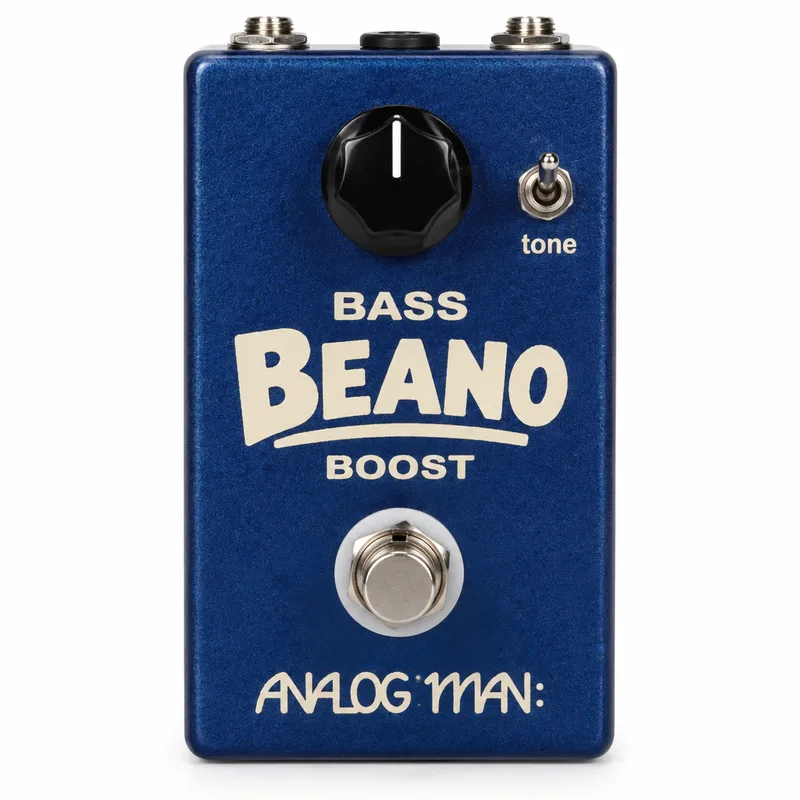
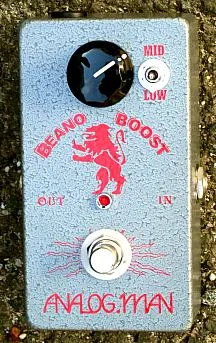
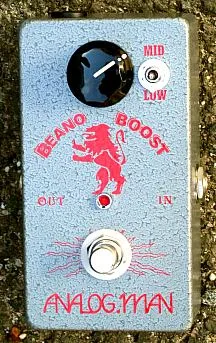
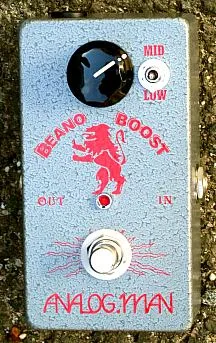
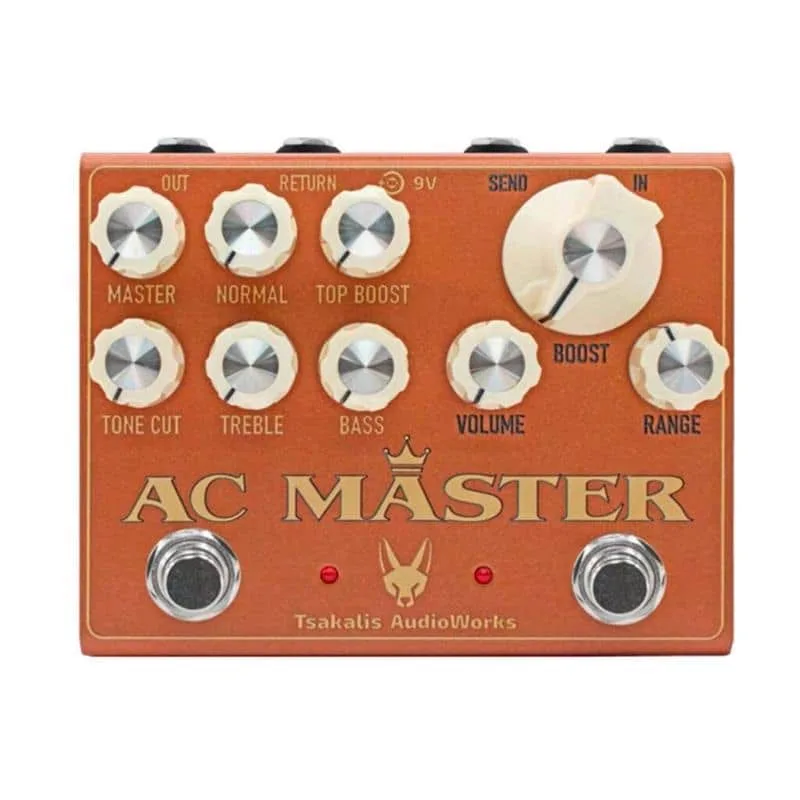
The one-knob end of the range is represented by the Oneder Boost, "a tiny, one-knobbed pedal"6 whose single control handles both of its boost levels. At the other end, the Analog Man Beano Boost ships with a full manual covering its setup and use32. More knobs mean more control over which frequencies get lifted and by how much; fewer knobs mean less to think about mid-song.
Before or after drive in the signal chain
Placement is the biggest single decision with a boost, because the same pedal does two different jobs depending on where it sits.
Boost before overdrive
Vein-Tap's guide to boost and overdrive ordering states the before case directly: "putting a boost pedal before an overdrive pedal will make it so when the boost is engaged, your tone will stay roughly the same volume" but sound more overdriven8. The boost raises the level hitting the overdrive's input, so the overdrive works harder and produces more drive, while the overall volume stays close to where it was. This is the "more gain, not more volume" position, and it is how a boost adds a gain stage to a drive sound you already like.
Oneder Effects describes the same use for its boost: "Add another gain stage (or two) to another dirt pedal by putting the Oneder Boost first"6. Analog Man gives the same advice for the Beano Boost, saying it "should be before other drive/dirt pedals to wake them" up, and noting that this placement also keeps noise low33.
Boost after overdrive
The after case is the mirror image: "when the boost is after the overdrive, you'll notice about the same level of overdrive, but the signal will be louder"8. The drive character stays put and the level jumps, which is the classic solo boost. Oneder Effects names this use too: "use it for a solo boost by putting it" later in the chain6.
Two boosts, and the wider chain
Vein-Tap also points out that "there's nothing stopping you from putting two boost pedals on your pedalboard, one before your drive stage and one after" or in the FX loop8. Some pedals build the choice in: the Holy Driver "has a Pre / Post switch in the pedal itself which lets you choose whether the boost cascades into the overdrive, or vice versa"8.
For the chain around the boost, BOSS's signal-chain guide places a wah "directly after the tuner and before the drive section," and modulation effects "after the drive section, though positioning is not set in stone"34. Delay pedals go "after distortion for cleaner and more even repeats," before reverb34. A boost slots into the drive section itself, or after it, or in an amp's FX loop, depending on which of its two jobs you want.
Boost, overdrive and distortion: where the lines sit
The boundaries between the three categories are about gain and intent. A boost amplifies, with a typical 20dB of gain, and is designed to stay clean4. An overdrive is a clipping circuit voiced to respond like a working tube amp. A distortion is a clipping circuit with far more gain, 60dB or 70dB in Strymon's example4, and a more aggressive voice.
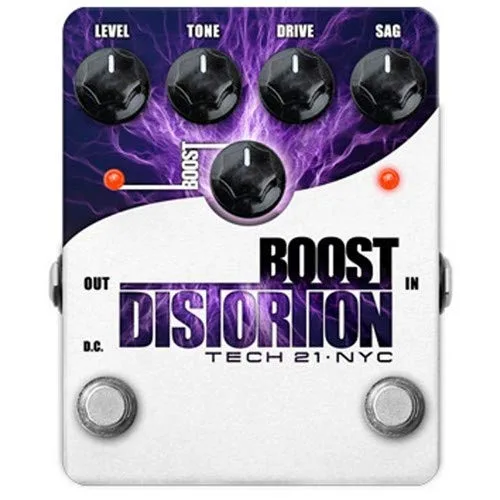
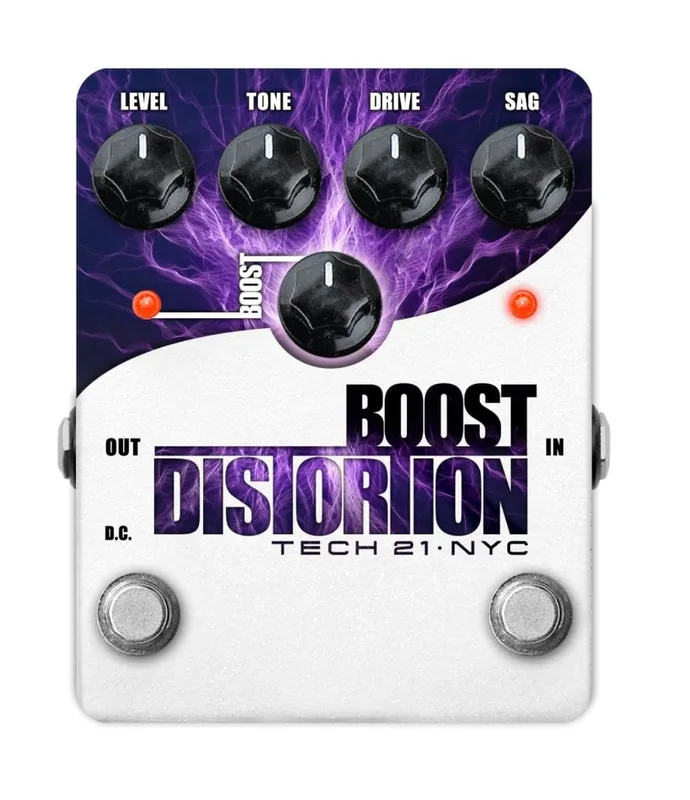
The categories also borrow from each other. Vein-Tap notes that you can "crank the volume and back off the gain of a distortion pedal and you get a kind of dirty boost"35, a distortion used outside its intended role. The same guide adds a voicing warning for that trick: "Make sure you've got those mids good and boosted for this: if a distortion used as a boost is too bassy, your tone will" get swallowed by the bass and kick drum35. Tech 21's Boost Distortion sits deliberately on the line, a distortion pedal that "delivers that fast punchy tone"29. And the MXR CAE Boost/Overdrive simply puts both circuits in one box31.
Questions to ask when choosing a boost
The questions that actually separate one boost from another:
- Clean, treble or mid? Decide whether you want the whole signal lifted, or the mids and highs focused, before comparing circuits911.
- Before or after your drive? If the boost will feed an overdrive, its interaction with that pedal matters more than its own voice; if it will sit after, transparency matters most36537.
- What are you plugging it into? Analog Man notes that the Beano Boost "is often used with Humbuckers and British amps, if that is your setup you will be thrilled by the tones of this pedal"33. A boost's behavior depends on the pickups and amp around it.
- How many knobs? One knob, as on the Oneder Boost6, or a fuller control set?
- Do you also need a buffer? Some boosts, like the Vertex Boost23 and the MI Audio Boost'N'Buff19, condition the line as well as lifting it.
Questions
Does a boost pedal add distortion?
A boost pedal itself is built to make the signal louder rather than to clip it, typically with around 20dB of gain. It can still create distortion indirectly: placed before an overdrive or a cranked amp, the extra level pushes that gain stage harder. Some pedals, like the MXR CAE Boost/Overdrive, deliberately combine a clean boost with an overdrive circuit.
Should a boost go before or after an overdrive?
Before the overdrive, the boost raises the level hitting the drive circuit, so the tone sounds more overdriven at roughly the same volume. After the overdrive, the drive level stays about the same but the signal gets louder, which suits a solo boost. Some players run two boosts, one before the drive section and one after or in the FX loop.
Can a boost pedal be used for solos?
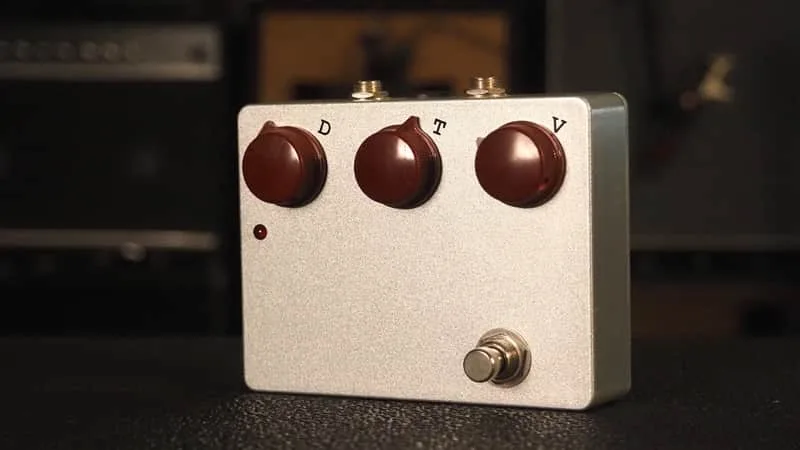
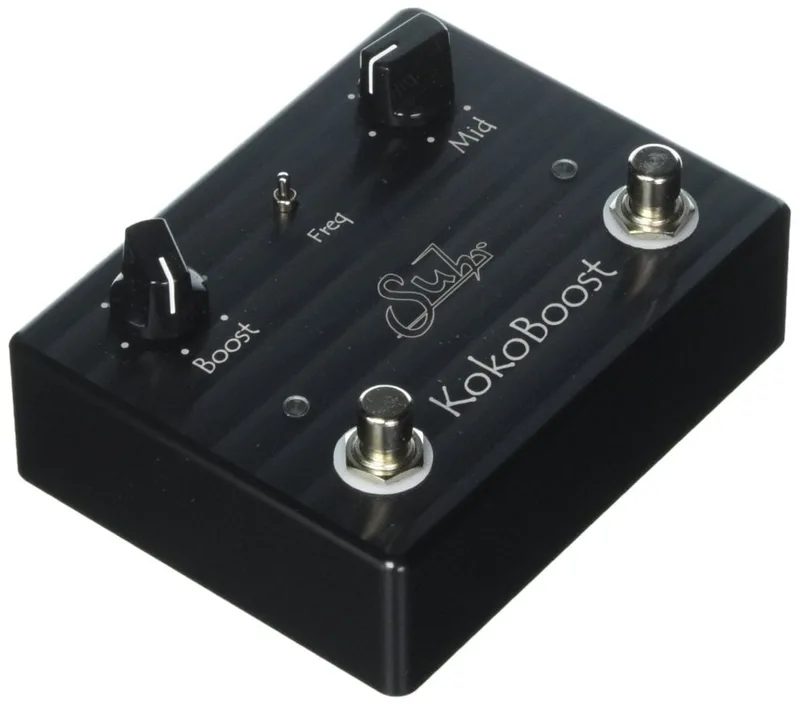
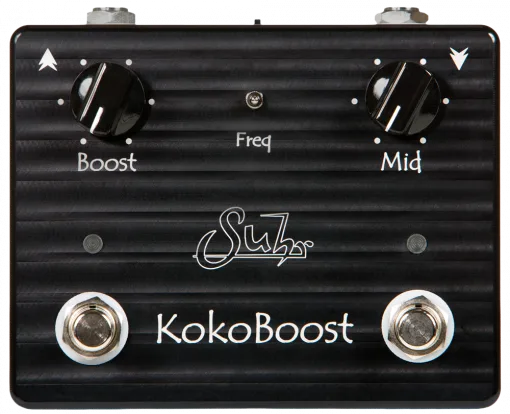
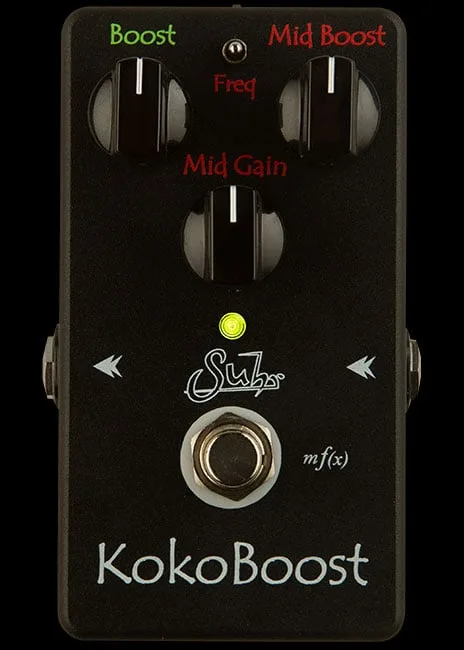
Yes. A boost after your drive section lifts the signal above the mix without changing the drive character, which is the classic solo boost. Pedals like the ThorpyFX Dan Solo Booster exist specifically for this job, and the Suhr Koko Boost pairs a clean boost with a selectable midrange boost to help a solo cut through.
What is the difference between a clean boost and a treble booster?
A clean boost aims to raise the whole signal without changing its tone, keeping the character of your guitar and amp intact. A treble booster, like the Chase Tone Secret T. Booster, focuses on the midrange and treble frequencies, brightening the signal and pushing an amp into a more cutting, driven sound.
Is a boost pedal the same as an overdrive?
No. A boost pedal amplifies the signal, typically with around 20dB of gain, and is designed to stay clean. An overdrive is a gain stage built to clip the signal, often with far more gain available. Some pedals combine both, such as the MXR CAE Boost/Overdrive, which puts an independent clean boost circuit alongside a dynamic overdrive.
Sources (37)
- SBO-20 | Booster Pedal | CNZ Audio, CNZ Audio
- Hydra Boost, Carl Martin, 2026
- BCC PEDALS BCC-STEELPARK Boutique Effect Pedal, Laney Amplification
- Single Stage and Multistage Gain Topologies, Strymon (www.strymon.net), 2017-03-08
- Guide to Overdrives, Distortions, and Boost Pedals, Premier Guitar, 2016-02-22
- Oneder Boost (Bread), Oneder Effects
- PRESTIGE, JHS Pedals
- Boost Before Overdrive or Overdrive Before Boost?, Vein-Tap.com, 2016-06-13
- Four Types Of Booster: Which One For You?, That Pedal Show, 2016-05-13
- Dan Armstrong™ Red Ranger™ Clone: Treble Booster PCB & Schematic, generalguitargadgets.com, 2015-09-03
- SECRET T. BOOSTER™, Chase Tone
- Coda Effects, Coda Effects, 2015-05
- Booster Shot, Ashdown Engineering
- Banana Boost by JHS, RockBoard (PedalPedia), 2026
- Flex Boost_MOOER Audio, MOOER Audio
- Litho Boost by Alexander Pedals, RockBoard PedalPedia, 2026
- Luxury Drive Boost, Mythos Pedals
- Boost-1 | Anasounds, Anasounds, 2022-06-22
- Store | MI Audio, MI Audio, 2020-04-11
- NEW RELEASE KFC AND DR. NO EFFECTS "CRYSTAL BOOST"!, Dr. No Effects, 2017-08-30
- Boosted Fuzz by Southampton Pedals, RockBoard PedalPedia, 2026
- What does a guitar boost pedal actually do?, Guitar.com, 2024-04-03
- Vertex Boost, www.vertexeffects.com
- MK.4.23 Clean Boost, Creation Audio Labs
- Guitar Audio News, Tips & Tricks from Creation Audio Labs, Creation Audio Labs
- Up! Clean Boost Pedal, Fromel Electronics
- Clean Boost Module, Griffin Effects
- V2 Truetone Clean Boost, Truetone, 2026
- Boost RVB, Tech 21 NYC, 2019-05-04
- Dan Solo Booster, ThorpyFX
- MXR® CAE BOOST/OVERDRIVE, Dunlop (jimdunlop.com)
- BeanoManual2020.pdf, Analog Man Guitar Effects, 2020-10
- aNaLoG.MaN Beano Boost treble booster effects pedal, aNaLoG.MaN (analogman.com), 2025
- The Ultimate Guide to Guitar Effects Pedal Order and Signal Chain, BOSS (articles.boss.info), 2023-03-01
- Why Put a Distortion Pedal Before a Distorted Amp?, Vein-Tap.com, 2016-09-10
- Need a lift in signal? Boost pedals explained, Guitar.com, 2025-08-28
- How to build a guitar pedalboard, Guitar World, 2019-07-31